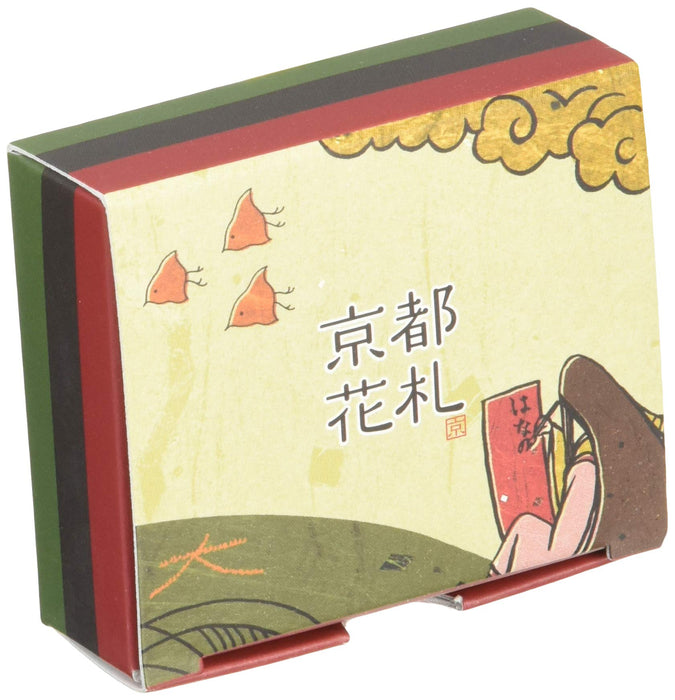
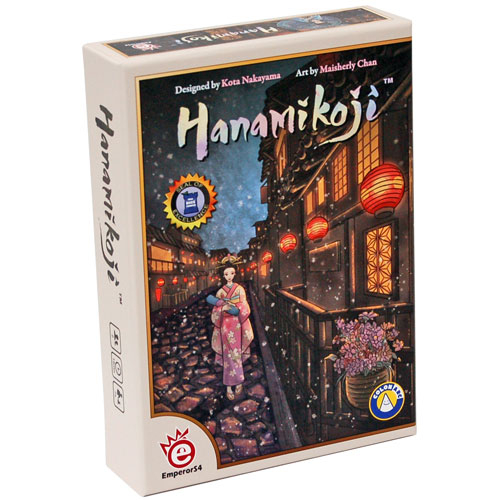
Hanafuda Cards — Mario (Red)
Where Nintendo began (1889) · the most-recommended starter hanafuda
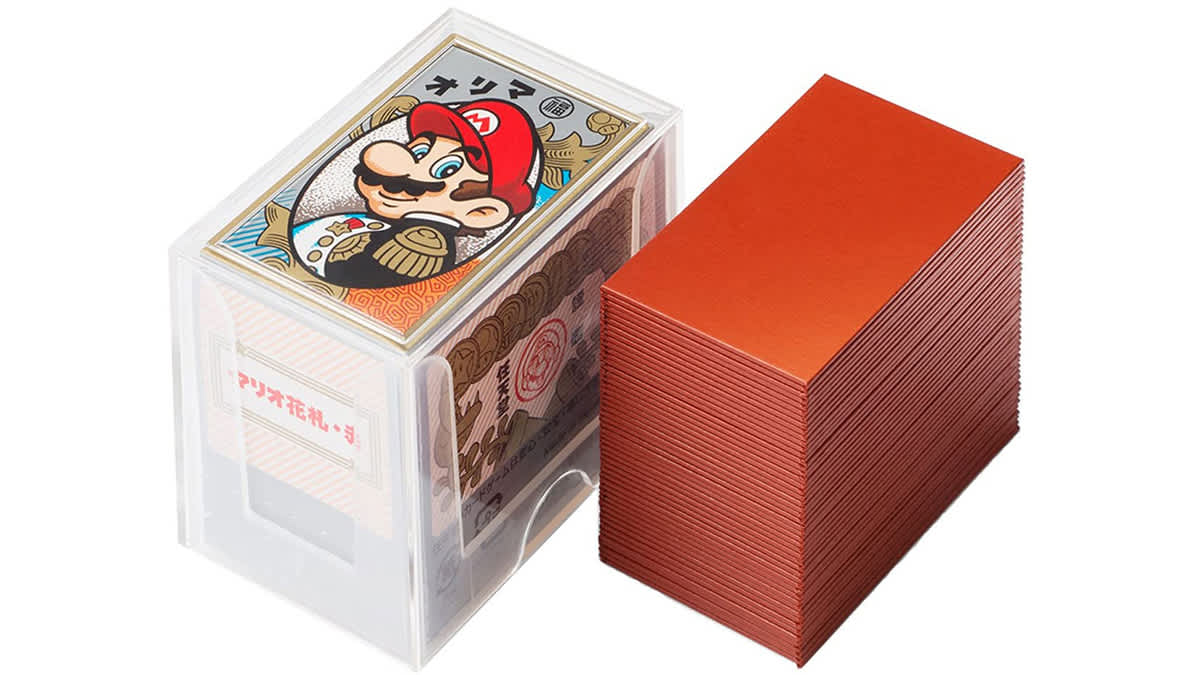
The stiff little flower cards Nintendo printed in 1889 — long before any screen — now wearing Mario. The friendliest doorway into Koi-Koi there is: real 48-card hanafuda, with a hard case and beginner instructions.
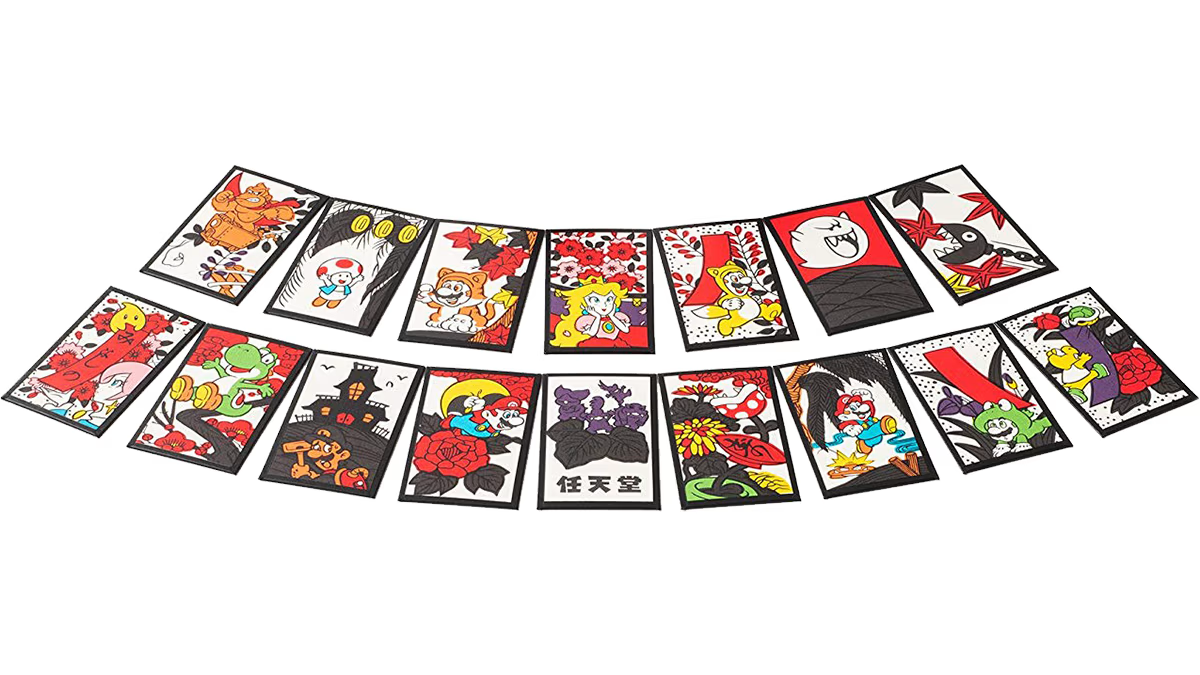
A closer look — 1 photos from Nintendo
The story
Before the Game Boy, before Donkey Kong, Nintendo printed flowers. Founded in Kyoto in 1889 by Fusajiro Yamauchi, the company made its name on hanafuda — 'flower cards' — and has never once stopped selling them. Each of the 48 cards belongs to one of twelve months, painted as that month's bloom: pine for January, plum for February, cherry blossom for March, on through the paulownia of December. The Mario edition simply wraps that 130-year lineage in a face every household already knows.
How to play
Koi-Koi is the game most people mean when they say 'hanafuda' — two players, gorgeous cards, and one deliciously nervy decision: stop and score, or push your luck. Here's how it flows.
Capture cards from the table to build scoring combinations called yaku — then decide whether to bank your points, or gamble them by calling 'koi-koi' for more.
The 48-card deck has twelve suits (one per month and flower), four cards each, in four types: brights, animals, ribbons, and plains. Deal 8 cards to each player and 8 face-up to the table (the 'field'); the rest form a face-down draw pile.
- Match from your handFind a card in your hand whose month matches a card on the field, and capture both into your pile. No match? Lay one of your cards face-up onto the field.
- Flip the top cardTurn over the top card of the draw pile. If its month matches a field card, capture that pair too; if it matches nothing, it simply joins the field.
- Sort as you goGroup your captures by type — brights, animals, ribbons, plains — so you can always see which yaku you're building toward.
- Complete a yaku → decideThe instant your captures form a scoring combination, you reach the heart of the game: stop and score it, or call koi-koi and keep going for a bigger one.
- Play it downTurns alternate until someone stops on a yaku, or both hands run out (a scoreless draw). Play the agreed number of rounds — often twelve, one per month — and the highest total wins.
- Gokō (Five Brights) — all five bright cards — the crown jewel, around 10 points
- Sankō (Three Brights) — three brights without the Rain Man — around 5 points
- Inoshikachō — the boar, deer, and butterfly animal cards together — 5 points
- Akatan / Aotan — all three red, or all three blue, poetry ribbons — around 5 points each
- Tane / Kasu — five animals, or ten plains — 1 point, plus one more for every extra card
When you complete a yaku you must choose: call 'shōbu' to stop and bank everything you hold, or call 'koi-koi' to play on for more. Go on to score and the bigger total is yours (and totals of seven-plus often double) — but if your opponent lands a yaku first after you've called, they take the round and you score nothing. That knife-edge is the whole soul of the game.
Early on, bank the small yaku. Calling koi-koi hands your opponent a chance to scoop the entire round, so only push your luck with a strong, near-complete set and few cards left to lose.
Why players love it
Hanafuda has had a quiet renaissance — part nostalgia, part the sheer beauty of the cards, part Nintendo leaning fondly into its own origin story. The game people reach for first is Koi-Koi: fast, seasonal, gorgeous, and just deep enough to argue about afterward. It's the rare 'learn in ten minutes, chase for years' classic, and the Mario deck is how a great many Western players first fall in.
“This is history, art, and nerve packed into 48 cards.”— Zatu Games
“Some games feel less like play and more like poetry.”— Zatu Games
The honest verdict
- Authentic 48-card hanafuda for Koi-Koi and Hachi-Hachi
- Mario art makes a 19th-century game instantly approachable
- Genuine company-origin-story collectible
- Price gated behind add-to-cart; availability fluctuates
- Hanafuda has a real learning curve vs. Western cards
An authentic 48-card hanafuda deck with a beginner's on-ramp and a genuine piece of gaming history in the box. The cards are small and stiff — that's tradition, not a flaw — and Koi-Koi has a real learning curve, but that curve is the joy. If you've ever been curious about Japanese cards, there is no friendlier place to start.
The questions everyone asks
Carried by Nintendo. Prices and stock shift; we re-check often.
Heartfelt disclosure: an enchanted link may earn the cabinet a small commission, at no cost to you — and it never changes what we recommend.
Researched + written by the panel, 2026-06-11. 2 sources on file.