Enter with a playable product
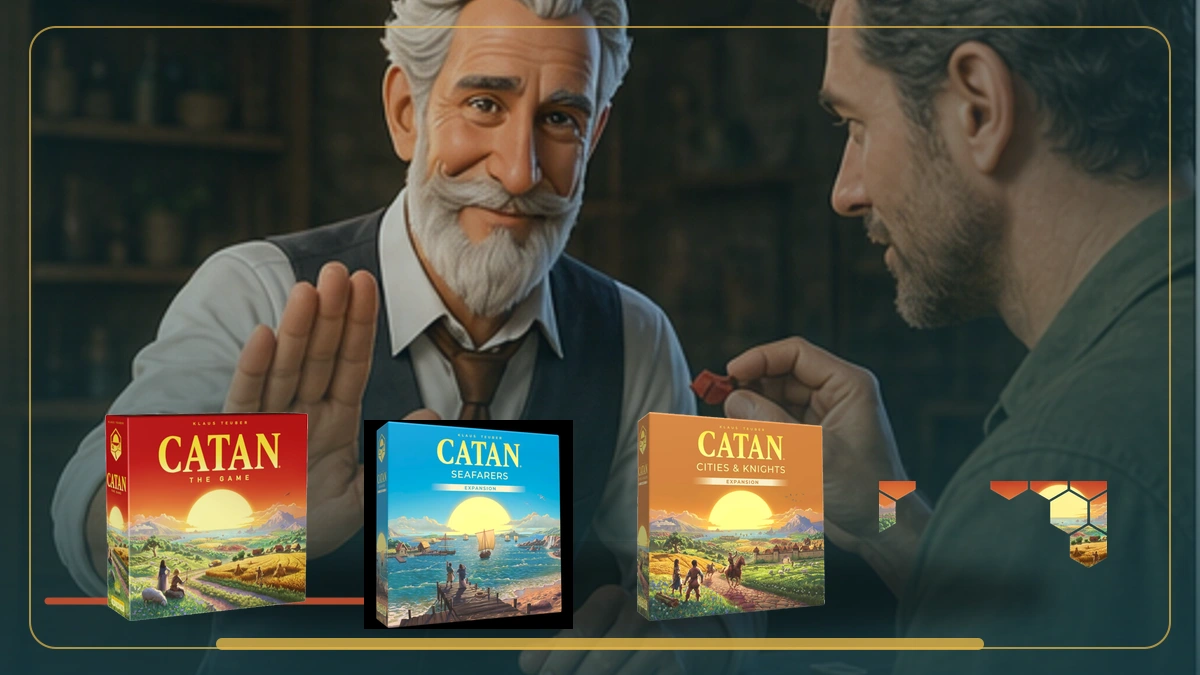
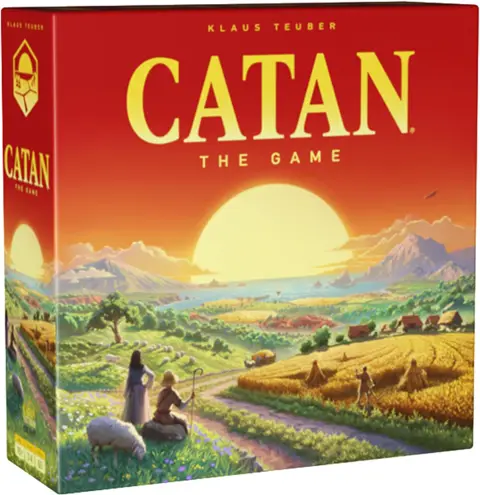
CATAN Base Game Card Accessory (6th Edition)
Start with something that creates a legal deck or a complete first session.
Exact listing · AmazonSixth Edition compatibility, player-count extensions, Seafarers, Cities & Knights, and the box that should come next.
The short answer
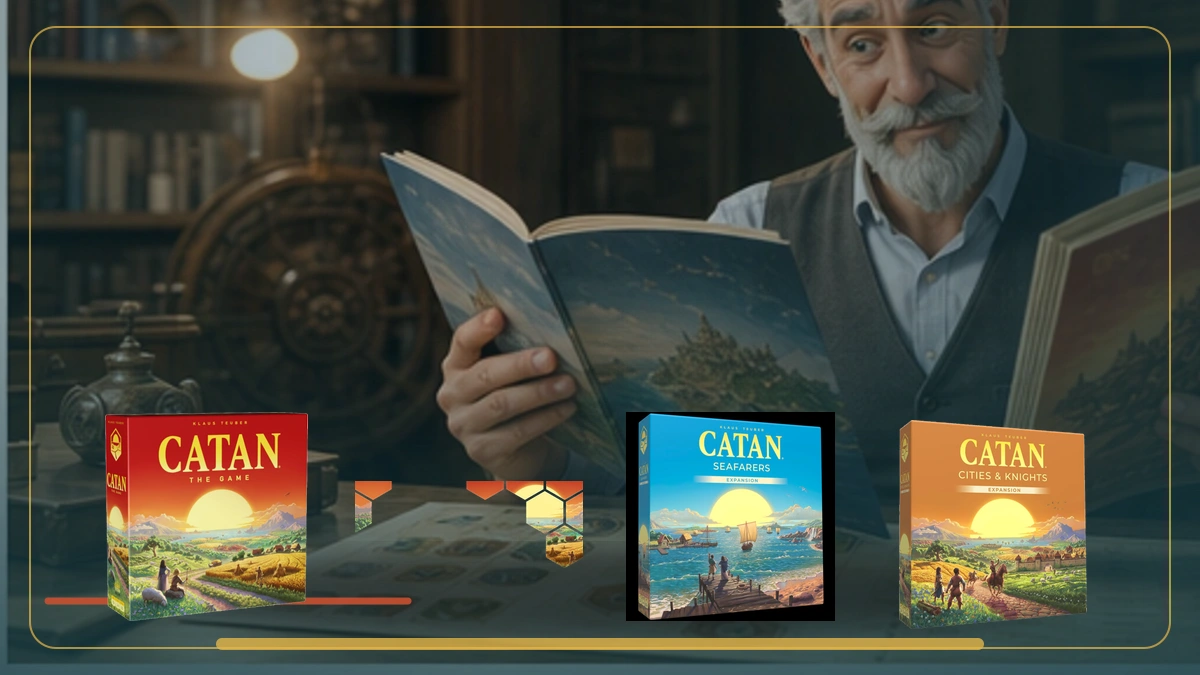
CATAN begins as a clean trade-and-settle game, then branches into larger tables, shifting maps, and much sharper strategy. This hub keeps editions compatible and gives each expansion a reason to exist.
Robert's six-stop island route
Begin with the current base game, protect edition compatibility, add player count only when needed, and choose exploration or complexity as separate branches.
This is a sequence, not a shopping list. Stop when the table is doing what you wanted.
Start
The current foundation and the cleanest route into compatible new expansions.
Open the buying orderVerify
Compatibility, visual changes, component differences, and the cost of a half-matched shelf.
Check compatibilityAdd players
It adds people and components, not Seafarers, Cities & Knights, or a standalone game.
Read the extension guideChoose
Exploration and map variety versus deeper development and a more demanding table.
Compare the expansionsExpand
Scenarios, variable maps, setup cost, and the groups most likely to keep using it.
Read the Seafarers verdictBranch
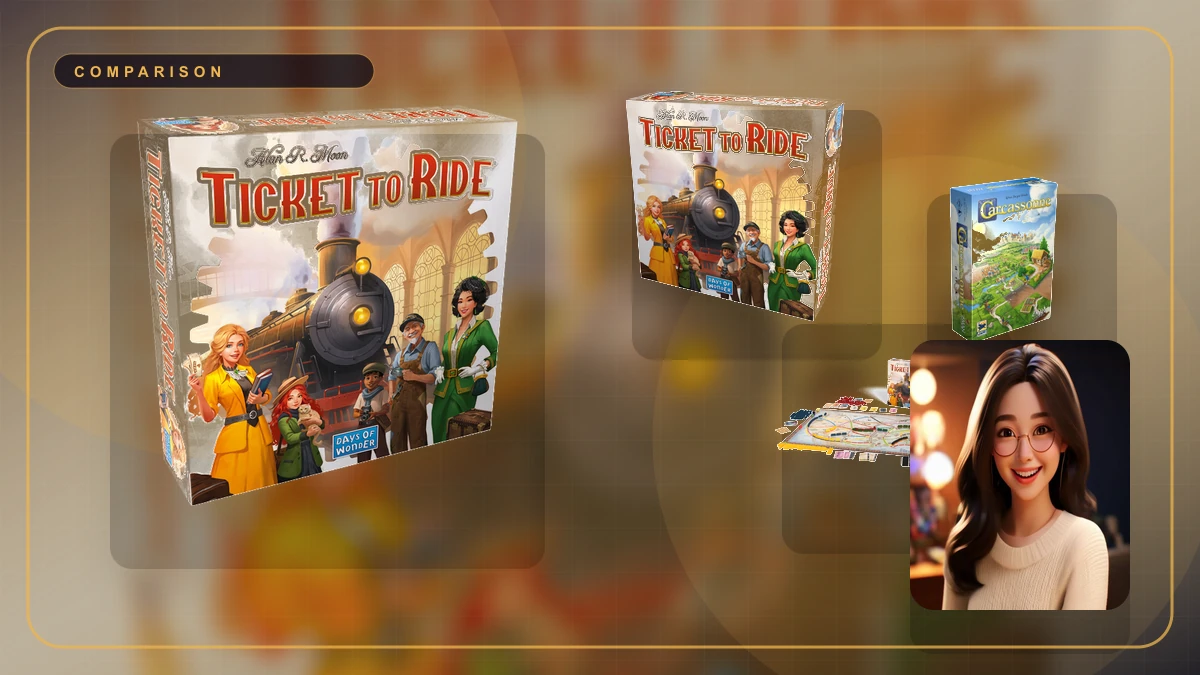
Ticket to Ride USA and Europe compared when the group wants routes without negotiation.
Compare the train tablesThe CATAN product family
These are connected decisions, not four unrelated things to buy. Begin with a playable product, expand only when the table asks for it, and protect the cards that have earned a place in your bag.
Enter with a playable product
Start with something that creates a legal deck or a complete first session.
Exact listing · AmazonExact sealed products organized by what they do, with the strongest current route leading each row.

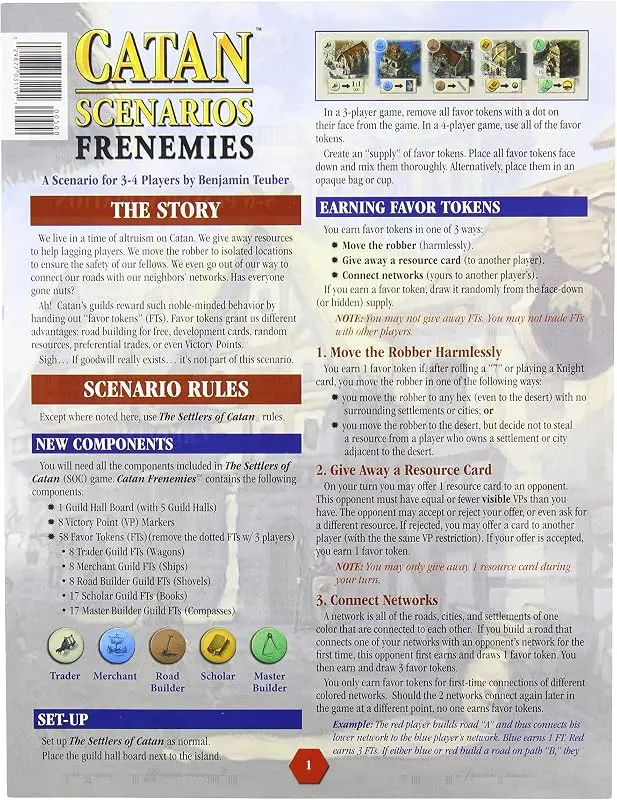

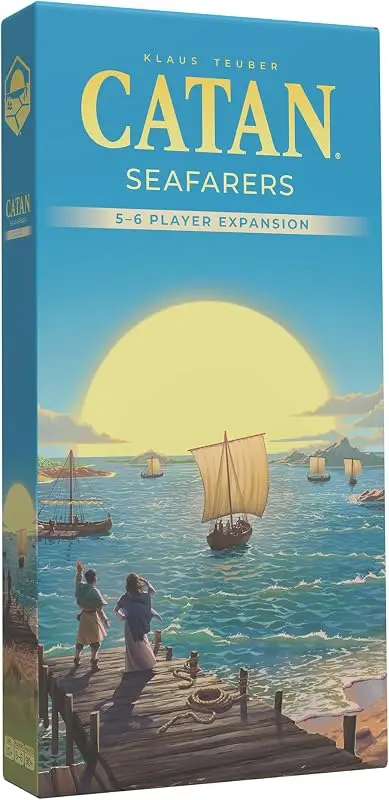
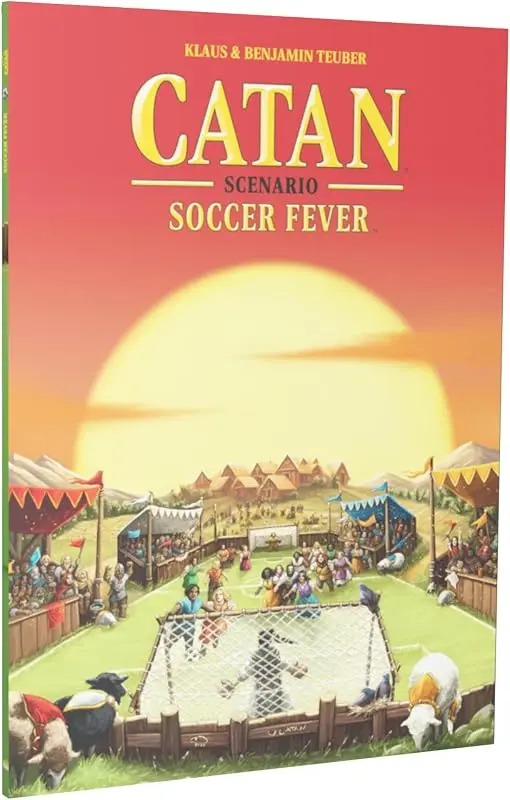
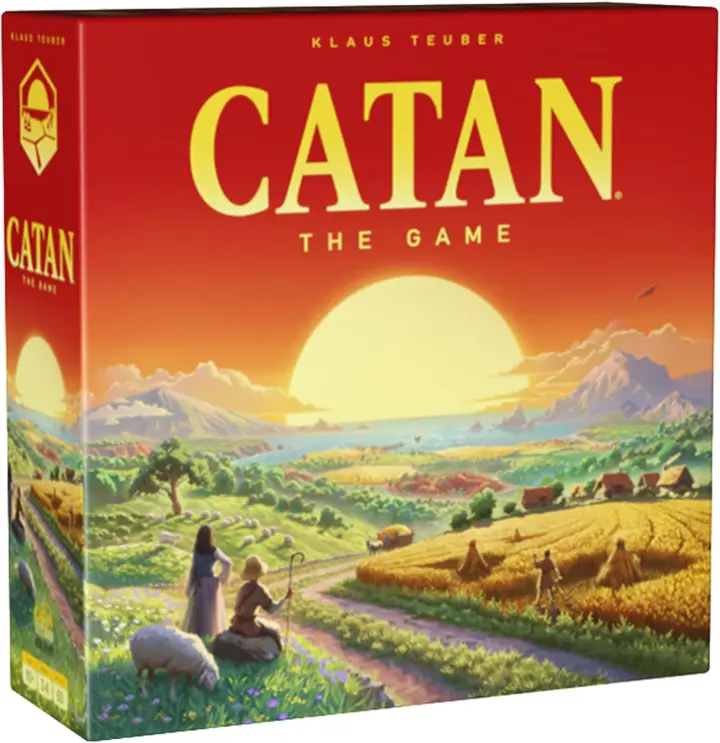
Robert's table call: The current rules-and-components foundation.
See it on AmazonWhy we picked it →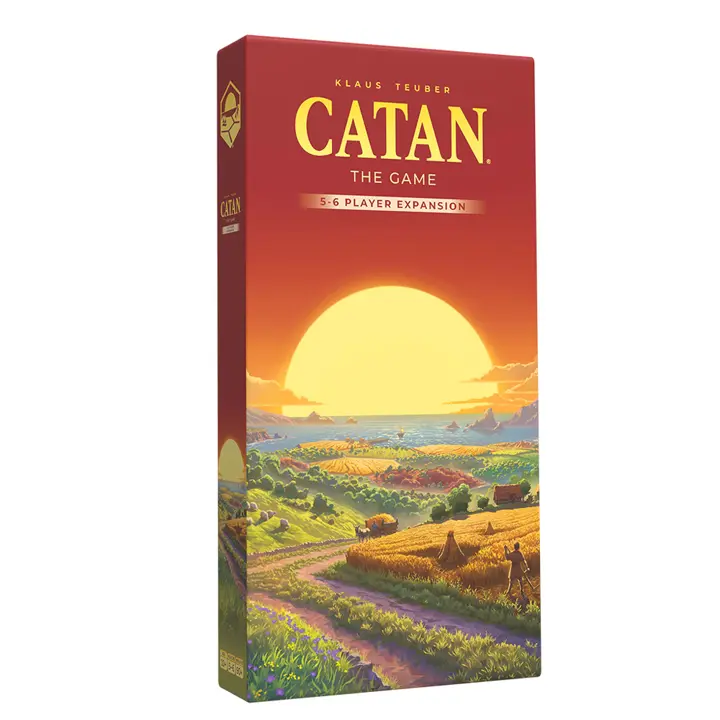
Robert's table call: Player-count support for the base game.
See it on AmazonWhy we picked it →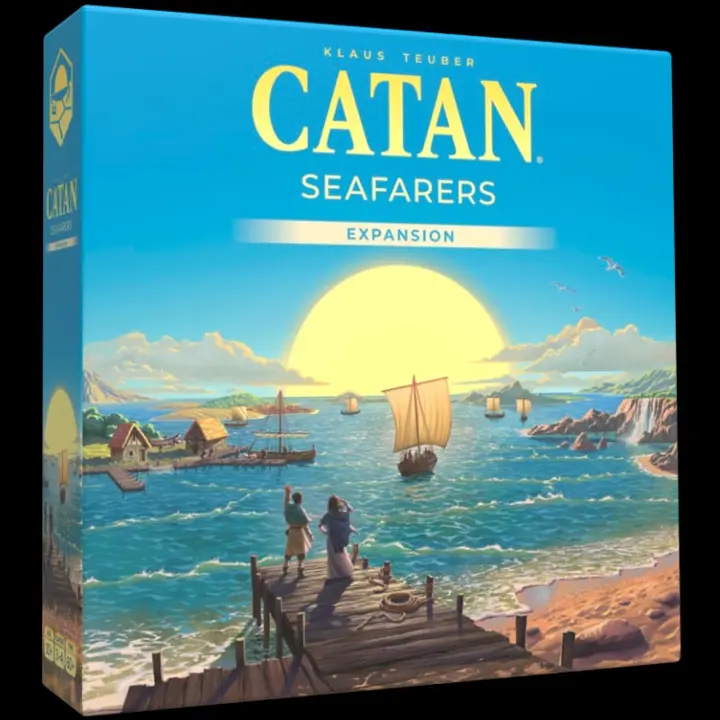
Robert's table call: The map-variety expansion.
See it on AmazonWhy we picked it →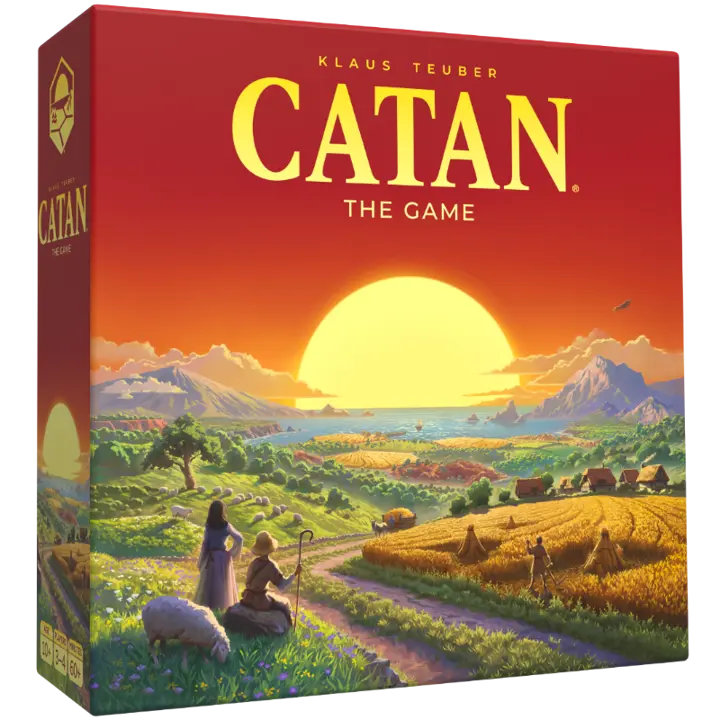
A committed core group of 3–4 who actively want negotiation, table-talk, and a little take-that tension over a 60–90 minute sit-down.
See it on AmazonWhy we picked it →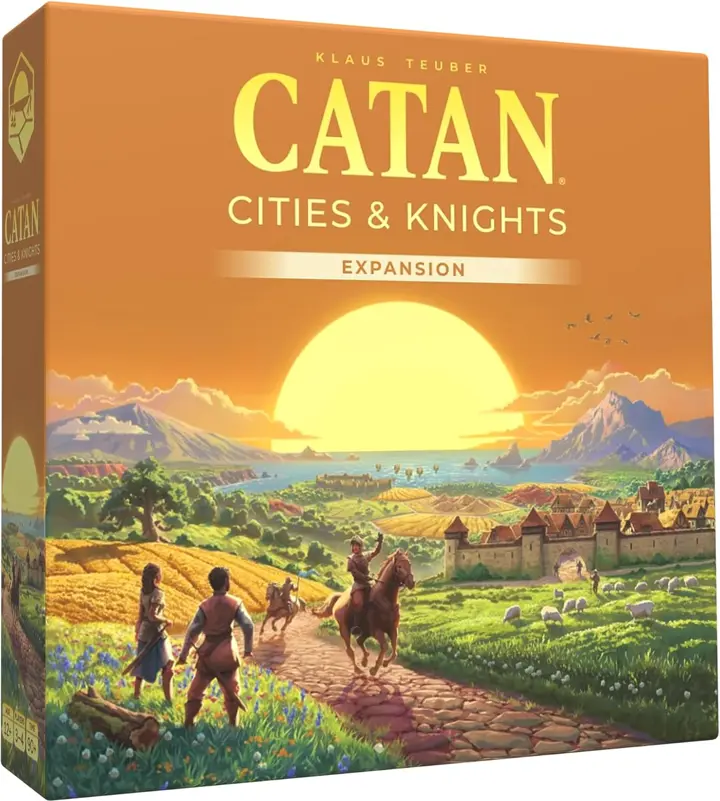
Robert's table call: The deep-strategy expansion.
See it on AmazonWhy we picked it →Interactive table lab
These are hands-on Puzzlewick tools for the universe: legally cautious, physical-game-first, and built to make setup, buying, and first plays easier.
 Decision tool
Select your base edition, player count, and desired expansion. The decoder shows the exact base, expansion, and matching extension stack—without mixing fifth- and sixth-edition components by accident.
⛩ Kenji · Open the player resource →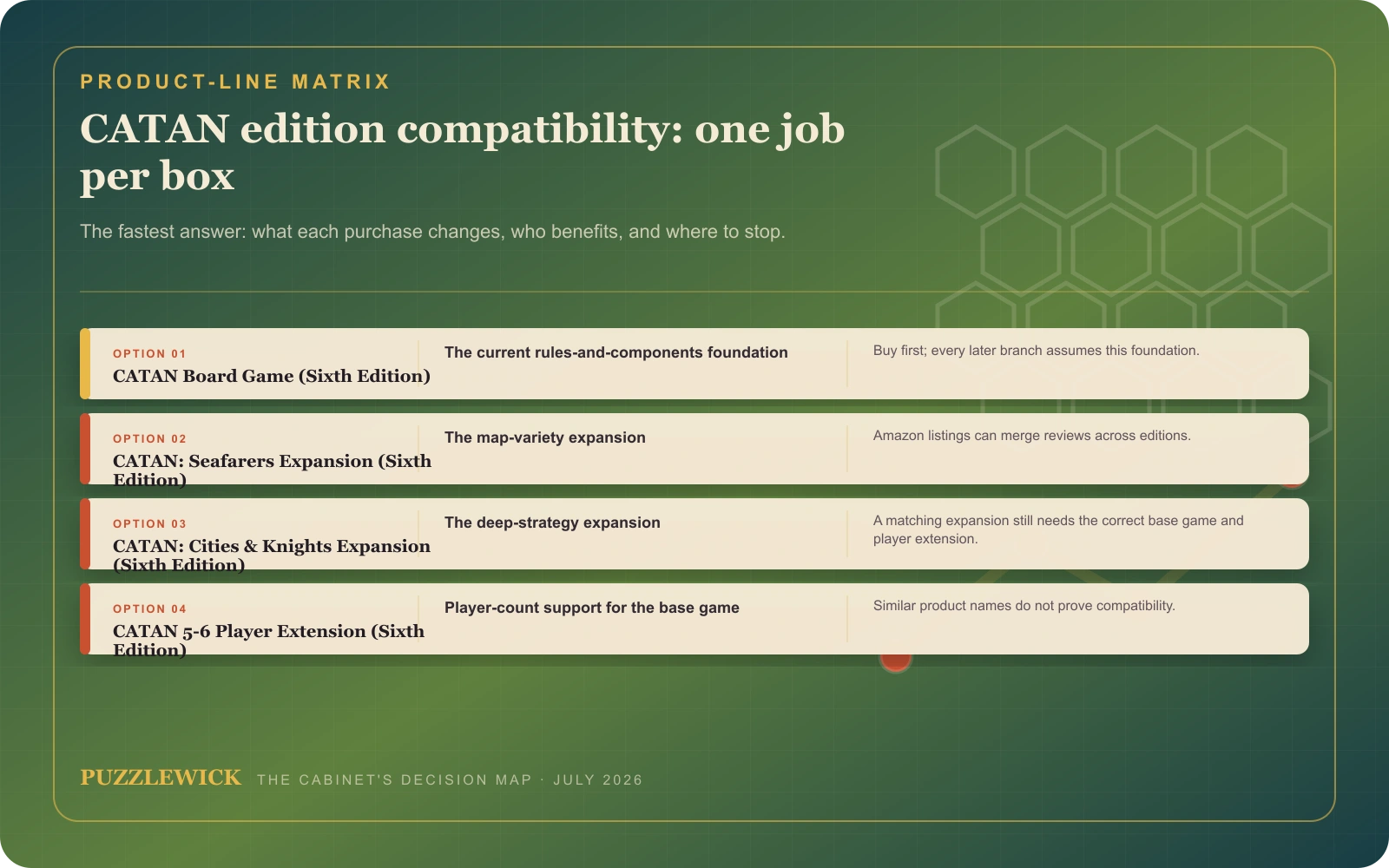 Field reference
Compare publication year, publisher, SKU, player count, rules changes, component changes, compatibility, language, replacement status, and whether a listing is an edition, printing, expansion, or different game.
✒ Margo · Open the player resource →Keeper's featured dossiers
Big visual answers first: the newest cornerstone, the no-regret buy maps, and the decision guides that keep a curious cart from becoming a haunted one.

CATAN edition compatibility, explained with exact box identity, expansion order, beginner-to-expert strategy, hosting and solo reality, community warnings, and direct Amazon purcha…
Keeper · The Keeper Open the dossier
CATAN Sixth Edition, explained with exact box identity, expansion order, beginner-to-expert strategy, hosting and solo reality, community warnings, and direct Amazon purchase paths…
Keeper · The Keeper Open the dossier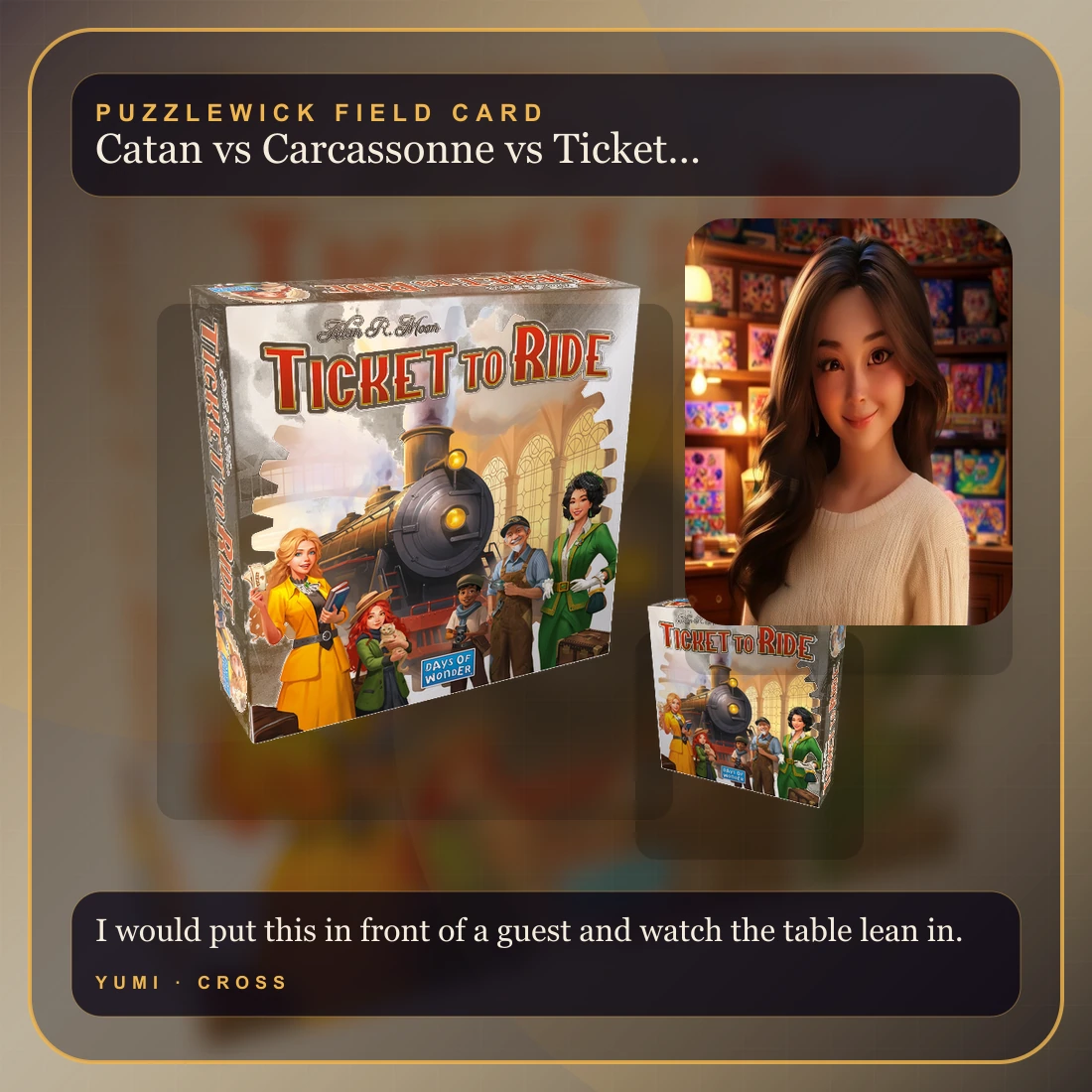
Three legends, one shelf, one decision. Here's the honest, table-tested call on which gateway game earns its spot first — and exactly who each one is for.
Yumi · The Hostess Open the dossierThe cabinet argues usefully
The curators are here to make a decision, not decorate one. Follow the voice whose table sounds most like yours.
“Robert starts with CATAN Board Game (Sixth Edition) because Treat CATAN Sixth Edition as a clean ecosystem. Rules remain familiar, but art, component presentation, player pieces, cards, and extension packaging make cross-edition shopping a needless risk. The rest of the shelf has to earn its invitation through repeat play.”
Open Keeper's dossier →“Treat CATAN Sixth Edition as a clean ecosystem. Rules remain familiar, but art, component presentation, player pieces, cards, and extension packaging make cross-edition shopping a ”
Open Imani's dossier →“A head-to-head with zero sneering, because all three are sacred doors in my house. It's for the nervous beginner trying to pick their very first gateway, and I just want to pull out the right chair for them.”
Open Yumi's dossier →Treat CATAN Sixth Edition as a clean ecosystem.
Buy CATAN Sixth Edition first.
Wings that share this one's spirit. Keep wandering.
Want the whole cabinet? Browse every wing → · See what's hot right now →

The fortune-teller's table

“Pull up a chair. The ball's been showing me pieces from the cabinet — three, for you.”— Keeper, The Keeper
 ✦ a little gift from the table