Enter with a playable product
D&D Icons of the Realms: Player's Handbook Starter Set (Spells & Steel)
Start with something that creates a legal deck or a complete first session.
Exact listing · AmazonThe 2024 books, dice worth rolling, minis, terrain & the best gifts.
The short answer
Dungeons & Dragons is the world's great storytelling engine — a few books, a fistful of dice, and a table of friends. This universe pulls together the 2024 rulebooks, the dice and minis worth owning, the terrain that makes a battle feel real, and the gifts that delight any player or Dungeon Master.
Margo's eight-stop campaign route
Learn the current rules foundation, choose one playable adventure, and let dice, miniatures, terrain, and gifts support the campaign instead of becoming the campaign.
This is a sequence, not a shopping list. Stop when the table is doing what you wanted.
Understand
The 2024 core books, what each one does, and what a first group actually needs.
Open the rules mapStart
Use theme, preparation burden, and group appetite to choose the first campaign.
Explore a horror seasonDice
Metal sets can be lovely, but legibility, table safety, and actual use come first.
Choose a dice setMiniatures
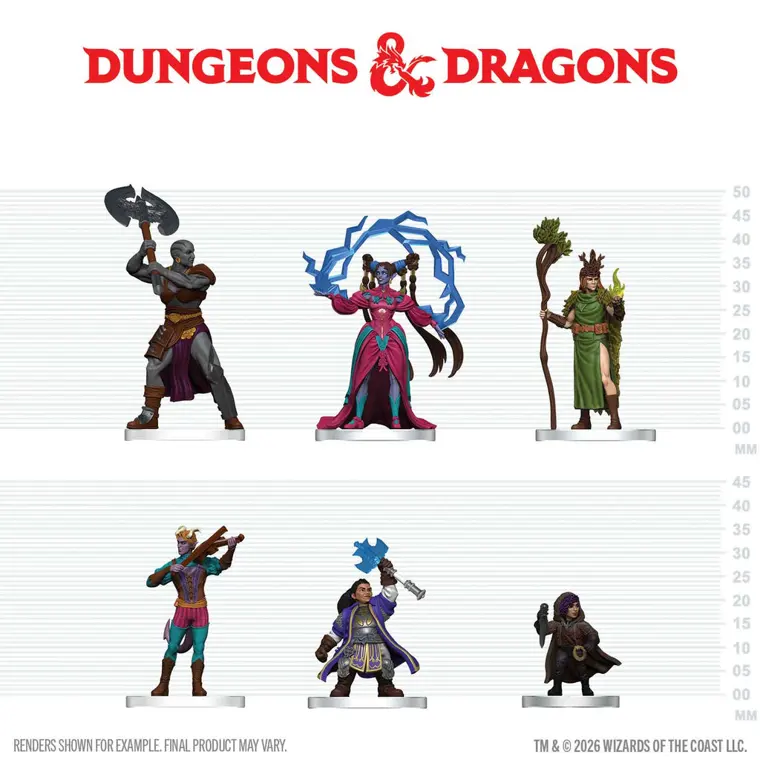
Prepainted miniatures compared by usefulness, scale, storage, and table clarity.
Choose practical miniaturesEquip
Core books, readable dice, screens, maps, miniatures, and terrain selected for the table you are preparing.
Enter the D&D aisleHost
Choose gifts and table aids that remove work rather than merely announcing fandom.
Equip the hostShare
Useful player gifts, personal tools, and small rituals that deepen commitment.
Build the player kitThe Dungeons & Dragons product family
These are connected decisions, not four unrelated things to buy. Begin with a playable product, expand only when the table asks for it, and protect the cards that have earned a place in your bag.
Enter with a playable product
Start with something that creates a legal deck or a complete first session.
Exact listing · Amazon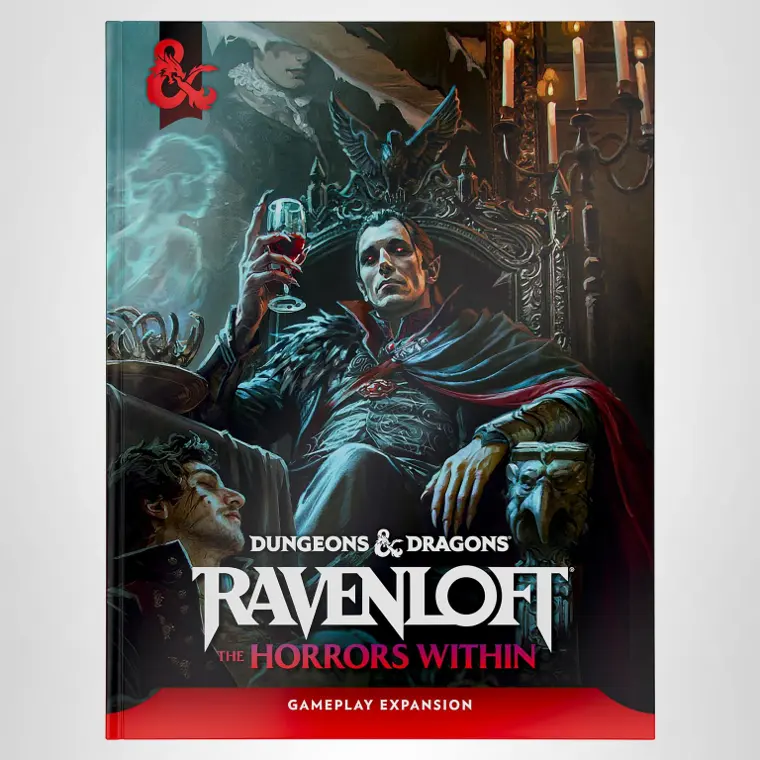
Expand after real games
Add cards only after the first table has shown what the collection is missing.
Exact listing · Amazon
Collect with a finish line
Choose premium treatments deliberately; scarcity is not the same thing as usefulness.
Exact listing · Amazon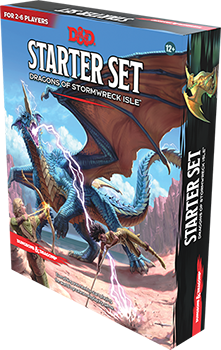
Protect what survived the table
The cleanest inexpensive route from curious group to first actual session.
Exact sealed products organized by what they do, with the strongest current route leading each row.
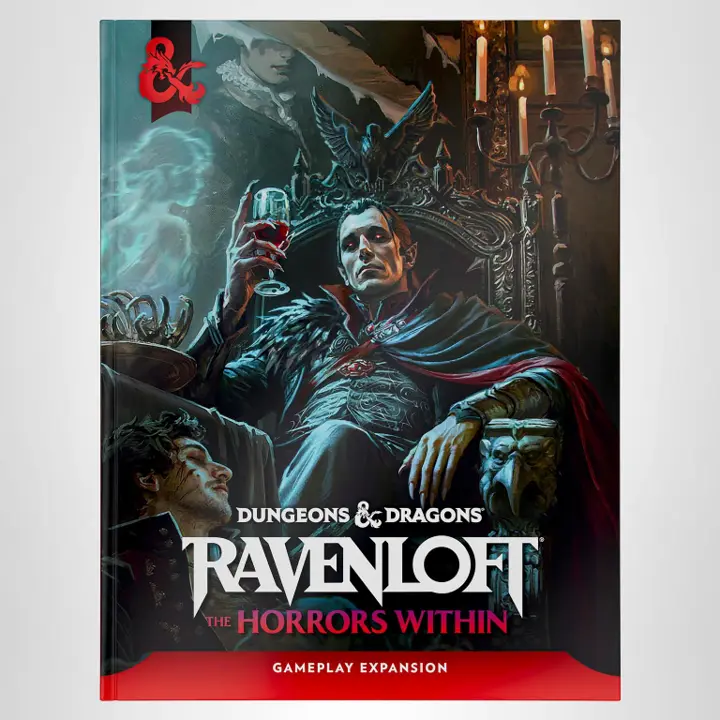
DMs running horror campaigns who want everything in one box
See it on AmazonWhy we picked it →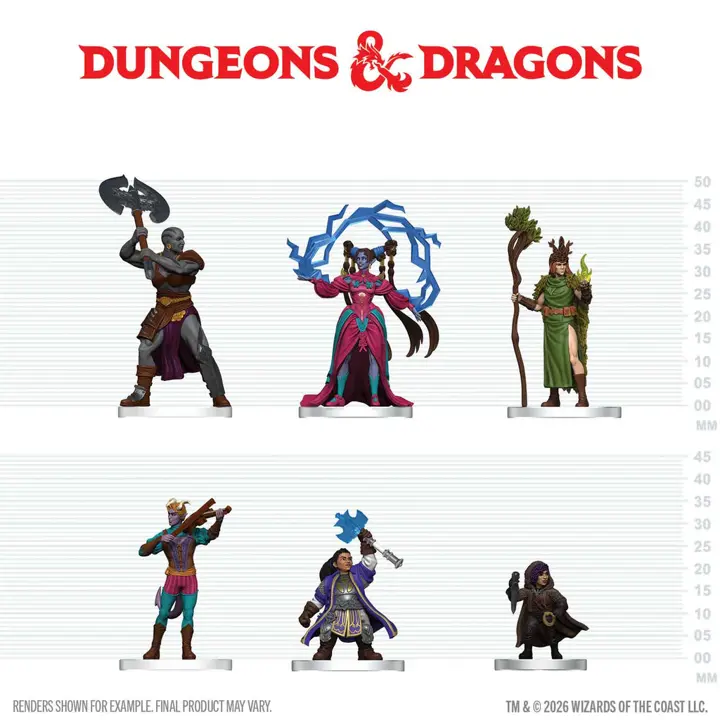
The default first buy. Match it to your players' actual classes before checking out — if your party leans Fighter/Paladin you may actually want Swords & Staves instead, or both.
See it on AmazonWhy we picked it →
The brand-new player
See it on AmazonWhy we picked it →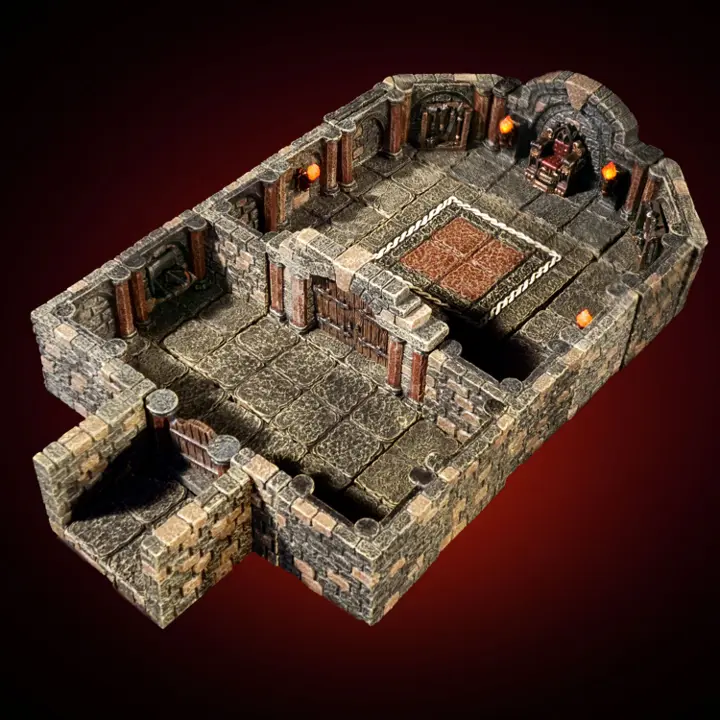
Best splurge (terrain)
See it on AmazonWhy we picked it →


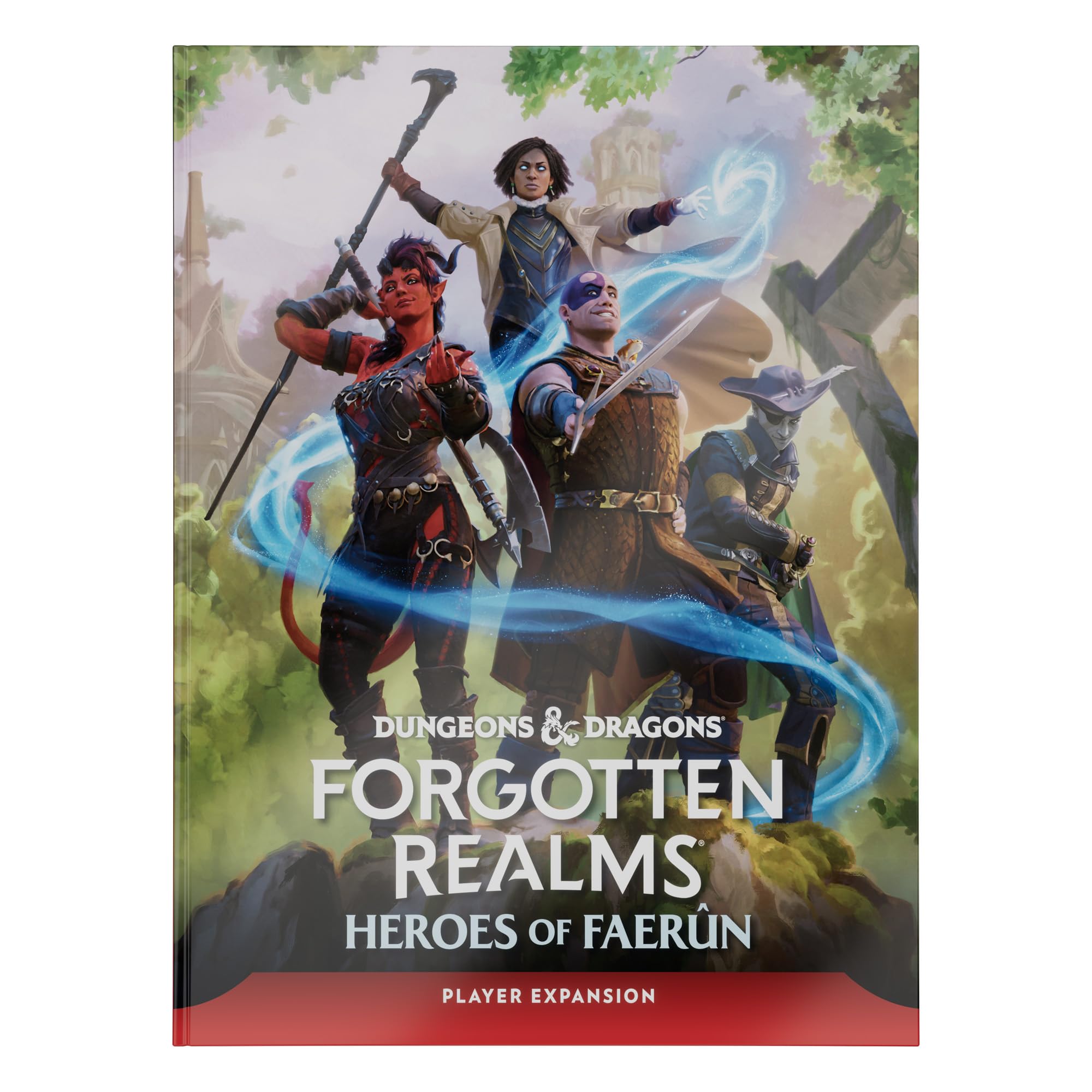


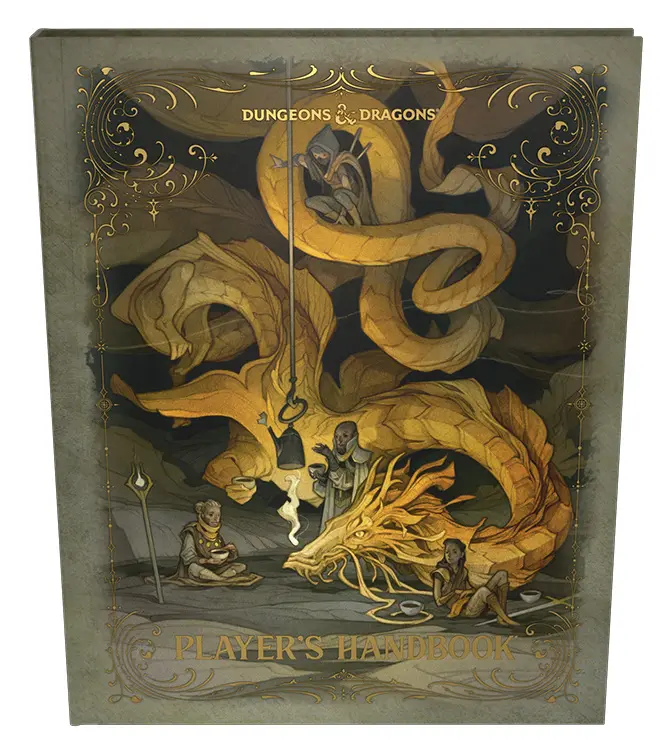
If you buy one 2024 book, make it this. The free rules let you test-drive the system, but the full PHB unlocks every subclass and the complete feat list players actually want.
See it on AmazonWhy we picked it →
Best gift on a budget / best battle map
See it on AmazonWhy we picked it →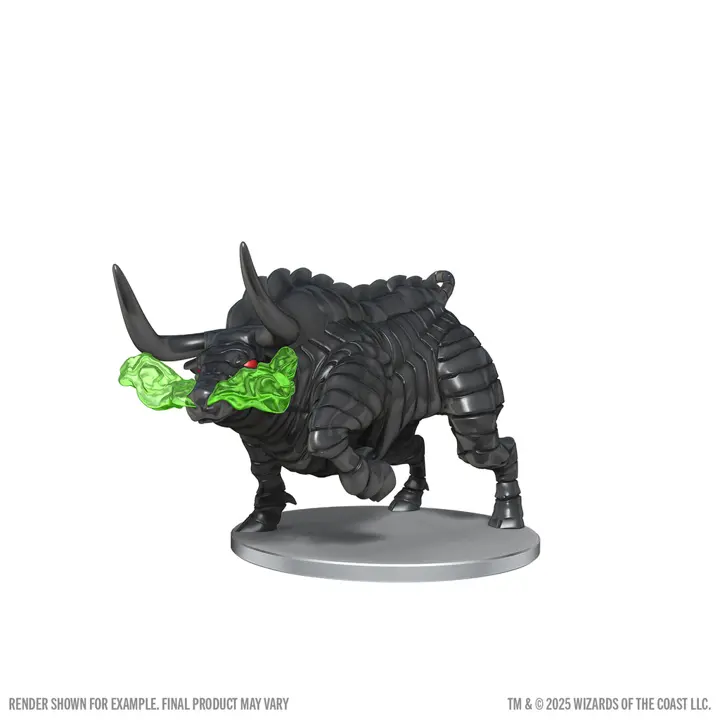
The one monster brick to own if you only own one — broad creature coverage that fits almost any campaign.
See it on AmazonWhy we picked it →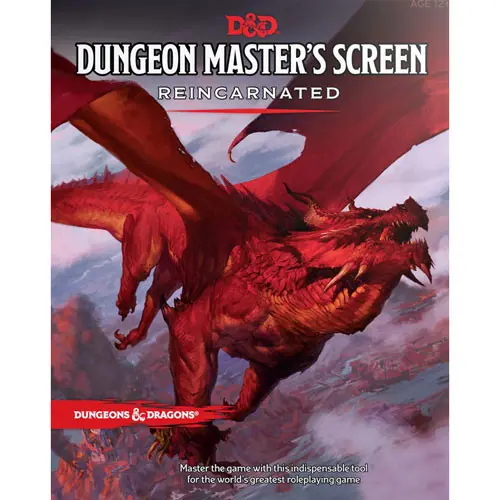
The forever-DM (best value on this list)
See it on AmazonWhy we picked it →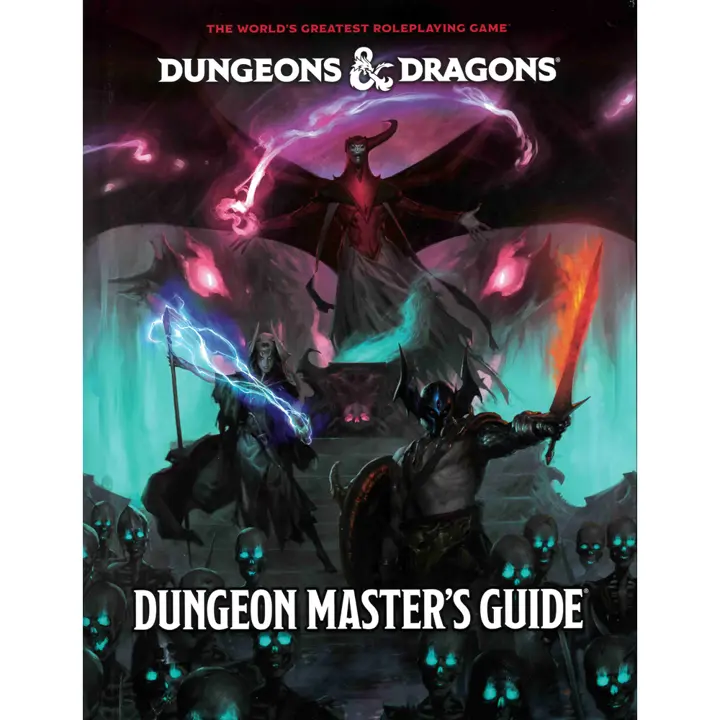
The biggest single upgrade of the three. The encounter math, magic-item rules, and the bundled Greyhawk starter setting make this the DM's best $50 in years.
See it on AmazonWhy we picked it →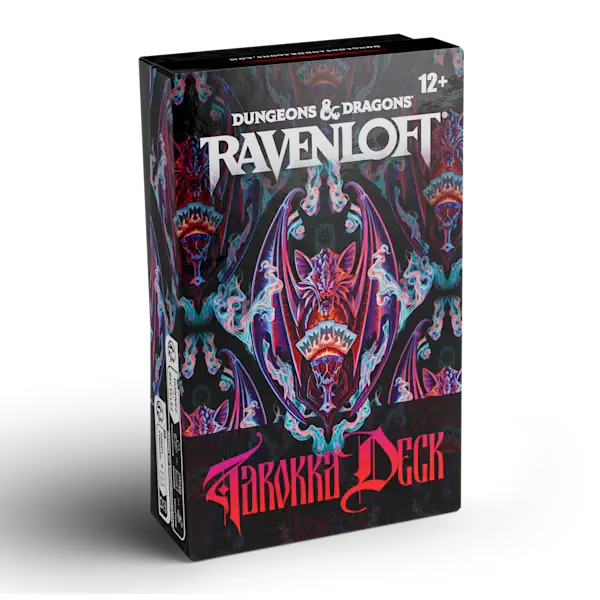
In a Curse of Strahd campaign this deck literally decides where the win-condition items hide and where the final fight happens — it's the campaign engine, not a prop. The 2026 edition refreshes the art across all 54 cards.
See it on AmazonWhy we picked it →Complete the table
Selected for this game, not poured in from a generic accessory list.
Teaching set · Wizards of the Coast
Verdict:The cleanest inexpensive route from curious group to first actual session.
A short adventure, premade characters, starter rules, and dice remove the campaign-design burden.
Rulebook · Wizards of the Coast
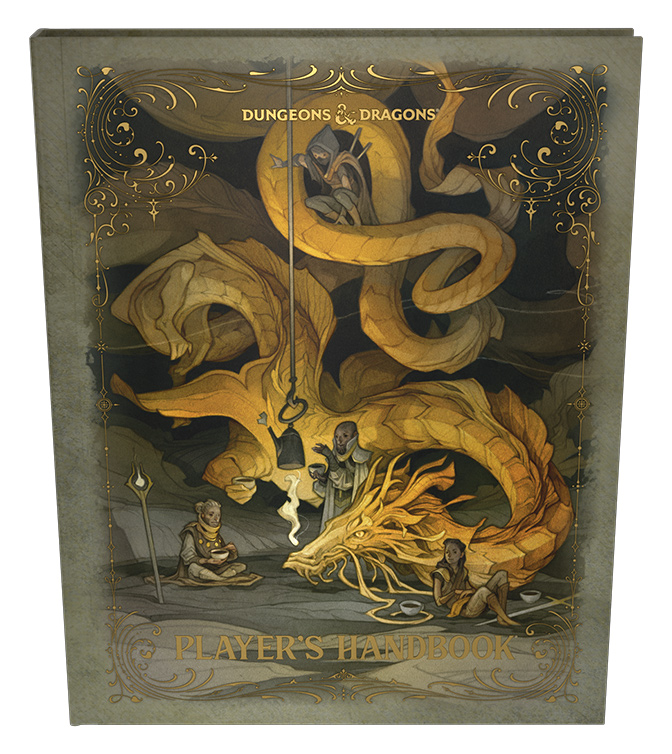
Verdict:The first permanent book for players building current-rule characters.
It consolidates character creation, twelve classes, equipment, advancement, spells, and the revised rules.
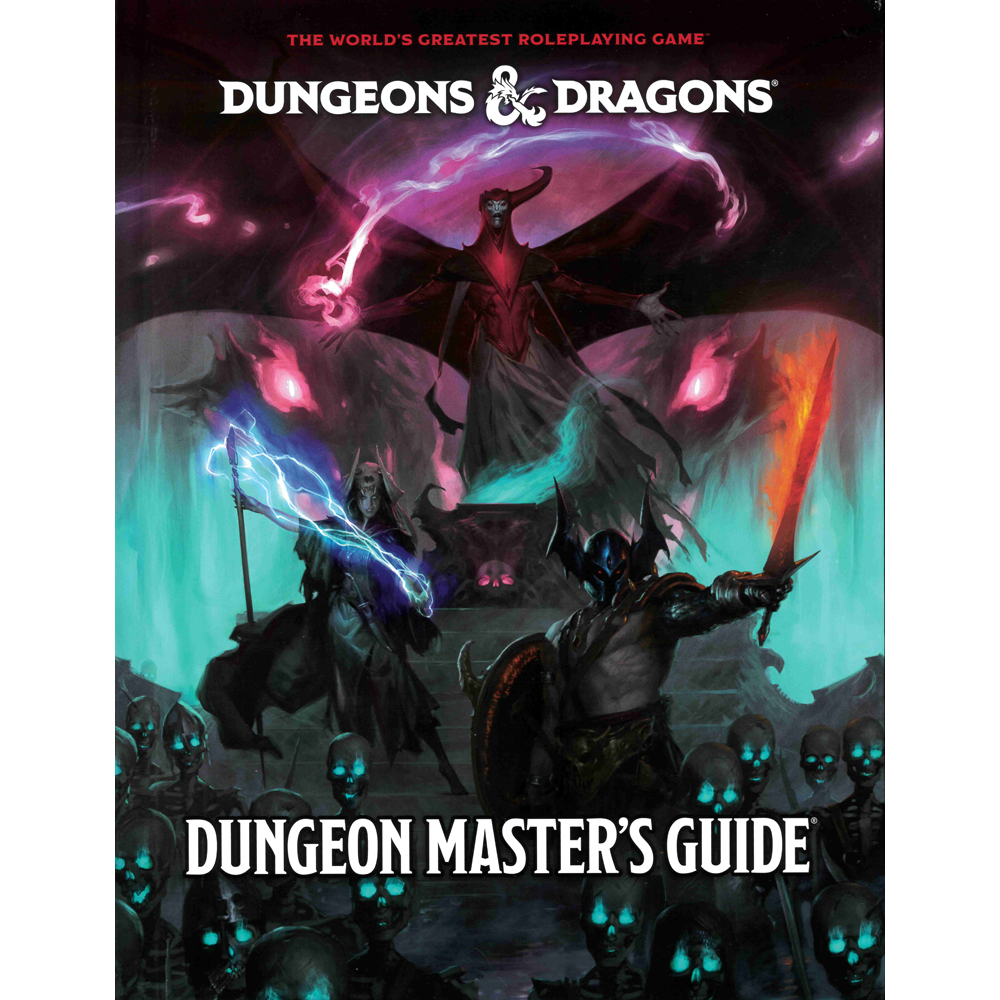
Rulebook · Wizards of the Coast
Verdict:A real craft upgrade for the person actually preparing and running the campaign.
Cleaner encounter guidance, magic-item systems, and practical structures answer repeated DM decisions.
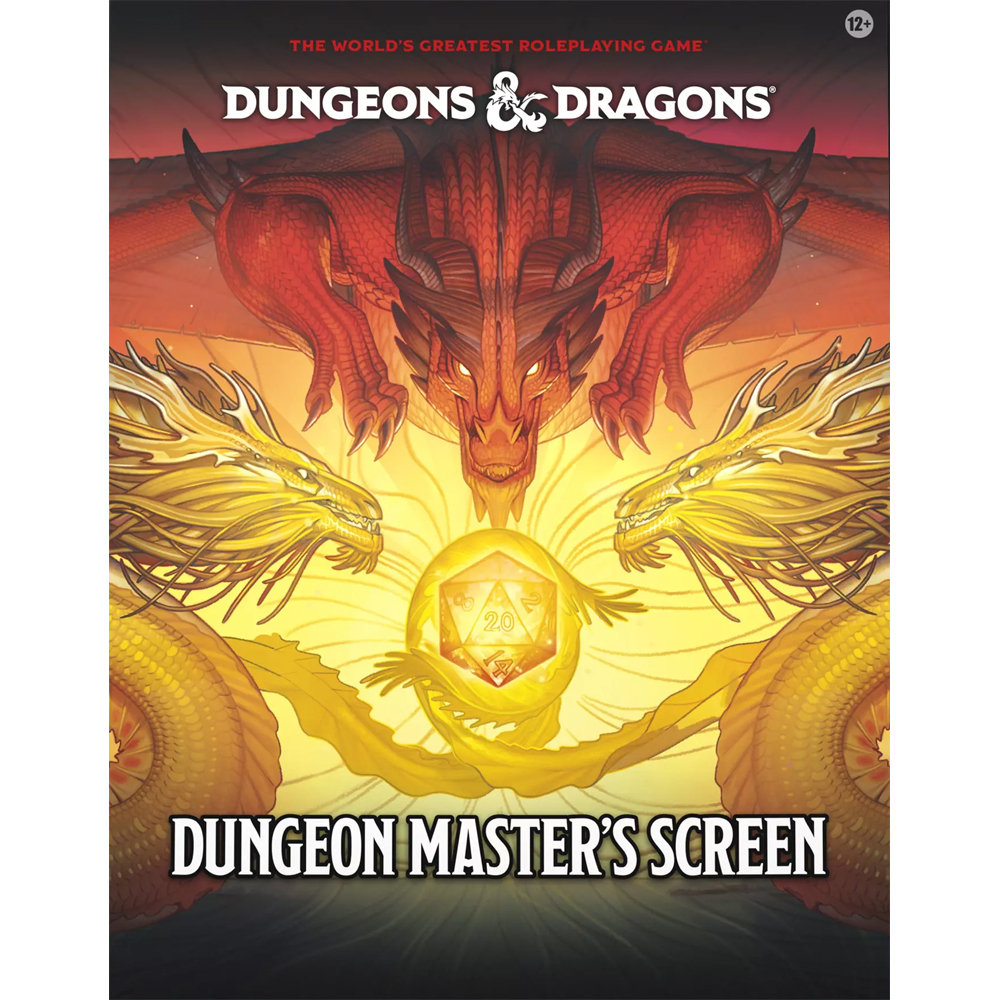
GM screen · Wizards of the Coast
Verdict:The inexpensive table-speed purchase for a DM using the current rules.
Conditions, difficulty references, and common tables stay visible without repeated book searches.
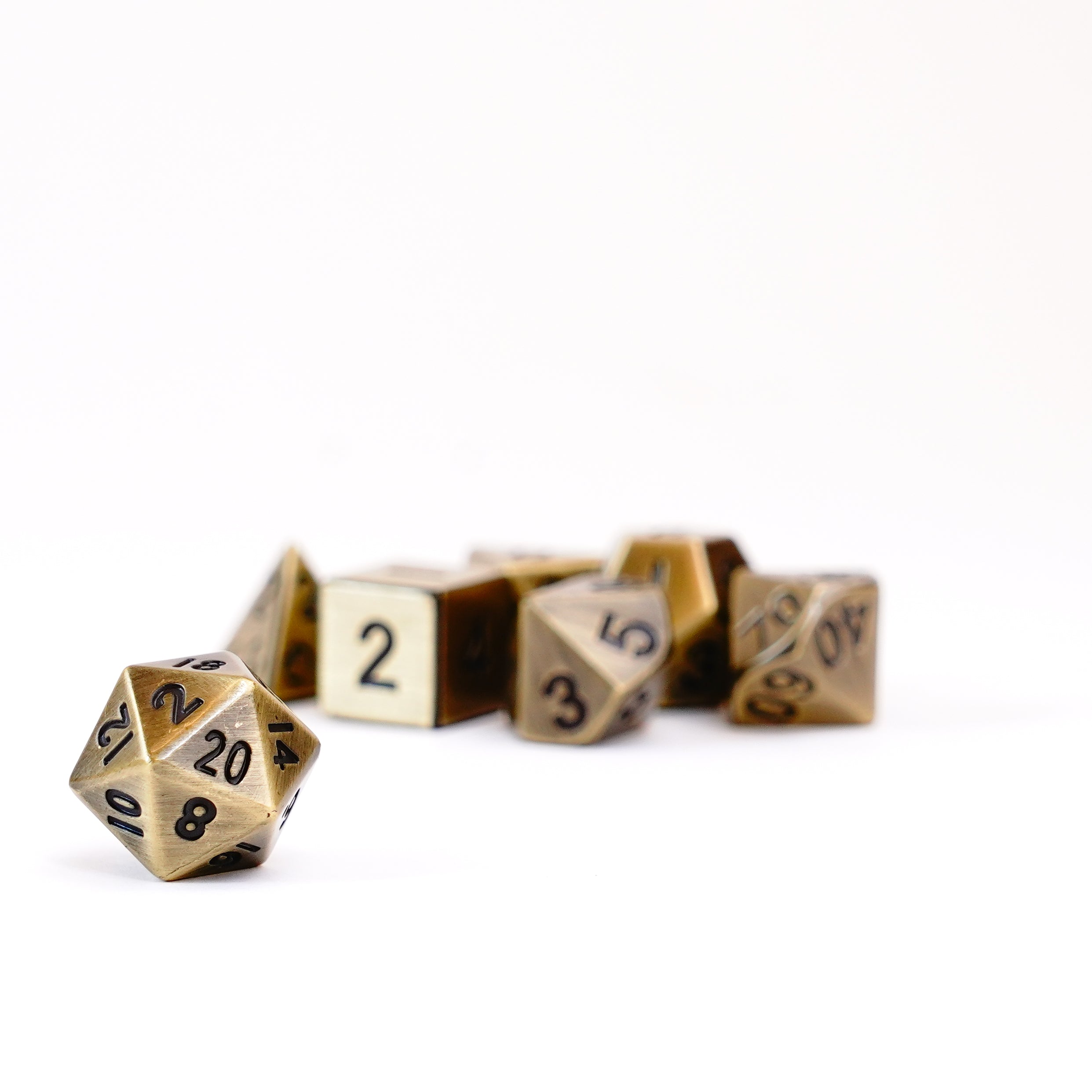
Dice · FanRoll
Verdict:The theatrical metal set that looks expensive without crossing into heirloom pricing.
Readable numbers, real weight, and a finish that hides wear make it an excellent gift or character set.
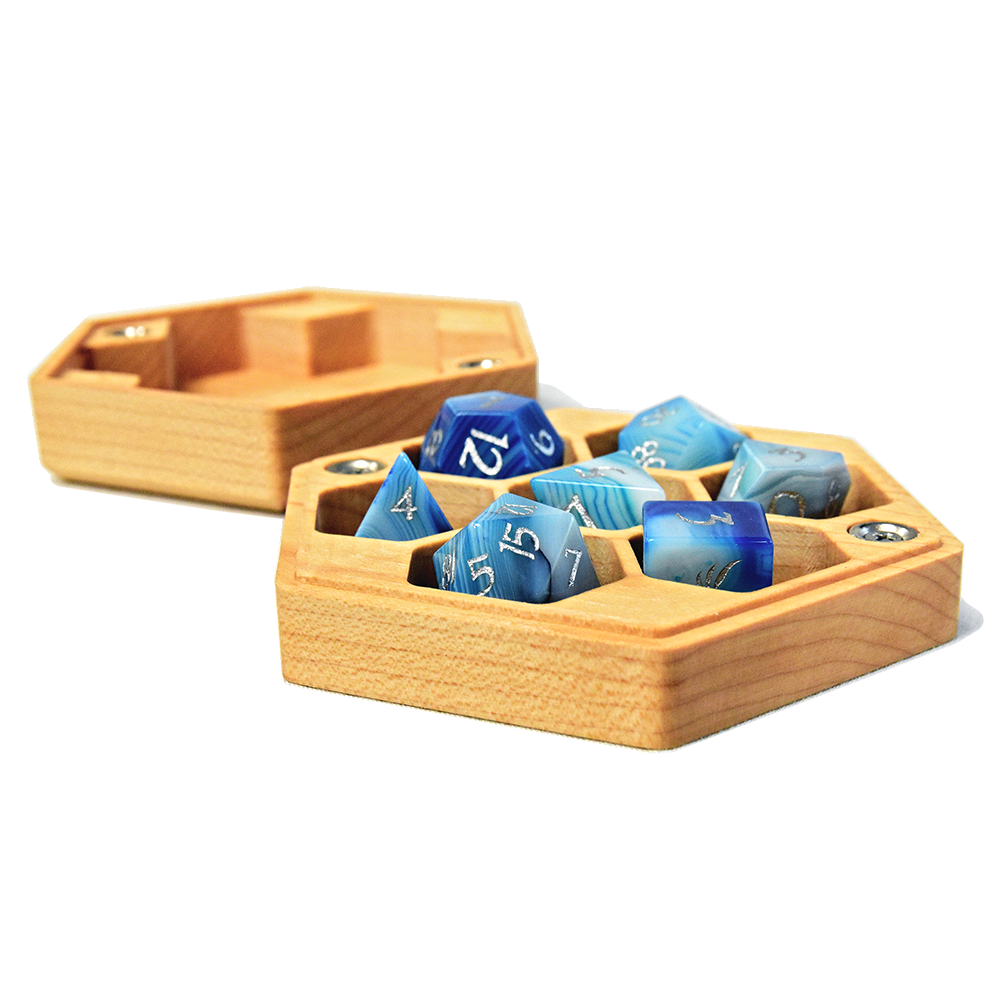
Dice storage · Elderwood Academy
Verdict:The beautiful permanent home for one set that has become part of a character’s identity.
Solid wood, magnetic closure, and customizable engraving turn storage into a table object worth keeping.
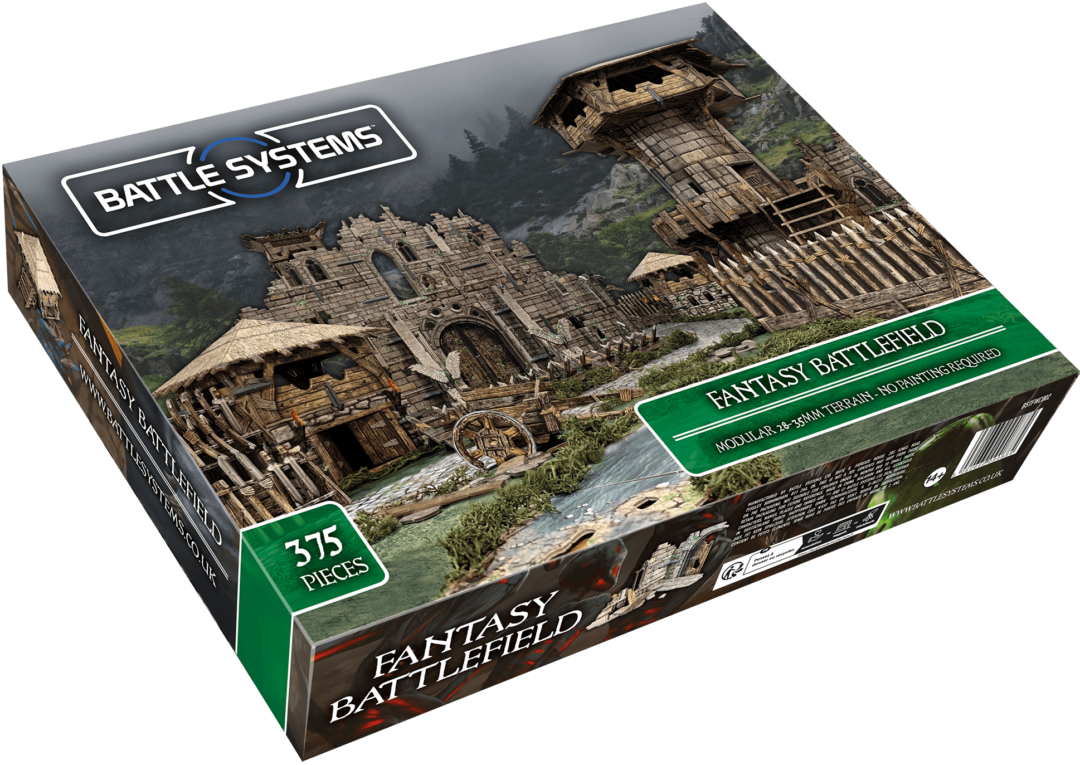
Terrain · Battle Systems
Verdict:The best one-box jump from flat map to reusable three-dimensional adventure set.
Preprinted modular buildings, walls, fences, and scatter create many layouts without painting.

Playmat · TABLEWAR
Verdict:The large-format foundation for a host running recurring tactical encounters.
It lies flat, protects the table, quiets dice, and supports both terrain and drawn overlays.
Margo's featured dossiers
Big visual answers first: the newest cornerstone, the no-regret buy maps, and the decision guides that keep a curious cart from becoming a haunted one.

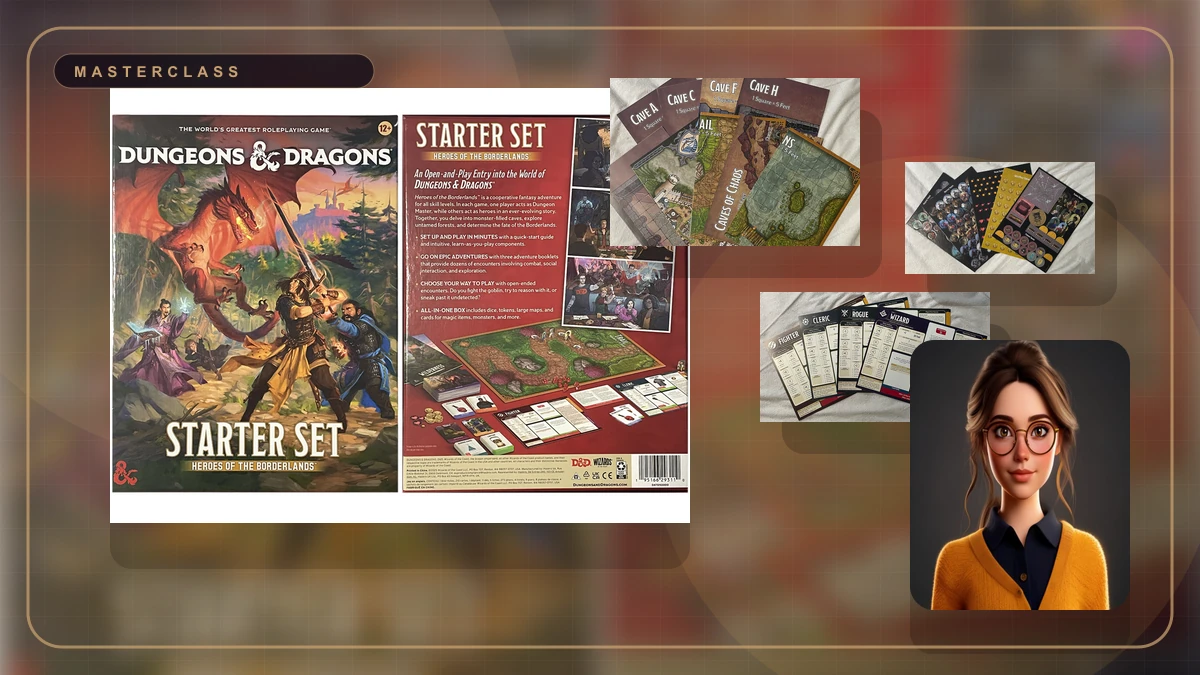
A complete, magazine-grade initiation into Dungeons & Dragons on the 2024 rules — from your very first d20 roll to hosting your own table — written for the person who has always wa…
Margo · The Archivist Open the dossier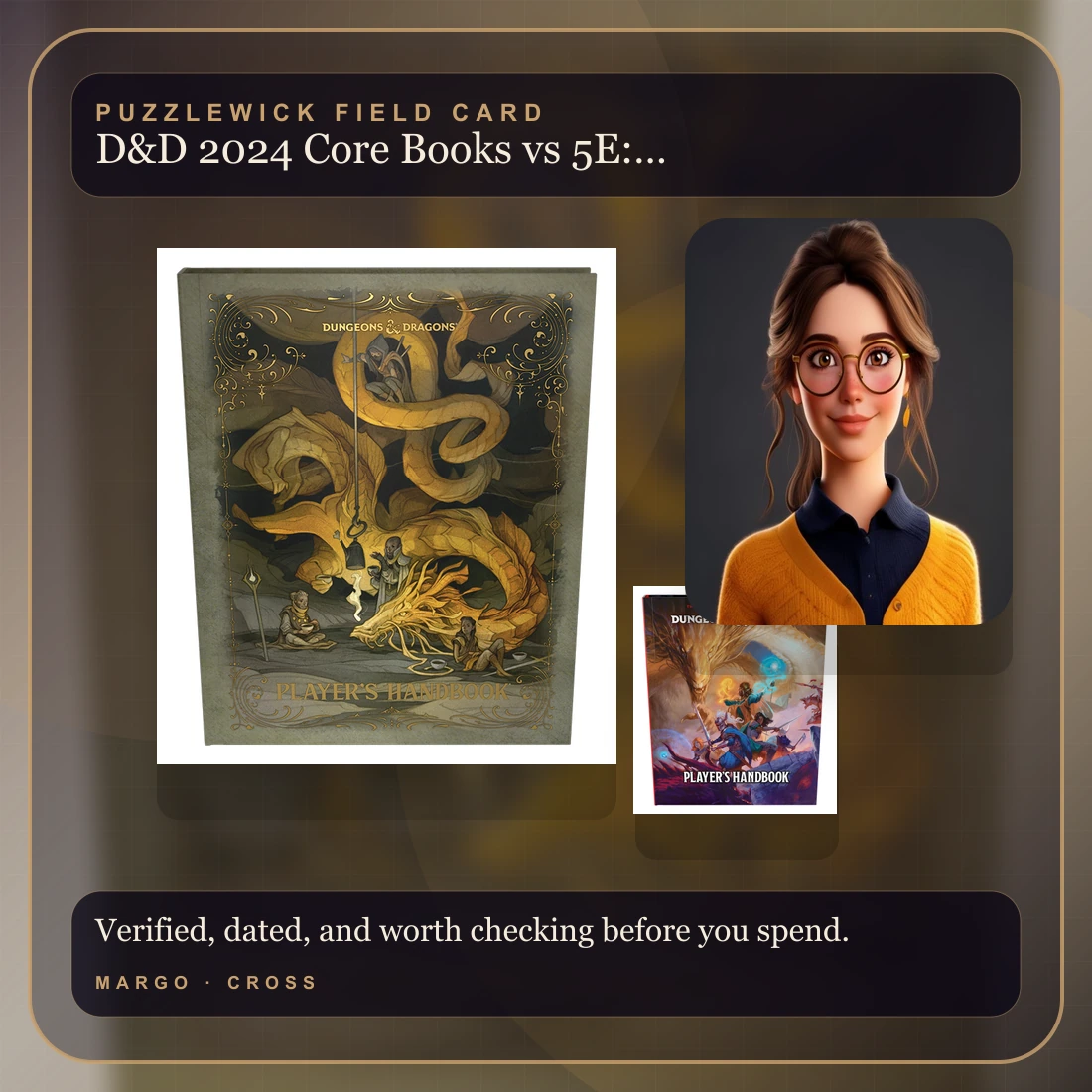
A clear-eyed breakdown of what changed in the 2024 core rulebooks and whether you should buy them.
Margo · The Archivist Open the dossier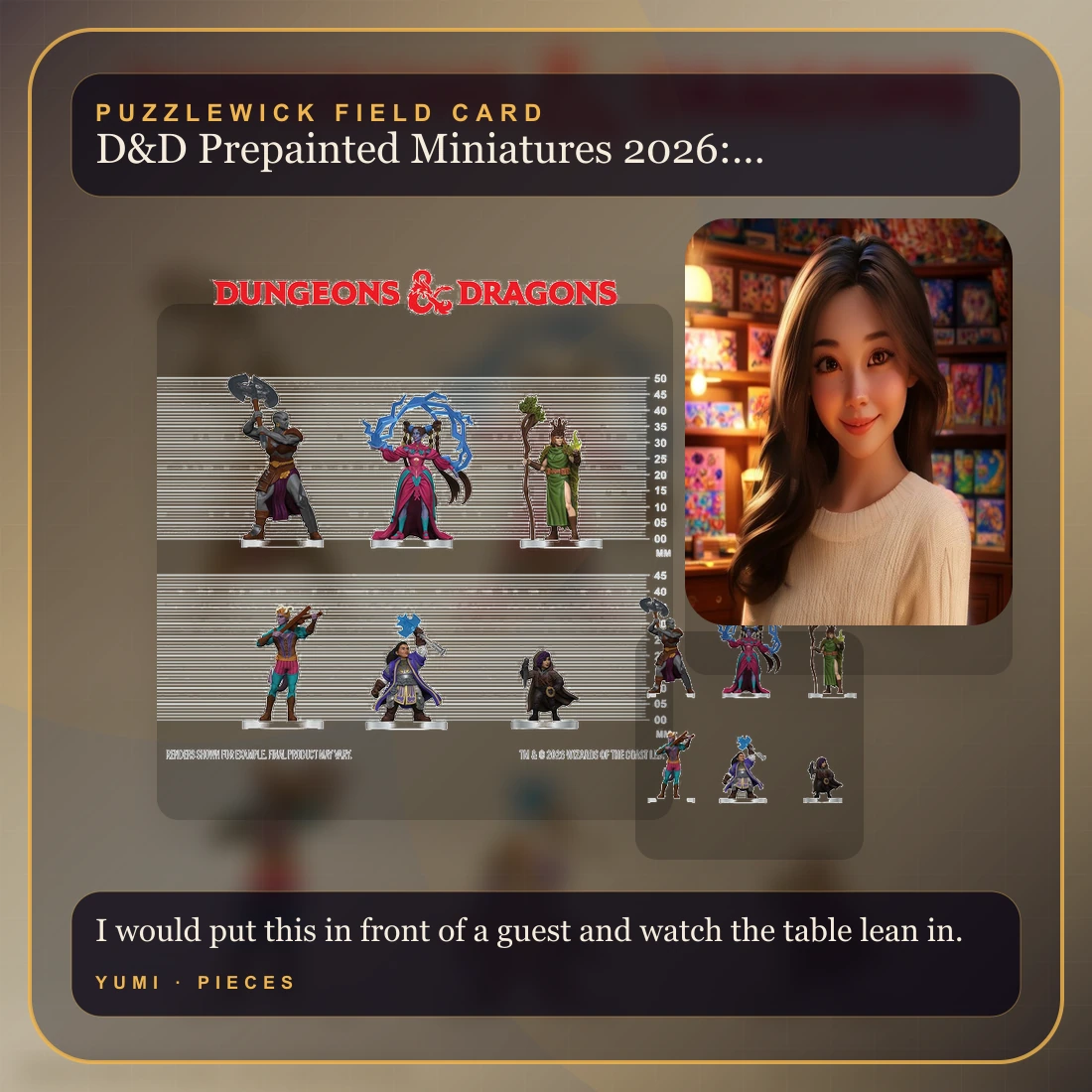
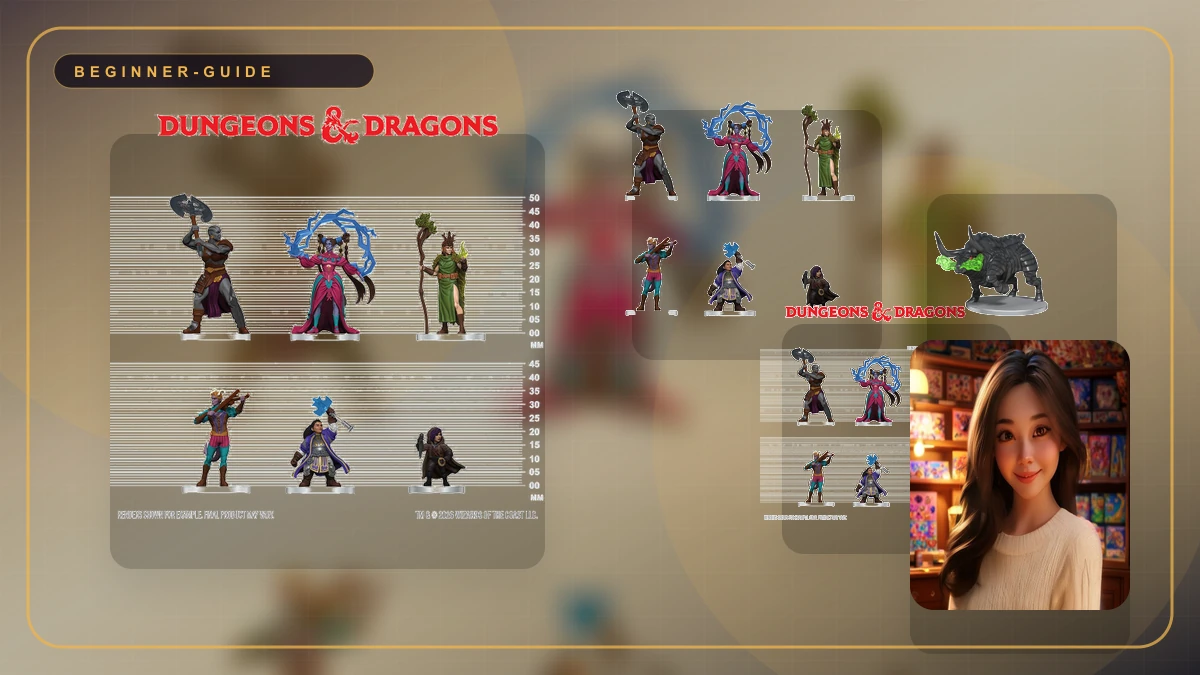
Get your D&D table battle-ready with prepainted miniatures that shine straight out of the box.
Yumi · The Hostess Open the dossier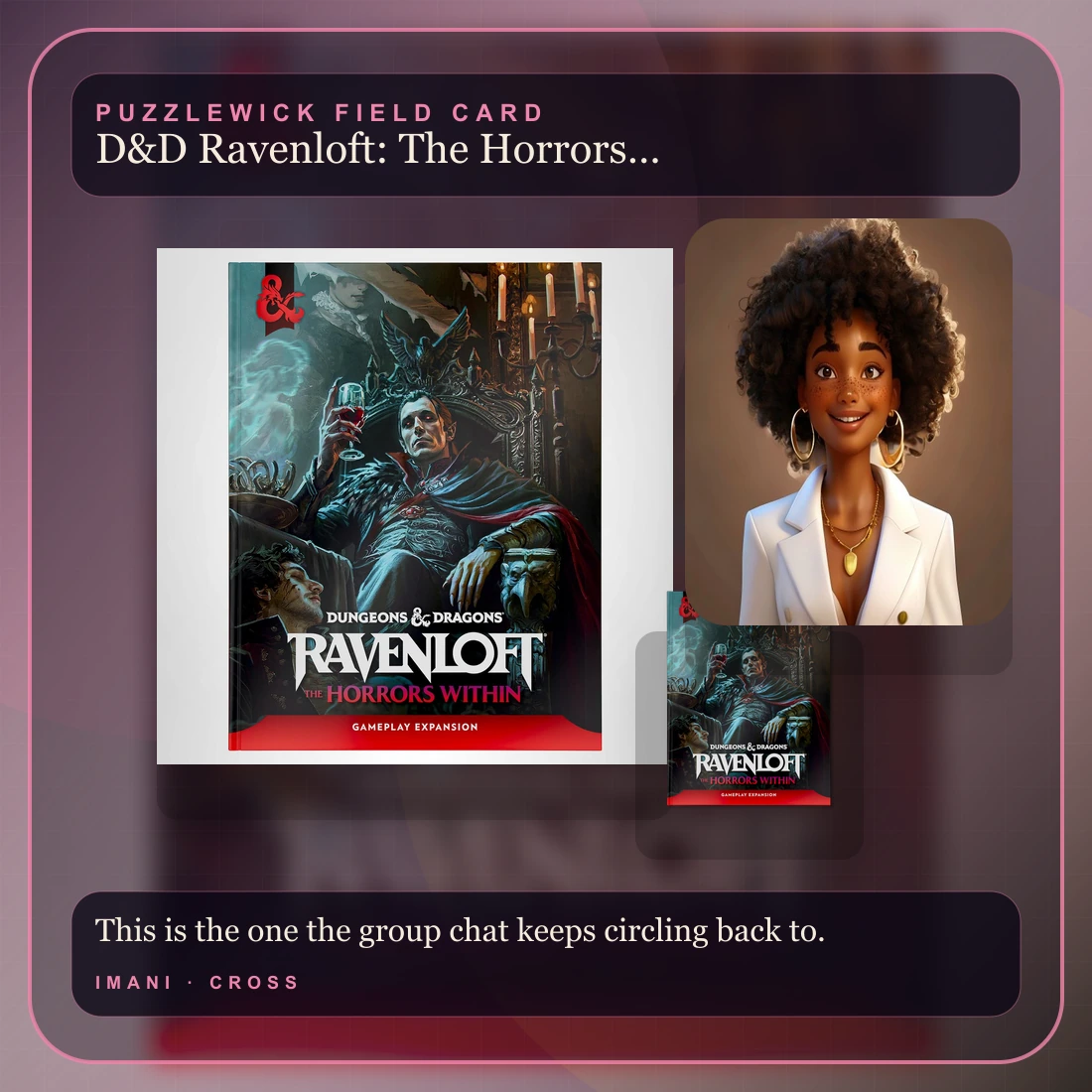
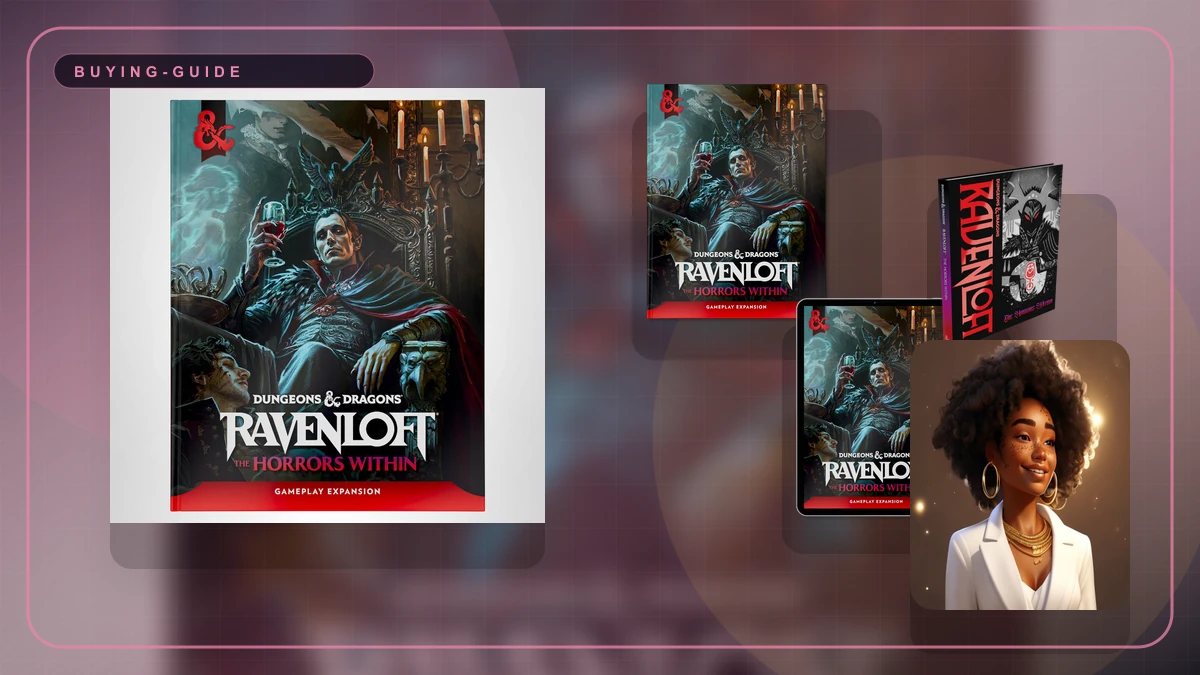
Your complete roadmap to diving into Ravenloft's new Season of Horror with the right bundle, miniatures, and companion gear.
Imani · The Connector Open the dossier
An archivist's verified ledger of metal dice worth owning—what the heft actually buys you, whether they roll fair, and which sets are craft versus costume jewelry for your table. W…
Margo · The Archivist Open the dossier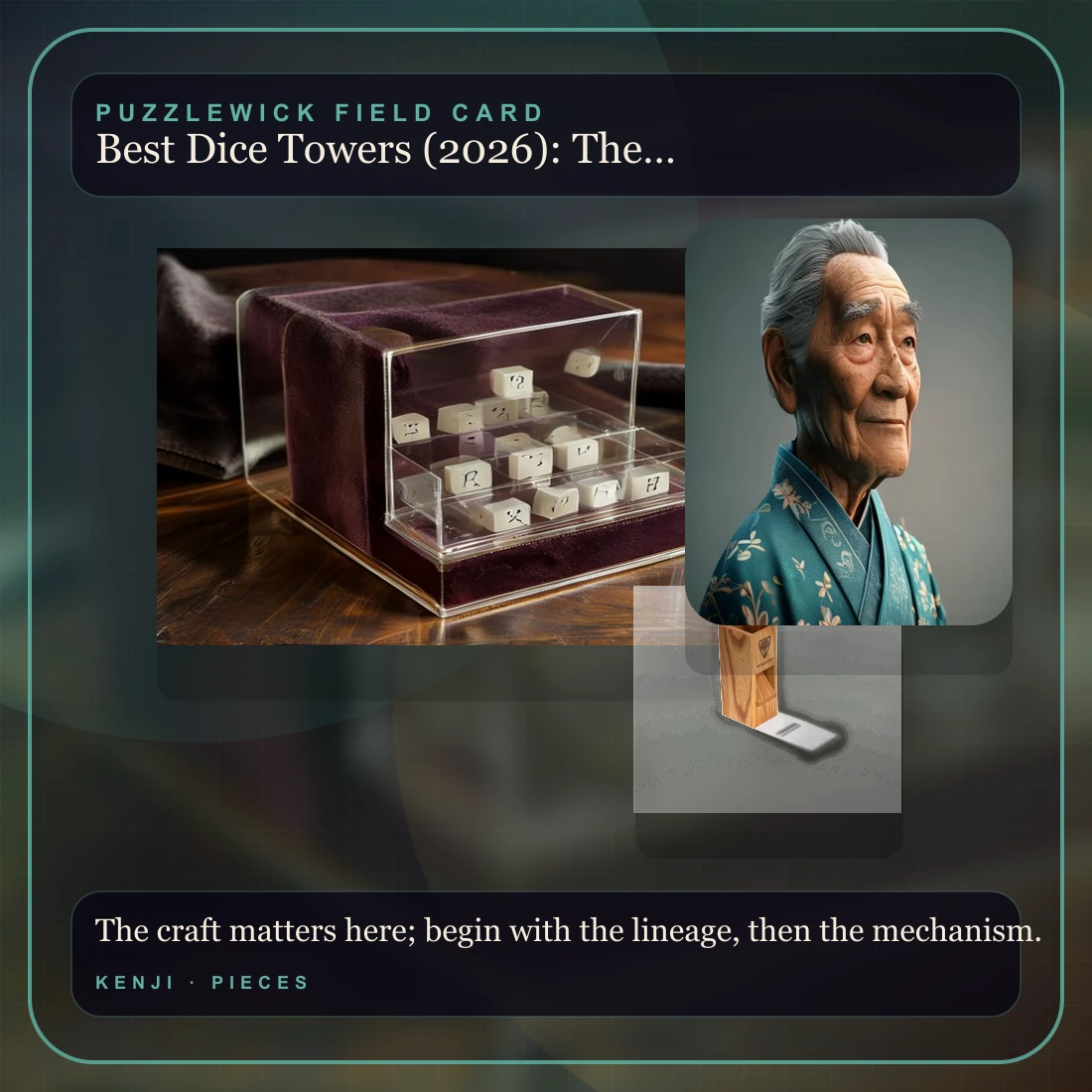
For seventeen centuries, a Roman's answer to a single problem—how to remove the hand from the throw—has been copied, refined, and never improved upon. Here are the towers worth own…
Kenji · The Sensei Open the dossier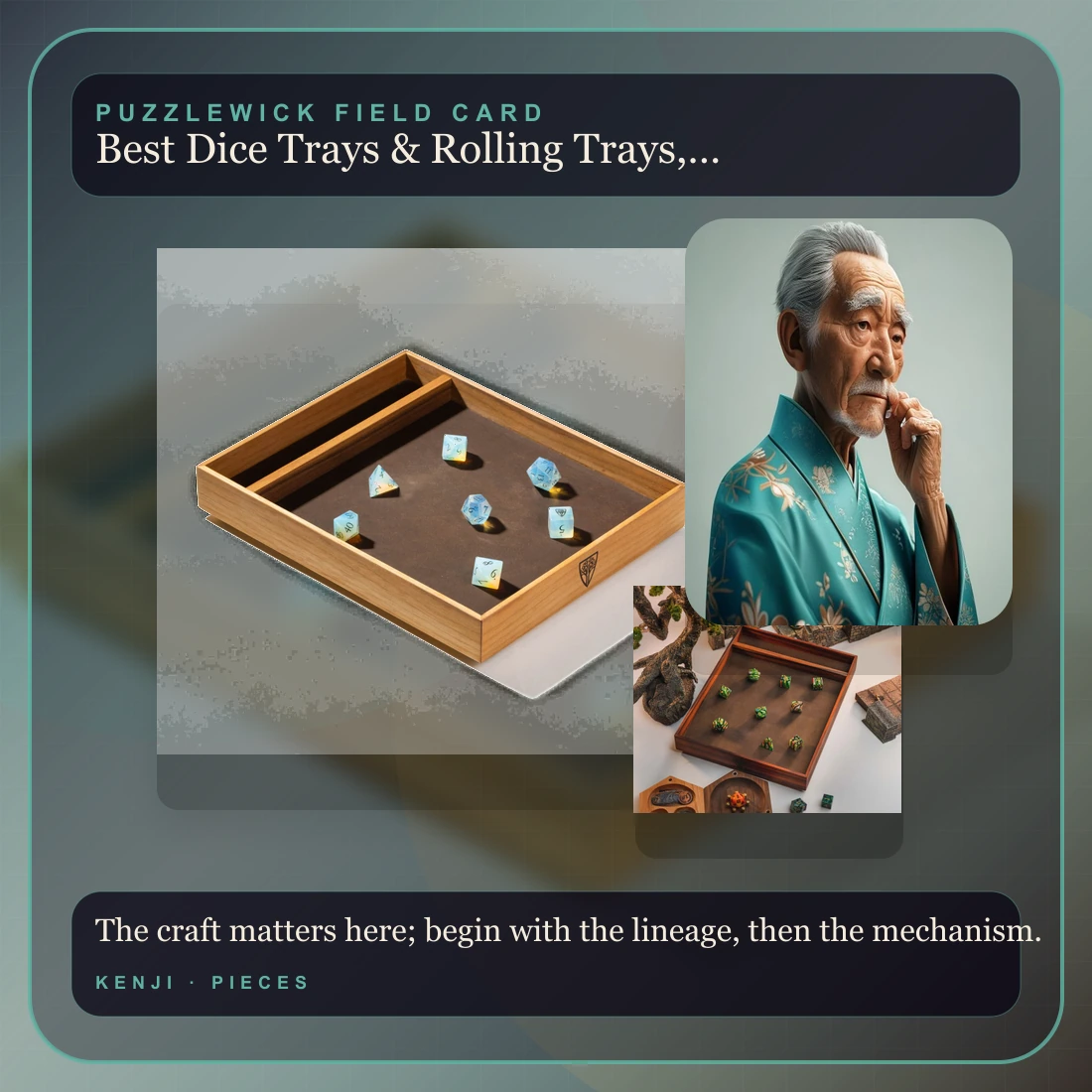
The ancestors chose silence over spectacle — four walls, soft floor, and the discipline of the contained roll. Here are ten, from eleven dollars to three hundred, judged by what th…
Kenji · The Sensei Open the dossier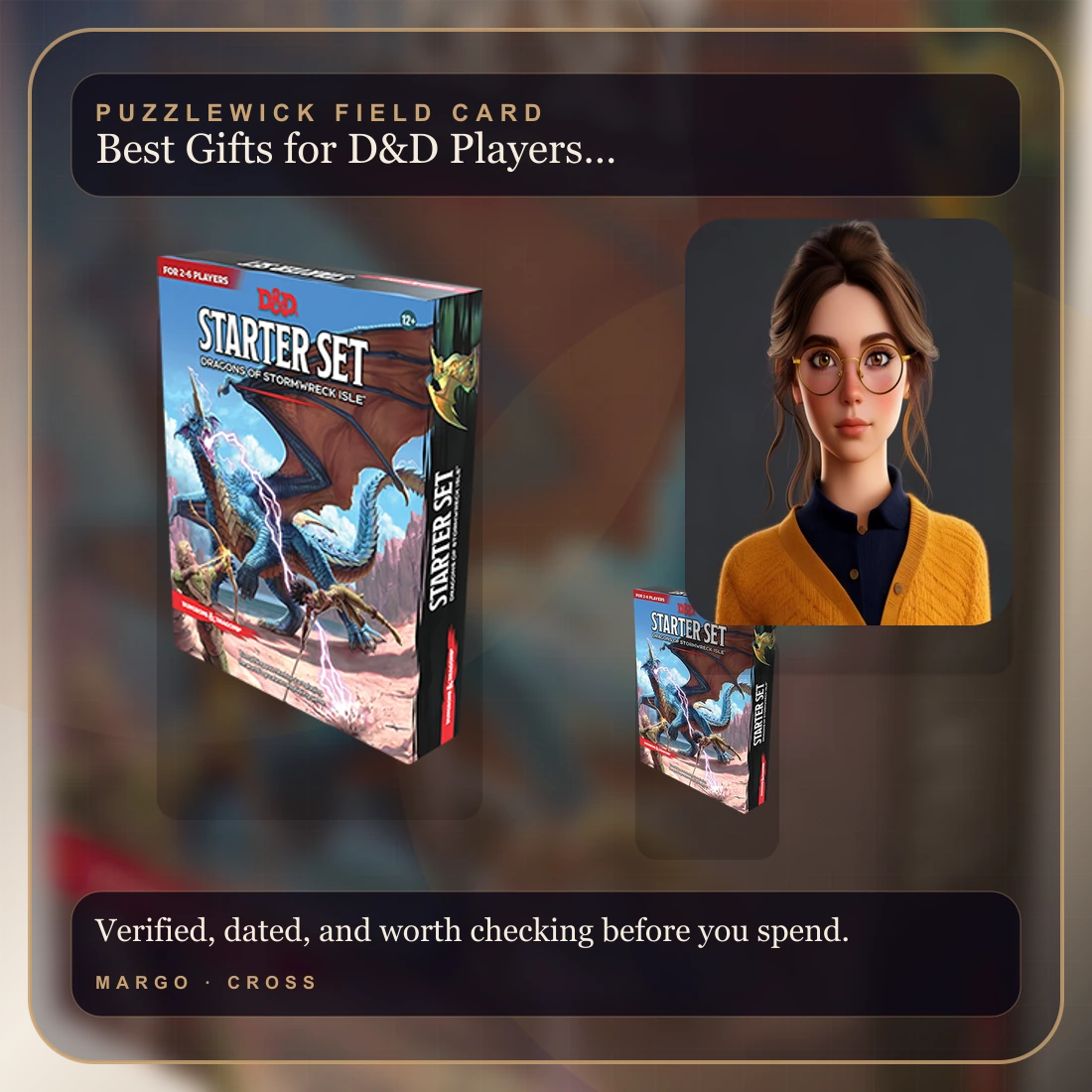
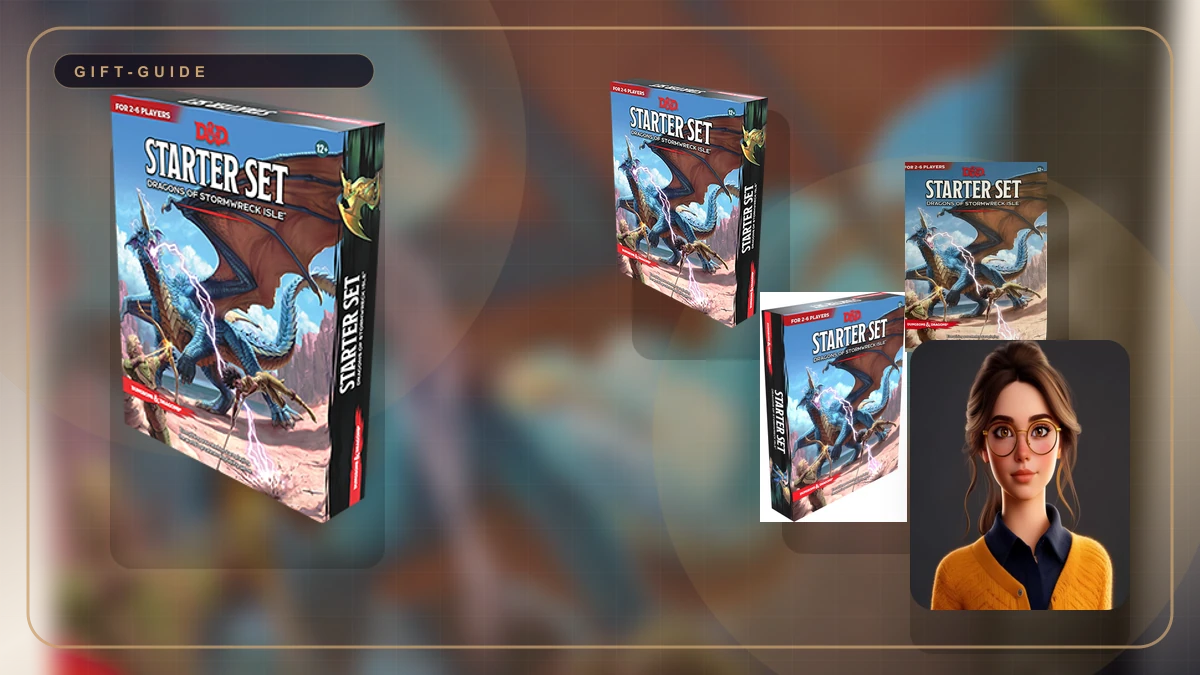
Ten verified D&D gifts, from $15 to heirloom, sorted by who the player actually is—with the receipts: makers named, materials confirmed, prices checked, and the line between craft …
Margo · The Archivist Open the dossierThe cabinet argues usefully
The curators are here to make a decision, not decorate one. Follow the voice whose table sounds most like yours.
“The honest on-ramp I wish newcomers got: what the game actually is, told straight, with the myths quietly corrected on the way in. No gatekeeping, just the verified basics.”
Open Margo's dossier →“To start playing Dungeons & Dragons in 2026, read the free 2024 rules on D&D Beyond, gather one Dungeon Master plus three to five players, and run a single starter-set one-shot usi”
Open Dax's dossier →“Slide the WizKids figure from the box and it's already glowing, no brush, no waiting — that's the click, the moment your table looks ready. For the dungeon master who wants the battlefield alive tonight, not next month.”
Open Yumi's dossier →“This is your roadmap into Ravenloft's Season of Horror — the right bundle, the miniatures, the companion gear before the mist closes in. Someone reads a flavor line aloud and the table goes quiet. Bring: the players who'll whisper even when nobody's listening.”
Open Imani's dossier →The 2024 ruleset and where to begin.
Metal, gemstone, towers, trays — the table's heartbeat.
Make combat tactile and the battlefield real.
Campaigns and seasonal one-shots to run.
The reliable wins for the table's favorite people.
Wings that share this one's spirit. Keep wandering.
Want the whole cabinet? Browse every wing → · See what's hot right now →

The fortune-teller's table

“Mmm — come, sit. The glass is warm tonight. Three rose for you; let me show you.”— Yumi, The Hostess
 ✦ a little gift from the table