Heirloom game tables & felt-topped altars built to be passed down.
Gaming Tables
The short answer
Gaming Tables is where the table is the game, too — heirloom playing surfaces, vault-and-rail board-game tables, and felt-topped altars built to be passed down. This is the big-ticket, forever-purchase end of the hobby; we judge each one on craft, real-world value, and whether it earns the floor space.
10 certified guides 10 deep guides route led by Robert · curator council
Wander in ↓ Start with the deep dives
The researched, honestly-verdicted guides our panel wrote for this wing — the fastest way down the rabbit hole.
Buying Guide
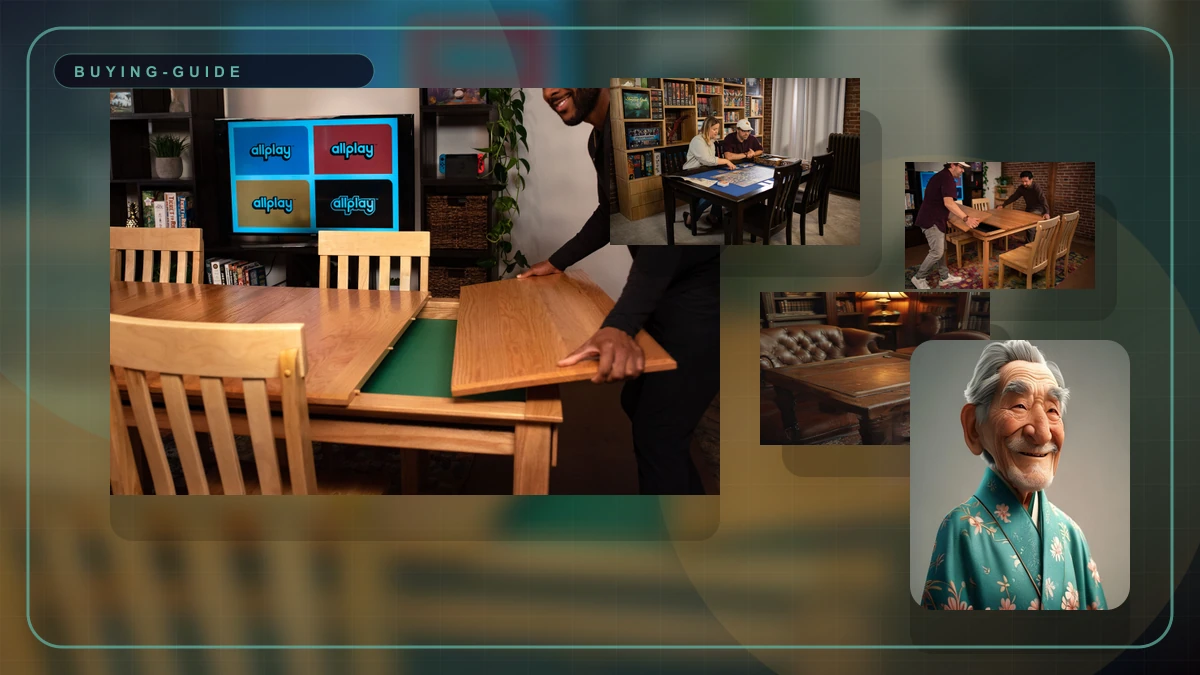
Are Gaming Tables Worth It? Board Game Tables Compared (2026)
Kenji · The Sensei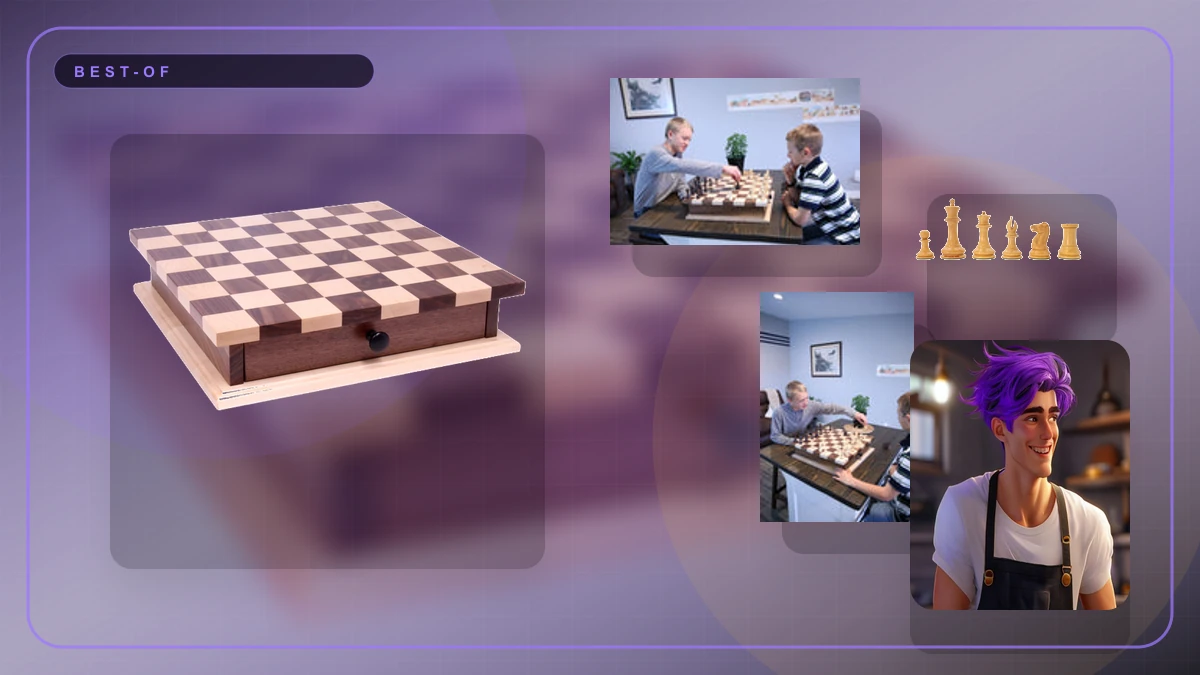
Best Of
Best Heirloom Wooden Games, Ranked (2026)
Dax · The Critic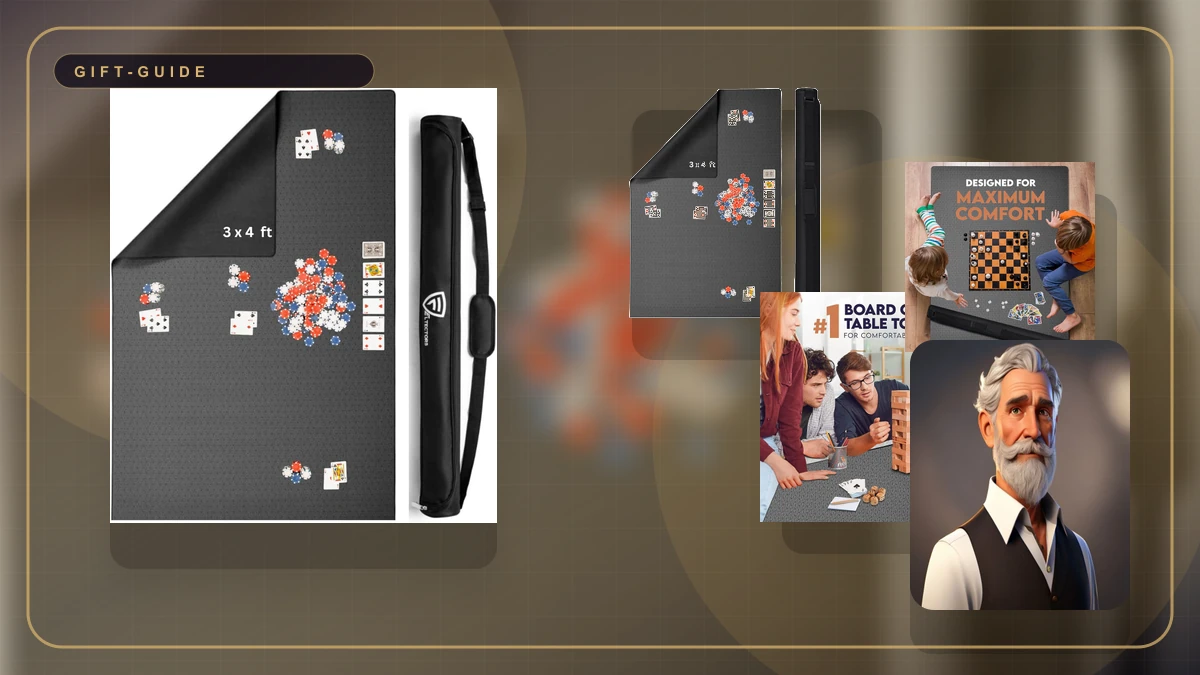
Gift Guide
The Game-Night Upgrade Kit: 9 Accessories That Make Any Table Look and Play Pro
Robert · The Keeper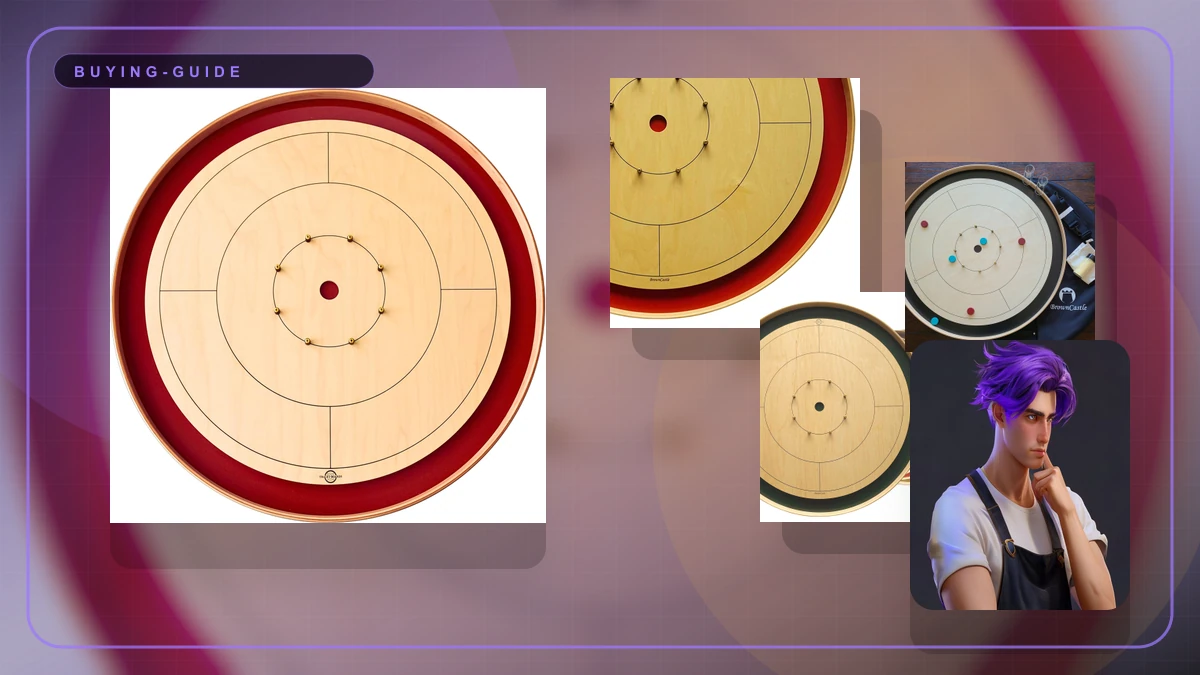
Buying Guide
Best Crokinole Boards, Ranked (2026)
Dax · The Critic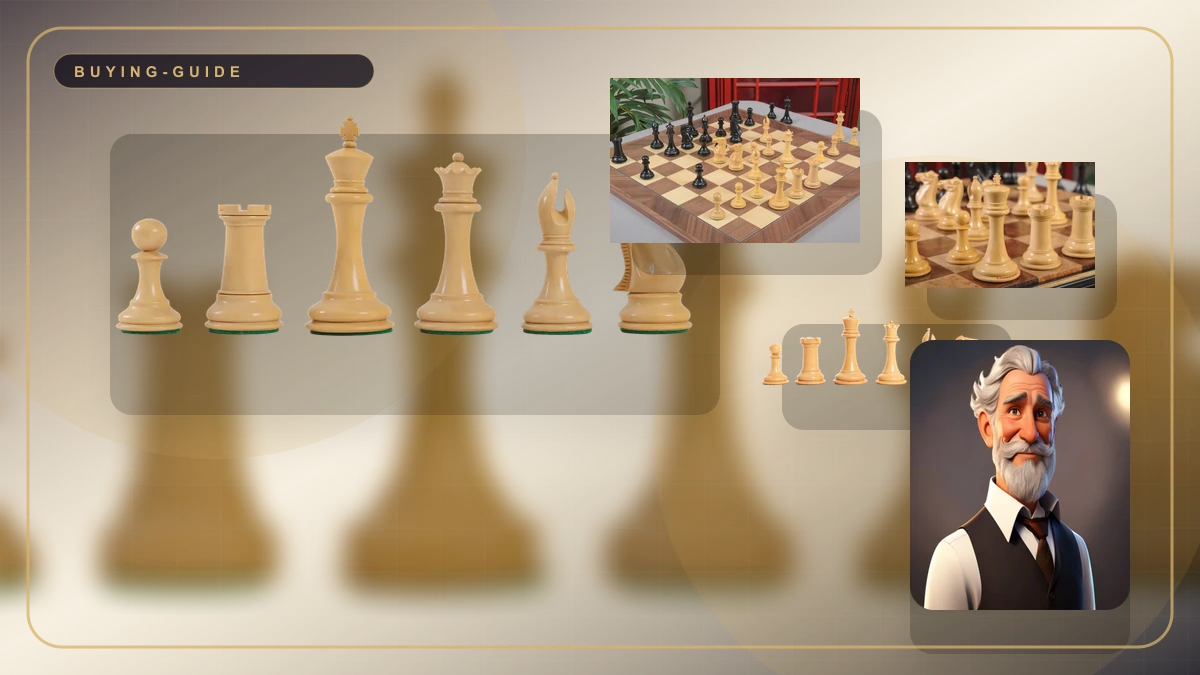
Buying Guide
Best Heirloom Chess Sets, Ranked (2026)
Robert · The Keeper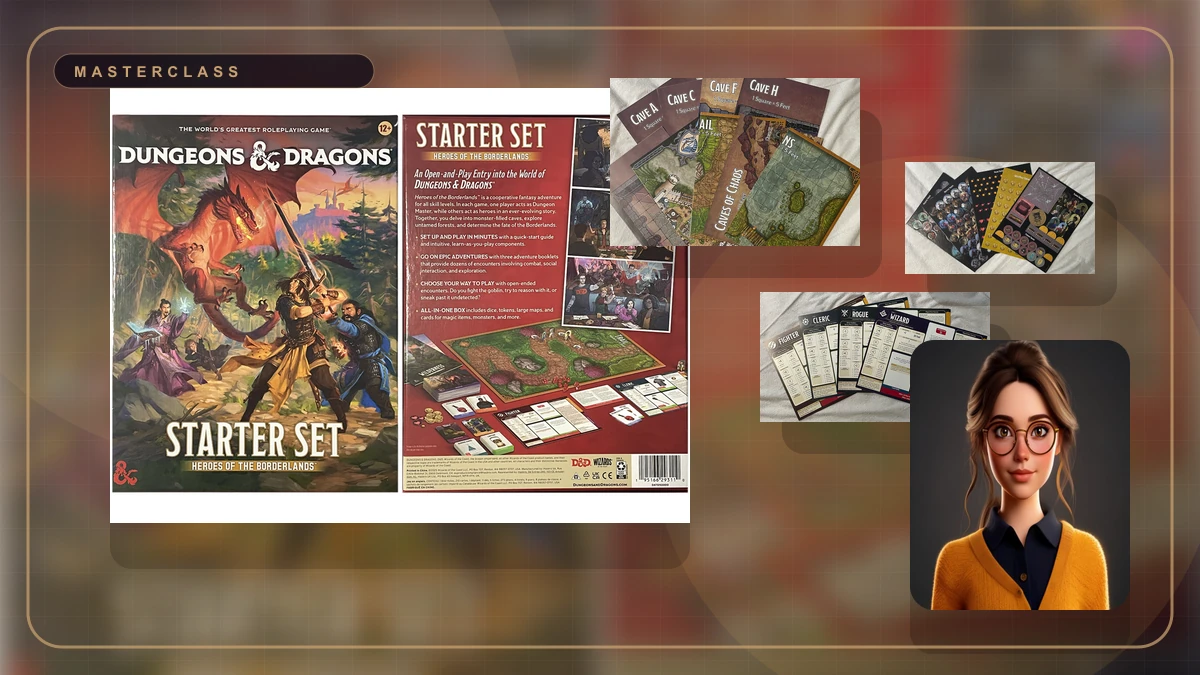
Masterclass
Dungeons & Dragons
Margo · The Archivist
Masterclass
Frosthaven
Robert · The Keeper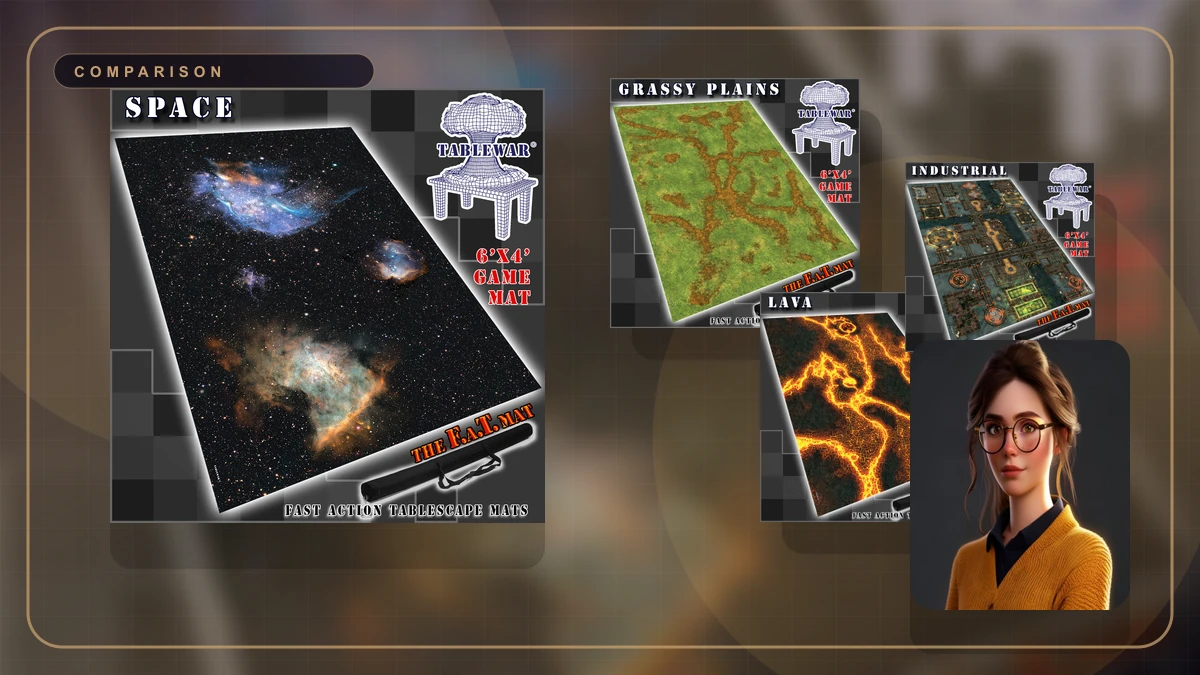
Comparison
Gaming Mats Comparison 2026: Neoprene vs Mousepad vs Premium Fabric
Margo · The Archivist
Masterclass
Mahjong
Kenji · The Sensei
Buying Guide
Modular Terrain Systems for Wargaming: Dwarven Forge, Mantic & Battle Systems
Robert · The KeeperQuestions, answered
Are dedicated gaming tables worth it?
For groups who play often, yes — a recessed "vault" keeps a game set up between sessions, the rails hold cards and drinks, and a good one doubles as a dining table with the topper on. It is a furniture-grade purchase, judged like furniture.
What features matter on a game table?
A recessed play vault, a flush dining topper, cup holders and rails, quality felt, and solid wood construction. Premium makers add cnc-cut accessories, lighting, and lifetime craftsmanship.
How much does a good gaming table cost?
Real heirloom tables run from the high hundreds into the thousands depending on wood, size, and features. We focus on value-per-decade: these are pieces you keep, not replace.
Are gaming tables worth the money?
For regular players, yes. An entry solid-wood table like the Allplay Jasper ($899) costs roughly $180 a year over five years; play even twice a month and that's well under a dollar per session for a recessed surface that protects components and lets you leave campaigns set up. The premium tier ($12,000+ Wyrmwood Prophecy) is only 'worth it' as bespoke furniture you'd have wanted regardless — never on gaming volume alone.
What's the difference between a gaming table and a table topper?
A gaming table is a complete piece of furniture with a recessed vault, rails, cup holders, and usually dining leaves — it replaces a table. A topper is just the recessed tray with cup holders, dropped onto a table you already own — it adds a gaming surface without new furniture or floor space. Toppers start around $439 (Allplay's 4-piece); dedicated tables start around $499.
What makes a wooden game an heirloom?
Solid hardwood construction joined with real woodworking, plus a maintainable finish — that combination lets the game be refinished and handed down across generations. Solid walnut, maple, oak, cherry, ebony, or boxwood can be sanded and re-oiled essentially forever; the surface goes back to new. A printed or veneered board can't take that step, so by definition it isn't built to be a hand-down. Pieces matter too: weighted hardwood or hand-carved chessmen and olive-wood/glass game pieces complete the picture. In short, an heirloom game is one you can repair, not just replace.
Solid wood vs. veneer — how do I tell the difference, and does it matter?
It matters decisively for heirloom purposes. Solid wood is boards of the actual species, refinishable for decades. Veneer is a thin slice of real wood (often under a millimeter) glued to an MDF or plywood core — beautiful and stable, but it can only be lightly sanded once or twice before you break through to the substrate, so it can't be handed down the same way. To tell them apart: check the edges and corners (solid wood wraps continuous grain around; veneer shows a thin top layer over a different core), heft it (solid is heavier), and read the maker's spec — honest makers say 'solid' or disclose 'veneer.' A grain pattern that repeats is printed 'replica' wood, not real.
What's the single best game-night accessory to buy first?
A neoprene table mat. It improves every game you own on the very first turn — cards slide, dice land quietly, and your table is protected from dings and spills. The Feltectors 36×48 gives you convention-mat size at well under half the typical convention price, which is why it tops this list.
Are board game accessories actually worth it, or just clutter?
The good ones pay you back every session because they improve games you already own rather than adding a new game to learn. A mat, component pods, sleeves, and a dice tray together cost less than one premium boxed game and make your whole shelf nicer to play. Skip novelty gadgets; buy the workhorses.
What is crokinole?
Crokinole is a Canadian disc-flicking dexterity game, first documented in 1876 in Perth County, Ontario. Two players or pairs flick wooden discs from their own quadrant of a round or octagonal board toward a recessed 20-point center hole, past a ring of eight pegs, scoring 20/15/10/5 by zone while trying to knock opponents' discs into the surrounding ditch. It's easy to learn and famously deep to master.
What is the best crokinole board overall?
The Tracey Tour board from Crokinole Game Boards (Jeremy Tracey, ~US $300-380) is the best overall. It's the official World Crokinole Championship specification, built by the maker Willard Martin personally anointed as his successor, with a fast buffed-maple deck, true 26-inch field, and rubber-sleeved pegs. The Crokinole Canada round tournament board is its co-equal alternative.
What makes a chess set an heirloom?
An heirloom chess set is a faithful wooden Staunton-pattern set built to last generations: light pieces in boxwood, dark pieces in a fine hardwood (ebony, rosewood, or Sheesham), knights carved by hand, lead weighting in the bases, 34 pieces (including two extra queens for promotion), and a solid-hardwood board sized to the pieces. The combination of real wood, real weighting, and hand-carving — not the price tag — is what separates an inheritance from a tool.
What is the Staunton pattern and why does every good set use it?
The Staunton pattern is the standardized chess-piece design registered by Nathaniel Cooke in March 1849 and first manufactured by John Jaques of London in September 1849, endorsed by champion Howard Staunton (whose name it took). Its breakthrough was instant legibility — a cross-topped king, coronet queen, mitred bishop, horse-head knight, castle rook — so any player can identify pieces at a glance. It's been the universal standard for serious and tournament play ever since, which is why every heirloom-grade set is a Staunton.
Do I need to buy all three core books to start?
No. The free 2024 rules on D&D Beyond cover all 12 classes and character creation at **zero cost**, and a single starter set (~$20-50) includes everything a new group needs — dice, pre-made characters, and a ready adventure. Most players only buy the **Player's Handbook** once they're hooked, and the DMG and Monster Manual are DM tools you can add later.
Down the next hole
Wings that share this one's spirit. Keep wandering.
Want the whole cabinet? Browse every wing → · See what's hot right now →