Building Your D&D Battle Table: Terrain, Mats & Setup
A DM's battlefield starts with the right tools. Here's how to buy terrain that earns its shelf space.

AI-assisted curator persona · researched & reviewed by founder Robert Pruitt, a 20-year enthusiast · how we make our guides
The short answer
The best battle table combines a quality play mat (F.A.T. Mats or Gray Matter Gaming's neoprene options start around $50–$75 for smaller formats) with modular terrain kits (Battle Systems Fantasy sets at $99–$110, or Mantic's Terrain Crate at £30–£70) that you'll actually use, assembled, between sessions.
A battle table only matters if you use it. I've sat at tables where expensive hobby terrain collects dust in a closet while the real work happens on a dry-erase mat. The best battle setup is the one you'll deploy without thinking twice—clean baseline mats, modular pieces that snap together without glue, and storage that doesn't punish you.\n\nThis isn't about filling a shelf with every dragon's lair ever made. It's about pieces that pay for themselves in saved prep time and player immersion over a campaign's life.
Mat or Modular Terrain — Which Do You Actually Need First?
Buy the mat first. Always. This is where most DMs get the order wrong, and it costs them a hundred bucks they'll regret.
A battle mat is not terrain — it's your canvas. A neoprene mat from F.A.T. or Gray Matter Gaming gives you a durable, slip-resistant surface that holds miniatures in place, eats dice dings, and survives the inevitable spilled drink without chewing up your dining table underneath. Modular terrain — the clip-together building kits from Battle Systems, Mantic, or Dwarven Forge — sits on top of that canvas to add verticality, cover, and story. It's the upgrade, not the foundation.
If you're running 5E, you almost certainly need both eventually, but not on day one. The mat is non-negotiable; the terrain earns its place over the next few sessions. Here's the test I give every new DM: run two or three encounters on a bare mat with dry-erase walls. If you find yourself wishing the ruins had real height — if a player asks "can I climb that?" and you wish you had a thing to point at — now you buy terrain, and you buy the kind that matches the climbing-and-cover moments your table actually creates. Start with a mat sized to your table (6x4' for big tables, 3x3' for tight spaces), then let your campaign tell you what terrain it wants.
What Makes a Neoprene Mat Worth $75 — and How Do You Keep It Flat?
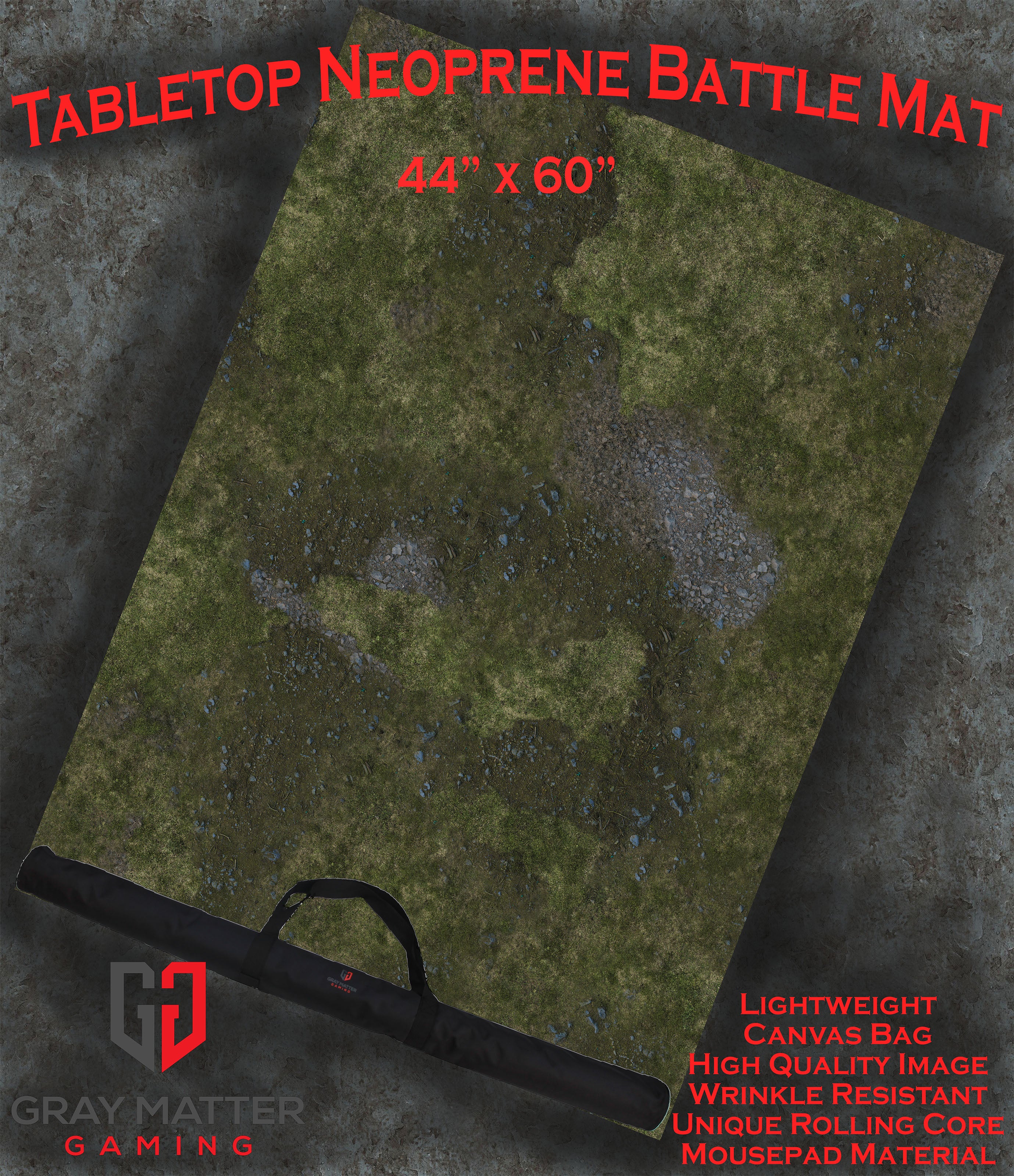
A good gaming mat needs exactly three things: a surface that lets minis slide without spinning, a backing that grips your table so it doesn't creep mid-combat, and enough durability to survive years of dice and coffee. Neoprene — the same mouse-pad-style rubber under your wrist right now — delivers all three for $73–$80 at the 6x4' size.
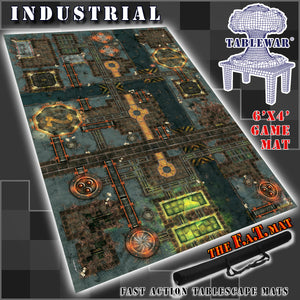
Here's the insider truth: F.A.T. Mats and Gray Matter Gaming mats are functionally the same product. Both are 3mm neoprene-backed printed fabric. The real difference is taste — F.A.T. leans industrial and sci-fi across its 130-plus designs; Gray Matter leans fantasy-naturalistic (prairies, lava flows, forests). Pick on aesthetics, not specs.
The thing nobody tells you is how to store them. Never fold a neoprene mat into a box — it will crease, and creases throw off your minis. Roll it with the image side facing out and stand it upright or hang it. F.A.T. ships each mat with a canvas bag and a printed luggage-style "F.A.T. Tag" so you can ID rolled mats on a shelf without unrolling all of them — a small thing that saves real time when you own three. If a crease does set in, lay the mat flat in the sun, weight it with books, or fan it with a hair-dryer on low; in a pinch you can iron it on the lowest setting through a towel. And keep it out of the garage and attic — neoprene hates temperature extremes.
Cardboard, Plastic, or Resin — Which Modular Terrain System Fits Your Table?
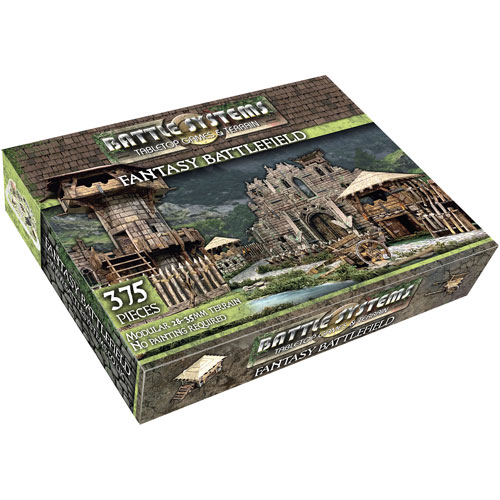
Modular terrain is the signal that you take this hobby seriously. These kits snap together, need no glue, and let you dress a 2'x2' combat space in under five minutes. Three systems own the category, and they map cleanly to three budgets and three temperaments.
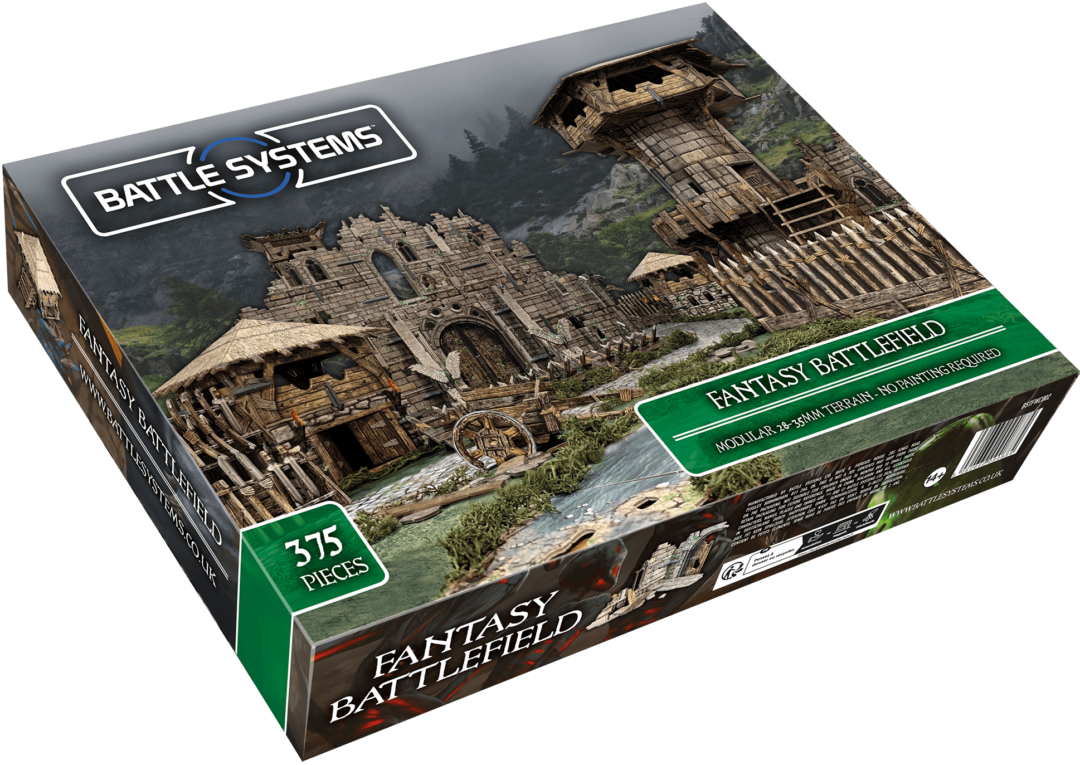
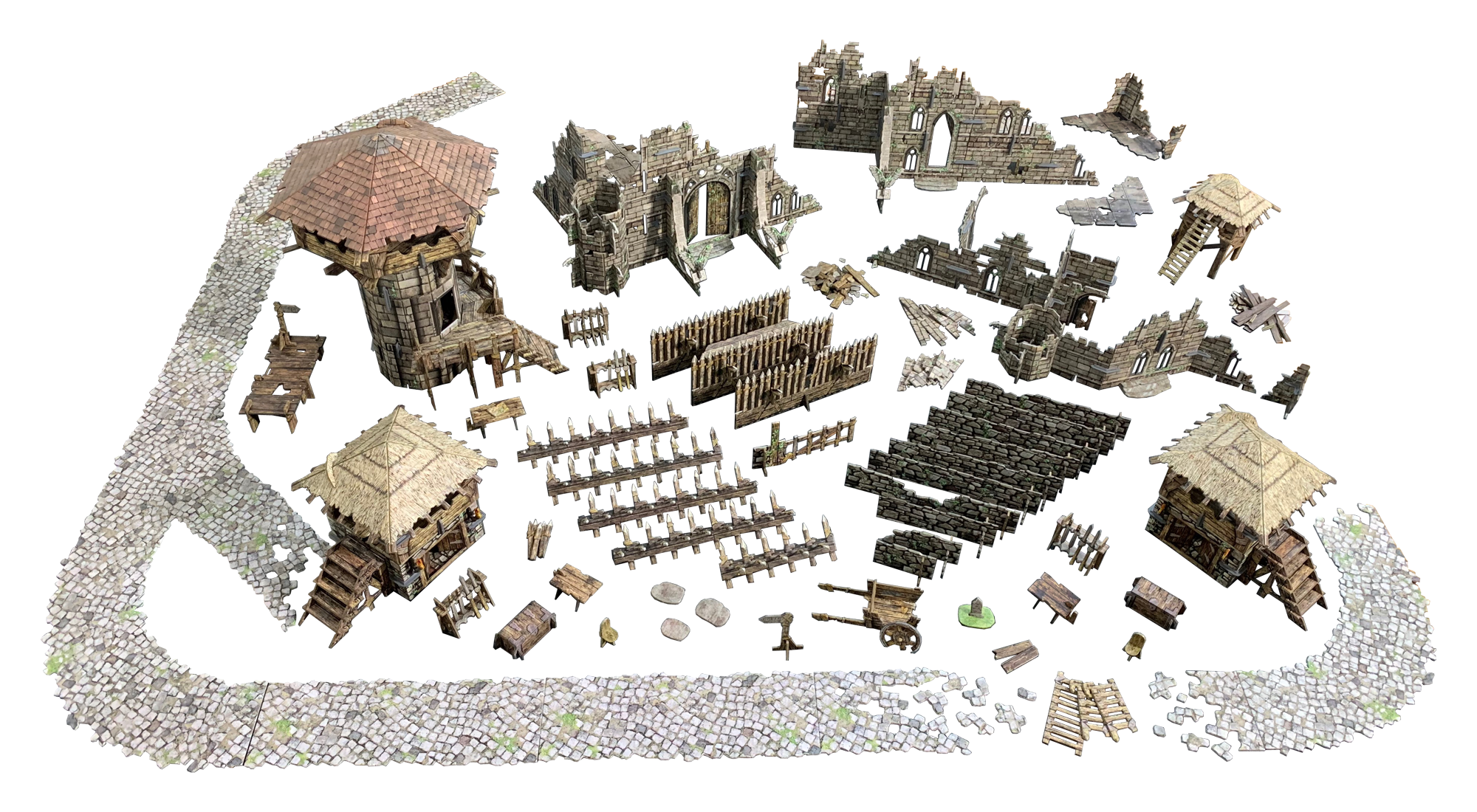
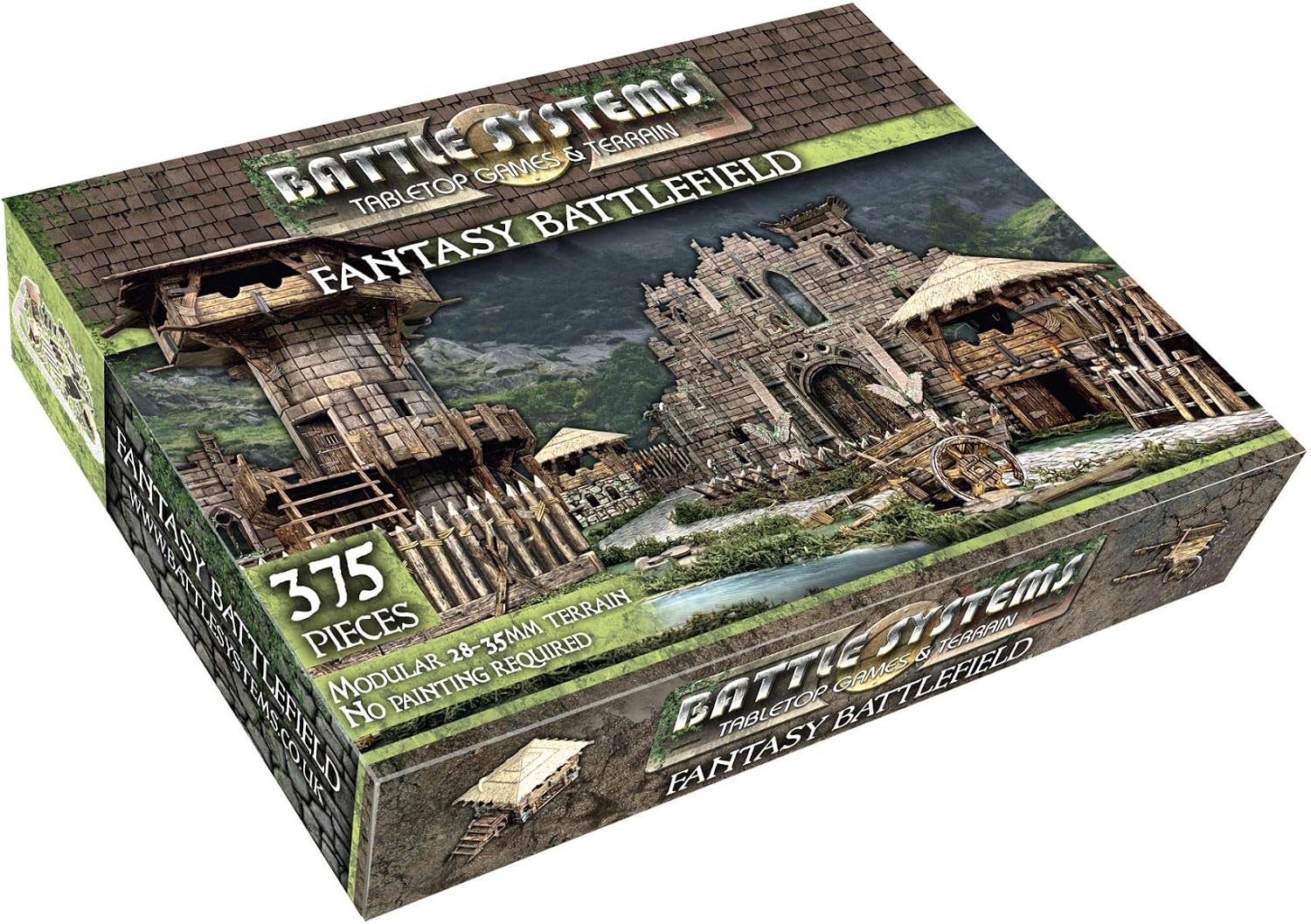
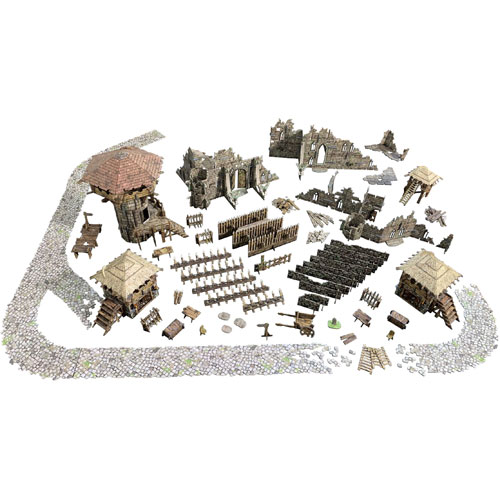
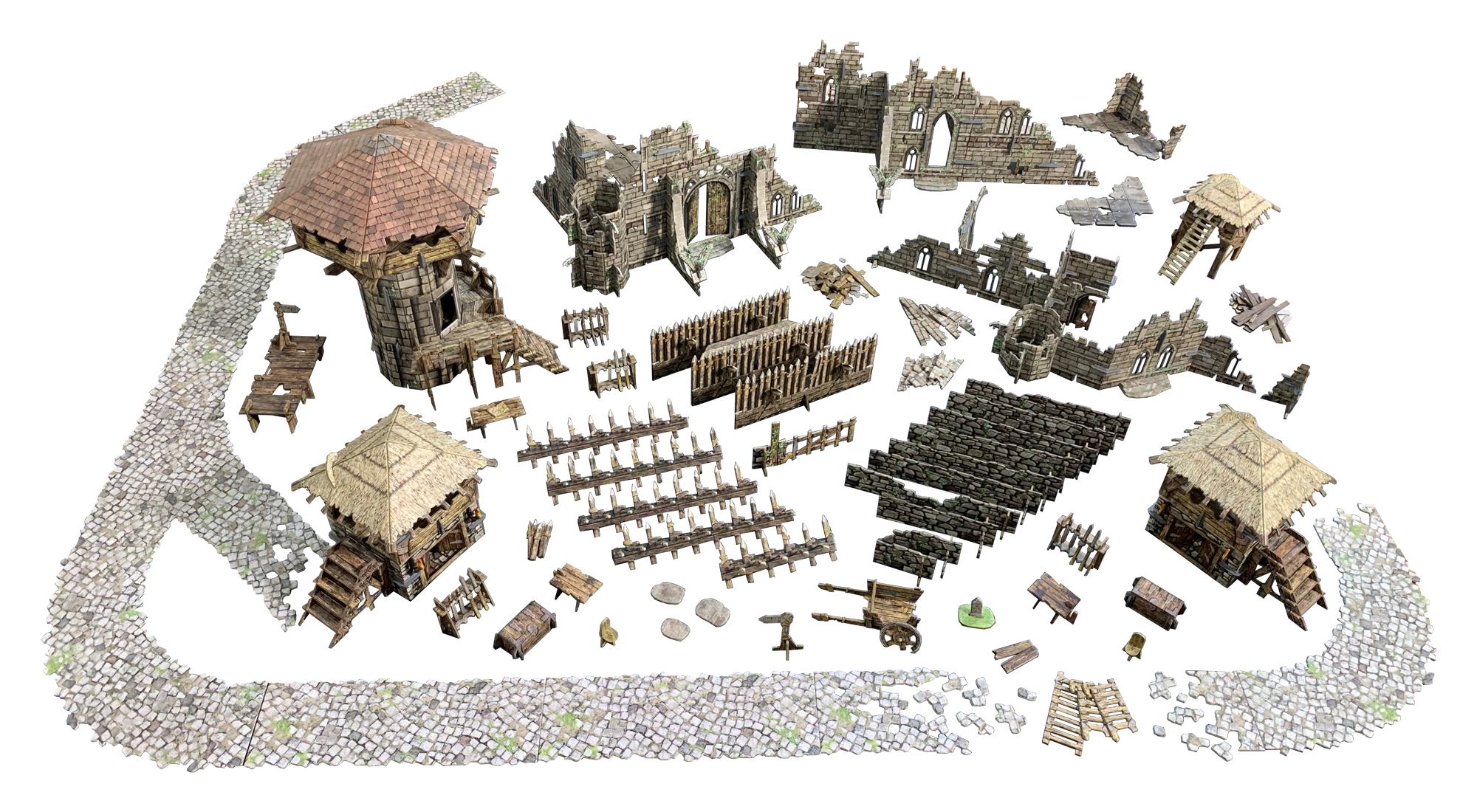
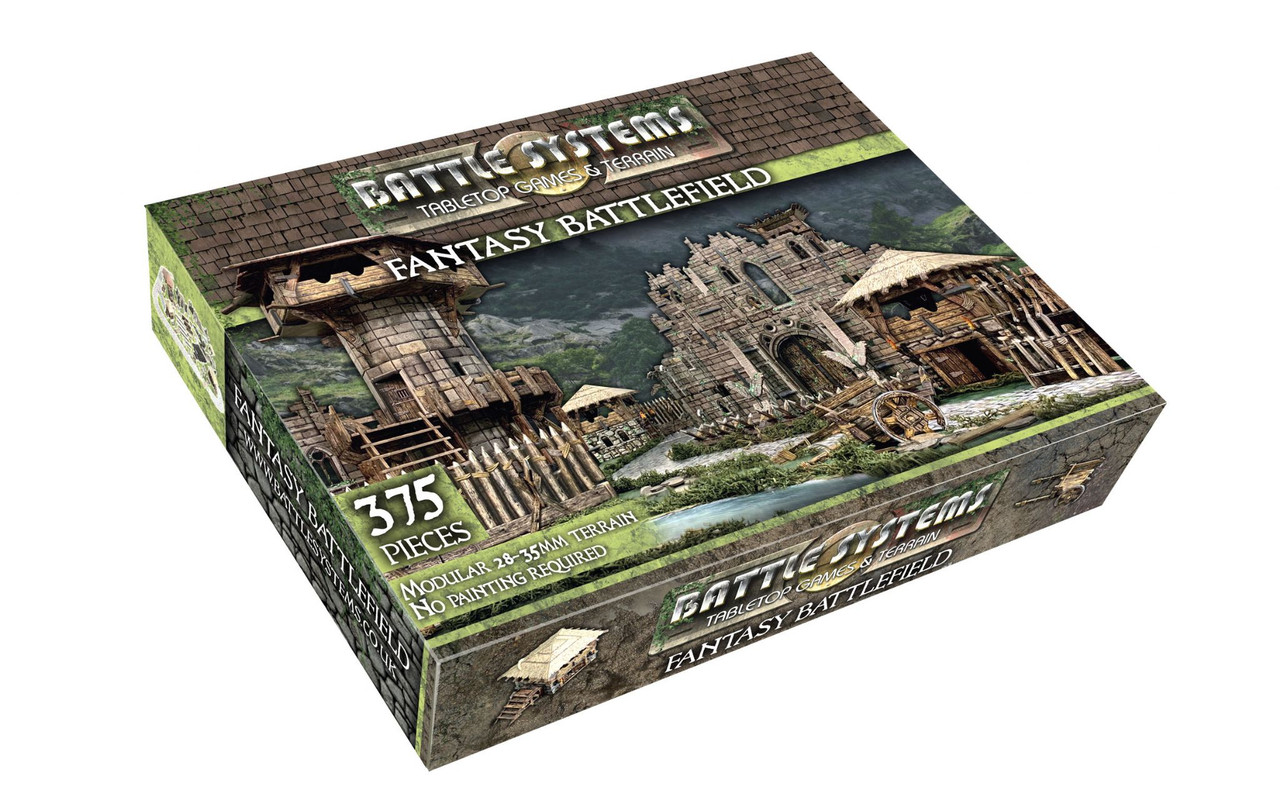
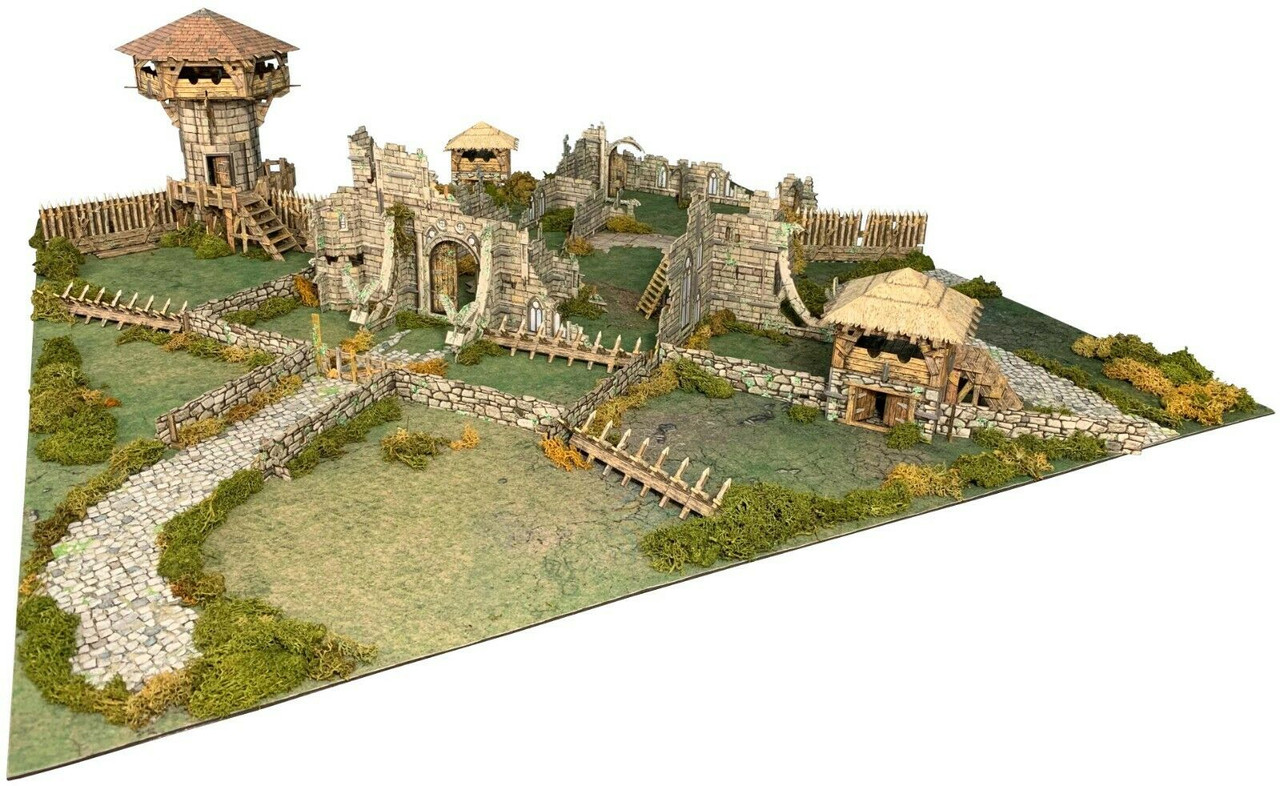
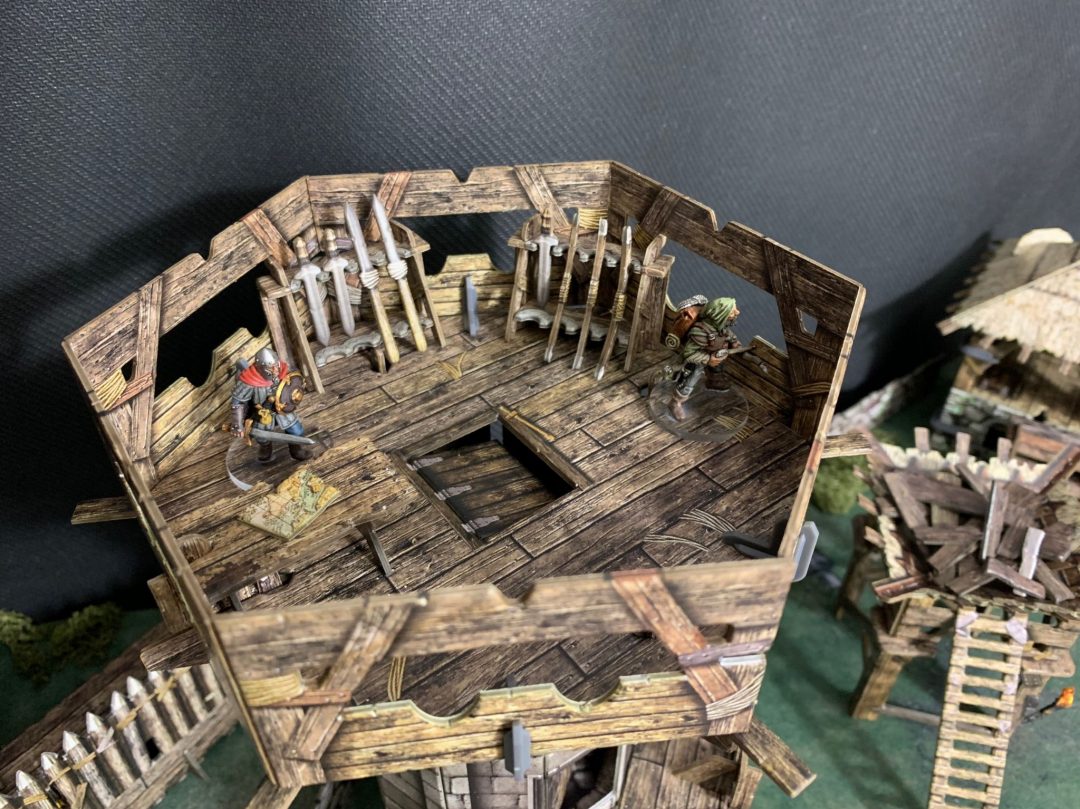
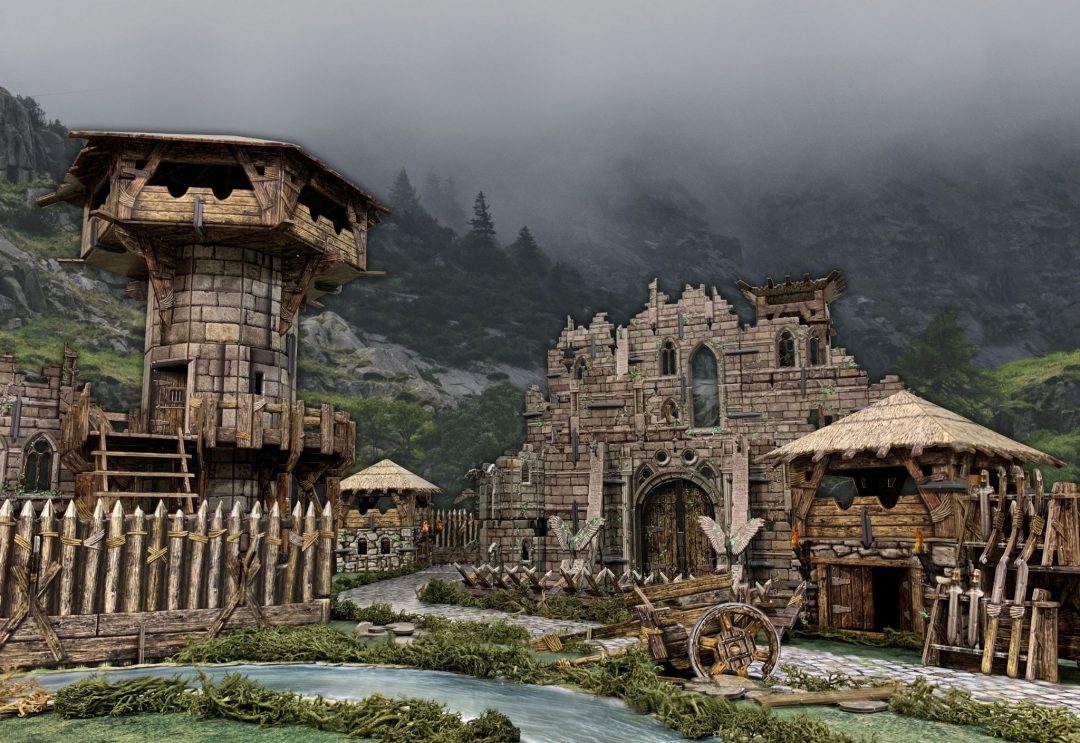
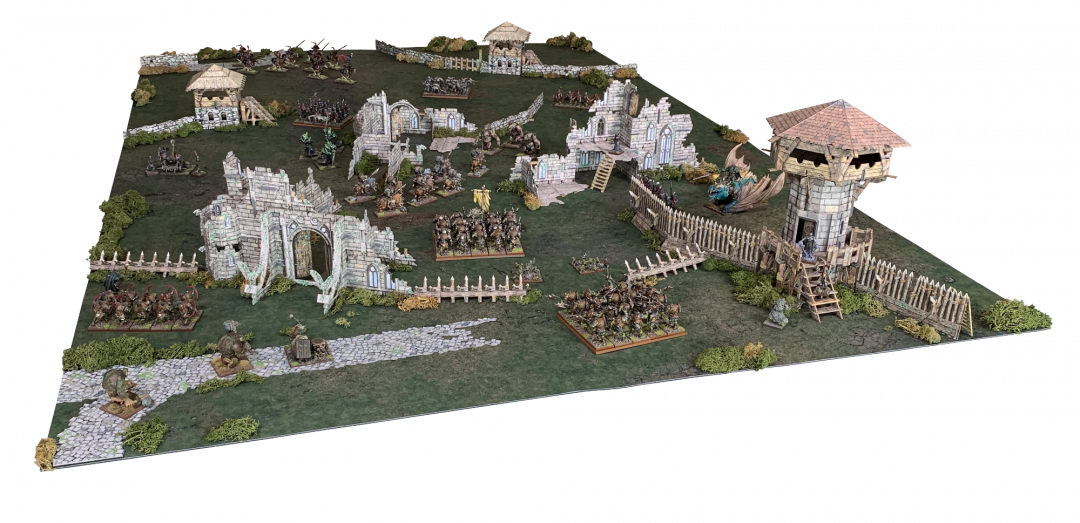
Battle Systems Fantasy is cardboard — and yes, it's better than that sounds. Walls, roofs, and scatter pieces clip together with genuinely satisfying precision, and the printed interior detail is obsessive. The Battlefield Core ($99) hands you a complete ruined town in one box. The catch is real: spills are catastrophic to cardboard, and the edges fray a little with repeated assembly over the years. Treat it gently and it lasts.
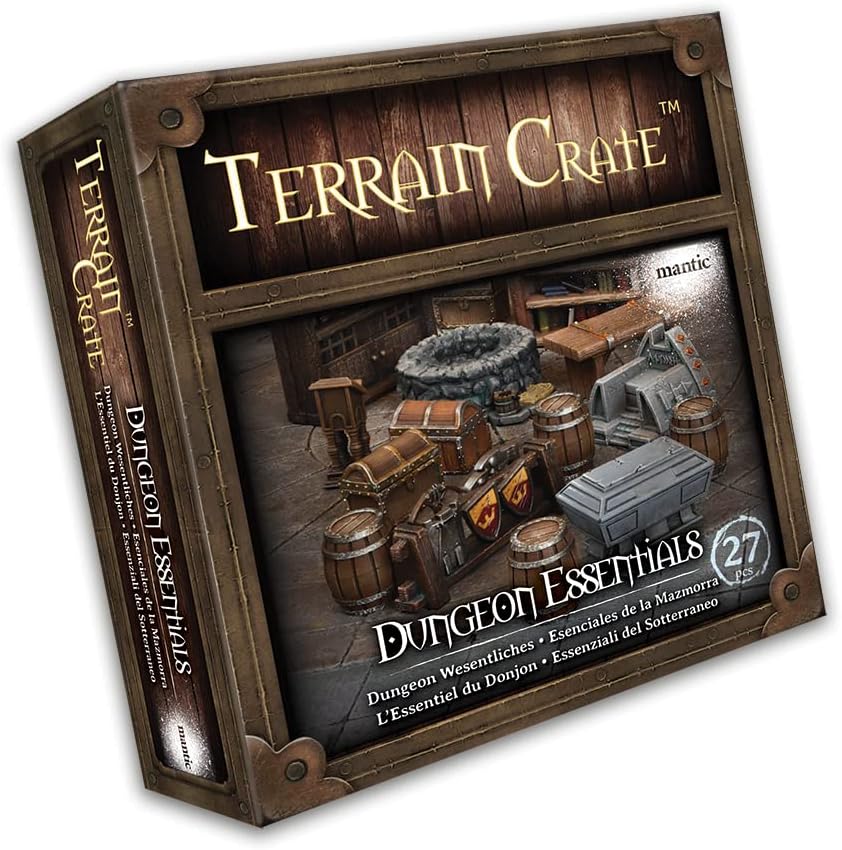
Mantic Terrain Crate is pre-coloured plastic that snaps together in seconds and stacks flat. A single ~$38 box — Dungeon Essentials, Tavern, Abandoned Town — drops onto your mat immediately, no painting required. It's the expansion-friendly choice: buy three or four boxes, mix them, and you've got a dungeon of real depth for under $120.
Dwarven Forge is the Cadillac — hand-painted, museum-grade, built to outlast you. It's slower to set up and demands careful storage, but it's the only terrain that looks better than the dungeon you're describing. Match the system to how careful, patient, and invested you genuinely are — not to the photos that made you want all three.
Is Dwarven Forge Actually Worth $139 — and What Is 'Dwarvenite'?
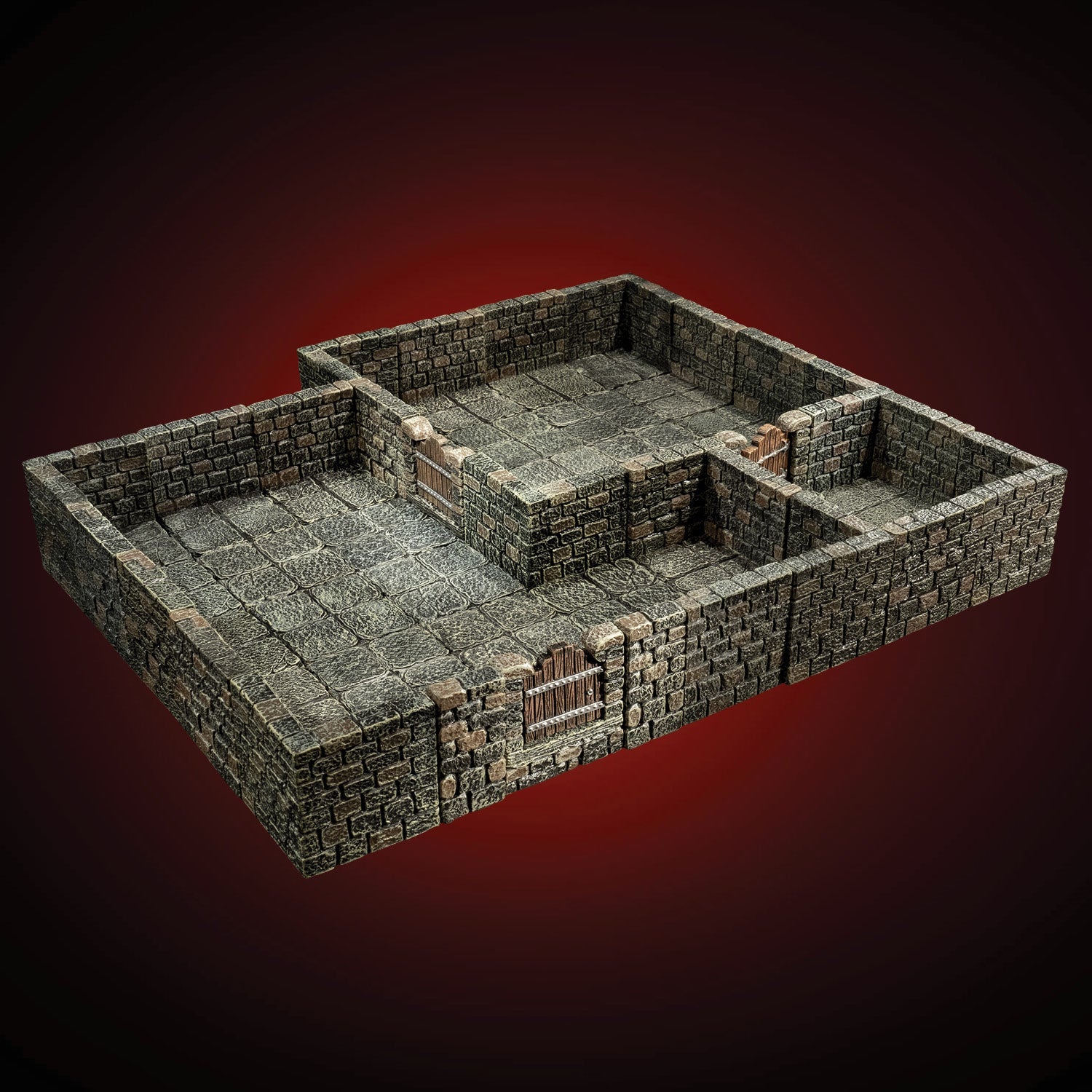
If you only run terrain occasionally, no. If your table's look matters as much as its rules, it's the best money in the hobby. Let me give you the context that makes the price make sense.
Dwarven Forge was founded in 1996 by sculptor Stefan Pokorny and effectively invented the modular dungeon-terrain category. Here's the part that matters for durability: the original tiles were cast in resin, which turned out to be too brittle for a tabletop — drop one and it cracks. So the company switched to a proprietary PVC polymer they call Dwarvenite, marketed as "sturdy enough to stand on while also delicate enough to be hand-painted." That's not pure marketing; Dwarvenite is genuinely the more forgiving material, and it's why their flagship sets survive a klutzy table. Read product listings carefully — older resin-era and current Dwarvenite pieces both circulate, and resin is the more fragile of the two.
The other thing nobody mentions until you own a set: Dwarven Forge doesn't snap-lock like cheaper systems. Each piece carries an embedded magnet and sits on a metal terrain tray, with optional "biscuit" pegs for multi-level builds. The result is a layout that doesn't slide when a player bumps the table — the single biggest quality-of-life win over plastic. The company funds new ranges through annual Kickstarters (their Caverns Deep campaign raised over $3 million), so the rare or out-of-print sets you'll see on eBay aren't scarcity gimmicks — that's genuinely how the line is made.

How Do You Make Mantic Terrain Crate Look Like It Cost Triple?
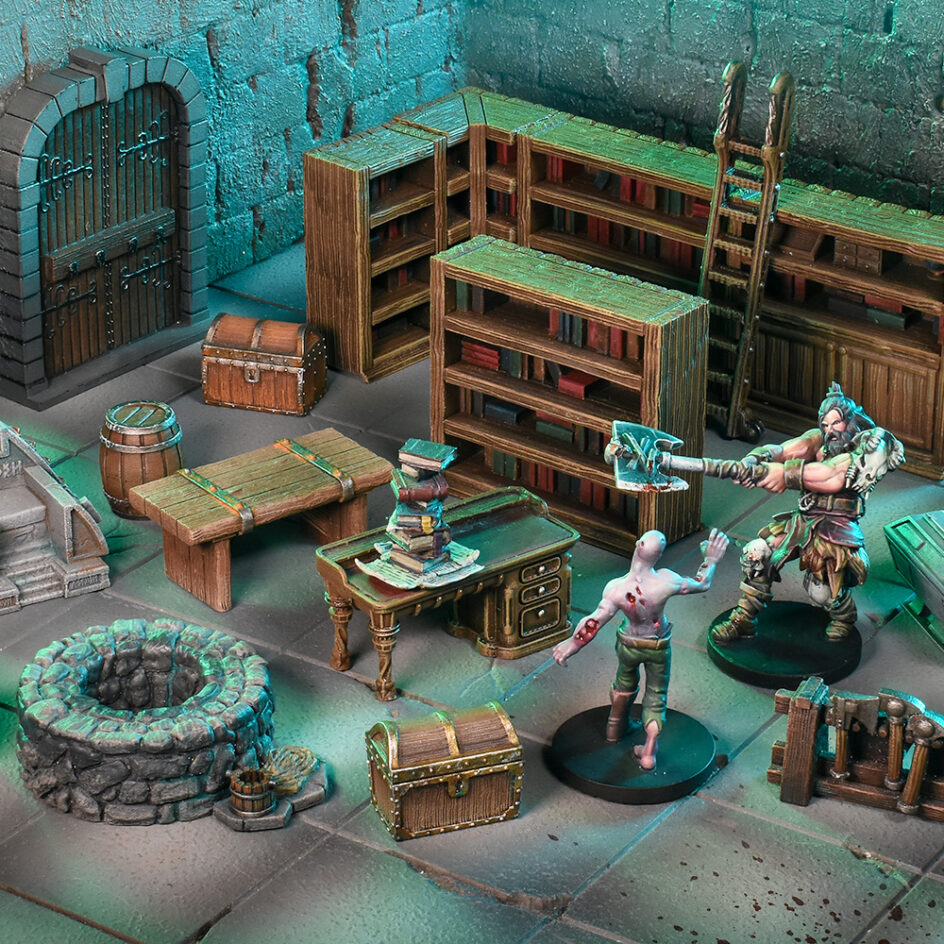
One wash and ten minutes of drybrushing. That's the secret, and it's the single highest-leverage hour in this entire guide.
First, the lore: Terrain Crate exists because Mantic, mid-Kickstarter for an earlier game, literally asked its fans "what do you want?" — and the answer that came back loudest was doors. Players were starved for cheap, ready-made dungeon dressing. So Mantic built an entire plastic-scenery line around it, and the value is genuinely close to what home 3D printing delivers, minus the printer, the filament, and the failed prints.
Now the catch that the marketing soft-pedals: Terrain Crate is "pre-coloured," not truly pre-painted. Straight from the box it reads a little flat and monochrome under table light. The fix is trivial and transformative — flood the piece with a dark wash (a watered-down brown or black ink) to pool shadow into every crevice, let it dry, then drybrush a lighter tone across the raised edges. Suddenly your barrels have grain and your flagstones have depth. No skill required; if you can paint a fence you can do this. A whole box takes one evening. For a DM who wants real dungeon depth without the Dwarven Forge price tag, this is the move: buy three or four themed boxes, give them all the wash-and-drybrush treatment in a single session, and you've built a custom-looking dungeon for the cost of a single resin core set.

What Are the Hidden Downsides of 3D Terrain Nobody Warns You About?
Three things blindside new terrain buyers, and all three are fixable if you know going in.
Scale mismatch. Most modular terrain is sculpted for 25–28mm "heroic" miniatures — the old D&D standard. But a lot of modern minis run 32mm or larger, and a chunky 32mm mini can look cramped in a 28mm doorway or refuse to stand on a narrow ledge. It's rarely a dealbreaker, but check your minis against the terrain's stated scale before you assume a figure will fit through that arch.
Line-of-sight arguments. The moment you add real height, players will (correctly) ask whether they can peek around that corner, shoot over that wall, or get cover behind that pillar. Flat maps never forced these rulings; 3D terrain does. Decide your house rule before combat — I keep it simple: if a clear line exists between the two minis' eye-lines, you can see and be seen. High ground grants the cover and sightline edge that makes verticality feel worth it.
Grid alignment and wobble. Organic 3D pieces fight the 1-inch grid your rules assume, and a tall stack that wobbles when someone bumps the table will dump minis mid-turn. The better systems hide a 1-inch grid in their sculpts and lock pieces down — magnets and trays on Dwarven Forge, snug snap-fit on Battle Systems and Mantic. When you build vertically, prioritize stable, level platforms over dramatic-but-tippy towers. A layout that survives an elbow is worth more than one that photographs well.
What Does a Complete Battle Table Actually Cost — and What's the Real Math?
A complete, genuinely-good battle table costs $100–$150, and everything past that is refinement, not necessity. But the number that should drive your buying isn't the sticker price — it's price per use.
Here's the calculus that reframes everything. A $100 terrain kit you deploy once a month is cheaper, in any way that matters, than a $30 mat you abandon in a closet. Plan a campaign at 15–25 sessions. A single ~$38 Mantic Terrain Crate box used across five encounters is about $7.60 per use — and it'll serve the next campaign too. A $139 Dwarven Forge Classic Dungeon set spread across a full campaign lands around $5–$8 per use, and a decade from now it's still on the table looking flawless. Resin and Dwarvenite don't depreciate; cardboard slowly does; a mat does not.
So the build I recommend to every DM is the same: one quality neoprene mat ($70), plus one modular set that matches your campaign's primary terrain — a dungeon crawl wants Mantic or Dwarven Forge dungeon pieces; an overland war story wants Battle Systems ruins and the right printed mat. Commit to using both, without buying anything else, for a full campaign. If at the end you're still reaching for them every session, then expand. The DMs with the best tables aren't the ones who own the most terrain — they're the ones whose terrain never sees the inside of a closet.

The picks
Some links below are affiliate links — as an Amazon Associate, Puzzlewick earns from qualifying purchases, at no extra cost to you. It never changes a pick.
 3 photos
 F.A.T. Mat Gaming Battle Mat (6x4')
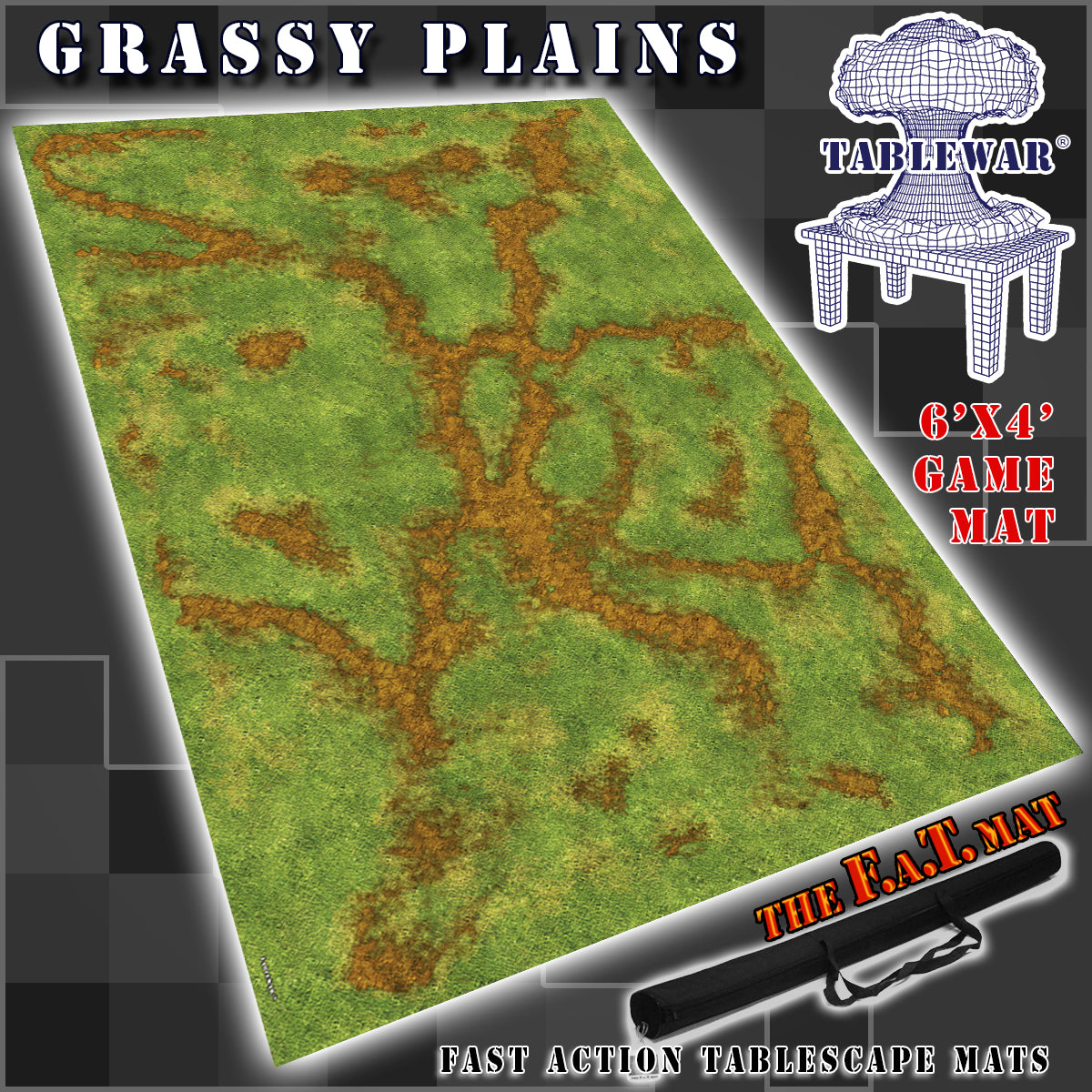
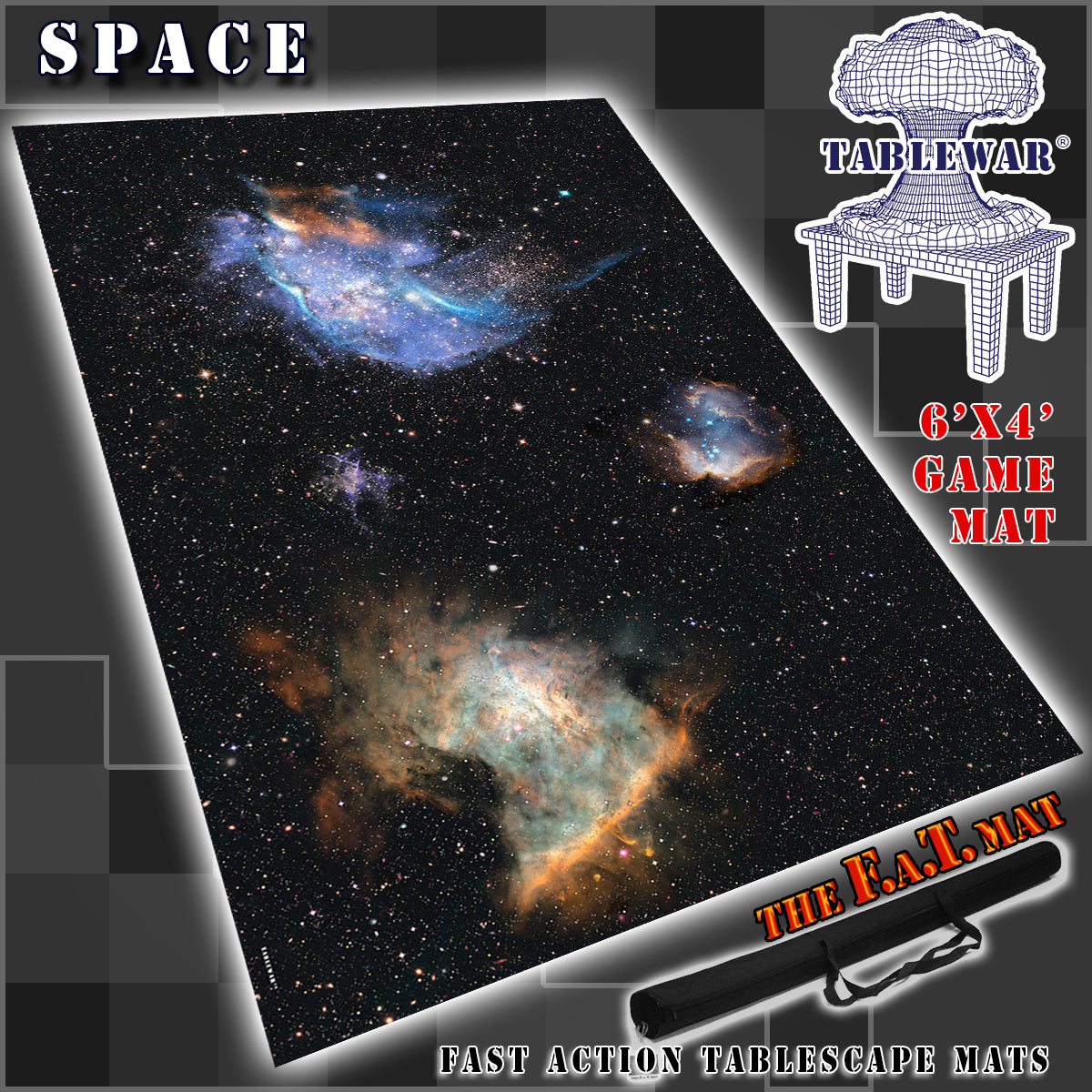
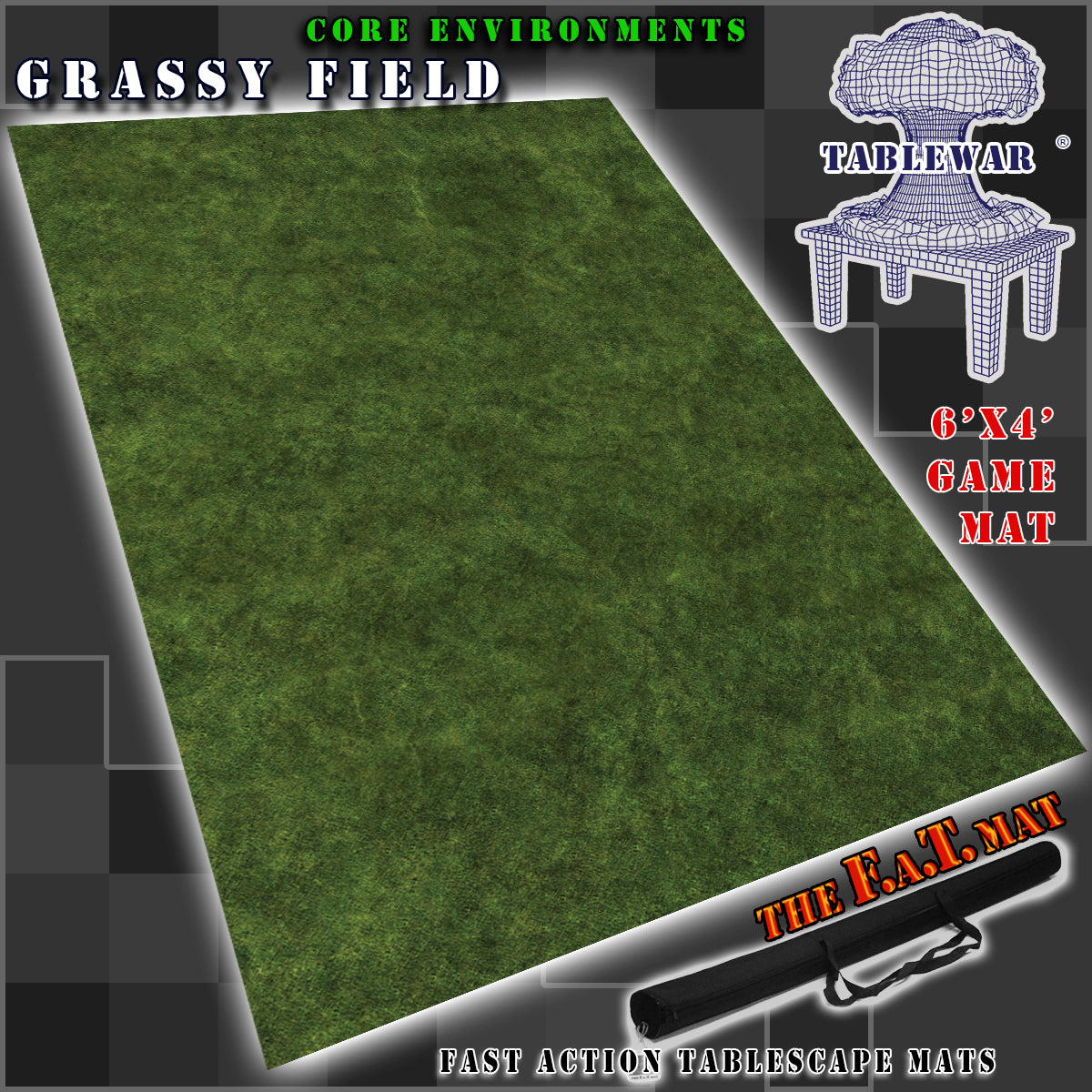
Over 130 vibrant designs on 3mm neoprene backing. Water-resistant, rolls flat, stores in a canvas bag. The 6x4' size fits most tables and handles standard encounter setups without overhang. Dice won't bounce off, minis won't slide, spills are survivable.
- Neoprene backing grips your table without adhesive
- Over 130 design options across multiple scales (sci-fi, fantasy, urban)
- Rolls flat and includes storage bag—easy setup and breakdown
- Durable enough for thousands of sessions
- Sizes 6x4' and 4x4' cannot ship internationally as of July 1, 2025
- Design is permanent—choose wisely or buy multiple mats
- Higher price for smaller specialty sizes
 12 photos
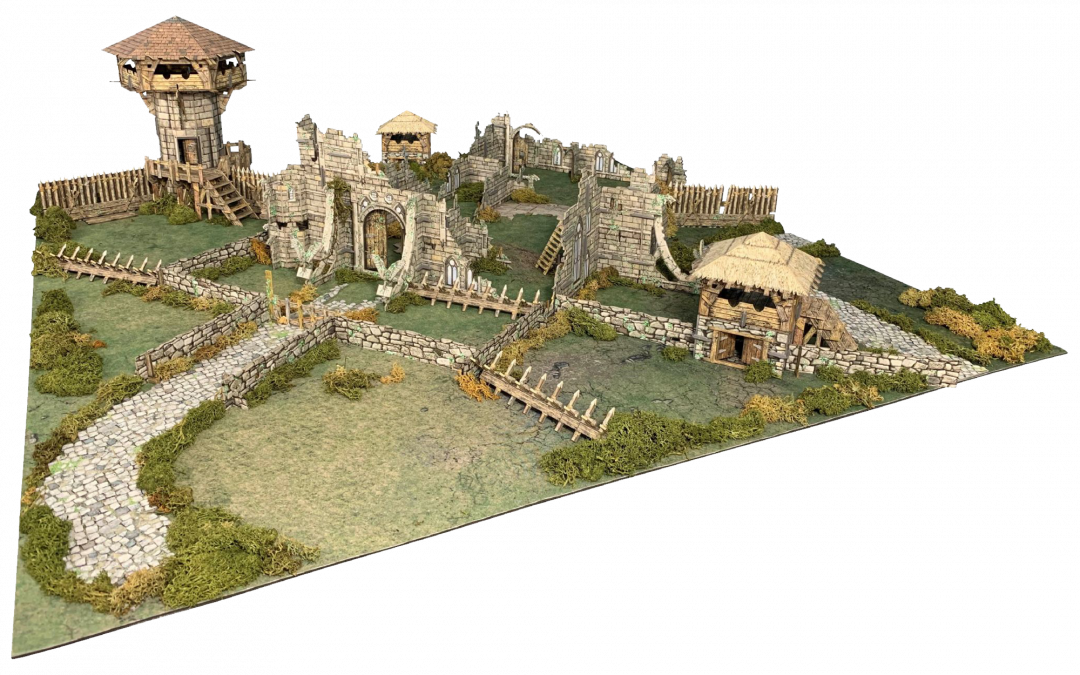
 Battle Systems Fantasy Terrain Battlefield Core Set
Cardboard terrain that clips together with satisfying precision. Includes ruined buildings, walls, fences, and scatter terrain. Modular design means you can arrange the same kit a dozen different ways. Pre-painted, no glue required. The interior details on the buildings are genuinely impressive.
- Complete battlefield setup from a single box
- Modular pieces clip together without tools or glue
- Pre-painted with excellent detail work
- Affordable entry to 3D terrain
- Cardboard construction is vulnerable to spills and humidity
- Pieces don't store as compactly as Mantic Terrain Crate
- Limited customization once assembled
 3 photos
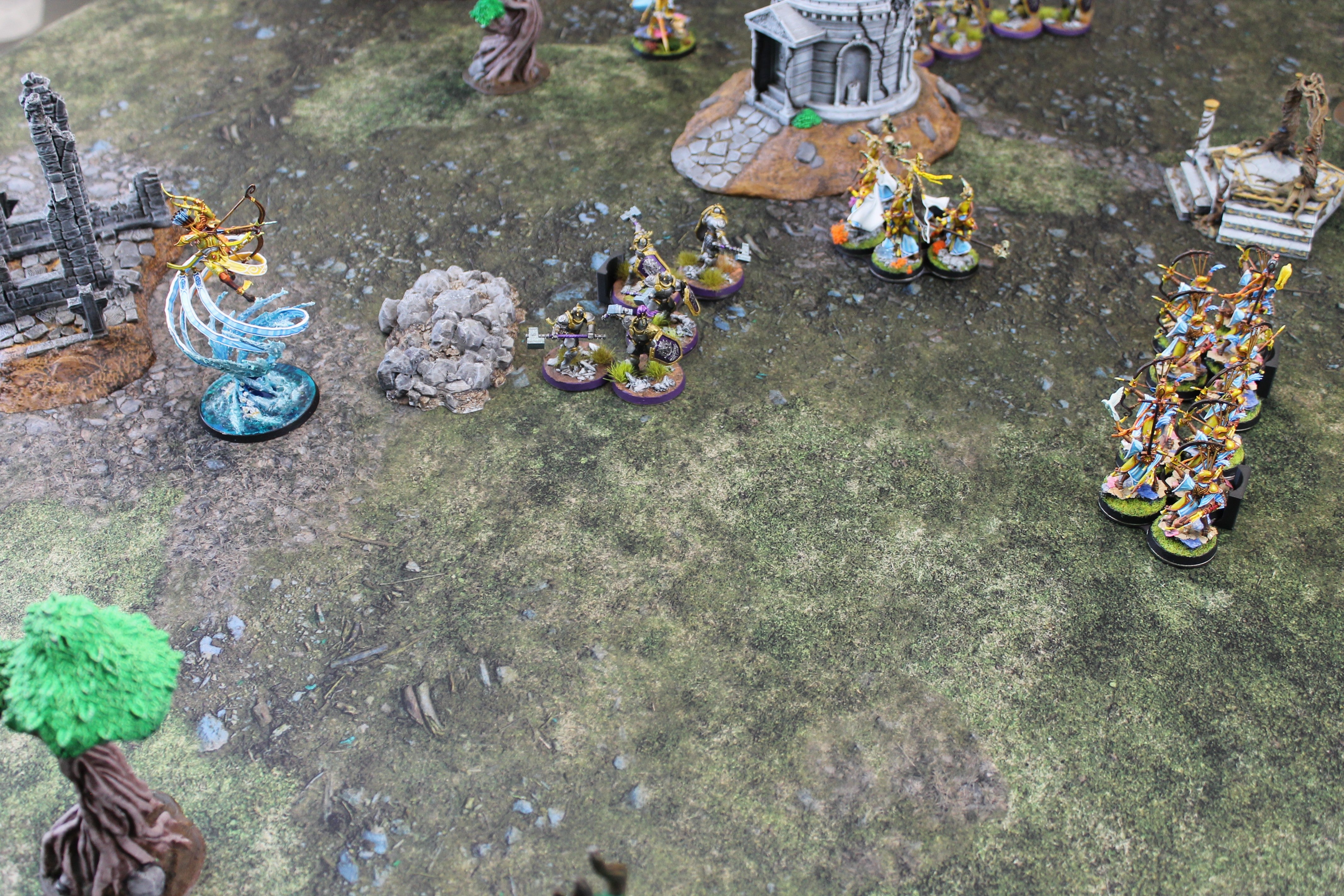
 Mantic Games Terrain Crate Fantasy Dungeon Essentials
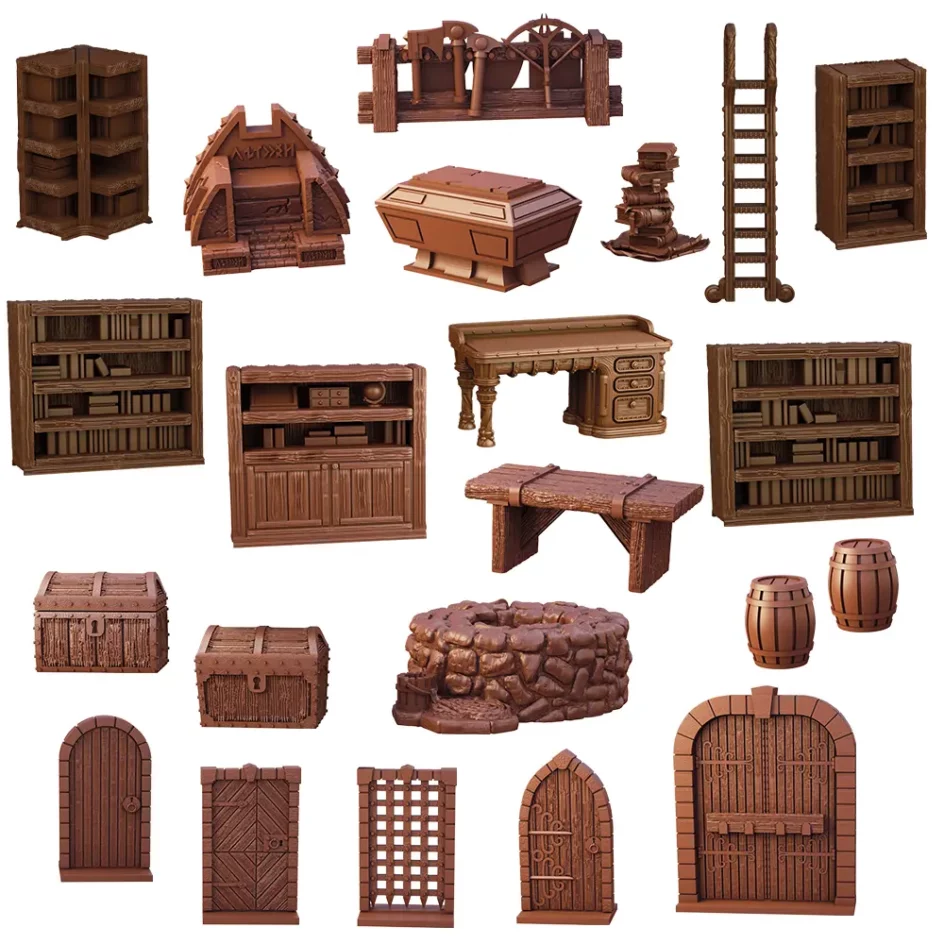
Pre-painted plastic. Everything comes assembled except for snap-fit assembly. The Dungeon Essentials box includes crates, barrels, doors, and dungeon staples. Individual boxes are modular—buy three to four and mix them for complete dungeon complexity. No painting, no glue, no fuss.
- Pre-painted and pre-assembled—usable straight from the box
- Durable plastic won't warp or water-damage
- 30+ themed boxes available for different campaign types
- Affordable per-set for the detail level
- Plastic can feel lightweight compared to resin
- Less imposing on the table than Dwarven Forge
- Snap-fit assembly can leave small gaps
 3 photos
 Gray Matter Gaming Field of Battle Neoprene Mat (44x60)
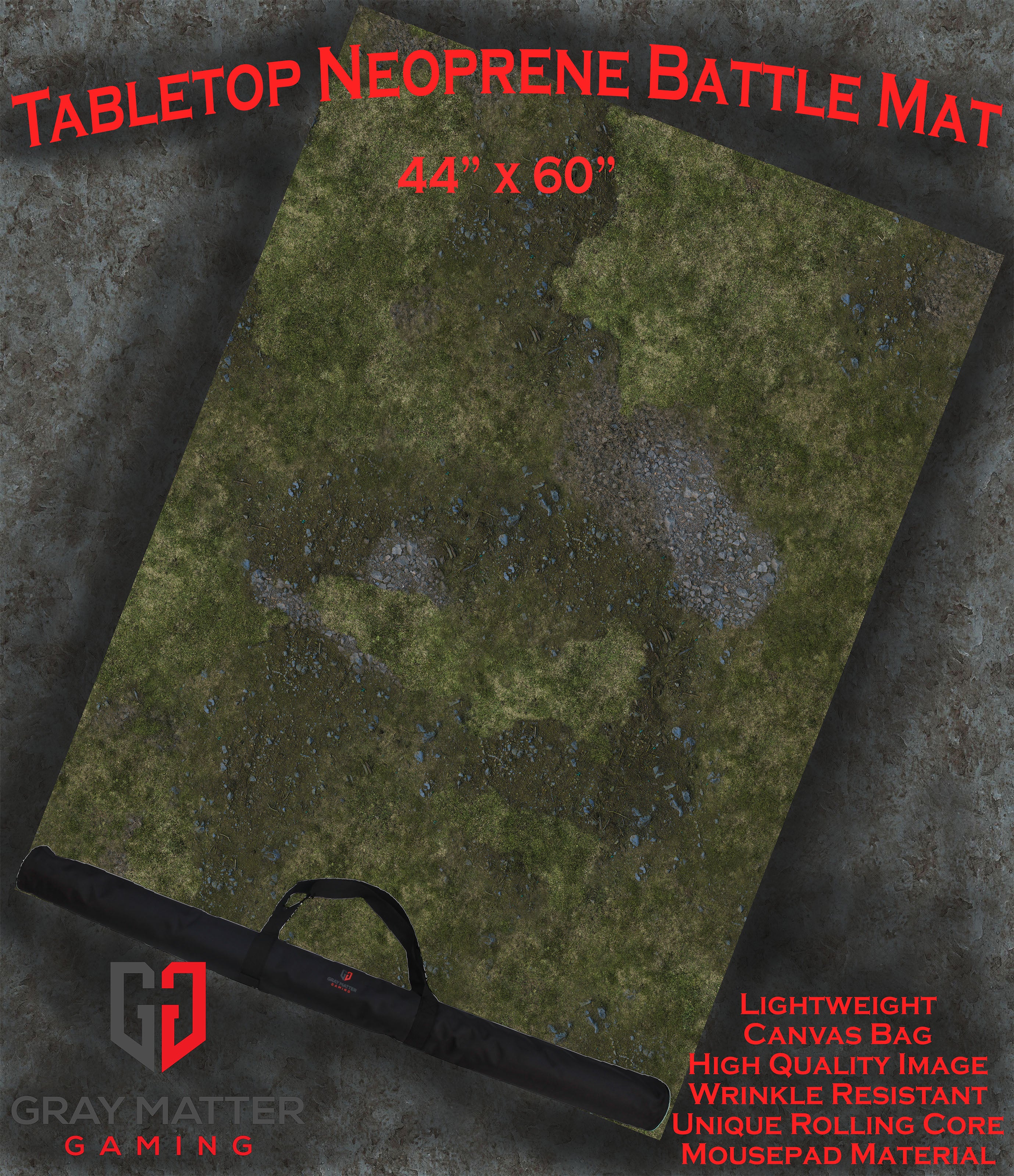
3mm neoprene backing, available in 5 size options (36x36 to 48x72). Gray Matter's designs skew fantasy-naturalistic—prairies, lava flows, forests. Includes storage bag and rolling core. Functionally identical to F.A.T. Mat but with fewer overall designs and a fantasy-first aesthetic.
- Naturalistic, rich color designs (Autumn Prairie, Lava Flows, Urban Ruins)
- Neoprene backing provides non-slip grip and cushioning
- Comes with carrying bag and rolling core
- Currently offered in 5 size options
- Smaller design library than F.A.T. Mat (fewer options)
- Larger mats currently unavailable or out of stock
- Limited sci-fi/modern aesthetic options
 8 photos
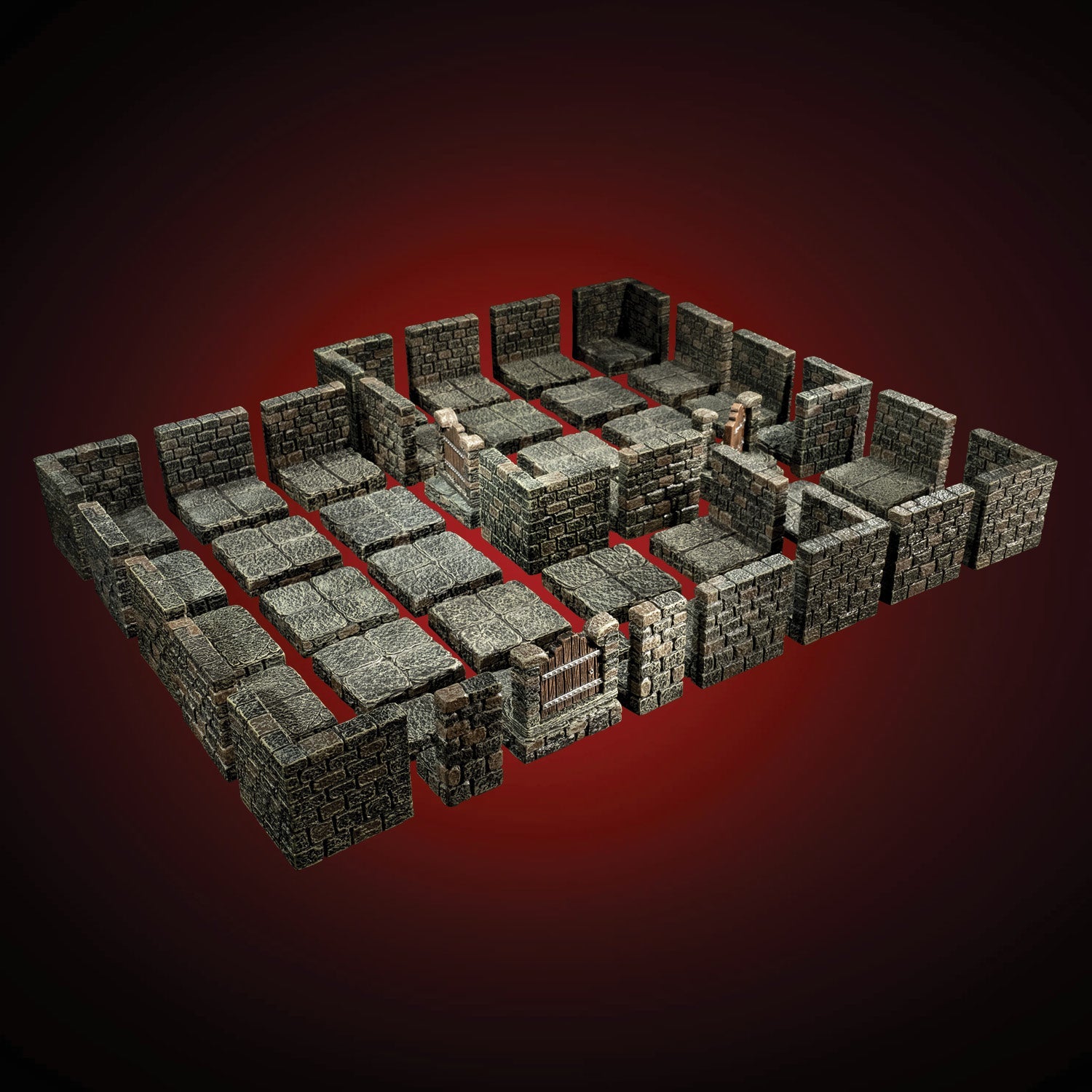
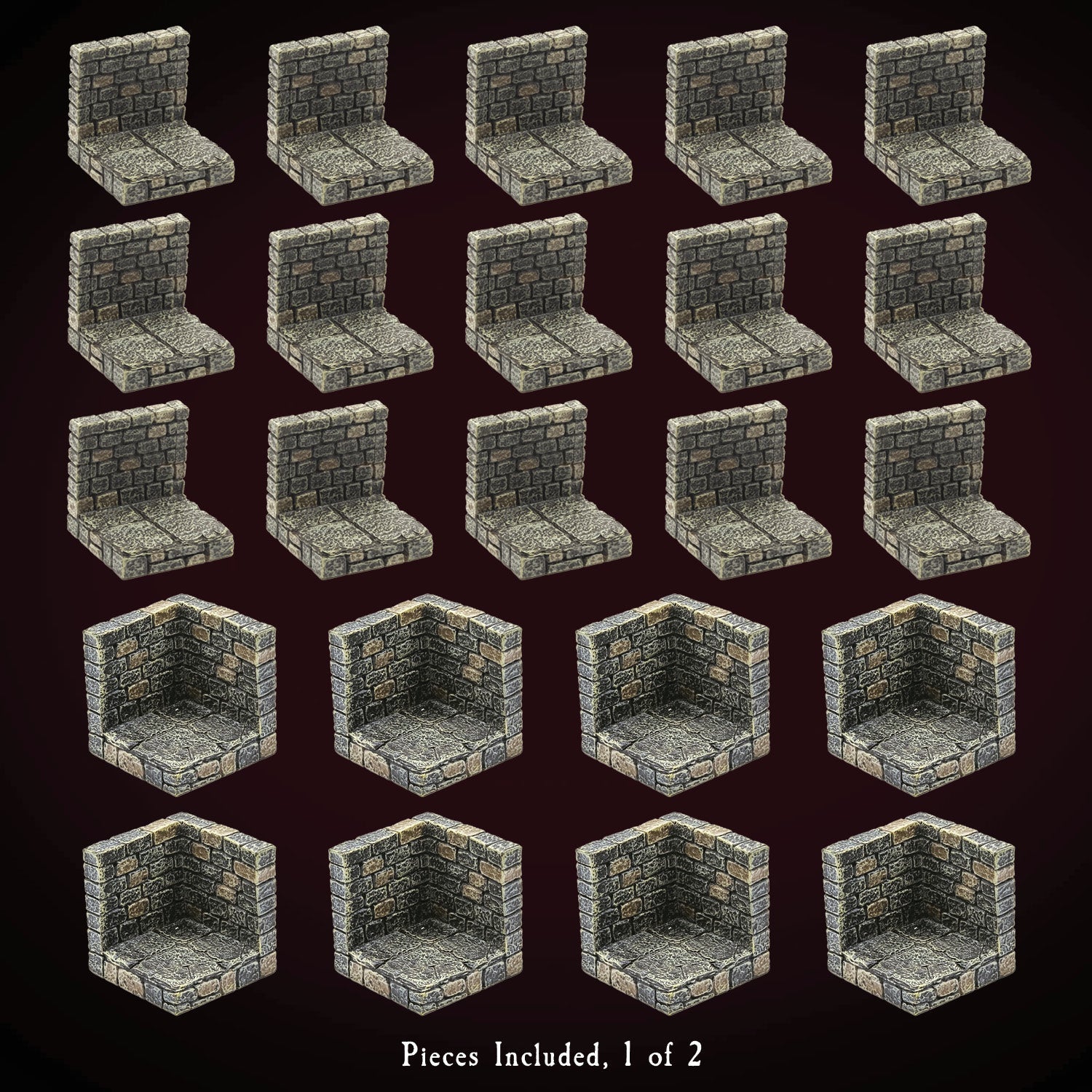
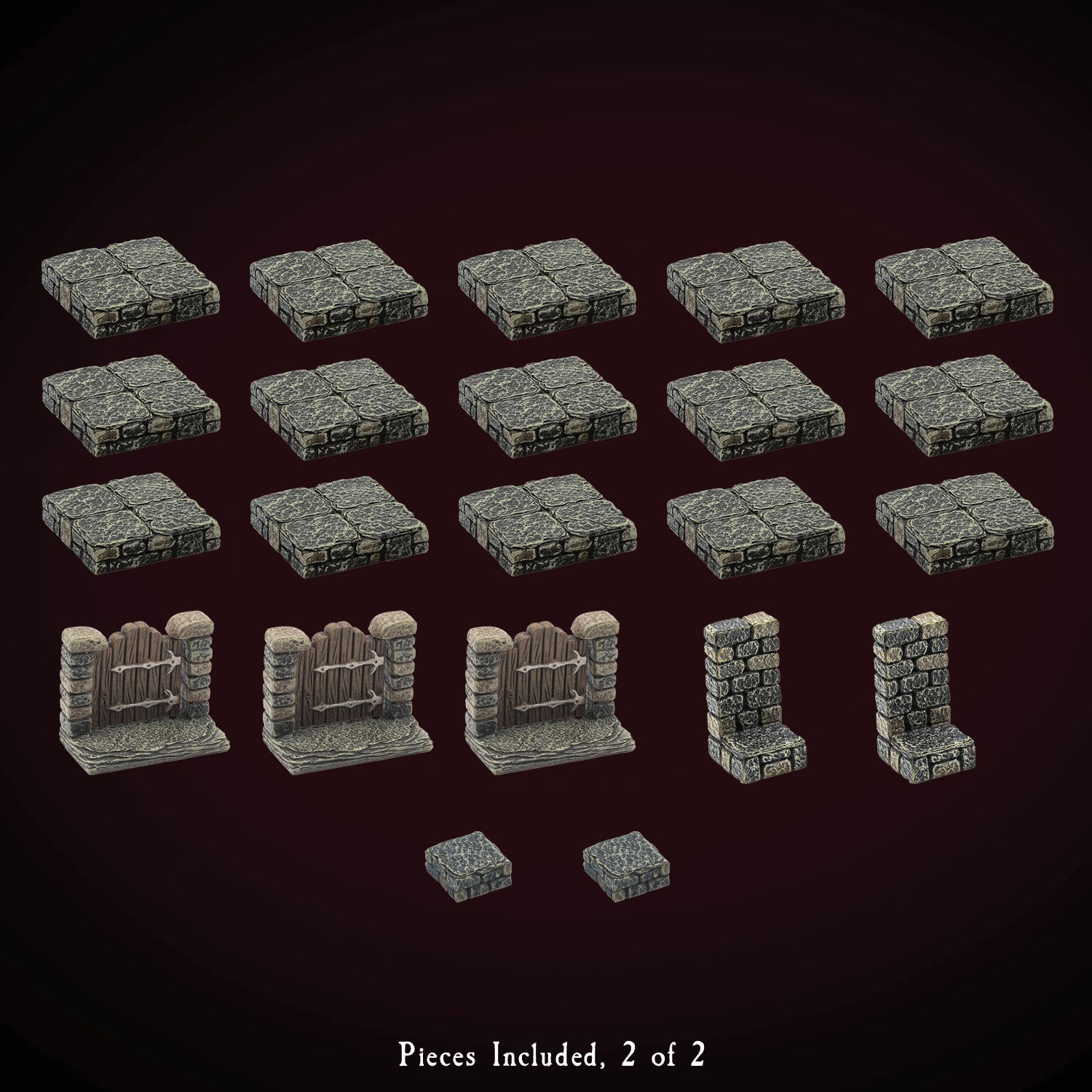
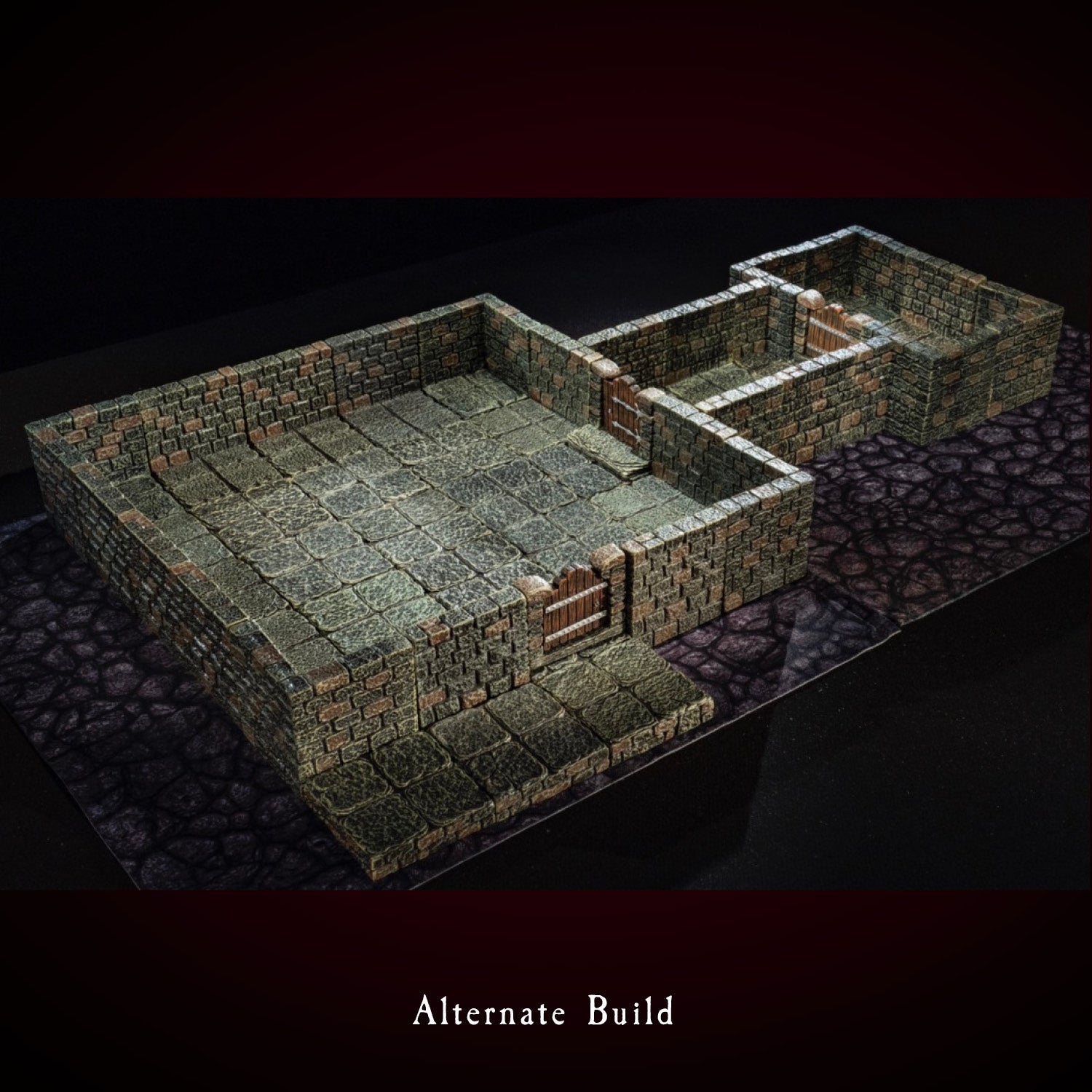
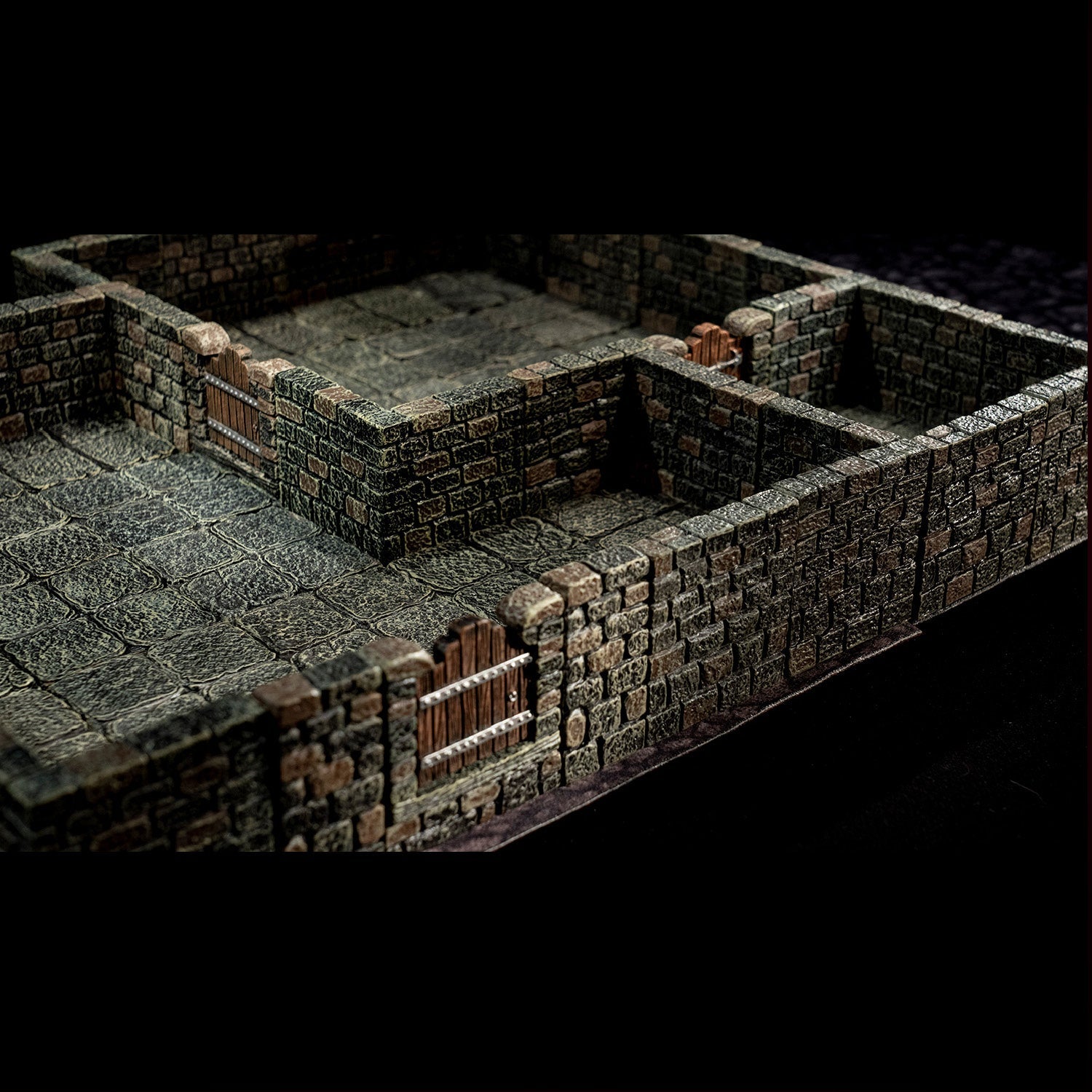
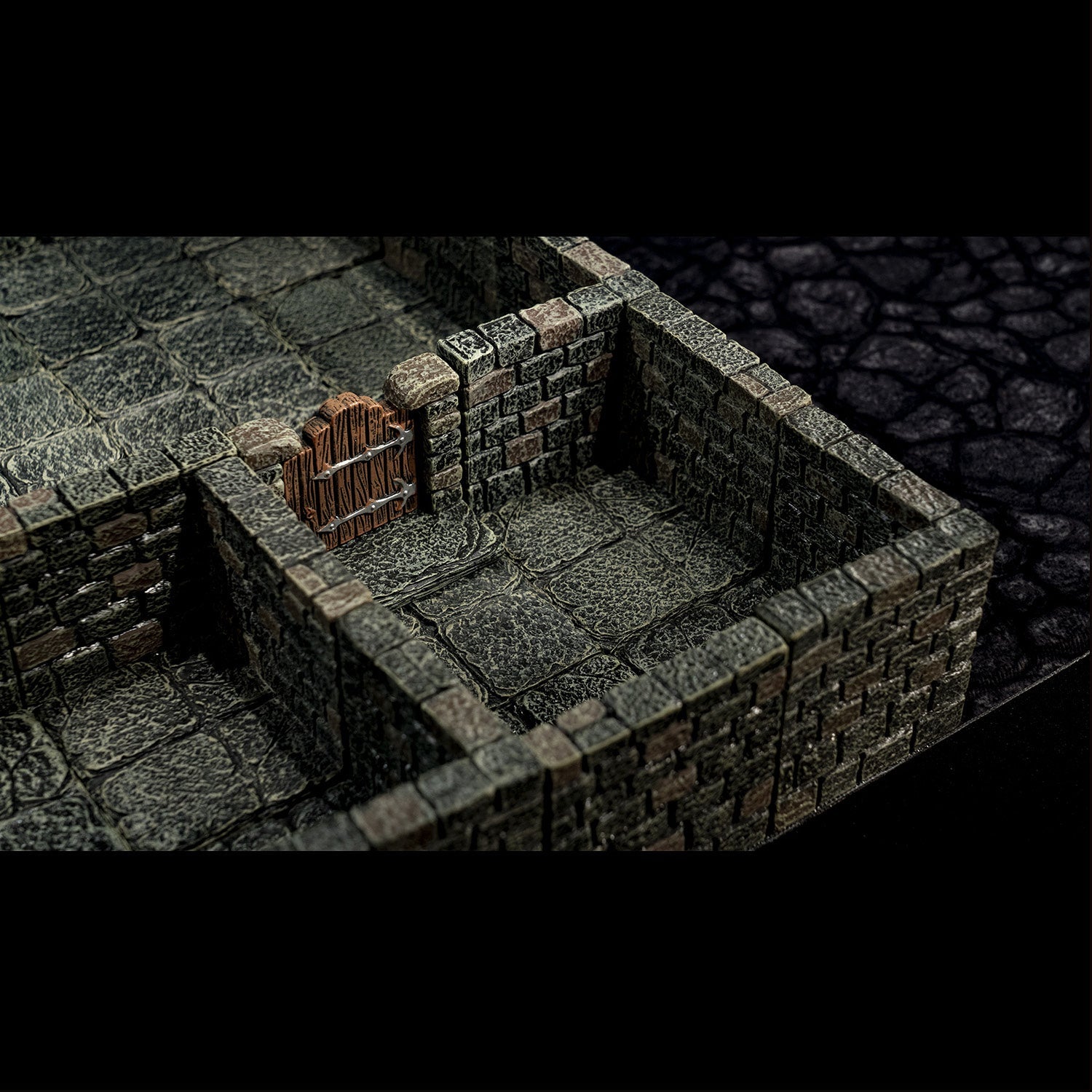
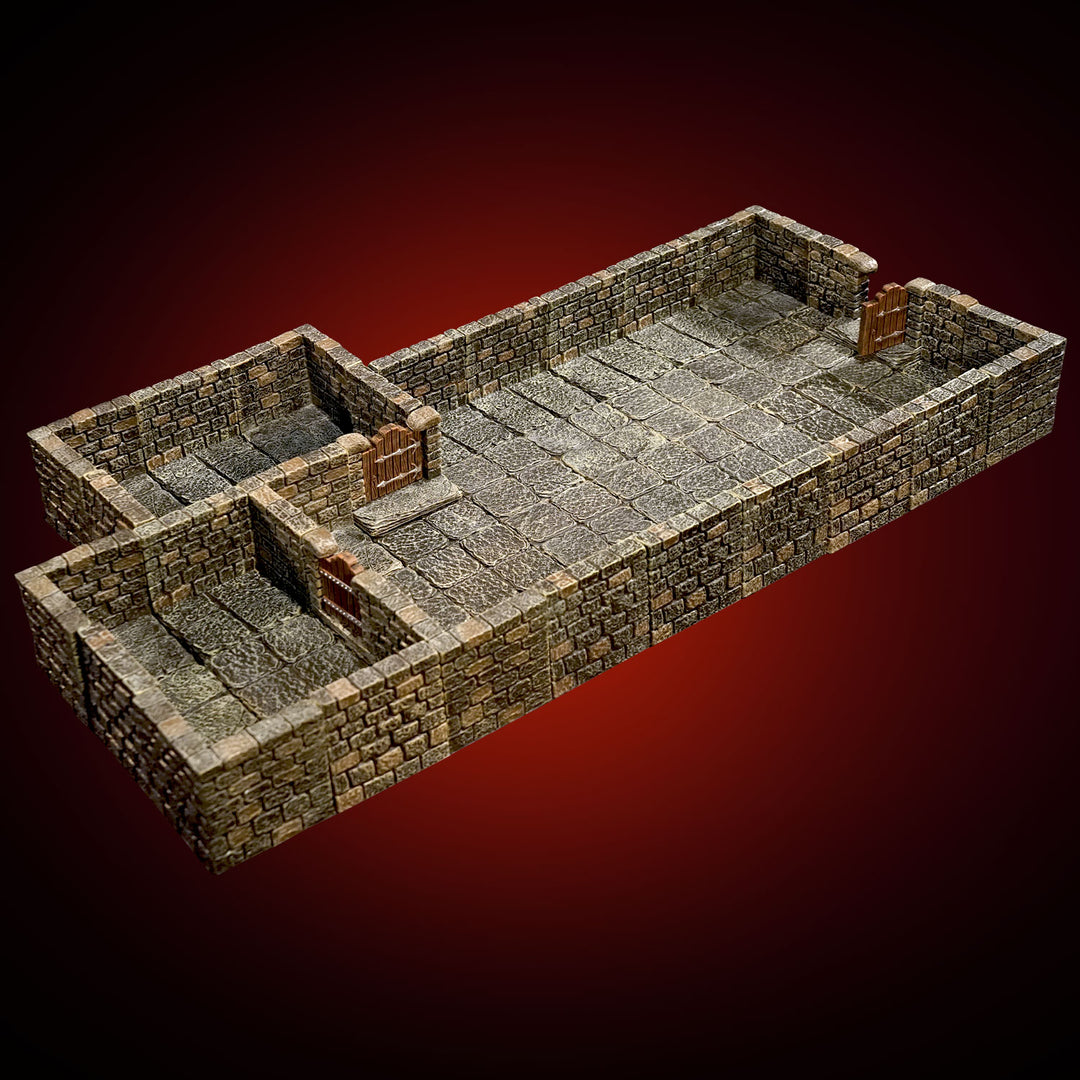
 Dwarven Forge Classic Dungeon Core Set (Painted)
Hand-sculpted resin, hand-painted to museum quality. Modular dungeon pieces fit together like LEGO for adults. The detail is extraordinary—every stone is individual, every shadow intentional. Fragile and expensive, but this is terrain your table will remember. Unpainted versions and starter sets are available at lower cost if you prefer customization.
- Museum-quality hand-painted finishes that rival custom art
- Heirloom-grade durability—will outlast you as a DM
- Modular interlocking system with hundreds of available expansions
- Investment-grade collectibility
- Fragile—resin can crack if dropped
- Premium pricing ($139+ for painted sets)
- Requires careful storage and transport
- Unpainted versions need significant painting investment
At a glance
| Product | Type | Price | Best For | Assembly | Storage |
|---|---|---|---|---|---|
| F.A.T. Mat 6x4' | Neoprene Mat | $80 | General-purpose mats, sci-fi/fantasy aesthetics | None—roll out and play | Rolls up in canvas bag |
| Gray Matter Gaming Field of Battle | Neoprene Mat | $73 | Naturalistic fantasy designs | None—roll out and play | Includes storage bag and rolling core |
| Battle Systems Battlefield Core | Modular Cardboard Terrain | $99 | Battlefield encounters, complete setup in one box | Snap-fit, no glue required (15 min) | Flattens to box size |
| Mantic Terrain Crate (Dungeon Essentials) | Pre-painted Plastic Terrain | $38 | Dungeon campaigns, expandable modular system | Pre-assembled, minimal snap-fit (5 min) | Flattens to box size, stackable |
| Dwarven Forge Classic Dungeon Core | Hand-painted Resin Terrain | $139 | Aesthetic-first tables, long-term investment | Modular interlocking (20–30 min) | Requires rigid cases or custom foam |
Questions, answered
Do I need a mat AND modular terrain, or can I choose one?
You need a mat. It's your canvas and the thing you'll use every session. Modular terrain is the upgrade—add it when your budget and table space allow. Start with the mat, add one modular set that matches your campaign's primary terrain type, then expand.
What's the difference between neoprene mats, and are F.A.T. and Gray Matter really the same?
They're functionally identical—both 3mm neoprene-backed fabric, both $73–$80 for large formats, both durable and slip-resistant. The difference is aesthetic: F.A.T. has 130+ designs (industrial, sci-fi, fantasy blended), while Gray Matter leans naturalistic (prairies, lava, forests). Choose based on which designs match your campaigns.
Is cardboard terrain like Battle Systems really durable enough?
Yes, but with one caveat: spills are catastrophic. Cardboard doesn't recover from water. If you're careful—and a DM's table should be—a Battle Systems set will last for years of regular use. The modular, snap-fit design is a genuine advantage; pieces can be stored and rearranged infinitely.
Should I invest in Dwarven Forge now or start with Mantic?
Start with Mantic or Battle Systems to confirm you'll actually use terrain. Dwarven Forge is expensive and fragile. Buy it after you've established that you'll deploy terrain regularly. If you're a visual DM and you know you'll use it, Dwarven Forge is worth every penny—it's a multi-campaign investment.
How much storage do I actually need?
A single F.A.T. Mat rolls to roughly 6' long by 4' wide by 3' in diameter—fits in a coat closet. Three Mantic Terrain Crate boxes fit in a backpack. Dwarven Forge sets require rigid cases or custom foam, and three sets need a small bookshelf. Measure your space before you buy; terrain you can't store won't get used.
What size mat should I start with?
6x4' if you have table space; it handles most 5E encounters without overhang. 4x4' if you're tight on space. 3x3' if you're running off a card table. Smaller = cheaper; start small and upgrade later if needed. The design matters less than actually using it.
Robert's verdict
A battle table is only as good as the DM's commitment to actually deploy it. Spend $70–$150 on a quality neoprene mat and one modular terrain set that matches your campaign, commit to using both without replacing them for a full campaign, and then decide if you want to upgrade. F.A.T. Mats and Gray Matter mats are functionally equivalent; choose based on aesthetic. Battle Systems is the sweet spot for modular terrain—affordable, complete, genuinely modular. Mantic Terrain Crate is the expansion-friendly alternative. Dwarven Forge is the heirloom-grade choice for tables where aesthetics are everything. But none of it matters if it sits in a closet. Buy the mat. Commit to using it. Then decide if terrain earns its shelf space.
Sources: tablewar.com, graymattergaming.org, manticgames.com, battlesystems.co.uk, dwarvenforge.com, miniaturemarket.com
The Keeper · why it earned a shelfIf it didn't earn a shelf, it isn't here.