Automata, curio-cabinet wonders & weird-beautiful conversation pieces.
Eccentric Decorations
The short answer
Eccentric Decorations are the conversation-piece oddities — automata, curio-cabinet wonders, and weird-beautiful objects that make guests stop and ask what they are looking at. The cabinet’s most theatrical shelf, for people who want their decor to do something.
8 certified guides 8 deep guides route led by Yumi · curator council
Wander in ↓ Start with the deep dives
The researched, honestly-verdicted guides our panel wrote for this wing — the fastest way down the rabbit hole.
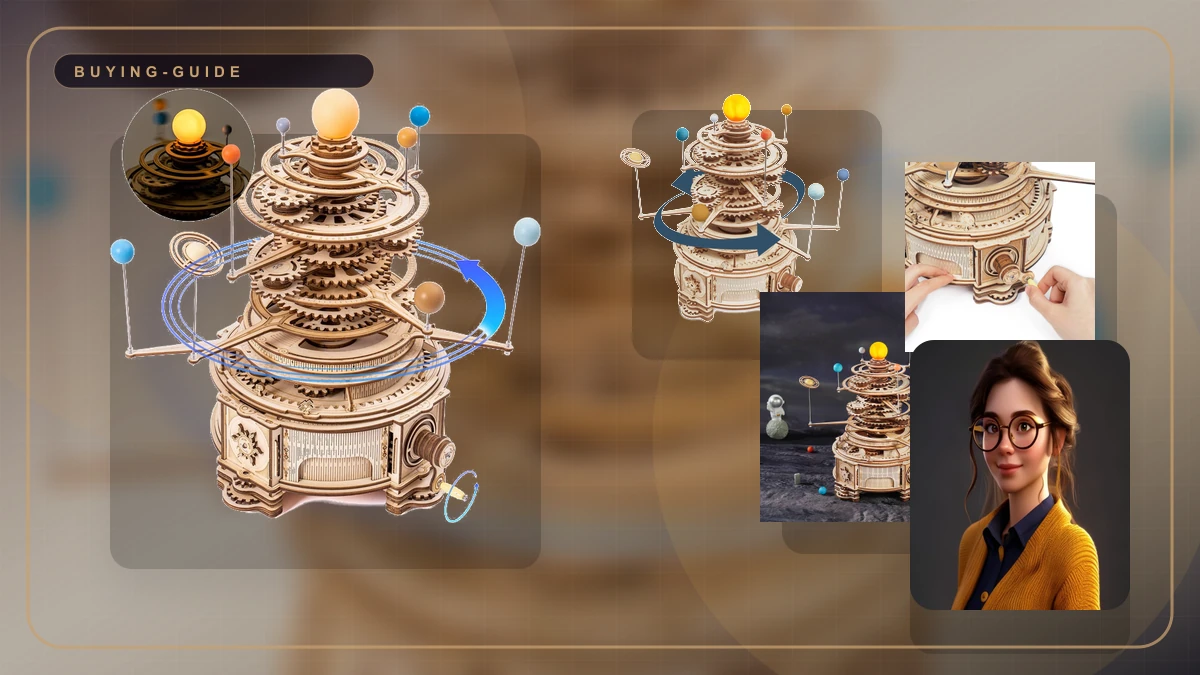
Buying Guide
Best Orreries & Mechanical Solar-System Models (2026)
Margo · The Archivist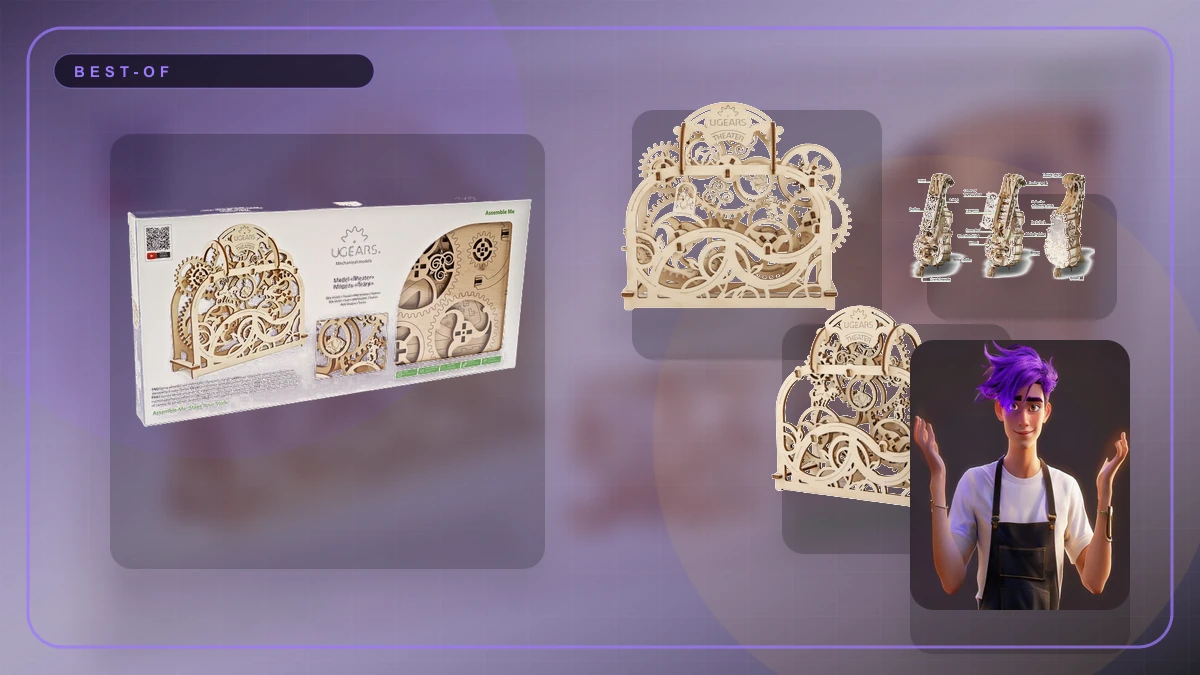
Best Of
Build-Your-Own Automata Kits Ranked: Best Wooden Mechanical Models (2026)
Dax · The Critic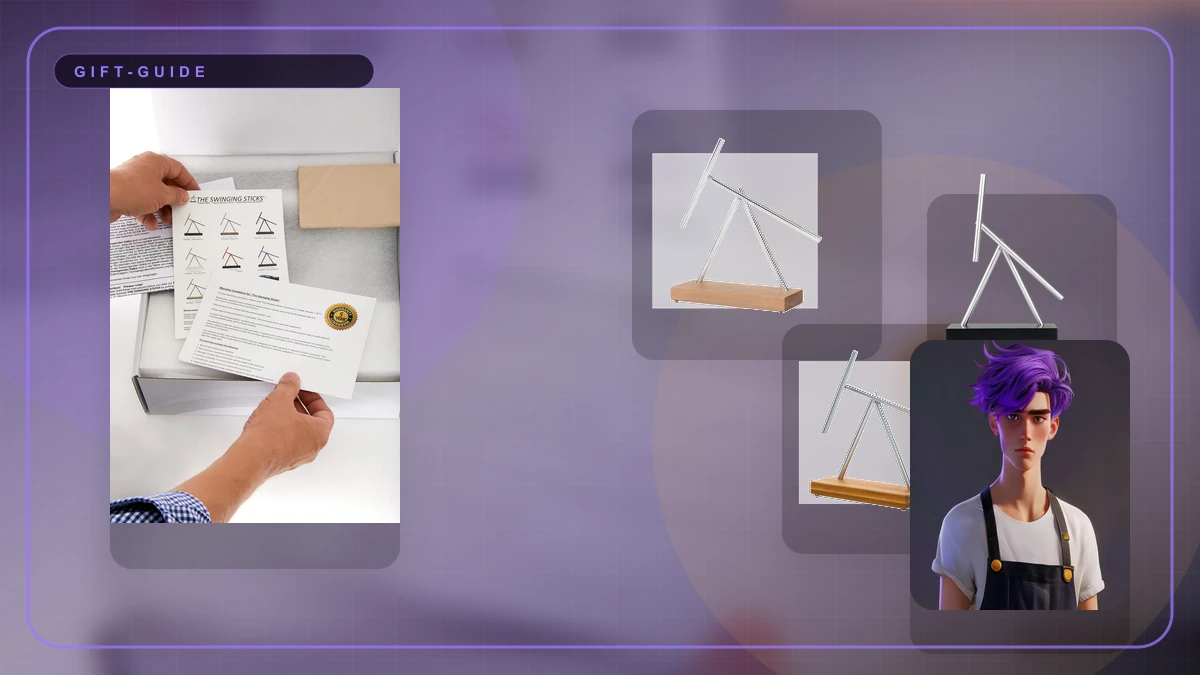
Gift Guide
Best Desk Toys for Engineers & Restless Minds (2026)
Dax · The Critic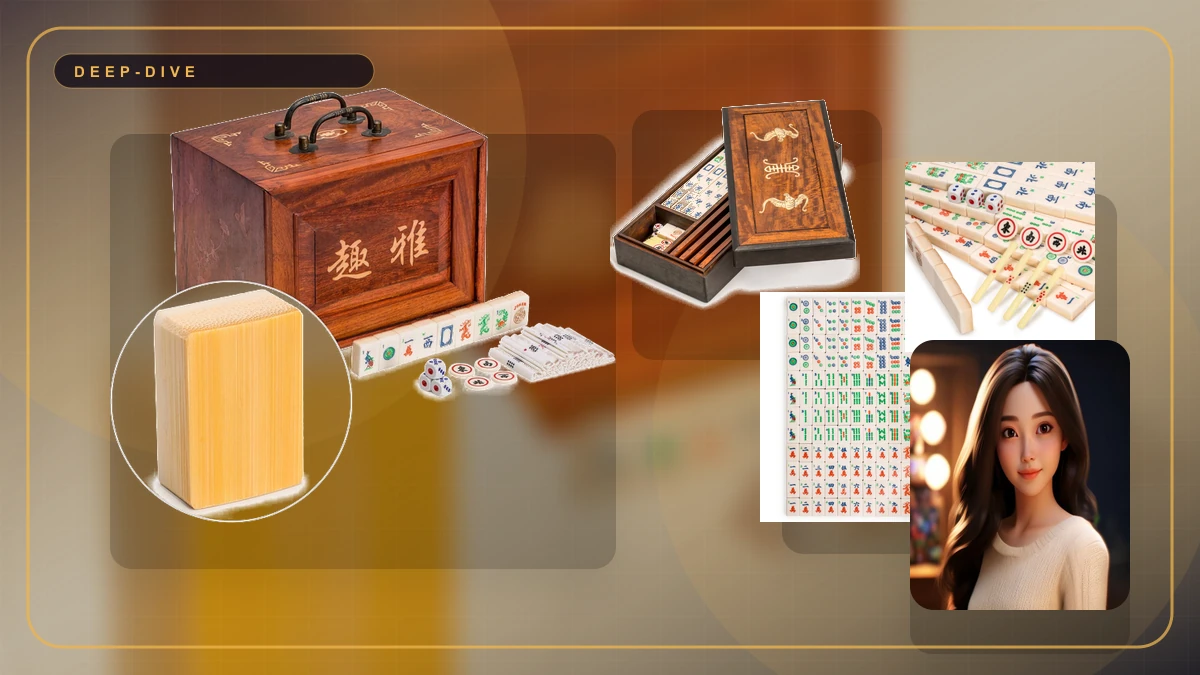
Deep Dive
Bone & Bamboo Mahjong: The 1920s Shanghai Heirloom, Still Hand-Carved Today
Yumi · The Hostess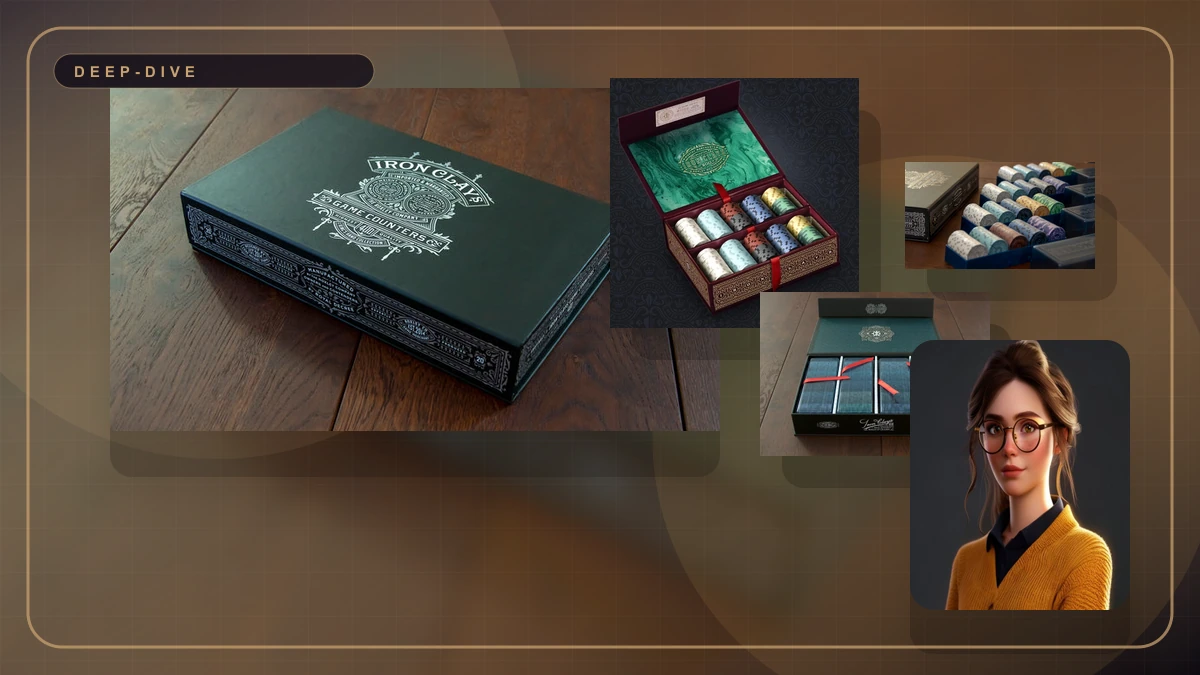
Deep Dive
Iron Clays: The Luxury Game Currency That Ruined Cardboard Money Forever
Margo · The Archivist
Buying Guide
Is Levitating Desk Decor Worth It? Ranked (2026)
Dax · The Critic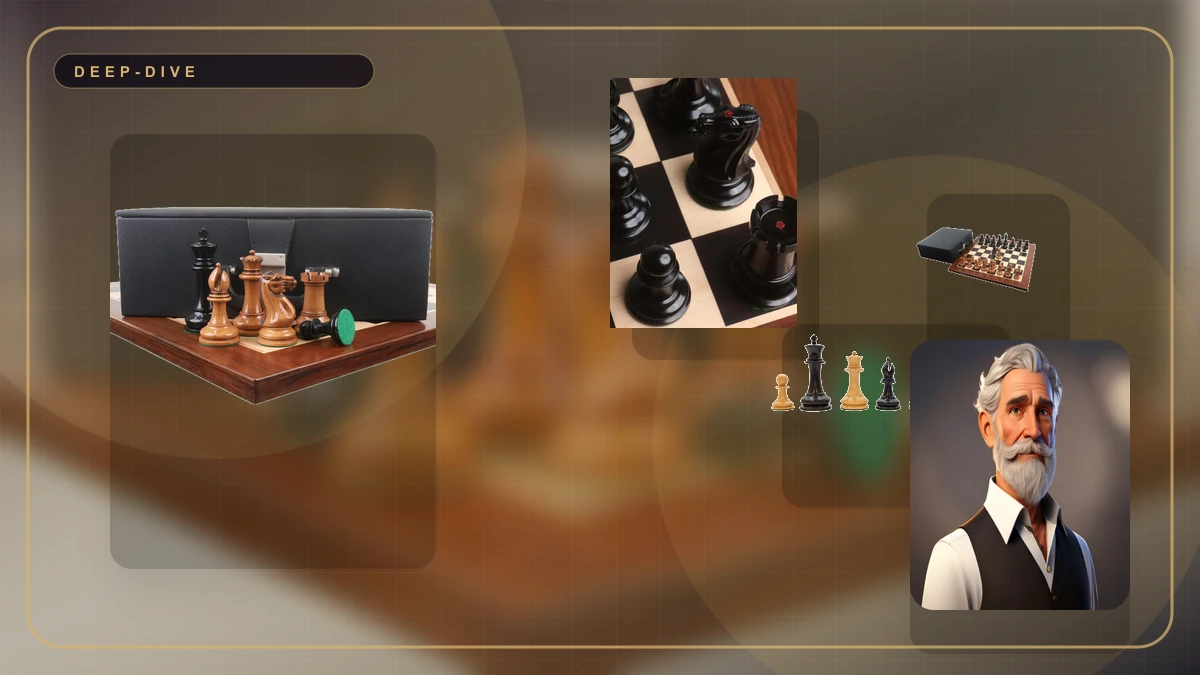
Deep Dive
The 1849 Staunton in Ebony & Boxwood: The Heirloom Chess Set Collectors Pass Down
Robert · The Keeper
Deep Dive
The Swinging Sticks: The Iron Man Desk Grail That Never Stops Moving
Imani · The ConnectorQuestions, answered
What is an automaton?
An automaton is a mechanical moving sculpture — turn a crank and gears bring a little scene to life. Modern wooden automata kits let you build your own; antique and artisan pieces are prized collectables.
What makes a good conversation piece?
Movement, mystery, and craft. The best eccentric decor invites a question the moment a guest sees it — a kinetic sculpture, an automaton, a thing that seems to defy how it should behave.
Are these hard to set up or maintain?
Mostly no — many are hand-cranked or simple to display. Kits ask for an evening of pleasant assembly; finished pieces just need a shelf and the occasional dusting.
What is an orrery?
An orrery is a geared mechanical model of the solar system. A crank or small motor drives a gear train so the sun stays fixed while the planets (and major moons) revolve around it in roughly correct relative motion — Mercury fast, Saturn slow. It is essentially a clock that keeps the time of the heavens, built to demonstrate planetary motion rather than to map true distances.
Who invented the orrery?
No single person, which is why credit is tangled. The Antikythera mechanism (c. 205–87 BC) is the bronze ancestor. The modern sun-centred machine descends from Christiaan Huygens (designed 1665–1681, published 1703) and from English clockmakers George Graham and Thomas Tompion (c. 1704–1710). London maker John Rowley built a copy around 1712–1713 for Charles Boyle, 4th Earl of Orrery — and the Earl's title became the name for the whole device.
ROKR vs UGears — which is better?
UGears is the better machine; ROKR is the better deal and the better showpiece. UGears holds tighter laser-cut tolerances, meshes gears more cleanly, and ships generous spare parts — in head-to-heads its mechanisms run while comparable ROKR kits jam. ROKR wins on price and on spectacle (playable pinball, big light-up marble runs) that UGears doesn't make, at the cost of looser tolerances that occasionally need a gear re-seated or sanded. First build or gift: UGears. Budget showpiece you'll tinker with: ROKR.
What's the best automata kit for a beginner?
The UGears Theater (~$33, 70 parts, 1-2 hours) — it's a real automaton that performs a story each crank, small enough to finish before frustration sets in, and press-fit so no glue mistakes. For traditional cam automata, a Timberkits beginner model like the Drummer (~$25-35) teaches the glue-and-linkage craft. Avoid starting with a 400+ piece marble run or the pinball; they're long and one loose joint stalls everything.
What is the single best desk toy for an engineer in 2026?
The Swinging Sticks ($339) for an all-around centerpiece — its driven double pendulum produces chaotic, never-repeating motion that the brain never tunes out. If you'd rather actively fidget than watch, a ForeverSpin precision top ($48–$66) or Speks magnet balls ($18.95) are the better picks, and a gyroscope.com Super Precision Gyroscope (~$120) is the most genuinely educational. Choose by the mechanism that suits your restlessness: chaos to watch, spin or magnets to handle.
Is The Swinging Sticks worth $339, or is it just movie hype?
Both things are true: you're paying a real 'as seen in Iron Man 2' premium AND getting a genuinely well-engineered, hand-assembled electromagnetic instrument. It's the rare case where the hype and the hardware line up — the motion really is mesmerizing and there's no good cheaper version (the ~$30 knockoffs are visibly worse). Worth it once, as a centerpiece. Just know it's battery-dependent and the base is a long-term wear item.
Is the modern Yellow Mountain Imports set really hand-carved, or just marketed that way?
Genuinely hand-carved. Yellow Mountain's own product pages describe each tile as cut and carved one at a time, with the markings carved and painted by hand — which is why the carving and color vary slightly from tile to tile. That variation is the signature of a human hand and exactly what collectors prize: a machine makes 166 identical clones; a carver makes 166 siblings. If your tiles were perfectly uniform, that would be the suspicious part.
How much does a faithful new bone-and-bamboo American set cost, and is it in stock right now?
Direct prices run about $328.89–$339.98 across the Sparrows, Bats, and Qilin variants — squarely in the heirloom band. Stock is the catch: at my last check all three read Sold Out on the maker's direct site (ymimports.com). The line is in-print and restocks in waves, so it's a timing problem, not a dead product. Check the link, buy whichever variant is in stock that day, re-confirm live availability on Amazon (which can differ from the direct site), and use the reputable vintage market as a buyable fallback between restocks.
What makes Iron Clays a 'grail' rather than just nice poker chips?
Permanence and real materials. Each chip is a genuine composite — roughly 64% limestone and clay minerals, 24% synthetic strength-and-sound compounds, and a 12% iron core — at about 9.3g, with denominations molded into the chip instead of printed on. Reviewers report seeing no wear after years of use, they're game-agnostic across your whole collection, and they arrive in an heirloom-grade presentation box. You buy them once and use them for life, which is the definition of a grail rather than ordinary gear.
Should I get the 100-count or the 200-count?
It depends on what you play. The 100-count is the default recommendation for most collectors and covers the large majority of board games well — it gives you 1s, 5s, 10s, 20s, and 100s. The 200 adds the 50 and 500 denominations that 18XX and heavy euro games genuinely benefit from; reviewers note the 100 can run short on larger player counts or high-value games, forcing mid-game denomination exchanges. If your shelf leans toward 18XX and heavy euros, get the 200. If you mostly play lighter games, the 100 is the smarter, cheaper pick.
How does levitating desk decor actually work?
Almost all of it uses active electromagnetic levitation. An electromagnet in the base, a position sensor (Hall-effect or optical), and a controller form a feedback loop that adjusts the magnetic field hundreds of times per second to hold a magnet-loaded object suspended just below the base. A pure static magnet can't do this (Earnshaw's theorem), which is why the electronics — and the constant correction — are essential. The lone exception is the Levitron top, which floats by gyroscopic spin instead of electronics.
Down the next hole
Wings that share this one's spirit. Keep wandering.
Want the whole cabinet? Browse every wing → · See what's hot right now →