Enter with a playable product
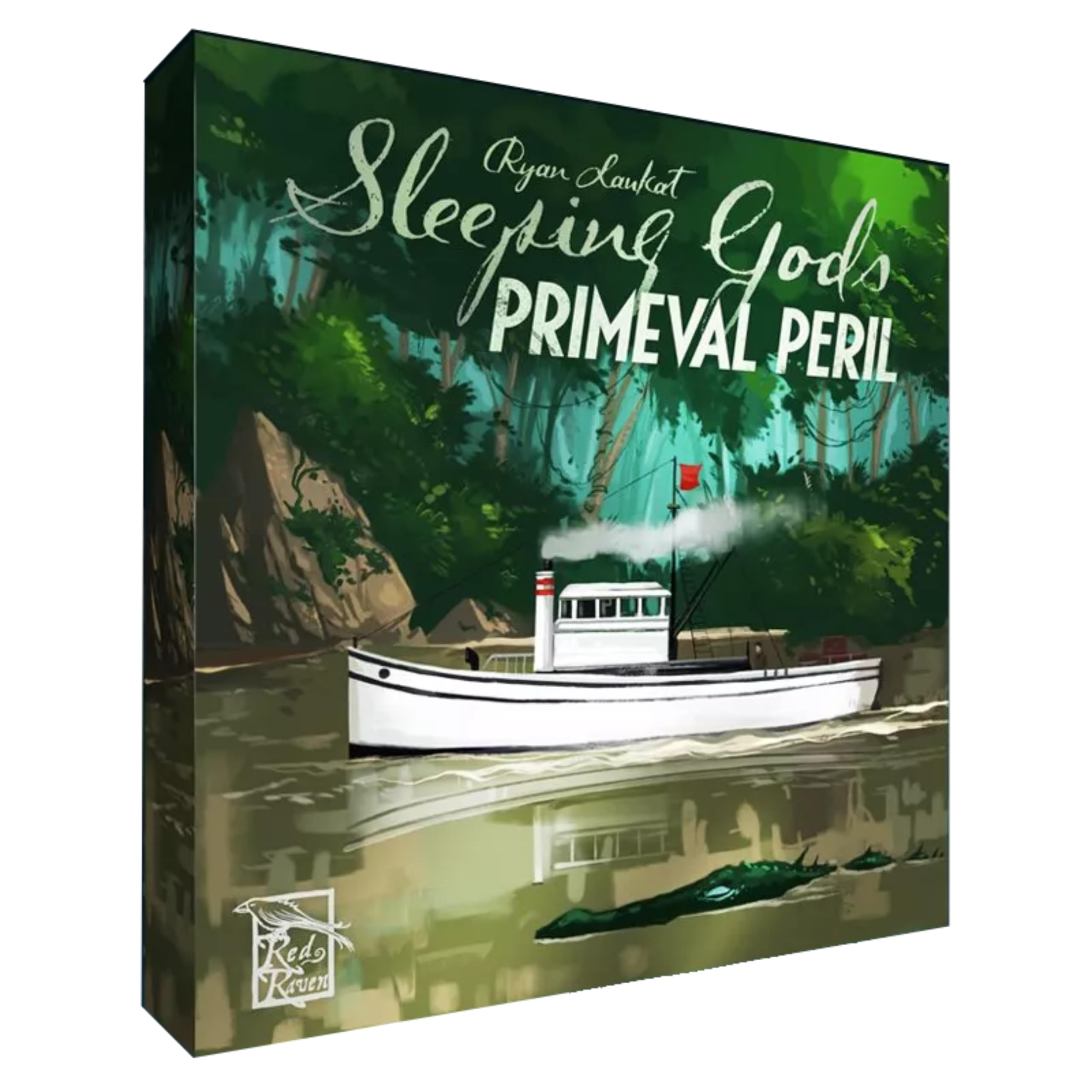
Red Raven Games Sleeping Gods: Primeval Peril
Start with something that creates a legal deck or a complete first session.
Exact listing · AmazonThe original voyage, Distant Skies, Tides of Ruin, campaign notes, solo load, and the right first atlas.
The short answer
Sleeping Gods turns an illustrated atlas into a persistent world of rumors, injuries, keywords, and unfinished promises. This hub separates the standalone campaigns from true expansions and keeps exploration inviting instead of administratively exhausting.
The Sleeping Gods product family
These are connected decisions, not four unrelated things to buy. Begin with a playable product, expand only when the table asks for it, and protect the cards that have earned a place in your bag.
Enter with a playable product
Start with something that creates a legal deck or a complete first session.
Exact listing · AmazonExact sealed products organized by what they do, with the strongest current route leading each row.


The definitive open-world story campaign — the grail itself, solo or for 1-4 players.
See it on AmazonWhy we picked it →
Keep a captain’s log and the world stays inviting.
See it on AmazonWhy we picked it →
Anyone who loved the campaign and wants more sea — plus real replay value via Arcade Mode.
See it on AmazonWhy we picked it →The universe in four decisions
Every path opens with a direct verdict, then shows the evidence, rules, photos, caveats, and exact products behind it.
The cabinet argues usefully
The curators are here to make a decision, not decorate one. Follow the voice whose table sounds most like yours.
“Cozy-but-vast — an open-world story grail you can leave set up between sessions like a half-finished letter. For the table that wants to wander somewhere together and stay a while.”
Open Yumi's dossier →“Yes — Sleeping Gods is worth it if you want a cozy, story-first, open-world campaign you sail at your own pace, and you have a steady table (solo or up to 4) to commit roughly 10-2”
Open Kenji's dossier →Our full review and buying advice.
Wings that share this one's spirit. Keep wandering.
Want the whole cabinet? Browse every wing → · See what's hot right now →

The fortune-teller's table

“Pull up a chair. The ball's been showing me pieces from the cabinet — three, for you.”— Keeper, The Keeper
 ✦ a little gift from the table