Ultimate Werewolf Deluxe vs Extreme: Which Edition to Buy and How to Moderate a Great Game
Margo corrects the outdated Deluxe recommendation, compares Extreme and One Night, builds balanced first-role sets, and teaches the moderator craft that determines whether Werewolf becomes legend or a long awkward meeting.


AI-assisted research and drafting in Margo’s voice · reviewed by Robert Pruitt · how this guide was made
Last editorial refresh: 2026-07-14 Gold-standard QA: 2026-07-14 12 sources reviewed Affiliate links checked during gold-standard pass

The short answer
For a new large-group purchase in 2026, buy Ultimate Werewolf Extreme rather than hunting the older Deluxe Edition. Extreme is the newer refined edition, adds the free moderator app and scannable role support, and updates the role mix. Choose One Night Ultimate Werewolf instead when you want ten-minute rounds, no moderator, and no player elimination. Traditional Ultimate Werewolf is best around nine to fifteen-plus players with a confident host.
Decision map
Choose in thirty seconds
Best current traditional Werewolf purchase.
Best for smaller groups and no elimination.
Werewolf is not primarily a card game. It is a room, a moderator, and permission to lie. That is why edition advice that stops at component counts fails. Margo used Bézier Games’ official edition comparison and moderator tools, then read current owner questions about Deluxe, Extreme, role balance, and player count to design both a buying decision and a first-night production plan.
Start here, then go deeper
You are in the right cabinet.
 ⌂ Topic PathFamily and Gateway Games: compare the whole shelfA good family game gets everyone playing quickly without becoming disposable after three nights. These guides prioritize clear...
 Best OfBest Social Deduction Games (2026): Beyond Werewolf & MafiaOkay but have you SEEN what the room's been saying about these? Werewolf walked so these could run — nine games that turn a living room...
 Best OfBest Party Card Games for Adults, Ranked (2026)Okay but have you SEEN what the room's been saying about Monikers, Wavelength, So Clover!, Just One — because the party-game conversation...
Deluxe or Extreme: which edition should you buy now?
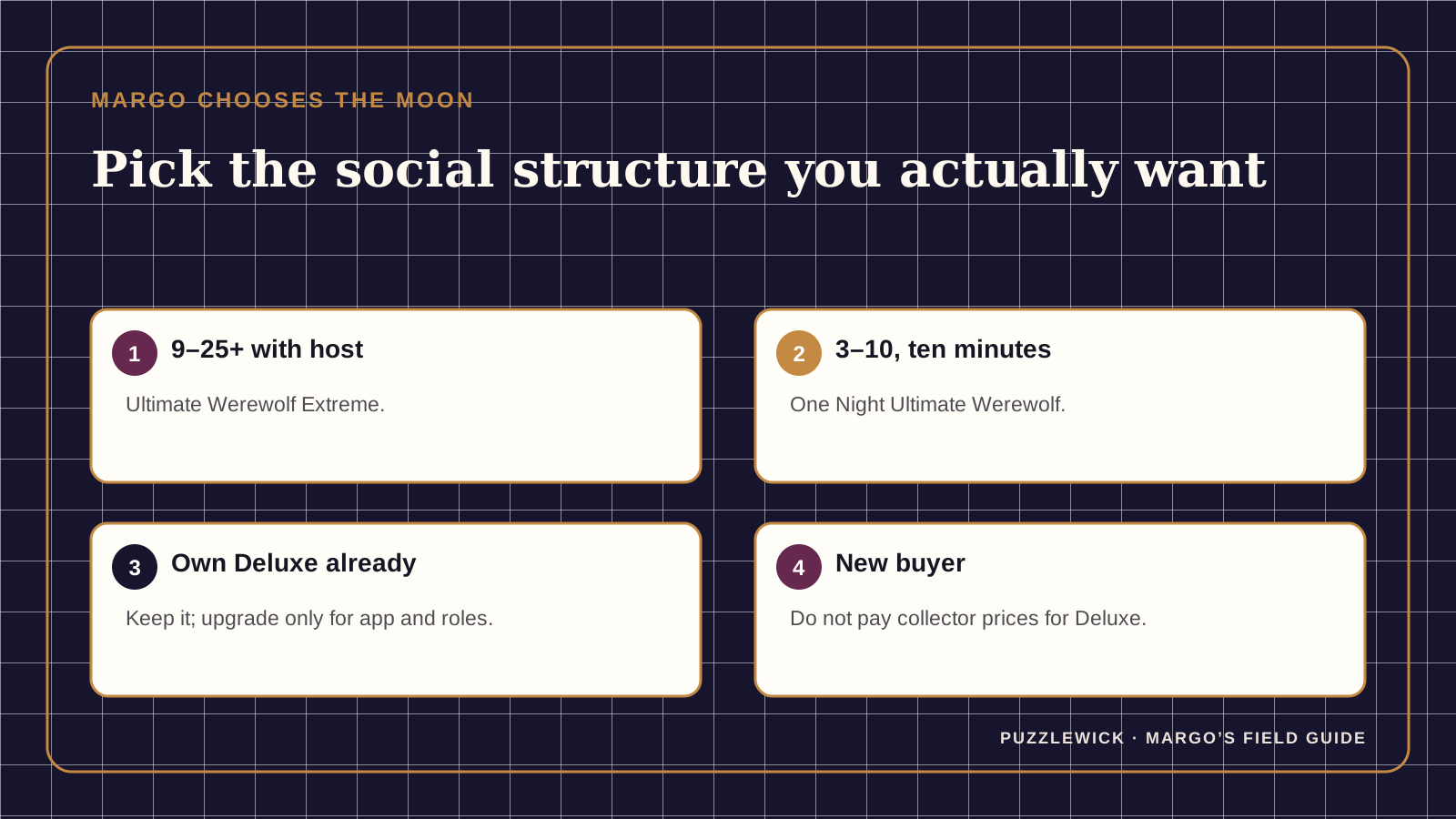
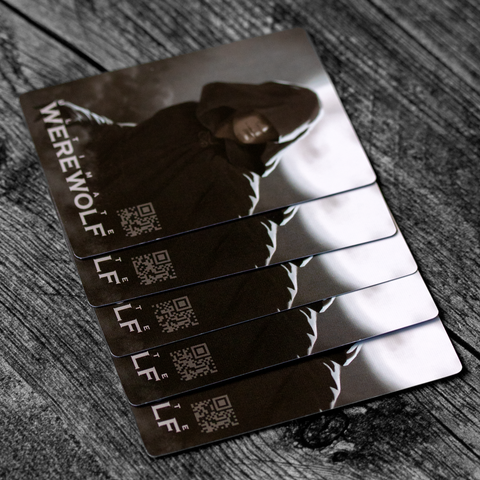
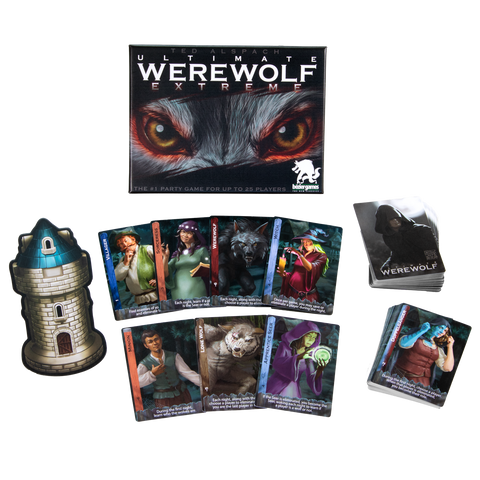
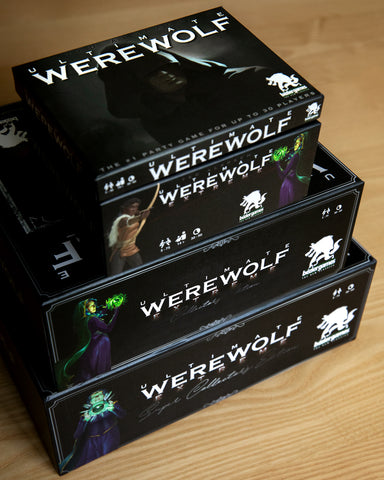
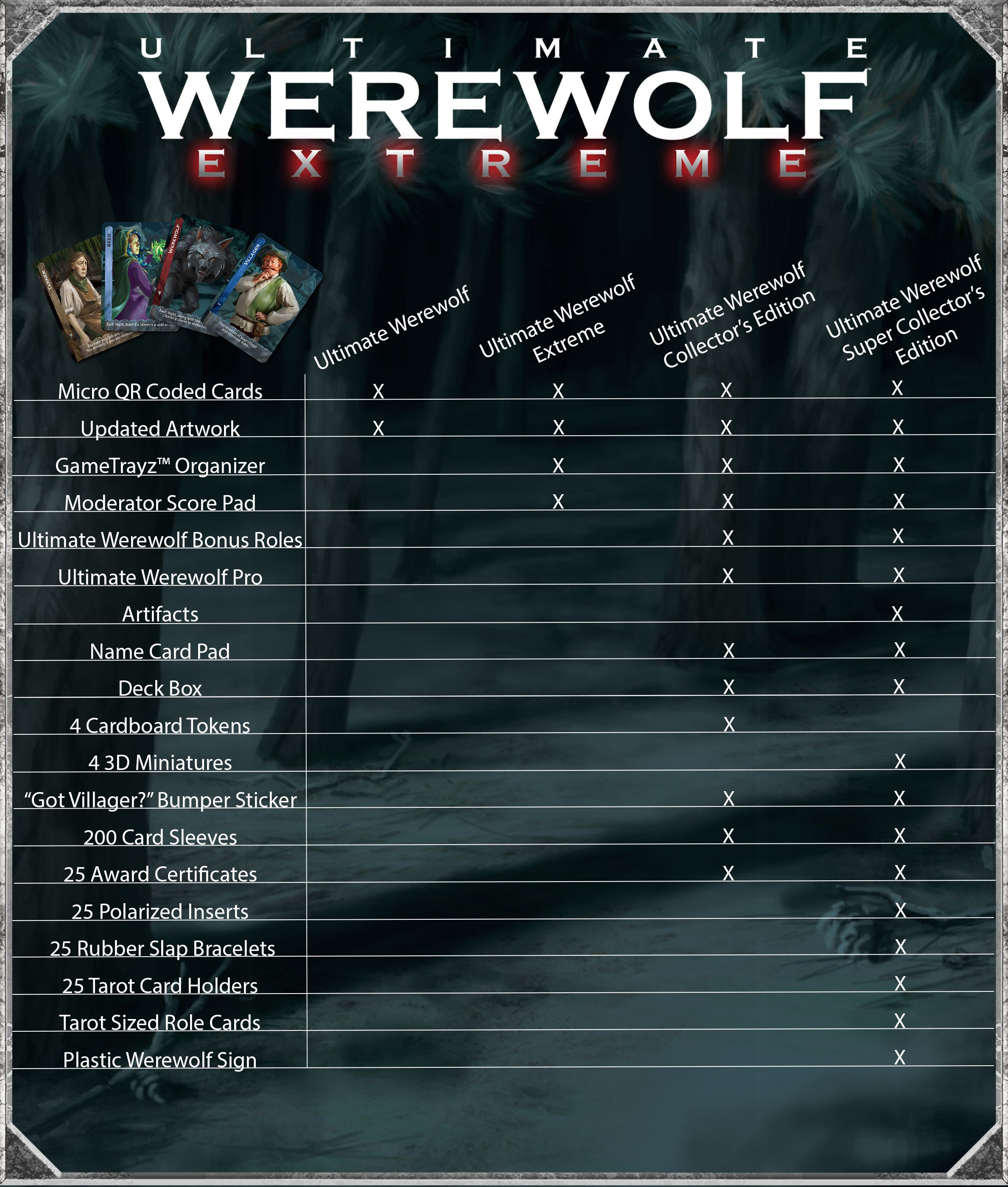
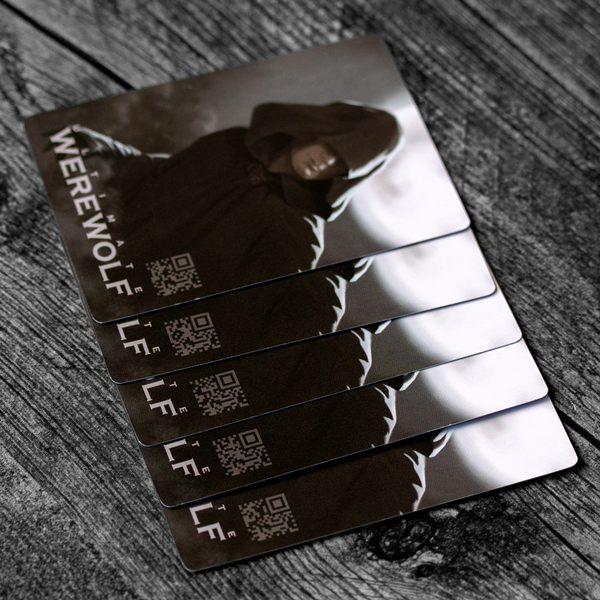
Buy Ultimate Werewolf Extreme for a current, moderator-led large-group collection. The old Deluxe Edition is no longer the clean default retail recommendation; treat it as an older edition you may encounter secondhand. Extreme modernizes moderation with numbered cards, streamlined role information, and app support. One Night Ultimate Werewolf is a different ten-minute, no-elimination game for smaller groups and repeated rounds.
Ultimate Werewolf Pro is an expansion for the traditional game, not a beginner standalone purchase. Buy it after the village already wants more demanding roles. Current retail reality matters here: do not pay collector pricing for “Deluxe” because an old comparison chart made it sound definitive.
Ultimate Werewolf Extreme is the current practical purchase.
How does traditional Ultimate Werewolf work?
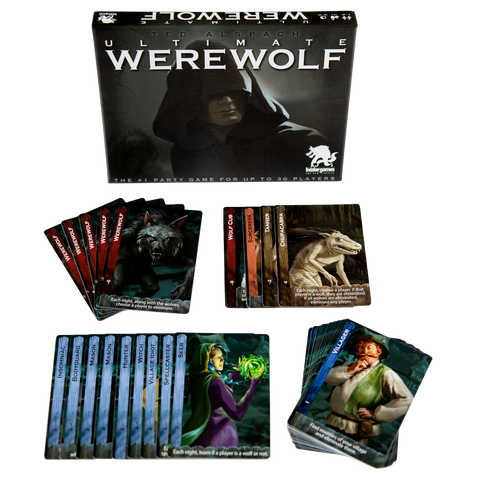
Each player receives a secret role. At night, everyone closes their eyes while the moderator wakes roles in order: werewolves identify one another and choose a victim; information and protection roles act. During the day, the moderator reveals the result, the village discusses, and players vote to eliminate a suspect. Villagers win by eliminating all werewolves; werewolves win when they equal or outnumber the remaining village, subject to special roles.
The rules are easy. The social pacing is not. A moderator must announce phases clearly, prevent accidental information leaks, enforce discussion time, and give eliminated players an end condition that does not become an hour of silence.
Each player receives a secret role.
How do you build a balanced first role set?
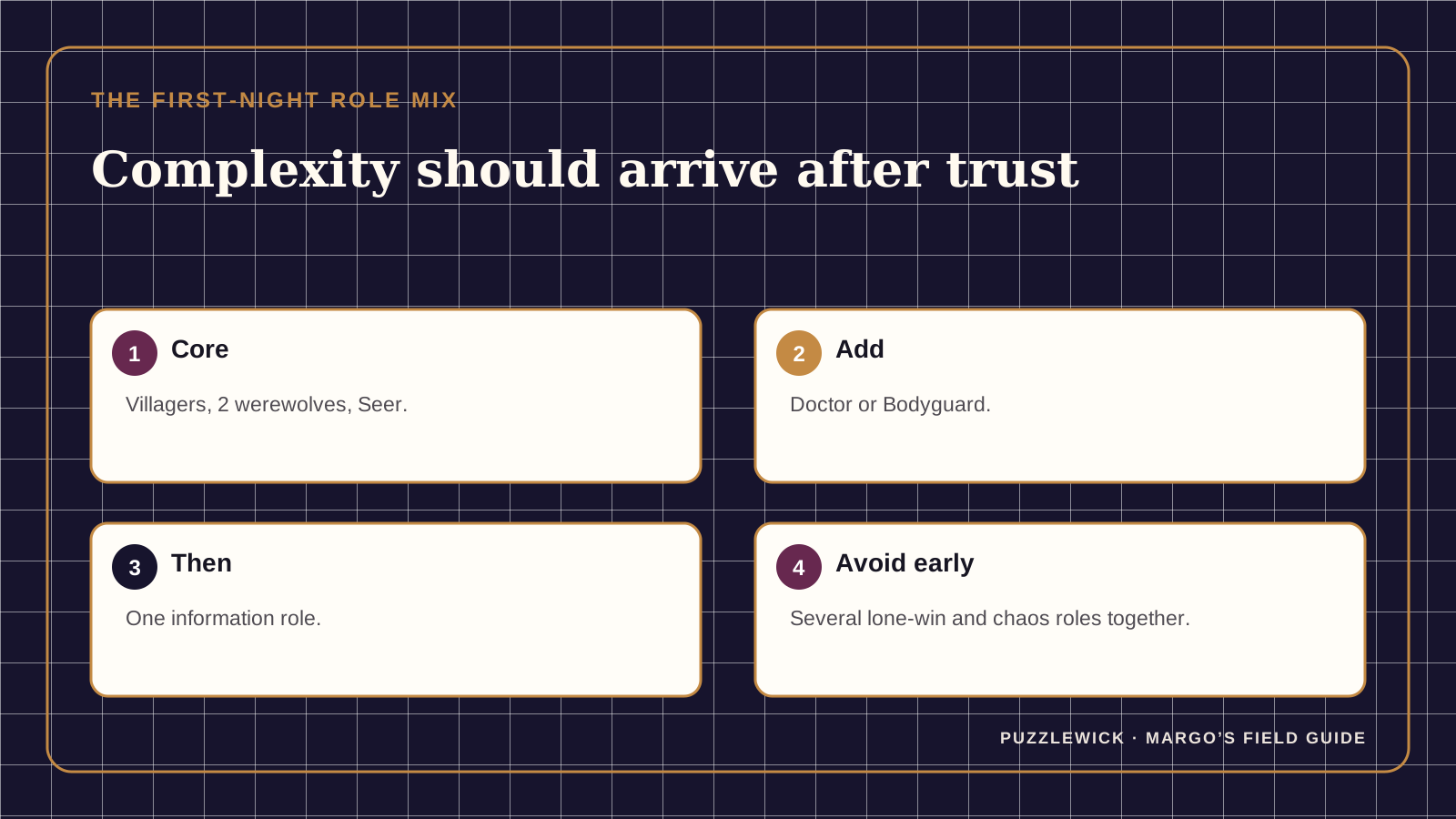
Start with roughly one werewolf per three or four non-wolves, then add one reliable information role such as the Seer and one protection role if the group is large enough. Fill the rest with villagers. Vanilla roles are not boring on a first night; they create the clean behavioral baseline that makes future special roles legible.
Avoid stacking multiple independent win conditions, lovers, contagious transformations, and chaotic information roles immediately. Balance is not only mathematical. Every added role asks the moderator to teach an exception and asks new players to lie about a power they barely understand. Earn complexity in rounds.
Start with roughly one werewolf per three or four non-wolves, then add one reliable information role such as the Seer and one protection role if the group is large enough.
What does a great moderator actually do?
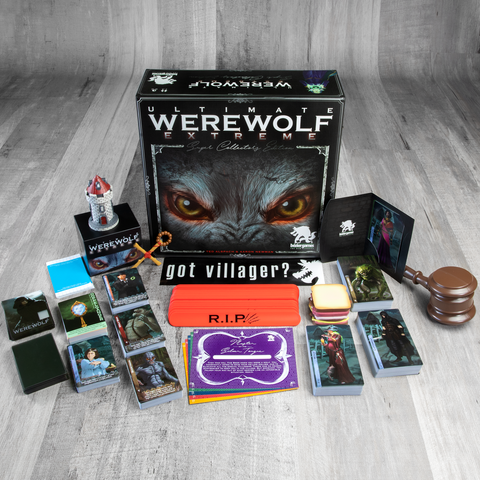
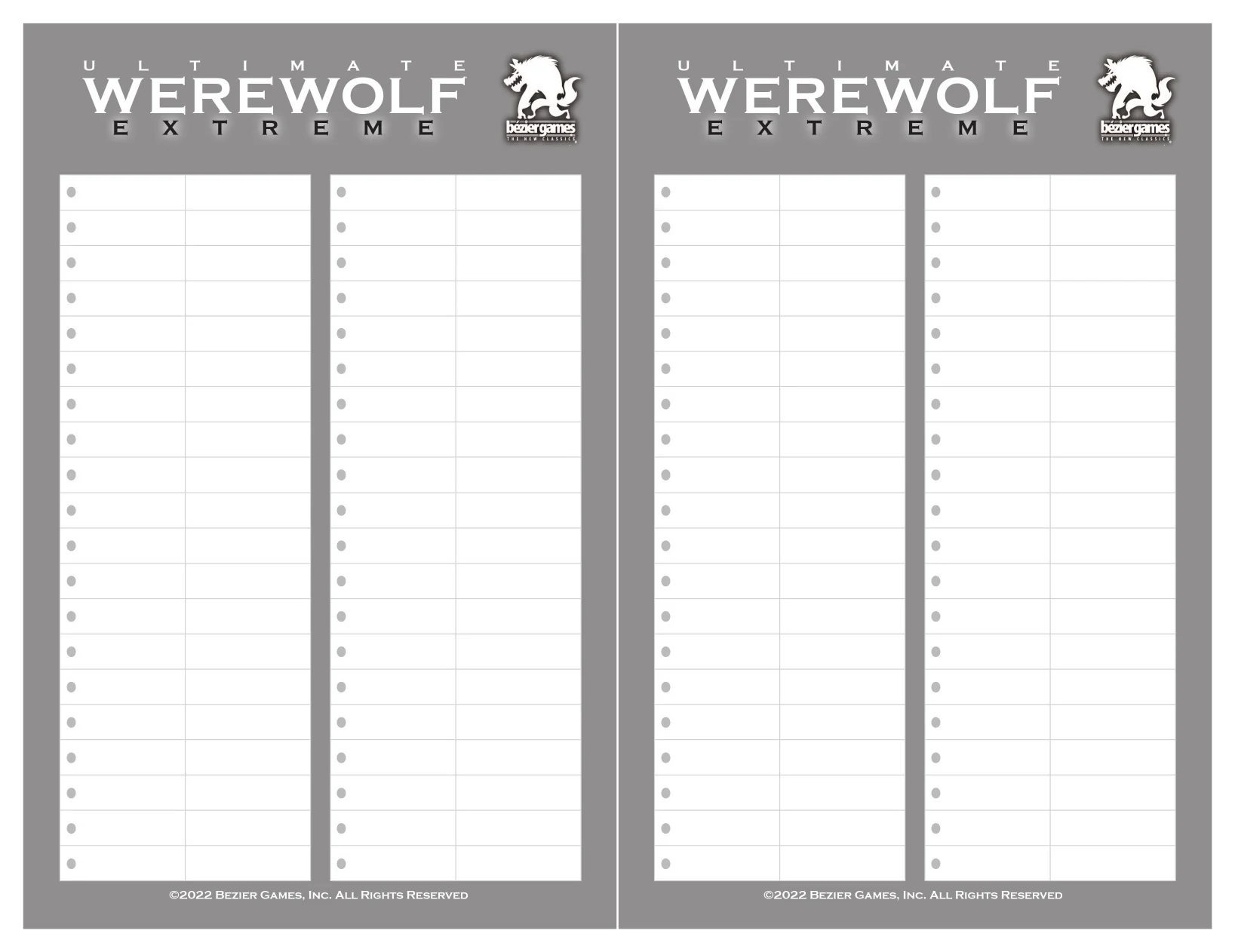
A great moderator is part referee, part editor, part radio drama. Use the app or a written night order. Speak at a consistent volume so role length does not reveal identity. Leave enough time for actions but not enough for players to track duration. During the day, set a visible discussion timer and request final accusations before the vote.
Narration should create atmosphere without embedding clues. Describe the village, not the body language you observed. Margo’s rule is “the moderator makes every role feel important and no role feel confirmed.” After a vote, resolve cleanly, reveal only what the chosen rules permit, and begin the next night before side conversations form.
A great moderator is part referee, part editor, part radio drama.
How should villagers and werewolves play?
Villagers should ask for timelines and commitments, not demand theatrical certainty. Who accused whom before the wagon was safe? Which player changed reasons rather than conclusions? Information roles must decide when a claim creates more value than survival. A Seer who dies with perfect knowledge helped nobody; a Seer who reveals too early may help only once.
Werewolves should create plausible worlds, not merely deny. Push on contradictions that real villagers could notice, disagree with a partner occasionally, and avoid coordinating so perfectly that the pair becomes visible. The best bluff is a sincere village process aimed slightly wrong.
Villagers should ask for timelines and commitments, not demand theatrical certainty.
What player count is actually good?
Traditional Ultimate Werewolf begins to breathe around nine players plus a moderator and becomes grander with twelve to eighteen. Very large groups require strict timing and experienced moderation or the day discussion becomes a town-hall meeting. At six or seven, every elimination carries enormous weight and special roles can destabilize the game.
For a small group, choose One Night, Coup, or another short social-deduction design. For a large party, prepare seats in a clear circle, name tents, dimmable light, and a plan for eliminated players—spectator privileges, a parallel filler table, or short rounds. Player count is an experience decision, not a boast printed on the box.
Traditional Ultimate Werewolf begins to breathe around nine players plus a moderator and becomes grander with twelve to eighteen.
Is the moderator app worth using?
Yes for a new moderator or a role-heavy game. The official app supports setup and role order, reducing missed wakes and inconsistent timing. Test the phone’s volume, notifications, screen lock, and Bluetooth before guests arrive. The app does not replace judgment during nominations, discussion, and ambiguous player behavior.
Experienced moderators may prefer a printed script because it allows custom pacing and richer narration. Keep a physical role ledger either way. Technology should make the host more present, not turn the circle into people waiting for a phone to buffer.
Yes for a new moderator or a role-heavy game.
How do you keep elimination from ruining the night?
Tell players the likely round length before dealing. Run a simple role set so rounds resolve briskly. Give eliminated players permission to watch silently from the circle or move to a nearby quick game. Never eliminate a nervous first-timer first as a “welcome joke”; social deduction already asks them to perform under scrutiny.
If your group fundamentally dislikes elimination, stop trying to repair traditional Werewolf with more roles. Buy One Night, where everyone participates until the final vote. The right edition is the one whose social contract your friends already want.
Tell players the likely round length before dealing.
How do you run a postgame that improves the next village?
Reveal roles and reconstruct only the decisive moments. Ask the werewolves which village theory frightened them, ask the Seer when they considered claiming, and identify one vote that changed the social map. Do not turn the debrief into a trial about who “should have known.” Hidden information makes certainty look obvious only after cards are face up.
Then adjust one variable. If wolves won easily, add reliable information or remove a chaos role. If villagers steamrolled, reduce confirmed information or strengthen the wolf team. If the game ran long, shorten day timers before adding power. Keep the same role set for a second round whenever possible; repeated roles let players improve at reading behavior rather than relearning exceptions. Margo’s best villages develop history: the quiet player who once lied perfectly becomes suspicious forever, and that is social deduction becoming culture.
Reveal roles and reconstruct only the decisive moments.
What accessories actually improve a Werewolf night?
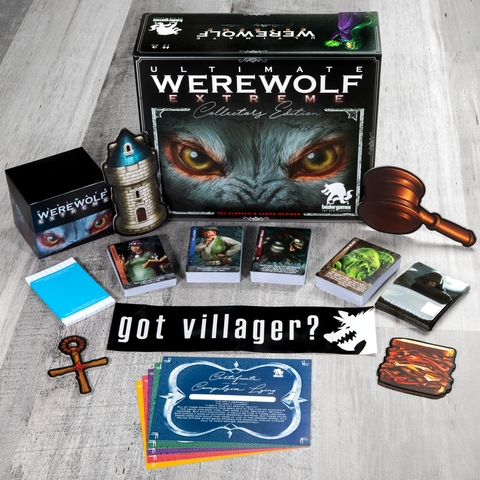
Name tents, a visible day timer, and a moderator clipboard matter more than premium tokens. Seat players in one circle with no hidden corners. Use soft lighting during day discussion and a consistent darkness cue at night, but never make the room so dark that safety or accessibility suffers. A small speaker can help the app, though the moderator should test volume from every chair.
Role sleeves protect cards from marked backs; identical sleeves are essential if old cards have visible wear. Keep a printed role order even when using the app and place eliminated-role rules on the table. Skip elaborate costumes until the group already loves performing. Atmosphere should support deduction, not make a hesitant guest feel they joined an audition.
Name tents, a visible day timer, and a moderator clipboard matter more than premium tokens.
The picks
Some links below are affiliate links — as an Amazon Associate, Puzzlewick earns from qualifying purchases, at no extra cost to you. It never changes a pick.
 2 photos
 Ultimate Werewolf Extreme
Large-group day-and-night social deduction with updated role support and a moderator app.
- Best current traditional Werewolf purchase.
- Large-group day-and-night social deduction with updated role support and a moderator app.
- Needs a confident host and enough players.
2 photos One Night Ultimate Werewolf
One night, one discussion, one vote, no moderator, and immediate replays.
- Best for smaller groups and no elimination.
- One night, one discussion, one vote, no moderator, and immediate replays.
- A different game, not an expansion for Extreme.
At a glance
| Need | Buy | Why |
|---|---|---|
| Traditional 9–25+ player event | Extreme | Updated roles and moderator support |
| Fast 3–10 player rounds | One Night | No moderator or permanent elimination |
| Already own Deluxe | Keep Deluxe | The core game remains intact |
| New collector considering Deluxe premium | Skip | Age and scarcity do not improve the first night |
Questions, answered
Is Ultimate Werewolf Deluxe still worth buying?
Only at a normal price or if you collect it. New players should generally buy Extreme.
What is the best player count?
Traditional Ultimate Werewolf is strongest around nine to fifteen-plus players with a moderator.
Is One Night compatible with Extreme?
No. It is a separate short-form design with different timing and role interactions.
How many werewolves should I use?
A useful starting point is roughly one werewolf per three or four non-wolves, adjusted for strong special roles.
How many players make the best Werewolf game?
A moderated long-form game usually comes alive around eight to fourteen players, where there is room for deduction without an unmanageable village.
Does Ultimate Werewolf Extreme require the app?
The app is a major convenience for role setup and moderation, but a prepared human moderator can still run the game with the printed material.
Margo's verdict
Buy Extreme for the full village and One Night for the fast accusation. Keep Deluxe if it is already in your cabinet, but do not mistake collector friction for superior design. More important than edition is moderation: simple roles, strict timing, neutral narration, and a room where lying feels playful rather than personal. That is the moon worth setting the table beneath.
Research ledger 12 sources · reviewed 2026-07-14
Specifications, rules, current product information, community experience, and contrary evidence were checked against the sources below. Commercial links are kept separate from editorial evidence.
- beziergames.combeziergames.com/blogs/news/differences-among-all-of-the-ultimate-werewolf-editions
- beziergames.combeziergames.com/pages/uw-moderator-app-quick-start
- boardgamegeek.comboardgamegeek.com/boardgame/152242/ultimate-werewolf-deluxe-edition
- reddit.comreddit.com/r/boardgames/comments/r6qb4n/ultimate_werewolf_deluxe_vs_extreme
- reddit.comreddit.com/r/boardgames/comments/1g0gwvu/different_werewolf_editions
- reddit.comreddit.com/r/boardgames/comments/1q35v5i/questions_about_ultimate_werewolf
- beziergames.combeziergames.com/products/ultimate-werewolf-extreme
- beziergames.combeziergames.com/blogs/news/ultimate-werewolf-extreme
- boardgamegeek.comboardgamegeek.com/boardgame/38159/ultimate-werewolf-ultimate-edition
- ultraboardgames.comultraboardgames.com/ultimate-werewolf/game-rules.php
- beziergames.combeziergames.com/collections/all-games/products/ultimate-werewolf-extreme
- cdn.shopify.comcdn.shopify.com/s/files/1/0740/4855/files/2-up_UWEX_Moderator_Scorepad.pdf?v=1640554237

Let me check that before we say it.

Keep exploring
The next smart rabbit holes.
⌂ Topic PathFamily and Gateway Games: compare the whole shelfA good family game gets everyone playing quickly without becoming disposable after three nights. These guides prioritize clear...Best OfBest Social Deduction Games (2026): Beyond Werewolf & MafiaOkay but have you SEEN what the room's been saying about these? Werewolf walked so these could run — nine games that turn a living room...Best OfBest Party Card Games for Adults, Ranked (2026)Okay but have you SEEN what the room's been saying about Monikers, Wavelength, So Clover!, Just One — because the party-game conversation...