Azul vs Cascadia vs Calico: Which Cozy Tile-Layer Is Right for Your Table?
Three beautiful tile games compared by interaction, pressure, solo play and the kind of first night they create.

AI-assisted curator persona · research and editorial responsibility: Robert Pruitt · how this guide was made
Last editorial refresh: 2026-09-11 Gold-standard QA: 2026-09-11 12 sources reviewed Affiliate links checked during gold-standard pass

The short answer
Choose Cascadia for a forgiving wildlife puzzle and the strongest solo option. Choose Azul for direct drafting tension and visible competition. Choose Calico for the tightest spatial puzzle and the most punishing tradeoffs. All three are approachable, but they create different moods: Cascadia relaxes, Azul provokes, and Calico compresses every decision.
Decision map
Choose in thirty seconds
The broadest table — gateway players, mixed groups, and the best solo experience of the three.
Two-player duos and groups that enjoy friendly, indirect conflict — plus the best table presence of the three.
Puzzle-hungry players and solo gamers who want a genuine brain-burner — NOT for anyone trying to relax.
Here's the trap people fall into: they see three 'cozy tile-laying games' with watercolor art, animals, and a 45-minute box time, and they assume buying one is the same as buying any of them. Wrong. Dead wrong.
These three games — all Flatout-or-Plan-B pedigree, all award-winning, all the kind of thing you can teach your aunt — have wildly different temperaments. One soothes. One spars. One burns. Buy the wrong one for your group and you'll have a beautiful object collecting dust on the shelf next to the Catan box nobody asked for.
I'm Dax. I don't do participation trophies. I played all three, I watched normal humans react to all three, and below I match each game to the exact player it'll delight — and warn you, by name, who's going to quietly resent it. Weight, teach time, tension, solo, table presence. Let's carve.
Start here, then go deeper
You are in the right cabinet.
 ✦ Topic PathBoard Game Buying Guides: compare the whole shelfStart with the decision, not the shelf. These guides compare the games, editions, expansions, player counts, and costs people...
 Best OfBest Cozy Board Games of 2026: Calico, Cascadia, Patchwork & the Relaxation Gaming RevolutionCome sit, come rest. Cozy games are the speed of real life — no winners, no rush, just beauty made by your own hands. This is the quiet...
 ComparisonHarmonies vs. Cascadia: Which Cozy Puzzle Wins in 2026?The definitive 2026 buyer's guide to Harmonies, Cascadia, Pulse, Crescendo, and Landmarks - including redundancy, solo play, two-player...
What actually separates these three games?
On paper they're triplets. In practice they're a yoga instructor, a fencing coach, and a Sudoku app that hates you.
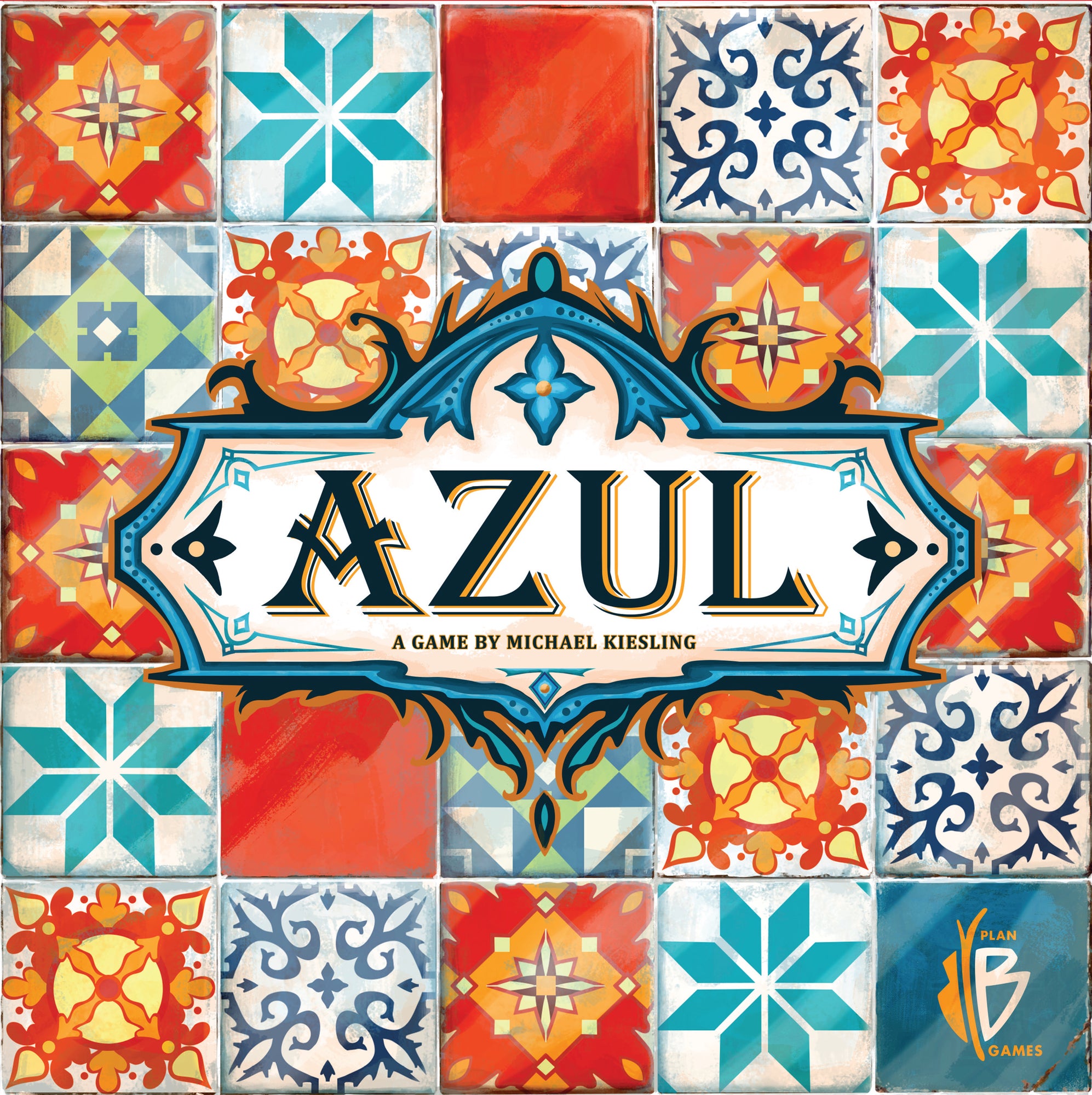
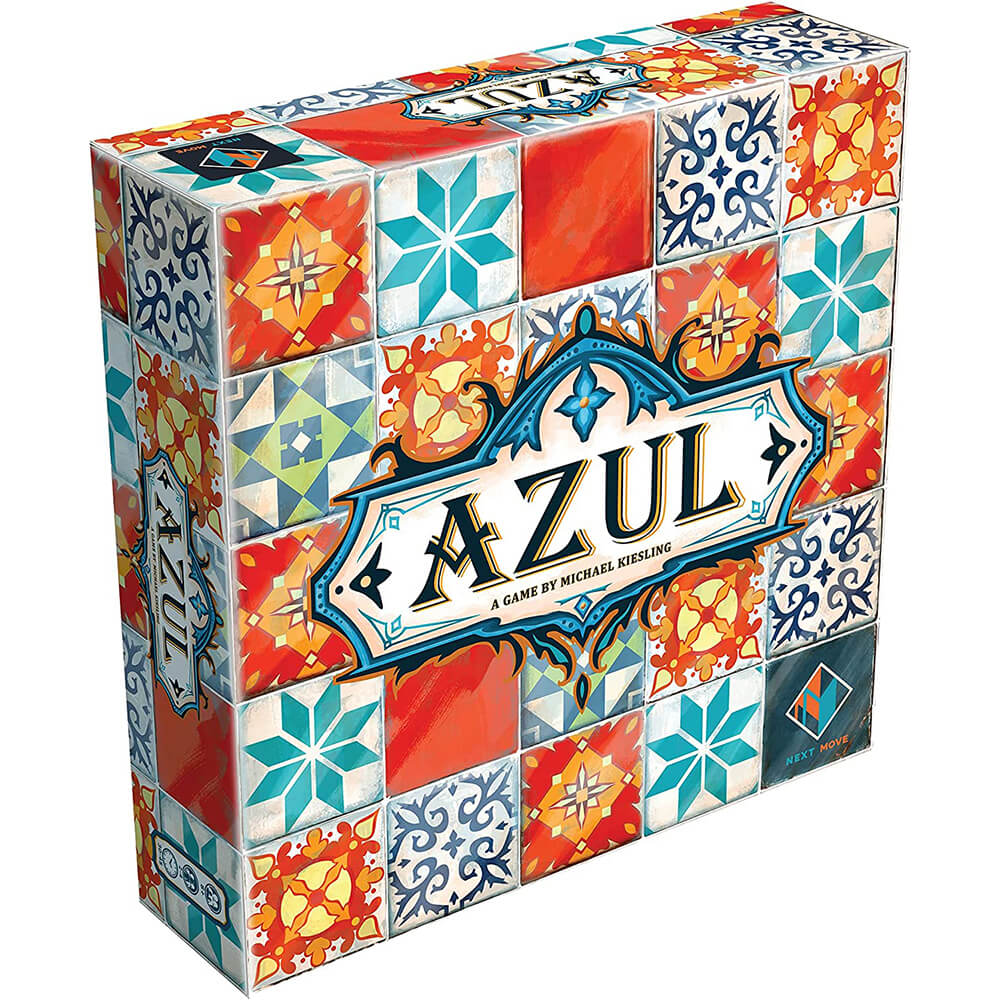
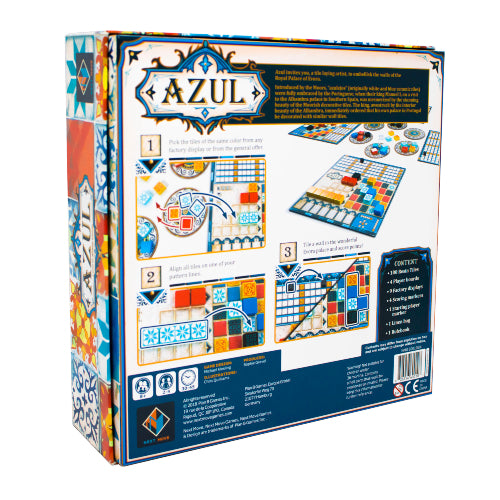
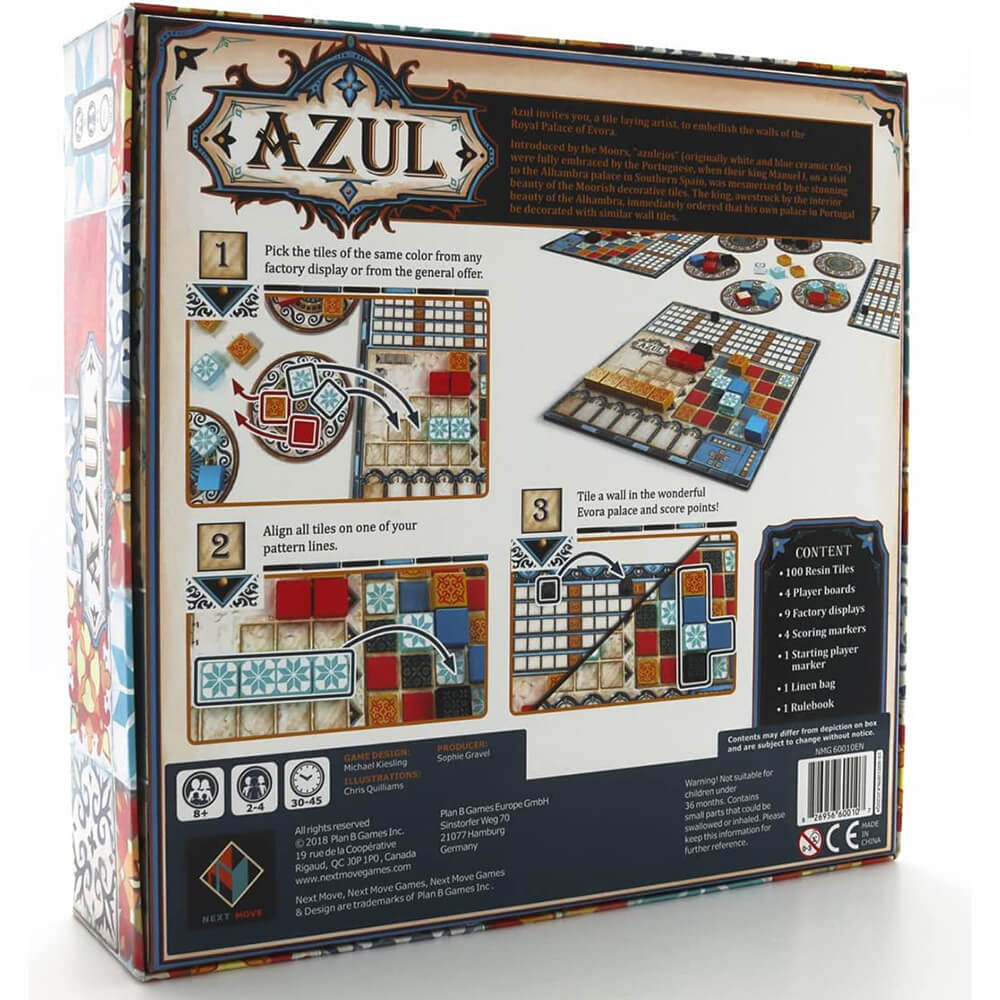
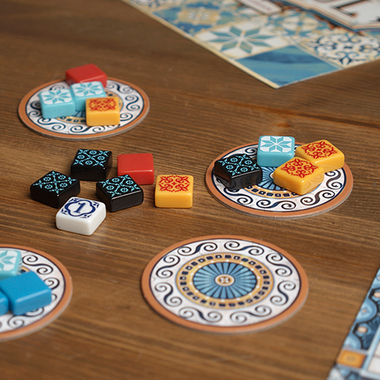
- Azul (Michael Kiesling, 2017, Spiel des Jahres 2018): drafting + pattern-building with chunky resin tiles. You take ALL tiles of one color from a factory display, and the leftovers slide to the center for your opponents. The whole game is what you leave behind. Greedy grabs you can't place become floor tiles — straight negative points.
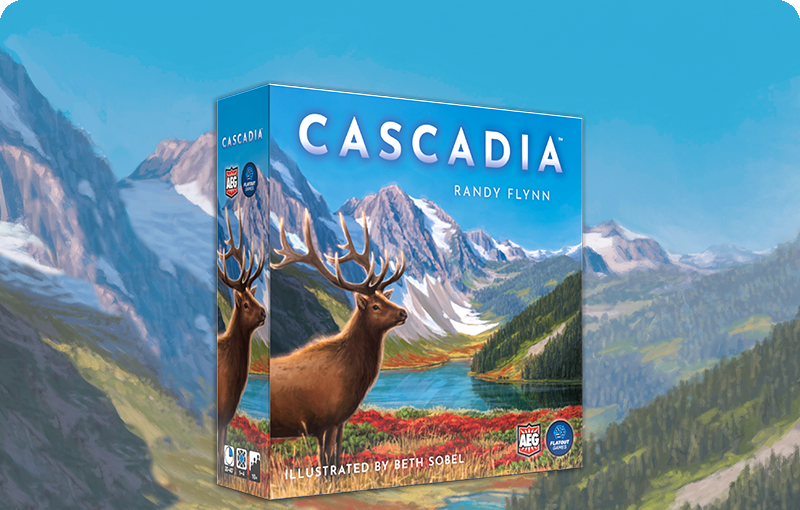
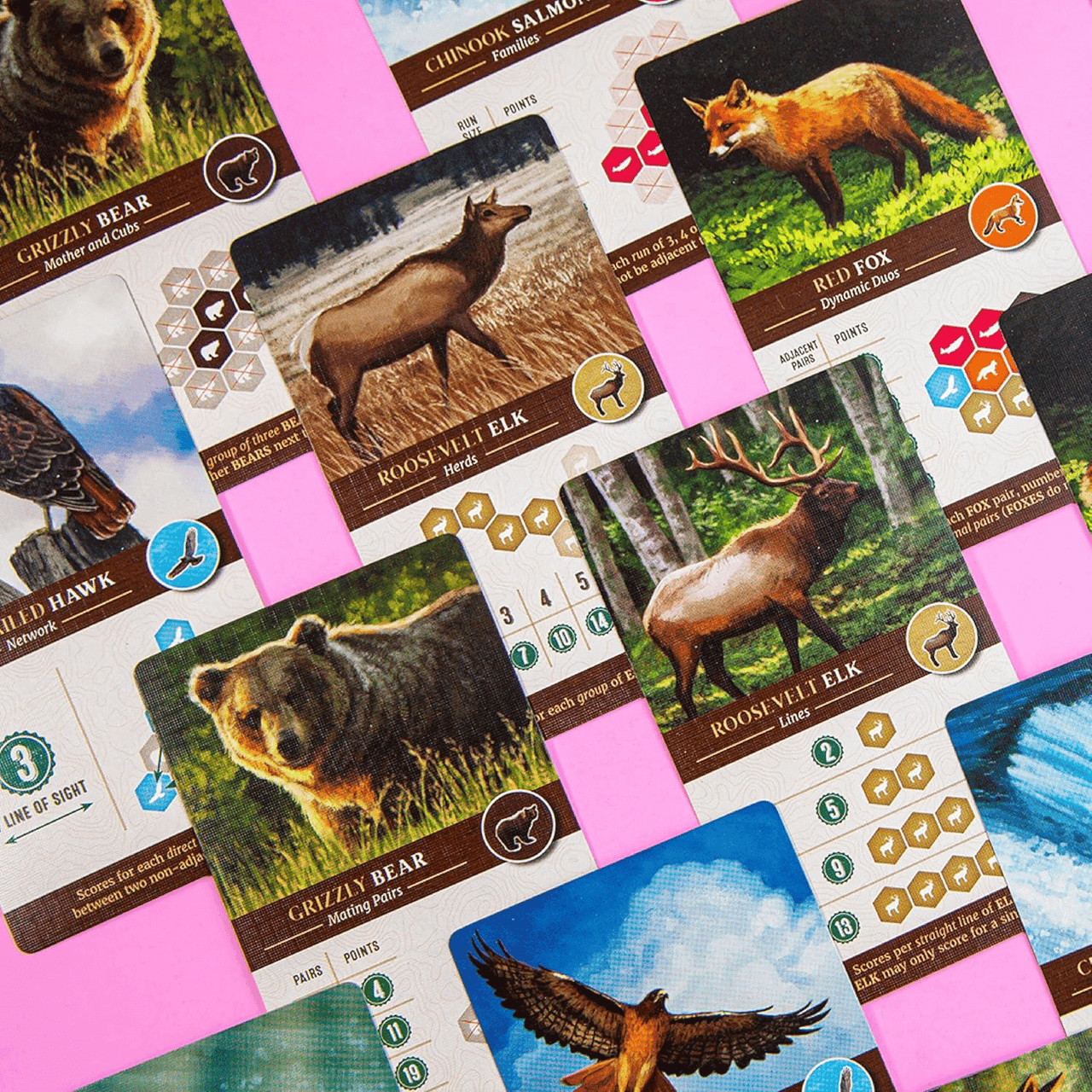
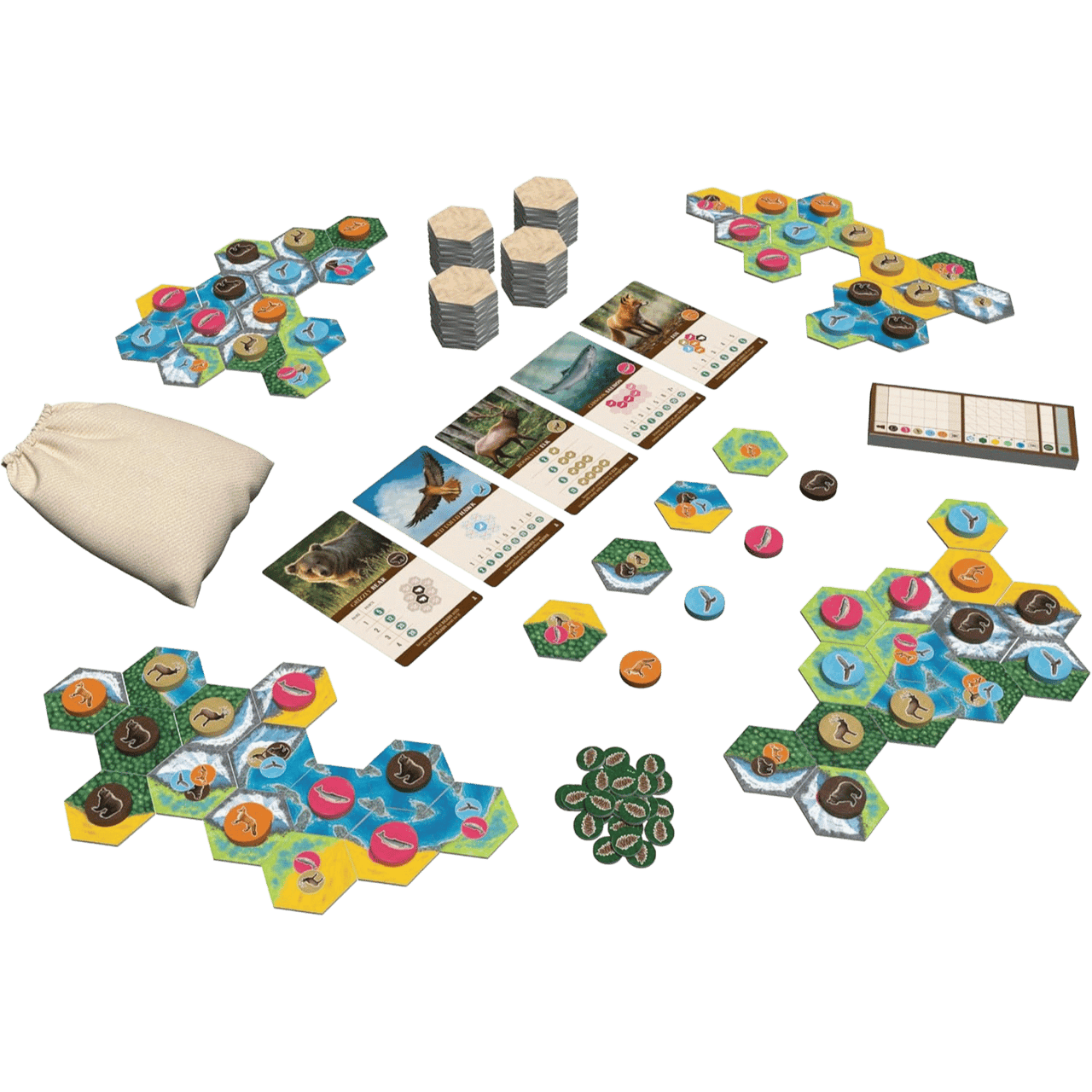
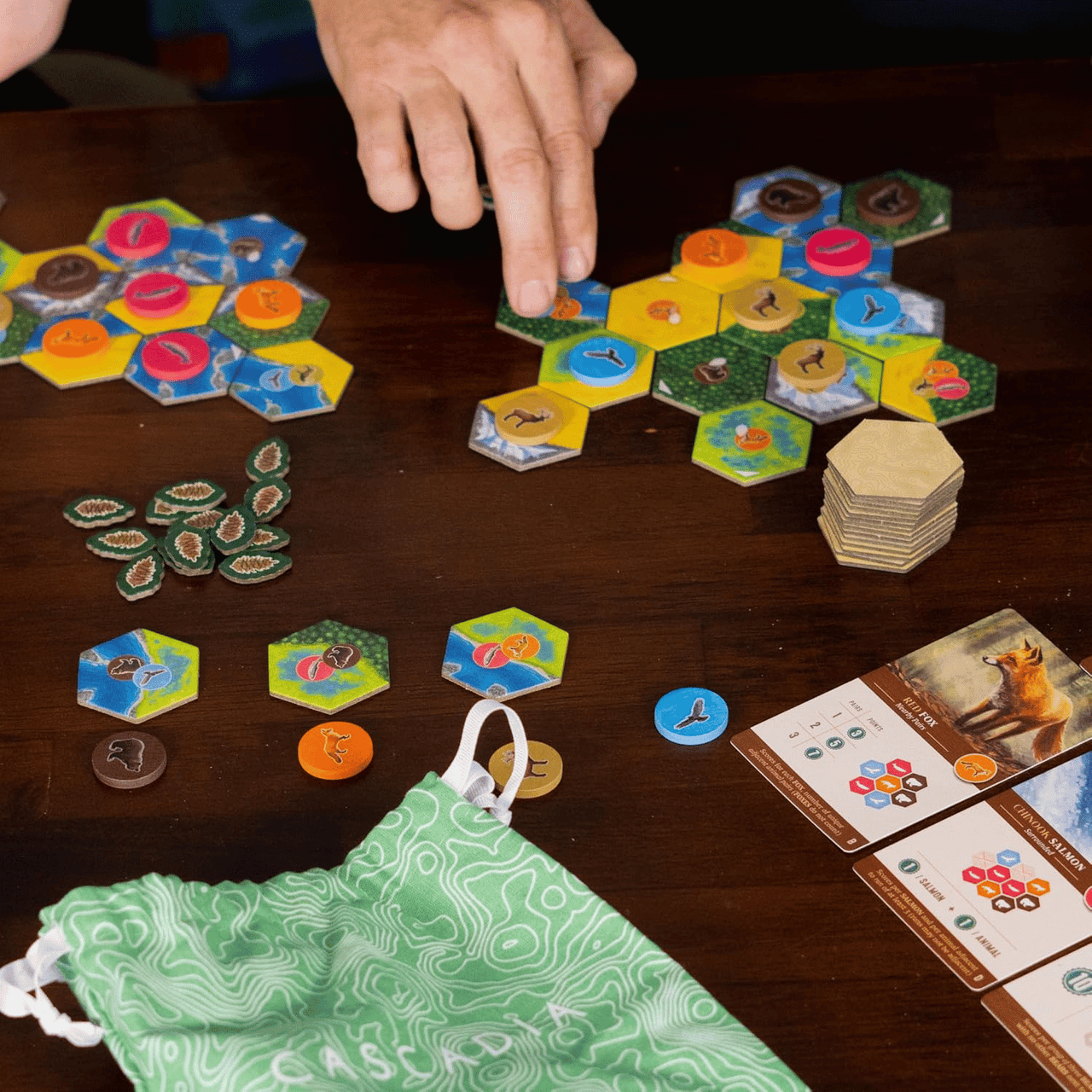
- Cascadia (Randy Flynn, 2021, Spiel des Jahres 2022): a two-part puzzle. Draft a habitat tile AND a wildlife token together, place the tile to grow your map, place the animal to score against shifting goal cards. Low conflict, high serenity.
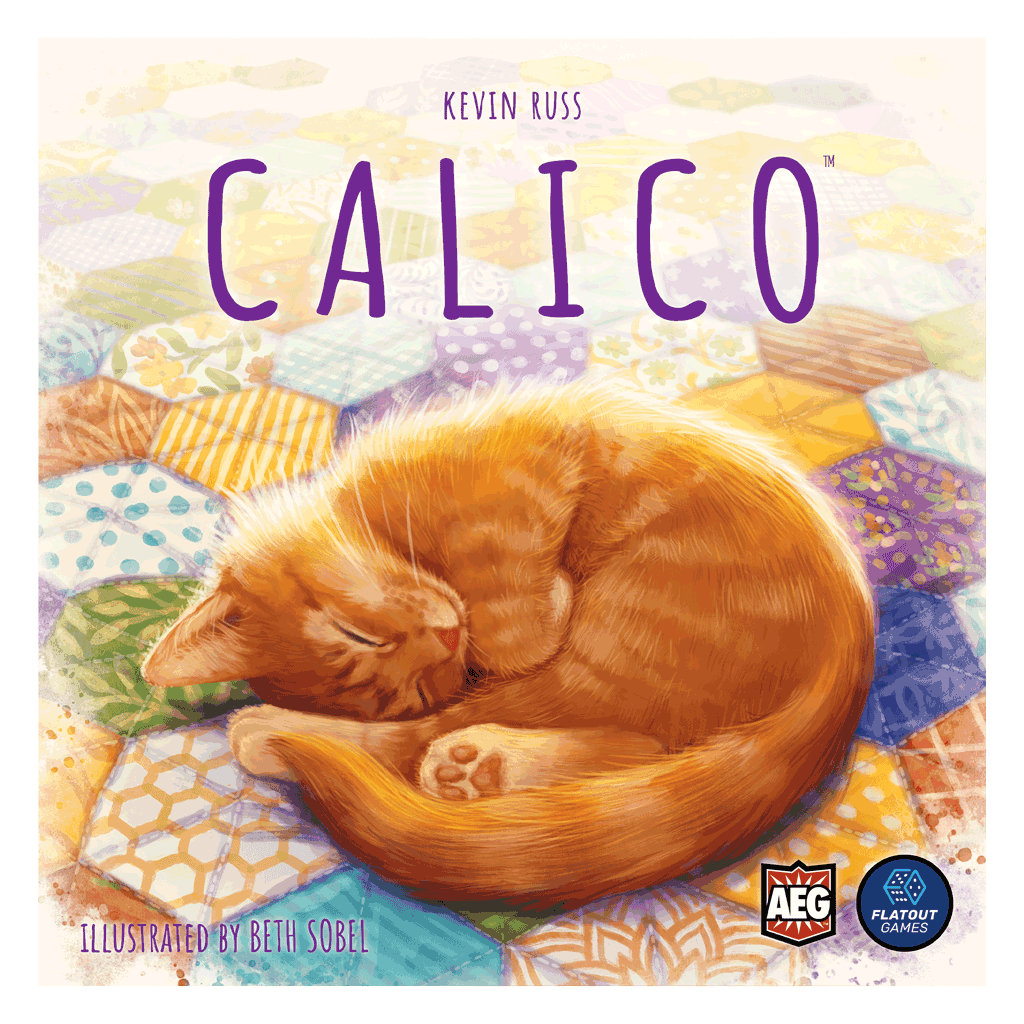
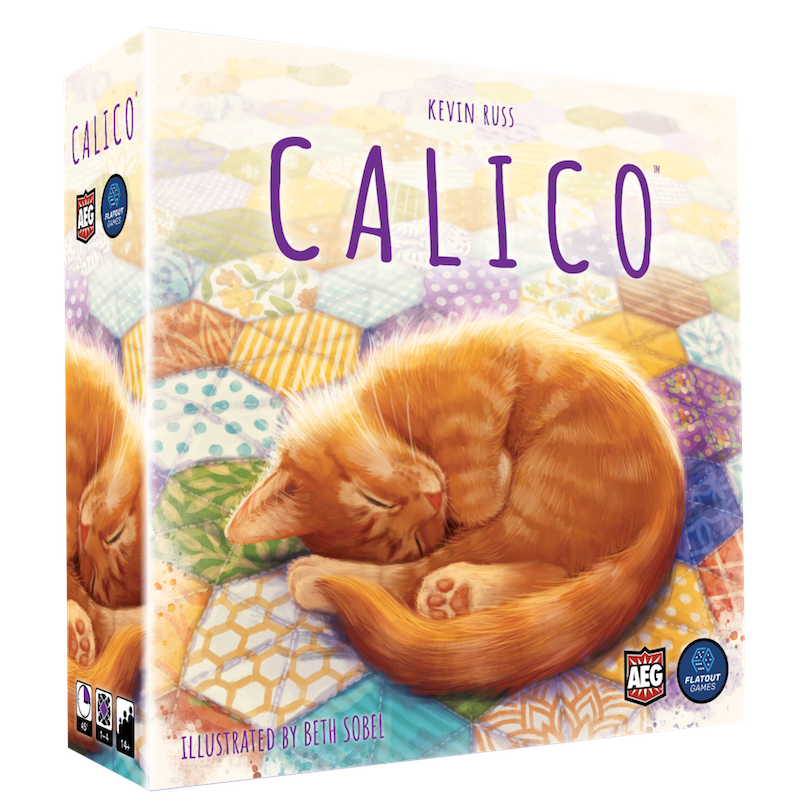
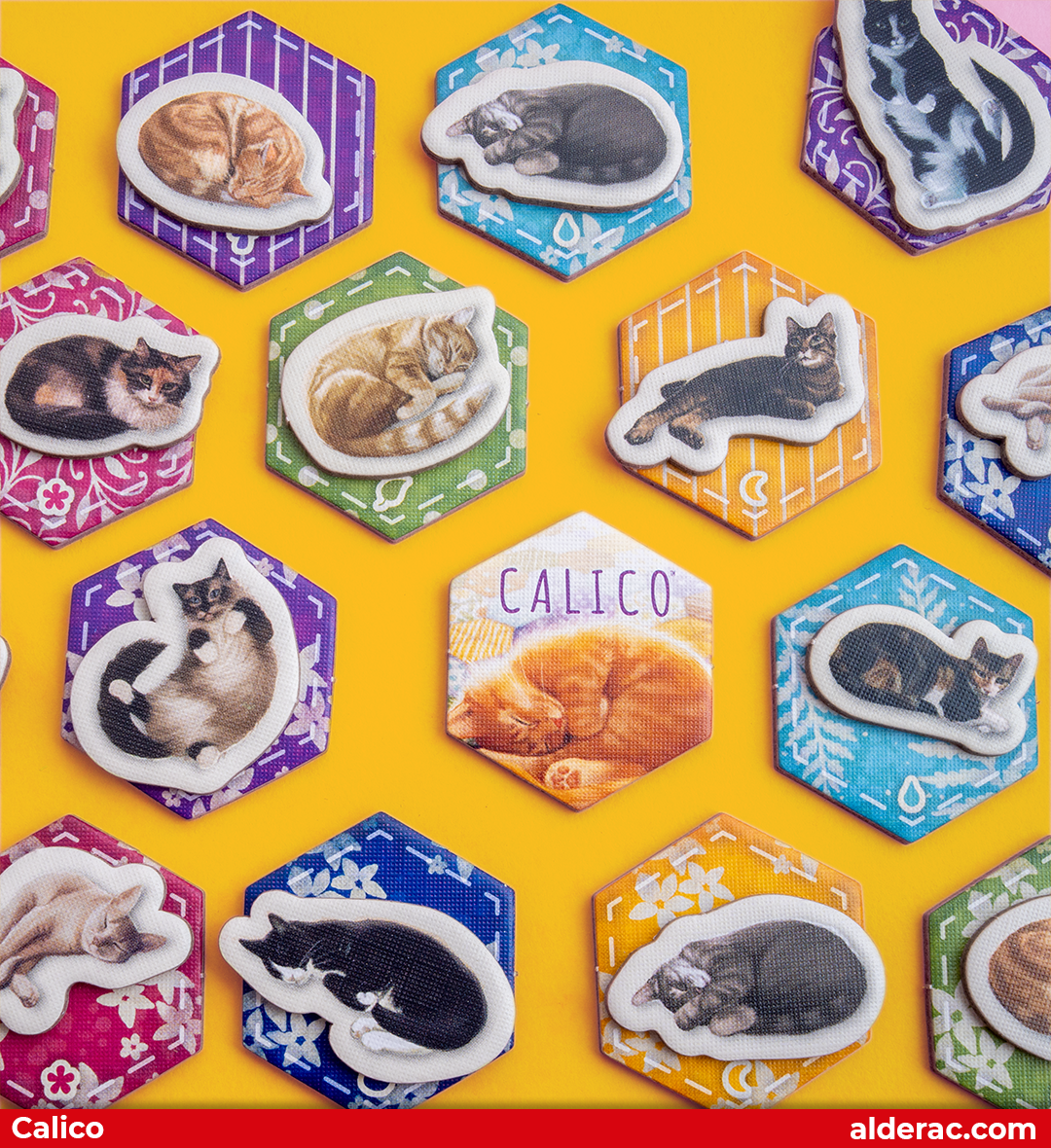
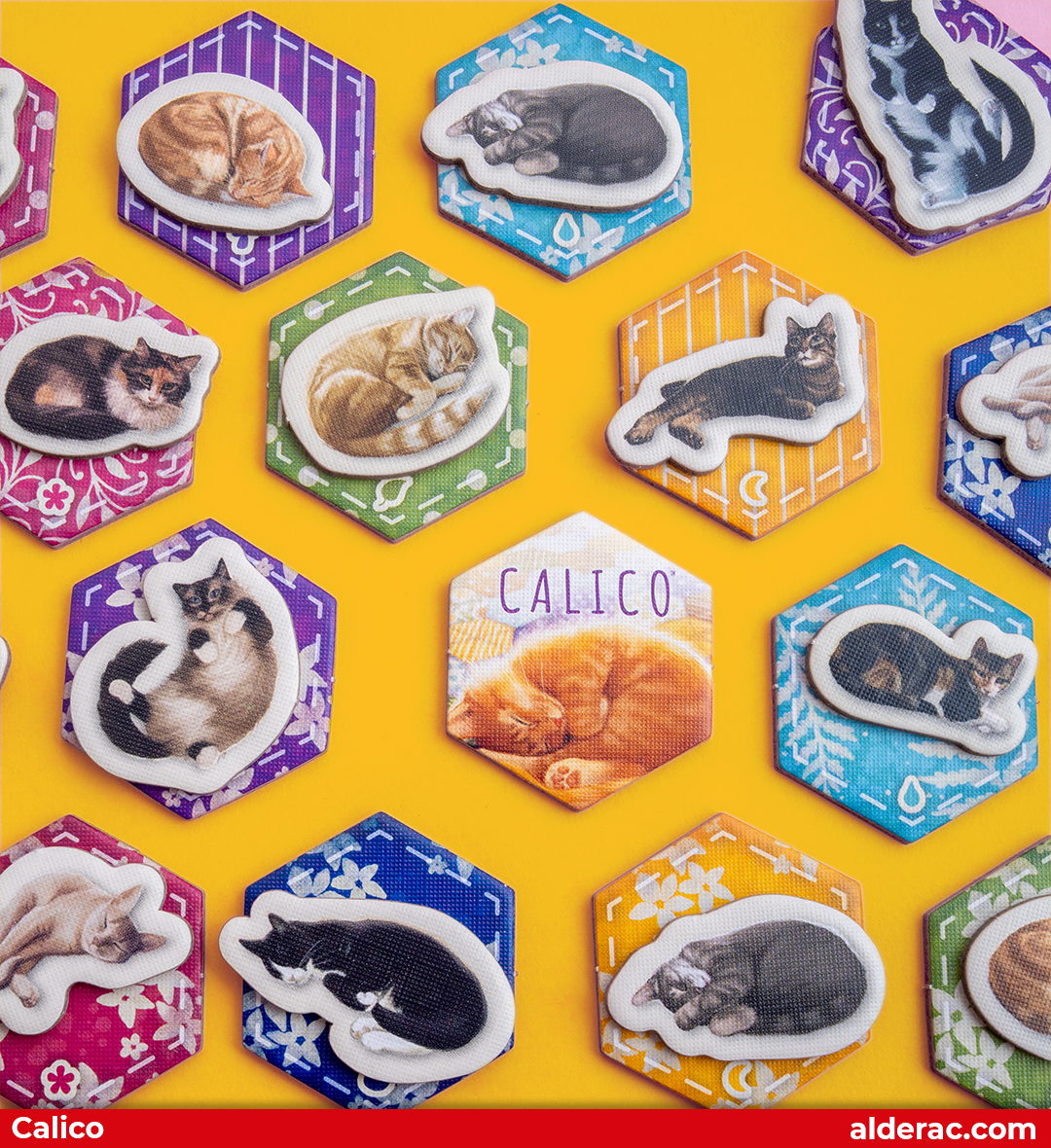
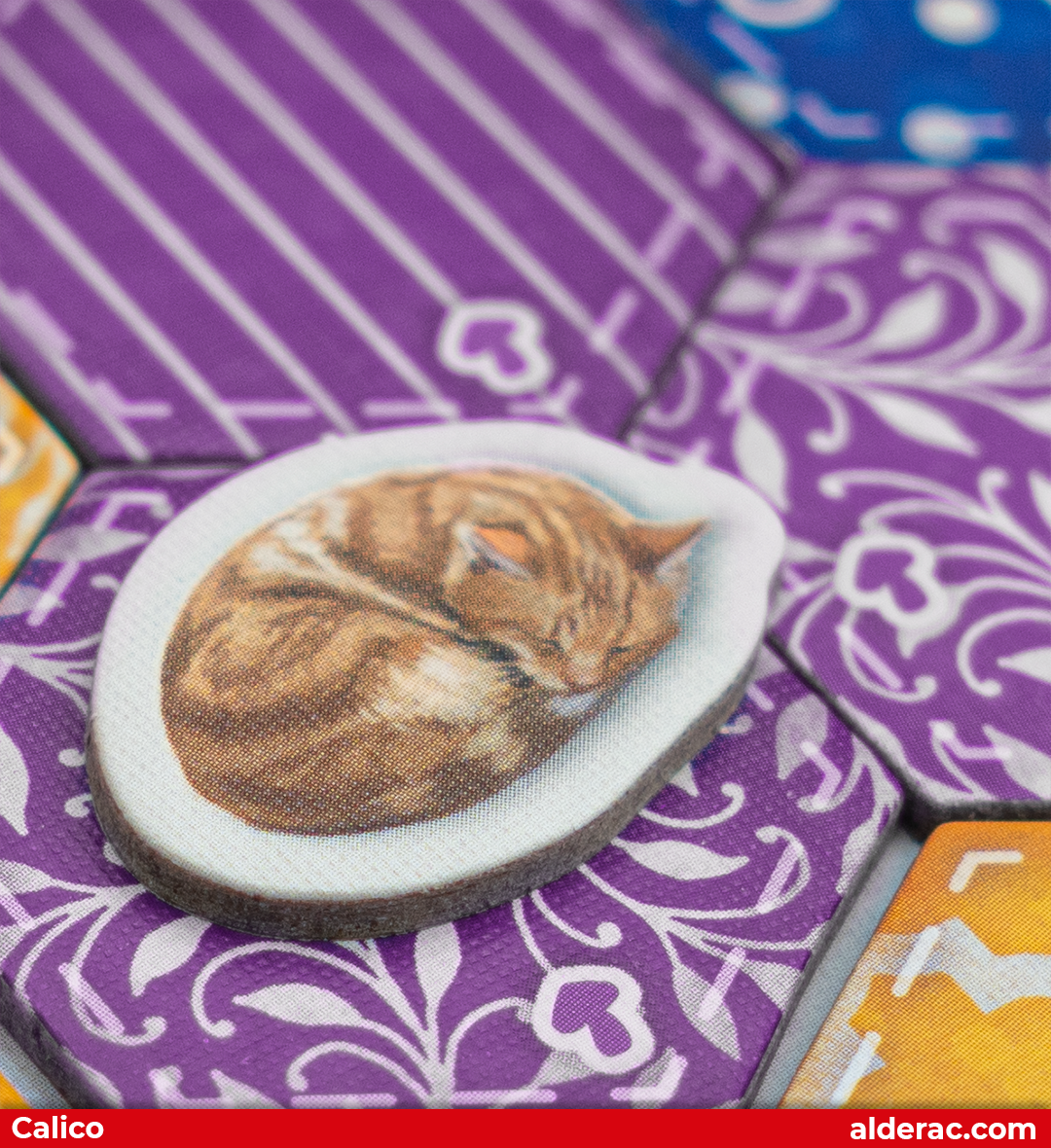
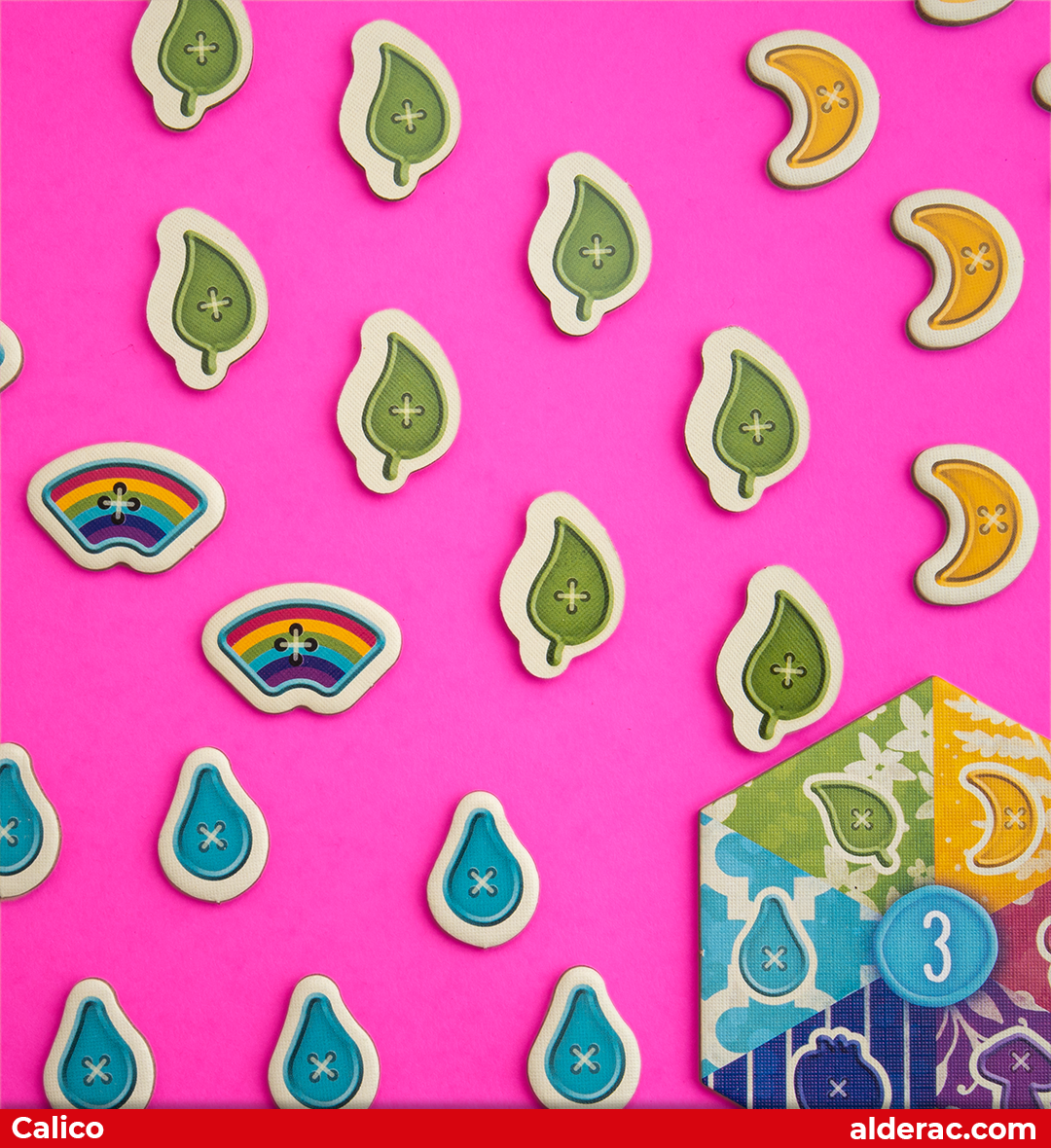
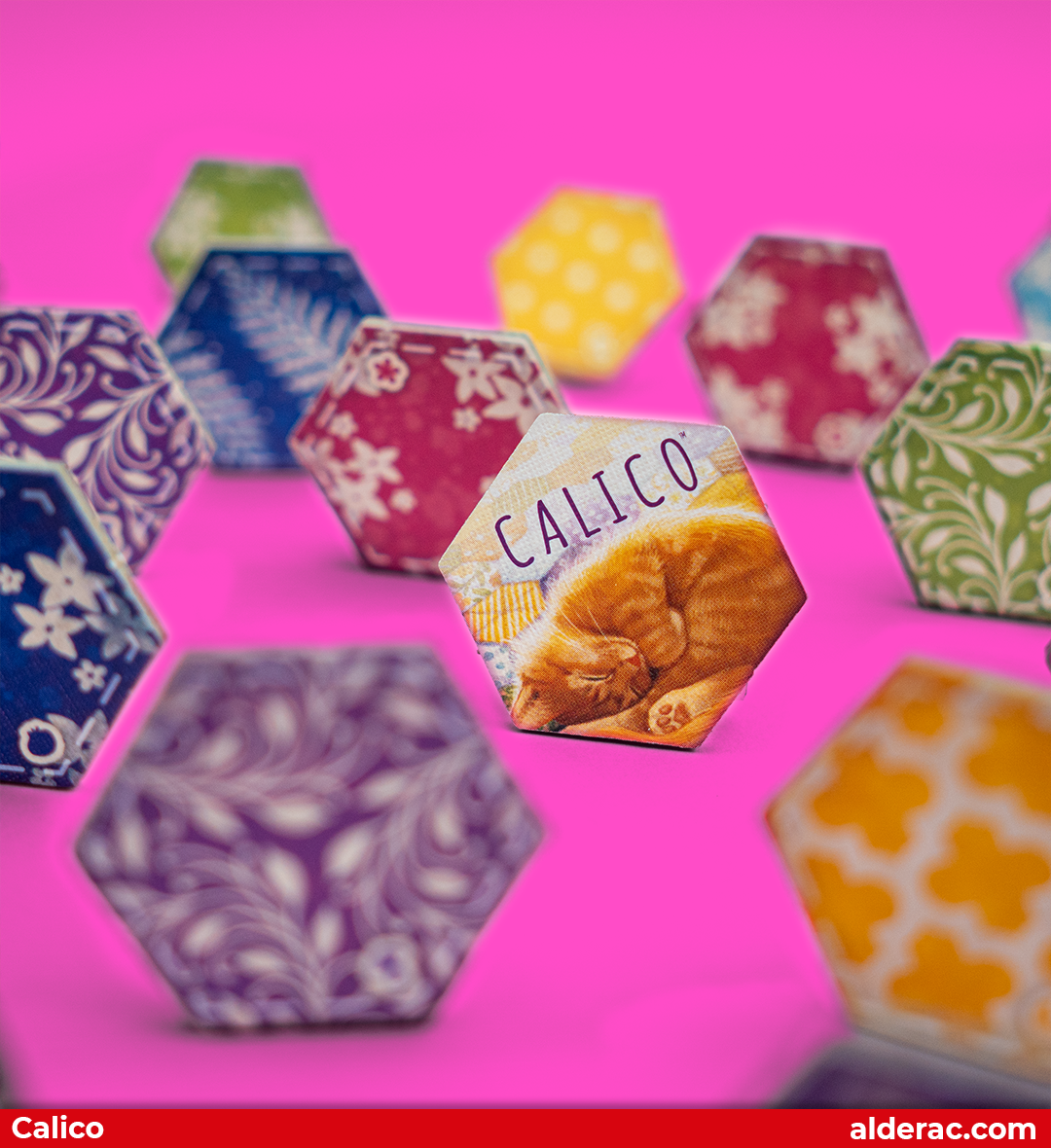
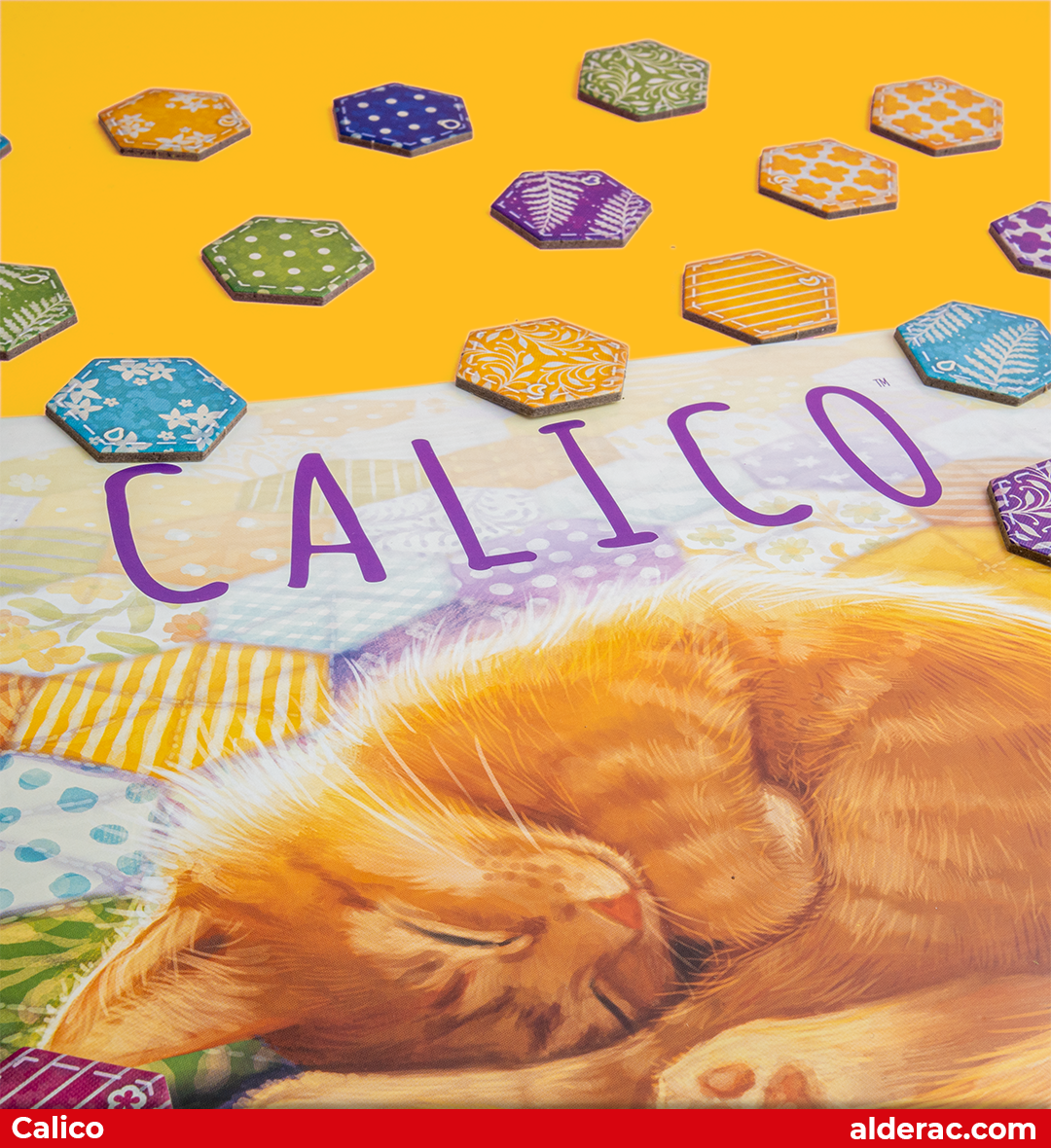
- Calico (Kevin Russ, 2020): hexagonal quilt patches that must satisfy THREE overlapping demands at once — color groups for buttons, pattern groups to attract cats, and your private design-goal tiles. Every patch fights itself.
Same shelf, three different sports. The rest of this piece is about which sport is yours.
One soothes. One spars. One burns. Buying the wrong one is how you end up with a beautiful object collecting dust.
Which one is the most relaxing — and the best gateway?

Cascadia, no contest. This is the game you put in front of people who say 'I don't really like board games' and watch them un-say it.
The genius is that Cascadia is generous. There's almost always a decent move. You're optimizing, not surviving. The tension is gentle — it shows up only when the habitat tile you want is bolted to a wildlife token you don't, and you have to compromise. Nobody leaves the table bruised.
That forgiveness is exactly why critics handed it the 2022 Game of the Year and the 2023 International Gamers Award for best solo game. It teaches in three minutes, it scales from a quiet solo evening to a chatty four, and it never makes a new player feel stupid.
The catch — and it IS a real catch — is that the same forgiveness can read as flat to sharks. If your group lives for confrontation, Cascadia's lack of player interaction will feel like everyone's playing solitaire in the same room. That's not a bug. It's the entire design thesis. Just know which side of it you're on.
Cascadia is the game you put in front of someone who says 'I don't really like board games' and watch them un-say it.
Which one has the sharpest competition and the best table presence?
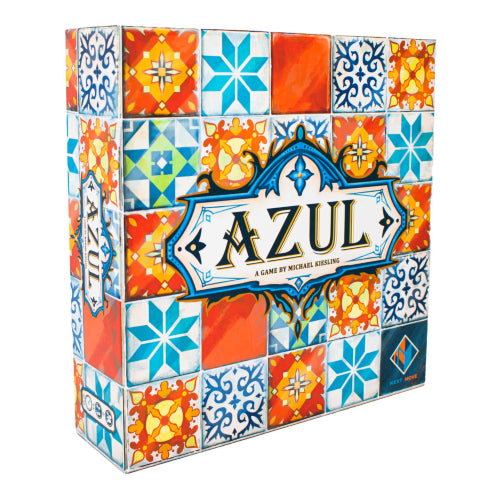

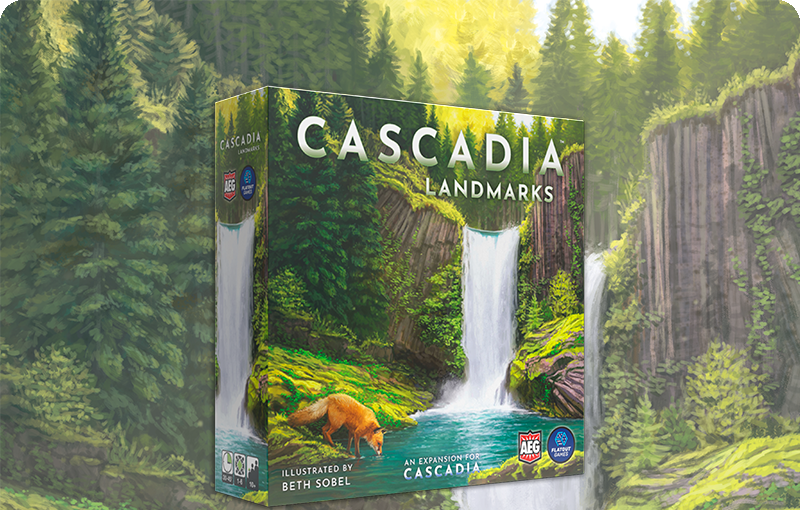
Azul. This is the one with knives — and the most jaw-dropping table presence of the three.
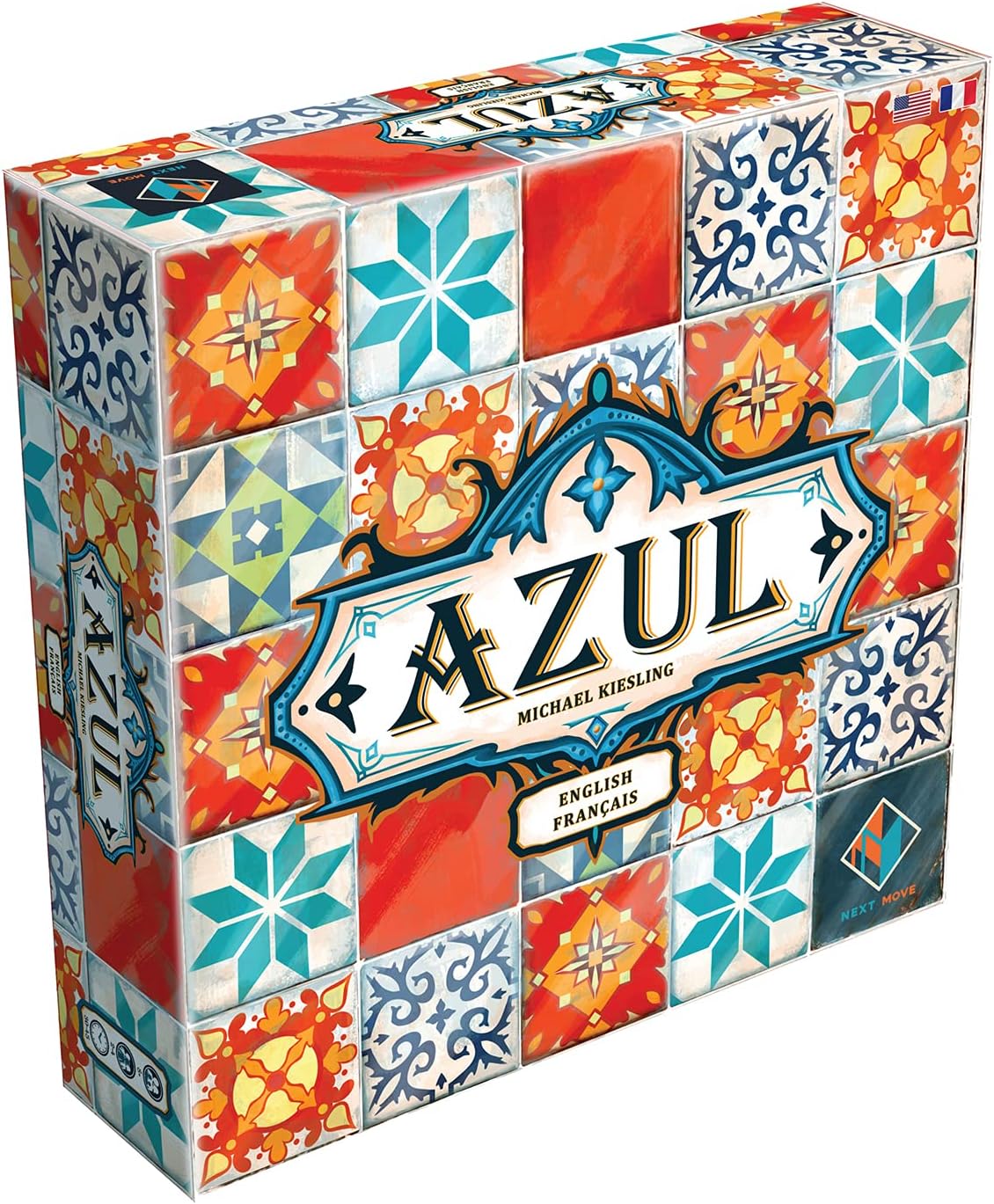
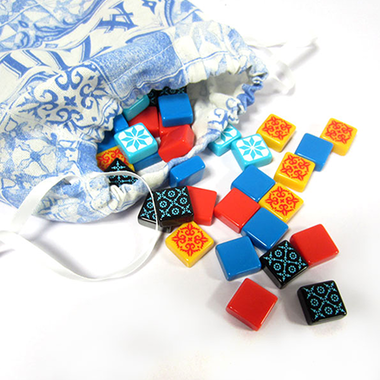
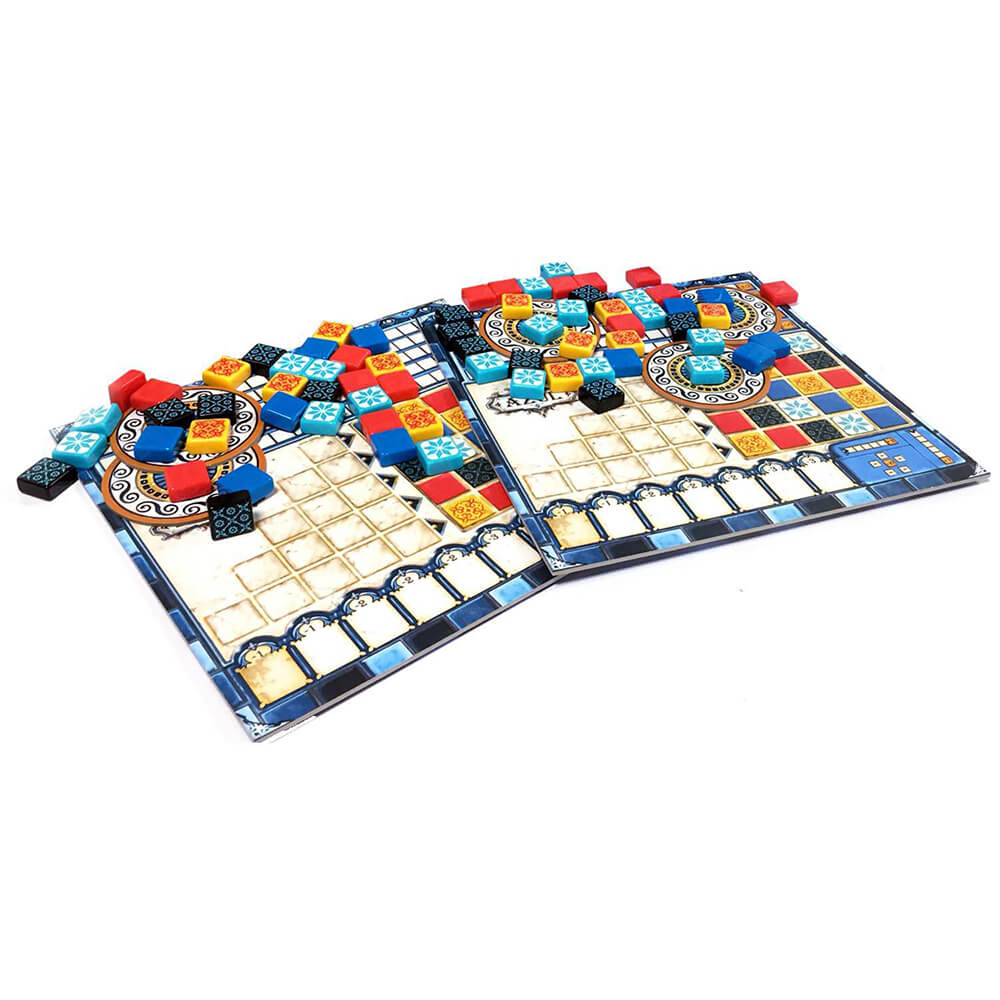
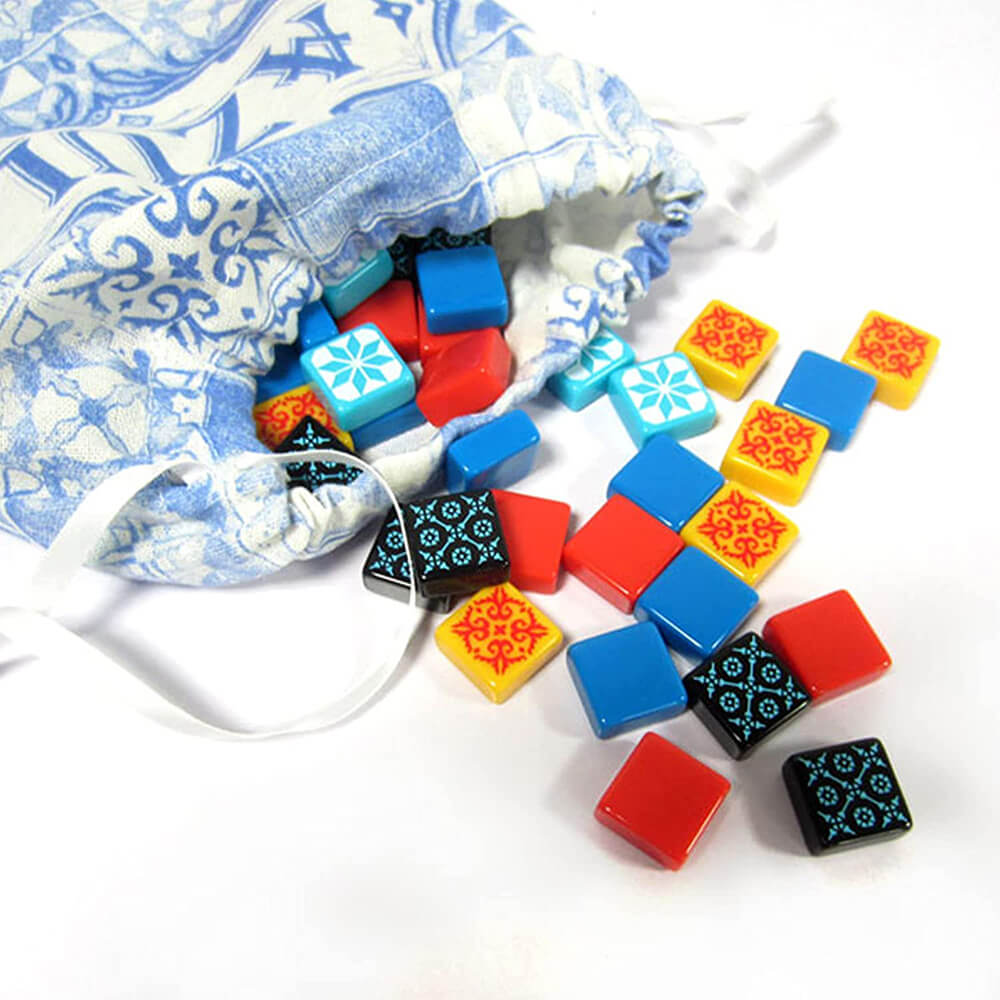
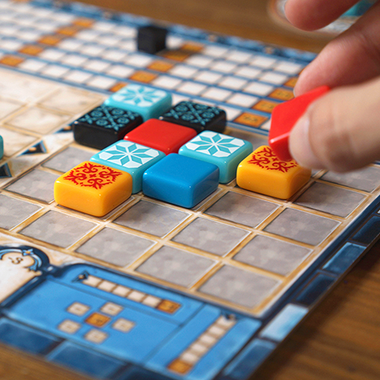
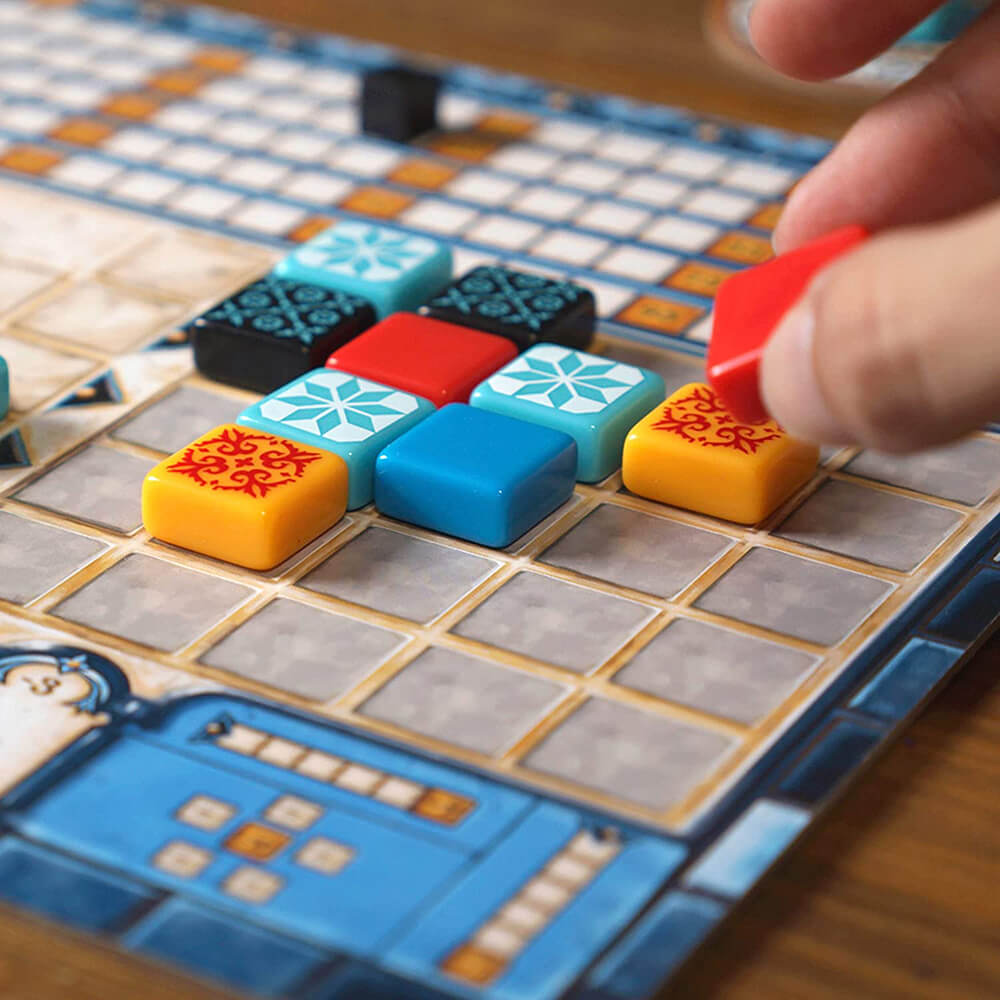
Those chunky resin tiles are the secret weapon. They have heft. They clack. Sliding one home is a tactile reward, and a finished mosaic genuinely stops people walking past the table. Azul made the jump from hobby shops to Target shelves precisely because it looks like art and plays like a fight.
The fight is the indirect kind. You can't attack me directly — but you can take exactly the tiles I needed, or arrange the center so the only color left is one that'll bury me in floor penalties. The negative-tile system is the engine of the whole thing: take more than you can place and the surplus becomes minus points. Greed is taxed. That single rule turns a pretty abstract into a wonderfully mean little knife-fight.
Who'll hate it: the conflict-averse. If your group wilts when someone snipes the tile they wanted, Azul will feel hostile. And solo Azul is an afterthought — this is a head-to-head game. Two players is where it sings.
You can't attack me directly in Azul. You can only leave me a poisoned center and a smile. That's the whole sport.
Which one is the brain-burner that'll make you sweat?
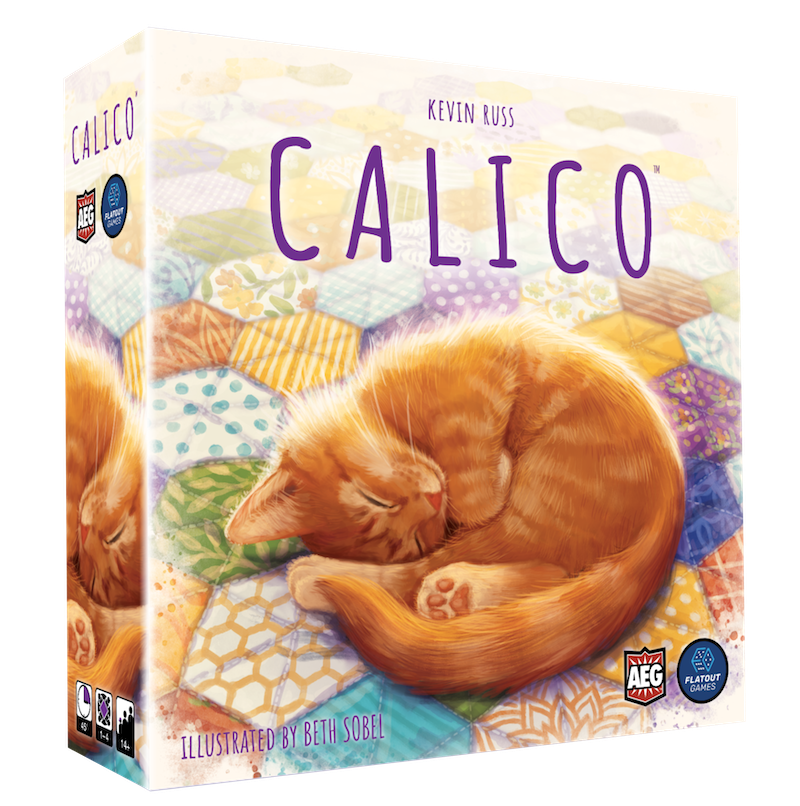
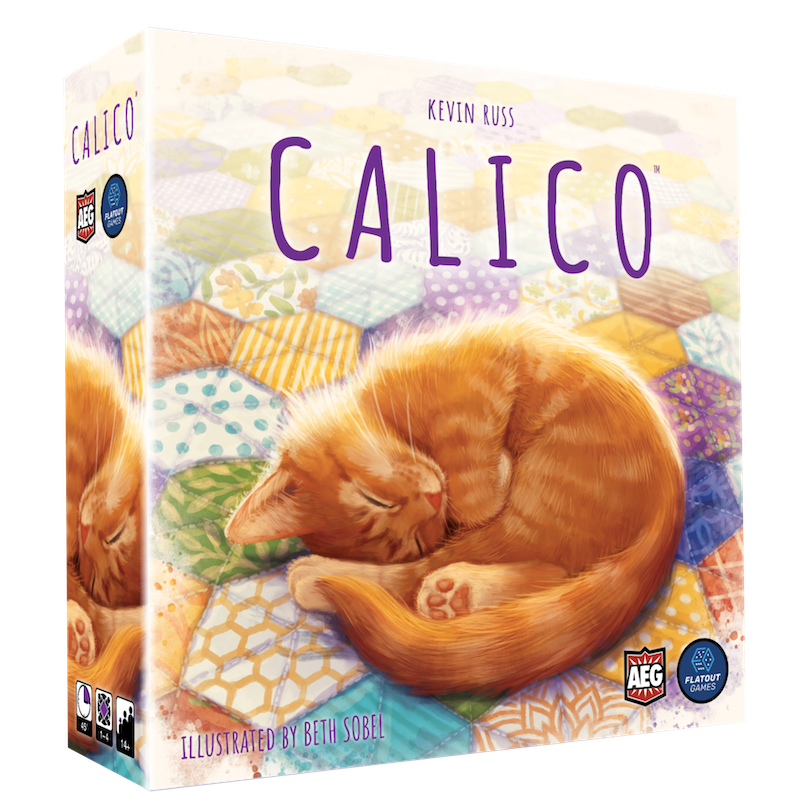
Calico. By a mile. Do not let the cats fool you. This adorable quilt is the meanest puzzle on the page.
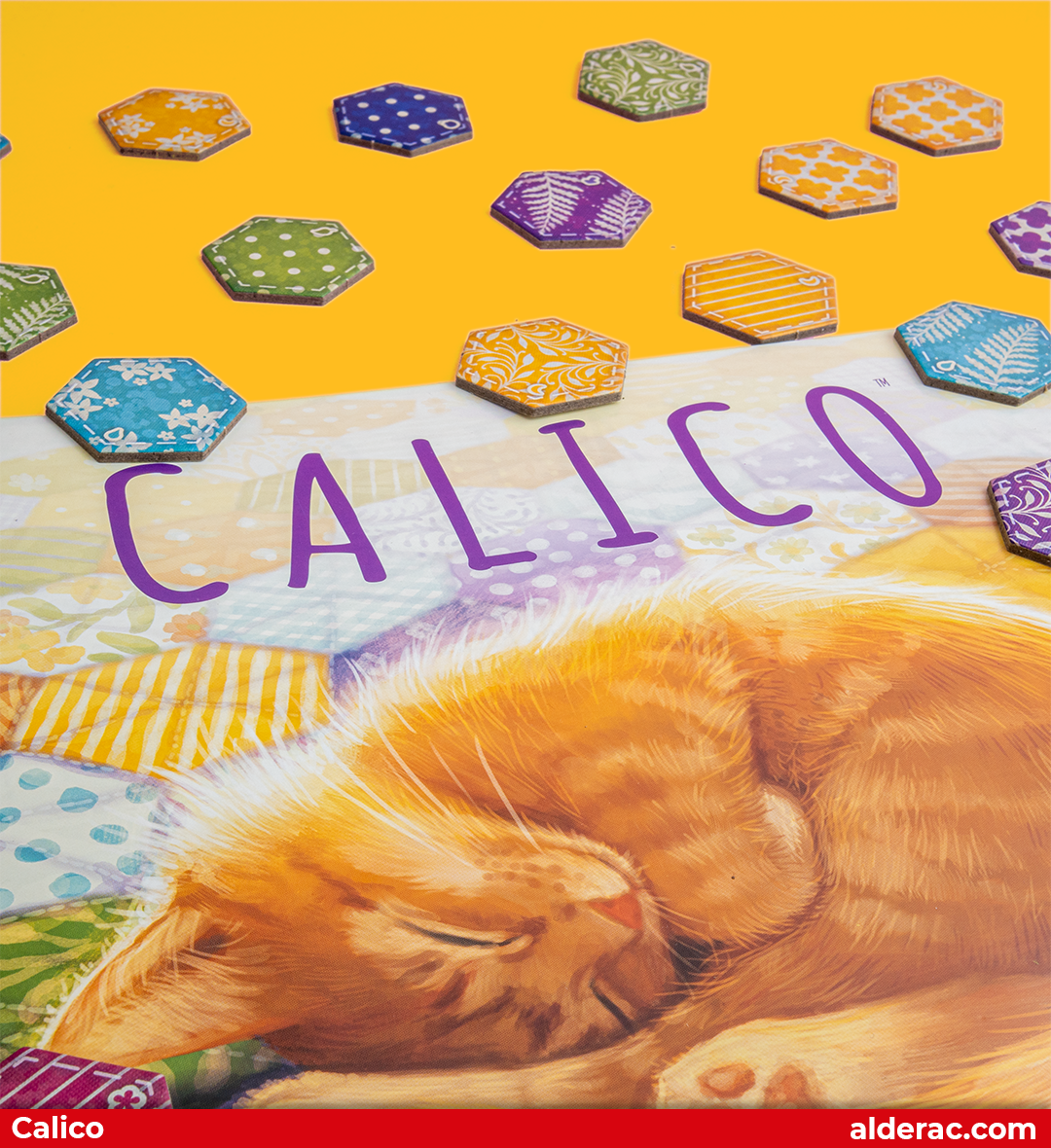
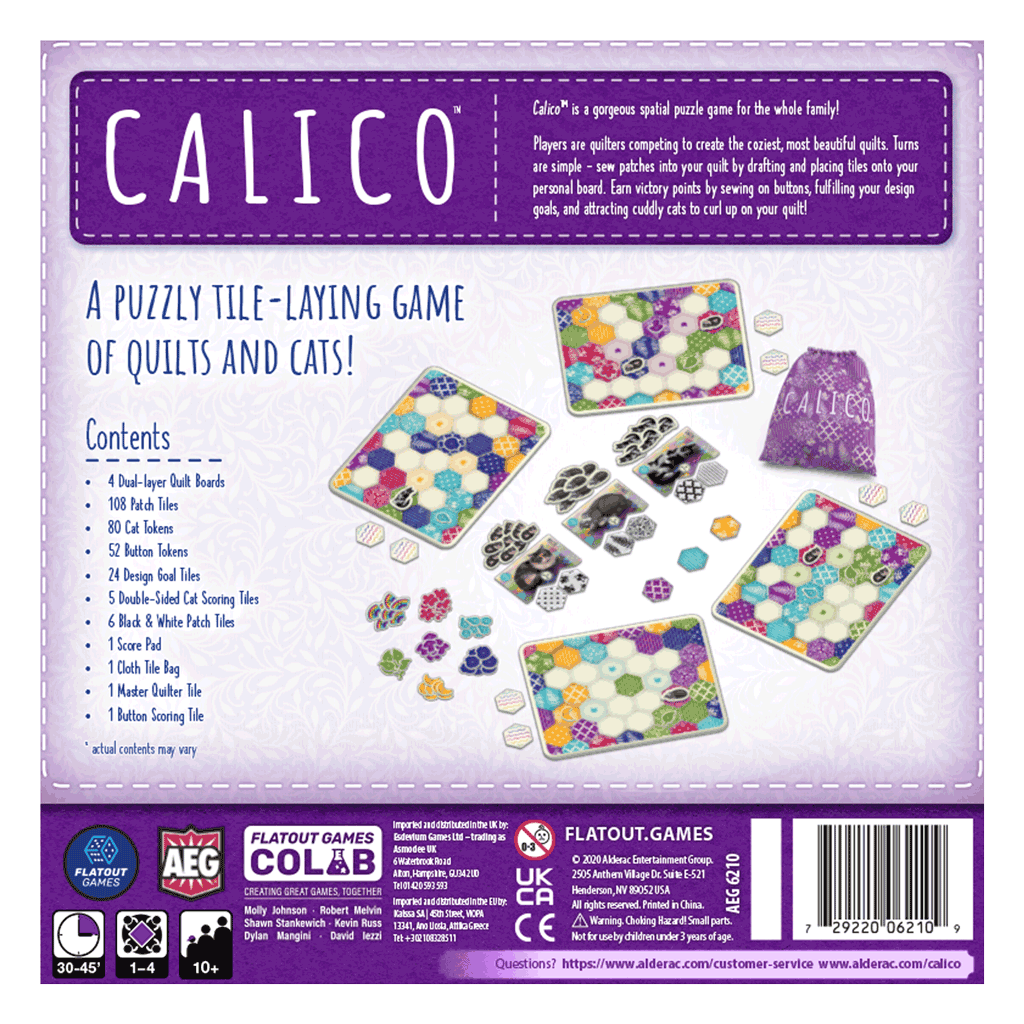
Here's why it burns: every single hexagonal patch has to satisfy three competing systems at once. Match colors to earn buttons. Match patterns to attract cats. And hit your two private design-goal tiles, which demand specific arrangements of same-or-different. A patch that's perfect for one goal often sabotages the other two. The scoring is deliberately obscured — you frequently can't tell what a tile is even worth.
The arc of a Calico game is brutal and kind of beautiful: you start optimizing, and somewhere around the halfway mark you realize the exact tiles you need are NOT coming, and the whole thing flips into damage control. That's the moment that either makes you grin or makes you put the game in the donate pile.
Who'll love it: the puzzle masochist who'd rather wring three points out of a vice than be handed twenty. Who'll hate it: literally anyone looking to relax. Calico is the opposite of cozy once the patches get tight — it just dresses like cozy.
Do not let the cats fool you. Calico is the meanest puzzle on this page — it just dresses like the nicest.
How do they compare on solo, teach time, and downtime?
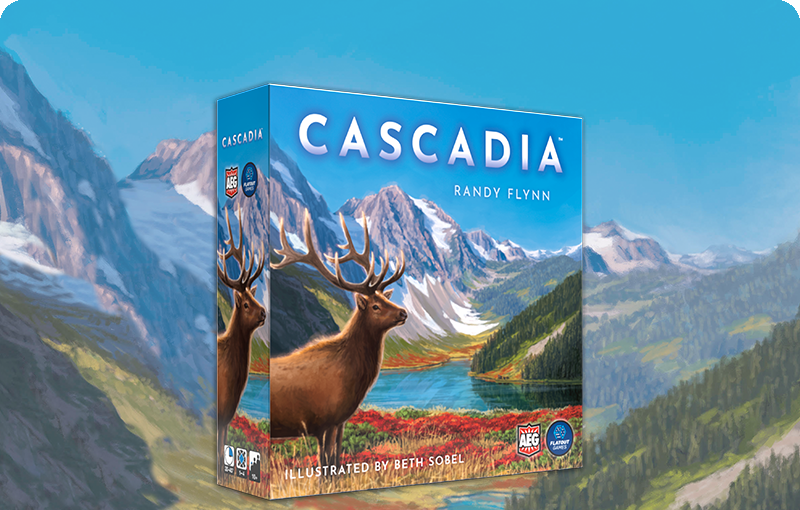

If you play alone — or want a game that also plays alone well — this matters more than the art.
- Best solo: Cascadia. Full stop. It literally won the 2023 International Gamers Award for best solo game. The mode is engaging, the puzzle holds up against just yourself, and the scoring stays satisfying.
- Best 'good solo' runner-up: Calico. Calico's lack of player interaction is a liability in a group and an asset alone — solo, the obscured scoring becomes a pure personal optimization challenge with no one to blame.
- Worst solo: Azul. It has a solo variant, but the whole soul of Azul is denying tiles to a human across the table. Alone, that engine is gutted.
Teach time: all three are 3-5 minutes to explain. But learning to play well diverges hard — Cascadia clicks immediately, Azul clicks after one painful floor-penalty round, and Calico might take three full games before you stop feeling lost.
Downtime: Azul has near-zero downtime at two; it can drag a little at four while everyone calculates. Cascadia and Calico are both largely parallel solitaire, so downtime is low even at four — though that's the same coin as 'low interaction.'
Cascadia clicks immediately. Azul clicks after one painful floor-penalty round. Calico might take three games before you stop feeling lost.
Which is the most beautiful on the table?
All three are stunners — but they win on different axes, and 'pretty' might genuinely be your tiebreaker.
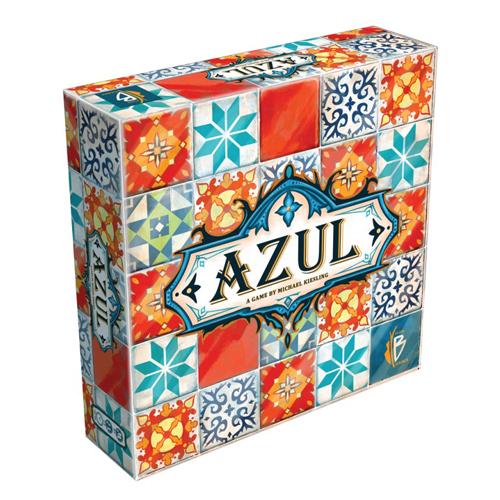
- Azul wins on tactile drama. The heavy resin tiles are the showpiece; a completed mosaic looks like a museum piece, and the components have a weight the other two can't match. This is the best 'leave it out on the coffee table' object of the three.
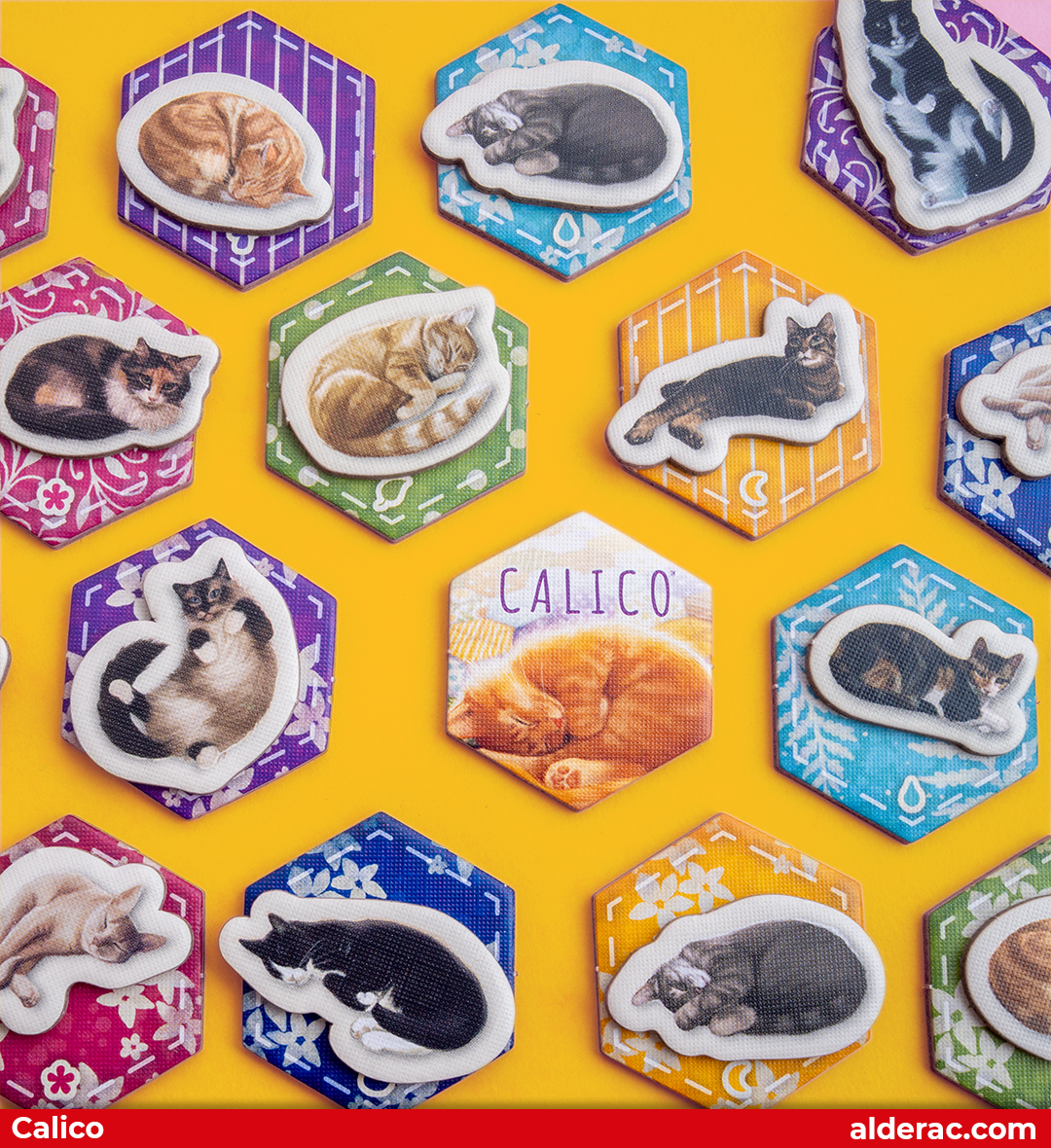
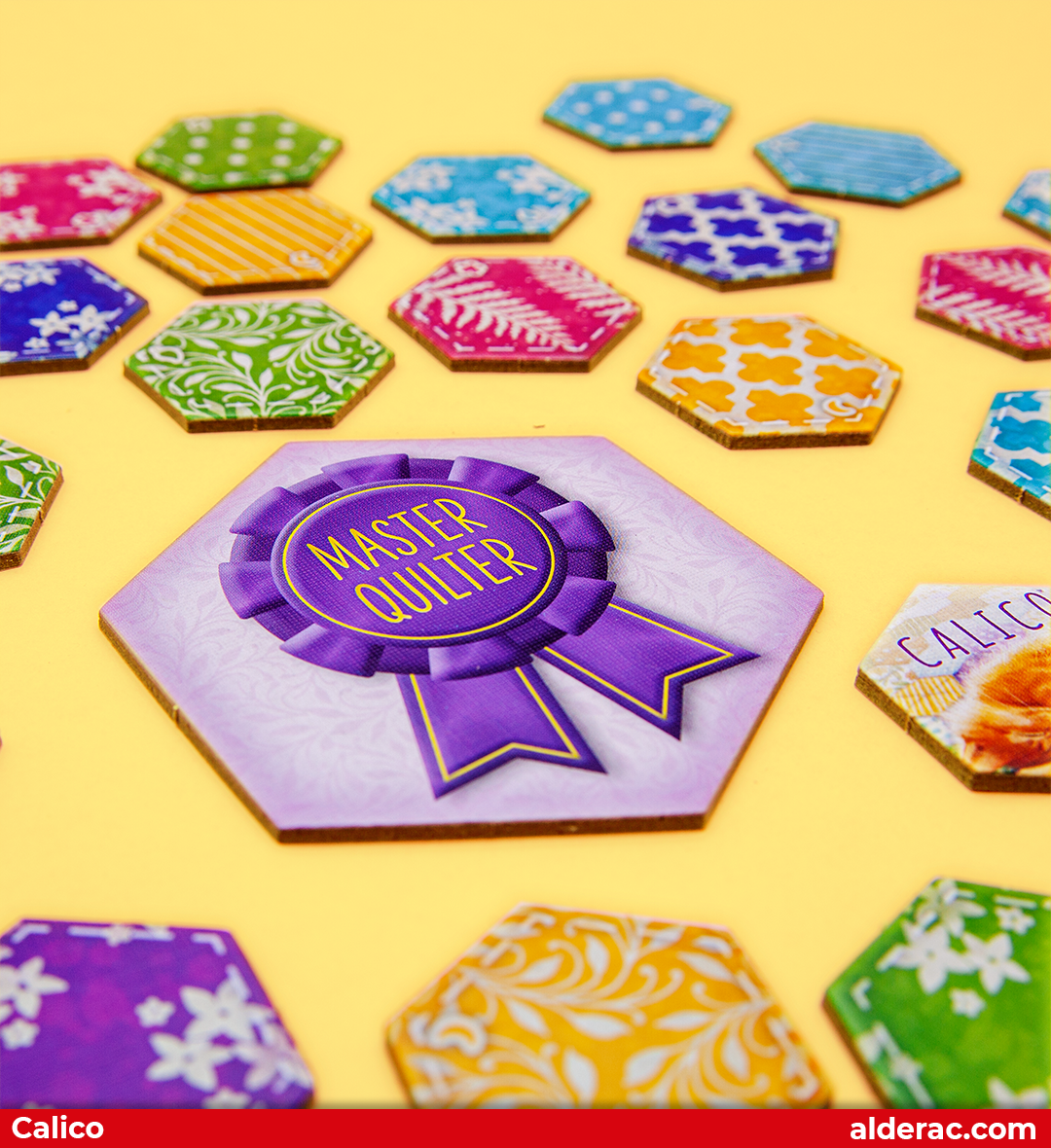
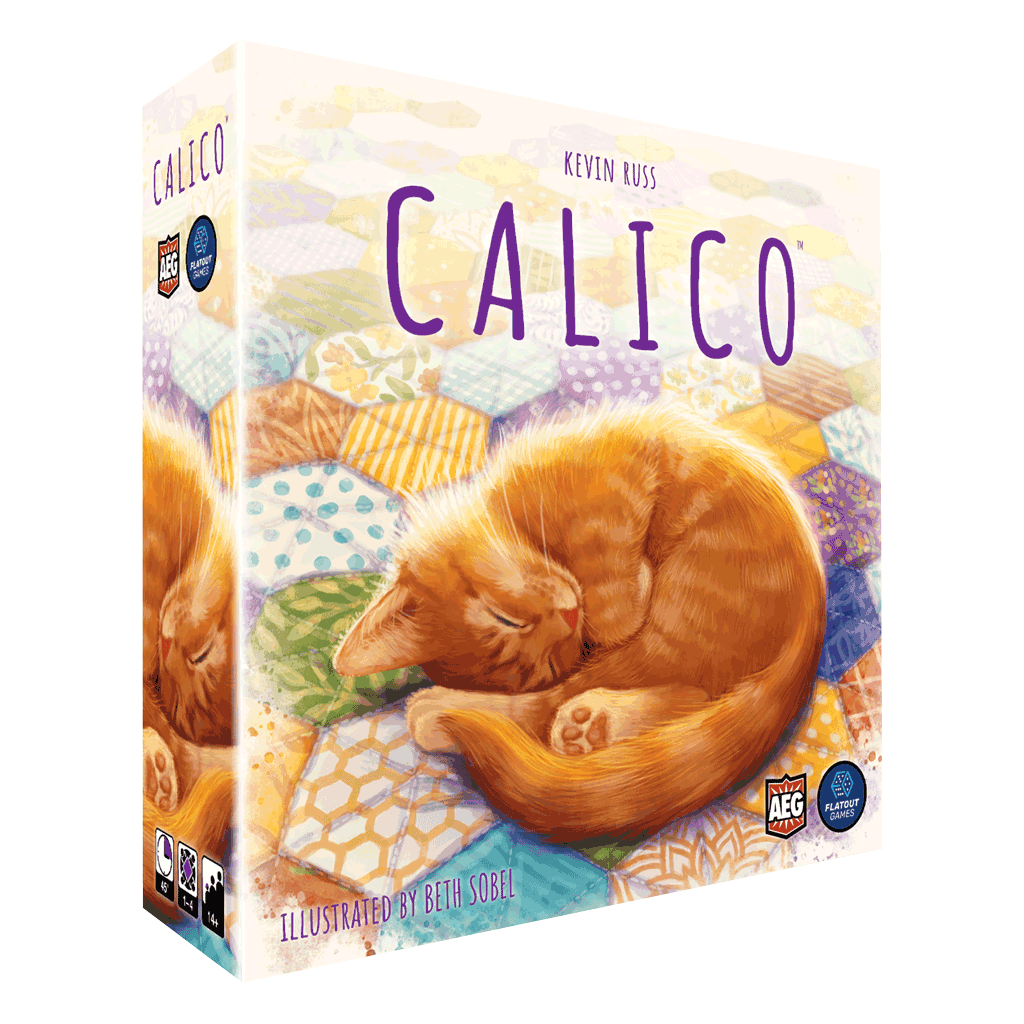
- Calico wins on charm. Beth Sobel's art and the lazy cats wandering onto finished quilts give it a cozy-storybook warmth that's pure serotonin. It's the cutest box on the shelf, and the production — thick boards, chunky tokens — is top-tier.
- Cascadia wins on clean, calming beauty. Soft Pacific Northwest palette, gorgeous wildlife art, an uncluttered table state. It's the most peaceful-looking of the three, which perfectly matches how it plays.
My ranking for raw 'wow, what's THAT' table presence: Azul first, Calico a close second on charm, Cascadia third only because its serenity is quieter by design. But there are no losers here. Every one of these is a beautiful object.
There are no losers on looks. Azul is a museum piece, Calico is pure serotonin, Cascadia is a calm exhale.
So which one should YOU actually buy?

Stop agonizing. Here's the decision tree, Dax-style:
- Buy Cascadia if you want ONE game for a mixed group, the best solo experience, a stress-free teach, and zero risk that anyone leaves grumpy. It's the safest, broadest, most universally-liked pick on this list. If you only buy one, buy this.
- Buy Azul if you're a duo, or your group likes friendly conflict, and you want the most striking object and the sharpest head-to-head tension. It's the best two-player fight here and the prettiest thing on the shelf.
- Buy Calico if you (or one specific person) crave a genuine brain-burner, love solo optimization, and find joy in wringing points out of an impossible constraint. It's the deepest puzzle — and the one most likely to frustrate the wrong player.
If I had to own exactly one for a household that does a bit of everything? Cascadia. It's the broadest delight and the least likely to disappoint anyone. If I'm picking the one I personally reach for as a gamer who likes a challenge? Calico — it's the only one that still makes me sweat. Azul sits beautifully in the middle: the social, sparkly, knife-in-a-velvet-glove pick.
Three great games. No bad answers. Just stop buying the wrong one for your table.
If you only buy one, buy Cascadia. If you want to be challenged, buy Calico. If you're two people who like a fight, buy Azul.
What experienced tables keep reporting
Recurring owner patterns, synthesized in Puzzlewick's words. Follow each evidence trail to read the original discussion.
Azul 'has made the leap from hardcore hobbyist circles to the shelves of Target and other stores... absolutely every aspect of playing the game is at once instantly understandable and agreeably fun.'
On Azul's competitive sting: 'It can be mean, but it's hard to be directly mean. If you set up the center so that someone will get stuck with it, it's decently likely that that someone will end up being you.'
On Calico vs Cascadia: 'you need exact matches and at some nail-biting point you realise you won't get them, so it becomes about damage control,' while Cascadia is 'MUCH more relaxed, still some nice tension when the landscapes and animal pairs don't match and you have to make choices.'
Read the evidence: SteveB_uk, Shut Up & Sit Down / tekeli.li forum
On Calico's mounting difficulty: 'the deeper the claws sink, until halfway through the game you're begging Bastet for any green tile.'
Read the evidence: Andy Matthews, Meeple Mountain — Calico review
Cascadia is 'one of the best games of 2021,' praised for its strategy, ease of play, replayability, solo mode, and campaign-like scenarios — though its lack of player interaction is the recurring knock against it.
Read the evidence: Keith Law, Paste Magazine (via Cascadia reception)
On why close scoring can read as 'safe': 'The scores are always a bit too similar — I wonder if the variability is so wide that there aren't too many dangers in the game by design.'
Read the evidence: mistercrayon, Shut Up & Sit Down / tekeli.li forum
The picks
Some links below are affiliate links — as an Amazon Associate, Puzzlewick earns from qualifying purchases, at no extra cost to you. It never changes a pick.
 11 photos
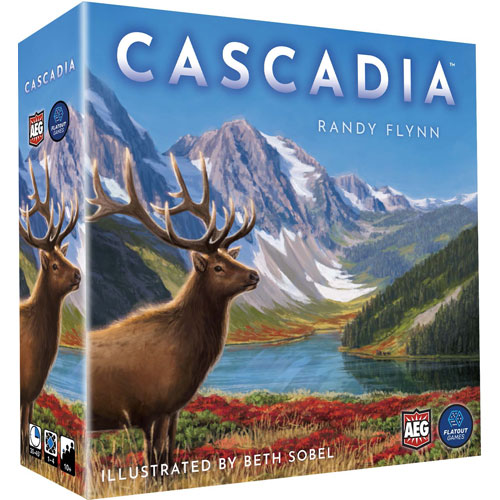
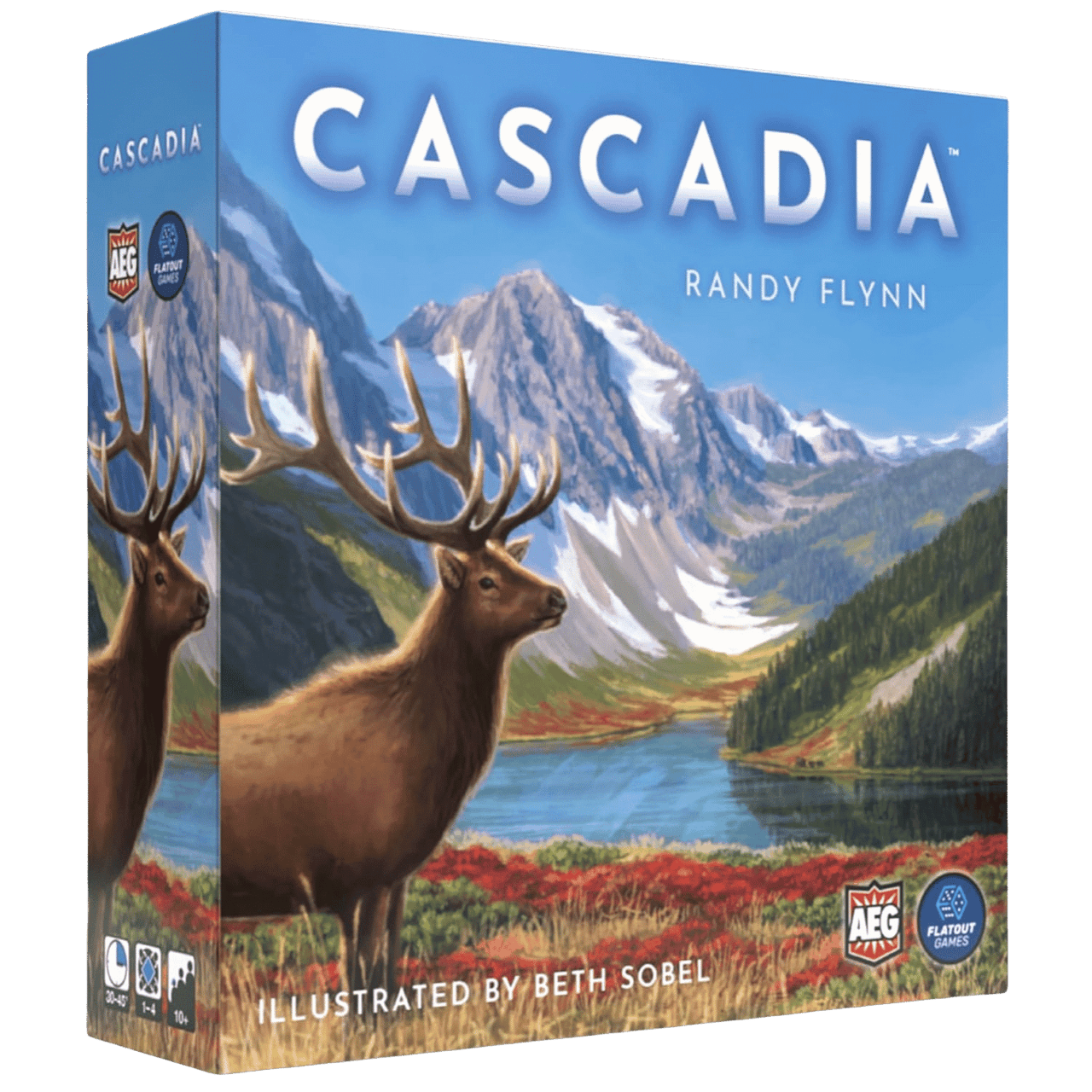
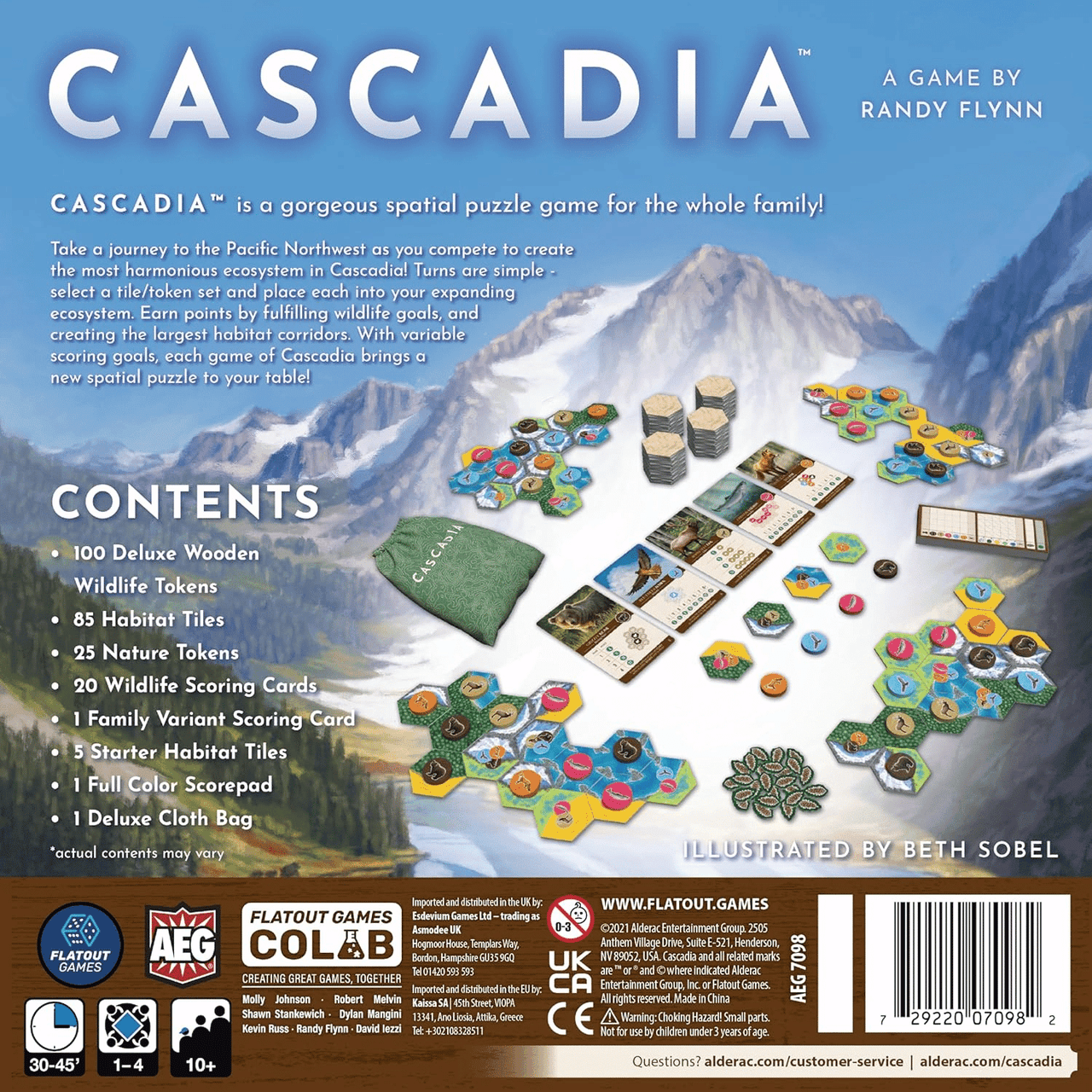
 Cascadia
- Players
- 1-4
- Time
- 30-45 min
- Age
- 10+
- Complexity
- 1.8 / 5
- Publisher
- Flatout Games · 2021
- Designer
- Randy Flynn
- Art
- Beth Sobel
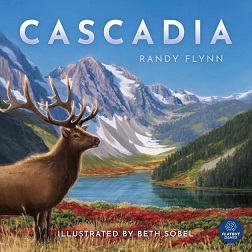
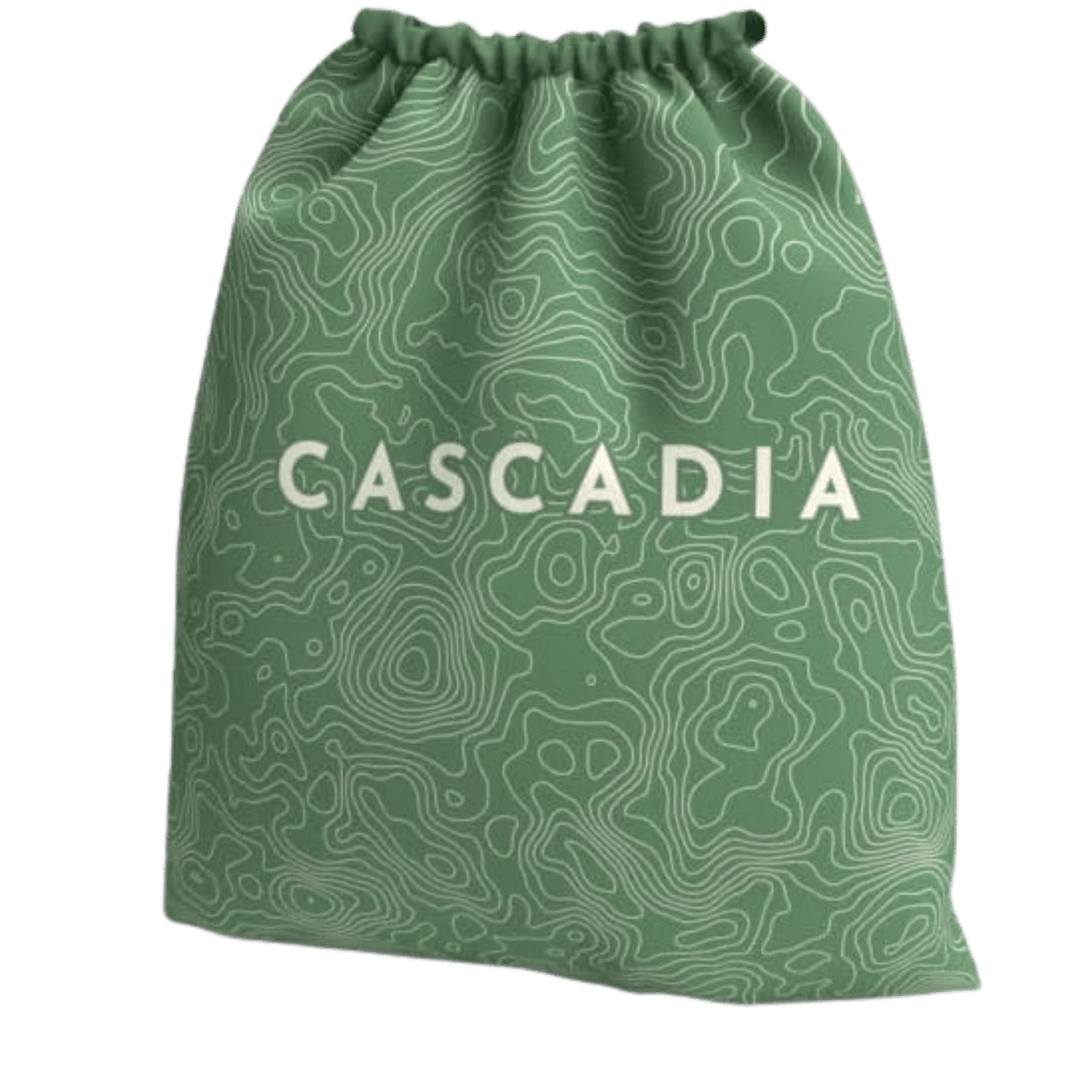
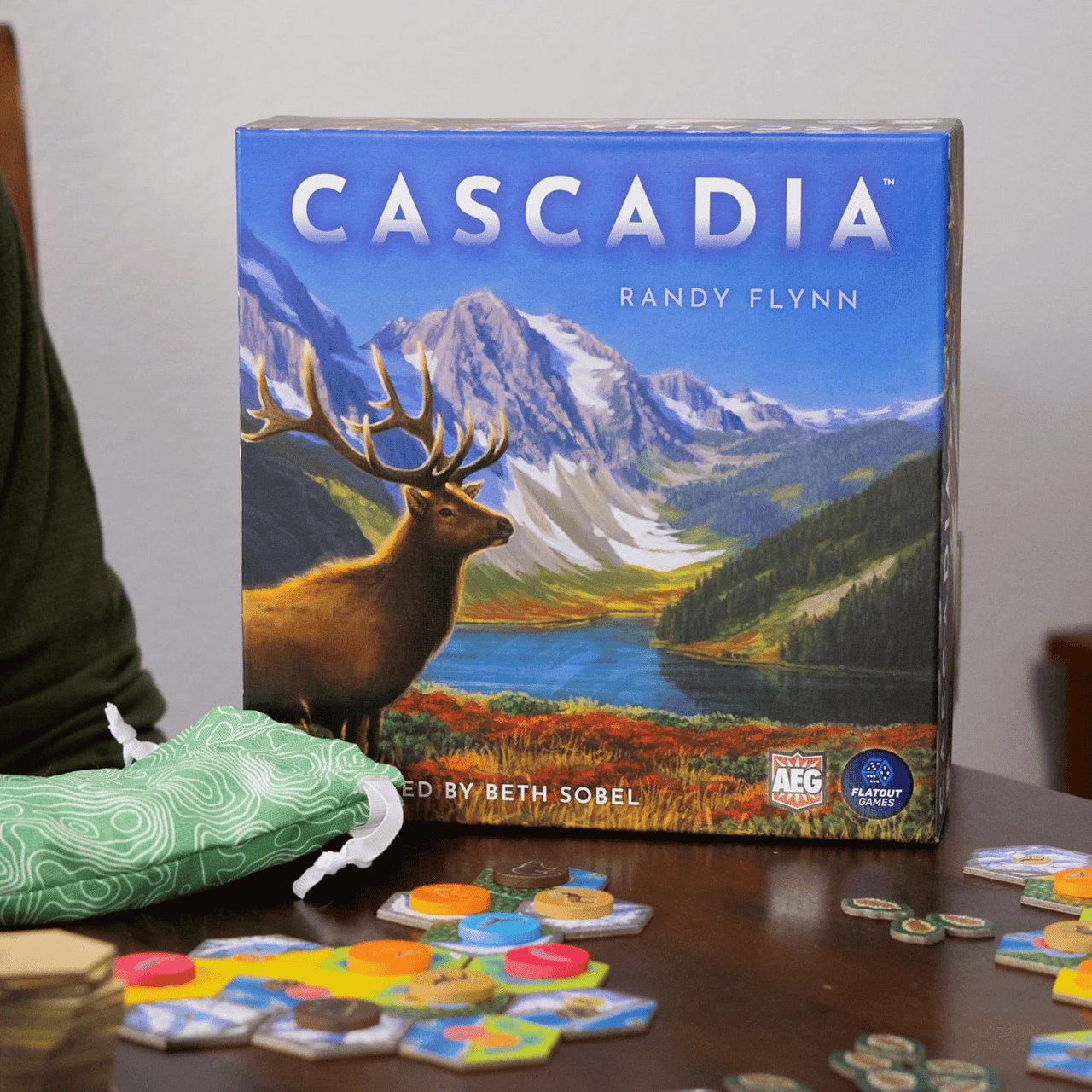
The 2022 Spiel des Jahres winner and 2023 best-solo-game award holder, and it earns both. A two-part draft-and-place wildlife puzzle that's generous, gorgeous, and teachable in three minutes. The most universally-liked pick here: nobody leaves the table bruised. Its only 'flaw' — low player interaction — is the exact thing that makes it so relaxing. If you buy just one game on this list, buy this.
- Best gateway game of the three — teaches in minutes
- Award-winning solo mode that's genuinely excellent alone
- Forgiving and low-stress; nobody walks away frustrated
- Clean, calming Pacific Northwest art and uncluttered table state
- Low player interaction can feel flat to confrontation-loving groups
- Final scores often land close together — light on real 'danger'
 15 photos
 Azul
- Players
- 2-4 · best 2
- Time
- 30-45 min
- Age
- 8+
- Complexity
- 1.8 / 5
- Publisher
- Plan B Games · 2017
- Designer
- Michael Kiesling
- Art
- Philippe Guérin, Chris Quilliams
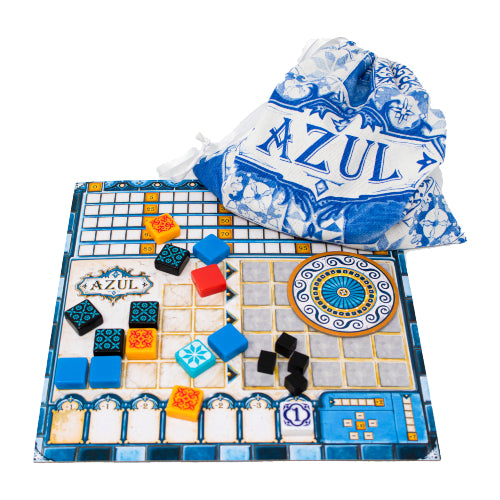
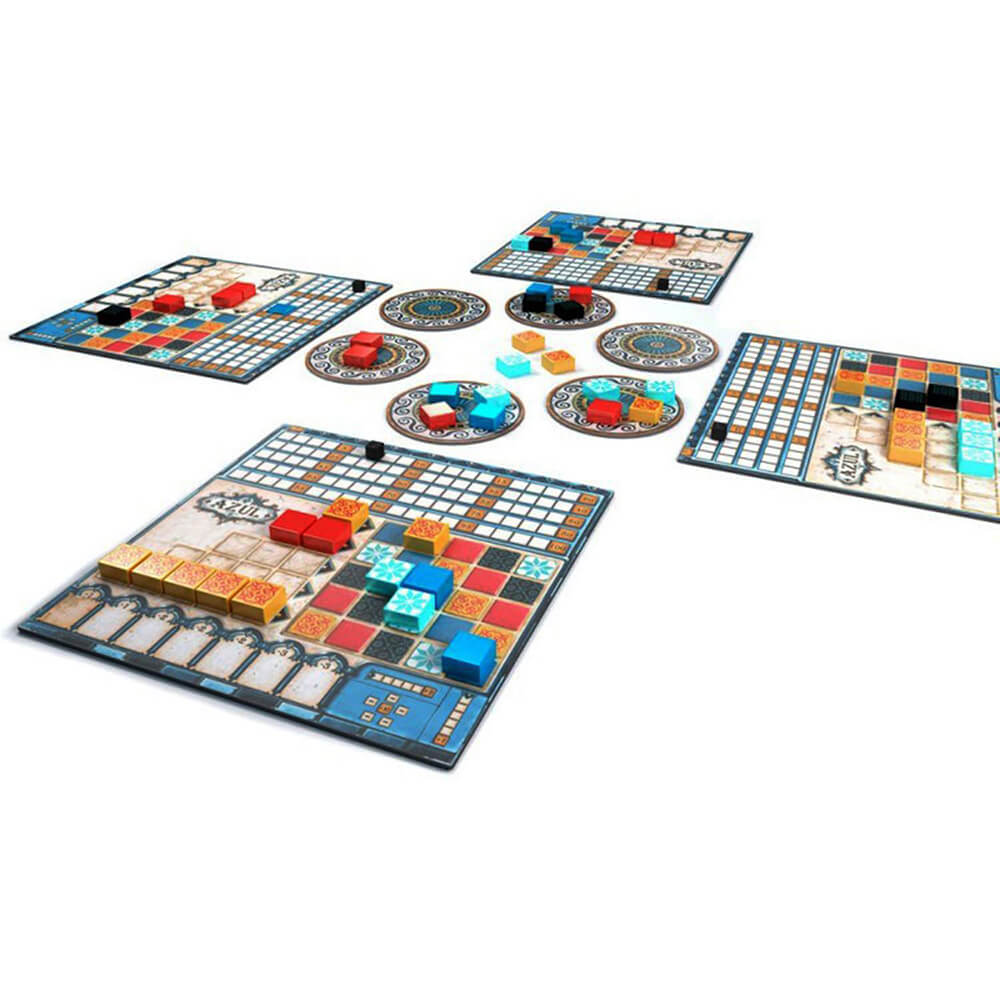
The 2018 Spiel des Jahres winner and the modern abstract that broke into Target. Chunky resin tiles that clack and satisfy, a finished mosaic that stops passers-by, and a brilliant negative-tile system that taxes greed and rewards leaving your opponent a poisoned center. The sharpest competition on this list — and the only one that truly shines at two players. Solo is an afterthought; this is a head-to-head game. Frequently discounted well below its ~$40 MSRP.
- Best-in-class table presence — heavy resin tiles, museum-piece mosaics
- Sharp, tactical two-player tension via indirect 'hate-drafting'
- Negative-point system elegantly polices greedy play
- Often on sale far below MSRP (regularly seen around $20)
- Conflict can feel hostile to non-competitive groups
- Solo variant is forgettable; really a 2-player game at heart
- Slight downtime at four players while everyone calculates
 11 photos
 Calico
- Players
- 1-4
- Time
- 30-45 min
- Age
- 10+
- Publisher
- Flatout Games / Alderac Entertainment Group (AEG) · 2020
- Designer
- Kevin Russ
- Art
- Beth Sobel
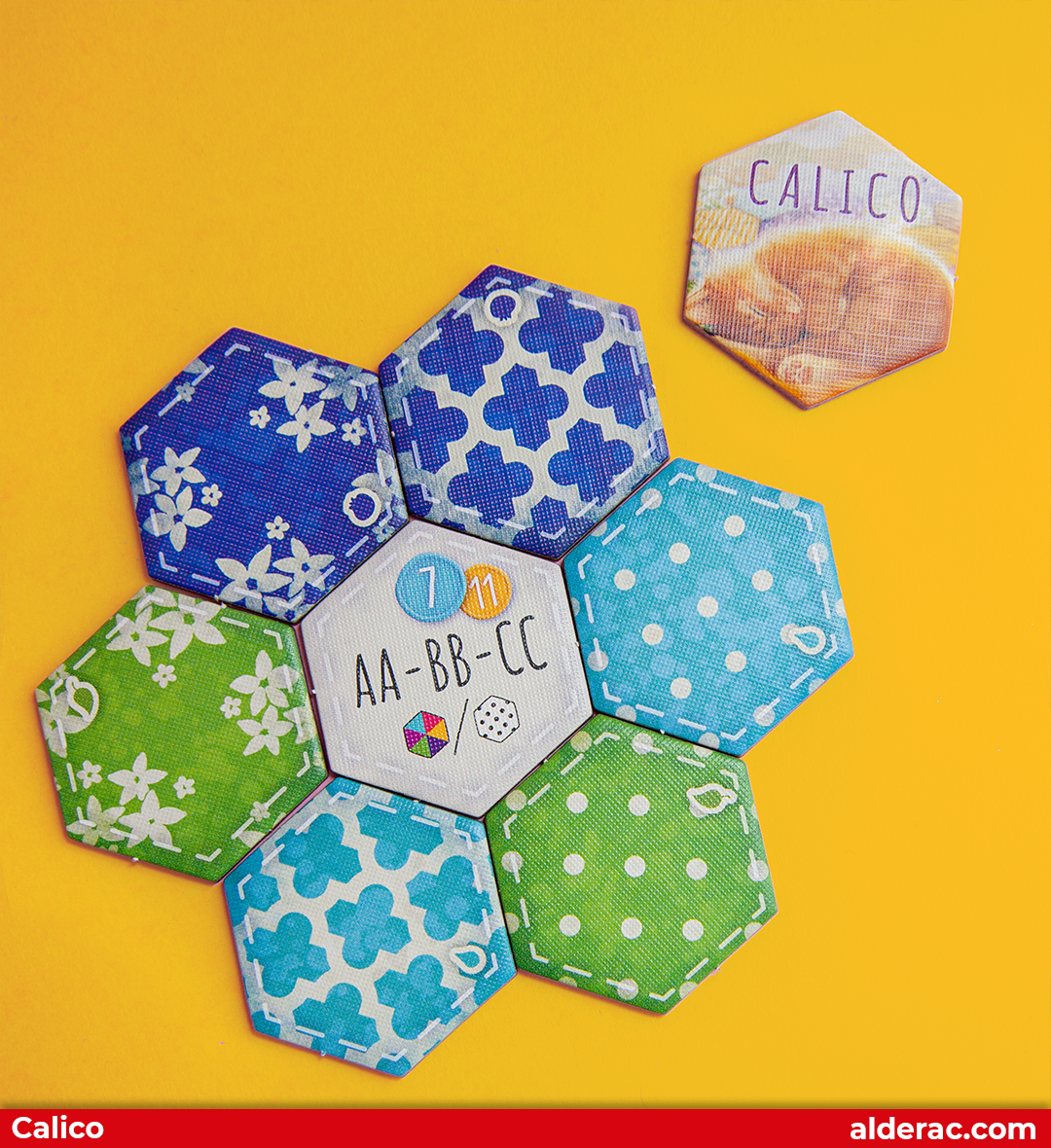
Ranked third only because it's the narrowest fit, not because it's the weakest game — for the right brain it's the best of the three. Every hexagonal patch must satisfy three competing systems at once (colors for buttons, patterns for cats, private design goals), the scoring is deliberately obscured, and the midgame collapses into desperate damage control. Beth Sobel's cozy cat art is the spoonful of sugar that makes the punishment go down. Brutal and beautiful. Save it for your most patient optimizer — or play it solo, where its near-zero interaction becomes a strength.
- The deepest, most demanding puzzle of the three
- Charming Beth Sobel art and top-tier 'cozy' production
- Excellent solo — the lack of interaction is an asset alone
- Immense replay value as you finally learn to read the board
- Punishingly tight — can badly frustrate newcomers
- Obscured scoring makes it hard to gauge tile value
- Near-zero player interaction; the opposite of cozy in a group
- Steep learning curve to play well despite light rules
At a glance
| game | designer | publisher | year | players | play time | age | bgg weight | top award | tension | solo quality | best for | msrp usd |
|---|---|---|---|---|---|---|---|---|---|---|---|---|
| Cascadia | Randy Flynn | Flatout Games / AEG | 2021 | 1-4 | 30-45 min | 10+ | ~1.83 / 5 | Spiel des Jahres 2022; Best Solo Game (Int'l Gamers Award 2023) | Low — gentle, generous | Best of the three (award-winning) | Gateway, mixed groups, solo | 39.99 |
| Azul | Michael Kiesling | Next Move / Plan B Games | 2017 | 2-4 | 30-45 min | 8+ | ~1.8 / 5 | Spiel des Jahres 2018 | High — sharp, indirect conflict | Weak (a 2-player game at heart) | Duos, competitive groups, table presence | 39.99 |
| Calico | Kevin Russ | Flatout Games / AEG | 2020 | 1-4 | 30-45 min | 8+ (Amazon lists 10+) | ~2.0 / 5 (heaviest to play well) | Multiple nominations; acclaimed for puzzle depth | High — brain-burning, self-imposed | Very good (low interaction is an asset alone) | Puzzle masochists, solo optimizers | 39.99 |
Questions, answered
Which of these three is the best for beginners?
Cascadia. It teaches in about three minutes, almost every move is a reasonable one, and it never makes a new player feel stupid. It's the safest first purchase for a group with mixed experience.
Which one is the hardest?
Calico. Despite light rules, it's the toughest to play well because each tile must satisfy three competing scoring systems at once and the scoring is deliberately obscured. The midgame often turns into damage control as the tiles you need fail to appear.
Which is the most relaxing?
Cascadia, clearly. It's generous and low-conflict — an optimization puzzle rather than a survival exercise. Calico looks cozy but plays brutally tight, so don't reach for it to unwind.
Which has the most direct competition or player interaction?
Azul. You take all tiles of one color and the leftovers slide to opponents, so you're constantly denying tiles and setting up poisoned situations. Cascadia and Calico are mostly parallel solitaire with little direct interaction.
Which is best for solo play?
Cascadia — it won the 2023 International Gamers Award for best solo game and the mode is genuinely excellent. Calico is also a strong solo pick because its near-zero player interaction becomes a feature when you're alone. Azul's solo is a forgettable afterthought.
Which is best for exactly two players?
Azul. Its head-to-head tension shines at two, where you can directly target the tiles your single opponent needs. Cascadia and Calico both play fine at two but lose nothing going up to four since interaction is already low.
Are all three really the same difficulty?
No. They sit close on BoardGameGeek's complexity weight (all roughly 1.8-2.0), but that measures rules, not agony. Cascadia is easy to play well, Azul takes one painful round to 'get,' and Calico can take several games before it clicks.
How long does each game take?
All three are listed at 30-45 minutes. Azul can drag slightly at four players during scoring calculation; Cascadia and Calico keep downtime low even at four because turns happen largely in parallel.
How much do they cost?
All three carry a $39.99 MSRP in the US. Azul is the one most frequently discounted — it's regularly found well below that, sometimes around $20 on sale. Always check the live Amazon price before buying.
Which has the best components and table presence?
Azul for raw drama — its heavy resin tiles clack satisfyingly and finished mosaics look like art. Calico wins on charm with Beth Sobel's cat art and thick, premium tokens. Cascadia is the cleanest and most calming. None are cheap-feeling.
Can I play these with non-gamer family members?
Cascadia, absolutely — it's the family-friendly champion. Azul works too if the family enjoys light competition. Be careful with Calico: its tight puzzle and obscured scoring can frustrate casual players who expected a cozy night.
If I can only buy one, which should it be?
Cascadia, for most people — it's the broadest delight, the best solo, and the least likely to disappoint anyone at the table. Choose Azul instead if you're a two-player household that likes friendly conflict, or Calico if you specifically want a deep brain-burner.
Dax's verdict
Three excellent games, zero bad answers — but they are NOT interchangeable, and buying the wrong one for your table is the real mistake. Cascadia is the winner for most people: the broadest delight, the best gateway, the best solo, and the only one nobody walks away resenting — if you buy a single game off this list, make it Cascadia. Azul takes second as the sharpest and most beautiful, a knife-in-a-velvet-glove duel that's at its best with two players and on frequent deep discount. Calico lands third only because it's the narrowest fit — for a puzzle-hungry brain or a solo optimizer it's arguably the deepest and most rewarding of the three, but it dresses like cozy and plays like punishment, so never hand it to someone who just wanted to unwind. Match the game to the brain at your table, not the other way around.
Still deciding? Take the Game-Finder — answer seven quick questions and the cabinet hands you the one board game built for your table, with a buy link and your own shareable player talisman.
Research ledger 12 sources · reviewed 2026-09-11
Specifications, rules, current product information, community experience, and contrary evidence were checked against the sources below. Commercial links are kept separate from editorial evidence.
- amazon.comamazon.com/dp/B077MZ2MPW?tag=puzzlewick-20
- amazon.comamazon.com/dp/B093H8RGXX?tag=puzzlewick-20
- amazon.comamazon.com/dp/B08B53WGWX?tag=puzzlewick-20
- en.wikipedia.orgen.wikipedia.org/wiki/Azul_(board_game)
- en.wikipedia.orgen.wikipedia.org/wiki/Cascadia_(board_game)
- en.wikipedia.orgen.wikipedia.org/wiki/Calico_(board_game)
- whatsericplaying.comwhatsericplaying.com/2018/07/09/azul
- meepleandthemoose.commeepleandthemoose.com/2021/09/04/head-to-head-calico-vs-cascadia
- discussion.tekeli.lidiscussion.tekeli.li/t/calico-cascadia-verdant-a-tricky-triple-review/3474
- meeplemountain.commeeplemountain.com/reviews/calico
- alderacstore.comalderacstore.com/calico
- boardgamegeek.comboardgamegeek.com/boardgame/230802/azul
I'll be honest with you — flattery is boring.

Keep exploring
The next smart rabbit holes.
✦ Topic PathBoard Game Buying Guides: compare the whole shelfStart with the decision, not the shelf. These guides compare the games, editions, expansions, player counts, and costs people...Best OfBest Cozy Board Games of 2026: Calico, Cascadia, Patchwork & the Relaxation Gaming RevolutionCome sit, come rest. Cozy games are the speed of real life — no winners, no rush, just beauty made by your own hands. This is the quiet...ComparisonHarmonies vs. Cascadia: Which Cozy Puzzle Wins in 2026?The definitive 2026 buyer's guide to Harmonies, Cascadia, Pulse, Crescendo, and Landmarks - including redundancy, solo play, two-player...