Best Cozy Board Games of 2026: Calico, Cascadia, Patchwork & the Relaxation Gaming Revolution
Come sit, come rest. Cozy games are the speed of real life — no winners, no rush, just beauty made by your own hands. This is the quiet revolution.


AI-assisted research and drafting in Yumi’s voice · reviewed by Robert Pruitt · how this guide was made
Last editorial refresh: 2026-06-17 Gold-standard QA: 2026-07-17 10 sources reviewed Affiliate links checked during gold-standard pass

The short answer
Cozy board games have become the fastest-growing aesthetic in tabletop gaming, featuring cooperative play, no-loss mechanics, and nature-inspired themes that prioritize meditative pacing over competition. Calico (quilting with cats, $39.99), Cascadia (Spiel des Jahres 2022 nature-building, $25-35), and Patchwork (two-player quilting, $25) exemplify a movement where accomplishment means shared beauty and 30-45 minutes feels genuinely restorative.
Decision map
Choose in thirty seconds
Best overall cozy game / award-winning standard
Best gateway cozy game / easiest entry for non-gamers
Best couples game / meditative two-player ritual
The burnout is real, and board games heard you. Walk into any game café or hobby shop in 2026 and you'll notice a shift: fewer dice towers bristling with aggression, more pastel hexagons and quilted patterns. Players are whispering, leaning close, moving pieces with the quiet focus of people making something beautiful together. Nobody's keeping score. Nobody's losing. For the first time in board gaming history, "winning" means something completely different — it means creating a landscape nobody else could make, sewing a quilt that's unmistakably yours, watching cats curl up on patches you stitched together just right.
This is the cozy game revolution, and it's remaking what tabletop gaming means for millennials and Gen Z who are exhausted. Cozy games say: yes, you can sit with people and play something that matters not because someone beats someone else, but because for 45 minutes you build something that makes you feel less alone. You walk away gentler. That's the win.
If you've been watching Cascadia win every major award, or seeing Calico and Patchwork pop up on gift guides meant for people who "aren't really gamers," you've been watching a category explode. And if you're looking for your first cozy game—or your fifth—this guide is your permission to play softly and come home restored.
Start here, then go deeper
You are in the right cabinet.
 ☾ Universe HubDon't Starve: the whole buying pathDon't Starve is the sweet little campfire that keeps reminding you the woods have teeth. This universe gathers Puzzlewick's buying...
 ✦ Topic PathBoard Game Buying Guides: compare the whole shelfStart with the decision, not the shelf. These guides compare the games, editions, expansions, player counts, and costs people...
 ComparisonAzul vs Cascadia vs Calico: Which Cozy Tile-Layer Is Right for Your Table?Three beautiful tile games compared by interaction, pressure, solo play and the kind of first night they create.
What actually makes a game "cozy" — and why does it hit so different right now?
A cozy game is not just a low-stakes game. It's a specific design philosophy: players cannot fail, mechanics reward patience and creativity over speed, and the aesthetic — usually nature-inspired, hand-drawn, warm-toned — whispers rather than shouts. You won't see loot boxes, gotcha moments, or player elimination. You will see cats, wildflowers, bamboo, quilts, fishing villages, renovated homes. The win conditions are about expression, not domination.
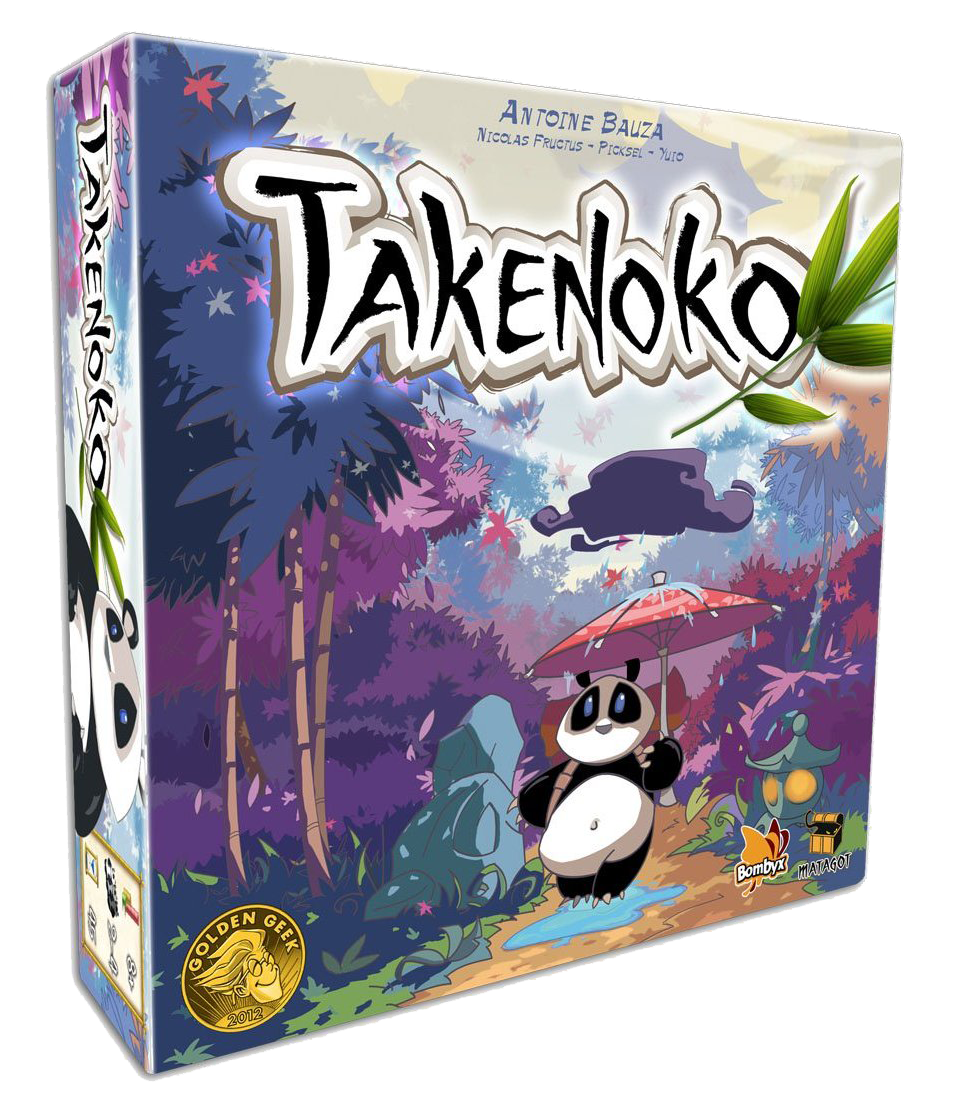
The trend traces to games like Splendor (resource engine-building that feels meditative rather than aggressive) and Takenoko (a panda tends a bamboo garden with zero meanness), but 2021-2026 is when cozy became its own category. Cascadia's 2022 Spiel des Jahres win — that's the international board game award, like the Oscars of tabletop — gave the whole movement credibility. Major publishers started greenlit-ting cozy games. Amazon's algorithm noticed burnout-conscious buyers. Designers realized: "Oh, we can make games where losing is impossible." And the community exhaled.
Why now? The pandemic fractured our relationship with competition. Streaming culture made cozy aesthetic visible in ways it wasn't before — you can watch someone play Cascadia and immediately feel the calm. Gen Z is rejecting meritocracy in a lot of subtle ways, and games where everyone's experience is valid, where your specific path through the game is as good as anyone else's, slots into that hunger. Cozy games let you collaborate with people you love and make something you own. That's a profound shift from the game nights of even ten years ago.
Calico: quilting, cats, and the game that proved cozy could be deep
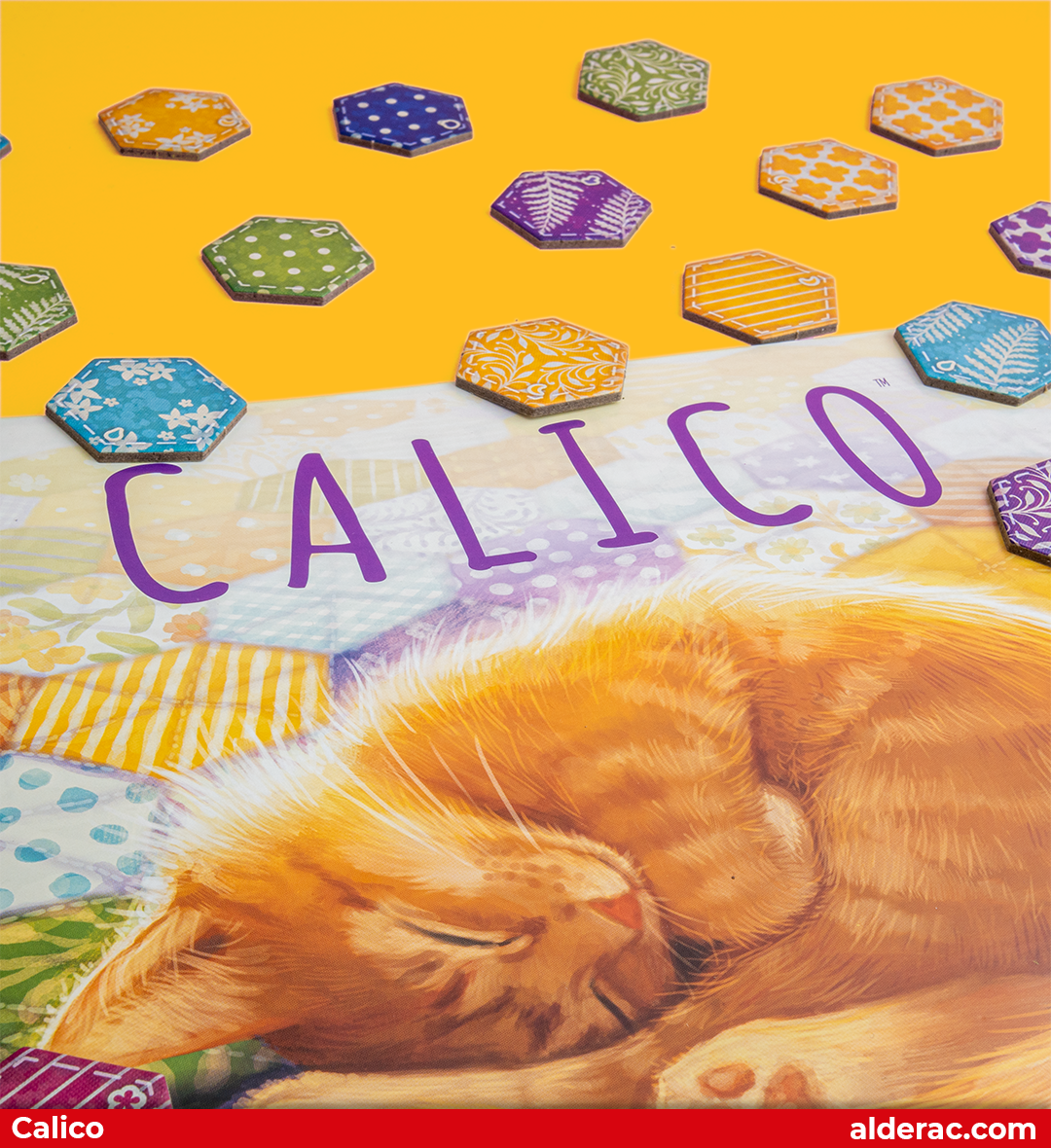

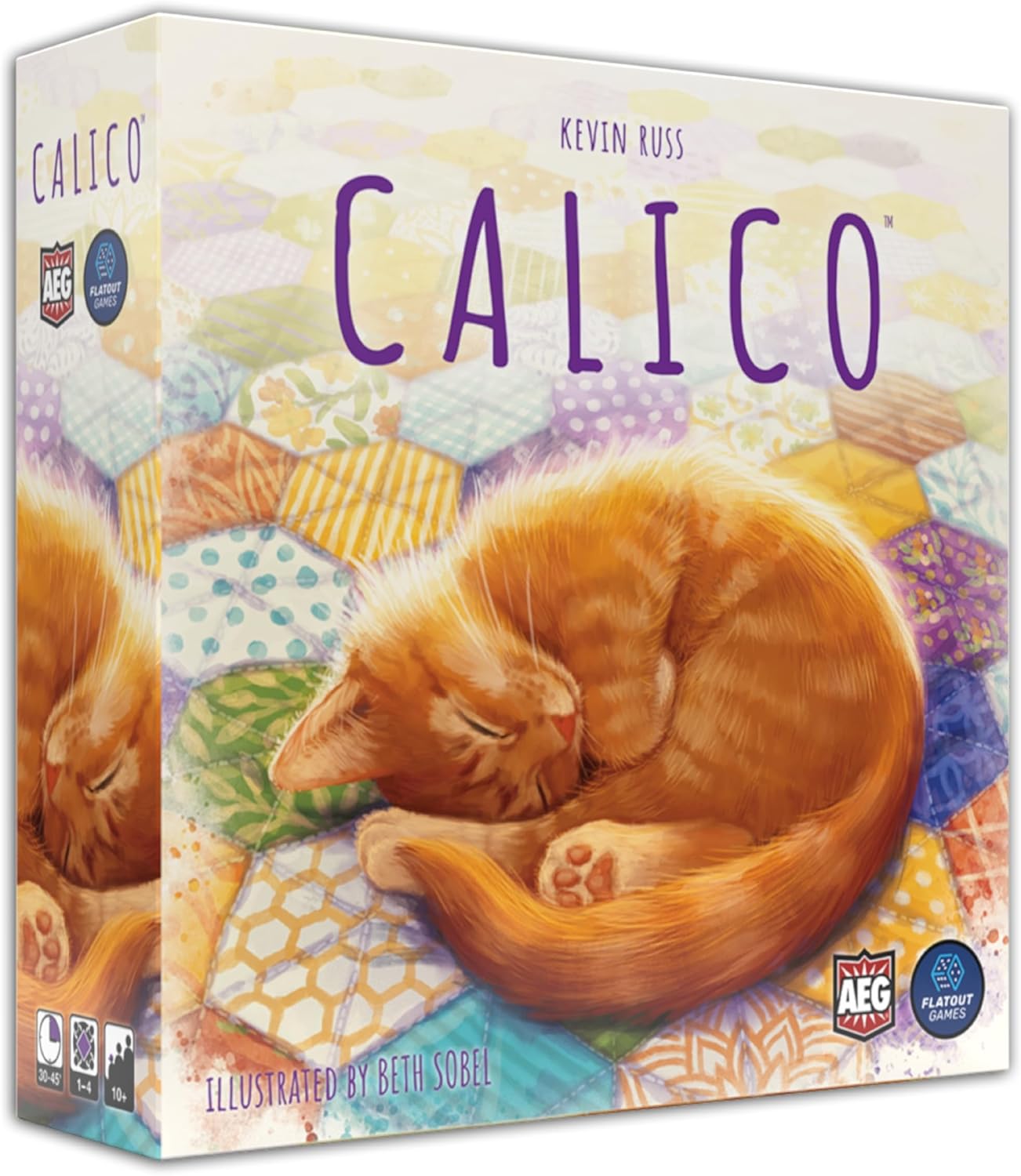
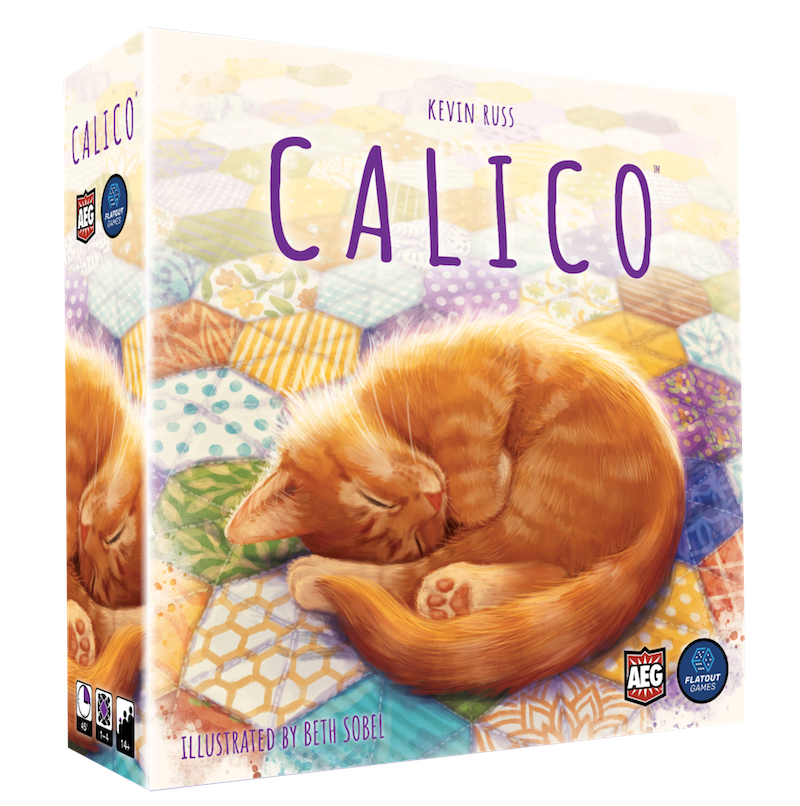
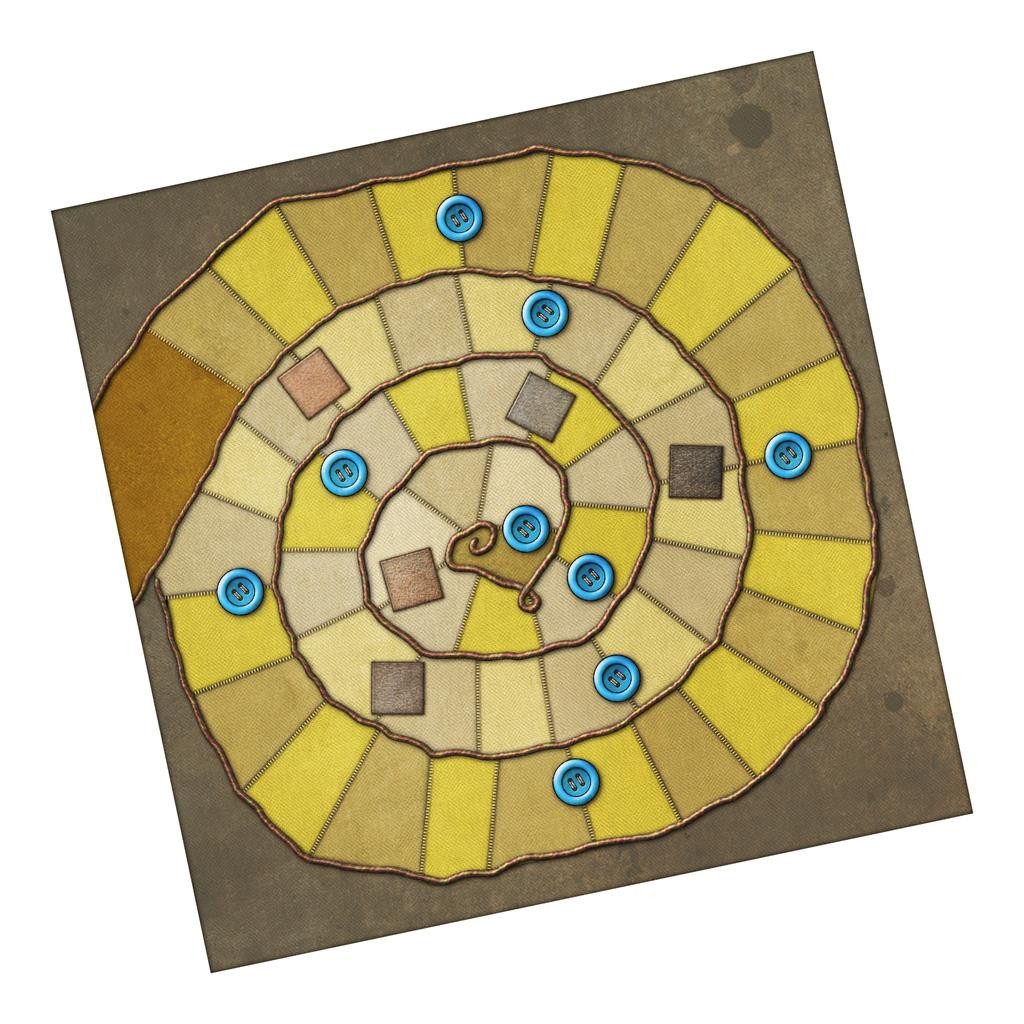
Calico is the gateway cozy game, and it's nearly impossible to explain without you seeing it: you're a quilter laying hexagonal fabric patches in color groups — blues together, or patterns that speak to each other — and as you complete these little color families, cats come and sit on them. Cats! Attracted by your own aesthetic choices. The game ends when the quilt is full, and you score points for buttons (which you collect as you form color groups), cats (three per major color group), and completion bonuses. Everyone scores simultaneously. No one is beaten.
Here's why it works: it feels like a puzzle box where you are making the box. Designer Kevin Russ (via Flatout Games and Alderac Entertainment Group) built a game where every decision is genuinely meaningful — do you prioritize the cats or the buttons? Do you build safe, tight color groups or take a wildcard patch and hope a cat shows up? — and yet there's zero cruelty in the outcomes. You were trying to make something beautiful, and it is beautiful. Even if you scored fewer points than someone else, your quilt is still your quilt, and it still brought cats home.
At 30-45 minutes for 1-4 players (including solo mode, which is remarkable), Calico fits into a life that's already overstuffed. It asks almost nothing of you except: do you like pretty things? Do you want to make art? Yes? Come here. That's $39.99 well spent, and it's the reason Calico has been the recommendation for "gift this to someone who doesn't think they like board games" for five years running.
Cascadia: the game that won the world by building ecosystems (not empires)
Cascadia is the cozy game that broke through to mainstream culture in 2022 when it won the Spiel des Jahres award — which is, genuinely, the most prestigious board game award in the world. A quiet tile-laying game about Pacific Northwest habitats, beating out every other new release. That's the moment the industry realized: people don't want to conquer territories anymore. They want to make them.
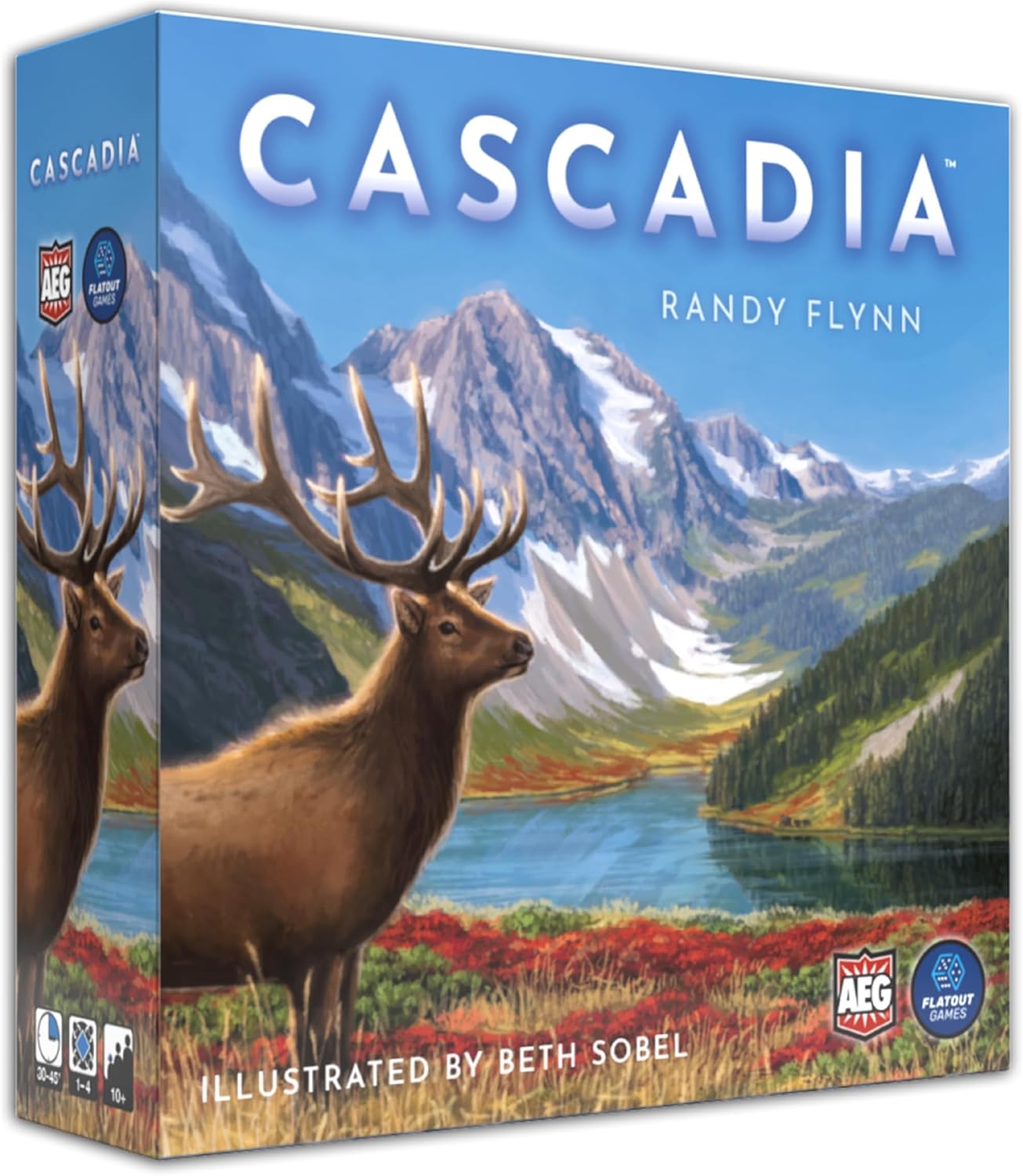
Designer Randy Flynn created a tile-placement game where you and 1-3 others are building landscape tiles — mountains, forests, water, wetlands — and placing corresponding animal tokens (salmon, bears, elk, otters, owls). The genius is in the constraint: each animal has specific habitat preferences. A salmon doesn't want to live in mountains. An eagle needs open, high ground. You're not fighting for these animals; you're solving for their happiness. Can you make a landscape beautiful enough that the creatures naturally choose to live there? Can you do it better than everyone else? And does "better" mean anything if nobody lost?
At $25-35 USD (depending on retailer), Cascadia is genuinely affordable, and 30-45 minutes for 1-4 players makes it the perfect weeknight game. But here's the proof that it hit something real: in 2026, Flatout Games is releasing Cascadia: Rolling Hills (a flip-and-roll variant, $24.99), plus further expansions. The category is expanding because the core game succeeded so completely. Buyers are hungry to revisit this world. That tells you something about what Cascadia means to people.
Patchwork: the couples game that's actually about two people making something together
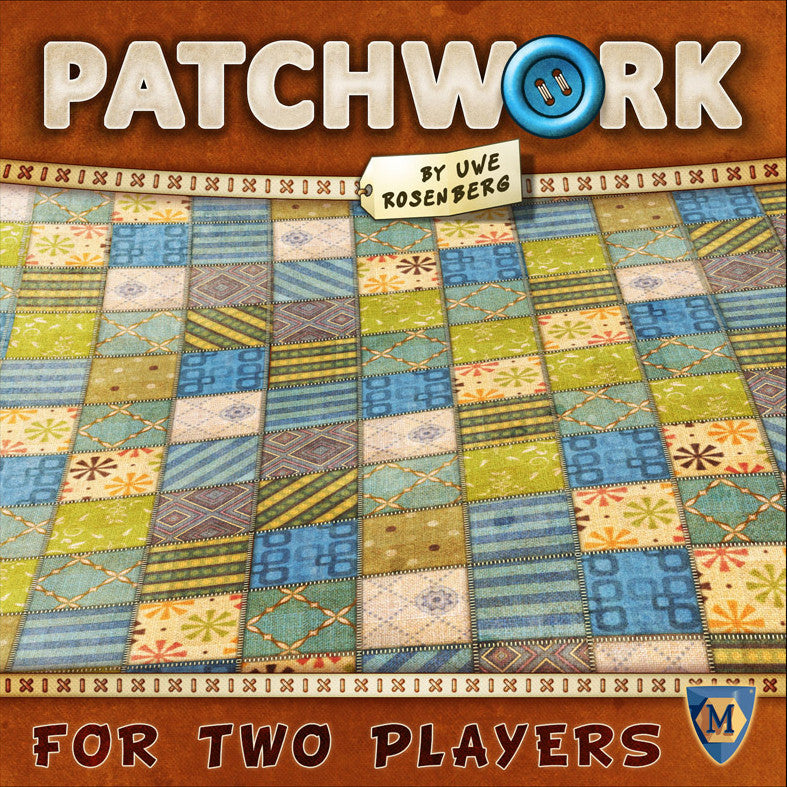
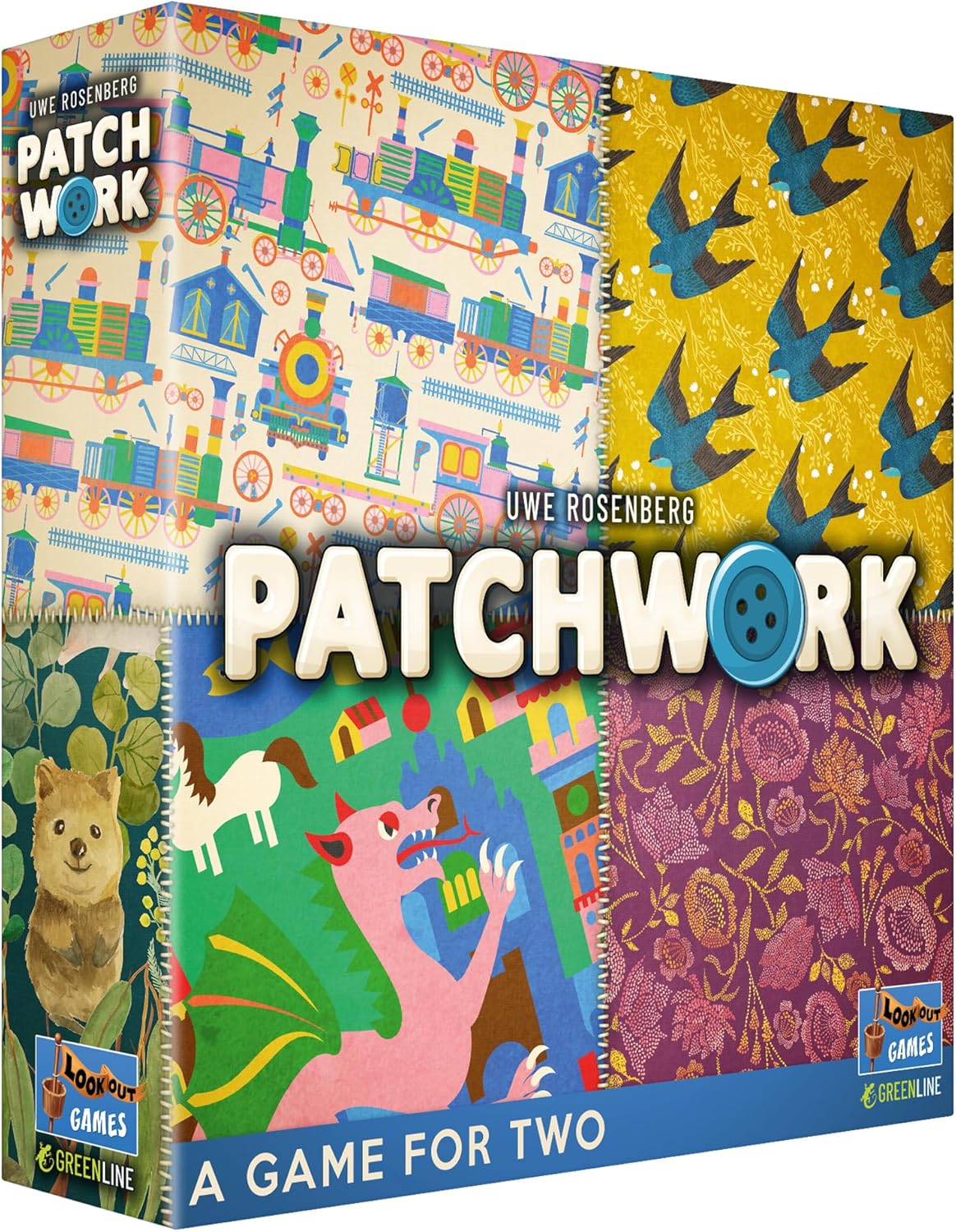
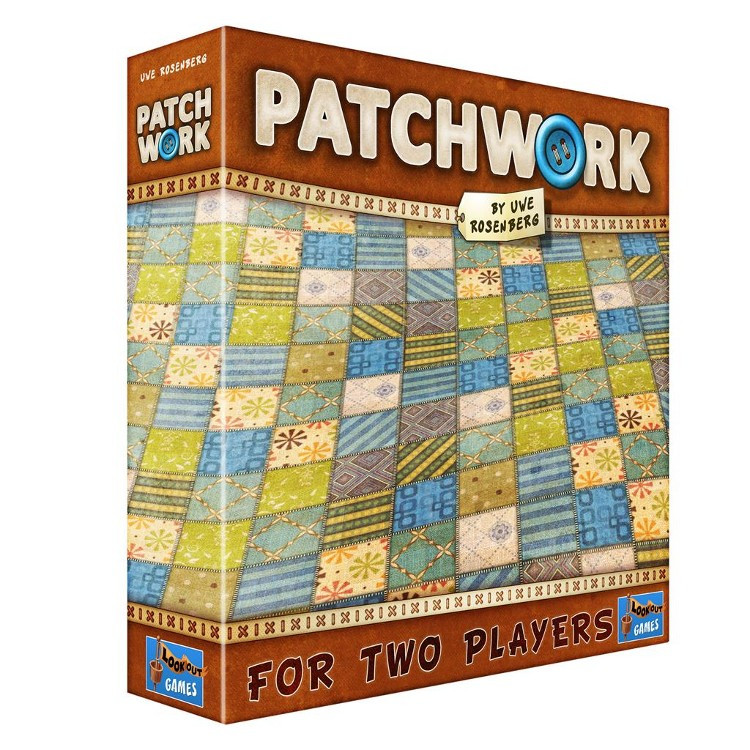
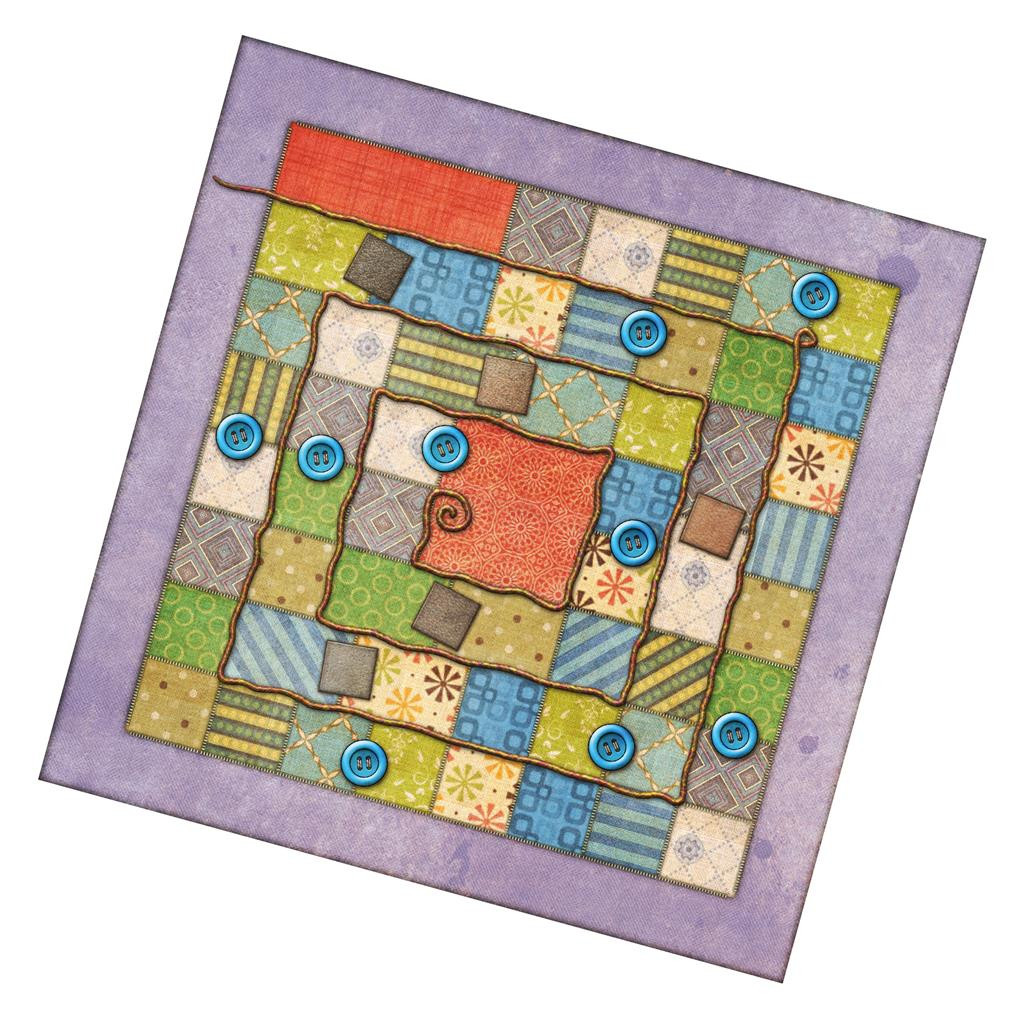
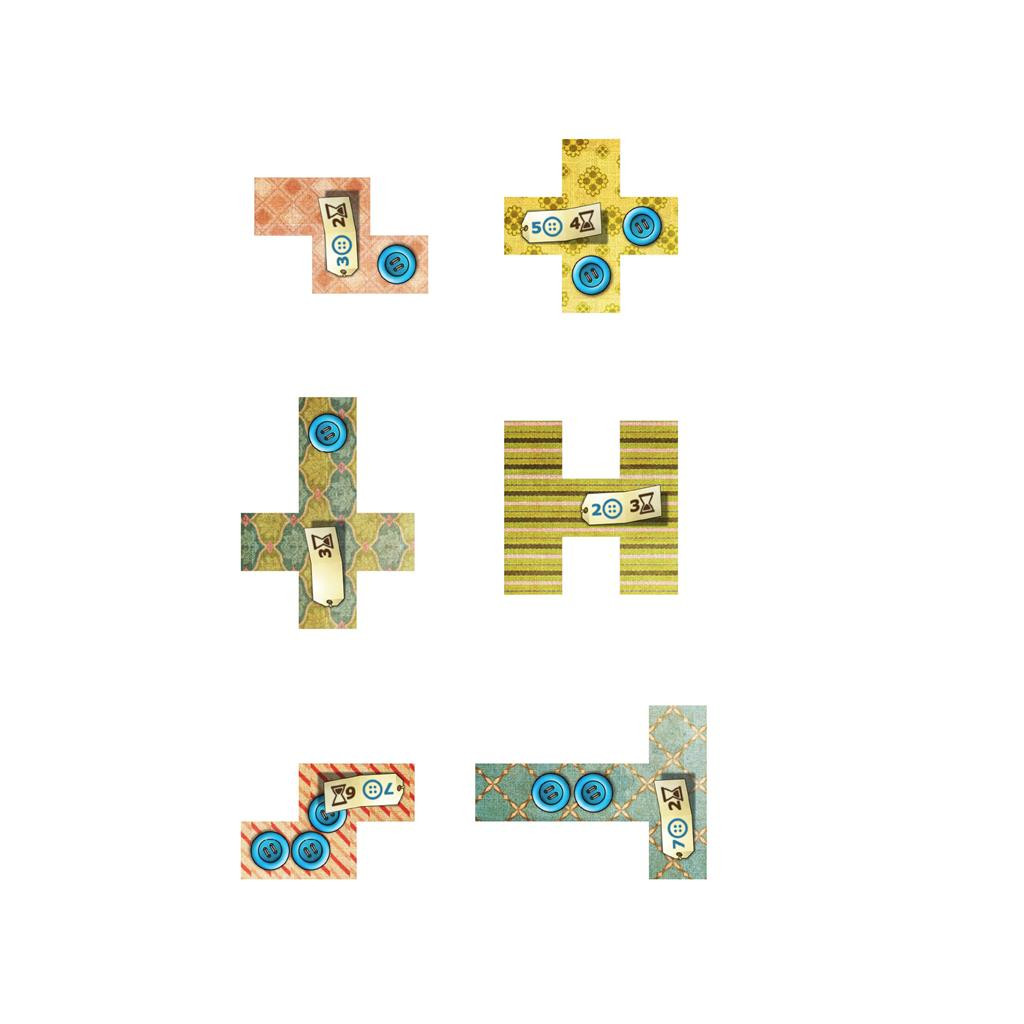
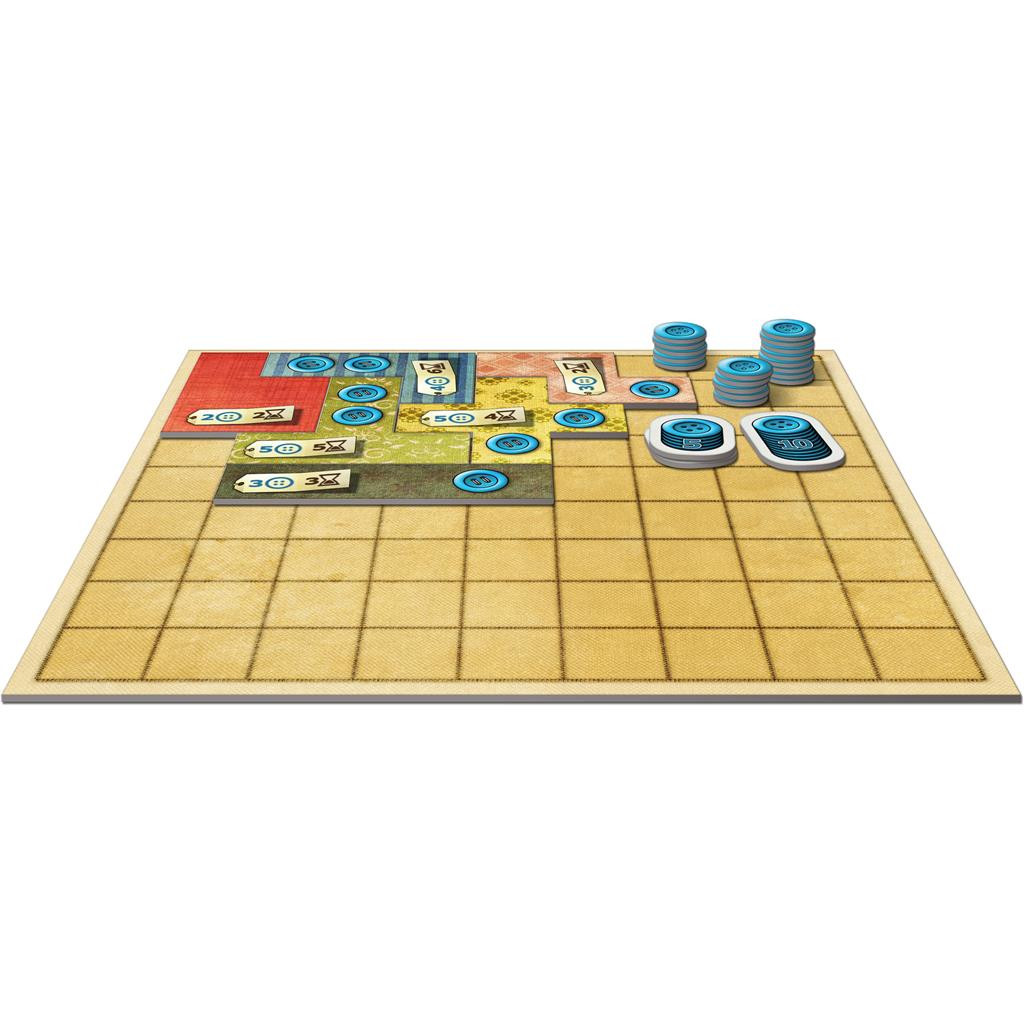
Patchwork is a two-player-only game designed by Uwe Rosenberg (one of the most respected designers in tabletop gaming) where you and one other person are competing quilters trying to make the most beautiful 9x9 quilt. And here's the secret: even though it's competitive, it feels collaborative.
You and your partner move simultaneously through time along a shared timeline, picking quilt patches and placing them in your individual grids. The tension comes from speed and positioning — you're both racing to cover certain parts of your quilt, and if someone places a patch before you can get a better one, well, that's the game. But the tone is intimate. You're sitting across from each other, occasionally frustrated but fundamentally making something with them. At 30 minutes, Patchwork is the perfect post-dinner game or weekend ritual with someone you live with.
At $25 MSRP, Patchwork punches way above its price point in terms of replayability and elegance. It's the proof that "cozy" and "competitive" aren't opposites — they're just different ways of playing together. The game won't make you feel alone, even if you're playing to win.
2026 is the year new cozy games are proving the category has legs
If Calico, Cascadia, and Patchwork were the proof of concept, 2026 is when publishers are betting hard on the whole genre. Here's what's new:
Cascadia: Rolling Hills is a flip-and-roll variant that let players experience that world in a completely different way — you're rolling dice and filling habitat cards simultaneously, a co-op-adjacent experience. Both released in 2026 with retail prices around $24.99.
Hozy is a beautiful restoration game where you return to your hometown and repair abandoned rooms — no timers, no score, just cleaning, painting, and furnishing spaces with intention. Released on Steam and coming to tabletop, it's a direct answer to the question: "Can cozy games be about making broken things whole again?" Yes. The answer is a resounding yes.
Misty Valley: A Cozy Fishing Tale is a narrative fishing and farming game in early access, exemplifying the emerging subgenre of cozy games where the story of restoration is the point. You inherit your grandfather's fishing cabin and bring a valley back to life. Fishing, farming, town revival — all meditative, all beautiful.
Publishers are watching these releases fly off shelves. The 2025-2026 board game trends report makes clear that cozy games are no longer a niche — they're a major category with affiliate velocity and Amazon algorithmic weight. Younger collectors are pivoting from dungeon crawlers to handmade nature aesthetics, and the publishers know it.
Why you should care: if you've ever felt guilty for not enjoying the game night where everyone is trying to destroy each other, cozy games are saying: "You're not broken. You just want something different. Come home."
How to pick your first cozy game (and why the choice actually matters)
If you're new to cozy games, here's the honest path:
If you want an approachable entry: Start with Calico ($39.99). It teaches fastest, plays shortest, and the cat mechanic really is designed to make you smile. Solo play is full and meaningful. It's the gateway drug because it works.
If you want the prestige pick: Cascadia ($25-35) is the award-winner, and there's something special about playing the game that won. The puzzle is deeper, the aesthetic more subtle. If you're going to recommend one cozy game to your skeptical aunt, it's Cascadia.
If you play with a committed partner: Patchwork ($25) is the only truly two-player-only cozy game in this tier, and that specificity is its strength. You're making a ritual with someone. The game expects that intimacy.
If you want something brand-new: Cascadia: Rolling Hills ($24.99) offers a completely different experience from the original, and if you loved Cascadia's aesthetic but wanted a faster, more simultaneous game, here it is.
A whisper of a pro tip: Come sit. Pick the one that matches your life, not the one everyone says is best. Cozy games are about permission — permission to like what you like, to play the way you want to play, to sit quietly with people you love. Pick accordingly.
Why cozy board games are winning — and what it says about who we are right now

In 2026, a game doesn't have to have a winner to be fun. That's extraordinary. Twenty years ago, that would have seemed impossible — games are about winning, right? Competition, strategy, one person standing on top? But a generation of players grew up with engagement metrics, burnout, the constant pressure to achieve. And they looked at board games and thought: "Why are we doing this here too?"
Cozy games are winning because they're ethical. They don't punish people for playing. They don't tell you you're bad at social interaction or strategy. They say: "Here's a beautiful world. You and your friends make it more beautiful together. That's all. No stakes. Just beauty." In a culture obsessed with optimization, cozy games are a small, radical act of refusal.
The numbers back it up. Amazon's 2026 algorithmic recommendations heavily favor cozy games for mental-health-conscious buyers. Twitch streamers playing cozy games have loyal, engaged audiences. Discord servers dedicated to Cascadia and Calico are active and kind. These aren't niche games anymore — they're what people want.
So if you're thinking, "Maybe I'd like to play a game where I don't have to be good at anything, where the point is just to sit with someone and make something beautiful," you're not alone. You're part of the fastest-growing category in tabletop gaming. And you're in very, very good company.
The picks
Some links below are affiliate links — as an Amazon Associate, Puzzlewick earns from qualifying purchases, at no extra cost to you. It never changes a pick.
Cascadia
- Players
- 1-4
- Time
- 30-45 min
- Age
- 10+
- Complexity
- 1.8 / 5
- Publisher
- Flatout Games · 2021
- Designer
- Randy Flynn
- Art
- Beth Sobel
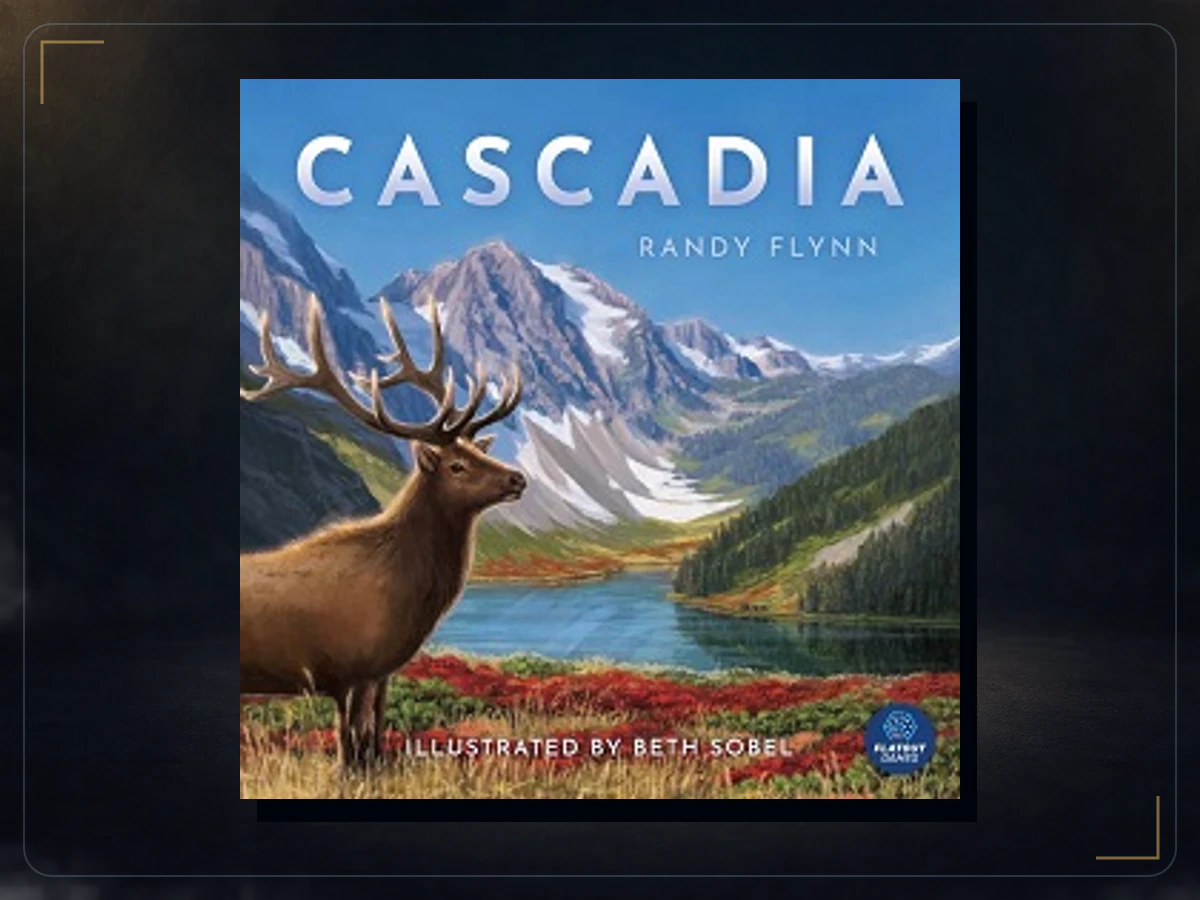
The Spiel des Jahres 2022 winner that proved cozy games could be elegant, deep, and universally beloved. You build Pacific Northwest ecosystems by placing habitat tiles and animal tokens, solving for each creature's happiness. 1-4 players, 30-45 minutes, no losing is possible, and the calm you feel after playing is the whole point. This is the game that broke cozy into mainstream recognition.
- Spiel des Jahres 2022 — the international board game award
- Genuinely elegant puzzle design; plays different every time
- Beautiful Beth Sobel artwork; peaceful, nature-inspired aesthetic
- Exceptional replayability despite simple rules; solo mode works beautifully
- Puzzle-adjacent: if you don't like tile-placement math, the appeal fades
- Once you play it a few times, optimal strategies emerge (though the game doesn't punish deviation)
Calico
- Players
- 1-4
- Time
- 30-45 min
- Age
- 10+
- Publisher
- Flatout Games / Alderac Entertainment Group (AEG) · 2020
- Designer
- Kevin Russ
- Art
- Beth Sobel
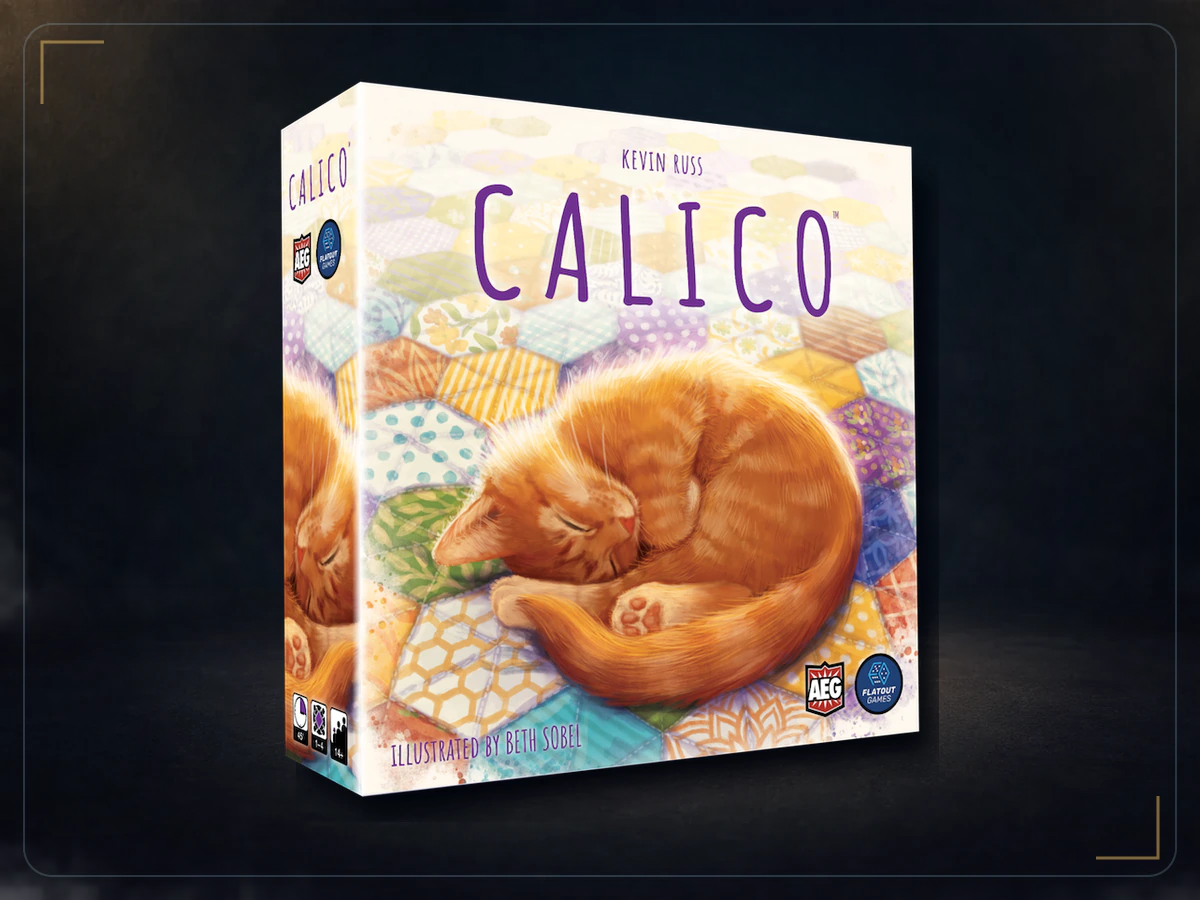
You're a quilter laying hexagonal fabric patches to create color groups and attract cats. Cats literally come live on your quilt. Every decision is meaningful (optimize for buttons or cats?), but there's zero cruelty — everyone finishes with a beautiful quilt they made. 30-45 minutes, 1-4 players including robust solo mode. This is the cozy game that makes people who "don't like board games" suddenly ask for another round.
- Cat mechanic is genuinely delightful and makes every choice feel personal
- Solo mode is full and satisfying — rare for cozy games
- Teaches fastest of the top cozy games; minimal rulebook
- Replayable because your quilt will never look the same twice
- Slightly pricier than Cascadia at $39.99
- Puzzle can feel solved after 5-6 plays (though casual players won't notice)
 8 photos
 Patchwork
- Players
- 2 · best 2
- Time
- 15-30 min
- Age
- 8+
- Complexity
- 1.60 / 5
- Publisher
- Lookout Games (Lookout Spiele) · 2014
- Designer
- Uwe Rosenberg
- Art
- Klemens Franz
A two-player-only quilting race where you and your partner move simultaneously through a shared timeline, each building your own 9x9 quilt. Competitive but intimate — the tension comes from speed, not meanness. 30 minutes, pure elegance, the kind of game that becomes a weekly ritual. Designer Uwe Rosenberg made something that proves cozy and competitive can coexist beautifully.
- Designed specifically for two players; intimacy is baked in
- Elegant asymmetric tile-drawing system; every decision matters
- 30-minute playtime is perfect for after-dinner ritual or weekend morning
- Incredible depth disguised as simplicity; high replayability
- Two players only — doesn't scale to groups
- Can feel like a race if both players optimize; requires buy-in to the gentleness
Cascadia: Rolling Hills
- Players
- 1-4
- Time
- 15-30 min
- Age
- 10+
- Publisher
- Alderac Entertainment Group (AEG) / Flatout Games · 2024
- Designers
- Randy Flynn, Molly Johnson, Robert Melvin, Shawn Stankewich
- Art
- Beth Sobel
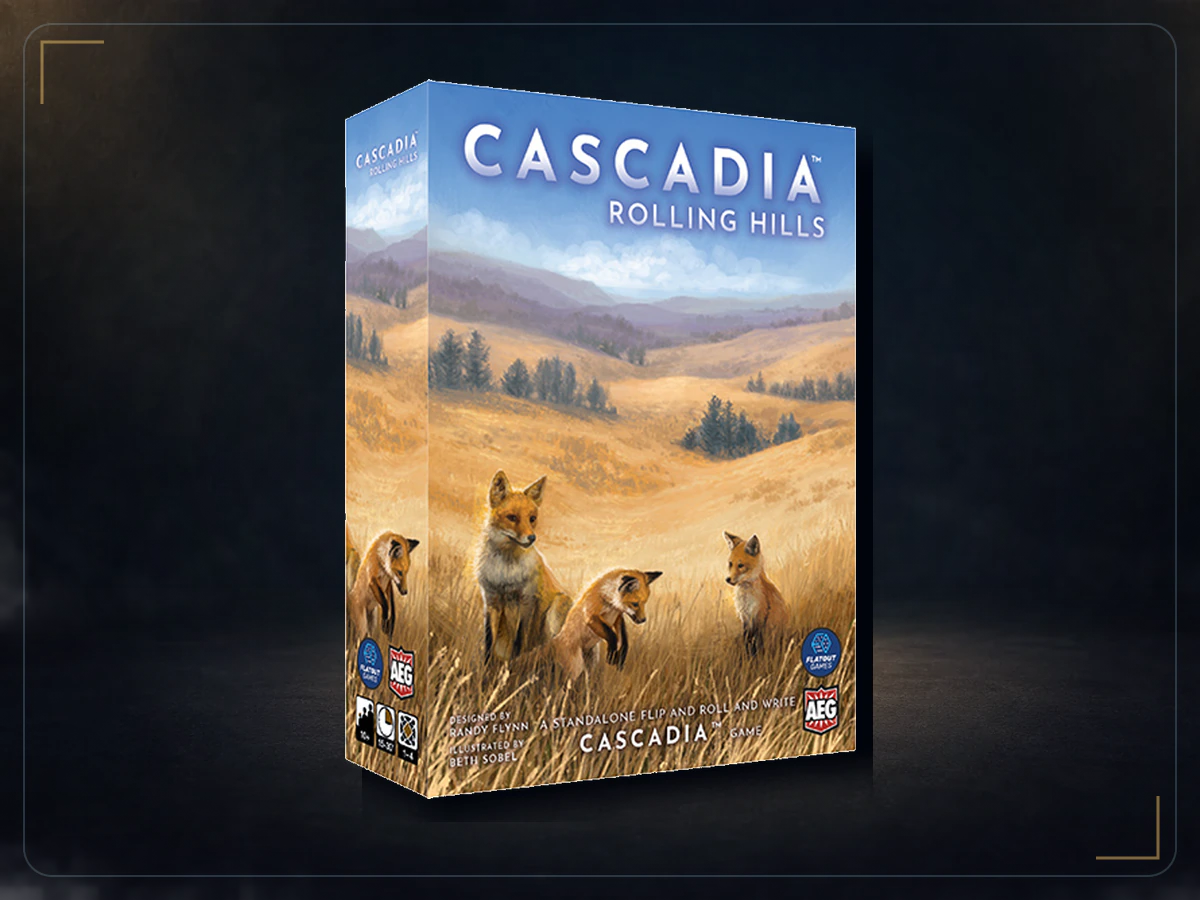
A flip-and-roll variant of Cascadia that ditches tile-placement for simultaneous dice-rolling and habitat-card filling. Different game, same soul — you're still building ecosystems, still peaceful, but now it's faster (15-30 minutes) and everyone plays at once. Released in 2026 as proof that the cozy category is expanding. A great companion to the original, not a replacement.
- Faster than original Cascadia; 15-30 minutes vs. 30-45
- Simultaneous play makes it feel more collaborative and less like parallel puzzles
- Same gorgeous Sobel art and nature theme
- Different strategic depth; keeps Cascadia players engaged
- Rolling dice means less control; puzzle-lovers may find it less satisfying
- Requires familiarity with Cascadia to feel like a meaningful variant
 7 photos
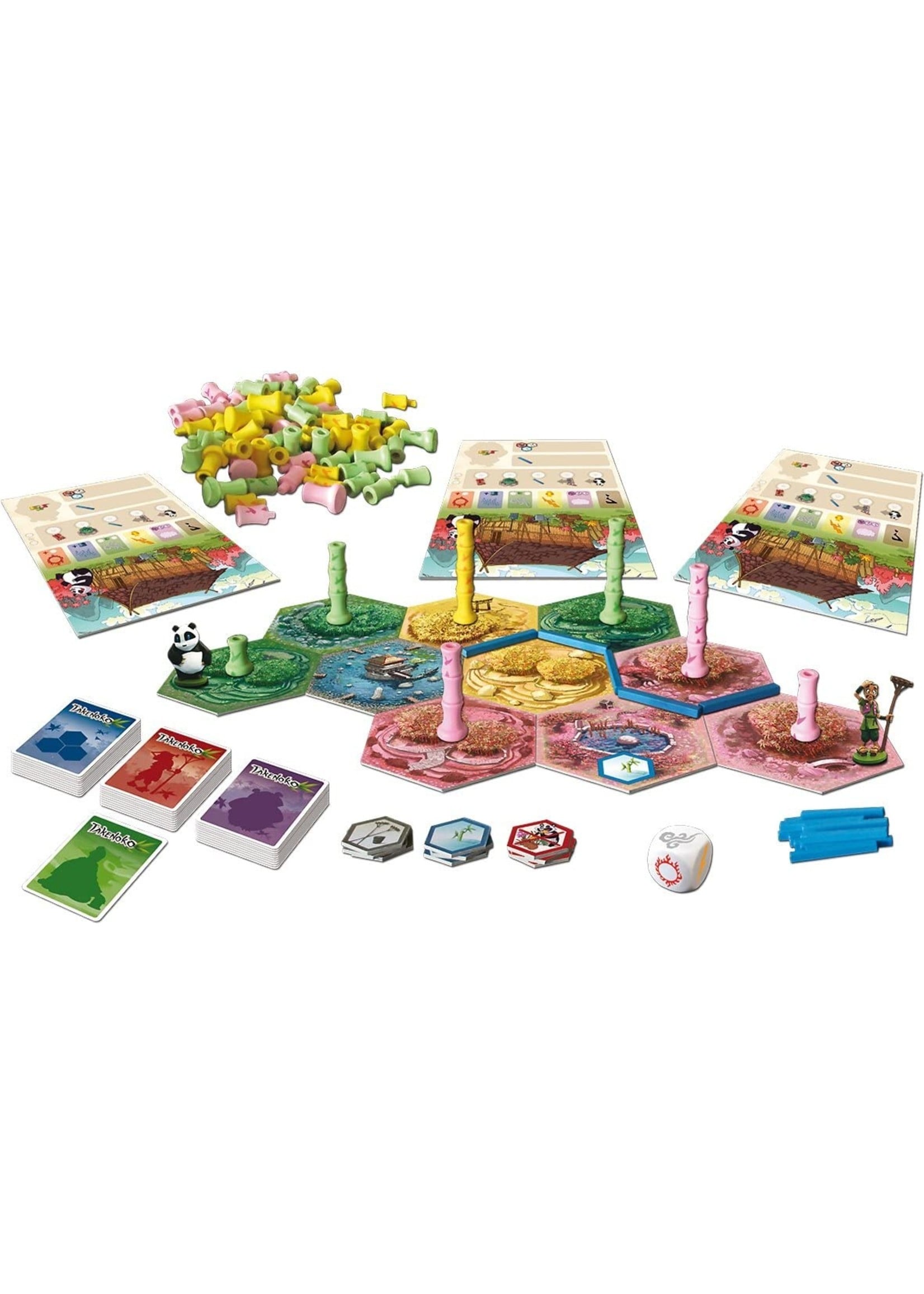
 Takenoko
- Players
- 2-4
- Time
- 45 min
- Age
- 8+
- Complexity
- 1.97 / 5
- Publisher
- Bombyx / Matagot · 2011
- Designer
- Antoine Bauza
- Art
- Nicolas Fructus, Picksel, Yuio
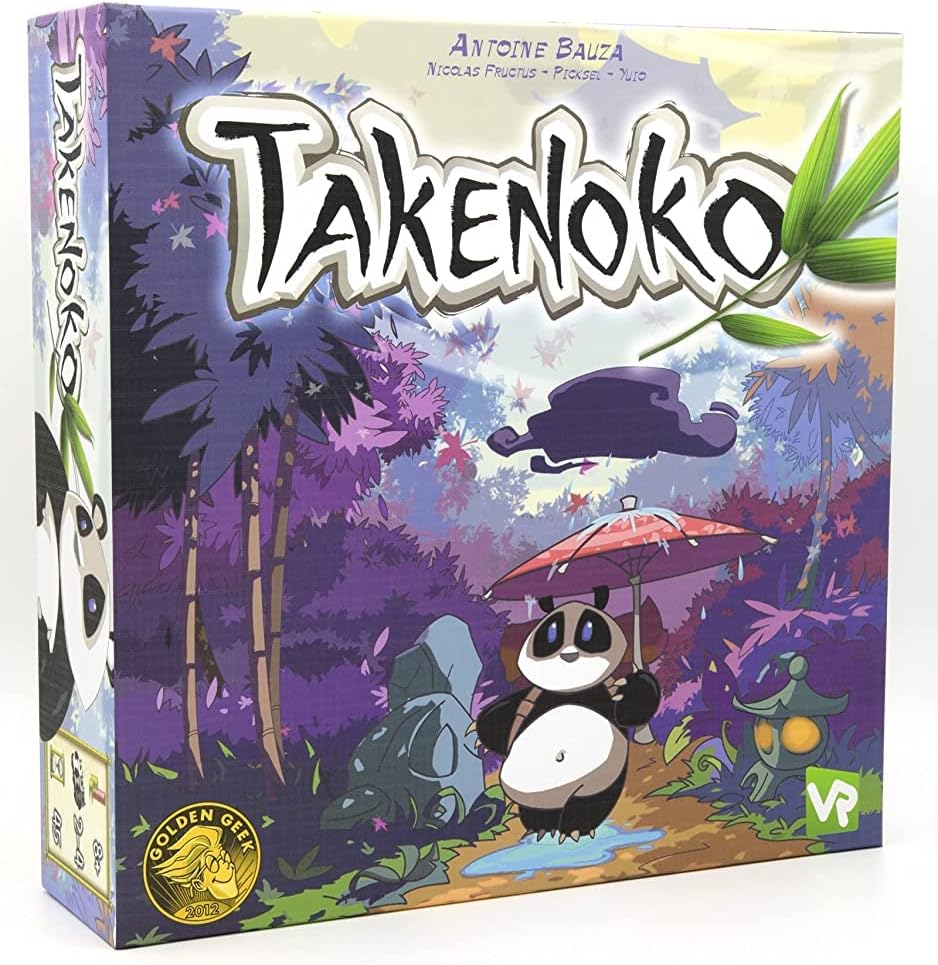
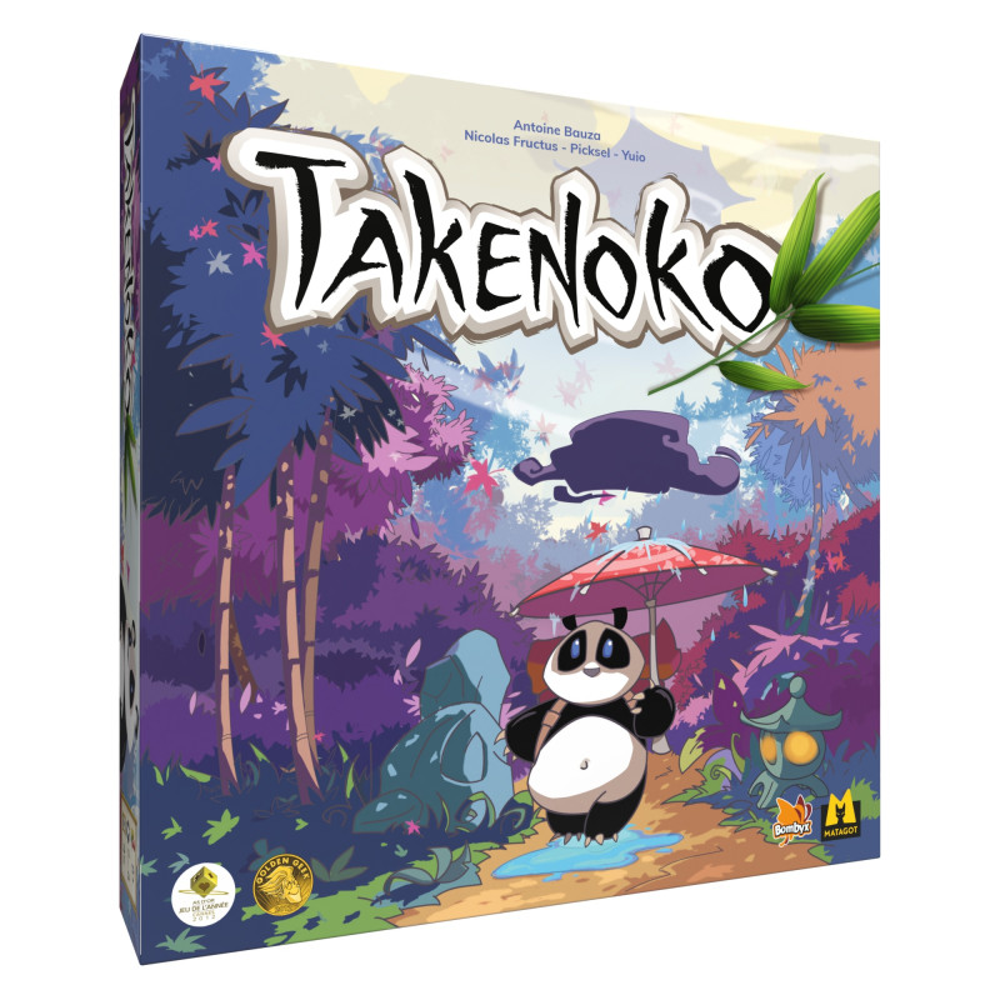
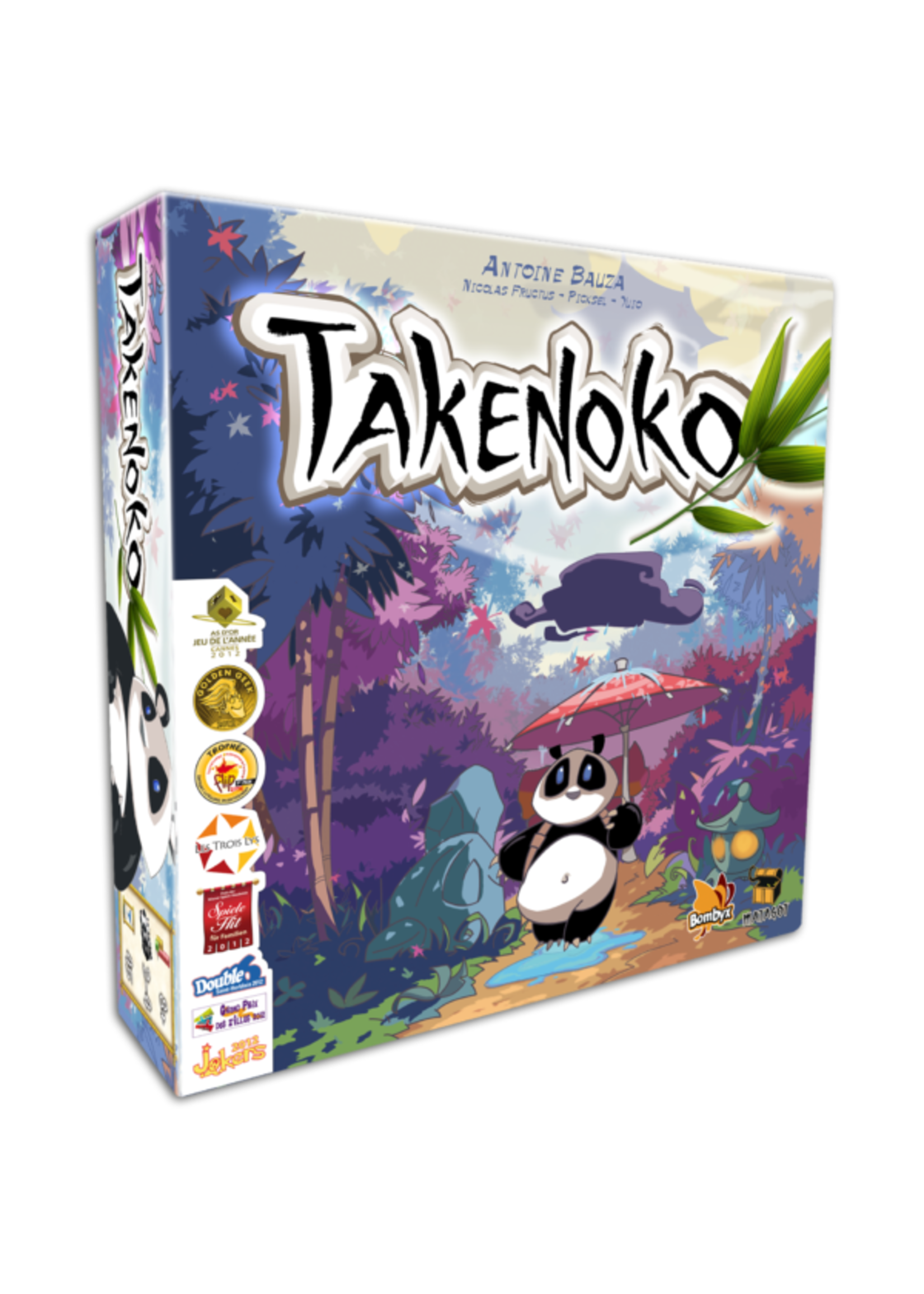
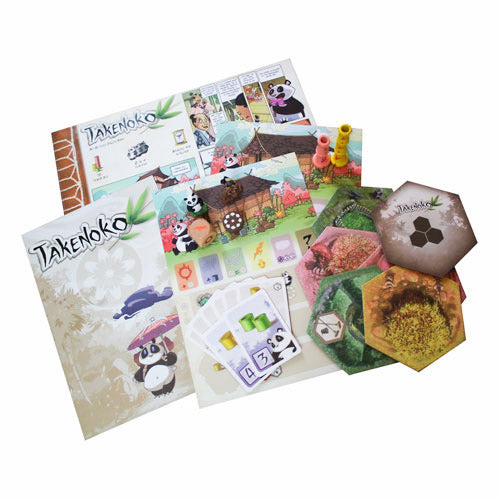
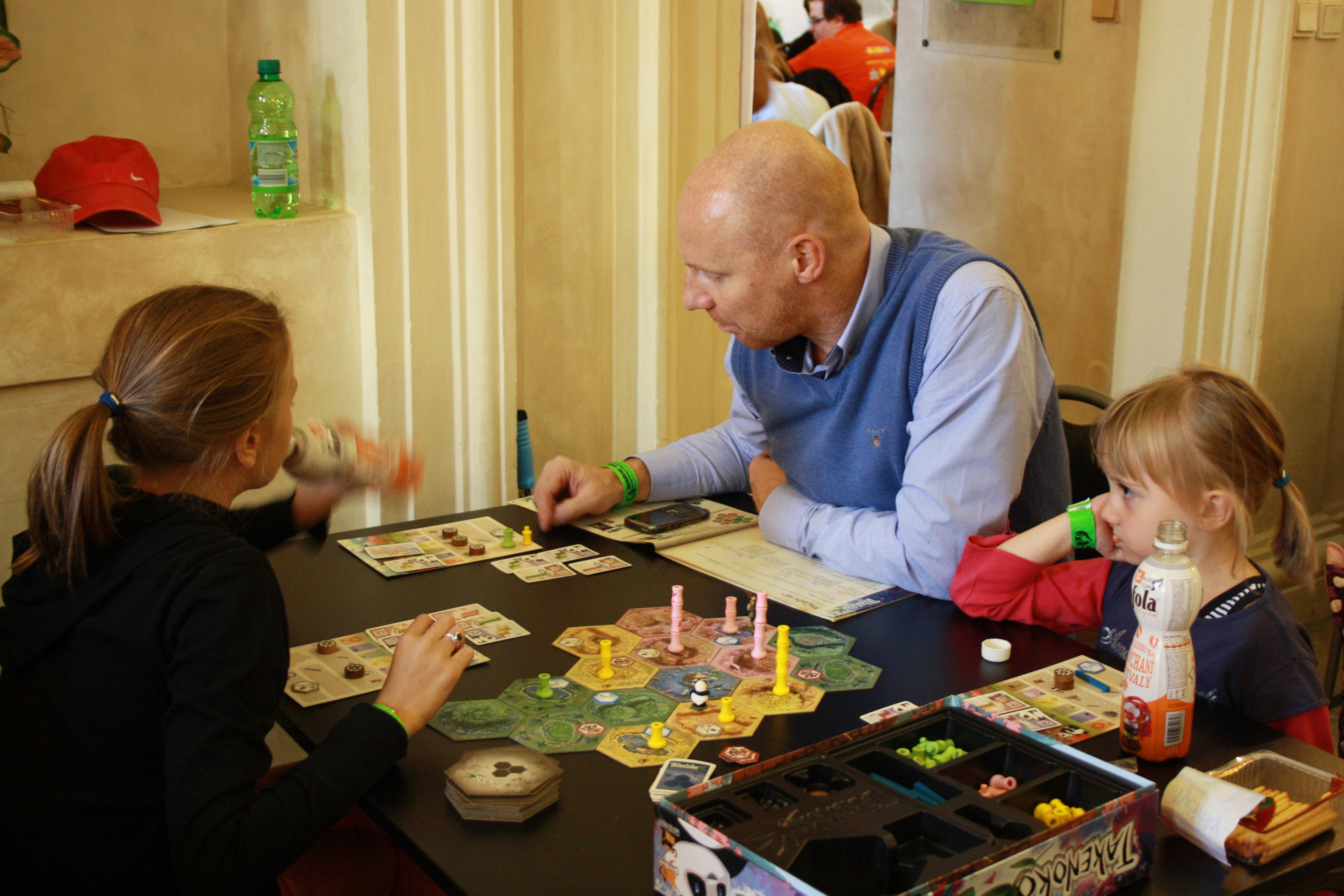
You're a bamboo farmer tending a garden for a giant panda gifted by the Emperor of China. Build a garden with different terrain types, grow bamboo, and feed the panda without depleting your crops. Light, charming, zero cruelty — it's a game about caring for something, which is the core of cozy design. 2-4 players, 45 minutes, gorgeous components, timeless.
- Giant panda figurine and bamboo pieces are adorable and tactile
- Light rule set that teaches in minutes; family-friendly
- Multiple win paths; multiple ways to enjoy the game
- Lovely aesthetic — garden-building with genuine care
- Dated art compared to modern cozy games like Cascadia
- Lucky dice rolls can determine outcomes more than strategy
At a glance
| Game | Players | Time | Type | Price | Award |
|---|---|---|---|---|---|
| Cascadia | 1-4 | 30-45m | Tile-laying puzzle | $25-35 | Spiel des Jahres 2022 |
| Calico | 1-4 | 30-45m | Tile-laying (hexagon) | $39.99 | Multiple cozy-game accolades |
| Patchwork | 2 only | 30m | Two-player quilt race | $25 | Elegant couples game |
| Cascadia: Rolling Hills | 1-4 | 15-30m | Roll-and-write (flip variant) | $24.99 | 2026 release |
| Takenoko | 2-4 | 45m | Garden-building with panda | $30-35 | Classic cozy aesthetic |
| Hozy | 1+ | Variable | Room restoration | $35 (est.) | Emerging restoration trend |
Questions, answered
What exactly is a 'cozy' board game?
A cozy board game is one where players cannot fail, where mechanics reward creativity and patience over aggression, and where the aesthetic is typically nature-inspired, hand-drawn, and warm. Cozy games feature no player elimination, no punishment systems, and no scoreboard mentality. Instead, the 'win' is making something beautiful together, and everyone leaves the table feeling calmer than when they arrived.
Is Cascadia better than Calico?
They're different. Cascadia won the Spiel des Jahres 2022 and has deeper strategic puzzle elements; if you love tile-placement optimization, Cascadia is your pick. Calico teaches faster, has the delightful cat mechanic, and is easier for non-gamers to enjoy; if you want the lowest barrier to entry, pick Calico. Both are excellent. Pick based on your life, not on which award is shinier.
Can I play cozy games solo?
Yes. Cascadia has a full, meaningful solo mode. Calico was designed with solo play as a core experience. Patchwork is two-player only, but many cozy games explicitly support 1-player experiences. Cozy games often recognize that some people want to sit quietly and create something beautiful alone.
What's the difference between a cozy game and a casual game?
Casual games are easy to learn but might still have winners and losers, or competitive stakes. Cozy games go further: they actively avoid creating tension, failure states, or moments where someone feels left behind. A casual game can be competitive; a cozy game is fundamentally non-punitive. Casual is about ease. Cozy is about kindness.
Are cozy board games good for gift-giving?
Exceptionally good. They're the perfect gift for people who 'don't think they like board games,' because they don't require competition mindset or cutthroat strategy. They're also great for families with kids (ages 8+), couples looking for a ritual, or anyone dealing with burnout and needing permission to slow down.
Will I get bored of a cozy game?
Depends on what you're looking for. Cascadia and Calico both have high replayability because the puzzle plays different every time. Patchwork's elegance means dozens of plays reveal new strategies. But if you're someone who needs constant theme variation or escalating difficulty, cozy games might feel limited. They're designed for return play, not progression.
Yumi's verdict
Here's the softly-spoken truth: cozy games aren't just a trend. They're a realignment of what games mean to the generation playing them right now. For millennials and Gen Z exhausted by competition, metrics, and the constant pressure to win, cozy games offer radical permission: you don't have to dominate anyone to matter. You don't have to be the best. You just have to sit quietly with people you care about and make something beautiful together. That's enough. That's everything.
If you're choosing your first cozy game: start with Cascadia if you want the award-winner and the elegance; start with Calico if you want the most approachable, cat-powered entry; start with Patchwork if you have a partner and want to build a ritual together. All three are genuinely excellent, and there is no wrong choice — only the one that matches your life right now.
The 2026 board game landscape is shifting. Publishers are releasing cozy games at scale. Streamers are building audiences around peaceful gameplay. Retailers are stocking them prominently. The market is saying: yes, this is real. This is what people want. And if you've ever felt like you were "bad at board games" because you hated the cutthroat energy, or the scorekeeping, or the feeling that someone had to lose — whisper this to yourself: you weren't bad at games. You were just waiting for a game designed with your heart in mind. Cozy games are here. Come sit. There's a place for you at the table, making something beautiful, with no stakes and no pressure and nowhere you have to be but here. That's the revolution."
Still deciding? Take the Game-Finder — answer seven quick questions and the cabinet hands you the one board game built for your table, with a buy link and your own shareable player talisman.
Research ledger 10 sources · reviewed 2026-07-17
Specifications, rules, current product information, community experience, and contrary evidence were checked against the sources below. Commercial links are kept separate from editorial evidence.
- alderac.comalderac.com/calico
- flatout.gamesflatout.games/cascadia
- geekdad.comgeekdad.com/2020/09/reaping-the-rewards-cats-quilts-calico
- gamesradar.comgamesradar.com/cascadia-is-board-game-of-the-year-after-spiel-des-jahres-2022-win
- us.amazon.comus.amazon.com/Patchwork-Board-Game-Two-Player-Interactive/dp/B00RCCAPPE
- eneba.comeneba.com/hub/games/best-cozy-games
- alderac.comalderac.com/cascadia-rolling-hills
- waytoomany.gameswaytoomany.games/2026/04/10/review-hozy
- store.steampowered.comstore.steampowered.com/app/3677310/Misty_Valley_A_Cozy_Fishing_Tale
- kotaku.comkotaku.com/games/misty-valley-a-cozy-fishing-tale
Come in, take your shoes off — let me show you something.


Keep exploring
The next smart rabbit holes.
☾ Universe HubDon't Starve: the whole buying pathDon't Starve is the sweet little campfire that keeps reminding you the woods have teeth. This universe gathers Puzzlewick's buying...✦ Topic PathBoard Game Buying Guides: compare the whole shelfStart with the decision, not the shelf. These guides compare the games, editions, expansions, player counts, and costs people...ComparisonAzul vs Cascadia vs Calico: Which Cozy Tile-Layer Is Right for Your Table?Three beautiful tile games compared by interaction, pressure, solo play and the kind of first night they create.