The Game-Finder
Which Board Game Should You Buy?
Stop scrolling fifty 'best of' lists. Answer seven quick questions and the cabinet hands you the one game built for your table — with the honest why, the price, and where to get it.
The best board game to buy is the one that fits your table — your player count, the mood you want, how heavy a game you'll teach, your budget, and your time. There's no single 'best game,' so this page is a Game-Finder: answer seven questions and it recommends a specific game (with a buy link) plus three runner-ups, then points you to the full guide on each. For most new buyers the safest first purchase is a gateway game like Azul ($40), Ticket to Ride ($50), or Cascadia ($40) — easy to teach, beautiful, and almost impossible to dislike.
 ✿ Yumi · your matchmaker
 ✦ The Cabinet's Game-Finder
Tell me how your table plays — I'll find your one.
Seven quick taps. A real recommendation with a buy link, not a list of fifty. — Yumi
Start here: there is no single 'best' board game
Here's the secret every veteran knows and no listicle will tell you: the best board game to buy doesn't exist. The best game for a quiet two-player evening is not the best game for six laughing friends, and neither is right for a family with a seven-year-old. So the only honest question is which game is best for YOUR table — and that comes down to five things: who's playing, the mood you want, how heavy a game you can teach, your budget, and how long you've got.
That's exactly what the Game-Finder above asks. Seven taps, one real recommendation — not fifty. But if you'd rather browse, the rest of this page is your buyer's bible: the categories in plain English, the right game for every player count and budget, how to build a collection that lasts, and the accessories that actually matter. Every section points you to the deep guide where we rank the contenders.
The categories, in plain English
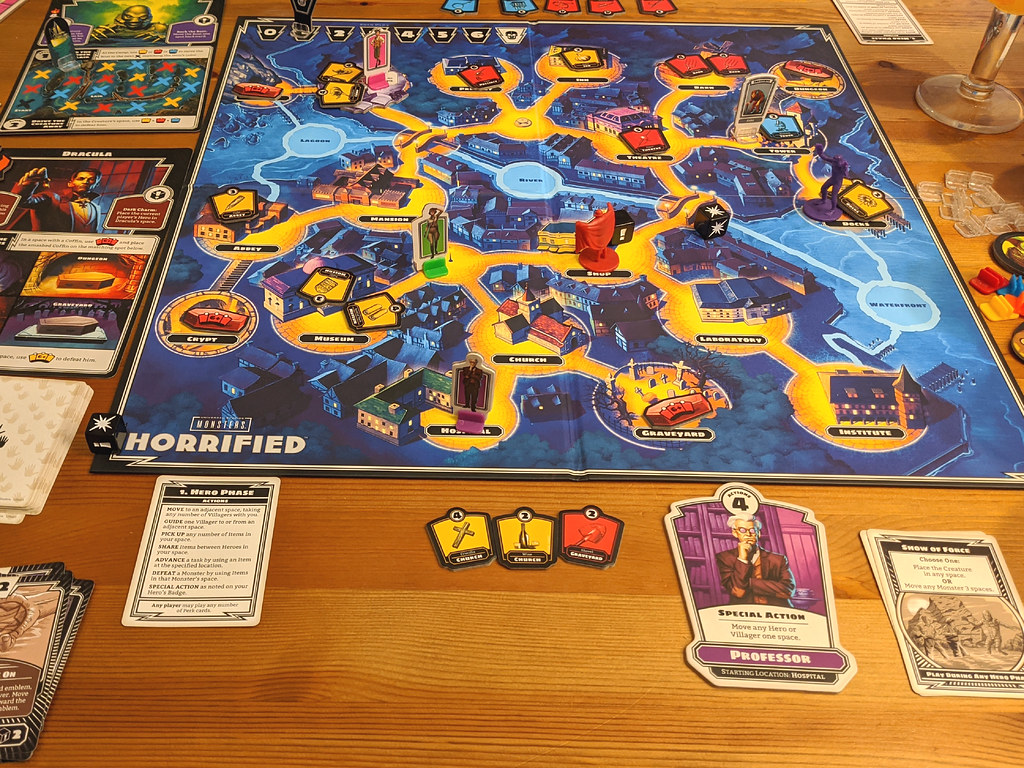
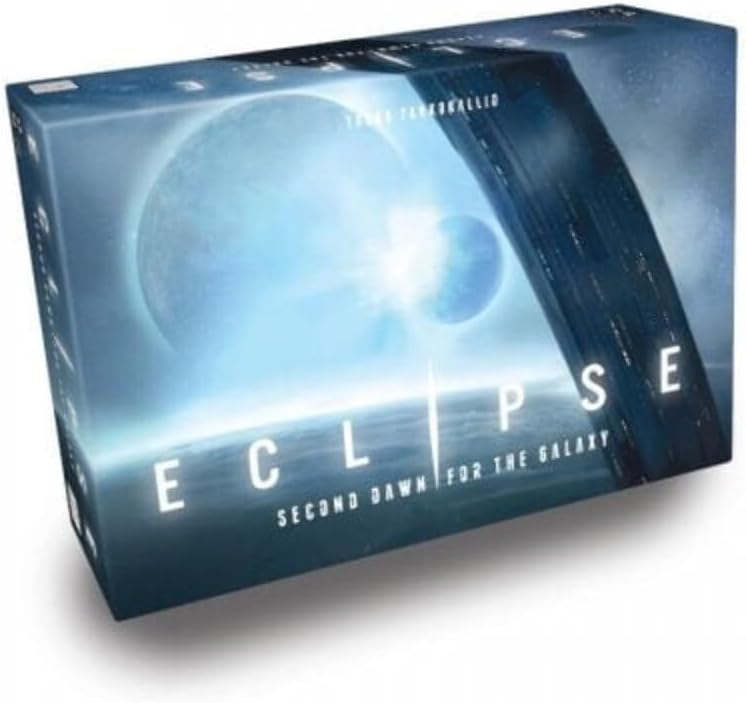
Board games come in families, and once you can name them, shopping stops being overwhelming. Gateway games teach in five minutes and convert skeptics (Catan, Azul, Ticket to Ride). Euros reward quiet, point-building strategy with little direct conflict (Wingspan, Terraforming Mars). Co-ops put your whole table against the game, so nobody goes home a loser (Pandemic, Spirit Island) — the kindest corner of the hobby. Deckbuilders let you craft a personal engine of cards mid-game (Dominion, Clank!). 4X games are sprawling sci-fi empire epics (Gaia Project). Legacy/campaign games change permanently across a saga your group will talk about for years (Pandemic Legacy, Gloomhaven). And party / social-deduction games are pure loud fun for a crowd (Codenames, Avalon).
You don't have to learn all of these — you just have to know which one matches the night you're picturing. The Game-Finder does this for you, but if you want to read the field, here are our ranked guides:
By who's at the table
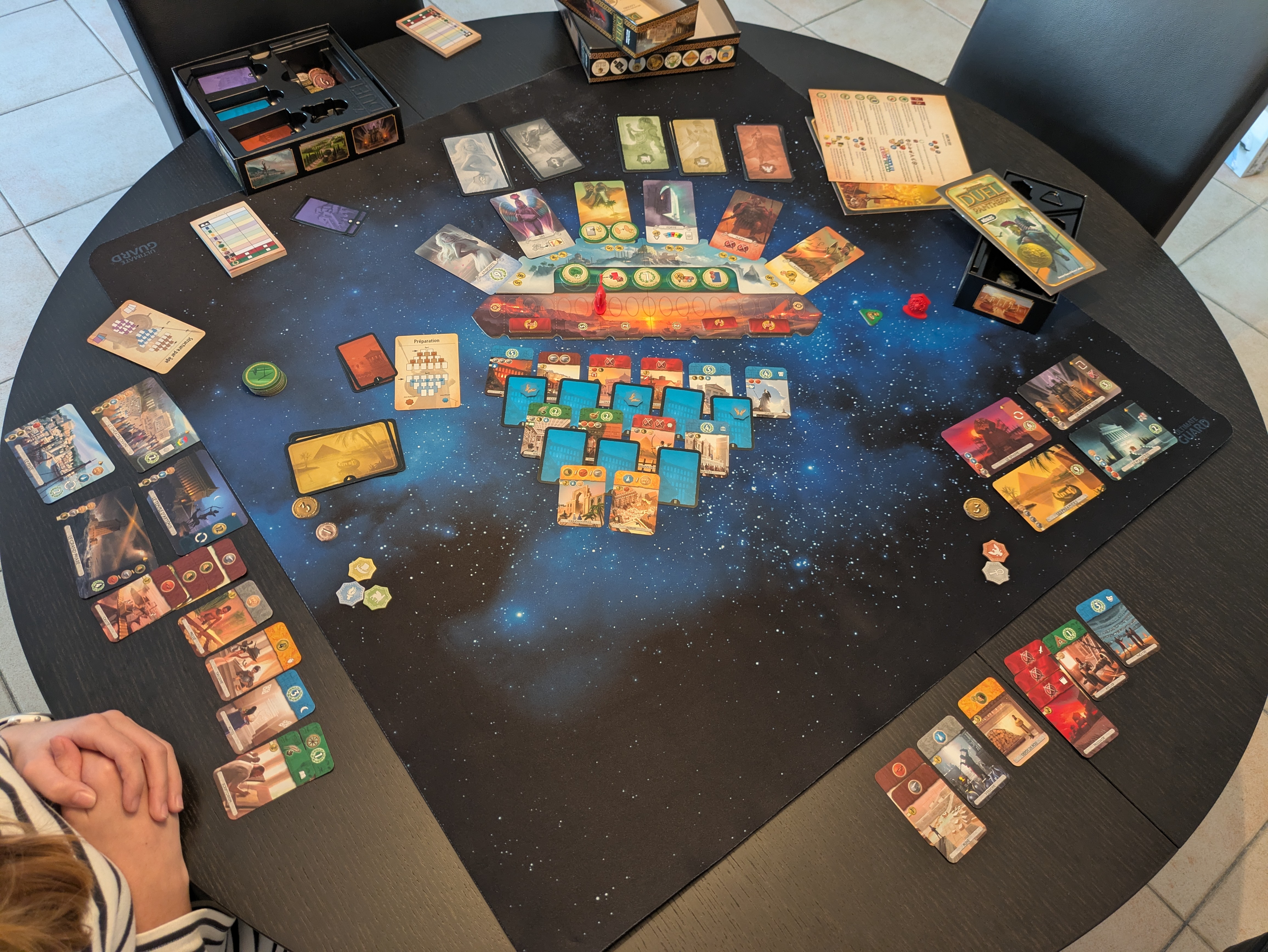
Player count is the single most decisive thing about a board game purchase — a brilliant six-player party game is a miserable two-player one, and vice versa. Solo players have a golden age right now (Spirit Island, Ark Nova, and most co-ops play beautifully alone). Two players / couples want tight, interactive duels (Patchwork, 7 Wonders Duel, Jaipur). Small groups of 3–4 are the hobby's sweet spot — almost everything is built for you. Big crowds of 5+ need games that scale loud and chaotic (Codenames, Coup, Avalon). And families with kids want quick, kind, no-reading games (Sushi Go!, Kingdomino, Outfoxed!).
Know your usual table and you've already eliminated three-quarters of the wrong purchases.
By budget: what your money actually buys
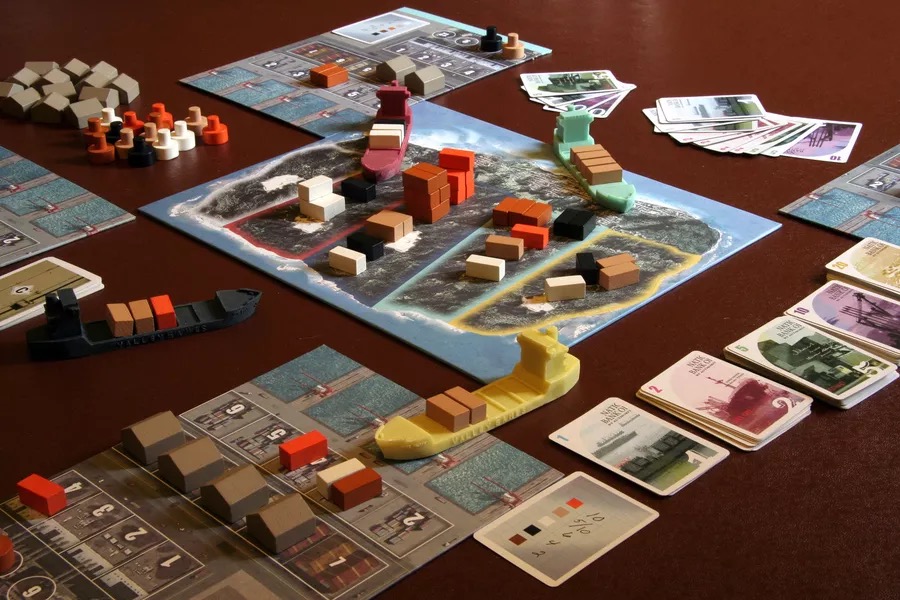
You do not need to spend a lot to get a great game. Under $25 buys some of the best-designed games ever made — Sushi Go!, Jaipur, Love Letter, Coup, The Crew. $25–50 is the meat of the hobby, where most of the all-time greats live (Azul, Wingspan, Ticket to Ride). $50–100 gets you bigger boxes with more bits and longer arcs (Gloomhaven: Jaws of the Lion, Spirit Island, Dune: Imperium). And $100+ is grail territory: heavyweight epics and campaigns you'll play for years (Ark Nova, Gaia Project, Brass: Birmingham).
The honest rule: a first-time buyer is almost always happier with a perfect $40 game than a sprawling $150 one. Start in the sweet spot, fall in love, then splurge.
Building a collection that lasts
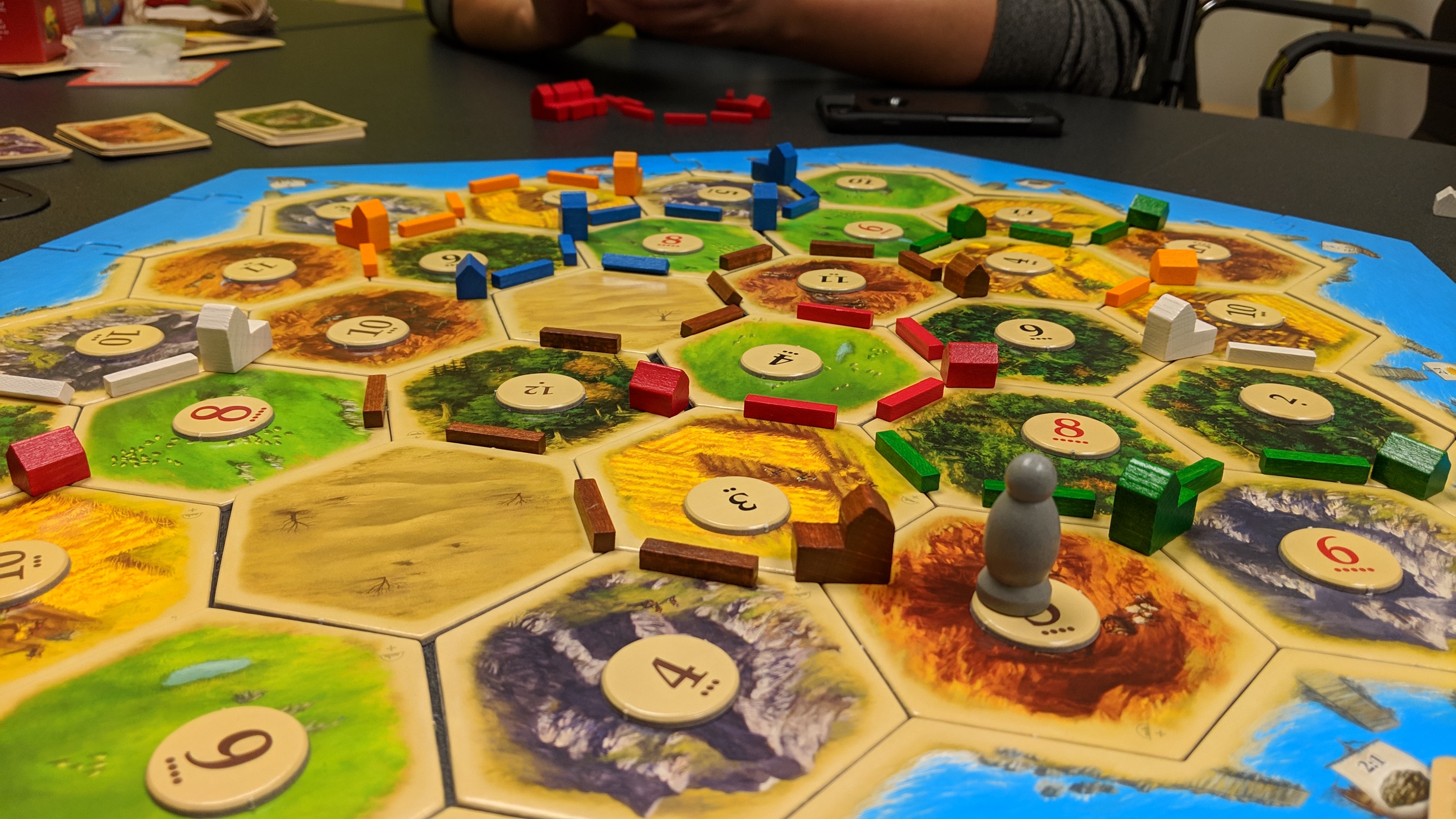
Once you've got a few games you love, the question shifts from which one to what next. The trick is to fill gaps, not buy duplicates — if you already own a great gateway game, your next purchase should add a new experience (your first co-op, your first heavier euro, your first two-player duel), not a second version of what you have.
The most useful tool here is a head-to-head: when two beloved games sit in the same slot, our 'versus' guides settle which one belongs on your shelf. And resist the collector's trap — a shelf of ten games you play often beats a wall of fifty you don't.
The accessories that actually matter
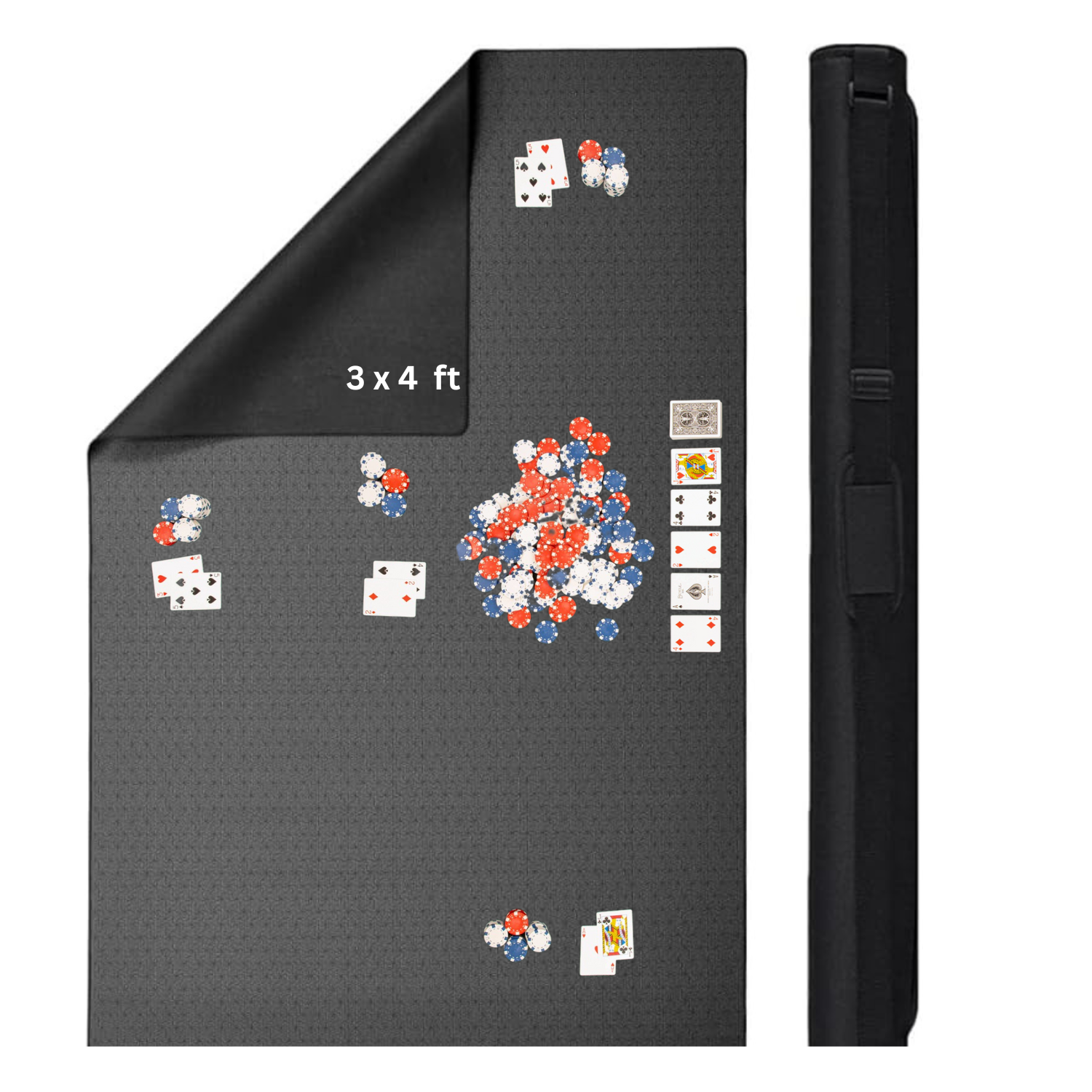
You don't need much to play, but a few upgrades genuinely improve the experience — and most make great low-cost add-on gifts. Card sleeves protect games you'll shuffle a lot (anything with a deck). Deck boxes and storage keep a growing collection sane. And a neoprene playmat makes cards easy to pick up and the whole table feel a notch nicer. Everything else is optional joy.
Buy these after the game, not instead of it — but when you find the game you love, these are the upgrades worth it.
The Player's Code — buy it, then love it right
A game is only as good as the table around it. So the cabinet's unwritten code: teach generously (walk the rules out loud, play your first game open-handed), lose with a smile (the vibe is the product), and bring the game that fits the room, not the one that flatters your ego. Pick the game your guests will enjoy, not the one that proves how clever you are. Do that and a $20 box becomes the best night of someone's month.
That's the whole secret. Now go find your game above — and when you do, send this page to the friend who keeps asking what to buy.
✦ The keepers of the cabinet
Six curators. Six obsessions. One rabbit hole.
Every piece here was found, handled, and argued over by one of them. Wander in — today the door's open at Imani's.
 You found Imani's secret room ✦ ✧ Imani · The Connector Obsessed with right nowRight now I'm obsessed with handing a group a game where the rules are barely the point — where the real engine is the sentence somebody says after the card flips. → Blood on the Clocktower A little secretHanafuda's quiet trick: always grab the Sake Cup, and STALL your guaranteed cards. The Sake Cup (kiku-ni-sakazuki) is the single best capture on the board — it doubles as junk AND completes the flower/moon-viewing sake yaku, so take it unless a bigger play exists that turn. Second, deliberately POSTPONE capturing cards that are already 100% yours (e.g. you hold one and the other three of that month are on the table — they're not going anywhere). Spend your turns instead denying your opponent and using one-point cards to either snatch high-value cards off the table or hold high-value cards out of their reach. “Heyyy you made it! Okay, sit, I have SO much to show you. ✦” Step into Imani's world
  Yumi The Hostess Oh good, you're back. I kept the good chair by the fire warm for you. ✿ visit →
  Robert The Keeper Ah, a fellow collector. Sit — I've got something you'll want to hold. visit →
  Kenji The Sensei Don't rush the craft. The hand that goes slow learns the fastest. visit →
  Dax The Critic Don't buy the pile. Build, play, and finish what you own first. Next. visit →
  Margo The Archivist Read the rulebook once cover to cover. You'll never be the rules-lawyer again. visit →
 Questions buyers ask
What is the best board game to buy?
What's a good board game for two players?
What board game should I buy for a family with kids?
How much should I spend on a board game?
What's the best board game for game night with a big group?
What's a good board game to buy as a gift?
What's the easiest board game to learn?
Is there a board game quiz to help me decide what to buy?
How does the Puzzlewick Game-Finder pick a board game for me?
 ✿ Yumi's last word
 There's no wrong game — only the wrong game for tonight's table. So stop hunting for a mythical 'best' and answer the seven questions above; the cabinet will hand you a game that fits the people you actually play with, the budget you actually have, and the evening you're actually picturing. Buy it, teach it with patience, lose with a smile — and you'll never make a wrong purchase again. Now go find your game. — Yumi
Found your game? Send this to the friend who keeps asking what to buy.