Best Card Sleeves for TCGs: MTG, Pokemon, Yu-Gi-Oh — Complete Buying Guide
The right sleeves protect your cards—and your sanity. Here's exactly what to buy for MTG, Pokémon, and Yu-Gi-Oh.


AI-assisted research and drafting in Dax’s voice · reviewed by Robert Pruitt · how this guide was made
Last editorial refresh: 2026-08-11 Gold-standard QA: 2026-08-11 11 sources reviewed Affiliate links checked during gold-standard pass

The short answer
The best card sleeves depend on your budget and game: Dragon Shield dominates for premium protection (120 microns, ~$13.99), Katana sleeves excel for shuffle feel and tournament play (~$12.99), and Ultra Pro Eclipse offers solid value at ~$14.99. Standard size sleeves (63x88mm) fit MTG and Pokémon; Yu-Gi-Oh needs smaller sleeves (59x86mm) to avoid gaps that trap dust.
Decision map
Choose in thirty seconds
Tournament decks, high-value cards, maximum durability
Tournament players, competitive decks, consistent playability
Budget double-sleeving, casual decks, frequent replacements
Sleeves are the unsung heroes of any TCG collection—they're the difference between a card that survives three years and one that doesn't. But here's where it gets messy: there's no universal "best," because what matters most depends on whether you're sweating tournament play, double-sleeving your vintage Charizard, or just keeping your deck alive through casual Fridays. The sleeve market's fragmented between budget picks that feel cheap, mid-tier workhorses with inconsistent QC, and premium options that'll make you recalculate your life choices when you're buying a second case. We've tested the heavy hitters—Dragon Shield's tanks, Katana's Japanese precision, Ultra Pro's budget appeal—and mapped out exactly what you're paying for: thickness (40-120 microns), shuffle feel, durability, and whether the back stays opaque or gets cloudy after two weeks. Whether you're guarding a $500 card or playing casually, the sleeve you pick matters more than you think.
Start here, then go deeper
You are in the right cabinet.
 ✶ Universe HubMagic: The Gathering: the whole buying pathMagic: The Gathering is the deepest construction sandbox in the Big Three: a two-player duel, four-player Commander ritual, draft...
 🂠 Topic PathTrading Card Games: compare the whole shelfStart with the game and community you want, then buy the smallest product that lets you test it properly. These guides separate...
 Buying GuideBest Deck Boxes & Card Organizers for MTG, Yu-Gi-Oh & TCGs (2026)The safest home for your cards—ranked by capacity, durability, and honest value.
Standard Size vs. Japanese Size: Get This Wrong and Your Sleeves Are Useless

This is the first trap new collectors hit. Pokémon cards and Magic: The Gathering cards are both 63x88mm—standard size. Yu-Gi-Oh! cards are 59x86mm—Japanese size, smaller by about 4.5mm in width and 3mm in height. If you put a standard-size sleeve on a Yu-Gi-Oh! card, you get gaps along the edges where dust, moisture, and dirt sneak in. It looks fine until your cards start warping. Check your game first. MTG players almost never buy the wrong size. Pokémon players mix them up surprisingly often because Pokémon cards are sold globally and there's no clear labeling. Yu-Gi-Oh! players know better—the size restriction has been enforced by tournament rules for two decades. Inner sleeves (also called Perfect Fit) add an extra layer of protection and come in both sizes; they're 66x91mm for standard and 62x89mm for Japanese. Most competitive players use inner sleeves first, then outer sleeves, to maximize protection.
Micron Thickness: More Doesn't Always Mean Better
Sleeve thickness is measured in microns, and it's the biggest price driver. Budget sleeves run 30-40 microns and feel like paper. Mid-tier sits around 50-60 microns—durable enough for casual play but not tournament-grade. Premium jumps to 100+ microns, and Dragon Shield pushes all the way to 120 microns, the thickest on the market. Here's the catch: thicker sleeves are stiffer, harder to shuffle, and they take up more room in deck boxes. A double-sleeved deck with Dragon Shield 120-micron sleeves and Perfect Fit inners won't fit in standard deck boxes—you're buying premium boxes too. For casual players, 50-60 micron sleeves are fine. Tournament players often opt for 80-100 micron sleeves as a compromise between protection and playability. Collect-only players with high-value cards? Go thick. KMC Hyper Matte sleeves hit 120 microns and offer a softer feel than Dragon Shield's rigid protection. TitanShield pushes to 140 microns if you want the absolute thickest option, though you'll sacrifice shuffle feel.
Why Matte Beats Gloss (Even Though Gloss Looks Better)
Gloss sleeves reflect light and look crisp in hand. They're also slightly slicker to shuffle and cost a few cents less to produce. Matte sleeves have a textured back that kills reflections and improves grip—you shuffle faster, the cards feel less slippery, and your hands don't get as tired during long games. For tournament play, matte is basically mandatory because gloss can catch the light and reveal card positions (a real competitive advantage). Ultra Pro Eclipse Matte is the value option here—the ChromaFusion back is fully opaque and the matte finish actually improves the visual clarity of your cards. Dragon Shield Matte sleeves are thicker and stiffer, so they feel less grippy at first, but they wear in beautifully. Katana sleeves are precision-made and designed in Japan; they split the difference, offering matte with a buttery shuffle feel that feels expensive because it is. If you play casually and don't care about glare, gloss sleeves are fine. If you shuffle more than once a week, matte will make your game better.

Dragon Shield vs. Katana vs. Ultra Pro: The Real Differences
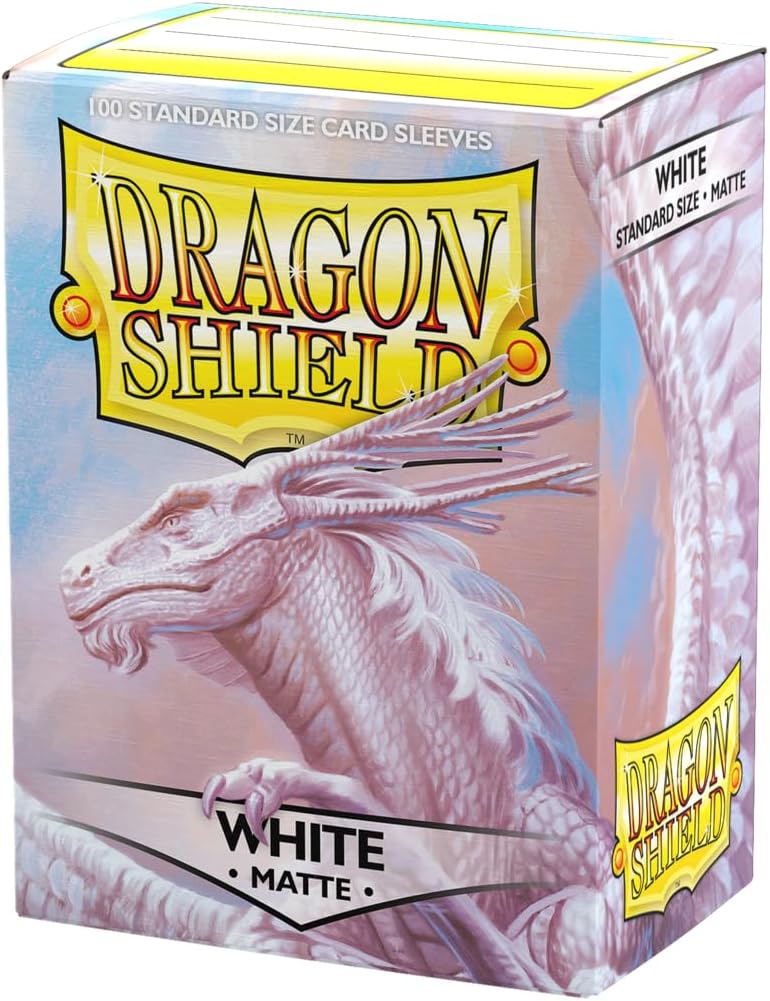
Dragon Shield (120 microns, ~$13.99 per 100-pack) is the tank. Arcane Tinmen, the Dutch manufacturer, makes sleeves that survive thousands of shuffles with zero creasing or wear. They're stiff at first, but shuffle feel improves with time. The matte finish is durable and doesn't cloud. Downside: expensive, rigid feel out of the box, and they're so thick that double-sleeving is genuinely annoying. Best for: vintage cards, tournament decks you're keeping for years, sealed deckboxes that aren't going anywhere.
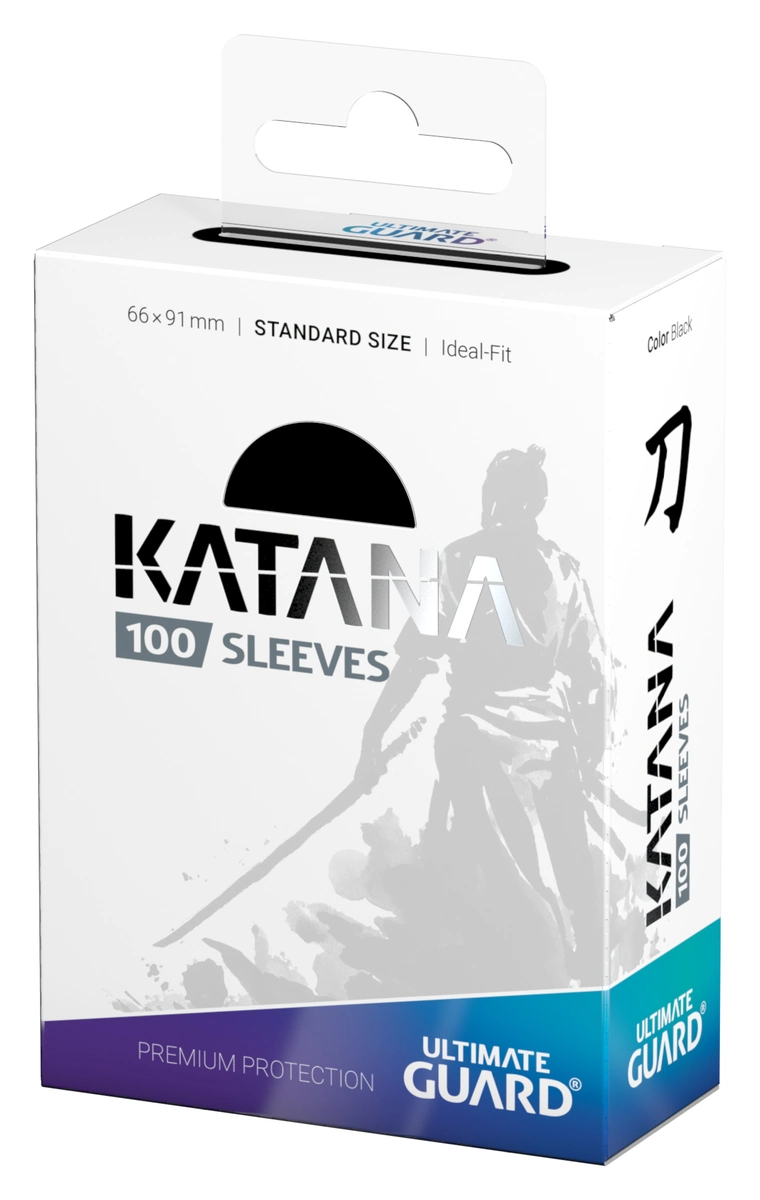
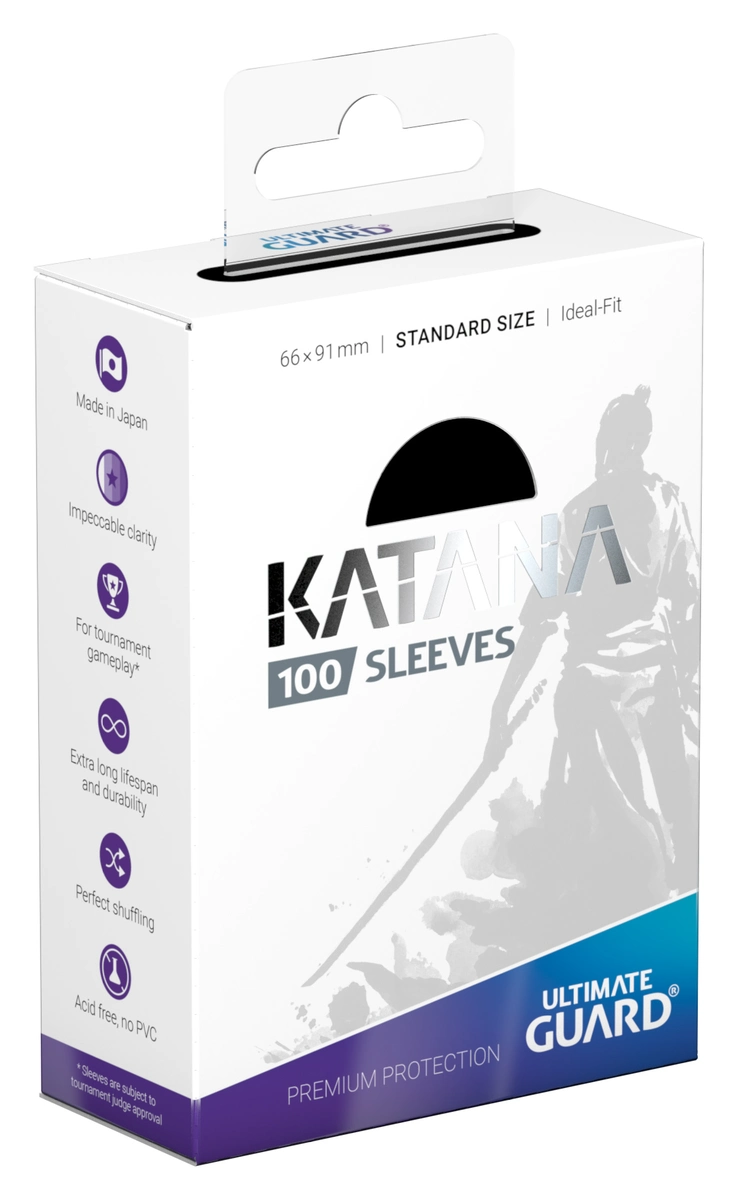
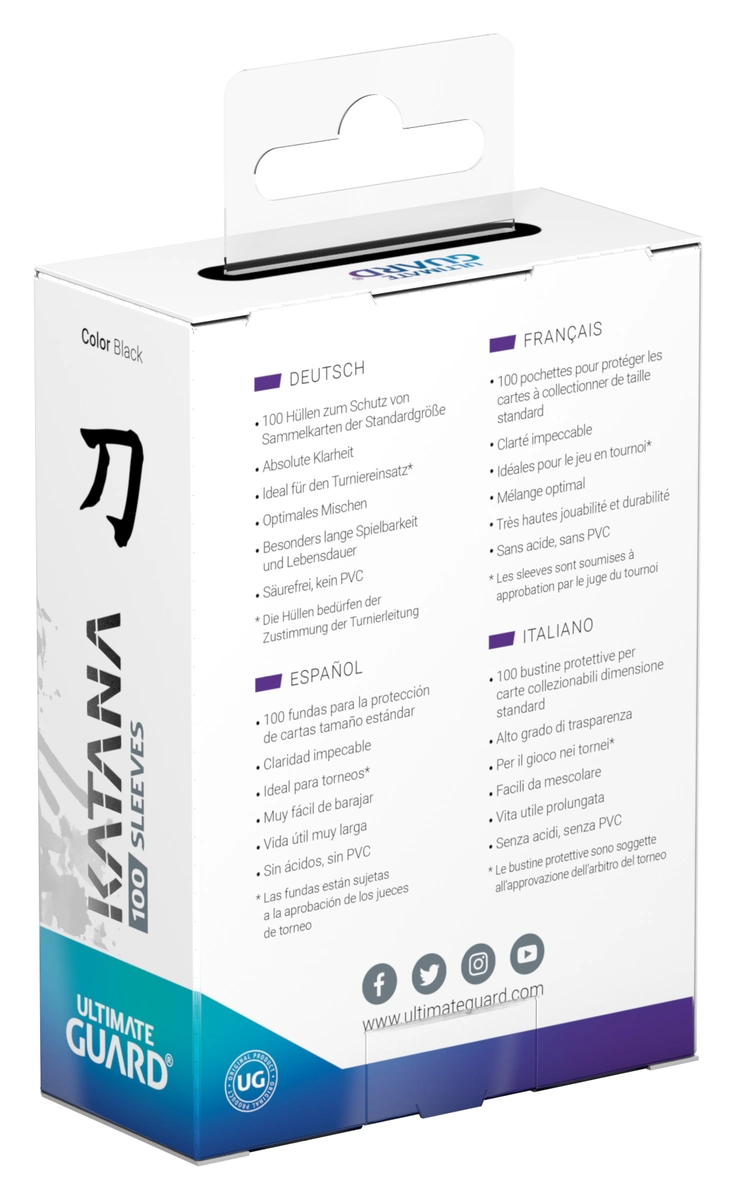
Katana (made by Ultimate Guard, ~$12.99 per 100-pack) are precision-made in Japan with 90 micron front and 120 micron back—offering obsessive consistency. The opaque back never gets cloudy, the shuffle feel is buttery and responsive from day one, and the quality control is Japanese-strict. They cost nearly as much as Dragon Shield but feel lighter and more playable. The tradeoff is durability—you'll get 10,000+ shuffles before wear shows, but Dragon Shield gets 15,000+. Best for: tournament players who want supreme playability, competitive decks you handle constantly, collectors who value consistency over tank-level protection.
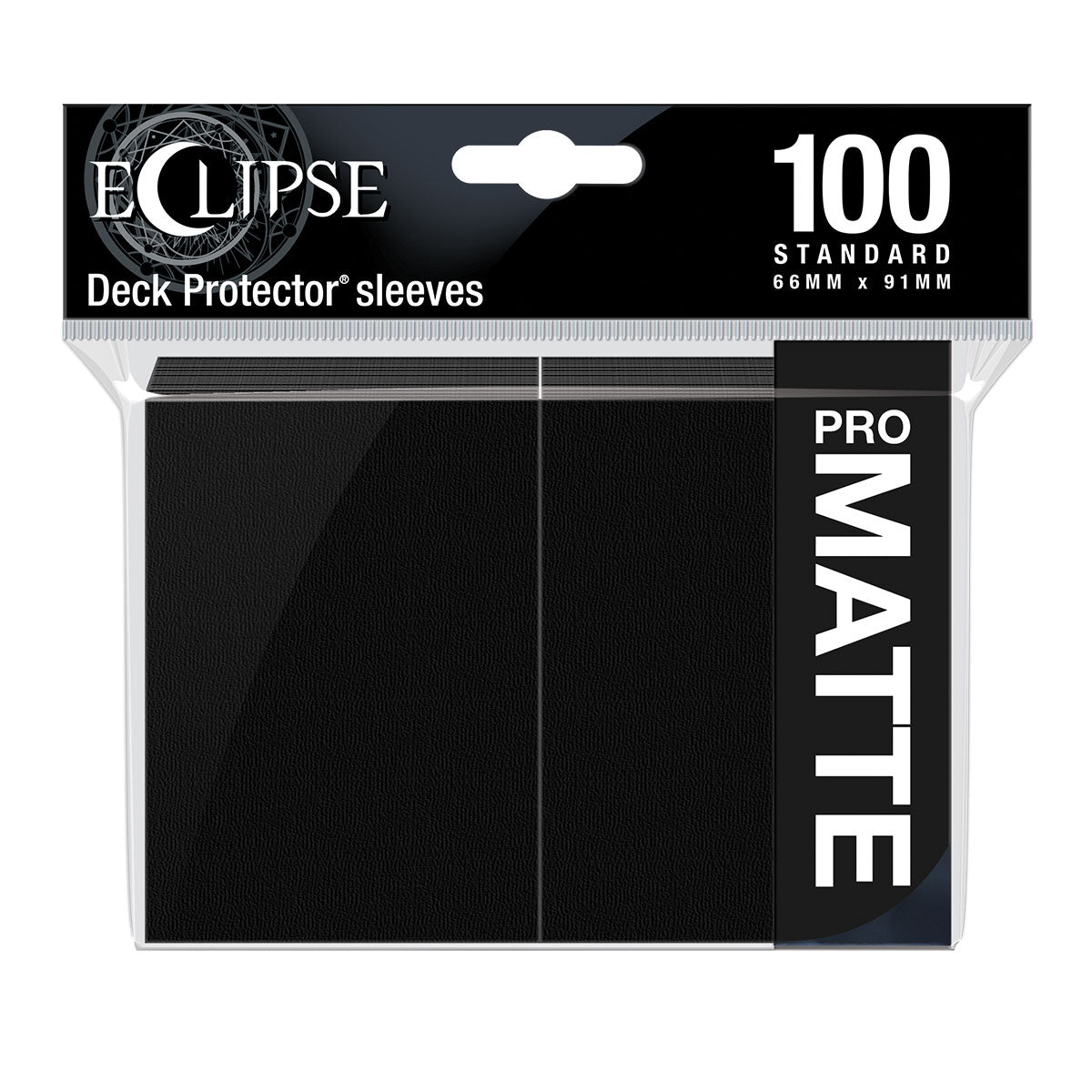
Ultra Pro Eclipse Matte (100+ microns, ~$14.99 per 100-pack) is the value option at this price point. ChromaFusion technology keeps the back fully opaque and matte, the sleeves are made in California, and you get legitimate quality for the price. The shuffle feel is decent—not buttery like Katana, but significantly better than most competitors at the same price bracket. Downside: slightly less durable than Dragon Shield or Katana, and quality can vary between production runs (mixing 80-count and 100-count packs causes visible color drift). Best for: casual decks, budget double-sleeving, players who buy sleeves frequently and want decent protection without excessive markup.
Budget Sleeves That Actually Work (Sleeve Kings, BCW, Gamegenic)

Community pattern (August 2026): The practical split is thickness, finish, and replacement cost. Premium TCG sleeves earn their price on decks shuffled constantly. Midweight matte board-game sleeves are the better system for LCGs and large card libraries because they occupy less box volume. Measure the card, inspect the publisher's sleeve chart, and buy one test pack before committing hundreds of sleeves.
Double-Sleeving: When One Layer Isn't Enough
Double-sleeving means using an inner sleeve (Perfect Fit, ~$0.06-0.12 per sleeve) inside an outer sleeve. It's expensive, tedious, and essential for valuable cards. The inner sleeve has almost no resealable area—your card sits in a tight pouch that prevents dust and moisture from entering. The outer sleeve protects the inner sleeve from wear and the entire assembly from physical damage. Tournament rules allow double-sleeving in most games. Competitive players do it for high-value decks. Casual players almost never do. For sealed, collectible cards, double-sleeving is insurance against environmental damage. A $500 card double-sleeved with KMC Hyper Matte and Perfect Fit inners can survive submersion in water with the card completely dry. That's not hyperbole—it's been tested. If you're buying Dragon Shield 120-micron sleeves to double-sleeve, buy premium deck boxes too. A double-sleeved deck is thicker, heavier, and won't fit standard deckboxes. Alternatively, use Ultra Pro Eclipse Matte outer sleeves with Perfect Fit inners—the slimmer profile keeps everything portable.

Tournament vs. Casual: What Do Pro Players Actually Use?
Tournament Magic players split between Dragon Shield matte (for stiff, tank-like protection) and Katana (for responsive, precise shuffle feel). Competitive Pokémon players lean Katana because the game prioritizes quick, consistent shuffling and accuracy—Pokémon tournament rules are tighter on shuffle requirements than MTG. Yu-Gi-Oh! is split: traditional players use Katana or Dragon Shield in Japanese size, but there's a growing preference for premium Japanese sleeves from brands like Cardfight or Sleeve Kings' Japanese-made options. Casual play doesn't have a meta—whatever feels good to you is right. But here's what pro players know: cheap sleeves cost money in a different way. A sleeve that bursts mid-tournament is worse than no sleeve because your card gets damaged and you lose the game. Mid-tier sleeves ($8-10 per 100-pack) are the practical floor for tournament play. Premium sleeves ($12+) are for players who sleeve the same 60-card deck repeatedly over months or years—the cost per shuffle becomes negligible. If you're a casual player who builds new decks constantly, ultra-premium sleeves are a waste. Budget to mid-tier makes way more sense.
Sleeve Wear, Clouding, and When to Replace

All sleeves eventually fail. The most common failure mode is the seal at the bottom starting to split—that's normal wear and means it's time to resleeve. Cloudiness is another telltale: matte sleeves start to show white film from repeated shuffling, and gloss sleeves can get a hazy, cloudy appearance. Premium sleeves like Dragon Shield and Katana resist both for thousands of shuffles. Budget sleeves show wear after 500-1000 shuffles. Matte finishes resist clouding better than gloss, but all sleeves eventually cloud if you shuffle enough. If your cards are casual play, a cloudy sleeve is mostly cosmetic. If you're keeping sealed collectibles, cloudiness means UV or dust infiltration—upgrade your storage. Quality sleeves from Dragon Shield or Katana will outlast cheaper options by a factor of 5-10, which justifies the premium if you're playing the same deck for months. For decks you rotate seasonally, budget sleeves are fine—replace them when they wear out. For vintage or high-value cards, buy once, buy premium, and you won't resleeve for years.
What experienced tables keep reporting
Recurring owner patterns, synthesized in Puzzlewick's words. Follow each evidence trail to read the original discussion.
For a large LCG or board-game library, Gamegenic Matte and Sleeve Kings recur as the practical middle ground: better handling than penny sleeves without turning the insert into a storage crisis.
Read the evidence: July 2026 r/boardgames midrange-sleeve discussion
Matte reduces glare and stack slip; a clearer front preserves art. The best choice depends on room lighting and how often the deck is shuffled, not brand loyalty alone.
Read the evidence: March 2026 r/boardgames Dragon Shield versus Gamegenic discussion
Thicker sleeves improve repeated shuffle feel but consume insert and deck-box capacity quickly. Sleeve one representative deck and test the storage system before buying a case.
Read the evidence: February 2026 r/boardgames multi-size sleeve discussion
The picks
Some links below are affiliate links — as an Amazon Associate, Puzzlewick earns from qualifying purchases, at no extra cost to you. It never changes a pick.

 4 photos
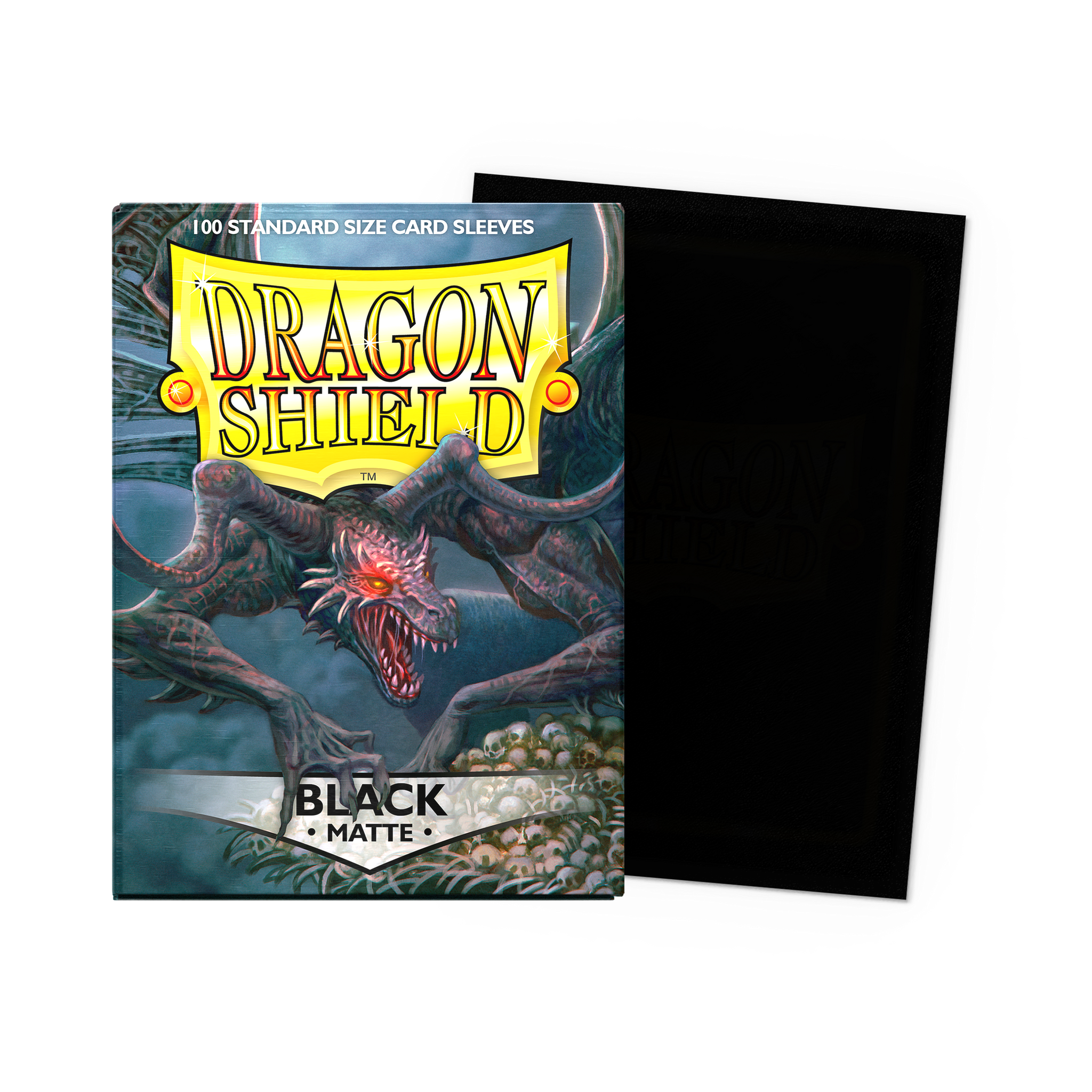
 Dragon Shield Matte Standard 100-Pack
The industry standard for protection. 120 microns thick—the thickest sleeves on the market—with a matte finish that never clouds. Stiff at first, but shuffle feel improves with time. Overkill for casual play, essential for cards you're keeping forever.
- 120 microns—maximum thickness for maximum protection
- Matte finish stays crystal-clear through thousands of shuffles
- Dutch-made with exceptional quality control and consistency
- Expensive at $13.99 per 100-pack
- Very stiff out of the box and difficult to shuffle initially
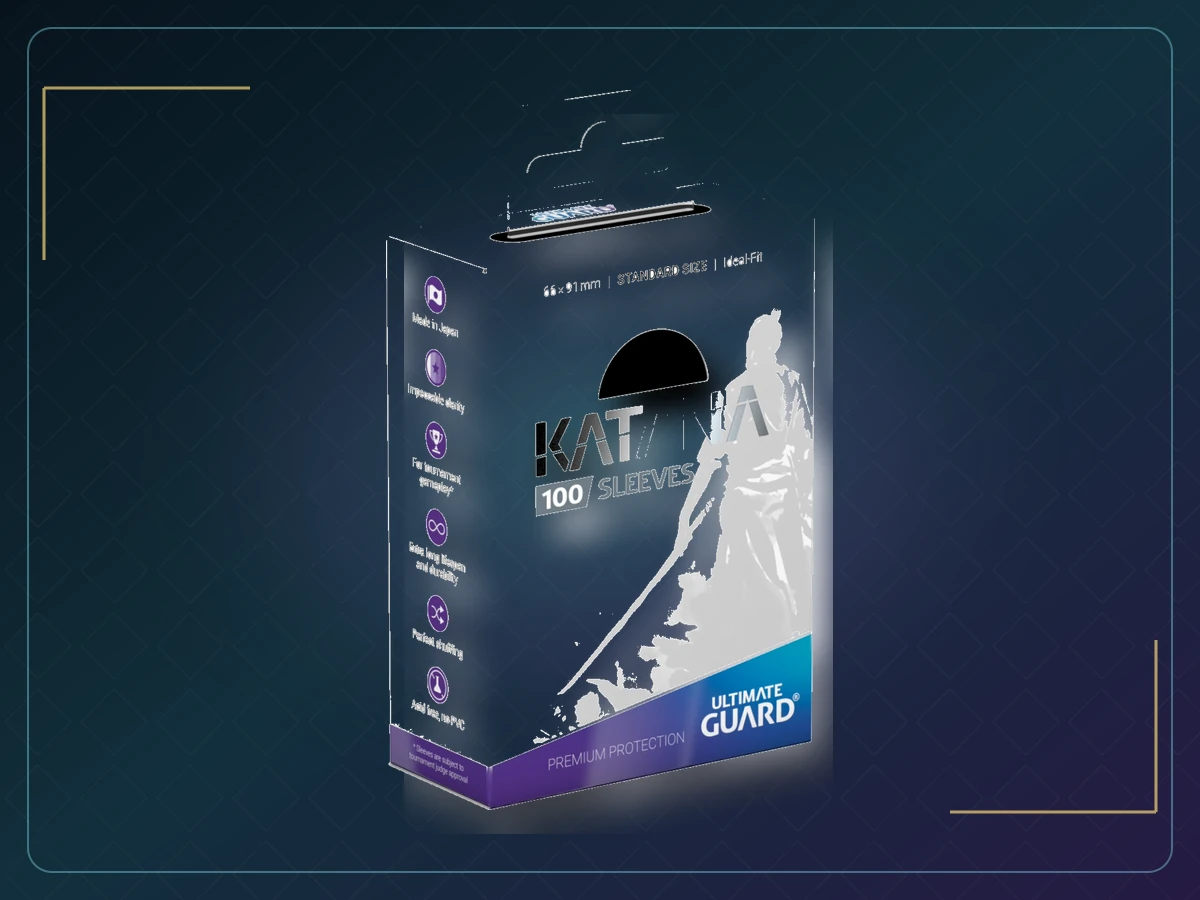
Ultimate Guard Katana Sleeves Standard 100-Pack
Precision-made in Japan with obsessive quality control. Buttery shuffle feel from day one, opaque back that never clouds, and reliably consistent. Costs slightly less than Dragon Shield but sacrifices some durability for superior playability.
- Exceptional shuffle feel—responsive and smooth immediately
- Japanese manufacturing ensures high consistency and opaque backing
- Tournament-tested and pro-player approved
- Slightly less durable than Dragon Shield (10k vs 15k shuffles)
- Premium pricing at $12.99 per 100-pack
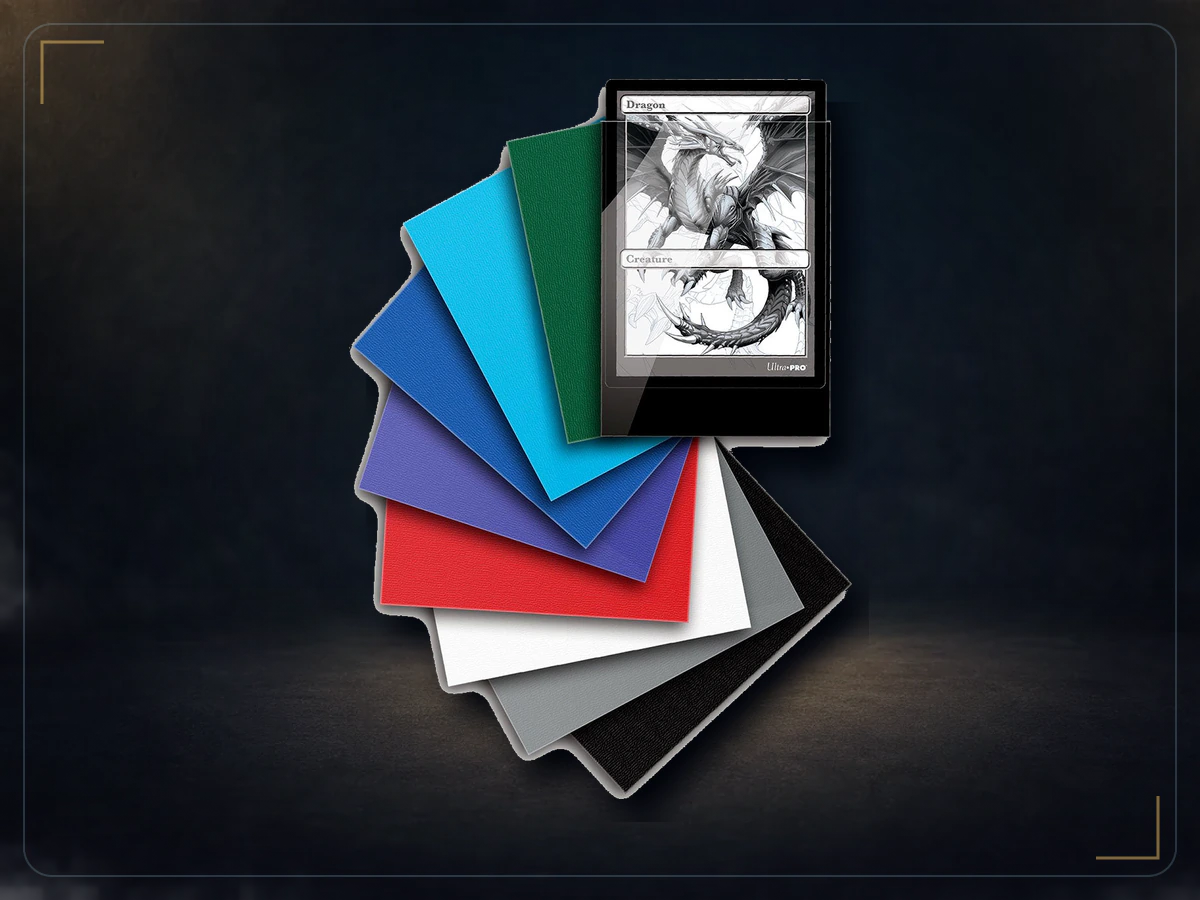
Ultra Pro Eclipse Matte Standard 100-Pack
Best value at this price point. ChromaFusion keeps the back fully opaque and matte, solid shuffle feel, made in California. You lose some durability compared to premium brands, but $14.99 per 100-pack offers good quality for players who build new decks regularly.
- Strong value at $14.99 among quality brands
- ChromaFusion technology prevents back clouding
- Made in the USA with decent quality control
- Slight color drift if mixing 80-count and 100-count packs
- Less durable than Dragon Shield or Katana
 3 photos
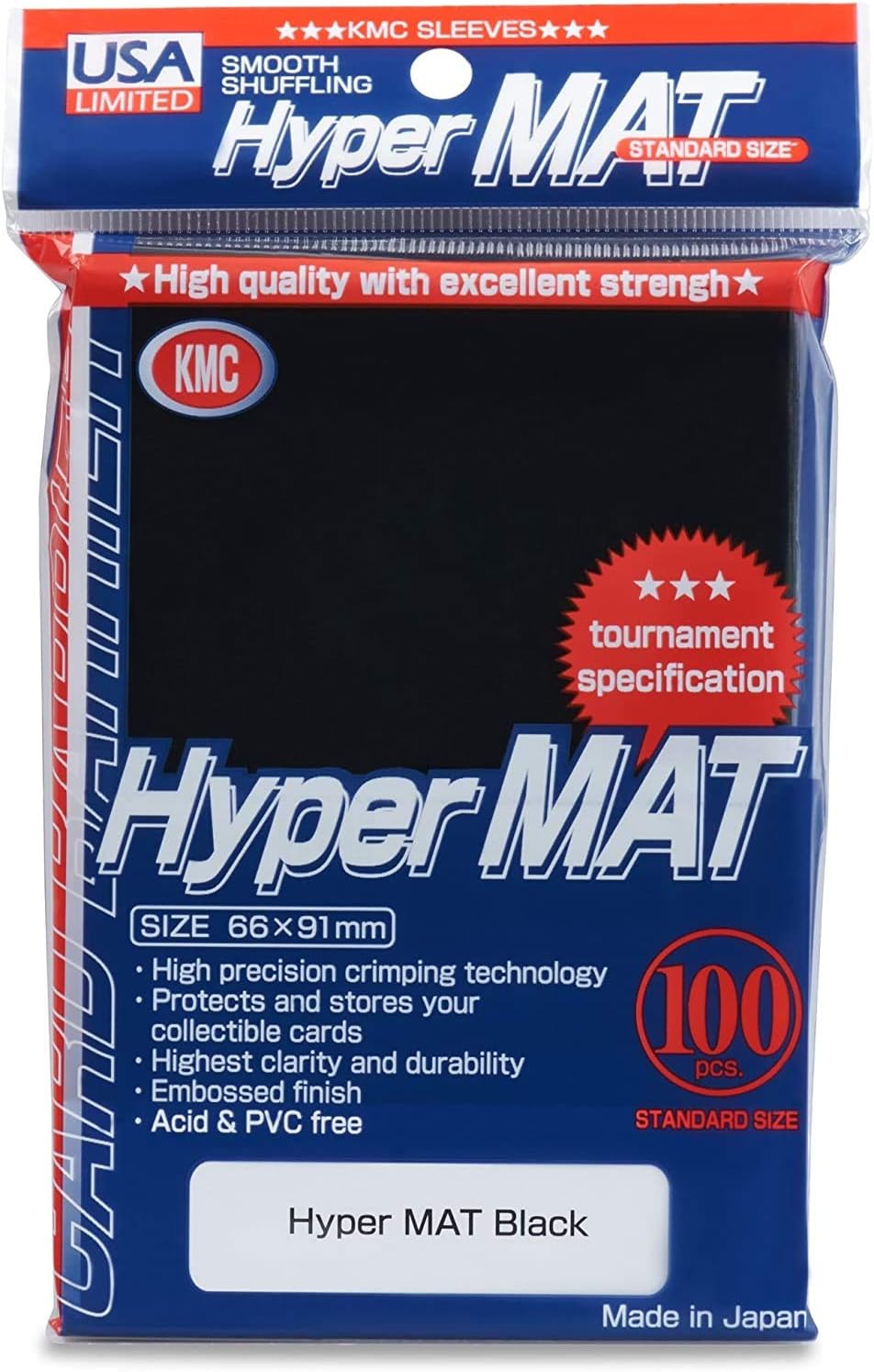
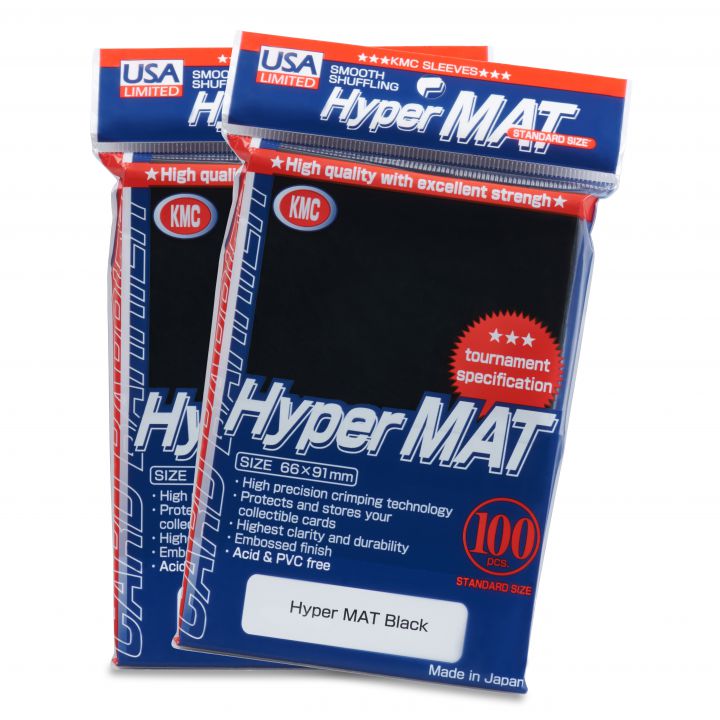
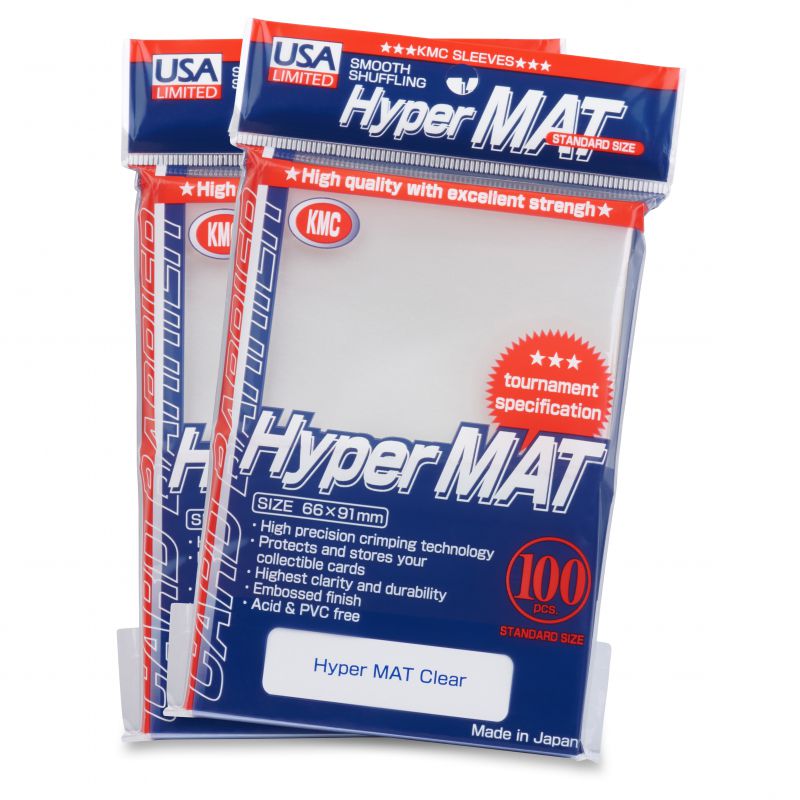
 KMC Hyper Matte Standard 100-Pack
Embossed matte finish creates low-gloss texture perfect for tournament play. 120 microns thick—premium protection without Dragon Shield's excessive rigidity. Softer feel than Dragon Shield, making it easier to shuffle while maintaining durability.
- 120 micron thickness at tournament-friendly price point
- Embossed matte finish improves grip and shuffle feel
- Softer, more forgiving than Dragon Shield's rigid sleeves
- Slightly less durable than Dragon Shield
- Finding them in stock can be difficult in some regions
 3 photos
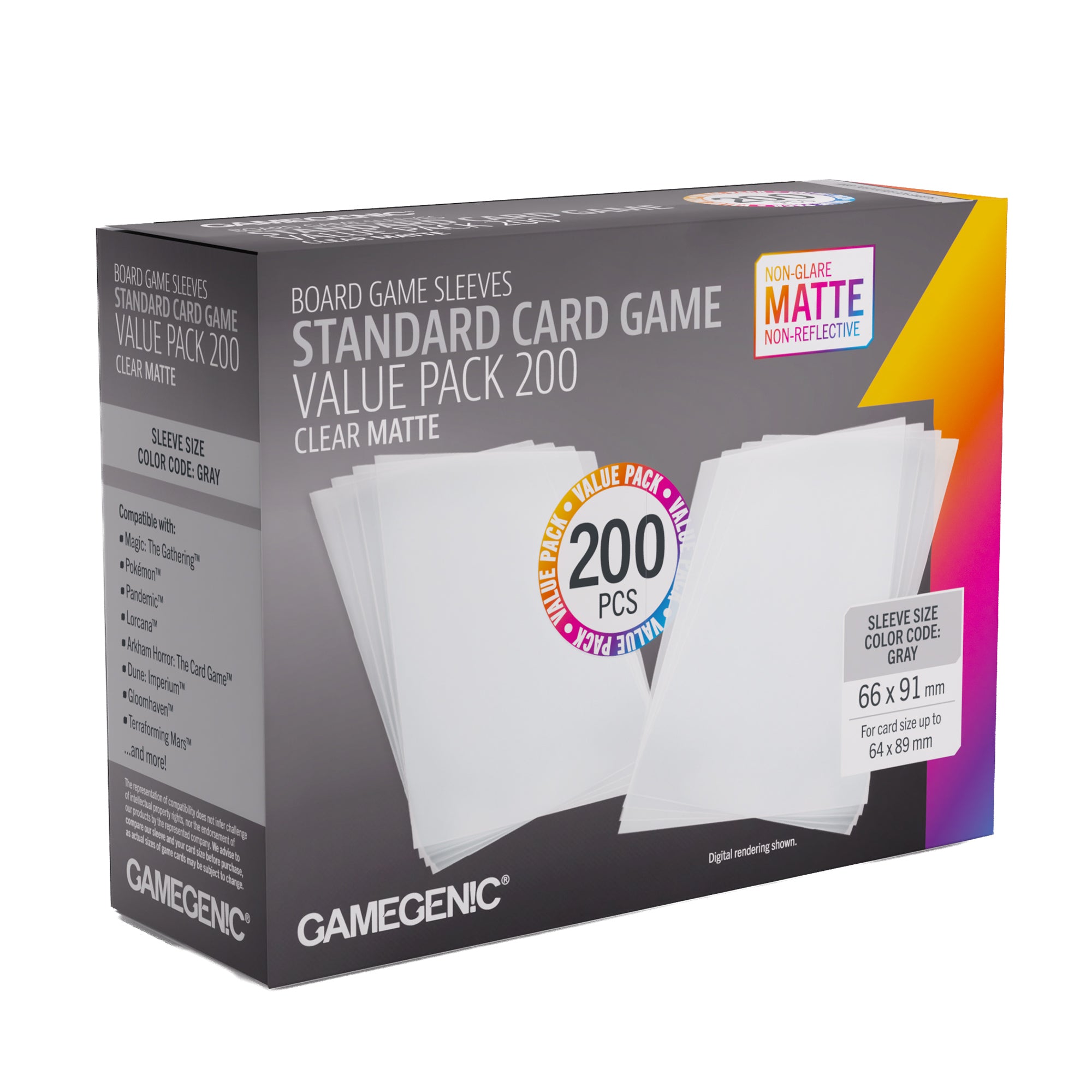
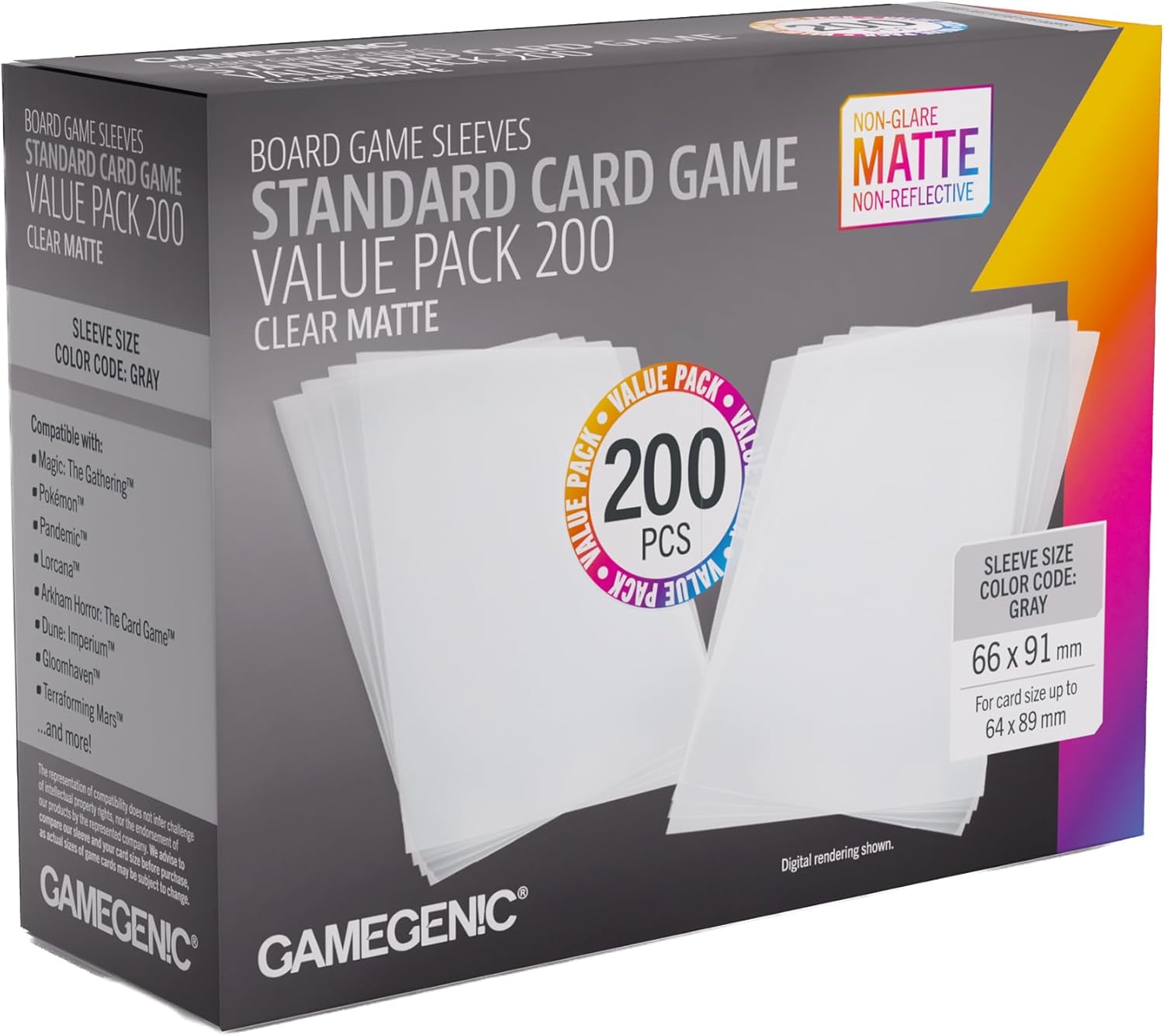
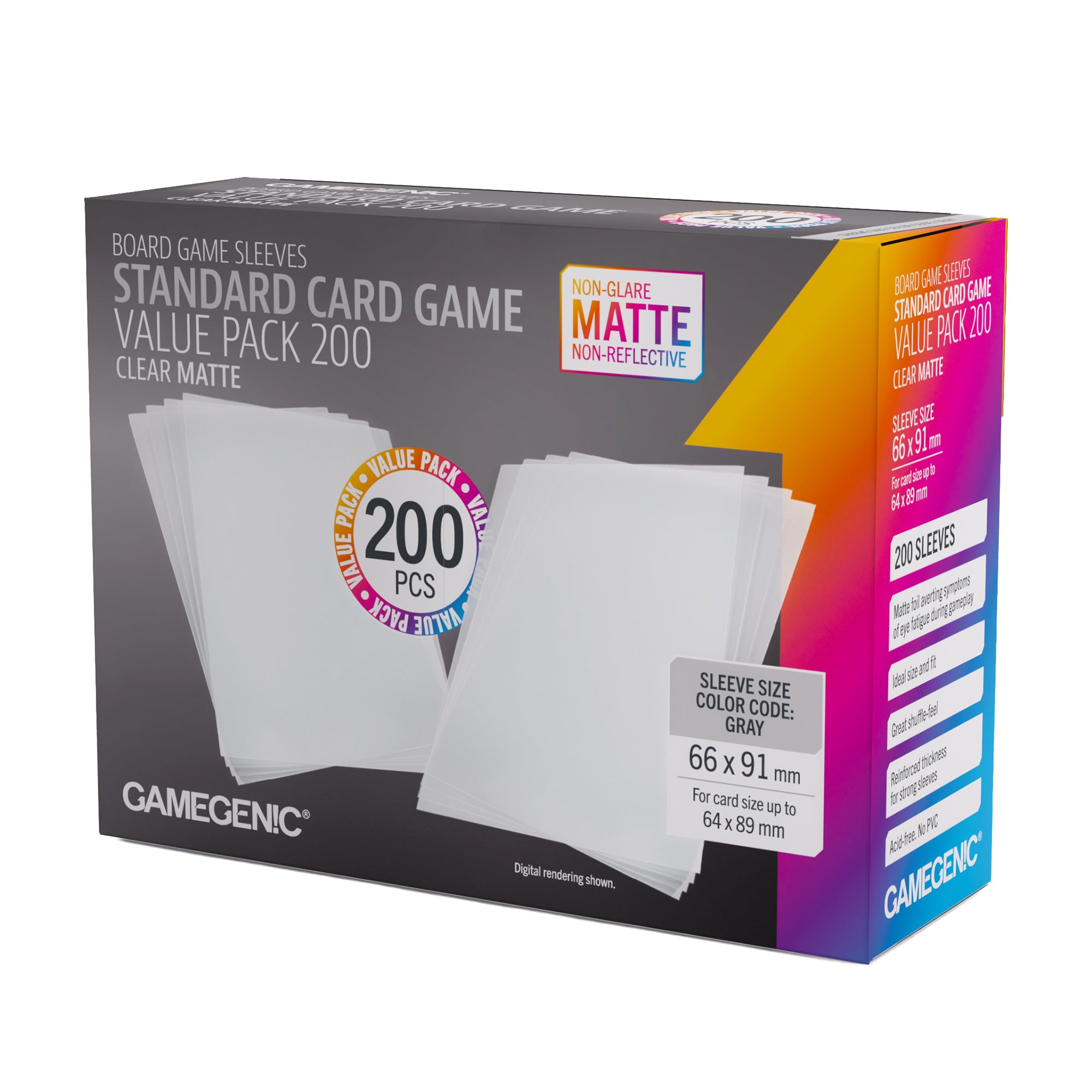
 Gamegenic Matte Standard 200-Pack Value
Two hundred sleeves for $11.49 ($5.75 per 100) is solid value. Matte back, 100 microns, functional protection. Good durability for budget pricing, perfect for players who build new decks constantly.
- Strong value at 200 sleeves for $11.49
- 100 micron thickness offers decent durability
- Functional matte finish eliminates glare
- Thinner than premium brands, moderate tearing risk with heavy use
- Not recommended for high-value cards
 5 photos
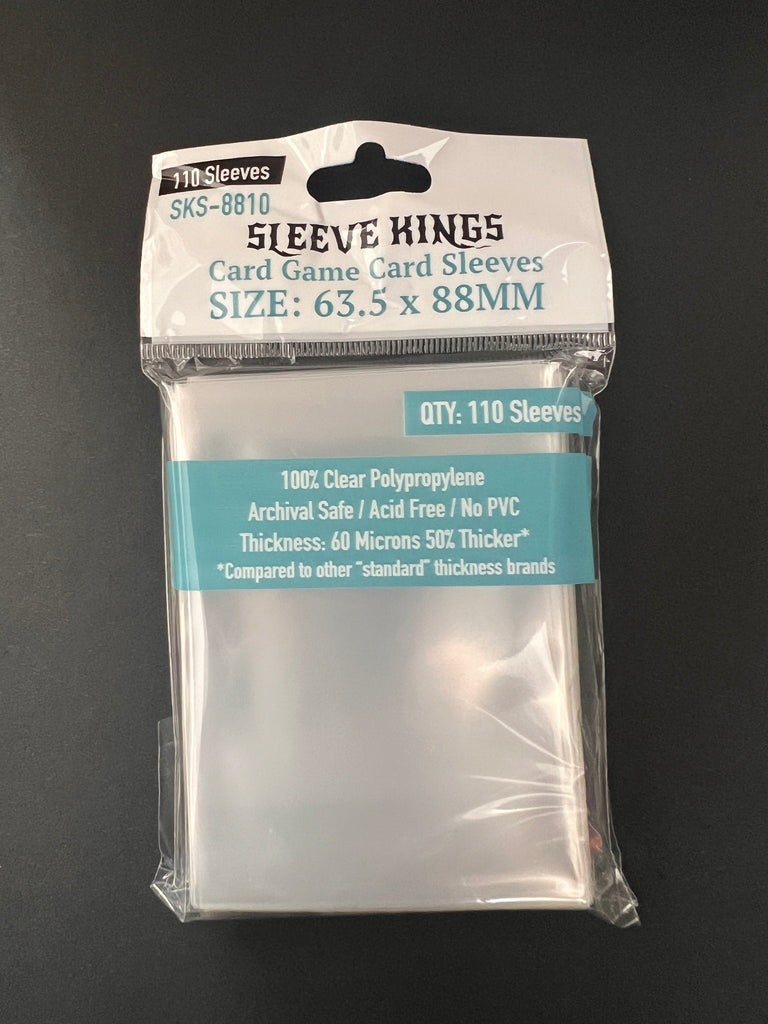
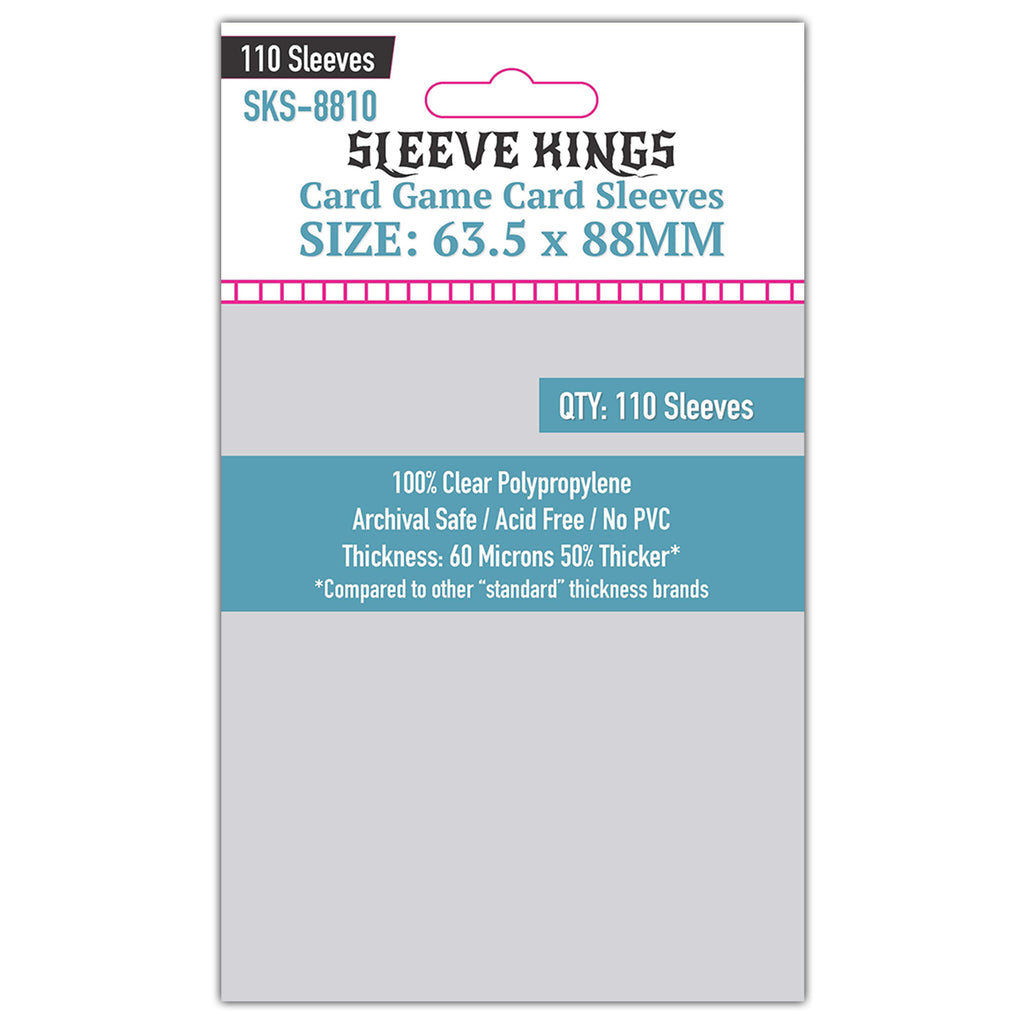
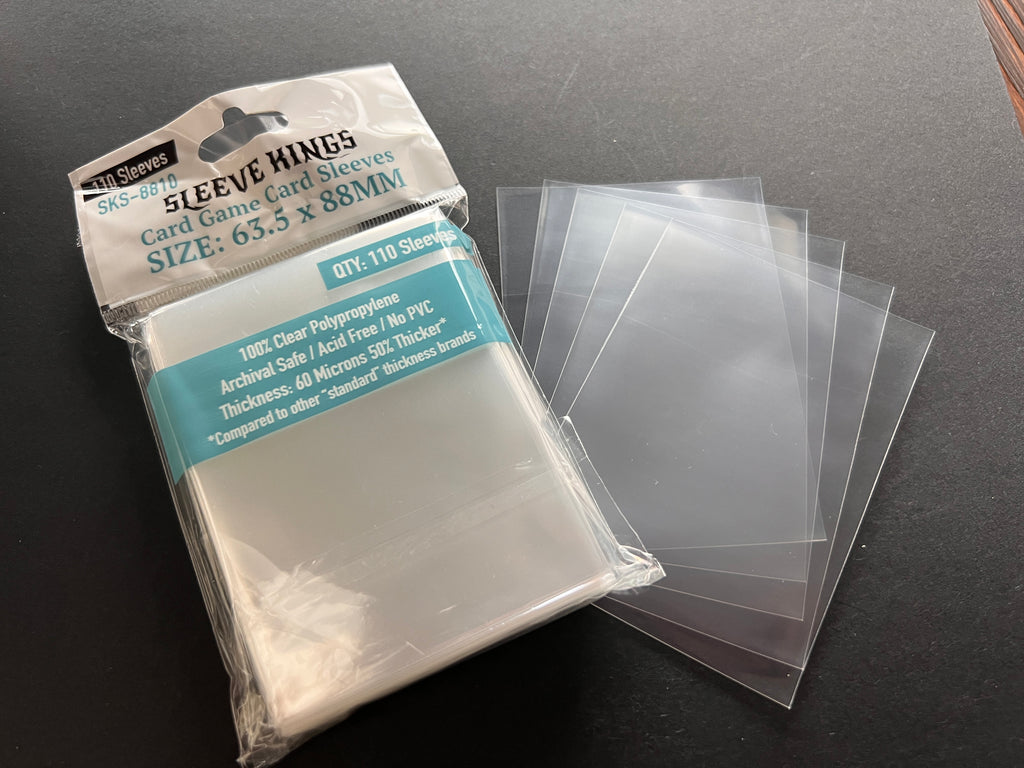
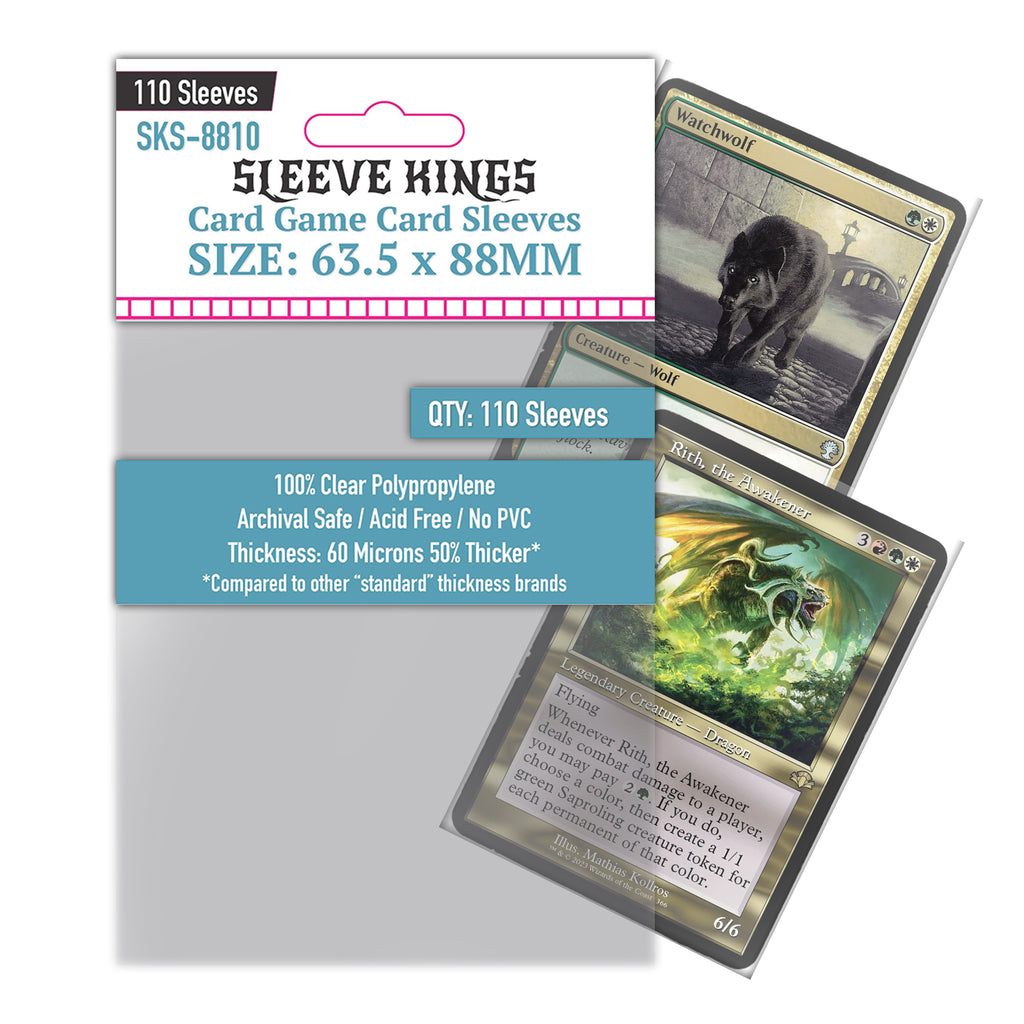
 Sleeve Kings Standard 110-Pack
The cheapest legitimate sleeves at $1.75 per 110-pack. 60 microns, 100% acid-free polypropylene, exceptional clarity for the price. Designed to replace discontinued FFG sleeves. Fine for casual use, risky for cards you care about.
- Genuinely affordable at $1.75 per pack
- 110 sleeves per pack instead of 100
- Clear, acid-free polypropylene won't damage cards
- Thin at 60 microns—prone to splitting with heavy use
- No matte option—basic gloss only
Puzzlewick calculation · buy enough once
Sleeve counts with a working spare reserve
Buying exactly the deck count is how one split sleeve creates a color mismatch. A small same-lot reserve is part of the setup, not waste.
60 × 1.10 = 66; extra sleeves preserve shuffle feel and color consistency.
Main deck plus 15-card sideboard: 75 × 1.10 = 82.5, rounded up.
100 × 1.10 = 110; include the commander in the same sleeve family.
The same 10% reserve protects against marked or split sleeves.
At a glance
| Product | Thickness | Price | Best For | Shuffle Feel | Durability |
|---|---|---|---|---|---|
| Dragon Shield Matte | 120 microns | $13.99/100 | Maximum protection, vintage cards | Stiff, improves with use | 15,000+ shuffles |
| Katana Sleeves | 90 micron front / 120 micron back | $12.99/100 | Tournament play, responsive feel | Buttery, smooth immediately | 10,000+ shuffles |
| Ultra Pro Eclipse Matte | 100+ microns | $14.99/100 | Budget quality, casual decks | Good, responsive | 5,000-8,000 shuffles |
| KMC Hyper Matte | 120 microns | $12.95/100 | Tournament balance, softer feel | Responsive, embossed grip | 8,000-10,000 shuffles |
| Gamegenic Matte | 100 microns | $5.75/100 | Budget casual play | Thin, adequate | 2,000-3,000 shuffles |
| Sleeve Kings Standard | 60 microns | $1.75/110 | Cheapest option, testing | Basic, acceptable | 1,500-2,500 shuffles |
Questions, answered
What size sleeves do I need for my cards?
Magic: The Gathering and Pokémon both use standard size sleeves (63x88mm). Yu-Gi-Oh! uses Japanese size sleeves (59x86mm). Using the wrong size leaves gaps where dust enters and damages your cards. If you mix games in one collection, buy both sizes.
Is double-sleeving really necessary?
For casual play, no. For tournament decks, no. For high-value cards ($10+), yes—inner sleeves with outer sleeves provide maximum protection against water, dust, and environmental damage. For sealed collectibles, double-sleeving is insurance.
Why do Dragon Shield sleeves feel so stiff?
Dragon Shield sleeves are 120 microns thick—the thickest on the market. This makes them rigid out of the box and harder to shuffle initially. The stiffness decreases with time as you bend and flex the sleeves, and the shuffle feel improves significantly after a few hundred shuffles.
Are matte sleeves really better than gloss?
For tournament play, yes—matte improves grip, reduces reflection glare, and prevents card position reveals. For casual play, it's preference. Gloss sleeves look crisper and shuffle slightly easier initially, but matte sleeves resist clouding better and improve shuffle comfort over time.
Can I use Pokémon sleeves for MTG cards?
Yes. Both use standard size sleeves (63x88mm), so they're compatible. You cannot use MTG sleeves for Yu-Gi-Oh cards—Yu-Gi-Oh uses smaller Japanese size sleeves, and MTG sleeves will be too big and leave dangerous gaps.
How long do sleeves actually last?
Premium sleeves (Dragon Shield, Katana) last 10,000-15,000 shuffles before visible wear. Mid-tier sleeves (Ultra Pro Eclipse, KMC) last 5,000-8,000 shuffles. Budget sleeves (Gamegenic, Sleeve Kings) last 1,500-3,000 shuffles. Your actual mileage depends on how aggressively you shuffle and whether you're using inner sleeves.
What does 'micron thickness' actually mean?
Microns measure the thickness of the polypropylene material. Budget sleeves are 30-40 microns (thin, fragile). Mid-tier is 50-60 microns (durable, playable). Premium is 100+ microns (thick, protective, stiffer). Dragon Shield's 120 microns is the thickest, TitanShield's 140 microns is thicker still, but thickness trades off against shuffle feel and deck box fit.
Dax's verdict
Buy Dragon Shield Matte if you're keeping these cards forever or playing in tournaments weekly. Buy Katana if you want the best shuffle feel and you're not worried about absolute maximum durability. Buy Ultra Pro Eclipse if you sleeve new decks constantly and you want decent protection without excessive markup. Buy budget sleeves if you're playing casually and you're honest about replacing them every few months. The biggest mistake is overthinking it—any sleeve beats no sleeve. The second-biggest mistake is buying ultra-premium sleeves for a casual deck you'll abandon in two weeks. Match your sleeve tier to how seriously you play, and you'll be fine.
Research ledger 11 sources · reviewed 2026-08-11
Specifications, rules, current product information, community experience, and contrary evidence were checked against the sources below. Commercial links are kept separate from editorial evidence.
- draftsim.comdraftsim.com/best-mtg-card-sleeves
- amazon.comamazon.com/dp/B00WX57O7M?tag=puzzlewick-20
- ultimateguard.comultimateguard.com/en/Card-Sleeves/Katana
- ultrapro.comultrapro.com/products/pro-matte-eclipse-standard-deck-protector-sleeves-100ct-1
- titanshield.comtitanshield.com/blogs/blogs/japanese-size-card-sleeves-vs-standard
- tcgprotectors.comtcgprotectors.com/blogs/pokemon-tcg-accessories/sleeve-thickness-matters-50-micron-card-sleeves
- sleevekings.comsleevekings.com
- doublesleeved.co.ukdoublesleeved.co.uk/blogs/reviews/ultimate-guard-katana-sleeves
- reddit.comreddit.com/r/boardgames/comments/1v0fkxv/best_midrange_sleeves
- reddit.comreddit.com/r/boardgames/comments/1rrqz9y/dragon_shield_vs_gamegenic_boardgame_sleeves
- reddit.comreddit.com/r/boardgames/comments/1rc1agk/card_sleeves_in_europe
I'll be honest with you — flattery is boring.


Keep exploring
The next smart rabbit holes.
✶ Universe HubMagic: The Gathering: the whole buying pathMagic: The Gathering is the deepest construction sandbox in the Big Three: a two-player duel, four-player Commander ritual, draft...🂠 Topic PathTrading Card Games: compare the whole shelfStart with the game and community you want, then buy the smallest product that lets you test it properly. These guides separate...Buying GuideBest Deck Boxes & Card Organizers for MTG, Yu-Gi-Oh & TCGs (2026)The safest home for your cards—ranked by capacity, durability, and honest value.