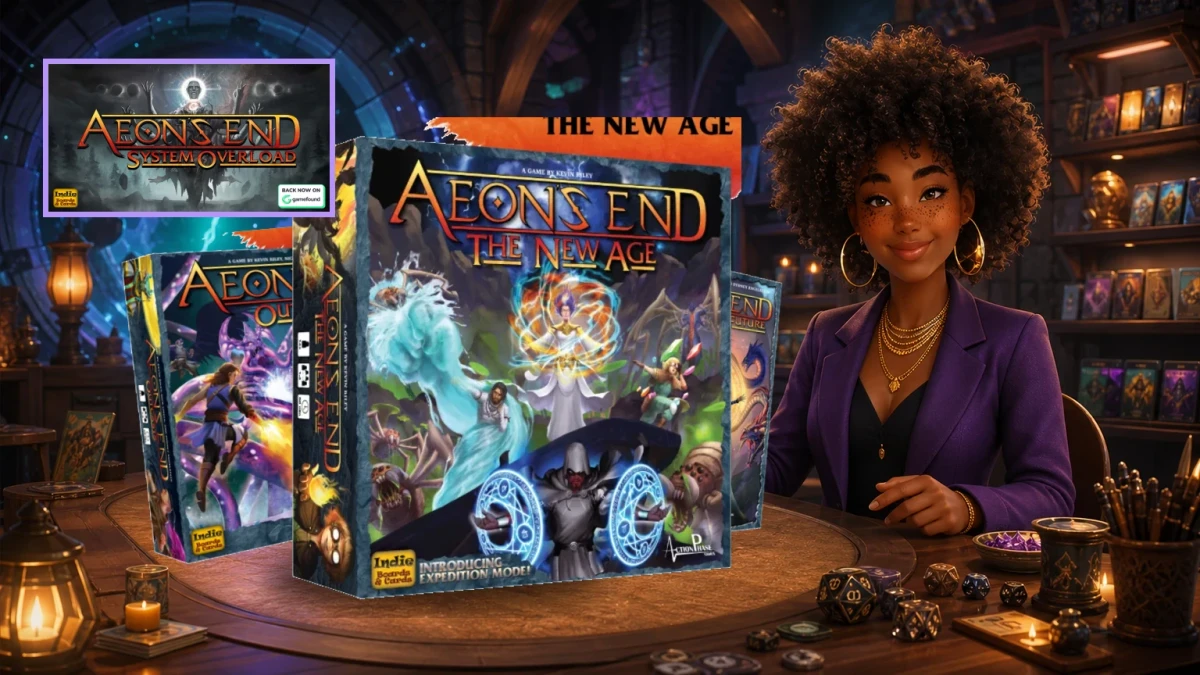
Enter with a playable product
Aeon's End: Into The Wild
Start with something that creates a legal deck or a complete first session.
Exact listing · AmazonNo-shuffle deckbuilding, Expedition order, and the boxes worth adding.
The short answer
Aeon's End is a cooperative deckbuilding boss-battle system where players never shuffle their decks. This universe maps the standalone sets, expansions, Expeditions, story order, storage, and buying paths so a new group can start with one excellent box instead of inheriting a ten-wave shopping problem.
The Aeon's End product family
These are connected decisions, not four unrelated things to buy. Begin with a playable product, expand only when the table asks for it, and protect the cards that have earned a place in your bag.
Enter with a playable product
Start with something that creates a legal deck or a complete first session.
Exact listing · Amazon
Expand after real games
Add cards only after the first table has shown what the collection is missing.
Exact listing · AmazonExact sealed products organized by what they do, with the strongest current route leading each row.


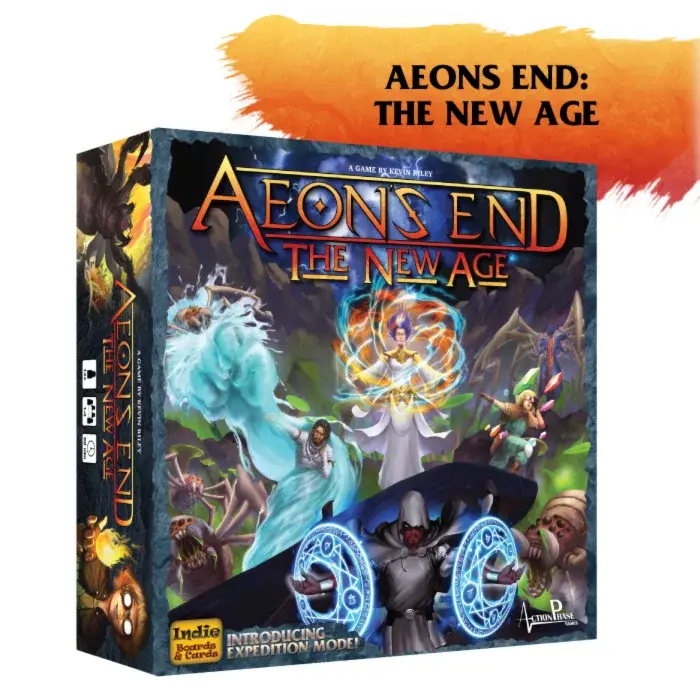
My default with no hesitation. It answers whether you love the system and gives every later box somewhere to live.
See it on AmazonWhy we picked it →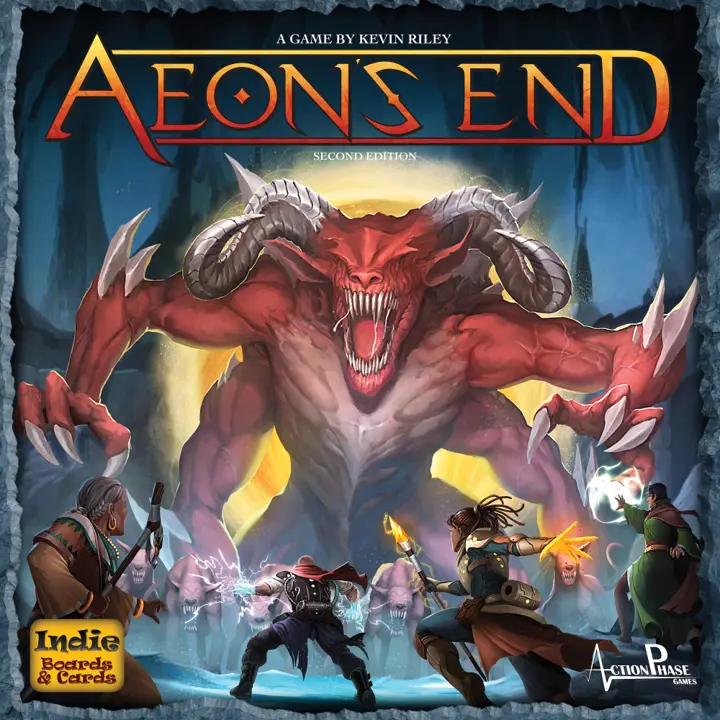
Cooperative players and those seeking mechanical innovation with tension and planning
See it on AmazonWhy we picked it →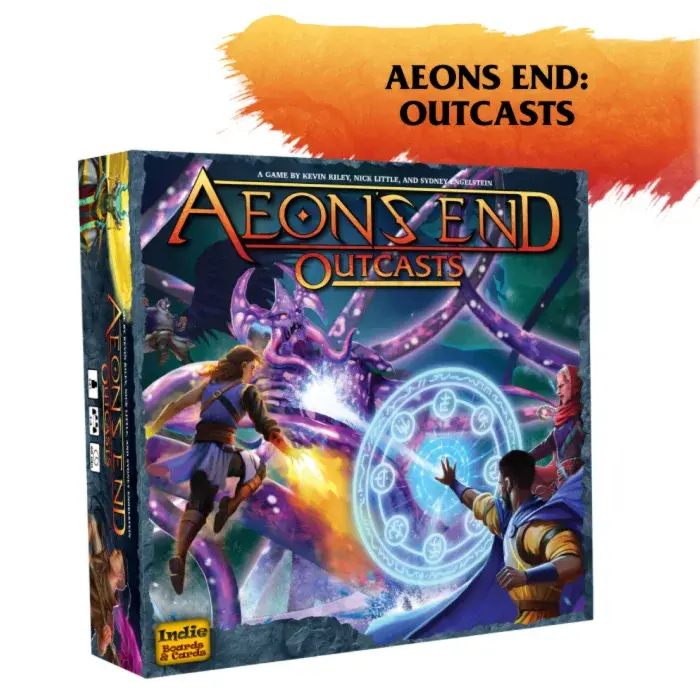
The box that makes the group chat light up after everyone thinks they know the game.
See it on AmazonWhy we picked it →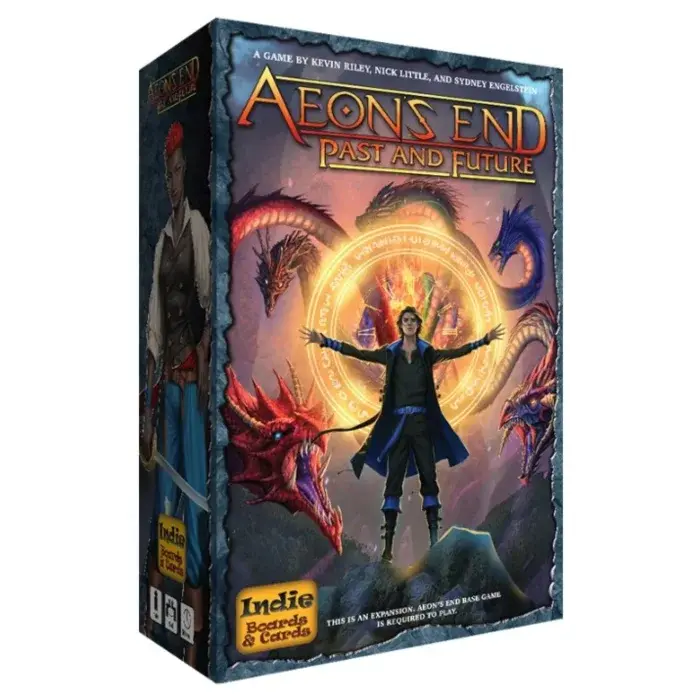
This is the smart third box, not the first. Let another standalone carry its excellent ideas.
See it on AmazonWhy we picked it →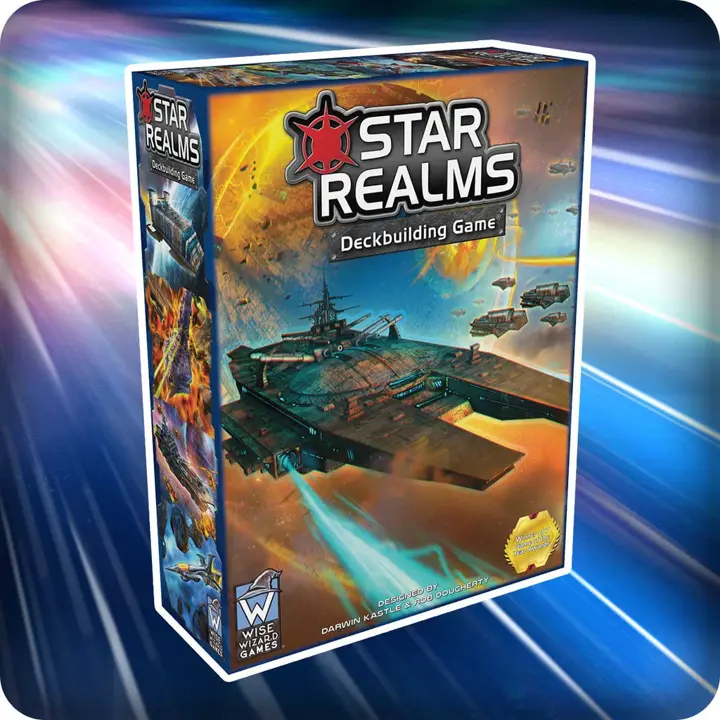
Budget-conscious competitive players and 2-player enthusiasts seeking fast games
See it on AmazonWhy we picked it →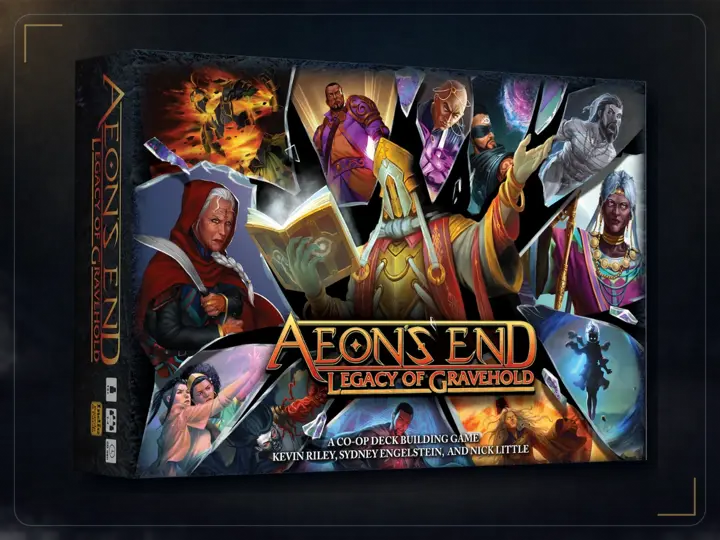
A feast, not a sample spoon.
See it on AmazonWhy we picked it →The universe in four decisions
Every path opens with a direct verdict, then shows the evidence, rules, photos, caveats, and exact products behind it.
Buy *Aeon's End: The New Age* first. It is standalone, it teaches the modern version of the system, and its Expedition mode turns future purchases into a replayable campaign library. If you love it, add Outcasts second. …
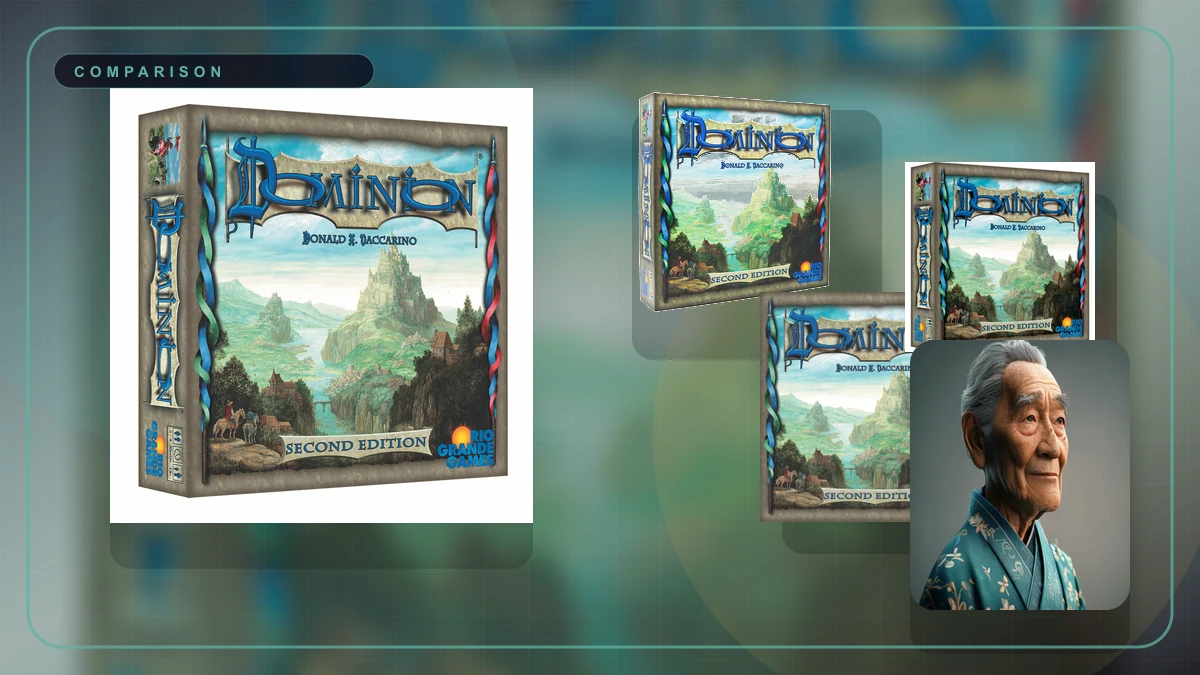
✧ Imani's answer → What is actually worth it?Dominion remains the gold standard for competitive deckbuilding, Aeon's End pioneers cooperative play with its revolutionary no-shuffle mechanic, and Marvel Champions brings LCG depth to the genre. Your choice depends on…
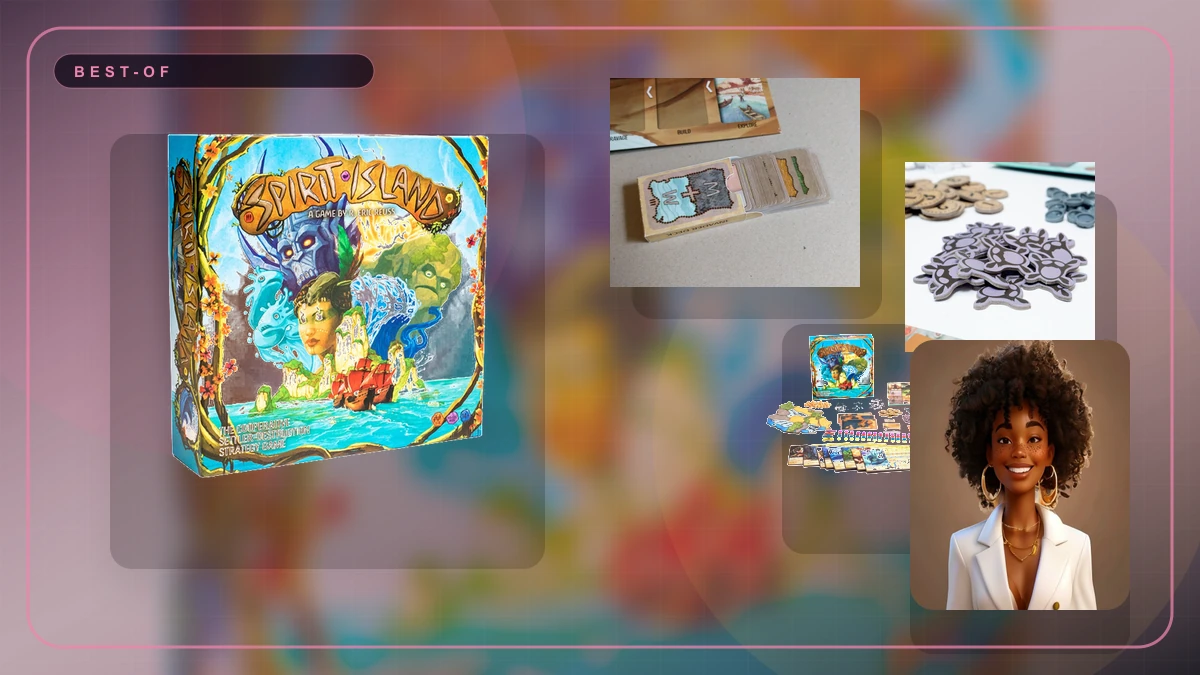
⛩ Kenji's answer → Which version fits my table?The best cooperative board game overall is Spirit Island — a high-strategy environmental defense game (1-4 players, 90-120 min) that Shut Up & Sit Down famously called 'Pandemic with people,' and the game the heavy-co-op…
✧ Imani's answer →Imani's featured dossiers
Big visual answers first: the newest cornerstone, the no-regret buy maps, and the decision guides that keep a curious cart from becoming a haunted one.
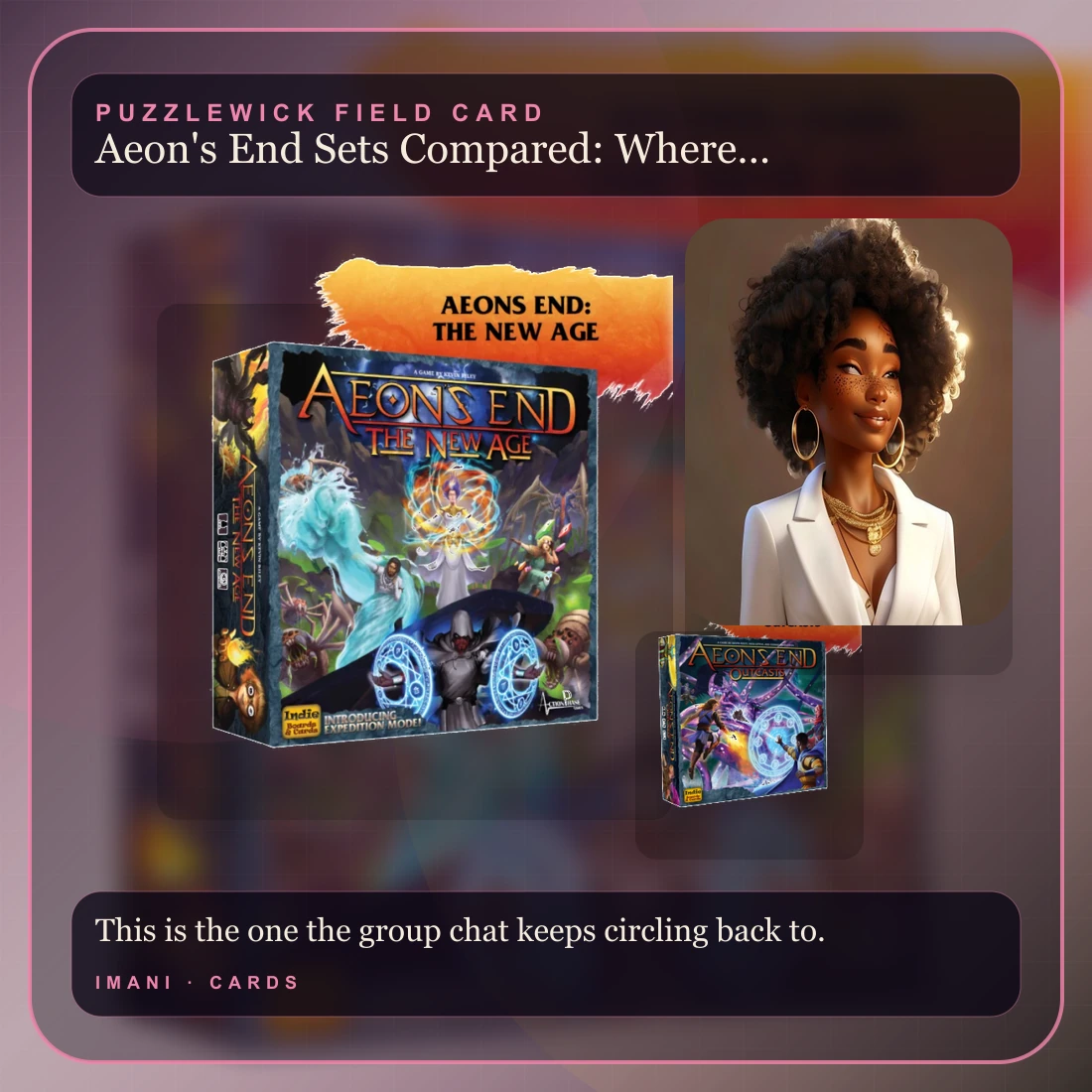
Ten waves, one no-shuffle masterpiece, and a live crowdfunding campaign. Here is the honest path from first box to forever collection.
Imani · The Connector Open the dossier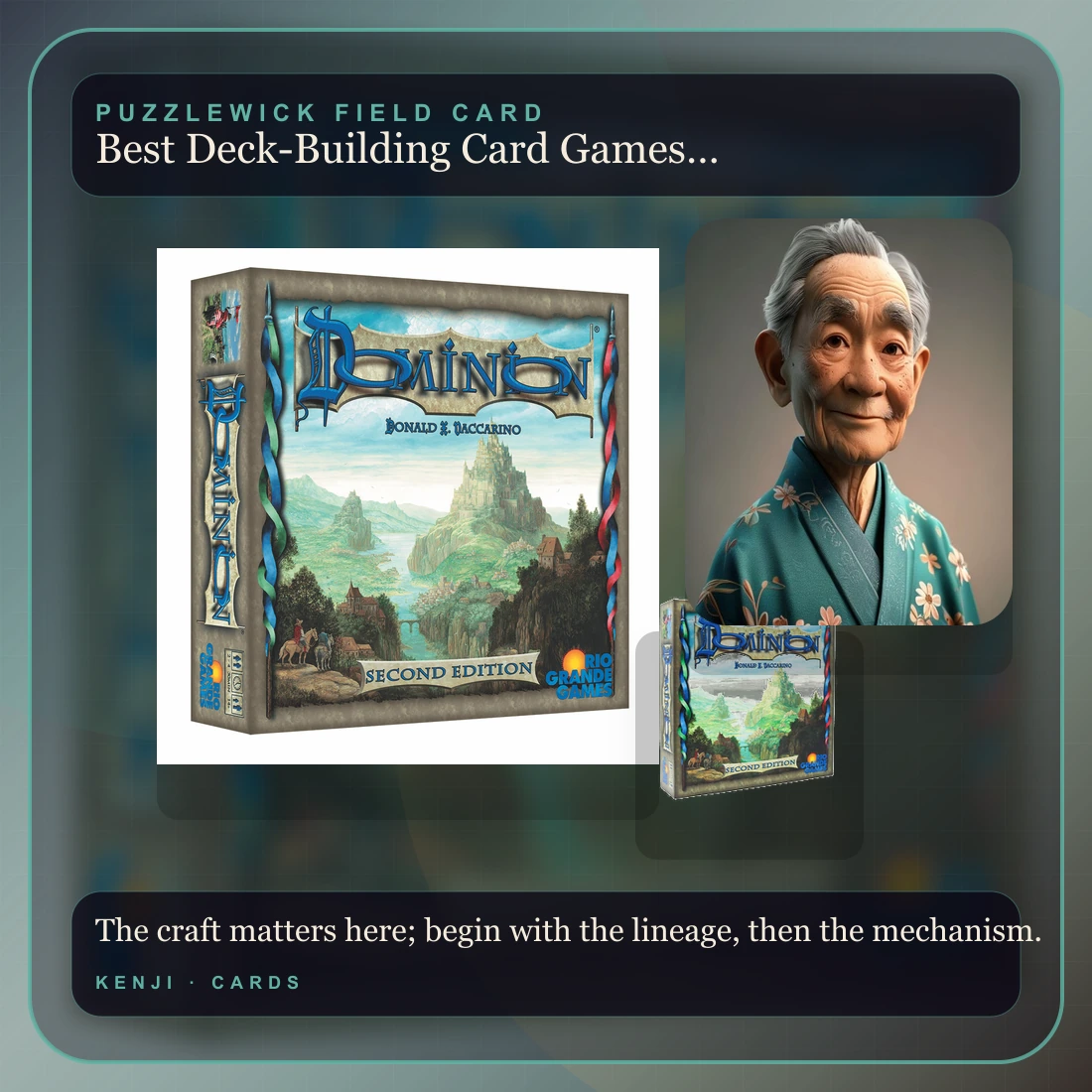
Dominion, Aeon's End, Clank!, and Marvel Champions solve deckbuilding in radically different ways. Here is the best first box, the real learning curve, and who should buy each.
Kenji · The Sensei Open the dossier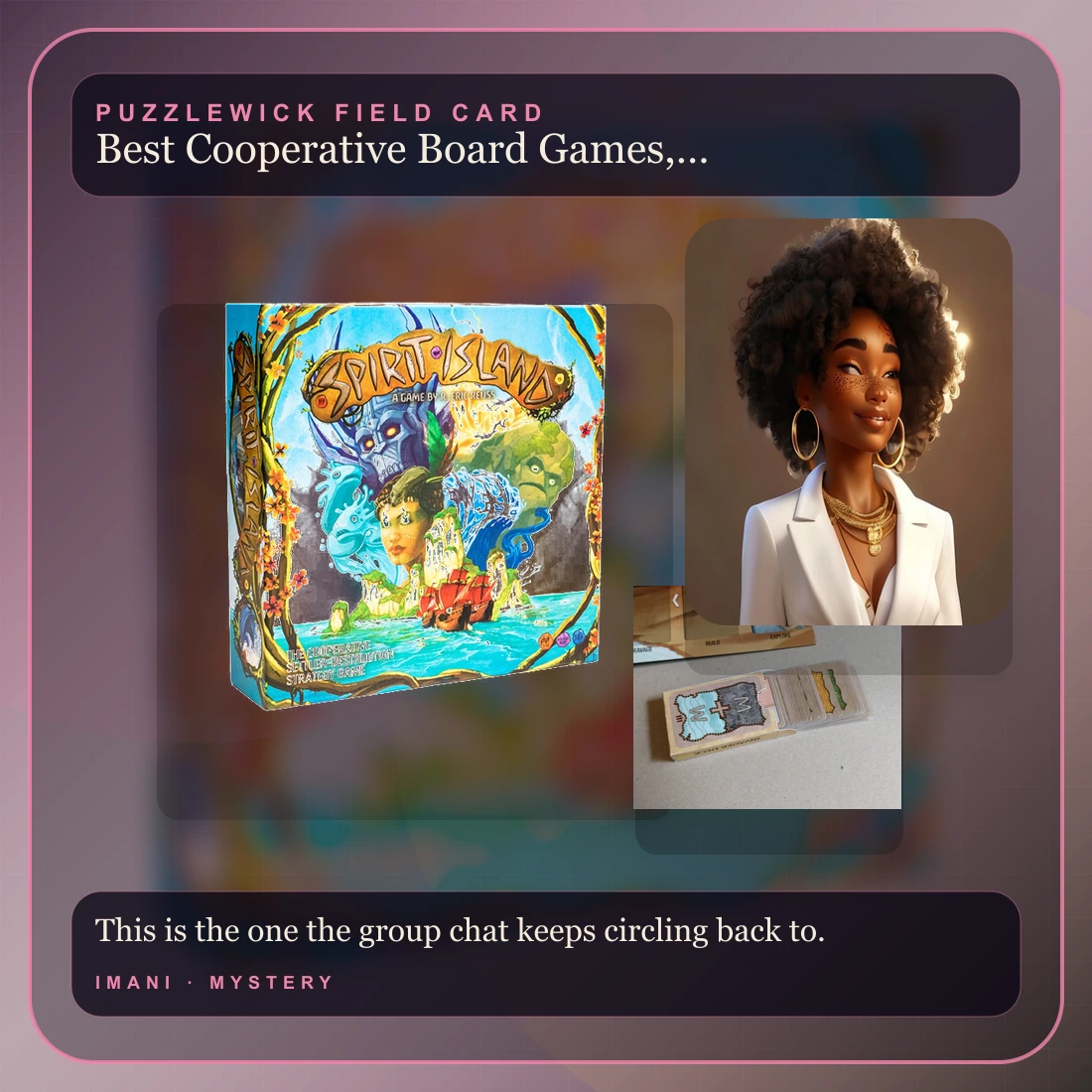
Okay but have you SEEN what people are saying about cooperative games right now? Sixteen absolute bangers, ranked — from the gateway that hooks you in forty-five minutes to the hea…
Imani · The Connector Open the dossierThe cabinet argues usefully
The curators are here to make a decision, not decorate one. Follow the voice whose table sounds most like yours.
“I read the whole Aeon's End room so you don't have to buy the whole room — ten waves mapped into one honest first box, one brilliant second box, and permission to leave the rest on the wishlist. Bring: the co-op partner who will help you program a perfect hand, then laugh when the turn deck ruins everything.”
Open Imani's dossier →“Buy *Aeon's End: The New Age* first. It is standalone, it teaches the modern version of the system, and its Expedition mode turns future purchases into a replayable campaign librar”
Open Margo's dossier →“Donald X. Vaccarino founded the genre with Dominion in 2008 — one act, the deck you assemble, repeated. I set Aeon's End and Marvel Champions beside it to show four schools speaking one grammar. One mechanic, many masters; the deck you build is the self you reveal.”
Open Kenji's dossier →The first box, the next two boxes, and the reason not to buy everything.
Where Aeon's End sits beside the other great card-driven systems.
Wings that share this one's spirit. Keep wandering.
Want the whole cabinet? Browse every wing → · See what's hot right now →

The fortune-teller's table

“Sit. Breathe. The orbs rise only when the glass is ready. Here are your three.”— Kenji, The Sensei
 ✦ a little gift from the table