Blue-Eyes White Destiny vs Fallen & Virtuous: Which Yu-Gi-Oh! Deck Deserves Three Copies in 2026?
The famous dragon deck is not automatically the easy deck, and the all-foil lore deck is not automatically the premium answer. Dax tests the one-copy lesson, the three-copy build, the sequencing load, and the first-locals kit.

AI-assisted curator persona · research and editorial responsibility: Robert Pruitt · how this guide was made
Last editorial refresh: 2026-08-24 Gold-standard QA: 2026-08-24 12 sources reviewed Affiliate links checked during gold-standard pass

The short answer
Blue-Eyes is the better first three-copy structure-deck build. Fallen & Virtuous is the richer second project. Neither becomes event-ready by arithmetic alone: combine only the cards whose jobs you can explain, keep the current banlist open, and test the final 40-card Main Deck plus Extra and Side Deck deliberately.
Decision map
Choose in thirty seconds
A returning or new player who wants a recognizable engine and a focused curriculum
A player who wants lore, Fusion lines, and an all-foil Albaz-centered project
Opaque tournament-friendly protection for one complete Yu-Gi-Oh!
Blue-Eyes is the better first three-copy structure-deck build. Fallen & Virtuous is the richer second project. The difference is not that dragons are simple and Fusion stories are difficult. It is that White Destiny presents one recognizable engine with a relatively legible first diagnosis, while the Albaz-centered deck asks a newer player to understand why each Fusion line, graveyard effect, and opponent interaction changes the next branch.
The old “buy three structure decks” advice survives because duplicate engine cards let a player improve ratios without hunting singles. It becomes bad advice when three sealed copies arrive before one deck has completed ten honest games. Dax is enforcing the test bench.
Start here, then go deeper
You are in the right cabinet.
 ◈ Universe HubYu-Gi-Oh!: the whole buying pathYu-Gi-Oh! remains a top-four marketplace game with a deep competitive identity and a collector rebound around new extended-art...
 🂠 Topic PathTrading Card Games: compare the whole shelfStart with the game and community you want, then buy the smallest product that lets you test it properly. These guides separate...
 Buying GuideYu-Gi-Oh! Legendary Modern Decks vs Blue-Eyes White Destiny in 2026Yu-Gi-Oh! starter products, explained with exact box identity, expansion order, beginner-to-expert strategy, hosting and solo reality,...
Which deck wins before the combo starts?
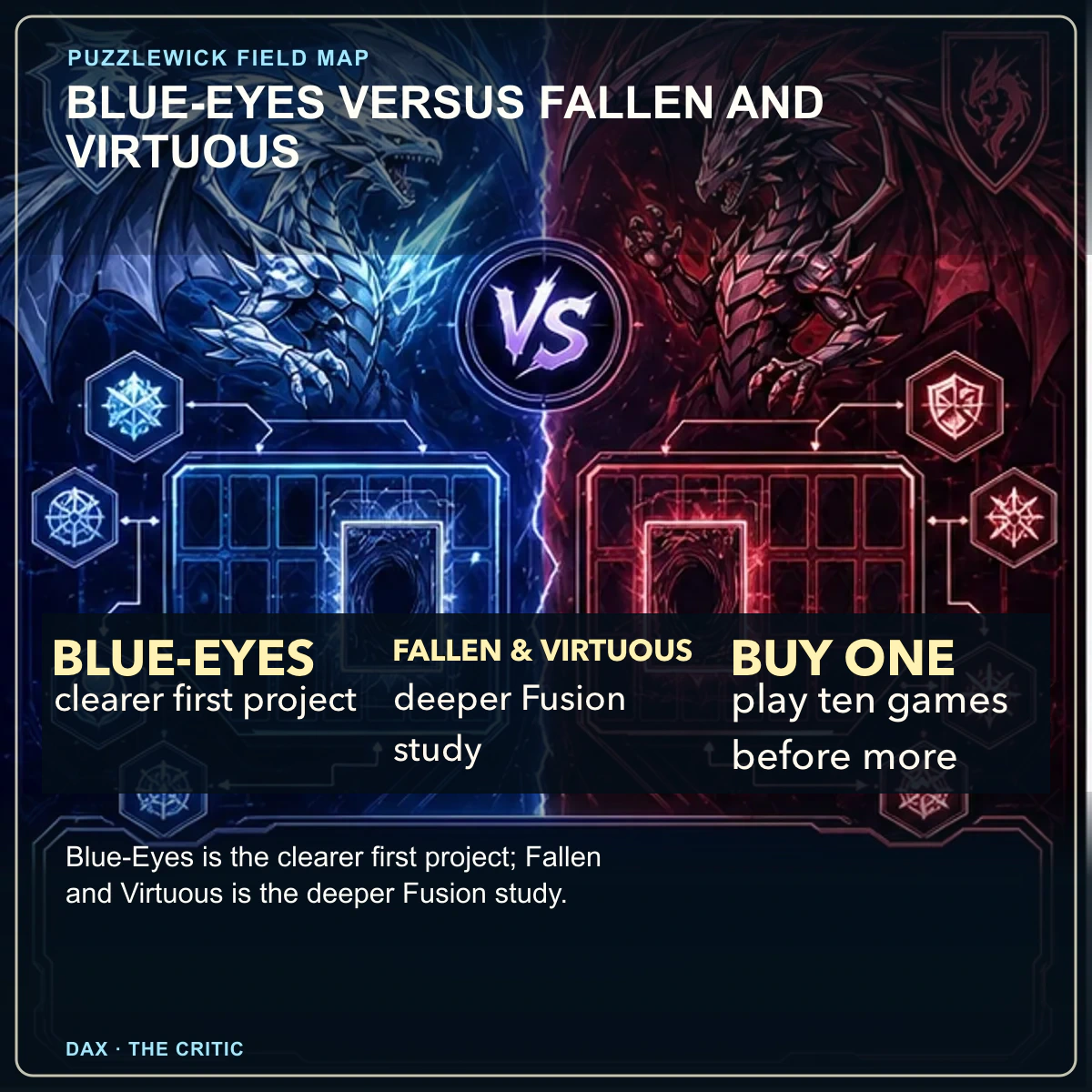
White Destiny wins the first-project decision. It gives the learner a famous plan, useful hand traps, a meaningful Extra Deck, and enough repetition to make one deck feel like a system. Fallen and Virtuous wins the “I want to study this world” decision: its all-foil presentation and Albaz narrative create a compelling archive, while its Fusion lines demand more deliberate rehearsal.
Buy one copy to inspect and play. After ten games, write the exact cards you wanted more often, the cards that stayed dead, and the Extra Deck lines you could not complete. Copies two and three are justified when those notes point to deck-exclusive ratios. “Everyone says three” is not a diagnosis.
What does one copy of Blue-Eyes actually teach?
White Destiny combines a 50-card deck with a bonus repeat card. It includes a Blue-Eyes engine, modern support, Extra Deck tools, and interaction such as Ash Blossom, Infinite Impermanence, Effect Veiler, and Nibiru. A beginner should not memorize every line. Start with three jobs: establish the first dragon, preserve one interruption, and understand what the Extra Deck summon changes.
Goldfish five opening hands with no opponent. Name the normal summon, the search, the intended graveyard setup, and the first point at which the hand can be interrupted. Then play open-handed against a patient opponent. The deck becomes understandable when the learner can explain why a card is being activated, not merely recite the order from a video.
What does Fallen & Virtuous ask you to understand?
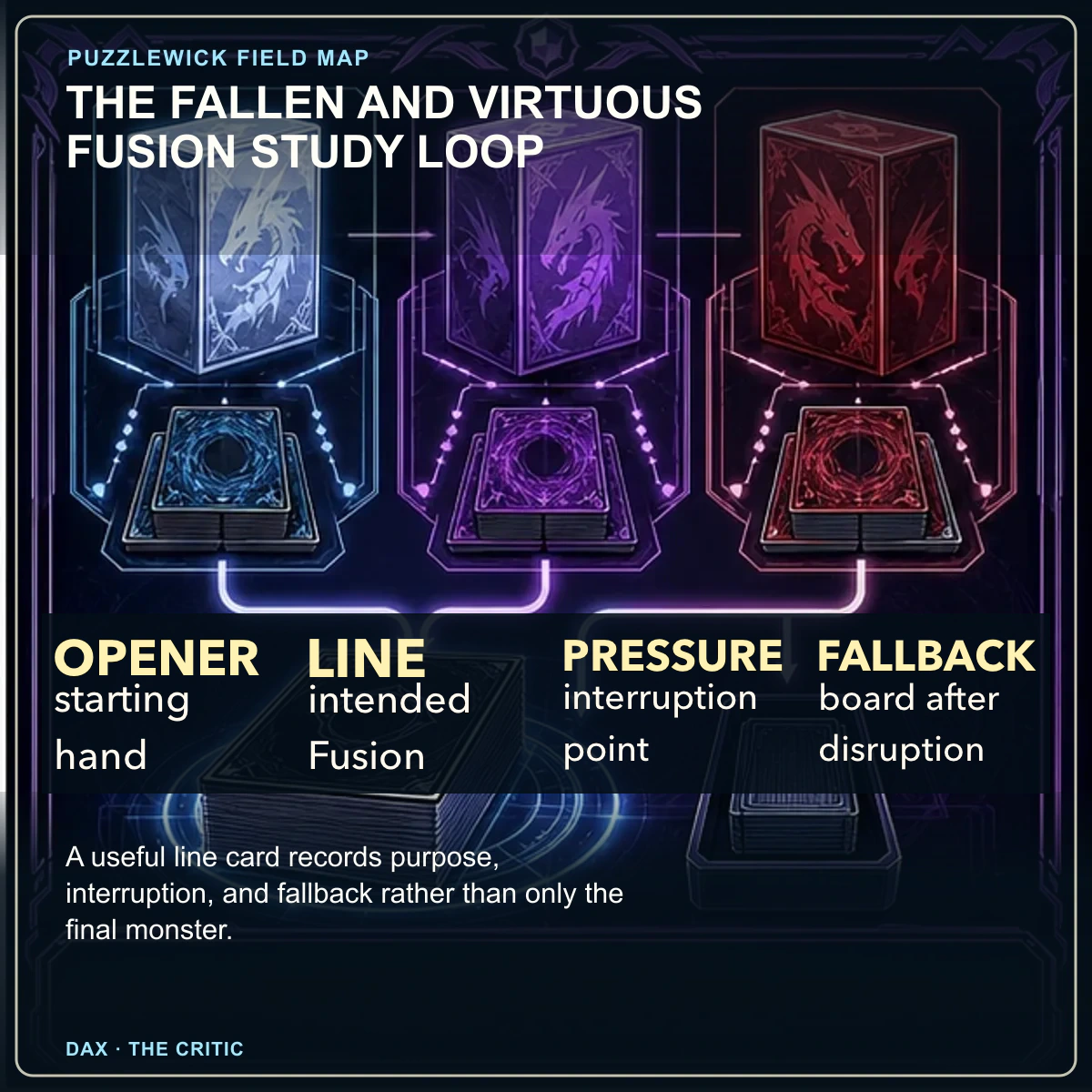
The Chronicles deck contains a 50-card Main-plus-Extra shell in Ultra Rare, a Secret Rare repeat, two new cards, variant art, and the Albaz/Ecclesia narrative. The pleasure is that the deck’s story and mechanics point in the same direction: contact, transformation, Fusion, exile, graveyard recursion, and consequences that continue after the obvious summon.
That richness creates more timing questions. Build a line card for each common opener: starting hand, intended Fusion, material source, effect that can be interrupted, and fallback board. Do not treat every purple-bordered card as a reward. The correct Fusion is the one that answers this board and leaves the next turn alive.
Should you buy one, two, or three copies?
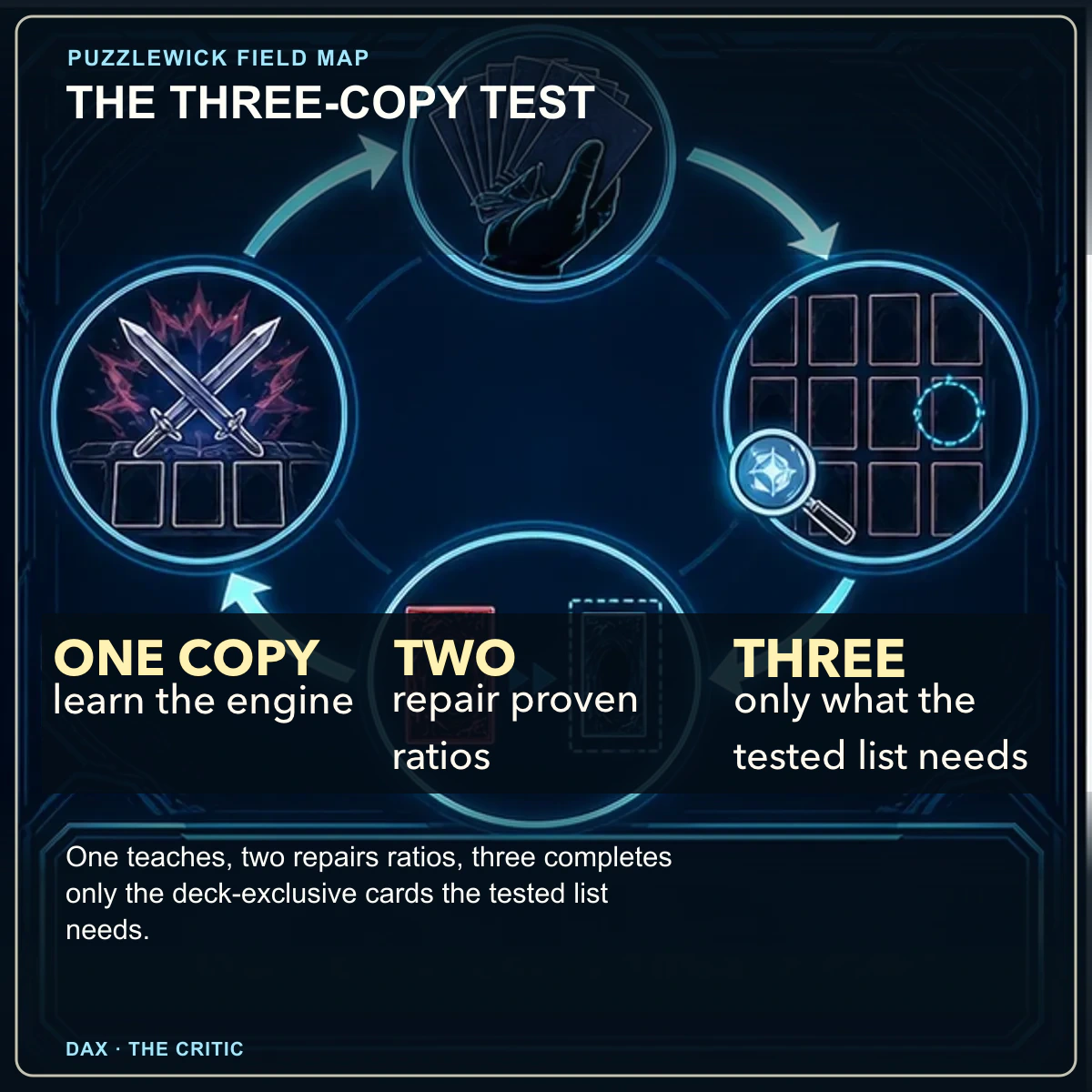
One copy: learn zones, summoning language, the deck’s basic line, and whether you enjoy repeating it. Two copies: increase a few deck-exclusive engine cards after the first games show they matter. Three copies: finish ratios when a third copy contains cards the final list truly wants at three.
Before combining boxes, lay one copy of every card on a table. Make piles for starter, extender, interaction, payoff, recovery, Extra Deck, and sideboard candidate. Build forty Main Deck cards only after every inclusion has a job. The pile labeled “famous” is not a deck role.
The third copy earns its place only when the tested list needs the deck-exclusive cards at full ratios. Open one deck and play sample hands before combining anything. With two copies, replace the obvious single-copy filler and make the opening hand more repeatable. Add the third only after the engine has shown which starters, extenders, or Extra Deck pieces it wants to see often. This keeps the conventional three-copy route useful without turning it into a ritual purchase.
Do not shuffle every generic staple into the first draft. A smaller controlled change tells you whether Blue-Eyes or Fallen and Virtuous is actually teaching the sequencing you enjoy. Ten changed cards at once produce a prettier list and worse evidence.
How should the first ten games prepare you for locals?
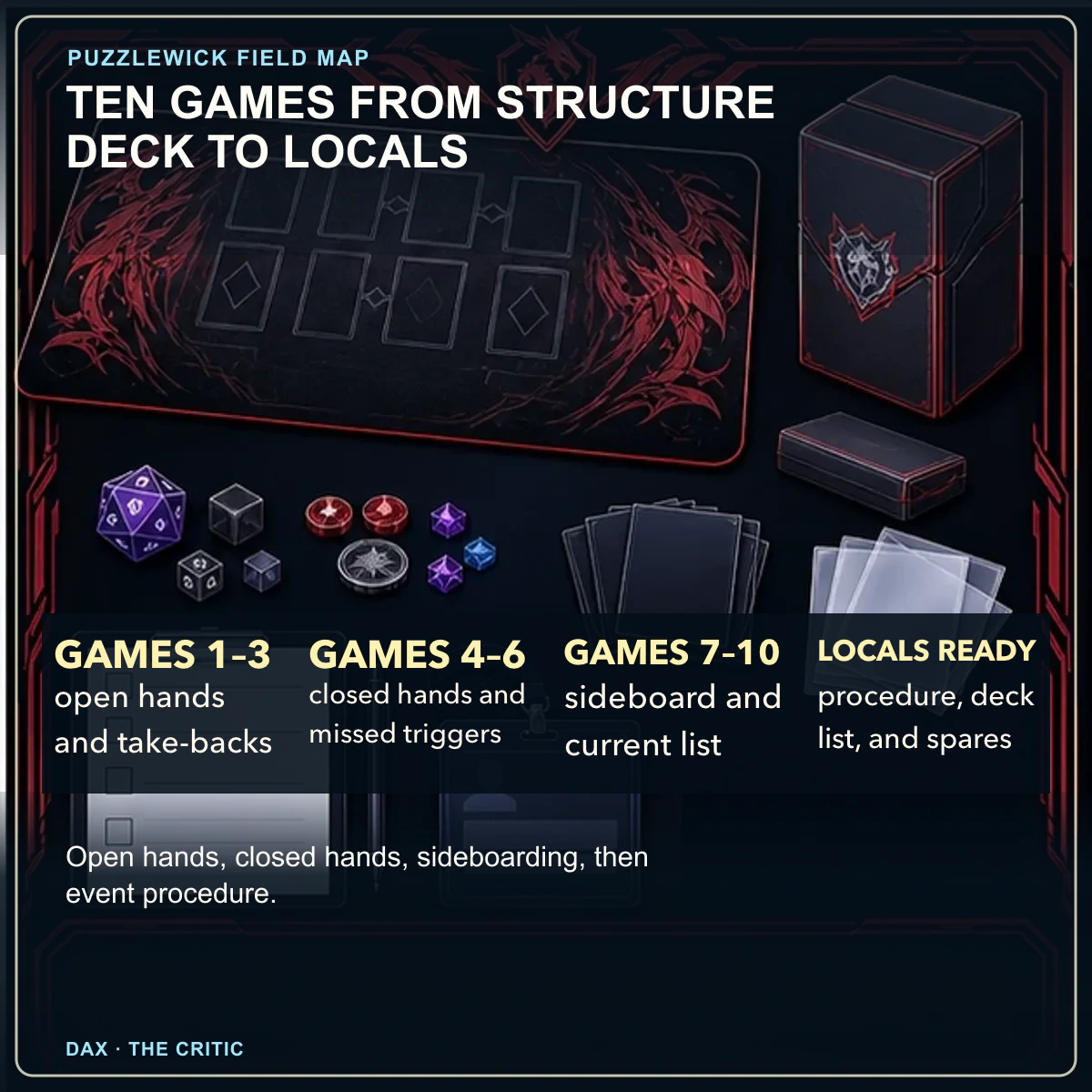
Games one through three are open-handed and allow take-backs. Games four through six close the hands and record every missed trigger. Games seven through ten use a sideboard and current Forbidden and Limited List. After each match, write the first interrupted line, the first dead card, and the turn the deck stopped creating decisions.
You are ready for locals when you can shuffle without revealing cards, present the deck, set zones, explain a card when asked, resolve a chain without racing, track life, and accept a judge call without turning it into a courtroom drama. Bring the current deck list, matching spare sleeves, dice or counters, and a polite sentence: “I am new to paper; please tell me if I miss a mandatory procedure.”
Which accessories prevent the expensive mistakes?
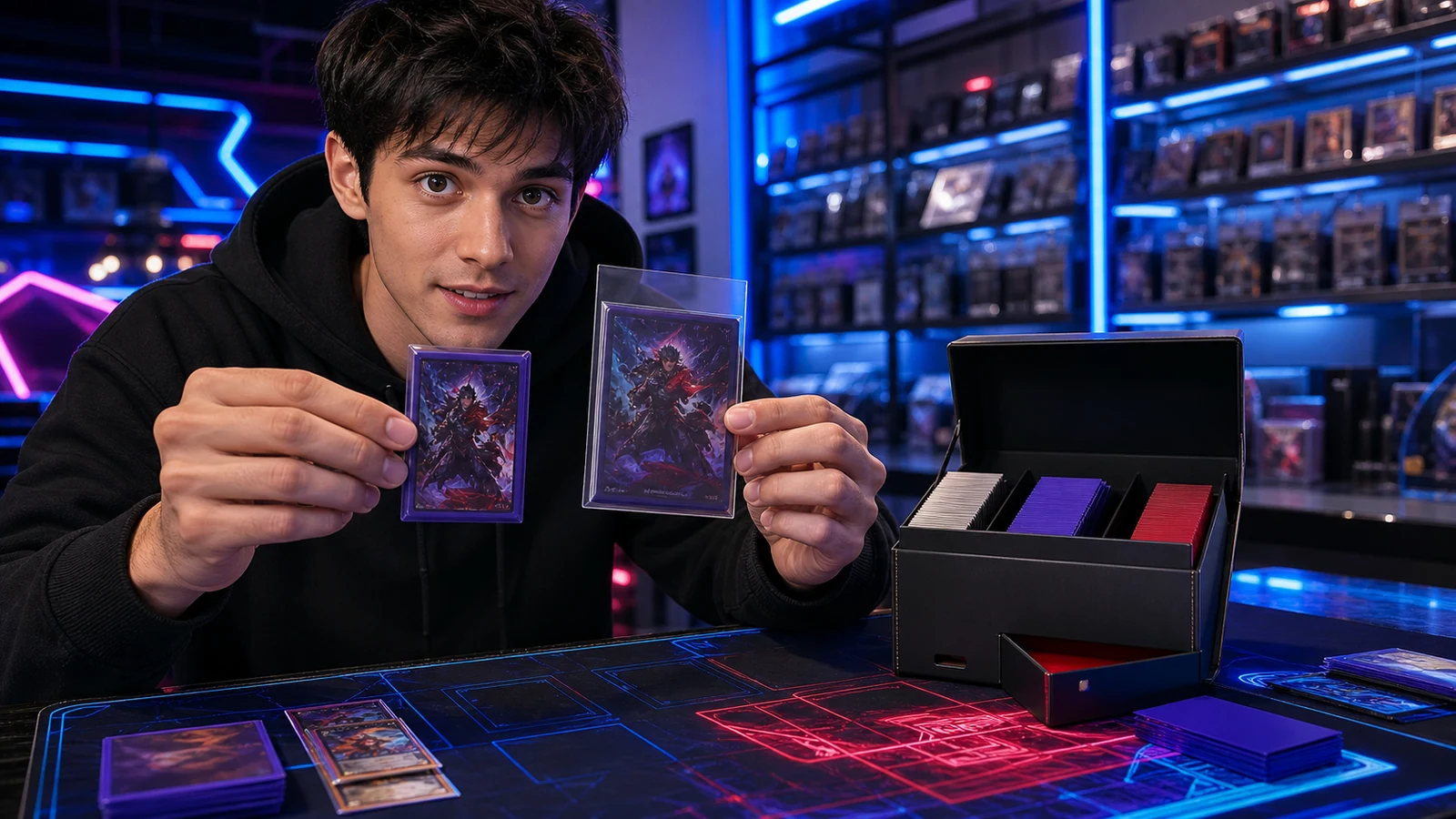
Yu-Gi-Oh! uses smaller Japanese-size cards. Buy sleeves designed for that size. Use identical opaque sleeves across each deck, and bring matching replacements. Official Fallen and Virtuous sleeves are attractive, but count Main, Extra, Side, and spares before assuming one 50-count pack is a complete event kit.
A two-player zone mat is useful during the learning phase because columns, Extra Monster Zones, and card placement become visible. A compact deck box is enough for one active deck. Keep metal dice, coins, and rigid accessories in a separate compartment so they cannot dent or mark the sleeves.
Which deck should you skip?
Skip White Destiny if Blue-Eyes nostalgia is doing all the work and repeated engine practice sounds tedious. Skip Fallen and Virtuous if you want the shortest route to independent first games; the deck’s appeal rewards a learner who enjoys studying branches and card relationships. Skip both if your actual group plays a different format or has a matched beginner pod ready to loan decks.
A sealed deck is not obsolete because it is not currently dominant. It is unsuitable when its learning burden, upgrade cost, or social table does not match the owner. Tournament success can inform a project without becoming a compulsory shopping list.
What experienced tables keep reporting
Recurring owner patterns, synthesized in Puzzlewick's words. Follow each evidence trail to read the original discussion.
Community pattern
The picks
Some links below are affiliate links — as an Amazon Associate, Puzzlewick earns from qualifying purchases, at no extra cost to you. It never changes a pick.
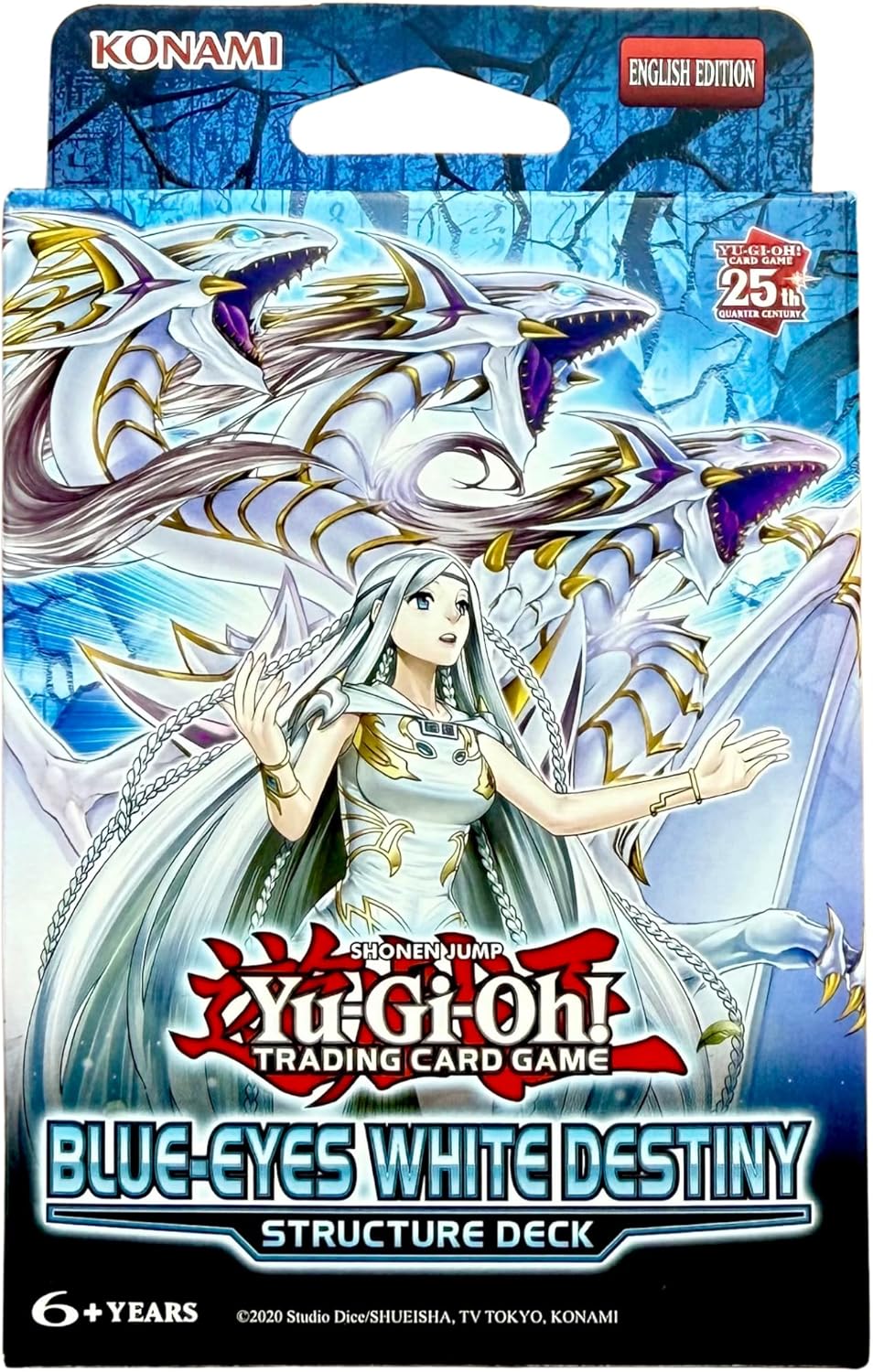
Yu-Gi-Oh! Structure Deck: Blue-Eyes White Destiny, First Edition
White Destiny is a 51-card Blue-Eyes platform with a real Extra Deck, useful interaction, and enough recognizable identity to make repetition feel purposeful.
- Recognizable strategy
- Useful staples
- Clear upgrade questions
- Sequencing is not truly simple
- One copy leaves ratio decisions unresolved
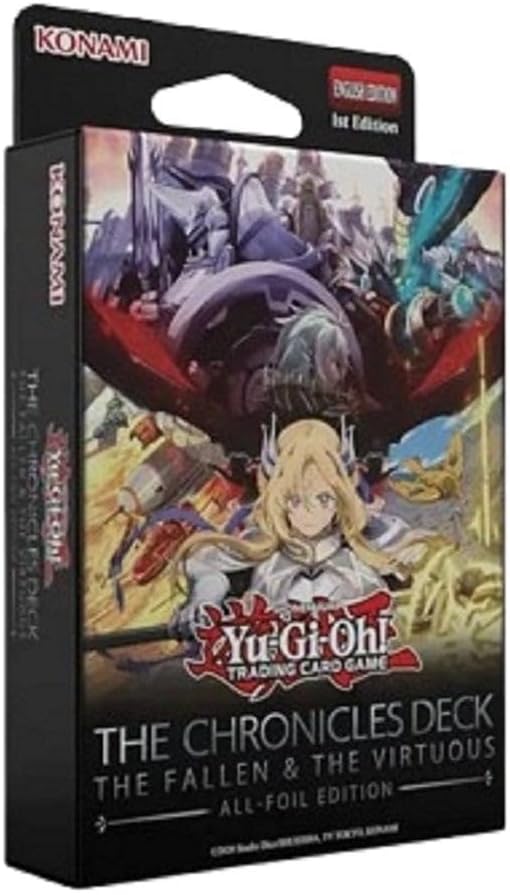
Yu-Gi-Oh! The Chronicles Deck: The Fallen & The Virtuous
Fallen and Virtuous is a 51-card all-foil deck centered on Albaz and Ecclesia, with two new cards, variant art, and a 50-card Main-plus-Extra shell.
- All-foil presentation
- Strong narrative identity
- Fusion-focused learning
- More interactions to map
- Lore appeal can hide sequencing burden
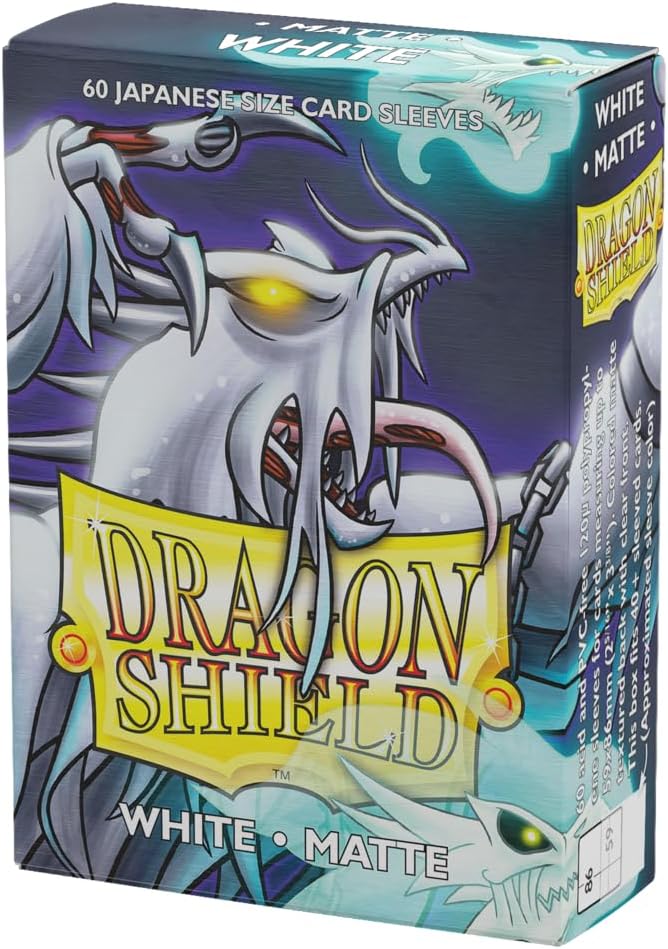
Dragon Shield Japanese Size Matte Sleeves, 60 Count
Japanese-size matte sleeves fit Yu-Gi-Oh! cards directly and provide enough matching replacements for a Main and Extra Deck.
- Correct small-card fit
- Opaque backs
- Durable shuffle
- One pack per deck
- Double sleeving changes box fit

Yu-Gi-Oh! Chronicles Fallen & Virtuous Card Sleeves, 50 Count
Official themed sleeves make the deck visually coherent, but fifty sleeves leave little or no replacement margin depending on the final build.
- Official themed art
- Correct franchise identity
- Matches the Chronicles deck
- Limited replacement margin
- May require a second pack
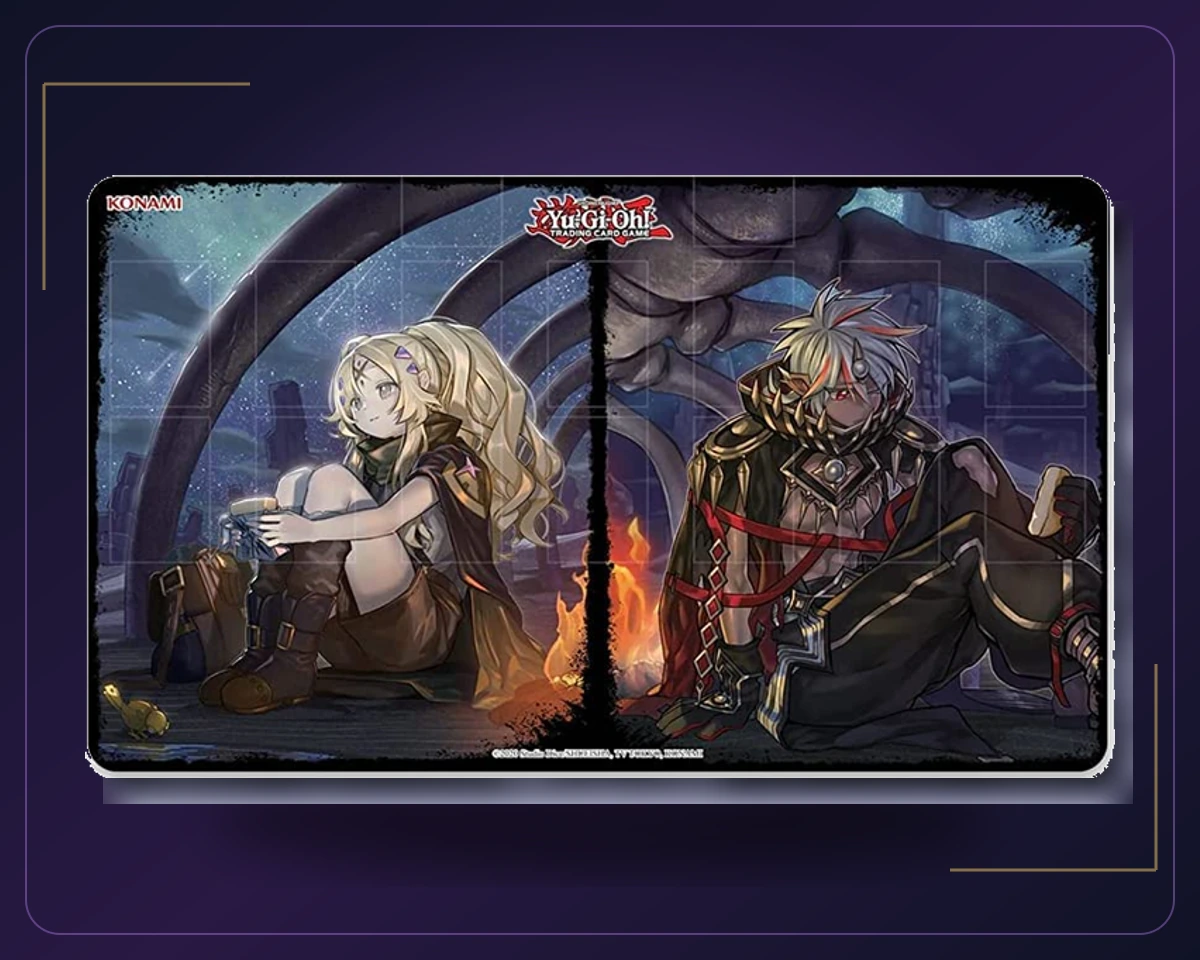
Yu-Gi-Oh! Albaz, Ecclesia & Tri-Brigade Game Mat
The official Albaz, Ecclesia, and Tri-Brigade mat is the relevant half of this comparison made physical. It is preferable to an anonymous zone diagram when the reader chose the Fallen & Virtuous route.
- The mat protects cards, quiets the table, and provides atmosphere without inventing another component to manage.
- 4.9/5 from 152 Amazon ratings at the Keller, Texas review check
- The first visible wear usually appears at stitched edges or from being stored folded instead of rolled.
- Measure the usable table and verify that printed zones match current rules before choosing a zone-forward design.
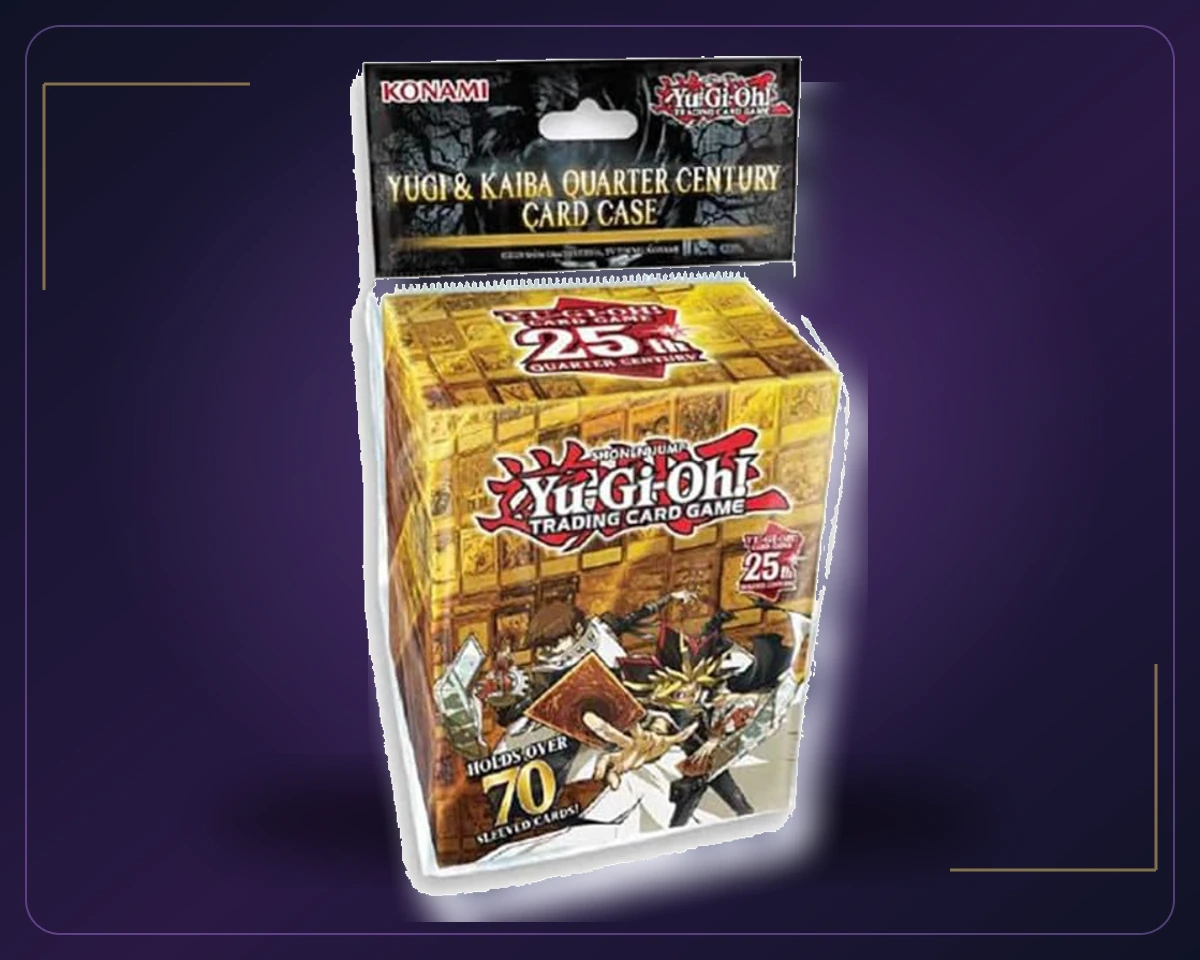
Yu-Gi-Oh! Yugi & Kaiba Quarter Century Deck Box
The Yugi and Kaiba Quarter Century deck box keeps Main, Extra, and Side Deck cards in a game-specific case. Its official Yugi-and-Kaiba art makes the transport choice specific to the game while the rigid shell keeps Main, Extra, and Side Deck cards together.
- The box keeps the playable kit together and is more satisfying than a generic case when the featured deck has earned permanence.
- 4.3/5 from 8 Amazon ratings at the Keller, Texas review check
- Licensed art can cost more than a plain box with stronger hinges or a more useful dice tray.
- Capacity claims are measured differently; test the real deck after inner sleeves, outer sleeves, tokens, and public cards are added.
At a glance
| Deck | Best learner | Main burden | Three-copy verdict |
|---|---|---|---|
| Blue-Eyes White Destiny | Recognizable engine and repeated practice | Extra Deck sequencing and timing | Most defensible first 3x project |
| Fallen & Virtuous | Lore-driven Fusion student | Branching interactions and graveyard lines | Wait until one-copy testing names the ratios |
| — | — | — | — |
| — | — | — | — |
Free download — Blue-Eyes White Destiny vs Fallen & Virtuous Field Guide
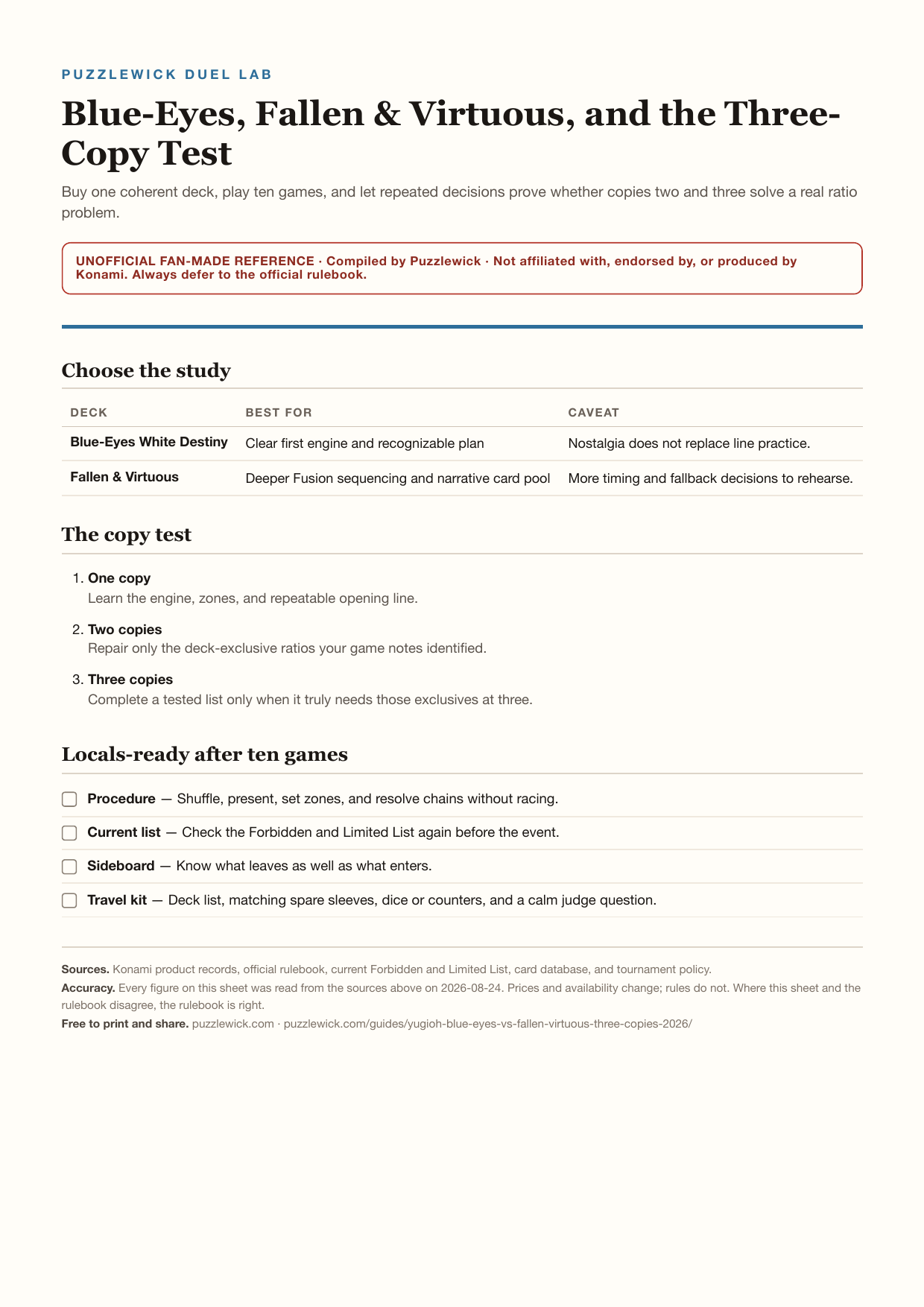
A one-page, beginner-readable table reference distilled from the official sources used in this guide.
Unofficial fan-made reference. Compiled by Puzzlewick from the sources listed on the sheet. Not affiliated with or endorsed by the publisher — always defer to the official rulebook.
Questions, answered
Is Blue-Eyes White Destiny good for beginners?
Yes for a patient beginner who wants one recognizable engine and is willing to practice Extra Deck sequencing. It is not as simple as its famous monster suggests.
Do I need three copies of White Destiny?
No. One copy is enough to learn. Buy additional copies only when tested ratios show you need more deck-exclusive cards.
Is Fallen and Virtuous better than Blue-Eyes?
It is better for players drawn to Albaz lore, Fusion lines, and an all-foil project. Blue-Eyes is the clearer first three-copy learning build.
Is Fallen and Virtuous all foil?
Yes. Konami lists 50 Ultra Rares plus one Secret Rare repeat, with a chance for that repeat to upgrade.
What sleeves fit Yu-Gi-Oh cards?
Japanese-size sleeves fit the smaller cards. Use identical opaque sleeves per deck and carry matching replacements.
Can I take one structure deck to locals?
You can play a legal list, but one sealed copy is a learning shell rather than a tuned event deck. Check construction, current restrictions, and your Extra and Side Decks.
What should I record during the first ten games?
Record interrupted lines, dead cards, missed triggers, sideboard cards you wanted, and the turn the deck stopped making useful decisions.
Which product should a brand-new household buy instead?
A scripted two-player starter or a three-deck sampler may be gentler when both players are new and no experienced host is available.
Dax's verdict
Buy Blue-Eyes White Destiny for the gentler three-copy project: its recognizable plan, included staples, and repeated engine make it easier to diagnose. Buy Fallen & Virtuous when Fusion sequencing, Albaz lore, and an all-foil deck are the reason you want to study Yu-Gi-Oh! One copy of either is enough to learn. Buy copies two and three only after the first ten games reveal specific ratios or deck-exclusive cards you need.
Research ledger 12 sources · reviewed 2026-08-24
Specifications, rules, current product information, community experience, and contrary evidence were checked against the sources below. Commercial links are kept separate from editorial evidence.
- Blue-Eyes White Destiny official product pageyugioh-card.com/en/products/sdwd
- Fallen and Virtuous official product pageyugioh-card.com/en/products/sdca
- Yu-Gi-Oh structure decksyugioh-card.com/en/products/structure-deck
- Blue-Eyes White Destiny official card listdb.yugioh-card.com/yugiohdb/card_search.action?ope=1&pid=2000001443000&request_locale=en&rp=99999
- Yu-Gi-Oh rulebook and beginner guideyugioh-card.com/en/rulebook
- Deck construction rulesyugioh-card.com/en/limited/index.html
- Forbidden and Limited Listyugioh-card.com/en/limited/list_2026-05-18
- Yu-Gi-Oh Neuron card databasedb.yugioh-card.com/yugiohdb
- r/Yugioh101reddit.com/r/Yugioh101
- r/yugiohreddit.com/r/yugioh
- Official Tournament Store locatoryugioh-card.com/en/events/ots-locations
- TCGplayer Blue-Eyes White Destiny product and set indextcgplayer.com/categories/trading-and-collectible-card-games/yugioh/structure-deck-blue-eyes-white-destiny

I'll be honest with you — flattery is boring.

Keep exploring
The next smart rabbit holes.
◈ Universe HubYu-Gi-Oh!: the whole buying pathYu-Gi-Oh! remains a top-four marketplace game with a deep competitive identity and a collector rebound around new extended-art...🂠 Topic PathTrading Card Games: compare the whole shelfStart with the game and community you want, then buy the smallest product that lets you test it properly. These guides separate...Buying GuideYu-Gi-Oh! Legendary Modern Decks vs Blue-Eyes White Destiny in 2026Yu-Gi-Oh! starter products, explained with exact box identity, expansion order, beginner-to-expert strategy, hosting and solo reality,...