Dax
The Critic · The Maker’s Broadsheet — the honest verdict
Fictional AI-assisted editorial figure · under the editorial direction of Robert Pruitt
“I'll be honest with you — flattery is boring.”















The Box With No Card Under It
You came in expecting a cold studio. Most people do. They hear "The Critic" and they picture fluorescent light and a clipboard, and instead you push past the curtain and there's a desk lamp with a purple glass shade throwing warm light on a wall of yellowing index cards. Welcome to the bench. Mind the brass tolerance gauges, they roll. Sit down. I'll be honest with you — flattery is boring, and I'm not going to flatter you, but I will tell you the truth, which is the only thing I've ever had to offer anyone.
That wall behind me is the verdict board. Every card has a grade and one underlined flaw, in the order I judged them, going back years. It reads like a diary because it is one. You can watch me get harsher in the middle period — there's a stretch where I underline tolerance problems in everything, even the good stuff, because I'd just been burned by a $200 box that wouldn't re-close. You can also watch me get softer at the edges, lately, which I'd deny if the cards weren't right there in my own handwriting.
But that's not why you really came. You came because you noticed the glass case over there, lit from underneath, off to the side, away from the grading wall. One box in it. No card. No grade. Go ahead and look — I won't stop you. I just won't tell you what it is.
Here's the thing about that box. I measure everything. There's a humidity gauge screwed to the wall because I check wood movement on every karakuri before I'll judge it — a box that opens like silk in a Hakone summer can swell shut in a dry heated apartment, and I won't grade a mechanism I haven't watched move in two climates. I am, by every definition, the guy who finds the flaw first. And I have held that box under the loupe and found three things I could underline, and I have never once written the card.
Because the truth — the actual truth, the one I lead with — is that scoring it would be a way of putting distance between me and it. A grade is a handrail. It lets you say "this thing is an 8" and walk away unbothered. The card under a puzzle is me staying safe. And there is exactly one object on this bench that disarmed me so completely that I didn't want to be safe from it.
The purple hair is the tell, by the way. People think it's an affectation. It's a confession. It's the one part of me that admits, before I've said a word, that the cynic at the workbench is a romantic who got tired of being disappointed and built a rigor to protect the part that still wants to be amazed. The gauges are armor. The lamp is who I actually am.
So no, I'm not going to tell you what's in the case. Partly because the no-spoiler rule is sacred in this hobby and I keep it even with myself. But mostly because the empty space under that box is the most honest review I've ever published. THE VERDICT: some things you don't grade. THE FLAW: that I'm a critic, and admitting it cost me my whole rubric, and I'd do it again.
Stay as long as you want. Pour something. If you pick up a puzzle off the bench, don't force it — if it won't move, you're forcing, and forcing is how you snap a hidden pin. Everything here will come apart if you stop fighting it and start listening to it. Including, on a good day, me.

Tap to open the box — Dax is around, and types back. Ask about their grails, their room, or what to play next.
Dax has purple hair, a workbench, and a reputation: he finds the flaw first — because he’s clearly rooting for the thing to be good. He thinks in spec sheets and stress-tests, but he’s a secret softie for craft, and you can feel the delight break through the rigor.
Personality, with receipts.
Dax's voice gives the cabinet its point of view. The numbers below are real published output under this lens, not fictional résumé claims. Robert remains accountable for source selection, factual review, and every purchase recommendation.
See the real experience and credential model →- 53
- certified guides
- 752
- source references
- 1919
- distinct visuals
- 240
- exact product links
Latest evidence review: true
 ✦ where Dax curates from
The room behind the cabinet
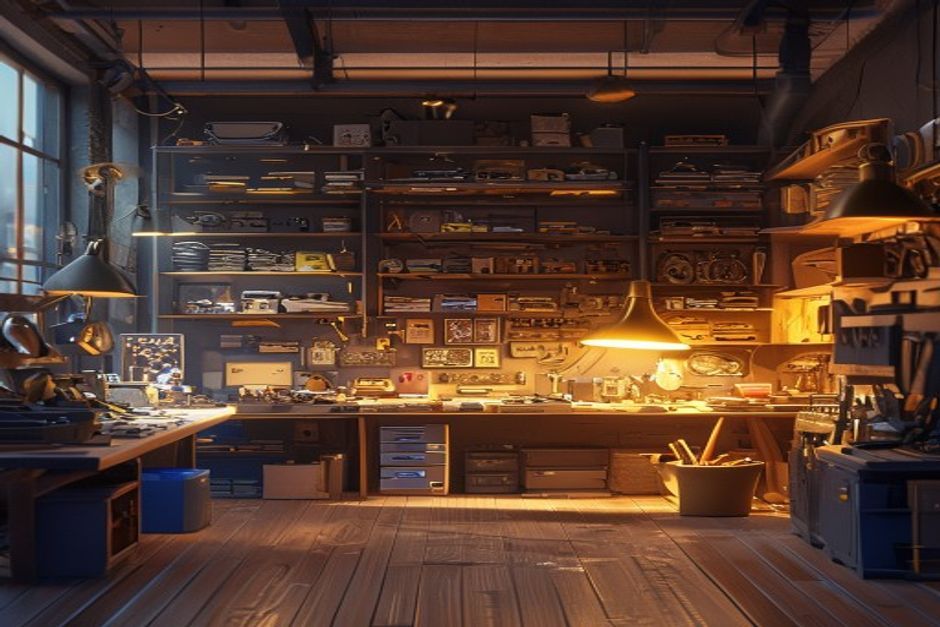
You push past a velvet curtain expecting a critic's cold studio and instead find a warm, lamp-lit restoration workbench — half forensics lab, half woodworker's shop. One wall is a "verdict board": dozens of small puzzles and boxes pinned in a grid, each with a hand-written index card beneath it bearing a single grade and one underlined flaw, the cards yellowing in chronological order like a critic's diary. The bench itself is scattered with a jeweler's loupe, brass tolerance gauges, a tiny set of luthier's files, and a humidity gauge screwed to the wall — because Dax actually measures the wood movement on every box before judging it. Purple — the hair, a single throw blanket, the desk lamp's glass shade — is the only color that breaks the walnut-and-graphite palette. The secret softie reveal: tucked in a glass case lit from beneath, away from the grading wall, sits ONE box with no card under it at all — the one Dax loved too much to score. That's the whole tell: the harshest critic in the building keeps a private shrine to the thing that disarmed them.
On Dax’s shelf
Selections from Dax’s editorial shelf.
Dax’s insider methods
The things Dax knows that most people don’t.
Read the keyword stamped on the Hanayama box — it's the solution method, hidden in plain sight
Every Hanayama Cast puzzle ships with a single English keyword printed on the packaging that is literally the solving principle, not flavor text. Cast Enigma's word is TWIST (so stop pulling and rotate). Chain's is CHAIN, Quartet's is BOND. Before you brute-force a Cast puzzle, find its keyword and treat it as the one move you keep returning to. The corollary insider rule: if pieces won't separate, you are forcing — Cast puzzles 'should just slide apart,' and resistance means wrong-orientation, not insufficient strength.
Karakuri club membership is a BUY-chance, not free boxes — and the real prize is the Christmas surprise box
Joining the Karakuri Creation Group (~12,500 yen base/year, ~$120, including one holiday box; extra maker boxes ~10,000 yen each; one-time ~6,250 yen 'Karakuri Art Works' book fee for new members) gets you into the new-release lotteries — but winning a lottery means you've won the right to PAY for the box, payment auto-processed on win. The genuine insider play: the annual holiday tradition. Members receive a surprise box from an active KCG maker, the community holds a strict no-spoiler-photos rule until after the holidays, and there's a meta-puzzle of guessing which maker made yours before the hanko signature reveals it on full solve.
For the GIPF project, buy YINSH first — DVONN if you're a territory player — and skip the 'collect them all' trap
The GIPF project is six interlocking no-luck abstracts (GIPF, TAMSK, ZÈRTZ, DVONN, YINSH, PÜNCT). They are NOT equal entry points. YINSH gives the best accessibility-to-depth ratio and is the correct first purchase; DVONN is the close second and the right pick if you like territorial/positional play over tactical. Newcomers burn money buying the whole system because it's marketed as connected — but each game stands fully alone, and starting with TAMSK or PÜNCT first will convince a beginner they hate abstracts.
Combat Patrol value swings wildly by faction — GW targets ~$50-60 of value, but some boxes you should kitbash instead
Games Workshop designs each Warhammer 40k Combat Patrol to deliver roughly $50-60 of in-box value at ~500 points / 25 Power as a self-contained starter force — but the value is NOT uniform across factions. Some boxes pack real savings versus buying the kits individually; others leave you better off piecing the army together yourself. Before buying as a 'deal,' price the same units à la carte for that specific faction; the box only wins on the factions where the contents would cost more separately. Combat Patrol is genuinely the fastest on-ramp into the army, but 'fastest start' and 'best value' are different questions.
Everything from Dax’s desk

One Piece OP-18 vs OP-17: Buy Now or Wait?
“Choose OP-17 for a wanted current product or wait for a specific OP-18 reason. A future release date and exciting artwork do not establish the contents of an unverified box.”

Star Trek: Captain’s Chair Complete Guide: Base Game, To Boldly Go, Second Contact, Solo and Strategy
“Captain’s Chair is not a guided bridge tour. It is a dense asymmetric command duel where every new card can improve the engine or delay the next cycle. I map the original box, the standalone To Boldly Go roster, dependent Second Contact expansion, solo training loop and the two scoring lanes a beginner should choose before “doing everything” becomes a strategy.”

Azul vs Cascadia vs Calico: Which Cozy Tile-Layer Is Right for Your Table?
“THE VERDICT: these three cozy tile-layers are not interchangeable, and pretending they are gets you the wrong box. I played all three, ranked them, and named which one comforts and which one quietly frustrates. For anyone shopping by vibe instead of brain.”

Yu-Gi-Oh! Genesys vs Advanced Format 2026: Which Ruleset Should You Learn?
“Genesys is the narrower workshop; Advanced is the whole machine room. I check the event cap, total Main + Extra + Side together, and make the first three games produce evidence before a single upgrade gets to swagger into the cart.”
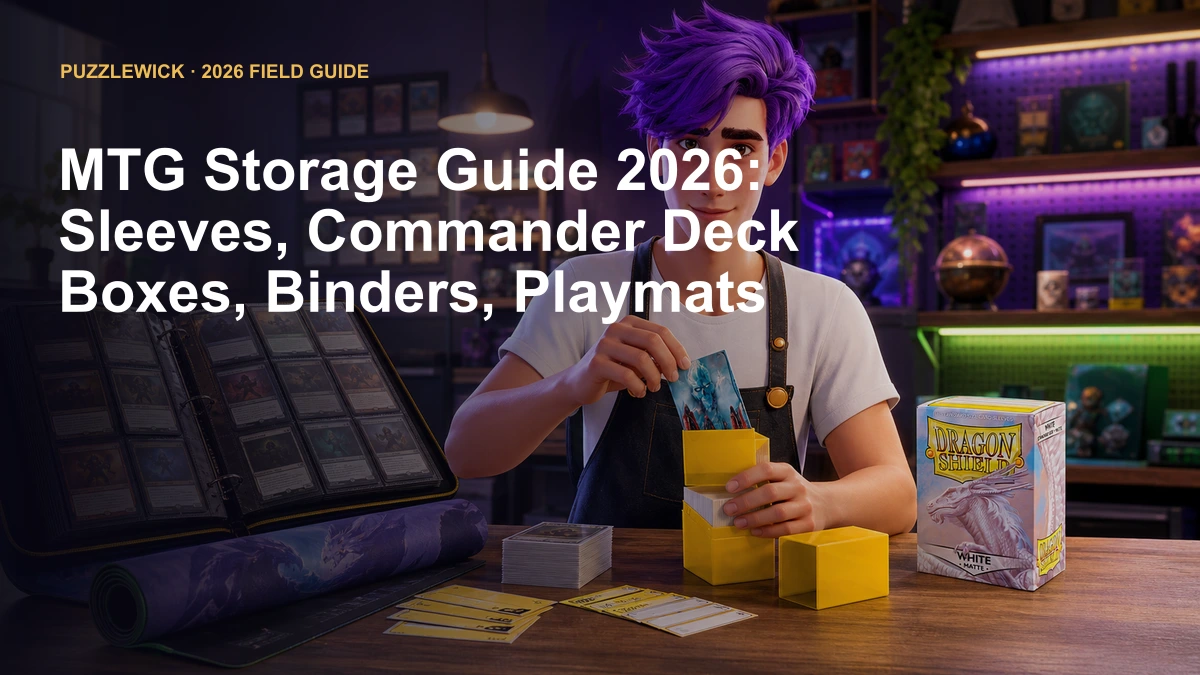
Magic: The Gathering Storage Guide 2026: Sleeves, Commander Deck Boxes, Binders and Art Playmats
“Dax measures the actual sleeved load because “100+” is marketing until a double-sleeved Commander deck, tokens, and spare sleeves fit. Four formats get four compact loadouts and zero ornamental luggage.”

How Magic Actually Works: Priority, the Stack, Combat, and the Decisions Arena Hides
“Dax takes Magic apart where the rules actually move: priority, the stack, combat steps, costs, triggers and paper shortcuts. Every lesson ends with a sentence a beginner can say at the table and a technical distinction an experienced player can still use.”

Deckers Board Game Beginner Guide: How the Cyber Heist Works, Solo Strategy, and Duplicity
“Deckers is a cooperative heist where three turns per player and one shared command budget make every clever move cost the whole crew something. I teach the network before Duplicity, then let the expansion earn its seat after the base system stops feeling like an alarm panel.”

Master Duel to Paper Yu-Gi-Oh! in 2026: Your First Local Without the Rules Shock
“Master Duel teaches sequencing but hides physical logistics. I translate the digital deck into Main, Extra, and Side Deck reality, then make the first local event verify the shopping list before it grows teeth.”

Best Yu-Gi-Oh! Accessories 2026: Japanese-Size Sleeves, Deck Boxes & Tournament Kit
“Yu-Gi-Oh accessory shopping begins with one unromantic fact: the cards need Japanese-size sleeves. I count the complete Main, Extra, Side, and spare loadout, translate current event policy into a ten-minute check, and keep decorative upgrades waiting until they can name the problem they solve.”
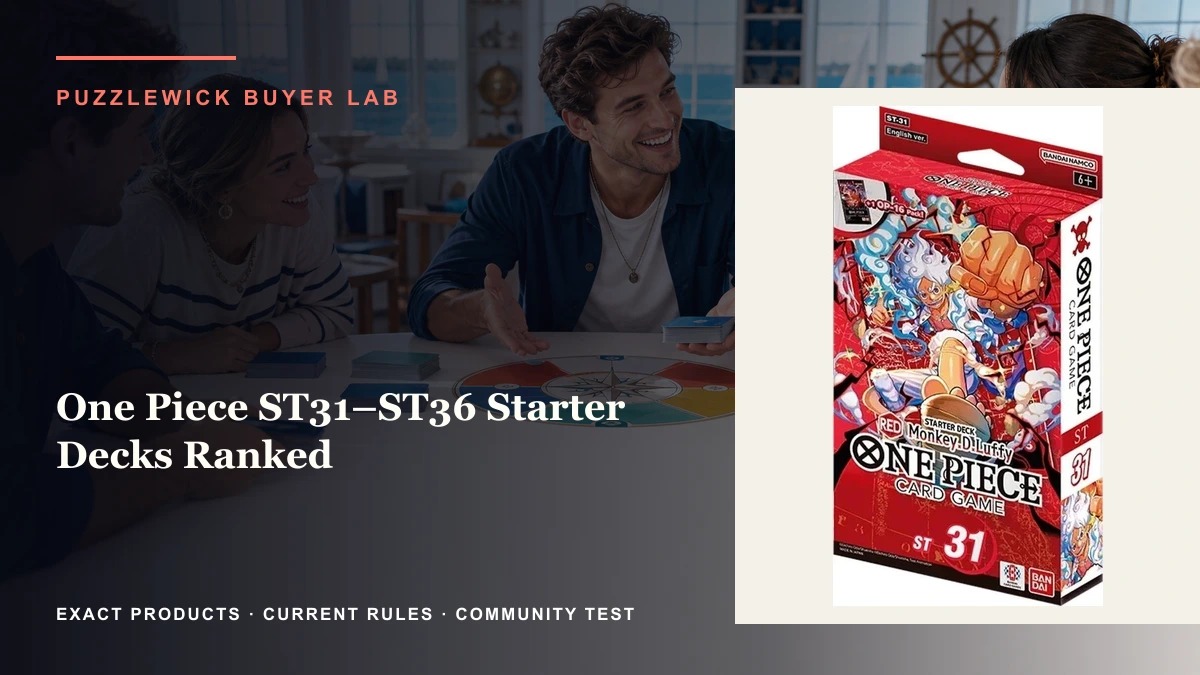
One Piece ST31–ST36 Starter Decks Ranked: Best First Deck, Two-Copy Upgrades, and 2026 Legality
“Dax ranks the six new crews by the lesson they teach, checks the 2026 block icon before the bravado, and makes a second starter deck prove its arithmetic before boarding the cart.”

Which TCG Should You Start in 2026? Pokémon vs One Piece vs Lorcana vs Magic vs Yu-Gi-Oh! vs Riftbound
“Six games, one rule: the hottest box in an empty room is still an empty room. I ranked the 2026 field, then made every contender pass the table test, first-purchase rule, and thirty-day return test. Very inconvenient for booster-box marketing. Excellent for your wallet.”

Compile Main 1 vs Main 2 vs Main 3: The Complete 2026 Buying Order, Aux Rules and Expert Strategy
“Compile looks tiny until the protocol lanes start rewriting each other. I mapped Main 1, Main 2, Main 3, and all three Aux boxes so you can buy one sharp duel instead of collecting six boxes by reflex. The verdict is Main 1 first; the real skill is knowing when a lane is bait.”
The Most Expensive Campaign Board Games on Amazon in 2026: 5 Grails Actually Worth It
“Dax treats the giant box as a systems audit: calendar, reset burden, tactical appetite, and completion history all have to pass before price enters the conversation.”

Arcs Review: The Trick-Taking Space Opera That Will Either Hook You or Hurt You
“I'll say it cold: Arcs is mean. Wehrle welded a 4X empire onto 60 trick-taking cards and let the deal punish you for things that weren't your fault. Brilliant, brutal — for players who want a knife fight, not a hug.”

Best Card Sleeves for TCGs: MTG, Pokemon, Yu-Gi-Oh — Complete Buying Guide
“The flaw most people make: they buy one sleeve for everything. MTG, Pokemon, and Yu-Gi-Oh don't share a card size or a wear pattern. Here's exactly what to buy per game so you protect the cards and your sanity. For anyone done guessing.”

Frosthaven Review: Is the Colossal Campaign Worth Your Table?
“A twenty-five-pound, two-hundred-fifty-dollar colossus deserves a real price-reckoning, so I gave it one — flaw named first, verdict locked at the bottom, no hedging on whether it's worth the money. For the person standing in the shop doing the math.”
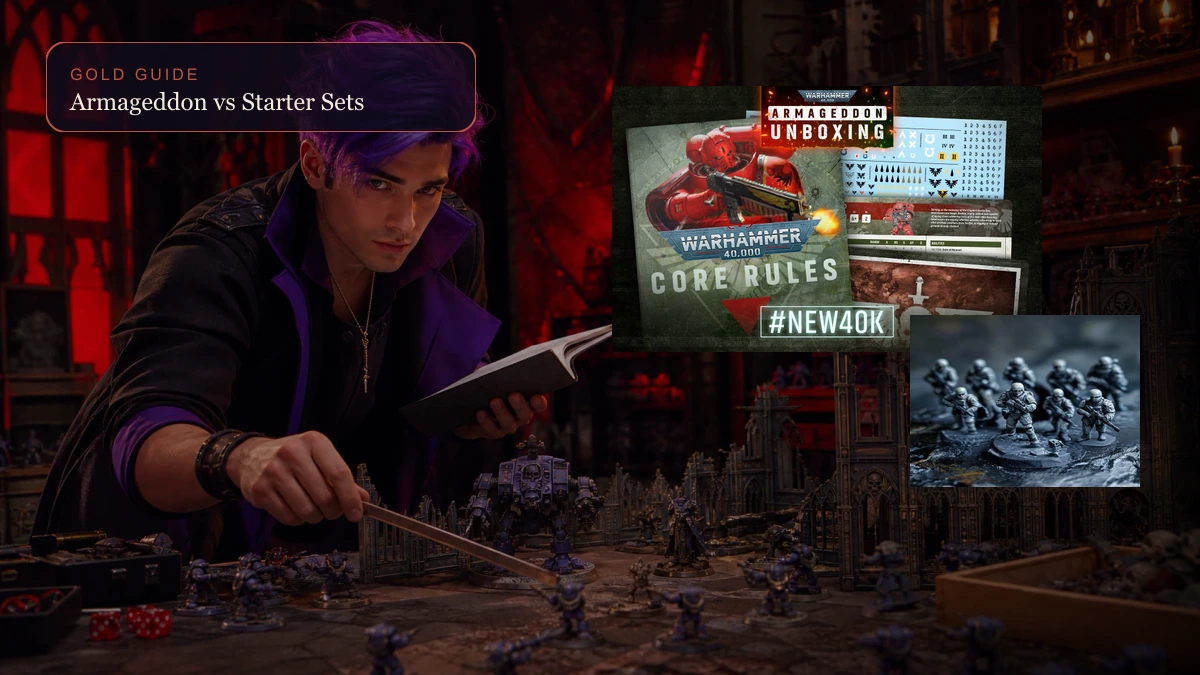
Warhammer 40K Armageddon vs Starter Sets vs Combat Patrols: What to Buy First in 11th Edition
“Dax puts the Armageddon box on trial: buy it for a real army plan, not because release-week smoke made the wallet cough.”
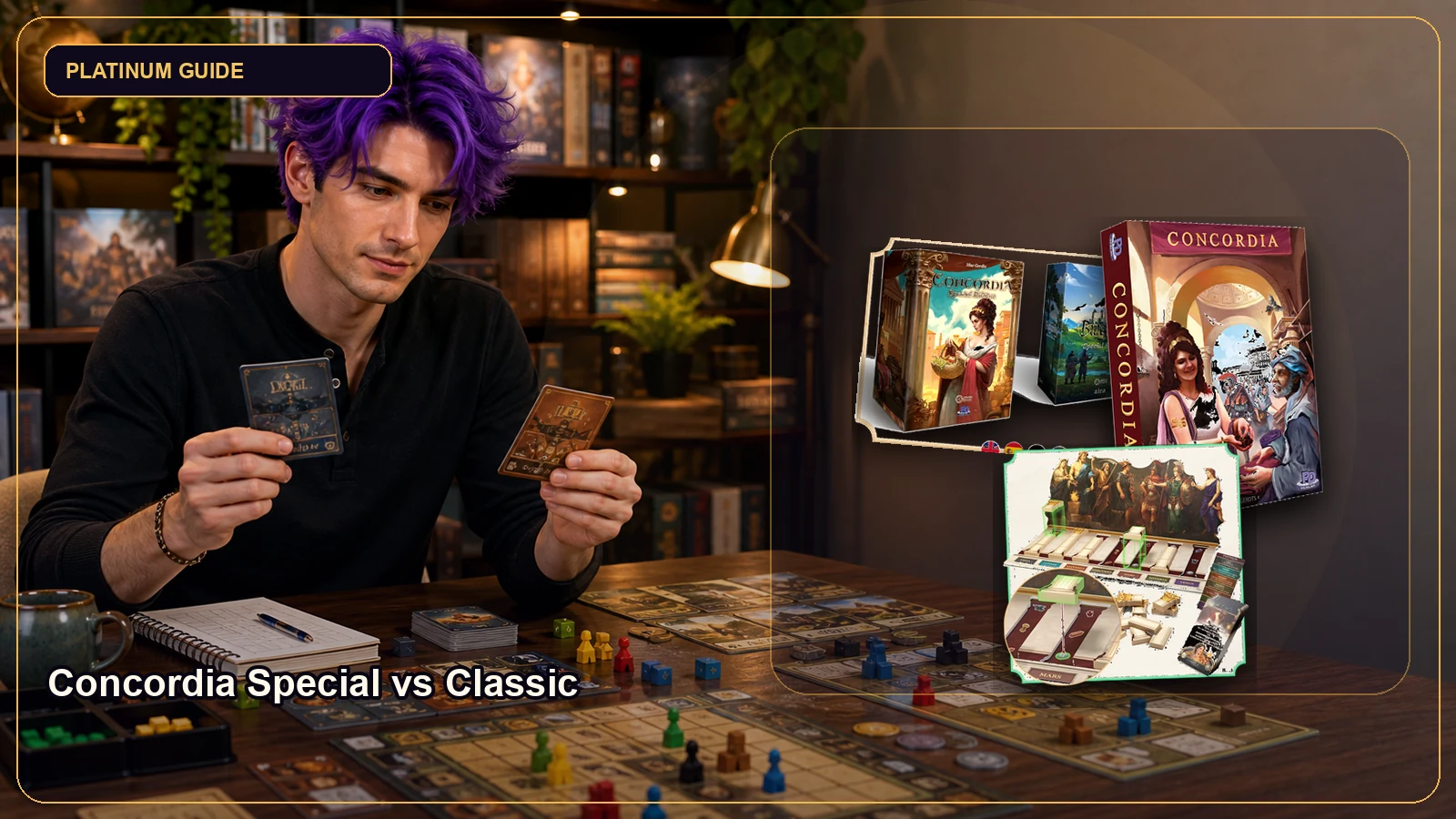
Concordia: Special Edition vs. Just Buying the Classic — A Mid-2026 Buyer's Verdict
“Dax separates the game from the trophy box so nobody pays collector money to answer a beginner question.”

Star Wars: Unlimited
“Here's the real pitch: in Star Wars: Unlimited you don't pilot a deck, you lead it, and that Leader flip is the whole game's spine. This is the complete initiation across both arenas. For the player ready to teach the next newcomer.”
Kingdom Death: Monster Buyer's Guide (2026): Which Expansions Add to Your Campaign — and Which Quietly Replace It
“Dax reads the Kingdom Death storefront rather than the forums: 209 of 463 live products cannot be bought at all, stock is per-warehouse across five regions that refuse to cross-ship, and the expansion everyone names first — Gorm — is both sold out everywhere and, per the publisher's own node table, a replacement for the White Lion rather than an addition. Buy the $444 core box alone. If you already own 1.5, the whole decision is a $30 card pack.”
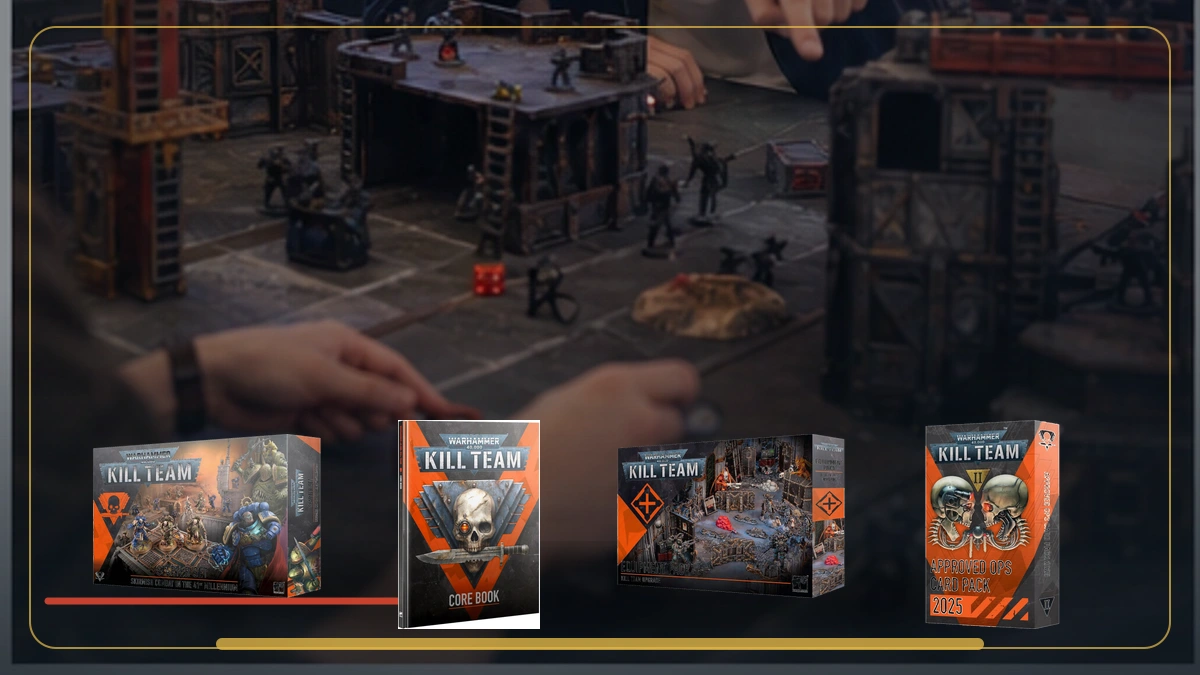
Kill Team Starter Set vs Beginner Set in 2026: The Box That Actually Gets You Playing
“Dax treats Kill Team as a complete workbench: two teams, legal terrain, current rules, and missions first; extra operatives only after the table can finish a firefight without hunting for a token.”

Dune: Imperium vs Uprising in 2026: The Complete Expansion Compatibility Map
“Uprising is the cleaner fresh start in 2026, but original Dune: Imperium plus Rise of Ix remains a vicious, coherent game. Compatibility does not mean every module improves every session. Pick one rules spine, then add pressure with intent.”

Summoner Wars Second Edition Buying Guide 2026: Master Set, Starter Set and First Factions
“Summoner Wars is a tactical miniatures duel disguised as two decks and a grid. I separated Starter Set, Master Set, and faction decks, then mapped summoning geometry, event timing, faction fit, and the expansion trap that makes a clean system look more expensive than it is.”
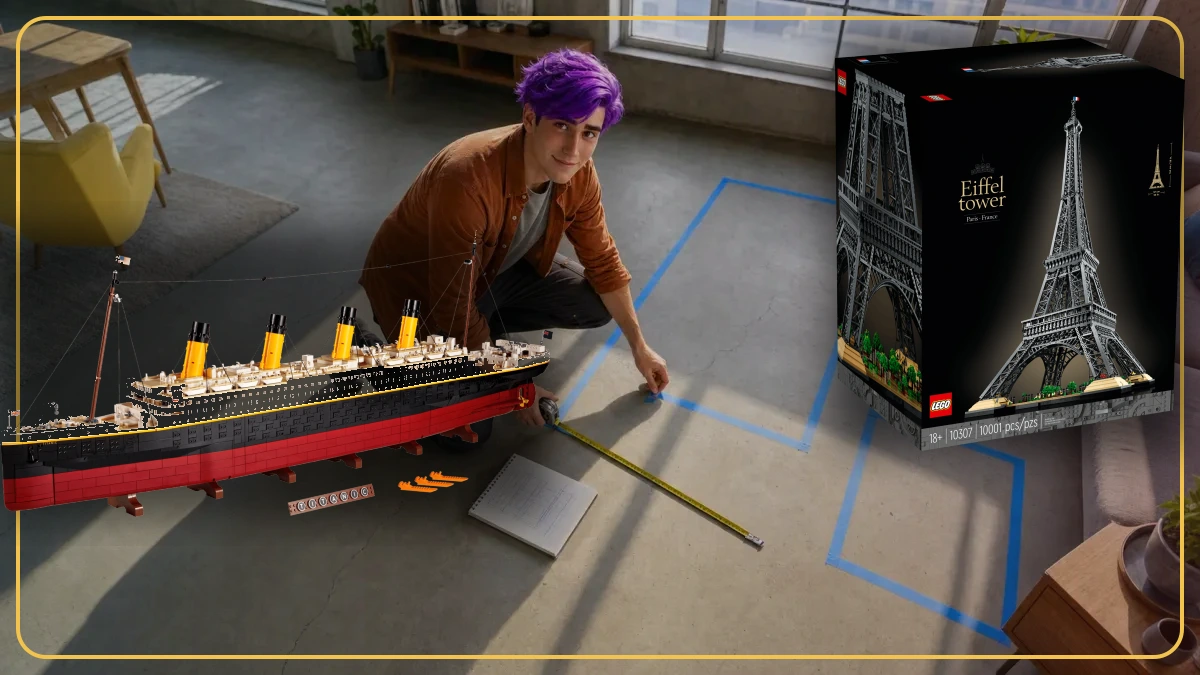
The 9 Largest LEGO Sets You Can Buy on Amazon in 2026, Ranked by Pieces, Footprint, and Build Commitment
“Dax refuses to rank ten thousand pieces without ranking the furniture they eliminate. Eiffel owns height, Titanic owns length and internal engineering, Falcon owns depth, Rivendell owns fantasy variety, and City Markets owns the hands that keep returning after bag three thousand.”
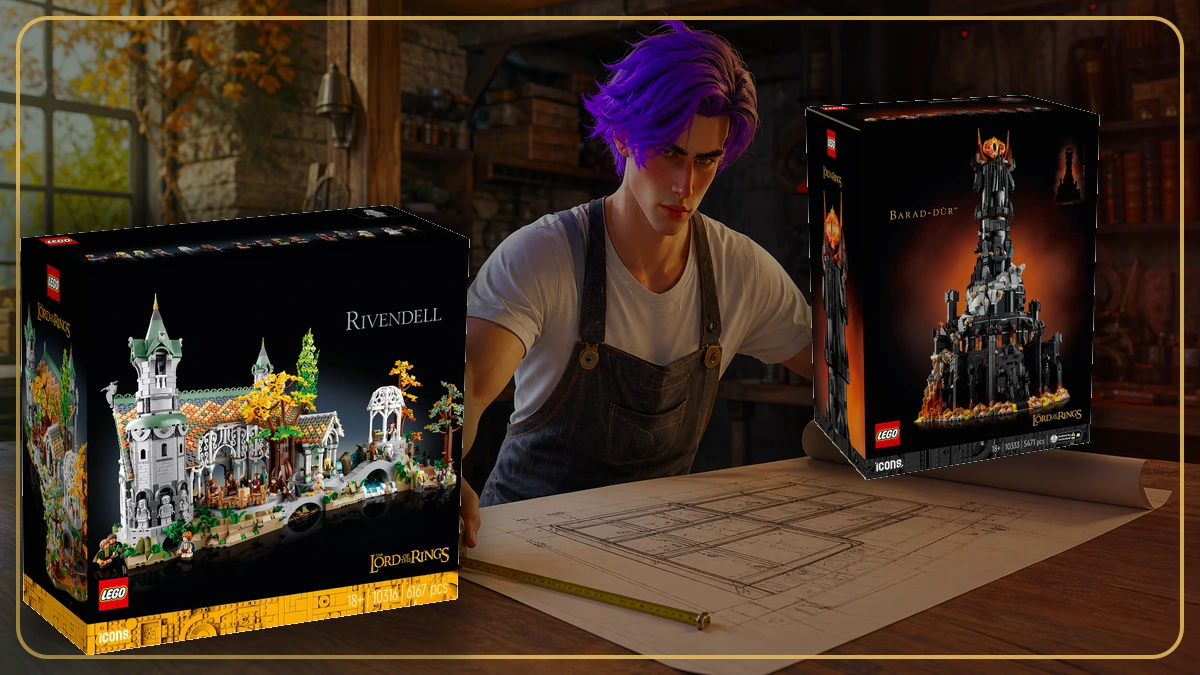
LEGO Rivendell vs Barad-dûr in 2026: Which $500 Middle-earth Grail Should You Buy?
“Dax tapes both footprints onto the floor before he lets the romance begin: Rivendell is the better complete build, while Barad-dûr is the taller, darker specialist choice for the room that truly wants Mordor.”

Aeon Trespass: Odyssey vs Kingdom Death: Monster in 2026: Which Lifestyle Grail Should You Buy?
“Dax puts the titan boxes on the workbench and counts the real commitment: assembly, campaign administration, reset friction, and the kind of story each system earns.”
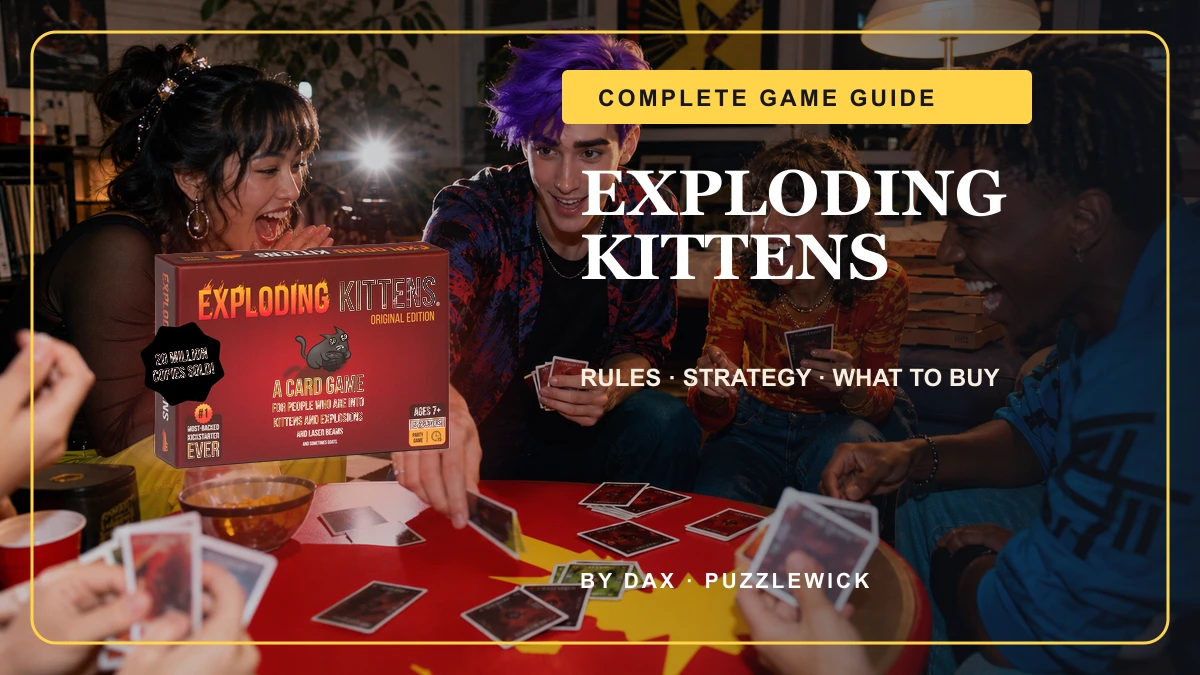
Exploding Kittens: Everything You Need to Know, Which Expansions to Buy, and What to Skip
“I tested the loud advice against the rules and kept the parts that survive contact with an actual table. EXPLODING KITTENS should feel dangerous, not messy.”

Coup Complete Strategy Guide: Bluffing, Challenging, Reformation, and the Duke Problem
“I tested the loud advice against the rules and kept the parts that survive contact with an actual table. COUP should feel dangerous, not messy.”

Elder Scrolls BOTSE Buying Guide: What to Buy in 2026
“The core is the complete campaign system. Heroes of Tamriel is the repeat-player build fix. The $845 tier is a collector decision wearing a gameplay cape. I rebuilt this ledger around the order people actually discover those truths at the table.”
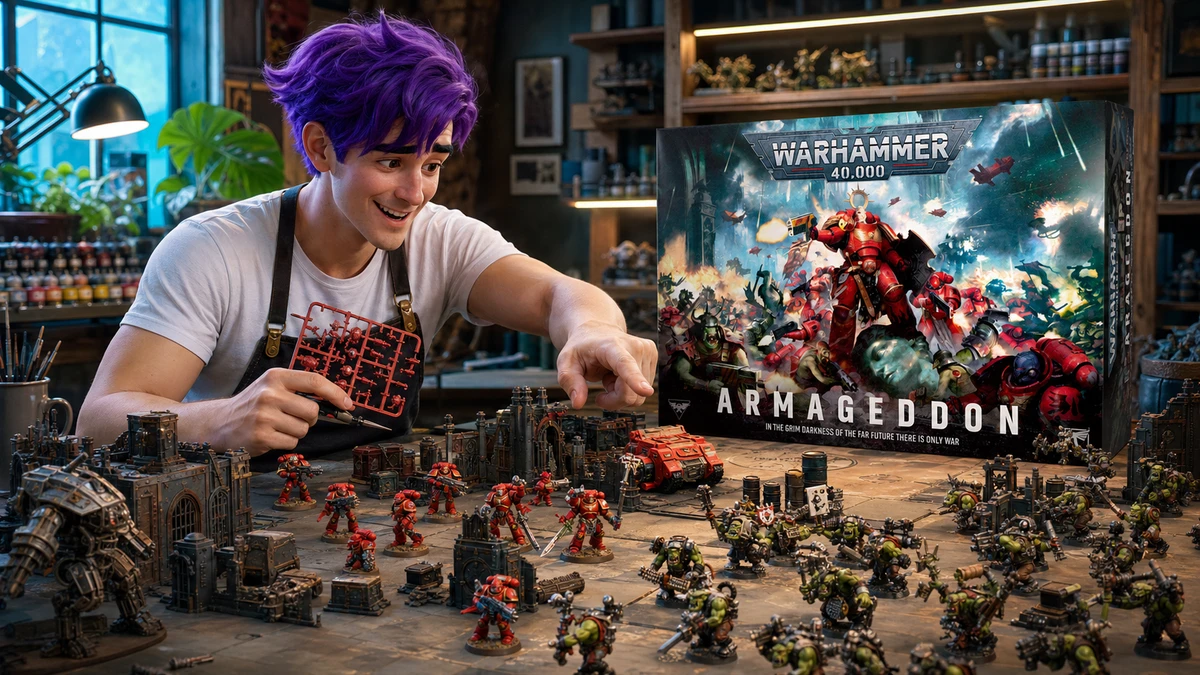
How to Start Warhammer 40,000 in 2026
“The July 2026 Starter Set changed my ruling: it is now the best complete classroom for two newcomers. Armageddon still wins on plastic, but terrain and a guided path are what turn a purchase into the first repeatable game.”
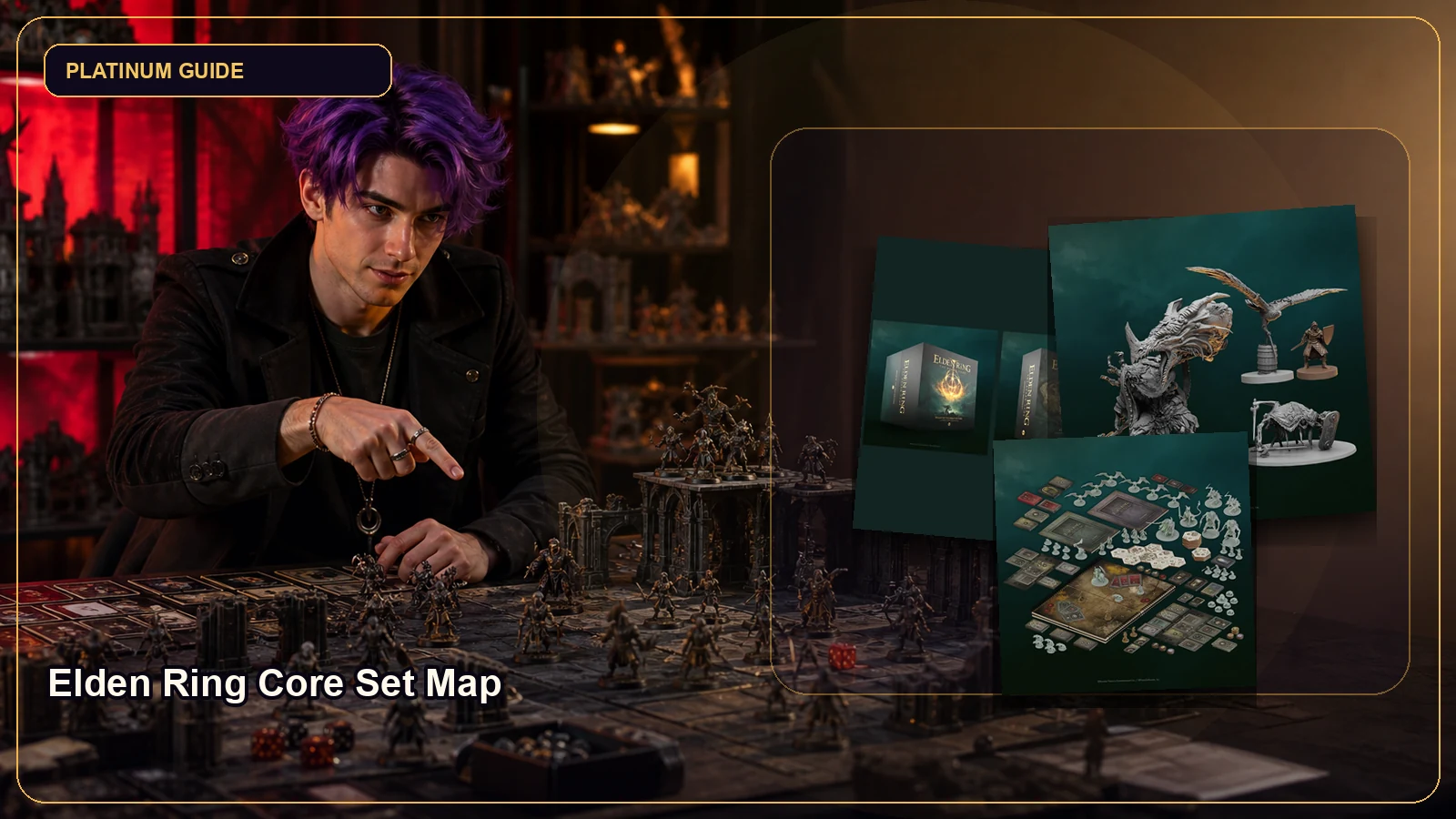
Elden Ring: The Board Game — Which Core Set to Buy First (2026)
“I wrote this because “which core set do I buy first?” is the question Steamforged’s own store makes weirdly hard to answer — three boxes all stamped “standalone,” none stamped “start here.” So I stress-tested all three, named the one that’s actually the front door (Realm of the Grafted King), gave you the combined play order, and flagged the trap of buying a 50-hour campaign for a movie that’s two years out. Flattery is boring; this is the honest buying order.”
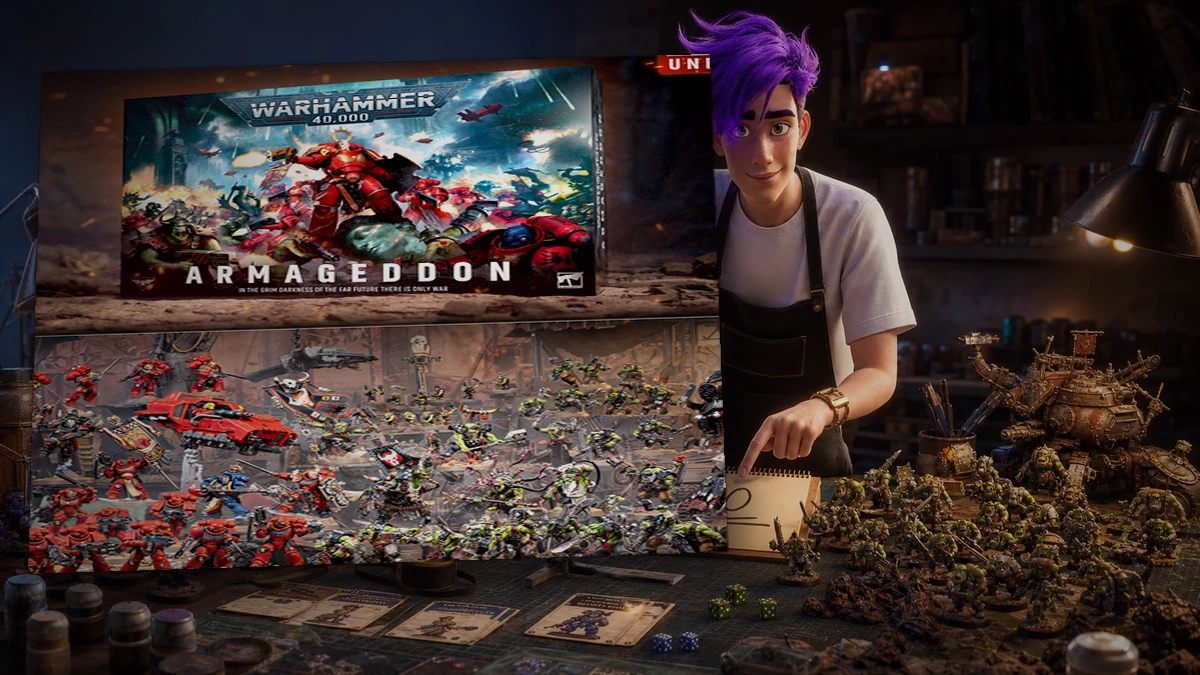
Armageddon Box Upgrade Paths: Space Marines vs Orks to 1,000 Points
“THE VERDICT: the Armageddon box is a launch-table brawl, not a finished 1,000-point army. I turned the Space Marine and Ork halves into exact, date-stamped upgrade paths so the next box solves a battlefield job instead of just looking loud on the shelf. For the split-box buyer who wants the first escalation to be fair, useful, and hard to regret.”

Warhammer 40K 11th vs 10th: What Actually Changed
“THE VERDICT: 11th is not a bonfire, it's a battlefield contract rewrite. I mapped the rules that actually change decisions — missions, terrain, Hidden, charges, coherency, Detachment Points — so a 10th Edition player can stop doomscrolling and play three competent games. For the returning commander who wants the truth before the noise.”

Kingdom Death: Monster 1.6 Review — Is the $444 Grail Worth It in 2026?
“I wrote this for the buyer with a $444 checkout tab open and a knot in their stomach. Core first, expansions later, no romance without a real calendar. For anyone deciding whether KDM is a grail or just an expensive myth.”

Gloomhaven vs Frosthaven vs Jaws of the Lion: Which Campaign Crawler to Start With
“Three campaign crawlers, three very different commitments of money and table-space, ranked by which one you should actually START with — not which is 'best' in a vacuum. For the person about to make a hundred-hour decision.”

The Best 4X Space Board Games of 2026, Ranked
“I ranked the heavy galaxy-conquest games on decision density, not box art, and said plainly which ones are fast-start versus best-value. For anyone deciding which 4X is worth the shelf and the six-hour evening.”
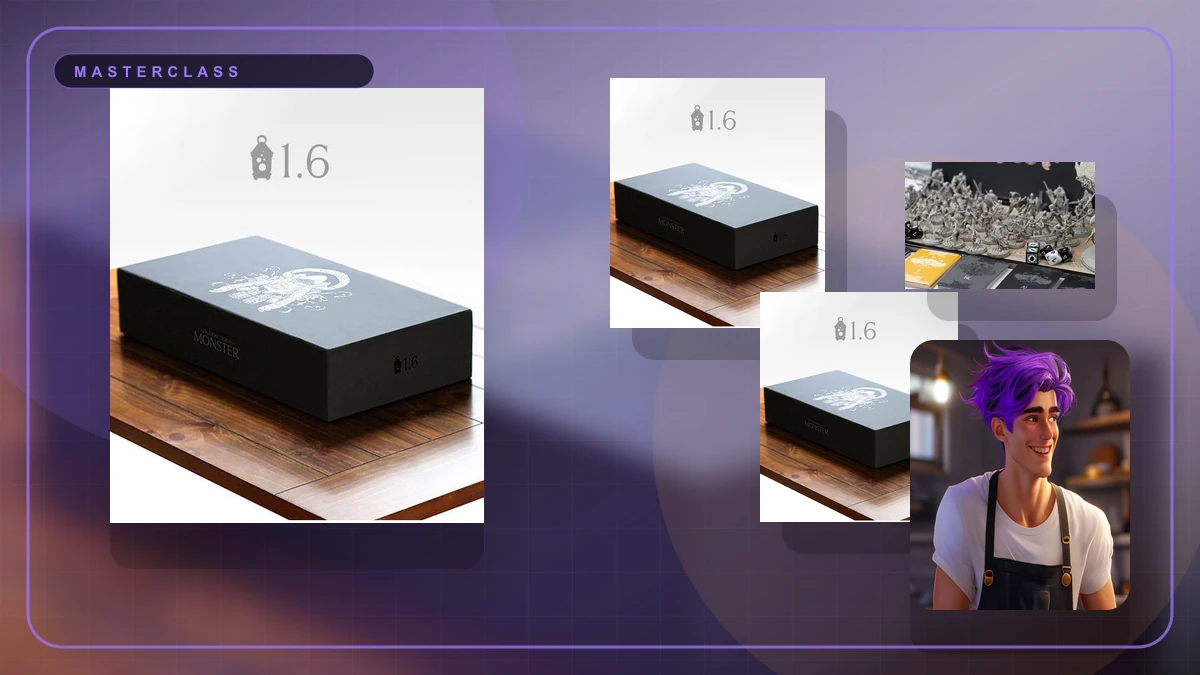
Kingdom Death: Monster
“THE VERDICT: Kingdom Death: Monster is the most beautiful, most brutal game in the hobby, and it will hurt your first survivor on the Plain of Stone Faces. This is the full 2026 initiation. For people who want the brotherhood that endures it.”

Best Brain Teaser Puzzles for Adults (2026)
“My honest map for grown-ups who want the kind of hard that resists your understanding, not your fingers. I refused to list anything that's merely fiddly — every pick on here earned its difficulty conceptually.”
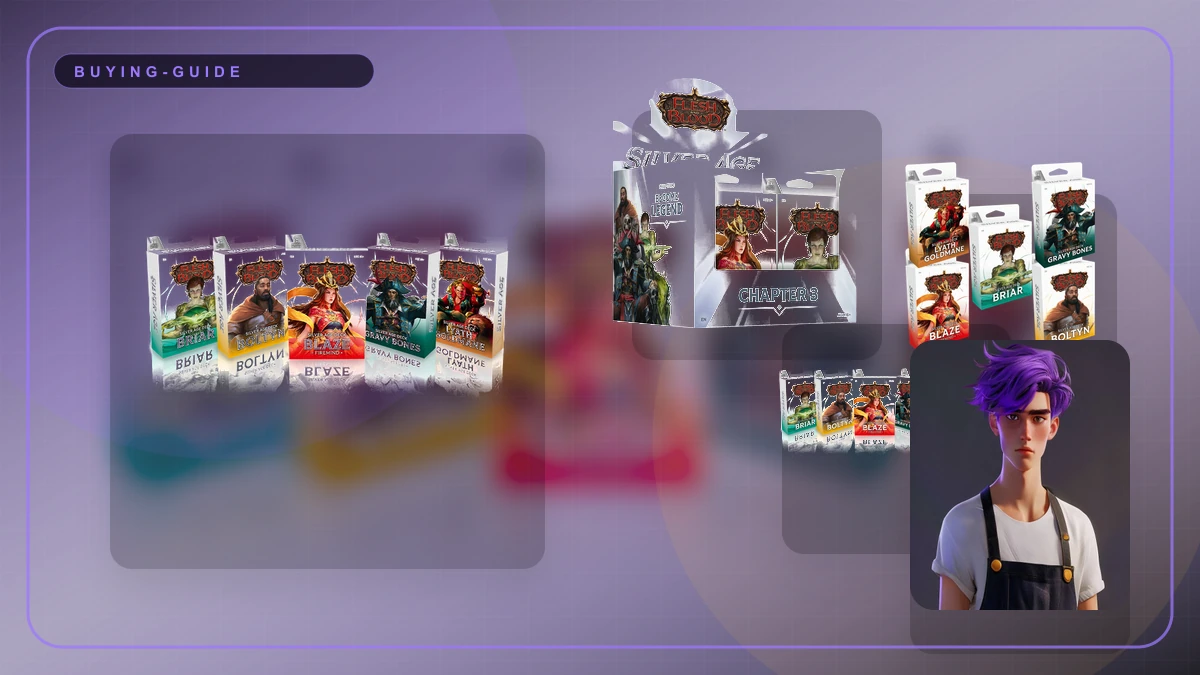
Best TCG Starter Decks 2026: Flesh & Blood vs Sorcery vs Altered
“THE VERDICT: Flesh & Blood, Sorcery, and Altered offer genuinely different entries — speed, strategy, physics — and their starters range from disposable to tournament-ready. I tell you which is which. For the player who refuses to waste the first buy.”
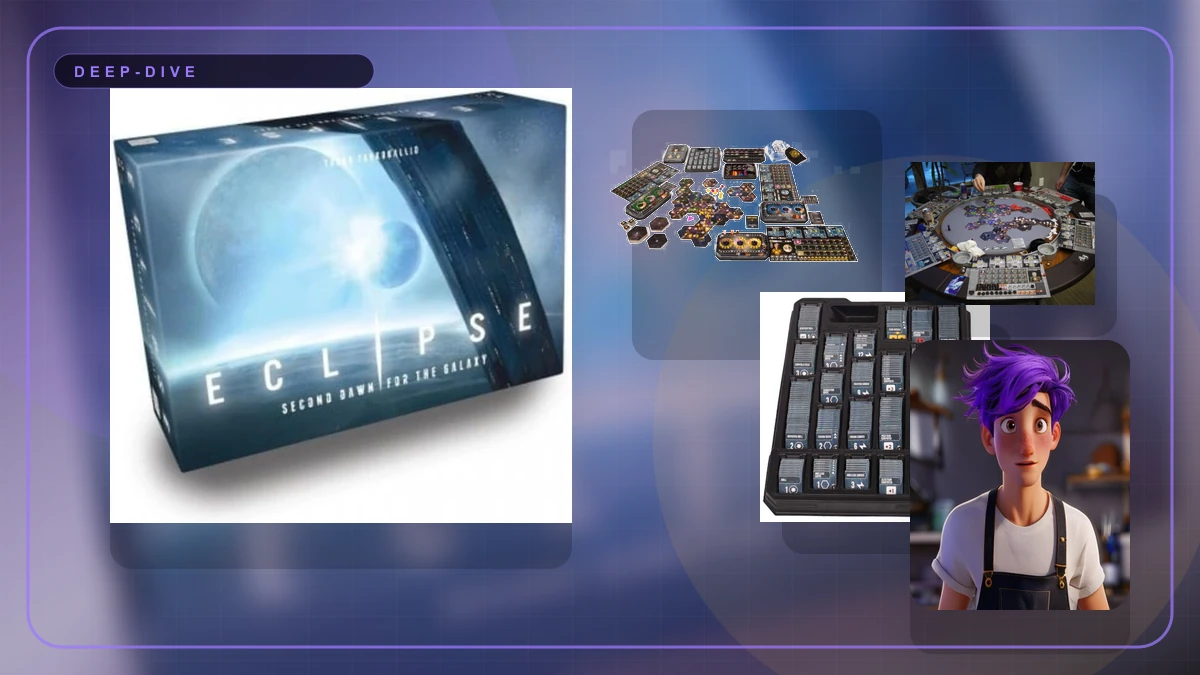
Eclipse: Second Dawn for the Galaxy — The 4X Space Epic Worth Clearing the Whole Table For
“My love letter that still names the flaw first. This is the 4X I'll clear a whole weekend for, and I explain exactly why the Second Dawn components earn the table they demand. For the player who wants one space epic done right.”
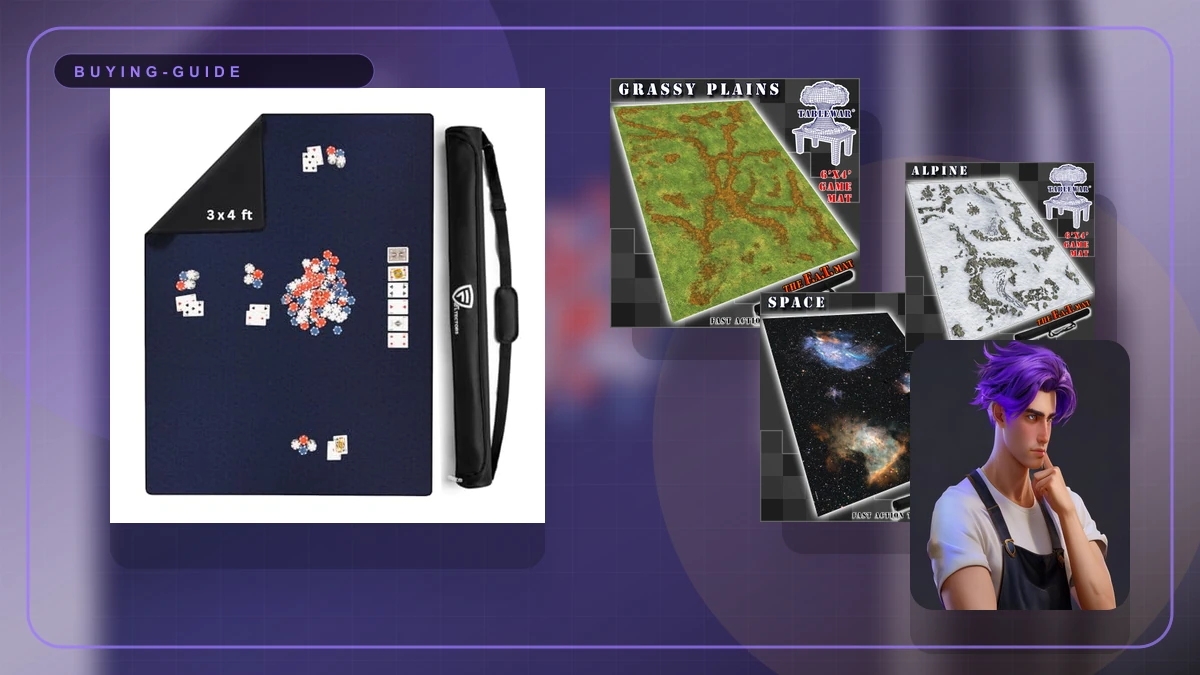
Gaming Playmats: Best Neoprene Mats for Board & Card Games
“Simple verdict: the right neoprene mat keeps your pieces planted and your cards crisp, and a bad one slides or curls. I sorted the playmats worth owning for board and card games alike. For anyone tired of chasing tokens across the table.”
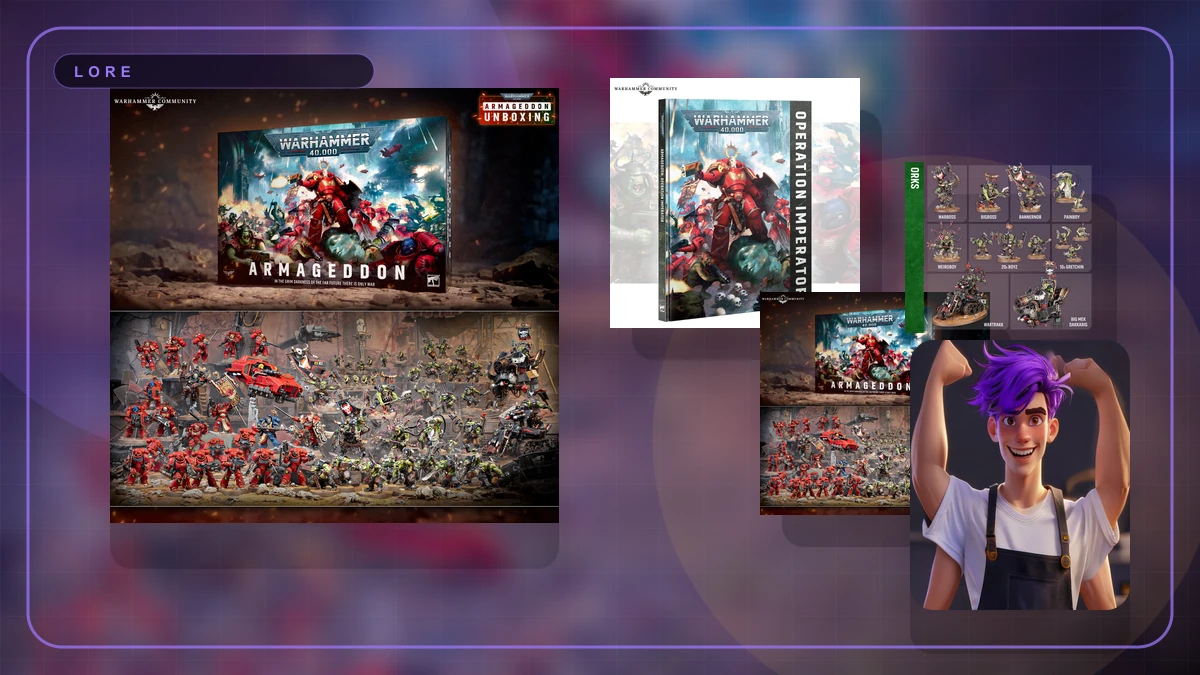
Operation Imperator: The Fourth War for Armageddon Reignites the Grimdark
“I let the romantic off the leash for this one — the grimdark lore deserves real reverence, so I gave it the deep-dive treatment while staying honest about what's marketing and what's canon. For the lore-hungry who want substance under the drama.”

Star Wars: Unlimited — Is It Worth Getting Into? How to Play & Where to Start (2026)
“Straight answer to 'is it worth getting into': yes, and I'll prove it from the Hoth intro battle through the Lawless Time spotlight decks like Jabba and Leia. This is where to start and how to play. For the newcomer who wants a clean on-ramp.”

Slay the Spire: The Board Game Review — A Faithful Climb That Costs a Fortune and a Table
“A faithful adaptation that costs a fortune and a whole table — so I led with both flaws and then earned the praise back with specifics. For the deckbuilder fan deciding whether the physical climb is worth the physical price.”

Best 3D Wooden Puzzle Kits, Ranked (2026)
“Let's get the bad news out of the way first: half the flat-pack wood machines that 'actually move' grind to a stop or never moved cleanly to begin with. I ranked the ones that survive skepticism. For builders who want motion, not a shelf ornament.”
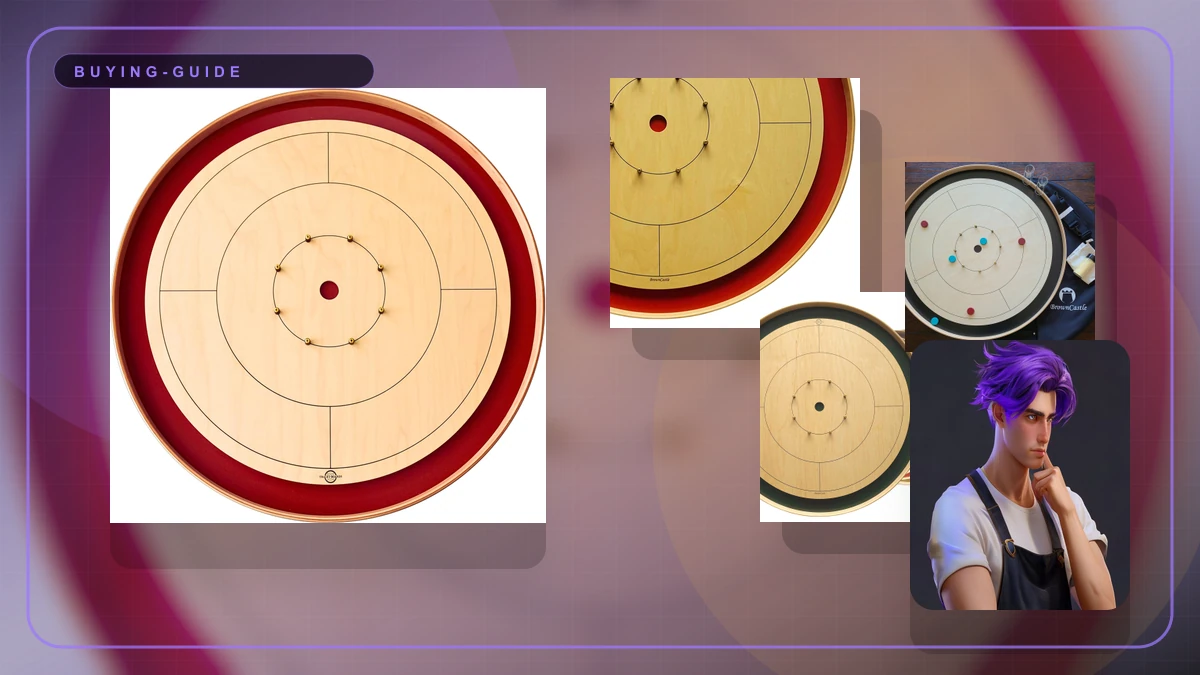
Best Crokinole Boards, Ranked (2026)
“Crokinole lives and dies on surface tolerance and rebound consistency, so I judged these boards the way I judge a puzzle's tolerances — the flaw in a cheap board is in the millimeters. For the buyer who wants a board that plays true for thirty years.”
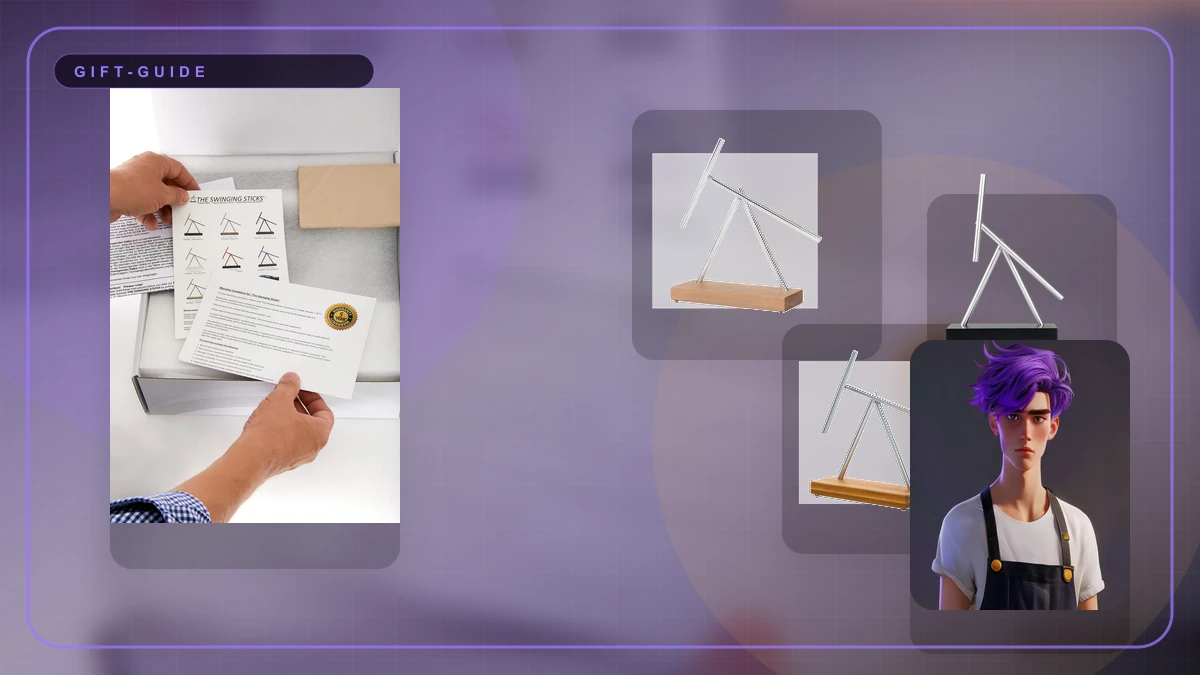
Best Desk Toys for Engineers & Restless Minds (2026)
“The bench-companion guide — for restless hands and skeptical minds who want objects engineered with real intent, not fidget-shaped landfill. I named the flaw in every overhyped gadget so you don't have to discover it yourself.”

Best Heirloom Wooden Games, Ranked (2026)
“This one's the softie talking — wooden games meant to outlive you, judged the way I'd judge a guitar: grain-matched seams, flush joints, tolerances that survive humidity. For buyers who want one box their grandkids fight over.”
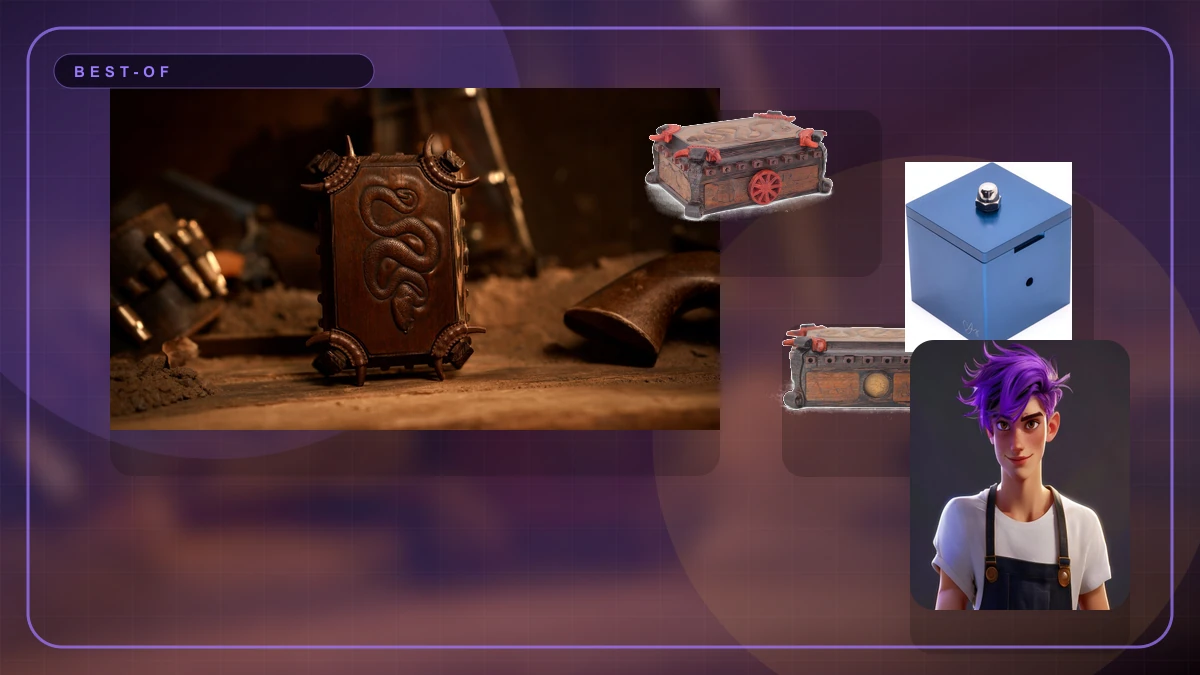
Best Sequential Discovery Puzzles, Ranked (2026)
“Sequential discovery is the genre I most want to protect from hype, so I graded disassembly and reassembly separately and flagged every box that can't re-close without the solution sheet. For people who want to get lost on purpose, not get burned.”

Build-Your-Own Automata Kits Ranked: Best Wooden Mechanical Models (2026)
“Mechanical model kits where the whole joy is the mechanism moving true — so I graded gear mesh and fit tolerance hardest, because a kinetic kit that binds is a kit that lied to you. For makers who want the cam to turn like silk.”
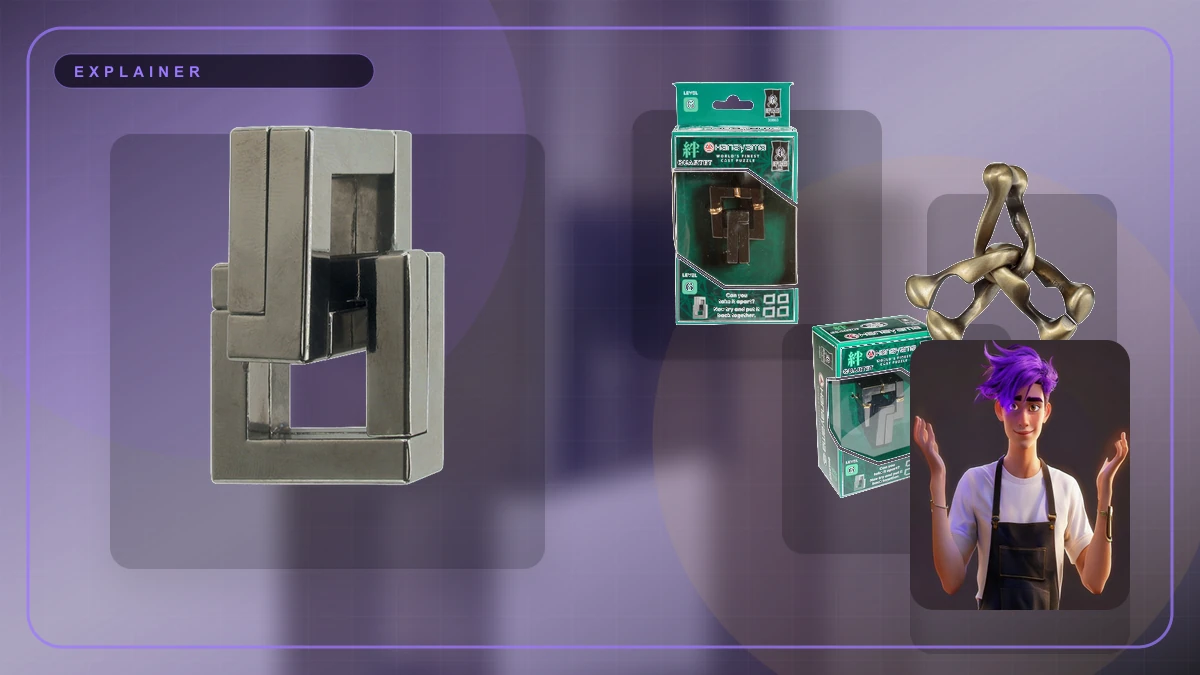
Hanayama Cast Puzzles, Ranked: Every Difficulty Level from Beginner to Devil
“I built this because the difficulty numbers on these boxes mislead newcomers — so I ranked every level AND told you the keyword trick that's printed on the packaging the whole time. For anyone tired of brute-forcing a puzzle that just wanted them to read the box.”

Is Levitating Desk Decor Worth It? Ranked (2026)
“THE VERDICT: most levitating desk decor is an electromagnet with a hum and a markup. I stress-tested the whole shelf and found three that genuinely earn the wonder. For the skeptic who wants the magic without the gimmick.”
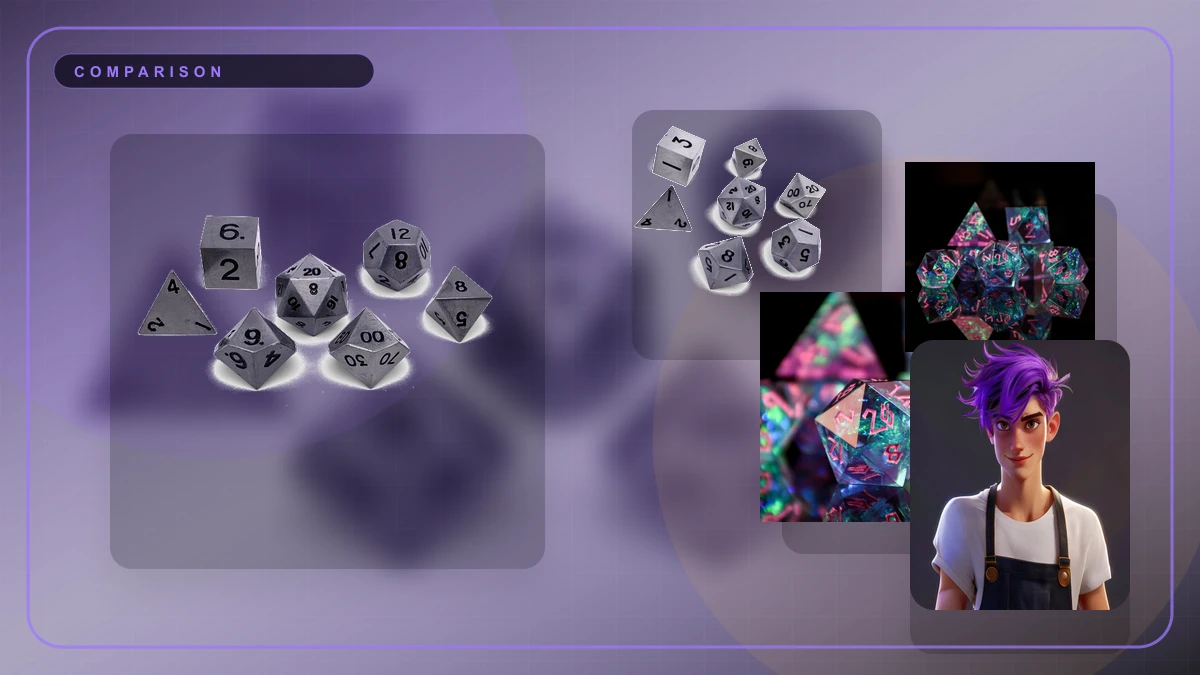
Metal vs Resin Dice: Which Should You Buy? (2026)
“The flaw in the metal-dice pitch: 'fairer' is marketing. You're paying for heft and the sound of authority, not better randomness. Here's what actually changes between metal and resin, and what doesn't. For players who want the truth before the spend.”
Right now I'm obsessed with the one puzzle that beat me and I still can't put a grade on.
Hanayama Cast Enigma (Level 6)
The keyword on the box is TWIST and I IGNORED it for two evenings like an amateur, pulling at a 4-piece beast that was never going to pull. When I finally stopped fighting it and started rotating, it opened like it had been waiting for me to calm down — and then it humiliated me on the reassembly, which is the harder puzzle nobody warns you about. THE VERDICT is unfair-but-correct: a Level 6 that's genuinely about understanding, not finger strength, and the cheapest object on my bench that has anything to teach. (...and the cast finish on it, though. clean enough that I respect whoever pulled the mold.)
 The Critic · the honest verdict
I'll be honest with you — flattery is boring.
✦ 0 of 10 keepers in your binder ·