Metal coins, gemstone dice, resin minis & the upgrades collectors covet.
Gaming Pieces
The short answer
Gaming Pieces is the wing for the components collectors covet as objects in their own right — metal coins, hand-pressed and gemstone dice, resin meeples and minis, and the upgrade kits that turn a good game into an heirloom. Small things, obsessively made, that make every session feel a little more special.
40 certified guides 40 deep guides route led by Kenji · curator council
Wander in ↓ Start with the deep dives
The researched, honestly-verdicted guides our panel wrote for this wing — the fastest way down the rabbit hole.

Comparison
Metal vs Resin Dice: Which Should You Buy? (2026)
Dax · The Critic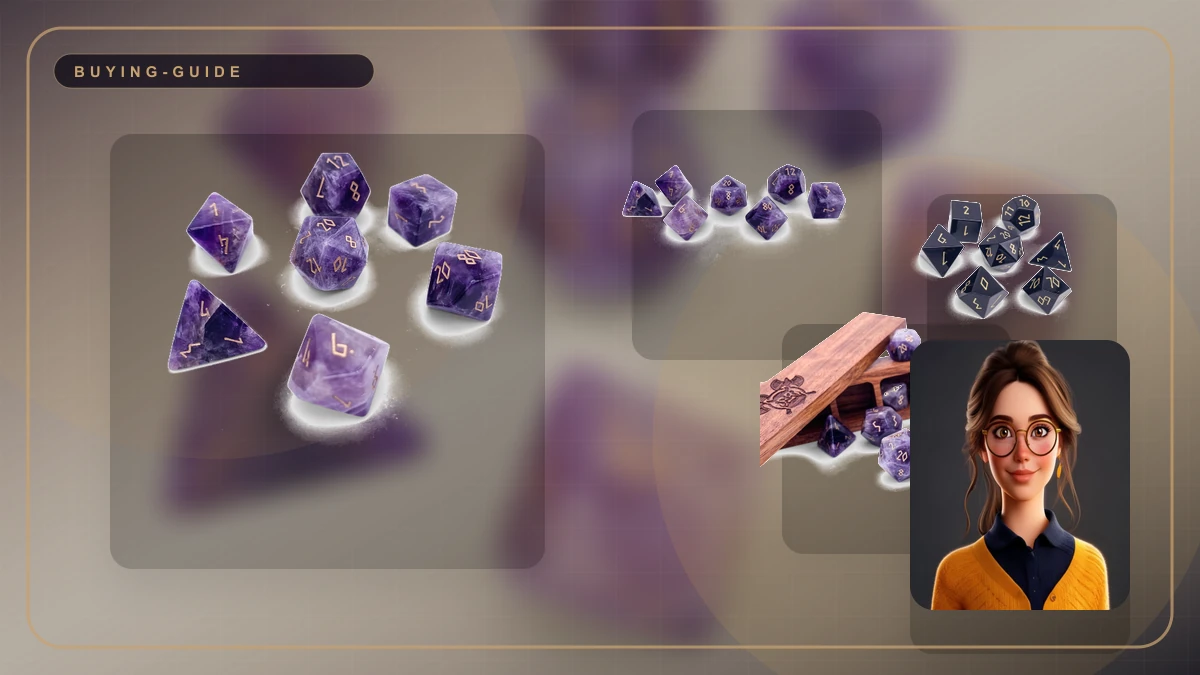
Buying Guide
Are Gemstone Dice Worth It? (2026)
Margo · The Archivist
Buying Guide
Best Dice Trays & Rolling Trays, Ranked (2026)
Kenji · The Sensei
Gift Guide
Best Gifts for Dungeon Masters (2026): For the One Behind the Screen
Margo · The Archivist
Best Of
10 Best LEGO Fantasy & Sci-Fi Sets in 2026, Ranked: Which Epic Build Actually Fits Your Room?
Yumi · The Hostess
Comparison
40K Combat Patrol vs 1,000 vs 2,000 in 11th Edition
Imani · The Connector
Comparison
Aeon Trespass: Odyssey vs Kingdom Death: Monster in 2026: Which Lifestyle Grail Should You Buy?
Dax · The Critic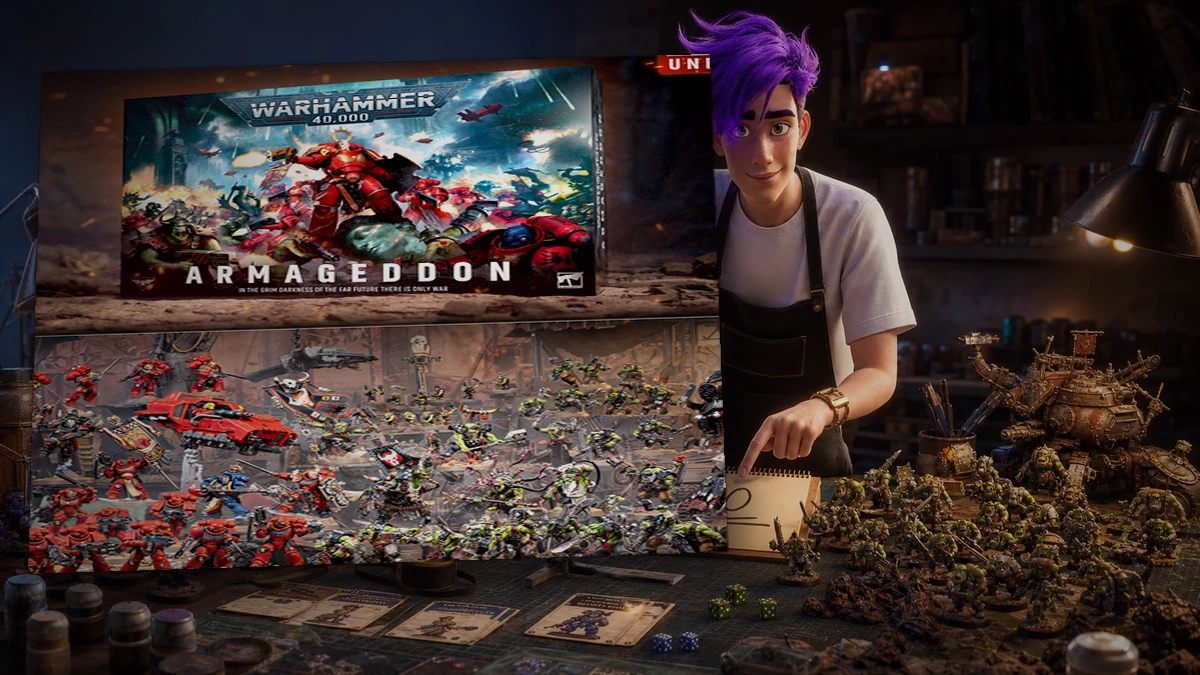
Buying Guide
Armageddon Box Upgrade Paths: Space Marines vs Orks to 1,000 Points
Dax · The Critic
Buying Guide
Best Card Sleeves for TCGs: MTG, Pokemon, Yu-Gi-Oh — Complete Buying Guide
Dax · The Critic
Buying Guide
Best Deck Boxes & Card Organizers for MTG, Yu-Gi-Oh & TCGs (2026)
Margo · The Archivist
Best Of
Best Dice Towers (2026): The Keeper's Complete Guide, From $20 Bamboo to Heirloom Hardwood
Kenji · The Sensei
Comparison
Best Massive LEGO Sets With Minifigures in 2026: Giant Casts, Special Pieces, and Worlds Worth Building
Yumi · The Hostess
Best Of
Best Metal Dice Sets for D&D (2026): Heft, Balance & Where to Buy
Margo · The Archivist
Buying Guide
Board Game Inserts in 2026: The Sleeve Trap Nobody Warns You About, and How to Buy One That Fits
Robert · The Keeper
Buying Guide
Carcassonne Big Box 2025 vs Base Game: Which Expansions Are Actually Worth Buying?
Kenji · The Sensei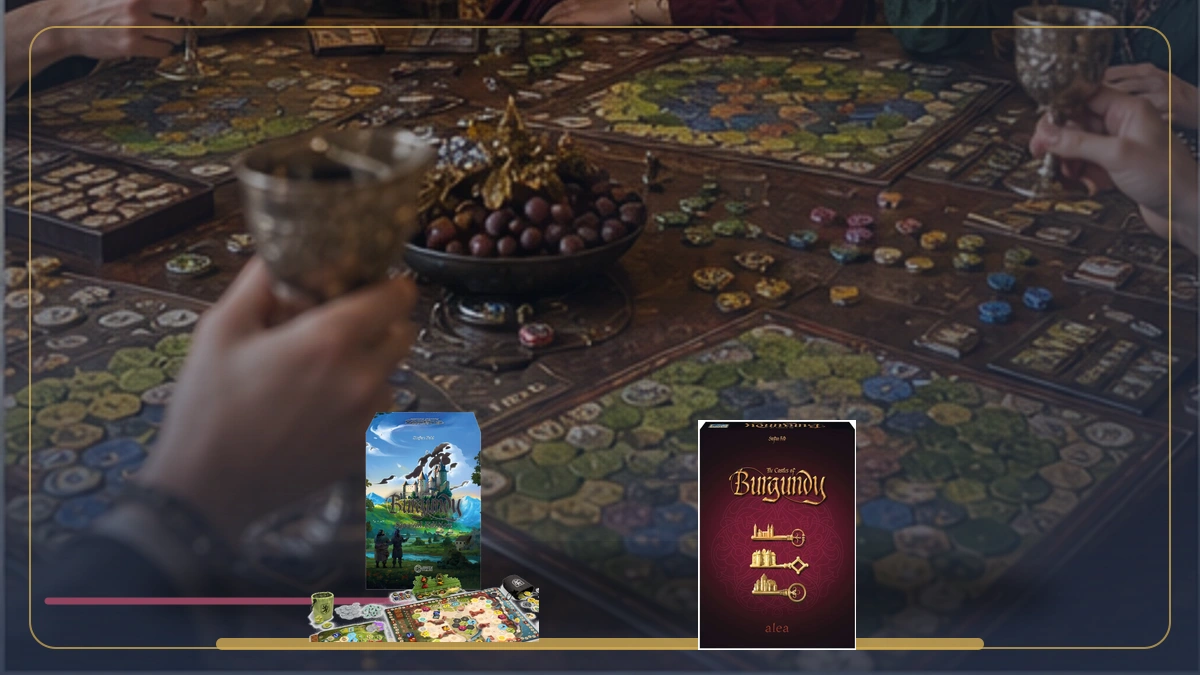
Buying Guide
Castles of Burgundy Special Edition vs Standard in 2026: Is the Grail Upgrade Worth It?
Margo · The Archivist
Beginner's Guide
D&D Prepainted Miniatures 2026: Your Guide to Ready-to-Play WizKids Figures
Yumi · The Hostess
Buying Guide
Elden Ring: The Board Game — Which Core Set to Buy First (2026)
Dax · The Critic
Buying Guide
Elder Scrolls BOTSE Buying Guide: What to Buy in 2026
Dax · The Critic
Buying Guide
Frosted Blooms vs Azul vs Sagrada in 2026: Which Beautiful Abstract Should You Buy?
Imani · The Connector
Buying Guide
Gaming Playmats: Best Neoprene Mats for Board & Card Games
Dax · The Critic
Buying Guide
HeroQuest First Light vs Game System in 2026: The Complete Expansion Buying Order
Robert · The Keeper
Buying Guide
Horrified: Dungeons & Dragons vs Universal Monsters in 2026: Which Box Wins?
Margo · The Archivist
Masterclass
How to Start Warhammer 40,000 in 2026
Dax · The Critic
Buying Guide
Is Cozy Stickerville Worth It in 2026? Solo, Family, Replay, and the Ten-Year Campaign
Robert · The Keeper
Comparison
Is Wyrmwood Worth It? (2026)
Robert · The Keeper
Masterclass
Kingdom Death: Monster
Dax · The Critic
Deep Dive
Kingdom Death: Monster 1.6 Review — Is the $444 Grail Worth It in 2026?
Dax · The Critic
Buying Guide
Lands of Evershade Buying Guide (2026): Standard vs Special vs Scout vs Explorer
Margo · The Archivist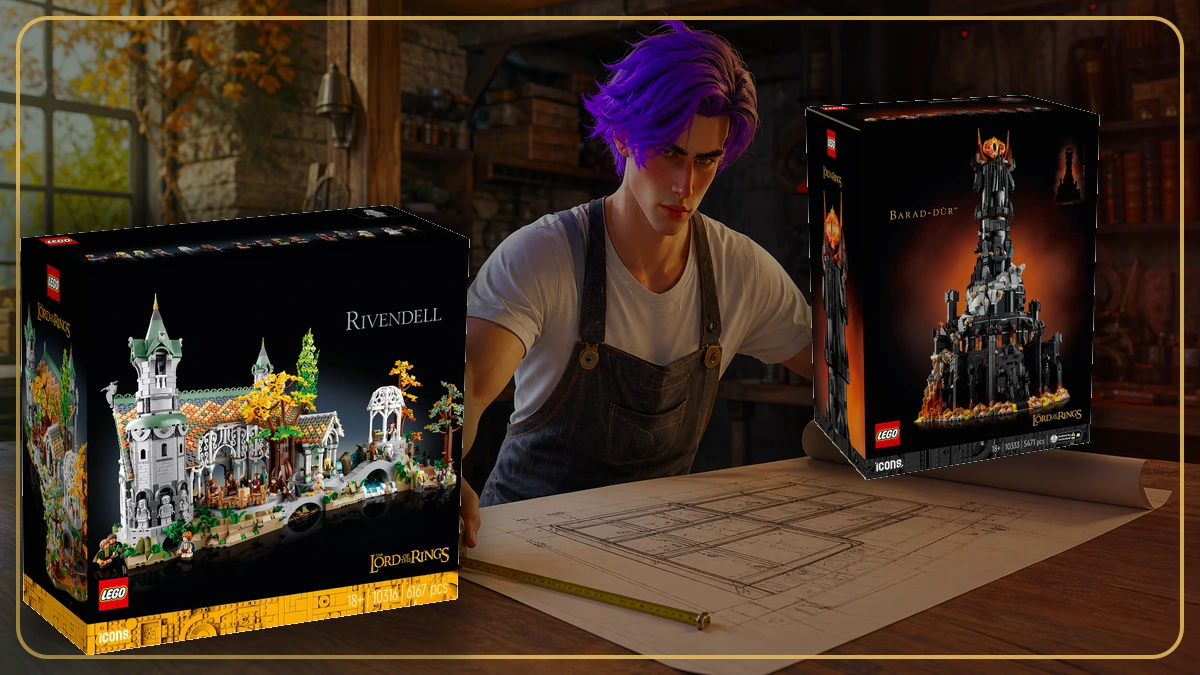
Comparison
LEGO Rivendell vs Barad-dûr in 2026: Which $500 Middle-earth Grail Should You Buy?
Dax · The Critic
Comparison
Nemesis Retaliation vs Nemesis vs Lockdown: Which Horror Grail Should You Buy in 2026?
Margo · The Archivist
Campfire Tale
Operation Imperator: The Fourth War for Armageddon Reignites the Grimdark
Dax · The Critic
Buying Guide
Rebirth vs Cascadia vs Carcassonne in 2026: Which Tile-Laying Game Belongs on Your Table?
Kenji · The Sensei
Buying Guide
Root Expansions Ranked by Player Count in 2026: Marauder, Underworld, Riverfolk, or Homeland?
Dax · The Critic
Buying Guide
Sanibel vs Cascadia vs Harmonies in 2026: Which Cozy Nature Puzzle Wins?
Yumi · The Hostess
How-To
Sky Team Complete Guide: How to Land, Communicate, and Know When Turbulence Is Worth It
Imani · The Connector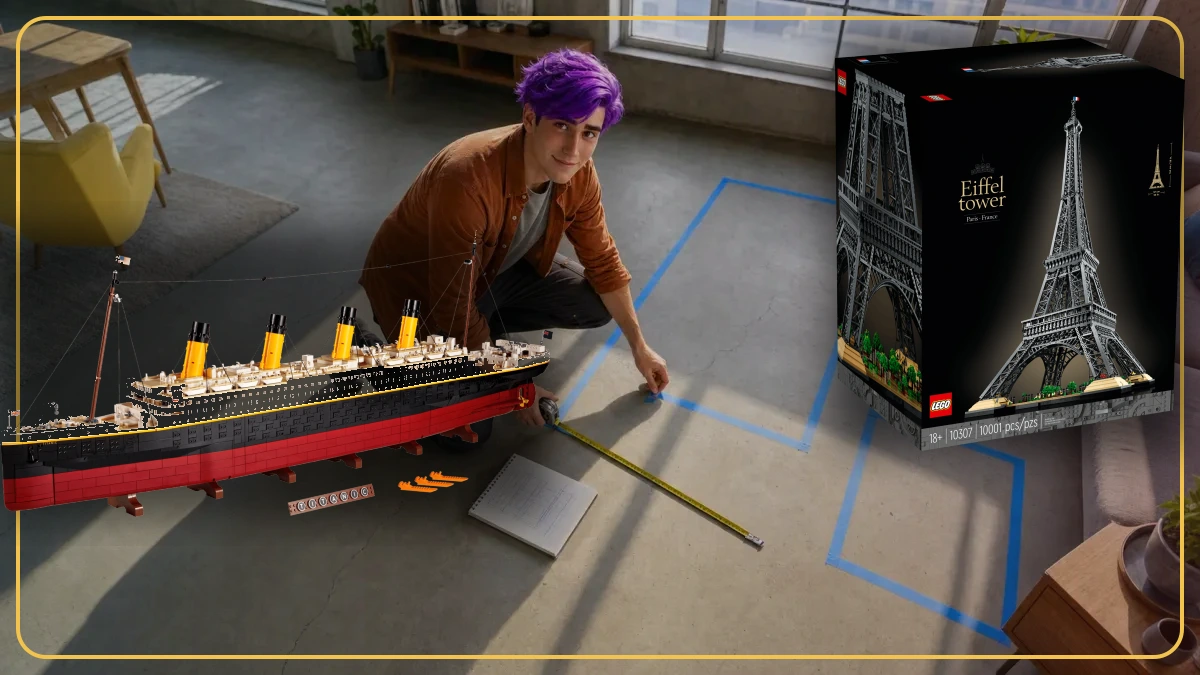
Buying Guide
The 9 Largest LEGO Sets You Can Buy on Amazon in 2026, Ranked by Pieces, Footprint, and Build Commitment
Dax · The Critic
Comparison
The Elder Scrolls: Betrayal of the Second Era vs Too Many Bones in 2026: Which Chip Theory RPG?
Margo · The Archivist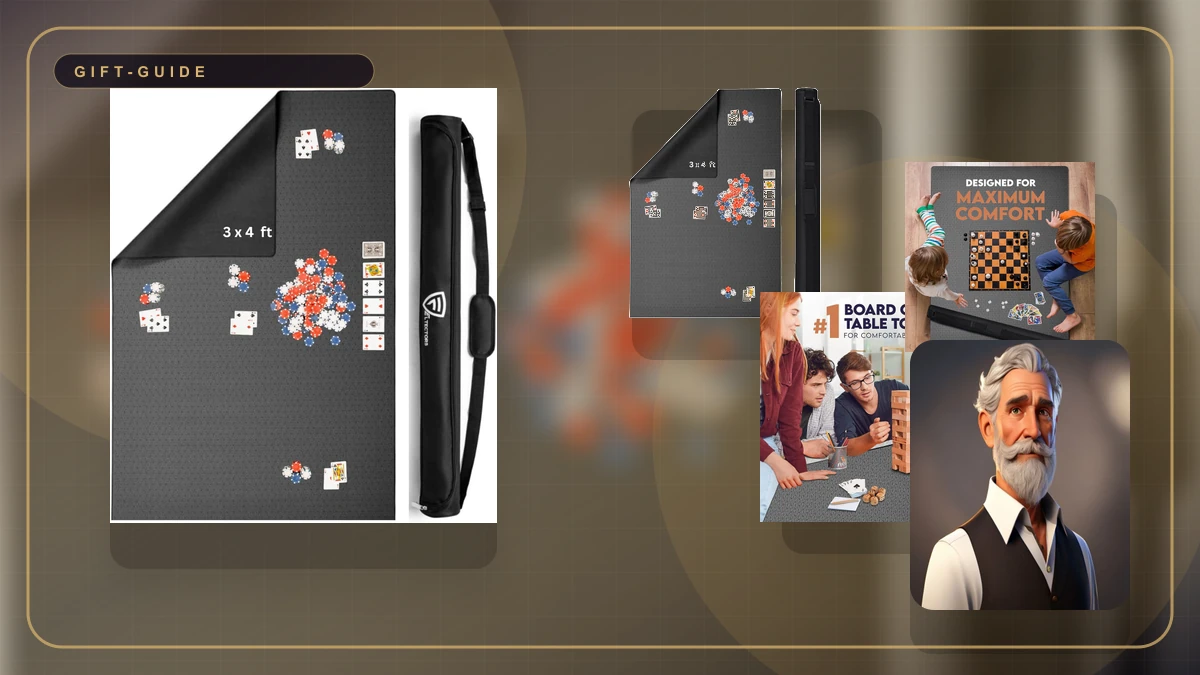
Gift Guide
The Game-Night Upgrade Kit: 9 Accessories That Make Any Table Look and Play Pro
Robert · The Keeper
Comparison
Warhammer 40K 11th vs 10th: What Actually Changed
Dax · The CriticQuestions, answered
Are metal or gemstone dice worth it?
For the feel, heft, and sound — many players think so. Metal and gemstone dice are slower-rolling, gorgeous, and durable. We compare metal vs resin vs gemstone so you know the trade-offs before you splurge.
What are component upgrades?
Upgrade kits swap a game’s cardboard or plastic bits for premium versions — metal coins, wooden resources, custom inserts, deluxe trays. They are how collectors turn a favorite game into a showpiece.
Do upgraded pieces improve the game?
They rarely change the rules — they change the experience. Better heft, clearer iconography, faster setup, and a table that simply looks and feels better. For a game you play often, the payoff is real.
Are metal dice fairer than resin dice?
No. Fairness comes from a die's geometry and your throw, not its weight. Metal holds slightly tighter manufacturing tolerances, so it's a bit more likely to be uniform than a cheap hand-poured resin blank — but 'uniform' means fair, not lucky. At any real table you won't detect a difference.
Will metal dice scratch or damage my table?
They can. A ~130g cast-zinc die with hard corners thrown onto wood or laminate can leave marks; makers like Die Hard Dice say so directly. Roll metal into a felt- or neoprene-lined tray, or use rounded 'blunt-tip' metal, and the risk drops sharply. On a forgiving surface with a gentle toss, damage is unlikely — but a tray is the safe default.
Are gemstone dice worth the money?
For collectors and display-minded players, yes — a genuine $75–$100 set from a transparent maker is a lasting, one-of-a-kind pleasure. For players who need provable fairness or who roll hard on hard surfaces, no — acrylic or metal is more durable and better balanced for far less. Worth depends entirely on whether you value the object or the function.
Do gemstone dice chip easily?
More easily than resin or metal, yes. Even hard quartz-family stones (Mohs 7) can chip on impact with tile, concrete, or a hard edge, and soft stones like fluorite (Mohs 4) can lose a corner from a short drop. Always roll them on felt, neoprene, or in a lined tray, and store them in foam. A tray isn't optional with gemstone dice.
What is a dice tray for?
A dice tray is a walled, soft-floored arena that catches your dice when you roll. It keeps dice from bouncing off the table and getting lost, protects your tabletop from scratches (especially from heavy metal dice), and dampens the clatter of a roll. It's a small courtesy to your table, your dice, and the people rolling beside you — and it makes rolls faster and tidier to read.
What's the difference between a dice tray and a dice tower?
A dice tower drops dice through internal baffles so they tumble and scatter before landing — its job is dramatic randomization. A dice tray doesn't touch the roll at all; you throw directly onto its padded floor and the walls catch the dice. Trays are faster to use, flatter to pack, and easier to share around a table; towers add theater and a feeling of fairness. Many players keep both. (Puzzlewick has a separate dice-towers guide for the cascade crowd.)
What is the single best gift for a Dungeon Master?
A premium modular DM screen — the Wyrmwood DM Screen System (panels from ~$70) — is the best overall gift, because it is both heirloom-beautiful and used every single session to hide notes, take secret rolls, and organize the game. If your budget is closer to $25, the official Dungeon Master's Campaign Journal is the highest utility-per-dollar choice. Both serve the labor of running a game, which is what separates a DM gift from a player gift.
What's the best DM screen to give as a gift?
For a premium gift, the Wyrmwood DM Screen System — solid hardwood, magnetic, modular panels (~$70 for a single elm panel, climbing into the hundreds for exotic woods and full multi-panel builds). For a more affordable but still excellent gift, choose a customizable screen with swappable reference inserts so the DM can load the rules they forget most. The wood is the luxury; the working magnetic note bar and dry-erase surface are the utility.
What is the best LEGO fantasy set in 2026?
Rivendell 10316 is the best complete premium fantasy set because it combines a varied build, 15 minifigures including the full Fellowship, rich interiors, landscape, and a finished model that rewards viewing from several angles.
What is the best LEGO science-fiction set in 2026?
The UCS Millennium Falcon 75192 is the ultimate science-fiction grail when budget and room are available. The Dune Atreides Royal Ornithopter 10327 is the better balanced purchase for most homes.
Is Combat Patrol the same as 500 points?
No. Combat Patrol uses boxed forces and format-specific tuning. Treat it as its own beginner format, not simply a normal points size.
Down the next hole
Wings that share this one's spirit. Keep wandering.
Want the whole cabinet? Browse every wing → · See what's hot right now →