Operation Imperator: The Fourth War for Armageddon Reignites the Grimdark
A coalition crusade answers a doomed planet's plea — and 11th Edition makes that doom the campaign you actually play.


AI-assisted research and drafting in Dax’s voice · reviewed by Robert Pruitt · how this guide was made
Last editorial refresh: 2026-06-18 Gold-standard QA: 2026-07-17 9 sources reviewed Affiliate links checked during gold-standard pass

The short answer
Operation Imperator is the story Games Workshop wrapped around Warhammer 40,000's 11th Edition (pre-orders June 6, full release June 20, 2026): a fresh Ork invasion of Armageddon — the forge-and-hive world that has already burned in two prior wars — answered by a Blood Angels-led coalition of Space Marine Chapters. The Armageddon launch box ($295 MSRP, ~$295–330 street) is the two-army on-ramp, and its Dominatus campaign deck turns that lore into a randomized narrative campaign you fight at the table.
Decision map
Choose in thirty seconds
Two players buying into 11th Edition together with the Operation Imperator story baked in
Readers who want the prophet of the WAAAGH!
Come in. Sit where the embers can reach you, and mind the ash — it drifts here no matter how still the air gets. Closer. I'm going to lower my voice for this one, because the chosen don't need it shouted.
Here is my verdict before the tale, the way I always give it: this is not a story about winning. It opens with a scream — a distress call clawing its way out of the warp from a world that has already drowned in its own blood three times over. The heroism is real. I'll grant it that, on the record. But the cause is doomed in the same breath that names it noble, and anyone selling you the triumph is selling you a sales sheet, not the truth.
So let me tell it straight, the grimdark with no flattery on it. Then — and only then — I'll tell you what's worth a place on your workbench.
Start here, then go deeper
You are in the right cabinet.
 ✠ Universe HubWarhammer: the whole buying pathWarhammer is Games Workshop's tabletop colossus — the grimdark far future of Warhammer 40,000 and the high fantasy of Age of...
 ⚙ Topic PathMiniatures and Wargames: compare the whole shelfThe cheapest box is not always the cheapest way in. These guides connect rules format, faction fit, terrain, tools, paint, and the...
 MasterclassHow to Start Warhammer 40,000 in 2026The current starter boxes, the honest first budget, faction choice, painting, first-game flow, and the traps that turn a fun army into a...
A distress call from a world that has already bled three times
Let me set the stage with the cold facts, because the cold facts are the horror here. Armageddon is not a fresh battlefield. It is a scarred one. This is the planet of the First War — a daemonic incursion turned back by Space Wolves and Grey Knights — and then the Second War for Armageddon, roughly 941–943.M41, when an Ork Warlord named Ghazghkull Thraka descended with five tribes welded into a single screaming horde and very nearly took the world whole.
It survived. Barely. And now Games Workshop's Operation Imperator narrative — the lore spine of 11th Edition — picks up after the events of Armageddon: The Return of Yarrick and frames what fans instantly recognize as a Fourth War. That recognition is the whole emotional payload. You don't need a primer to feel the dread; the name does the work.
Here is my critic's note, the flaw named early: the marketing wants you to feel hope. The lore, read honestly, gives you something colder — the sick familiarity of a place that knows exactly how this goes. A hive-and-forge world is a war-machine factory and a population center, billions of souls feeding the Imperium's guns. When the call goes out, it is not a rallying cry. It is a planet that has done this before, holding the line one more time, knowing what the line costs.

The Orks make planetfall: the Wazdakka vanguard
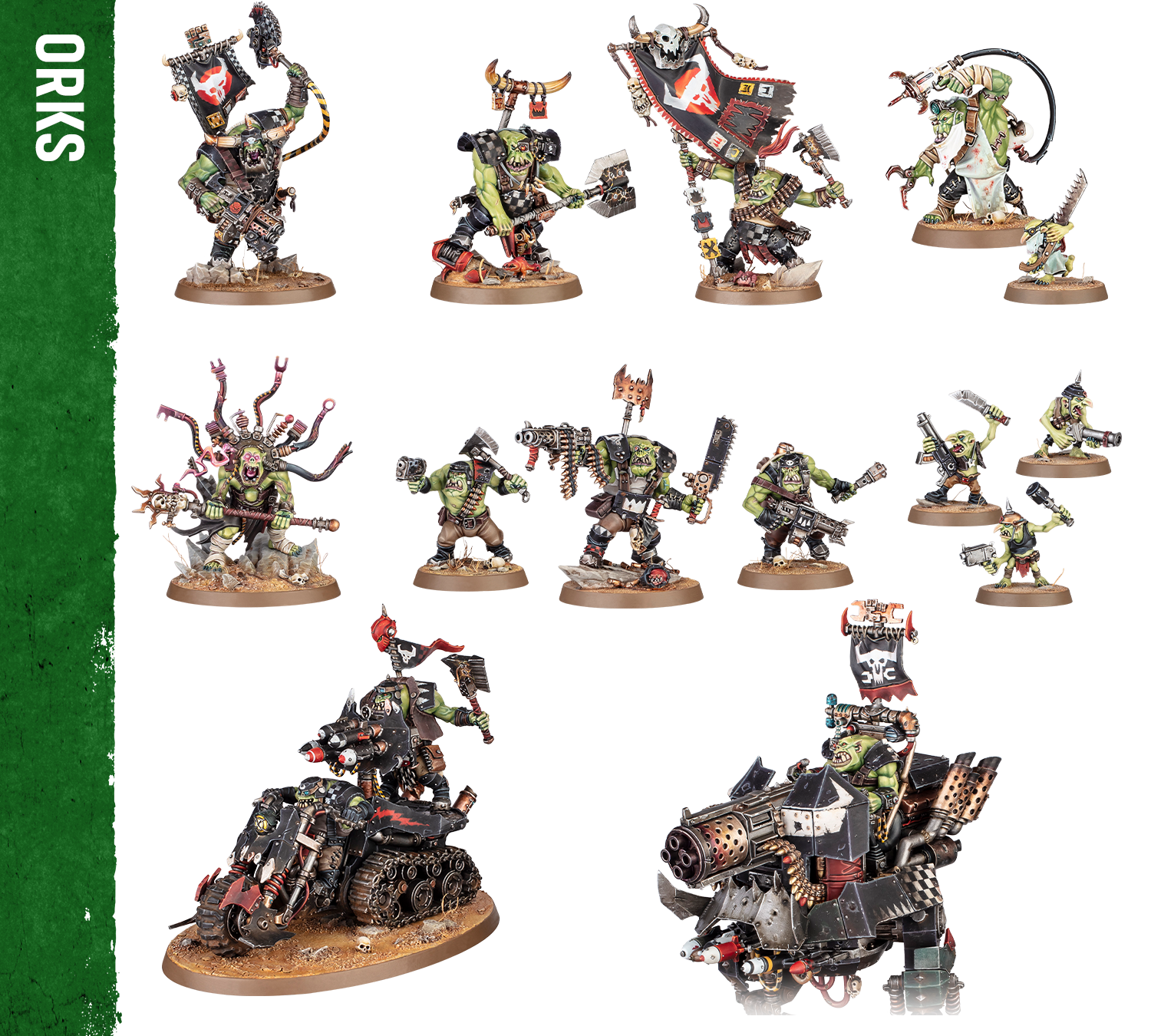

The green tide does not arrive politely. Ahead of the main horde comes the vanguard, and at its head — per the launch lore — roars Wazdakka Gutsmek, the bike-mad speed-freek warboss. Hold that detail, because it matters and it's easy to garble: Wazdakka spearheads the assault. He is the tip of the spear, not the spear itself.
Why a Kult of Speed boss first? Because that is how Orks break a world. Speed-freeks are the shock — wartrakks and warbikes ripping across the rockcrete ash-flats faster than a defensive line can re-form, fouling artillery, scattering supply, turning ordered defense into a hundred small panics before the real weight even lands. It is terror as logistics. By the time the defenders understand the shape of the attack, the shape has already changed.
- The role: vanguard — first contact, first chaos.
- The method: speed and dakka, breaking cohesion before mass arrives.
- The tell: if you see Wazdakka, the WAAAGH! behind him is not a threat. It is a promise.
I want to be precise here in a way the breathless previews sometimes aren't: Wazdakka leads the vanguard. The thing he is clearing the road for is the subject of the next tale, and it is far, far worse.
Ghazghkull's WAAAGH! and a feud measured in centuries
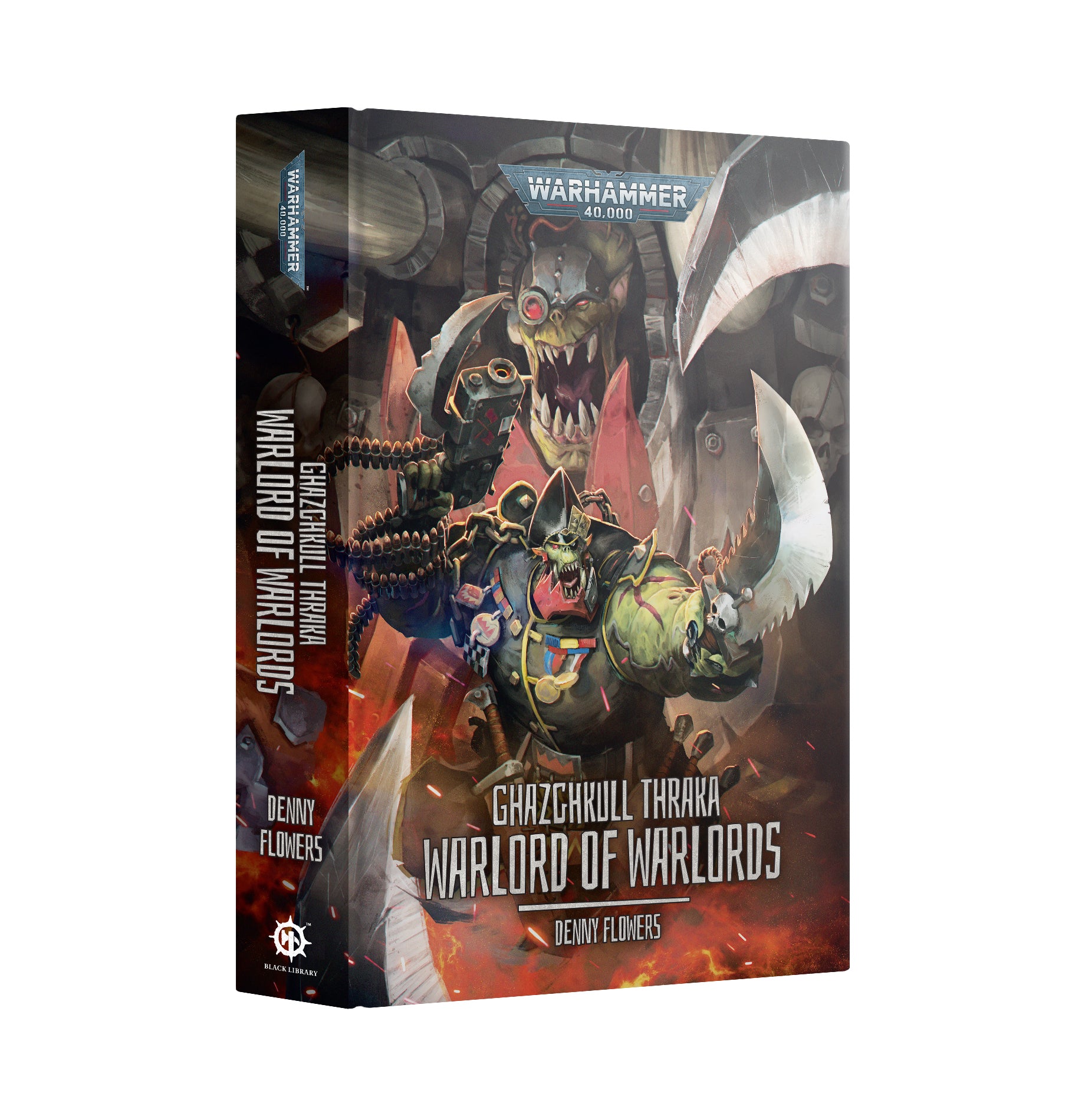
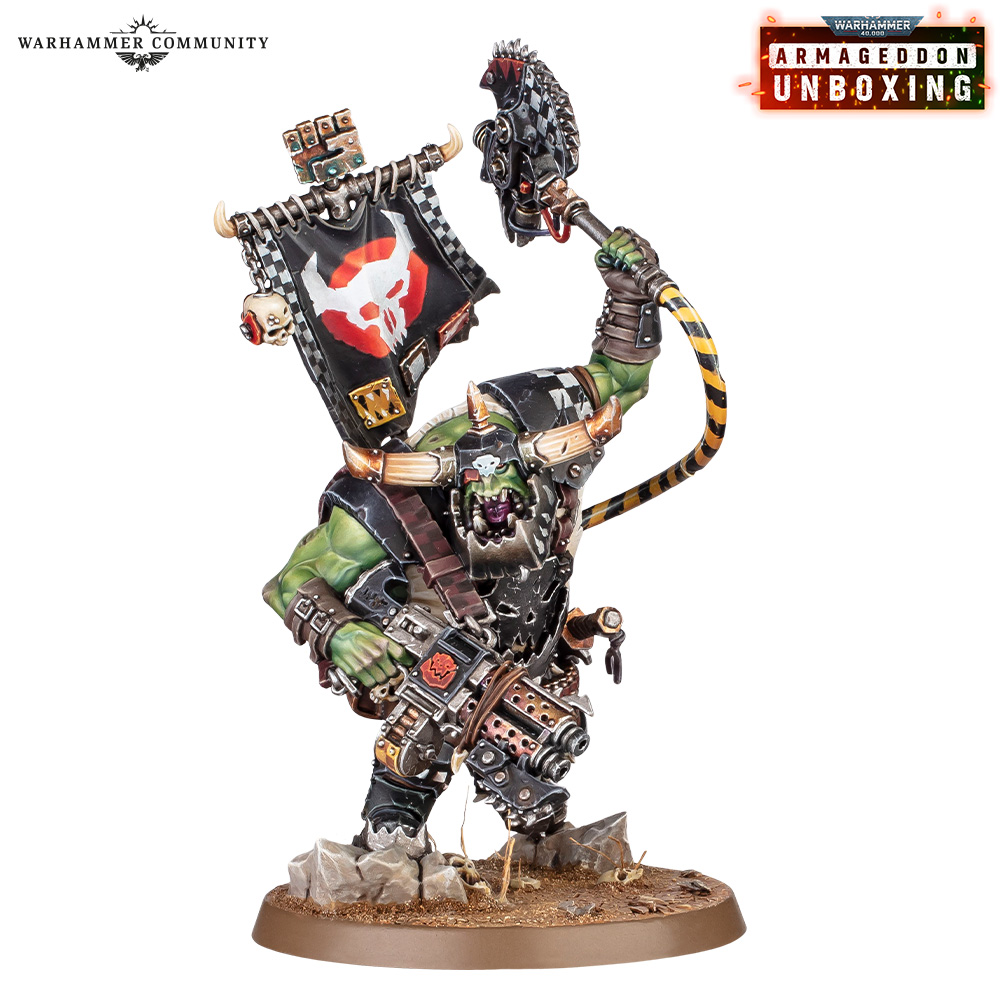
Now the fire dims, and I'll name the real monster. The main invasion — the WAAAGH! itself — is driven by Ghazghkull Mag Uruk Thraka, the Prophet of the WAAAGH! and, by most reckonings, the single greatest Ork warlord in the setting. Wazdakka clears the road. Ghazghkull is the road's destination. Keep that order straight; it is the spine of the whole story.
What makes this personal — and personal is what makes grimdark land — is the man waiting for him. During the Second War, Commissar Sebastian Yarrick held Hades Hive when its fall looked certain, foiling strategy after strategy until the Blood Angels outflanked and shattered the green horde. In Yarrick, Ghazghkull saw something almost no human earns from an Ork: a worthy enemy. A whetstone. Their feud has run for centuries since, a galaxy-spanning vendetta that has bent the course of whole campaigns.
So read what 11th Edition actually does: it puts the two of them back on the same cratered world. The old whetstone and the prophet who sharpened himself on it. My honest read — and I'll say it plainly — is that this is the best kind of lore hook precisely because it isn't clean. Yarrick has beaten Ghazghkull before and never finished him. Every reunion is another chapter of a duel that, by the setting's own logic, neither side is truly built to win.
Operation Imperator: a dozen Chapters answer the plea
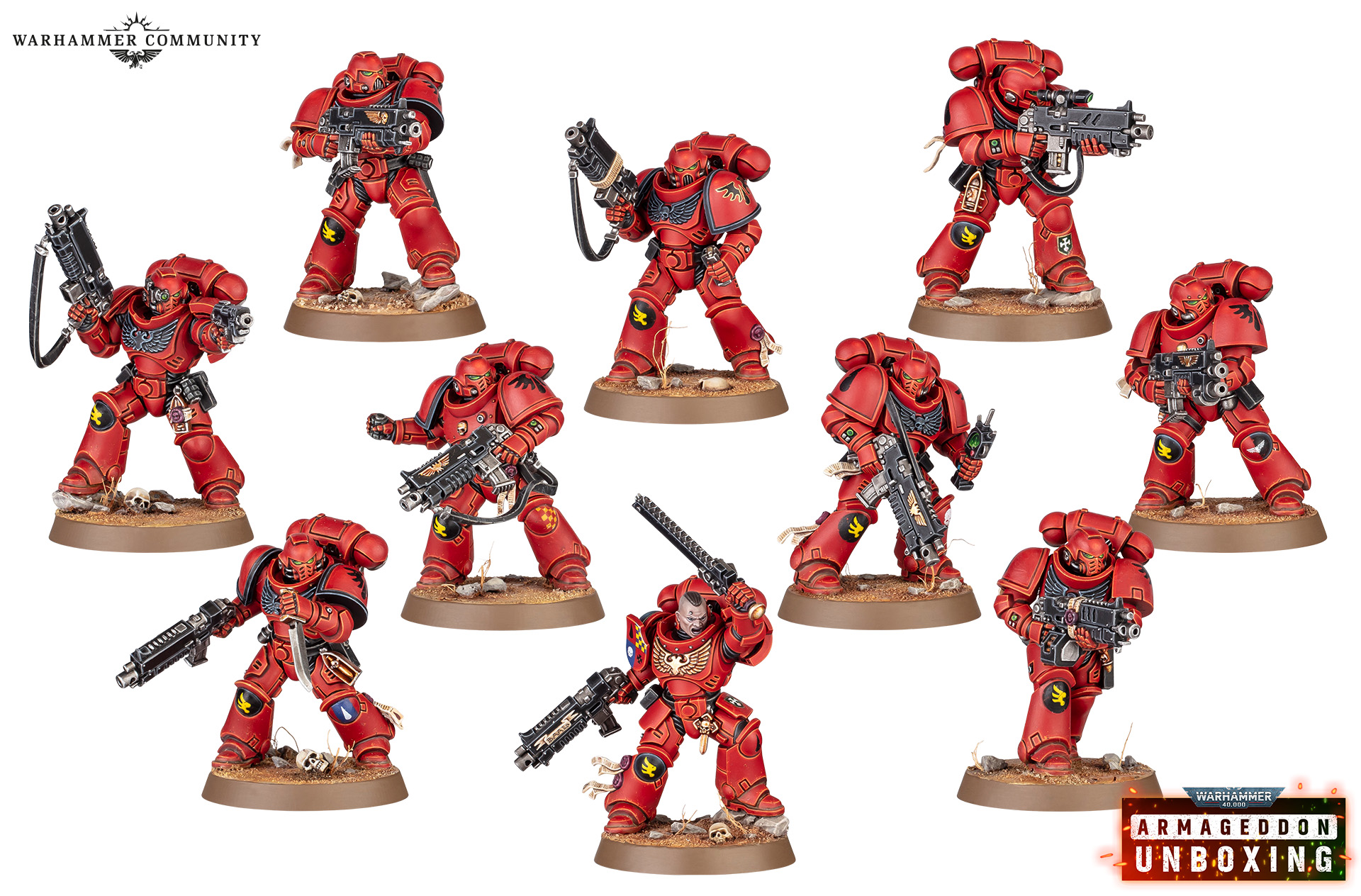
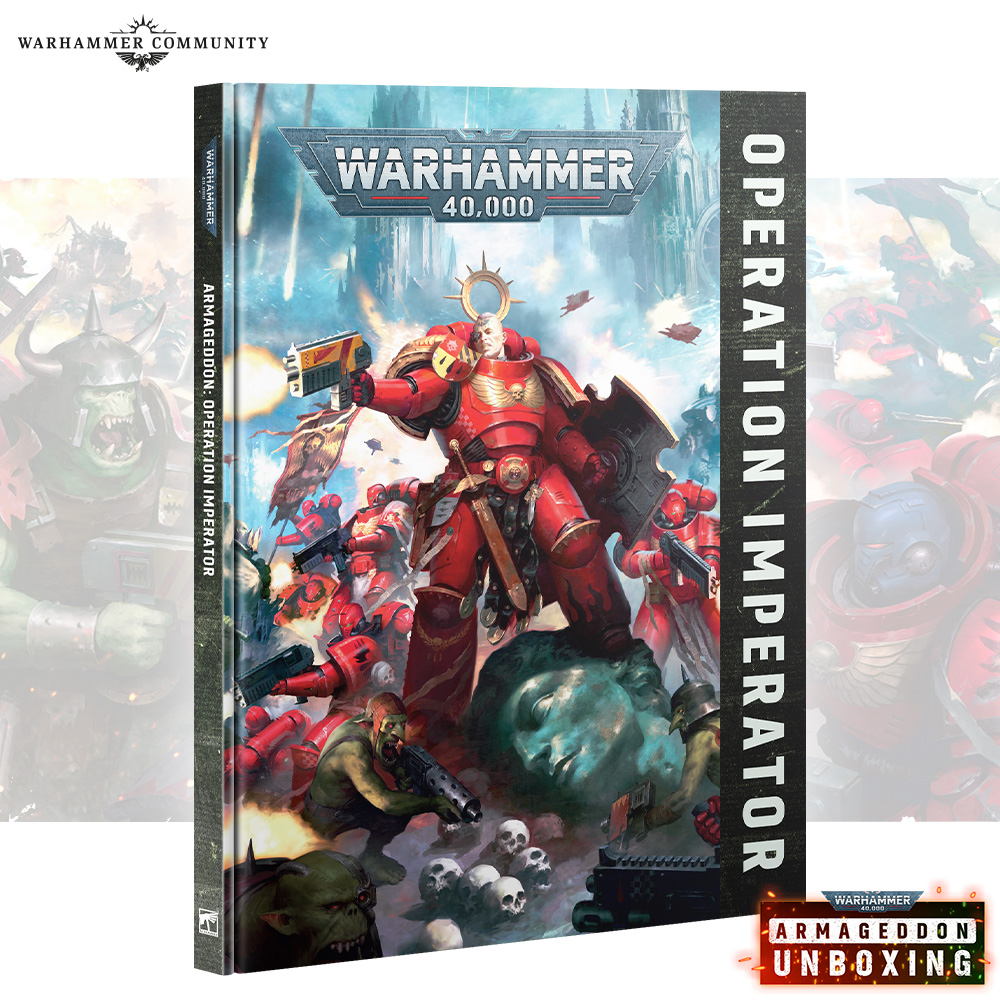
Yarrick's plea is the trigger. It launches Operation Imperator — a coalition crusade, and here the Imperium's light burns its brightest in the whole tale. The relief is led by the Blood Angels, and that is not a marketing accident: they are the historic saviors of Armageddon, the Chapter that broke the back of the Second War. The sons of Sanguinius returning to the world they once bled to save is a deliberate, earned echo.
They do not come alone. Games Workshop's framing has the launch box represent the Blood Angels strike force, but the wider Operation Imperator answer pulls in strike forces from across the Adeptus Astartes:
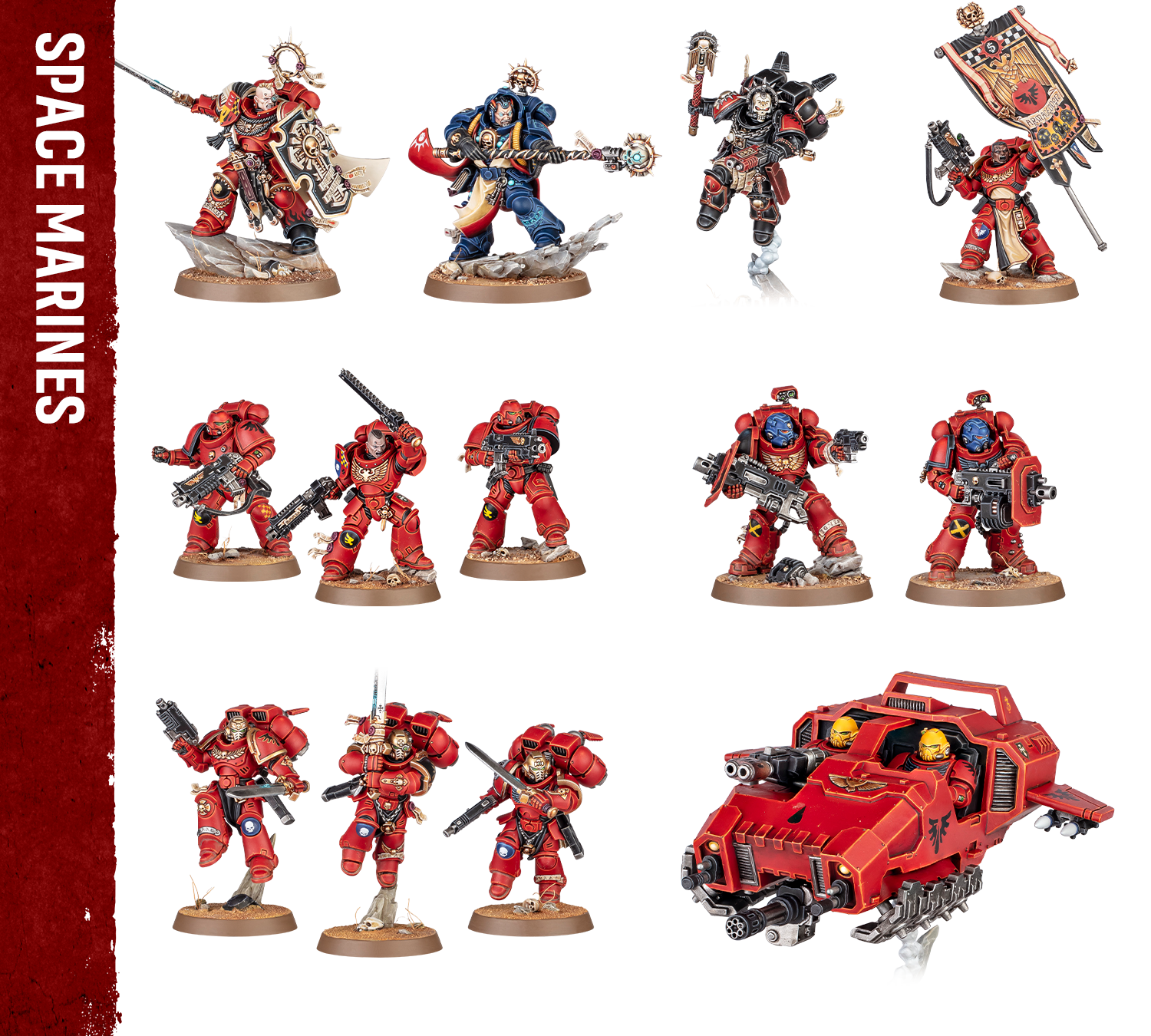
- Blood Angels — leading the crusade; the box's 23-model Marine force.
- Ultramarines, Salamanders, Space Wolves — named among the responding Chapters.
- A dozen more — GW's lore cites a broad coalition of Chapters and successors surging toward the war world.
Here's where I temper the heroism, because temper it I must. A coalition this size answering one plea sounds like overwhelming force. It isn't. It is the Imperium scraping together everything within reach for a world too important to lose and too far gone to easily save. The size of the response is a measure of the desperation, not the odds. When you need a dozen Chapters to maybe hold one planet, the planet is already losing.
Dark vs light: why the rescue feels doomed before it begins
This is the heart of it, so I'll slow down. The tension Operation Imperator runs on is the cleanest dark-vs-light contrast 40k has staged in a while, and it works because both halves are fully true at once.
The light is genuine. A holy plea, answered. Heroes who have saved this exact world before, returning to do it again. Yarrick — the living legend, the man who would not let Hades Hive fall — standing once more between billions of souls and the green tide. There is nothing cynical in the courage. It is real, and the setting wants you to feel its weight.
The dark is structural. The plea exists only because the situation is already near-hopeless. The world is a charnel forge being invaded for the third time. The nemesis is the greatest Ork who ever lived, and he has never been truly killed. And the grimmest joke the setting tells: every Ork that dies on Armageddon feeds the WAAAGH! — death itself is fuel for the thing you're fighting. You cannot kill your way out. The math is rigged.
So here is my verdict on the tension, stamped mid-tale: this is heroism with the outcome pre-stained. The Marines are not riding to a victory. They are riding to a line — a place to stand and make the cost so high the tide breaks this time, knowing there will be a next time. That, told straight, is more moving than any triumph. The delight, if I'm honest, is in how unflinching it is.
11th Edition: the lore IS the campaign you play
Now the part where the story stops being a story and becomes your table. This is the genuinely useful turn, so lean in.
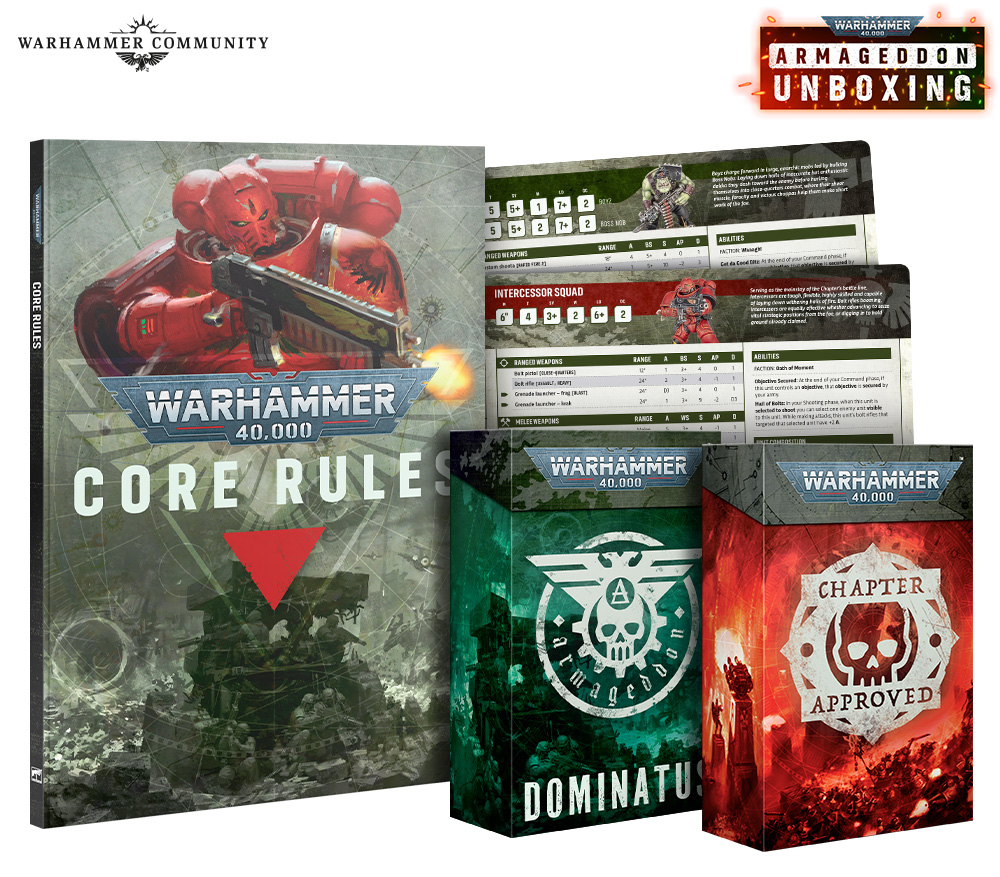
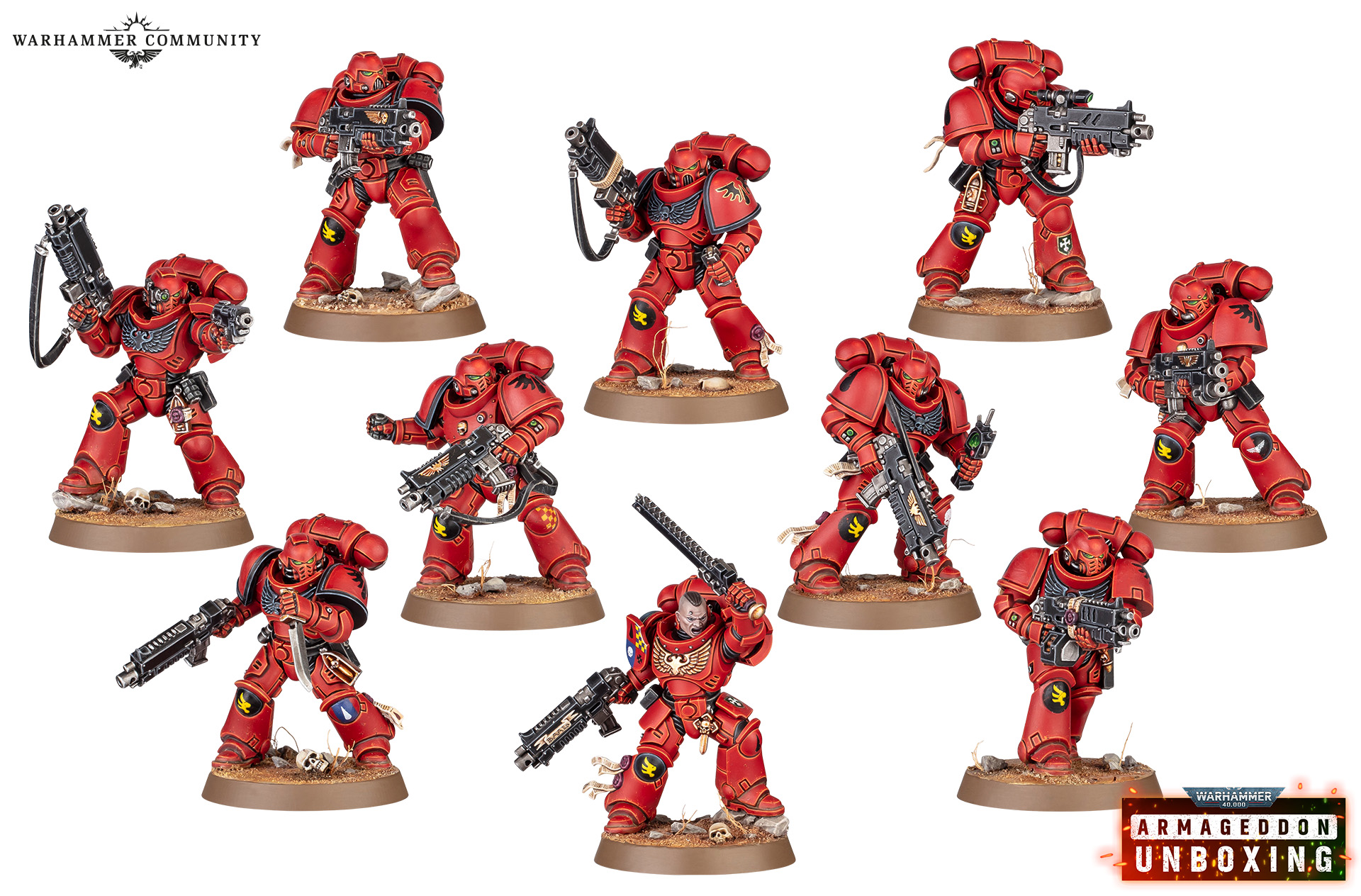
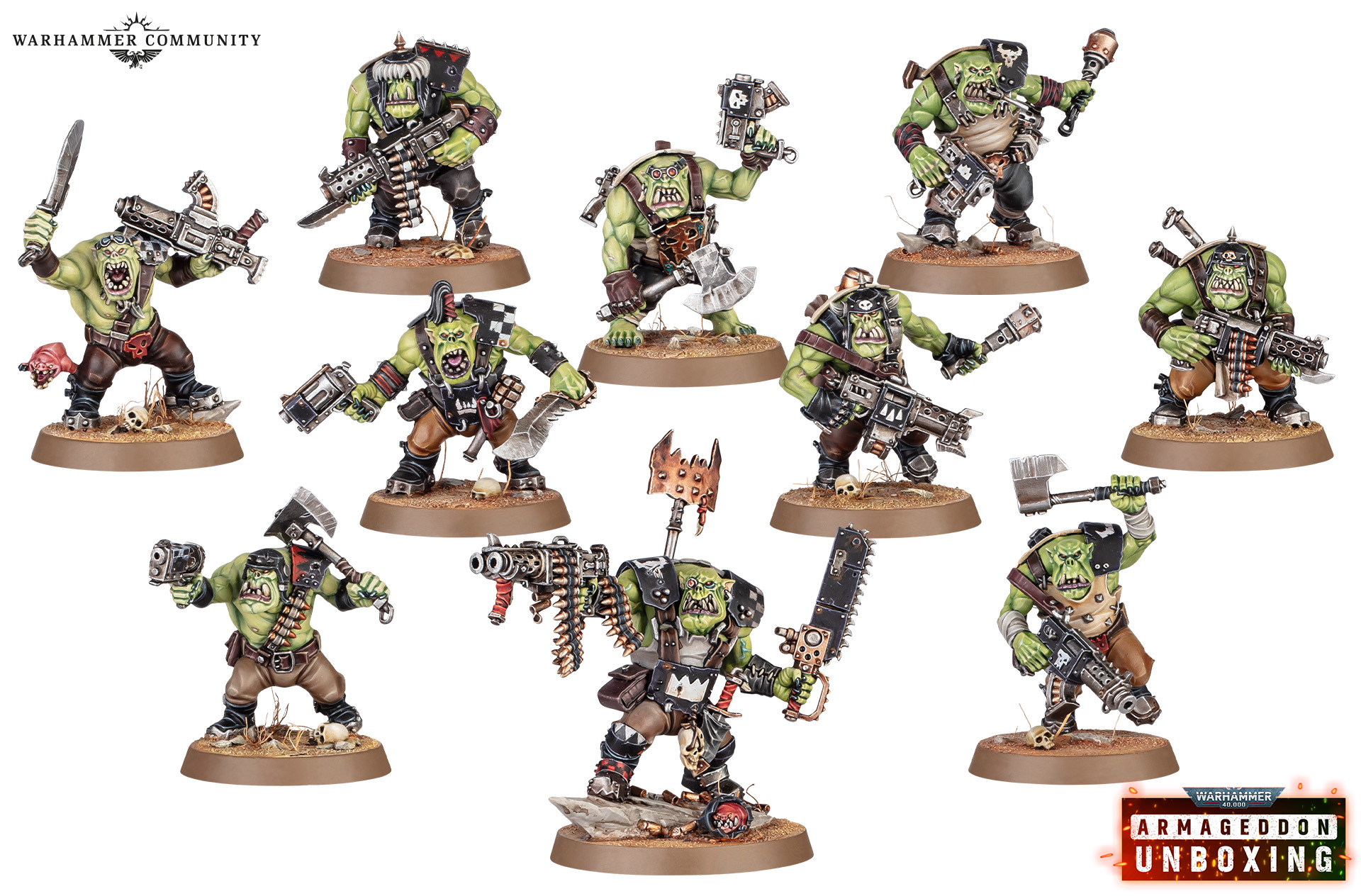
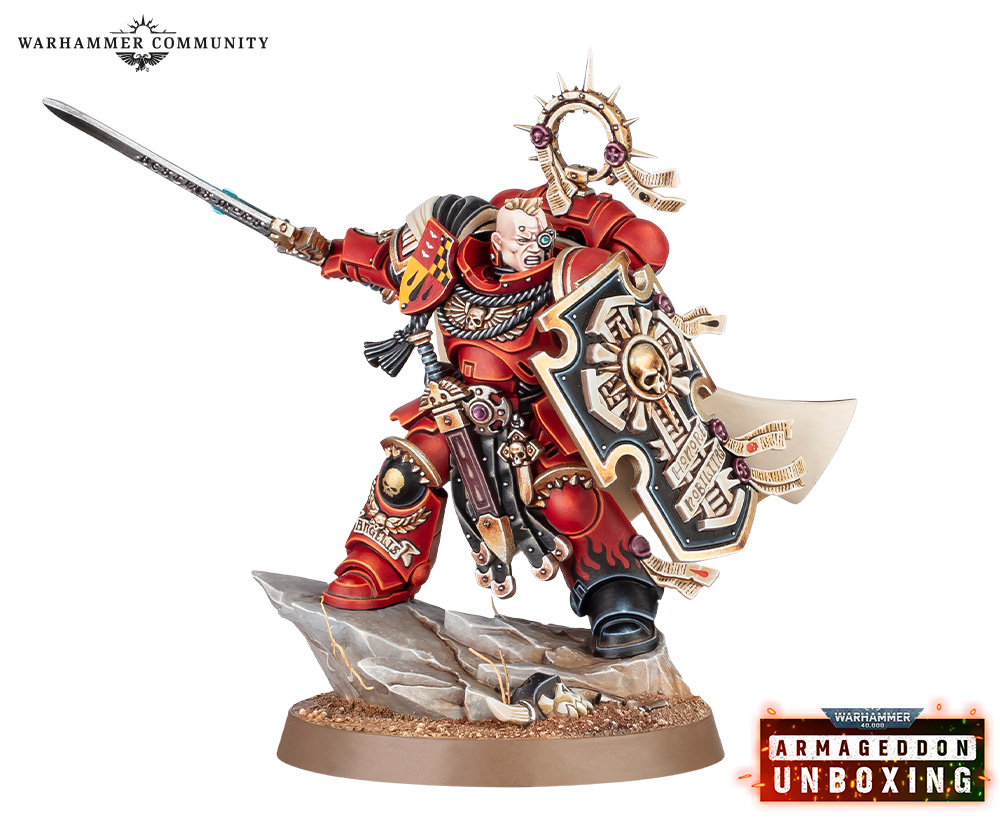
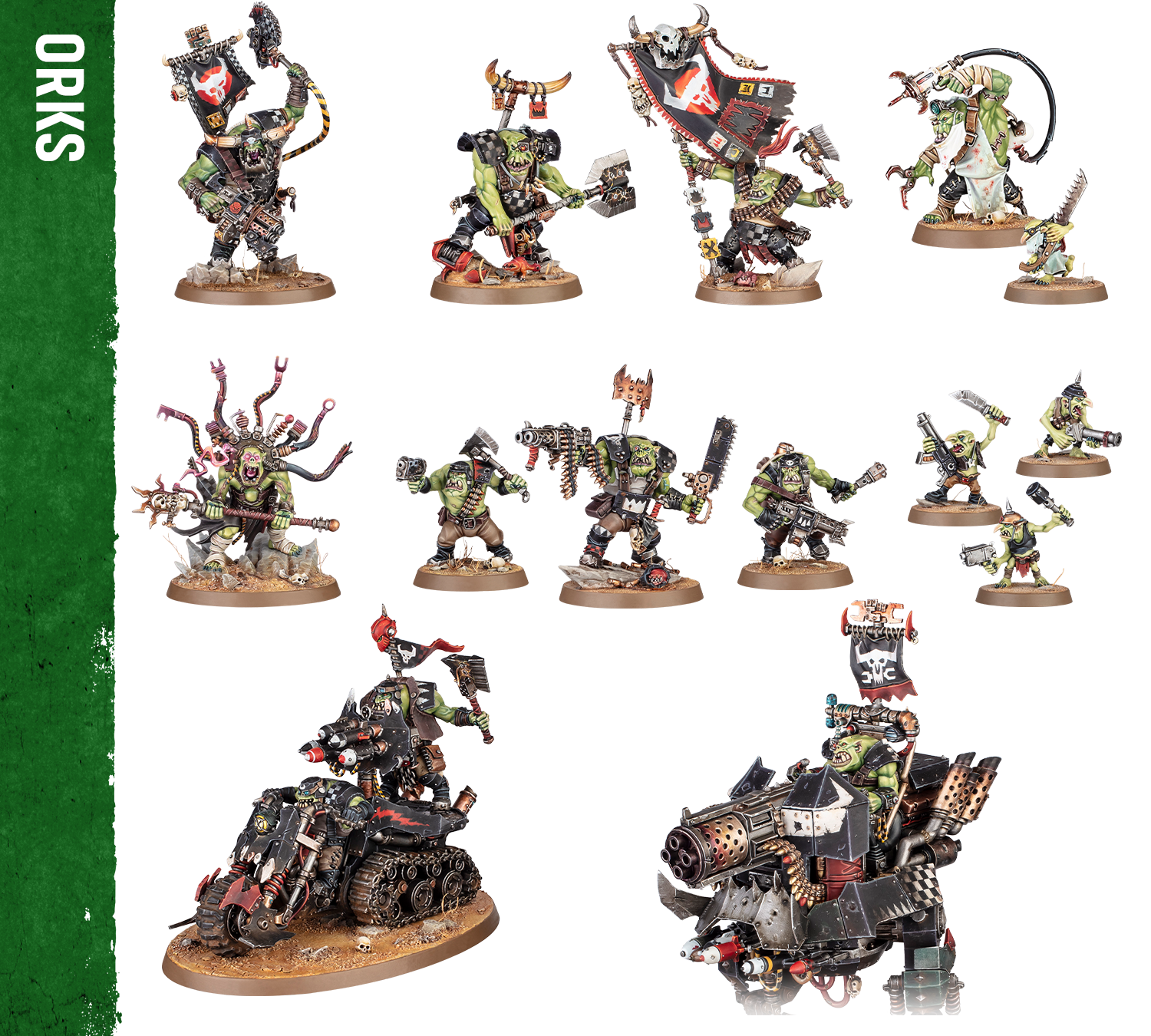
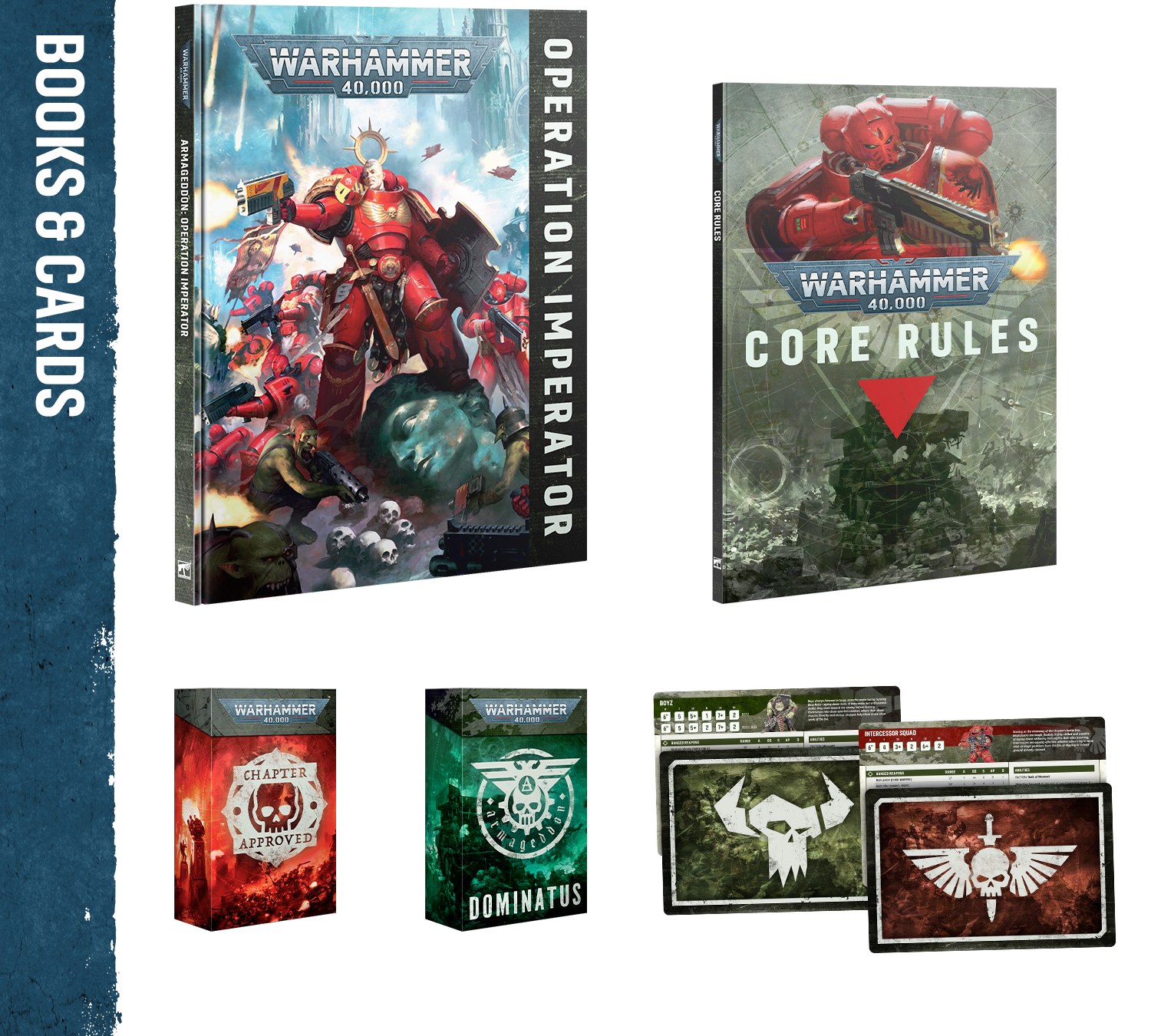
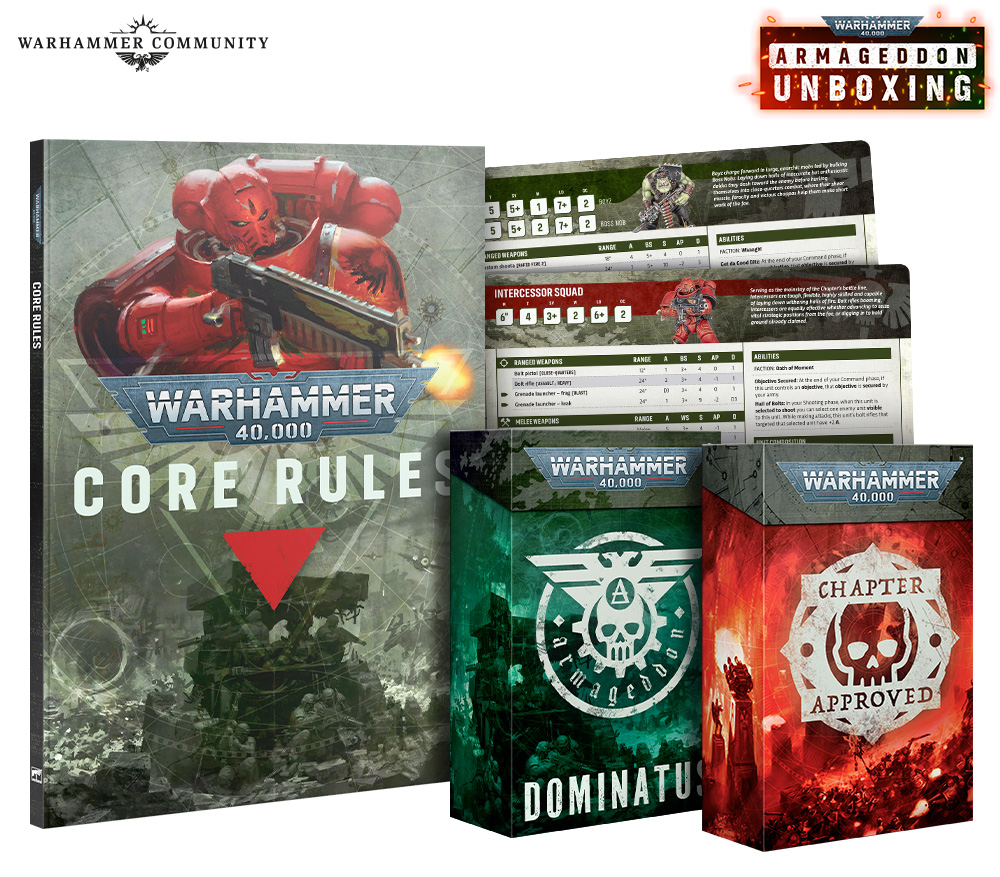
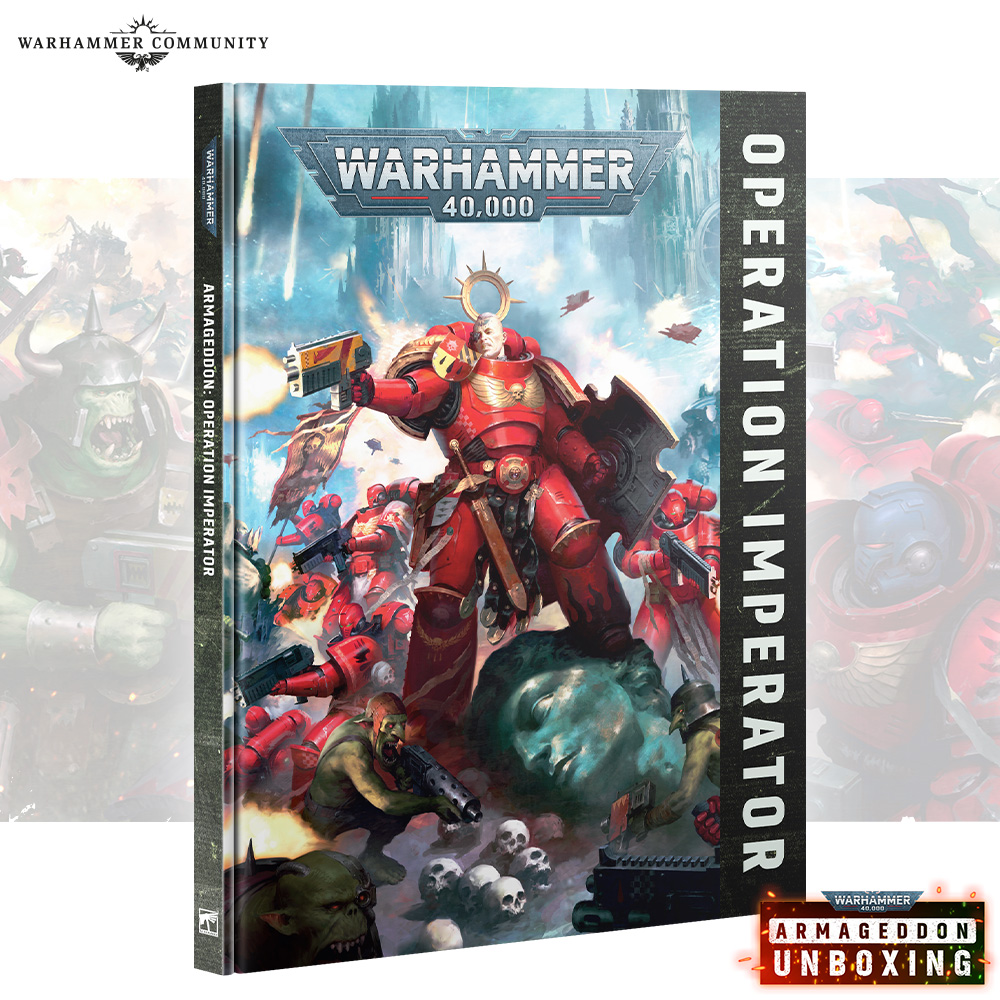
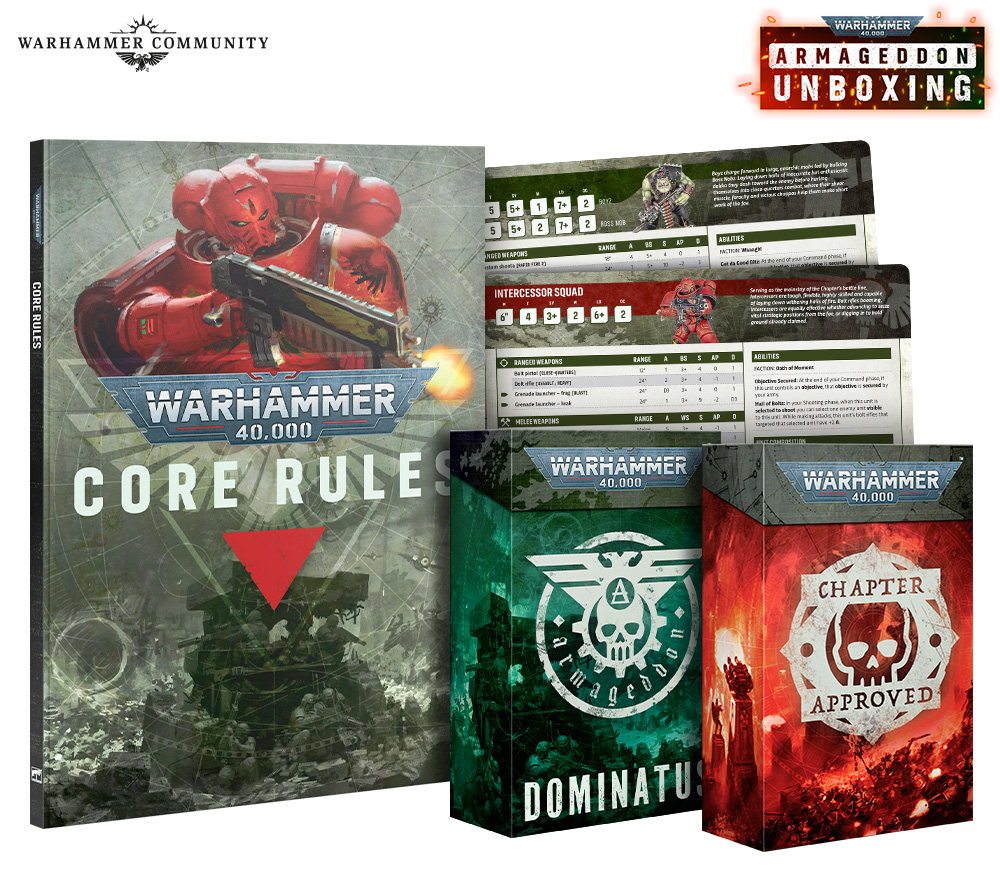
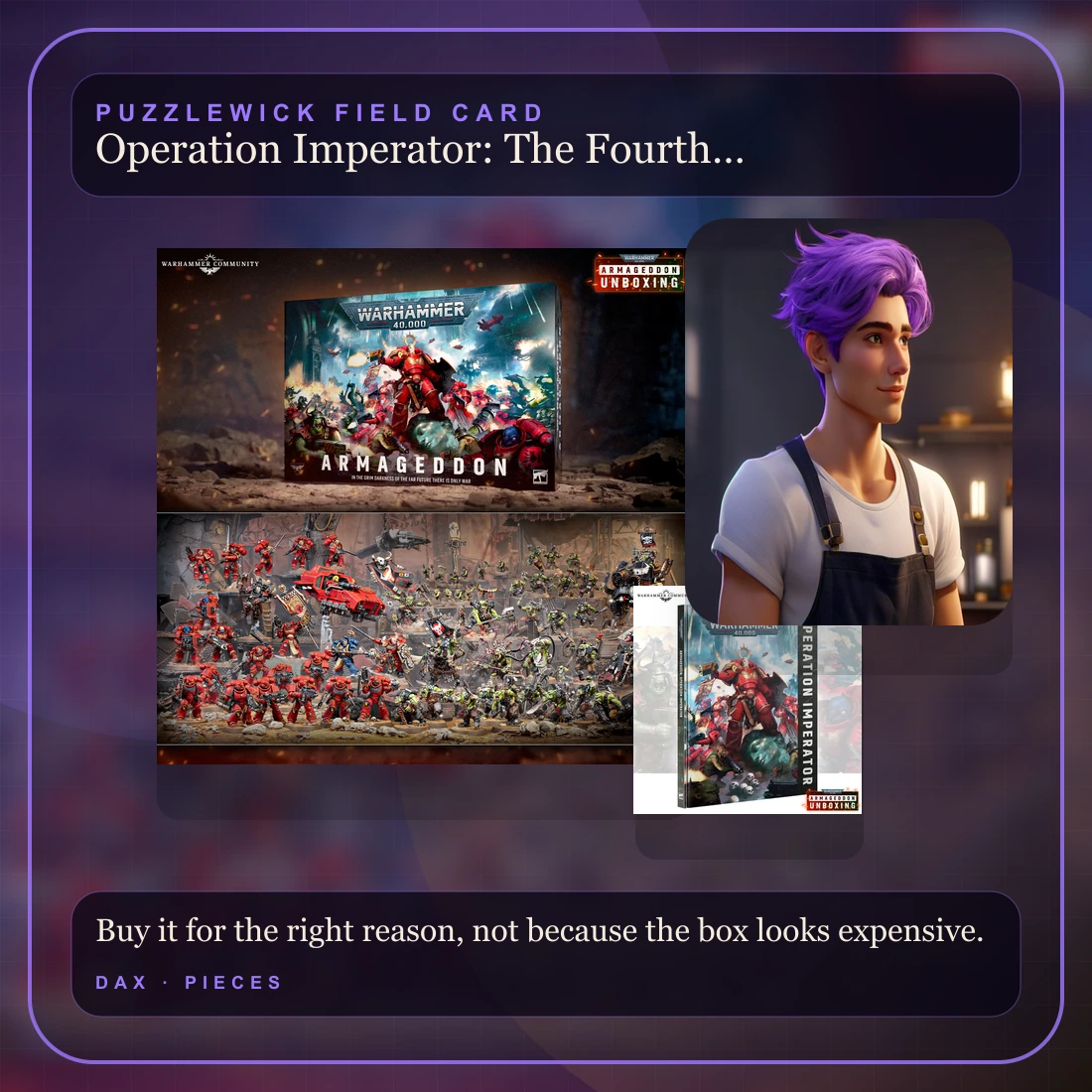
11th Edition is a full rules reset, and the Armageddon launch box is the deliberate on-ramp — the single best two-player buy-in of the year. Inside: roughly 23 Blood Angels Space Marines and 38 Orks (about 61 push-fit miniatures), the new Core Rules, a mission deck, the lore guide, datasheet cards, transfers — and the piece that matters most for our purposes, the Dominatus campaign deck. Each army lands around ~750 points, which is the sweet spot: enough to be a real army, small enough to learn the new edition without drowning.
The mechanical headline of 11th: the game is built to make narrative and competitive the same experience. Terrain pieces become primary objectives instead of abstract markers. Force-disposition objectives replace fully random missions. Cover debuffs enemy hit rolls, concealment shields infantry in terrain, stratagems tighten to one per unit per phase, and leaders keep their abilities even after their unit is gone.
Why does that matter for Armageddon specifically? Because an edition that makes holding terrain the win condition is an edition built to play out exactly the story above: a desperate force planting itself on objectives a green tide is trying to overrun. The rules and the lore are pointing at the same thing. That's rare, and it's the strongest argument the box makes.

Managing a war: running the Dominatus campaign
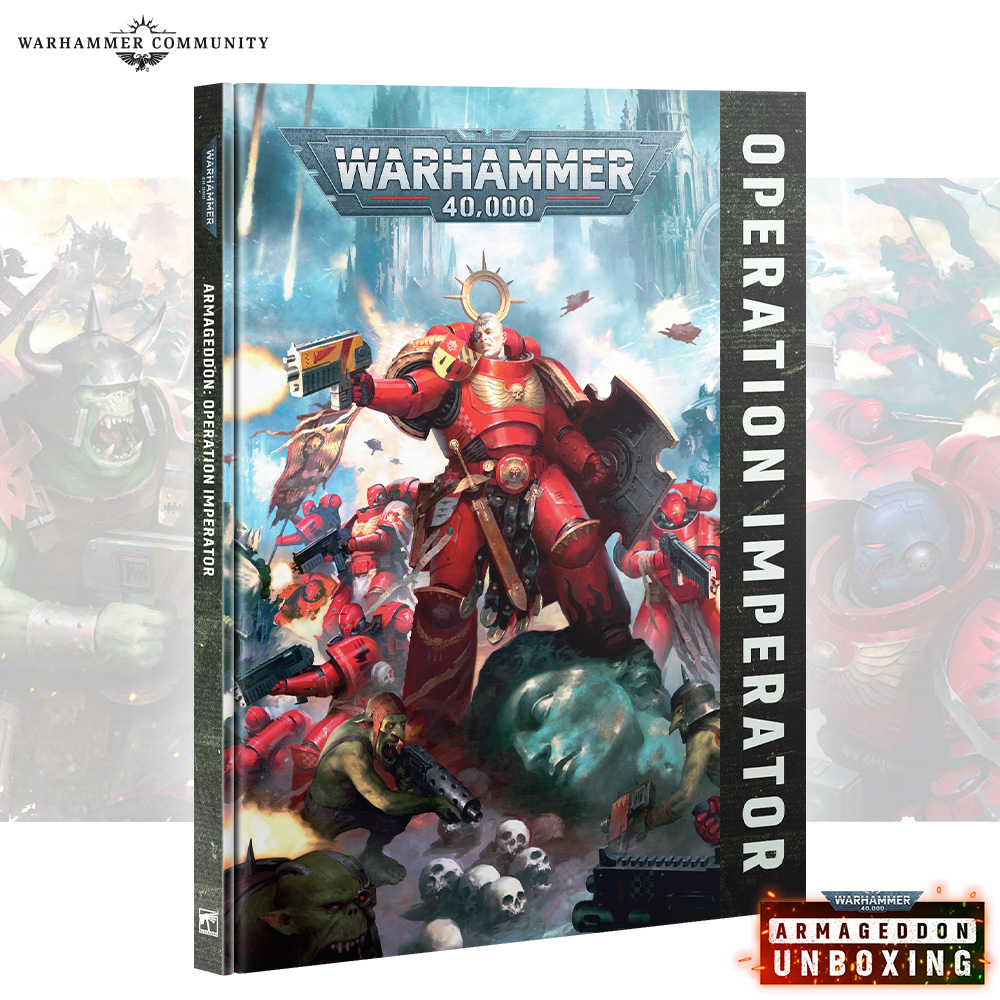
Here's the table-management meat, and it's where the box earns its keep beyond a one-night game. The Dominatus campaign deck layers a randomized narrative campaign on top of the core game — and that randomization is the feature, not a gimmick. Three pillars to run it well:
- Agendas. Each battle draws secondary objectives — orders from on high, opportunistic Ork brutality — so two games on the same map never play the same. As a campaign-runner, let these drive the story rather than narrating around them. The deck is the dungeon master.
- Capturing locations. You fight over vital sites on Armageddon, and holding them carries forward between games. This is your map-management layer: track who owns what, because momentum compounds.
- Units leveling up. Survivors gain upgrades and grow into named veterans of your war. This is the hook that makes players care — a Blood Angels squad that has held three battle-lines is no longer a unit, it's a saga.
My practical, verdict-forward advice for the person at the head of the table: commit to the persistence. The whole point is that Armageddon is a war, not a match — wins and losses both leave marks the next game inherits. Track location control and unit upgrades on a single sheet between sessions. And one honest caveat I'll stamp here: a randomized campaign deck can hand one side a brutal run of luck. Build in a swing-back (let the losing side bank a comeback bonus). The grimdark should feel doomed, not unfair — there's a difference, and a good campaign-manager protects it.

The picks
Some links below are affiliate links — as an Amazon Associate, Puzzlewick earns from qualifying purchases, at no extra cost to you. It never changes a pick.
 18 photos
 Warhammer 40,000: Armageddon (11th Edition Launch Box)
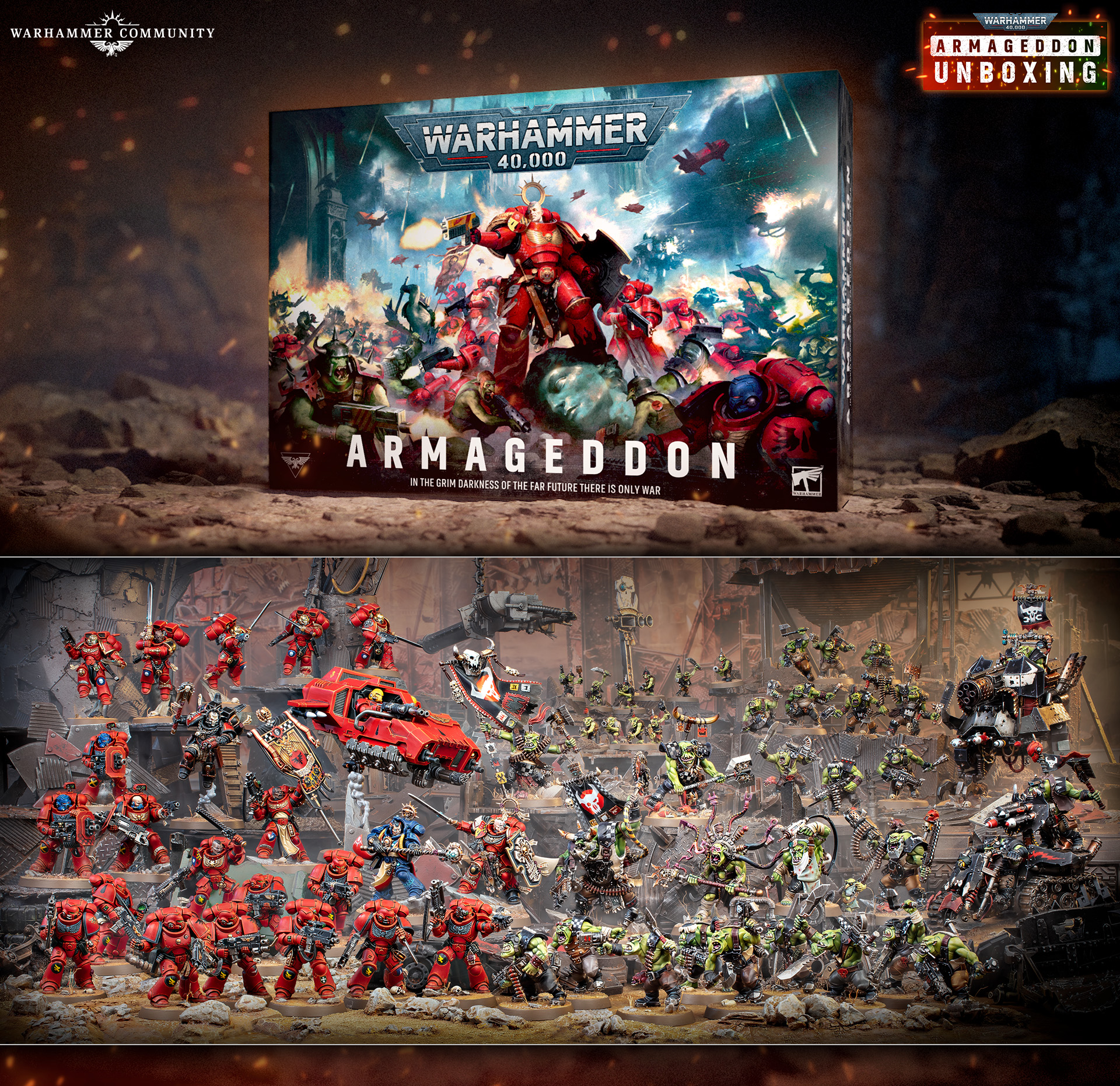
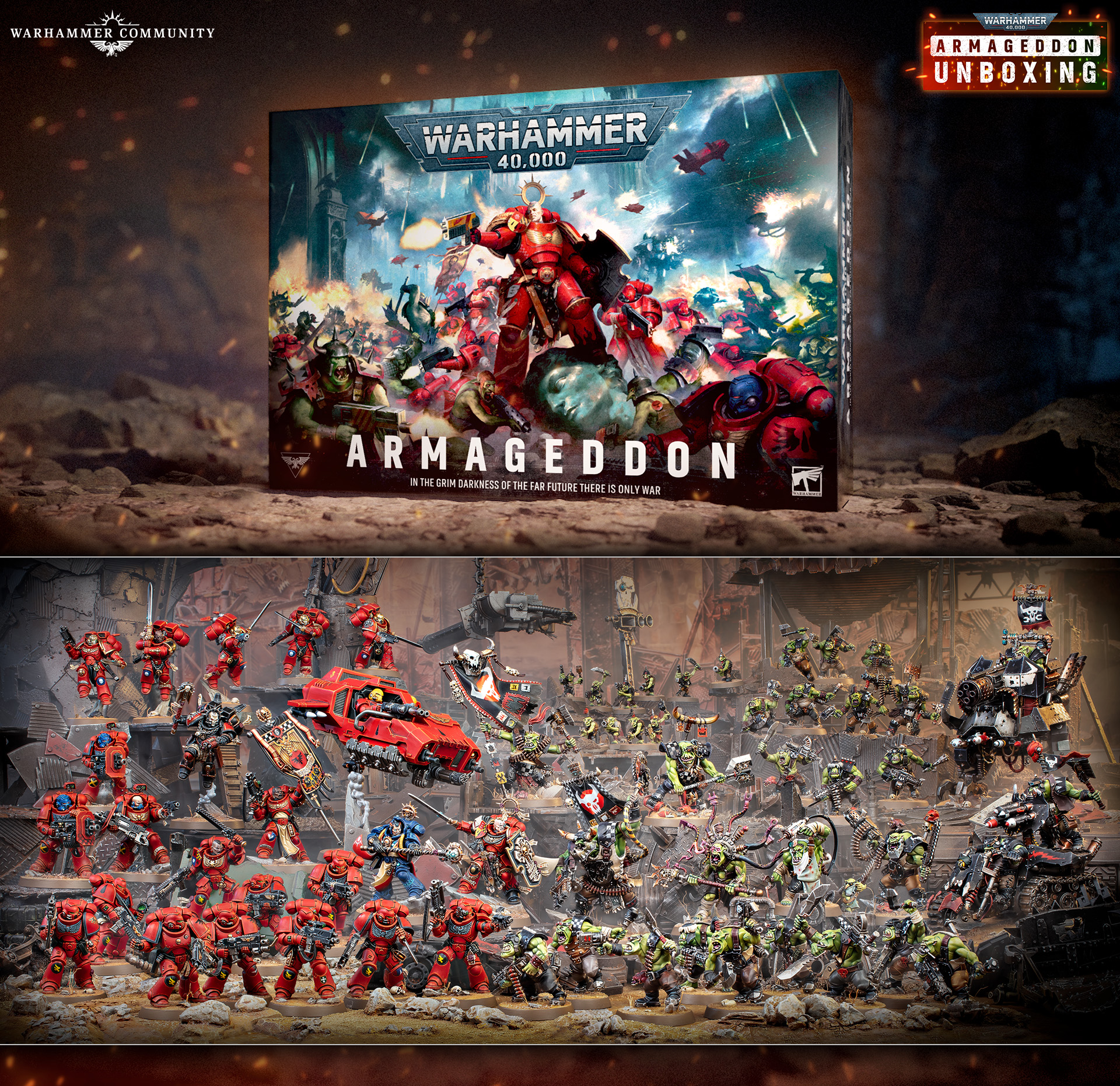
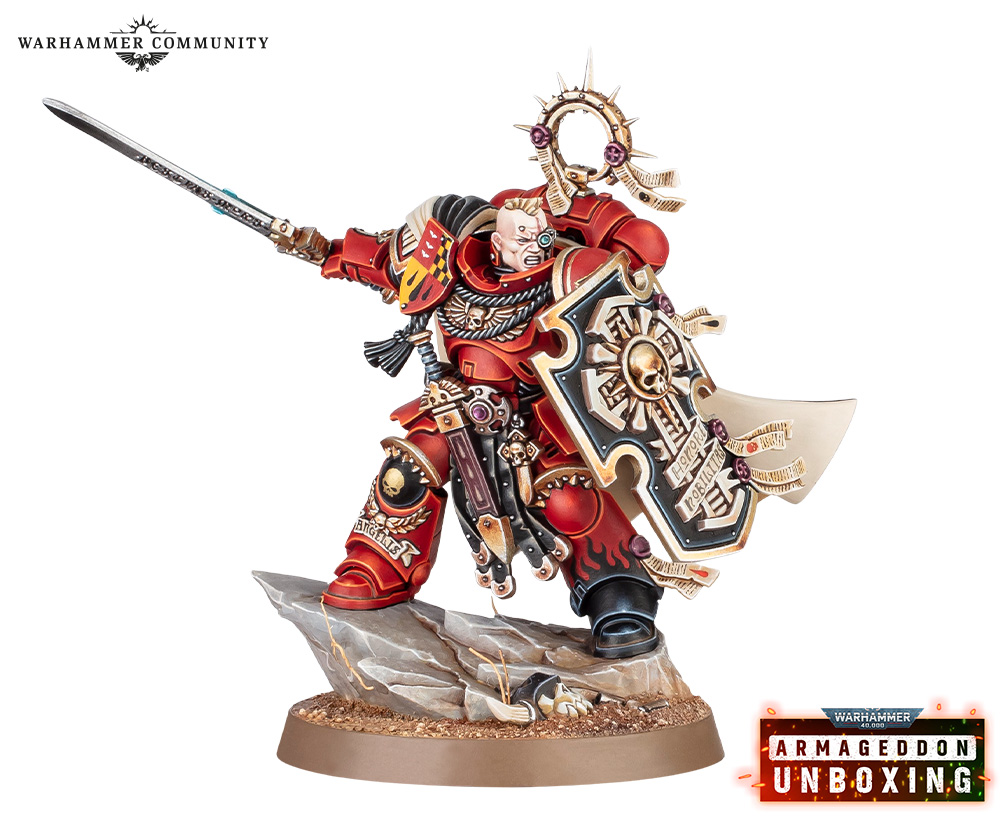
<p>This is the on-ramp, full stop. Roughly 61 push-fit miniatures split into two ~750-point armies — about 23 Blood Angels and 38 Orks — plus the new Core Rules, the Operation Imperator lore guide, a mission deck, datasheet cards, and the Dominatus campaign deck that turns the whole Armageddon tale into a persistent narrative campaign. The contents are the cheapest route into the new edition by a wide margin: GW's own framing positions it as a savings bundle, and at $295 MSRP it undercuts buying the two armies and rulebook separately. If two people want to learn 11th together and actually play the story rather than just push models, nothing else this year competes.</p>
- Two complete ~750-pt starter armies — the ideal two-player buy-in
- Dominatus campaign deck makes the Armageddon lore a real, persistent campaign
- Push-fit miniatures: no glue, beginner-friendly assembly
- The cheapest on-ramp to 11th Edition's new Core Rules
- GW restricts Amazon sales — listings are third-party and supply is volatile
- $295 is still a serious buy-in for a brand-new hobbyist
- You'll likely want a second army or codex soon after
 6 photos
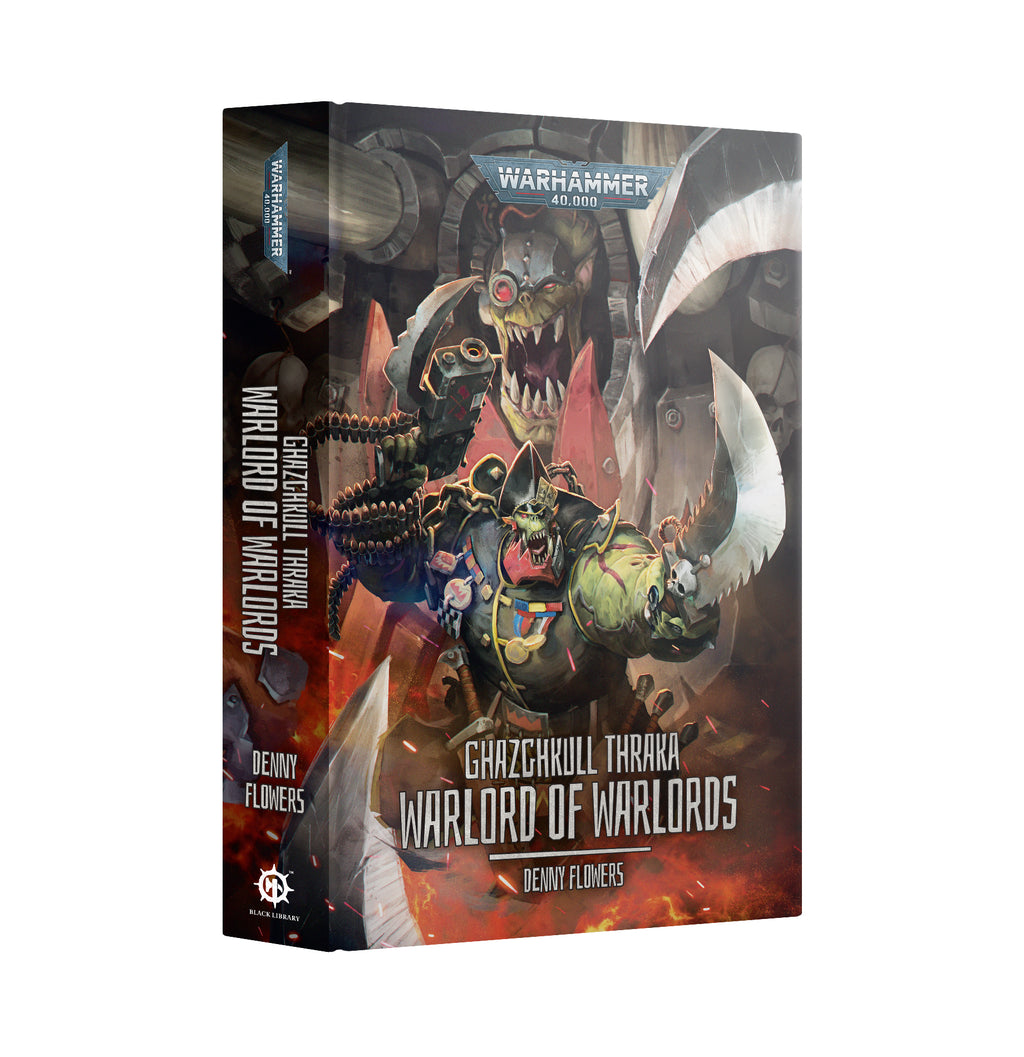
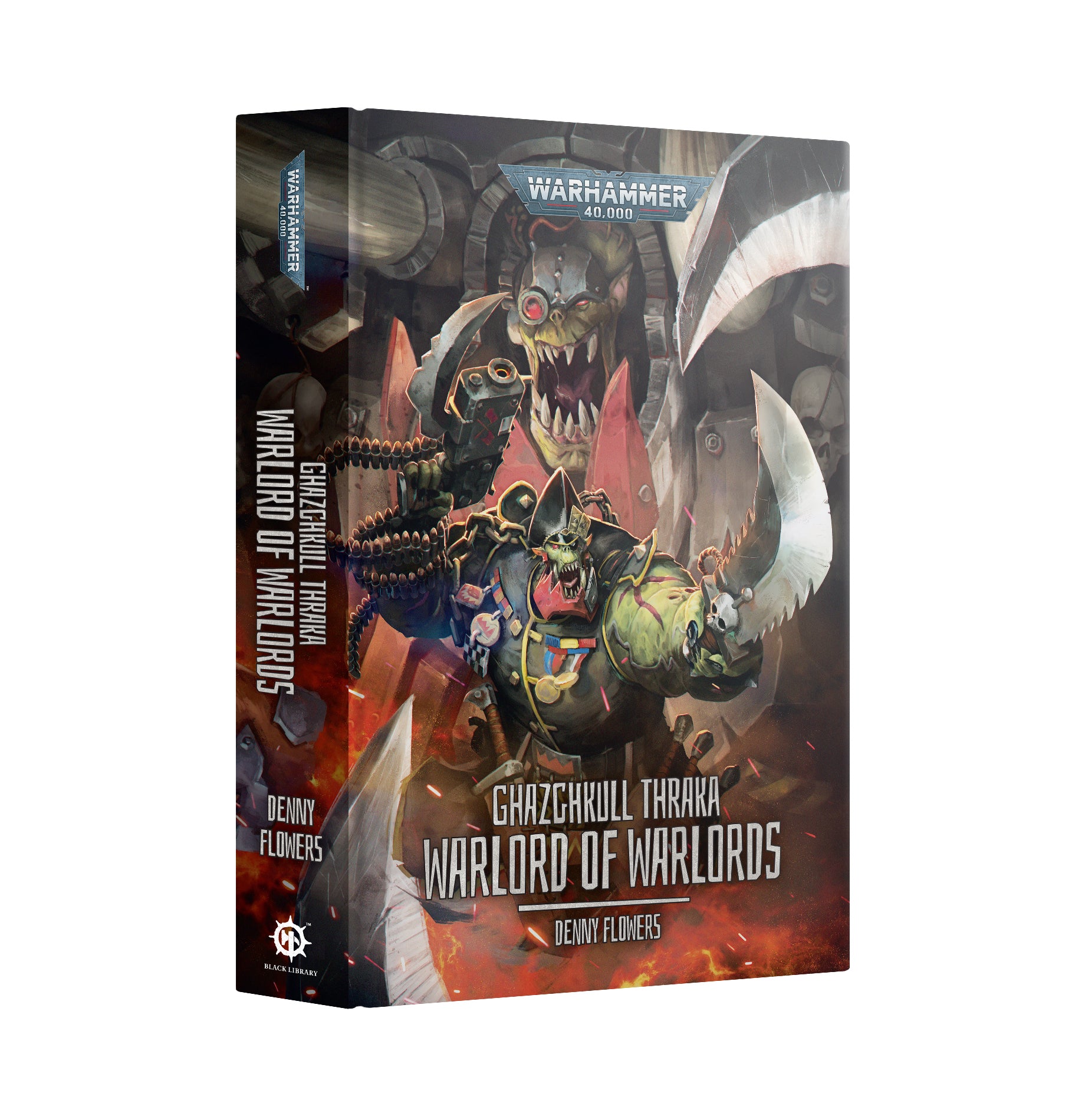
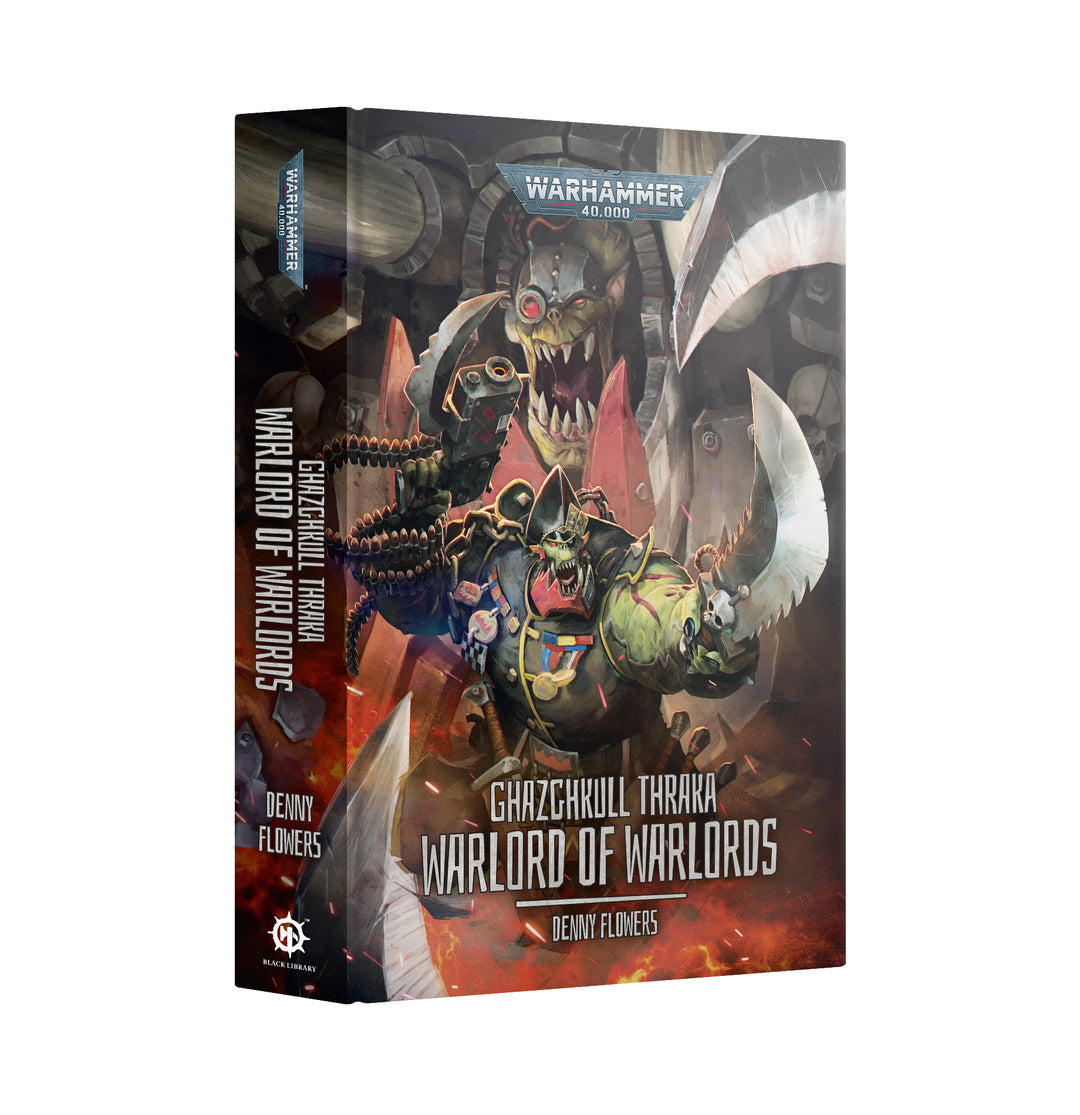
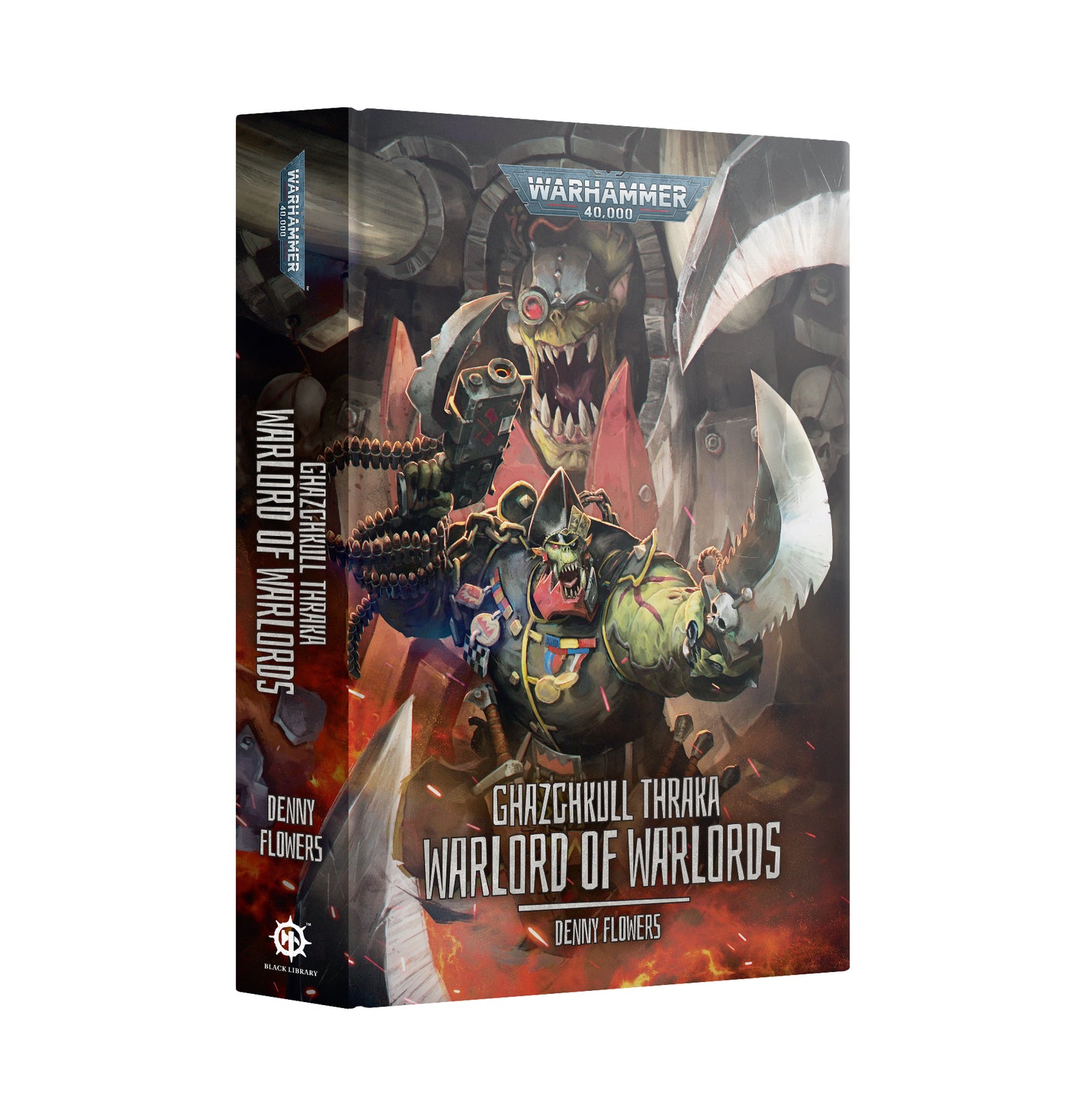
 Ghazghkull Thraka: Warlord of Warlords (Novel)
<p>If the box is more than your wallet wants right now, this is the lore for a fraction of the cost. Denny Flowers' novel digs into Ghazghkull Mag Uruk Thraka himself — the warlord driving the main WAAAGH! in the Operation Imperator story — and the unstoppable momentum of his green tide. Hardback MSRP is $35 (street commonly ~$25–30), and there's a numbered, author-signed special edition for collectors. My pointer: the Kindle edition is the always-buyable fallback, because the hardback goes intermittently out of stock at the usual retailers. It's the perfect companion read — it deepens exactly the nemesis the campaign puts on your table.</p>
- Cheap, deep entry into the lore that anchors the whole 11th Edition story
- Kindle edition is always in stock when the hardback sells out
- Companion to the box: it's literally the warlord driving the WAAAGH!
- Special signed/numbered hardback exists for collectors
- Hardback supply is intermittent — stock comes and goes
- A novel, not a game — no models, no rules
- Special edition runs well above the $35 standard price
Questions, answered
What is Operation Imperator in Warhammer 40,000?
Operation Imperator is the narrative campaign Games Workshop built around the 11th Edition launch. It depicts a coalition crusade — led by the Blood Angels and joined by Ultramarines, Salamanders, Space Wolves and a dozen more Chapters — answering Commissar Yarrick's plea to defend the forge-and-hive world Armageddon against a fresh Ork invasion. It's effectively the Fourth War for Armageddon.
Who leads the Ork invasion — Wazdakka or Ghazghkull?
Both, in sequence. Wazdakka Gutsmek, the bike-mad speed-freek warboss, spearheads the vanguard and makes planetfall first to break the defenders' cohesion. Ghazghkull Mag Uruk Thraka, the Prophet of the WAAAGH! and 40k's greatest Ork warlord, drives the main invasion behind him. Wazdakka clears the road; Ghazghkull is what's coming down it.
When does Warhammer 40,000 11th Edition release, and what does the box cost?
Pre-orders opened June 6, 2026, with worldwide release on June 20, 2026. The Armageddon launch box has a $295 MSRP, but because GW restricts Amazon to third-party sellers and launch supply is tight, street prices run roughly $295–330 and can drift higher when stock is thin.
What is the Dominatus campaign deck?
It's the campaign system included in the Armageddon box. It layers a randomized narrative campaign over the core game: you draw Agendas (battle-specific secondary objectives), fight to capture and hold vital locations across Armageddon, and your surviving units level up and gain upgrades between games — so the war persists session to session rather than resetting each match.
Why does the heroism of Operation Imperator feel doomed?
Because the plea exists only out of total desperation. Armageddon has already burned in two prior wars; it's being invaded a third time by an Ork warlord who has never been truly killed; and every Ork that dies there feeds the WAAAGH!, so you literally cannot kill your way out. The courage is real, but the setting rigs the math — it's a stand at a line, not a march to victory.
Do I need to know the old Armageddon lore to enjoy 11th Edition?
No. The 'Fourth War' framing rewards longtime fans, but the launch box's lore guide gives you everything you need. The emotional hook — a desperate last stand on a world that has bled before, with Yarrick and Ghazghkull's centuries-old feud at its center — lands cold, even if it's your first 40k story.
Dax's verdict
VERDICT — A doomed, beautiful last stand told straight: Operation Imperator is grimdark at its most honest, and 11th Edition's Armageddon box is the rare launch where the lore IS the campaign you play. Buy the box with a partner, or read the Ghazghkull novel cheap — both are worth the firelight. Just don't let anyone sell you the triumph; the dark is the point, and the dark is what makes it sing.
Research ledger 9 sources · reviewed 2026-07-17
Specifications, rules, current product information, community experience, and contrary evidence were checked against the sources below. Commercial links are kept separate from editorial evidence.
- wargamer.comwargamer.com/warhammer-40k/11th-edition
- gosugamers.netgosugamers.net/entertainment/news/78512-warhammer-40-000-11th-edition-drops-20-june-armageddon-launch-box-pre-orders-open-6-june
- gosugamers.netgosugamers.net/entertainment/news/78365-warhammer-40-000-11th-edition-armageddon-launch-box-contents-revealed
- warhammer-community.comwarhammer-community.com/en-gb/articles/x2allqya/warhammer-40000-armageddon-whats-in-the-box
- warhammer40k.fandom.comwarhammer40k.fandom.com/wiki/Second_War_for_Armageddon
- 40klorevault.com40klorevault.com/lore/characters/commissar-sebastian-yarrick-the-hero-of-armageddon
- amazon.comamazon.com/dp/B0GNZNWLY1?tag=puzzlewick-20
- mrmuffinstrains.commrmuffinstrains.com/products/gw-bl3303
- belloflostsouls.netbelloflostsouls.net/2026/04/warhammer-40k-the-third-war-for-armageddon.html
I'll be honest with you — flattery is boring.
Keep exploring
The next smart rabbit holes.
✠ Universe HubWarhammer: the whole buying pathWarhammer is Games Workshop's tabletop colossus — the grimdark far future of Warhammer 40,000 and the high fantasy of Age of...⚙ Topic PathMiniatures and Wargames: compare the whole shelfThe cheapest box is not always the cheapest way in. These guides connect rules format, faction fit, terrain, tools, paint, and the...MasterclassHow to Start Warhammer 40,000 in 2026The current starter boxes, the honest first budget, faction choice, painting, first-game flow, and the traps that turn a fun army into a...