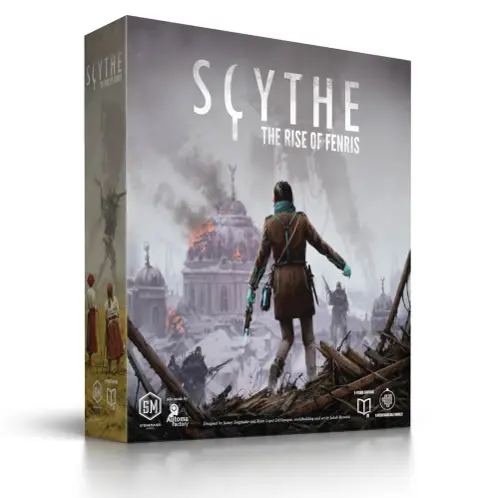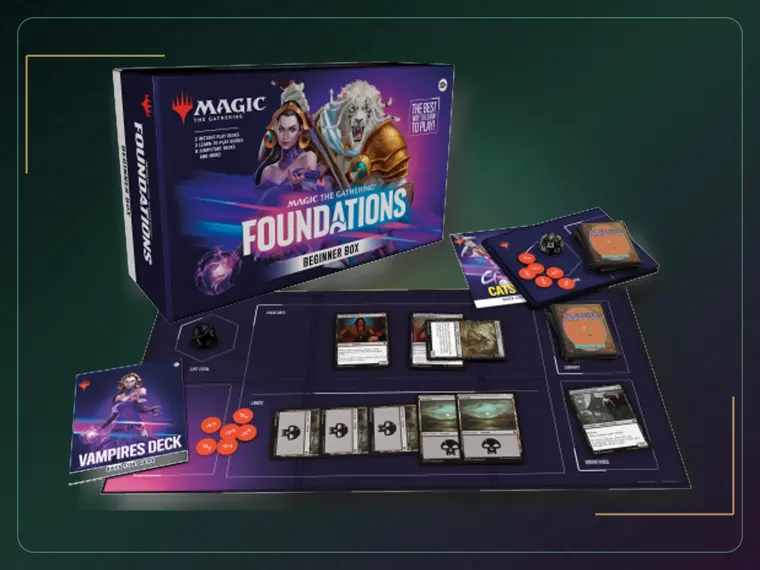
Enter with a playable product
Magic: The Gathering Foundations Beginner Box
Start with something that creates a legal deck or a complete first session.
Exact listing · AmazonThe original TCG, mapped from first box to Commander table, storage system, draft night, and collector shelf.
The short answer
Magic: The Gathering is the deepest construction sandbox in the Big Three: a two-player duel, four-player Commander ritual, draft format, and collector market sharing one rules engine. Start with a product that teaches or creates a legal deck, choose the format your real group plays, and let repeat games—not random boosters—decide the next purchase.
Robert's eight-stop Magic route
Choose a format before a product, buy one playable deck before random packs, and let actual games diagnose every upgrade after that.
This is a sequence, not a shopping list. Stop when the table is doing what you wanted.
Understand
Formats, deck structure, the turn, and the social contract in plain English.
Read the beginner mapChoose
Starter Kit, Standard, Commander, and boosters solve different problems.
Choose the buying laneStart
Commander precons ranked by first-night clarity, replay value, and upgrade room.
Choose a first preconLearn
A patient route through priority, phases, etiquette, and the first real game.
Enter without intimidationImprove
Search precisely, study legal lists, test ideas, and stop guessing what a card does.
Open the digital workbenchEquip
Sleeves, a fitted deck box, a useful mat, and storage that matches the collection you have.
Enter the Magic aisleExpand
Use the Final Fantasy buying map when lore, play, and collecting all want a vote.
Explore the museum routeCompare
Compare its cost, culture, cadence, and collection pressure with Pokémon and One Piece.
Compare the big threeThe Magic: The Gathering product family
These are connected decisions, not four unrelated things to buy. Begin with a playable product, expand only when the table asks for it, and protect the cards that have earned a place in your bag.
Enter with a playable product
Start with something that creates a legal deck or a complete first session.
Exact listing · Amazon
Expand after real games
Add cards only after the first table has shown what the collection is missing.
Exact listing · Amazon
Collect with a finish line
Choose premium treatments deliberately; scarcity is not the same thing as usefulness.
Exact listing · Amazon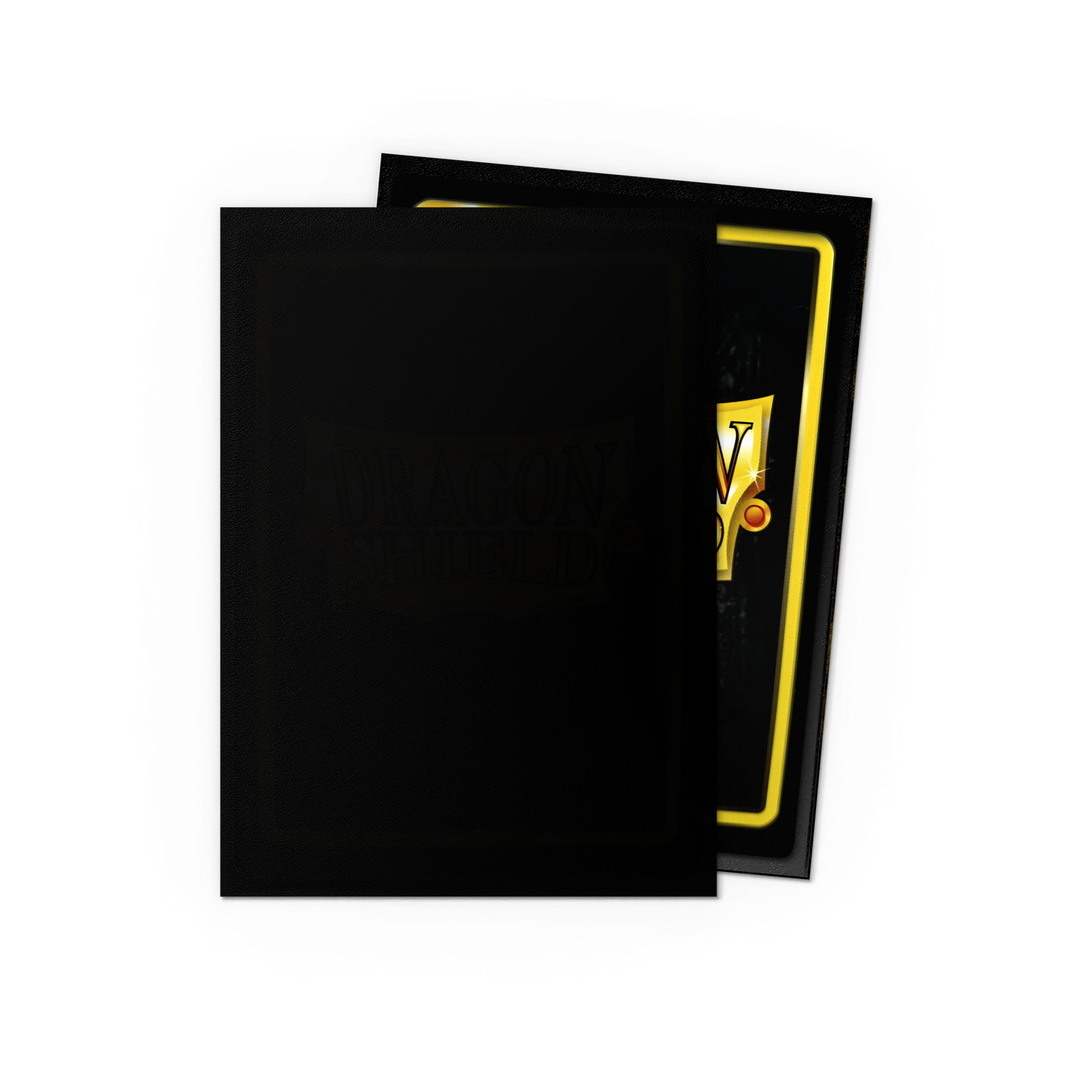
Protect what survived the table
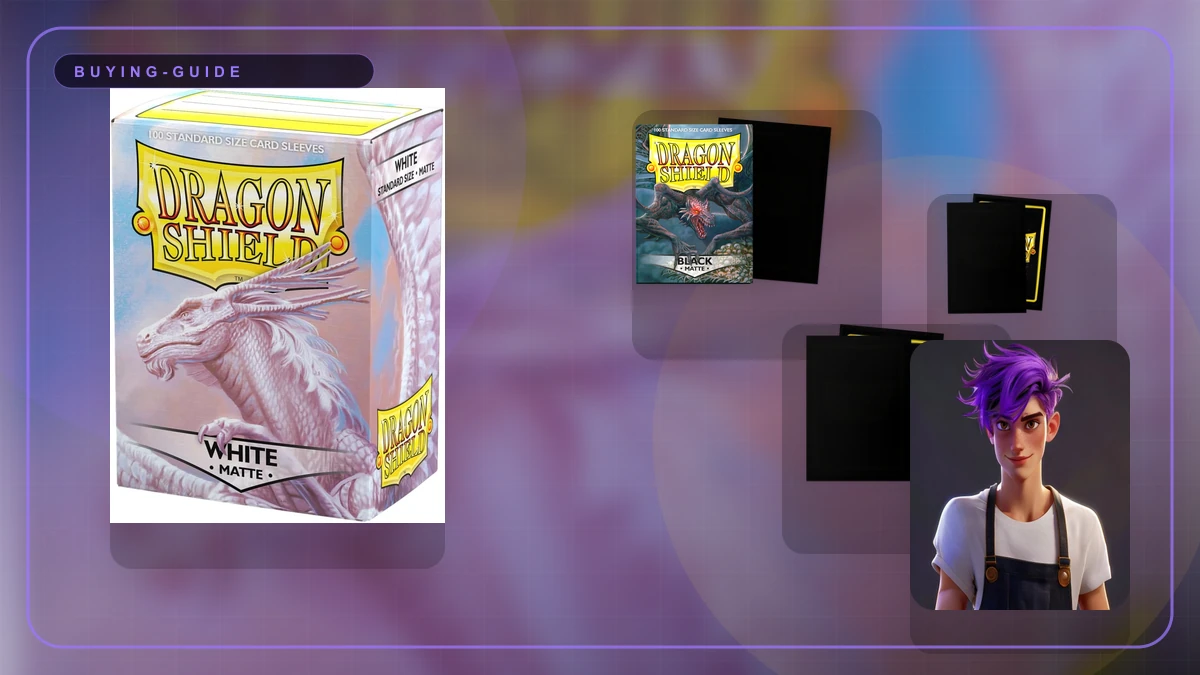
The dependable first sleeve for standard-size decks that will actually be shuffled.
Exact sealed products organized by what they do, with the strongest current route leading each row.

Four-player Pick-Two draft
See it on AmazonWhy we picked it →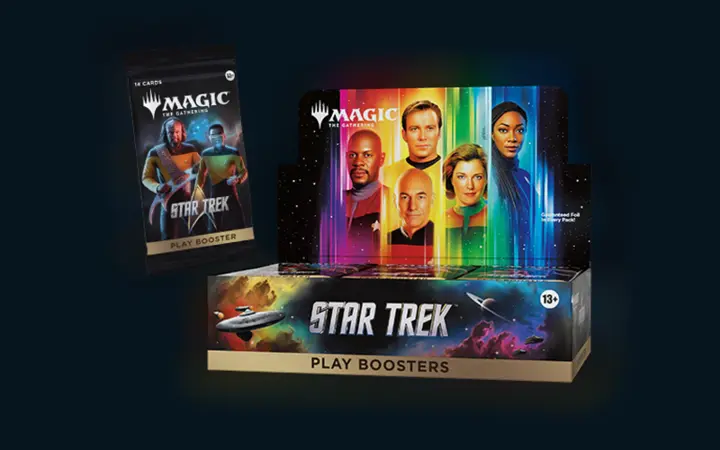
Repeatable Limited games
See it on AmazonWhy we picked it →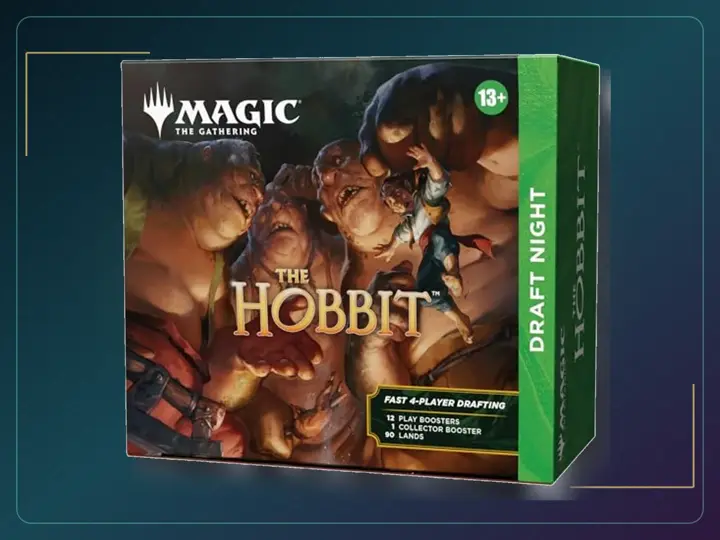
The cleanest event purchase when all four seats are real: the box supplies a defined activity rather than a pile of packs looking for a plan.
See it on AmazonWhy we picked it →
A bounded premium ship-art opening
See it on AmazonWhy we picked it →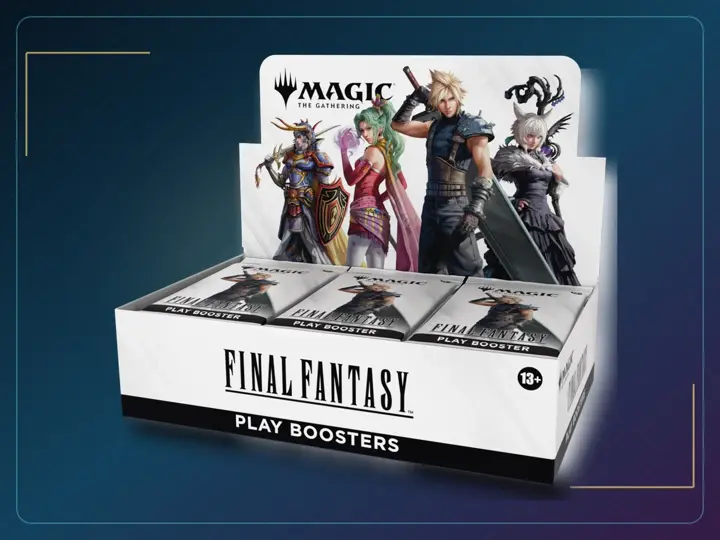
This is the large sealed product with the clearest play job: build a Limited event, trade afterward and let singles close the gaps.
See it on AmazonWhy we picked it →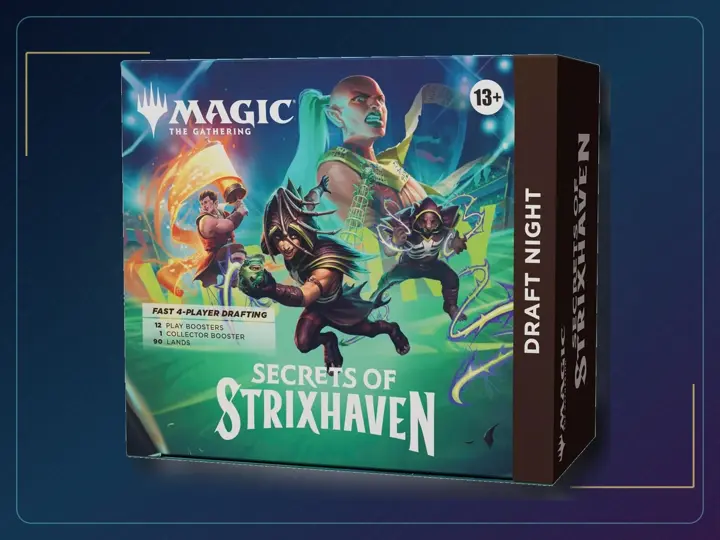
Margo would rather host one memorable evening than open an aimless pile.
See it on AmazonWhy we picked it →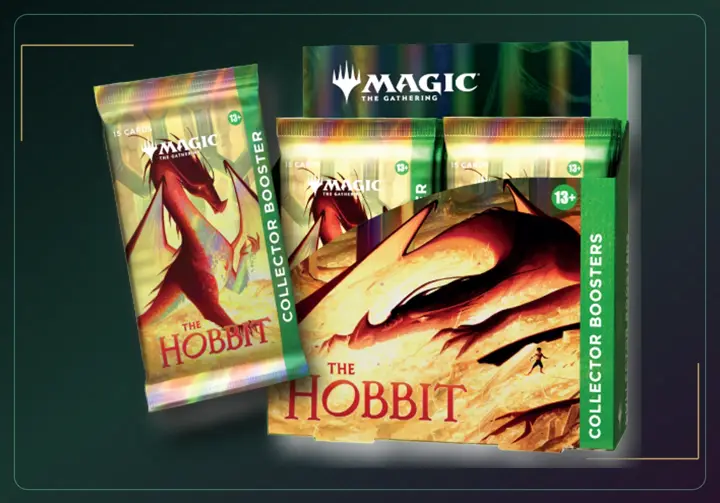
Margo buys the book for the pages she expects to read, not the one page she may never find.
See it on AmazonWhy we picked it →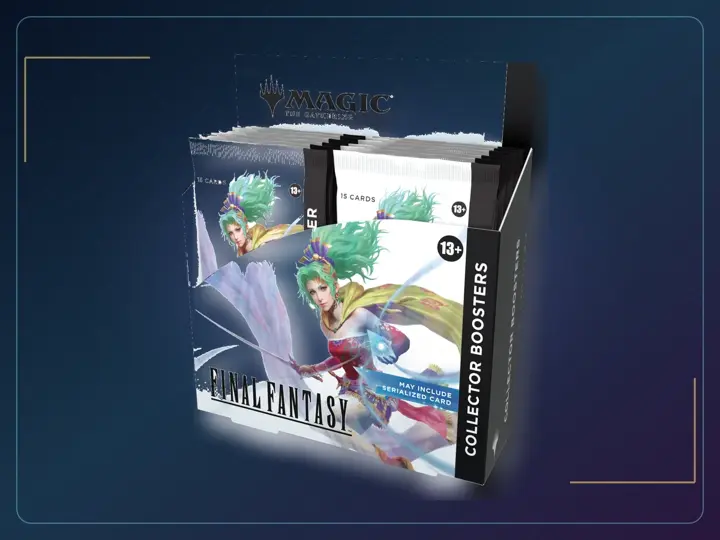
This is the sealed lane for surge foils, premium character treatments and the serialized Golden Traveling Chocobo chase. The experience is the product; no display promises a particular card or a profitable opening.
See it on AmazonWhy we picked it →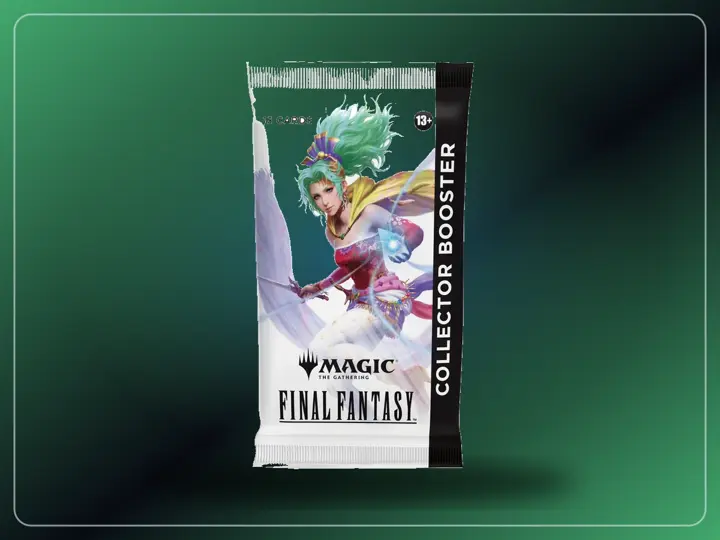
A collector-first product for treatments and spectacle, not a reliable route to a named Standard upgrade.
See it on AmazonWhy we picked it →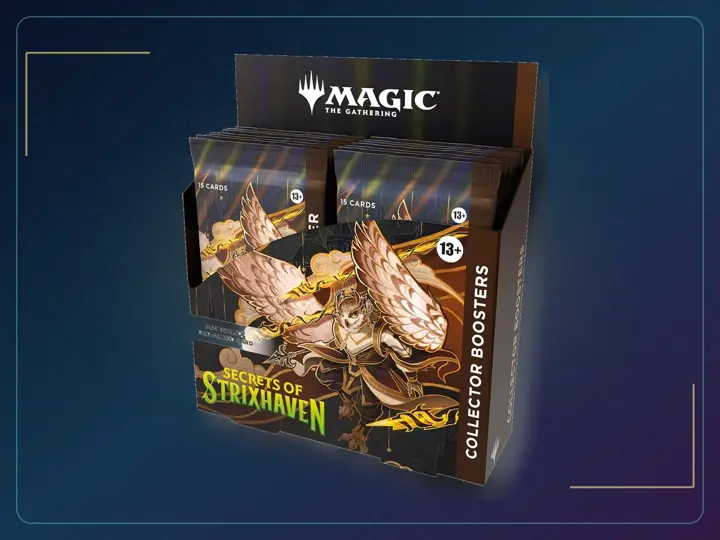
A library is still a library when the rare manuscript is absent.
See it on AmazonWhy we picked it →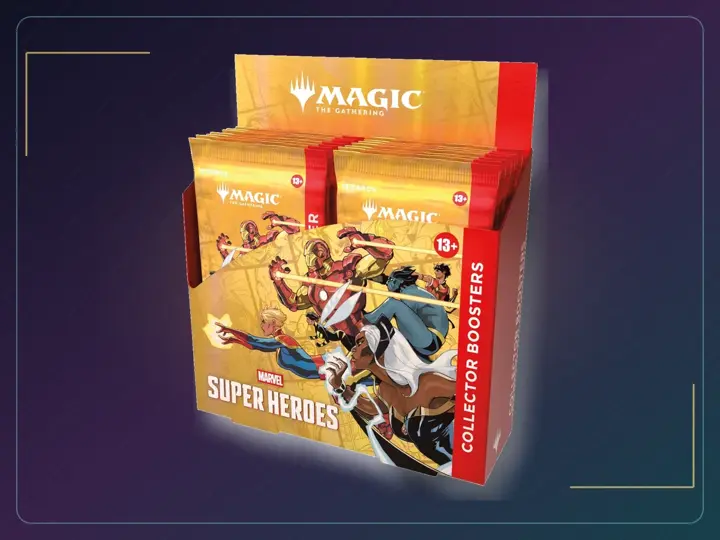
Choose the comic language you want on the shelf before the loudest rarity symbol chooses for you.
See it on AmazonWhy we picked it →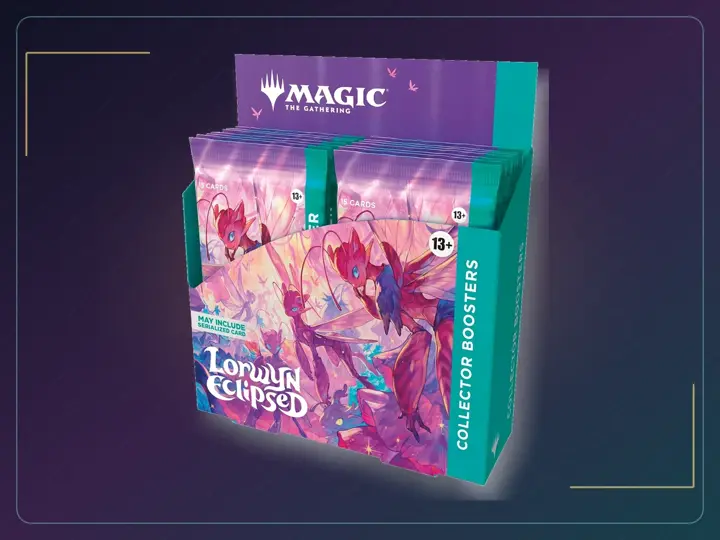
This is the box for someone who stops at the art before checking the logo.
See it on AmazonWhy we picked it →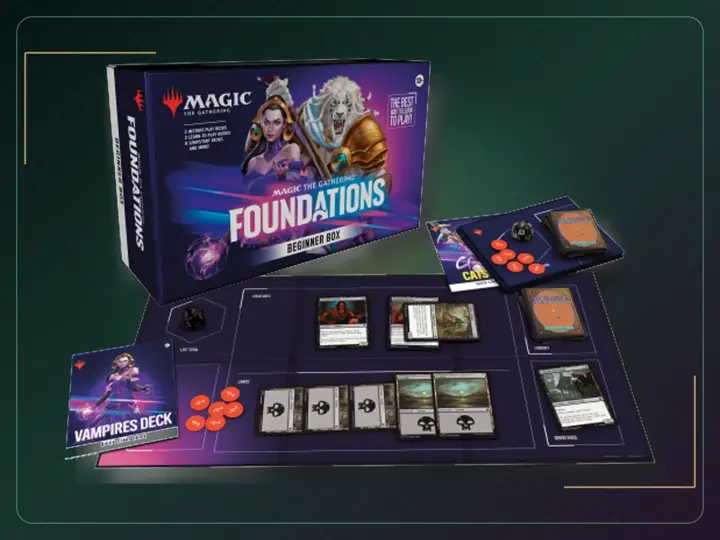
This is the cleanest physical classroom: guided packets first, mix-and-match play after. Buy it to learn, not to chase value.
See it on AmazonWhy we picked it →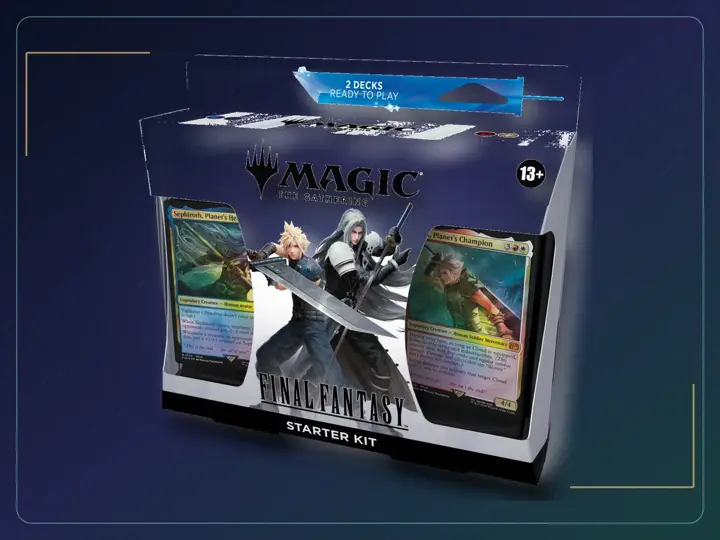
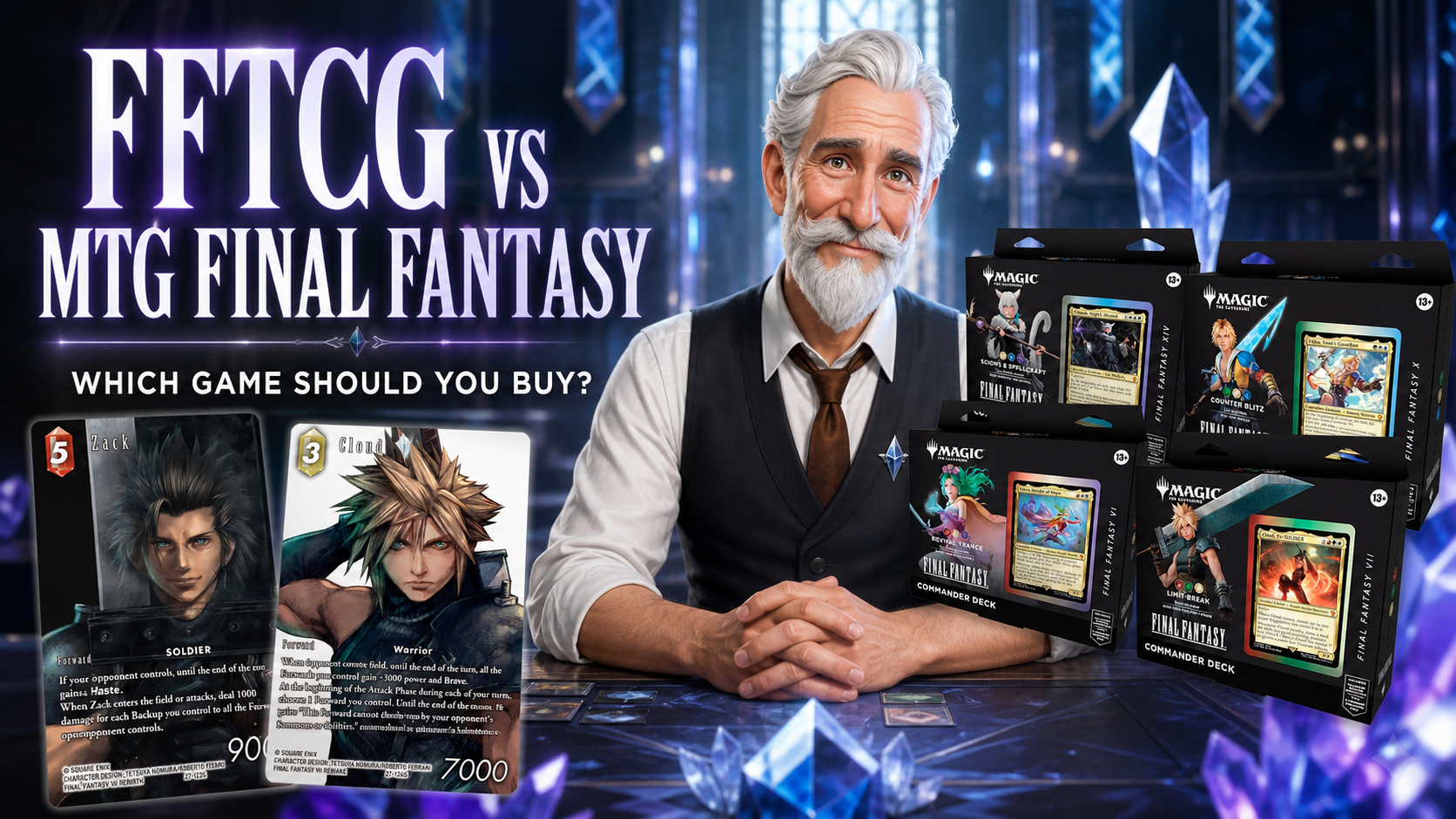
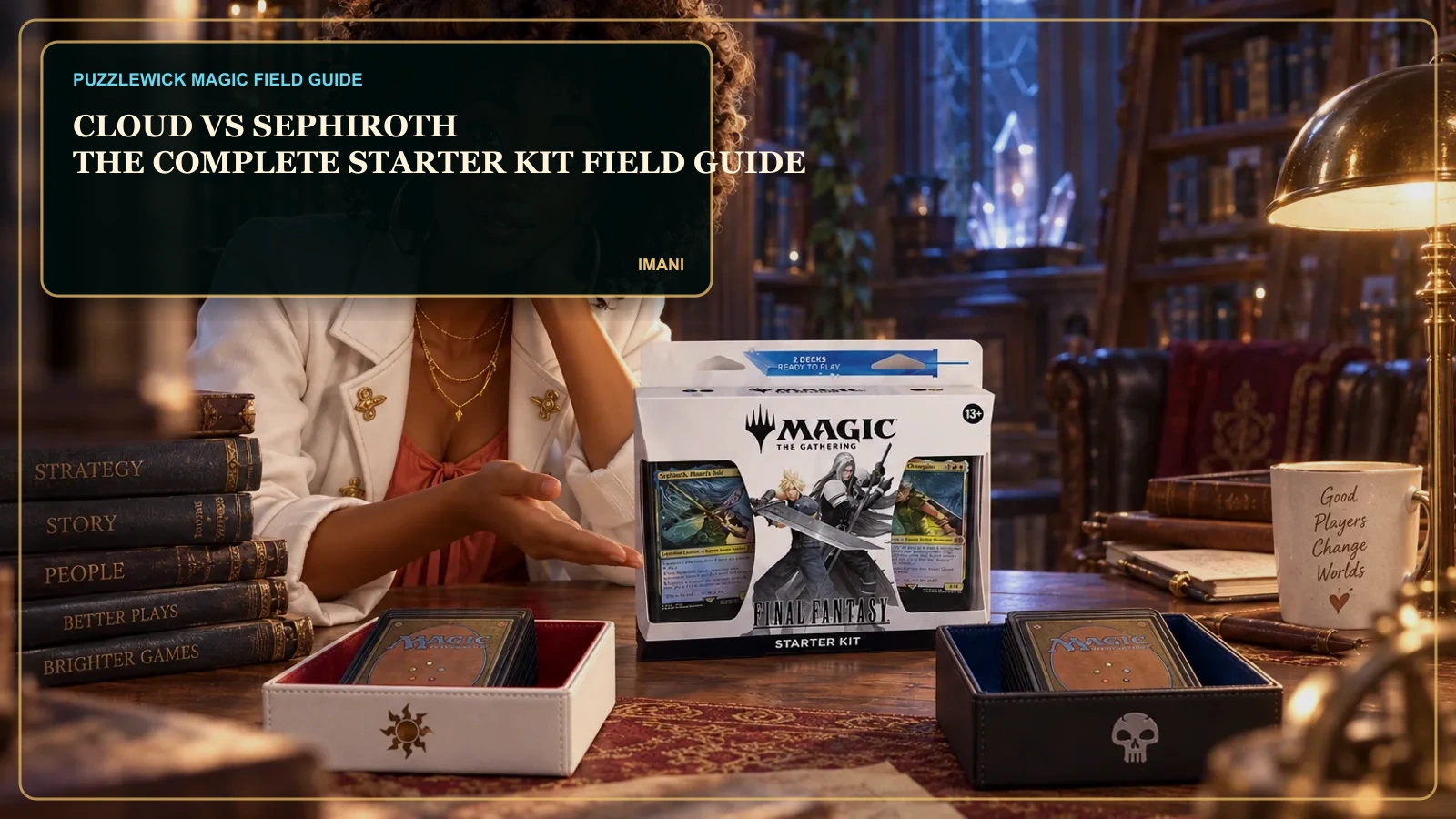
Two ready decks give the binder a playable origin story and teach through a controlled Cloud-versus-Sephiroth match.
See it on AmazonWhy we picked it →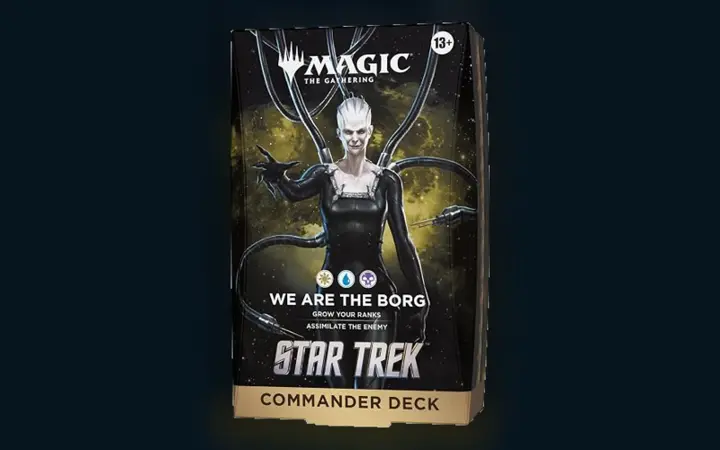
Borg Commander player
See it on AmazonWhy we picked it →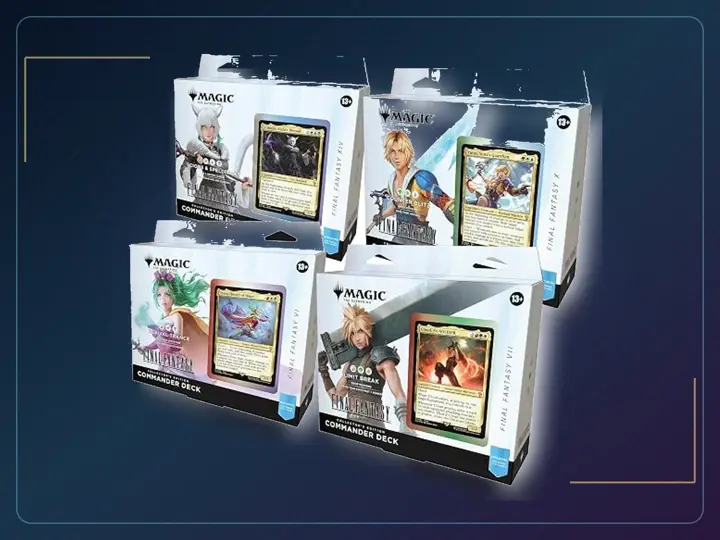
The cards play the same game. Choose this only if the physical treatment is part of the pleasure.
See it on AmazonWhy we picked it →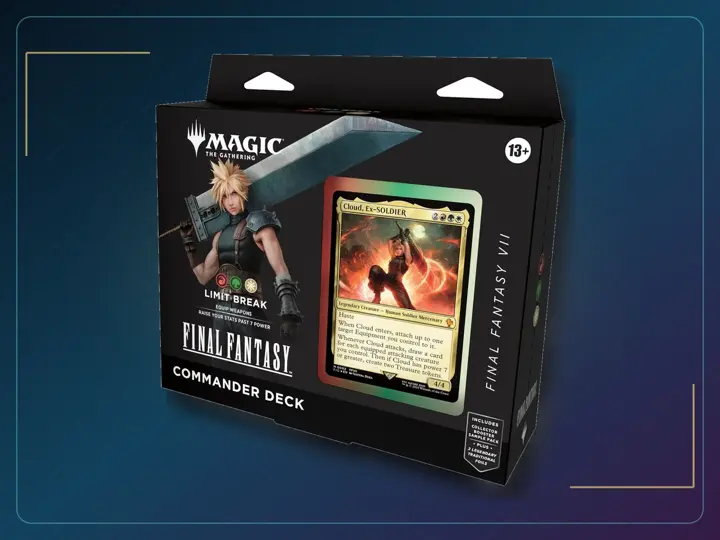
Upgrade protection and consistency before adding another expensive sword.
See it on AmazonWhy we picked it →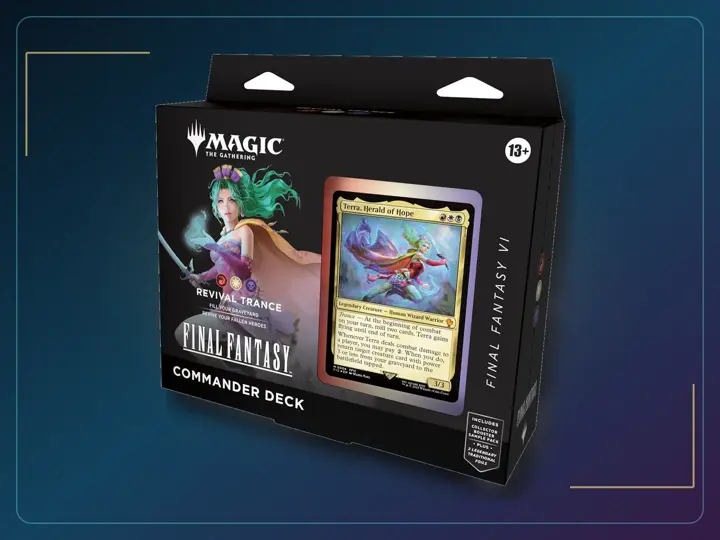
Upgrade the deck by preserving its rhythm: setup, spend, recover. More finishers will not repair missing setup.
See it on AmazonWhy we picked it →
Choose this for a personal sampler with a defined opening, then stop when that job is complete.
See it on AmazonWhy we picked it →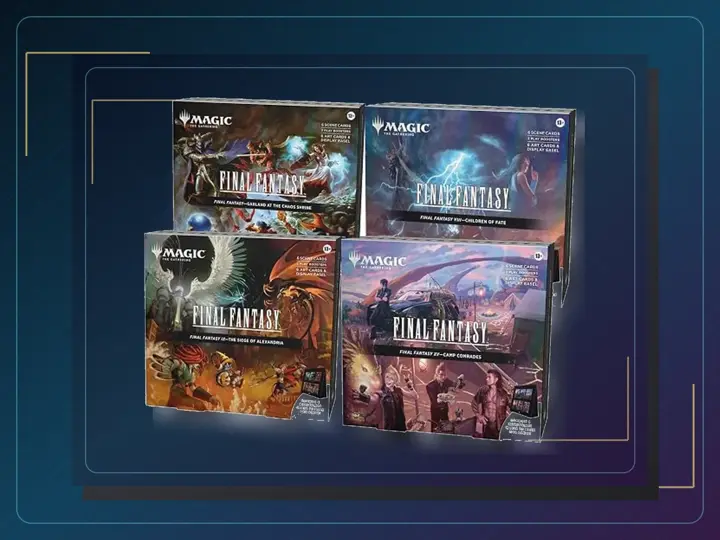
All four Scene Boxes turn connected borderless cards into deliberate display objects and still include playable copies. This is closer to a small art exhibition than a chase-pack purchase.
See it on AmazonWhy we picked it →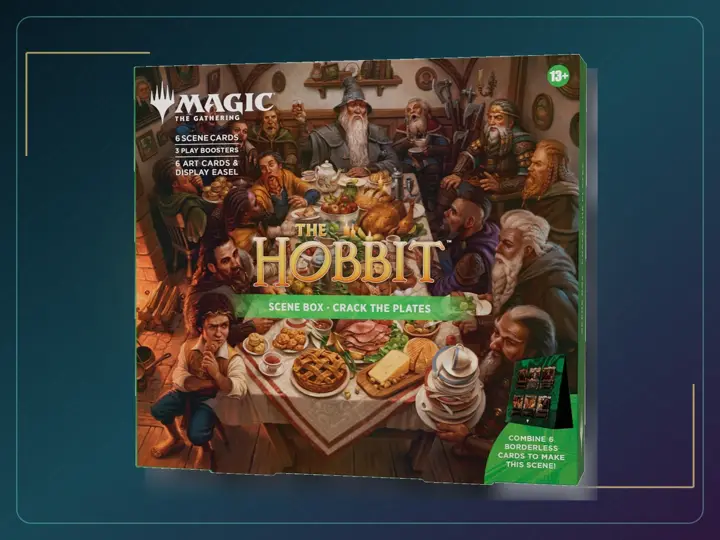
Choose this for a finite display project, then stop when that job is complete.
See it on AmazonWhy we picked it →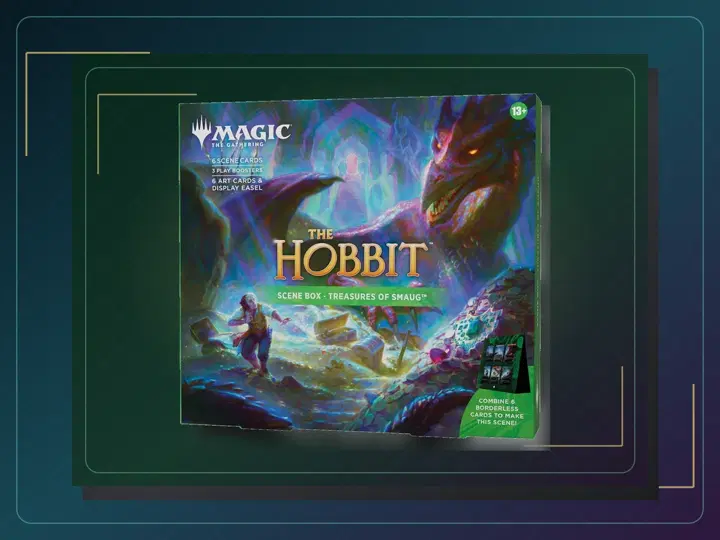
Choose this for a finite display project, then stop when that job is complete.
See it on AmazonWhy we picked it →
Divergent Timeline display
See it on AmazonWhy we picked it →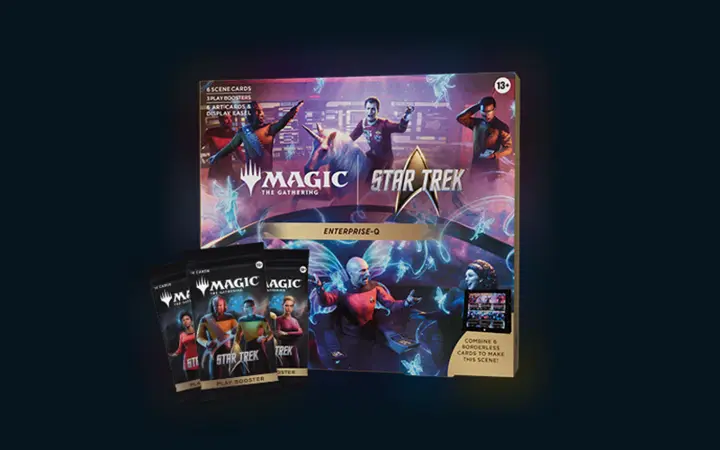
Enterprise-Q display
See it on AmazonWhy we picked it →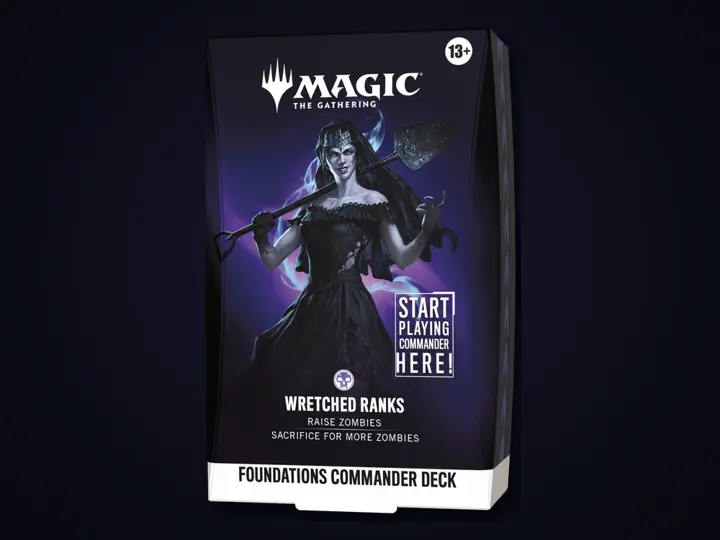
Learn the stock deck before buying a pile of upgrades. Spend first on card protection, then fix a weakness you actually encounter.
See it on AmazonWhy we picked it →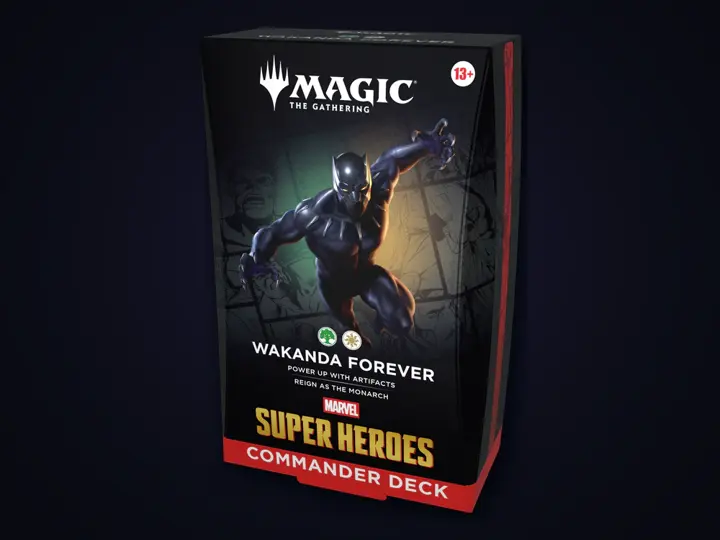
Choose the world that makes you want to play again. Do not buy a second theme just to make your first deck feel complete.
See it on AmazonWhy we picked it →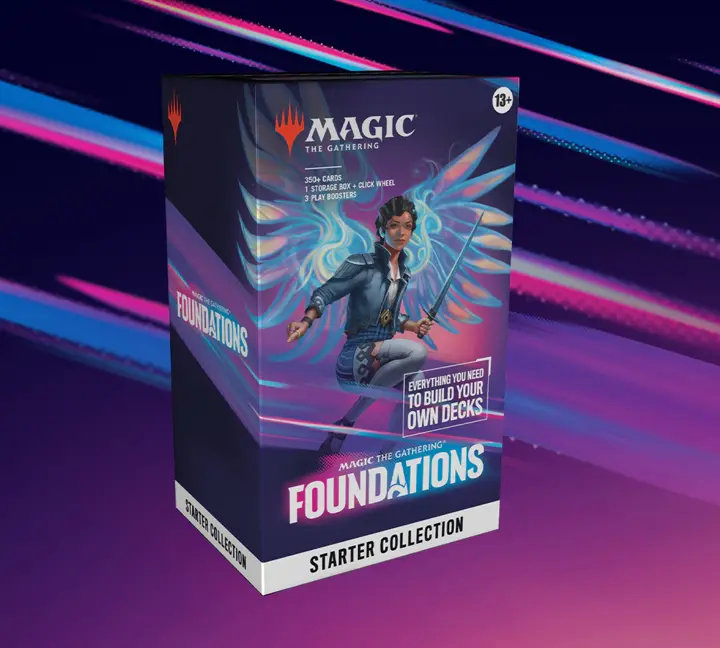
Buy a collection when you want to build several things. For one deck, start with a list of problems and buy the exact answers.
See it on AmazonWhy we picked it →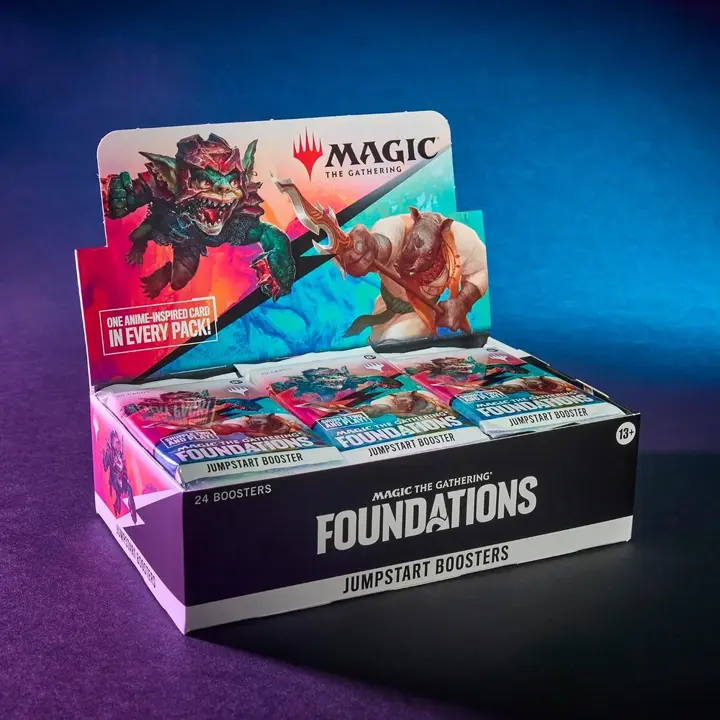
Four packs are enough for two players to begin. Buy the display when you want a larger set of themes for repeat games.
See it on AmazonWhy we picked it →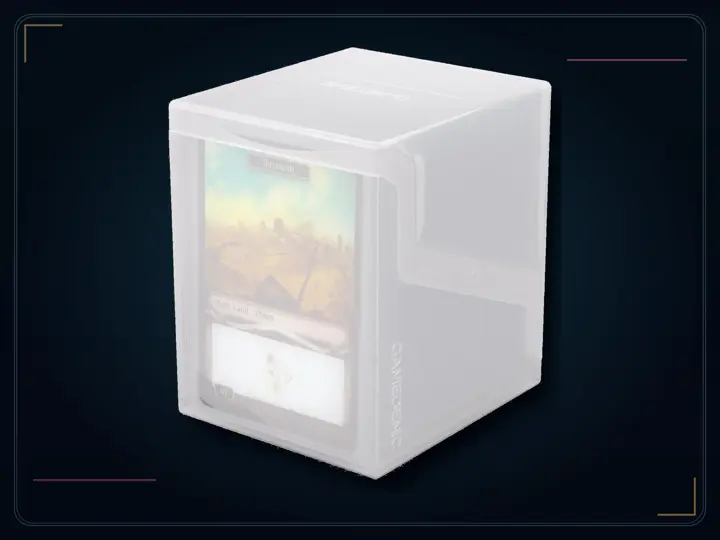
Buy it when the deck has earned a permanent address.
See it on AmazonWhy we picked it →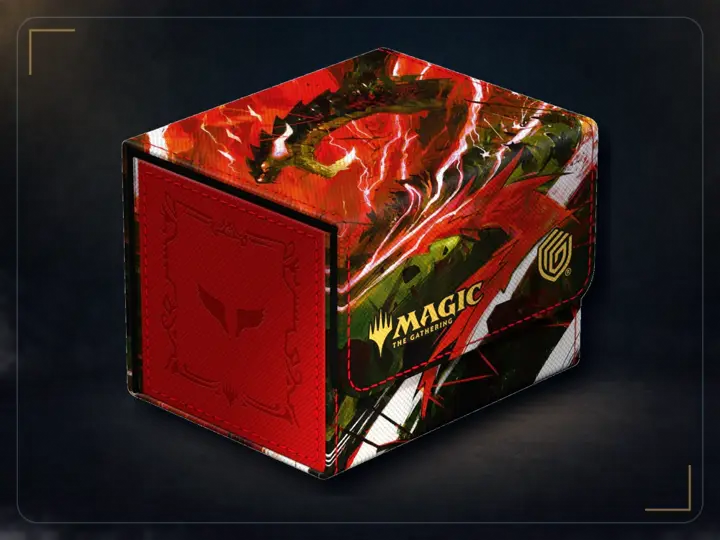
The appeal is the finish and single-deck organization. Check your actual sleeves before relying on the maker’s capacity.
See it on AmazonWhy we picked it →Complete the table
Selected for this game, not poured in from a generic accessory list.
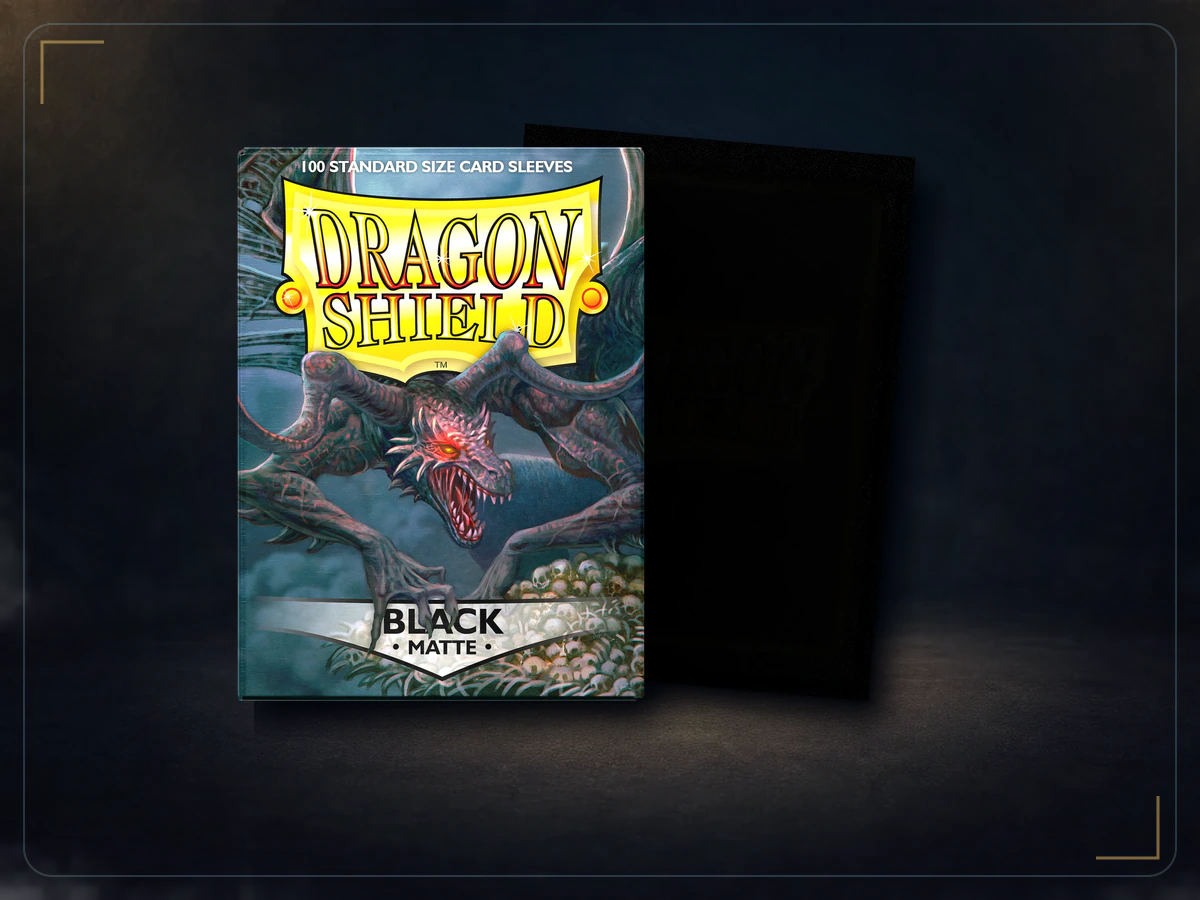
Sleeves · Arcane Tinmen
Verdict:The dependable first sleeve for standard-size decks that will actually be shuffled.
Opaque backs, broad color choice, and a shuffle feel experienced players recognize immediately.
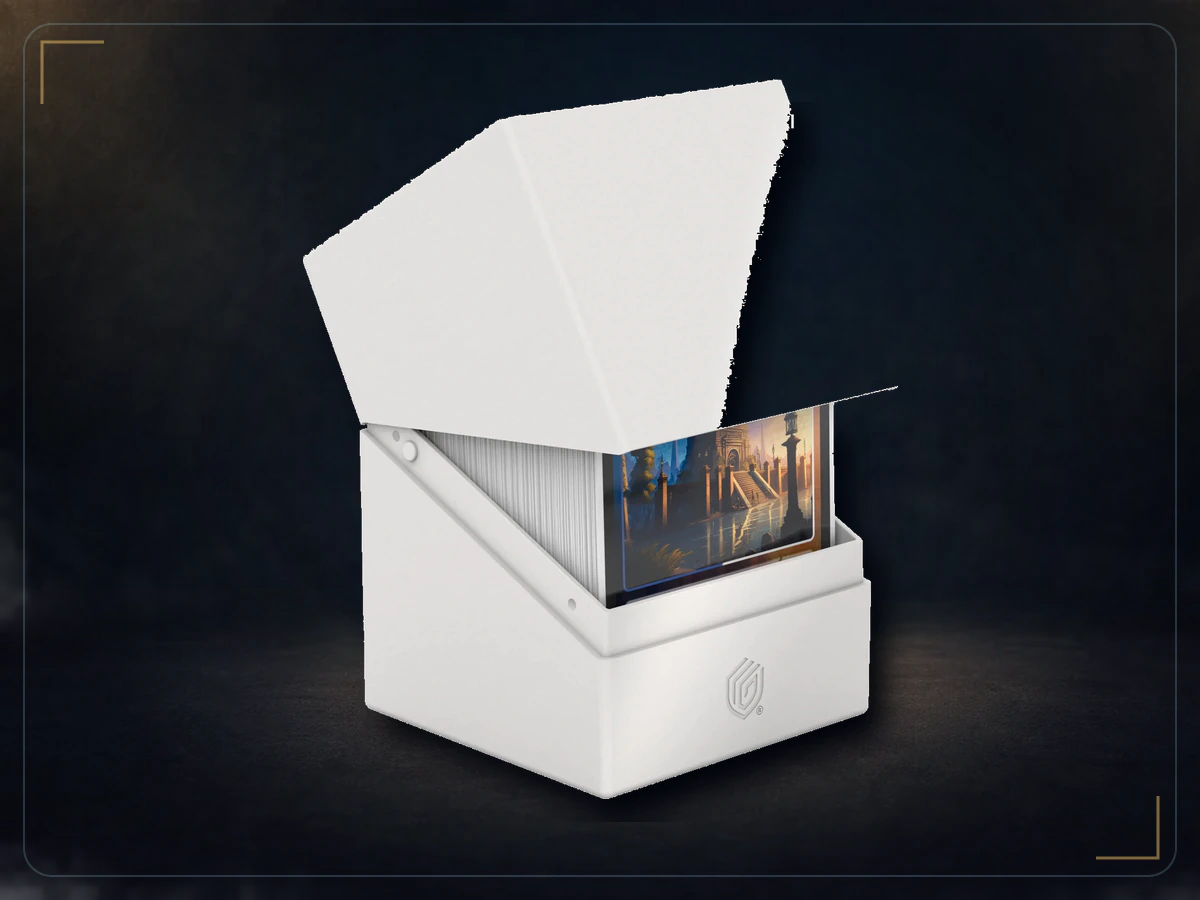
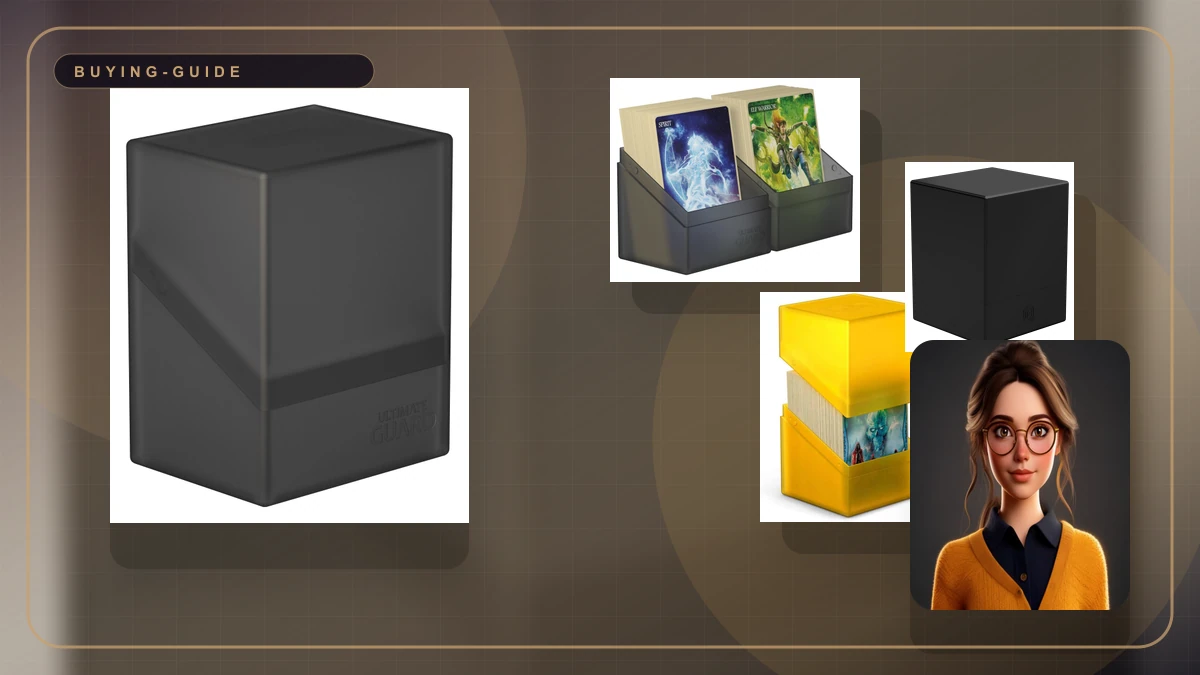
Deck box · Ultimate Guard
Verdict:Compact, sturdy, and admirably uninterested in becoming shelf decoration.
It protects a sleeved deck in a small footprint and travels cleanly inside a larger bag.
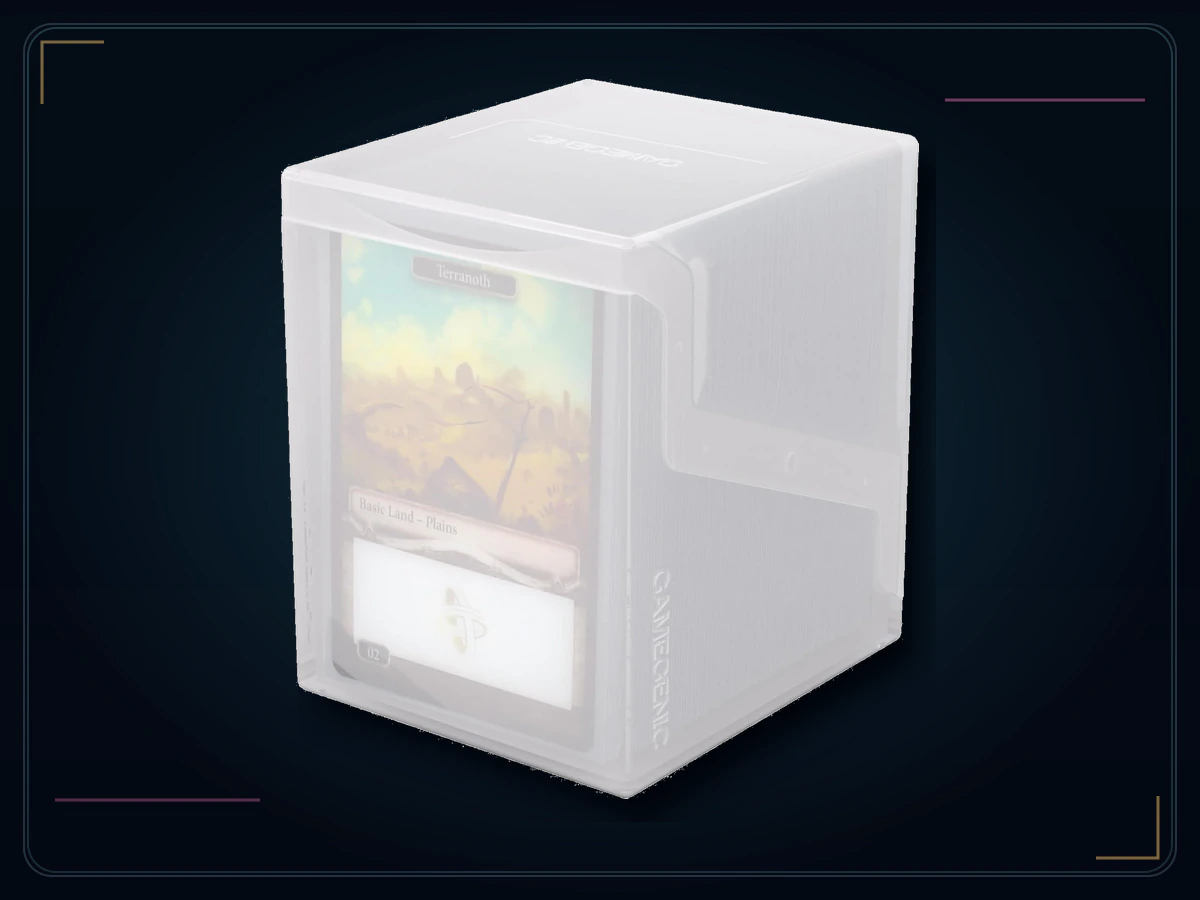
Deck box · Gamegenic
Verdict:A handsome hard-shell home for one deck after that deck has earned permanence.
The clear body makes retrieval easy and the XL capacity is designed around thick sleeve combinations.
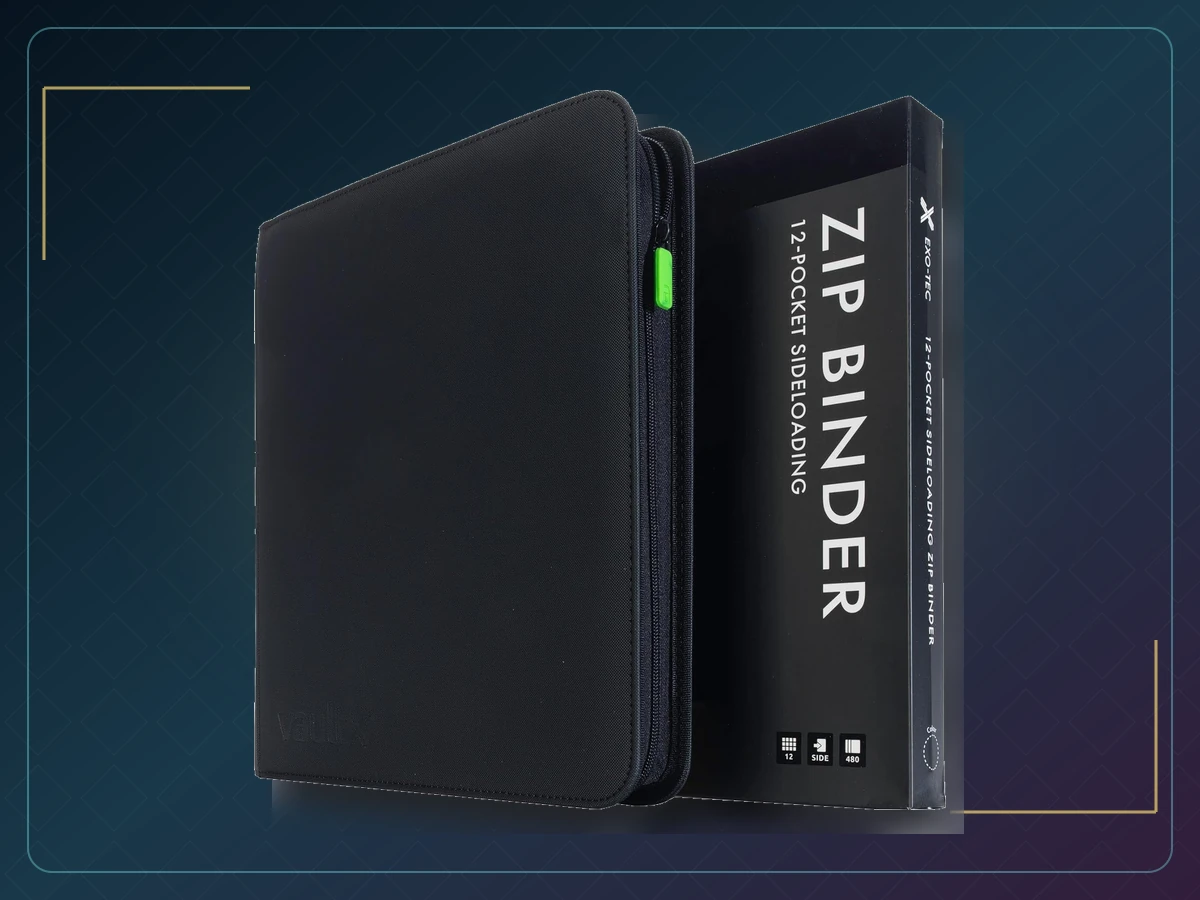
Binder · Vault X
Verdict:The grown-up archive for a curated set, sideboard library, or trade binder that deserves a zipper.
Side-loading fixed pages, a zipper, and a rigid cover reduce common ring and card-escape problems.
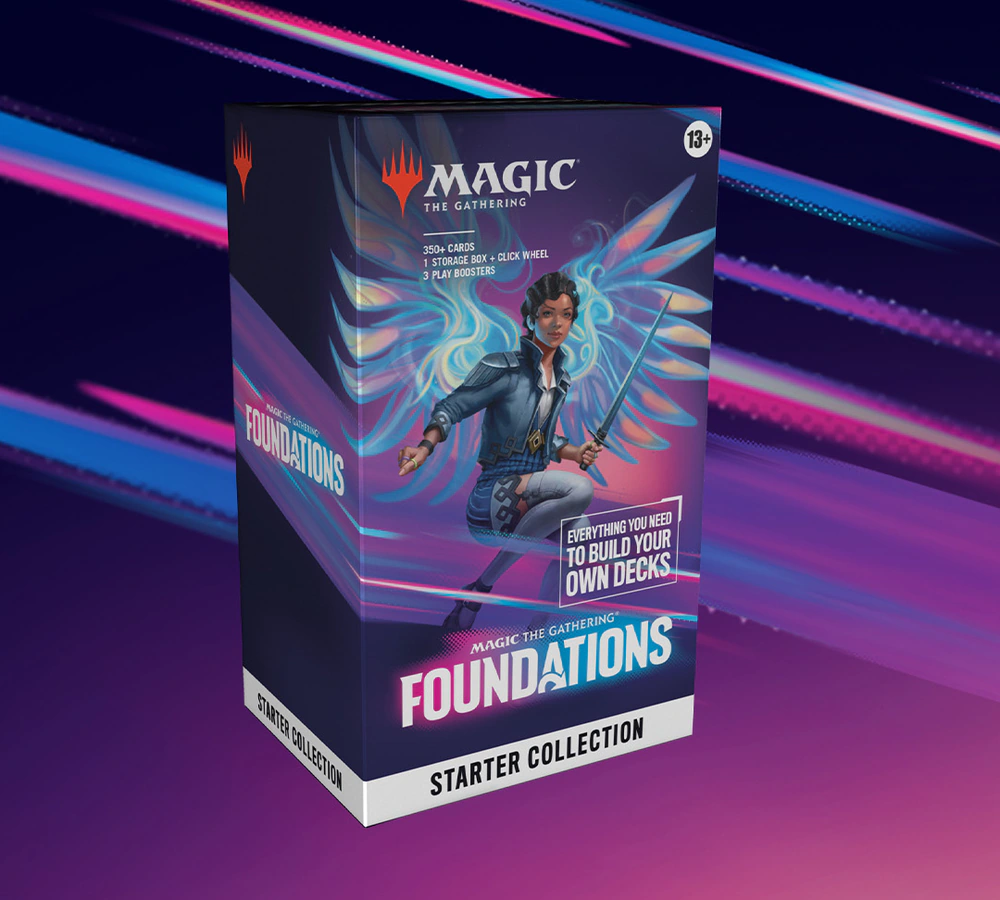
Starter collection · Wizards of the Coast
Verdict:A deckbuilding collection for a player who already understands the basics.
Provides a fixed card pool, basic lands, three Play Boosters and storage for building decks.
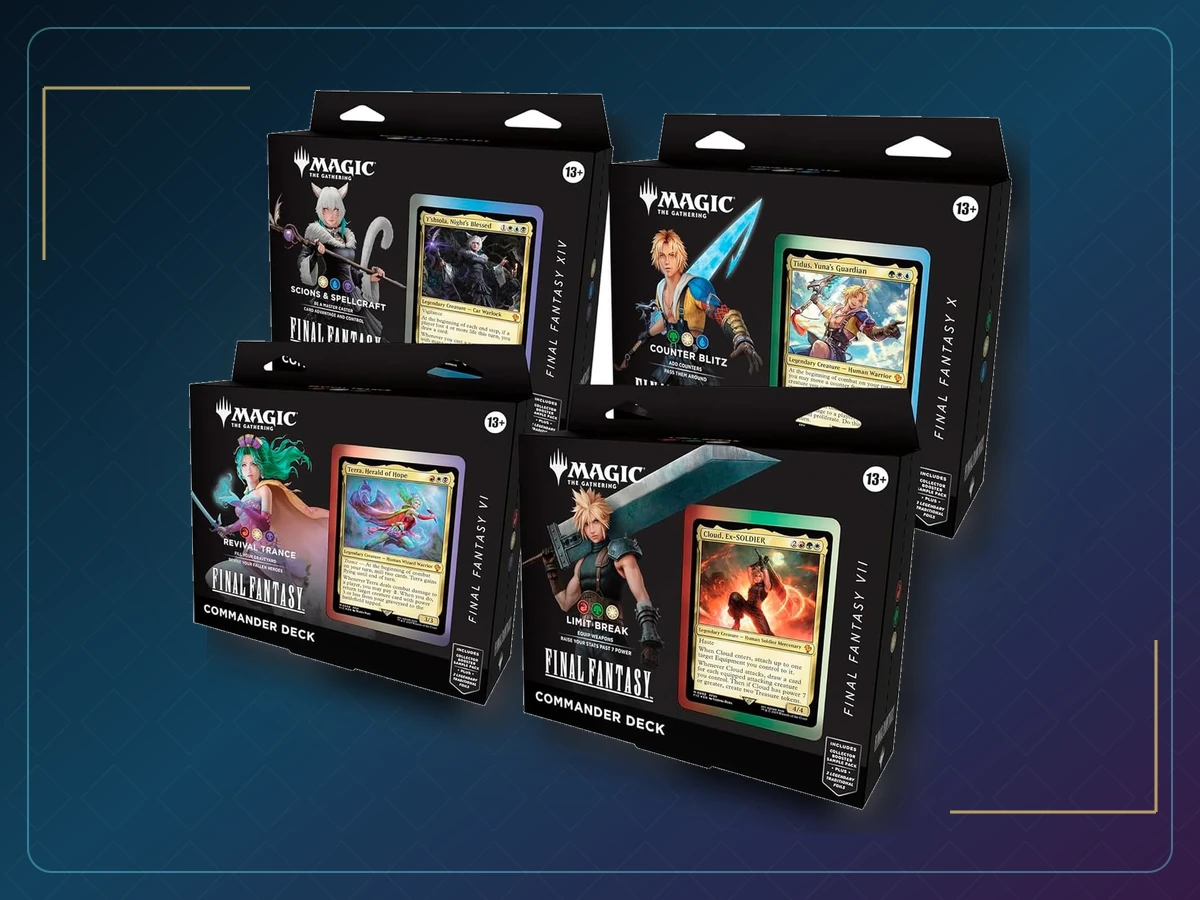
Commander pod · Wizards of the Coast
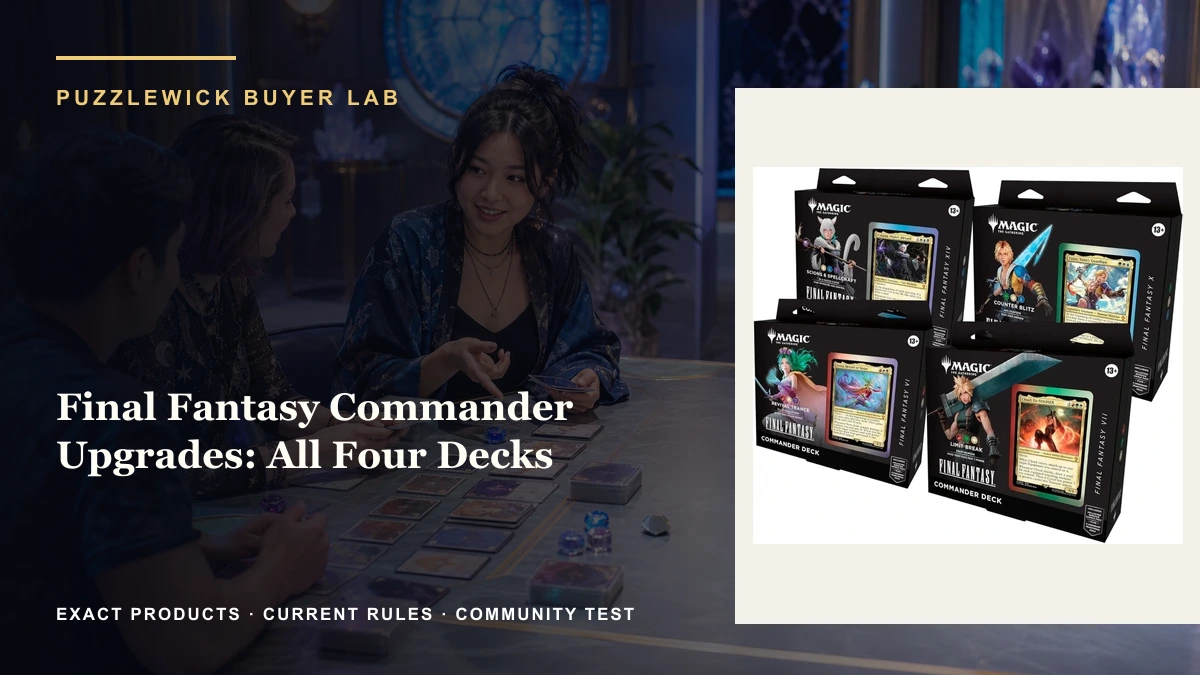
Verdict:The complete ready-made Final Fantasy pod for a group that wants four distinct decks and one shared opening night.
Four sealed Commander decks create a balanced starting table and preserve the crossover as a coherent play set.
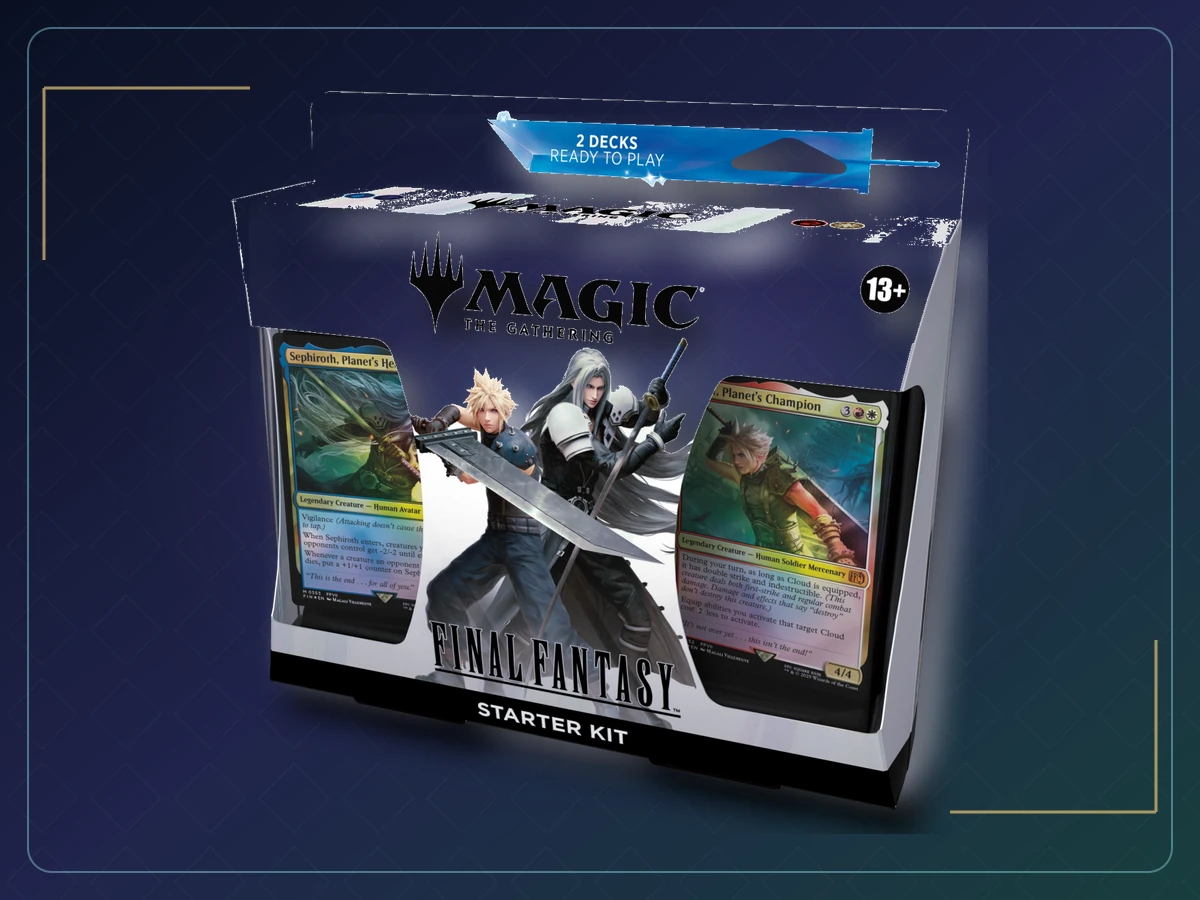
Two-player starter · Wizards of the Coast
Verdict:The best Final Fantasy-flavored rules runway for two people who want a complete first match.
Two fixed decks create a controlled lesson before deckbuilding, Commander politics, or booster math enters the room.
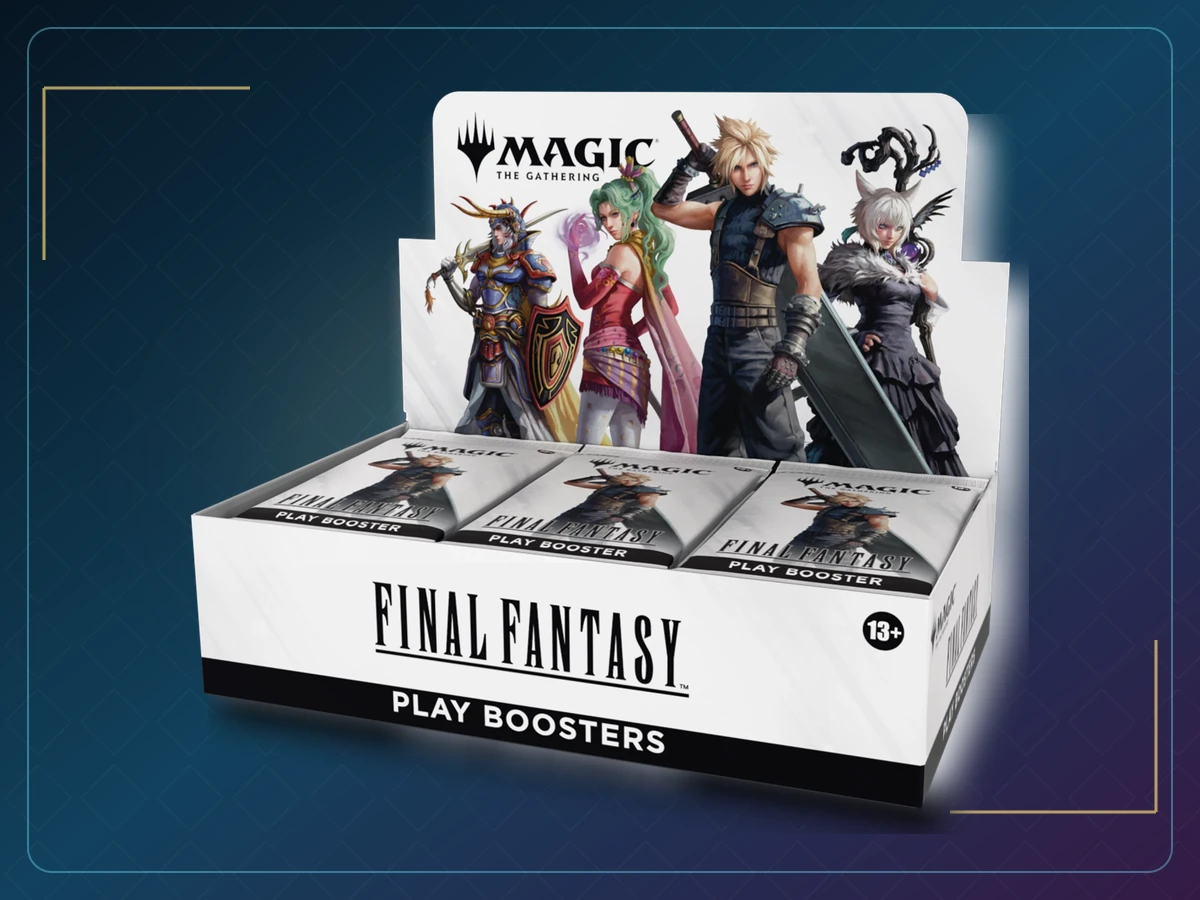
Draft and sealed · Wizards of the Coast
Verdict:Buy for a draft night or a deliberate opening ritual, never as a guaranteed route to one card.
A full display supports repeat sealed play and group drafting better than scattered impulse packs.
Interactive table lab
These are hands-on Puzzlewick tools for the universe: legally cautious, physical-game-first, and built to make setup, buying, and first plays easier.
Keeper's featured dossiers
Big visual answers first: the newest cornerstone, the no-regret buy maps, and the decision guides that keep a curious cart from becoming a haunted one.

Choose your first evening of Magic, understand the boxes, learn a legal turn, and arrive at Reality Fracture prerelease with a plan.
Imani · The Connector Open the dossier
A source-checked look at Multiverse Reforged, with a stock-deck audit, Jace and Nissa decisions, rules drills and a collector’s stopping rule.
Yumi · The Hostess Open the dossier
Imani keeps the Final Fantasy invitation intact while separating teaching decks, current legality, a dated post-ban Best-of-One field and the wildcard decisions that turn two fixed…
Imani · The Connector Open the dossier
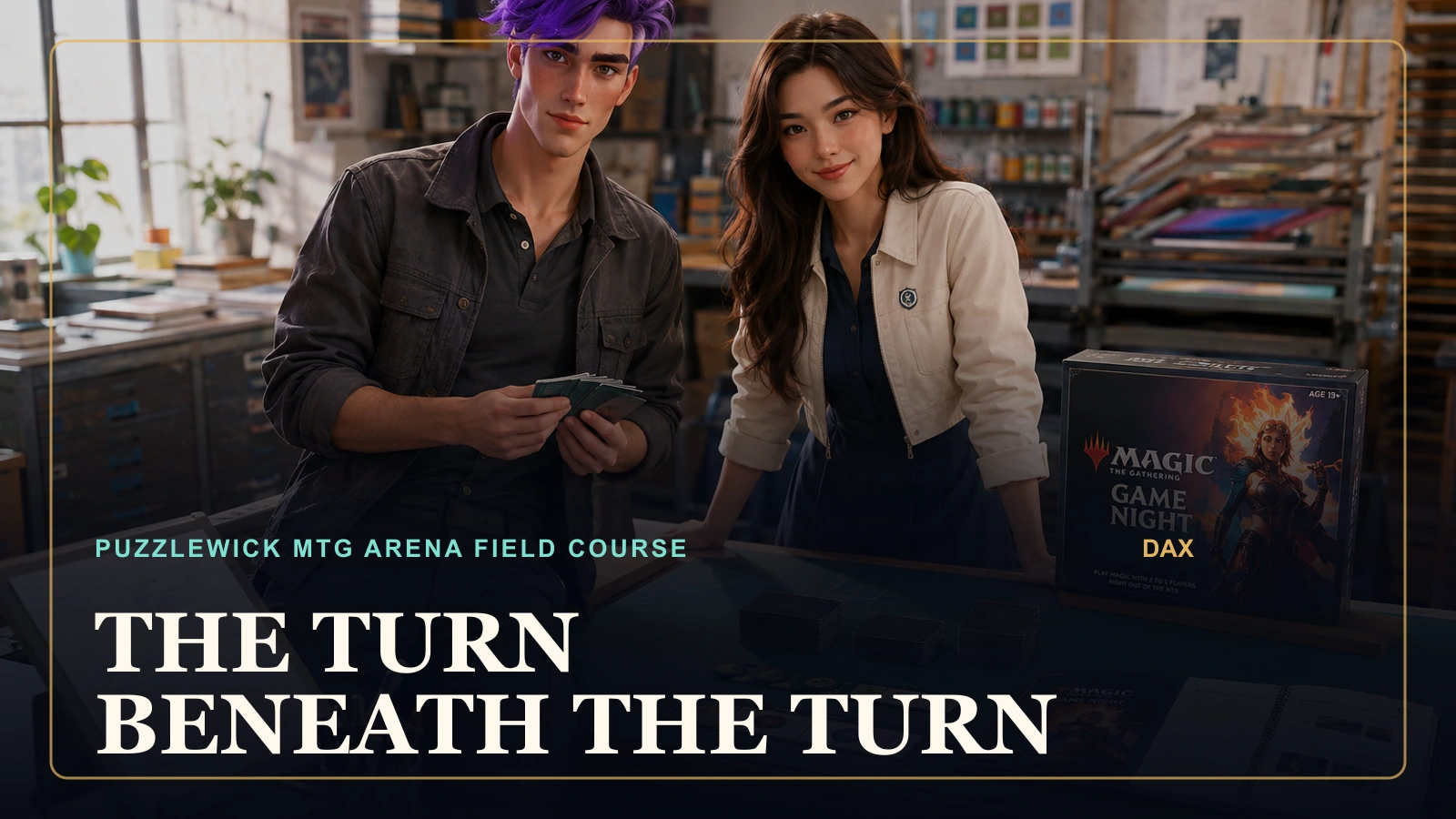
Dax exposes the turn Arena performs in silence: who gets priority, how spells and abilities wait on the stack, when combat decisions lock in, and how two paper players communicate …
Dax · The Critic Open the dossier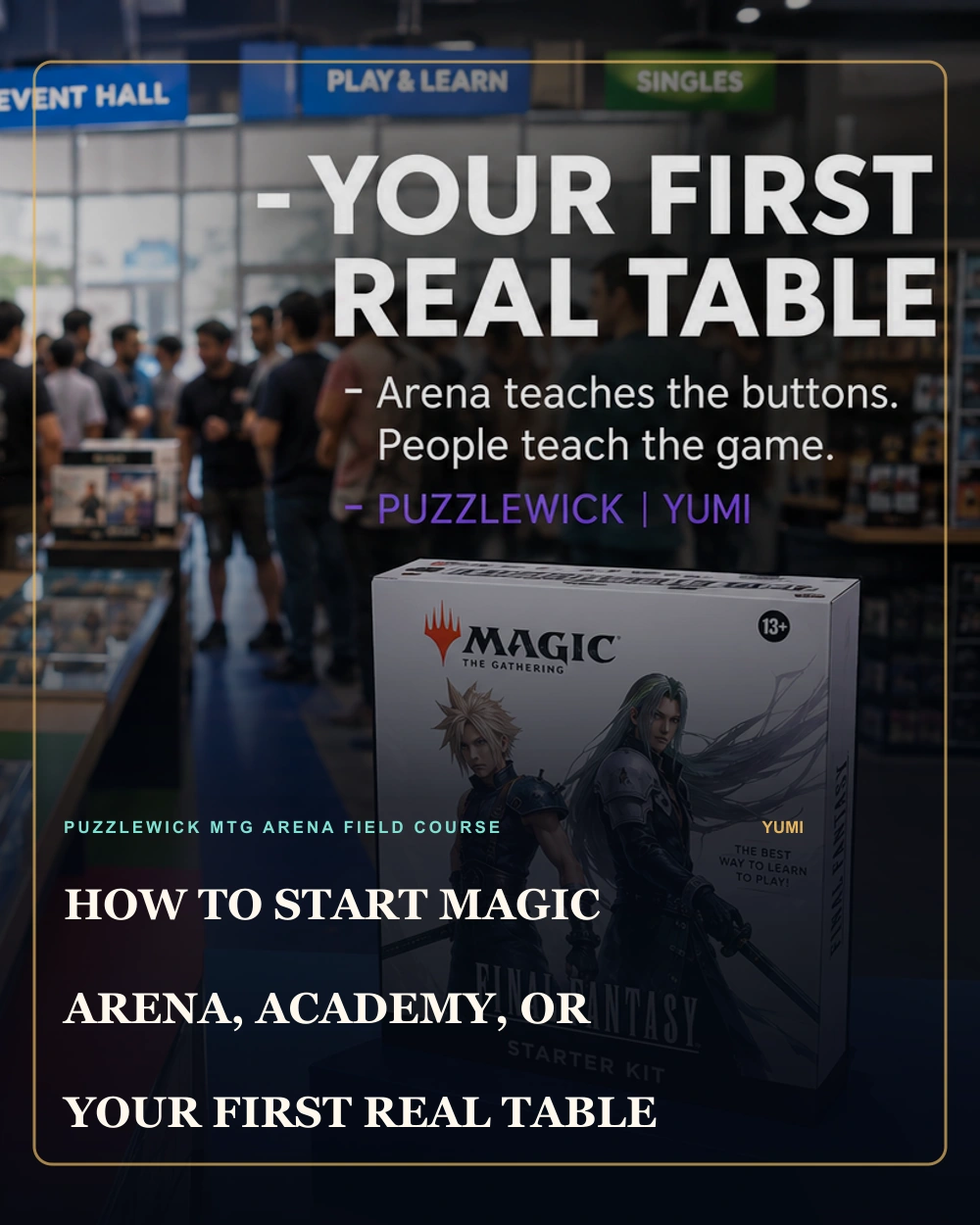
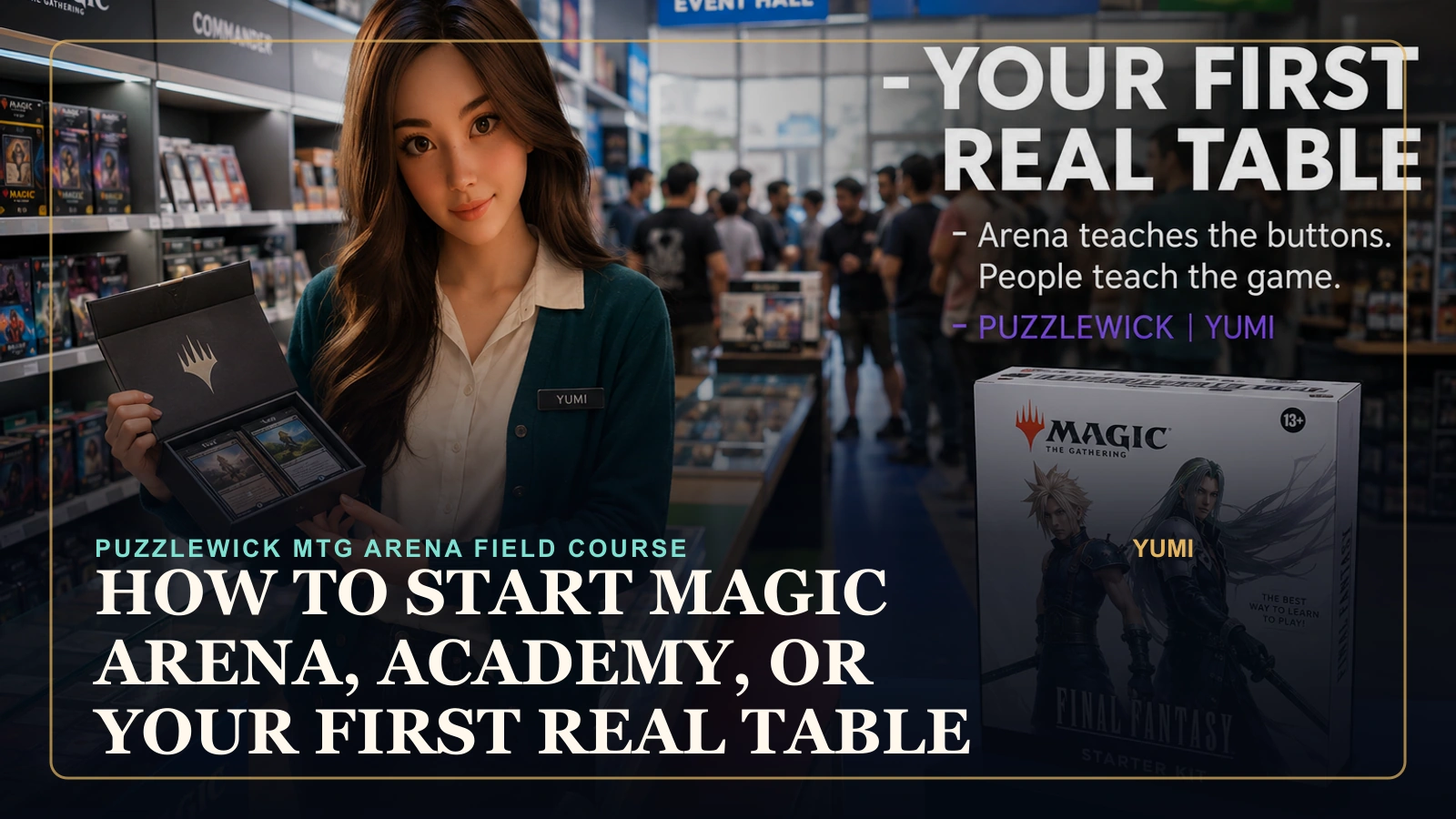
Yumi turns Arena, Magic Academy, the Foundations Beginner Box and two-deck Starter Kits into one calm route from first land to first friendly event, including the paper habits the …
Yumi · The Hostess Open the dossier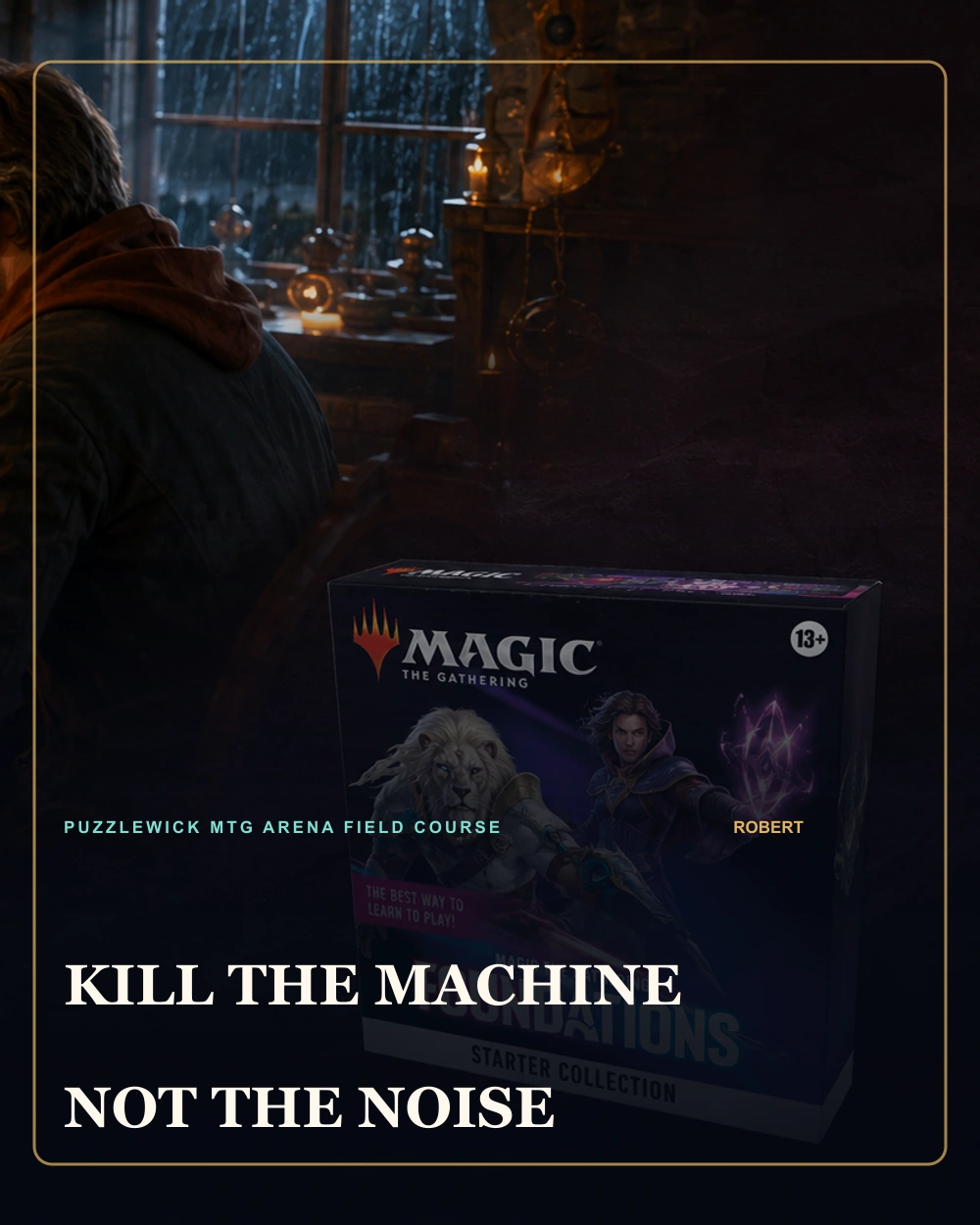
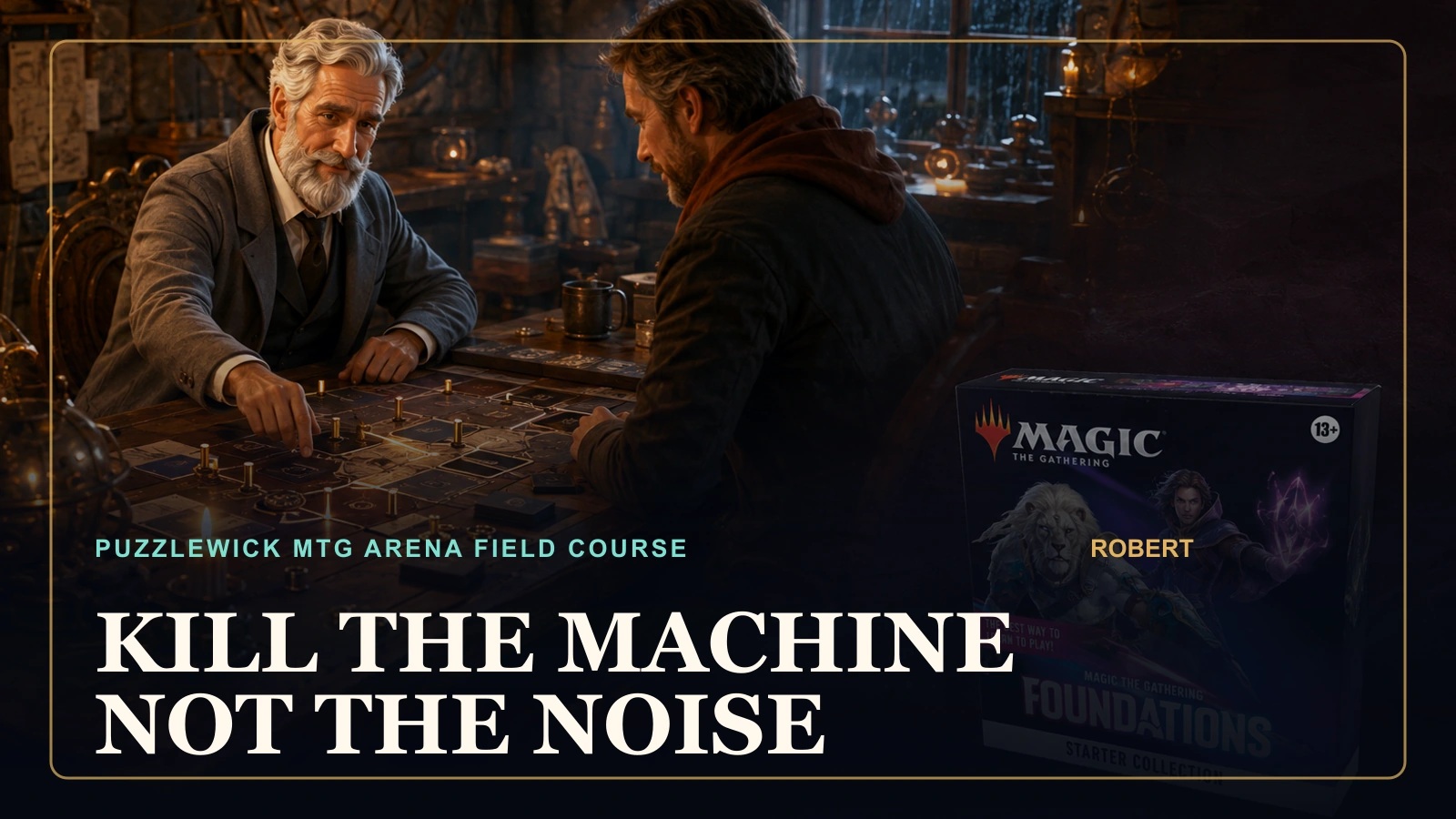
Robert teaches the missing skill between knowing card types and understanding a game: identify fuel, engine, multiplier, protection and payoff, then spend removal on the permanent …
Keeper · The Keeper Open the dossier
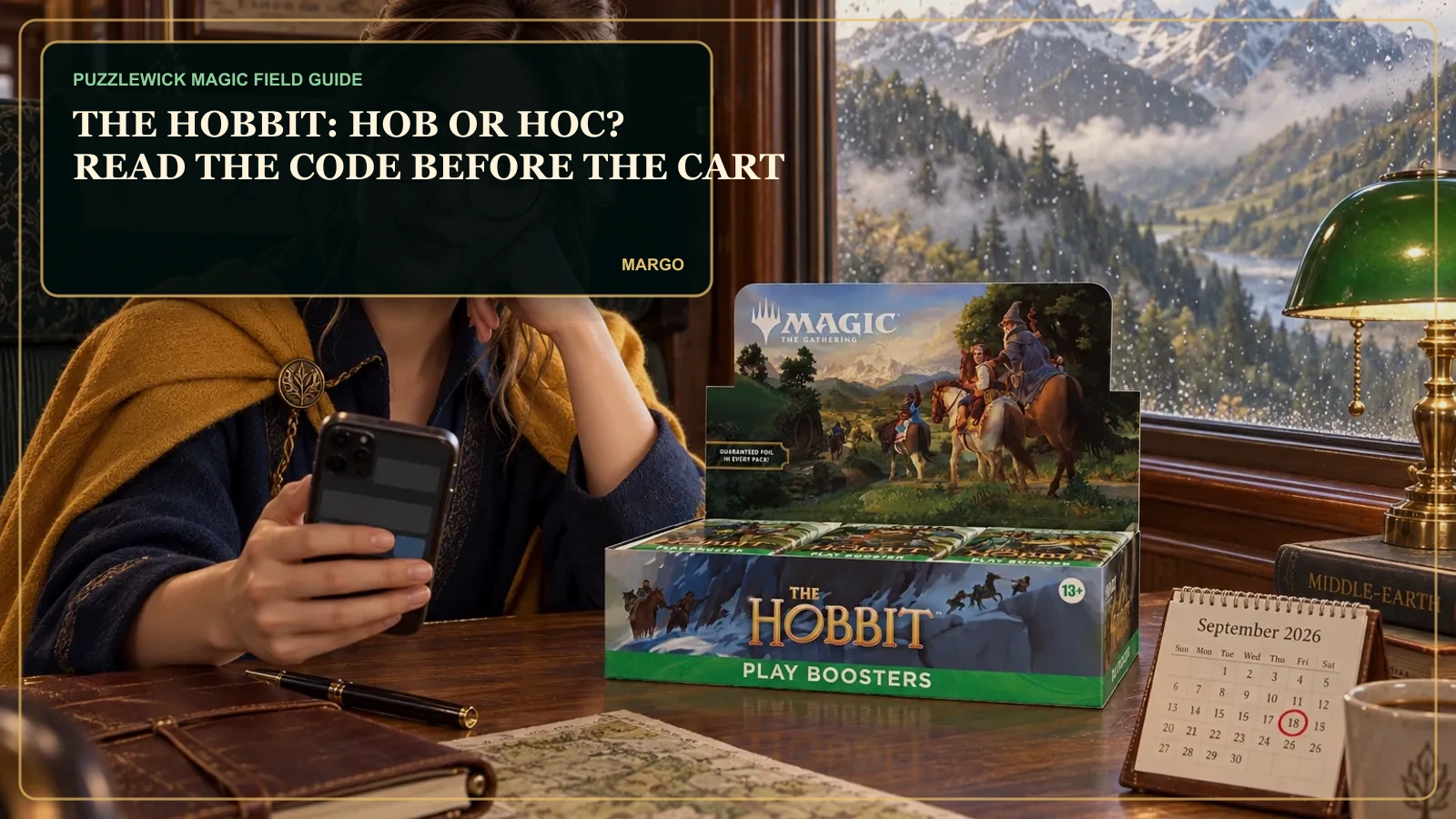
Margo separates current field evidence from tier-list theater, compares Mono-Red Aggro, Boros Auras and Mono-Black Midrange by decision style, and gives every wildcard a waiting pe…
Margo · The Archivist Open the dossier
One patient, field-tested loadout for Magic, Pokemon, One Piece, Yu-Gi-Oh!, and Disney Lorcana, including the sleeve-size trap, the deck-box rule, the binder decision, tournament p…
Yumi · The Hostess Open the dossierThe cabinet argues usefully
The curators are here to make a decision, not decorate one. Follow the voice whose table sounds most like yours.
“Robert treats the lethal card as a receipt, then traces the purchase backward: fuel, engine, multiplier, protection and payoff. His ten-match laboratory turns vague removal regret into a named verb, a timing window and one testable change.”
Open Keeper's dossier →“Choose the evening before the box: a guided first game, a Commander seat, a four-person draft, or a collector plan. The first-turn drill and downloadable field guide turn the product map into something you can use.”
Open Imani's dossier →“Two commanders, two different sequences. Compare Jace’s creature-or-planeswalker conversion with Nissa’s draw-before-reveal turn, inspect the actual stock list, and use the Angel reminder before planning a change. These are sourced pilot drills, not a claim of recorded playtesting.”
Open Yumi's dossier →“Dax takes Magic apart where the rules actually move: priority, the stack, combat steps, costs, triggers and paper shortcuts. Every lesson ends with a sentence a beginner can say at the table and a technical distinction an experienced player can still use.”
Open Dax's dossier →Choose the teaching box, Commander deck, draft event or collector lane by the game night it creates.
Start free, learn the table language, choose the right first event or box, and protect the cards that actually matter.
First box, first format, first storage system—without mistaking boosters for a deck.

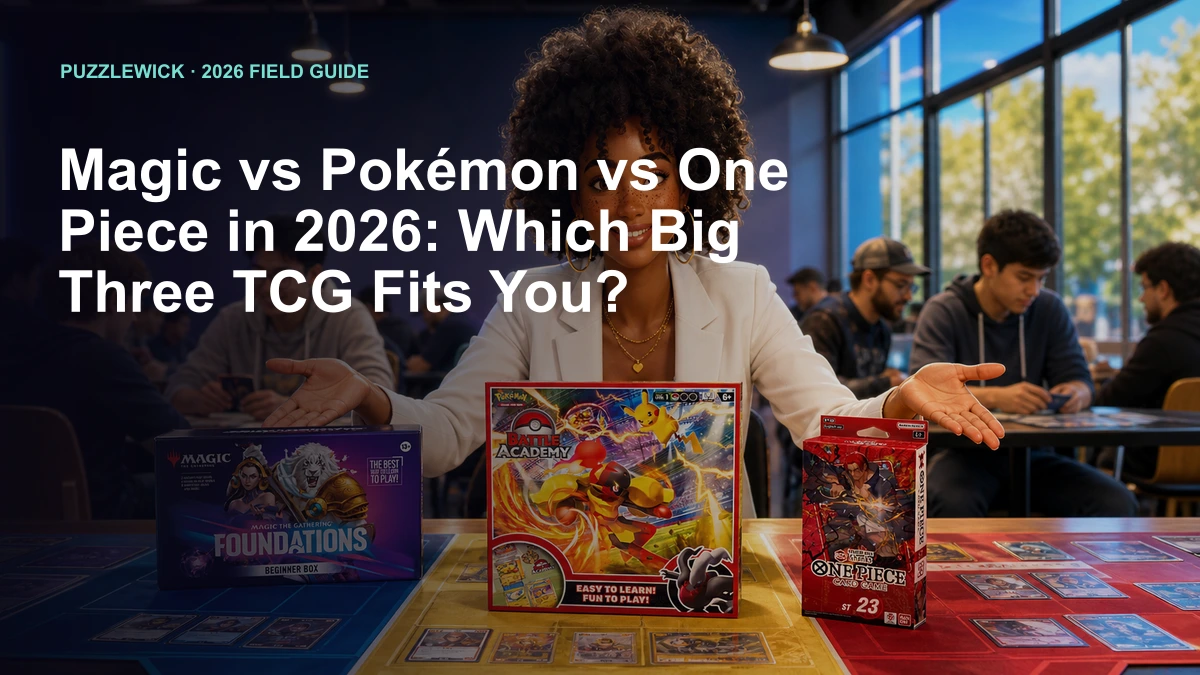

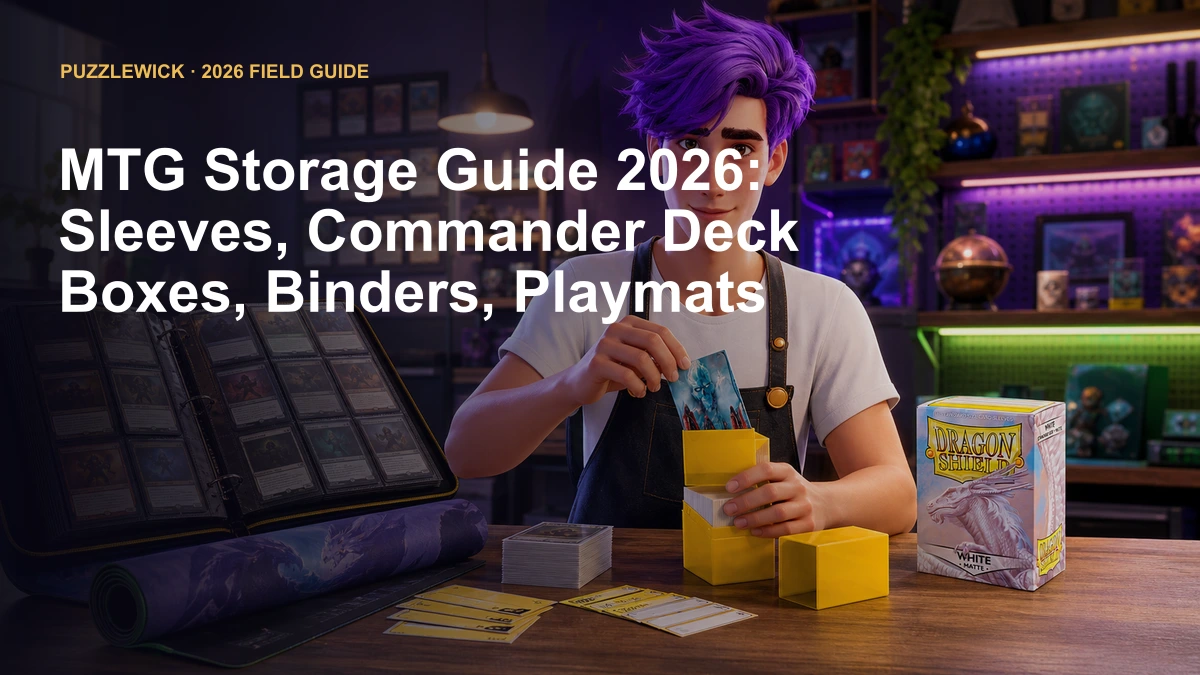
Choose a first evening, understand the two Commander engines, and keep the field guides nearby.
The official database, builder, test bench, and results source to open first.
Choose the product, understand the mechanics, collect with a finish line, and keep the archive playable.
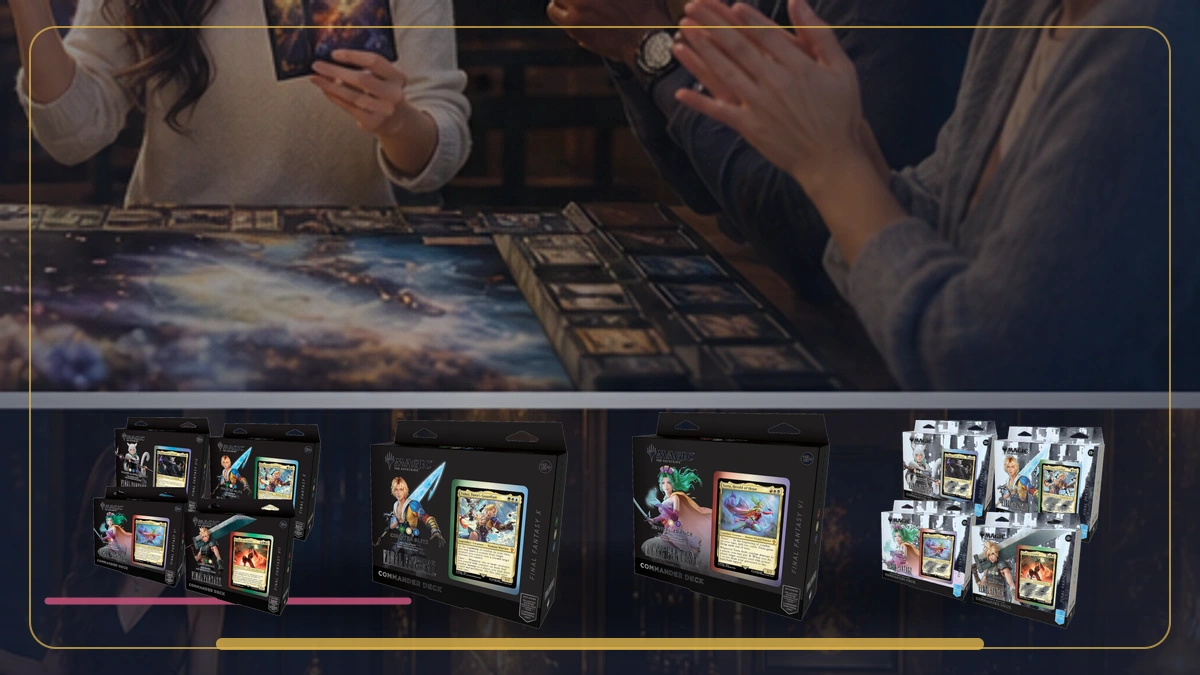
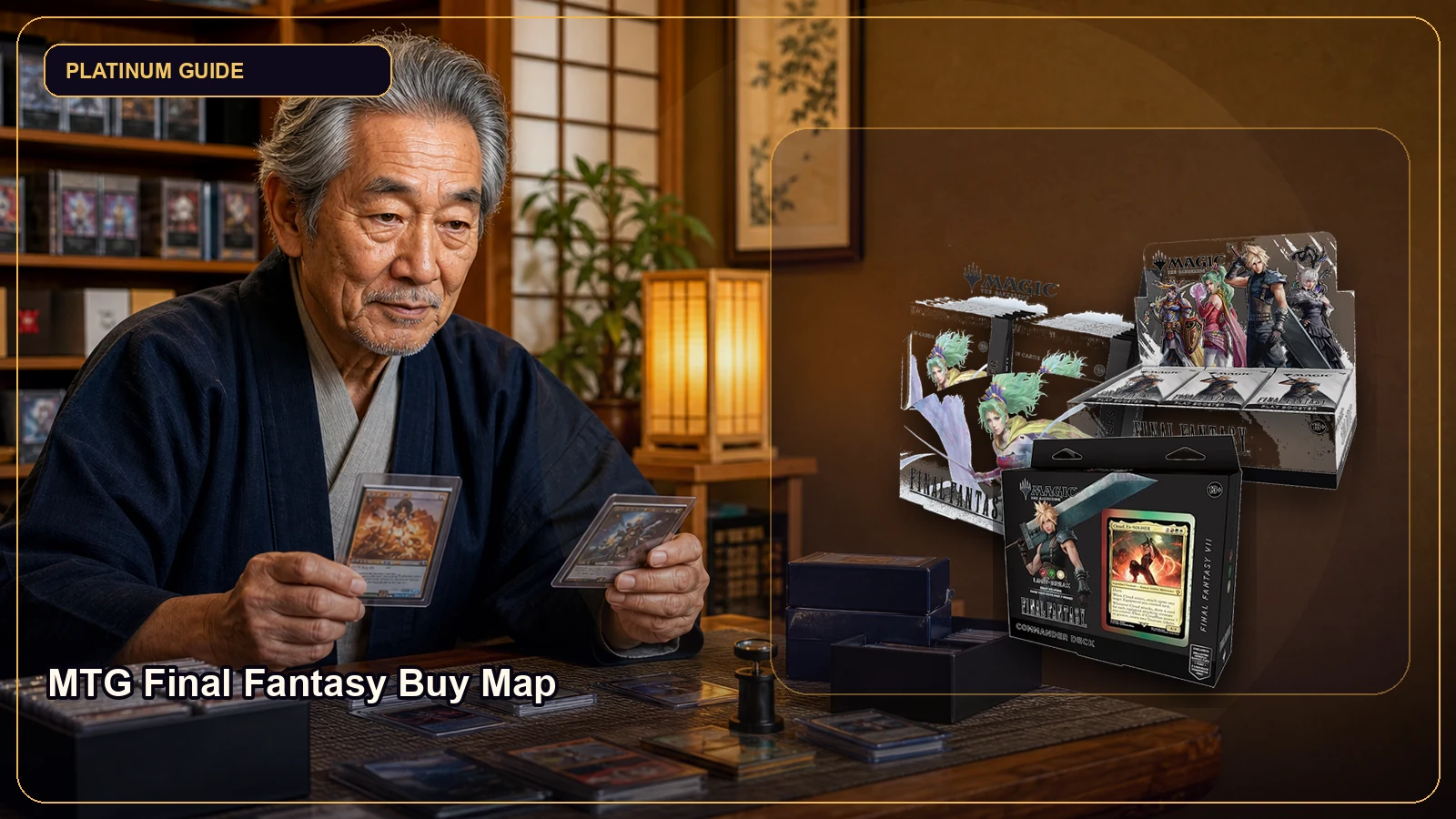



New to Magic? Start with the free-first, buy-one-box path.
Which sets and boosters are worth buying — to play, draft, or collect — plus the Universes Beyond crossovers.
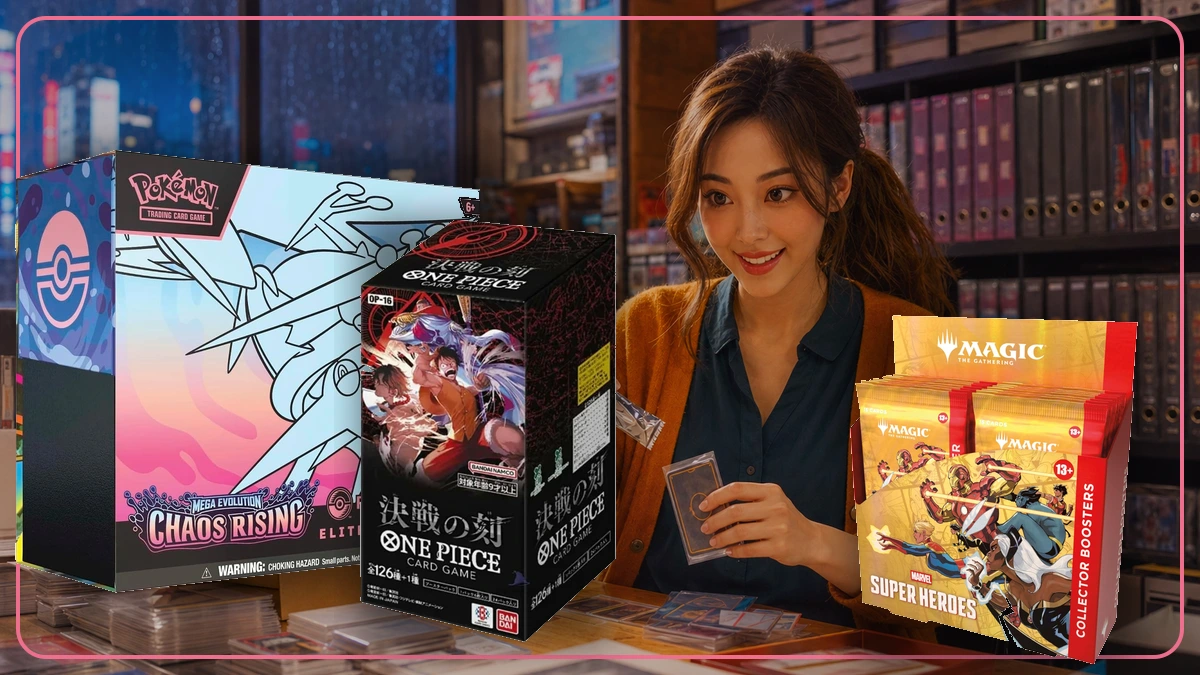

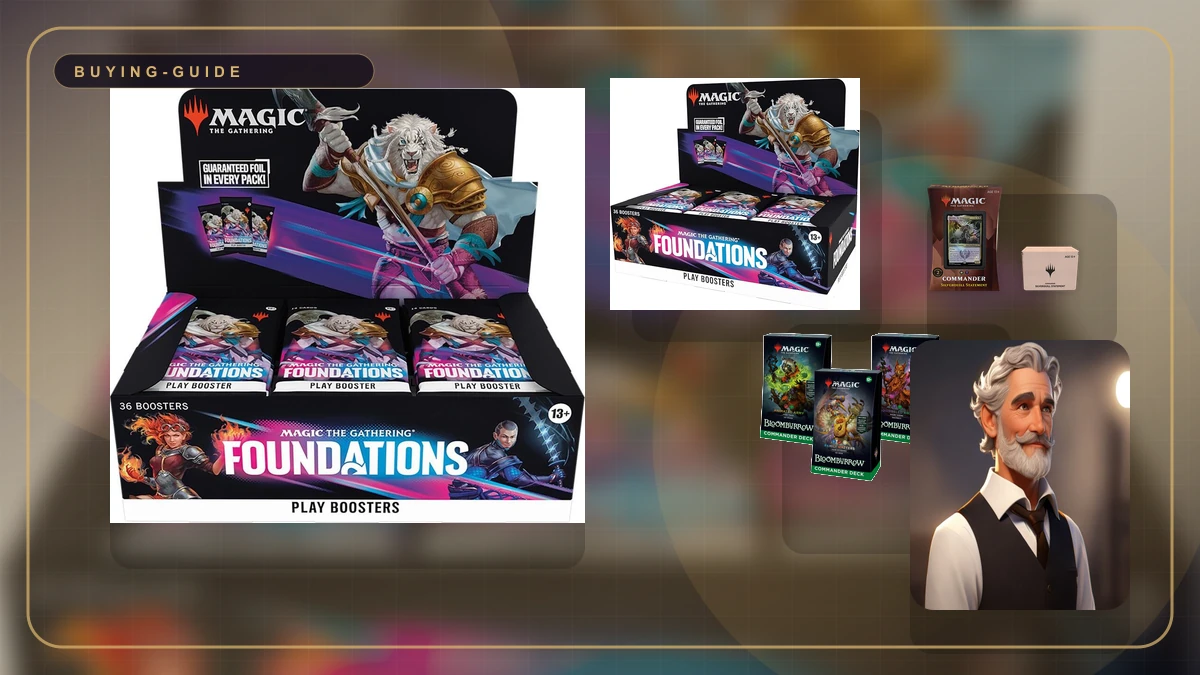
The unglamorous gear that saves a collection.

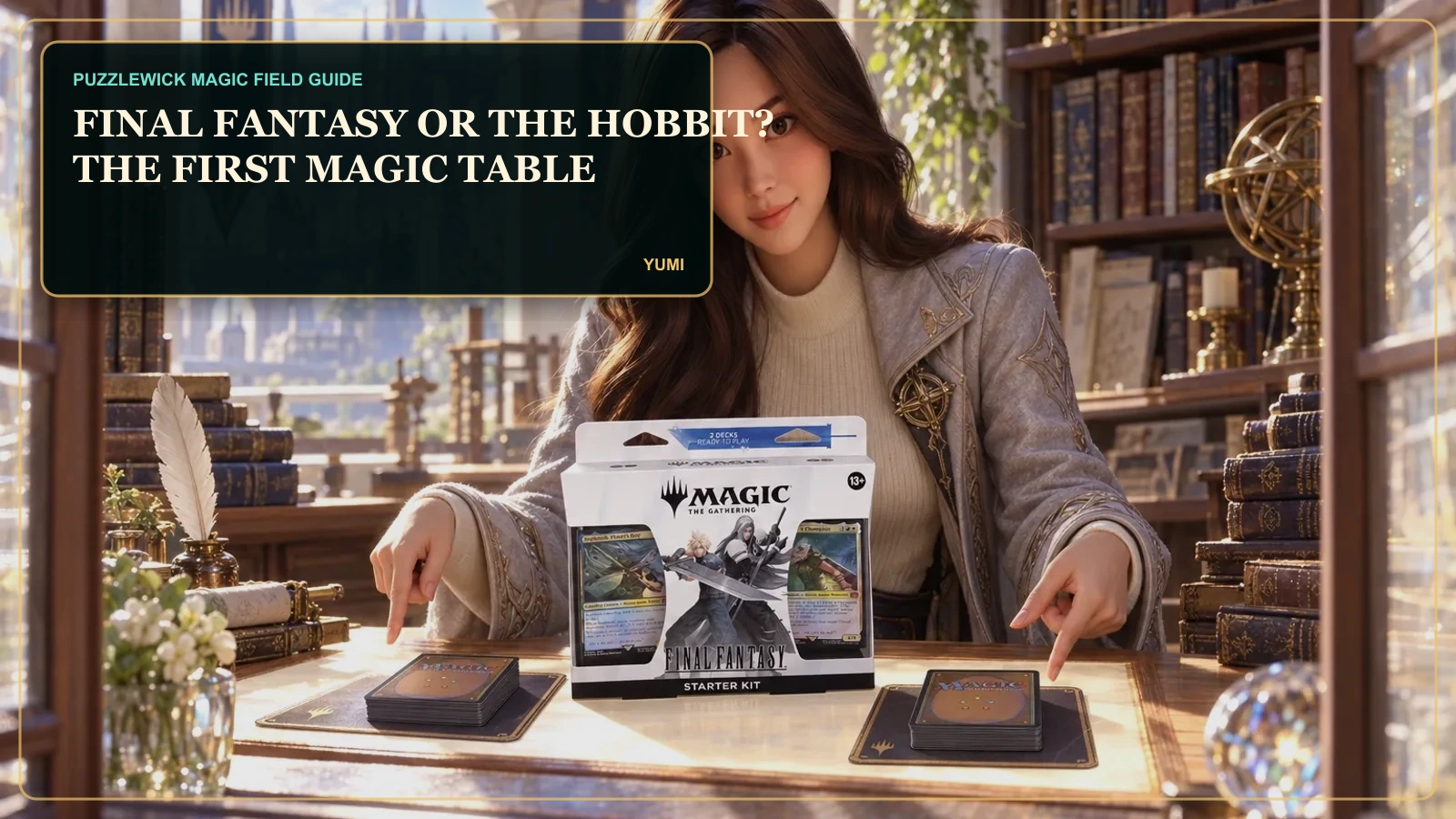








Wings that share this one's spirit. Keep wandering.
Want the whole cabinet? Browse every wing → · See what's hot right now →

The fortune-teller's table

“The orbs surface what the record favors. Three rose for you — verified, every one.”— Margo, The Archivist
 ✦ a little gift from the table