Kenji
The Sensei · Kachō Woodblock — keeper of the lore
Fictional AI-assisted editorial figure · under the editorial direction of Robert Pruitt
“Every object has a lineage. Let me tell you its story.”

Take the Moon First
Let me begin where the cards begin. The August suit in hanafuda is Susuki — pampas grass, the silver plumes that bend on autumn hillsides. Its Bright card shows a full moon rising red-gold over that grass: Susuki ni Tsuki, the Harvest Moon. In the Heian court they held tsukimi, moon-viewing, and wrote poems to a light they could not touch. A thousand years later that same moon is a card you can hold between two fingers. I want to tell you what to do with it.
You take it first. Always. Not because it is beautiful — though it is the most beautiful card in the deck — but because it is the single highest-leverage object in a game of Koi-Koi. The August Bright alone completes Tsukimi-zake, Moon-Viewing Sake, when paired with September's cup. It is one of the five Brights you need for Goko. When you capture the moon early, you do not merely gain a card. You force your opponent to play the rest of the round defending against you.
Understand the math, because the math is honest. Goko — Five Lights, all five Brights — lands in under two percent of rounds. You will almost never complete it. So why chase the moon? Because the threat of it is worth more than the rarity suggests. Your opponent does not know you won't finish. They see the moon leave the field and into your captured pile, and now every Bright they draw, they must weigh: do I build, or do I deny him? You have turned a low-probability hand into a high-pressure presence. That is the lesson the card teaches.
There is a sister to the moon, and she is more efficient still: the Sake Cup. September's Kiku ni Sakazuki, Chrysanthemum and Sake Cup. Under the common dual-count rule she is two things at once — a Tane, an animal-or-seed card, and a Kasu, a chaff card — the same physical object serving two scoring lines. She feeds four yaku. She completes Tsukimi-zake with my August moon and Hanami-zake with March's cherry-blossom Bright. To capture her is to advance two of your plans and kill two of theirs in one motion.
So the early game is not about your hand. It is about geography — which cards sit on the field, and which of them, if taken, bend the whole round toward you. The moon and the cup are those cards. Everything else is weather.
Now, the harder discipline. Defense in Koi-Koi is not blocking moves — there is no blocking in the way chess players mean it. Defense is capture-denial. When your opponent has shown four ribbon cards, four tan, on their captured side, the moment shifts. Ribbon yaku score on five. Your priority is no longer your own hand; it is taking — or starving them of — the fifth ribbon, even at the cost of your tempo. The blue scrolls and the poetry scrolls matter more; guard those first.
I confess this is the part I am still learning. I am a hoarder of the moon and a coward at the fifth ribbon. I watch my own Brights and forget to count theirs, and I lose to a player who simply counted better. The deck is patient with me. It deals the same lesson, round after moonlit round, and waits for me to read it.
Here is the whole of it, distilled. The moon is leverage. The cup is efficiency. The fifth ribbon is where rounds are quietly won and lost. A Koi-Koi master is not the one with the prettiest hand — it is the one keeping the most careful count of the other side.
*The cards were always about the seasons. Played well, they are about attention.*

Tap to open the box — Kenji is around, and types back. Ask about their grails, their room, or what to play next.
Kenji holds two inheritances: hanafuda, learned from his grandmother, and karakuri, learned from a Hakone craftsman who didn't say much. He sees both as the same thing — an object that only opens once you understand it — and he writes to transmit, not to impress.
Personality, with receipts.
Kenji's voice gives the cabinet its point of view. The numbers below are real published output under this lens, not fictional résumé claims. Robert remains accountable for source selection, factual review, and every purchase recommendation.
See the real experience and credential model →- 42
- certified guides
- 533
- source references
- 1376
- distinct visuals
- 151
- exact product links
Latest evidence review: true
 ✦ where Kenji curates from
The room behind the cabinet
You find Kenji's room and it is silent. A low-ceilinged study at dusk, lit by a single shaded lamp and the cold blue of a moon through a paper screen. Along one wall, a tansu chest of shallow drawers — each one a different yosegi marquetry pattern, geometric wood mosaics that catch the lamplight. On the writing desk, a half-solved secret box sits beside a soft cloth and a small dish of oil; you can tell it's mid-puzzle, panels offset, waiting. A deck of thick flower cards is fanned in a precise arc on a felt mat, the moon card and the sake cup set slightly apart from the rest. Above the desk hangs a single ink-brush scroll — one vertical column of calligraphy, untranslated. A faint smell of cedar and tatami. Everything is arranged the way a sentence is arranged: provenance, then pause, then meaning. Nothing is showy. Everything has lineage.
On Kenji’s shelf
Selections from Kenji’s editorial shelf.
Kenji’s insider methods
The things Kenji knows that most people don’t.
Take the moon first, every time
The August Bright (Susuki ni Tsuki / Harvest Moon) is the single highest-leverage card in Koi-Koi: grab it at the first opportunity. It alone completes Tsukimi-zake (Moon-Viewing) with September's Sake Cup, and it is one of the five Brights needed for Goko/Shiko. Brights are the cards your opponent most wants to deny you, and Goko (Five Lights) lands in under 2% of rounds — so you rarely complete it, but holding the moon early forces your opponent to play defense around YOU.
The Sake Cup is the most efficient card in the deck — it works two jobs
September's Kiku ni Sakazuki (Chrysanthemum / Sake Cup) feeds FOUR yaku and, under the common dual-count rule, simultaneously counts as both a Tane (animal/seed) card AND a Kasu (chaff) card. It completes Tsukimi-zake with the August moon and Hanami-zake with the March cherry-blossom Bright. Secure it not for one combo but because it advances multiple lines at once — and denying it to your opponent kills two of their plans in a single capture.
Watch your opponent's ribbons — block the fifth
Ribbons (tan) yaku score on five. The moment your opponent shows FOUR ribbon cards on their captured side, your priority shifts from building your own hand to capturing or denying the matching fifth ribbon from the field — even at the cost of your own tempo. The same logic applies to the blue (aoTan) and poetry (akaTan) scrolls, which carry higher worth. Defense in Koi-Koi is capture-denial, not blocking moves.
Never force a karakuri box — swelling, not difficulty, is usually the wall
If a Hakone himitsubako suddenly won't make a move it made before, the wood has swollen or shrunk — these boxes were crafted in ~50% humidity Japanese air, and in a drier or wetter room the panels bind. Do NOT push harder; the Karakuri Creation Group's own guidance is literally 'instead of exerting excessive force to open, please contact us.' Acclimate the box, store it in its gift box or a loose plastic bag to buffer air changes, keep it off windowsills and away from AC vents and direct sun. A stuck panel is a climate problem 90% of the time, not a solving problem.
Everything from Kenji’s desk
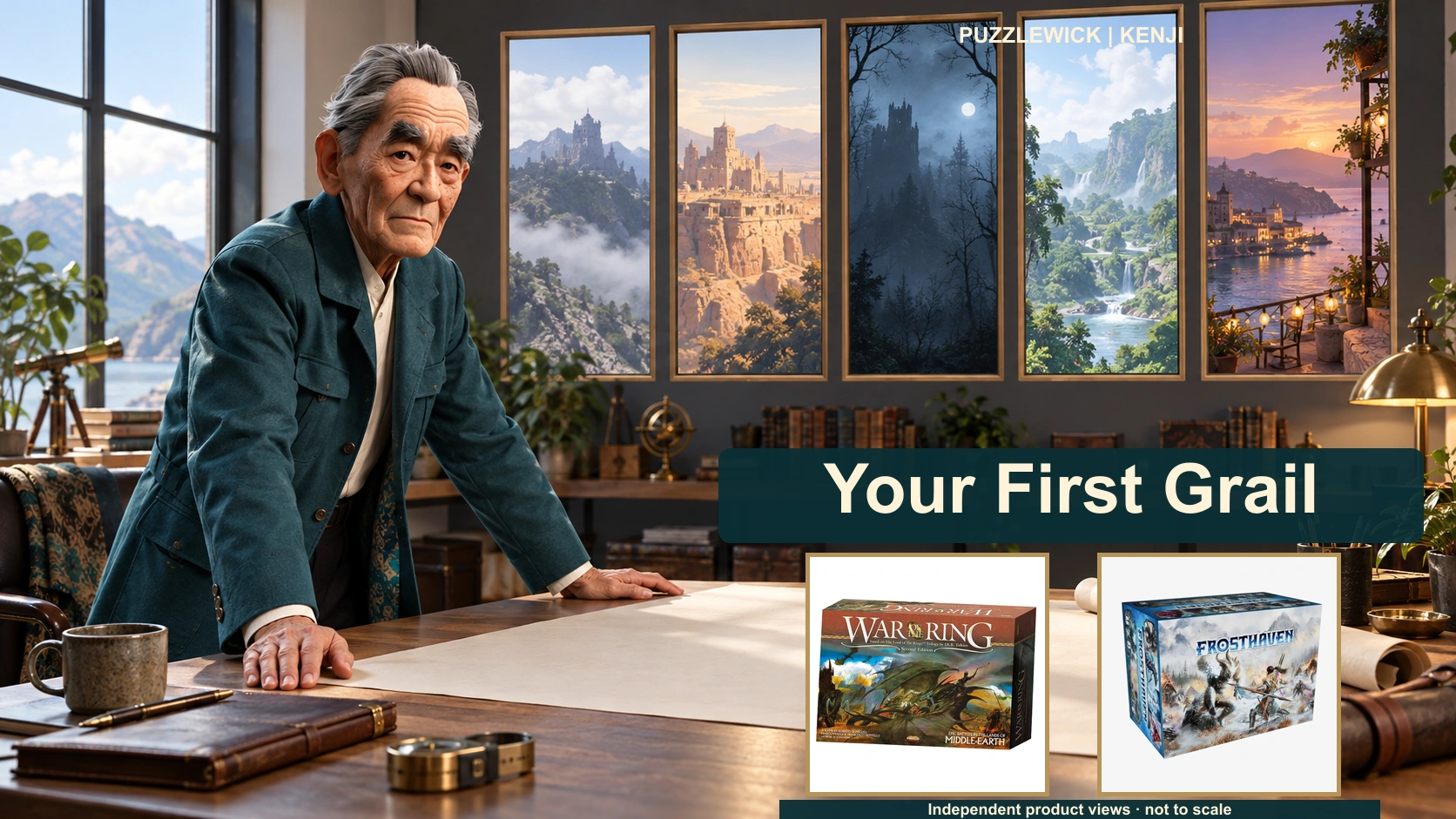
Five Grail Board Games: Which Big Box Fits Your Table?
“Match the commitment before choosing the big box: a two-player war, a repeatable space contest, a tense survival night, a campaign, or an all-day negotiation.”

Wingspan, Wyrmspan, Finspan or Pocket: Which Box Fits?
“Choose the pace your table wants: Wingspan’s broad ecosystem, Wyrmspan’s heavier dragon engine, Finspan’s quicker teach, or Pocket’s portable standalone game.”

Galactic Cruise: Build a Better Launch, Not a Bigger Bill
“Build one complete launch chain before adding a bigger shopping list. The base game, Accommodations and Advancements have different ownership jobs; a bundle is not automatically better.”
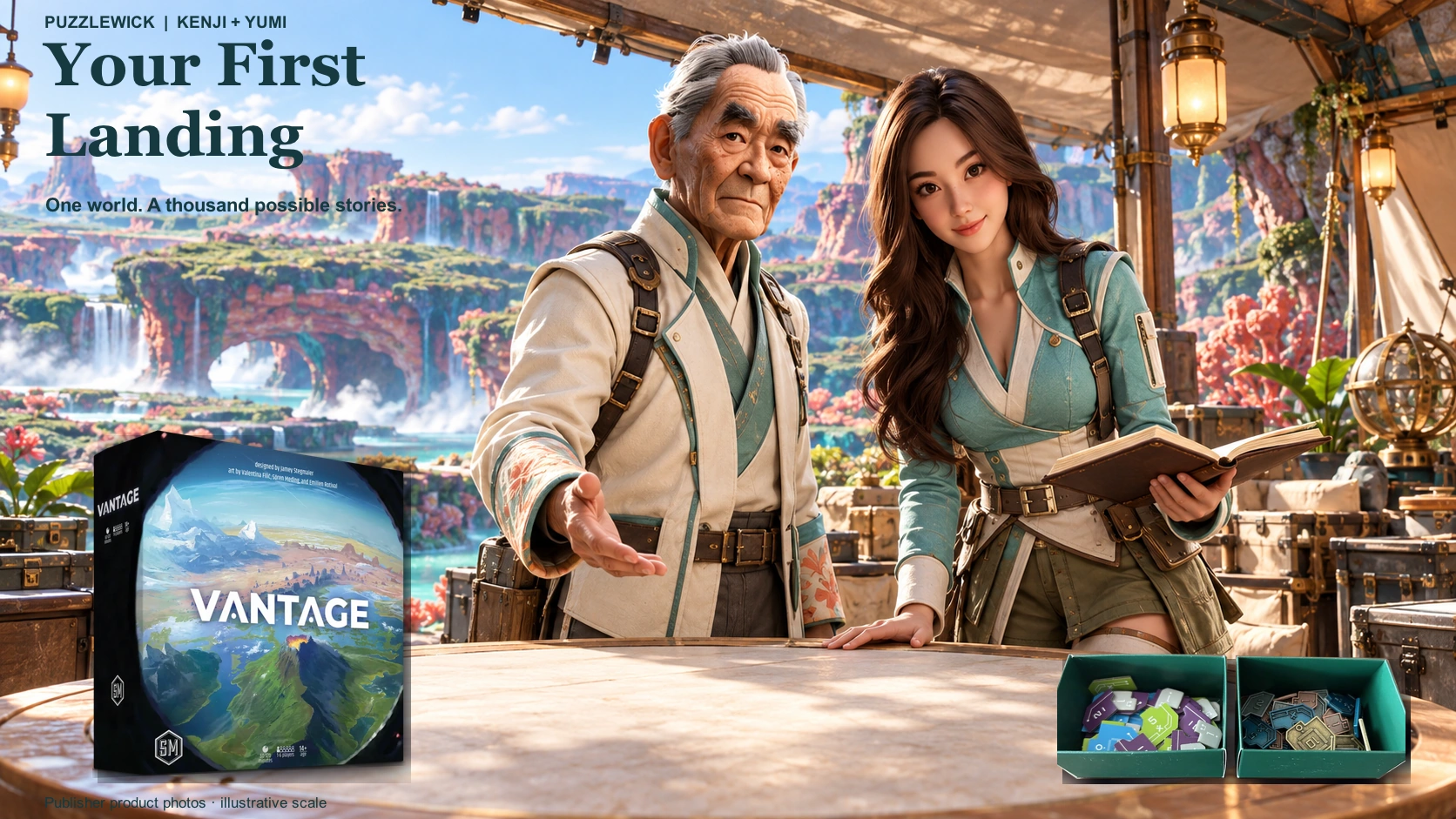
Vantage: Your First Landing, Your Next Great Story
“Vantage is a complete resettable exploration game, not a scripted campaign. Learn location privacy and the shared resource pools before choosing optional material upgrades.”
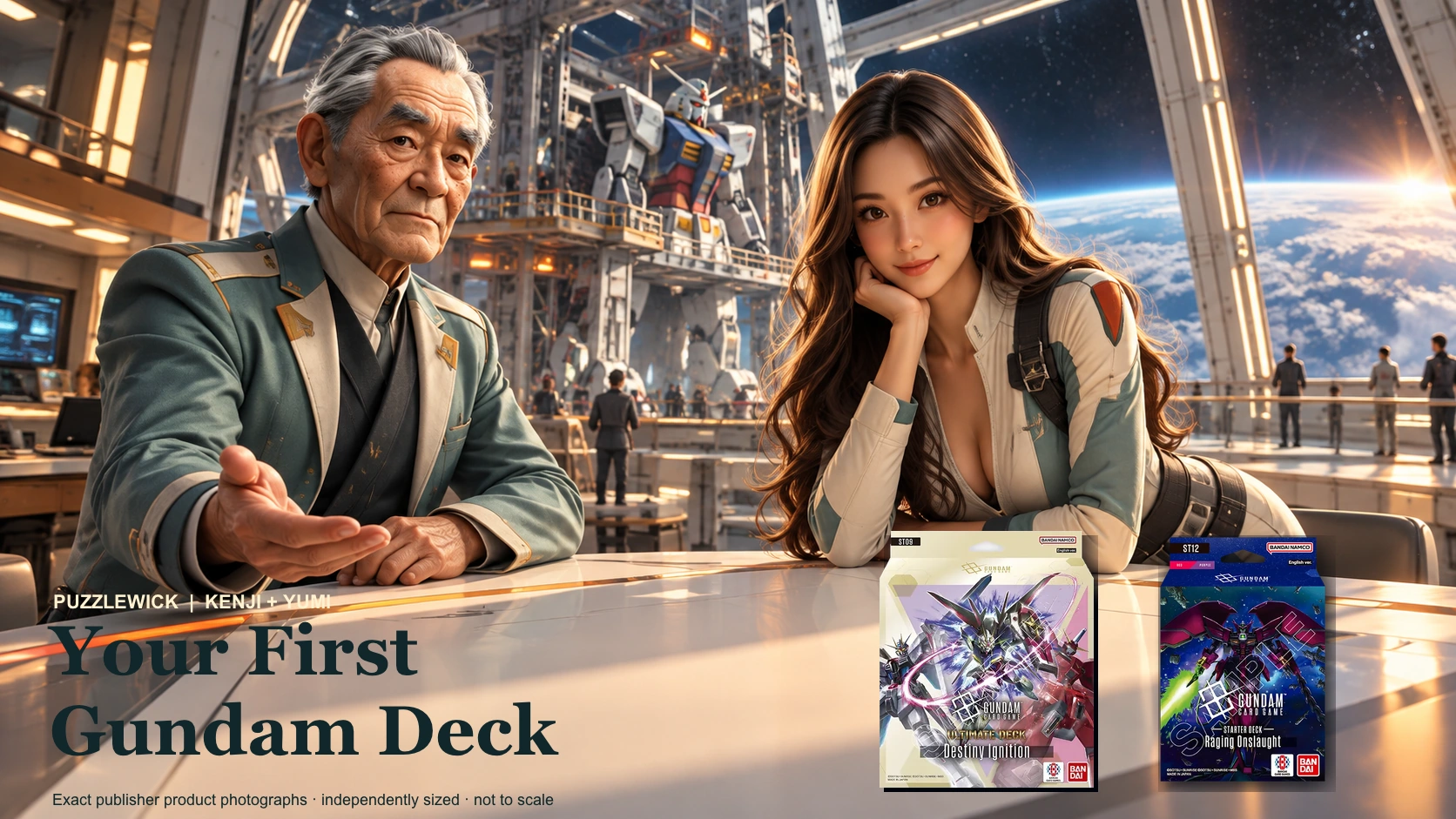
How to Play Gundam: Your First Deck, Then Freedom Ascension
“Learn level, cost and a genuine Pilot link before buying more packs. The English and Japanese Freedom Ascension construction boxes have different contents; a complete prepared side remains the first purchase.”
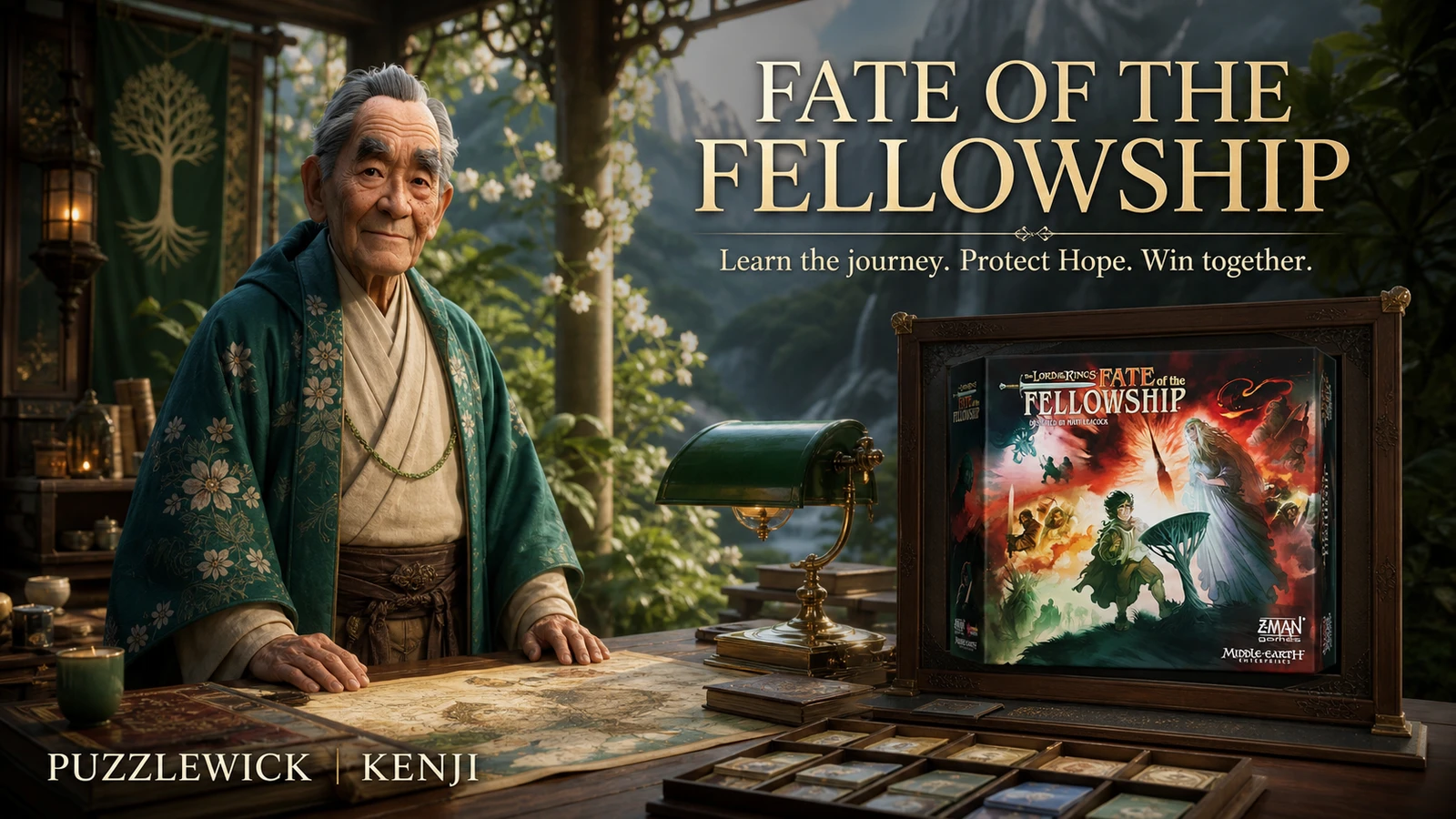
The Lord of the Rings: Fate of the Fellowship Guide: How to Play, Win Together and Start Confidently
“Kenji teaches Fate of the Fellowship as a cooperative journey, not a pile of exceptions: prepare the map, share symbols without dictating turns, protect Hope, and know exactly when a risky search is worth the Eye noticing you.”
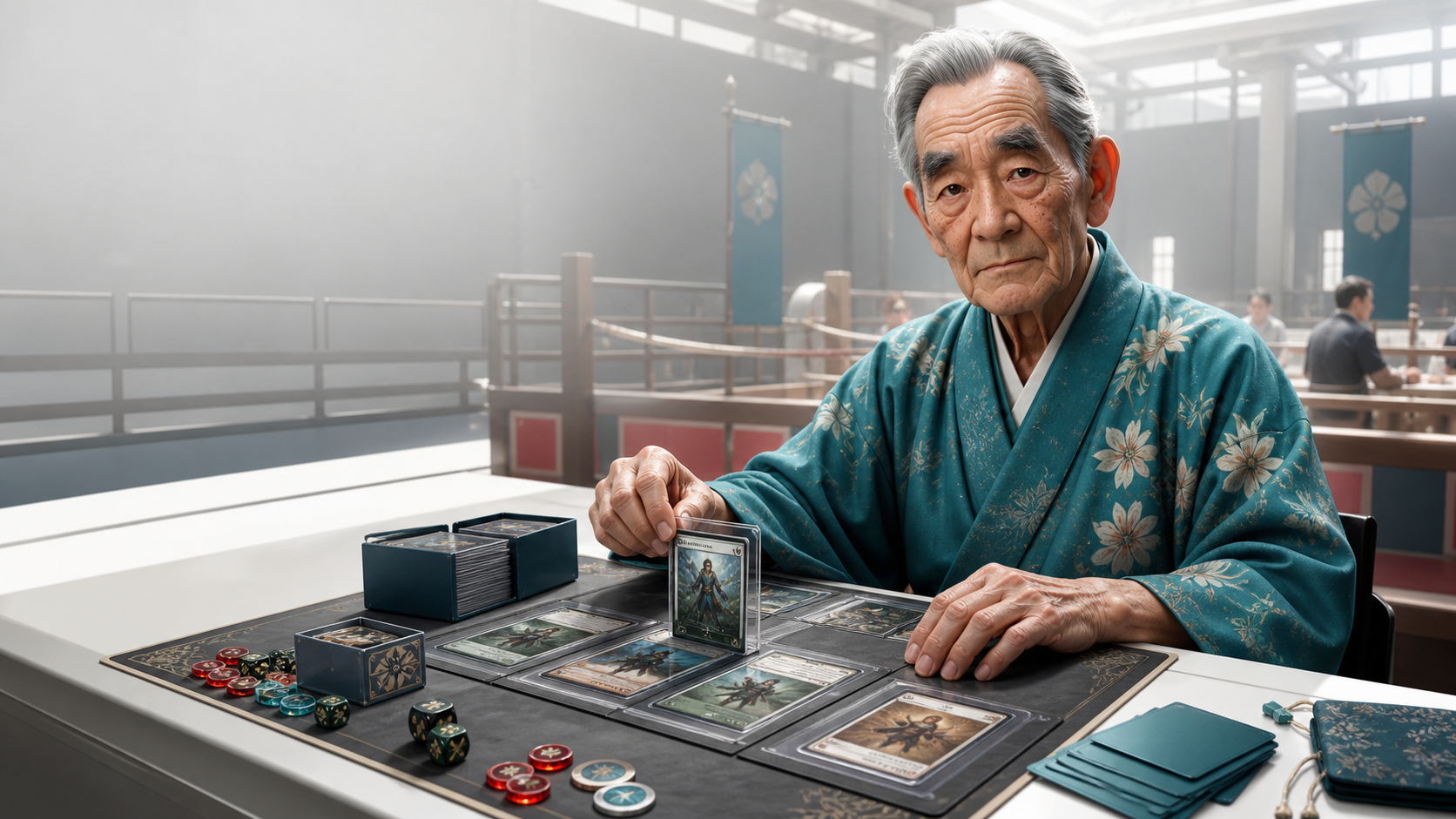
Best Flesh and Blood Accessories 2026: Armory Sleeves, Deck Boxes & Playmat
“A Flesh and Blood kit is a combat loadout, not a pouch of pretty objects. I separate the shuffled deck from the public hero and equipment packet, teach the official zone discipline, and pack the first Armory bag in match order so courage is spent on the chain, not on finding a die.”
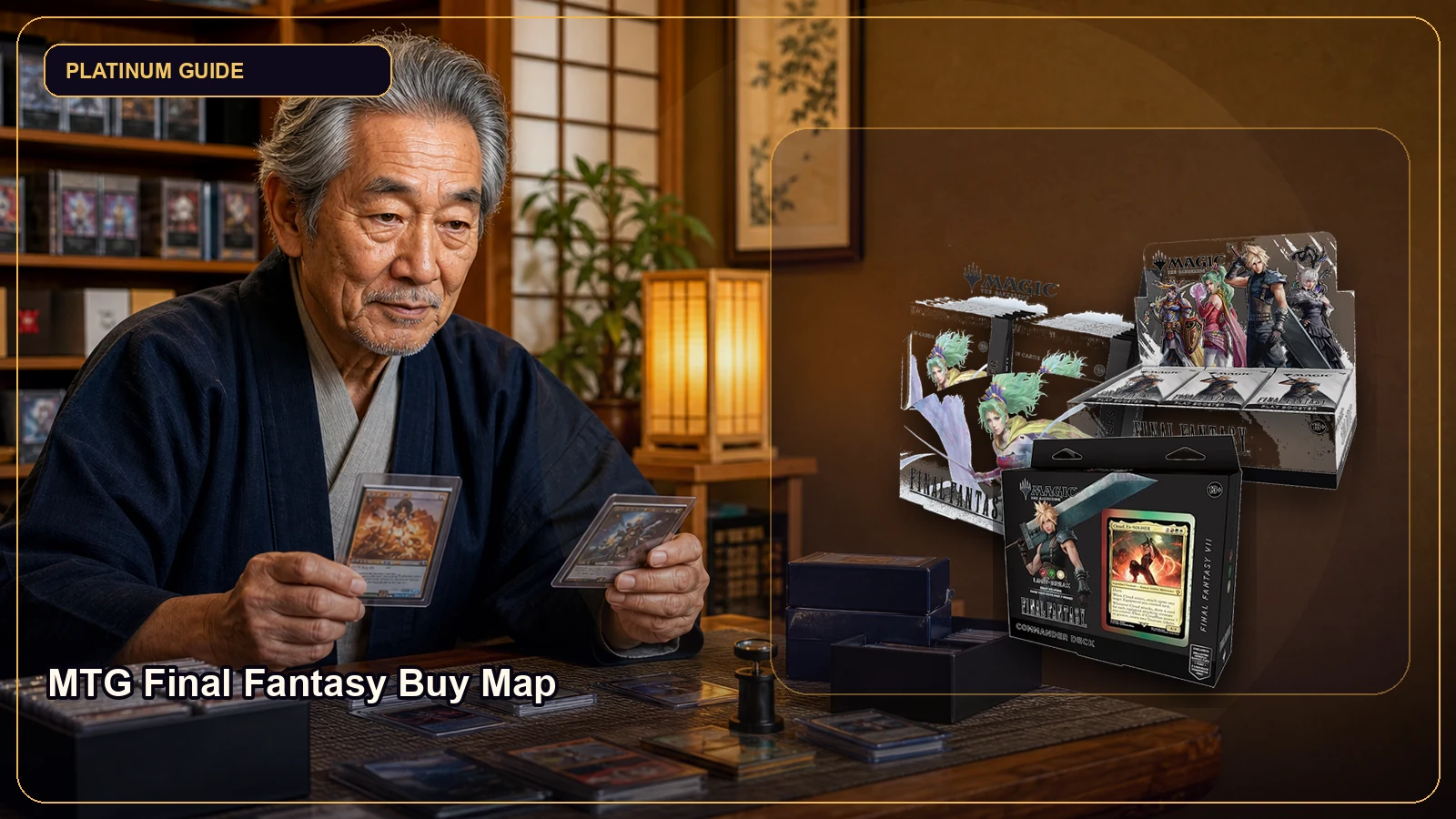
Magic: The Gathering Final Fantasy Buying Guide 2026: Starter Kit vs Commander vs Play and Collector Boosters
“Kenji gives every product one honest job: Starter Kit teaches, Commander supplies a deck, Play Boosters create Limited, Collector Boosters create spectacle, and a Chocobo Bundle earns its shelf only when the bird is the thesis.”
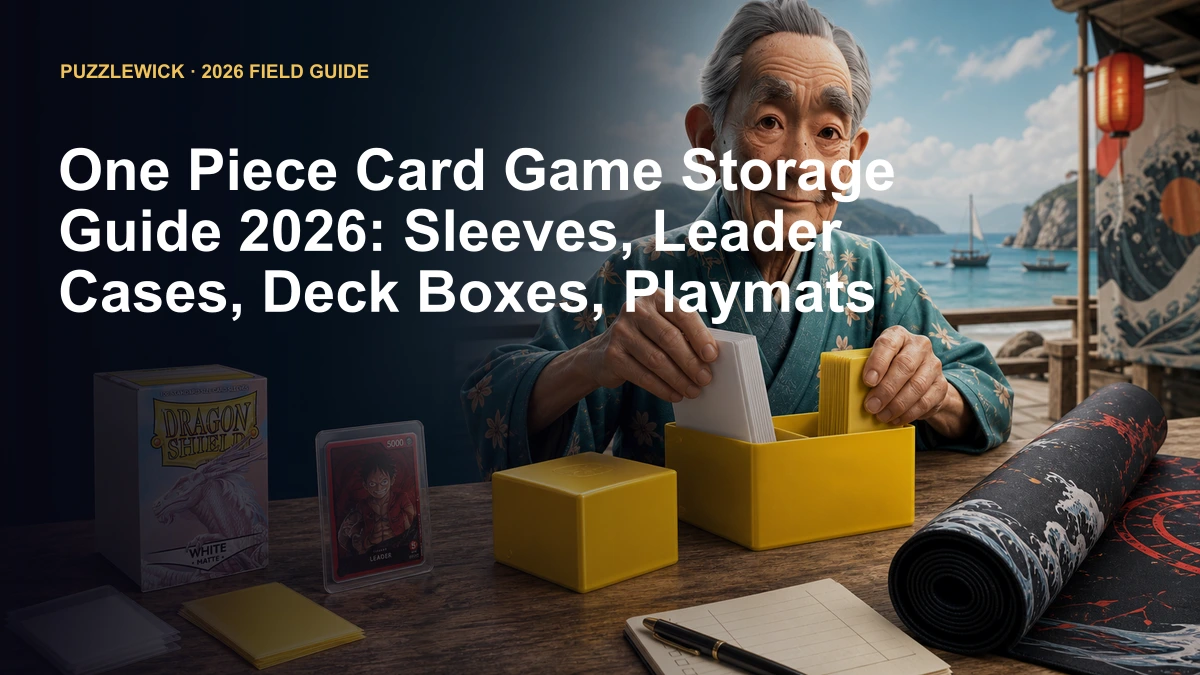
One Piece Card Game Storage Guide 2026: Sleeves, Leader Cases, Deck Boxes, Playmats
“Kenji makes the Grand Line readable: distinct main and DON!! sleeves, an identifiable Leader, legal spares, a dark low-glare mat, and a box tested with the actual load. A clean table is respect for both captains.”
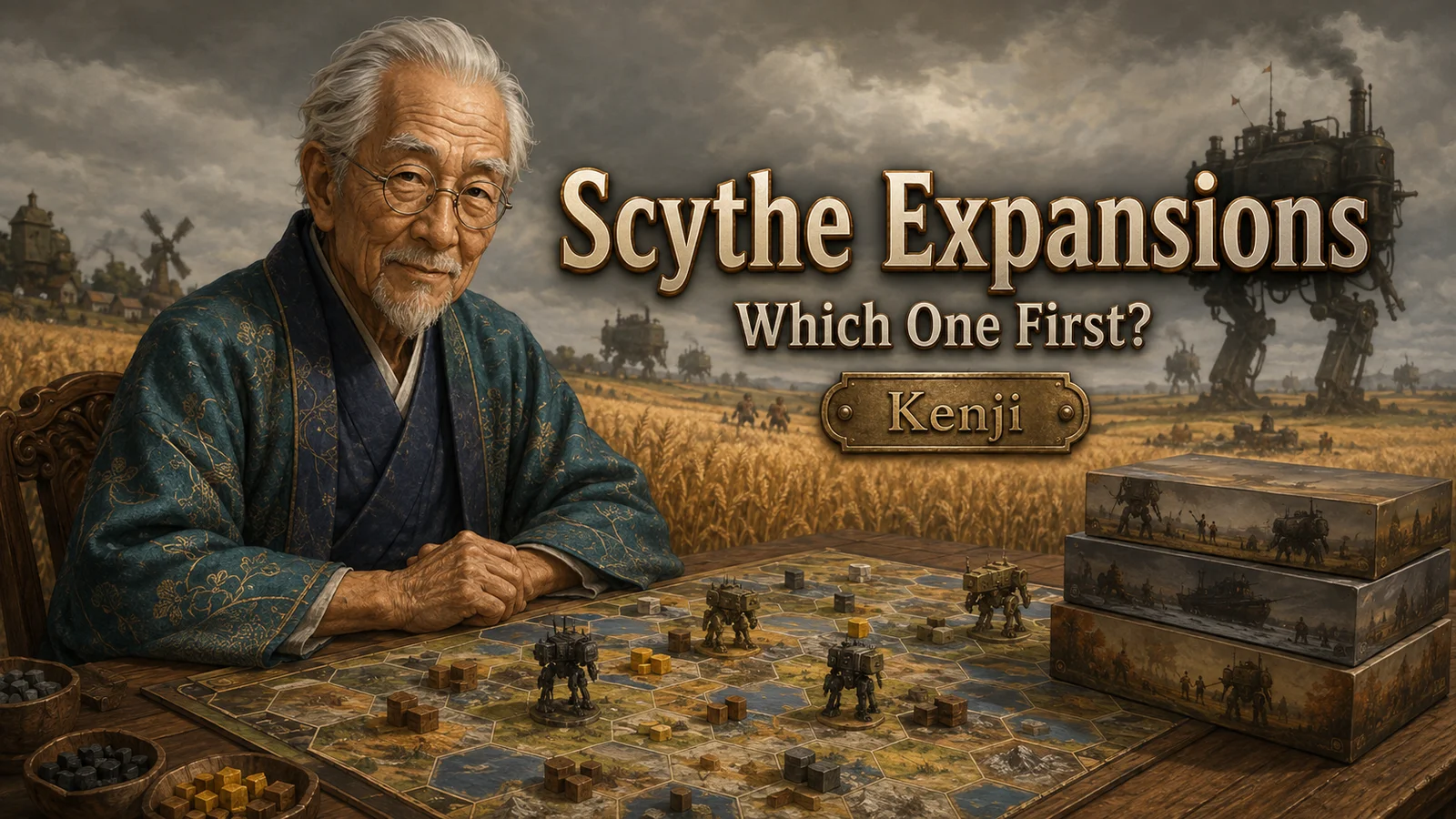
Scythe Expansions in Buying Order (2026): Which to Add First, Which to Skip, and Why the Popular One Isn't the Good One
“Kenji orders the Scythe shelf by what each box actually changes: Rise of Fenris first because it alters how the game is played and needs nothing else, Invaders only if you truly seat six, Wind Gambit last despite being the most-owned expansion — it simply shipped a year earlier. Base plus Fenris is $133 and, for most tables, the end.”
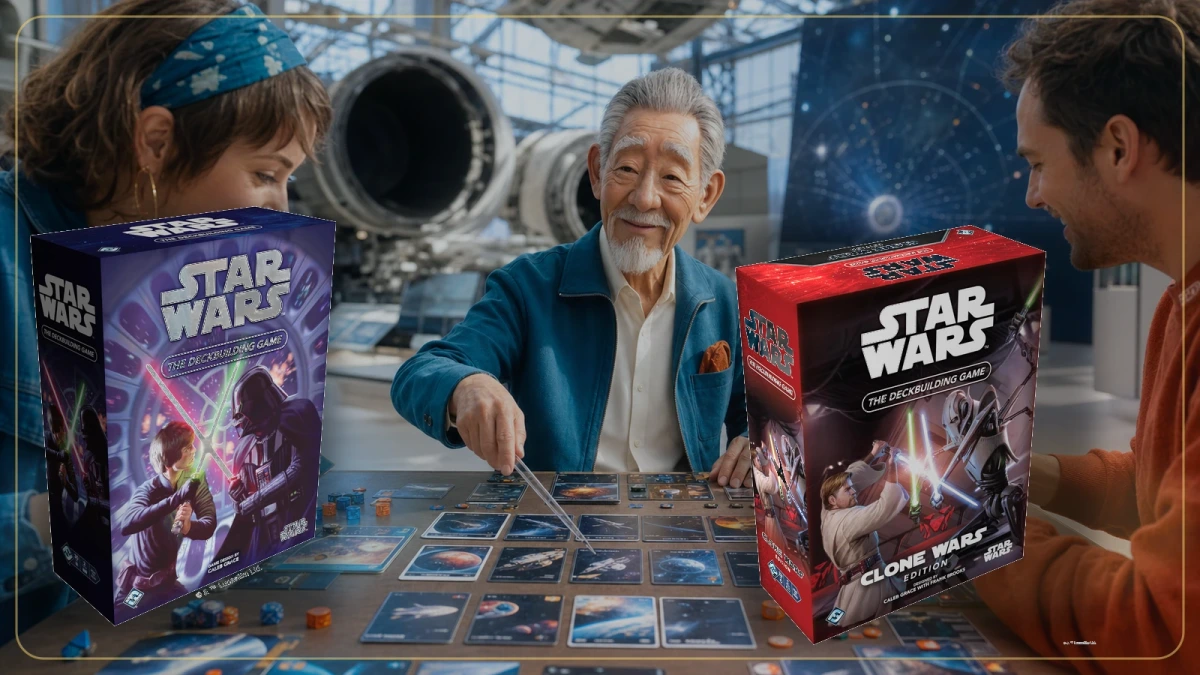
Star Wars Deckbuilding Game Original vs Clone Wars in 2026: Which Edition Should You Buy?
“The original and Clone Wars editions share a brilliant galaxy row, but only one is the cleanest first teach and only one leads directly into the new Rebel & Empire Reinforcements campaign. I separated eras, exile piles, mixing rules, missions and the Mandalorian three-player branch without turning the duel into inventory control.”
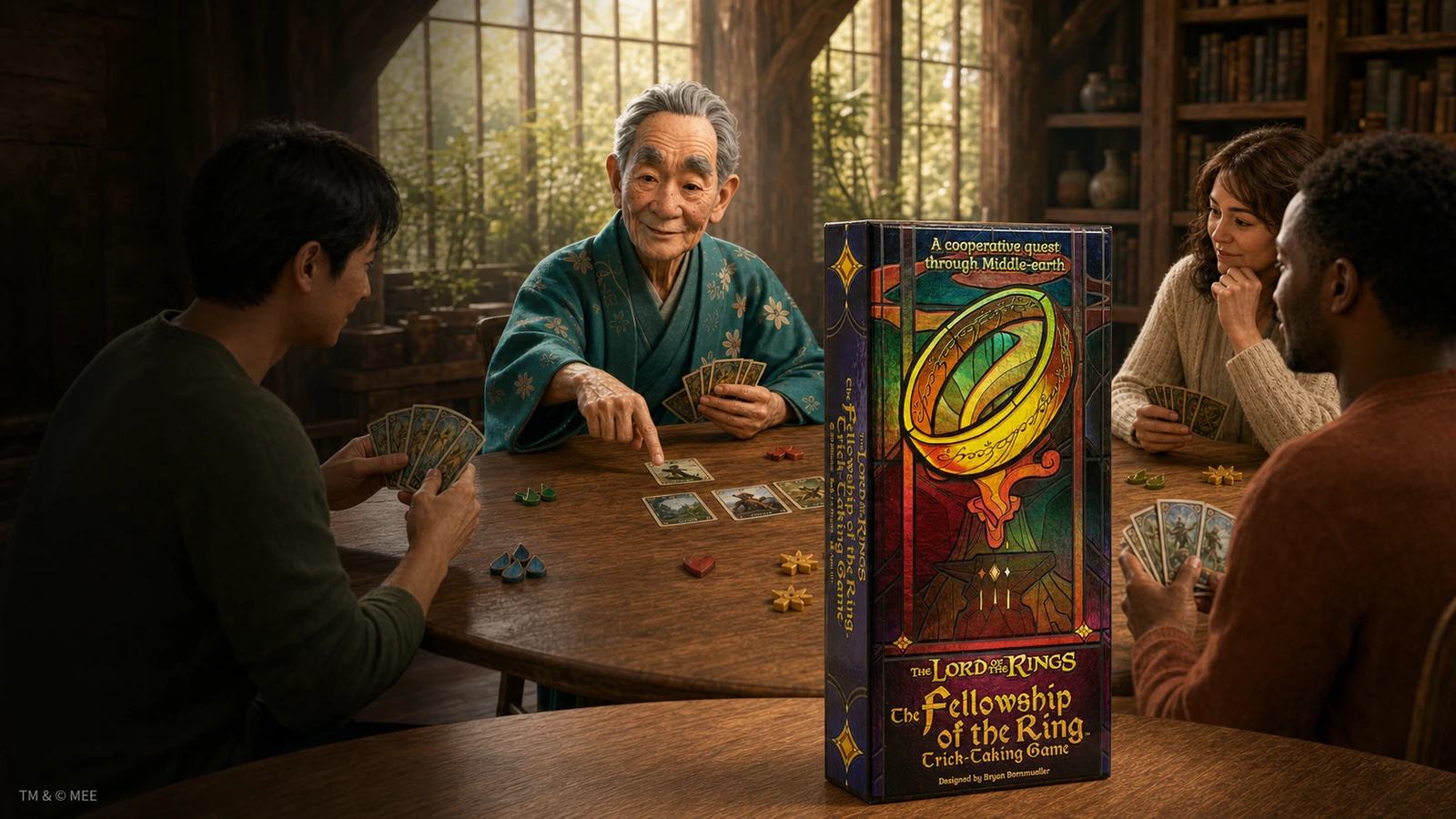
LOTR Fellowship vs Two Towers Trick-Taking: Which Box First, Solo Rules and Chapter Strategy
“These are cooperative trick-taking journeys, not two interchangeable Tolkien boxes. I walked chapter by chapter through Fellowship and Two Towers, including solo control, teaching order, replay shape, and the exact reason Fellowship remains the calmer first road.”
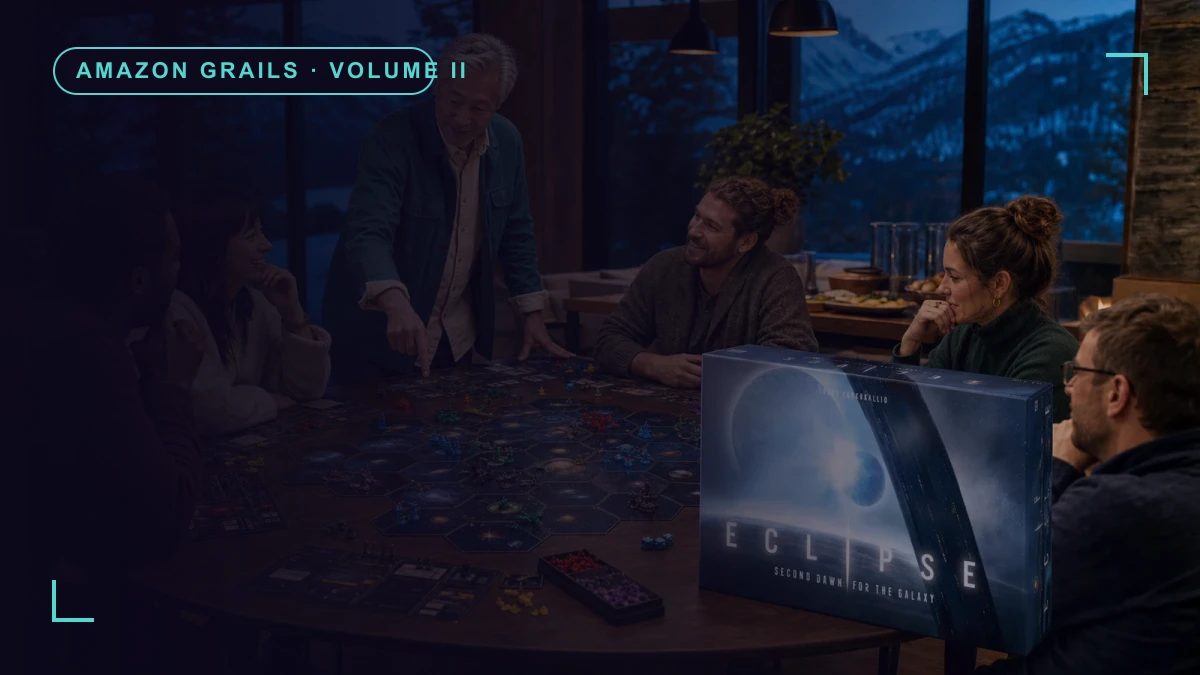
The Most Expensive Event Board Games on Amazon in 2026: 5 Table Grails Actually Worth It
“Kenji reads an event game from the host’s chair: count the people, protect the ending, dry-fit the table, and choose the kind of evening the group actually wants.”
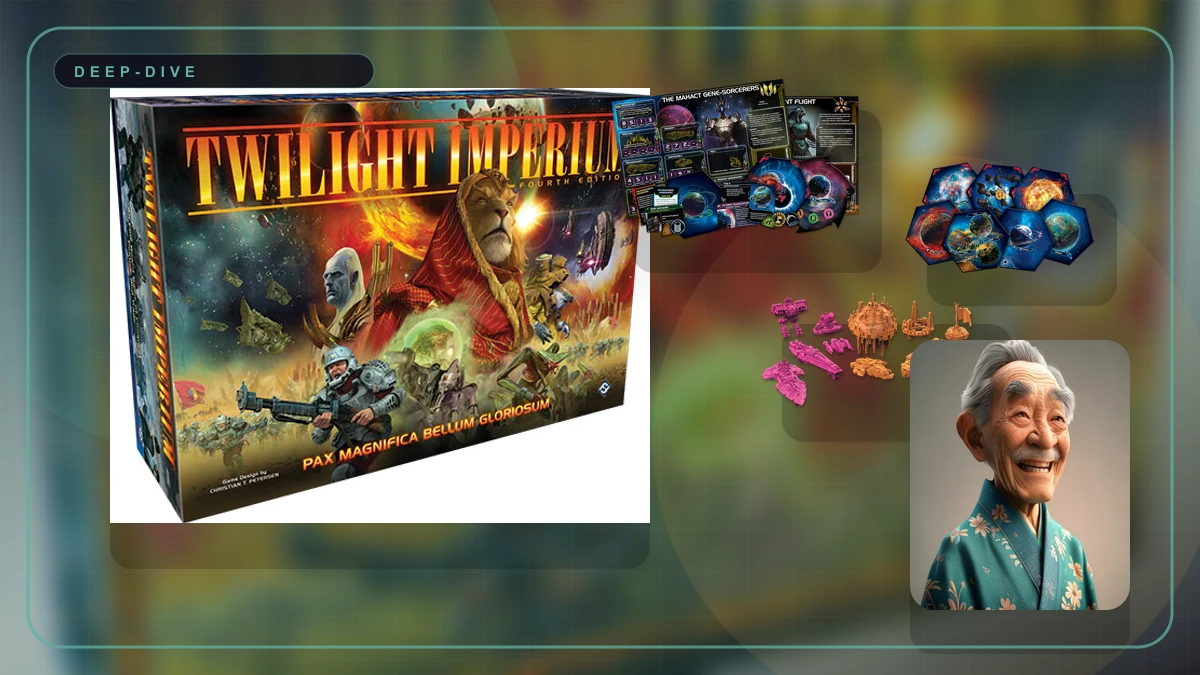
Twilight Imperium: Fourth Edition Review — The Epic Galactic 4X, Examined
“Christian Petersen first launched Twilight Imperium in 1997; the Fourth Edition is its fullest galaxy — seventeen asymmetric peoples, a board built hex by hex, a day swallowed whole. I traced its lineage and how a turn truly flows. The galaxy is not too long. You simply have not yet decided to live in it.”
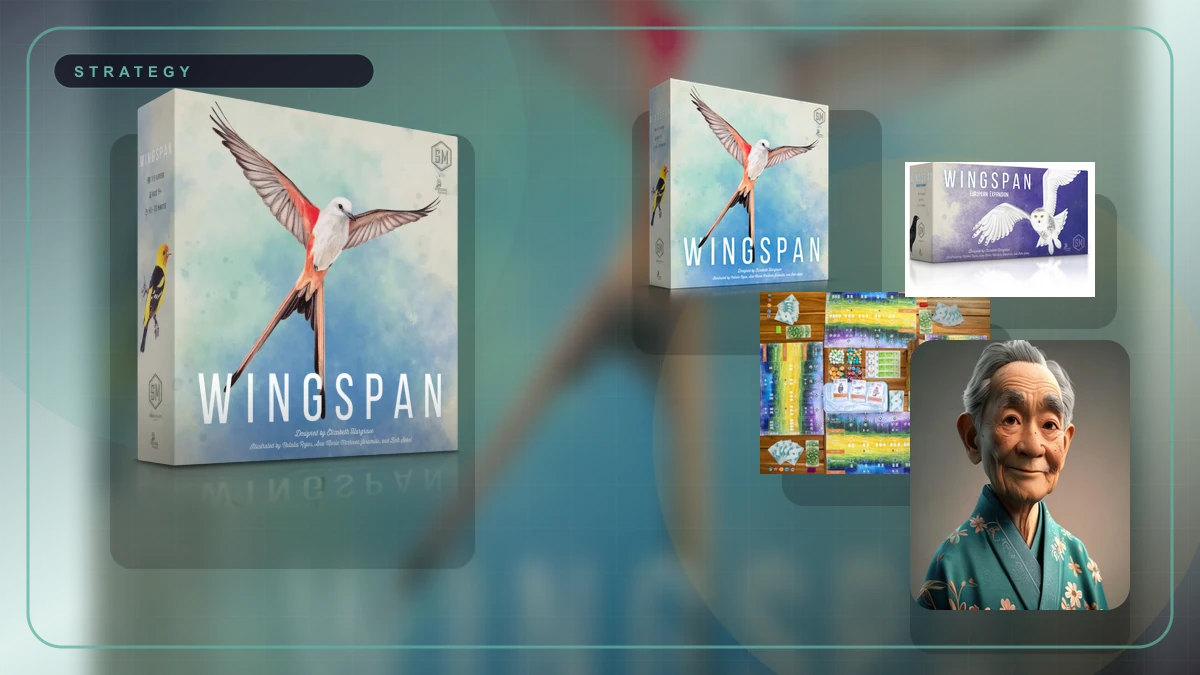
Wingspan Strategy Guide: How to Build a Point Engine That Snowballs
“Elizabeth Hargrave built Wingspan around real birds and a quiet engine most players never start. I wrote how to sequence turns and turn a handful of eggs into a snowball. The board is not beautiful and useful. It is beautiful because you made it useful.”
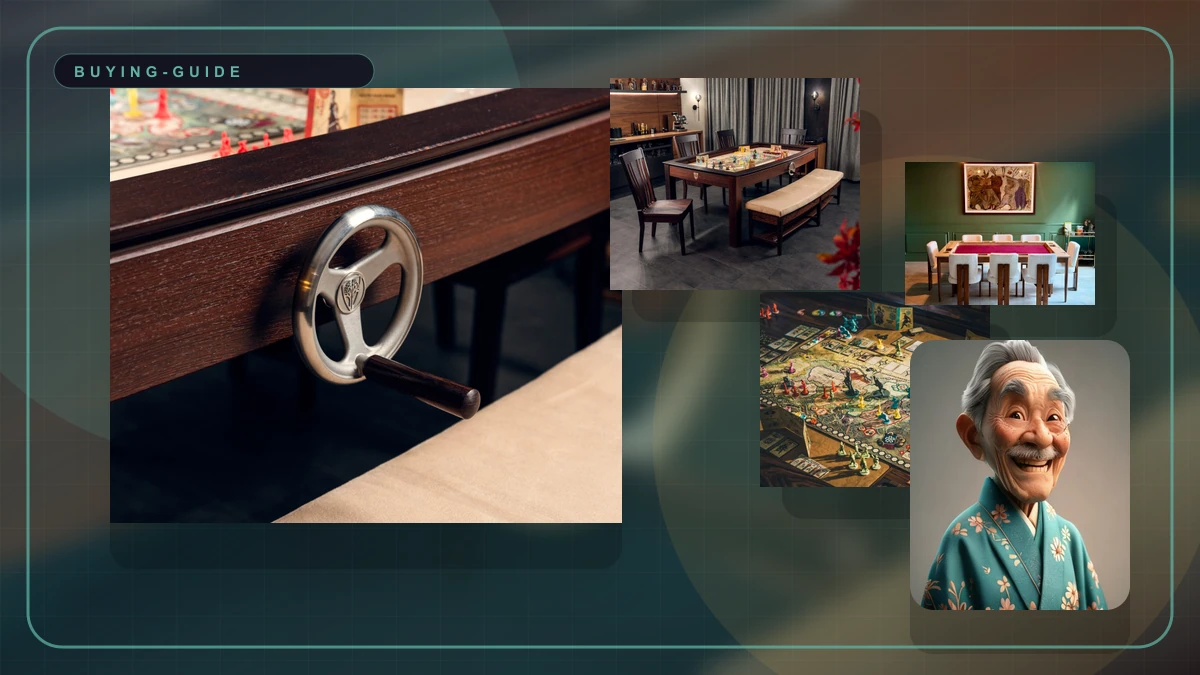
Heirloom Gaming Tables: Luxury Furniture That Lasts Generations
“Heirloom tables meant to outlast their first owner — furniture with lineage, made to be handed down. For the collector who buys once, and well.”
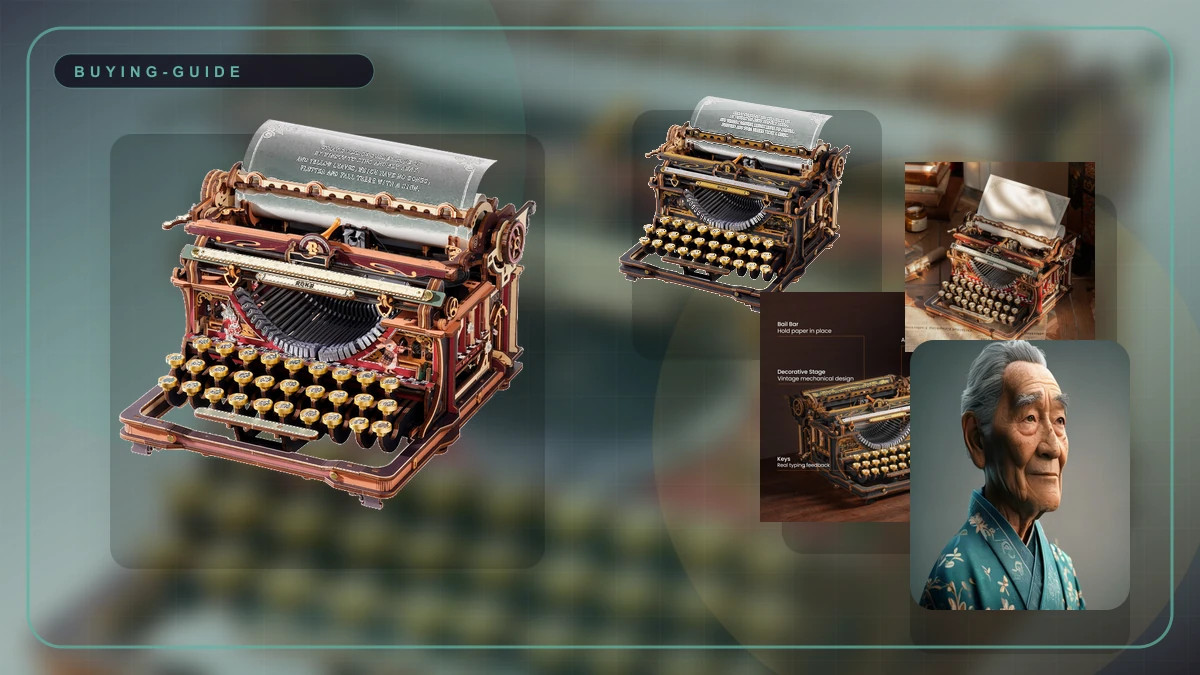
ROKR Mechanical Wooden Building Kits: Difficulty Guide (2026)
“Mechanical wooden kits sorted honestly by what they demand of your hands and patience. For the builder who wants to know the work before committing the evening.”
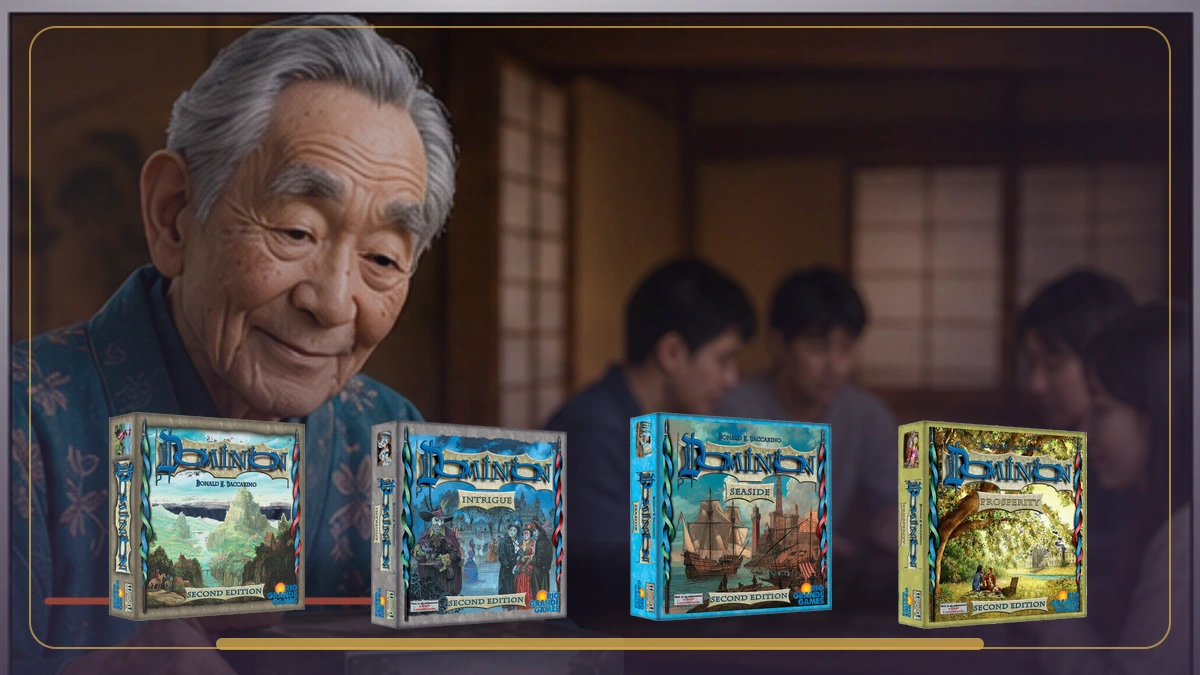
Dominion Expansion Order in 2026: What to Buy First and Which Boxes Can Wait
“Kenji starts with Dominion: Second Edition because Start with Dominion Second Edition and play enough kingdoms to identify a preference. Intrigue-style interaction, Seaside durations, Prosperity big-money spectacle, and Hinterlands gain effects are different answers, not a universal ladder. The rest of the shelf has to earn its invitation through repeat play.”
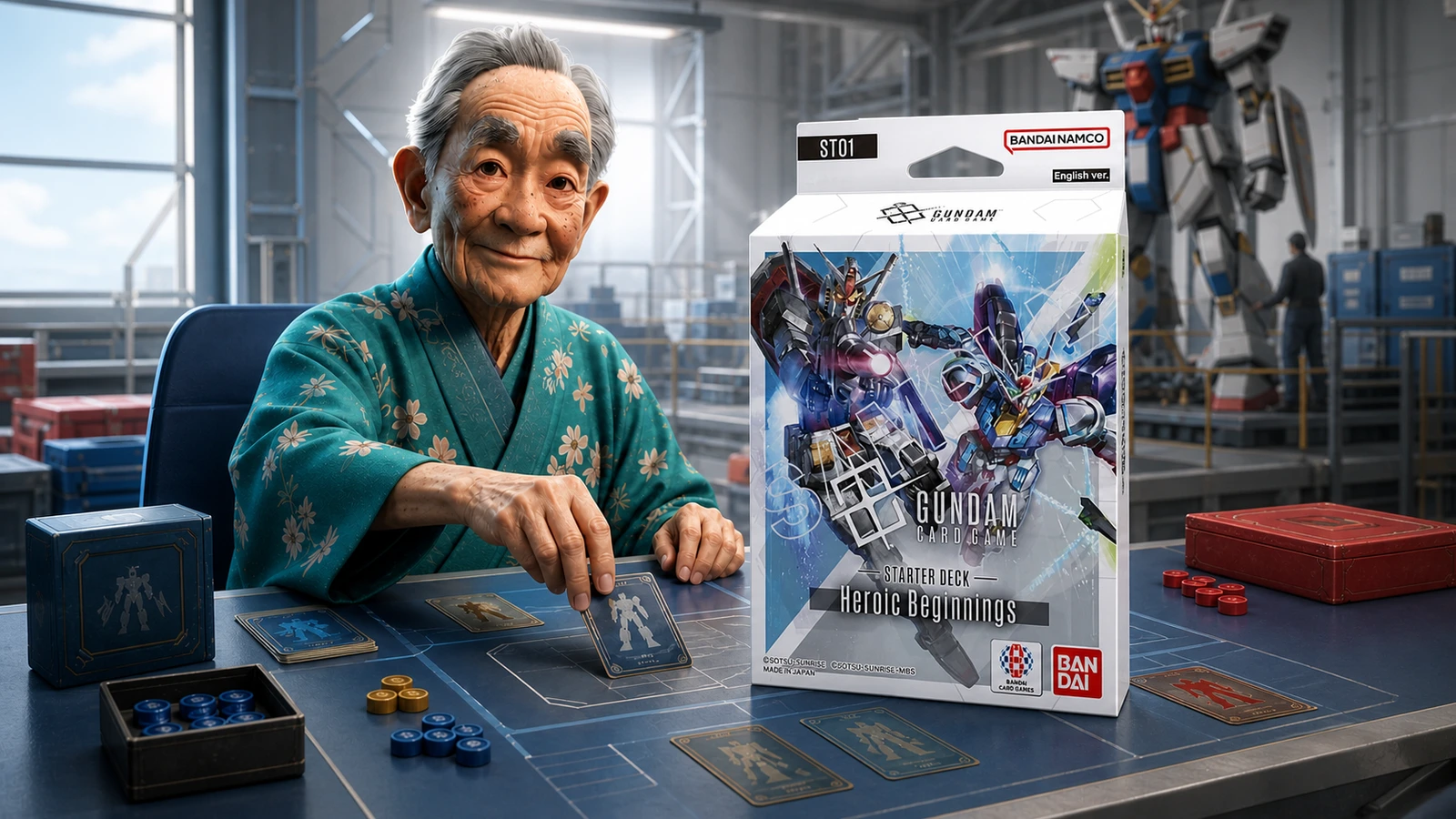
Gundam Card Game Starter Decks ST05–ST08 Ranked in 2026
“Kenji matches a mobile-suit era to a deck plan, then verifies the exact ST code. The correct machine is the one whose lines you can practice, not merely recognize.”
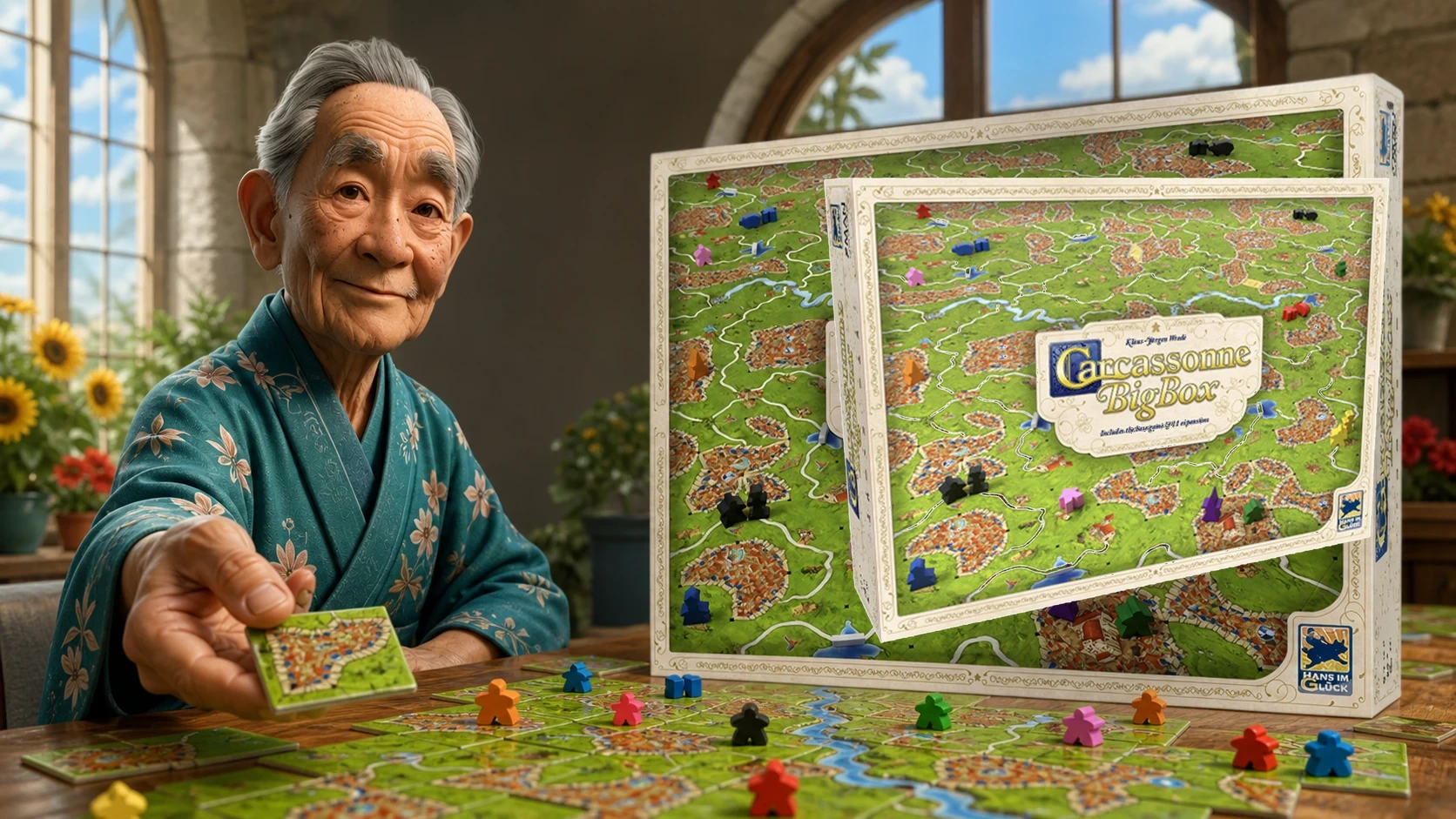
Carcassonne Big Box 2025 vs Base Game: Which Expansions Are Actually Worth Buying?
“The Big Box is an archive, not a first-night recipe. Teach the base game, then Inns & Cathedrals, then Traders & Builders. A module earns its place by sharpening the shared map; unopened bags are not strategy.”
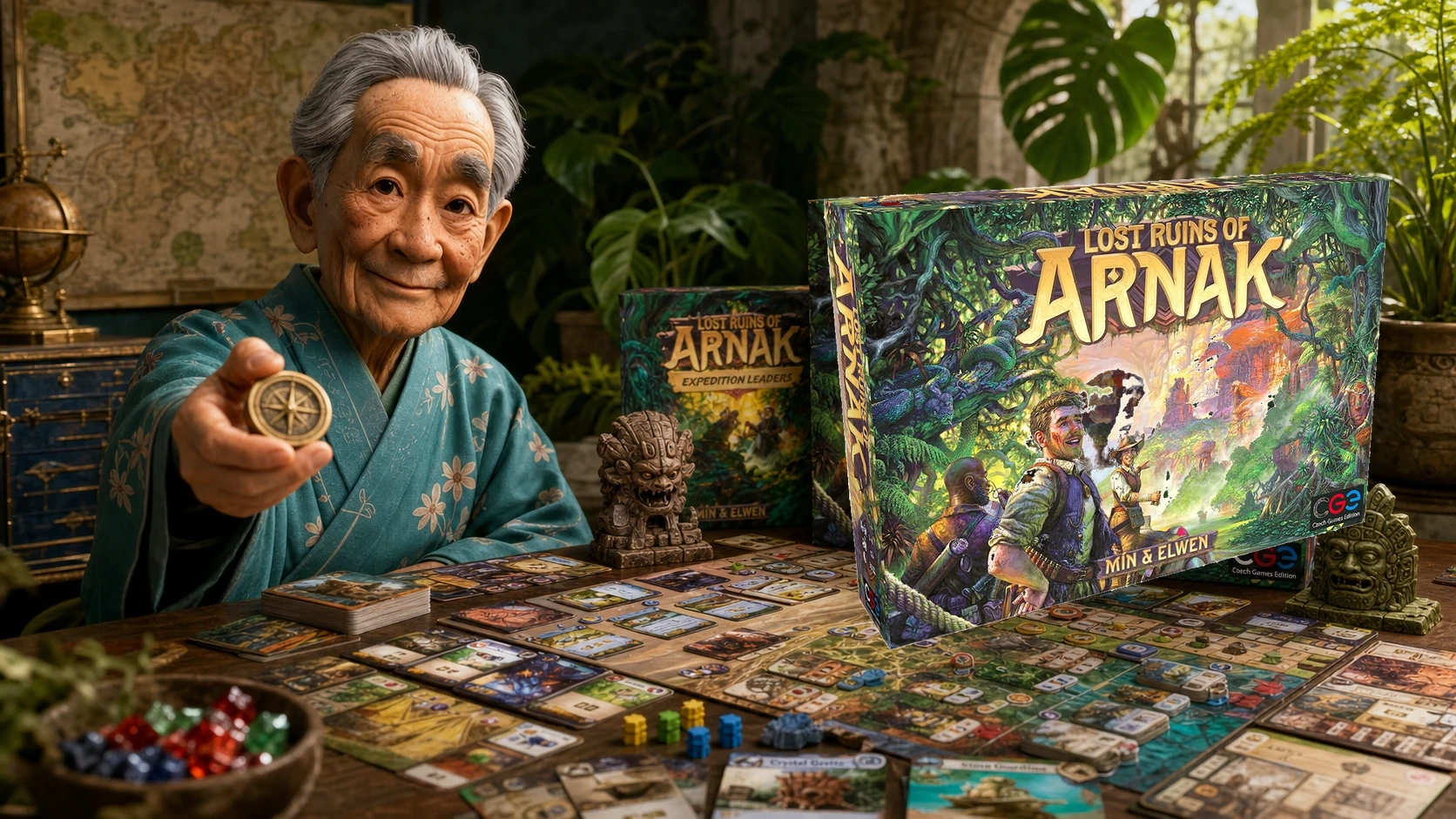
Lost Ruins of Arnak Expansion Buying Order 2026: Leaders, Missing Expedition, Twisted Paths, and Surprise Shipment
“Leaders is the first Arnak expansion because asymmetry changes how experienced players read familiar turns. The Missing Expedition is the campaign choice. Twisted Paths is the map choice. Buy the kind of novelty your group can name.”
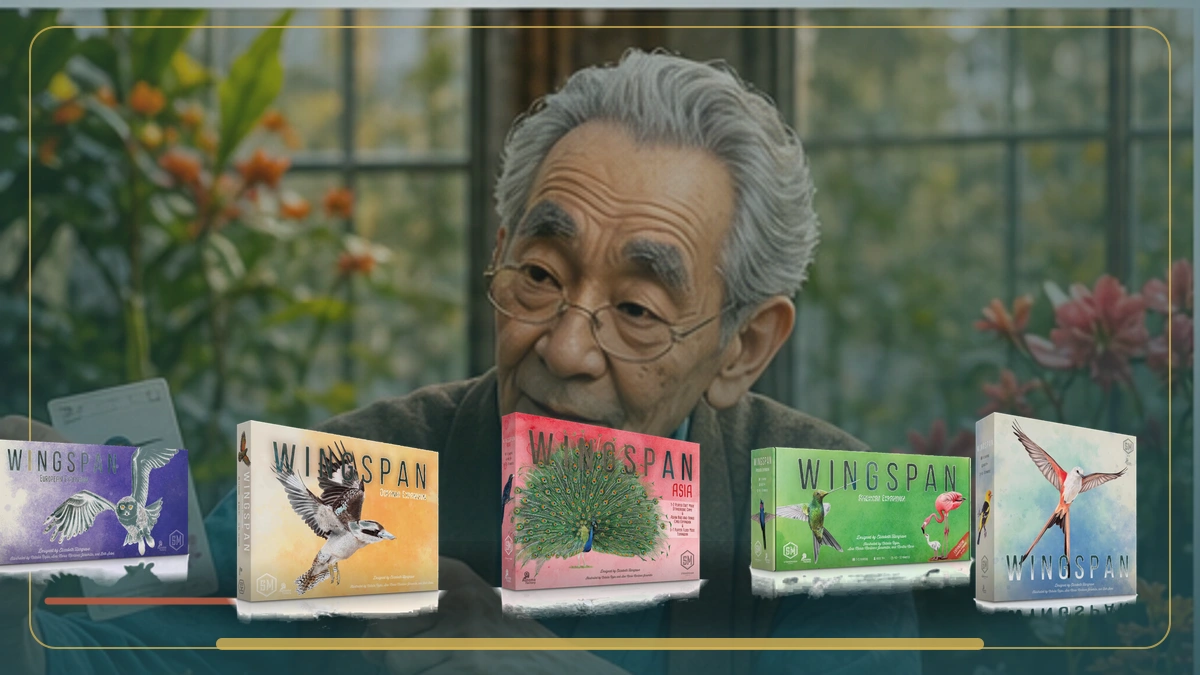
Wingspan Europe vs Oceania vs Asia vs Americas: The Expansion Decision Matrix
“Kenji starts with Wingspan: European Expansion because Europe is content, Oceania is a rebalance, Asia is a format, and Americas is a new subsystem plus card pool. Buy the category your table is actually missing. The rest of the shelf has to earn its invitation through repeat play.”
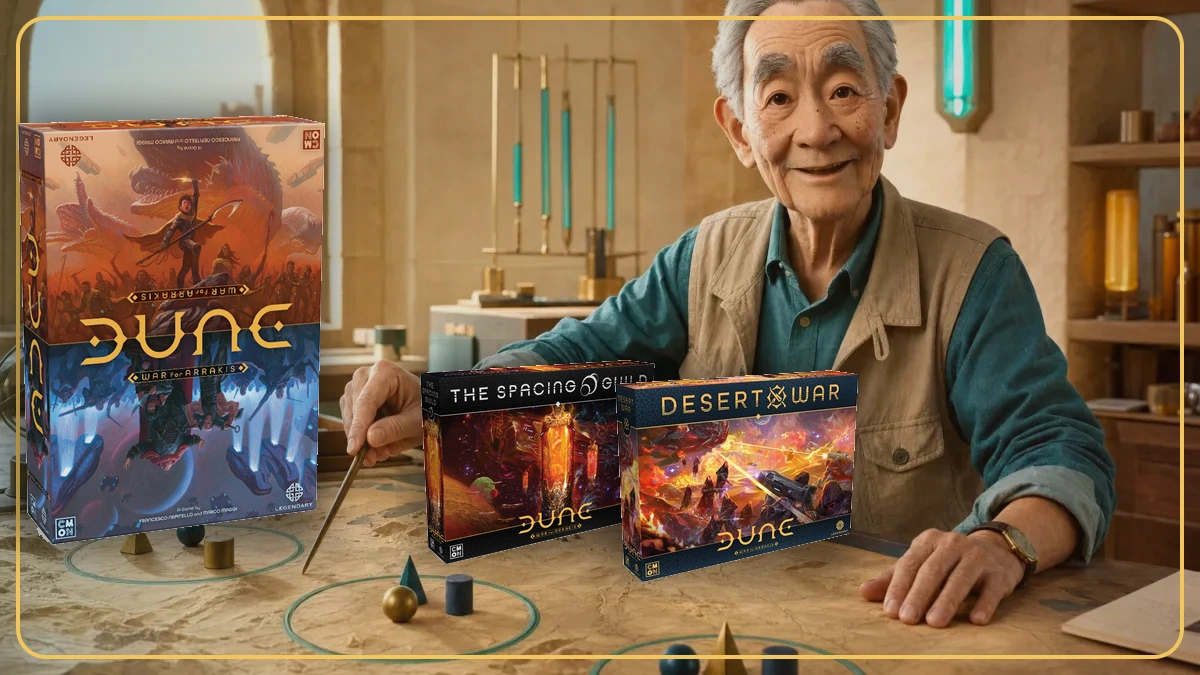
Dune: War for Arrakis in 2026: Is the $155 Grail Worth It, and Which Expansions Should You Buy?
“Kenji teaches Arrakis as a rivalry rather than a catalog: core first, faction swap second, Desert War only after the battlefield is legible, and the Guild only when both players can name the balance they are changing.”

Voidfall vs Andromeda’s Edge vs Eclipse in 2026: Which Space Grail Fits Your Table?
“Kenji reads three space empires by tempo, confrontation, and table recovery, then gives each one the room where it will feel brilliant instead of merely expensive.”
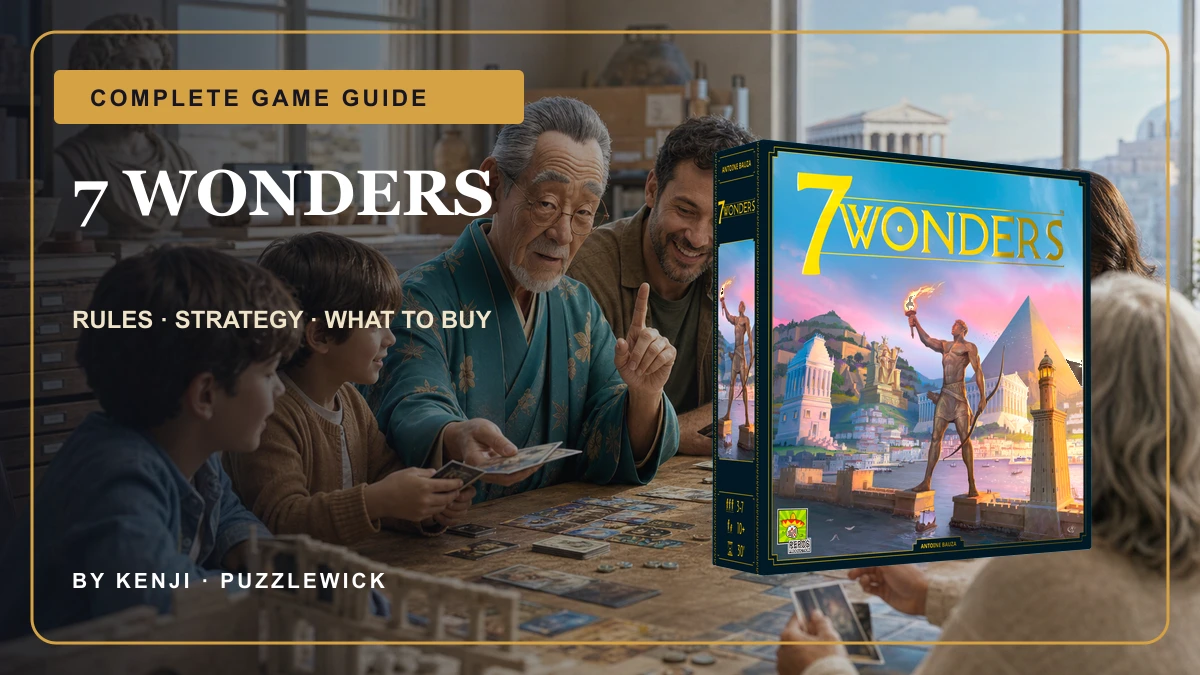
7 Wonders vs 7 Wonders Duel: Which Game and Expansions Should You Buy?
“A good teach reveals one decision at a time. This guide gives 7 WONDERS room to become clear before it becomes clever.”
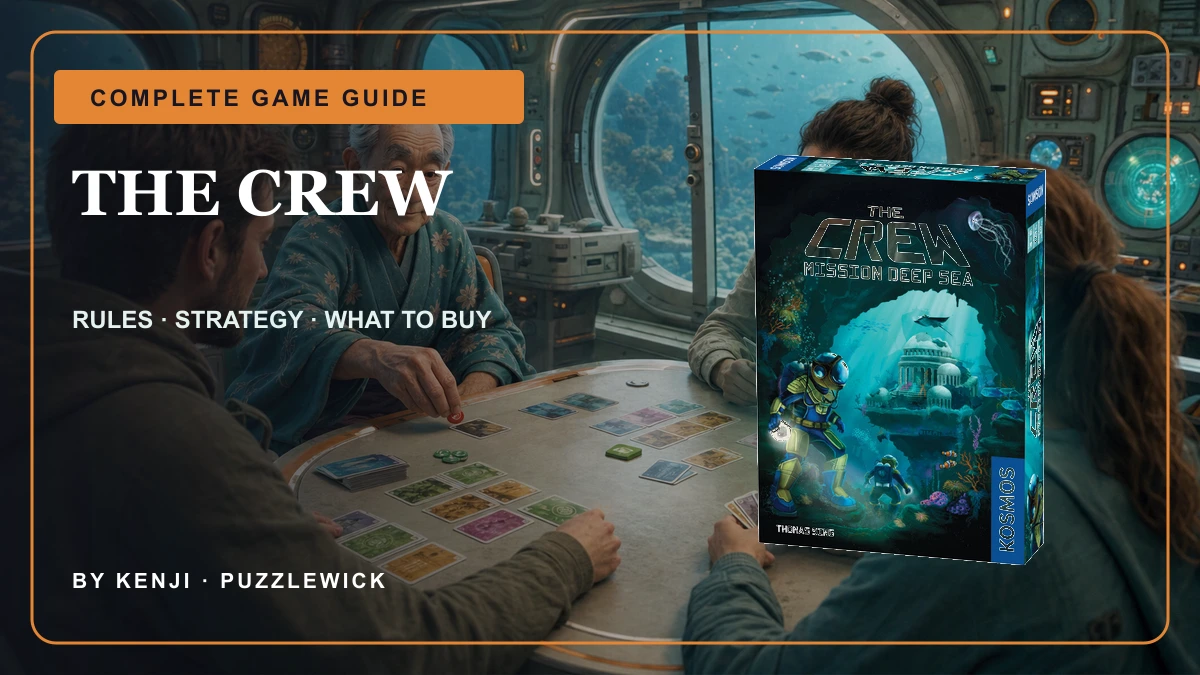
The Crew: Mission Deep Sea Complete Guide—Rules, Strategy, and Which Crew Box to Buy
“A good teach reveals one decision at a time. This guide gives THE CREW room to become clear before it becomes clever.”
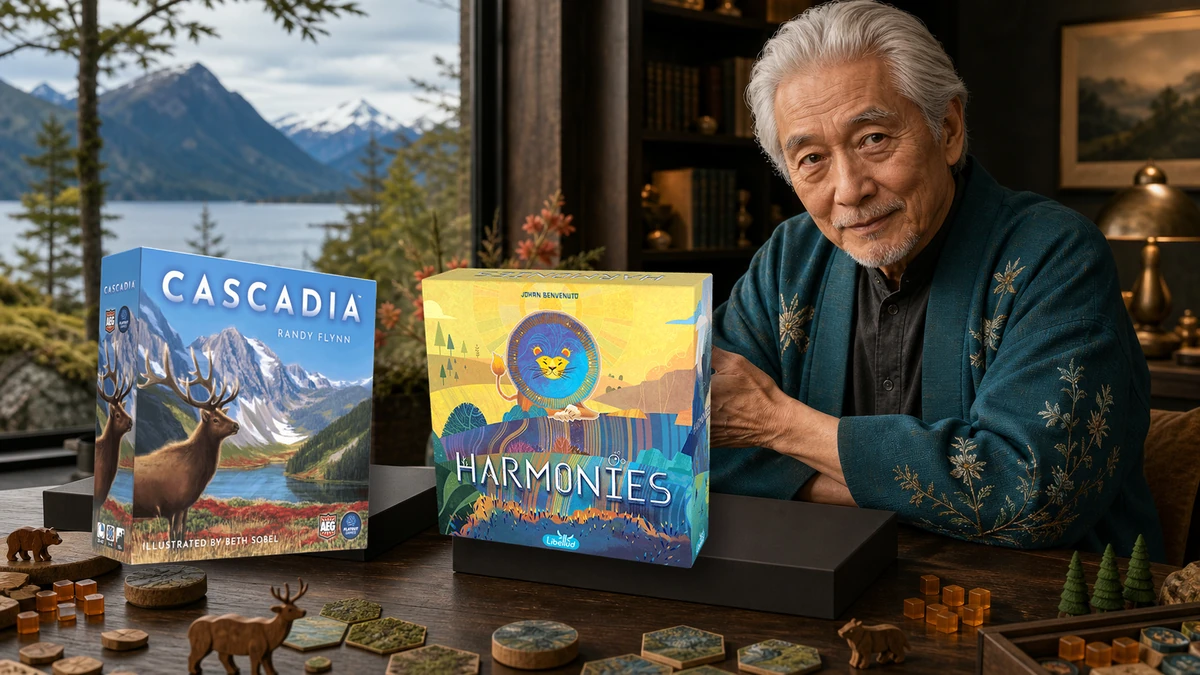
Harmonies vs. Cascadia: Which Cozy Puzzle Wins in 2026?
“Two nature puzzles with one shared silhouette and different disciplines beneath it. I wrote this for the shelf staring at both boxes: Cascadia teaches adaptation; Harmonies teaches commitment. The right choice is the pressure your evening can hold.”
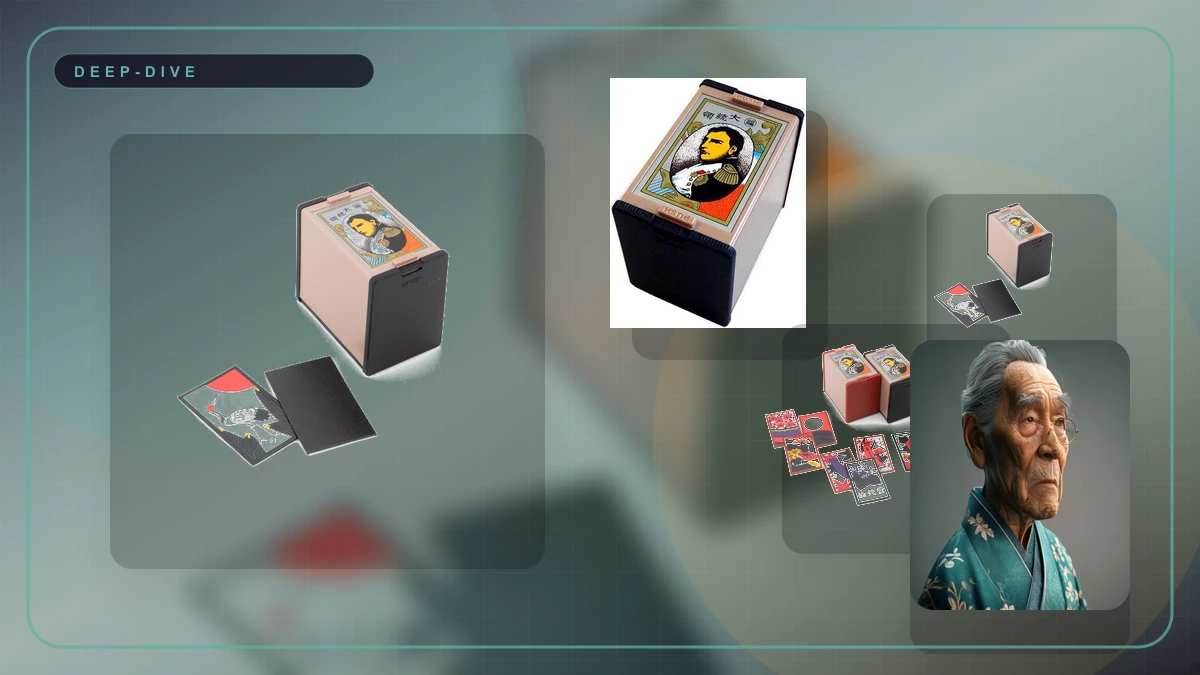
Nintendo Daitoryo Hanafuda: Holding Nintendo's 1889 Origin Story in Your Hands
“I wrote this to put 1889 in your hands — Nintendo's first product was a flower-card deck, and the Daitoryo grade is its honest heir. For anyone who wants to hold an origin story, not just read one.”
The Best Engine-Building Board Games of 2026, Ranked
“I sorted these engine-builders by weight, the way a sensei sorts students — gateway masterpiece below, modern heavyweight above. The engine click is a single sensation a whole generation learned to chase. The engine does not run faster than you understand it.”
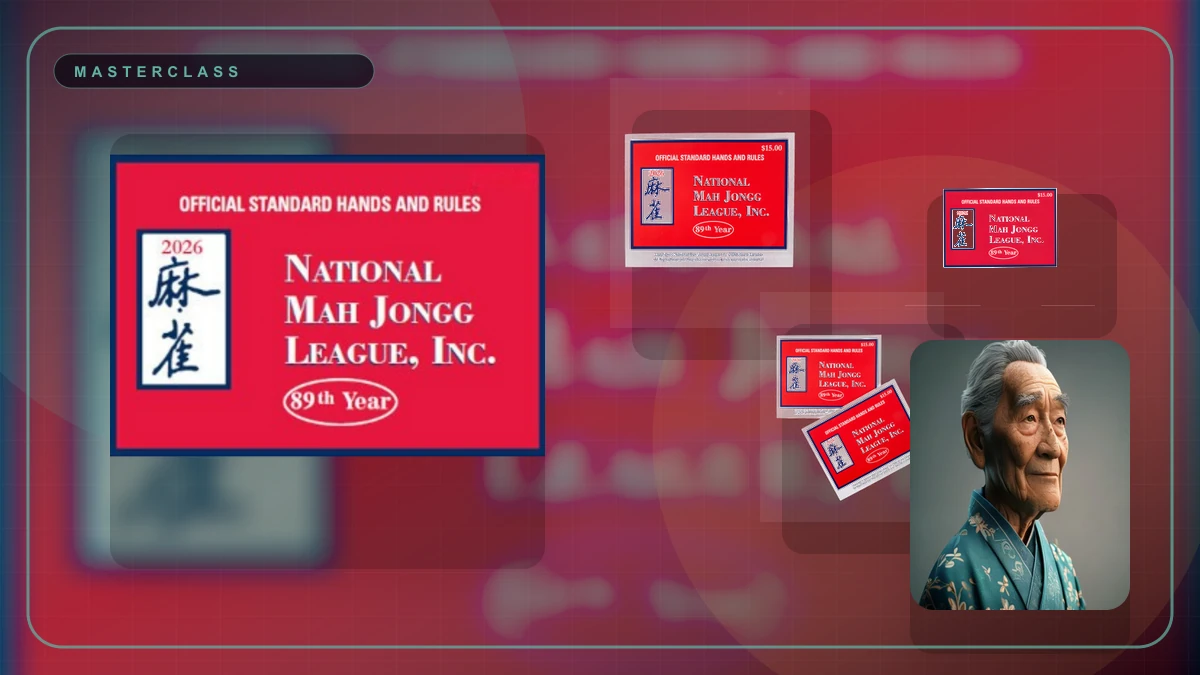
Mahjong
“A tile game of suits and seasons and careful reading of the table — kin to hanafuda in its bones. I made it to teach the discipline of the wall, not just the rules.”
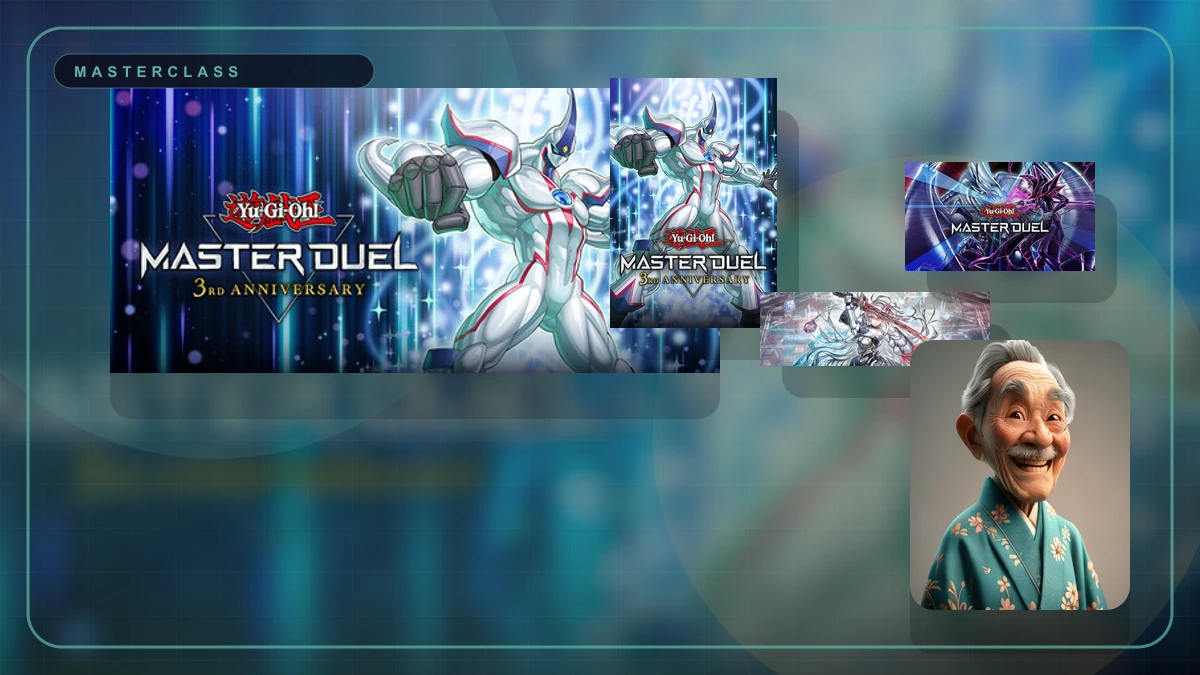
Yu-Gi-Oh!
“I approach a trading card game the way I approach any deck: with respect for its ritual and its handling culture. This is the calm doorway in, period and provenance included.”
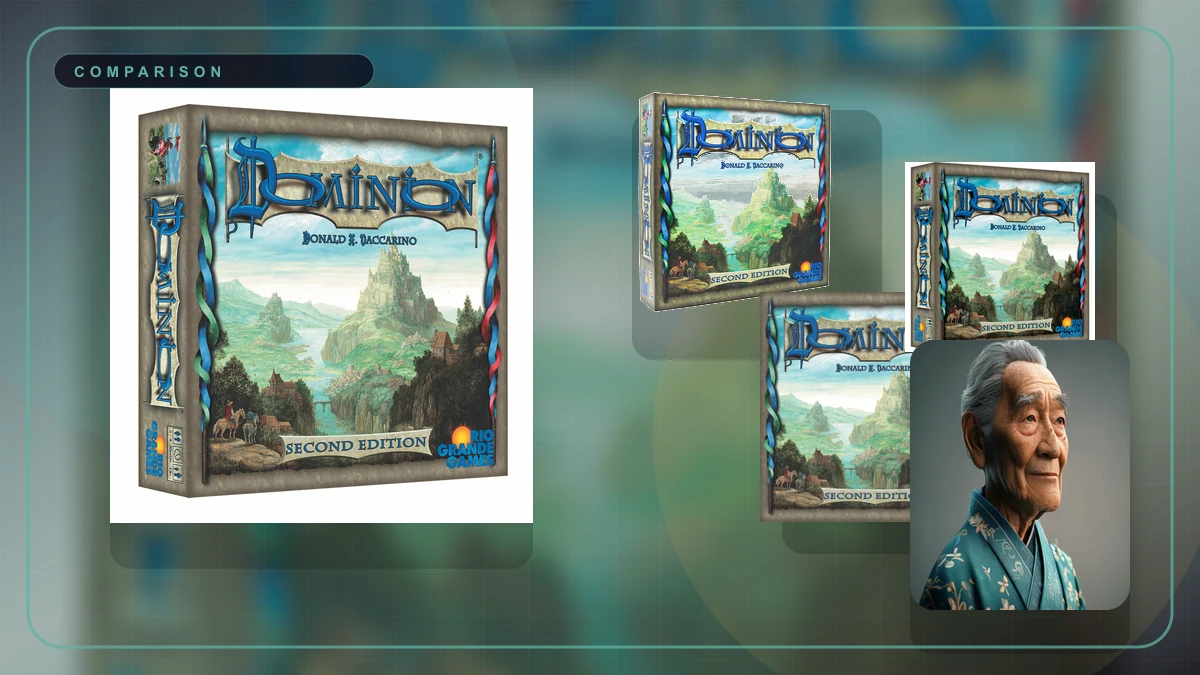
Best Deck-Building Card Games 2026: Dominion, Aeon's End, Marvel Champions
“Donald X. Vaccarino founded the genre with Dominion in 2008 — one act, the deck you assemble, repeated. I set Aeon's End and Marvel Champions beside it to show four schools speaking one grammar. One mechanic, many masters; the deck you build is the self you reveal.”
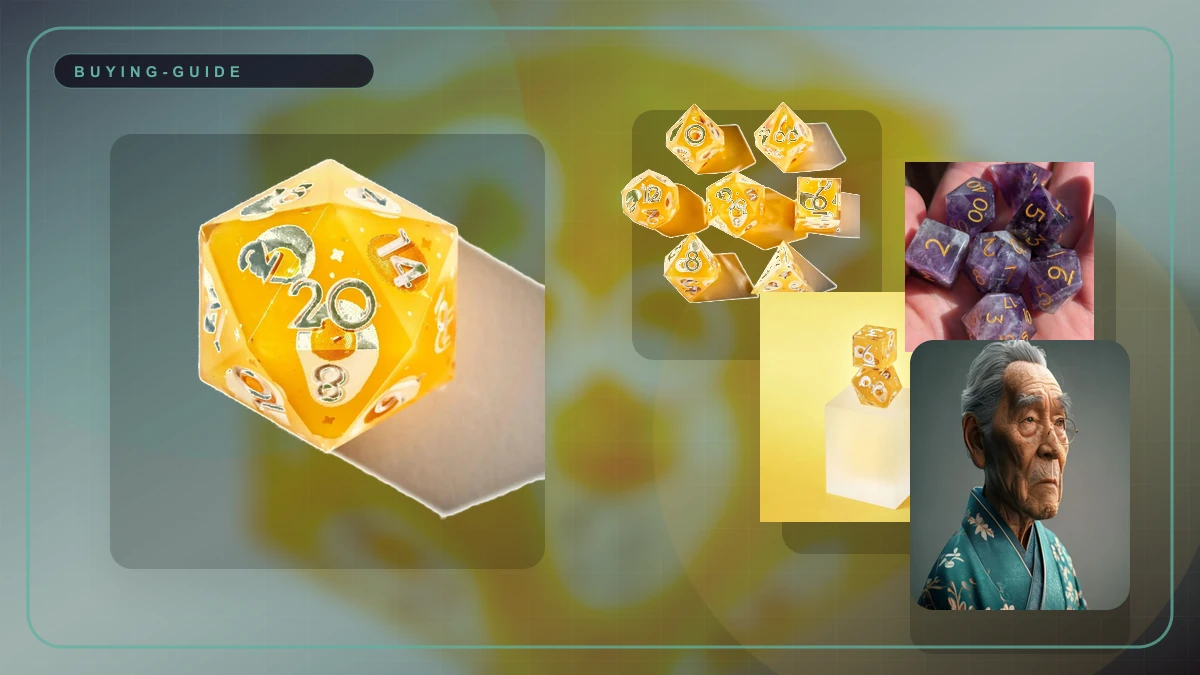
Premium Artisan Dice Sets: Japanese Craft, Resin & Gemstone Collectibles
“Japanese craft, resin, gemstone — dice as objects with makers and lineage, not just randomizers. I revere the grain and the cut, and this guide is where I let that show.”
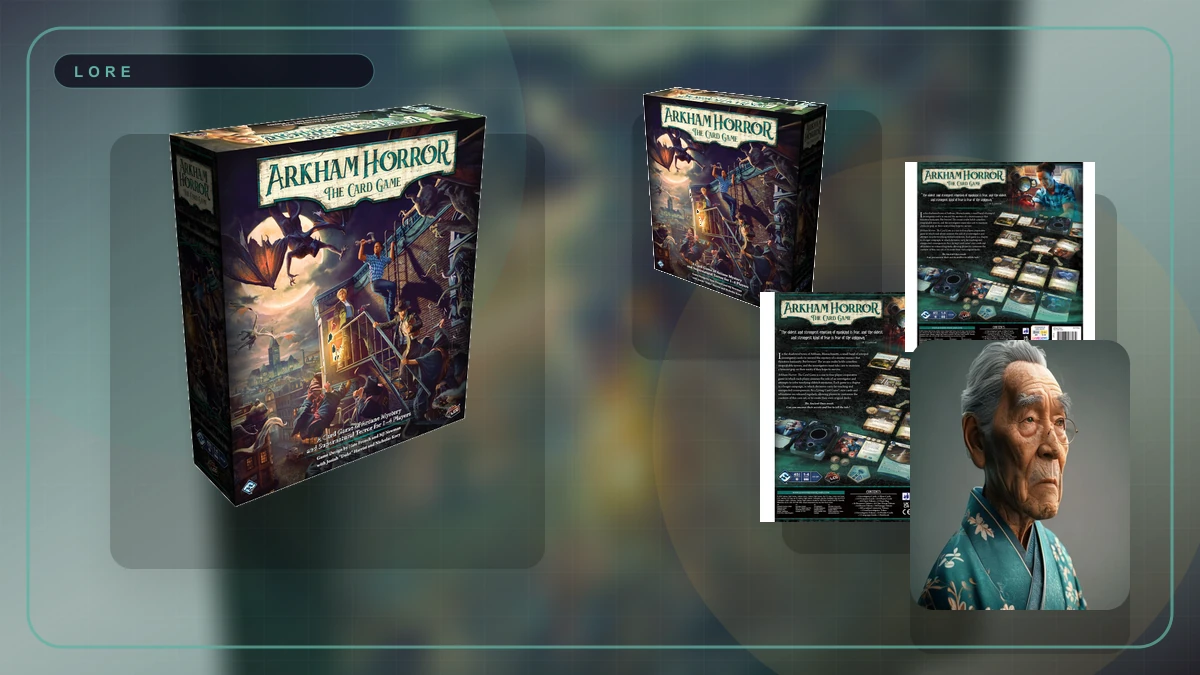
R'lyeh Rises Again: Arkham Horror Begins Chapter Two After Cthulhu Drowned the City
“R'lyeh sank into Lovecraft's 1928 "The Call of Cthulhu"; The Drowned City raises it again as Chapter Two. I traced what survives in a town the calamity spared but did not leave whole. The city did not drown. It only learned what it was made of.”
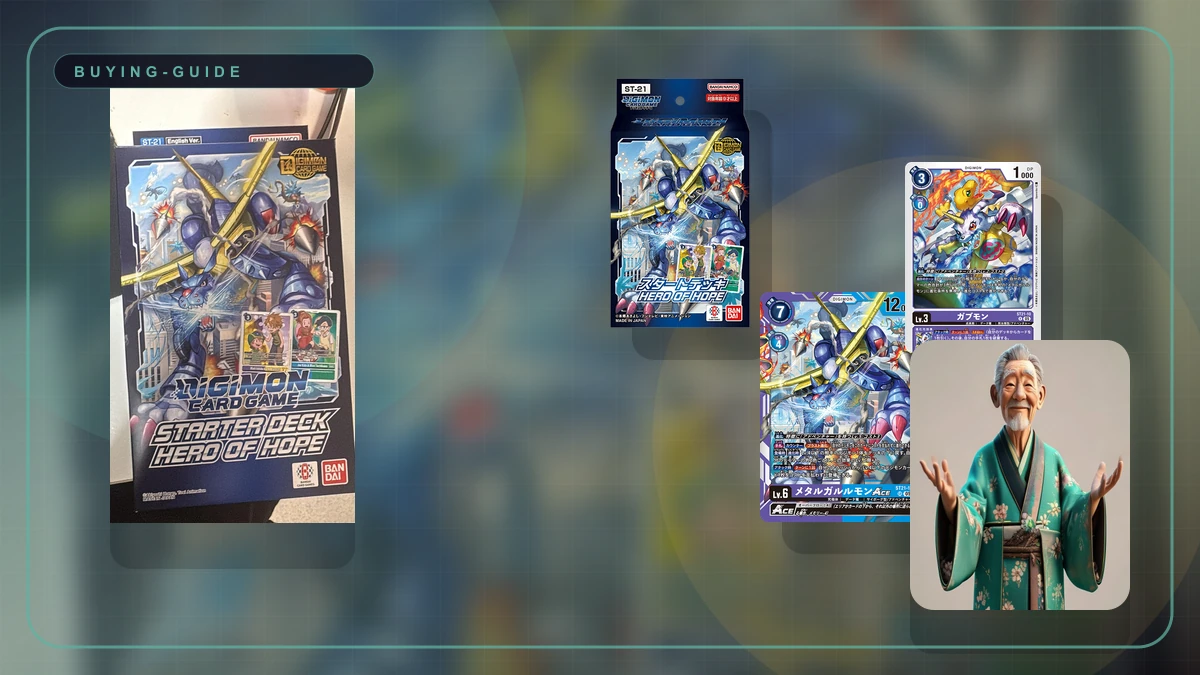
Digimon Card Game 2026: Set Guide & Best Boosters
“A set guide for collectors who want to know what to seek and what to skip. Provenance over packaging, as always.”
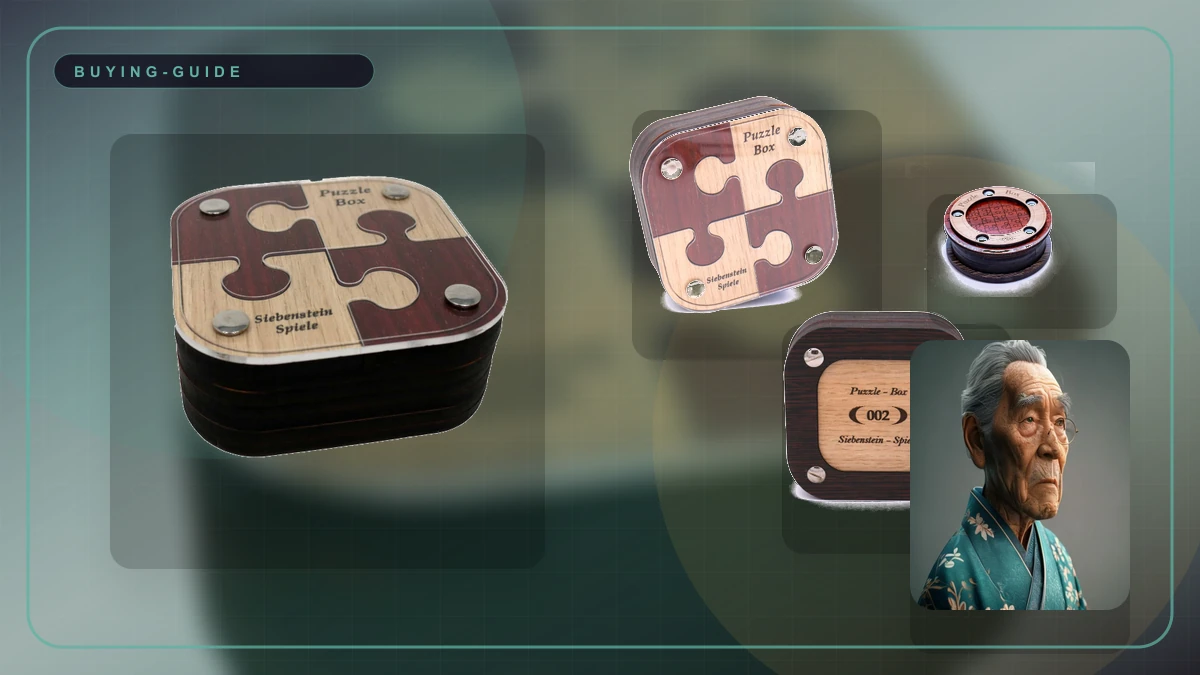
Siebenstein-Spiele Wooden Puzzle Boxes: Difficulty Levels & Starter Guide
“A difficulty guide written in step-counts, not feelings — because 'hard' is weather and a step-count is a fact. For the beginner who wants the right first box, not the most punishing one.”
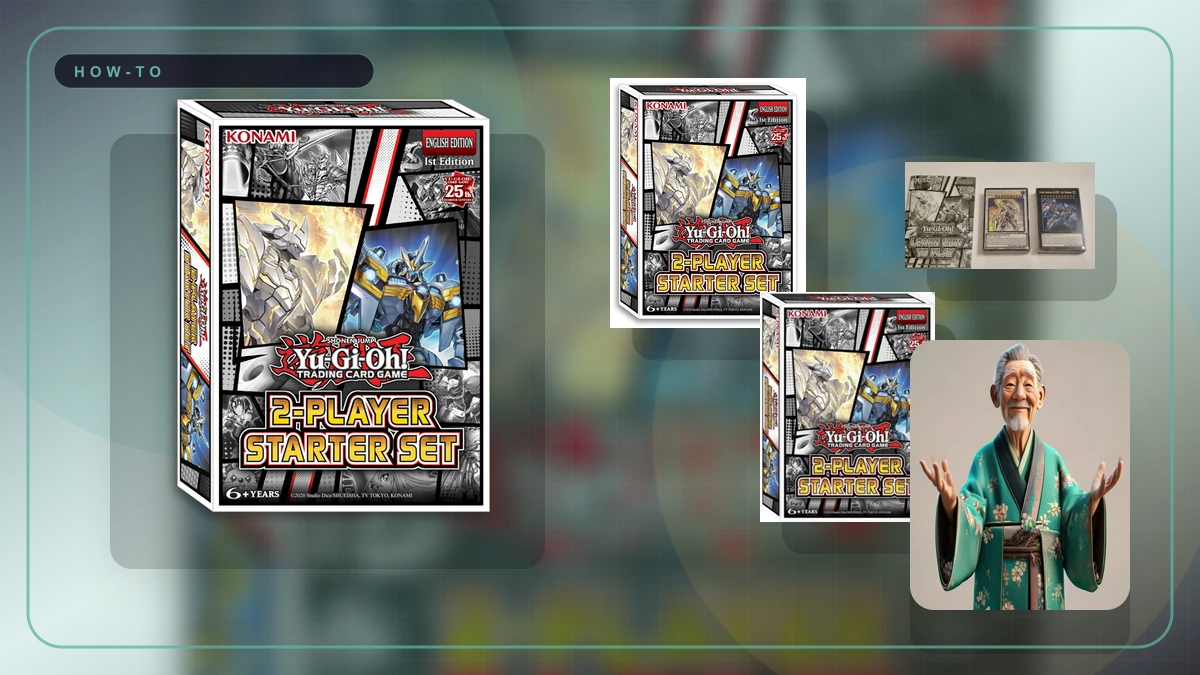
Yu-Gi-Oh TCG 2026 Starter Sets & Beginner Decks: Play Your First Duel
“Starter sets and a first duel, explained without hype. For the player who wants to begin correctly and learn the deck's honest lines before chasing the flashy ones.”
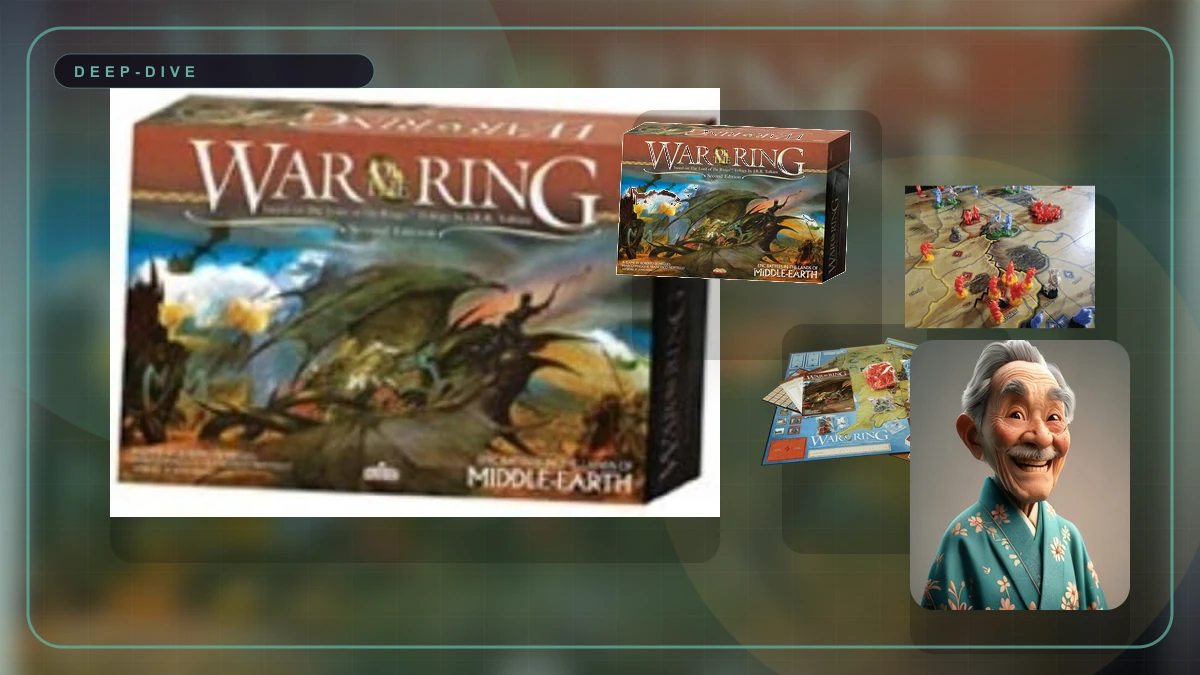
War of the Ring (Second Edition): A Patient Reckoning With Tolkien's Whole War
“Di Meglio, Maggi, and Nepitello shaped War of the Ring's Second Edition into a duel — two players, two paths to victory, one Ring carried east. I examined it slowly, on its own patient terms. The Ring is not carried by haste. It is carried by the will to keep walking.”
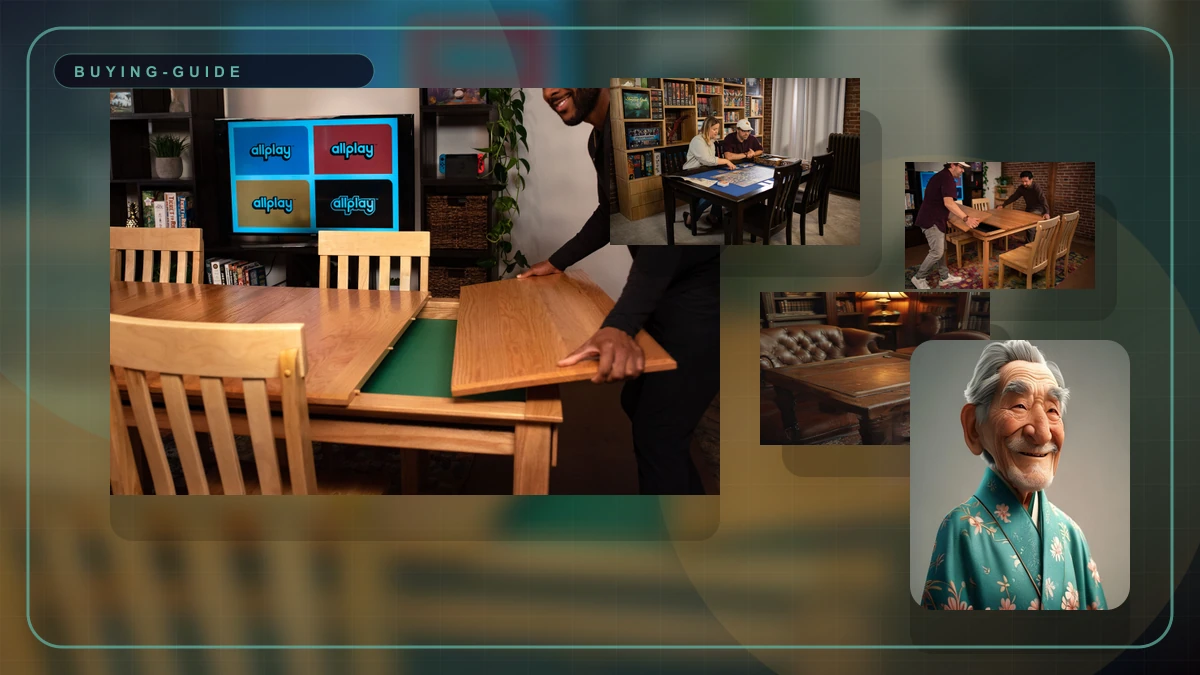
Are Gaming Tables Worth It? Board Game Tables Compared (2026)
“The honest accounting of whether a dedicated table earns its place. No hype — just what it costs, what it gives, and who should actually buy one.”
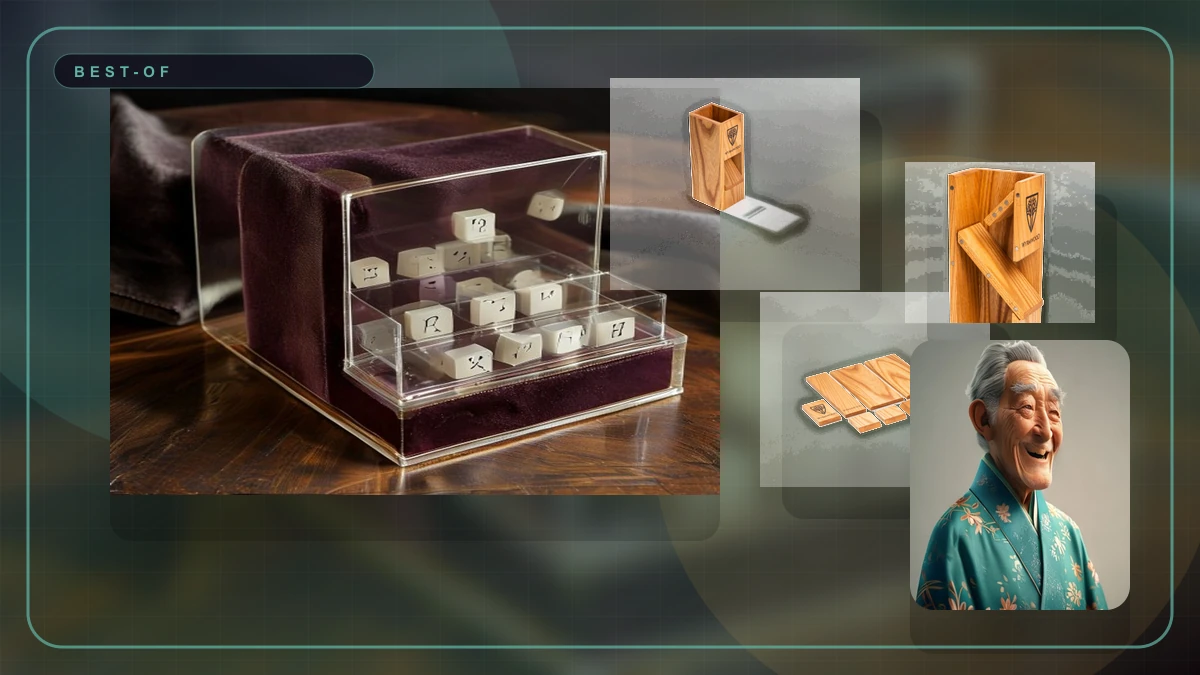
Best Dice Towers (2026): The Keeper's Complete Guide, From $20 Bamboo to Heirloom Hardwood
“From a twenty-dollar bamboo tower to heirloom hardwood — a keeper's ranking by craft and material, because even the path a die falls down deserves consideration.”
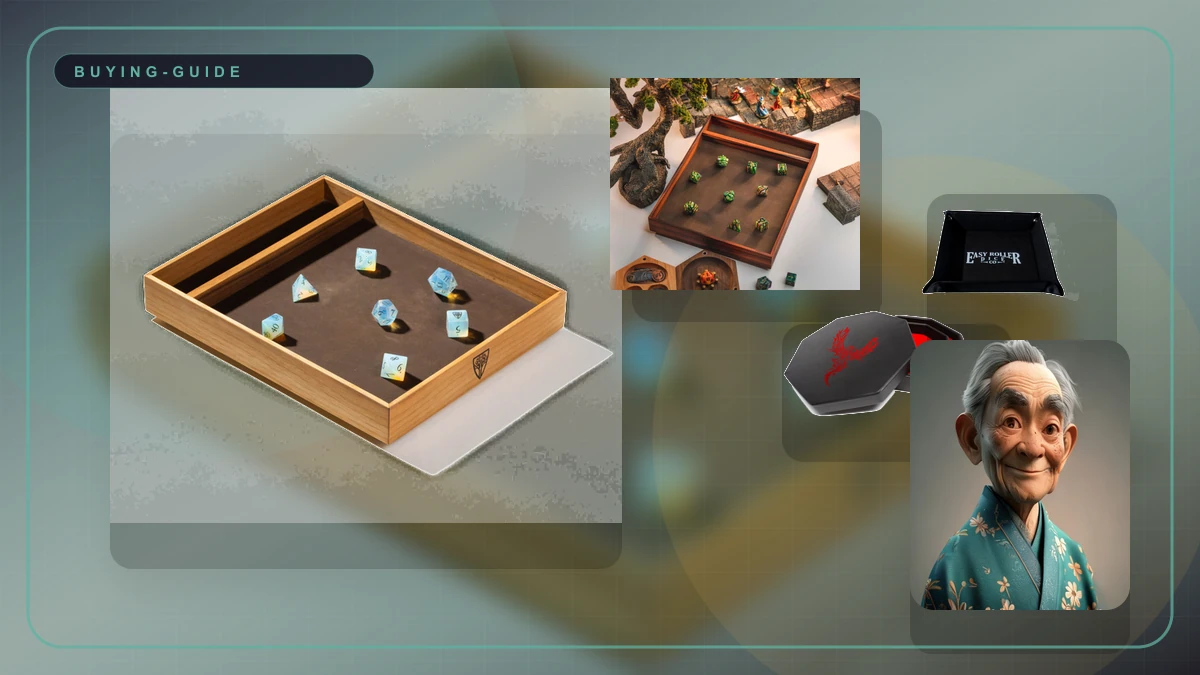
Best Dice Trays & Rolling Trays, Ranked (2026)
“The contained roll is old discipline — four walls, a soft floor, the clatter answered by quiet. I ranked ten trays, from eleven dollars to three hundred, by how honestly each holds the throw. The wall does not stop the roll. It gives it somewhere to rest.”
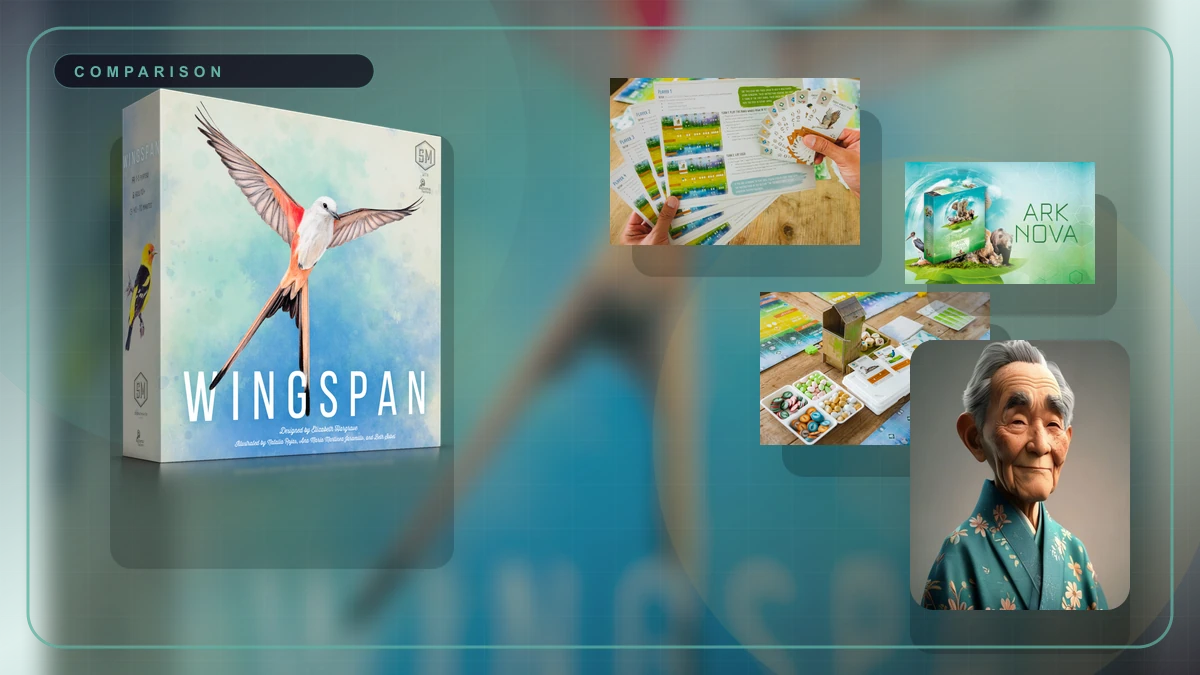
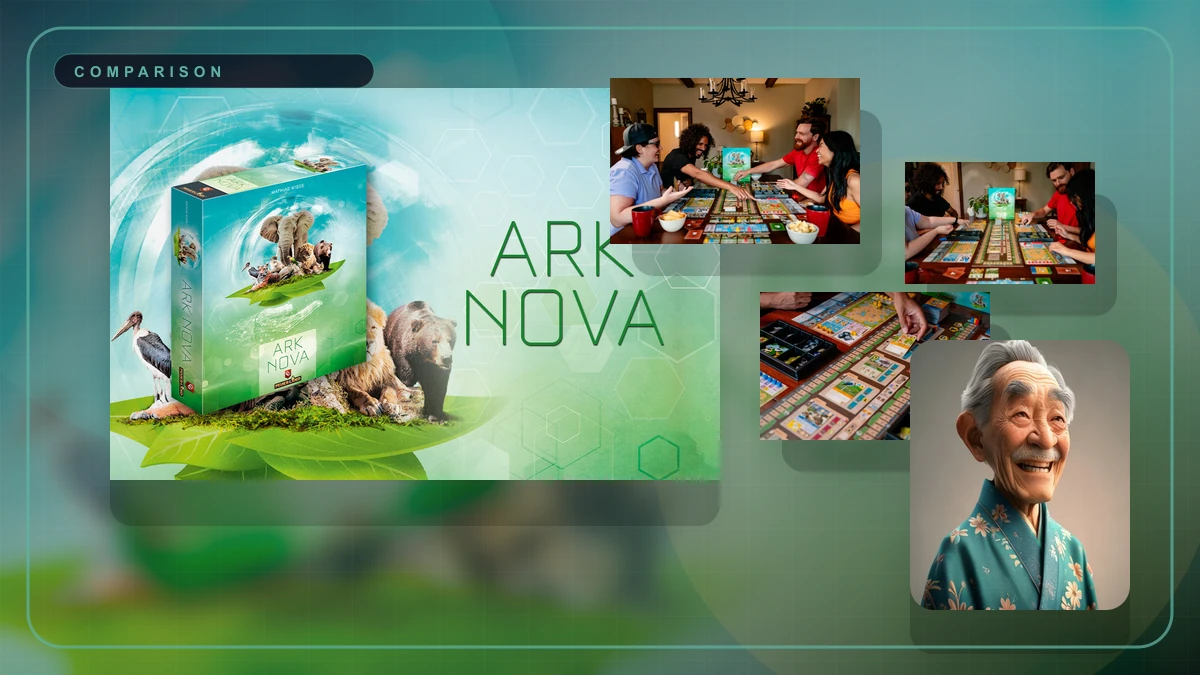
Wingspan vs Ark Nova vs Everdell: Which Engine-Builder Belongs on Your Shelf?
“Three students of one engine-building lineage — Wingspan, Ark Nova, Everdell. I traced the bloodline through weight, teach time, table presence, replay, and solo play. They share a grandfather. What you choose is which inheritance suits your table.”
What I am obsessed with right now: re-learning to lose. I keep calling Koi-Koi when I should bank — and the deck is teaching me the difference between greed and patience, one moonlit round at a time.
Nintendo Daitoryo hanafuda deck (the 'President' grade) playing Koi-Koi
The Daitoryo is the premium Nintendo grade — tile-thick cards you play down like little wooden plaques, not flimsy paper you shuffle. Holding the moon card and the sake cup in the same hand, I face the oldest decision in the game: stop and take the points (agari), or shout koi-koi and risk it all for a bigger yaku. It is a 19th-century deck still teaching a modern lesson about when enough is enough. The cards were always about the seasons; lately they are about restraint.
The Sensei · keeper of the loreEvery object has a lineage. Let me tell you its story.
✦ 0 of 10 keepers in your binder ·