The Best Engine-Building Board Games of 2026, Ranked
A sensei's tier list of the games that taught a generation what "the engine click" feels like — from the gateway masterpiece to the modern heavyweight champion, sorted by weight, purity, and the moment they turn on.


AI-assisted research and drafting in Kenji’s voice · reviewed by Robert Pruitt · how this guide was made
Last editorial refresh: 2026-06-21 Gold-standard QA: 2026-07-17 8 sources reviewed Affiliate links checked during gold-standard pass

The short answer
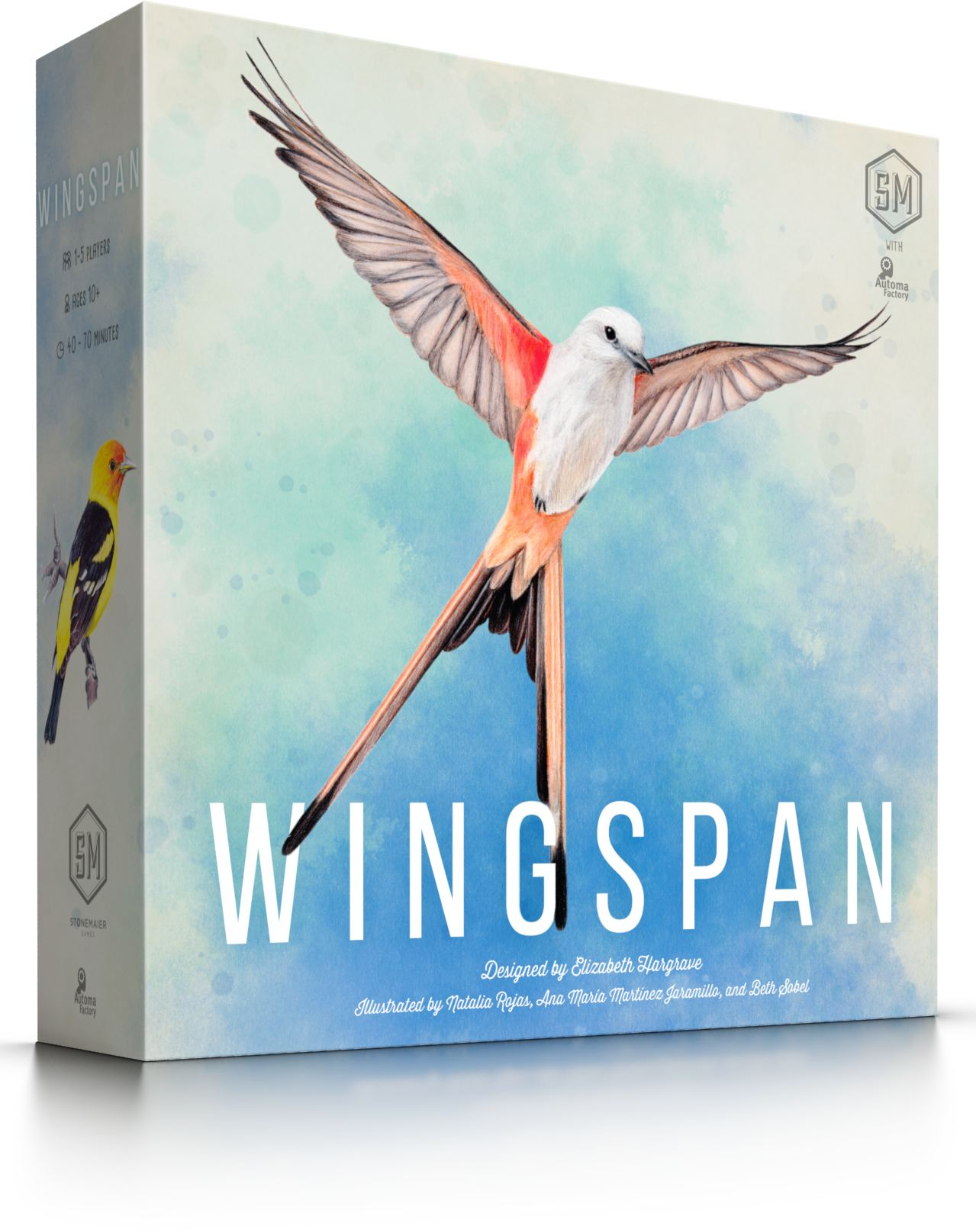
Buy Wingspan first. It is the best engine builder for almost everyone — beautiful, teachable, and it makes the snowball feeling obvious without a wall of rules. When you outgrow it, climb to Ark Nova, our number-one ranked game and the deepest, most replayable engine in the genre. And if you only ever own three, let them be Wingspan, Terraforming Mars, and Ark Nova — the gateway, the benchmark, and the champion.
Decision map
Choose in thirty seconds
Experienced gamers who want a two-hour brain-burner with near-infinite replayability and asymmetric card combos.
Strategy lovers who want the classic 'build production, then run it' arc and don't mind two-to-three hours.
The single best entry point — couples, families, and anyone who wants real engine-building without a rules wall.
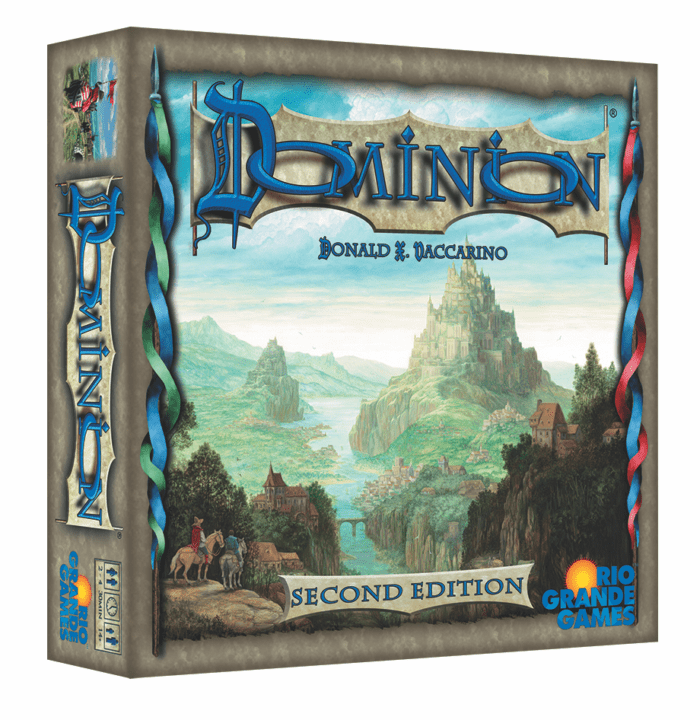
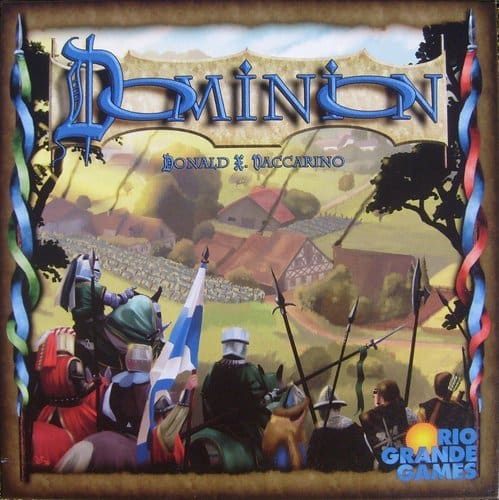
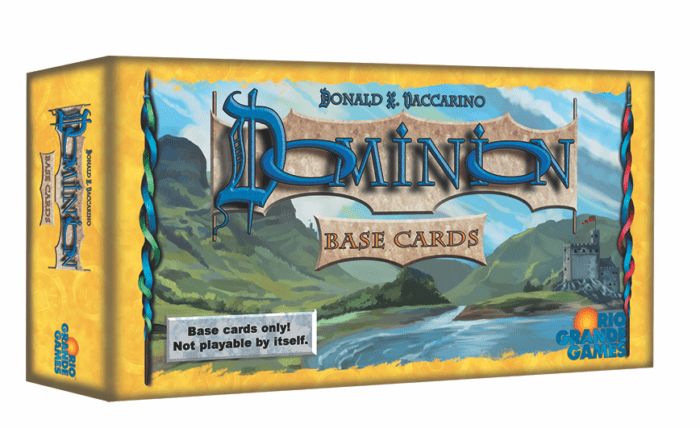
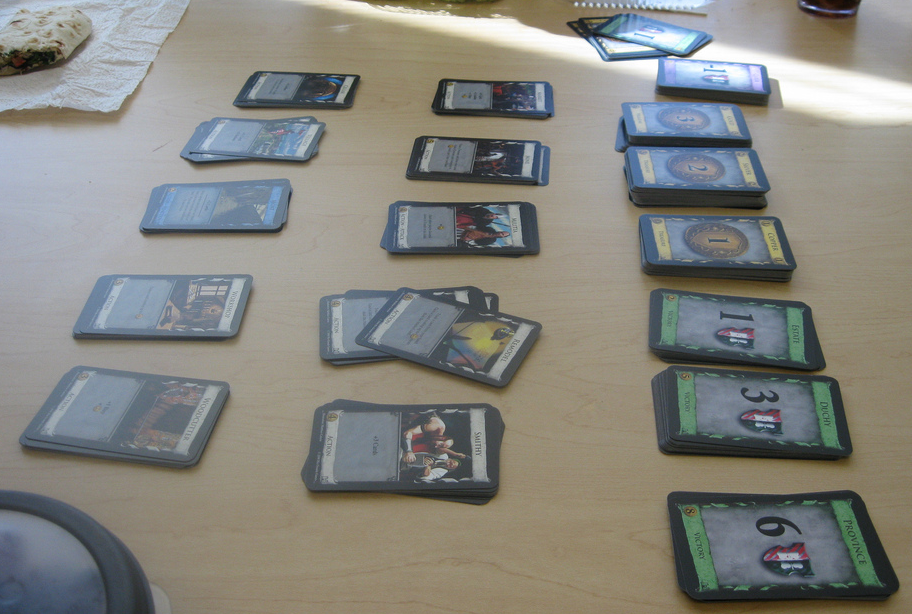
In 2008, a designer named Donald X. Vaccarino published a small box of cards called Dominion, and in doing so invented an idea: that the act of buying cards which buy better cards could be a whole game. The deck-builder was born, and from that seed grew the entire engine-building family — the tableau builders, the dice builders, the bag builders, the genre that now rules the modern table.
Let us define the term plainly. An engine-building game is one in which you assemble a self-reinforcing system — a machine of cards, cubes, dice, or marbles — that converts resources into points, money, or actions with increasing efficiency over time. You begin weak. You build. And if you build well, the engine eventually runs itself, producing more each turn than you put in.
This page ranks the ten that matter most, from the lightest on-ramp to the heaviest brain-burner. The order honors weight and depth, not popularity. Read it as a ladder, not a list. The lesson of the whole genre is hidden in a single sentence, and we will return to it often: an engine you never turn on scores nothing.
Start here, then go deeper
You are in the right cabinet.
 ✦ Topic PathBoard Game Buying Guides: compare the whole shelfStart with the decision, not the shelf. These guides compare the games, editions, expansions, player counts, and costs people...
 ComparisonBest Deck-Building Card Games 2026: Dominion, Aeon's End, Marvel ChampionsDominion, Aeon's End, Clank!, and Marvel Champions solve deckbuilding in radically different ways. Here is the best first box, the real...
 Strategy GuideWingspan Strategy Guide: How to Build a Point Engine That SnowballsMost players lose Wingspan by collecting pretty birds. Winners build a machine. Here is how to read the board, sequence your turns, and...
What exactly is an engine builder — and what isn't one?
The word engine is abused. Veterans on the design forums draw a line that beginners rarely see, and it is worth learning before you spend a dollar.
A combo is two cards that work well together once. A snowball is a pile that simply gets bigger. But a true engine does work for you automatically — late in the game, your built system gives you things without you choreographing every step. Dominion's deck eventually deals you the cards you need; that is an engine. A tableau that merely grows is not.
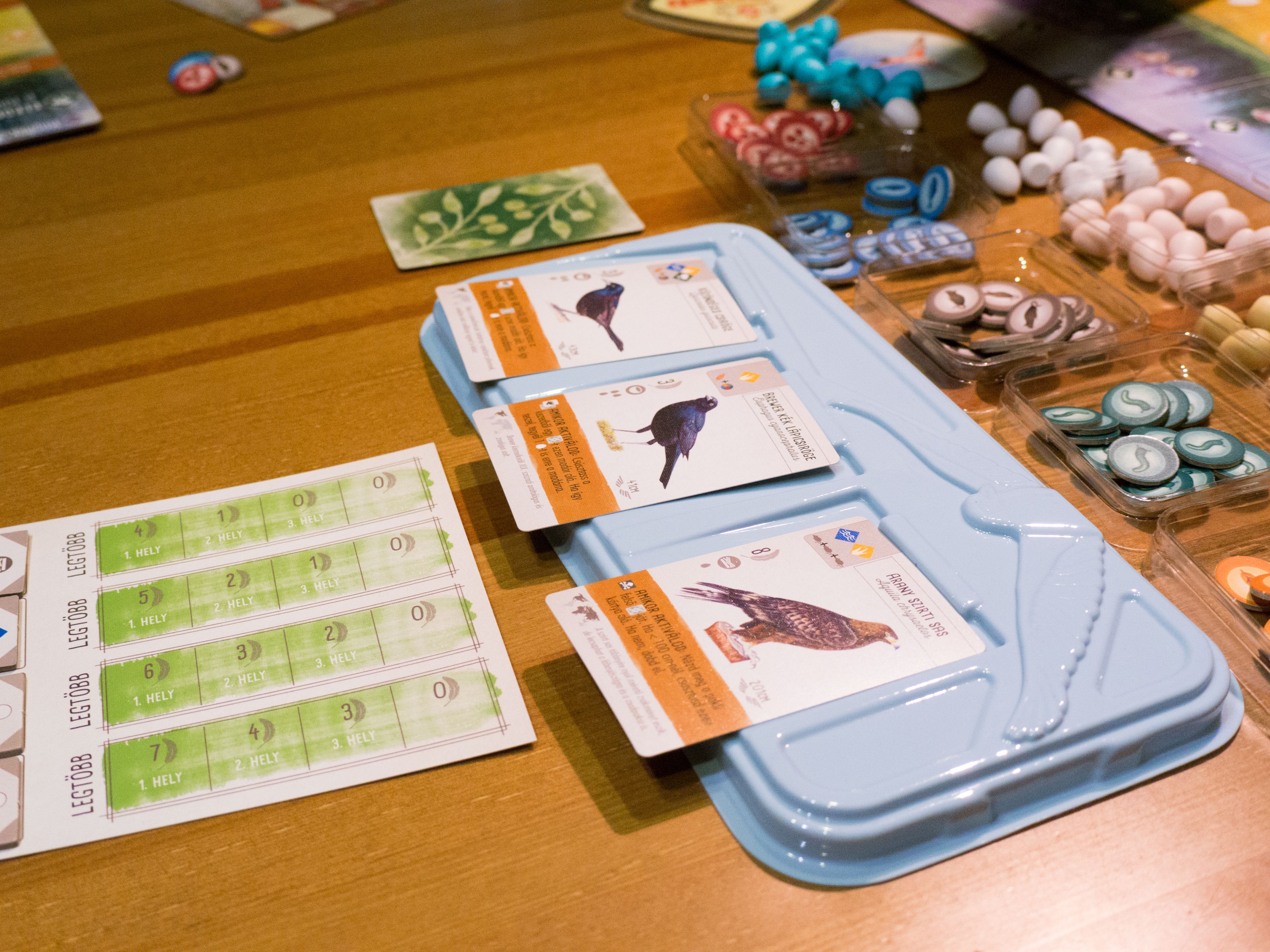
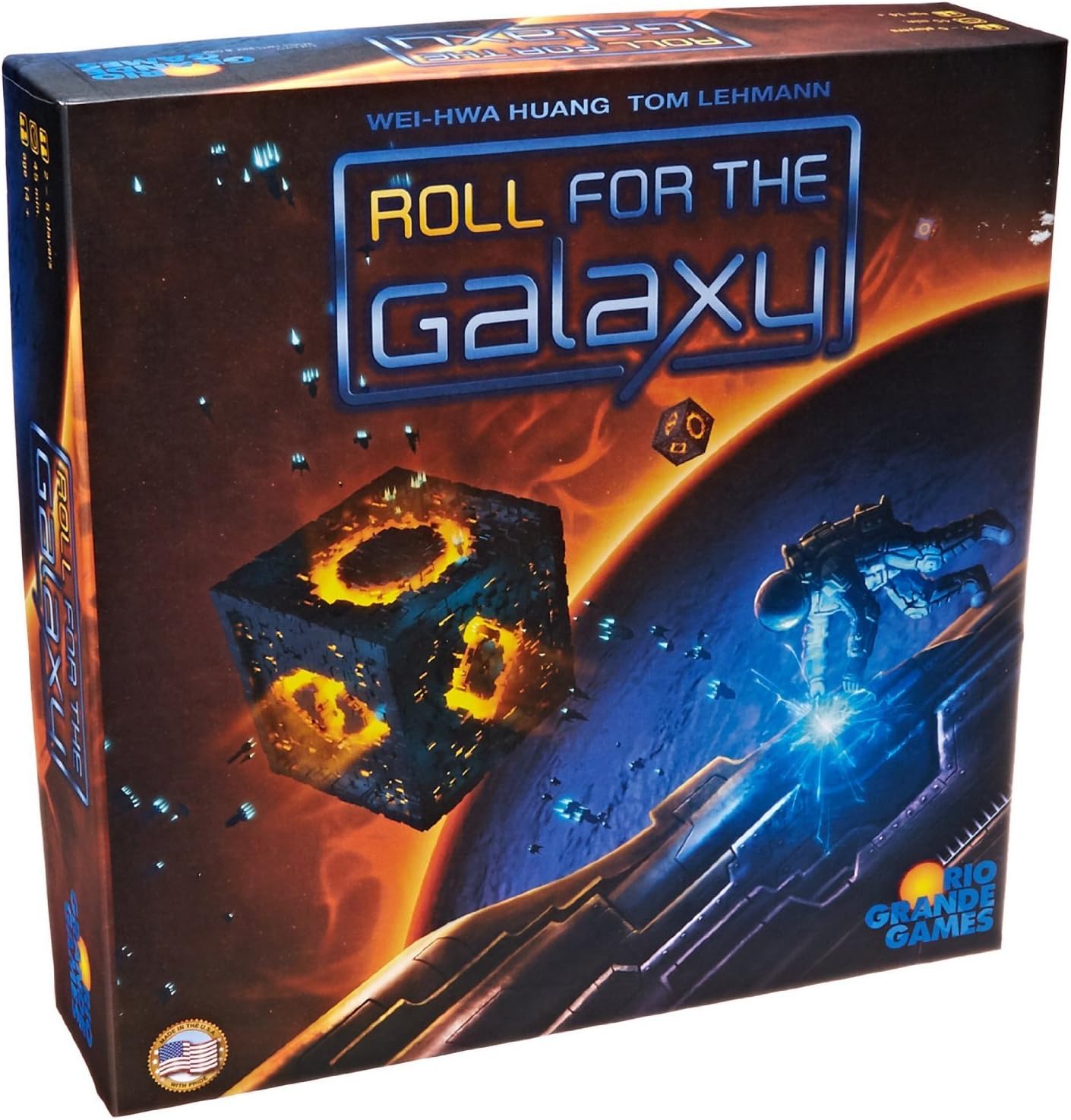
The genre has four recognized branches. Tableau builders (Wingspan, Terraforming Mars, Ark Nova) grow a visible board of cards in front of you. Deck builders (Dominion) improve the deck you draw from. Dice builders (Roll for the Galaxy) draft and assign dice. Bag builders pull tokens from a sack that you have stocked over time.
Knowing which branch a game belongs to tells you, in advance, how it will feel — and whether it is the engine you actually want.
A combo fires once. A snowball merely grows. An engine works for you while you sleep.
Which engine builder should a complete beginner buy first?
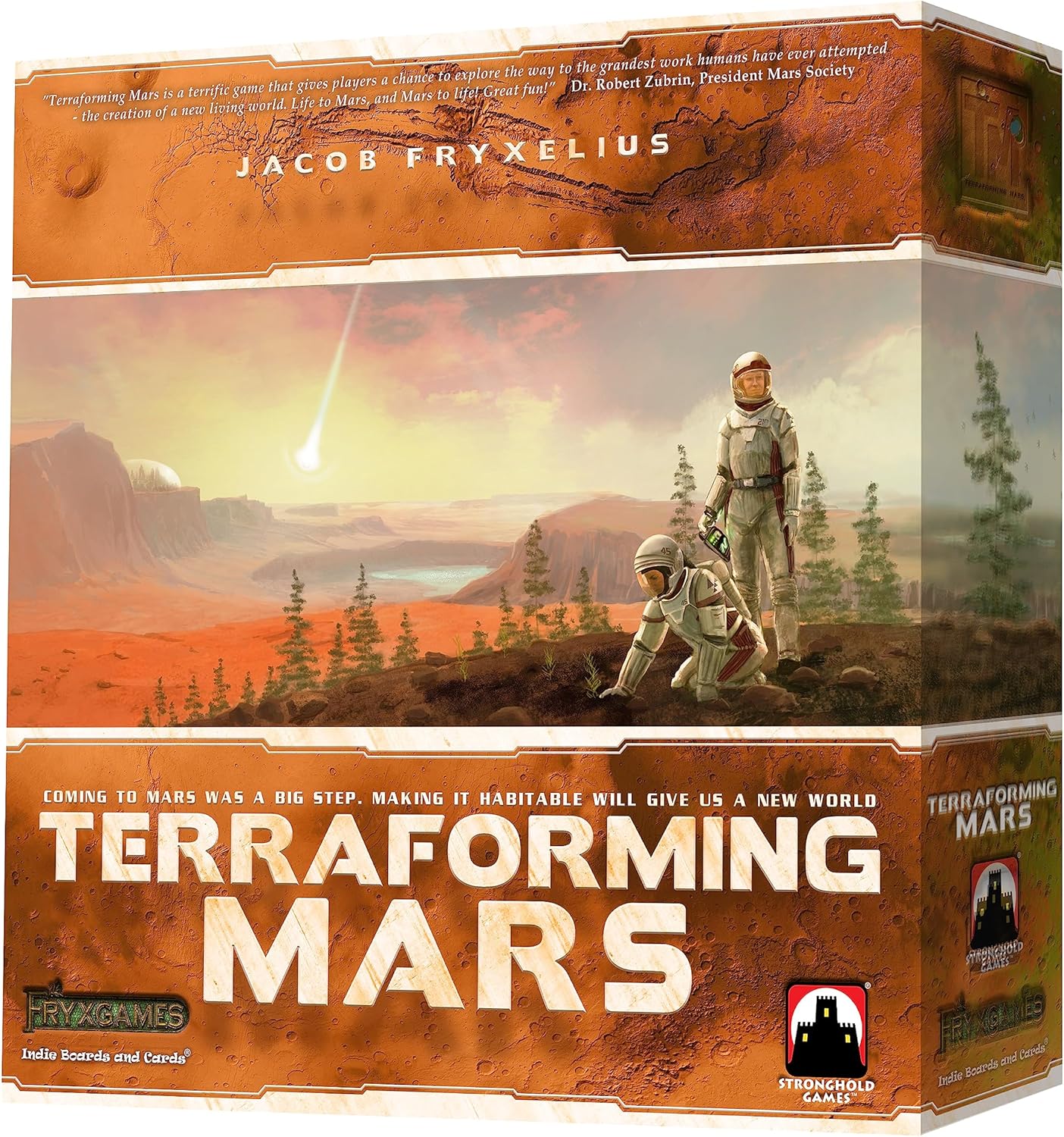


Begin with Wingspan. It is the near-universal first recommendation for one reason: it makes the snowball visible. Every turn your tableau of birds grows demonstrably stronger, and the moment your food-and-egg engine starts to chain, the genre's whole appeal arrives at once.
If you want something even lighter, Splendor and Gizmos are the cleanest thirty-to-forty-minute demonstrations of the mechanic ever printed. Splendor is the purest abstract: collect gems, buy cards that discount future cards, escalate. Gizmos is the clearest teaching tool of all — marbles literally trigger chain reactions you can watch fire down the table.
The beginner's craft is small and concrete. Don't hoard. An unused engine scores nothing, so spend and trigger rather than admire. In Wingspan, prioritize the brown between-turn powers and a reliable food source early; they pay off every single round thereafter. In Splendor, buy the cheap discount cards first — each one permanently lowers the price of everything you buy next. That is the engine, in miniature, and once you feel it you will recognize it everywhere.
Wingspan does not explain the engine to you. It lets you watch your own tableau wake up.
When do you stop building and start scoring? (The intermediate leap)
Here is the mistake that separates the beginner from the journeyman, and it is the single most-repeated error in the entire genre: players fall in love with building and forget to turn the engine on. They tune a beautiful machine all game and never cash it into points.
The cure is the pivot turn — the specific round where you stop building income and switch to pure point production. Build too early and the engine isn't ready; pivot too late and there aren't enough rounds left to fire it more than once. Veterans watch the round counter and pivot on a chosen turn. Newcomers always pivot too late.
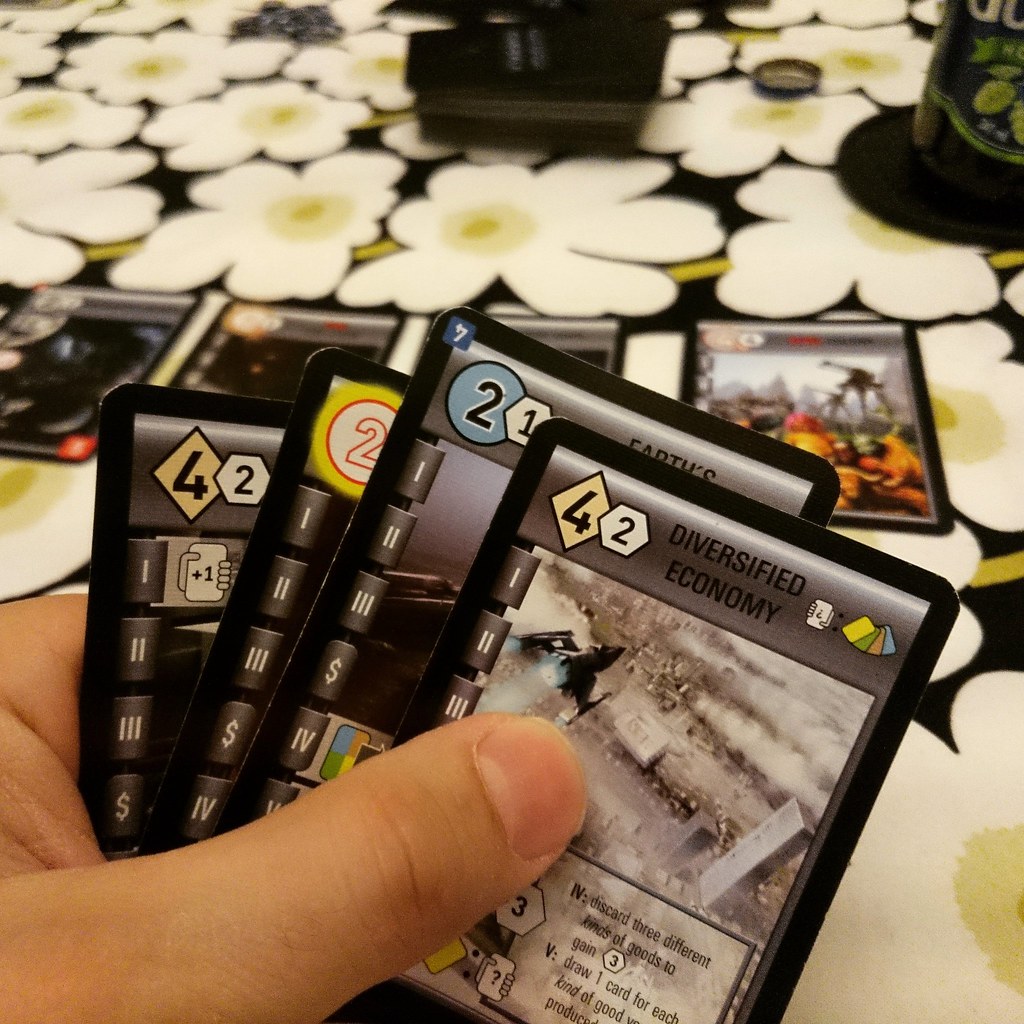
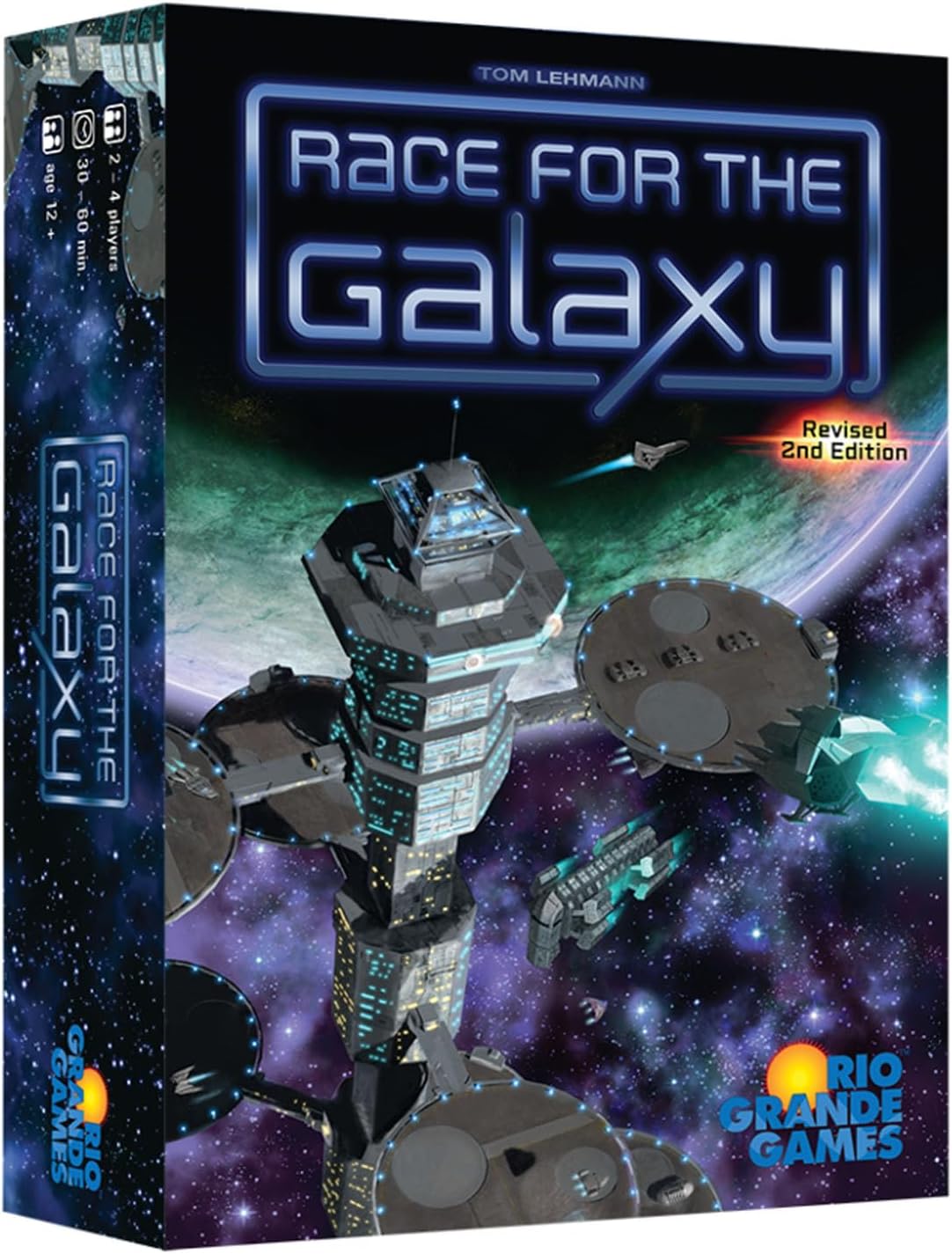
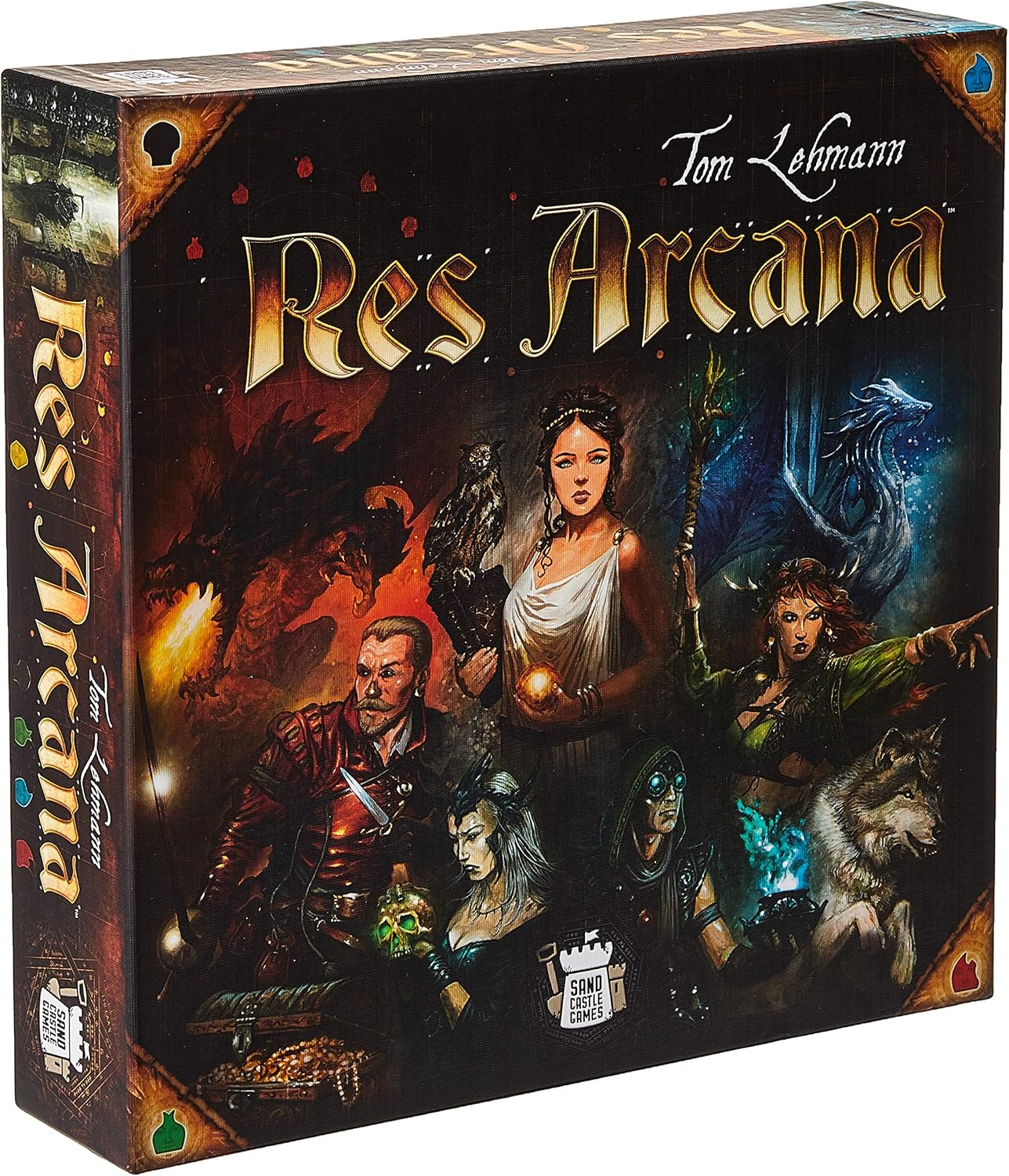
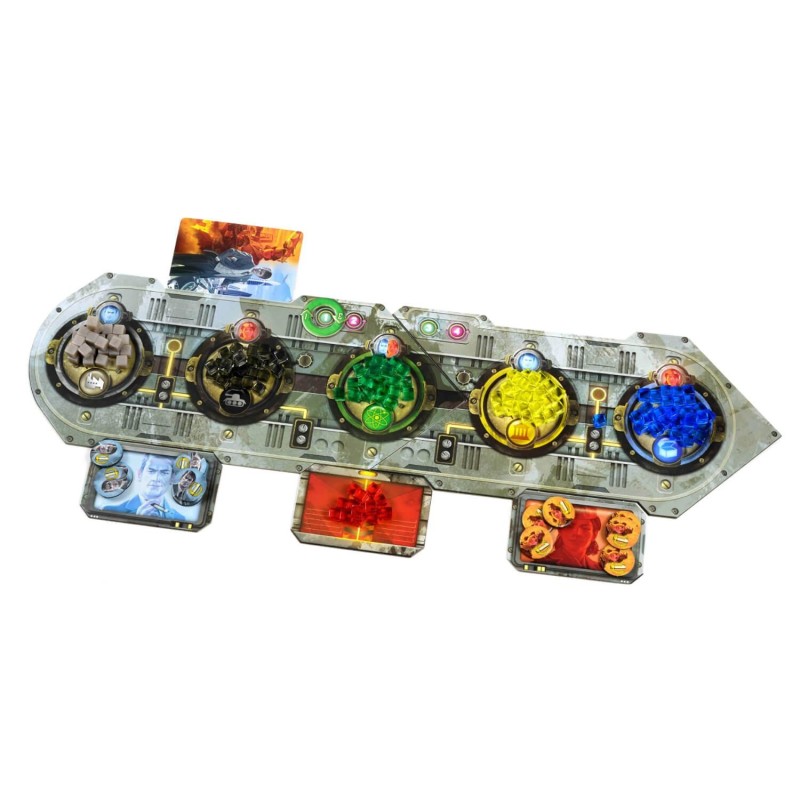
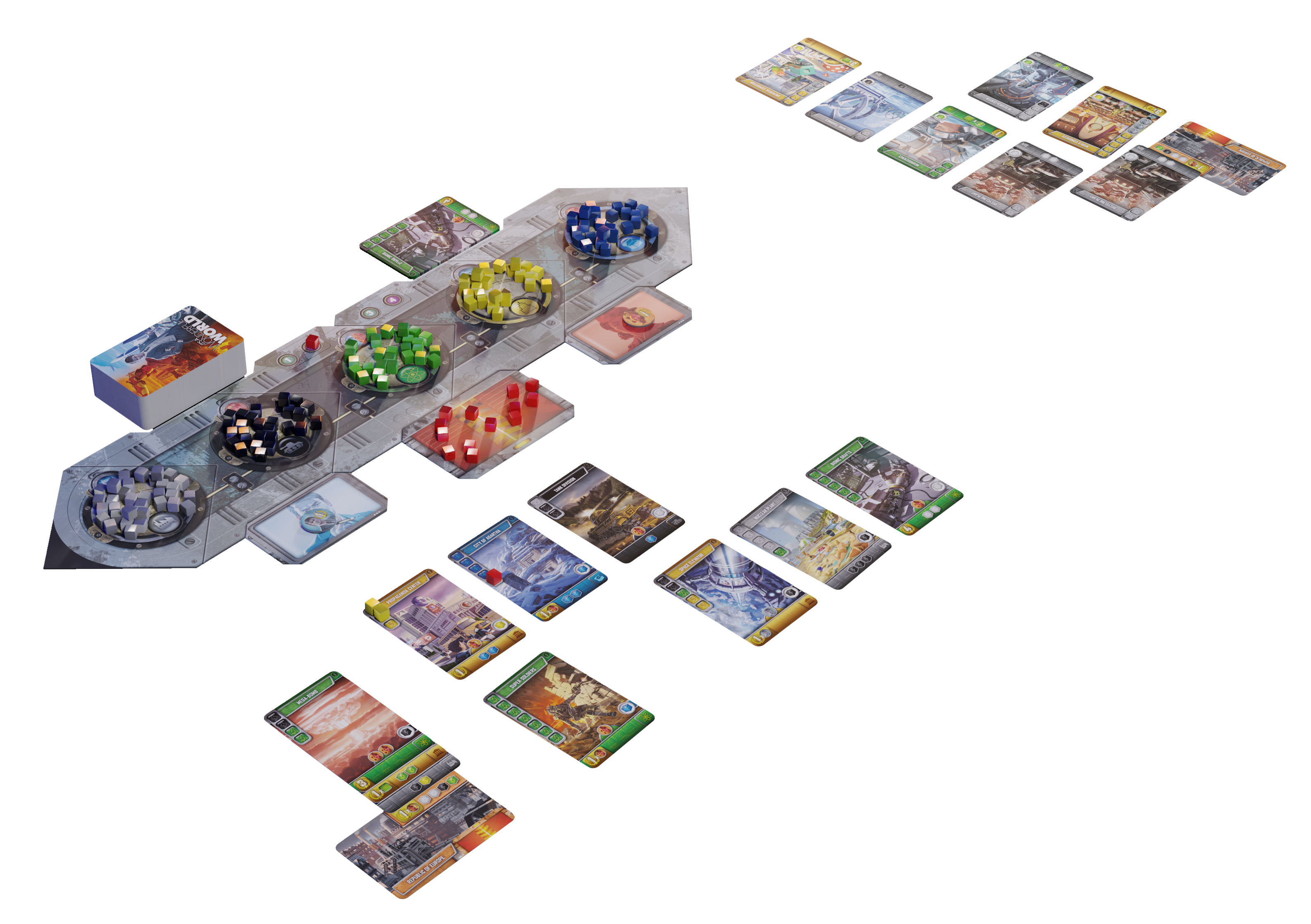
This is the tier where you graduate to games that reward planning a chain rather than reacting: Race for the Galaxy, Res Arcana, It's a Wonderful World, and Roll for the Galaxy. Learn to read the win condition backward. In a four-round game like It's a Wonderful World, calculate how many production cascades you can still fire, and build toward that number — not toward a prettier tableau.
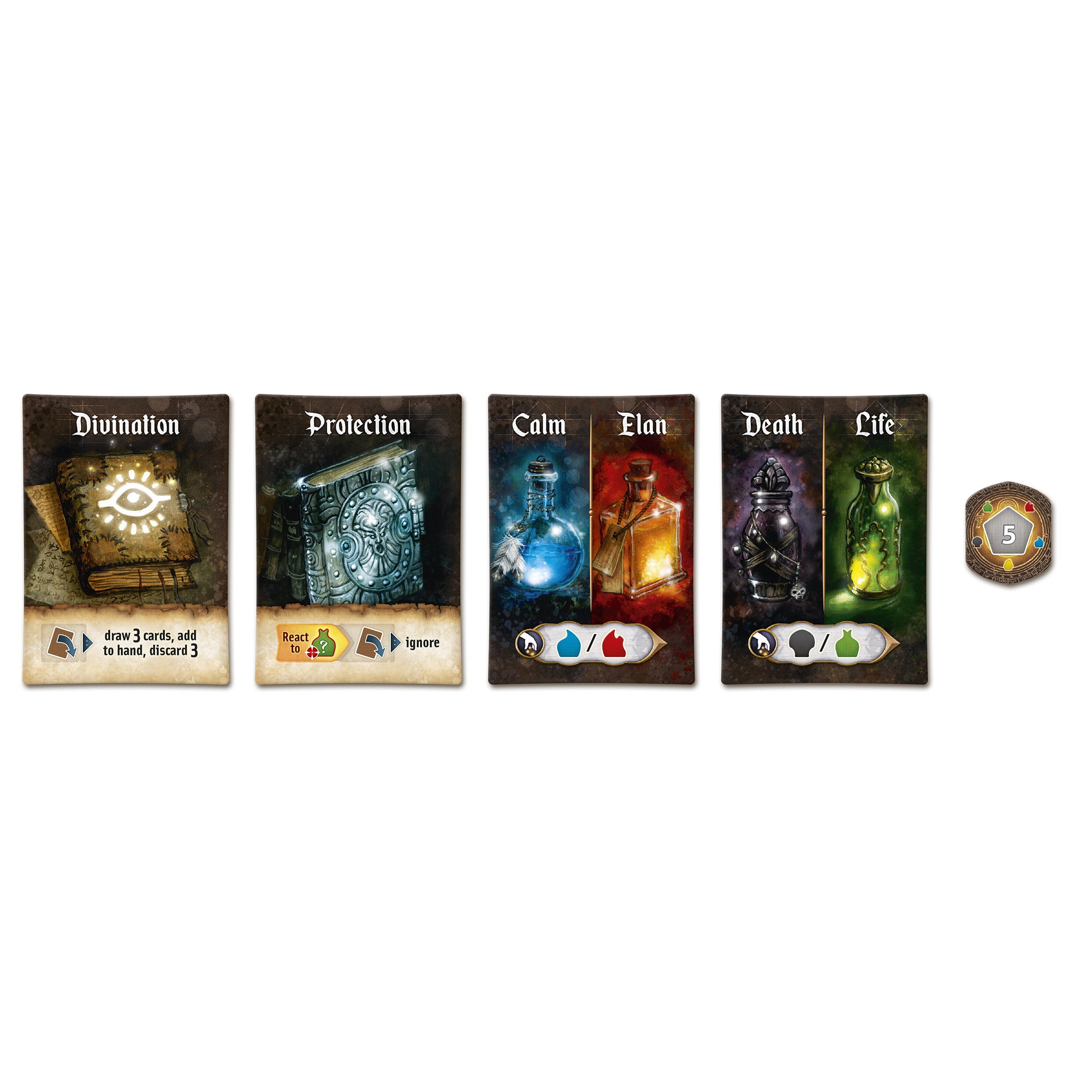
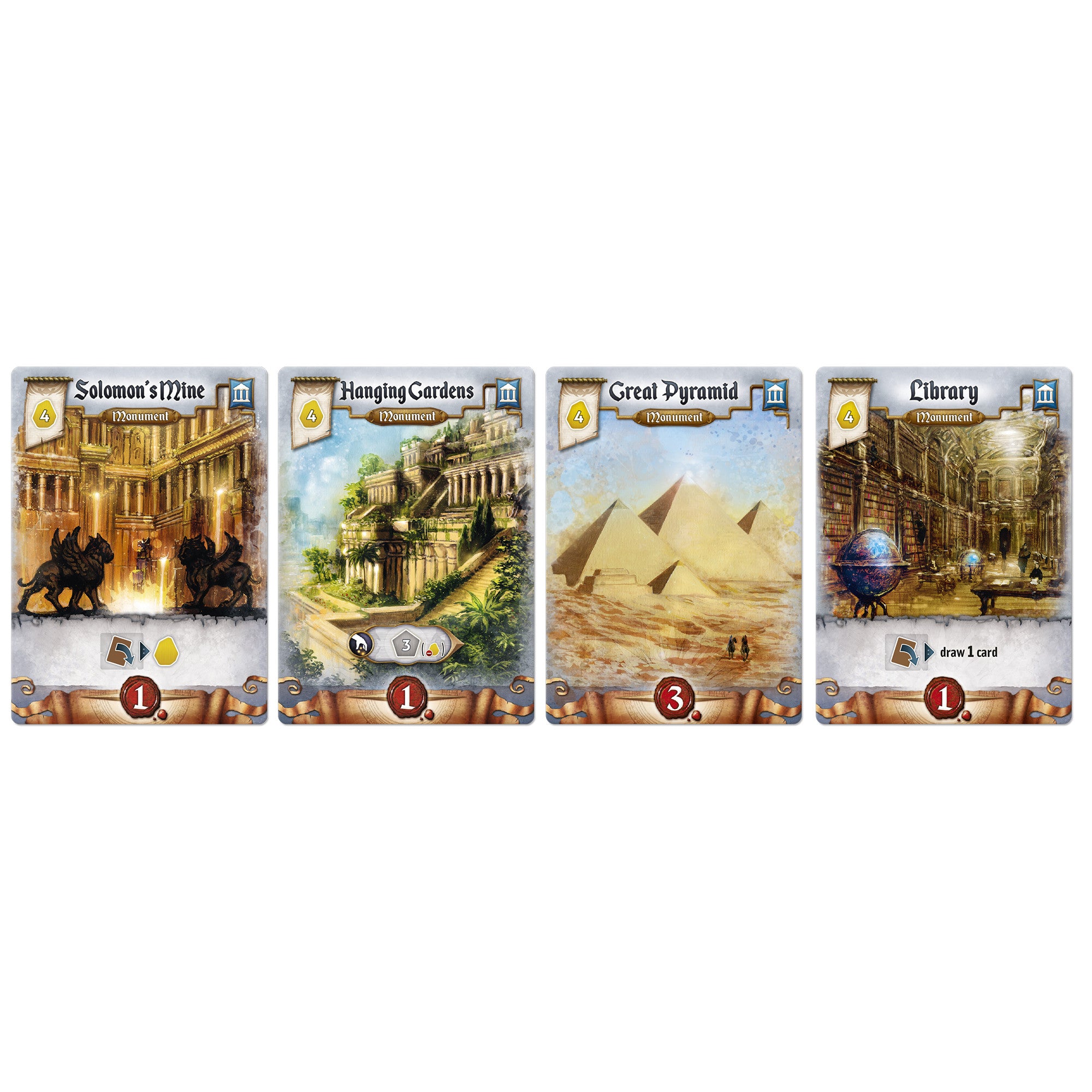
And in Res Arcana, understand that your opening artifact draft basically sets your strategy. Learn which mages and monuments your starting hand supports before you spend a single turn committing to a plan it cannot sustain.
How do the heavyweights play differently? (The tournament tier)

At the top of the ladder, engine optimization meets a live race, and efficiency per action becomes the entire game. This is Ark Nova and Terraforming Mars — two-hour-plus brain-burners, and emphatically not gateways.
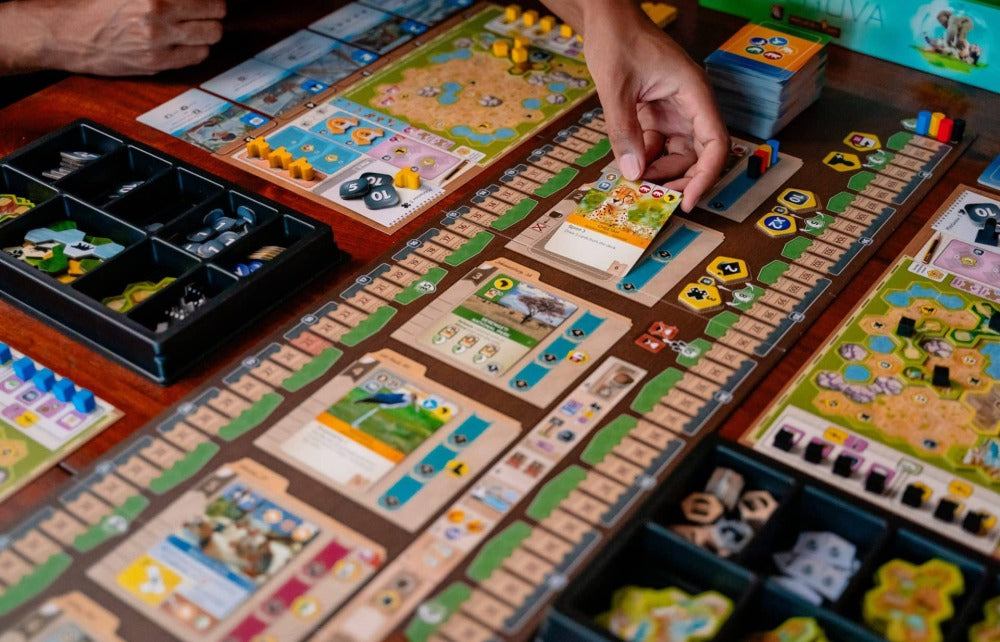
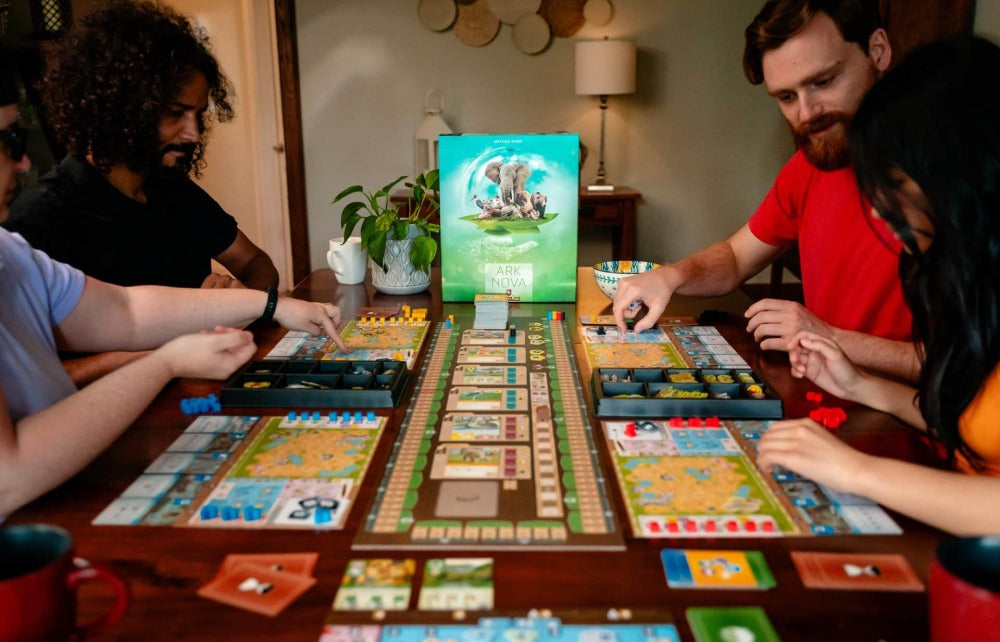
In Ark Nova, the real engine is not any animal card. It is the action-card 'snail' track: every time you use an action you push it to the back of the line, so sequencing which action you spend and reload matters more than any single card you play. Master the order, and you master the game.
The tournament player's discipline is to count tempo, not just points. Measure a card by how many turns sooner it lets your engine fire, then snowball that lead. Learn to hate-draft — in Terraforming Mars and Race, taking a card your opponent needs, or choosing a phase they were counting on, is often worth more than your own marginal build. And manage variance: in high-luck builders, favor flexible, multi-path engines over a fragile combo that one unlucky draw can kill.
Which of the two heavyweights should you own? That is the genre's great debate, and it deserves its own answer below.
At the summit the question is no longer 'what does this card do?' but 'how many turns sooner does it let my engine breathe?'
How do you keep it joyful at a family table?


The genre is not only for the brain-burner crowd. There is a family tier, and it delights children and grandparents with the same click that hooks veterans: Wingspan, Gizmos, Splendor, and It's a Wonderful World — short, beautiful, and low-friction.
Gizmos is the best 'aha' game for a child. The marble chain reactions are visible and gratifying; a kid who triggers a four-card cascade understands what an engine is more deeply than any rulebook could teach them. For mixed ages, It's a Wonderful World plays simultaneously, so nobody waits and downtime stays low even at five players — the surest way to keep a young player from drifting off.
Make the first family game low-stakes. Let everyone build freely, then, at the end, point out who 'turned their engine on' fastest. It teaches the genre's core lesson painlessly, without anyone losing for it. And use the gentle on-ramps when they exist — Wingspan's cooperative Oceania mode and its solo automa are excellent for teaching the rhythm before a competitive night.
The host's true art is the graduation ladder: lead with Splendor, step up to Wingspan, then a Galaxy game, charting how the group levels up across a season. A table grows the way an engine does — one well-chosen upgrade at a time.
The Player's Code: winning, losing, and hosting with grace



Engine builders snowball, and a snowball is unkind to the scoreboard. A runaway leader can look brutal even when the game was close in spirit. So the genre carries an etiquette of its own, and the host who keeps it keeps the table.
Win graciously. If your engine ran away, credit the draft and the cards that broke your way, and offer a rematch. The runaway-leader feeling is the genre's most-cited sore spot — do not rub it in.
Lose well. A misfired engine — built too long, fired too late — is a lesson, not a tragedy. Name what you would pivot earlier next time. Veterans respect a player who diagnoses their own timing far more than one who blames the draw.
Host with judgment. Match the game to the table's appetite for length; never open a newcomer's night with Ark Nova or base Terraforming Mars. And for icon-heavy games, tell new players up front that games one through three are about reading the icons, not winning. Setting that expectation prevents the 'I hate this' wall that kills otherwise-great games before they bloom.
Denial is fair — hate-drafting and blocking a phase are part of the contest. But avoid pure kingmaking: do not hand the win to a third player out of spite. Play to win, or play to deny the leader. Never to settle a score.
Play to win, or play to deny the leader — never to settle a score.
Culture, snacks, and the rituals of a genre night
A genre this beloved grows its own folklore, and the wise host leans into it. A few rituals worth stealing.
Run a graduation-ladder night: open on Splendor or Gizmos, climb to Wingspan, finish with a Galaxy game, and watch the table level up over a single evening. Keep a 'first three games' patience pledge beside any icon-heavy title — a small printed reminder that Race for the Galaxy's symbols do click by game four, so nobody bounces off too early.
Give players a pivot-turn bookmark by the round counter, nudging them to switch from building to scoring before the final round. It targets the genre's number-one mistake directly, and it works.
And feed the theme. Pair the game with the snack: birdseed trail mix for Wingspan, red-rocks candy for Terraforming Mars, a 'potion' mocktail for the magic engine of Res Arcana. Small touches, but they turn a game night into an occasion — and an occasion is what brings a table back.
For the player between game nights, do not forget the solo modes: Wingspan's automa, Terraforming Mars solo, Ark Nova solo, and Res Arcana all let you practice your engine alone. The engine, after all, is a skill — and skills are kept sharp in private.
What experienced tables keep reporting
Recurring owner patterns, synthesized in Puzzlewick's words. Follow each evidence trail to read the original discussion.
The mistake everyone makes first: you fall in love with building and never turn the engine on. A machine you tune all game but never fire scores nothing — learn to stop upgrading and start cashing in before the final rounds.
hobby-blog & forum consensus
Timing is the whole skill. Pivot too early and the engine isn't ready; pivot too late and there aren't enough rounds left to fire it twice. Strong players watch the round counter and switch from income to points on a chosen turn — newcomers always switch too late.
engine-builder timing discussions
Wingspan is the default 'first engine builder' for good reason — beautiful, teachable, and the snowball is obvious — though seasoned players note it can play solitaire, and that a reliable food source plus the brown between-turn powers are the backbone of a strong tableau.
r/boardgames & reviewer consensus
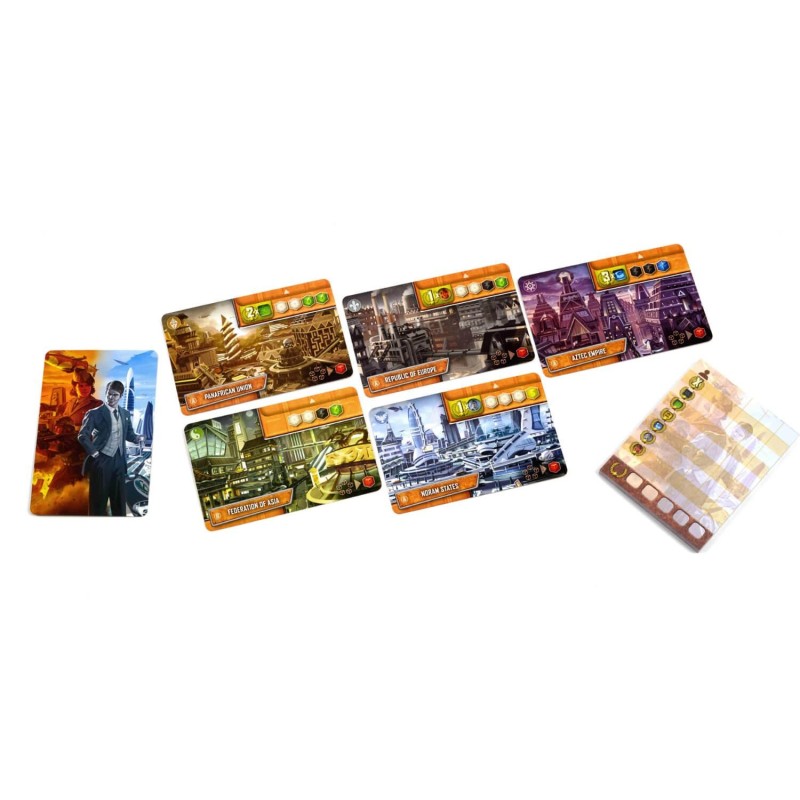
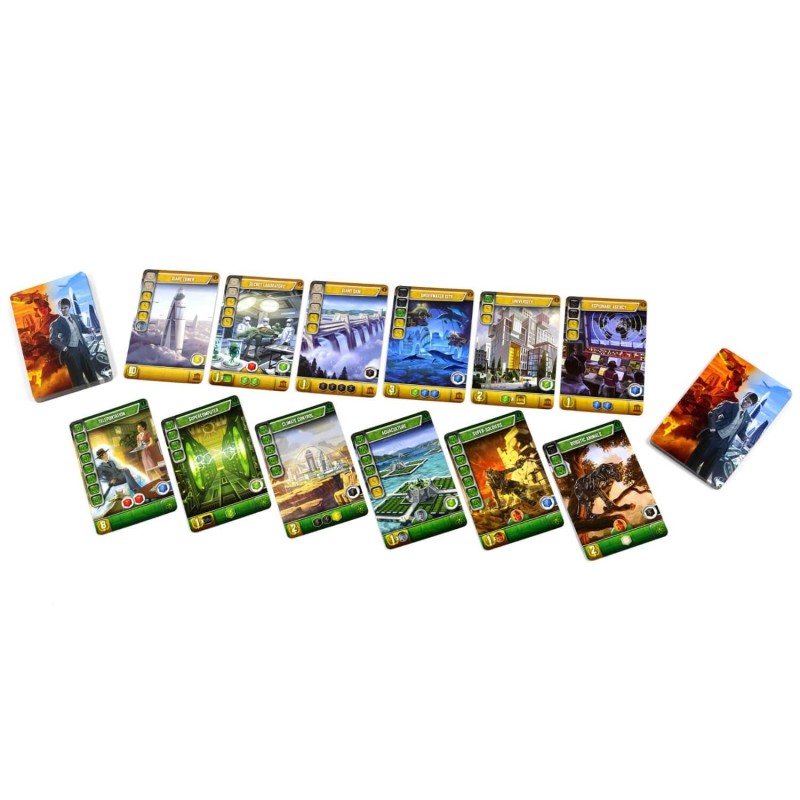
Race for the Galaxy's icon-only cards are the genre's famous wall — many symbols are just shapes you have to memorize. The repeated advice: push through three or four games before judging it, and it becomes one of the most-played games you'll ever own.
review-blog analysis & forum consensus
Ark Nova versus Terraforming Mars is THE debate. The common read: Ark Nova is the tighter, more modern, more replayable engine thanks to its action-card track, while Terraforming Mars is the beloved sprawling classic with a shared-progress theme. Both are heavyweights, neither is a gateway.
BoardGameGeek comparison threads
Res Arcana earns enormous respect for doing in twenty minutes what bigger games need two hours to do — a tiny hand of artifacts that combo into a magic engine — and it's repeatedly recommended over 7 Wonders Duel for fast, deep two-player.
BoardGameGeek & reviewer consensus
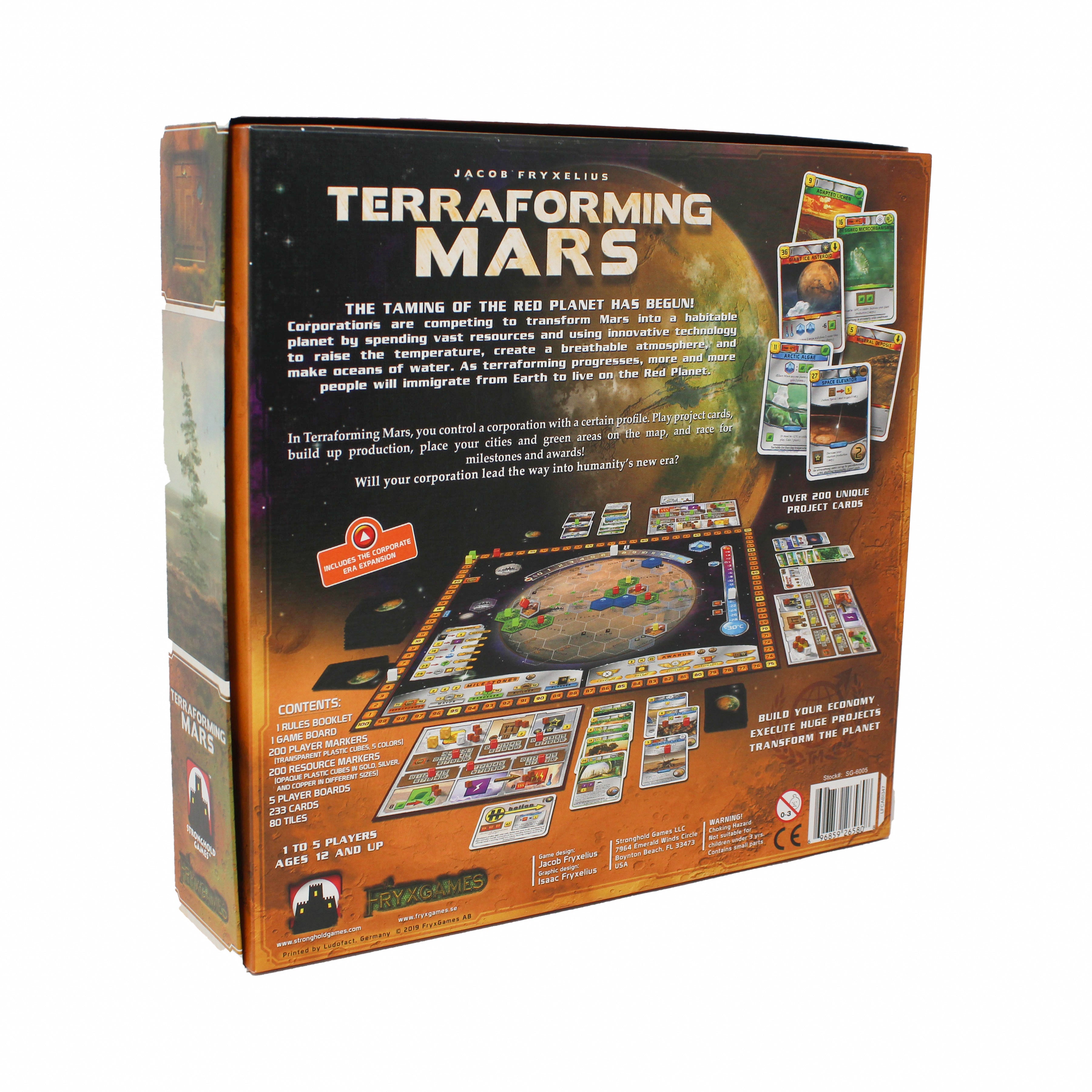
The community fix for Terraforming Mars's long, overwhelming opening is to add the Prelude expansion to jump-start your engine, or play the board-free Ares Expedition for an hour-long version — though Ares is noticeably weaker at two players.
reviewer & r/boardgames consensus
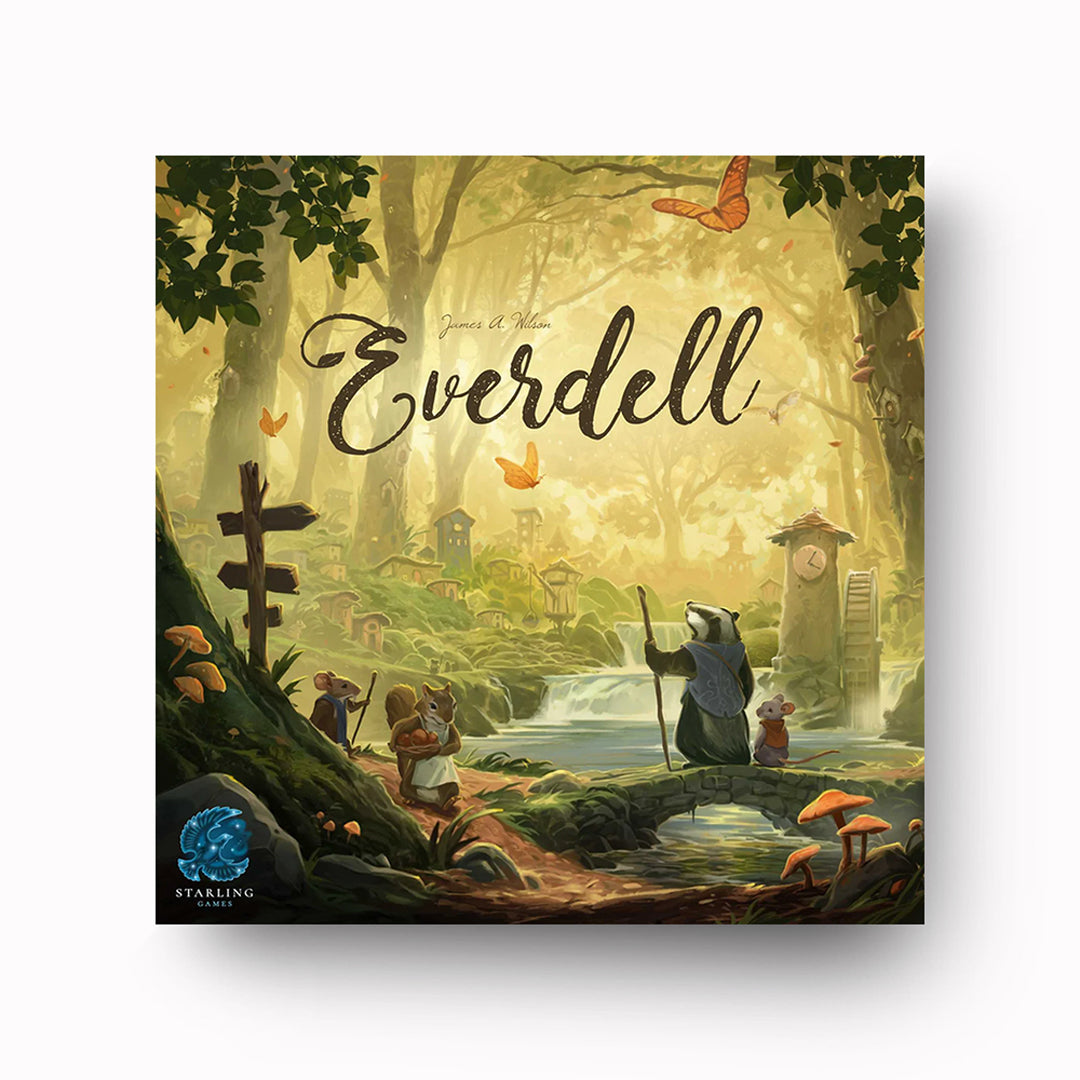
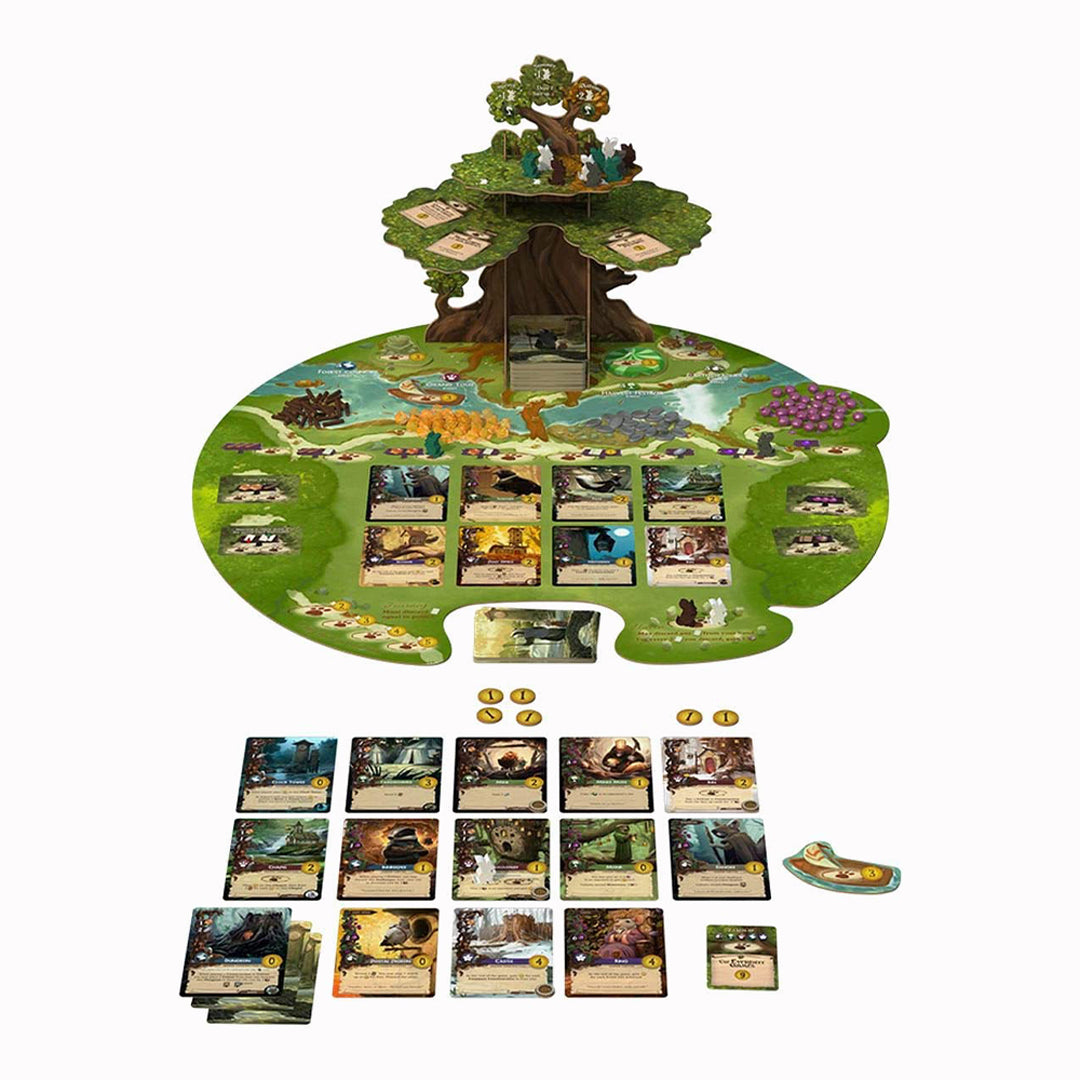
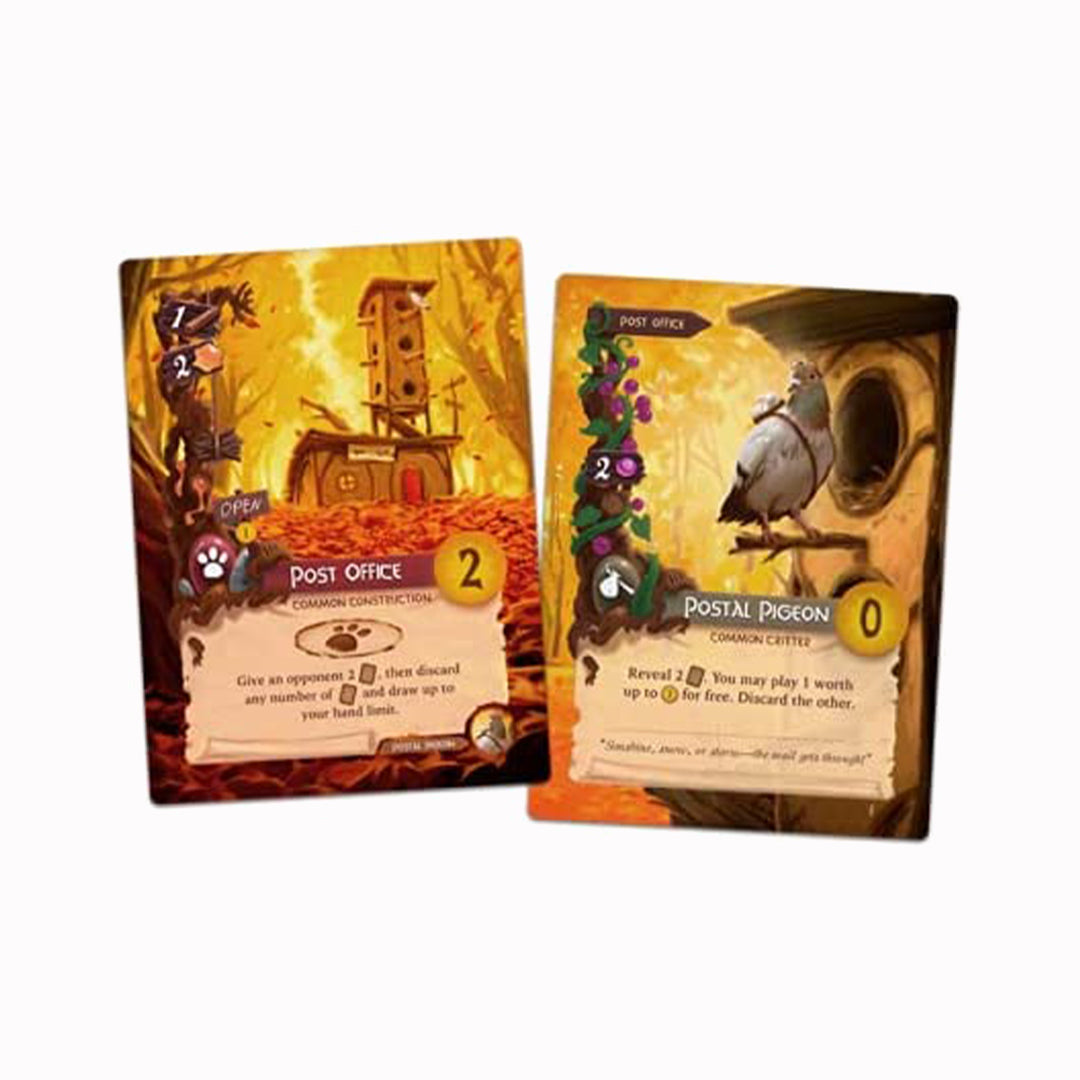
Everdell draws a recurring 'is it even an engine builder?' caveat — it's really worker placement with a point-scoring card tableau and heavy draw luck. People buy it for the gorgeous 3D Ever Tree and the theme as much as for the engine.
reviewer & forum consensus
Gizmos and Splendor are the two best games for teaching the mechanic — Gizmos literally shows chain reactions, Splendor is the purest gem-to-card snowball — but both have a low ceiling that heavy gamers graduate out of quickly.
hobby-blog & reviewer consensus
Veterans warn that 'engine builder' is an overly broad label. A game with combos and a snowball isn't automatically an engine — a true engine does work for you automatically, the way Dominion's deck starts handing you what you need late in the game. Knowing the difference helps you pick the right title.
BoardGameGeek design discussion & essays
The picks
Some links below are affiliate links — as an Amazon Associate, Puzzlewick earns from qualifying purchases, at no extra cost to you. It never changes a pick.
 4 photos
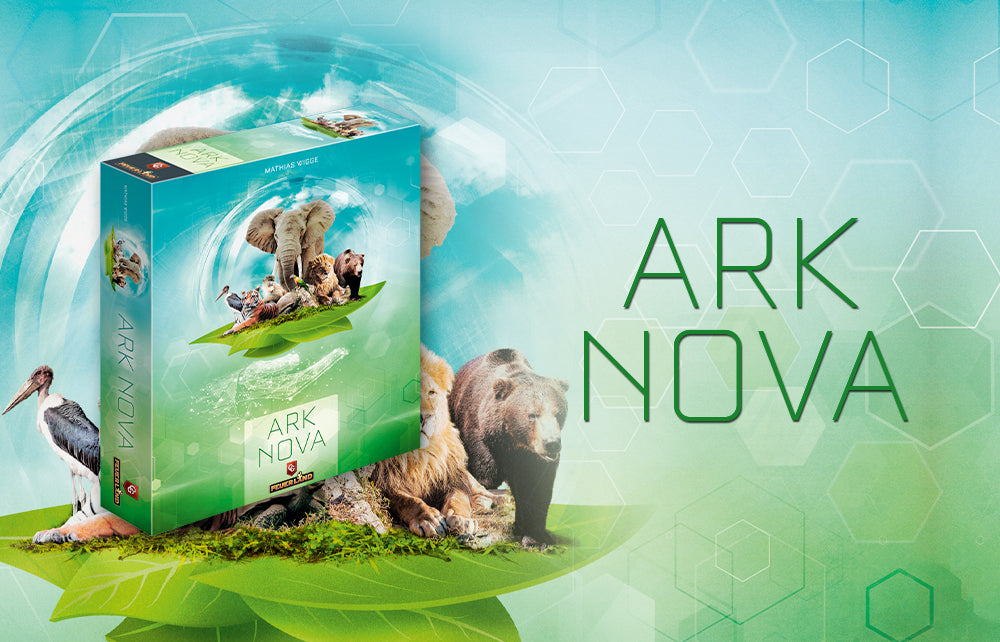
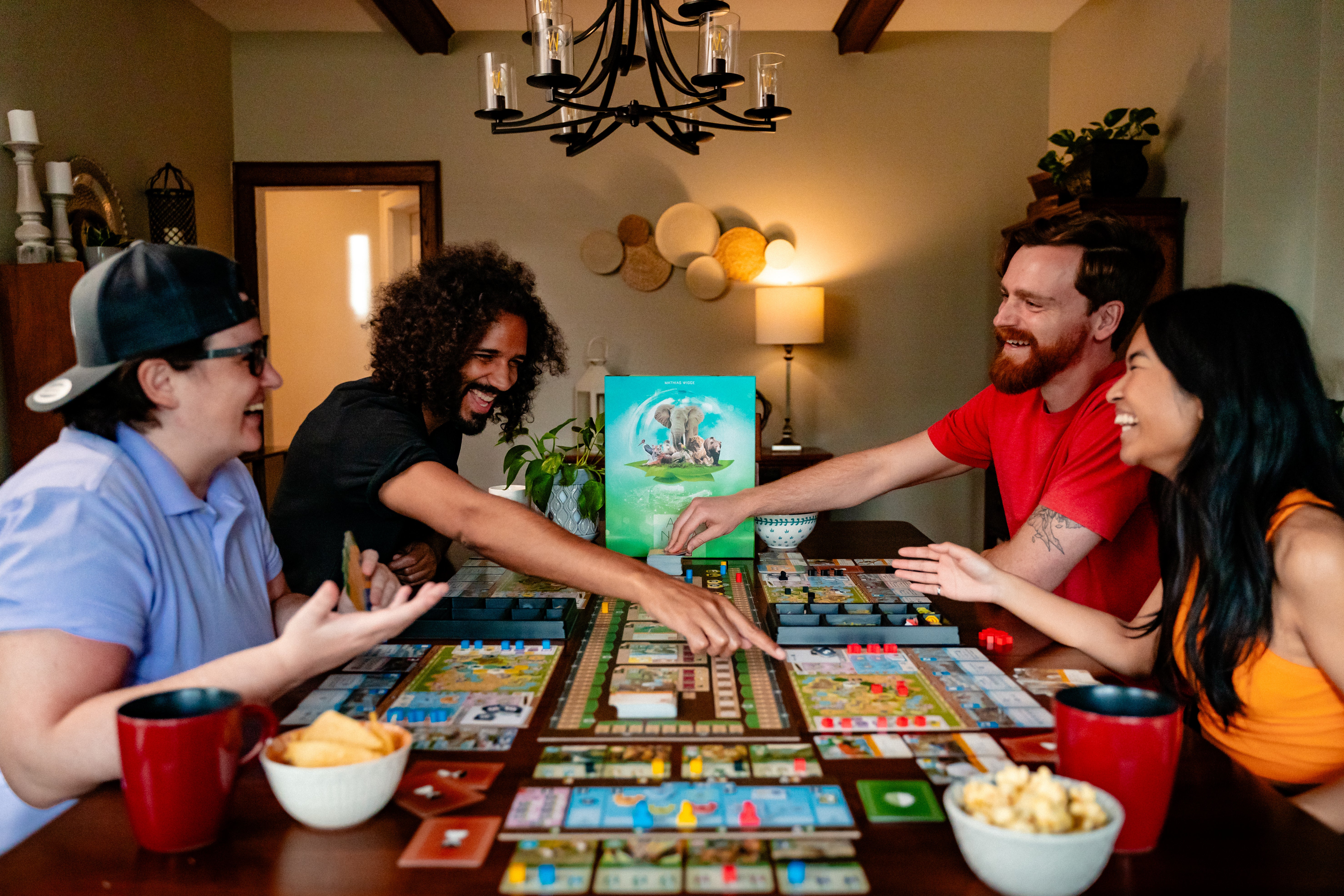
 Ark Nova
- Players
- 1-4
- Time
- 90-150 min
- Age
- 14+
- Complexity
- 3.8 / 5
- Publisher
- Feuerland Spiele · 2021
- Designer
- Mathias Wigge
- Art
- Loïc Billiau, Dennis Lohausen
 8 photos
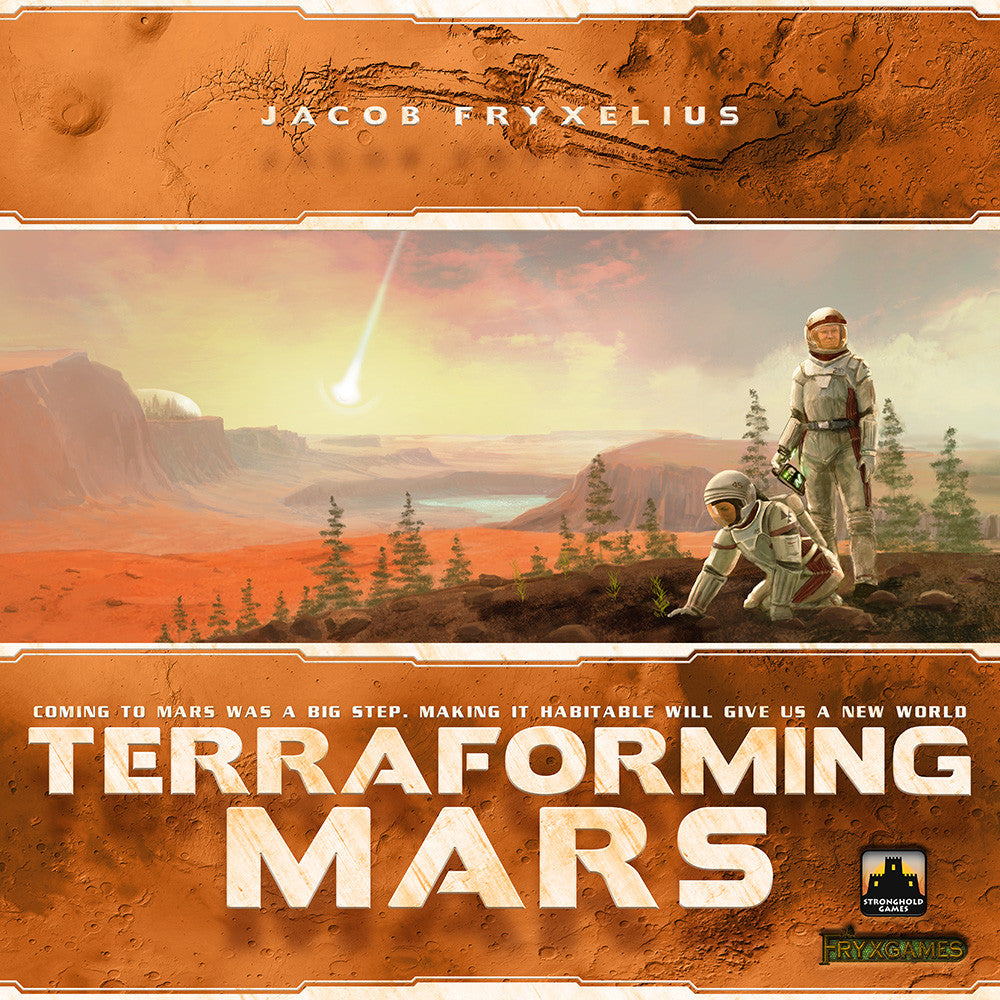
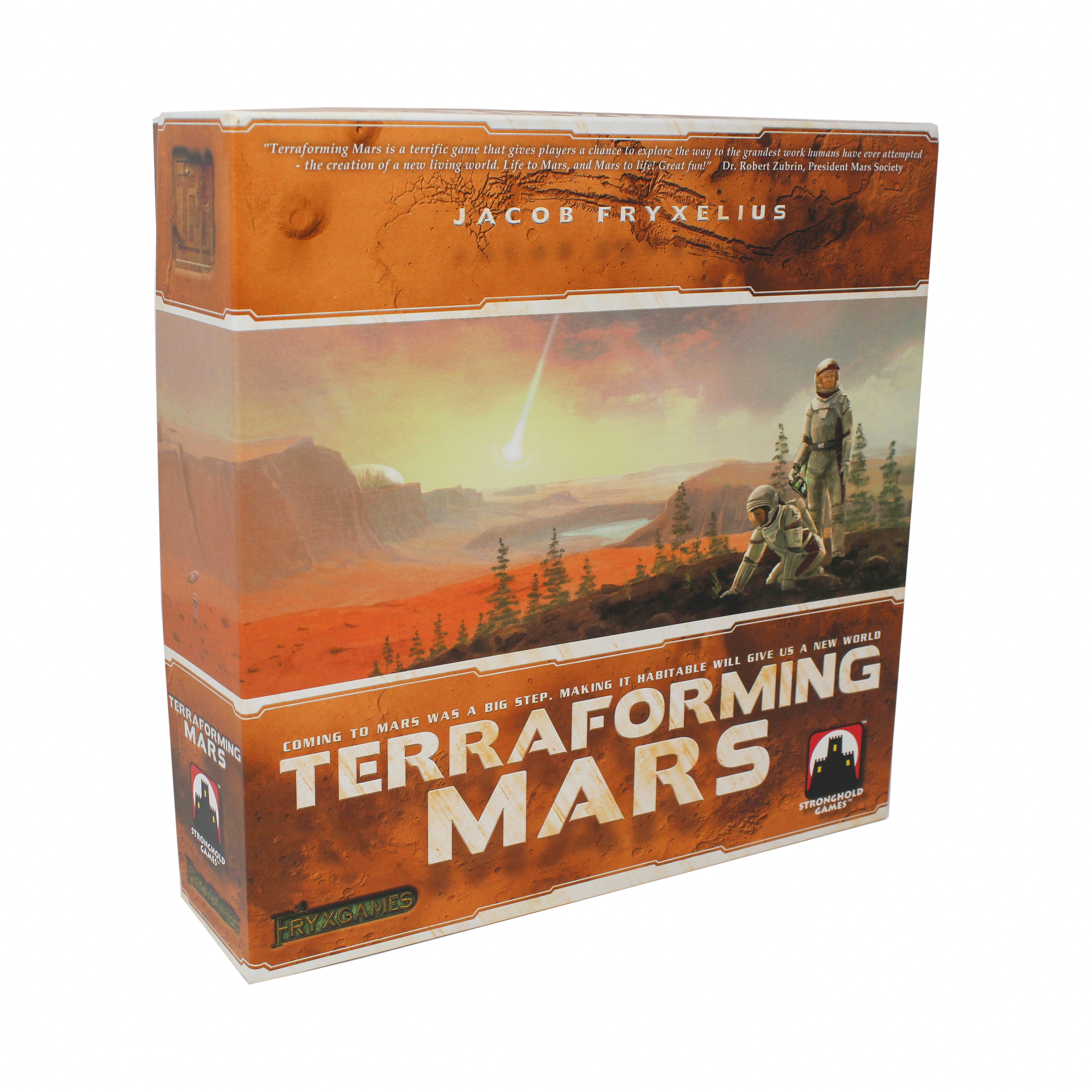
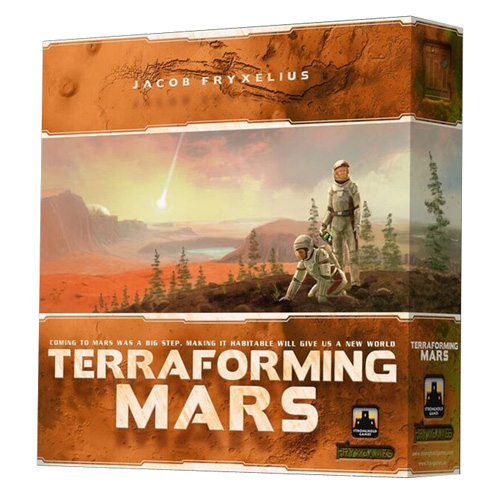
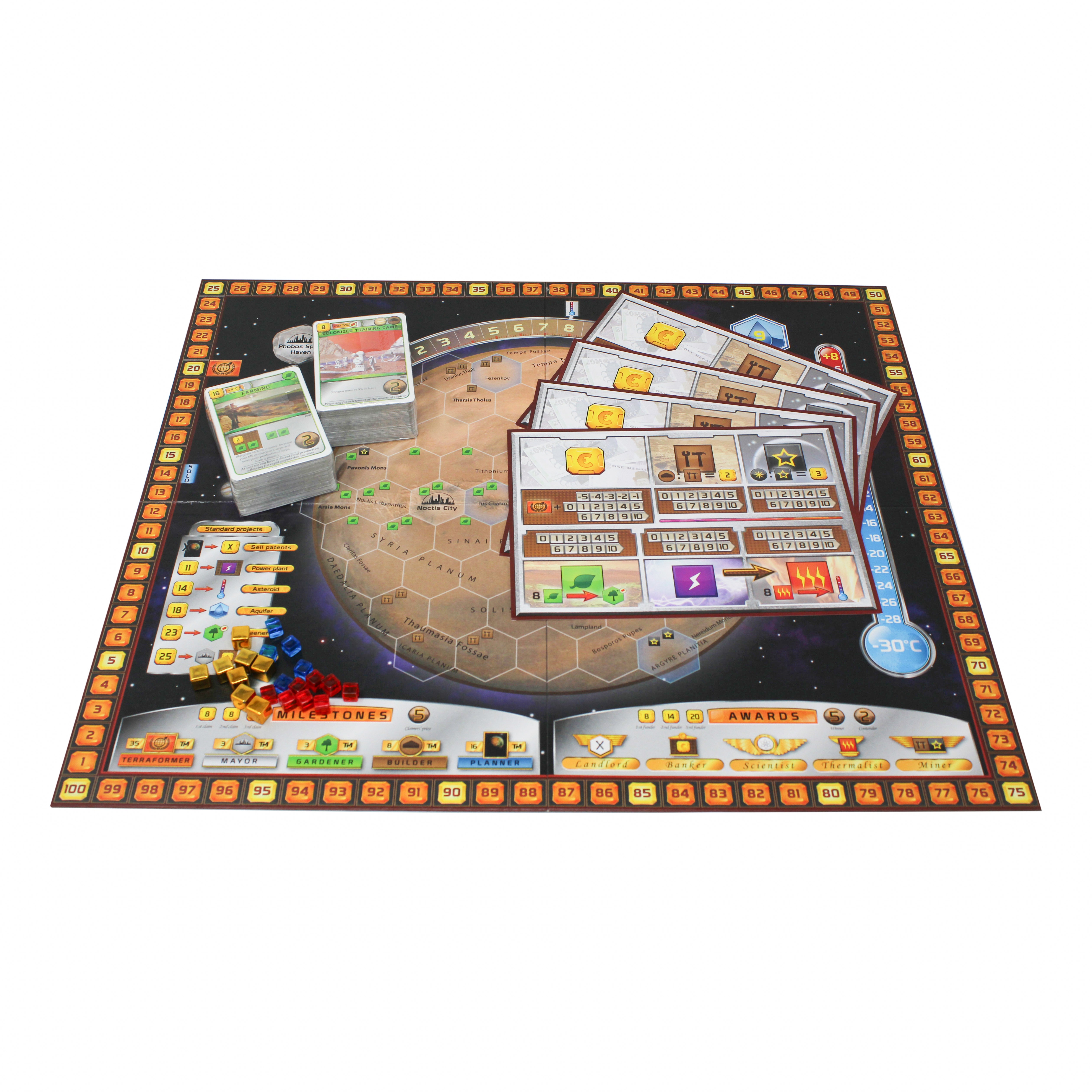
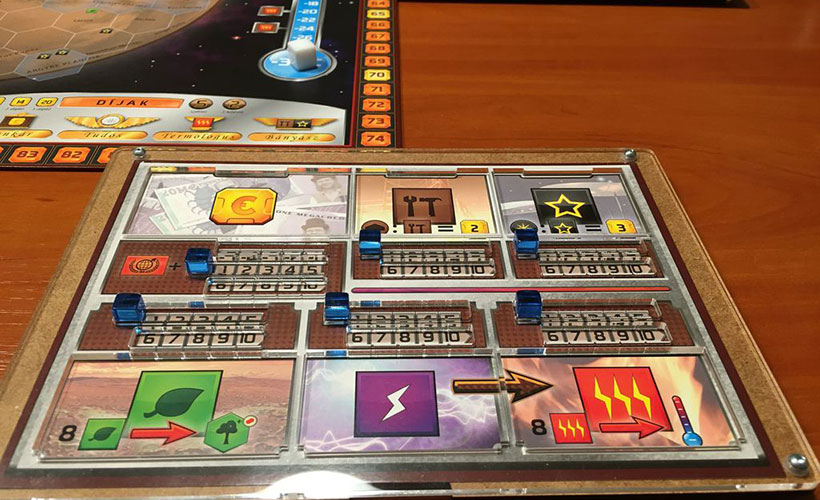
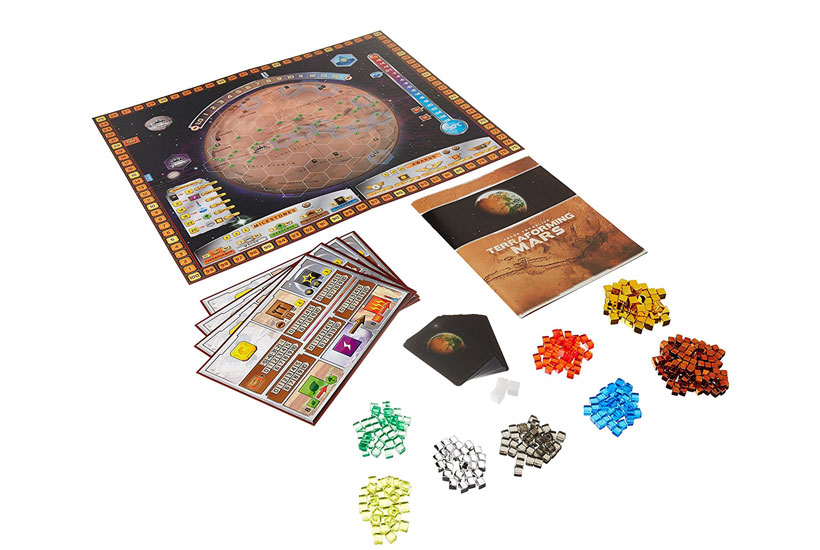
 Terraforming Mars
- Players
- 1-5 · best 3
- Time
- 90-120 min
- Age
- 12+
- Complexity
- 3.24 / 5
- Publisher
- FryxGames · 2016
- Designer
- Jacob Fryxelius
- Art
- Isaac Fryxelius
Wingspan
- Players
- 1-5 · best 3
- Time
- 40-70 min
- Age
- 10+
- Complexity
- 2.4 / 5
- Publisher
- Stonemaier Games · 2019
- Designer
- Elizabeth Hargrave
- Art
- Natalia Rojas, Ana Maria Martinez Jaramillo, Beth Sobel
 6 photos
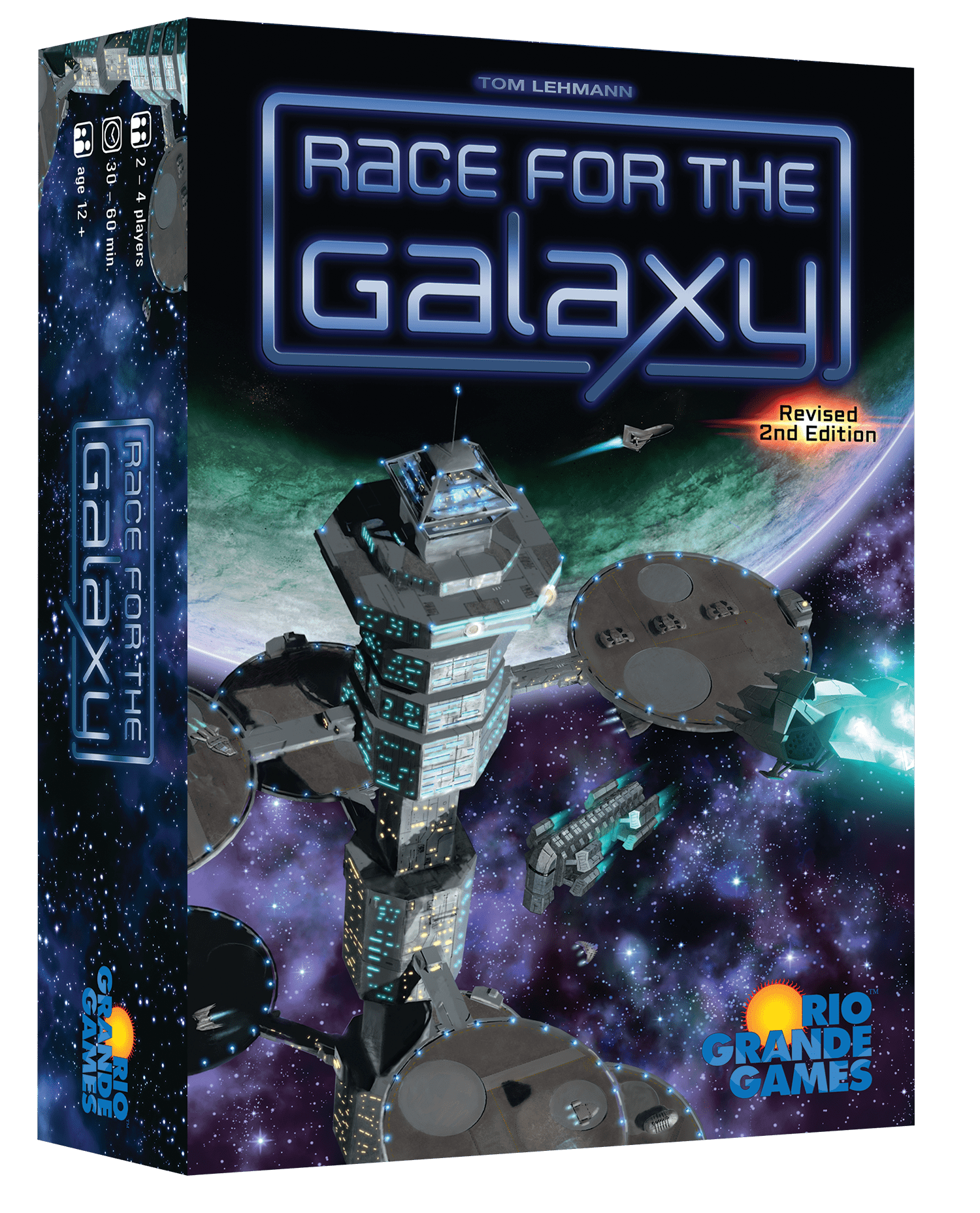
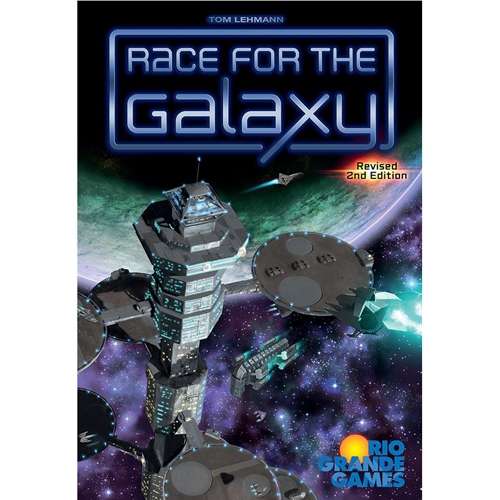
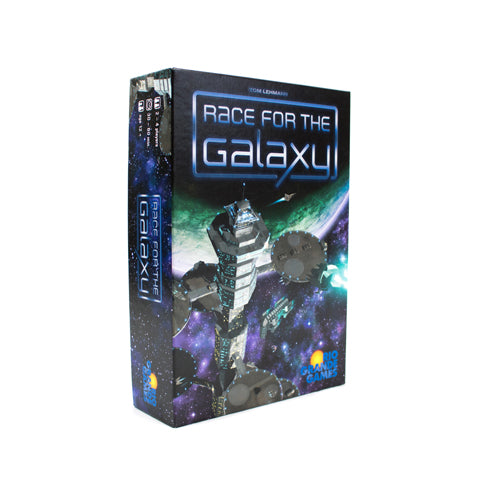
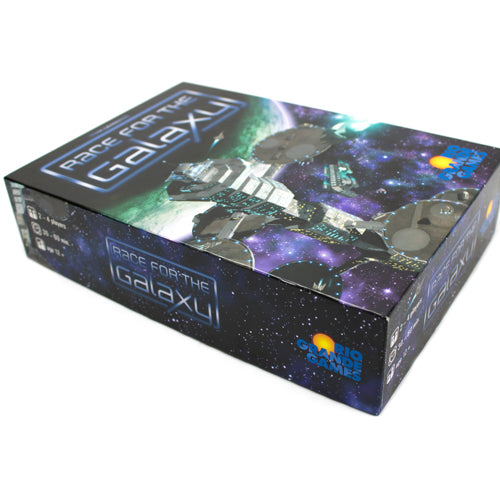
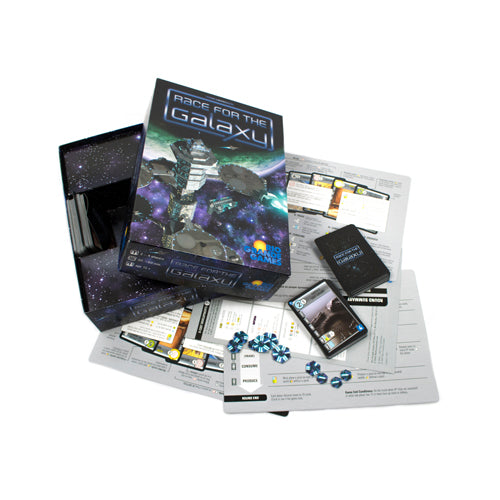
 Race for the Galaxy
- Players
- 2-4
- Time
- 30-60 min
- Age
- 12+
- Publisher
- Rio Grande Games · 2007
- Designer
- Thomas Lehmann
- Art
- Claus Stephan, Martin Hoffmann, Mirko Suzuki
 6 photos
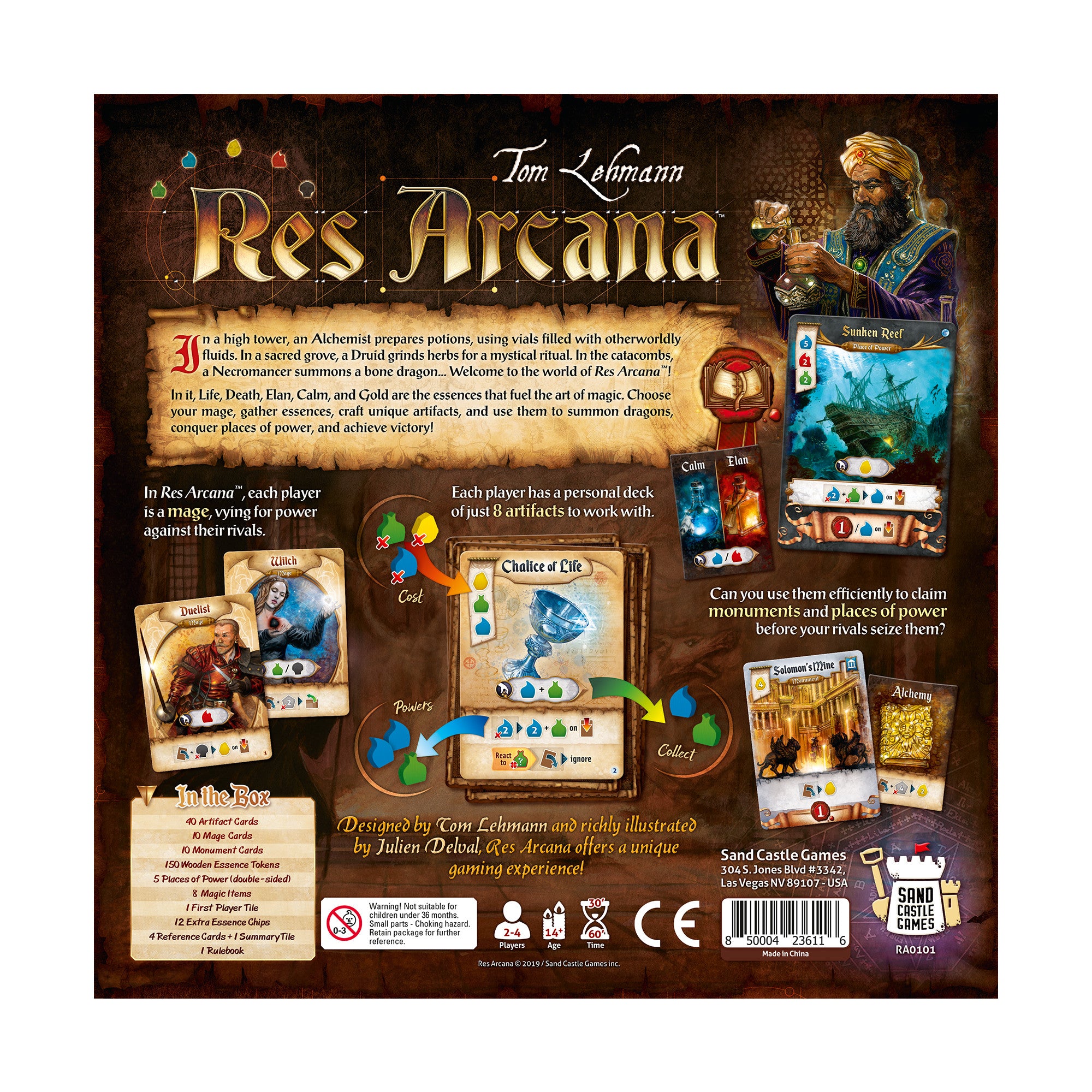
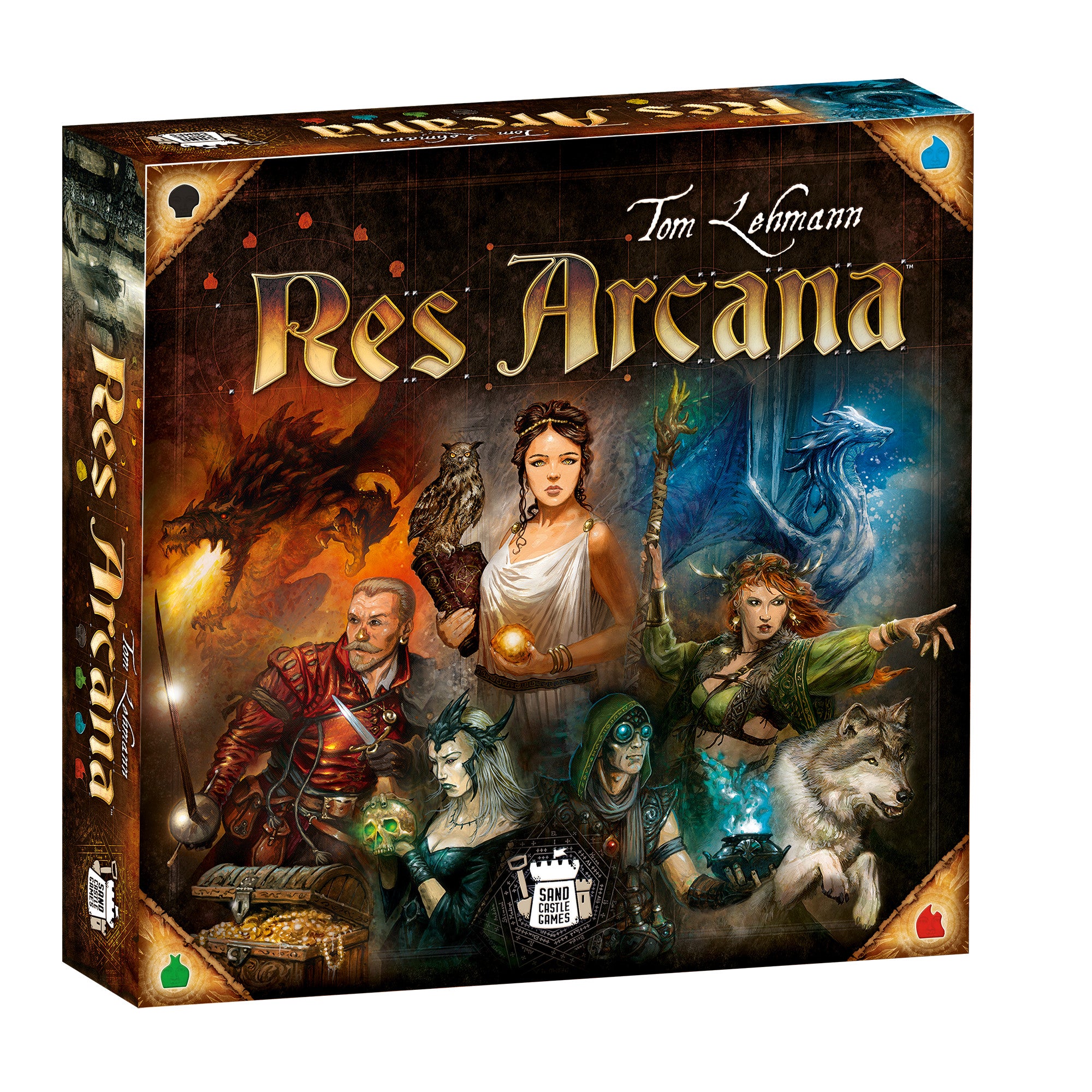
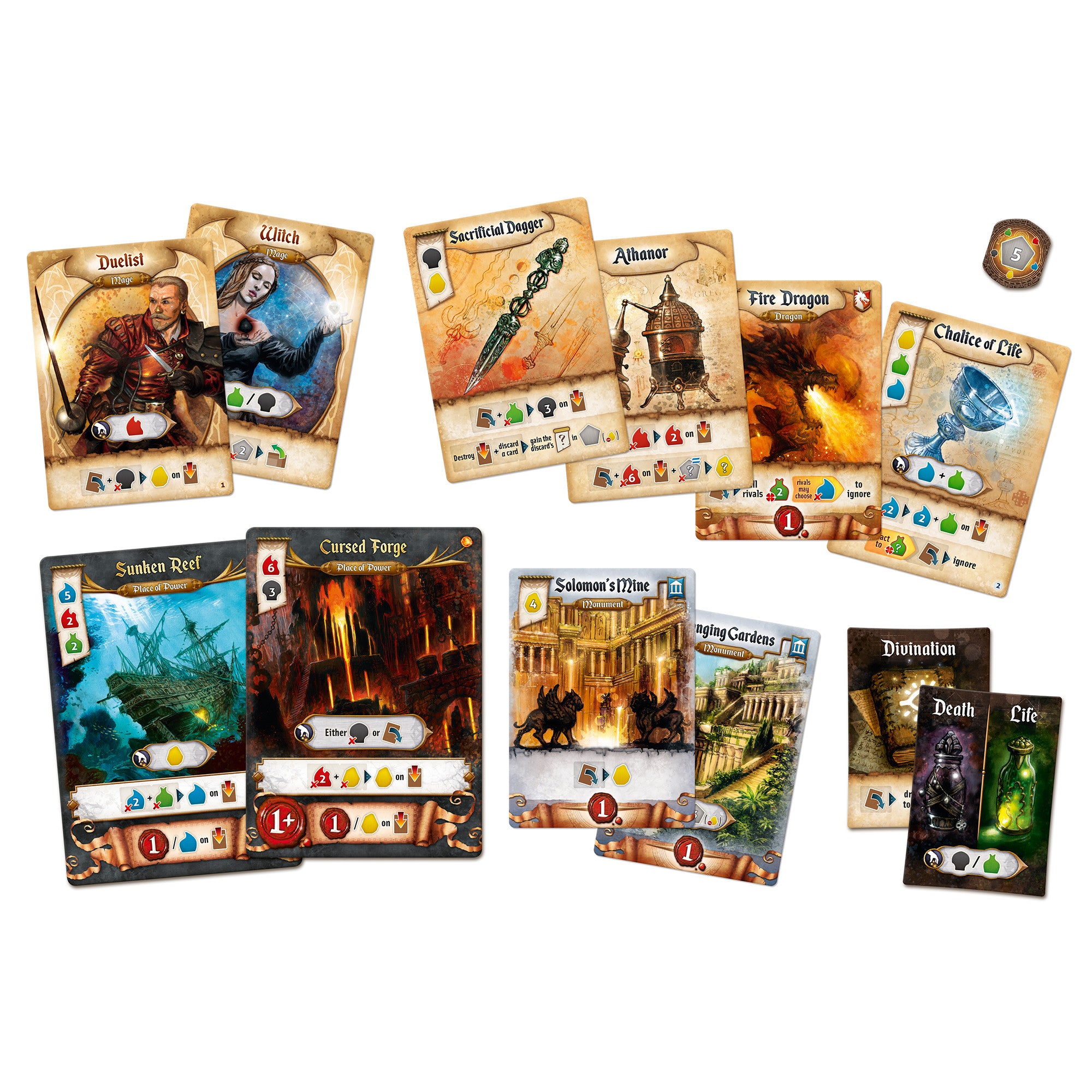
 Res Arcana
- Players
- 2-4 · best 2
- Time
- 20-60 min
- Age
- 12+
- Complexity
- 2.7 / 5
- Publisher
- Sand Castle Games · 2019
- Designer
- Thomas Lehmann
- Art
- Julien Delval

 6 photos
 It's a Wonderful World
- Players
- 1-5
- Time
- 30-60 min
- Age
- 14+
- Complexity
- 2.33 / 5
- Publisher
- La Boîte de Jeu / Origames · 2019
- Designer
- Frédéric Guérard
- Art
- Anthony Wolff
 3 photos
 Everdell
- Players
- 1-4
- Time
- 40-80 min
- Age
- 14+
- Publisher
- Starling Games · 2018
- Designer
- James A. Wilson
- Art
- Andrew Bosley
 7 photos
 Dominion
- Players
- 2-4
- Time
- 20-30 min
- Age
- 13+
- Publisher
- Rio Grande Games · 2008
- Designer
- Donald X. Vaccarino
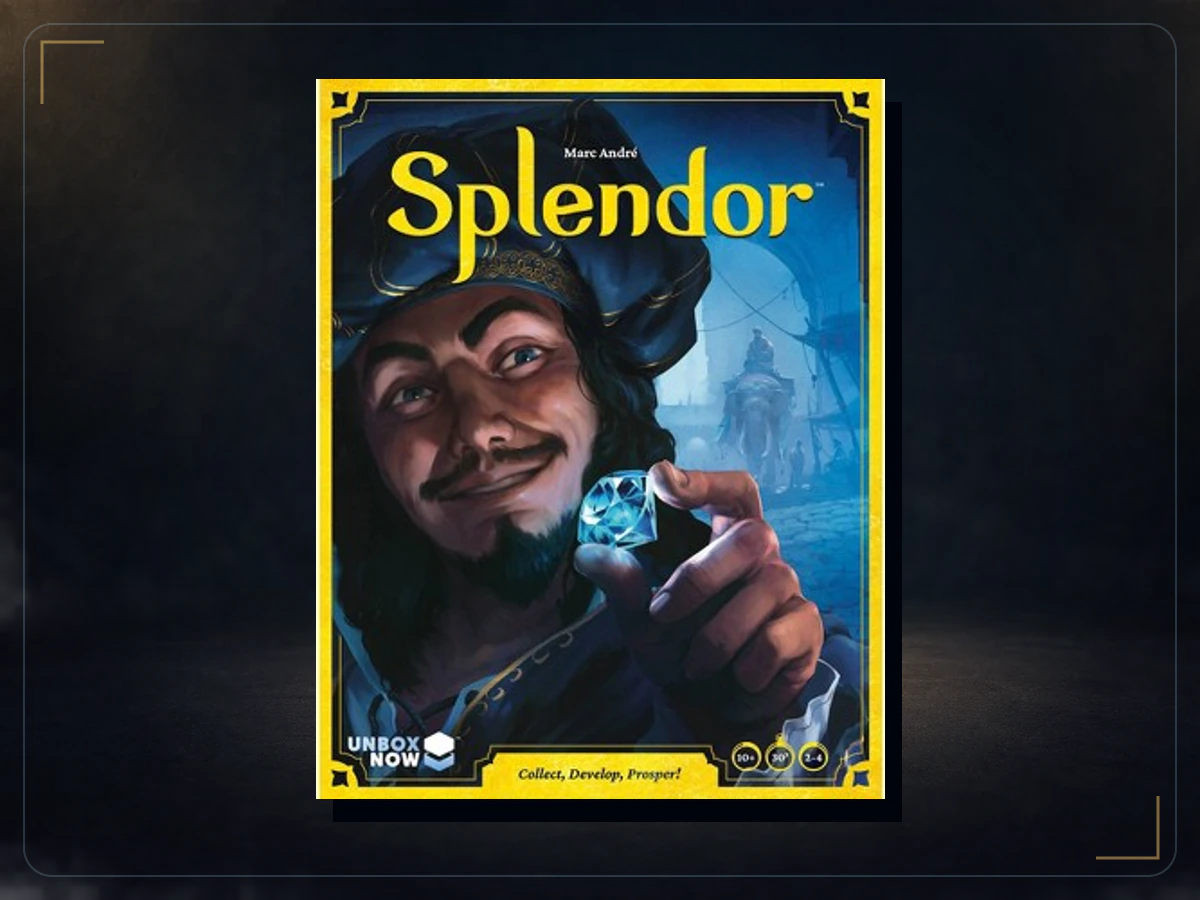
Splendor
- Players
- 2-4
- Time
- 30 min
- Age
- 10+
- Complexity
- 1.8 / 5
- Publisher
- Space Cowboys · 2014
- Designer
- Marc André
- Art
- Pascal Quidault
Questions, answered
What exactly is an 'engine-building' board game?
It is a game where you build a self-reinforcing system that converts resources into points, money, or actions with rising efficiency over time. You start weak, upgrade across the game, and eventually the system 'runs itself,' producing more each turn. Tableau builders (Wingspan, Terraforming Mars), deck builders (Dominion), dice builders (Roll for the Galaxy), and bag builders are all branches of the same family.
What's the best engine builder for a complete beginner?
Wingspan. It makes the snowball feeling obvious, it's beautiful, and it teaches itself. If you want something even lighter and shorter, Splendor or Gizmos are the cleanest 'this is what an engine is' introductions, both in the 30-to-40-minute range.
Ark Nova or Terraforming Mars — which heavyweight should I get?
Both are excellent two-hour-plus brain-burners. Ark Nova is the tighter, more modern, more replayable engine — its action-card track creates constant tension and the card pool is enormous. Terraforming Mars is the beloved classic with a shared-progress theme and decades of expansions. If you want the freshest design, the community leans Ark Nova; if you want the genre touchstone, take Terraforming Mars.
Is Race for the Galaxy really worth pushing through the learning curve?
Yes, according to most who own it. The icon-only cards are genuinely hard for the first three or four games, but once the symbols click it becomes one of the fastest, deepest, most replayable card engines you can own — many players name it their most-played game ever. If the wall worries you, Roll for the Galaxy (the dice version) is a gentler entry to the same system.
Is Everdell actually an engine builder?
Only partly. It's primarily a worker-placement game with a card tableau that combos for end-game points, plus a lot of card-draw luck. It has engine elements, but for pure, efficient engine-building, Terraforming Mars or Race for the Galaxy deliver more. Most people buy Everdell for its theme and the showpiece 3D Ever Tree — and on those terms it's worth every cent.
Which engine builders play best at two players?
Res Arcana is designed to shine head-to-head in about twenty minutes; Wingspan (with its Duet and automa modes) and base Terraforming Mars also play great at two. Note that Terraforming Mars: Ares Expedition is specifically weaker at two players, so prefer the original or Res Arcana for a two-player engine night.
Kenji's verdict
Here is the sensei's ruling. Buy Wingspan first — it is the truest teacher in the genre and the right gift for nearly any table. When the click no longer surprises you, climb to Ark Nova, our number-one game and the deepest, most replayable engine built to date; take Terraforming Mars instead only if you want the beloved classic over the modern champion. For a fast, brilliant two-player night, Res Arcana does in twenty minutes what others need two hours to manage. And whatever you bring to the table, remember the one teaching that outranks every ranking on this page: build the machine, yes — but turn it on. An engine you never fire scores nothing.
Still deciding? Take the Game-Finder — answer seven quick questions and the cabinet hands you the one board game built for your table, with a buy link and your own shareable player talisman.
Research ledger 8 sources · reviewed 2026-07-17
Specifications, rules, current product information, community experience, and contrary evidence were checked against the sources below. Commercial links are kept separate from editorial evidence.
- stonemaiergames.comstonemaiergames.com/games/wingspan
- asmodee.co.ukasmodee.co.uk/products/hpggsuh2600-everdell
- fryxgames.sefryxgames.se/game/terraforming-mars
- capstone-games.comcapstone-games.com/products/ark-nova
- stonemaiergames.comstonemaiergames.com/games/wyrmspan
- insideupgames.cominsideupgames.com/product/earth
- riograndegames.comriograndegames.com/games/race-for-the-galaxy
- boardgamegeek.comboardgamegeek.com/boardgame/266192/wingspan
Every object has a lineage. Let me tell you its story.

Keep exploring
The next smart rabbit holes.
✦ Topic PathBoard Game Buying Guides: compare the whole shelfStart with the decision, not the shelf. These guides compare the games, editions, expansions, player counts, and costs people...ComparisonBest Deck-Building Card Games 2026: Dominion, Aeon's End, Marvel ChampionsDominion, Aeon's End, Clank!, and Marvel Champions solve deckbuilding in radically different ways. Here is the best first box, the real...Strategy GuideWingspan Strategy Guide: How to Build a Point Engine That SnowballsMost players lose Wingspan by collecting pretty birds. Winners build a machine. Here is how to read the board, sequence your turns, and...