Elder Scrolls BOTSE Buying Guide: What to Buy in 2026
The complete 2026 BOTSE guide: core, every expansion, pledge tiers, solo play, storage, first builds and the honest $845 verdict.


AI-assisted research and drafting in Dax’s voice · reviewed by Robert Pruitt · how this guide was made
Last editorial refresh: 2026-07-13 Gold-standard QA: 2026-07-13 25 sources reviewed Affiliate links checked during gold-standard pass

The short answer
Buy the core game first. It is a complete three-session campaign system, not a starter shell. Add Heroes of Tamriel only after repeated plays expose the narrow damage-build pool; add a region only when you want a genuinely new map and quest texture. Skip premium storage and the $845 all-in pledge until the game has earned permanent table space.
Decision map
Choose in thirty seconds
every new player
the first expansion bought at retail
Betrayal of the Second Era is a magnificent, expensive answer to a very specific appetite: tactical chip combat, rapid character growth, and three connected evenings in Tamriel. This refresh separates playable value from pledge-page gravity, using current publisher facts, the rulebook, recent owner threads, and the complaints that only surface after the first campaign.
Dax's loadout oracle
Build the right Tamriel pledge
Set the shelf, goal and real spending ceiling. The recommendation will never exceed it.
Core game only
Even with a larger budget, your goal is to prove the system. Buy the complete core, finish one three-session campaign, and make the next box earn its place.
- Buy later
- Valenwood or the New Gameplay Bundle after a full campaign
- Skip
- Every cosmetic upgrade
No purchase fits this cap yet. The recommendation above shows the next honest threshold.
Start here, then go deeper
You are in the right cabinet.
 ✹ Universe HubThe Witcher: the whole buying pathThe Witcher board-game shelf can become expensive fast: Legacy pledges, Old World add-ons, shaded miniatures, scenario packs,...
 ✦ Topic PathBoard Game Buying Guides: compare the whole shelfStart with the decision, not the shelf. These guides compare the games, editions, expansions, player counts, and costs people...
 Best OfFive Grail Board Games: Which Big Box Fits Your Table?Choose War of the Ring for a recurring rival, Eclipse for a systems-focused competitive group, Nemesis for uncertain survival, Frosthaven...
What should a new player buy first?
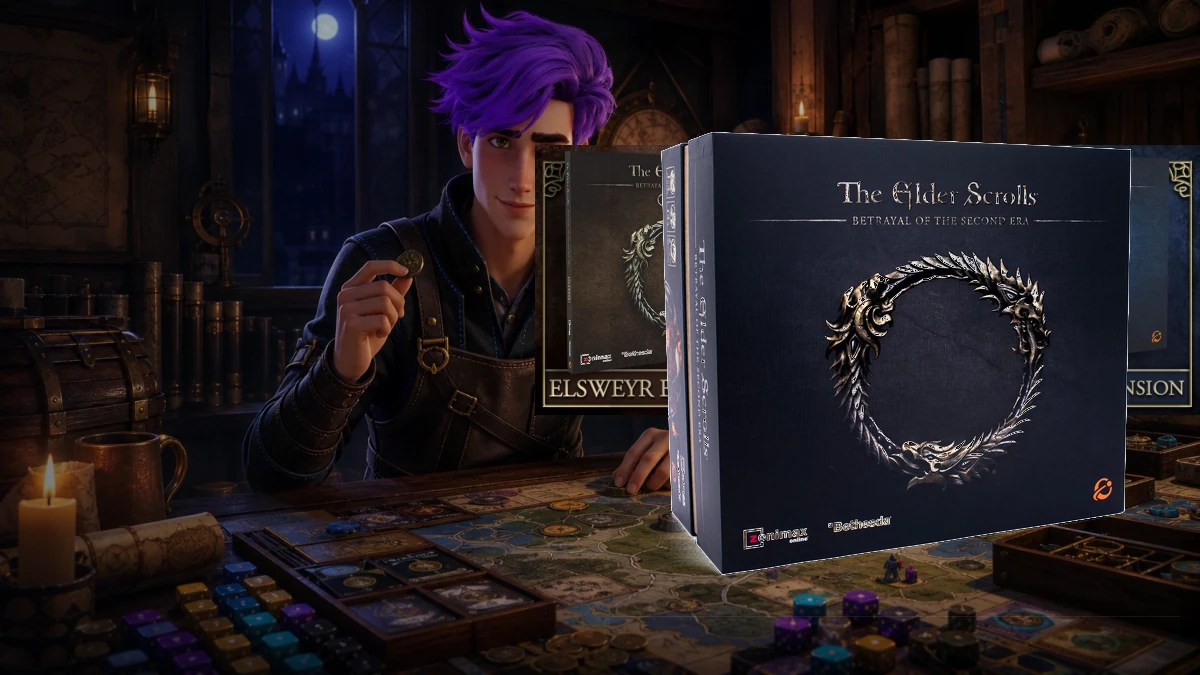
Buy the core game and stop. The core is already a complete 1-4 player game with five provinces, 15 classes, 20 races, nine guilds, 24 skill lines, a huge item pool, and the full three-act campaign structure. The expansion page makes the base box look like a foundation awaiting walls; at the table it feels more like a furnished fortress.
The exception is regional scarcity. If importing later will be punishing where you live, Valenwood is the only defensible blind add-on because it mixes into the base box cleanly and adds both a province and useful skill lines. Everywhere else, finish one campaign first. A discounted expansion for a game you do not replay is still an expensive box.
The core is not a starter set. It is the game.
What kind of game is BOTSE, and is the base game enough?
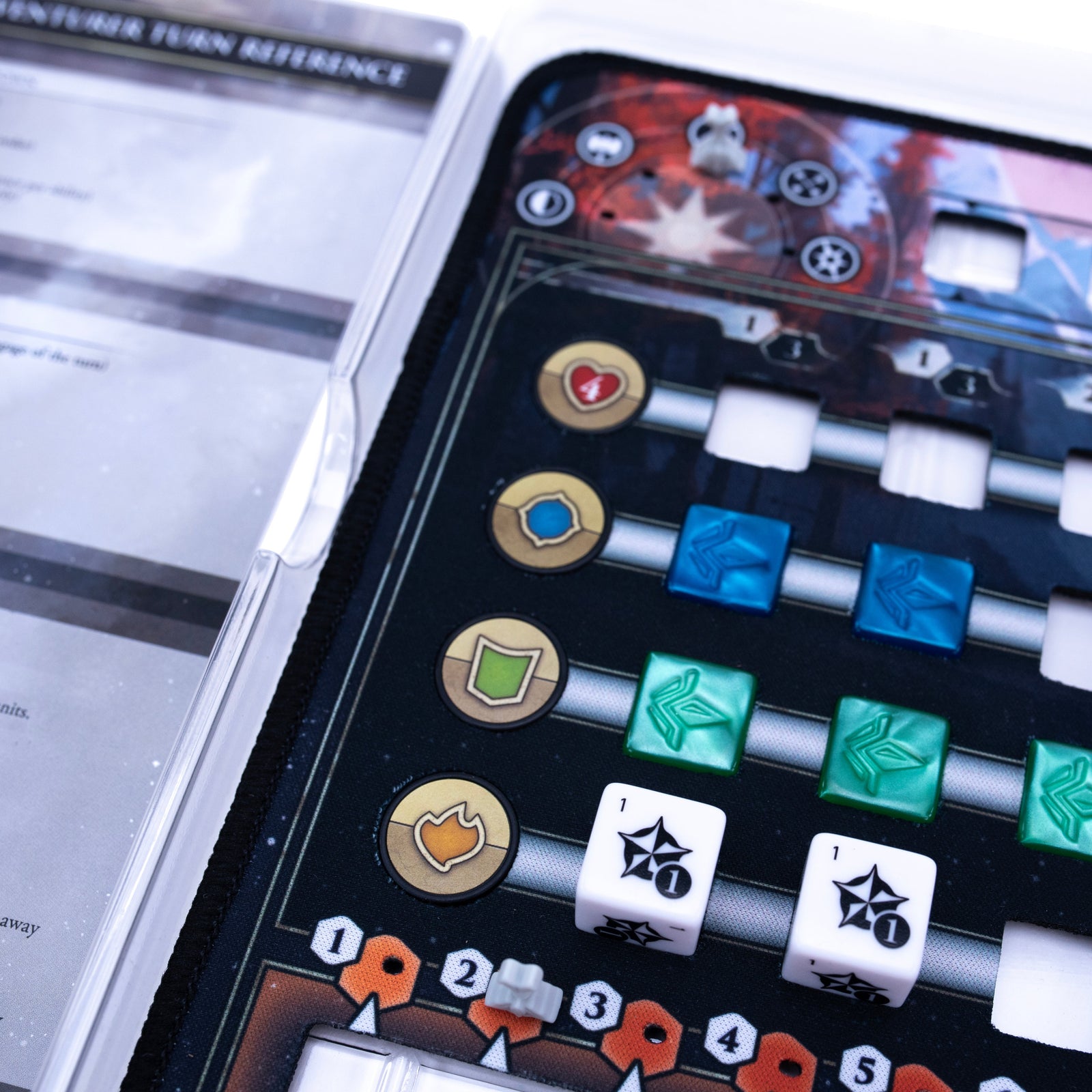

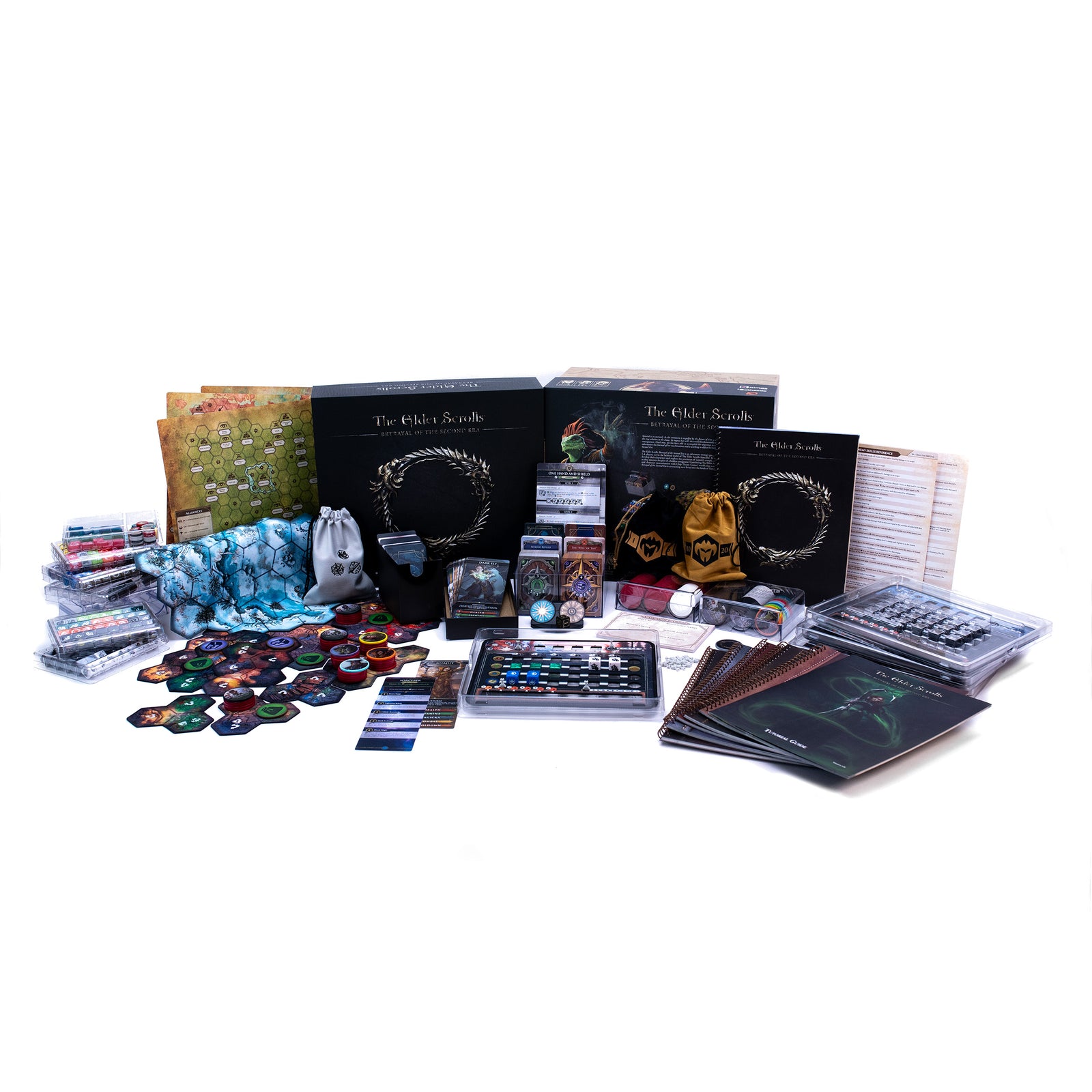
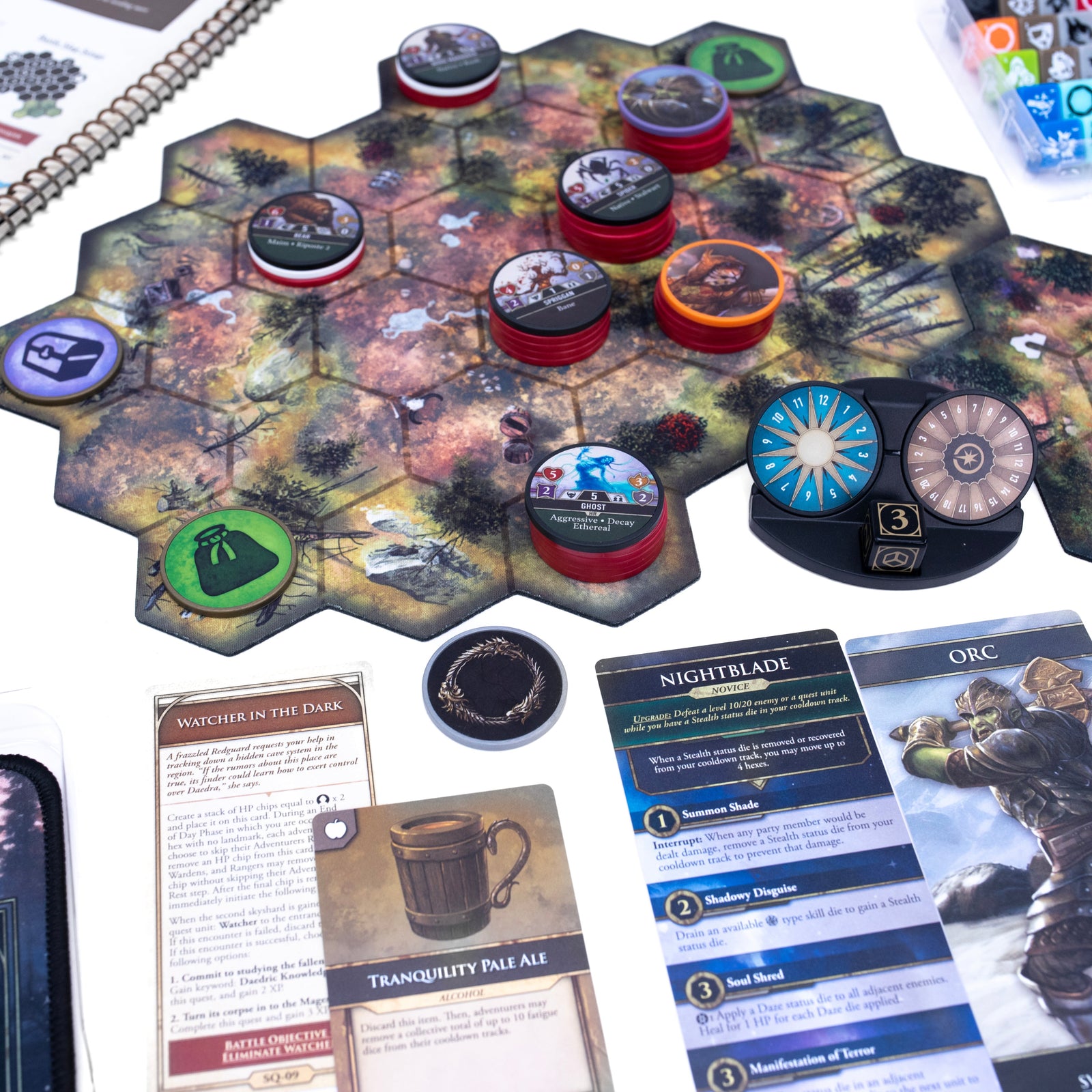
This is a cooperative tactical adventure and character-building game, not tabletop Skyrim. A campaign is three linked sessions. You travel across a province, resolve encounters, develop skills, buy equipment, enter clashes and delves, save your state, and return for the next act. The strongest pleasure is not branching narrative; it is watching a rough level-one concept become a precise machine.
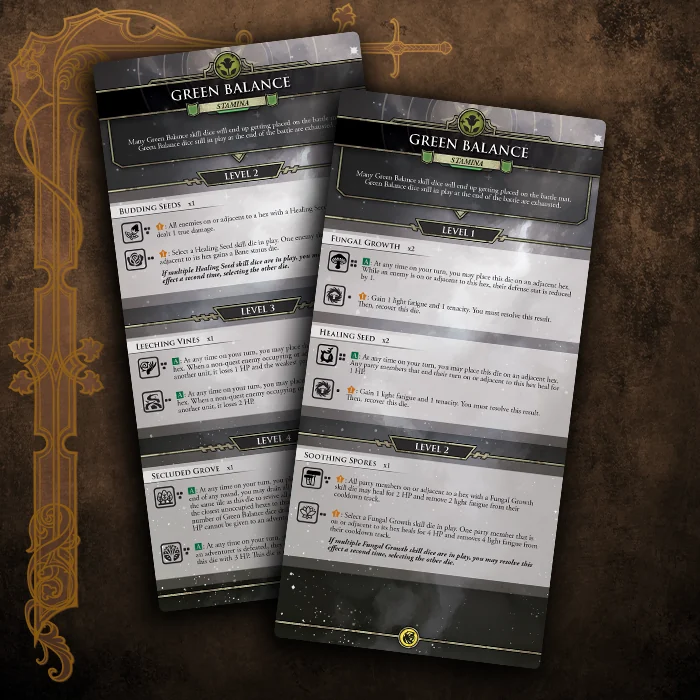
The base game has abundant quests, enemies, regions, guilds, items, and race/class combinations. Its thinner seam is offensive build variety. Recent owners repeatedly praise the amount of content while noting that reliable damage can pull builds toward the same few skill lines. That makes the base box complete for learning and several campaigns, while making character-focused expansions more valuable than another map for long-term lifestyle players.
Which 2026 pledge tier is actually worth it?
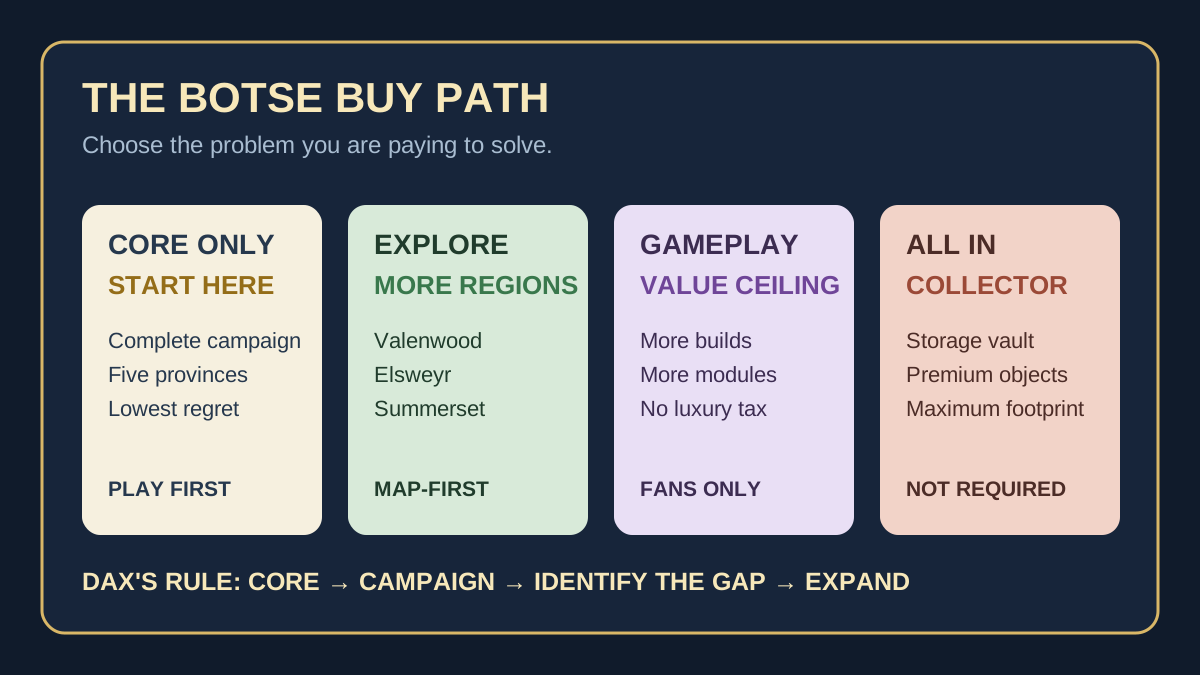
The right tier depends on what you want more of. Core Only is the smart trial. Explore Tamriel is for players who want regions and quest texture. All Gameplay is the long-term value ceiling because it adds character, transformation, and difficulty modules without charging for display luxuries. All In is a collector purchase, not a gameplay recommendation.
Treat every campaign price as a snapshot and verify the live pledge manager before paying. The new wave was estimated for November 2026, so these are future-delivery purchases, not products you can assume will arrive for next weekend.
Which expansion should you add first?
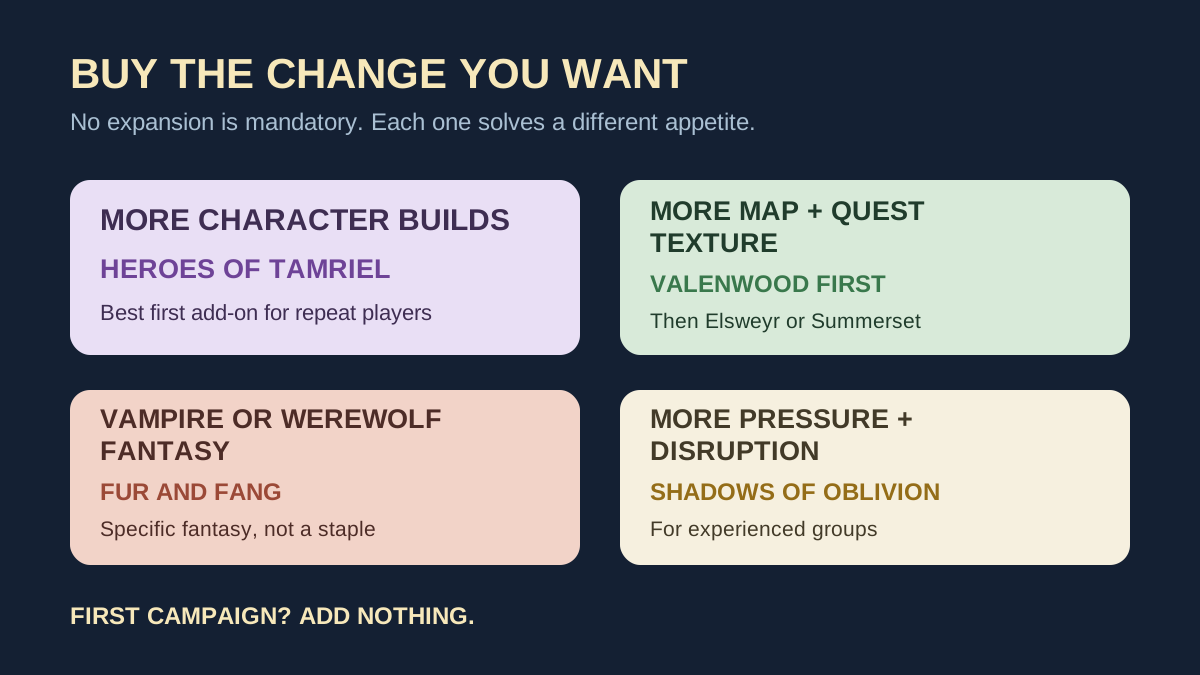
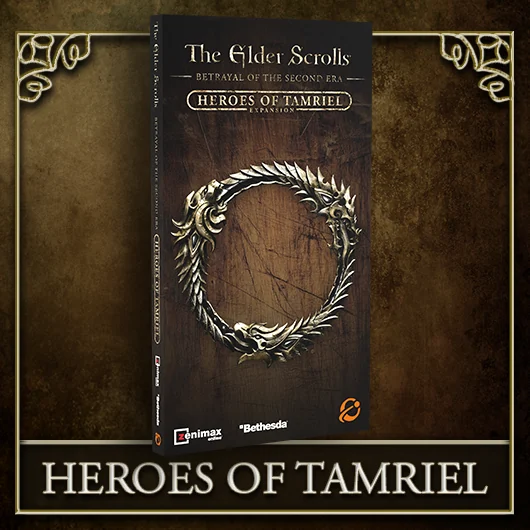
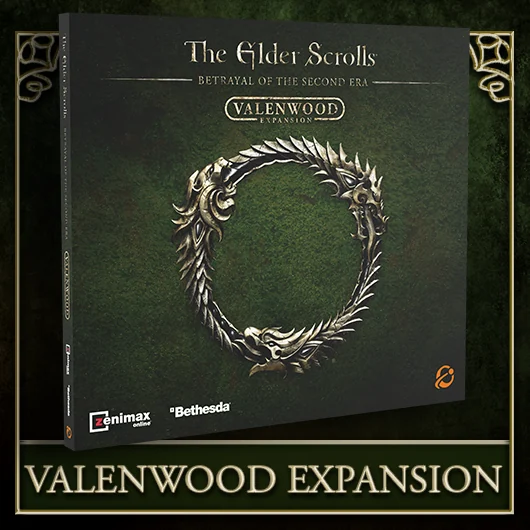
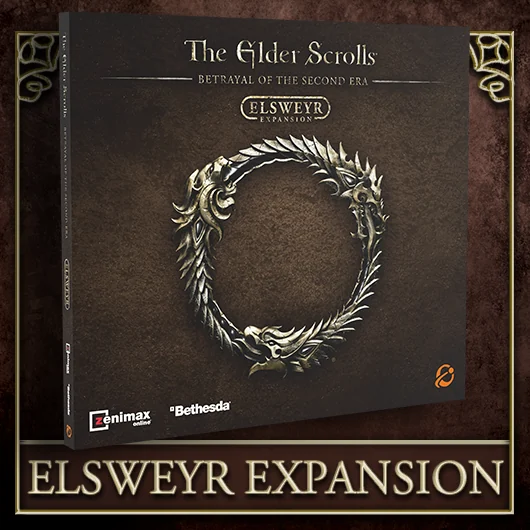
For most repeat players: Heroes of Tamriel first. It attacks the most commonly reported longevity issue by widening classes, skill lines, and racial options. Valenwood is the best first regional expansion because it adds a full province plus Light Armor, Illusion, and Legerdemain. Elsweyr is the physical-combat and dragon fantasy. Summerset leans magical and support-heavy.
Fur and Fang is for players who specifically want vampirism and lycanthropy. Shadows of Oblivion is for groups that already understand the system and want Daedric pressure to disrupt comfortable builds. Neither belongs in a first teach. This is a menu, not a checklist.
Do you need the Guild Vault or premium accessories?
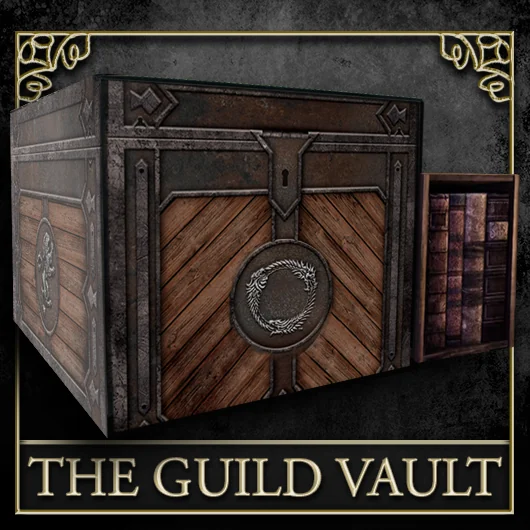
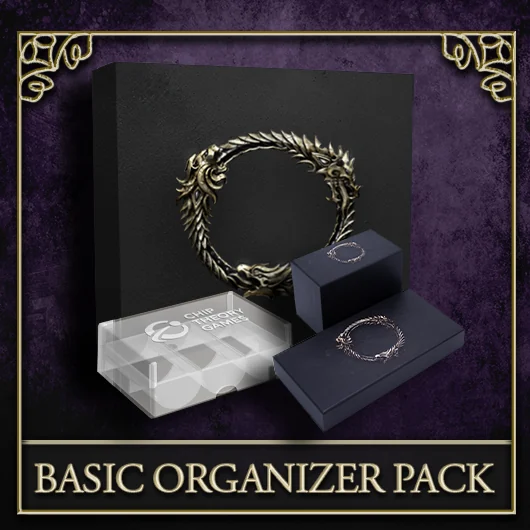
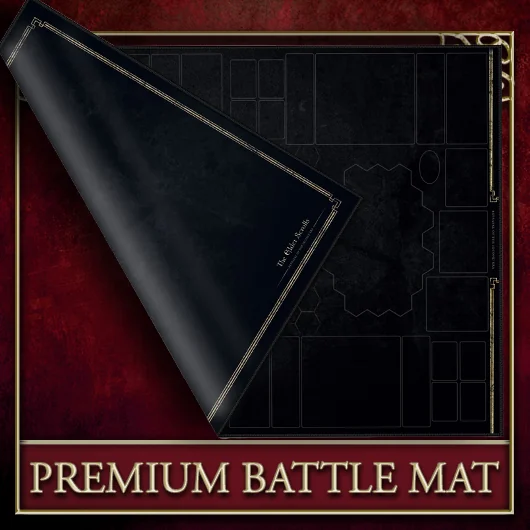
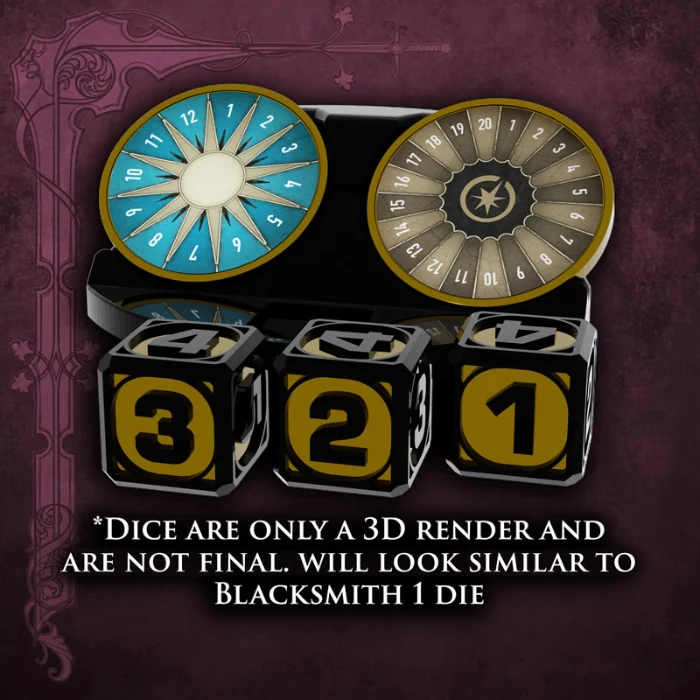
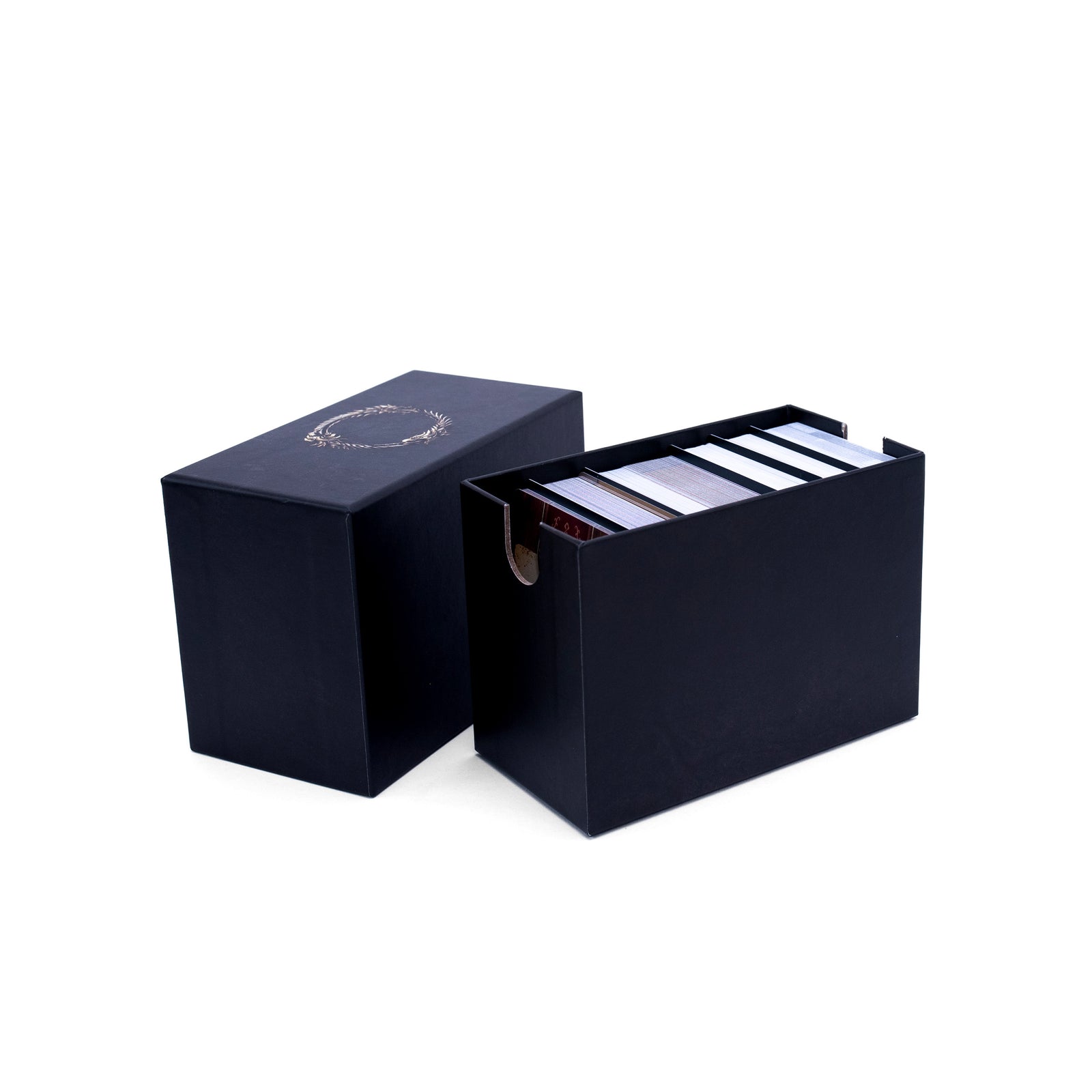
No accessory is required to play. The core trays are useful and the base box unpacks well. Expansion content creates the storage problem. The basic organizer is the practical choice for modest expansion ownership; the Guild Vault is for a collection that has already outgrown the core box.
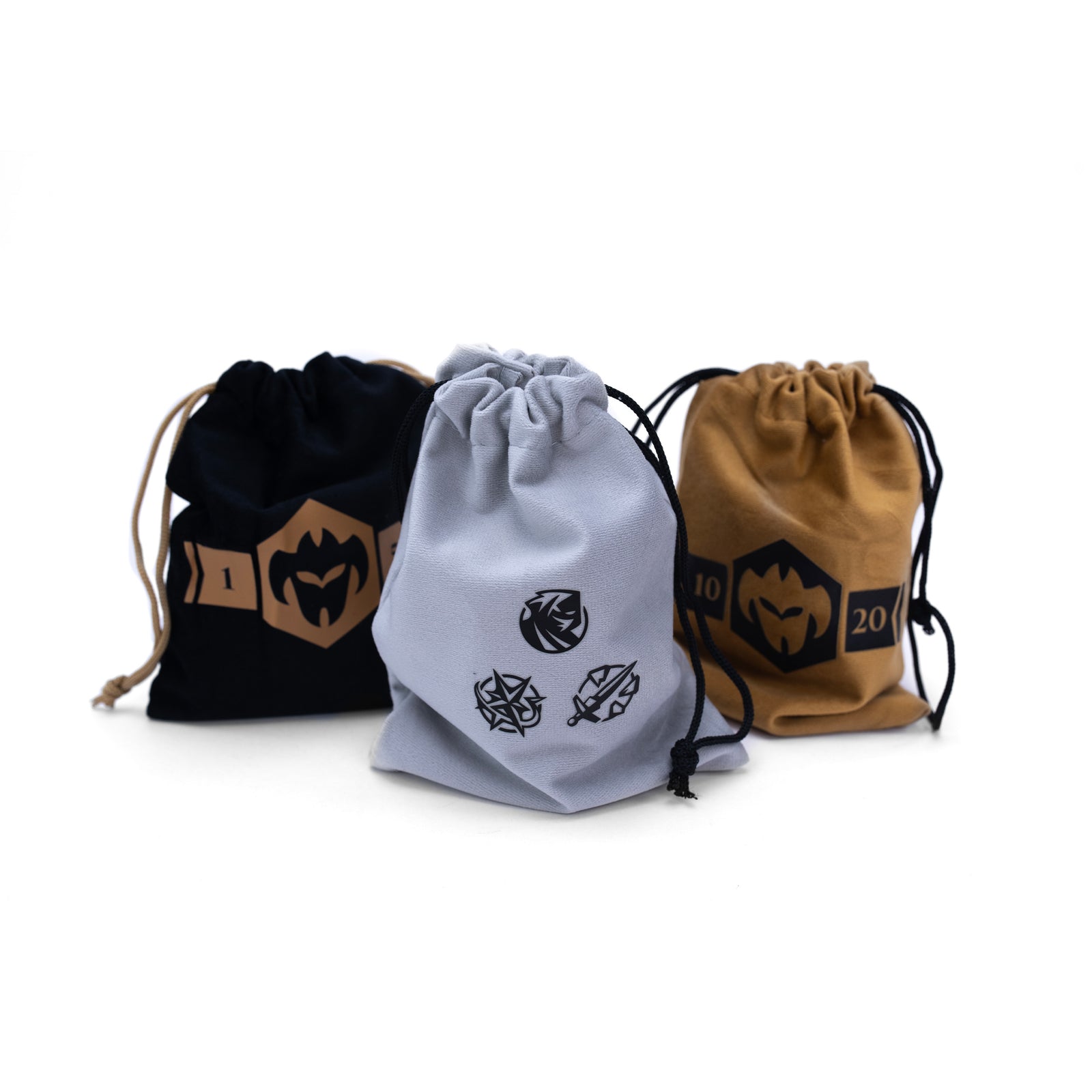
The battle mat improves table cohesion but does not reduce rules burden. Metal lockpicks, health chips, draw bags, and other tactile upgrades are pleasure purchases. Buy the one object your hands will notice every turn, not six objects a campaign page grouped under “premium.” Measure the shelf and the table before ordering the Vault; storage that cannot live near the game increases friction instead of reducing it.
Is true solo or two-handed solo better?
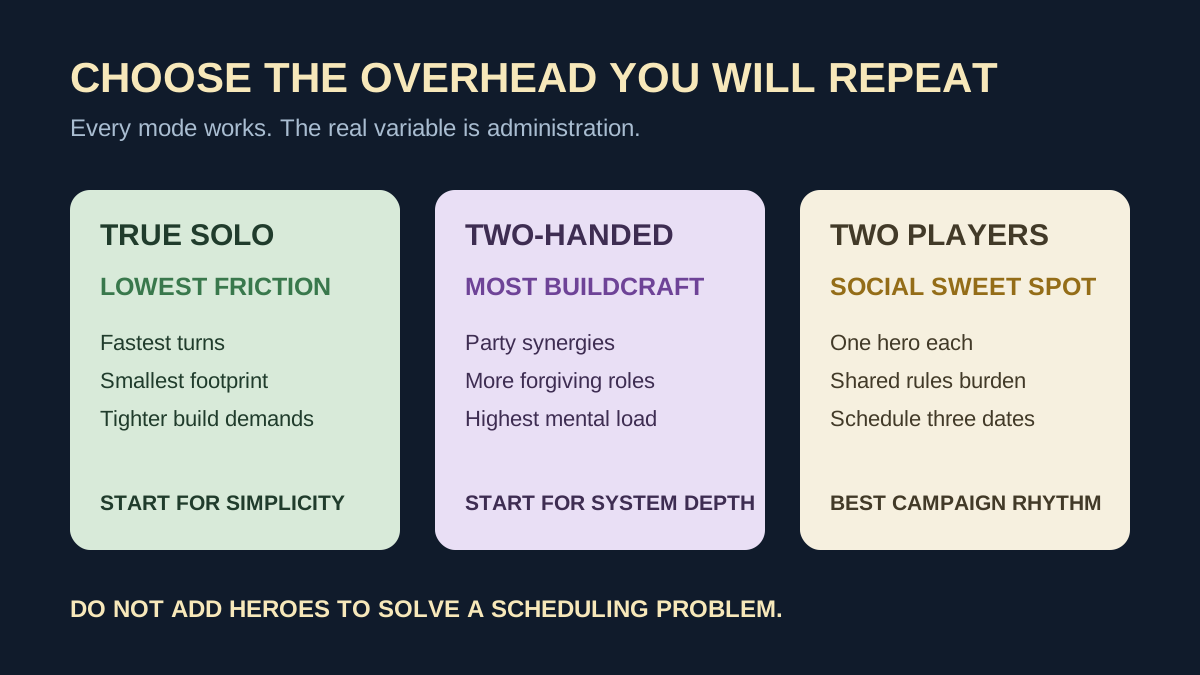
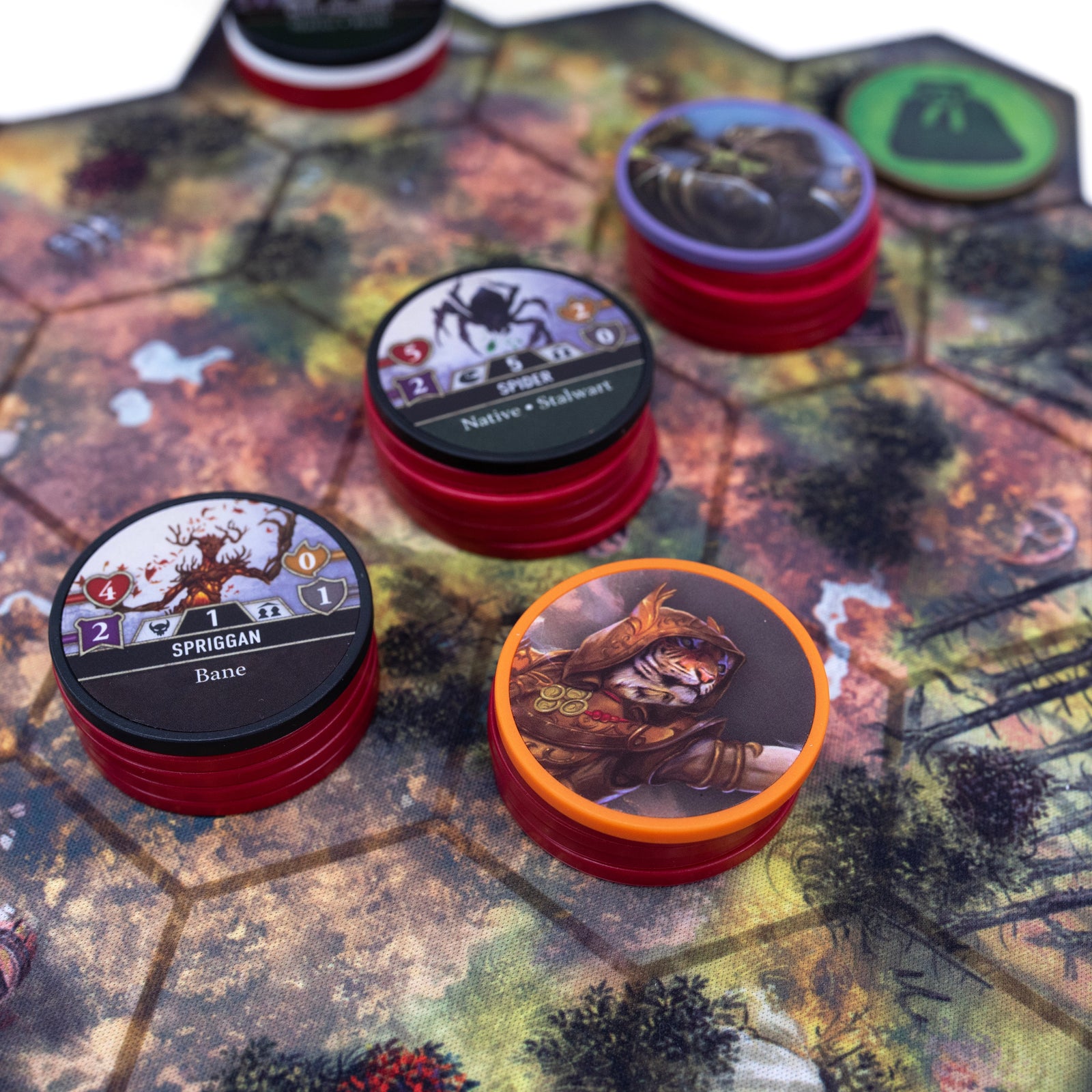
True solo is supported and dramatically easier to administer. Two-handed solo is usually more forgiving because a second hero opens party synergies and spreads the jobs of damage, movement, survival, and utility. The trade is real: two hands also mean more setup, longer turns, more cooldown decisions, and a larger campaign save.
Start one-handed if administration is what keeps heavy games off your table. Start two-handed if buildcraft is the main attraction and you already enjoy multi-character solo games. At two human players, one hero each is the social sweet spot: enough cooperation to create combinations without turning every round into a committee meeting.
How should you learn the first campaign?
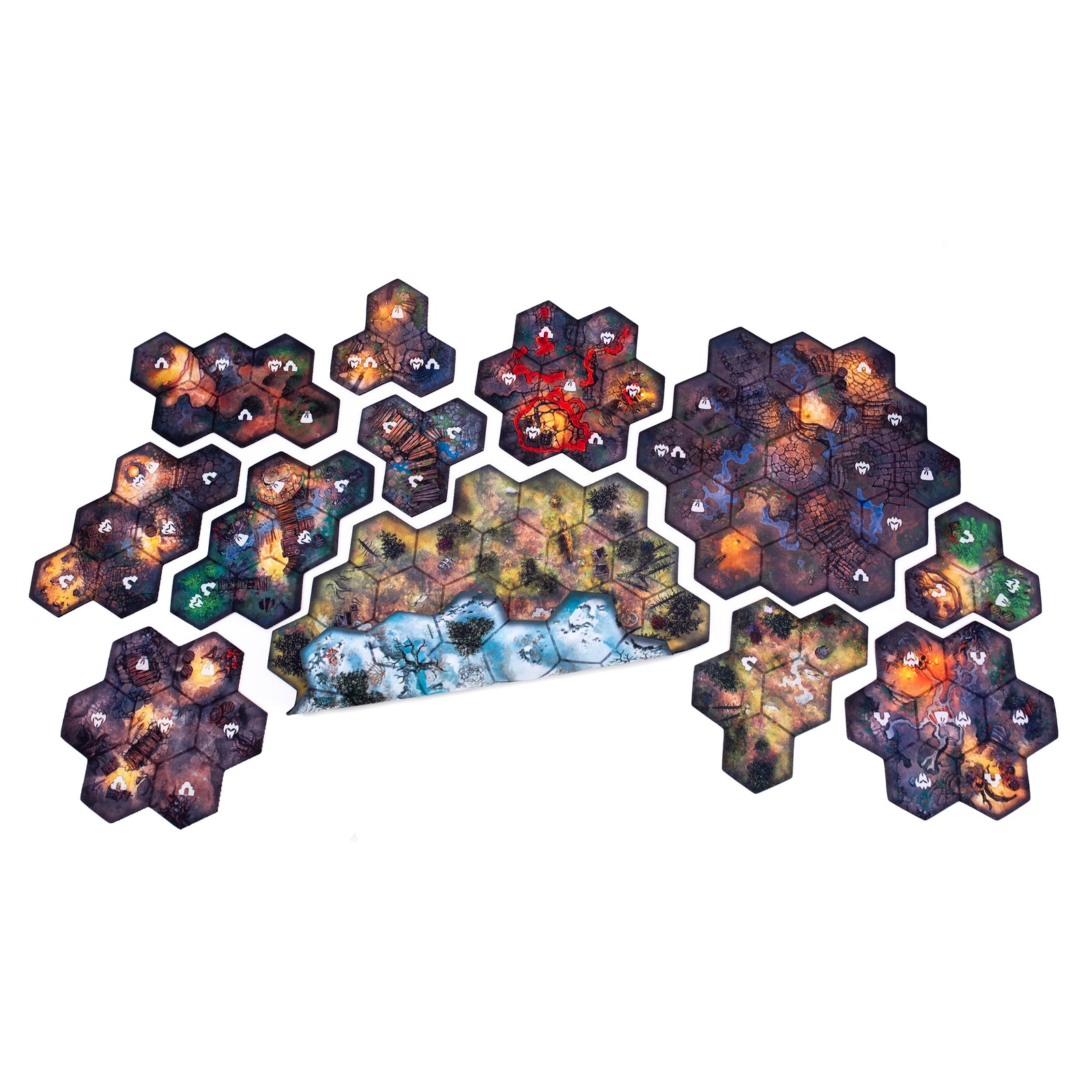
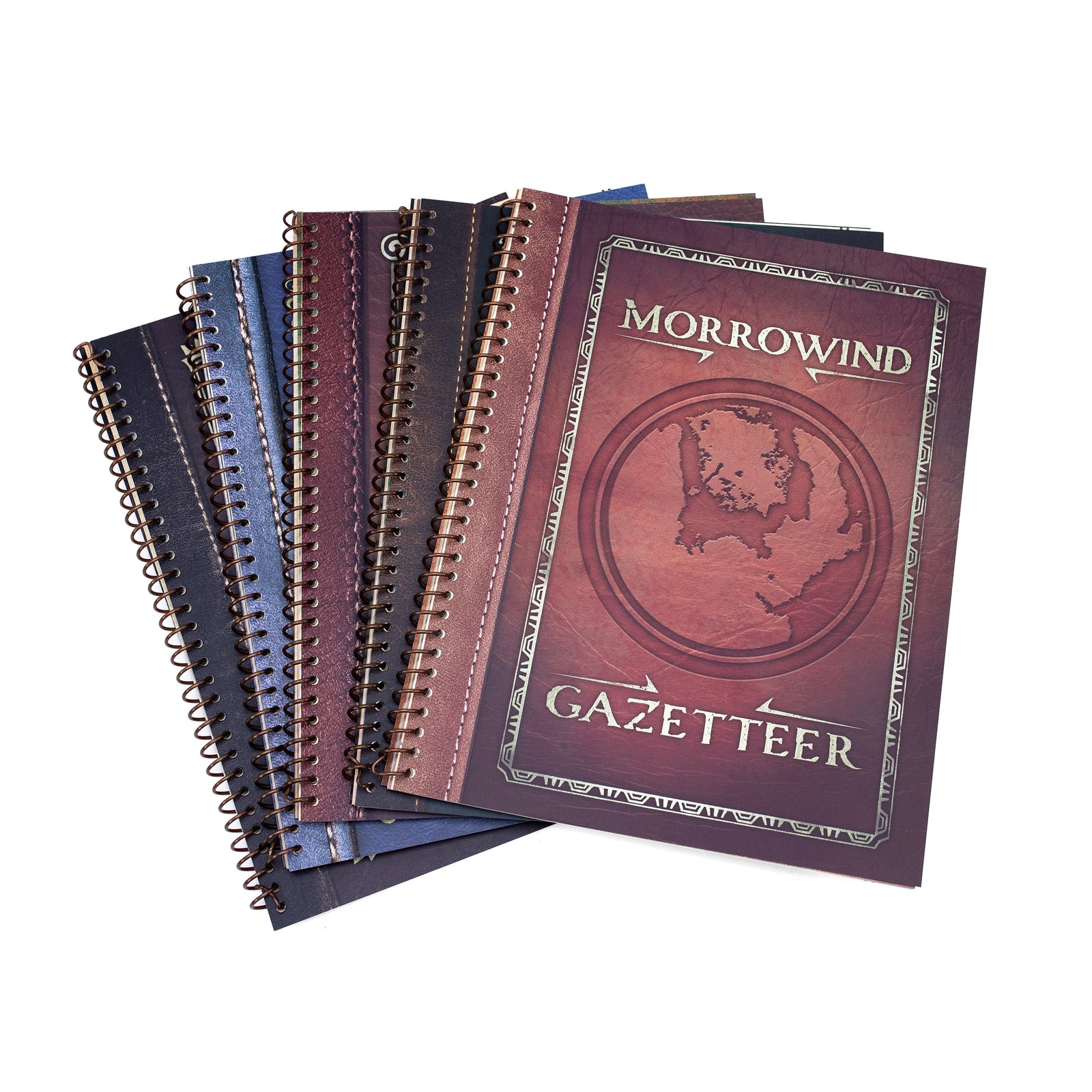
Use the Jailbreak introduction or Dized play-along tutorial. Set up and perform actions as they are introduced instead of reading every gazetteer entry and keyword in advance. For a first campaign, Cyrodiil offers a readable mix; Skyrim is a fine choice when familiarity with the setting will keep the group emotionally invested.
Build narrowly at first. Add dependable dice, increase a useful stat, and remember cooldown. A collection of level-one ideas feels versatile until a boss asks whether any of them can finish a fight. Photograph the full player area at the end of every act, then save chips and cards by hero. Schedule all three sessions before session one. That single calendar decision protects the campaign better than any insert.
How do you make a three-session campaign easier to finish?
Treat the campaign as three episodes, not one heroic endurance test. Begin each session with a sixty-second recap: province, guild, active quest, and what each build is trying to become. Keep snacks and drinks away from neoprene and chip stacks; give every hero a tray or labeled bag; use a phone photo as the canonical save if memory and notes disagree.
The best table upgrade is not metal. It is leaving enough time at the end of an act to save deliberately. Owners repeatedly warn that teardown and reconstruction eat enthusiasm. A table where the game can remain set up is ideal; a precise photo-and-bag ritual is the next best thing.
Protect the return to the table, not merely the objects on it.
What is actually shipping in the 2026 wave?
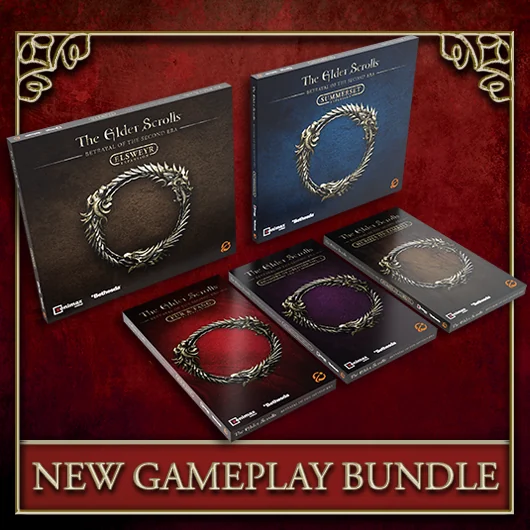
Heroes of Tamriel and the associated expansion wave were presented with an estimated November 2026 delivery. Estimates can move. Check the latest Gamefound update and your region before treating any date as a promise. The campaign is English-only, while the original game has separate language-edition history and fulfillment considerations.
The practical buying distinction is simple: the core game and Valenwood are established products; the new regions and modules are pledge-manager purchases until fulfillment reaches retail. Do not plan a birthday weekend around an estimated crowdfunding month. Buy the available core for near-term play and future content for future-you.
Final verdict: is the $845 All In pledge worth it?
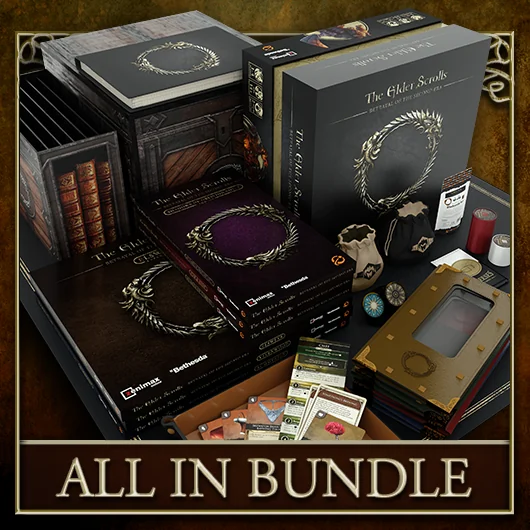
As a game purchase, no. As a collector object for an established BOTSE household, possibly. The all-in tier combines the playable library with a long accessory tail. It cannot make a group finish campaigns, enjoy chip combat, or prefer tactical buildcraft to narrative adventure.
The best purchase path is intentionally boring: core, campaign, second campaign, then the expansion that solves the thing your table actually wants changed. Heroes of Tamriel is the likely first answer for build variety; Valenwood is the first answer for map and quest variety; All Gameplay is the sensible ceiling for committed owners. The $845 tier begins only after “worth it” has stopped meaning efficient.
Completion is a collector goal. Repeated campaigns are a player goal.
What experienced tables keep reporting
Recurring owner patterns, synthesized in Puzzlewick's words. Follow each evidence trail to read the original discussion.
Base game gives you a LOT to work with.
The barrier to entry in terms of rules is massive.
If playing Solo I prefer one handed.
Play it first, see if you like/love it.
The picks
Some links below are affiliate links — as an Amazon Associate, Puzzlewick earns from qualifying purchases, at no extra cost to you. It never changes a pick.
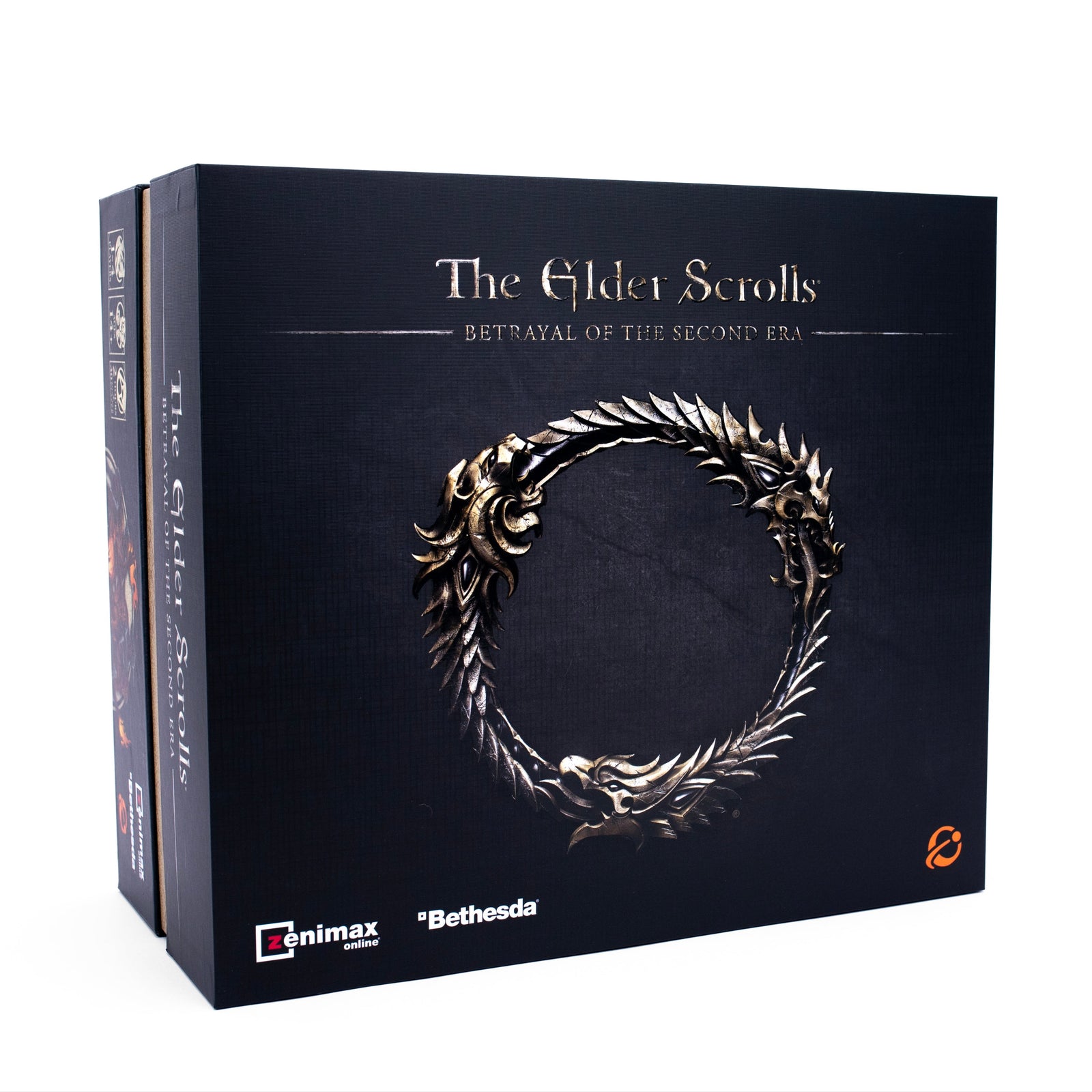
4 photos The Elder Scrolls: Betrayal of the Second Era
- Players
- 1-4 · best 2
- Time
- 120-240 min/session
- Age
- 14+
- Complexity
- 4.05 / 5
- Publisher
- Chip Theory Games · 2025
- Designers
- Josh J. Carlson, Michael Gernes, Logan Giannini, Ryan Howard, Salem Scott, Josh Wielgus
The mandatory foundation and a complete premium campaign game: five provinces, deep character construction and three-session adventures. It is expensive enough to demand a full campaign before another purchase.
- Complete game without expansions
- Exceptional tactile production
- Fast and expressive character growth
- Heavy teach and long setup
- Large table footprint
- Some offensive builds can converge after repeated campaigns
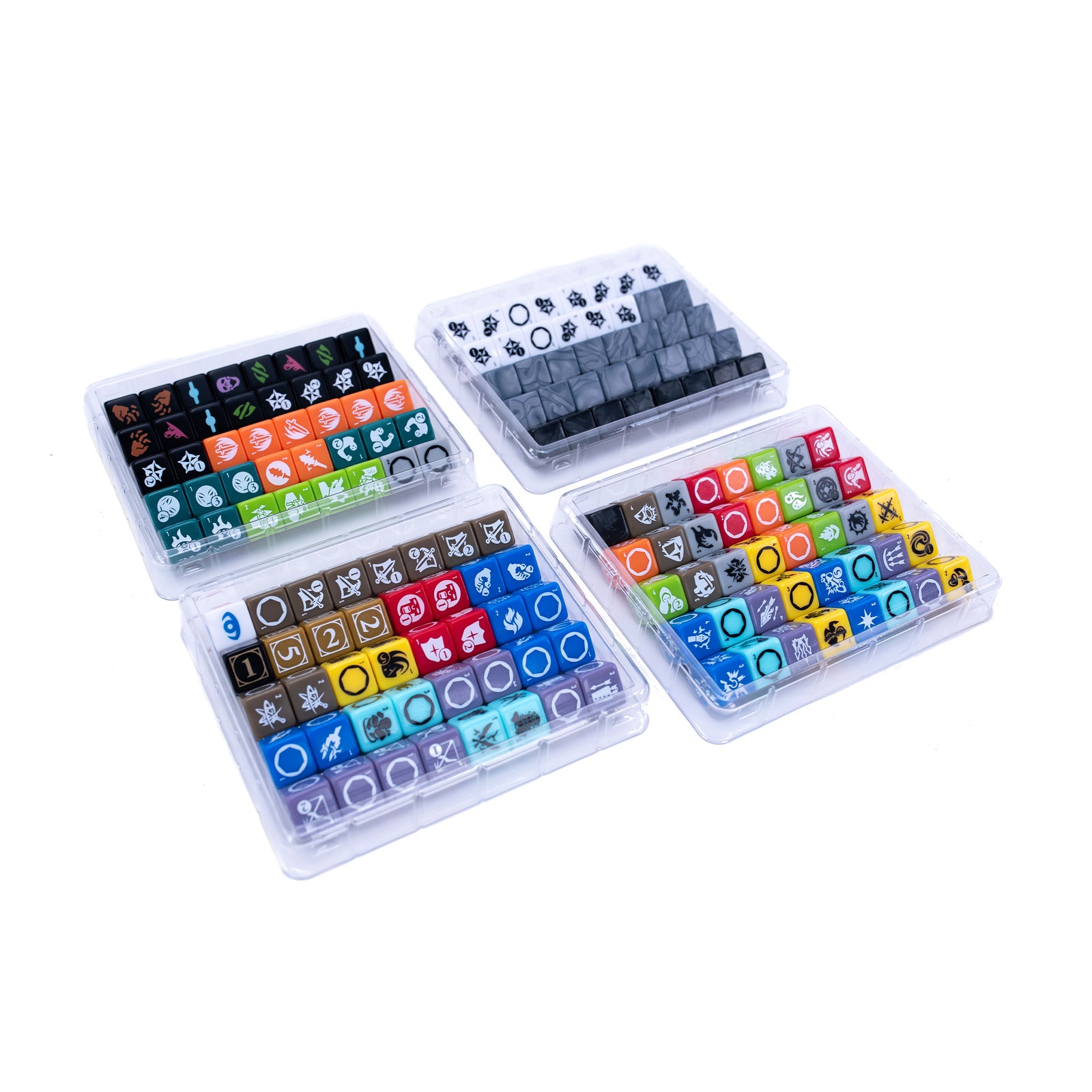 2 photos
 Valenwood Expansion
A full forest province, Ranger class, three skill lines and a harder regional system. It adds both map content and character options without requiring a bundle.
- Complete new province
- Useful Illusion and Legerdemain lines
- Available before the 2026 wave
- Forest Blight can punish new groups
- Unnecessary before the core is explored
At a glance
| path | price | gameplay | best for | dax verdict |
|---|---|---|---|---|
| Core only | $225 | 5 provinces + full system | New players | Start here |
| Explore Tamriel | $335 | Core + 3 expansion regions | Map-first newcomers | Good, but compare $410 |
| All Gameplay | $410 | Every gameplay product | Committed players | Rational grail ceiling |
| All In | $845 | Same playable library + luxury | Premium collectors | Collection, not necessity |
| Core owner upgrade | $155 | All five 2026 expansions | Existing enthusiasts | Best owner value |
Questions, answered
What should I buy first for The Elder Scrolls: Betrayal of the Second Era?
Buy only the $225 core game. It contains five provinces and the complete three-session campaign system. Finish one campaign before buying an expansion.
Is Betrayal of the Second Era worth it without expansions?
Yes. The core is a complete game with five provinces, nine guilds and extensive race, class, skill and item combinations. Expansions become most valuable after several campaigns reveal which kind of variety you want.
What is the best Heroes of Tamriel pledge for a new player?
Core Only is the safest purchase. If you are already certain you want the complete playable line, All Gameplay at $410 contains all gameplay without the luxury accessories.
What is the best pledge for someone who owns the core?
The $155 New Gameplay Bundle. It contains Elsweyr, Summerset, Heroes of Tamriel, Fur and Fang, Shadows of Oblivion and the Adventurer's Cache without duplicating the core.
Is the $845 All In pledge worth it?
Only for a collector who independently wants the Guild Vault and premium accessories. It does not contain more gameplay than the $410 All Gameplay tier.
Is Valenwood required?
No. Valenwood adds one complete province, the Ranger class, Illusion, Legerdemain and Light Armor. It is a strong first retail expansion but not required for the core campaign.
Should I buy Elsweyr or Summerset?
Choose Elsweyr for dragons, physical-combat variety and the Primalist/Ardent Flame additions. Choose Summerset for magic, support and the Quartermaster/Herald of the Tome additions.
What does Heroes of Tamriel add?
It adds classes, skill lines, expansions to existing skill lines and alternate racial abilities. It adds no province and is best for players who want greater character-build variety.
What does Shadows of Oblivion add?
It adds bargains with Daedric Princes that combine rewards with curses, new enemies and strategic constraints. It is designed to challenge established builds.
Can Betrayal of the Second Era be played true solo?
Yes. One-handed true solo is fully supported and has the lowest tracking burden. Two-handed solo provides more party synergy but substantially increases administration.
What is the best player count?
Two players is the best balance for most groups: one adventurer each, shared rules work and flexible party builds. True solo is excellent for players who prefer lower overhead.
How long is a campaign?
A campaign has three connected sessions. The publisher estimates about two hours plus thirty minutes per player for each session; first-time sessions often take longer.
Is the game difficult to learn?
Yes. BoardGameGeek lists a 4.05/5 complexity rating. Use the Jailbreak introduction and Dized tutorial, then learn from the components rather than trying to memorize the entire rulebook first.
Which province is best for a first campaign?
Cyrodiil is a readable baseline. Skyrim is also approachable because the setting is familiar. Avoid using the harder Valenwood expansion as the tutorial campaign.
Do I need the Guild Vault?
No. Use the included trays first. The $18 Basic Organizer is the practical expansion-storage solution. The $175 Guild Vault is a premium display and consolidation product.
Are the Gamefound stretch goals exclusive?
Chip Theory says unlocked stretch goals become permanent additions to the relevant products. The campaign-exclusive advantage is primarily price and timing, not locked gameplay.
When will Heroes of Tamriel ship?
The current estimate is November 2026, but it is a crowdfunding estimate rather than a guaranteed date. Existing items ordered through the campaign ship with that wave.
Can I buy the core and Valenwood on Amazon?
Retail listings exist for the core and Valenwood, though stock and price vary. Check that the listing names Chip Theory Games and the correct Betrayal of the Second Era product before ordering.
Is this game like Skyrim on a board?
It captures custom character growth, guild quests, provinces and Elder Scrolls lore, but it is more structured and tactical than the videogame. Every campaign follows three timed sessions rather than unlimited wandering.
Is it better than Too Many Bones?
It uses Chip Theory's dice-and-chip design language but offers positional battles, province travel and a three-session campaign arc. Players who want directed character growth and Elder Scrolls narrative may prefer it; players who want shorter standalone tyrant runs may prefer Too Many Bones.
Dax's verdict
Buy the $225 core and make it earn the next dollar. The five-province base game is complete, lavish and mechanically deep enough to expose whether you love its character-building loop or resent its rules load. Existing enthusiasts should take the $155 New Gameplay Bundle. New collectors who want every playable option should stop at the $410 All Gameplay tier. The $845 All In collection is beautiful and defensible only when storage, materials and display are part of the pleasure. The flaw remains setup and learning friction. The achievement is that, once the system clicks, few campaign games let a strange hero become yours this quickly.
Research ledger 25 sources · reviewed 2026-07-13
Specifications, rules, current product information, community experience, and contrary evidence were checked against the sources below. Commercial links are kept separate from editorial evidence.
- chiptheorygames.comchiptheorygames.com/products/the-elder-scrolls-betrayal-of-the-second-era
- gamefound.comgamefound.com/en/projects/chip-theory-games/the-elder-scrolls-heroes-of-tamriel
- gamefound.comgamefound.com/en/projects/chip-theory-games/the-elder-scrolls-heroes-of-tamriel/faq
- gamefound.comgamefound.com/en/projects/chip-theory-games/the-elder-scrolls-heroes-of-tamriel/updates/1
- gamefound.comgamefound.com/en/projects/chip-theory-games/the-elder-scrolls-heroes-of-tamriel/updates/4
- gamefound.comgamefound.com/en/projects/chip-theory-games/the-elder-scrolls-heroes-of-tamriel/updates/9
- gamefound.comgamefound.com/en/projects/chip-theory-games/the-elder-scrolls-heroes-of-tamriel/updates/11
- gamefound.comgamefound.com/en/projects/chip-theory-games/the-elder-scrolls-heroes-of-tamriel/updates/12
- gamefound.comgamefound.com/en/projects/chip-theory-games/the-elder-scrolls-heroes-of-tamriel/updates/19
- gamefound.comgamefound.com/en/projects/chip-theory-games/the-elder-scrolls/updates/15
- gamefound.comgamefound.com/en/projects/chip-theory-games/the-elder-scrolls/updates/58
- boardgamegeek.comboardgamegeek.com/boardgame/356080/the-elder-scrolls-betrayal-of-the-second-era
- rules.dized.comrules.dized.com/game/uA1IUAmrROyhokhzHGBvTg/OZdS28g8Smi4cCgmU5OALg/setup-procedure
- rules.dized.comrules.dized.com/game/uA1IUAmrROyhokhzHGBvTg/o_bYt8cVSKGSiHooJxjjbQ/province-codes
- tabletopanalytics.comtabletopanalytics.com/project/the-elder-scrolls-heroes-of-tamriel-49480
- reddit.comreddit.com/r/boardgames/comments/1uckc4c/the_elder_scrolls_betrayal_of_the_second_era
- reddit.comreddit.com/r/soloboardgaming/comments/1ua4ige/elder_scrolls_betrayal_of_the_second_era_worth
- reddit.comreddit.com/r/soloboardgaming/comments/1uf0546/trying_to_learn_elder_scrolls_betrayal_of_the
- reddit.comreddit.com/r/soloboardgaming/comments/1uf1fk4/elder_scrolls_botse_solo_one_hand
- reddit.comreddit.com/r/soloboardgaming/comments/1u1gfca/quick_question_is_valenwood_expansion_for_elder
- boardgamequest.comboardgamequest.com/the-elder-scrolls-betrayal-of-the-second-era-review
- meeplemountain.commeeplemountain.com/reviews/the-elder-scrolls-betrayal-of-the-second-era
- en.uesp.neten.uesp.net/wiki/Lore:Second_Era
- wargamer.comwargamer.com/the-elder-scrolls-betrayal-of-the-second-era/board-game-impressions
- meepletron-storage.s3.us-east-2.amazonaws.commeepletron-storage.s3.us-east-2.amazonaws.com/resources/the-elder-scrolls-betrayal-of-the-second-era-rulebook.pdf
I'll be honest with you — flattery is boring.

Keep exploring
The next smart rabbit holes.
✹ Universe HubThe Witcher: the whole buying pathThe Witcher board-game shelf can become expensive fast: Legacy pledges, Old World add-ons, shaded miniatures, scenario packs,...✦ Topic PathBoard Game Buying Guides: compare the whole shelfStart with the decision, not the shelf. These guides compare the games, editions, expansions, player counts, and costs people...Best OfFive Grail Board Games: Which Big Box Fits Your Table?Choose War of the Ring for a recurring rival, Eclipse for a systems-focused competitive group, Nemesis for uncertain survival, Frosthaven...