Digimon Card Game 2026: Set Guide & Best Boosters
Master 2026's three-act release schedule—reprints, narrative, innovation—and build your first competitive deck the smart way.


AI-assisted research and drafting in Kenji’s voice · reviewed by Robert Pruitt · how this guide was made
Last editorial refresh: 2026-06-16 Gold-standard QA: 2026-07-17 14 sources reviewed Affiliate links checked during gold-standard pass

The short answer
2026 brings three major Digimon TCG releases: Time Stranger (BT-24) launched January, the Advanced Booster Digimon Generation (AD-01) reprints dropped March, and Dual Revolution (BT-25) arrived May with new Ultimate Rares. Start with a starter deck ($15.99) to learn the fundamentals, then chase booster boxes ($39.99 MSRP) for competitive depth.
Decision map
Choose in thirty seconds
First-time Digimon players and casual learners
Players upgrading a starter deck or rebuilding a specific archetype
Experienced players building narrative-aligned decks or chasing Secret Rares
The Digimon Card Game in 2026 moves like a tamer finding their rhythm—deliberate, layered, building toward something larger. After establishing core mechanics in 2025, this year splinters into three distinct chapters: the Time Stranger narrative expansion connecting the video game timeline, the reprints that amplify existing archetypes, and the mechanical innovation of Dual Cards. For collectors and competitive players alike, 2026 is less about chasing singles and more about understanding which release solves your deck's weak points. The game's memory system and digivolution chains create emergent depth that reveals itself over time, not at first glance.
Start here, then go deeper
You are in the right cabinet.
 ✧ Universe HubAnime & New-Wave TCGs: the whole buying pathBeyond Magic and Pokémon, a new wave of trading card games has gone mainstream — One Piece, Yu-Gi-Oh!, Dragon Ball, Digimon, Weiss...
 ✦ Topic PathBoard Game Buying Guides: compare the whole shelfStart with the decision, not the shelf. These guides compare the games, editions, expansions, player counts, and costs people...
 Beginner's GuideCardfight Vanguard 2026: 15th Anniversary Guide & New Player BoostersCardfight Vanguard's 15th-anniversary products are stacked, but newcomers still need the right first deck. This guide separates the...
How Digimon Card Game Actually Plays

Before buying anything, understand what you're buying into. Digimon Card Game uses a Memory system instead of mana—each turn you gain 3 memory points to spend on card costs, managing resource economy with surgical precision. You build stacks of Digimon through digivolution (play a rookie, evolve to adult, then ultimate), and each evolved form gains all traits and effects of the card beneath it. Combat is mutual threat assessment: when you attack with a Digimon, your opponent can block with their own creatures, and both deal damage simultaneously. The Security system punishes aggression—your opponent's next three cards drawn are arranged as "security," and if you deal enough damage to break all three, you win immediately, but breaking security triggers effects that can turn the game.
The game rewards deck cohesion and timing over raw power. A well-timed Tamer card (your trainer figures) can grant memory, draw cards, or unlock combo lines. Options (instants/sorceries) layer tricks into pivotal turns. The learning curve is gentle—starter decks work out of the box—but ceiling is high. Watch the official tutorial app or YouTube ruleset guides to skip confusion.
- Memorize the five card types: Digimon (your creatures), Tamer (one-shot effects or ongoing support), Option (instant tricks), Digitama (baby Digimon that accelerate), and Egg (future Digimon tokens).
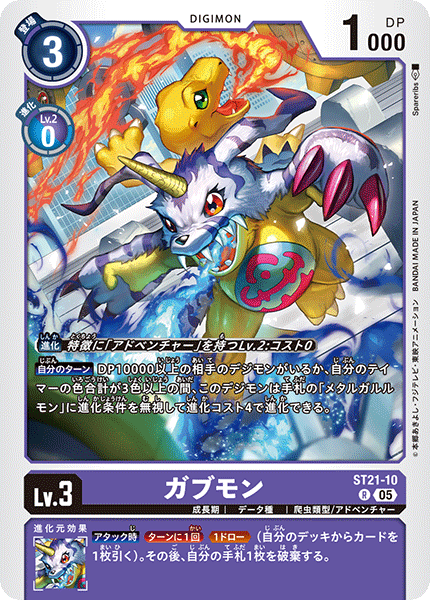
- Learn digivolution: stack cards by evolution line to gain all traits. A Greymon sitting on Agumon counts as both.
- Practice the attack→block→damage cycle. Mutual damage encourages strategic blocking.
- Grasp the 50-card deck limit and 4-copy maximum (one per card number) to think about consistency.
- Understand Memory: you get 3 per turn. Tamer cards and certain effects grant bonus Memory—resource management is the core puzzle.
Booster Set 24: Time Stranger (January 2026)
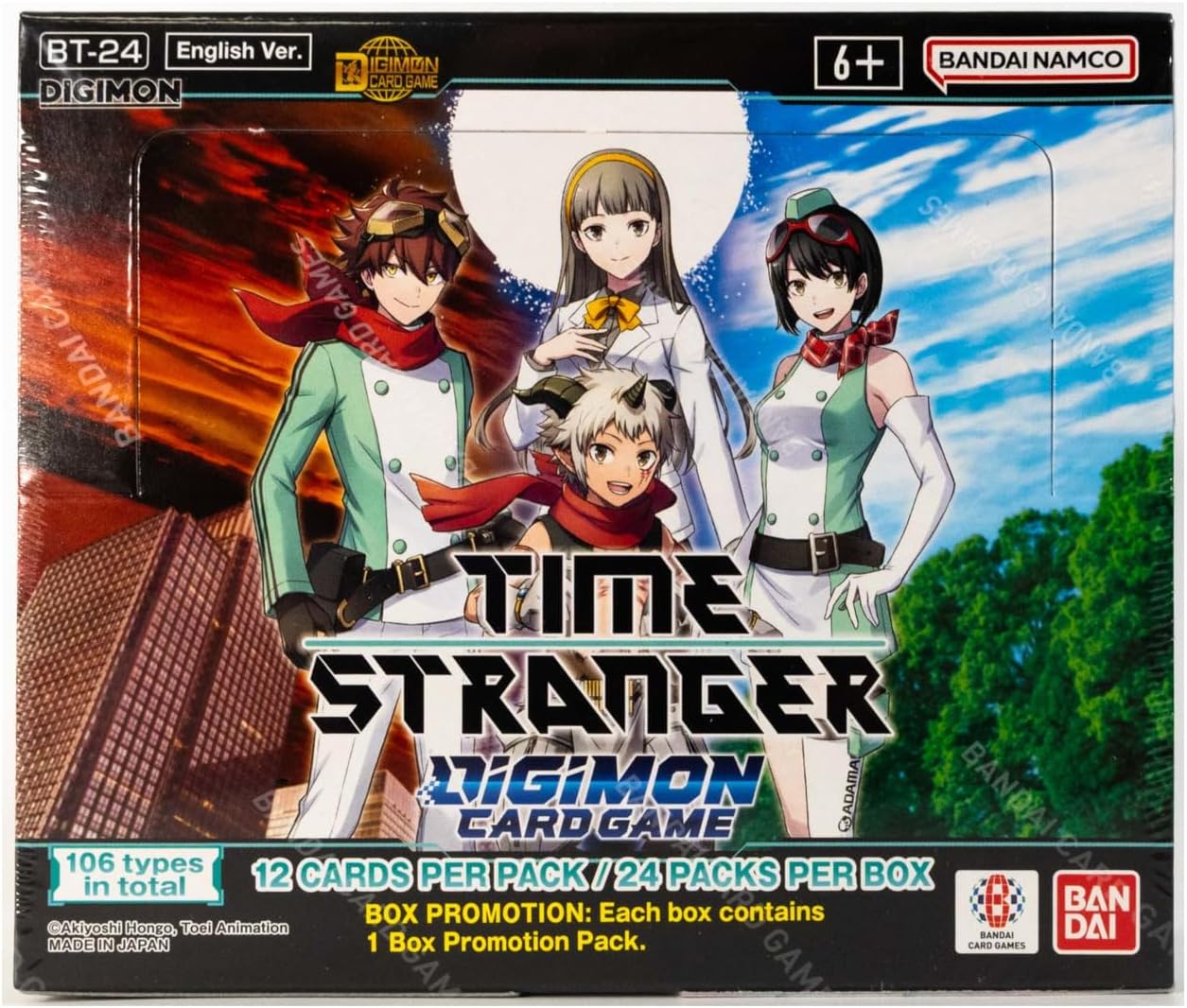
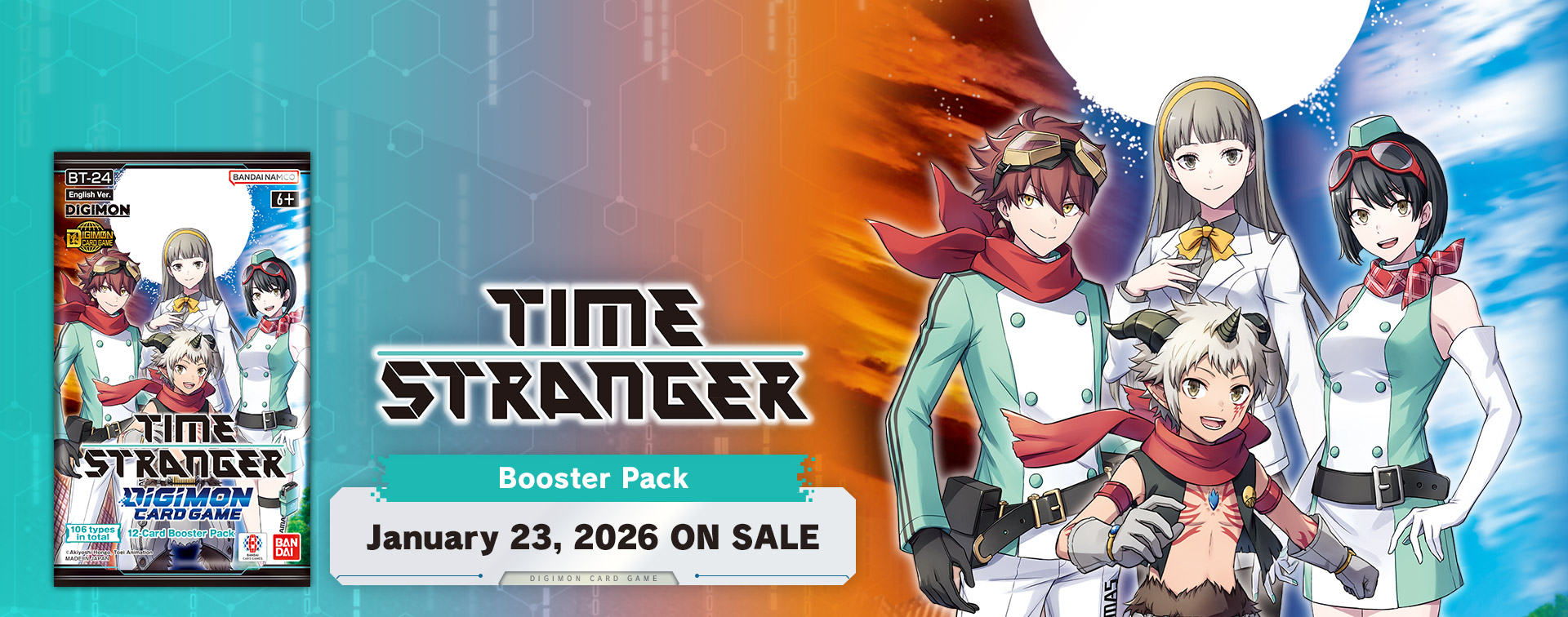
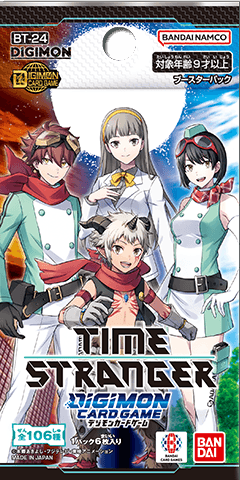
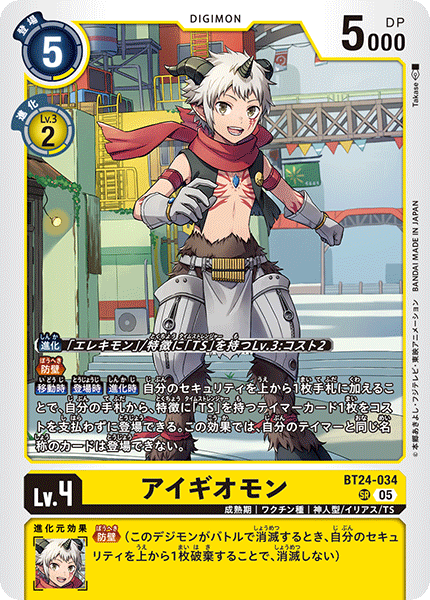
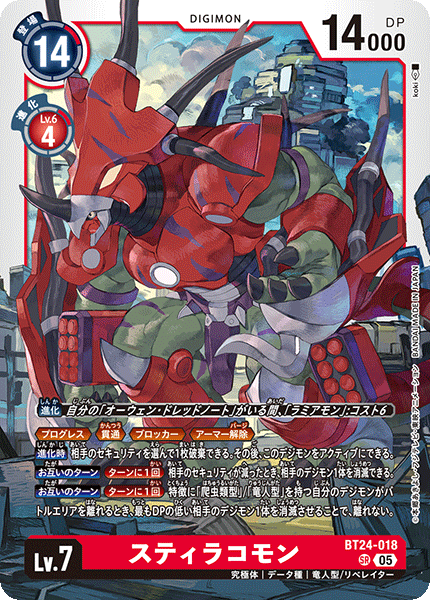
BT-24 Time Stranger arrived January 16–23, 2026, tying directly to the video game Digimon Story: Time Stranger (October 2025). This set introduces 106 unique cards with an explicit "Time Stranger" trait for deck-building synergy, meaning cards reference each other by name or trait, rewarding focused builds.
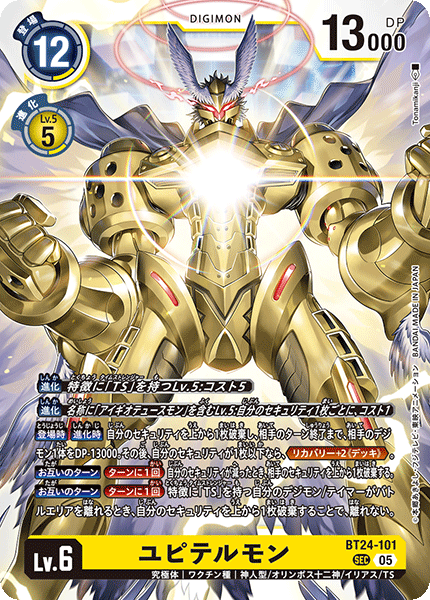
The headliners are Jupitermon and Homeros, both Secret Rares that anchor aggressive and control shells respectively. But the set's real strength is mid-tier rare cards that fit into existing archetypes—it's not a reset, it's an expansion. If you already play Omnimon or Imperialdramon, Time Stranger has new play patterns for you. New players, however, shouldn't start here; the synergy tax is steep without foundational cards.
Time Stranger has 22 alternate art variants (fancy border versions of regular cards), which spike secondary-market prices but offer zero gameplay advantage. Sealed booster boxes are available everywhere at $39.99 MSRP. A single booster pack costs $4.99.
Advanced Booster AD-01: Digimon Generation (March 2026)
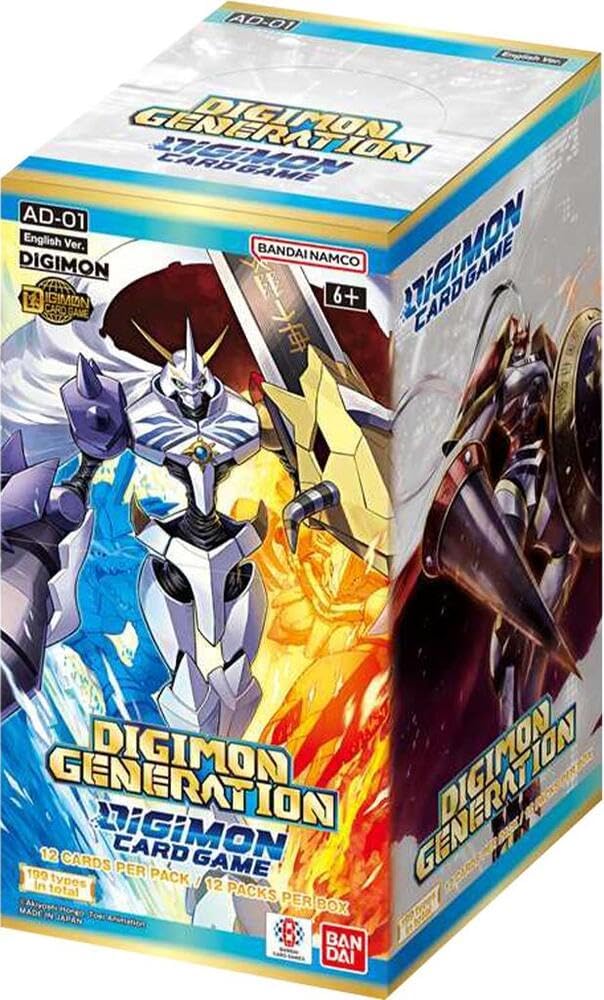
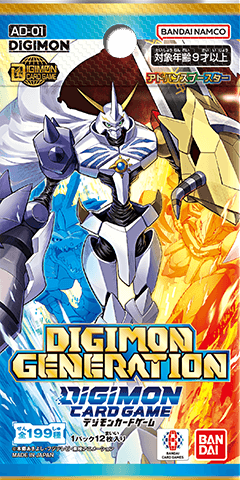
AD-01 Digimon Generation is the year's reprints-focused bomb, released March 28, 2026. Of 196 unique cards, 171 are reprints—this set exists to solve deck-building friction. If you need Omnimon, Imperialdramon, or Gallantmon, this is the restock. The set adds 25 brand-new support cards for ShineGreymon, Siriusmon, and other mid-tier archetypes that needed oxygen.
The new Imperialdramon: Fighter Mode is the trophy chase, appearing in multiple rarities. Secondary-market singles skyrocket for these, but patient players wait three months for price stabilization. Advanced Boosters are thinner print runs than core boosters—expect scarcity, not shortage. This set is perfect for:
- Competitive rebuilds: You need playsets (4 copies) of staple Tamers and Options. AD-01 restocks them here.
- New players upgrading a starter deck: Your first booster box should be AD-01 if you've already picked a archetype you like. The reprints slot directly in.
- Collectors chasing parallels: 92 parallel-rare variants exist—alternate art versions that don't change gameplay but look stunning in sleeves.
Booster boxes MSRP at $39.99. Expect secondary-market prices 10–20% above MSRP due to limited print.

Dual Revolution (BT-25): May 2026 & New Mechanics
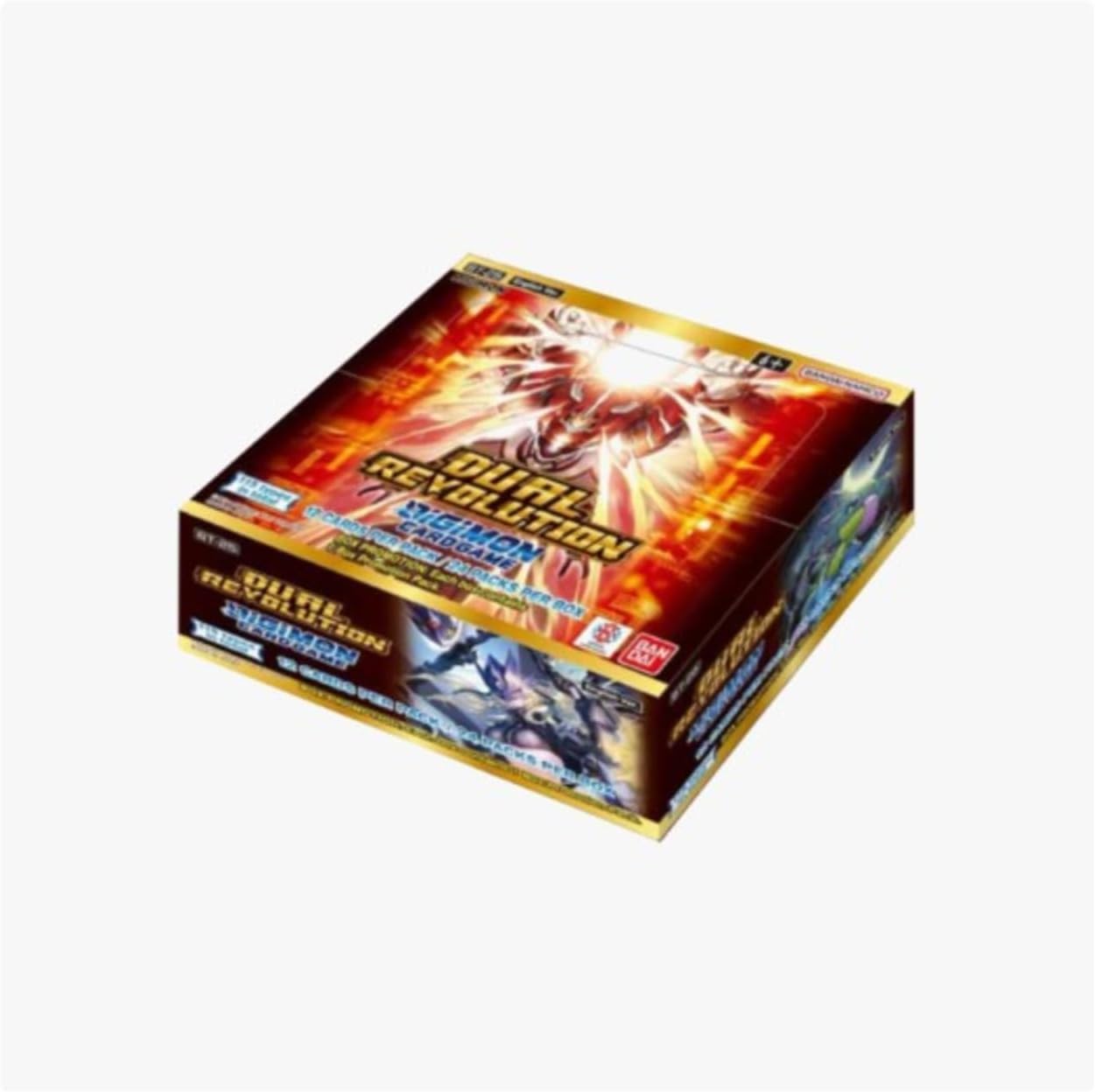
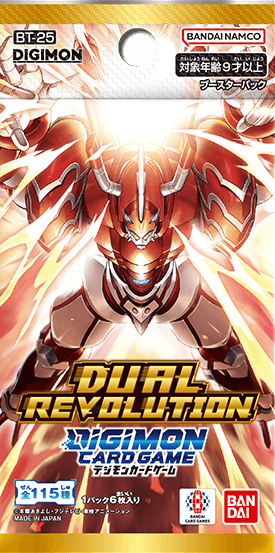
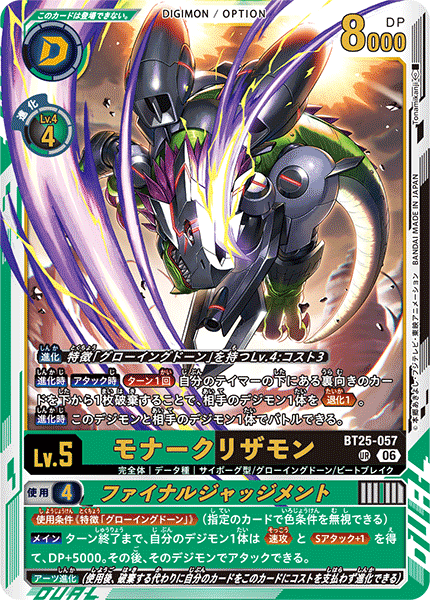
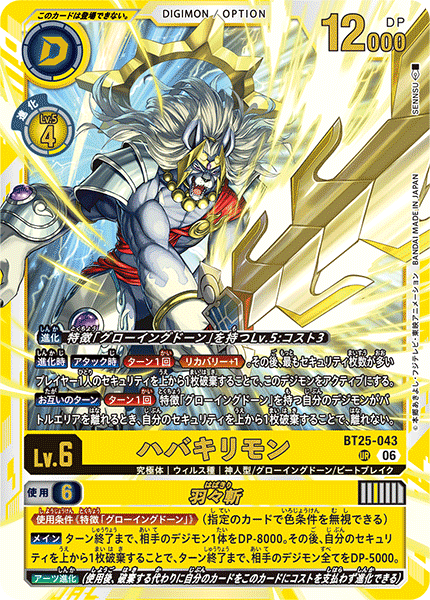
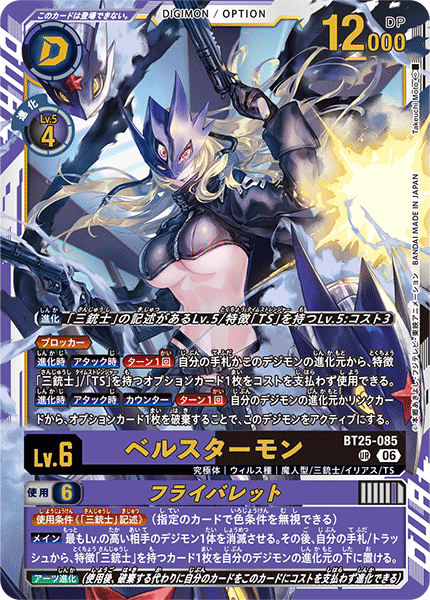
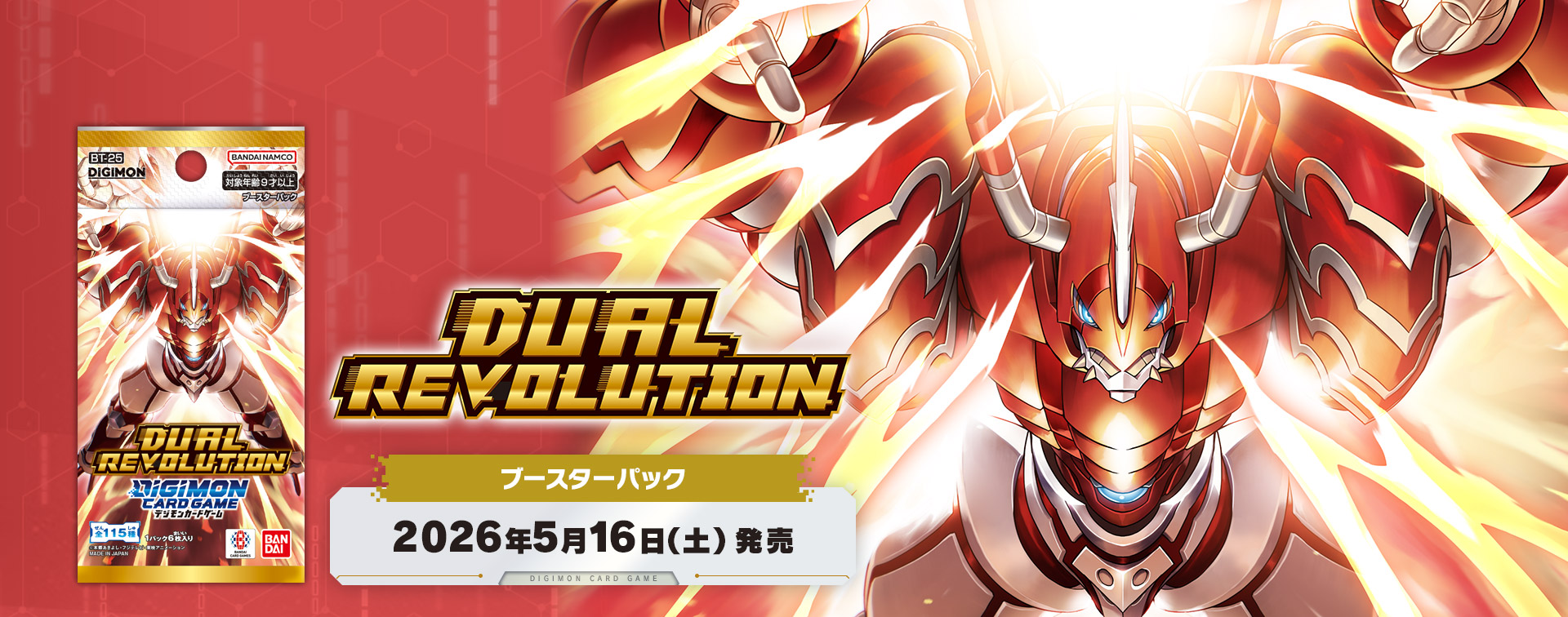
BT-25 Dual Revolution (released May 22, 2026) introduces the biggest mechanical innovation of 2026: Dual Cards, which combine a Digimon and an Option into a single card. This breaks the traditional play pattern—you get a creature and an instant effect in one slot, forcing deckbuilding choices. Play a Dual Card and it enters as Digimon first, but you can use its Option side to trigger effects, creating once-per-turn combos.
Dual Revolution also debuts Ultimate Rares, a new rarity tier above Secret Rare. These are textured, foiled cards that feel premium in hand. The set contains 115 card types featuring characters from Digimon Alysion and Time Stranger continuities.
BT-25 is exciting but risky for new players. Dual Cards are powerful but require game knowledge to evaluate—a mediocre dual is worse than two separate cards. Start here only if you've played 20+ games and understand your archetype's mana curve. Competitive players are already testing, and early results show Dual Cards pushing midrange strategies into aggro territory.
Booster box MSRP: $39.99 (at $4.99 per pack). Boxes started shipping May 22. Ultimate Rares chase single-card pricing aggressively—budget $300+ for playset copies if you're hunting specific ones.
Starter Decks: Your Real Entry Point (Not Boosters)
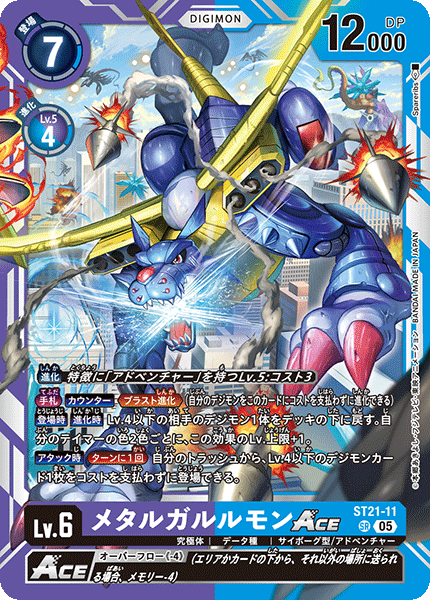
New players make one mistake: cracking booster boxes before learning the game. Don't. Buy a starter deck first. All 2025–2026 starter decks MSRP at $15.99 and contain 54 pre-constructed, playable cards. You can play a starter deck against another starter deck immediately—no deckbuilding, no confusion.
Official starter decks include:
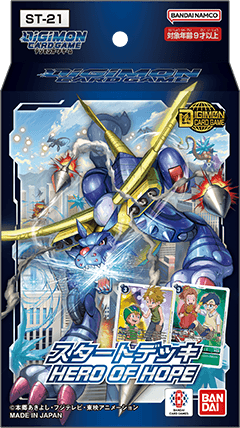
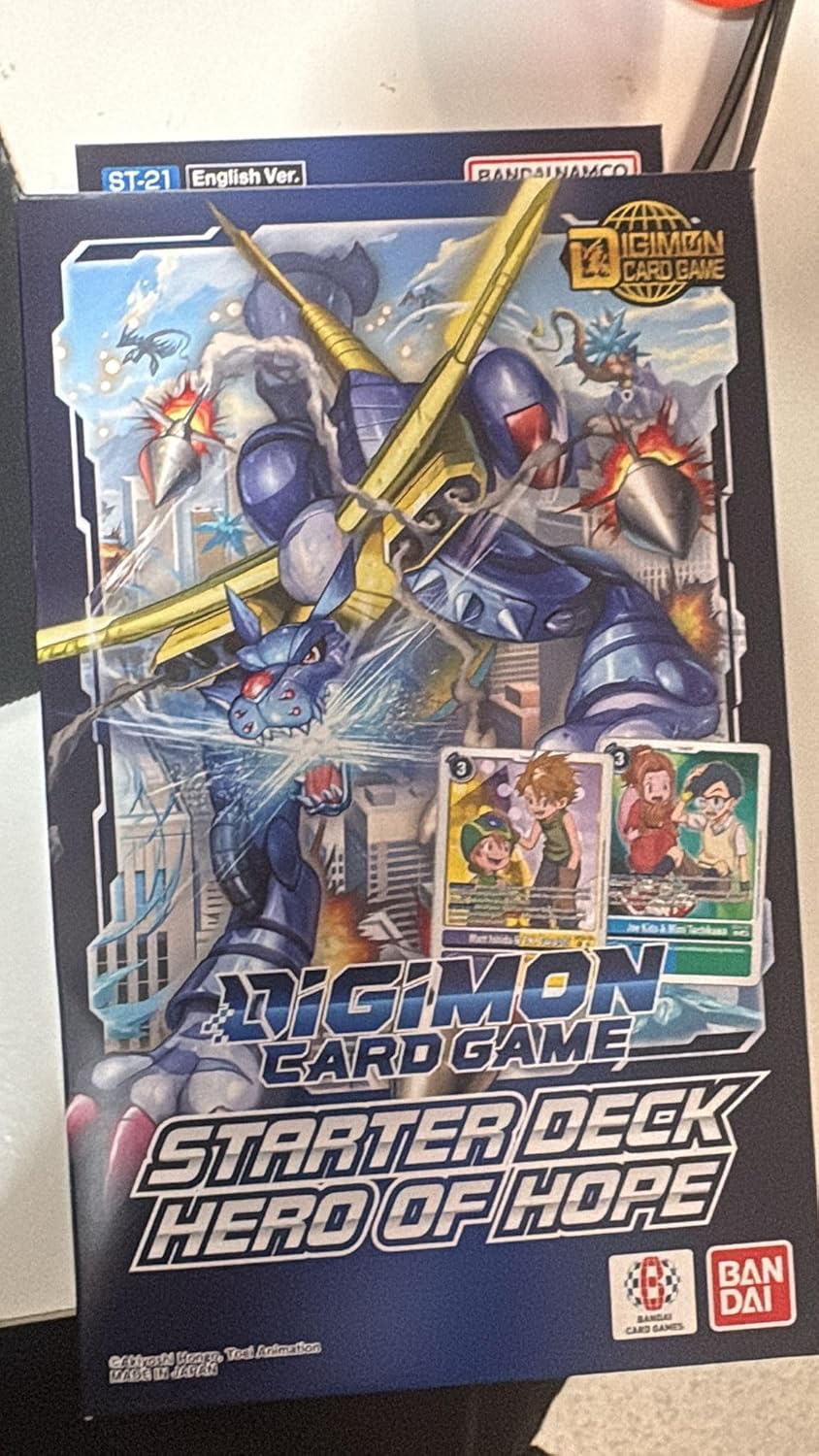
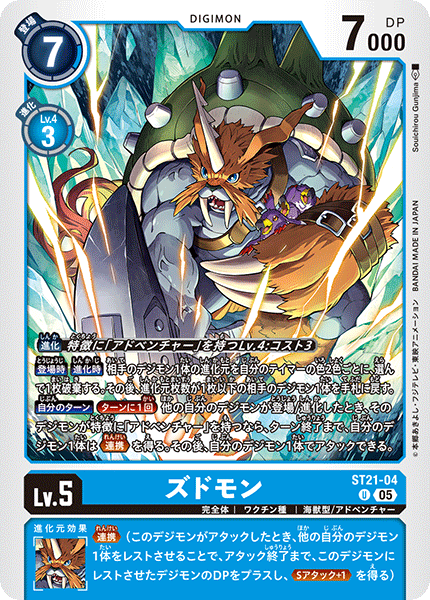
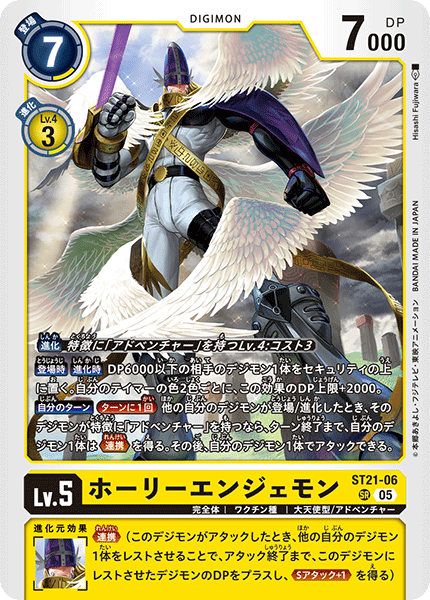
- Starter Deck 21: Hero of Hope (ST-21): MetalGarurumon, blue control shell. Released April 2025. Gentle learning curve with card draw and recovery mechanics. Best for first-time players.
- Advanced Deck 22: Amethyst Mandala (ST-22): Purple aggro with deletion effects. Released December 2025 as an Advanced Deck (not a standard starter). Faster, higher risk, rewards good sequencing. Features Sakuyamon fusion mechanics.
After 10 games with a starter deck, you'll know if Digimon clicks for you. If yes, buy a booster box next. If no, you've lost $16 instead of $40. Buy starter decks on Amazon for simplicity, or check Target and GameStop for in-stock options.
Two copies of the same starter deck are worth it—you're not doubling learning, you're reducing card duplicates, making the deck more consistent when you upgrade it with booster singles.
Building Your First Competitive Deck (After 20+ Games)
Once you've learned the game, here's the progression:
1. Pick an archetype: Choose a Digimon that excites you (Omnimon, Imperialdramon, Gallantmon, etc.). Every Digimon is playable at casual tables; none are completely broken. Your choice matters less than your commitment.
2. Buy AD-01 reprints: Booster box of Advanced Booster Digimon Generation. You'll hit staple Tamers, Options, and low-rarity Digimon that fill the chassis. Budget $40 + tax.
3. Hunt singles on TCGplayer: Once you've hit 54 unique cards from your booster box, calculate what you're missing. Buy singles to complete your core 50. This is faster and cheaper than cracking more boosters. Budget $20–50 depending on archetype.
4. Sleeve your deck and test at locals: Most game stores run weekly Digimon events. You'll learn from opponents and understand what cards to cut or add.
5. Chase high-rarity variants later: Once you can pilot the deck competently, upgrade bulk rares to secret rares for collection flex. This is purely aesthetic—a $2 common Gaiomon plays identically to a $50 secret rare version.
Total first-deck cost: $60–90 for a playable, competition-ready build. That's why starting with a $16 starter deck makes sense—you're protecting your downside investment while you decide if you're serious.

Secondary Market & Storage Tips

Digimon TCG singles spike hardest immediately after set release, then stabilize 2–3 months later. If you're patient, wait until July to hunt BT-25 singles—prices drop 20–30%. Use TCGplayer.com as your price guide; it aggregates all sellers.
Repacks are a trap. Yes, you can buy "repack boxes" cheaper than MSRP on secondary markets. These are boxes opened at locals, shuffled, and resealed by someone claiming they removed only one card (usually a valuable secret rare). You're not saving money; you're buying trash. Stick to sealed boxes from reputable retailers—ToyWiz, Cool Stuff Inc, 88 Cardhouse, Amazon.
Storage matters. Sleeve all cards immediately (Dragon Shield or KMC sleeves, $5 per 60-count). Use a deckbox for your playable deck. Bulk rares belong in a short-box, not a shoe box—acid-free cardboard prevents creasing. If a card matters to you, it deserves a top-loader (2×3 plastic holder) inside a deckbox. Foiled cards (parallels, secret rares) attract fingerprints—wear cotton gloves if you're touching high-value sealed cards before sleeves.
Card damage is permanent. Play with inexpensive versions of staples until your deck is proven, then upgrade to secret rares. A heavily played $1 common and a mint secret rare are mechanically identical.
The picks
Some links below are affiliate links — as an Amazon Associate, Puzzlewick earns from qualifying purchases, at no extra cost to you. It never changes a pick.
 6 photos
 Starter Deck 21: Hero of Hope (ST-21)
54-card pre-built deck featuring MetalGarurumon and blue control mechanics. Released April 2025. Teaches resource management and blocking fundamentals without overwhelming complexity. Playable immediately against another starter deck, no deckbuilding required.
- Affordable and complete out of the box
- Gentle learning curve with clear win conditions
- Excellent scaffolding for upgrading with booster singles later
- Not competitive without significant upgrades
- Blue control archetype requires good sequencing to pilot well

 5 photos
 Advanced Booster Box: Digimon Generation (AD-01)
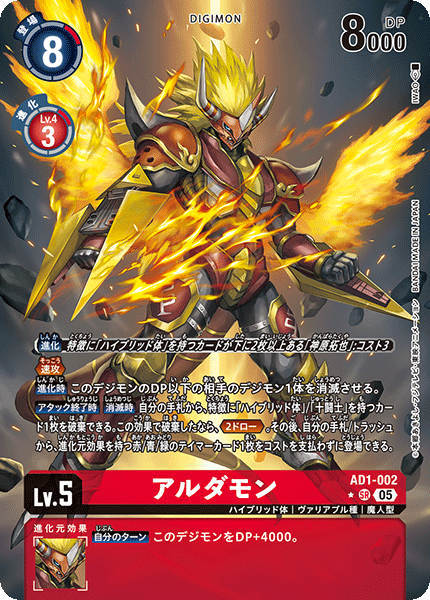
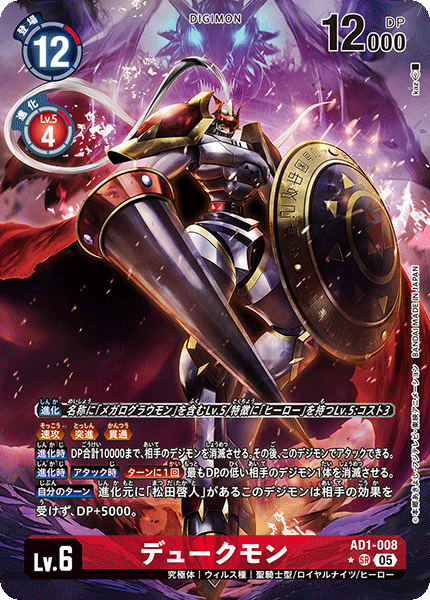
196 unique cards with 171 reprints plus 25 new cards packed for deck consistency. This is where you find playsets of staple Tamers and Options. Imperialdramon: Fighter Mode and parallel rares make this a collector magnet, but the real value is deck-building depth.
- Reprints solve the single-copy problem from starter decks
- 25 new cards add archetype support (ShineGreymon, Siriusmon)
- 92 parallel-rare variants offer collection goals without power creep
- Limited print run drives secondary-market prices higher than MSRP
- Reprints mean lower pack excitement for experienced players

 6 photos
 Booster Set 24: Time Stranger (BT-24)
106 unique cards with explicit trait synergy and two Secret Rare headliners (Jupitermon, Homeros). Excellent set design with meaningful alternate arts and tight mechanical focus. Requires existing archetype knowledge to brew effectively.
- Strong set design with coherent trait mechanics
- 22 alternate-art variants for collectors
- Video-game connection (Time Stranger lore) adds narrative appeal
- Not recommended for brand-new players; synergy density is high
- Secondary-market secret rares price-gate competitive builds
 6 photos
 Booster Set 25: Dual Revolution (BT-25)
Introduces Dual Cards (Digimon + Option fusion) and Ultimate Rares, the set's premium rarity tier. Exciting mechanics shake up deckbuilding, but requires game knowledge to evaluate dual card payoffs. Ultimate Rares are textured, foiled chase cards that demand premium secondary pricing.
- Mechanical innovation with Dual Cards creates fresh deckbuilding puzzles
- Ultimate Rares feel premium and photograph beautifully
- Shifts metagame toward midrange and combo strategies
- Steep learning curve; dual cards are easy to misplay
- Ultimate Rare singles price aggressively ($50+ for popular copies)
- Requires meta knowledge to separate good duals from chaff
At a glance
| Set | Release Date | Card Count | Best For | MSRP (Booster) | Reprints? |
|---|---|---|---|---|---|
| BT-24 Time Stranger | January 16–23, 2026 | 106 unique | Experienced players, trait synergy | $4.99 | No |
| AD-01 Digimon Generation | March 28, 2026 | 196 total (25 new + 171 reprints) | Deck upgrades, consistency | $4.99 | Yes (87%) |
| BT-25 Dual Revolution | May 22, 2026 | 115 unique | Competitive innovation, collectors | $4.99 | No |
| ST-21 Hero of Hope | April 18, 2025 | 54 pre-built | First-time players | — | Varied |
Questions, answered
Should I start with a booster box or a starter deck?
Always start with a starter deck ($15.99). You'll learn the game, decide if you like the format, and have a playable deck immediately. After 10+ games, buy your first booster box if you're hooked. Jumping straight to boosters wastes money and creates incomplete decks.
What does 'digivolution' mean and how does it work?
Digivolution is stacking one Digimon card on top of another in the same evolution line (e.g., Agumon → Greymon → MetalGreymon). The top card is the active creature, but it gains all text, traits, and effects from cards beneath it. Your entire stack counts as a single unit for damage and blocking purposes.
Is AD-01 Digimon Generation worth buying if I'm not rebuilding a specific deck?
Yes. 171 reprints mean high density of staple Tamers and Options that slot into any deck. It's the "safety" booster—you're unlikely to hit chaff. Compare to Time Stranger or Dual Revolution, where pack value is more swingy.
How much does a competitive Digimon TCG deck cost in 2026?
Budget $60–90 for a playable, competition-ready 50-card deck: $16 starter deck + $40 booster box + $10–20 singles from TCGplayer to fill gaps. Don't upgrade to secret rares until you've won casual games—mechanics matter more than card rarity.
What are 'Dual Cards' and should I care about them?
Dual Cards combine a Digimon and an Option into a single card (introduced in BT-25). They're powerful but require deckbuilding discipline—a bad dual is worse than two separate cards. Ignore them until you understand your archetype's mana curve and win conditions.
Can I play 2026 booster packs in draft format at my local game store?
Yes. Most stores run "draft" or "sealed" events using recent sets. Check your store's calendar for Digimon events. Sealed format (players build decks from 6 sealed booster packs) is friendlier to new players than draft (where pack-passing affects card availability).
Should I sleeve my cards immediately after opening a booster?
Yes. Unsleeved cards get damaged quickly—bent corners, moisture, fingerprints. Buy Dragon Shield or KMC sleeves ($5 per 60-count). Sleeve everything, even bulk commons. Foiled cards (parallels, secret rares) especially—they attract fingerprints and creasing.
Which current Digimon starter deck should I buy?
Choose by Digimon, color, and upgrade path; ST20 and ST21 make the cleanest same-era teaching pair.
Do I need two copies of a Digimon starter deck?
Only when starter-exclusive cards are needed at higher counts and the second box beats singles pricing.
Kenji's verdict
2026 is a generous year for Digimon TCG. Three distinct set releases hit different needs: Time Stranger for narrative players, AD-01 reprints for deck-builders, Dual Revolution for competitive shakeups. The entry cost is low ($16 starter, then $40 booster), and the game's learning curve is steep but fair. Don't chase secret rares or parallels immediately. Start with a starter deck, learn the Memory system, choose an archetype you love, then buy a booster box to fill gaps. The community at local game stores is patient with new players—show up with a $60 deck and willingness to learn, and you'll find a home.
Research ledger 14 sources · reviewed 2026-07-17
Specifications, rules, current product information, community experience, and contrary evidence were checked against the sources below. Commercial links are kept separate from editorial evidence.
- world.digimoncard.comworld.digimoncard.com/news
- en.digimoncard.comen.digimoncard.com/products/pack/ad-01
- world.digimoncard.comworld.digimoncard.com/products/pack/ver25
- youtube.comyoutube.com/watch?v=cnXKQmf6OhY
- apps.apple.comapps.apple.com/us/app/digimon-card-game-tutorial-app/id1537360543
- amazon.comamazon.com/dp/B0CKFKDVNX?tag=puzzlewick-20
- tcgplayer.comtcgplayer.com/search/digimon-card-game/product
- digimoncardgame.fandom.comdigimoncardgame.fandom.com/wiki/Booster_Sets
- x.comx.com/digimon_tcg_EN/status/1933133548707348619
- digimoncardgame.fandom.comdigimoncardgame.fandom.com/wiki/AD-01:_Advanced_Booster_Digimon_Generation
- Official Digimon Card Game product listen.digimoncard.com/products
- Official ST20 and ST21 product pageen.digimoncard.com/products/deck/st20-21
- Official Digimon Card Game rulesen.digimoncard.com/rule
- Current starter recommendation discussionreddit.com/r/DigimonCardGame2020/comments/1tgabuo/im_looking_to_start_playing_the_game_which
Every object has a lineage. Let me tell you its story.


Keep exploring
The next smart rabbit holes.
✧ Universe HubAnime & New-Wave TCGs: the whole buying pathBeyond Magic and Pokémon, a new wave of trading card games has gone mainstream — One Piece, Yu-Gi-Oh!, Dragon Ball, Digimon, Weiss...✦ Topic PathBoard Game Buying Guides: compare the whole shelfStart with the decision, not the shelf. These guides compare the games, editions, expansions, player counts, and costs people...Beginner's GuideCardfight Vanguard 2026: 15th Anniversary Guide & New Player BoostersCardfight Vanguard's 15th-anniversary products are stacked, but newcomers still need the right first deck. This guide separates the...