Masterclass
One Piece Card Game
A complete initiation into the fastest-growing anime card game of the decade — where getting hit hands you cards, a $15 starter actually plays out of the box, and the table you sit down at tends to become your crew.
To start playing the One Piece Card Game in 2026, download Bandai's free official Teaching App, run the tutorial, then buy one current Starter Deck (about $12–$20) — it's 100% ready to play out of the box with a Leader, 50 main cards, and 10 DON!! cards. The game's signature hook is that you automatically gain 2 DON!! (energy) every turn and taking damage puts cards into your hand, so you're never resource-screwed and almost never truly out. A full game runs 15–25 minutes, and grabbing two different starters lets you and a friend battle immediately — which is how the game actually teaches itself.

AI-assisted curator persona · researched & reviewed by founder Robert Pruitt, a 20-year enthusiast · our method
- The DojoWhite belt
- The MonasteryGreen belt
- The Mountain RetreatBrown belt
- The Grand HallRed belt
- The Campfire of MastersBlack belt

What the One Piece Card Game Is, and Why 2026 Is the Moment to Begin

Welcome in, initiate — grab a chair, and don't you dare apologize for never having touched a card game. Half this room set sail on a ten-dollar Luffy starter, just like you're about to. Tell me one thing first: who's your favorite pirate? We'll build everything from there.
The One Piece Card Game (OPTCG) is a two-player duel by Bandai, built on Eiichiro Oda's beloved manga and anime. At its heart sits your Leader — your captain, a Luffy or Zoro or Nami or Ace, face-up the entire game — who defines both your deck's color identity and your starting Life. Around that Leader you'll run a 50-card main deck plus a separate 10-card DON!! deck, your renewable energy.
Here's the hook that makes veterans evangelists: you automatically gain 2 DON!! every turn (up to 10). Unlike Magic or Pokemon, you are never mana-screwed or energy-starved — losses feel like decisions, not bad draws. And combat is gloriously swingy. When your Leader takes a hit, you take the top card of your Life pile into your hand. Being hit literally refuels you, which is why nobody panics at low Life and why the game is loved for late-game comebacks. A full duel runs 15–25 minutes. Win by reducing the foe to zero Life and landing one more hit, or by milling them out.
Why now? 2026 is a watershed. From August 2026, East and West get every set on the same day — Japanese tech is instantly relevant and prices converge fast. The flagship summer set, OP-16 'The Time of Battle' (English June 12), themes on the Paramount War. The banlist is feather-light (no restricted cards; only Charlotte Pudding banned) — the sign of a healthy, varied format and a glorious on-ramp.
The scene's onboarding gospel is simple: "Play your favorite character." You don't say "I run Red aggro" — you say "I'm a Zoro player", because your Leader is your identity at the table. Pick the pirate whose dream you actually believe in. Optimize later. Right now, choose with your heart.

You don't earn your way in here. You show up flying a flag, and you're already crew.
- Download the FREE official Bandai 'One Piece Card Game Teaching App' (iOS/Android, or app.onepiece-cardgame.com) and run the guided tutorial — the single best 20-minute first step.
- Pick a Leader/color you actually love — name your favorite pirate first, optimize later.
- Buy ONE current Starter Deck (~$12–$20); it's 100% ready to play out of the box with no trap picks.
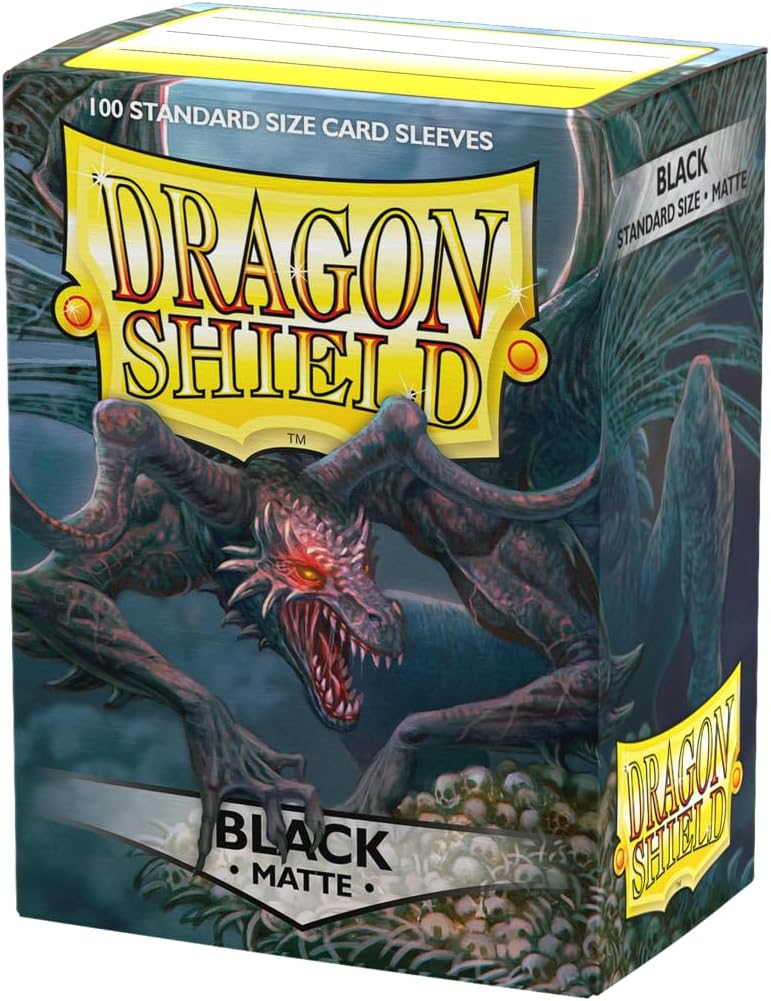
- Buy a pack of matte standard sleeves (66×91mm) the same day so your cards are never naked.
- If a friend is in, grab a SECOND different starter so you can battle immediately.
- Use the official event finder at en.onepiece-cardgame.com/events to locate a weekly local night near you.
First Words at the Table
Leader — your captain, the face card your whole deck is built around; it IS your identity ("I'm on Luffy"). DON!! — the resource cards you gain 2 of every turn; the energy you never run dry of. Life — your stack of face-down Life cards, both your HP and your hidden upside, since Triggers live there. Bricked — an opening hand too expensive to play with no Counter value; the universal groan word everyone has lived through.
The Twenty-Minute On-Ramp
Do the free Teaching App tutorial BEFORE you buy anything heavier than a starter. It walks you through DON!!, attacking, Counters, and Blockers, then drops you into starter-deck battles. The comeback Life mechanic only truly 'clicks' once you've felt it — the app gives you that feeling for free in one sitting.
No Trap Picks Among Starters
Current ST decks are deliberately balanced against each other, so there is no wrong first choice. Red Leaders tend to be the simplest, most aggressive intro; Blue, Green, and Purple lean toward control and resource grinding. Buy the character you vibe with — the game rewards that.
The Friendliest Front Door in TCGs
Locals are famously welcoming: most stores hand out free Welcome/promo packs, and most players happily teach. Walking into a card shop alone and leaving with three new contacts and a pack of free sleeves is the single most common origin story in the entire scene.
Building Your First Deck: Sleeves, the Golden Ratio, and Flying One Pirate's Flag

Sit. Breathe. Before strategy, devotion — lock your Leader first, because your color is chained to your captain, and that chain is the gift, not the cage. You are not building 'a Red deck'; you are flying that pirate's flag. Tune the meta later. Tonight we learn to count what defends you, not only what looks cool.
Deckbuilding in OPTCG is an act of devotion to a single Leader. Your color is locked to your captain, you run a maximum of 4 of any card number, and within that cage you obsess over ratios. The community's golden ratio for a first real deck: roughly 8–12 Counter cards for defense, a handful of searchers for consistency, a few blockers, and 2–4 high-cost finishers. A deck that can't defend is a deck that bricks — and bricking, painfully, is how you learn this is a game of resource math, not just slamming your favorite characters.
The lowest acceptable "ready" bar is mercifully low: a single starter deck is a complete game. You do not need to build to play. But the moment you graduate from a $10 starter to a 50-card list you tuned yourself — that's the rite. You stop being a One Piece fan with cards and become a [Leader] player.
Craft splits down two roads that constantly cross. On the builder's road, the room divides good-naturedly between netdeckers who copy the meta lists and proud brewers who tune a rogue homebrew around an off-meta pirate just to prove the haters wrong. Proxies are openly used to test ideas before buying in. On the collector's road runs a parallel, almost spiritual practice: the pack-opening ritual chasing alt-art Secret Rares and the holy-grail comic-panel Manga Rares, the binder and toploader for cards too precious to sleeve.
And then there's table-dressing — matching sleeves, mat, and deck box, because the game is a stage and your pirate should look the part. Sleeve from day one. Unsleeved cards get marked (a legality problem and a resale killer). A vet will often just hand a newbie sleeves rather than complain. Every choice you make here — Leader to sleeves to that one chase card in your binder — is a small declaration of which pirate's dream you've decided to fly.
Count your Counters, not just your cool plays — a deck that can't defend is a deck that bricks.
- Sleeve your starter deck the same day you buy it — matte standard sleeves, opaque and uniform.
- Pick the one Leader you'll commit to and learn its color's gameplan cold.
- Don't crack boosters to 'build' — buy the SINGLES your chosen deck needs (far cheaper than chasing pulls).
- Aim for the golden ratio: ~8–12 Counters, a few searchers, a few blockers, 2–4 finishers.
- Test your ideas free on OPTCGSim (all cards unlocked) or with proxies before spending.
- Build your first full constructed deck on a budget (~$30–$100) once you know what you love to do.
The Builder's Vocabulary
Counter / 2k counter — the defensive number you discard from hand to survive an attack; a '2k' is a card kept purely as a +2000 shield. Tall vs. wide — pile all your DON!! on one monster (tall) or spread a board of attackers (wide); the core strategic axis. Netdeck — copying a proven winning list (said with mild irony). Manga rare — the black-and-white comic-panel ultra-rare; it lives in a toploader, never a deck, and is shown off, not played.
Value Cards as Counters, Not Just Plays
The new-player rite is learning to look at a card's bottom-corner Counter value, not only its body on the board. A deck stuffed with strong plays but thin on Counters will fold the moment it draws the wrong half. Eight searchers buy consistency; a healthy Counter count buys you the turns you need to set up. Defense first, fireworks second.
Protect the Captain
Your Leader is face-up all game and takes the most handling wear — and it's often your highest-value card. Give it a dedicated protector (toploader, magnetic one-touch, or rigid holder), and many players double-sleeve chase and Leader cards: a perfect-fit inner plus a matte outer. Buy a deck box that fits a sleeved 60+ card deck plus the 10 DON!!.
Singles Over Boosters, Every Time
Cracking packs is gambling, not deckbuilding. To make a specific deck, buy exactly the singles you need — it's dramatically cheaper than hoping to pull them. Treat boosters as entertainment you open for the joy of opening, never as a plan to assemble a list. Budget builds run roughly $30–$100; let your deck, not your luck, decide what you own.
How a Turn Actually Works: DON!!, the Five Phases, and Why Damage Feeds Your Hand

Now the rules, precisely, because precision is its own kind of respect. Three zones to live in: Life is your HP and your hidden upside, DON!! is your fuel, the trash is just the sea floor. Say everything out loud — 'attacking your Leader,' 'resting two DON!!,' 'I have blocker' — clean announcing is how this table keeps trust. Watch the restand, respect the Trigger, and you'll be fine.
Here is the honest engine. Each turn runs five phases: Refresh (un-attach DON!!, set everything Active), Draw, DON!! (gain 2, up to 10), Main (play cards, attach DON!!, attack, use abilities), and End. Player 1 gets only 1 DON!! on the very first turn and skips their first draw to balance going first — the game is scrupulously fair about the advantage of the opening swing.
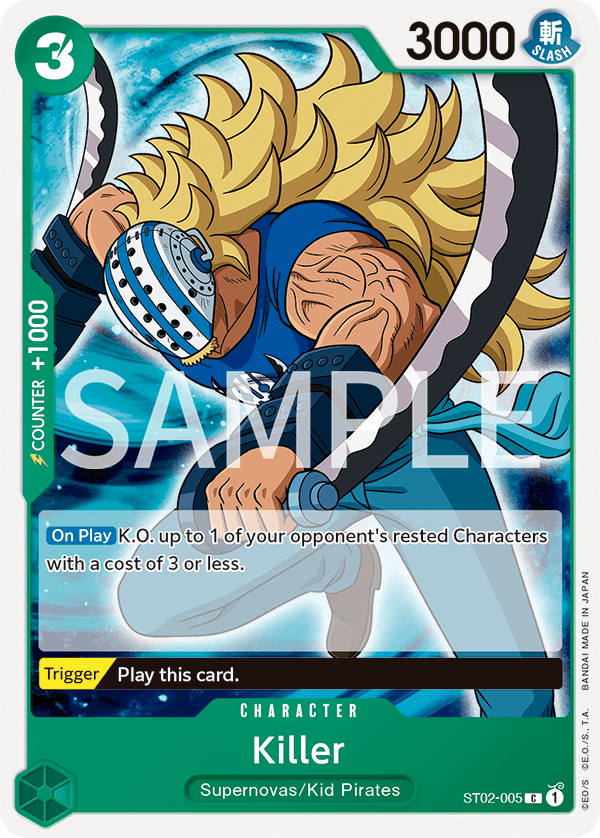
You spend DON!! to play Characters and Events by their Cost. But here's the core combat math: any unspent active DON!! can be attached to a Character or your Leader for +1000 Power that turn. A 5000-Power Character with two DON!! attached swings for 7000. "Don'd up" — slamming two DON!! down with a flourish — is half the spectacle; the resource IS the show.
To attack, you Rest (tap) your attacker and pick a target: the enemy Leader, or a Rested enemy Character. You cannot hit Active characters — so sequence your swings deliberately, because you can't re-target after declaring. The defender answers in order: first Block (Rest a Blocker to redirect the hit onto it), then Counter (discard Counter cards from hand to add their value to the defender's Power). If total defense meets or beats the attack, the attack fizzles.
And the soul of it: when your Leader takes a hit, you take the top card of your Life pile into your hand. Being hit refuels you. If that card is a Trigger, a bonus effect fires for free — the screen-shaking swing moment where taking damage can win you the game. You win by dropping the enemy to 0 Life and landing one more hit (the K.O.), or by milling them out so they can't draw.
The etiquette is baked into the mechanics: this game hides enormous information, so the code is to be scrupulous about the public stuff. Track Life and DON!! honestly, out loud. Declare lethal cleanly — nobody respects the player who milks a win.
Lose all your Life and take one more hit — that's the game. Being hit is how you refuel.
- Memorize the five phases in order: Refresh → Draw → DON!! → Main → End.
- Each Main phase, budget your DON!! as a split between PLAYING cards and ATTACHING for +1000 Power.
- Before swinging, decide targets: you can only attack RESTED enemy Characters, and you can't re-target after declaring.
- On defense, resolve in order — Block first (rest a Blocker), then Counter (pitch cards from hand).
- Stop over-Countering small early hits — often it's correct to TAKE the damage and gain the Life card into hand.
- Announce every action out loud — 'attacking your Leader,' 'I have blocker,' 'resting two DON!!.'
The Language of the Swing
Don'd up — a character loaded with DON!! for a big +1000-per swing; saying it aloud is half the fun. Blocker — a character you rest to redirect an attack onto itself; "do you have blocker?" is what every attacker silently asks. Rush — a keyword letting a character attack the turn it's played, no summoning sickness. Trigger — a free effect that fires when a card is flipped off your Life; the clutch, table-flipping swing moment.
The Mechanics Carry the Manners
Because so much is hidden, the etiquette is fierce about the public information. Announce your actions clearly — hidden or mumbled plays are how trust dies at locals. Track Life and DON!! honestly and out loud. Don't slow-roll or fish for emotion: declare lethal cleanly and move on. The game polices nothing automatically, so the table polices itself with plain speech.
When to Take the Hit
The single biggest beginner fix: stop Countering every small attack. Each Life card you take goes INTO your hand, so getting hit early can be straight card advantage. Read the race — count turns until you can deal lethal versus until they can. If you're ahead, push; if behind, trade efficiently and lean on the Life-into-hand refuel to stabilize. Save your Counters for the lethal turns that actually matter.
Counters and Blockers Are Hidden Life
A defender holding a fistful of 1000/2000 Counters effectively has far more durability than their Life total shows. Before you commit a lethal turn, bait those Counters and Blockers out — swing in ways that make them spend defense early, then close when their hand is empty. And respect the restand: tapping out into a fresh attacker is exactly how people get one-turn-killed out of nowhere.
Hanging With the Pros: the Meta, the Mental Game, and the Line You Never Cross

Straight talk now, initiate — winning isn't the thing you have to get right every time. 'Good game' is. Variance is real, the deck WILL brick on you, and the player who tilts at their opponent has already lost the only match that matters. Learn the meta, sequence your swings, play around what they COULD have — and keep your salt pointed at the dice, never the person across the table.
To hang with the pros, start by reading the meta as it actually is, not as last month's autopilot. Entering OP-16, the format is healthy and diverse: Purple Enel is the flexible control deck to beat, Blue/Yellow Nami a constant menace, while OP-16 instantly elevated Black/Yellow Teach with Black Yamato and Purple/Yellow Rosinante rising. Track the TCGplayer and onepiece.gg tier lists, watch the banlist, and re-read new card interactions instead of clinging to old lines when a set drops — the meta shifts fast, and from August 2026 it shifts worldwide at once.
The pro edge is mostly sequencing and budget discipline. Every turn, split your DON!! between playing and attaching while leaving enough open for next turn's blocking math. Beginners under-attach (leaving attacks short of lethal) or over-commit DON!! they needed to defend. Hit rested blockers with your Characters first to clear the path; decide whether your Leader's swing goes at their Leader or a threat before you declare, because there's no take-backs. Once you're competitive, sideboard and tech: more removal versus big-Character decks, more Counters versus aggro, anti-On Play tech against a Teach Leader. Small swaps flip bad matchups.
The mental game is the real ascent. Don't mis-evaluate cards by sight — the community repeatedly watches "looks bad" cards become staples and hyped cards flop; let early tournament results guide you, not first impressions. After an OTK blindsides you, start playing around what your opponent could have. That humbling is what turns a casual into a student.
And here is the bright line you never cross. The win-at-all-costs jerk — the slow-roller who milks a victory, the scalper who buys to flip not to play, the grinder who pounces on a newer player's misplay instead of teaching — is the one archetype this scene quietly refuses to become. Teach, don't trounce. Lose gracefully and salt privately. You can want to win badly and still be crew. The line is whether you'd make the table smaller to do it.
You can want the win badly and still be crew. The line is whether you'd shrink the table to take it.
- Read current tier lists (TCGplayer / onepiece.gg) and check the banlist before every event.
- Re-read new card interactions after each set drop instead of auto-piloting last month's lines.
- Practice sequencing: clear blockers with Characters first, commit your Leader's target before declaring.
- Budget DON!! to leave enough open for next turn's blocking math, not just this turn's damage.
- Once competitive, sideboard/tech against the field — more removal vs. big bodies, more Counters vs. aggro.
- Try a Store Championship — the entry rung of organized play — and treat every loss as a lesson, not a grievance.
Speaking Like a Grinder
OTK — One-Turn Kill, popping all remaining Life in a single explosive turn; both the dream and the boogeyman. Restand — setting a rested character or Leader back to active to swing again; "watch out for the restand" means don't tap out. Meta / brew — the netdecked best lists versus a proud homebrew rogue list. God pack — a miracle booster stuffed with special-art cards, asked after with genuine hope.
The DON!! Budget Is the Real Skill
Treat every turn's DON!! as a budget split between PLAYING and ATTACHING for +1000. The masters leave enough active DON!! open for next turn's blocking math while still pushing meaningful damage. Under-attach and your lethal comes up short; over-commit and you can't defend the crackback. Count the race — turns-to-lethal for you versus them — and let that math, not adrenaline, decide how hard you push.
The Bright Line
The scene has one archetype it refuses to become: the win-at-all-costs jerk. Don't slow-roll or fish for emotion — declare lethal cleanly. Don't be the scalper who buys to flip, not to play; the community polices price-gougers harder than rules cheats. And when a newer player misplays, point it out kindly instead of pouncing — judges themselves are told to educate, not just penalize. Teach, don't trounce.
Tech Against the Field
Matchup prep beats raw power. Against aggro, prioritize early blockers and don't over-extend into board wipes. Against control like Enel, apply steady pressure so they can't set up their engine uncontested. Against an On-Play-heavy Teach Leader, pack anti-On-Play tech. Small, deliberate swaps — a couple of removal spells, a few more Counters — quietly flip a matchup you used to dread.
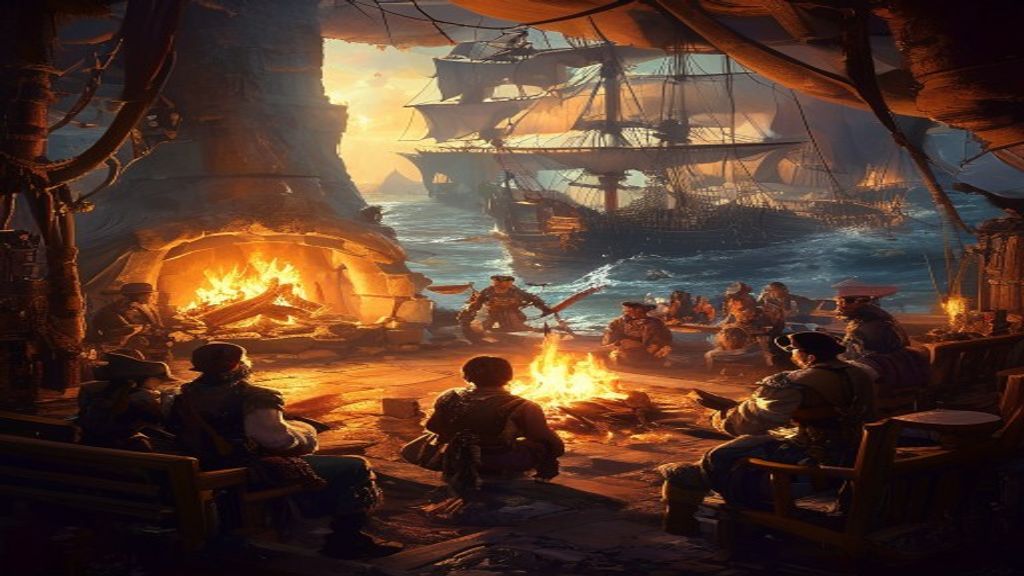
Nakama: the Unwritten Code, the Rites of Passage, and the Crew You Didn't Know You Were Joining

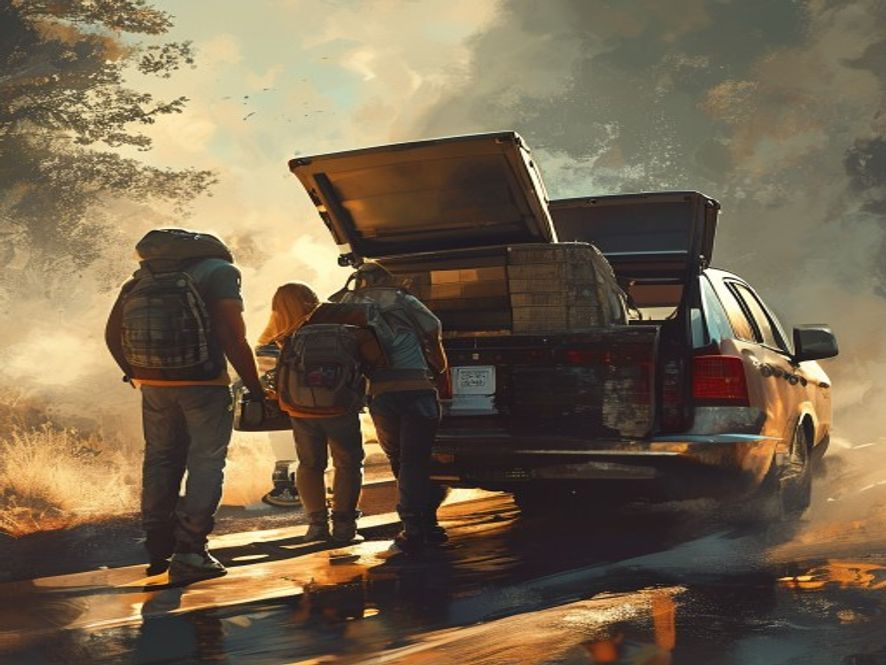
Pull up to the fire, initiate — you're in the group chat now, and fair warning, it's ninety percent deck pics and bad beats at 1am. Come for the cards if you want, but stay because this turned into your crew; that's the pattern, every single time. You should road-trip to the next Regional with us — piling in a car with your locals is exactly when these people stop being opponents and start being your people.
The soul of the One Piece Card Game is inseparable from One Piece itself — a 25-plus-year saga whose entire thesis is "nakama," the untranslatable bond of a found family of misfits chasing an impossible dream. So when you sit across from someone, you're not just trading damage; you're both flying a Leader you love the way you'd fly a flag, and that shared reverence is the handshake. The in-jokes ride along into every match: the running gag that "no one really dies in One Piece," the mysterious "Will of the D.," Zoro getting hopelessly lost, and the eternal cry — "I'm gonna be King of the Pirates!" — shouted (un)ironically when you swing for lethal.
Because the IP is so beloved and this is many players' literal first TCG, the culture is unusually wholesome and earnest for a competitive scene — more "let me show you this" than "git gud." There's a chip on its shoulder, too: Bandai chronically under-printed against a 500-million-copies-sold fanbase, so scalpers and $800 Manga Shanks haunt the hobby, and the community defines part of its identity in opposition to them. "Buy to play, not to flip."
The rites are real and they repeat. Your first brick hand at a tournament teaches resource math the hard way. Your first locals night ends with three new contacts and free sleeves. Winning a trophy card — a Store Championship or Regional promo — earns a flex you literally cannot buy at retail. And the truest one: teaching someone else to play. In a found-family fandom, your induction completes when you become the welcomer instead of the welcomed.
For a startling number of people, this game "saved my life" — and what they mean is that a card-shop table gave them somewhere to belong when they had nowhere else. The kid and the 41-year-old dad sit at the same table. You don't earn your way in. You show up flying a flag, and you're already crew. Welcome to the fold, initiate. Now go host the next one.
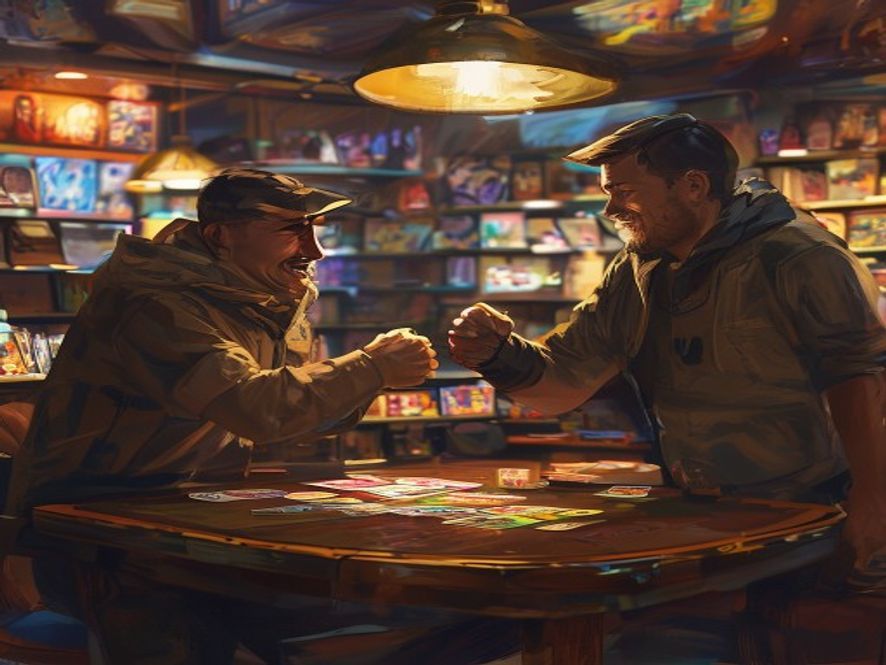
The match is just the excuse to hang out. The crew is the point.
- Open with the handshake every time — a fist bump and 'good luck, have fun,' win or lose.
- Sleeve up, ask before touching anyone's cards, and handle them by the edges.
- Let people play their favorite Leader — 'rule of cool' is sacred, off-meta and all.
- When you host, run a kitchen-table league: starter and budget decks only so newcomers aren't stomped.
- Seat first-timers against a patient, explaining player, and celebrate every clawed-back comeback out loud.
- Road-trip to a Regional with your locals — and when you're ready, teach the next new person and complete the cycle.
The Unwritten Code
Fist-bump before and after every match, win or lose. Ask before you touch someone's cards; handle by the edges. Track Life and DON!! honestly and out loud. Sleeve before you sit — a vet will just hand a newbie sleeves rather than complain. Let people play their favorite character; nobody gets mocked for an off-meta Leader because "rule of cool" is sacred. Buy to play, not to flip. Lose gracefully and salt privately — "it bricked" is acceptable; tilting at your opponent is not.
The Rites of Passage
Your first brick hand (resource math, learned the hard way). Building your first real deck around a Leader you love (you stop being 'a fan with cards' and become 'a [Leader] player'). Your first locals night (the most common origin story in the scene). Pulling a chase card. Winning a trophy card you can't buy at retail. Road-tripping to Nationals with your crew. And the final one — teaching someone else to play, which is when you become the welcomer instead of the welcomed.
The Soul of It
Everything rides on nakama — found family chasing an impossible dream. Every Leader is a flag: you're not playing 'Red aggro,' you're playing Luffy, and that means something. The fandom rides into every game — shout "King of the Pirates" when you swing for lethal, groan "it's in the Life" when your card's stuck face-down. That Manga Shanks in someone's binder is the white whale: never in a deck, always in a toploader, shown off like a relic. Welcome to the chase.
Hosting Your First Night
Pitch it in one sentence: "It's a One Piece duel where getting hit hands you more cards, so nobody's ever truly out." Teach with two starter decks, not a rulebook — play an open-hand first game and narrate each phase aloud. Front-load only four ideas: DON!! is energy you always get, attack is tap-and-compare-power, Counter/Block is defense, and damage feeds your hand. Budget 10–15 minutes, then learn by playing. Keep a clear, well-lit table and clean snacks — greasy fingers and trading cards don't mix.
Feed the Crew (Card-Safe)
Keep it dry and grease-free so cards stay clean: Zoro-style triangle onigiri are mess-free and easy to shape; senbei (Japanese rice crackers) and nori snacks are crunchy, tea-friendly, and zero-grease near the table; fruit skewers or a re-themed 'Devil Fruit' tart stay light and clean to handle. Save the meat-on-the-bone (Luffy's craving) for a pre-game meal with wet wipes nearby — and for a deep cut, cook from the official 'One Piece Pirate Recipes: Sanji's Gut-Stuffers' cookbook.
The Armory — what to buy first
Everything you need to begin, ranked. Honest picks; affiliate links support the cabinet.
 1
1 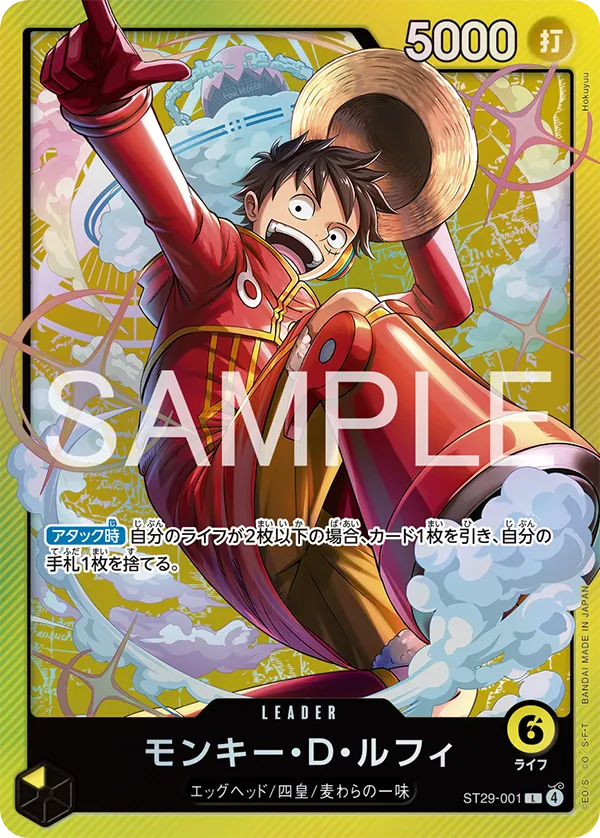
Bandai · Literally everyone's first purchase — one box, ready to play
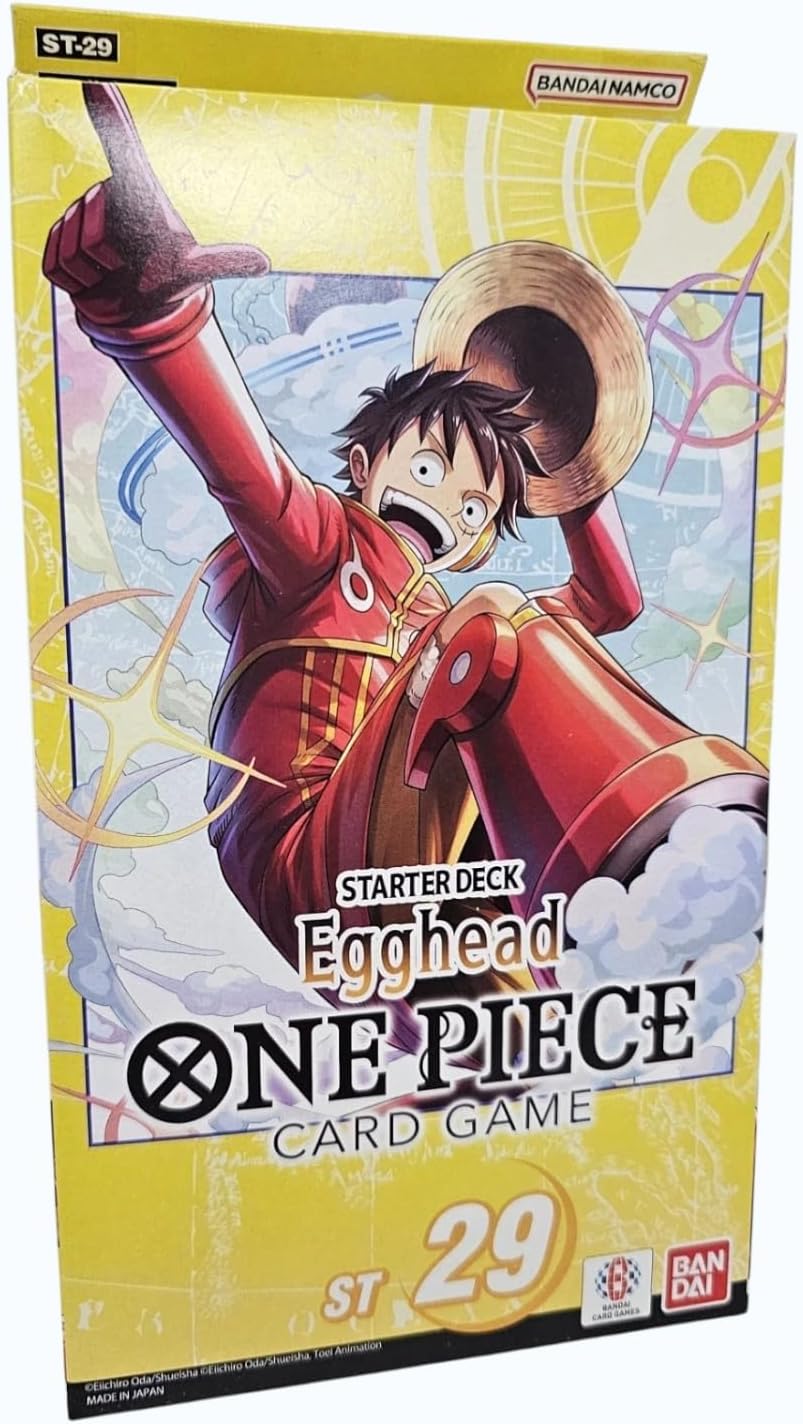
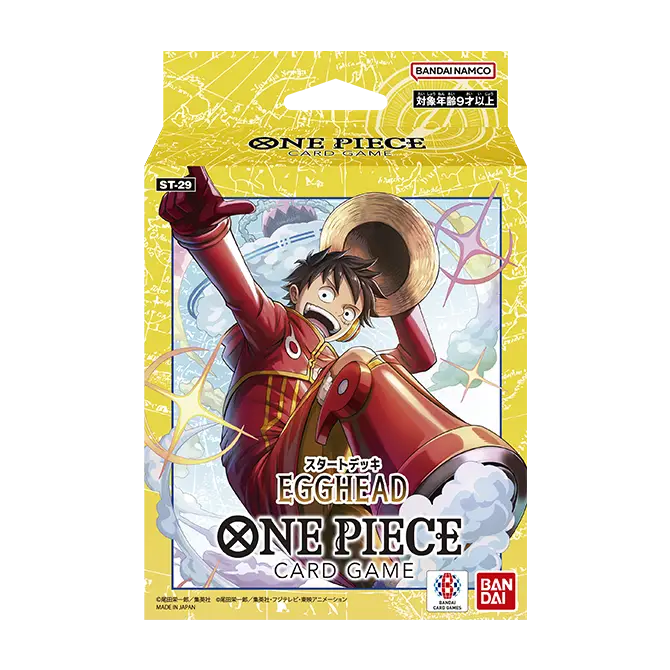
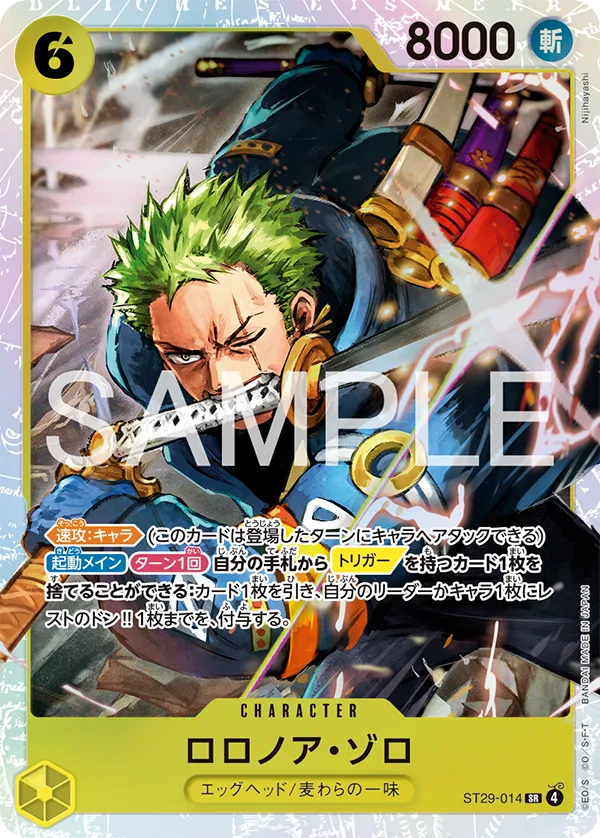
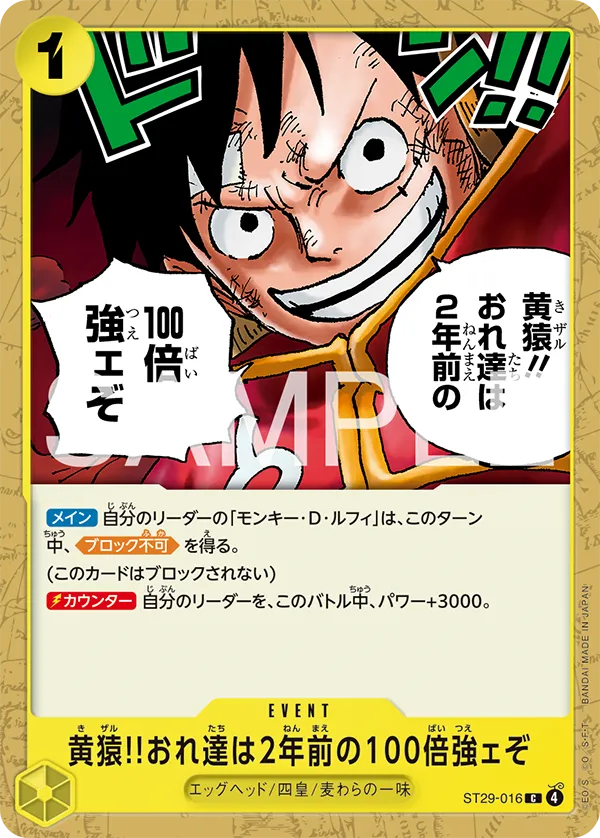
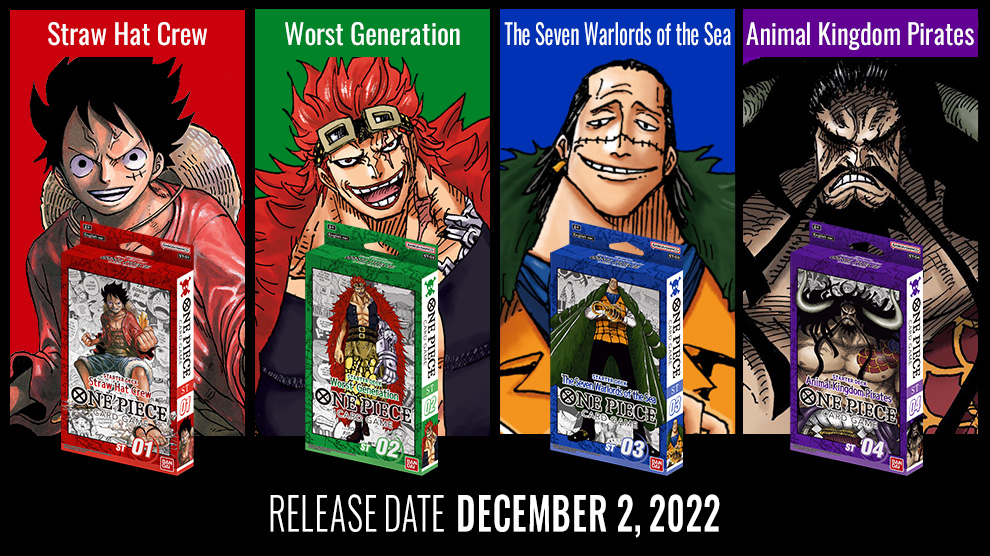
Current-Series Starter Deck (e.g. ST-29 Egghead or a New-Era colored ST)
The only correct first buy. A complete 51-card deck — 1 Leader, 50 main-deck cards, 10 DON!! — that plays straight out of the box with zero building required. Bandai deliberately balances the ST decks against each other, so there is no trap pick: choose the captain and color you actually love and you're holding a real, playable deck. Red Leaders run simplest and most aggressive; Blue, Green, and Purple lean toward control and grind. This is where the journey starts.
Kenji: Pick the pirate, not the strategy. You'll tune the rest later — for now, fly a flag you believe in.
- 100% ready to play, no deckbuilding needed
- Balanced against other starters — no wrong choice
- Cheap enough to grab two
- Not tournament-tuned on its own
- Best ST changes as new starters release
The catch: The single strongest beginner ST shifts with whatever's on shelves; ask your local what's current.
 2
2 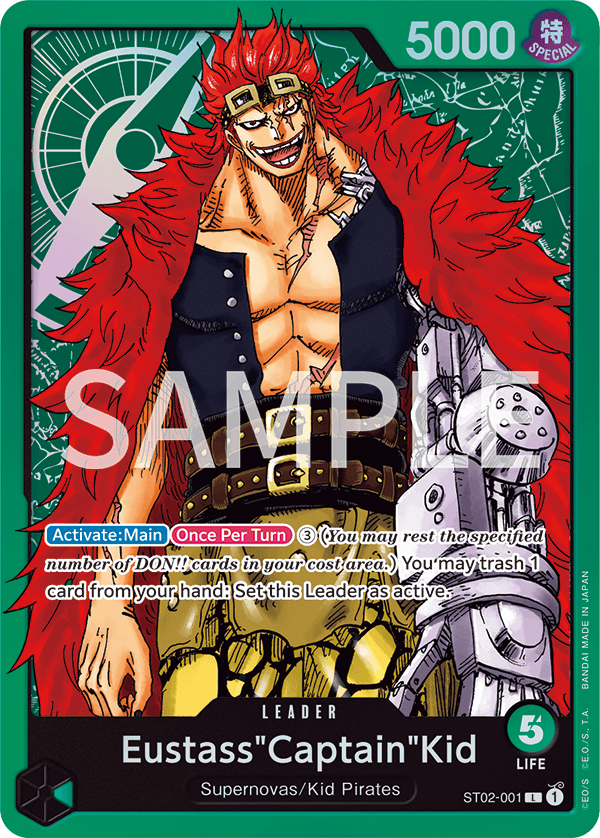
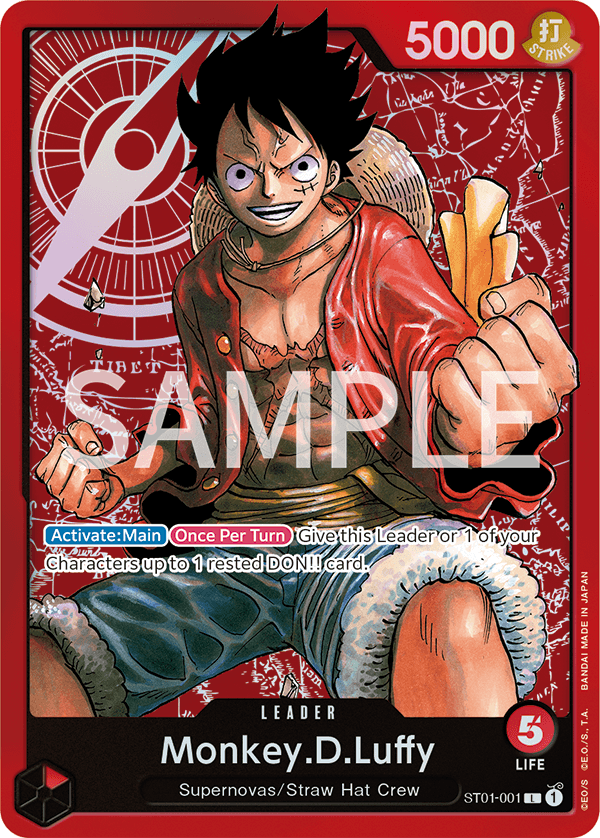
Bandai · Instant head-to-head — learning by playing, not reading
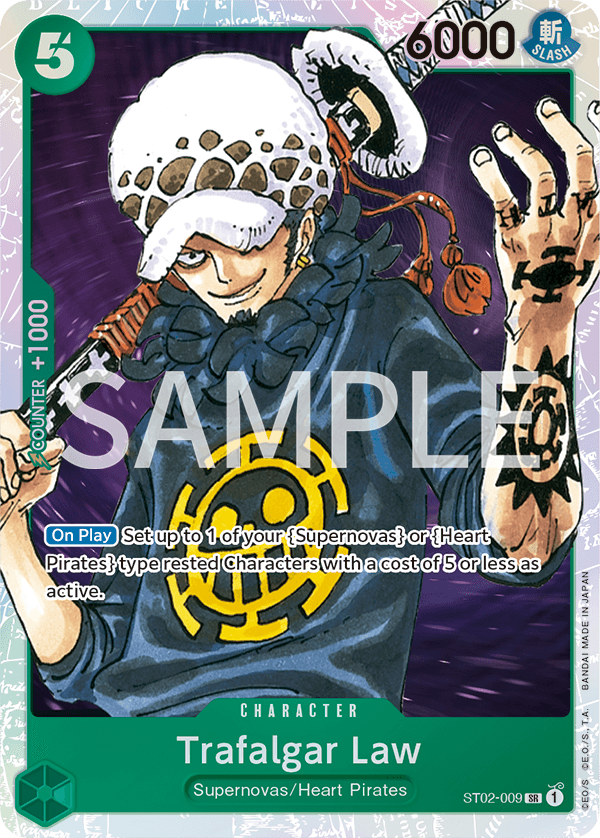
A Second, Different Starter Deck (to make a 2-player pair)
Two starters in two different colors equals instant battles, and battling a person is how this game truly teaches itself — the comeback Life mechanic only clicks once you feel a low-Life refuel save you. Cheaper and far more flexible than waiting on a boxed 2-player set (no canonical mid-2026 English SKU could even be verified). Buy a second ST the same day as your first; the math of attacking, blocking, and Countering becomes obvious in one open-hand game.
Kenji: An open-hand first game — both players' cards face up, every phase narrated aloud — is worth ten rulebooks.
- Enables immediate two-player games
- Two distinct colors to learn the matchup axis
- More flexible than a fixed 2-player box
- Needs a willing opponent on hand
The catch: No reliable official 2-player intro box for mid-2026 English; two separate starters is the recommended path.
 3
3 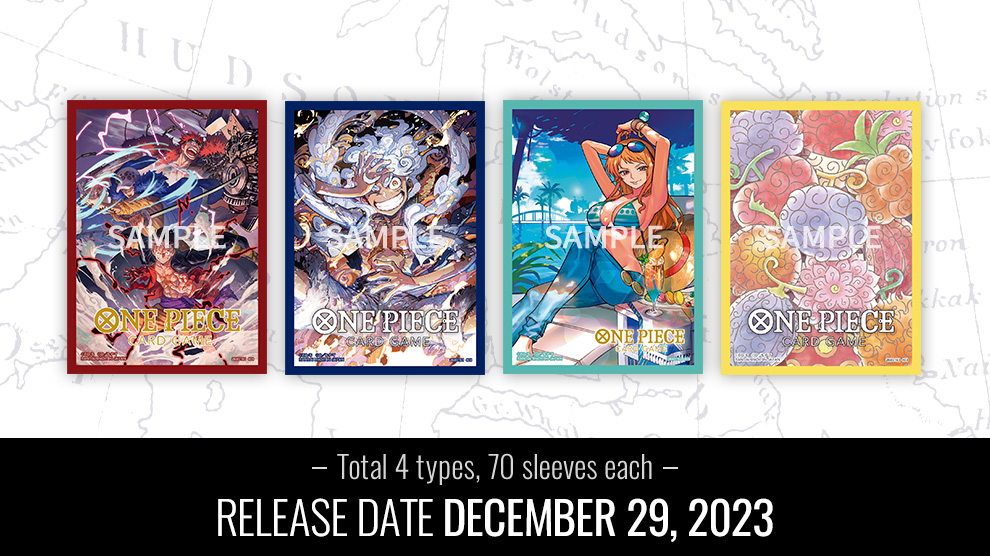

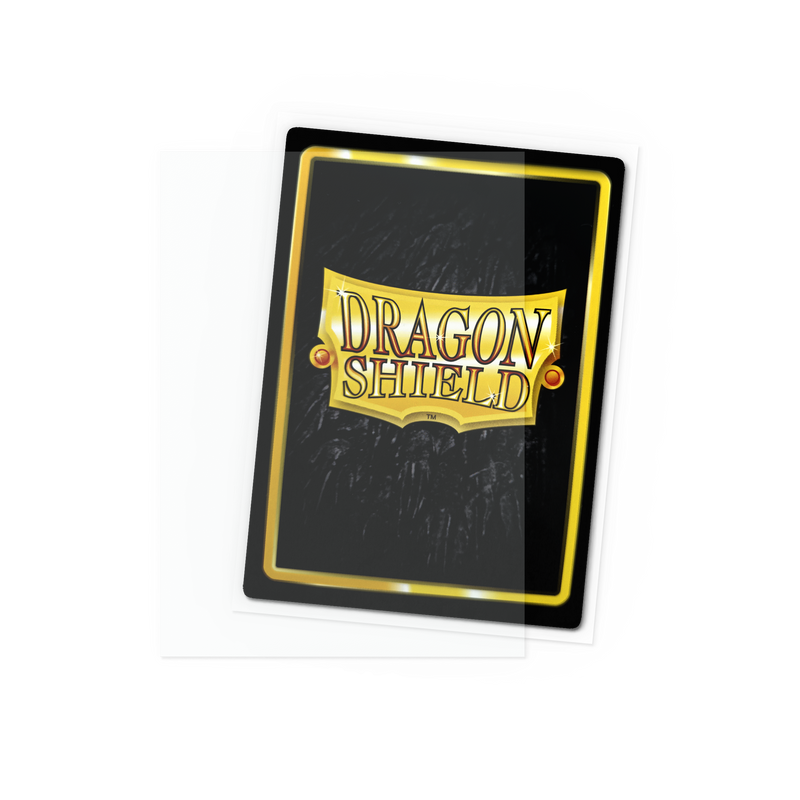
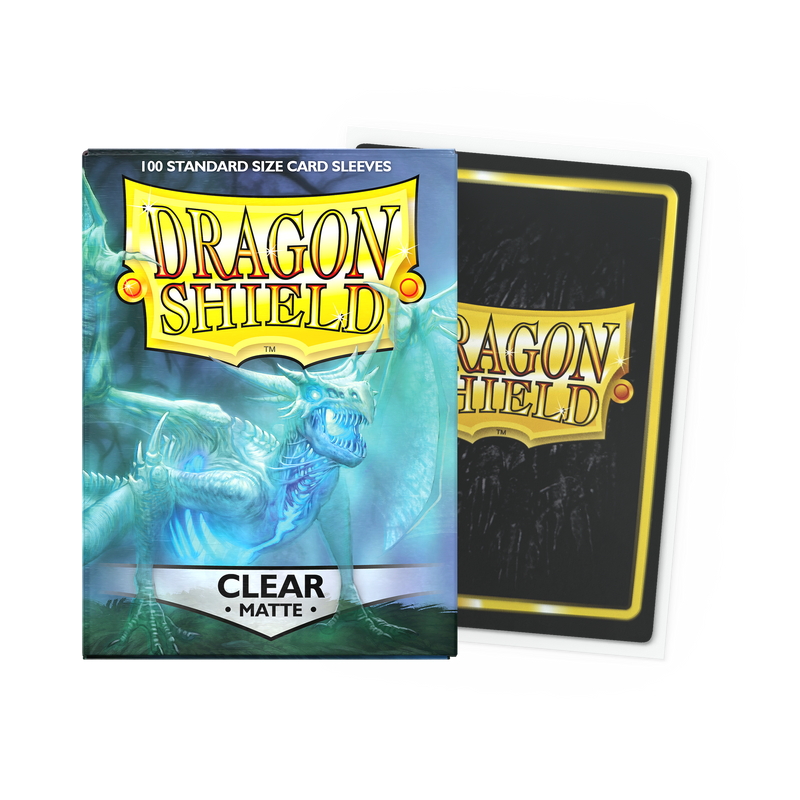
Dragon Shield Matte / Bandai Official One Piece Sleeves · Protecting your deck and meeting tournament legality from day one
Standard-Size Card Sleeves (66×91mm)
Buy these the same day as your deck. Tournaments require every card in opaque, uniform, undamaged sleeves, and matte sleeves shuffle better while protecting resale value. Sixty to eighty opaque matte sleeves cover a deck; many players double-sleeve their face-up Leader and chase cards (perfect-fit inner plus matte outer). Bandai's official One Piece sleeves give you themed, tournament-legal art if you want your table to look the part.
Kenji: Unsleeved cards get dinged and marked — a legality problem and a resale killer. Sleeve from card one.
- Required for any sanctioned event
- Matte = smoother shuffle, less marking
- Protects card value long-term
- Themed official sleeves cost a little more than third-party
The catch: Tournaments require uniform, undamaged sleeves; mixed or scuffed sleeves can flag a deck as marked.
 4
4 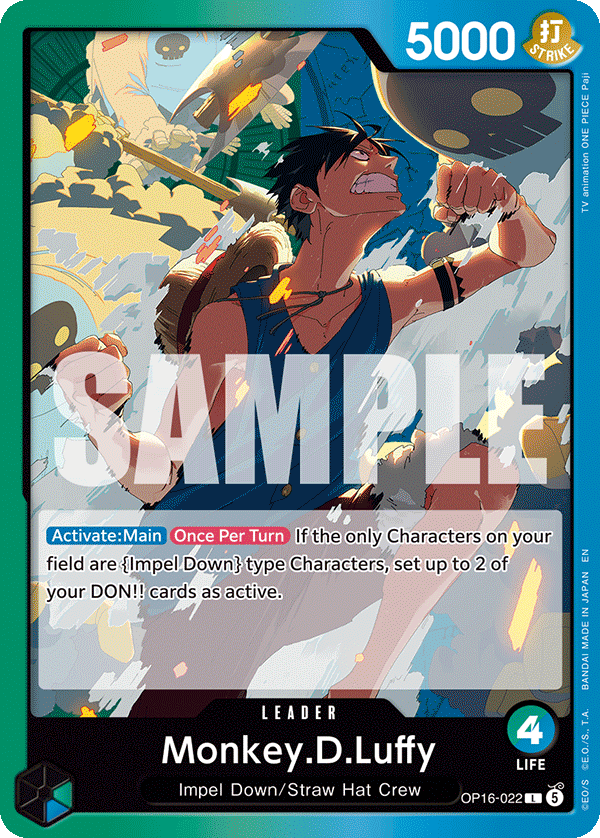
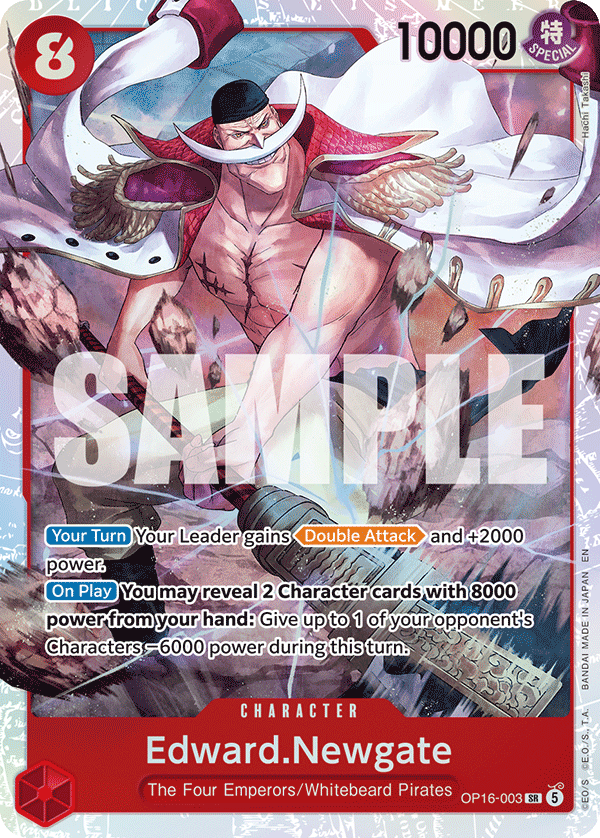
Bandai · Opening packs for fun and a quick card pool — not a deckbuilding plan
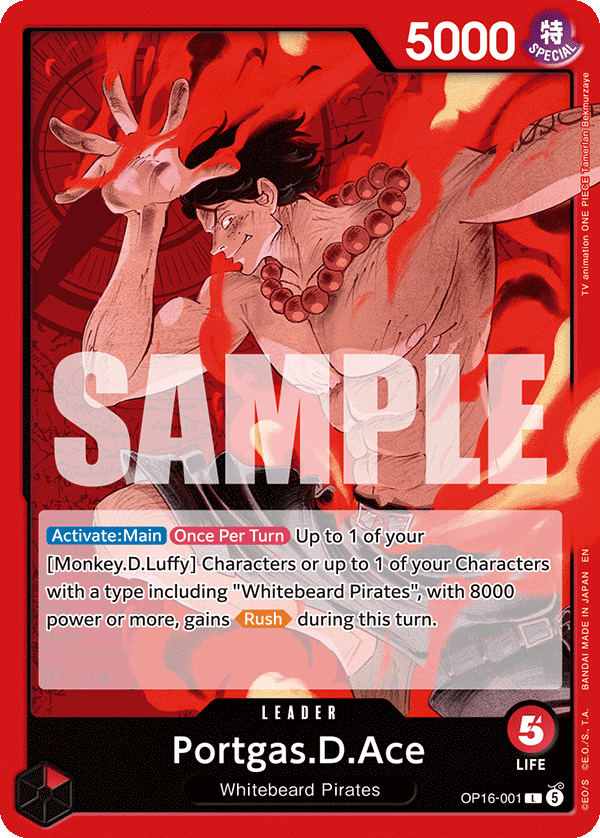
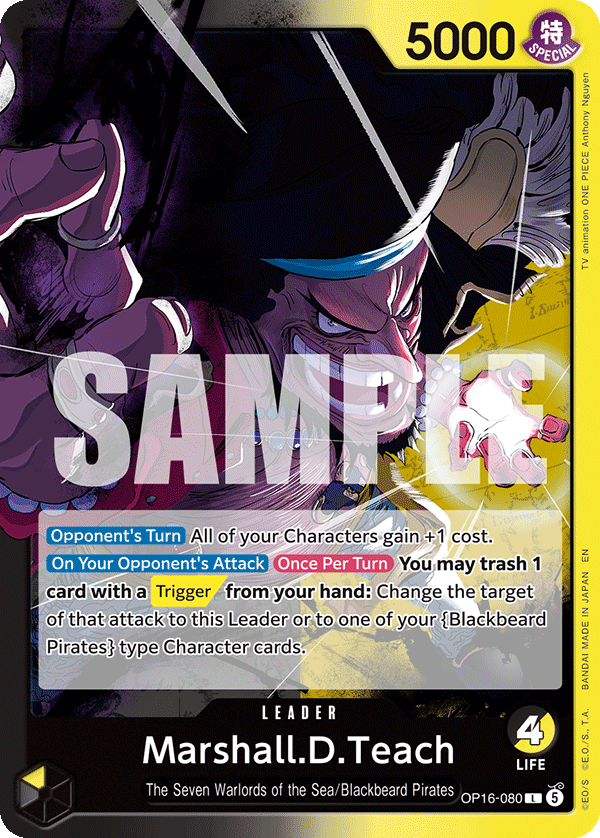
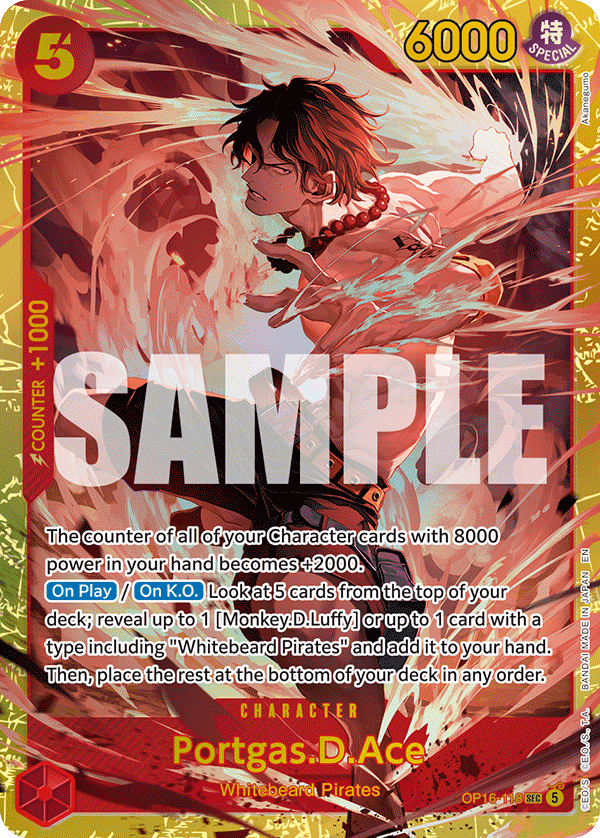
Booster Box of the Current Set (OP-16 'The Time of Battle')
Twenty-four packs of the newest set (each pack MSRP ~$4.99), themed on the Paramount War / Marineford arc. Cracking packs is genuinely fun and a cheap way to seed a starting card pool — but treat it as entertainment, not strategy. To build a specific deck you want, buying singles is almost always cheaper than gambling on pulls. Open boosters because opening boosters is a joy, not because you're trying to assemble a list.
Kenji: "Did you hit a god pack?" is asked with real hope — but never crack boxes expecting to build a deck.
- Fun pack-opening ritual
- Cheap entry to a broad card pool
- Newest cards and chase alt-arts inside
- Gambling, not deckbuilding
- Box street price is volatile and dealer-dependent
The catch: Exact OP-16 box street price swings widely by dealer and demand; packs are ~$4.99 MSRP each.
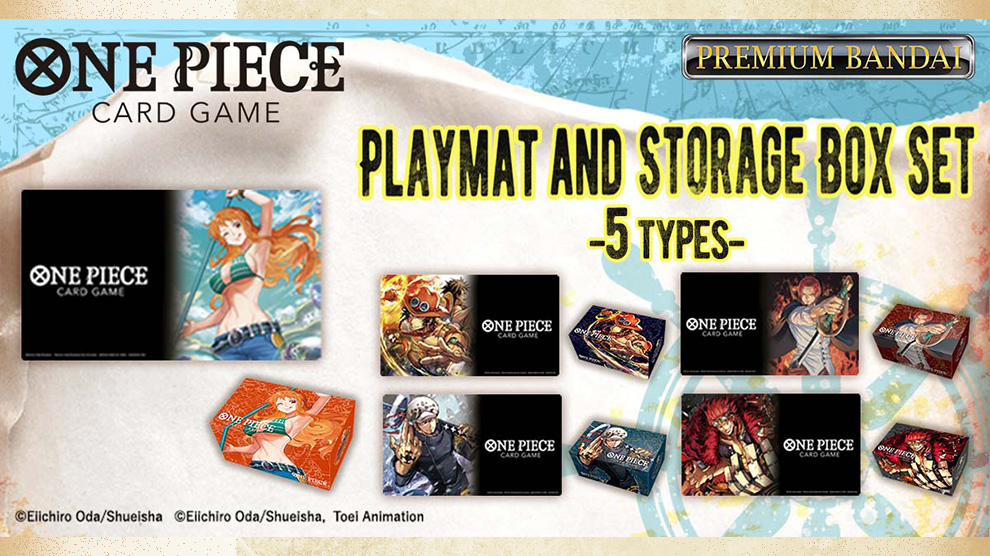 5
5 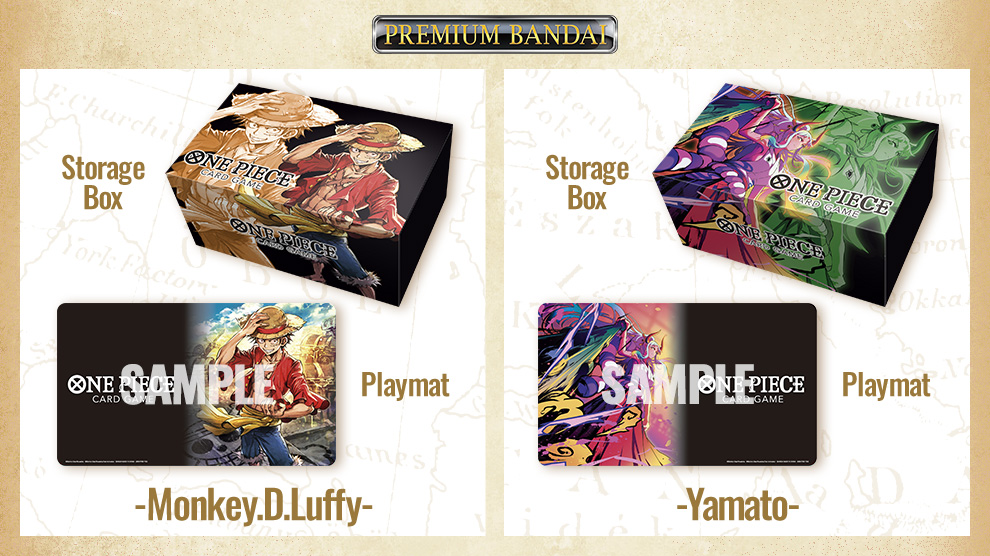
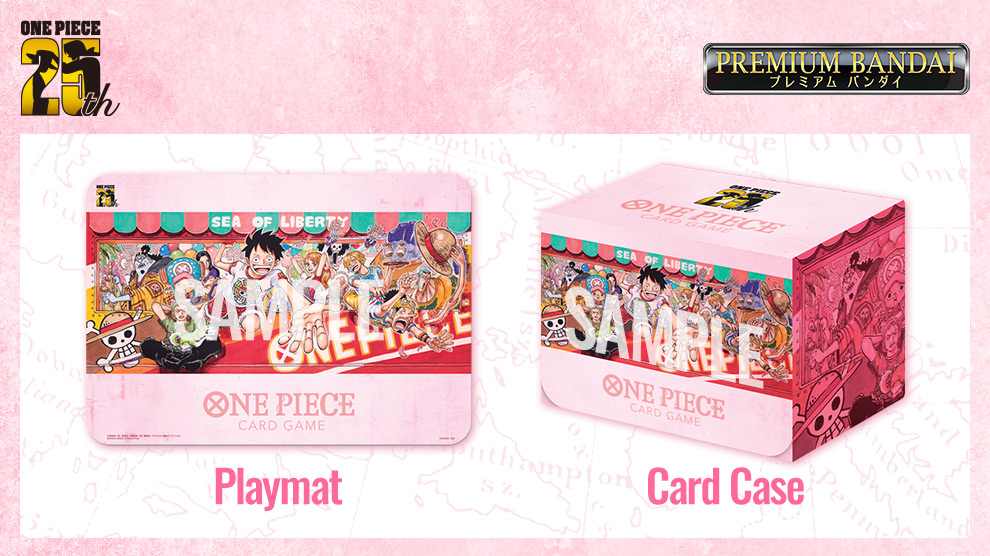
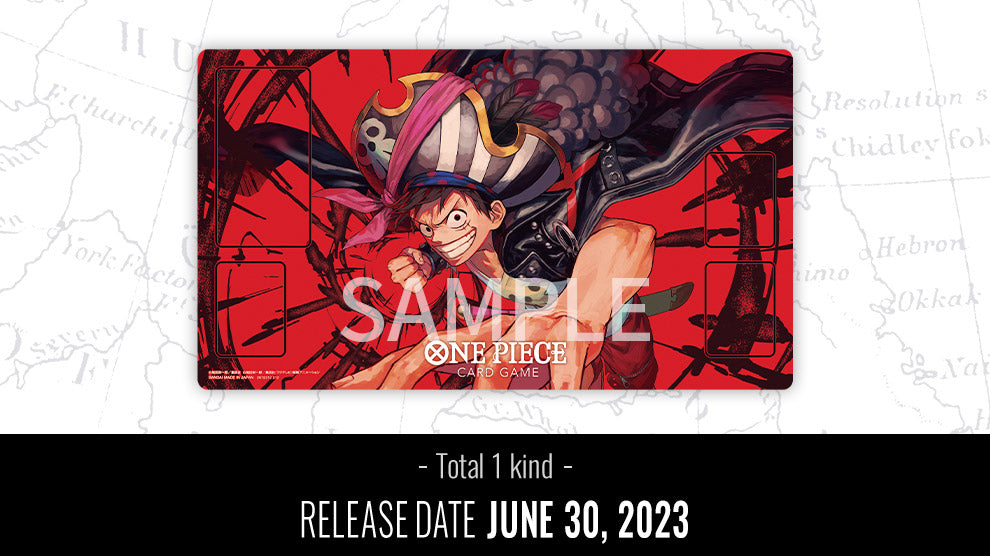
Various (Bandai, Amazon, Etsy) · Defining your play zones while you learn, and carrying your deck safely
Playmat + Deck Box
A rubber playmat with marked zones is a quiet superpower while you're learning — it shows exactly where the Leader, Character area, DON!! area, Life, and trash live, and keeps cards off grimy tables. A hard deck box carries your sleeved 60+ card deck plus the 10 DON!! safely in transit. Mats run roughly $15–$30 and deck boxes $5–$15; One Piece-themed designs abound on Etsy if you want your kit to fly your flag too.
Kenji: Your table is a stage. A matching mat, sleeves, and box are a small declaration of which pirate's dream you fly.
- Mat teaches board layout visually
- Protects cards from table grime
- Deck box keeps everything together in transit
- Optional, not required to start
- Themed designs cost more
The catch: Prices vary by design and seller; any standard TCG mat and box works fine to begin.
 6
6 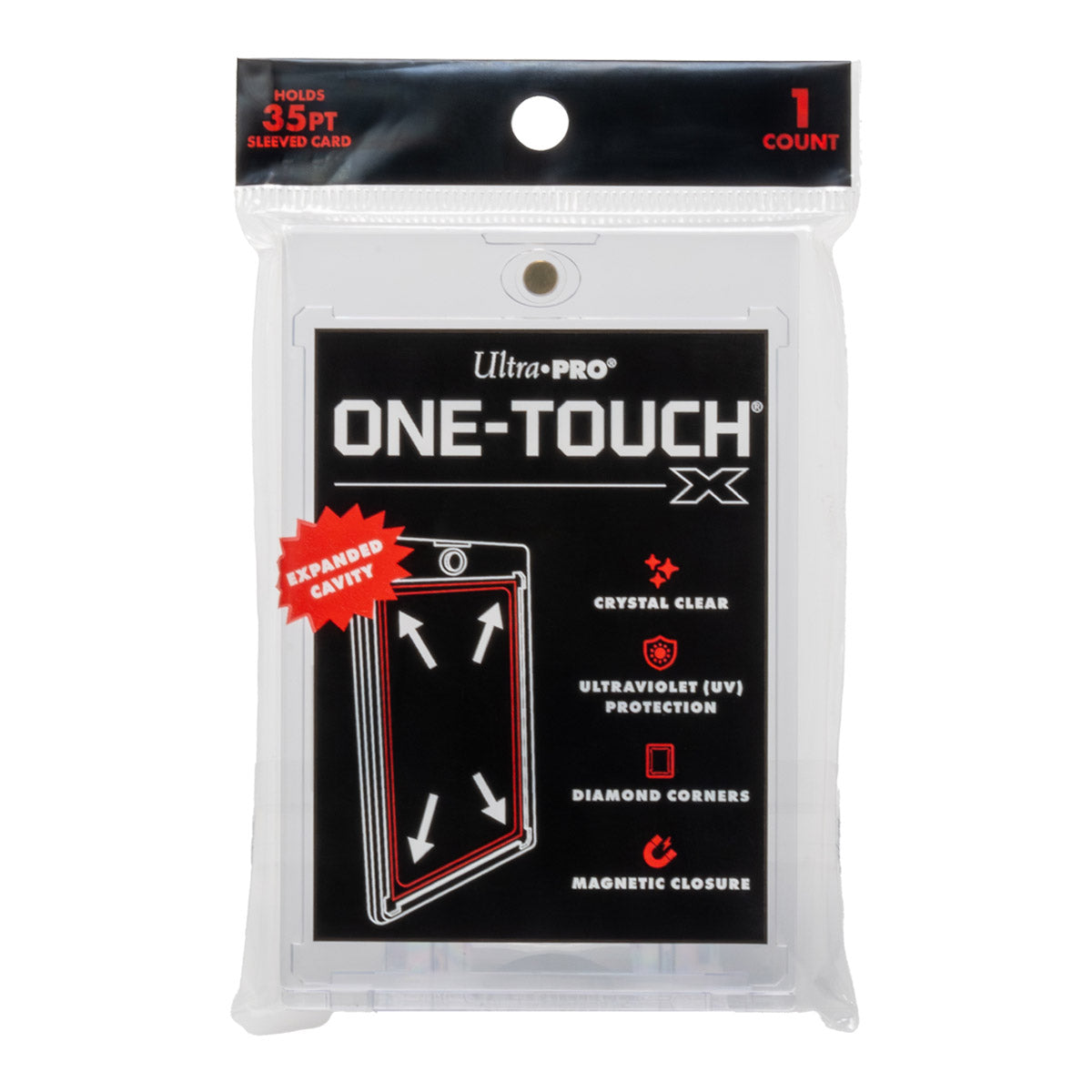
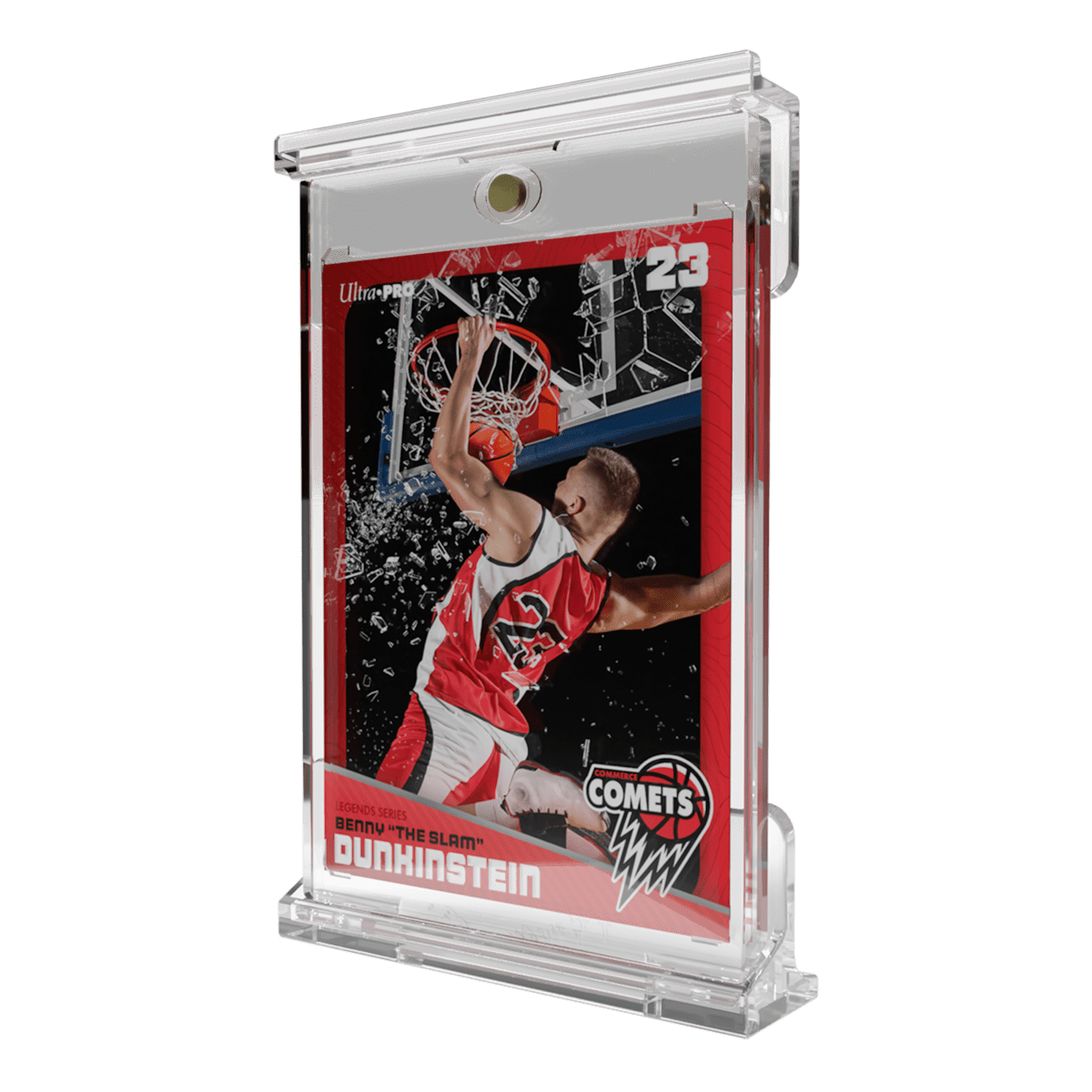
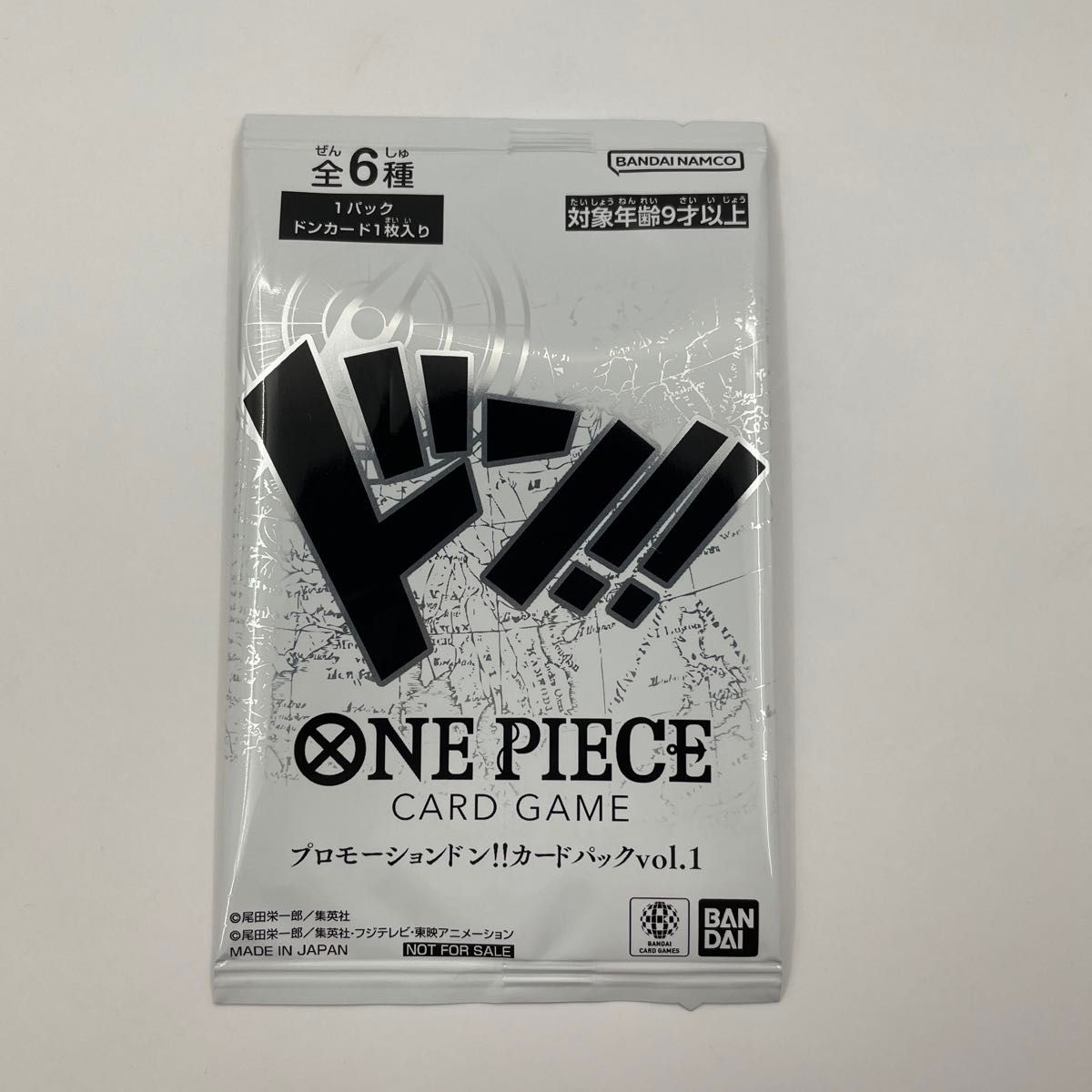

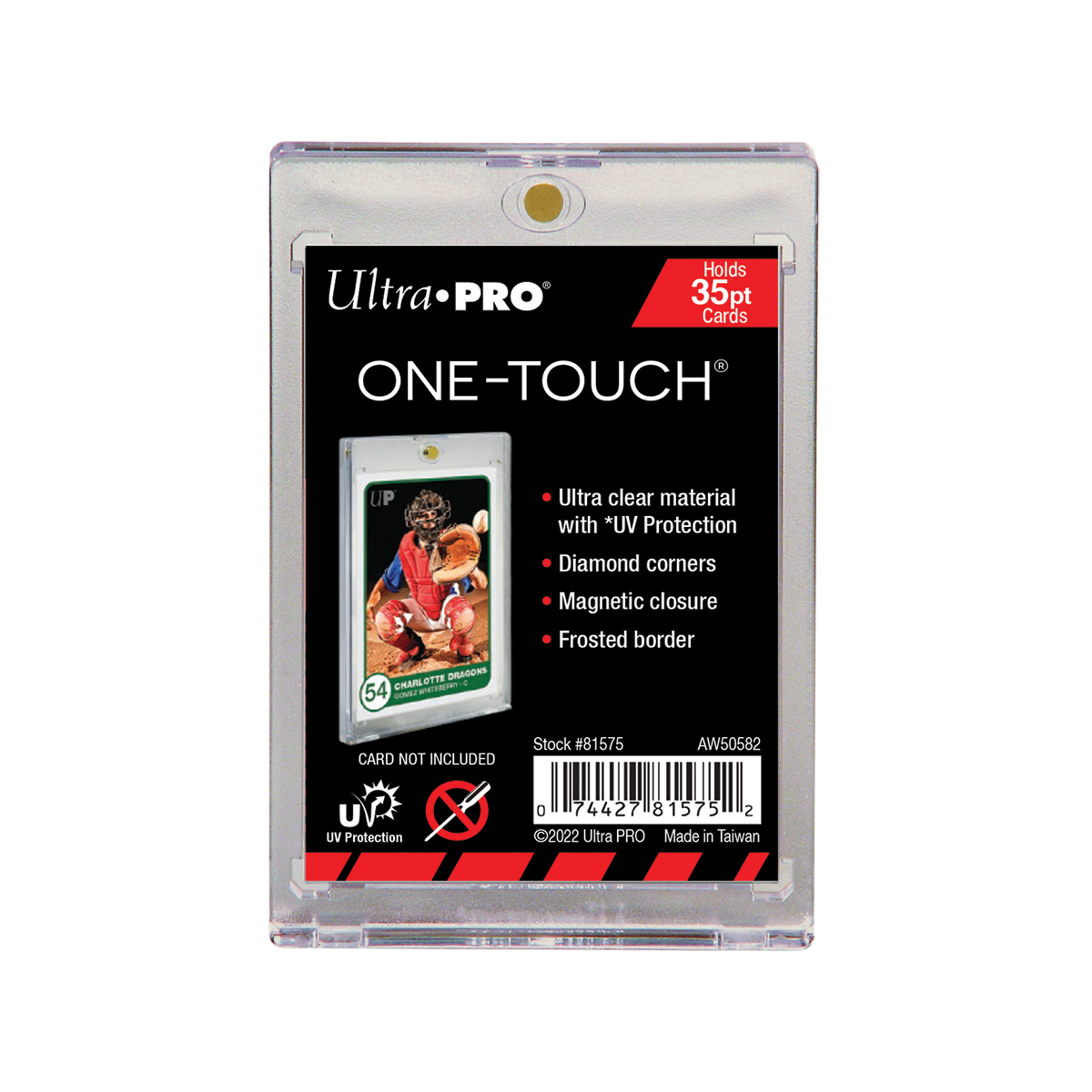
Various (toploader / magnetic one-touch + dice/tokens) · Protecting your highest-handling card and keeping combat math unambiguous
Dedicated Leader-Card Protector + DON!! Tracking Aids
Your Leader sits face-up all game, takes the most handling, and is often high-value — a toploader, magnetic one-touch, or rigid holder protects it from wear. Pair it with DON!! tracking aids: a small die or counter tray to track active-versus-attached DON!!, plus power +/- markers and rested/active tokens so combat math is never in dispute. Cheap quality-of-life that pays off the moment your board gets busy.
Kenji: Track Life and DON!! honestly and out loud — clean public information is the etiquette this whole table runs on.
- Shields the most-handled, highest-value card
- Removes ambiguity from DON!! and combat math
- Rested/active tokens prevent tap-state confusion
- Several small purchases rather than one item
The catch: Prices vary by holder type and brand; a one-touch costs more than a basic toploader.
Questions from the road
Is the One Piece Card Game pay-to-win?
Less than most TCGs at entry level. Starter decks are cheap, balanced against each other, and fully playable, and the DON!! system guarantees everyone the same resources every turn — you never lose to a 'no energy' draw. To compete at high-level events you will eventually buy singles (roughly $30–$300 depending on the deck), but you can play locals competitively on a budget.
How much does it cost to start?
About $15–$25 gets you going: one starter deck ($12–$20) plus a pack of sleeves ($8–$12). Add a second starter to play a friend, or a playmat and deck box for a bit more. Boosters (~$4.99/pack) are optional and best treated as fun, not a deckbuilding plan.
How many cards do I need for a legal deck?
Exactly 61 pieces: 1 Leader, a 50-card main deck (Characters/Events/Stages), and 10 DON!! cards. Max 4 copies of any card by number, and every main-deck card must match a color on your Leader.
Which starter deck should a total beginner buy?
Any current ST deck of the character/color you like — they're balanced so there's no wrong pick. Red Leaders tend to be the simplest, most aggressive intro; Blue/Green/Purple lean more toward control and resource grinding. Pick the One Piece character you want to play.
Can I play online for free to practice?
Yes. The official Bandai Teaching App has free tutorials and starter battles, and the community simulator OPTCGSim (Windows/Mac/Mobile) unlocks ALL cards for free so you can test full decks. Tabletop Simulator also has a mod but requires buying TTS on Steam.
Are Japanese cards legal in English tournaments?
No. Japanese-print cards are fine for casual play but are not legal in English-language Regionals, Flagships, or Championships — build with English prints if you plan to compete. (As of August 2026 sets release worldwide simultaneously, but the print-language legality rule still applies.)
What's the newest set in 2026 and what's strong right now?
OP-16 'The Time of Battle' (English June 12, 2026), themed on the Paramount War. Entering OP-16, Purple Enel is the flexible deck to beat and Blue/Yellow Nami stays threatening; OP-16 pushed Black/Yellow Teach to the front with Black Yamato and Purple/Yellow Rosinante rising.
How long does a game take?
About 15–25 minutes once you know the rules, which makes it easy to fit several games into a casual evening or a tournament round.
Is there a banlist I need to worry about as a beginner?
Barely. As of June 2026 there are no Restricted cards; Charlotte Pudding (OP06-047) is the lone outright ban, plus a rule that Borsalino and 'I Re-Quasar Helllp!!' can't share a deck. Starter and budget cards are unaffected — just glance at the official banlist page when a new set drops.
Do I have to collect to play, or can I just play?
You can absolutely just play — a single starter deck is a complete game. Collecting (alt-arts, Manga Rares, secret rares) is a fun parallel hobby driven by the gorgeous art, but it's entirely optional and separate from being competitive.
⛩ The graduation You came in not knowing a Leader from a Blocker, and now you know the whole shape of it — the DON!! that arrives like the tide, the Life that turns being hit into being armed, the long patient road from a ten-dollar starter to a list you tuned with your own hands. Hold to the slow work: count your Counters before your cool plays, take the damage you're allowed to take, and let the comeback teach you what no tier list can. The cards are only the excuse. What you're really here for is the table — the fist bump before the match, the loaner sleeves pressed into your hand, the crew that road-trips to a Regional and somehow becomes closer than people you've known for a decade. Set sail, initiate. You showed up flying a flag, and that means you were already crew before the first DON!! ever hit the mat. Welcome aboard.
— Kenji, In the tradition, we pass forward what the masters trusted to us. — Kenji
The Sensei · keeper of the loreEvery object has a lineage. Let me tell you its story.
Found your footing? Send this to someone starting out.
Sources & further reading
- en.onepiece-cardgame.com
- en.onepiece-cardgame.com/topics
- en.onepiece-cardgame.com/products/op16.html
- en.onepiece-cardgame.com/rules/restriction
- app.onepiece-cardgame.com/en
- en.wikipedia.org/wiki/One_Piece_Card_Game
- tcgprotectors.com/blogs/one-piece-player-guides/how-to-play-one-piece-tcg-beginners-guide-2026
- tcgprotectors.com/blogs/one-piece-deck-guides/how-to-build-one-piece-tcg-deck-2026
- tcgprotectors.com/blogs/one-piece-trading-cards-protection-guides/one-piece-card-game-leader-card-protection-2026
- tcgprotectors.com/blogs/one-piece-player-guides/one-piece-card-game-rules-2026-explained
- en.onepiece-cardgame.com/pdf/tournament_rules_manual.pdf
- en.onepiece-cardgame.com/pdf/floor_rule.pdf
- en.onepiece-cardgame.com/play-guide