Rebirth vs Cascadia vs Carcassonne in 2026: Which Tile-Laying Game Belongs on Your Table?
Compare three tile-laying games by shared-map tension, solo play, player count, strategy, component quality, replay value, and best first purchase.

AI-assisted curator persona · research and editorial responsibility: Robert Pruitt · how this guide was made
Last editorial refresh: 2026-07-28 Gold-standard QA: 2026-07-28 8 sources reviewed Affiliate links checked during gold-standard pass

The short answer
Buy Cascadia for a calm personal puzzle that nearly anyone can learn. Buy Carcassonne for the cleanest interactive classic and the joy of building one shared countryside. Buy Rebirth when your group wants a modern shared map, visible regional control, and a hopeful theme with more strategic pressure. Rebirth is the current hotness; Carcassonne is the survivor.
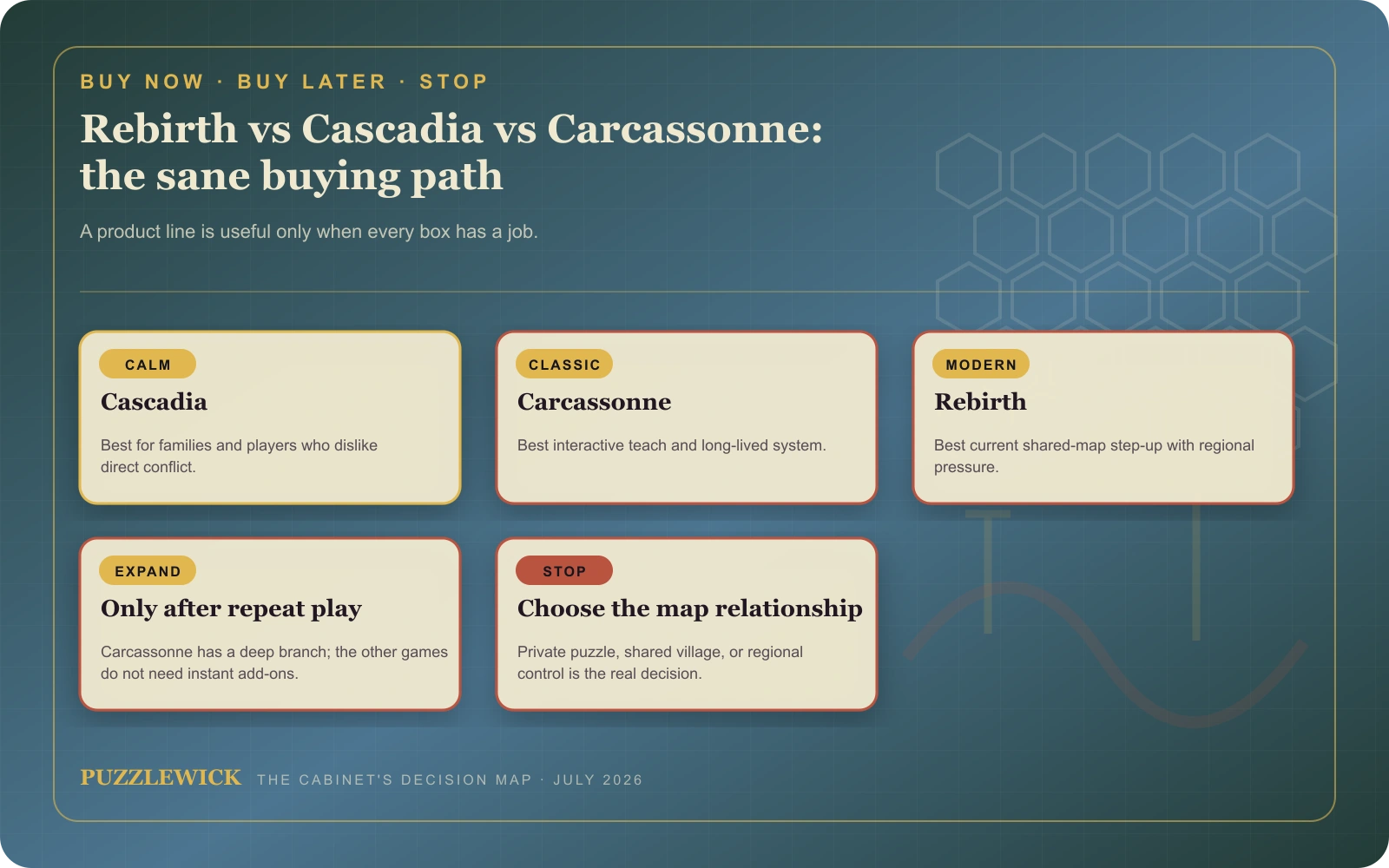
Decision map
Choose in thirty seconds
Best for families and players who dislike direct conflict.
Best interactive teach and long-lived system.
Best current shared-map step-up with regional pressure.
Carcassonne has a deep branch; the other games do not need instant add-ons.
The product line looks simpler from ten feet away. Up close, there are standalone boxes, required cores, expansions that solve different player-count problems, and products that are excellent but wrong for a first purchase.
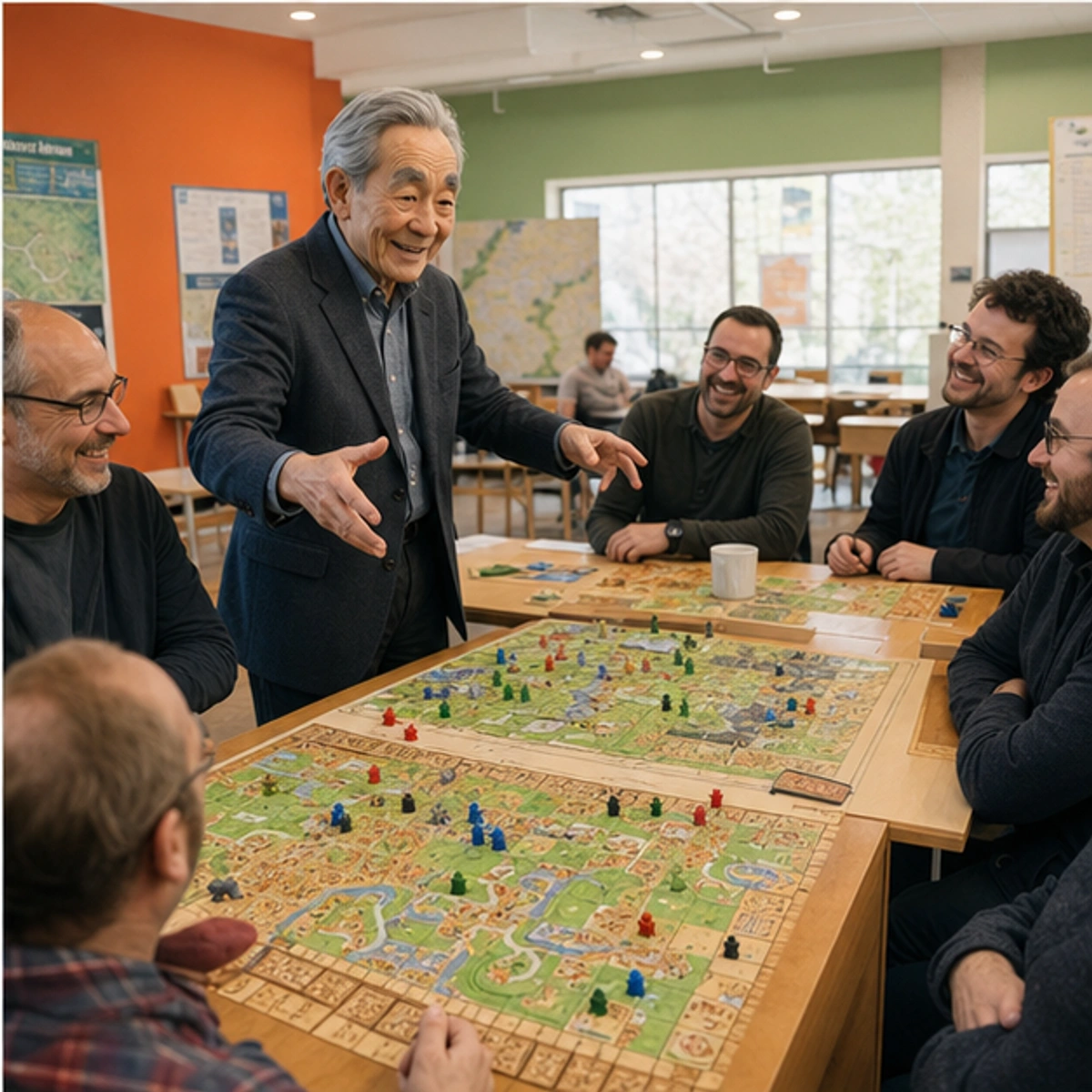
This cornerstone guide was rebuilt from publisher rules and product pages, exact Amazon identity checks, BGG discussion, and current Reddit/forum questions. Community experience is paraphrased into original advice; generated curator scenes are editorial atmosphere, never product proof.
Start here, then go deeper
You are in the right cabinet.
 ▦ Universe HubCarcassonne: the whole buying pathCarcassonne is a tile-laying game about completing cities, roads, monasteries, and fields while deciding when a meeple is worth...
 ✦ Topic PathBoard Game Buying Guides: compare the whole shelfStart with the decision, not the shelf. These guides compare the games, editions, expansions, player counts, and costs people...Buying GuideCarcassonne Big Box 2025 vs Base Game: Which Expansions Are Actually Worth Buying?Carcassonne Big Box vs Base Game, explained with exact box identity, expansion order, beginner-to-expert strategy, hosting and solo...
The short answer: which rebirth vs cascadia vs carcassonne should you buy?


Buy Cascadia for a calm personal puzzle that nearly anyone can learn. Buy Carcassonne for the cleanest interactive classic and the joy of building one shared countryside. Buy Rebirth when your group wants a modern shared map, visible regional control, and a hopeful theme with more strategic pressure. Rebirth is the current hotness; Carcassonne is the survivor.
The verified purchase path in this guide is Rebirth on Amazon, Cascadia on Amazon, Carcassonne on Amazon. Every retail button resolves to one exact Amazon product page; official publisher and community links remain research sources rather than unmonetized store detours.
The decision is not “which box contains the most cardboard?” It is which box gives your actual player count, session length, teaching appetite, and appetite for repeat play the right first ten sessions.
How does Rebirth vs Cascadia vs Carcassonne actually play?
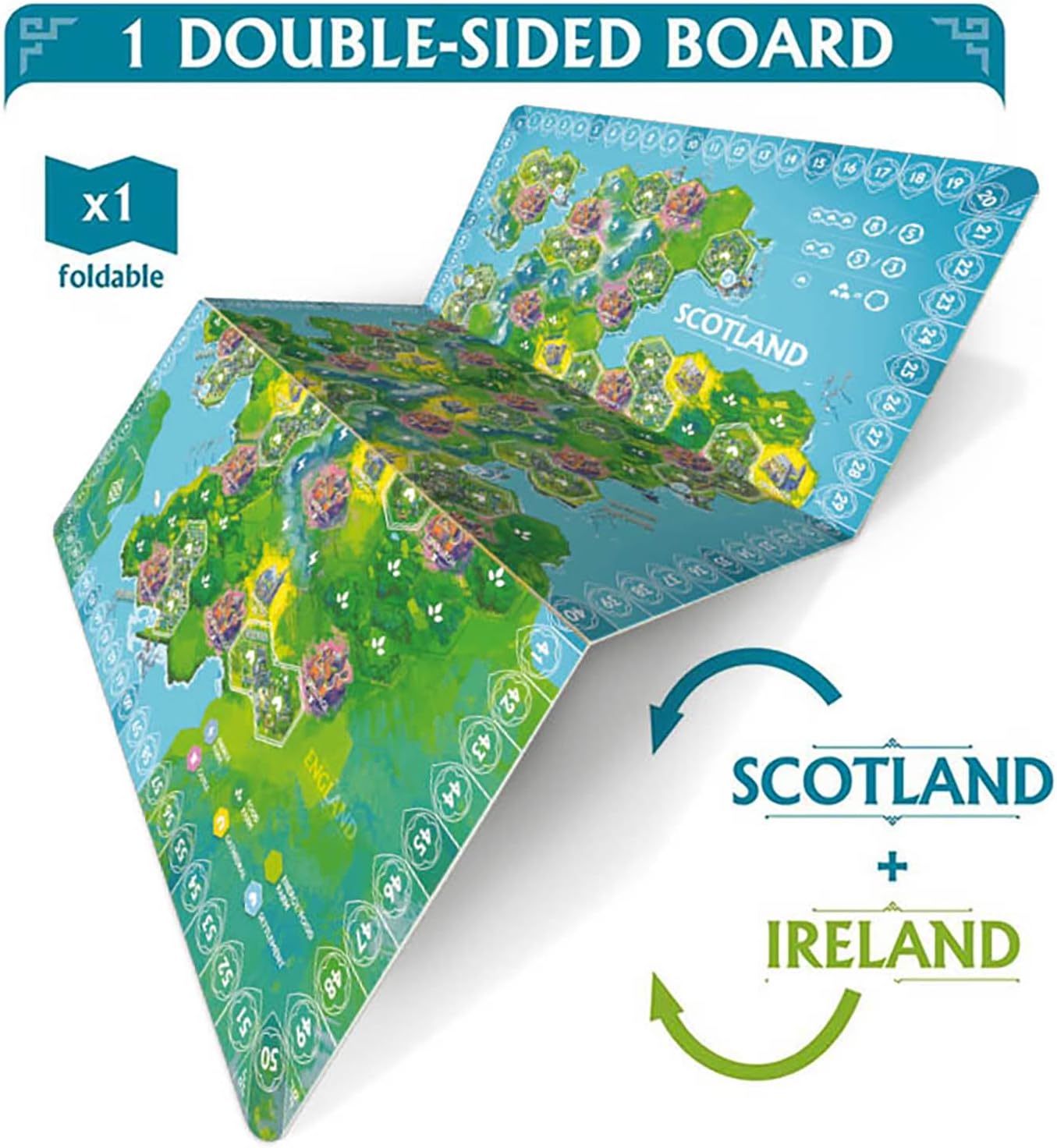
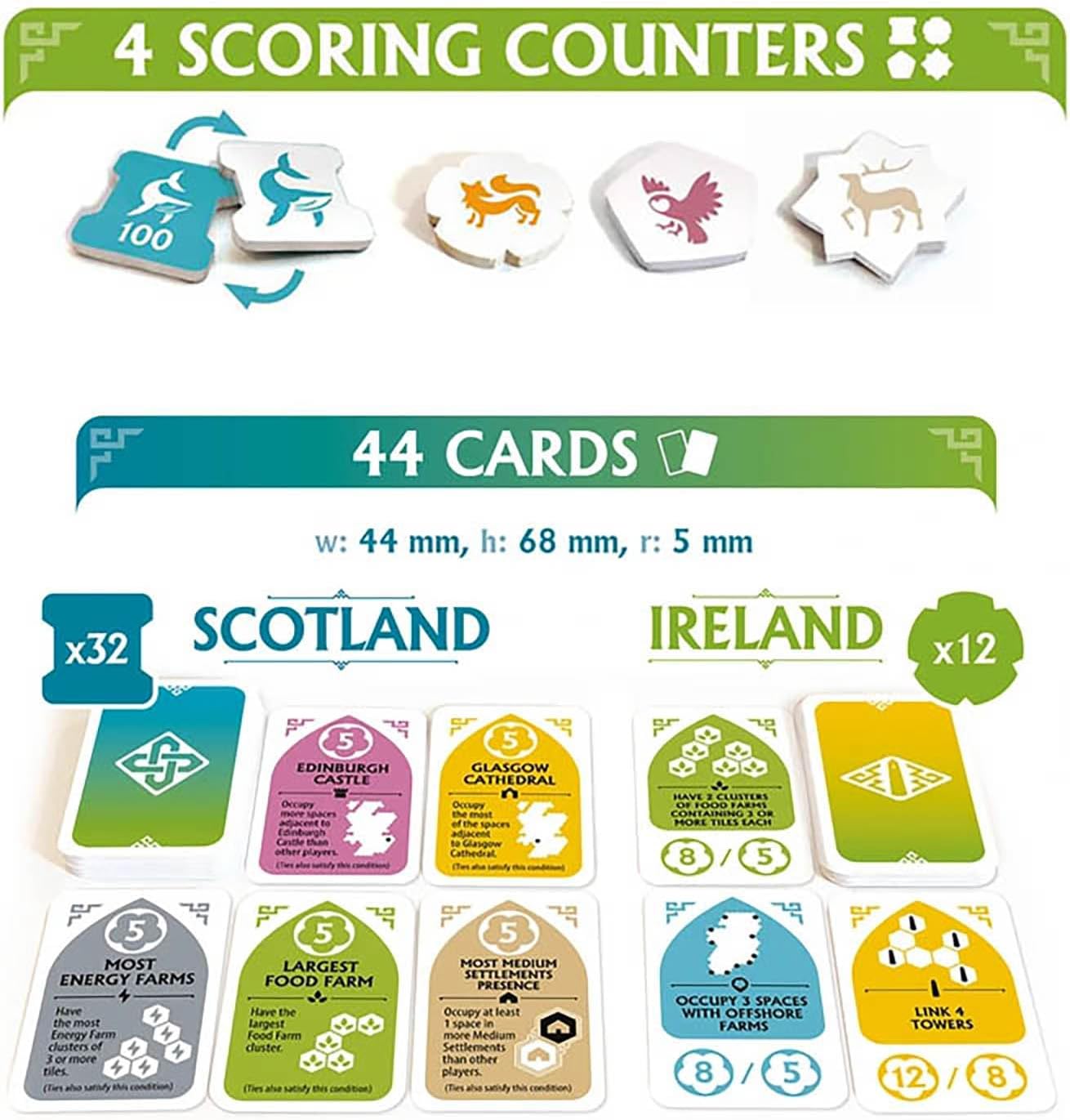
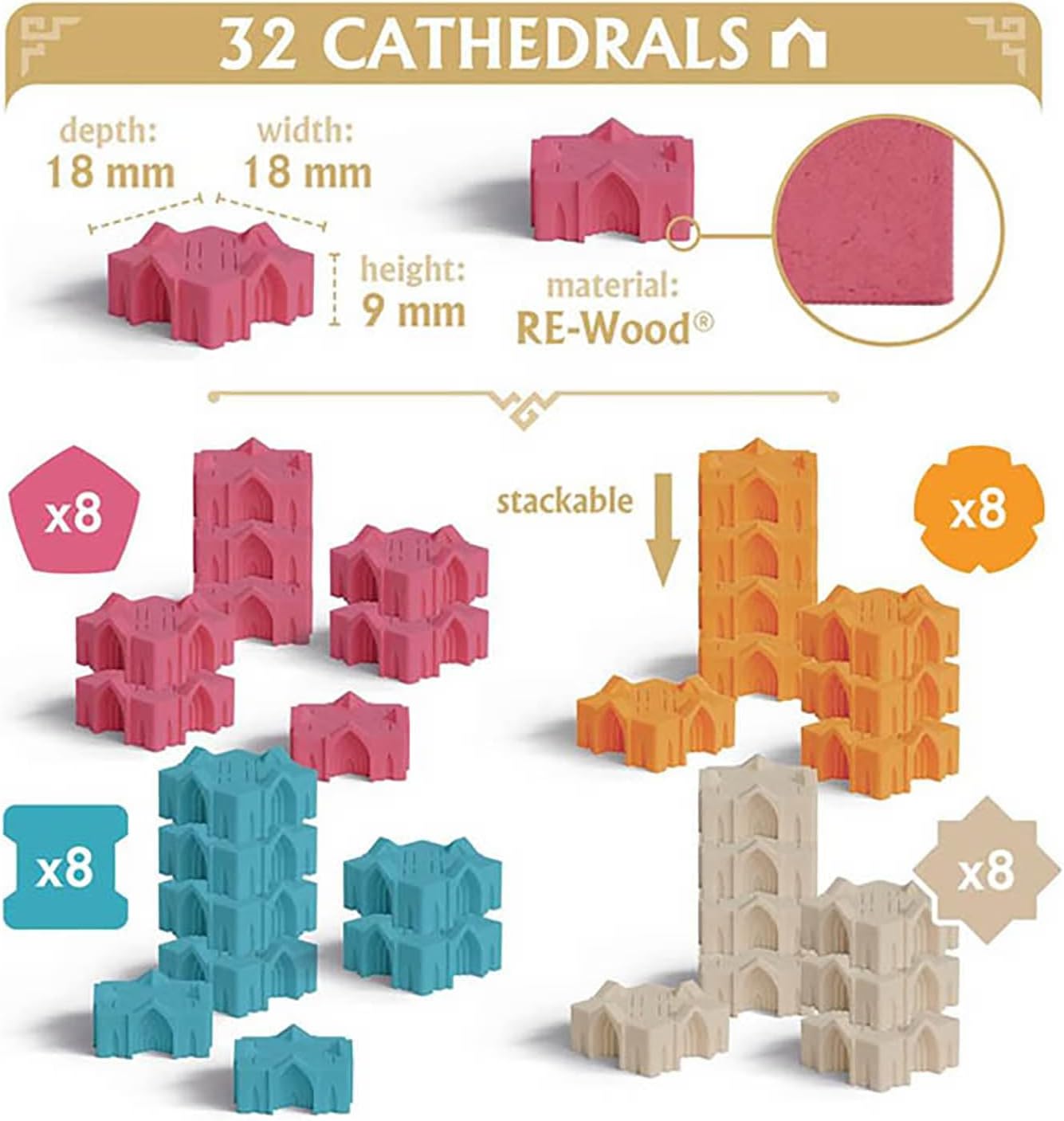
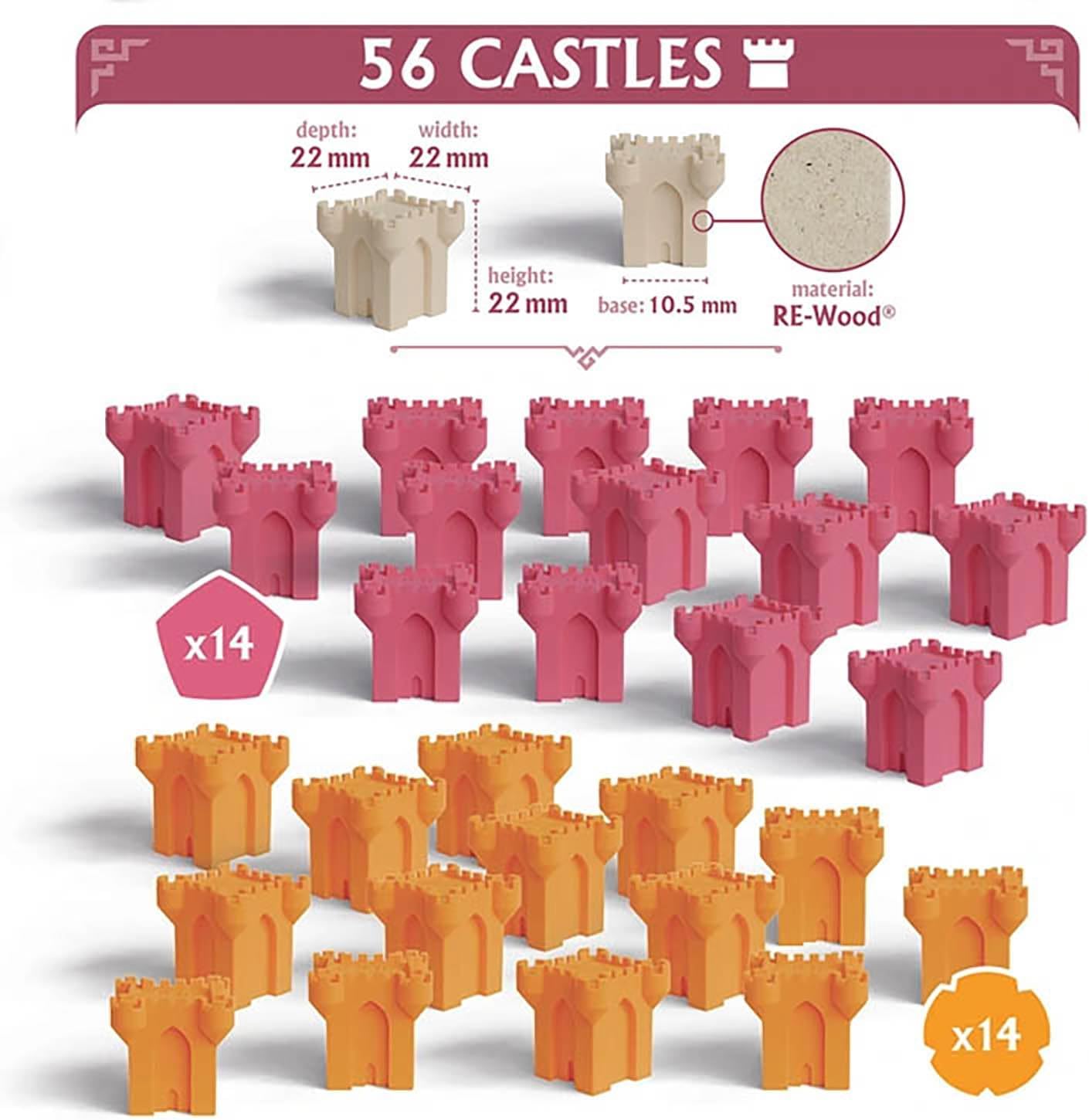
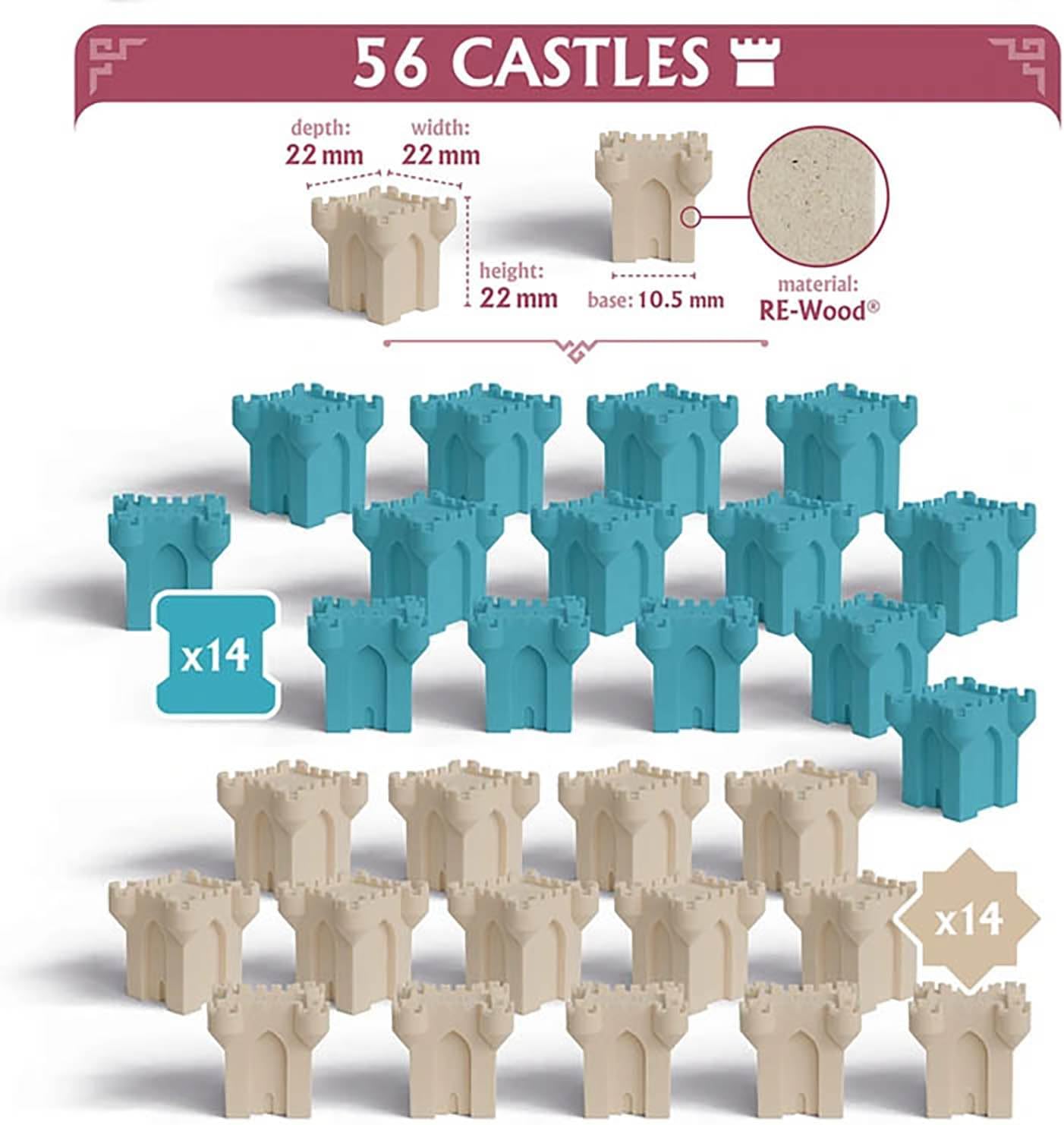
Rebirth places tiles into a shared post-collapse Scotland or Ireland, rebuilding farms, energy, settlements, castles, and regional control through scenario-specific maps.
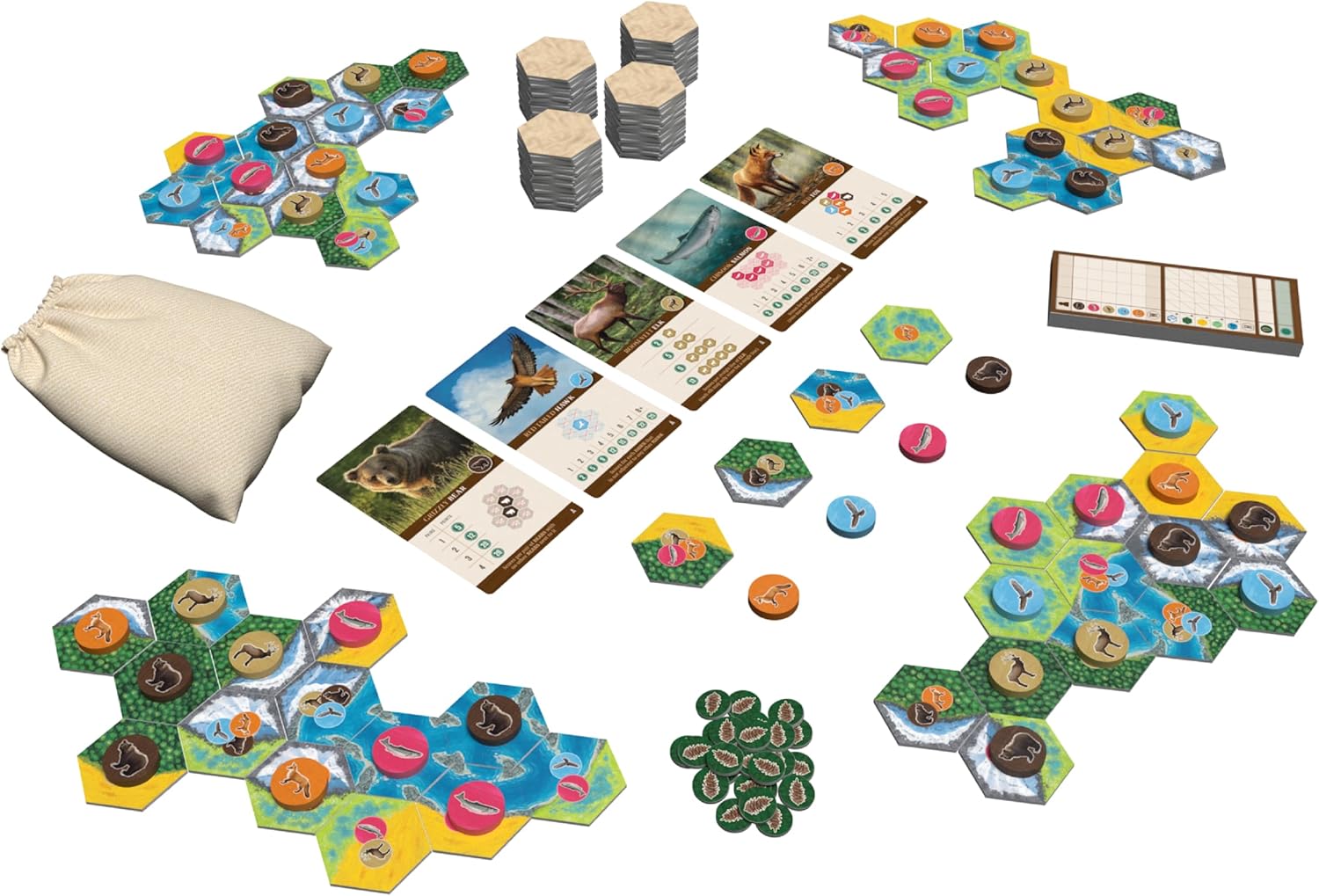
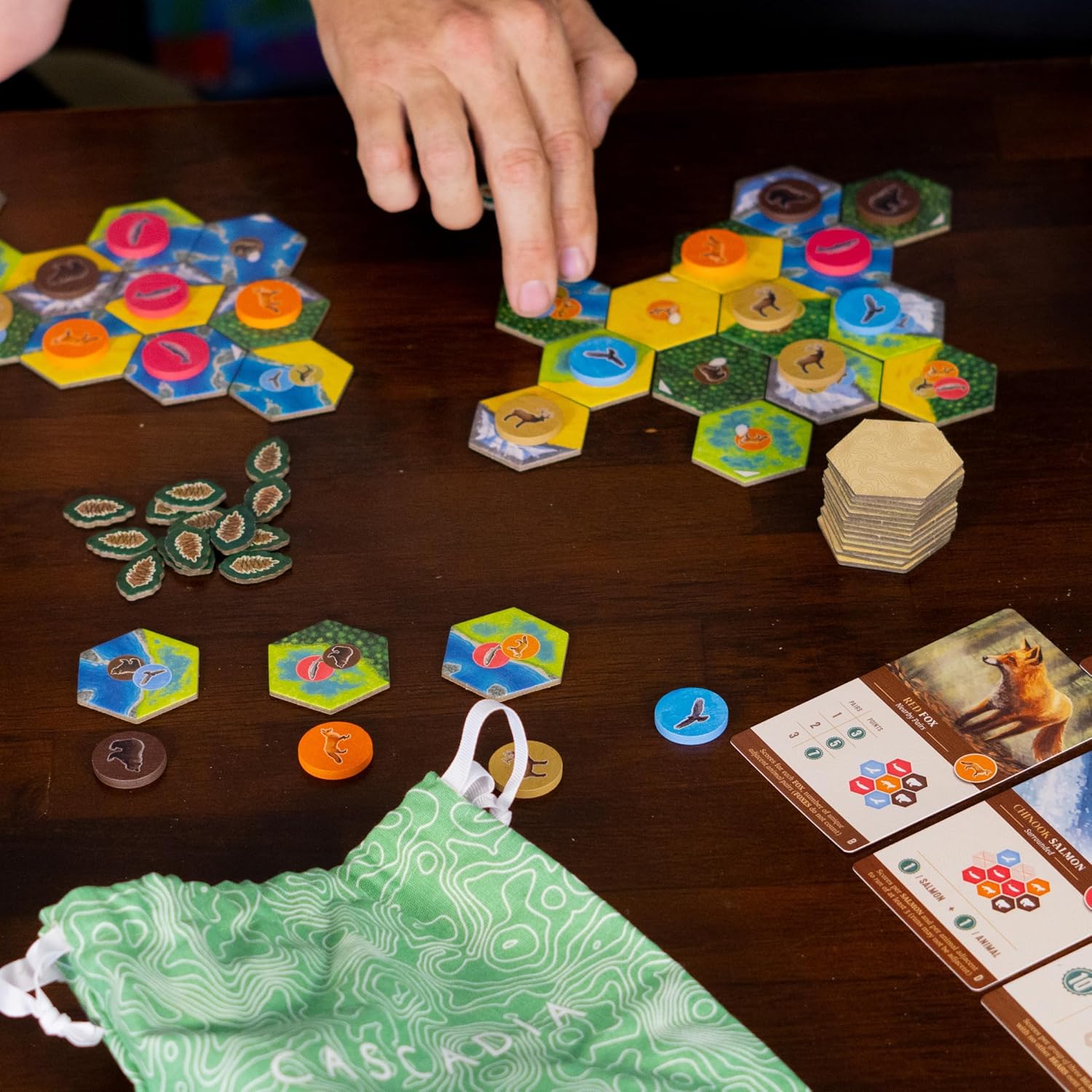
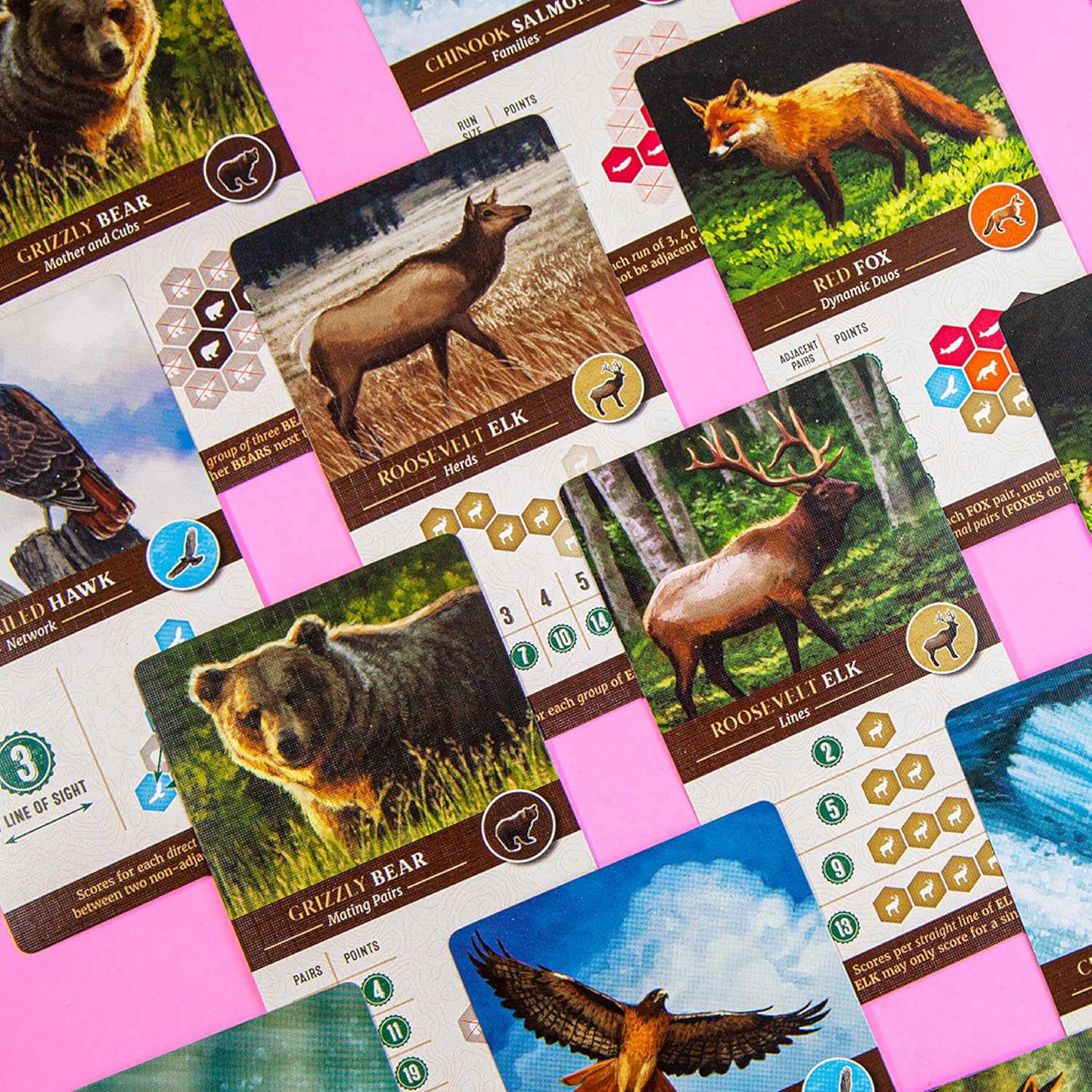
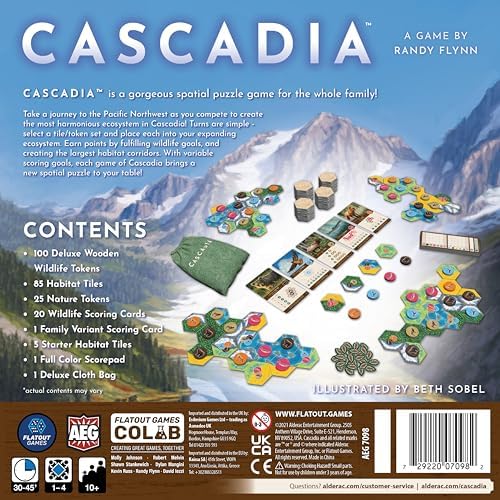
Cascadia builds private habitats and wildlife patterns with low direct conflict and highly legible scoring goals.
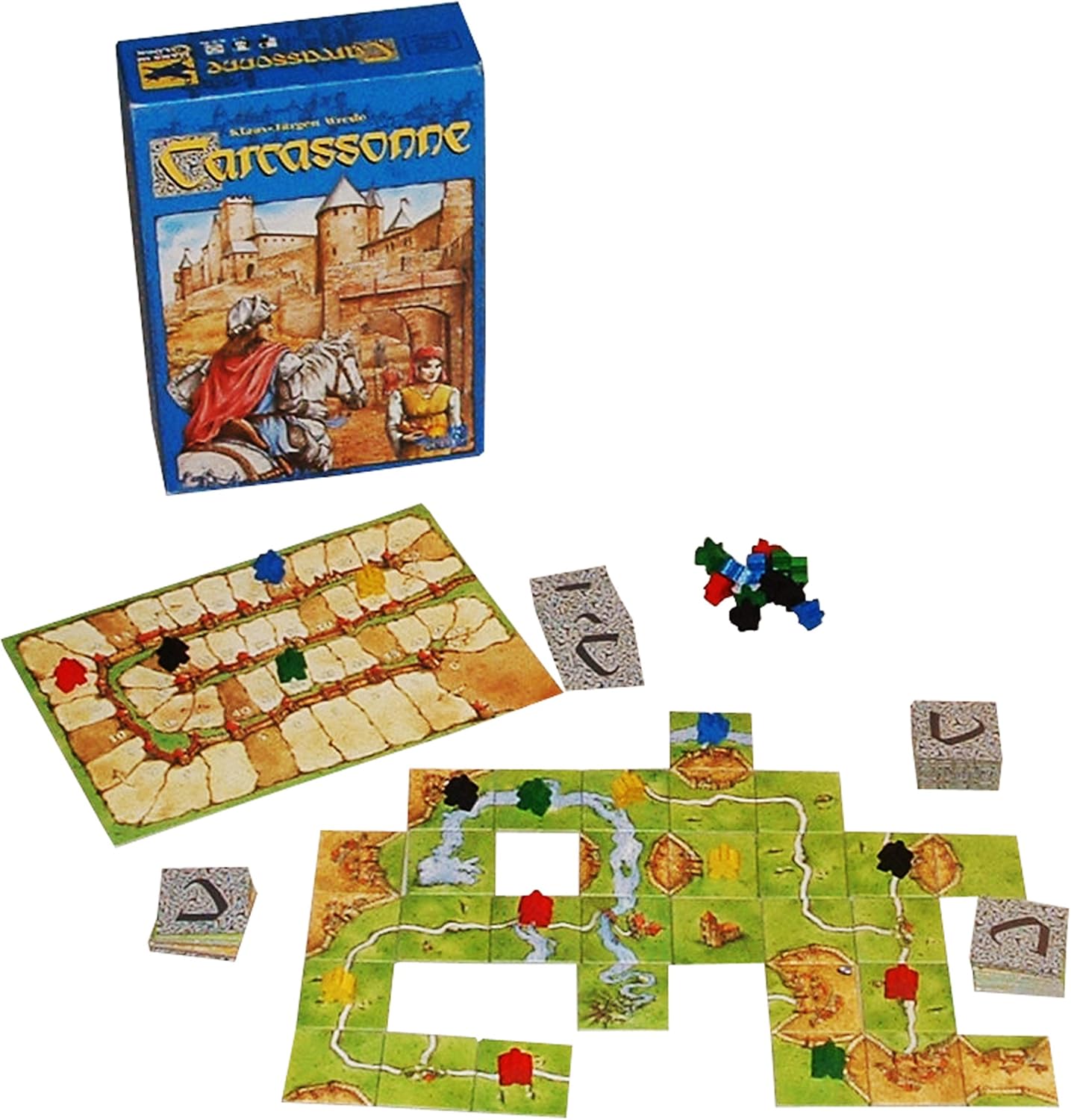
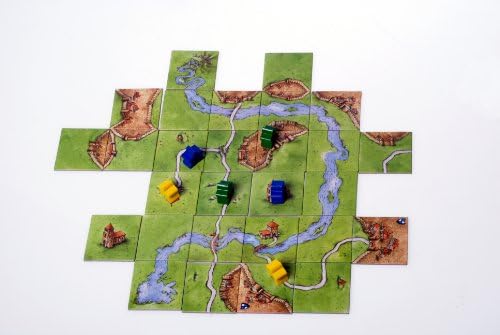
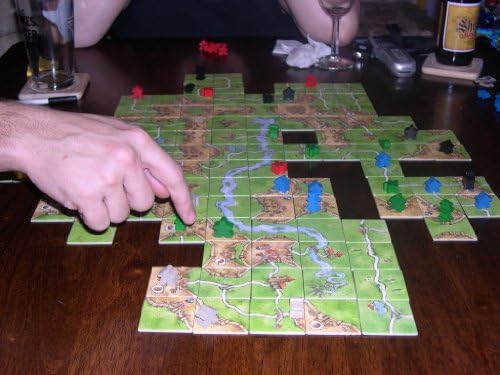
Carcassonne creates one shared map where tile geometry, follower commitment, joining, blocking, and farm timing turn simple placement into social tactics.
What makes the system fun is not a component count. It is the repeatable decision loop: the moment when a beginner stops moving pieces because the rules permit it and starts making a plan the rest of the table can read.
Rebirth is the most positional of the three. You draw a tile, place it into a shared Scotland or Ireland landscape, and score clans, energy, castles, cathedrals, or mission relationships as the map develops. Cascadia protects a private habitat puzzle. Carcassonne makes ownership timing visible through meeples. Rebirth's pleasure is watching one communal board become politically crowded.
What do players compare it to, and where does the comparison break?
Cascadia asks “how beautiful can my private solution become?” Carcassonne asks “what can we build together while quietly stealing value?” Rebirth asks “who shapes the future of this shared land?” Those are different social temperatures, not a ladder of quality.
Across BGG and current forum discussions, the most useful comparisons describe table behavior rather than declaring one title universally “better.” Complexity, downtime, hidden information, player interaction, and the host’s teaching burden are the variables that survive beyond launch-week excitement.
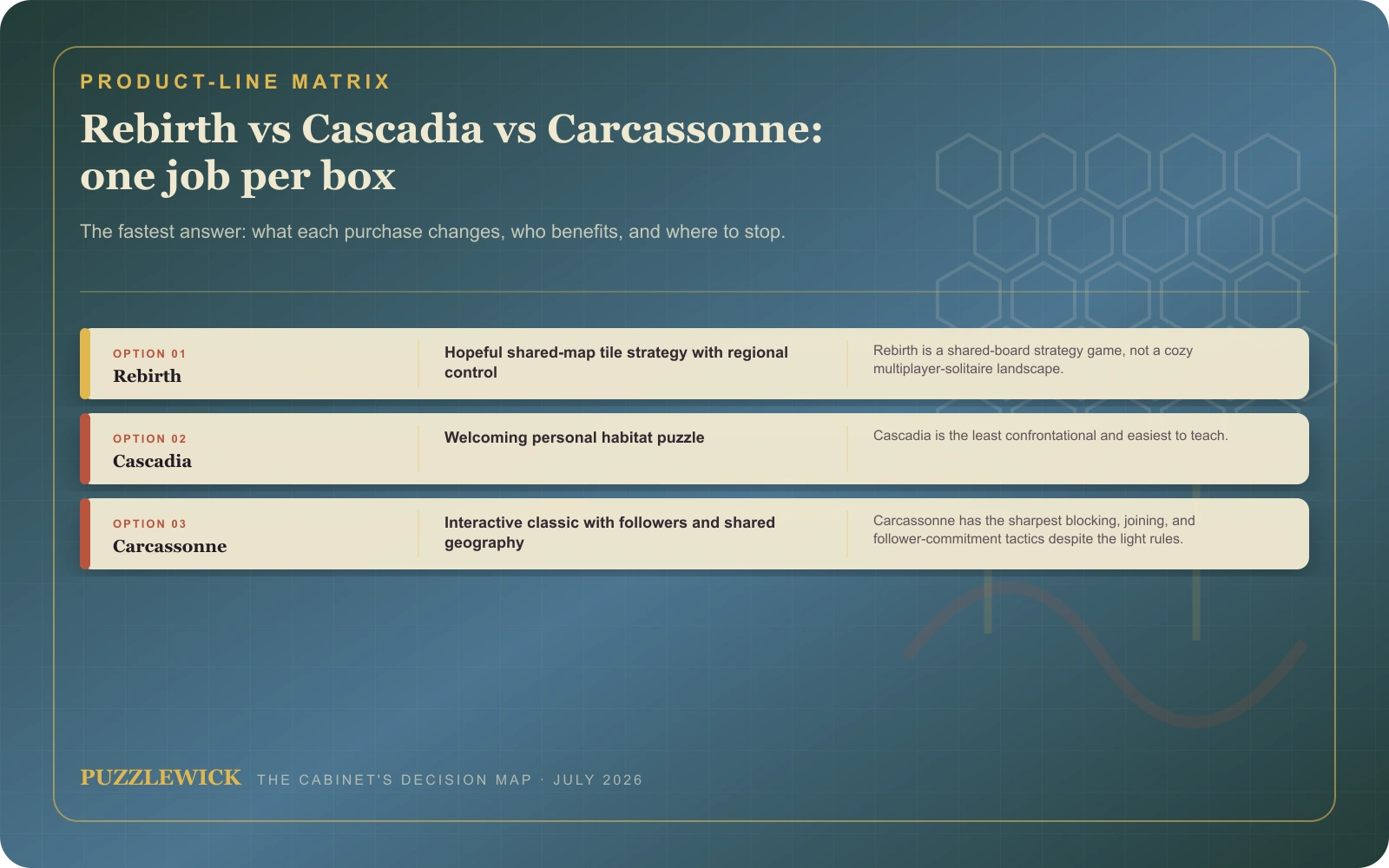
Use the matrix below to choose a job for the game. Theme can recruit a first play; the job determines whether the box earns a shelf.
What should you buy first, second, and not yet?
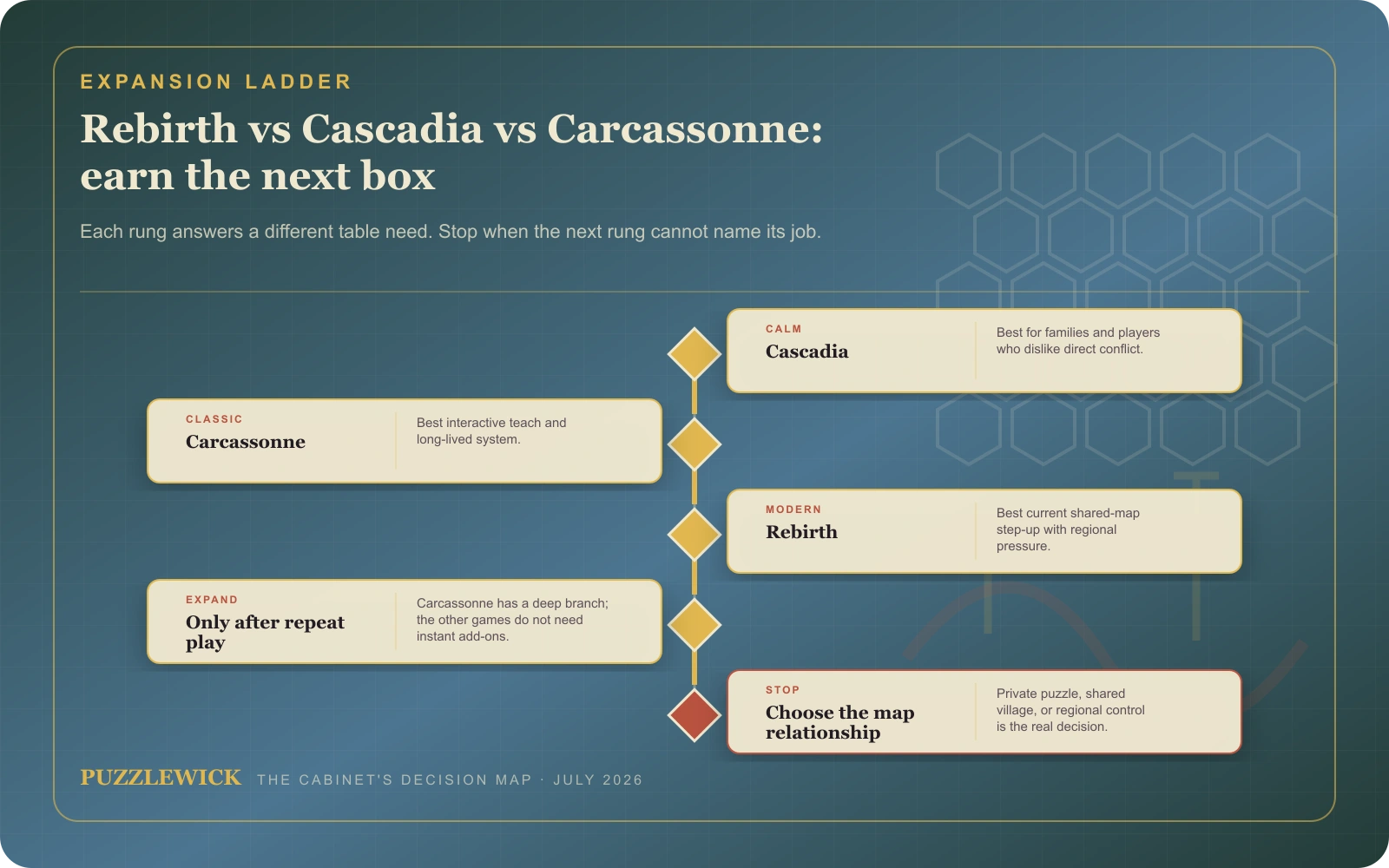

CALM · Cascadia: Best for families and players who dislike direct conflict.
CLASSIC · Carcassonne: Best interactive teach and long-lived system.
MODERN · Rebirth: Best current shared-map step-up with regional pressure.
EXPAND · Only after repeat play: Carcassonne has a deep branch; the other games do not need instant add-ons.
STOP · Choose the map relationship: Private puzzle, shared village, or regional control is the real decision.
The stopping rule matters. Cascadia is the least confrontational and easiest to teach. Carcassonne has the sharpest blocking, joining, and follower-commitment tactics despite the light rules.
Amazon availability is not treated as a verdict. A product can be easy to buy and still be the wrong next box; it can also be worth waiting for when the only current listing has an ambiguous edition, seller, language, or product identity.
Beginner, regular, advanced, and expert strategy
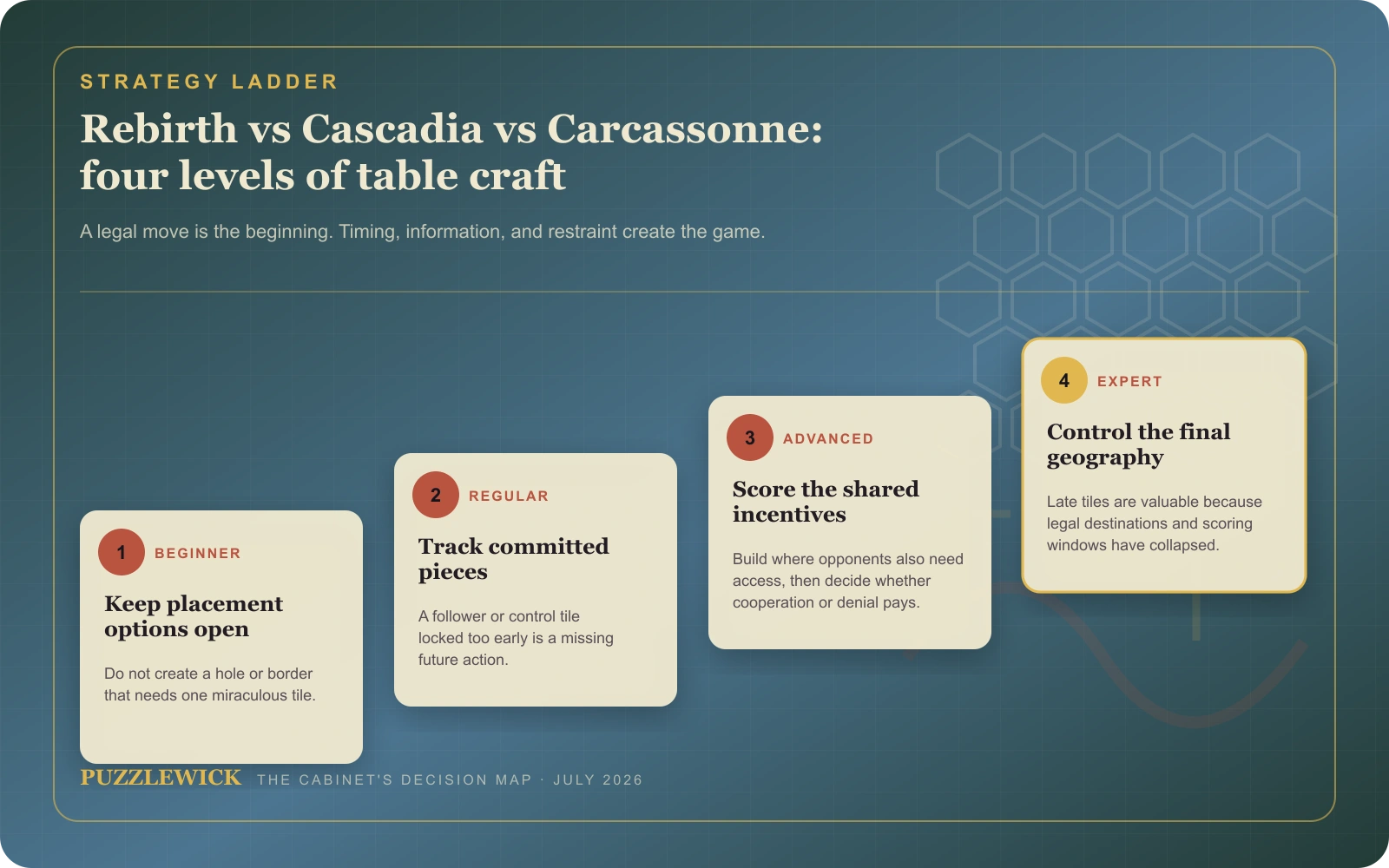
Beginner — Keep placement options open. Do not create a hole or border that needs one miraculous tile.
Regular — Track committed pieces. A follower or control tile locked too early is a missing future action.
Advanced — Score the shared incentives. Build where opponents also need access, then decide whether cooperation or denial pays.
Expert — Control the final geography. Late tiles are valuable because legal destinations and scoring windows have collapsed.
Do the debrief. After the game, name one decision that worked and one rule or timing window that stayed muddy. That five-minute conversation is more valuable than buying an expansion to create novelty.
The strategy advice here combines the official rules structure with repeated owner questions. It is written in Puzzlewick’s voice; no forum post is being passed off as our firsthand test or copied as anonymous authority.
Expert tile discipline: score the opportunity cost of the space, not just the printed icon. A tile that earns immediate points can still be poor if it gives an opponent the only clean continuation into a castle or majority. In Cascadia, preserve habitat corridors. In Carcassonne, preserve meeple liquidity. In Rebirth, preserve leverage on the shared map.
What is the real table, hosting, and solo commitment?
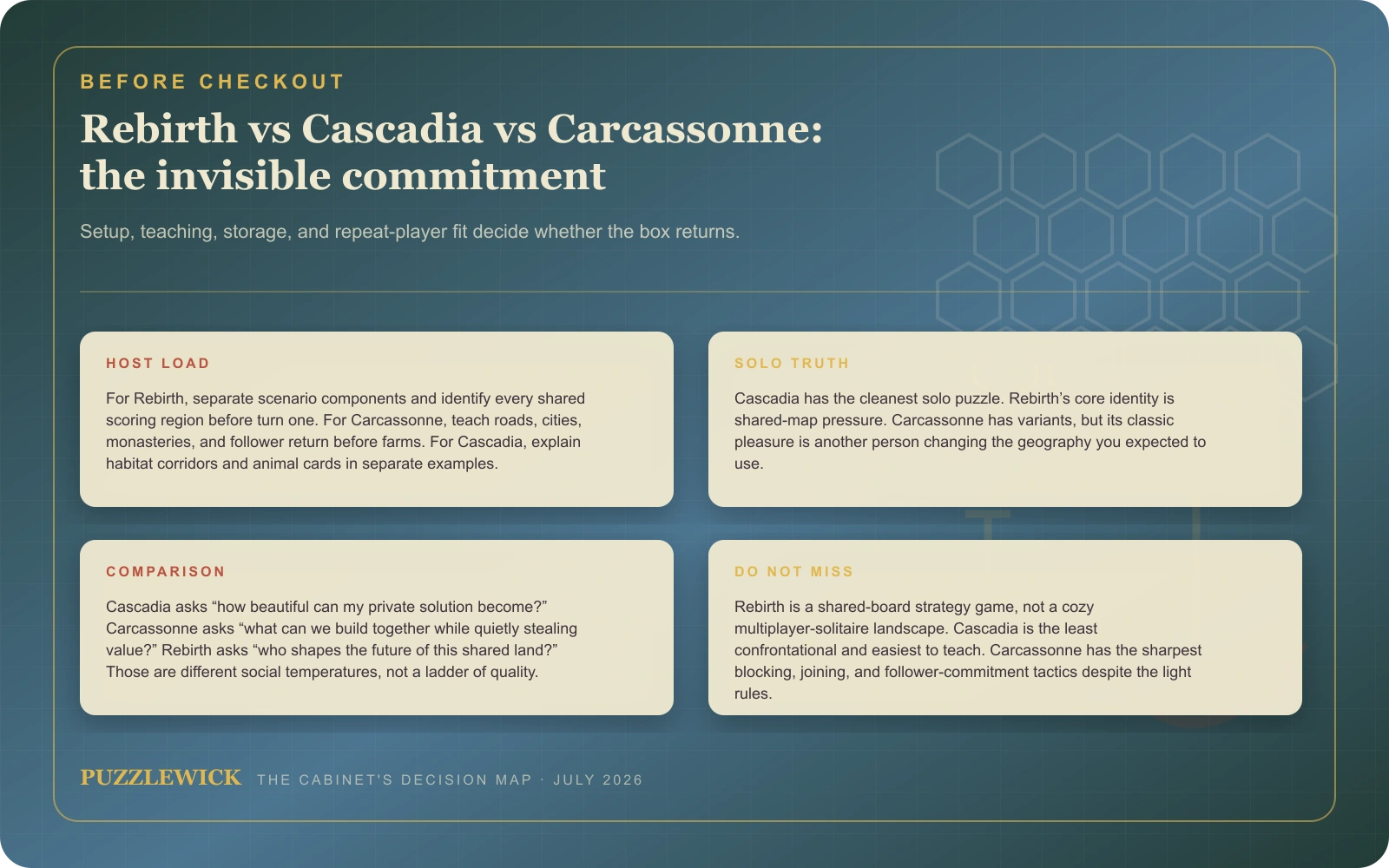

Hosting: For Rebirth, separate scenario components and identify every shared scoring region before turn one. For Carcassonne, teach roads, cities, monasteries, and follower return before farms. For Cascadia, explain habitat corridors and animal cards in separate examples.
Solo: Cascadia has the cleanest solo puzzle. Rebirth’s core identity is shared-map pressure. Carcassonne has variants, but its classic pleasure is another person changing the geography you expected to use.
Before purchase, budget the invisible parts: setup surface, sorting, teaching, save-state needs, cleanup, and whether one person must own the rules. These costs decide replay more reliably than the excitement of an unboxing.
What do lower-star reviews and long-term owners warn about?
The durable warnings are fit warnings. Rebirth is a shared-board strategy game, not a cozy multiplayer-solitaire landscape. Cascadia is the least confrontational and easiest to teach. Carcassonne has the sharpest blocking, joining, and follower-commitment tactics despite the light rules.
Amazon review patterns were used only as a secondary check for recurring packaging, component, complexity, and expectation issues. Star ratings and individual quotations are intentionally not frozen here because listings merge, editions change, and ratings move.
A credible warning changes the buy decision. A complaint that merely describes the intended genre belongs in the “who should skip it” box instead.
Current-printing check: a July 2026 owner discussion reported component-quality concerns in at least one copy. That is a seller-and-printing inspection warning, not proof that every copy is defective. Buy the exact Amazon listing, inspect boards and tokens during the return window, and replace a damaged copy rather than normalizing a production flaw.
Common misconceptions, corrected before checkout
- Rebirth is not a Cascadia sequel or a purely solitary nature puzzle.
- Carcassonne’s age does not make it shallow; follower timing and farms remain strategically sharp.
- Cascadia’s low conflict does not remove drafting denial or spatial planning.
The record date is July 28, 2026. Product identities and availability can change. The direct Amazon links are rechecked by Puzzlewick’s publishing audit; rules and compatibility claims retain dated publisher sources so a future refresh can identify what changed.
The Puzzlewick shelf plan for Rebirth vs Cascadia vs Carcassonne
Cascadia is the safest family recommendation. Carcassonne is the best rules-to-interaction ratio. Rebirth is the best new purchase for a group that has outgrown solitary tile puzzles and wants a shared strategic landscape without entering a three-hour war game.
Buy the first verified box that solves your present table. Play it enough to explain why the second box would improve a repeated experience. If that sentence is still vague, the right move is to wait.
Current verified Amazon options: Rebirth on Amazon, Cascadia on Amazon, Carcassonne on Amazon.
The picks
Some links below are affiliate links — as an Amazon Associate, Puzzlewick earns from qualifying purchases, at no extra cost to you. It never changes a pick.
 10 photos
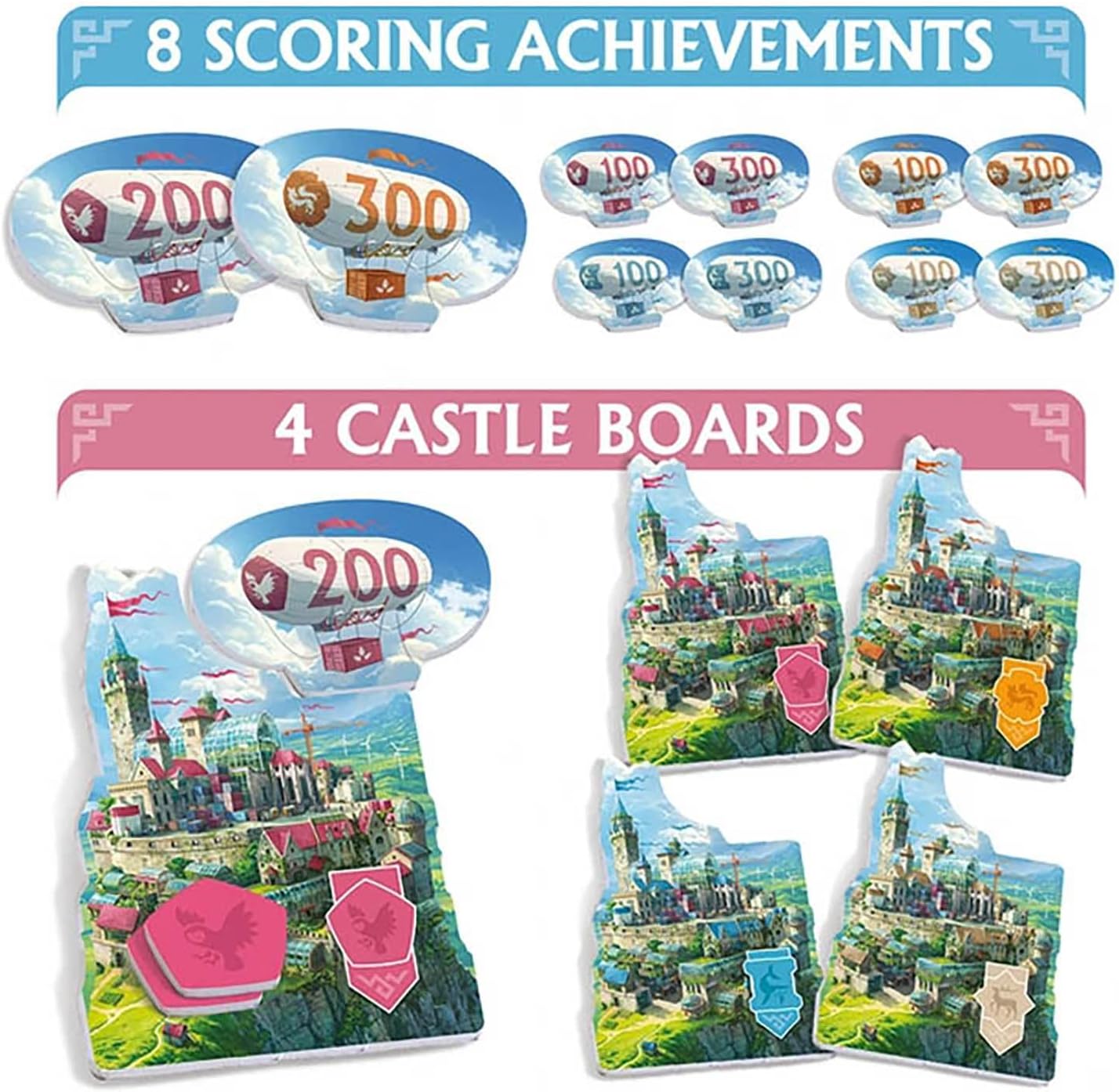
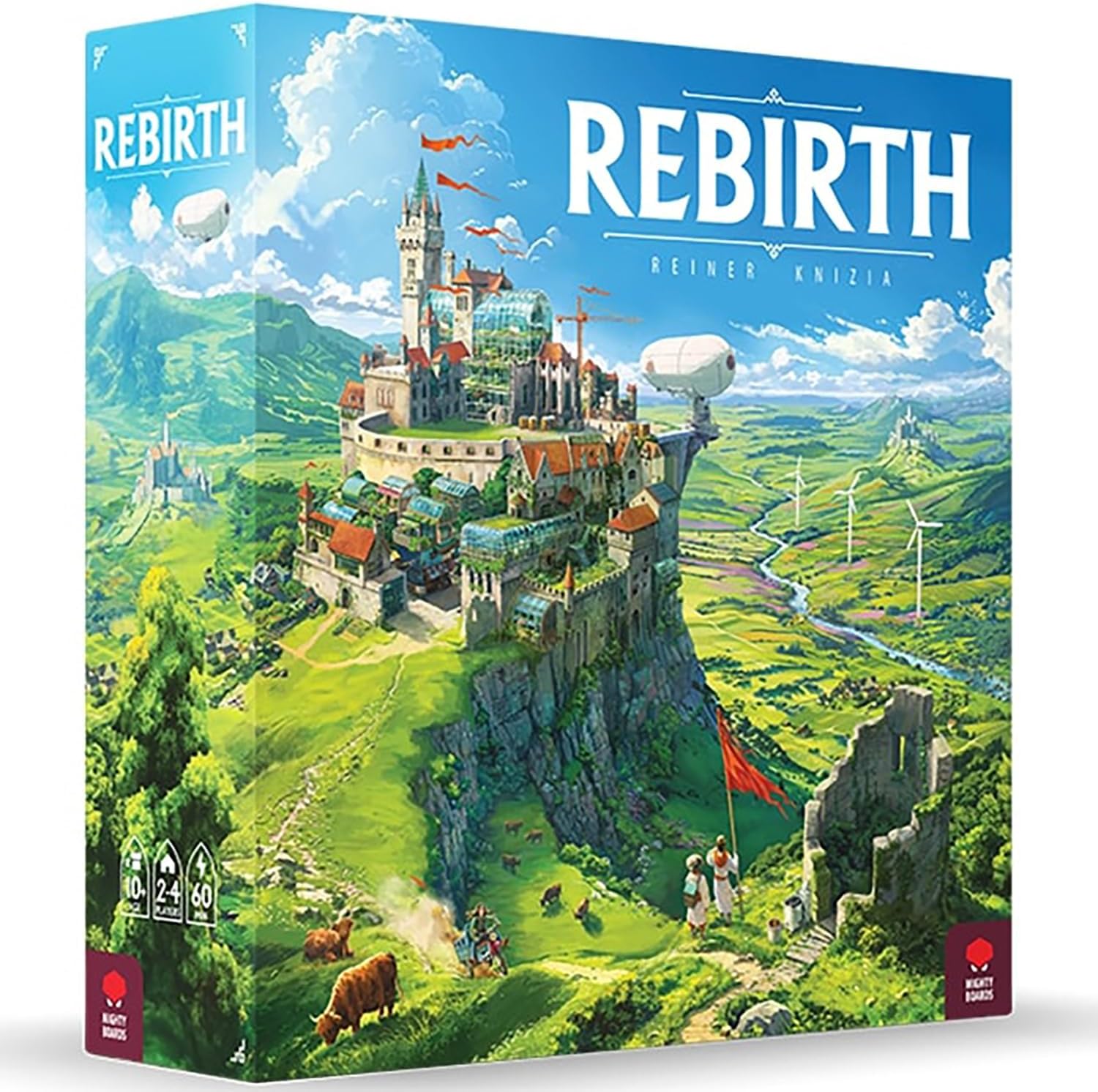
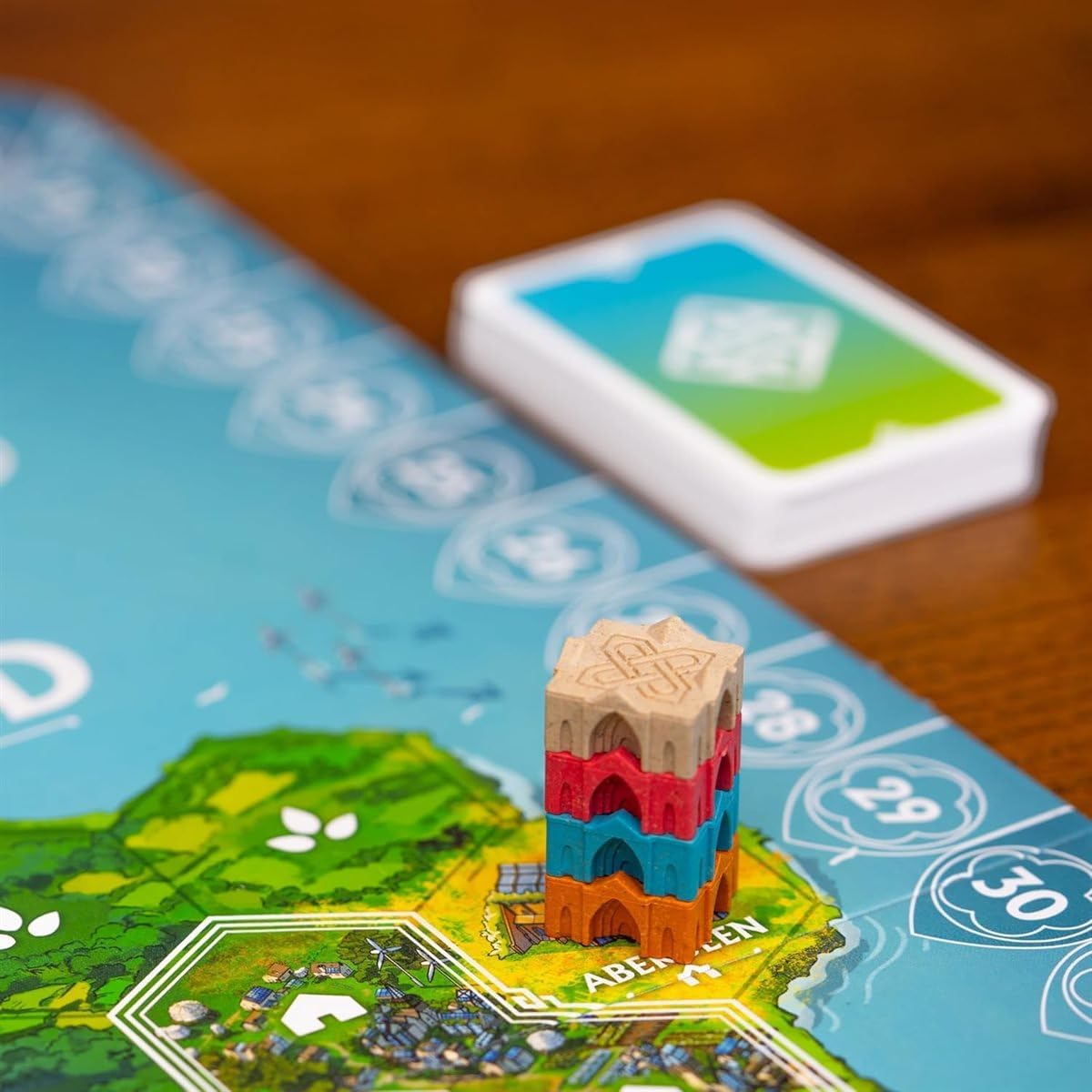
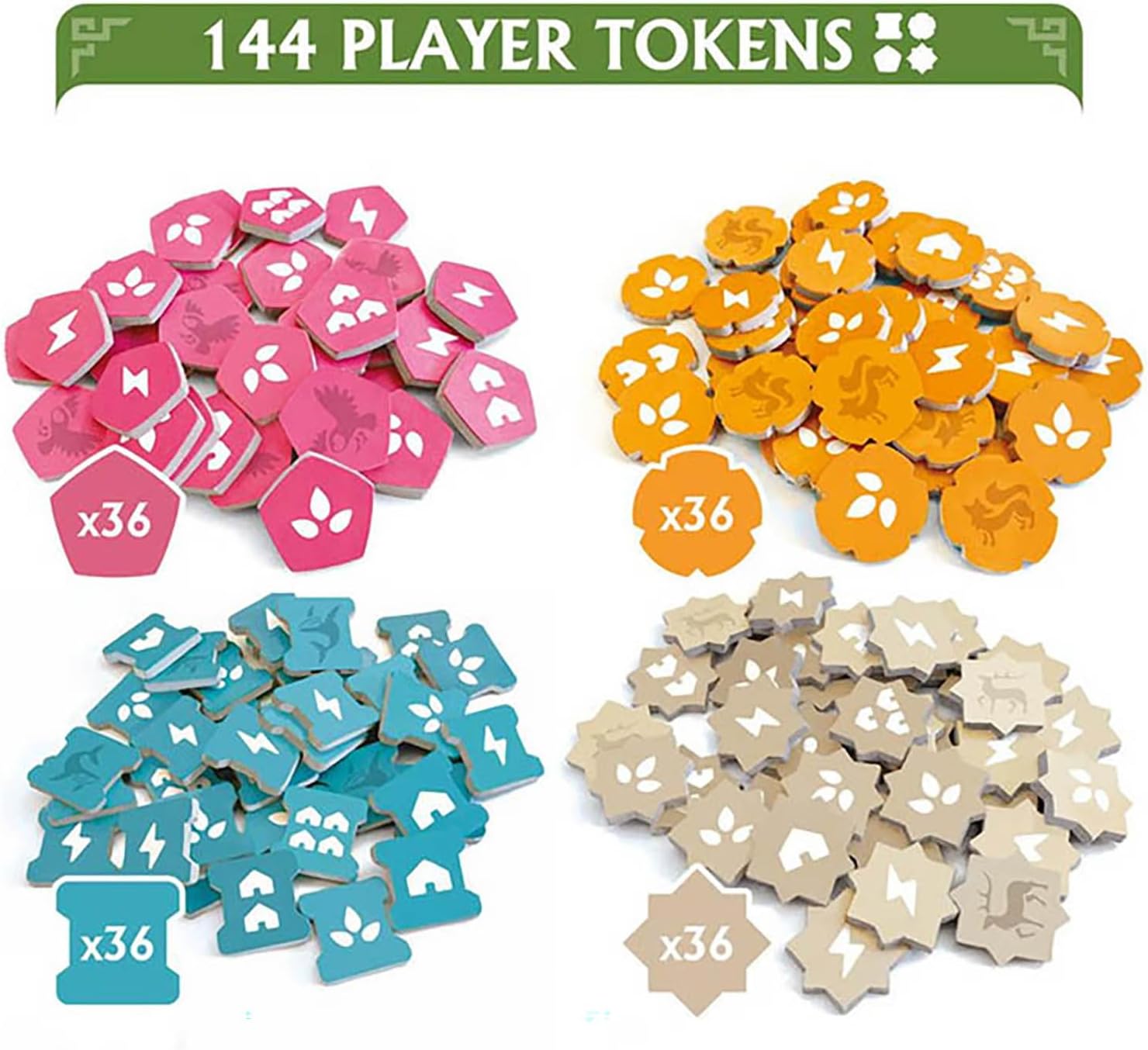
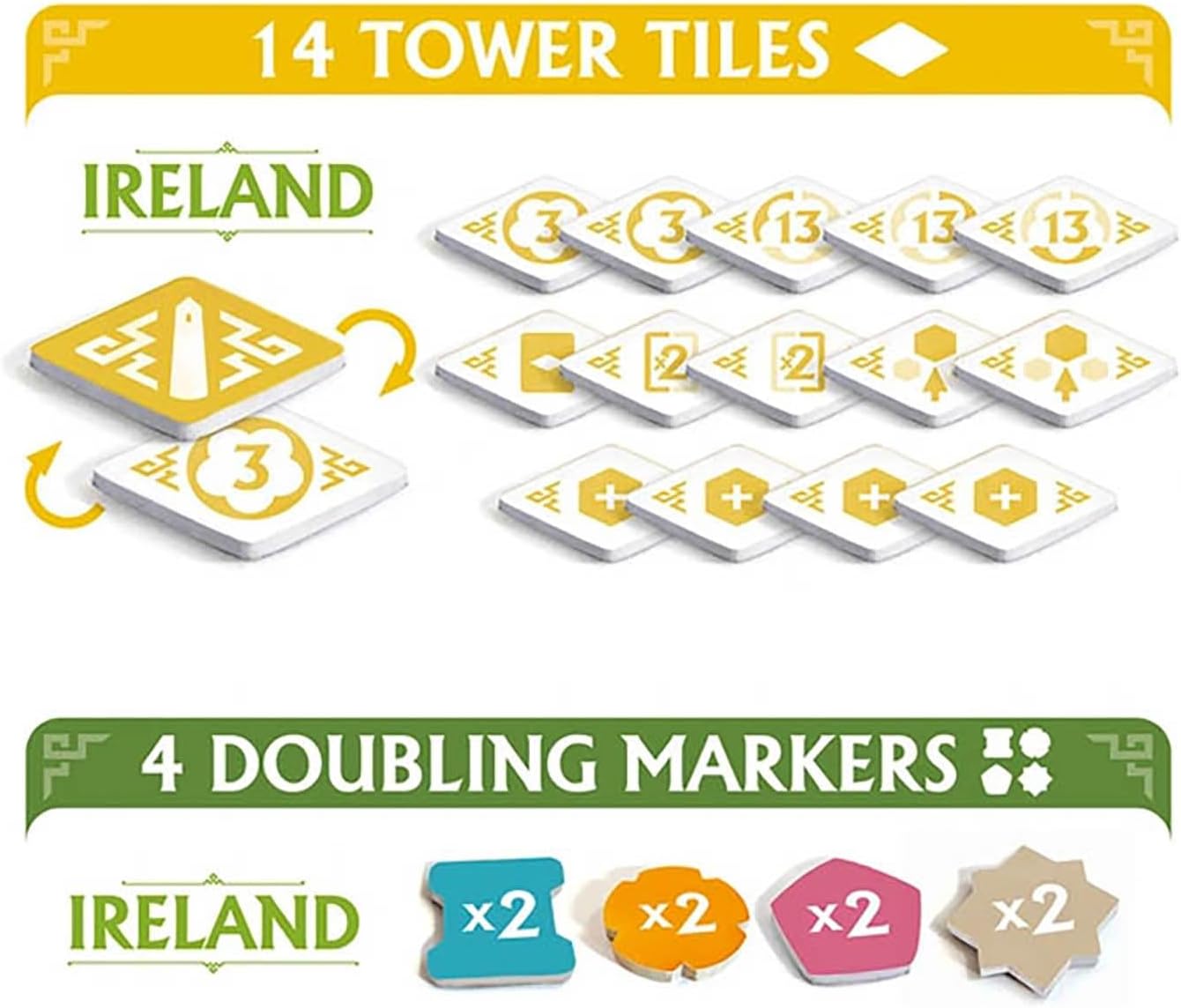
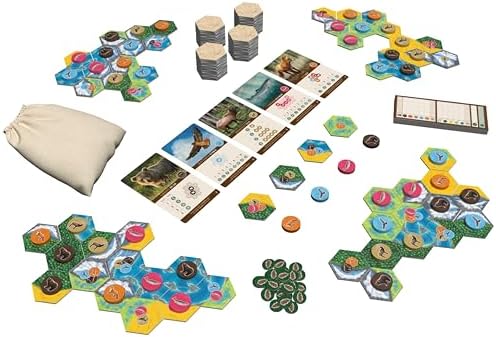
 Rebirth
Hopeful shared-map tile strategy with regional control. This exact English Amazon listing was title and ASIN verified on July 28, 2026; the guide places it in a stop-aware buying order rather than treating availability as a recommendation.
- Exact product identity verified
- Clear role in the buying path
- Supported by official rules/content research
- Availability and seller can change
- Not every group needs the next box
 10 photos
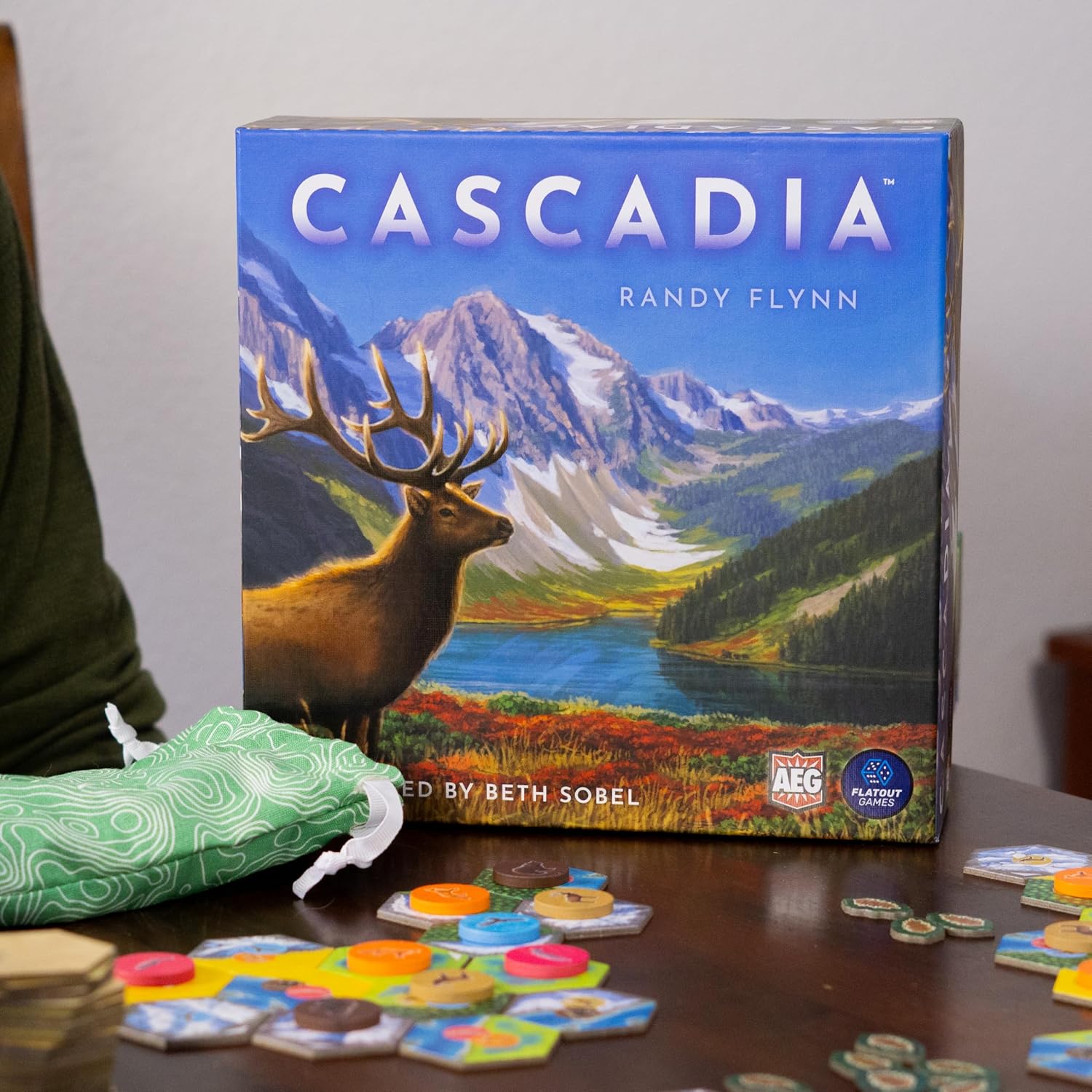
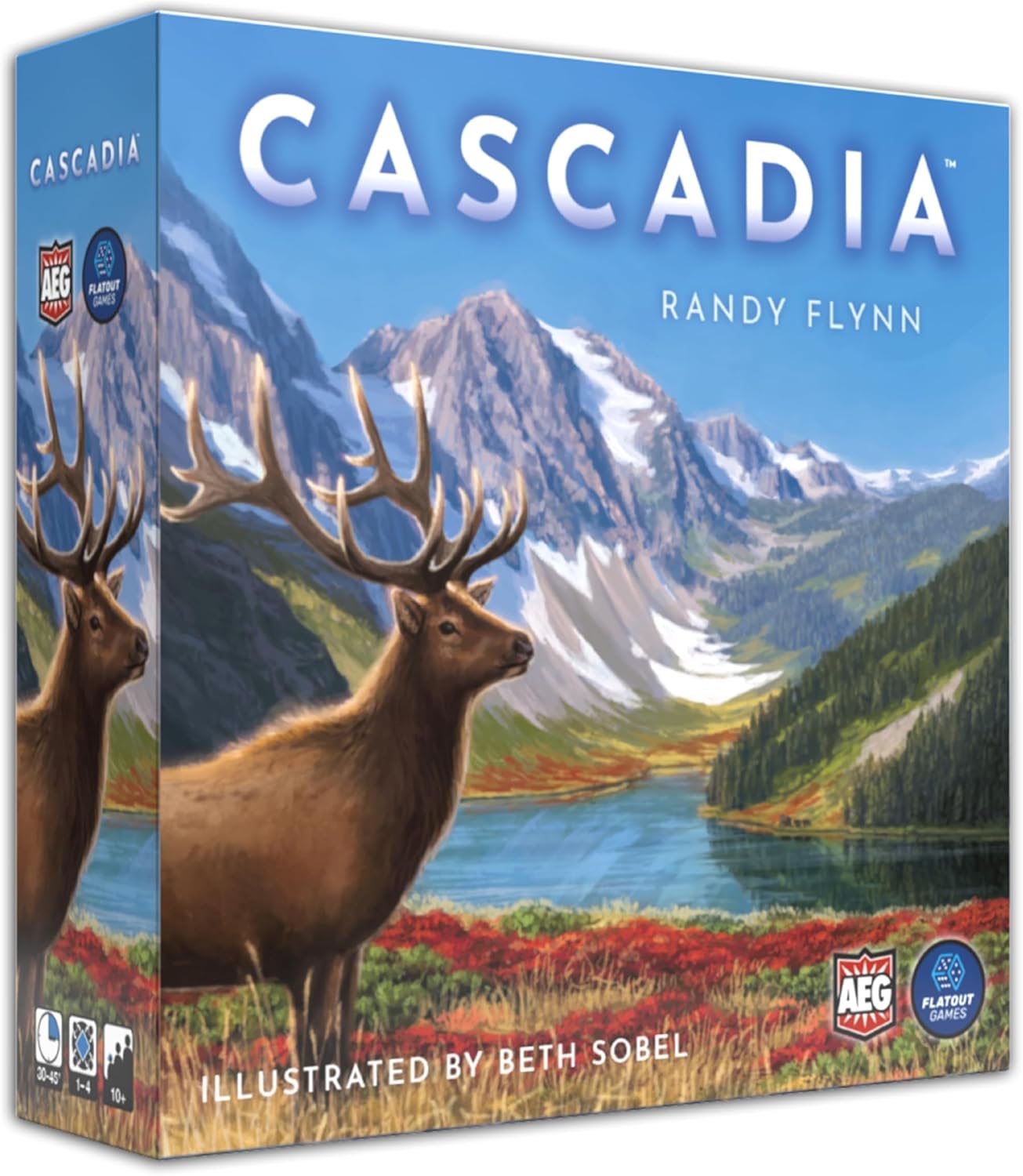
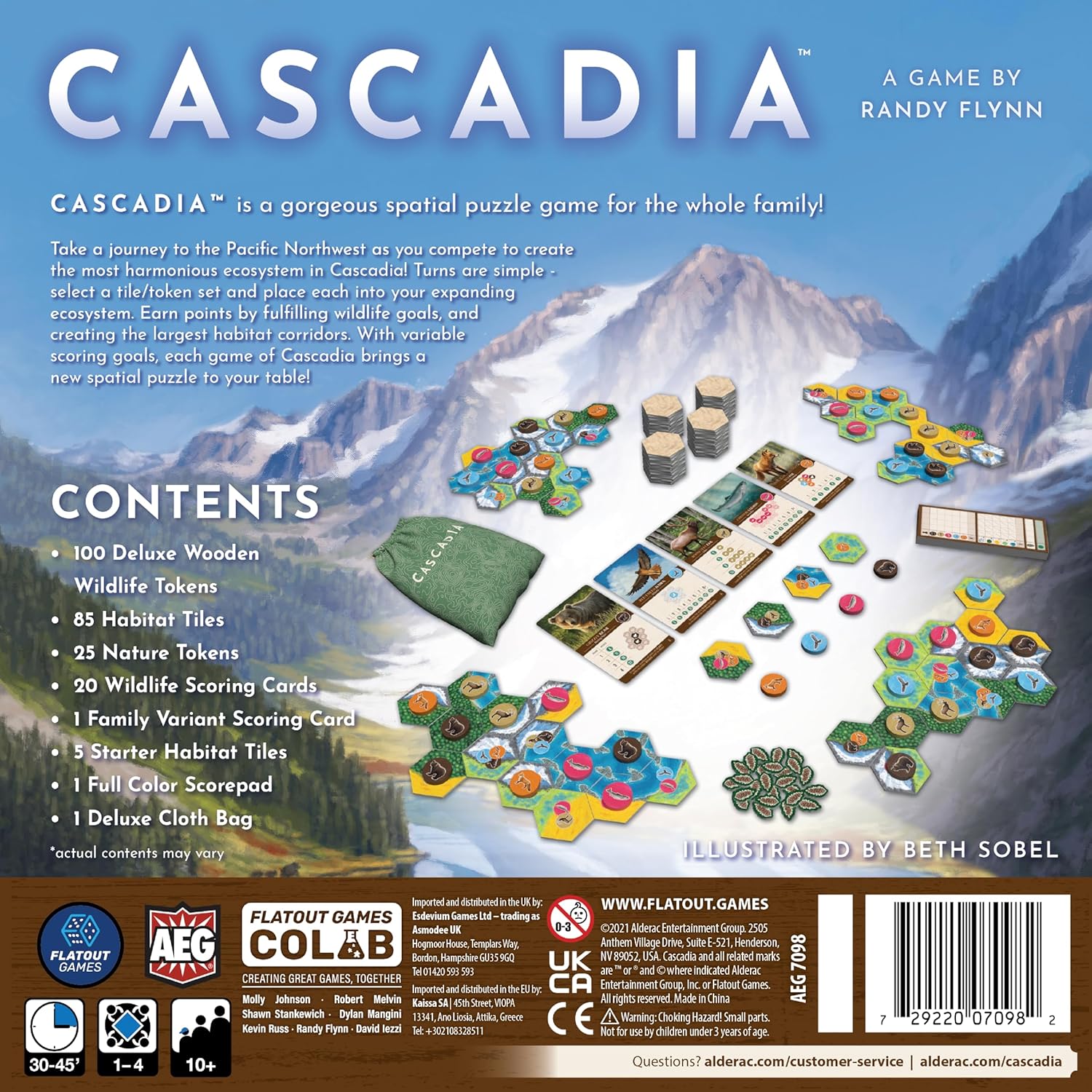
 Cascadia
Welcoming personal habitat puzzle. This exact English Amazon listing was title and ASIN verified on July 28, 2026; the guide places it in a stop-aware buying order rather than treating availability as a recommendation.
- Exact product identity verified
- Clear role in the buying path
- Supported by official rules/content research
- Availability and seller can change
- Not every group needs the next box
 8 photos
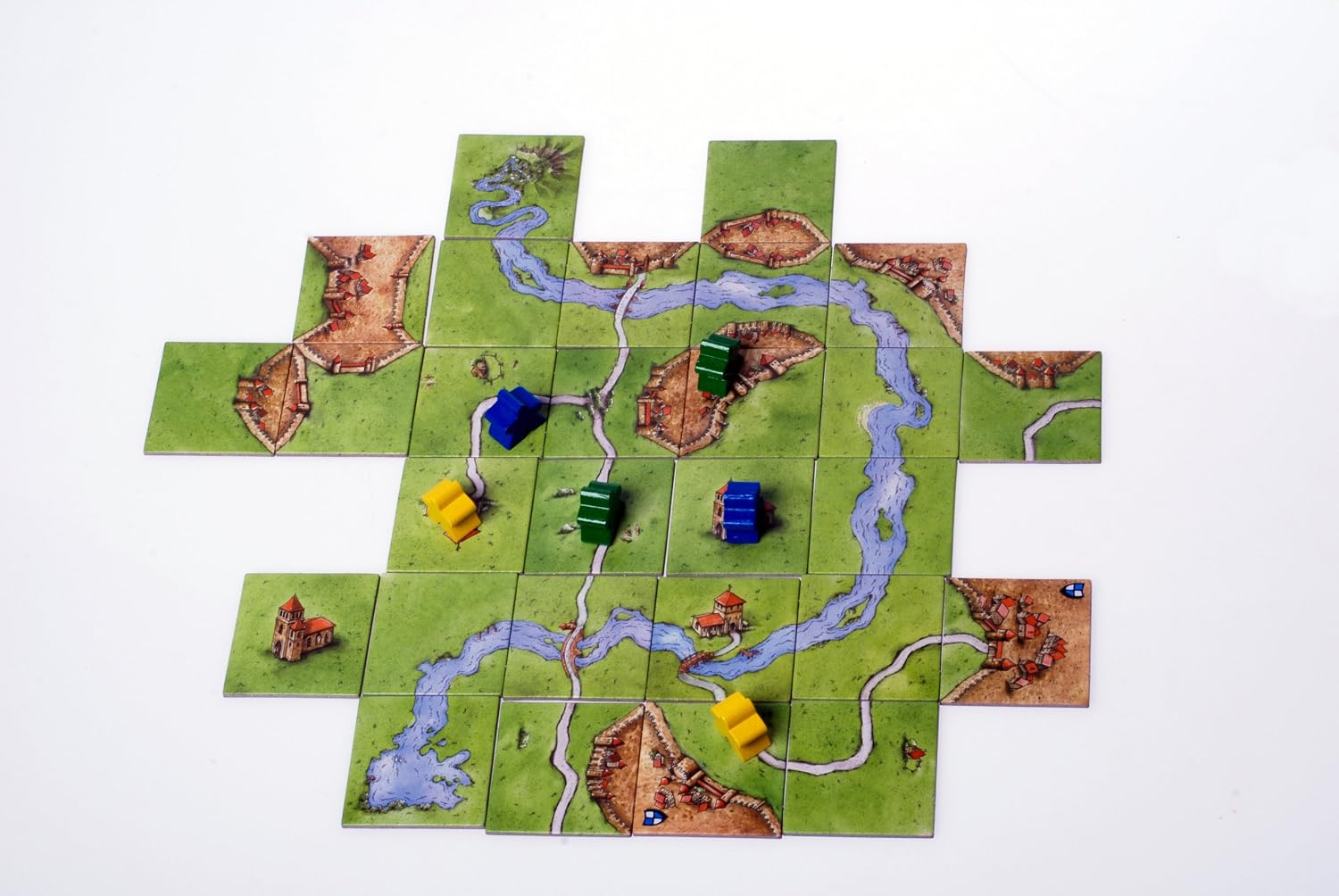
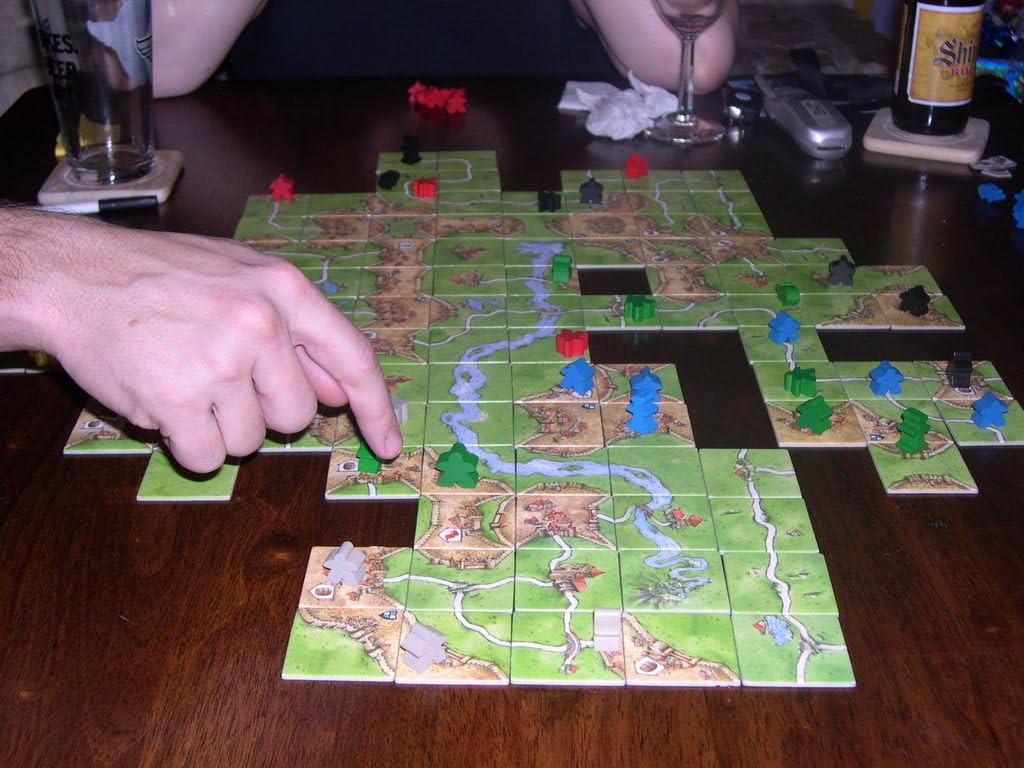
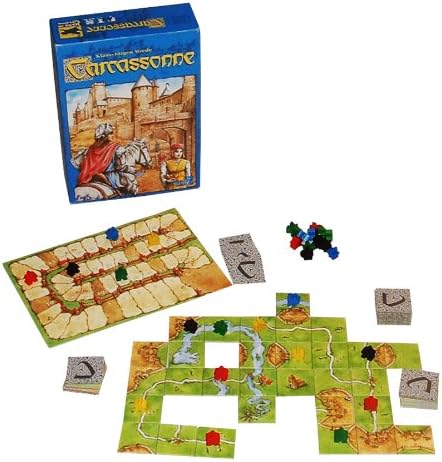
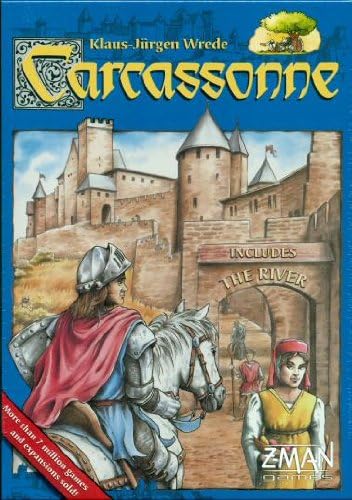
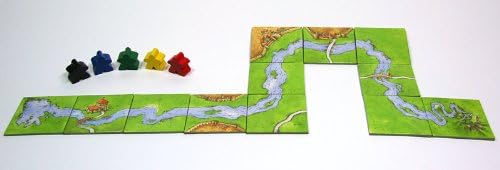
 Carcassonne
Interactive classic with followers and shared geography. This exact English Amazon listing was title and ASIN verified on July 28, 2026; the guide places it in a stop-aware buying order rather than treating availability as a recommendation.
- Exact product identity verified
- Clear role in the buying path
- Supported by official rules/content research
- Availability and seller can change
- Not every group needs the next box
At a glance
| Stage | Product | Buy when | Curator ruling |
|---|---|---|---|
| CALM | Cascadia | Best for families and players who dislike direct conflict. | Start here |
| CLASSIC | Carcassonne | Best interactive teach and long-lived system. | Only after repeat play |
| MODERN | Rebirth | Best current shared-map step-up with regional pressure. | Only after repeat play |
| EXPAND | Only after repeat play | Carcassonne has a deep branch; the other games do not need instant add-ons. | Specialist / later |
Questions, answered
Which is easiest: Rebirth, Cascadia, or Carcassonne?
Cascadia is the gentlest teach, with Carcassonne close behind if farms are introduced carefully.
Which is most interactive?
Carcassonne has the most direct joining and blocking; Rebirth has shared regional control.
Which is best for families?
Cascadia is the broadest family recommendation.
Is Rebirth a cozy game?
Its theme is hopeful and its presentation is lush, but the shared map and regional competition create real pressure.
Which is best at two players?
Carcassonne is especially tactical at two; Cascadia is the calmer alternative.
Which has the most expansions?
Carcassonne has by far the deepest expansion ecosystem.
Kenji's verdict
Cascadia is the safest family recommendation. Carcassonne is the best rules-to-interaction ratio. Rebirth is the best new purchase for a group that has outgrown solitary tile puzzles and wants a shared strategic landscape without entering a three-hour war game.
Research ledger 8 sources · reviewed 2026-07-28
Specifications, rules, current product information, community experience, and contrary evidence were checked against the sources below. Commercial links are kept separate from editorial evidence.
- Official publisher: Mighty Boards Rebirth product pagemighty-boards.com/rebirth
- Flatout Games Cascadiaalderac.com/cascadia
- Z-Man Carcassonne product pagezmangames.com/en/products/carcassonne
- Current BGG Hotnessboardgamegeek.com/hotness
- Current collection recommendation discussionreddit.com/r/boardgames/comments/1v4ba8q/current_state_of_collection_after_2y_and_what_to
- Cascadia and Carcassonne comparison discussionreddit.com/r/boardgames/comments/x7cvew/i_like_carcassone_well_enough_but_it_feels_a
- Current Rebirth component-quality owner reportreddit.com/r/boardgames/comments/1v55586/quality_rebirth_material
- Current Rebirth positive owner reportreddit.com/r/boardgames/comments/1sv79j1/really_enjoyed_playing_rebirth
Every object has a lineage. Let me tell you its story.
Keep exploring
The next smart rabbit holes.
▦ Universe HubCarcassonne: the whole buying pathCarcassonne is a tile-laying game about completing cities, roads, monasteries, and fields while deciding when a meeple is worth...✦ Topic PathBoard Game Buying Guides: compare the whole shelfStart with the decision, not the shelf. These guides compare the games, editions, expansions, player counts, and costs people...Buying GuideCarcassonne Big Box 2025 vs Base Game: Which Expansions Are Actually Worth Buying?Carcassonne Big Box vs Base Game, explained with exact box identity, expansion order, beginner-to-expert strategy, hosting and solo...