
Start here · choose the hobby before the product
The tabletop world is enormous.
Your first step is not.
Tell us what you want to feel at the table. We will show you the first useful purchase, the shortest route to a good first play, what comes next, and what can remain beautifully unbought.
Choose your tableThe Puzzlewick promise
No secret prerequisites. No wall of unexplained boxes.
A good hobby guide removes uncertainty before it adds desire. Every path below begins with a complete experience and keeps the advanced shelf visible without dropping it on your head.
 01 · Trading card games
Choose this path when...
I want a deck, a collection, and a table to join.
Begin with a complete teaching or starter product. Choose the game whose play culture sounds fun, sleeve the deck you shuffle, and leave random boosters until opening packs is the point.
 02 · Living card games
Choose this path when...
I want a fixed collection and a story that keeps unfolding.
LCGs replace random boosters with known card lists, but the shelf order still matters. Pick the pressure you want: campaign horror, superhero boss fights, punishing quests, or an asymmetric duel.
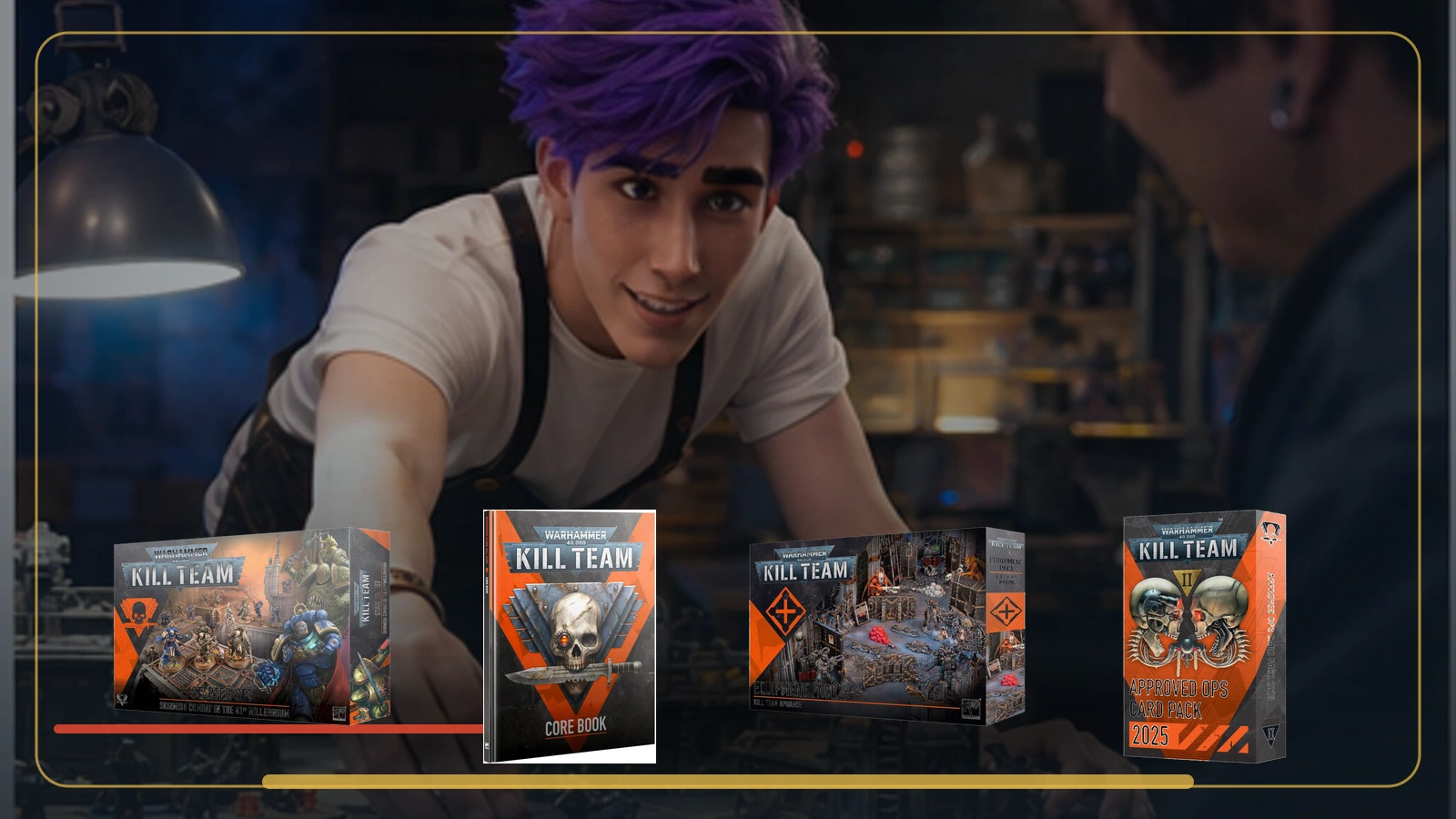 03 · Miniatures and wargames
Choose this path when...
I want to build, paint, command, and improve a force.
Do not begin with a giant army. Build a small legal force, paint one model well enough to learn, play a short format, and let actual games diagnose the next unit or tool.
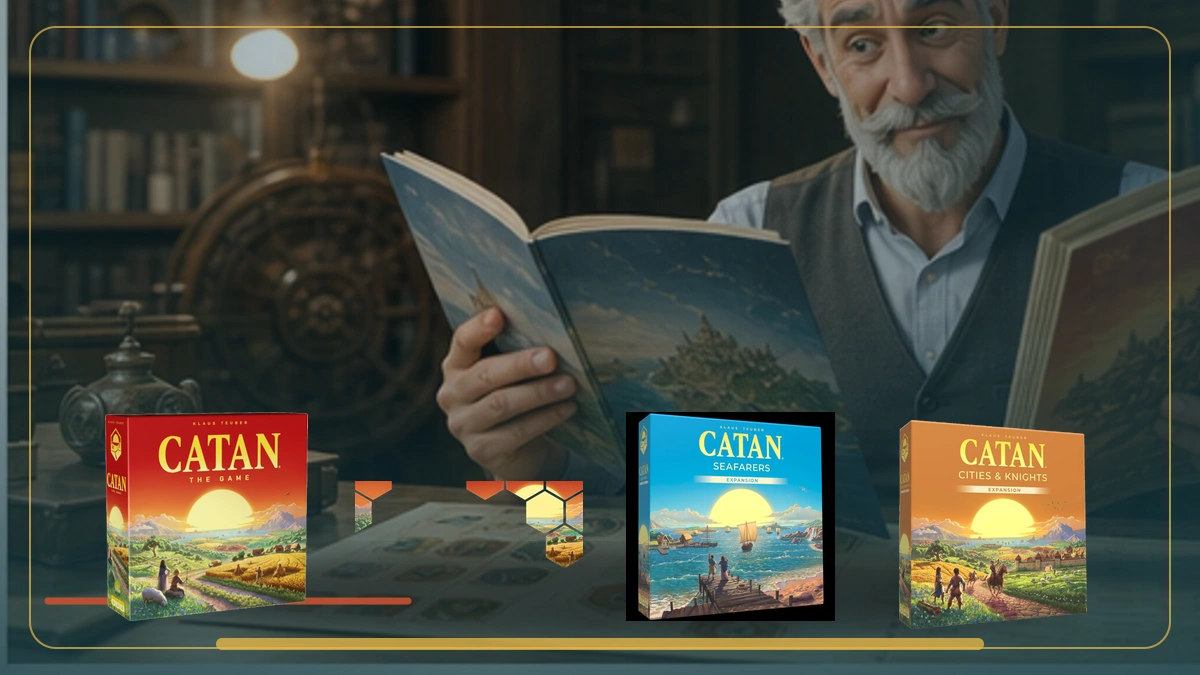 04 · Evergreen board games
Choose this path when...
I want one excellent box that fits the people I already know.
Choose by people, time, and appetite for friction. The right gateway game teaches in minutes, creates a complete evening, and does not require an expansion to become good.
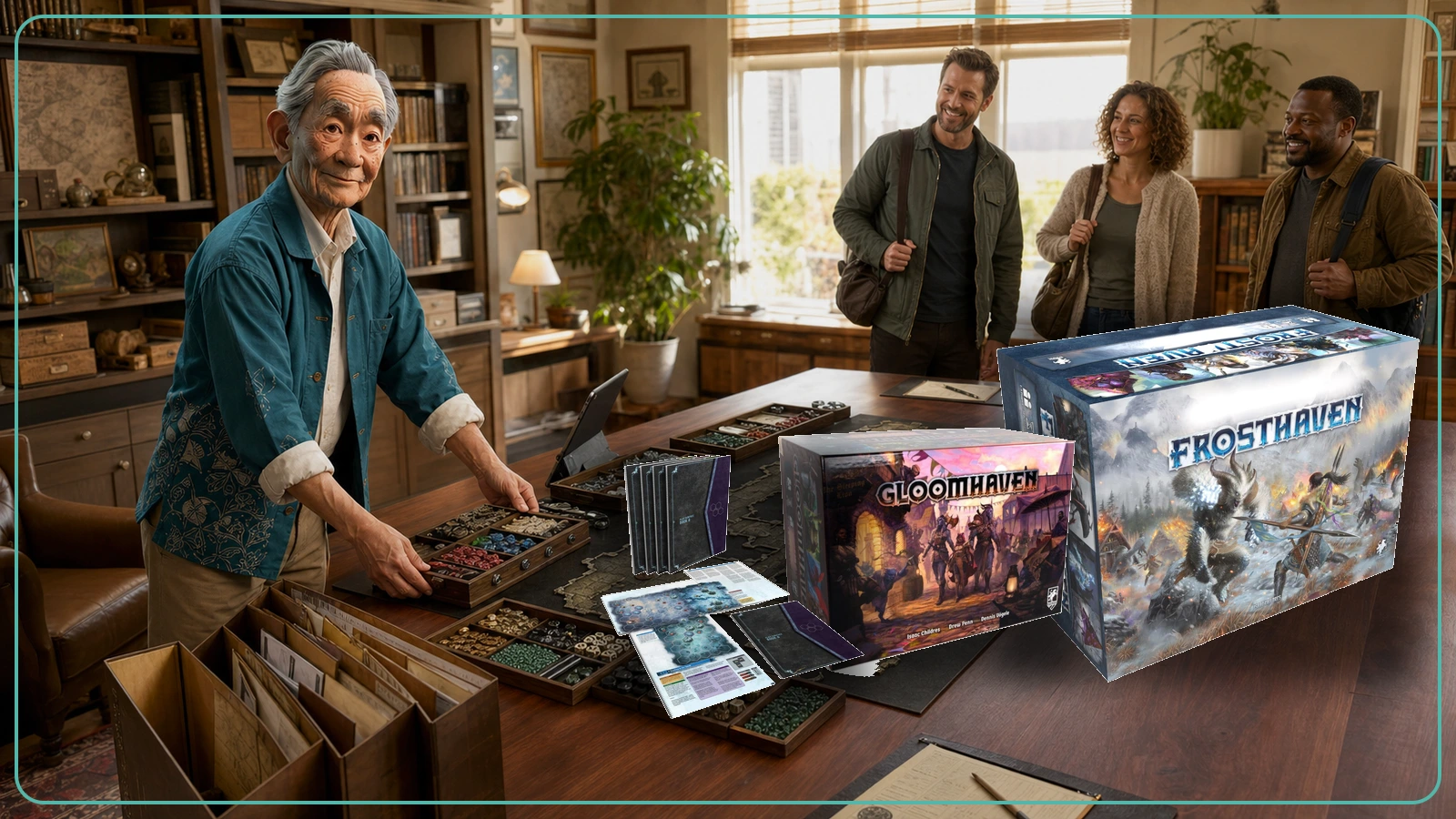 05 · Strategy and campaigns
Choose this path when...
I want a table-sized obsession, not a polite little filler.
Premium games earn their price through repeated play, not box weight. Check setup, teach, table footprint, storage, campaign continuity, and the group commitment before buying the impressive edition.
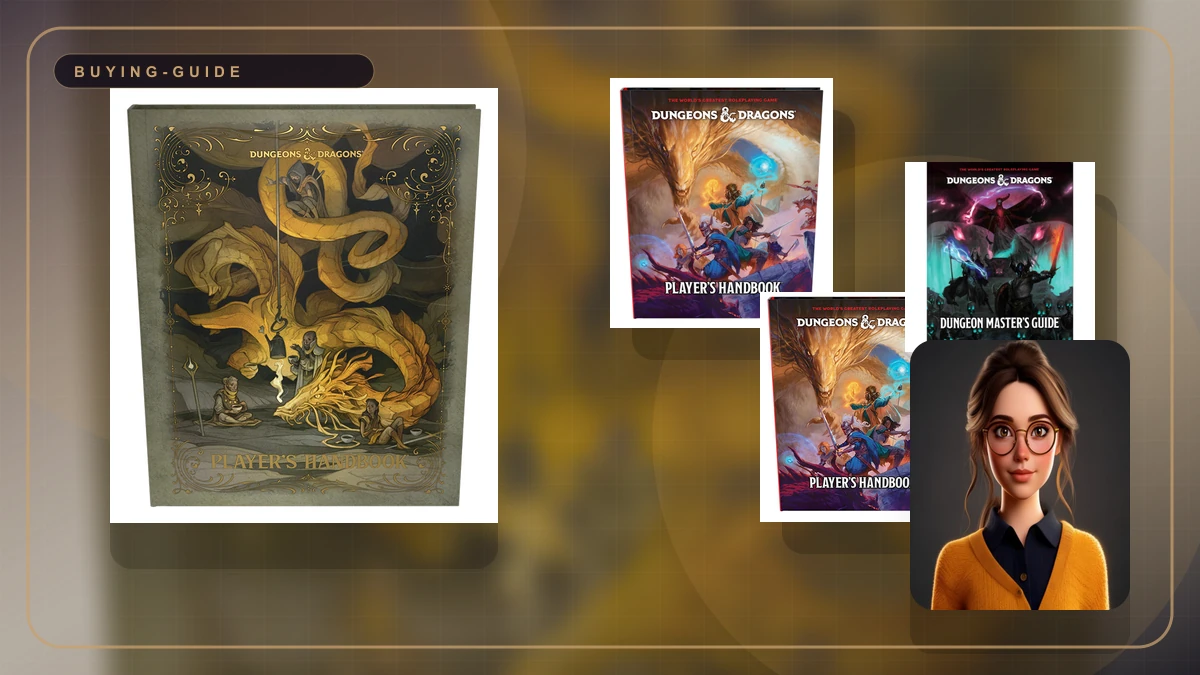 06 · Tabletop role-playing games
Choose this path when...
I want a character, a campaign, and people to meet every week.
The real first product is a successful first session. Learn the shared conversation, use a bounded adventure, and solve the group-finding problem before building a private library of books.
The ecosystem ladder
From “what is this?” to “this is my hobby.”
Every deep Puzzlewick universe is built to make this route visible.- 01
Understand it
The genre, table rhythm, player count, commitment, and reason people care.
- 02
Choose the first box
One exact product that creates a complete first experience without hidden dependencies.
- 03
Finish the first play
Setup help, rules vocabulary, teaching order, and the mistakes that make a good game feel bad.
- 04
Play it again
Enough repetition to separate a shopping itch from an actual table need.
- 05
Make one useful upgrade
The expansion, deck, faction, campaign, or accessory that solves the next diagnosed problem.
- 06
Find your people
A casual table, league, campaign, club, store night, or community that welcomes the next step.
- 07
Go as deep as you like
Advanced strategy, collecting, competitive play, premium upgrades, trading, and adjacent worlds.
The ten-game rule
Play before you optimize.
“The next purchase should solve a problem the table has already introduced. Otherwise it is just luggage for a trip you have not taken.”Robert · Puzzlewick editor
Beginner questions
The questions worth asking before checkout.
What is the easiest tabletop hobby to start?
A complete gateway board game or two-player teaching set is usually the fastest route to a successful first night. For trading card games, use a scripted beginner box or coherent starter deck rather than random boosters.
Should I buy expansions with my first game?
Usually no. Play the complete base game several times first. An expansion is useful when it solves a known need such as player count, repetition, campaign continuation, or a style the group already enjoys.
Which tabletop hobbies have the deepest long-term ecosystems?
Trading card games, miniatures games, tabletop RPGs, living card games, and large campaign board games have the strongest repeat-play and expansion ladders. That depth is valuable only when the first experience succeeds.
What accessories should a beginner buy?
Buy only what protects frequently handled components, makes setup clearer, transports the active kit safely, or reduces retrieval time. For card games that normally means correctly sized sleeves and one fitted deck box first.
How does Puzzlewick decide what to recommend?
Puzzlewick checks official rules and product specifications, credible specialist coverage, recurring community experience, current availability, and product identity. The verdict names both the reason to buy and the reason to wait.