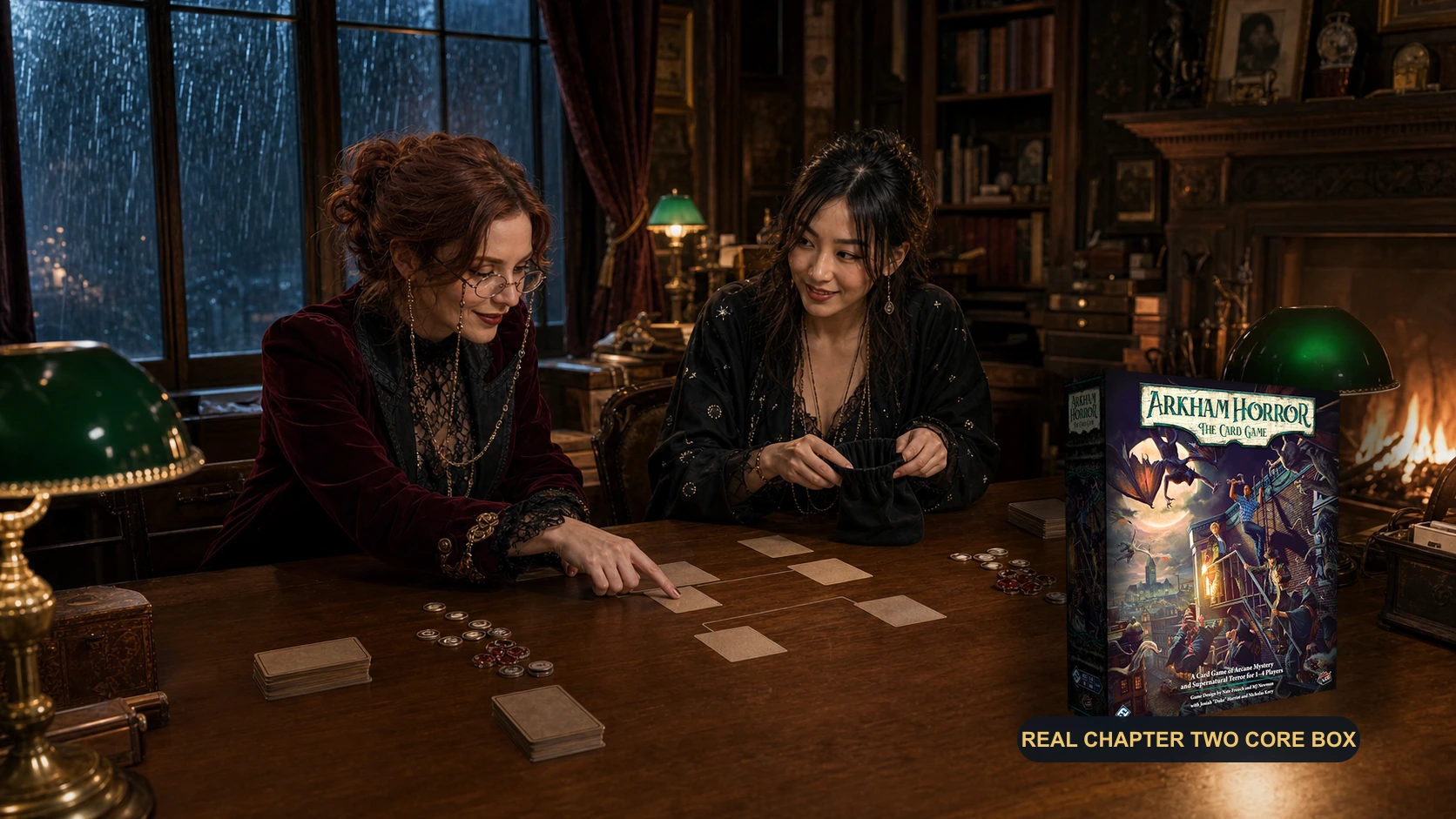
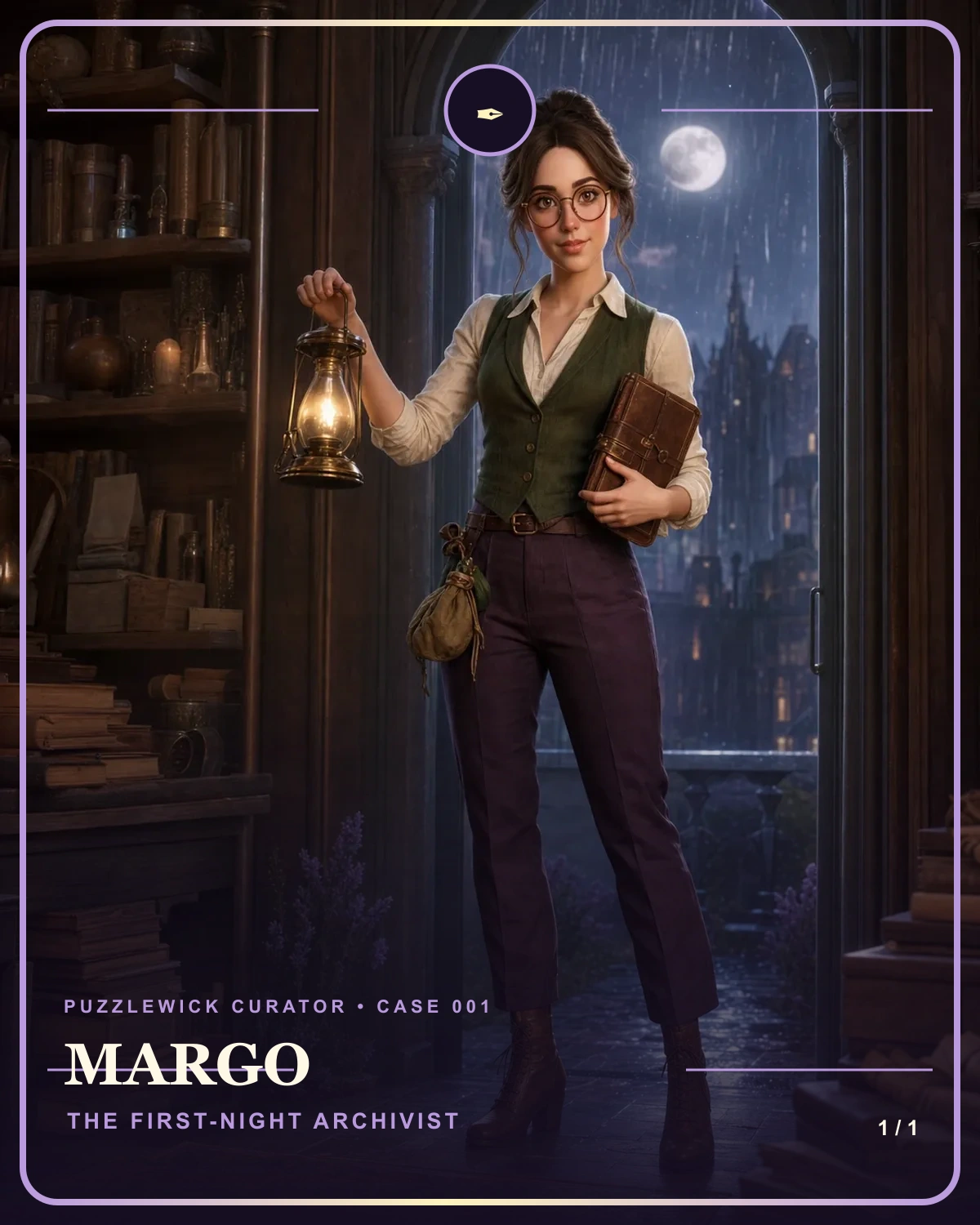
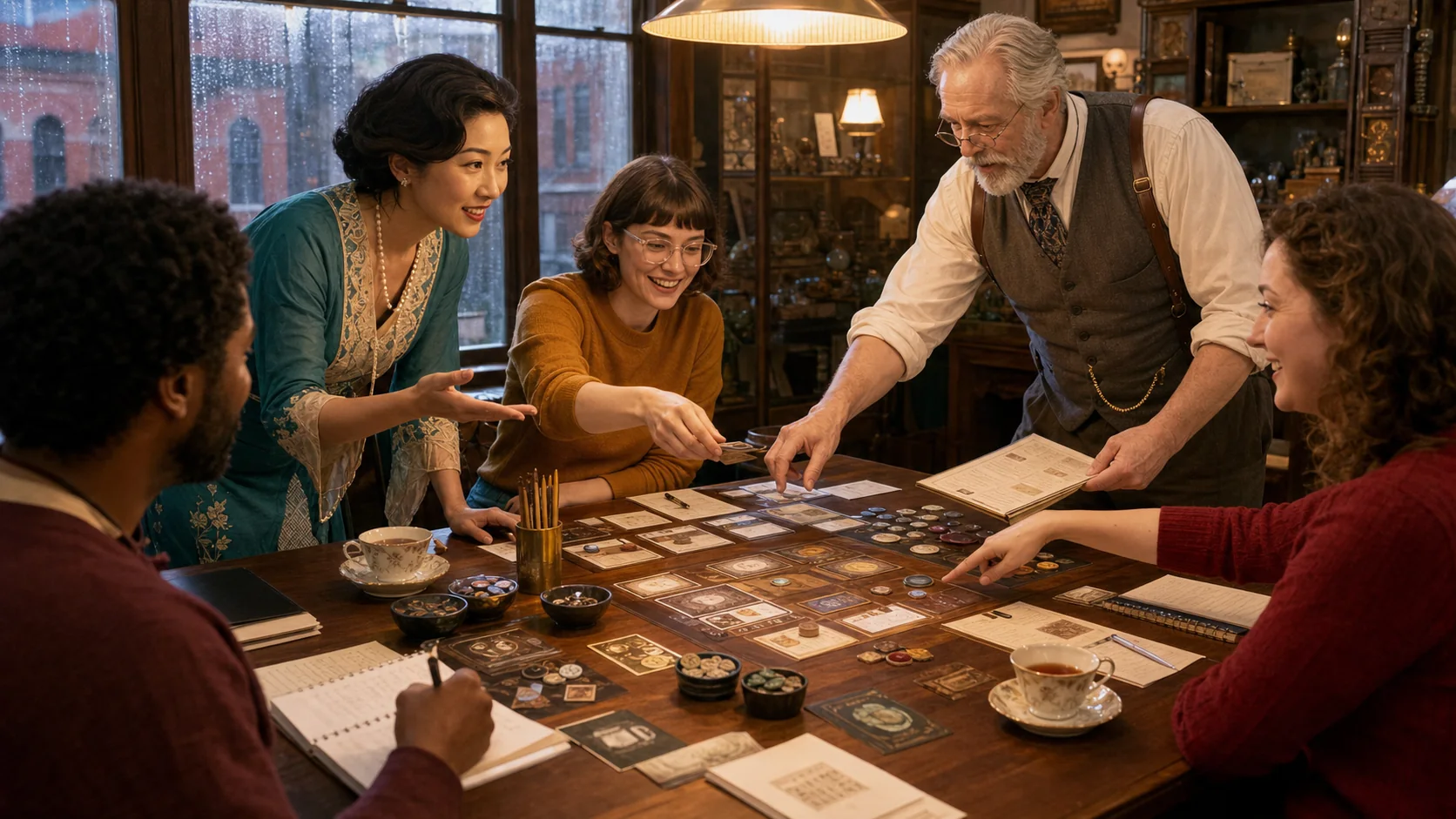
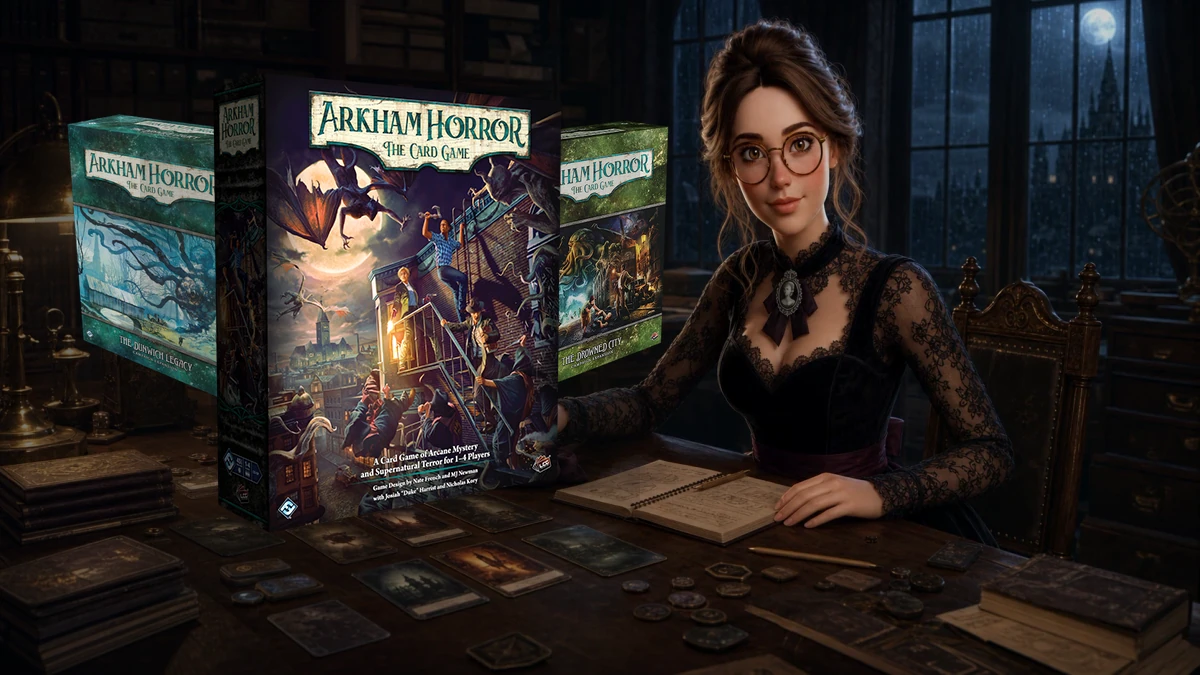
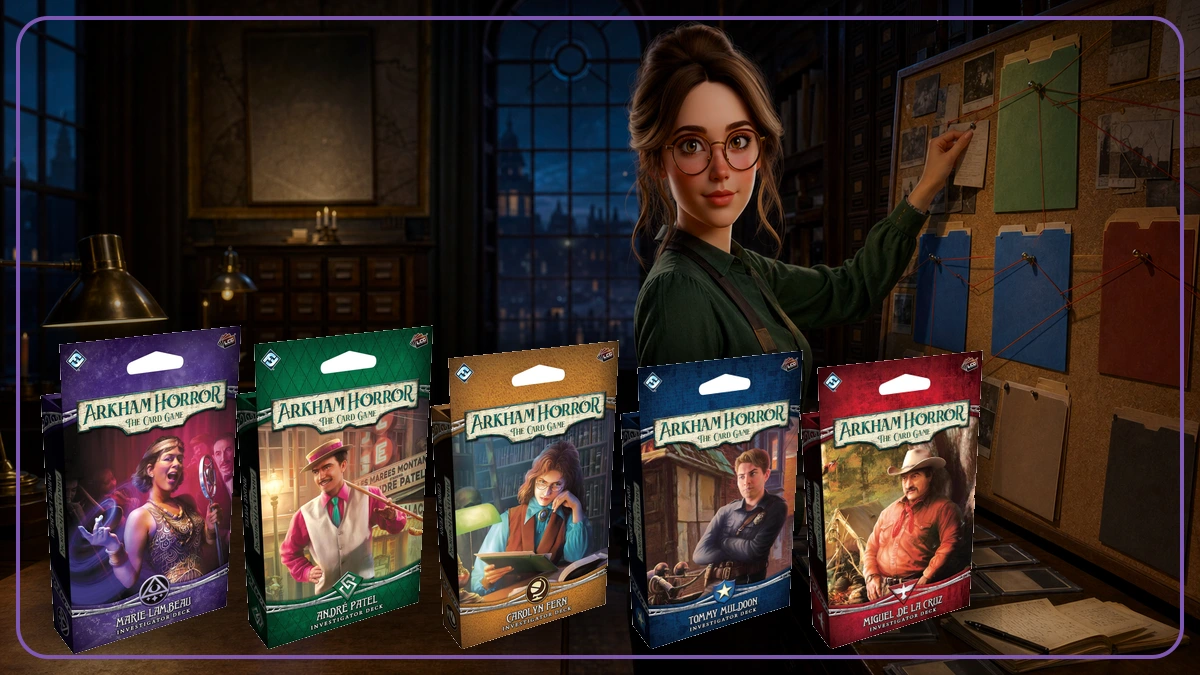
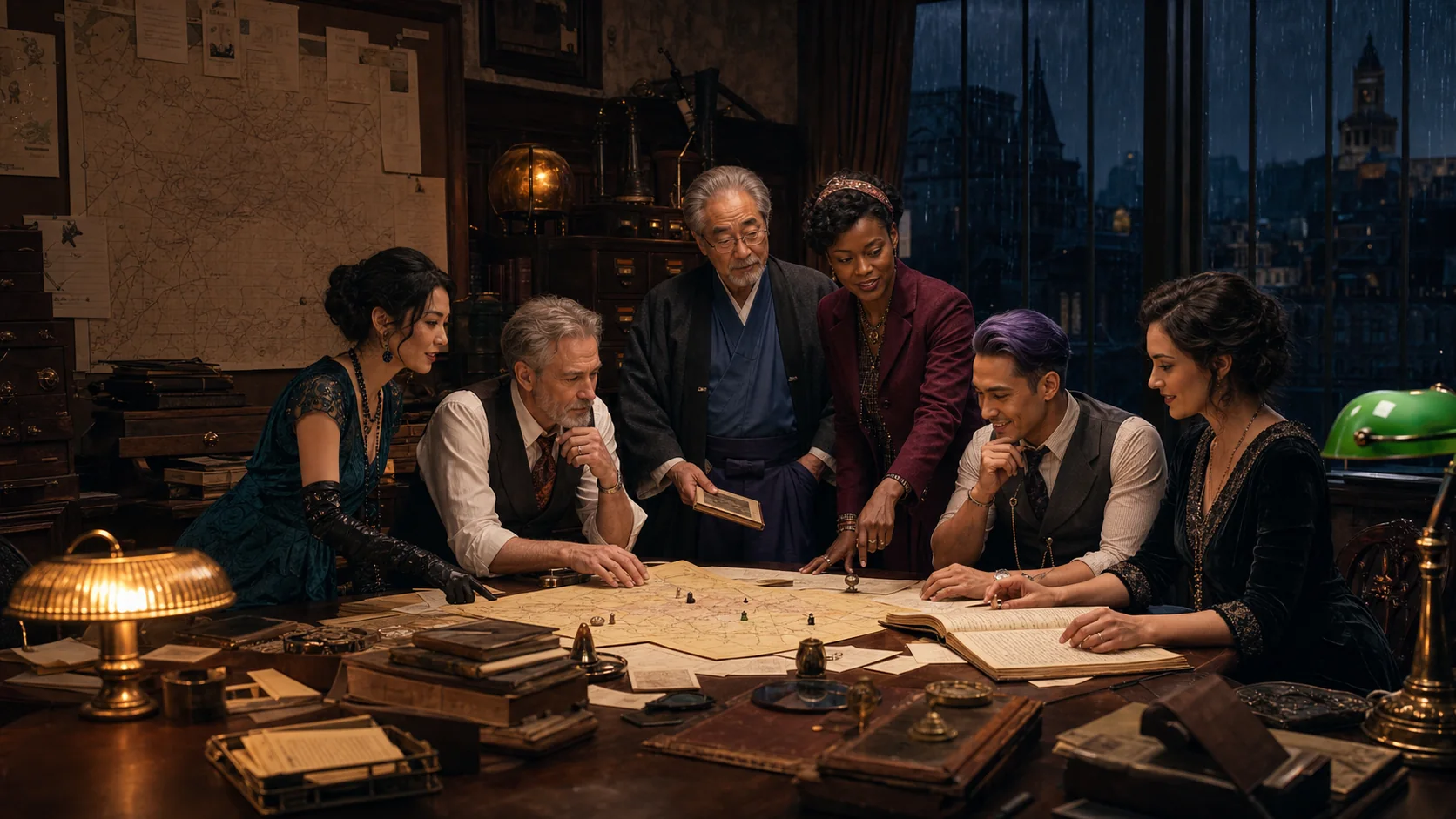
The six Puzzlewick curators investigating a case together in a 1920s Arkham archive

Puzzlewick’s definitive Arkham Files archive · Updated August 5, 2026

The Arkham Horror Universe

A living Arkham homepage for the lore, every major game format, the right Core, the campaigns worth your time, and the rules that make a first night work.

The 2026 short answer: new LCG players start with Chapter Two Core. Revised and original Core boxes belong to the compatible Chapter One legacy library. Arkham Horror Third Edition is a separate city-board game, not the third version of the LCG.

Enter the archive

Arkham in 90 seconds

Pulp investigators against a universe that does not care.

Arkham Files is an alternate 1920s setting built around recurring investigators, Massachusetts towns, forbidden institutions, cults, monsters, and Ancient Ones. The horror is cosmic; the play is usually pulpy and defiant. You are small, but never passive.

There is no single rigid continuity. Arkham, Miskatonic University, Innsmouth, Dunwich, Kingsport, the Silver Twilight Lodge, and the investigator cast recur as anchors. Each game then retells the danger through a different machine.

  • 1987Original board game
  • 5Primary ways into this hub
  • 28Certified Puzzlewick guides
  • 2026Chapter Two era

Margo's nine-file investigator route

Choose the machine that tells your kind of horror story.

Separate the LCG from Third Edition and Mansions of Madness, choose the correct Core era, learn one scenario, then expand a campaign and its physical case system deliberately.

This is a sequence, not a shopping list. Stop when the table is doing what you wanted.

  1. Choose format

    Choose cards, city board, app, globe, or RPG

    Start with the experience you want rather than the Arkham name on the box.

    Compare the Arkham formats
  2. Decode

    Separate Chapter Two, Revised, and original Core

    Current and legacy foundations explained without edition-name fog.

    Open the Core decoder
  3. Start

    Run a legal first LCG night

    Build the table, choose investigators, assemble decks, and begin with confidence.

    Use the first-night manual
  4. Practice

    Touch the setup decisions

    Use Robert's interactive trainer to rehearse the table before opening the real case.

    Open the live tutor
  5. Buy next

    Choose the next campaign deliberately

    A clear route after the Core, with product-era traps and incomplete cycles named.

    Follow the campaign path
  6. Build

    Build and upgrade investigators

    Roles, legal deckbuilding, XP, pairings, and campaign growth beyond a starter list.

    Open the deckbuilding manual
  7. Record

    Use ArkhamDB and ArkhamCards correctly

    Build, sync, log, and preserve the campaign without losing the physical story.

    Open the digital case desk
  8. Equip

    Pack the active campaign as a case

    Storage, sleeves, chaos tokens, mats, and the premium upgrades that earn the ritual.

    Enter the Arkham aisle
  9. Master

    Study scenario and investigator architecture

    Move from competent play into tempo, risk, action economy, and campaign judgment.

    Enter the masterclass
The six Puzzlewick curators investigate maps, clippings, and charred evidence in an Arkham archive.

Featured Fireside Briefing

Arkham Before the Ashes

The history, horror, and human courage behind Brethren of Ash. A spoiler-free briefing for the six months between Arkham’s calamity and the first knock on a Miskatonic dormitory door.

~76 min read · ~105 min audio · stops before Scenario I

The investigator's field desk

Three live case files for the decisions that stall a new campaign.

Margo handles the shelf. Yumi builds the investigator. Robert keeps the campaign honest. Use the tools here, then open the complete version to print, save, or share it.

Browse all 20 player resources →
CurrentChapter Two Core

The active LCG foundation and future scenario dependency.

Legacy2016 + Revised Core

Compatible Chapter One foundations; still playable, less future-facing.

Separate gameThird Edition

The 2018 modular city-board game for one to six players.

WatchlistRemastered campaigns

Discussed by players, not officially announced as of August 5.

Margo’s Arkham Horror format map comparing the LCG, Third Edition, and Mansions of Madness
Margo’s format map

Choose the viewpoint before the product line. The LCG puts the story in your deck, Third Edition puts the city on the table, and Mansions of Madness lets the app reveal the rooms.

Share Margo’s Arkham format map
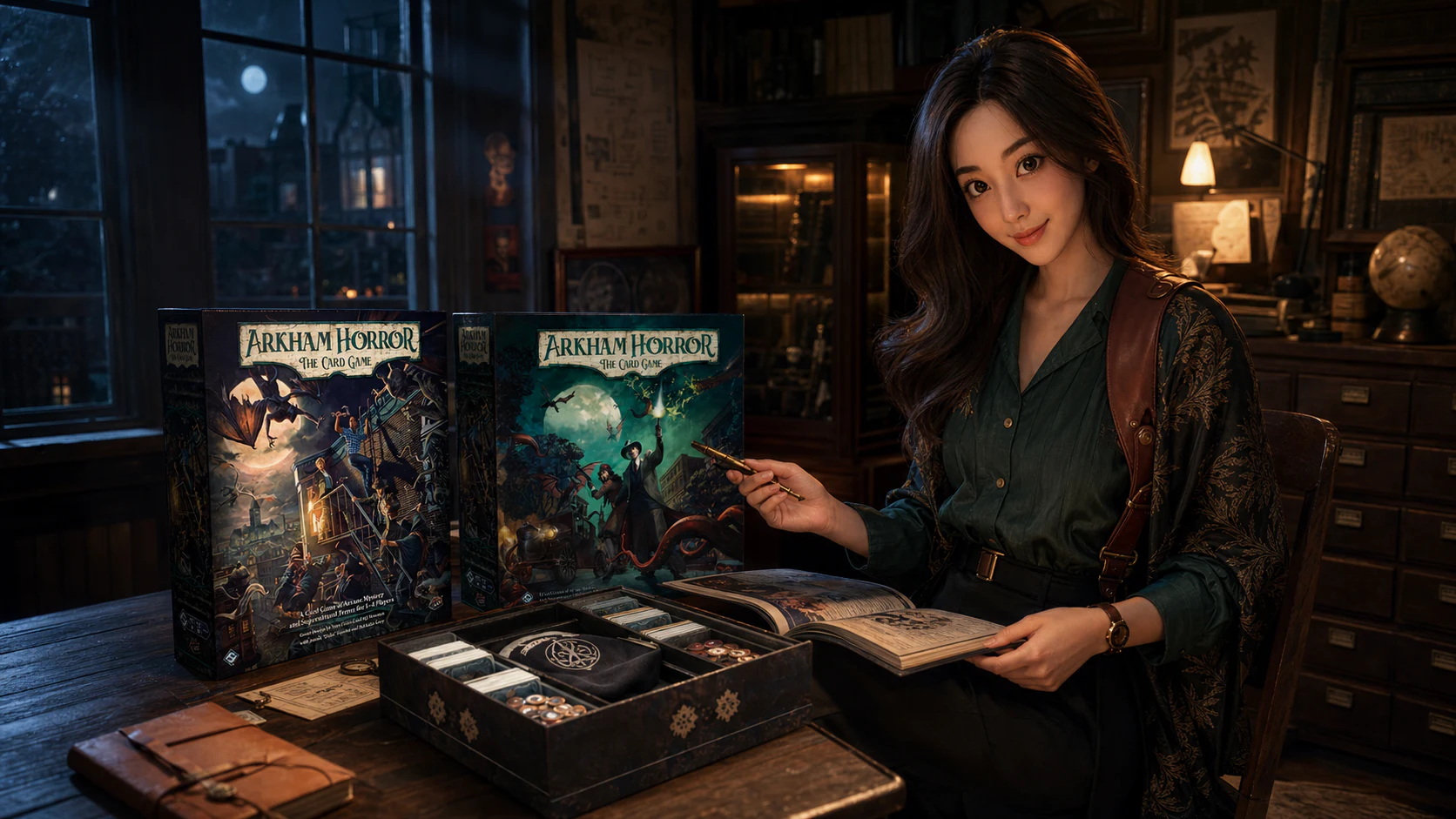
Margo holding a case card in her candlelit Arkham archive
Margo’s buyer intake · AI-assisted curator scene, not product evidence

The buyer’s case intake

Tell Margo what is already on your shelf.

Two answers are enough. The result names the foundation, the next box, and the trap to avoid.

1 · What do you own?
2 · What night do you want?
Arkham Horror The Card Game Chapter Two Core Set

New investigator · current path

Buy Chapter Two Core

It is the current one-box LCG foundation, includes Brethren of Ash, and supplies the encounter sets future Chapter Two scenarios expect.

Margo’s warning: Do not let “Chapter Two” get translated into “second edition.” It is the same compatible card game with a new Core foundation.

The naming trap, disarmed

Chapter Two is the third Core box. It is not Third Edition.

The LCG has three Core-box iterations across two chapters. The board game has a numbered edition. They share a universe, not components.

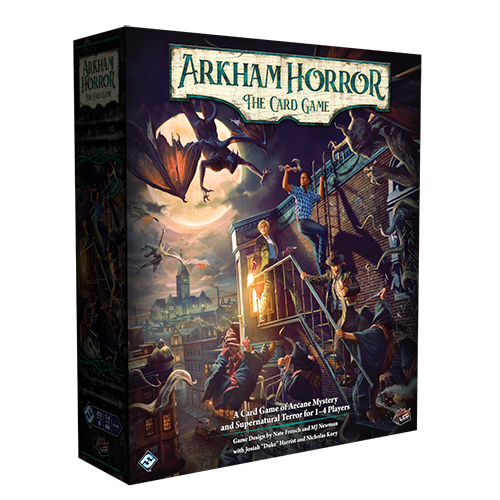
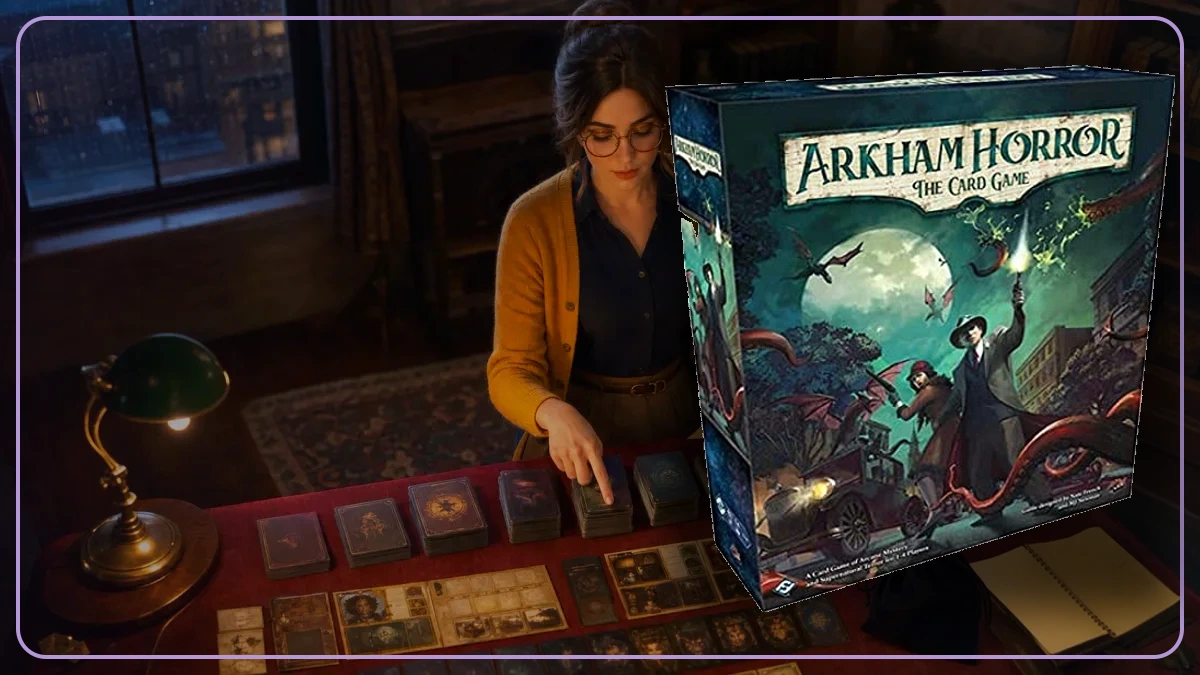
Chapter Two Core Set product box

Current foundation

Chapter Two Core Set

2026 · AHC100 The clean default for every new LCG player in 2026.
  • 1–4 players from one box
  • Brethren of Ash three-scenario introduction
  • Five mechanically new investigators
  • Encounter foundation for future Chapter Two scenarios
Buy current on Amazon ↗
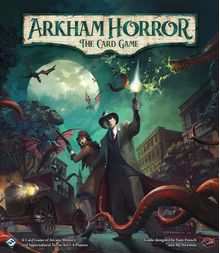
Revised Core Set product box

Legacy foundation

Revised Core Set

2021 · AHC60 Still a complete Chapter One start, but no longer the automatic first purchase.
  • 1–4 players from one box
  • Night of the Zealot introduction
  • Chapter One encounter foundation
  • Best bought deliberately for legacy campaigns
Check legacy stock on Amazon ↗
Original Core Set product box

Collector-only foundation

Original Core Set

2016 · AHC01 Playable history, not the smart 2026 starting box.
  • Built for 1–2 players per box
  • Incomplete duplicate player-card sets
  • Same Night of the Zealot campaign
  • Buy only with exact contents verified
Read before buying
Margo working at an Arkham evidence wall beside a visual comparison of Chapter Two Core, Revised Core, and the separate Third Edition board game

Save this before shopping. It prevents the costliest Arkham naming mistake in one glance.

Share the Arkham shelf decoder
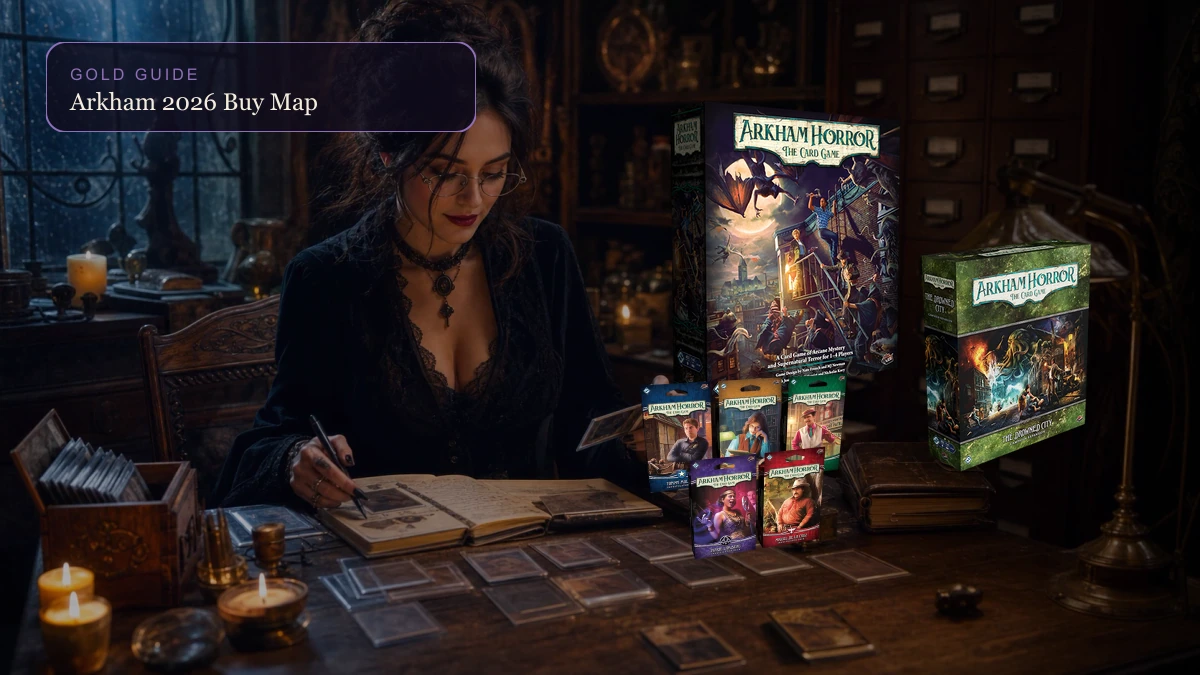
Yumi organizing an Arkham release desk beside the Chapter Two Core, Children of Blood, Traces to Nowhere, and optional player aids
The current Chapter Two route

Buy the Core first, finish its campaign, then expand. Children of Blood is the first small campaign. Traces to Nowhere is a standalone scenario announced for October 16, 2026. Neither replaces the Core.

Share the Chapter Two buying ladder

The legacy shelf translator

Old cards still work. Old packaging still causes trouble.

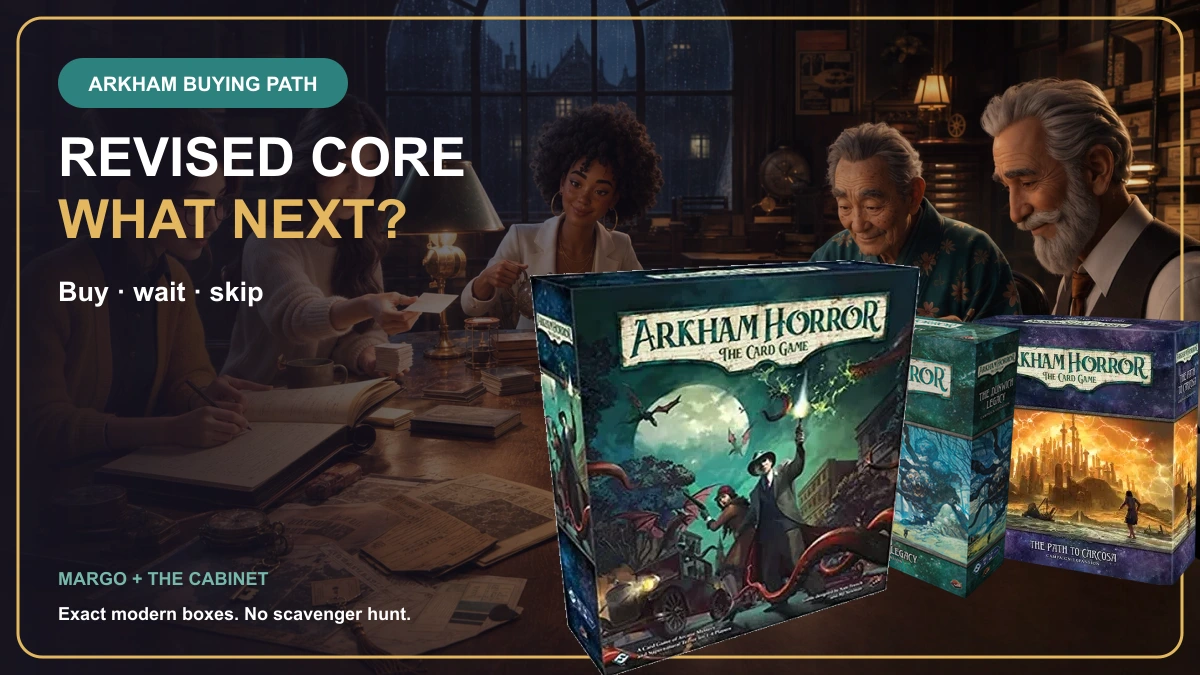
Chapter One did not become invalid when Chapter Two arrived. Its player cards remain compatible; its scenarios were built around the older Core encounter sets. The current Arkham Grimoire is the authority for supported substitutions.

Modern Chapter One repackage
Best legacy route

Modern Chapter One repackage

One Campaign Expansion holds the complete story. Its matching Investigator Expansion holds investigators and player cards. Buy either independently; buy both when you want both halves.

Original release model
Avoid incomplete cycles

Original release model

One Deluxe Expansion began a campaign, then six Mythos Packs completed it. These cards remain playable, but a missing pack can strand the story and aftermarket listings are easy to misread.

Across the room · a different game

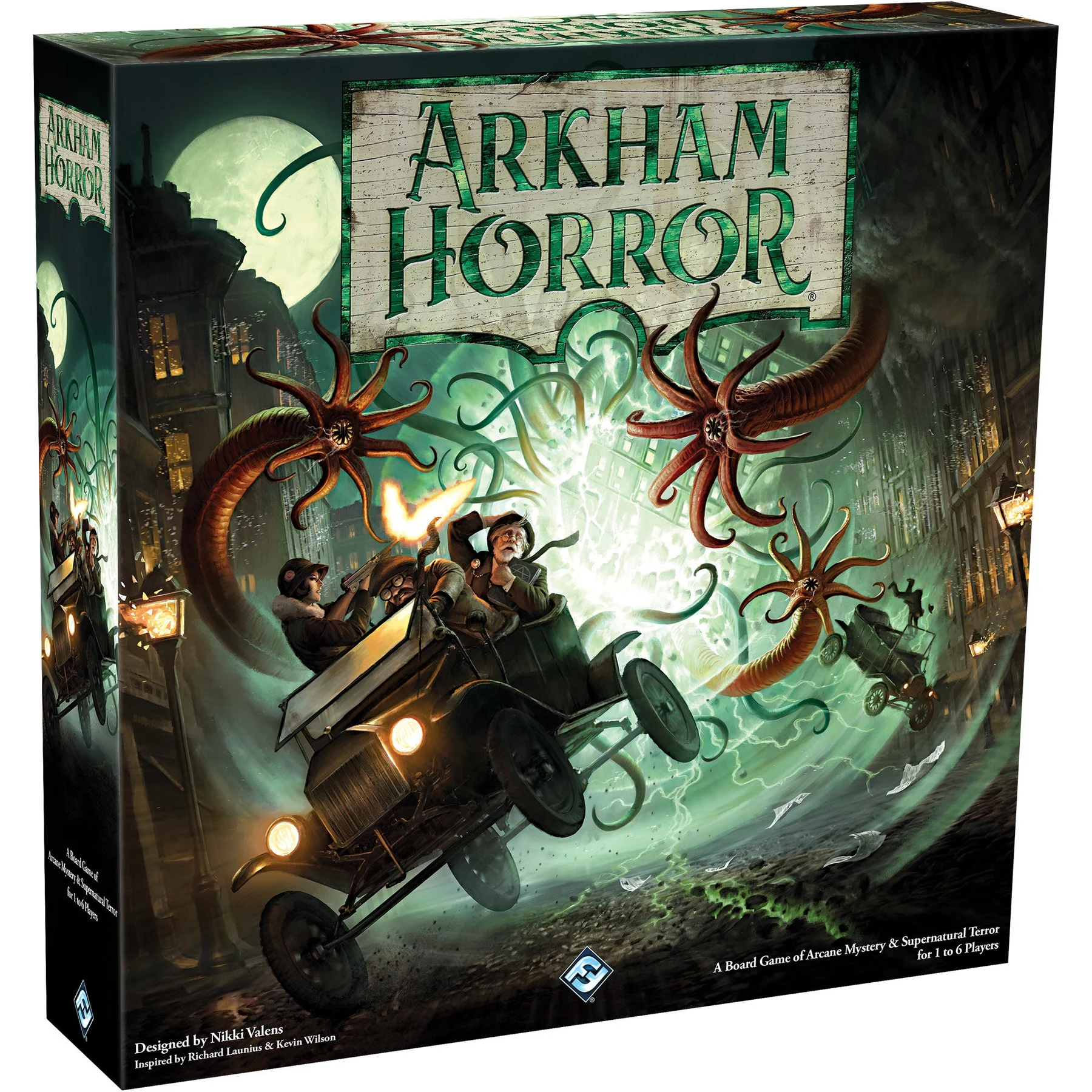
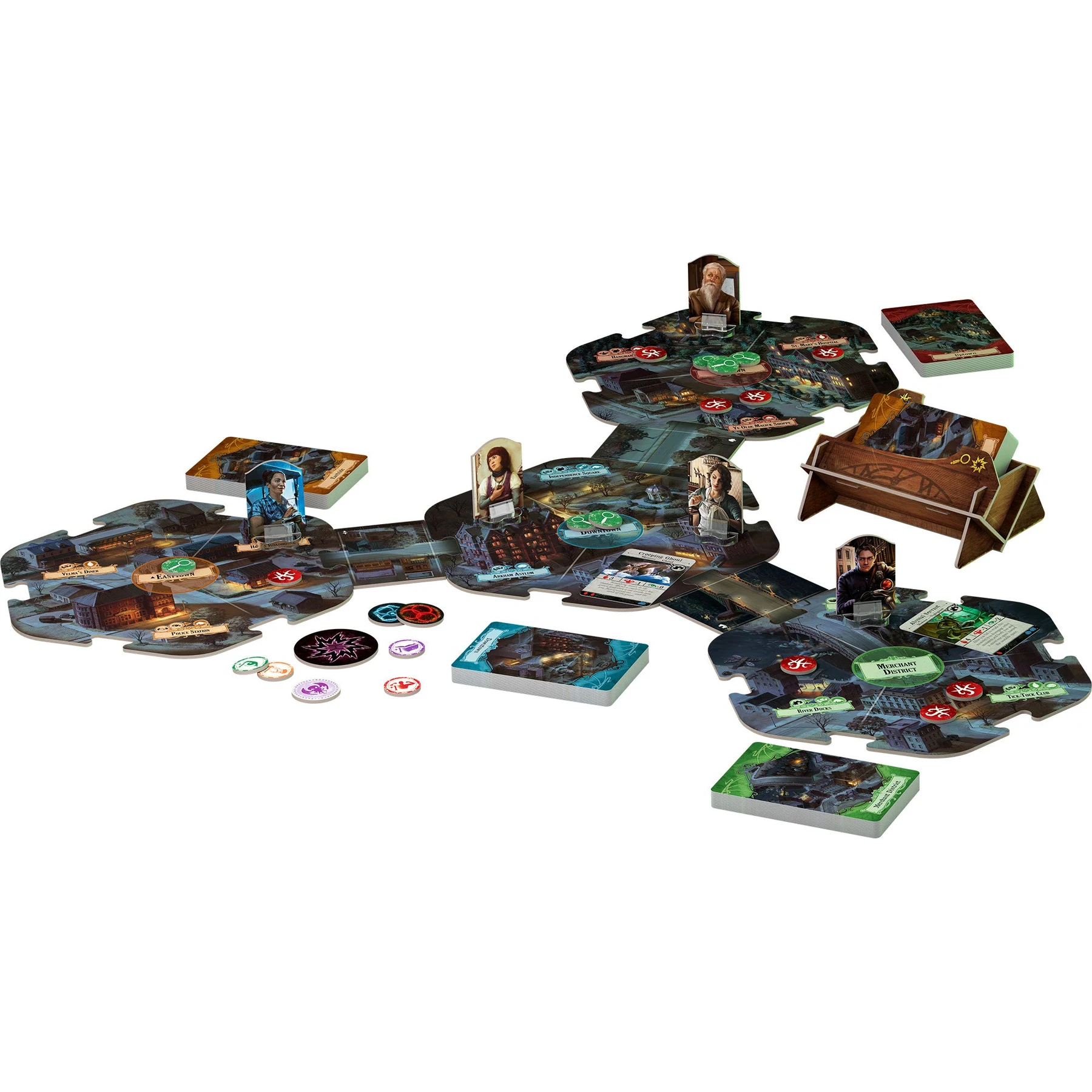
Third Edition is the board on the table.

One to six investigators move through modular neighborhoods, manage monsters and doom, resolve encounters, and unlock a branching codex across a contained two-to-three-hour scenario.

Third Edition Core product box

Third Edition Core

Start here: four branching scenarios and the complete city system.

Best for
A contained board-game night with 1–6 players.
Adds
Everything required to play; no expansion is standalone.
Watch for
This is not the LCG and its components do not cross over.
View Third Edition Core on Amazon ↗
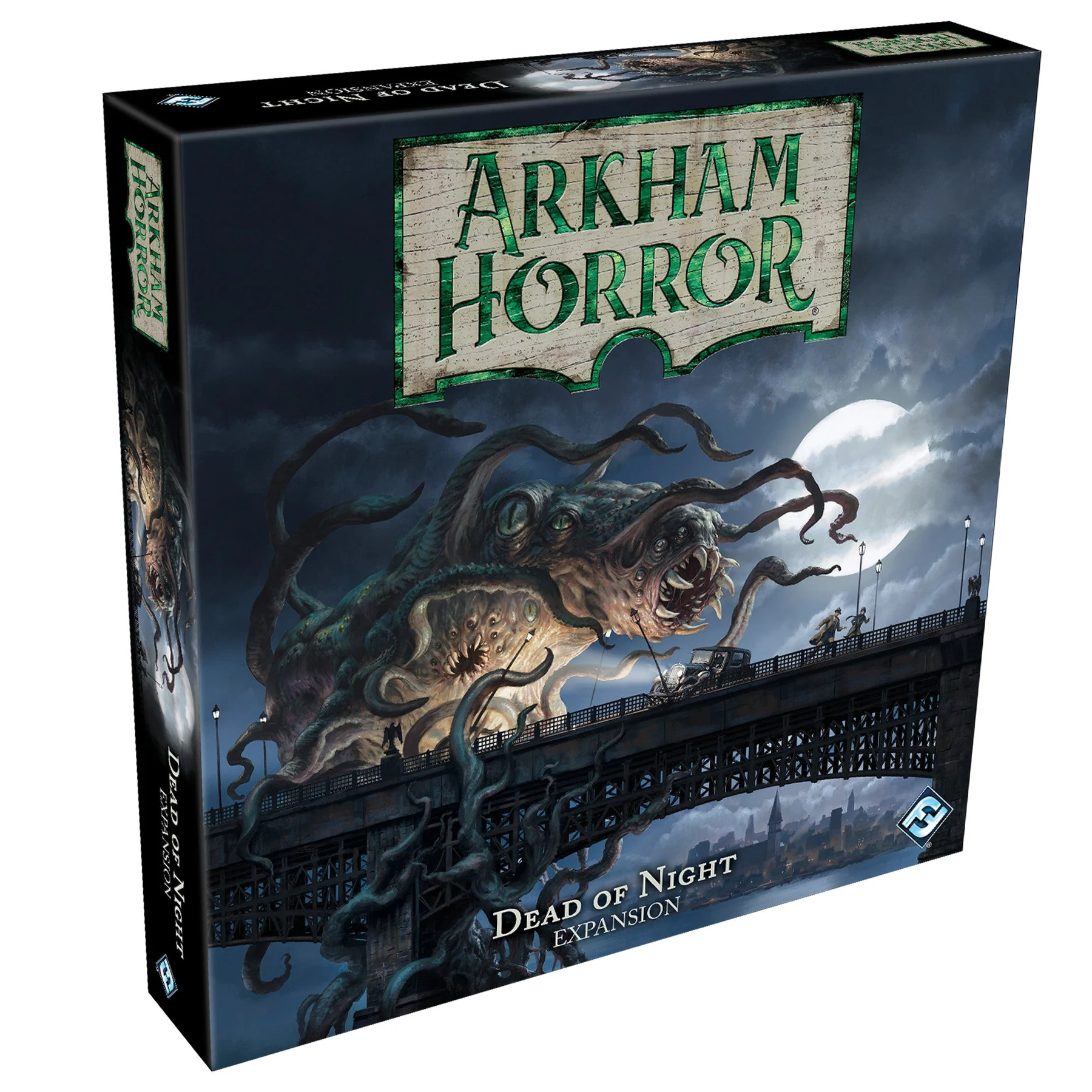
Dead of Night product box

Dead of Night

The compact first refresh: two scenarios, four investigators, and more city encounters.

Best for
Groups that want more variety without adding another town.
Adds
New encounters for every core neighborhood, monsters, assets, spells, allies, and anomalies.
Watch for
Excellent seasoning, but less transformative than Under Dark Waves.
View Dead of Night on Amazon ↗
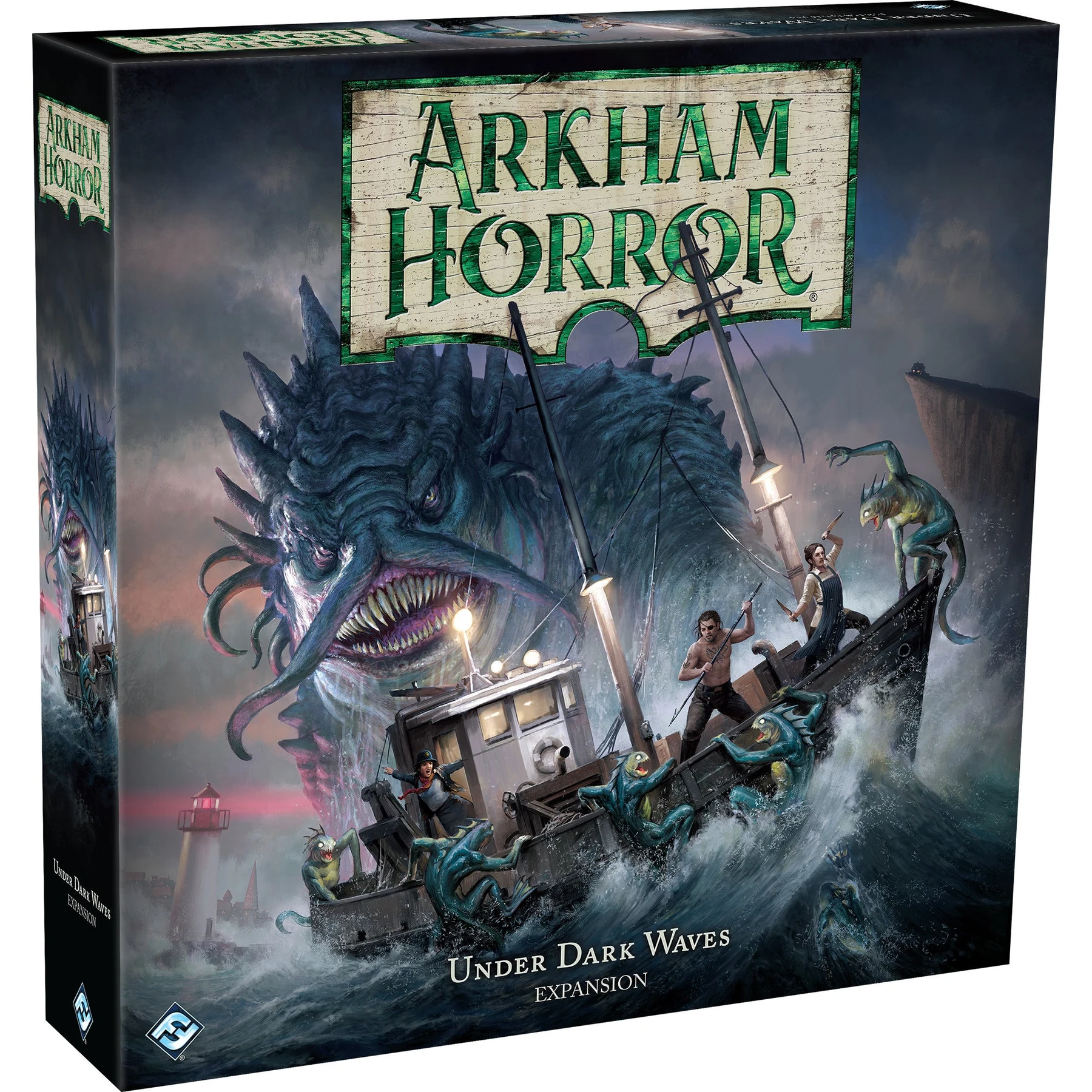
Under Dark Waves product box

Under Dark Waves

The large expansion: Kingsport and Innsmouth, eight investigators, four scenarios, and linked-play options.

Best for
Regular groups ready for the biggest mechanical and geographic expansion.
Adds
Two double-sided town tiles, terror, four scenarios, eight investigators, and optional linked play.
Watch for
More table space and rules overhead; buy after the core has earned repeat plays.
View Under Dark Waves on Amazon ↗
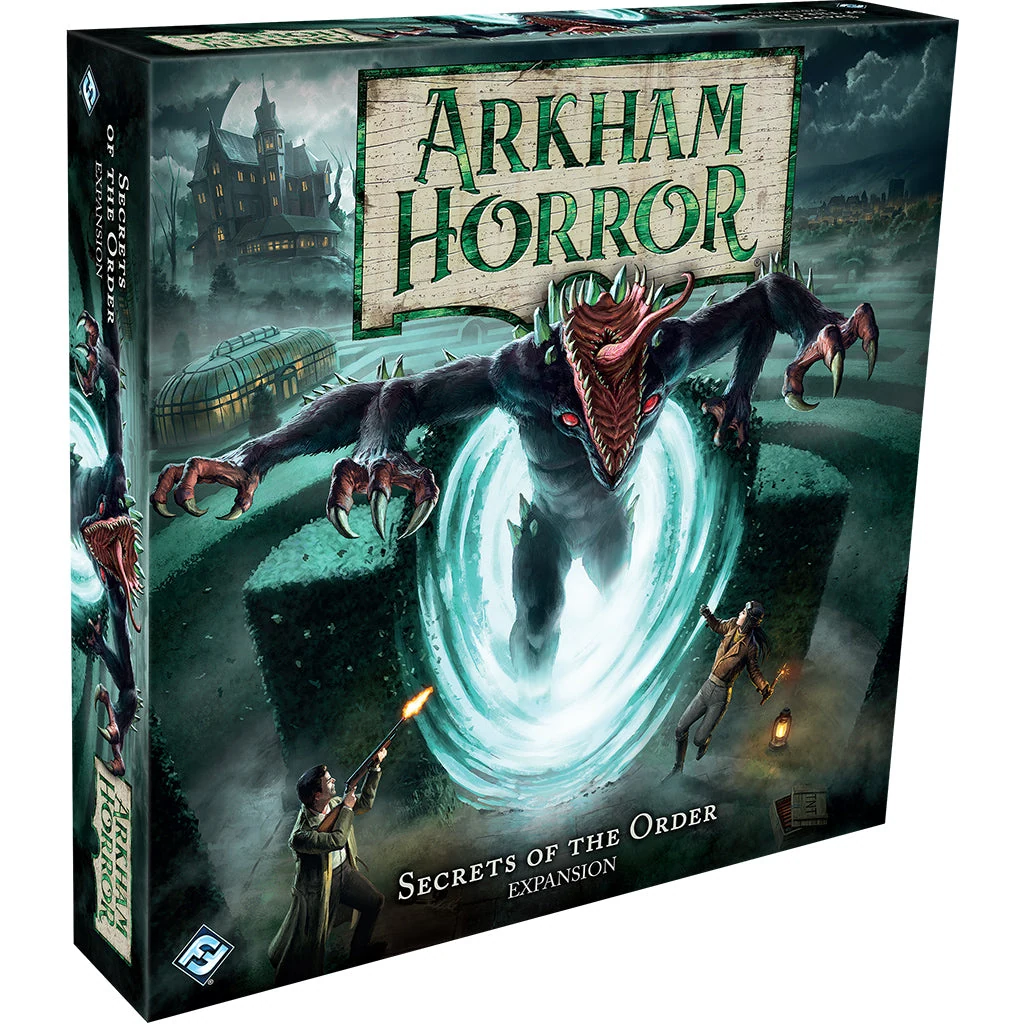
Secrets of the Order product box

Secrets of the Order

The occult specialist: French Hill, the Underworld, four investigators, and three scenarios.

Best for
Veterans who want stranger maps and a concentrated occult theme.
Adds
French Hill, the Underworld, three scenarios, four investigators, and new encounter types.
Watch for
A flavorful third purchase, not the broadest first expansion.
View Secrets of the Order on Amazon ↗
Open the full Third Edition expansion order

The doorway test

Which Arkham Horror game should you buy?

Choose the experience first. Product names become much less dangerous after that.

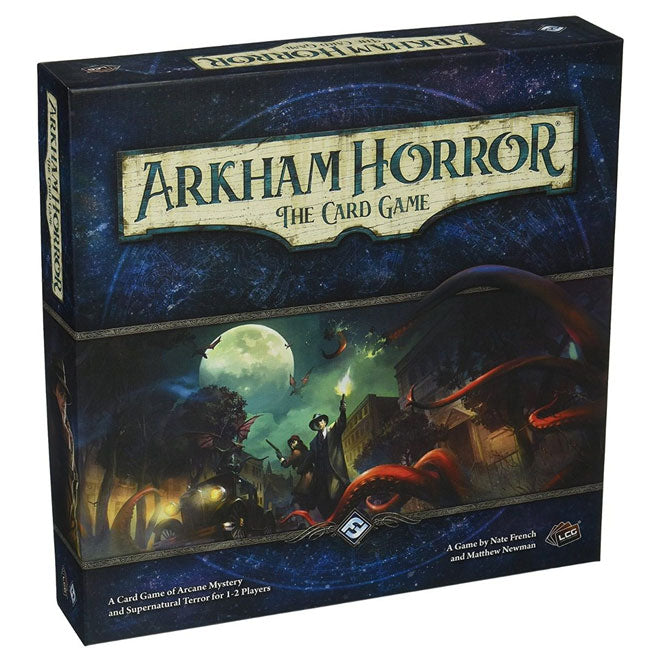
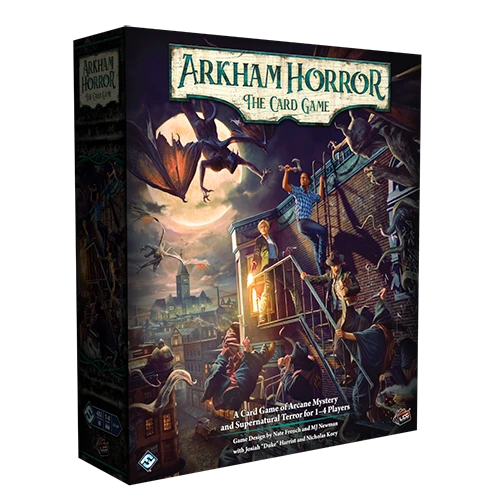
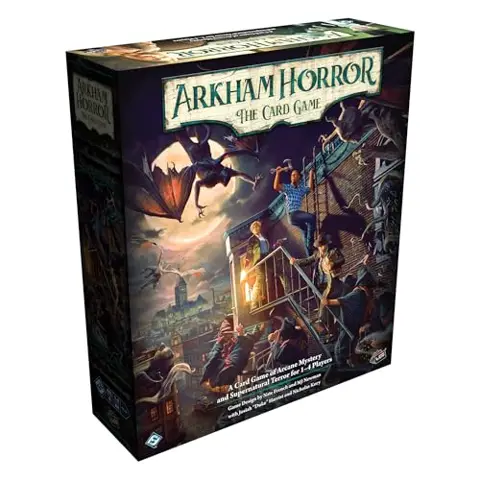
The Card Game product and components
Verified product image · product art belongs to its publisher

Choose the LCG when you want the deepest character arc and the richest long-term puzzle.

What it feels like
Your deck is your investigator. Trauma, weaknesses, upgrades, and story consequences follow you through a campaign.
Best for
Solo or a committed 1–4 player group that wants an evolving campaign.
The setup tax
The most rules and the most shelf growth. Start with one Core and one campaign, not an entire cart.
2026 record
New in 2026: Chapter Two is the current entry and future release path. Revised Core remains a valid Chapter One library, but it is no longer the simplest new-player buy.

Direct product page on Amazon · As an Amazon Associate, Puzzlewick may earn from qualifying purchases.

Kenji at an occult campaign table beside a mood comparison of Dunwich, Carcosa, Edge of the Earth, and Hemlock Vale
After the Core · choose by mood

Dunwich teaches, Carcosa destabilizes, Edge explores, and Hemlock asks for confidence. This is a better second-purchase test than chasing whichever campaign happens to be discounted.

Share the campaign mood compass
Margo and Kenji reconstructing the history of Arkham Horror in the Miskatonic archive
AI-assisted curator scene · editorial atmosphere, not product evidence

The lineage wall

From one endangered city to a campaign that remembers.

The original game established the durable Arkham grammar: investigators move through a threatened city, collect clues, endure encounters, and try to close what should never have opened. Later systems changed the camera.

Second Edition widened the sandbox. The LCG moved the horror inside a character’s deck. Third Edition tightened the city into authored scenarios. Mansions made physical rooms and hidden information the star. The roleplaying game removed the board’s last boundary.

“The record is not a single timeline. It is a set of recurring witnesses.” — Margo, The Archivist
  1. The first board gameRichard Launius turns a city map, gates, investigators, and Ancient Ones into a cooperative fight for Arkham.
  2. Second Edition eruptsFantasy Flight expands the design into a sprawling event machine remembered for wild, emergent table stories.
  3. The LCG becomes personalDeck construction and campaign memory make every investigator’s damage, trauma, upgrades, and bad decisions matter.
  4. Third Edition authors the crisisModular neighborhoods and a codex trade some sandbox chaos for tighter scenario-led drama.
  5. Chapter Two opensA new Core becomes the current LCG foundation while the Chapter One library remains playable as the legacy era.
Read the complete Mythos history and design lineage →
Yumi and Robert teaching an Arkham-style card game setup to adult players

First-night desk · Yumi + Robert

Make the first round feel inevitable.

Yumi handles the invitation; Robert handles the table. Their shared rule is simple: explain only the decision the player can make now, and let the scenario reveal the rest.

Practice ten guided setup and play scenarios →
AI-assisted curator scene · product-neutral teaching illustration
Imani comparing game boxes while Dax inspects a component insert at an occult curiosity shop

Buying bench · Imani + Dax

Community heat meets the cold verdict.

Imani hears what groups replay and retell. Dax checks whether the box adds decisions, story, and usable cards. Popularity starts the case; value closes it.

See the newest campaign verdict →
AI-assisted curator scene · generic boxes, not product evidence

Six desks · one case

Every curator has a job in Arkham.

Not decorative portraits. Six different ways to keep the archive useful, factual, playable, and honest.

The visual evidence room

Real tables. Real manuals. Real components.

The atmosphere can be generated. Buying evidence cannot. These images show the actual scale, layouts, parts, and history behind the recommendations.

The game at human scale
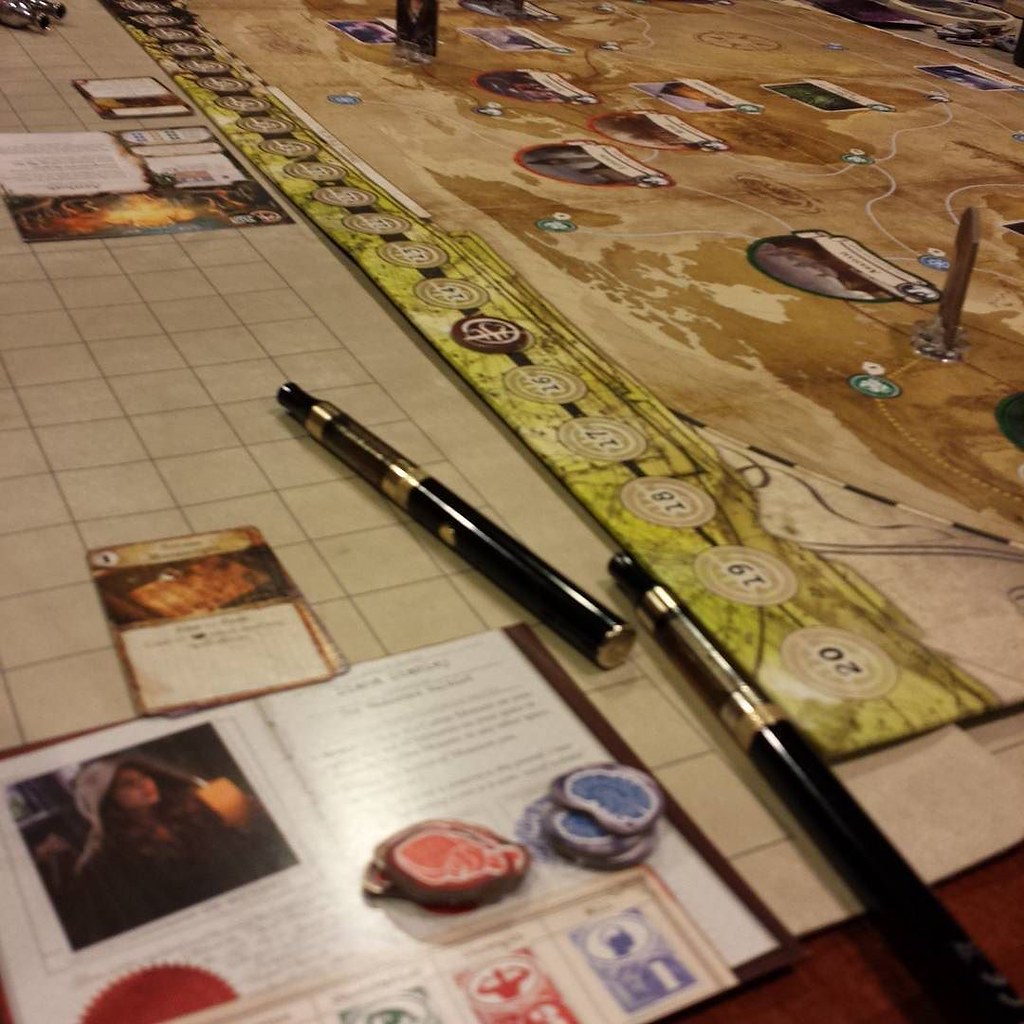
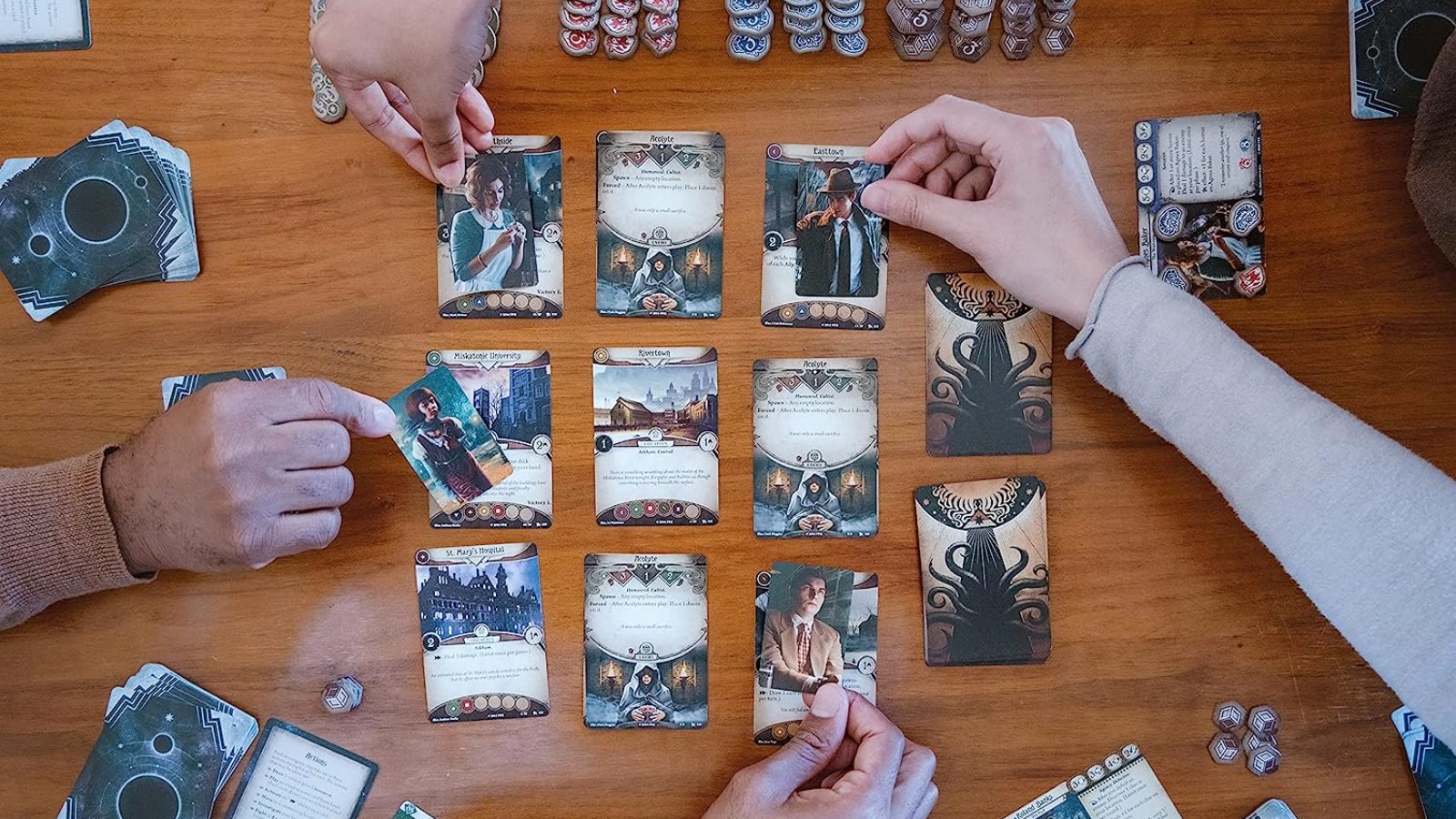
Official play photo

The game at human scale

A real Fantasy Flight play session: investigators, cards, chaos bag, and the conversation the system is built to provoke.

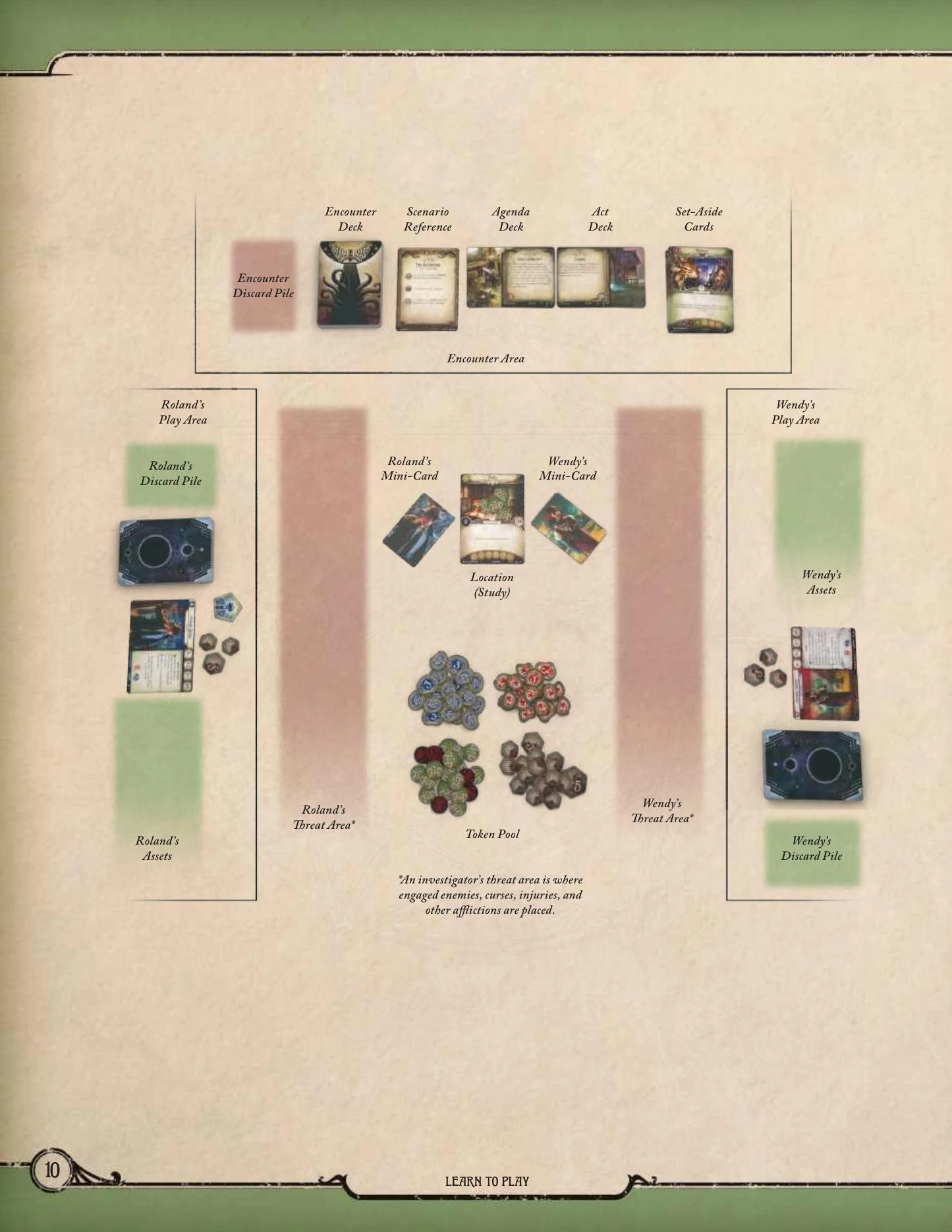
The table has an anatomy
Official manual

The table has an anatomy

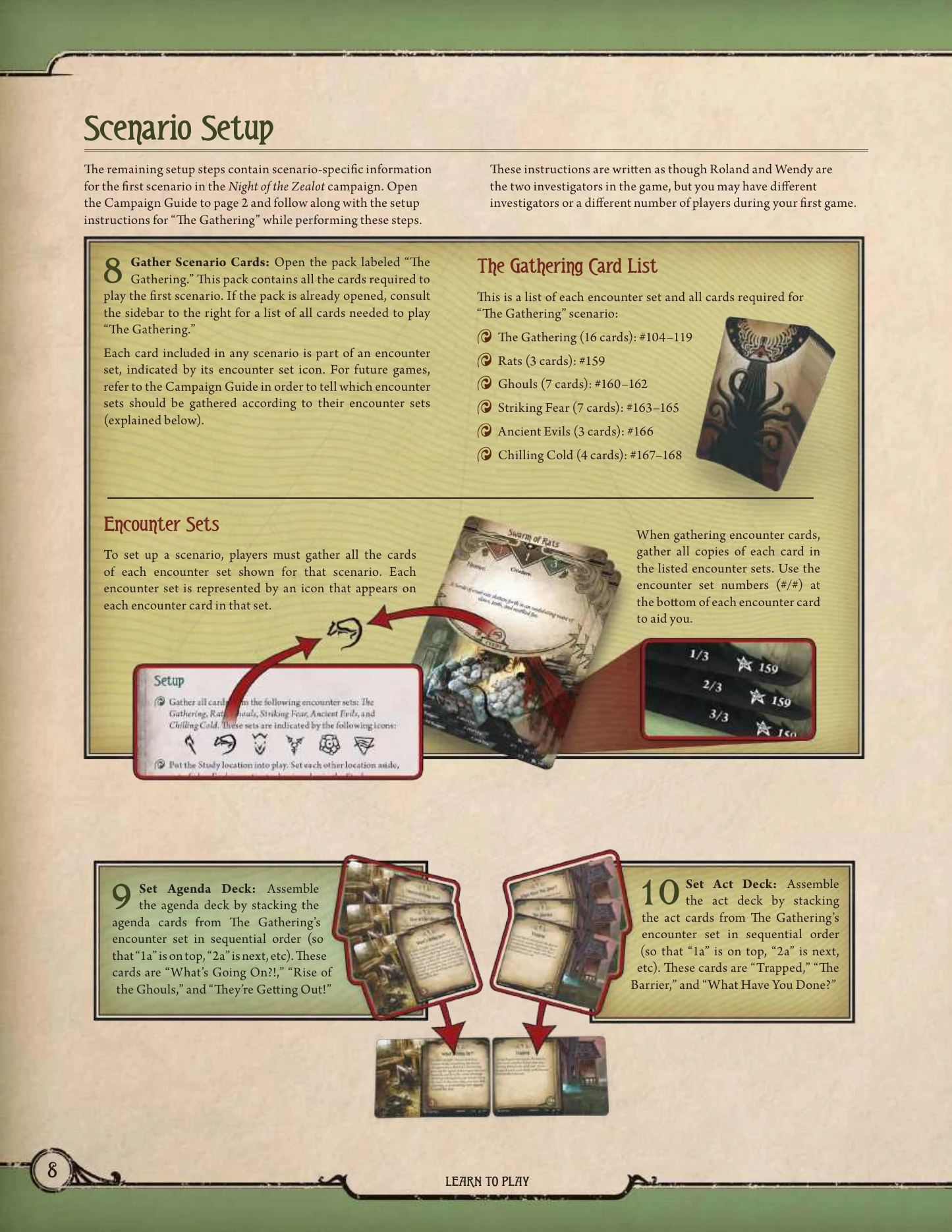
The official learn-to-play layout is the fastest way to understand investigator zones, scenario zones, act, agenda, locations, and encounter deck.

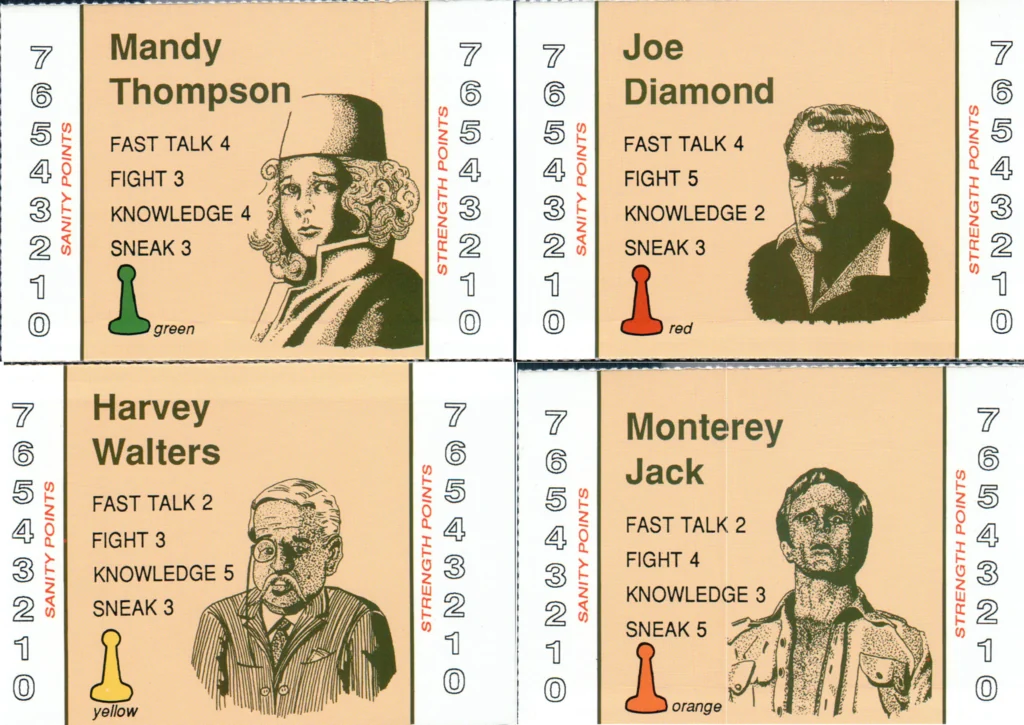
The 1987 beginning
Historical product photo

The 1987 beginning

Before campaign decks, Arkham was already a city under pressure: locations, gates, investigators, and a table trying to hold the line.

Third Edition on the table
Official components

Third Edition on the table

A city-board system with modular neighborhoods, scenarios, investigators, monsters, clues, doom, and a codex that reveals the story.

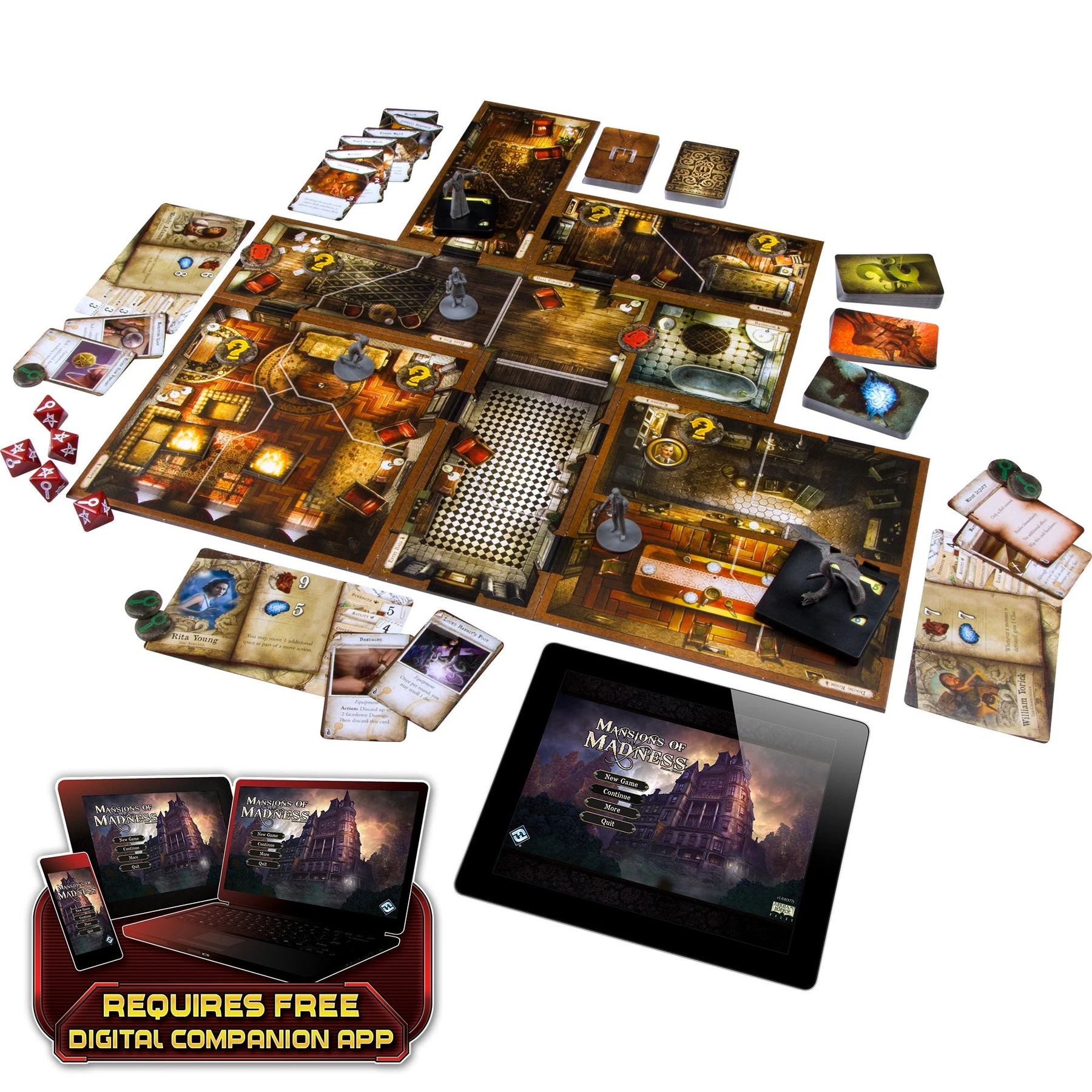
Mansions builds the room
Official components

Mansions builds the room

Tiles, miniatures, item cards, and the companion app turn investigation into a spatial, cinematic one-shot.

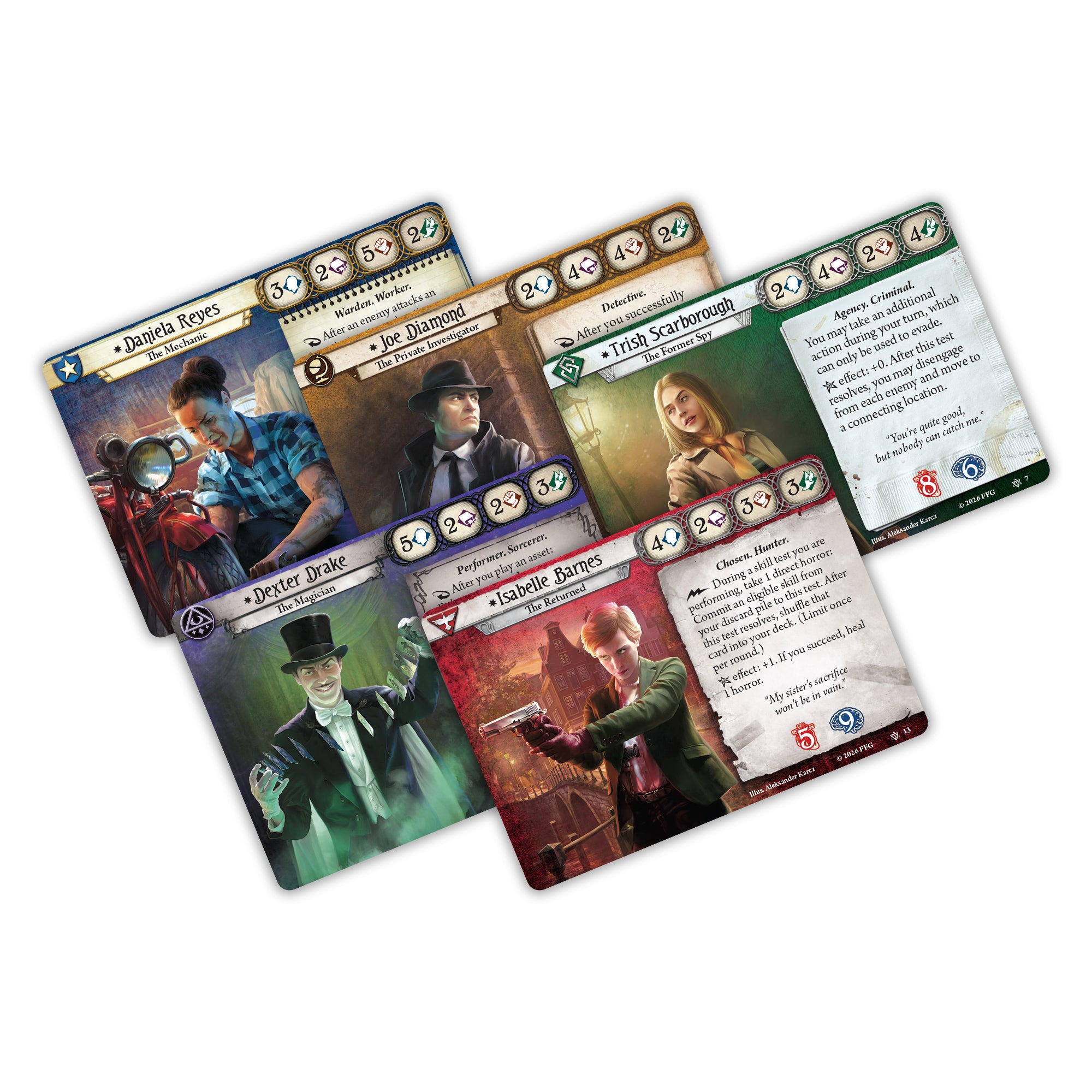
The investigators are the canon
Official character art

The investigators are the canon

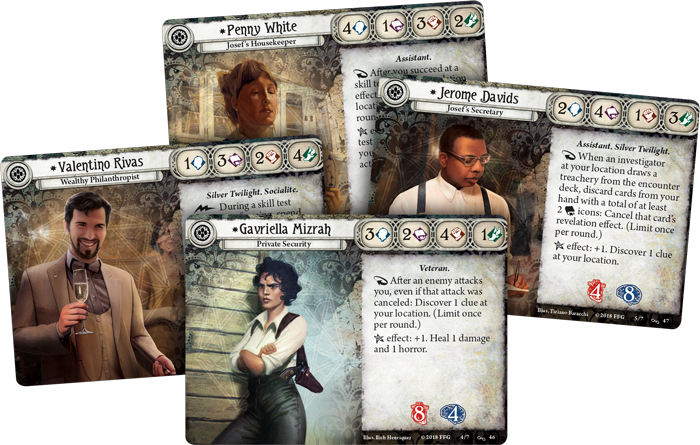
Arkham Files shares recurring people, places, and threats more consistently than one rigid timeline. The cast is the connective tissue.

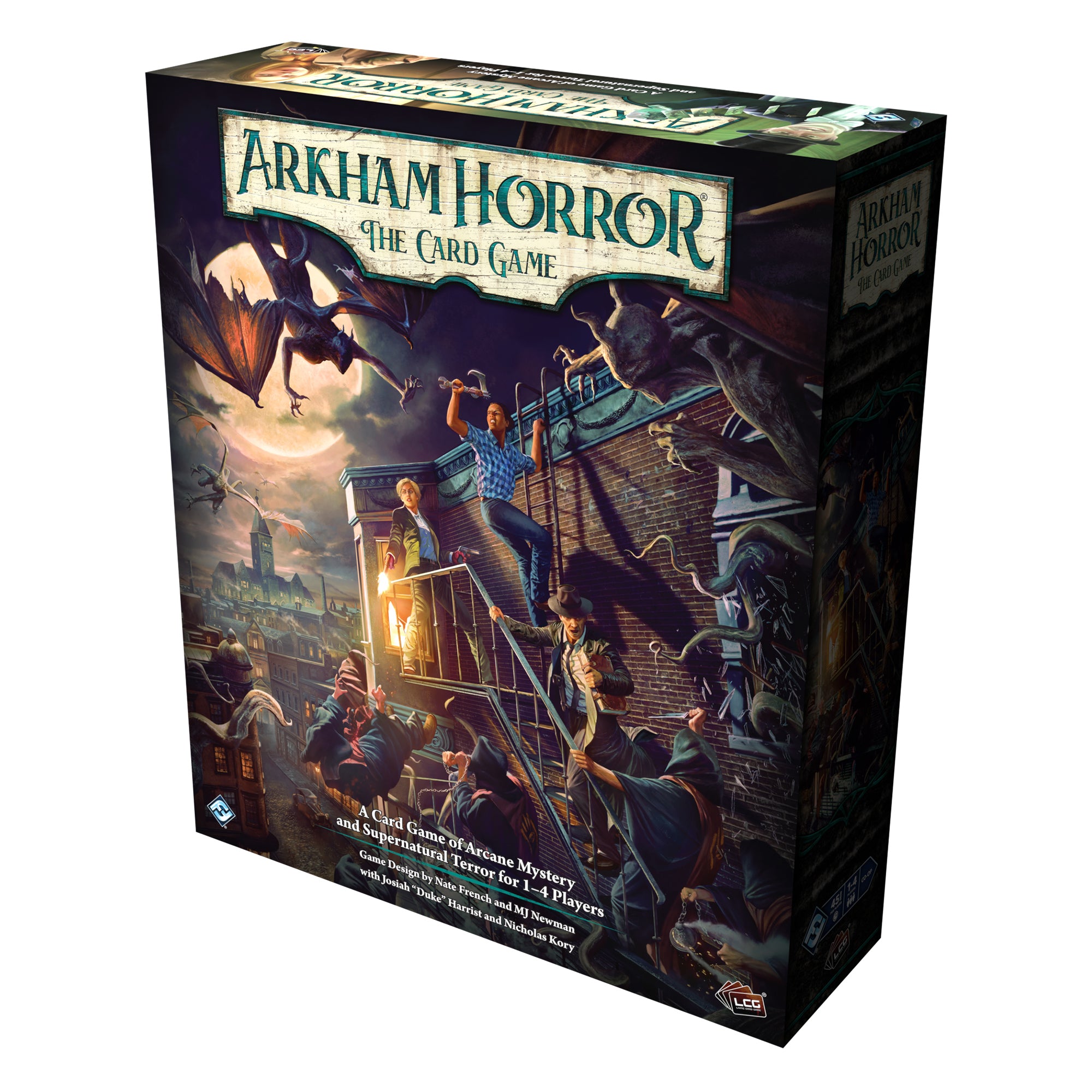
The current Chapter Two entry box
Official box photo

The current Chapter Two entry box

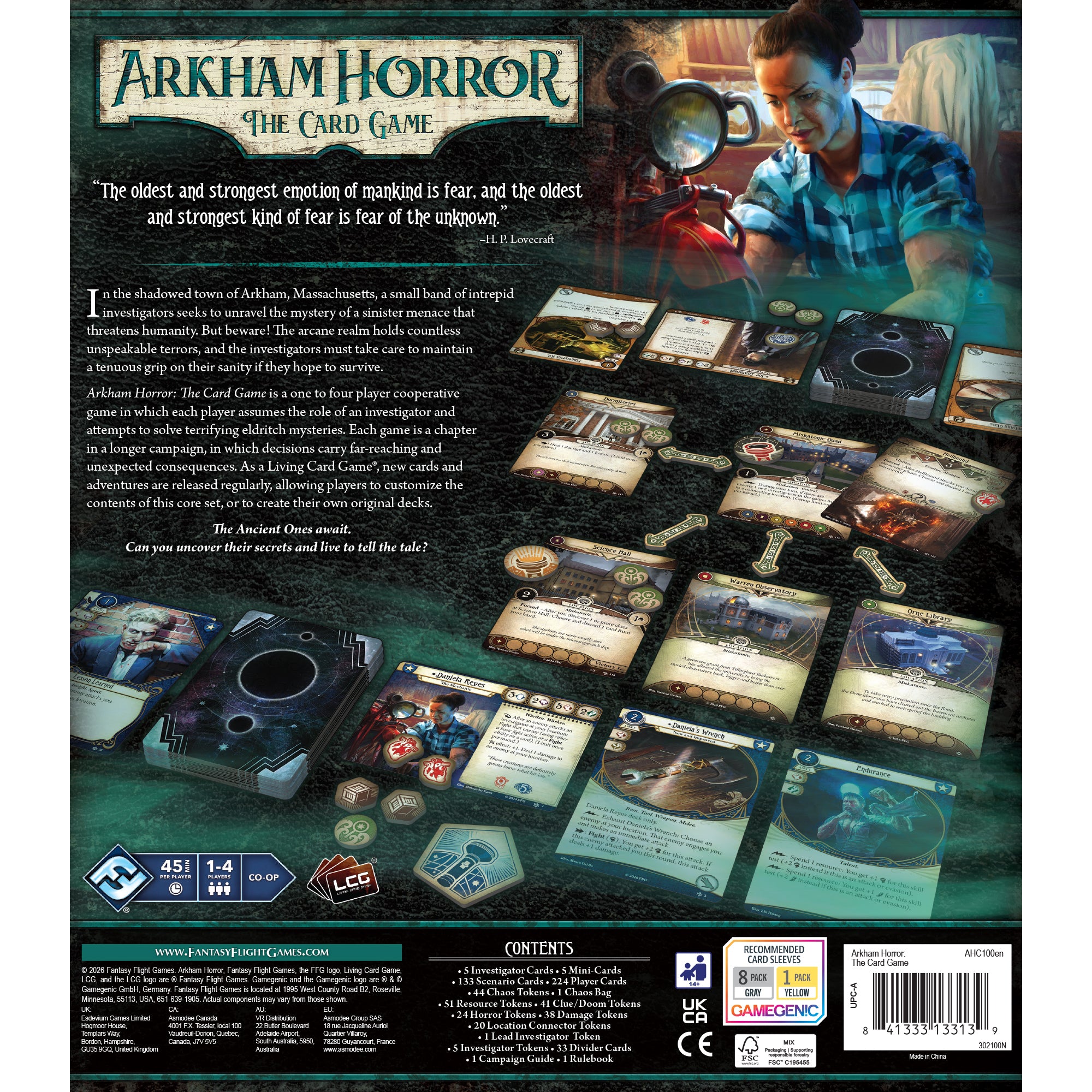
This is the evergreen 2026 Core Set: a complete starting point with a new introductory campaign, five investigators, a fresh player-card pool, and the encounter sets future Chapter Two campaigns expect.

Read the back before the buy button
Official box-back photo

Read the back before the buy button

The back panel is the quickest visual check that a listing is the Chapter Two Core rather than the 2021 Revised Core or the smaller 2016 original box.

What the Core actually puts on the table
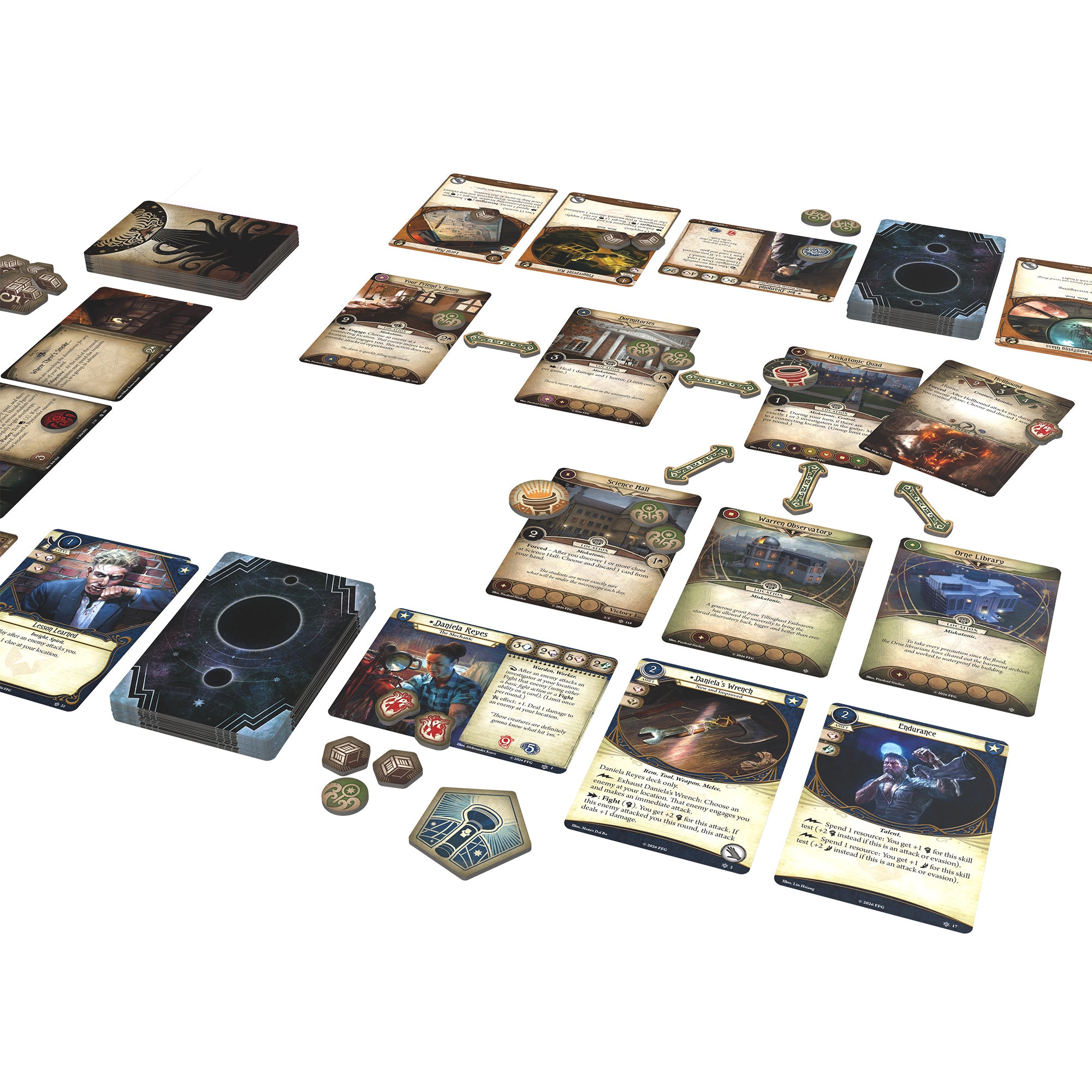
Official contents photo

What the Core actually puts on the table

Cards, tokens, investigators, campaign material, and play aids are shown at product scale. This is the evidence to compare against incomplete resale listings and mislabeled older boxes.

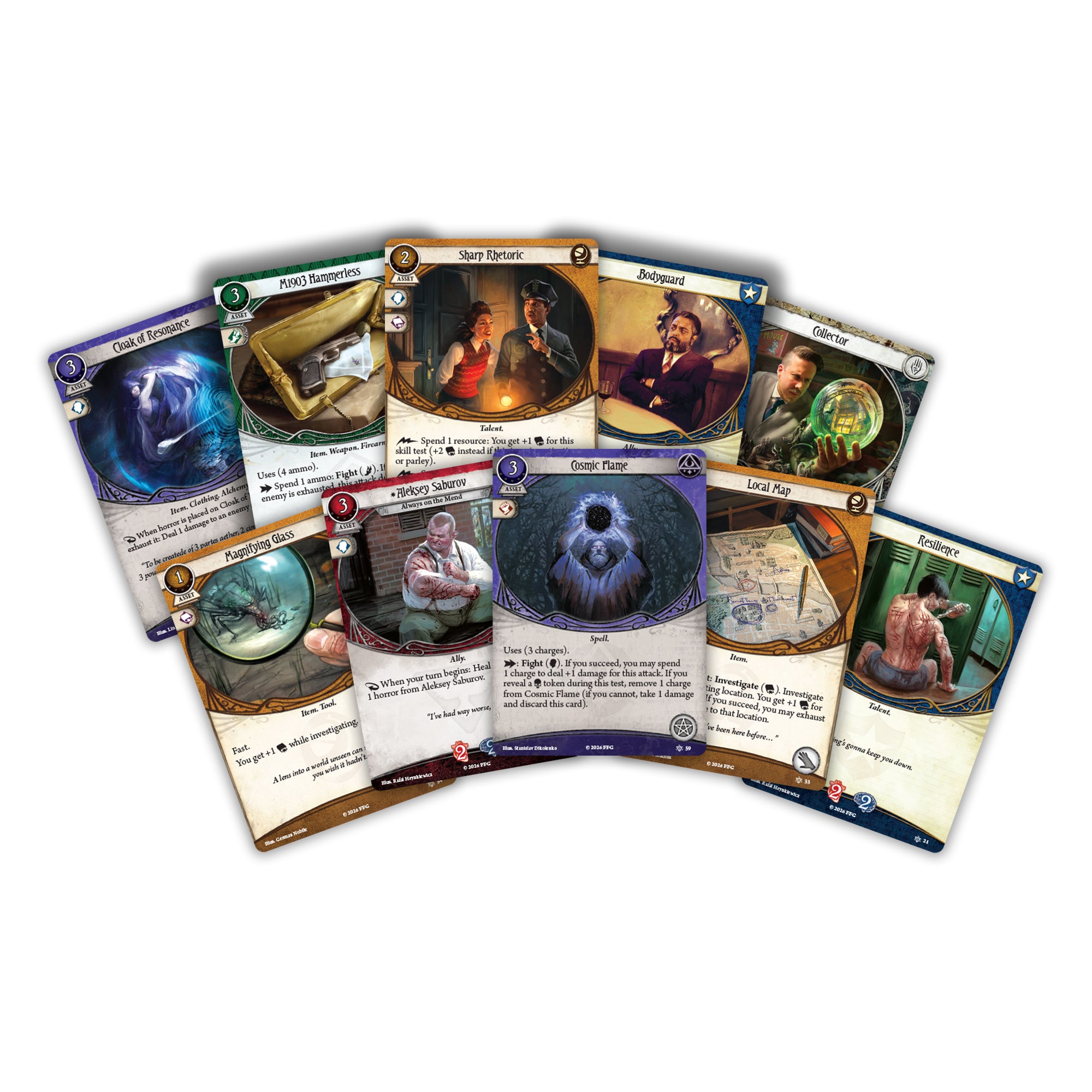
The new player-card foundation
Official card gallery

The new player-card foundation

Chapter Two is compatible with Chapter One, but modified reprints cannot be doubled with their earlier versions in the same deck. The Arkham Grimoire is the current rules authority.

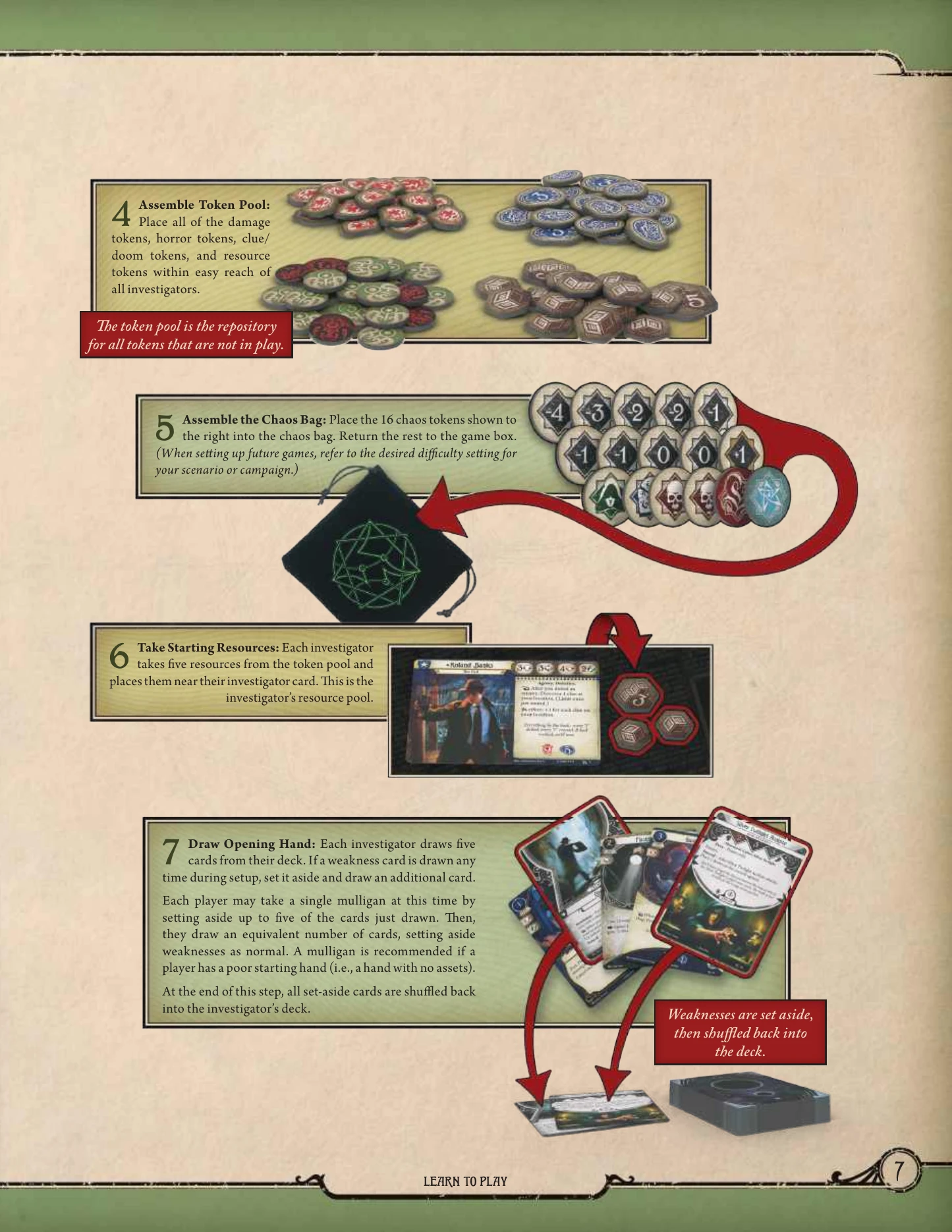
The chaos bag is the game’s probability engine
Official rulebook diagram

The chaos bag is the game’s probability engine

The official rulebook diagram identifies the token pool and the way scenario difficulty changes every test. Build this bag exactly before your first investigator draws from it.

Scenario setup is a checklist, not a memory test
Official rulebook diagram

Scenario setup is a checklist, not a memory test

Follow the scenario’s gather-and-set-aside instructions in order. Separating encounter sets before play prevents most first-night setup errors.

Swipe or use the controls

The Investigator’s Satchel · Free downloads

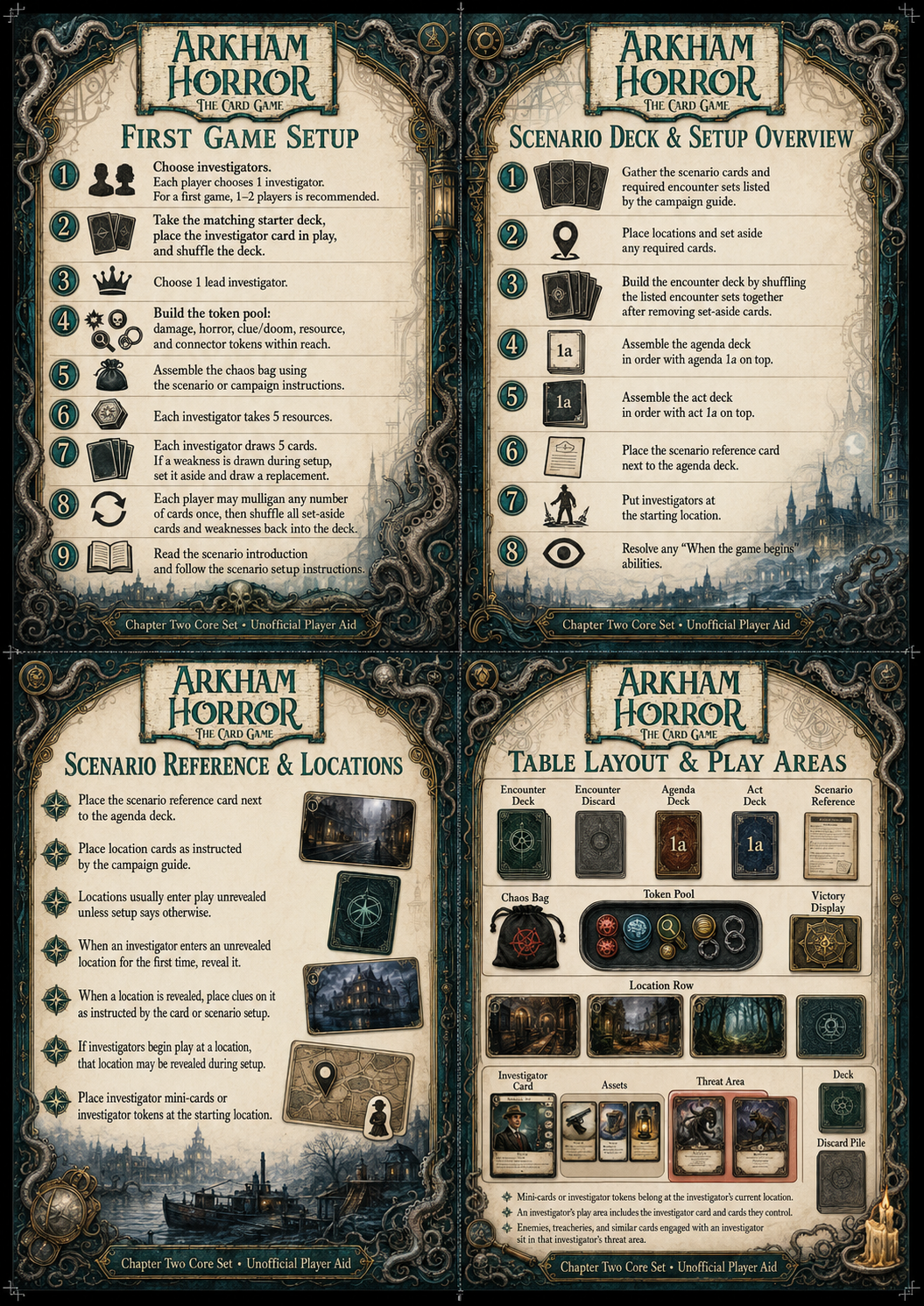
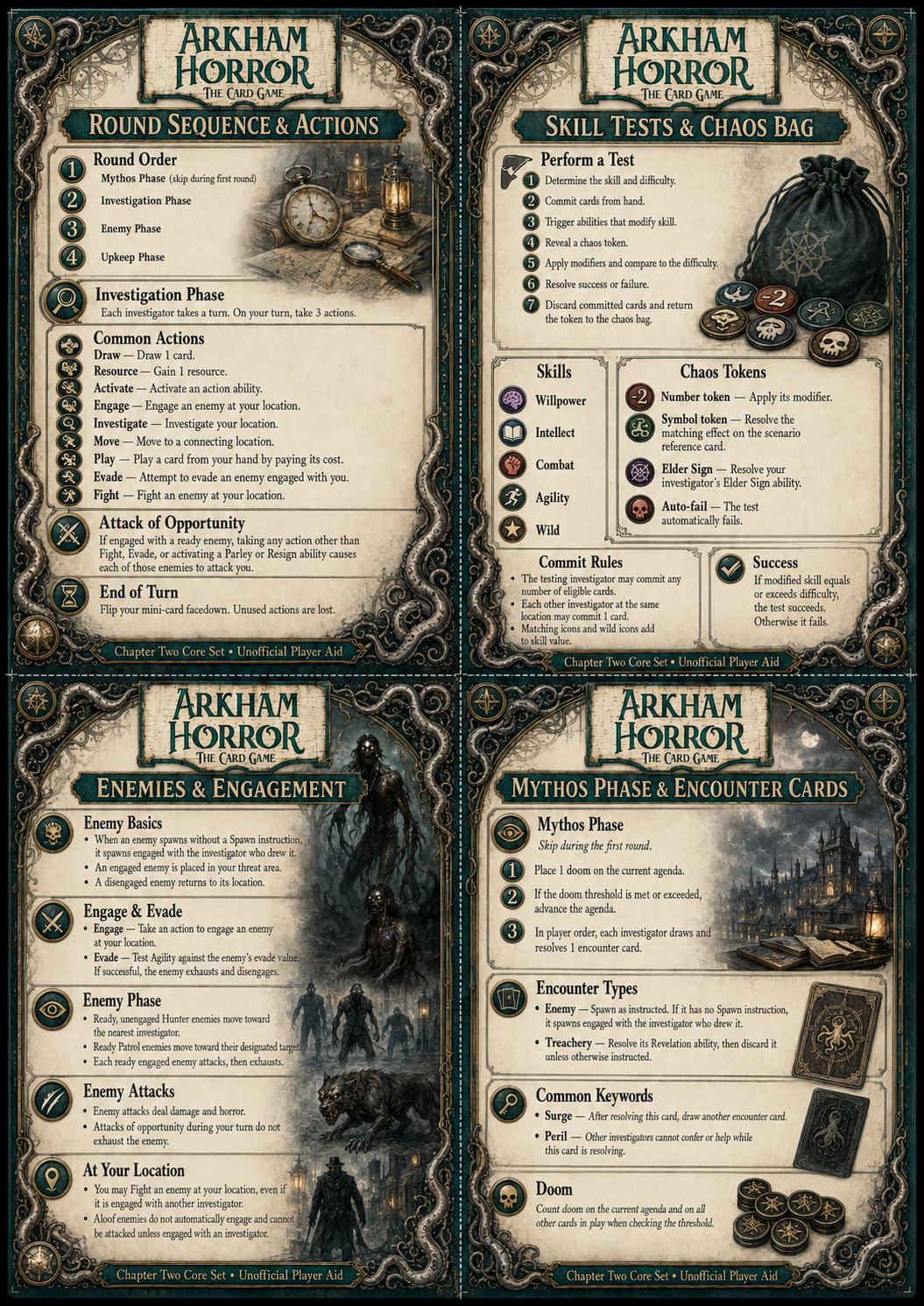
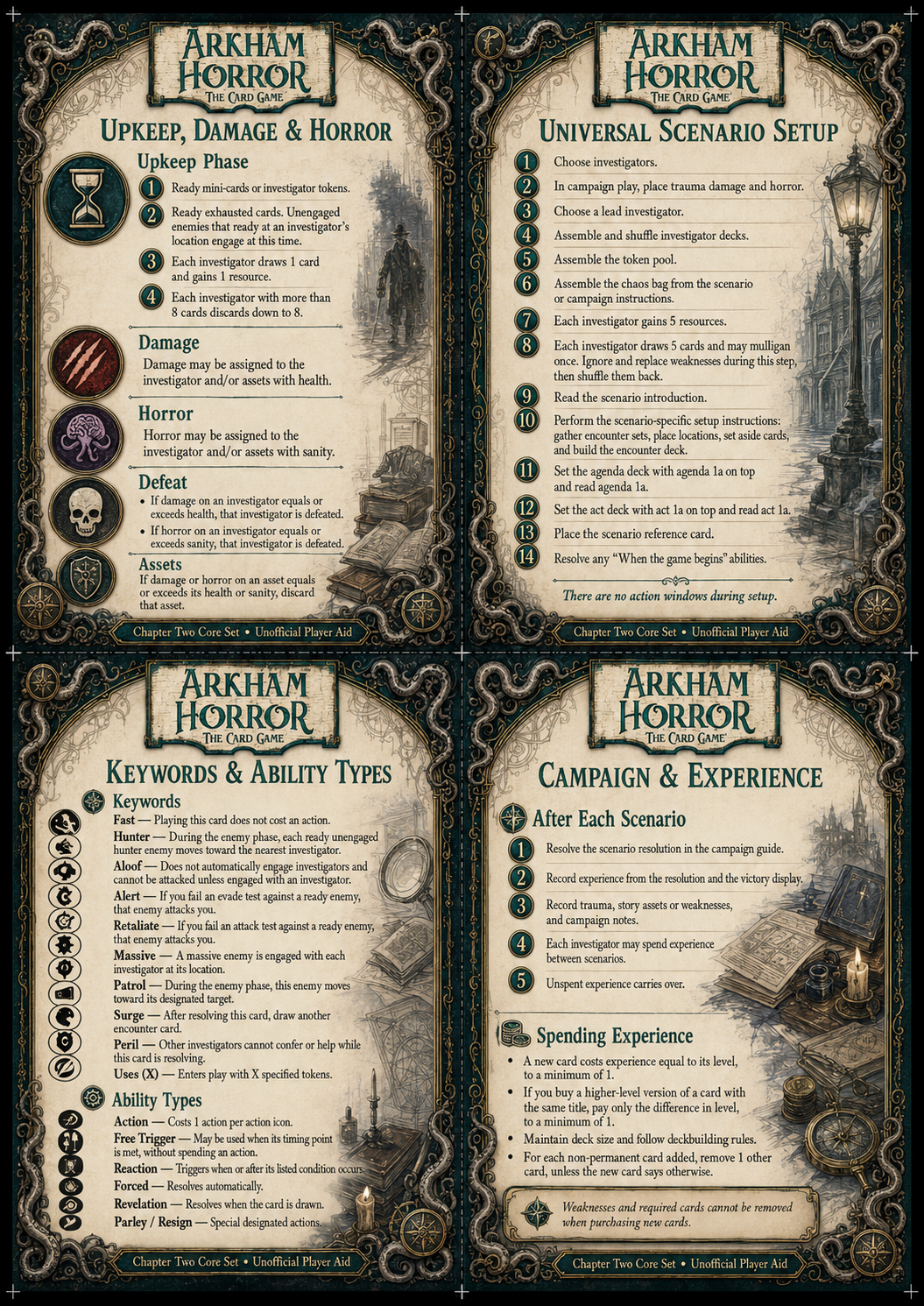
Getting Started aids for the Chapter Two Core Set — print, laminate, play.

Twelve themed player aids covering first-game setup, the round, skill tests, enemies, upkeep, keywords, and campaign play. Print the three sheets, cut on the crop marks, and your table teaches itself.

Robert the Keeper and Yumi the Hostess presenting the printed Arkham player aids in a candlelit study

Robert, The Keeper: “Read nothing twice on game night. Set the First Game Setup card by the box, the Round Sequence card by the chaos bag, and let the table run itself.”

Yumi, The Hostess: “I tuck one at each seat like a place setting. New guests stop apologizing for questions — the answer is already under their teacup.”

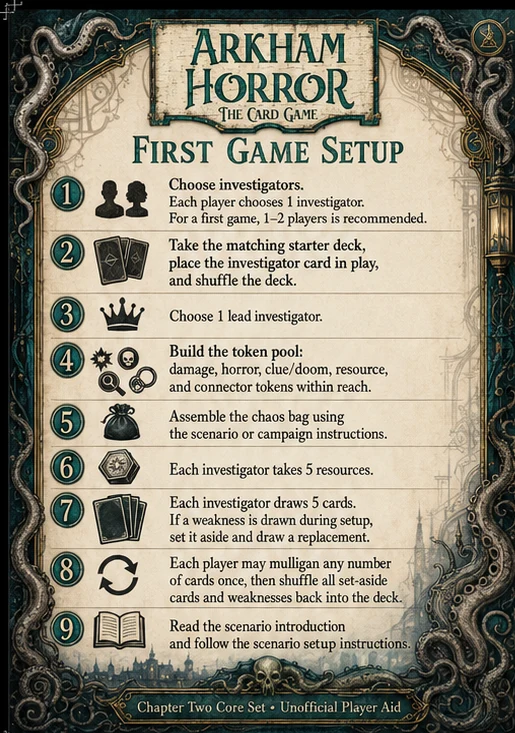
First Game Setup — unofficial Arkham Horror card game player aid

First Game Setup

Your very first night. Follow the nine steps in order before you even open the campaign guide.

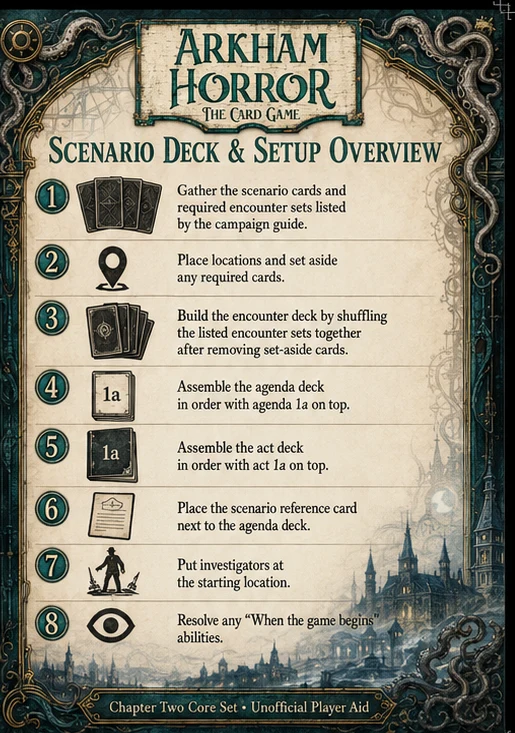
Scenario Deck & Setup Overview — unofficial Arkham Horror card game player aid

Scenario Deck & Setup Overview

Every scenario after the first: the eight-step build order for encounter, agenda, and act decks.

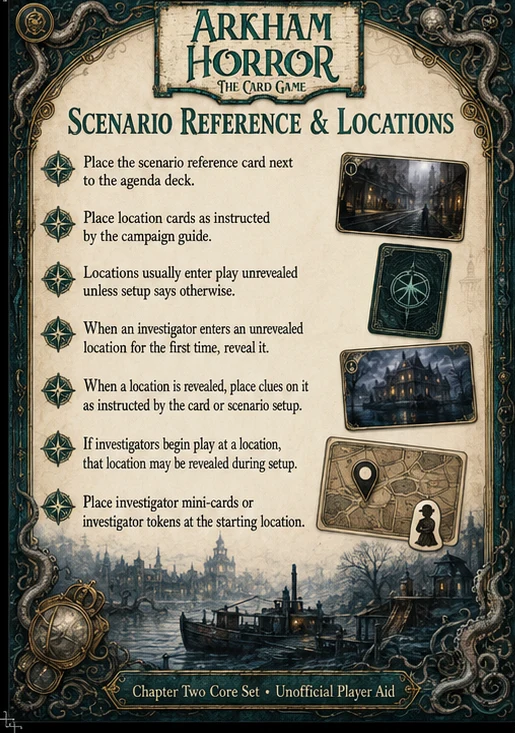
Scenario Reference & Locations — unofficial Arkham Horror card game player aid

Scenario Reference & Locations

Keep it beside the map row — what reveals when, and where clues come from.

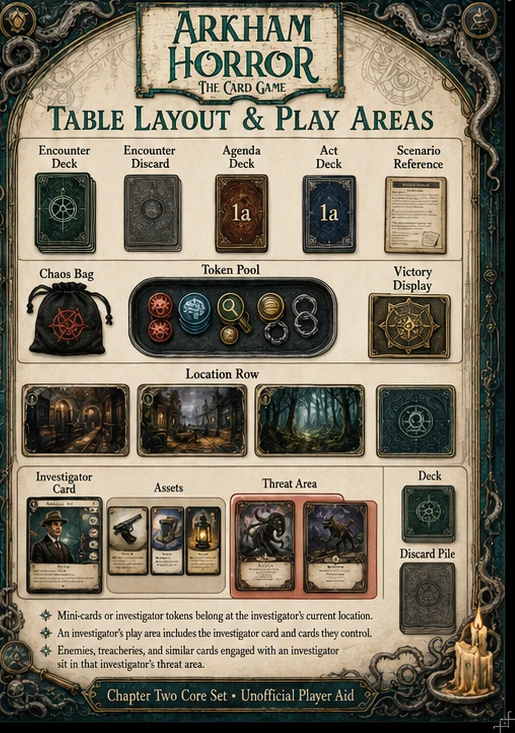
Table Layout & Play Areas — unofficial Arkham Horror card game player aid

Table Layout & Play Areas

Teach the whole table in one glance: where every deck, pool, and threat area lives.

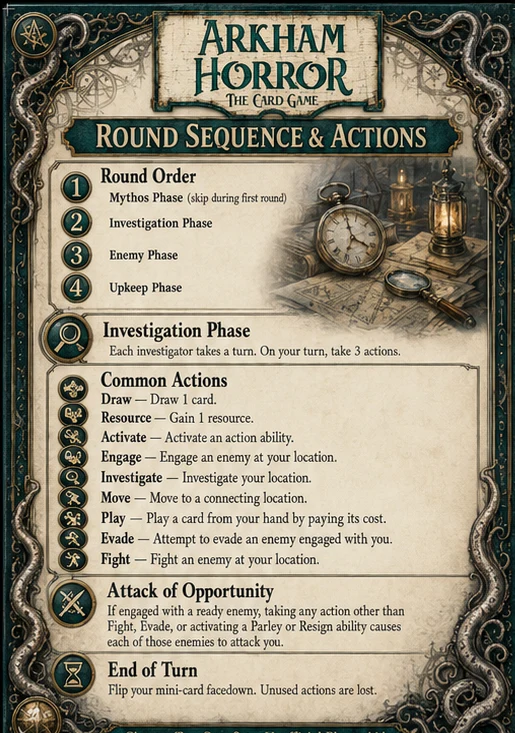
Round Sequence & Actions — unofficial Arkham Horror card game player aid

Round Sequence & Actions

The one to laminate. Phase order plus all the common actions on a single card.

Keeper’s note: the full Chapter Two action list also includes Parley and Resign — see the Keywords aid.

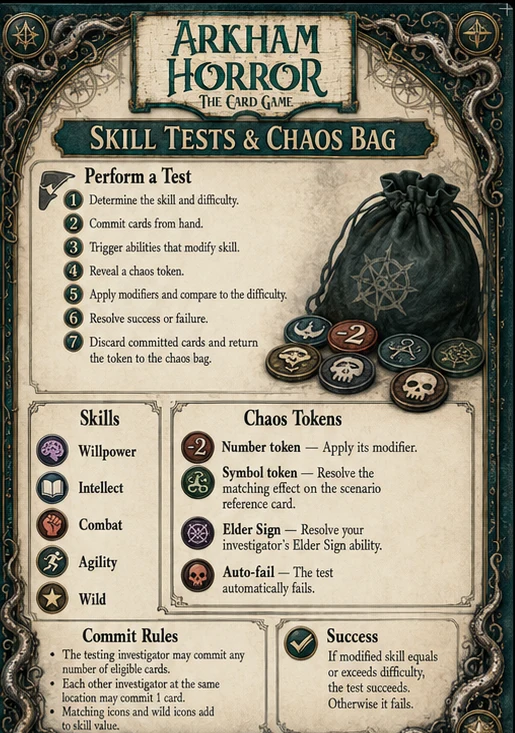
Skill Tests & Chaos Bag — unofficial Arkham Horror card game player aid

Skill Tests & Chaos Bag

For the moment someone asks “wait, how do tests work?” — commit, reveal, resolve.

Keeper’s note: officially, a revealed symbol’s effect resolves before you total your modifiers.

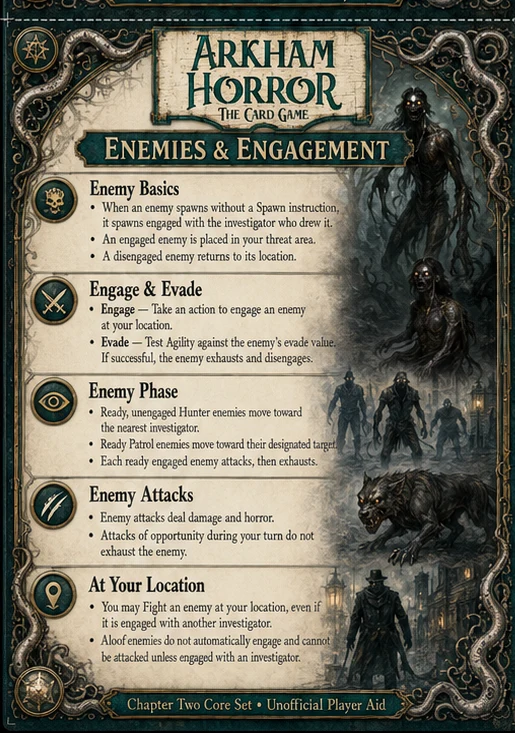
Enemies & Engagement — unofficial Arkham Horror card game player aid

Enemies & Engagement

Spawning, engaging, evading, hunter and patrol movement, and attacks of opportunity.

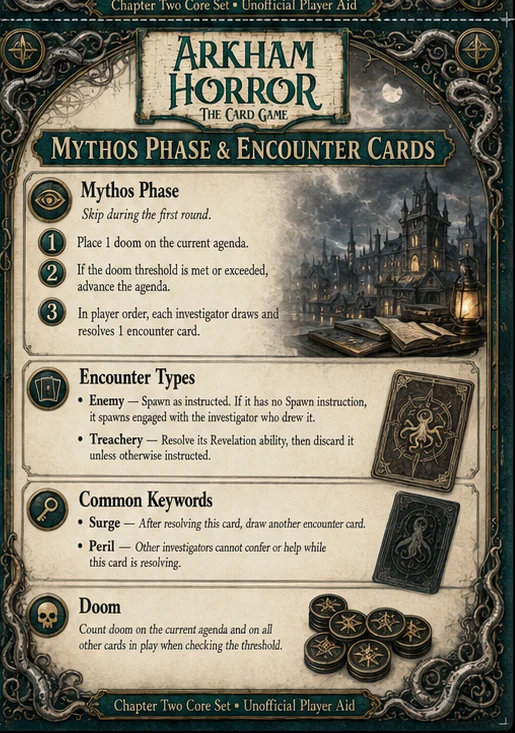
Mythos Phase & Encounter Cards — unofficial Arkham Horror card game player aid

Mythos Phase & Encounter Cards

Doom, the agenda, and what to do with each encounter card you flip.

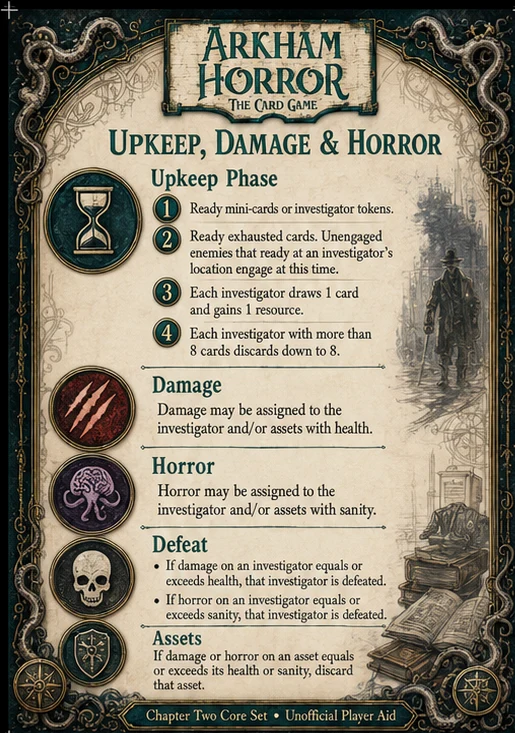
Upkeep, Damage & Horror — unofficial Arkham Horror card game player aid

Upkeep, Damage & Horror

End-of-round order, plus how damage, horror, and defeat actually resolve.

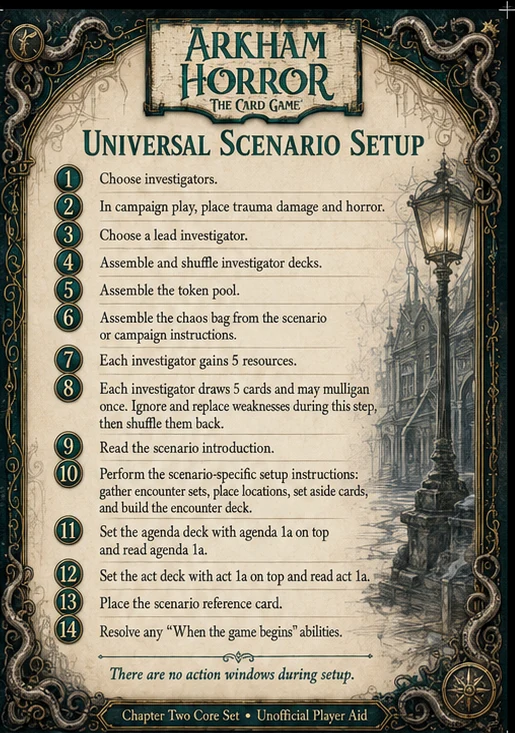
Universal Scenario Setup — unofficial Arkham Horror card game player aid

Universal Scenario Setup

The complete fourteen-step setup that works for any scenario in the campaign.

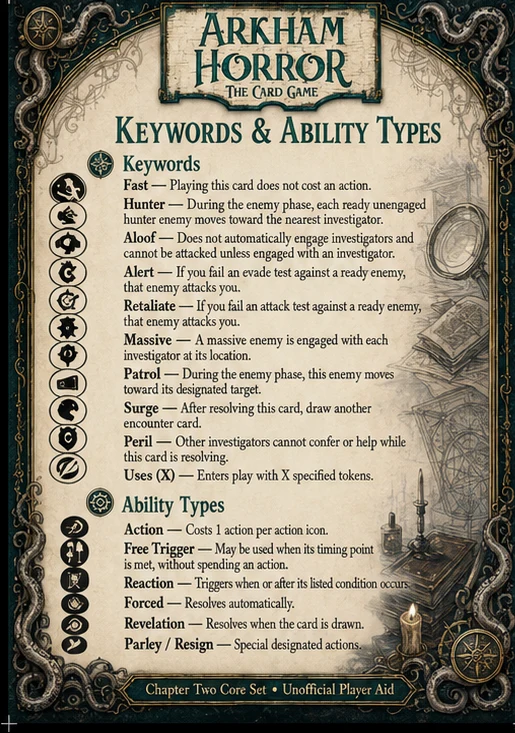
Keywords & Ability Types — unofficial Arkham Horror card game player aid

Keywords & Ability Types

Fast, Hunter, Patrol, Alert, Retaliate and friends — every core keyword decoded.

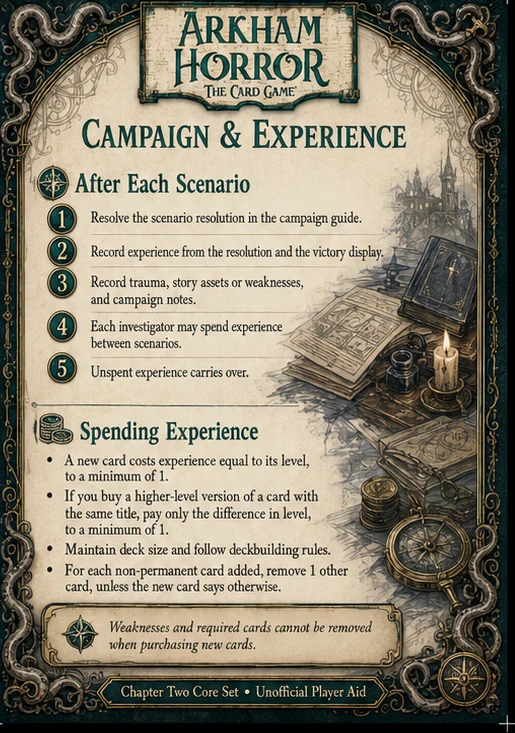
Campaign & Experience — unofficial Arkham Horror card game player aid

Campaign & Experience

Between scenarios: recording XP, spending it, and the pay-the-difference upgrade rule.

Sheet 1 — Setup & Table Aids

Four aids · A4/Letter · crop marks included

Sheet 2 — Rules & Encounter Aids

Four aids · A4/Letter · crop marks included

Sheet 3 — Upkeep, Setup, Keywords & Campaign

Four aids · A4/Letter · crop marks included

Rules-verified: every line on these aids was checked against the official Arkham Horror: The Card Game Core Set (AHC100, 2026) Rulebook and the online Arkham Grimoire on July 31, 2026. Where the aids simplify, the Keeper’s notes above restore the letter of the law.

Unofficial fan-made player aids, free for personal use (CC BY-NC 4.0). Puzzlewick is not affiliated with Fantasy Flight Games or Asmodee; Arkham Horror and all related marks are the property of their respective owners. These aids never replace the rulebook — they set the table for it.

Robert teaching the Arkham Horror LCG setup trainer at a game table

Interactive table lab

Do not read another rules summary. Touch the decisions.

Robert’s live tutor walks through table zones, setup order, tests, actions, enemies, upkeep, and common errors across ten guided scenarios. It is an unofficial physical-game companion, not a replacement for the box.

  • Ten staged setup and play drills
  • Skill-test odds and chaos-bag practice
  • Full-cast guidance at the moments it matters
Enter the live tutor

The complete Puzzlewick archive

What to play, what to buy, and what is worth your time.

Every guide here is certified, dated, internally linked, and attached to this universe. No unfinished files enter the room.

Open this file first

Start without buying the wrong Arkham.

The current Core question, a legal first deck, a playable first table, and the cleanest next campaign.

The three-volume field manual

Learn the table. Build the team. Host the darkness.

Three connected case files take a new investigator from sealed Core to campaign-ready deckbuilding and a fully prepared Circle Undone night.

The deep archive

Understand why the Mythos works.

History, scenario architecture, campaign memory, deck roles, lore, and the design line from the 1987 board game to Chapter Two.

The acquisition desk

Know what earns the shelf.

Campaigns, investigator decks, scenarios, accessories, and the wider Arkham Files family, with the traps named plainly.

Answers from the archive

Arkham Horror FAQ

Current, quotable answers to the questions that keep sending new investigators into the wrong product listings.

What is Arkham Horror?

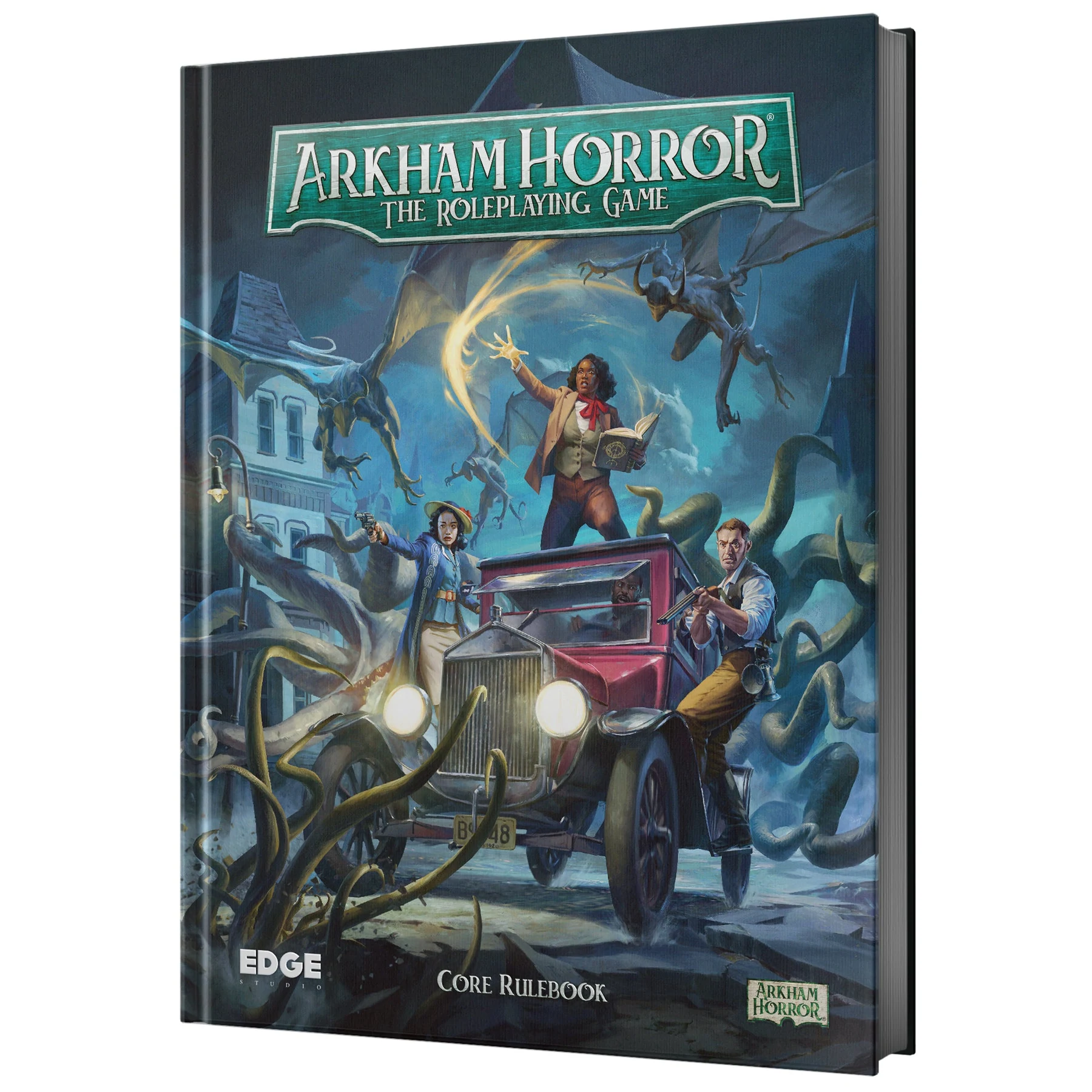
Arkham Horror is the central name in Fantasy Flight Games’ Arkham Files setting: an alternate 1920s world where ordinary but unusually capable investigators confront cults, monsters, portals, and cosmic entities. The setting appears across a living card game, several board games, an app-guided game, fiction, and a tabletop roleplaying game.

Is Arkham Horror a board game or a card game?

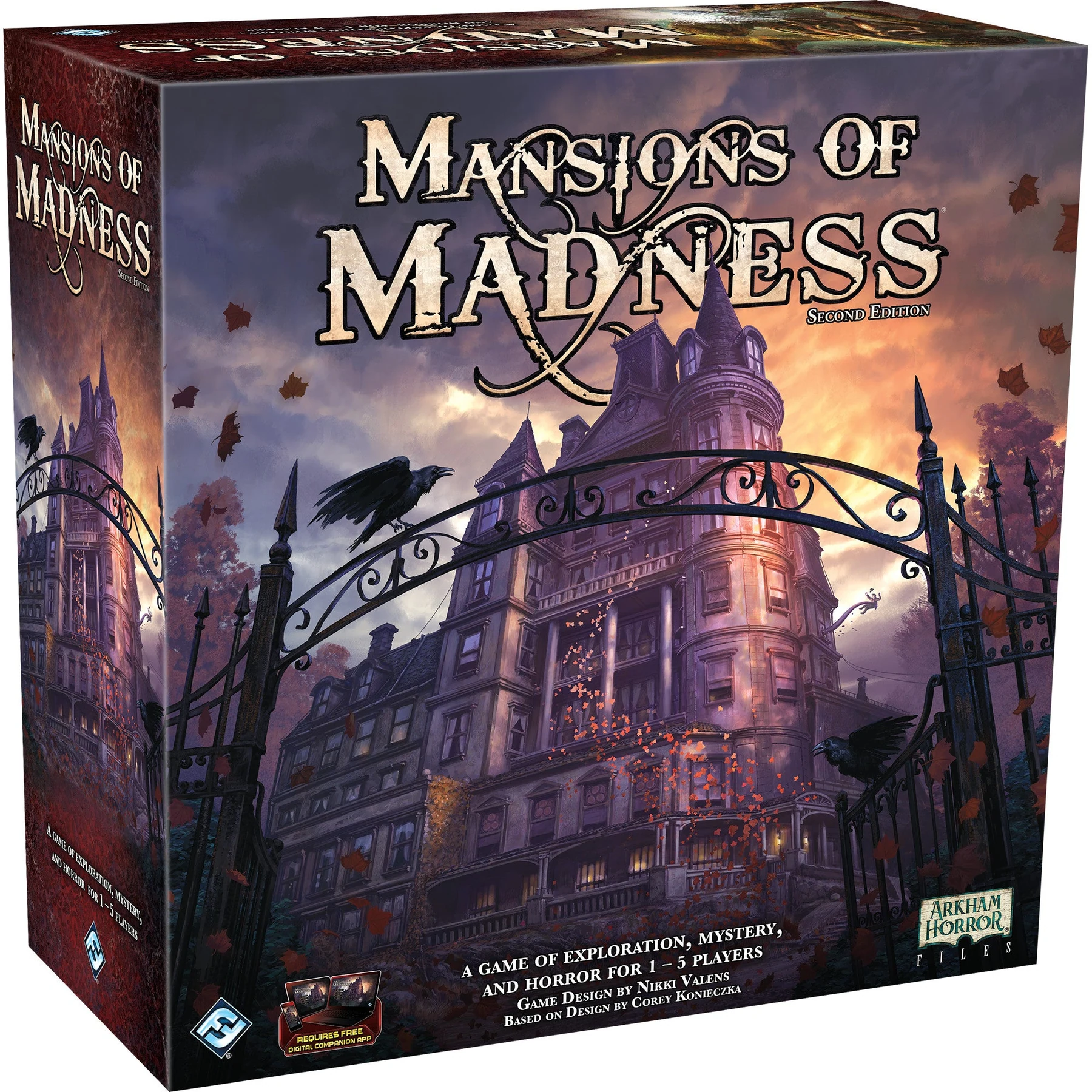
Both. Arkham Horror: The Card Game is a campaign living card game. Arkham Horror Third Edition is a cooperative city-board game. Mansions of Madness Second Edition is an app-guided board game, while Eldritch Horror is a global adventure and the Arkham Horror RPG uses a human Keeper.

Which Arkham Horror game should a beginner buy first?

Buy Chapter Two Core if you want deckbuilding and a continuing LCG campaign. Buy Third Edition if you want one contained cooperative board-game night. Buy Mansions of Madness Second Edition if your group wants cinematic exploration with the app handling much of the teaching and hidden information.

Should a new LCG player buy Chapter Two Core or Revised Core in 2026?

Chapter Two Core is the clean current entry and the encounter foundation for the active release path. Revised Core remains a complete Chapter One starting box and is worth buying deliberately for that legacy library, but a new player does not need both to begin.

Is the 2026 Chapter Two Core Set Arkham Horror LCG Second or Third Edition?

Neither. Fantasy Flight explicitly says Chapter Two is not a new edition: it is the third Core-box iteration for the same compatible card game. Arkham Horror Third Edition is a different cooperative board game released in 2018.

Can old Arkham Horror LCG cards be used with Chapter Two?

Chapter Two and Chapter One use the same underlying LCG system, but the current and legacy product lines are organized differently. Existing collections remain useful; new buyers should follow the current release labels and use our deconfusion guide before mixing carts.

What is the difference between a Campaign Expansion and an Investigator Expansion?

A Campaign Expansion contains the story scenarios. An Investigator Expansion contains investigators and player cards used to build decks. Matching campaign names and cover art do not mean one box contains the other.

What should I buy after an Arkham Horror LCG Core?

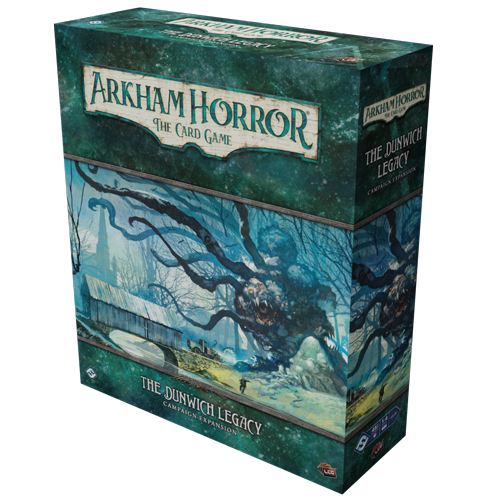
Replay the Core campaign once, then choose one complete campaign. Chapter Two owners can move to Children of Blood, the first small Chapter Two campaign. For Chapter One/Revised Core players, The Dunwich Legacy is the clean teaching campaign and The Path to Carcosa is the classic story-forward next step. Do not buy a random old Deluxe or Mythos Pack unless you have verified the entire legacy cycle.

Is Arkham Horror good solo?

Yes. The LCG is one of the strongest solo systems in the family and can be played true solo or two-handed. Third Edition also supports solo play. Mansions can be played solo through the app, though its table conversation is part of the appeal.

Is Arkham Horror difficult to learn?

The LCG has the steepest first-night rules load because deck legality, timing, tests, enemies, and scenario setup arrive together. The physical flow becomes much easier after one guided scenario. Third Edition is moderate, and Mansions of Madness is the gentlest host job because the app carries hidden information and scenario administration.

Is there one official Arkham Horror canon?

Not one rigid chronology. Arkham Files repeatedly uses the same investigators, neighborhoods, institutions, monsters, and cosmic threats, while individual games and campaigns can reinterpret events. Think of it as overlapping continuity anchored by people and places.

What is the best Third Edition expansion?

Under Dark Waves is the largest overall expansion. Dead of Night is the compact first refresh, and Secrets of the Order is the occult-atmosphere specialist. The best first purchase depends on whether you want breadth, efficiency, or theme.

Are remastered Arkham Horror LCG campaigns coming?

No remastered Chapter One campaign line has been officially announced as of August 5, 2026. Players are discussing what remasters could look like, but there is no confirmed title, SKU, preorder, or release date. Treat remaster listings and promises as rumor until Fantasy Flight publishes a product announcement.

What is the best Mansions of Madness expansion?

Streets of Arkham is the broad first recommendation. Horrific Journeys adds vehicle spectacle, Path of the Serpent leans into jungle pulp, and Beyond the Threshold or Sanctum of Twilight are smaller targeted additions.

Do I need accessories for Arkham Horror LCG?

No accessory is required. Coin capsules or upgraded chaos tokens improve the most-handled component, sleeves are most valuable for player decks and encounter sets in active use, and a storage system becomes useful only after the collection grows.

Where should I start on this Arkham Horror hub?

Use the format chooser if you do not yet know which Arkham game fits. Use Yumi’s Deconfusion Guide if you are choosing an LCG Core. Use Robert’s live setup trainer if a box is already on your table. Use the Mythos Masterclass for history, lore, and expert play.
Margo’s research ledger
Primary record first. Community experience second.

Last source review: August 5, 2026. Product taxonomy, dates, compatibility, and rules are checked against publisher material, the Arkham Grimoire, and current rulebooks. Remaster discussion is labeled as unannounced until Fantasy Flight publishes a title and SKU. Community advice is synthesized in Puzzlewick’s voice rather than copied. Retail buttons lead directly to the matching Amazon listing and are labeled separately from research citations.
The fortune-teller's table

Imani has read three for you

“Ohh the ball is GLOWING tonight — okay, three came up and you HAVE to see these.”— Imani, The Connector