Enter with a playable product
Flesh and Blood Classic Battles Rhinar VS Dorinthea
Start with something that creates a legal deck or a complete first session.
Exact listing · AmazonSilver Age, Armory decks, combat chains, hero identities, and the first sanctioned format that fits your table.
The short answer
Flesh and Blood is a hero-centered dueling card game where equipment, pitch values, combat chains, and defense decisions matter from the first hand. This hub makes its current formats and preconstructed products legible before a new player buys into the wrong kind of deck.
The Flesh and Blood product family
These are connected decisions, not four unrelated things to buy. Begin with a playable product, expand only when the table asks for it, and protect the cards that have earned a place in your bag.
Enter with a playable product
Start with something that creates a legal deck or a complete first session.
Exact listing · Amazon
Expand after real games
Add cards only after the first table has shown what the collection is missing.
Exact listing · Amazon
Protect what survived the table
Protect the constantly shuffled playable deck first; public equipment can use a separate visual treatment.
Exact sealed products organized by what they do, with the strongest current route leading each row.


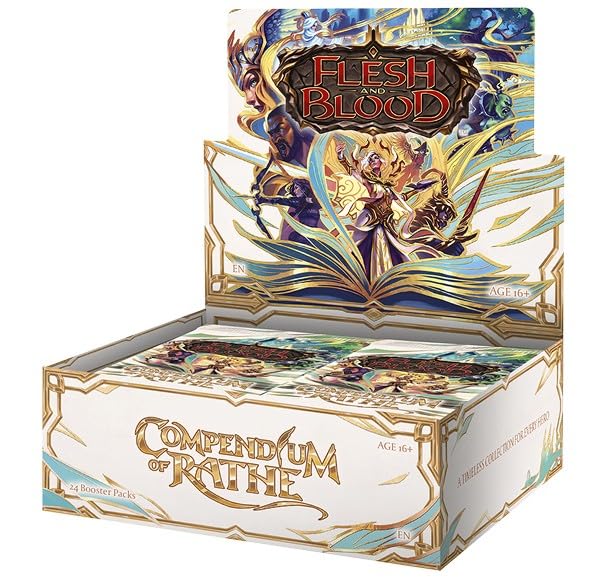
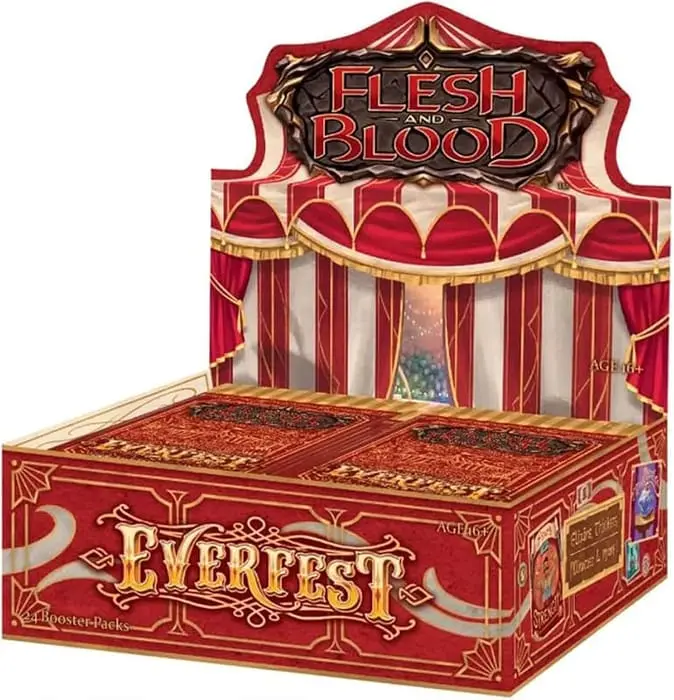

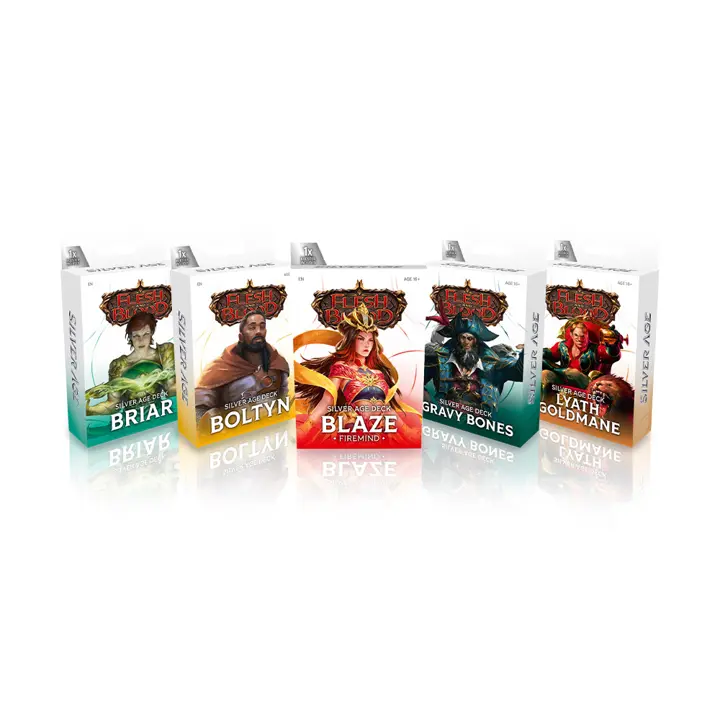
The only deck here that's tournament-legal the instant you open it, and it stays that way. Silver Age replaced Blitz as the entry format - 40-card main, 15-card inventory, ~35-minute games. Chapter 3 (June 5, 2026) gives you Blaze, Boltyn, Briar, Gravy Bones, or Lyath. Grab two ($39.80) and you and a friend have real, sanctioned-event-ready decks in minutes.
See it on AmazonWhy we picked it →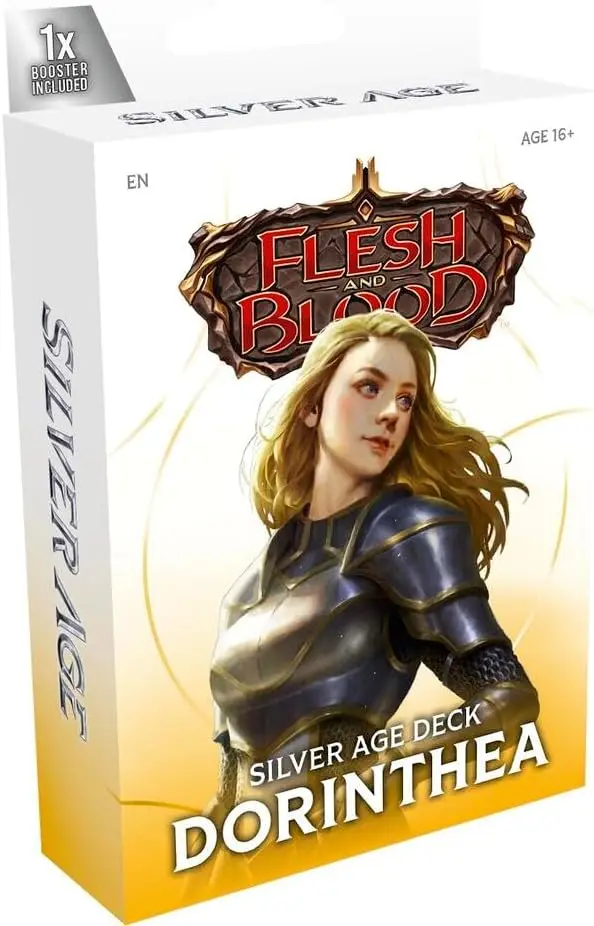
Yumi's shelf whisper: Combat-chain fundamentals and weapon pressure.
See it on AmazonWhy we picked it →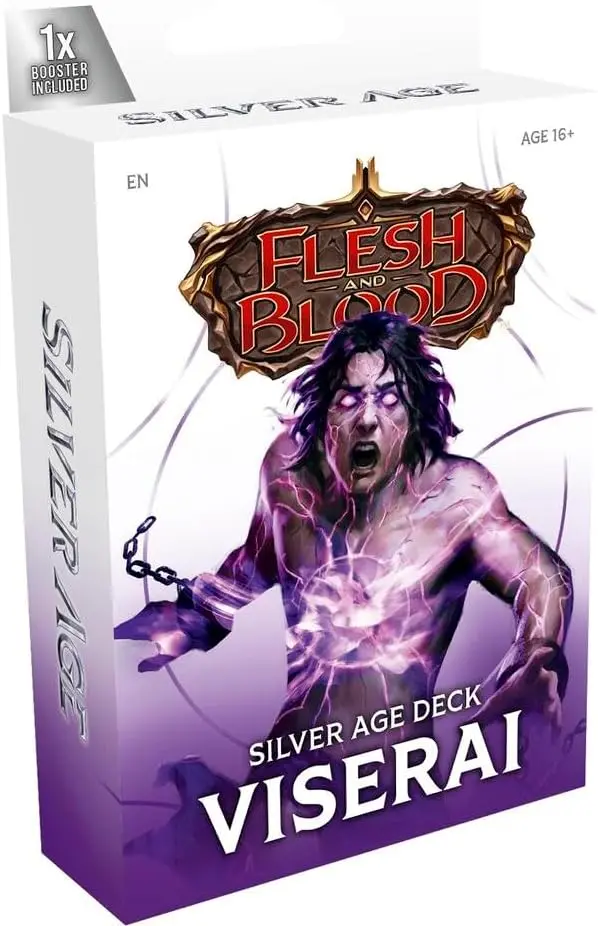
Yumi's shelf whisper: Resource planning and runechant payoff.
See it on AmazonWhy we picked it →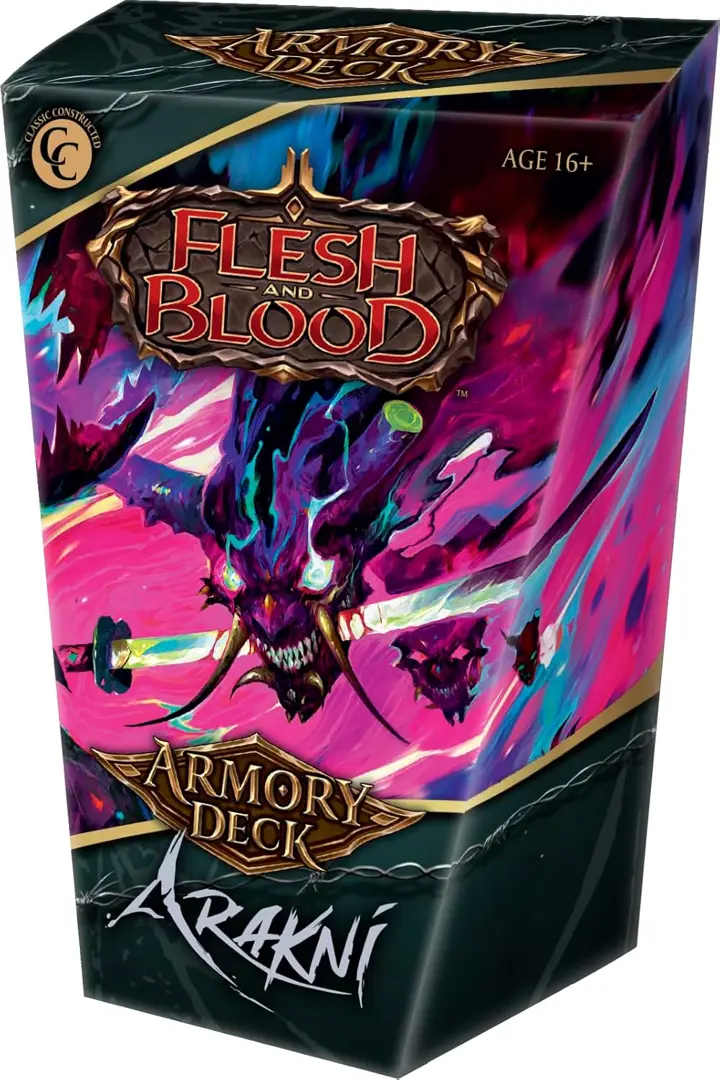
Yumi's shelf whisper: Higher-complexity tournament-ready specialist route.
See it on AmazonWhy we picked it →Complete the table
Selected for this game, not poured in from a generic accessory list.
Sleeves · Arcane Tinmen
Verdict: Protect the constantly shuffled playable deck first; public equipment can use a separate visual treatment.
Durable opaque sleeves suit frequent Armory play and make marked-card prevention easier.
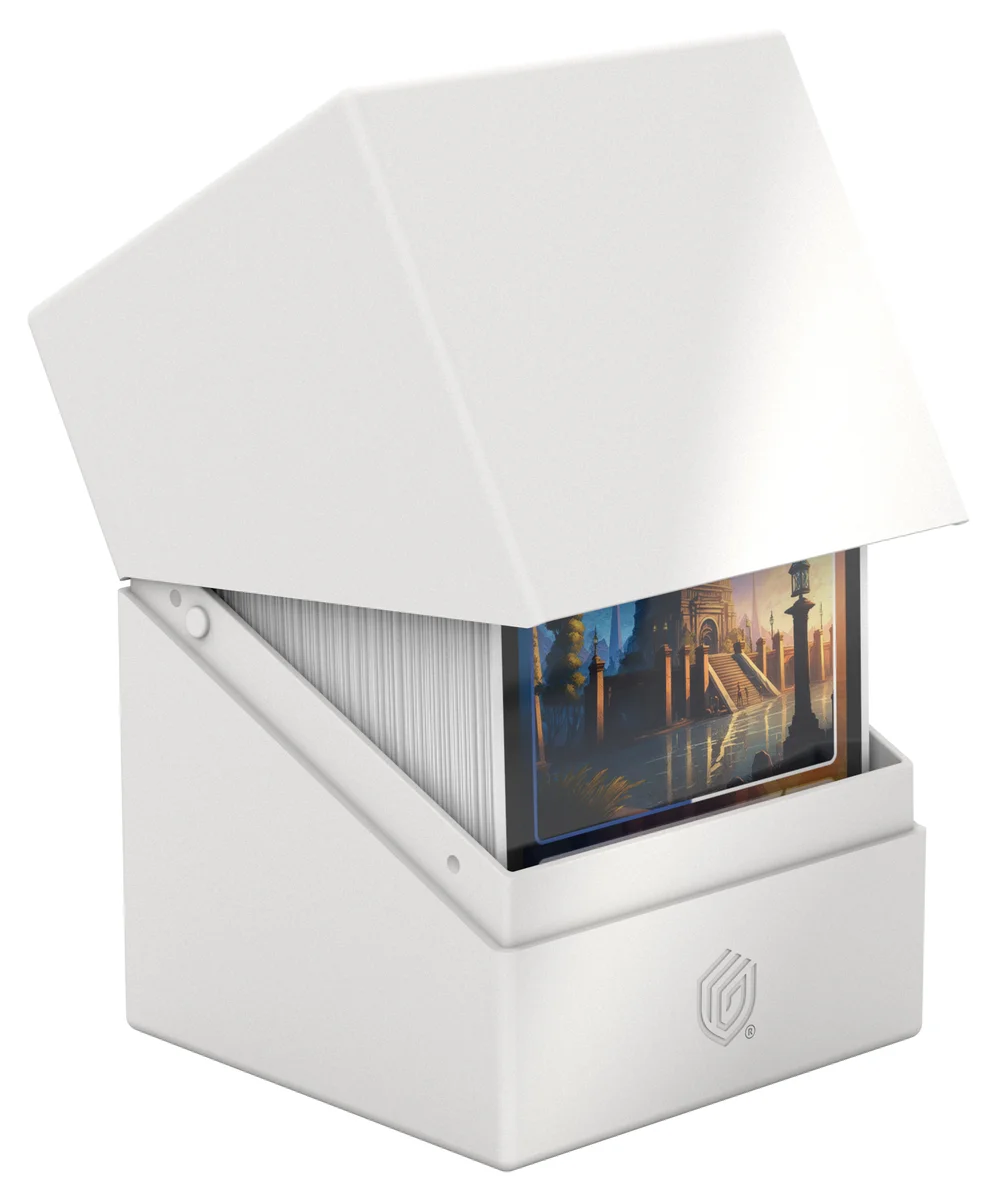
Deck box · Ultimate Guard
Verdict: A compact shell for the deck plus a separated hero, weapon, and equipment packet.
It protects a sleeved deck in a small footprint and travels cleanly inside a larger bag.
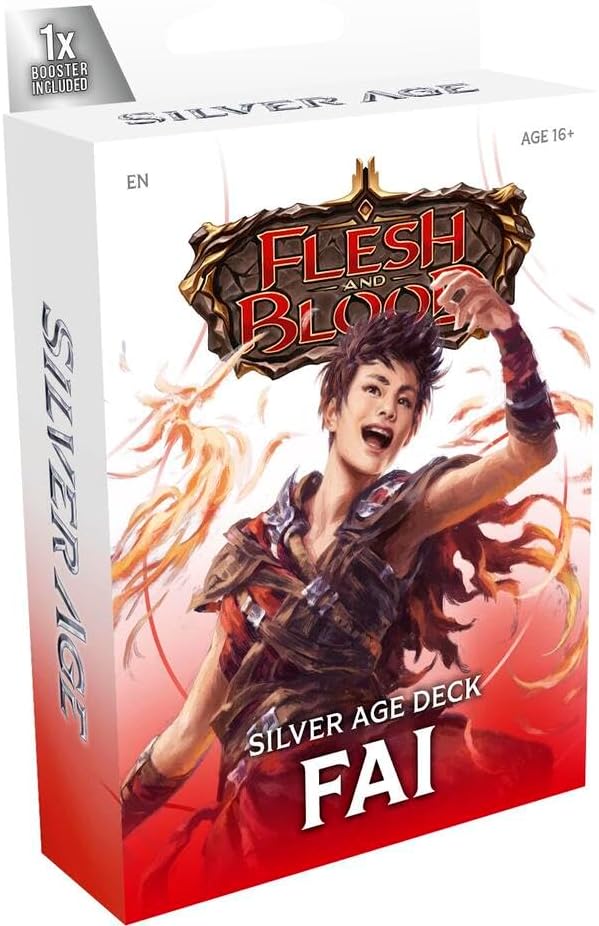
Format on-ramp · Legend Story Studios
Verdict: A contained route into the newer format for players who want a deck identity before buying singles.
The prebuilt list establishes the hero, equipment, and combat-chain rhythm in one purchase.

Binder · Vault X
Verdict: A zip binder is the sensible archive for majestics, equipment, and trade pieces; bulk belongs elsewhere.
Side-loading fixed pages, a zipper, and a rigid cover reduce common ring and card-escape problems.

Deck box · Gamegenic
Verdict: A premium hard shell for the deck whose equipment package and sleeve combination have stopped changing.
The clear body makes retrieval easy and the XL capacity is designed around thick sleeve combinations.
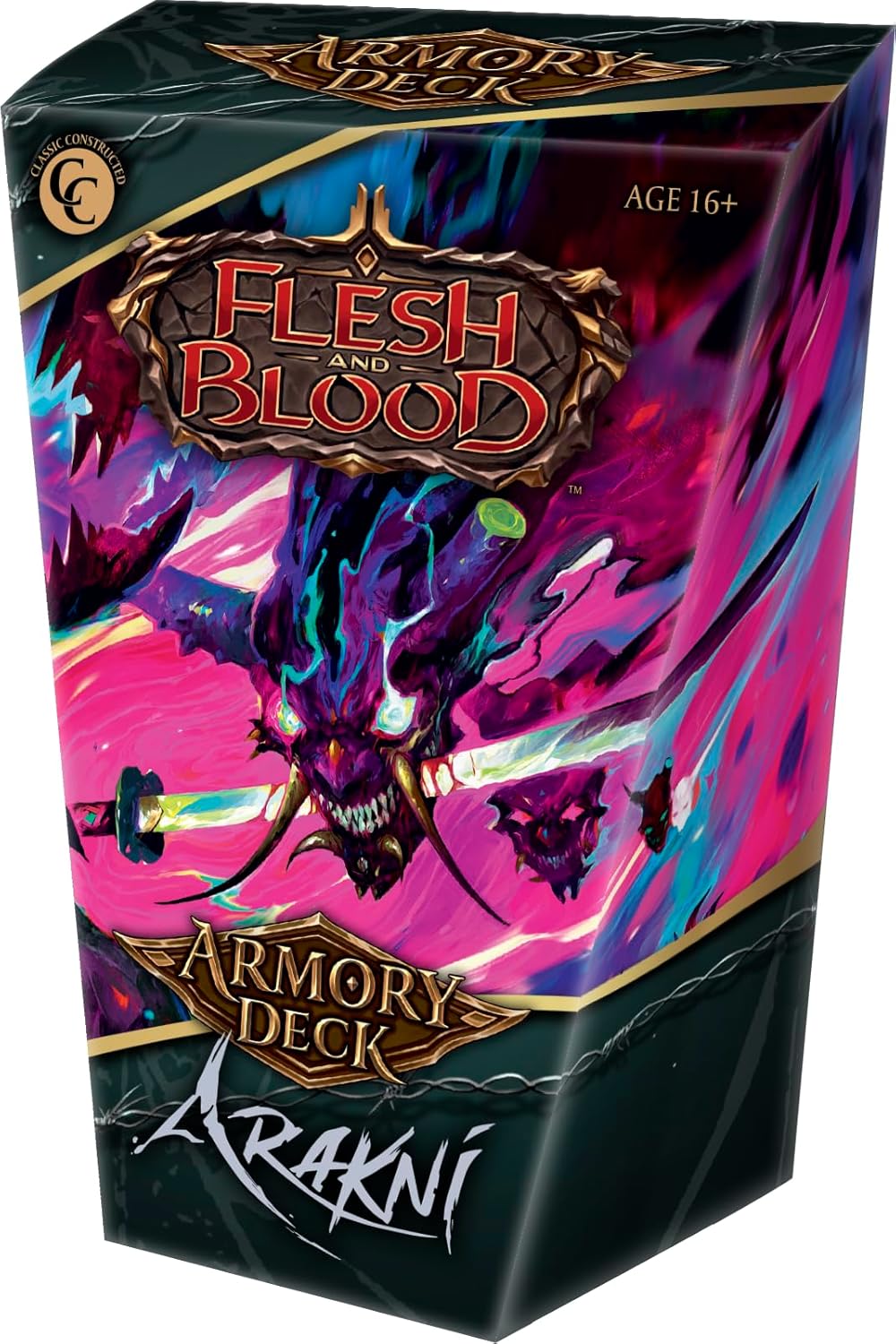
Armory deck · Legend Story Studios
Verdict: A higher-commitment fixed list for a player whose local scene supports the format and hero.
The Armory product provides a coherent deck and equipment package without building from singles on day one.
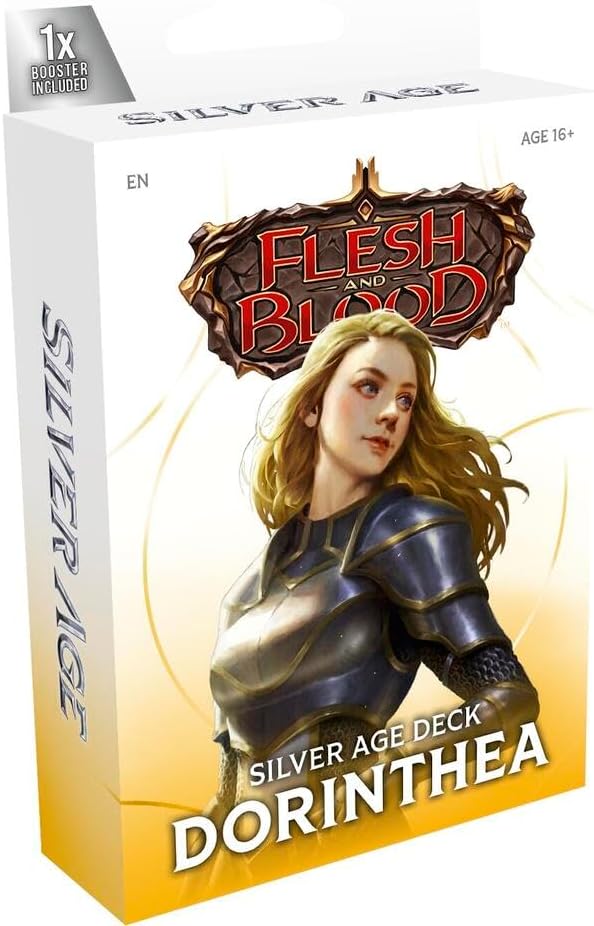
Silver Age deck · Legend Story Studios
Verdict: A fixed route into weapon combat for a player who wants to learn pressure and reaction windows through one hero.
The prebuilt deck narrows the learning surface and makes every upgrade answer a known plan.
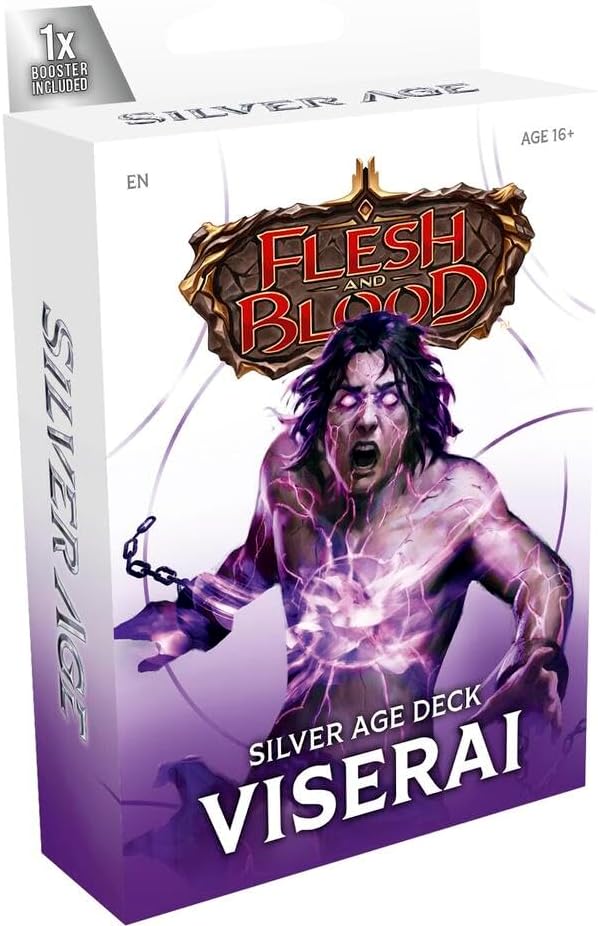
Silver Age deck · Legend Story Studios
Verdict: The arcane-combat on-ramp for a learner who enjoys sequencing resources before the payoff turn.
A fixed list lets the player study one hero’s rhythm instead of learning card procurement and combat simultaneously.
The universe in four decisions
Every path opens with a direct verdict, then shows the evidence, rules, photos, caveats, and exact products behind it.
Buy opaque standard-size sleeves with matching spares, a rigid box sized for the deck plus hero and equipment, and a plain mat that keeps the public equipment zones readable. Flesh and Blood’s hero, weapons, arms, chest,…
⛩ Kenji's answer → What is actually worth it?Start with a Silver Age deck when you need the cleanest route into Flesh and Blood’s pitch, block, weapon, and combat-chain language. Choose an Armory Deck when you already understand those systems and want a more comple…
✿ Yumi's answer →Yumi's featured dossiers
Big visual answers first: the newest cornerstone, the no-regret buy maps, and the decision guides that keep a curious cart from becoming a haunted one.

Kenji’s tournament-clean system for the deck, hero, weapons, equipment, public zones, mat, and first Armory night.
Kenji · The Sensei Open the dossier
Flesh and Blood starter decks, explained with exact box identity, expansion order, beginner-to-expert strategy, hosting and solo reality, community warnings, and direct Amazon purc…
Yumi · The Hostess Open the dossierThe cabinet argues usefully
The curators are here to make a decision, not decorate one. Follow the voice whose table sounds most like yours.
“Yumi seats Silver Age at the welcoming table and keeps Armory decks for the player who already knows their hero. Two learnable decks beat one impressive deck and a lonely chair.”
Open Yumi's dossier →“Buy opaque standard-size sleeves with matching spares, a rigid box sized for the deck plus hero and equipment, and a plain mat that keeps the public equipment zones readable. Flesh”
Open Imani's dossier →“A Flesh and Blood kit is a combat loadout, not a pouch of pretty objects. I separate the shuffled deck from the public hero and equipment packet, teach the official zone discipline, and pack the first Armory bag in match order so courage is spent on the chain, not on finding a die.”
Open Kenji's dossier →Start with a Silver Age deck when you need the cleanest route into Flesh and Blood’s pitch, block, weapon, and combat-chain language.
Sleeves, public equipment zones, divided deck boxes, mats, and the first Armory bag.
Wings that share this one's spirit. Keep wandering.
Want the whole cabinet? Browse every wing → · See what's hot right now →

The fortune-teller's table

“Pull up a chair. The ball's been showing me pieces from the cabinet — three, for you.”— Robert, The Keeper
 ✦ a little gift from the table