Best TCG Starter Decks 2026: Flesh & Blood vs Sorcery vs Altered
Three rising TCGs offer genuinely different entry points—speed, strategy, and physics—with starter decks that range from disposable to tournament-ready.


AI-assisted research and drafting in Dax’s voice · reviewed by Robert Pruitt · how this guide was made
Last editorial refresh: 2026-06-18 Gold-standard QA: 2026-08-10 9 sources reviewed Affiliate links checked during gold-standard pass

The short answer
Flesh & Blood's Silver Age precons hit the sweet spot: tournament-legal straight out of the box for under $20. But if you want grid-based strategy without combat or unique phygital integration, Sorcery and Altered each earn their shot.
Decision map
Choose in thirty seconds
Tournament-ready play right now; stable meta; fastest entry to real competition
Two players learning together; grid-based strategy fans; games that reward positioning
Non-combat puzzle gaming; phygital ownership; collectors who care about authenticity
The TCG market in 2026 isn't Yu-Gi-Oh or Magic anymore—it's fractured into smaller, hungrier games building real communities. I've played all three of these systems, and they're not pretenders. Each has a core idea that actually works. The starter decks reflect that: they're not tutorials dressed up as products. They're real decks designed to let you compete immediately, even if the meta will eat you alive after a few weeks.
The question isn't which TCG is "best"—it's which system's angle speaks to you. Fast versus slow? Direct combat versus positioning? Ownership rights versus physical cards? Your deck choice tells the story.
Start here, then go deeper
You are in the right cabinet.
 ✧ Universe HubAnime & New-Wave TCGs: the whole buying pathBeyond Magic and Pokémon, a new wave of trading card games has gone mainstream — One Piece, Yu-Gi-Oh!, Dragon Ball, Digimon, Weiss...
 🂠 Topic PathTrading Card Games: compare the whole shelfStart with the game and community you want, then buy the smallest product that lets you test it properly. These guides separate...
 How-ToYu-Gi-Oh TCG 2026 Starter Sets & Beginner Decks: Play Your First DuelTwo starter routes, two tutorial options, and one afternoon to learn the fundamentals. Start here before buying random Yu-Gi-Oh boosters...
Which Starter Deck Should You Actually Buy First?
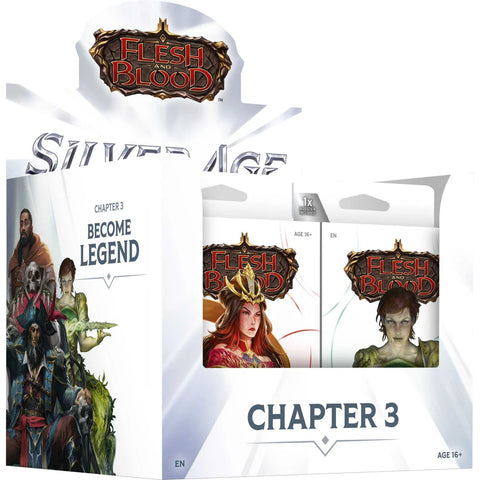

Short answer, no hedging: Flesh & Blood's Silver Age precon at $19.90. It is the only deck on this page that is tournament-legal the second you tear the wrapper, and it stays legal for years. Sorcery and Altered are still worth your money, but for different reasons and with eyes open.
Here's the thing the marketing copy won't tell you. These three games are not competing for the same shelf in your brain. Flesh & Blood is a duel — you and an opponent trade blows until someone hits zero life. Sorcery is a chessboard with cards — you fight over a 5-by-4 grid of land, and position beats power. Altered is a race — no combat at all; you and your rival each push two expeditions across a map until your hero and companion meet. Three verbs: fight, maneuver, race. Pick the verb, then pick the deck.
I've sleeved and played all three. None of them are tutorials wearing a price tag. But the value math is lopsided once you account for what happens after game ten. Flesh & Blood's precon is a real deck forever. Sorcery's four-pack is the single best way two people can learn a genuinely hard game together. And Altered — I'll be straight with you below — is now a beautiful curiosity rather than a growth bet, and the price reflects it. Read past the rankings before you spend, because in this trio the cheapest deck is not the safest one.
Why Is Flesh & Blood the Safest $20 in the Hobby?
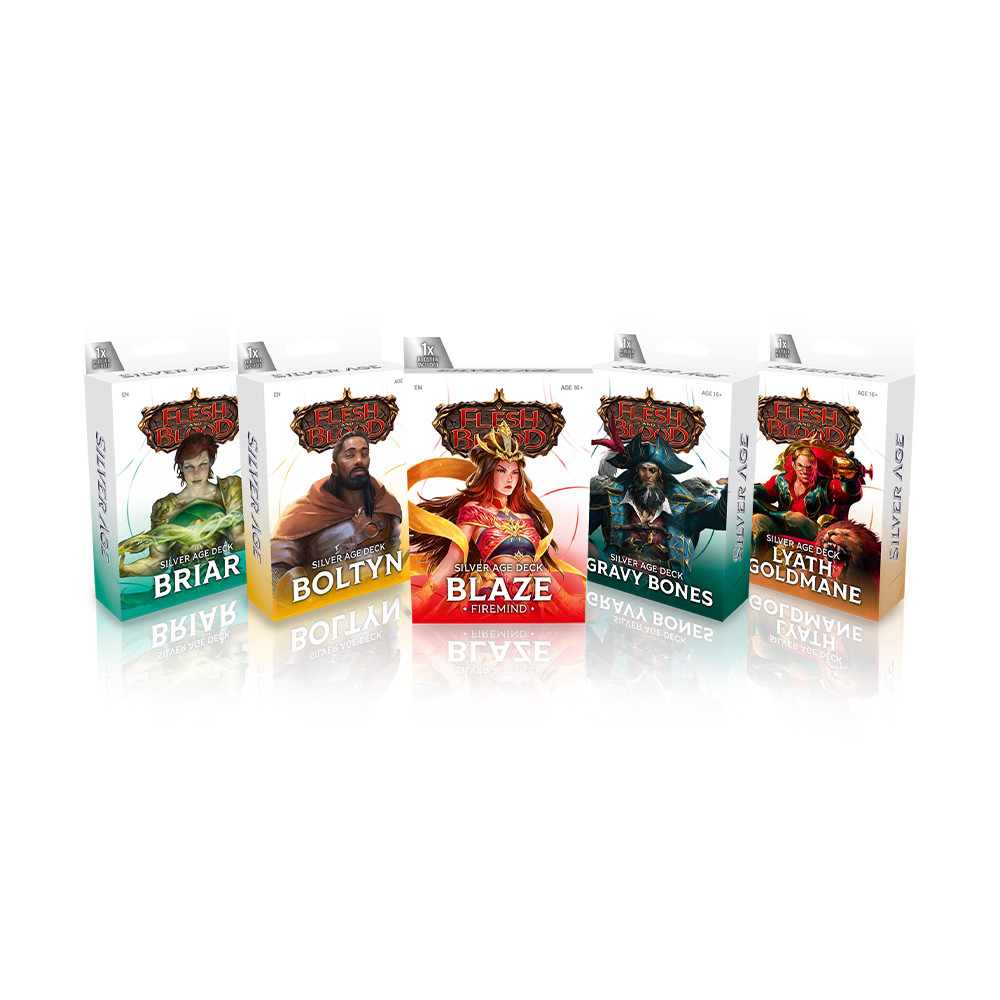
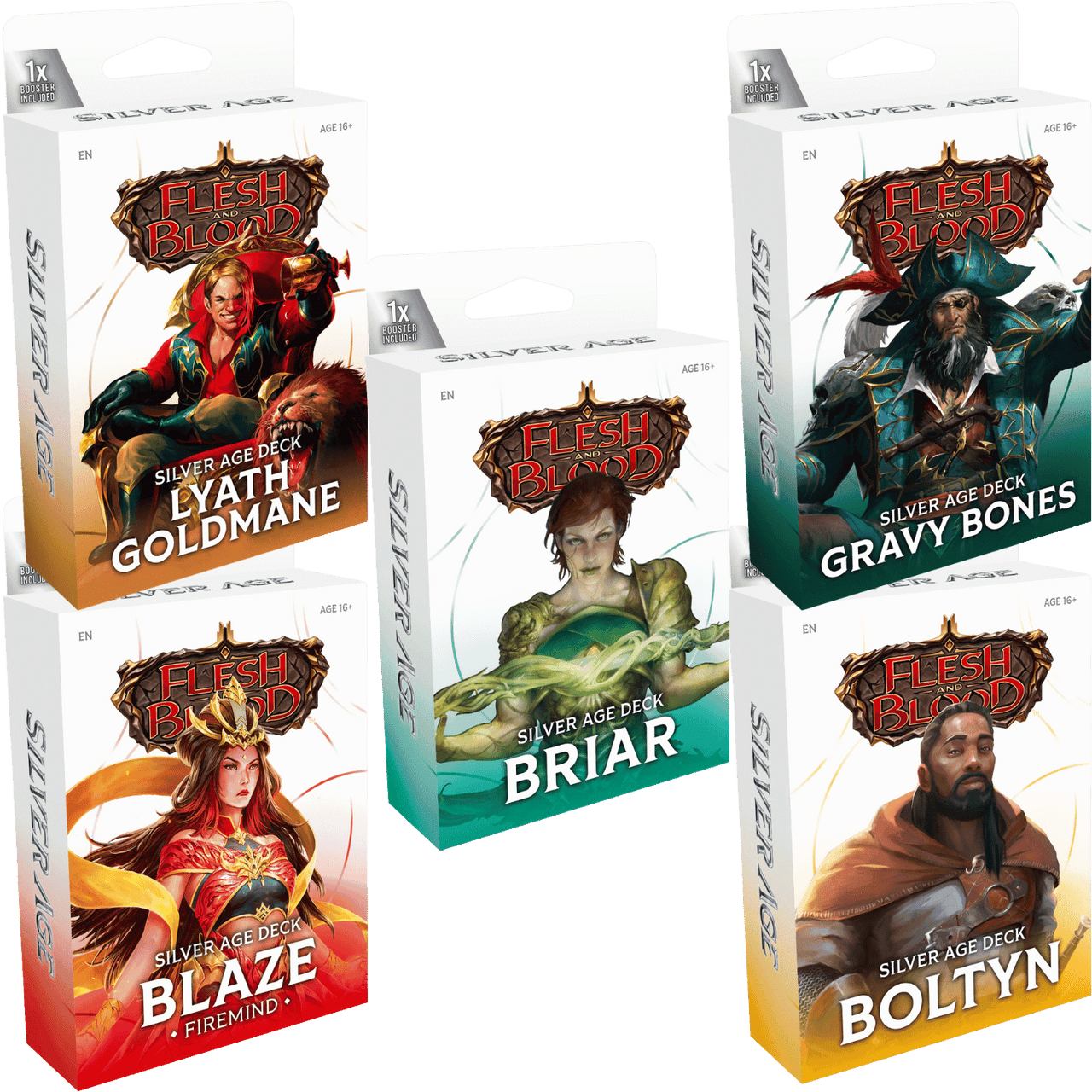
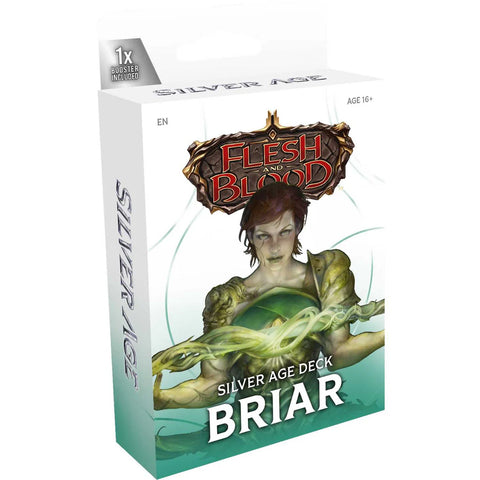
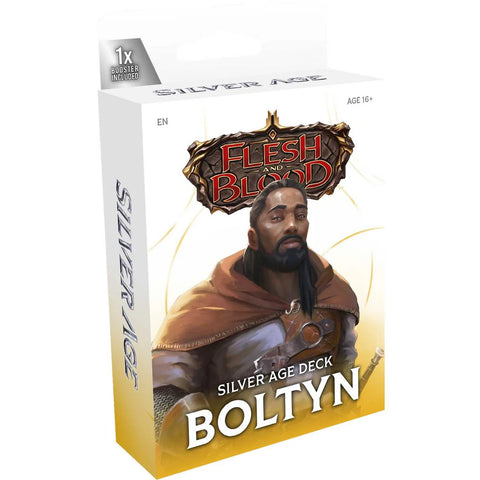
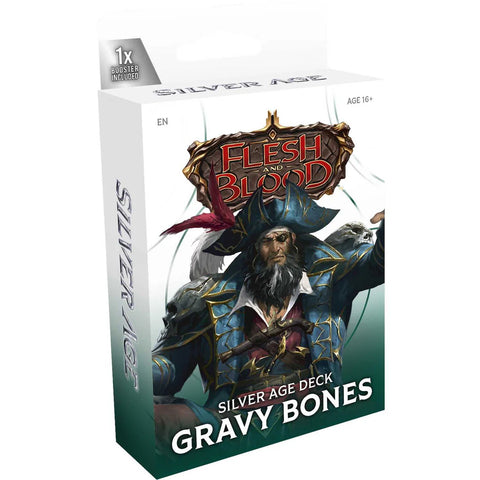
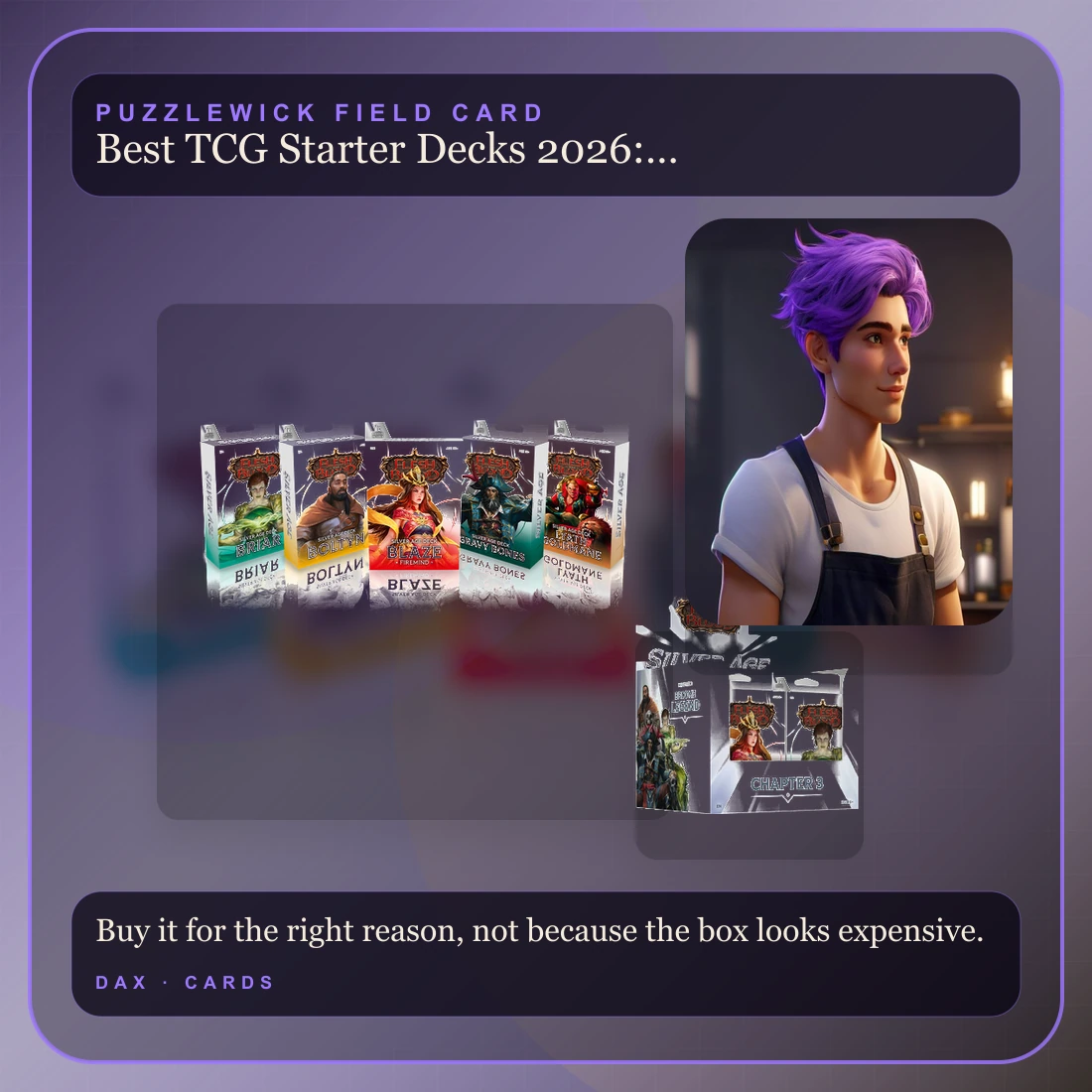
Because the deck you buy today is built to never expire, and the company has the receipts to prove it can keep that promise. Silver Age Chapter 3 dropped June 5, 2026 — five decks, one hero each: Blaze, Boltyn, Briar, Gravy Bones, and Lyath. Every deck is 55 cards plus a hero, tokens, and a booster pack for upside, all for $19.90. No alternate-art tax, no "buy the singles to be competitive" trap. Common, rare, and basic cards only — that ceiling is deliberate, and it's why your wallet survives.
One correction to the common myth: Silver Age is its own format, and it replaced Blitz. It isn't a Blitz variant. Silver Age runs a 40-card main deck plus a 15-card inventory (weapons and equipment), with roughly 35-minute matches — a touch slower and lower-powered than Blitz was, but it inherited Blitz's wallet-friendliness and added rares back in. If you read older guides telling you to "start in Blitz," they're a season behind.
The genuinely clever part is rotation. Instead of cards aging out (Classic Constructed's Living Legend system), Silver Age benches heroes. Each season the community votes the three least-wanted heroes out, plus the dev team benches one of its own choosing — and the more times a hero gets benched, the longer they sit (second bench = two seasons, third = three). Chane, for instance, sat out from February to May 2026. The cards never die; occasionally a hero takes a nap. That's the most new-player-friendly rotation design in the genre, full stop.

What Makes Sorcery the Connoisseur's Pick?
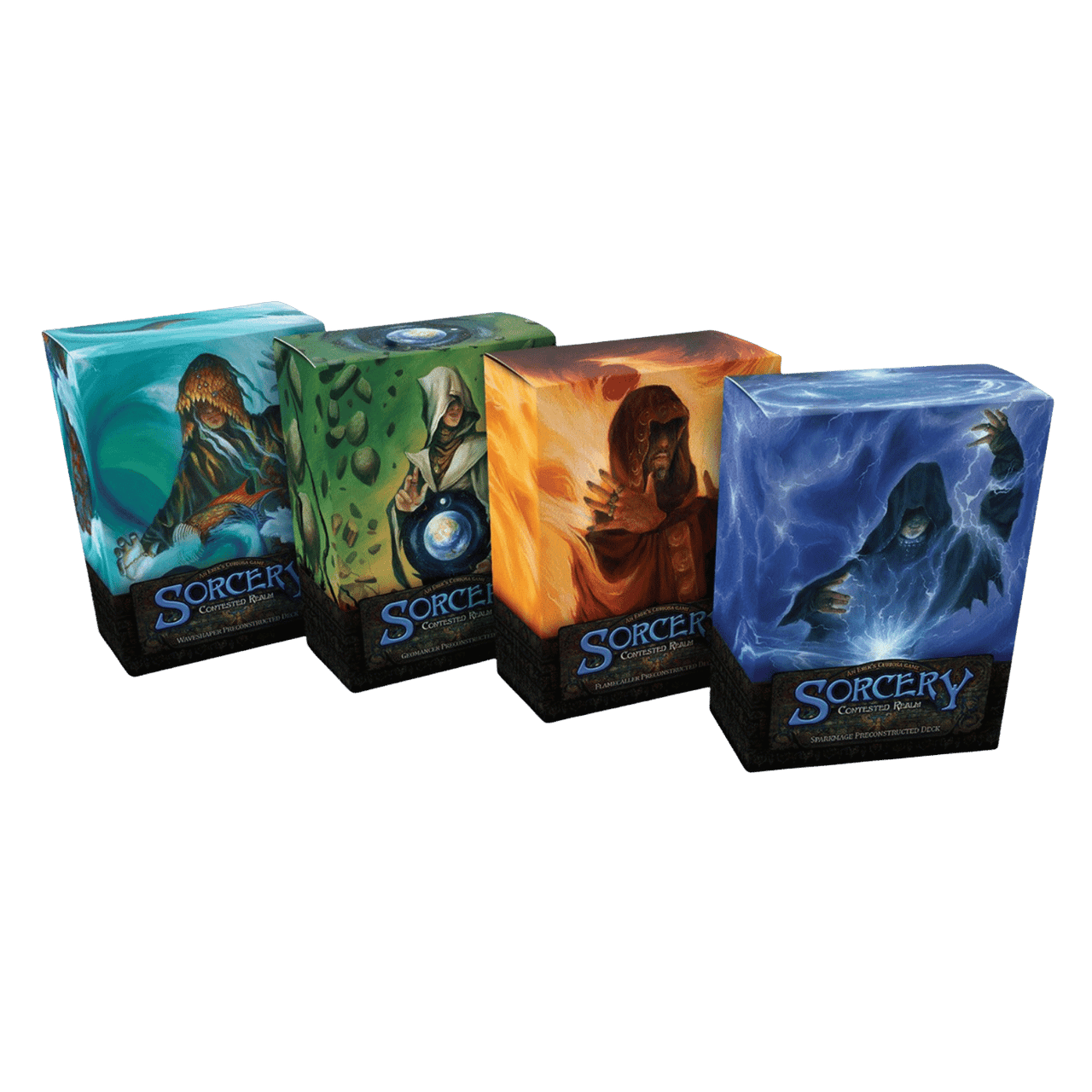
Pedigree and depth. Sorcery: Contested Realm was designed by Erik Olofsson — co-founder of Grinding Gear Games and a creative force behind Path of Exile — together with Nickolas Reynolds, under his studio Erik's Curiosa. That ARPG DNA shows: this is a game obsessed with resource systems and interlocking rules, not flashy single-card power spikes.
Here's the secret nobody tells beginners, and it's the whole game: your mana equals the number of Sites you control, and Sites also carry the elemental affinity that lets you cast anything at all. You build a second deck — the Atlas, your deck of Sites — and learning to lay those lands onto the grid in the right order, in the right place, is where 90% of the skill lives. A spell with an elemental Threshold of two Fire is uncastable until your Sites supply two Fire. The veteran trick: multi-element Sites are worth more than their MTG "dual land" cousins because they push both your mana and your Threshold at once. New players lose because they treat Sites as filler. They aren't filler; they're the engine.
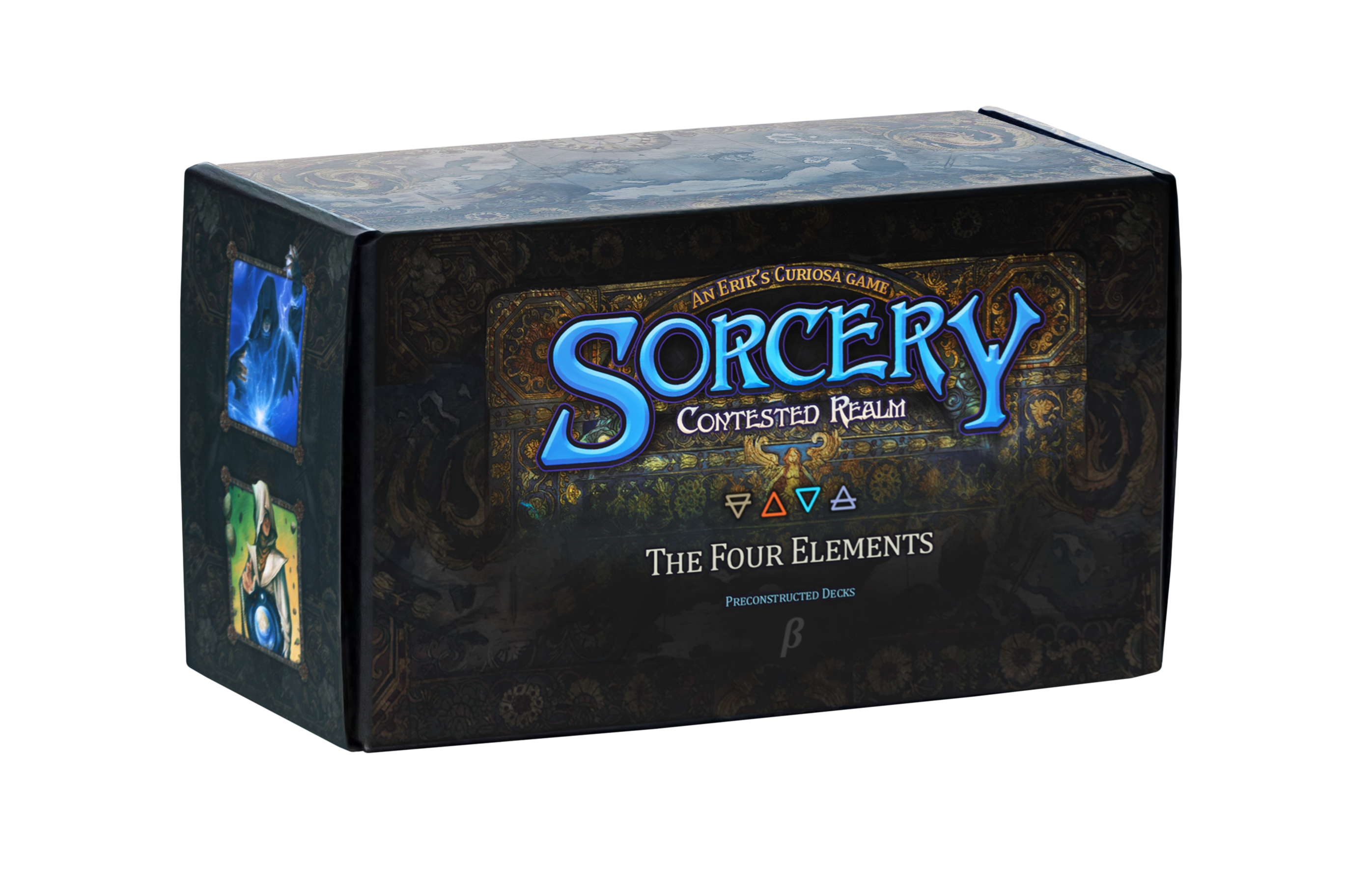
The art is the other draw — every card is hand-painted, a deliberate rebellion against digital illustration, and it's why Alpha booster boxes have climbed toward $1,000 on the secondary market. The Beta four-deck box you're buying is the teaching tool: four 52-card elemental decks, a quickstart rulebook, tokens. The meta is alive — Gothic landed December 5, 2025 with 440 cards and Lovecraftian horror themes, and Erik's Curiosa has already teased ready-to-play Frost Mage vs Lavamancer constructed decks. If you like a game you can still be discovering, this is it.

Should You Still Buy Into Altered in 2026?
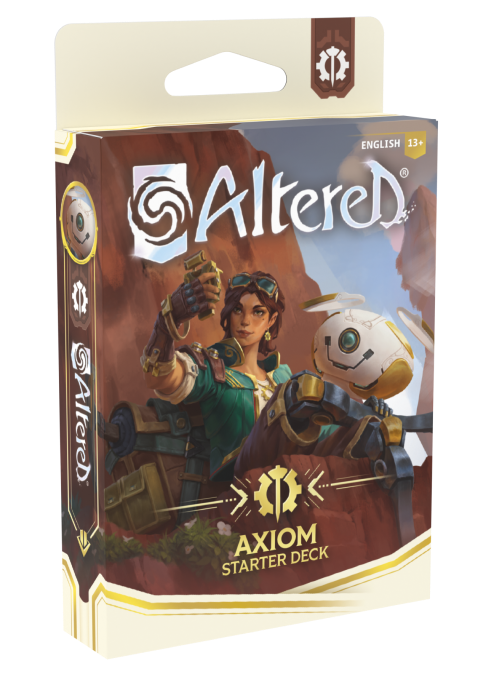
I have to be honest with you, because an out-of-date guide would do you real harm here. Altered TCG was officially discontinued. Developer Equinox announced the end on March 18–19, 2026 after its Roots of Corruption crowdfunder fell well short of the roughly €2 million needed to keep producing cards — a stunning fall for the game that was the most-funded TCG in Kickstarter history at $6.7 million back in 2024. The Equinox team wound down around May 20, and the official digital services closed June 15, 2026.
So why is it still on this list? Because the game is genuinely good, dirt cheap to try, and — crucially — not actually dead. A community nonprofit, Altered Re:Union (altered.re), is working alongside the old team and the Board Game Arena crew to keep it playable. The cards still work. The rules still work. What you're buying now is a finished, frozen game with a small devoted following, not a growth bet you can "help shape." That's a different purchase, and the $10.99 price makes it a low-risk one.
And the design is worth seeing once. There's no combat — you pick a hero and a companion and race two expeditions across a map until they meet. Mana is elegant: draw six cards, choose three to become your Mana Orbs. The six factions (Axiom, Bravos, Lyra, Muna, Ordis, Yzmir) each play a coherent strategy out of the box. Buy it as a beautiful artifact and a fun two-player puzzle. Do not buy it expecting a living tournament scene.

What's the Real Cost to Get Two People Playing?

Sticker prices lie by omission in this hobby, because almost no TCG is playable with a single deck. Here's the honest two-player math.
Flesh & Blood: $39.80 for two precons — and this is the cleanest deal on the page. Two people, two real decks, both tournament-legal, both with a bonus booster. You can hand a friend the Blaze deck, keep Briar, and have a genuine match in fifteen minutes of reading. Nothing else to buy, ever, unless you want to.
Sorcery: $40 for the Beta four-deck box. Yes, it's the priciest entry per individual deck, but you're not buying one deck — you're buying four balanced elemental decks plus the rulebook and tokens that actually teach the grid. For two players who want to learn together and rotate matchups, this is the correct unit. Buying single Sorcery decks à la carte (around $10 when you find them) is a false economy; you'll miss the rulebook and the matchup variety.
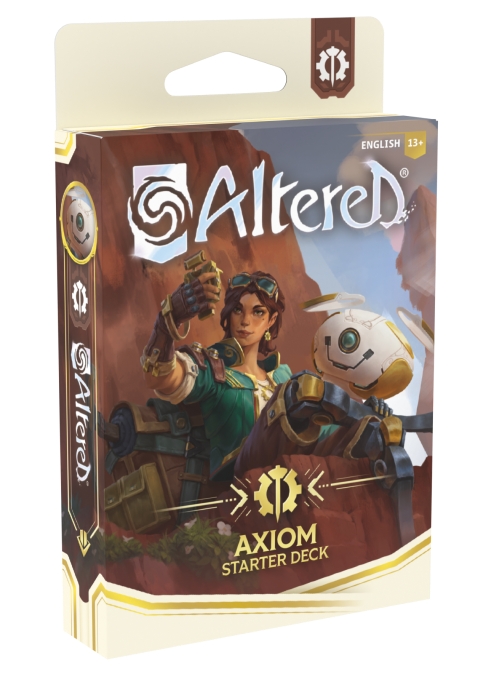
Altered: $10.99 is the lowest single-deck price anywhere, but you need two minimum, so budget $22. The six-deck set lists around $24.99 and is aimed at store organizers — skip it now that official support has ended unless you're specifically setting up a casual group. Bang-per-dollar to simply try a game: Altered. Ready-to-brawl pair: Flesh & Blood. Best teaching bundle: Sorcery. Match the spend to the goal and none of these is a bad buy.
Which Game Fits the Way Your Brain Works?
This is the question that actually decides it, so be honest about your own wiring.
Buy Flesh & Blood if you think in tempo and trades. You like reading your opponent, calculating exact damage, and a format that won't yank the rug out from under you. FAB rewards discipline — knowing when to block, when to take the hit, when to go for the kill. The conservative design philosophy (a complete system on day one, no rotation anxiety) is a feature, not a limitation. It's the choice for the player who wants a stable game to master rather than chase.
Buy Sorcery if you think in space and sequencing. If you enjoyed Go, chess variants, or the resource-puzzle side of Path of Exile more than the gambling rush of pack-cracking, this is your game. Position and timing are separate levers here, and pulling them in the right order is deeply satisfying. The catch is patience: the meta moves, and you'll be wrong about cards for a while before you're right. That's the fun, if you're built for it.
Buy Altered if you want a calm, combat-free puzzle and you appreciate good design as an object. It's the most relaxing of the three — a race, not a knife fight — and the lowest-stakes way to own something genuinely novel. Just go in knowing it's a finished, community-tended game, not a frontier. The puzzle crowd that got tired of complexity arms races will find a lot to love in one elegant, complete box.
How Healthy Is Each Game's Scene Right Now?
Competitive infrastructure is where these three games genuinely diverge, and it should weigh heavily if you ever want to play strangers for prizes.
Flesh & Blood is the clear leader. Legend Story Studios runs a real organized-play pyramid — local Armory nights, monthly-ish regional events, and World Tour stops with actual prize support, spread across retailer networks on multiple continents. The Silver Age deck you buy today will be legal in those events for the foreseeable future, benching aside. If "I want to walk into a store next month and play in a sanctioned event" is on your list, this is the only reliable yes of the three.
Sorcery is small but seriously engaged. You won't find a tournament every weekend, but Erik's Curiosa runs organized play, the community is unusually thoughtful (more deckbuilding-theory threads than power-creep complaints), and new sets keep the conversation alive. The hand-painted prestige and the wild Alpha secondary market also mean the game has collector gravity holding it in orbit. Healthy, niche, and growing on its own terms.
Altered's official scene has ended — that's the plain truth after the March 2026 shutdown. What remains is community-run: the Altered Re:Union nonprofit and the Board Game Arena player base keeping casual and online play going. If you're in a big metro with an active Discord, you can absolutely still find games. If you're remote and need sanctioned events, this isn't your game in 2026. Buy it to enjoy, not to grind.
The picks
Some links below are affiliate links — as an Amazon Associate, Puzzlewick earns from qualifying purchases, at no extra cost to you. It never changes a pick.
 8 photos
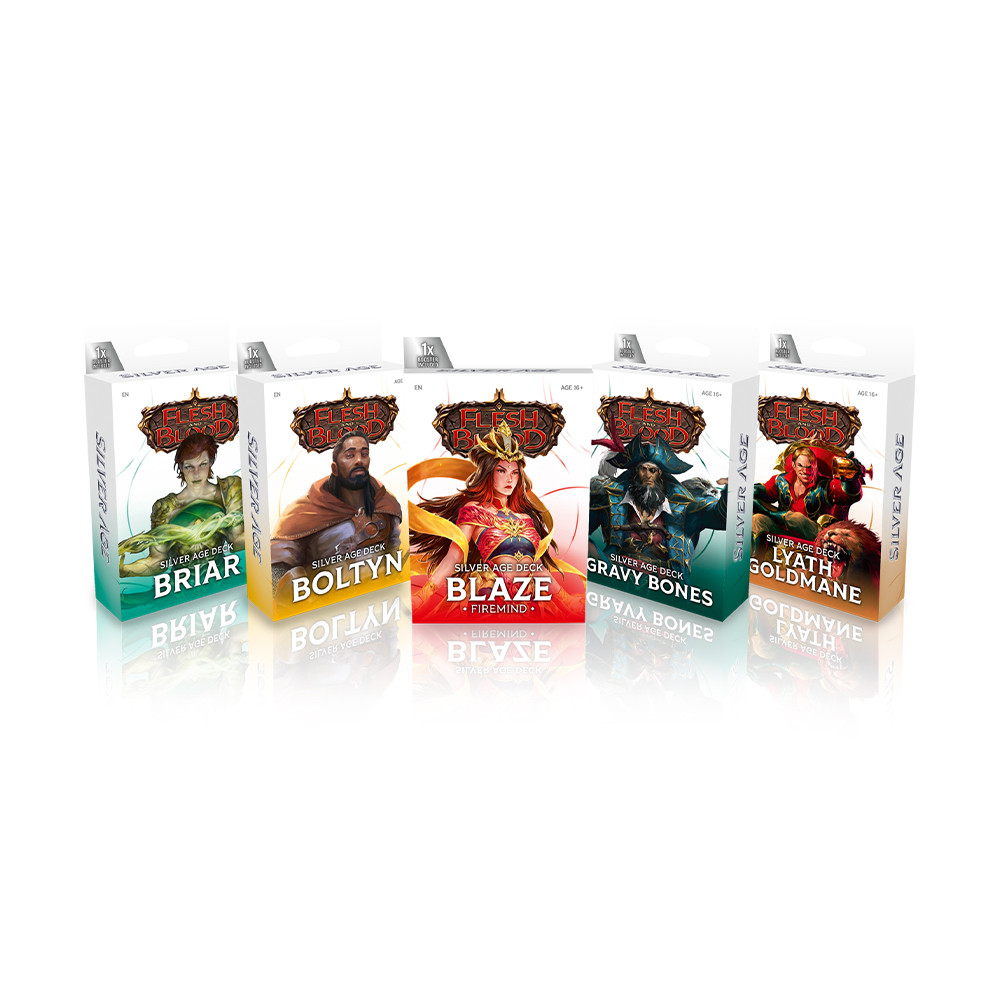
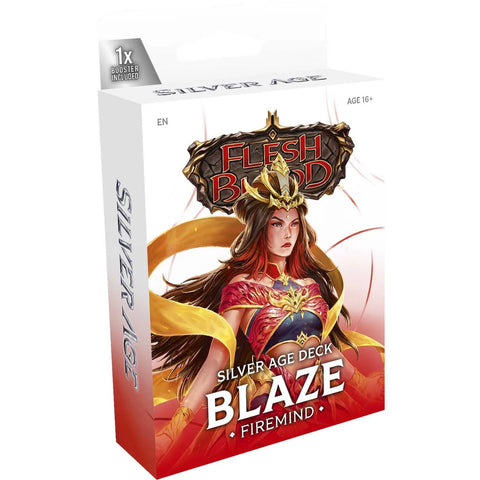
 Flesh and Blood Silver Age Chapter 3 Preconstructed Deck
This is a fully legal deck that competes in actual events. 55 cards, balanced for Blitz and Unlimited, released June 2026. You buy it, sleeve it, play it. No hidden costs.
- Tournament-legal out of the box
- Stable format with zero rotation risk
- Fast gameplay (20–45 min per match)
- Strong secondary market for card values
- Requires understanding of one hero's mechanics
- Silver Age is intentionally simple (some find it limiting)
- No digital integration
 4 photos
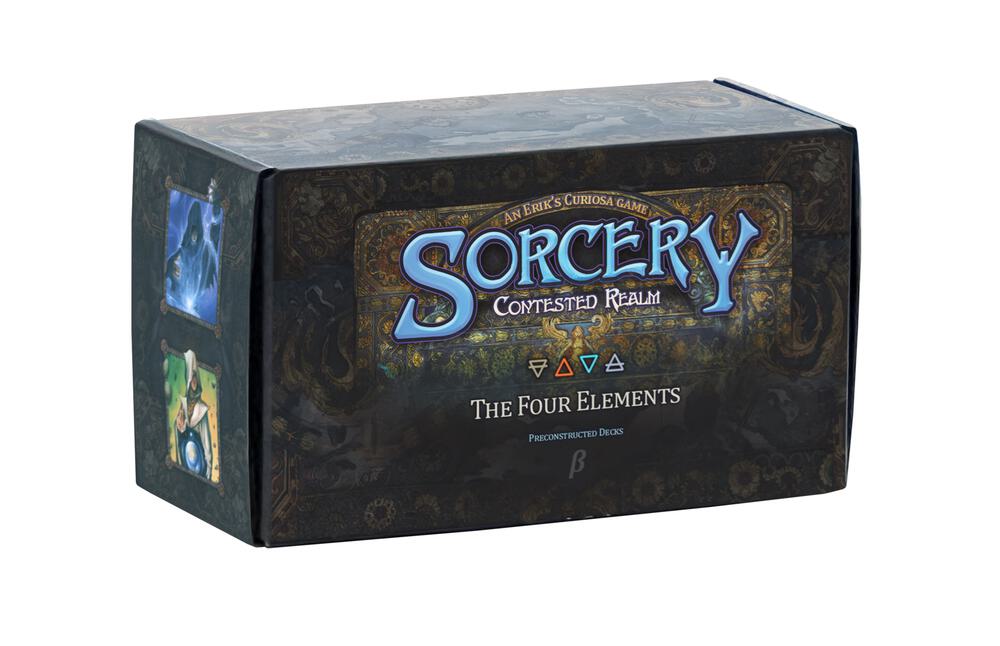
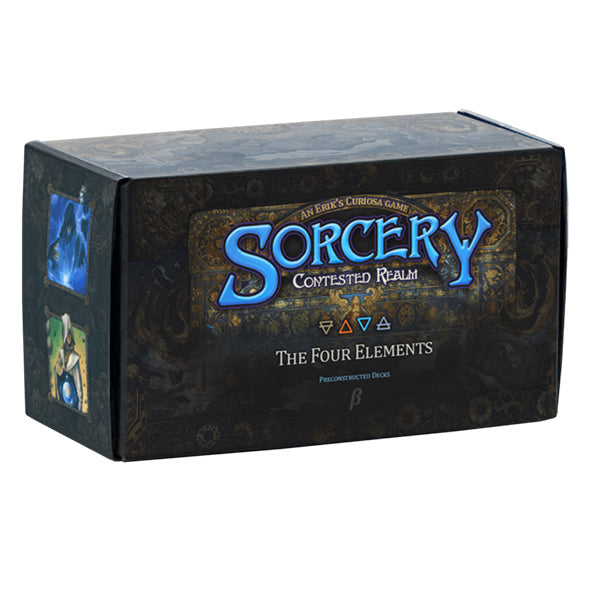
 Sorcery: Contested Realm Beta Preconstructed Deck Set (4-Pack)
Four 52-card decks (one per element), quickstart rulebook, tokens. Teaches you the game's unique 5×4 grid system. Designed as a learning tool, not a beggar's bundle.
- Decks are balanced against each other
- Includes quickstart rulebook and tokens
- Grid positioning is genuinely strategic
- New mechanics still being discovered (Gothic set Dec 2025)
- Format is still evolving; meta shifts with new sets
- No secondary market yet (early game)
- Requires spatial thinking; not for linear players
- Limited upgrade paths from the starter set
 9 photos
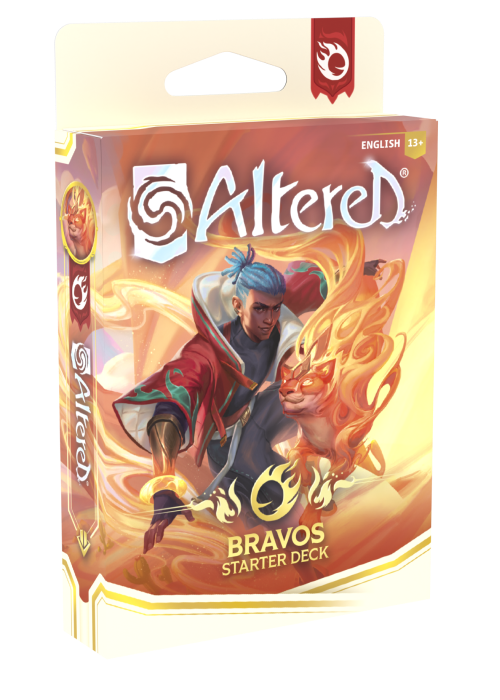
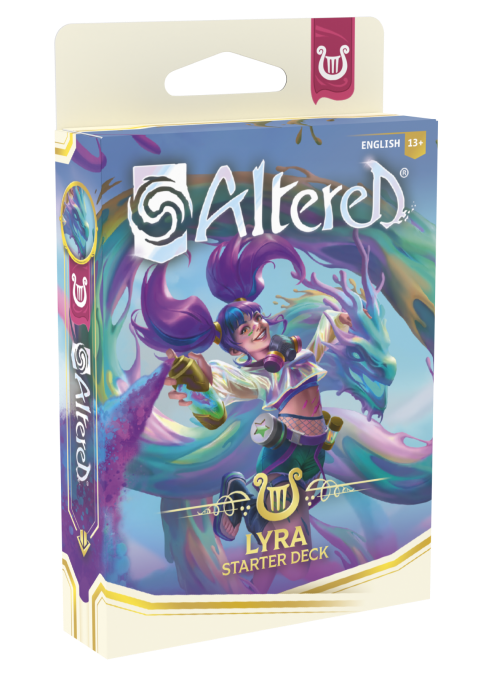
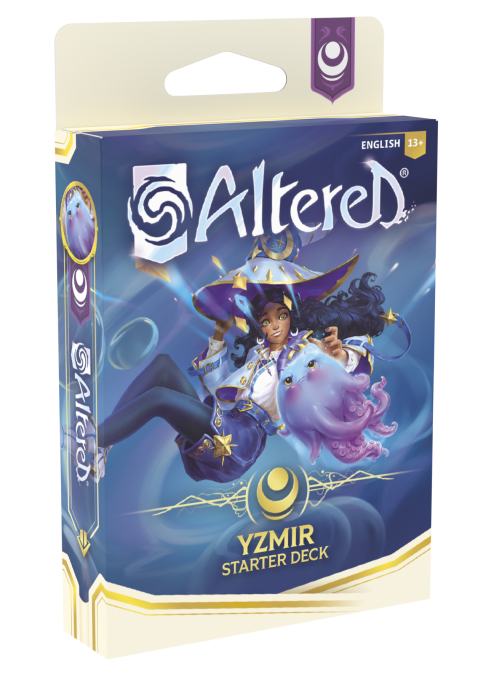
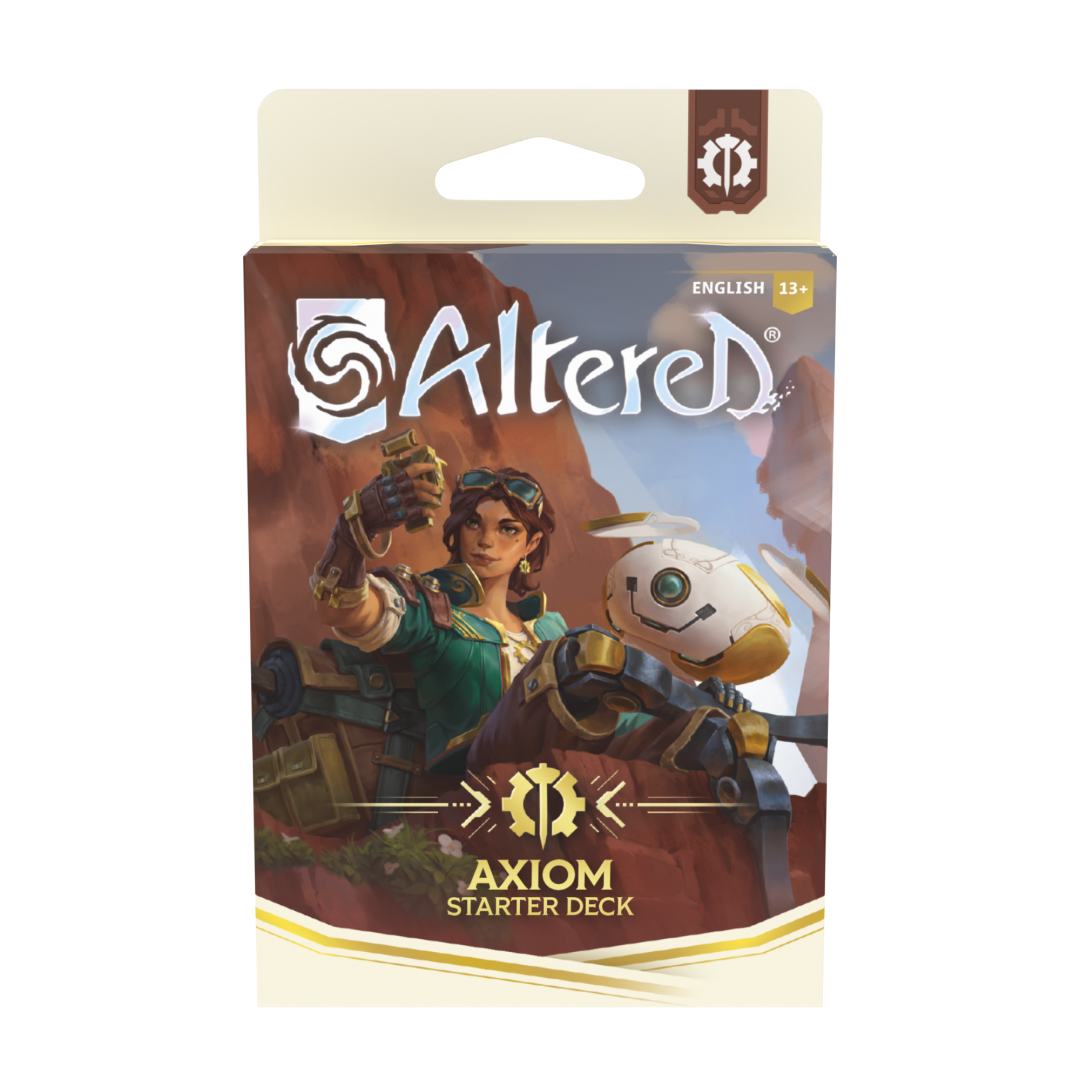
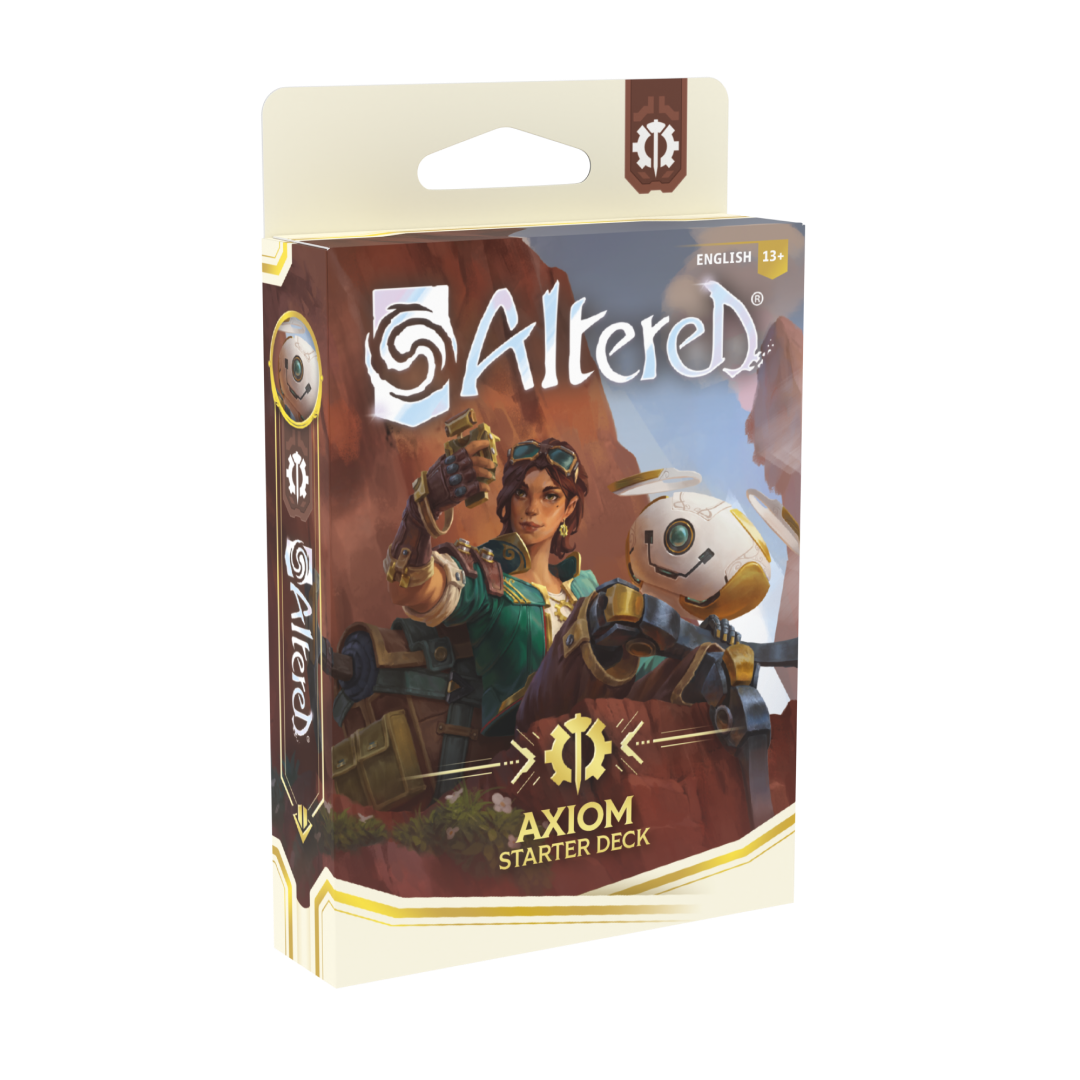
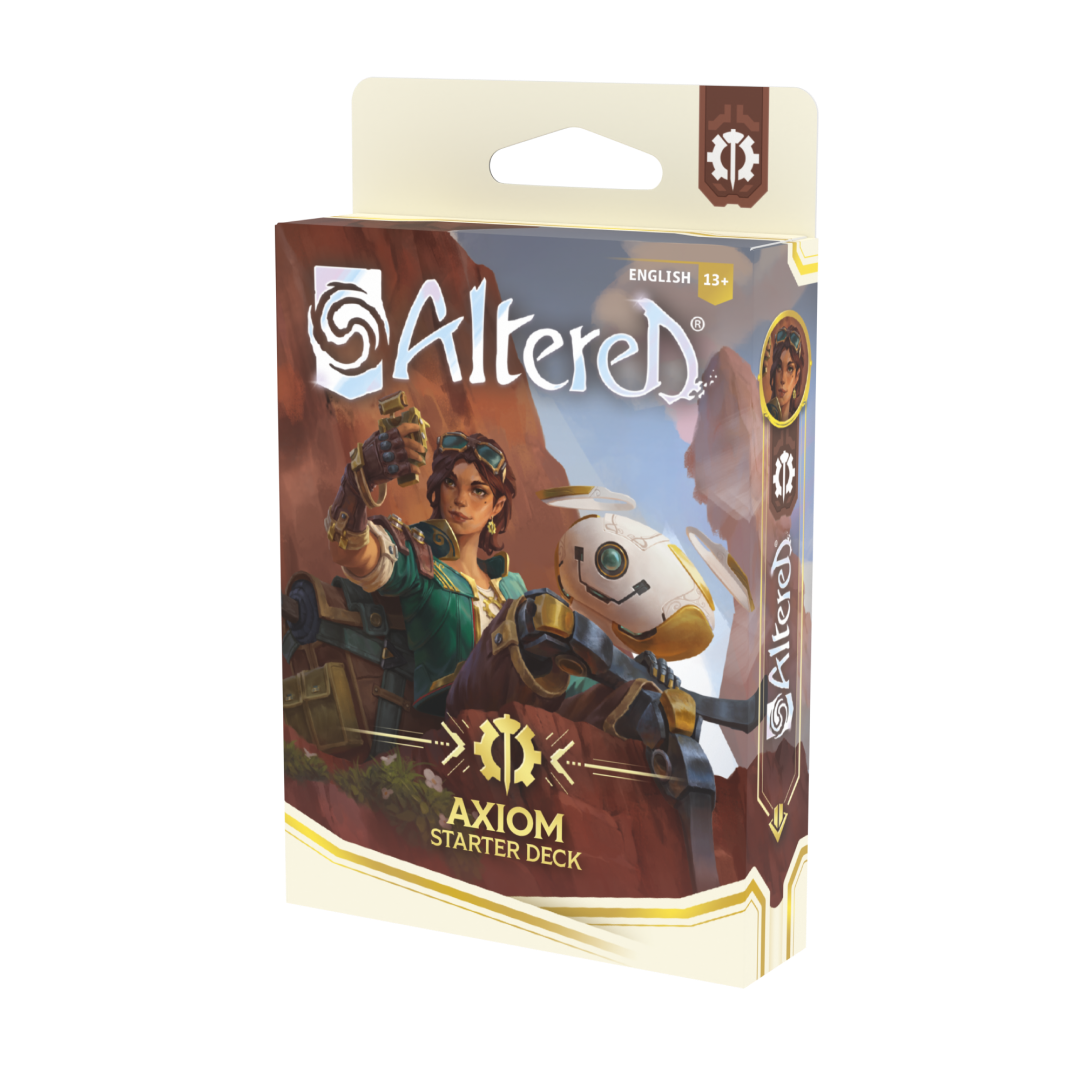
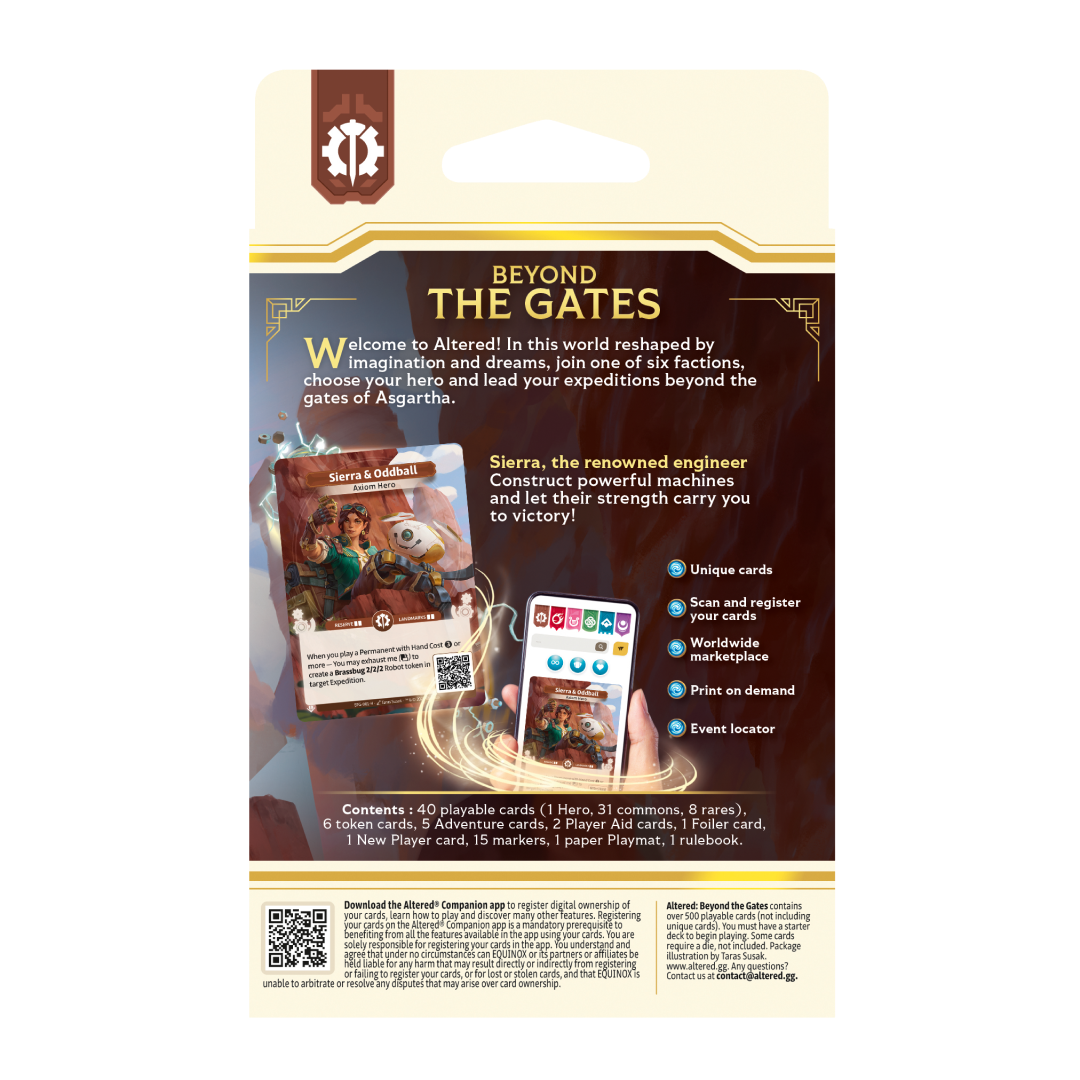
 Altered TCG Starter Deck (Individual, Any Faction)
40-card deck, 1 unique hero per faction (Axiom, Bravos, Lyra, Muna, Ordis, Yzmir). Includes tokens, playmat, rulebook. Every card has a digital ID you own forever—proxies are tournament legal.
- Lowest per-deck cost
- Phygital ownership model is consumer-friendly
- No-combat format is genuinely different
- Printed proxies are tournament legal
- You need two decks minimum to play ($22+)
- Game is early-stage; format is still settling
- No combat system alienates some players
- Smaller community than FAB or MTG
At a glance
| Game | Individual Cost | Min. for 2-Player | Cards per Deck | Format | Learning Curve | Best For |
|---|---|---|---|---|---|---|
| Flesh & Blood (Silver Age Ch. 3) | $19.90 | $39.80 | 55 | Blitz/Unlimited | Moderate | Competitive play |
| Sorcery: Contested Realm | $10 (est.) | $40 (4-pack) | 52 | 1v1, grid-based | Steep | Strategy/positioning |
| Altered TCG | $10.99 | $21.98 | 40 | 1v1, no-combat | Moderate | Puzzle play/ownership |
Questions, answered
Is a starter deck enough to actually compete?
Yes, but context matters. Flesh & Blood's Silver Age precons are tournament-legal, period. You'll lose to experienced players, but you won't lose because your deck is half-broken. Sorcery and Altered precons are learning tools that become sideboards after you've played 10 games. If you want to compete in Sorcery or Altered, buy two starter decks and build from there.
Which TCG is least likely to die in two years?
Flesh & Blood. The game has strong retailer networks on three continents and actual tournament play with monthly regional events. Legend Story Studios has built sustainable infrastructure for the game. Sorcery and Altered are younger and stable but not guaranteed. That said, both have real players and real meta games happening now.
Can I play these games solo or with one deck?
Flesh & Blood: yes, Blitz supports one player learning against a friend's precon. Sorcery and Altered: no. You need two decks minimum, one per player. The games are designed for head-to-head play.
What's the deal with Altered's digital ID system?
Every Altered card has a unique digital ID stored in a QR-code registry on secured servers, tied to your ownership. You can print a tournament-legal proxy and it counts as the real card because the ID is what matters. This solves counterfeiting and ownership disputes, and it's the first TCG to actually pull it off.
Which one should a total beginner buy?
Flesh & Blood Silver Age, no question. Simplest rules, fastest games, most stable format, and your deck is legal for tournaments. If you want to learn with a partner, Sorcery's 4-pack is designed for that. Altered is the pick only if you hate combat mechanics and want phygital ownership.
Are these decks good investments?
Flesh & Blood: yes, if you hold them sealed for two years. Silver Age cards hold value. Sorcery and Altered: no. Both are growth-phase games. Card values are unstable, and the meta is still being written. Buy them to play, not to hodl.
Dax's verdict
The TCG space in mid-2026 is healthier than it's been since the early 2000s. Three games, three different philosophies, all shipping real products and growing real communities. Flesh & Blood wins on execution and stability—the deck works immediately and the format doesn't change. Sorcery and Altered are the bets on different kinds of play, and they're both worth a shot if you're bored with direct combat. None of these games is a trap for a new player willing to invest $20–$40 and learn the rules. The question isn't whether they're good—they're all solid. The question is which one's philosophy feels right to you. That's the actual choice.
Research ledger 9 sources · reviewed 2026-08-10
Specifications, rules, current product information, community experience, and contrary evidence were checked against the sources below. Commercial links are kept separate from editorial evidence.
- fabtcg.comfabtcg.com/products/product/silver-age-chapter-3
- bruteforcemtg.combruteforcemtg.com/catalog/flesh_and_blood_tcg_sealed-flesh_and_blood_blitz__starter_decks/2572
- amazon.comamazon.com/dp/B0CQMJ3NGZ?tag=puzzlewick-20
- altered.ggaltered.gg/en-us/products/starter-decks
- shop.fabricatorsforge.comshop.fabricatorsforge.com/products/altered-tcg-starter-decks
- sorcerytcg.comsorcerytcg.com/news/beta-preconstructed-decks-available-now
- athlonsports.comathlonsports.com/collectibles/best-tcg-starter-decks-beginners-2026-yugioh-pokemon-more
- gminsights.comgminsights.com/industry-analysis/trading-card-games-market
- Community research index: r/tcg discussions about Best TCG Starter Decks: Flesh & Blood vs Sorcery vs Alteredreddit.com/r/tcg/search/?q=Best%20TCG%20Starter%20Decks%3A%20Flesh%20%26%20Blood%20vs%20Sorcery%20vs%20Altered&restrict_sr=1&sort=top
I'll be honest with you — flattery is boring.


Keep exploring
The next smart rabbit holes.
✧ Universe HubAnime & New-Wave TCGs: the whole buying pathBeyond Magic and Pokémon, a new wave of trading card games has gone mainstream — One Piece, Yu-Gi-Oh!, Dragon Ball, Digimon, Weiss...🂠 Topic PathTrading Card Games: compare the whole shelfStart with the game and community you want, then buy the smallest product that lets you test it properly. These guides separate...How-ToYu-Gi-Oh TCG 2026 Starter Sets & Beginner Decks: Play Your First DuelTwo starter routes, two tutorial options, and one afternoon to learn the fundamentals. Start here before buying random Yu-Gi-Oh boosters...