The Best 2-Player Board Games of 2026, Ranked
Fifteen duels for two, sorted into hard tiers — the forever-game, the silent co-op, the giant-killers under twenty bucks, and the honest catch on every single one.


Written and reviewed by Robert Pruitt · how this guide was made
Last editorial refresh: 2026-06-21 Gold-standard QA: 2026-07-17 8 sources reviewed Affiliate links checked during gold-standard pass

The short answer
Buy 7 Wonders Duel (~$30). It's the one I hand people when they say "we only ever play with each other" — a half-hour drafting duel where three different ways to win are live at once, and you'll still be finding new lines on your fiftieth play. But if your table would rather win together than grind each other down, get Sky Team (~$20), the silent plane-landing co-op that took 2024's Game of the Year — and if you're buying for a partner who swears they hate board games, Patchwork (~$25) is the cozy little quilt-builder that disarms them and then quietly hooks them.
Decision map
Choose in thirty seconds
Pairs who want one forever-game, and gateway graduates ready for real strategy
Couples who'd rather win together than beat each other
Non-gamer partners and mixed-skill pairs who want depth without conflict
I've spent more years than I'll admit across a table from one other person, and I've learned that two-player games are their own strange, intimate art. There's nowhere to hide. No third player to soak up an attack, no alliance to broker, no kingmaker to blame. It's just you, them, and a knot of decisions getting tighter every turn. The great ones make that closeness the whole point.
So I sat down with the fifteen I keep coming back to — plus the deep-end monsters I only break out for the committed — and sorted them into tiers with no hedging. S-tier is "buy it tonight." A-tier is "you'd be lucky to own any of these." B-tier earns its spot but carries an asterisk I'll name out loud. Every entry gets the discovery, the hot take, and the honest catch, because a ranking that won't tell you what's wrong with its own picks isn't worth the pixels. Here's where they all land, and exactly who each one is for.
Start here, then go deeper
You are in the right cabinet.
 ⚔ Topic PathTwo-Player Board Games: compare the whole shelfThe best two-player game is designed around the duel rather than merely tolerating two people. This path separates sharp...
 Best OfBest 2-Player Card Games for Couples (2026)Okay but have you SEEN what couples keep saying about this? The ten card games that actually stay on the shelf — the ones that pull...
 ComparisonThe Best Family Board Games of 2026, Ranked (Kids + Adults Together)One table, three generations, zero meltdowns — the games that make a 7-year-old and a tired grown-up scheme against each other and both...
What's the single best 2-player game, and why is it 7 Wonders Duel?
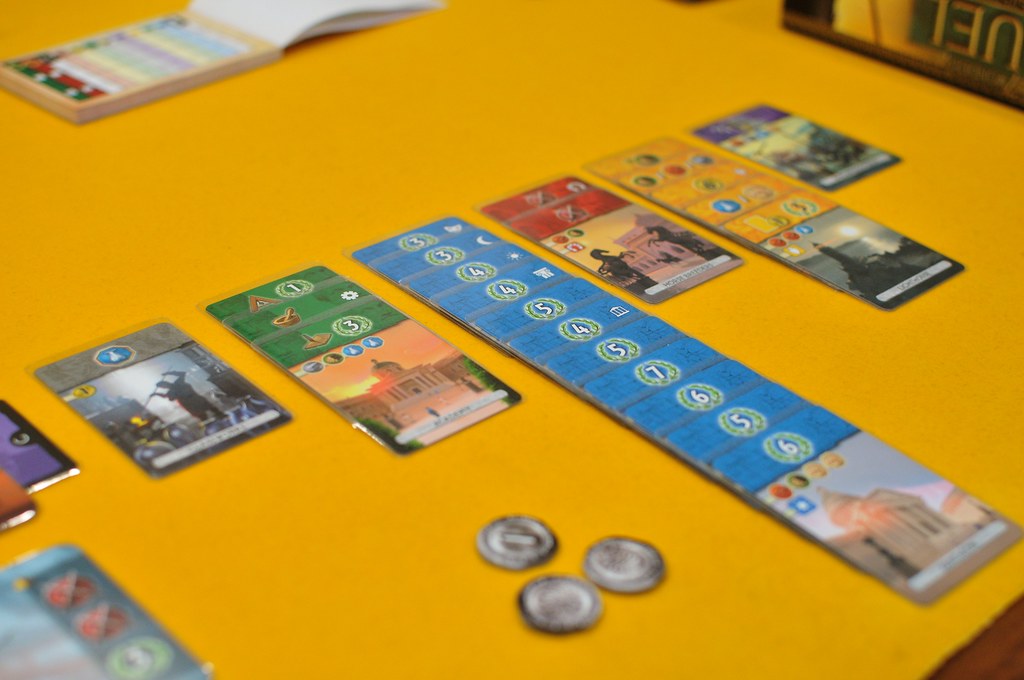

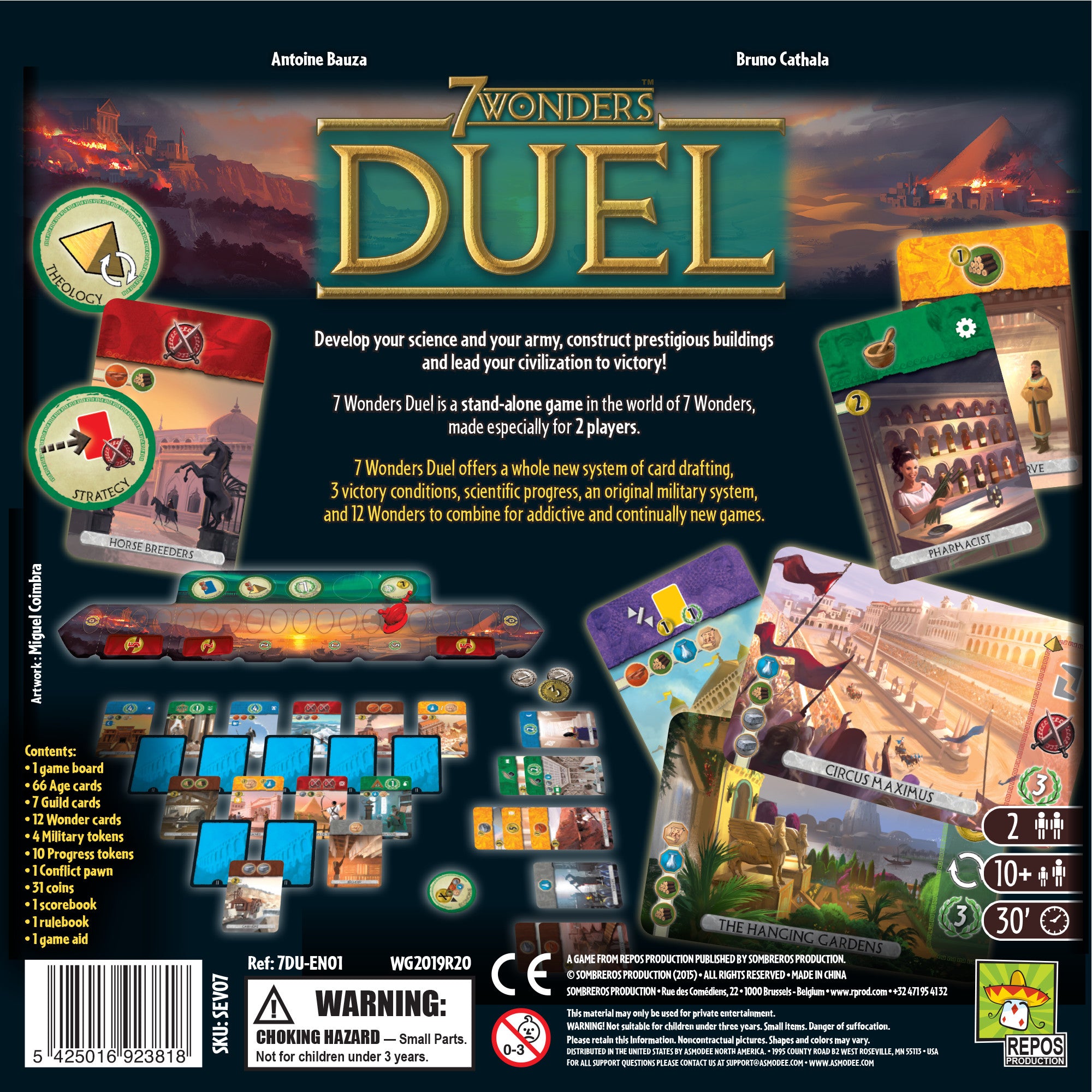
Let me not bury the lede I already gave you. 7 Wonders Duel is the closest thing this hobby has to a default answer, and it earned that the honest way — by being better than everything around it for fifteen years and counting.
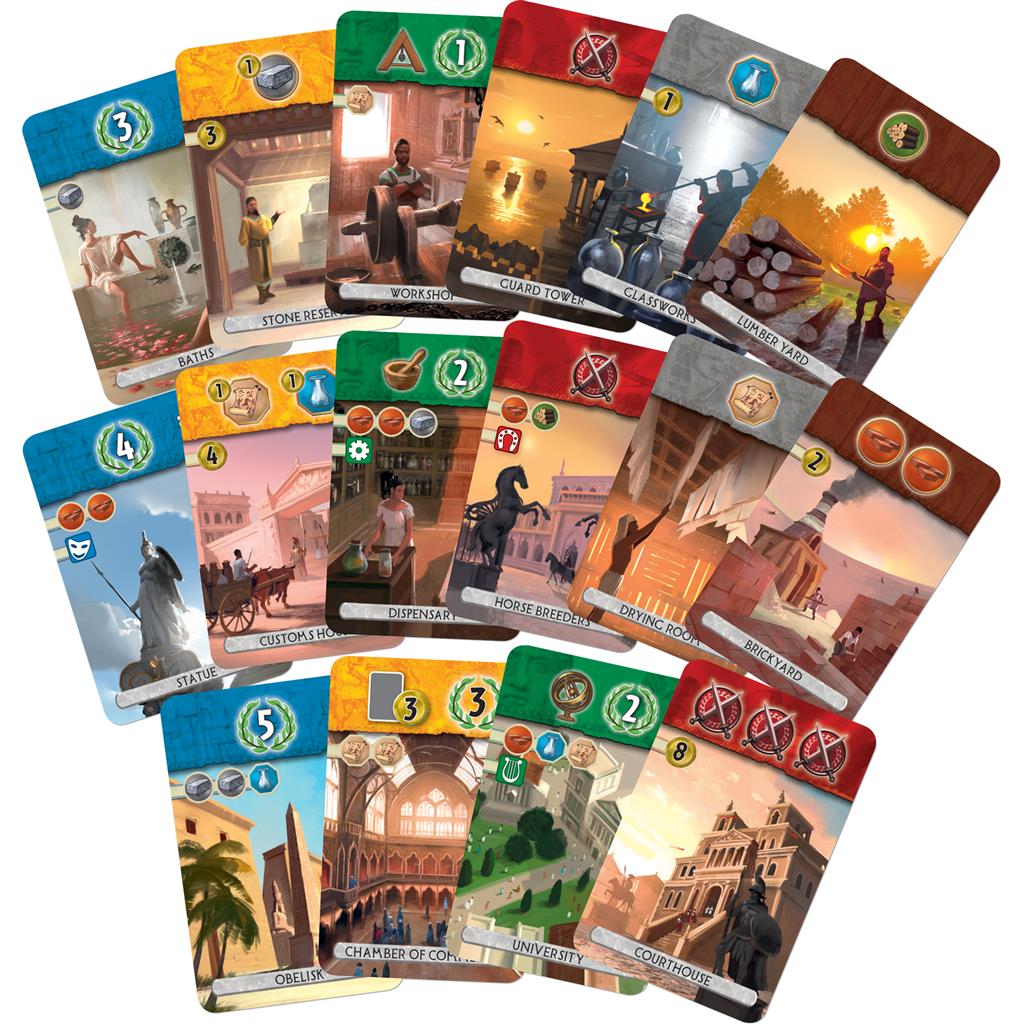
Here's the engine of it. You and your opponent draft cards from a shared, overlapping tableau, and the cruelty is built into the geometry: every card you take is a card you've just denied them. There's no neutral pick. And while you're agonizing over that, three separate win conditions are running at once — straight victory points, a military track that can rout you off the board, and a science track where collecting six symbols ends the game on the spot.
That's the magic and the menace. You can be quietly building a gorgeous point salad and lose in an instant because you weren't watching the other two tracks. The eternal question — 'do I take the card I want, or the card they need?' — is the entire game, and it never stops being delicious.
It's a quiet, heads-down think, not a laugh-riot. But for two people who want one box to last a lifetime, this is it.
There's no neutral pick. Every card you take is a card you've just denied them — that's the whole game in one sentence.
Compete or cooperate? Sky Team and the case for winning together

Not every two-player night should end with someone gloating and someone sulking. If your table runs hot when the competition gets personal, the answer isn't a better fight — it's a shared one.
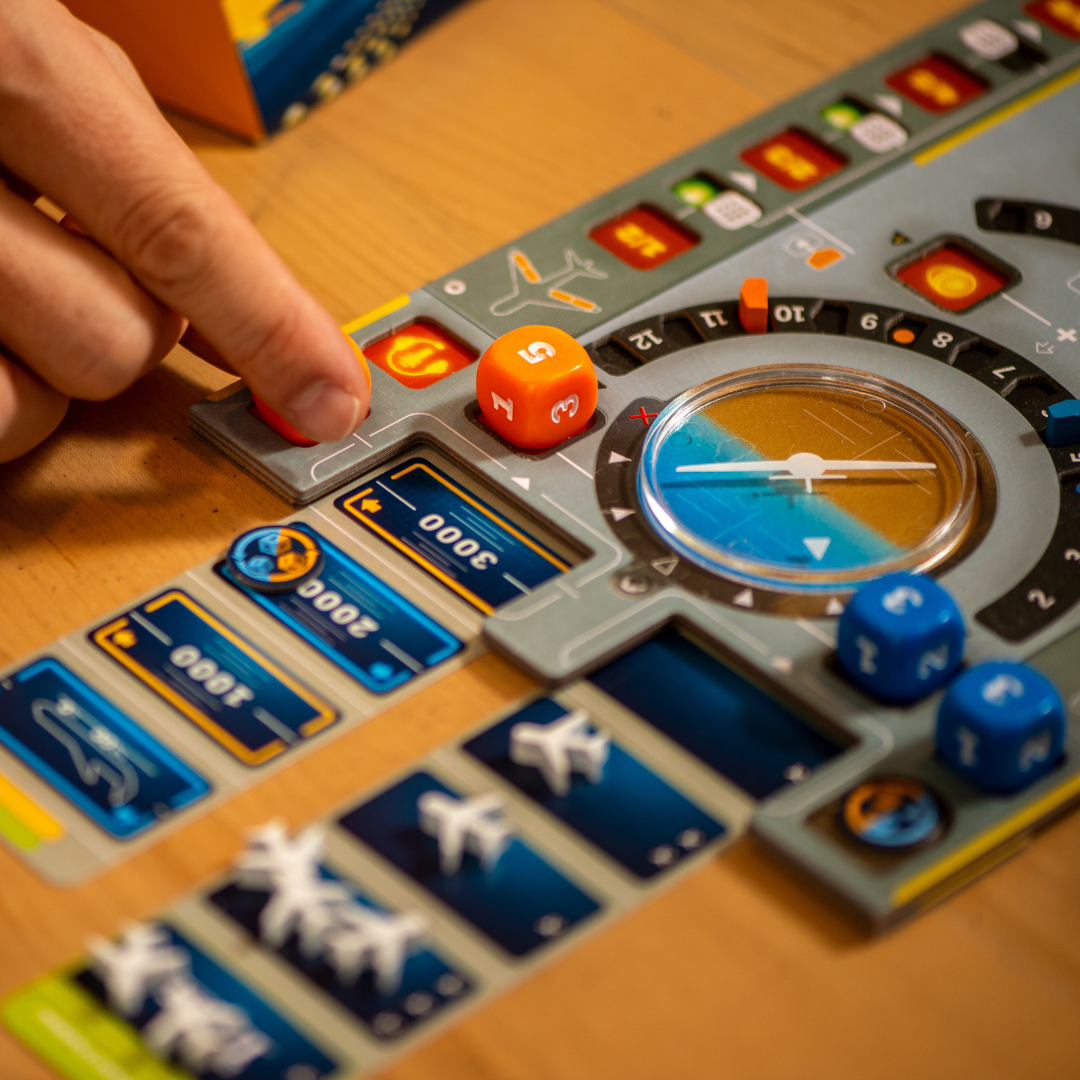
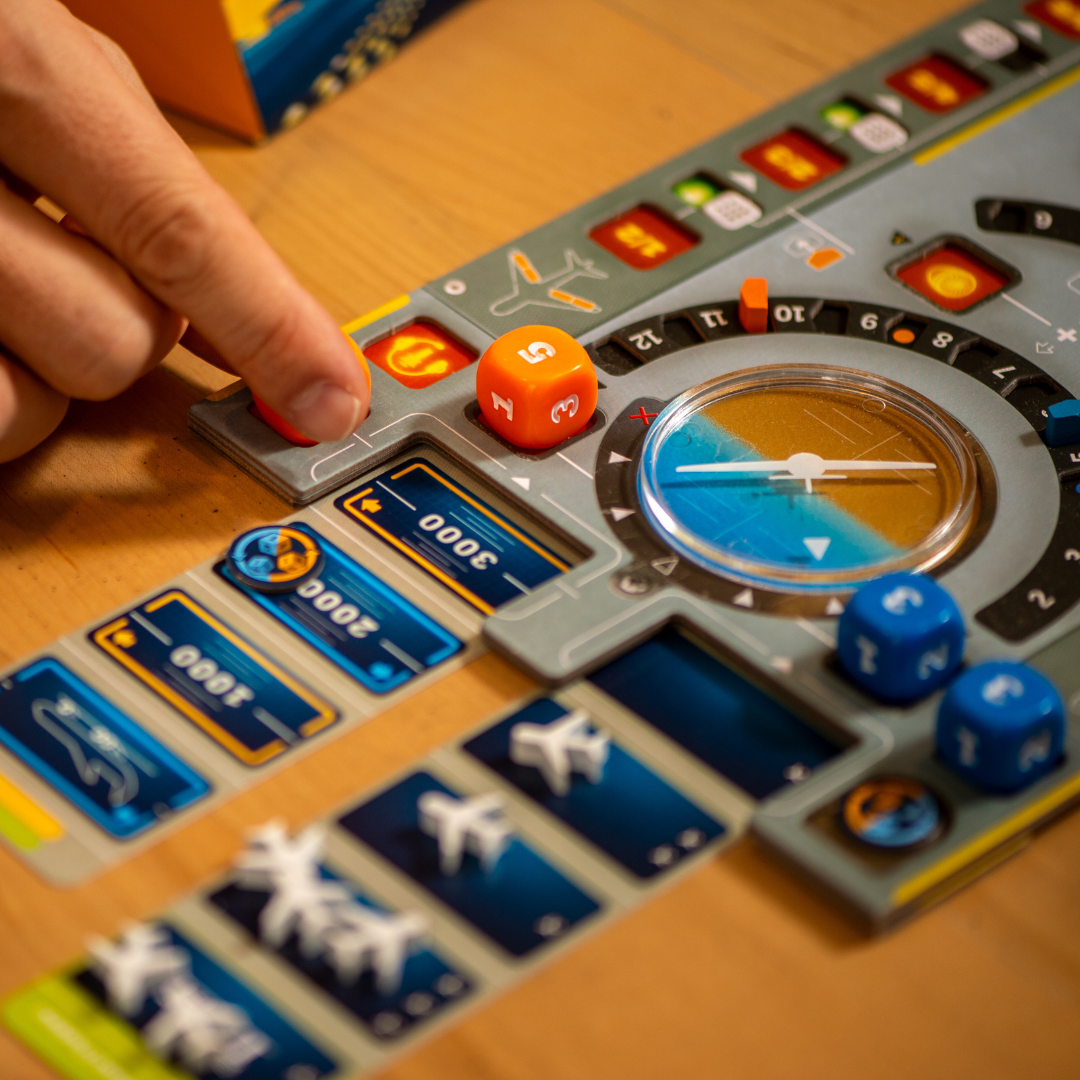
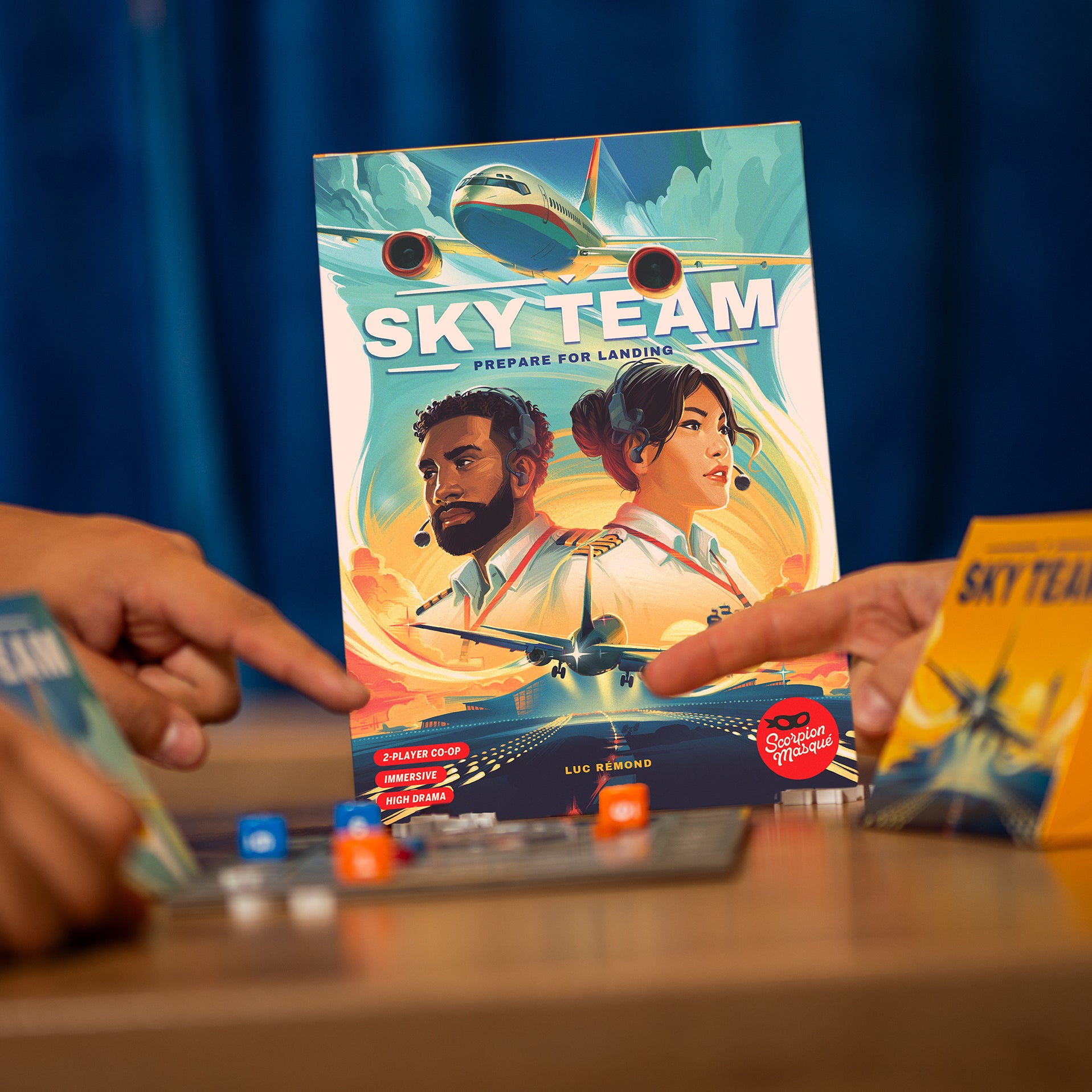
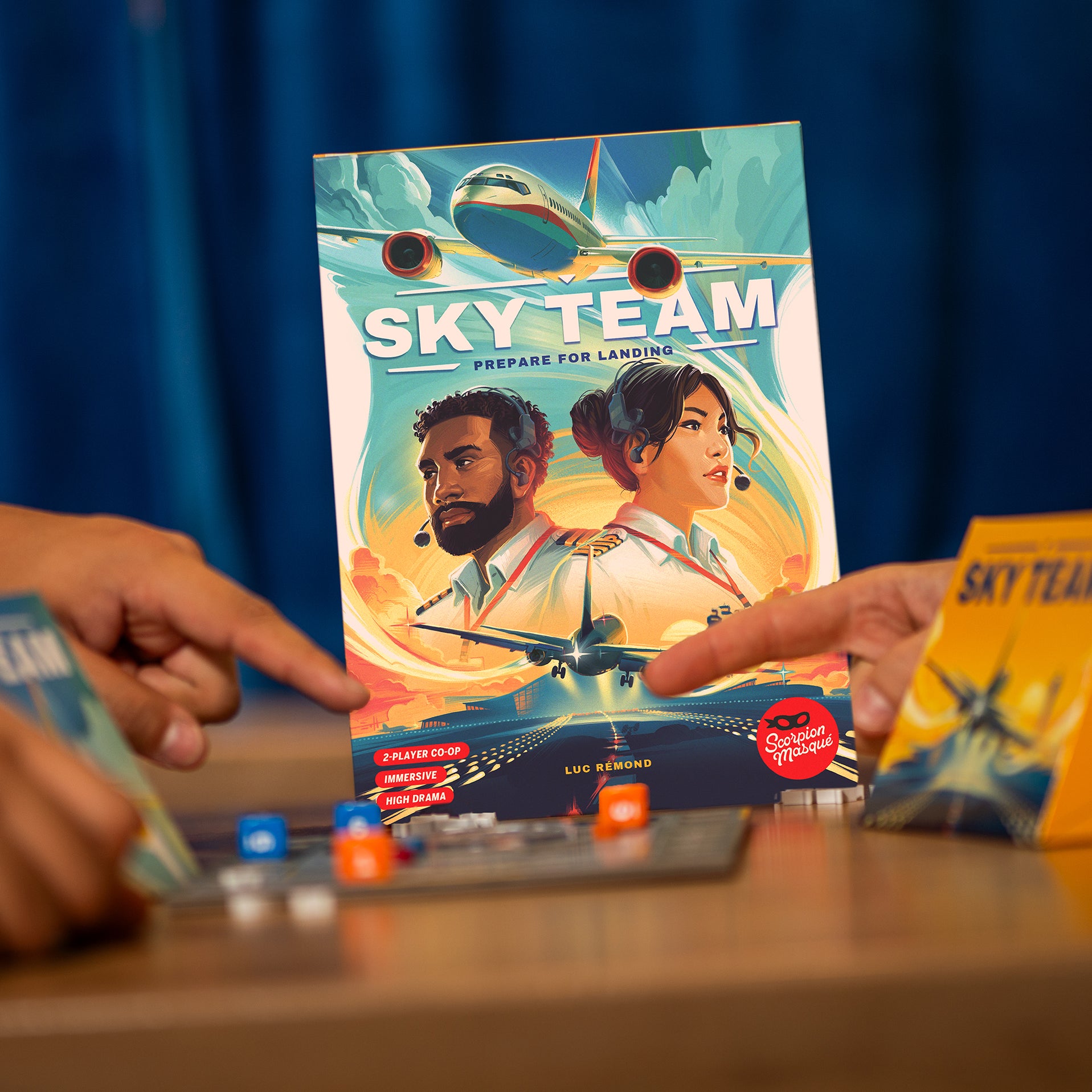
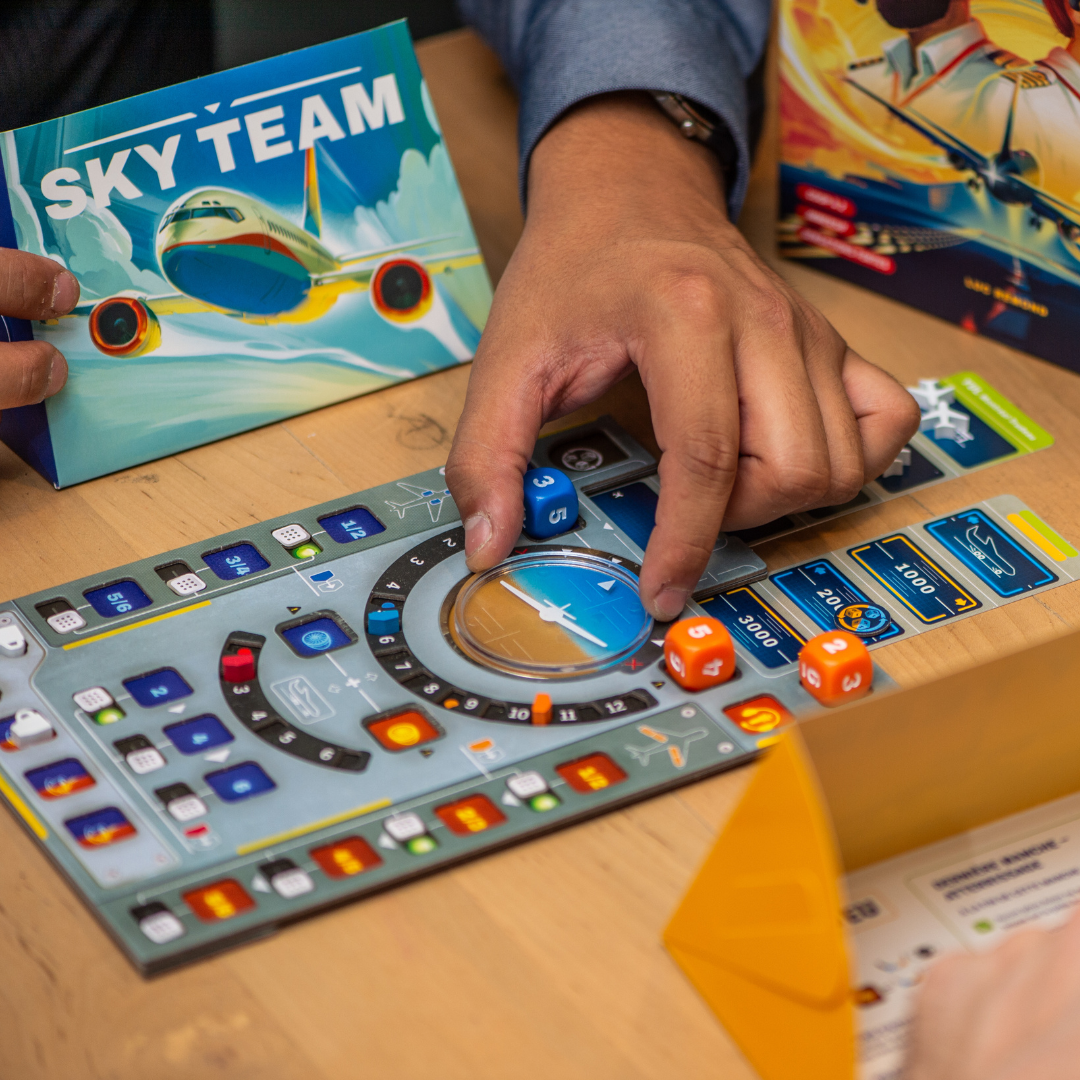
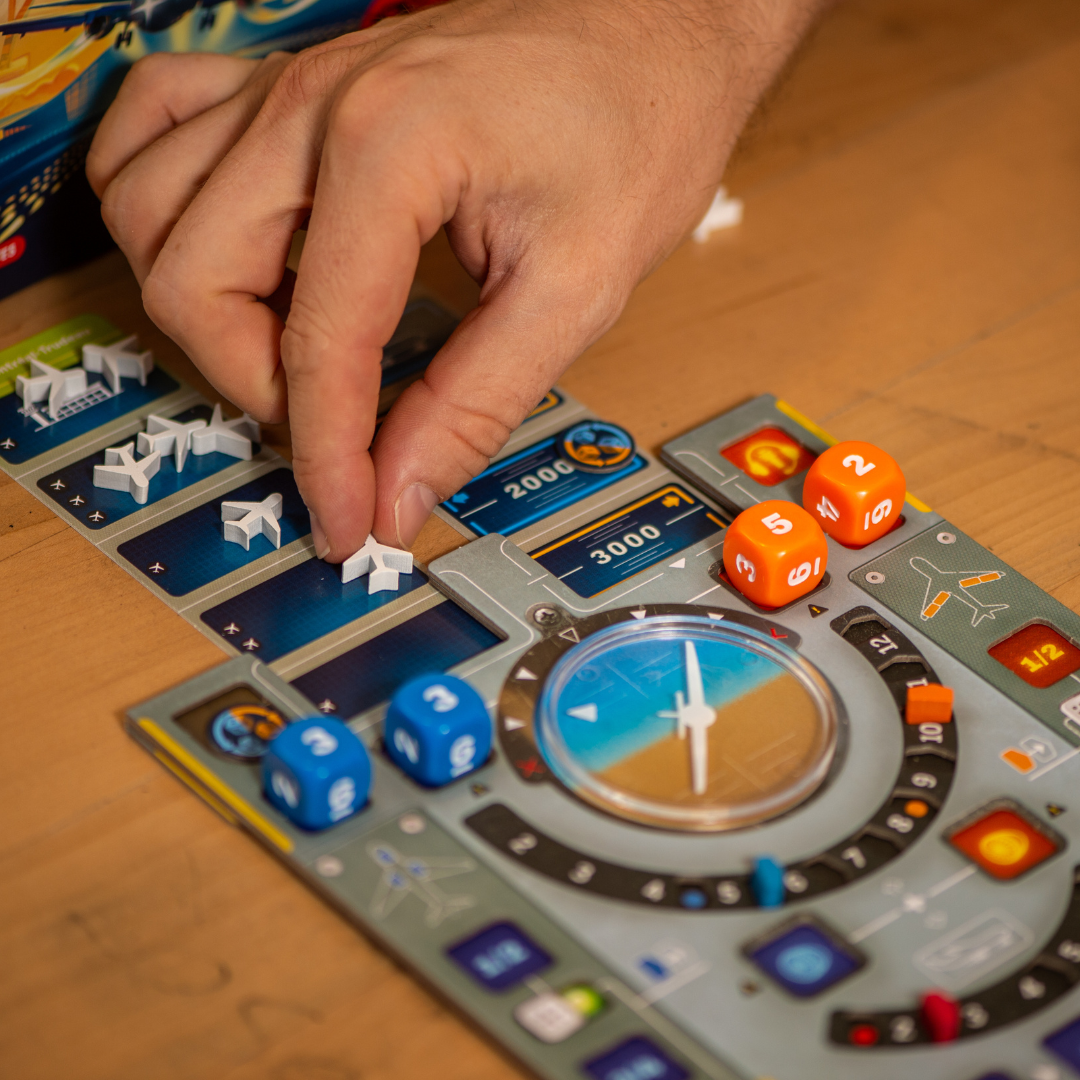
Sky Team is the best two-player co-op I've ever put on a table, and the trophy case agrees: it took the 2024 Spiel des Jahres, the overall Game of the Year, beating a field of much heavier games. You and your partner are pilot and co-pilot landing a plane, silently slotting dice into the cockpit's altitude, brakes, flaps, and landing gear. Fifteen tense minutes, twenty-one real-airport scenarios, and one rule that turns it from a puzzle into something close to telepathy: you cannot talk.
That silence is the design. You learn to read your partner's hesitation, to infer from which dice they're holding back what they must be planning. It's the rare game that gets more intimate the better you get at it.
Want a co-op that's all words instead of dice? Codenames Duet rebuilds the party smash as a tense two-hander — you each see a different key card, so you trade one-word clues to find fifteen agents before the timer or the assassin gets you. Different brain, same joy of winning as a team.
You cannot talk. That silence isn't a gimmick on top of the game — it IS the game.
What should you buy for the partner who 'hates board games'?
We all know one. The partner who folds their arms when the box comes out, who calls strategy games 'homework.' I've converted more of those than I can count, and the secret weapon is almost always the same gentle little Trojan horse.
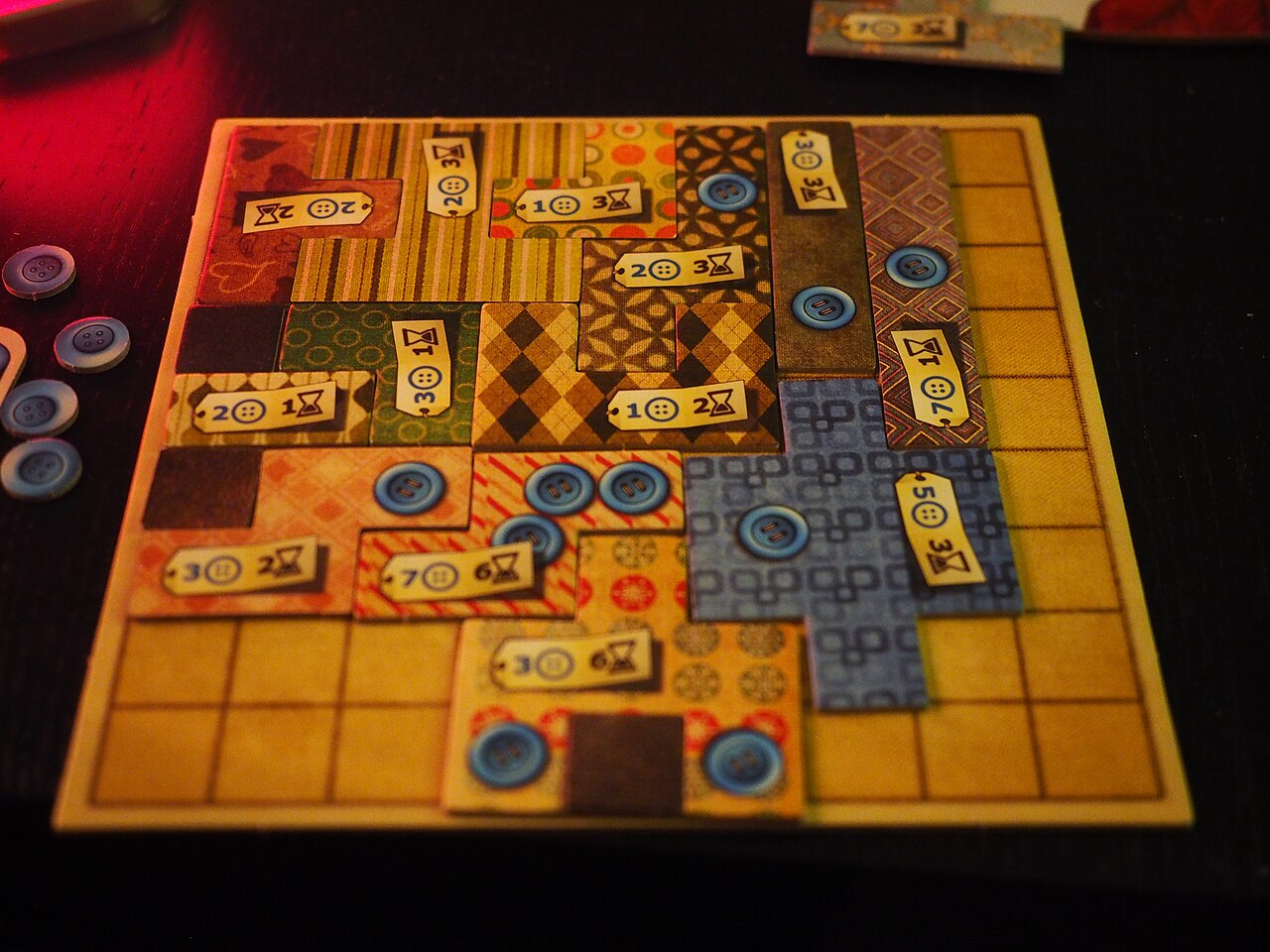
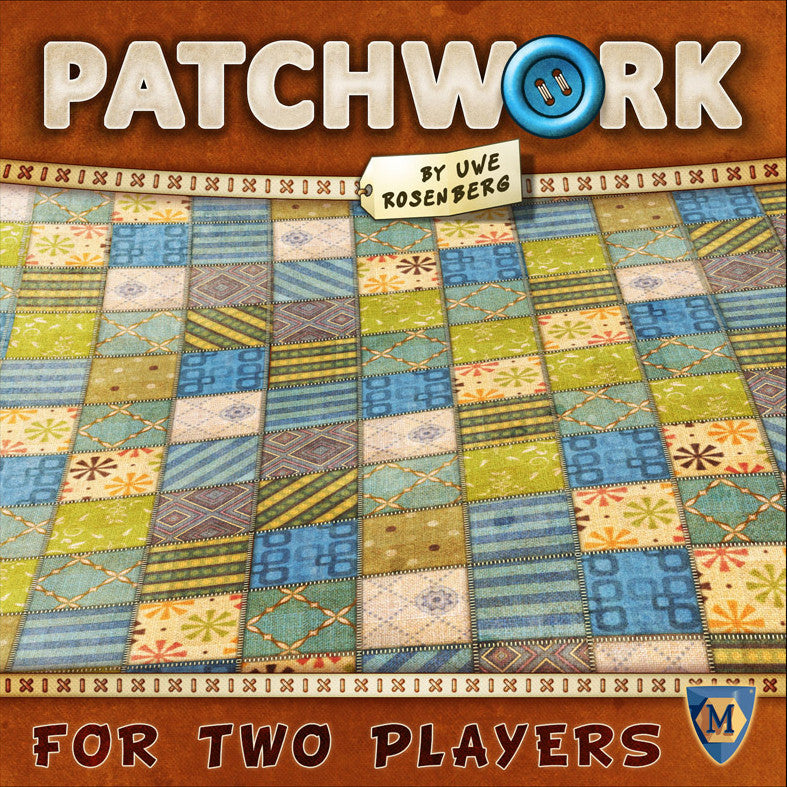
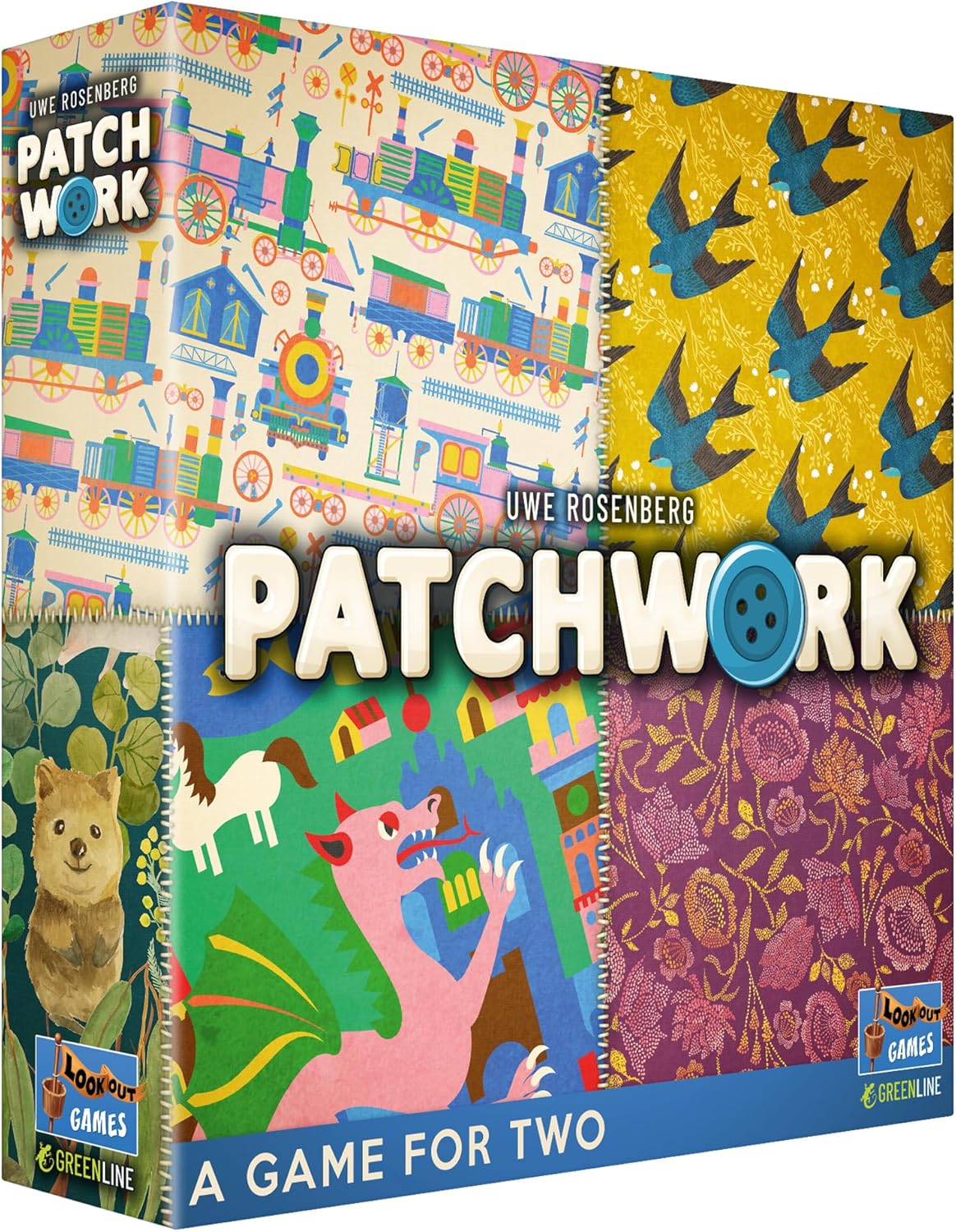
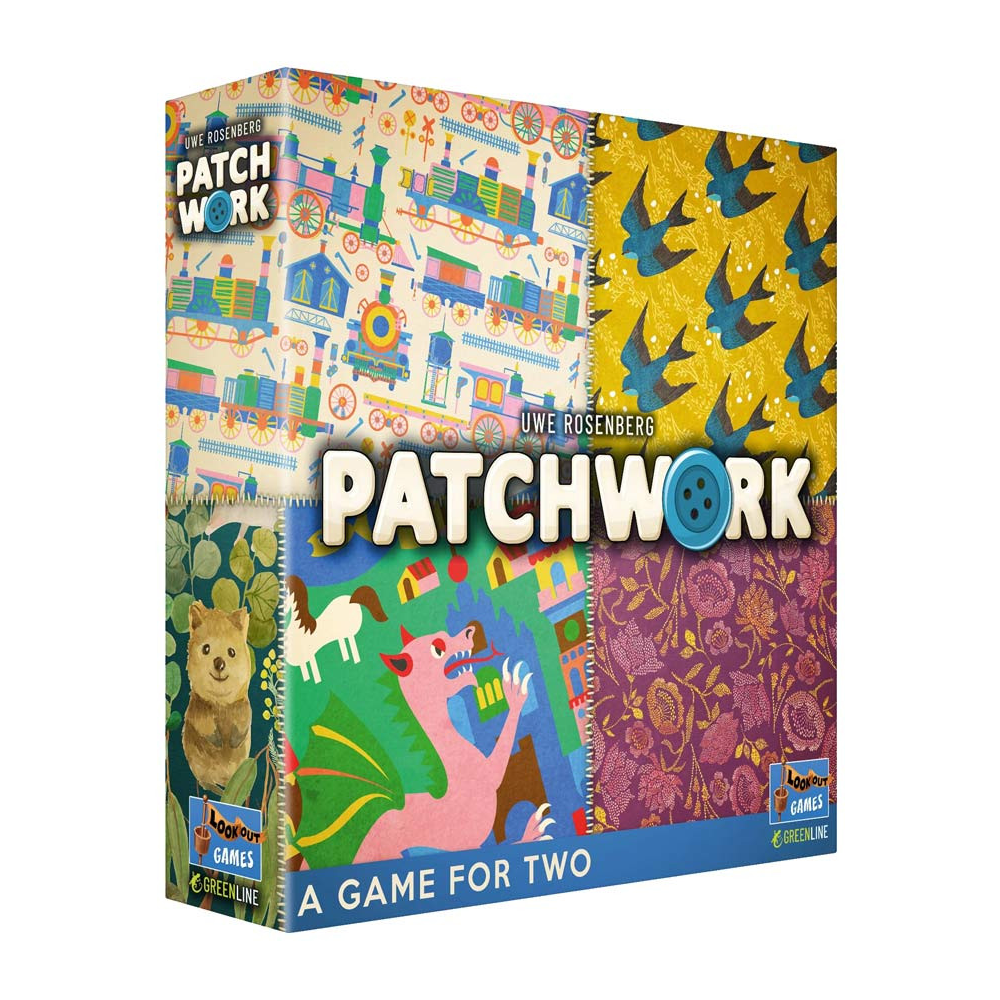
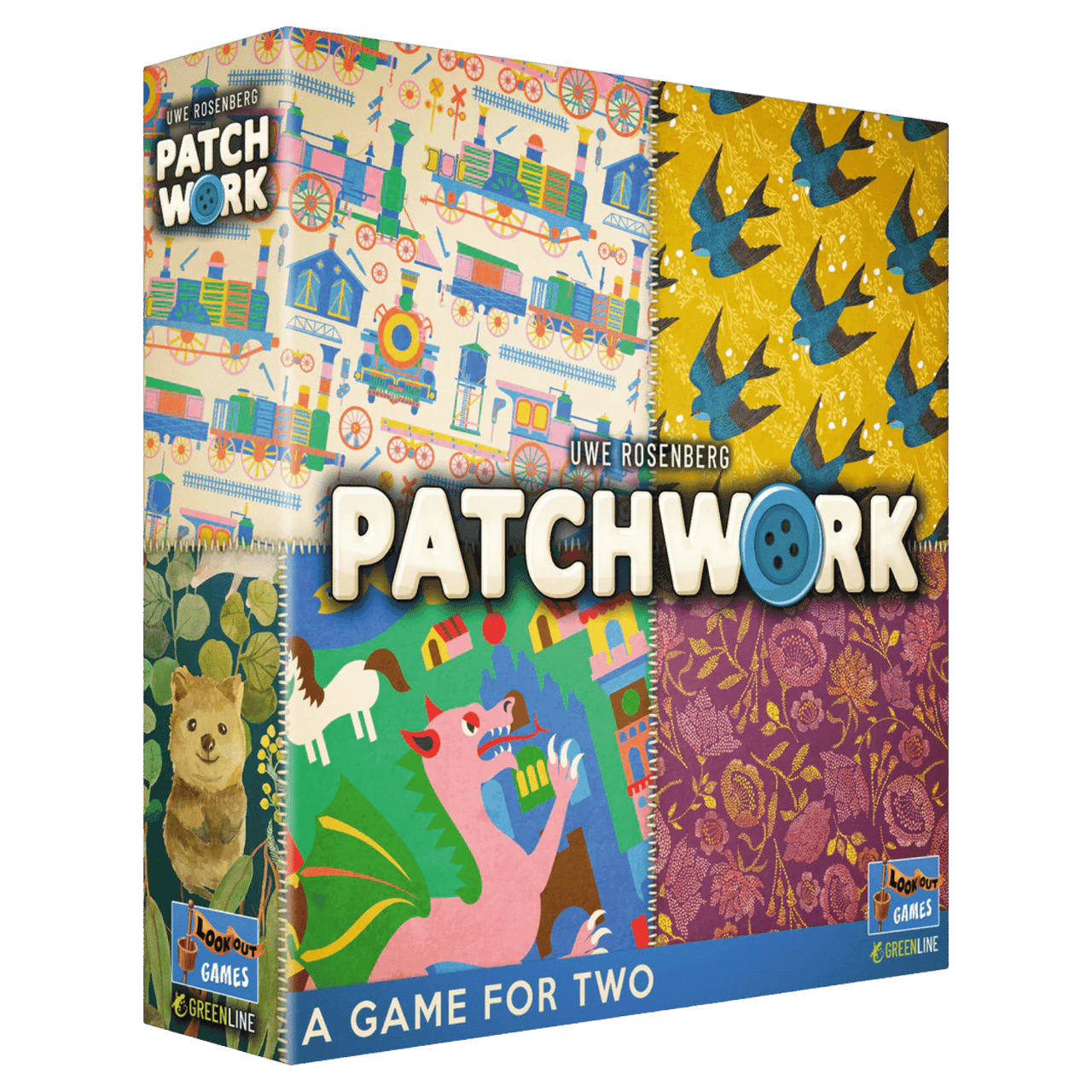
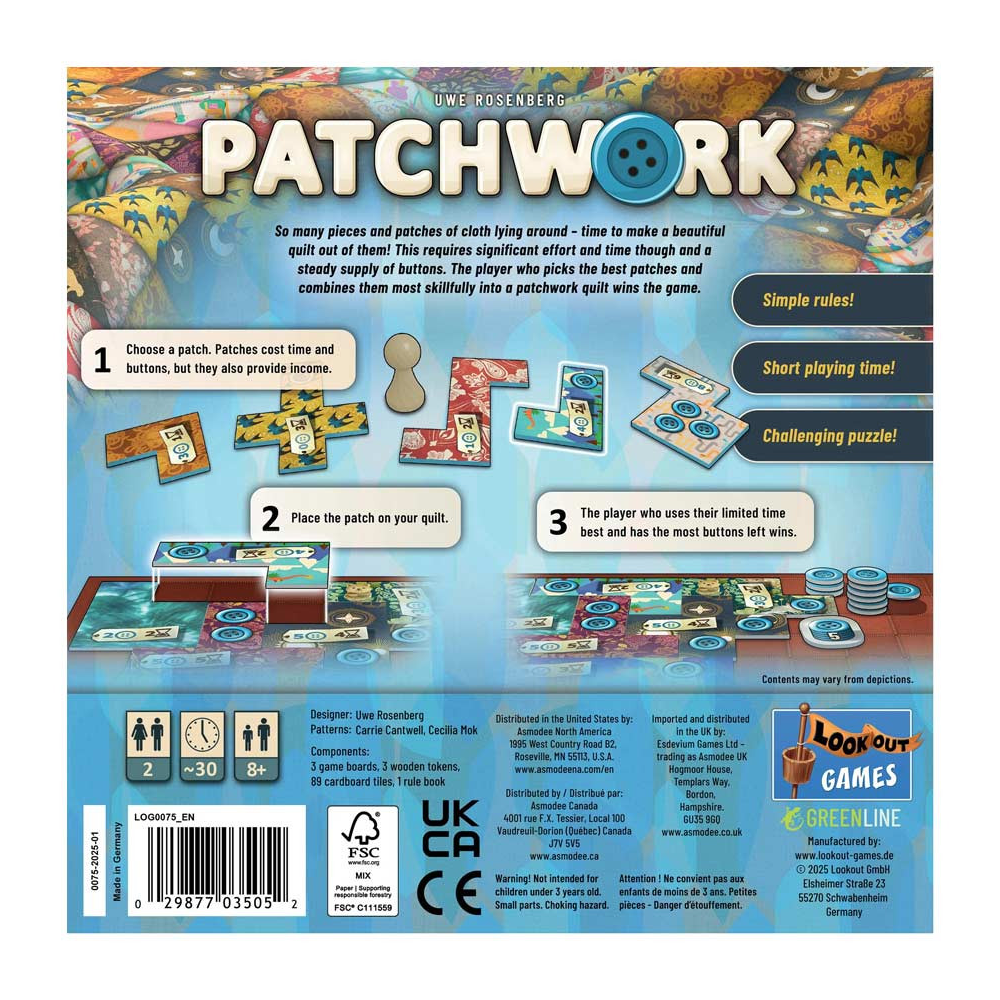
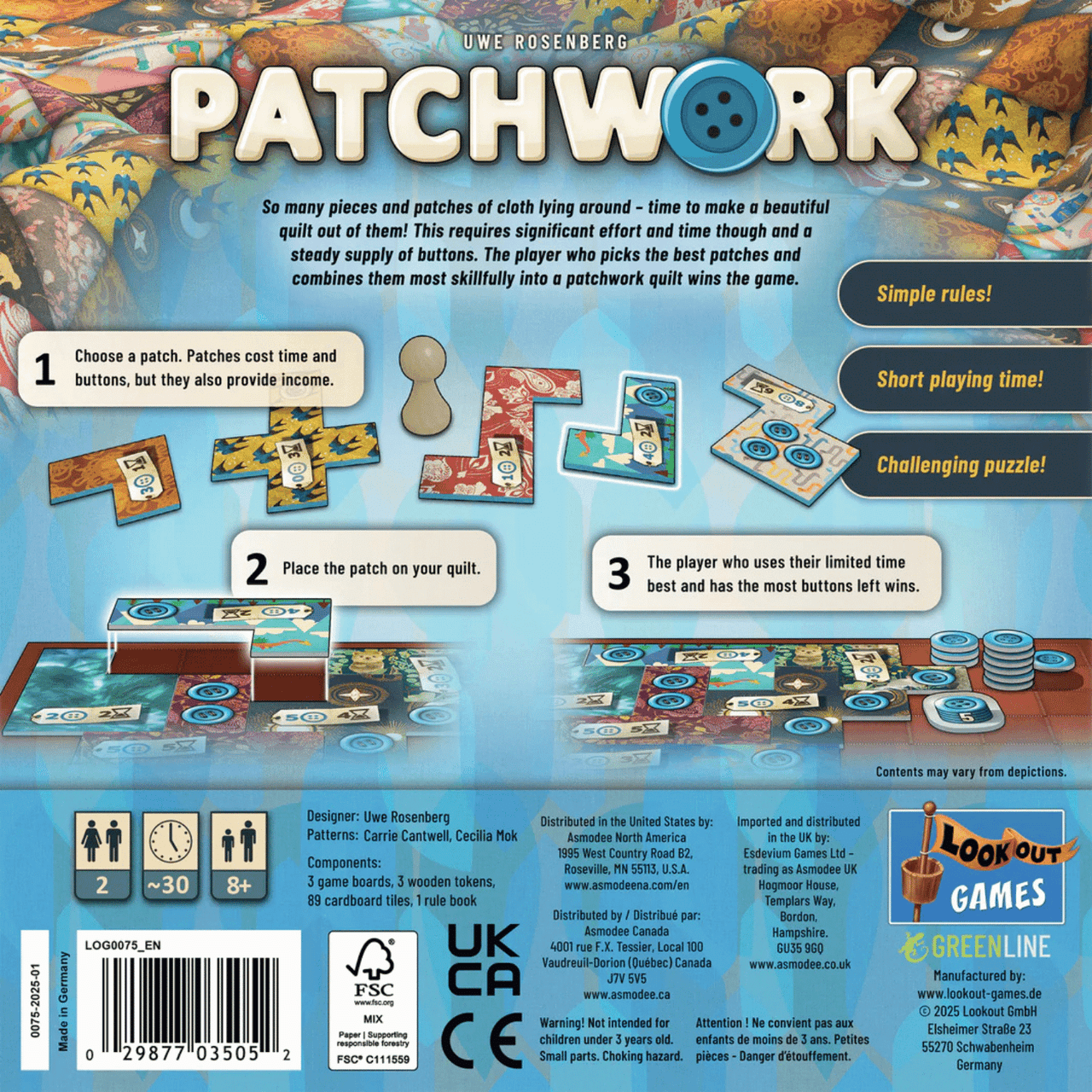
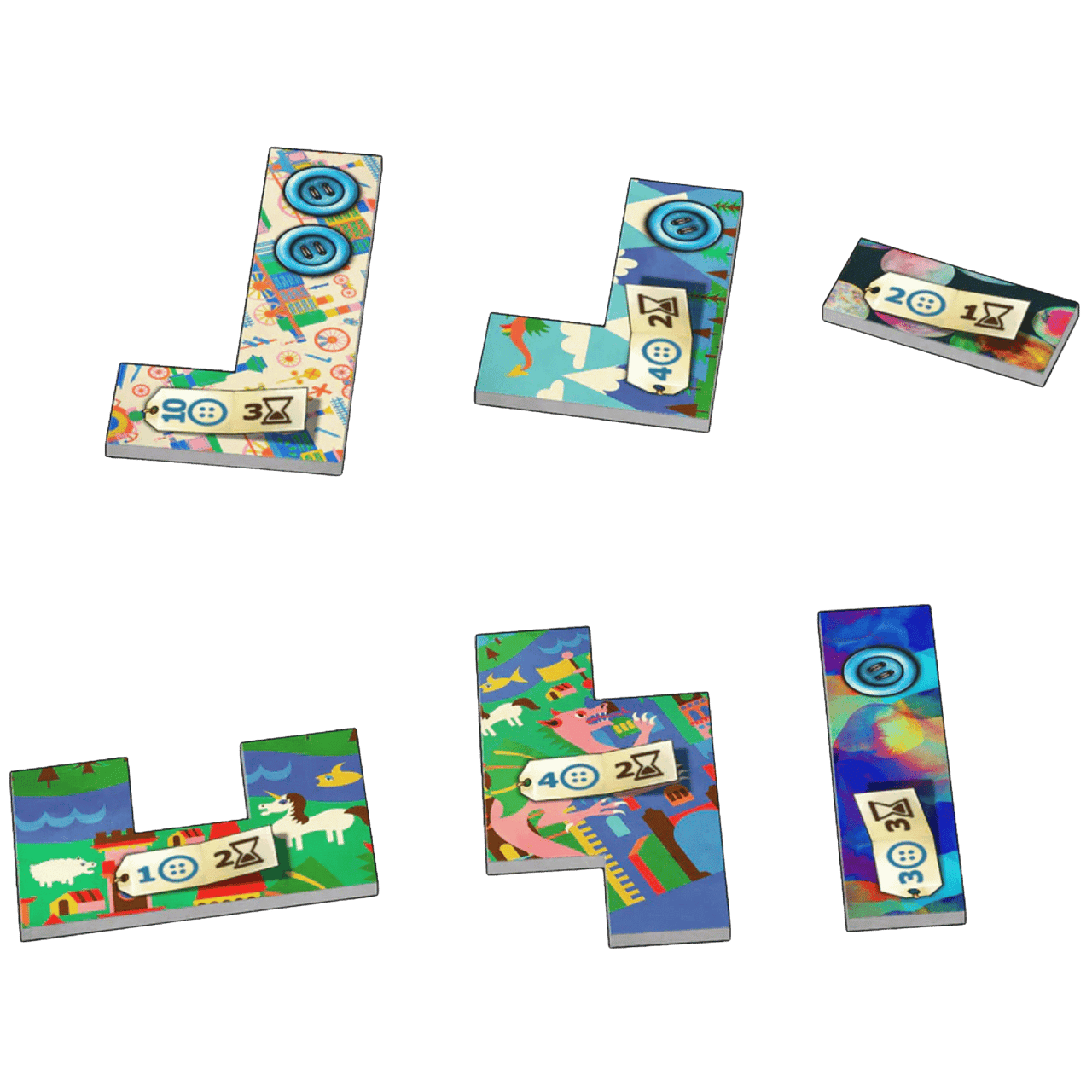
Patchwork is the disarming gateway, full stop. Uwe Rosenberg wrapped a genuinely clever puzzle in the coziest possible theme: you're buying Tetris-shaped scraps of fabric for buttons and fitting them onto a 9x9 quilt, racing a shared time track. Nobody feels attacked. Nobody's pulse spikes. And then, three turns in, they realize they're thinking hard and having a wonderful time, and you've got them.
Shut Up & Sit Down nailed why it works — they called it 'perfectly engineered for just two players, no more and no less,' a design where every turn is intimately wired to everything else. It looks like a craft project. It plays like a knife fight with very nice manners.
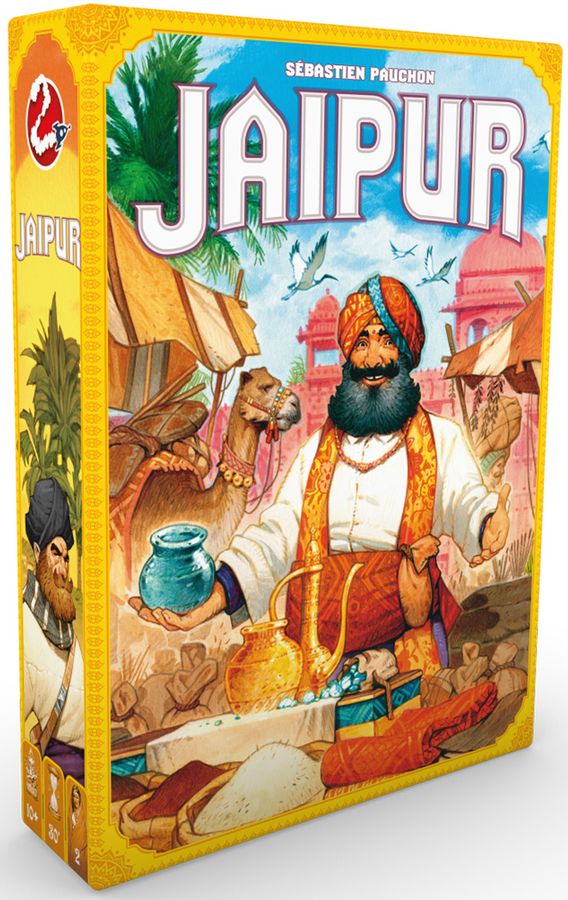
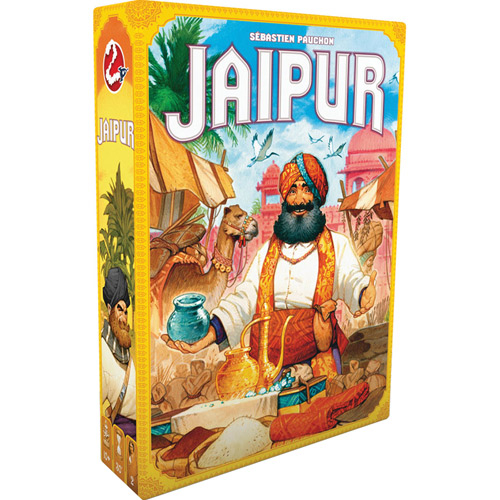
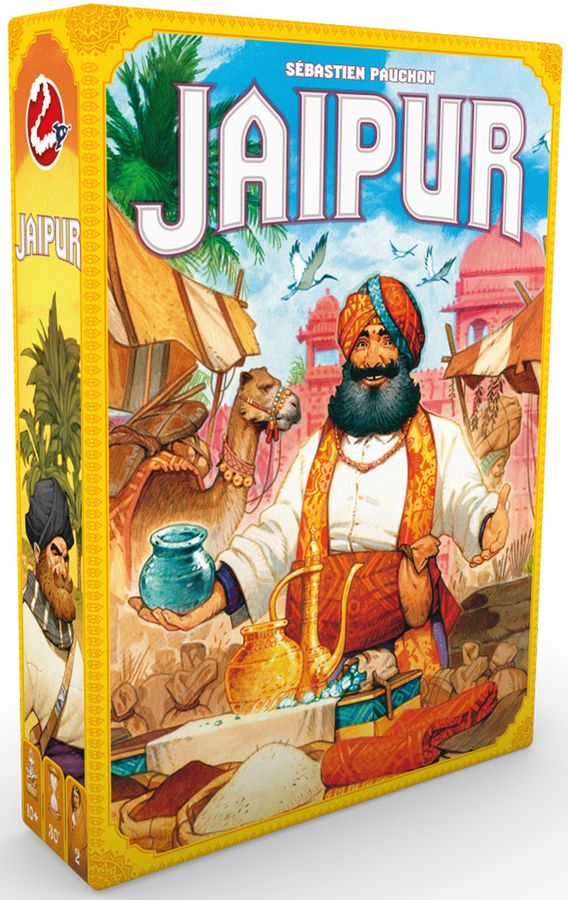
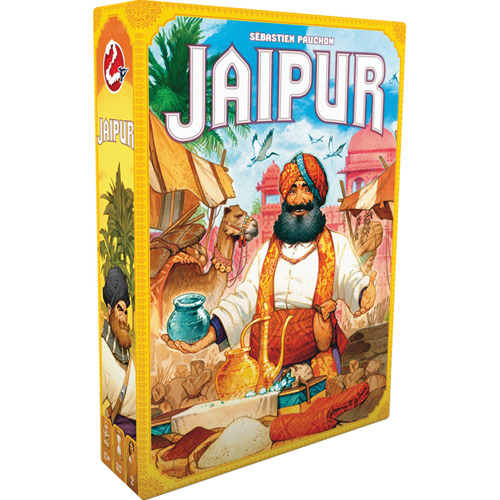
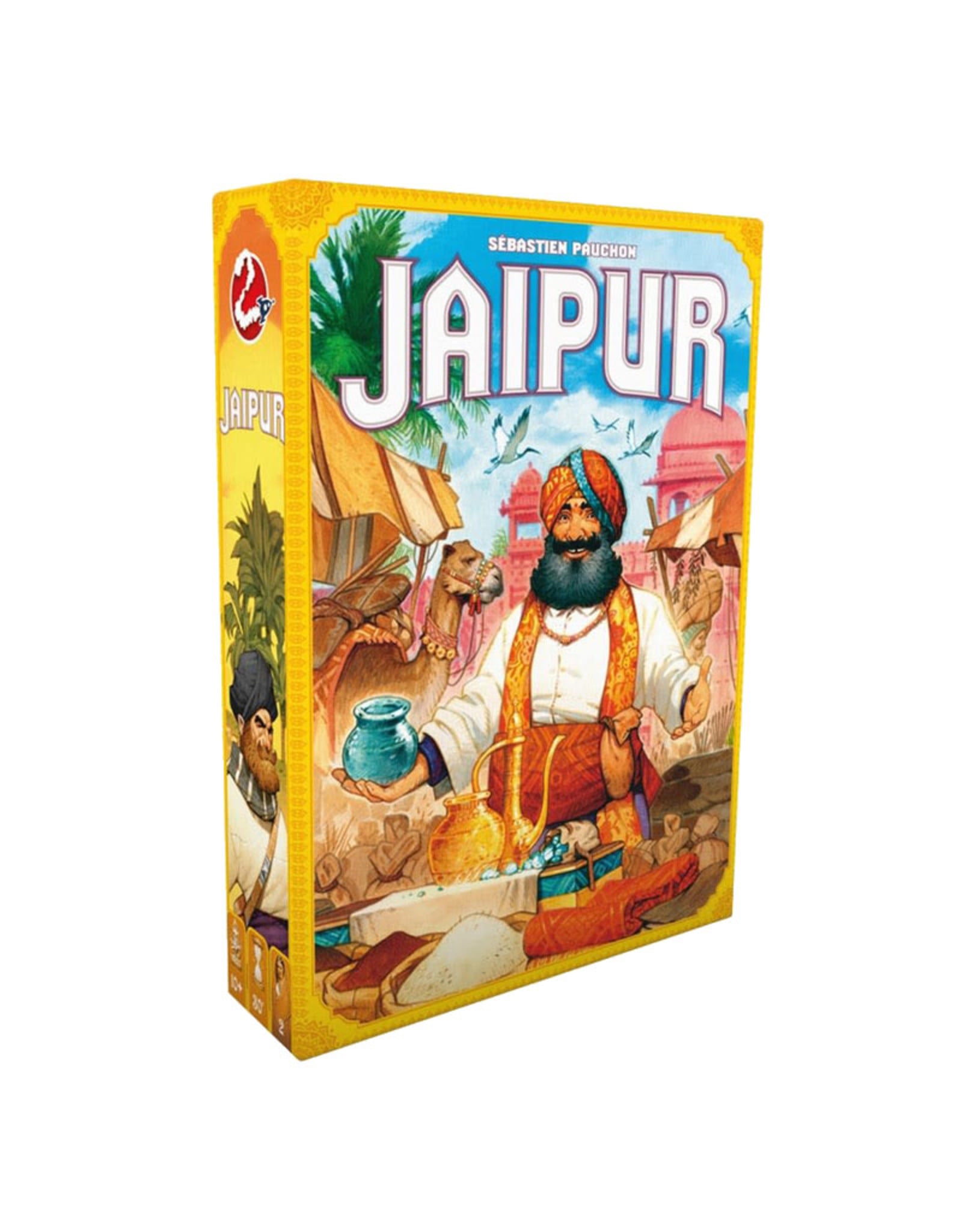
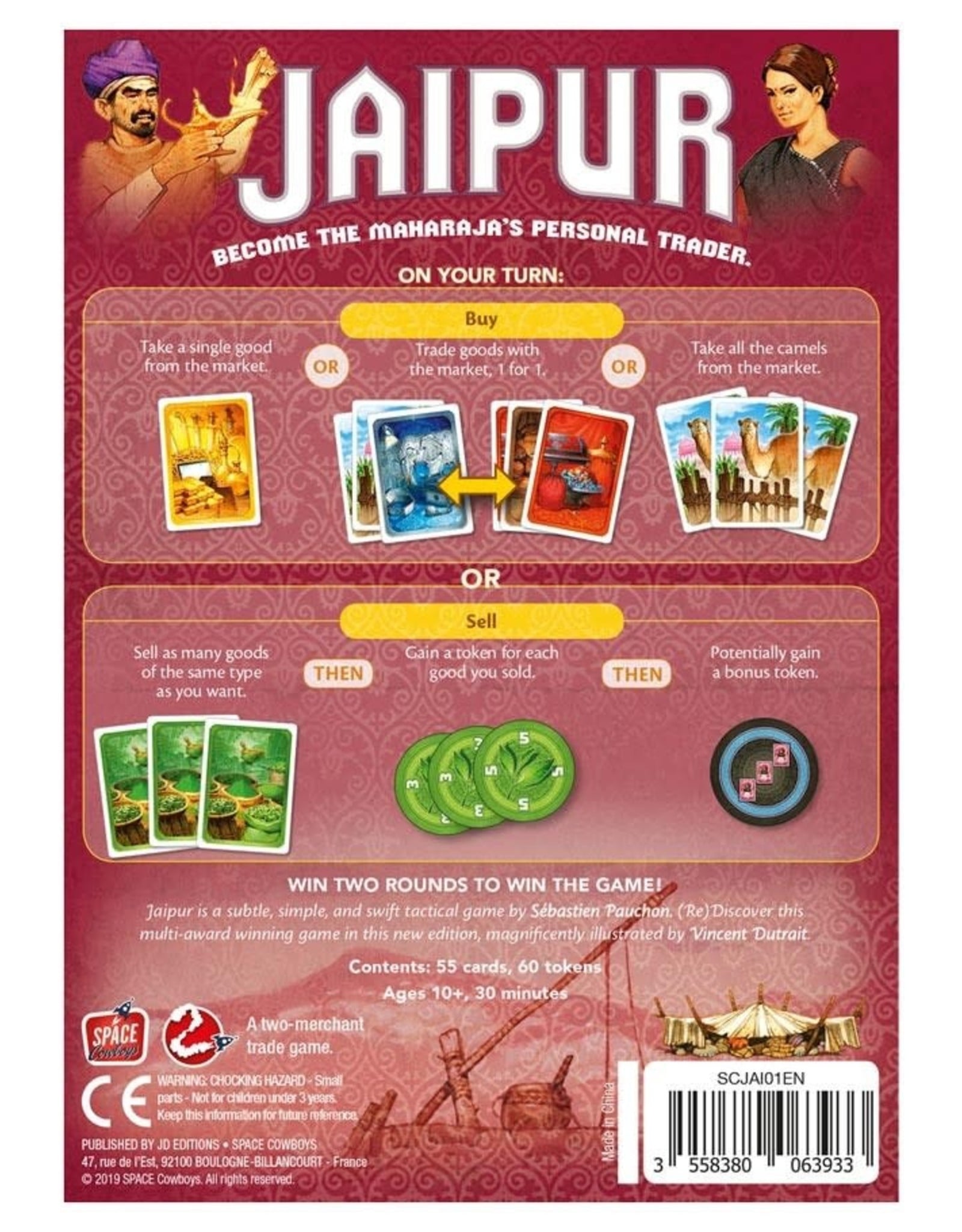
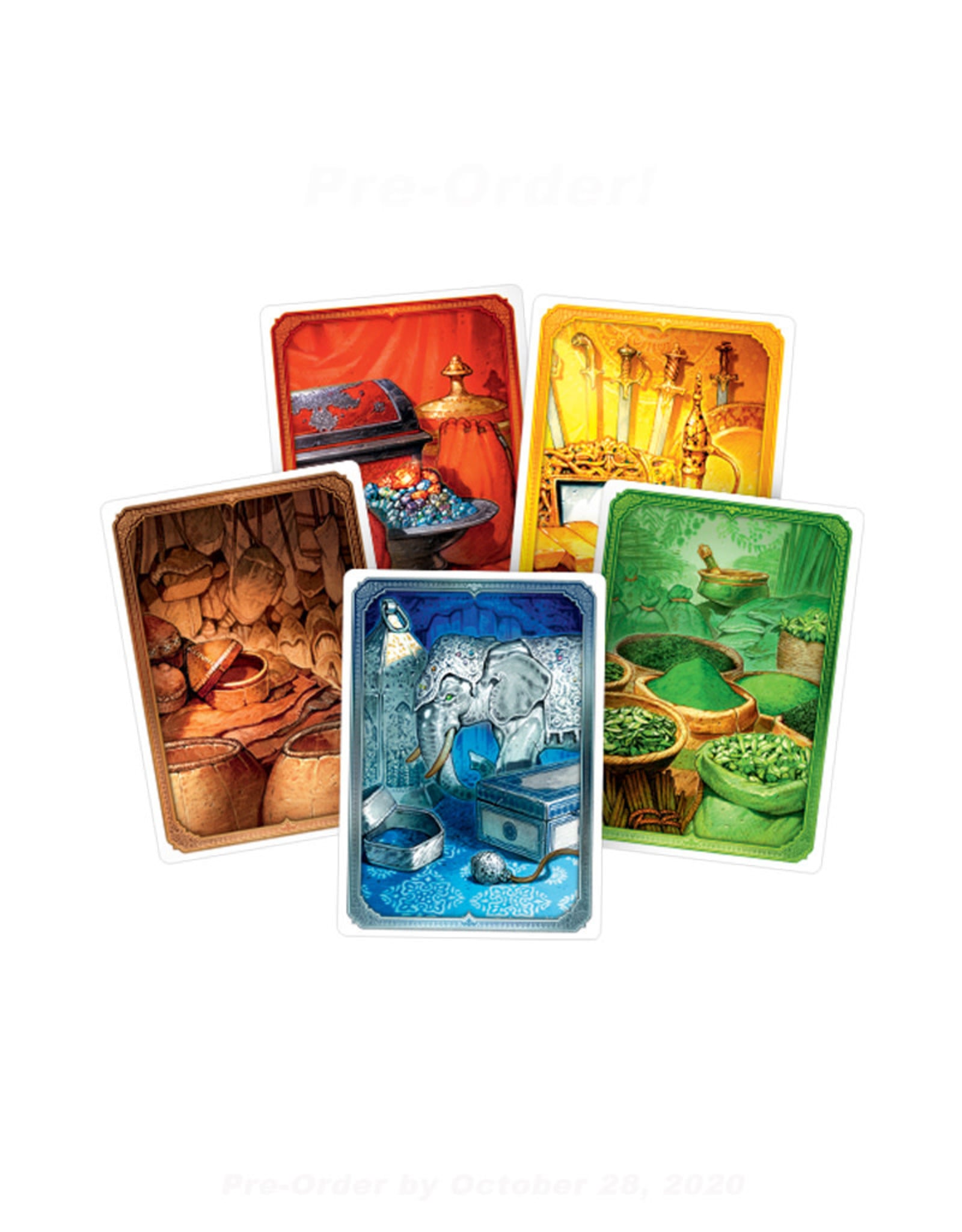
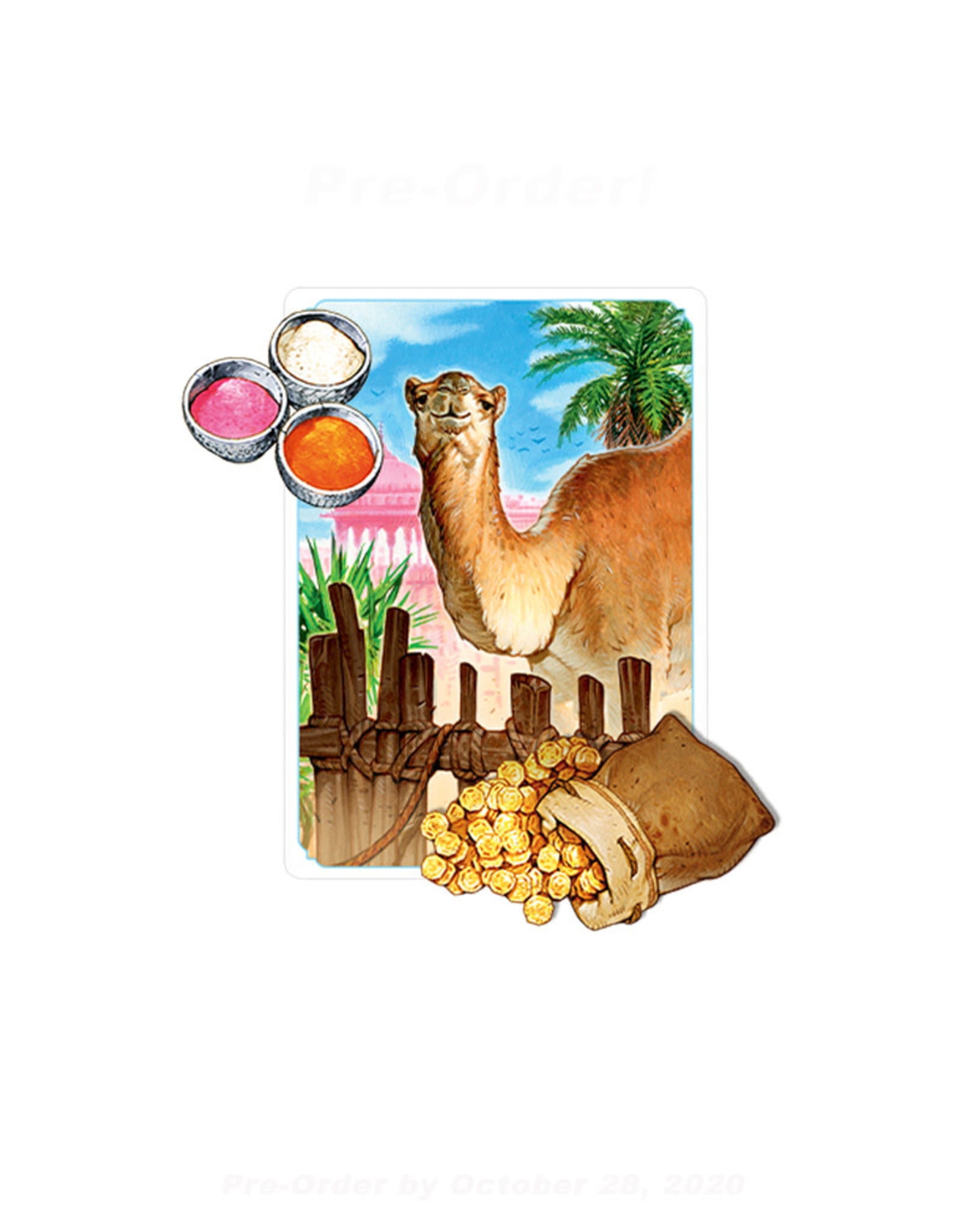
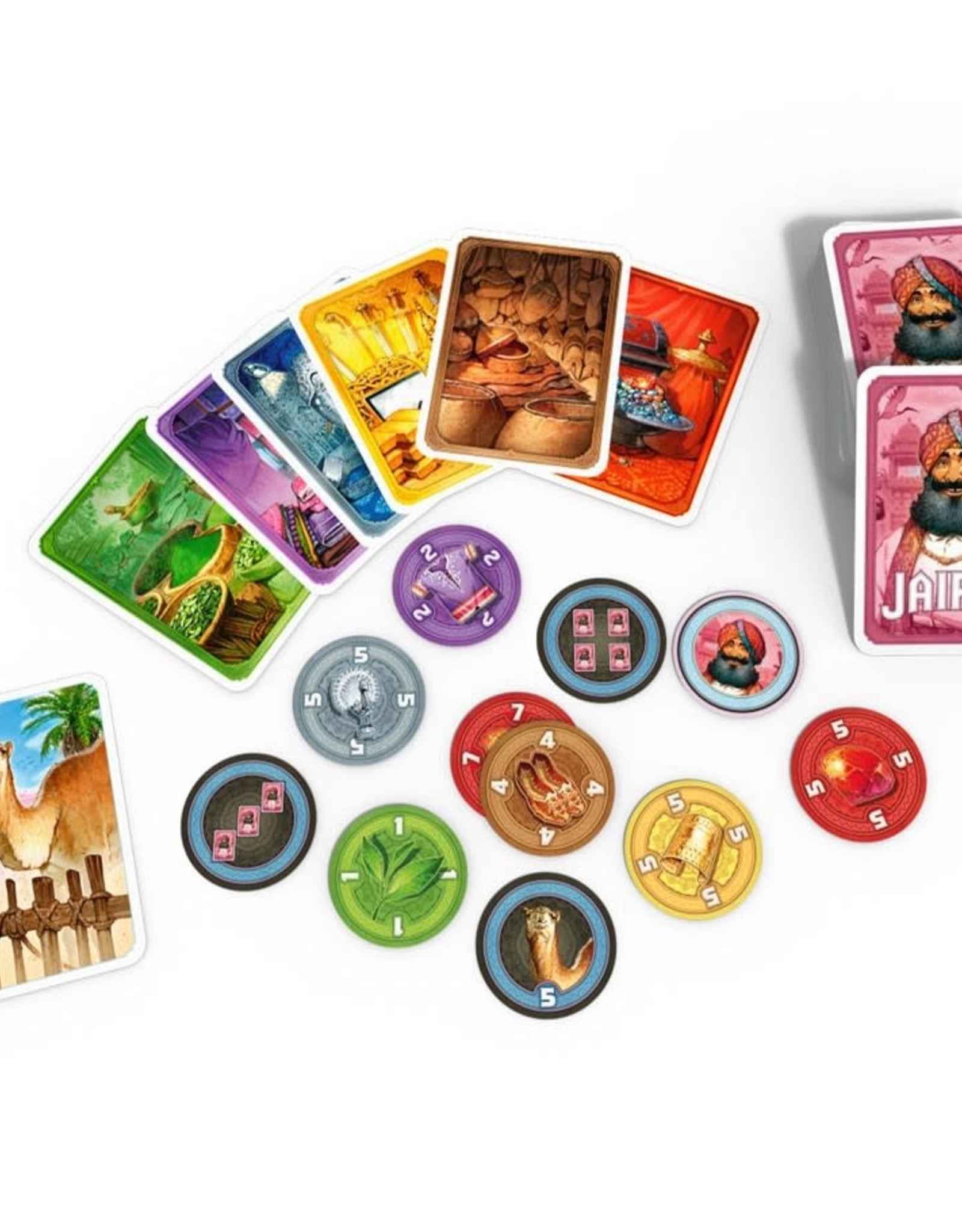
The other great equalizer here is Jaipur — a five-minute teach, a bazaar full of goods to trade and sell, and that lovely agony of 'do I cash my small set now, or hold for the bonus and risk you dumping first?' A kid or a total newcomer can genuinely beat a veteran in either of these, which is exactly why they're the friendliest on-ramps in the hobby.
It looks like a craft project. It plays like a knife fight with very nice manners.
The giant-killers: which great duels cost under twenty dollars?
Price and depth don't track the way you'd expect in this corner of the hobby. Some of the sharpest two-player designs ever made fit in a coat pocket and cost less than a takeout dinner. Here's where your twenty bucks goes furthest.
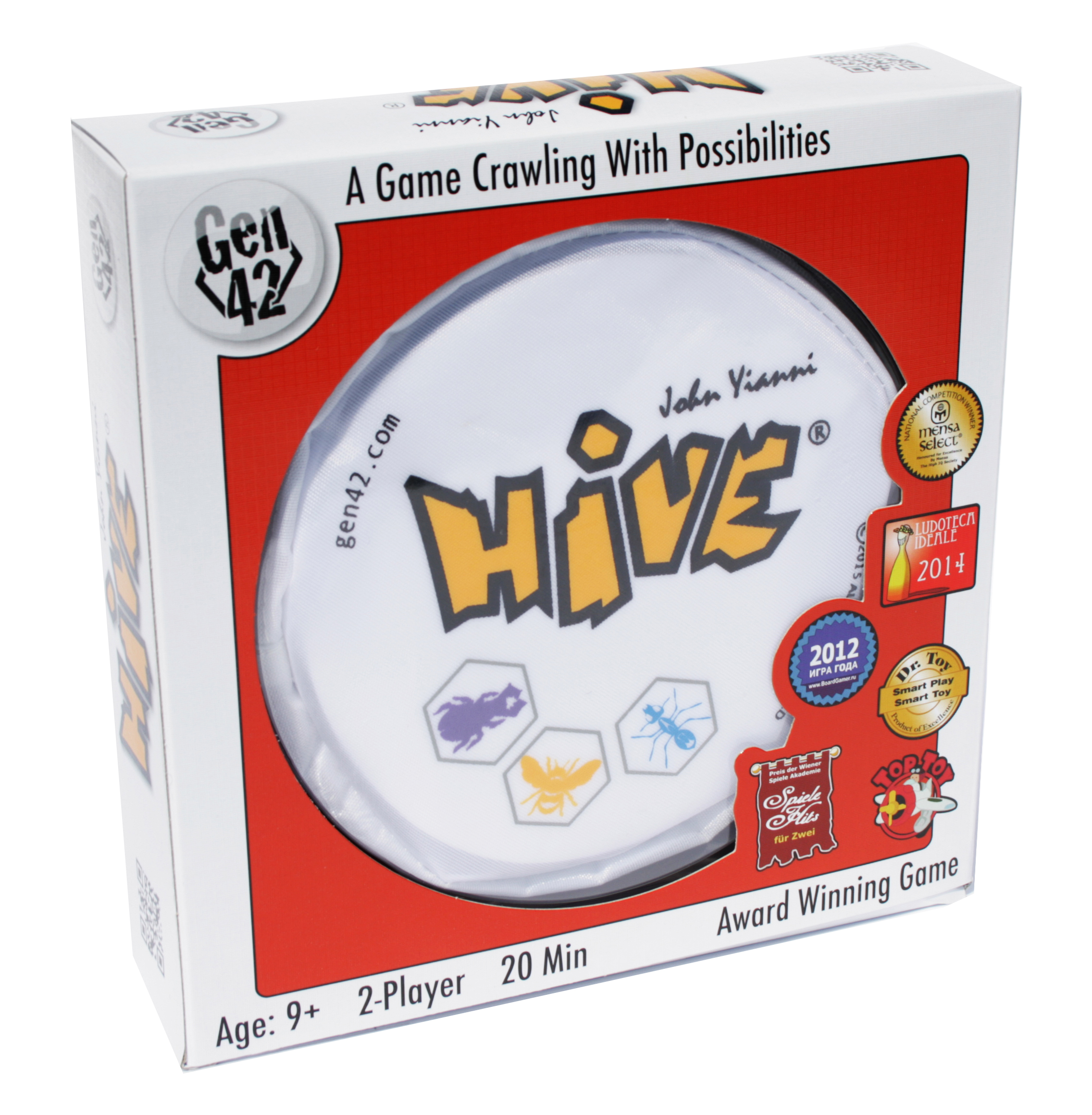
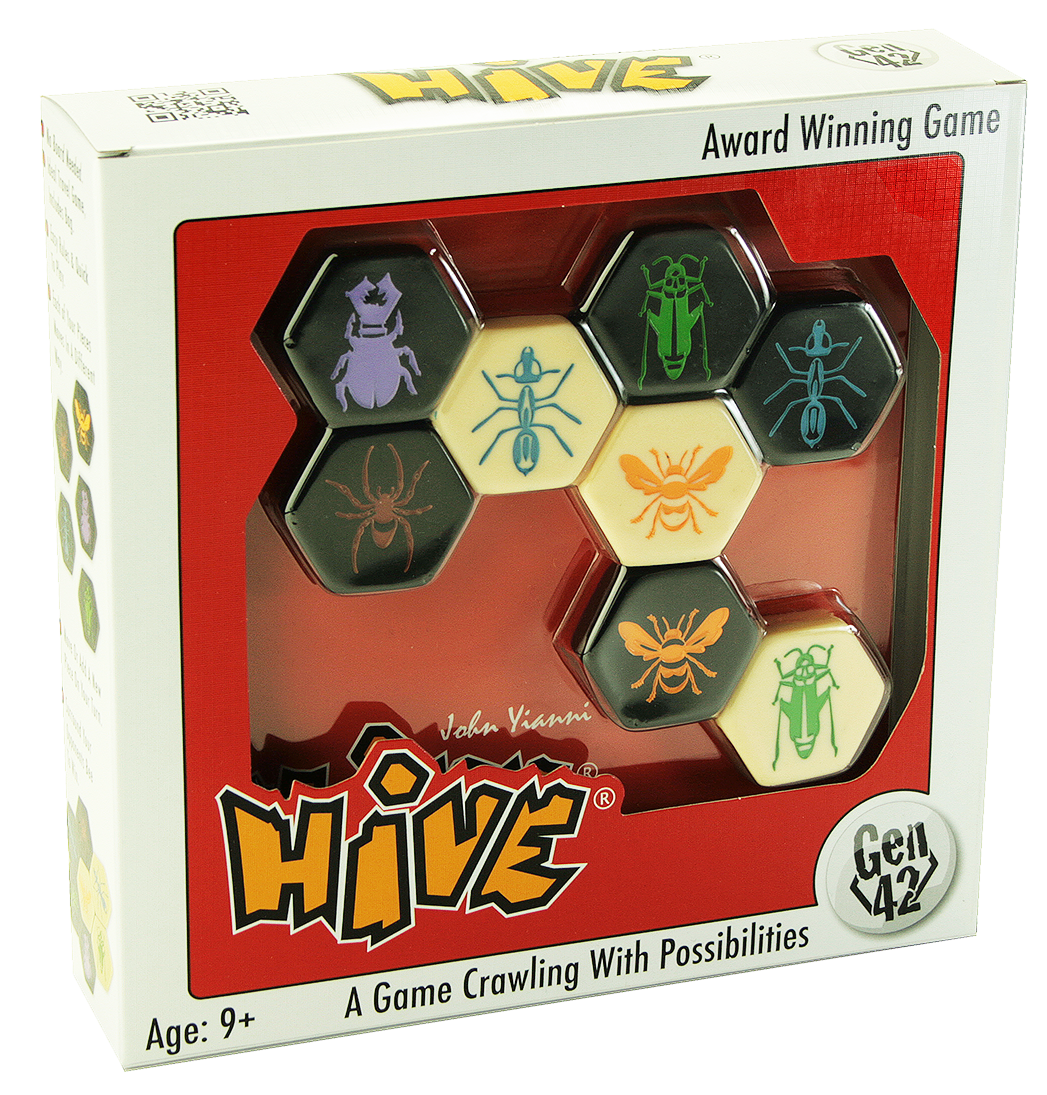
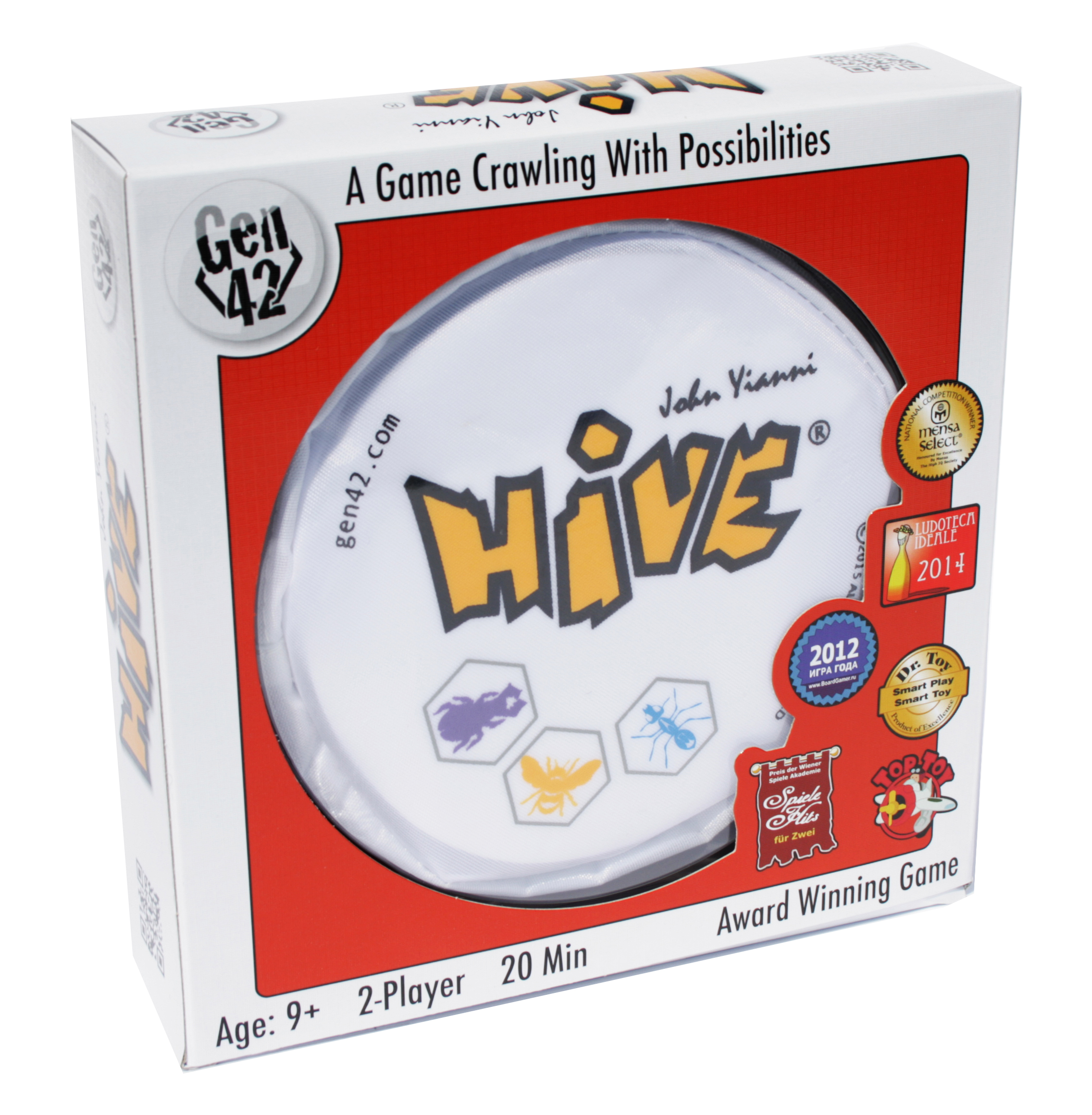
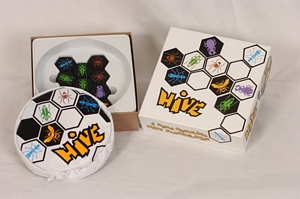
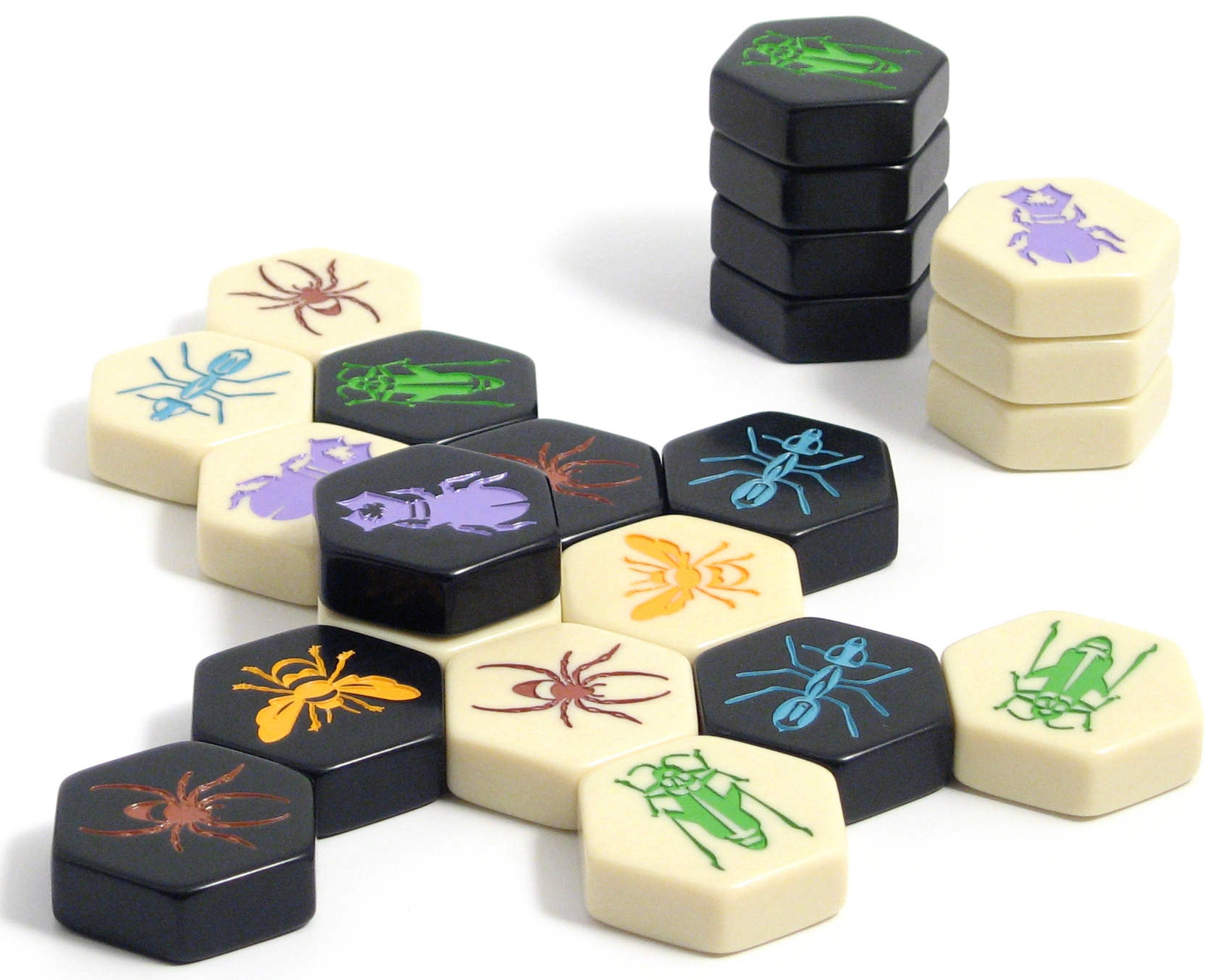
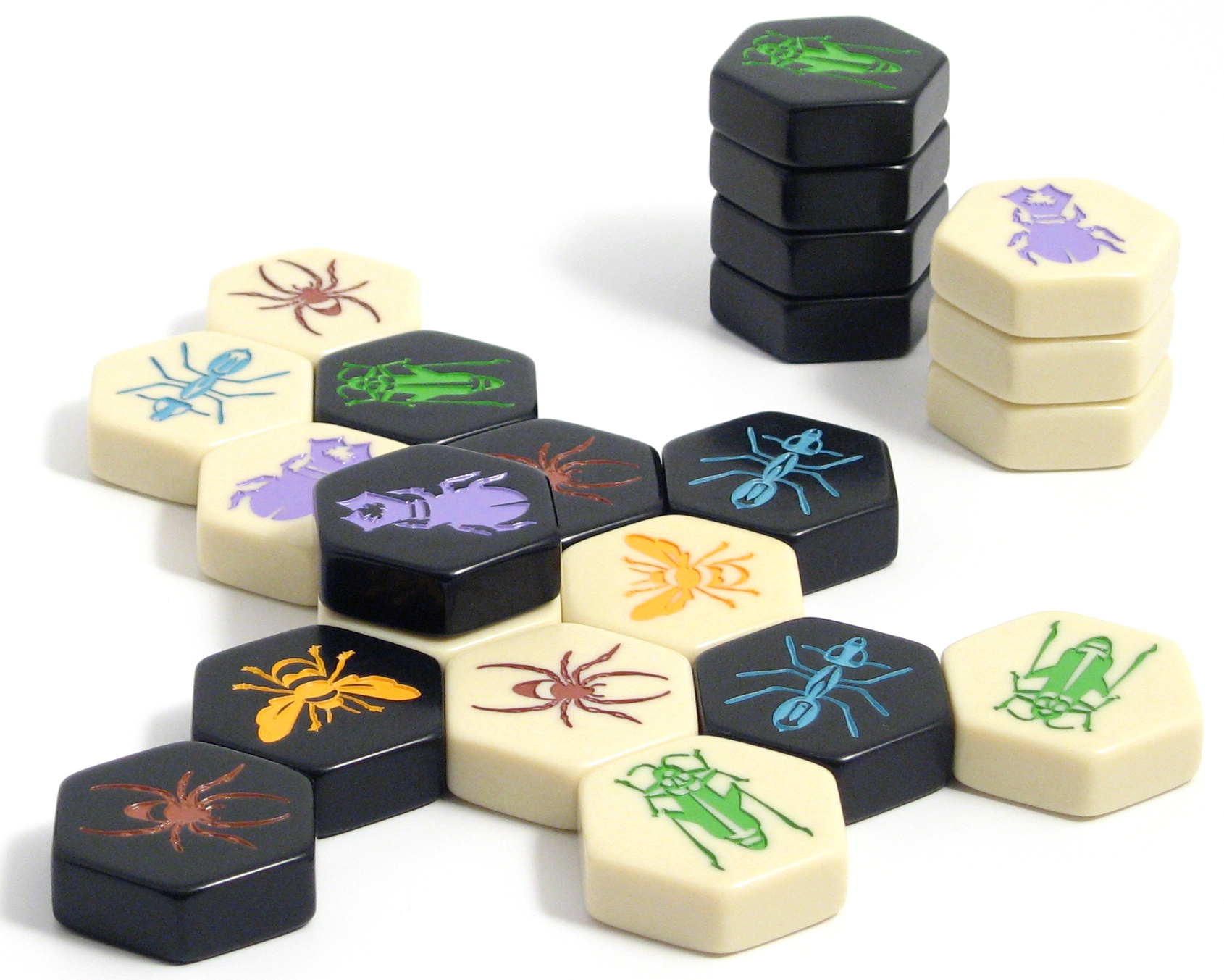
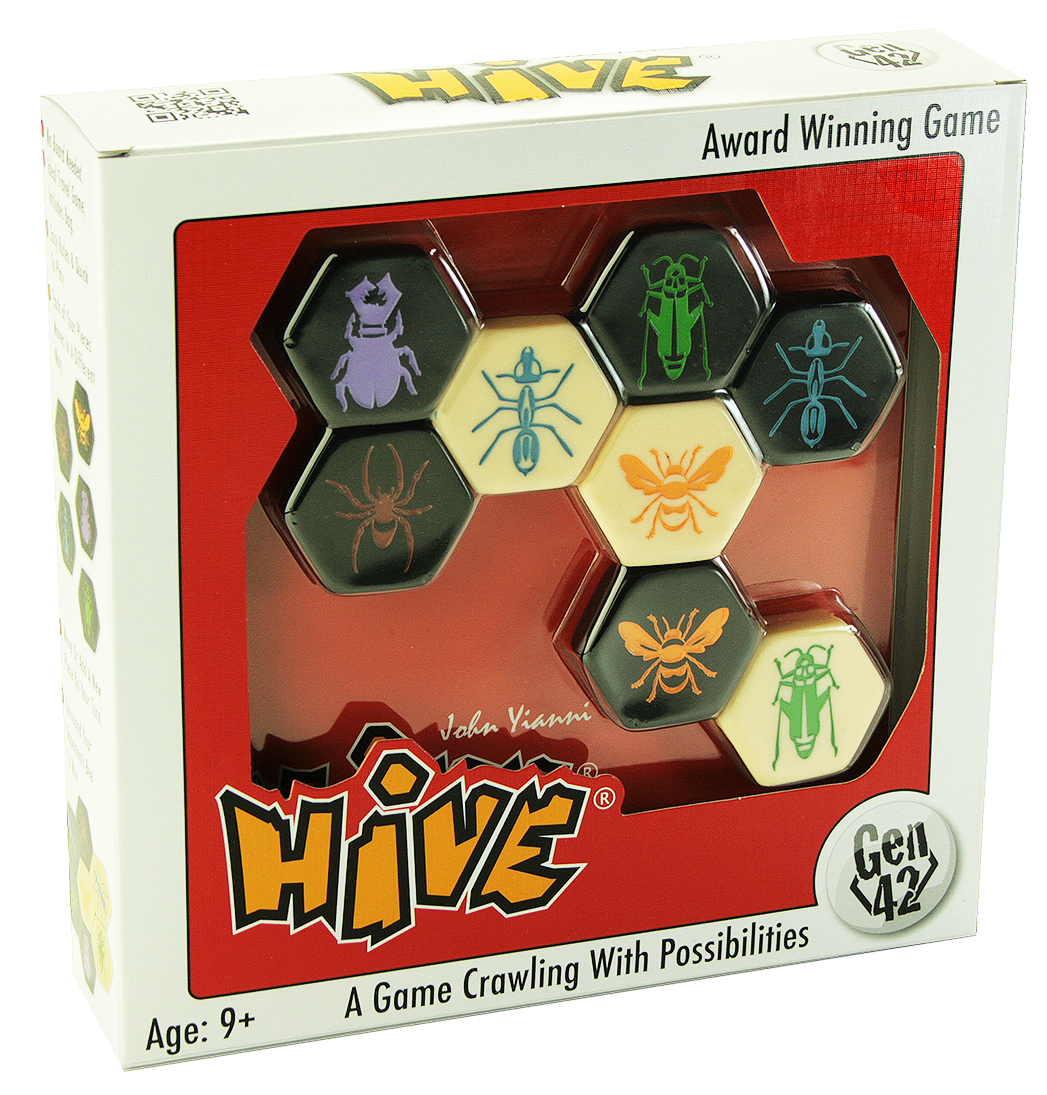
Hive is the king of the cheap-and-deep — 'nature's chess,' a zero-luck abstract with no board at all. The bug tiles you place become the board, and you race to surround the enemy Queen Bee. Buy the Pocket edition (~$17); it folds in the Mosquito and Ladybug, the pieces that make the game sing, and it weighs about as much as a phone.
Hanamikoji (~$17) is the connoisseur's secret. A tiny box hiding an enormous decision space — four hidden-action gambits a round to win the favor of seven geisha, every move a trap you're laying or one you're dodging. It lands just behind 7 Wonders Duel on a lot of hardcore lists, for a third of the shelf space.
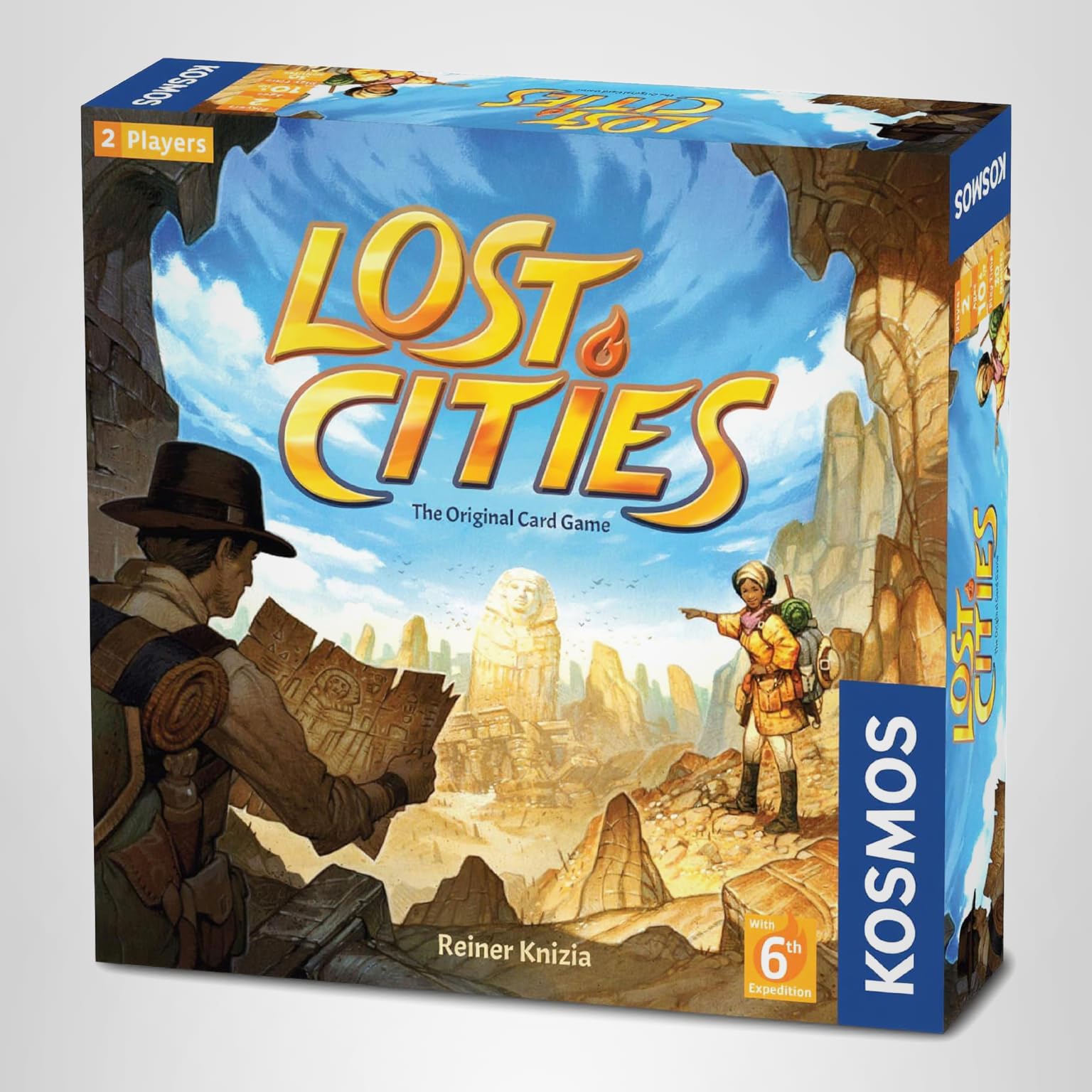
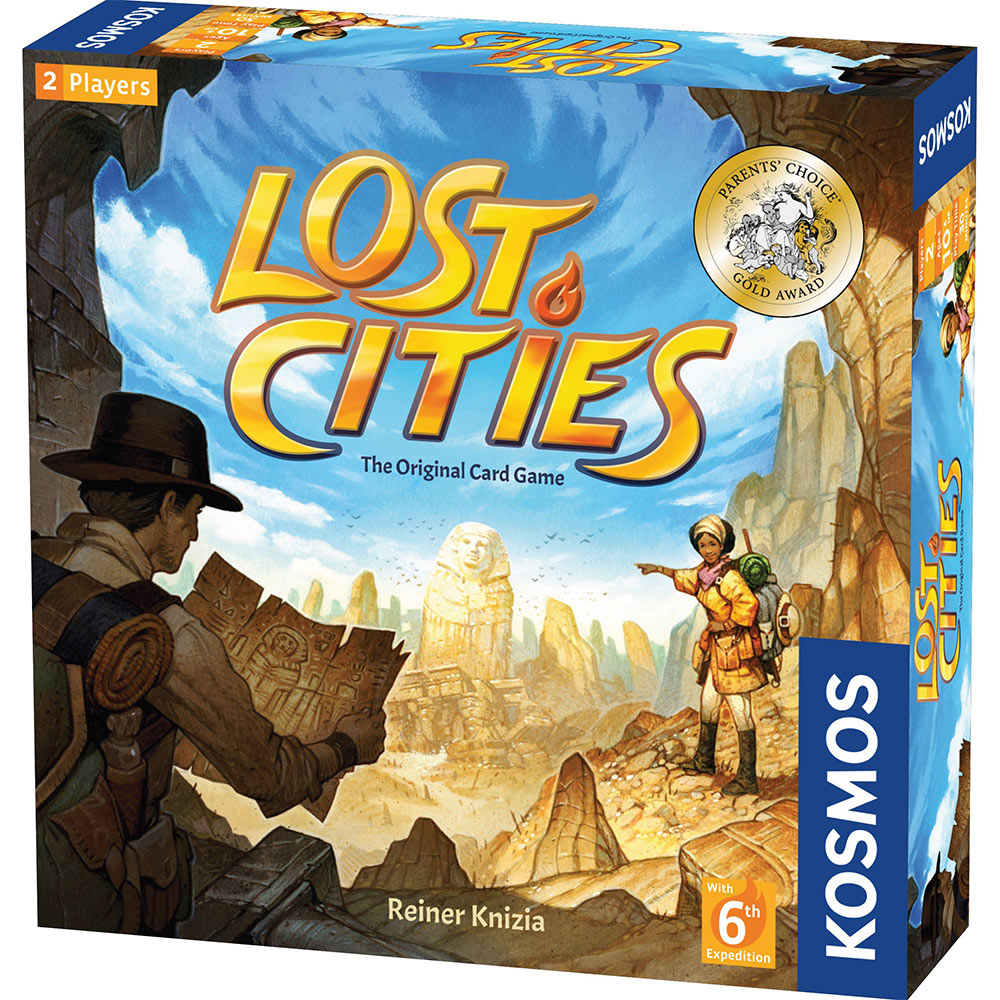
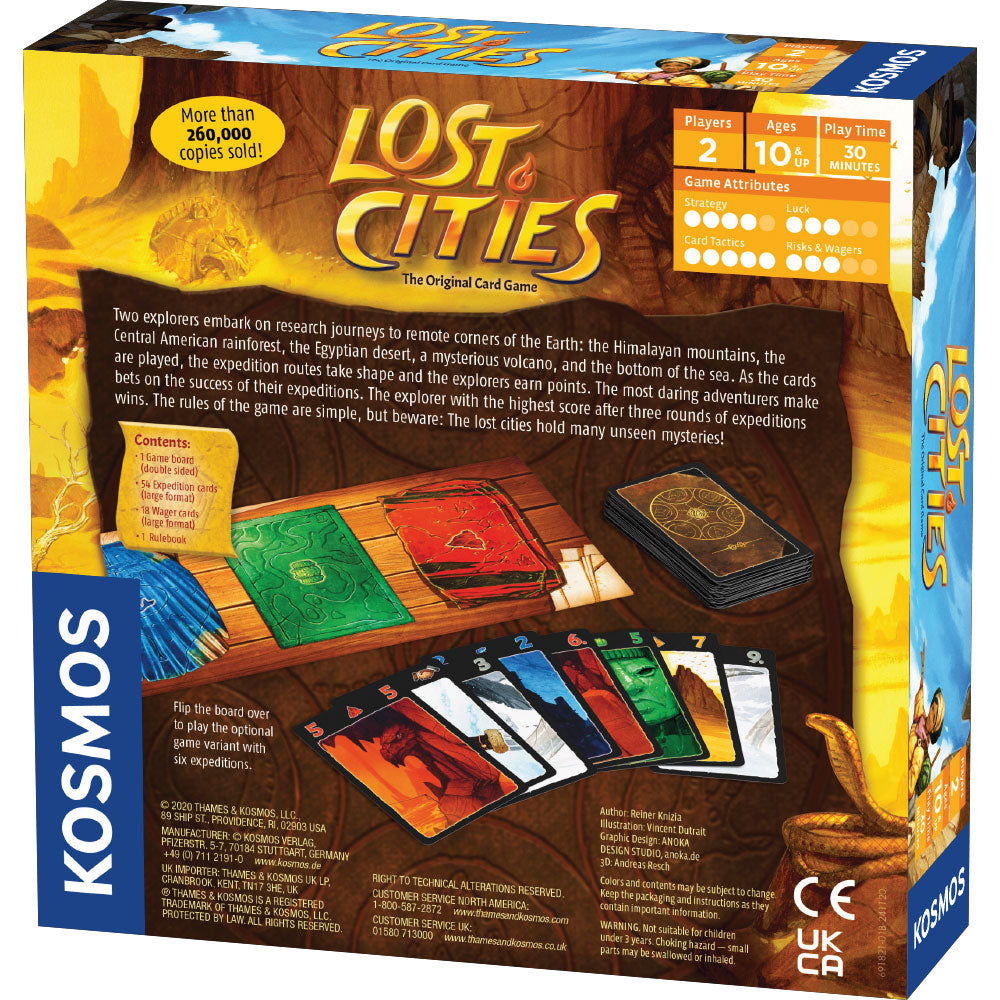
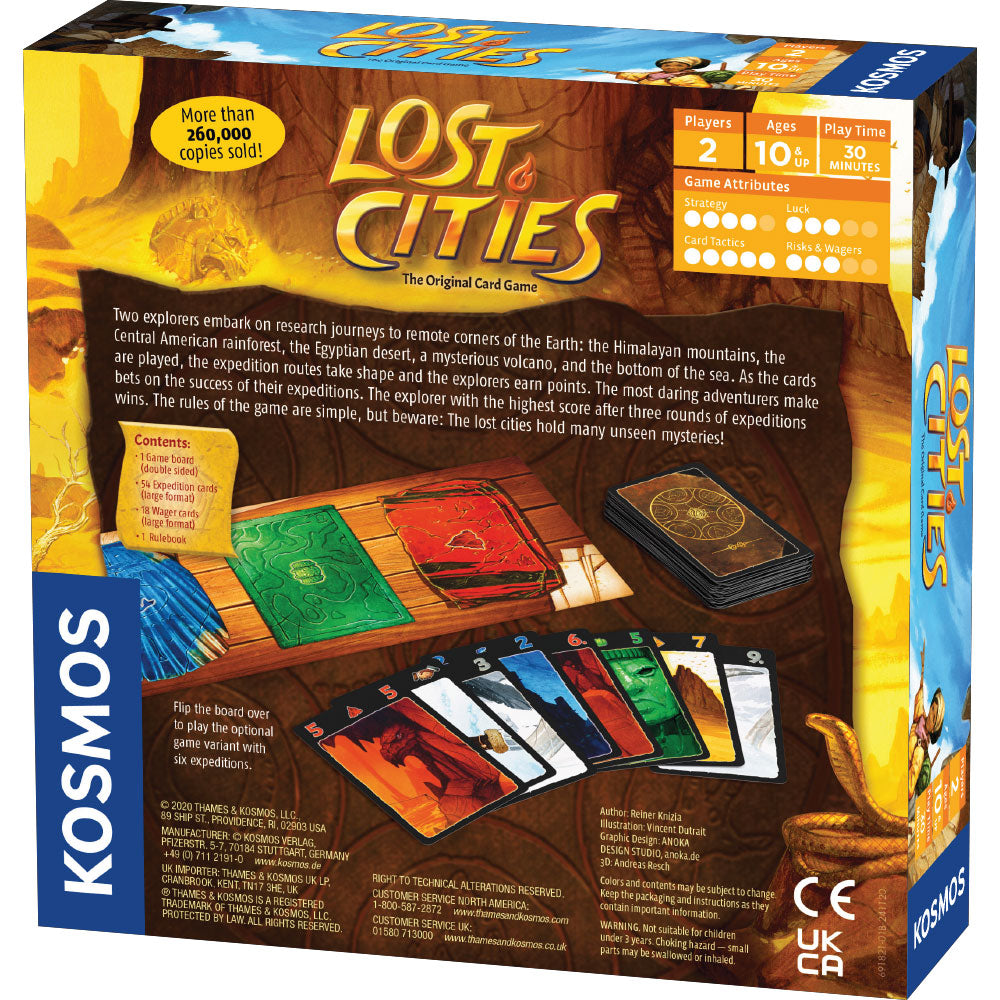
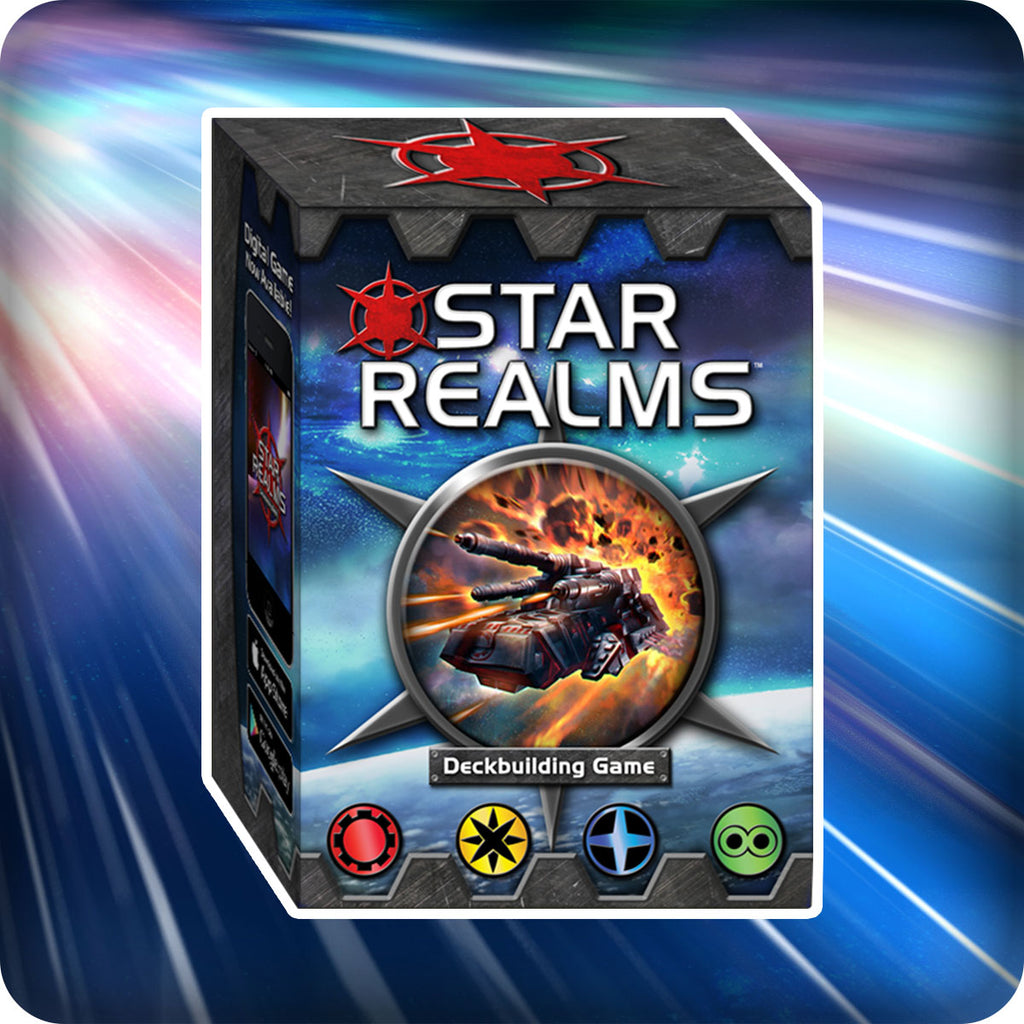
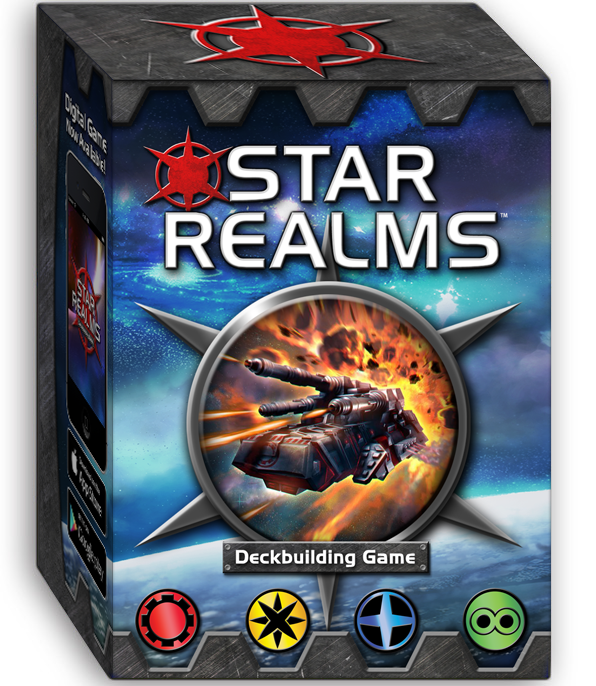
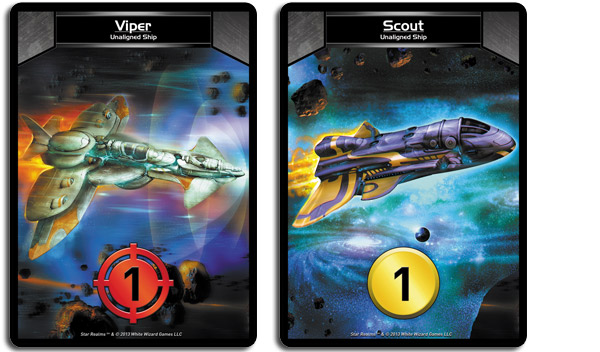
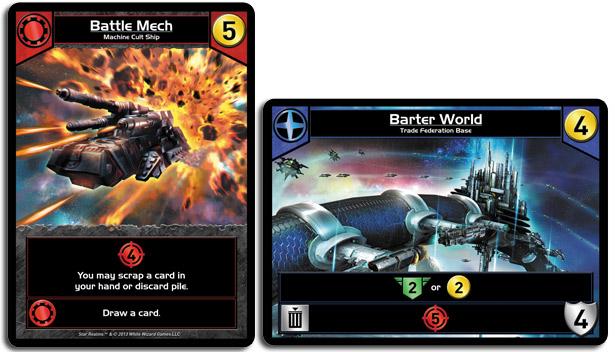
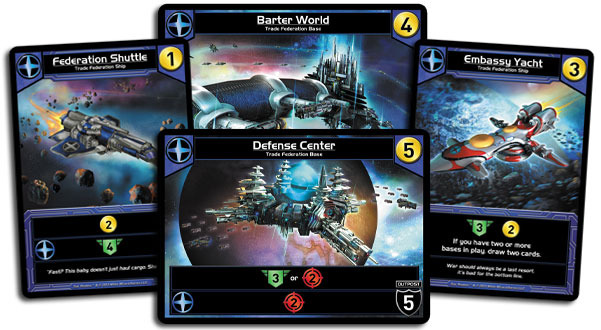
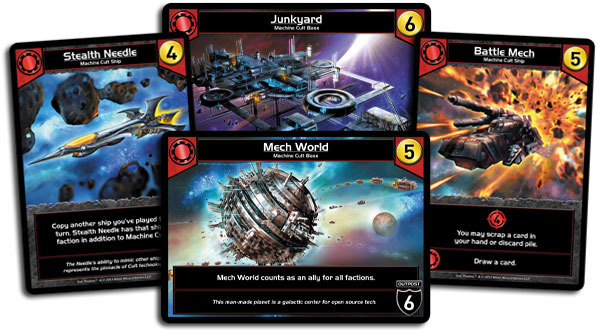
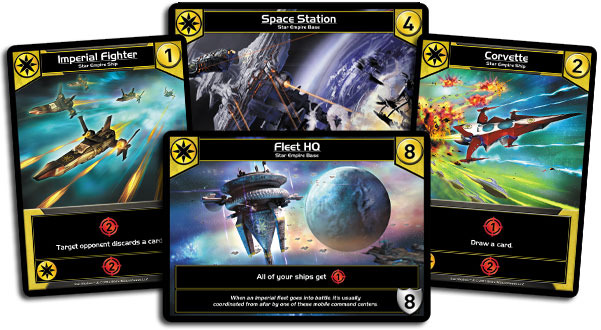
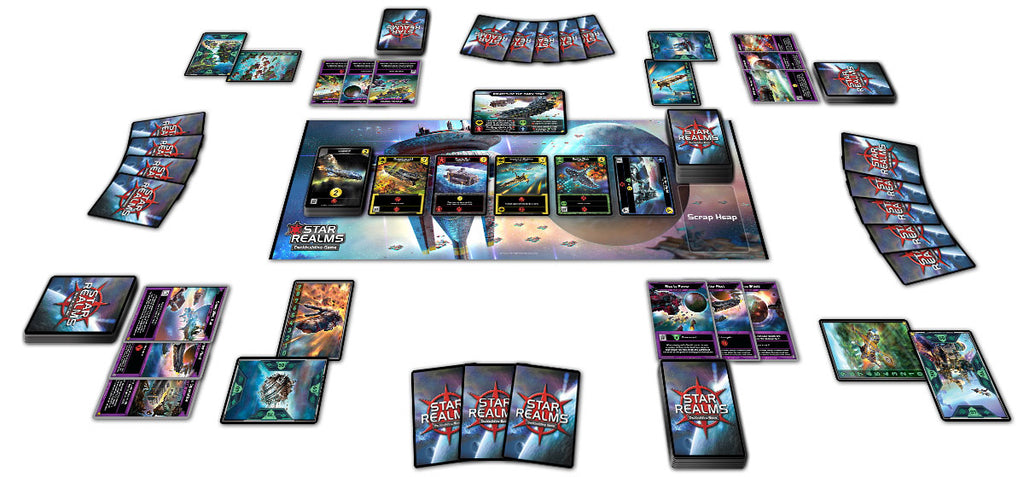
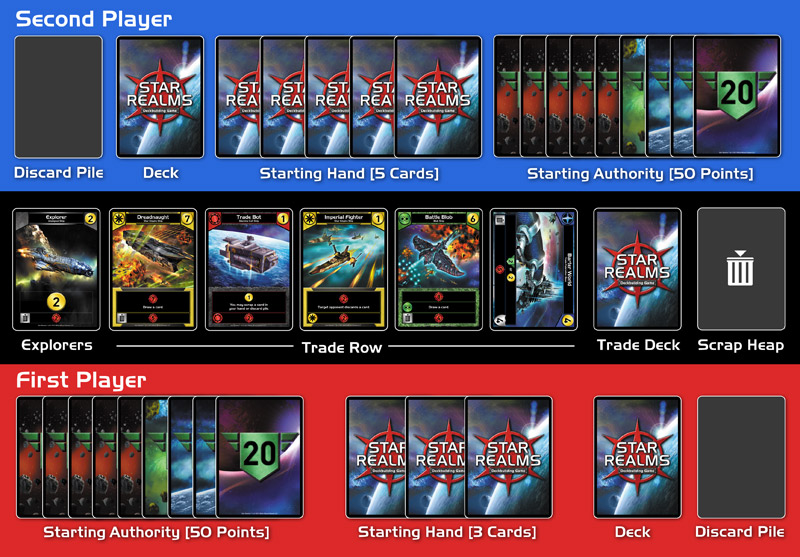
Star Realms (~$15) is the pocket deckbuilder — buy ships from a shared trade row, chain faction combos, blast your rival from 50 health to zero. Lost Cities (~$19) is Reiner Knizia's push-your-luck classic, in print for over twenty-five years because the 'should I gamble?' itch never gets old. Every one of these plays in A-tier territory for under twenty dollars.
Some of the sharpest two-player designs ever made fit in a coat pocket and cost less than a takeout dinner.
When you want a brain-burn: the tournament-grade duels
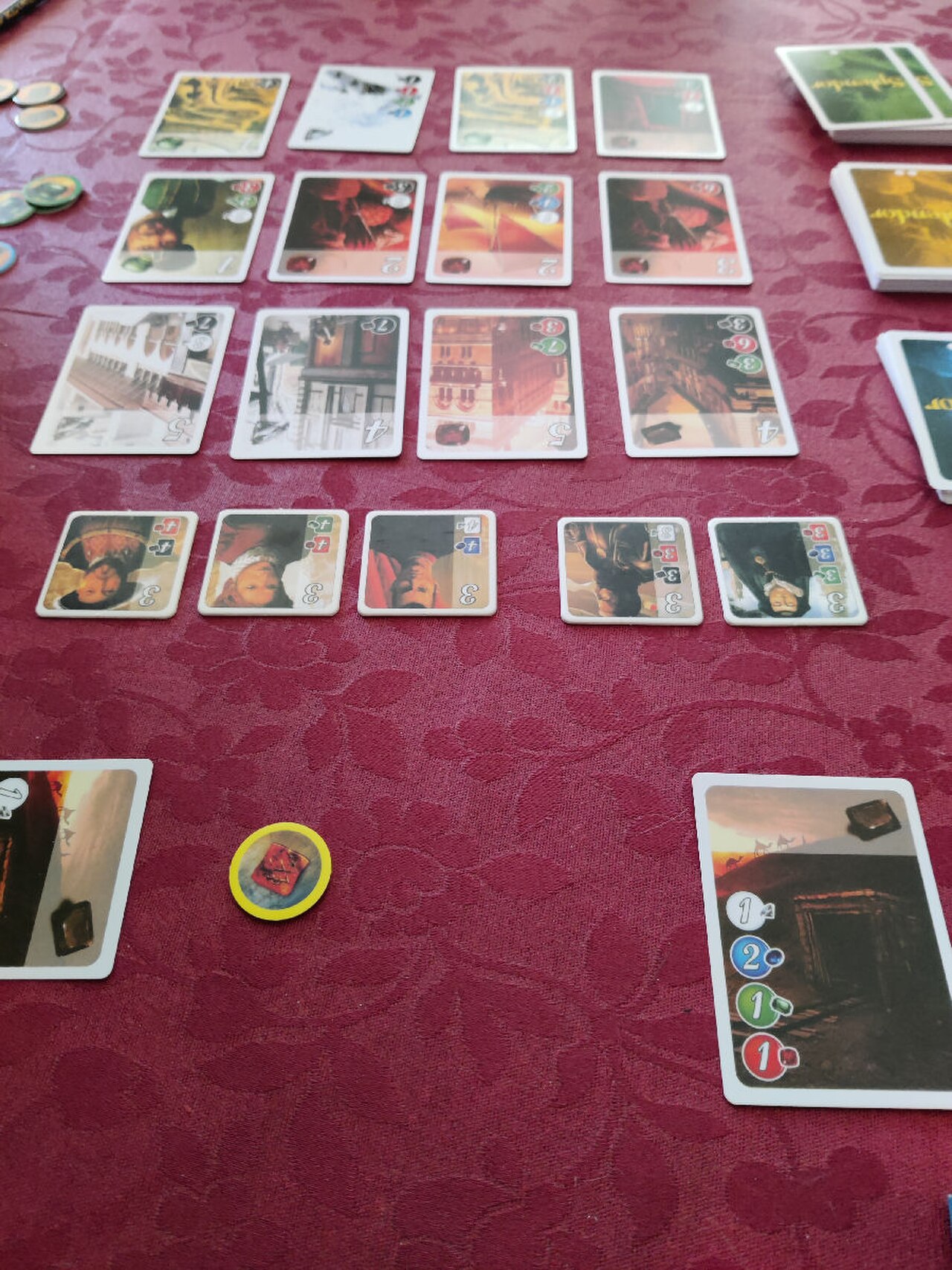
Some nights you don't want friendly. You want a game that punishes you for being lazy and rewards a hundred plays of study. This is the deep end, and it's where two-player gaming gets genuinely competitive.
Hive and Hanamikoji are the skill-ceiling kings. Hive has near-zero luck — every loss is on you, which is bracing or brutal depending on your temperament. Hanamikoji is pure hidden information, a mind-game where you bait your opponent into spending their gambits early so you can spring the trap. These are the games where playing the same rival over and over finally separates skill from variance.
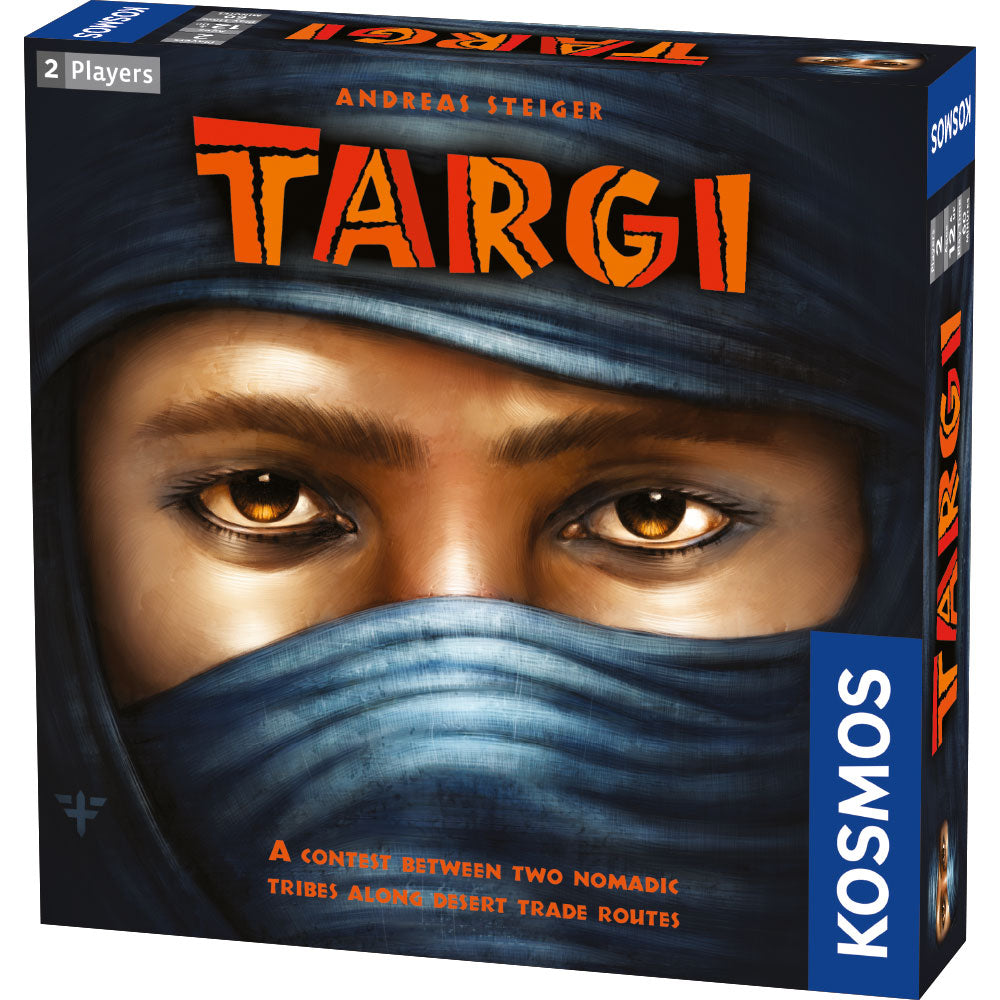
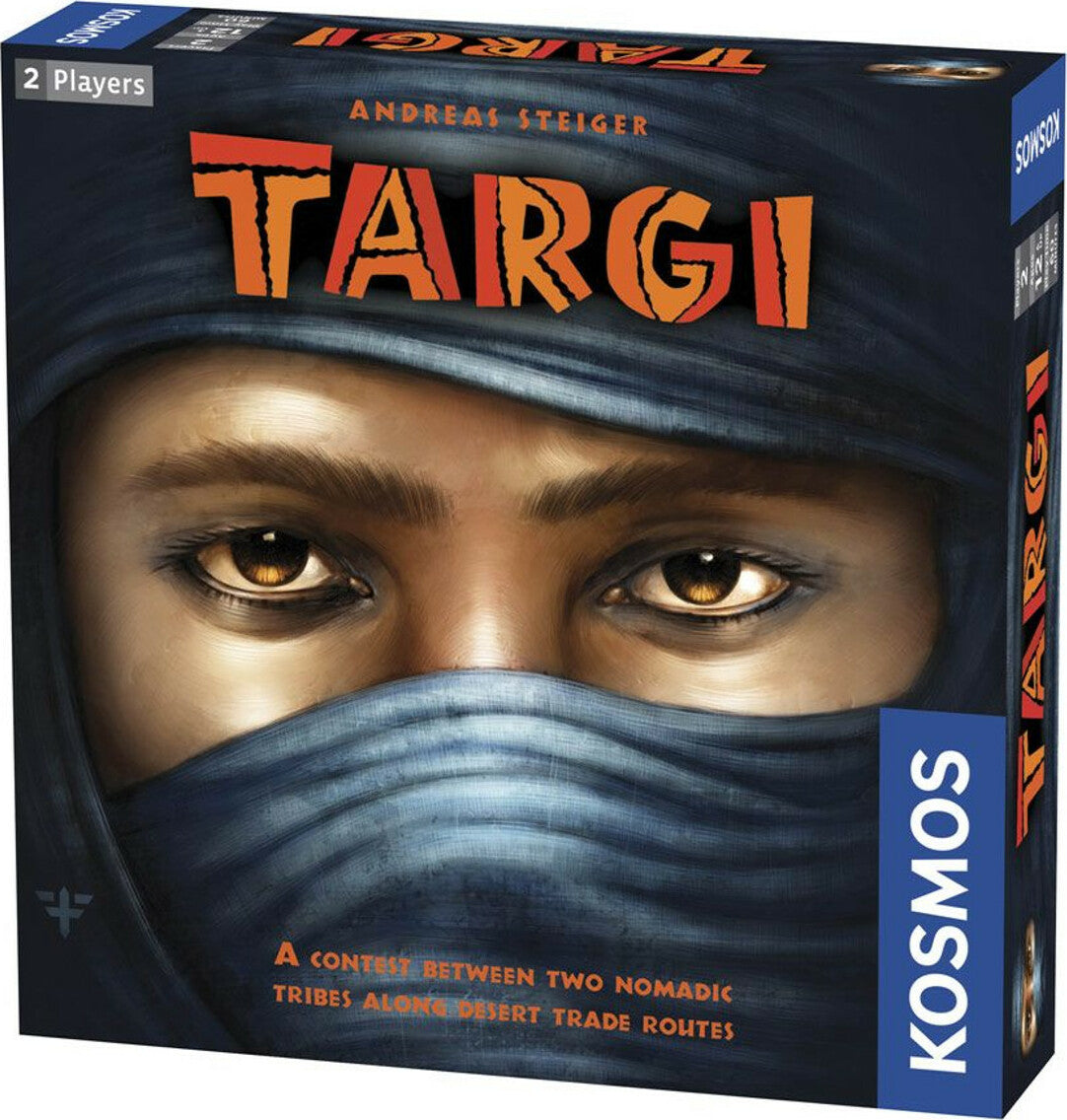
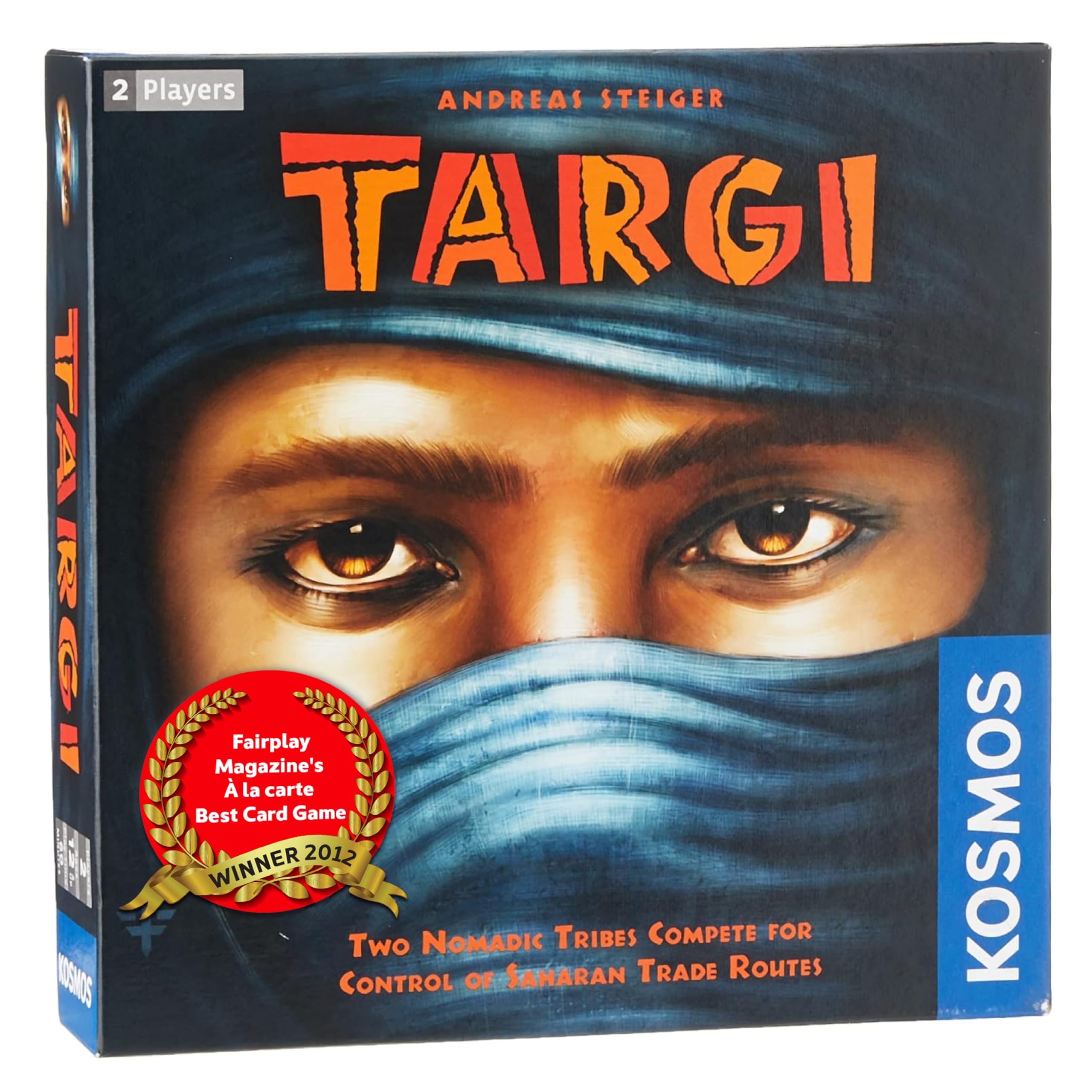
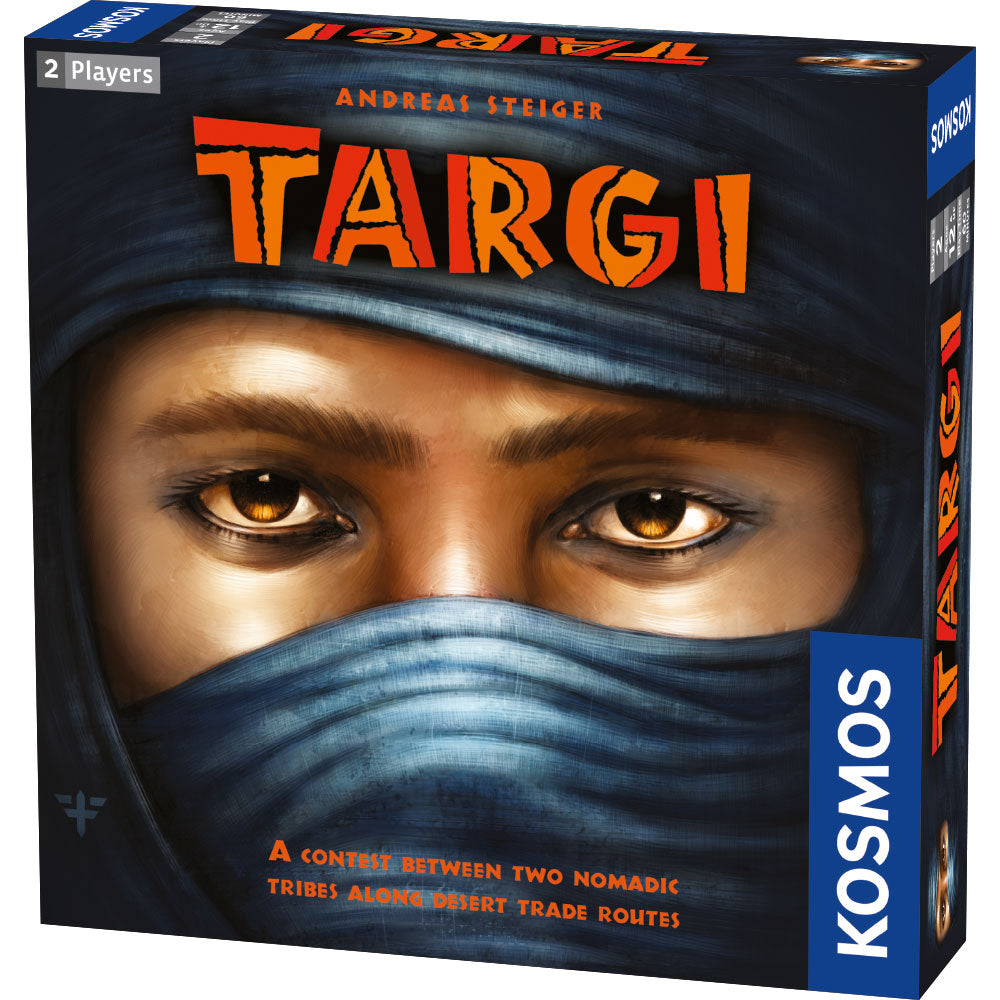
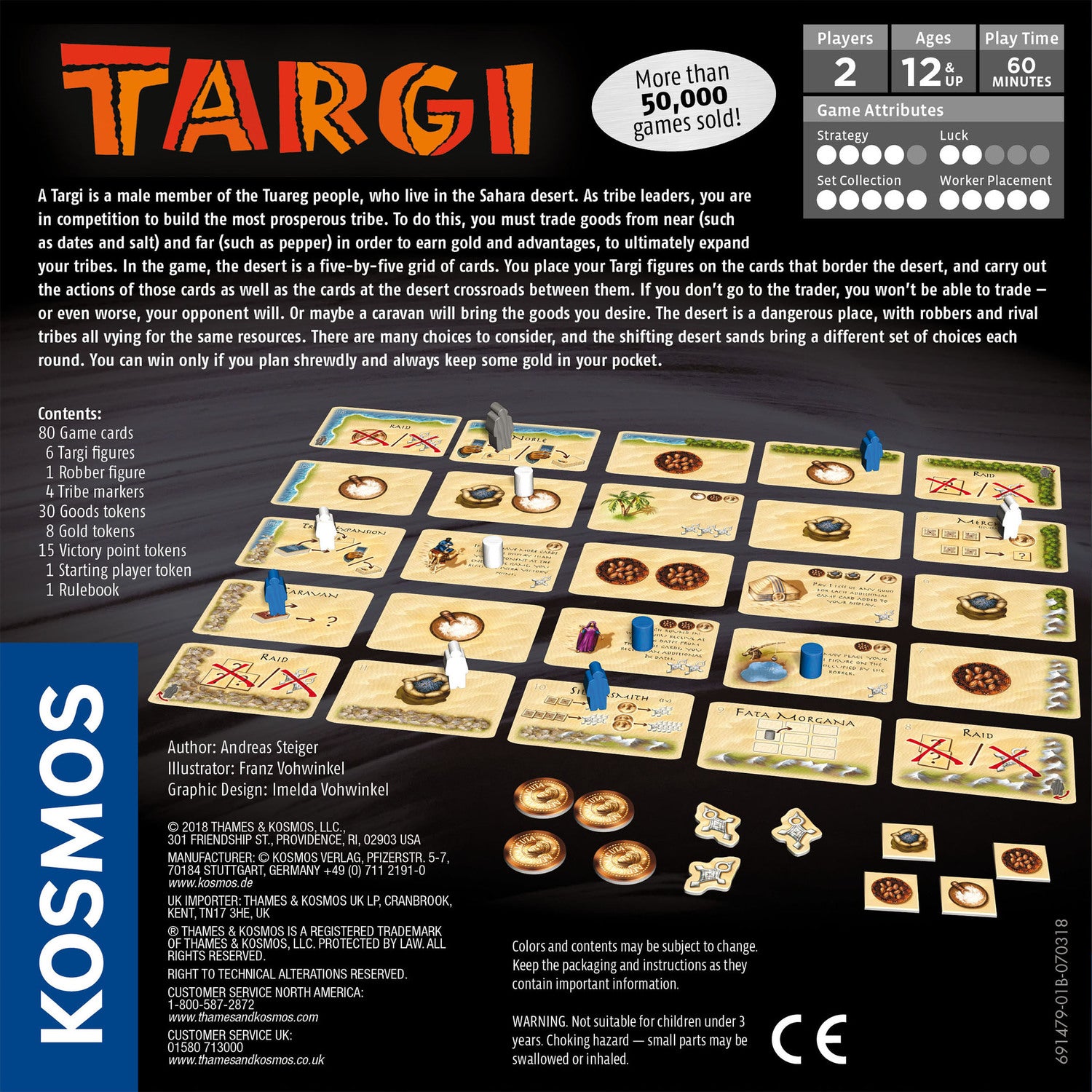
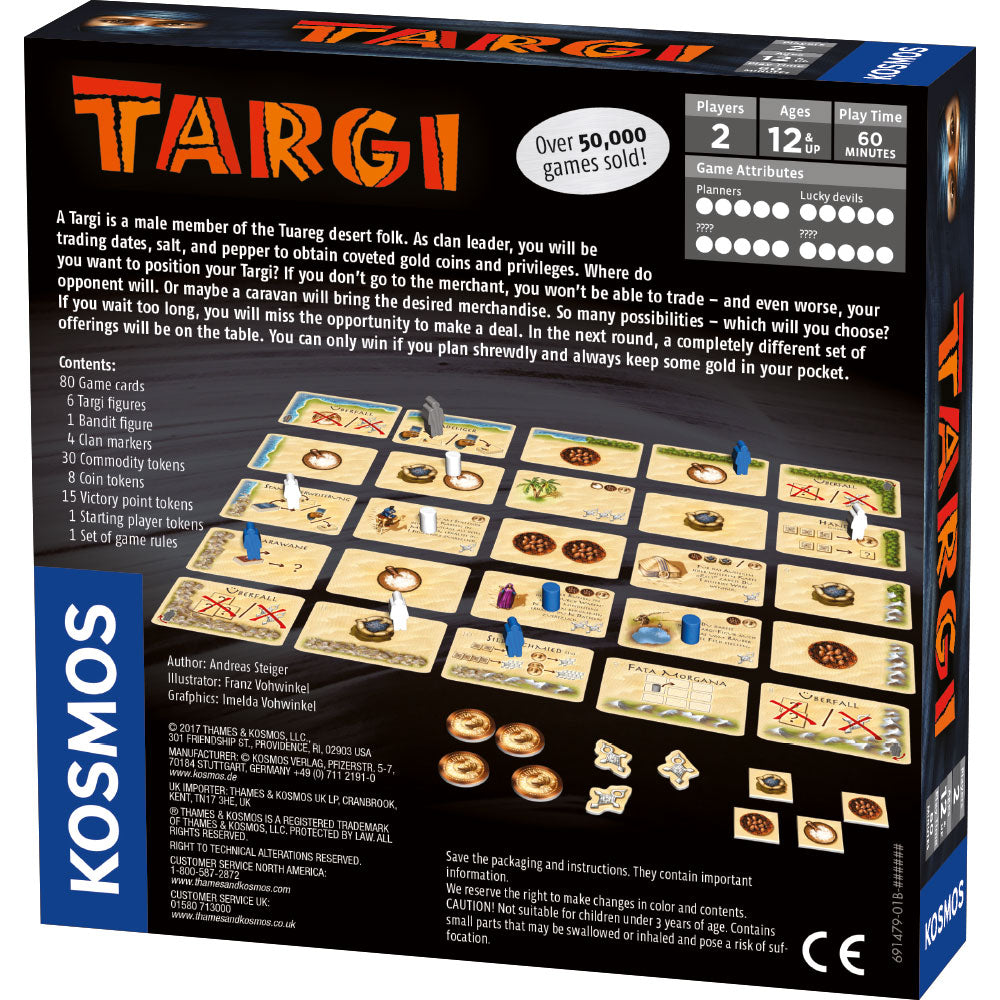
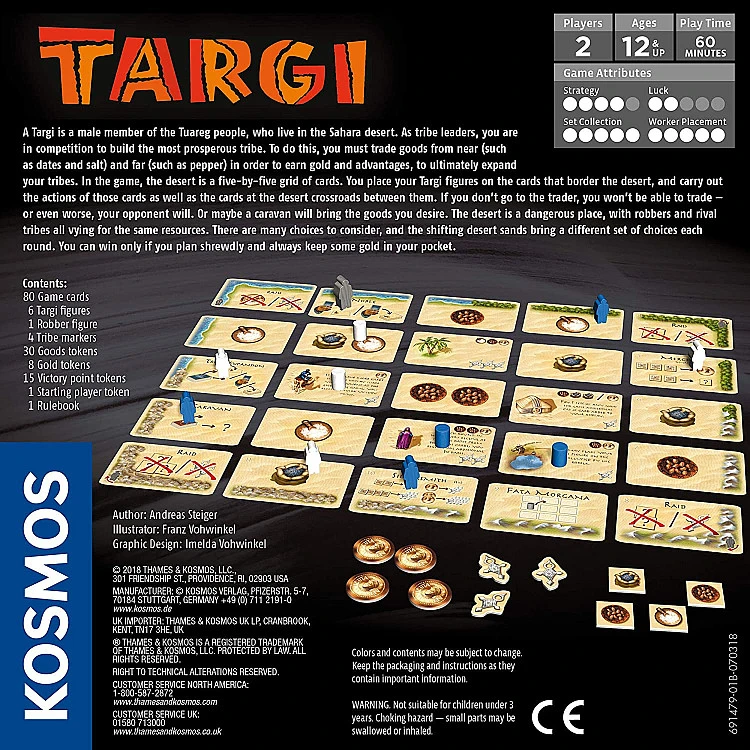
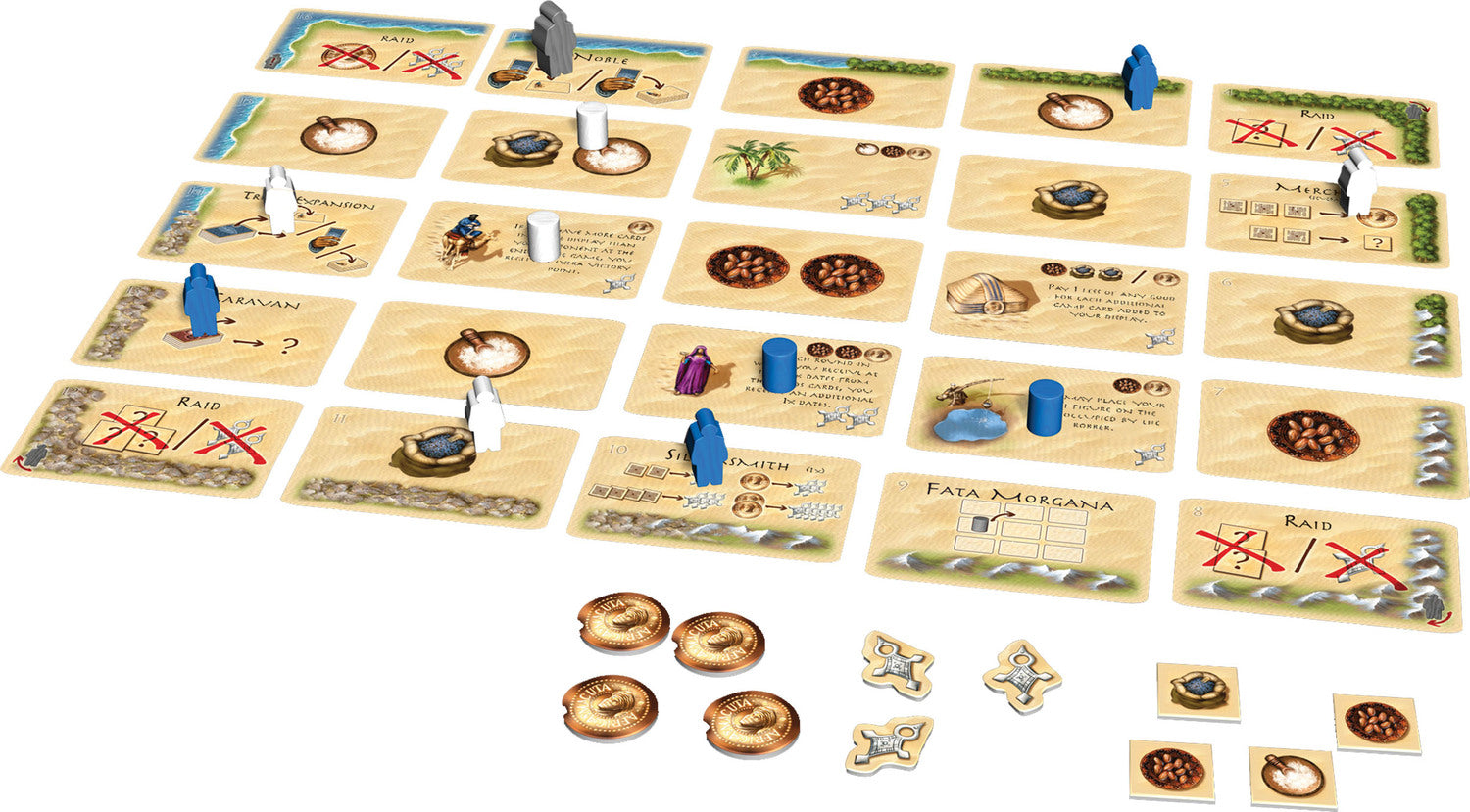
Want a Euro brain-burn specifically? Targi is the only two-player game ever nominated for Germany's Kennerspiel des Jahres — the advanced-gamers' award. Workers placed around the edge of a desert grid trigger actions where their rows and columns intersect, and there is never an obvious move.
And if you want the genuine summit, there's Twilight Struggle — a three-hour Cold War card-driven epic that many consider a top-ten game ever made. I'll be honest with you: you will lose your first several games badly. The learning curve is the reward. It's not on the ranked list below because it's a different sport, but committed pairs should know it's out there waiting.
You will lose your first several games badly. The learning curve IS the reward.
The Player's Code: how to keep a two-player rivalry healthy
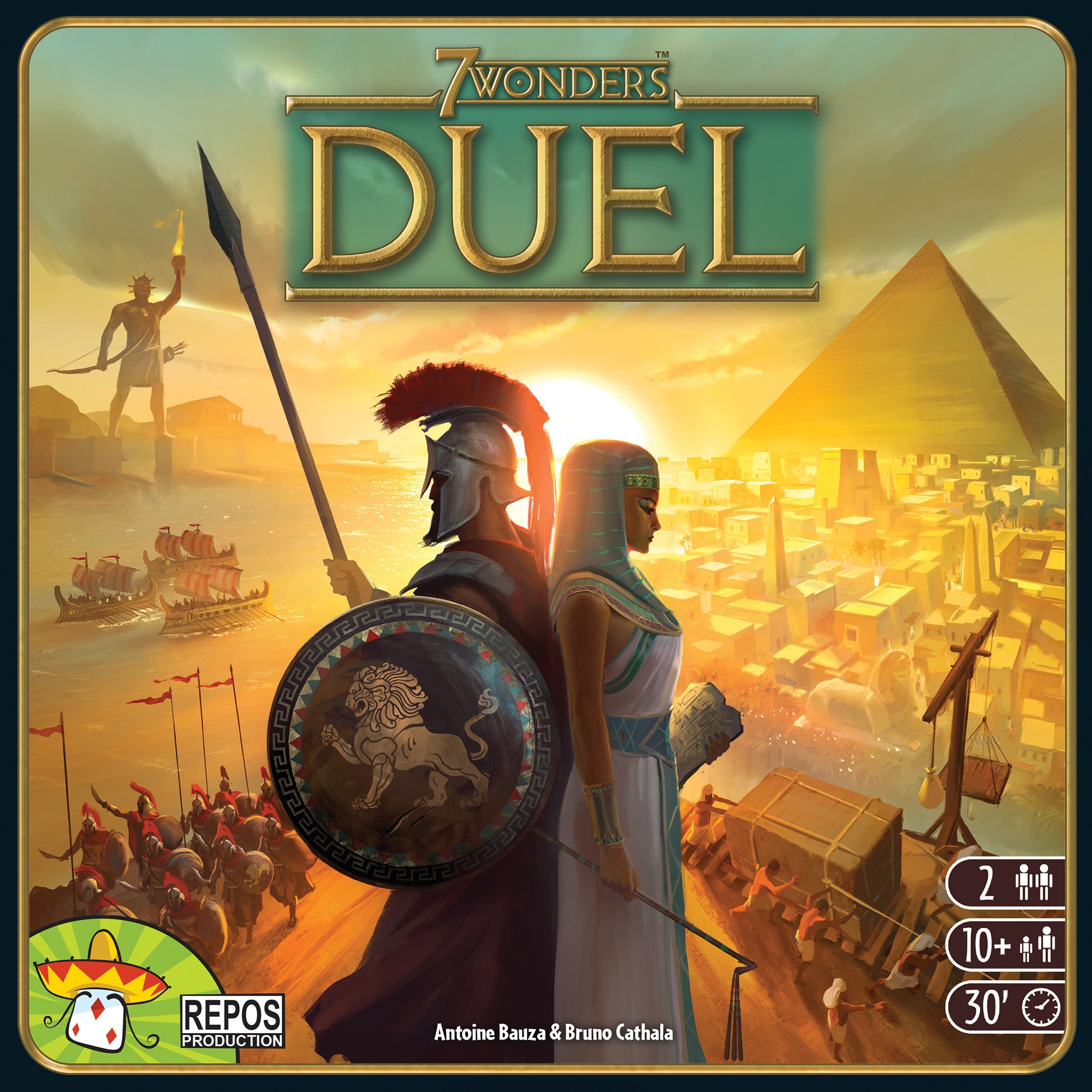
Here's the thing nobody tells you about two-player games: with no third party at the table, the etiquette matters more, not less. A bad habit doesn't get diluted across a group — it lands directly on the one person across from you, every time. After enough years, I've boiled my table ethics down to a few rules that keep rivalries warm instead of cold.
Call the sudden-death tracks out loud. Quietly racing an unannounced instant-win in 7 Wonders Duel or Splendor Duel against a newcomer is technically legal and absolutely a cheap shot. Point at the win conditions before game one. Then it's fair game and the win is real.
Play the match, not the round. Jaipur, Lost Cities, and Star Realms all carry a luck layer. One swingy deal isn't a verdict on anybody. Agree up front to a best-of-three or a running tally so variance evens out and nobody storms off over a bad shuffle.
Teach by losing, not by crushing. In zero-luck duels like Hive and Hanamikoji, a veteran will table a newcomer 10-0. If you want a second game — and a third — pull your punches early, narrate your threats, and let the skill gap close on its own.
No take-backs, but warn the blunder. Committed moves are final; that's the spine of a real duel. But flagging 'are you sure? that opens your Queen' before they let go of the piece keeps the games honestly competitive instead of decided by a slip.
With no third party at the table, the etiquette matters more, not less. A bad habit lands directly on the one person across from you.
The culture, the lexicon, and the little joys of playing for two
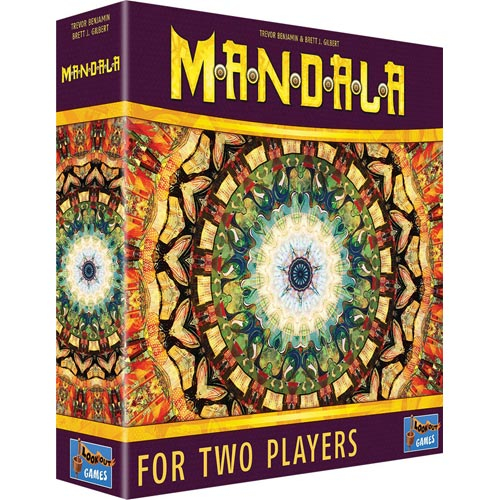
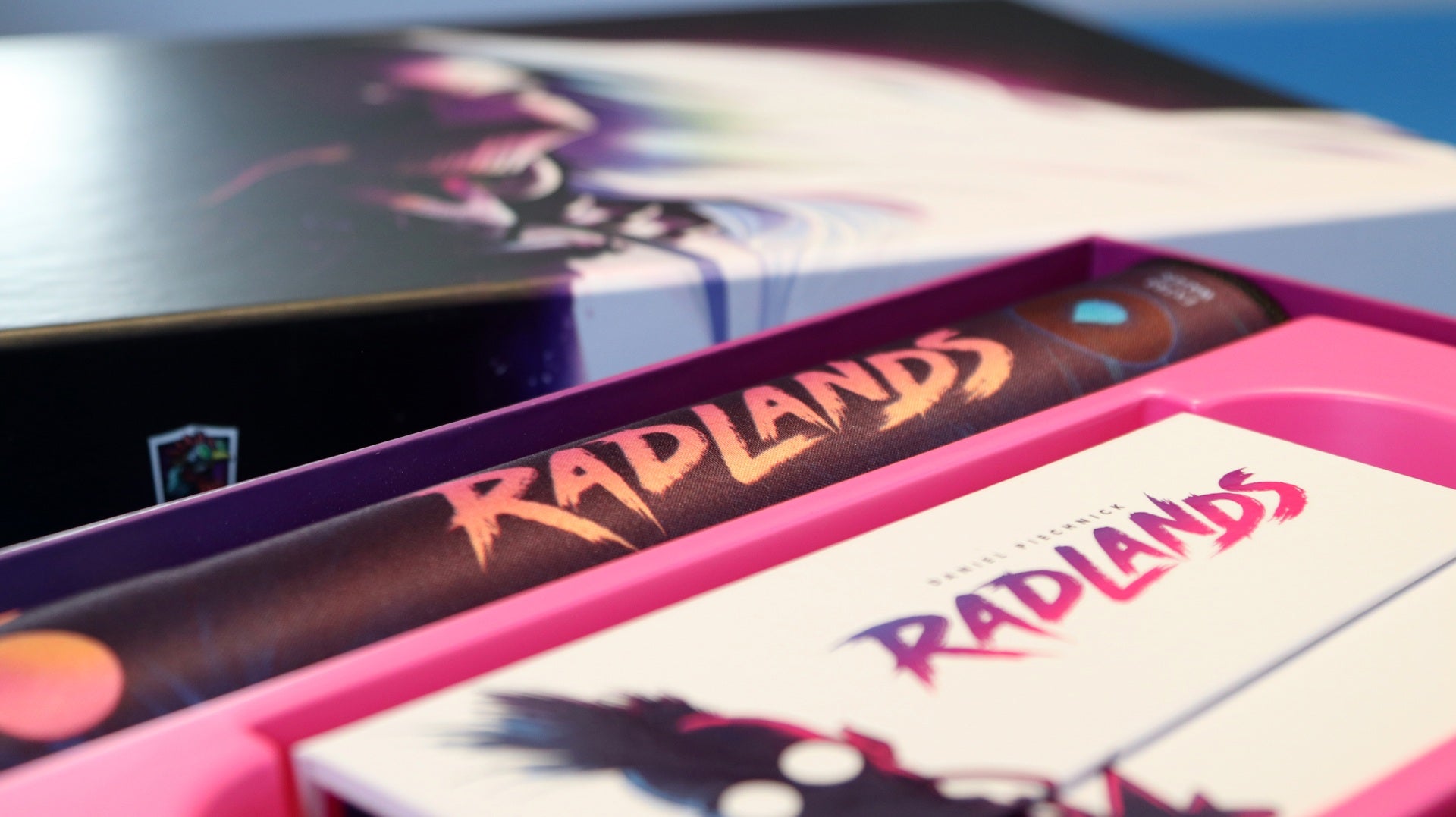
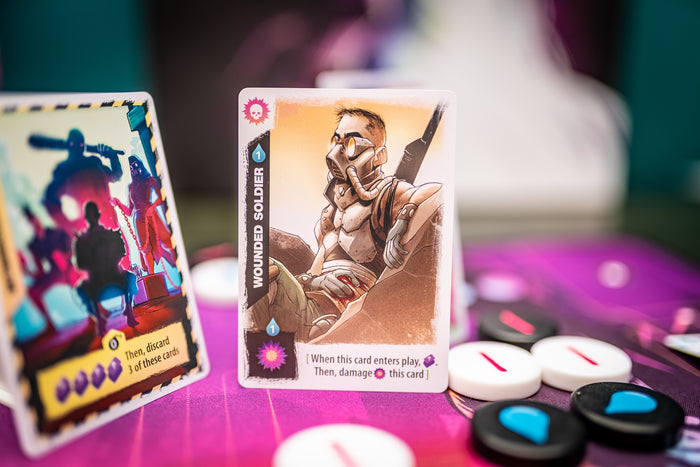
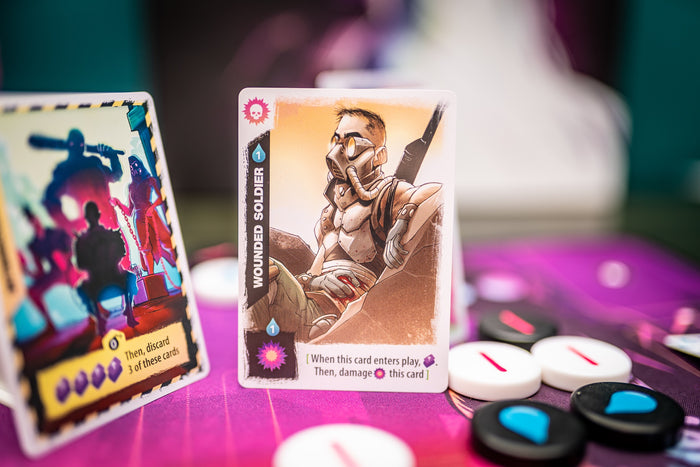
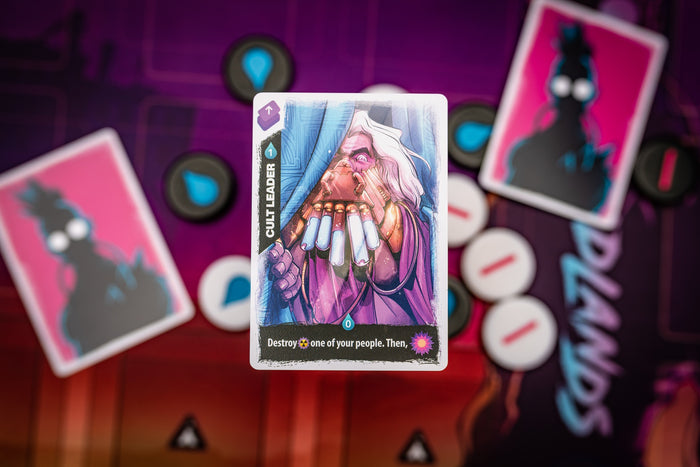
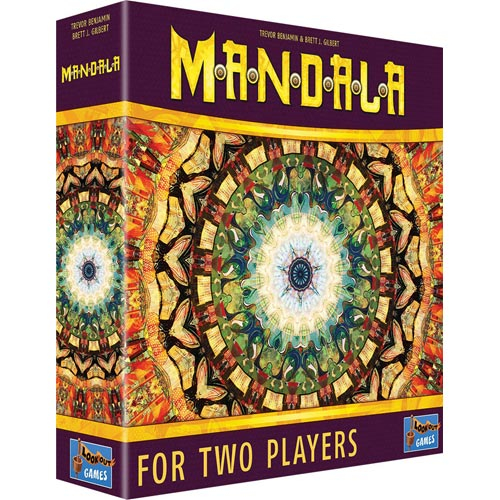
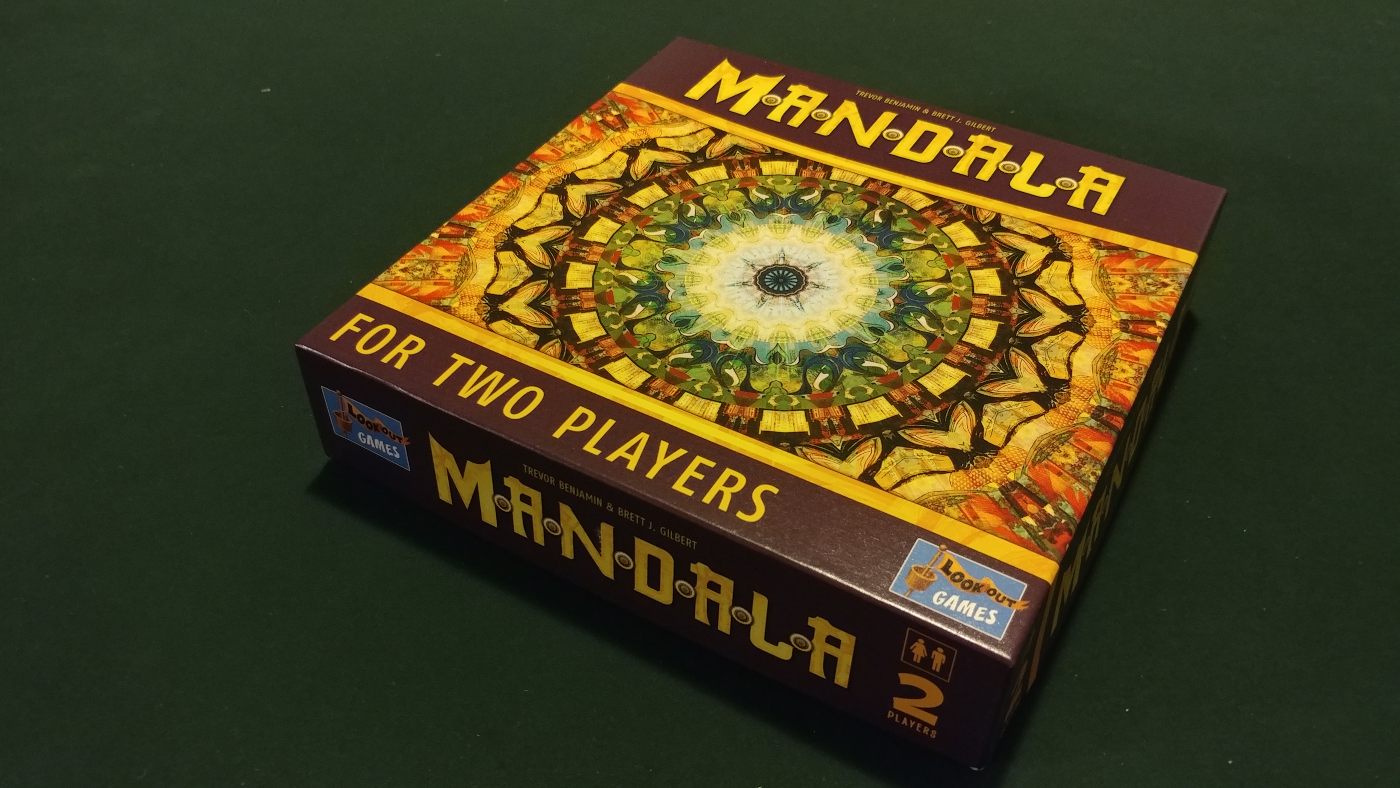
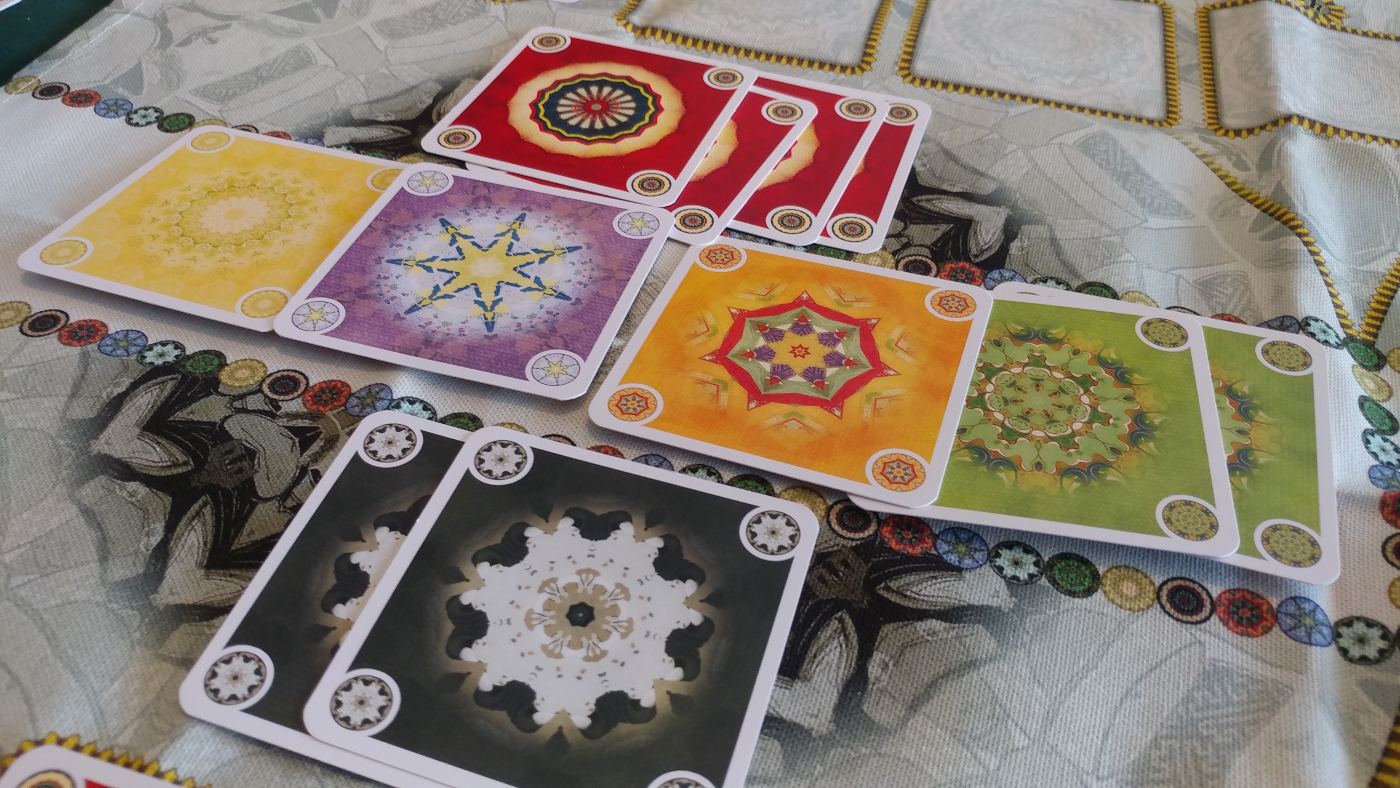
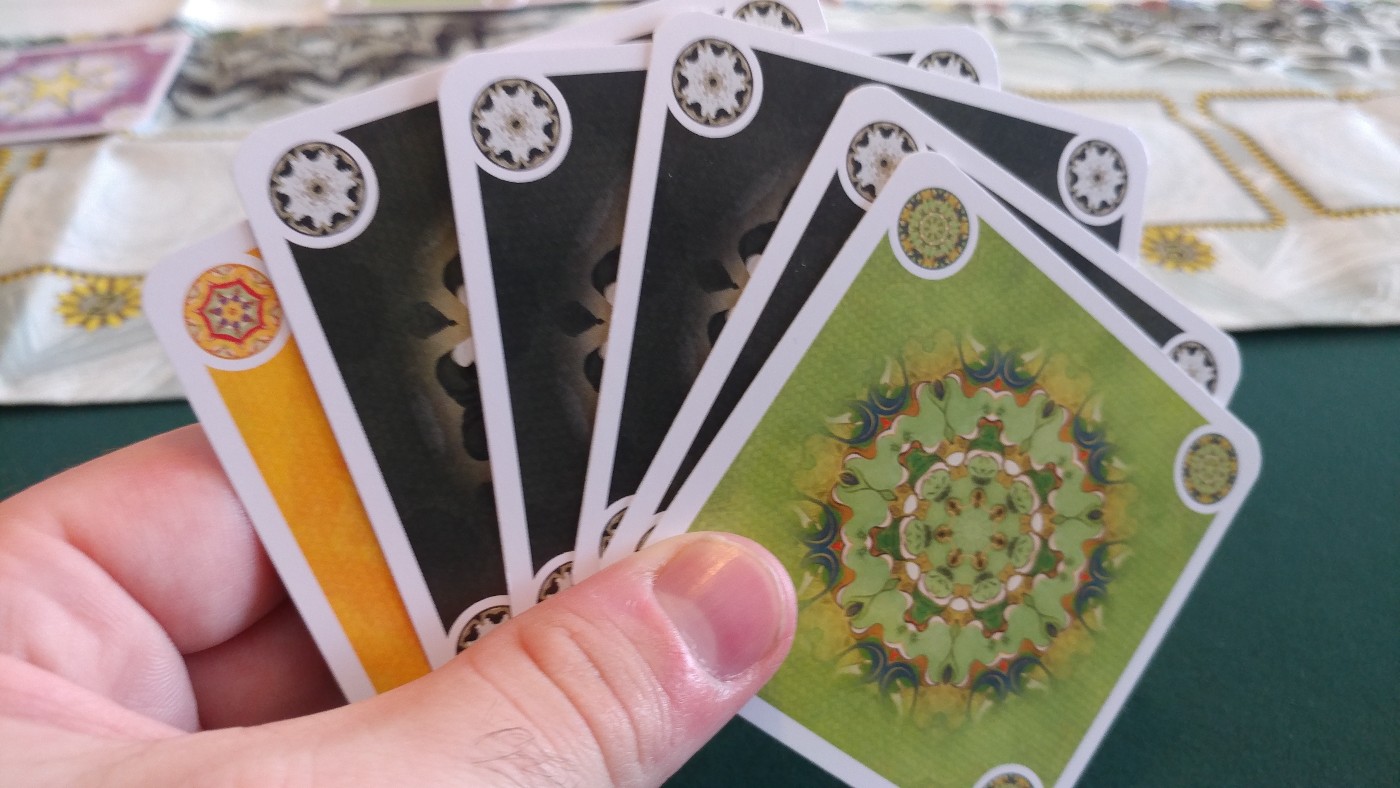
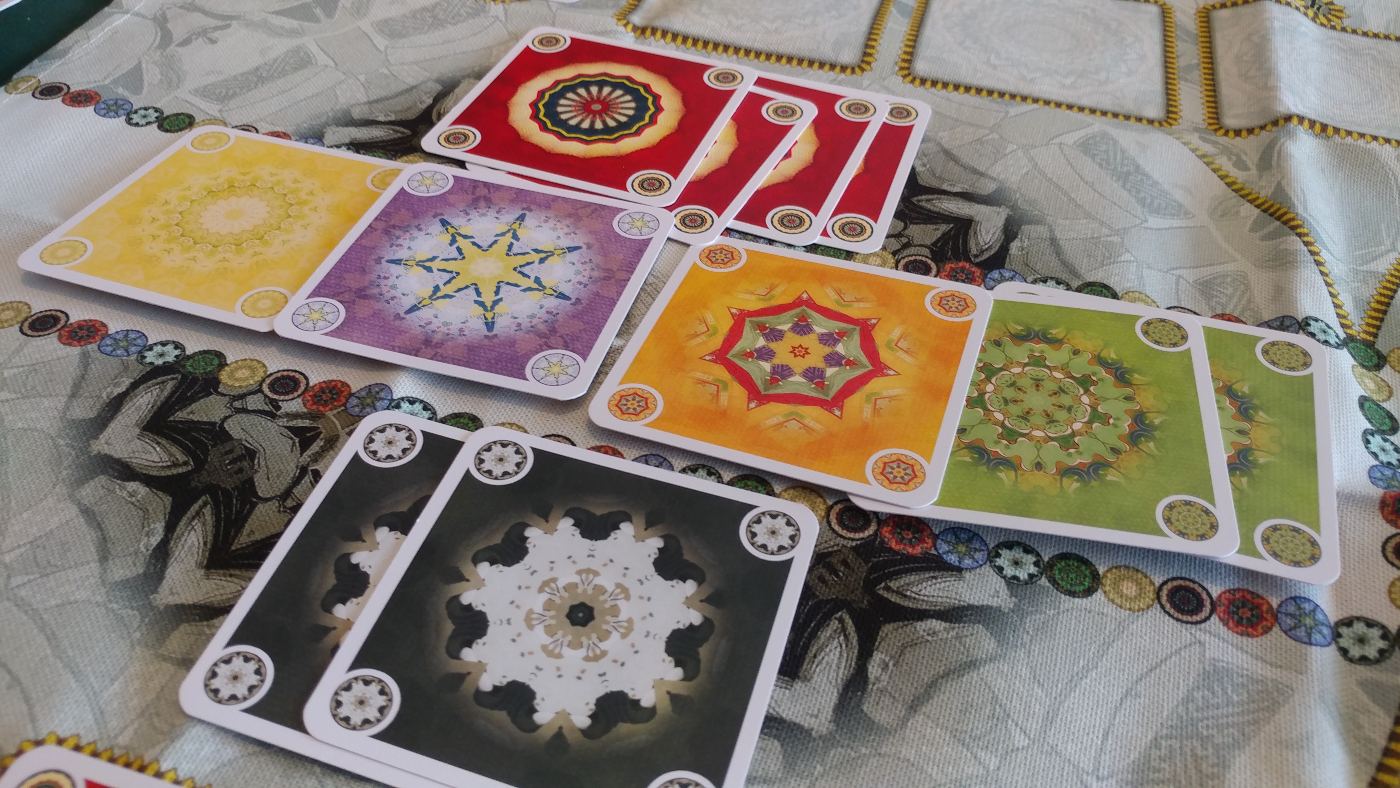
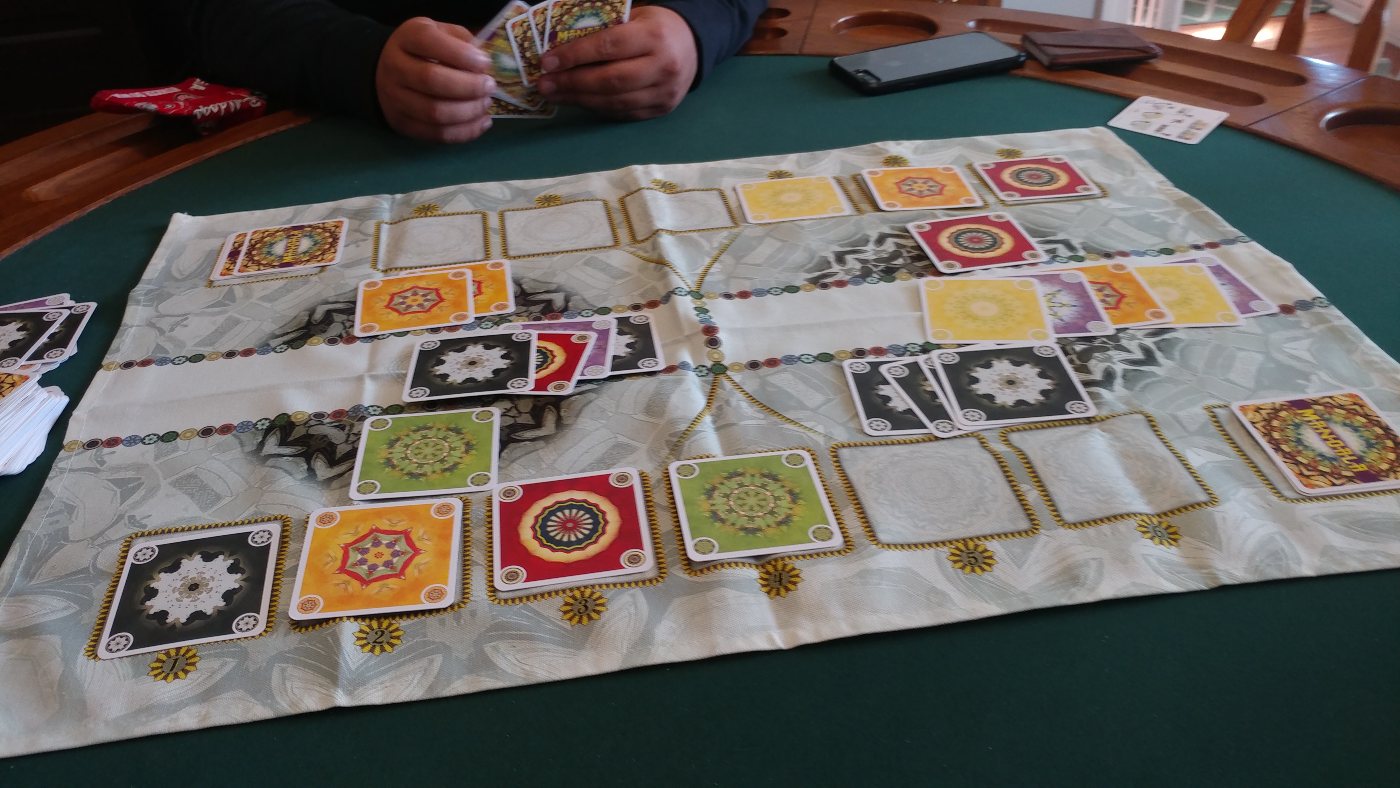
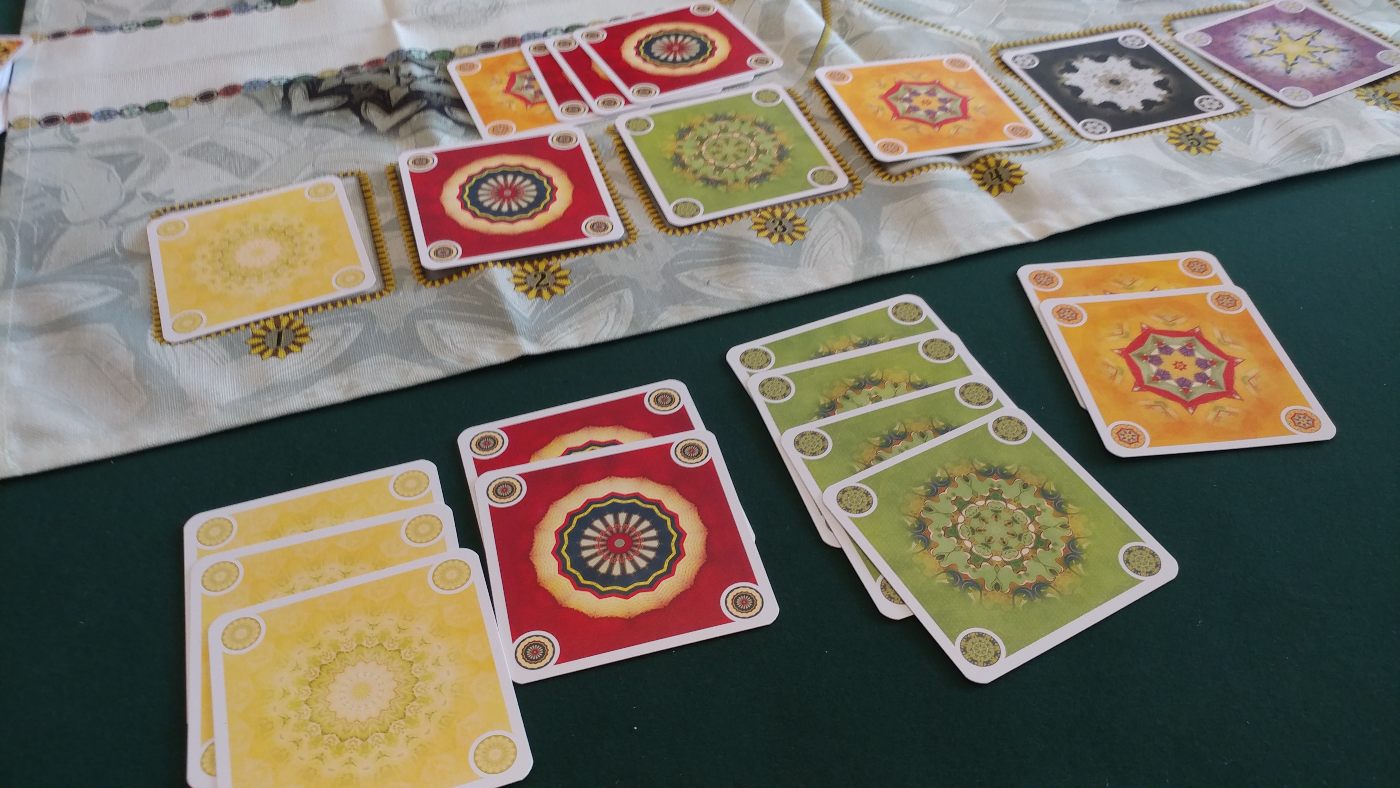
- **Take-that** — direct, often gleeful interference with your opponent. Mandala and Radlands run on it; Patchwork has almost none.
- **Sudden-death track** — an instant-win condition that ends the game the moment it triggers, regardless of score. The thing you must announce.
- **Brain-burn** — a game that genuinely taxes your head. A compliment in this circle, a warning in others.
- **Gateway** — a game gentle enough to convert a non-gamer. Patchwork and Jaipur are the patron saints.
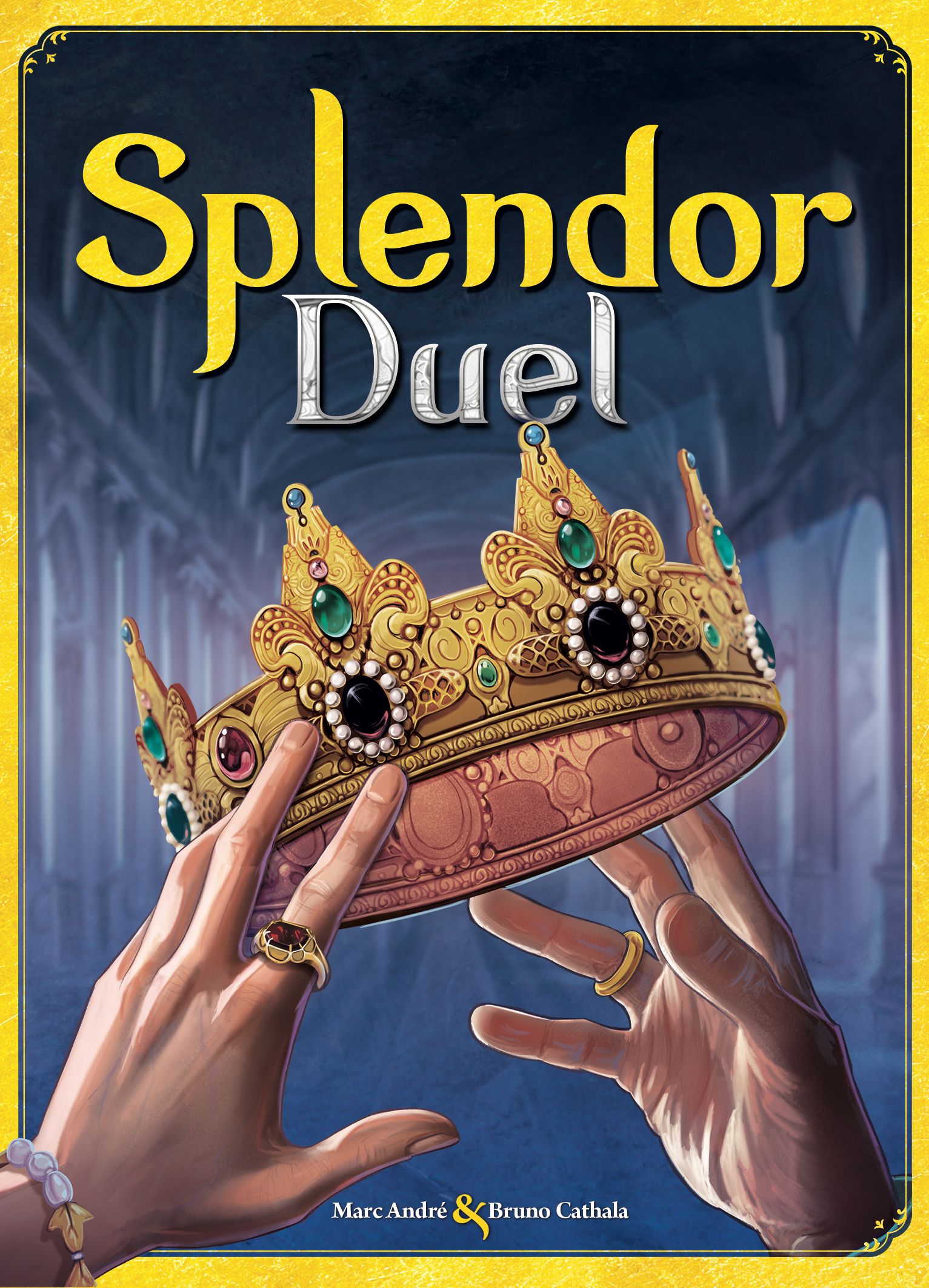
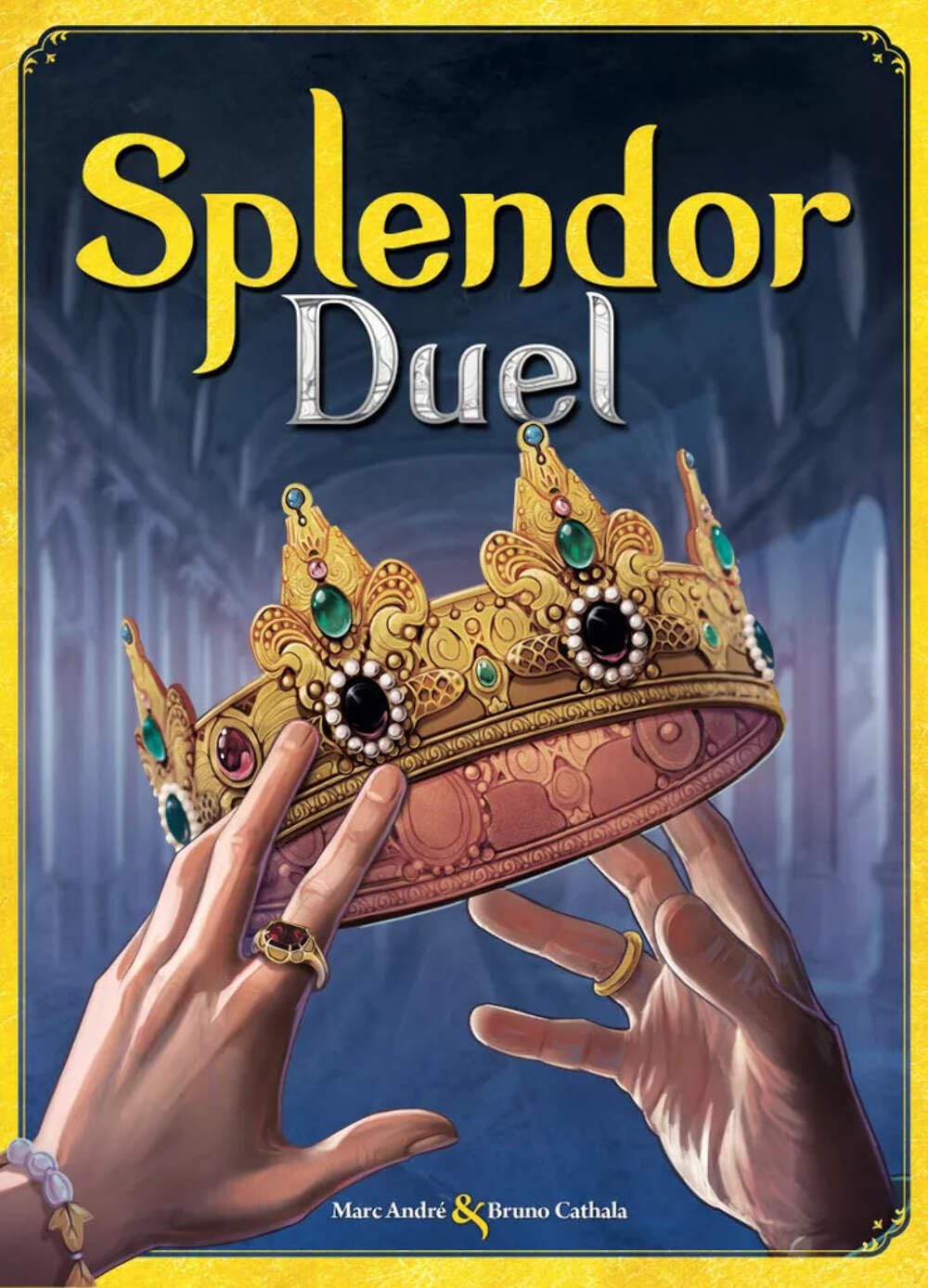
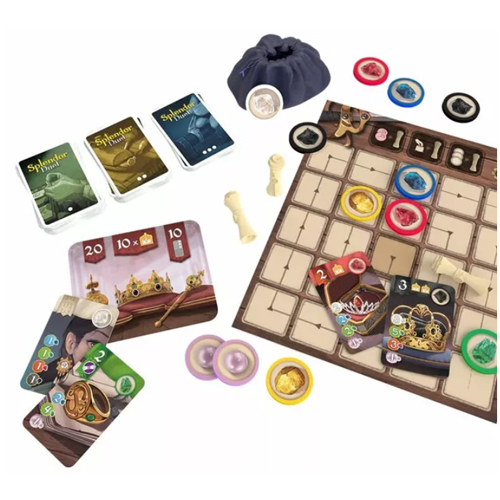
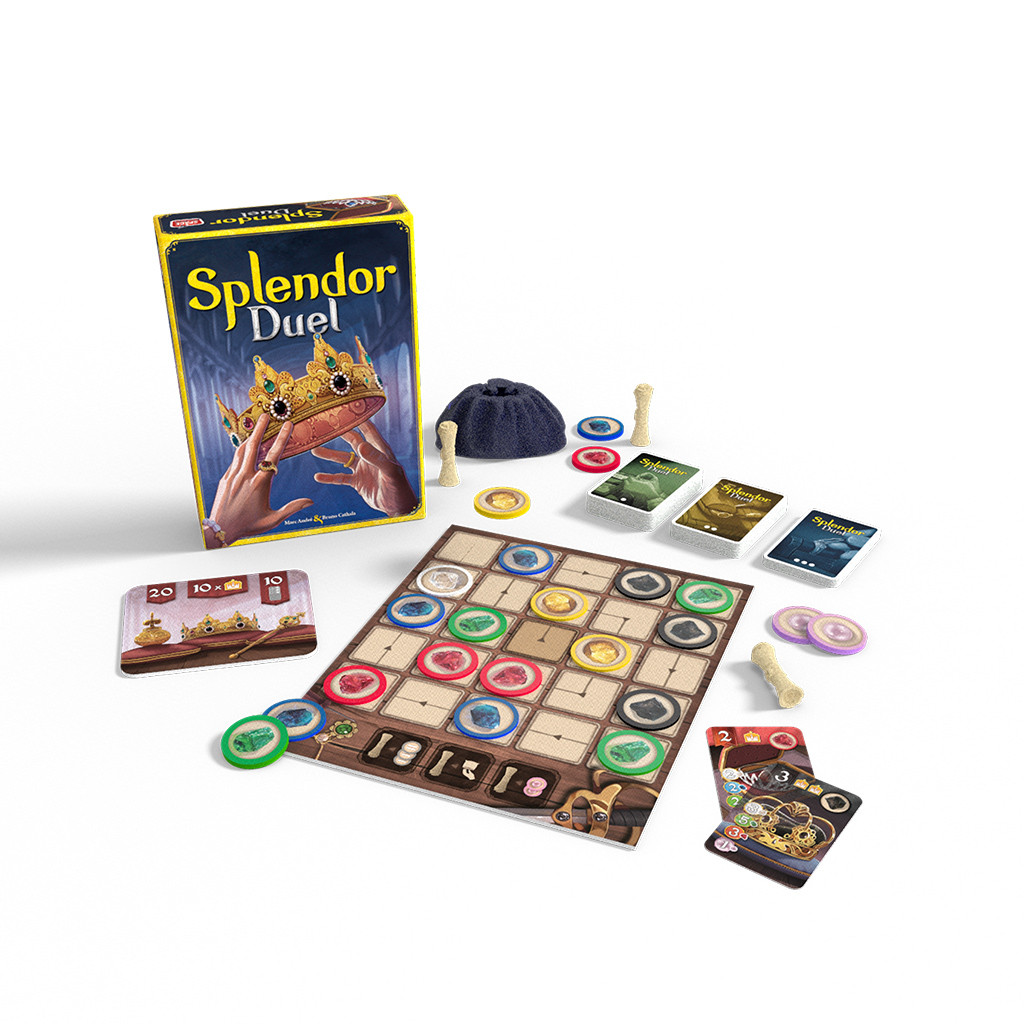
- **Engine** — a self-reinforcing loop you build so each turn does more than the last. Splendor Duel and Star Realms are engines you race to ignite.
A deck of these stays packed and ready in a way a six-player epic never can — and the habit is where two-player gaming really pays off.
What experienced tables keep reporting
Recurring owner patterns, synthesized in Puzzlewick's words. Follow each evidence trail to read the original discussion.
The refrain you'll hear again and again about 7 Wonders Duel is blunt: if two of you ever sit down to a game, this is the one you ought to own. In 'best two-player' threads it's treated less like a recommendation and more like the default answer.
reviewer consensus
Reviewers don't just love Duel — they point at the numbers. It's been called one of the best couples games money can buy, and it hit a million copies sold in five years, twice as fast as the original 7 Wonders.
review + sales figures
Shut Up & Sit Down's verdict on Patchwork stuck with the whole hobby: perfectly engineered for exactly two players, a tight and finely chiseled design where every turn is wired to everything else.
SU&SD review
Patchwork has quietly become the universal 'my partner hates board games' pick — the cozy quilt theme disarms the skeptics, and then the puzzle hooks them before they notice they're playing strategy.
community pattern
On Sky Team, the community's loudest warning is also its highest praise: don't house-rule the chatter back in. The silence is the game, and talking through it guts the whole thing.
reviewer consensus
Abstract fans adore Hive precisely because there's no luck to blame — every loss is yours to own. Some find that bracing and freeing; others find it brutal until their skill catches up.
reviewer consensus
People who own both keep trading their #1 two-player slot back and forth between 7 Wonders Duel and Hanamikoji — and Hanamikoji is the title that gets cited most as wildly underrated for a sub-$20 box.
reviewer consensus
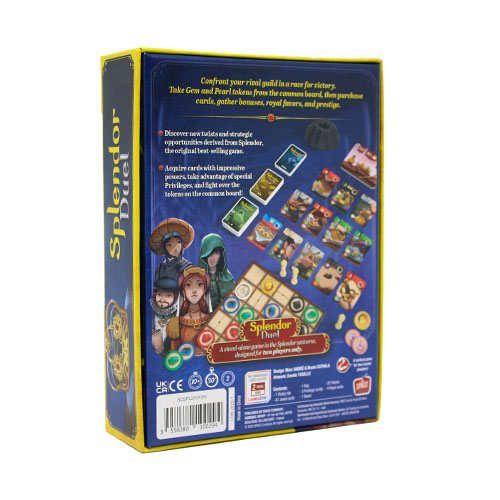
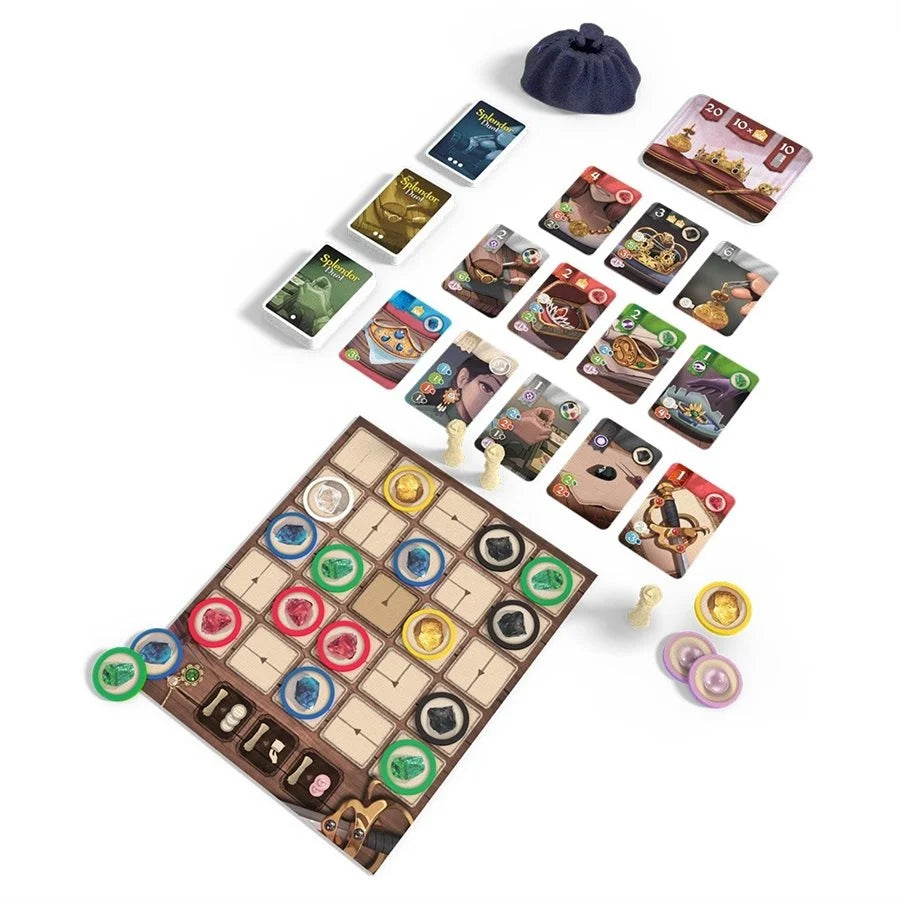
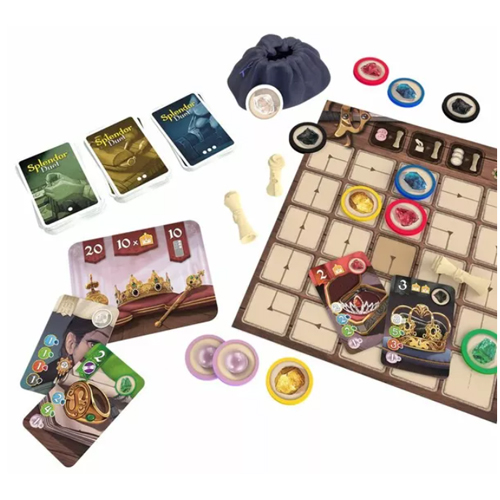
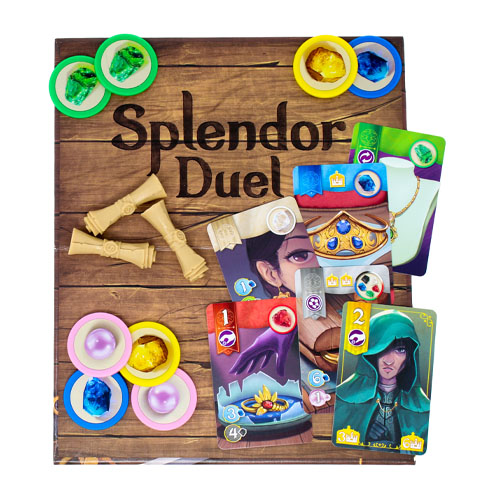
Splendor Duel earns the rarest compliment in the hobby: reviewers say the redesign is a better two-player experience than the original, and plenty now reach for it over Splendor outright.
reviewer consensus
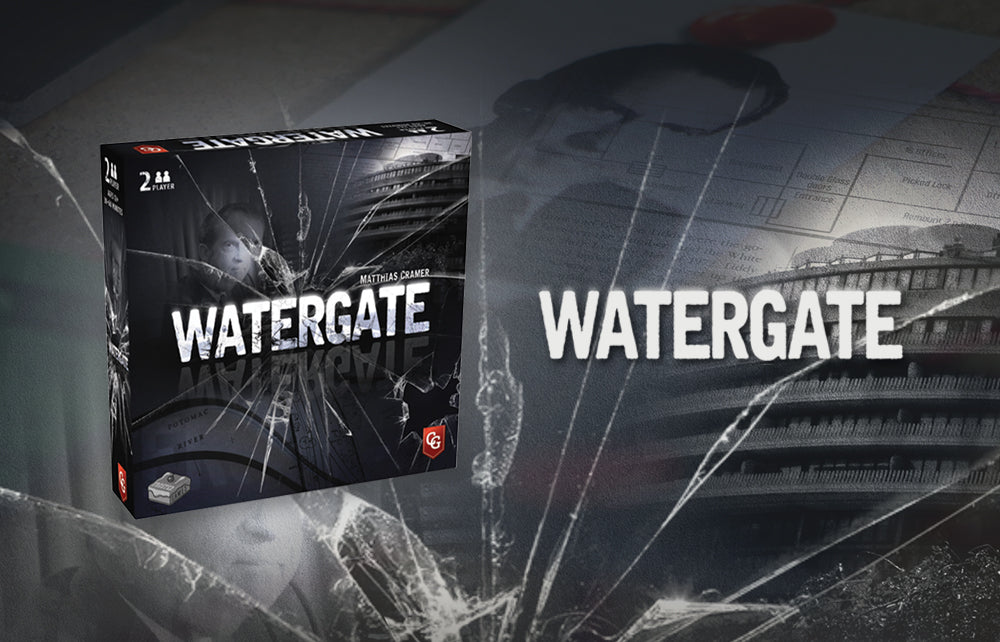
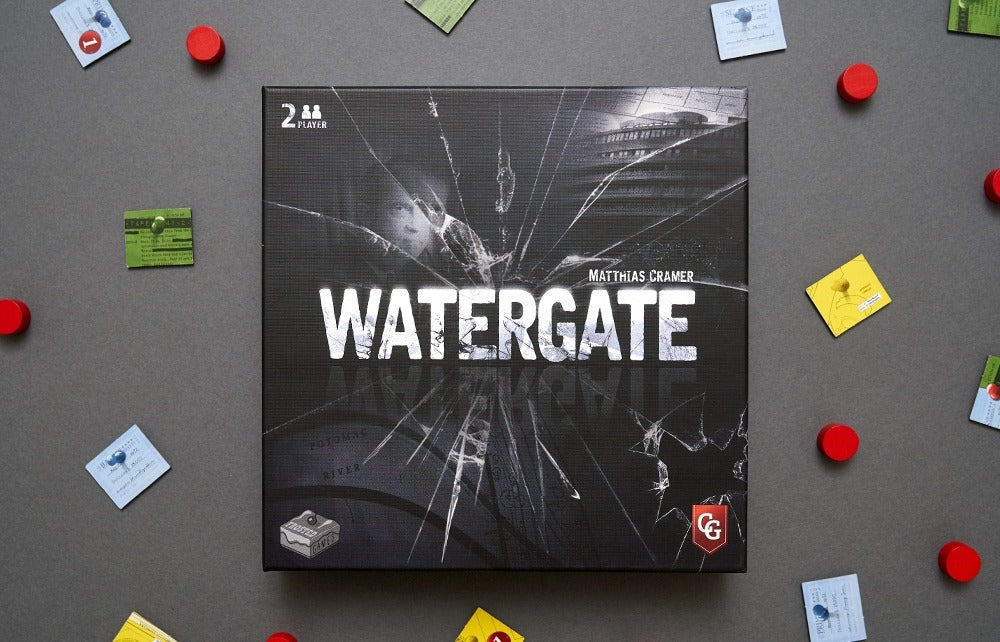
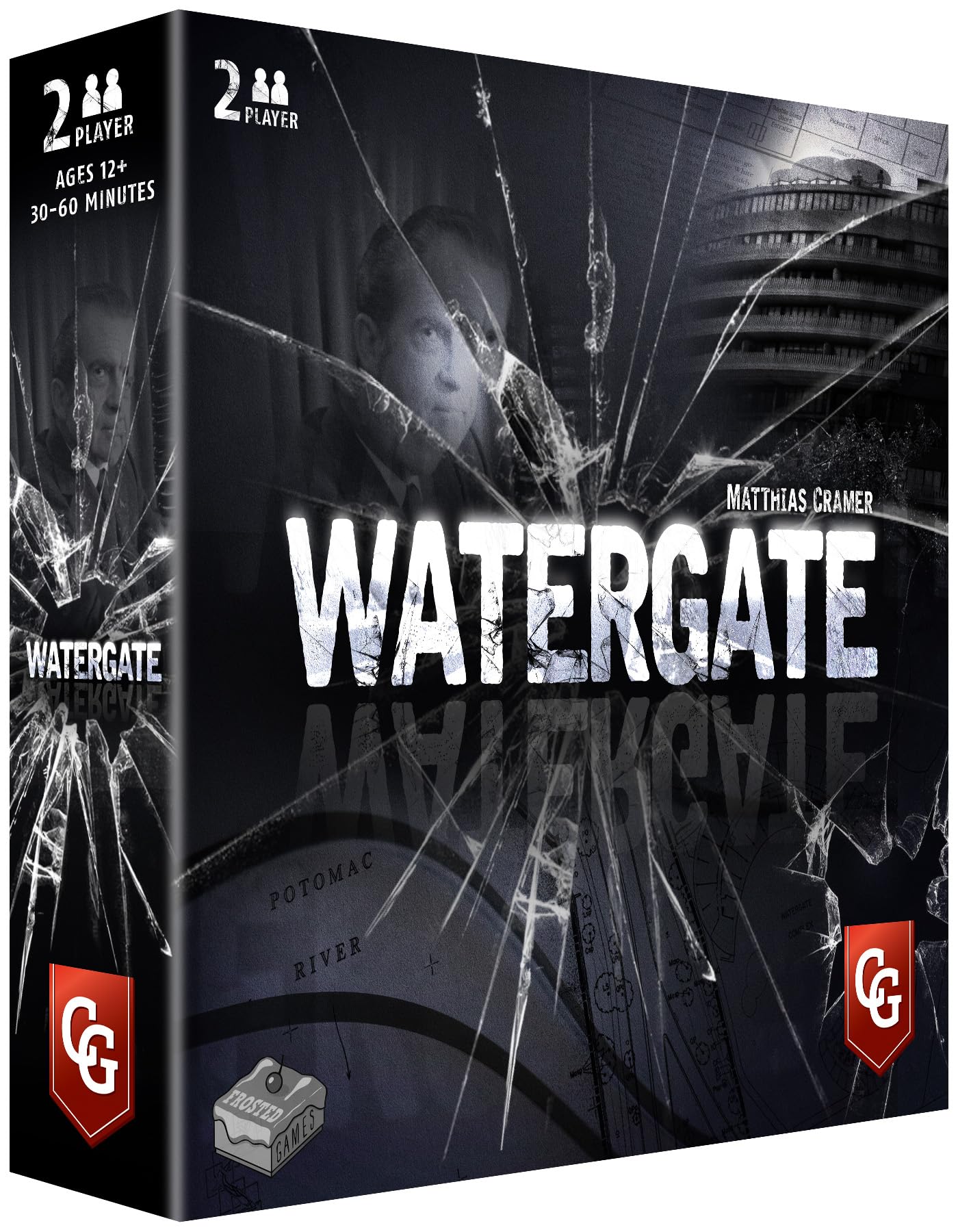
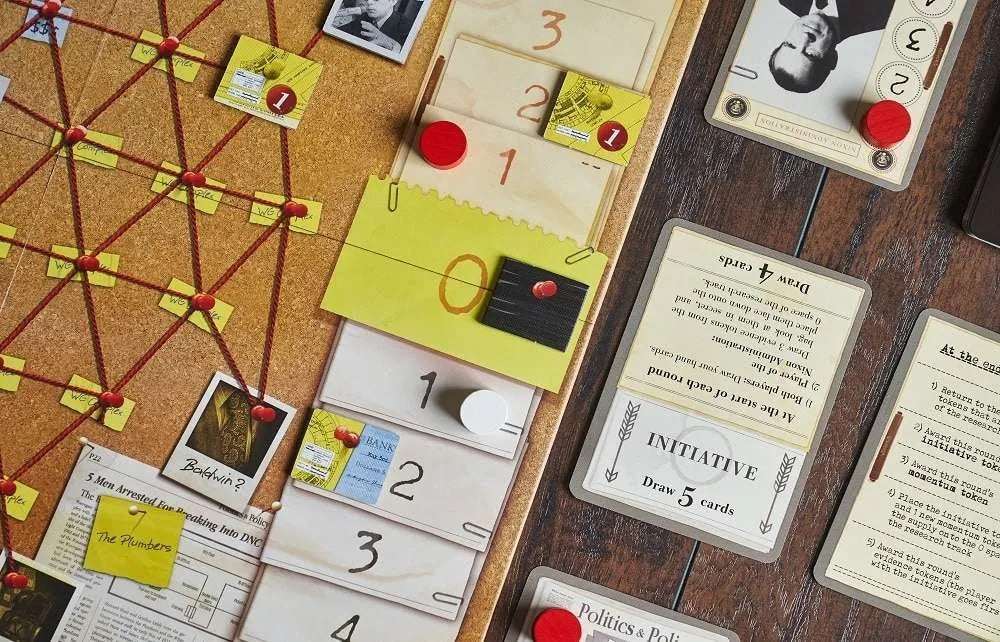
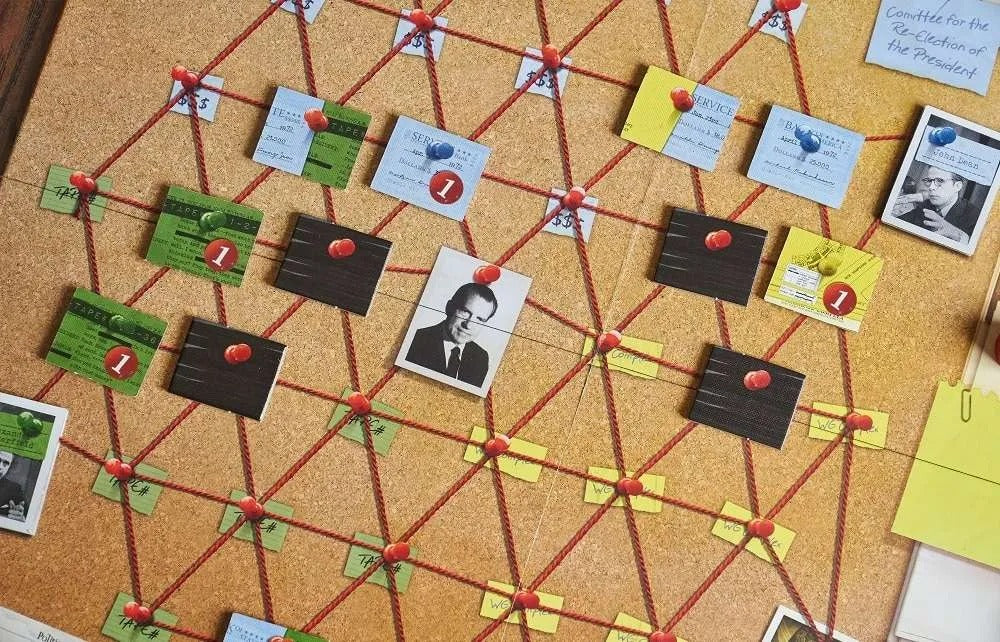
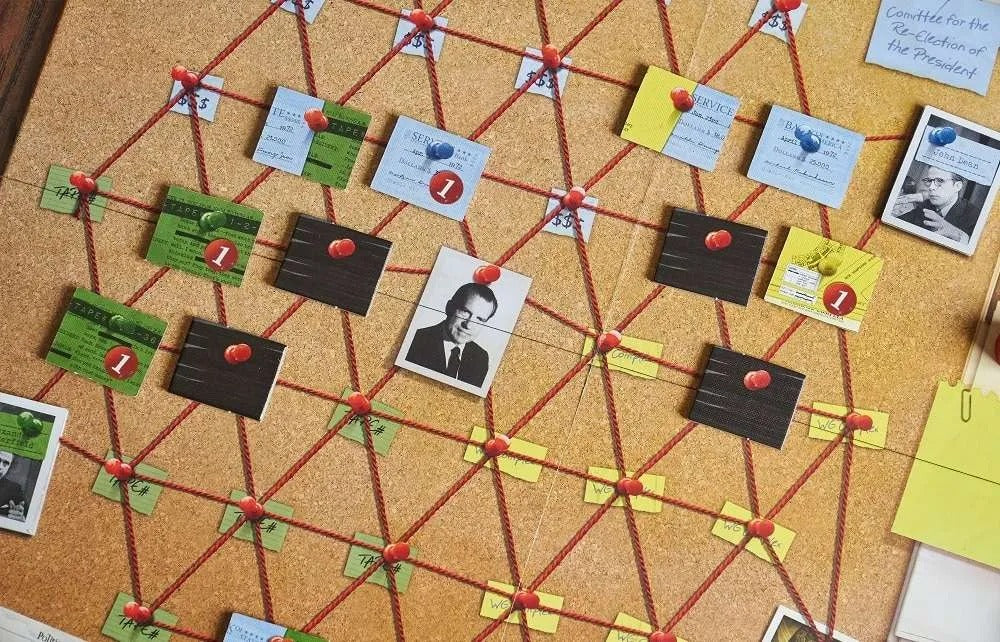
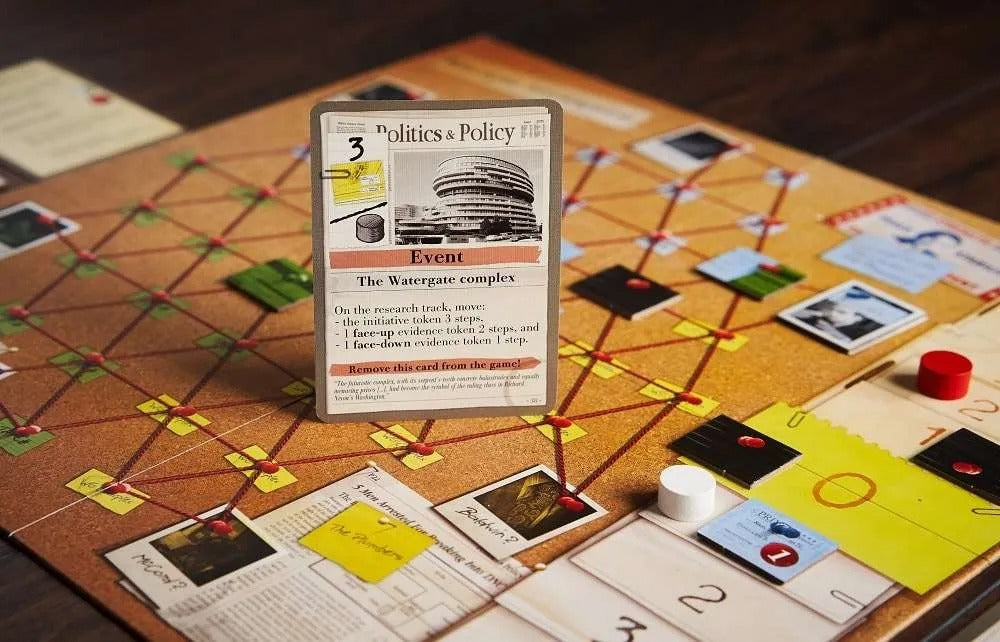
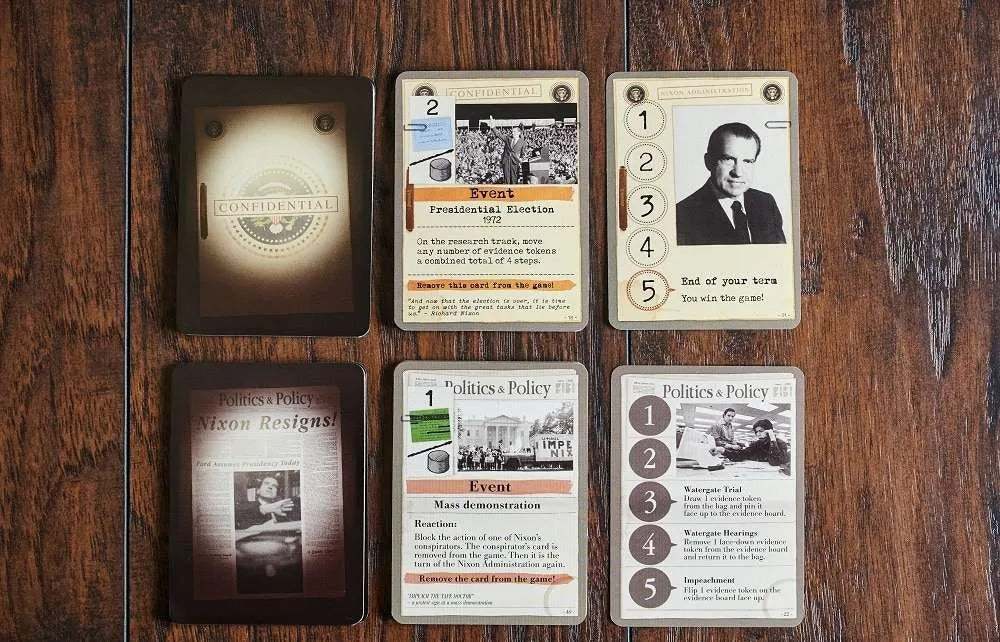
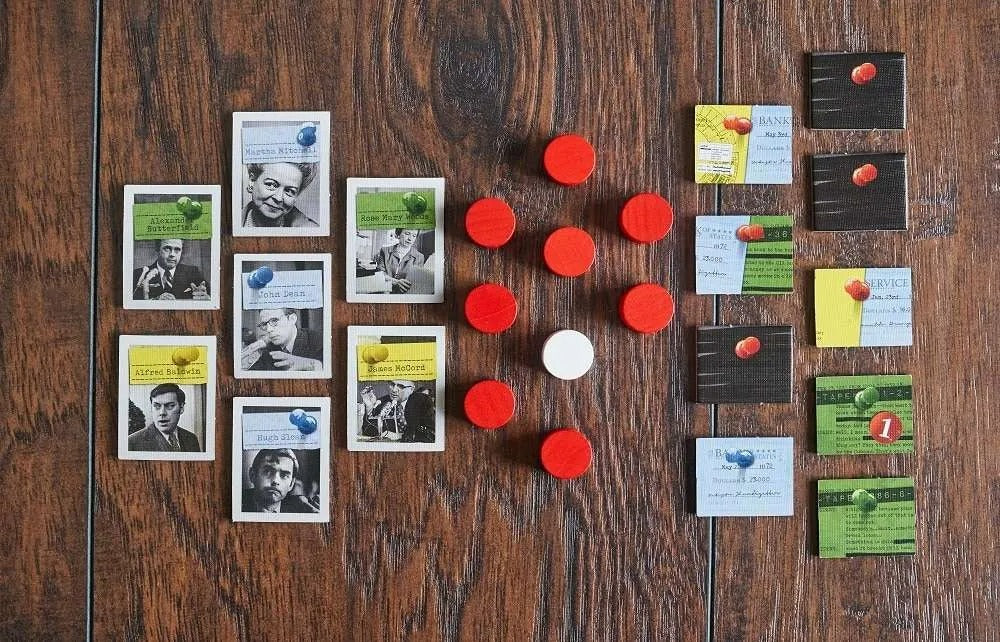
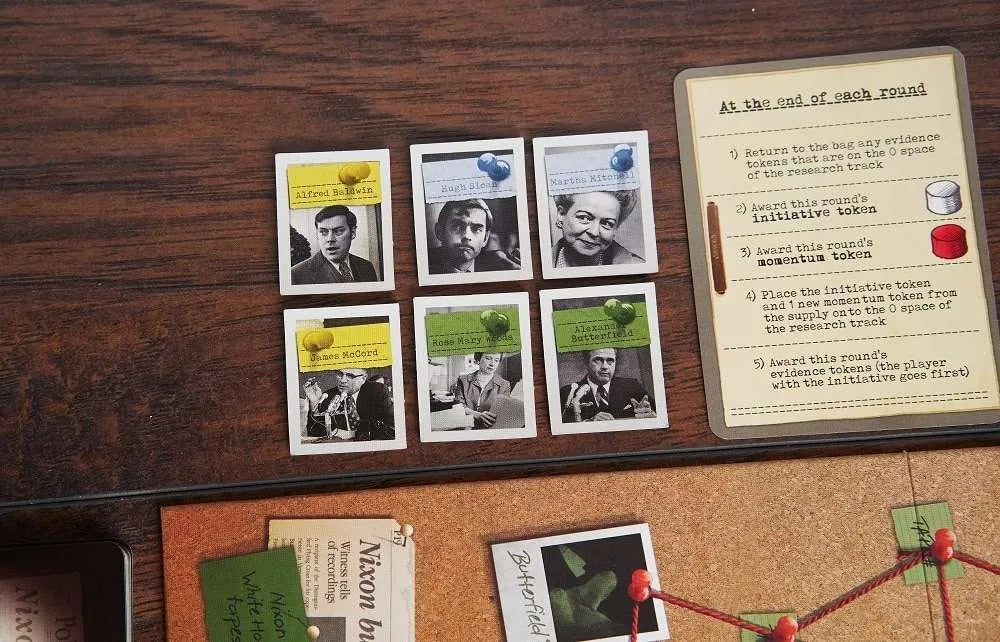
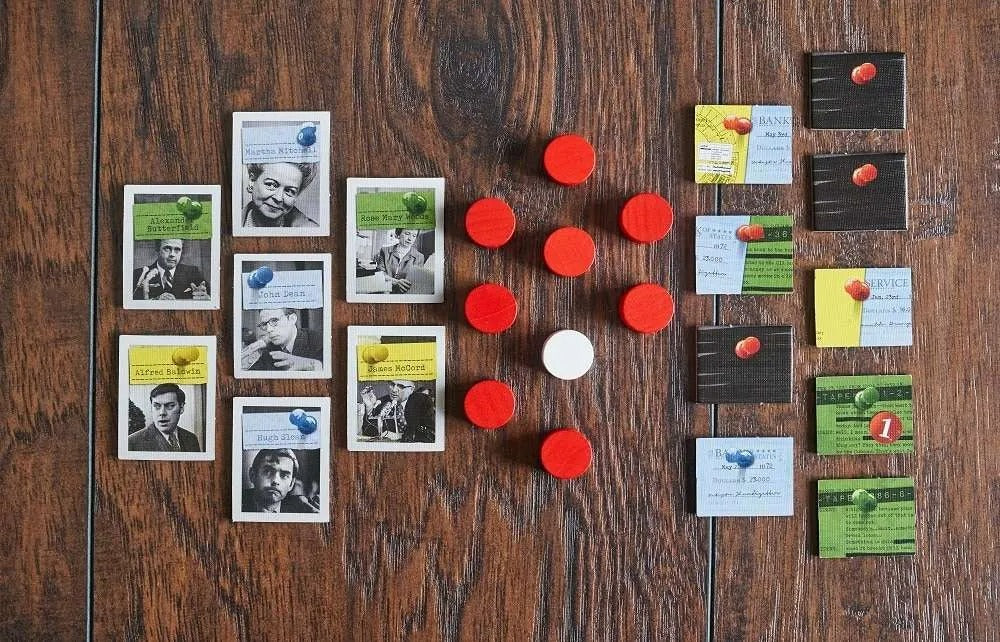
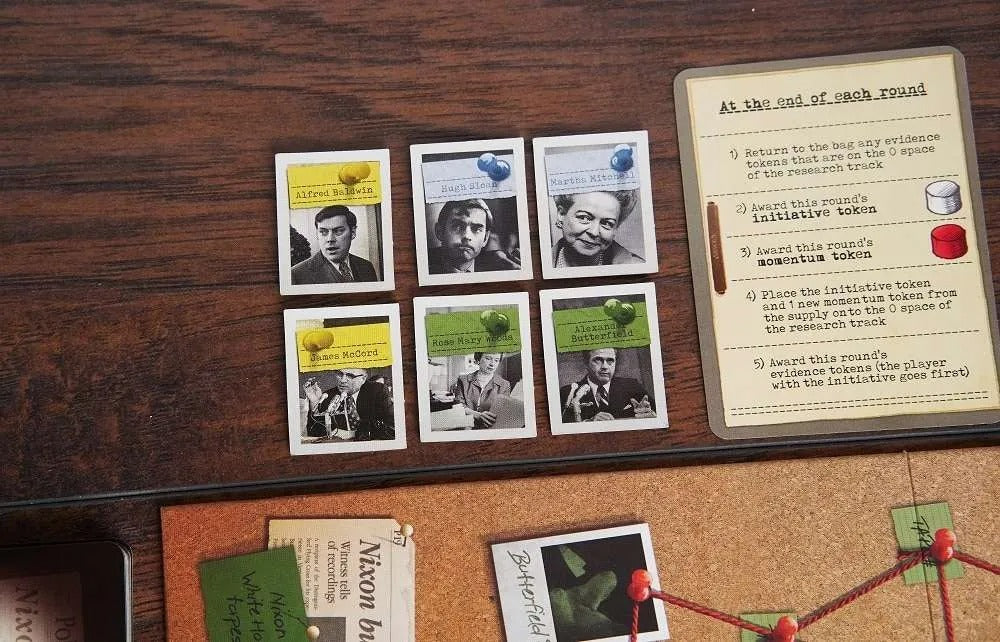
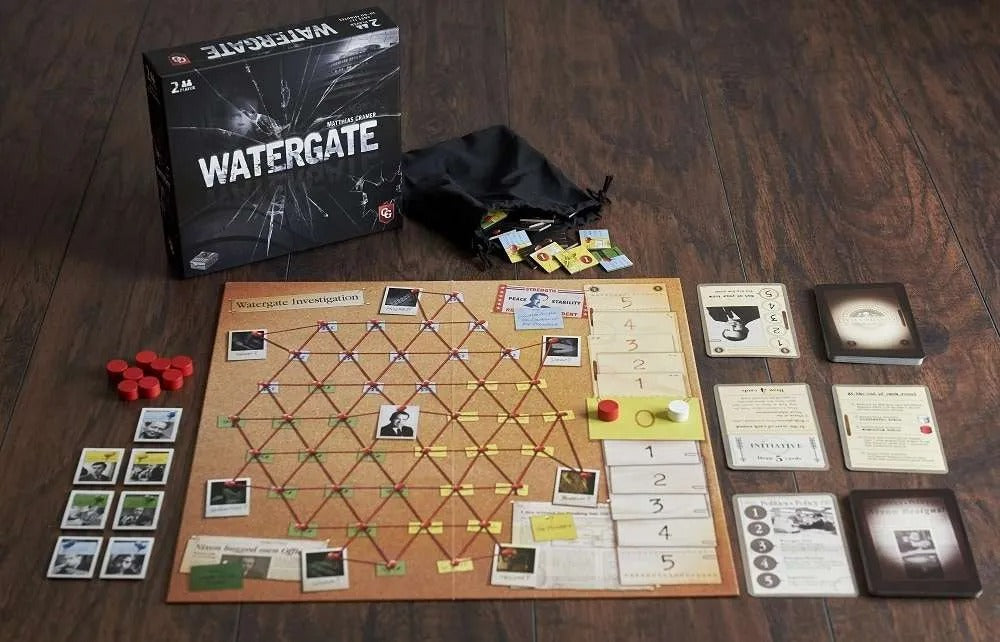
Watergate fans describe an arc — it feels lopsided for a game or two, then snaps into a perfectly balanced cat-and-mouse once both sides learn the rhythm. More than one player calls it a new all-time favorite after pushing through.
review
Targi carries a unique bragging right in two-player circles — it's the only two-player game ever nominated for Germany's advanced-gamer award, which is why it's the go-to when someone wants worker-placement built specifically for two.
award fact
The picks
Some links below are affiliate links — as an Amazon Associate, Puzzlewick earns from qualifying purchases, at no extra cost to you. It never changes a pick.
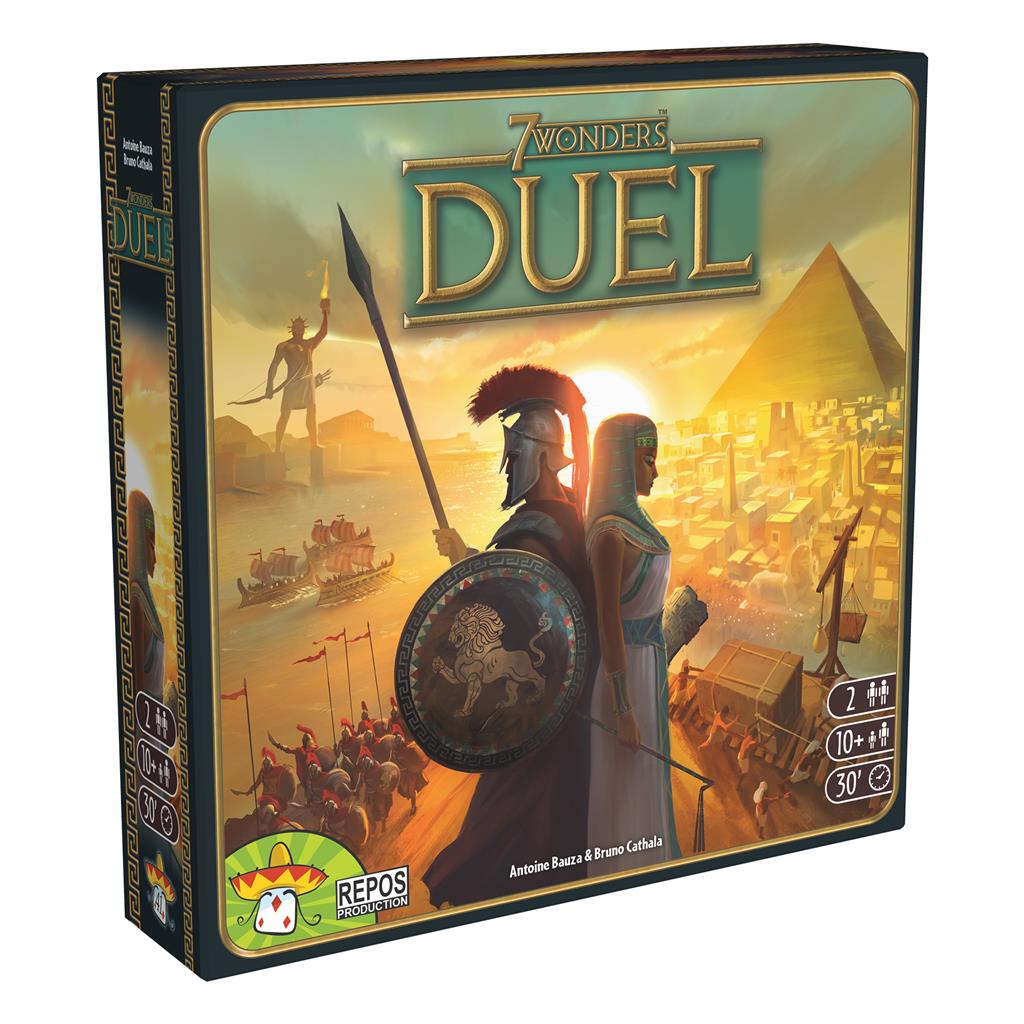
 7 photos
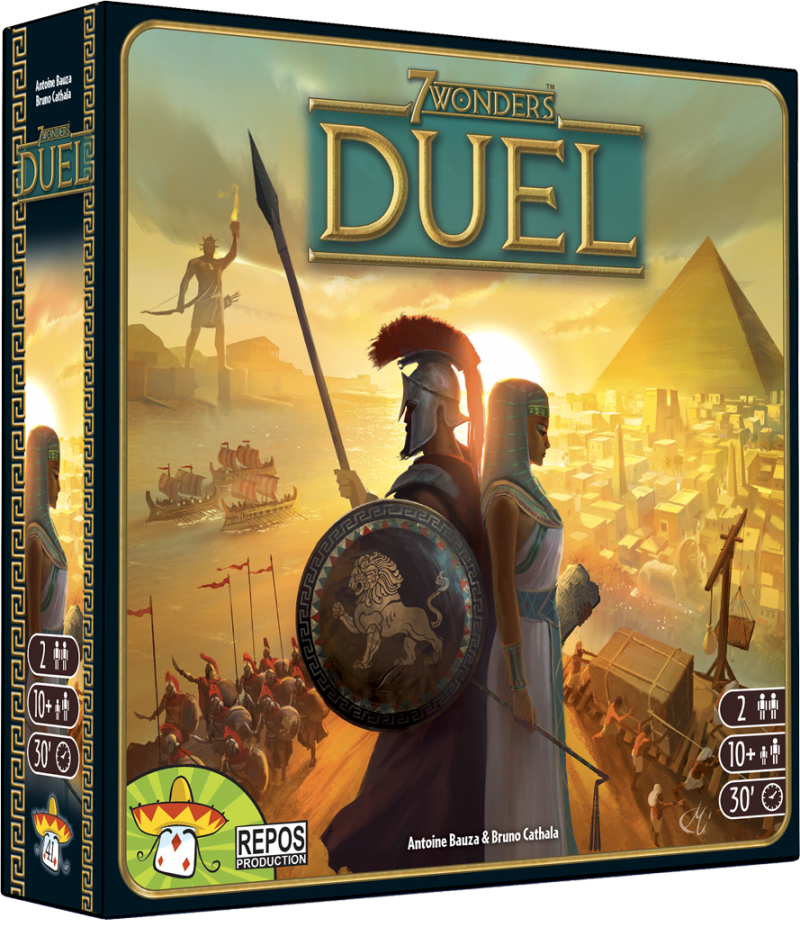
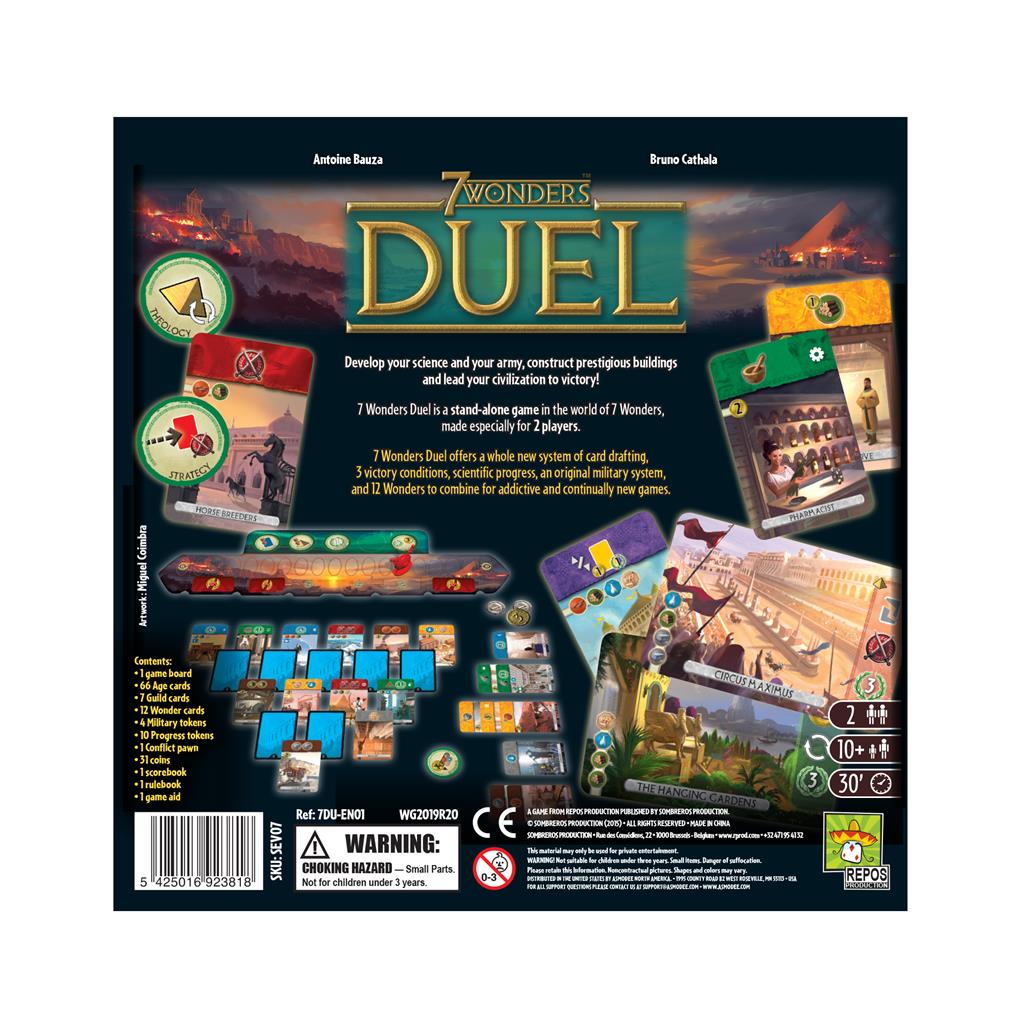
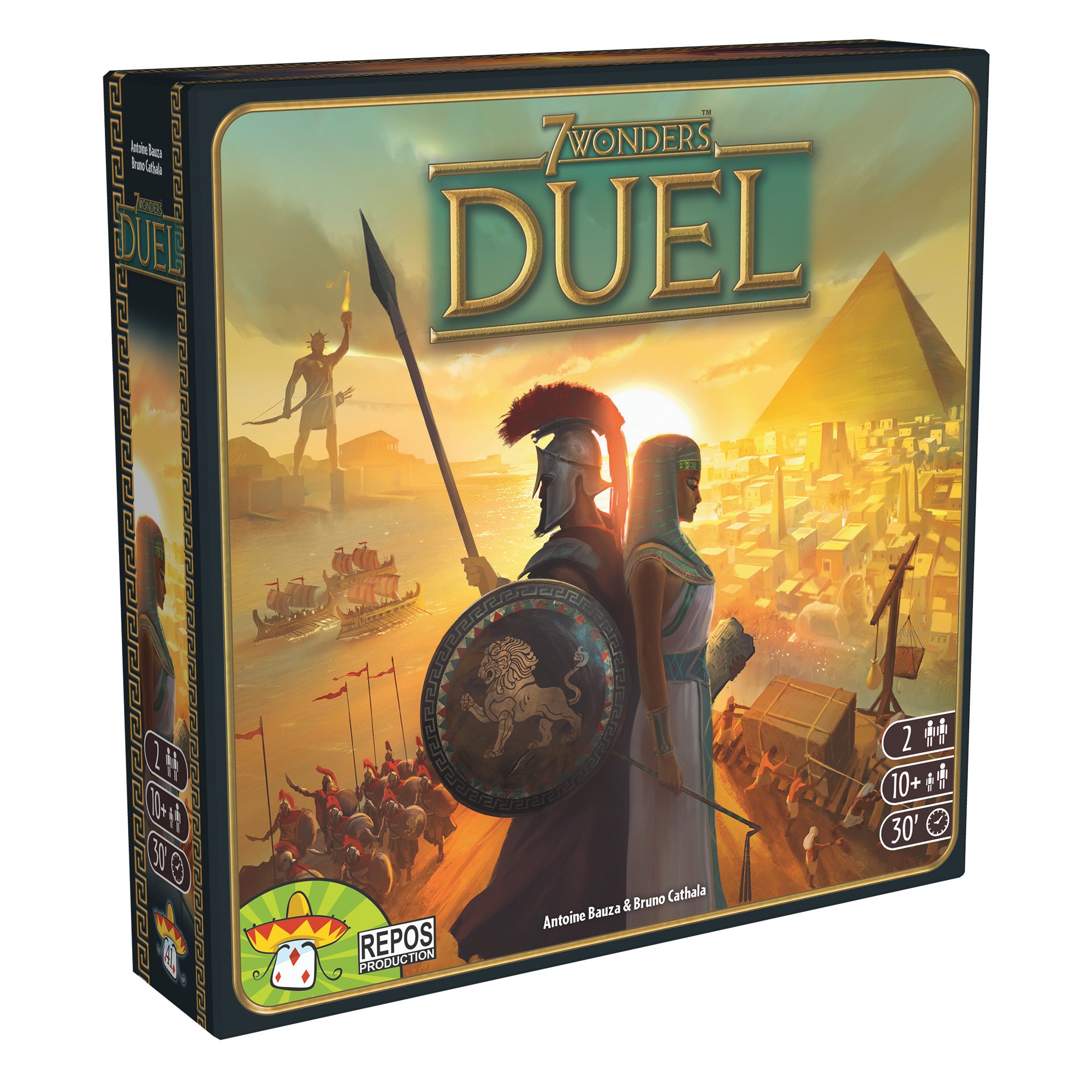
 7 Wonders Duel
- Players
- 2 · best 2
- Time
- 30 min
- Age
- 10+
- Complexity
- 2.2 / 5
- Publisher
- Repos Production · 2015
- Designers
- Antoine Bauza, Bruno Cathala
- Art
- Miguel Coimbra

 8 photos
 Sky Team
- Players
- 2 · best 2
- Time
- 15 min
- Age
- 12+
- Complexity
- 2.0 / 5
- Publisher
- Le Scorpion Masqué · 2023
- Designer
- Luc Rémond
- Art
- Eric Hibbeler, Adrien Rives
 7 photos
 Patchwork
- Players
- 2 · best 2
- Time
- 15-30 min
- Age
- 8+
- Complexity
- 1.60 / 5
- Publisher
- Lookout Games (Lookout Spiele) · 2014
- Designer
- Uwe Rosenberg
- Art
- Klemens Franz
 9 photos
 Jaipur
- Players
- 2 · best 2
- Time
- 30 min
- Age
- 10+
- Complexity
- 1.46 / 5
- Publisher
- GameWorks (Space Cowboys / Asmodee) · 2009
- Designer
- Sébastien Pauchon
 8 photos
 Hive
- Players
- 2 · best 2
- Time
- 20 min
- Age
- 9+
- Publisher
- Gen42 Games · 2001
- Designer
- John Yianni
 13 photos
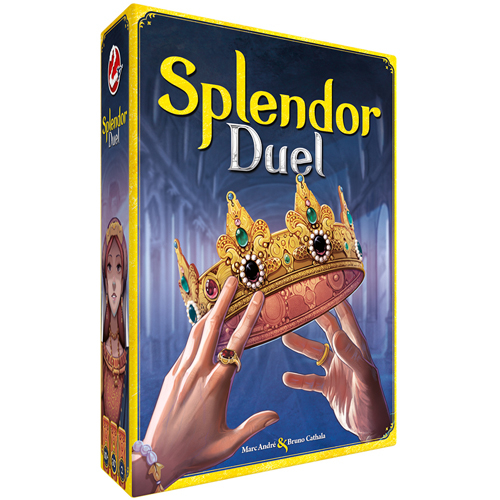
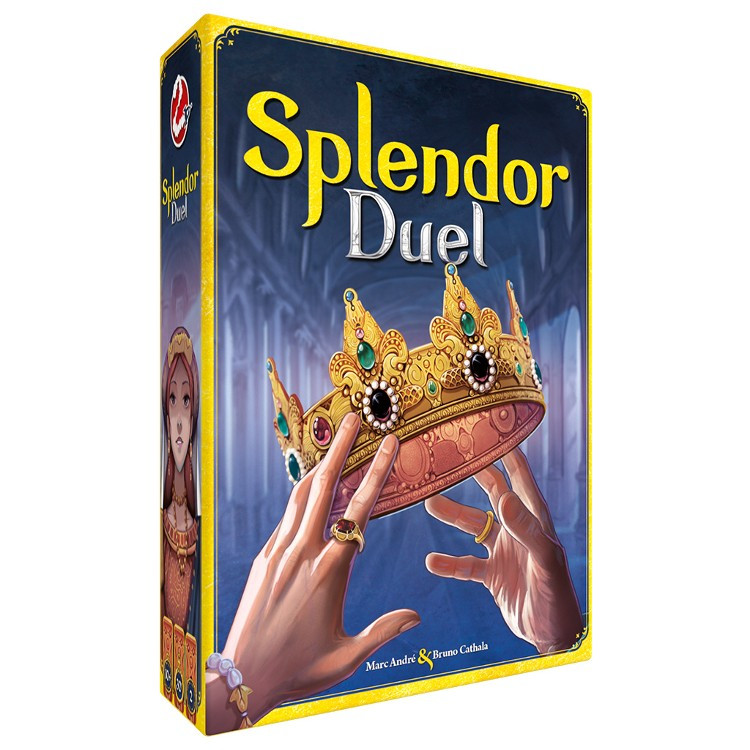
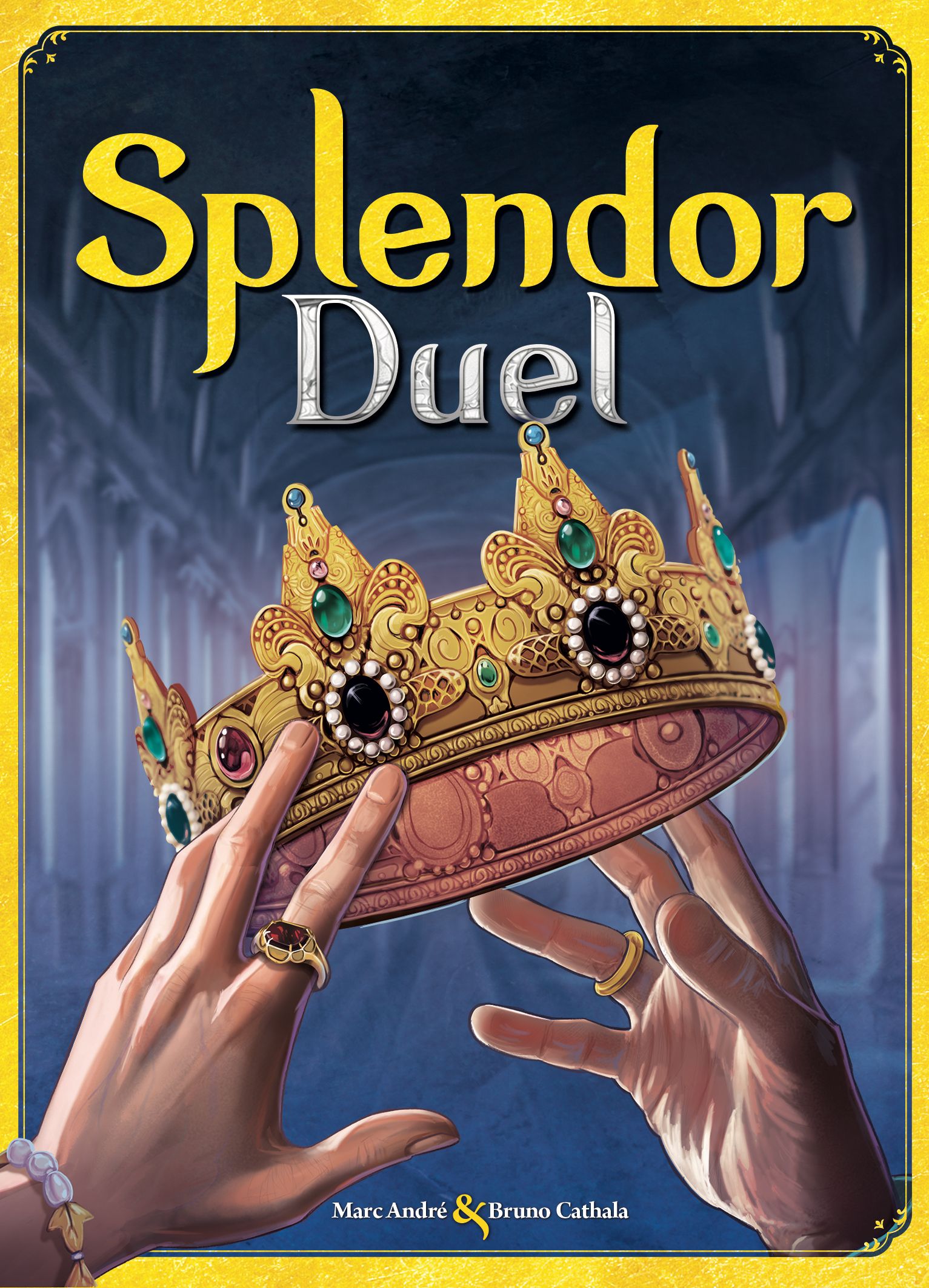
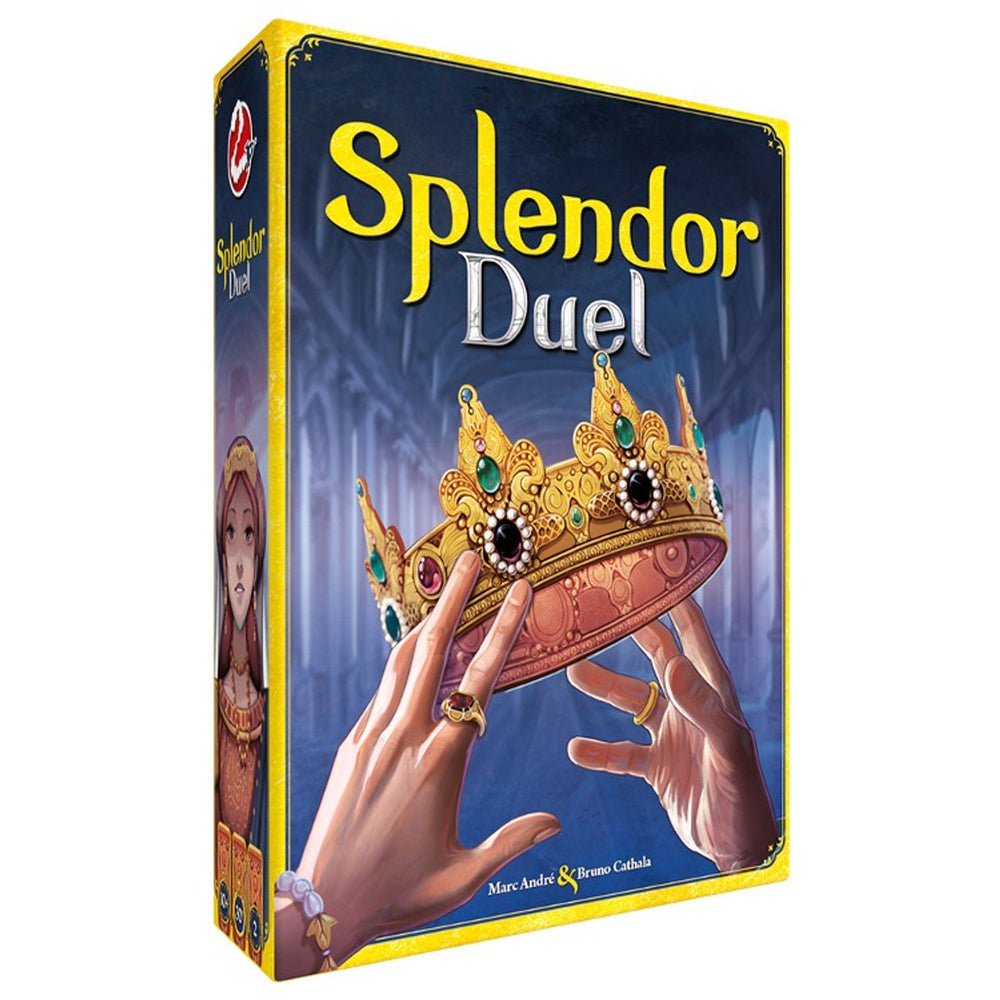
 Splendor Duel
- Players
- 2 · best 2
- Time
- 30 min
- Age
- 10+
- Complexity
- 2.02 / 5
- Publisher
- Space Cowboys · 2022
- Designers
- Marc André, Bruno Cathala
- Art
- Davide Tosello
 17 photos
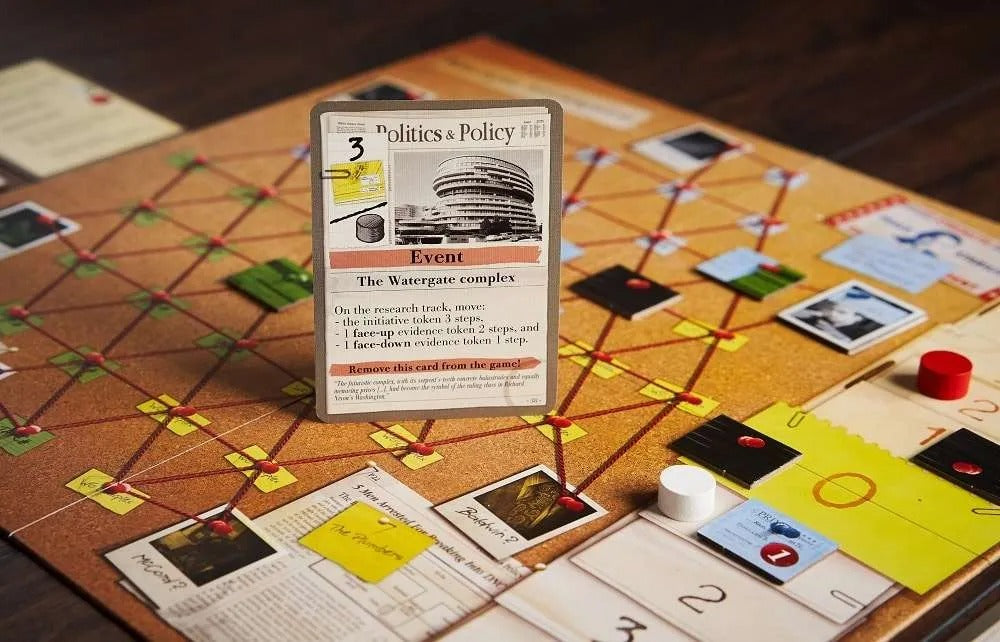
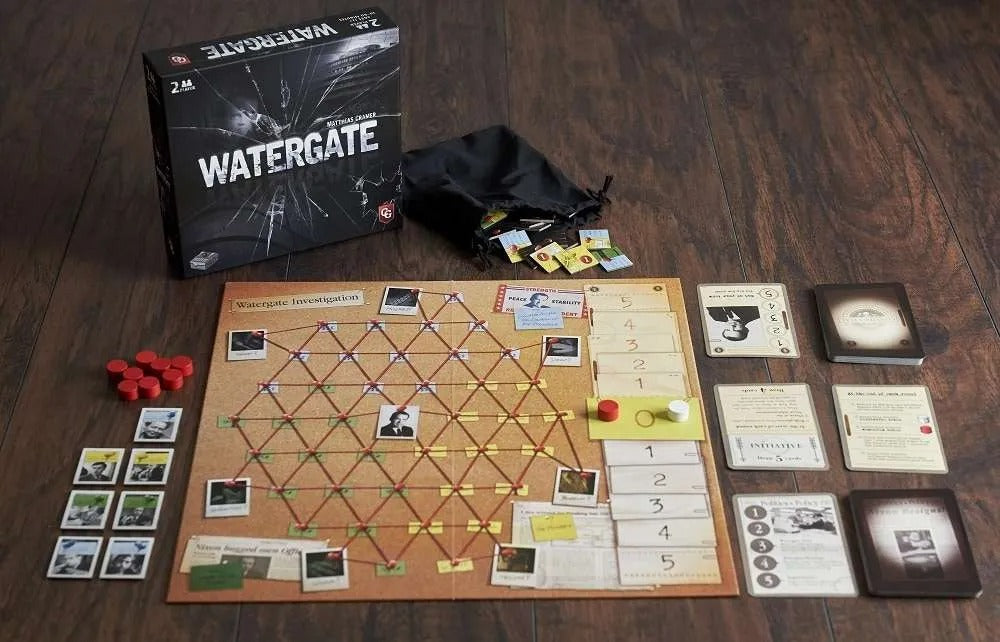
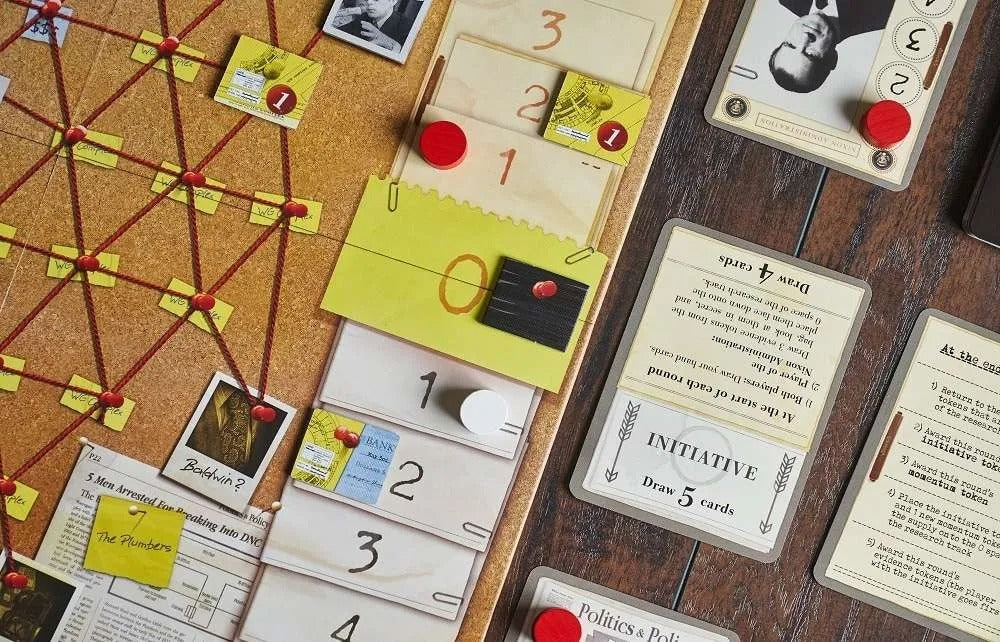
 Watergate
- Players
- 2 · best 2
- Time
- 30-60 min
- Age
- 12+
- Complexity
- 2.3 / 5
- Publisher
- Capstone Games (English); Frosted Games (German) · 2019
- Designer
- Matthias Cramer
- Art
- Klemens Franz
 7 photos
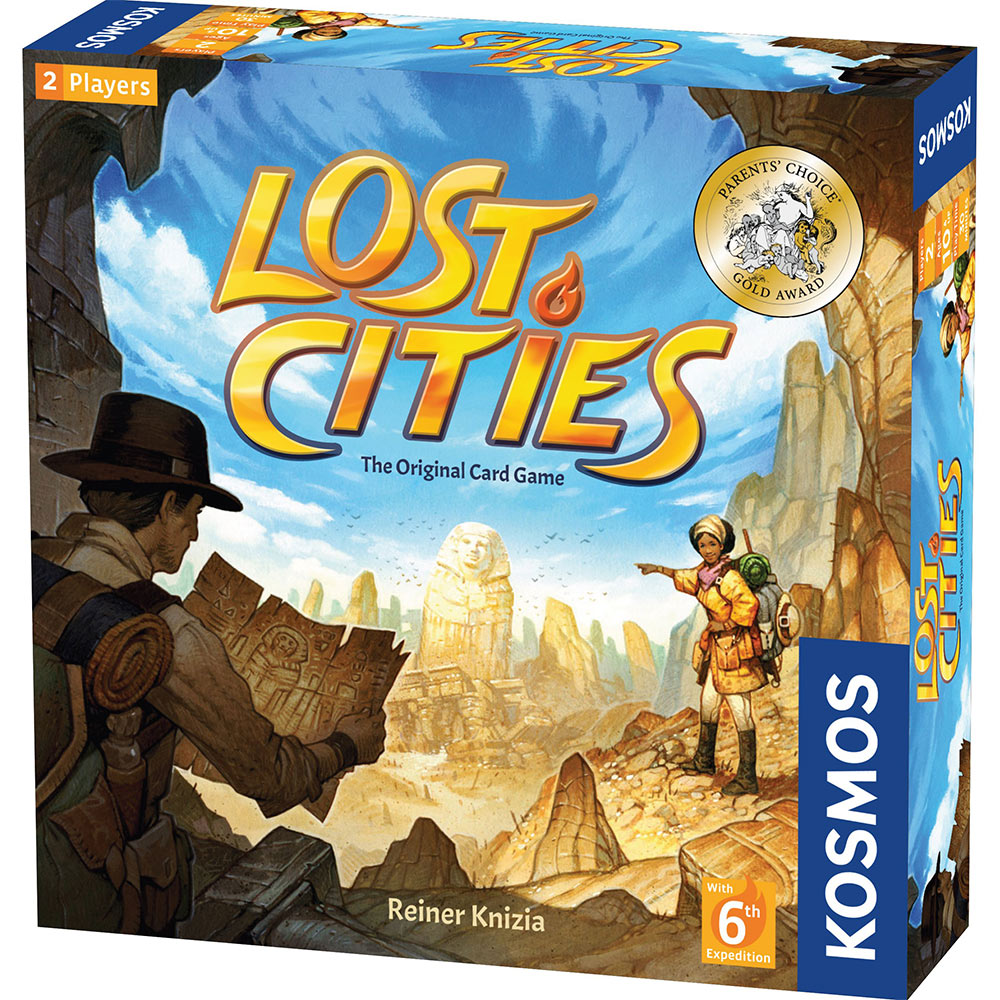
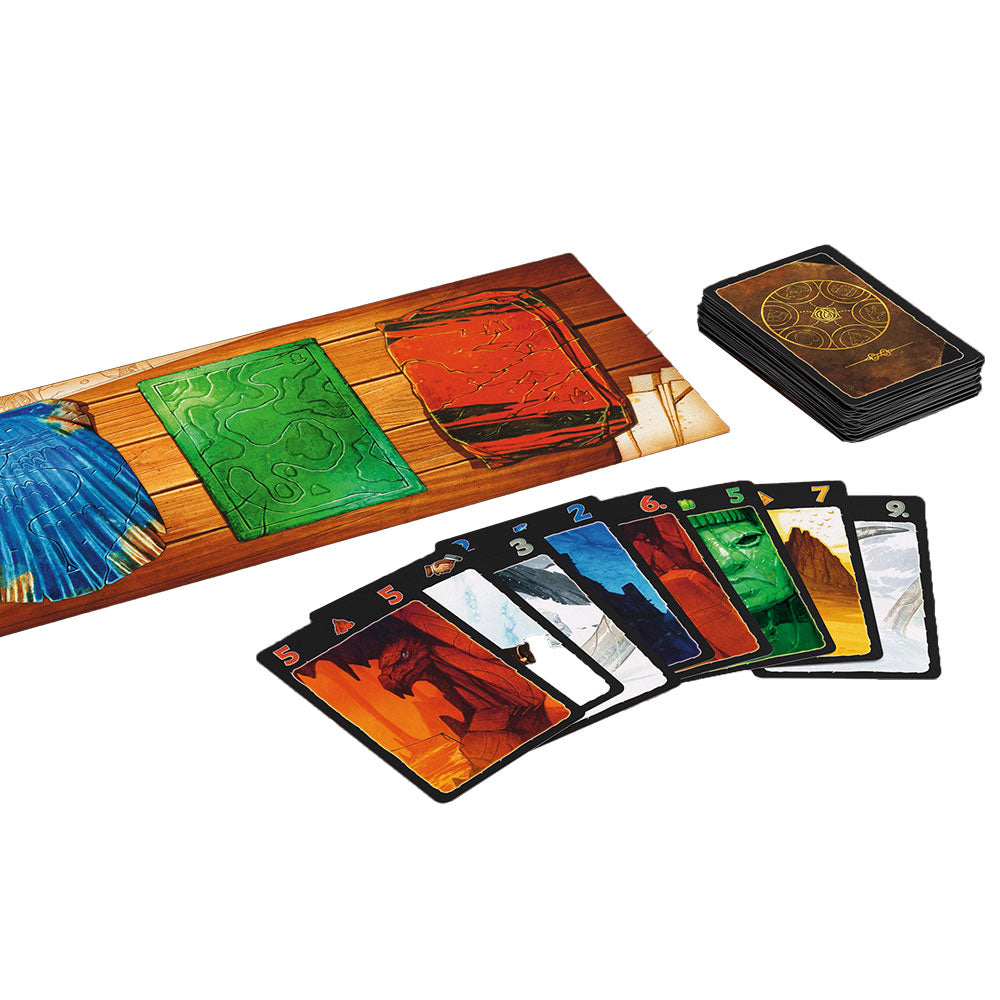
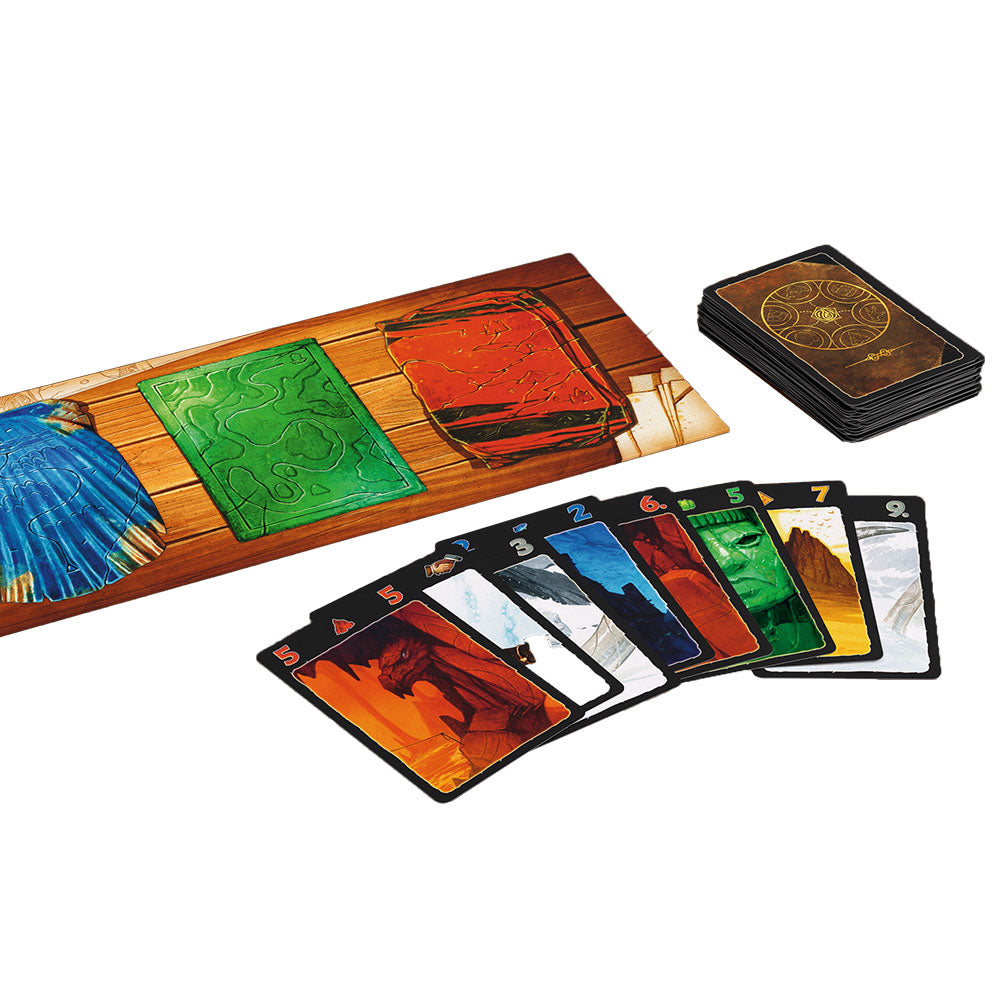
 Lost Cities
- Players
- 2 · best 2
- Time
- 30 min
- Age
- 10+
- Publisher
- Kosmos · 1999
- Designer
- Reiner Knizia
 7 photos
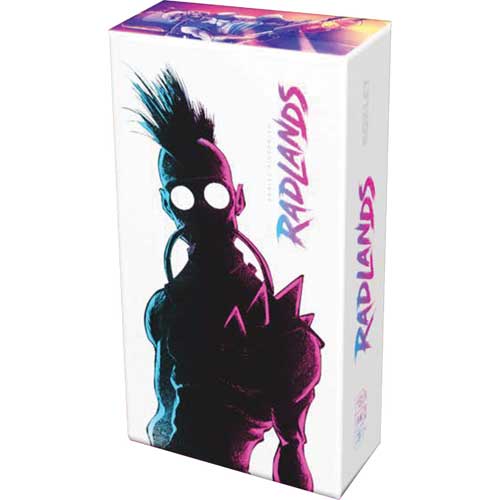
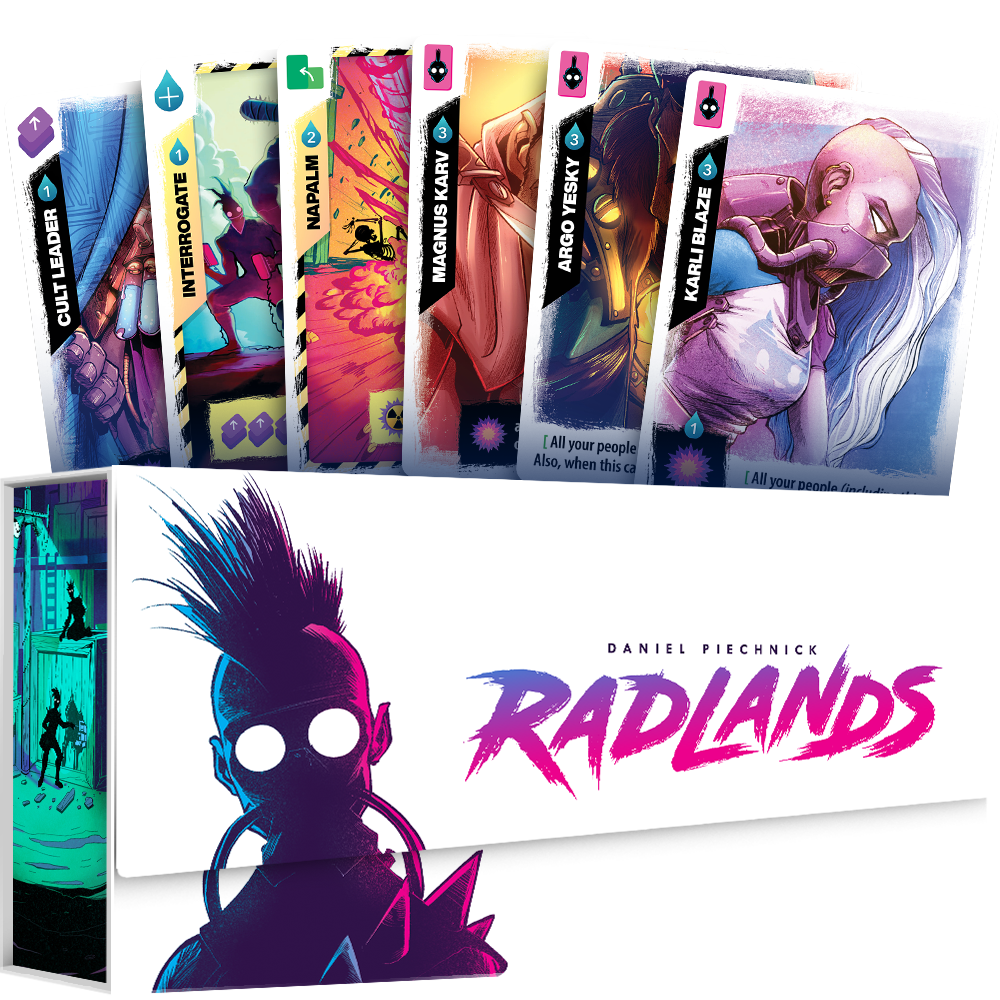
 Radlands
- Players
- 2
- Time
- 20-40 min
- Age
- 14+
- Complexity
- 2.26 / 5
- Publisher
- Roxley · 2021
- Designer
- Daniel Piechnick
- Art
- Manny Trembley, Damien Mammoliti
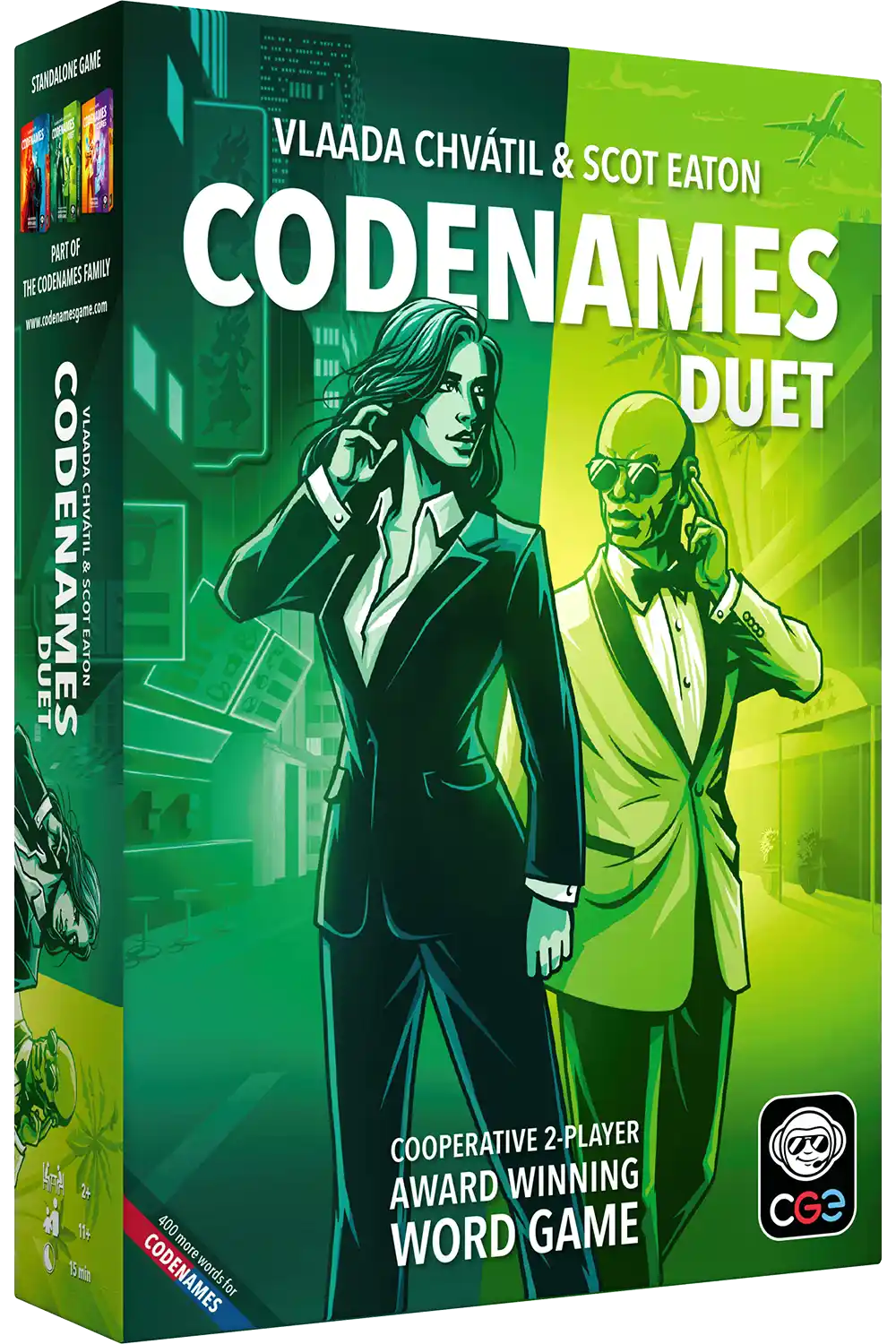
Codenames Duet
- Players
- 2-4 · best 2
- Time
- 15-30 min
- Age
- 11+
- Complexity
- 1.36 / 5
- Publisher
- Czech Games Edition · 2017
- Designers
- Vlaada Chvátil, Scot Eaton
- Art
- Tomáš Kučerovský, Štěpán Drašťák
 14 photos
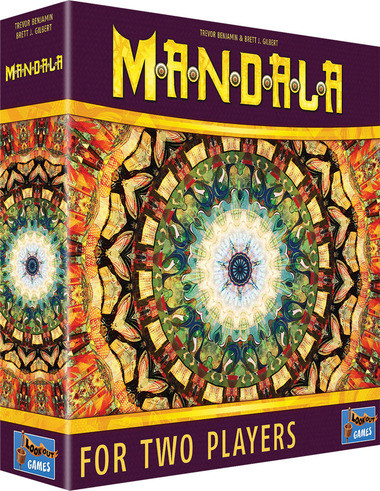
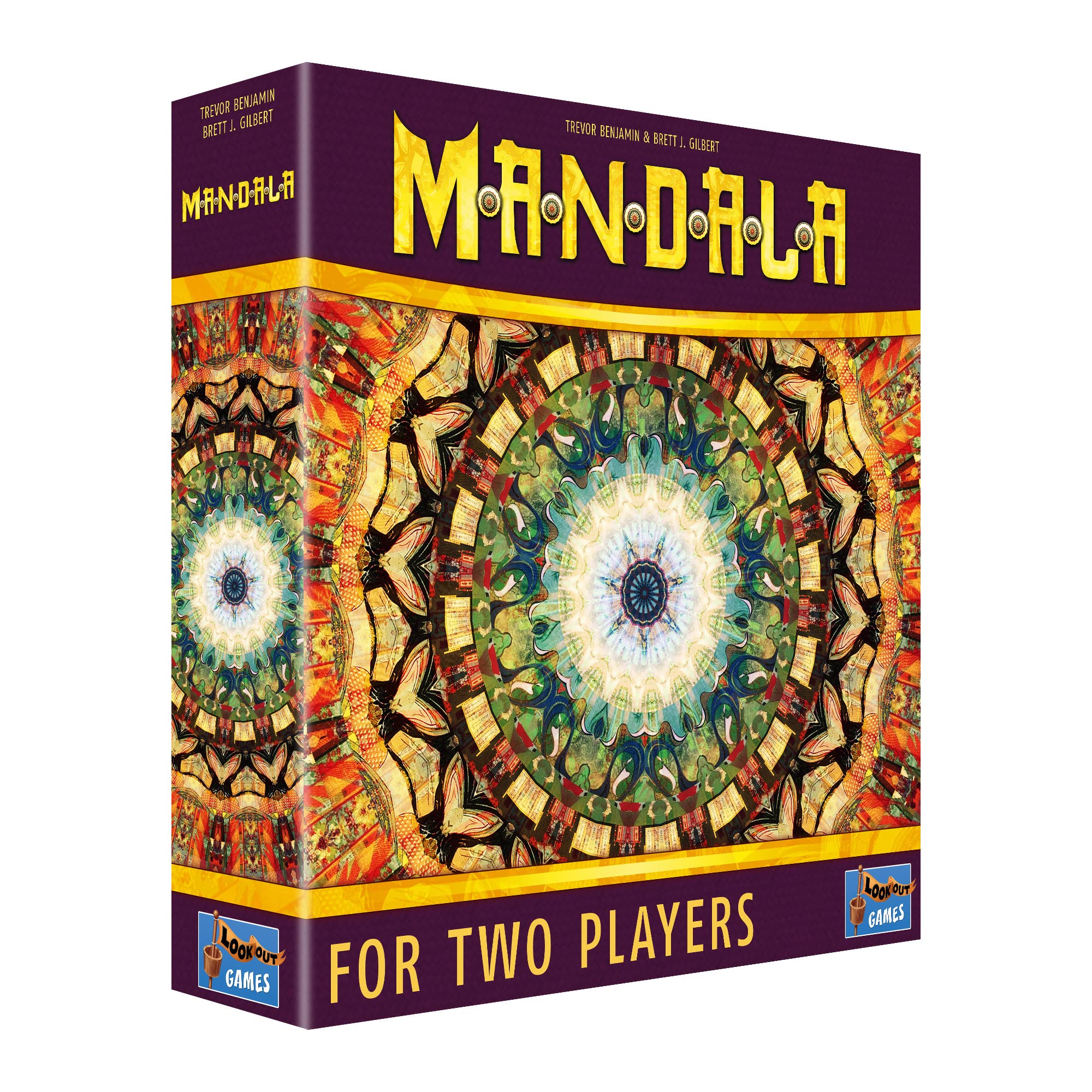
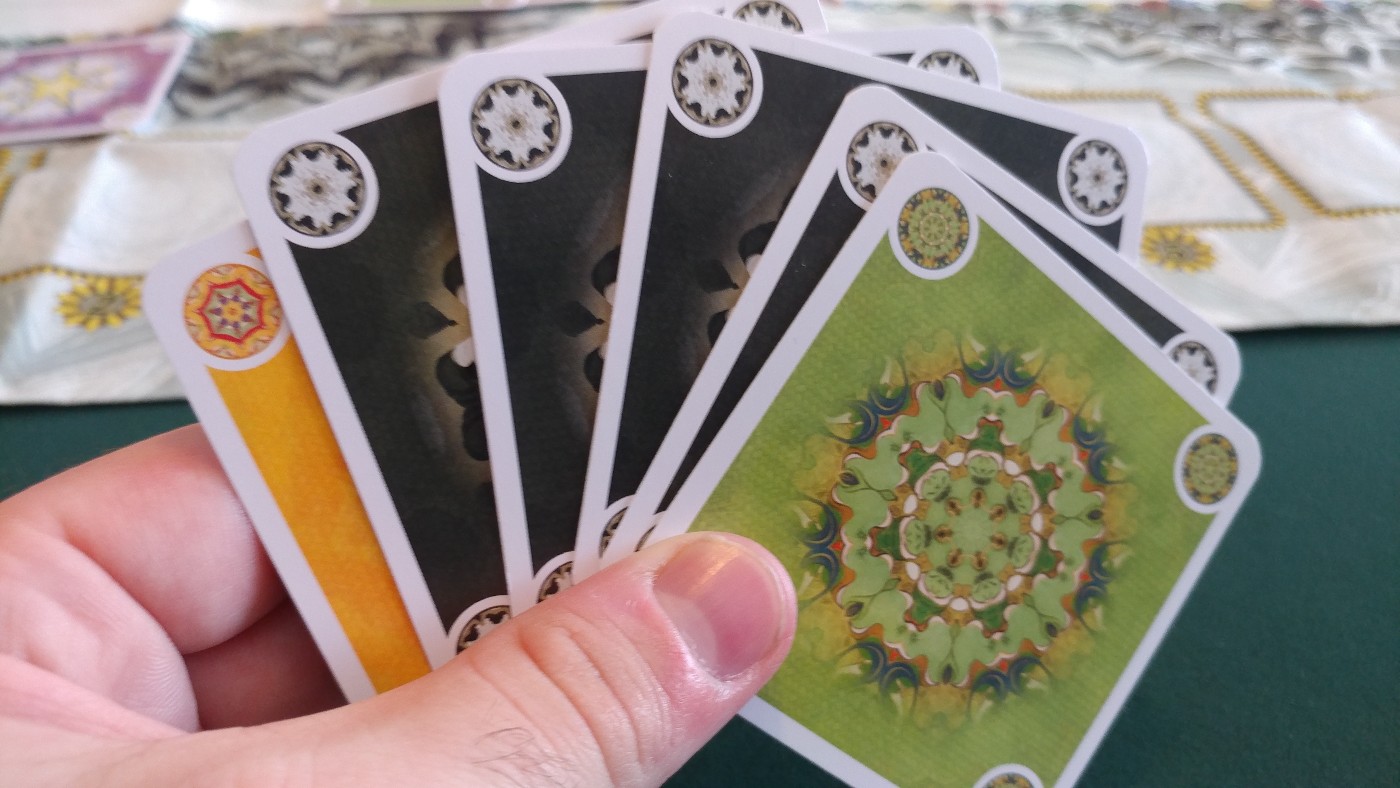
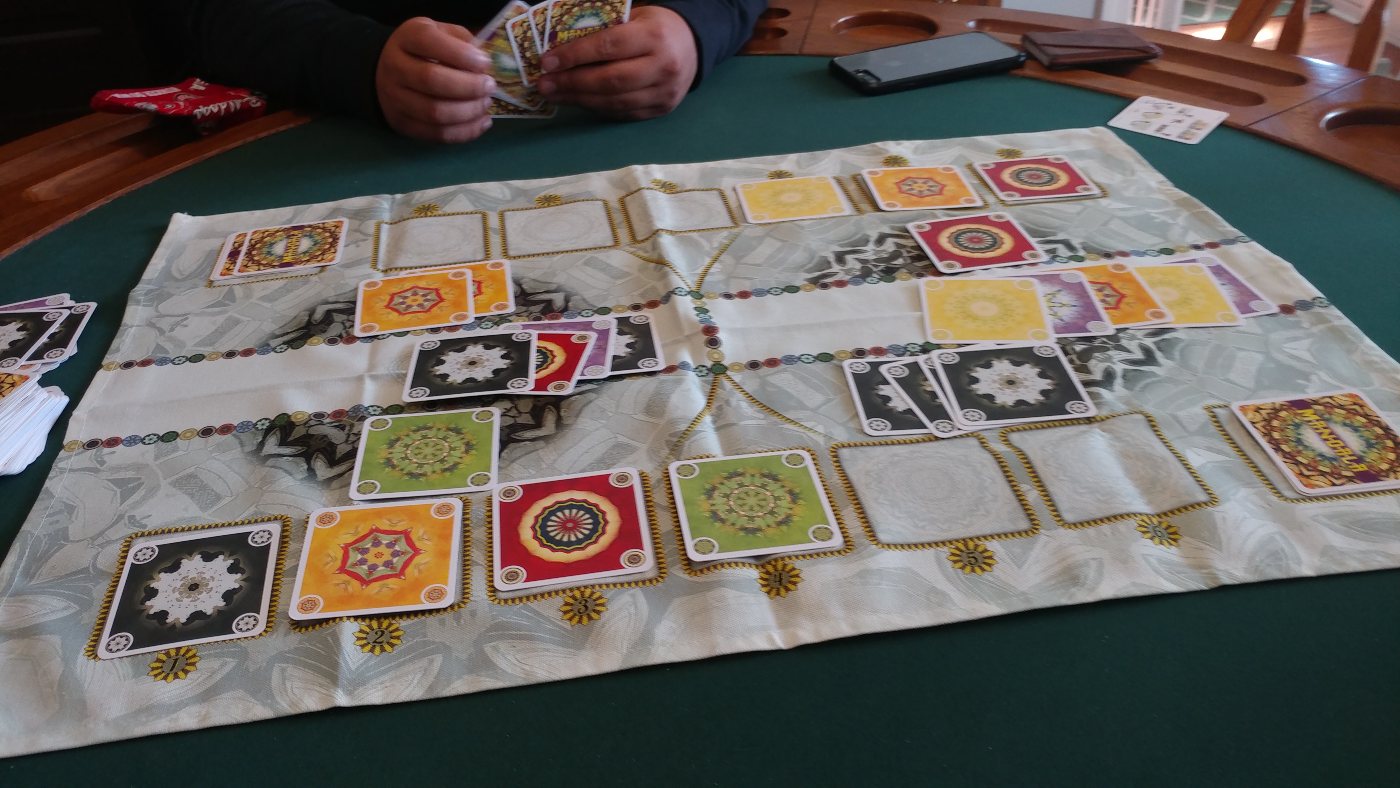
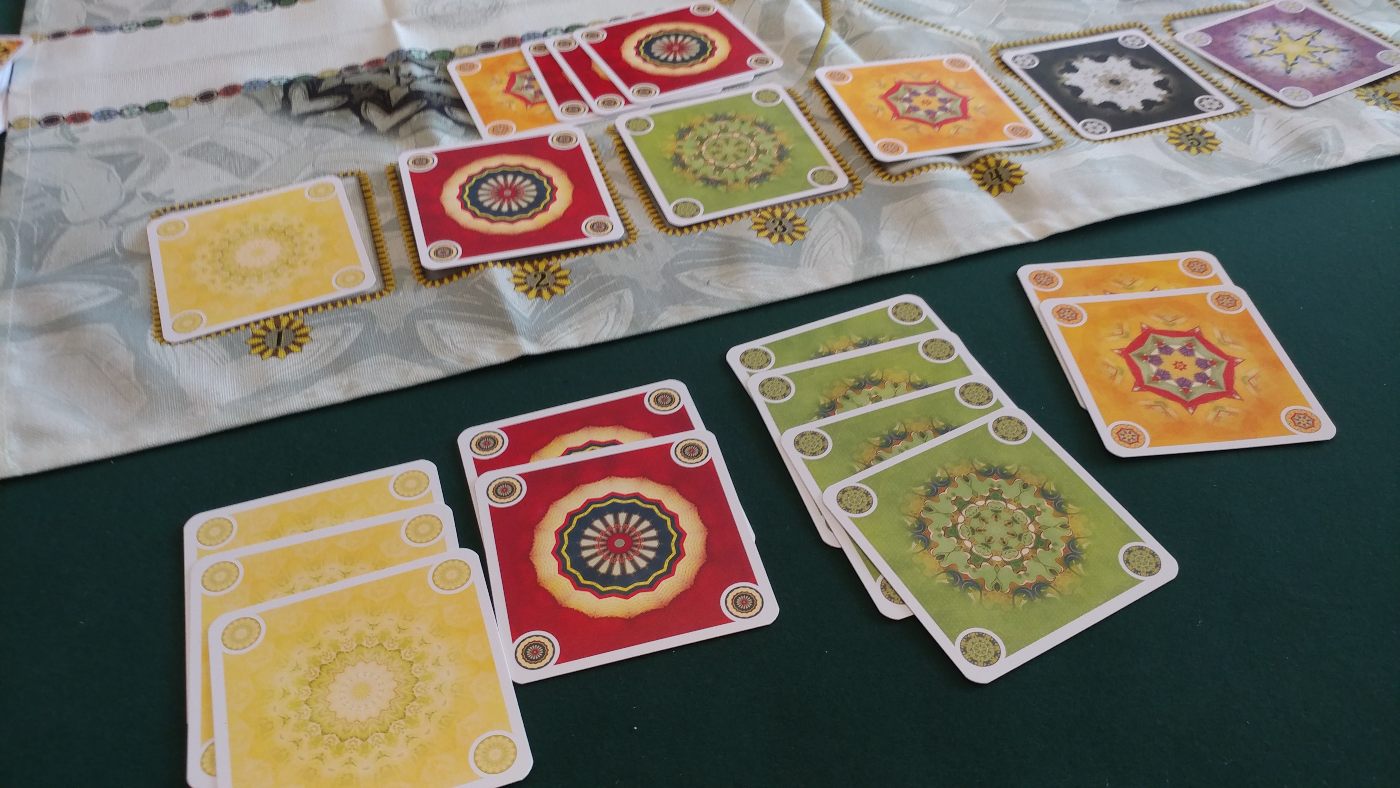
 Mandala
- Players
- 2
- Time
- 30 min
- Age
- 10+
- Complexity
- 1.80 / 5
- Publisher
- Lookout Games · 2019
- Designers
- Trevor Benjamin, Brett J. Gilbert
- Art
- Klemens Franz
 13 photos
 Targi
- Players
- 2 · best 2
- Time
- 60 min
- Age
- 12+
- Complexity
- 2.3 / 5
- Publisher
- KOSMOS · 2012
- Designer
- Andreas Steiger
- Art
- Franz Vohwinkel, Taira Akitsu

 11 photos
 Star Realms
- Players
- 2
- Time
- 20 min
- Age
- 12+
- Publisher
- Wise Wizard Games · 2014
- Designers
- Rob Dougherty, Darwin Kastle
- Art
- Vito Gesualdi
The Crew: Mission Deep Sea
- Players
- 2-5 · best 4
- Time
- 20 min
- Age
- 10+
- Complexity
- 2.0 / 5
- Publisher
- Kosmos · 2021
- Designer
- Thomas Sing
- Art
- Marco Armbruster
Questions, answered
What's the single best 2-player board game to buy first in 2026?
For a competitive forever-game, 7 Wonders Duel (~$30) is the near-universal answer — a thirty-minute drafting duel with three live win conditions and endless replay. Prefer to cooperate? Sky Team (~$20), the 2024 Game of the Year, is the best two-player co-op out there. And for a partner who claims to hate board games, the gentle-but-deep Patchwork (~$25) is the disarming gateway.
What's the best 2-player game for couples or date night?
Patchwork and 7 Wonders Duel are the two most-recommended couples picks — Duel has been called one of the best couples games money can buy. If competition causes friction, go co-op with Sky Team or Codenames Duet so you're winning together instead of beating each other. Jaipur and Splendor Duel are the ideal middle ground: competitive but quick and friendly.
Which 2-player games are co-op instead of head-to-head?
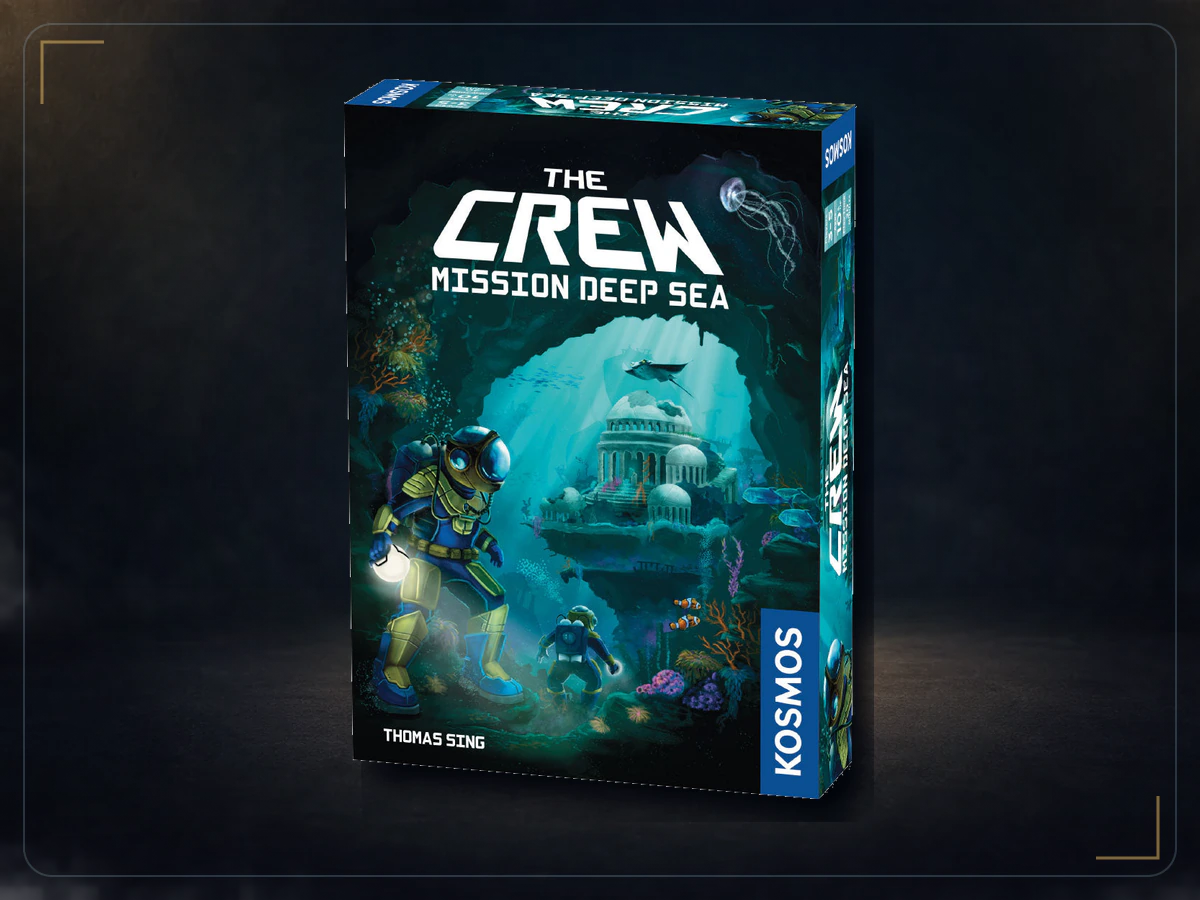
Sky Team — silently landing a plane together — is the standout, and it won Game of the Year. Codenames Duet turns the party word game into a tense two-player co-op. The Crew: Mission Deep Sea is a co-op trick-taking campaign that's superb at three or four players, but at two it uses a fiddly dummy-AI hand, so set expectations accordingly.
What's the best 2-player game for serious, brain-burning strategy?
For zero-luck skill, Hive ('nature's chess') and Hanamikoji (pure hidden-information mind-games) are the connoisseur picks. For a worker-placement brain-burn, Targi is the only two-player game ever nominated for the Kennerspiel des Jahres. And for the genuine deep end, Twilight Struggle is a three-hour Cold War epic many rate a top-ten game ever — but expect a steep, punishing learning curve.
Are these games only for two players, or can they scale up?
Most of the top picks are two-player-ONLY and built that way: 7 Wonders Duel, Sky Team, Patchwork, Splendor Duel, Watergate, Hive, Hanamikoji, Targi, Mandala, Radlands, and Jaipur. Codenames Duet and The Crew can take more players (and The Crew is actually better at three or four), while Star Realms supports two from a single copy and more with extra sets.
What's the best cheap 2-player game, around $15 to $20?
Star Realms (~$15) is a pocket deckbuilder and former Golden Geek Best 2-Player and Best Card Game winner. Hanamikoji (~$17) hides a huge strategic decision space in a tiny box. Hive Pocket (~$17) is a no-luck travel duel needing no board, and Lost Cities (~$19) is a twenty-five-years-in-print push-your-luck classic. Every one of them delivers A-tier play for under twenty dollars.
What's the catch on the co-op pick everyone recommends?
Sky Team's silence rule is sacred — the temptation is to 'helpfully' narrate your dice or chat through a tricky landing, and that doesn't ease the game, it deletes it. The not-knowing is the puzzle. The other honest catch is difficulty: the advanced airport scenarios ramp hard and are genuinely punishing, so don't expect a relaxing evening once you've cleared the early ones.
Keeper's verdict
If you buy one game off this list, buy 7 Wonders Duel — it's the most complete, replayable, decisive two-player experience in print, and it'll still be on your table in a decade. But the right pick is the one that fits your table's temperature: Sky Team if you'd rather conquer the box together than each other, Patchwork to convert a reluctant partner, Hive or Hanamikoji when you want a real fight with no luck to hide behind, and any of the under-$20 giant-killers when you need A-tier play in a coat pocket. There is no bad answer in the S and A tiers — only the answer that's right for the two of you. Pick by mood, point at the sudden-death tracks before game one, play the match and not the round, and you'll have a rival ritual that gets better every single time you sit down.
Still deciding? Take the Game-Finder — answer seven quick questions and the cabinet hands you the one board game built for your table, with a buy link and your own shareable player talisman.
Research ledger 8 sources · reviewed 2026-07-17
Specifications, rules, current product information, community experience, and contrary evidence were checked against the sources below. Commercial links are kept separate from editorial evidence.
- boardgamegeek.comboardgamegeek.com/award/8314/golden-geek-awards
- scorpionmasque.comscorpionmasque.com/en/sky-team
- spacecowboys-games.comspacecowboys-games.com/game/splendor-duel
- spacecowboys-games.comspacecowboys-games.com/game/jaipur
- czechgames.comczechgames.com/en/codenames-duet
- roxley.comroxley.com/products/radlands
- boardgamegeek.comboardgamegeek.com/boardgame/173346/7-wonders-duel
- boardgamegeek.comboardgamegeek.com/boardgame/2651/power-grid
If it didn't earn a shelf, it isn't here.
Keep exploring
The next smart rabbit holes.
⚔ Topic PathTwo-Player Board Games: compare the whole shelfThe best two-player game is designed around the duel rather than merely tolerating two people. This path separates sharp...Best OfBest 2-Player Card Games for Couples (2026)Okay but have you SEEN what couples keep saying about this? The ten card games that actually stay on the shelf — the ones that pull...ComparisonThe Best Family Board Games of 2026, Ranked (Kids + Adults Together)One table, three generations, zero meltdowns — the games that make a 7-year-old and a tired grown-up scheme against each other and both...