The Best Family Board Games of 2026, Ranked (Kids + Adults Together)
One table, three generations, zero meltdowns — the games that make a 7-year-old and a tired grown-up scheme against each other and both come back for one more round.


AI-assisted research and drafting in Imani’s voice · reviewed by Robert Pruitt · how this guide was made
Last editorial refresh: 2026-06-21 Gold-standard QA: 2026-08-10 8 sources reviewed Affiliate links checked during gold-standard pass

The short answer
Buy Ticket to Ride first — the base US/classic map, not a spin-off. It is the single safest purchase for a mixed-age table: kids 8+ pick it up in one round, adults still scheme over blocking the route someone obviously wanted, and the rules friction is basically zero. The honest "but if…": if your youngest is 6 or 7, start with Kingdomino instead (a six-year-old can genuinely beat you), and if anyone at your table is a sore loser, open the night with Forbidden Island so nobody gets eliminated and you win or lose as a family.
Decision map
Choose in thirty seconds
The 'we've never owned a real board game' family, ages 8 to adult at one table
Families with kids 6-9; the quickest path to 'one more round'
Families who want premium heft, ages 8+ with adults who love a clean puzzle
Okay, group chat — I read the whole room on this one. I sat in the family-gaming threads, the r/boardgames pile-ons, the award lists, the "what do I buy my non-gamer brother" panic posts, and here's what the room keeps saying: a great family game isn't a kids' game with the strategy sanded off. It's the rare thing a tired adult and a wired 8-year-old can both take seriously at the same table.
So I ranked them in tiers — S (Buy First), A (Excellent), B (Great, With Caveats), C (Skip Unless Specific) — and I kept the order honest. The pedigree here is real: four of my top picks won the Spiel des Jahres, the hobby's biggest family-game award, and one won the harder "expert family" version. That's not me hyping. That's the room handing out medals.
Pour something. Pull up a chair. Let's find the one box that turns "we should do a game night" into an actual standing invitation.
Start here, then go deeper
You are in the right cabinet.
 ✦ Universe HubHarry Potter Game Collection: the whole buying pathThe Harry Potter universe sorts licensed abundance into actual game nights. Imani protects the people and the table energy; Margo...
 ⌂ Topic PathFamily and Gateway Games: compare the whole shelfA good family game gets everyone playing quickly without becoming disposable after three nights. These guides prioritize clear...
 GuideHarry Potter: Hogwarts Battle and Expansions in 2026: What to Buy, What Each Box Changes, and How to Win TogetherThe complete answer to the Hogwarts Battle shelf: how the seven-game base campaign teaches itself, exactly what Monster Box of Monsters...
What should you buy first if you've never owned a real board game?
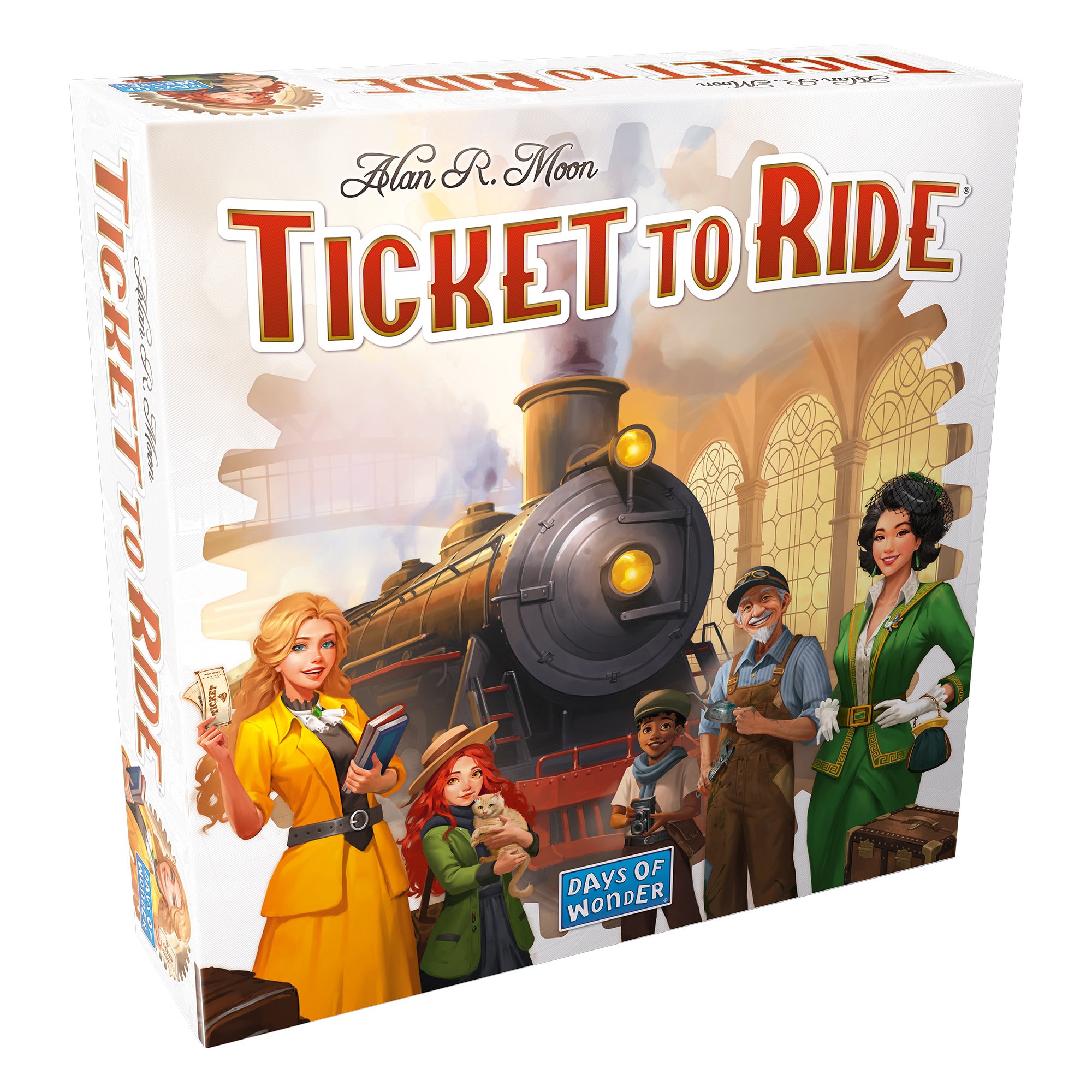
Start with one game, not five. The room is loud and unanimous on this: analysis paralysis kills more game nights than any bad rulebook ever has. So here's the answer the threads keep circling back to — Ticket to Ride.
You collect colored train cards, claim routes across a map, and secretly race to connect the cities on your hidden tickets. That's it. A kid grasps the whole loop in one round. But watch what happens at play twenty: a grown-up quietly snatches the one route that completes your ticket, and suddenly there's tension, real tension, in a game your nine-year-old is also winning. Reviewers keep calling it 'still the greatest gateway' for a reason — it's the box you hand a non-gaming family and watch them light up.
The honest catch? It's light on direct conflict beyond grabbing a route someone wanted. A true strategy-craver may find it tame after a while. That's fine. It's a first game, and it does the first-game job better than anything else on the shelf.
Teach it by playing, not by reading aloud. Deal everyone a hand, play one open practice round narrating your own thinking, then reset and play for real. Nobody — adult or kid — learns a gateway game from the rulebook as fast as from one shown turn.
A great family game isn't a kids' game with the strategy sanded off. It's the rare thing a tired adult and a wired 8-year-old can both take seriously at the same table.
Which games actually work when your youngest is 5, 6, or 7?
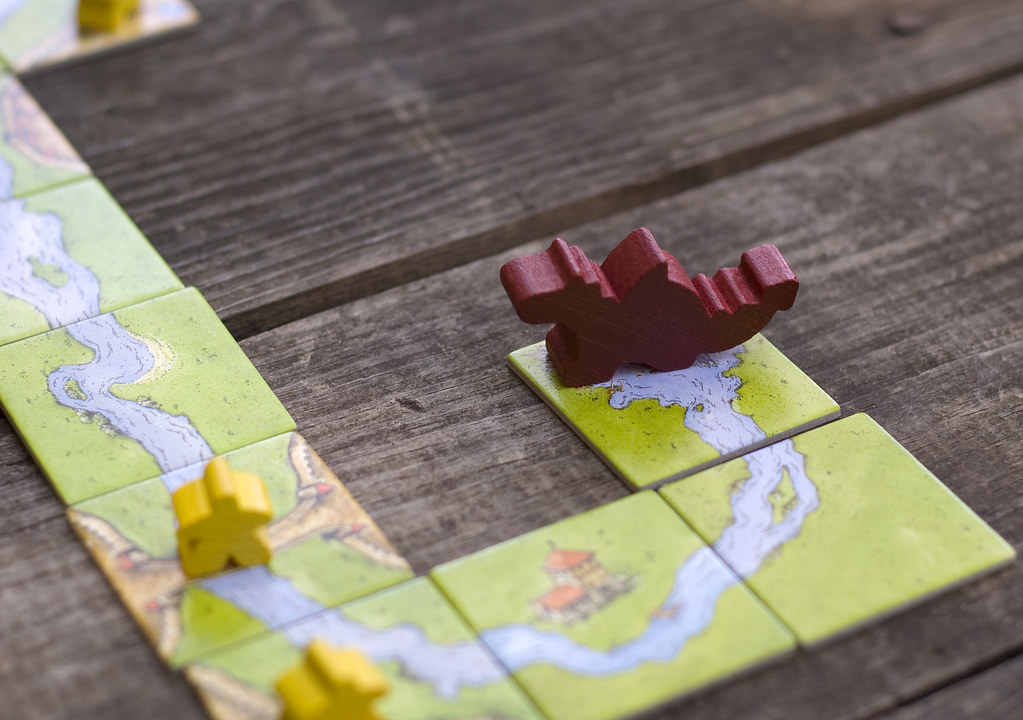
Here's the rule the whole room eventually learns the hard way: match the table to the youngest player, not the average. A single 5-year-old shifts your whole pick down a tier — and that's a good thing, because the games built for little hands are real games, not toys.
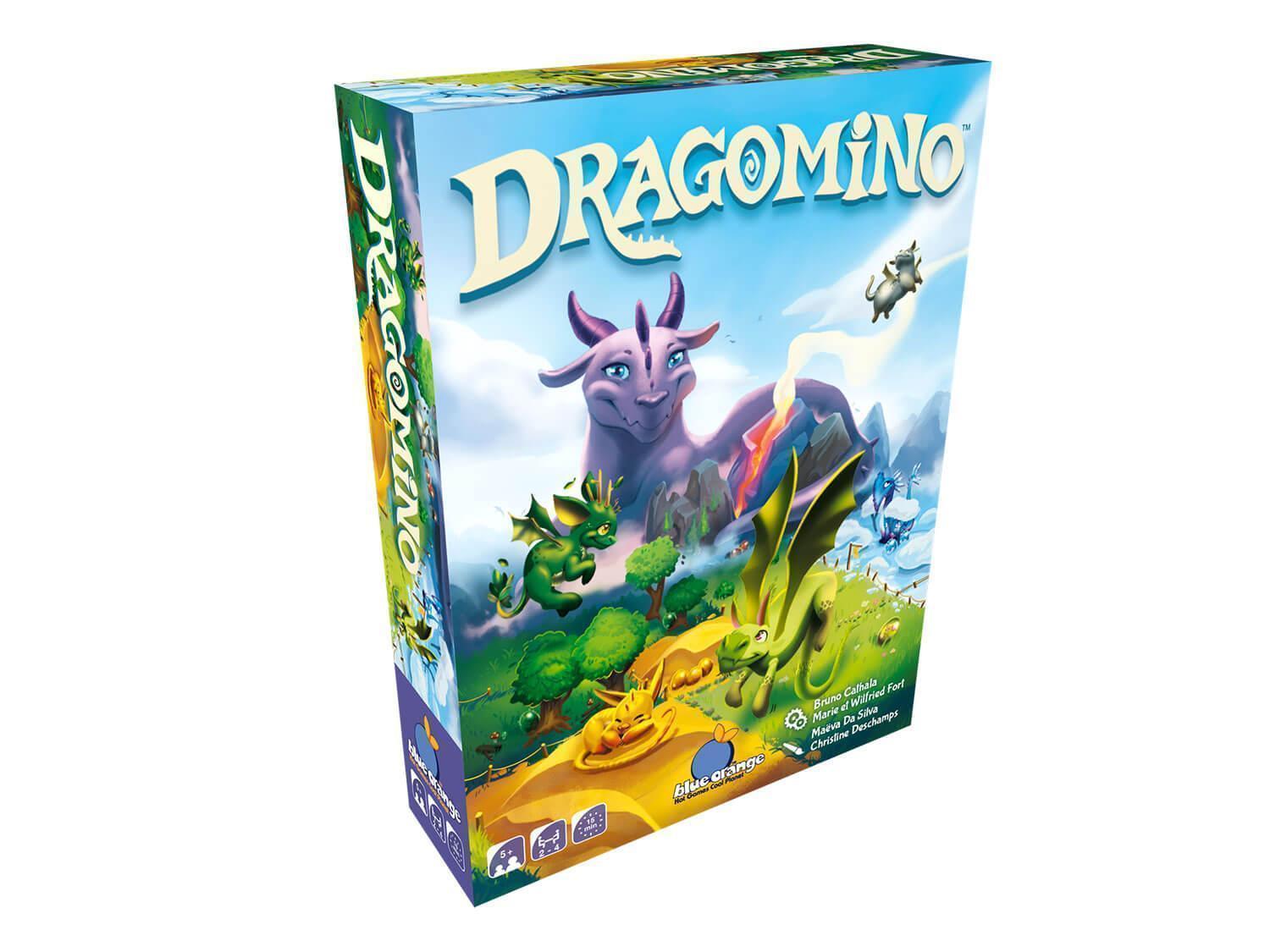
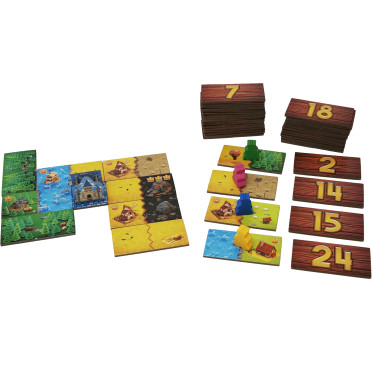
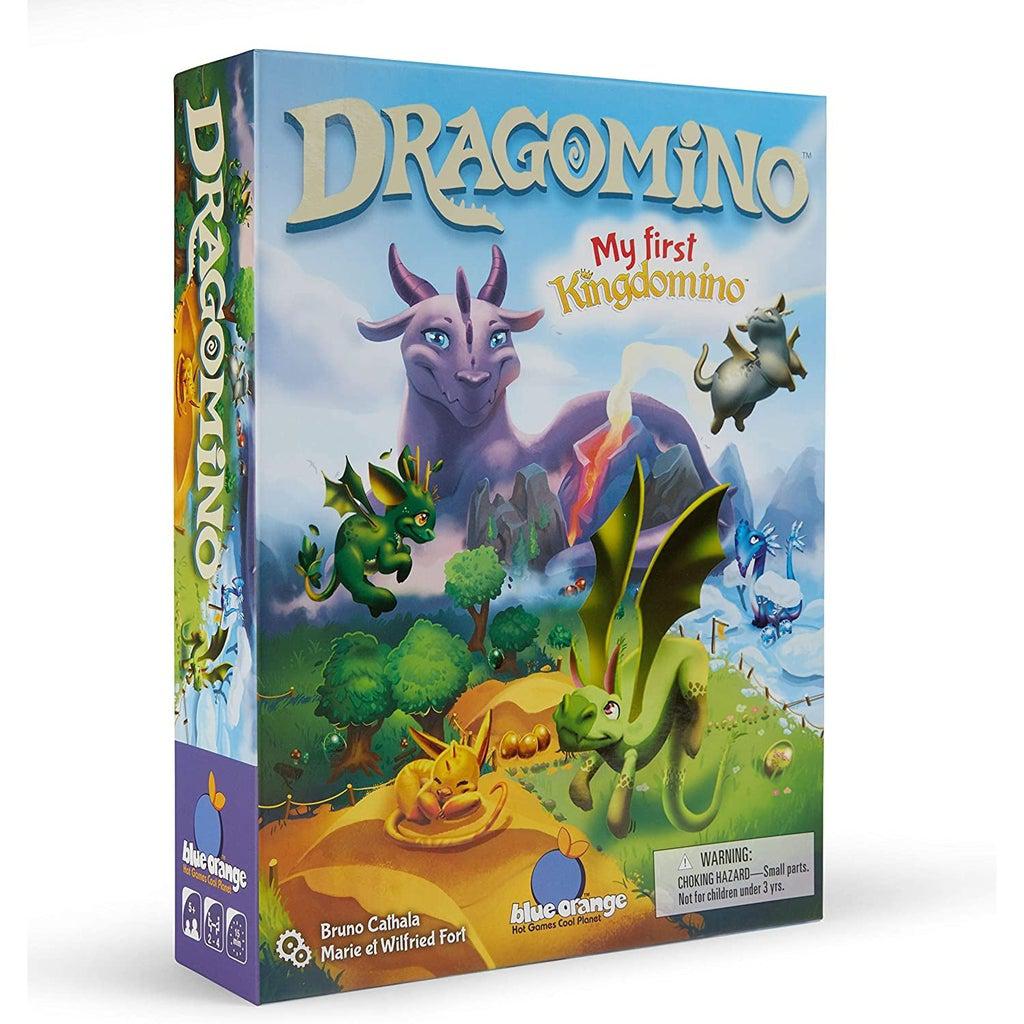
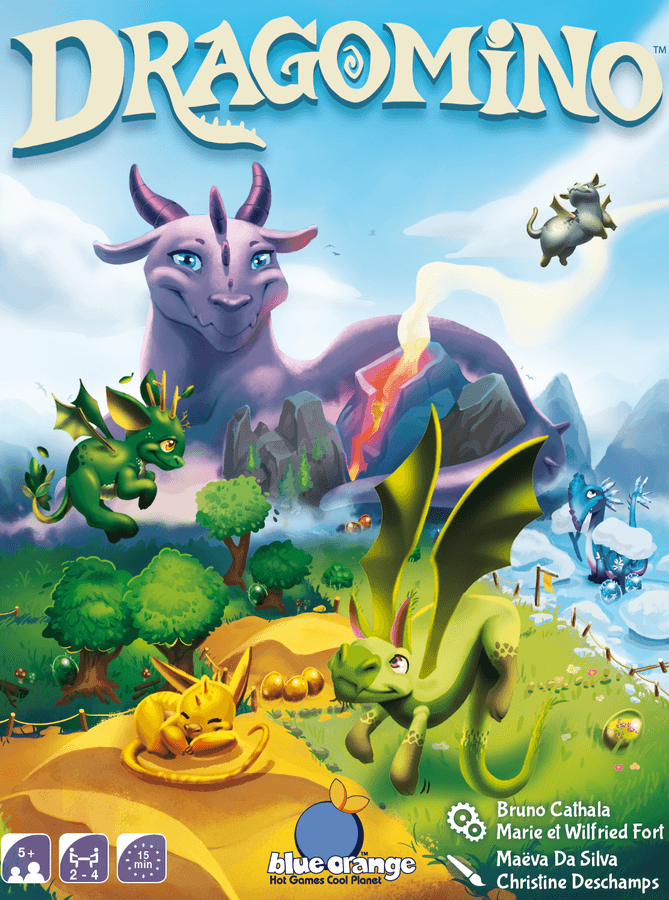
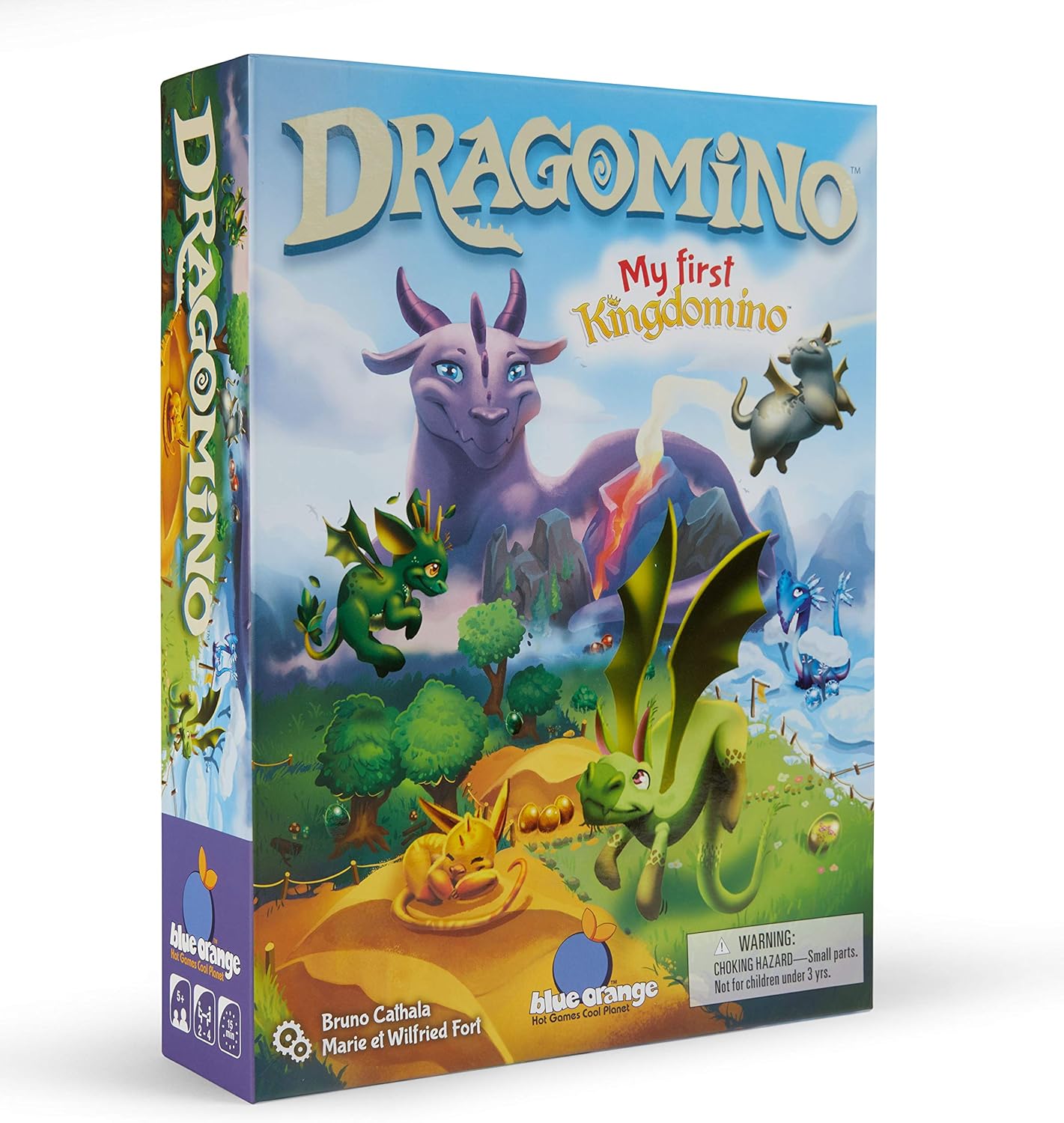
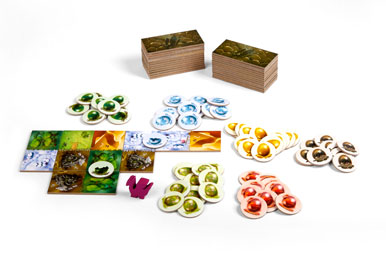
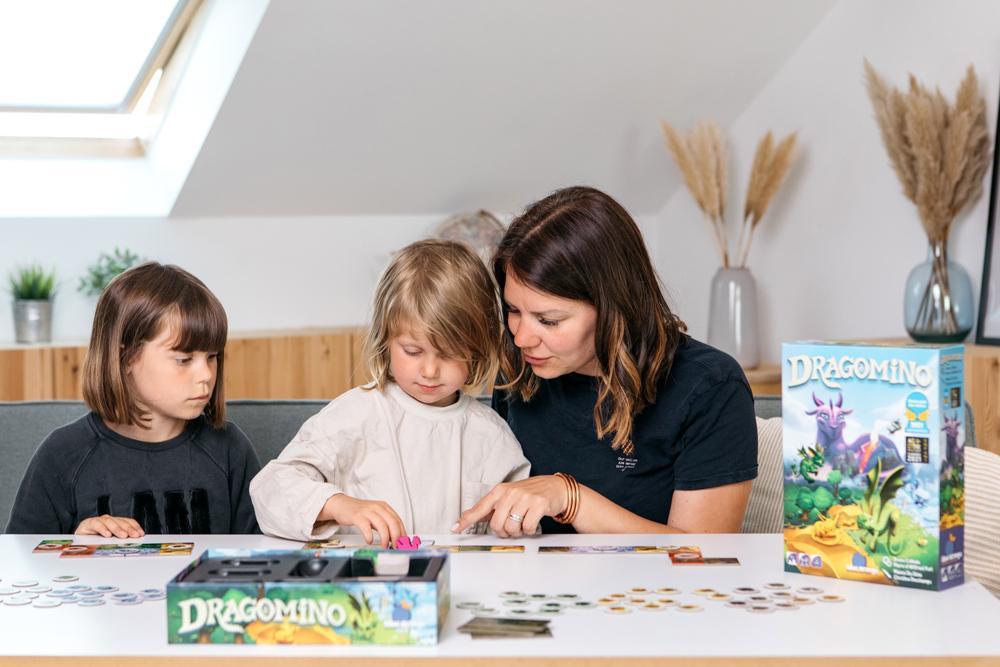
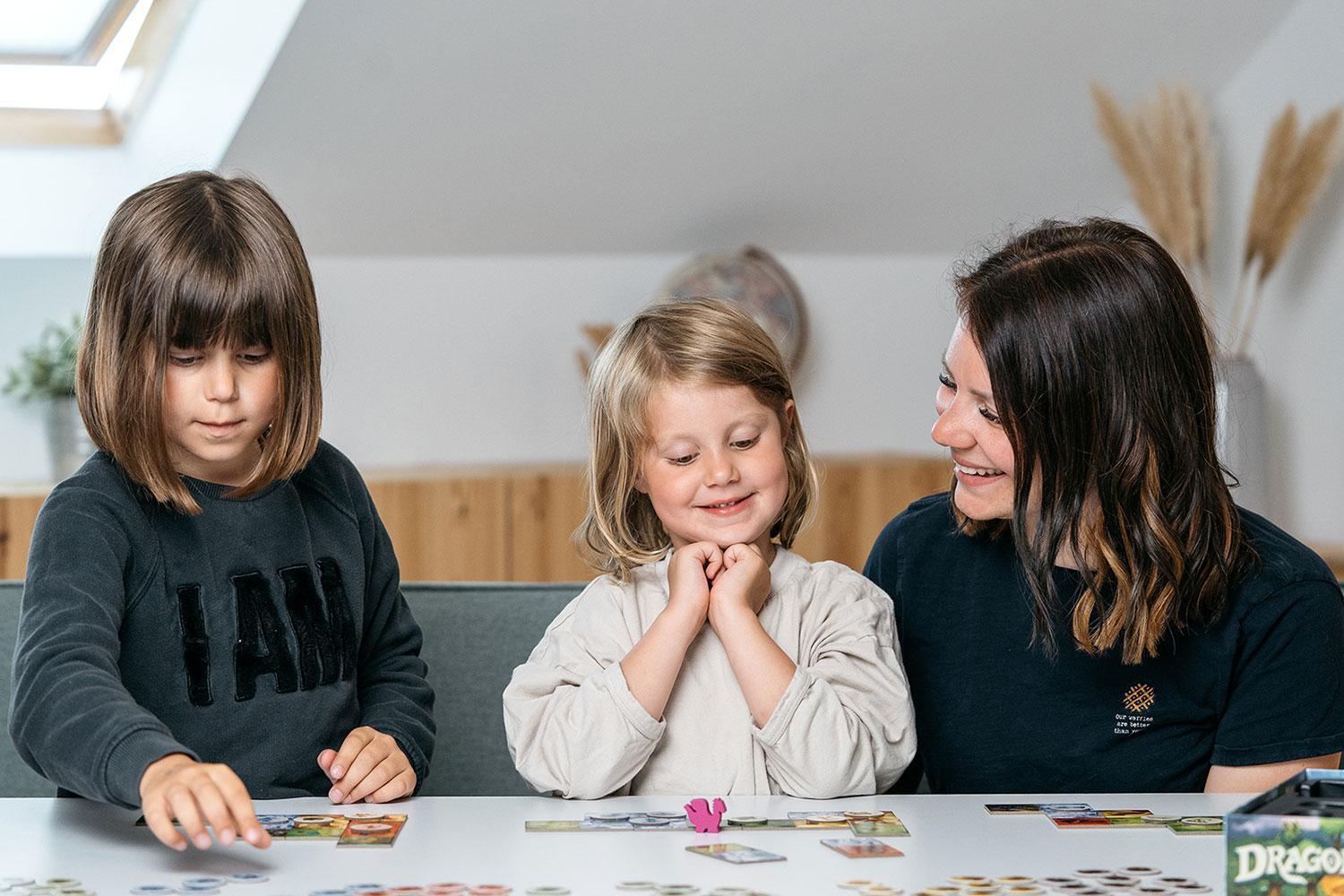
For a preschooler-to-early-elementary table, Dragomino is the move. It's literally 'My First Kingdomino' — same tile-laying DNA stripped to its core: match landscapes, crack eggs, collect baby dragons. The threads praise it specifically as a game a parent genuinely enjoys playing alongside a five-year-old, which is the whole bar for this tier. The honest catch: adults-only night will find it too light, and your kid graduates out of it within a year or two. That's the point — it bridges straight into full Kingdomino.
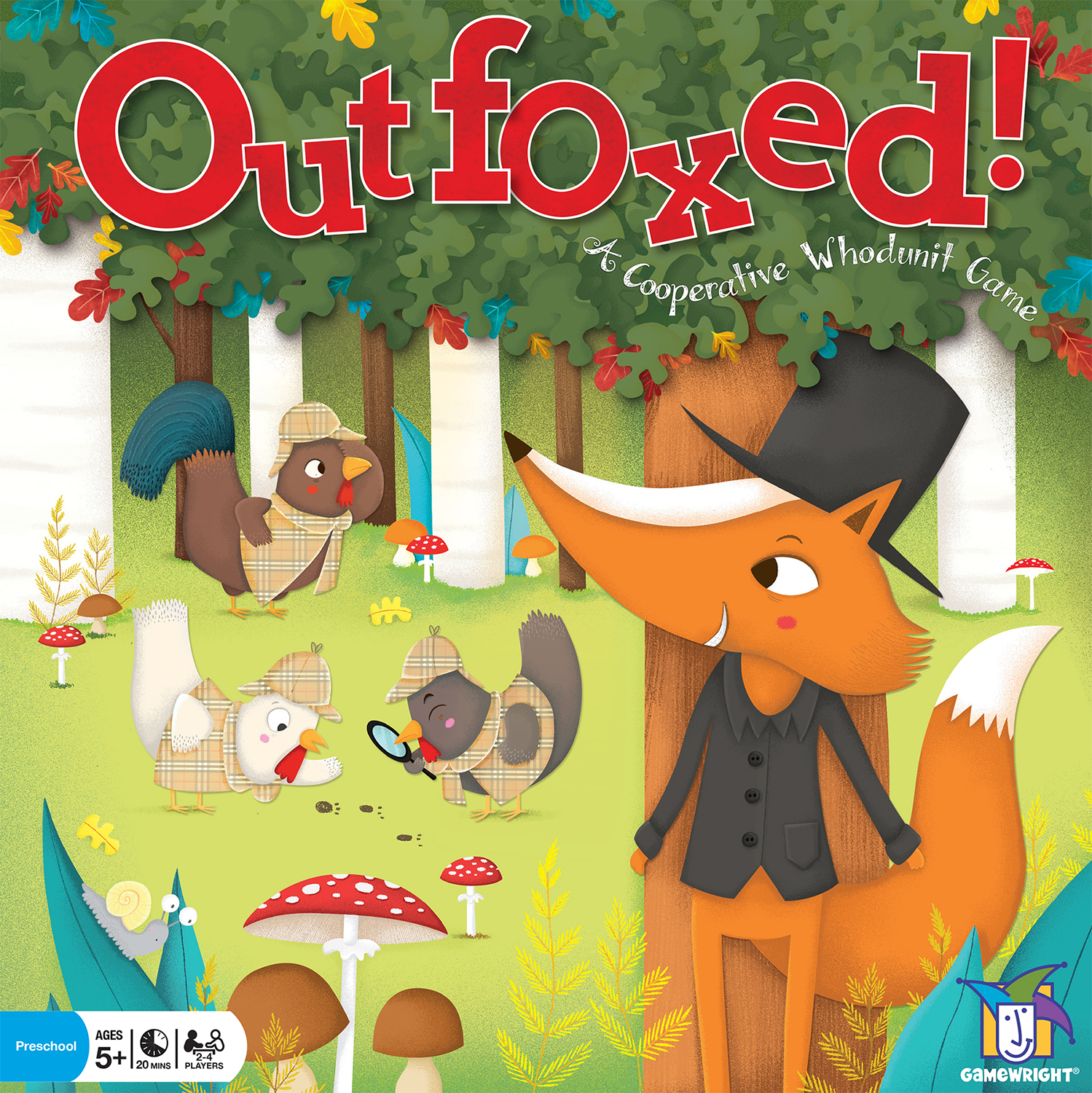
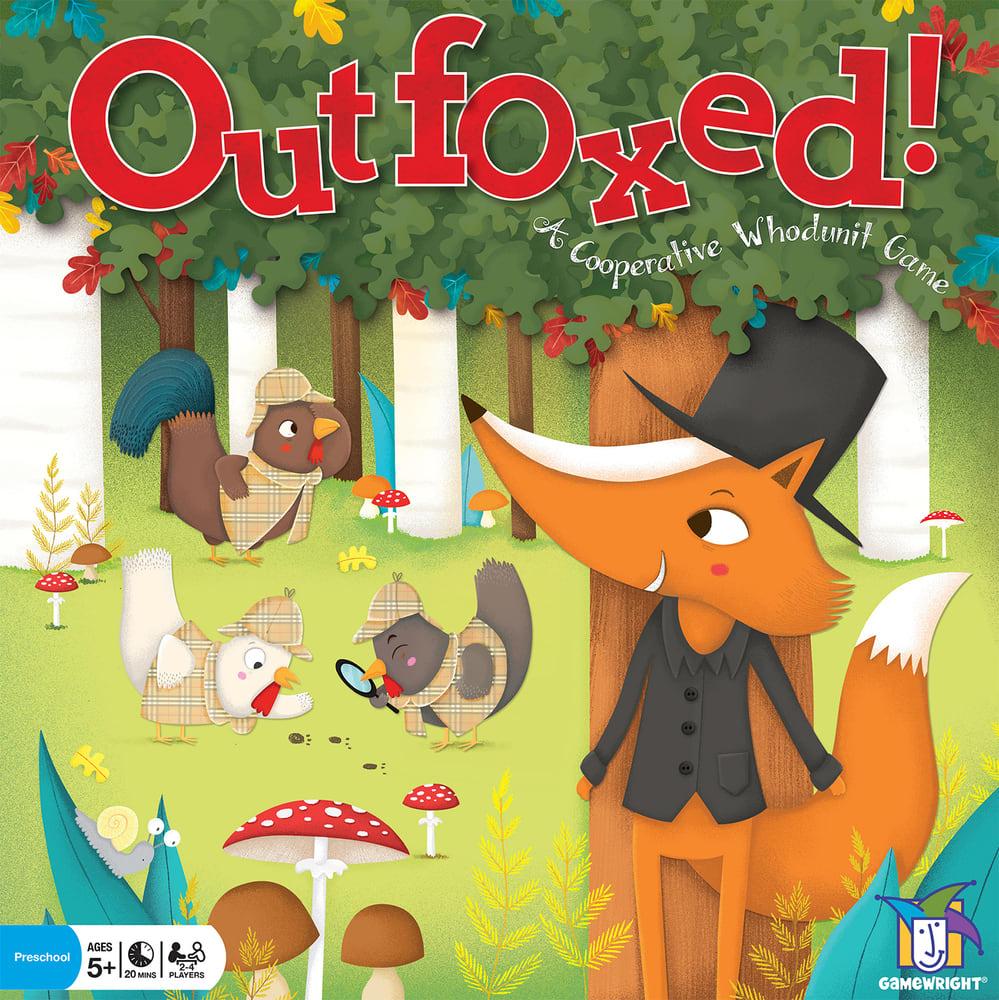
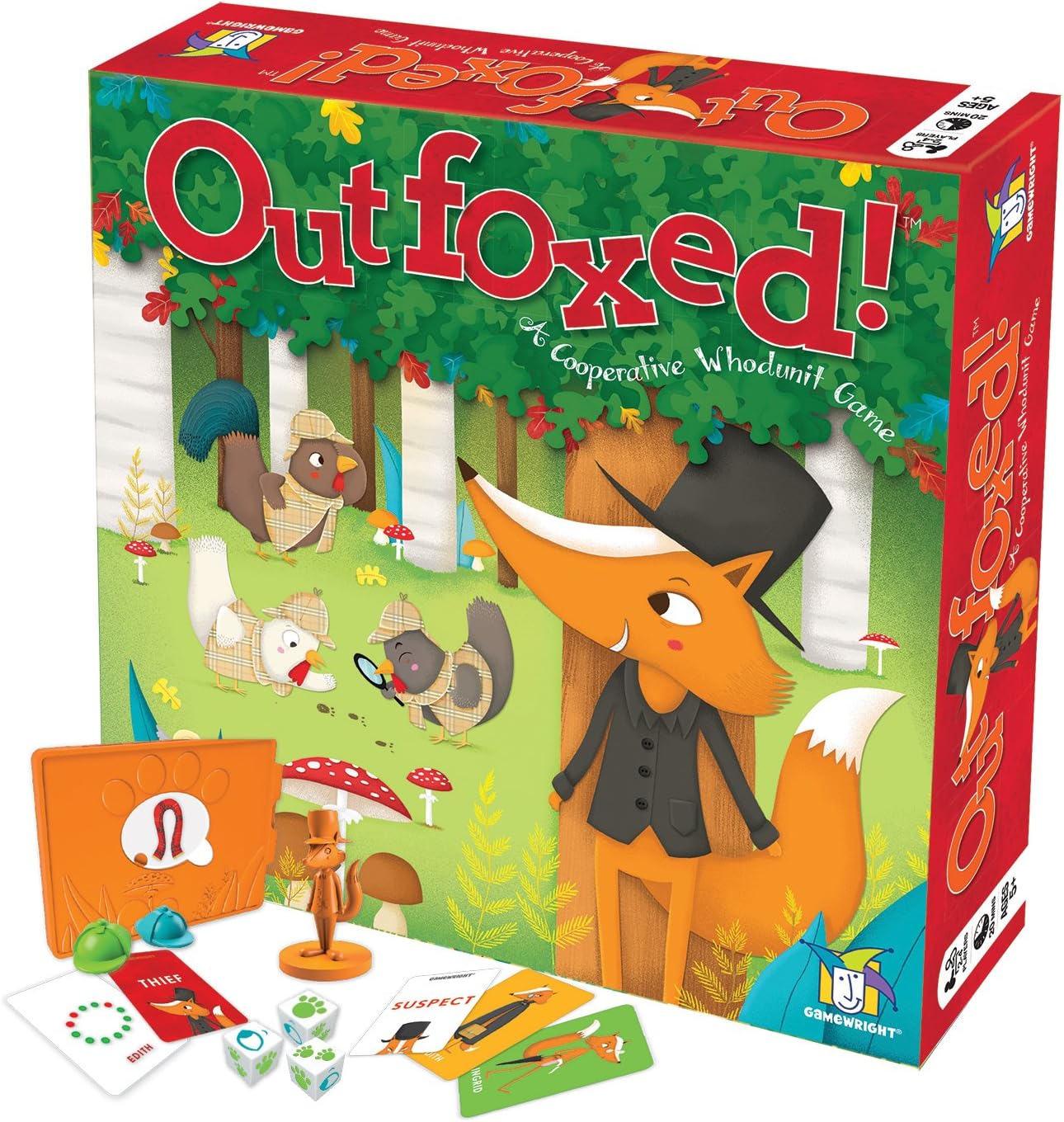
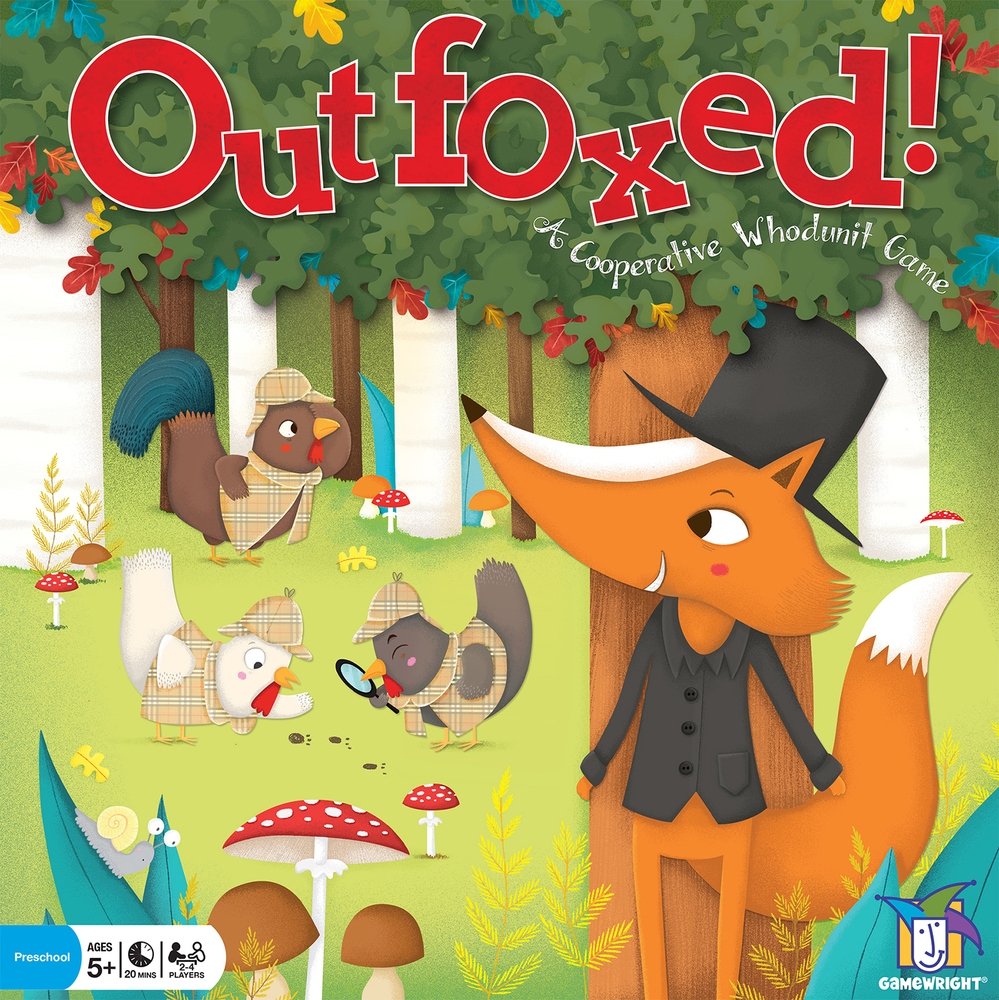
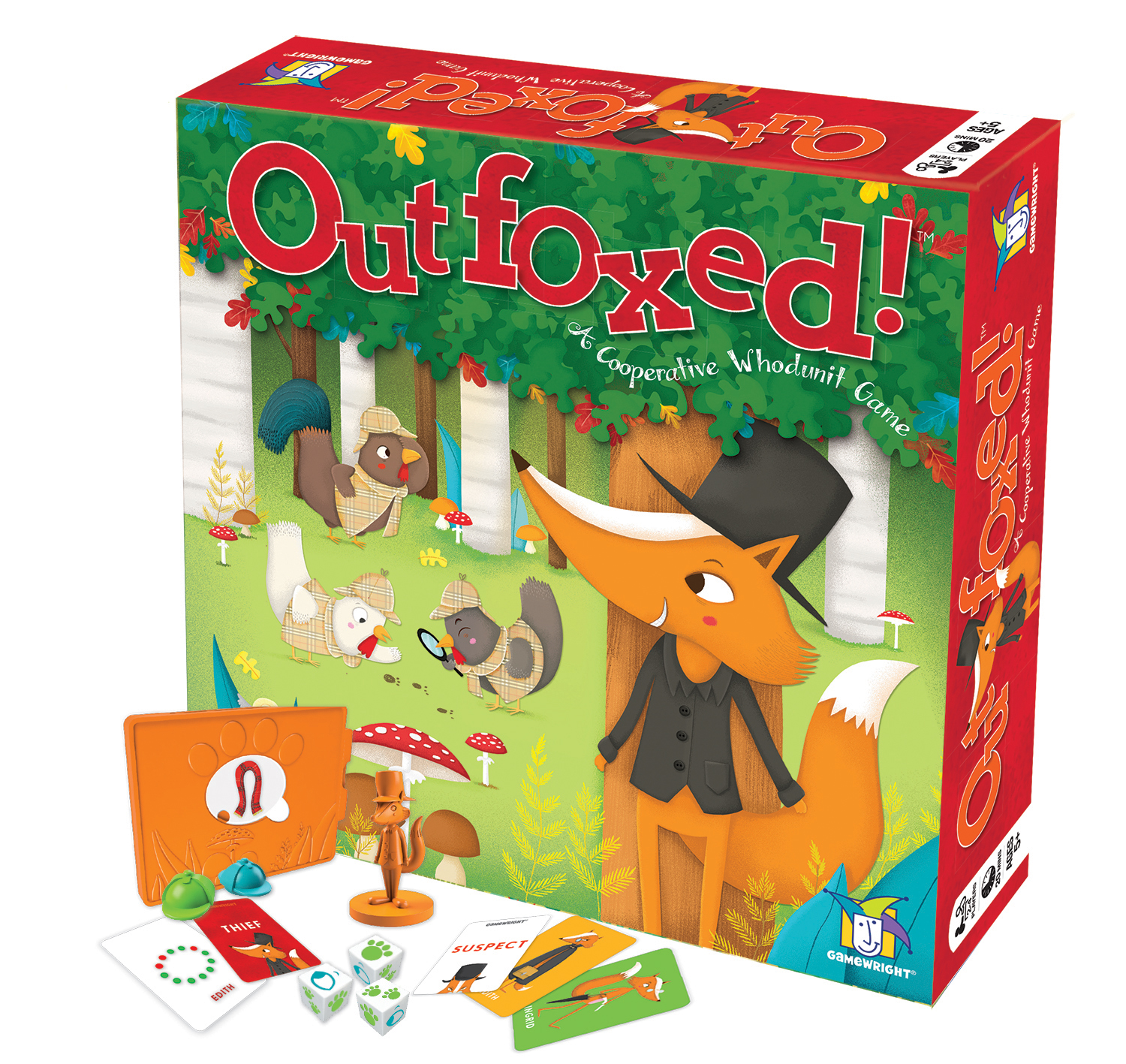
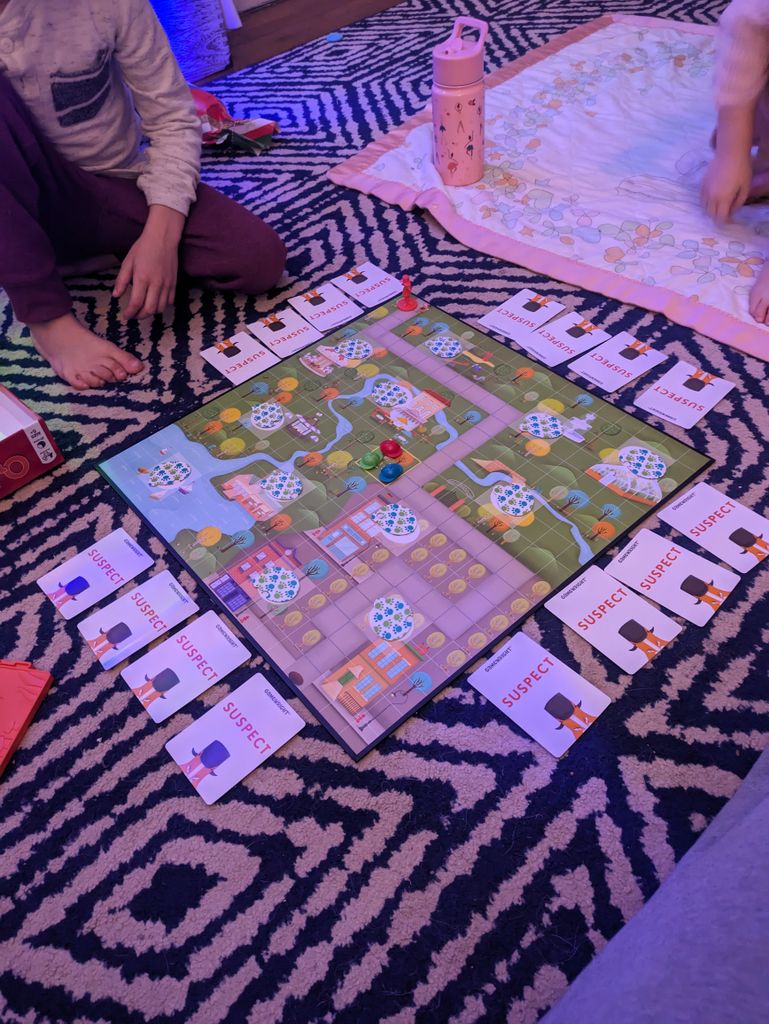
Want logic instead of tiles? Outfoxed! is 'Clue for littles' — a cooperative whodunit where the table works together to scan clues and unmask the fox who swiped the pot pie before it escapes. Real process-of-elimination, and parents actually enjoy guiding the deduction.
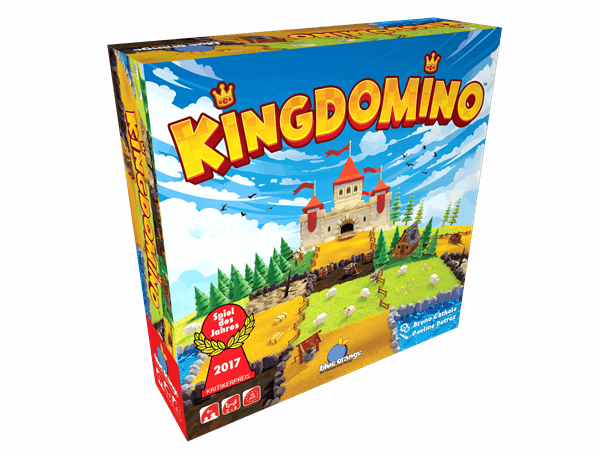
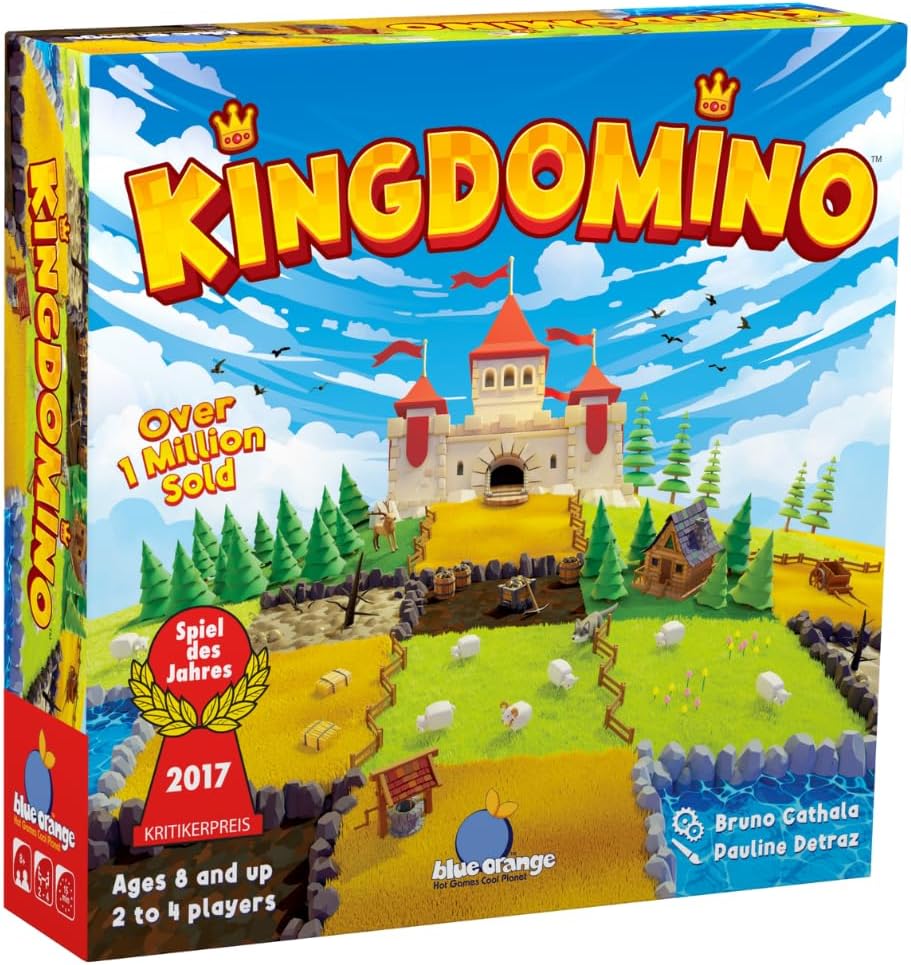
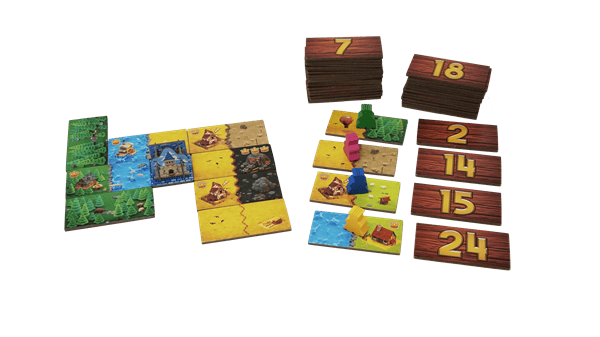
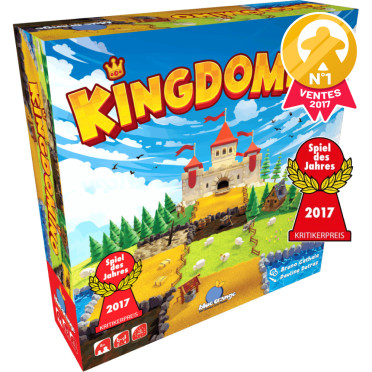
And Kingdomino itself — Spiel des Jahres 2017 — is the sweet spot for the 6-to-9 crowd. Quick turns so nobody gets bored, oversized domino tiles, and a genuine optimization puzzle hiding underneath. The community's pick for 'best first game for younger kids' lands here for exactly that reason: simple to learn, but complex enough to keep a parent honest.
A single 5-year-old shifts your whole pick down a tier — and the games built for little hands are real games, not toys.
Do adults actually enjoy these, or is it all kid stuff?

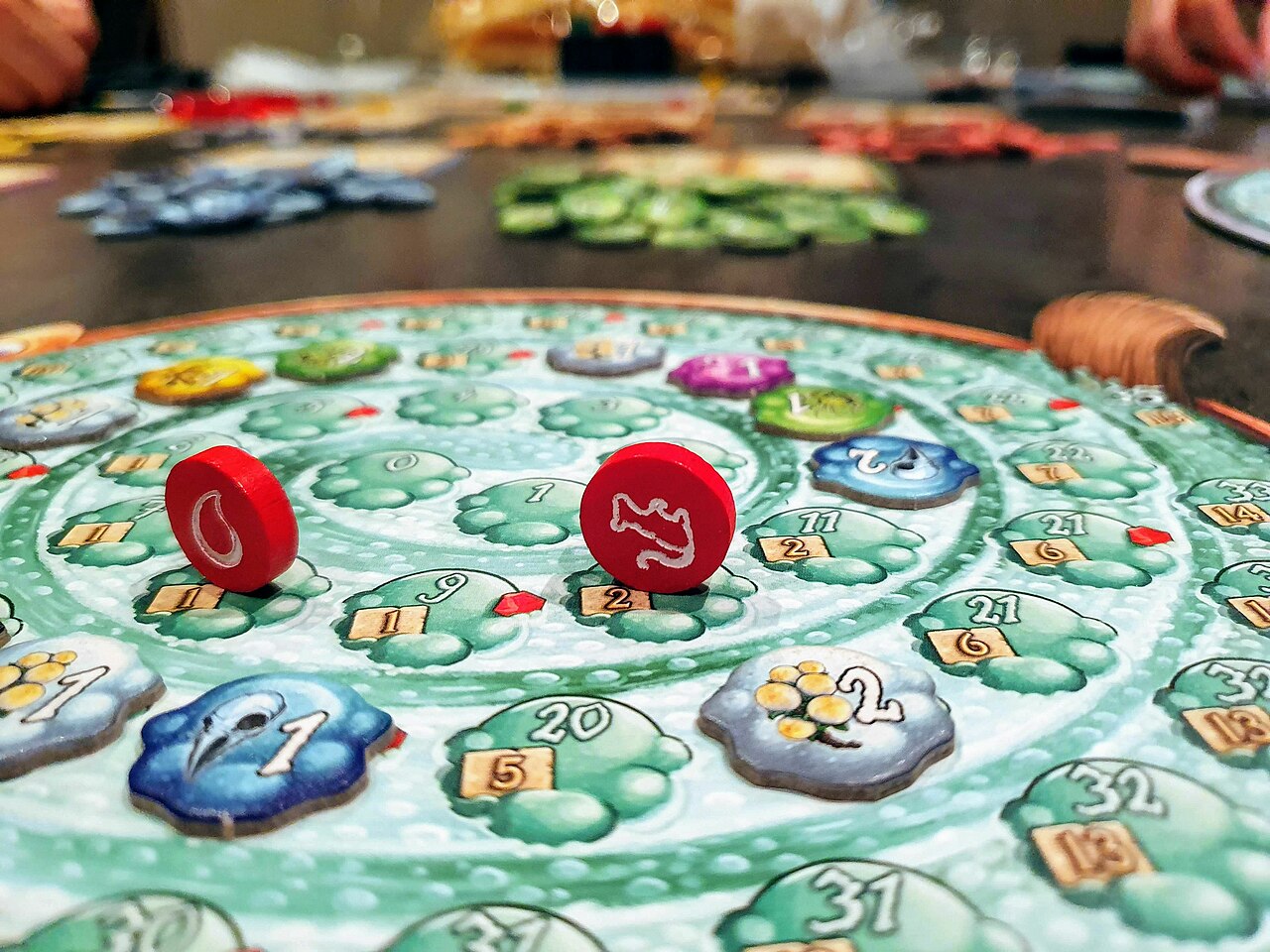
Let me settle this one with receipts, because the room settles it with receipts. These are real hobby games, not dumbed-down kid toys — and the medals prove it.
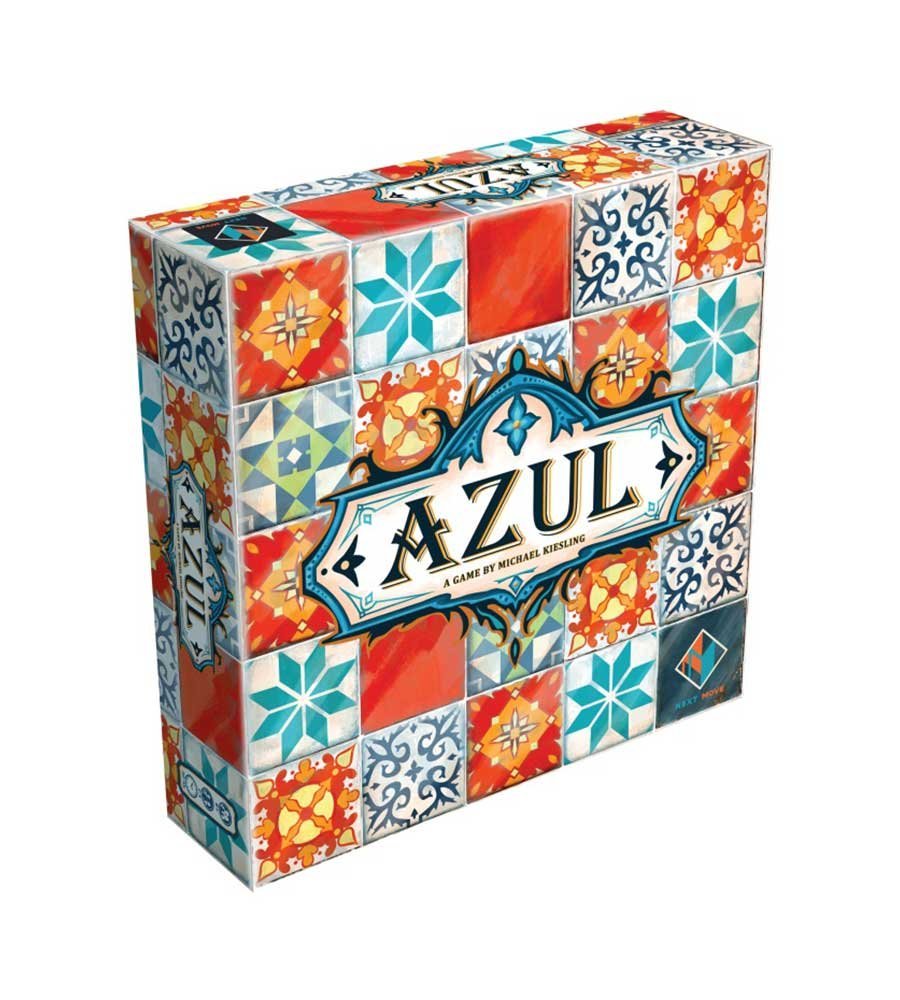
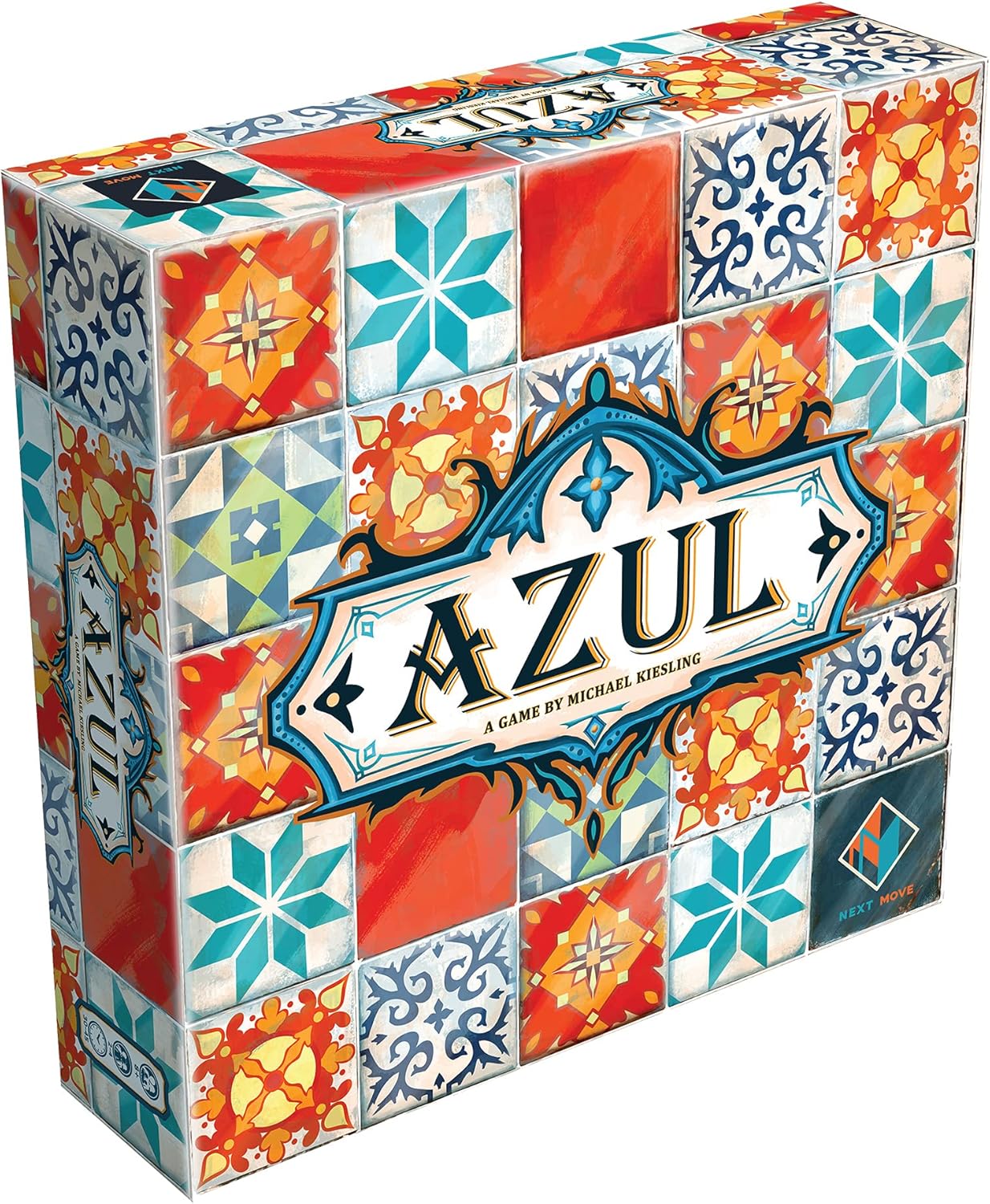
Four of my top picks won the Spiel des Jahres, the hobby's highest family-game honor: Camel Up (2014), Kingdomino (2017), Azul (2018), Cascadia (2022). Carcassonne took it back in 2001. And Quacks of Quedlinburg won the Kennerspiel des Jahres — the harder 'connoisseur / expert family' award — which is the room's way of saying it's a notch meatier than the pure gateways. That's a wall of pedigree most adult-only strategy games never touch.
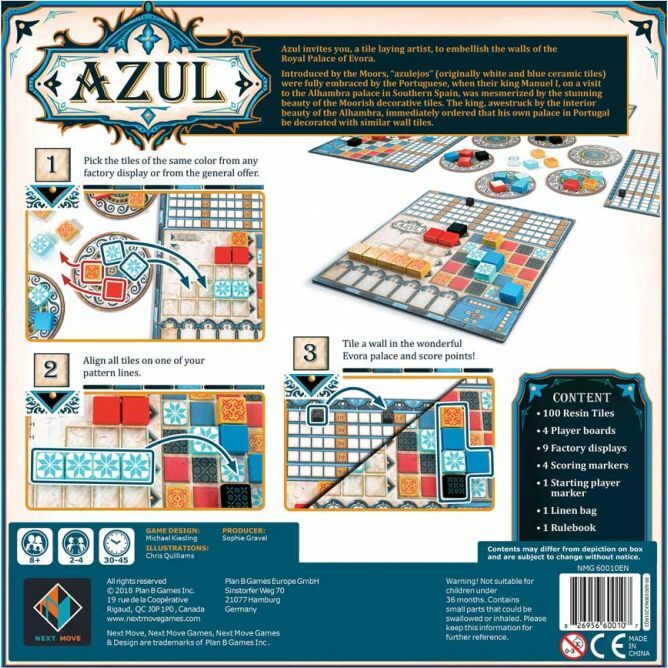
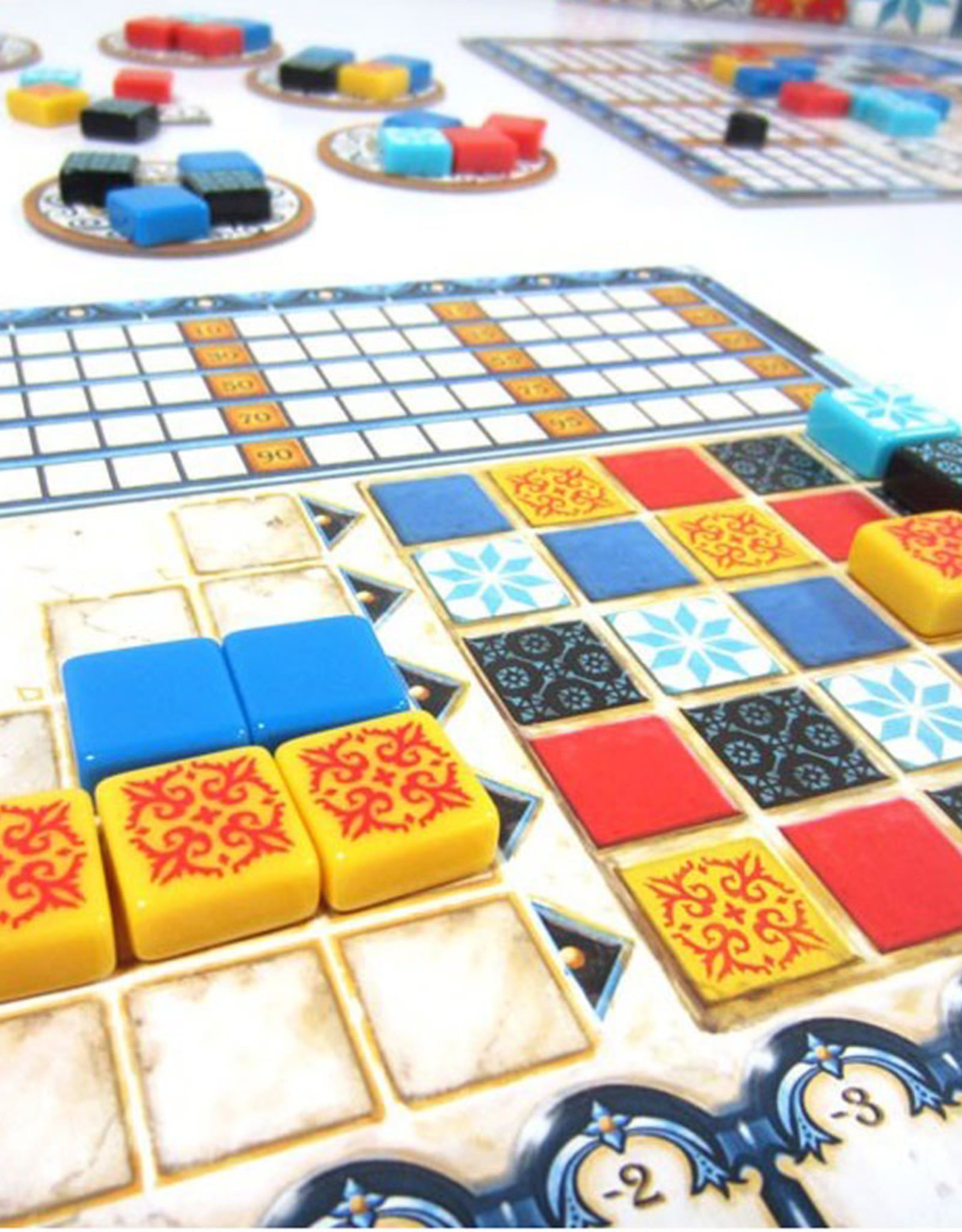
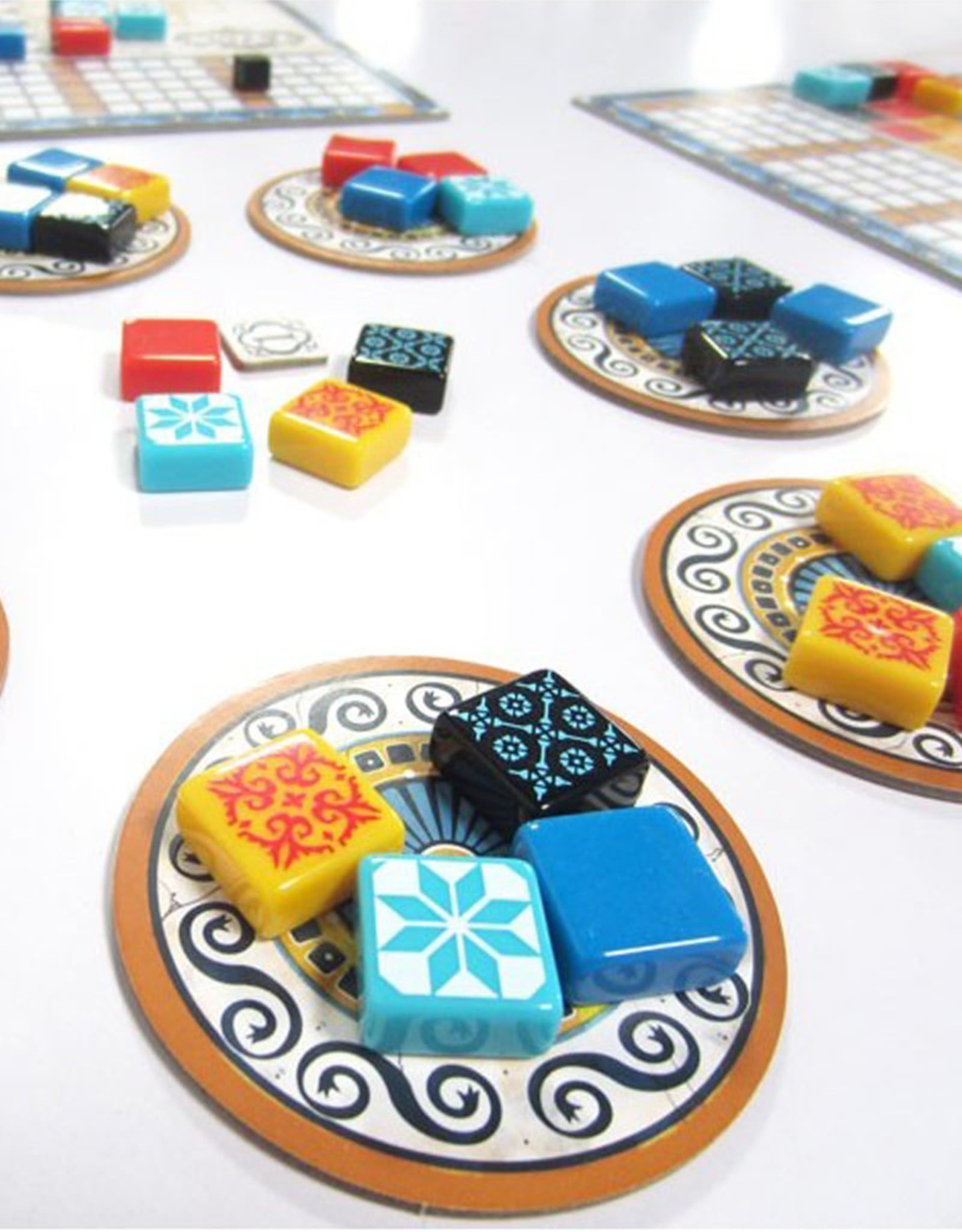
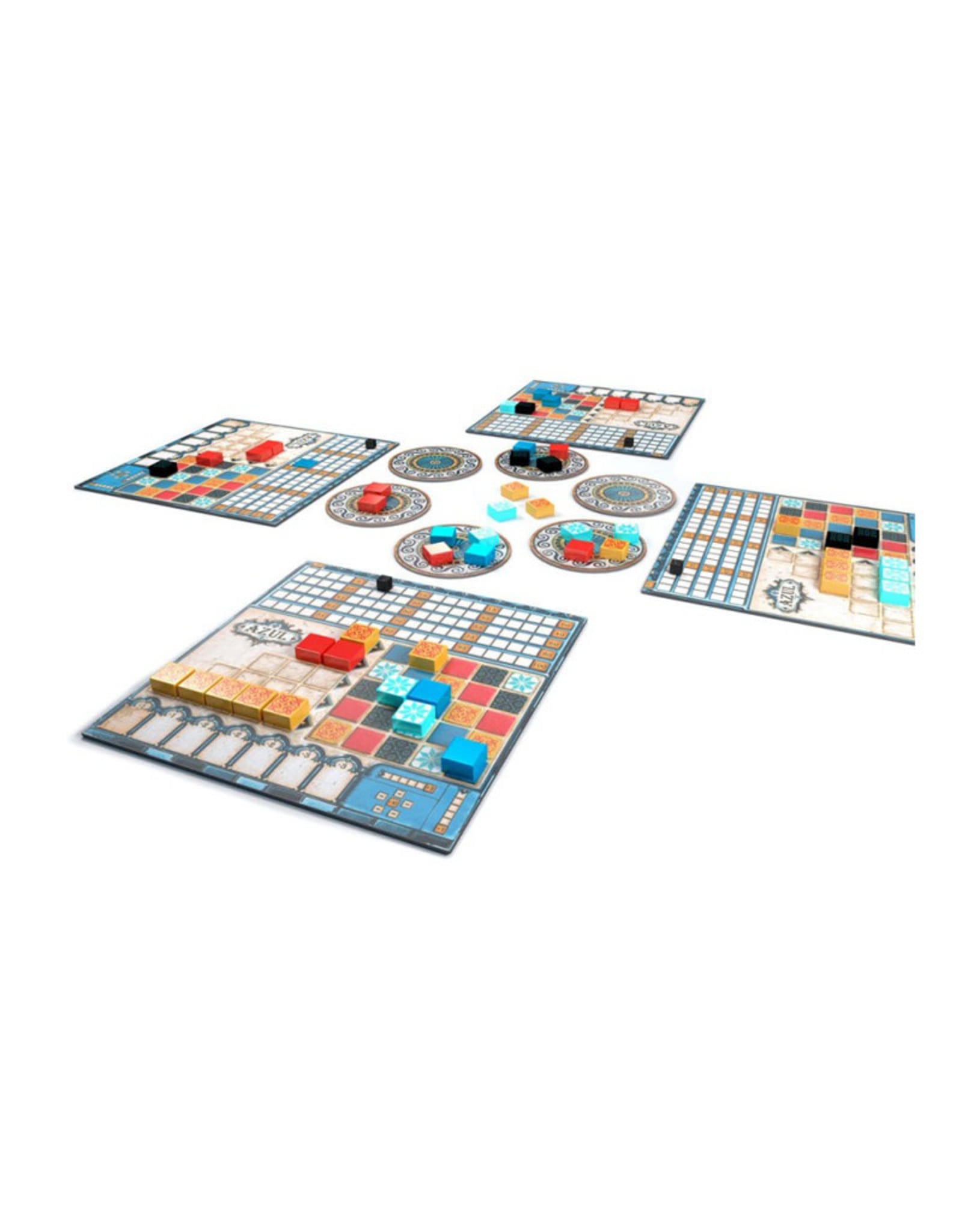
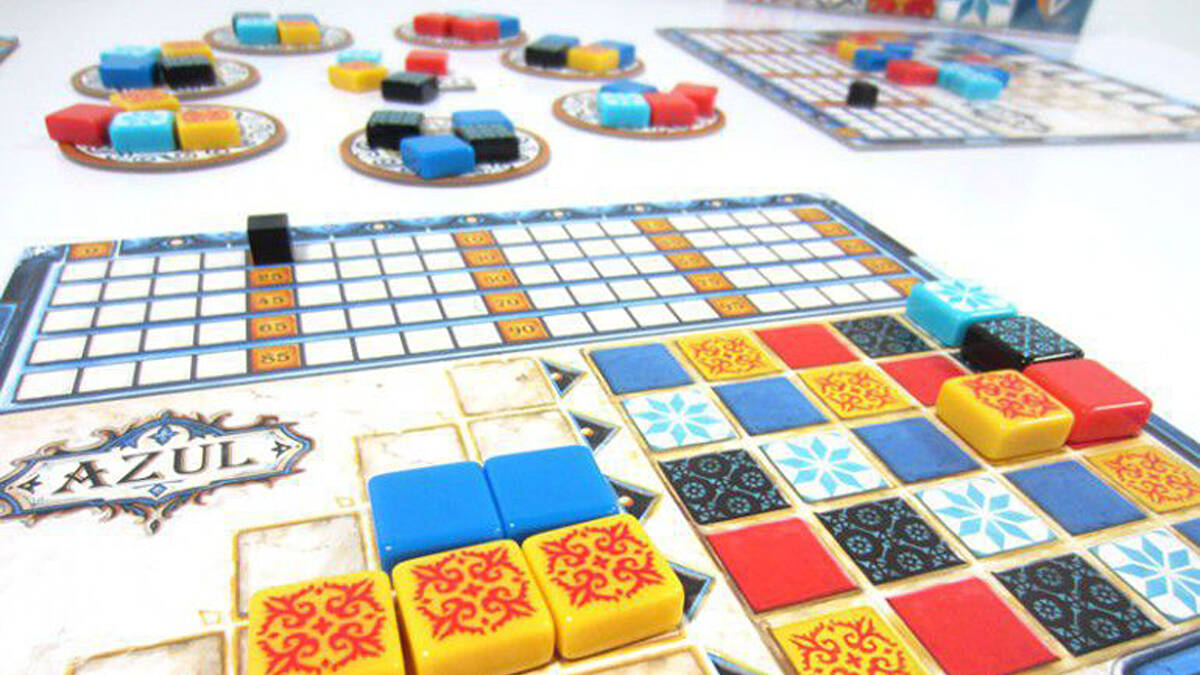
The magic is that these games are simple to learn but reward strategy, which is exactly why a kid and an adult can sit at the same table and both feel like they're playing for real. Take Azul — the prettiest box on this whole list, chunky resin tiles you'll fidget with whether you mean to or not. Dead-simple rules: draft tiles, fill your wall, but overdraft and you take penalties. Underneath? A sharp 'do I take what I need, or deny my neighbor' brain-burn that the room ranks the #1 abstract on BoardGameGeek. One reviewer's framing stuck with me — simple enough to teach just about anyone, classic enough you'll still be playing it in years.
The grown-up depth is there. You just don't have to read a 40-page rulebook to find it.
What if you don't want anyone to lose or feel attacked?
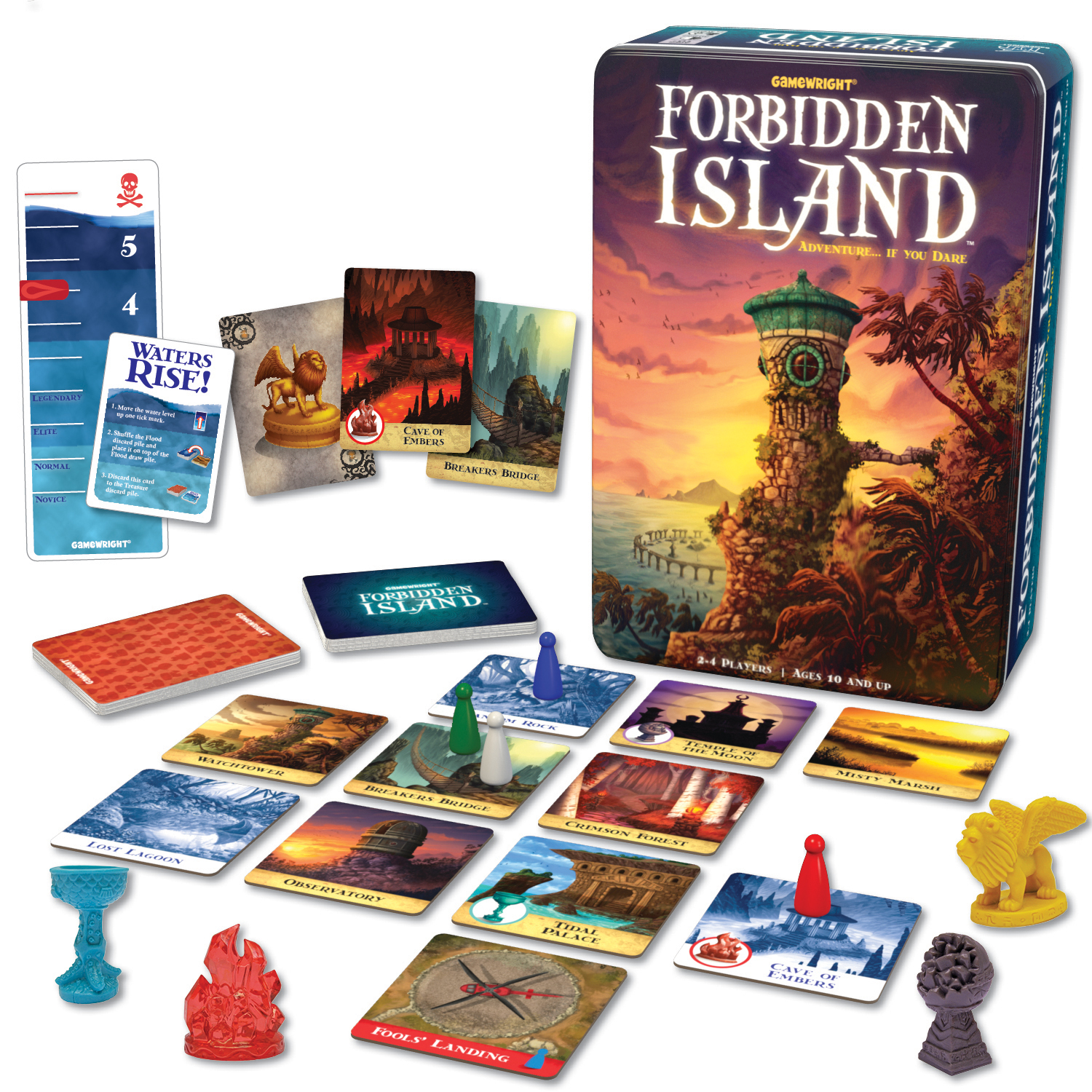

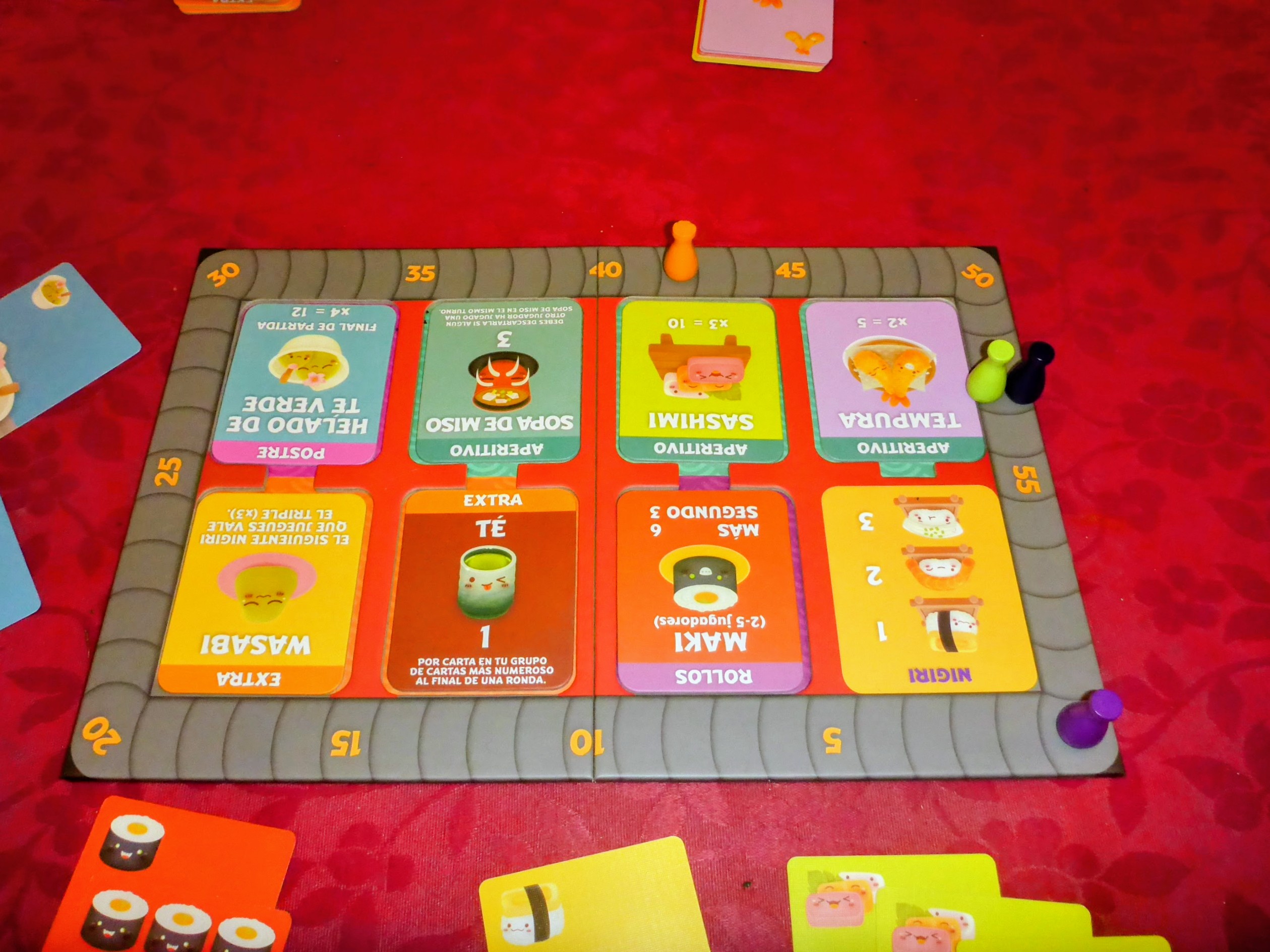
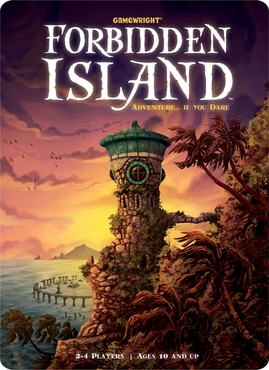
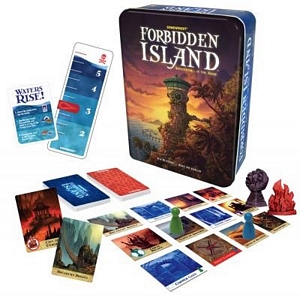
Then you go cooperative, and the benchmark — the name the co-op threads say first, every time — is Forbidden Island.
The whole table works together to grab four treasures before the island literally sinks beneath you. You win as one or you lose as one; nobody gets eliminated, nobody gets singled out, nobody flips the table. At roughly $16, it's also the best value on this entire list, and it teaches genuine shared decision-making. Best of all, it's the on-ramp to a whole staircase: designer Matt Leacock (yes, the Pandemic guy) built Forbidden Desert and Forbidden Sky on the same DNA, so your family levels up without relearning everything.
But here's THE Player's Code rule for co-ops, and I cannot say it loud enough: beware the alpha-gamer. One bossy adult who quarterbacks every single turn will quietly rob the kids of every decision and suck the joy right out of the table. The fix is deliberate — let the kid make the move, even the wrong move. A child who chooses their own play and learns from it is having radically more fun than one being told exactly what to do.
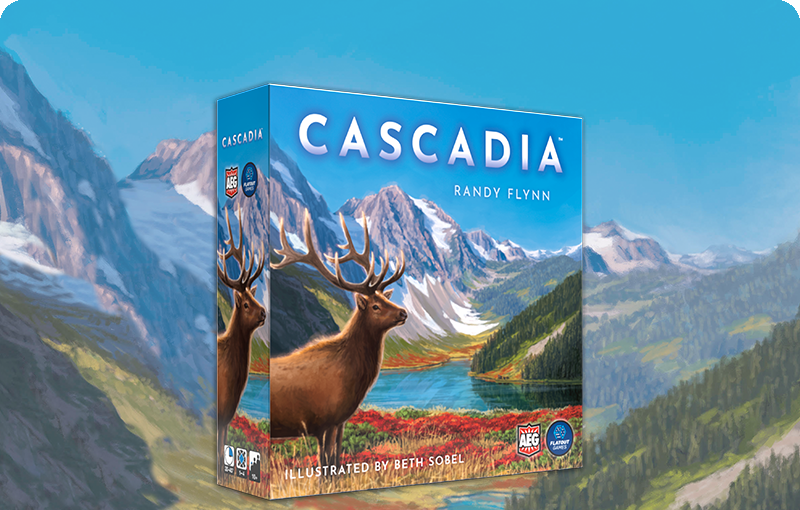
Prefer competitive-but-gentle? Cascadia (Spiel des Jahres 2022) is nearly conflict-free even though you're technically racing — you lay habitat tiles and place wildlife to score puzzly nature patterns, and you barely touch each other's boards. The room calls it 'multiplayer solitaire'; fans call that bliss. It's the perfect pick for anyone who ever got robbed in Catan and swore off the genre.
When you're ready for more bite — and the loudest game on the shelf
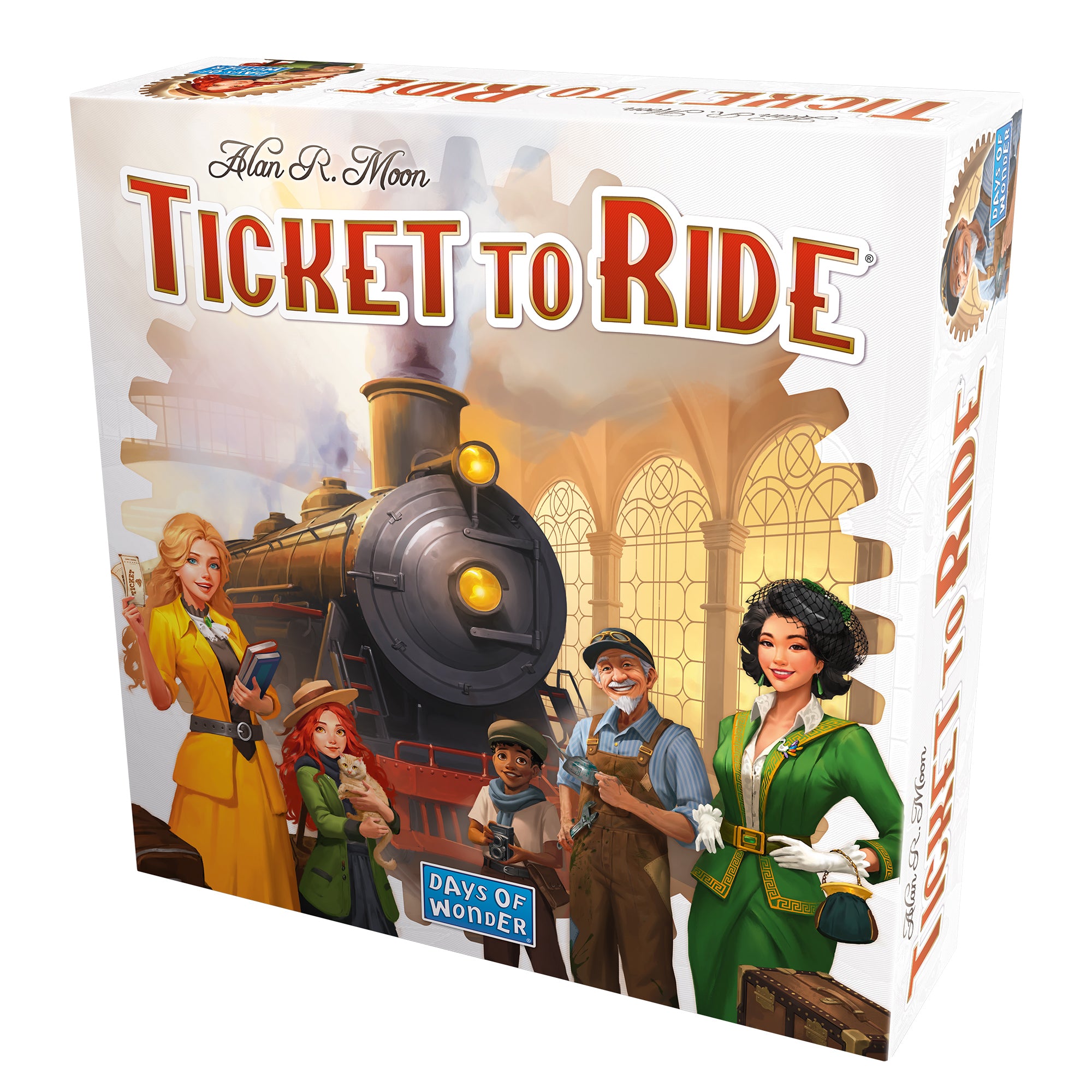

Once Ticket to Ride starts to feel solved, the room points you up a half-step — same rules-weight, sharper teeth.
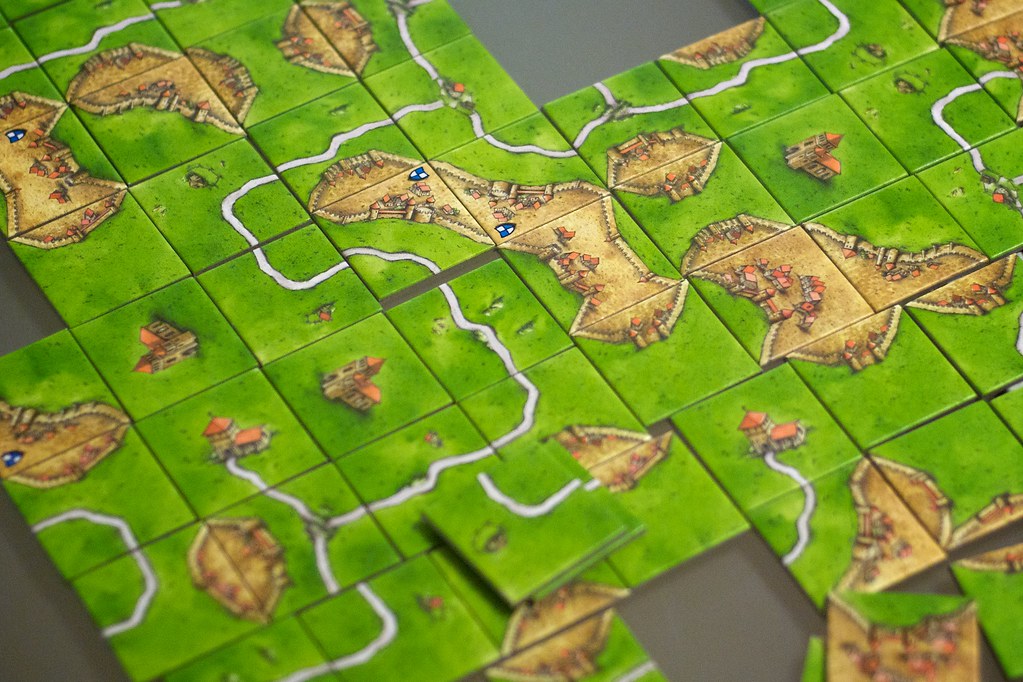
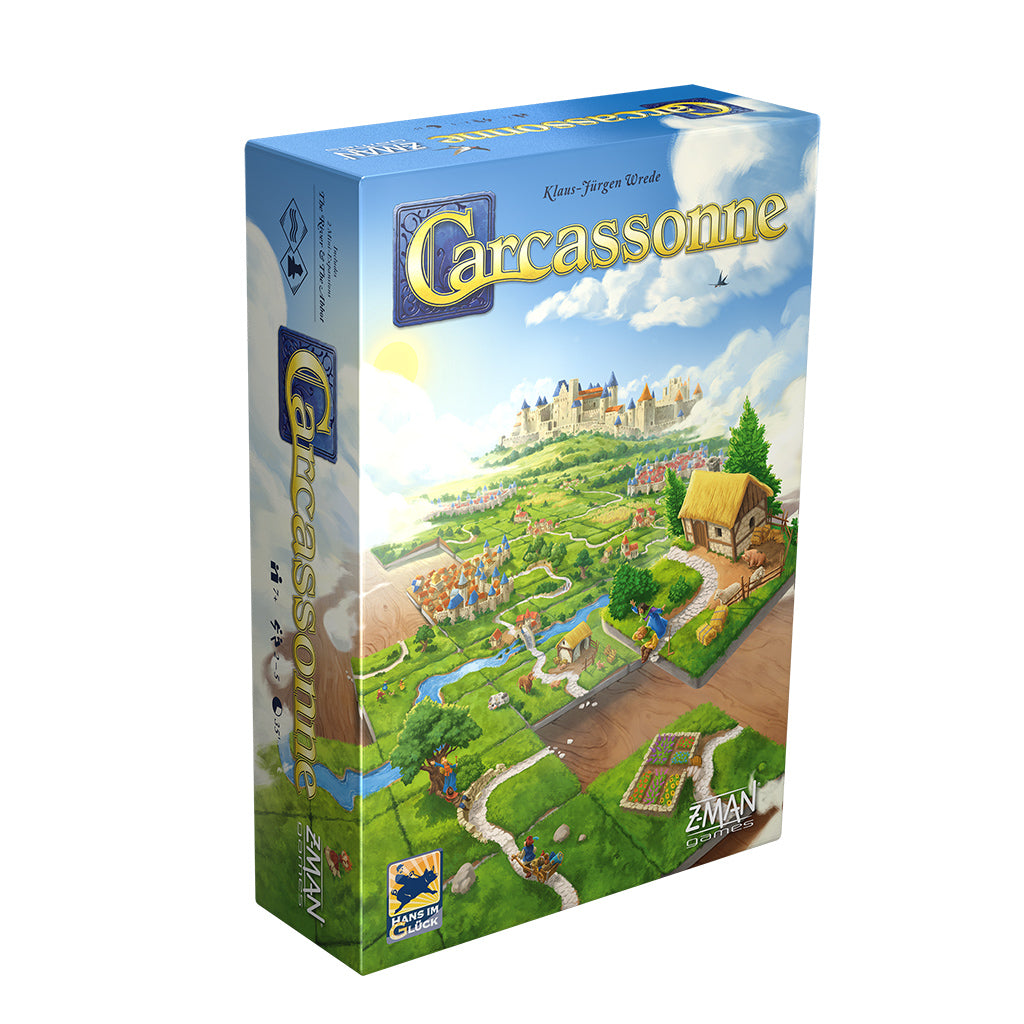
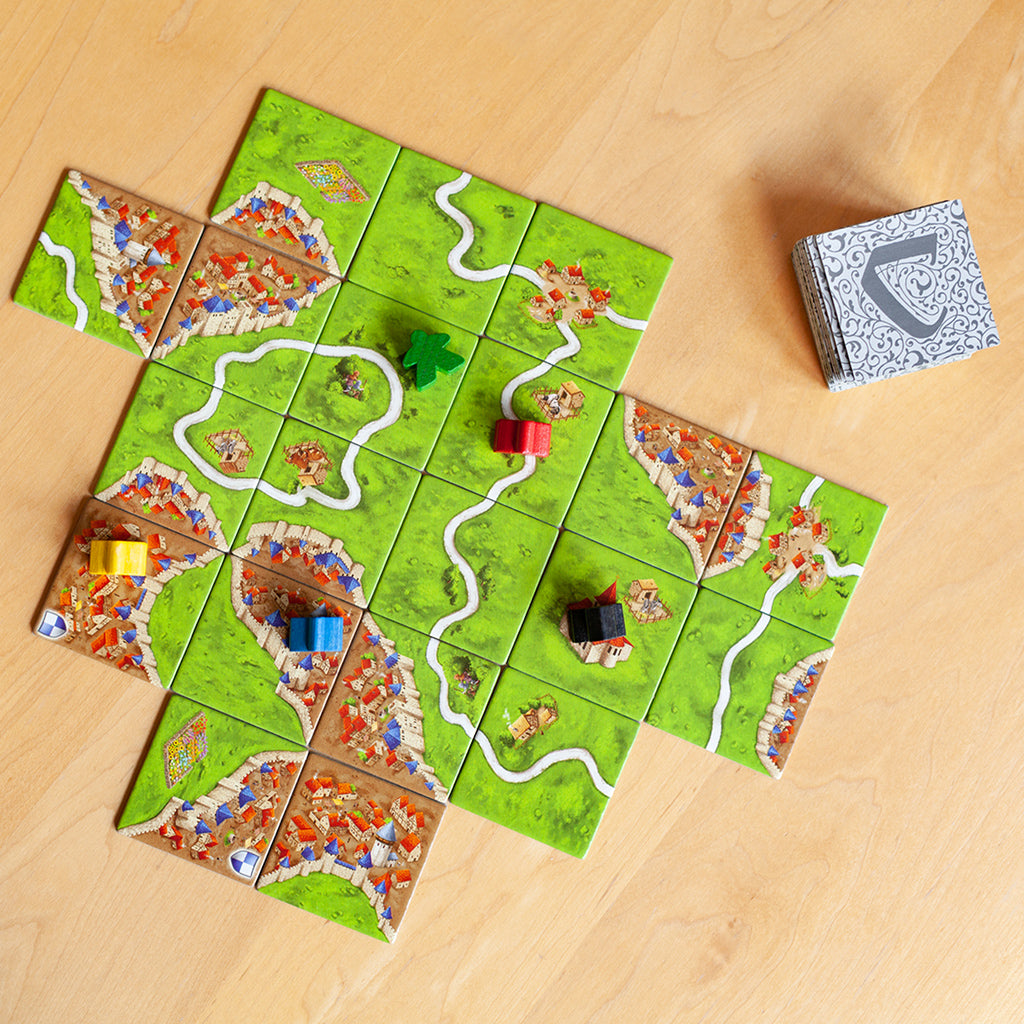
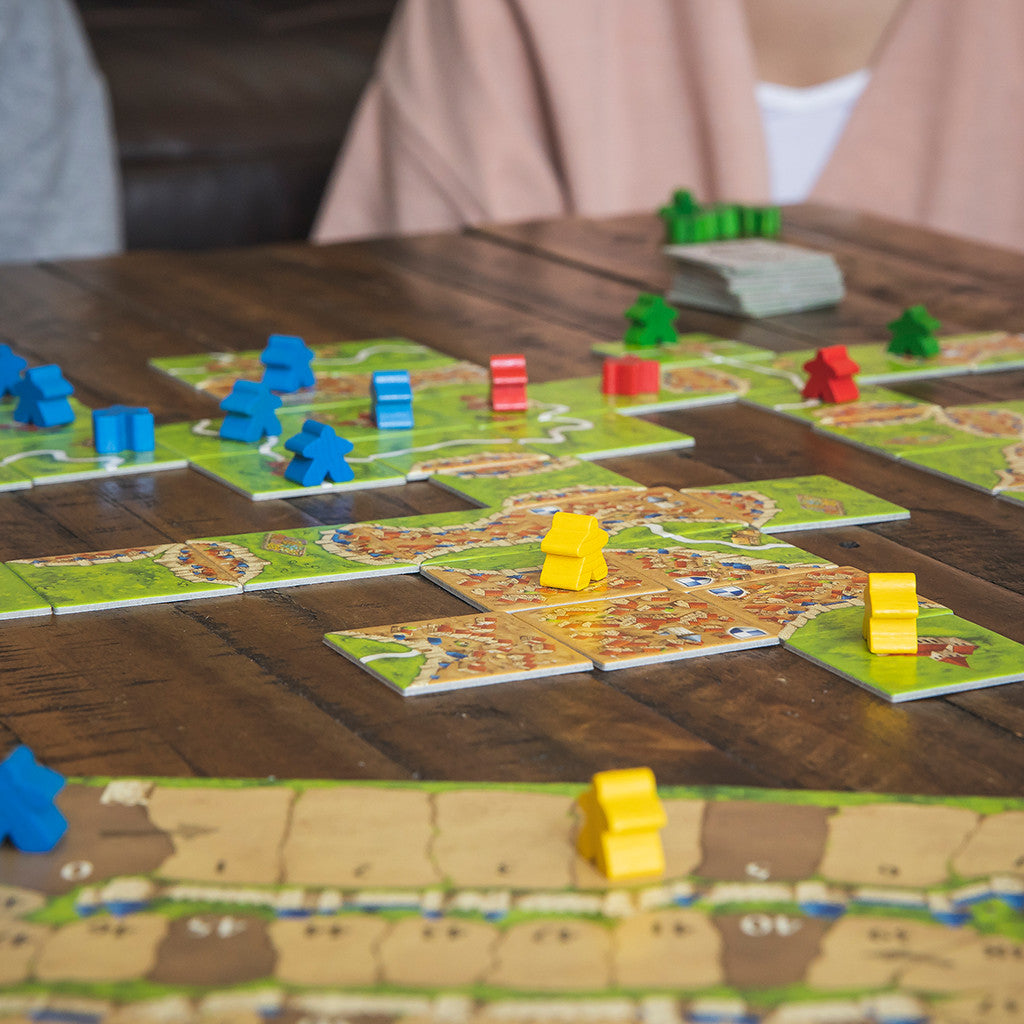
Carcassonne (Spiel des Jahres 2001) is the move for more head-to-head: draw a tile, place it, optionally drop a little meeple, and build cities, roads, and fields. The modular board means no two games are ever alike, and there's real interaction — you can share a city someone else started, or quietly steal it out from under them. One warning the threads repeat endlessly: farm scoring is the genre's most infamous rules-confusion point. Most family tables just ignore or house-rule farms with kids, and that's completely legal.
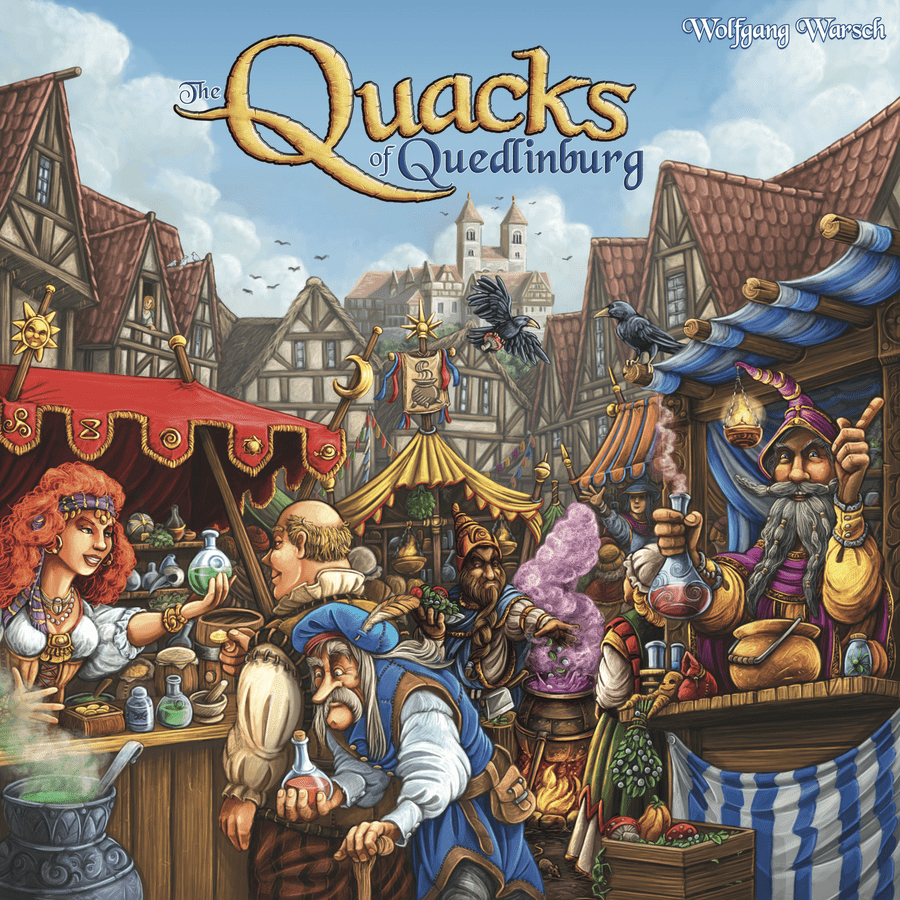
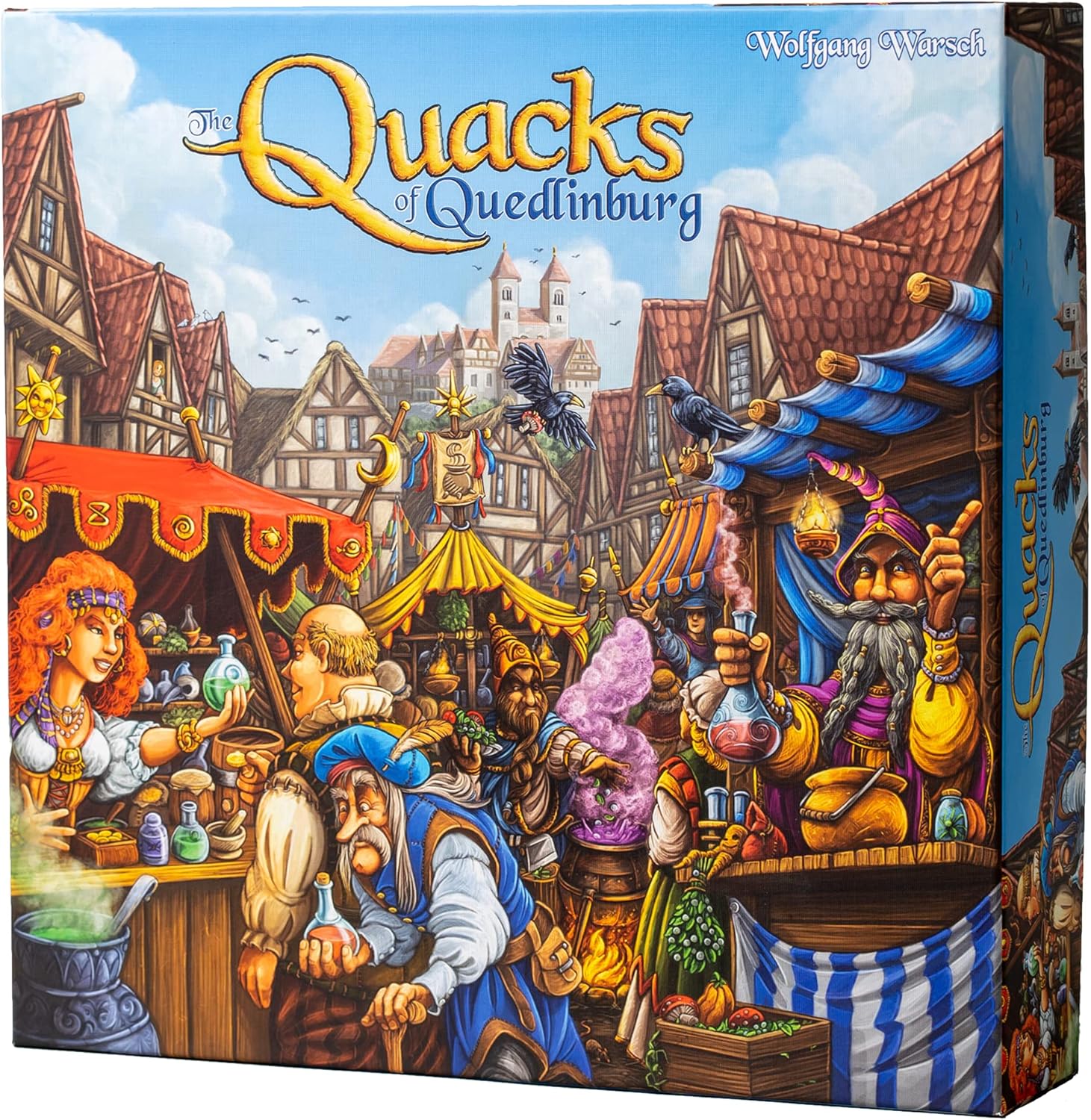
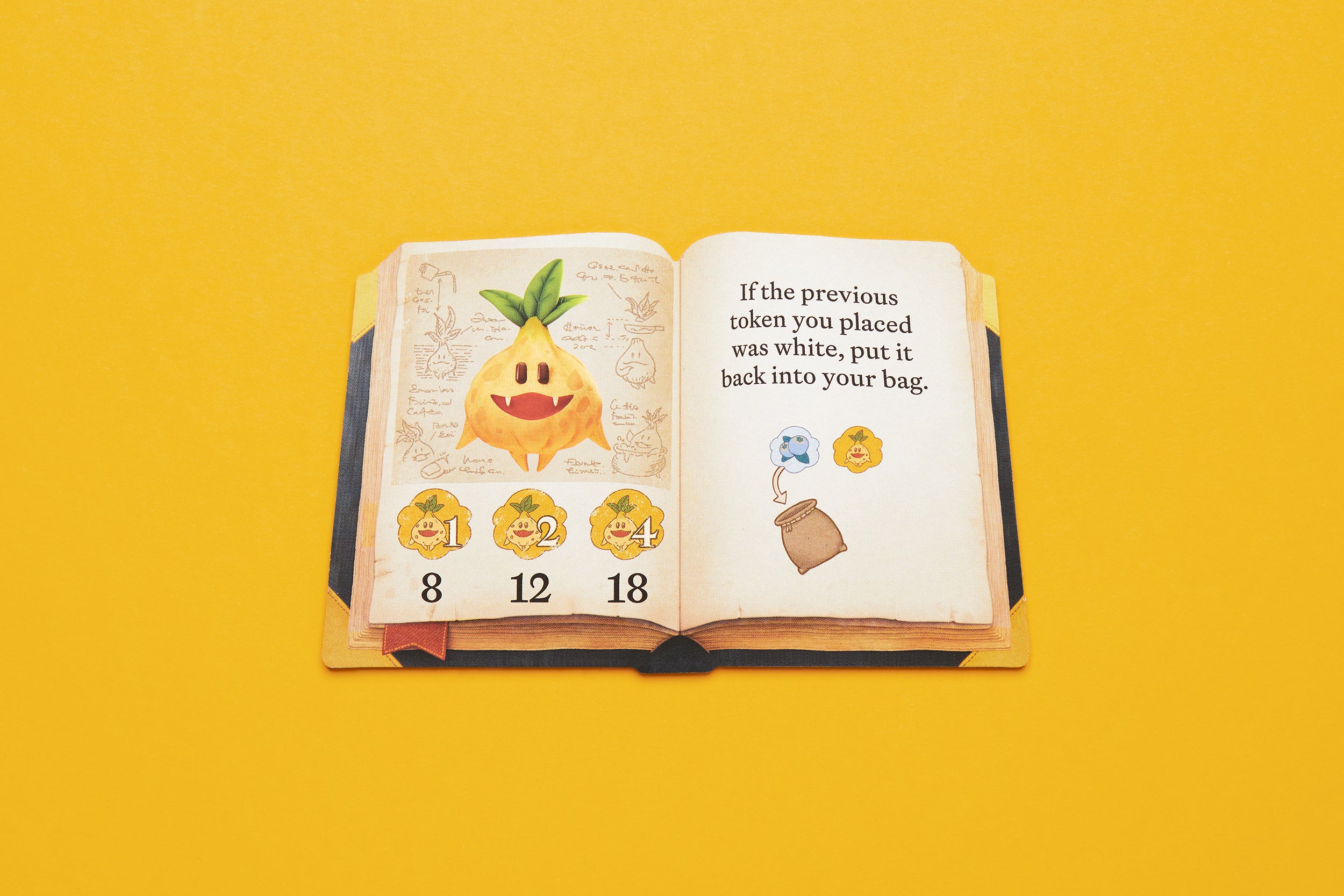
But if you want the game the whole room screams about? The Quacks of Quedlinburg. That Kennerspiel ('expert family') medal earns its keep. You blind-draw potion ingredients from a bag, pressing your luck for points — but pull one cherry-bomb too many and your pot explodes. Everyone plays simultaneously, so zero downtime and maximum noise. It's the loudest, most joyful pick on this list, hands down.
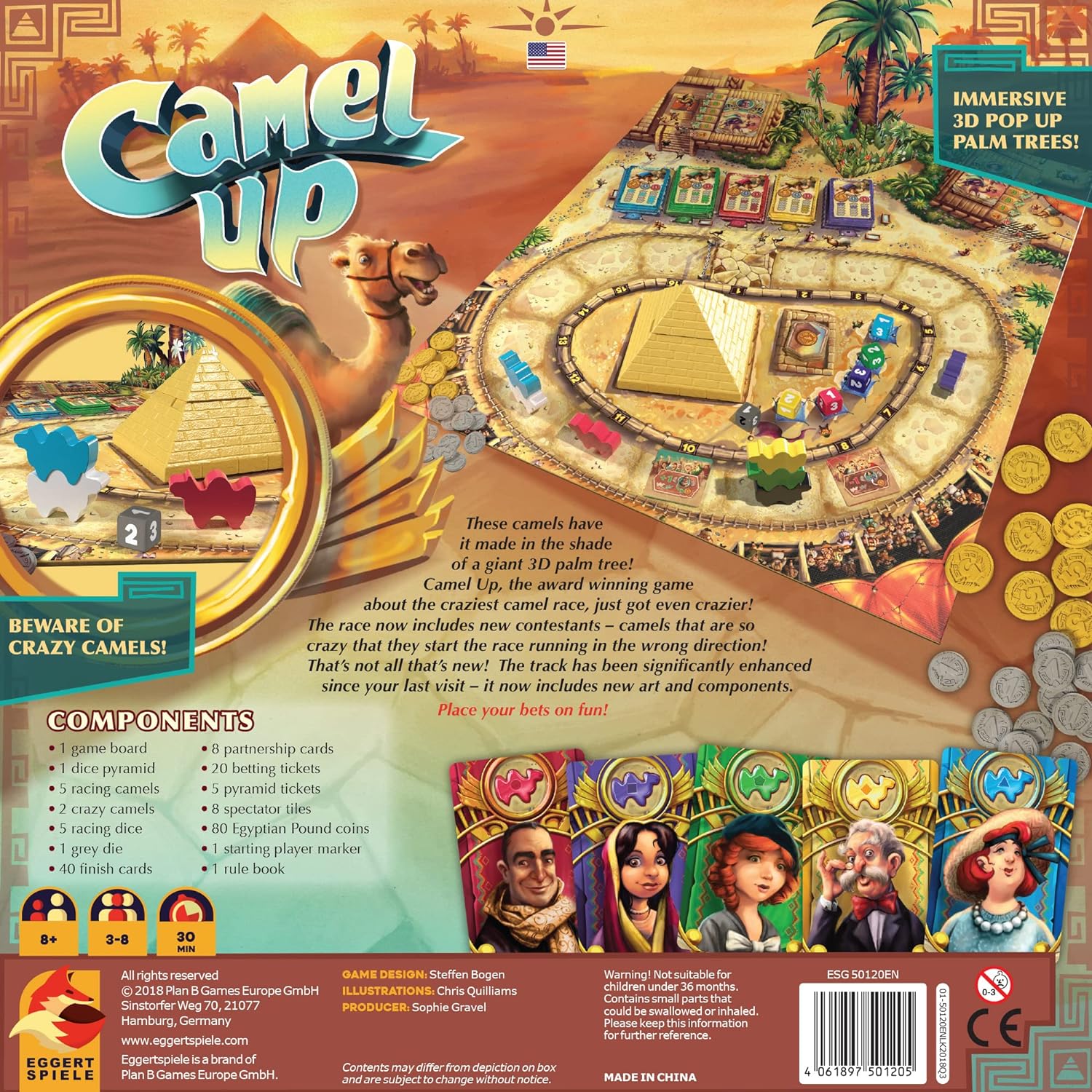
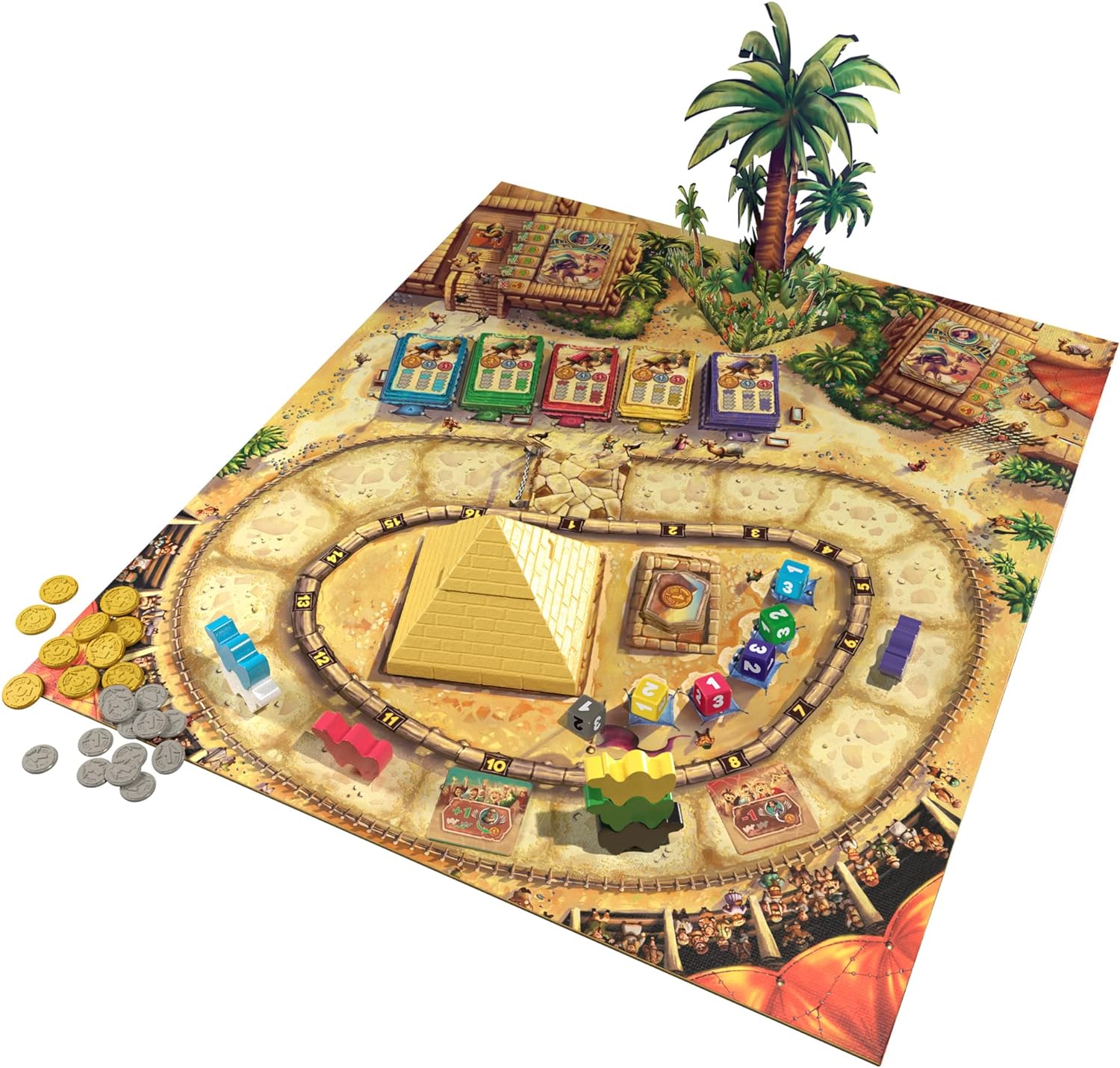
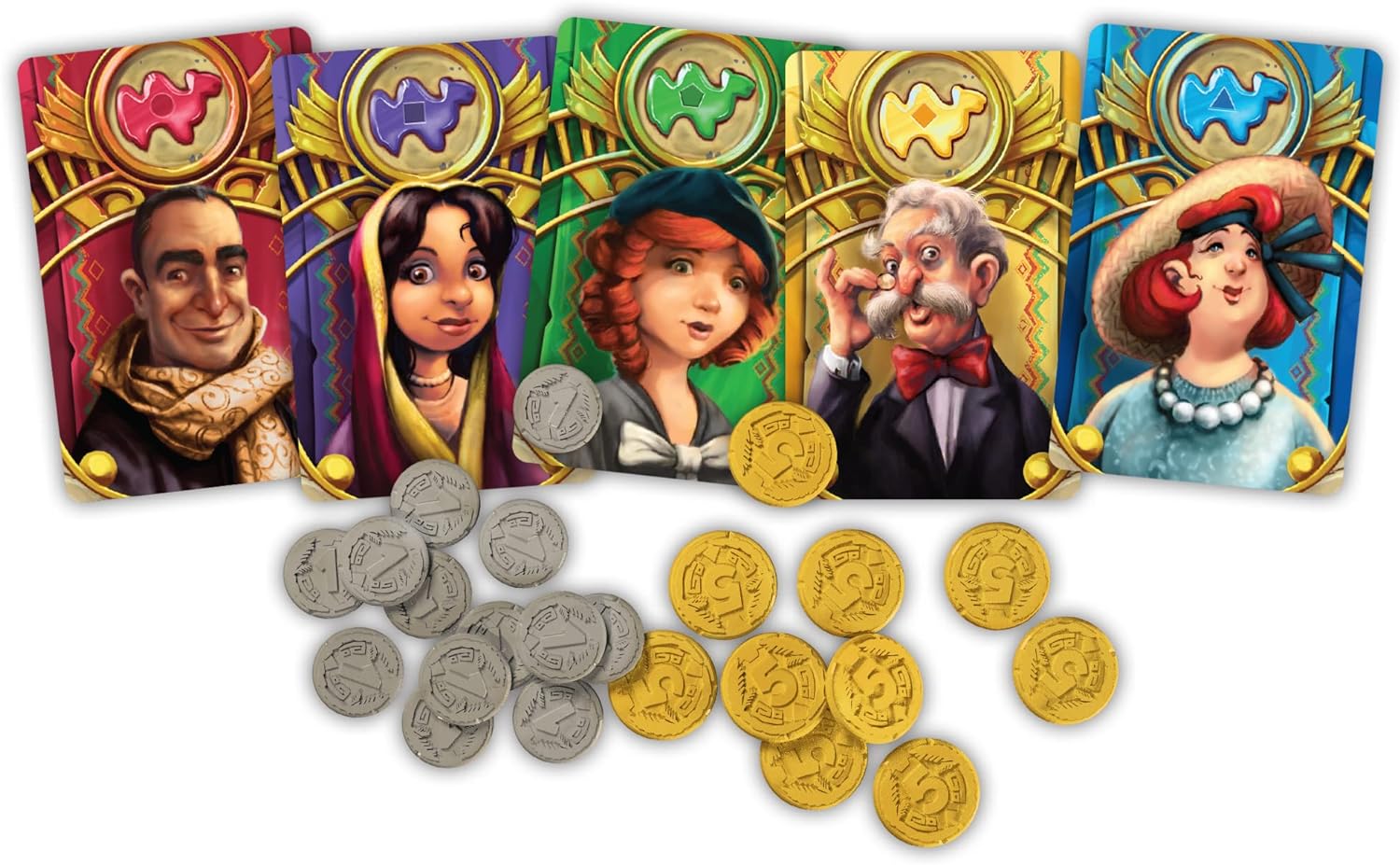
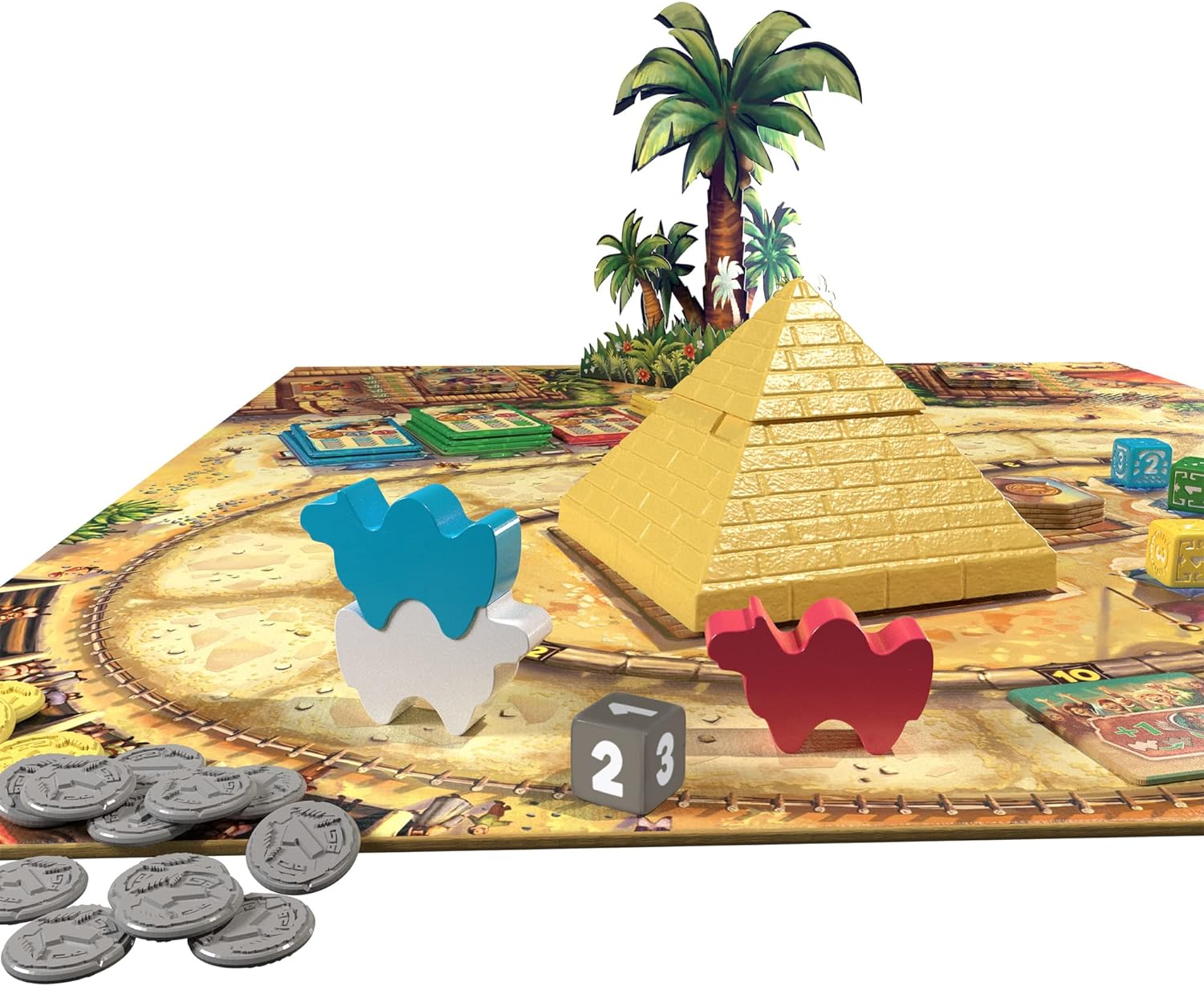
Then there's Camel Up (Spiel des Jahres 2014) — a riotous camel-racing betting game where camels literally pile on top of each other and piggyback to the finish, movement spat out by an actual dice pyramid. It's chaos, it's laughter-first, and 'thinky' players sometimes dismiss it as a party game. Let them. At 4-6 players it's pure table-wide delight, and it's the closer you keep in your back pocket.
Quacks is the loudest, most joyful pick here — everyone draws at once, the pot threatens to explode, and the whole table screams. That's not a bug. That's the night you'll remember.
Why isn't Catan the automatic #1 anymore?
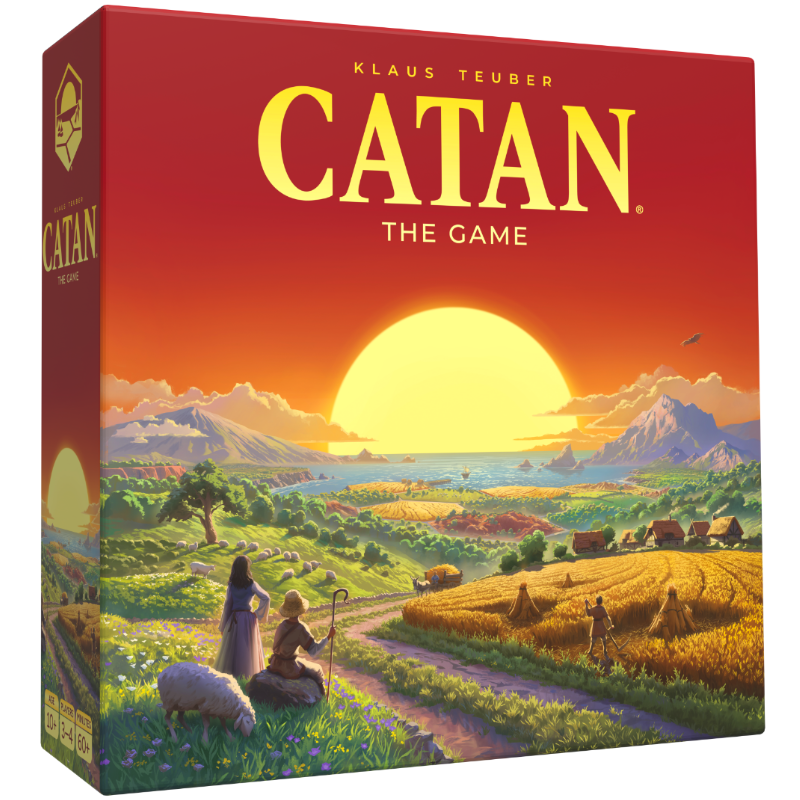
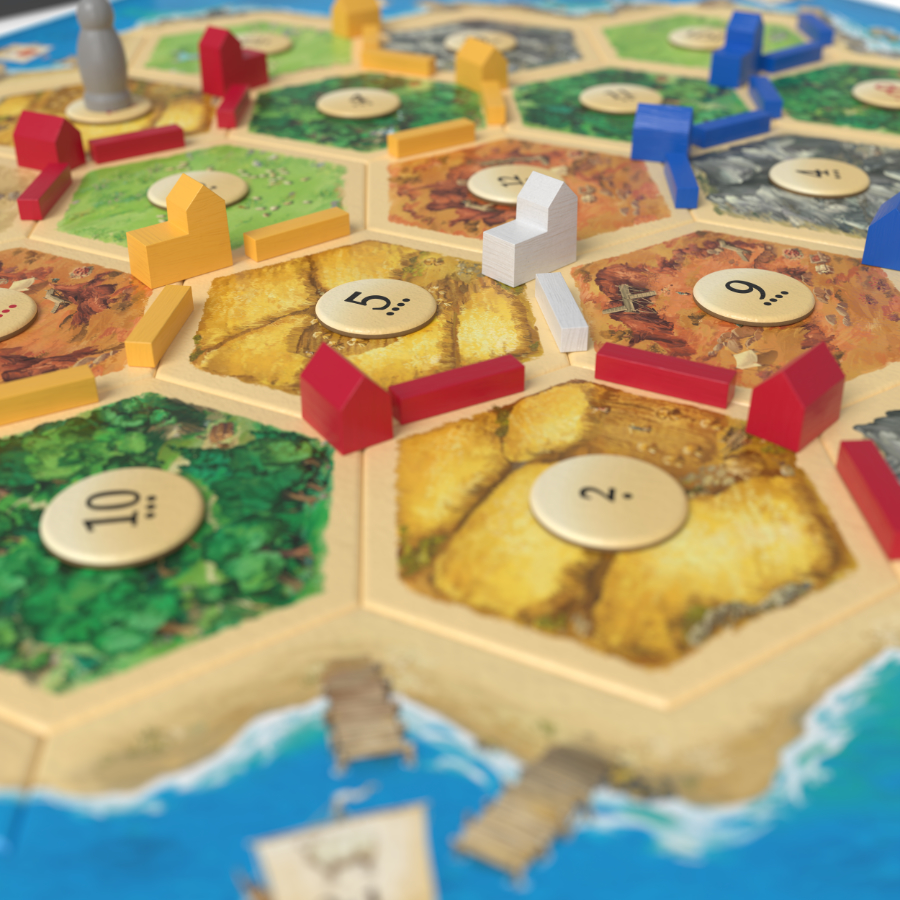
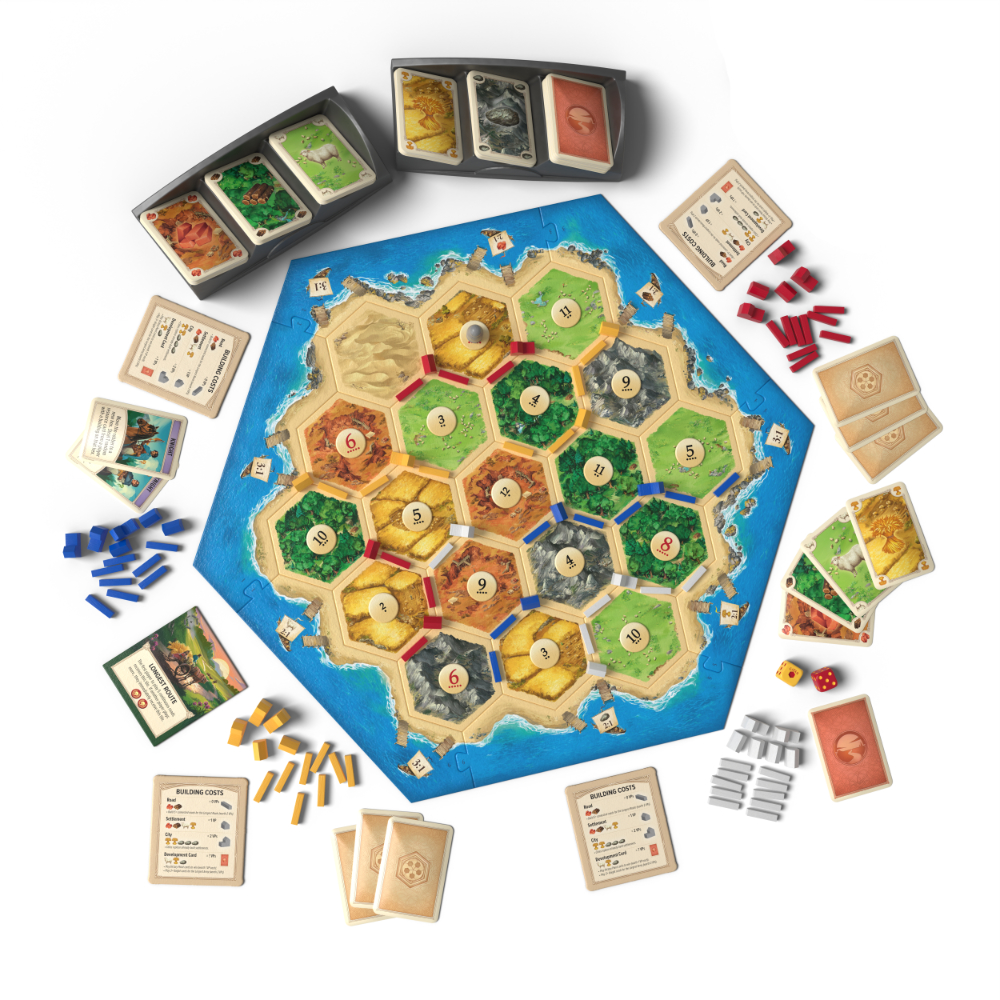
- The robber and kingmaking feel personal. Move the robber onto a kid's number and they can genuinely feel singled out, like the whole table ganged up. Tears happen. The room confirms it constantly.
- Bad dice luck strands people. A rough roll-streak can leave a player with nothing to do but watch — brutal for a kid's attention span.
- It demands 3-4 players and 60-90 minutes. It's genuinely poor at 2, and that runtime is a big ask for a school-night table.
How do you turn one good box into a standing game night?
- Rotate who teaches and who picks. When no single person 'owns' game night, kids buy in harder — especially when *they* chose the game.
- Name the take-that out loud. When you steal a route in Ticket to Ride or deny a tile in Azul, say it lightly and openly: framed as smart play it's fun; done silently it lands as betrayal to a younger player.
- Set a house-rules-are-fine tone on night one. Fun beats rules-purity, every single time.
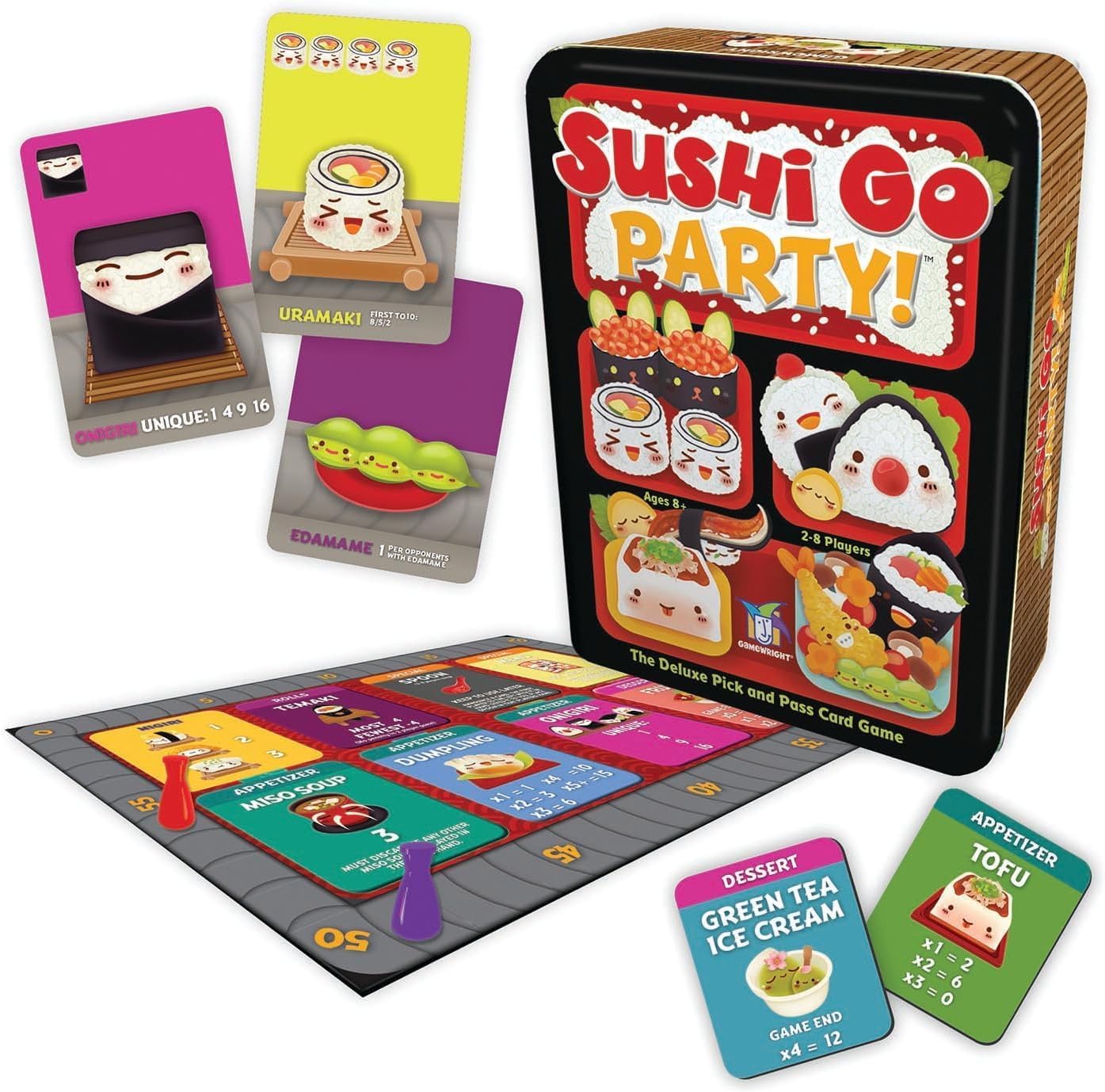
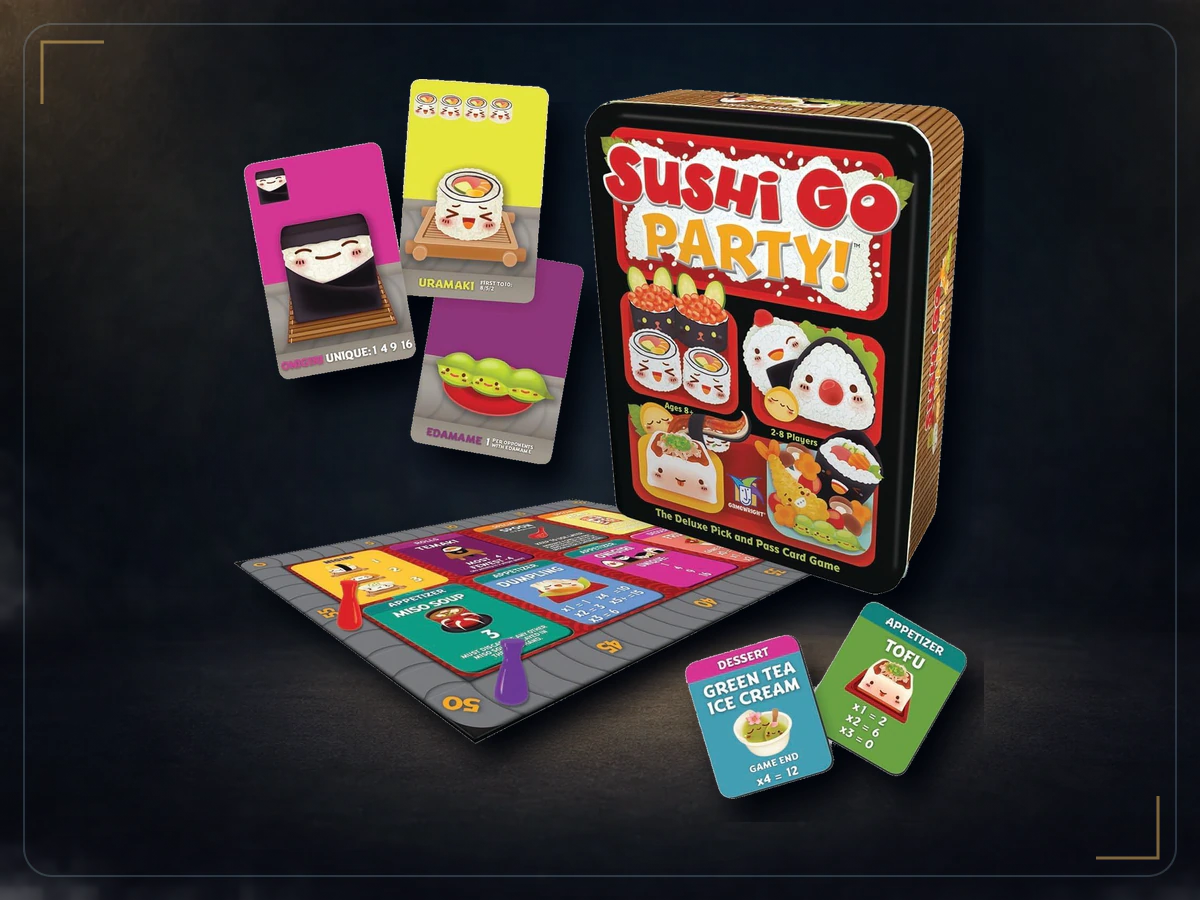
End on a high. A quick Sushi Go! sends everyone to bed wanting one more — and that's how game night becomes a habit instead of a chore.
What experienced tables keep reporting
Recurring owner patterns, synthesized in Puzzlewick's words. Follow each evidence trail to read the original discussion.
The base box of Ticket to Ride keeps getting crowned 'still the greatest gateway' — the go-to whenever you're handing a real game to a non-gaming family or friend. Easy to grasp, exciting precisely because it's so simple.
hobby reviews (Wargamer, GamesRadar)
When people ask for the single best FIRST game for younger kids, the room leans Kingdomino almost every time — simple to learn, complex enough to keep both kids and parents engaged, and turns short enough that little players never check out.
family-gaming roundups / r/boardgames sentiment
Cascadia's recurring knock is that it's 'multiplayer solitaire' — you barely touch each other's boards. Fans flip that into the selling point: zero conflict, deeply relaxing. Critics just call it low-energy. Both camps are right; it depends on the night you want.
r/boardgames / forum sentiment
Catan's robber and kingmaking are the classic family pain points. Targeting one player feels personal, and in casual play with kids it can read as unfair — like the table singled them out. It's the most-cited reason Catan slips down modern family lists.
board game community discussion
Carcassonne's farm scoring is widely tagged the genre's single most confusing ruleset. Plenty of family tables just ignore or house-rule the farms entirely when kids are playing, and the games are no worse for it.
hobby reviews / rules-help threads
For Sushi Go, the verdict is overwhelming: get the 'Party!' edition over the original tin. For a tiny bump in cost you get more players (2-8 vs 2-5), more card variety, and more replayability — the room treats it as a no-brainer.
BGG blog + review consensus
Forbidden Island gets named 'the go-to cooperative family game' again and again — the ideal on-ramp that later scales up into Forbidden Desert, Forbidden Sky, and Pandemic using mechanics your family already knows.
co-op game roundups / publisher + retailer notes
Quacks of Quedlinburg earns praise as a robust family-sized game whose push-your-luck engine delivers dramatic highs and constant temptation — the loudest pick around, though everyone notes it's a step heavier than the pure gateways (it won the EXPERT family award, after all).
Meeple Mountain / Kennerspiel des Jahres coverage
Azul gets described as simple enough to teach almost anyone yet classic enough that you can picture playing it for years — with the honest caveat that there's genuine take-that, so forcing a younger player into a big overdraft penalty can sting.
hobby reviews (Wargamer) + rules sentiment
The co-op crowd carries a standing warning: watch for the 'alpha-gamer' who quarterbacks every turn. The fix is deliberate — make a point of letting kids own their own decisions, even the wrong ones.
co-op game community guidance
The picks
Some links below are affiliate links — as an Amazon Associate, Puzzlewick earns from qualifying purchases, at no extra cost to you. It never changes a pick.
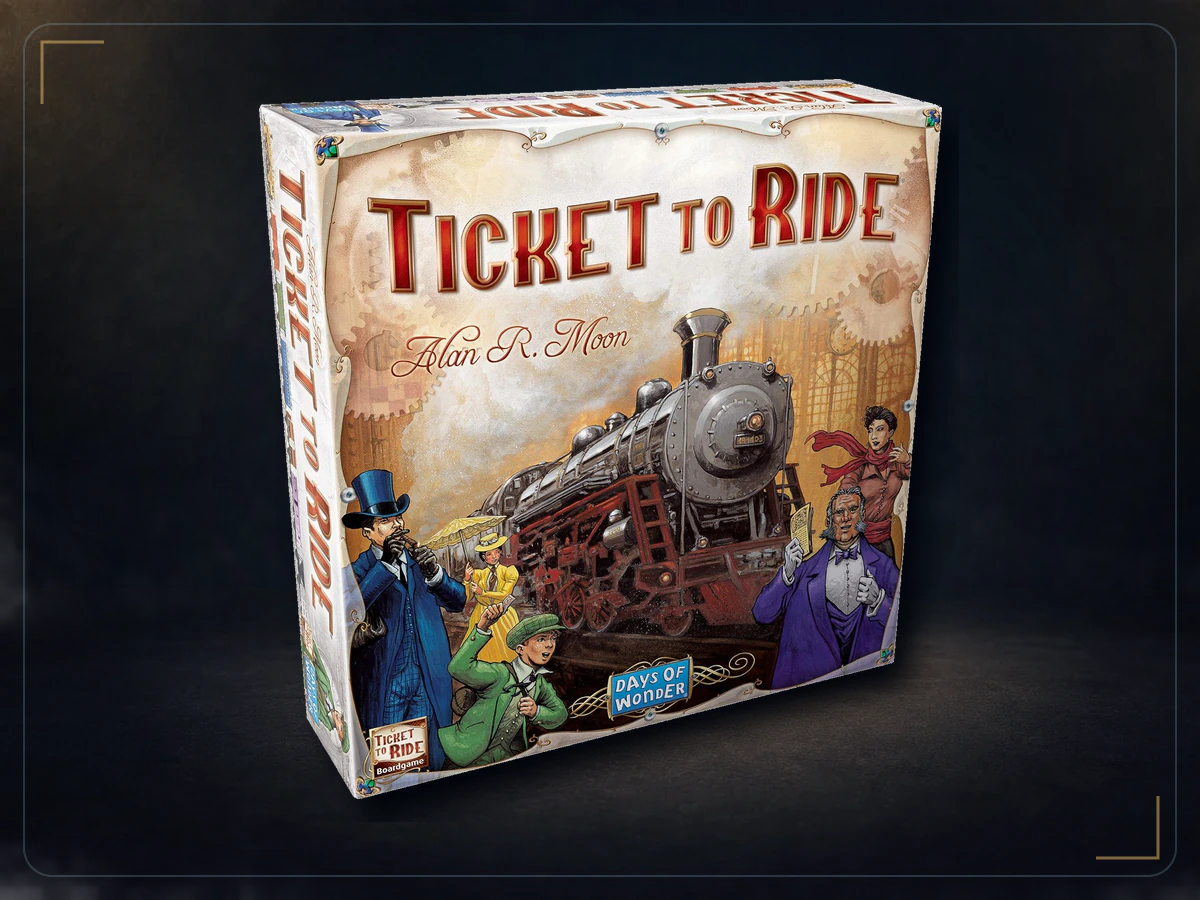
Ticket to Ride
- Players
- 2-5
- Time
- 30-60 min
- Age
- 8+
- Complexity
- 1.9 / 5
- Publisher
- Days of Wonder · 2004
- Designer
- Alan R. Moon
- Art
- Julien Delval, Cyrille Daujean
 5 photos
 Kingdomino
- Players
- 2-4
- Time
- 15-20 min
- Age
- 8+
- Publisher
- Blue Orange Games · 2016
- Designer
- Bruno Cathala
- Art
- Cyril Bouquet
 7 photos
 Azul
- Players
- 2-4 · best 2
- Time
- 30-45 min
- Age
- 8+
- Complexity
- 1.8 / 5
- Publisher
- Plan B Games · 2017
- Designer
- Michael Kiesling
- Art
- Philippe Guérin, Chris Quilliams

 3 photos
 Cascadia
- Players
- 1-4
- Time
- 30-45 min
- Age
- 10+
- Complexity
- 1.8 / 5
- Publisher
- Flatout Games · 2021
- Designer
- Randy Flynn
- Art
- Beth Sobel
Sushi Go Party!
- Players
- 2-8
- Time
- 20 min
- Age
- 8+
- Complexity
- 1.3 / 5
- Publisher
- Gamewright · 2016
- Designer
- Phil Walker-Harding
- Art
- Nan Rangsima
 3 photos
 Carcassonne
- Players
- 2-5 · best 2
- Time
- 30-45 min
- Age
- 7+
- Publisher
- Hans im Glück · 2000
- Designer
- Klaus-Jürgen Wrede
- Art
- Doris Matthäus
 4 photos
 The Quacks of Quedlinburg
- Players
- 2-4
- Time
- 45 min
- Age
- 10+
- Complexity
- 1.94 / 5
- Publisher
- Schmidt Spiele · 2018
- Designer
- Wolfgang Warsch
- Art
- Dennis Lohausen

 6 photos
 Camel Up
- Players
- 2-8 · best 4
- Time
- 30 min
- Age
- 8+
- Complexity
- 1.5 / 5
- Publisher
- Pegasus Spiele · 2014
- Designer
- Steffen Bogen
- Art
- Dennis Lohausen
 3 photos
 Forbidden Island
- Players
- 2-4
- Time
- 30 min
- Age
- 10+
- Complexity
- 1.74 / 5
- Publisher
- Gamewright · 2010
- Designer
- Matt Leacock
- Art
- C. B. Canga
 3 photos
 Catan
- Players
- 3-4 · best 4
- Time
- 60-120 min
- Age
- 10+
- Complexity
- 2.3 / 5
- Publisher
- Kosmos (Franckh-Kosmos Verlag) · 1995
- Designer
- Klaus Teuber
- Art
- Franz Vohwinkel, Michael Menzel, Pete Fenlon, Volkan Baga, Tanja Donner, Harald Lieske
 8 photos
 Dragomino
- Players
- 2-4
- Time
- 15-20 min
- Age
- 5+
- Publisher
- Blue Orange Games · 2020
- Designers
- Bruno Cathala, Marie Fort, Wilfried Fort
- Art
- Maëva Da Silva, Christine Deschamps
 7 photos
 Outfoxed!
- Players
- 2-4
- Time
- 20 min
- Age
- 5+
- Publisher
- Gamewright · 2014
- Designers
- Colt Tipton-Johnson, Marisa Peña, Shanon Lyon
- Art
- Mélanie Grandgirard
 5 photos
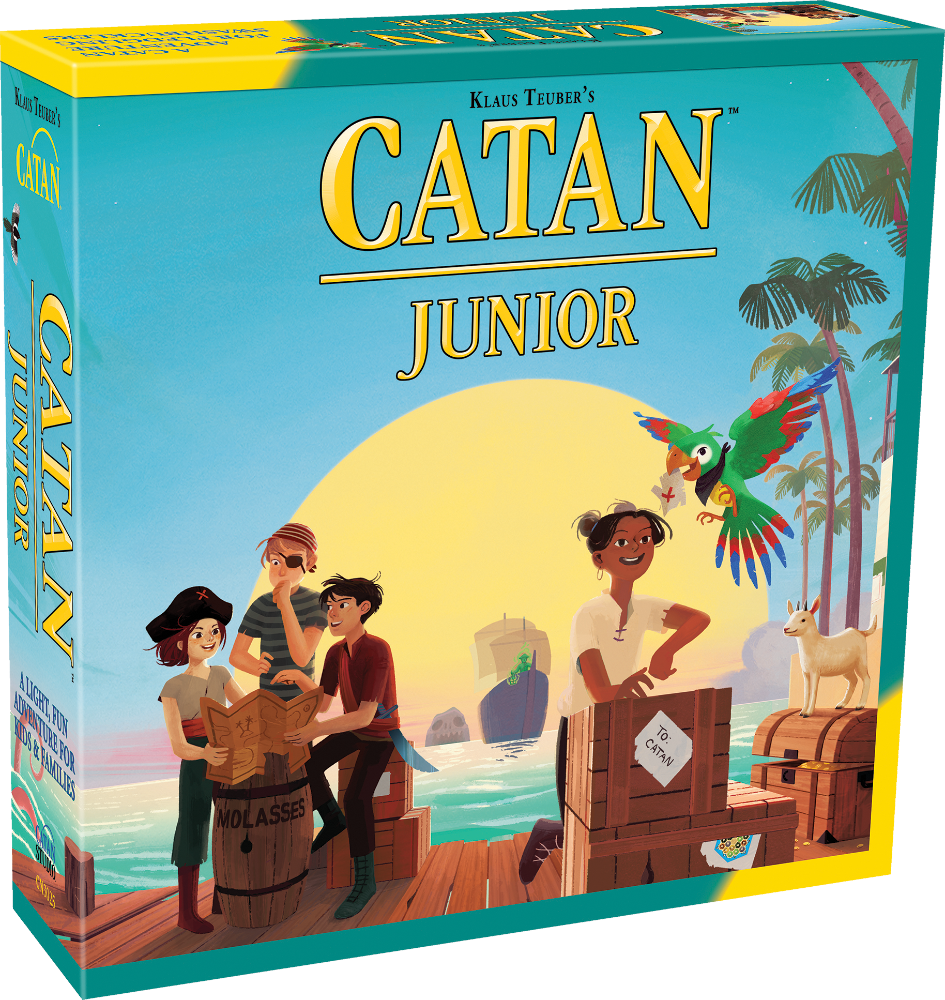
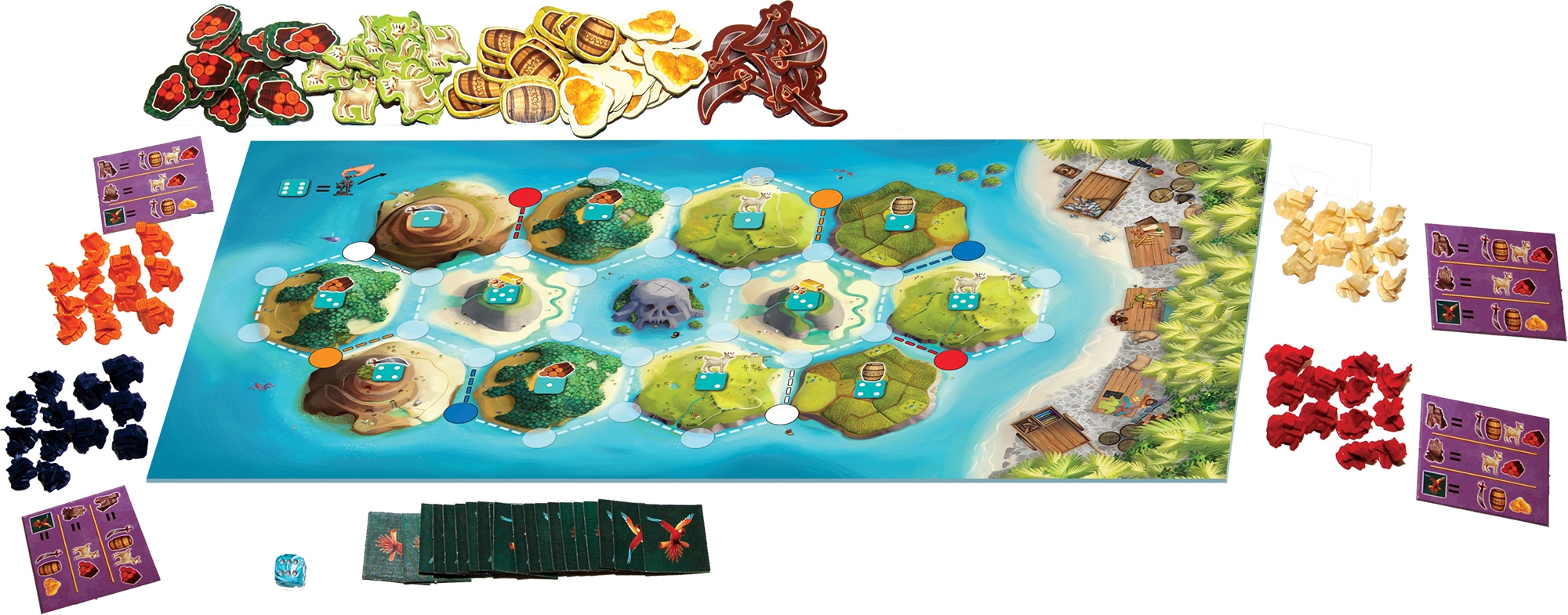
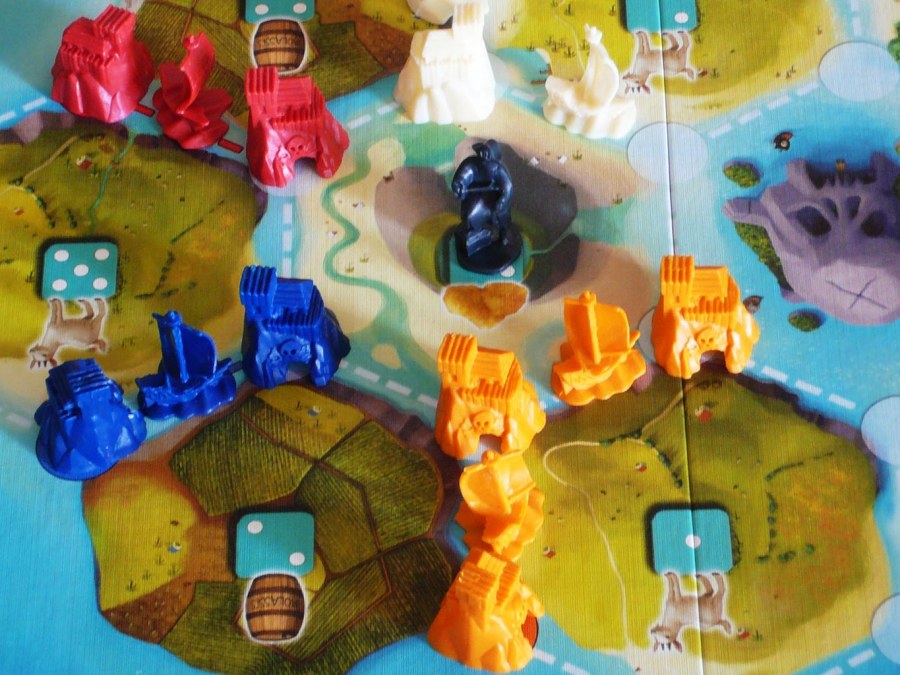
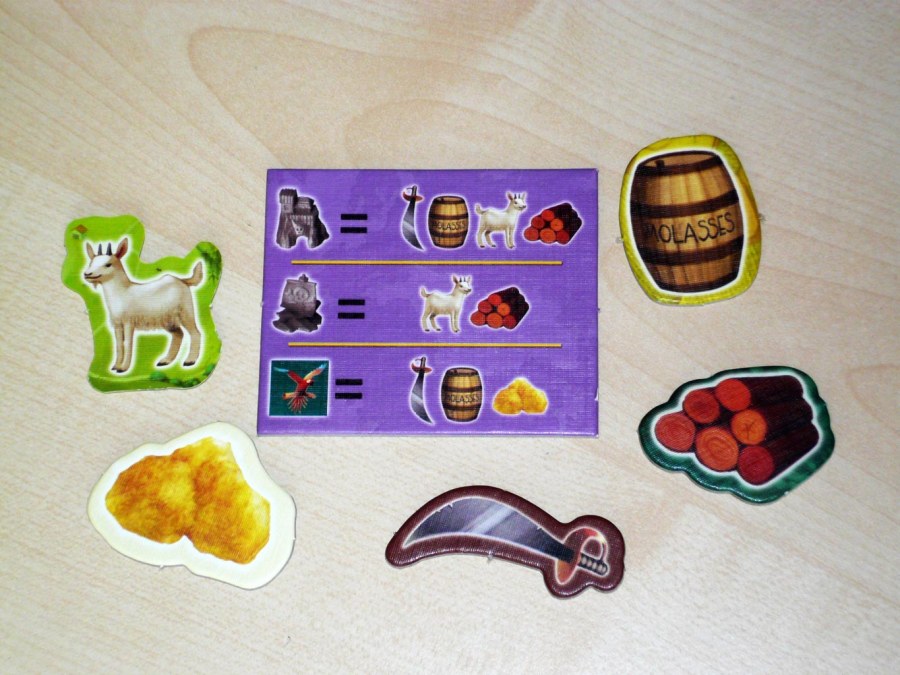
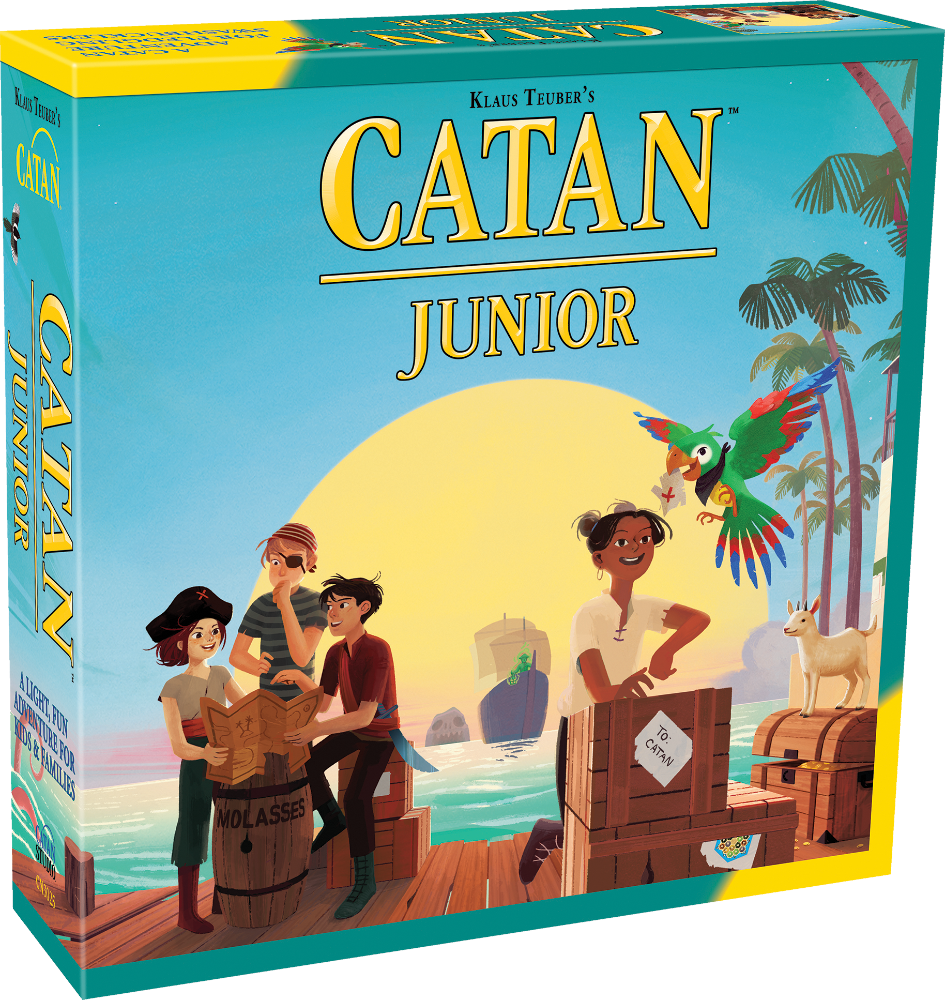
 Catan Junior
- Players
- 2-4
- Time
- 30 min
- Age
- 6+
- Complexity
- 1.49 / 5
- Publisher
- KOSMOS · 2012
- Designers
- Klaus Teuber, Benjamin Teuber
Questions, answered
What's the single best first board game for a family that's never owned one?
Ticket to Ride — the base US/classic map. It's the most-recommended gateway in the entire hobby: kids 8+ learn it in one round, adults still find real tactical depth, and there's almost no rules friction. If your kids are younger (6-7), start with Kingdomino instead; for preschoolers, go Dragomino or Outfoxed.
Isn't Catan the classic family game? Why is it ranked lower here?
Catan is a genuine all-time classic and still brilliant — but in 2026 it's no longer the automatic first pick for young families. The robber and kingmaking can feel personal enough to make kids cry, bad dice luck can strand a player with nothing to do, and it needs 3-4 players plus 60-90 minutes. Modern gateways like Ticket to Ride, Kingdomino, and Cascadia deliver the same 'real game' feeling with far fewer rough edges for a mixed-age table.
What if I don't want anyone to lose or feel attacked?
Go cooperative. Forbidden Island (ages 10+, around $16-20) is the benchmark family co-op — the whole table races together to grab treasures before the island sinks, so you win or lose as one. For younger kids, Outfoxed! is a gentle cooperative whodunit. And Cascadia is nearly conflict-free even though it's technically competitive.
Are these 'dumbed-down' kid games, or do adults actually enjoy them?
These are real hobby games, not kid toys. Four of the top picks — Camel Up, Kingdomino, Azul, and Cascadia — won the Spiel des Jahres, the hobby's top family-game award, and Quacks of Quedlinburg won the harder Kennerspiel ('expert family') award. They're simple to learn but genuinely reward strategy, which is exactly why a kid and an adult can compete at the same table.
What's the difference between Sushi Go! and Sushi Go Party!?
Same core pick-and-pass drafting, but Party! supports 2-8 players (versus 2-5), comes on a board, and packs 20+ swappable card types for far more replayability — for only a couple dollars more. Buy Party! unless you specifically want the original's pocket-sized travel tin for trips.
My kid is only 5. Where do we start?
Dragomino (Kinderspiel des Jahres 2021, 'My First Kingdomino') or Outfoxed! — both are designed for a parent to genuinely enjoy playing alongside a five-year-old, teach real game skills, and bridge straight into the full gateways like Kingdomino and Forbidden Island when your kid is ready.
Imani's verdict
Buy Ticket to Ride first — full stop. It's the one box that turns 'we should do a game night' into a standing invitation, and it does the hardest job in the hobby (a kid and a tired adult both playing for real at the same table) better than anything else. If your youngest is 5-7, route the money to Kingdomino or Dragomino instead; if anyone's a sore loser, lead with Forbidden Island so the family wins or sinks together. Keep Catan on the shelf as a graduation game, not a starter, and always — always — keep a 15-minute closer like Sushi Go Party! within arm's reach so every night ends on a win. Bring: the whole house, the youngest player's age in mind, a soft spot for house rules, and snacks within reach — expect a 7-year-old to out-scheme a grown-up before bedtime, and expect to hear 'one more round' at least three times.
Still deciding? Take the Game-Finder — answer seven quick questions and the cabinet hands you the one board game built for your table, with a buy link and your own shareable player talisman.
Research ledger 8 sources · reviewed 2026-08-10
Specifications, rules, current product information, community experience, and contrary evidence were checked against the sources below. Commercial links are kept separate from editorial evidence.
- daysofwonder.comdaysofwonder.com/game/ticket-to-ride
- zmangames.comzmangames.com/en/products/carcassonne
- alderac.comalderac.com/cascadia
- nextmovegames.comnextmovegames.com/en/home/azul
- czechgames.comczechgames.com/en/codenames
- spacecowboys-games.comspacecowboys-games.com/game/splendor
- libellud.comlibellud.com/en/our-games/dixit
- boardgamegeek.comboardgamegeek.com/award/8314/golden-geek-awards
Okay but have you seen what everyone’s saying about this?


Keep exploring
The next smart rabbit holes.
✦ Universe HubHarry Potter Game Collection: the whole buying pathThe Harry Potter universe sorts licensed abundance into actual game nights. Imani protects the people and the table energy; Margo...⌂ Topic PathFamily and Gateway Games: compare the whole shelfA good family game gets everyone playing quickly without becoming disposable after three nights. These guides prioritize clear...GuideHarry Potter: Hogwarts Battle and Expansions in 2026: What to Buy, What Each Box Changes, and How to Win TogetherThe complete answer to the Hogwarts Battle shelf: how the seven-game base campaign teaches itself, exactly what Monster Box of Monsters...