Nemesis Board Game Review (2026): Is the Alien-in-a-Box Worth It?
Nemesis reviewed for group fit, rules weight, playtime, betrayal, replay value, expansions, and price — including who should buy it and who should run.

AI-assisted curator persona · research and editorial responsibility: Robert Pruitt · how this guide was made
Last editorial refresh: 2026-07-19 Gold-standard QA: 2026-07-19 10 sources reviewed Affiliate links checked during gold-standard pass

The short answer
Nemesis is worth buying if your group wants a three-hour, story-first survival-horror event and can laugh when the game kills a careful plan. It is not worth it for players who need balanced outcomes, low setup, short sessions, or fully cooperative trust. The base game is still the cleanest first purchase: hidden objectives, escalating Intruders, noise, wounds, contamination, and possible betrayal create memorable stories, but the rules overhead and randomness are the admission price. Buy the original before Lockdown or expansions unless your group already knows it wants more systems.
Decision map
Choose in thirty seconds
Few games create better post-game stories from mistrust, damage control, and spectacular failure.
Expect a long teach, setup, edge cases, player elimination, and outcomes that are not always fair.
It is the most direct version of the idea and the best test before buying expansions.
If randomness or possible betrayal ruins the evening, the cinematic payoff will not rescue it.
Buy Nemesis for the stories, not for a fair competitive test. A good session feels like an unscripted survival-horror film; a bad fit feels like three hours of rules, noise rolls, and a death you could not prevent. That divide explains both the devotion and the warnings.
Designed by Adam Kwapiński and published by Awaken Realms, Nemesis uses secret objectives, an evolving Intruder bag, room discovery, contamination, wounds, and ship failures to make cooperation unstable. This review checks official rules and product information against independent reviews, BoardGameGeek data, campaign history, unboxings, and recurring owner reports about teaching, length, randomness, player elimination, and group chemistry.
Imani’s verdict is deliberately blunt: the box is excellent at the exact experience it promises. The buyer still has to want that experience.
Start here, then go deeper
You are in the right cabinet.
 ☣ Universe HubNemesis: the whole buying pathNemesis is the board-game universe for people who want their table to tell horror stories afterward: hidden objectives, bad...
 ✦ Topic PathBoard Game Buying Guides: compare the whole shelfStart with the decision, not the shelf. These guides compare the games, editions, expansions, player counts, and costs people...
 Best Of5 New Board Games Worth Your Next Game Night: Cozy Stories, Clever Cards, and a Proper AdventureImani matches five current tabletop releases to five kinds of evening, with the awkward bits included: permanent stickers, limited...
What is Nemesis — and why does everyone call it 'Alien: The Board Game'?
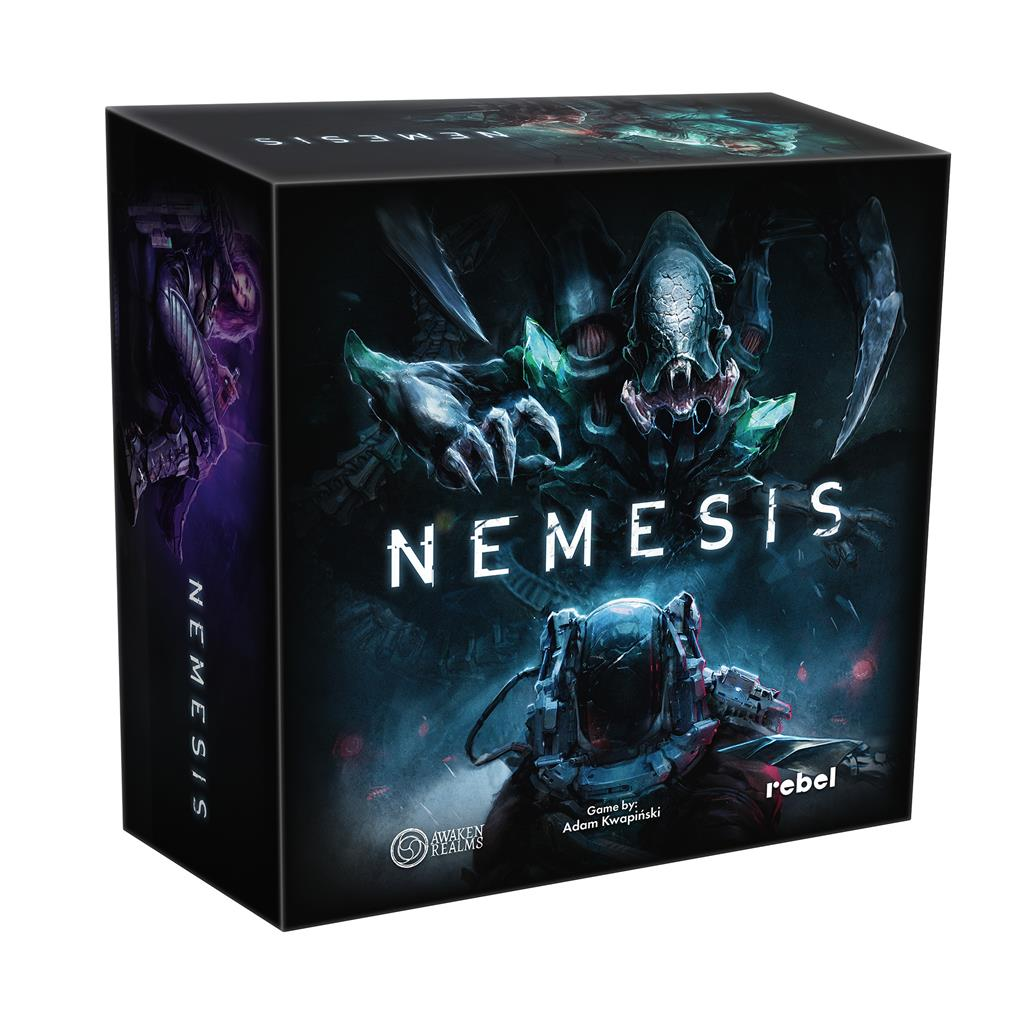
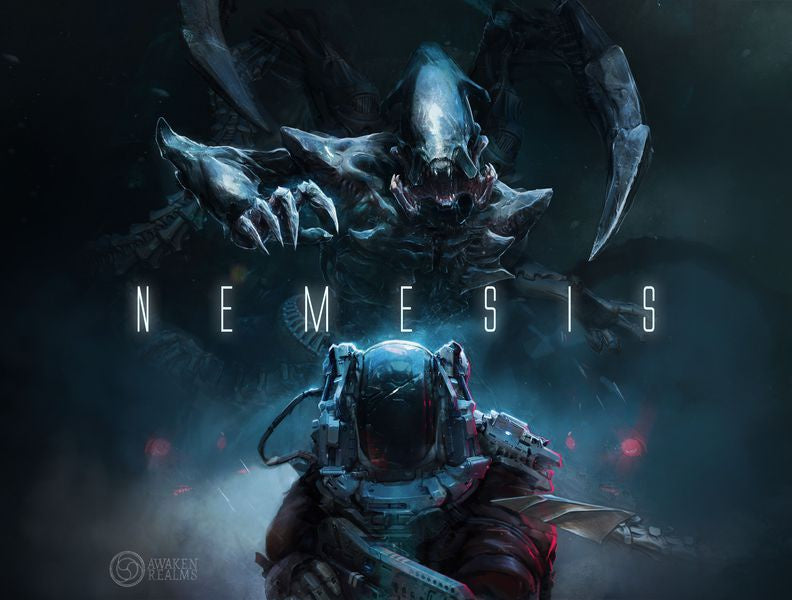
Nemesis is a semi-cooperative survival-horror game for 1–5 players, running roughly 90 to 180+ minutes per session. The pitch is pure xenomorph: your crew wakes from hypersleep aboard the spaceship Nemesis, the ship is crippled, and something has gotten loose in the corridors. Your job is to survive, complete a hidden personal objective, and escape back to Earth — ideally with the ship not crawling with monsters, though 'ideally' does a lot of work in this game.
The Alien comparison isn't lazy shorthand; it's the entire design DNA. The creatures — called Intruders — are sculpted in unmistakable H.R. Giger style: biomechanical, dripping, nightmarish. They start as eggs and larvae and evolve into Creepers, adult Intruders, Breeders, and finally a Queen. Reviewers don't hedge on the homage. Boar Gamer's Ivan Stevanovic flatly calls it "a gorgeous and expensive love letter to the 'Alien' franchise and all other grimdark sci-fi epics out there."
What separates it from a standard co-op is the semi part. You're cooperating right up until you aren't. Your secret objectives — survive, escape with a specific creature sample, make sure a particular crewmate doesn't survive — mean trust is always provisional. That's the engine of the obsession: it generates stories no scripted campaign ever could.
You're cooperating right up until you aren't. Trust is always provisional — and that's the whole point.
What's in the box — those xenomorph minis and the dread bag?
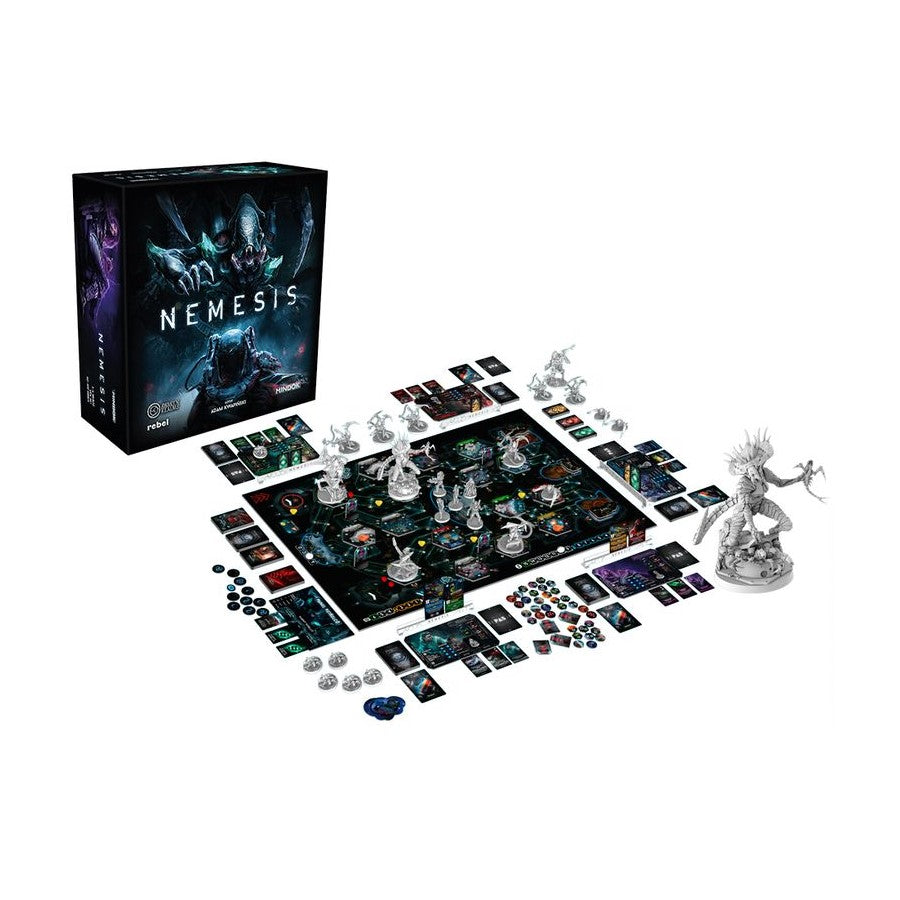
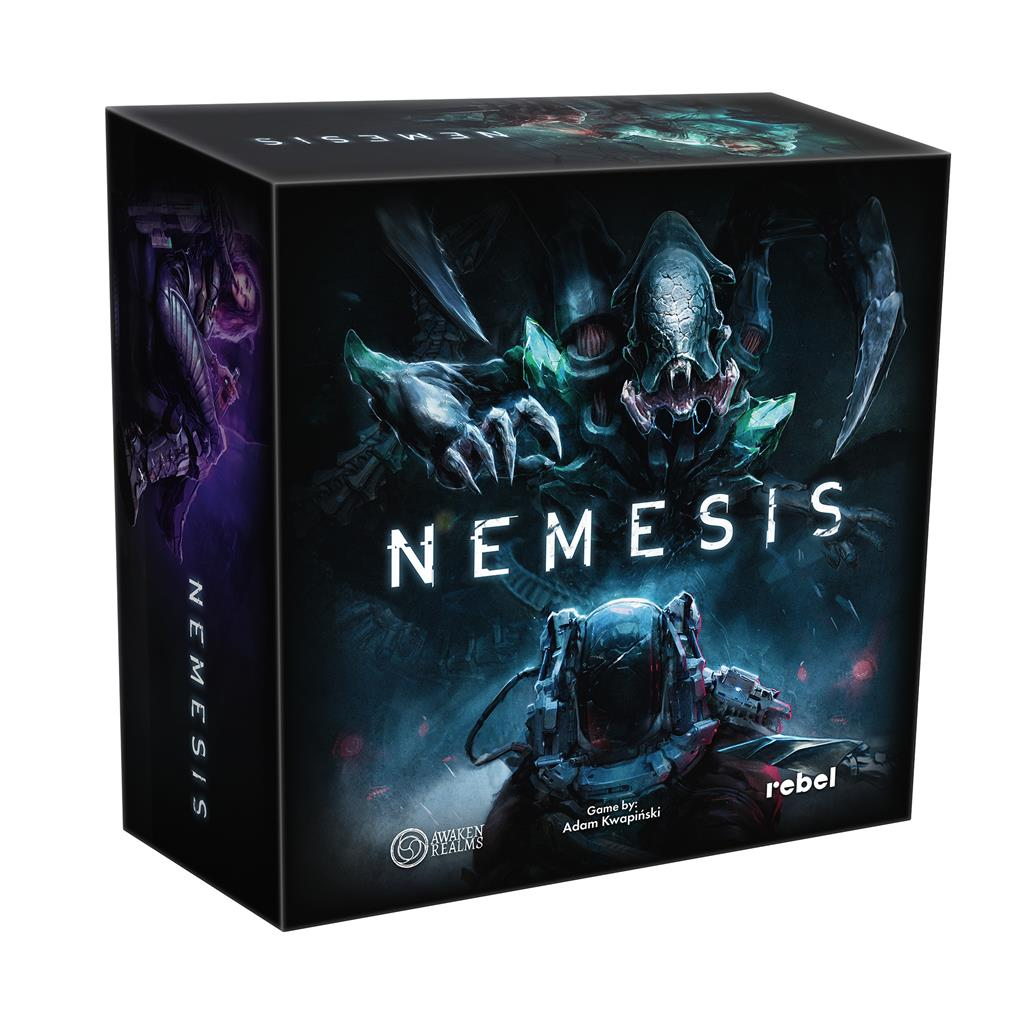
This is a heavy, dense box, and the component count is a big part of why it commands its price. The base game ships with roughly 26 miniatures: 6 character figures plus the full Intruder lifecycle — larvae, Creepers, eight adult Intruders across multiple sculpts, two Breeders, and the Queen. The adult Intruder and Queen sculpts are genuinely gallery-worthy; they are the photos that sell this game on every social feed.
Beyond the plastic, you get a modular double-sided ship board, 6 character boards, around 20 room tiles you reveal as you explore, an Intruder board, dice, status markers, and 300+ cards — action cards, objective cards, contamination cards, Intruder attack cards, serious wound cards, event cards, the works.
But the single most important component is the smallest: the Intruder bag. Every time you make noise — moving, shooting, slamming a door — you draw tokens from this bag to see what shows up. Blanks mean you got lucky. Symbols mean something is coming, and as the game goes on the bag fills with nastier tokens. It is a brilliant, gut-twisting randomizer, and it's the beating heart of the tension. Co-op Board Games put it well: "Tension remains consistently high as Intruders react to noise and evolve throughout the game."
One practical note before you buy: the retail base game minis come unpainted in a single color (usually black or grey). The gorgeous painted figures you see online are either the 'Sundrop' pre-shaded Kickstarter editions or fan paint jobs. Factor that in if you were expecting the box-art look out of the gate.
The most important component isn't a mini — it's a cloth bag. Every noise you make, you reach in and pray for blanks.
How does it actually play — the paranoia, the hidden objectives, the betrayal?
Each turn you draw a hand of action cards that double as your movement, attacks, and special maneuvers — they're also your hit points, in a sense, because the system constantly forces you to spend resources you'd rather hoard. You explore the ship room by room, flipping tiles, trying to repair systems, fighting or (smarter) avoiding Intruders, and quietly working toward your secret goal.
Here's the structure that makes it sing. At setup, every player draws two objective cards and keeps one secret — you only need to fulfill that one and survive to win. Crucially, nobody knows what anyone else needs. Maybe everyone just wants to escape and you're all genuinely aligned. Or maybe one player's card says the science officer must NOT make it home, and suddenly that 'accidental' open door takes on a sinister glow. As Boar Gamer's Stevanovic describes it: "Nemesis quickly manages to create a sinister atmosphere, where you never know if a crew member has gone ahead to scout out the place or is planning to lock you into a room with an alien."
Noise is your enemy. Doing almost anything risks an Intruder draw, so the game becomes an agonizing calculus of how loud you can afford to be. And it is brutally punishing — Stevanovic notes the game "revels in its punishing difficulty, often wiping out entire player teams before any major objectives have even been completed." Total party kills are common. The classic gut-punch ending: a traitor steals the last escape pod at the very last moment, leaving everyone else to die screaming on a self-destructing ship.
That sounds miserable. It is the opposite. Gideon's Gaming nails why: "Nemesis is a game that's just as fun to lose as it is to win because you're almost always going to have an entertaining story to tell afterward."
Total party kills are common. The game is just as fun to lose as to win — because you always walk away with a story.
Is Nemesis worth the money at ~$150?
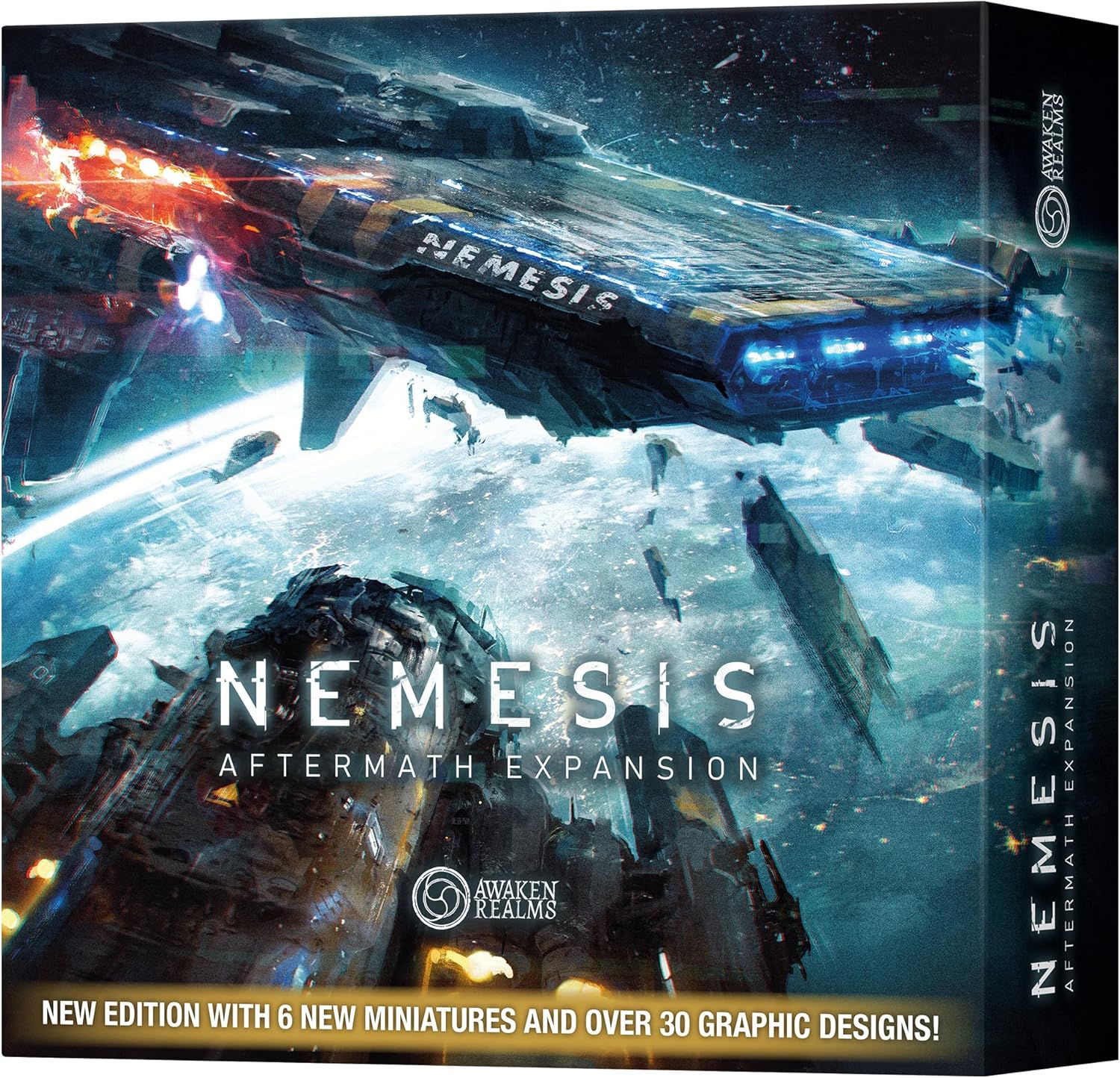
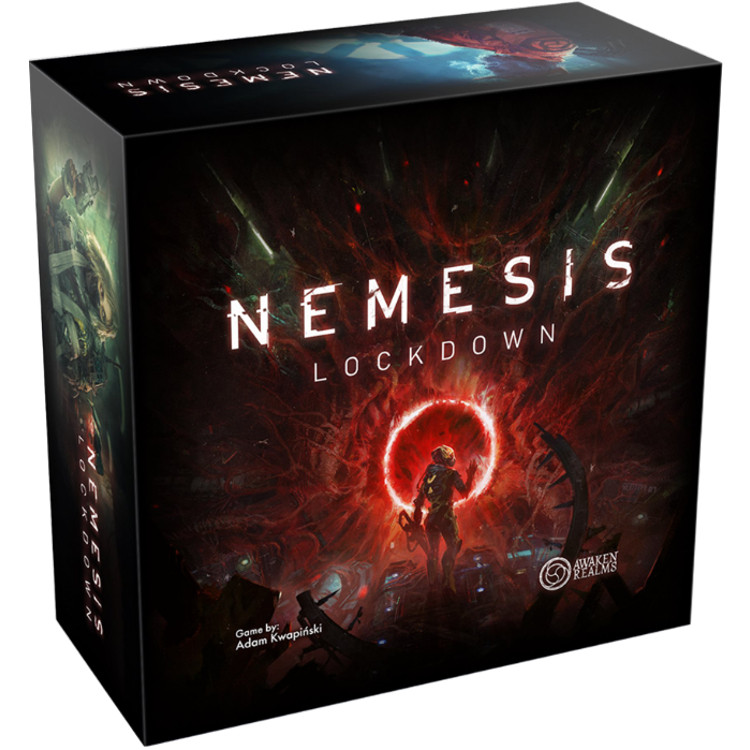
Let's be honest about the price tag, because it's the #1 thing the community argues about. The base game currently runs roughly $147–$160 at retail depending on the store — this is a premium, big-box experience and it is priced like one. That's a real barrier, and it's fair to ask whether any board game justifies a number that starts with a 1.
Here's my honest read after living in the discourse. For the right group, yes — emphatically. What you're paying for isn't just plastic; it's a story-generation machine with extraordinary replayability. The hidden objectives, modular board, evolving Intruder bag, and multiple character abilities mean no two games resemble each other. Gideon's Gaming gets to the core of the value proposition: "Nemesis is a game about stories... The stories that Nemesis generates belong to you and your group, and I firmly believe those are the best kind that a board game can offer."
Who should think twice? If you primarily play with two people, if your group dislikes player elimination or take-that conflict, or if you want a teach-in-five-minutes filler — this is not your $150. It's heavy, it's mean, the rulebook has notorious ambiguities, and a first game can be rough while you learn. But if you have 3–5 players who love thematic immersion and can roll with chaos and betrayal, the cost-per-unforgettable-night math works out fast. As Boar Gamer signs off: it earns "a hearty recommendation for anyone not afraid of putting in the hours to master the game."
You're not buying plastic. You're buying a story-generation machine that never tells the same tale twice.
How do you survive your first game of Nemesis?
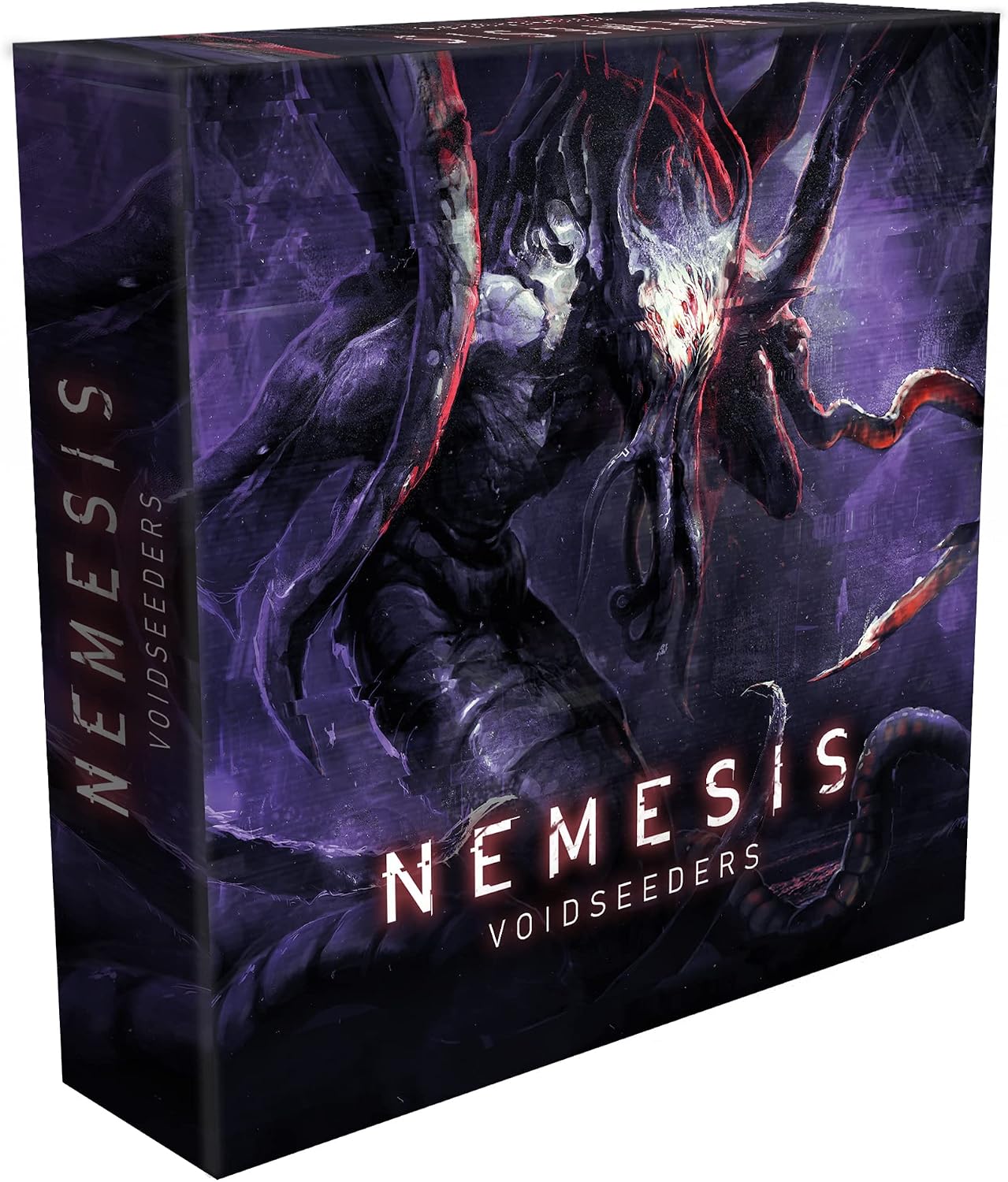

Your first session will probably end in a glorious fireball, and that's fine — but a few hard-won pointers from the community will help you actually reach an escape pod instead of becoming a contamination token.
Stay quiet. Noise is what spawns and escalates Intruders. Resist the urge to sprint and shoot. Every action that triggers a noise roll is a gamble; make fewer of them. Move deliberately, and learn which rooms let you act without ringing the dinner bell.
Don't fight what you can flee. Combat is a last resort. Adult Intruders will wreck you, ammo is scarce, and a serious wound can spiral. Closing doors, dropping fire, and rerouting around threats keeps you alive longer than any firefight.
Know your objective early and plan backward from the escape. You only need ONE of your two goals plus survival — figure out which is realistically achievable and route the whole game toward making it home. People die because they chase a heroic objective and forget the pod leaves without them.
Watch the clock and the self-destruct. The ship is on a timer in most setups. Track it. Heading to the pods 'in a minute' is how everyone dies together.
Read the table. Quiet crewmates with full hands and no urgency to escape are exactly the ones whose secret objective might involve you not making it. Keep one eye on the Intruders and one eye on each other.
Rule one: shut up. Noise spawns the monsters. Your first instinct to run-and-gun is exactly how you die.
Lockdown, Aftermath, and the expansions — which are actually worth it?
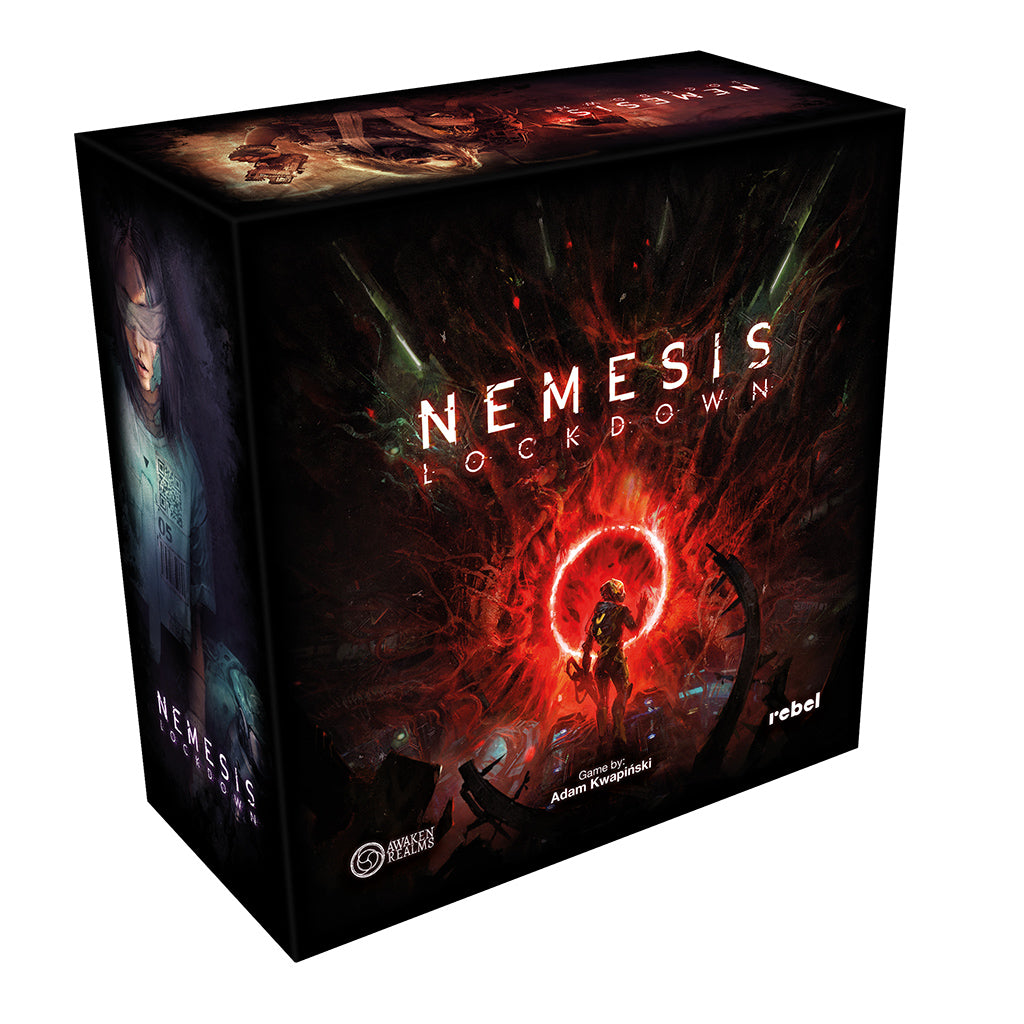

The Nemesis ecosystem is deep, and figuring out what to buy after the base game is its own rabbit hole. Here's the map.
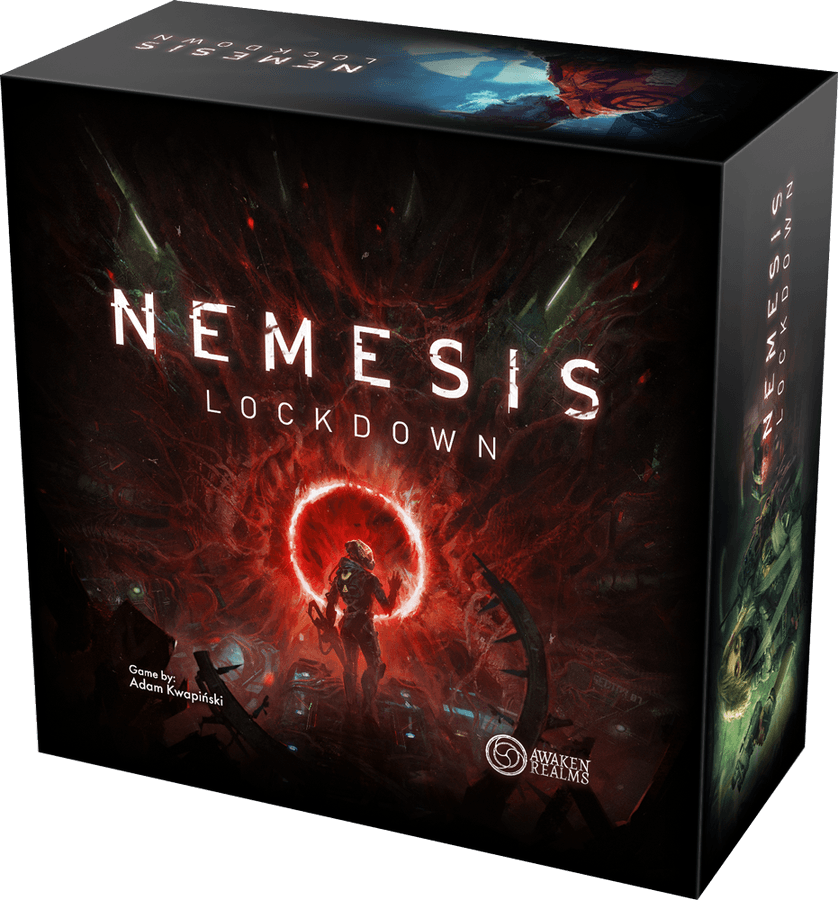
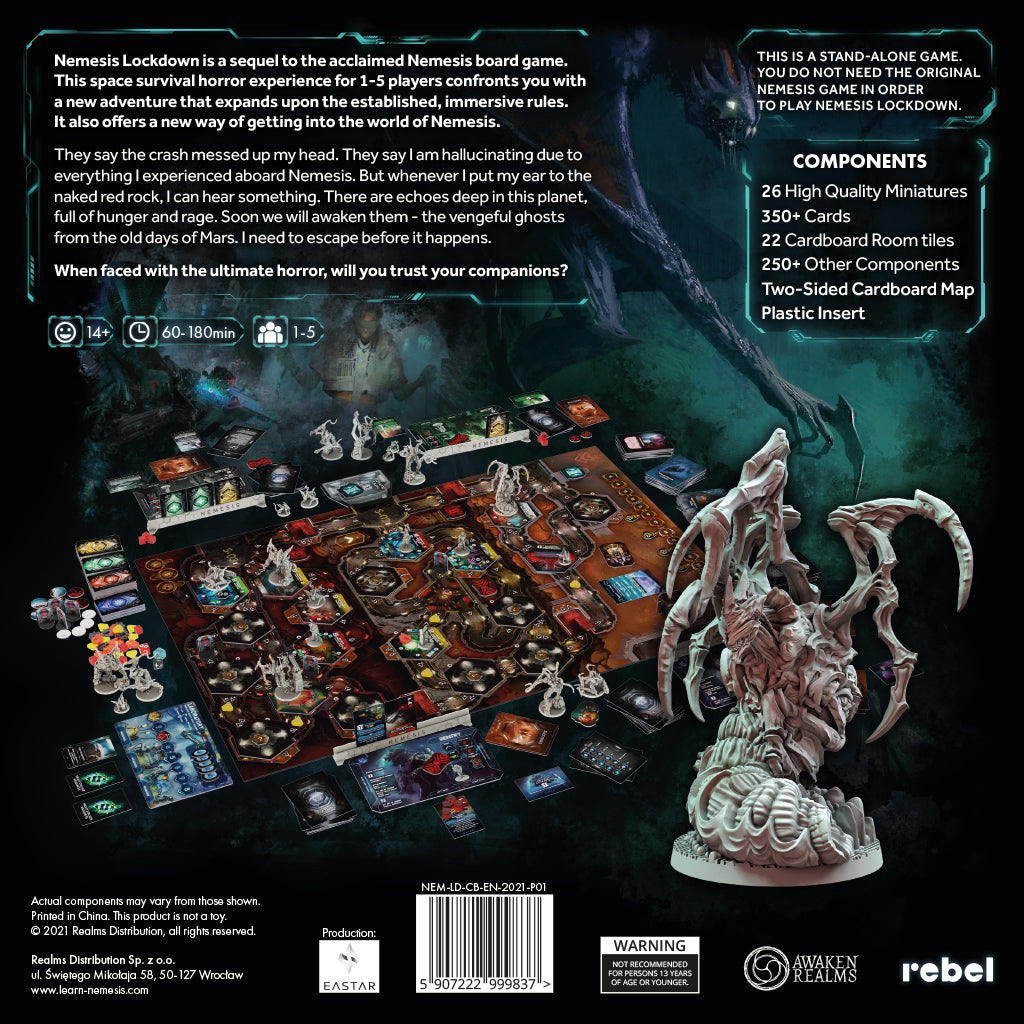
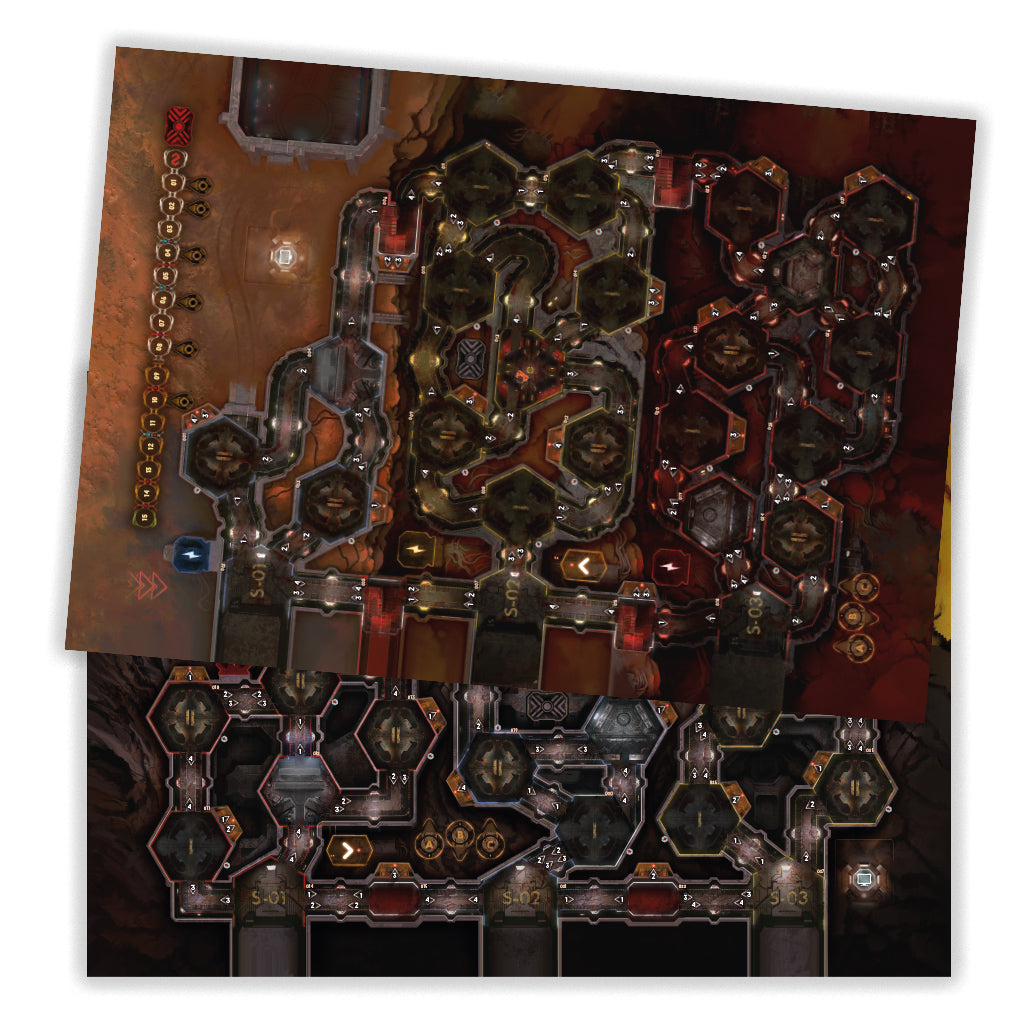
Nemesis: Lockdown (2022) is the big one, and it's not really an expansion — it's a standalone sequel. It moves the action from the ship to a secret base on Mars, built as a multi-level board you move between with elevators. It introduces a light/dark mechanic and gives you ways to actually manage noise — directly addressing one of the original's most-complained-about pain points (in the first game there was very little way to clear noise markers, so the late game drowned in Intruder spawns). The community is genuinely split on Lockdown vs. the original: many find it a smarter, more refined design, while purists love the cleaner, more focused tension of the ship. It plays standalone but also mixes with base-game content. If you adore the original and want more, or if you're a newcomer drawn to the Mars-base premise, Lockdown is the strongest second purchase.
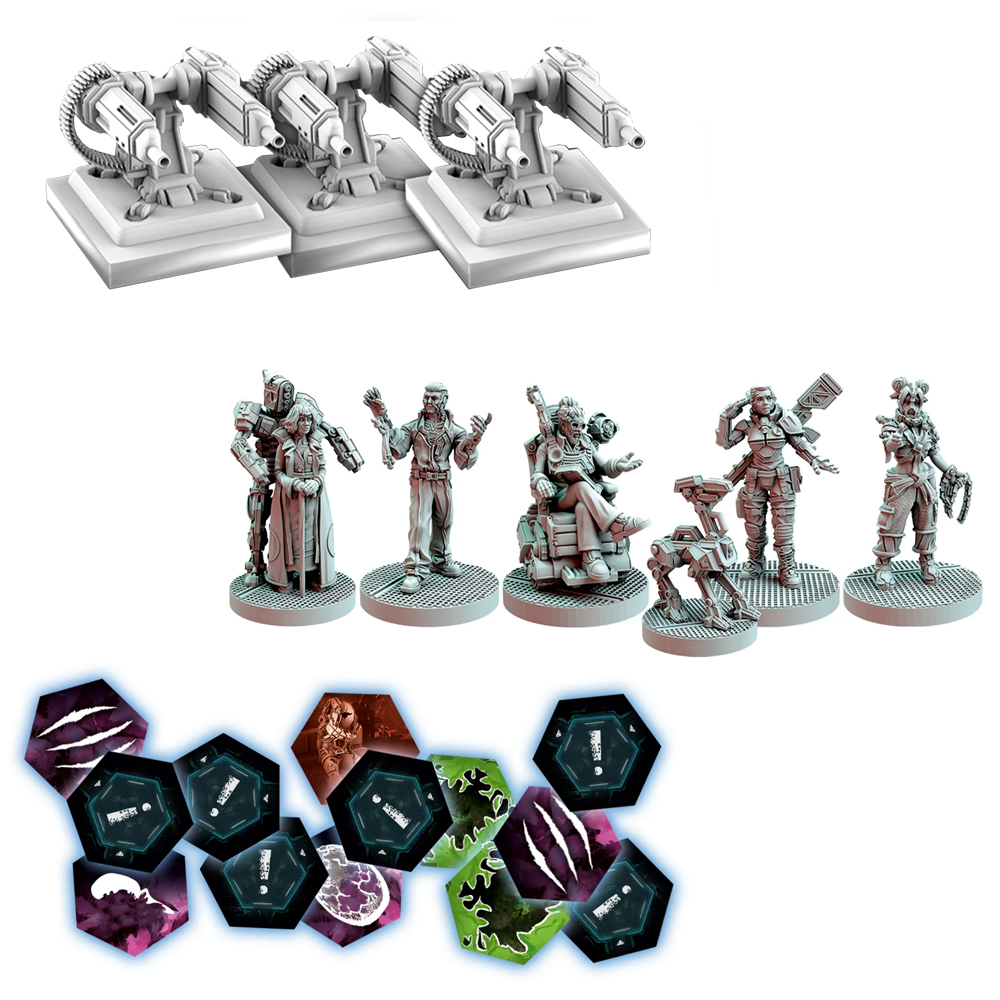
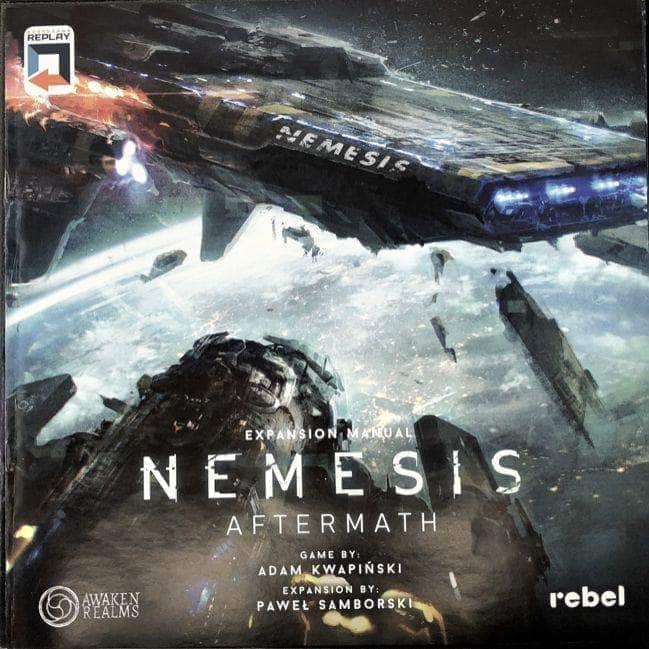
Nemesis: Aftermath (2021) is a true base-game expansion. Its headline is an Epilogue Mode: a short 45–60 minute, 5-turn game you play after a regular session, on a new ship, with five new characters — what happens to the survivors next. Player ratings for it run high (around 8.7 average on BGG among owners). Worth it if you've worn out the base game and want fresh characters plus a 'sequel' coda to your escapes. It requires the base game to play.
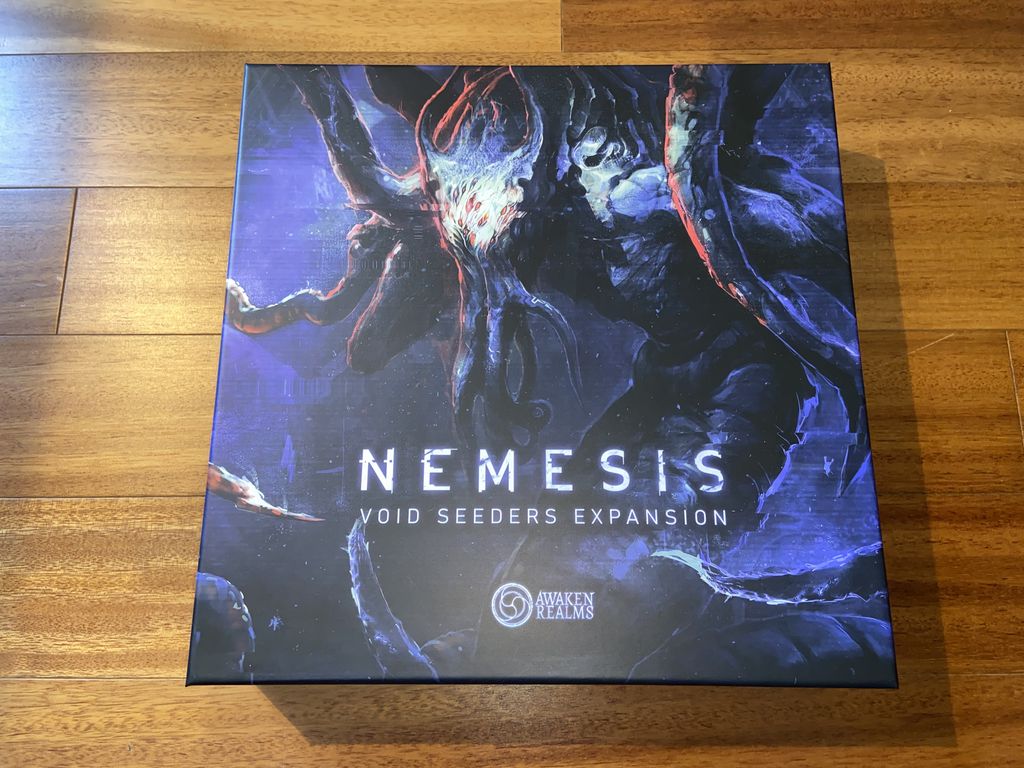
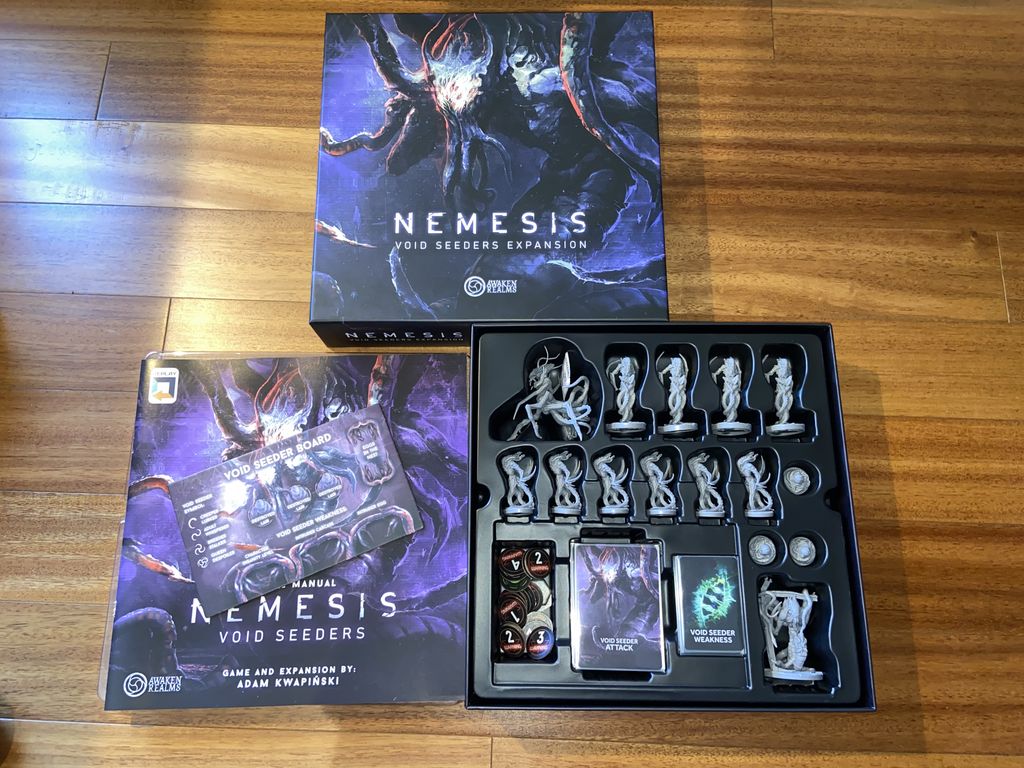
Void Seeders adds an entirely new Intruder race with its own creepy mechanics and event cards — great for veterans who want a fresh flavor of horror. There are also numerous miniature and stretch-goal packs (and newer releases like Retaliation) for the truly committed.
My honest sequencing for most people: base game → Lockdown (if you want the evolved design) or Aftermath (if you just want more of the original). You do not need to buy everything to have a complete, replayable experience — the base box alone is a lifetime of stories.
Lockdown isn't an add-on — it's a Mars-set sequel that fixes the original's biggest flaw. That's the second box to buy.
Who is Nemesis actually for?
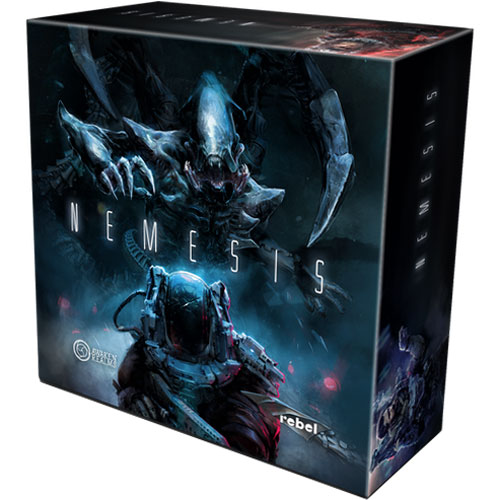

Let me save you a misfire, because this is a $150 game and not everyone should buy it.
Buy Nemesis if you have a regular group of 3–5 players who love thematic, narrative-driven games; if 'Alien' is comfort food in your house; if your table can laugh through a total party wipe and tell the story for weeks; and if you want a centerpiece game that delivers heart-pounding, cinematic tension every single session. If that's you, this is one of the best purchases in the hobby — full stop.
Skip it (or borrow first) if you mostly play as a duo, if your group hates player elimination or 'take-that' conflict, if you need rules-light accessibility, or if a notoriously ambiguous rulebook and a steep first game sound like a chore rather than a challenge. Nemesis is heavy, mean, and demanding, and it makes no apologies for any of it.
The people who are obsessed with this Alien-in-a-box aren't obsessed because it's polite or easy. They're obsessed because, for one tense hour in a room with the lights low, it makes them feel like they're actually living the movie — vents rattling, trust crumbling, the pod doors closing. Gideon's Gaming put the whole appeal in one line: "Nemesis is not a scary board game, but it captures the closest thing that I think the medium is capable of doing, and that's tension." If that's the experience you're chasing, nothing else on the shelf does it quite like this.
It doesn't make you feel like you're playing an Alien game. For one tense hour, it makes you feel like you're IN one.
What experienced tables keep reporting
Recurring owner patterns, synthesized in Puzzlewick's words. Follow each evidence trail to read the original discussion.
It's simply my favorite board game of all time. It creates such a magical sense of tension.
Every game of Nemesis is packed with tension, drama, and betrayal.
A gorgeous and expensive love letter to the 'Alien' franchise and all other grimdark sci-fi epics out there.
Nemesis quickly manages to create a sinister atmosphere, where you never know if a crew member has gone ahead to scout out the place or is planning to lock you into a room with an alien.
The game revels in its punishing difficulty, often wiping out entire player teams before any major objectives have even been completed.
Nemesis is a game about stories... The stories that Nemesis generates belong to you and your group, and I firmly believe those are the best kind that a board game can offer.
Nemesis is a game that's just as fun to lose as it is to win because you're almost always going to have an entertaining story to tell afterward.
Hidden objectives create genuine paranoia and memorable betrayal moments between players.
The picks
Some links below are affiliate links — as an Amazon Associate, Puzzlewick earns from qualifying purchases, at no extra cost to you. It never changes a pick.
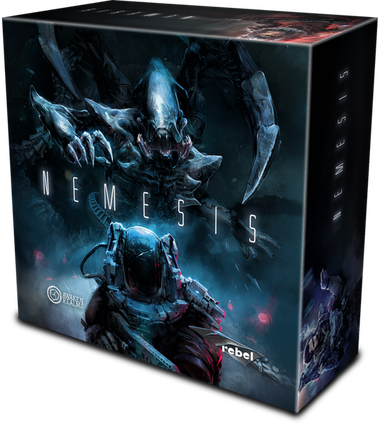
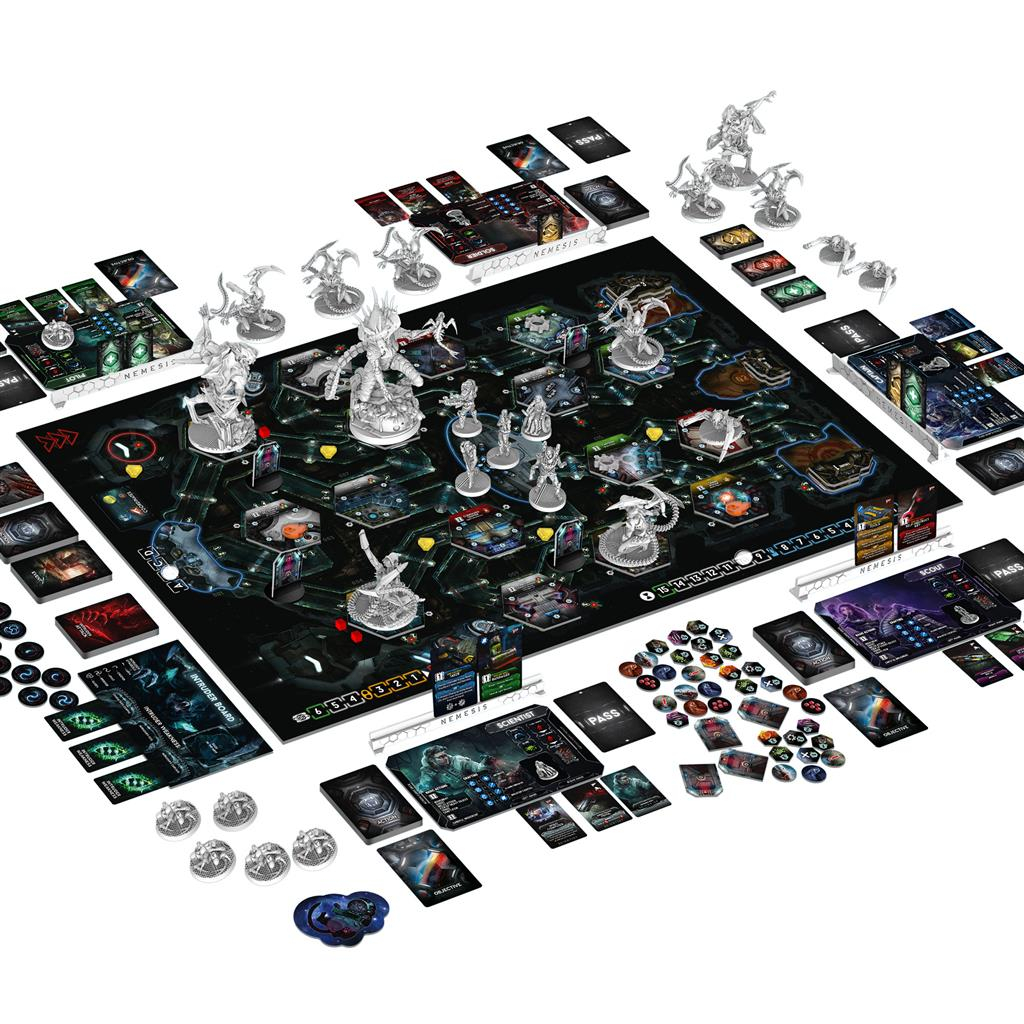
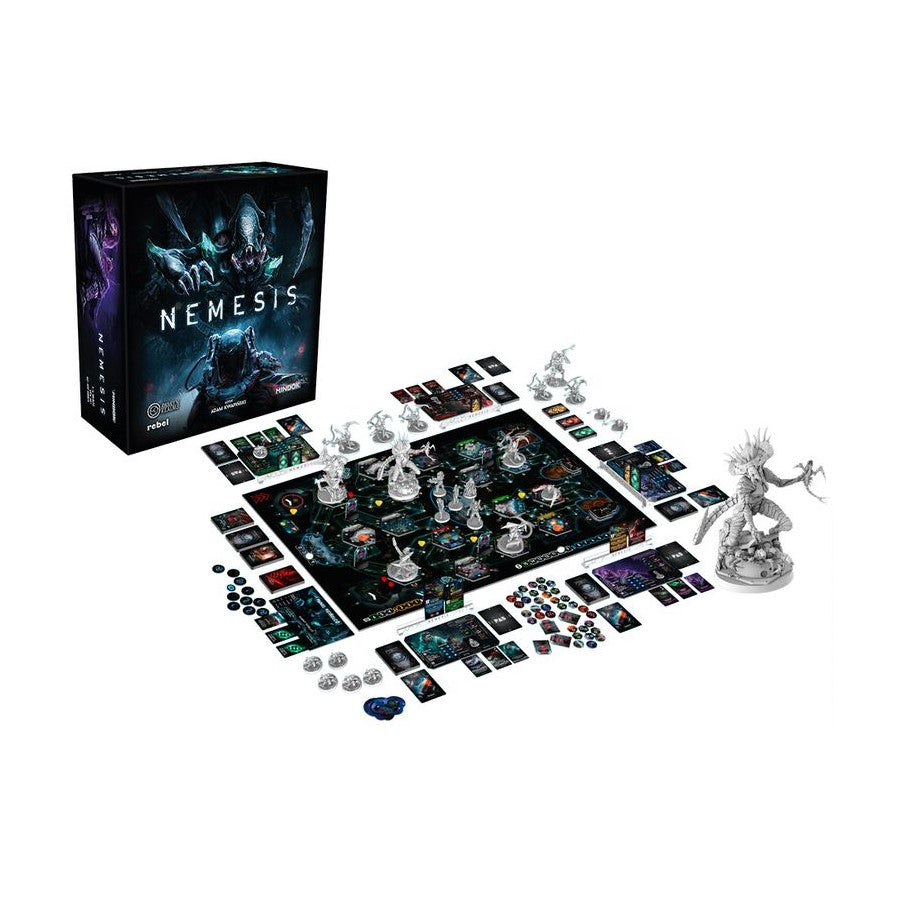
 6 photos
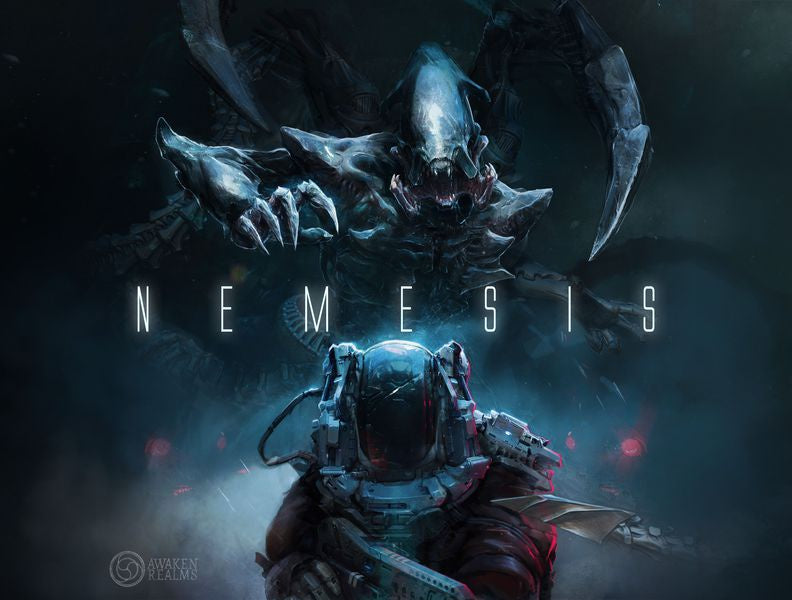
 Nemesis (Base Game)
- Players
- 1-5
- Time
- 90-180 min
- Age
- 14+
- Publisher
- Awaken Realms · 2018
- Designer
- Adam Kwapiński
- Art
- Piotr Foksowicz, Ewa Labak, Patryk Jędraszek, Piotr Gacek, Andrzej Półtoranos
This is the box that started the obsession and still the one to buy first. Roughly 26 Giger-inspired miniatures, a modular ship board, 300+ cards, and the genius Intruder draw bag combine into a story machine that never repeats. Brutally hard, gloriously thematic, and endlessly replayable. The standard retail minis come unpainted in a single color — the gorgeous painted look you see online is the Sundrop/Kickstarter edition or fan work — but the sculpts themselves are top-tier. Heavy, mean, unforgettable.
- Unmatched cinematic tension and emergent betrayal stories
- Stunning H.R. Giger-style Intruder sculpts
- Massive replayability via hidden objectives + modular board + evolving threat bag
- Funded by 30,553 backers; 8.3 on BoardGameGeek — proven phenomenon
- Premium price (~$147–$160 retail)
- Notoriously ambiguous rulebook and steep first game
- Player elimination + take-that conflict won't suit every group
- Retail minis are unpainted monochrome plastic
 9 photos
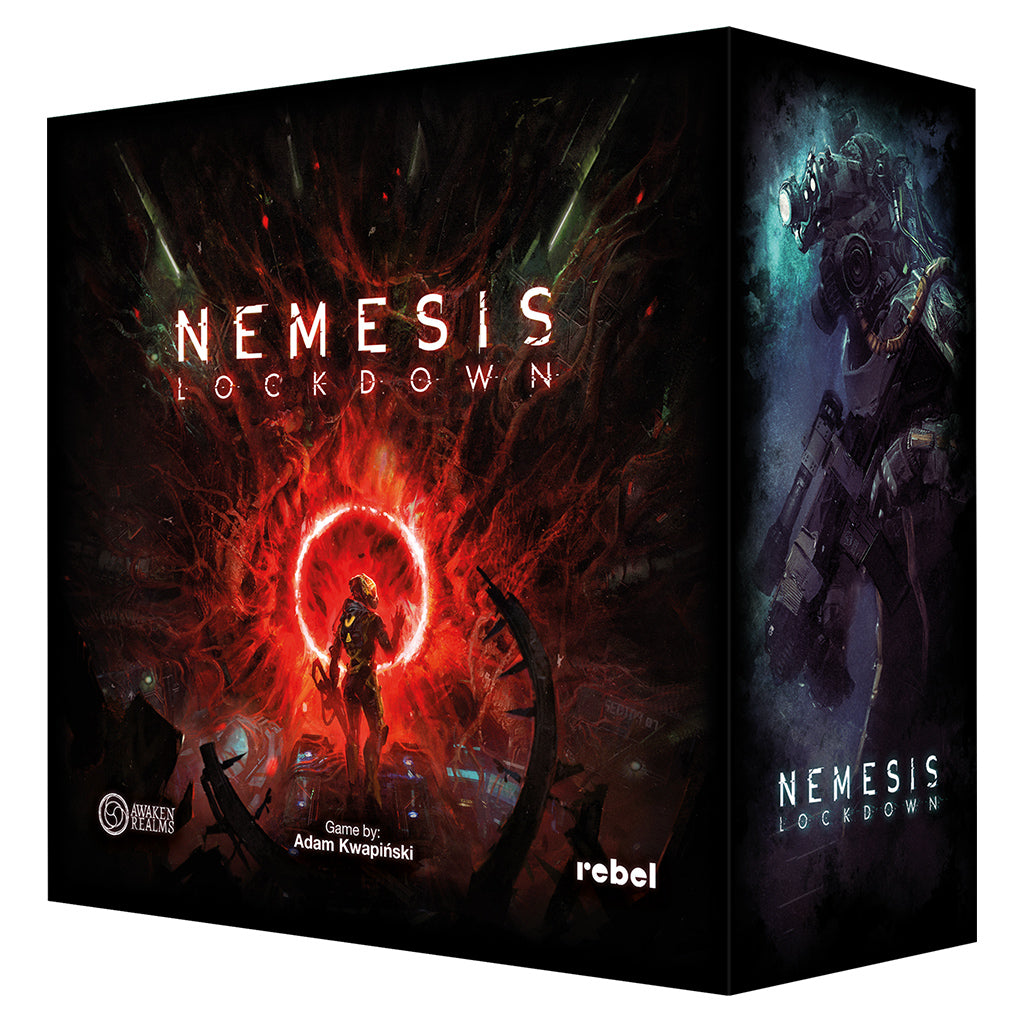
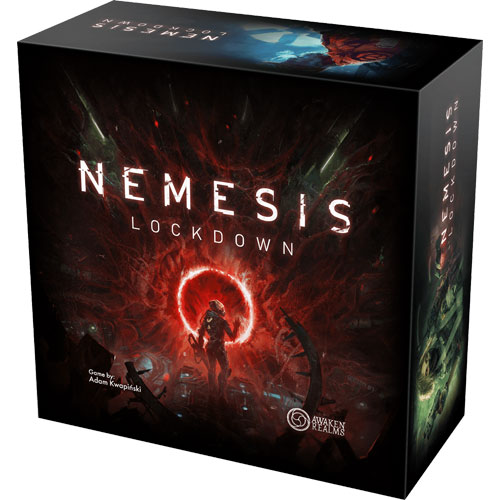
 Nemesis: Lockdown (Standalone)
- Players
- 1-5
- Time
- 90-180 min
- Age
- 12+
- Complexity
- 3.9 / 5
- Publisher
- Awaken Realms · 2022
- Designer
- Adam Kwapiński
- Art
- Jakub Dzikowski, Piotr Foksowicz, Patryk Jędraszek, Ewa Labak, Piotr Orleański, Michael Peitsch
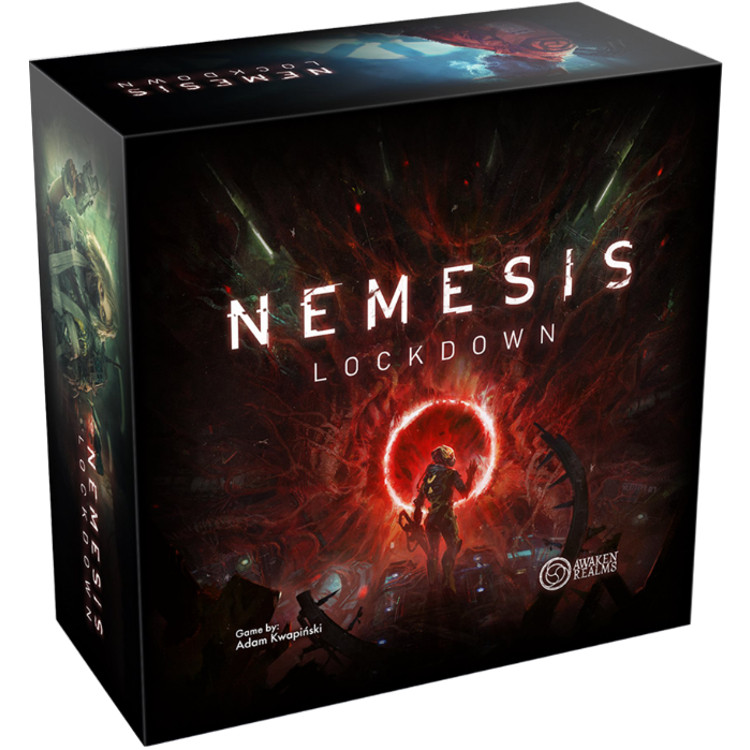
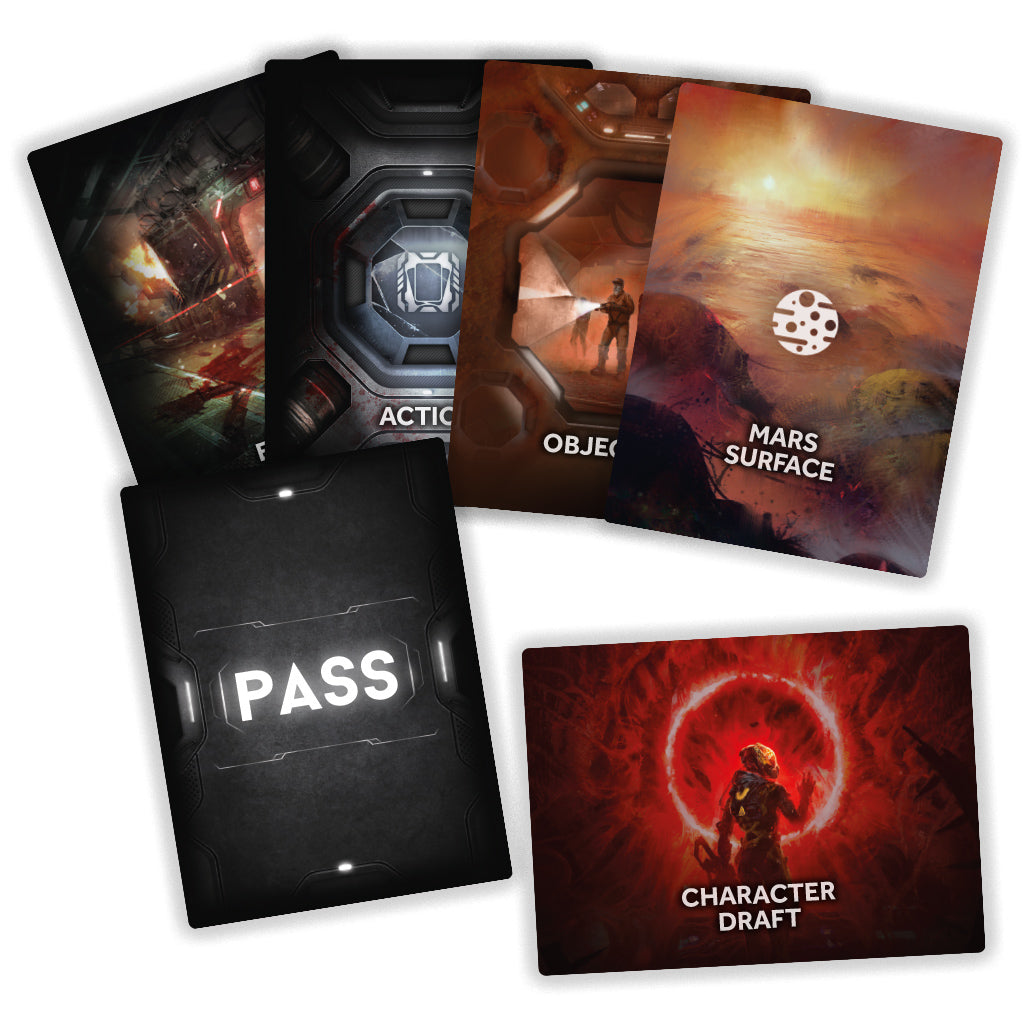
More a standalone sequel than an expansion. Lockdown trades the ship for a multi-level Mars base navigated by elevators, adds a light/dark mechanic, and crucially gives you real tools to manage noise — fixing the original's most-criticized late-game spiral. The community is genuinely split on which is better, which tells you how good both are. Plays on its own and mixes with base-game content. The strongest second box for most fans.
- Standalone — no base game required
- Multi-level Mars board adds fresh spatial tension
- Refines noise management, the original's biggest pain point
- Mixes with base-game content for huge variety
- Another premium-priced big box
- Some purists still prefer the original's focused ship design
- Same heavy weight and rules learning curve
 7 photos
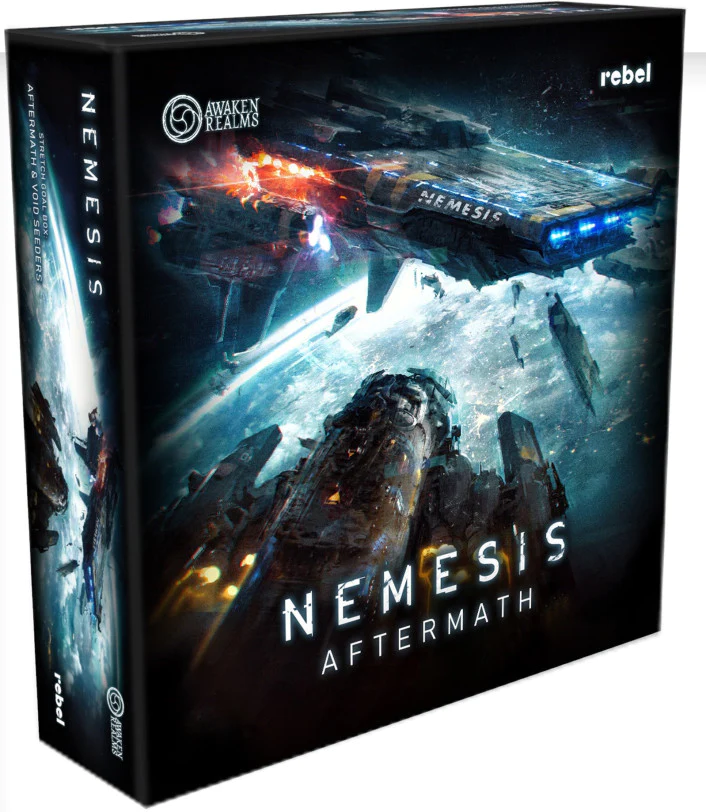
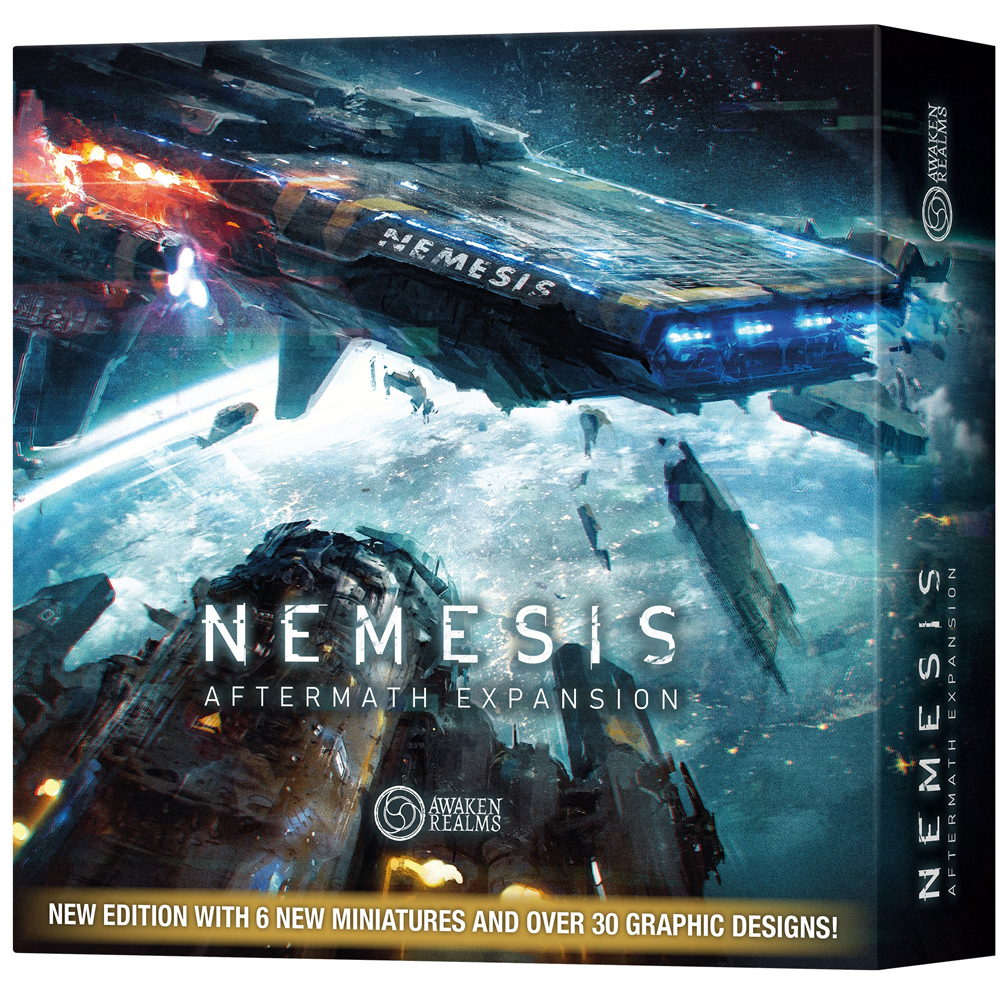
 Nemesis: Aftermath Expansion
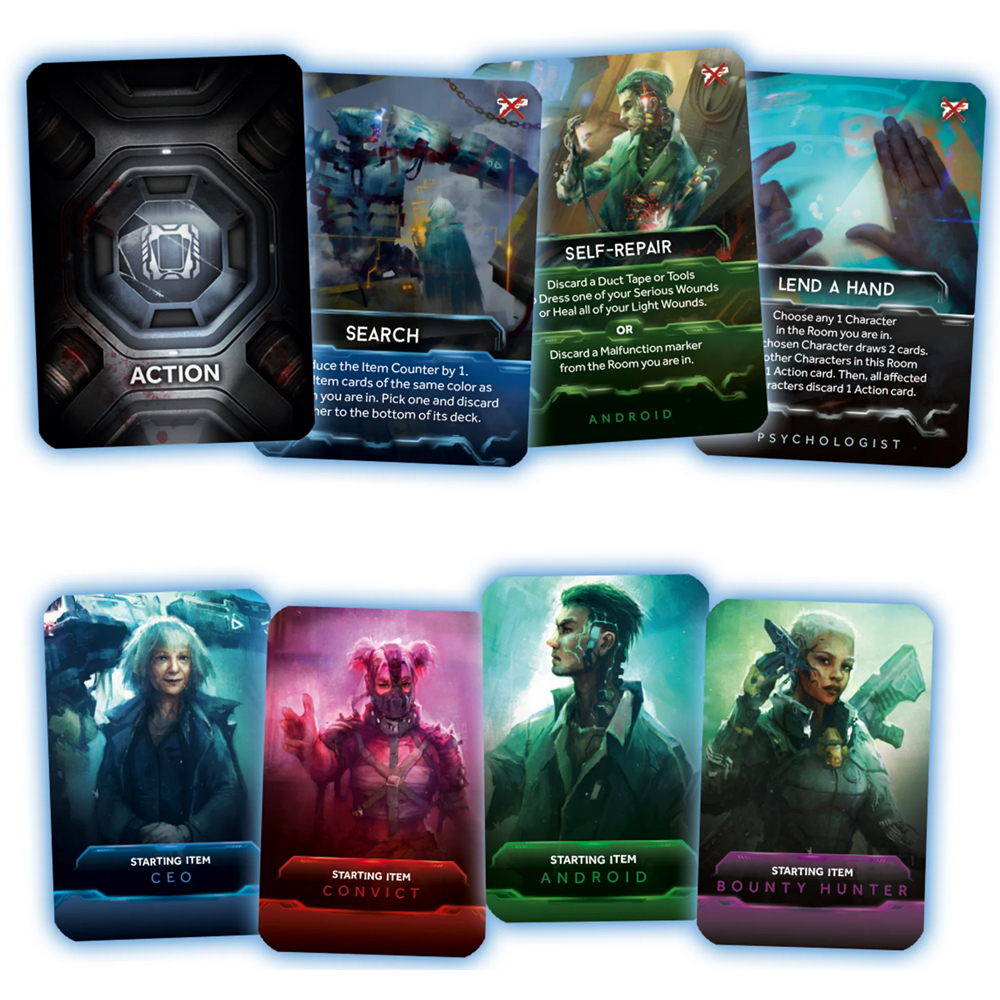
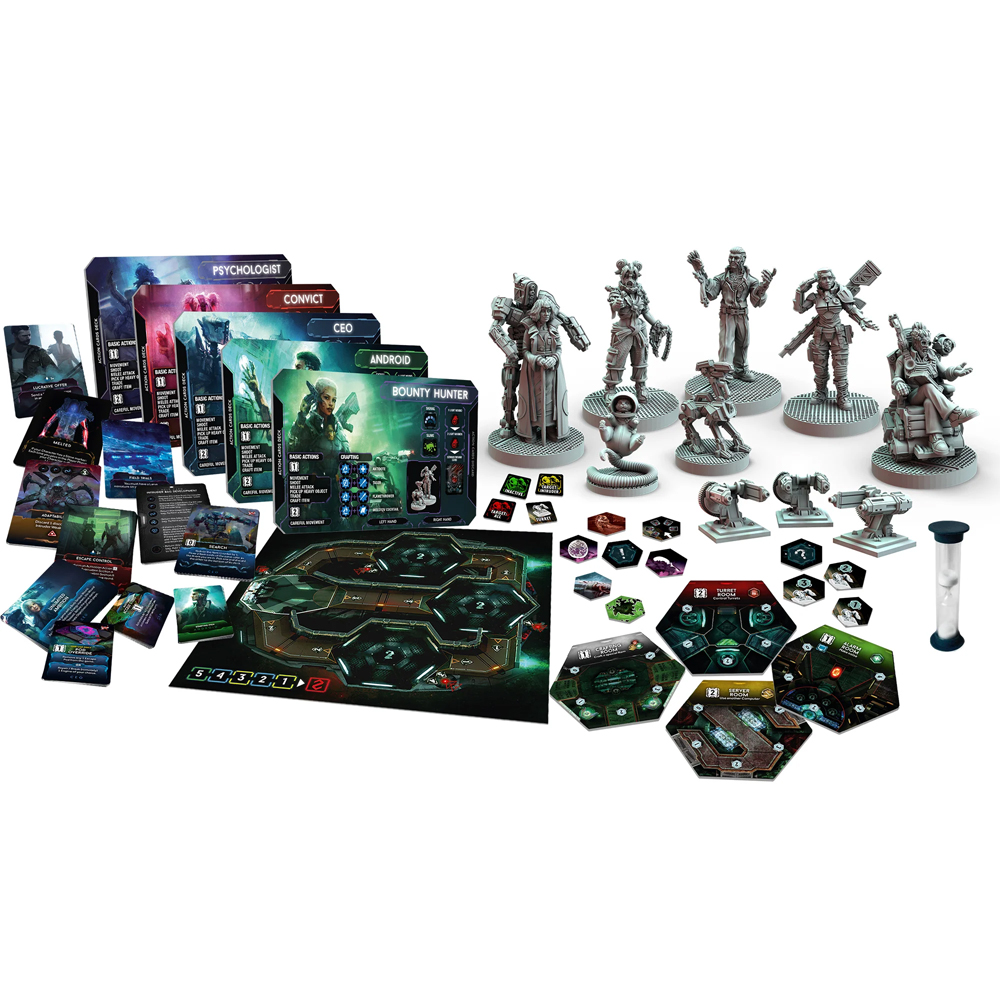
A true expansion (requires the base game) built around an Epilogue Mode — a short 45–60 minute, 5-turn game you play after a regular session, on a new ship with five new characters, resolving what becomes of the survivors. Owners rate it highly (around 8.7 average on BGG). It's the pick once you've squeezed the base box dry and want more variety plus a narrative sequel to your escapes.
- Adds 5 new characters and a new ship
- Unique Epilogue Mode extends your story after the main game
- High owner ratings (~8.7 on BoardGameGeek)
- Requires the base game — not standalone
- Epilogue Mode is an add-on layer, not a full new game
- Best appreciated only after you've played the base extensively
 4 photos
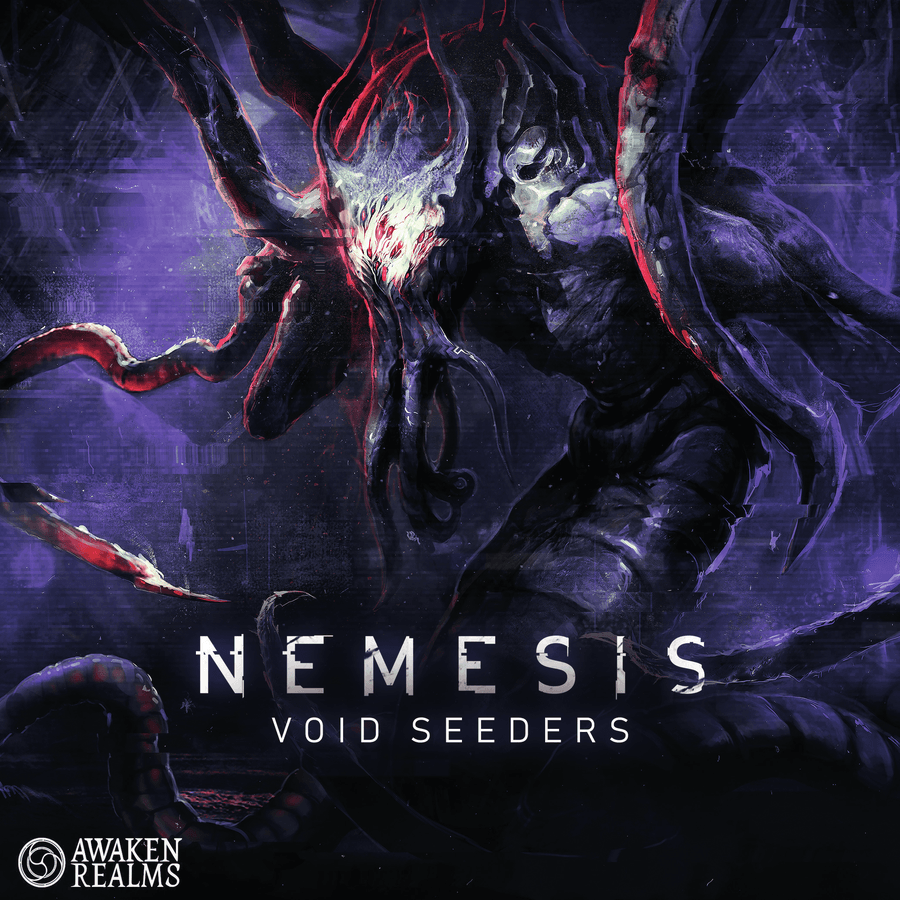
 Nemesis: Voidseeders Expansion
For veterans who've internalized the base Intruders and want their dread refreshed. Void Seeders introduces a terrifying new Intruder race with its own detailed miniatures, tokens, and dedicated event cards, changing how the threat behaves. Pure variety for committed players — not a first or even second purchase, but a great way to keep a beloved game feeling new.
- Entirely new Intruder race with distinct mechanics
- New sculpts, tokens, and event cards
- Keeps the base game fresh for veterans
- Requires the base game
- Niche — only worth it once the original feels familiar
- Adds more rules overhead to an already heavy game
At a glance
| Game | Type | Setting | Players | Playtime | Standalone? | Best for |
|---|---|---|---|---|---|---|
| Nemesis (Base) | Core game | Spaceship Nemesis | 1-5 | 90-180+ min | Yes | First-time buyers; the definitive experience |
| Nemesis: Lockdown | Standalone sequel | Secret Mars base (multi-level) | 1-5 | 90-180 min | Yes | Fans wanting evolved design + noise fixes |
| Nemesis: Aftermath | Expansion | New ship + Epilogue Mode | 1-5 | 45-60 min (epilogue) | No (needs base) | Veterans wanting new characters + coda |
| Nemesis: Voidseeders | Expansion | New Intruder race | 1-5 | Adds to base game | No (needs base) | Hardcore fans wanting fresh horror |
Questions, answered
How many players is Nemesis best with?
Nemesis supports 1–5 players and is best at 4–5, where the hidden-objective structure creates maximum paranoia and the chance of betrayal is highest. It plays fine at 3 and has a solid solo mode, but as a duo the semi-cooperative tension thins out considerably — at two players there's far less doubt about who might turn on you.
Is Nemesis a fully cooperative game?
No — it's semi-cooperative. You need each other to survive the Intruders, but every player has a secret objective drawn at setup, and some of those goals can pit you against your crewmates. You cooperate until your private agenda says otherwise, which is exactly where the famous betrayal moments come from.
Why do people compare Nemesis to the movie Alien?
Because the entire design is a deliberate homage to it. The xenomorph-style Intruders are sculpted in H.R. Giger's biomechanical aesthetic, they evolve from eggs through to a Queen, and the gameplay centers on a doomed crew stranded on an infested ship trying to escape — the exact beats of Alien and Aliens. Reviewers openly call it a love letter to the franchise.
How much does Nemesis cost?
The base game currently retails for roughly $147–$160 depending on the store, placing it firmly in premium big-box territory. Expansions and the standalone Lockdown are similarly priced. It's a significant investment, justified for the right group by enormous replayability and component quality.
Is Nemesis hard to learn?
Yes, moderately. It's a heavy game with a rulebook the community widely considers ambiguous in places, and your first session will likely be rough as you learn the systems. Most groups recommend watching a how-to-play video before your first game and treating that first play as a learning run — you'll probably lose, and that's normal.
Can a player be eliminated during a game of Nemesis?
Yes. Characters can die mid-game and that player may be out for the rest of the session. Total party kills are common, and the game embraces this — but if your group dislikes sitting out, factor it in and look into the solo or fully-cooperative variant rules.
What is the Intruder bag in Nemesis?
It's a cloth bag of tokens that drives the game's escalating threat. Whenever you make noise — moving, fighting, slamming doors — you draw from it to see if and what kind of Intruder appears. Blanks mean you got lucky; symbols mean danger is coming. As the game progresses the bag fills with nastier tokens, ramping the tension automatically. It's the single most important component.
What's the difference between Nemesis and Nemesis: Lockdown?
Lockdown is a standalone sequel, not an expansion — you don't need the base game to play it. It swaps the spaceship for a multi-level secret base on Mars with elevators, adds a light/dark mechanic, and gives players real tools to manage noise, addressing the original's most-criticized late-game spiral. Many consider it the more refined design; purists still favor the original's focused ship experience.
Is the Aftermath expansion worth buying?
If you've worn out the base game, yes. Aftermath adds five new characters, a new ship, and a unique Epilogue Mode — a short 45–60 minute game played after a regular session showing what happens to the survivors. Owners rate it highly (around 8.7 on BoardGameGeek). It requires the base game and is best appreciated by players already familiar with it.
Do the Nemesis minis come painted?
The standard retail base game minis come unpainted in a single color (usually black or grey). The fully painted, multicolor figures you see in photos online are either the pre-shaded 'Sundrop' Kickstarter editions or fan paint jobs. The sculpts are excellent regardless, but expect monochrome plastic out of a standard retail box.
Which Nemesis game should I buy first?
Start with the base game — it's the definitive experience and a complete, endlessly replayable package on its own. After that, add Lockdown if you want the evolved Mars-set design, or Aftermath if you simply want more of the original with new characters. You do not need to buy everything to have a full experience.
How long does a game of Nemesis take?
A full game runs roughly 90 to 180+ minutes depending on player count and how cautiously everyone plays. The Aftermath Epilogue Mode is shorter at around 45–60 minutes since it's a 5-turn coda played after a main session. Setup and teardown add time on top, so block out a full evening for your first few games.
Imani's verdict
Nemesis is the rare board game that earns every bit of its obsessive following — and its hefty $147–$160 price tag. It is, functionally, an Alien movie you get to play and lose with friends: a semi-cooperative survival-horror engine where hidden objectives, an evolving Intruder draw bag, and a modular ship board conspire to generate heart-pounding, never-repeating stories. It is brutally hard, the rulebook is famously fiddly, player elimination is real, and the standard minis come unpainted — none of which the design apologizes for. If you have 3–5 players who love thematic immersion and can laugh when the traitor flies home alone on the last pod, this is one of the best purchases in the entire hobby; buy the base box first, then add Lockdown (the evolved Mars-set standalone) or Aftermath (new characters plus an epilogue coda) once you're hooked. If you mostly play as a duo, hate take-that conflict, or want something light, look elsewhere. For everyone else chasing the closest thing tabletop has to genuine cinematic dread: believe the hype. Enthusiastically recommended.
Research ledger 10 sources · reviewed 2026-07-19
Specifications, rules, current product information, community experience, and contrary evidence were checked against the sources below. Commercial links are kept separate from editorial evidence.
- en.wikipedia.orgen.wikipedia.org/wiki/Nemesis_(board_game)
- kickstarter.comkickstarter.com/projects/awakenrealms/nemesis-board-game
- inkl.cominkl.com/news/nemesis-review-a-magical-sense-of-tension
- boargamer.comboargamer.com/reviews/nemesis-review
- gideonsgaming.comgideonsgaming.com/nemesis-board-game-review
- coopboardgames.comcoopboardgames.com/cooperative-board-game-reviews/nemesis
- boardgameprices.comboardgameprices.com/item/show/23605/nemesis
- awakenrealms.comawakenrealms.com/games/awaken-realms/nemesis
- amazon.comamazon.com/dp/B07L7HYWRW?tag=puzzlewick-20
- boardgamegeek.comboardgamegeek.com/boardgame/256377/nemesis-aftermath-and-void-seeders
Okay but have you seen what everyone’s saying about this?


Keep exploring
The next smart rabbit holes.
☣ Universe HubNemesis: the whole buying pathNemesis is the board-game universe for people who want their table to tell horror stories afterward: hidden objectives, bad...✦ Topic PathBoard Game Buying Guides: compare the whole shelfStart with the decision, not the shelf. These guides compare the games, editions, expansions, player counts, and costs people...Best Of5 New Board Games Worth Your Next Game Night: Cozy Stories, Clever Cards, and a Proper AdventureImani matches five current tabletop releases to five kinds of evening, with the awkward bits included: permanent stickers, limited...