Arkham Horror LCG Deckbuilding Guide 2026: Roles, Upgrades, Tommy, Marie & Campaign Teams
Margo strips deckbuilding down to jobs, economy, action compression, role coverage, and campaign evidence—then puts the 2026 investigator decks under the lamp.


AI-assisted research and drafting in Margo’s voice · reviewed by Robert Pruitt · how this guide was made
Last editorial refresh: 2026-07-26 Gold-standard QA: 2026-08-13 18 sources reviewed Affiliate links checked during gold-standard pass

The short answer
A reliable Arkham Horror LCG deck starts with one explicit job, a repeatable engine for that job, enough economy and draw to deploy it, and a plan for the situations the job does not cover. Build the team before tuning individual decks, and spend campaign XP on consistency and action compression before luxury cards.
Decision map
Choose in thirty seconds
A deck that cannot state its job cannot judge its opening hand.
It makes role coverage visible and forgiving.
Consistency wins more turns than one cinematic upgrade.
Each is sold as a ready-to-play deck with upgrade options and requires a Core.
A deck is a job description with thirty answers attached. The common beginner mistake is choosing thirty cards that are individually attractive and discovering, three rounds into a campaign, that none of them form a first turn.
Margo cross-checked the 2026 investigator-deck line, official deckbuilding rules, current Core card pool, campaign upgrade structure, ArkhamDB practice, and the questions new builders keep asking. This guide does not hand you one frozen list and call the case closed. It teaches how to identify a role, audit an opening hand, build a team, and let campaign evidence—not forum glamour—choose the next upgrade.
Start here, then go deeper
You are in the right cabinet.
 ✒ Universe HubArkham Horror Universe: the whole buying pathStart with the interactive buyer intake: separate the 2026 Chapter Two Core from Chapter One legacy boxes and the entirely...
 ☾ Topic PathCooperative Horror Games: compare the whole shelfCooperative horror works when the rules pressure the story without burying the table. This cluster maps what to buy, how campaigns...
 Beginner's GuideArkham Horror LCG First Game Guide 2026: Setup, Rules, Skill Tests & Solo PlayRobert turns the rulebook into one playable evening: which Core to open, exactly how to build the table, what every phase does, and the...
What makes an Arkham Horror LCG deck reliable?
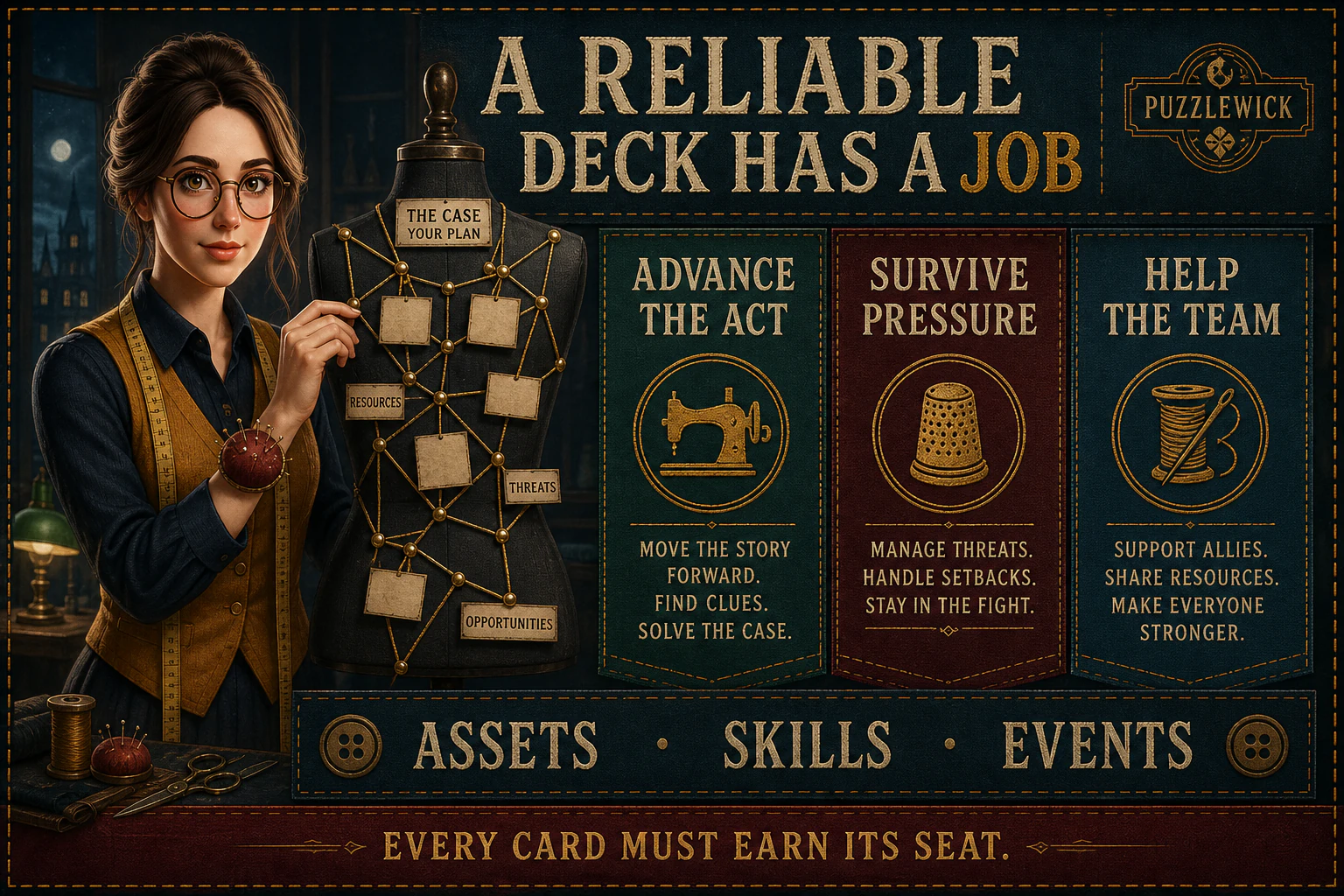
Reliability begins with five layers. First, the deck has a job: discover clues, control enemies, or flex between both. Second, it has repeatable tools for that job rather than one lucky event. Third, it has enough resources and card draw to deploy those tools before the agenda accelerates. Fourth, it compresses actions—more clues, damage, movement, cards, or resources per action. Fifth, it carries survival and emergency answers without burying the engine.
Write the job at the top of the deck list. For every card, ask which layer it serves and when you are happy to draw it. If the answer is “someday, in a cool situation,” it is a flex slot, not a foundation.
How should a beginner read an investigator card?
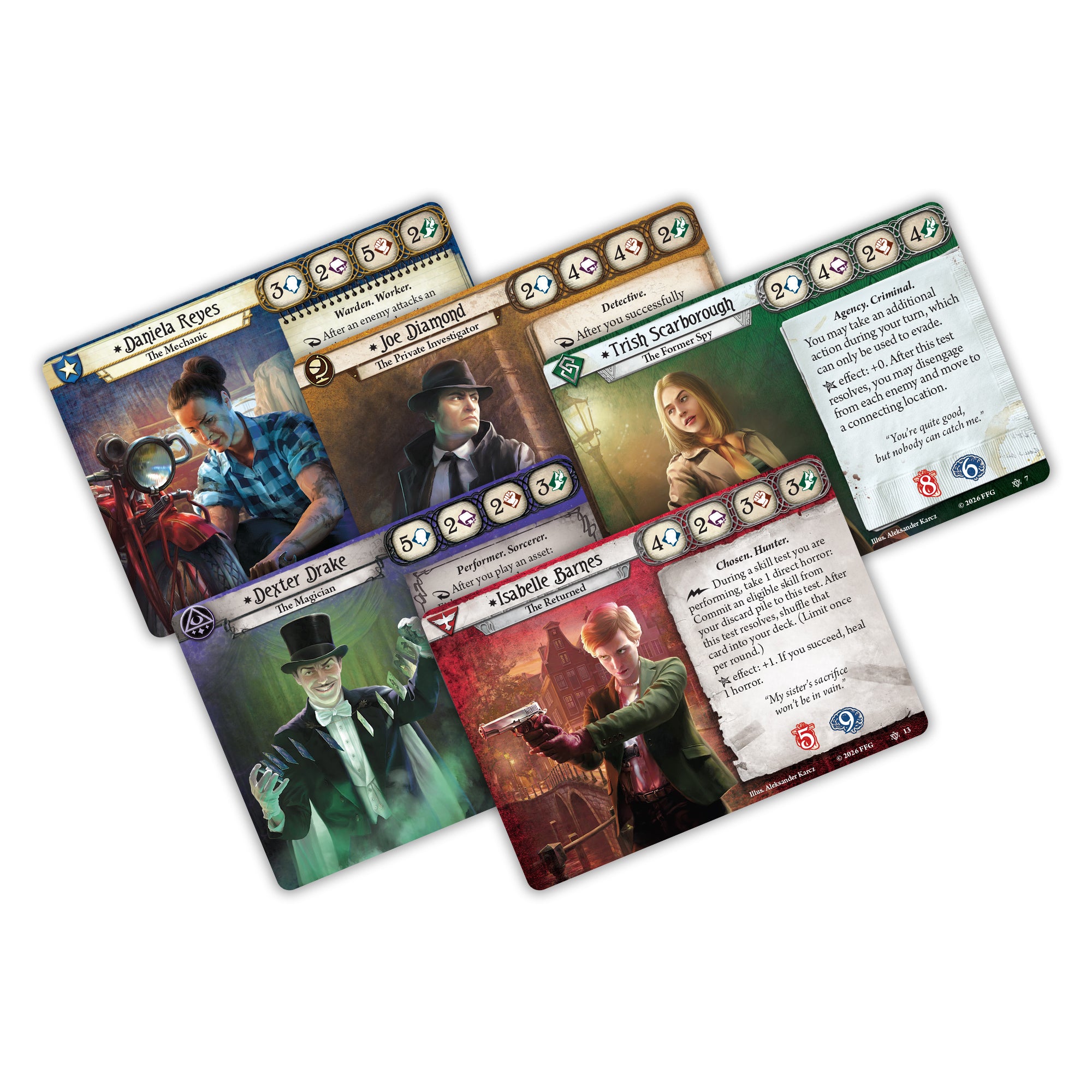
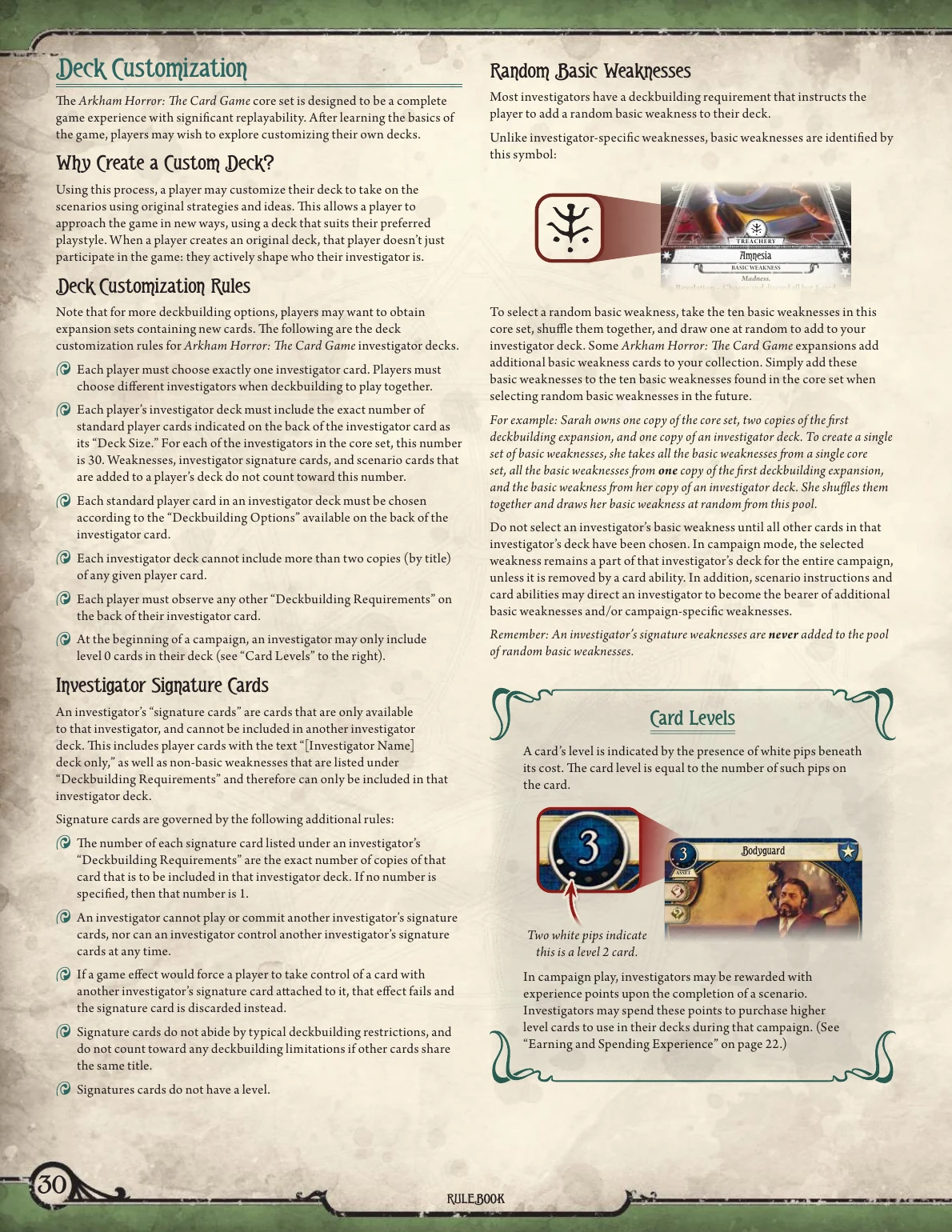
Start with the stat line and health/sanity, but do not stop there. Read the investigator ability, elder-sign effect, traits, deckbuilding options, deck size, signature card, signature weakness, and any additional requirements on the reverse. Those lines define both the legal card pool and the behavior the deck is rewarded for repeating.
A four in a primary stat is a beginning, not an engine. Ask what assets raise or leverage that stat, what events convert it into progress, and what icons rescue the most important tests. Then read the weakness as a design brief: it tells you which resource, action, location, or timing problem the deck must survive.
How many clue, combat, economy, and survival cards do you need?
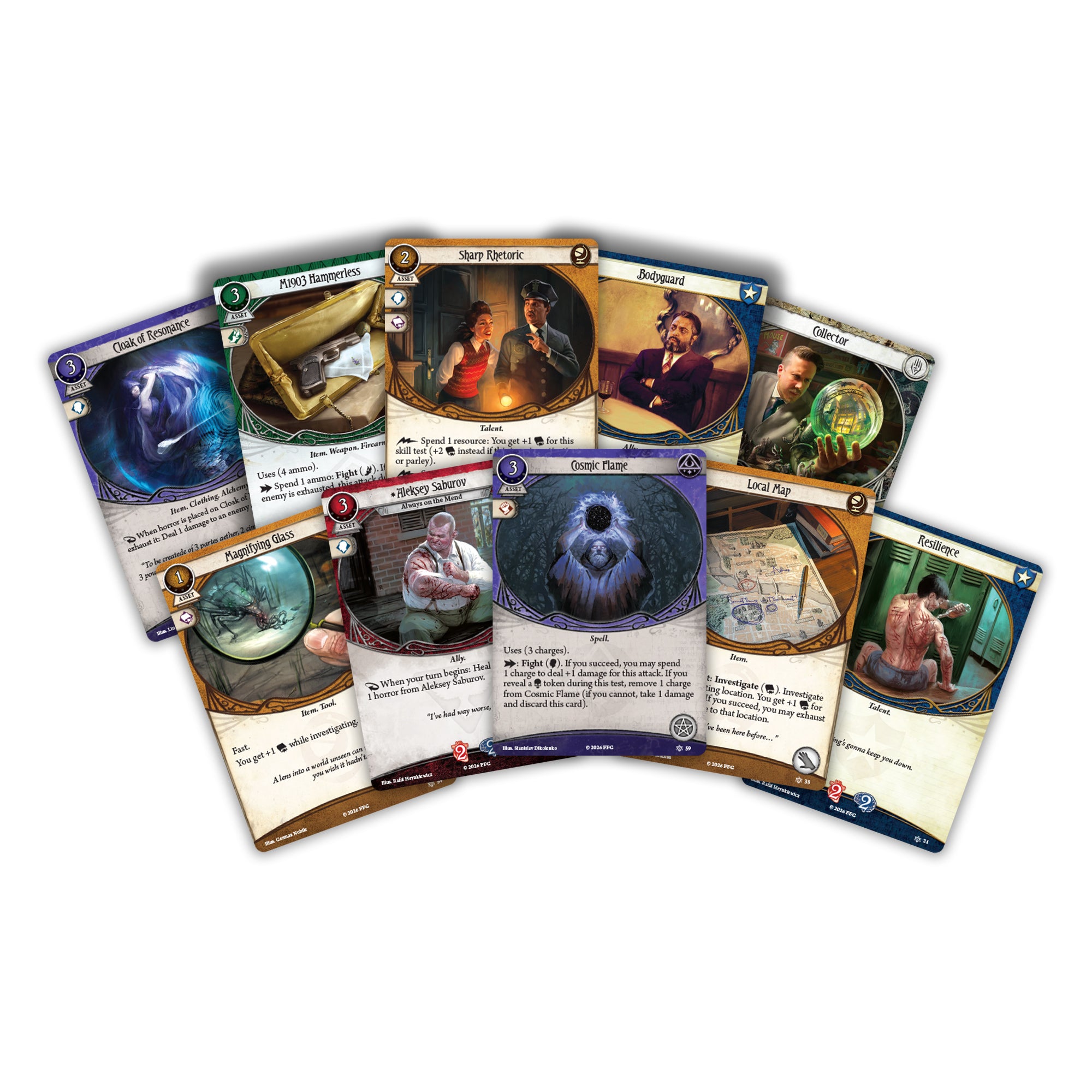
There is no universal count that survives every investigator and card pool. Use functional coverage instead. A specialist needs multiple repeatable ways to perform the primary job, several cheap ways to find or pay for them, and events or icons that cover the opening turns before the engine arrives. A flex deck needs fewer peak tools but more overlap: a clue card that also moves, an enemy answer that also protects, or an asset that supports multiple test types.
Goldfish the opening five cards ten times. Record whether the deck can contribute by turn two, whether it can afford its assets, and which card is repeatedly stranded. That evidence is more valuable than copying a ratio from a collection twice your size.
How do you build a campaign team?
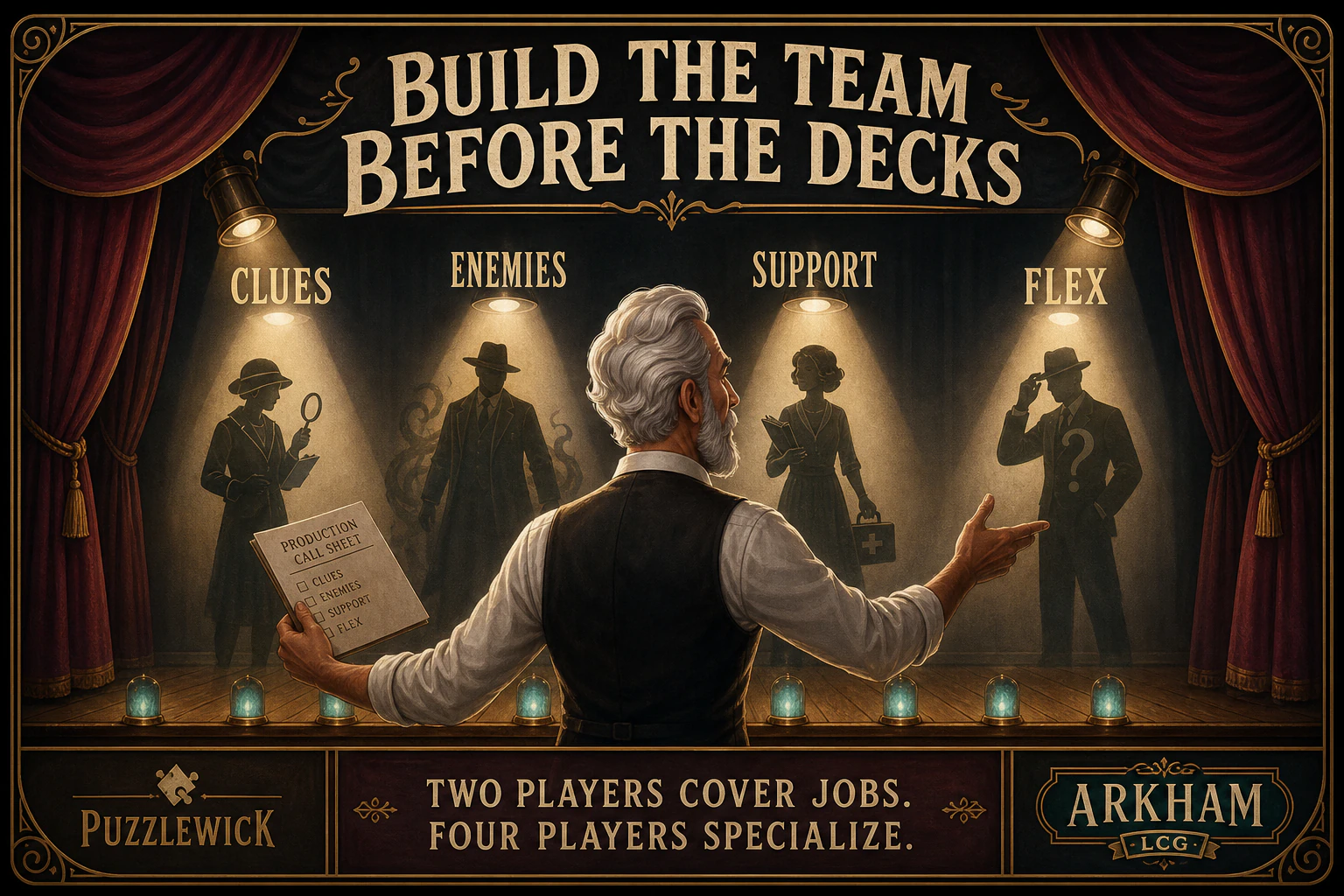
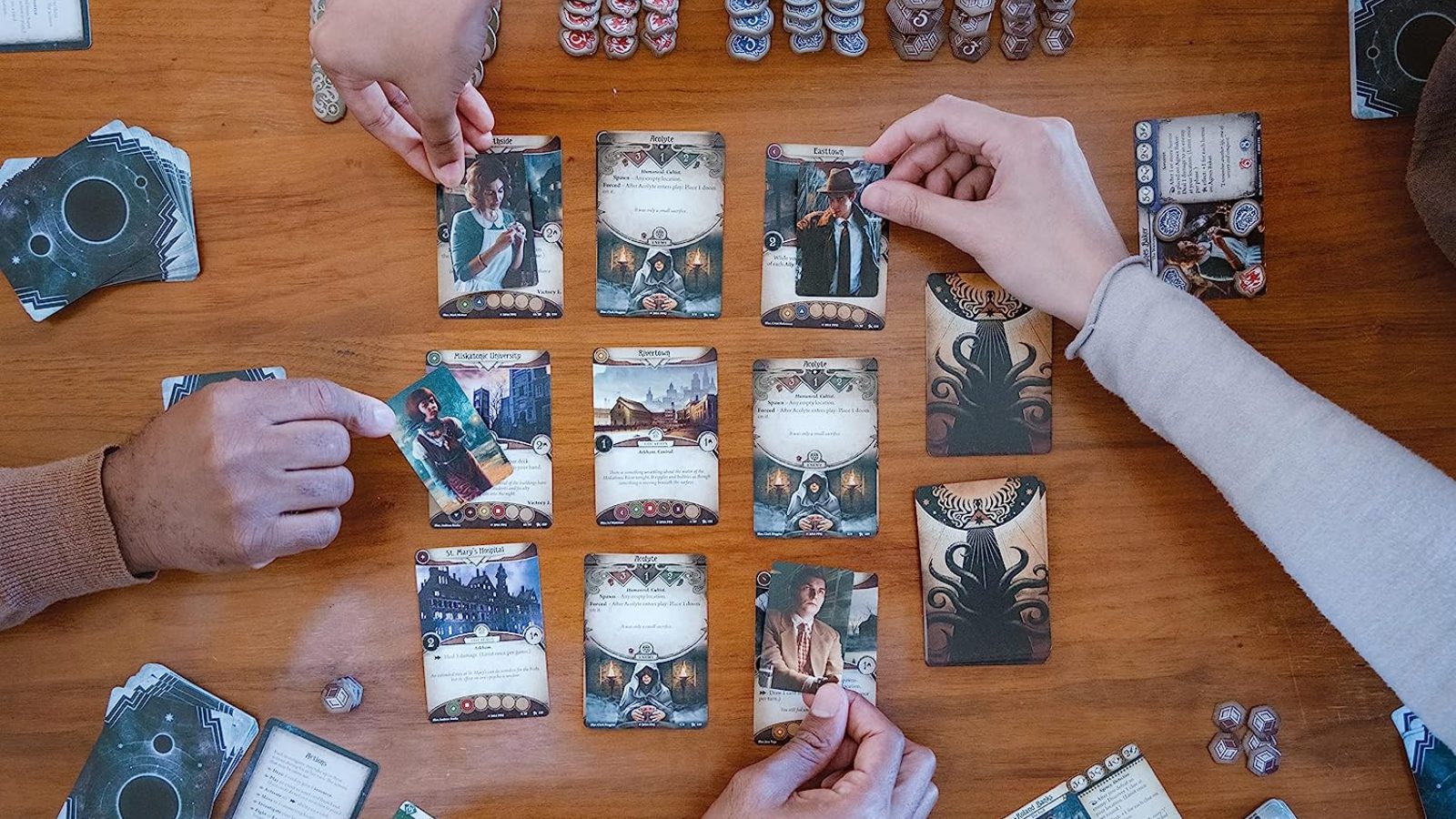
Build the table’s coverage before polishing individual decks. True solo needs one investigator who can discover clues, handle or escape an enemy, move, and survive. Two-handed solo is cleanest with a clue lead and an enemy lead. Two human players can use the same split or two complementary flex investigators. Four players can support true specialization: dedicated clue and enemy leads plus two flex/support decks.
Every deck still needs a weak-case plan. The clue lead needs an evade, movement, or emergency enemy answer when isolated. The fighter needs a way to collect a last clue or support a test. Support must accelerate scenario progress, not merely make the table comfortable while doom advances.
Is Tommy Muldoon a good 2026 investigator deck?
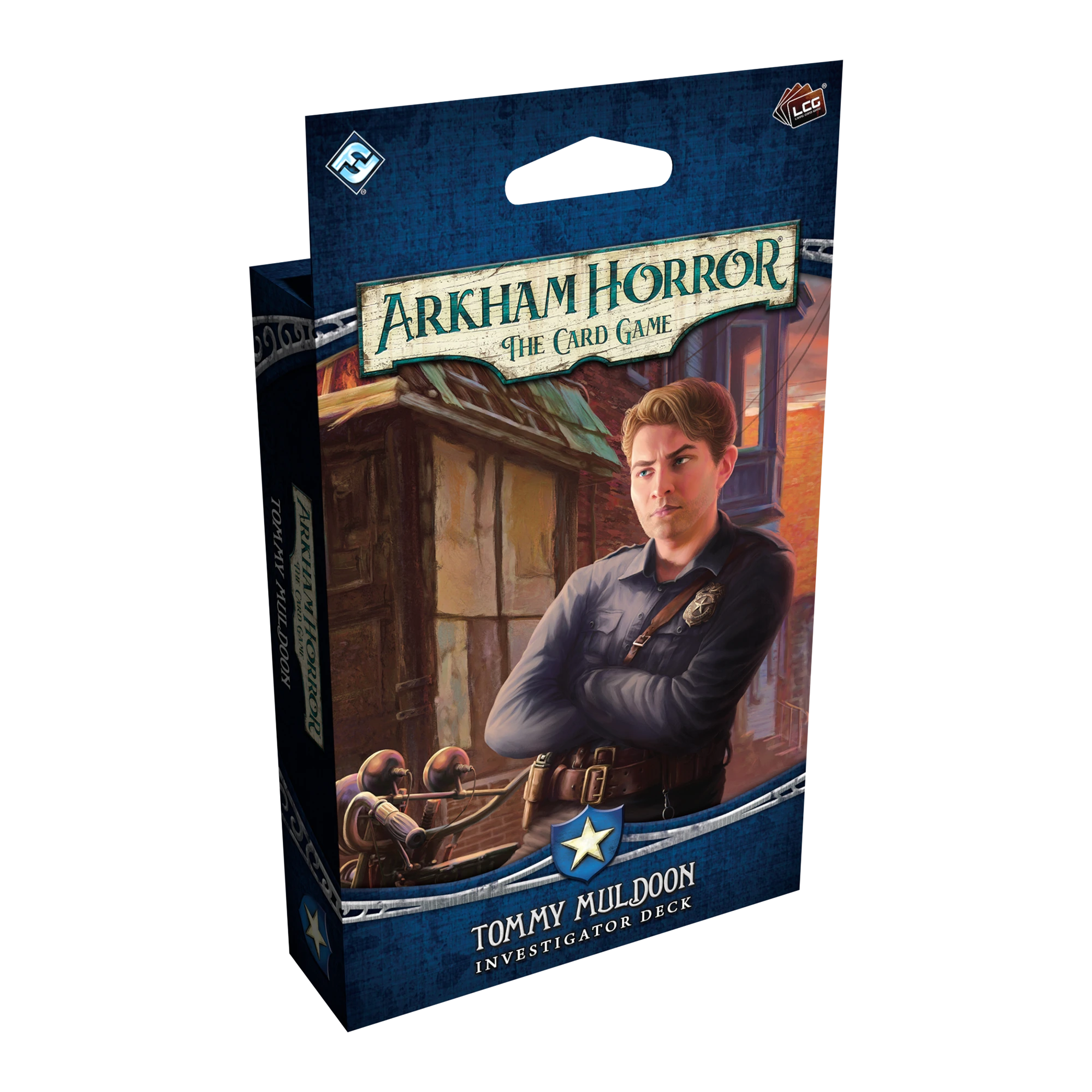
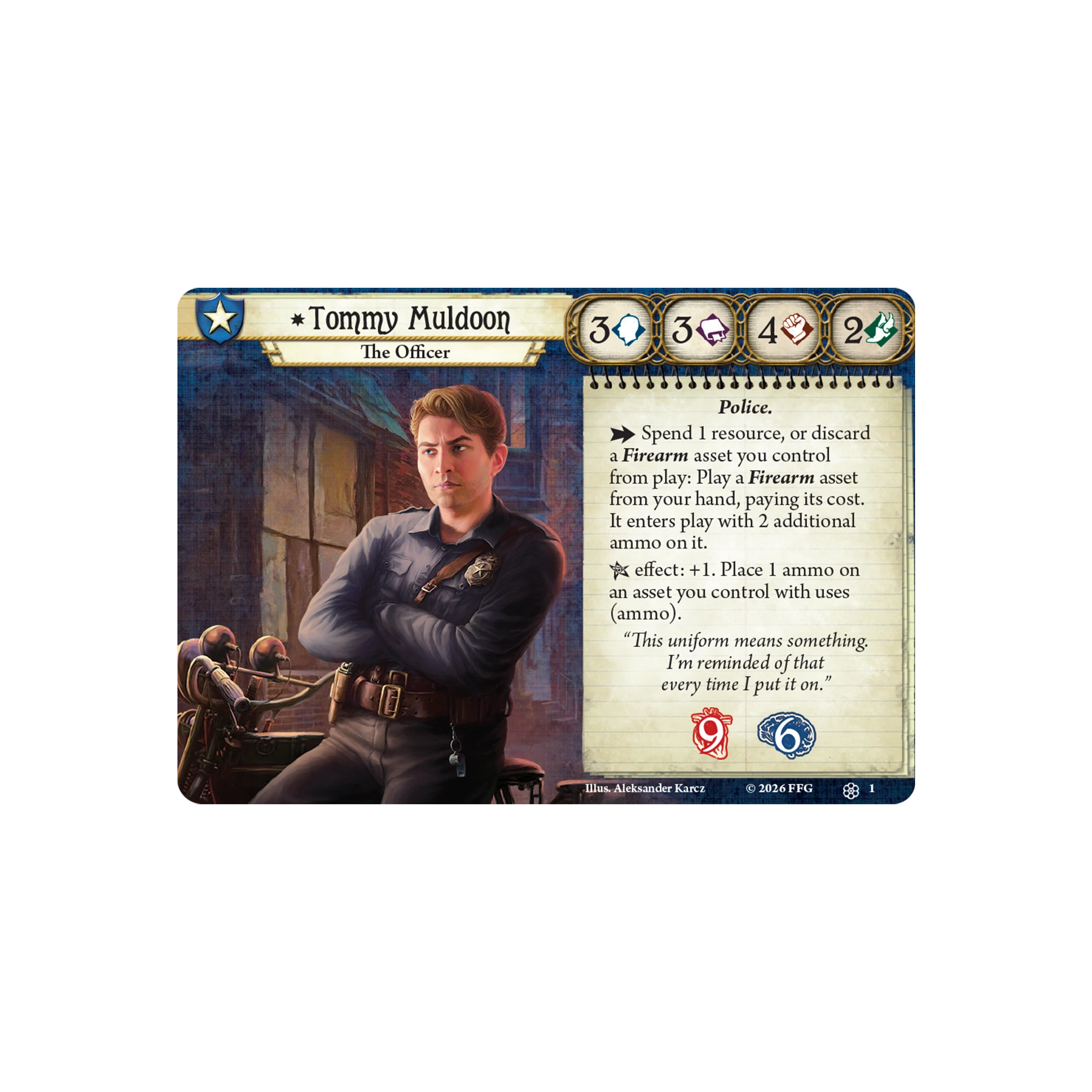
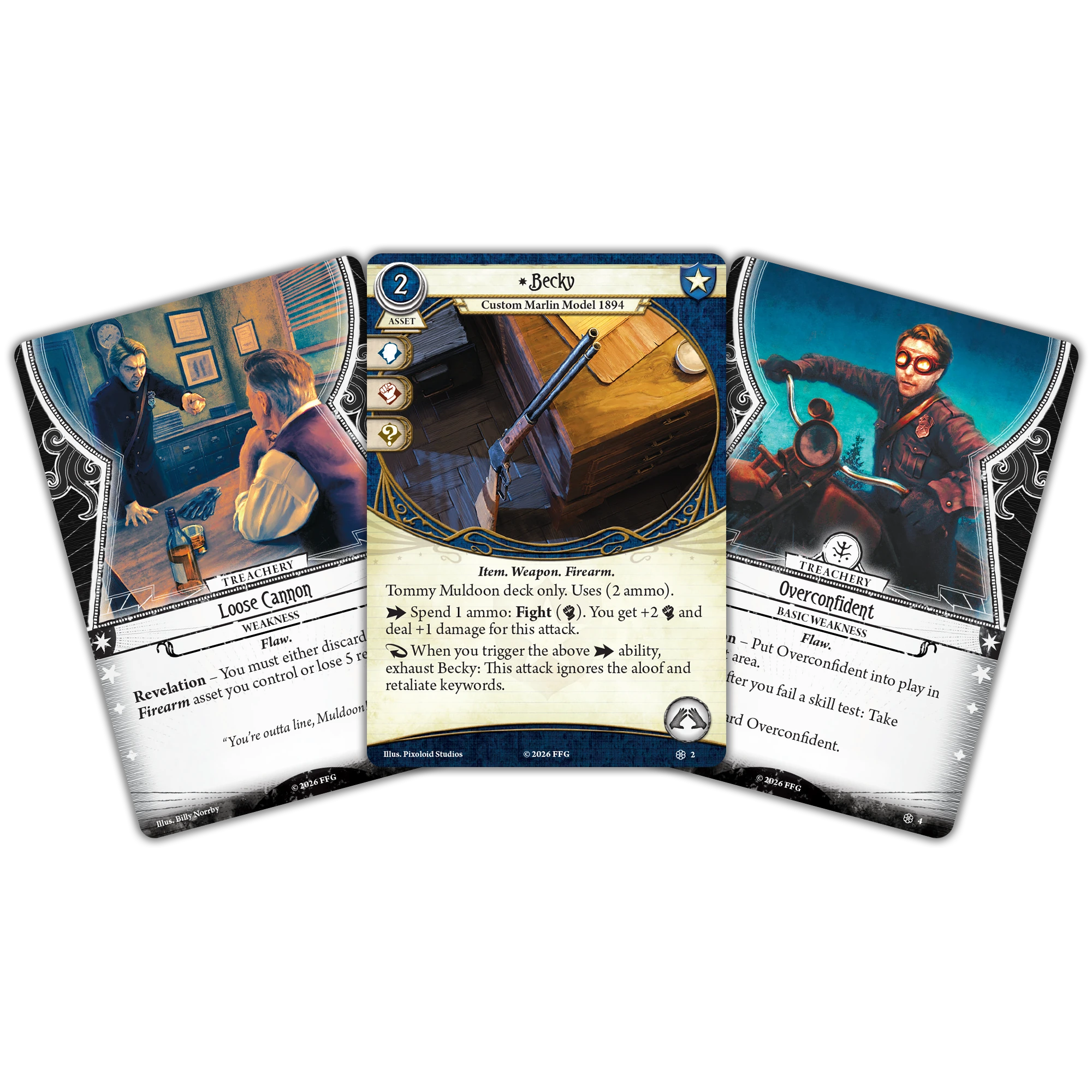
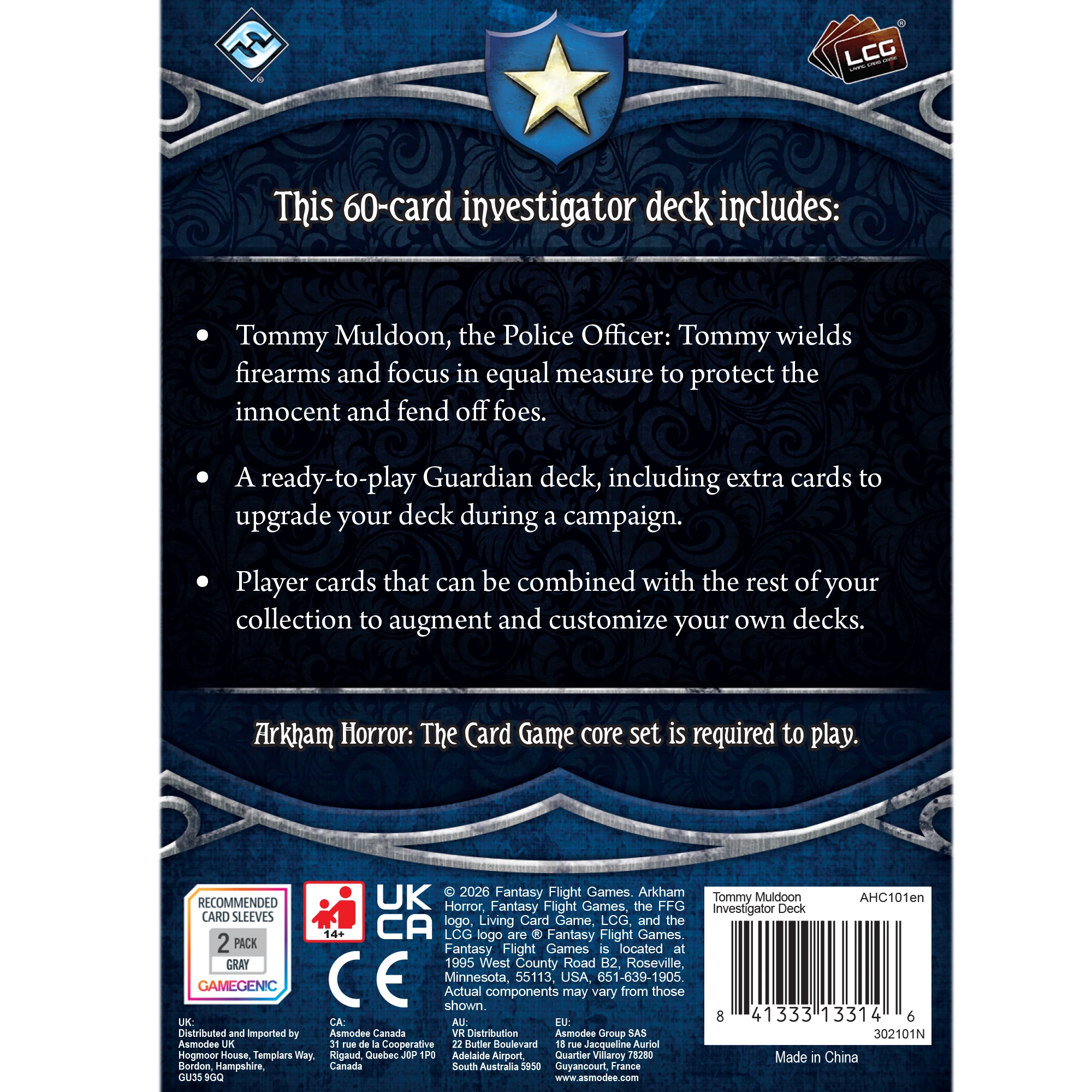
Yes, especially for a multiplayer table that wants a Guardian with a real economic identity. The Tommy Muldoon Investigator Deck is a current ready-to-play product with an upgrade package. Fantasy Flight lists it at $18.99 MSRP and requires a Core Set.
Tommy rewards deliberate damage and horror placement on assets that can protect the team and return value when defeated. The trap is playing every protective asset merely because it can soak. The deck still needs tempo: a weapon or enemy-control plan, a way to pay for the board, and enough positioning to protect someone who matters. In a two-player pair, match him with a decisive clue investigator rather than another character waiting to be rescued.
Is Marie Lambeau a good 2026 investigator deck?
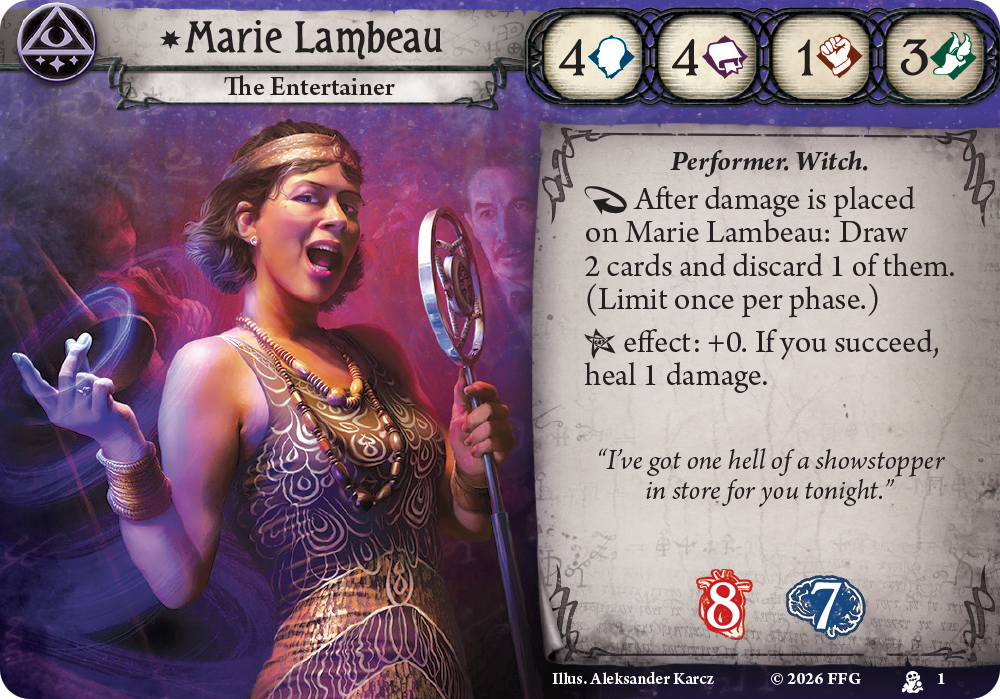
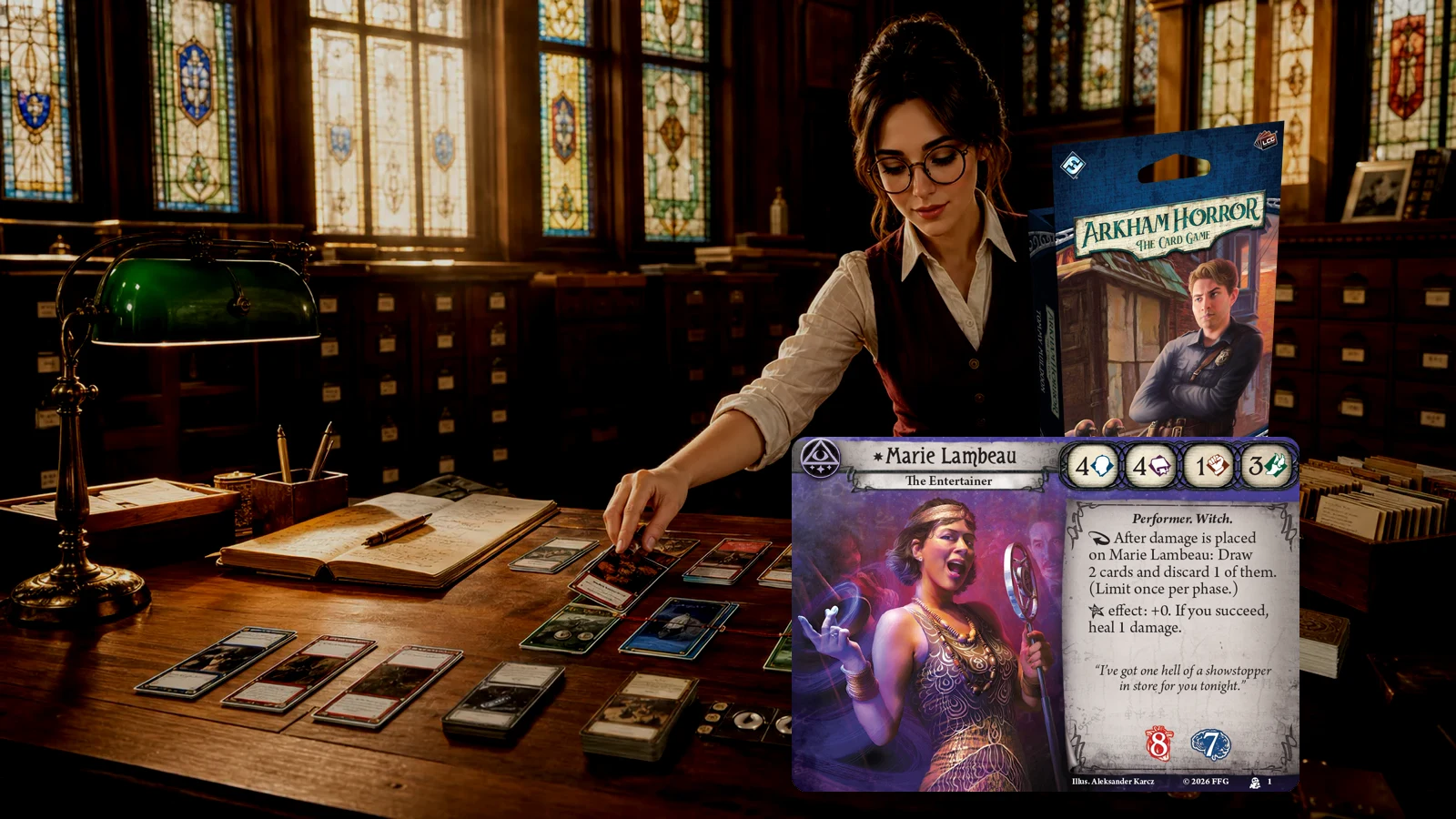
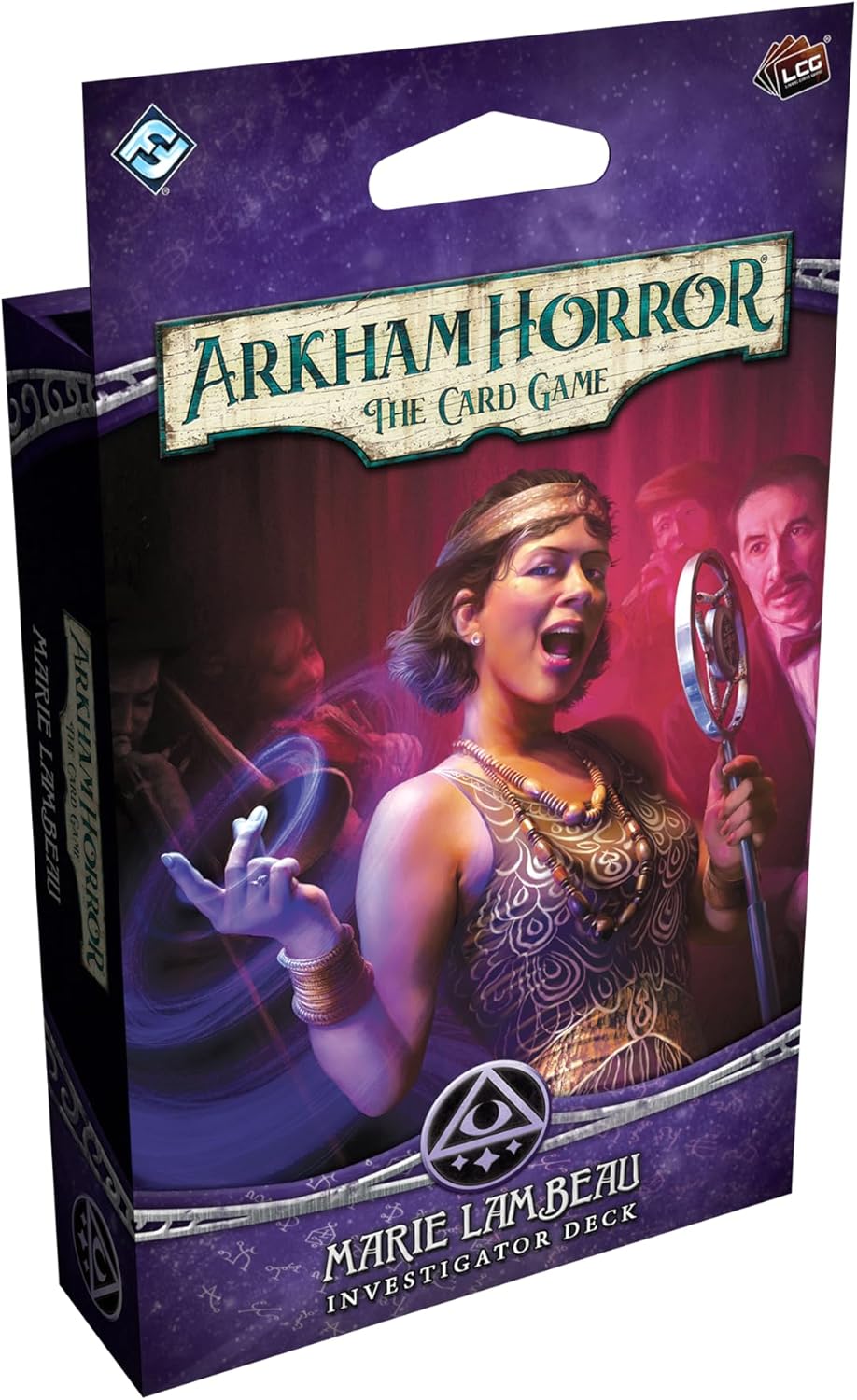
Yes, for players who enjoy flexible spell sequencing and card selection. The Marie Lambeau Investigator Deck is a current ready-to-play Mystic deck with campaign upgrades and the same Core requirement.
Her 2026 design rewards managing damage and selecting from additional cards rather than simply stacking one large stat. The attraction is flexibility: Mystic tools can cover clues, enemies, protection, and scenario tests. The cost is sequencing. You must know which spell is the engine, which effect is the emergency answer, and how the deck pays for both. In true solo, include movement and a plan for an early enemy before the spell suite is established.
How should you spend campaign XP?
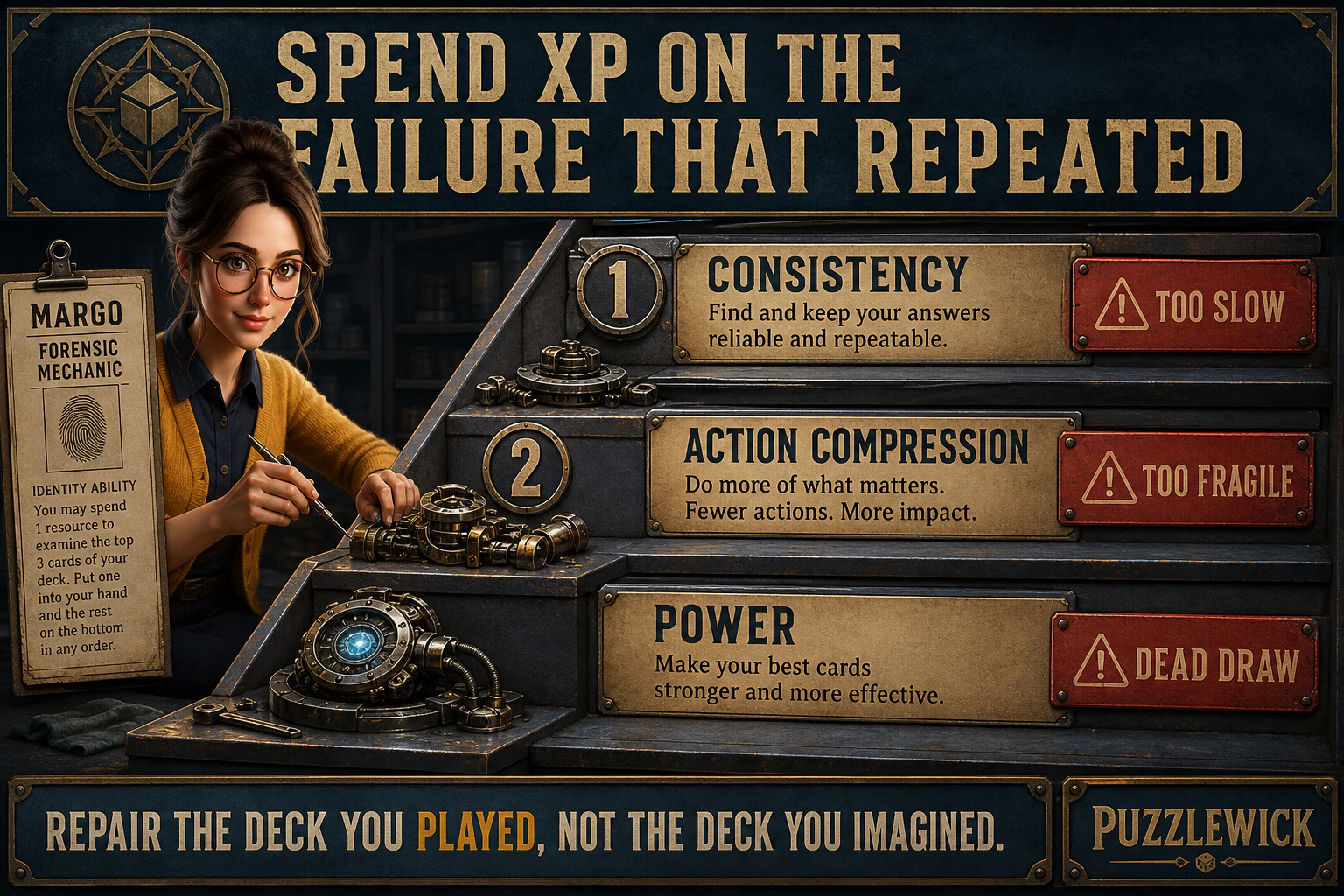
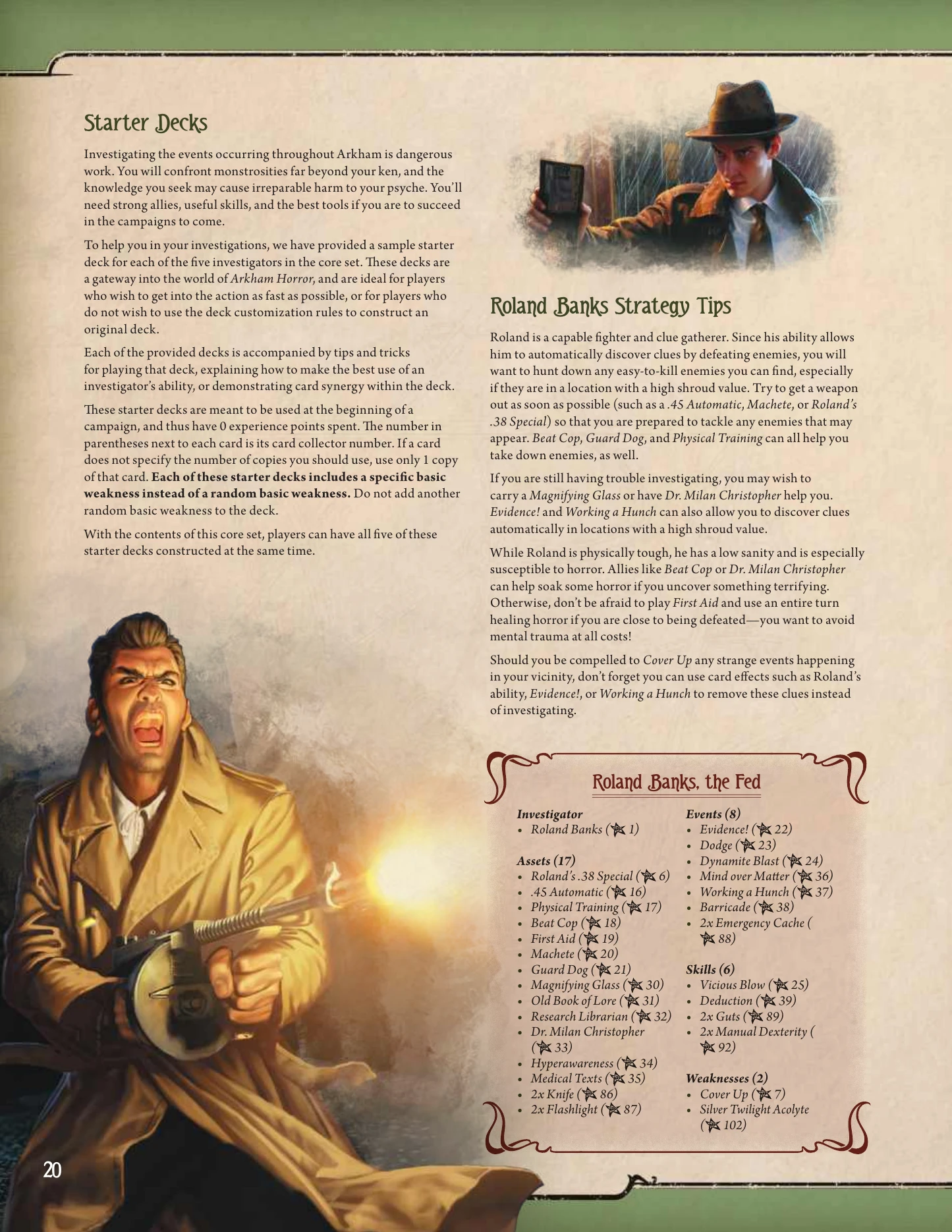
Spend the first experience on consistency. Upgrade or replace the card you are unhappy to see, improve the primary tool’s reliability, or add a stronger search/economy piece. Next, compress actions: upgraded cards that discover additional clues, deal more damage, move while doing useful work, or draw without surrendering tempo.
After the engine works, repair the weakness the campaign exposed—horror, economy, mobility, boss damage, or encounter protection. Luxury cards come last. Do not hoard experience for a dramatic fifteen-XP future while the present deck fails to start.
Respect card levels and investigator access. Experience cost is not always the large printed number you remember from a deck list; check the actual card version and current rules before recording the purchase.
Which current investigator deck should you buy first?

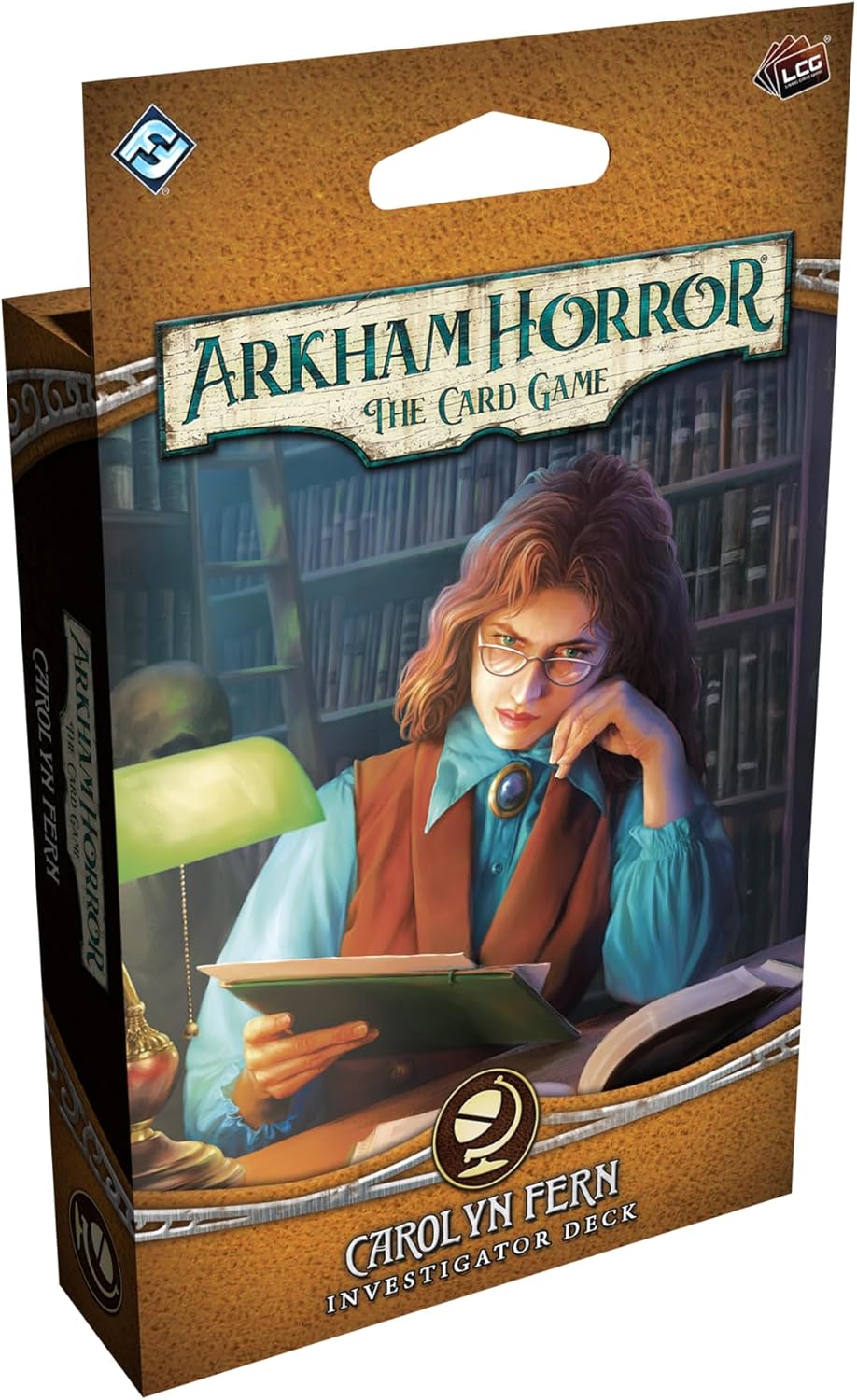

Choose by the missing role at your table. Tommy is the clean buy for protection and enemy control. Marie is the spell-forward flexible choice. Carolyn Fern fits a larger group that can convert healing and support into tempo. Andre Patel is the clue-forward Seeker. Miguel de la Cruz is the resilient Survivor flex.
Buy one, play it unchanged, then customize from evidence. Five boxes at once create five unopened syllabi, not mastery.
Which deckbuilding apps and channels are worth using?
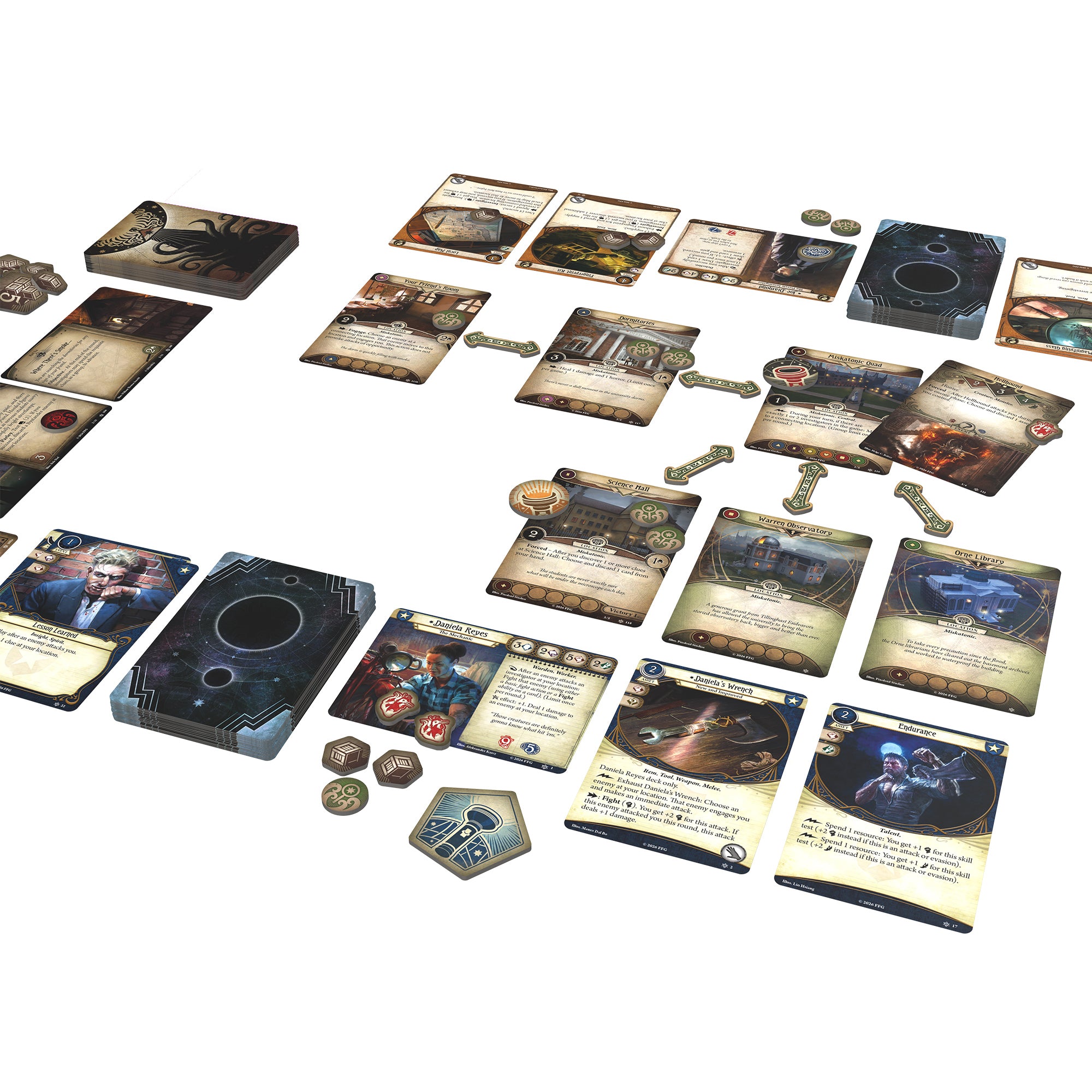
ArkhamDB is the established browser deckbuilder and public deck library. arkham.build offers another modern deck-construction surface. Arkham Cards combines deck access, campaign tracking, chaos bag management, and scenario bookkeeping across iOS and Android.
Use public lists as annotated evidence, not scripture. Read why a card is present, compare the author’s collection and player count with yours, then test the opening. For video discussion, PlayingBoardGames’ Gathering guide is a useful example of focused investigator analysis. Avoid copying a deck built for taboo rules, four-player support, or a full card pool into a different environment without reading the assumptions.
What comes after deckbuilding?

Test the deck against the next scenario, then record three things: which card was dead, which action was repeatedly inefficient, and which problem required another investigator to abandon a job. Those notes determine the next upgrade more honestly than a tier list.
When the team is ready for a mechanically dense campaign, continue to Volume III: The Circle Undone Hosting and Community Toolkit. If the round itself is still uncertain, return to Volume I: The First-Night Field Manual.
The picks
Some links below are affiliate links — as an Amazon Associate, Puzzlewick earns from qualifying purchases, at no extra cost to you. It never changes a pick.
Tommy Muldoon Investigator Deck
The most legible current role deck for a table that needs protection and enemy control, with a satisfying economy puzzle once damage placement clicks.
- Ready to play
- Clear team role
- Useful campaign upgrade package
- Requires Core
- Timing and asset sequencing matter
Marie Lambeau Investigator Deck
A stylish, genuinely flexible current deck whose choices are rewarding once the player distinguishes engine spells from emergency spells.
- Ready to play
- Flexible role coverage
- Strong current identity
- Requires Core
- Less forgiving sequencing
Andre Patel Investigator Deck
The current Seeker deck is the role-first purchase when scenario progress, not enemy control, is the team’s recurring failure.
- Ready to play
- Direct clue role
- Current release
- Requires Core
- Needs an enemy escape or teammate
Carolyn Fern Investigator Deck
A rewarding support specialist when the team already has direct clue and enemy plans.
- Ready to play
- Distinct support economy
- Strong larger-table identity
- Requires Core
- Support can become passive without progress tools
Miguel de la Cruz Investigator Deck
A current ready deck for players who enjoy recovery, contingency, and flexible problem solving.
- Ready to play
- Resilient flex shape
- Current release
- Requires Core
- Recovery tools still need a proactive job
At a glance
| Deck | Class | Primary job | Best table | Watch out |
|---|---|---|---|---|
| Tommy Muldoon | Guardian | Protect and control enemies | 2–4 players | Asset timing and damage placement matter |
| Marie Lambeau | Mystic | Flexible spell-driven clue and enemy work | Solo flex or multiplayer specialist | Spell and damage timing demand planning |
| Carolyn Fern | Guardian | Horror healing and support economy | 3–4 players | A support deck still needs scenario progress |
| Andre Patel | Seeker | Clue acquisition and evidence | 2–4 players | Needs a clear enemy escape plan |
| Miguel de la Cruz | Survivor | Resilient flex play | Solo or flexible teams | Do not confuse recovery tools with a proactive plan |
Questions, answered
What is the easiest way to build an Arkham Horror LCG deck?
Start with a legal starter or current investigator deck. Name one primary job, identify the repeatable engine, then audit economy, draw, action compression, survival, and one weak-case answer.
How many cards are in an investigator deck?
The required deck size is printed in the investigator’s deckbuilding options. Many investigators use 30-card decks plus signature cards and weaknesses, but always read the specific investigator reverse.
Should every deck be able to fight and investigate?
True solo needs credible plans for both clues and enemies. In multiplayer, specialists can lean harder into one job, but every deck benefits from an emergency answer when the team is separated.
What is action compression?
Action compression means one action produces more than the basic result: extra clues, extra damage, movement plus another effect, or draw/economy without surrendering a full turn.
How should I mulligan?
Mulligan for the engine and affordable early plays, not the card with the highest ceiling. Keep weaknesses according to the setup rules and judge the hand by what it does in the first two turns.
Is Tommy Muldoon good for beginners?
He is a good multiplayer beginner choice once the player understands asset play and damage placement. His protection role is clear, but his economy rewards correct timing.
Is Marie Lambeau good for solo?
She can flex in solo, but the deck must plan for early enemies, movement, and spell economy. Her sequencing is less forgiving than a simple dedicated fighter.
Which investigator deck should I buy first?
Buy the role your table lacks: Tommy for protection/enemies, Marie for spell flexibility, Andre for clues, Carolyn for larger-table support, or Miguel for resilient flex play.
What should I upgrade first in a campaign?
Fix consistency first, then improve action compression, then repair a weakness revealed by the campaign. Luxury or boss-turn cards come after the engine reliably starts.
Is ArkhamDB required?
No. It is an excellent deckbuilder and public list archive, but the physical investigator card and current rules remain the authority for deck legality.
Margo's verdict
Start with a ready list, then tune from actual failed turns. A good deck performs its job early, pays for its assets, turns actions into meaningful clues or enemy control, and has one credible answer to its weak case.
Research ledger 18 sources · reviewed 2026-08-13
Specifications, rules, current product information, community experience, and contrary evidence were checked against the sources below. Commercial links are kept separate from editorial evidence.
- Fantasy Flight Games: How to Play Arkham Horror LCGarkhamhorror.com/lcg-begin-here
- Fantasy Flight Games: Intro to Arkhamfantasyflightgames.com/en/news/2026/2/5/intro-to-arkham
- Arkham Horror LCG Chapter Two Core rulebookimages-cdn.fantasyflightgames.com/filer_public/0e/d0/0ed09507-1705-47ed-a630-cd15885cabb0/ahc100_rulebook-web.pdf
- Arkham Horror LCG Chapter Two campaign guideimages-cdn.fantasyflightgames.com/filer_public/f0/22/f022ac7c-9c30-4521-ac16-1f74f00e1d31/ahc100_campaign_guide-web.pdf
- Fantasy Flight Games: Chapter Two available nowfantasyflightgames.com/en/news/2026/3/20/available-now-march-20-1
- Fantasy Flight Games: A Look at Things to Comefantasyflightgames.com/en/news/2026/1/22/a-look-at-things-to-come
- Fantasy Flight Games: Turning the Pagefantasyflightgames.com/en/news/2026/2/19/turning-the-page
- Arkham Grimoire v1.1, June 2026images-cdn.fantasyflightgames.com/filer_public/76/b3/76b332d5-7047-458f-91b6-82c8500cc445/arkham_grimoire.pdf
- ArkhamDB deckbuilder and card databasearkhamdb.com
- Arkham Cards campaign and deck apparkhamcards.com
- 2026 community beginner FAQ for Chapter Tworeddit.com/r/arkhamhorrorlcg/comments/1t777by/beginner_faq_chapter_2
- 2026 community deckbuilding tips for beginnersreddit.com/r/arkhamhorrorlcg/comments/1qbpsc8/deckbuilding_tips_for_beginner
- Fantasy Flight Games: Ever Investigating, 2026 investigator decksfantasyflightgames.com/en/news/2026/2/12/ever-investigating
- Fantasy Flight Games: Tommy Muldoon Investigator Deckfantasyflightgames.com/en/products/arkham-horror-the-card-game/products/tommy-muldoon-investigator-deck
- Fantasy Flight Games: Marie Lambeau Investigator Deckfantasyflightgames.com/en/products/arkham-horror-the-card-game/products/marie-lambeau-investigator-deck
- PlayingBoardGames: The Gathering investigator guideyoutube.com/watch?v=lZv3jgUem0Q
- 2026 community starter-deck pairingsreddit.com/r/arkhamhorrorlcg/comments/1tpyef2/hungrycolquhoun_compatible_chapter_2_starter
- 2026 community Chapter Two starters with Chapter Onereddit.com/r/arkhamhorrorlcg/comments/1t9rm89/ch2_starters_for_ch1_campaigns
Let me check that before we say it.


Keep exploring
The next smart rabbit holes.
✒ Universe HubArkham Horror Universe: the whole buying pathStart with the interactive buyer intake: separate the 2026 Chapter Two Core from Chapter One legacy boxes and the entirely...☾ Topic PathCooperative Horror Games: compare the whole shelfCooperative horror works when the rules pressure the story without burying the table. This cluster maps what to buy, how campaigns...Beginner's GuideArkham Horror LCG First Game Guide 2026: Setup, Rules, Skill Tests & Solo PlayRobert turns the rulebook into one playable evening: which Core to open, exactly how to build the table, what every phase does, and the...