Use it immediately
No signup, paywall, or configuration ritual between the question and the working tool.

Puzzlewick Player Resources · 22 free interactive tools
Beginner-clear buying maps, calculations, campaign records, compatibility decoders, and printable field aids. Turn on the serious or expert layer when the table needs exact assumptions and current rules.
Useful before it is decorative
Each resource states what it solves, saves your working notes locally, and shows the source that gets the final word.
No signup, paywall, or configuration ritual between the question and the working tool.
Your notes and checklist state remain in this browser unless you print, copy, or download them.
Publisher rules, FAQs, and organized-play documents remain visible wherever precision matters.
Robert Pruitt reviews the evidence boundaries. Last library review: .
Jump to a universe
Showing all 22 tools across 10 game desks
Three living field systems
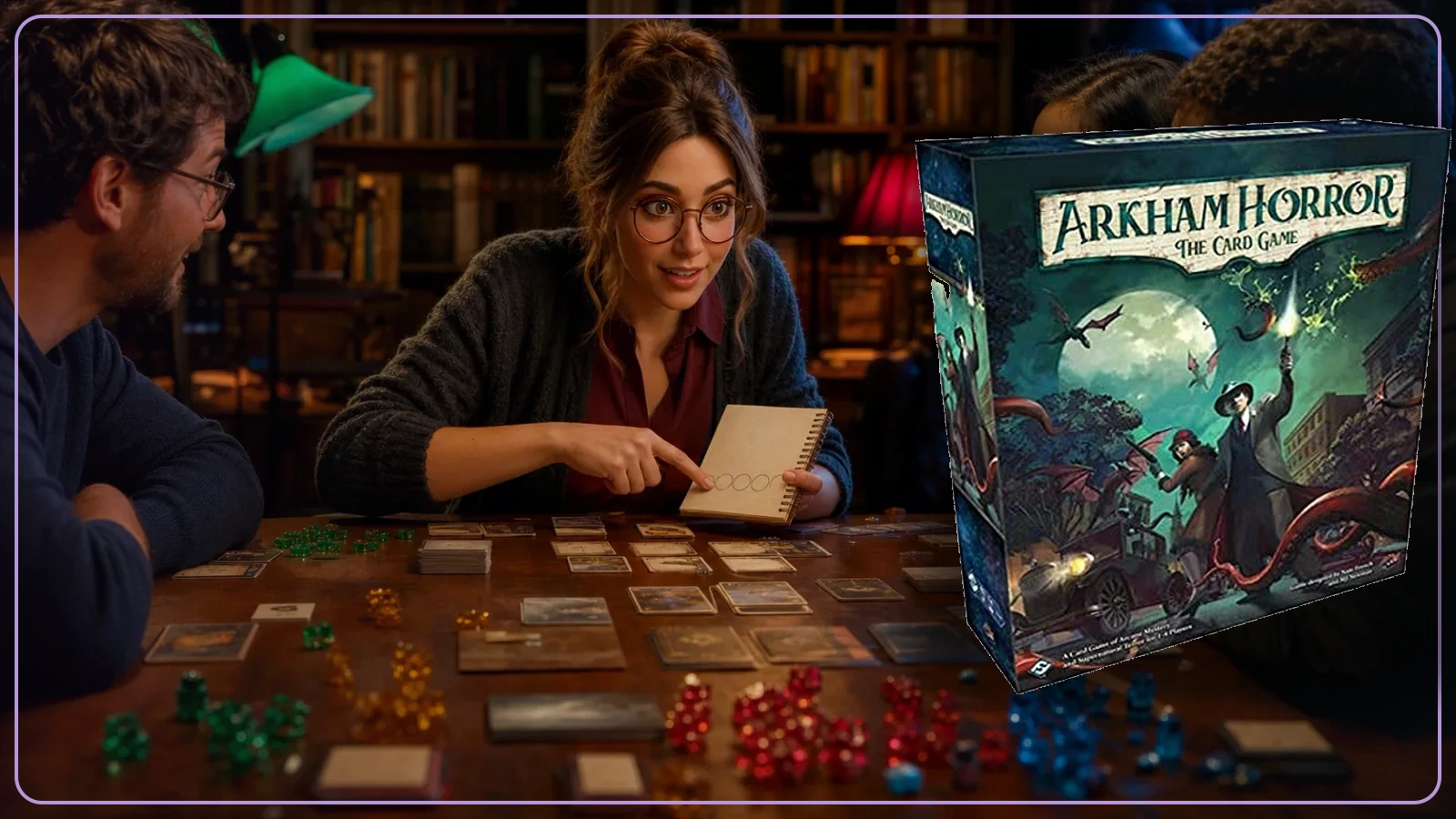
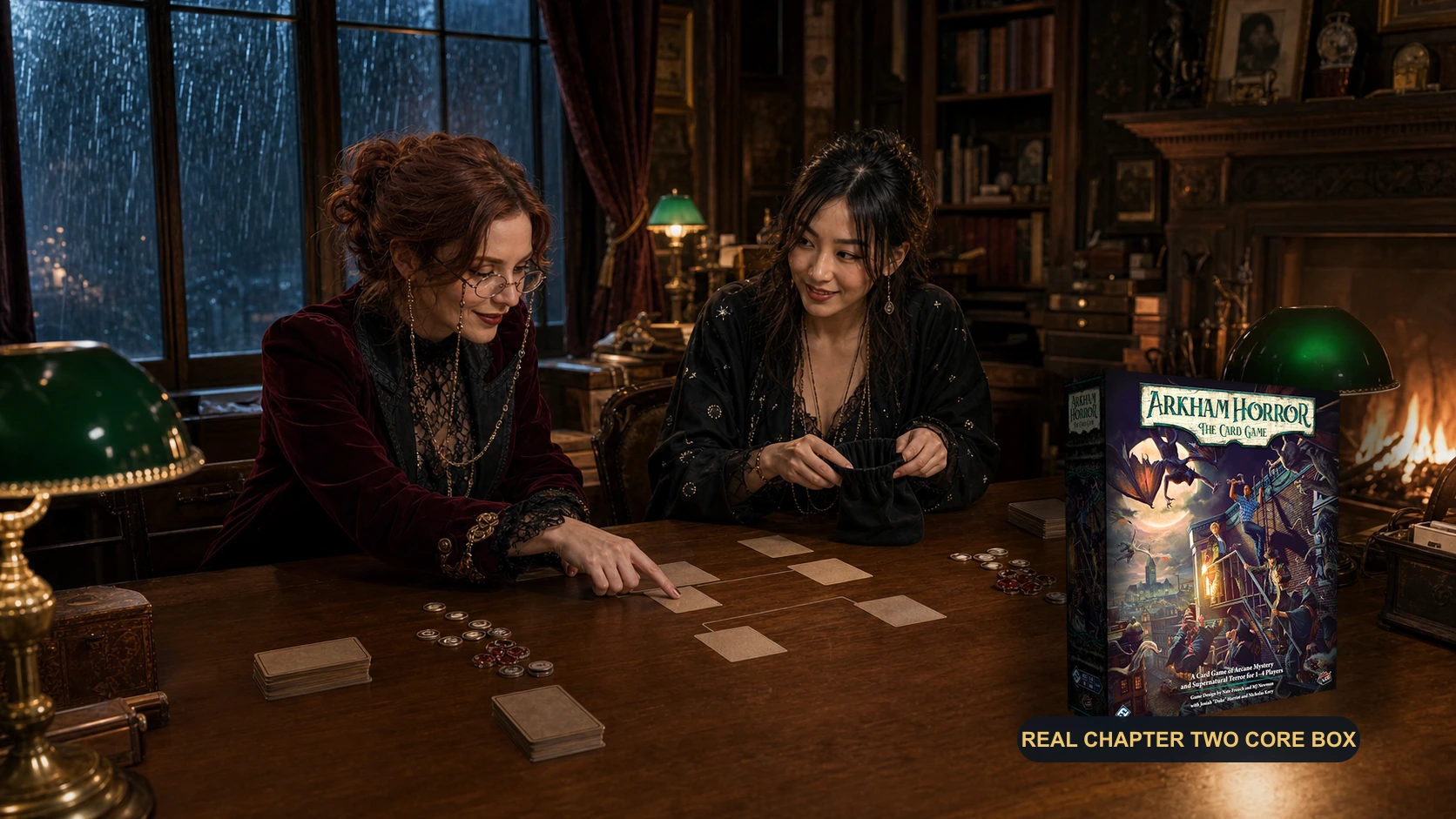
Buying order, investigator roles, and persistent campaign records grounded in the current Arkham Grimoire.
Enter the complete universe → Desk leadMargoThe Archivist Decision navigator
 Led by Margo · Updated 2026-08-18
Mark the Core and campaign material you own. The navigator separates a playable next purchase from duplicate cards, incomplete legacy cycles, and attractive boxes that cannot yet reach your table.
 Decision navigator
 Led by Keeper · Updated 2026-08-18
Choose a role, player count, and appetite for complexity to find a legal first-deck skeleton and a team shape that can actually collect clues, manage enemies, and survive treacheries.
 Persistent tracker
 Led by Margo · Updated 2026-08-18
A private, browser-saved campaign checklist for ownership, table readiness, scenario completion, trauma notes, and the one thing the group must remember next session.
Edition and extension control
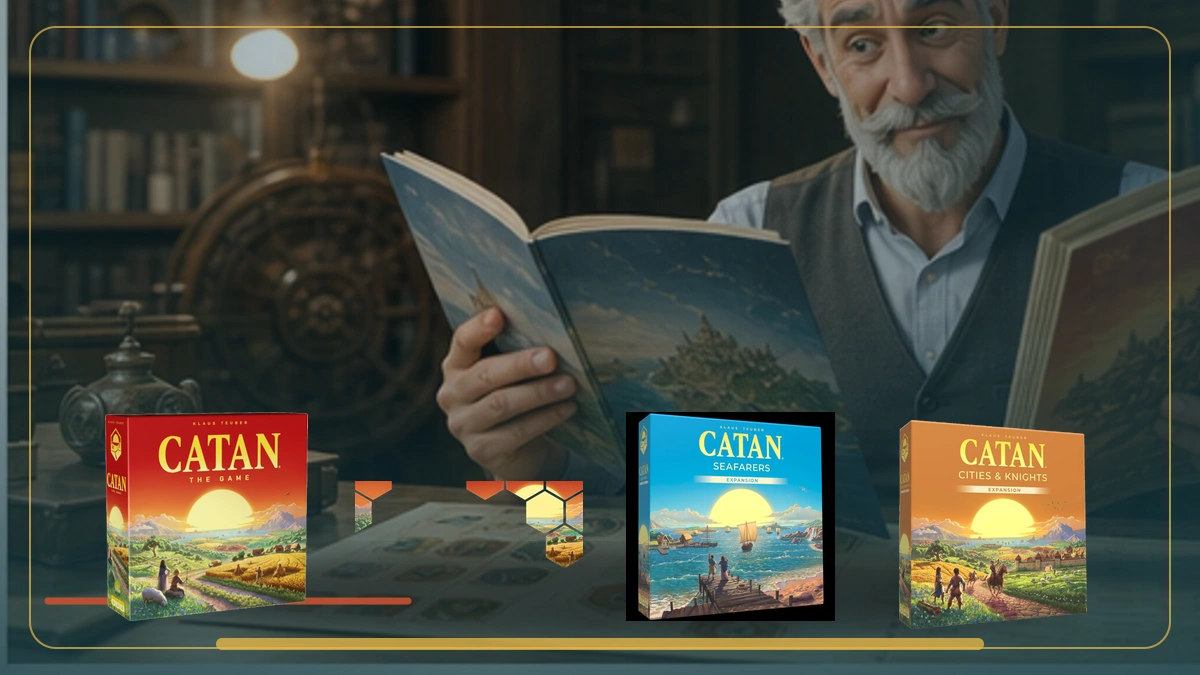
Identify the box family before Seafarers, Cities & Knights, or a player extension strands itself on the wrong island.
Enter the complete universe → Desk leadKenjiThe Sensei
  Decision navigator
 Led by Kenji · Updated 2026-08-18
Select your base edition, player count, and desired expansion. The decoder shows the exact base, expansion, and matching extension stack—without mixing fifth- and sixth-edition components by accident.
Expansion texture and kingdom craft
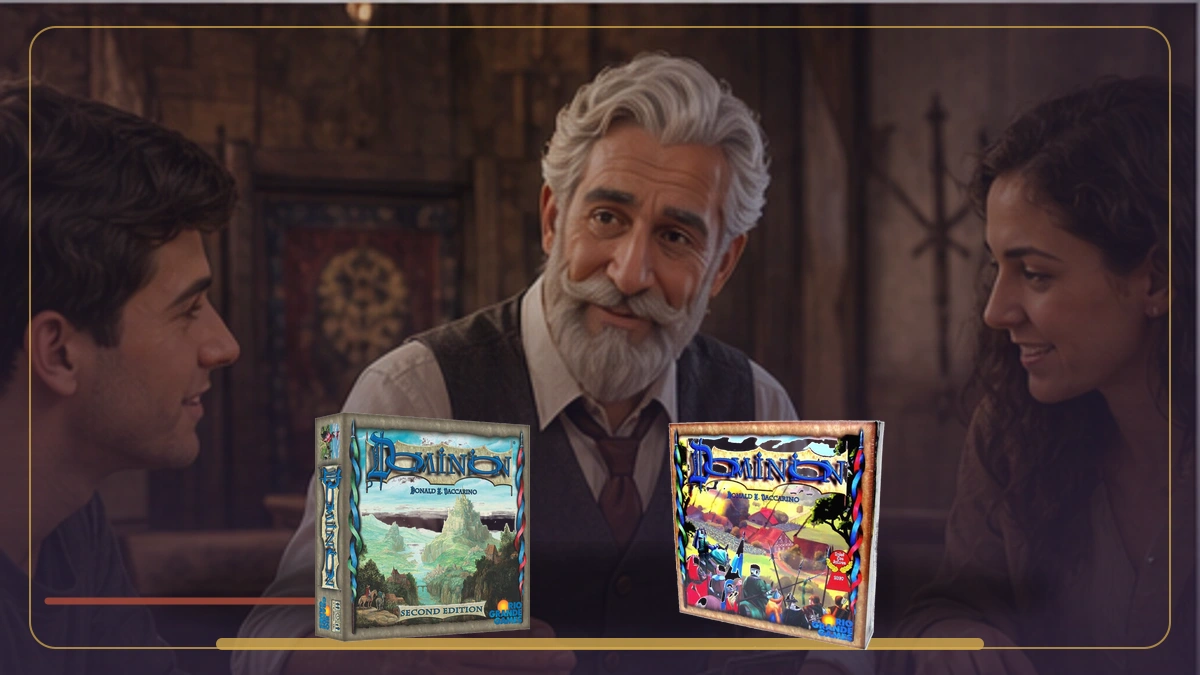
Choose the next mechanic deliberately, then turn boxes into balanced, reproducible kingdoms instead of a random card wall.
Enter the complete universe → Desk leadKenjiThe Sensei 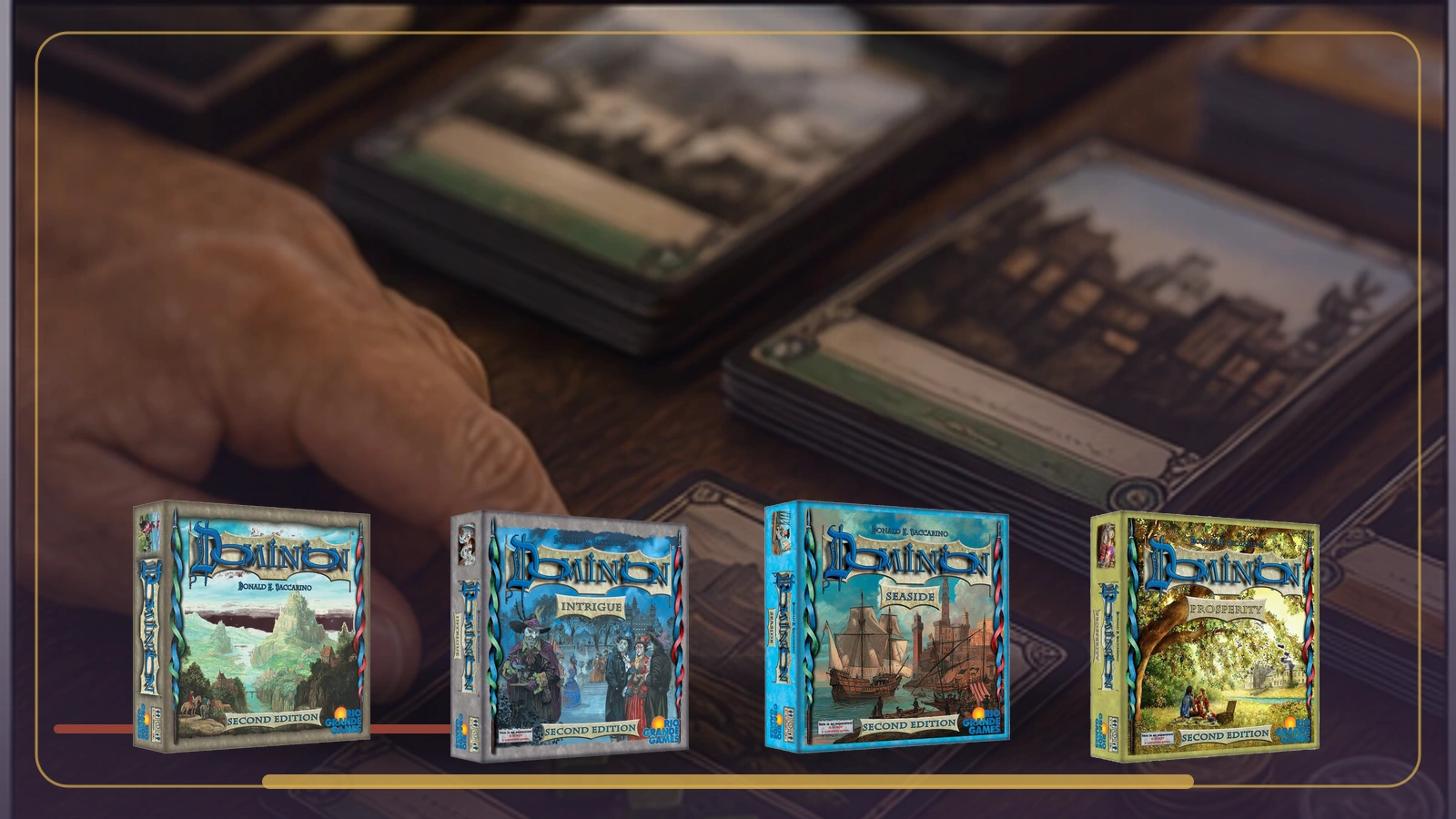 Decision navigator
 Led by Kenji · Updated 2026-08-18
Tell the cabinet how much interaction, complexity, duration play, and card text your table wants. The result points toward a first expansion and a teaching kingdom instead of an intimidating wall of boxes.
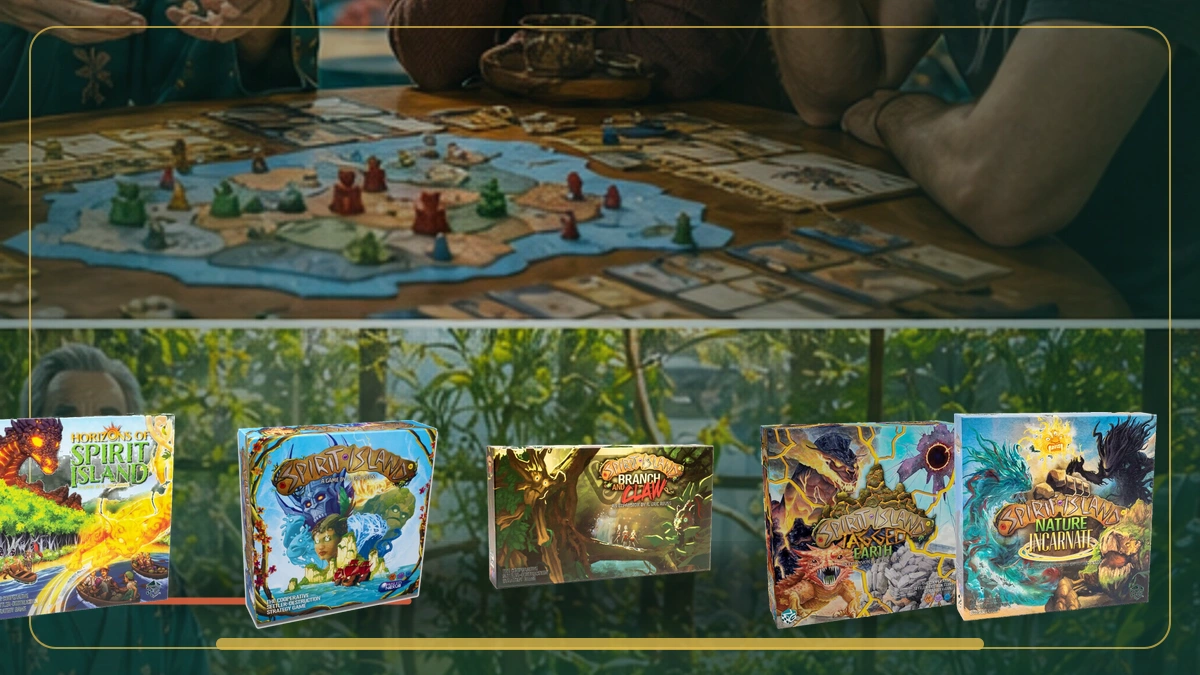
Complexity without the cliff
Raise spirit complexity, adversary pressure, events, and token systems one controlled step at a time.
Enter the complete universe → Desk leadImaniThe Connector
 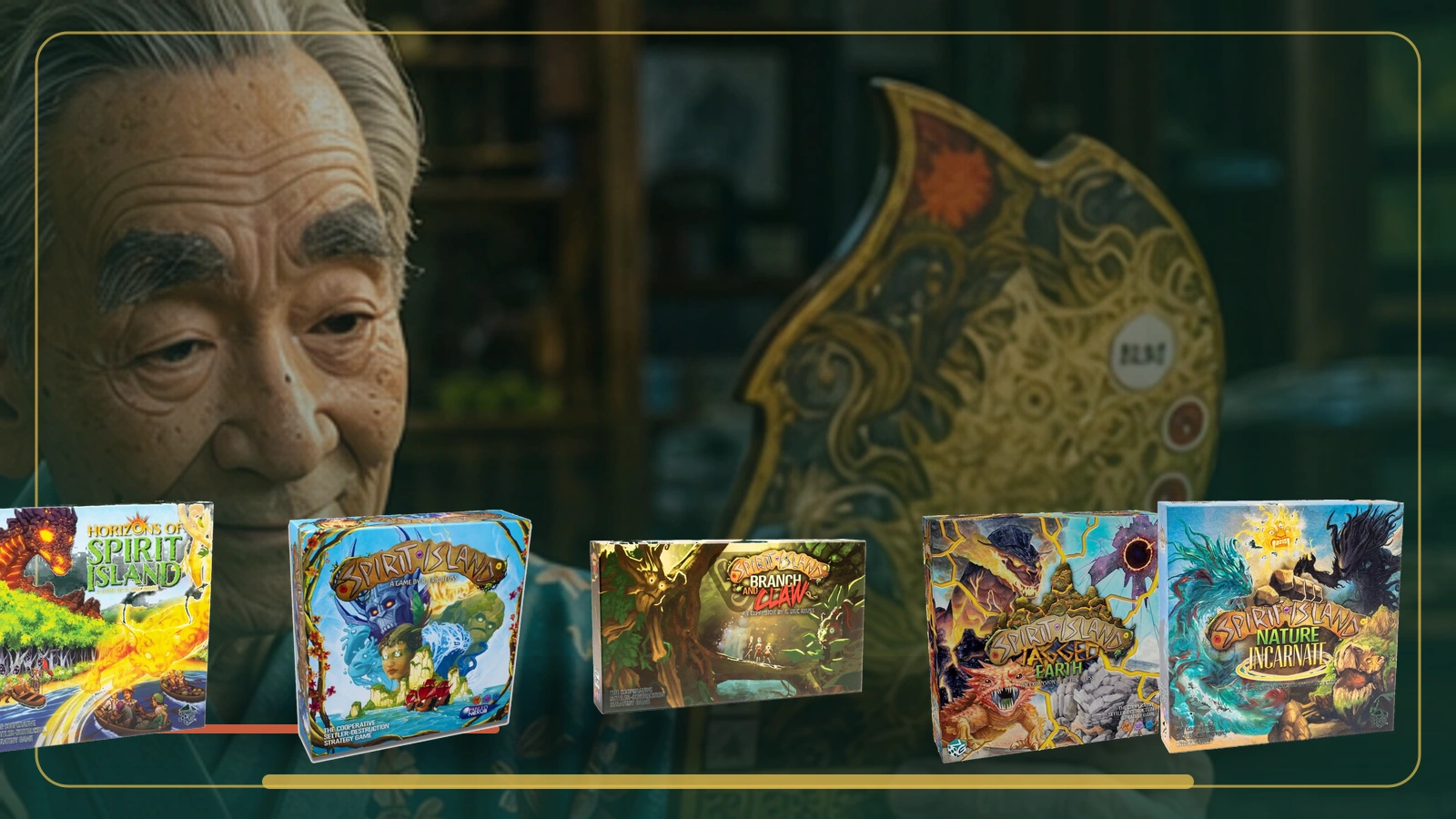 Decision navigator
 Led by Imani · Updated 2026-08-18
Choose experience, player count, and appetite for events, tokens, adversaries, and high-complexity spirits. The ladder builds a learning sequence that preserves the game’s magic instead of burying it.
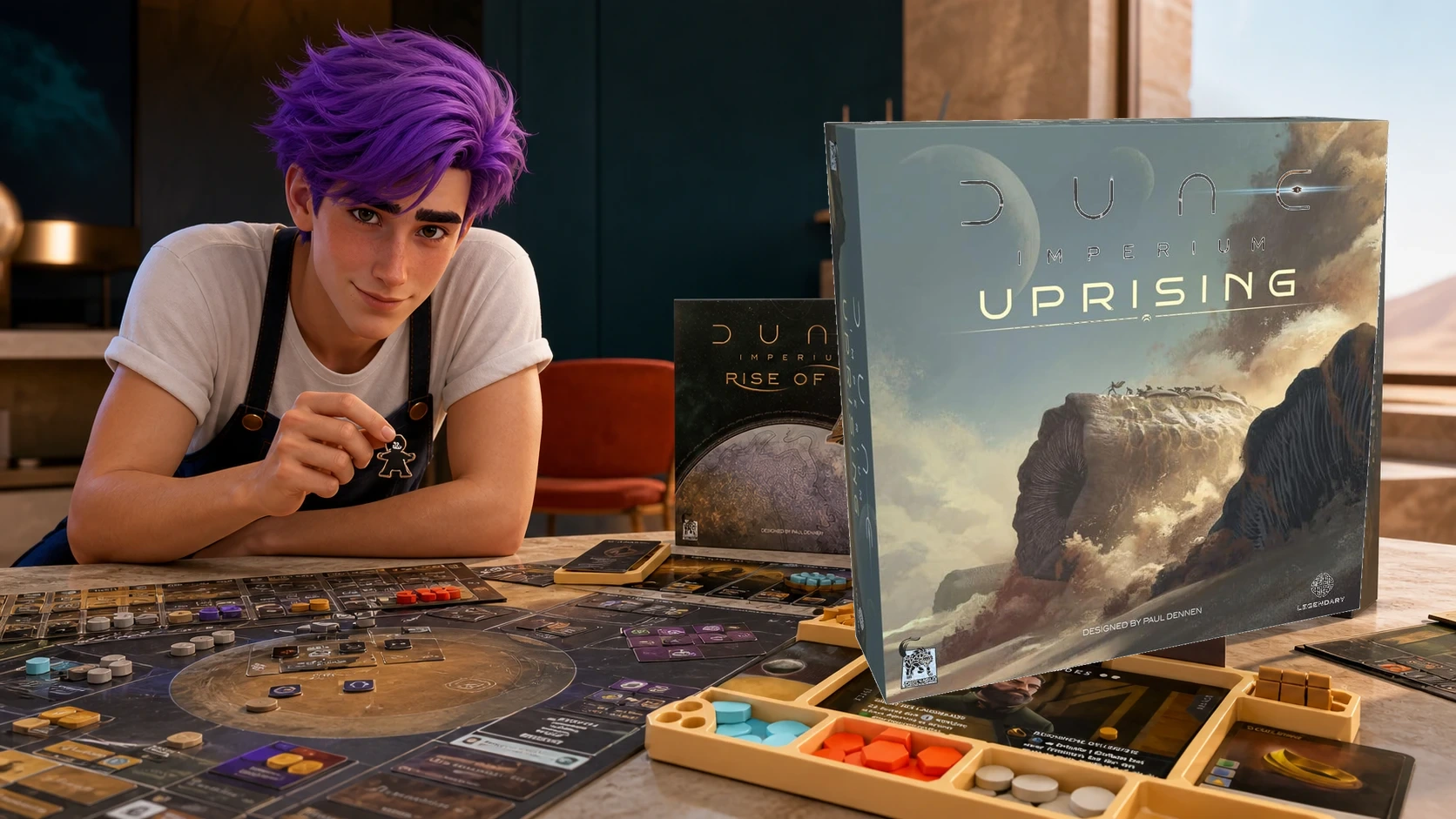
Foundation, modules, configuration
Separate Imperium from Uprising, understand what every module changes, and record an event-ready configuration.
Enter the complete universe → Desk leadDaxThe Critic
 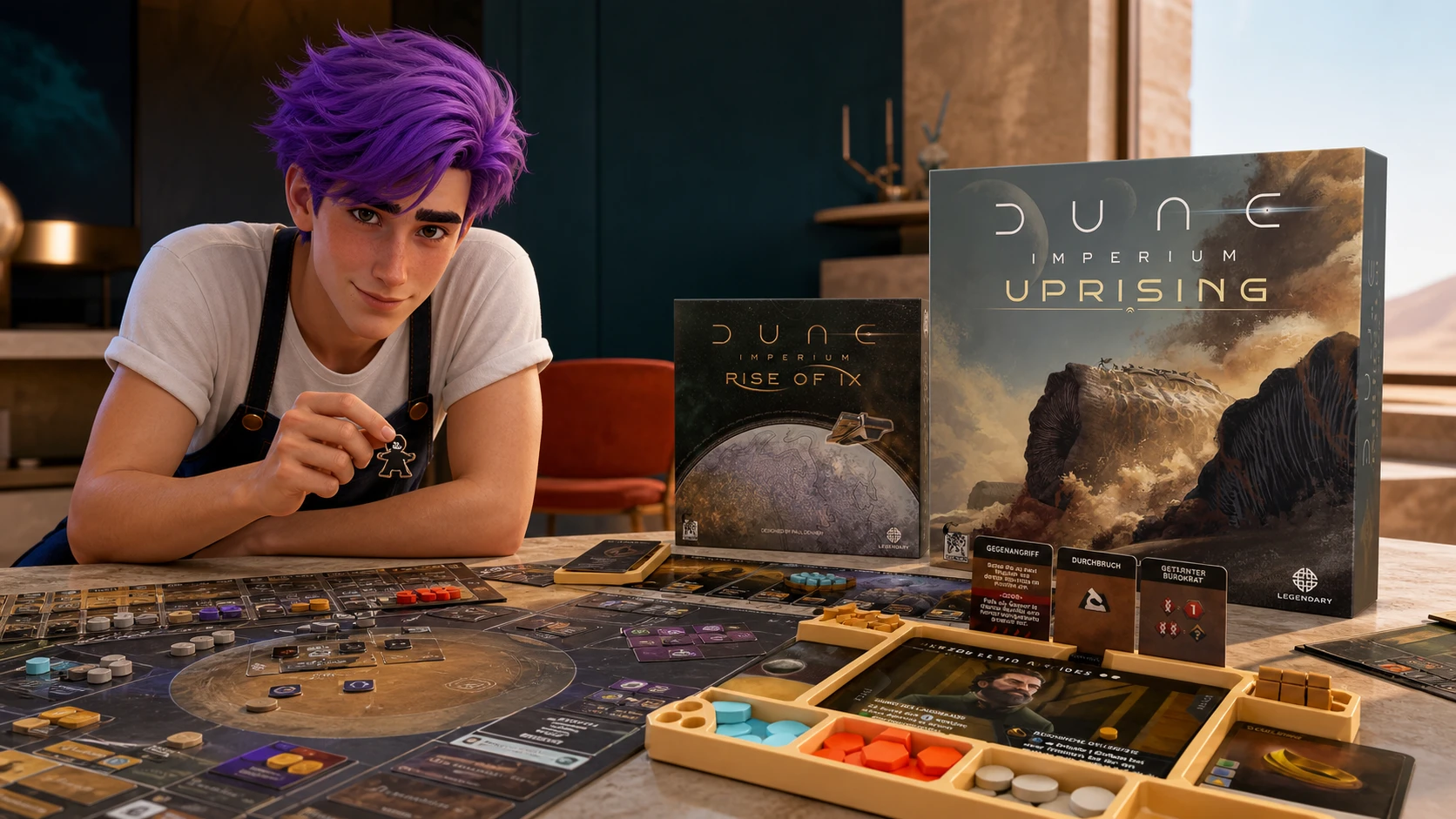 Decision navigator
 Led by Dax · Updated 2026-08-18
Choose Imperium or Uprising, then see which expansions add value, which combinations are officially supported, and where “technically compatible” stops being a recommendation.

Playable certainty before sealed spectacle
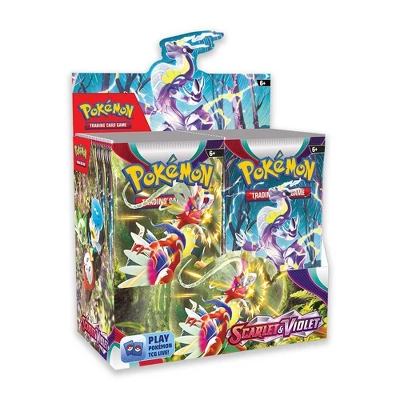
Price packs, grading, authenticity, accessories, legal deck certainty, and collector risk without pretending random pulls are a financial plan.
Enter the complete universe → Desk leadYumiThe Hostess
  Live calculator
 Led by Margo · Updated 2026-08-18
Compare starter decks, booster boxes, elite-style bundles, collection boxes, and singles by price per pack, guaranteed playable contents, accessory value, duplication risk, and whether the product advances a deck.
 Live calculator
 Led by Imani · Updated 2026-08-18
Compare raw value, expected graded value, all-in grading and shipping cost, and selling fees before a favorite card disappears into a slab submission.
 Table reference
 Led by Yumi · Updated 2026-08-18
A non-destructive inspection sequence for provenance, print comparison, physical warning signs, seller evidence, and the moment to stop experimenting and escalate.
Points, paint, logistics, event pack
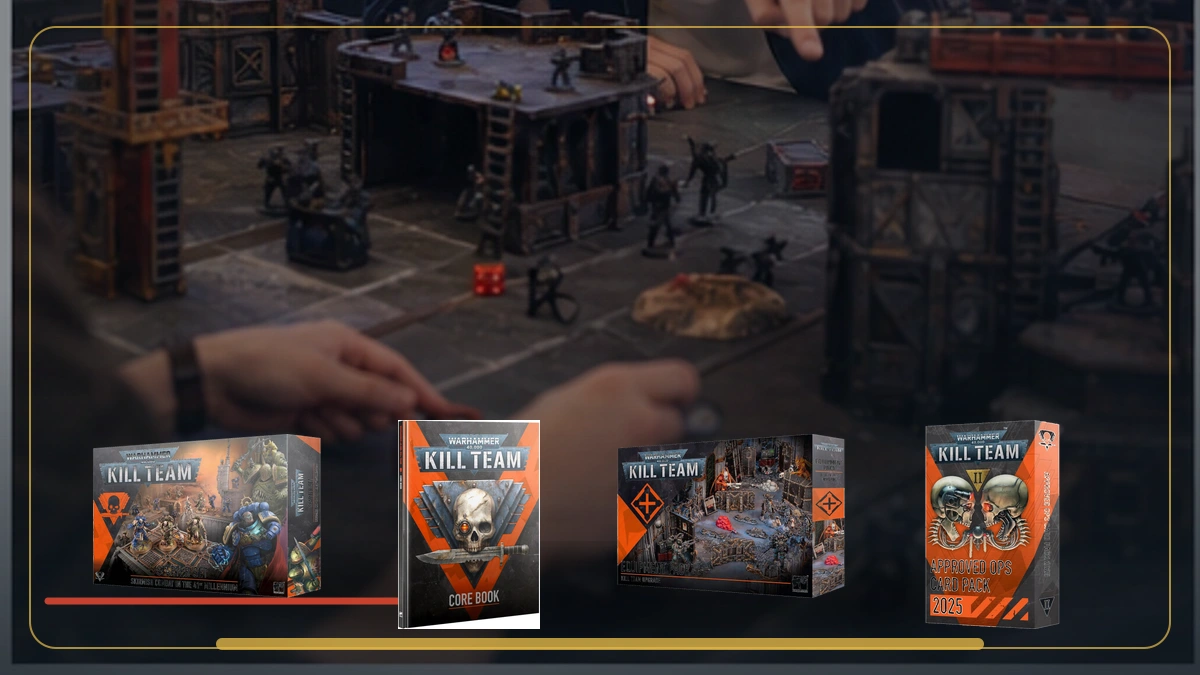
Turn boxes into one finished legal format, then grow by battlefield role with current points and a controlled backlog.
Enter the complete universe → Desk leadDaxThe Critic 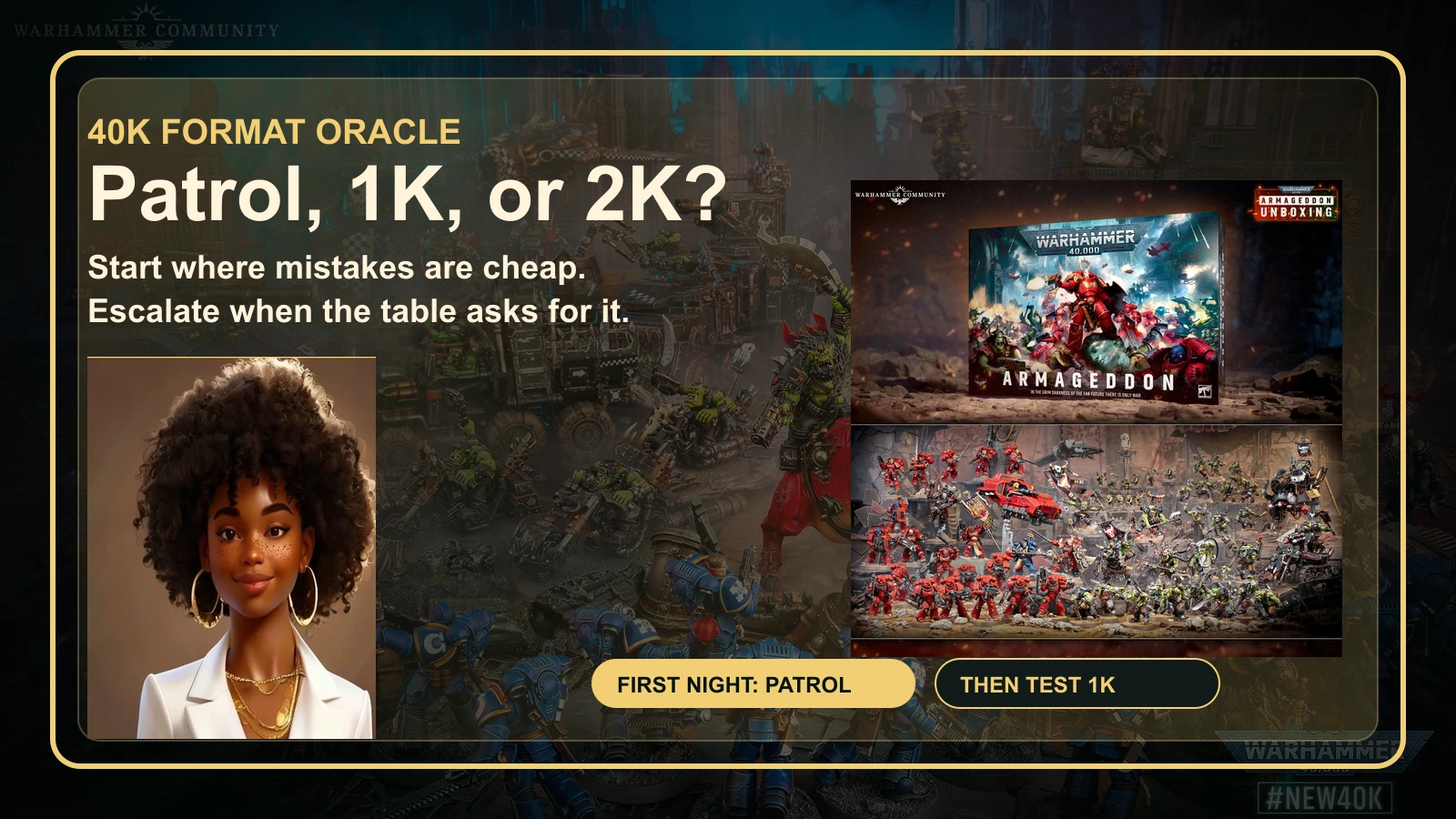 Live calculator
 Led by Dax · Updated 2026-08-18
Plan Combat Patrol, 1,000-point, and 2,000-point milestones around legal units, current rules, transport, paint capacity, opponent format, and total spend—not an attractive pile of unrelated boxes.
The shelf exists before bag one
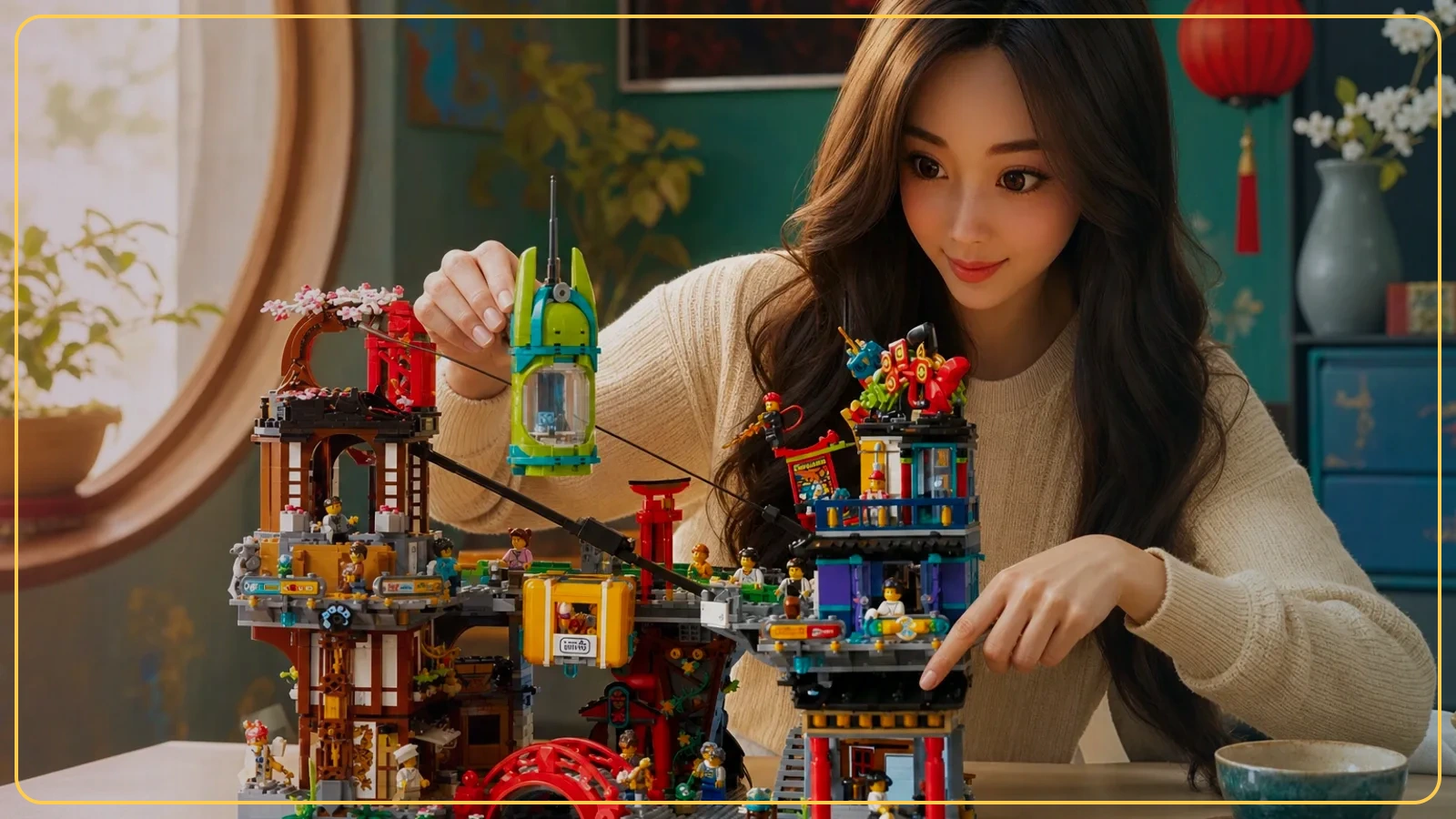
Convert finished dimensions and piece counts into build sessions, handling clearance, lighting, dust access, and a safe permanent display.
Enter the complete universe → Desk leadYumiThe Hostess 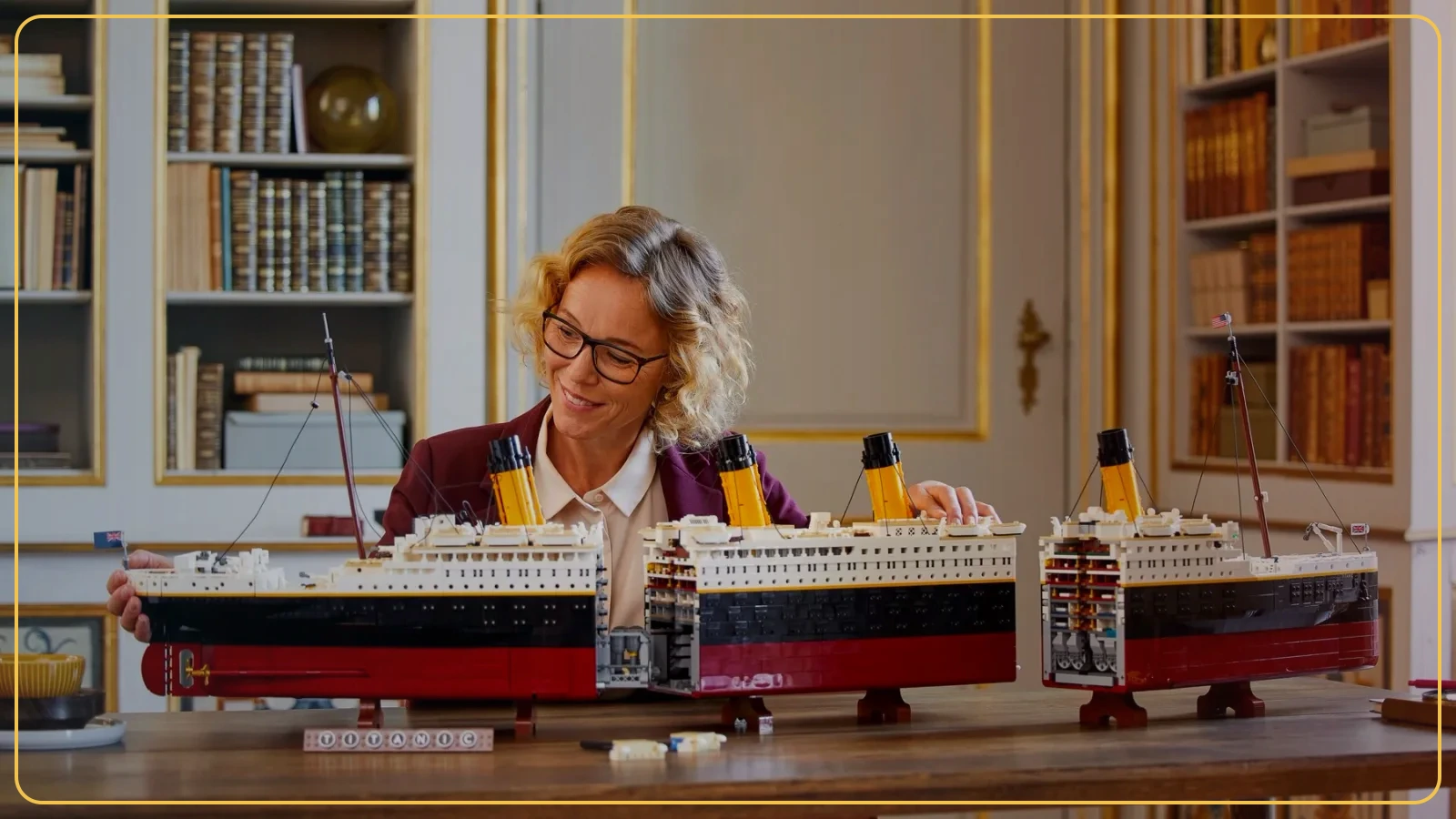 Live calculator
 Led by Yumi · Updated 2026-08-18
Estimate shelf width, depth, height, build sessions, dust access, lighting clearance, moving risk, minifigure display, and the cost of making a massive set look intentional.
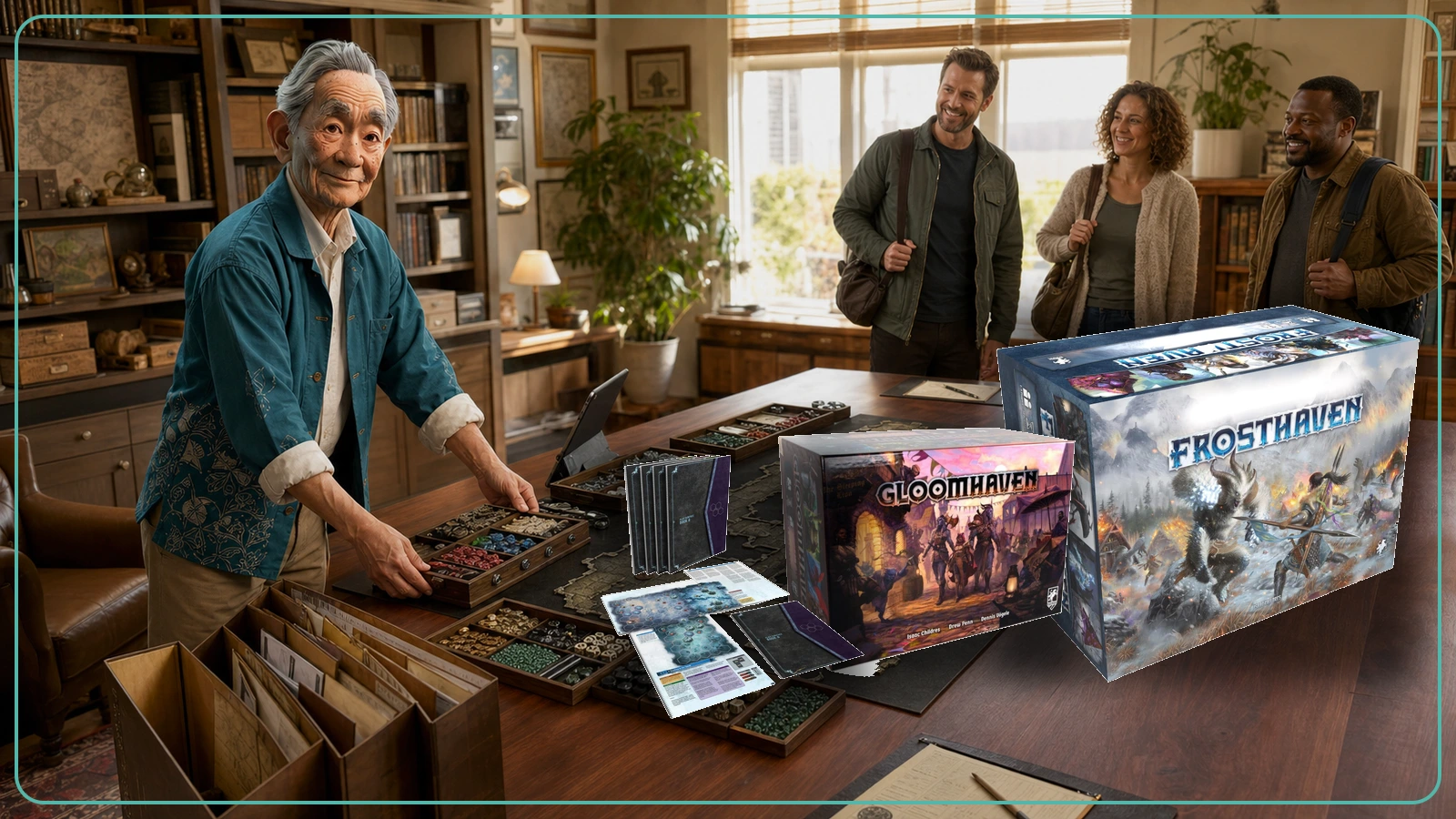
Keep the group and the product line coherent
Choose expansion order for a named reason and preserve the people, state, rules, and reset work that carry a campaign between nights.
Enter the complete universe → Desk leadImaniThe Connector 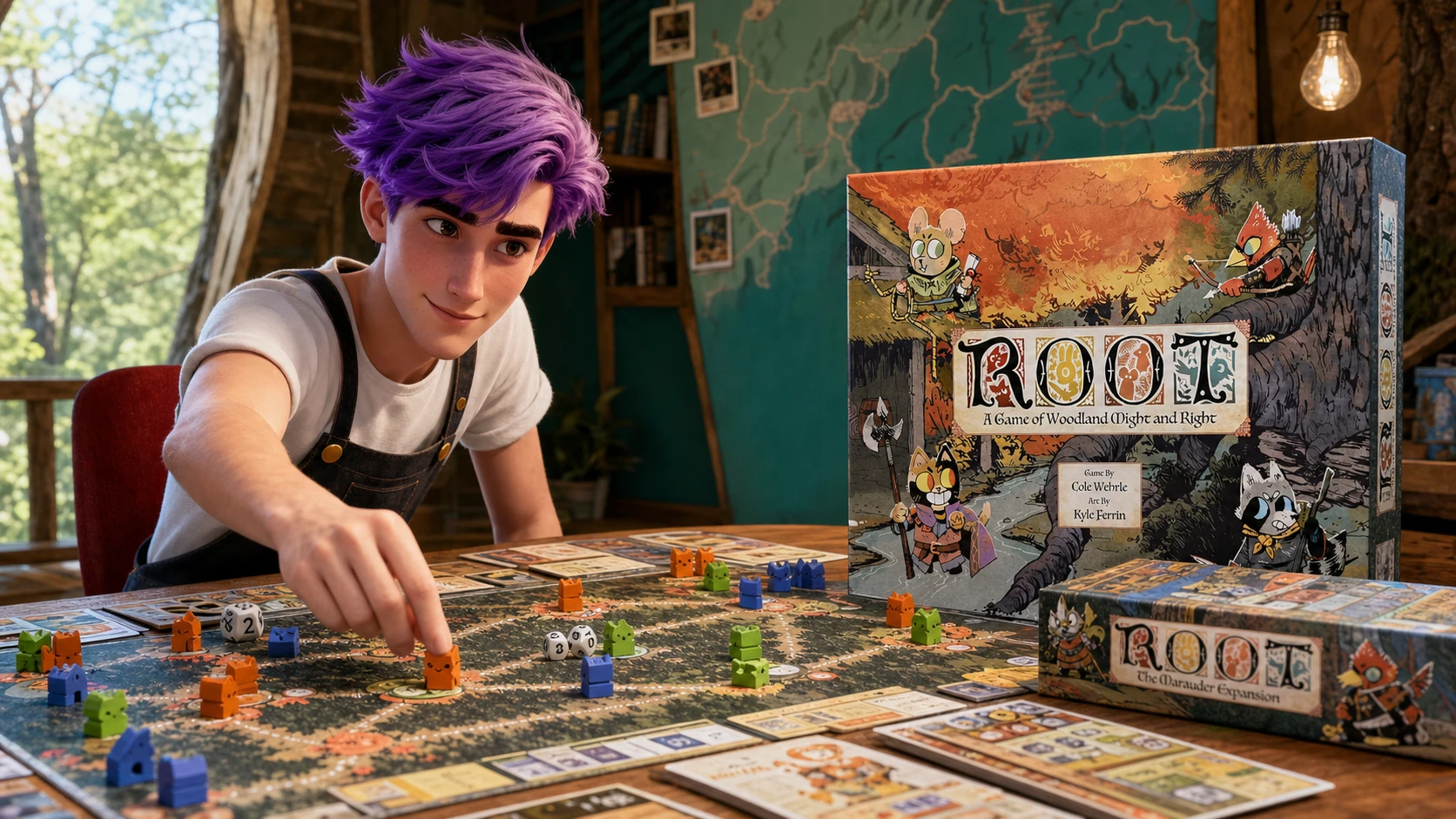 Decision navigator
 Led by Yumi · Updated 2026-08-18
Choose a game family, table mood, player count, and tolerance for rules overhead. The builder returns a first expansion, a later expansion, and the box to skip until the table asks for it.
Persistent tracker Led by Imani · Updated 2026-08-18
A browser-saved host board for attendance, characters, next scenario, unresolved rules, campaign state, component reset, food plan, and the message that gets everyone back to the table.
Nine systems that travel between games
Protection, value, teaching, icon translation, table fit, collection control, version identity, and evidence synthesis for the entire cabinet.
 Desk leadKeeperThe Keeper
  Live calculator
 Led by Dax · Updated 2026-08-18
Choose a game, expansion load, spare percentage, and pack size. Puzzlewick calculates sleeves and packs, then names the storage penalty most buying guides forget.
 Live calculator
 Led by Dax · Updated 2026-08-18
Price is only the opening bid. Calculate cost per player-hour after expansions, insert, sleeves, completion odds, group size, resale assumptions, and the number of sessions your table can honestly schedule.
 Table reference
 Led by Yumi · Updated 2026-08-18
Build a printable teach card around five things players actually need: the table promise, how to win, what happens on a turn, what matters now, and the mistake to avoid in round one.
 Table reference
 Led by Kenji · Updated 2026-08-18
A printable glossary framework for turning recurring icons into plain-language actions, timing windows, and one concrete example. Start with the symbols the table must share—not every mark in the box.
 Live calculator
 Led by Keeper · Updated 2026-08-18
Enter board dimensions, player count, card zones, sideboards, and drinks clearance. The planner estimates a comfortable footprint and names the components most likely to spill into someone’s lap.
Persistent tracker Led by Keeper · Updated 2026-08-18
Score games by player-count fit, teach burden, setup time, replay demand, last played, sentimental value, replacement difficulty, and whether anyone actually asks for them.
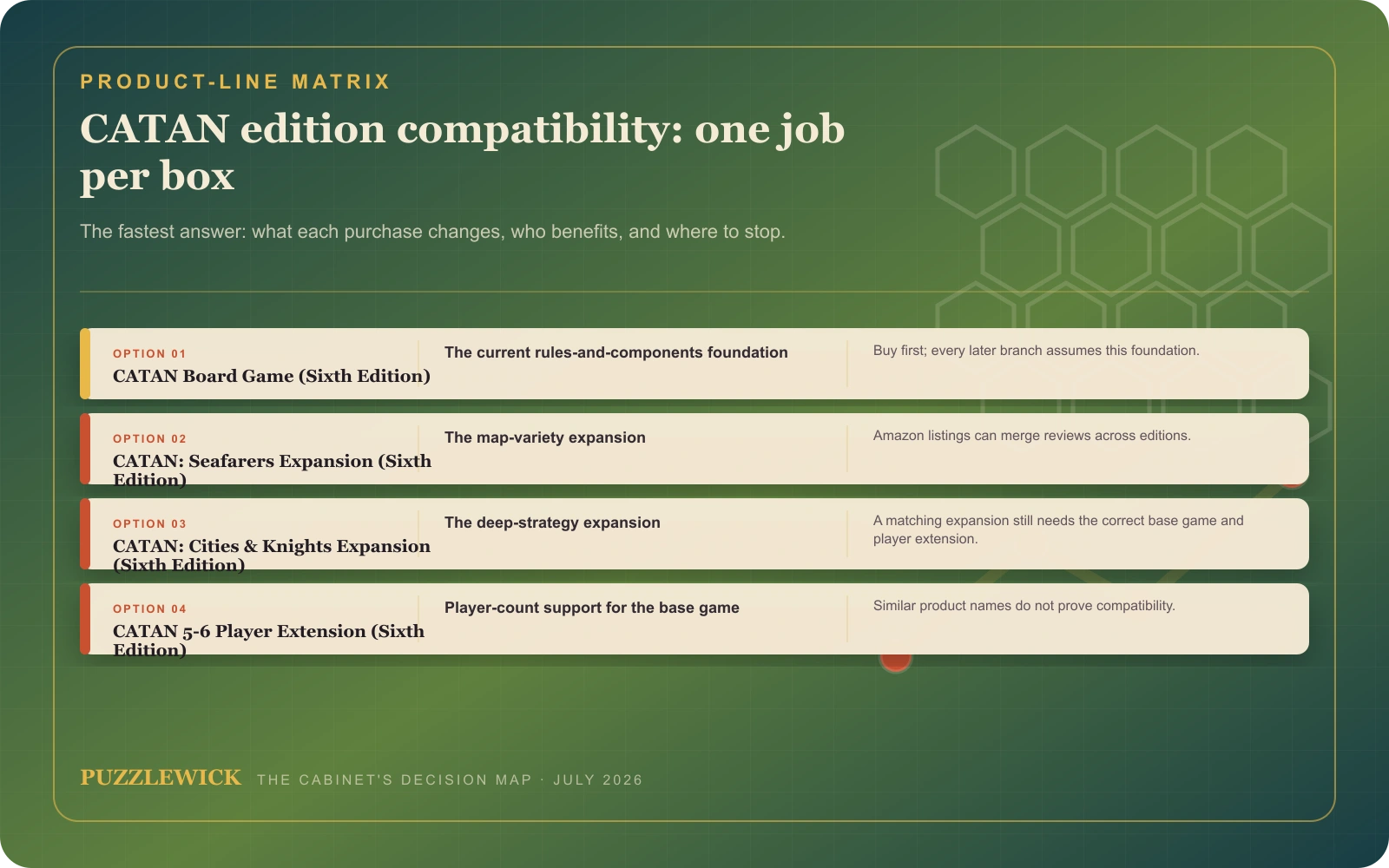 Table reference
 Led by Margo · Updated 2026-08-18
Compare publication year, publisher, SKU, player count, rules changes, component changes, compatibility, language, replacement status, and whether a listing is an edition, printing, expansion, or different game.
 Persistent tracker
 Led by Imani · Updated 2026-08-18
A repeatable research desk for separating recurring owner patterns from launch hype: best counts, setup pain, replay value, expansion need, durability, teach friction, and the complaint that persists after the honeymoon.
No exact match
Examples: “Arkham,” “expansion,” “sleeves,” “campaign,” “collection,” or “table space.”
Questions about the workshop
Yes. Every tool on this page is free to use in a modern browser, requires no account, and keeps private session notes on the device unless you choose to download them.
No. They turn common buying, setup, compatibility, tracking, and table-planning questions into usable decisions. Each tool links to the current publisher, rules, FAQ, or organized-play authority that should settle an exact ruling.
The current library covers Arkham Horror, CATAN, Dominion, Spirit Island, Dune, Pokemon, Warhammer, LEGO, Gloomhaven and Frosthaven, plus universal tabletop tools for sleeves, table space, editions, grail purchases, teaching, and collection audits.
Yes. Every tool has direct sharing controls and can produce a printable field aid. Interactive tools can also copy or download the current result so a group can agree before game night.
Puzzlewick checks primary rules and manufacturer material, then uses community patterns to identify recurring problems. Robert Pruitt, founder and editorial director, reviews the recommendation boundaries and source trail.
Some tools show optional products discussed by the resource. Those buttons go to exact Amazon product pages and may earn Puzzlewick a commission at no extra cost to the buyer.

The fortune-teller's table
“The orbs surface what the record favors. Three rose for you — verified, every one.”— Margo, The Archivist
 ✦ a little gift from the table