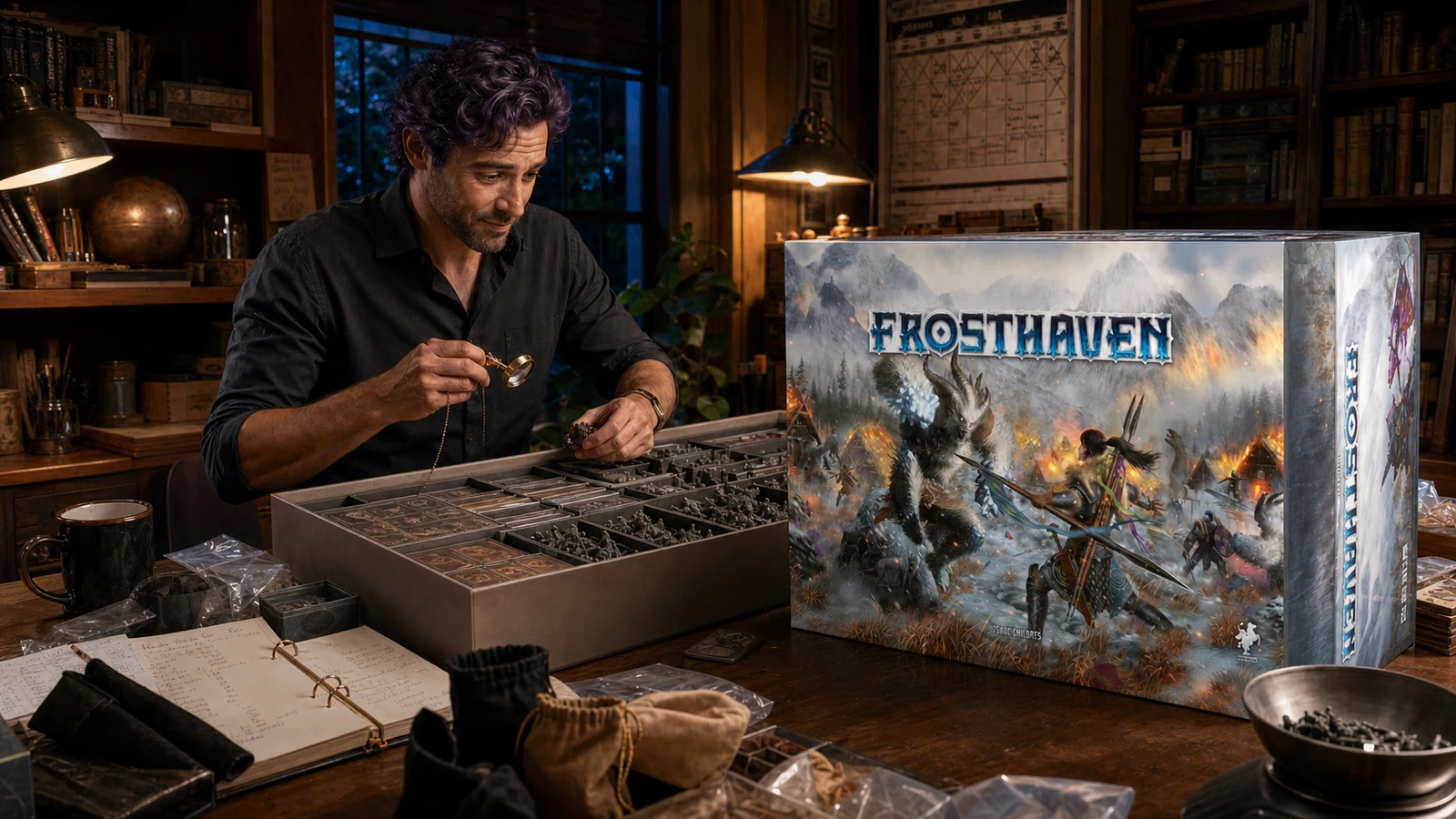
Robert asks the shelf one uncomfortable question
Board Game Collection Audit and Table Selector
Score games by player-count fit, teach burden, setup time, replay demand, last played, sentimental value, replacement difficulty, and whether anyone actually asks for them.
 KeeperThe Keeper
 Answer first
What this tool solves before the table opens.
Score games by player-count fit, teach burden, setup time, replay demand, last played, sentimental value, replacement difficulty, and whether anyone actually asks for them.
Find what the group will play now Filter by real player count, teach tolerance, time, and who actively asks for the game.
A restorable case log with XP, trauma, chaos-bag state, and the next setup action
BoardGameGeek: collection and play logging fields remains the current authority.
Your working copy
Mark it here. This browser remembers.
Need more precision?
Start simple. Add detail only when the table needs it.
The tool above already gives a usable answer. These modes add campaign, serious-table, or expert checks without erasing your work.
Fast, legal, playable
Find what the group will play now
Filter by real player count, teach tolerance, time, and who actively asks for the game.
- Record best real count
- Name the game champion
- Create a play-soon shelf
Ready when
Every keep, play-soon, sell, donate, or archive decision has one honest reason tied to table demand, sentiment, replacement difficulty, or use.What this tool assumes
A collection is not an efficiency contest. Sentimental and archival value are valid when named openly.Keeper's table briefing
The tool has a point of view. The rules still get the final word.
“A shelf is allowed to keep memories. It is not required to keep excuses.”
Keeper is the fictional cabinet voice presenting this desk. Robert Pruitt owns the research, source review, and editorial judgment; the linked publisher material remains authoritative.


Physical table kit
The exact products this desk is talking about.
Real product photographs and exact retailer pages from the related Puzzlewick buying guides. Products are optional unless the tool explicitly identifies a required foundation.
Puzzlewick may earn from qualifying purchases, including as an Amazon Associate, at no extra cost to you. Prices and availability change at checkout.
 01 · Direct product
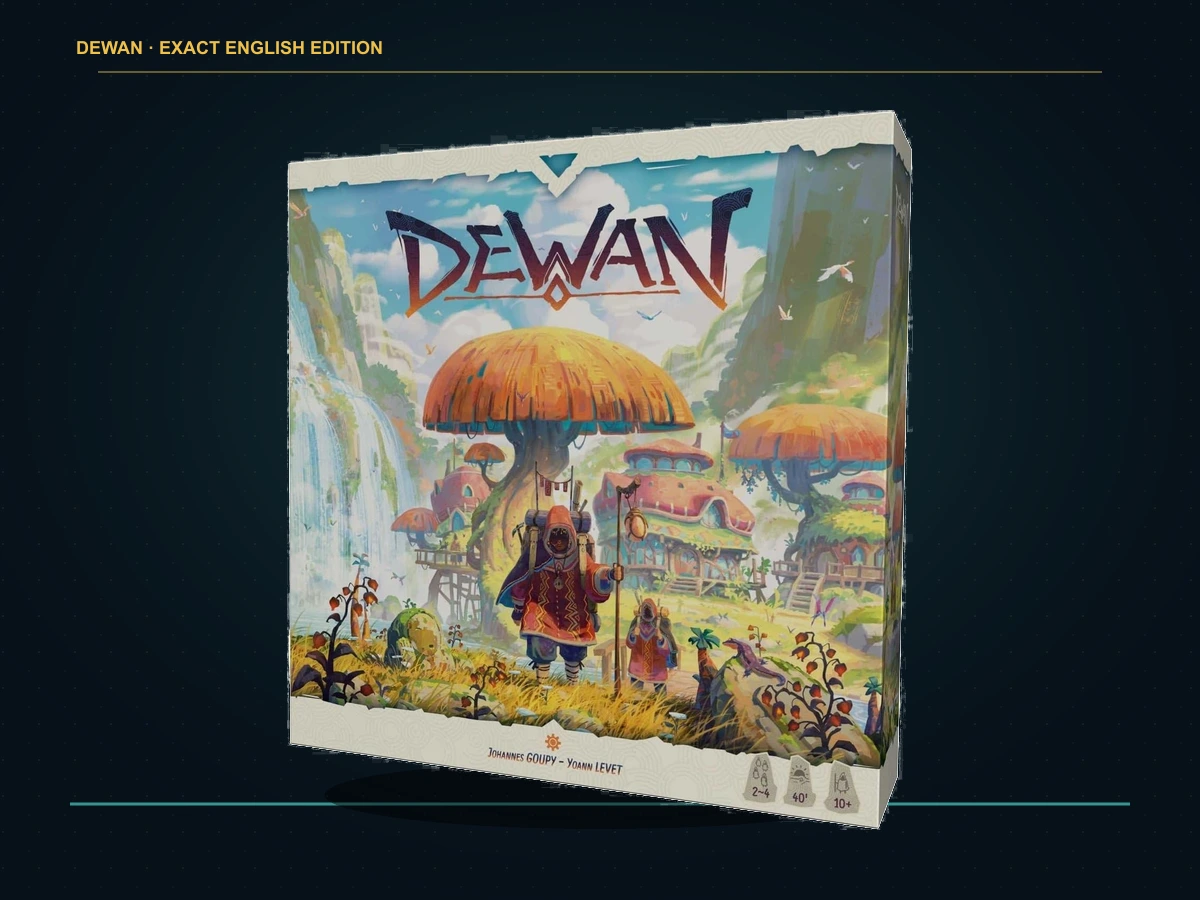
 Dewan - English Edition
Robert buys the route puzzle, not the chart position.
View exact product on Amazon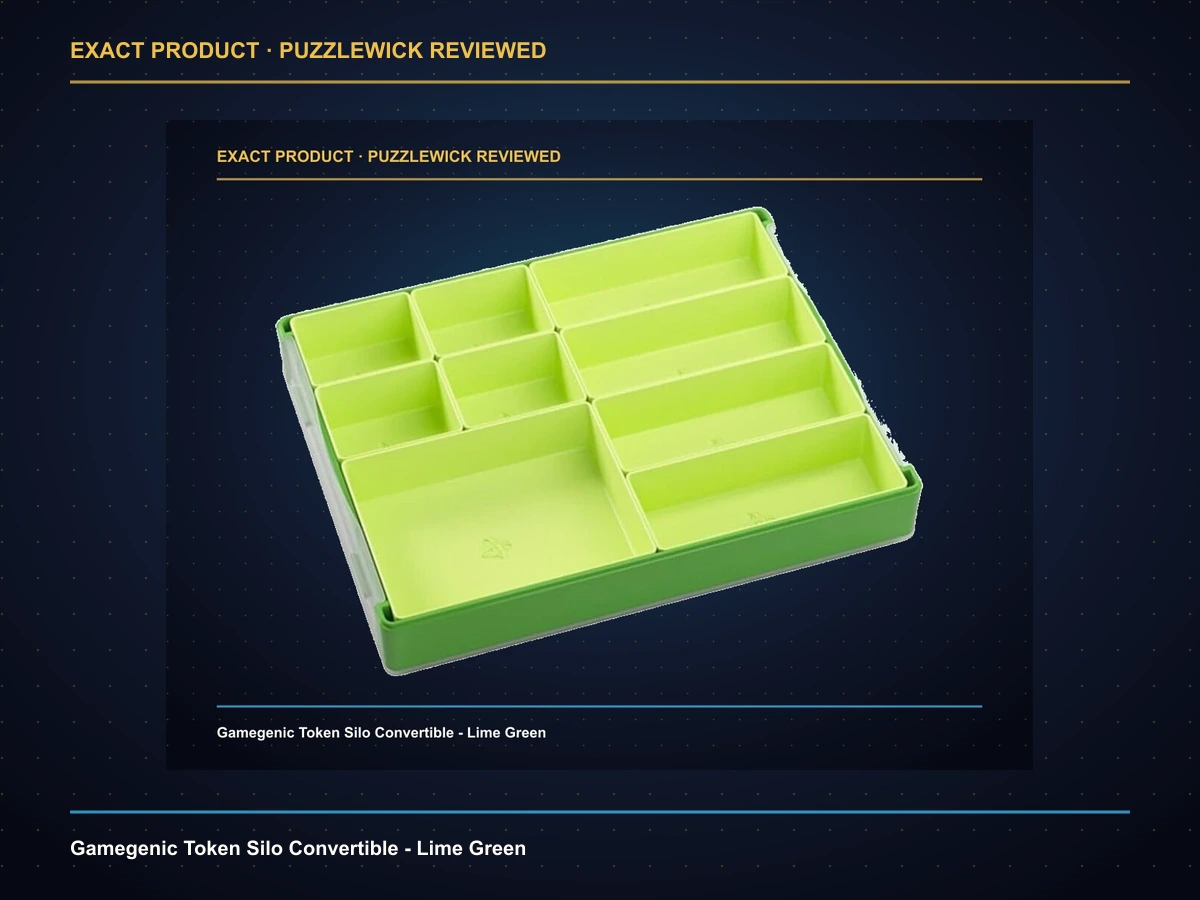 02 · Direct product
 Gamegenic Token Silo Convertible - Lime Green
Robert uses this when sorting is part of every turn, not merely setup.
View exact product on Amazon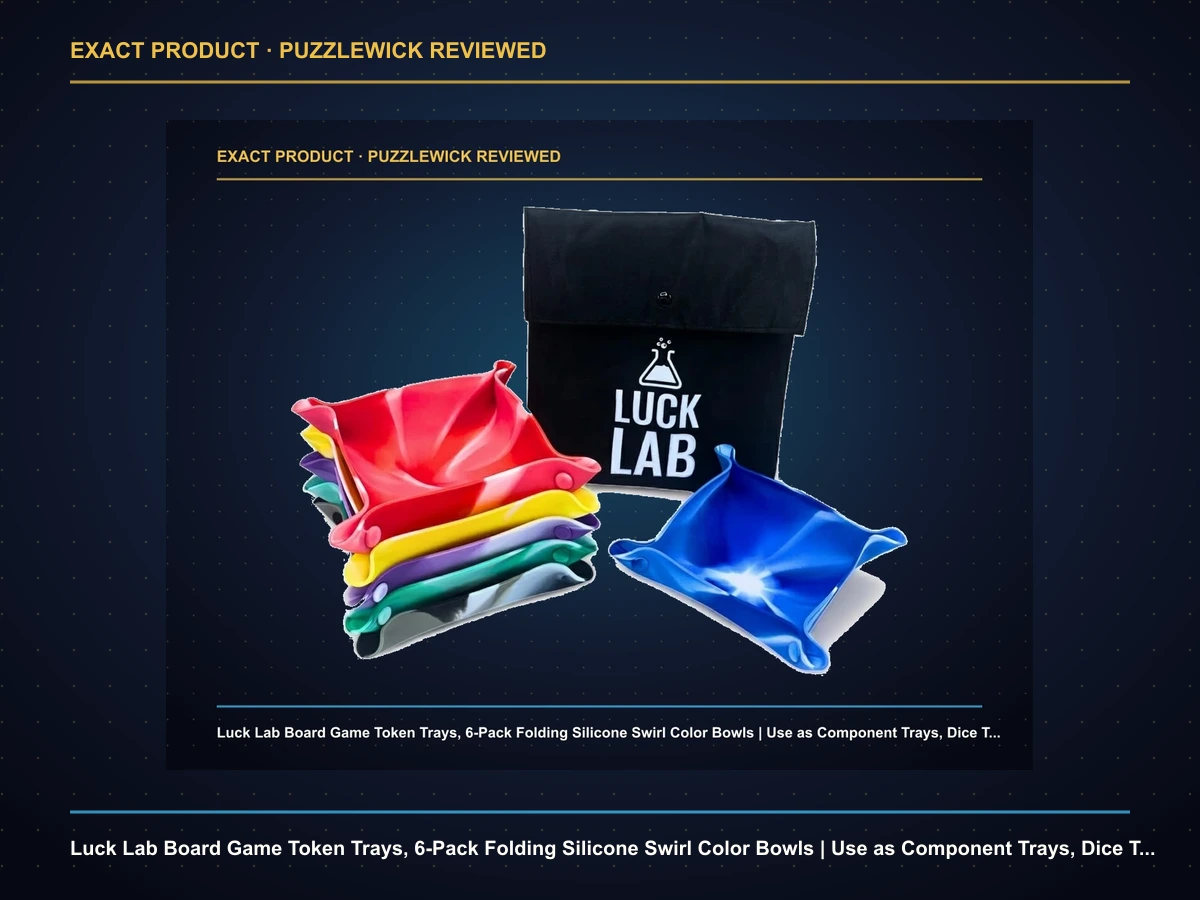 03 · Direct product
 Luck Lab Board Game Token Trays, 6-Pack Folding Silicone Swirl Color Bowls | Use as Component Trays, Dice T...
A small bowl is excellent when it removes ten small interruptions.
View exact product on AmazonPuzzlewick field cards
The useful part belongs beside the board.
Play signal
Track demand, not guilt
Last played matters, but “who asks for it?” is more useful. A seasonal favorite can deserve a shelf despite low annual plays.
- Record best real player count
- Separate teach time from play time
- Mark the person who champions it
Keep signal
Sentimental and irreplaceable are valid
A collection is not an efficiency contest. Mark memories, signed copies, out-of-print editions, and family history openly rather than disguising them as strategy value.
- Display pieces can earn display space
- A replacement cost is not a resale value
- Keep one reason, not five excuses
Exit signal
Move duplicates and dead formats first
Duplicate editions, incomplete expansion systems, games no current group enjoys, and boxes replaced by a definitive edition are the cleanest exits.
- Redirect old guide URLs; do not create reader dead ends
- Donate teachable games with complete components
- Photograph and inventory before selling
Keep the useful version
Print it, download it, or send it to the table.
The downloaded field note includes your selections and checklist state. Private notes stay in this browser unless you download them.
Fast rulings before the table
Common questions, answered without the forum fog.
Should an unplayed sentimental game be removed?
Not automatically. Sentimental, archival, signed, family, and irreplaceable value are valid when named honestly and given intentional space.
What should leave first?
Duplicate editions, incomplete systems, dead formats, replaced boxes, and games no current group requests are the cleanest first exits.
Is the Collection Audit an official publisher tool?
No. It is an independent Puzzlewick planning aid checked against BoardGameGeek: collection and play logging fields. When the tool and current publisher material differ, the publisher rulebook, FAQ, errata, or event packet controls.
How current is the Collection Audit?
Its evidence date is 2026-08-18. Recheck the linked current authority after a new edition, FAQ, points update, rotation, app update, or event packet.