Imani turns twenty loud opinions into one honest pattern
Board Game Community Consensus Dashboard
A repeatable research desk for separating recurring owner patterns from launch hype: best counts, setup pain, replay value, expansion need, durability, teach friction, and the complaint that persists after the honeymoon.
 ImaniThe Connector
 Answer first
What this tool solves before the table opens.
A repeatable research desk for separating recurring owner patterns from launch hype: best counts, setup pain, replay value, expansion need, durability, teach friction, and the complaint that persists after the honeymoon.
Separate facts from reactions Official rules define the product; reviews interpret it; owner discussions reveal recurring use friction.
A restorable case log with XP, trauma, chaos-bag state, and the next setup action
Puzzlewick: evidence and editorial methodology remains the current authority.
Your working copy
Mark it here. This browser remembers.
Need more precision?
Start simple. Add detail only when the table needs it.
The tool above already gives a usable answer. These modes add campaign, serious-table, or expert checks without erasing your work.
Fast, legal, playable
Separate facts from reactions
Official rules define the product; reviews interpret it; owner discussions reveal recurring use friction.
- Label source type
- Date the sample
- Preserve one meaningful disagreement
Ready when
Official facts, structured reviews, long-term owner reports, store issues, dissent, source dates, and confidence are visibly separated.What this tool assumes
A loud post is not consensus. Repeated detailed patterns across independent sources earn more weight than ratings alone.Imani's table briefing
The tool has a point of view. The rules still get the final word.
“Consensus is a repeated pattern with dates, not the loudest post in the room.”
Imani is the fictional cabinet voice presenting this desk. Robert Pruitt owns the research, source review, and editorial judgment; the linked publisher material remains authoritative.

Physical table kit
The exact products this desk is talking about.
Real product photographs and exact retailer pages from the related Puzzlewick buying guides. Products are optional unless the tool explicitly identifies a required foundation.
Puzzlewick may earn from qualifying purchases, including as an Amazon Associate, at no extra cost to you. Prices and availability change at checkout.
 01 · Direct product
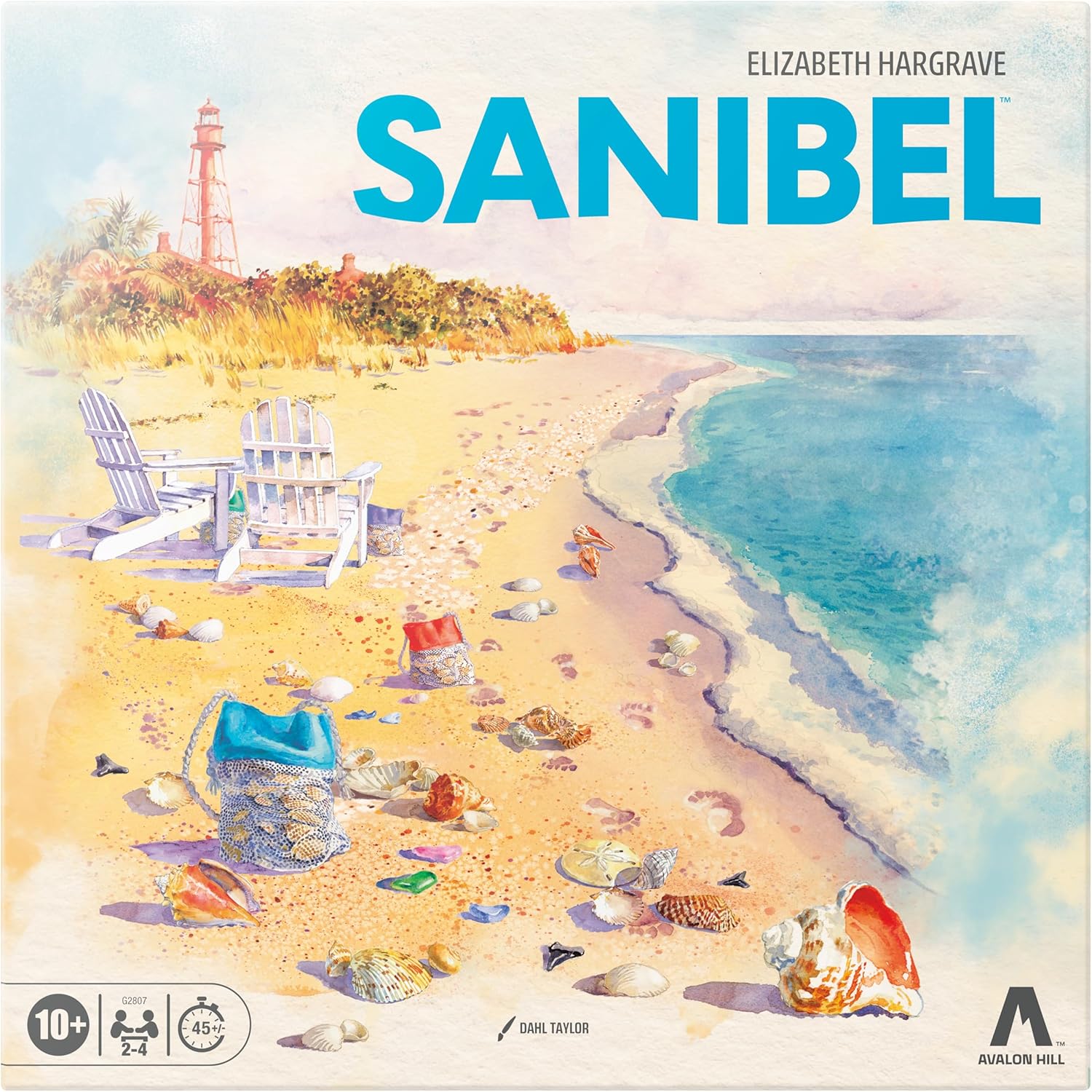
 Sanibel
Imani would hand this to the friend who enjoys making an awkward shape fit.
View exact product on Amazon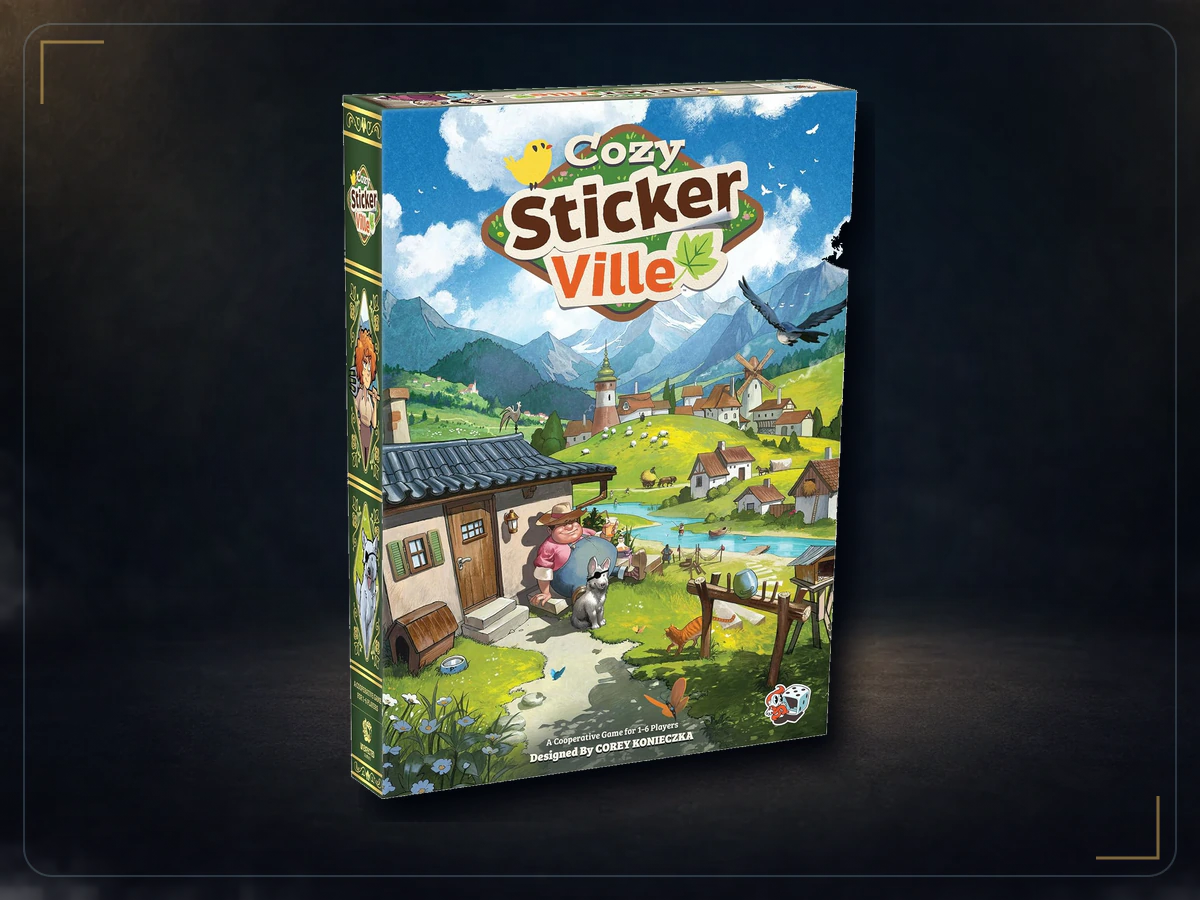 02 · Direct product
 Cozy Stickerville
Imani recommends agreeing whose turn it is to choose before the village acquires a mayor.
View exact product on Amazon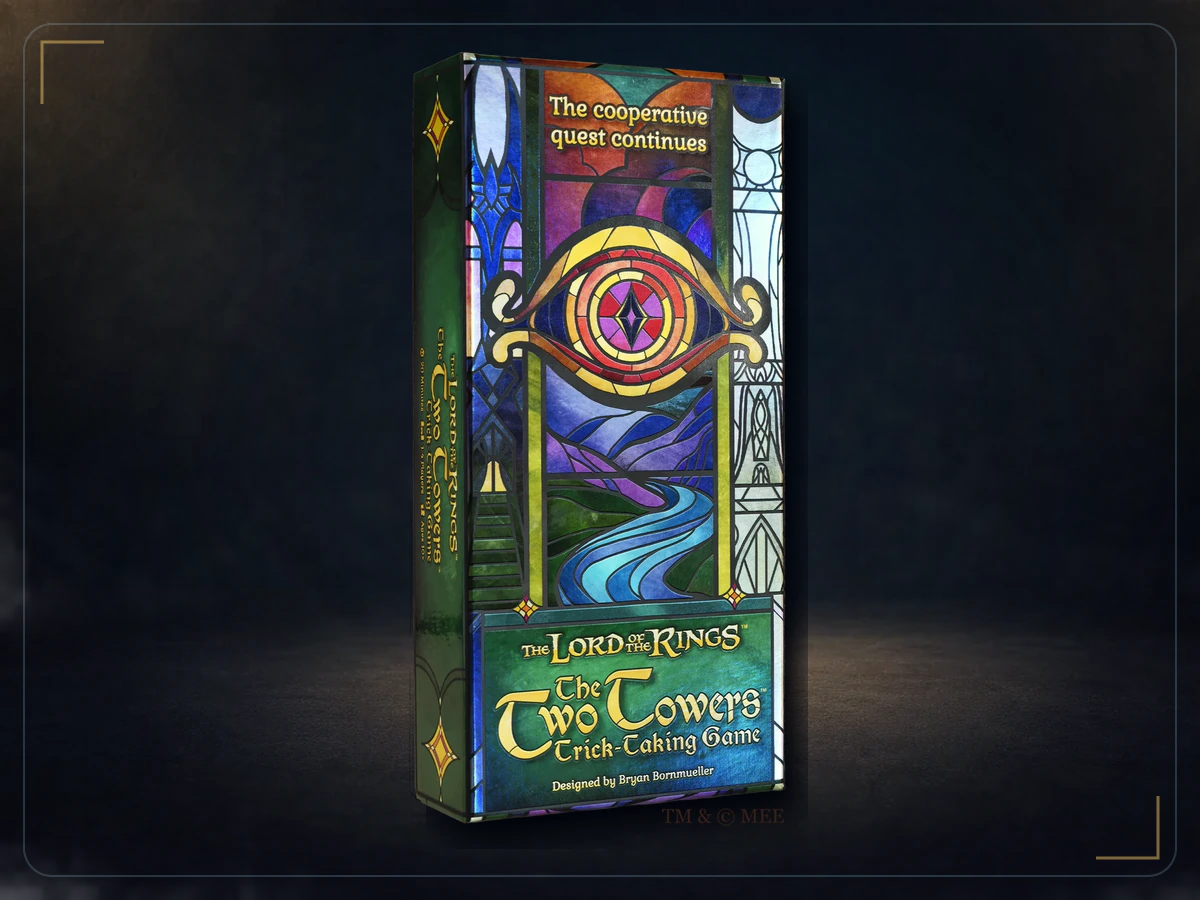 03 · Direct product
 The Two Towers Trick-Taking Game
Imani chooses this for people who enjoy winning the right trick, not every trick.
View exact product on AmazonPuzzlewick field cards
The useful part belongs beside the board.
Collect
Use different kinds of evidence
Official rules establish what the game is. Reviews show structured interpretation. Forums reveal recurring ownership friction. Store reviews can surface packaging and component failures.
- Date every sample
- Keep source type visible
- Do not turn one viral complaint into consensus
Code
Count repeated themes, not ratings alone
Tag comments by player count, setup, teach, replay, balance, component quality, storage, expansion dependence and value. Preserve disagreement.
- Separate first-play from long-term ownership
- Weight detailed reports above drive-by scores
- Quote sparingly and link directly
Publish
State confidence and the useful caveat
A verdict should name the dominant pattern, the audience for whom it changes, and the date the evidence was reviewed.
- “Owners repeatedly report” needs repeated sources
- Community evidence is not firsthand testing
- Update when editions or apps change
Keep the useful version
Print it, download it, or send it to the table.
The downloaded field note includes your selections and checklist state. Private notes stay in this browser unless you download them.
Fast rulings before the table
Common questions, answered without the forum fog.
How many comments create community consensus?
There is no magic count. Confidence comes from recurring detailed patterns across independent source types, dates, and ownership stages.
How should disagreement be presented?
Preserve the meaningful audience exception, identify sample limits, and separate official fact, firsthand review, owner pattern, and editorial inference.
Is the Consensus Dashboard an official publisher tool?
No. It is an independent Puzzlewick planning aid checked against Puzzlewick: evidence and editorial methodology. When the tool and current publisher material differ, the publisher rulebook, FAQ, errata, or event packet controls.
How current is the Consensus Dashboard?
Its evidence date is 2026-08-18. Recheck the linked current authority after a new edition, FAQ, points update, rotation, app update, or event packet.