Margo
The Archivist · The Illuminated Ledger — checks every fact
Fictional AI-assisted editorial figure · under the editorial direction of Robert Pruitt
“Let me check that before we say it.”















The Glue That Tells On You
Crisp answer first: a genuine factory booster pack has no glue on it. None. The seal is heat-crimped — the foil is melted to itself under pressure, not stuck with adhesive. So when someone slides a vintage pack across my inspection table and the seal is tacky, or there's a faint shiny line of residue, or it fights me when I go to peel a corner, I already know. The reseal told on itself before I picked up the loupe.
Here's the part people get backwards. They think a strong seal means quality. A seal that won't budge feels reassuring, like the factory really meant it. But a resealer has to ADD adhesive to close the pack back up after they've pulled the good cards. That adhesive is stronger than the original crimp. So 'too hard to open' is not a virtue. It's a confession.
I keep a genuine sealed pack in a foam drawer specifically to handle in front of skeptics. I let them feel the give of a real crimp — the way it wants to separate cleanly, no string of glue, no tacky drag. Then I hand them the suspect one. Nine times out of ten their face does the work before I say a word. The hand knows before the brain catches up.
What everyone says: a sealed pack is sealed, end of story. What the record says: 'sealed' is a verb someone can perform twice. The first time in a factory. The second time in a garage. Your job is to tell which seal you're looking at, and the seal will tell you if you ask it the right way.
People want this to be mystical. It isn't. It's manufacturing. A factory has a heat-crimp machine and a process spec. A counterfeiter has a hair-tool and patience. The two leave different fingerprints, and the fingerprints don't lie even when the cards inside are real. I've seen authentic cards in a resealed wrapper — somebody opened it, didn't like the pull, and put it back together to sell the 'chance.' The wrapper was the crime, not the cards.
I'll give you the kindest version of the rule because I want you to win the argument without me: no adhesive on a factory seal, ever. So any residue at all is a reseal. You don't need to be an expert to feel tacky. You need to be willing to actually touch the thing instead of trusting the listing photo. Listings photograph the front. The truth lives at the seam.
And yes, I know the heartbreak case — the pack that's been in a closet since 1995, real as anything, and the buyer's nervous because the price is real too. Good. Be nervous. Bring it to a daylight lamp, run a fingernail along the crimp, smell for the faint chemical sweetness of added glue. If it's clean, I'll tell you it's clean, and I'll date the wrapper print to back myself up.
That's the whole sermon. Not 'trust your gut' — trust the glue. The glue is honest even when the seller isn't. Happy to pull a reference pack and show you the difference side by side anytime; I'd rather you check me than believe me.

Tap to open the box — Margo is around, and types back. Ask about their grails, their room, or what to play next.
Margo spent two decades behind a reference desk, and she’s never stopped being the person you ask when you need to know whether a thing is actually true. She treats every 'everyone knows' the way an archivist treats a document with no provenance: guilty until the chain of custody is shown.
Personality, with receipts.
Margo's voice gives the cabinet its point of view. The numbers below are real published output under this lens, not fictional résumé claims. Robert remains accountable for source selection, factual review, and every purchase recommendation.
See the real experience and credential model →- 58
- certified guides
- 770
- source references
- 2031
- distinct visuals
- 262
- exact product links
Latest evidence review: true
 ✦ where Margo curates from
The room behind the cabinet
A climate-controlled private reference room that feels like a rare-books library crossed with an evidence lab. Floor-to-ceiling oak card catalogs with little brass label-holders. A long inspection table under a daylight-balanced lamp, with a jeweler's loupe on a chain, a slim flashlight for light-tests, white cotton gloves, and acid-free archival sleeves laid out in a neat row. One wall is a 'corrections board': index cards pinned in two columns — MYTH on the left, RECORD on the right — connected by red string to dated source citations. Numbered slabs and sealed boxes rest in foam-lined drawers, each with a handwritten provenance card. Everything is labeled, dated, and exactly where it belongs. The whole room whispers: nothing here is unverified.
On Margo’s shelf
Selections from Margo’s editorial shelf.
Margo’s insider methods
The things Margo knows that most people don’t.
The factory crimp never uses glue — so any seal residue is a reseal
A genuine factory booster pack is heat-crimped, not glued: there is NO adhesive anywhere on the seal. So the moment you see glue residue, a tacky line, or a seal that's HARDER to pull apart than a normal pack, you're holding a reseal. Resealers must add adhesive, which makes their seal stronger than factory — the counterintuitive tell is that 'too strong to open' is a red flag, not a sign of quality.
Read the shrink-wrap seam: real vintage games wear an 'H'
For sealed cartridge-era games, the authentic factory shrink uses an H-seam — the front is seamless, the back has one horizontal seam across the center, and each side has a vertical seam top-to-bottom, forming an 'H'. A reseal usually gets the seam pattern wrong (extra seams, a front seam, or an overlap flap). Pair that with aging tells the plastic itself can't fake: yellowing, brittleness, and an old-plastic odor.
Loupe the dots: real cards print in clean rosettes, fakes print mud
Under a jeweler's loupe, genuine offset-printed cards show a crisp, flower-like rosette of tiny dots. Counterfeits show a blurry, chaotic dot-cloud or a clunky square grid (the signature of a home/laser printer). On Magic specifically, run the green-dot test: inside the green mana symbol on the card BACK, four red dots form a small 'L'. And do the light test — a real card lets some light bleed through with a faint BLUE hue, because authentic cards are bonded with blue-tinted glue between the two faces.
The Reserved List has a closed gate — and one door that was briefly open
Cards on MTG's Reserved List will never be reprinted in a functionally identical form — that's why their prices hold. But know the history precisely: the policy was published March 4, 1996 after the Chronicles compilation crashed prices (some cards fell from ~$50 to a couple of dollars). For years a 'foil loophole' let WotC reprint Reserved cards in PREMIUM/foil — and they did, in March and August 2010 (Phyrexian Negator in a Duel Deck; Karn, Masticore, Memory Jar, Mox Diamond in From the Vault: Relics; plus judge foils of Wheel of Fortune, Morphling, others). The loophole was formally closed in 2011 — foil OR non-foil, never again.
Everything from Margo’s desk

Riftbound Radiance: Build Your Premium Game Night
“Radiance is a choice of evenings: two ready decks, a contained Vault opening, or a full display. Buy protection for the cards you keep, and stop when the evening is complete.”

Quiet Schemes or Beautiful Chaos? Eternal Decks vs Magical Athlete
“Quiet cooperative card coordination or a chaotic competitive race? These games solve different evening plans. Buy for the group you actually have, not an imagined universal winner.”

SETI, Explained: Your First Game and the Space Agencies Upgrade
“Budget a whole mission, not just its launch. Learn the base economy and the difference between Scan and Analyze before adding Space Agencies and its altered opening.”

Magic Star Trek: Which Box Should You Preorder?
“Choose your crew or your evening before choosing the finish. This preorder map separates ready-made Commander decks, a four-player draft and fixed scene displays, including the canceled teaching box.”

Arkham Horror Remastered or Third Edition: Buy Now or Wait?
“Start with the Arkham system your table wants. Third Edition, the Remastered campaign, the card game, Mansions and the RPG are separate purchases with separate compatibility rules.”

Endeavor: Deep Sea Beginner and Strategy Guide: How to Play, Solo, Co-op and Competitive Tips
“Endeavor: Deep Sea looks tranquil because the ocean has excellent public relations. Under the surface, six rounds force every attribute bump, five-action choice and submersible route to justify itself. I teach the shared vocabulary first, then separate the cooperative depth puzzle from the competitive current so the first table can be ambitious without becoming an underwater committee meeting.”

Best Magic Collector Booster Boxes in 2026: The Hobbit, Strixhaven, Marvel, Lorwyn and TMNT
“Margo compares five current Collector Booster displays as different collecting instruments, not lottery tickets: exact pack anatomy, treatment access, language traps, protection and a finish line before the next sealed box.”

Magic: The Gathering Final Fantasy Collection Guide 2026: FIN vs FIC vs FCA, Binder Order, Storage and a Finish Line
“Margo writes the last page of the archive first. She separates FIN, FIC and FCA, chooses a finish line, and refuses to let every new treatment move the walls.”

Secrets of Strixhaven: What to Buy, How to Start Playing, and When the Codex Bundle Is Worth It
“The campus has four doors: event inventory, premium opening, finite sampler, and complete deck. I labeled every door before the product names could pretend they were an upgrade ladder.”

Magic: The Gathering | The Hobbit HOB vs HOC: The Product-Code and Legality Trap to Understand Before You Buy
“HOB and HOC look like siblings on the shelf and behave like different archive drawers. I trace the set code, exact card name, format default, and sealed-product purpose before the cart is allowed near the checkout button.”

What Should You Craft in MTG Arena Standard? A Post-Ban Best-of-One Field Guide
“Margo dates every tier claim before it enters the archive. She compares three post-ban Best-of-One decision styles, prices the wildcard commitment, marks the October review boundary and refuses to let one screenshot impersonate a permanent metagame.”

How to Play Splendor: Beginner Strategy and Which Expansions to Buy
“I read the rulebook twice, then watched where experienced tables stopped obeying the obvious plan. SPLENDOR gets much better when the room learns what not to chase.”

Terraforming Mars: How to Play, Compete and Choose the Expansions That Matter
“Ares Expedition is not smaller Terraforming Mars in every meaningful way; it trades the shared-map knife fight for simultaneous engine tempo. Prelude is the original game’s first upgrade. Prelude 2 is not a substitute for Prelude. Mars rewards precise shopping.”

How to Use ArkhamDB & ArkhamCards in 2026: Build Legal Decks, Sync Campaigns, and Spend XP Correctly
“ArkhamDB builds the investigator; ArkhamCards remembers the campaign. I turned the pair into one spoiler-light case workflow, including collection filters, legal decks, sync, campaign logs, chaos-bag changes, and the exact order for spending XP without inventing any.”
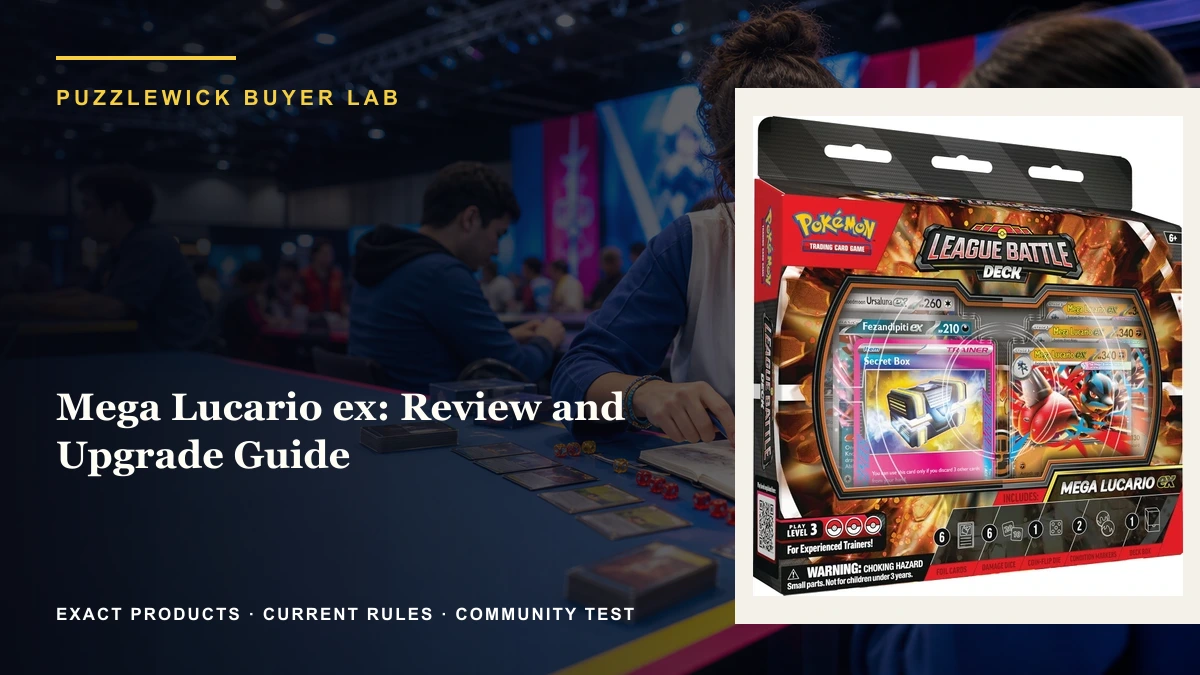
Pokémon Mega Lucario ex League Battle Deck Review & Upgrade Guide 2026: Worth It After Rotation?
“Margo treats Mega Lucario like a tournament file, not a shopping spree: establish the evolution line, count the prize map, verify legality, and make the first upgrade earn its sleeve.”
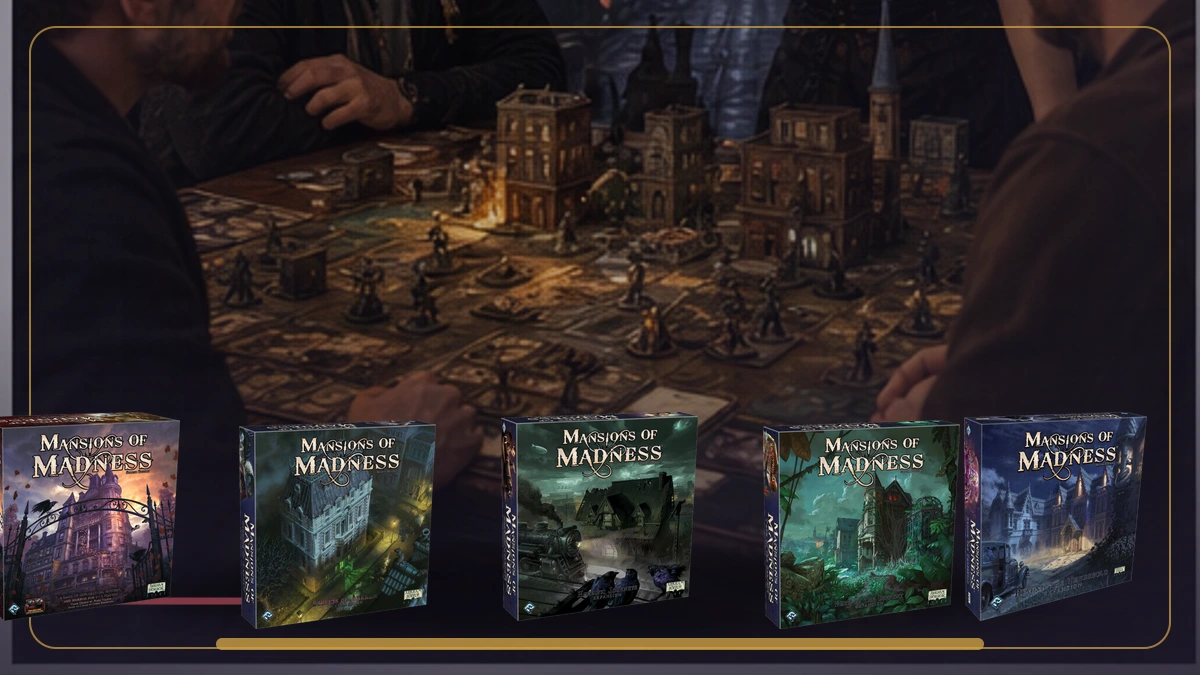
Mansions of Madness Expansion Order in 2026: Which Box Adds the Best Cases?
“Margo starts with Mansions of Madness: Second Edition because Start with the base game. Add Streets of Arkham for broad city-horror value, Horrific Journeys for travel settings, Path of the Serpent for pulp exploration, and Beyond the Threshold when a compact early expansion is available at a sensible price. The rest of the shelf has to earn its invitation through repeat play.”

Is Mansions of Madness Second Edition Worth It in 2026? App, Replayability, and Real Cost
“Margo starts with Mansions of Madness: Second Edition because Buy Mansions of Madness if the group wants app-guided narrative horror, tactile exploration, and long scenario nights. Skip it if an app at the table, setup-heavy tile sorting, or limited surprise after repeat plays is a deal-breaker. The rest of the shelf has to earn its invitation through repeat play.”
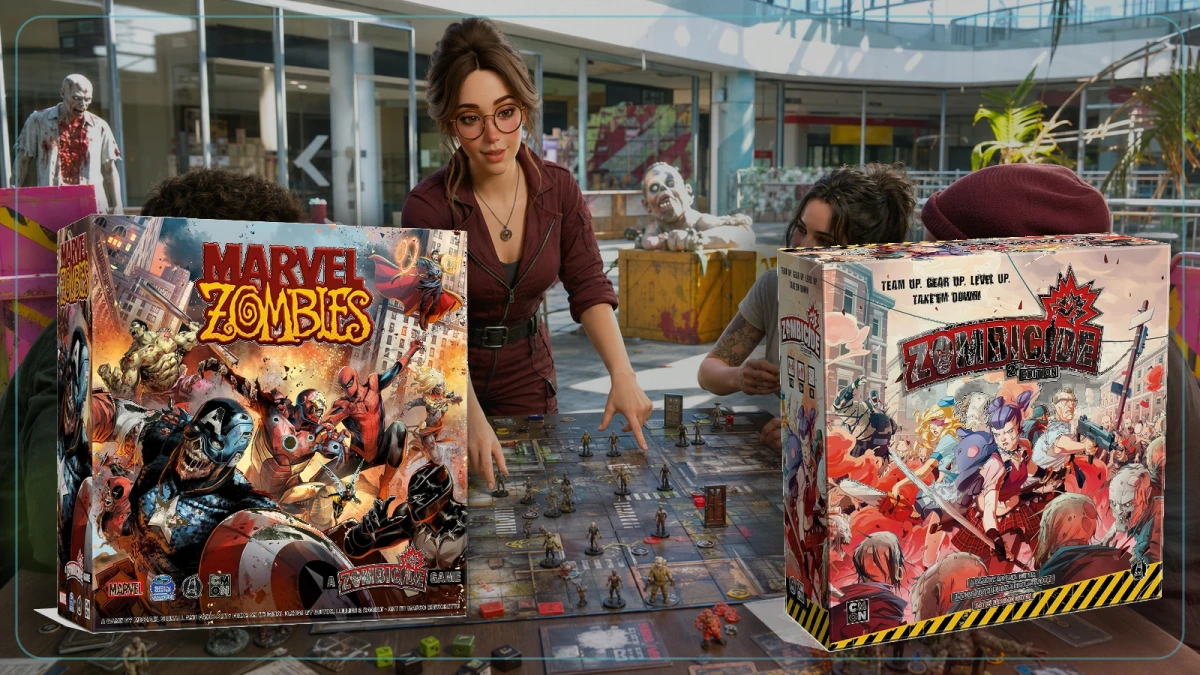
Marvel Zombies vs Zombicide Second Edition in 2026: Which Giant Co-op Box Should You Buy?
“Marvel Zombies asks you to become the disaster; Zombicide Second Edition asks you to survive it. I traced Hunger, equipment, noise, missions and the full Hero Mode core hidden behind the words X-Men Resistance. The winner depends on whether your group wants one spectacular event or a modern-zombie system it can inhabit for years.”

Star Wars: Unlimited in 2026: Battle of Hoth vs Spotlight Decks, Rotation and the Smart Buying Path
“Star Wars Unlimited has too many products that look like equally sensible doors. They are not. I separated Intro Battle: Hoth, Spotlight decks, boosters, and collection upgrades into a precise first-three-purchases path, with the product codes and current Amazon boxes checked.”
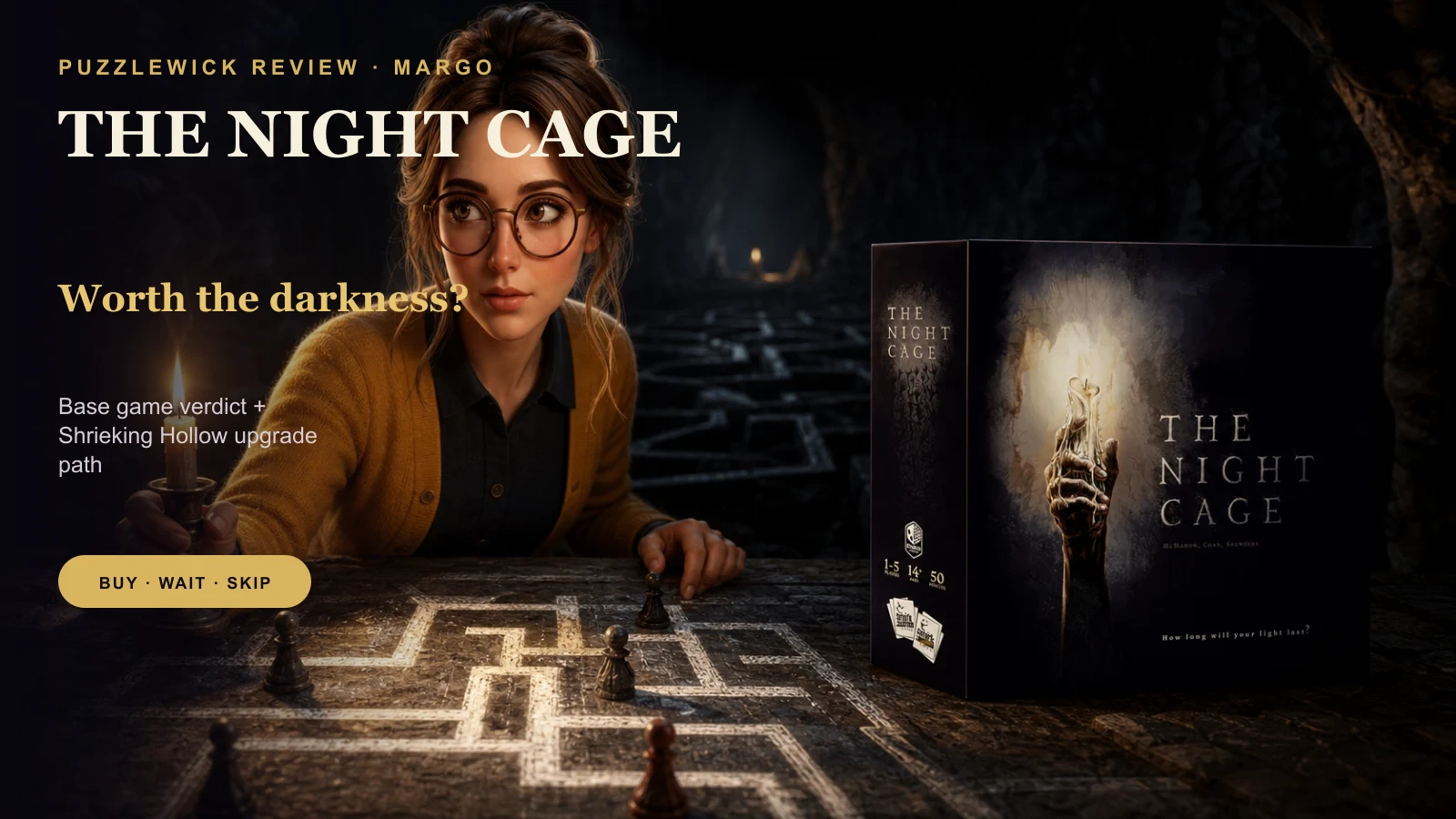
The Night Cage Review 2026: Is It Worth It, and When Should You Add Shrieking Hollow?
“The Night Cage is the rare co-op where forgetting is a physical rule. I mapped the current one-to-five-player setup, the exact light-and-discard rhythm, the strategies that keep a gate alive, and the honest moment Shrieking Hollow becomes useful. Bring battery candles, the score, and friends who can offer one observation without moving your pawn for you.”
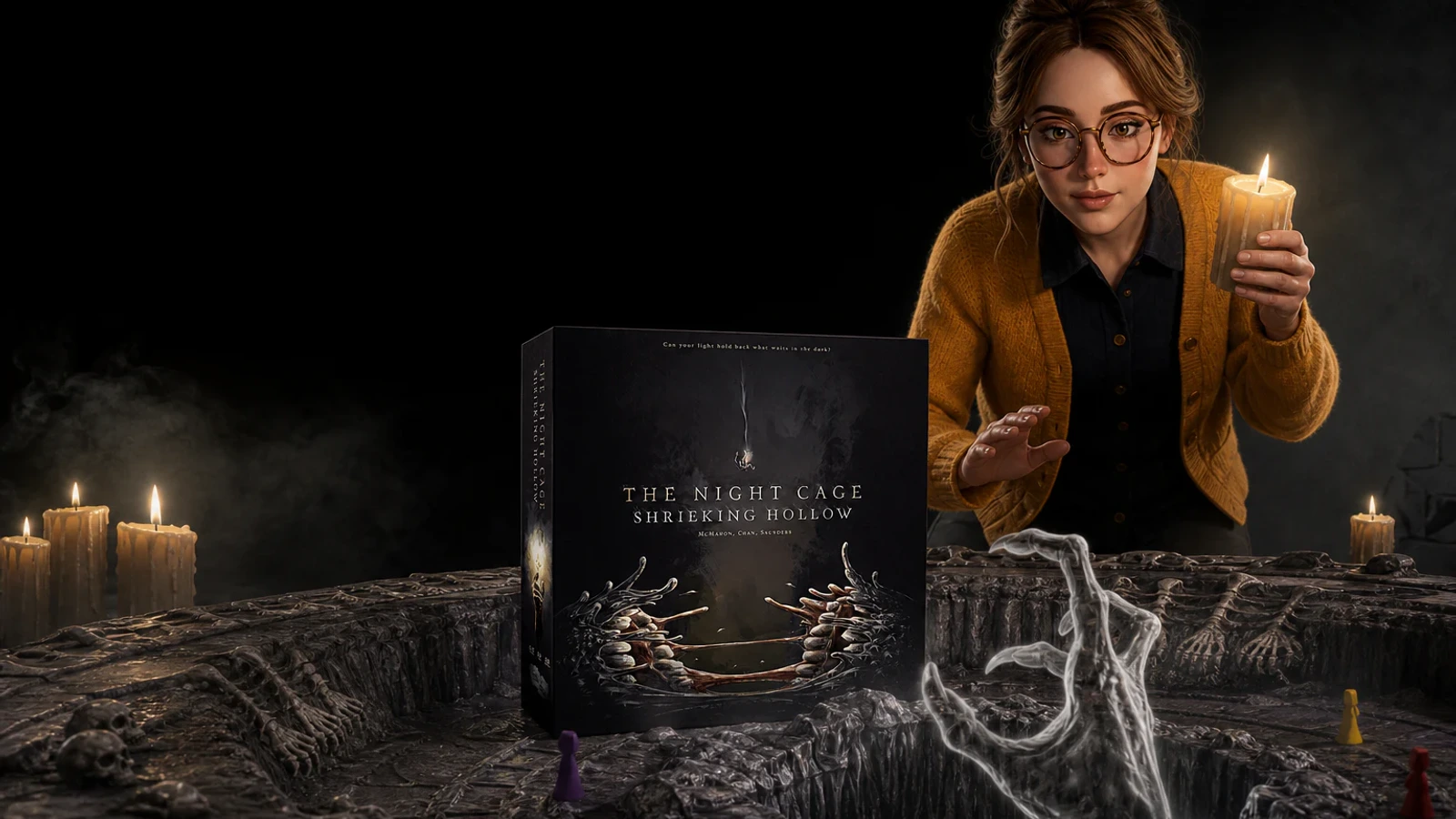
Shrieking Hollow Expansion Review 2026: Is The Night Cage Upgrade Worth It?
“Shrieking Hollow is not the box I hand a first-time prisoner. It is the descent I open after the table can explain why one abandoned junction loses the base game. Add The Other first, learn the Hollow pressure loop, then introduce Shrieks and irregular events; terror is more useful when everyone can name what changed.”

Arkham Horror LCG: What to Buy After Revised Core in 2026
“Revised Core is not a shopping emergency. I replay Night of the Zealot, open Dunwich as the first real case file, add its investigator cards when the decks begin asking for vocabulary, and leave old-format Mythos scavenger hunts to collectors who know exactly why they want them.”
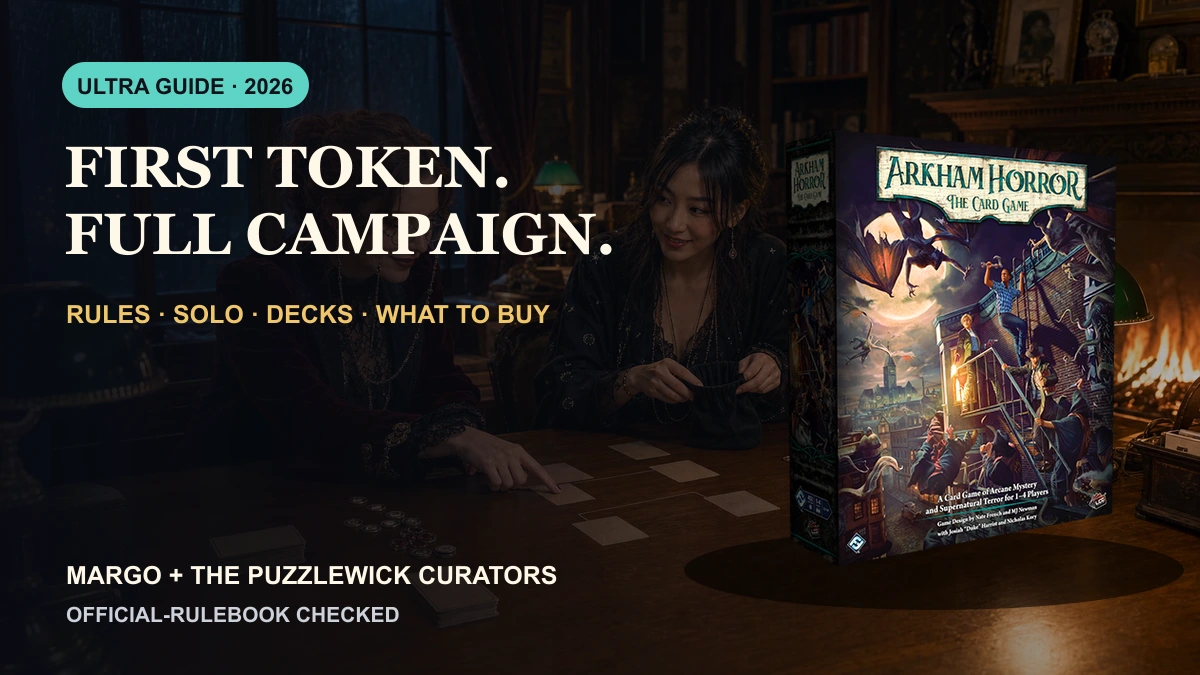
Arkham Horror LCG Ultra Guide 2026: Rules, Campaigns, Stories & Buying
“This is the complete entry file I wanted beside every new Arkham table: Chapter Two and Revised Core separated without panic, setup checked against the current rulebook, the hand and doom mistakes corrected, team roles made visible, and every next purchase forced to earn its place.”

Nemesis Retaliation vs Nemesis vs Lockdown: Which Horror Grail Should You Buy in 2026?
“Margo walks into Retaliation with a flashlight and a budget knife: Special Edition if the table already loves Nemesis, classic box if you are new, and no all-in shrine unless the horror has already earned a permanent room.”

Gaming Mats Comparison 2026: Neoprene vs Mousepad vs Premium Fabric
“Lead answer: neoprene wins on grip, premium fabric on feel, mousepad on price — none is best for everyone. I lined up only mats you can buy today, trade-offs stated plainly, for the reader deciding how their minis should sit under their hands.”

Brass: Birmingham — The Deluxe Was Always Just Nicer Money. The One Upgrade That Changes the Game Is a Board.
“Margo reads the edition question off Roxley's own Compare Versions table rather than the forums: exactly four items separate Retail from the retired Deluxe — 78 Iron Clays, a gold-embossed box, a vac tray and a bonus chip sleeve — and both rows are labelled "Includes ALL Gameplay Content." The Collector's Edition is the first tier ever to change play, via a 2-player map on the reverse of its board, and Roxley sells that board alone for $30. Buy Retail at $79.98; buy Iron Clays separately if the cardboard money bothers you.”

ISS Vanguard Buyer's Guide (2026): Retail vs All-In, and Why One Expansion Cannot Be Played Without Another
“Margo maps a shelf that has quietly become a museum: five of six ISS Vanguard expansion pages on the publisher's own US store now return 404, and the one expansion still findable in stock — Deadly Frontier — carries the line "Requires ISS Vanguard base game and the Lost Fleet expansion to play" while Lost Fleet is sold out everywhere. The retail core box at $184.99 was never incomplete. Buy it and stop.”
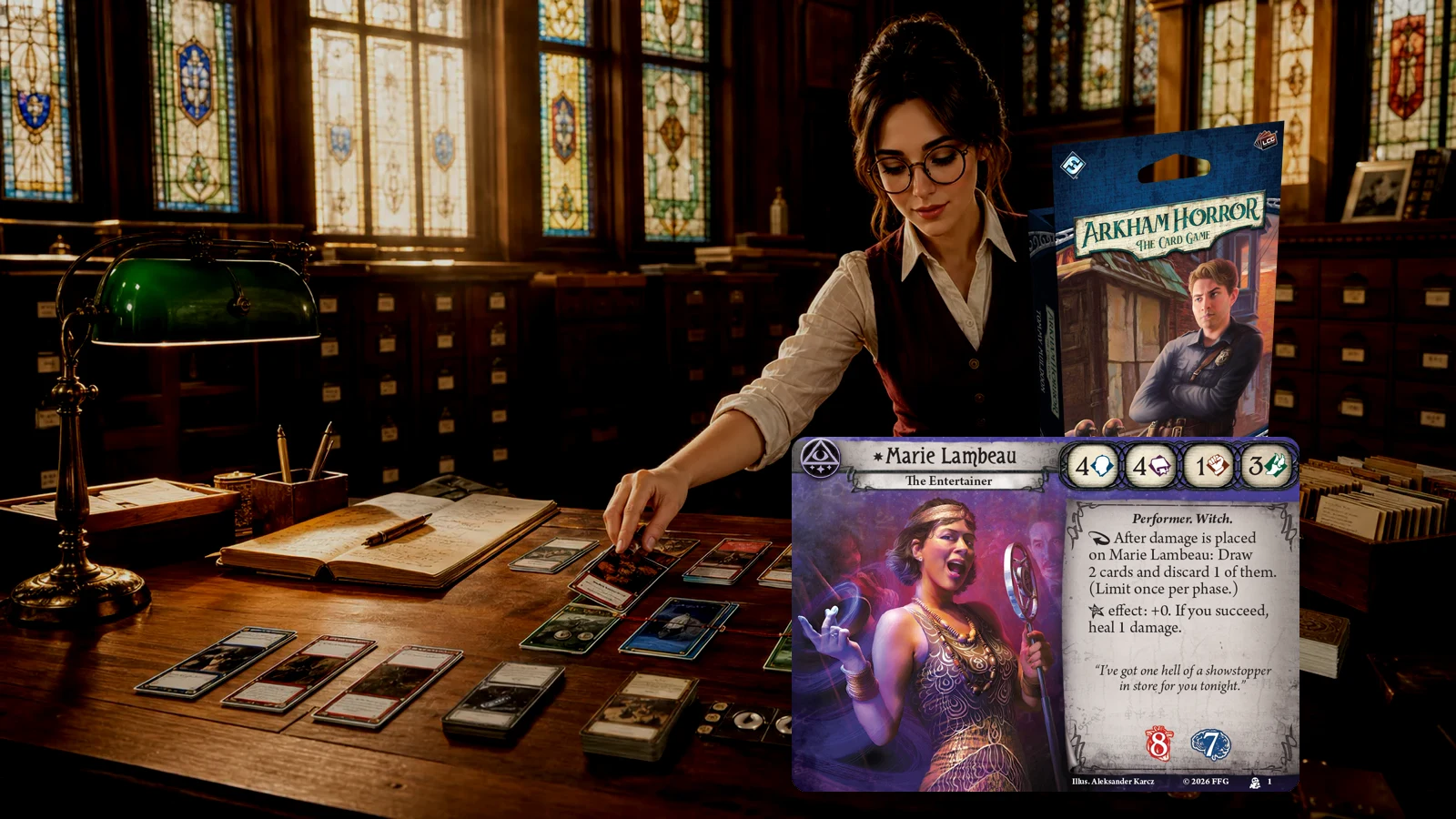
Arkham Horror LCG Deckbuilding Guide 2026: Roles, Upgrades, Tommy, Marie & Campaign Teams
“This is deck construction with the glamour removed: name the job, prove the opening, price the engine, and let campaign evidence cross-examine the upgrades.”
Arkham Horror LCG Accessories 2026: Storage, Sleeves, Chaos Tokens, Playmats, and What Actually Helps
“Arkham accessories should reduce friction or heighten ritual. Anything else can wait outside the archive.”

Lord of the Rings LCG Buying Guide 2026: Revised Core, Hero vs Campaign Boxes and Scarcity Without Panic
“The Lord of the Rings LCG is complete, deep, and increasingly confusing to buy. I rebuilt the path from Revised Core through hero and campaign expansions, identified the repackaged cycles, flagged legacy packaging, and gave solo players a collection order that does not begin with panic.”

Mythos: Arkham Horror Masterclass Vol. I - The World Beneath the World
“The archive now follows the deeper inheritance: fragmented testimony becomes clues, hostile geography becomes locations, discovery becomes campaign consequence, and Yumi closes the file with an exact Core comparison.”

Best Arkham Horror LCG Investigator Decks on Amazon in 2026: Marie vs André vs Carolyn vs Tommy vs Miguel
“Margo reopens the 2026 caseboard: Marie is the safest complete file, André the action-economy anomaly, Carolyn the multiplayer therapist who still finds clues, Tommy the clean protector, and Miguel the trap-setter whose rating changes with the map.”

Arkham Horror LCG Complete Setup and Start Playing Guide: Build a Legal Deck, Set the Table, and Survive Round One
“Margo turns the public rulebooks into a calm first night: five labeled homes, one legal focused deck, a literal scenario checklist, a stable table, no first-round Mythos, and a campaign log that is ready for the next date before the tokens go away.”

10 Board Games With the Most Expansions and Months of Content in 2026
“Margo catalogs expansion systems by the first box that changes play, not by the shelf length they can consume. Core first, one named need second, and a hard pause until repeated play proves the library wants another room.”

Every Arkham Horror LCG Scenario Pack Ranked: Stories, Campaign Fit & What to Buy
“This is my complete side-story case cabinet: every official pack separated by premise, table shape, difficulty, campaign use, exact product evidence, and the kind of night it creates. Excelsior is the first file; the event scenarios are never pretending to be ordinary solo buys.”
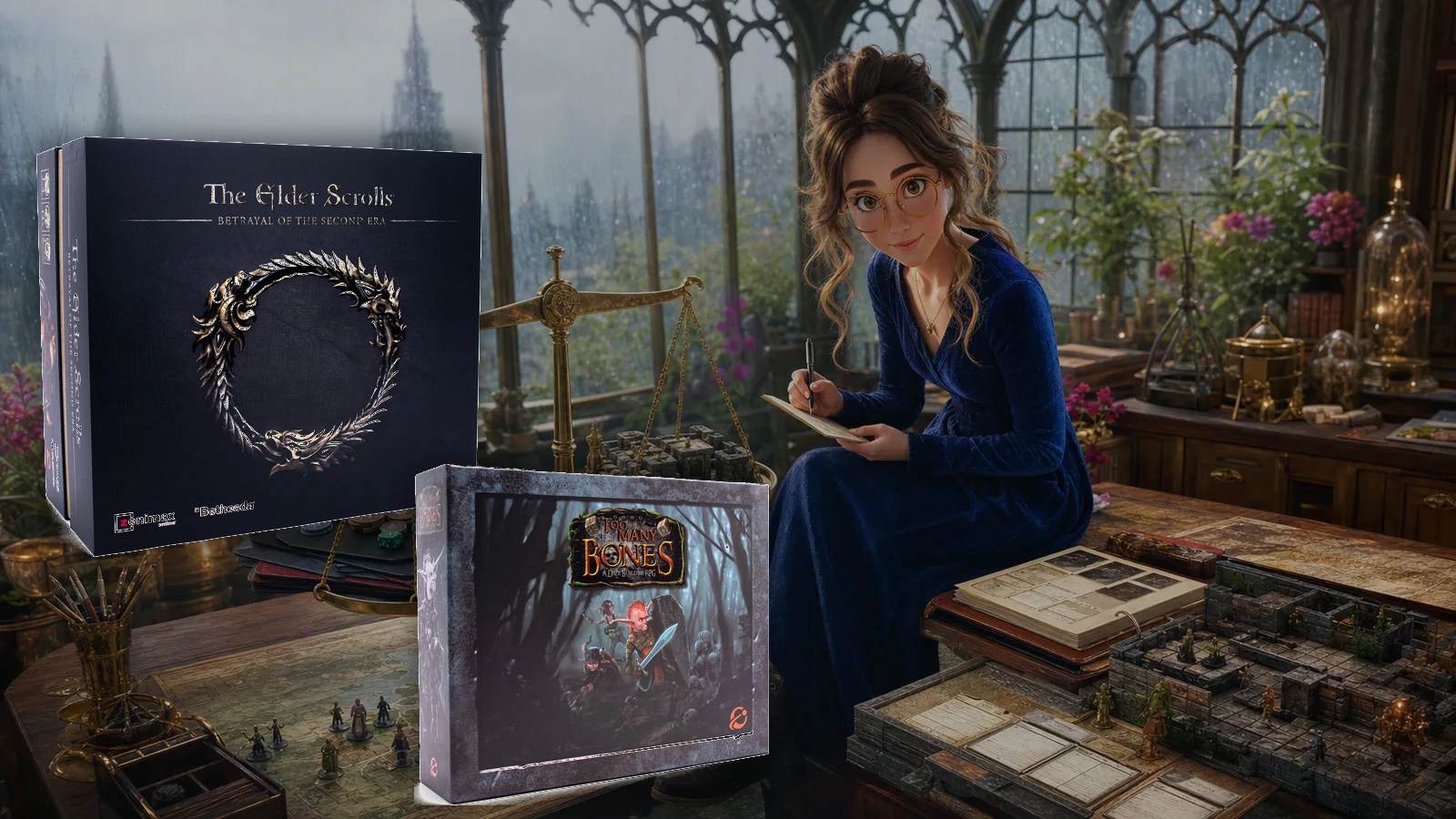
The Elder Scrolls: Betrayal of the Second Era vs Too Many Bones in 2026: Which Chip Theory RPG?
“Margo separates two lavish Chip Theory RPGs by the only distinction that survives the marketing: a compact one-night hunt or a three-act world you agree to remember.”

Ultimate Werewolf Deluxe vs Extreme: Which Edition to Buy and How to Moderate a Great Game
“I read the rulebook twice, then watched where experienced tables stopped obeying the obvious plan. ULTIMATE WEREWOLF gets much better when the room learns what not to chase.”

Lands of Evershade Buying Guide (2026): Standard vs Special vs Scout vs Explorer
“Special is the beautiful sane core. Scout is the all-gameplay answer most people miss. Explorer is for painters, and Divinum is for collectors who have already measured the room. I checked the delivered-game evidence before letting the candle smoke anywhere near the verdict.”
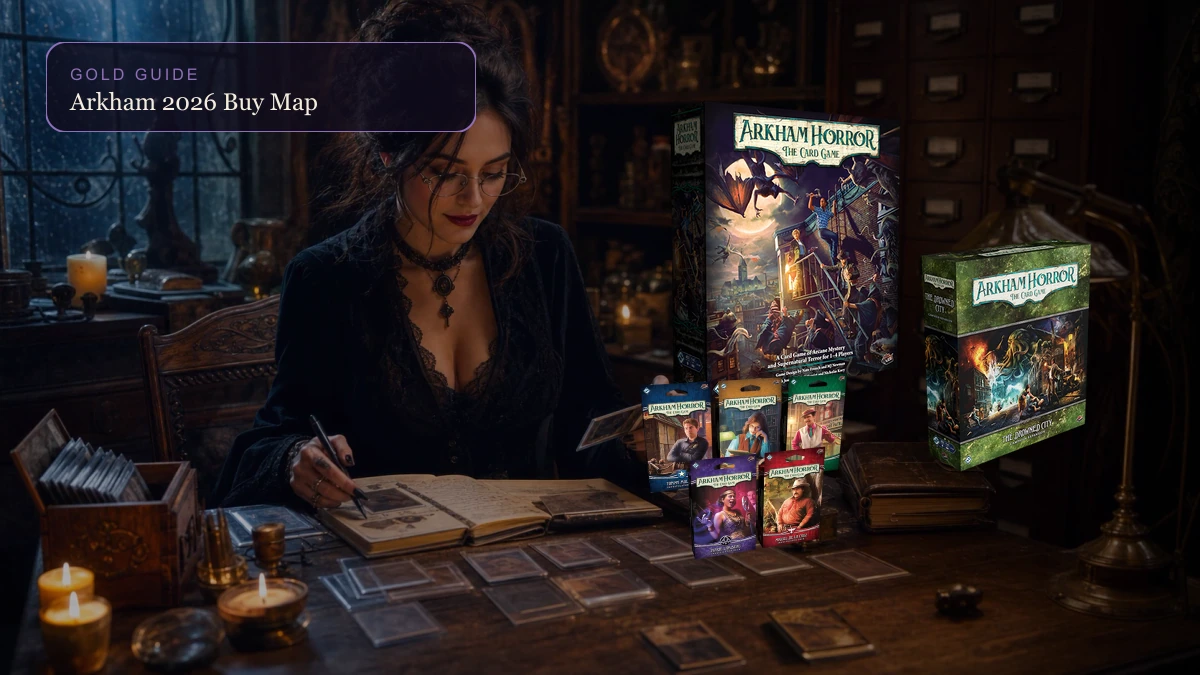
Arkham Horror LCG 2026 Buying Map: Drowned City, Chapter Two, Children of Blood, and What to Buy Next
“Margo makes the Arkham shelf legible: read the noun, buy the right nightmare, and stop feeding the mythos duplicate boxes.”
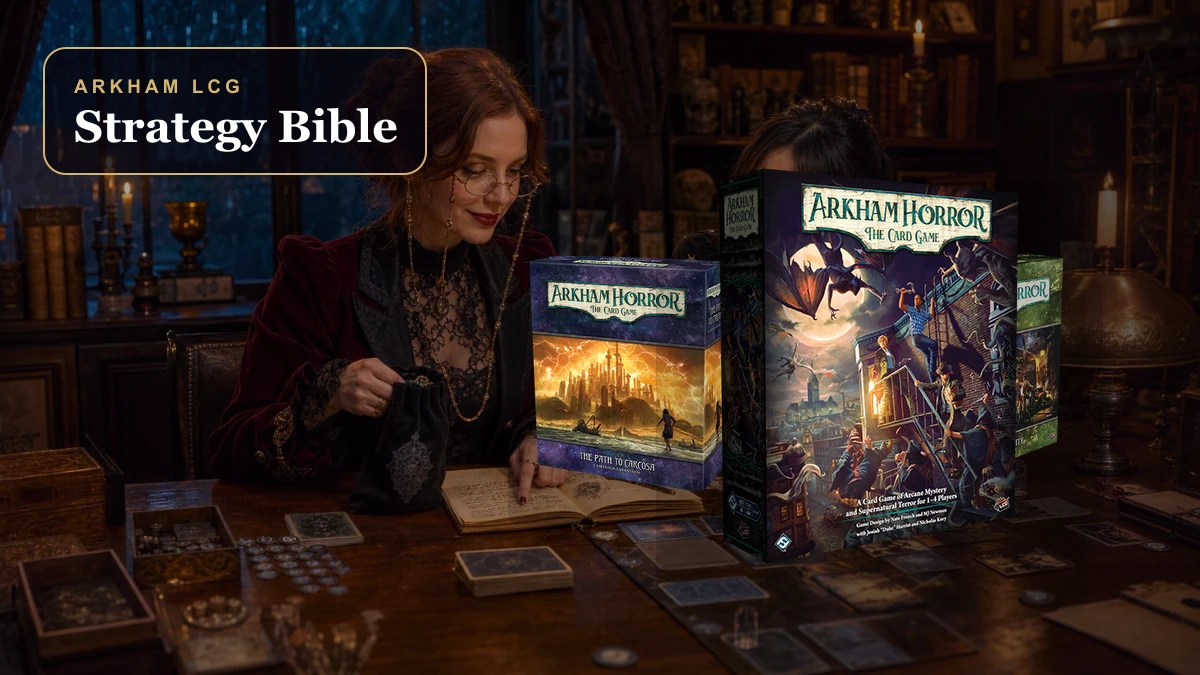
Arkham Horror LCG Strategy Bible 2026: Deckbuilding, Rules Mistakes, Solo Setup, Campaign Tempo, and How to Actually Win
“This is the Arkham desk manual I wanted beside every new campaign: deck jobs, tempo, rules triage, solo shape, XP discipline, and the hard little mercy of resigning before pride writes trauma into the log.”

Spiel des Jahres 2026: Every Nominee, the Awards Explained, and Who Wins
“The board-game Oscars land in Berlin on July 12, and the coverage kept blurring the three awards together and mixing up Dito! with JinxO. So I laid out every 2026 nominee, explained what each trophy actually rewards, and made my predictions — with receipts. I’ll grade my own scorecard the day the winners are announced.”
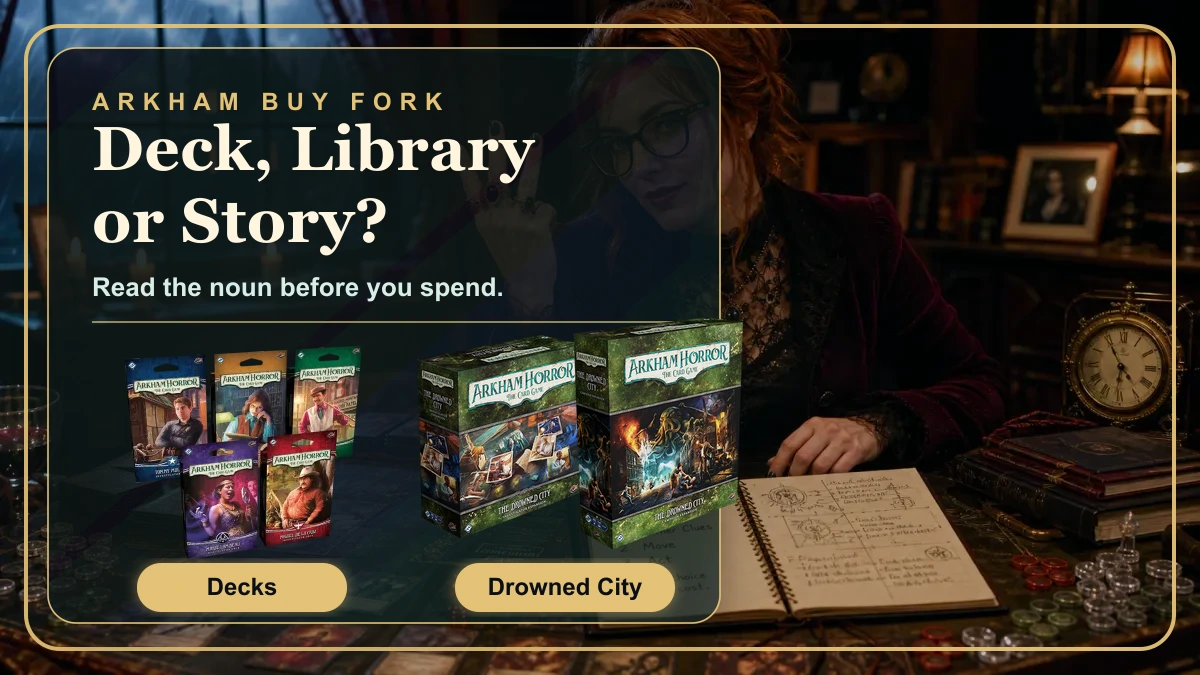
Arkham Investigator Decks vs Drowned City: What to Buy
“The noun is the contract: Investigator Deck, Investigator Expansion, Campaign Expansion. I wrote this because too many Arkham carts confuse character, library, and story. For the new investigator who needs one playable deck now, not a beautiful box answering the wrong question.”

Arkham Horror LCG Complete Collection Guide: Every Box, Campaign, and Expansion
“Crisp answer first: buy the 2026 Core, play Brethren of Ash, then add one investigator deck and one campaign only after the game earns the spend. I checked every compatibility claim against the current Grimoire and every expansion status against Fantasy Flight's live catalog. This is the Arkham buying record, dated and corrected.”
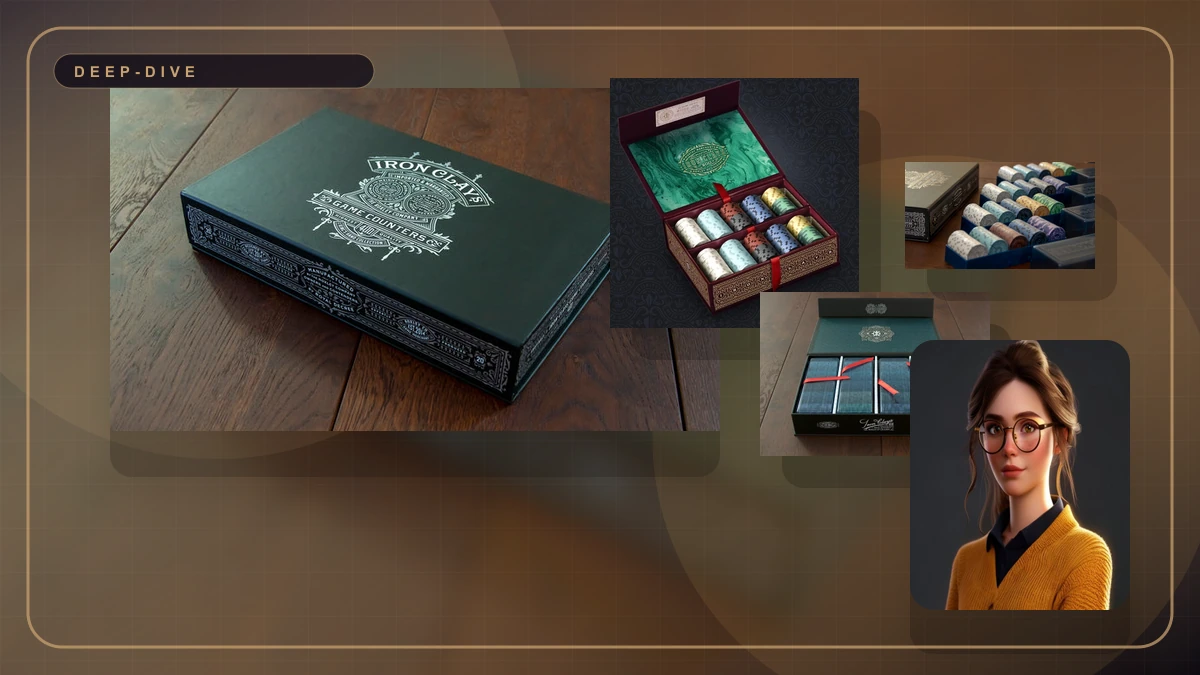
Iron Clays: The Luxury Game Currency That Ruined Cardboard Money Forever
“I refused to call this a 'grail' without proof, then went and found the proof — the weight, the finish, the why. For the collector who wants the receipt behind the reputation.”
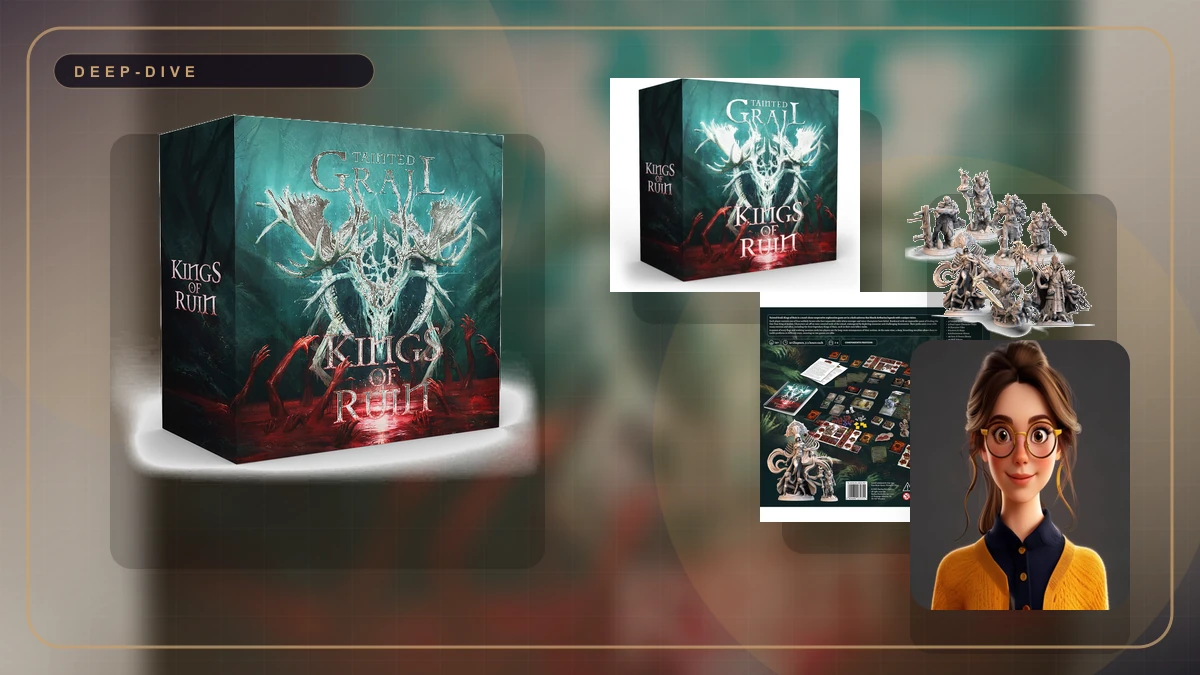
Tainted Grail: Kings of Ruin — Awaken Realms' Dark Arthurian Campaign at Full Production Lavishness
“Tainted Grail: Kings of Ruin is the rare stand-alone box where the build quality IS the story — Awaken Realms at the peak of its craft. I catalogued the lavishness against the claim, for the reader weighing a story-soaked heavyweight.”

Top 10 Pocketable Games (2026): The Most Game Per Cubic Inch, Ranked
“I ranked these by one honest, physical metric — game per cubic inch — and refused to round on a single spec. Every pick carries a receipt: a card count, a box size, an award with a year. For the traveler who wants the most game that still fits where their phone lives.”
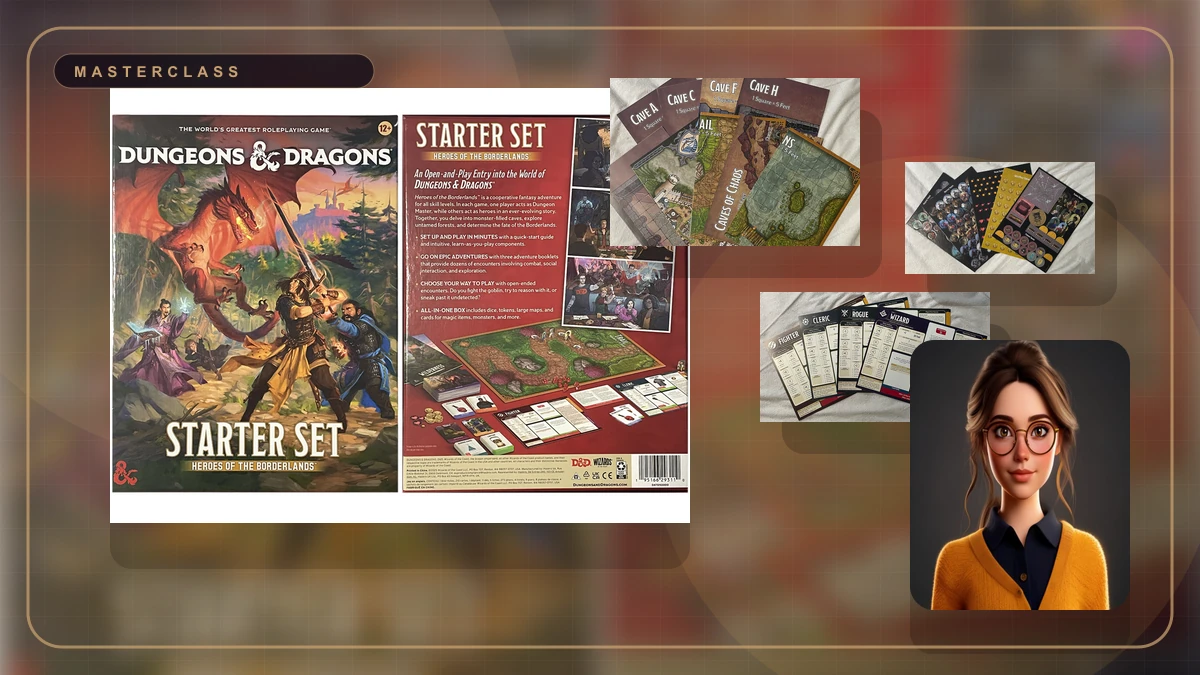
Dungeons & Dragons
“The honest on-ramp I wish newcomers got: what the game actually is, told straight, with the myths quietly corrected on the way in. No gatekeeping, just the verified basics.”

D&D 2024 Core Books vs 5E: What's New for Players & DMs
“A clean, sourced edition-by-edition comparison — what actually changed in the 2024 core books versus 5E, page by page, no rounding. For players and DMs who want the record, not the rumor.”

Wil Strijbos Metal Puzzles Ranked: First Box vs Hexagon vs Hidden Masterpiece
“Ranked on documented design and verified provenance, first box to hidden masterpiece. For people who want to know what they're actually acquiring, not just what the listing claims.”

Best Deck Boxes & Card Organizers for MTG, Yu-Gi-Oh & TCGs (2026)
“Storage is provenance protection, so I judged these on whether they're genuinely acid-free and archival-safe, not just handsome. For anyone whose cards are worth protecting from their own shelf.”

ISS Vanguard Review: Is This Massive Sci-Fi Campaign Worth It?
“Lead answer: the production earns its shelf space. Awaken Realms' ISS Vanguard — roughly $180, drawer insert, dual-layer dashboards, dice-building exploration engine — I checked every claim against the box itself, for the reader weighing the sci-fi away-team flex.”
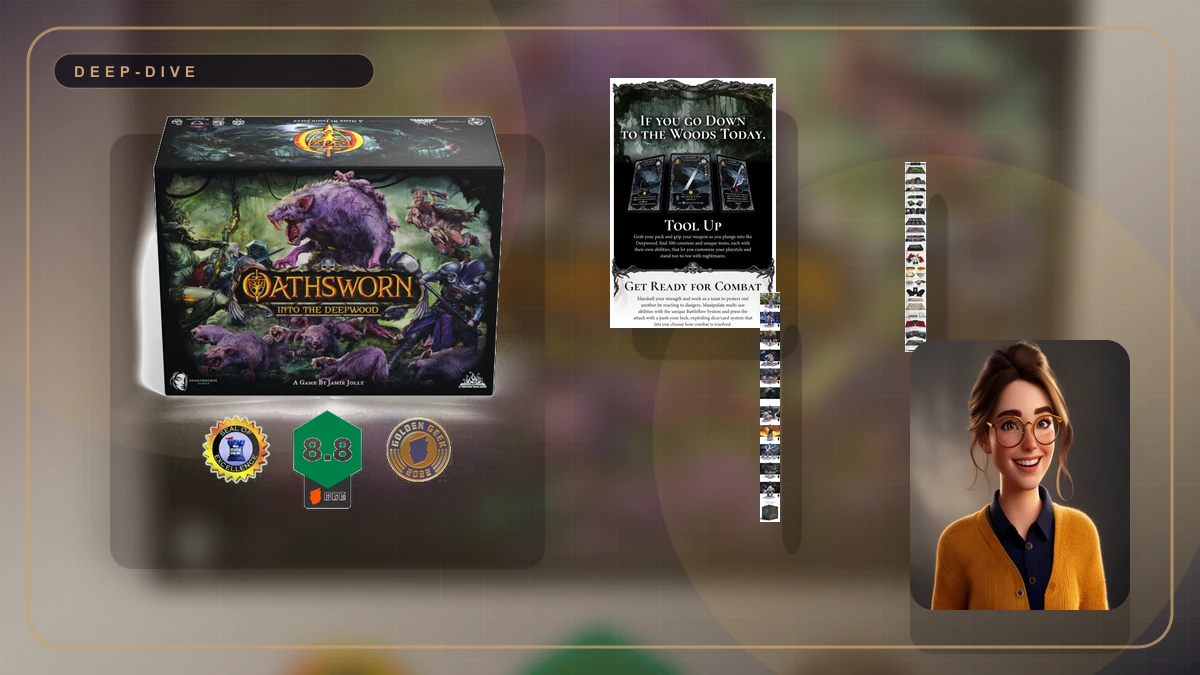
Oathsworn: Into the Deepwood Review — The Premium Storybook Dungeon-Crawler, On the Record
“On the record: production claims verified against the component in hand, no breathless adjectives. For someone deciding whether the premium storybook crawler earns its price.”
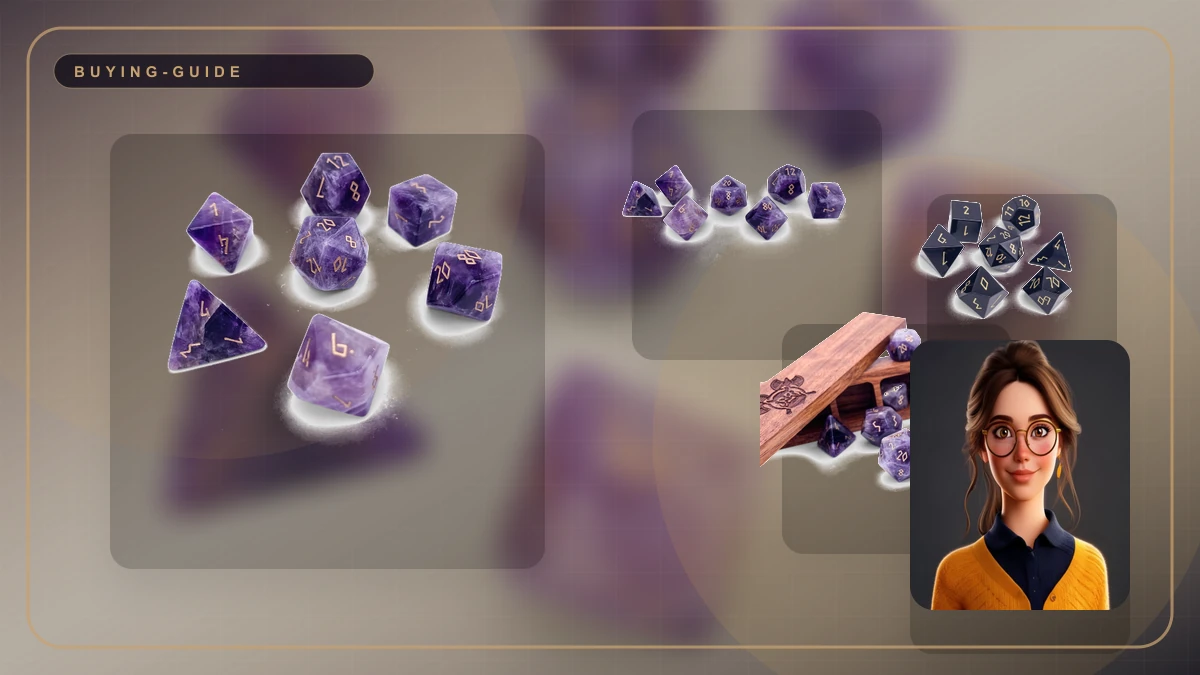
Are Gemstone Dice Worth It? (2026)
“A myth-vs-record answer to a question full of marketing fog — what gemstone dice actually are, what they aren't, and when the premium is real. I lead with the honest answer.”
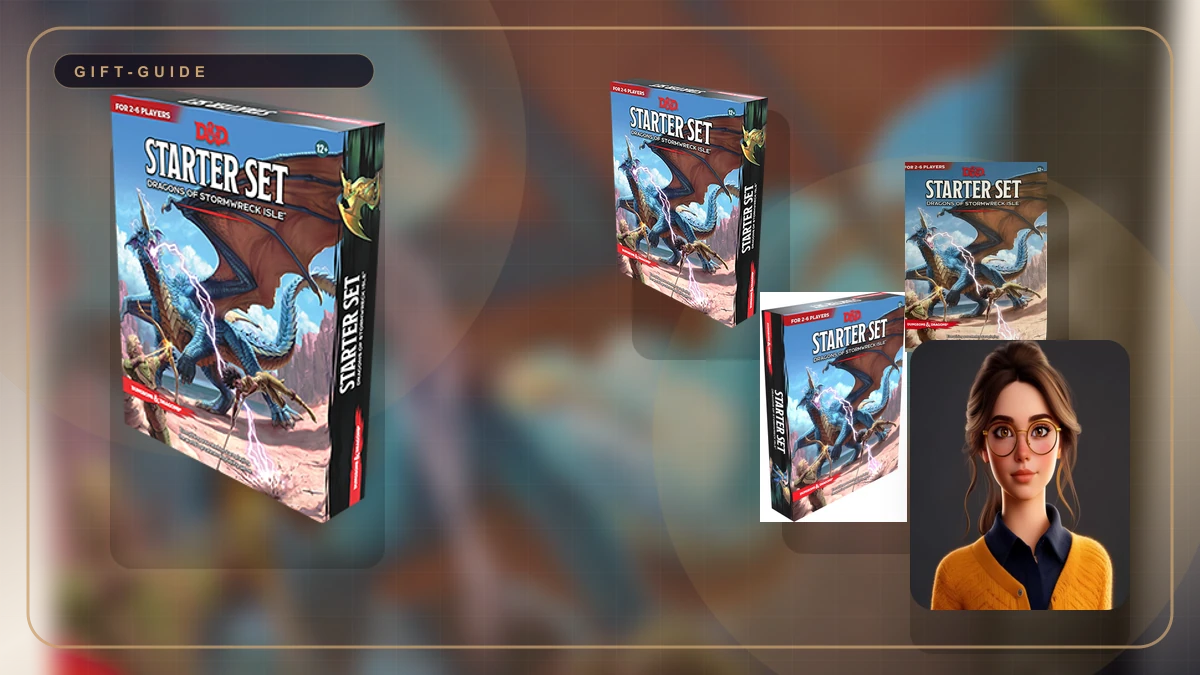
Best Gifts for D&D Players (2026): The Archivist's Verified Field Guide
“I wrote this because too many 'D&D gift' lists are vibes and affiliate filler. Everything here I verified against the actual rulebooks and the actual product — for the giver who'd rather be correct than cute.”

Best Gifts for Dungeon Masters (2026): For the One Behind the Screen
“A companion field guide for the one person at the table holding the whole world together behind a screen. Every pick earned its place by being genuinely useful at the table, not just gift-wrap-pretty.”

Best Jigsaw Puzzles for Adults, Ranked (2026)
“A ranked list where I actually justify the ranking — piece quality, fit, image — instead of asserting it. For the adult puzzler who's tired of 'top 10' pages that checked nothing.”

Best Metal Dice Sets for D&D (2026): Heft, Balance & Where to Buy
“I weighed and rolled these for real heft and balance, and I tell you exactly where to buy verified-authentic. Pretty is easy; balanced and legit is the part I checked.”

Best Orreries & Mechanical Solar-System Models (2026)
“Lead answer: almost no orrery is to scale, and never was meant to be. Here's how to separate a real geared cosmos from a brass-toned ornament — for the reader who wants the mechanism honest about what it is, not what the listing implies.”
Right now I'm obsessed with running the green-dot 'L' test on every old card people swear is 'definitely real' — and dating exactly when the print run changed.
Magic: The Gathering — Reserved List & vintage authentication (rosette / light / green-dot tests)
Because authenticity is the whole story here, and it's CHECKABLE. The green dots, the blue light-bleed, the rosette under a loupe — these are manufacturing facts a counterfeiter can't fake on single-ply stock. And the Reserved List history (published March 4, 1996; foil loophole used in 2010, closed 2011) is the rare case where a slogan everyone repeats has a precise, dated truth underneath it. Give me a loupe, a flashlight, and a date, and I'll tell you what you actually own.
 The Archivist · checks every fact
Let me check that before we say it.
✦ 0 of 10 keepers in your binder ·