Top 10 Pocketable Games (2026): The Most Game Per Cubic Inch, Ranked
Ten games that fit where your phone lives — ranked by the only metric that matters in a jacket pocket: how much game you get per cubic inch. Receipts attached.


AI-assisted research and drafting in Margo’s voice · reviewed by Robert Pruitt · how this guide was made
Last editorial refresh: 2026-06-24 Gold-standard QA: 2026-07-17 8 sources reviewed Affiliate links checked during gold-standard pass

The short answer
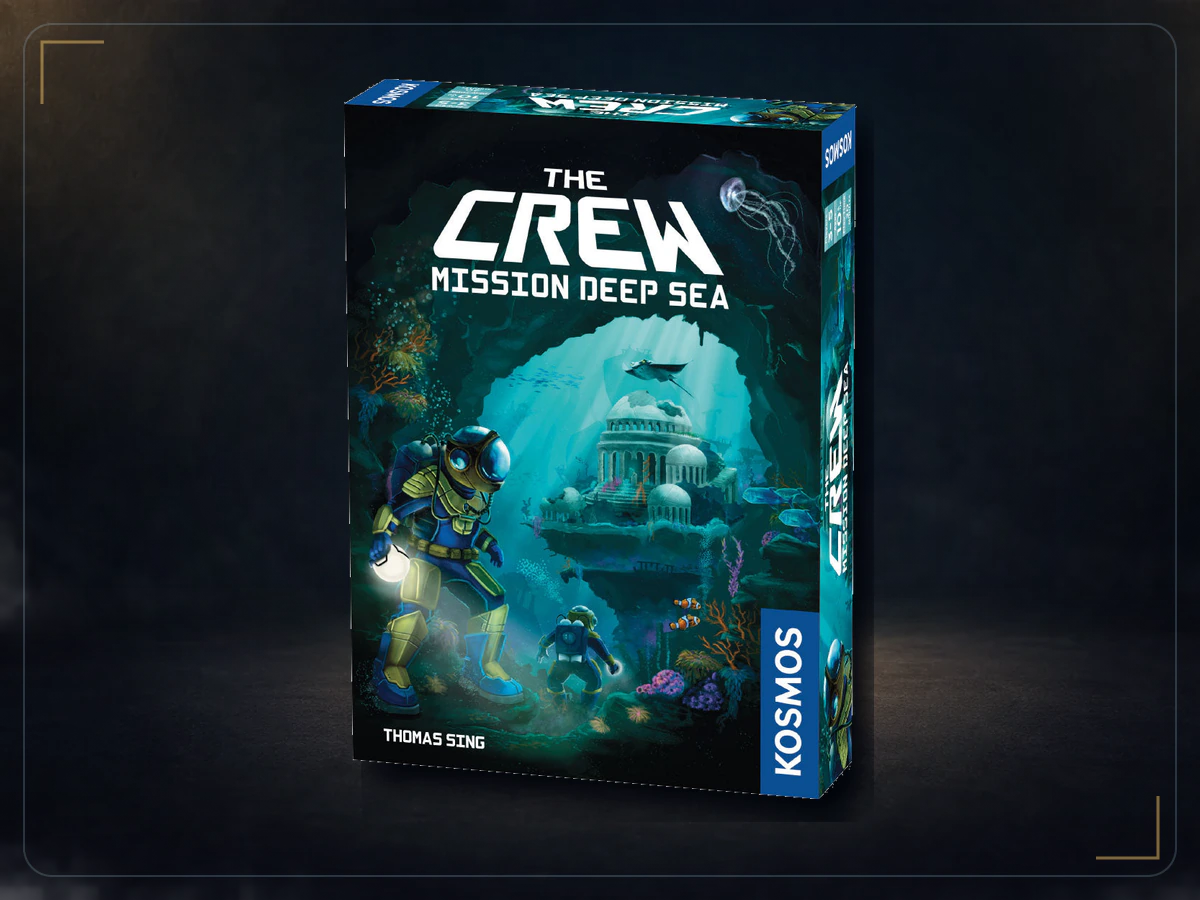
The single best pocketable game is The Crew: Mission Deep Sea (Thames & Kosmos, ~$15) — a no-board cooperative trick-taker with a 32-mission logbook that fits in a jacket pocket and out-designs games ten times its size. Receipt: designed by Thomas Sing, published 2021.
Decision map
Choose in thirty seconds
The best overall — co-op players who want maximum design in minimum box.
Two-player abstract strategy with no board, ever.
Fast, combo-heavy two-player deck-building on a tray table.
Crisp answer first: a pocketable game is one you can carry where your phone lives and deploy with no table, no board, and no apology. The whole field here is micro-boxes, card decks, tins, and a couple of literal wallets. The ranking metric is honest and physical — game per cubic inch. Not "most beloved," not "deepest." Most delivered fun for the smallest footprint you can zip into a coat.
I refuse to round on the specs, so every pick below carries a receipt: a card count, a box note, an award with a year attached, a designer with a name. Where a number is community-calculated rather than printed on the box, I'll say so. And if you think I've got a fact wrong — a card count, a publish year, an award — I want to hear it. Cite or it didn't happen. Happy to pull the source if you want to verify me.
A note on the order: I weighted three things, in this priority. First, footprint — can it genuinely ride in a pocket or small bag. Second, game-per-cubic-inch — does the design earn the space it takes. Third, how often you'll actually reach for it. That math put a no-board co-op trick-taker at #1 and a gorgeous two-player trick-taker at #10, with no shame anywhere on the list.
Start here, then go deeper
You are in the right cabinet.
 ✦ Topic PathBoard Game Buying Guides: compare the whole shelfStart with the decision, not the shelf. These guides compare the games, editions, expansions, player counts, and costs people...
 Best OfTop 10 Travel Games to Build Memories (2026): Beyond UNOTen portable games that turn a plane, a cabin, a long drive, or a hotel night into a story you'll still be retelling at the next family...
 Best OfBest 2–3 Player & Travel Card Games (2026)The whole table doesn't have to show up for game night to count. Here are the ten decks that turn a two-top, a tray table, or a hotel bed...
Why does a no-board co-op beat everything heavier?
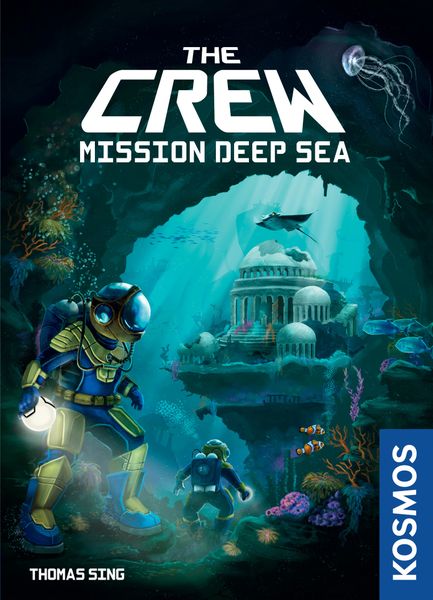

Crisp answer first: because The Crew: Mission Deep Sea (Thames & Kosmos, 2021) delivers a brand-new feeling per cubic inch, and that's the metric. It's a cooperative trick-taking game — and that pairing alone is the receipt that it's doing something its competitors aren't. You win not just by taking tricks but by negotiating the order they're won, all while you're barely allowed to speak.
The footprint is the punchline. A task-card system and a 32-mission logbook — a full campaign that rides in a jacket pocket with room left for your keys. Shut Up & Sit Down called The Crew and Mission Deep Sea "some of the best card games on the market, and maybe even some of the best co-op games of all time." That's a story I'm happy to back with the box: no board, no setup, all design.
One culture note worth dating: the original Crew won the 2020 Kennerspiel des Jahres, Germany's expert game of the year. Deep Sea, the better-designed sequel, took the 2021 BGG Golden Geek for Best Cooperative Game instead. Different award, same year-adjacent pedigree. I'll date that distinction so nobody repeats the myth that Deep Sea itself is a Kennerspiel winner.
Some of the best co-op games of all time — in a box the size of your phone.
Can a bag of hex tiles really rival chess?
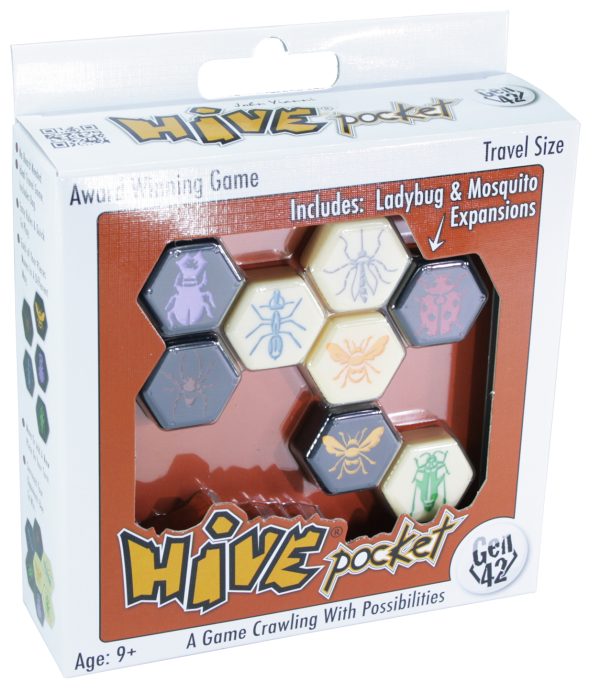
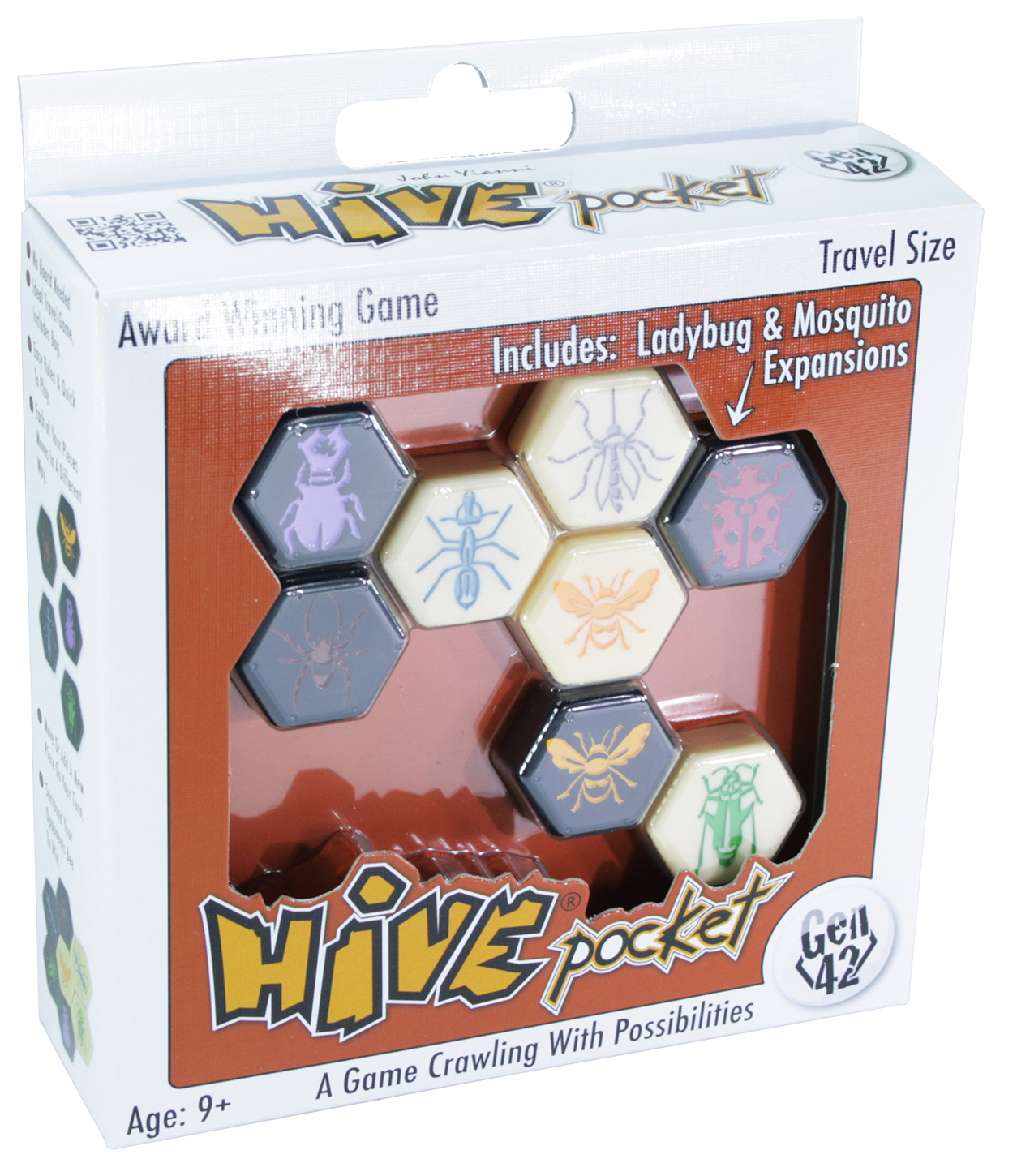
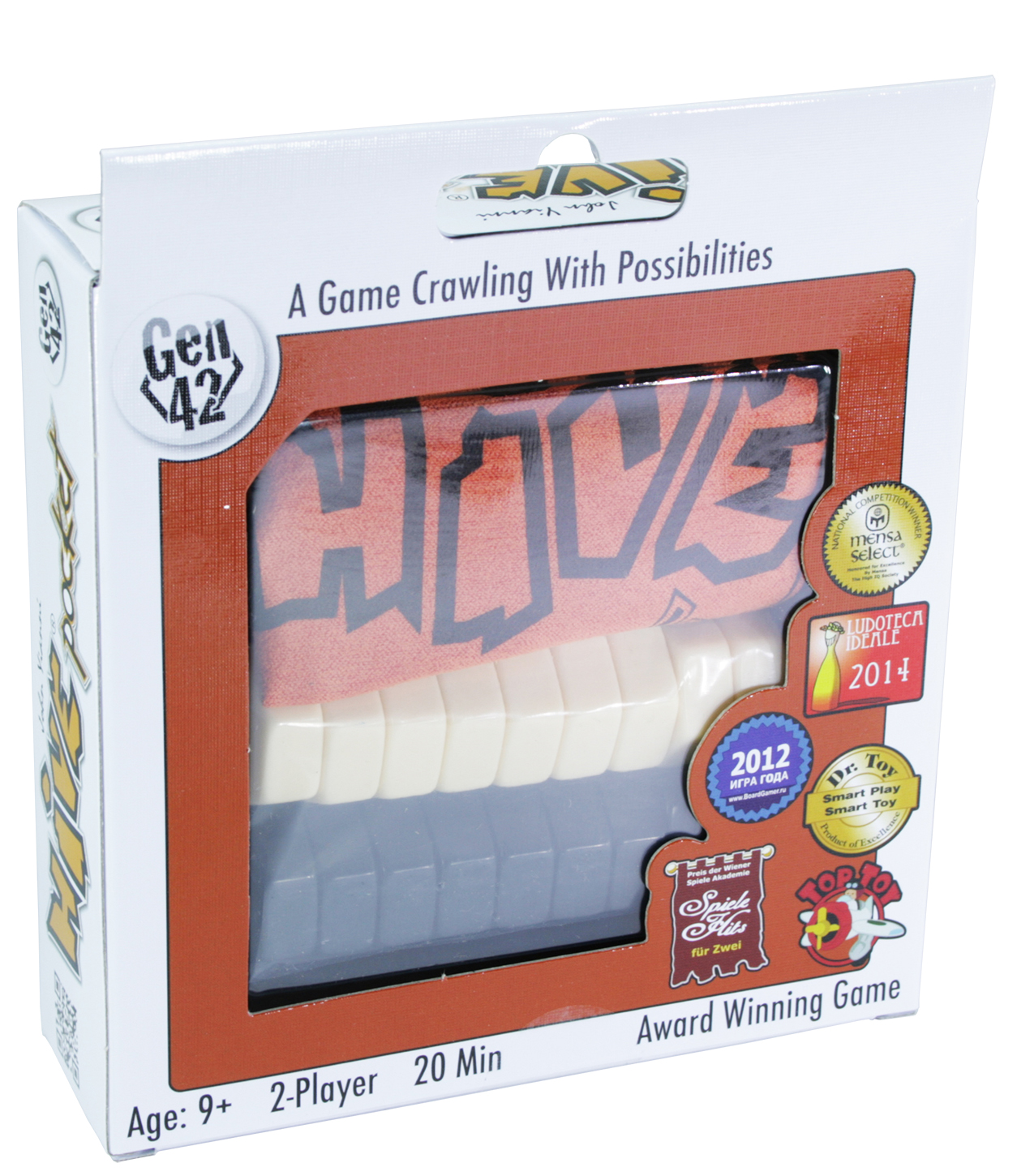
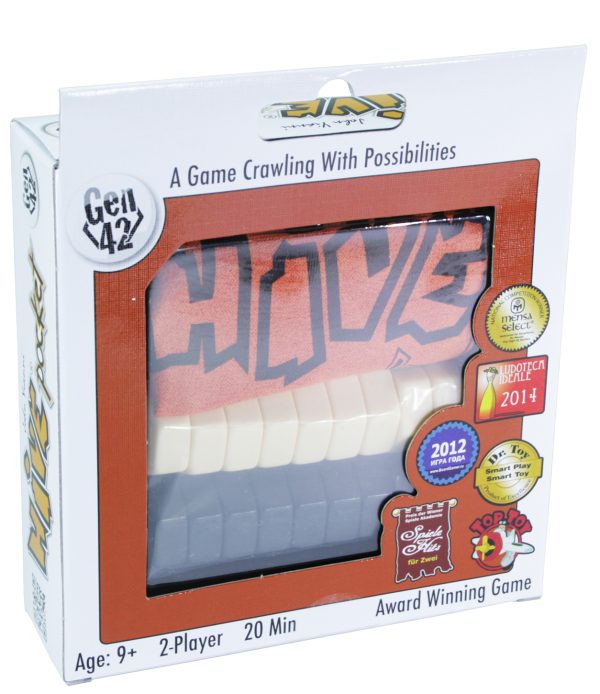
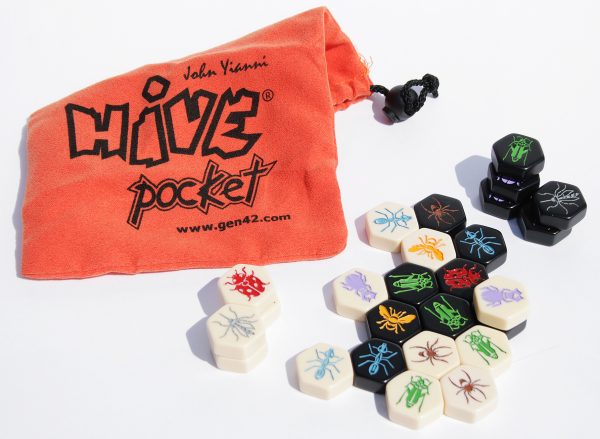
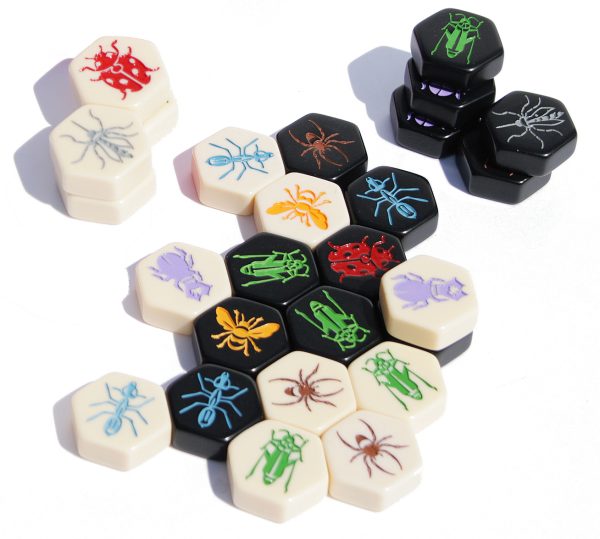
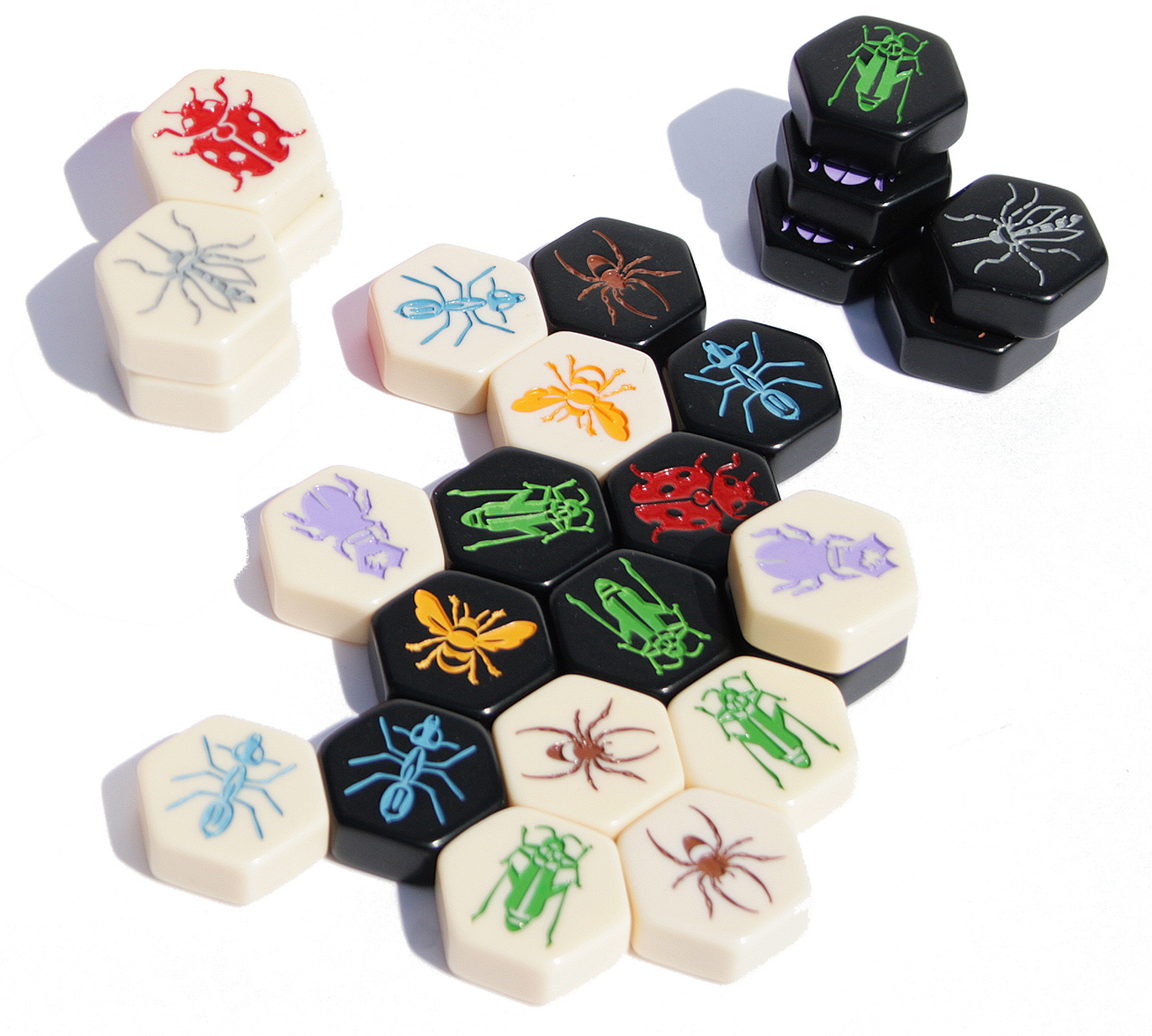
Crisp answer first: Hive Pocket (Gen42 Games) earns the comparison, and it does it with no board at all. Tessellating hexes build a unique battlefield every game on any flat surface — you're trying to surround the opponent's Queen Bee while each bug moves its own way. Ants roam anywhere, grasshoppers leap in straight lines, beetles climb on top of the hive.
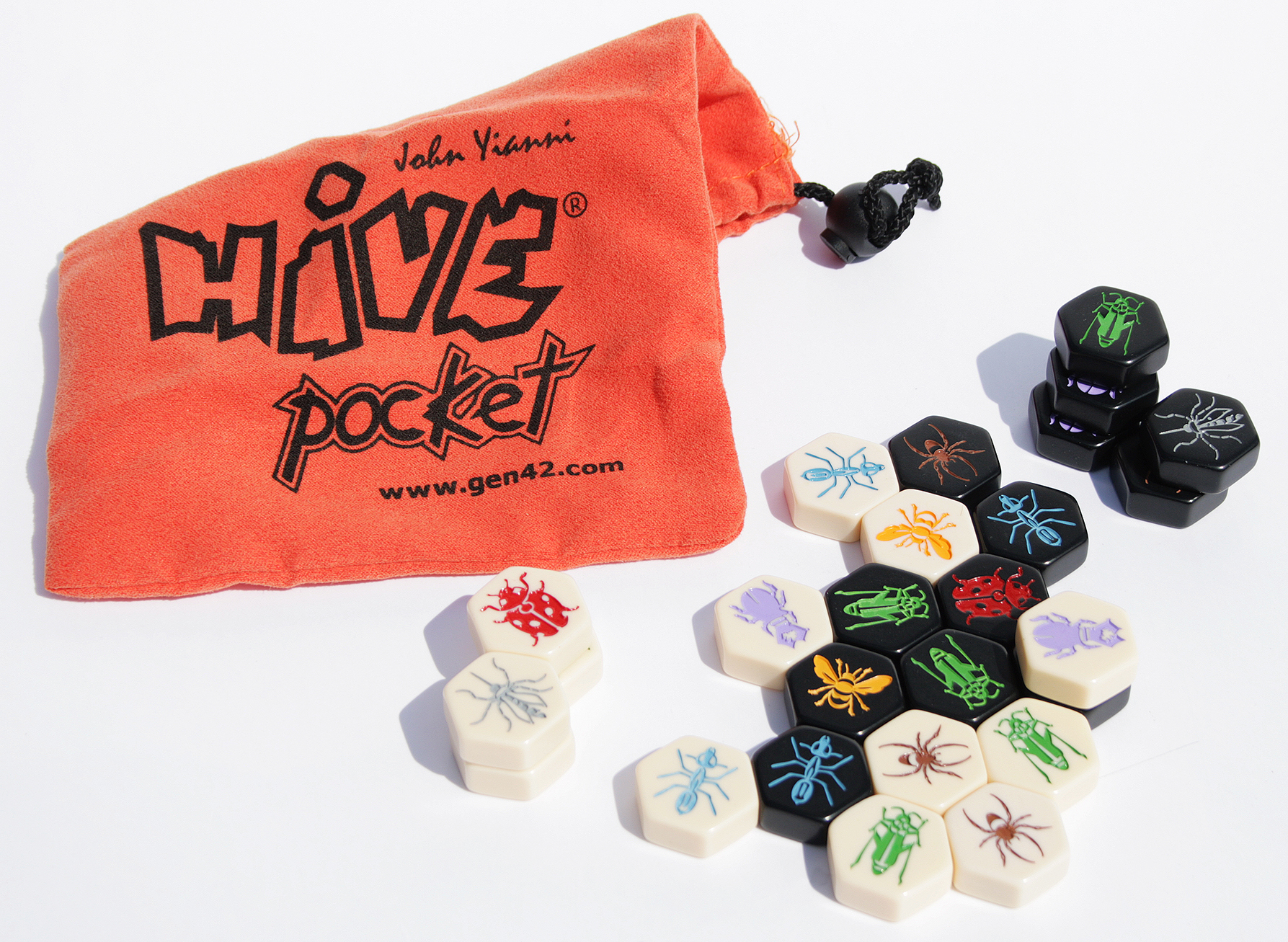
The recurring reviewer line is that Hive has "the abstract depth of chess but with a faster play time" — and crucially, "no board and no setup time." That's the pocketable dream stated plainly: the depth without the luggage. The Pocket edition is the lighter, soft-bag version, and it bundles in the Mosquito and Ladybug, so it's the go-anywhere edition to own.
The origin is a good one, and I can date it: John Yianni first published Hive in 2001 and deliberately switched from square to hexagonal tiles so the pieces could connect without a fixed grid. Receipt: it won a Mensa Select award in 2006. That's a record, not a story.
The abstract depth of chess, in a drawstring bag, with no board and no setup time.
Which pocket game gives the most replay for the least footprint?

Crisp answer first: for combos, Star Realms (Wise Wizard Games, 2014); for solo brain-burn, Sprawlopolis (Button Shy, 2018). They're the two replay champions on the list, and both are absurdly small.
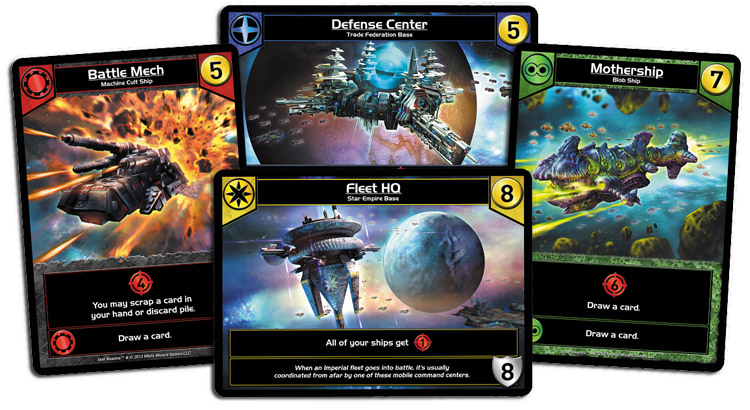
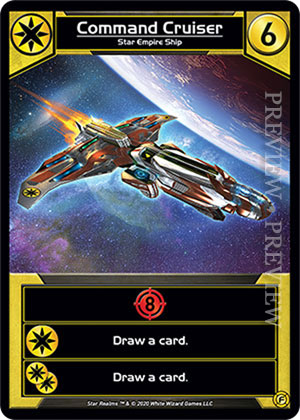
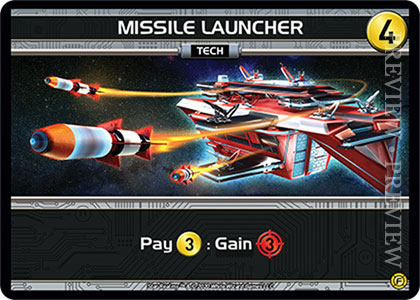
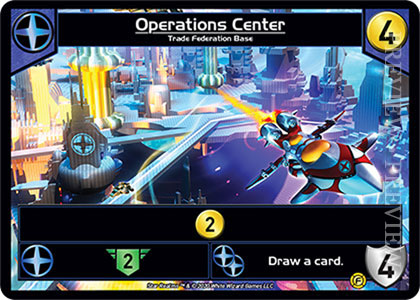
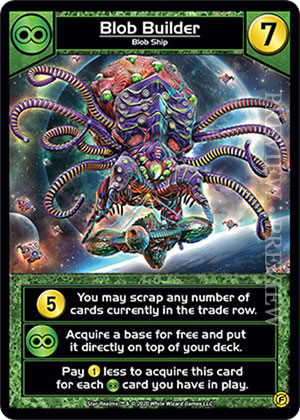
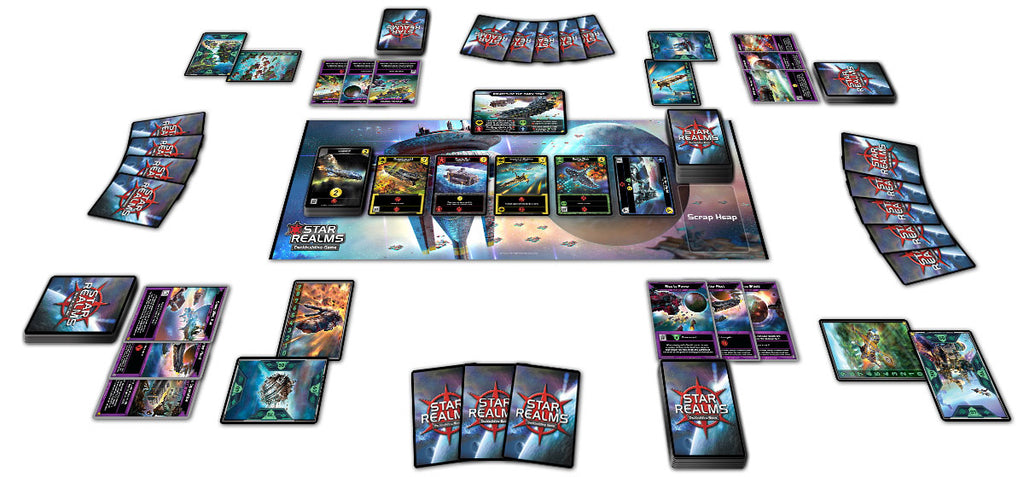
Star Realms is ~128 cards, no dice, no board — explicitly marketed as travel-friendly. Meeple Mountain's Robbie Foley nailed the appeal: "The box is tiny, and the game plays anywhere," and the "random trade row keeps every game fresh." Three fast, combo-heavy games fit in the time a heavier box takes to set up once.
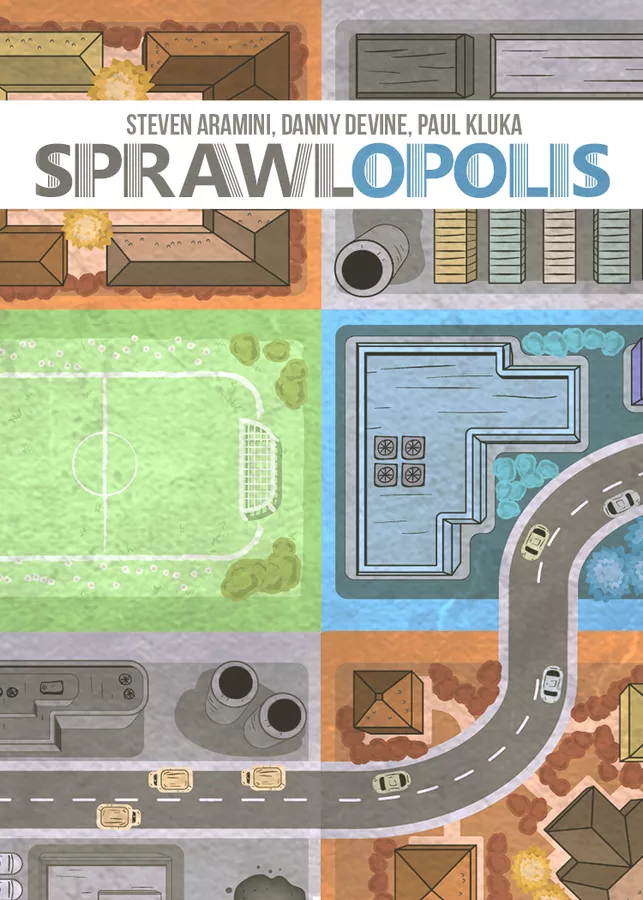
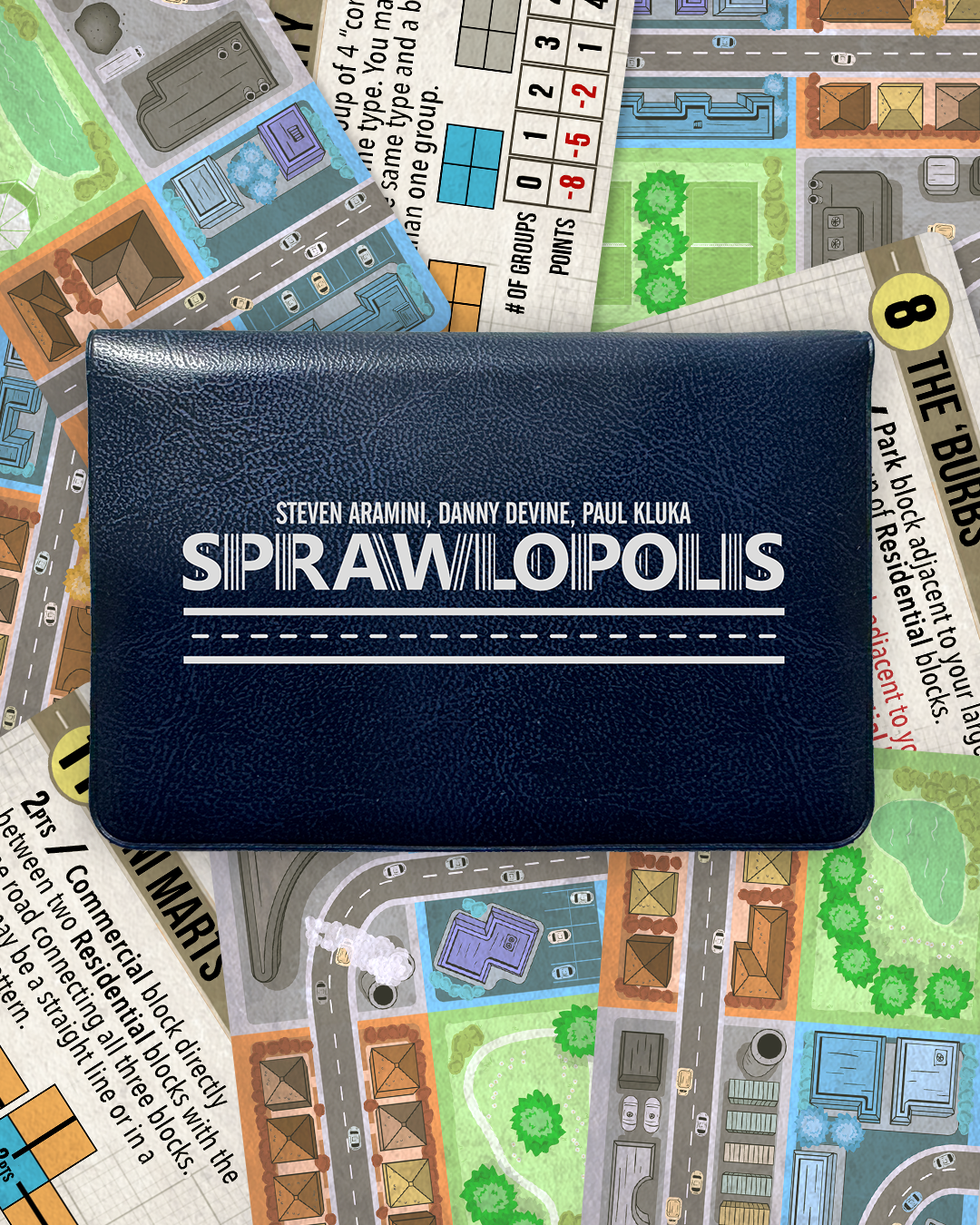
Sprawlopolis goes smaller still: 18 cards in a vinyl wallet, with three randomly-drawn scoring goals reshaping the puzzle every game. The solo community's affectionate tag is "SimCity in my pocket," and reviewers keep flagging the shock that "just 18 cards" delivers this much depth. If your pocket game has to justify its space, these two file the cleanest receipts on the shelf.
Eighteen cards. Three random scoring goals. One wallet.
What's the best one to teach — and the best to feel?
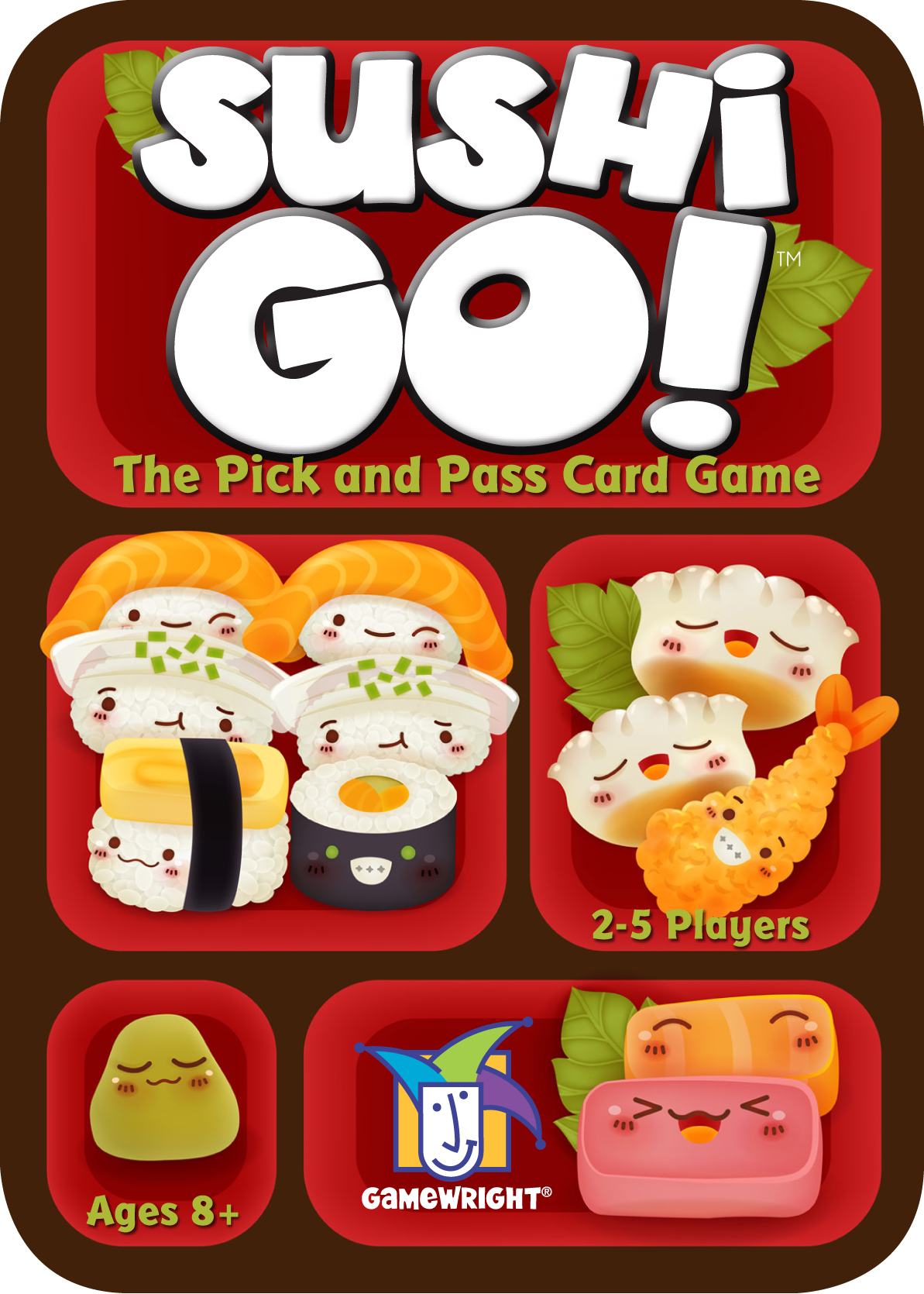
Crisp answer first: to teach, reach for Sushi Go! (Gamewright); to feel something, play The Mind (Pandasaurus). Different jobs, both tiny.
Sushi Go! is card-drafting with the training wheels designed in. The consensus is that "the rules take minutes to explain, but the drafting decisions remain interesting for adults." The hook is the push-and-pull between building your own plate and snatching what your neighbor needs — and it all lives in a 108-card metal tin you can pocket. Phil Walker-Harding self-published the first edition in 2013 before Gamewright gave it the famous bento-box tin in 2014.
The Mind is the opposite pitch: almost no rules, 100 numbered cards, and a silent, communication-free climb that can feel like telepathy. I'll be honest, because the record is honest — it divides players. One reviewer notes that after "20 times, it really can happen," while another counters it's "a brilliant design and a great experience… for a couple of plays." Buy it for that first electric session. Receipt: nominated for the 2018 Spiel des Jahres, As d'Or winner 2019.
Buy The Mind for the first electric session. The receipt is in the room.
Do you even need a table? The no-table tier.
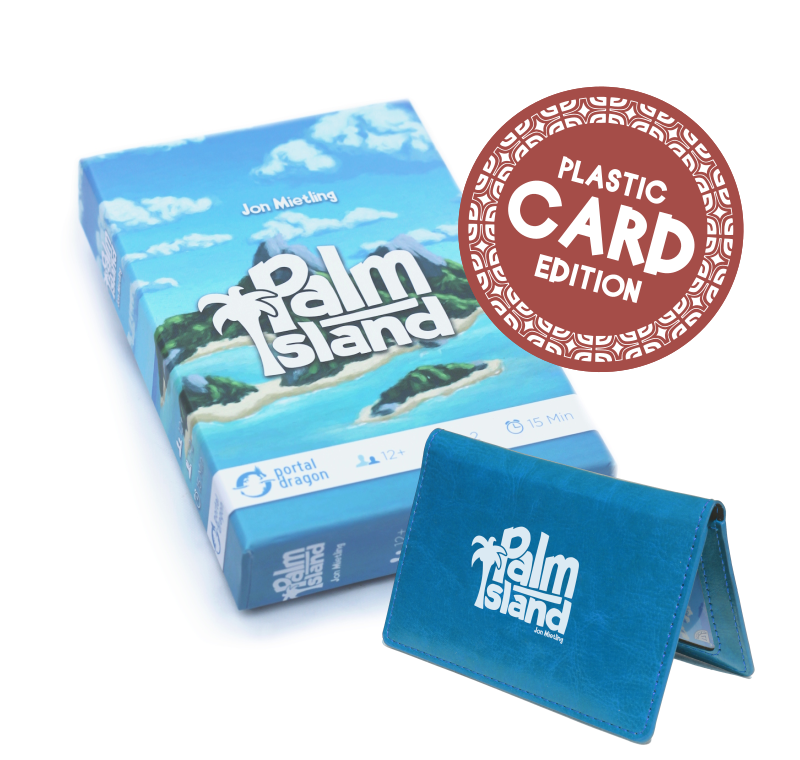
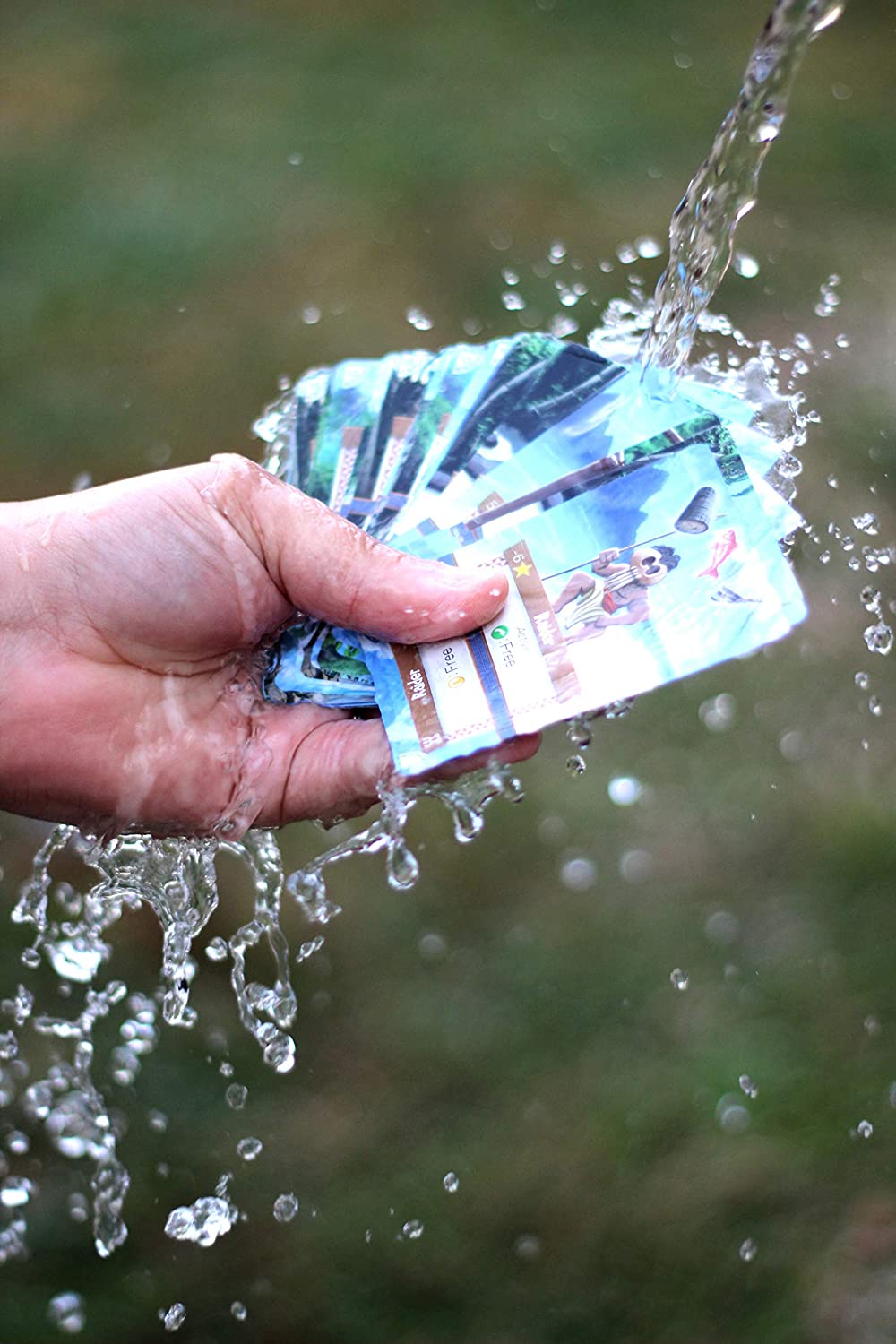
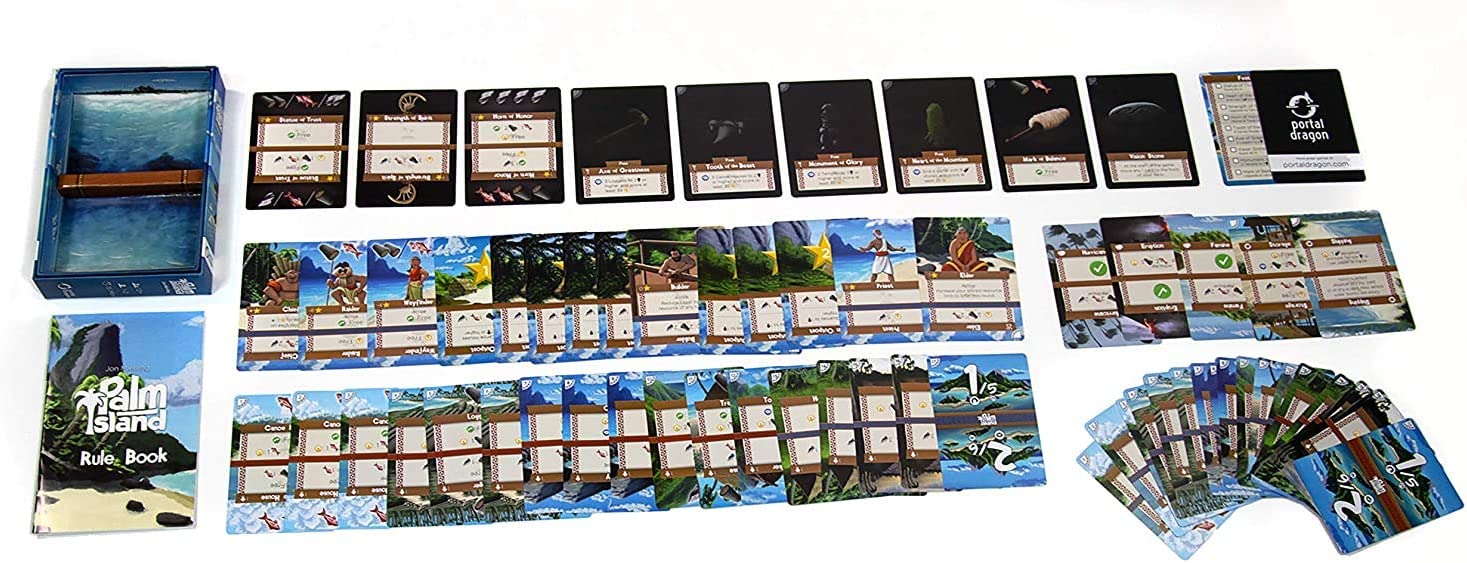
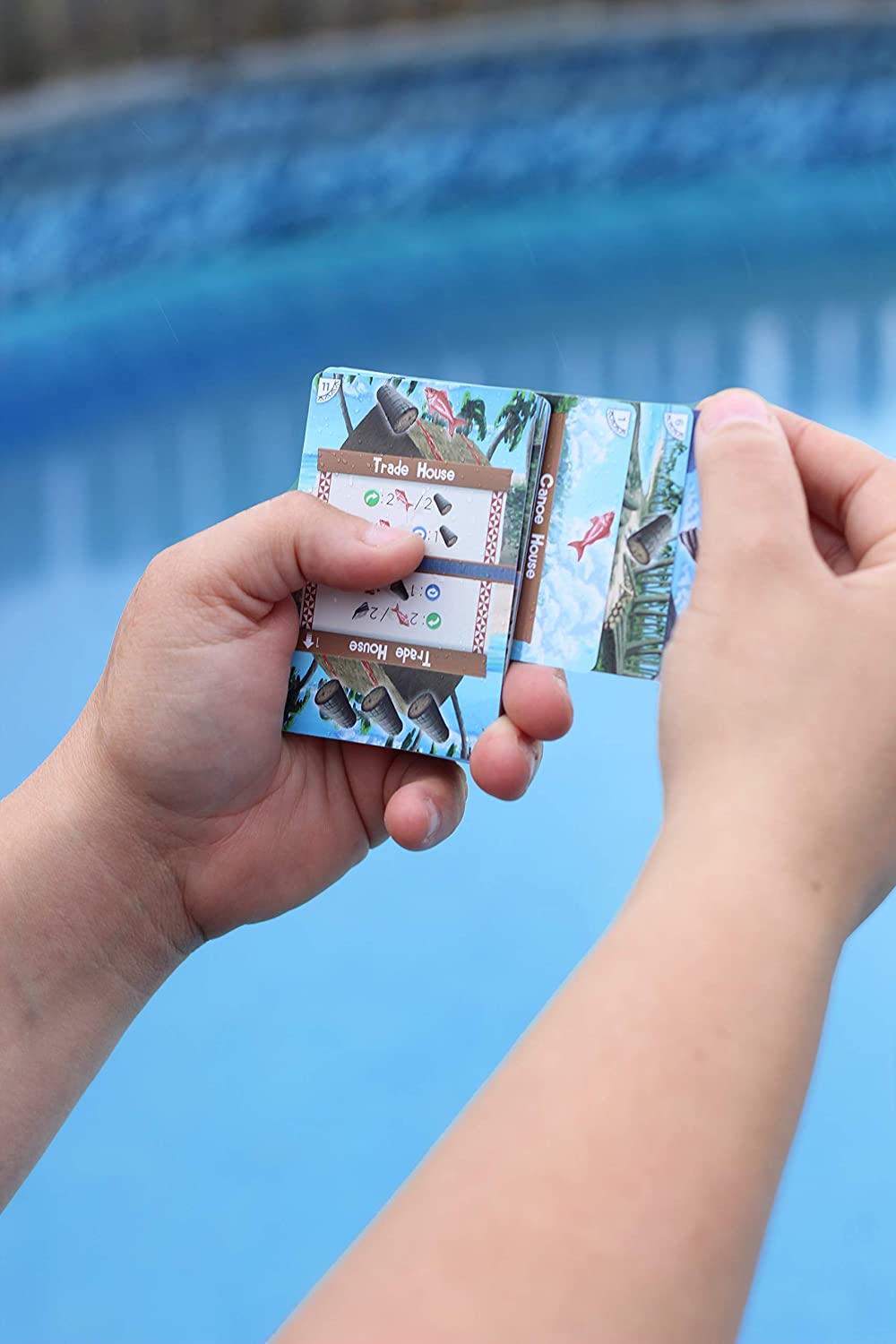
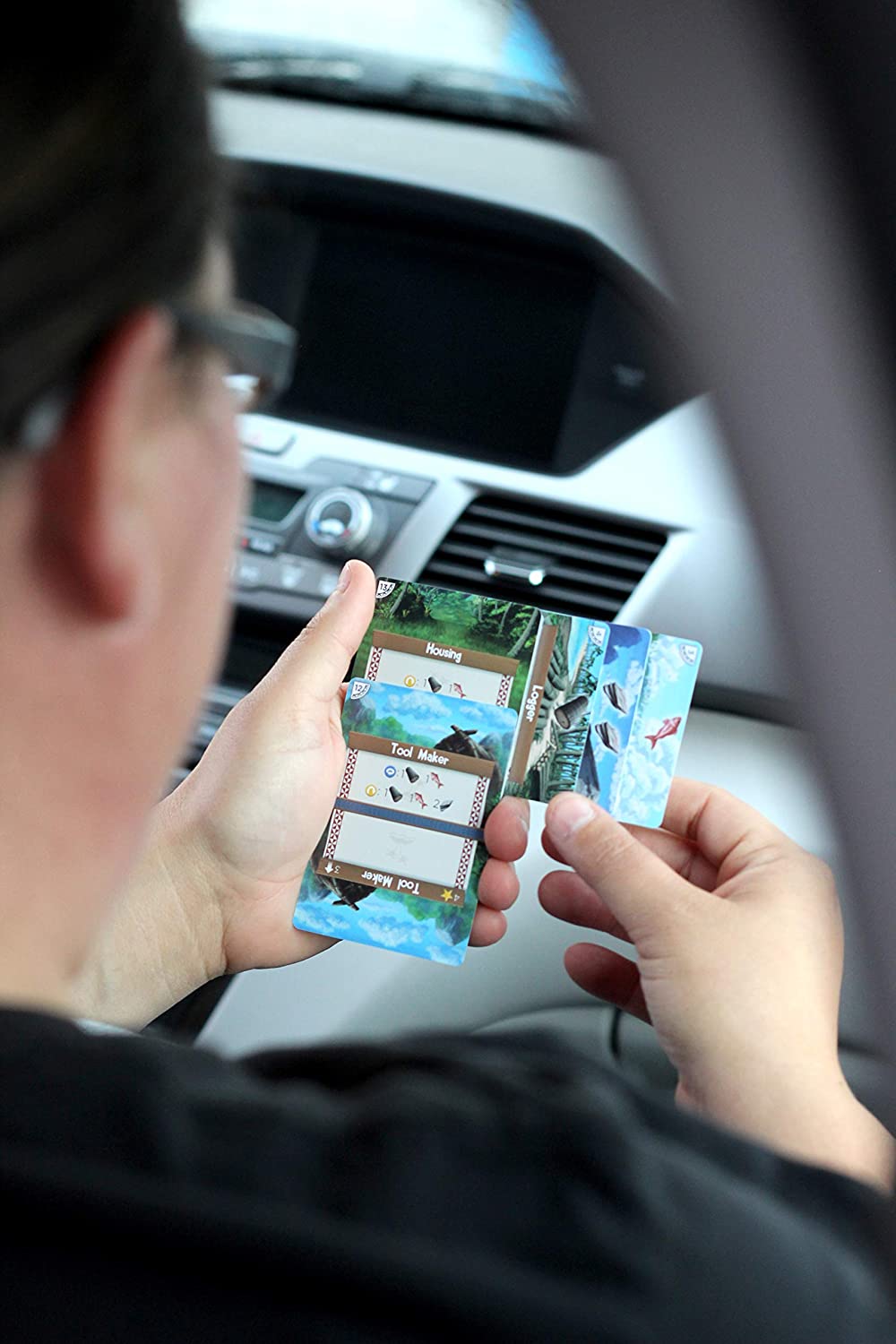
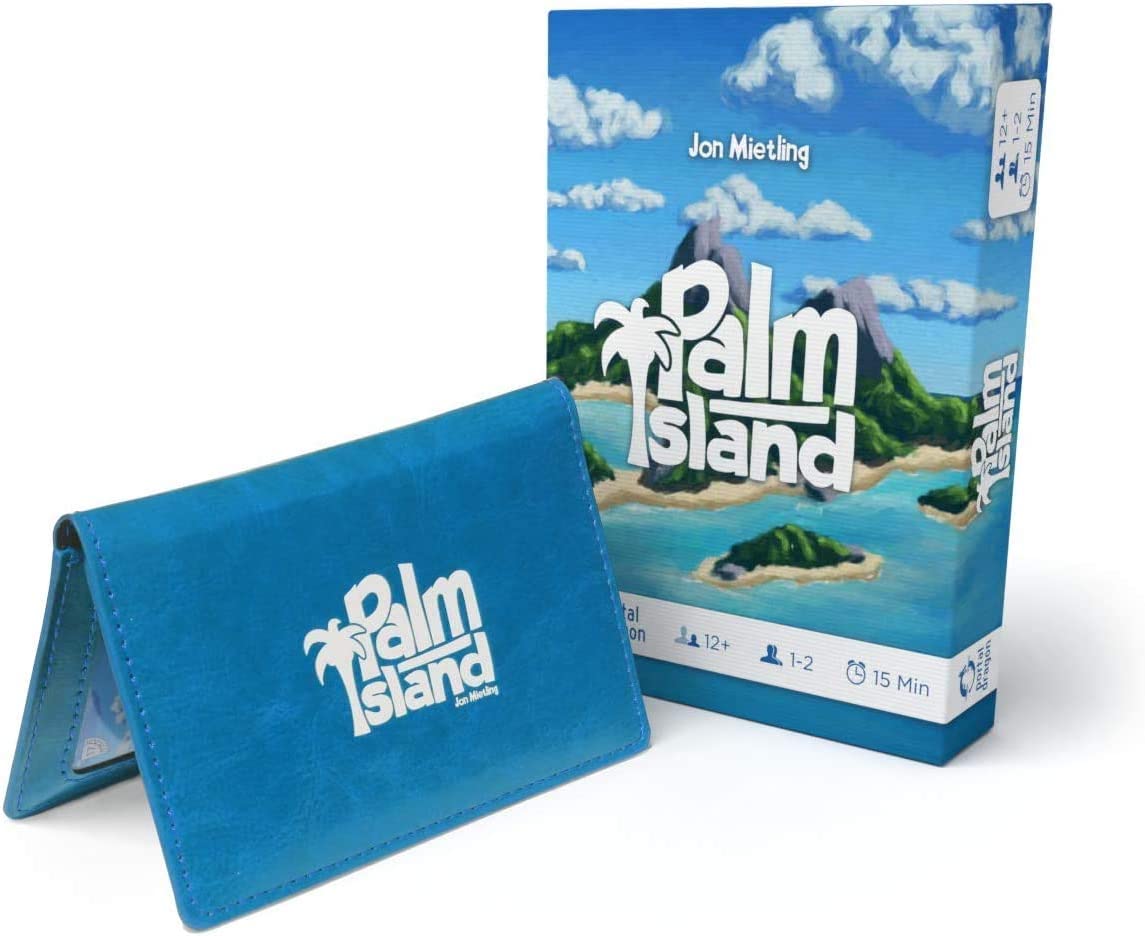
Crisp answer first: no — Palm Island (Portal Dragon, 2018) proves it. Seventeen cards, played entirely in one hand, no table at any point. Each card has four states you rotate or flip to upgrade, so the entire village-builder lives in your palm while you stand in line or ride the bus.
The pitch reviewers keep echoing: "You can play sitting, standing, waiting, riding, flying, relaxing, alone or together, with no table required." That's the most extreme answer to the pocketable question on this whole list — it's not just small, it's table-optional by design. The honest caveat, and I'll give it to you straight: it's ultimately "an efficiency optimization exercise," so it shines brightest as a fidget-friendly pocket solo rather than a tense duel.
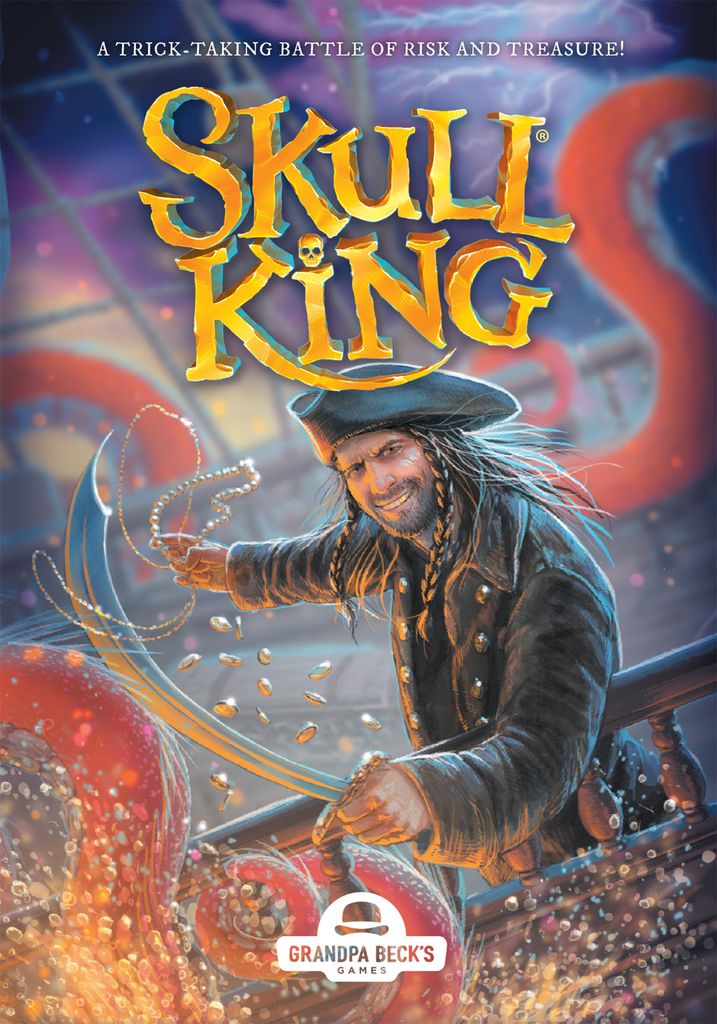
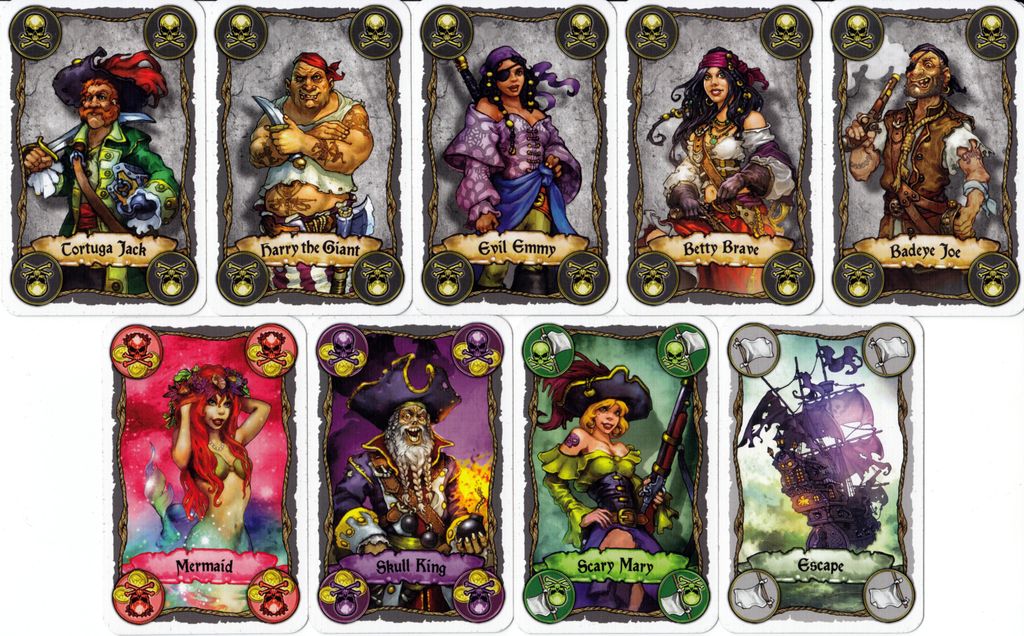
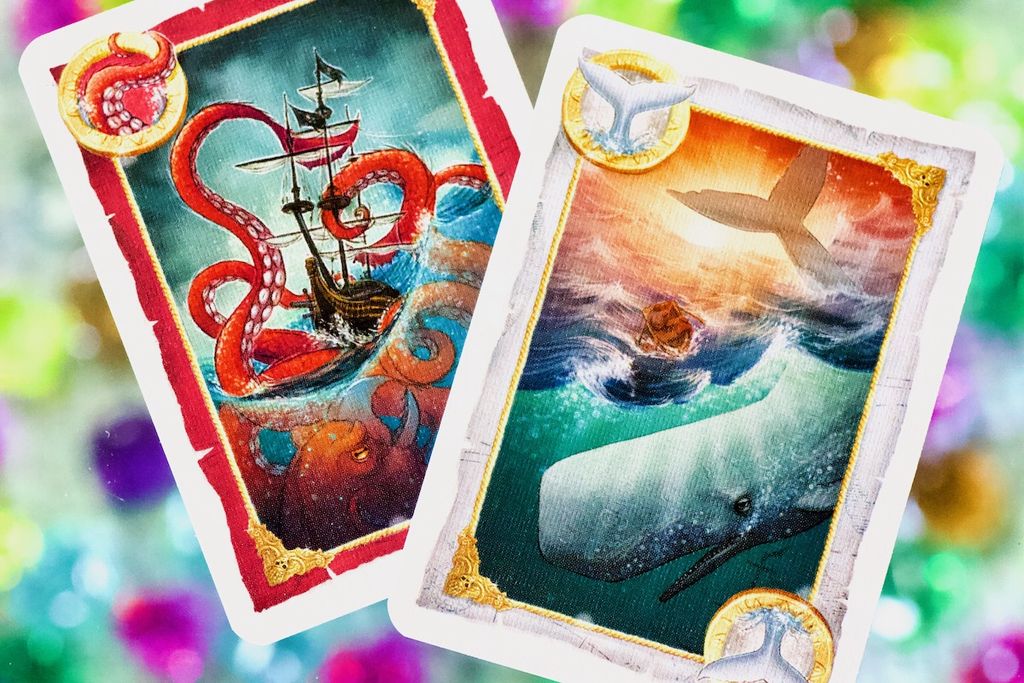
Skull (Space Cowboys) sits one notch up on footprint — its 24 discs and 6 mats spread out more in play — but it earns the carry on what it doesn't have. The community love is for "no luck, no complex rules, no cards to memorize — just psychology, bluffing, and the ability to read your opponents." Receipt: it won the 2011 As d'Or, France's top game award, under designer Hervé Marly.
Seventeen cards. One hand. No table. That's the ceiling of pocketable.
Two players, small box: which trick-taker wins date night?
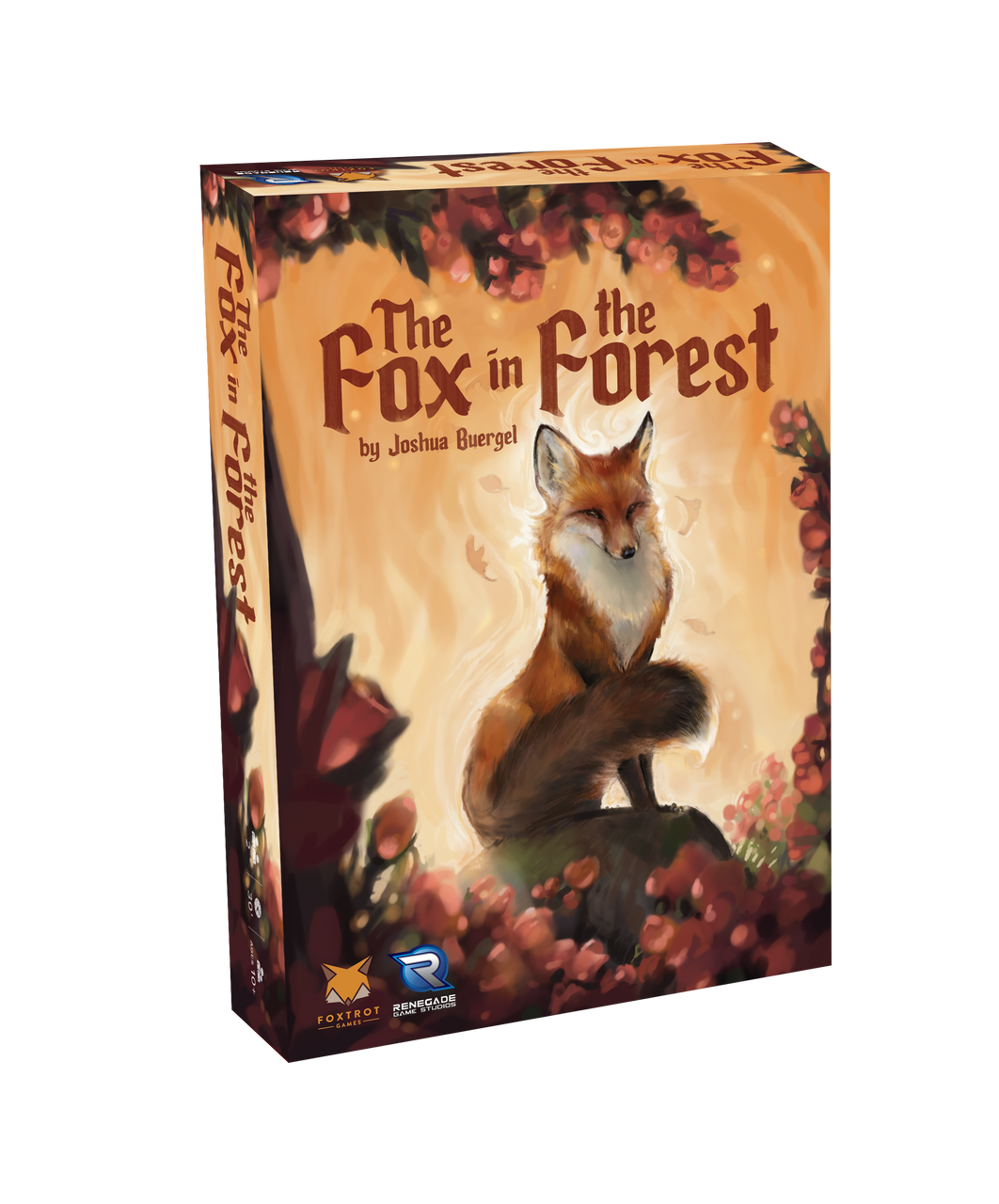
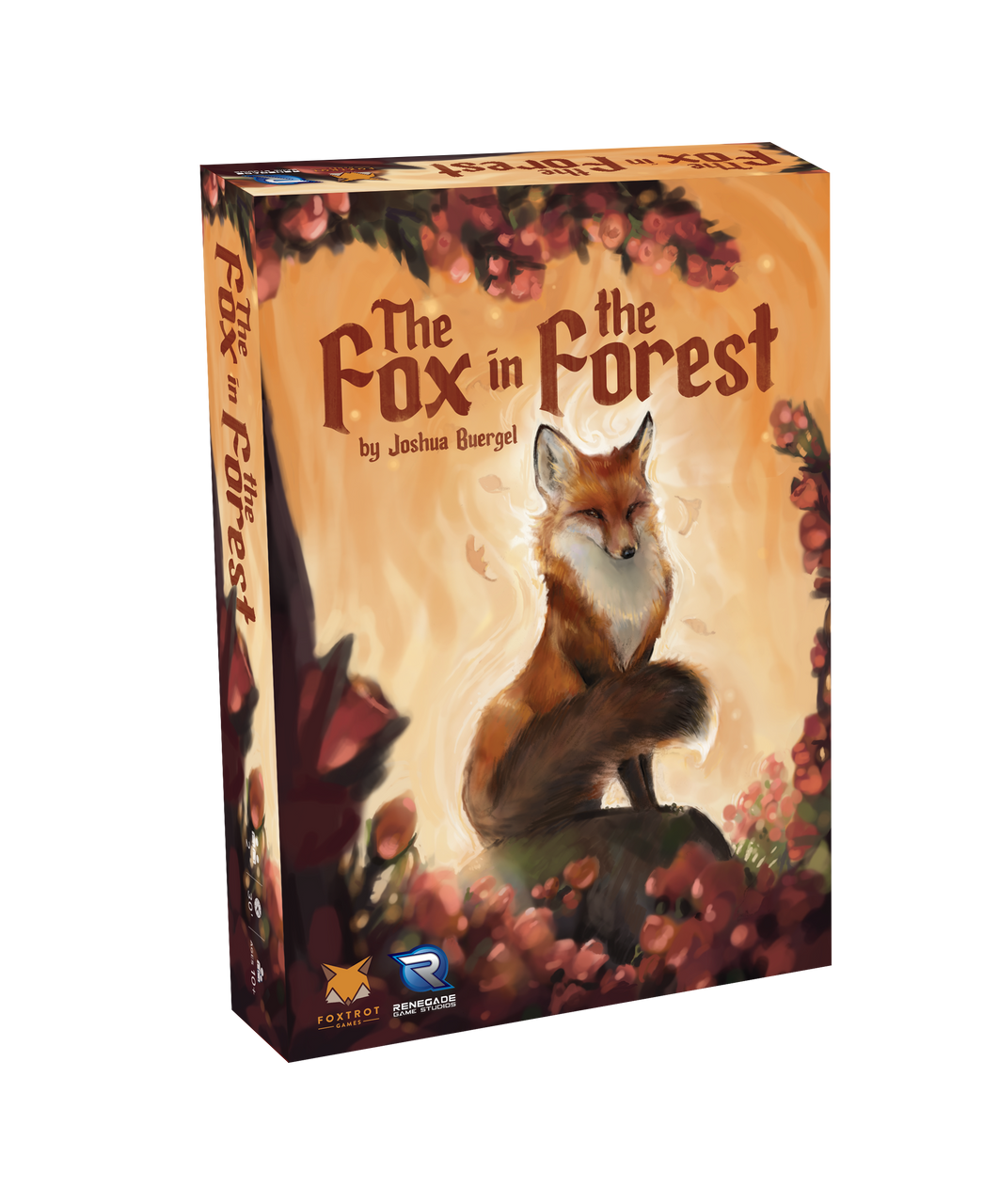
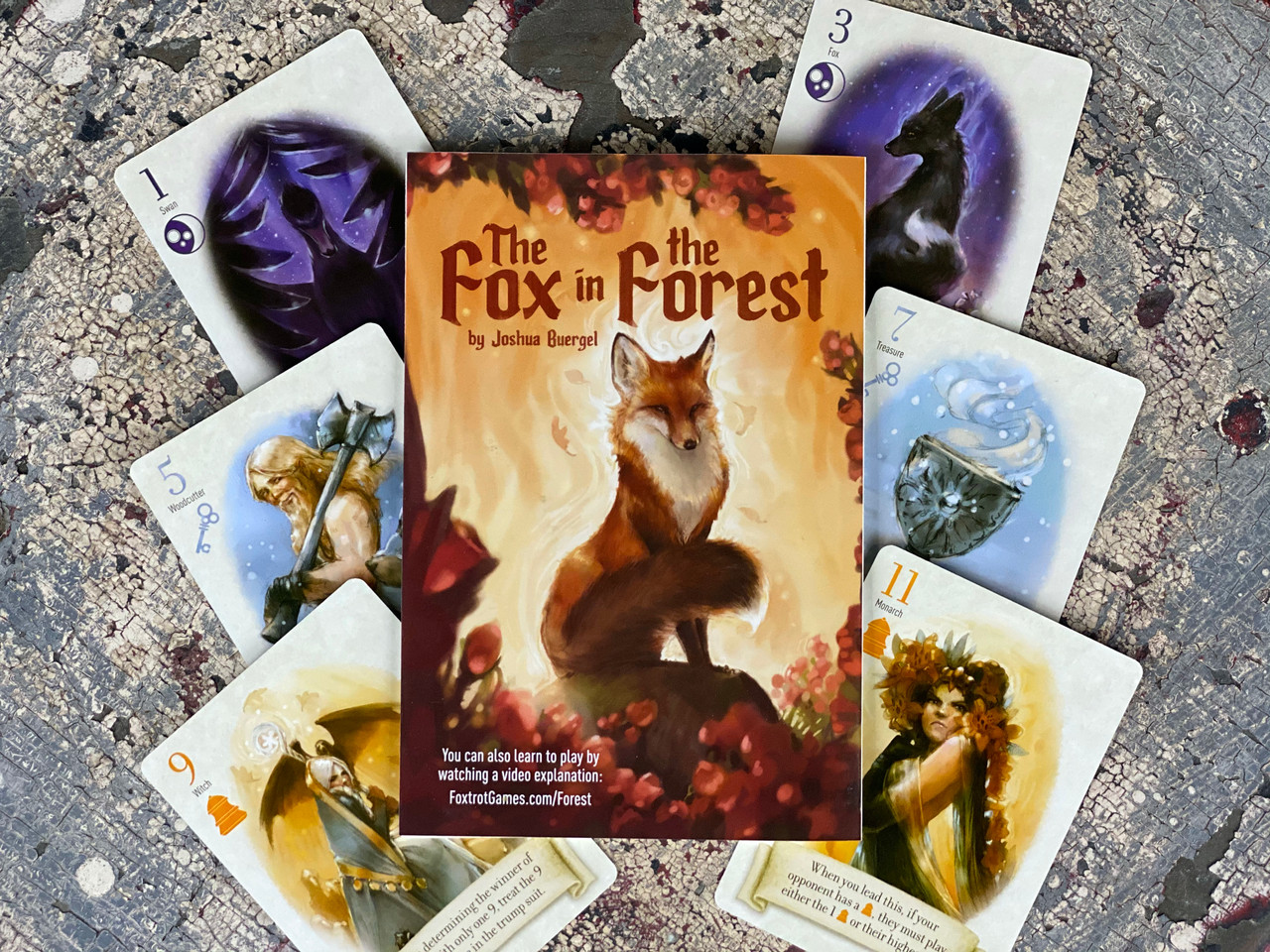
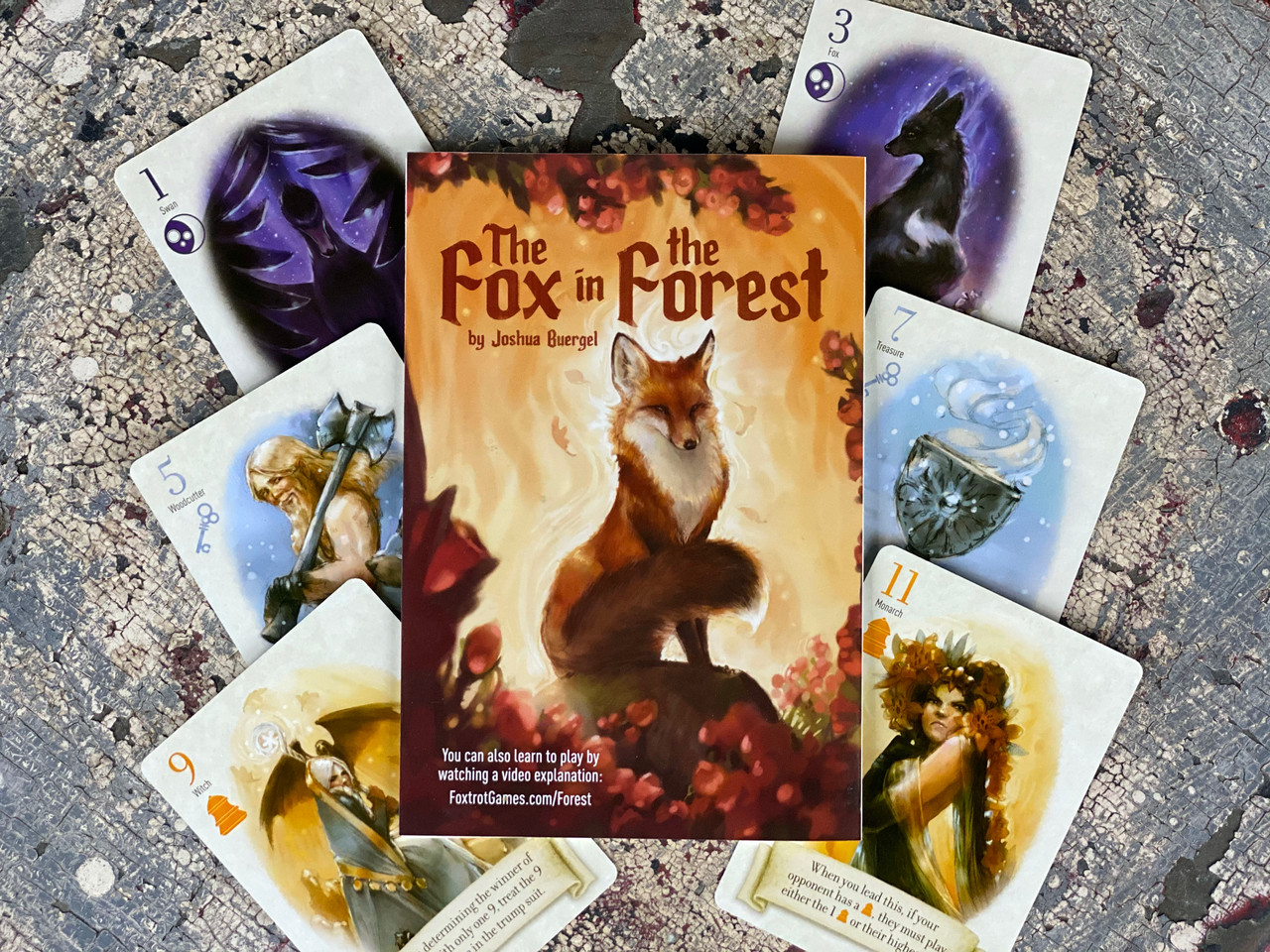
Crisp answer first: The Fox in the Forest (Foxtrot Games / Renegade, 2017). It's the prettiest small-box two-player trick-taker on the list, and the one I'd hand a couple looking for a 30-minute ritual.
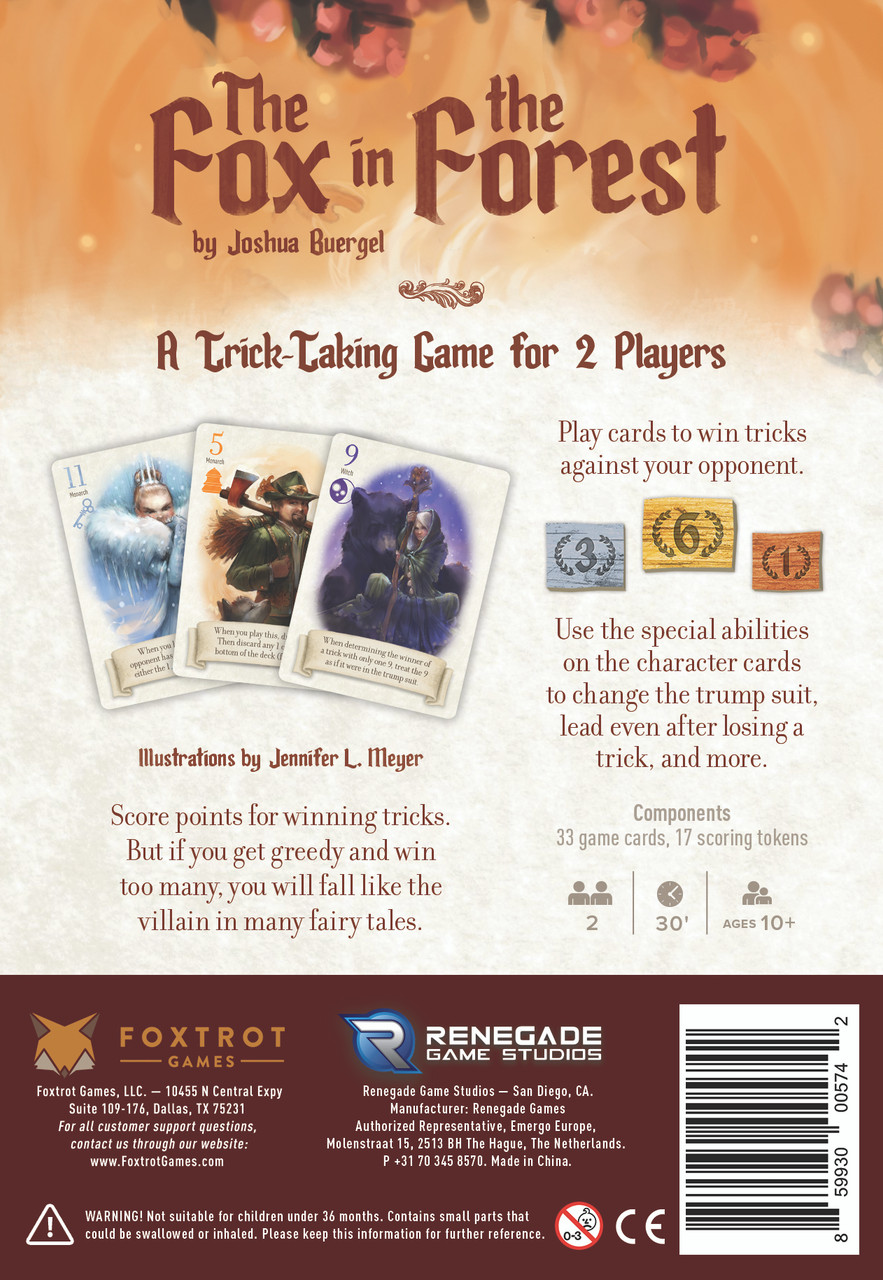
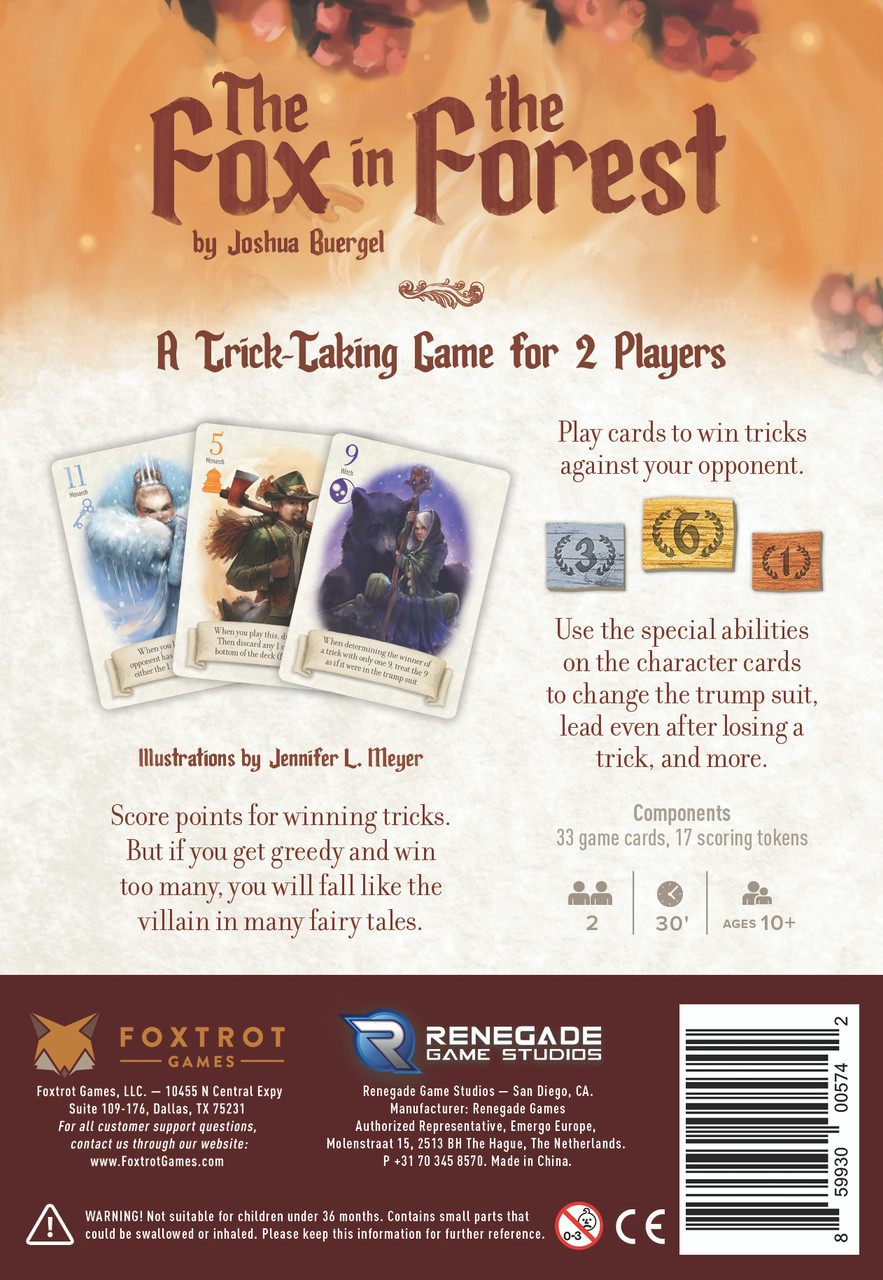
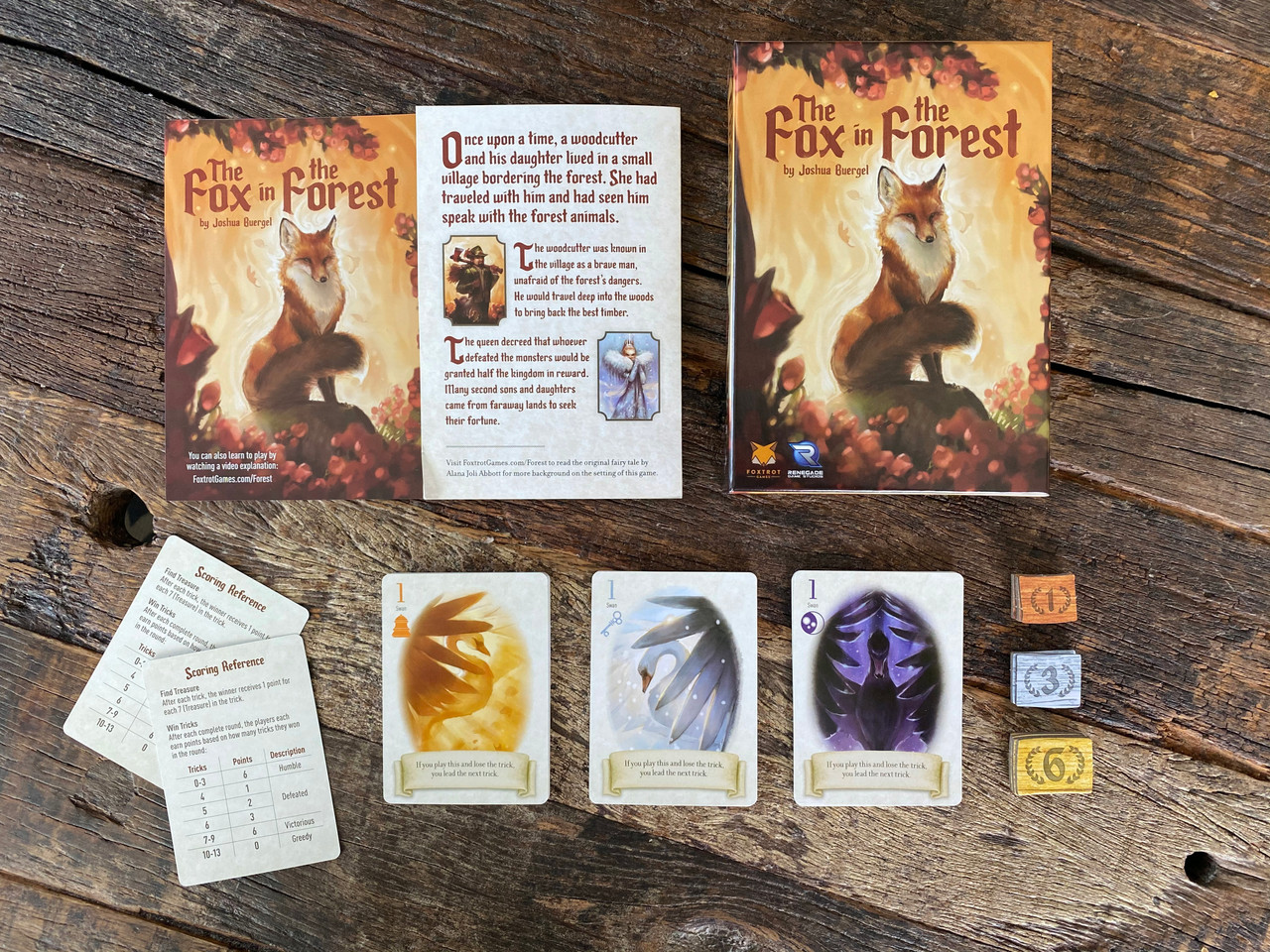
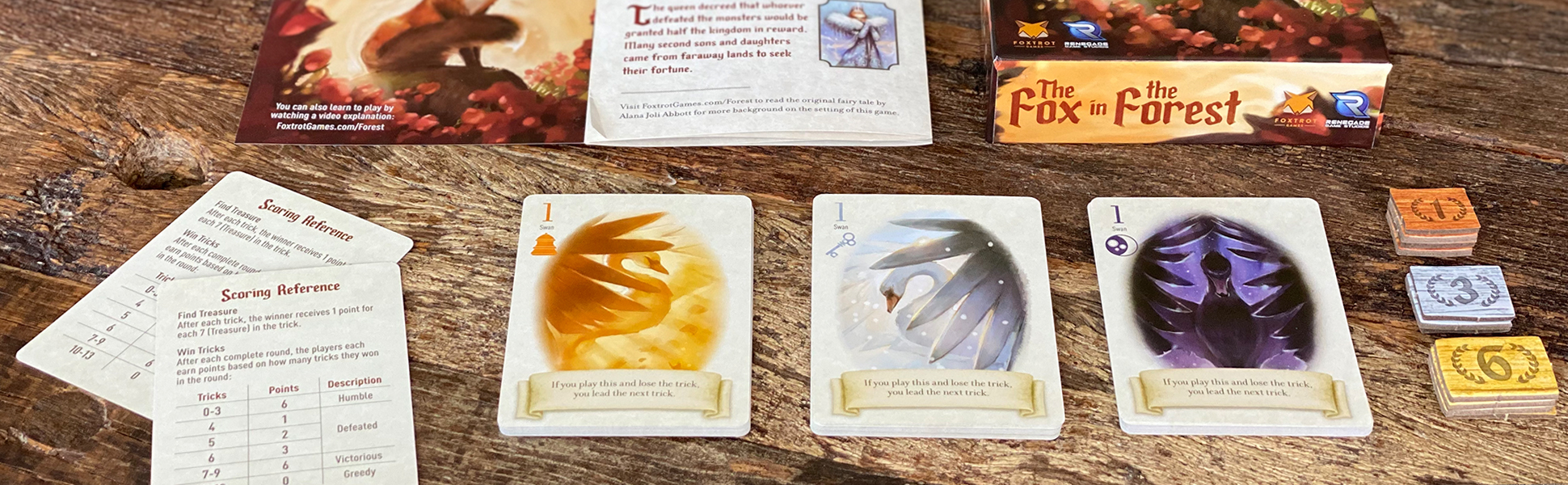
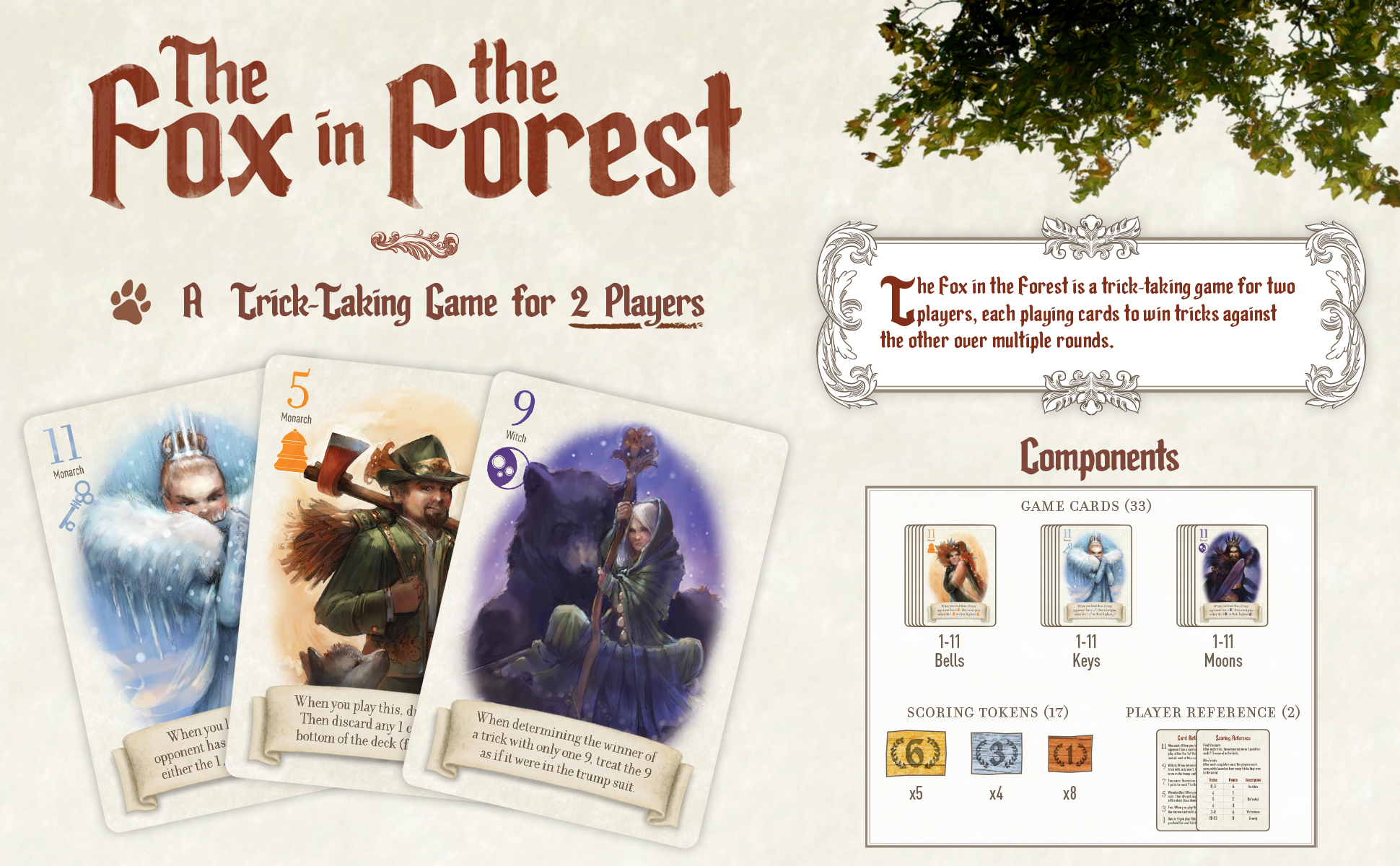
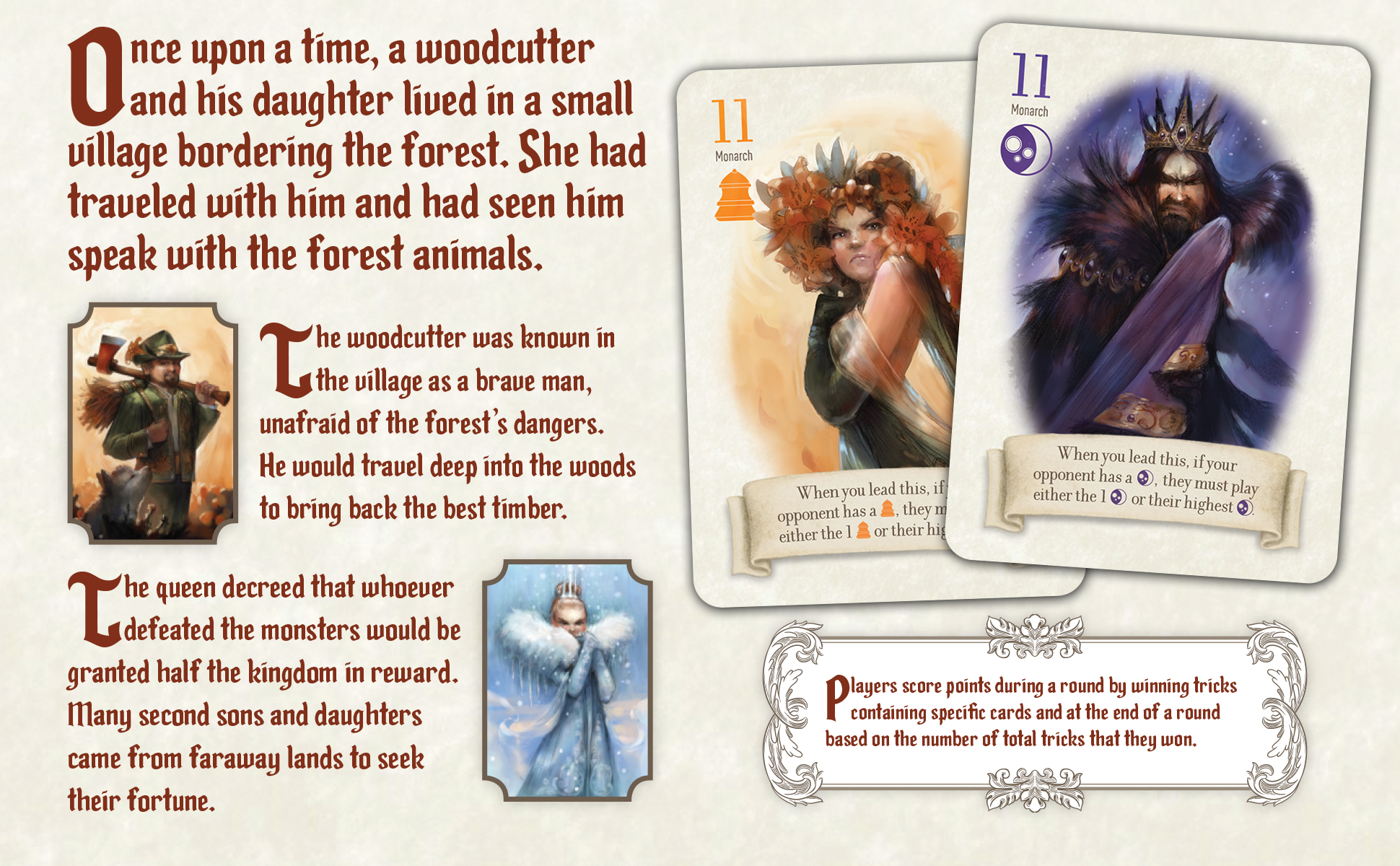
The clever twist is in the scoring, and it's the thing reviewers love: winning the most tricks can wreck you. Take 7-9 tricks and you're "Victorious"; get greedy and grab 10+ and you score zero. Thirty-three fairy-tale-illustrated cards across three suits — moons, bells, keys — with odd-numbered cards carrying powers that bend the normal trick rules. Quinns at Shut Up & Sit Down gave it the definitive rave: "the best small-box card game I've played in two years. The art is incredible. It's spectacular."
If your "two-player small box" itch is more cerebral than cozy, Love Letter (Z-Man, ~$12) and Hive Pocket are right there — one a 21-card bluff-and-deduce filler, the other a hex-tile abstract brawl. But for the date-night brief specifically — surprisingly cutthroat, best with someone you know well — the fox takes the trick.
Take 10 tricks and you score zero. Greed is a trap, by design.
What experienced tables keep reporting
Recurring owner patterns, synthesized in Puzzlewick's words. Follow each evidence trail to read the original discussion.
Some of the best card games on the market, and maybe even some of the best co-op games of all time — the magic is its co-operative trick-taking, where you win not just by taking tricks but by carefully negotiating the order they're won, all while barely being allowed to talk.
Shut Up & Sit Down (on The Crew & Mission Deep Sea)
The box is tiny, and the game plays anywhere, and the random trade row keeps every game fresh.
Robbie Foley, Meeple Mountain (on Star Realms)
The Fox in the Forest is the best small-box card game I've played in two years. The art is incredible. It's spectacular.
Quinns, Shut Up & Sit Down (on The Fox in the Forest)
You can play sitting, standing, waiting, riding, flying, relaxing, alone or together, with no table required.
Reviewer consensus via The Family Gamers / Cardboard Clash (on Palm Island)
No luck, no complex rules, no cards to memorize — just psychology, bluffing, and the ability to read your opponents.
Reviewer consensus via Space Cowboys (on Skull)
The rules take minutes to explain, but the drafting decisions remain interesting for adults.
Geeky Hobbies / reviewer consensus (on Sushi Go!)
The abstract depth of chess but with a faster play time — and crucially, no board and no setup time.
BoardGameGeek forums / reviews (on Hive Pocket)
One of the best pocket-sized games a solo gamer could wish for — SimCity in my pocket.
Meeple Shelter / Meeple Mountain (on Sprawlopolis)
The picks
Some links below are affiliate links — as an Amazon Associate, Puzzlewick earns from qualifying purchases, at no extra cost to you. It never changes a pick.
The Crew: Mission Deep Sea
- Players
- 2-5 · best 4
- Time
- 20 min
- Age
- 10+
- Complexity
- 2.0 / 5
- Publisher
- Kosmos · 2021
- Designer
- Thomas Sing
- Art
- Marco Armbruster
Crisp answer first: this is the most game per cubic inch on the list, and it's not especially close. It's a cooperative trick-taking game — you win by taking the right tricks in the right order while barely being allowed to talk, which is a genuinely new feeling from a deck this small. Tip: don't house-rule extra communication; the silence IS the puzzle, and the flexible task system is built to be replayed, not solved once. Receipt: designed by Thomas Sing, published 2021; a 32-mission logbook plus a task-card system, no board.
- A 32-mission logbook — a full campaign with zero footprint
- Genuinely novel co-op trick-taking; the communication ban is the whole game
- Flexible task system gives it more replay than the original Crew
- Strictly cooperative — no head-to-head mode if that's what you want
- Needs players who'll honor the no-talking rule or the puzzle collapses
 8 photos
 Hive Pocket
- Players
- 2 · best 2
- Time
- 20 min
- Age
- 9+
- Complexity
- 2.22 / 5
- Publisher
- Gen42 Games · 2010
- Designer
- John Yianni
- Art
- John Yianni
Crisp answer first: this is the deepest two-player game you can carry in a drawstring bag. Tessellating hex tiles build a different board every game on any flat surface — surround the opponent's Queen Bee to win, no grid required. Tip: the Pocket edition bundles the Mosquito and Ladybug expansions, so you buy the go-anywhere version once and never think about it again. Receipt: designed by John Yianni, first published 2001; the Pocket edition ships in a soft bag and is the lighter, smaller of the two Hive editions.
- Hex tiles in a soft bag that plays on literally any flat surface
- Chess-adjacent depth with faster games and zero setup
- Pocket edition folds in the Mosquito and Ladybug for long-term value
- Strictly two-player
- Tiles can feel small for players who want chunky components
 11 photos
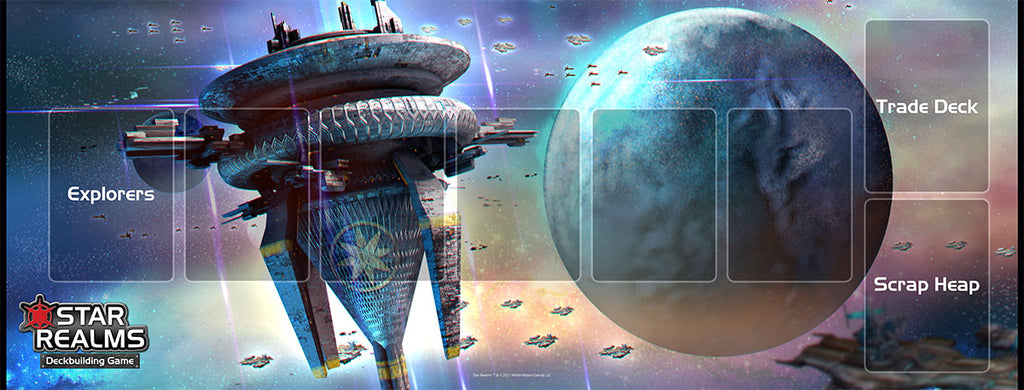
 Star Realms
- Players
- 2
- Time
- 20 min
- Age
- 12+
- Publisher
- Wise Wizard Games · 2014
- Designers
- Rob Dougherty, Darwin Kastle
- Art
- Vito Gesualdi
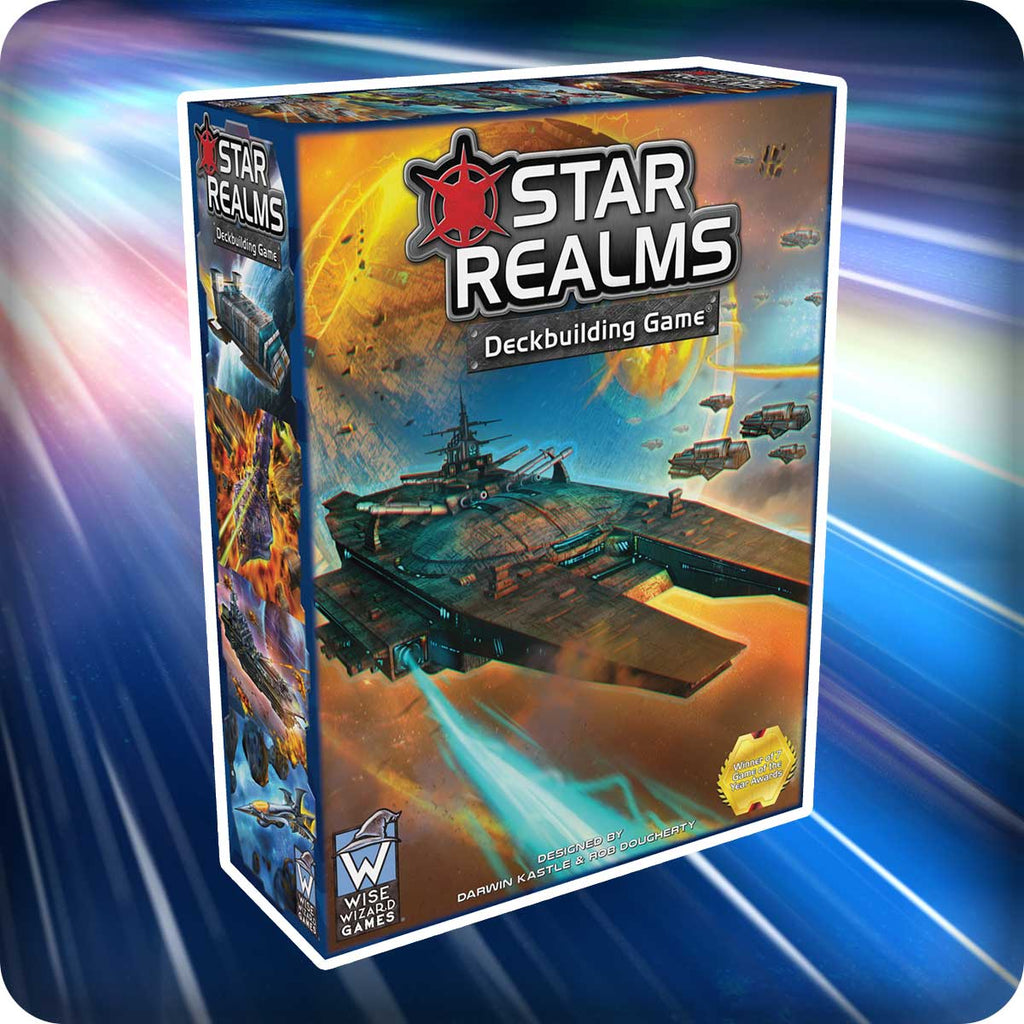
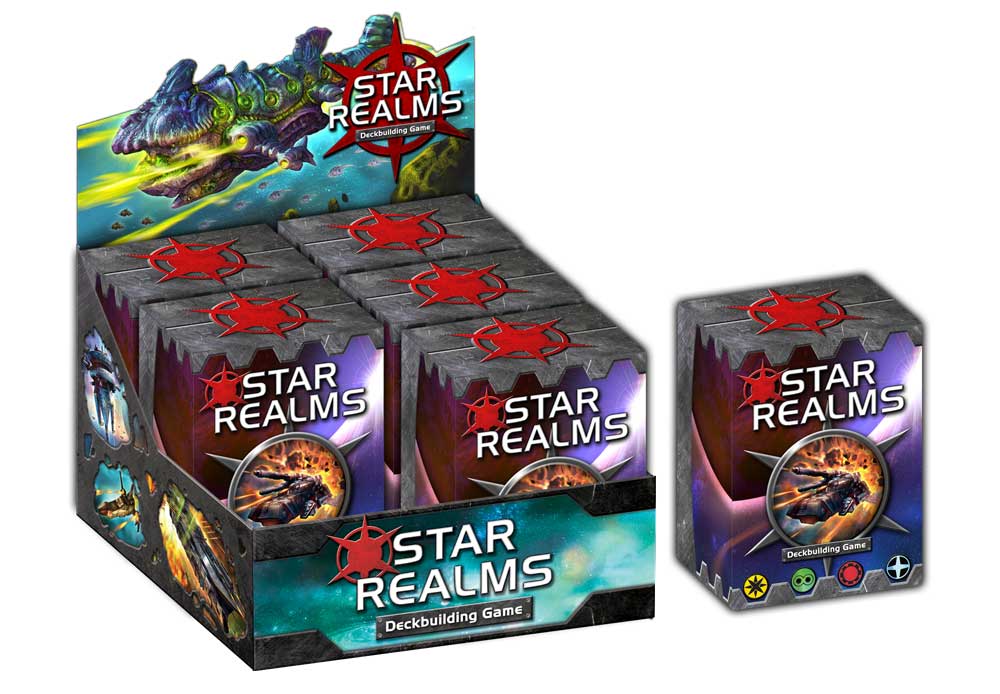
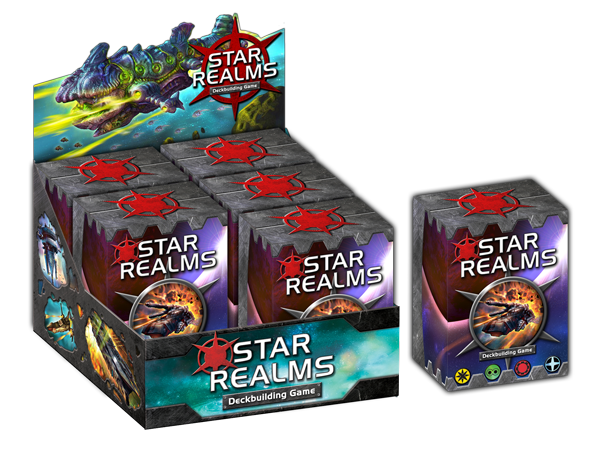
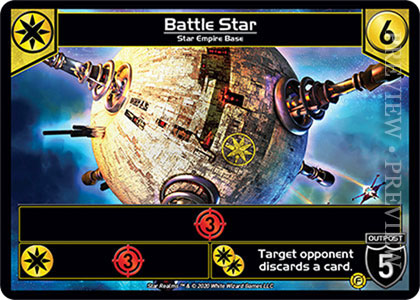
Crisp answer first: the best pure deck-builder you can fit in a coat pocket. The trade row is random every game, so the combos shift constantly, and turns are fast enough to play three matches before your coffee's cold. Tip: don't over-commit to one faction early — the random row punishes tunnel vision and rewards reading what's actually available. Receipt: ~128 cards, no dice or boards; designed by Rob Dougherty and Darwin Kastle, published 2014 after a 2013 Kickstarter.
- ~128 cards, no dice or board — explicitly built to travel
- Random trade row keeps every game fresh
- Add Colony Wars/Frontiers to scale beyond the two-player core
- Base set is really a two-player game (box lists 2-4)
- Combo-chasing can feel swingy if the row doesn't cooperate
 12 photos
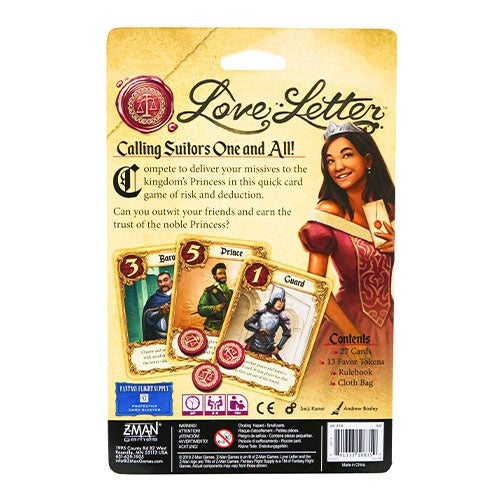
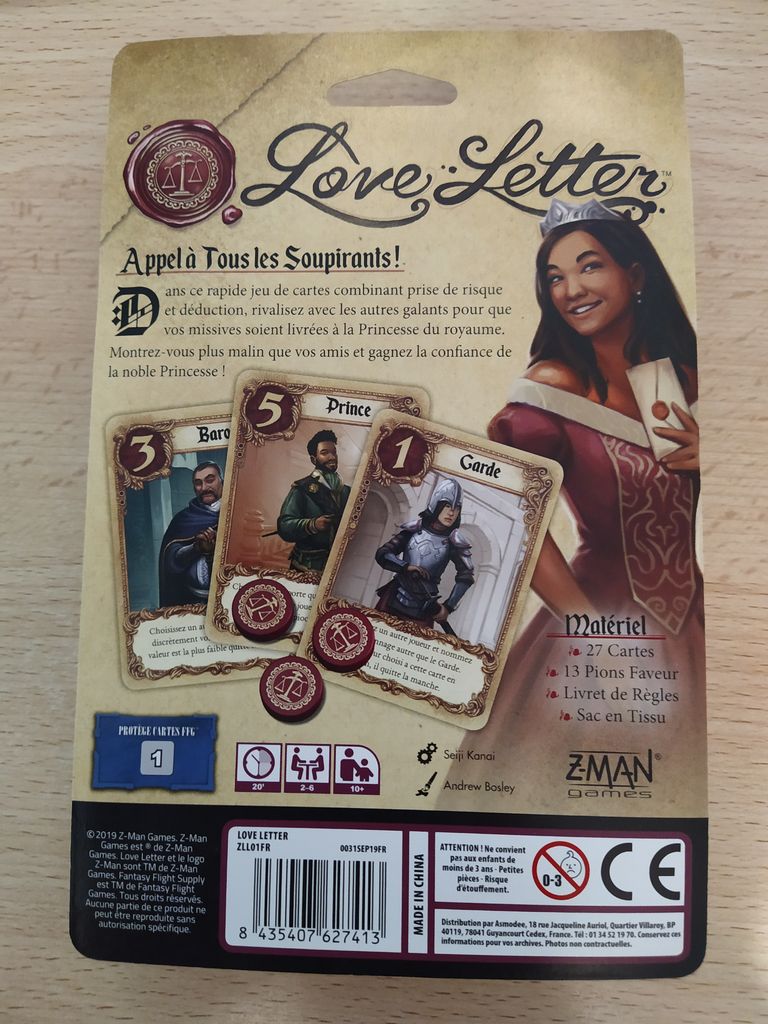
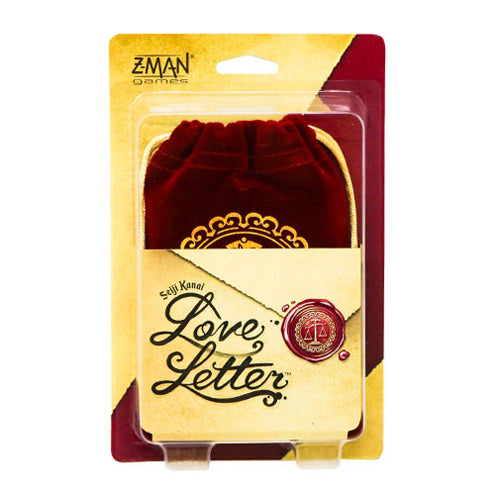
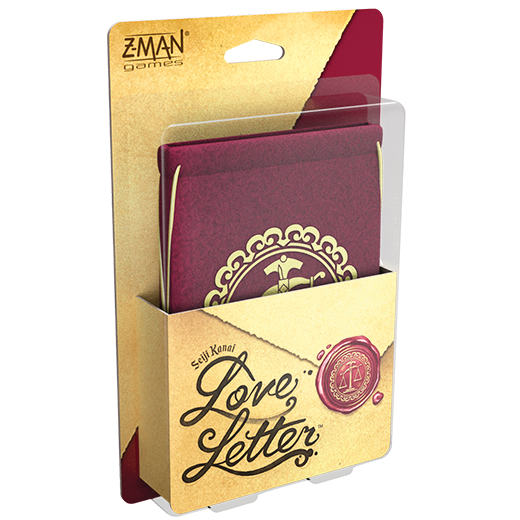
 Love Letter
- Players
- 2-4
- Time
- 20 min
- Age
- 10+
- Complexity
- 1.18 / 5
- Publisher
- Alderac Entertainment Group (AEG) · 2012
- Designer
- Seiji Kanai
- Art
- Noboru Sugiura
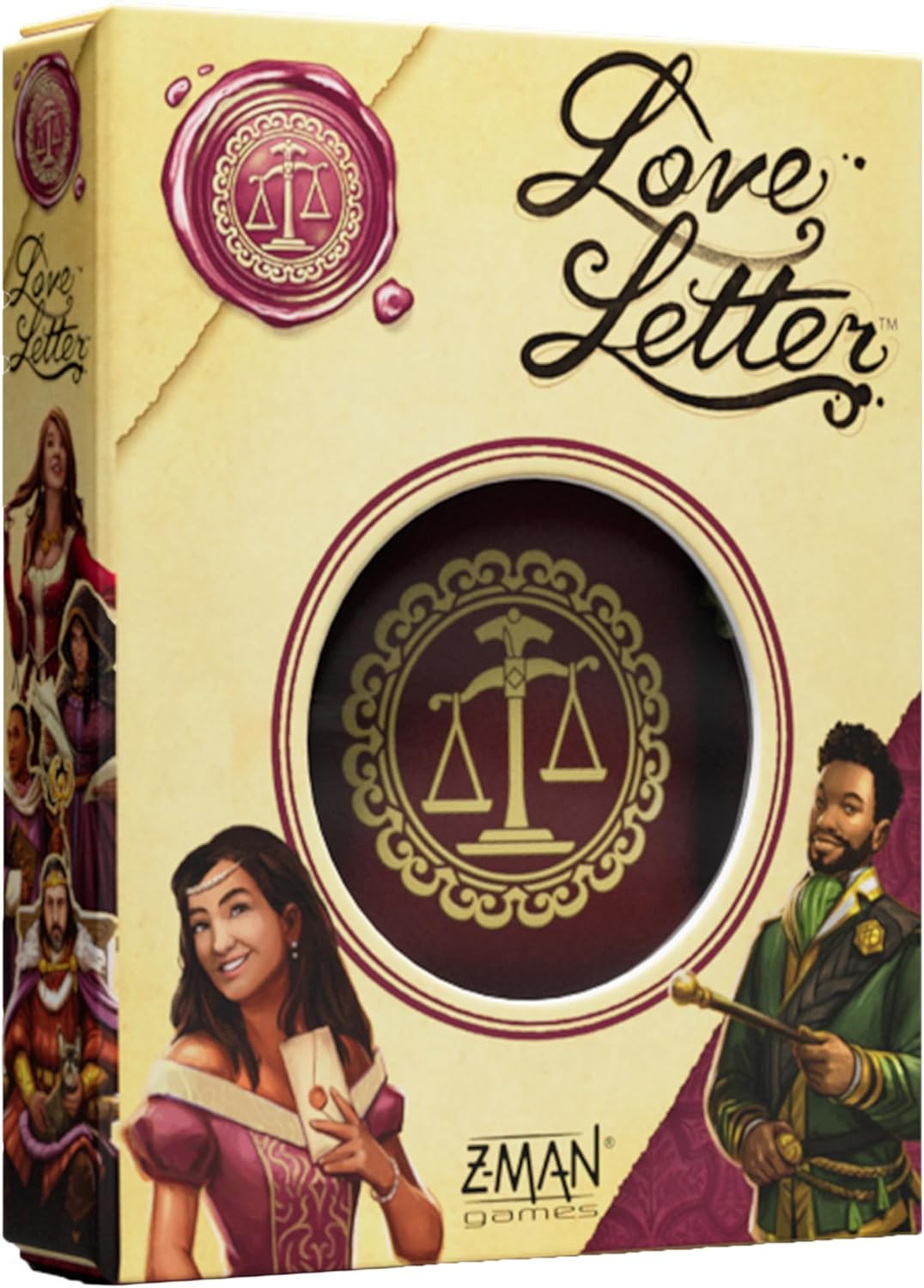
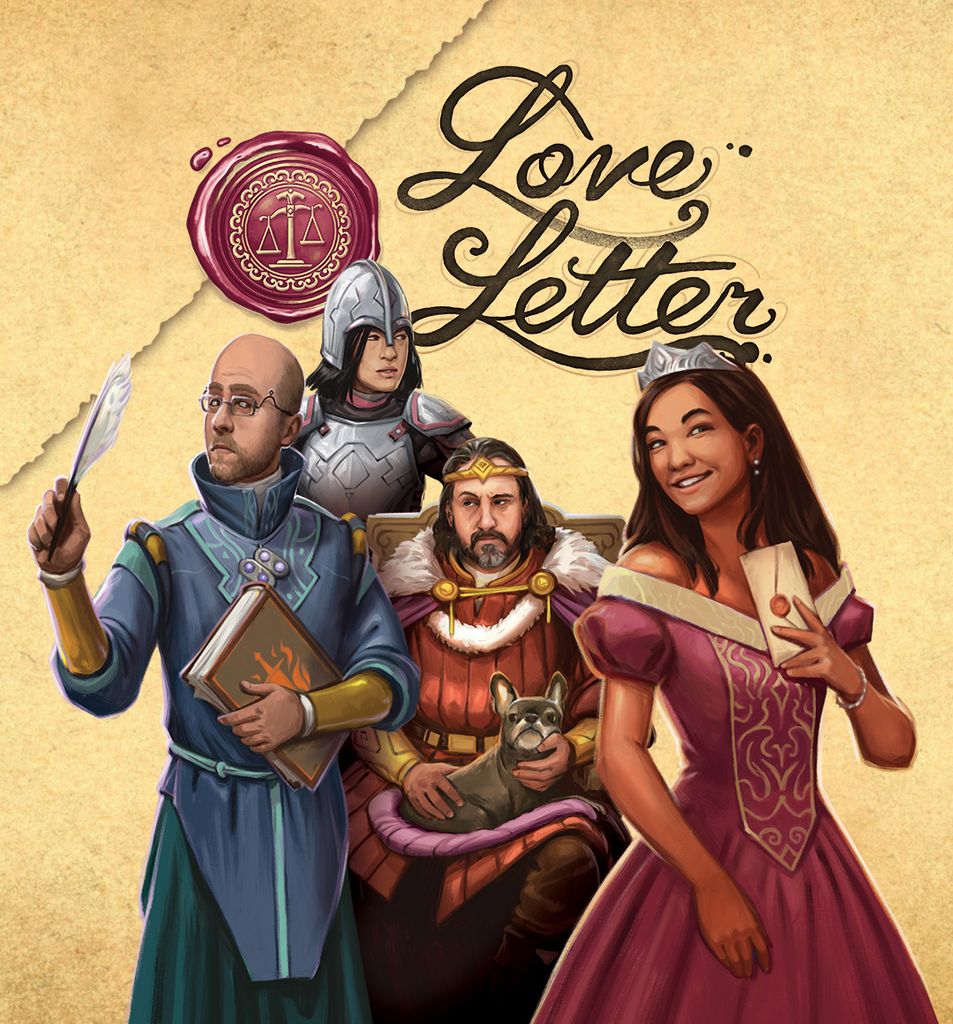
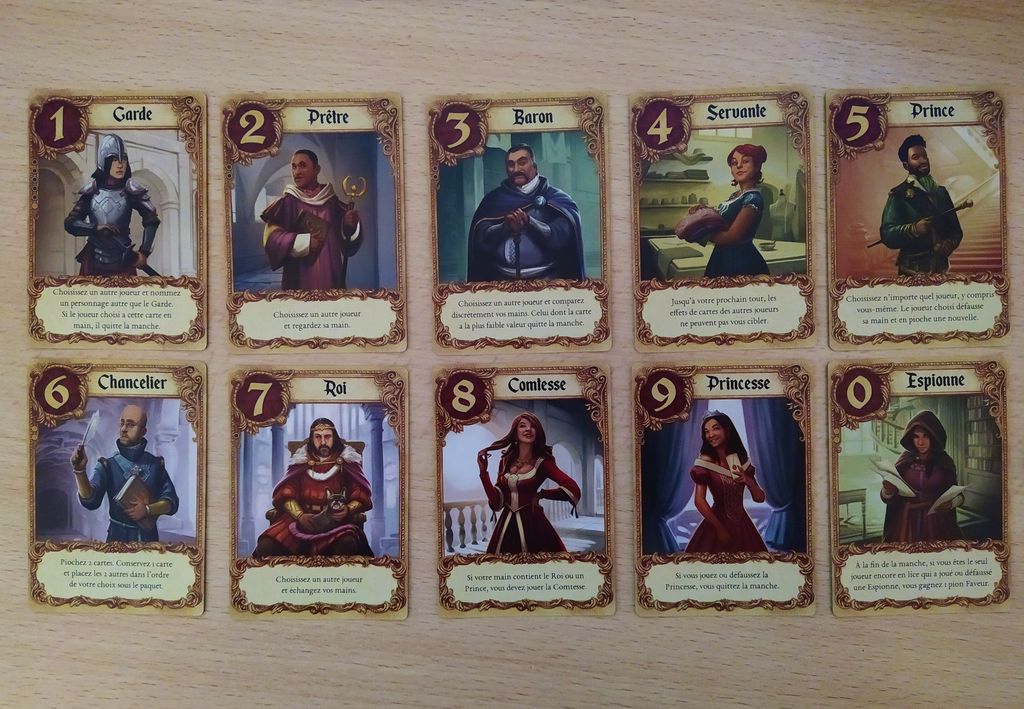
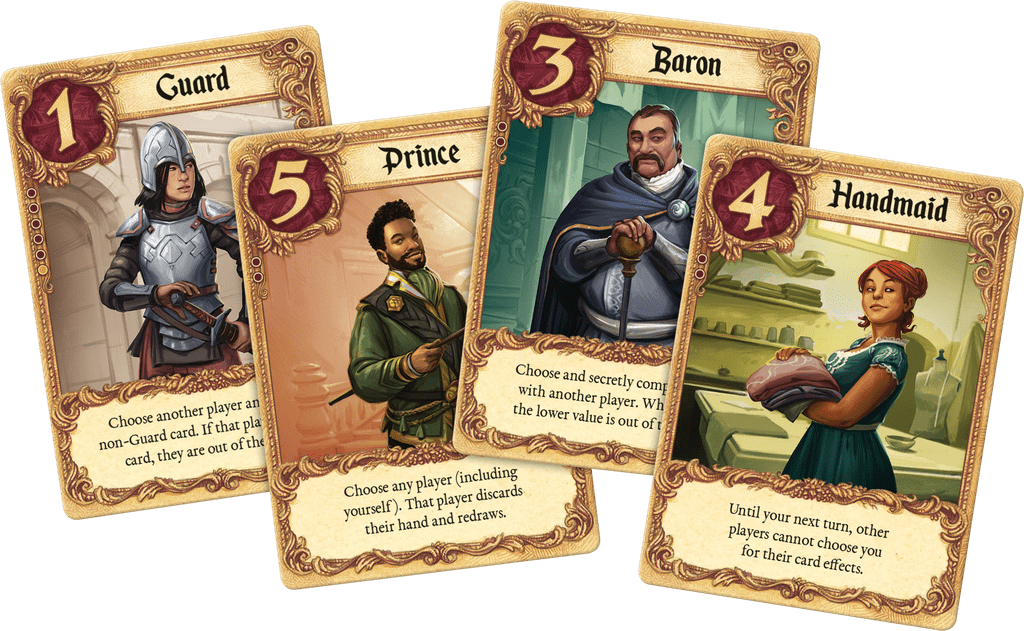
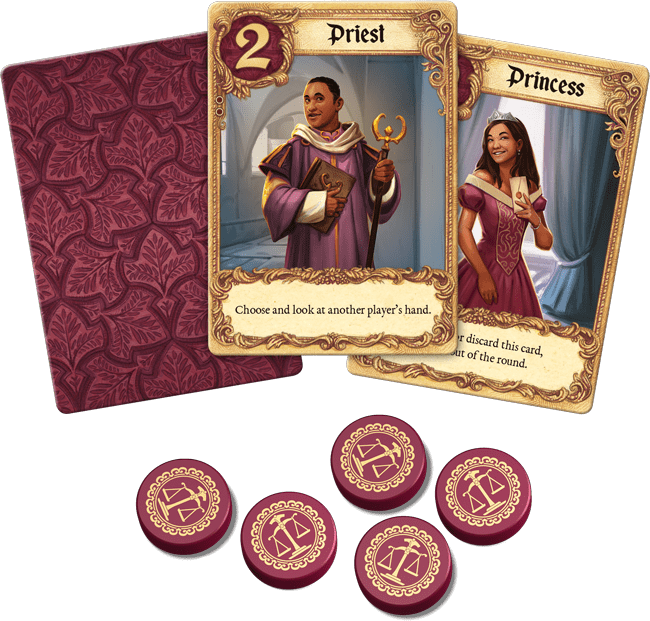
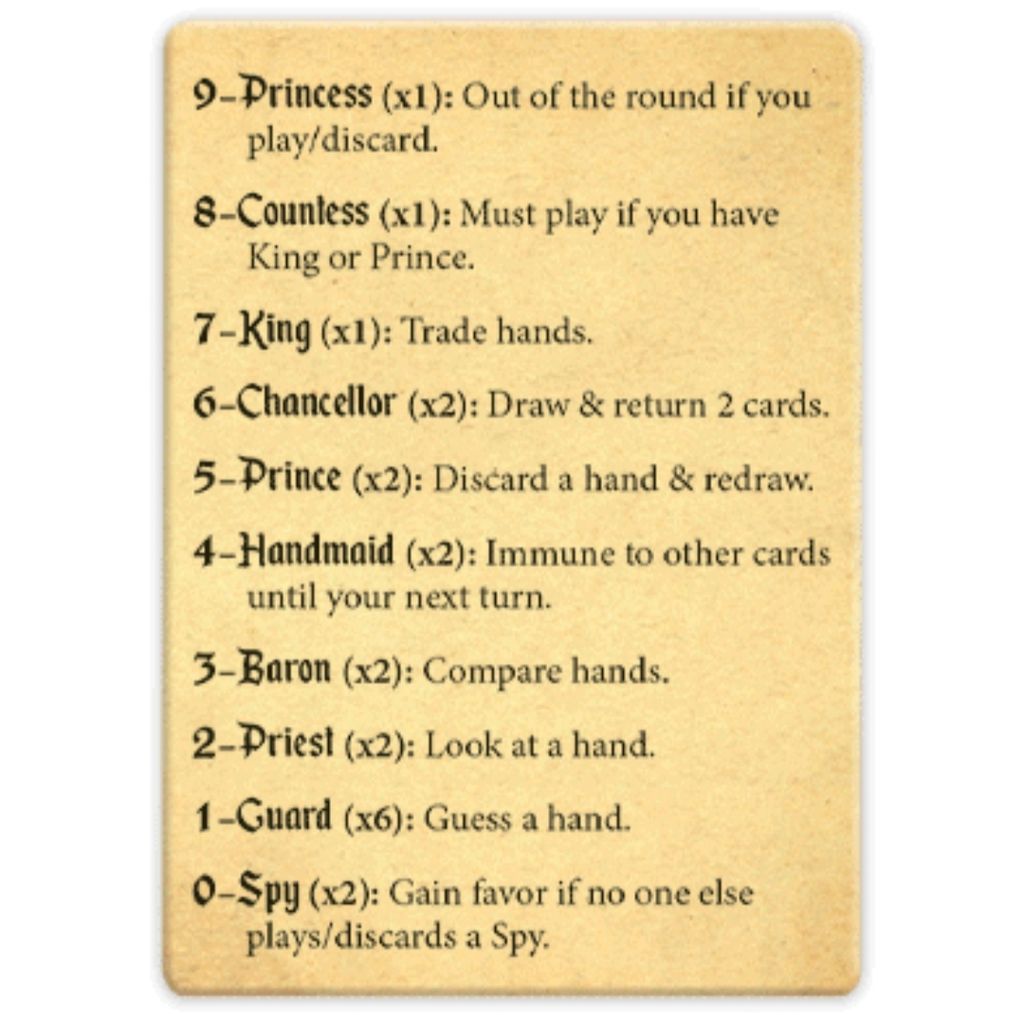
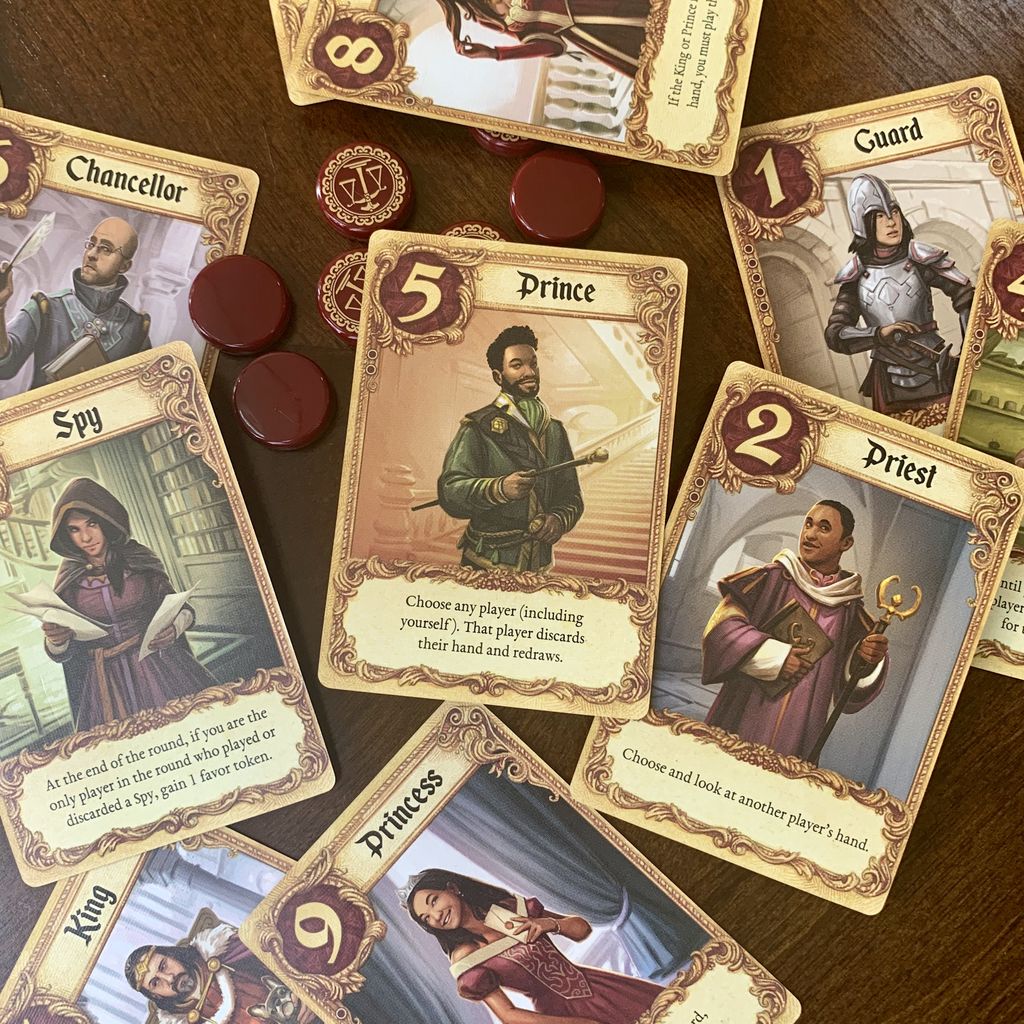
Crisp answer first: the gold-standard micro-filler, and one of the games that launched the whole micro-game boom. The current Z-Man revised edition runs 21 cards — the original AEG edition was 16 — and a round is over in minutes, but there's real deduction underneath the bluff. Tip: the revised edition's Spy and Chancellor roles open it up to 6 players, so grab that one if you ever play in a bigger group. Receipt: designed by Seiji Kanai, first published 2012; Z-Man's revision arrived 2019.
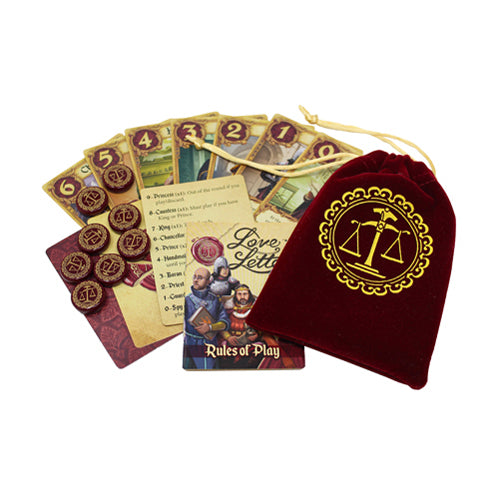
- 21 cards in a bag — pocket and purse approved
- Real deduction, not just bluffing — clever play actually pays off
- Revised edition scales 2-6 players
- Rounds are very short — it's a filler, not a main event
- Light enough that some groups bounce off it quickly
 2 photos
 Sprawlopolis
- Players
- 1-4 · best 1
- Time
- 15-20 min
- Age
- 8+
- Publisher
- Button Shy · 2018
- Designers
- Steven Aramini, Danny Devine, Paul Kluka
- Art
- Danny Devine
Crisp answer first: the most replay value you can fold into an actual vinyl wallet. Eighteen double-sided cards, and the three randomly-drawn scoring conditions reshape the puzzle every single game. Tip: play it solo first to learn the scoring tension before adding the co-op or competitive modes — the solo math is where the design sings. Receipt: 18 cards in a wallet; designed by Steven Aramini, Danny Devine, and Paul Kluka, published 2018 by Button Shy Games.
- 18 cards in a literal wallet — the definition of pocketable
- Three random scoring goals mean it almost never repeats
- Solo, co-op, and competitive modes in one tiny package
- Abstract scoring won't grab players who want theme and pieces
- Best as a solo/duo brain-teaser, not a party game
 4 photos
 The Mind
- Players
- 2-4
- Time
- 20 min
- Age
- 8+
- Publisher
- Nürnberger-Spielkarten-Verlag (NSV) · 2018
- Designer
- Wolfgang Warsch
- Art
- Oliver Freudenreich
Crisp answer first: buy this for the electric first night, not the hundredth. You silently play 100 numbered cards in ascending order with zero communication, and when a table syncs up it feels like telepathy. Tip: play your very first game cold with people you don't usually game with — the magic is strongest before anyone develops a system. Receipt: designed by Wolfgang Warsch, published 2018; 100 numbered cards (1-100) plus level/life/star cards in a small box.
- 100 cards, tiny box, almost no rules to teach
- The shared-timing 'hive mind' feeling is genuinely unique
- A perfect ice-breaker with new groups
- Divisive: for some, the magic fades once the trick clicks
- More of an experience than a deep, repeatable game
 3 photos
 Skull
- Players
- 3-6
- Time
- 15-45 min
- Age
- 10+
- Publisher
- Lui-même · 2011
- Designer
- Hervé Marly
- Art
- Rose Kipik, Thomas Vuarchex
Crisp answer first: the purest bluffing game on the list, and the one that travels on nerve alone. No luck, no cards to memorize — just six discs per player and your ability to read who's lying. Tip: it shines at higher player counts, so save it for the 4-6 crowd rather than a tight duo. Receipt: designed by Hervé Marly, originally published 2011 (first as 'Skull & Roses'); components are 24 discs — 18 flowers and 6 skulls — plus 6 player mats.
- Almost no rules; pure psychology and table-reading
- 24 discs and 6 mats — light and easy to carry
- Plays a wide 3-6 and gets better with more bluffers
- Larger in-play footprint than a card-only game
- Needs at least 3 players — no two-player mode
Sushi Go!
- Players
- 2-5 · best 4
- Time
- 15 min
- Age
- 8+
- Complexity
- 1.2 / 5
- Publisher
- Gamewright · 2013
- Designer
- Phil Walker-Harding
- Art
- Nan Rangsima
Crisp answer first: the friendliest gateway to card-drafting, in a tin you can pocket. The rules take minutes, but the push-and-pull of building your own plate while snatching what your neighbor needs stays interesting for adults. Tip: watch your neighbors' hands, not just your own — the best Sushi Go! plays are denial grabs. Receipt: a bento-box-style metal tin holding 108 cards; designed by Phil Walker-Harding.
- 108 cards in a sturdy, pocketable tin
- Teaches drafting in minutes; real depth on repeat plays
- Cheapest pick on the list at ~$11
- Light and fast — a filler, not a centerpiece
- The tin is the durable part; cards see heavy table wear
 6 photos
 Palm Island
- Players
- 1-2
- Time
- 15 min
- Age
- 10+
- Publisher
- Portal Dragon · 2018
- Designer
- Jon Mietling
Crisp answer first: the most literally pocketable game here — 17 cards, played entirely in one hand, no table required. Each card has four states you rotate or flip to upgrade, so the whole village-builder lives in your palm on a bus or in a queue. Tip: treat it as a fidget-friendly solo optimizer first; the head-to-head mode is fun but the solo loop is the reason to own it. Receipt: designed and illustrated by Jon Mietling, published 2018; just 17 cards, one-handed play, supports solo/co-op/competitive.
- 17 cards, zero table — playable while standing or riding
- Genuinely clever one-handed card-transformation system
- Solo, co-op, and competitive in one deck
- At heart it's an efficiency-optimization exercise, not a tense game
- Two-player cap; not a group experience
 11 photos
 The Fox in the Forest
- Players
- 2 · best 2
- Time
- 30 min
- Age
- 10+
- Publisher
- Foxtrot Games / Renegade Game Studios · 2017
- Designer
- Joshua Buergel
- Art
- Jennifer L. Meyer
Crisp answer first: the prettiest small-box two-player trick-taker, and the go-to date-night pick. The hook is a scoring twist where greed punishes you — win too many tricks and you score nothing. Tip: play it with someone you know well; it's surprisingly cutthroat, and reading your one opponent is half the game. Receipt: designed by Joshua Buergel, published 2017; 33 fairy-tale-illustrated cards in three suits — moons, bells, keys — plus reference cards.
- 33 storybook-illustrated cards in a small, travel-ready box
- Clever 'don't get greedy' scoring twist on classic trick-taking
- A rare trick-taker built specifically for two players
- Strictly two-player
- ~30 minutes — the longest-playing card pick on the list
At a glance
| game | players | price | vibe | best for |
|---|---|---|---|---|
| The Crew: Mission Deep Sea | 2-5 | ~$15 | Silent co-op trick-taking, 32-mission campaign | Best overall pocketable game |
| Hive Pocket | 2 | ~$25 | Chess-deep abstract, no board ever | Two-player strategy in a bag |
| Star Realms | 2 (scales 3-6) | ~$15 | Fast combo deck-building | Two-player deck-builder on a tray table |
| Love Letter | 2-6 | ~$12 | Bluff-and-deduce micro-filler | The pocket/purse filler |
| Sprawlopolis | 1-4 | ~$12 | City-builder in a wallet | Solo replay in a vinyl wallet |
| The Mind | 2-4 | ~$15 | Silent, telepathic ascending climb | One unforgettable first session |
| Skull | 3-6 | ~$25 | Pure bluffing, almost no rules | Reading the table |
| Sushi Go! | 2-5 | ~$11 | Friendly card-drafting in a tin | Teaching drafting to anyone |
| Palm Island | 1-2 | ~$15 | One-handed, no-table village builder | Standing in line / pocket solo |
| The Fox in the Forest | 2 | ~$15 | Storybook two-player trick-taking | Date-night trick-taker |
Questions, answered
What is the single best pocketable game in 2026?
The Crew: Mission Deep Sea (Thames & Kosmos, ~$15). It's a cooperative trick-taking game with a 32-mission logbook and no board, delivering the most game per cubic inch on the list. The original Crew won the 2020 Kennerspiel des Jahres; Deep Sea won the 2021 BGG Golden Geek for Best Cooperative Game.
What does "pocketable" actually mean here?
Tiny footprint that fits in a jacket pocket or small bag — micro-boxes, card decks, tins, or wallet games with no board required. The list is ranked by game-per-cubic-inch: the most delivered fun for the smallest footprint, weighting footprint first, design density second, and how often you'll reach for it third.
Which pocket game is best for two players only?
For abstract strategy, Hive Pocket (Gen42 Games) — hex tiles in a drawstring bag, chess-deep, no board. For deck-building, Star Realms (Wise Wizard Games), ~128 cards. For a date-night trick-taker, The Fox in the Forest (Foxtrot/Renegade), 33 storybook cards.
Which pocket game needs no table at all?
Palm Island (Portal Dragon, 2018). It's 17 cards played entirely in one hand, with each card flipping and rotating through four states. You can play it standing in line, on a bus, or anywhere your hands are free — the most literally pocketable game on the list.
What's the best pocket game for solo play?
Sprawlopolis (Button Shy Games, ~$12) — 18 cards in a vinyl wallet with three random scoring goals, nicknamed "SimCity in my pocket." Palm Island and The Crew also support strong solo or co-op play.
What's the cheapest pick, and is it any good?
Sushi Go! (Gamewright) at ~$11. Yes — it's 108 cards in a pocketable metal tin, teaches card-drafting in minutes, and stays interesting for adults thanks to the push-and-pull of grabbing what your neighbor needs. It's the best value gateway game on the list.
Which pocket game makes the best ice-breaker with new people?
The Mind (Pandasaurus Games, ~$15). You silently play 100 numbered cards in ascending order with no communication, which produces a genuine "hive mind" feeling in its first sessions. It's divisive on the hundredth play but unforgettable on the first — buy it for that. It was nominated for the 2018 Spiel des Jahres.
Are these prices and specs reliable?
They're drawn from publisher and verified retailer specs, with awards dated to the year and community-calculated figures flagged as such. Card counts and player counts reflect the editions named (e.g., Love Letter's 21-card Z-Man 2019 revision, not the original 16-card AEG edition). If you spot a number you think is off, check it — these claims are meant to be verifiable.
Margo's verdict
Crisp answer first: buy The Crew: Mission Deep Sea (Thames & Kosmos, ~$15). It's the most game per cubic inch on this list — a 32-mission campaign and a task-card system that ride in a jacket pocket and out-design boxes ten times its size, with a Golden Geek (2021) to back it up. If you only want one pocket game, that's the one. After that, let the brief pick the runner-up: Hive Pocket for two-player strategy with no board, Star Realms for fast combos, Palm Island when there's literally no table, and The Fox in the Forest for date night. None of these will embarrass your coat pocket. And if you think I've miscounted a card or misdated an award anywhere above — good. Cite it. I'll date the correction in public.
Still deciding? Take the Game-Finder — answer seven quick questions and the cabinet hands you the one board game built for your table, with a buy link and your own shareable player talisman.
Research ledger 8 sources · reviewed 2026-07-17
Specifications, rules, current product information, community experience, and contrary evidence were checked against the sources below. Commercial links are kept separate from editorial evidence.
- gen42.comgen42.com/games/hive-pocket
- thamesandkosmos.co.ukthamesandkosmos.co.uk/product/the-crew-mission-deep-sea
- zmangames.comzmangames.com/en/products/love-letter
- oinkgames.comoinkgames.com/en/games/analog/scout
- spacecowboys-games.comspacecowboys-games.com/game/jaipur
- buttonshygames.combuttonshygames.com/collections/current-collection
- boardgamegeek.comboardgamegeek.com/boardgamecategory/1039/deduction
- gamesradar.comgamesradar.com/best-card-games-compared
Let me check that before we say it.

Keep exploring
The next smart rabbit holes.
✦ Topic PathBoard Game Buying Guides: compare the whole shelfStart with the decision, not the shelf. These guides compare the games, editions, expansions, player counts, and costs people...Best OfTop 10 Travel Games to Build Memories (2026): Beyond UNOTen portable games that turn a plane, a cabin, a long drive, or a hotel night into a story you'll still be retelling at the next family...Best OfBest 2–3 Player & Travel Card Games (2026)The whole table doesn't have to show up for game night to count. Here are the ten decks that turn a two-top, a tray table, or a hotel bed...