The Devil Strahd: Inside Barovia, the Prison D&D Built for Its Most Beloved Monster
A vampire god-king who is also a life prisoner — the true record of why Dungeons & Dragons keeps returning to a valley of perpetual midnight.

AI-assisted curator persona · researched & reviewed by founder Robert Pruitt, a 20-year enthusiast · how we make our guides
The short answer
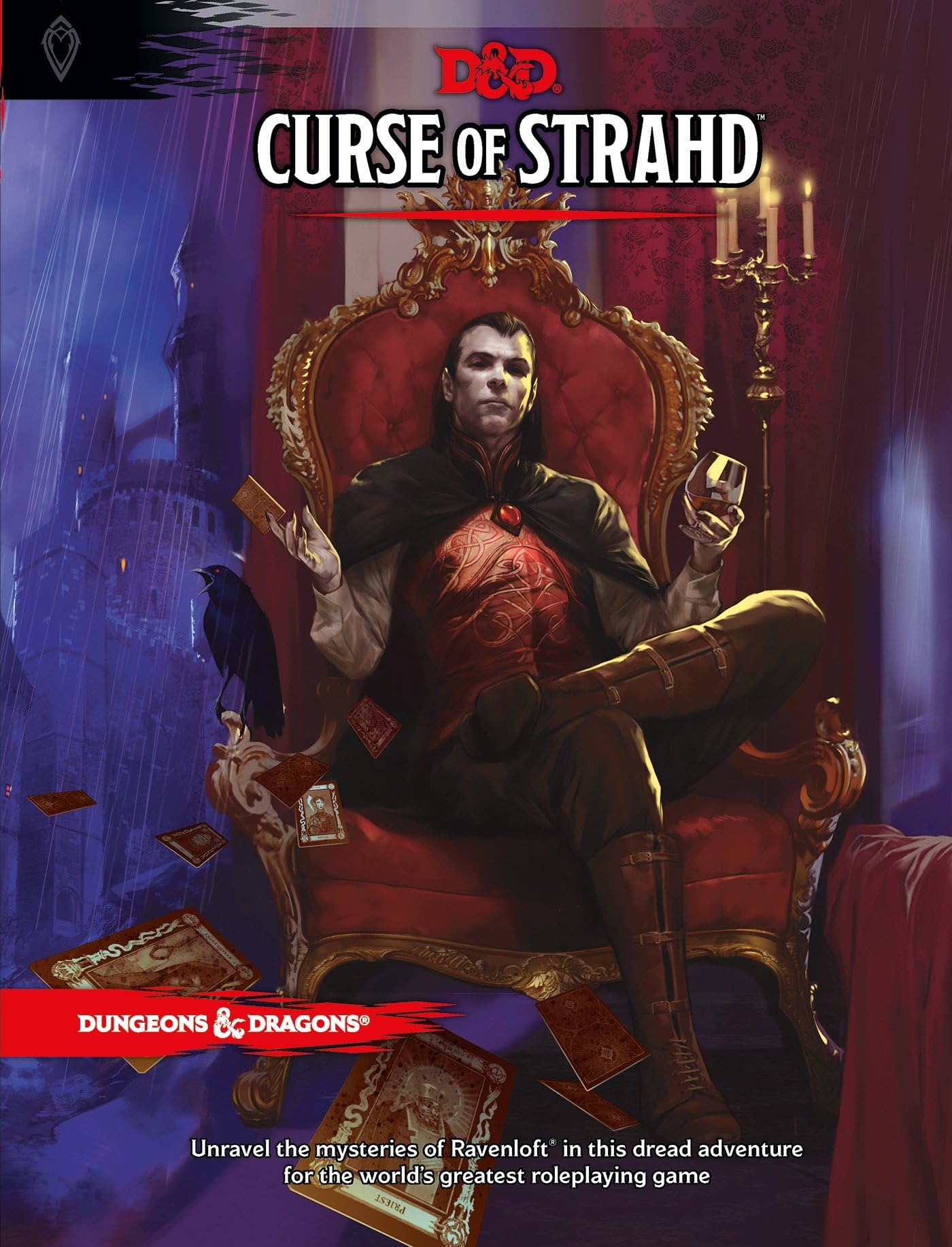
Strahd von Zarovich is the first Darklord in Dungeons & Dragons lore: a vampire who murdered his younger brother Sergei to claim Sergei's bride, Tatyana, and in doing so was sealed by the Dark Powers inside Barovia — a valley that is simultaneously his kingdom and his eternal cell. Barovia is paradise and dungeon at once, because Strahd can rule it absolutely yet never leave it, doomed to watch Tatyana's soul reborn and lost across the centuries. That tension — most powerful being in his world, most pitiable prisoner of it — is exactly why Curse of Strahd (Wizards of the Coast, ISBN 9780786965984, ~$30–50 in print) is the most-played fifth-edition campaign ever written.
Come closer. Mind the embers — they spit when the wind turns, and it always turns here.
I keep the records, and tonight I'll read you a true one. Not a ghost story I dressed up; a story so well-documented it frightens me more, because every cruel line of it has a citation. Lower your voice. There is a valley where it is always almost midnight, ruled by a man who would give the whole of it back for one face he can never keep.
The record says his name is Strahd von Zarovich. The legend says he is the Devil of the valley. Both are filed under the same call number, and tonight I'll show you why. I'll tell it straight first — the murder, the bargain, the prison — and then I'll quietly separate what is verified from what the firelight invents. Sit. Truth has a timestamp, and this one is dated.
Why does everyone keep returning to Barovia?
Let me lead with the answer, because that is how I work: people return to Barovia because it is the rare horror that loves you back. Curse of Strahd — Wizards of the Coast's 2016 adventure, ISBN 9780786965984 — is, by the publisher's own framing and a decade of table-talk, the most widely played fifth-edition campaign ever written. The record is plain on the why.
Most dungeons are rooms with monsters. Barovia is a mood with a man at the center of it. The valley is sealed under a sky that never fully brightens; the fog at its border is not weather but a door that only opens inward. Into that closed box the adventure drops a single, fragile thing: you. The players are one guttering candle carried through a house that has been dark for centuries.
- It is small. A valley you can map, not a continent you can only survey — which makes the dread personal.
- It is watched. Strahd knows the party is there almost from the first night; the hunter is home, and you are the trespass.
- It is sad. The monster is grieving. That is the hook that outlasts the jump-scares.
Commonly claimed: that it's beloved because it's scary. Not quite supported. Verified by the way people actually talk about it — it endures because it is tragic. You return to Barovia the way you return to a sad song. March 2026 marked its tenth anniversary, and the valley filled right back up.
The crime: a brother murdered, a bride lost
Here is the crime, told straight. Strahd von Zarovich was a brilliant military commander who conquered, then inherited, the valley that took his family name as Barovia. In peace he curdled. The record's most quoted detail: he became obsessed with the betrothed of his much younger brother, Sergei — a woman named Tatyana.
What he did next is the founding sin of an entire genre. In jealousy, he murdered Sergei to take Tatyana for himself, and sealed a pact in his brother's blood. Tatyana — repulsed, grieving, cornered — fled to the high walls of Castle Ravenloft and threw herself from them. She chose the fall over Strahd. He chose immortality over his soul, and got to keep neither her nor his humanity.
Now, the chain of custody, because it matters: the modern adventure and most current summaries place the killing on Sergei's wedding day, which sharpens the horror to a blade. The older novel I, Strahd (1993) frames the bargain and the murder with somewhat different texture and timing. Commonly claimed as a single fixed scene; the sources vary in detail. What every version agrees on — verified across them — is the irreducible shape: a brother dead, a woman dead by her own choice, and a man who paid everything for a love that was never going to be his.
The bargain that built a prison
The bargain is the part people misremember, so let me be exact. Strahd did not simply become a vampire by accident of violence. He struck a deal with entities the lore calls the Dark Powers — unseen, unnamed forces that grant exactly what you ask for and price it at your soul. He wanted youth. He wanted Tatyana. He wanted to outlive death long enough to win her.
He got the immortality. He got the strength. He did not get the girl — and that is the joke the Dark Powers were always telling. The verified mechanism of Ravenloft is this: a Darklord's punishment is built from the exact shape of their desire. Strahd asked for forever, so forever is the sentence.
The Dark Powers took him from his original world entirely. They made a copy of his Barovia and folded it out of the ordinary cosmos into a pocket realm — a Domain of Dread — and made him its lord. Read that carefully:
- Inside Barovia, his power is near-total: the land, the weather, the wolves, the very mist answer to him.
- Beyond Barovia's border, there is nothing he can reach. The door only opens inward.
The record says he is a king. The record also says he is an inmate. Both stamps are real, on the same page. He built the most beautiful cell in fiction and then locked himself inside it, and the key was Tatyana's name.
Tatyana reborn, lost, reborn again — the engine of his torment
This is the cruelest entry in the file, so I'll read it plainly. Tatyana's death was not the end of her. Her soul reincarnates — again, and again, across the centuries — and Strahd is condemned to find her every time, court her every time, and lose her every time.
In the 2016 adventure she returns as Ireena Kolyana, the burgomaster's adopted daughter, who bears Tatyana's exact face. Strahd is certain she is Tatyana, and he hunts her to make her his bride. The verified counterweight — the thing the module hands the players — is that Ireena wants no part of him. She is terrified of him, and in the best campaigns she stops being prey and starts being a combatant. She does not want to stay the victim.
Sit with the machine of it:
- He cannot stop loving her. The bargain wrote that into him.
- She cannot love him. Her revulsion is reincarnated as faithfully as her face.
- The cycle cannot end. That is the point of the cycle.
So the most powerful being in the valley spends eternity reaching for the one thing his power cannot take. Commonly romanticized as a 'love story.' Not supported — it is a hostage story he keeps mistaking for a love story, and the horror is that he genuinely cannot tell the difference. That self-deception is the warmest, most human, most monstrous thing about him.

The Mists, and the dark-vs-light tension at the valley's heart
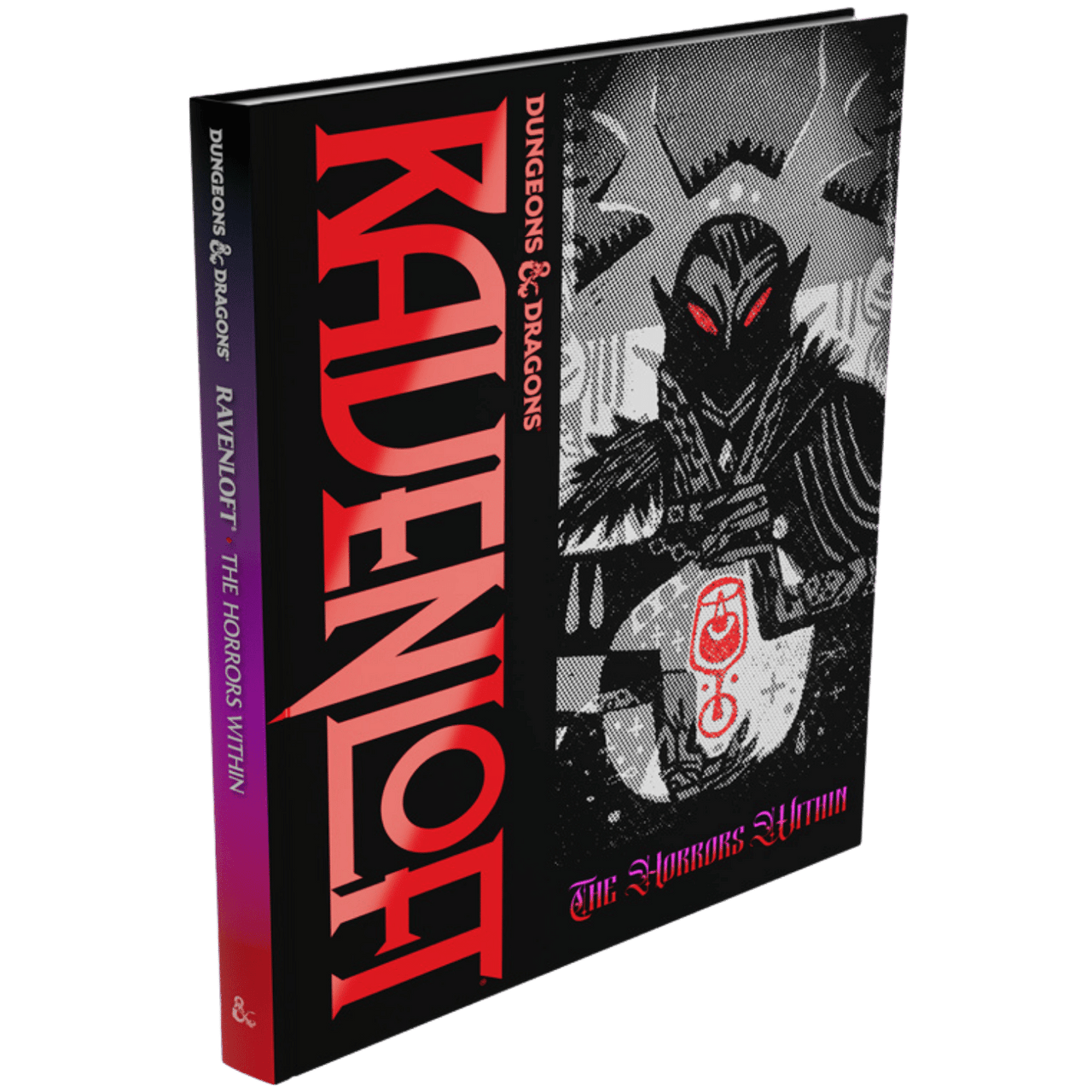
Now the border, and the larger truth it guards. The valley is sealed by the Mists of Ravenloft — a fog that is the cosmos's own membrane. The verified rule across the setting: the Mists pull victims in and never let Darklords out. They are a one-way valve for the damned. Travellers wander into them and arrive in Barovia; Strahd, for all his might, walks to the edge and finds the world has been erased past the treeline.
This is where dark and light do their real work, and it isn't simple. Ravenloft's design philosophy frames its Darklords as passionately caring and recognizably monstrous at once — evil that mirrors our own darker selves rather than some alien wickedness. Strahd is not the dark opposing the light. He is the dark that remembers being light and chose otherwise, on a specific night, for a specific face.
So the candle the players carry is not a symbol of guaranteed victory. It is the contrast that makes the dark legible. In a valley of perpetual midnight, one small light does two things at once:
- It lets you see — the road, the ally, the way out.
- It tells everything in the dark exactly where you are.
That is the tension threaded through every hour of play. Hope here is not safety. Hope is a flame you carry through a house that is watching, in a place where the only thing more dangerous than the monster is how easy it is to pity him.
Running Strahd: the Tarokka deck and infinite Barovias
Here is where the lore becomes a tool you can hold, and it's the cleverest thing in the book. Early on, the players sit before the Vistani seer Madam Eva for the Fortunes of Ravenloft — a card reading drawn from a Tarokka deck. It is not flavor. It is the campaign's randomizer, and it is the gold standard of recurring-villain design.
The verified function of that reading: the shuffle determines, openly, in front of the players —
- The hidden locations of three artifacts that can help defeat Strahd;
- The identity of an ally who will aid the party;
- And Strahd's own location within Castle Ravenloft for the final confrontation.
Read what that does for table and campaign management. No two Barovias run alike. Run it for the same group twice and the items move, the friend changes face, and the last fight happens in a different room of the castle. A player who already knows the adventure — or has heard about it secondhand — is handed genuine uncertainty by the deck itself. The module builds its own replayability into a single scene.
For the DM, the lesson generalizes far past this one book: randomize the spine, script the soul. Strahd's character never wavers — the grief, the menace, the courtliness are fixed. What the cards move is the map. That separation is why he can return, scene after scene, without ever feeling like the same encounter twice. Steal it for your own villains.

Build your own prison: The Horrors Within and the DM's new toolkit
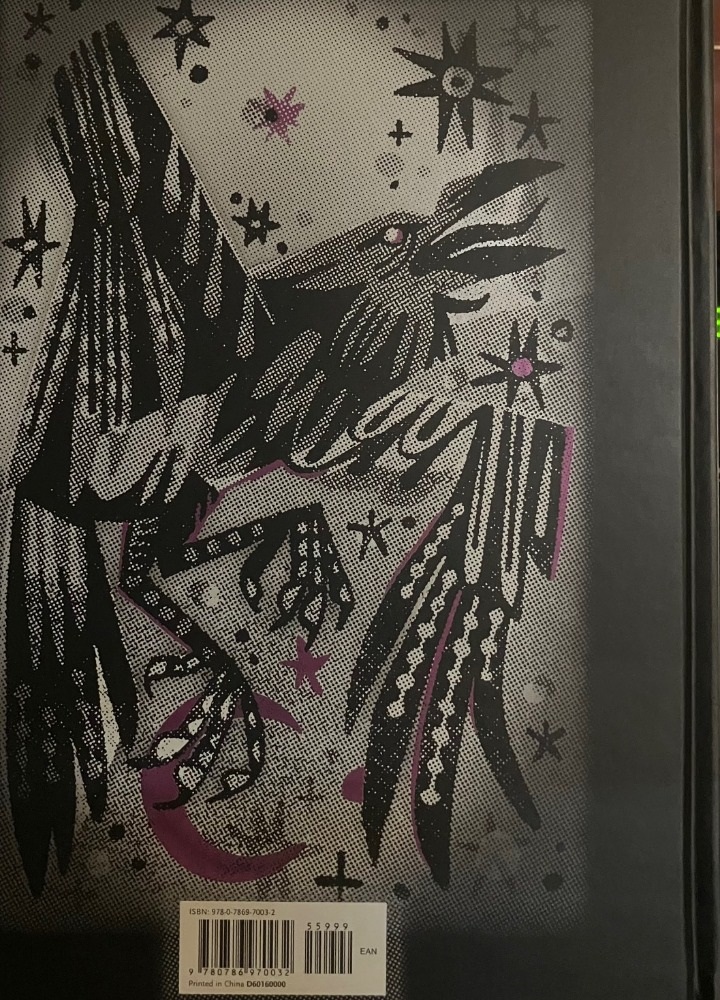
The record gained a fresh entry this season. On June 16, 2026 — timed to the tenth anniversary of Curse of Strahd — Wizards of the Coast released Ravenloft: The Horrors Within (MSRP $59.99), a setting sourcebook that opens the whole prison-cosmos rather than the single valley.
Verified contents, per the publisher and previews: it details the broader Ravenloft setting and the Domains of Dread, gives players horror-flavored subclasses, species, backgrounds, and Dark Gift feats, and arms the DM with seventeen Darklords and new stat blocks. Strahd stands among his peers here — Azalin Rex, Lord Soth, Viktra Mordenheim and others — each a sealed grief of their own design.
What it teaches, beyond the stat blocks, is the method. Once you understand that a Darklord is a desire turned into a cage, you can build your own. The toolkit's quiet gift to a DM is a repeatable recipe:
- Take a villain's deepest want.
- Grant it — exactly, literally, completely.
- Make the granting the punishment.
That is how you write a monster players will pity even as they drive a stake home. The Horrors Within is, in effect, a workshop for building beautiful prisons. Strahd was the first inmate; this book hands you the blueprints to design the next.

The picks
Some links below are affiliate links — as an Amazon Associate, Puzzlewick earns from qualifying purchases, at no extra cost to you. It never changes a pick.
 2 photos
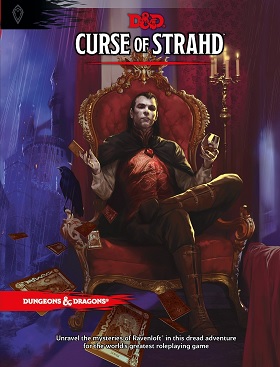
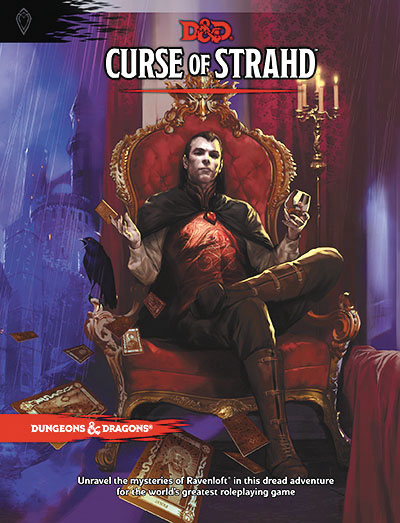
 Curse of Strahd (D&D 5e Hardcover Adventure)
<p>This is the record itself — the 256-page 2016 hardcover (ISBN 9780786965984) that made Strahd the most-played fifth-edition campaign in the game's history. Everything in this article lives inside it: the murder, the Mists, Ireena, and the Tarokka reading that makes every Barovia its own. It is a complete, self-contained gothic campaign you can run almost out of the box, levels 1 through 10, ending in Castle Ravenloft.</p><p>The record says start here, and the record is right. Buy the monster's own book before you buy any toolkit about him.</p>
- The canonical, complete Strahd campaign — nothing else required to run it
- Contains the Fortunes of Ravenloft / Tarokka mechanic that drives replayability
- Widely in print and inexpensive; easy to find new
- The randomizer is best with a real Tarokka deck (sold separately — see pick 3)
- Dense for a first-time DM; the valley rewards prep
- Standard playing cards can substitute for the deck but lose the atmosphere
 3 photos
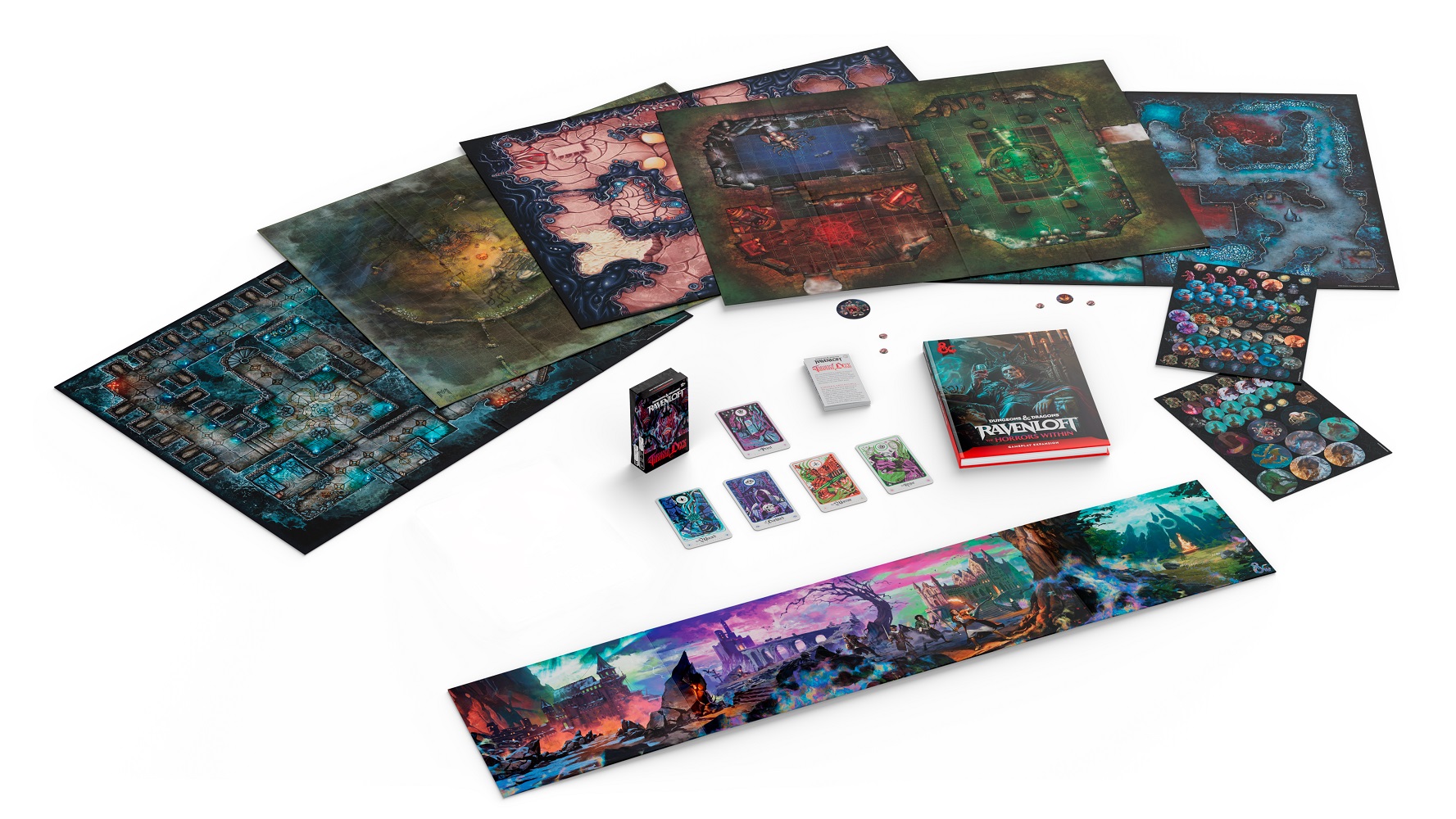
 Ravenloft: The Horrors Within (Setting Sourcebook)
<p>The fresh entry in the file, released June 16, 2026 for the tenth anniversary. Where the hardcover gives you one valley, this gives you the method behind all of them: the broader Domains of Dread, horror subclasses, species, backgrounds, Dark Gift feats, and seventeen Darklords with new stat blocks — Strahd among his peers rather than alone.</p><p>It is, functionally, a workshop for building beautiful prisons. Read it after you've run Strahd and you'll understand exactly how the trick is done — and how to do it yourself.</p>
- Opens the full Ravenloft setting, not just Barovia — huge campaign runway
- 17 Darklords plus player-facing horror options (subclasses, Dark Gifts)
- The clearest published lesson in 'desire-as-cage' villain design
- A setting toolkit, not a ready-to-run adventure — you supply the campaign
- Best appreciated after Curse of Strahd, not before
- Brand-new release; expect early-stock price wobble
 8 photos
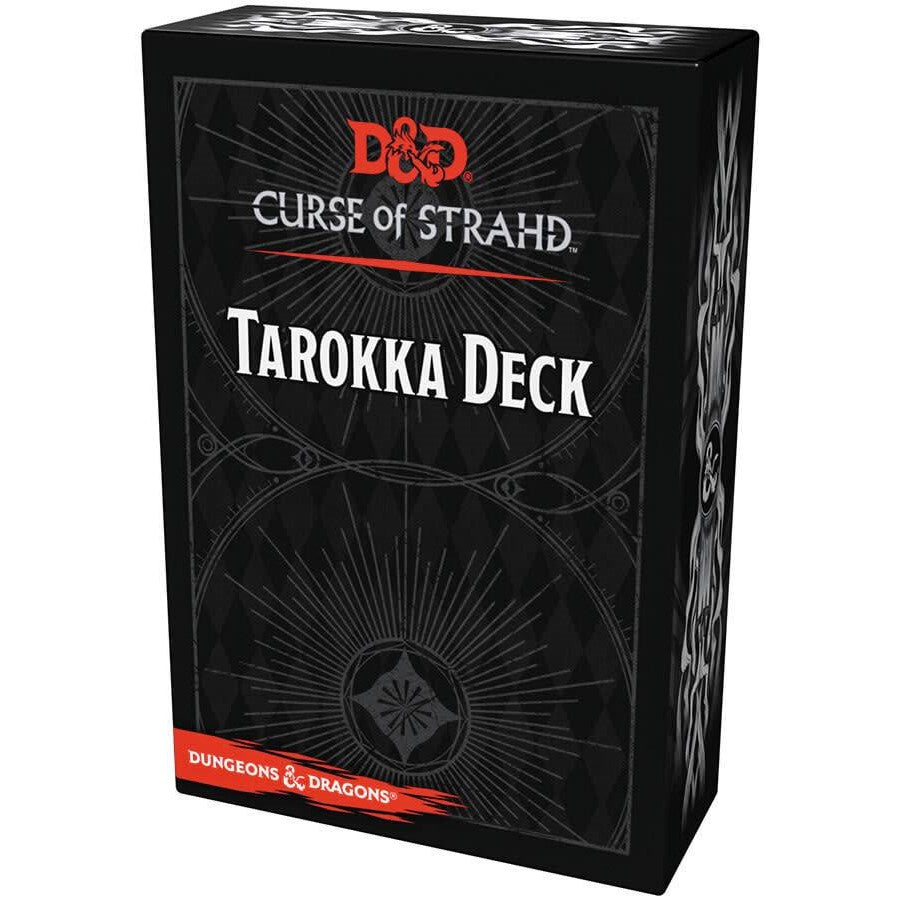
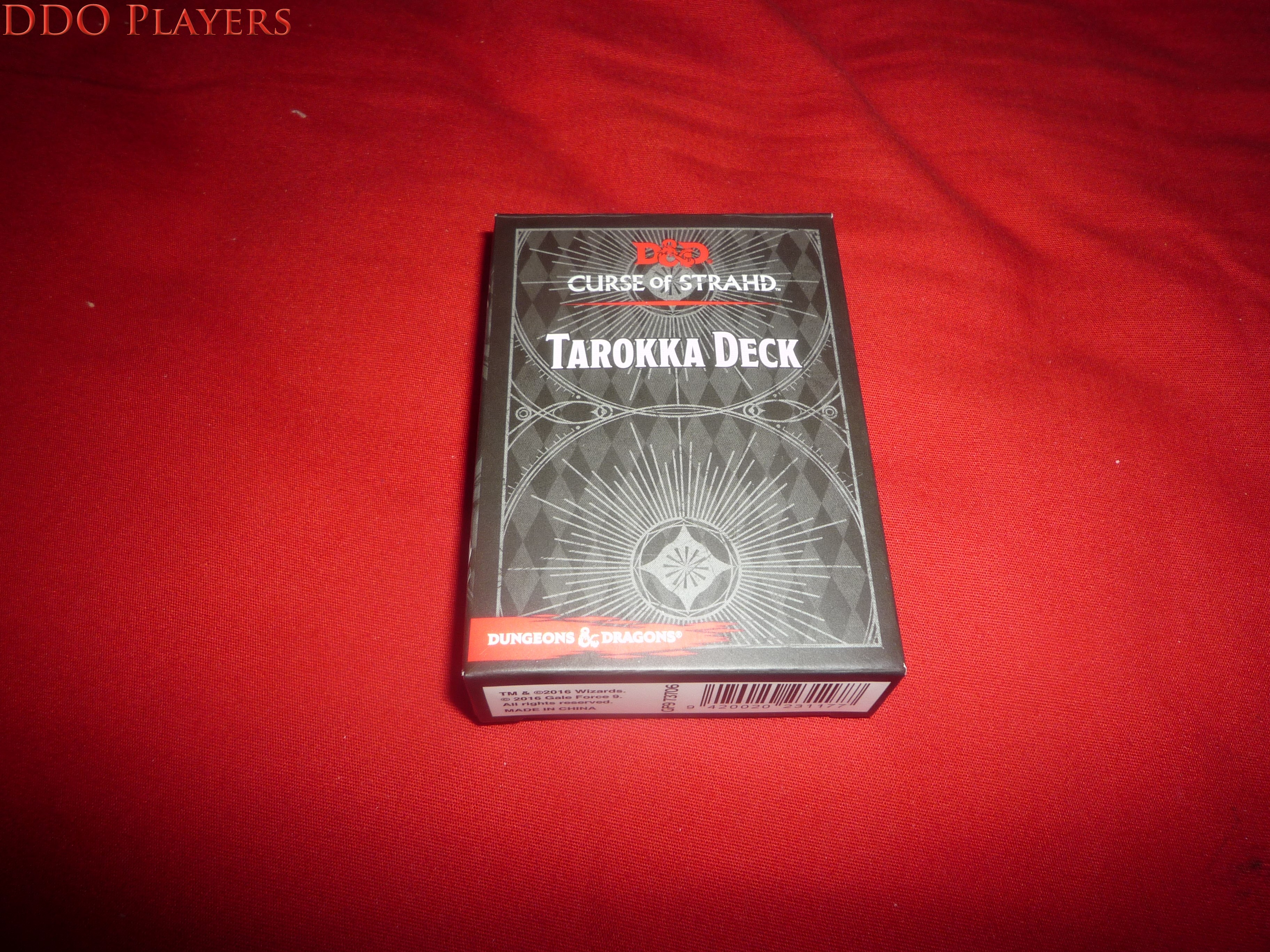
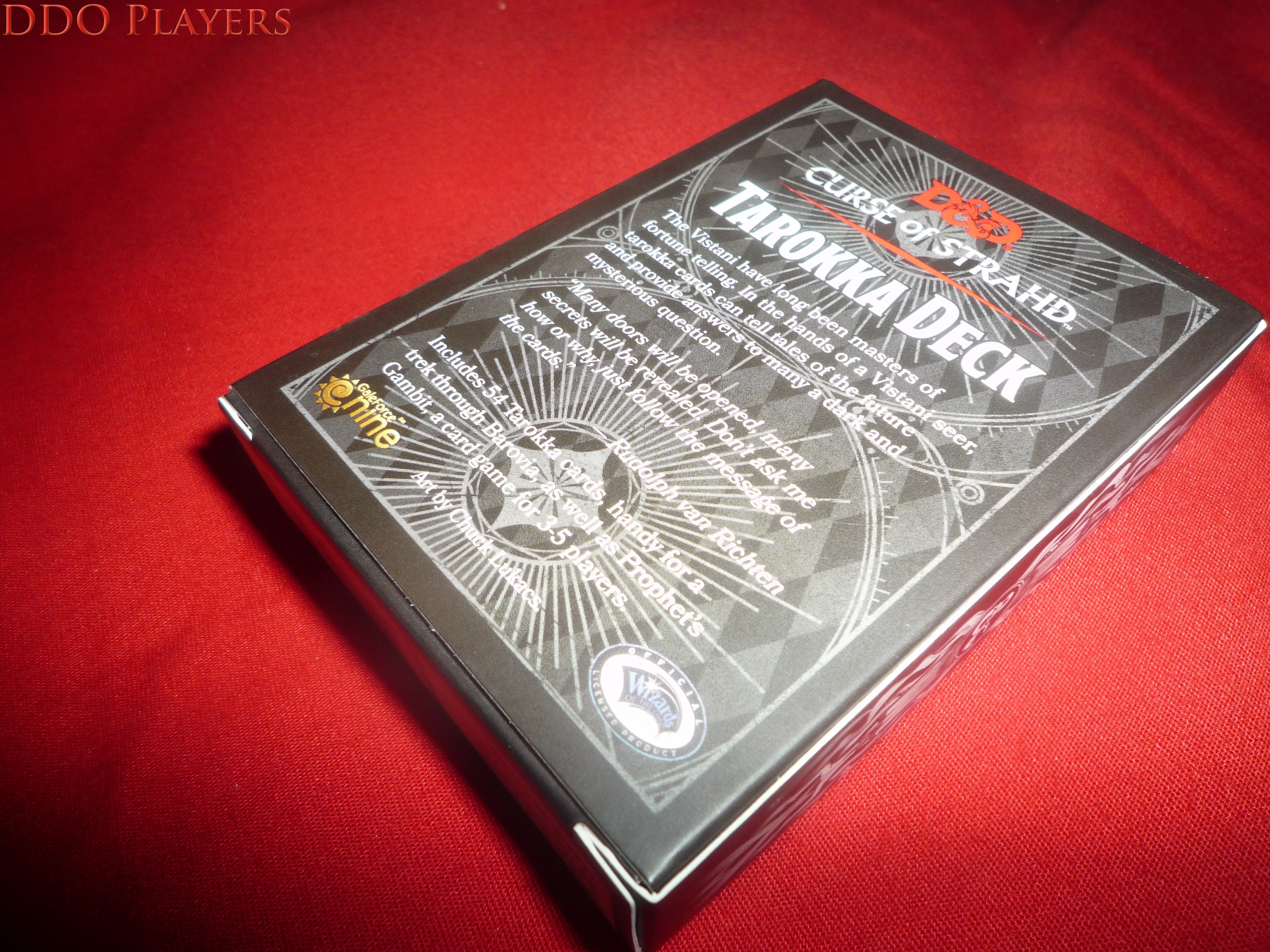
 Tarokka Deck (Fortunes of Ravenloft Cards)
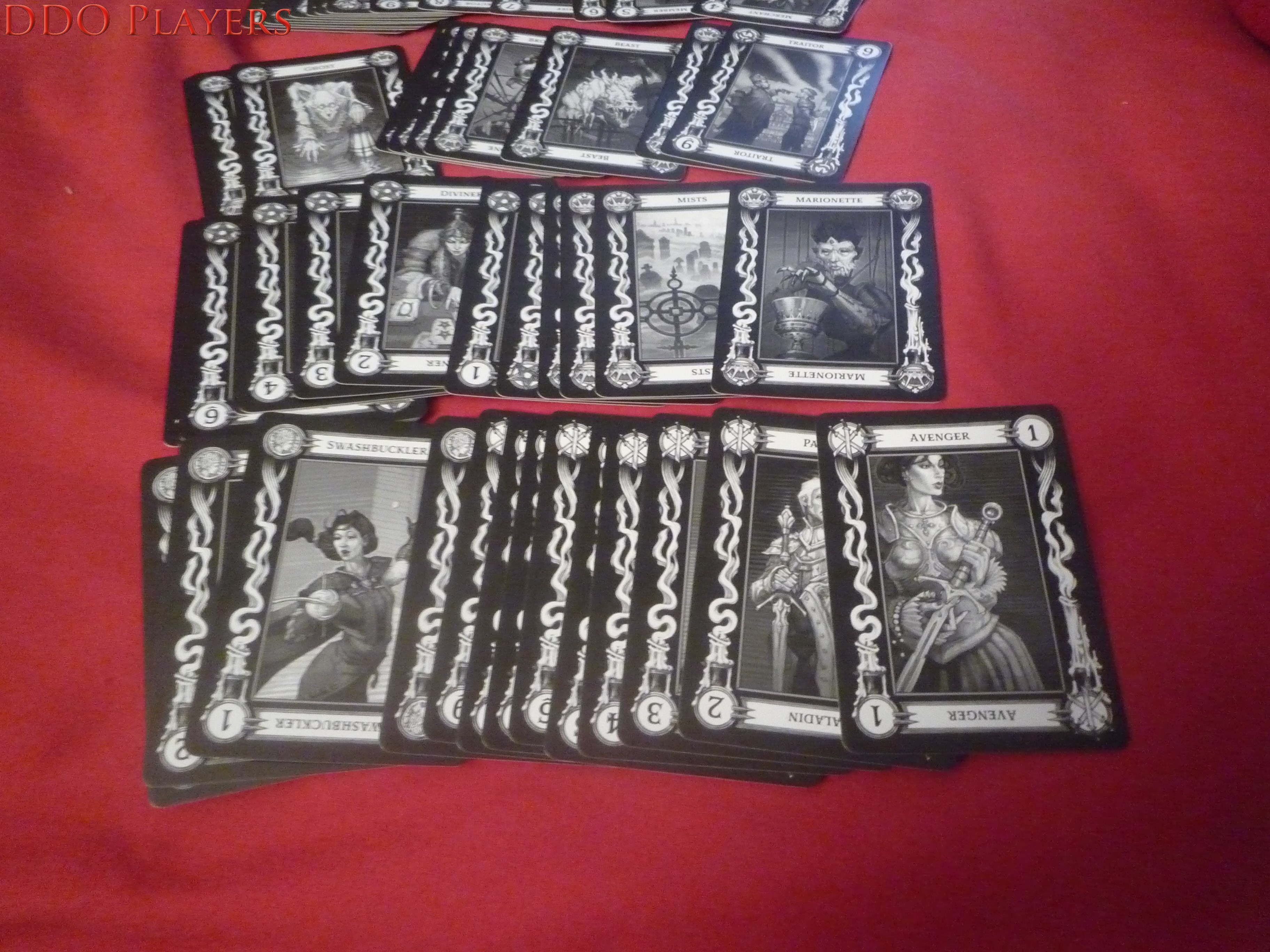
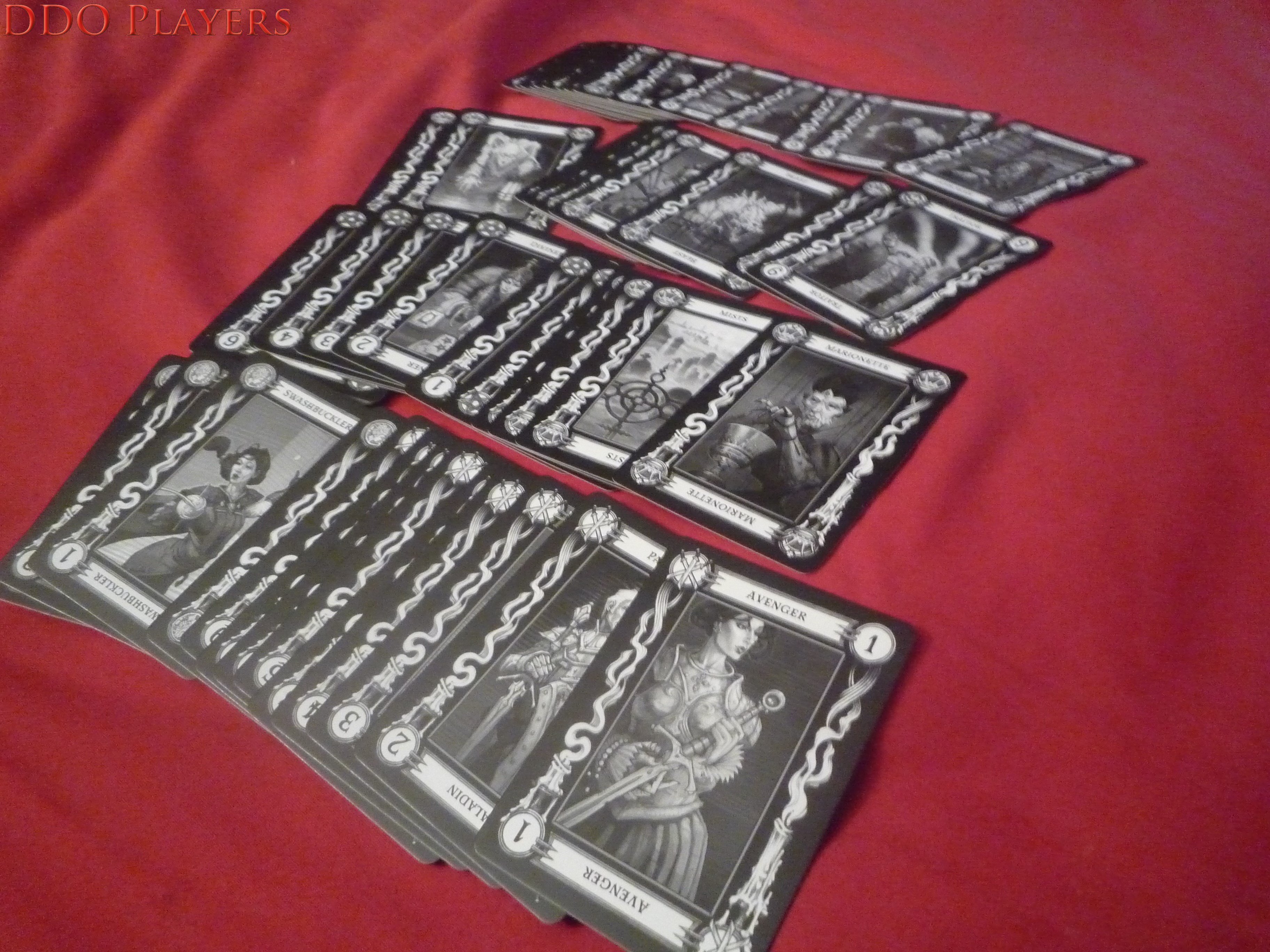
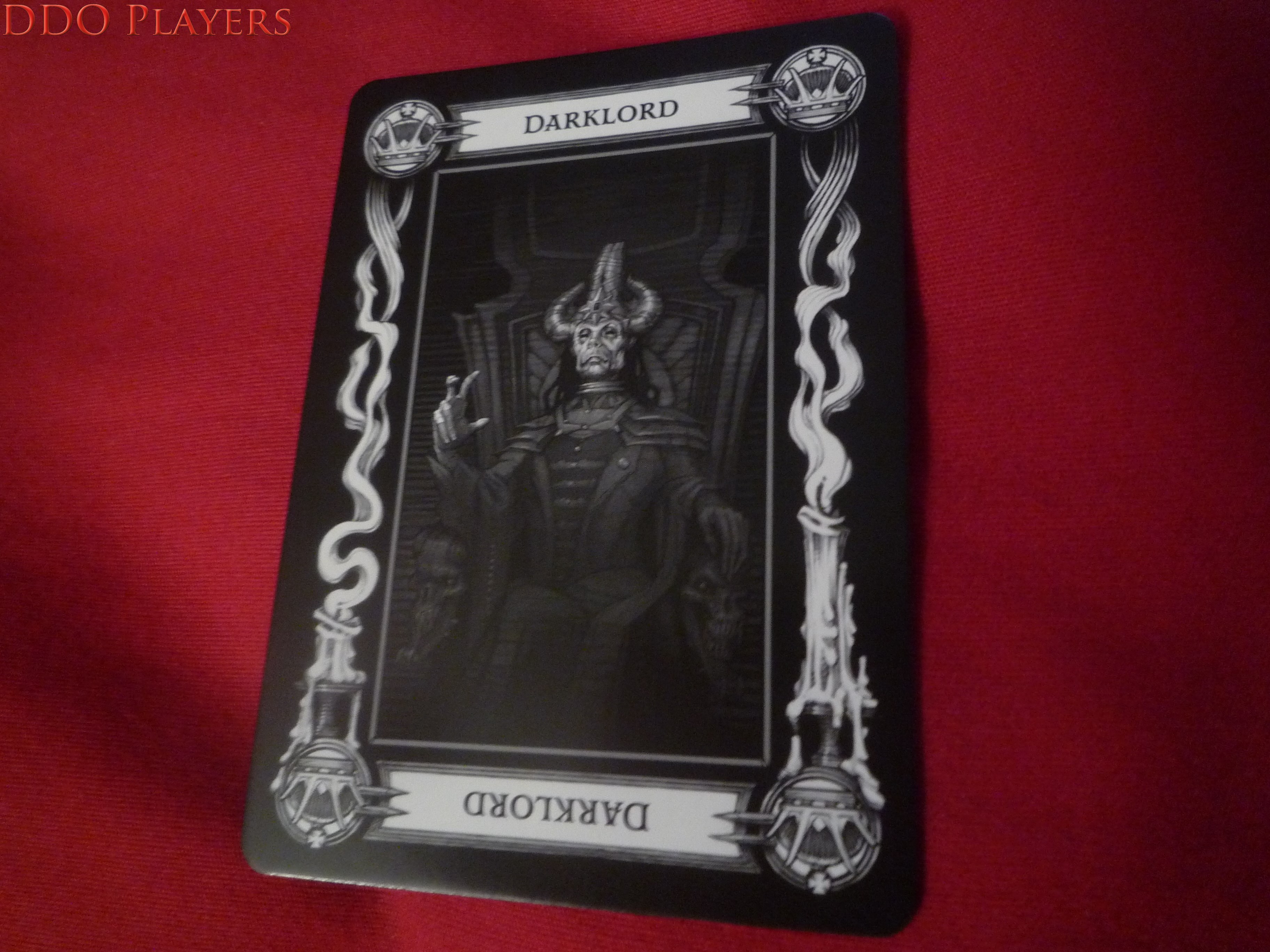
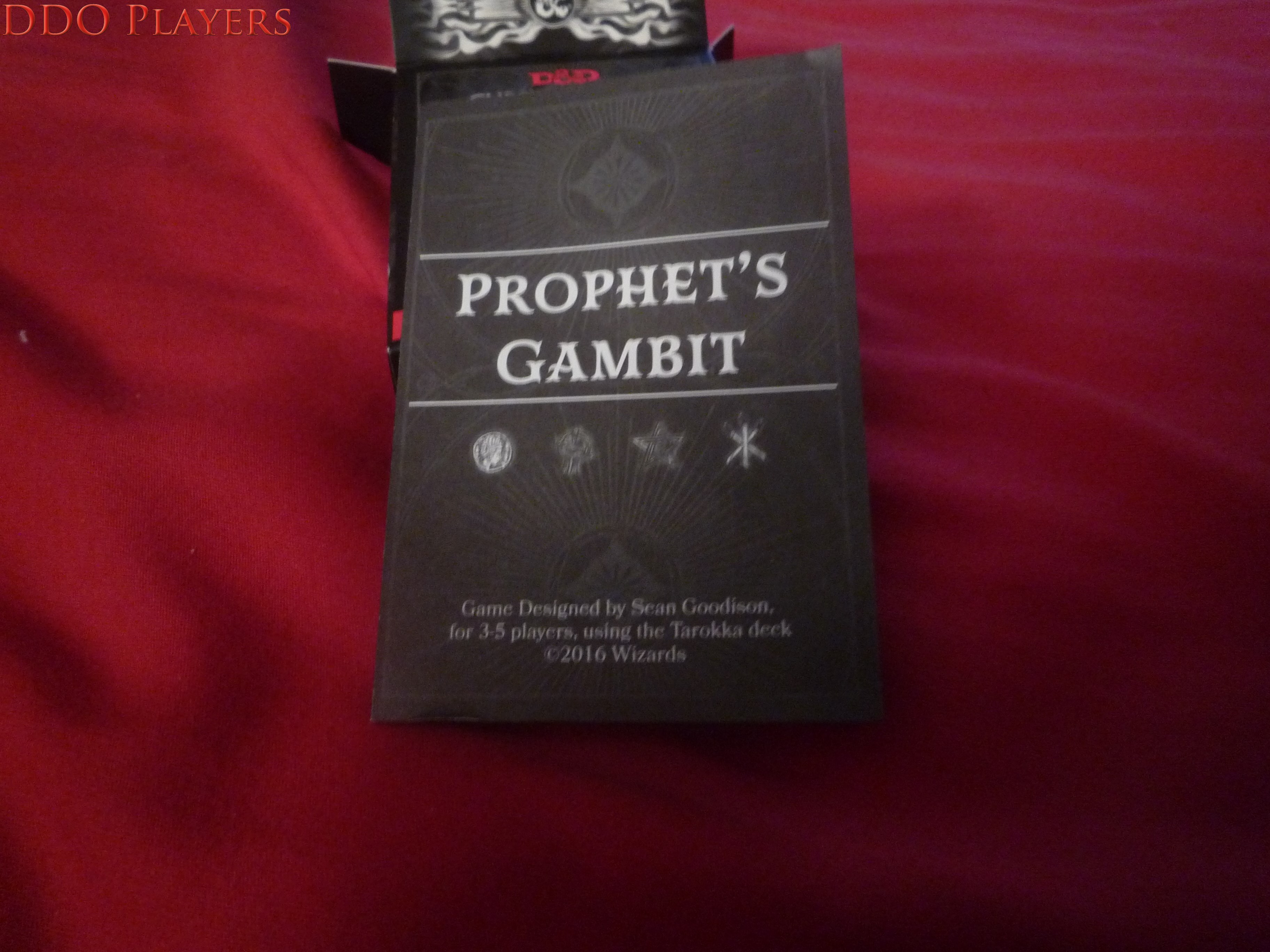
<p>The deck behind the trick. The Fortunes of Ravenloft scene works with ordinary playing cards in a pinch, but the purpose of this article's favorite mechanic — randomize the spine, script the soul — lands hardest when a seer turns over a real, strange, beautiful card and the whole table leans in.</p><p>It's the cheapest upgrade in the line and the most atmospheric. For the price of a paperback, you turn a lookup table into a ritual.</p>
- Turns the Tarokka reading from a chart into a genuine table moment
- Inexpensive; the highest atmosphere-per-dollar in the whole campaign
- Reusable as a divination prop in any gothic or Vistani game
- Strictly optional — the hardcover ships with a card-mapping table you can use instead
- A pure prop: no rules content of its own
- Print runs come and go; availability and price vary by season
Questions, answered
Who is Strahd von Zarovich?
Strahd von Zarovich is the first Darklord in Dungeons & Dragons lore and the central villain of Curse of Strahd. He is a former military commander turned vampire who murdered his younger brother Sergei to claim Sergei's bride, Tatyana, and was sealed by the Dark Powers inside the valley of Barovia — a realm he rules absolutely but can never leave.
Why is Barovia both a kingdom and a prison?
Inside Barovia, Strahd's power is near-total: the land, weather, wolves, and mists obey him. But the Dark Powers folded Barovia out of the normal cosmos into a sealed pocket realm, and the surrounding Mists let victims in but never let Darklords out. So he is the most powerful being in his world and simultaneously its life prisoner — paradise and dungeon at once.
Who is Tatyana, and how does Ireena Kolyana connect to her?
Tatyana was the woman Strahd loved and destroyed; she threw herself from Castle Ravenloft to escape him. Her soul reincarnates across the centuries, and in Curse of Strahd she returns as Ireena Kolyana, who bears Tatyana's exact face. Strahd hunts Ireena believing she is Tatyana reborn — but she wants nothing to do with him, which is the engine of his eternal torment.
What does the Tarokka deck do in Curse of Strahd?
During the Fortunes of Ravenloft card reading, the seer Madam Eva uses a Tarokka deck to randomly determine three things: the hidden locations of artifacts that can defeat Strahd, the identity of an ally who will help the party, and Strahd's own location for the final battle. This makes every playthrough of the campaign genuinely different — a built-in replayability mechanic.
Which book should I buy first to run Strahd?
Start with the Curse of Strahd hardcover (Wizards of the Coast, ISBN 9780786965984, commonly $30–50 and in print everywhere). It's the complete, self-contained gothic campaign for levels 1–10. Avoid the Curse of Strahd: Revamped boxed set at around $100 new — you don't need it to play. Add Ravenloft: The Horrors Within ($59.99, June 2026) only after you want the wider setting.
What is Ravenloft: The Horrors Within?
It's a Dungeons & Dragons setting sourcebook released June 16, 2026 for the tenth anniversary of Curse of Strahd, priced at $59.99. It details the broader Ravenloft setting and Domains of Dread, adds horror-themed subclasses, species, backgrounds, and Dark Gift feats for players, and gives DMs 17 Darklords with new stat blocks — including Strahd. It's a toolkit, not a ready-made adventure.
Margo's verdict
Buy the Curse of Strahd hardcover (ISBN 9780786965984, ~$30–50, in print) first — it is the complete campaign and the source of every beat in this story. Add Ravenloft: The Horrors Within ($59.99, released June 16, 2026) when you want the wider prison-cosmos and the recipe to design your own Darklords, and a Tarokka deck (~$15–25) if your table savors atmosphere. Skip the Revamped boxed set at around $100 new; it's a collector's piece, not a requirement. The record is clear: Strahd endures not because he is the scariest monster D&D ever wrote, but because he is the most pitiable — a god-king grieving in the cell he built for himself, century after century.
Sources: en.wikipedia.org, dndbeyond.com, enworld.org, ravenloft.fandom.com, ravenloft.fandom.com, pages.roll20.net, fraternityofshadows.com, abebooks.com
The Archivist · checks every factLet me check that before we say it.