Grail Games 2026: Kingdom Death, Bloodborne & Kickstarter Exclusives
Five board games that have earned their place in the collector's cabinet—from $39 Kickstarter exclusives to $444 nightmare horrors.


Written and reviewed by Robert Pruitt · how this guide was made
Last editorial refresh: 2026-06-18 Gold-standard QA: 2026-08-10 9 sources reviewed Affiliate links checked during gold-standard pass

The short answer
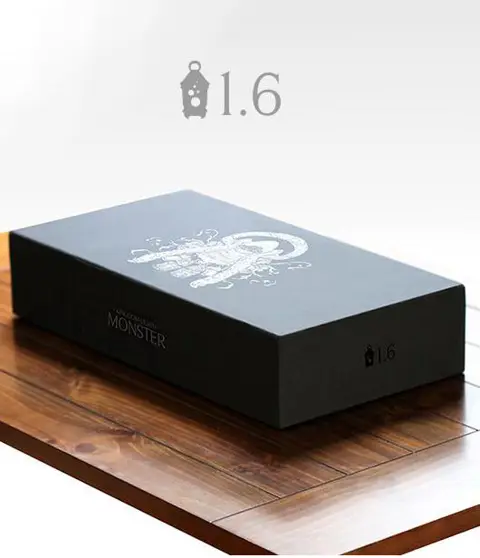
The grail games worth hunting in 2026 are Kingdom Death: Monster 1.6 ($444), Bloodborne: The Board Game ($110), Container from Allplay ($39+, just shipped), Gloomhaven: Second Edition ($199.99), and Brass: Birmingham Deluxe Edition ($95)—all verified, in print, and obtainable now.
Decision map
Choose in thirty seconds
Collectors seeking depth over breadth; players committed to 100+ hour campaigns; those who embrace permanent character death and narrative consequence.
Players entering Gloomhaven for the first time; collectors wanting the canonical version; those valuing rebalanced mechanics and fresh artwork.
Collectors who understand component quality; players with 2-4 committed regulars; those valuing economic depth and brass-era industrial theme.
A grail game isn't about hype or FOMO. It's about a title that refuses to stay out of print because it earned the shelf space. It's the game that justifies the investment because of craft, depth, or rarity—or all three. If you're building a collector's cabinet in 2026, these five games aren't compromises. They're the ones that hold their place when the trends move on.
None of these appeared in search results by accident. Each one exists now, is buyable now, and has a reason to be acquired now—whether it's a Kickstarter exclusivity window closing, a deluxe edition that won't be reprinted, or a game that simply doesn't stay on shelves long enough for second thoughts.
Start here, then go deeper
You are in the right cabinet.
 ☾ Universe HubKingdom Death: Monster: the whole buying pathKingdom Death: Monster is the hardest purchase in this hobby to get right — not because the game is obscure, but because the...
 ♛ Topic PathGrail Board Games: compare the whole shelfA grail earns its space only when the experience survives the price, setup, storage, and group commitment. These are expensive-game...
 Deep DiveKingdom Death: Monster 1.6 Review — Is the $444 Grail Worth It in 2026?The blunt buyer's verdict on Kingdom Death: Monster 1.6: what the $444 core box actually gives you, who should buy it, who should walk...
What actually makes a board game a "grail" in 2026?
Let me kill the lazy definition first. A grail game is not just an expensive game, and it is not just a hard-to-find game. In collector culture the word has a specific shape: a grail is a title whose supply is structurally capped while demand keeps climbing. The cap can come from three places, and learning to spot which one applies is the whole game.
One — design scarcity. Some makers simply refuse to chase volume. Kingdom Death exists in exactly one retail configuration at a time and sells almost entirely direct. Two — format scarcity. A deluxe run or a Kickstarter-exclusive box gets printed once and never again; when it's gone, the secondary market is the only door. Three — license scarcity, the most underrated of the three: a licensed game legally cannot be reprinted once the rights deal with the IP holder lapses, no matter how badly people want it. That last one is why a good licensed adaptation can quietly outperform a "better" non-licensed game on the resale charts.
The reason I'm writing this in 2026 specifically is that all five of these games sit at a visible inflection point right now — a fresh edition, a closing fulfillment window, a deluxe run winding down. The collector's mistake is waiting until BoardGameGeek's marketplace has already repriced something. By then you're paying the tax. The window to acquire a grail at sane money is always before the consensus forms, not after.
Why is Kingdom Death: Monster so hard to actually buy?
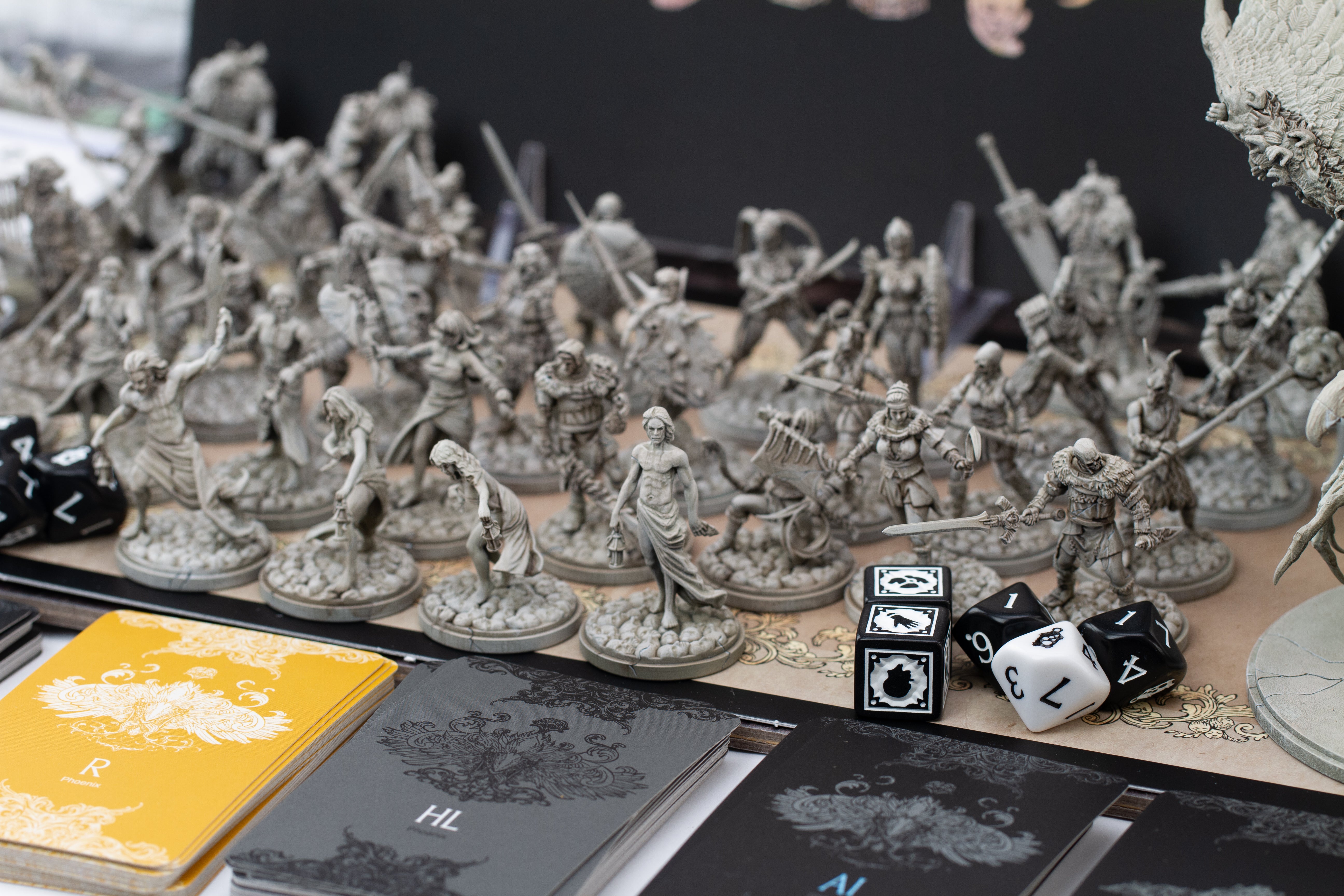

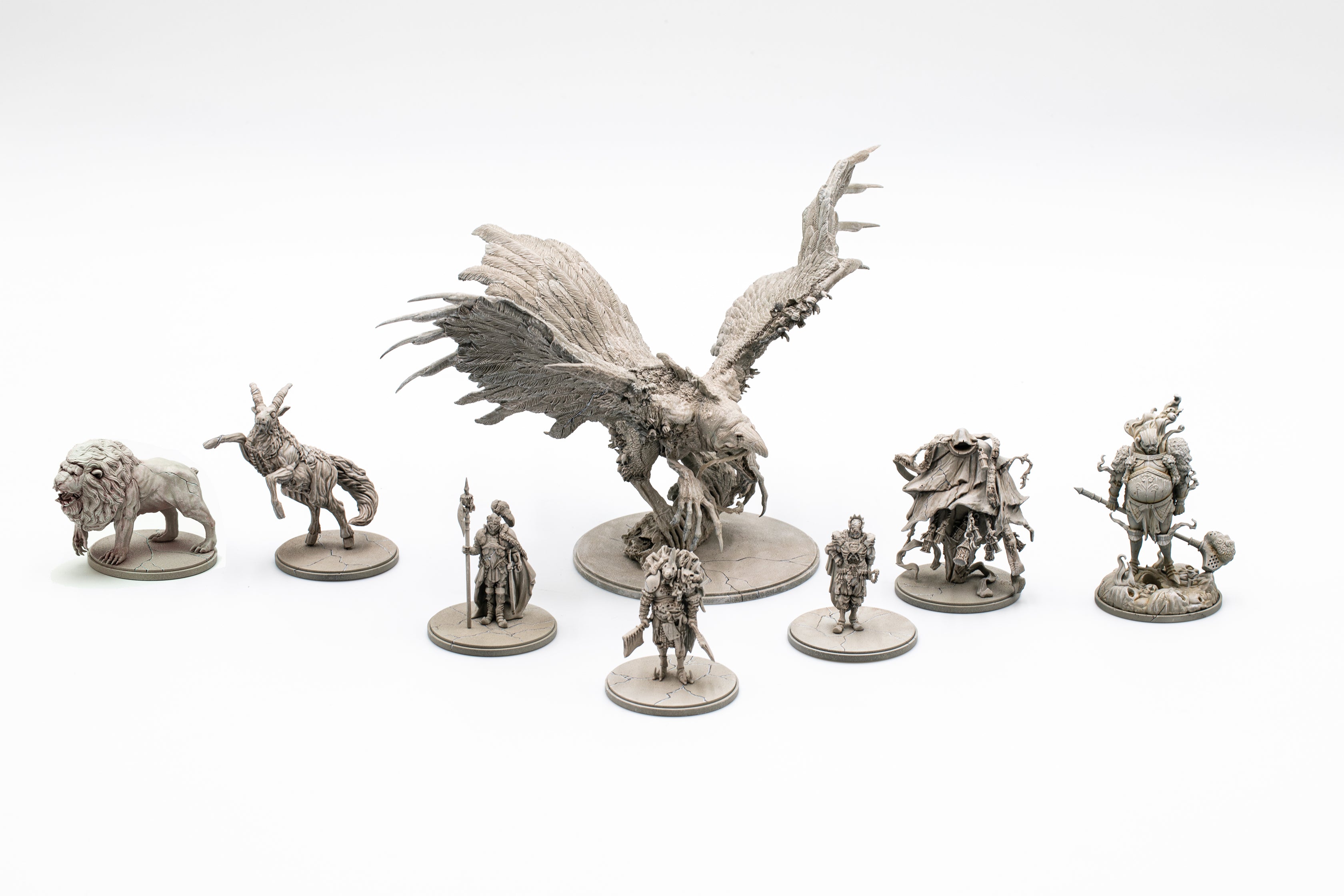
Here's the thing nobody tells you before you fall down this hole: the $444 price is the easy part. The hard part is that Kingdom Death barely participates in normal retail. Adam Poots sells the core game almost exclusively direct, and the community's standing advice — repeated everywhere from Patreon buying guides to BGG — is to buy from the source and never pay a secondary markup. The Amazon listing exists, but it is not where the informed money buys.
That changes how you plan. The traditional restock and new-edition cadence has historically landed on the American Thanksgiving / Black Friday weekend — that's when both the original campaign and the 1.5 campaign launched. If you're hunting the core box or the white-box expansions (the truly scarce stuff — Gorm, Dung Beetle Knight, the Twilight Knight), you watch that window like a hawk.
On the 1.5-versus-1.6 question that confuses every new buyer: 1.6 is not a re-sculpt or a different game. The leap is essentially the Legendary Card Pack — a bundle of critical card errata (Resin Ball Shot, the DBK and Tyrant data cards, the Final Lantern) plus rules that honor the original 2013 plastic. If you already own 1.5, you do not need to re-buy a 21-pound box; you need the update pack. If you own nothing, buy 1.6 and skip the confusion entirely. Either way, treat this as a campaign of 100+ hours and permanent character death — that's the product, not the miniatures.
Deluxe or Collector's? The Brass: Birmingham buyer's fork
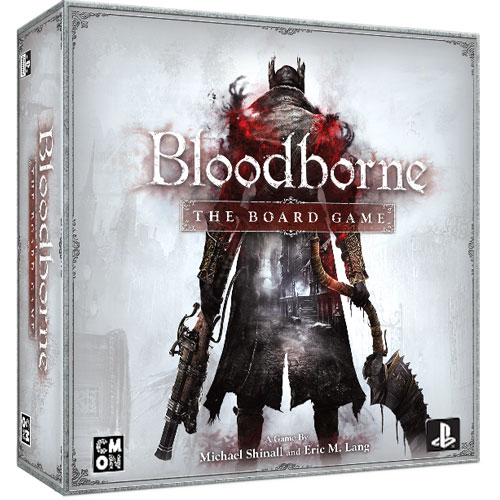
The standing advice — "buy the Deluxe" — quietly stopped being complete, and most guides haven't caught up. As of this writing there is a genuine fork in the Brass line, and choosing wrong means overpaying or under-owning.
The Deluxe Edition at $95 is the one people mean by reflex: gold-embossed box, custom vac-tray insert, and 78 Iron Clays replacing the original chipboard tokens. That last upgrade is the real argument. Brass is a high-friction economic game — you handle those money tokens constantly, and the standard chipboard genuinely wears at the edges over a few dozen plays. The Iron Clays are a quality-of-life fix disguised as a flex. (Insider footnote: 78 isn't a complete set. Roxley sells a 22-chip top-up sleeve so you can build the full 100-clay run — worth knowing before you assume the box is "finished.")
The newer wrinkle is a separate Collector's Edition, built years after the Deluxe around a different question — not "how do we upgrade the components?" but "what would we actually want to own today?" It is a distinct product at a distinct price, not a reprint of the Deluxe. My honest read: if you want the best playing copy at sane money, the Deluxe is still the answer and the standard retail edition is the value play. The Collector's Edition is for people building a cabinet, not a table. Decide which collector you are before you check out, because the prices are not close.
Is Gloomhaven Second Edition really a different game?
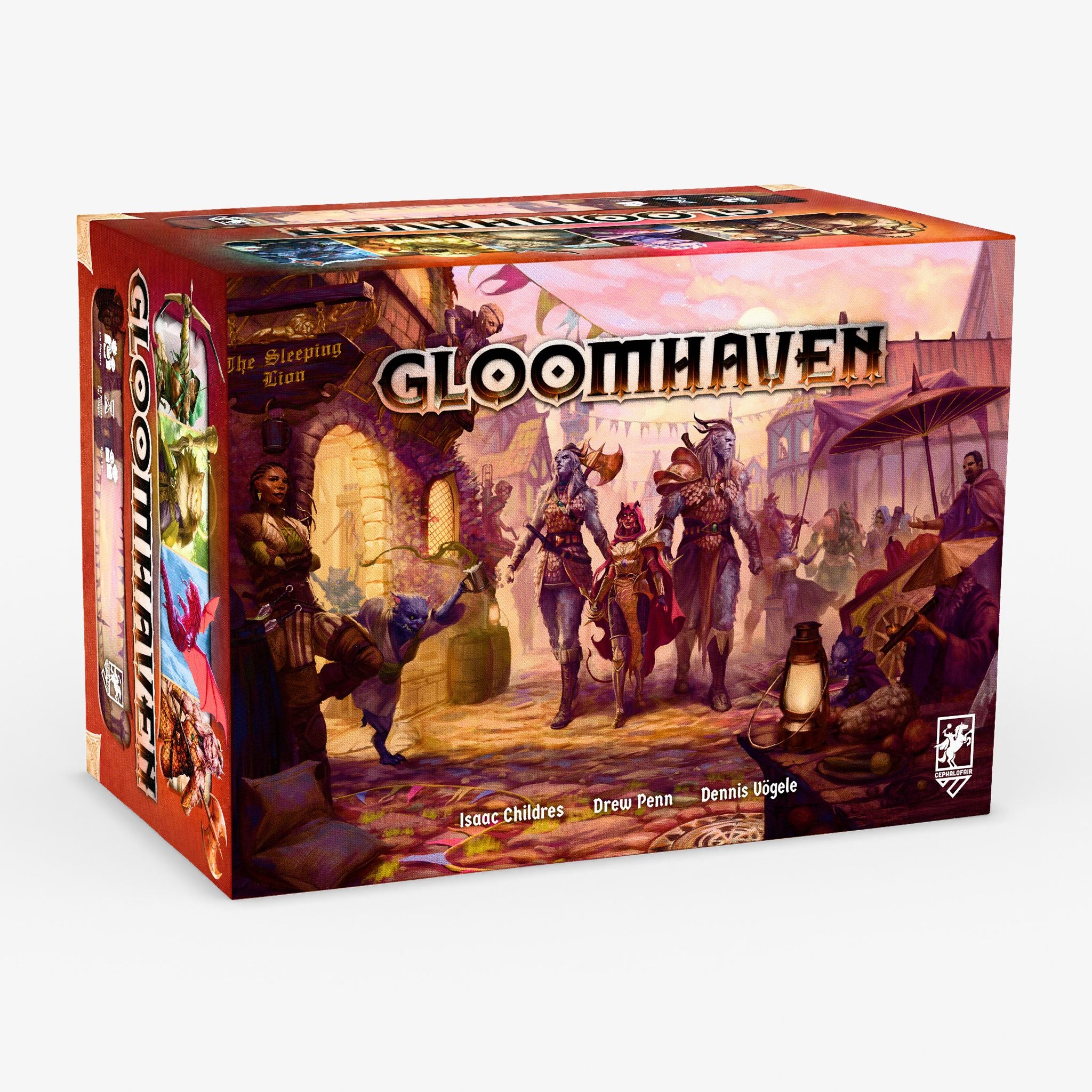
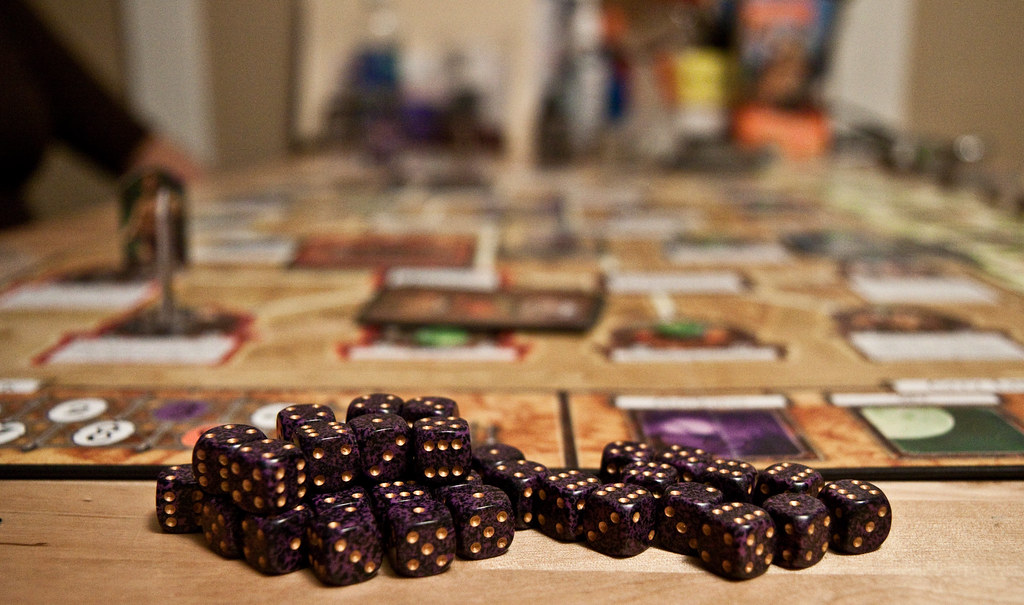
Yes — more than the word "edition" usually implies, and the difference is mechanical, not cosmetic. Cephalofair didn't repaint the first edition; Isaac Childres reopened the design and rebuilt the parts that aged worst over the campaign's nine years on tables.
The headline change is the one veterans should care about most: the original's single sliding reputation track — one scale you pushed high or low for rewards — is gone, replaced by three faction tracks (the Shields, the Sect, and the Merchants Guild). Your standing with each faction now opens some scenarios while locking others, and gates which items the shop will even sell you. The scenario tree was re-woven into a brand-new story to support this, which means the faction narrative is fresh content even if you've already finished first edition. That's the detail that flips this from "refresh" to "replay."
Add rebalanced mercenaries, redesigned items, refreshed art and minis, and the long tail of first-edition errata folded in, and the verdict writes itself. If you're entering Gloomhaven now, Second Edition is the canonical version — buy it without overthinking. If you own first edition and loved it, the upgrade is a considered choice, not an obligation: you're buying a new faction-driven story, not fixing a broken game. And if you only want to know whether the system clicks for you, Jaws of the Lion is still the cheap on-ramp — though it's a separate standalone, not part of this box.
Container is back — but should you move now or wait?
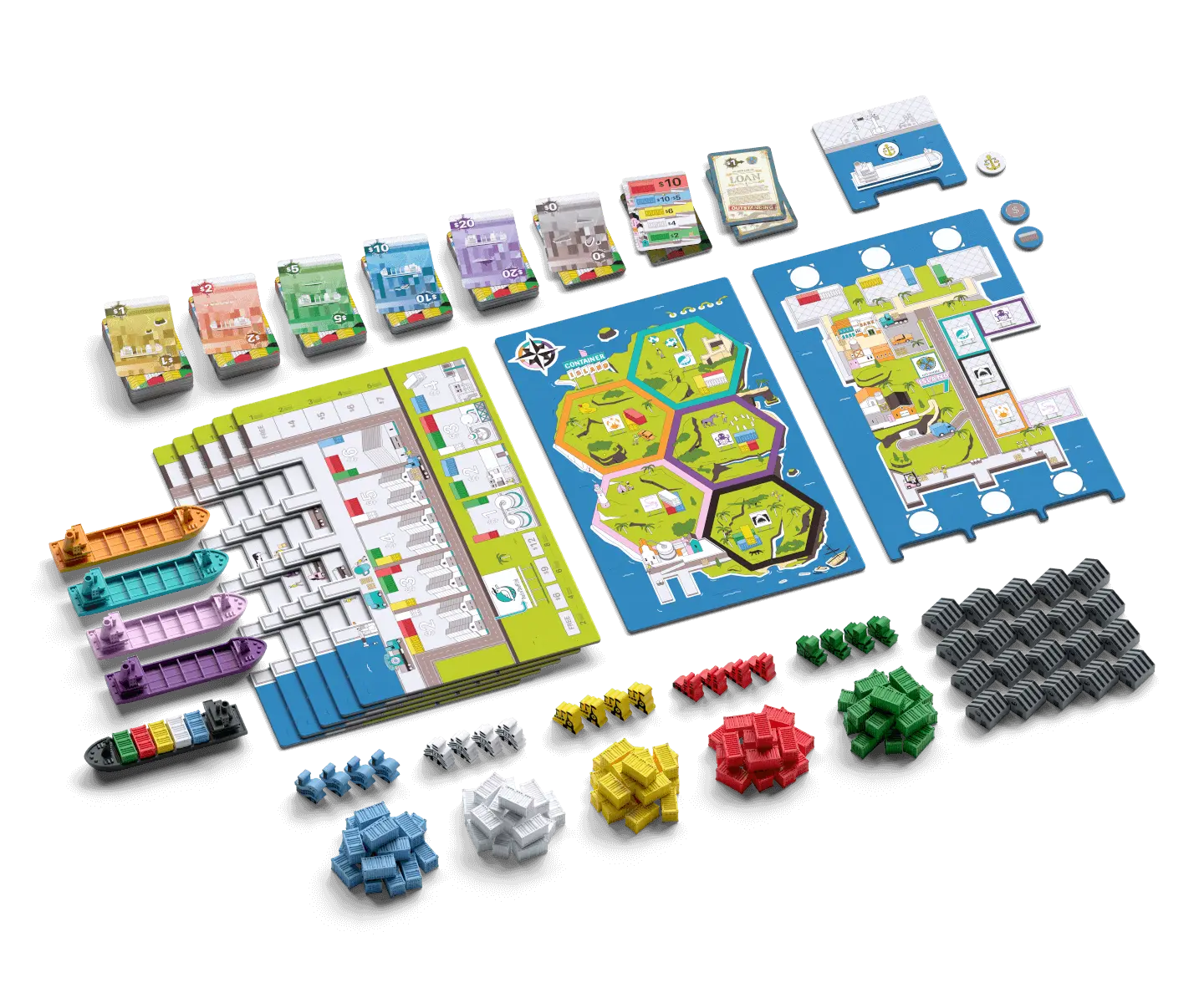
Of everything here, Container is the acquisition I find most interesting, because its grail story is happening in real time. The original 2007 Container became a grail by accident — a near-perfect economic engine, beautiful components, then out of print for the better part of a decade while used copies drifted into absurd money.
Allplay (the Boardgametables.com folks) brought it back via a Kickstarter campaign in September 2025, and fulfillment has been rolling out through mid-2026 — most regions are landing around June 2026 (Continental Europe a touch later, into June/July), with the Container Deluxe shipping last as it's still in transit. So depending on exactly when you're reading this, standard copies may be arriving or already in hand while the Deluxe trails behind. Hedge your expectations accordingly. What's solid is the value proposition: the retail edition is $39, and the Kickstarter entry was kept right in line with that MSRP — almost unheard-of for a returning cult title, because Allplay deliberately kept it accessible. A Deluxe "all-in" bundle stacked the upgrades and expansions for those who wanted the full shelf.
The production notes that matter to a collector: modern printing, sharper graphic design, more readable iconography, and — a small thing veterans will appreciate — boats that are less jumbo than the chunky 2018 reissue. So why grail-worthy now? Because the inflection is the Kickstarter-to-retail handoff. If the new edition prints in healthy numbers, it stays cheap and you lost nothing by waiting. If it doesn't, you'll wish you'd grabbed it at thirty-nine dollars. That asymmetry — small downside, real upside — is exactly the bet a collector wants to be making.

Why does a licensed game like Bloodborne become a grail?
This is the section I most want collectors to internalize, because it's the least intuitive. Bloodborne: The Board Game ($110) looks like the soft pick on this list — it's not rare today, it's not limited, CMON keeps the base game in print. So why does it earn the cabinet?
Because of how licensed games die. A game like Brass can be reprinted forever; the publisher owns it outright. A licensed game cannot. The day CMON's rights agreement to the Bloodborne IP expires, every Bloodborne box becomes un-reprintable — permanently, by contract, regardless of demand. That single legal fact is the most reliable grail mechanic in the hobby, which is why collectors quietly track expiring licenses the way investors track lockup periods. You're not betting on hype; you're betting on a clock that is already running.
And the early evidence is already on the table: the Blood Moon Box, the Kickstarter-exclusive content that will never hit retail, is already out of print and trading on the secondary market — a preview of where the whole line goes when the license lapses. The base game, mercifully, is the part that's genuinely good on its own merits: a faithful, tonally-correct roguelike with a strong solo mode and real mechanical depth across repeated runs. So the move is clean — buy the base box now because it's an excellent game you'll actually play, and understand that the license is a quiet floor under its long-term value, not the reason to play it. That's the order that keeps you honest.

How should a collector actually sequence these five buys?
If you're not buying all five at once — and most people shouldn't — sequence by which window is closing fastest, not by which game you want most. Urgency and desire are different axes, and confusing them is how collectors overpay.
Move first on the closing windows. Container sits at the Kickstarter-to-retail handoff right now; if you missed the campaign, watch the secondary market and Allplay's own restocks closely, because the $39 anchor won't survive a thin reprint. Brass is the other clock — if you specifically want the Deluxe, buy it while the run lasts; deluxe runs end quietly and the standard edition is the only thing guaranteed to stay in print.
Buy the evergreens on your own schedule. Gloomhaven: Second Edition and Bloodborne are both freshly in print with no near-term cliff, so there's no penalty for waiting until budget and shelf allow — just buy Second Edition over the original, and buy Bloodborne for the gameplay with the license as a bonus floor.
Kingdom Death is its own category. Don't impulse it. Plan around the direct-sale restock cadence, budget for the time before the money, and only commit if 100+ hour campaigns with permanent death actually describe how you play. If you have to talk yourself into it, that's your answer — and walking away is a perfectly good collector's decision. The cabinet you'll defend in 2030 is built on five games you genuinely use, acquired before the consensus formed, never on a shelf of regretted FOMO purchases gathering dust between plays.
The picks
Some links below are affiliate links — as an Amazon Associate, Puzzlewick earns from qualifying purchases, at no extra cost to you. It never changes a pick.
 3 photos
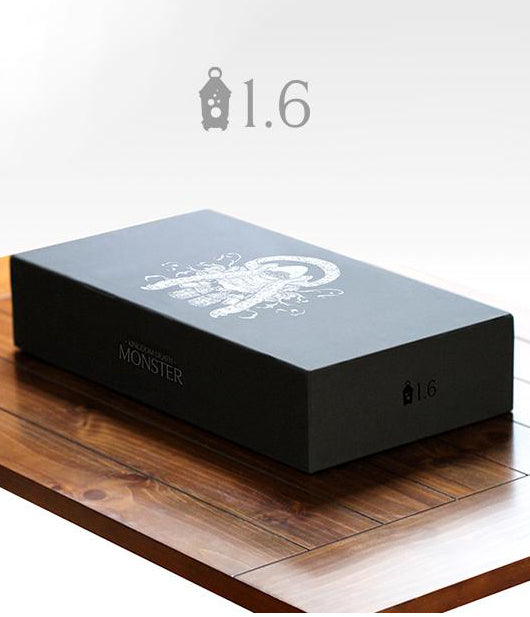
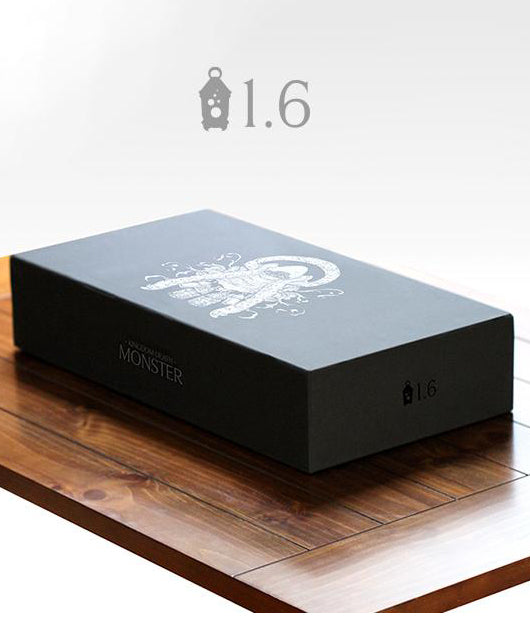
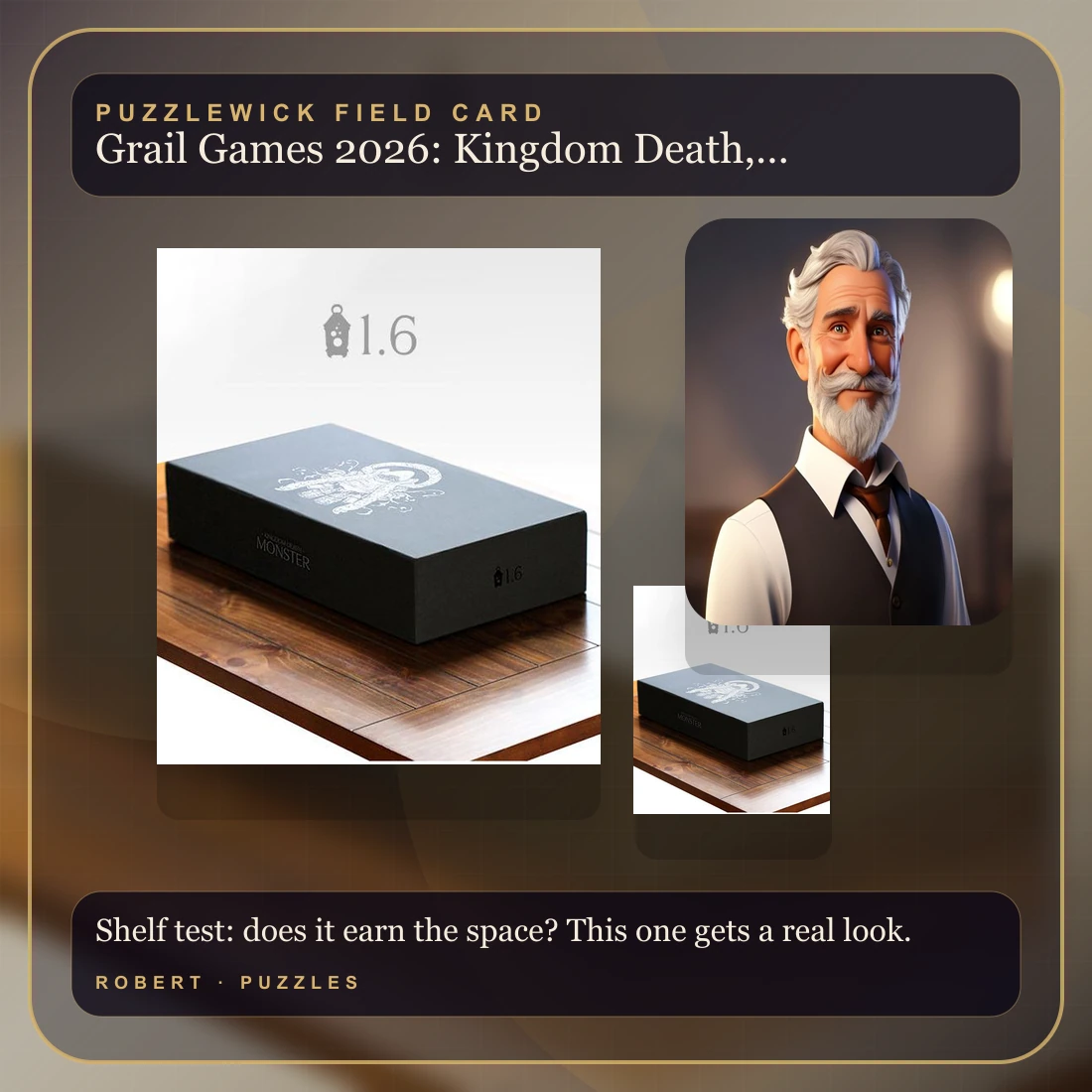
 Kingdom Death: Monster 1.6
A 21-pound nightmare horror roguelike that treats campaign structure seriously and refuses to soften its edges. Not for casual players, but indispensable for the committed. The 1.6 version is current and available, though backordered.
- Unmatched mechanical depth and asymmetry for a board game
- Genuine roguelike structure with permanent consequences
- Narrative arc that spans 100+ hours across a single campaign
- Extremely steep price point and physical footprint
- Requires serious time commitment and table presence
- Not designed for casual play or new players
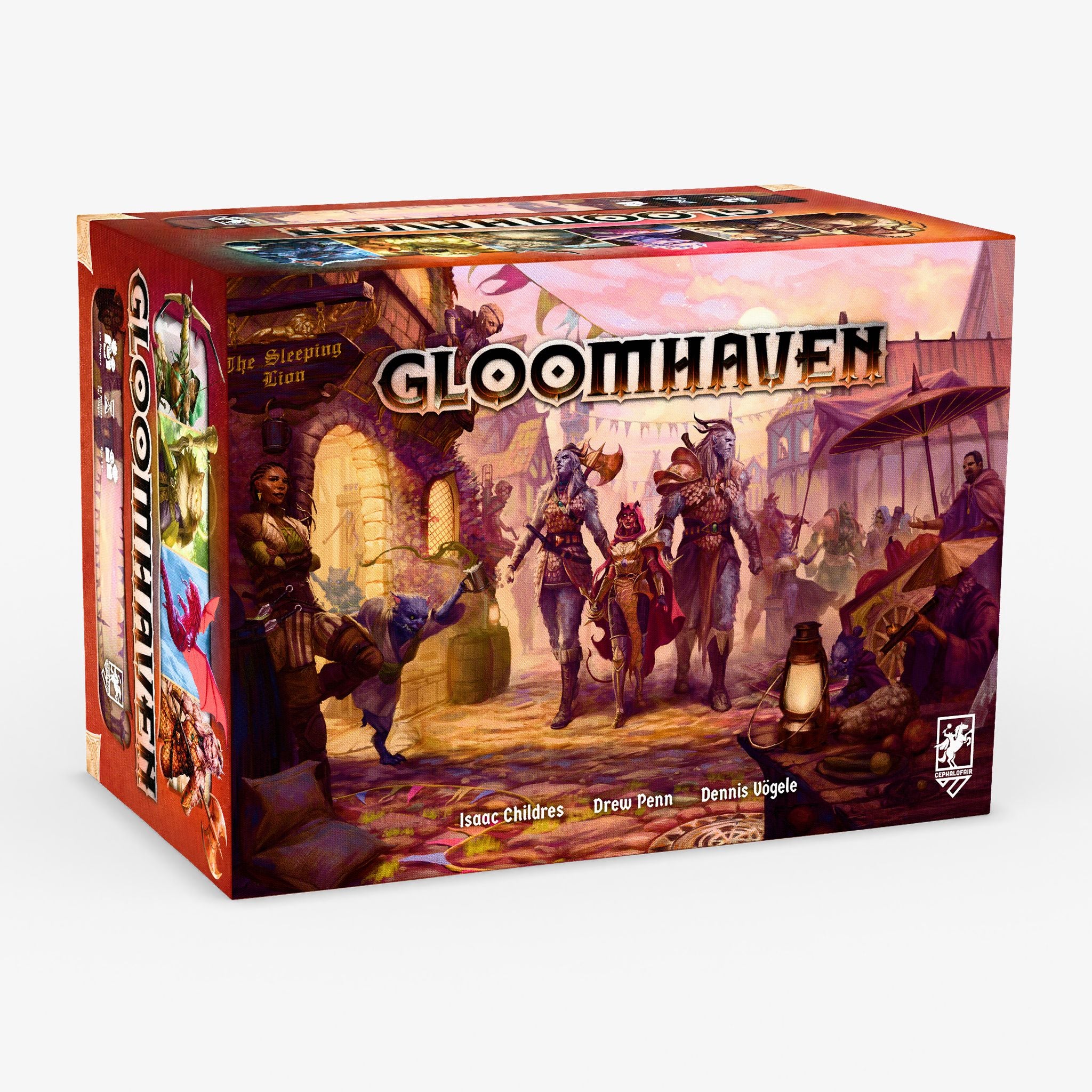
Gloomhaven: Second Edition
A complete rebuild from the ground up—rebalanced mercenaries, new artwork, redesigned items, updated miniatures. Second Edition is not a cash grab; it's the version to own now. Deeper, more elegant, better produced than the first.
- Genuine mechanical revision with rebalanced classes and items
- New faction-based reputation system adds strategic depth
- Refined artwork and miniatures over the original version
- High price point may deter casual interest
- Campaign length (60-180 minutes per session) is substantial
- First edition owners face a 'should I upgrade?' dilemma
 3 photos
 Brass: Birmingham Deluxe Edition
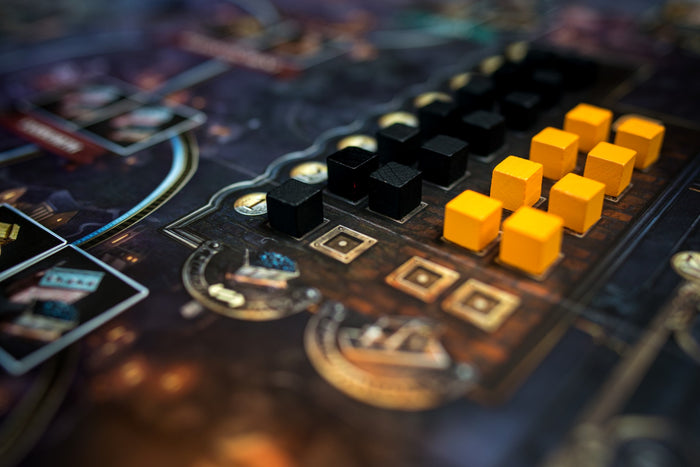
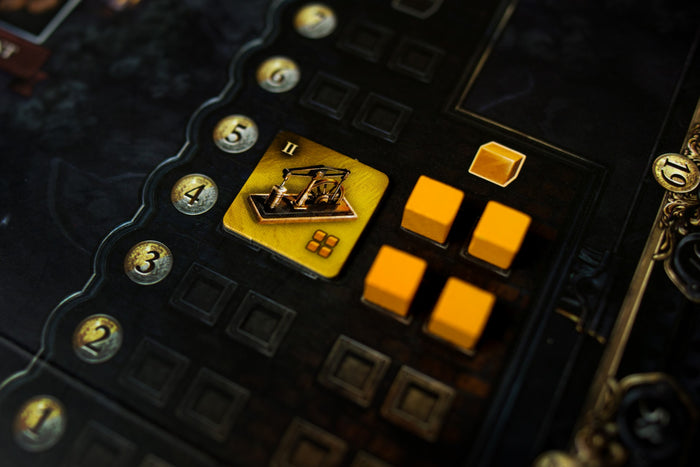
The deluxe treatment worth acquiring—gold embossed box, 78 iron clay tokens replacing chipboard, custom vac-tray. Brass is already recognized as one of the finest economic games ever designed. The deluxe version removes component friction and signals mastery.
- 78 iron clay tokens eliminate wear and degradation issues
- Gold embossed box and custom insert justify premium
- Elegant economic design recognized globally as masterwork
- Standard edition is substantially cheaper if components aren't a priority
- Deluxe version likely won't be reprinted—ends production eventually
- High skill floor may frustrate new players
 3 photos
 Bloodborne: The Board Game
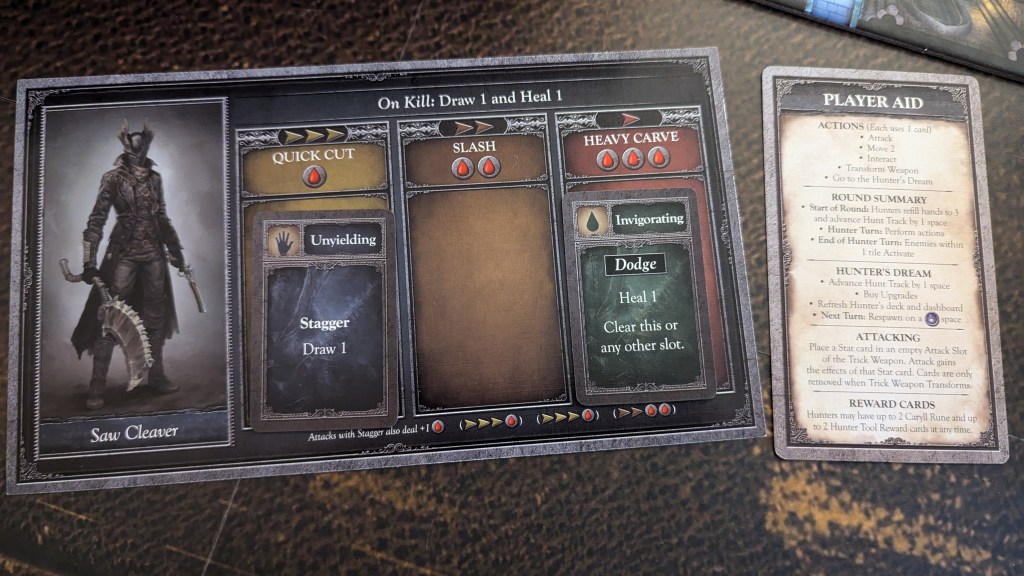
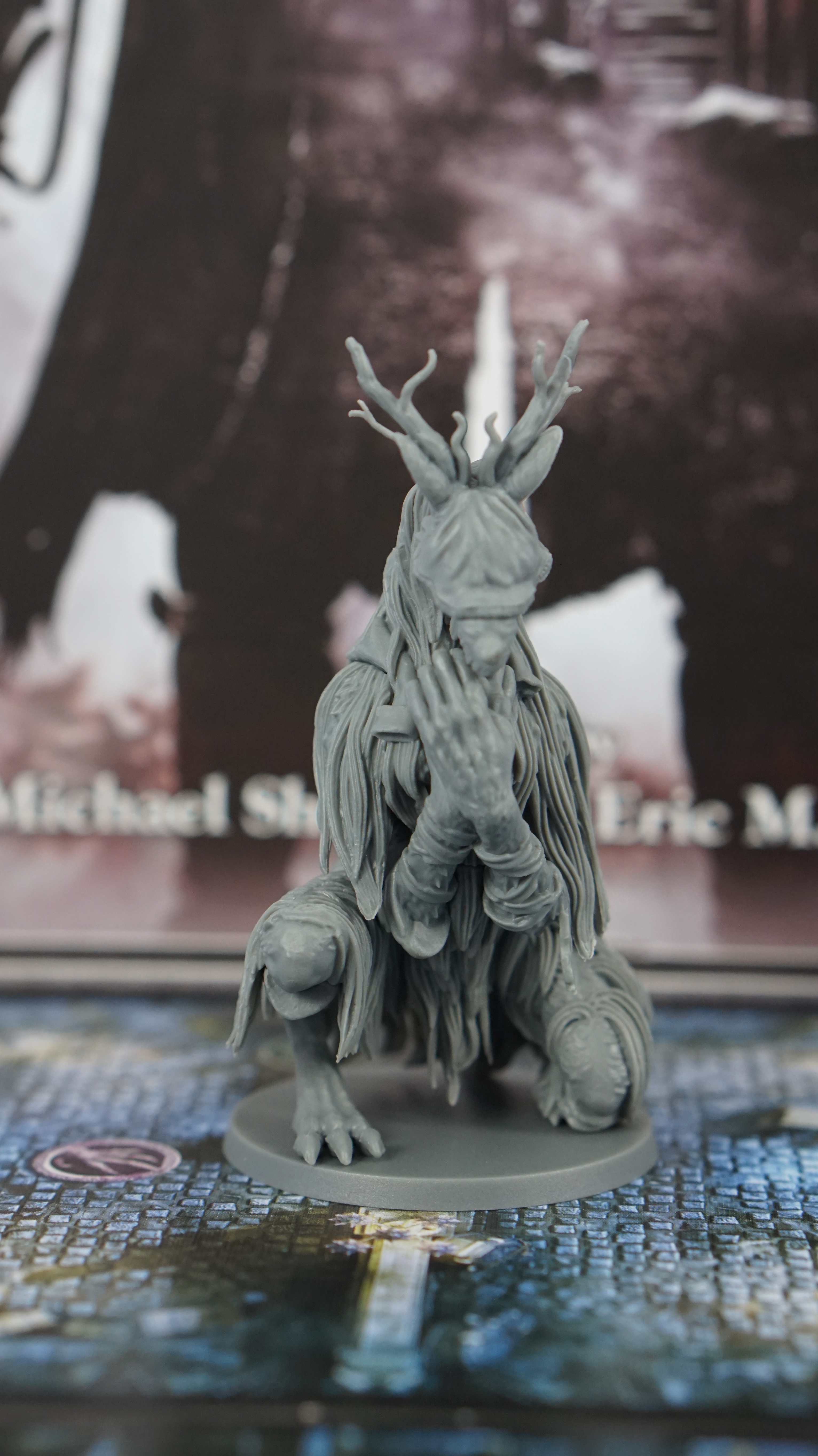
A 2021 CMON release that proves licensed adaptations can be genuinely excellent. Roguelike structure, faithful to the game's tone, solo-friendly, with enough mechanical depth that it rewards repeated plays. Stays in print because it earned the shelf space.
- Legitimate roguelike structure faithful to game source material
- Strong solo mode makes it playable without a table full
- Mechanical depth supports repeated campaigns and mastery
- Licensed games carry trend risk—value uncertain in five years
- 60-90 minute playtime is modest compared to peers
- Expansion (Forbidden Woods) adds incremental rather than transformative depth
At a glance
| Game | Price | Playtime | Players | Grail Factor |
|---|---|---|---|---|
| Kingdom Death: Monster 1.6 | $444 | 100+ hours (campaign) | 1-4 | Permanent design—no reprints planned |
| Gloomhaven: Second Edition | $199.99 | 60-180 min/session | 1-4 | Canonical version; first edition becomes secondary |
| Container (Allplay) | $39 (Kickstarter) | 45-60 min | 2-4 | Exclusive window closing; retail MSRP pending |
| Brass: Birmingham Deluxe | $95 | 60-120 min | 2-4 | Limited deluxe run; standard edition widely available |
| Bloodborne: The Board Game | $110 | 60-90 min | 1-4 | Licensed game that justified the license |
Questions, answered
What makes a board game a 'grail' worth collecting now in 2026?
A grail game either exists in a limited form that won't be reprinted (deluxe editions, Kickstarter exclusives), or it has demonstrated staying power because of exceptional design depth. The key is acquiring it before the collector's market reprices it. These five games meet one or both criteria: they're available now, they won't flood the market later, and they've earned their shelf space through craft rather than hype.
Is Kingdom Death: Monster really worth $444?
If you're asking the question, the answer is probably no. Kingdom Death is for players who commit to 100+ hour campaigns and view the game as a long-term narrative investment, not an evening entertainment. If that describes you, $444 is reasonable for the depth and craft involved. If it doesn't, no amount of component quality will justify the cost.
Should I hunt the original Gloomhaven or buy Second Edition?
Buy Second Edition. It's the canonical version now—mechanically superior, artistically refreshed, with rebalanced classes and items. Cephalofair didn't release it to cannibalize the first edition; they released it because they made the game better. First edition values may hold or climb, but Second Edition is where you want to enter the game.
Container was $39 on Kickstarter—will retail be that cheap?
Allplay Container officially retails for $39. The Kickstarter price matched the retail MSRP, making this an exceptionally accessible entry point for a Kickstarter exclusive. Watch the secondary market closely as the exclusive window closes to understand how collector demand shapes value.
Is Bloodborne worth acquiring if I'm not a FromSoftware fan?
Yes—if you value excellent roguelike board game design and strong solo mechanics. The license is attractive window dressing, but the game succeeds because CMON built solid mechanics that reward strategic depth and repeated plays. You don't need to love Bloodborne the video game to appreciate Bloodborne the board game.
Should I prioritize grail games or build a broader collection?
Both strategies have validity. Collectors building broad libraries should prioritize games that teach different mechanics and themes. But if shelf space or budget is finite, grail games offer better long-term value because they resist commoditization. Five exceptional games beat twenty good ones when resale and personal satisfaction are the metrics.
Keeper's verdict
A grail game collection isn't built on FOMO. It's built on identifying the titles that refuse to leave your table because they're too good to, and acquiring them before the collector's market reprices them. These five games earned their place through craft, scarcity, or strategic timing. Kingdom Death demands 100+ hours and doesn't apologize. Gloomhaven Second Edition is the canonical version now. Container's Kickstarter window is closing. Brass: Birmingham's deluxe form won't last forever. Bloodborne proved that licensed games can matter. If you're building a collection in 2026 that you'll still defend in 2030, these are the games that earn the shelf space.
Research ledger 9 sources · reviewed 2026-08-10
Specifications, rules, current product information, community experience, and contrary evidence were checked against the sources below. Commercial links are kept separate from editorial evidence.
- shop.kingdomdeath.comshop.kingdomdeath.com/products/kingdom-death-monster-1-5
- kickstarter.comkickstarter.com/projects/boardgametables/container-gruntz-and-triangulation
- roxley.comroxley.com/products/brass-birmingham-deluxe-edition
- amazon.comamazon.com/dp/B0FP5R1KSJ?tag=puzzlewick-20
- miniaturemarket.comminiaturemarket.com/cmnbbe001.html
- allplay.comallplay.com/board-games/container
- kingdomdeath.myshopify.comkingdomdeath.myshopify.com/products/kingdom-death-monster-1-5
- awakenrealms.comawakenrealms.com/games/tainted-grail-kings-of-ruin
- Community research index: r/boardgames discussions about Grail Games: Kingdom Death, Bloodborne & Kickstarter Exclusivesreddit.com/r/boardgames/search/?q=Grail%20Games%3A%20Kingdom%20Death%2C%20Bloodborne%20%26%20Kickstarter%20Exclusives&restrict_sr=1&sort=top
If it didn't earn a shelf, it isn't here.


Keep exploring
The next smart rabbit holes.
☾ Universe HubKingdom Death: Monster: the whole buying pathKingdom Death: Monster is the hardest purchase in this hobby to get right — not because the game is obscure, but because the...♛ Topic PathGrail Board Games: compare the whole shelfA grail earns its space only when the experience survives the price, setup, storage, and group commitment. These are expensive-game...Deep DiveKingdom Death: Monster 1.6 Review — Is the $444 Grail Worth It in 2026?The blunt buyer's verdict on Kingdom Death: Monster 1.6: what the $444 core box actually gives you, who should buy it, who should walk...