Best Sequential Discovery Puzzles, Ranked (2026)
The genre that keeps lying about itself — and why the ones that don't are worth the chase and the price.

AI-assisted curator persona · research and editorial responsibility: Robert Pruitt · how this guide was made
Last editorial refresh: 2026-06-13 Gold-standard QA: 2026-07-17 23 sources reviewed Affiliate links checked during gold-standard pass

The short answer
A sequential discovery (SD) puzzle is the genre where solving one stage physically yields a tool — a pin, key, magnet, or wedge hidden inside the object — that you then need to crack the next stage, building to a cascade of 'aha' moments rather than a single click. It is distinct from a take-apart or a burr: in an SD puzzle the puzzle arms you as you go. The founding icon is Wil Strijbos' work — his Aluminum Cylinders and the 1984 First Box, which gave the genre its name and its grammar. Best overall, for sheer density of invention and craft, is Jesse Born's Rattler's Tail, though it is a $1,000+ limited heirloom. Best entry-level is the Crux Puzzles re-release of Brian Young's Houdini's Torture Cell — a genuine SD experience for roughly $40. Best collector piece is the Popplock T11 by Rainer Popp, widely called the greatest trick lock ever made. The honest caveat: the best of this genre is small-batch, expensive, and frequently sold out, with secondary prices that climb into the thousands. Patience and aftermarket vigilance are part of the hobby.
Decision map
Choose in thirty seconds
Best foundational SD — the genre's Rosetta Stone, and obtainable
Best lock-style SD for most people — the people's champion
Best entry-level SD / best value — the on-ramp to the whole genre
Let me kill the headline first: most of what claims to be 'sequential discovery' is just marketing. A random stack of fiddles with a price tag on top. But the real deal — the puzzles that actually are — are the smartest, most coherent mechanical objects you can hold. Here's what separates the real thing from the gimmick: the tools aren't dispensed, they're revealed. You don't extract a ball bearing because the designer decided step eight should have one. You extract it because solving step seven made the only logical path forward the one that spits it out. That's the whole name. That's the whole soul.
The founding text is Wil Strijbos, and I'm not dropping his name as folklore — I'm crediting him because he was the first to get it right. His 1984 First Box and his Aluminum Cylinders are still teaching the form better than almost everything that came after, because Strijbos understood something that still trips up lesser designers: an SD puzzle is a narrative spine. Each step has to feel impossible before you understand it and inevitable after. When that spine holds, you get the best mechanical-puzzle experience that exists. When it snaps — when steps become arbitrary — you get a gimmick wearing a premium price tag.
So this ranking is ruthless. I grade on whether the steps cohere, whether the tools are clever instead of random, whether the craft actually earns the concept, and whether you can buy the damn thing today or if you're going to spend six months chasing a $3,000 secondary flip. Here's the part every YouTube unboxing skips: the best SD puzzles are small-batch, hand-made, expensive, and routinely sold out within hours. A Strijbos drop evaporates. A Popplock sells in the hundreds of euros new and three thousand dollars used. Jesse Born's heirloom boxes run past a thousand. I won't lie about that — I'll tell you exactly which ones you can actually acquire, and I'll mark the rest as what they are: grails.
One more thing, because you should know this before you trust any ranking at all: Puzzlewick is an editorial library, not the seller. Puzzlewick may earn from qualifying Amazon purchases where a tagged Amazon link appears; maker and source links are editorial unless plainly labeled otherwise. Where a price is approximate or a piece is between batches, I mark it honestly. Now — the field.
Start here, then go deeper
You are in the right cabinet.
 ❖ Topic PathMechanical Puzzles: compare the whole shelfThe right mechanical puzzle matches the solver's patience, not simply the maker's difficulty number. These guides translate...
 Best OfBest Jigsaw Puzzles for Adults, Ranked (2026)A three-decade reference desk curator's ledger of the cardboard worth a fortnight of evenings and the wooden heirlooms worth passing down...
 ExplainerHanayama Cast Puzzles, Ranked: Every Difficulty Level from Beginner to DevilThe scale Hanayama printed on the box is a suggestion that falls apart at the extremes. Here's the honest map: which difficulty badges...
What actually makes a puzzle 'sequential discovery,' and why is it the connoisseur's genre?
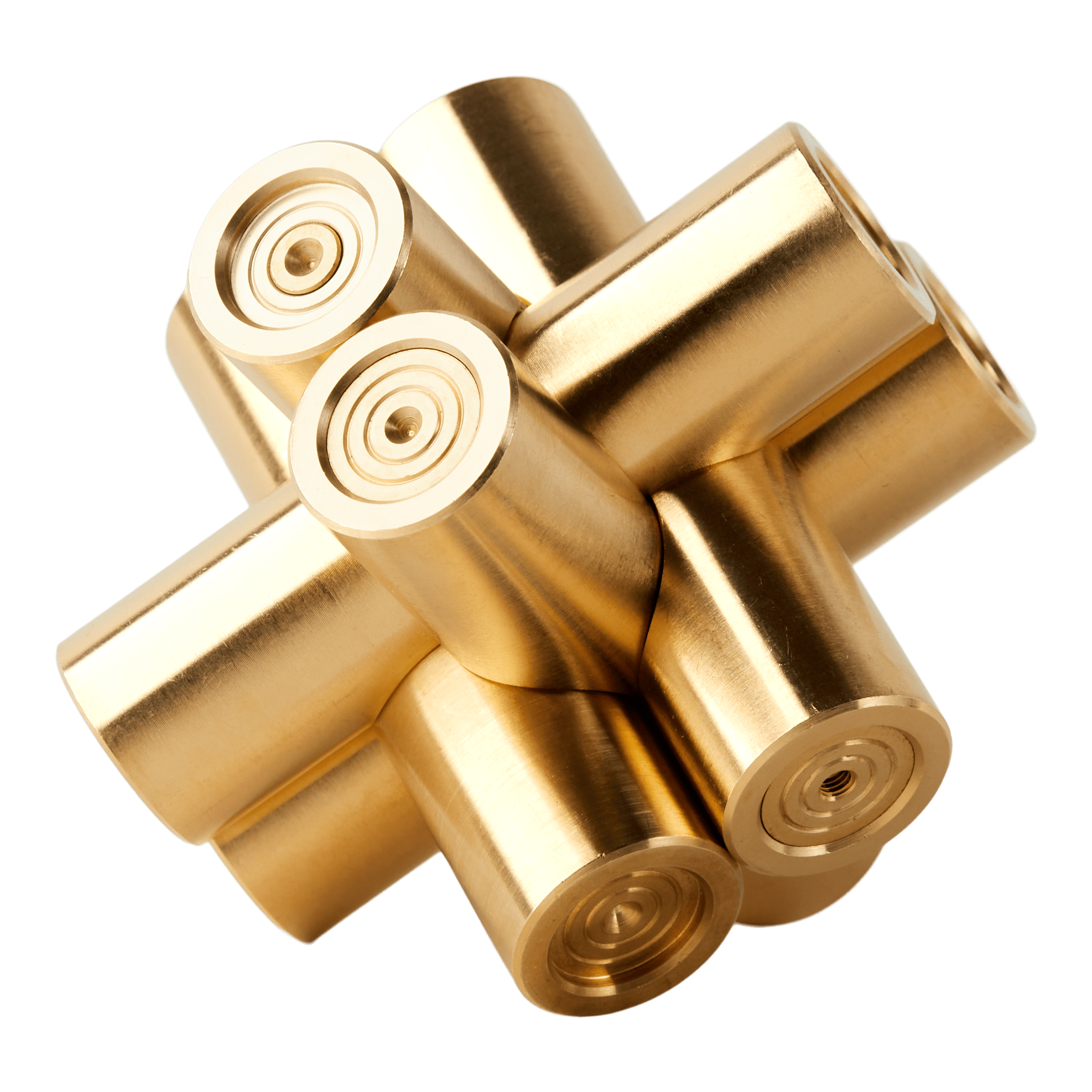
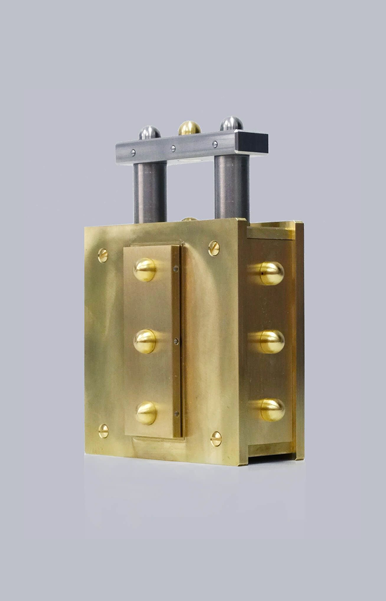
Strip away the romance and an SD puzzle is defined by one mechanical fact: the tools you need are concealed within the puzzle, and you extract them in sequence. You don't bring an Allen key from your drawer. You don't tap it on a table hoping something shifts. The puzzle equips you. A panel slides to reveal a pin; the pin pushes a hidden detent; that releases a rod; the rod levers open a chamber holding the next implement. Each discovery is a key that fits exactly one lock, and finding what a found tool is for is its own distinct 'aha.'
This is why the genre sits at the top of the connoisseur's hierarchy. A great burr is a spatial proof. A great take-apart is a single elegant secret. An SD puzzle is a campaign — a chain of small puzzles, each a different flavor (a maze here, a lever there, a magnetic trick, a balance problem), threaded into one object so that solving feels like an expedition rather than a riddle. Greg Gelf, who maintains one of the most thorough mechanical-puzzle guides online, frames it cleanly: the experience is crafted as a journey where each move 'releases a kind of tool from the body of the puzzle,' which then enables a step that was impossible before. Multiple aha moments, one object.
The critical fault line — and where I get ruthless — is coherence. A masterpiece SD puzzle has logic running through it like a spine: in hindsight every step was clued, nothing was arbitrary, and the tools feel discovered rather than dispensed. A mediocre one is a checklist of unrelated fiddles padded to inflate the step count. The step count itself is a vanity metric. Twelve steps that each follow from the last beat twenty that don't. Hold every puzzle below to that standard and the field sorts itself fast.
The other thing the genre demands, which take-apart puzzles don't, is reversibility and respect for the mechanism. Many of these — especially the locks — are as hard to re-close as to open, and a clumsy solver can jam tools inside or, with the heavy brass pieces, do real damage. That's not a flaw; it's the form asserting that you are operating a precision machine, not brute-forcing a toy. If that intimidates you, the genre is telling you something true.
The step count is a vanity metric. Twelve steps that each follow from the last beat twenty that don't.
Where did the genre come from — and why does every conversation start with Wil Strijbos?
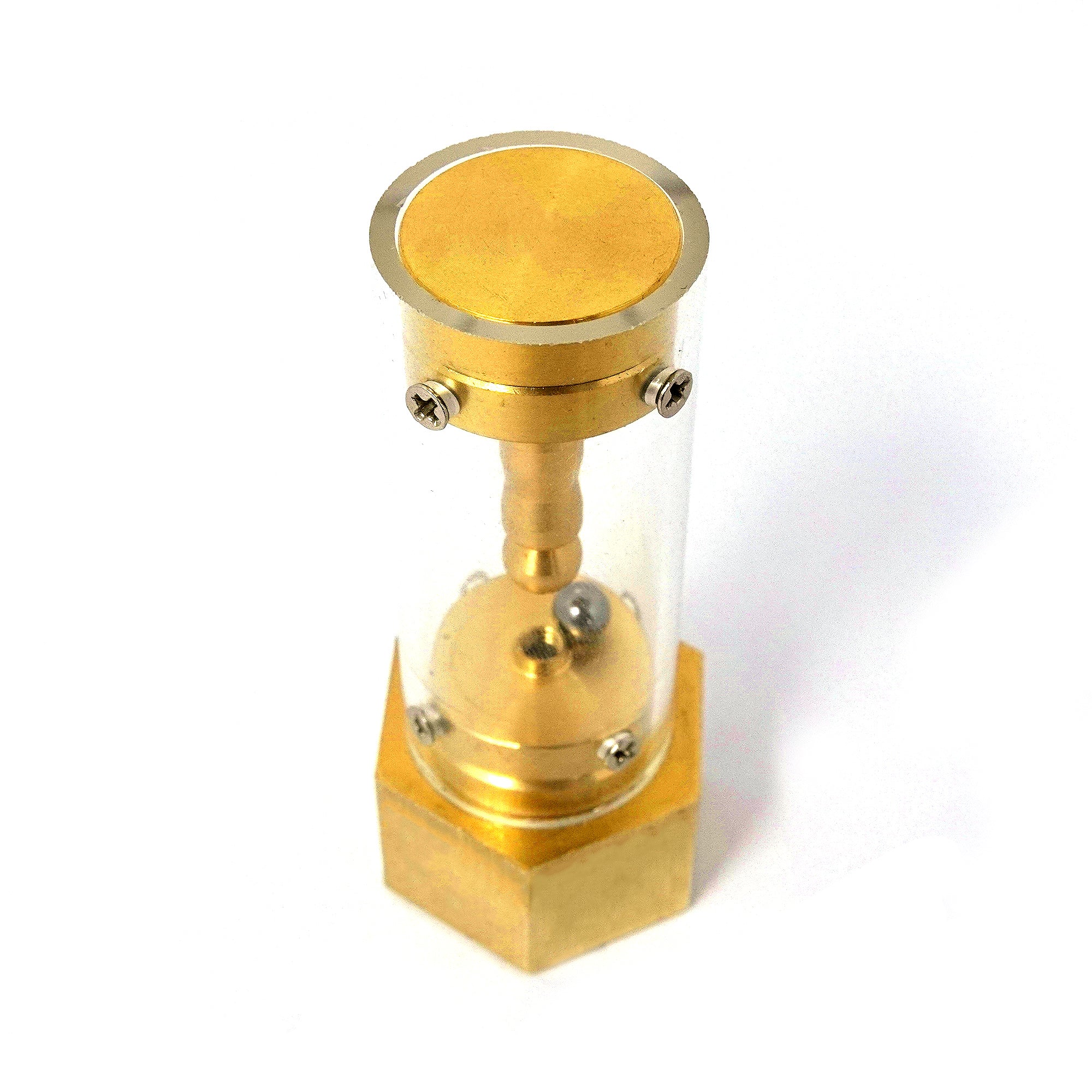
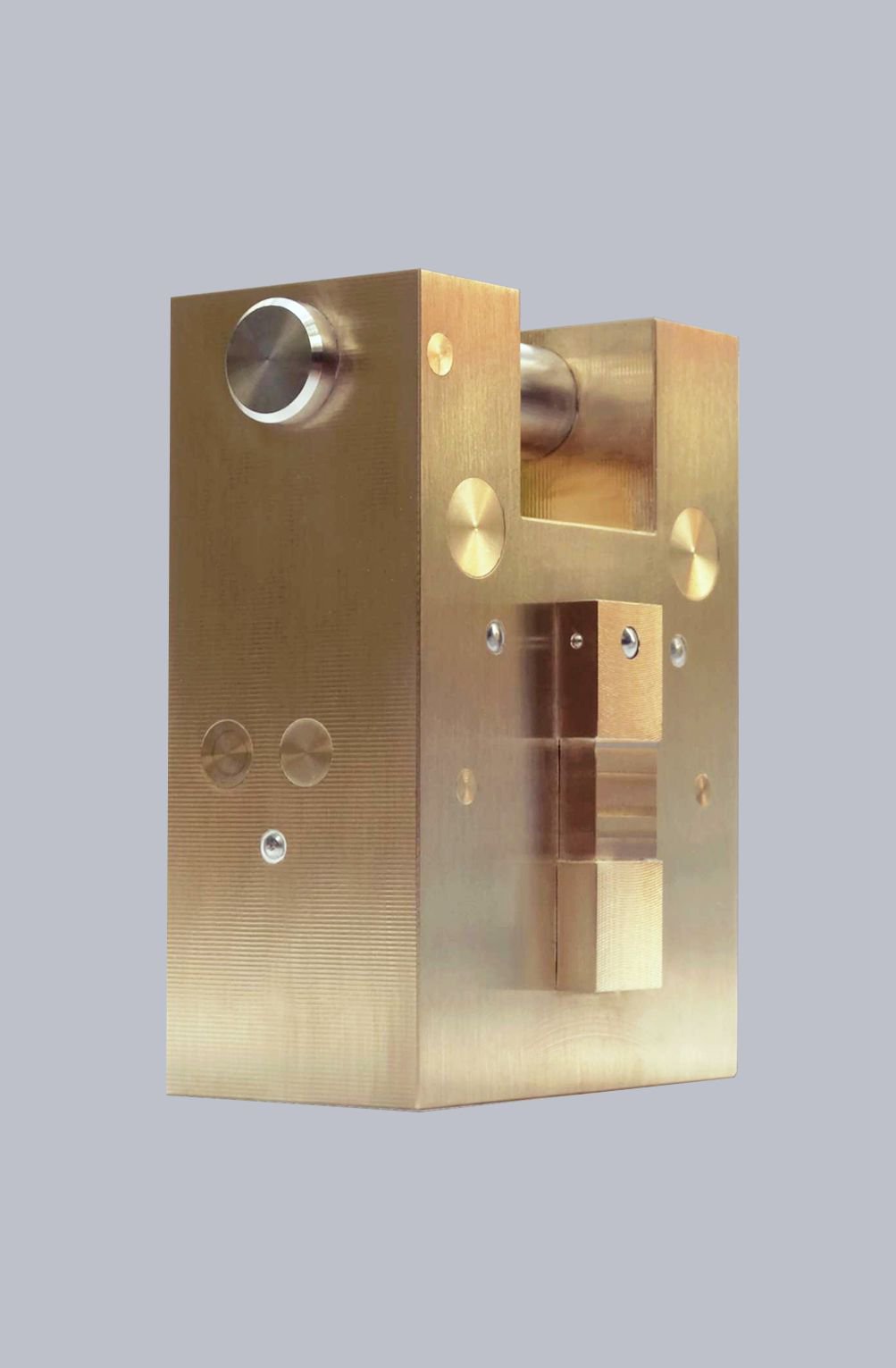
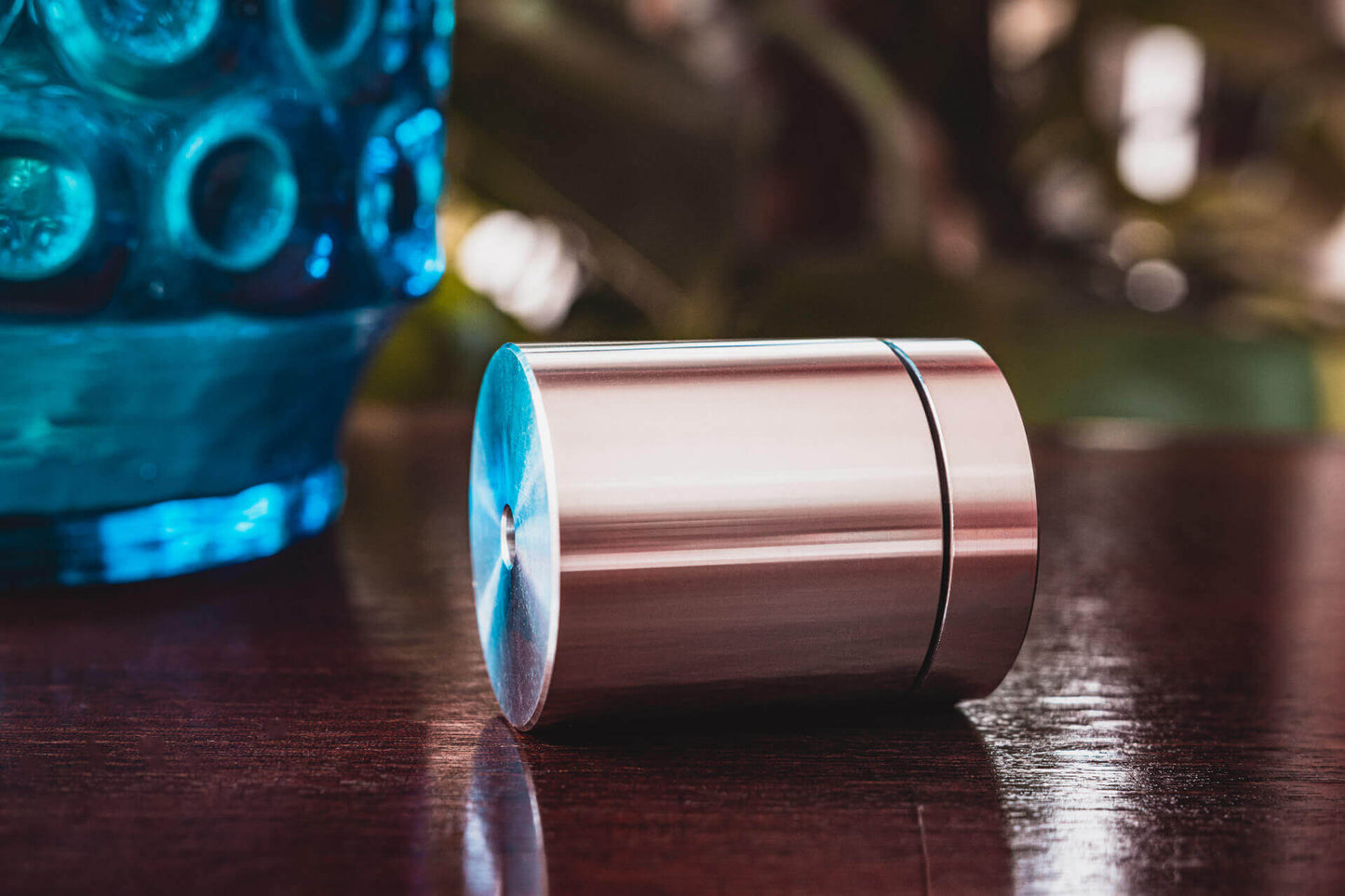
Because he wrote the grammar. Wil Strijbos, the Dutch designer-engineer, built the First Box around 1984 — his first puzzle box, later re-released in machined aluminum — and it remains a foundational text of the form. No tapping, no magnets, no external tools: every clue you need is built into the object, and you solve by logic, not luck. The shop copy on the metal re-release is almost a manifesto for the genre — 'engineered to exceptional tolerances,' all clues internal, no solution provided. That last part matters. Strijbos doesn't hand you a manual, because in a true SD puzzle the object is the manual.
Then there are the Aluminum Cylinders — the First Cylinder and its siblings — which are, if anything, even purer pedagogy. Kevin at PuzzleMad, one of the genre's most reliable critics, describes the maddening intimacy of them perfectly: 'There are no clues at all — all you can do is squeeze the lid and then things move inside.' He needed 'a week of intermittent play' before he understood the secret. You solve those cylinders partly by sound, operating essentially blind, listening to internal parts shift. That is SD distilled to its essence: the puzzle reveals itself only to a solver paying ferocious attention.
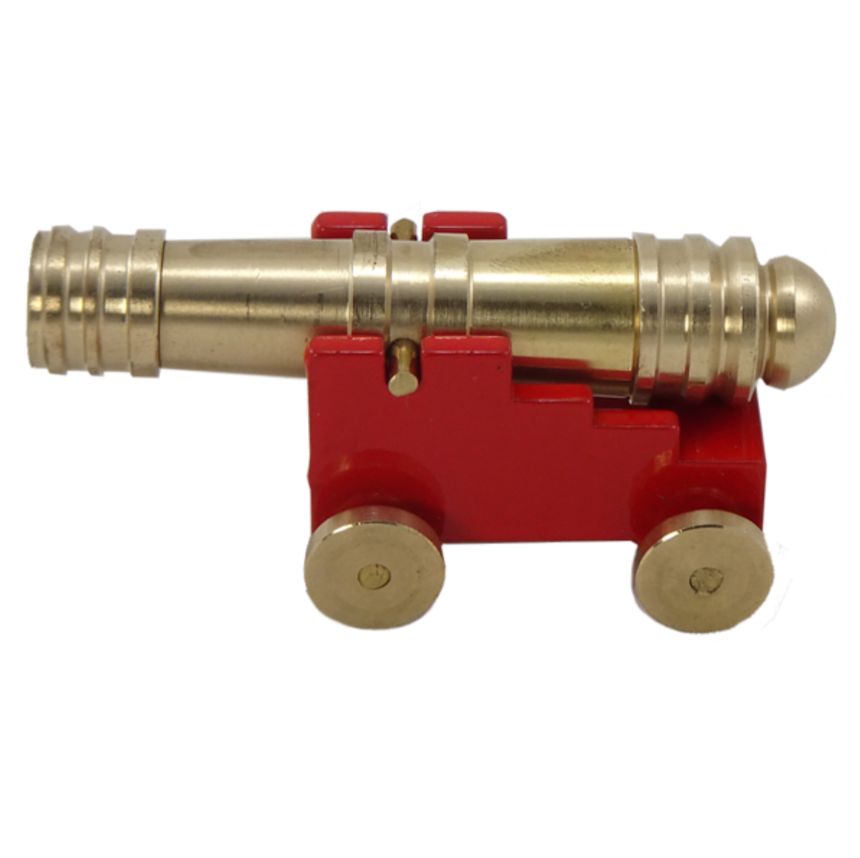
What makes Strijbos the origin point isn't just chronology — earlier curiosities like the Victorian 'Cannon and Ball' (catalogued in Professor Hoffmann's 1893 Puzzles Old and New) predate him and arguably qualify. It's that he formalized the aesthetic: precision metalwork, internal logic, a narrative of escalating discovery, zero hand-holding. Every designer in this ranking is, whether they'd say so or not, working in a tradition he codified. The Popplocks, Jesse Born's boxes, Brian Young's brass machines, Andrew Crowell's hybrid cubes — all of it descends from the proposition that a puzzle can arm you as you solve it.
The craft consequence: Strijbos pieces are tolerance-tight, beautiful, and — predictably — hard to get. They drop in batches and vanish. The First Box currently runs about £252 at JP Games when in stock; the cylinders surface intermittently through specialist shops and the secondary market. If you want to understand the genre from its source, start here and accept that 'in stock' is a temporary condition.
Strijbos doesn't hand you a manual, because in a true SD puzzle the object IS the manual.
What's the single best sequential discovery puzzle — and what's the honest catch?
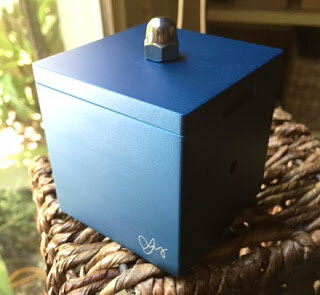
If I'm judging on density of invention, coherence of design, and sheer craft, the crown goes to Jesse Born's Rattler's Tail. Born's whole philosophy is the genre's ideal in one sentence — 'going deeper on a puzzle and making it really cool and really well carved with lots of hidden compartments and stuff going on' — and the Rattler's Tail delivers exactly that: a snake-themed sequential discovery box that, in his telling, 'discovered itself' as mechanisms were added and subtracted in development. It is a layered campaign of compartments and tools wrapped in absurdly good woodwork — solid Wenge, Ipe carvings, Padauk accents, a Bocote interior, copper parts, and a genuine 1880s Indian-head penny baked into the solve. This is what happens when SD design meets heirloom marquetry.
Now the catch, and it's a big one. The Rattler's Tail is a limited edition of 300, the only run that will ever exist, at roughly $1,275. That is not a typo and not a flex — it's the economic reality of the genre's apex. These are hand-built by a single craftsman, and you are buying a functional sculpture as much as a puzzle. It surfaces now mainly on the secondary market (Cubicdissection's marketplace, PuzzleParadise), often sealed, often above issue price. If 'best' means 'best object,' this is it. If 'best' means 'best thing you can order tonight,' look three sections down.
The honest runner-up for best overall — and the better answer for many of you — is the founder himself: Strijbos' First Box. It's the genre's Rosetta Stone, it's brilliant, it's obtainable for ~£252, and it will teach you to read SD puzzles in a way no entry-level piece can. I'd argue every serious collector should own one before chasing the four-figure grails.
A word on the broader 'best' conversation: the most-cited community ranking, on the Puzzling in Wonderlands blog, is wall-to-wall Strijbos at the top — Angel Box, Pachinko Box, Lotus, First Box — with Brian Young's Big Ben and Houdini's Torture Cell and Gary Foshee's diabolical miniatures close behind. I don't disagree with that taste; I'd just add that 'best' has fractured since 2019 as Born, Crowell, and the Two Brass Monkeys crew pushed the form into hybrid territory. The genre's ceiling keeps rising. That's a good problem.
You are buying a functional sculpture as much as a puzzle. That is the economic reality of the genre's apex.
What's the best entry-level SD puzzle that doesn't cost a paycheck or sell out instantly?

This is the most important question in the whole article, because the genre's reputation for being expensive and unobtainable scares off exactly the people who'd love it most. Good news: there are real, in-print, affordable on-ramps.
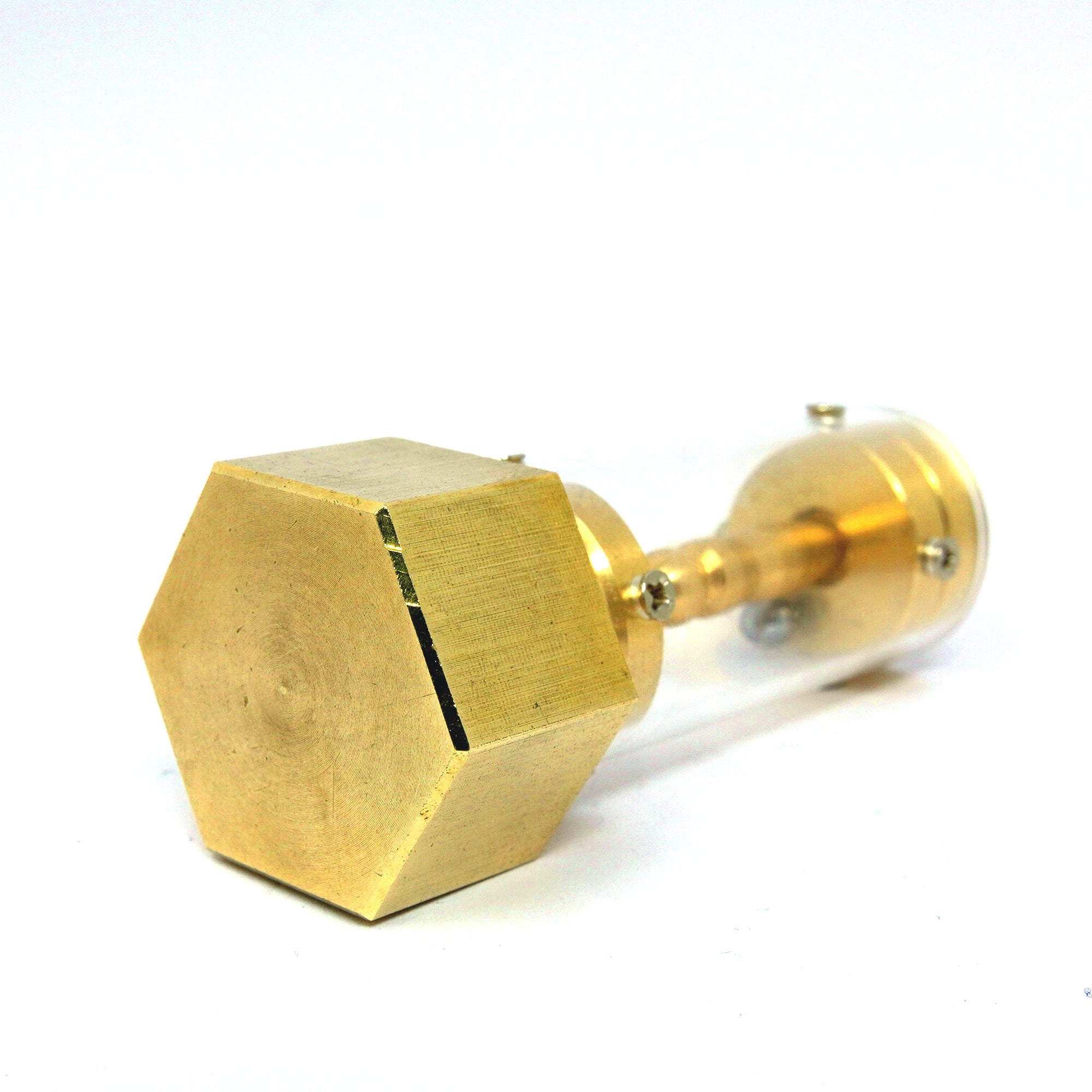
My top pick for a true beginner is the Crux Puzzles re-release of Brian Young's Houdini's Torture Cell. The original — which won the Jury First Prize at the 2012 Nob Yoshigahara Puzzle Design Competition — was rare and pricey for years. The new brass-and-metal mass-produced version sells for roughly $40, and it is a genuine sequential discovery experience: you find tools along the way and use them to free Houdini from the cell, with satisfying, well-clued mechanics rather than gimmicks. For the price of a board game you get a legitimate entry into the form designed by one of its masters. That is the deal of the genre, full stop.
For a step up in craft while staying sane on price, the Two Brass Monkeys series is the sweet spot. These are gorgeous, hefty brass puzzles that look like ordinary burrs and behave like nothing of the sort — the line's sequential-discovery entry hides 'the monkey' and asks you to 'feed him bananas' across ten-plus steps. The flagship Brass Monkey SD/Sixential runs about £245, which is real money but buys museum-grade machining and a beautifully coherent solve. If Houdini's Torture Cell hooks you, this is the natural next purchase — and crucially, the Brass Monkey line restocks far more reliably than the limited grails.
The genre-appropriate beginner's reading list, drawn from a community thread of recommended first SD puzzles, runs roughly: Houdini's Torture Cell, the Mr. Puzzle 'water' series (Fuji, Plugged Well, Abraham's Well), the Danlock, and Strijbos' First Box. Note that several of those (the Mr. Puzzle limited editions especially) are themselves collector items now — but Houdini's Torture Cell and the Danlock remain attainable, which is why they anchor my entry tier. Start with one that's actually in print, get the 'aha' under your belt, and then decide how deep the rabbit hole goes.
For the price of a board game you get a legitimate entry into the form, designed by one of its masters. That's the deal of the genre.
Lock-style SD: are the Danlock and the Popplocks really the best the genre offers?
The trick-lock branch of SD is its own subculture, and it produces two names you cannot avoid: Dan Feldman and Rainer Popp.
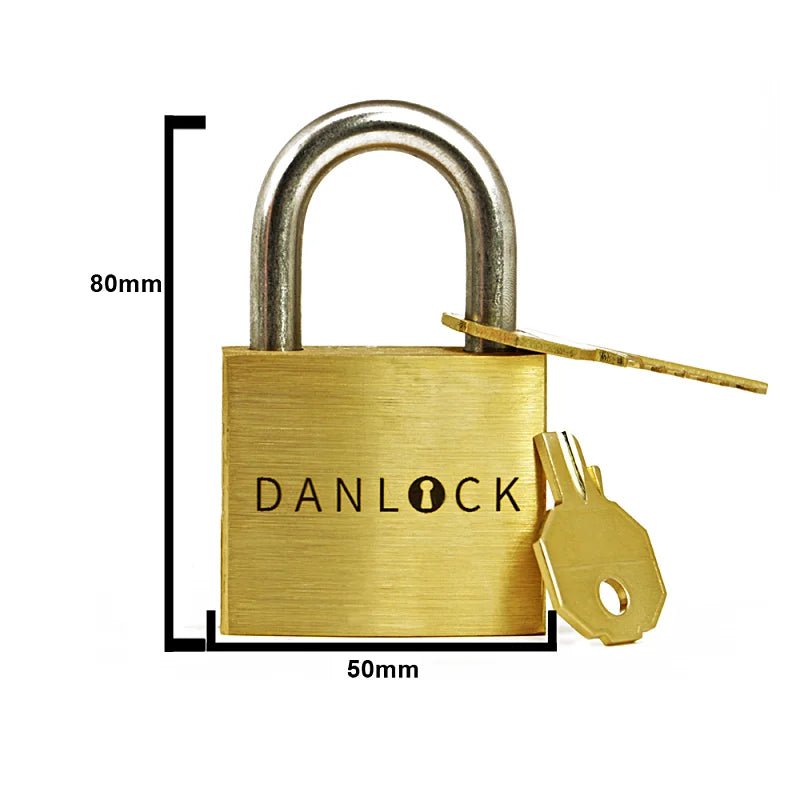
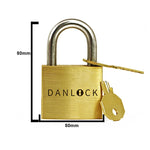
The Danlock, crafted by Israeli designer Dan Feldman in 1996, is the people's champion — frequently called the best puzzle lock ever made, and a sequential-discovery masterpiece in miniature. What I love about it, critically, is its honesty of materials: it begins life as a real, fully functioning padlock that Feldman modifies, rather than a puzzle manufactured to look lock-ish. That grounding gives it a devious authenticity. It hides two keys — one trapped by the shackle, one deliberately broken — and packs what feels like three puzzles into one body. Puzzle Master rates it difficulty 9, and the consensus is that it stands shoulder-to-shoulder with the best Popplocks at a fraction of the price and hassle. The kicker, and the mark of a great SD lock: it is just as hard to close as to open. That's the genre flexing.
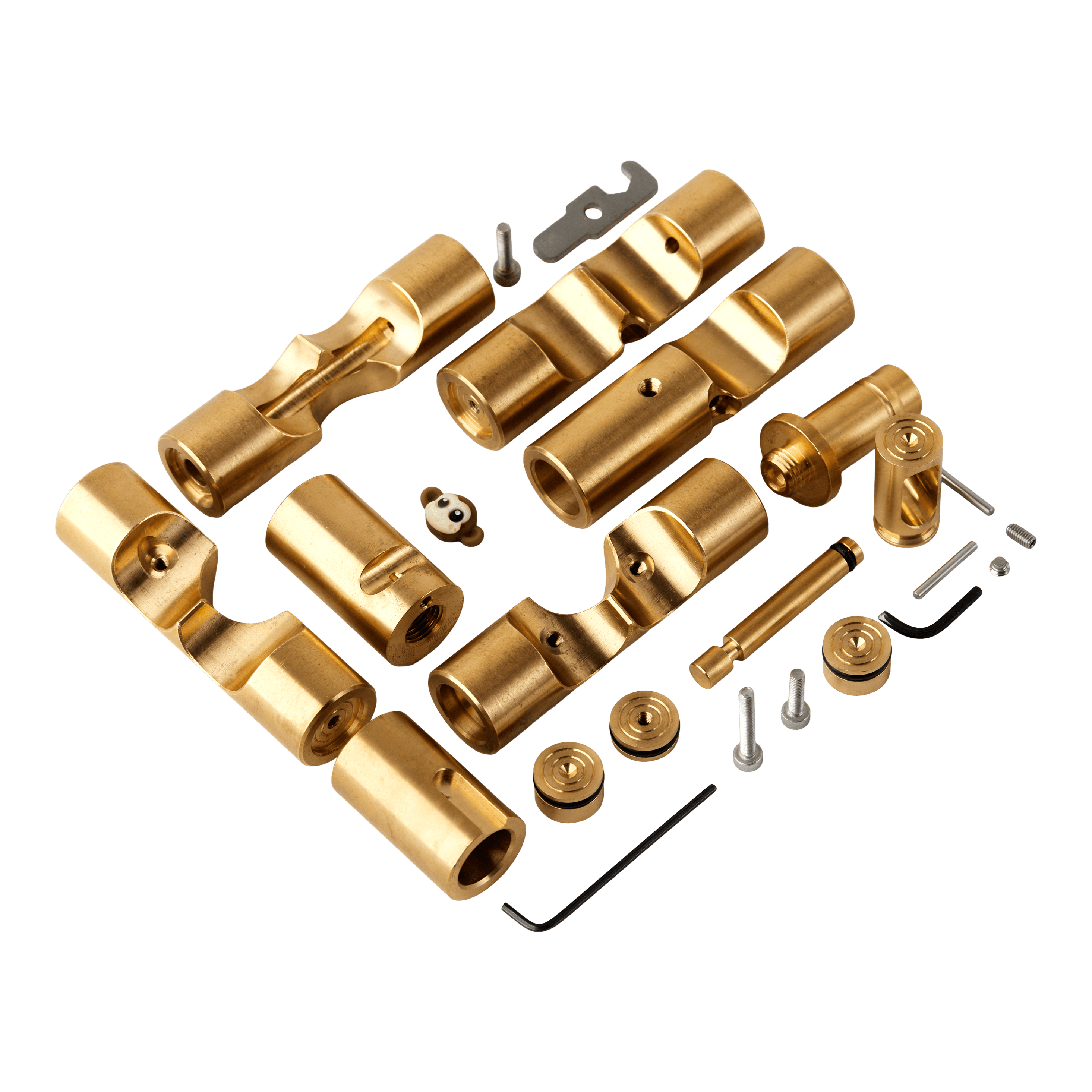
Then there's Rainer Popp, the German machinist many consider the greatest living puzzle-lock maker. He hand-turns and mills every component from solid brass and stainless steel, naming his locks in a numbered sequence from T1 onward. These are the genre's heavyweight champions — literally; the T12 is described as a 'brute' that will 'do serious damage if you're ever clumsy enough to drop one,' opening across ten steps. The T11 is widely hailed as the greatest trick lock ever created — one of the largest, most beautiful, and most coveted locks in the hobby, a 13-step monster. Collectors argue endlessly over the ranking (one well-known ordering runs T3, T5, T2, T4, T7, T6 among the mid-series), which is exactly the sign of a body of work with no weak entries.
So: are they the best? In the lock category, yes — but with a hard asterisk on access. The Danlock you can find. The Popplocks are a different sport. The T11 issued at 750€ and is now consistently sold out, trading on eBay around $3,000. Buying a Popplock new means watching specialist shops (Sloyd, Cubicdissection's market) like a hawk on release day. This is the most rewarding and most punishing corner of the genre simultaneously. Start with the Danlock; graduate to a Popplock only when you've accepted that the chase is part of the product.
The mark of a great SD lock: it's just as hard to close as it is to open. That's the genre flexing.
Heirloom and hybrid SD: who's pushing the genre forward right now?
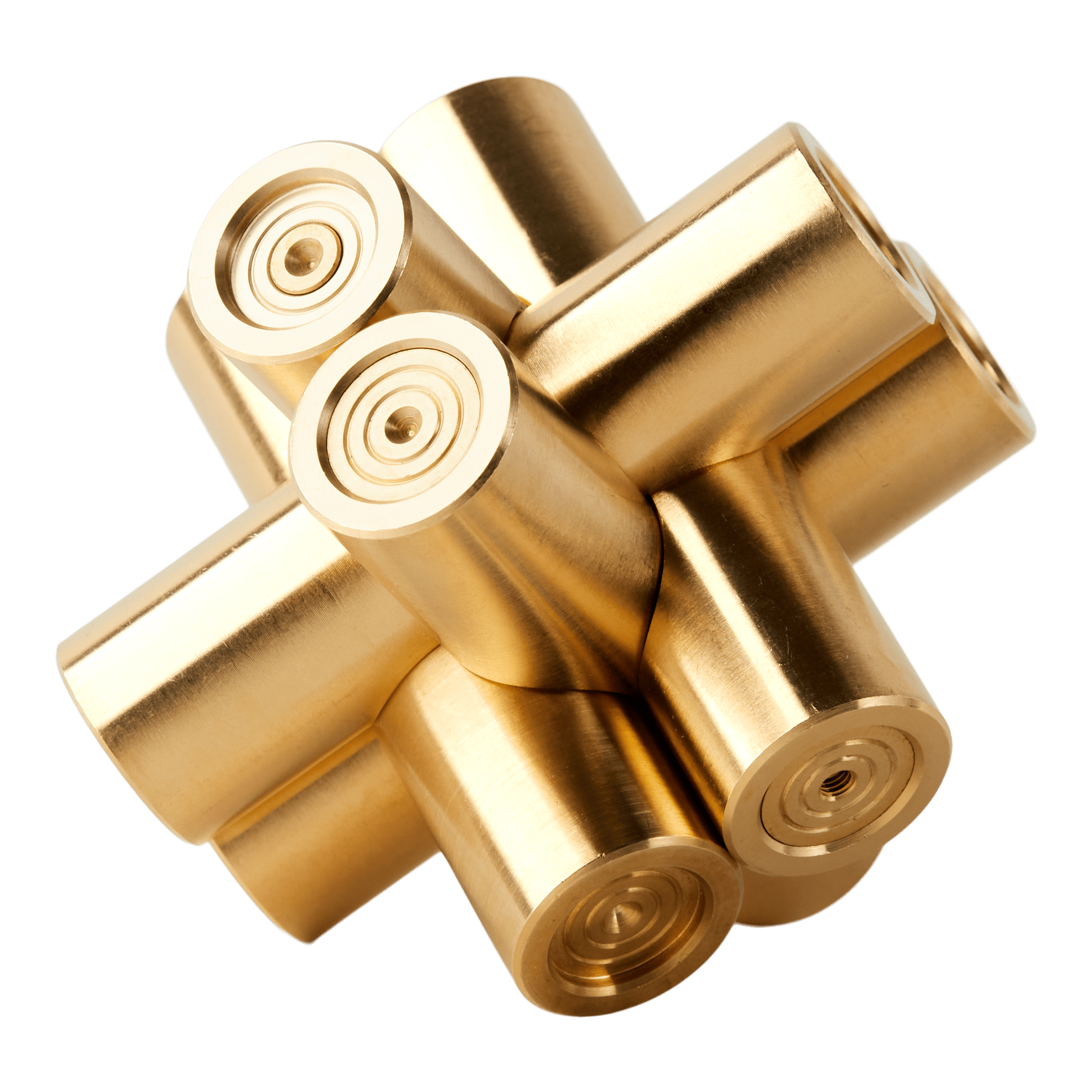
The genre didn't freeze in 1984. Two forces are expanding it, and both belong on a serious collector's radar.
First, the heirloom box tradition, where SD design fuses with master woodworking. Jesse Born is the standard-bearer — the Rattler's Tail is his showpiece, but his catalog (the Secret Wood Book, the Lost Vault of Jesse James, and others) consistently marries deep multi-step discovery to museum-grade carving. Born's pieces are story-objects: themed, lavishly material, built in tiny numbered editions. They sit at the top of the price and prestige curve precisely because nobody questions whether the craft justifies the concept — it does. Cubicdissection, Eric Fuller's workshop and marketplace, is the natural home for this tier, both producing fine wooden puzzles and hosting the secondary trade where these heirlooms change hands.
Second, the hybrid frontier, where SD collides with other genres to make things that didn't exist a decade ago. Dr. Andrew Crowell — an aerospace engineer who wrote software to generate Turning Interlocking Cube designs — is the most exciting practitioner here. His Burr Bot, Burr Bank, and TIC Vault graft sequential-discovery campaigns onto turning-cube and burr-box structures, producing some of the most genuinely novel mechanical puzzles in recent memory. This is SD as a modifier, layered onto already-hard forms to compound the challenge. The Two Brass Monkeys team (Ali Morris, Steve Nicholls, and collaborators) works the same hybrid seam in brass, and reviewers like Steven Canfield at Boxes and Booze have documented the lineage in detail.
What unites the cutting edge is ambition over arbitrariness. The danger when designers chase novelty is incoherence — bolting genres together for spectacle. The good ones (Born, Crowell, the Monkeys) never lose the spine: every found tool still earns its step, every step still follows logically, however baroque the architecture gets. That discipline is why this generation is worth your money and not just your curiosity. The genre's best years may be ahead of it — which is the highest praise I give anything, and I don't give it often.
This is sequential discovery as a modifier — layered onto already-hard forms to compound the challenge.
The blunt buyer's reality: why are these so expensive and hard to get, and how do you actually acquire one?
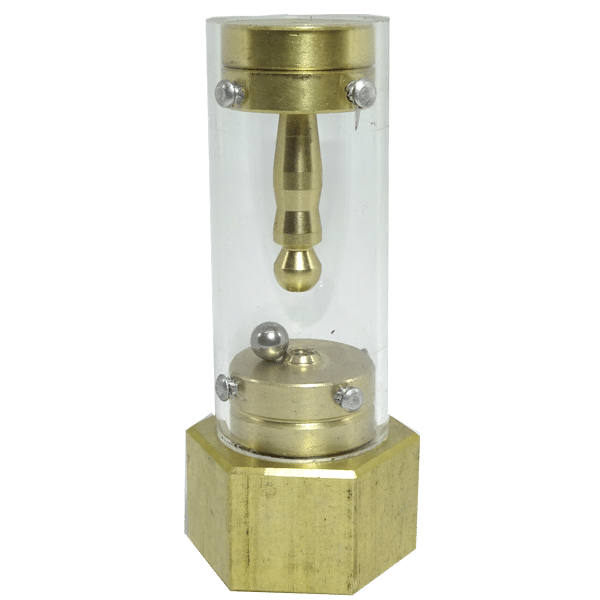
Time to be honest about the part of this hobby nobody puts in the unboxing thumbnail. Great SD puzzles are expensive and scarce for structural, unavoidable reasons, and you should understand them before you fall in love.
They're hand-made by individuals. A Popplock is hand-turned and milled from solid brass and stainless by Rainer Popp himself. A Jesse Born box is carved from exotic hardwoods by one craftsman. There is no factory, no economy of scale. The labor is the product, and the labor is finite — which is why editions are tiny (Rattler's Tail: 300, ever) and why a single maker's annual output is measured in dozens, not thousands.
Tolerances are brutal. SD mechanisms only work if parts seat to fractions of a millimeter. Strijbos' aluminum work is praised specifically for 'exceptional tolerances.' That precision is slow and unforgiving to produce, and it doesn't scale to mass manufacture without losing the very smoothness that makes the solve feel magical.
Demand vastly outstrips supply. When a desirable puzzle drops, it sells in hours — Mr. Puzzle's Abraham's Well 'sold out in 12 hours.' Limited editions then migrate to the secondary market (eBay, PuzzleParadise, Cubicdissection's marketplace) where prices climb hard. The Popplock T11 went from 750€ new to ~$3,000 used. This is normal, not gouging — it's what a fixed supply of a coveted handmade object does.
So how do you actually get one? (1) Buy the in-print stuff immediately — Houdini's Torture Cell, the Danlock, the Brass Monkey line, Strijbos' First Box when listed. These are your reliable wins. (2) Get on the lists — maker newsletters and shop drop-alerts (Cubicdissection, Two Brass Monkeys, Mr. Puzzle, Sloyd, Puzzle Master) are how you catch limited releases at issue price. (3) Work the secondary market with discipline — PuzzleParadise and eBay have everything if you'll pay the premium; set a number and hold it. (4) Accept the chase. For the grails, vigilance is part of the product. The puzzle that arrives after a six-month hunt hits differently — and yes, that's partly the genre manipulating you, and yes, it works.
There is no factory, no economy of scale. The labor IS the product, and the labor is finite.
What experienced tables keep reporting
Recurring owner patterns, synthesized in Puzzlewick's words. Follow each evidence trail to read the original discussion.
There are no clues at all — all you can do is squeeze the lid and then 'things' move inside. It took me a week of intermittent play before I understood what the secret was!
Read the evidence: Kevin, PuzzleMad — on Strijbos' Aluminum Cylinders
What I like is going deeper on a puzzle and making it really cool and really well carved with lots of hidden compartments and stuff going on.
Read the evidence: Jesse Born, interviewed at Boxes and Booze — on his design philosophy
What appears to be a 'take apart' challenge is actually an intricate and devious adventure in sequential discovery — a special category considered by many experts to be the most sophisticated and enjoyable type of mechanical puzzle.
Read the evidence: Art of Play product team — on the Brass Monkey Sequential Discovery
As you progress through the solution, the puzzle equips you with tools. Discover the tool, discover its use. Hence the name, Sequential Discovery.
Read the evidence: Greg Gelf, explorepuzzles.com — Mechanical Puzzles Ultimate Guide
The Danlock wins on pure puzzling quality because it's made from a purchased lock that starts life as a fully functioning lock — not manufactured from the ground up as a puzzle lock.
Read the evidence: REVOMAZE User Group forum — 'Best sequential discovery puzzle?' thread
The T12 is a brute of a lock — this thing will do serious damage if you're ever clumsy enough to drop one. The goal is to unlock it, which will require 10 steps.
Read the evidence: Allard's Puzzling Times — on the Popplock T12
The picks
Some links below are affiliate links — as an Amazon Associate, Puzzlewick earns from qualifying purchases, at no extra cost to you. It never changes a pick.
 4 photos
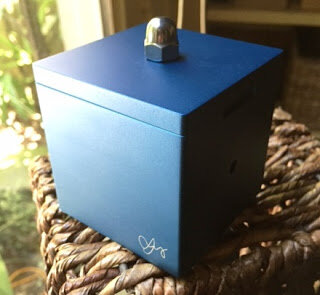
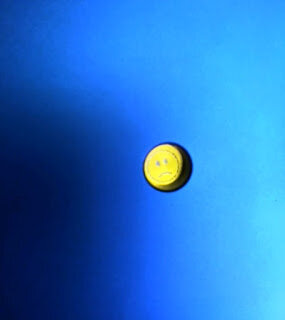
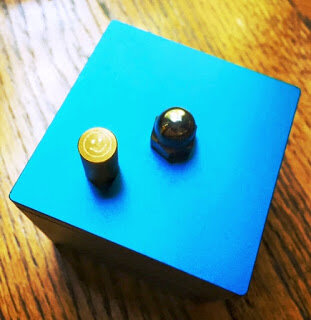
 First Box
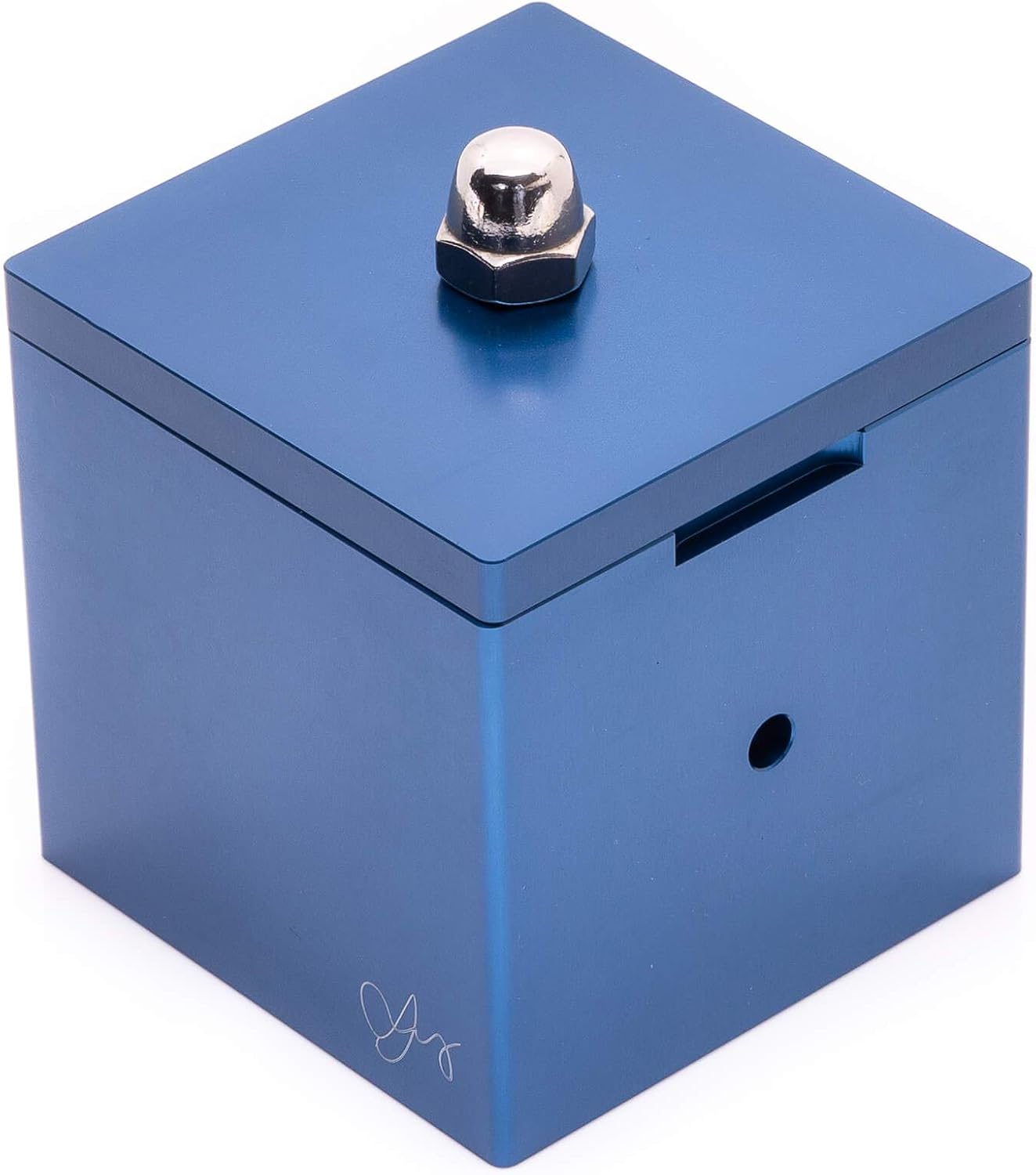
The 1984 box that helped define the genre, re-released in machined aluminum. The goal is to extract a gold-anodized rod from inside; every clue is built into the object, no tapping, no magnets, no external tools, and pointedly no solution provided. This is the single best teacher of how SD logic actually works, and at ~£252 (≈$320) it's attainable by genre standards. I tell every serious newcomer to own one before chasing four-figure grails — solve this and you'll read the expensive puzzles' clueing instead of flailing at them.
- Foundational design that codified the genre's grammar
- Exceptional Strijbos tolerances; pure internal-logic solve
- Obtainable (~$320) and restocks at JP Games / Puzzle Master
- Drops sell through fast; 'in stock' is temporary
- No solution provided — genuinely tough with zero hand-holding
- Aluminum re-release pricing fluctuates by shop and batch
 3 photos
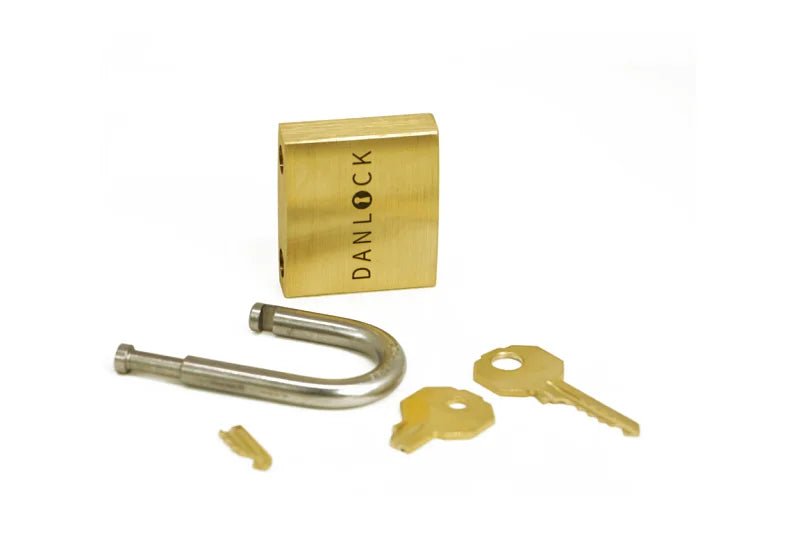
 Danlock
Frequently called the best puzzle lock ever made, and the smartest entry into the trick-lock branch. Feldman starts with a real, fully functioning padlock and modifies it — that material honesty gives it a devious authenticity manufactured puzzle-locks can't fake. It hides two keys (one trapped, one deliberately broken) and feels like three puzzles in one body; Puzzle Master rates it difficulty 9. The genre's signature flex applies: it's just as hard to close as to open. Stands with the best Popplocks at a fraction of the price and infinitely less hassle to obtain.
- Built from a real working lock — devious, authentic mechanism
- Difficulty-9 multi-stage solve; brilliant value for the depth
- Actually obtainable through Puzzle Master and specialist shops
- As hard to re-close as to open — easy to get stuck mid-solve
- Pricing varies by retailer (~$130 range); occasional stock gaps
- Small and unassuming — no heirloom shelf presence
3 photos Houdini's Torture Cell (Crux Puzzles re-release)
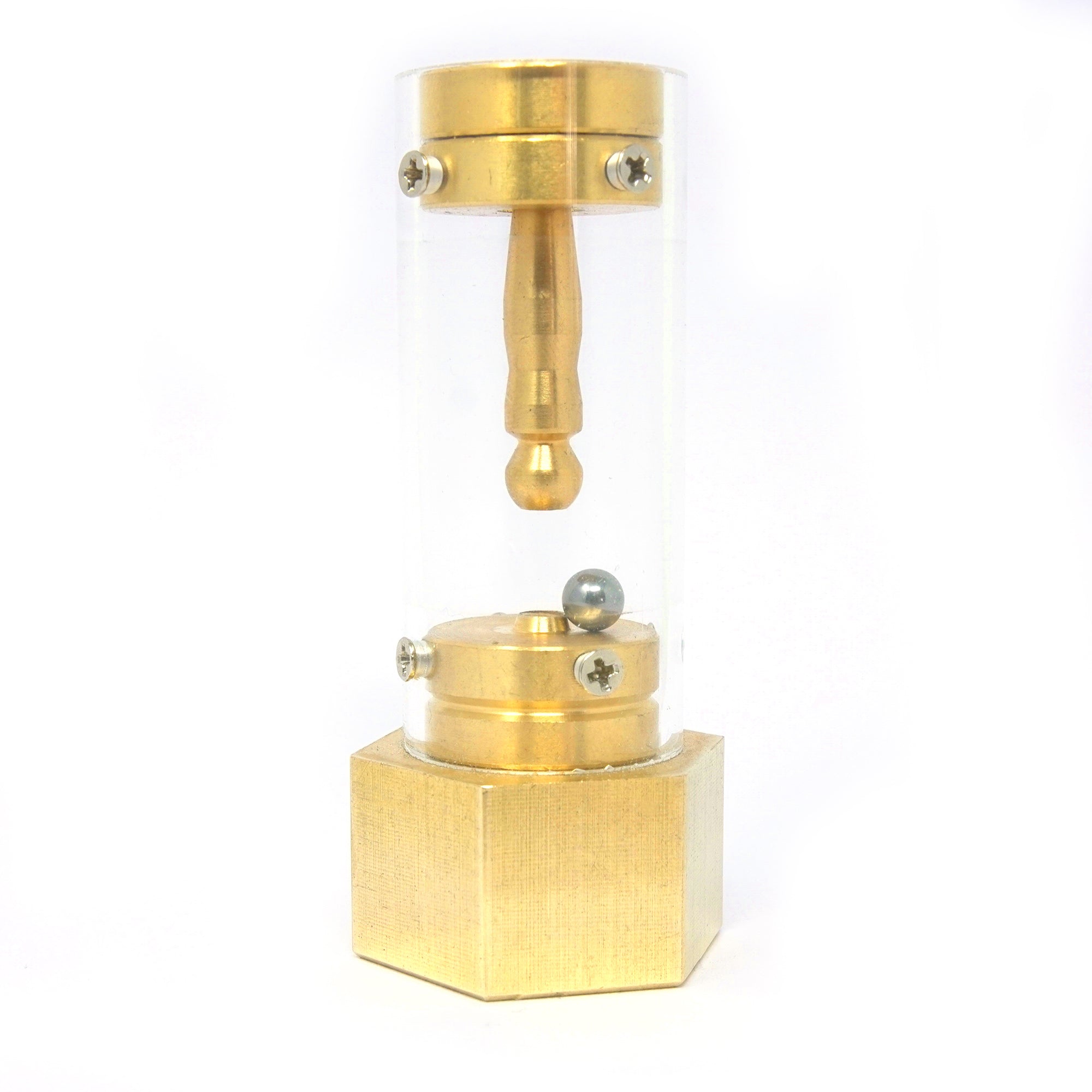
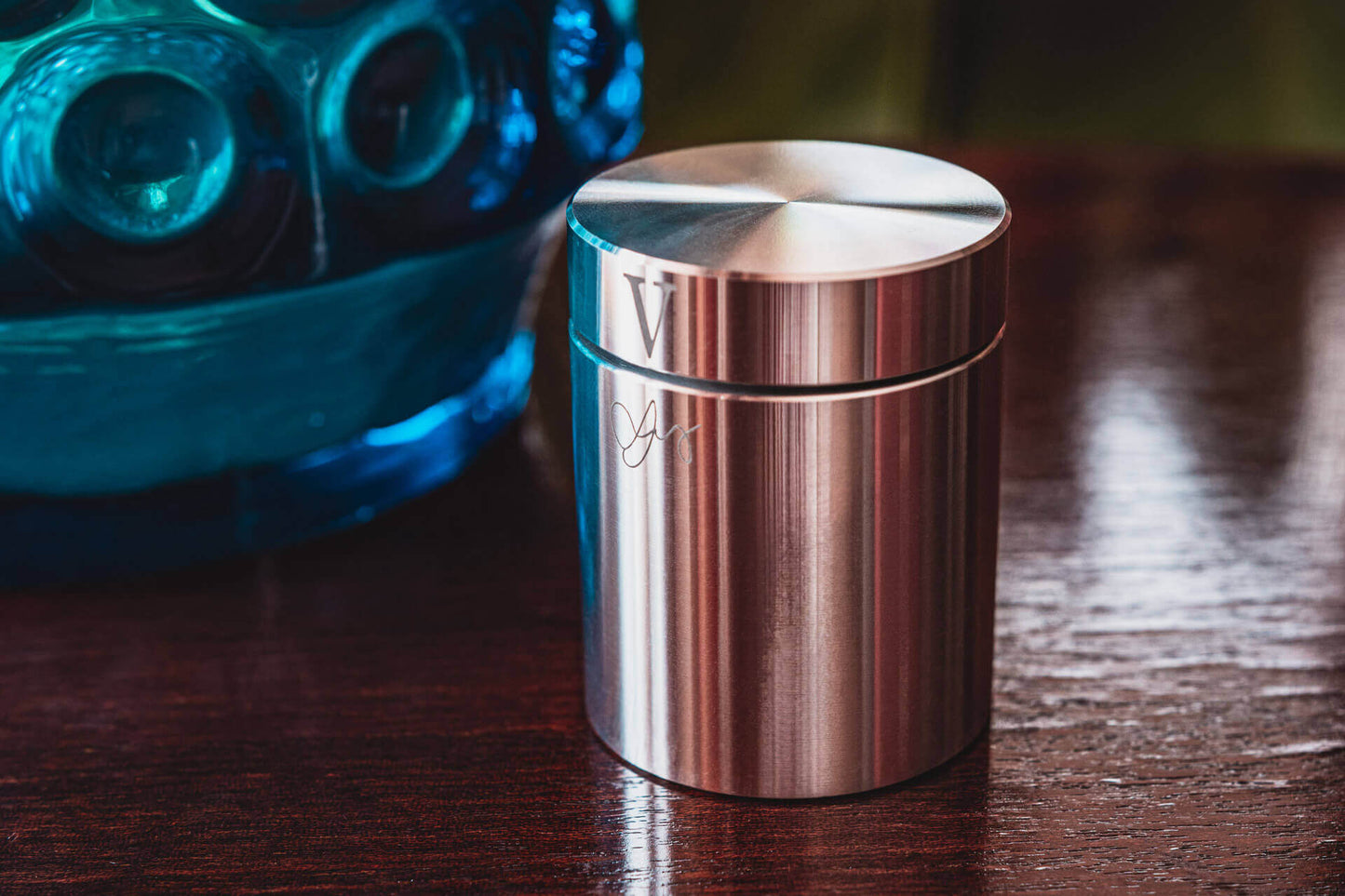
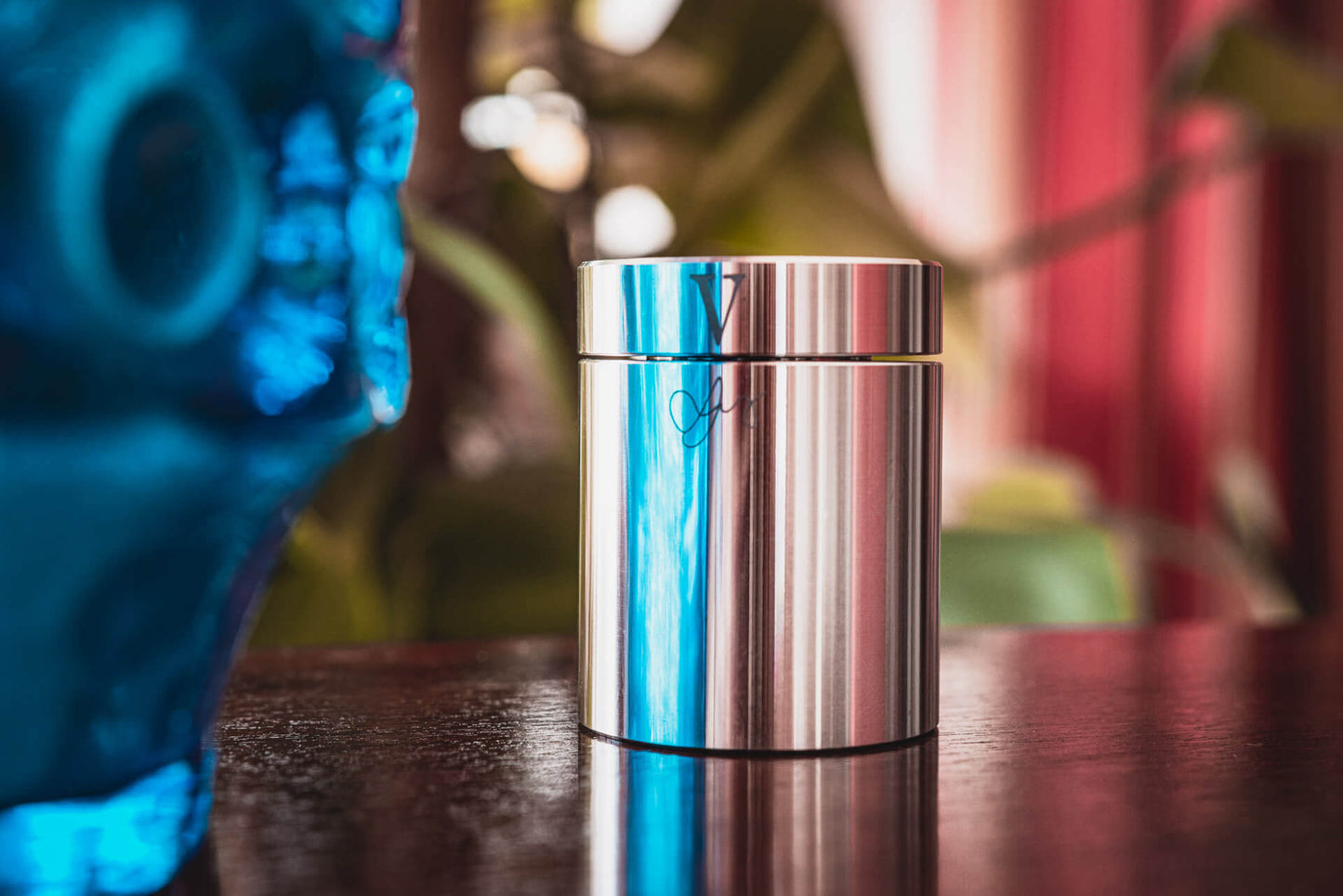
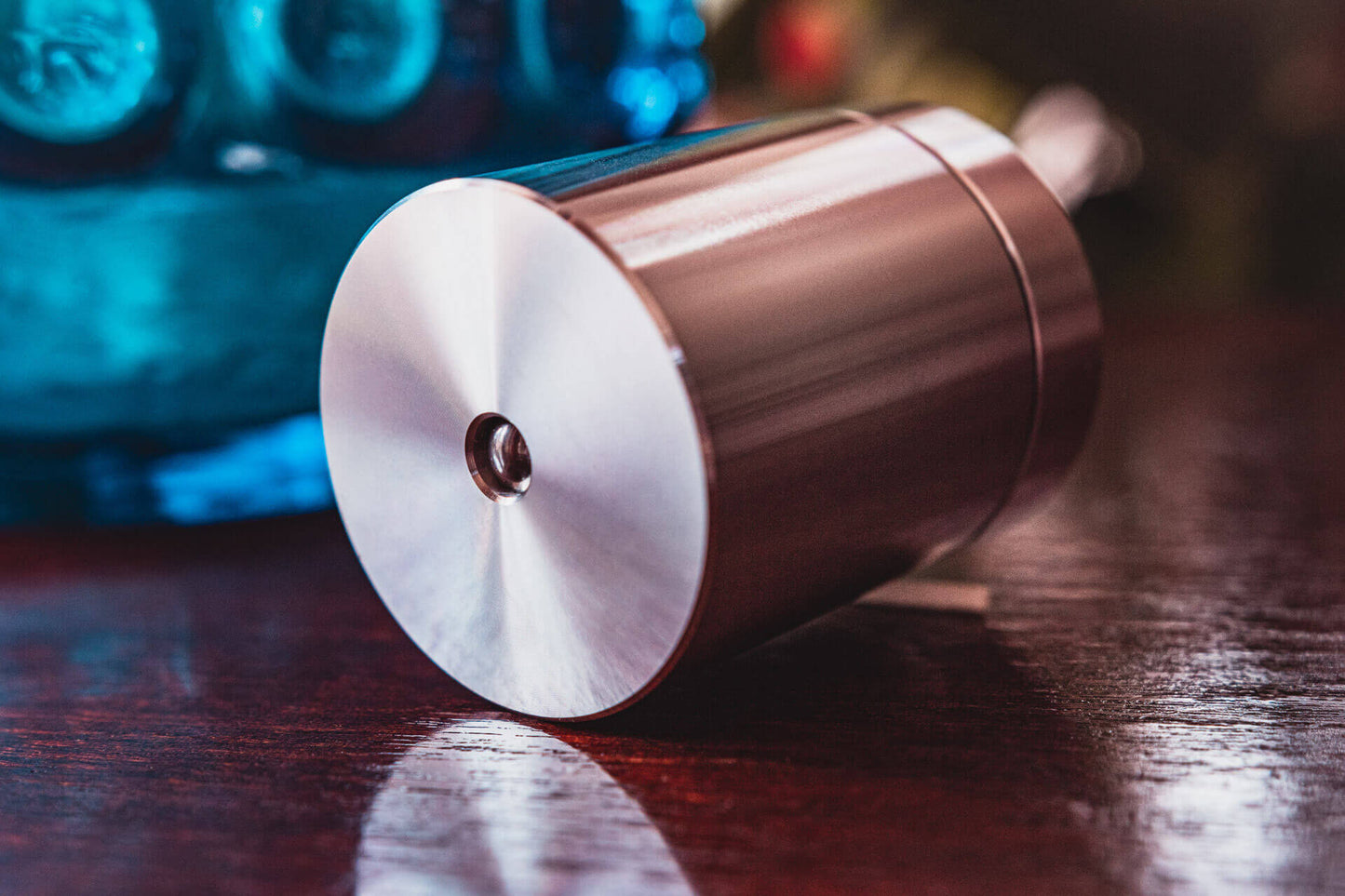
The single best way into sequential discovery. Brian Young's design won the Jury First Prize at the 2012 Nob Yoshigahara competition; the original was rare and pricey for years. The new brass-and-metal mass-produced version is ~$40 and delivers a genuine SD experience — you discover tools and use them to free Houdini, with satisfying, well-clued mechanics rather than gimmicks. For the price of a board game you get a legitimate campaign designed by a genre master. If you buy one puzzle off this list to learn the form, buy this.
- ~$40 for a real, master-designed SD experience — unbeatable value
- In print and widely available; no chase required
- Award-winning mechanism, now accessible to everyone
- Mass-produced metal lacks the heft/finish of the handmade tier
- Experienced solvers will clear it relatively quickly
- Branding/packaging varies across re-release sellers
 3 photos
 Aluminum Cylinders (First Cylinder)
SD reduced to its essence. As Kevin at PuzzleMad put it, 'there are no clues at all — all you can do is squeeze the lid and then things move inside,' and he needed 'a week of intermittent play' to crack it. You solve partly by ear, operating essentially blind, listening to internal parts shift. Maddening, intimate, and unforgettable when it finally yields. Pricing and availability vary by batch and shop (~$150 when listed); the secondary market fills the gaps. Not for the impatient — for the obsessive.
- Purest distillation of the discovery experience
- Strijbos precision; a genuinely unique 'solve by sound' challenge
- Iconic founder pieces with deep collector cred
- Brutally clueless — easy to stall for days with zero feedback
- Irregular stock; price varies widely by source
- Frustration tolerance required; not a casual gift
 3 photos
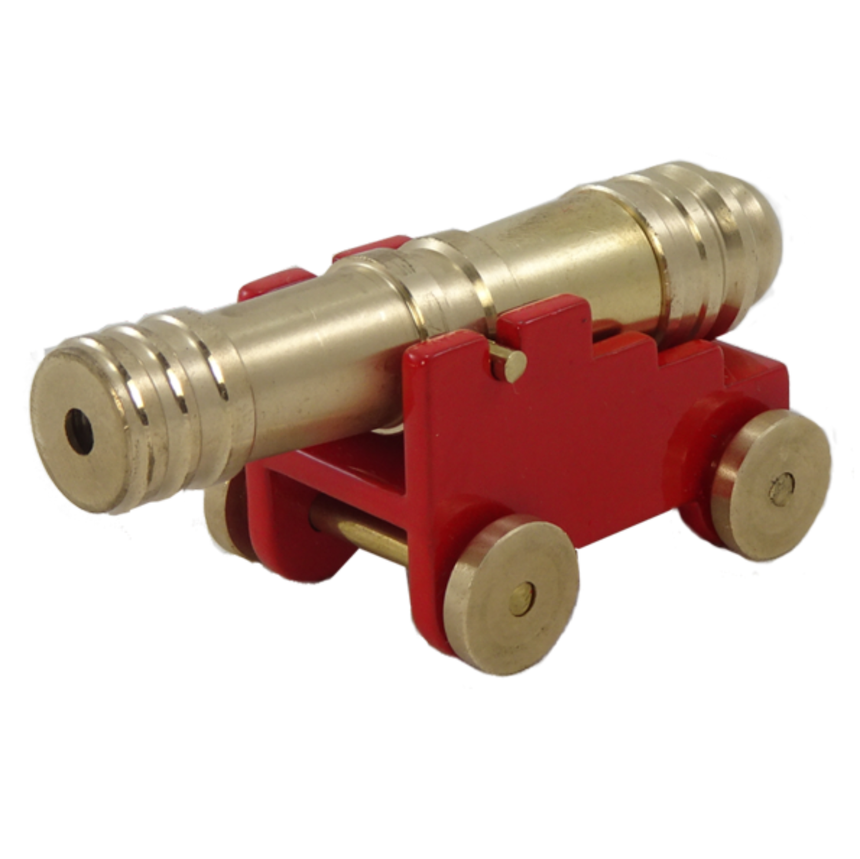
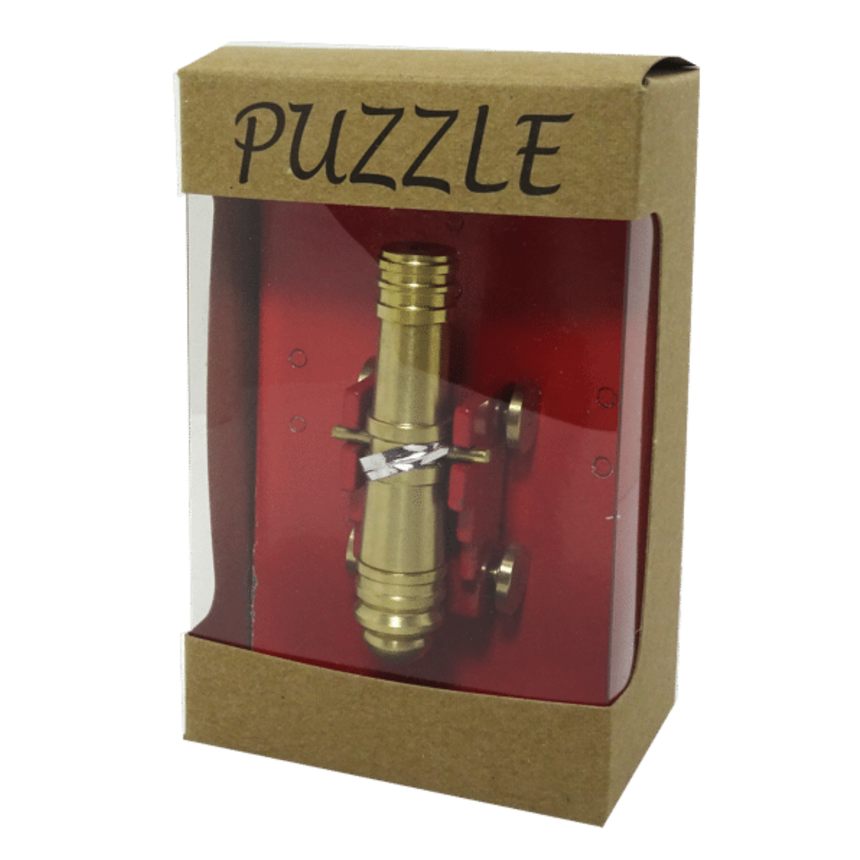
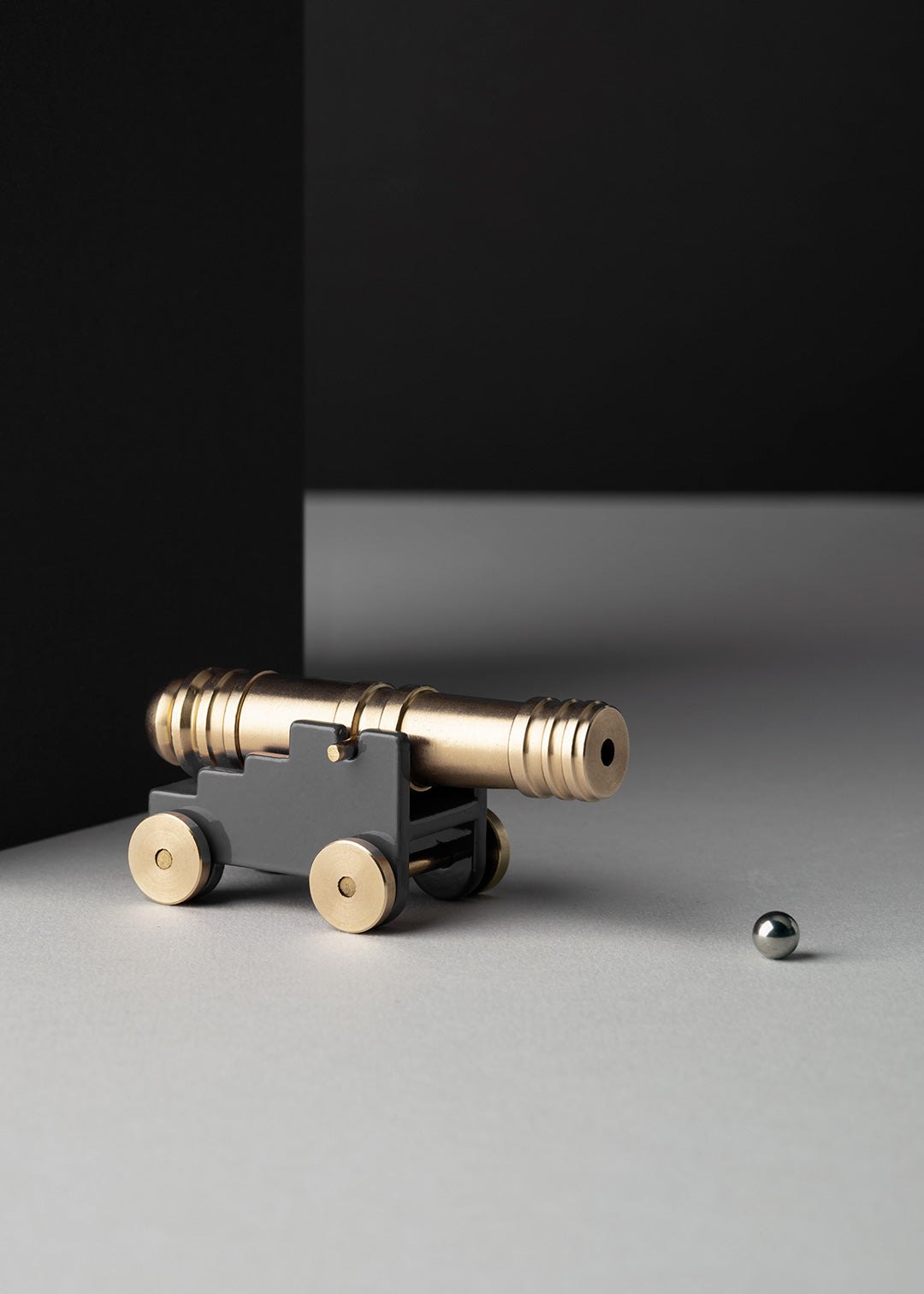
 Cannon and Ball (brass re-issue)
A link to the genre's prehistory. The design descends from a Victorian wooden 'Cannon and Ball' catalogued in Professor Hoffmann's 1893 Puzzles Old and New (circa 1881–84) — arguably the oldest sequential-discovery concept on record. Mr. Puzzle's brass re-issue upgrades the muzzle to solid turned brass over the old plated zinc, and the goal is to discover the tools needed to remove the cannonball. Approachable, charming, and historically resonant. Mr. Puzzle's limited runs sell fast and resurface on the secondary market, so pricing (~$175 equivalent) is approximate and availability comes and goes.
- Direct line to the genre's 19th-century origins
- Approachable difficulty with a real tool-discovery payoff
- Handsome solid-brass craftsmanship from Mr. Puzzle
- Limited runs; often secondary-market with variable pricing
- Less depth than the modern flagships
- AUD-based pricing and shipping complicate US acquisition
At a glance
| puzzle | designer | difficulty | price | best for |
|---|---|---|---|---|
| Rattler's Tail | Jesse Born | Medium (deep, multi-stage) | ~$1,275 | Best overall / heirloom |
| First Box | Wil Strijbos | Hard | ~$320 (£252) | Best foundational SD |
| Popplock T11 | Rainer Popp | Very hard (13 steps) | ~$825 new / ~$3,000 used | Best collector lock |
| Danlock | Dan Feldman | 9/10 (Puzzle Master) | ~$130 | Best lock for most people |
| Houdini's Torture Cell | Brian Young (Crux re-release) | Moderate (beginner-friendly) | ~$41 | Best entry-level / value |
| Brass Monkey SD | Ali Morris & Steve Nicholls | Hard (10+ steps) | ~$310 (£245) | Best premium step-up |
| Aluminum Cylinders | Wil Strijbos | Very hard (solve by sound) | ~$150 (varies) | Purest SD experience |
| TIC Vault / Burr Bot | Andrew Crowell | Very hard (hybrid) | Varies (small batch) | Best modern hybrid |
| Cannon and Ball | Brian Young (after Hoffmann) | Approachable | ~$175 (varies) | Best historical SD |
| Popplock T12 | Rainer Popp | Brutal (10 steps) | ~$950+ (approx) | Hardest pick |
Questions, answered
What is a sequential discovery puzzle?
It's a mechanical puzzle where solving each stage physically yields a tool — a pin, key, ball bearing, magnet, or wedge hidden inside the object — that you then need to crack the next stage. The defining trait is that the tools live inside the puzzle and you extract them in sequence, so 'discover the tool, discover its use' becomes the whole game. The result is a cascade of multiple 'aha' moments rather than one single solution, which is why many collectors consider it the most sophisticated category of mechanical puzzle.
How is an SD puzzle different from a burr or a take-apart puzzle?
A take-apart has a single secret; a burr is a spatial move-order problem. A sequential discovery puzzle differs because the puzzle arms you as you go — each solved step releases a tool that enables the next, building a chain of sub-puzzles. Importantly, SD is an element rather than a shape: an SD puzzle can be a box, a lock, a bolt, or even a burr. So a burr can have SD elements layered into it, but a plain burr with no tool-extraction is not sequential discovery.
What's the best SD puzzle for beginners?
The Crux Puzzles re-release of Brian Young's Houdini's Torture Cell, at roughly $40. It's a genuine sequential discovery experience designed by a genre master — you find tools and use them to free Houdini — and it's in print and widely available, so there's no chase. The Danlock (~$130) is the next step up. Start with an in-print puzzle to get your first 'aha' cheaply before chasing the expensive, sold-out grails.
What is the First Box / who is Wil Strijbos?
Wil Strijbos is the Dutch designer-engineer widely credited with codifying the SD genre. His First Box, built around 1984 and later re-released in machined aluminum, is a foundational text of the form: the goal is to extract a gold-anodized rod from inside, every clue is built into the object, and no solution is provided. Along with his Aluminum Cylinders, it established the genre's aesthetic of precision metalwork, internal logic, and zero hand-holding. It runs about £252 (~$320) when in stock at JP Games.
Are sequential discovery puzzles reusable / resettable?
Yes — they're designed to be solved, reset, and re-solved, and you can hand them to friends. In fact, a hallmark of a great SD puzzle (especially the locks) is that re-closing is as hard as opening; the Danlock is famous for being just as difficult to lock as to unlock. The caution: resetting requires care, because a clumsy solver can jam tools inside, and with the heavy brass locks, dropping one can cause real damage. Treat them as precision machines, not toys.
Why are SD puzzles so expensive and hard to get?
Because they're hand-made by individual craftsmen to brutal tolerances, with no factory and no economy of scale — the labor is the product, and it's finite. A Popplock is hand-turned from solid brass by Rainer Popp himself; a Jesse Born box is carved by one person. Editions are tiny (Born's Rattler's Tail: 300, ever) and demand vastly outstrips supply, so desirable drops sell out in hours and migrate to the secondary market at steep markups. It's structural scarcity, not gouging.
What's the best collector / heirloom SD puzzle?
For a collector lock, the Popplock T11 by Rainer Popp, widely hailed as the greatest trick lock ever made — a 13-step brass-and-steel masterpiece, though it's sold out new (issued ~750€) and trades around $3,000 used. For a heirloom box, Jesse Born's Rattler's Tail: a one-time edition of 300 (~$1,275) marrying deep multi-step discovery to museum-grade woodworking. Both sit at the genre's apex of craft, prestige, price, and difficulty of acquisition.
How hard are sequential discovery puzzles?
It ranges widely. Entry pieces like Houdini's Torture Cell are approachable and beatable in a sitting. The flagships are punishing: Strijbos' Aluminum Cylinders gave an experienced reviewer 'a week of intermittent play' before the secret clicked, and Popplocks run 10–13 steps. Difficulty also isn't just step count — coherence matters more, and the hardest puzzles demand patience, careful observation (sometimes solving by sound), and a tolerance for being stuck. Match the puzzle to your experience; don't start at the top.
Can you get hints or solutions for SD puzzles?
Often yes, but the best designers deliberately withhold them — Strijbos famously provides no solution, because in a true SD puzzle the object is meant to be its own manual. For most commercial pieces you can find walkthroughs and detailed reviews on blogs like PuzzleMad, Boxes and Booze, and explorepuzzles.com, plus video solves on YouTube. Community forums (the REVOMAZE user group, Reddit's r/puzzles) are good for nudge-style hints. That said, peeking trades away the genre's entire payoff — the discovery is the point.
What's the best value SD puzzle?
The Crux Puzzles re-release of Houdini's Torture Cell, at about $40 — a real, award-winning sequential discovery experience (Jury First Prize, 2012 Nob Yoshigahara competition) for the price of a board game. The Danlock (~$130) is the value champion of the lock branch, standing shoulder-to-shoulder with Popplocks costing many times more. Both are in print, so you pay issue price rather than secondary-market markups.
What is a Popplock?
A Popplock is a hand-made puzzle lock by Rainer Popp, a German machinist many consider the greatest living puzzle-lock maker. He hand-turns and mills every component from solid brass and stainless steel and names his locks in a numbered sequence from T1 onward. They're sequential discovery locks — you progress through multiple steps, each yielding what you need for the next — and they're heavyweight in every sense: the T12 is a 'brute,' the T11 is hailed as the greatest trick lock ever made. They're coveted, expensive, and routinely sold out.
Where can I buy sequential discovery puzzles?
For in-print pieces: Puzzle Master, Crux Puzzles, JP Games, Two Brass Monkeys, Mr. Puzzle (Australia), and Sloyd. For handmade and heirloom work: Cubicdissection (Eric Fuller's workshop and marketplace) and the makers' own sites (jesseborn.com, popplock.com). For limited and out-of-print grails: the secondary market — PuzzleParadise and eBay. The winning strategy is to buy in-print puzzles immediately, get on maker mailing lists for drop alerts, and work the secondary market with a firm price ceiling. (Puzzlewick sells none of these — we just point you to the makers.)
Dax's verdict
Sequential discovery is the summit of mechanical puzzling, and like most summits the view is gated behind effort and expense. If you want the genre's apex object, it's Jesse Born's Rattler's Tail — but it's a $1,275 closed-edition heirloom you'll hunt on the secondary market. If you want the genre's soul, buy Strijbos' First Box (~$320) and let it teach you to read SD logic the way its inventor intended. If you want the best lock, the Popplock T11 is the consensus greatest ever made — and consistently $3,000 of pure frustration to acquire, so start with the Danlock instead. And if you've never solved one and want to know what the fuss is about, buy the ~$40 Crux re-release of Houdini's Torture Cell tonight; it's a genuine, master-designed discovery campaign for board-game money, and it's the most honest recommendation in this entire piece. The blunt truth I won't soften: the very best of this genre is small-batch, handmade, expensive, and frequently sold out, with secondary prices that climb into the thousands. The chase is real, and for the grails it's part of the product. Buy in-print pieces the moment you see them, get on the maker mailing lists, and set a hard ceiling before you ever touch the secondary market. Every price above is marked approximate where it's uncertain, every maker is named so the credit goes to the people who earned it, and Puzzlewick may earn from qualifying Amazon purchases only where a tagged Amazon link appears. That relationship never changes the ranking.
Research ledger 23 sources · reviewed 2026-07-17
Specifications, rules, current product information, community experience, and contrary evidence were checked against the sources below. Commercial links are kept separate from editorial evidence.
- explorepuzzles.comexplorepuzzles.com/en/sequential-discovery
- jpgamesltd.co.ukjpgamesltd.co.uk/First-Box-Puzzle-Wil-Strijbos
- jpgamesltd.co.ukjpgamesltd.co.uk/Wil-Strijbos-Cylinder-Puzzle
- puzzlemaster.capuzzlemaster.ca/browse/inventors/strijbos/12396-aluminum-cylinder
- puzzlemad.co.ukpuzzlemad.co.uk/2011/06/aluminium-puzzles-by-wil-strijbos.html
- puzzlinginwonderlands.blogspot.compuzzlinginwonderlands.blogspot.com/2019/07/the-10-best-sequencial-discovery-puzzles.html
- puzzlemaster.capuzzlemaster.ca/browse/inventors/danfeldman/12228-danlock-puzzle
- puzzlocks.compuzzlocks.com/products/danlock
- artofplay.comartofplay.com/products/danlock-puzzle
- revomaze.co.ukrevomaze.co.uk/phpBB3/viewtopic.php?t=1640
- revomaze.co.ukrevomaze.co.uk/phpBB3/viewtopic.php?t=1385
- popplock.compopplock.com/en/locks/t11
- allardspuzzlingtimes.blogspot.comallardspuzzlingtimes.blogspot.com/2020/10/popplock-t12.html
- market.cubicdissection.commarket.cubicdissection.com/listing/popplock-t11/116981
- jesseborn.comjesseborn.com/product/rattler-s-tail
- market.cubicdissection.commarket.cubicdissection.com/listing/rattlers-tail-by-jesse-born/119286
- boxesandbooze.comboxesandbooze.com/boxesandbooze/jesse-born-rattlers-tail-dutchmans-lost-gold-mine-puzzle-box
- boxesandbooze.comboxesandbooze.com/andrew-crowell
- artofplay.comartofplay.com/products/brass-monkey-sequential-discovery-puzzle
- twobrassmonkeys.comtwobrassmonkeys.com/pages/announcement-brass-monkey-sixential-discovery
- cruxpuzzles.co.ukcruxpuzzles.co.uk/products/houdinis-torture-cell
- mrpuzzle.com.aumrpuzzle.com.au/category/sequential-discovery-puzzles
- explorepuzzles.comexplorepuzzles.com/en/houdinis-torture-cell-puzzle
I'll be honest with you — flattery is boring.

Keep exploring
The next smart rabbit holes.
❖ Topic PathMechanical Puzzles: compare the whole shelfThe right mechanical puzzle matches the solver's patience, not simply the maker's difficulty number. These guides translate...Best OfBest Jigsaw Puzzles for Adults, Ranked (2026)A three-decade reference desk curator's ledger of the cardboard worth a fortnight of evenings and the wooden heirlooms worth passing down...ExplainerHanayama Cast Puzzles, Ranked: Every Difficulty Level from Beginner to DevilThe scale Hanayama printed on the box is a suggestion that falls apart at the extremes. Here's the honest map: which difficulty badges...