Warhammer 40K Faction Combat Patrols: Which Army to Start With
Combat Patrol boxes are your golden ticket into Warhammer 40K—here's which faction matches your vibe.


AI-assisted research and drafting in Imani’s voice · reviewed by Robert Pruitt · how this guide was made
Last editorial refresh: 2026-08-10 Gold-standard QA: 2026-08-10 14 sources reviewed Affiliate links checked during gold-standard pass

The short answer
Choose the faction you most want to build and paint; that is the beginner advice veteran players repeat most consistently. If two people need a complete 2026 start, the current Space Marines-versus-Orks Starter Set is the cleanest on-ramp because it includes two preset Combat Patrol forces and terrain. If you already know your faction, buy its currently supported Combat Patrol and use the free official app rules before adding units.
Decision map
Choose in thirty seconds
Aggressive players who love close combat and want every turn to feel action-packed
Defensive, methodical players who enjoy controlling the game's pace and watching their plans pay off
Players who want variety, flexibility, and don't mind managing multiple unit types with different roles
So you're ready to jump into Warhammer 40K? Have you SEEN what everyone's been building since 11th edition dropped? The vibe is absolutely incredible right now, and here's the thing—you don't need to mortgage your hobby budget to get started. Combat Patrol boxes are exactly what beginners need: fully playable armies, gorgeous models, real savings compared to buying separately, and enough variety that you can absolutely pick a faction that speaks to your playstyle instead of just grabbing what's on the shelf.
I've spent time with all the major Combat Patrol options, and I'm here to help you find your army. Whether you want to charge straight into melee like a space vampire, control the battlefield like an undead robot overlord, or just scream "WAAAGH!" while throwing everything at your opponent, there's a patrol waiting for you.
Start here, then go deeper
You are in the right cabinet.
 ✠ Universe HubWarhammer: the whole buying pathWarhammer is Games Workshop's tabletop colossus — the grimdark far future of Warhammer 40,000 and the high fantasy of Age of...
 ⚙ Topic PathMiniatures and Wargames: compare the whole shelfThe cheapest box is not always the cheapest way in. These guides connect rules format, faction fit, terrain, tools, paint, and the...
 MasterclassHow to Start Warhammer 40,000 in 2026The current starter boxes, the honest first budget, faction choice, painting, first-game flow, and the traps that turn a fun army into a...
What Makes Combat Patrol the Smartest Way Into 40K?
Here's the honest answer up front: Combat Patrol is the cheapest, gentlest, most complete on-ramp Games Workshop has ever made. Each box is a fixed roster that's a legal, playable force the moment the glue dries — no list-building paralysis, no staring down 47 datasheets wondering what synergizes. That's not an accident; GW built these as teaching tools, and it shows.
Two things beginners never hear until later, so let me front-load them. First, the rules are free. You do not need to buy the $50 Combat Patrol Companion to play. Games Workshop publishes every datasheet, every stratagem, and the full Combat Patrol mission pack as free PDFs on warhammer-community.com — no paywall, no guesswork. The Companion is a nice-to-have lore-and-reference hardback, not a gate.
Second, the game mode is deliberately tiny. Combat Patrol games run on a 44"×30" board (half a kitchen table), use just three bespoke stratagems per faction instead of the dozen-plus in full 40K, and let you field a max of three of any one unit. Three stratagems is genuinely the whole point — you can hold the entire ruleset in your head by game two. There are six built-in missions (Clash of Patrols, Scorched Earth, Sweeping Raid and friends) so it doesn't go stale. You're learning real 40K — movement, the shooting and fight phases, objectives — just with the training wheels thoughtfully bolted on.

Does the New 11th Edition Change Which Box I Should Buy?
Short answer: no — and the timing actually makes two of these picks better. Let me explain, because this is the single most important thing a beginner can know right now.
As I write this (mid-June 2026), Warhammer 40K's 11th Edition is days from launch. The new edition's flagship box, Warhammer 40,000: Armageddon, goes up for general release on Saturday, June 20, 2026 (pre-orders are live now). And here's the delicious part: Armageddon is a Space Marines vs. Orks box — the Marine half is tied to the Blood Angels narratively. So the two factions Games Workshop chose to headline the entire new edition are the same two I rank highest here for beginners. That's not me being cute; that's GW telling you who the welcome mat is for.
The thing that scares newcomers — "if I buy a Combat Patrol now, will the new edition make it obsolete?" — is a non-issue. Your miniatures are fully legal in 11th Edition. Plastic is plastic; a Beastboss is a Beastboss. GW also confirmed your 10th-Edition codex rules stay valid until your faction gets its 11th-Edition codex, so the transition is gradual, not a cliff. Rules are free PDFs that get updated for you. The only honest caveat: a few datasheets and stratagems will shift over the next year as codexes roll out, so check the current free PDF before a tournament. For learning at the kitchen table, buy with total confidence.

Blood Angels: Why Are They the Best First Faction?
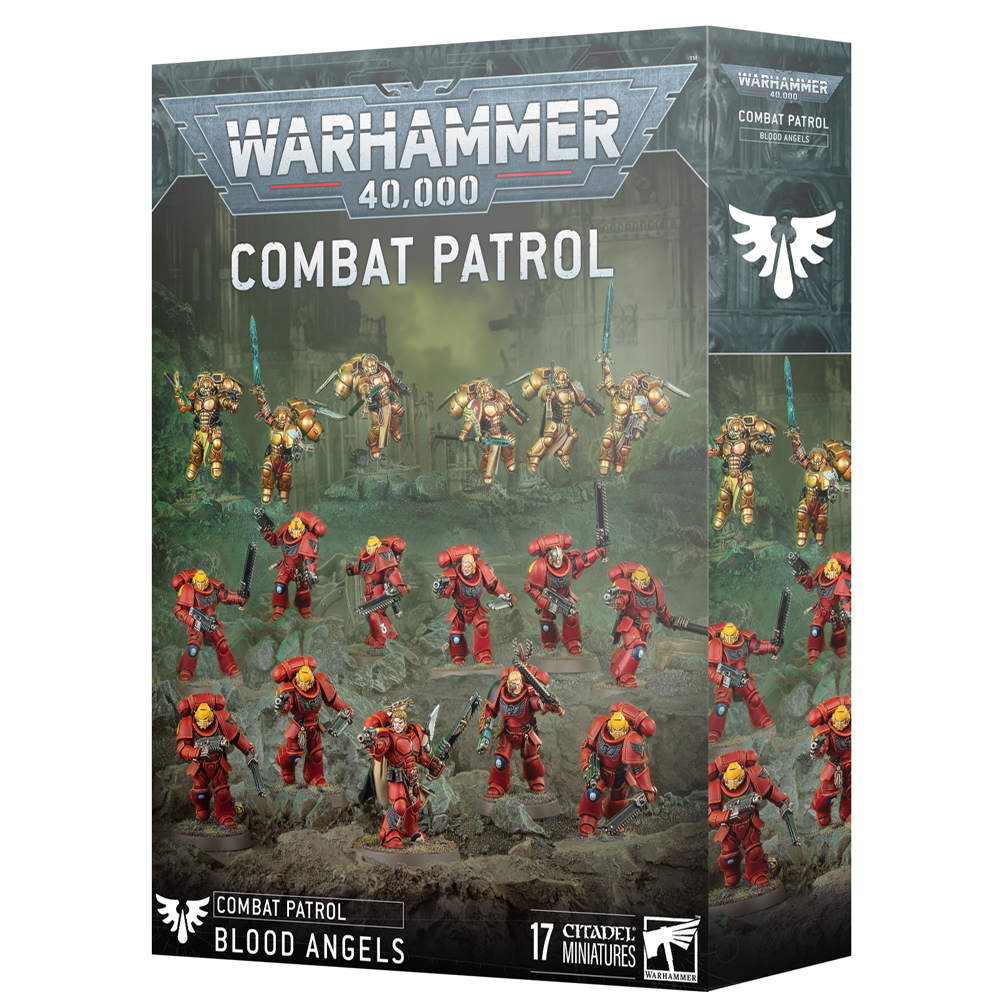

If you take one recommendation from me, take this one. Blood Angels are pure, glorious aggression — and they're the faction GW just put on the cover of the new edition, so the community spotlight is blinding right now (read: easy to find opponents, painters, and tutorials).
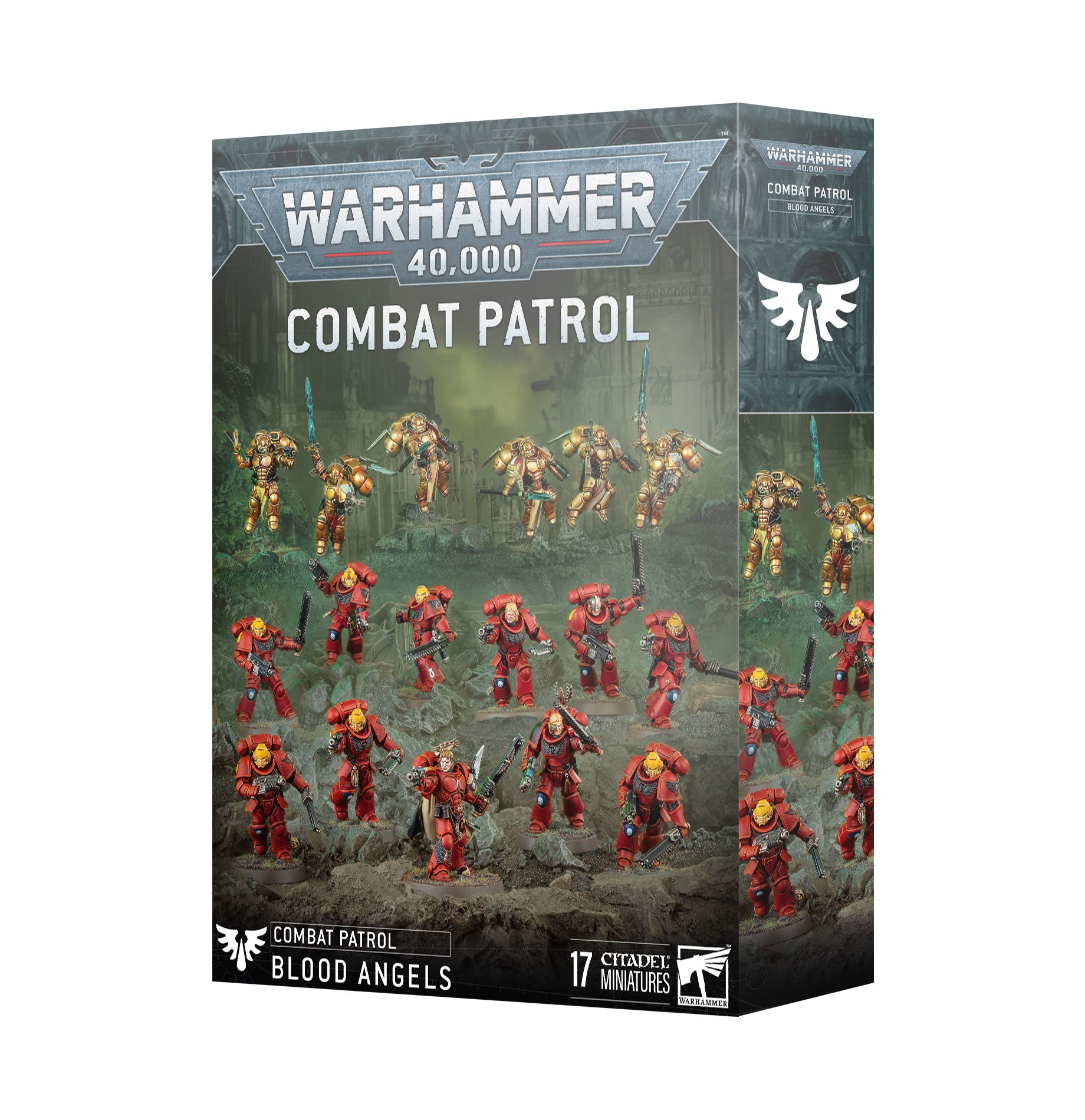
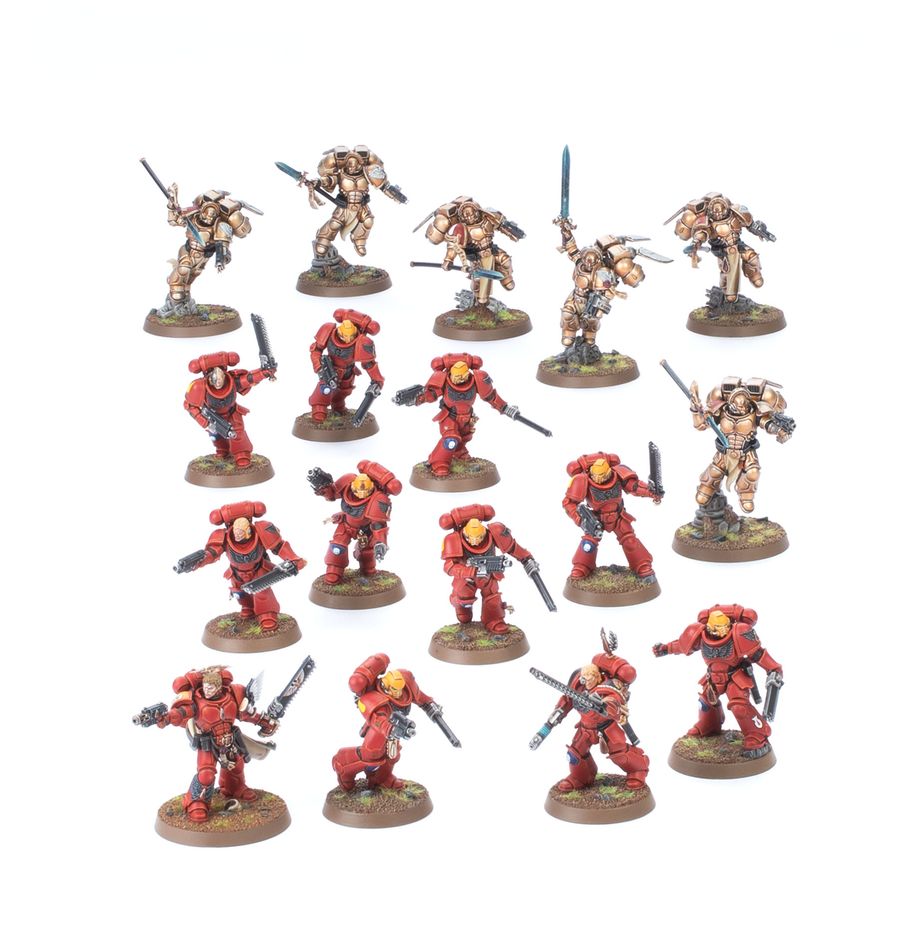
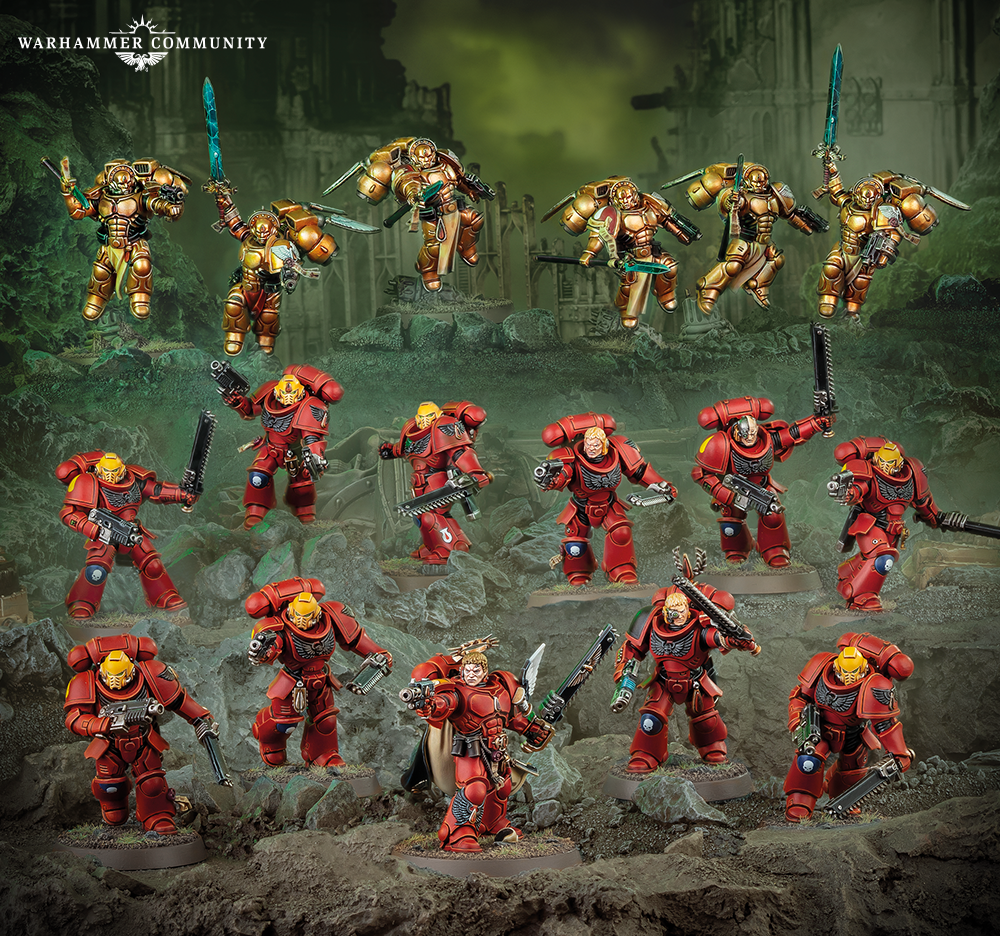
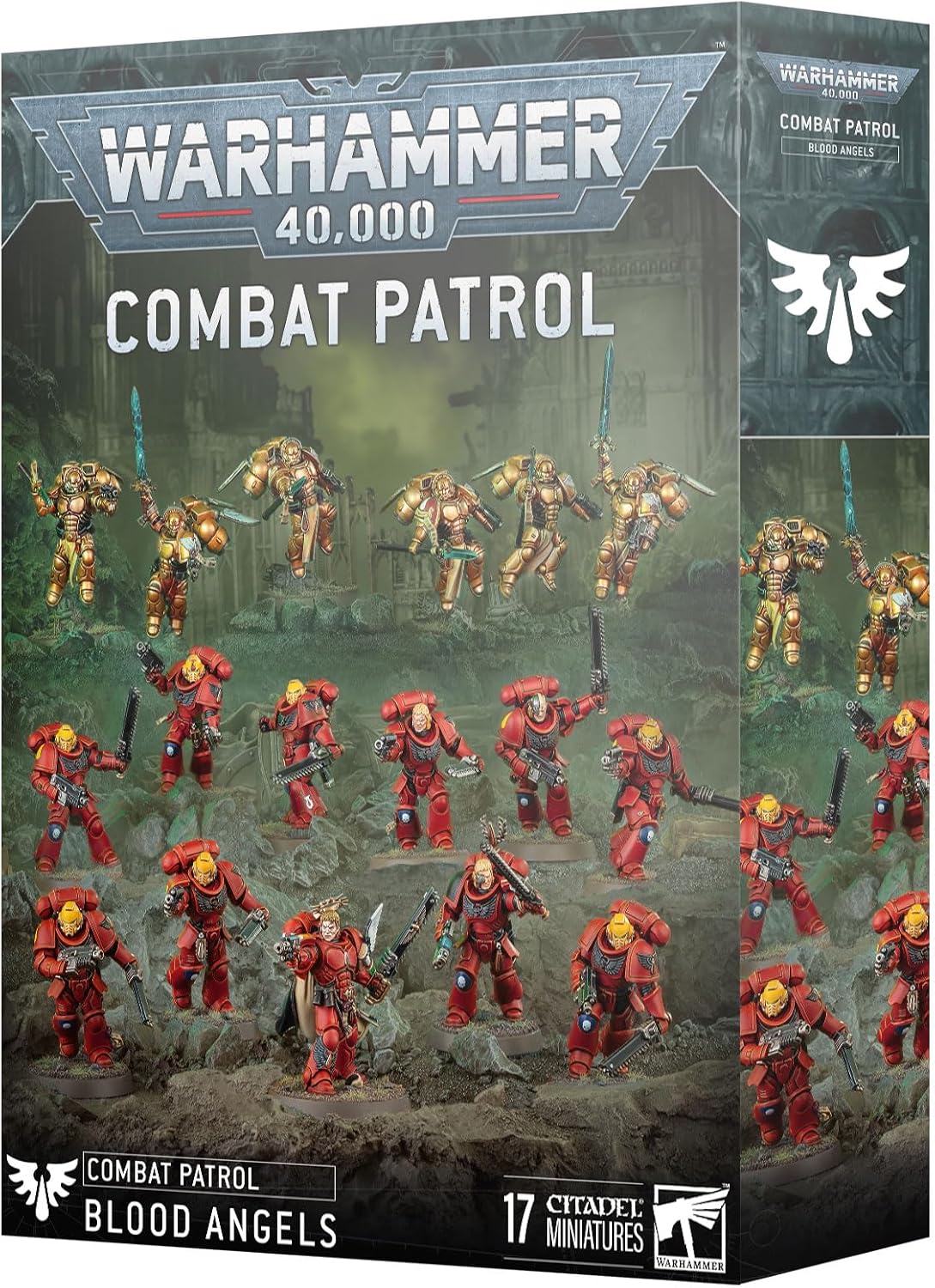
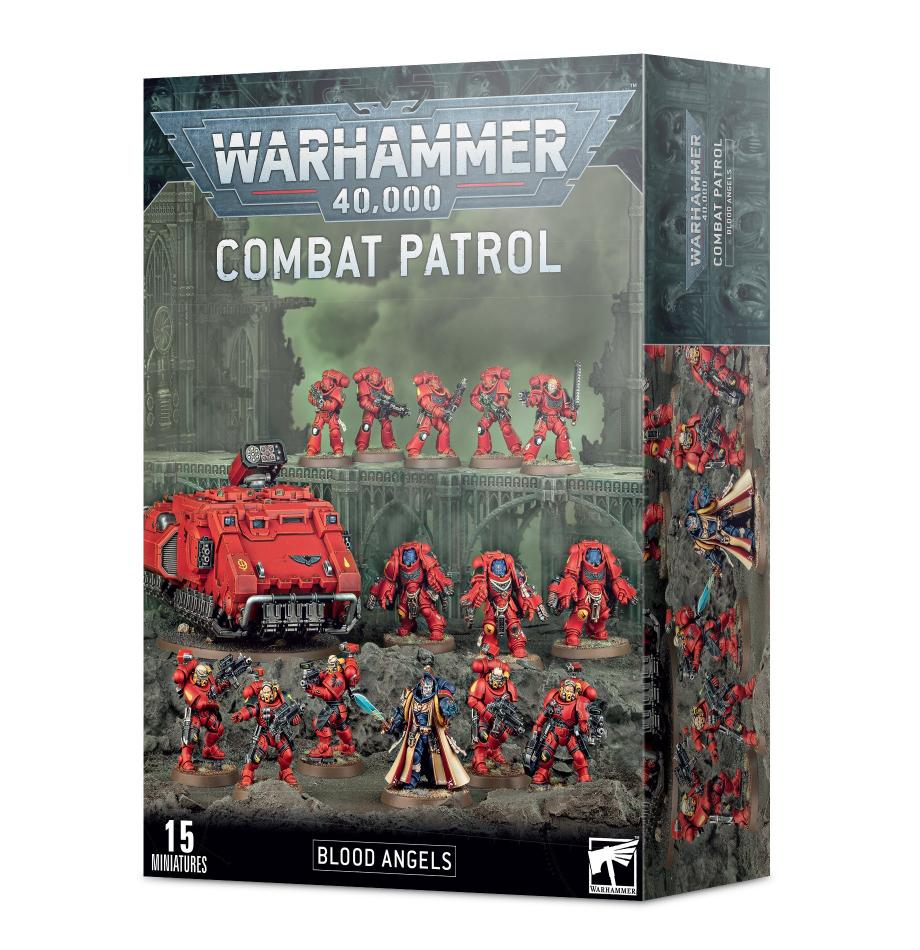
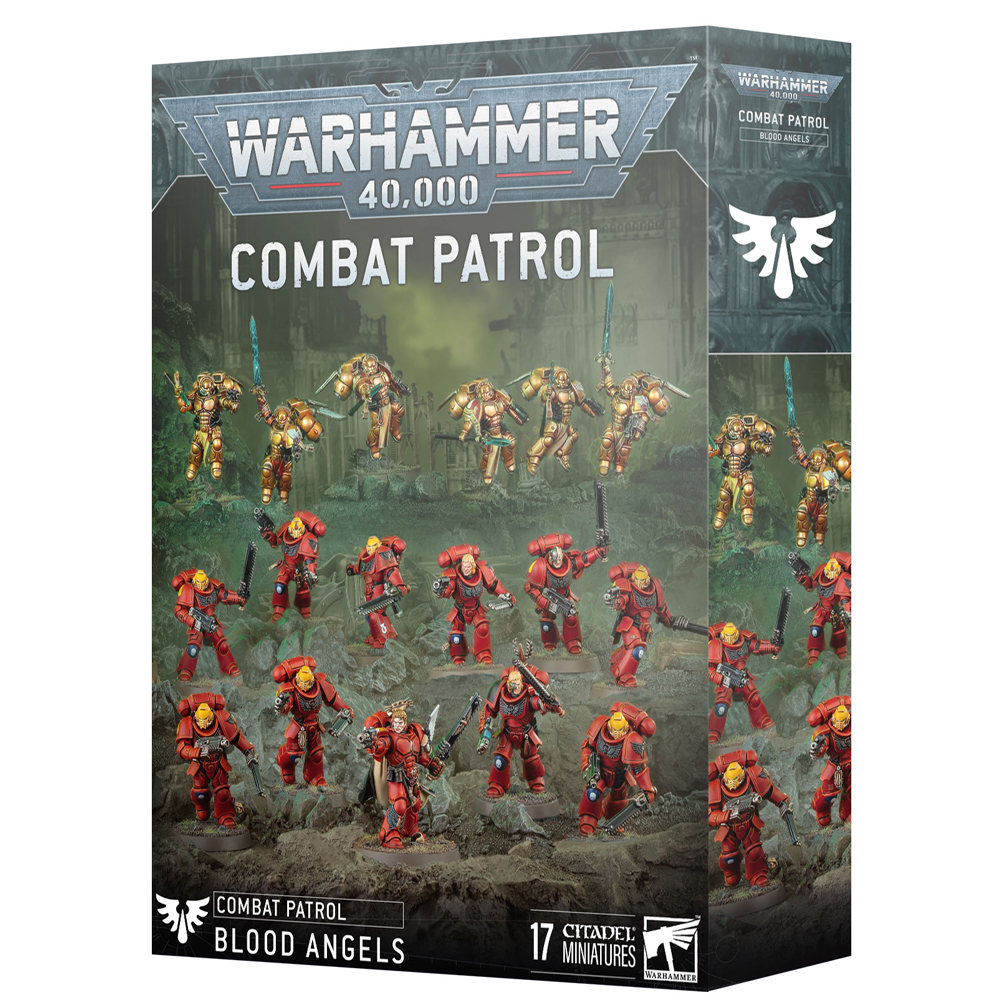
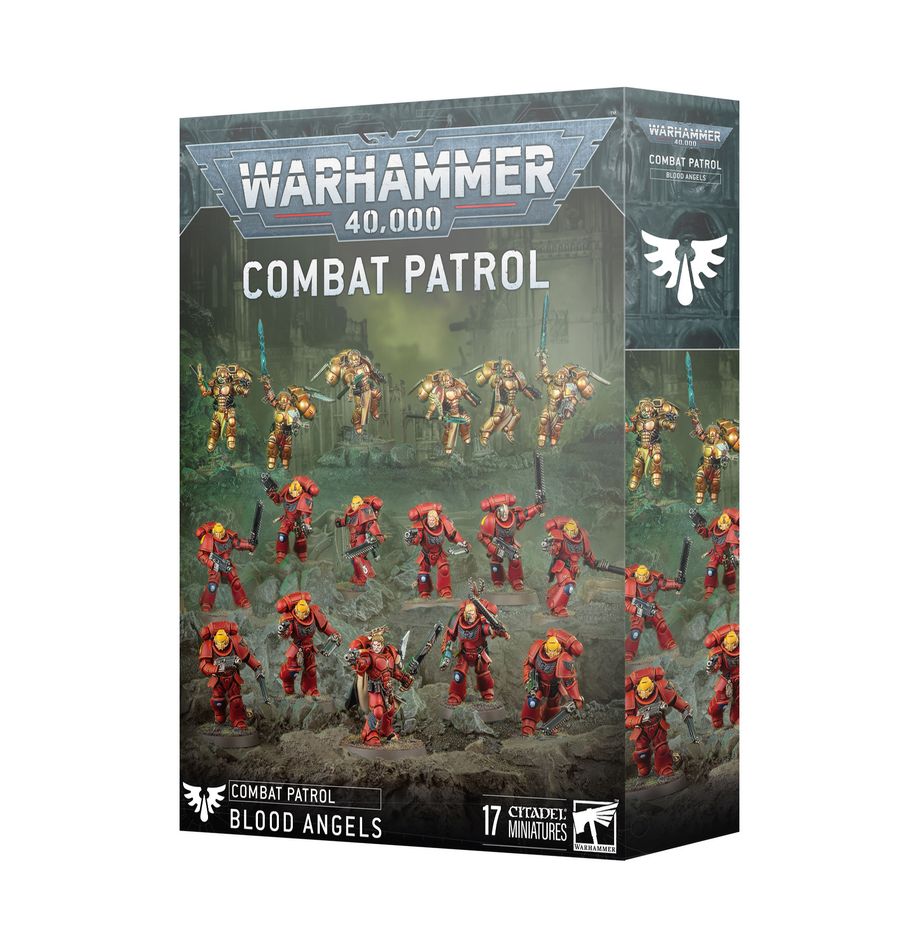
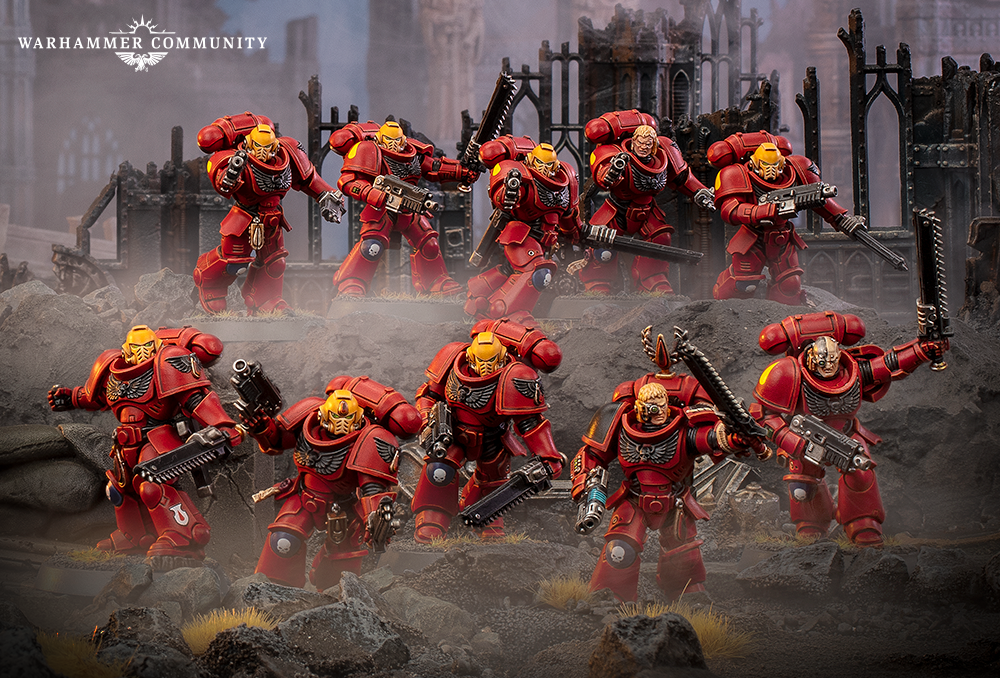
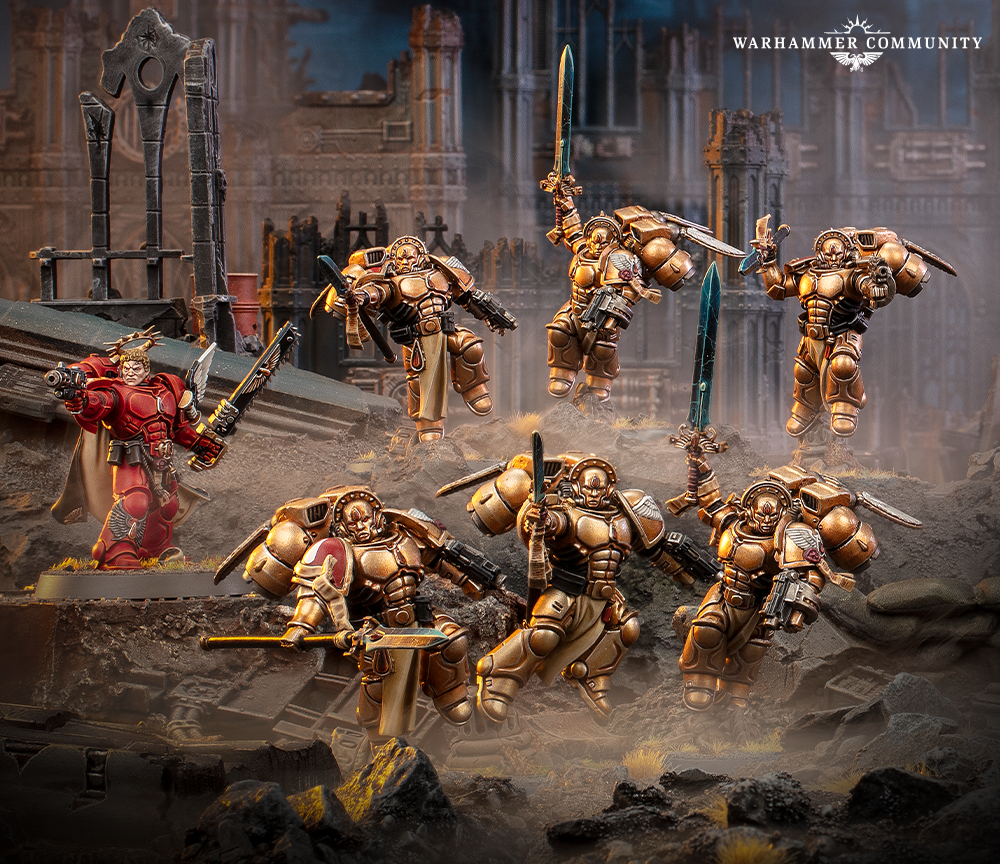
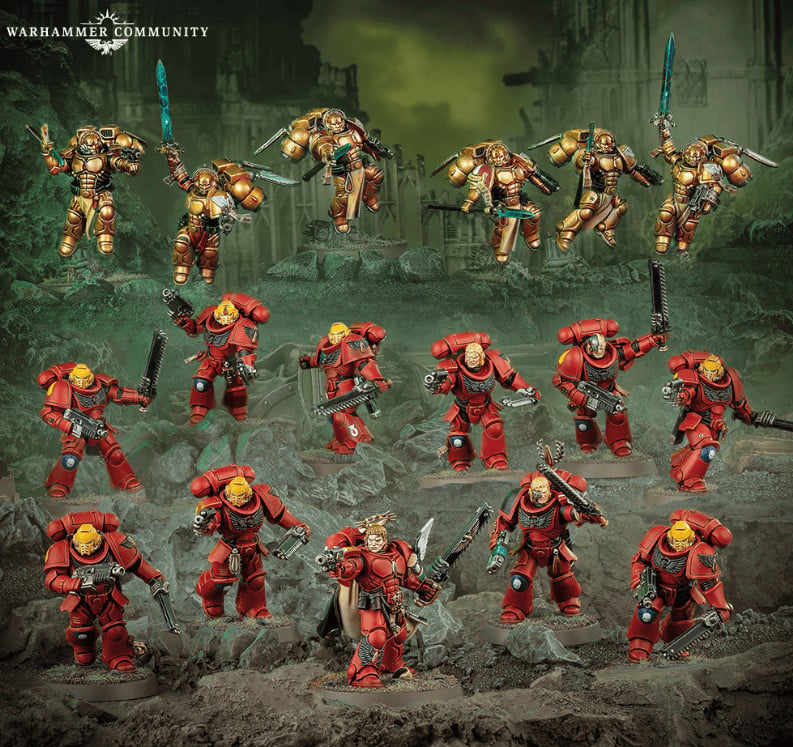
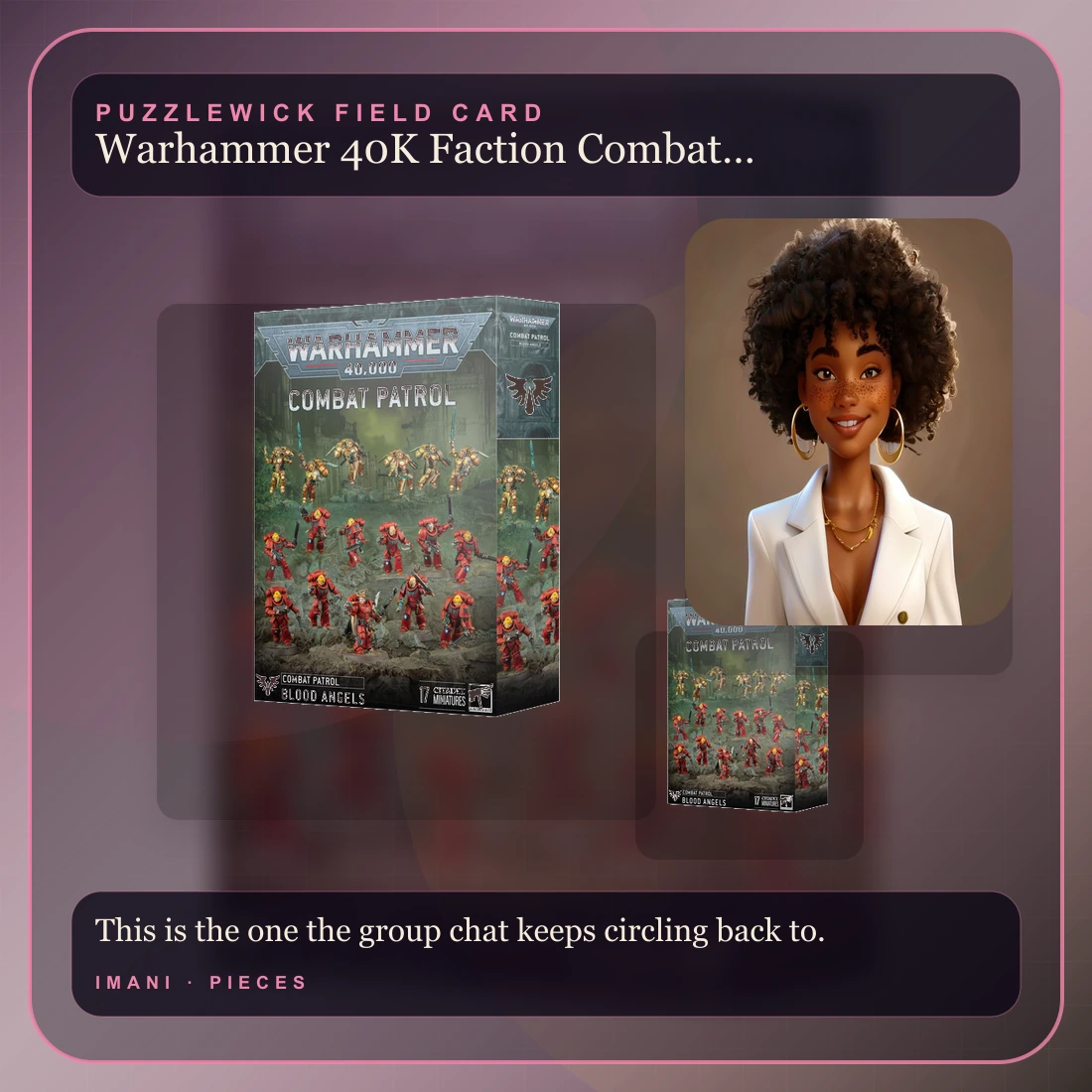
The box is 17 multipart plastic models: a Blood Angels Captain, ten Assault Intercessors, and six Sanguinary Guard. That's a deliberately lean, forgiving roster. The Sanguinary Guard alone justify the purchase — golden, winged, hand-sculpted with that 'genetically blessed angel-knight' character GW reserves for its prestige kits. They're the models that turn heads on a shelf and on the table.
Why best-for-beginners? Because every turn you do something. You advance, you charge, you fight — no agonizing 'do I sit back and shoot?' decision tree. The army's whole identity is the Red Thirst: get into melee and hit harder than you have any right to. That straightforwardness means even sub-optimal choices tend to work out, which is exactly what a new player needs while the muscle memory forms.
Insider angle: Blood Angels paint up fast despite the gold. A Mephiston Red base over a black undercoat, a Wraithbone-and-Contrast trick on the gold details, and a wash to tie it together gets you a battle-ready army in a weekend. And when you outgrow the box, the obvious next buy is a unit of jump-pack Death Company — the most iconic Blood Angels squad in the game, and a clean ten-power upgrade to your list.
Necrons: Is the 'Boring Robots' Reputation Deserved?
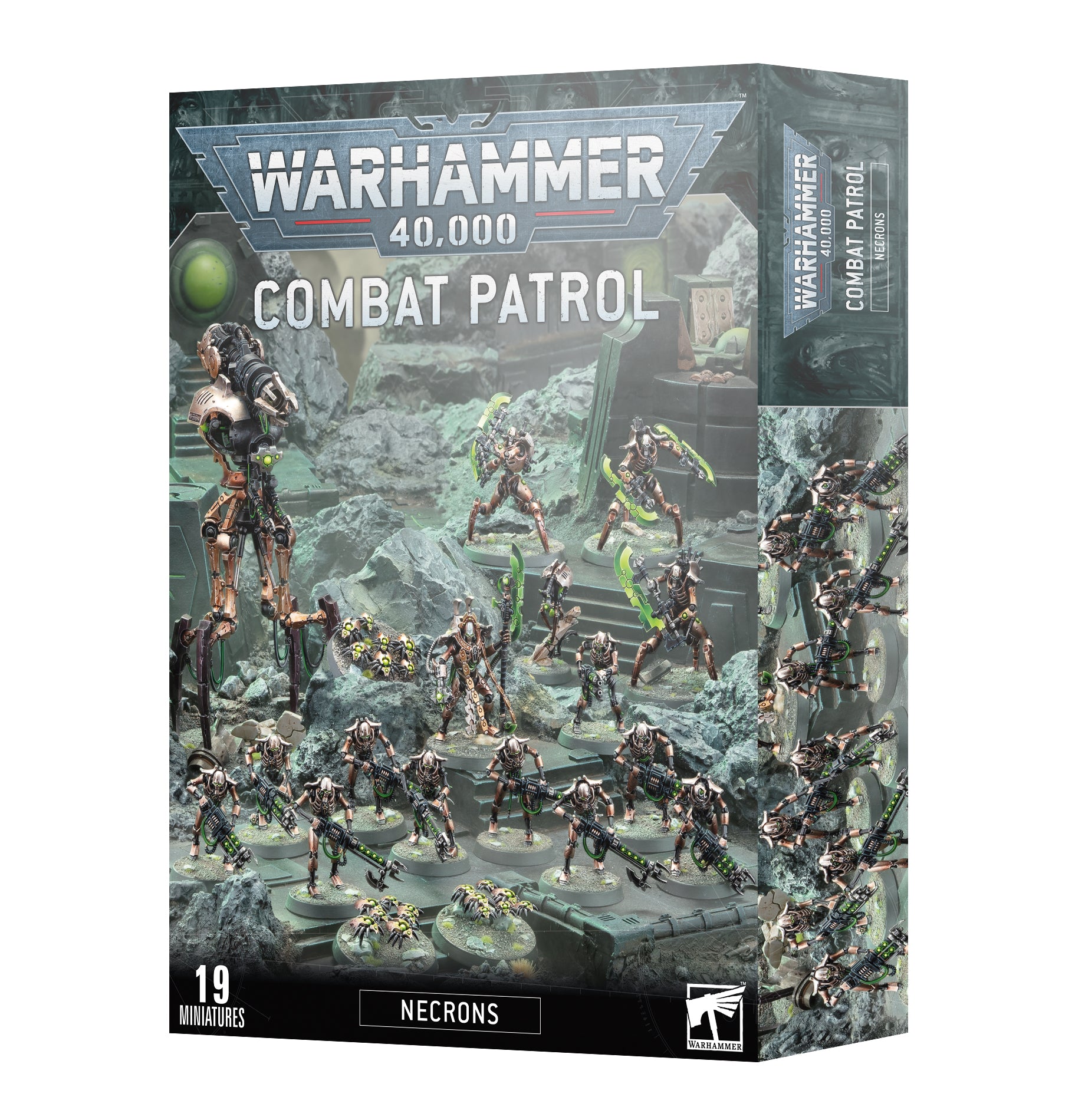
Not even slightly — and Necrons quietly teach you more actual 40K than the flashier factions. This is the box for the chess player, the person who likes knowing they'll still be standing on turn five while their opponent runs out of gas.
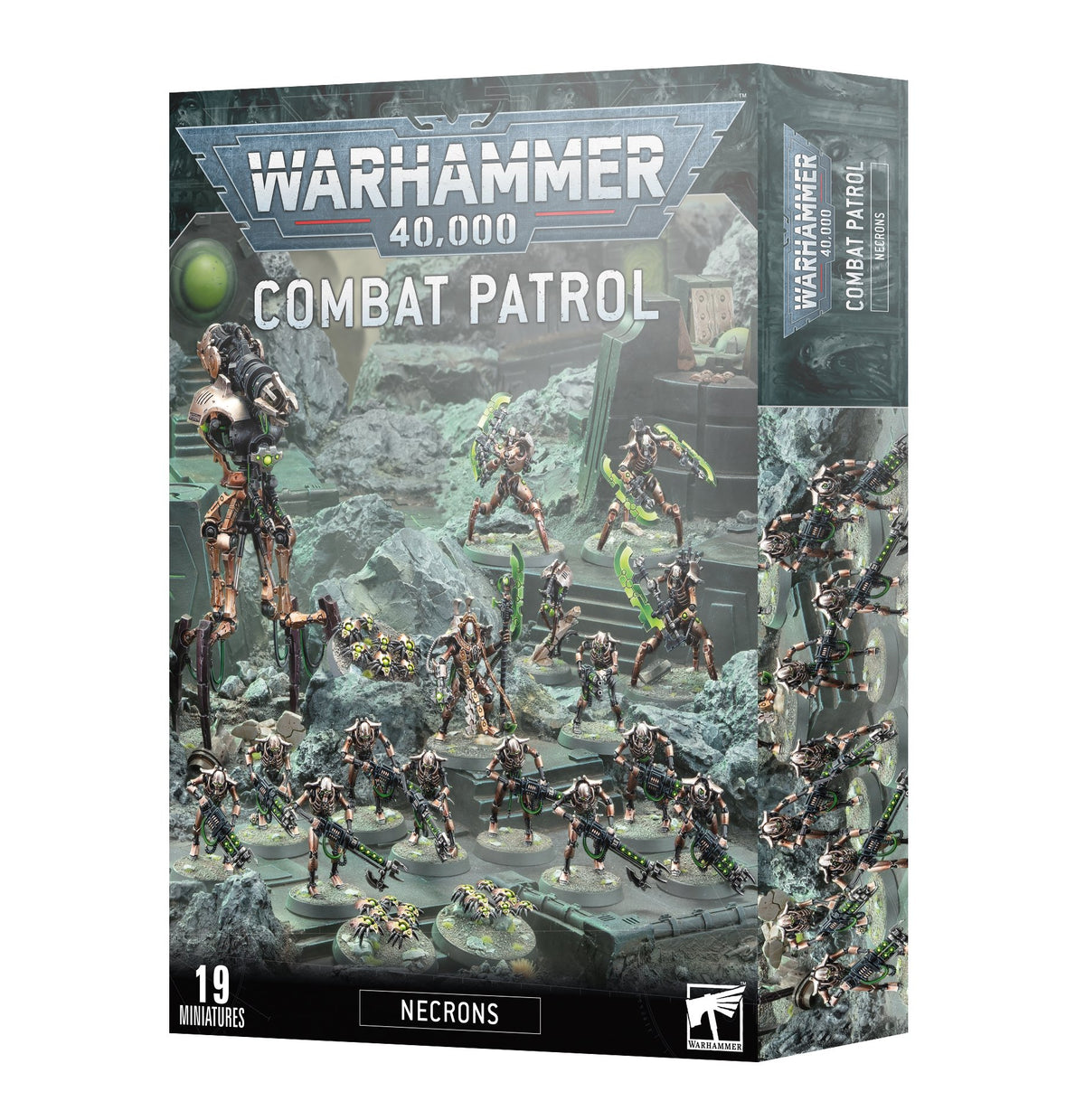
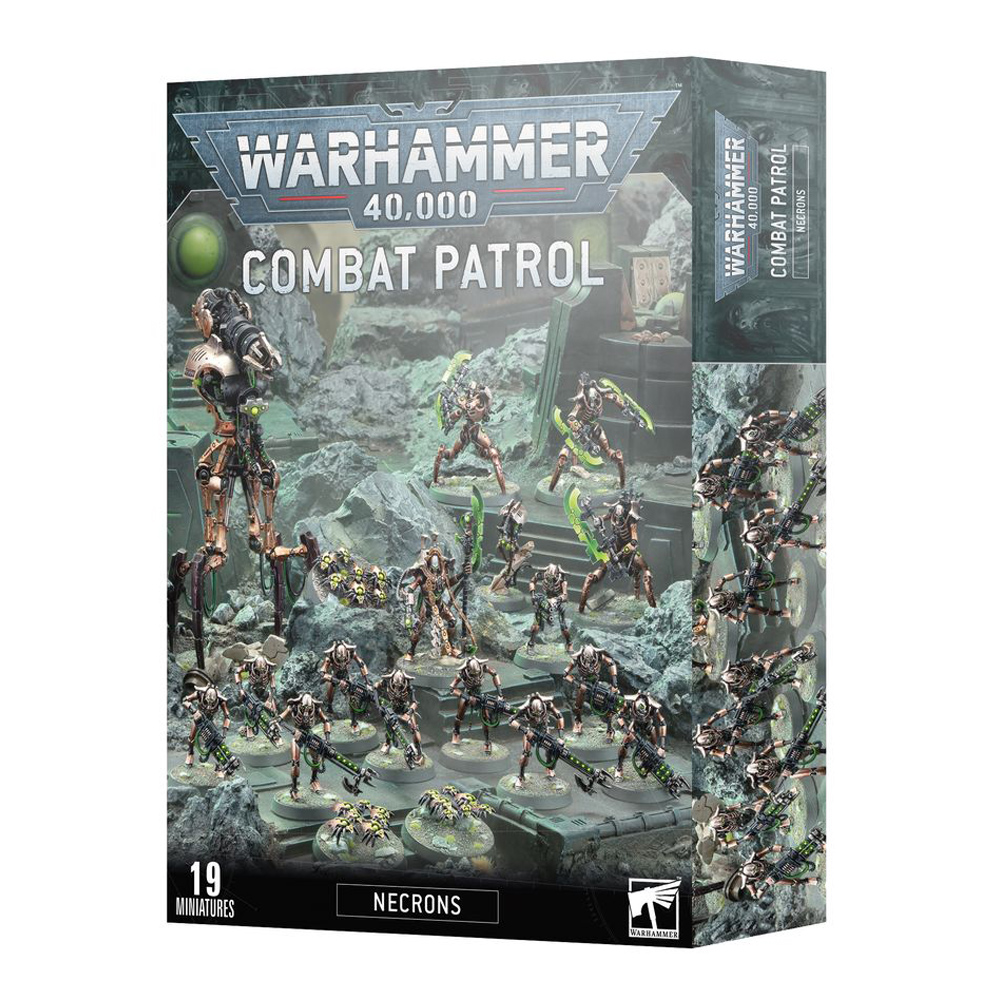
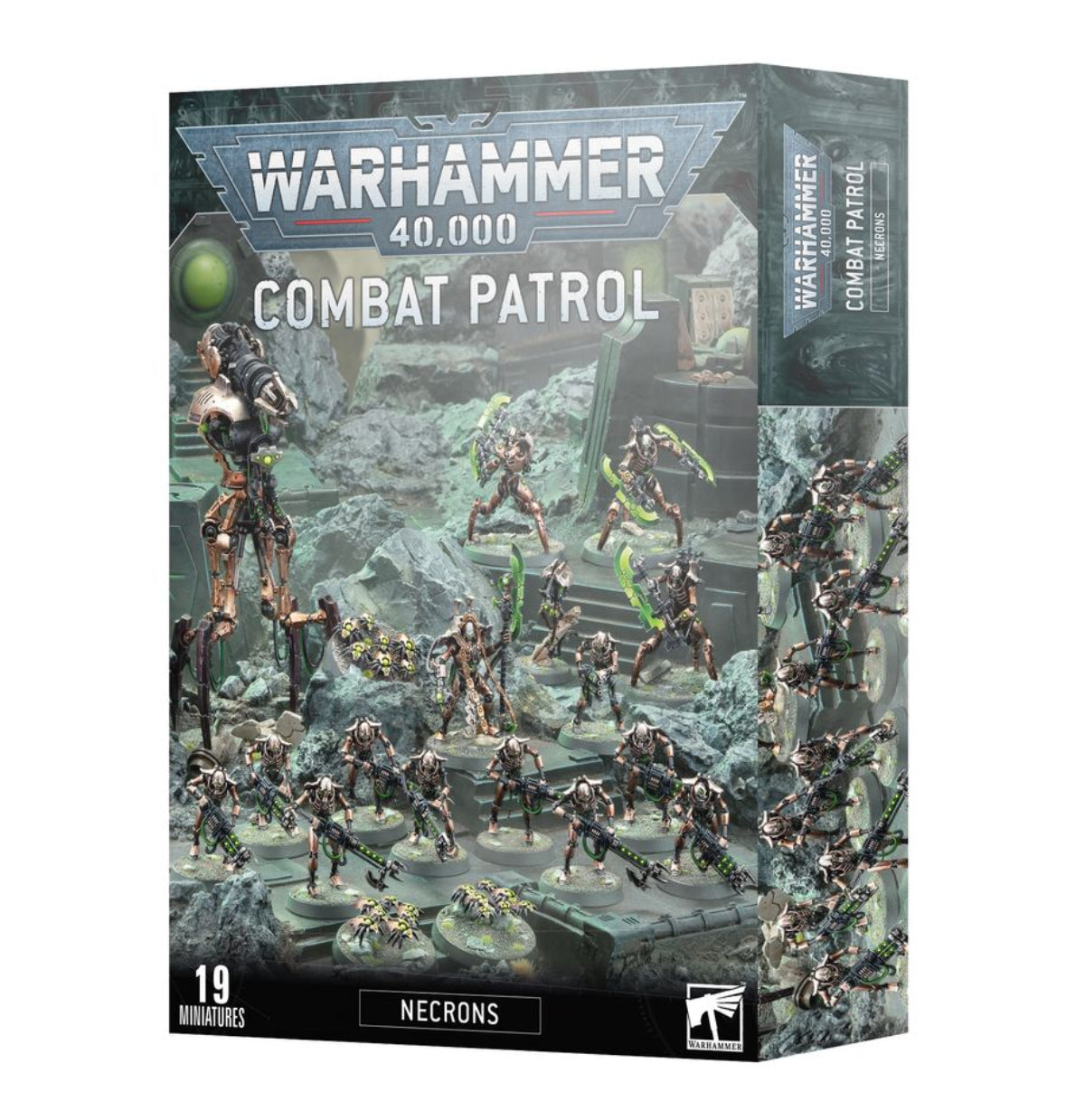
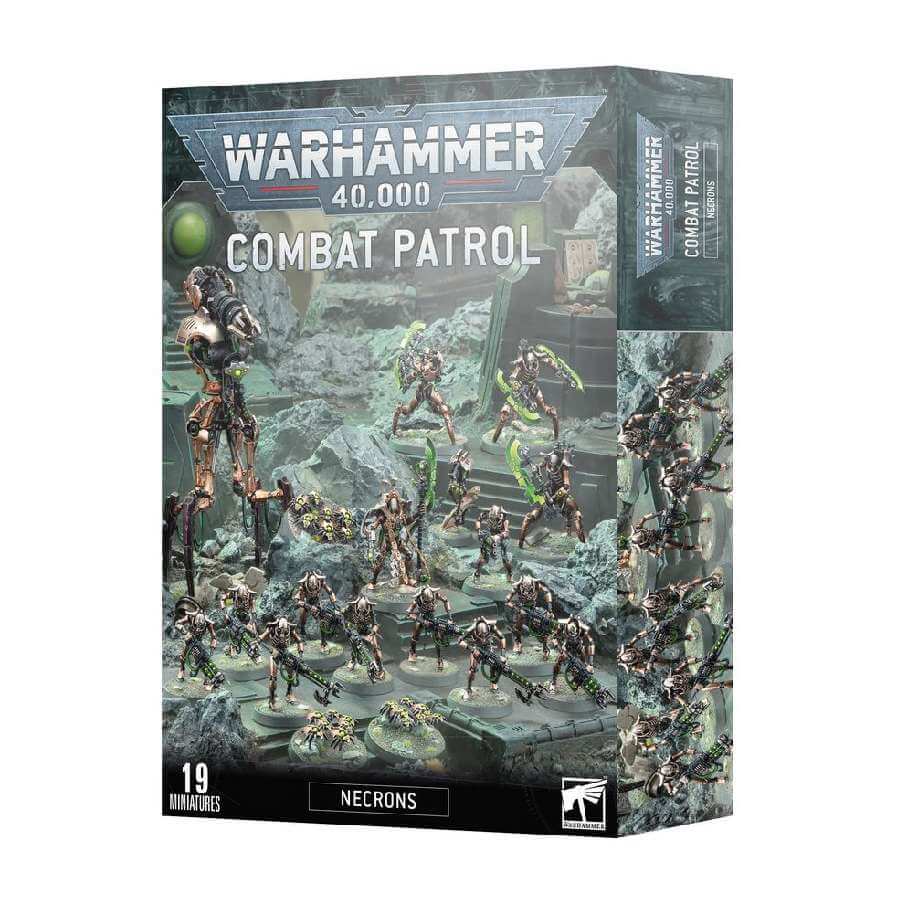
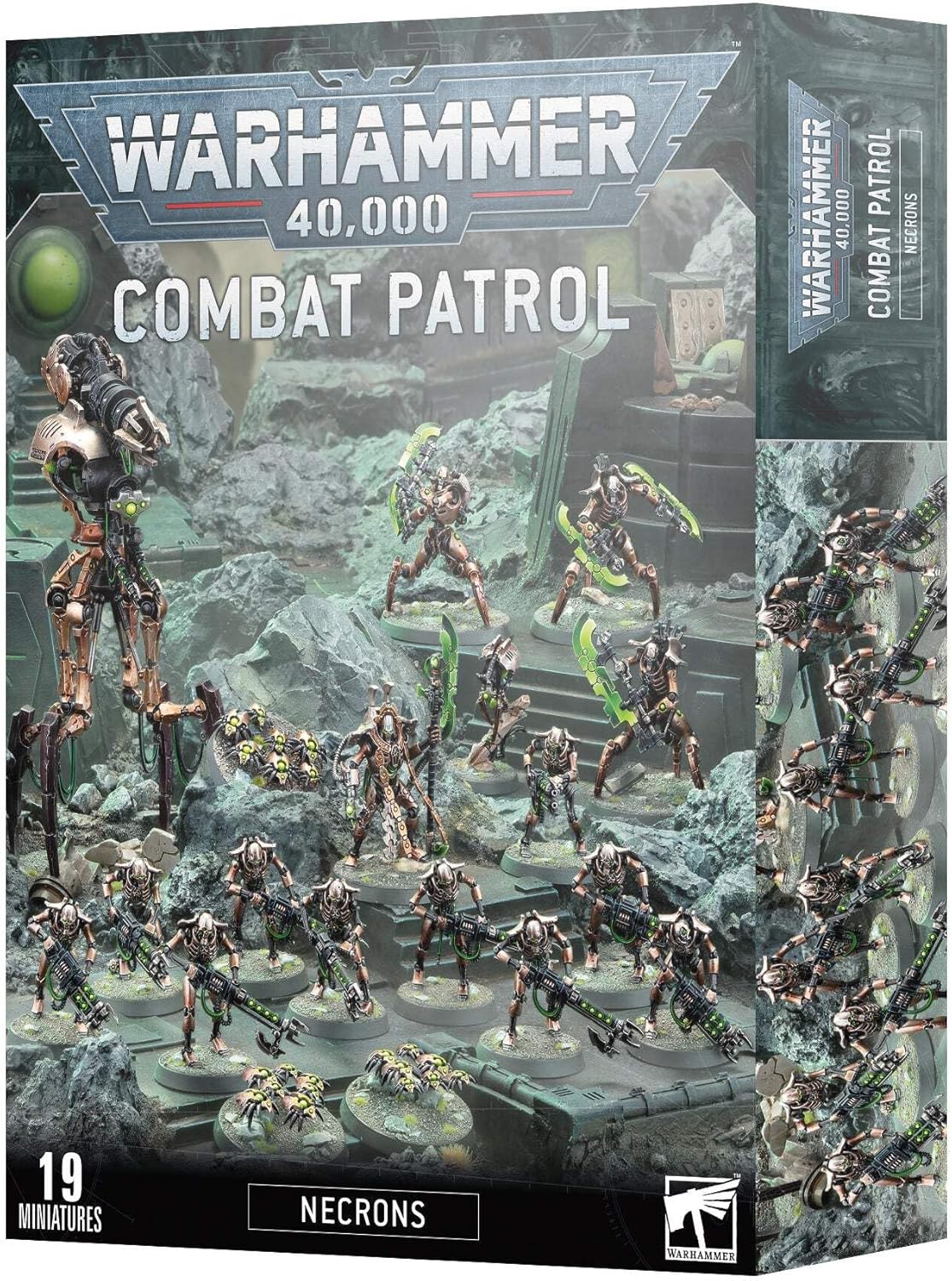
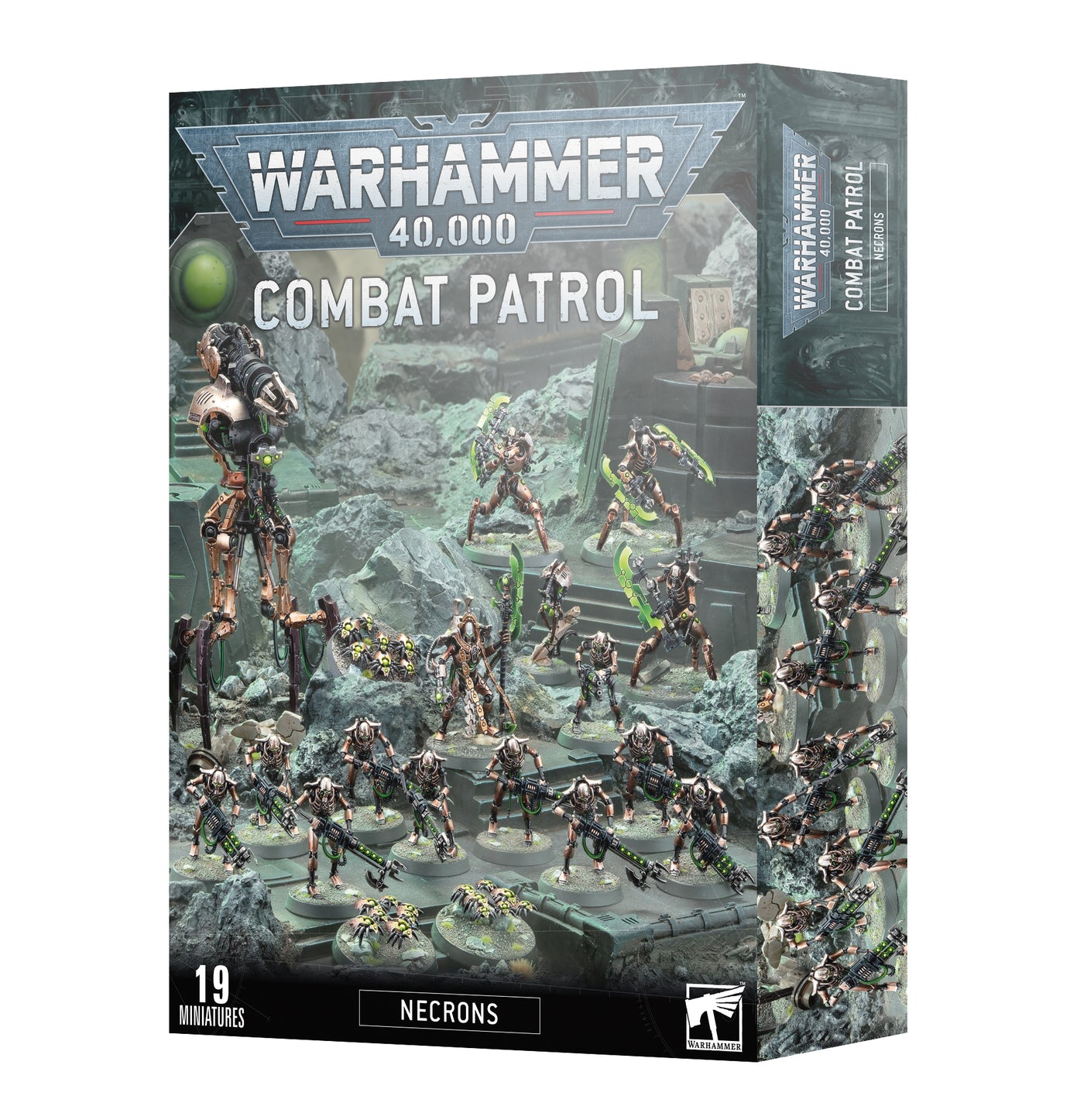
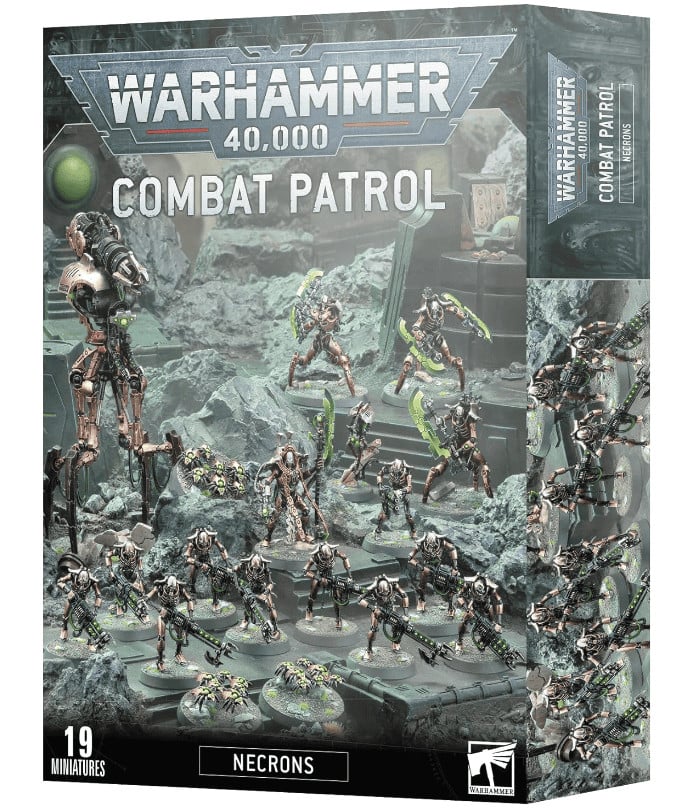
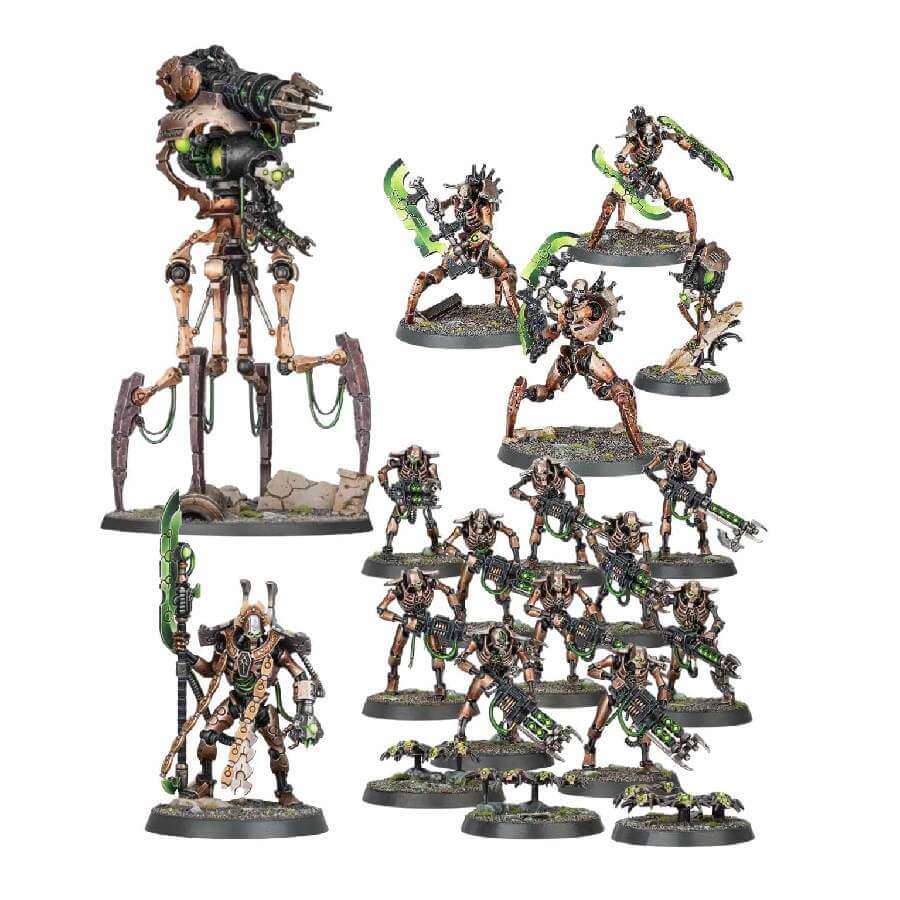
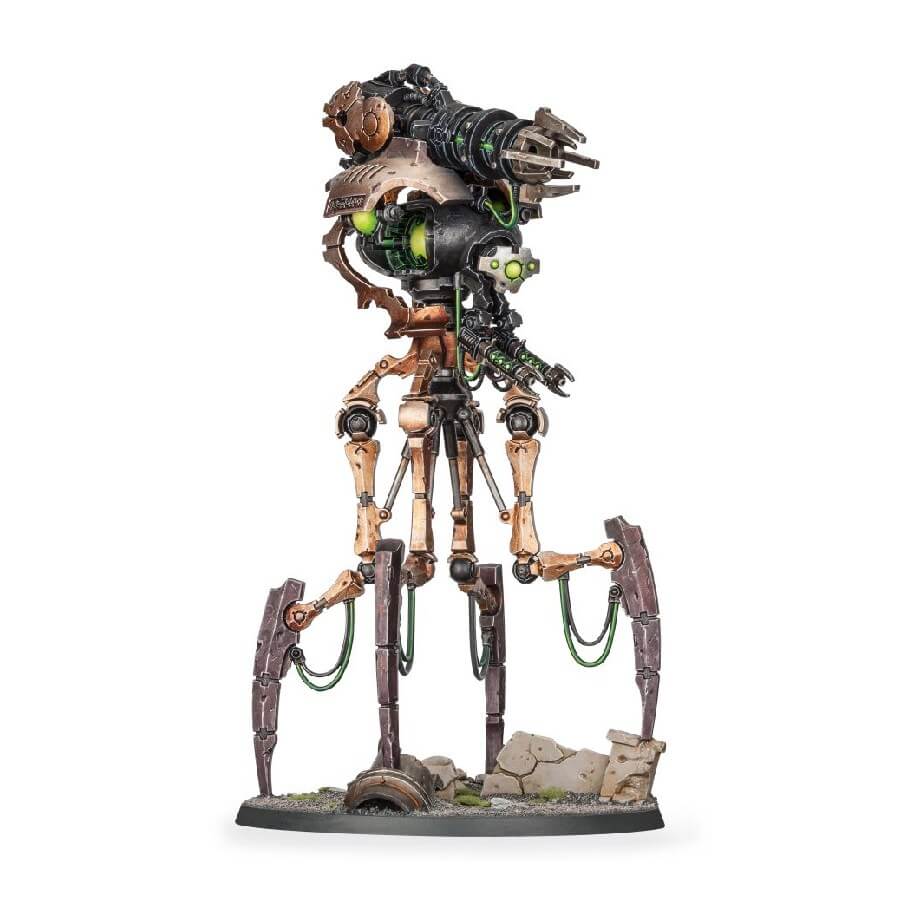
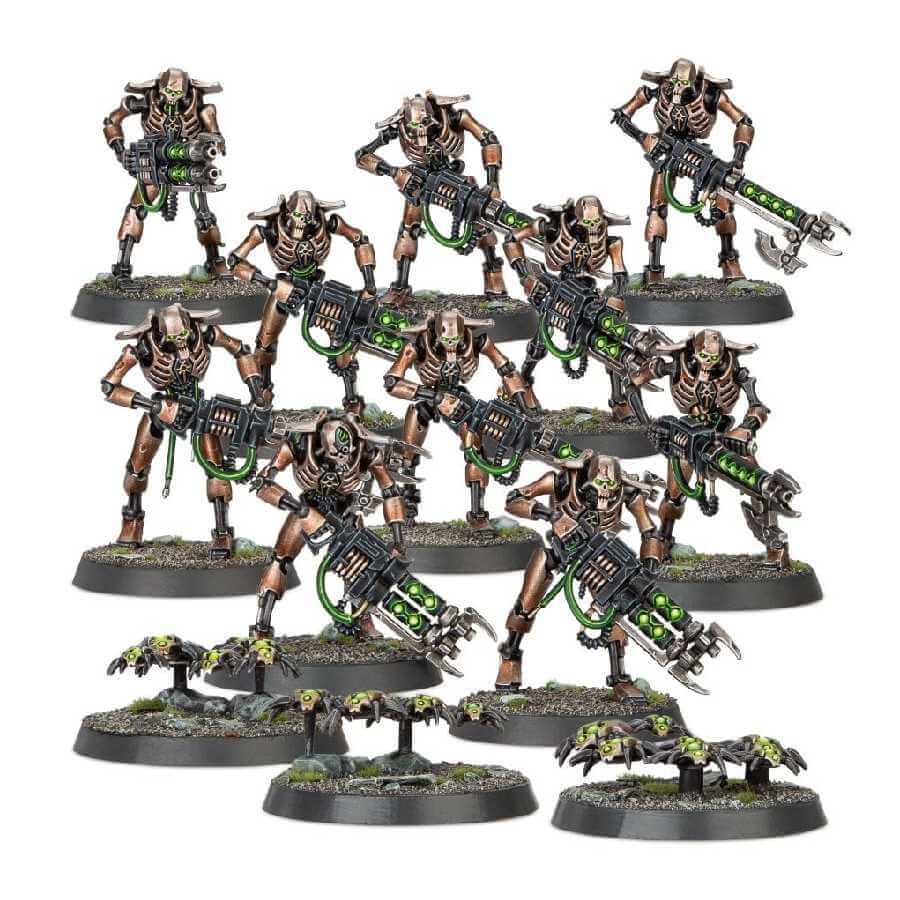
The patrol gives you 18 models: a Necron Overlord, ten Necron Warriors, three Skorpekh Destroyers (with a Plasmacyte handler), a Canoptek Doomstalker walker, and three Canoptek Scarab Swarms. Don't sleep on those Scarabs — they're cheap, expendable screening units, and learning to use throwaway pieces to protect your valuable ones is a fundamental skill most beginners pick up two armies too late. The Warriors are your unkillable anvil (their Reanimation Protocols literally stand models back up), the Skorpekh are your hammer, and the Doomstalker is your ranged-anchor backfield gun.
The honest catch: Necrons have the lowest raw dollar savings of the major patrols — around $35 off versus buying separately, against $60-plus for the others. You're paying for resilience and that gorgeous tomb-world aesthetic, not for the discount.
And the aesthetic is a real beginner cheat code. Metallic green glow effects, weathered necrodermis, spooky undying skeletons — Necrons are arguably the single easiest army to make look pro with minimal skill. A Leadbelcher spray, an Agrax wash, and a dab of green Contrast in the recesses, and people will assume you've been painting for years. Patience on the table, instant gratification on the brush.
Tyranids: Should You Start With the Swarm?
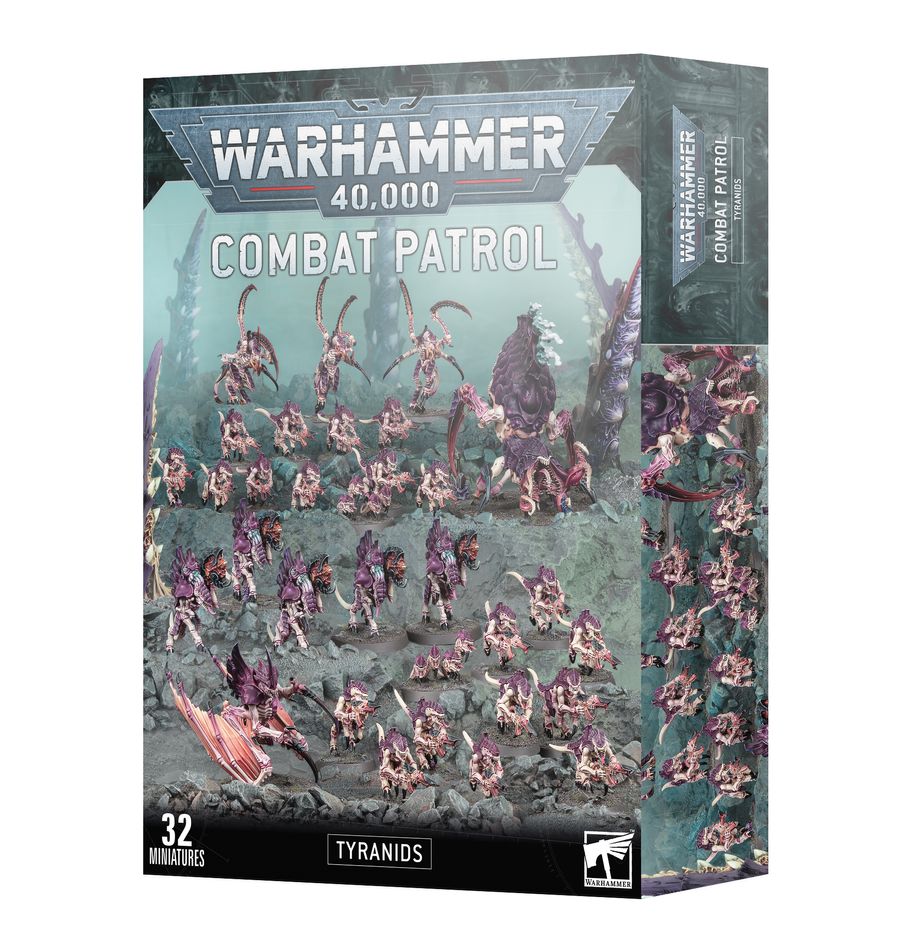
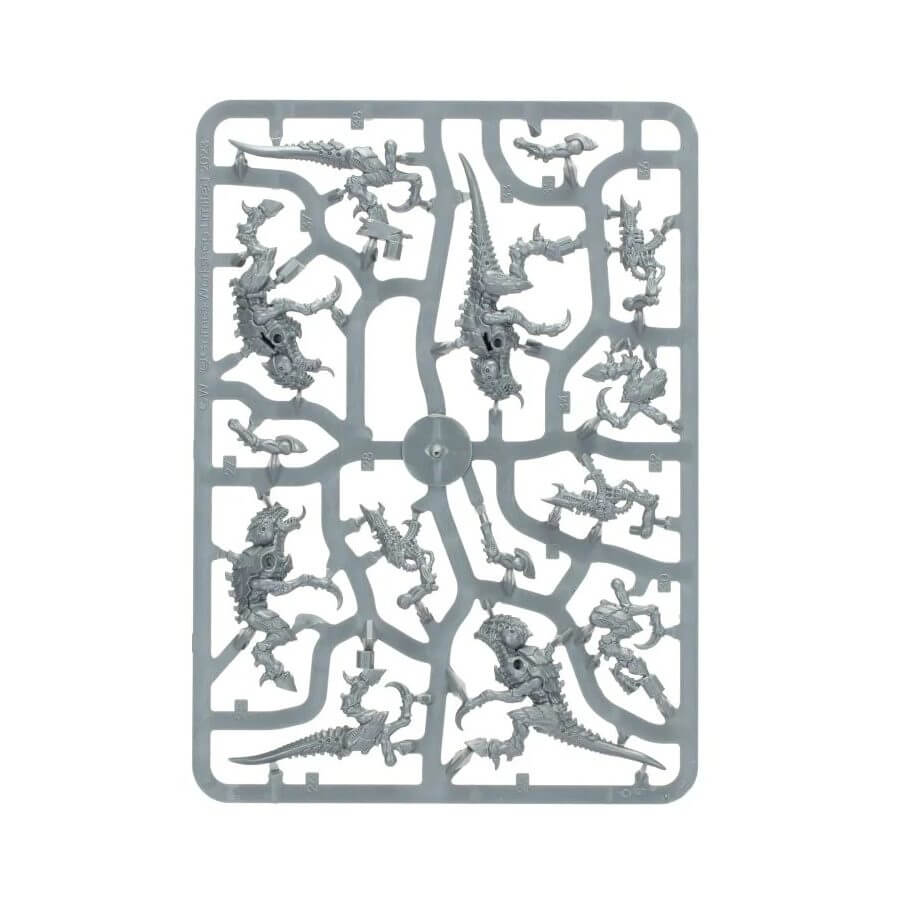
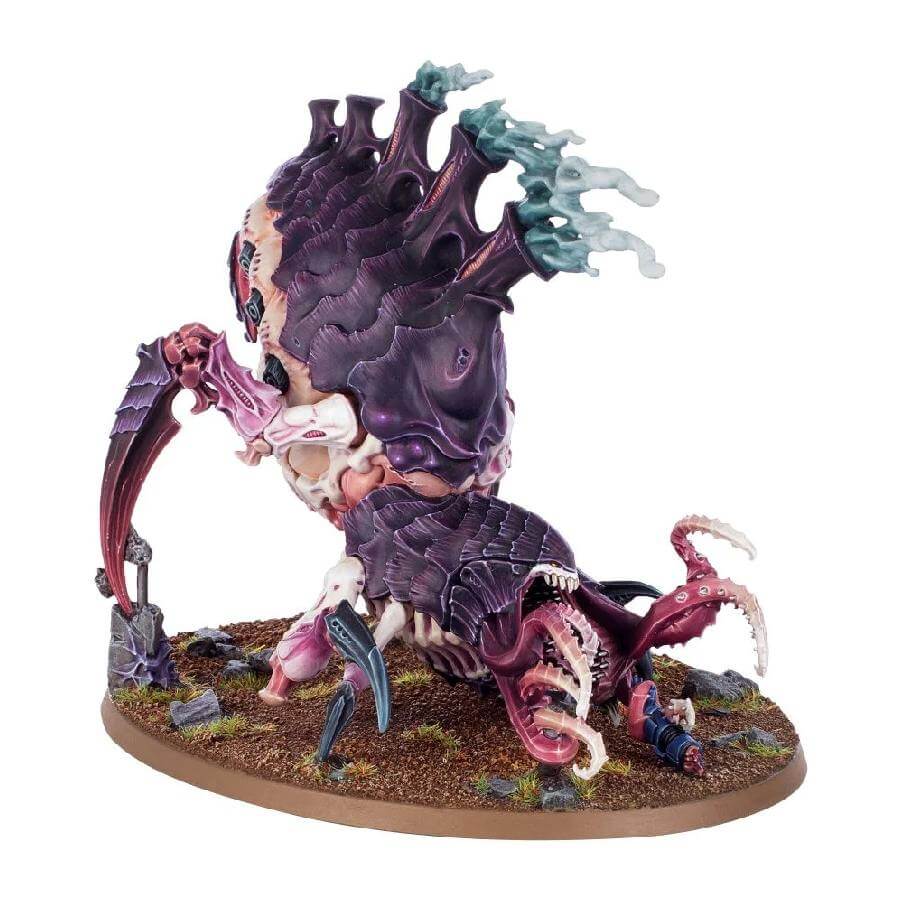
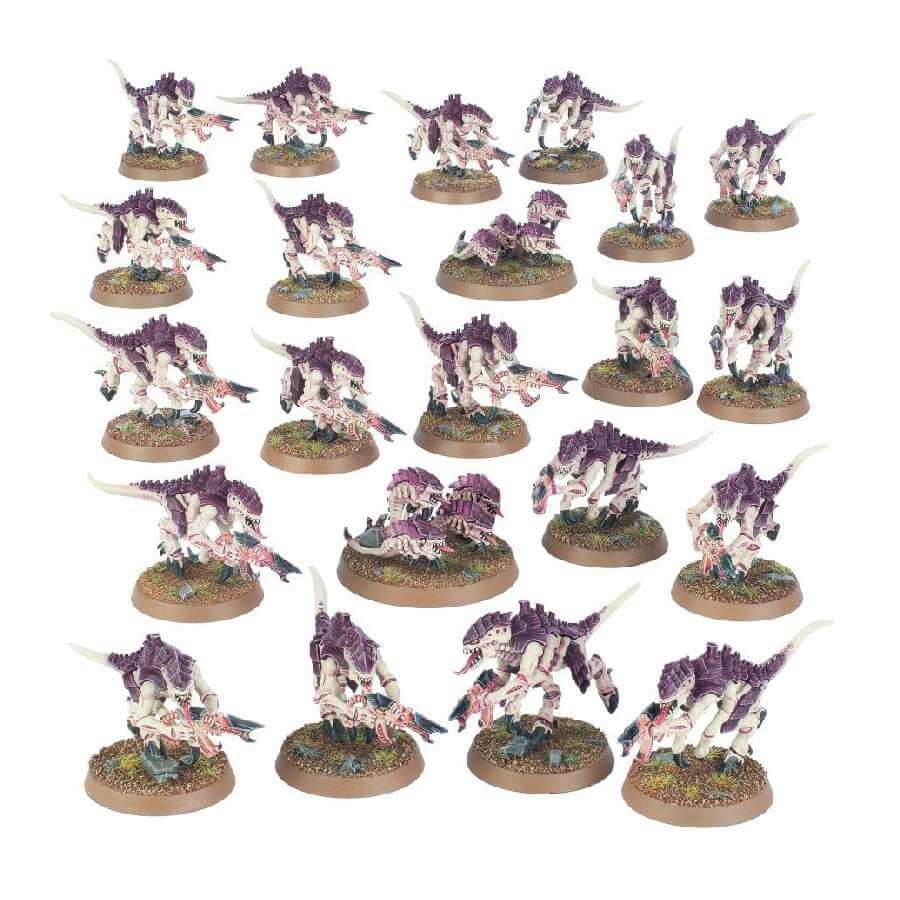
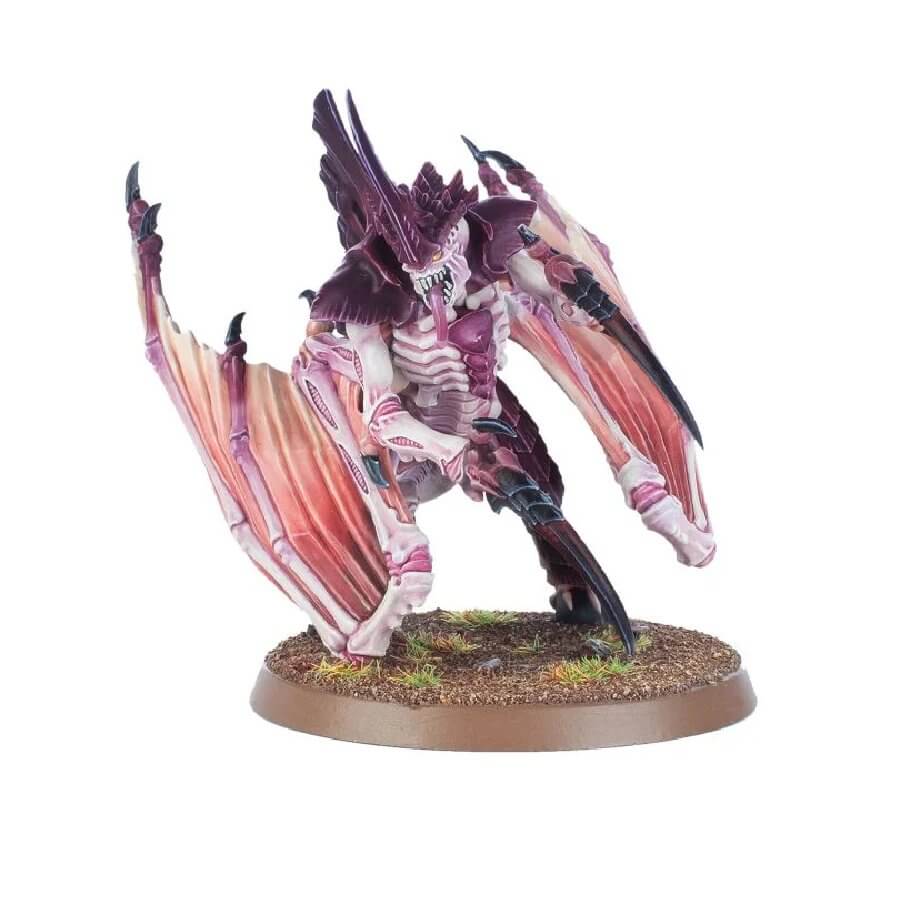
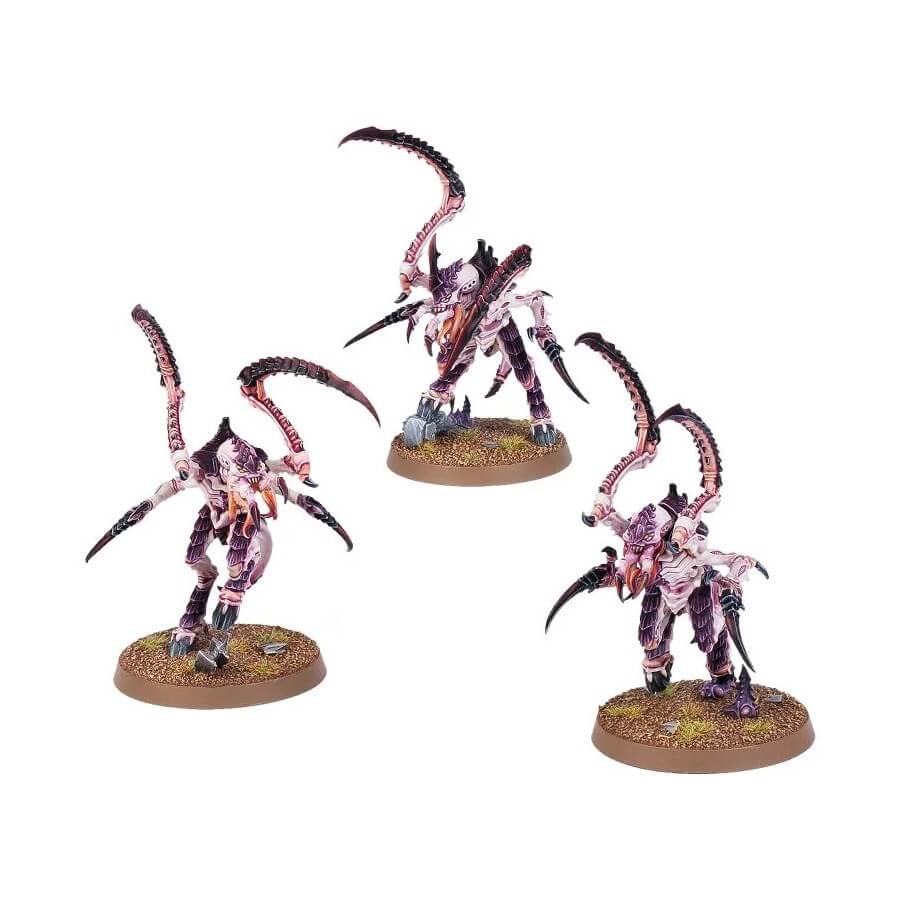
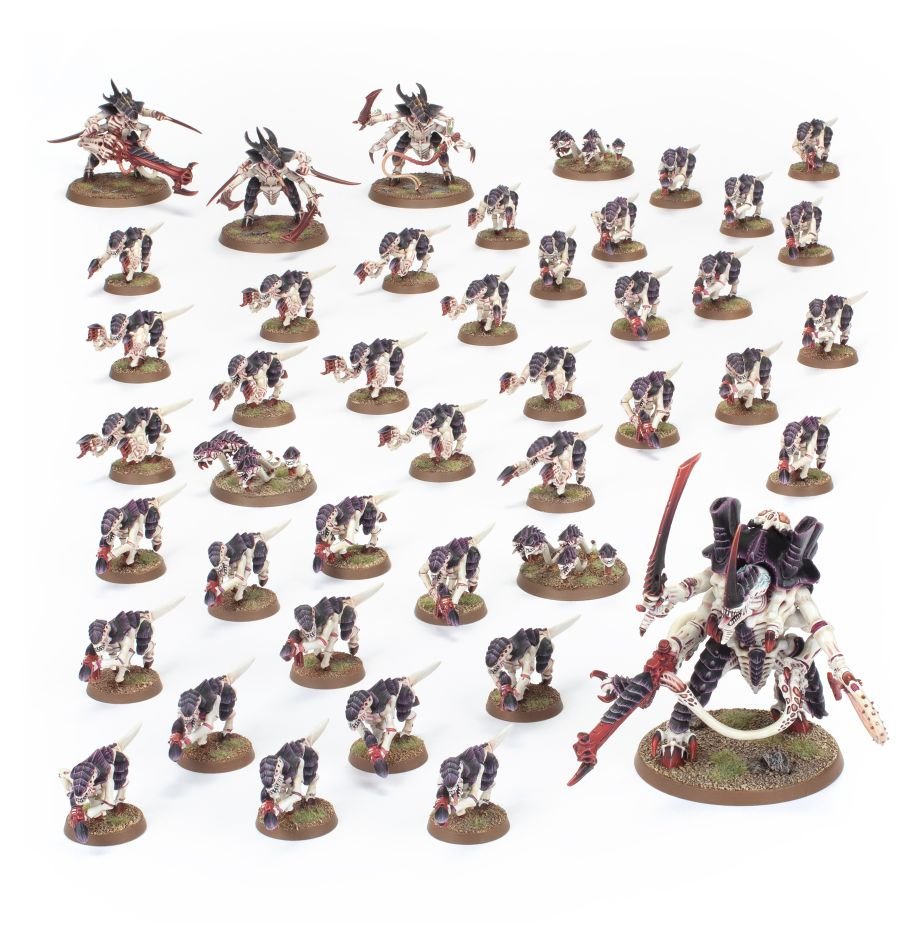
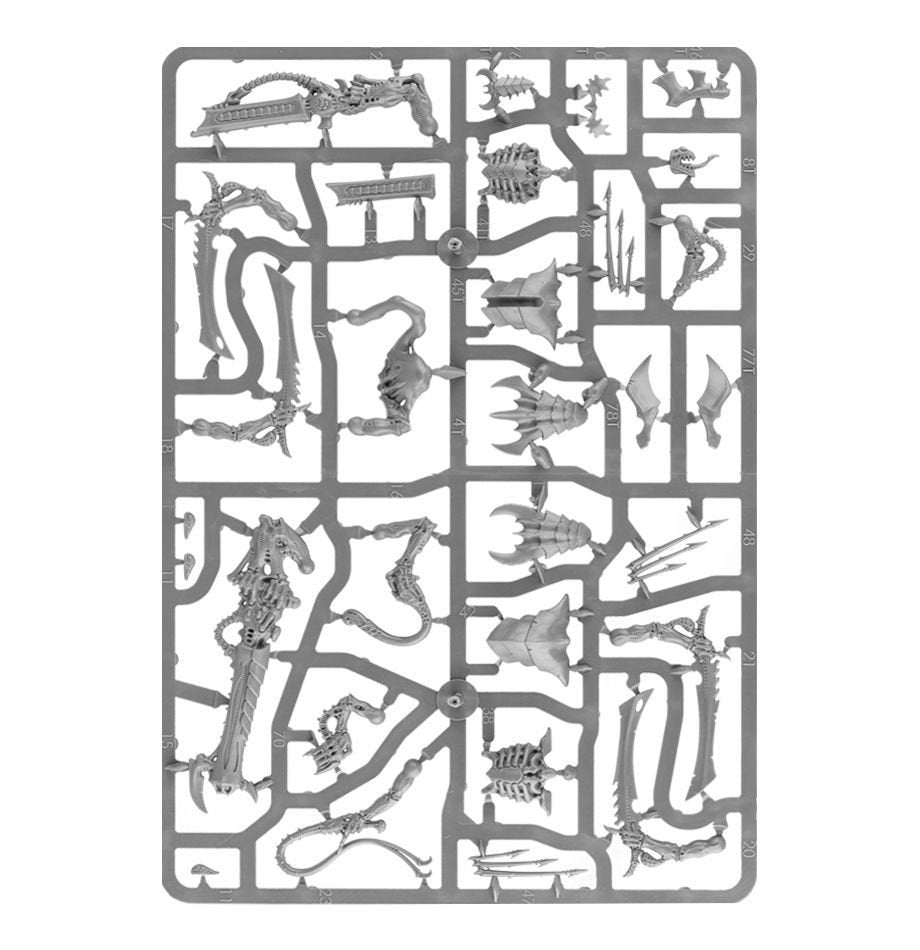
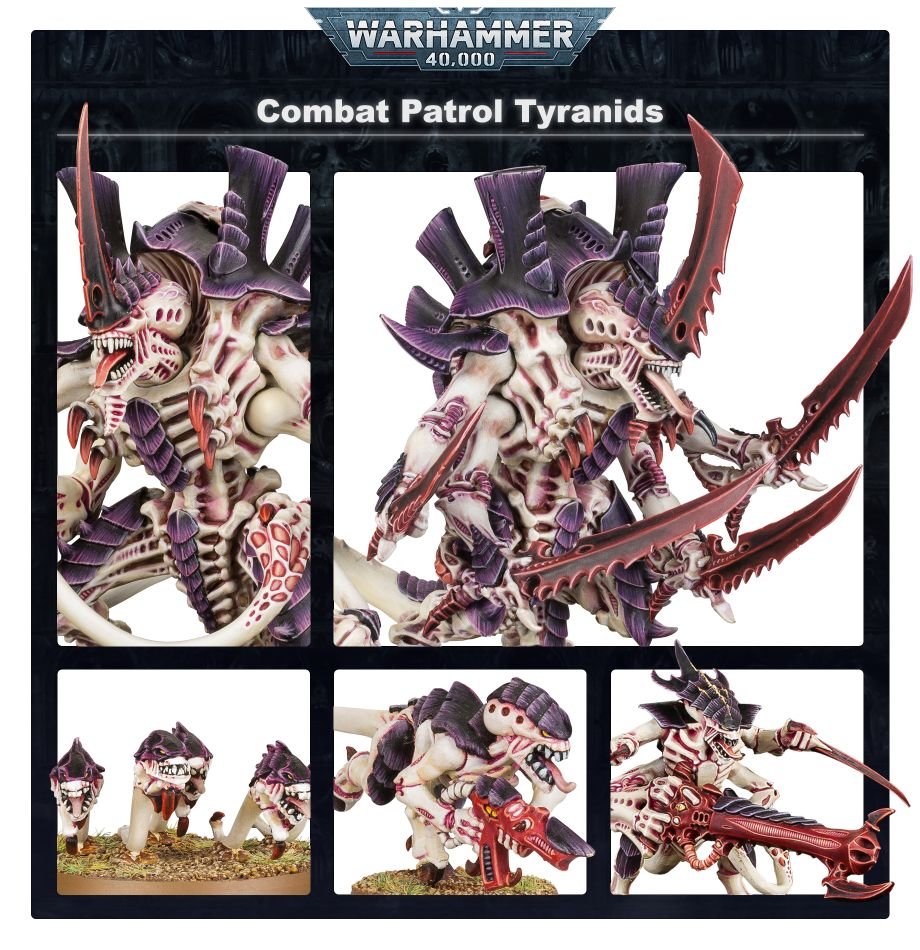
Tyranids are the 'give me one of everything' faction, and the current box — properly called the Tyranid Assault Brood — leans into that beautifully. You get 18 plastic miniatures: ten Genestealers (fast, clawed swarming infantry), three Tyrant Guard (bodyguard bricks that can alternatively build as Hive Guard), a Biovore (a weird artillery-bug that lobs spore mines), three Spore Mines, and the centerpiece — the Parasite of Mortrex, a flying synapse character that's genuinely one of the coolest models GW has put in a starter box this edition.
What makes this a great teacher is that no two games play the same. You've got fast melee, slow tanky melee, indirect-fire artillery, and a flying character all in one box, so you're forced to think about roles from game one — which unit does what, and when. That's a more sophisticated lesson than 'everyone charge,' and it pays off forever.
Two honest cautions. First, Genestealers hit hard but die easy early on, before you've internalized how to position and screen them — expect to lose a few squads while you learn (good news: they're cheap to replace, so you're learning risk-management on a budget). Second, the Assault Brood is melee-heavy and short on ranged punch, so a gunline opponent can keep you at arm's length until you master your charges. The upside? Genestealers are an absolute joy to paint — big flat carapace plates that drink up Contrast paint, so a horde looks cohesive fast.
Orks: Are They Secretly the Best Beginner Army?
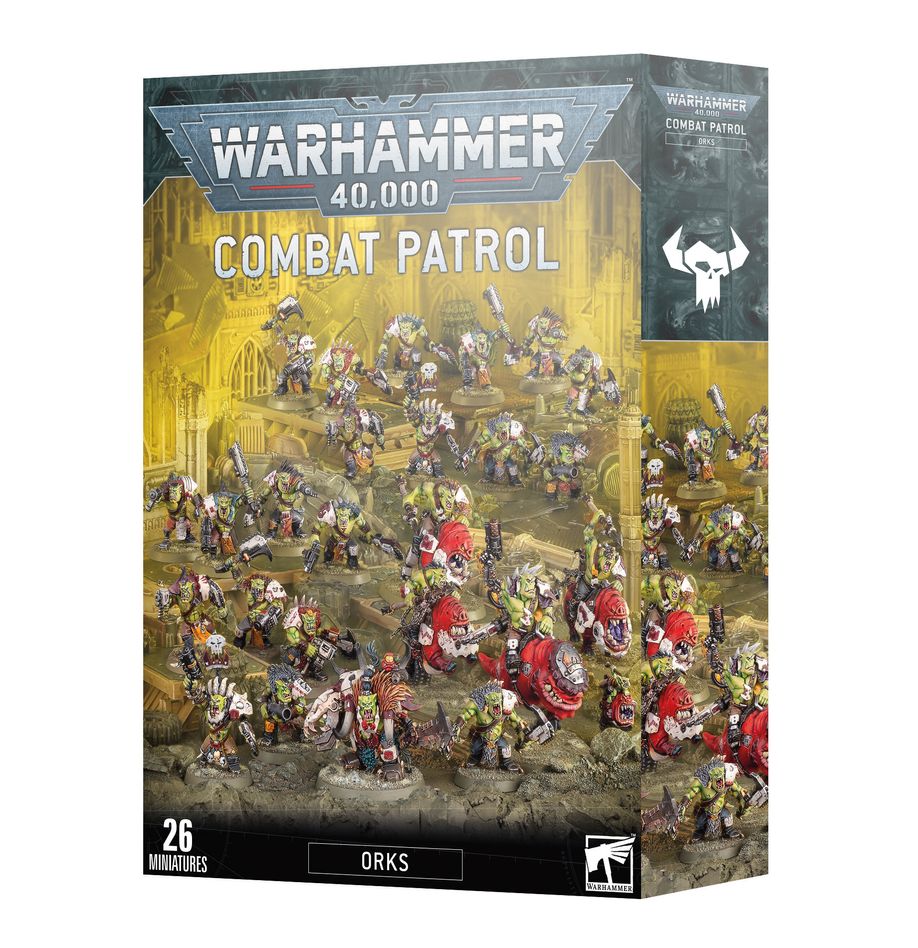

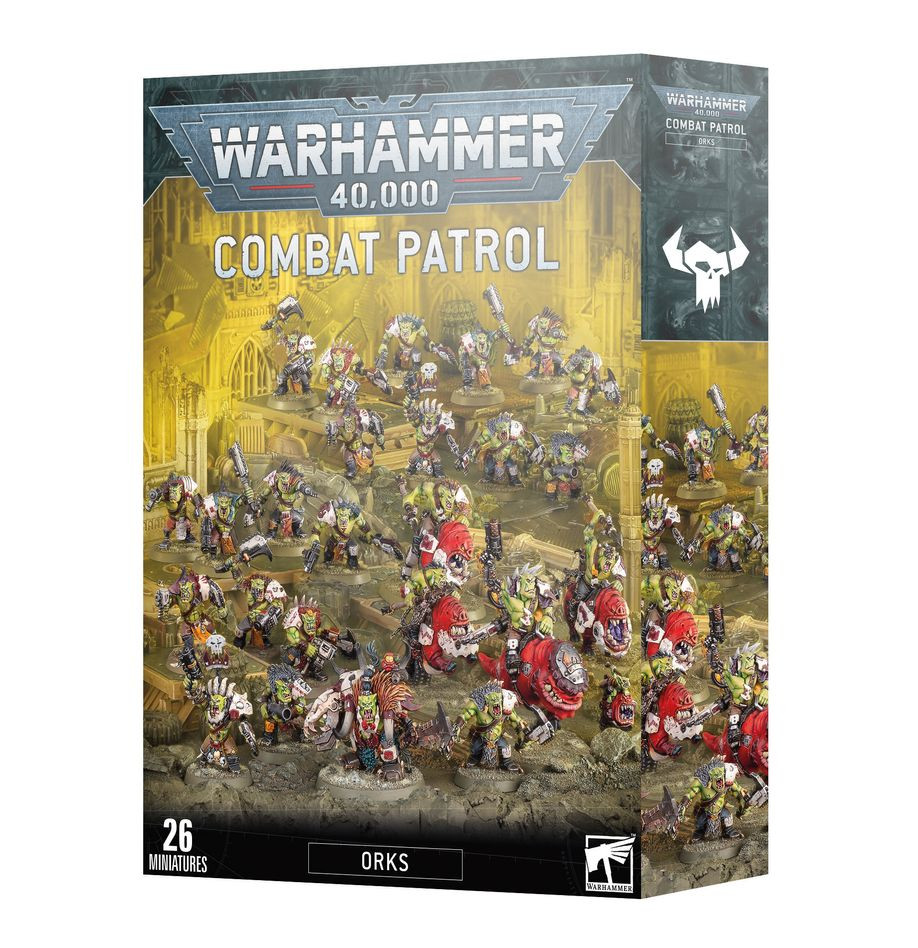
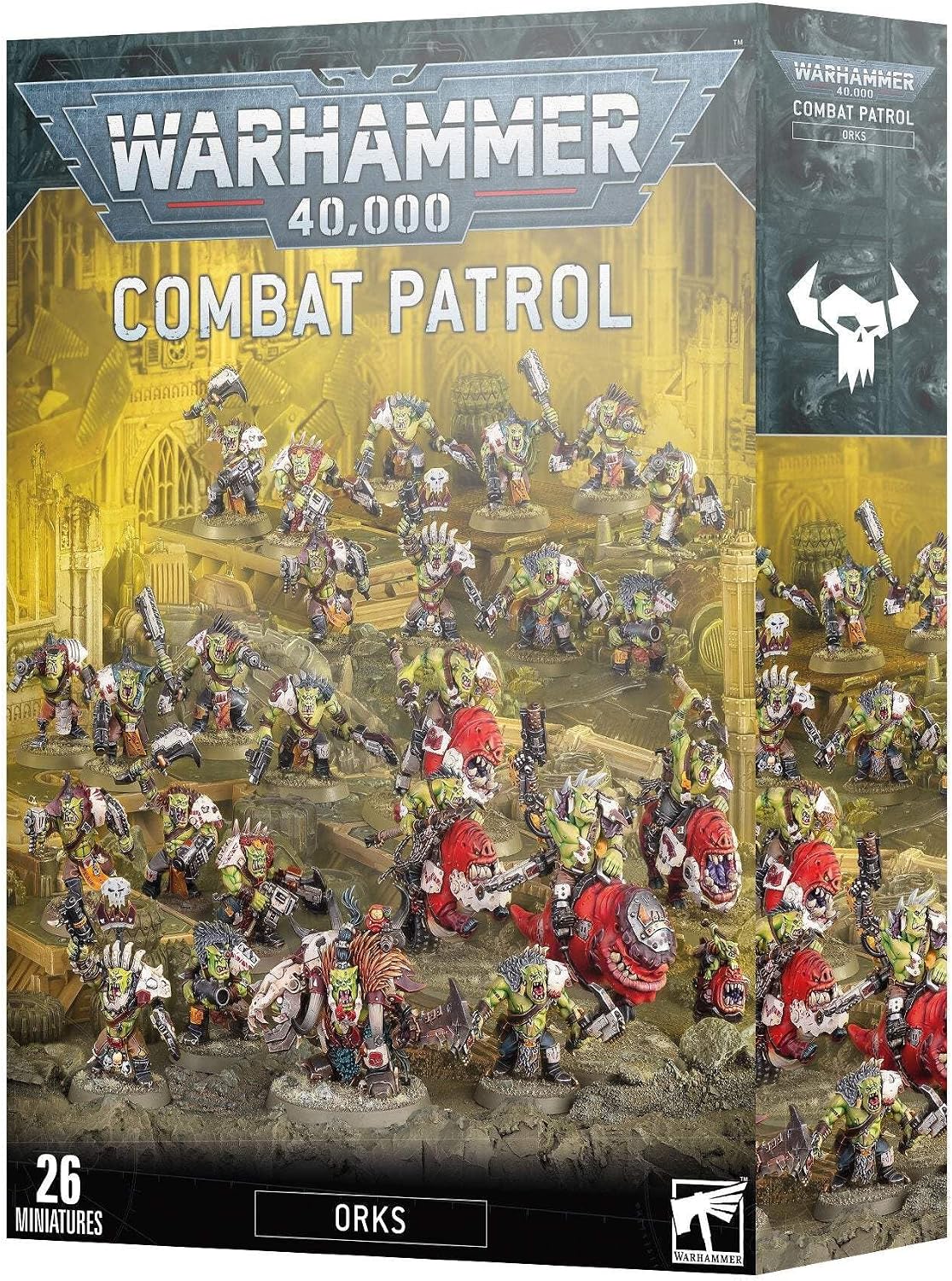
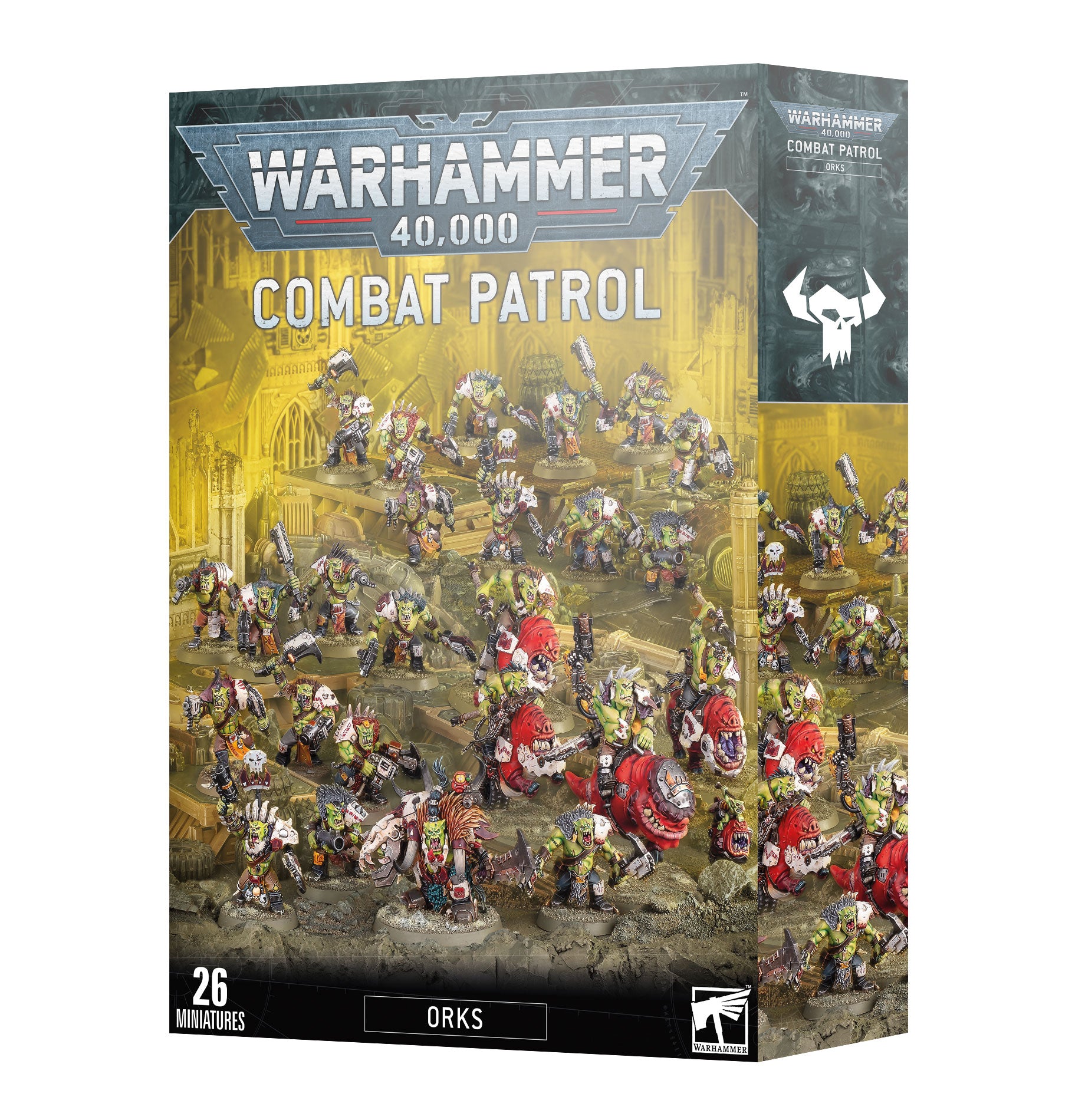
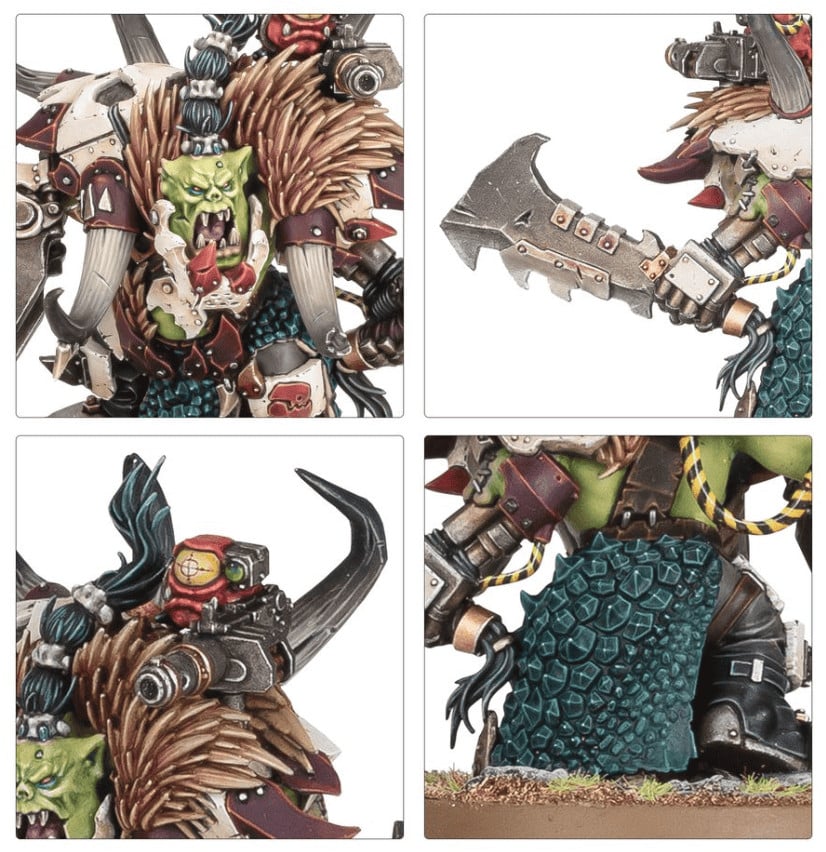
I'll say the quiet part loud: Orks might be the most forgiving first army in the game, and they're the other faction GW just put on the cover of 11th Edition. The Beast Snagga box is the highest model count of the lot — 25 models — built around a Beastboss, twenty Beast Snagga Boyz, and four Squighog Boyz riding actual war-squigs (tiny armored dino-toads) with a Bomb Squig along for the ride.
Here's the beginner magic. Orks have a built-in mechanic — Waaagh! and 'Get Stuck In' — that rewards the exact thing new players do instinctively: charge forward and roll a fistful of dice. The army wants you to be reckless. There's no fragile finesse to fumble, no perfect-positioning puzzle that punishes a rookie. Your plan is 'go forward,' your contingency is 'hit it harder,' and the dice deliver enough chaotic swings that even a loss is a great story.
The catch: they're heavily melee, so a dedicated shooting army will punish you, and at the very top competitive level Orks ebb and flow with the meta. None of that matters for your first fifty games.
Two more reasons I love them for newcomers. The Ork community is famously the friendliest, most welcoming corner of the hobby — Ork players will adopt you. And the kits are the funnest to build and paint: stuff a Boy's belt with extra dakka, paint the squigs neon, and lean into the rule that 'red wunz go fasta.' There's no wrong way to make an Ork.
How Do I Actually Build and Paint One Without Drowning?
This is where most newcomers freeze, so let me give you the realistic timeline and the one technique that changes everything. Assembly of a Combat Patrol runs roughly 3-6 hours; modern GW plastic is push-fit-friendly and the instructions are excellent, so don't overthink it. Painting is where the hours actually live — budget 15-40 hours for a clean tabletop ('battle-ready') standard, more if you chase display quality. Most people, me included, build over two or three evenings and play their first game with bare grey plastic, which is completely normal and welcome at any friendly table.
Now the cheat code: Contrast paints over a Wraithbone or Grey Seer primer. One thinned coat of a Contrast color pools in the recesses and wicks off the raised edges, doing your shading and highlighting in a single pass. A whole squad can go from primer to battle-ready in an afternoon. This is genuinely how experienced hobbyists knock out hordes — it's not a beginner shortcut, it's the method for big model counts (looking at you, 25-Ork box and Genestealer swarm).
For paints, the Citadel Colour: Battle Ready set is the sane all-in-one starting point rather than buying 30 pots à la carte. And do not try to win a Golden Demon on model one — your first mini is your worst mini, and that's the deal for everyone. Slap paint on, base it, get it on the table, and let your tenth model be the pretty one. The hobby rewards starting, not perfecting.
Combat Patrol vs. Kill Team: Which Door Should You Walk Through?
These are two different games wearing the same grimdark coat, and picking the right one saves you real money. Combat Patrol is small-scale full 40K — you command a whole little army, learn the actual rules that scale up to 1,000 and 2,000-point games, and the box is your list. It's the path if you want the 'general commanding a force' fantasy and a clean runway into the big game.
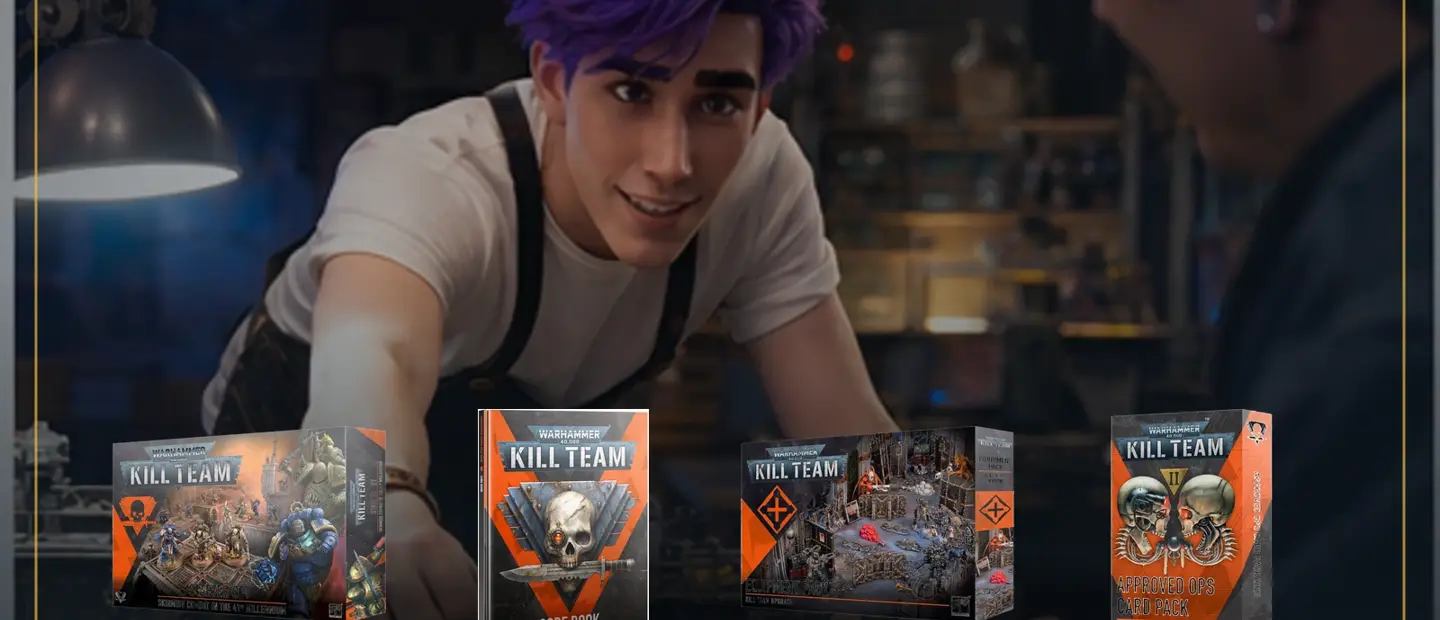
Kill Team is the intimate skirmish cousin: you control a single squad of individual specialist operatives on a dense terrain board, with deep tactical, hide-and-seek, narrative-campaign gameplay. It does not translate directly to 40K deployment or army tactics — it's its own excellent system. Pick it if you're tight on space, tight on time, or you love single-model heroics and story-driven play.
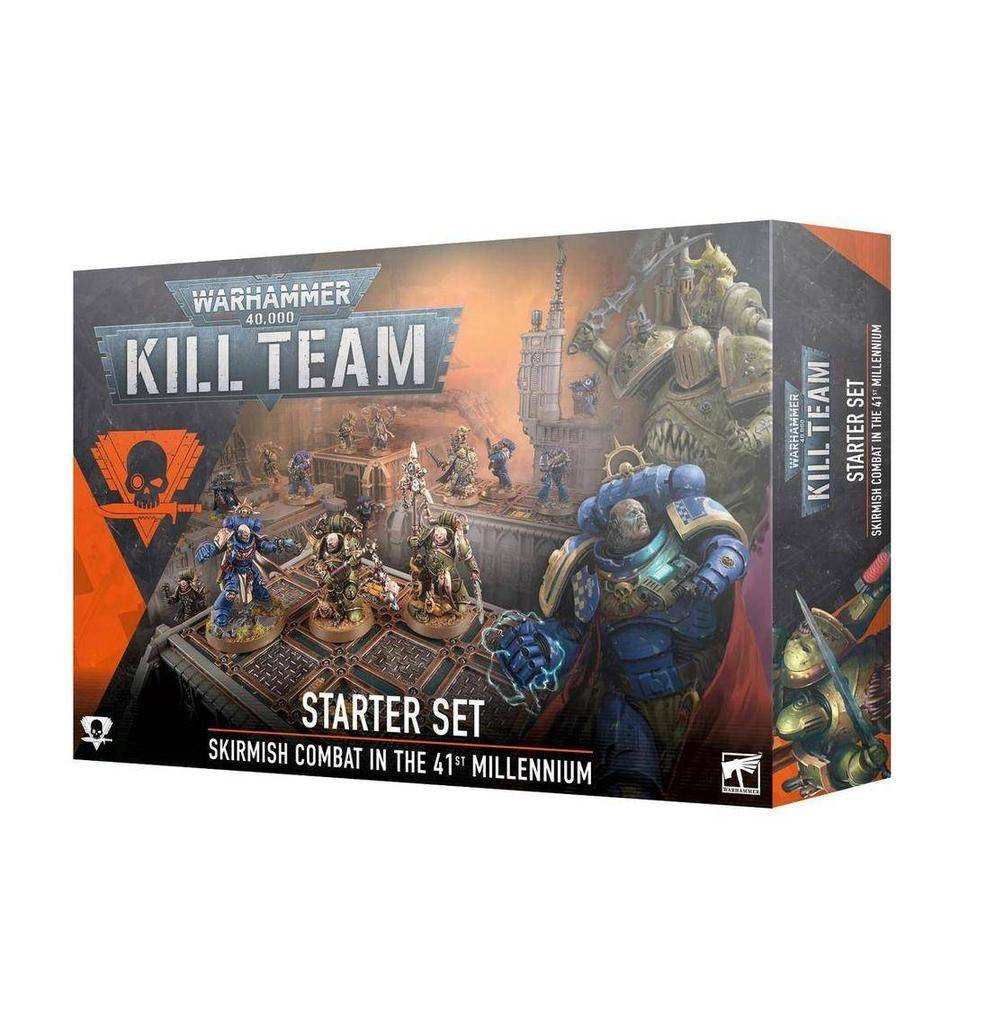
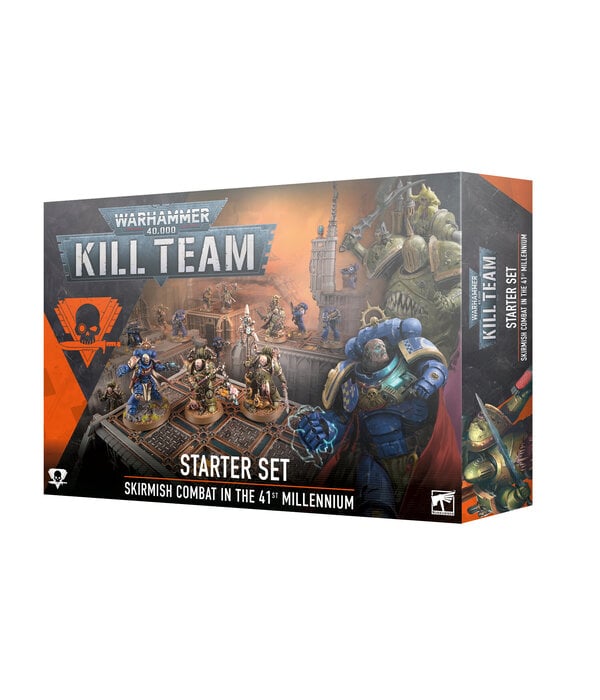
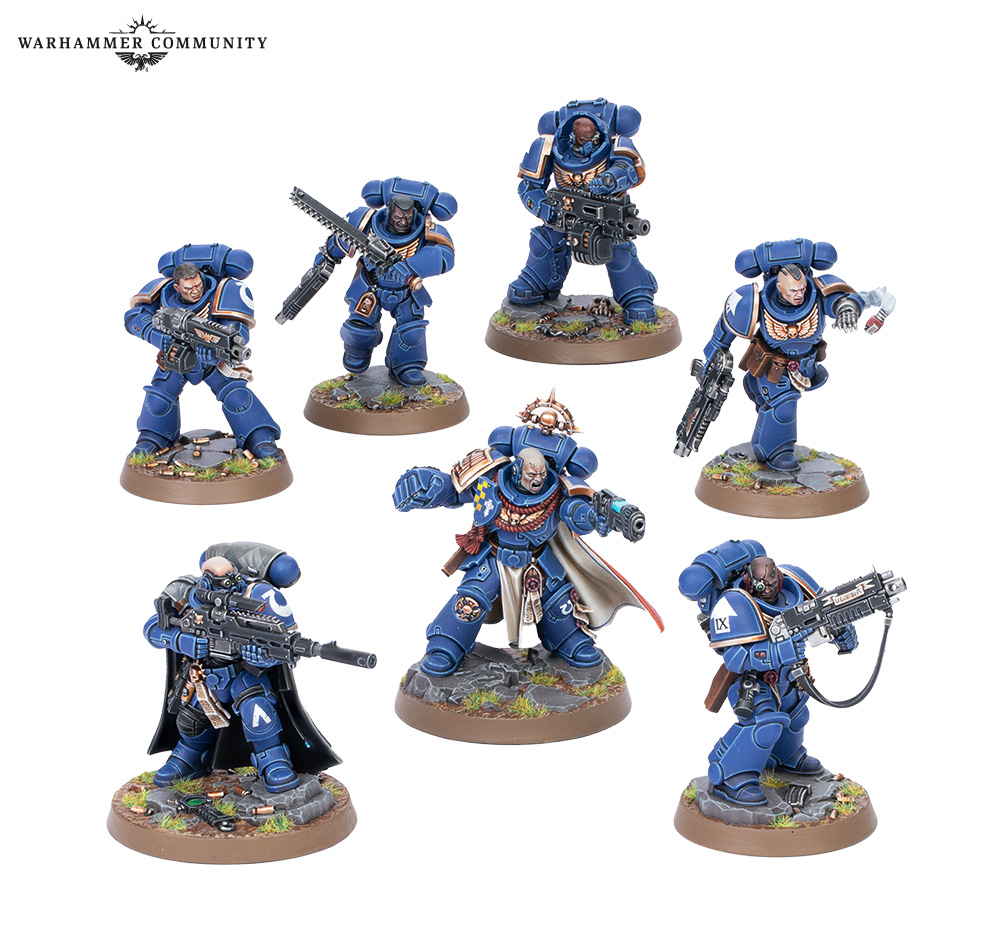
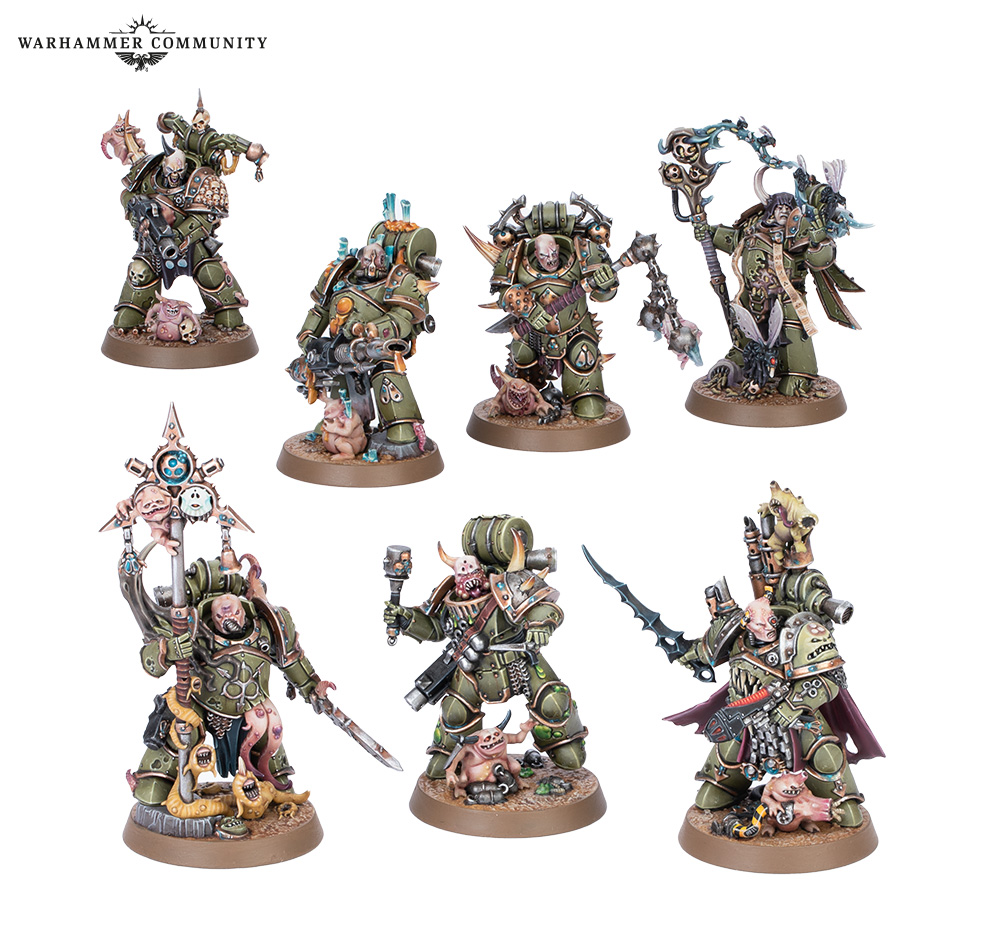
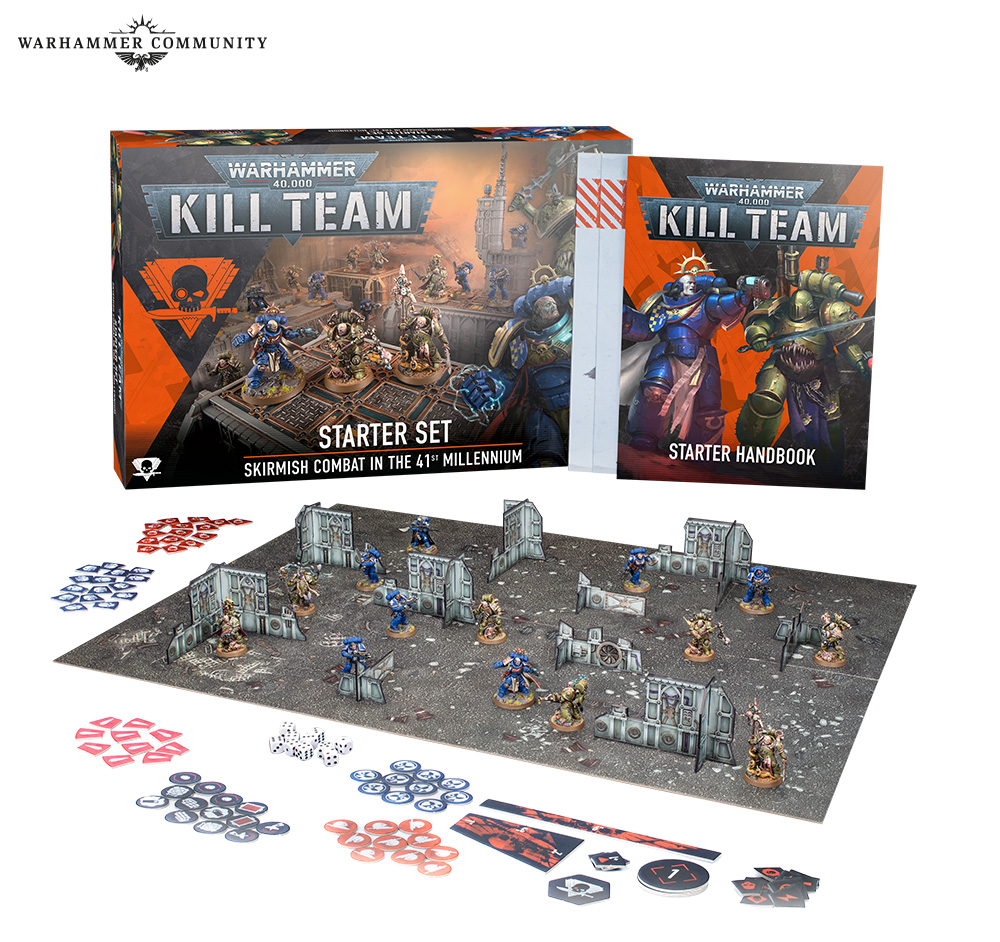
A pricing catch worth flagging: the full Kill Team Starter Set is $112 at MSRP (the 14-model Angels-of-Death-vs-Plague-Marines box), not the lower number you'll sometimes see floating around. But here's the genuinely-underground tip — GW released a stripped-down Kill Team Beginner Set for about $50, the cheapest door into 40K plastic in years. Fewer models and terrain, but the parts people actually care about. If money is the deciding factor, that $50 box, not a $170 Combat Patrol, is your true cheapest start.
Money-saver for any of these: never pay GW full MSRP. Independent and online retailers routinely run 10-15% off Combat Patrols and bundle starter sets — a five-minute search before you check out is the easiest discount in the hobby.

The picks
Some links below are affiliate links — as an Amazon Associate, Puzzlewick earns from qualifying purchases, at no extra cost to you. It never changes a pick.
 11 photos
 Combat Patrol: Blood Angels
This is the pick for someone who wants to charge across the board and punch things in the face. Beautiful models, straightforward rules, and games that move fast. The Sanguinary Guard alone are worth the price of entry—they're sculpted with so much character and detail.
- Excellent value: ~$71 savings vs. buying separately
- Fast, exciting gameplay that keeps new players engaged
- Incredibly detailed, beautiful models that look great on a display shelf
- Skews heavily toward melee, so matchups against dedicated shooters feel uphill
- Smaller model count than some patrols, less forgiving of list-building mistakes
 11 photos
 Combat Patrol: Necrons
Necrons are the cerebral choice. Fewer models than other patrols, but every one of them earns its place. The core of Warriors-plus-destroyers teaches you positioning and army synergy in ways other factions gloss over. Watch a new Necron player go from confused to crushing it around game three—it's a joy.
- Teaches defensive gameplay and positioning without oversimplifying
- Stunning paint schemes with minimal effort—metallics and glows make these shine
- Resilient playstyle rewards patience and planning
- Great secondary/backup market availability
- Lower monetary savings (~$35) compared to other patrols
- Can feel slow-paced early on while you're learning the army's rhythm
 15 photos
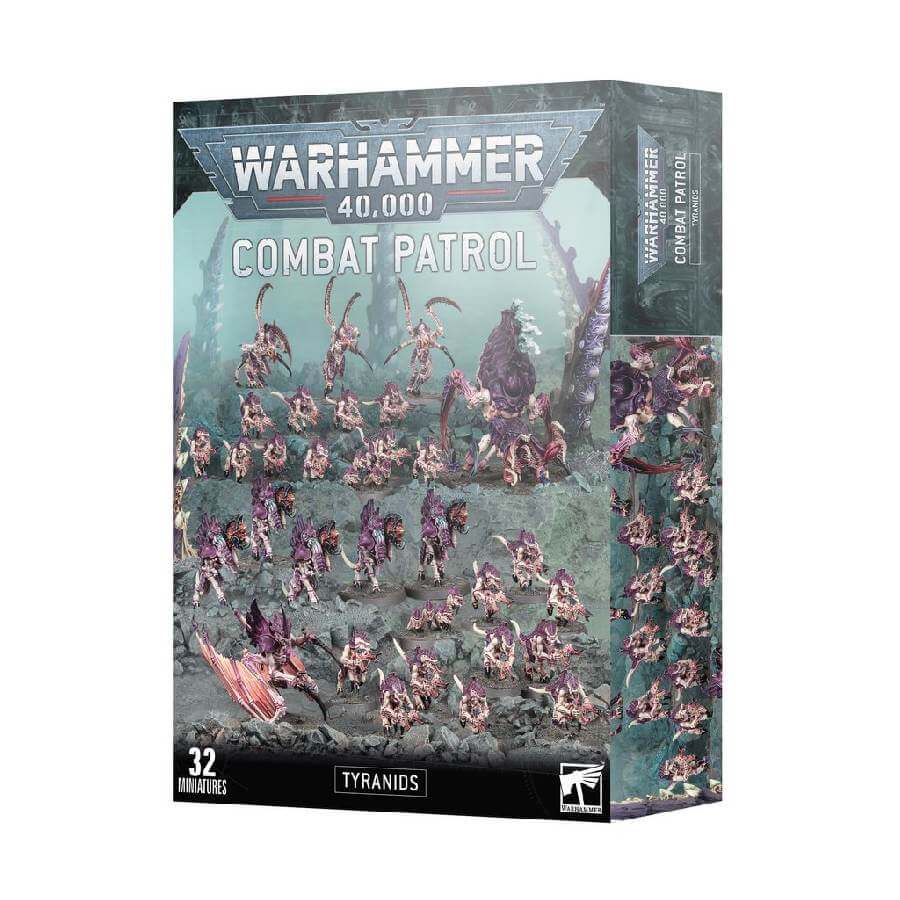
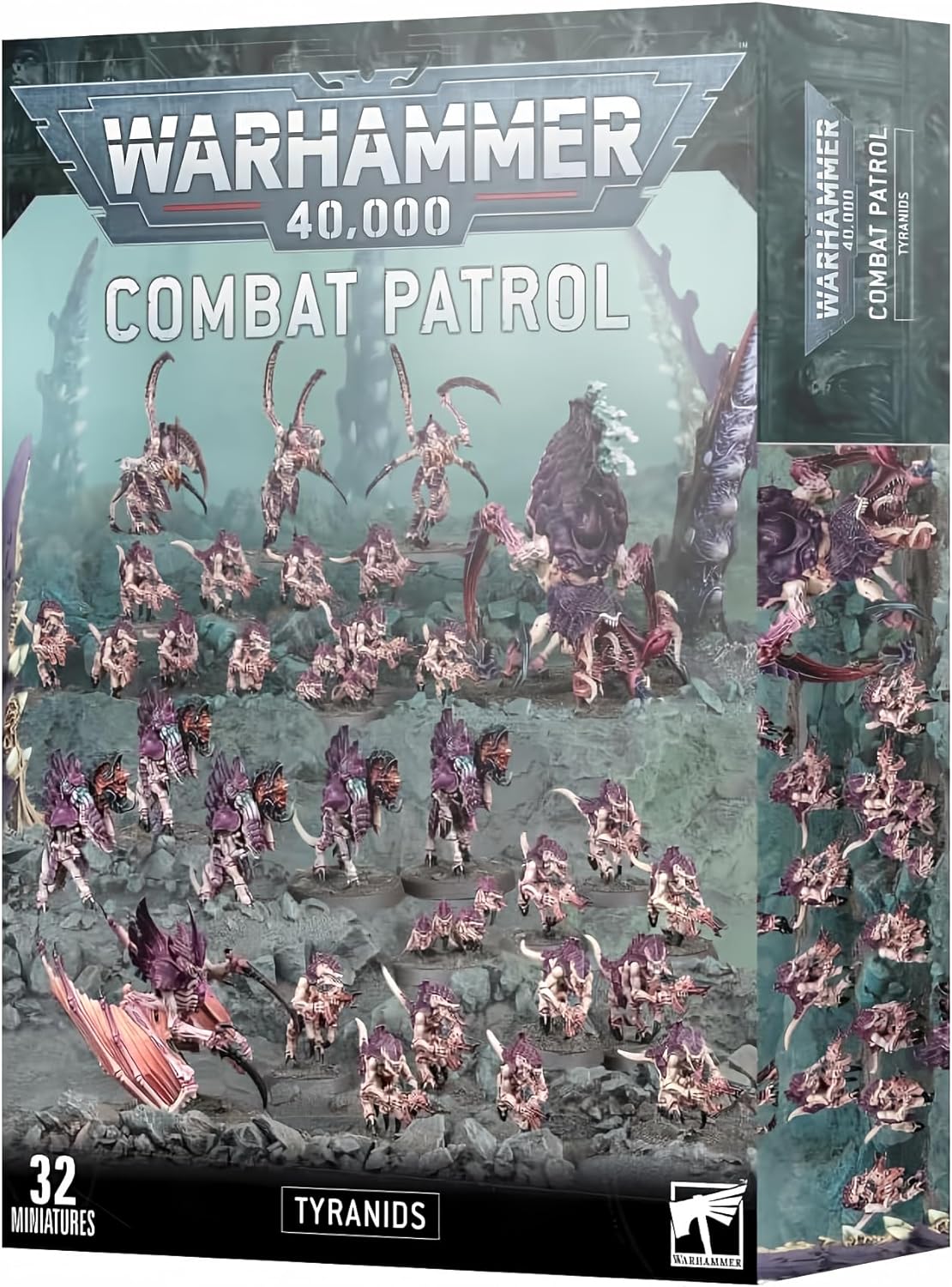
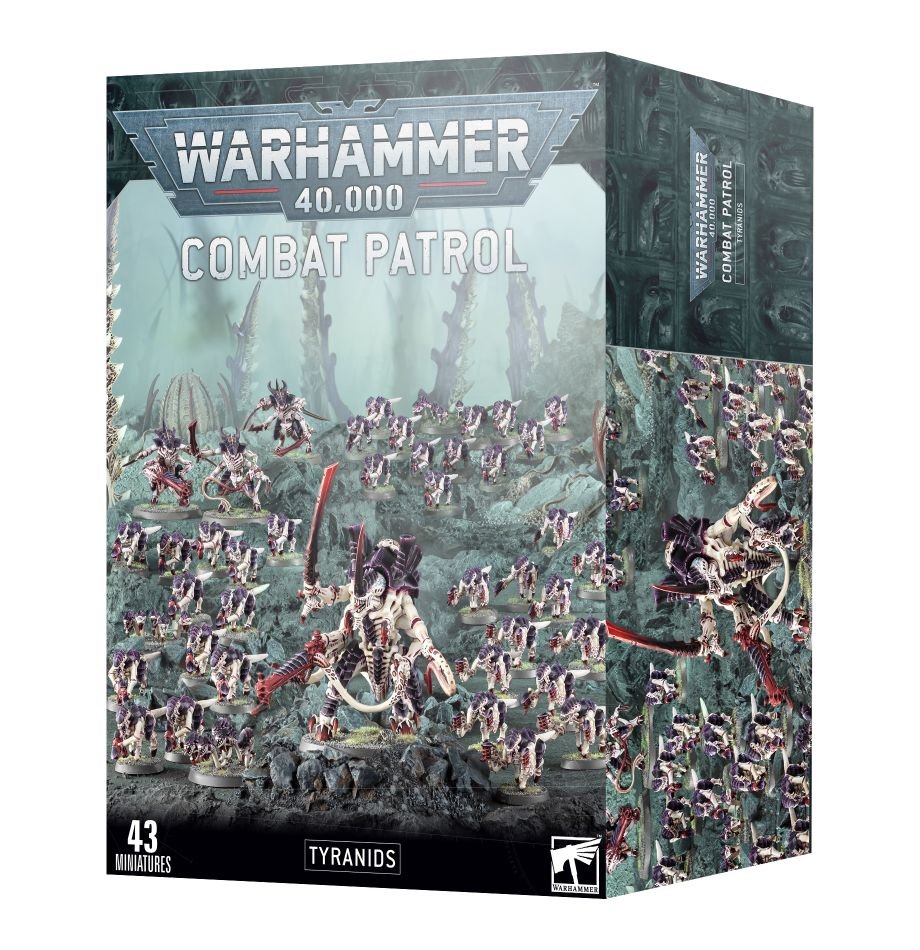
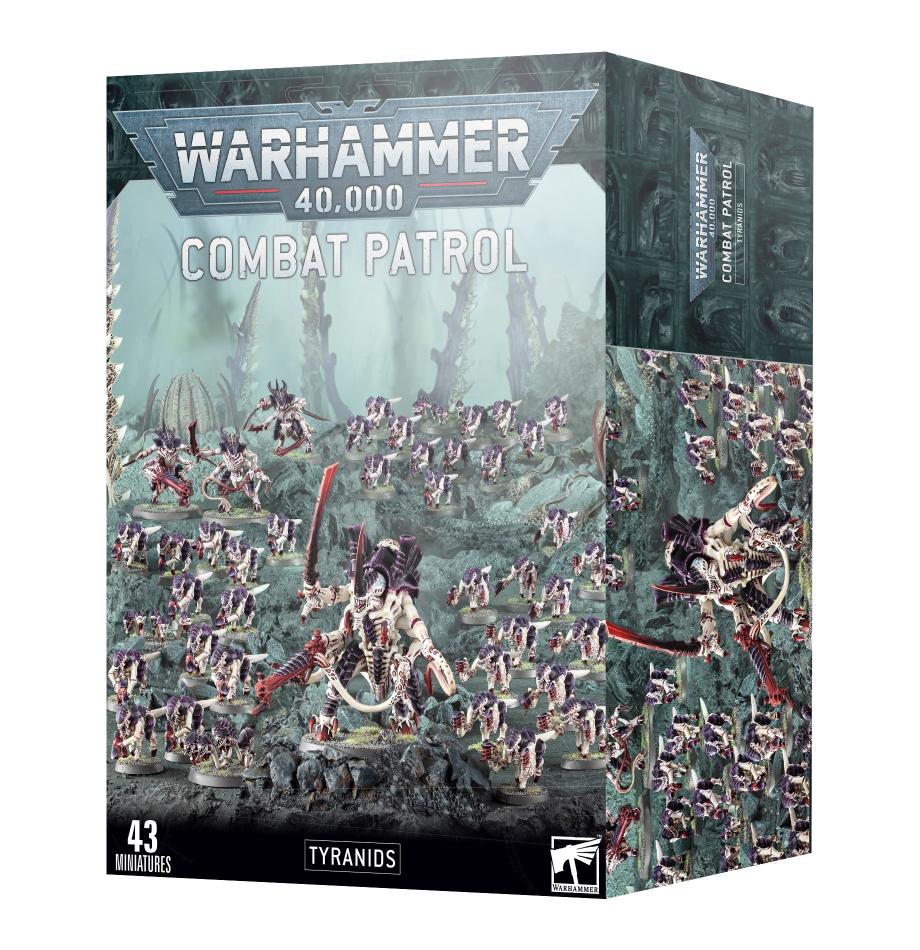
 Combat Patrol: Tyranids
The Tyranid patrol is chaos in the best way. You've got a flying character, fast swarming infantry, heavy melee threats, and weird support units. Every game feels different depending on what you prioritize. The Parasite of Mortrex is a centerpiece model that turns heads.
- Great model variety keeps painting interesting
- Mid-table value: ~$71 savings
- Flexible playstyle teaches adaptability
- Genuinely gorgeous sculpts with lots of interesting detail
- Higher model count means more to paint before your first game
- Genestealers are good but fragile early on—you'll lose them quickly
 8 photos
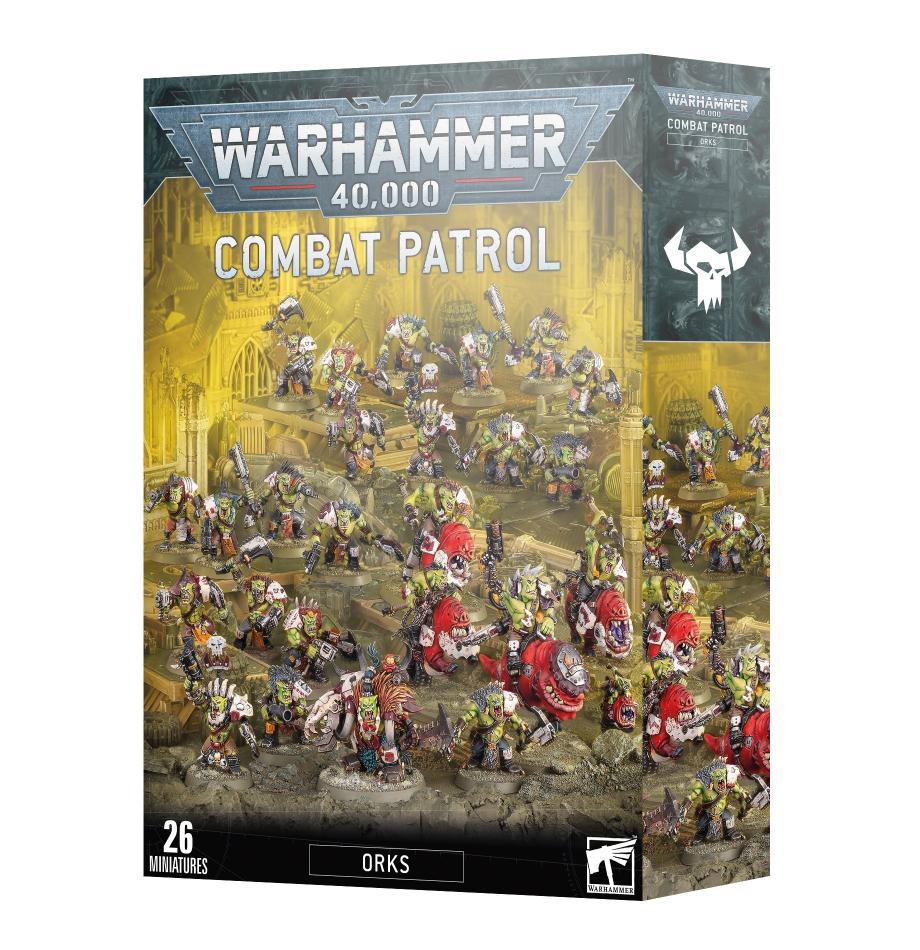
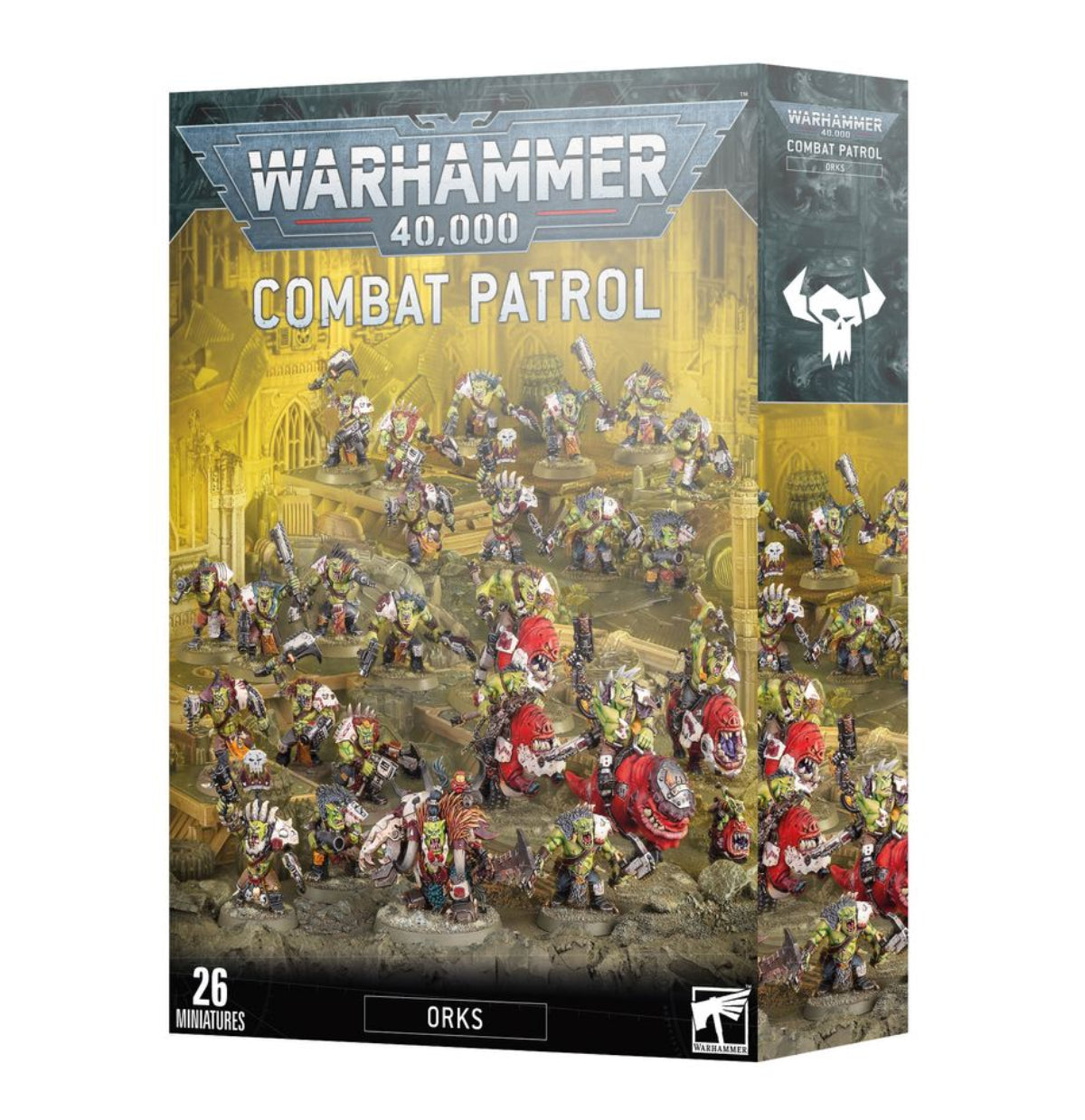
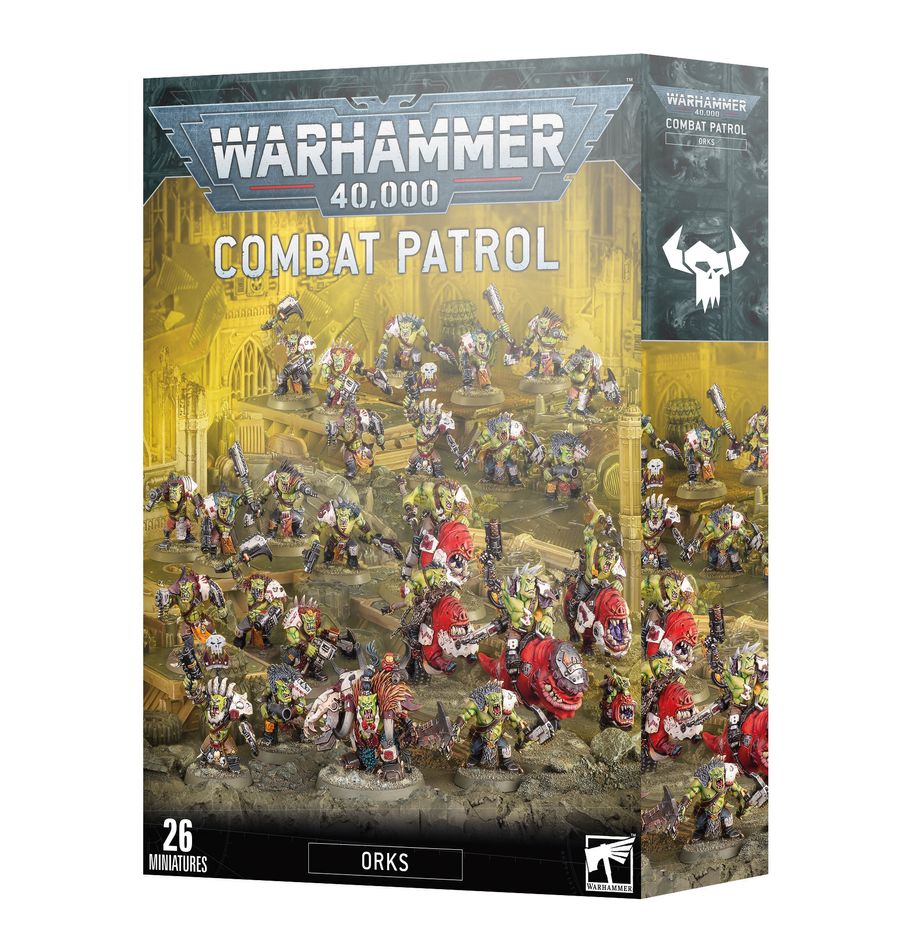
 Combat Patrol: Orks
Orks are the faction for people who want their 40K with a side of laughter. The Beast Snagga theme is wild—you're riding squigs, throwing bombs, and making every game a memorable story. The patrol saves you ~$62 compared to buying separately, and you'll spend more time grinning than stressing.
- Highest model count (25 models) gives you something to build and paint for weeks
- Fun, forgiving playstyle that encourages humor and creativity
- Great community support—Ork players are incredibly welcoming to newcomers
- Underpriced value: ~$62.50 savings
- Extremely melee-focused, so ranged armies will dominate
- Lower competitive viability if that matters to you later
 12 photos
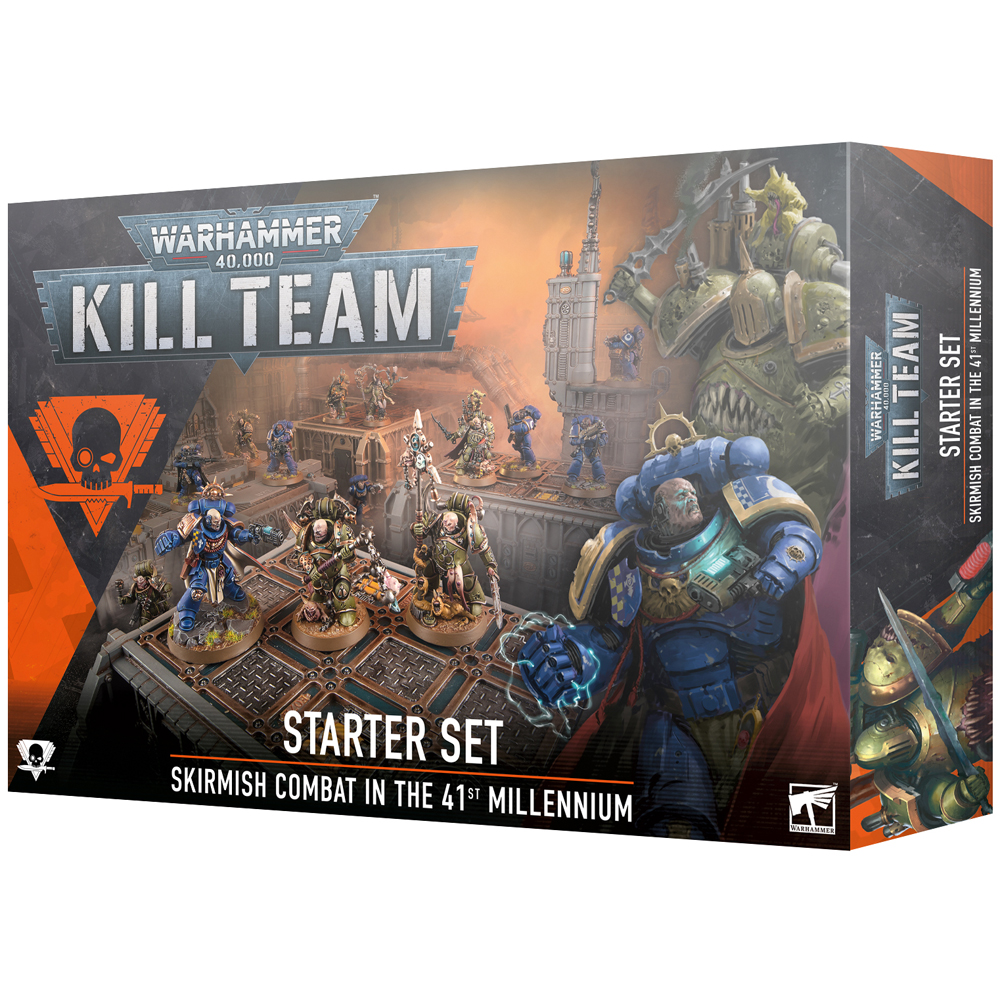
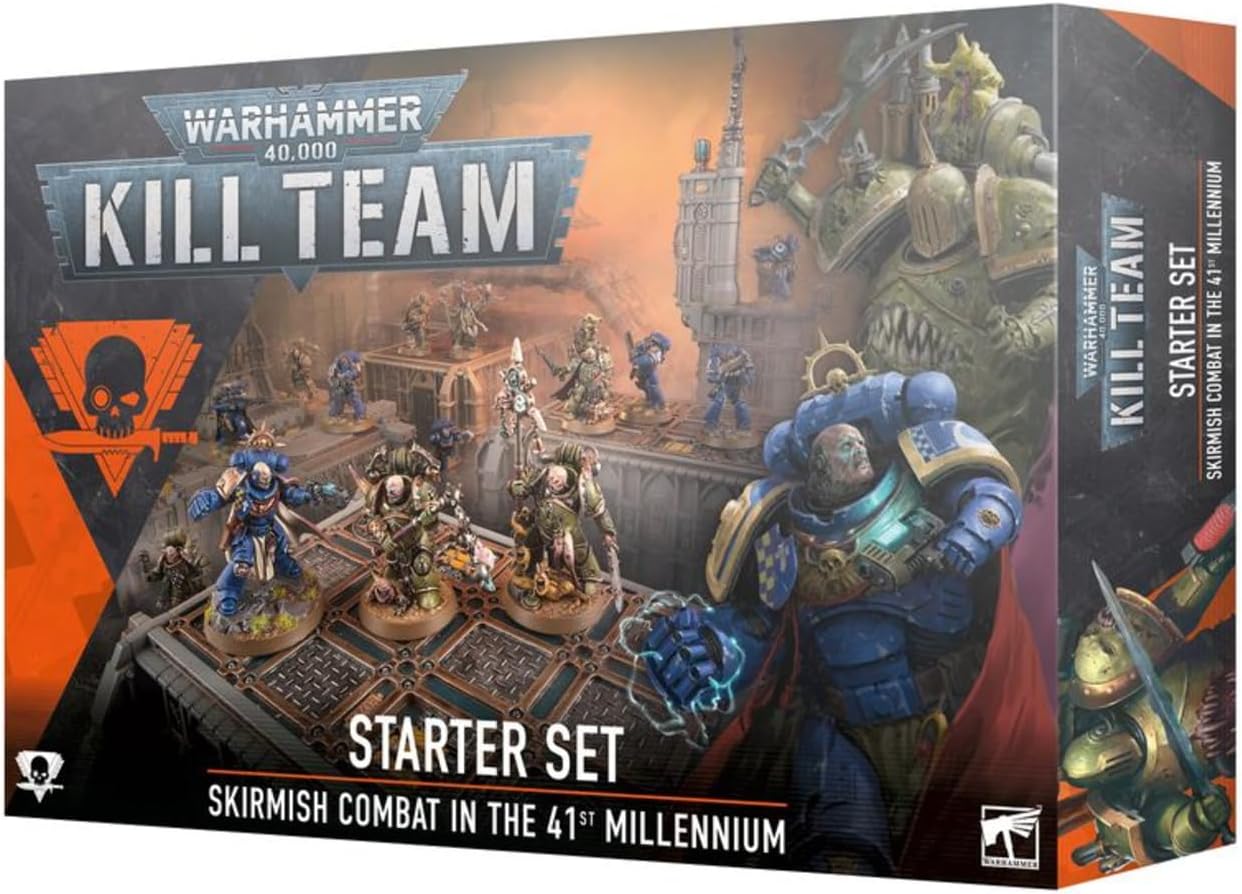
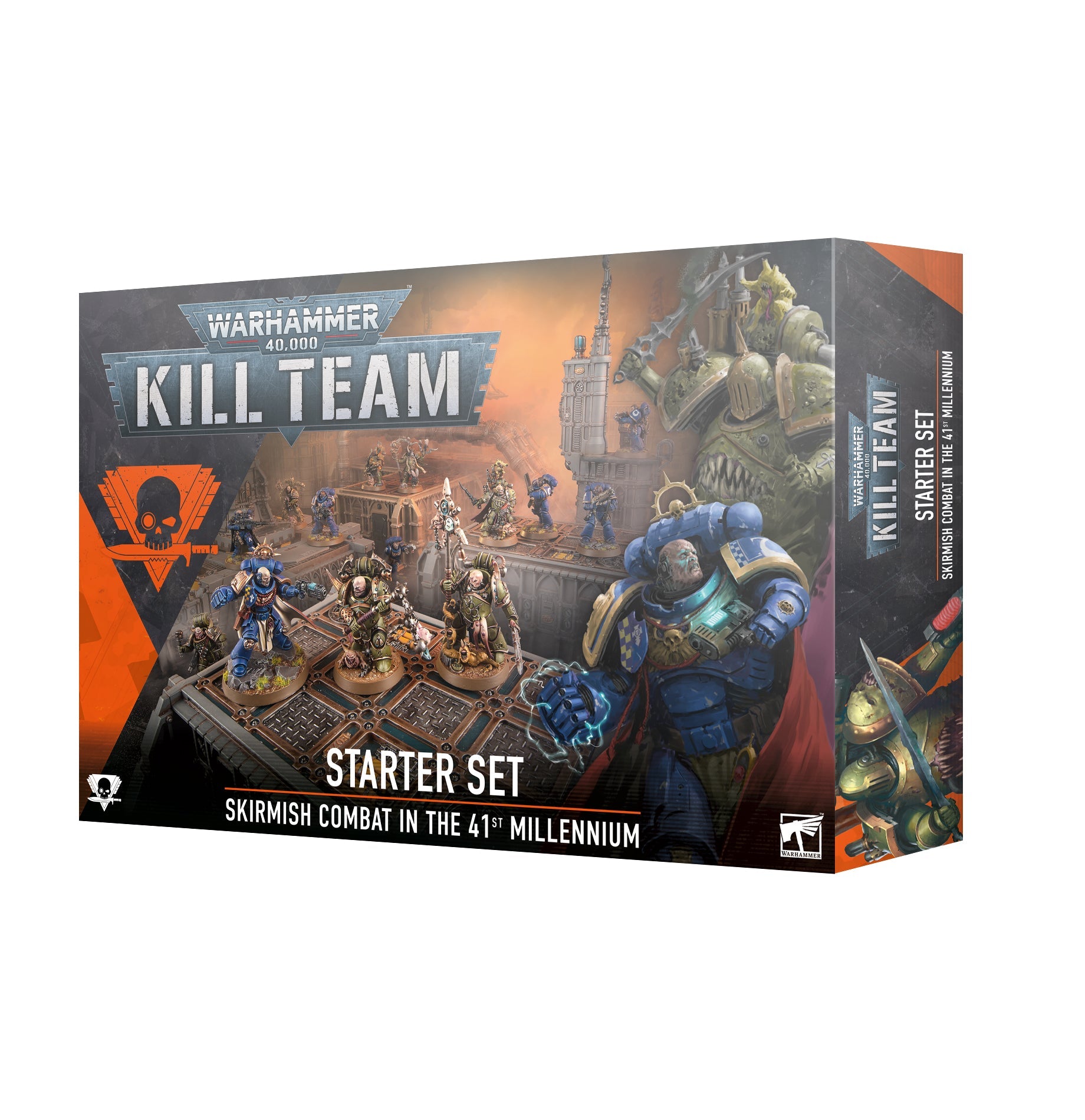
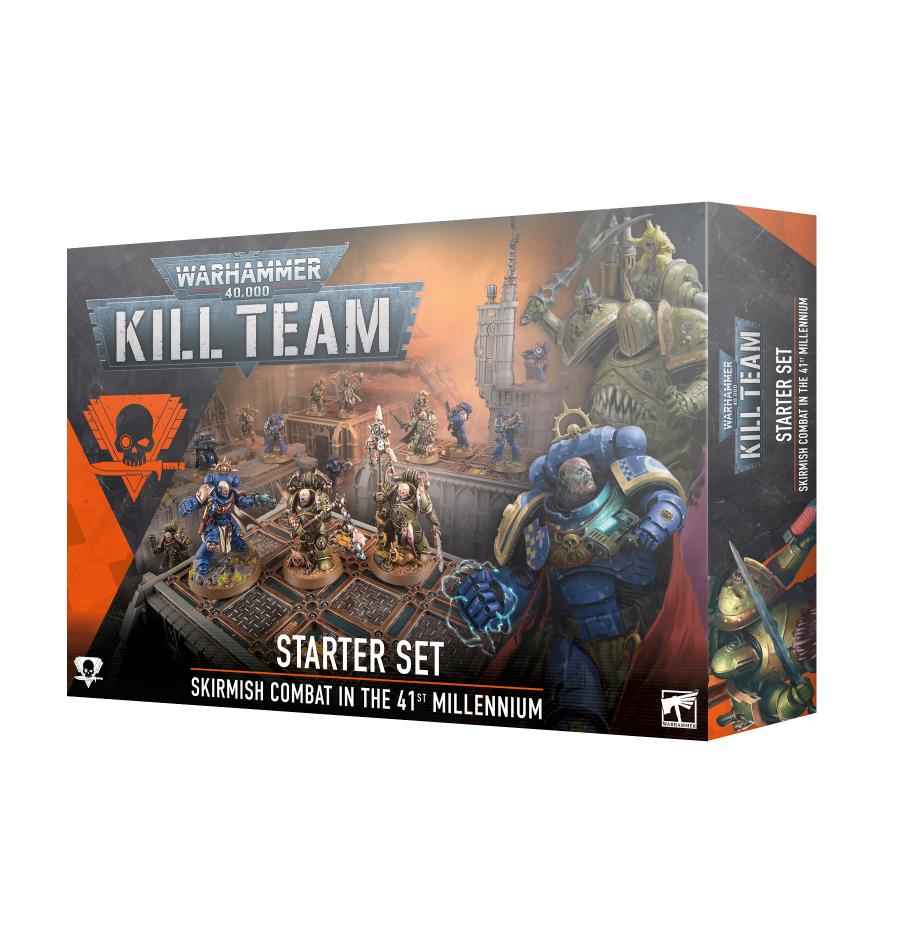
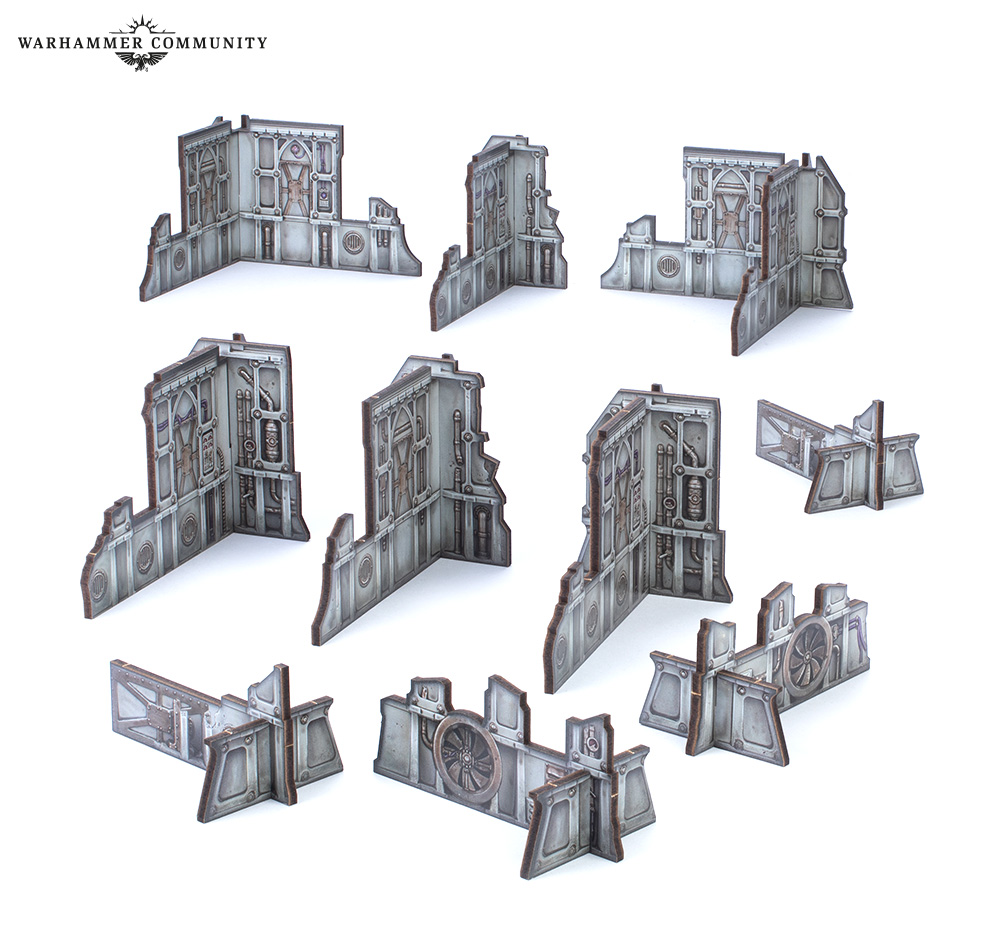
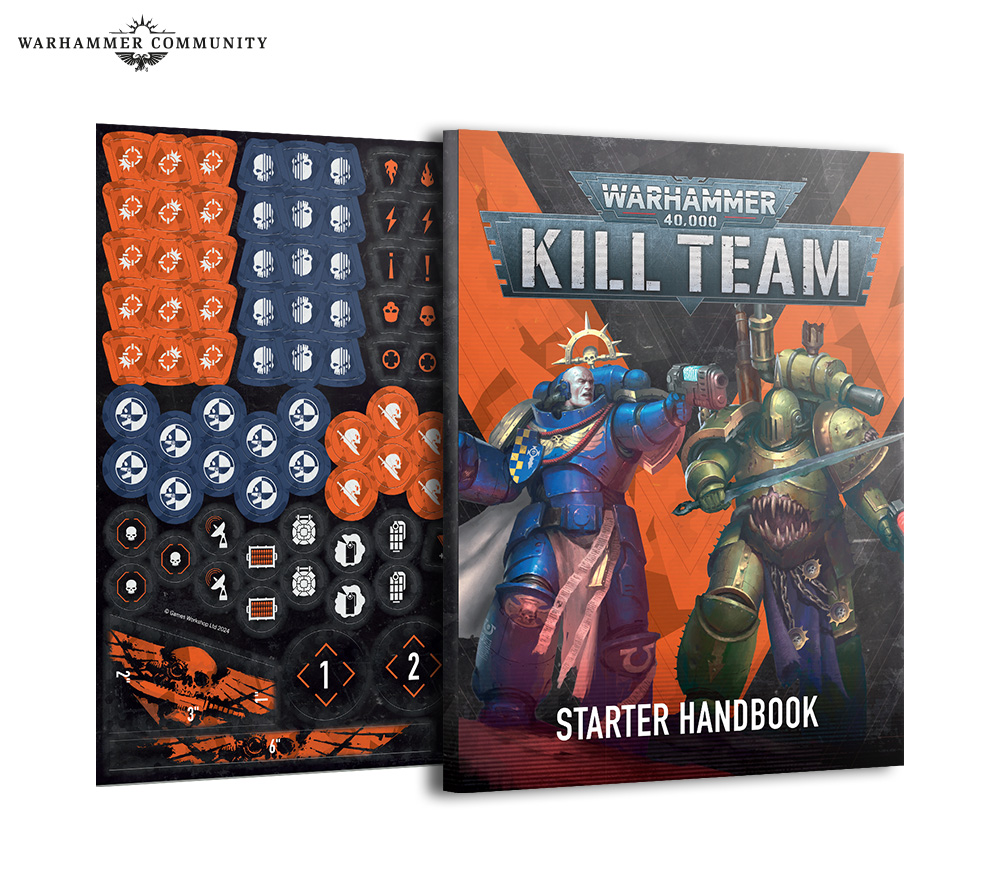
 Kill Team: Starter Set
This isn't 40K—it's the intimate cousin. Two fully-equipped squads, smaller board, individual model heroics. At $95, it's cheaper than a single Combat Patrol, but it teaches a different (still excellent) game. Perfect if you want narrative campaigns and don't have room for a 4'x6' table.
- Least expensive entry point for Games Workshop's 40K universe
- Smaller model count, smaller footprint, shorter games
- Incredible for narrative play and campaign storytelling
- Different game system—doesn't translate directly to 40K deployment tactics
- Smaller models and table means less 'army general' feeling
- Limited faction variety compared to Combat Patrol
Puzzlewick field notes · 2026 patrol reality
What a first Combat Patrol actually asks of your room and wallet
Combat Patrol is a fixed-roster teaching format. The useful comparison is not only model count; it is table footprint, rules overhead, hobby commitment, and whether you need one army or two.
Official dimensions; Puzzlewick multiplies width by depth to show the actual clear-table footprint.
Games Workshop provides supported Patrol rules through the official app and downloads.
Combat Patrol uses preset forces and tailored datasheets rather than points-list construction.
It bundles Space Marines, Orks, and terrain; buy separate patrols when both players already know their factions.
At a glance
| Faction | Model Count | Play Style | Price | Value Savings | Best for |
|---|---|---|---|---|---|
| Blood Angels | 17 models | Aggressive melee, fast games | $170 | ~$71.50 | Action-loving new players |
| Necrons | 17 models | Defensive, methodical, positioning-heavy | $170 | ~$34.50 | Strategic, patient players |
| Tyranids | 15 models | Swarming, flexible, varied roles | $170 | ~$71.50 | Players who want variety and adaptability |
| Orks | 25 models | Aggressive, chaotic, fun-first | $170 | ~$62.50 | Creative, humor-loving builders |
| Kill Team Starter | 20 models (2 squads) | Tactical skirmish, narrative campaigns | $112 | Varies | Space/time-limited players, narrative fans |
Questions, answered
Can I really play my first game right out of the box?
Yes, absolutely. Combat Patrol comes with everything you need—the models are a complete force, and the Combat Patrol Companion book (included separately or available as a $50 hardback) has all the rules, lore, and beginner guidance you need. You don't even need to build a list; the box is your list. Just assemble, paint if you want, and play.
How long does it take to build and paint a Combat Patrol?
Assembly takes 3–6 hours depending on your speed and experience. Painting is where time really lives—expect 15–40 hours for a tabletop-standard finish (battle-ready), or 50+ if you want to go fancy. Most new players build a patrol over 2–3 weekends and play before everything is painted. Games Workshop's tutorials make painting less scary than you'd think.
Which Combat Patrol has the best beginner rules?
Blood Angels are probably the gentlest introduction to 40K mechanics—straightforward charge-and-hit gameplay with minimal special rules to memorize. Necrons come a close second. Tyranids and Orks are equally beginner-friendly but require juggling more unit types and special interactions, which is only harder if you dislike reading rules.
Can I expand a Combat Patrol into a bigger army?
That's the whole point! Combat Patrol is your foundation. After a few games, you'll know what units you want to add. A typical next step is adding one more box of your favorite unit or a character unit. Most Combat Patrols expand cleanly into 1,000–2,000 point armies with just 2–3 additional purchases.
Should I buy two patrols to play against my friend?
You could, but honestly, the Warhammer 40K Starter Set (usually available every June) offers better value if you're buying two armies at once. That said, two Combat Patrols of different factions is a solid way to learn if you both want different aesthetics. Just know you'll be spending $340 vs. $190–210 for a starter set.
Do I need to paint my models before playing?
Not at all. Unpainted plastic is totally welcome at hobby stores and friendly game nights. That said, painting makes the hobby way more fun and rewarding. Most people play their first game unpainted, then paint while waiting for their next match. It's part of the journey, not a barrier to entry.
Imani's verdict
Picking your first Combat Patrol is the most fun decision you'll make this year. There's no wrong choice—only different flavors of awesome. Blood Angels if you want fast, satisfying games; Necrons if you want to out-think your opponent; Tyranids if you want a little bit of everything; Orks if you want to laugh while you play. All of them teach you 40K, all of them look incredible, and all of them will absolutely hook you into this hobby. The real magic isn't in any single box—it's in the community of people (and I mean all kinds of people) who are building and painting and playing alongside you right now. Grab a patrol, make your first model beautiful or hilarious or both, and roll those dice. Welcome to the grimdark future.
Research ledger 14 sources · reviewed 2026-08-10
Specifications, rules, current product information, community experience, and contrary evidence were checked against the sources below. Commercial links are kept separate from editorial evidence.
- Official Combat Patrol app announcement — Games Workshopwarhammer-community.com/en-gb/articles/2akzkx92/combat-patrol-is-now-live-in-your-app
- Official Combat Patrol rules and missions — Games Workshopwarhammer-community.com/en-gb/articles/TDeIzUX3/combat-patrol-rules-and-missions-everything-you-need-to-play-this-fresh-new-mode
- Official Combat Patrol rulebook PDF — Games Workshopassets.warhammer-community.com/warhammer40000_combatpatrol_rules_eng.24.09-rbtns7zwbh.pdf
- spikeybits.comspikeybits.com/warhammer-40k-combat-patrol-guide
- spikeybits.comspikeybits.com/new-blood-angels-combat-patrol-guide
- spikeybits.comspikeybits.com/necrons-combat-patrol
- spikeybits.comspikeybits.com/40k-orks-combat-patrol-value-what-is-it-worth
- spikeybits.comspikeybits.com/10th-edition-40k-tyranids-combat-patrol-value-pricing
- tistaminis.comtistaminis.com/blogs/blog/top-warhammer-armies-for-beginners-in-2026
- warhammer40000.comwarhammer40000.com
- ageofsigmar.comageofsigmar.com
- reddit.comreddit.com/r/Warhammer40k/comments/1q8p8wy/what_combat_patrol_box_is_beginner_friendly
- reddit.comreddit.com/r/Warhammer40k/comments/1v3azgn/help_me_choose_my_first_combat_patrol
- reddit.comreddit.com/r/Warhammer40k/comments/1v4wslb/combat_patrol
Okay but have you seen what everyone’s saying about this?

Keep exploring
The next smart rabbit holes.
✠ Universe HubWarhammer: the whole buying pathWarhammer is Games Workshop's tabletop colossus — the grimdark far future of Warhammer 40,000 and the high fantasy of Age of...⚙ Topic PathMiniatures and Wargames: compare the whole shelfThe cheapest box is not always the cheapest way in. These guides connect rules format, faction fit, terrain, tools, paint, and the...MasterclassHow to Start Warhammer 40,000 in 2026The current starter boxes, the honest first budget, faction choice, painting, first-game flow, and the traps that turn a fun army into a...