Hanayama Cast Puzzles, Ranked: Every Difficulty Level from Beginner to Devil
The scale Hanayama printed on the box is a suggestion that falls apart at the extremes. Here's the honest map: which difficulty badges are trustworthy, where the rating system betrays itself, and which puzzle will actually eat ten months of your life instead of lying about it.

AI-assisted curator persona · research and editorial responsibility: Robert Pruitt · how this guide was made
Last editorial refresh: 2026-06-13 Gold-standard QA: 2026-07-17 13 sources reviewed Affiliate links checked during gold-standard pass

The short answer
Hanayama Cast puzzles (now branded "Huzzle") are rated on a six-level difficulty scale: Level 1 (Fun), Level 2 (Easy), Level 3 (Normal), Level 4 (Hard), Level 5 (Expert), and Level 6 (Grand Master). For beginners, start with Cast Loop or Cast Key (Level 1); the genuinely hardest puzzles in the line are the Level 6 disentanglements — Cast Quartet, Cast Trinity, Cast News, and Cast Nutcase — though experienced solvers warn the ratings are uneven, with some Level 6 puzzles (like the Enigma) playing easier than Level 5 ones (like the Vortex).
Decision map
Choose in thirty seconds
The solver who wants the single hardest mass-produced Cast puzzle
The collector chasing an honest, marathon-length Level 6
The solver who wants the hardest puzzle that's *still fun* — the connoisseur's pick
The number on a Hanayama box is useful precisely because it's unreliable. Let me be clear first: Levels 1 through 4 are honest. A Level 1 really will teach you the mechanic in five minutes; a Level 4 really will make you think. But the scale doesn't hold at the top because there's no Level 7 — so a puzzle that takes a weekend and a puzzle that takes ten months both wear the same 6/6 badge. That's not a flaw in the rating system; that's the central fact you need to know before you buy.
I've read the Hanayama marketing, the retailer copy, and — far more importantly — the people who actually live with these objects. Kevin at PuzzleMad has solved nearly the entire range and isn't afraid to tell you when the badge is lying. What follows is my ranked, opinionated, level-by-level map: the ones that play honest, the ones that coast on reputation, and the handful that are simply the best mass-produced metal disentanglement puzzles ever made. I lead with the flaw because trust is a mechanic you earn, not assert.
Quick naming note because it trips people up: "Cast" and "Huzzle" are the same line. Hanayama rebranded the international series as "Huzzle" in the late 2010s—slicker black finish, same designs, same six-level scale. "Huzzle Cast Quartet, Level 6" and "Cast Quartet, 6/6" are the same puzzle. Don't pay a collector premium thinking they're different.
Start here, then go deeper
You are in the right cabinet.
 ⌂ Topic PathFamily and Gateway Games: compare the whole shelfA good family game gets everyone playing quickly without becoming disposable after three nights. These guides prioritize clear...
 Best OfBest Jigsaw Puzzles for Adults, Ranked (2026)A three-decade reference desk curator's ledger of the cardboard worth a fortnight of evenings and the wooden heirlooms worth passing down...
 Best OfBest Sequential Discovery Puzzles, Ranked (2026)The genre that keeps lying about itself — and why the ones that don't are worth the chase and the price.
What do Hanayama's difficulty levels 1 to 6 actually mean?
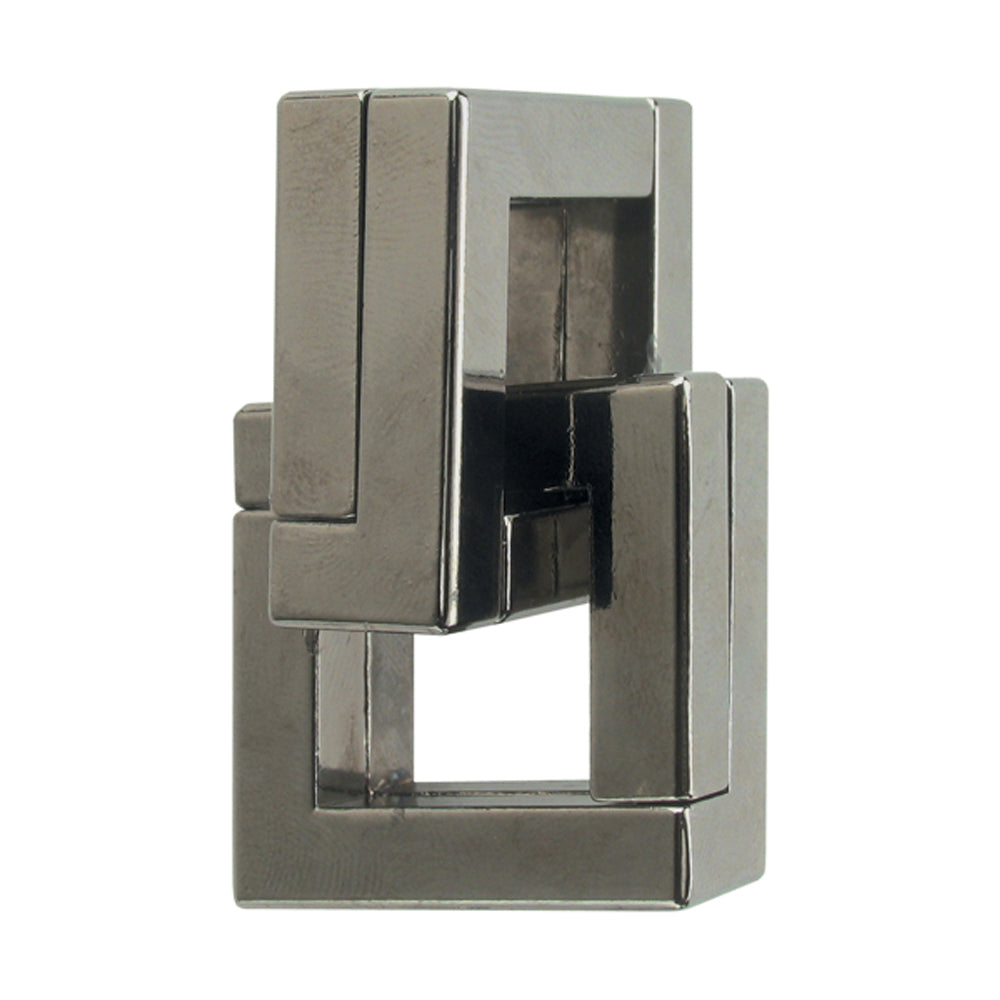

Hanayama uses a strict six-tier scale, and the official names matter because they set an expectation the puzzle then either honors or betrays:
- Level 1 — Fun. Mechanic-teaching puzzles. You should solve these in a sitting; the goal is the "oh, that's how these work" click, not frustration. Cast Loop, Cast Key, Cast ABC live here.
- Level 2 — Easy. A real puzzle with a single trick to discover. Cast Box, Cast Star (in its current rating), Cast Harmony.
- Level 3 — Normal. Multi-step but logical. Cast Cross, Cast Hex, Cast Dice, Cast Jam. The sweet spot for a curious adult who likes to think but not suffer.
- Level 4 — Hard. Now you need a strategy, not just a flash of insight. Cast Marble (Hanayama's own number; more on this lie below), Cast Coaster, Cast UFO, Cast Cylinder.
- Level 5 — Expert. Genuinely difficult. Multiple non-obvious moves, often with a coordinated-motion phase. Cast Vortex, Cast Devil, Cast Equa, Cast Labyrinth, Cast Square.
- Level 6 — Grand Master. As Kubiya Games puts it, this is "for experienced puzzlers who understand the rules, and now must throw the rulebook out the window." Cast Quartet, Cast Trinity, Cast News, Cast Nutcase, Cast Enigma, Cast Chain, Cast Rotor, Cast Hourglass.
The scale is honest in the middle. Levels 2 through 4 map cleanly to how most people actually experience the puzzles. It's at the extremes — and especially the crowded, contentious Level 6 ceiling — where the cracks show. Because there is no Level 7, every puzzle from "a clever afternoon" to "this consumed my entire winter" gets stamped with the same 6. That is the single biggest source of confusion in this hobby, and we'll spend most of this guide there.
The scale is honest in the middle and starts lying at the edges. There is no Level 7 — so "a clever afternoon" and "this consumed my winter" wear the same badge.
Which Hanayama Cast puzzle should a complete beginner start with?
Start with Cast Loop or Cast Key, both Level 1, both around $13. They are the on-ramps for a reason: the mechanic is legible, the solution is reachable in roughly five to ten minutes, and the "a-ha" lands cleanly enough that newcomers — and notoriously, the reviewers' non-puzzling partners — come away delighted rather than defeated.
Greg Gelf at ExplorePuzzles bought the Cast Loop specifically to recruit friends and family into the hobby, and his note is the most honest endorsement a Level 1 can get: even at the bottom of the scale, the Loop "isn't immediately obvious" and took him about five minutes — it is easy, not trivial. That gap between easy and trivial is exactly what you want in a first puzzle. Trivial bores; easy-but-not-obvious hooks.
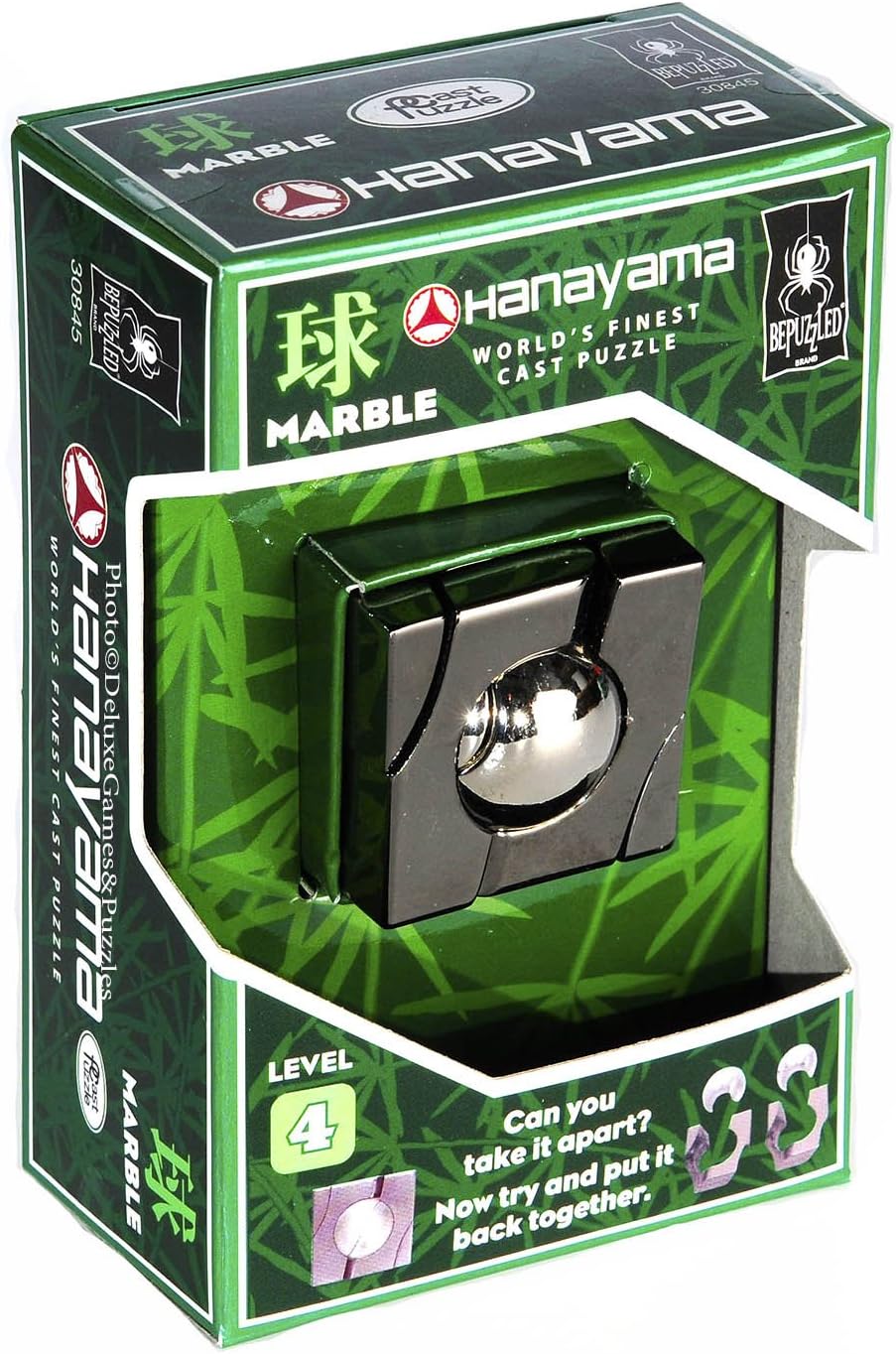
A word of warning about a puzzle people think is a beginner puzzle: the Cast Marble. Hanayama rates it Level 4 (and Puzzle Master scores it 8/10), but Kevin at PuzzleMad solved it in about five minutes once he understood its coordinate motion, and his colleagues cracked it in ten minutes with a single hint. It plays well below its number. I bring it up here, in the beginner section, on purpose: if you want a Level 1 experience with a far prettier object and a genuinely clever mechanism, the Marble is a stealth on-ramp. It is also, by near-universal collector agreement, one of the most satisfying puzzles in the whole line regardless of difficulty — proof that the joy was never about the suffering.
Trivial bores; easy-but-not-obvious hooks. A great first puzzle lives in that narrow gap — and the Cast Loop nails it.
Why don't the Hanayama difficulty ratings match how hard the puzzles actually feel?

This is the central controversy of the Cast line, and it deserves a straight answer: the ratings drift because difficulty is being measured against a moving, subjective target, and because a single ceiling (6) has to hold an enormous range of actual hardness. Three forces are at work.
First, insight versus execution. Some puzzles are easy to understand and hard to do (or vice versa). The Cast Nutcase is the textbook case: one reviewer argued its comprehension is maybe an 8/10 while its execution is brutal, and noted that several solvers cracked it in under an hour — far faster than other top-tier puzzles. Hanayama's single number can't encode "easy to grasp, fiddly to perform." So the badge feels wrong even when it isn't lying, exactly.
Second, the ratings have been re-tuned over the decades. The same design can carry different numbers across eras and across the Cast-to-Huzzle rebrand. PuzzleMad notes the Cast Marble has been seen rated 4/6 in places — and retailers sometimes list it at 5. When the manufacturer itself isn't internally consistent, the consumer can't be blamed for confusion.
Third — and this is the spicy one — the Level 6 bucket is overloaded. Because there is no Level 7, the gentlest Grand Master and the most savage Grand Master share a badge. The Cast Enigma and the Cast Quartet are both 6/6. They are not remotely the same difficulty, as the next section will show. The honest takeaway: treat Levels 1–4 as broadly trustworthy, treat Level 5 as "genuinely hard, trust it," and treat Level 6 as a range — anywhere from a focused weekend to a multi-month siege — that you must read on a per-puzzle basis using collector reviews, not the box.
Which Hanayama Cast puzzles are genuinely the hardest — the real Grand Masters?
Strip out the inflated Level 6s and a true elite remains. These are the puzzles where experienced collectors — people who have solved dozens of Casts — report days to months of work, not minutes. Ranked by the brutality the reviews actually describe:
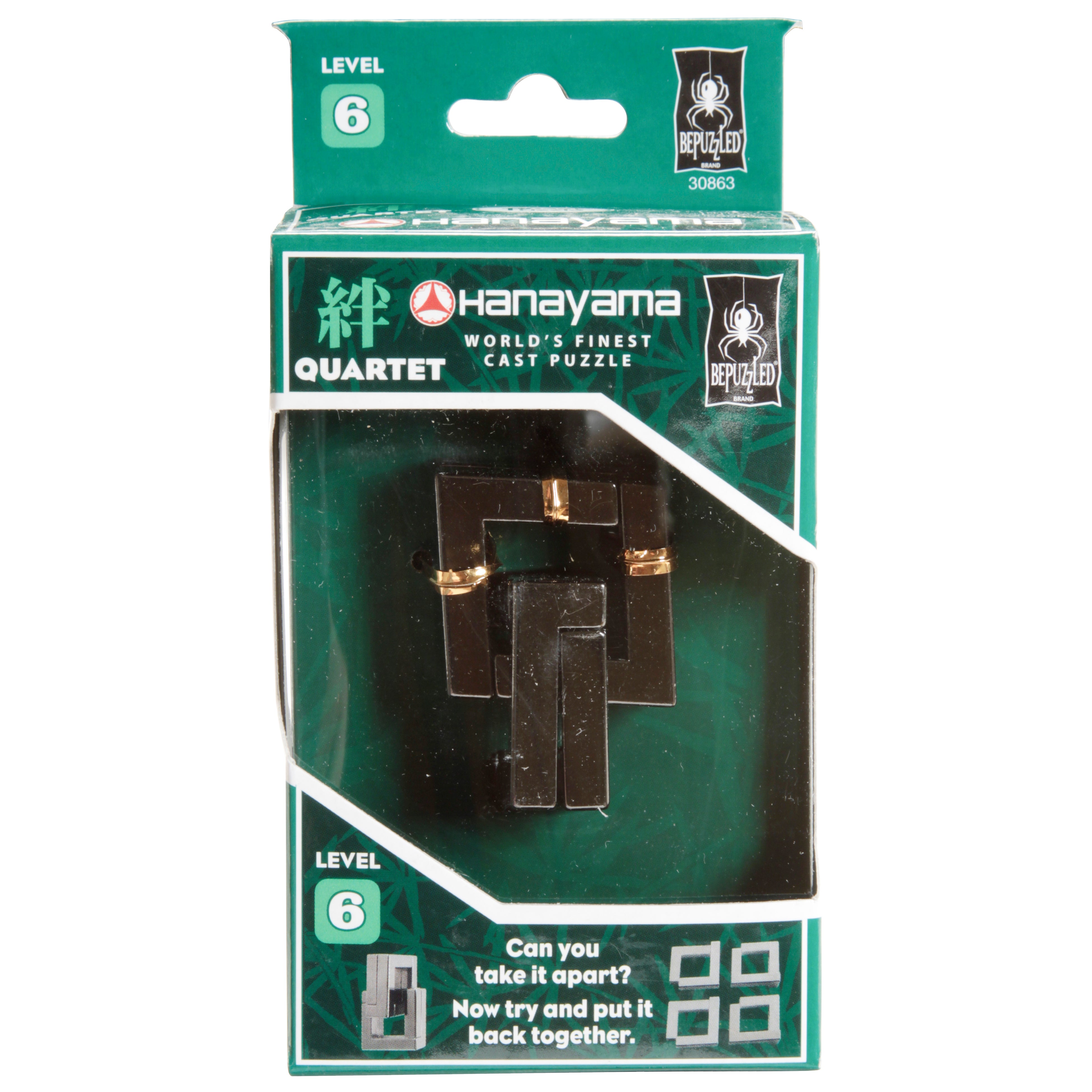
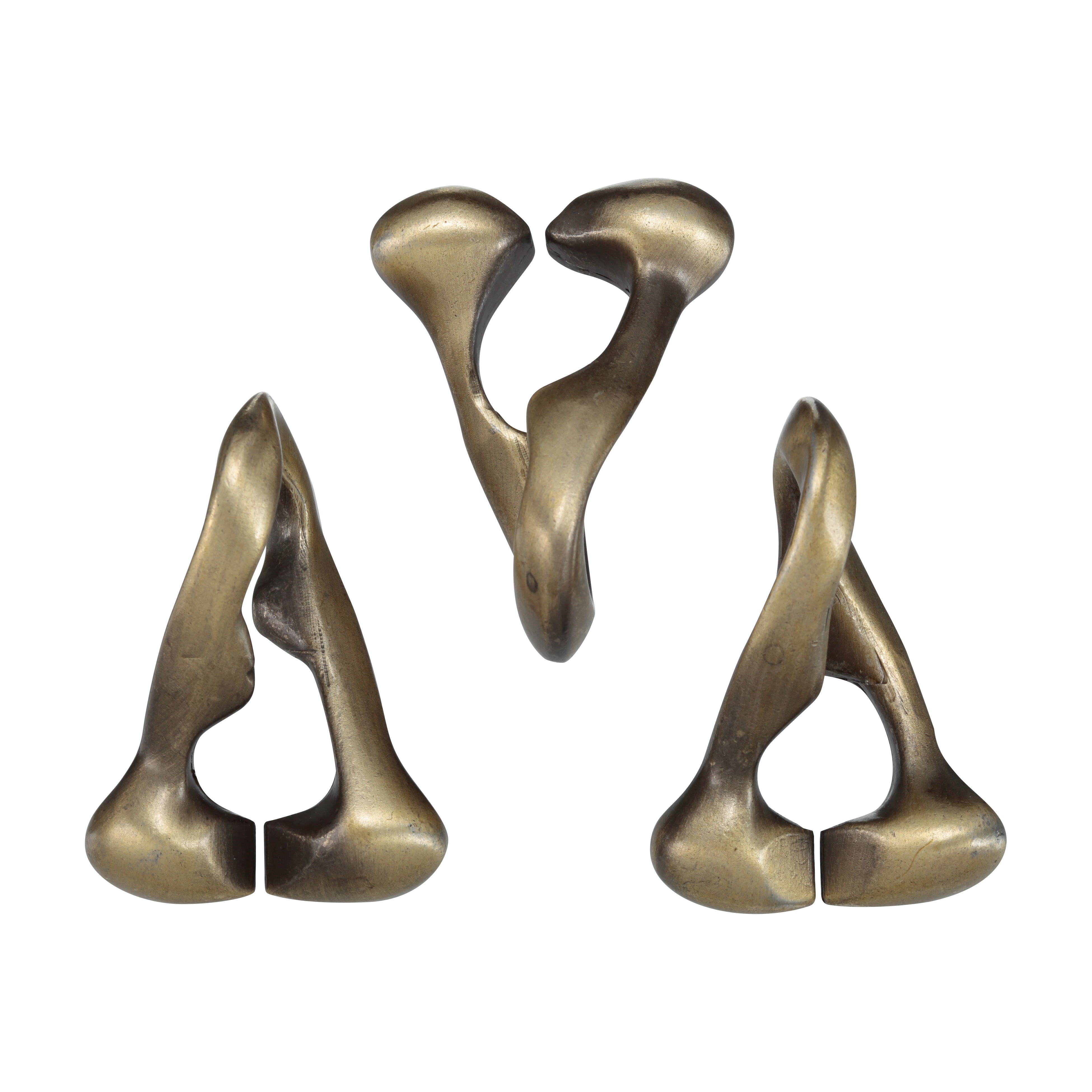
1. Cast Quartet (絆, "bonds"), designed by Mine Uyematsu. The consensus monster. Four interlocked pieces that must be disentangled and — far worse — reassembled. Kevin spent roughly a week and 3–4 hours before any progress, eventually caved to the solution for disassembly, then needed a YouTube video for reassembly after two more days. His verdict: "This has been the hardest one so far," and fellow solver Brian called it "almost too tough." This is what a 6/6 should mean.
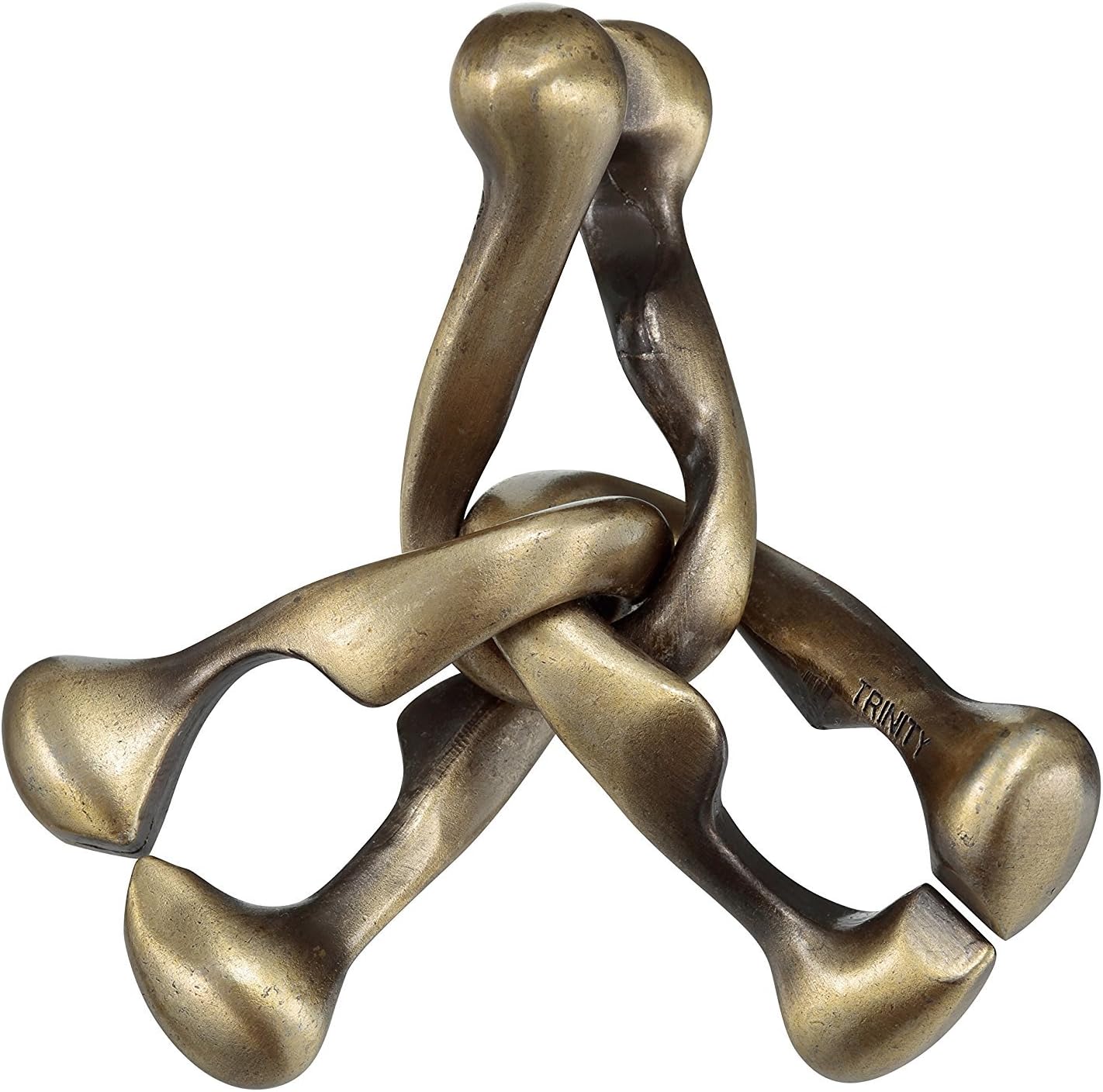
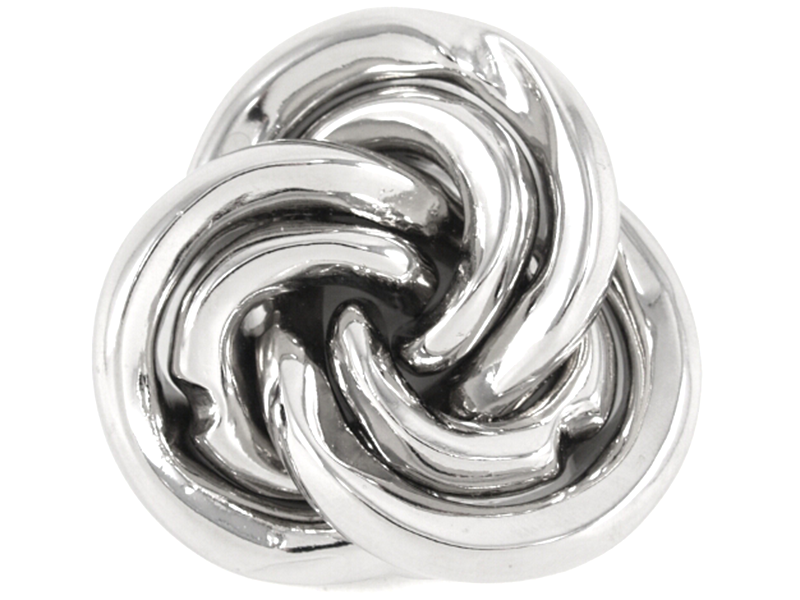
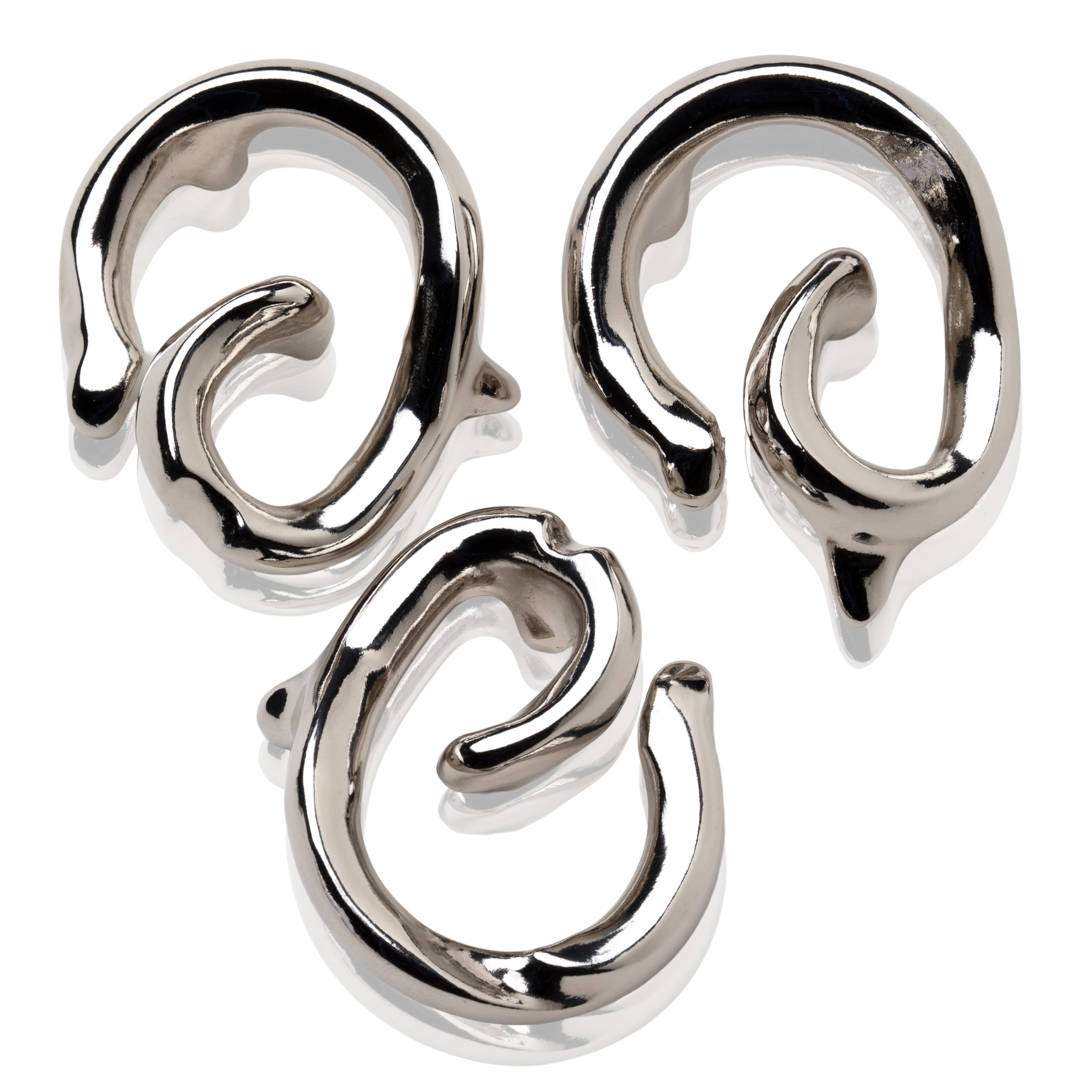
2. Cast Trinity, designed by Kyoo Wong. Kevin carried this puzzle for ten months before the solution hit him "like a hammer." His judgment is unambiguous: "I think this one well deserves its 6 out of 6-star difficulty rating." When a near-complete-collection solver needs the better part of a year, the badge is finally telling the truth.
3. Cast Nutcase. A bolt-and-nut nightmare where, as noted, comprehension comes before execution defeats you. One collector argued it and its sibling deserve "a special rating of their own, as an exclusive level 7." Caveat: the threads can strip if you force it, and a stripped Nutcase loses most of its difficulty — solve with finesse, never torque.
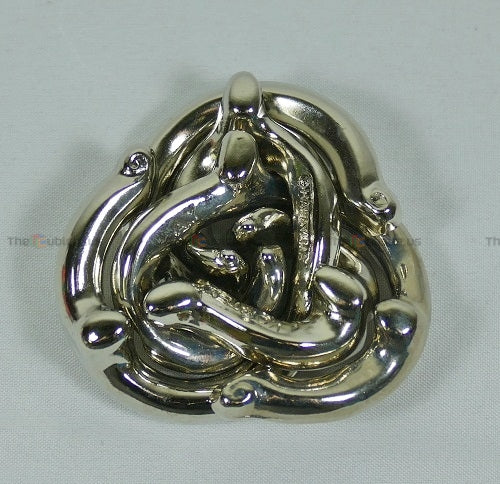
4. Cast News, designed by Kyoo Wong. An organic, gripless three-piece tangle where every piece is entangled with the other two. Wong's own designer note leans into the chaos: "Since there are possible combinations other than the solution pictured, I hope you enjoy trial and error!" Translation: there are many wrong assemblies and one right one, and you will visit most of the wrong ones.
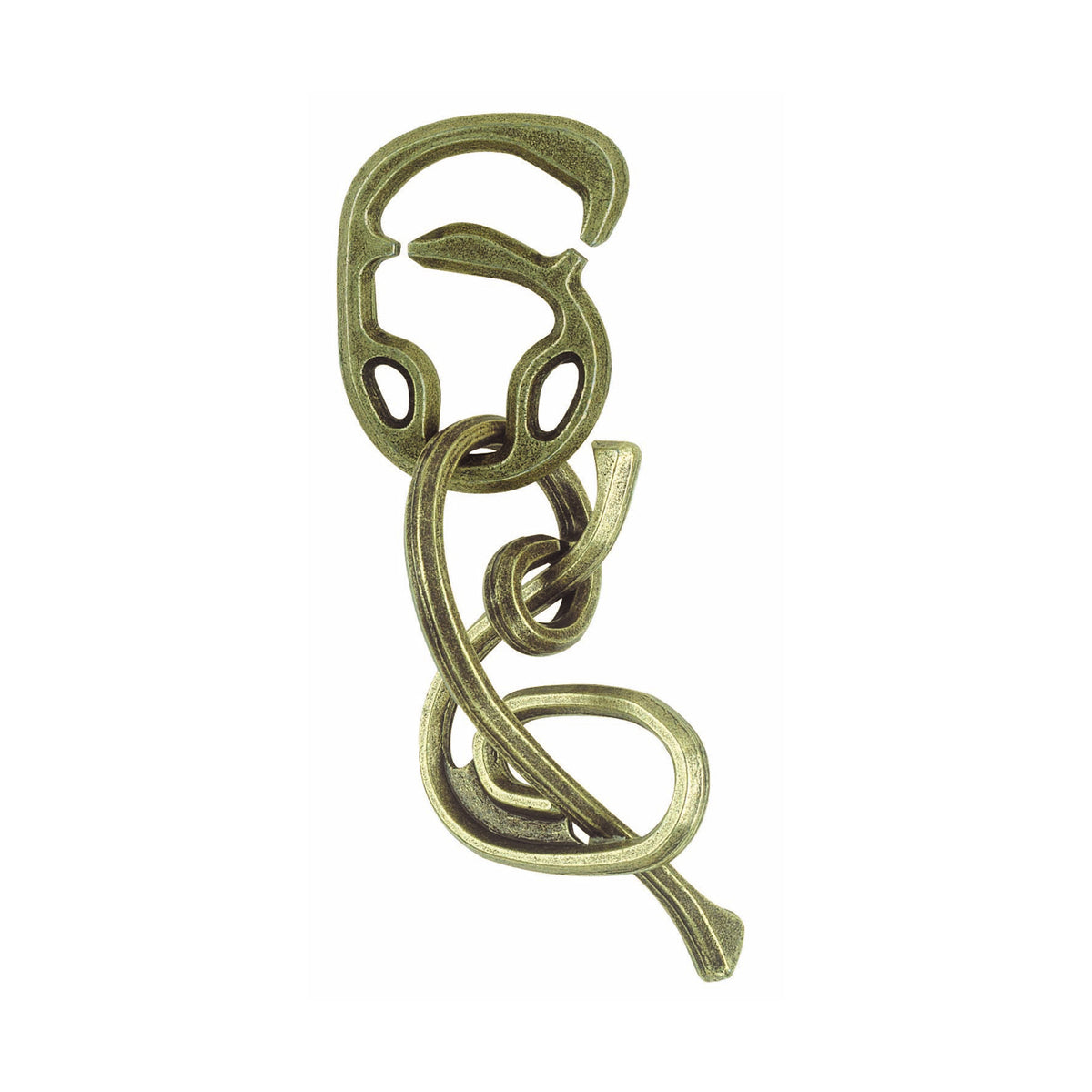
5. Cast Chain. Three interlocked Figure-8-ish links with, per reviewers, "quite a few wrong ways to do it" — and crucially, it requires no force, so when you're stuck, you're stuck on logic, not on muscle. A purist's Grand Master.
Notice the pattern: Kyoo Wong's name appears twice, and he's also behind the Rotor and others. If you specifically want the hardest honest Level 6 experiences, follow the designer. Wong builds genuinely vicious tangles; the marketing-inflated 6s tend to come from elsewhere in the catalog.
A true Grand Master is measured in days and months, not minutes. The Quartet takes a week to *start*; the Trinity took one expert solver ten months to finish.
What's the smartest way to actually solve a Hanayama disentanglement puzzle?
Disentanglement puzzles punish the brute-force instinct and reward the patient cartographer. A working method, distilled from how strong solvers describe their process:
1. Map before you move. Spend the first few minutes not solving. Turn the puzzle in good light and trace how the pieces actually interlock — where they touch, where there's clearance, where a piece could theoretically travel. Kevin praises the Enigma precisely because it's "shaped in such a way that you can see and plan each move." Planning is the skill; flailing is the anti-skill.
2. Find the first move, then respect it. Most Cast solutions hinge on a single non-obvious opening move that unlocks everything downstream. The Enigma's first discovery isn't hard; finding the correct first move is the whole battle. Hunt for the move that changes the puzzle's state, not just its orientation in your hand.
3. Watch for coordinated motion. The hardest mid-solve walls are "combined moves" where multiple pieces must shift simultaneously — the Enigma has a phase that "manipulates all three pieces at once and this is very very tough indeed." If single-piece moves have stalled, the answer is almost always a two-or-three-piece coordinated shift you haven't tried. This is the number-one thing beginners miss.
4. Obey Cardinal Law 4b: remember how you did it. This is the most-quoted rule in the hobby, and it's not a joke. Kevin invokes "the cardinal law... 'Thou shalt remember how thou achieved it'" because a friend left a solved puzzle in pieces for three weeks having forgotten the sequence. The moment you disassemble, the second, harder puzzle — reassembly — begins. Note the moves. The Quartet's reassembly is harder than its disassembly; so is the Trinity's.
5. Walk away on purpose. The single most common pattern in every solve story above is the deliberate break. Kevin set the Quartet aside for days; the Trinity marinated for ten months. The subconscious solves disentanglement puzzles while you sleep. Forcing a session that's gone cold just grinds your patience and risks stripping the metal. Pocket it, carry it, fidget, and let the aha ambush you.
Disentanglement punishes the brute and rewards the cartographer. Map the puzzle before you move it — planning is the skill, flailing is the anti-skill.
What's the history behind Hanayama Cast puzzles, and why do collectors take them so seriously?
The line is older and more pedigreed than the toy-aisle packaging suggests. Hanayama released its first cast metal puzzles in 1983 — the original trio was Cast Key, Cast A.B.C, and Cast Star — and the creative force behind the series was the legendary Japanese puzzle designer Nobuyuki "Nob" Yoshigahara, who developed the early designs and rejected anything that didn't meet the company's standard. That's the pedigree: this isn't a faceless commodity, it's a curated design line stewarded by one of the most respected names in 20th-century puzzling.
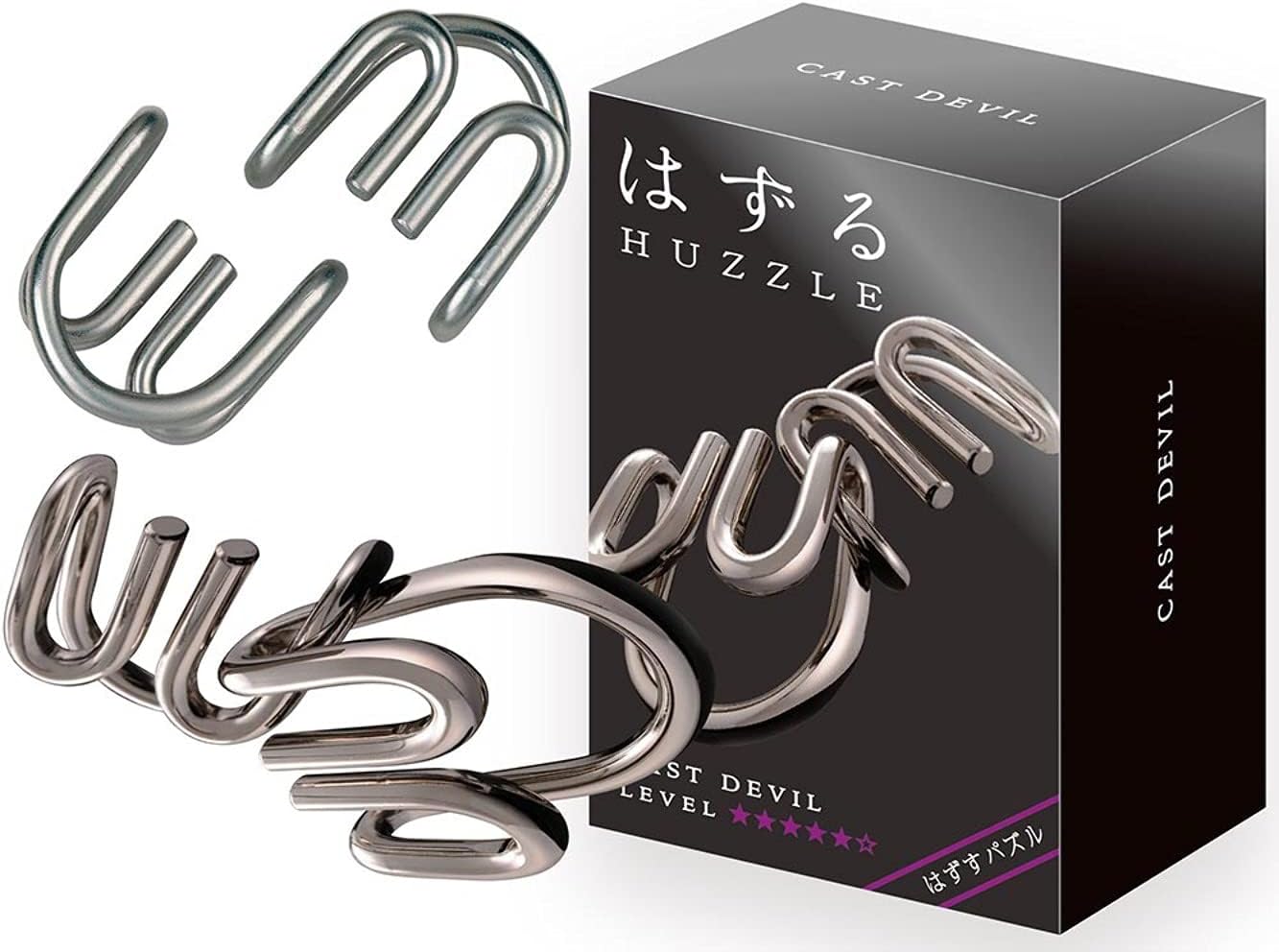
The designs themselves often reach back further. The Cast Devil (Level 5) is Hanayama's smooth, fiendish revival of the "Devil's Claws," an "absurdly simple looking" puzzle from the 1905 puzzle boom — and the box still carries Yoshigahara's own taunt: "Don't let the smooth looks of this one fool you; you may become one of those who let frustration take over, and leave this puzzle forever unsolved." Over 40+ years the catalog has grown past fifty designs, drawing in world-class inventors like Oskar van Deventer and Hong Kong's Kyoo Wong, with new releases nearly every year.
Why do collectors revere them? Manufacturing obsession. Each design moves from CAD drawing to a hand-finished brass master, to a copper mold cut by spark erosion, to die-cast zinc alloy, to a plated metal finish — a process closer to minting a coin than stamping a toy. The result is the rare mass-market object that satisfies in the hand whether or not it's solved: collectors describe the Marble and others as worry beads you fidget with long after the aha. With more than two million sold and the international rebrand to "Huzzle," the Cast line is, in Gabriel Fernandes' framing, a serious candidate for the best mechanical puzzles ever made — and the reason a $13 metal object earns thousand-word reviews from people who own hundreds of them.
This isn't a toy-aisle commodity — it's a 1983 design line fathered by Nob Yoshigahara, built closer to minting a coin than stamping a toy.
What experienced tables keep reporting
Recurring owner patterns, synthesized in Puzzlewick's words. Follow each evidence trail to read the original discussion.
I actually think the Cast Vortex should be a 6 out of 6 and this one a 5.
The Aha! moment hit me like a hammer! What I had been trying to do was completely wrong and the real movement was something I had not conceived of being possible.
Read the evidence: Kevin, PuzzleMad — on solving the Cast Trinity after ten months
This has been the hardest one so far.
An organic design without a grip is fun. Since there are possible combinations other than the solution pictured, I hope you enjoy trial and error!
Don't let the smooth looks of this one fool you; you may become one of those who let frustration take over, and leave this puzzle forever unsolved.
In my opinion these two should have a special rating of their own, as an exclusive level 7.
The picks
Some links below are affiliate links — as an Amazon Associate, Puzzlewick earns from qualifying purchases, at no extra cost to you. It never changes a pick.
 3 photos
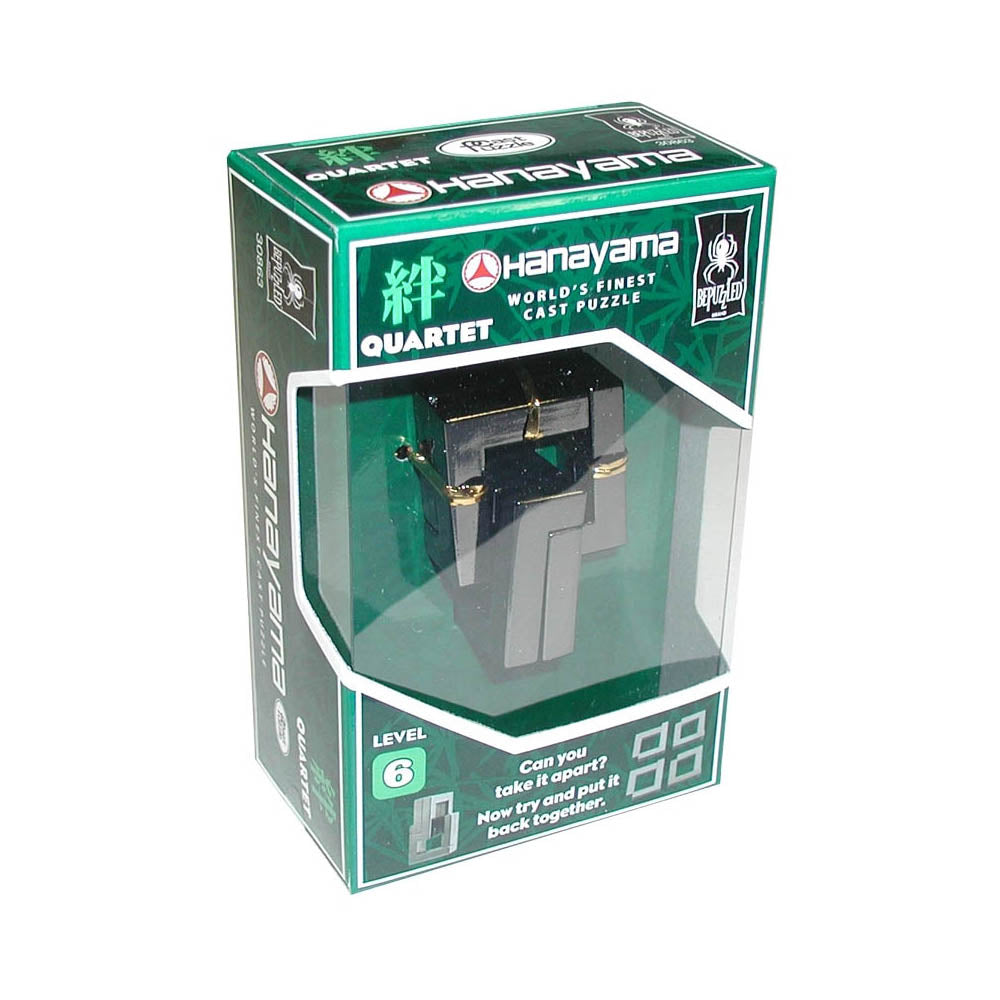
 Cast Quartet
The Grand Master that earns the title. Designed by Mine Uyematsu, its four interlocked pieces took a near-complete-collection solver a week just to begin cracking, with reassembly harder still. Brian called it "almost too tough"; Kevin called it "the hardest one so far." If your Level 6 shelf needs a final boss, this is it — buy it knowing exactly what you're signing up for.
- The most genuinely difficult Cast puzzle, with a second "reassemble into a different shape" challenge
- Reassembly is a whole separate Grand Master — enormous replay value
- Elegant four-piece 絆 ("bonds") design that looks superb solved on a shelf
- Will defeat all but the most patient solvers without the solution sheet or a video
- The jingling of loose pieces during long solves genuinely annoys cohabitants (per reviewer)
- Frustration-prone: skip it entirely if you don't enjoy being stuck for days
 3 photos
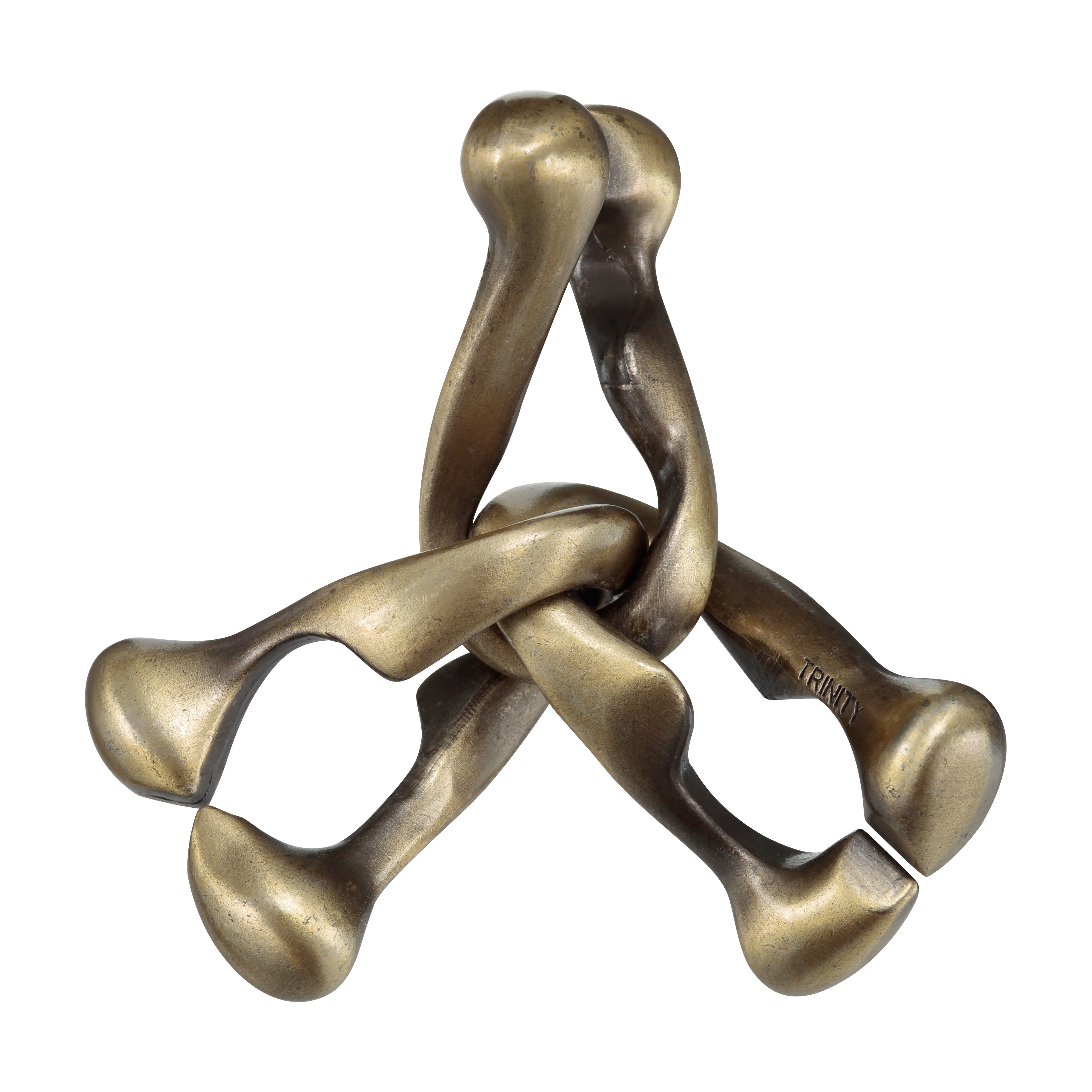
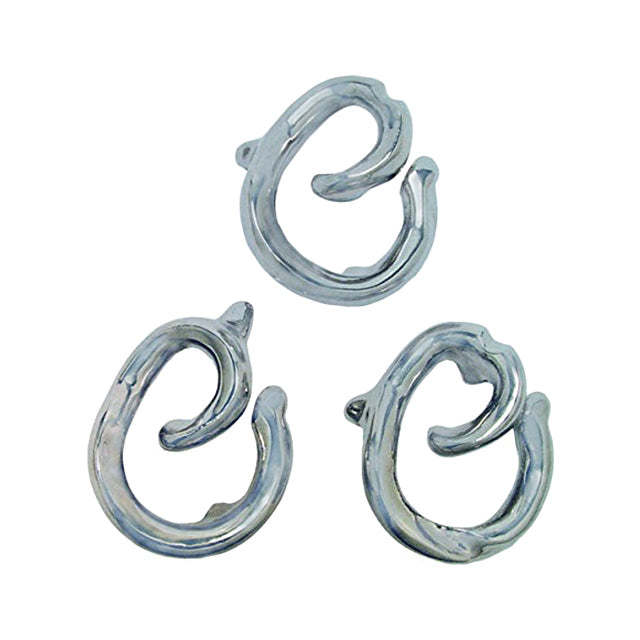
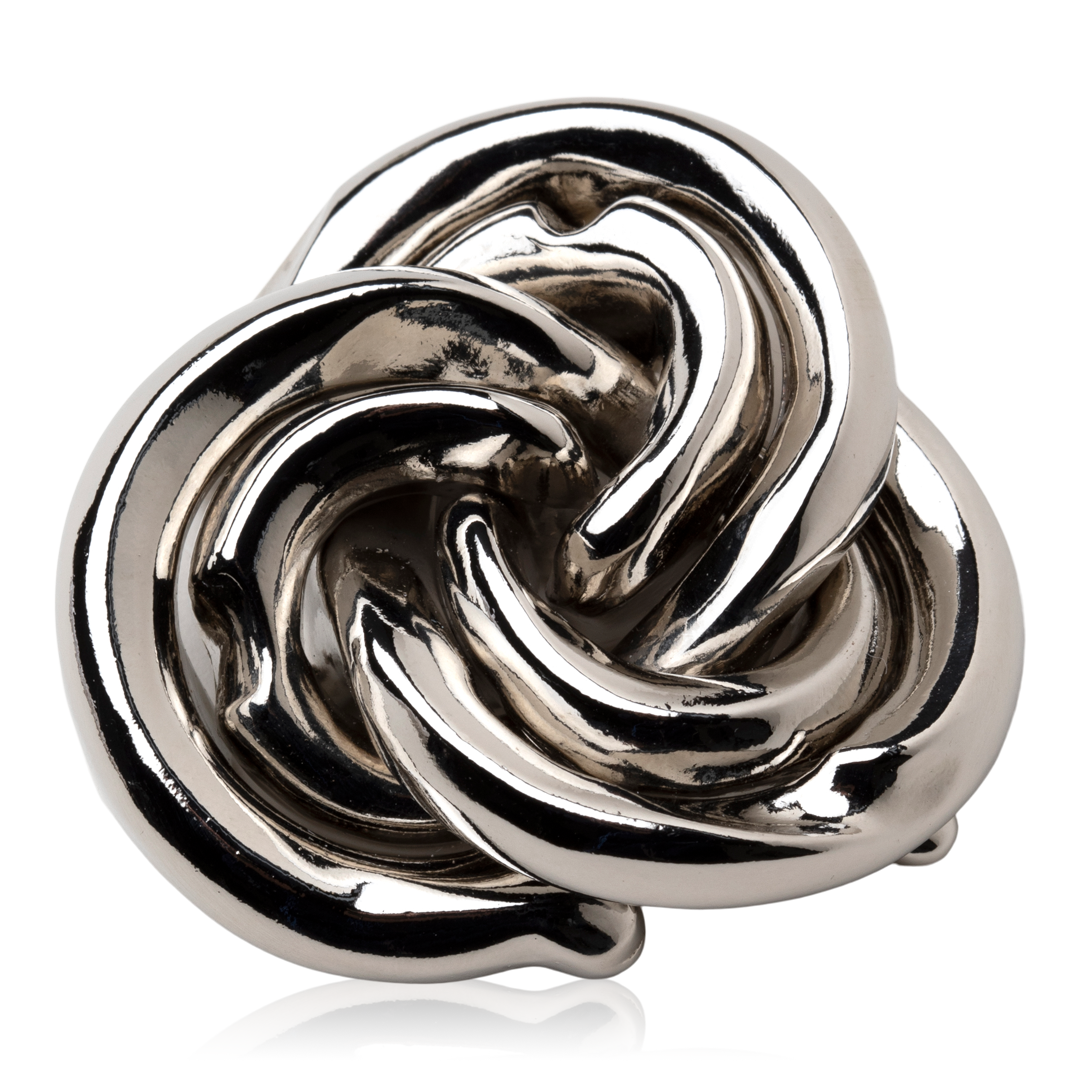
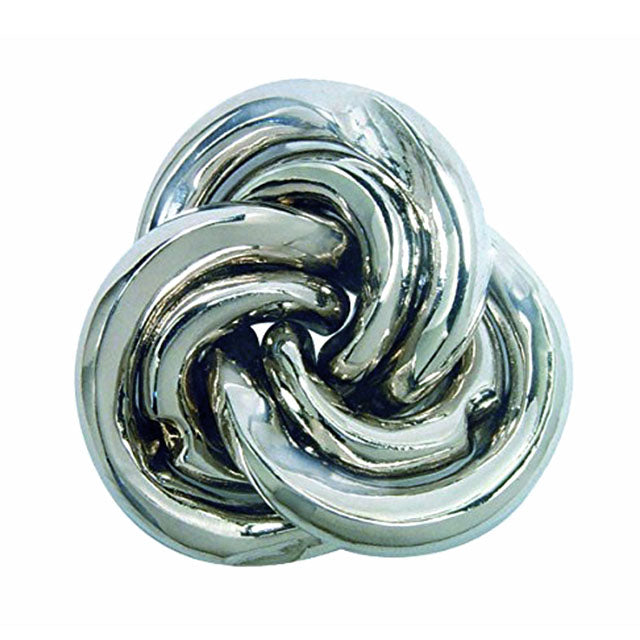
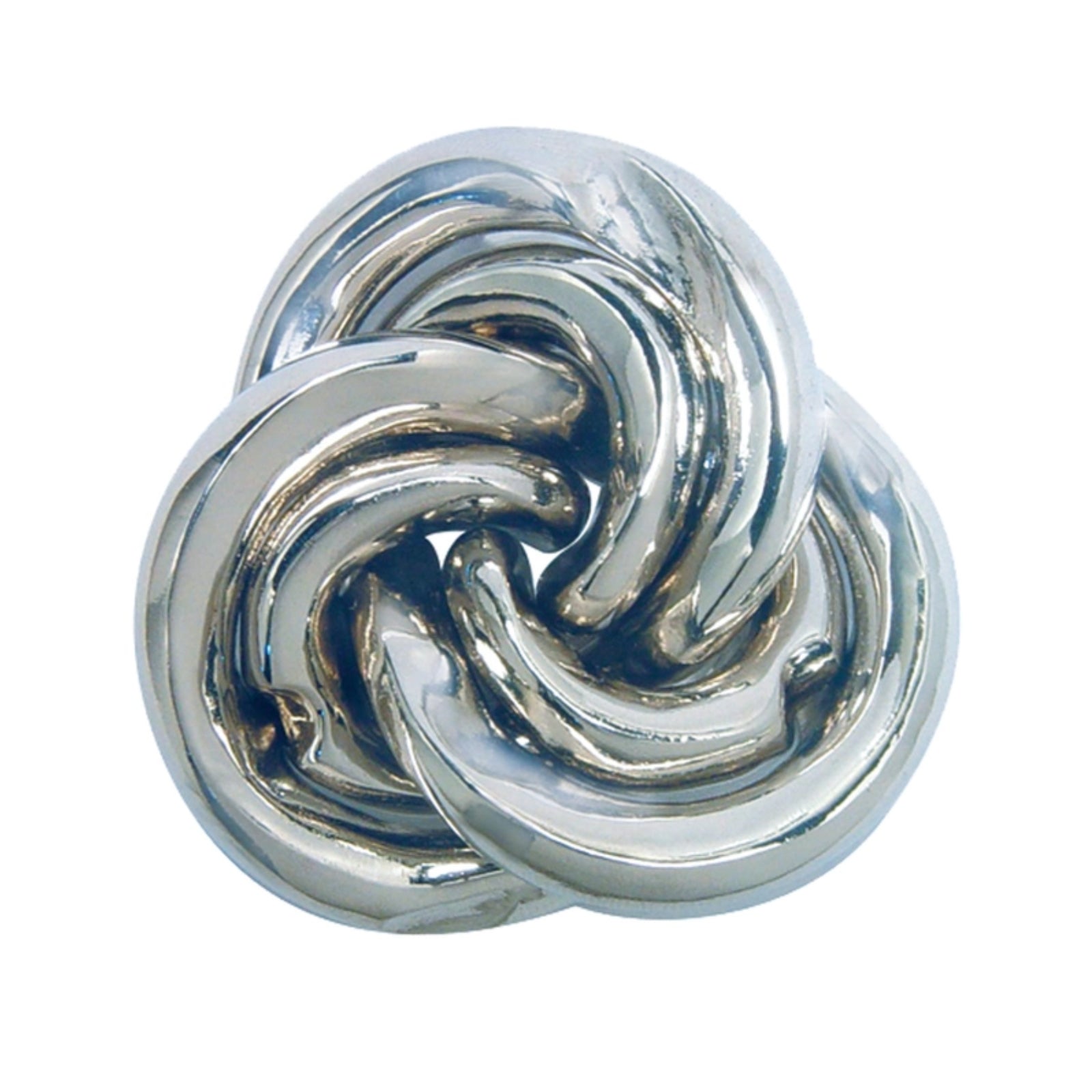
 Cast Trinity
Kyoo Wong's masterclass in the legitimate Grand Master. One expert carried it for ten months before the solution "hit like a hammer," and pronounced its 6/6 rating fully deserved. The aha is reportedly one of the best in the entire line precisely because it's a motion you don't believe is possible until it happens. This is what you buy when you want the rating to mean what it says.
- Genuinely earns its 6/6 — a rarity at the top of the scale
- One of the most celebrated aha-moments in the Cast range
- Beautiful interlocked three-piece form by a master designer
- Can take months; punishing for impatient solvers
- Reassembly is "another big challenge" on top of the disassembly
- Easy to stall completely with no clear feedback on whether you're close
 7 photos
 Cast Vortex
Rated Level 5, but Kevin argued it should be the 6/6 instead of the over-rated Enigma — "great feel in the hand and can be opened with no force." That's the highest compliment in this hobby: serious difficulty achieved through pure clever geometry, zero brute force. The stealth hardest-honest puzzle in the line and my personal favorite recommendation for an intermediate ready to level up.
- Punches above its Level 5 badge — arguably harder than several Level 6s
- No force required; a pure-logic, beautiful-in-hand solve
- The connoisseur's choice — endorsed over the flagship Enigma by a top reviewer
- Mislabeled difficulty cuts both ways — buyers expecting an "easy" 5 get ambushed
- Can jam if you fight the motion instead of finding it
- Less famous than the marquee 6s, so fewer walkthrough resources exist
 3 photos
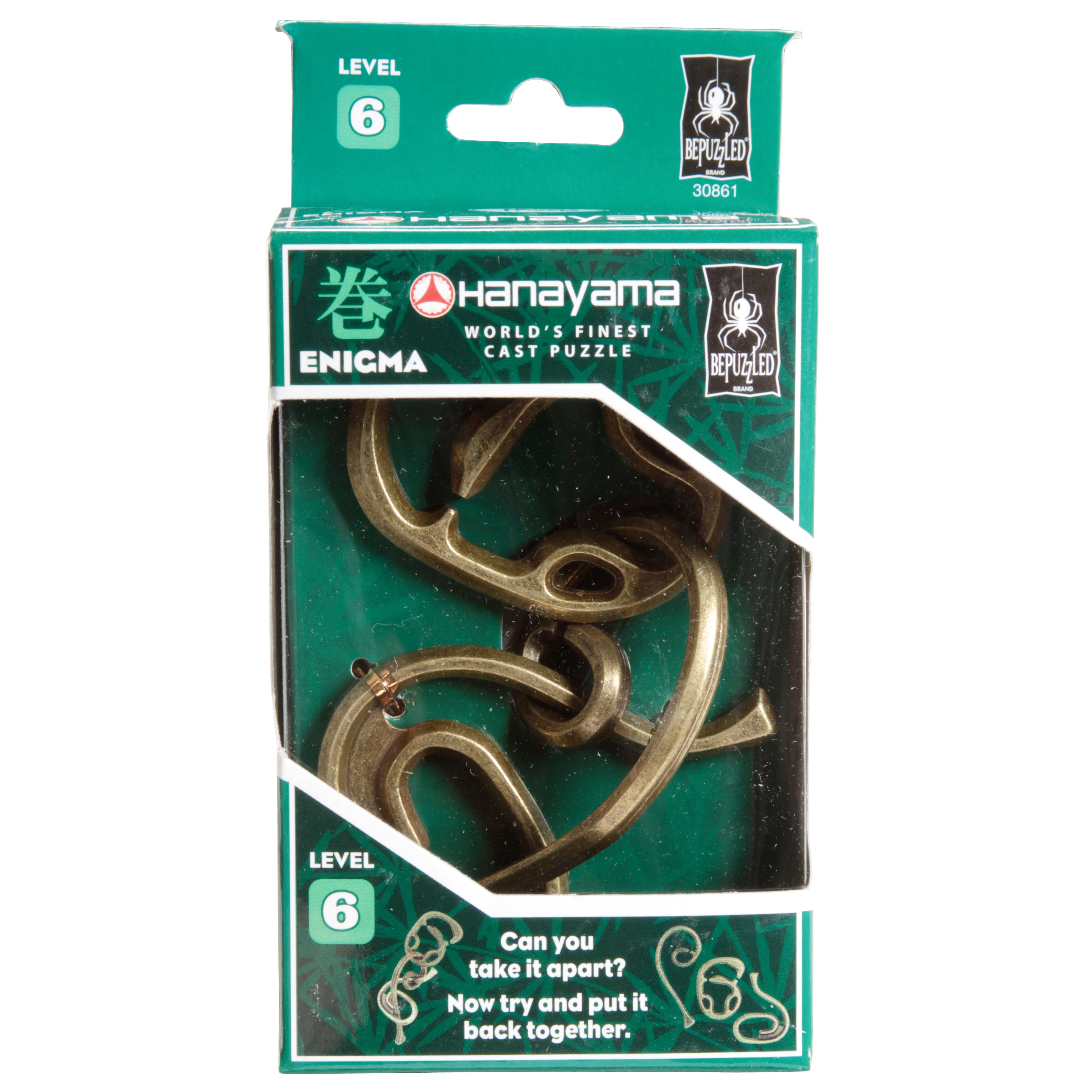
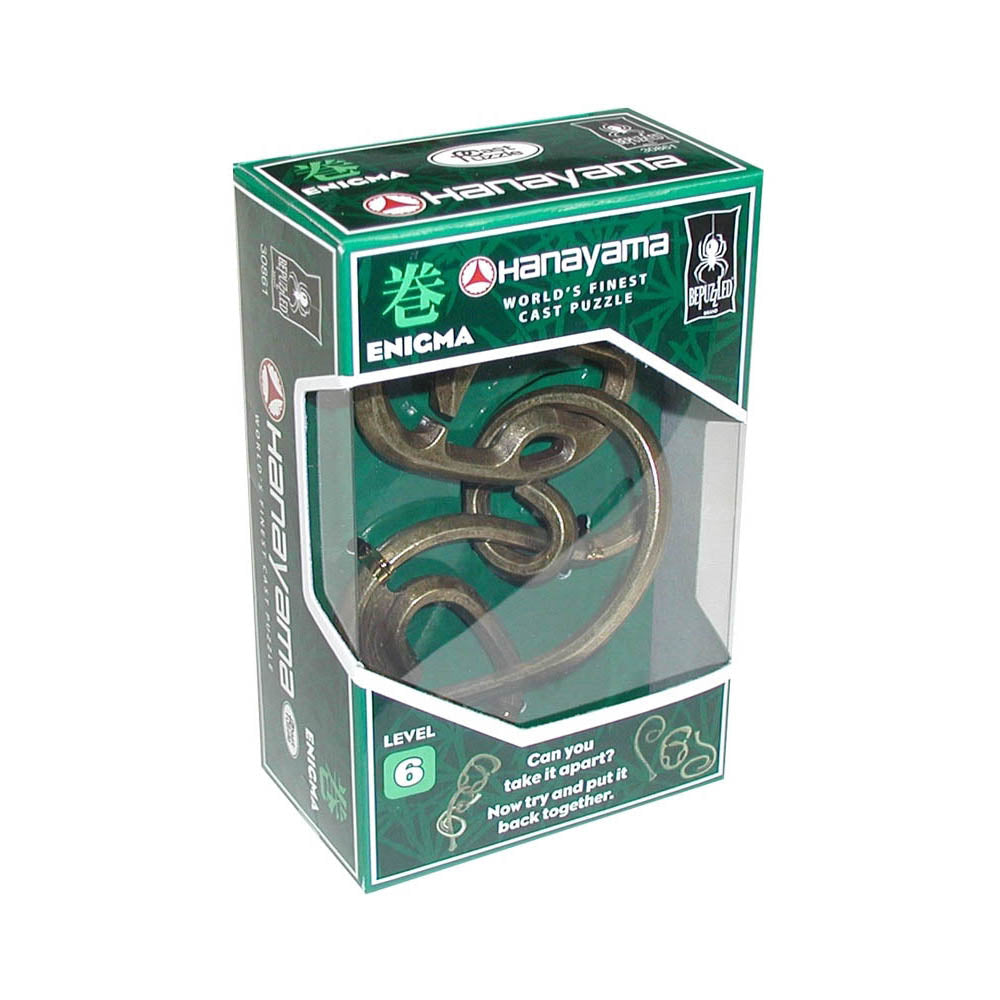
 Cast Enigma
Marketed as "among the most difficult of all puzzles" and rated 6/6 — but solved in ~45 minutes by an expert who could immediately reassemble it and openly called it a Level 5. Don't read that as a knock: Kevin named it "my favourite of the difficult Hanayamas" and said "Buy it, you won't regret it!" It's the best approachable Grand Master — multiple aha-moments, plannable moves, a brutal three-piece-coordination crux. Just don't pay for the 6 expecting a war.
- Stunning design you can "see and plan each move" — superb teaching puzzle for coordinated motion
- Multiple distinct aha-moments in one solve
- A genuine reviewer favorite among the harder Casts
- Overrated at 6/6 — it plays more like a Level 5
- The marketing "most difficult of all puzzles" claim is simply not true
- Experienced solvers may find it too short for a flagship
 4 photos
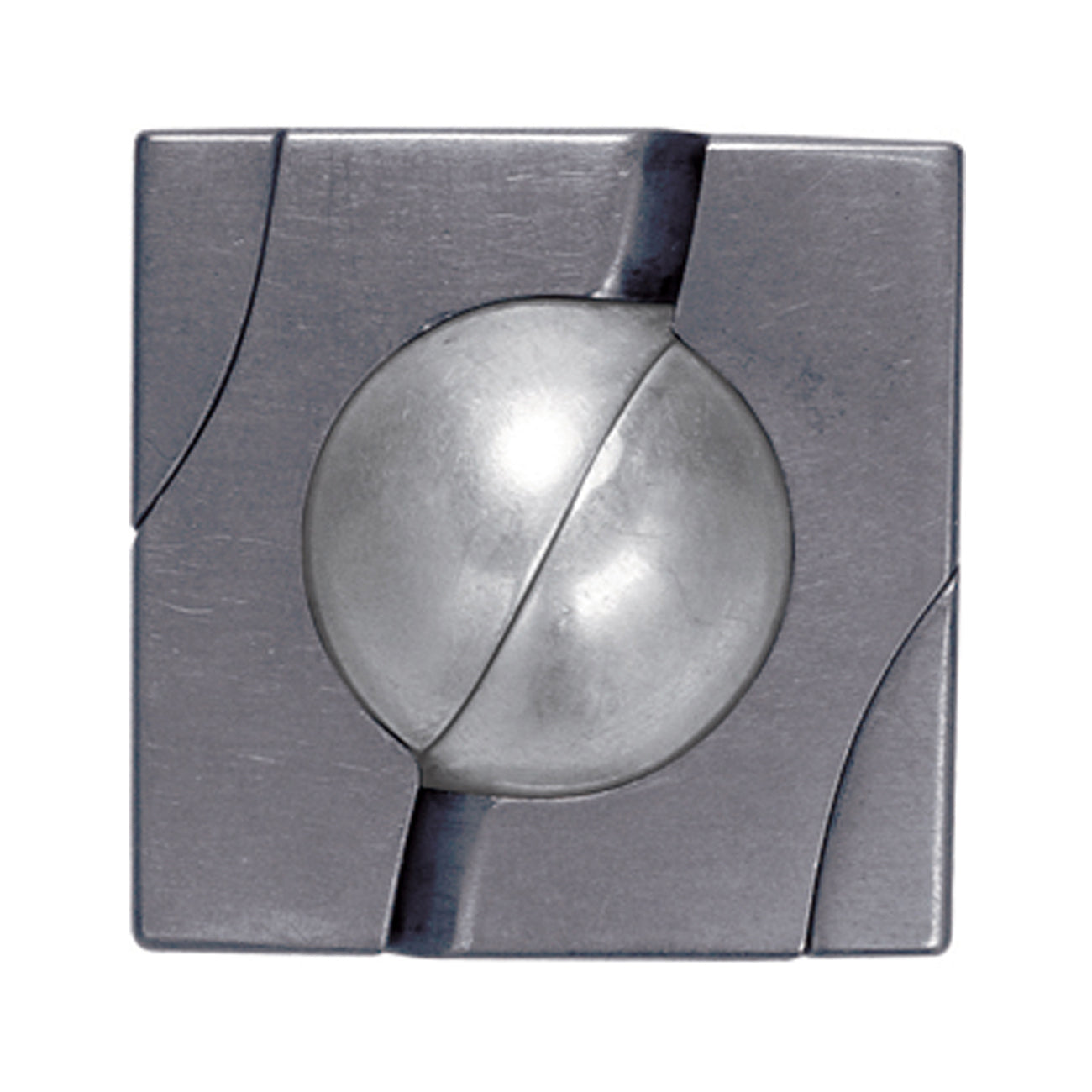
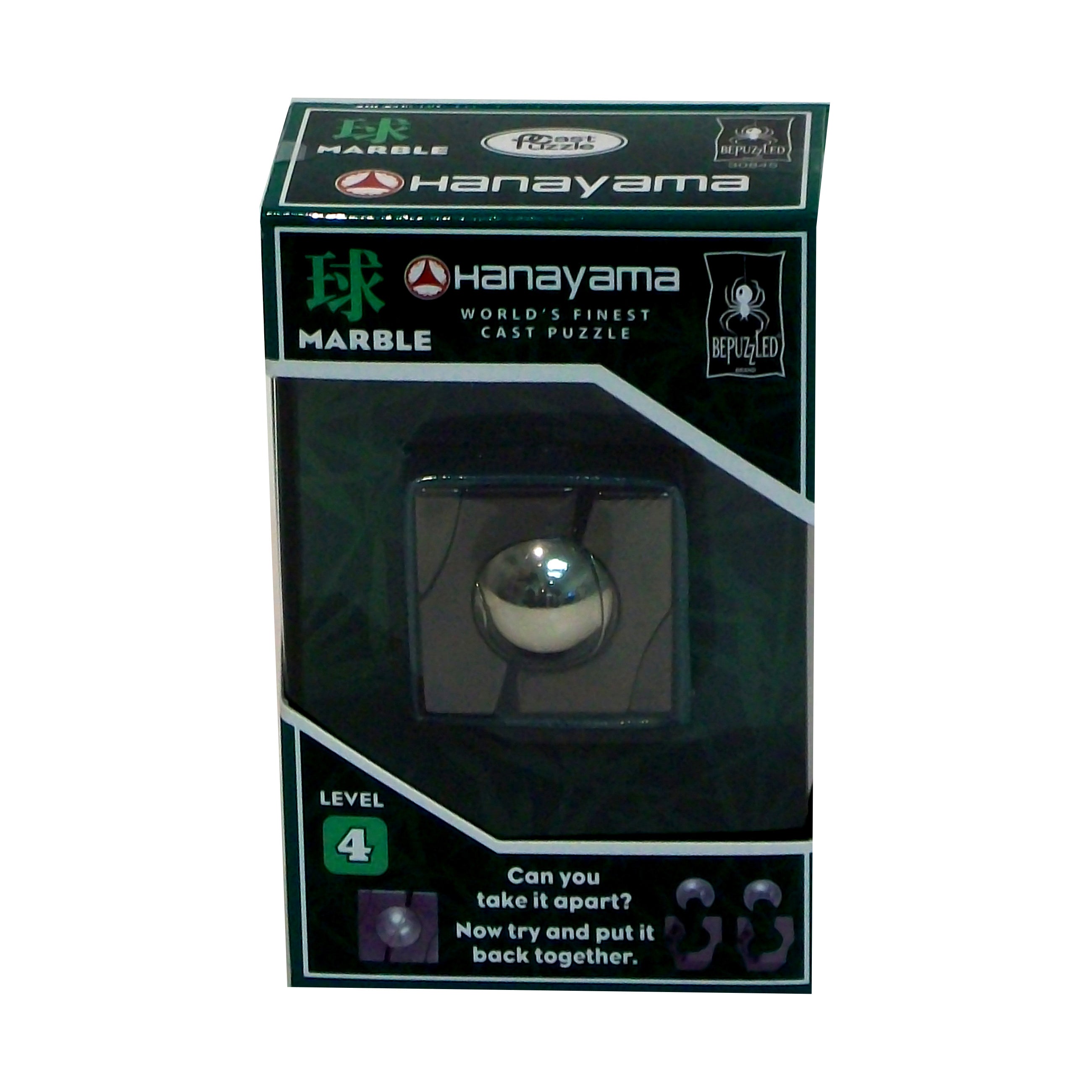
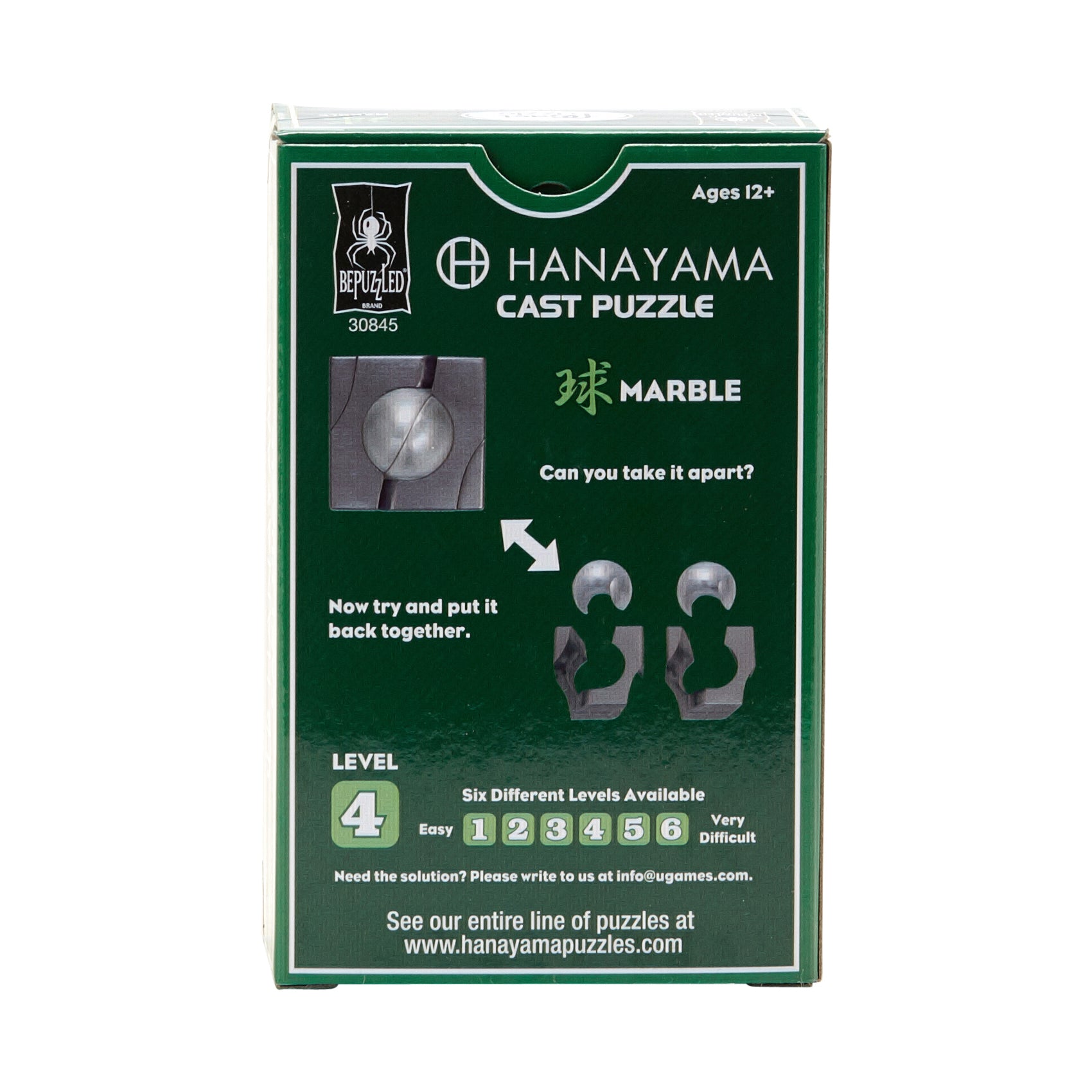
 Cast Marble
Rated Level 4 but plays closer to a 1–2 (Kevin: ~5 minutes once the coordinate motion clicked; colleagues ~10 minutes with one hint). And yet it is one of the most beloved puzzles in the entire line — "one very clever little puzzle" that many collectors name their outright favorite. The lesson the whole hobby should internalize: "it is not the difficulty that causes the enjoyment." A perfect, beautiful, satisfying object and a sneaky-good starter for someone who wants a pretty puzzle over a hard one.
- Exquisite coordinate-motion mechanism that's a pure pleasure to operate
- A widely-named all-time-favorite Cast despite its modest difficulty
- Doubles as a fidget/worry-bead object once solved
- Wildly overrated at Level 4 — a poor choice if you specifically want a challenge
- Inconsistent ratings in the wild (seen as 4/6 and 5/6) create false expectations
- Can bind/stiffen if forced rather than aligned
 4 photos
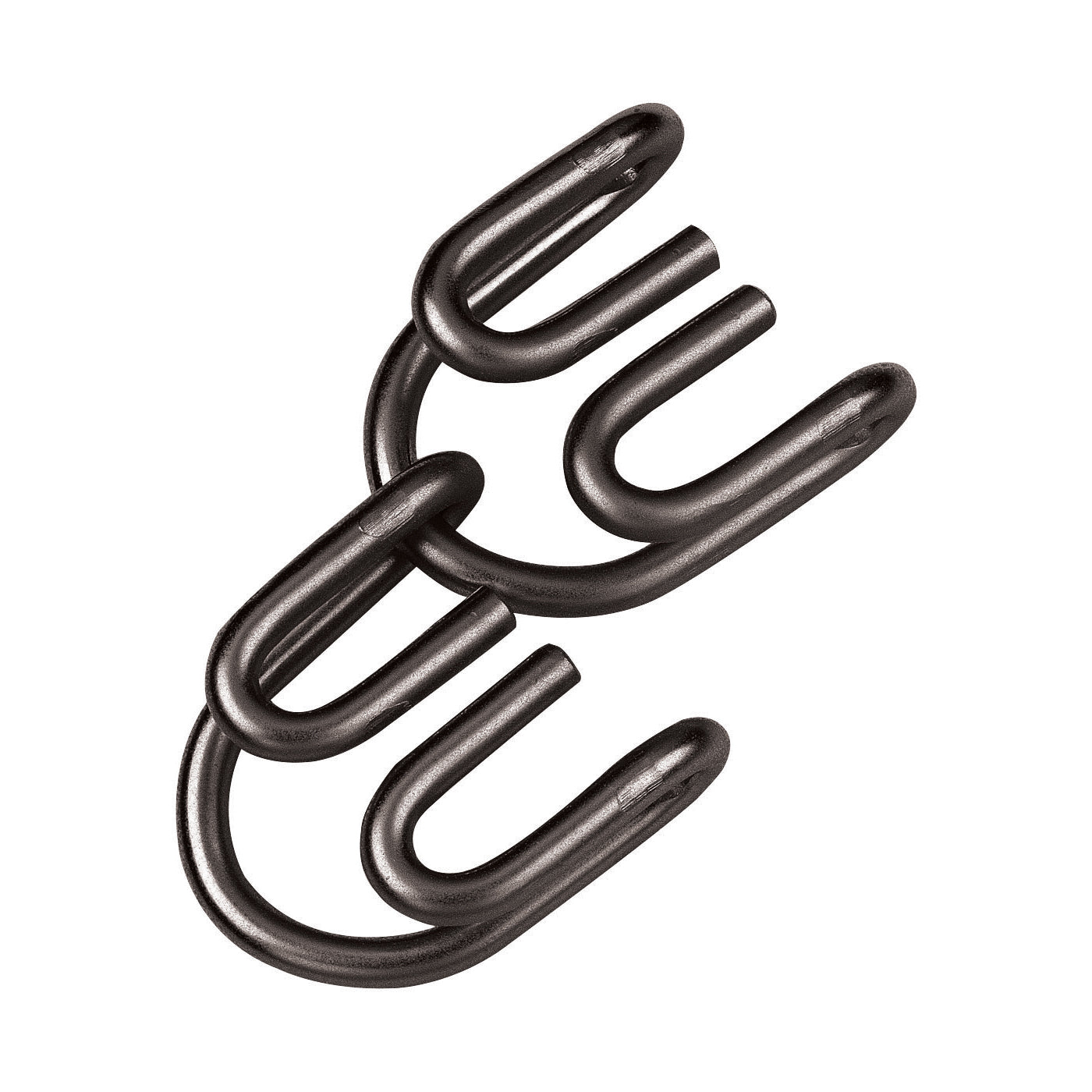
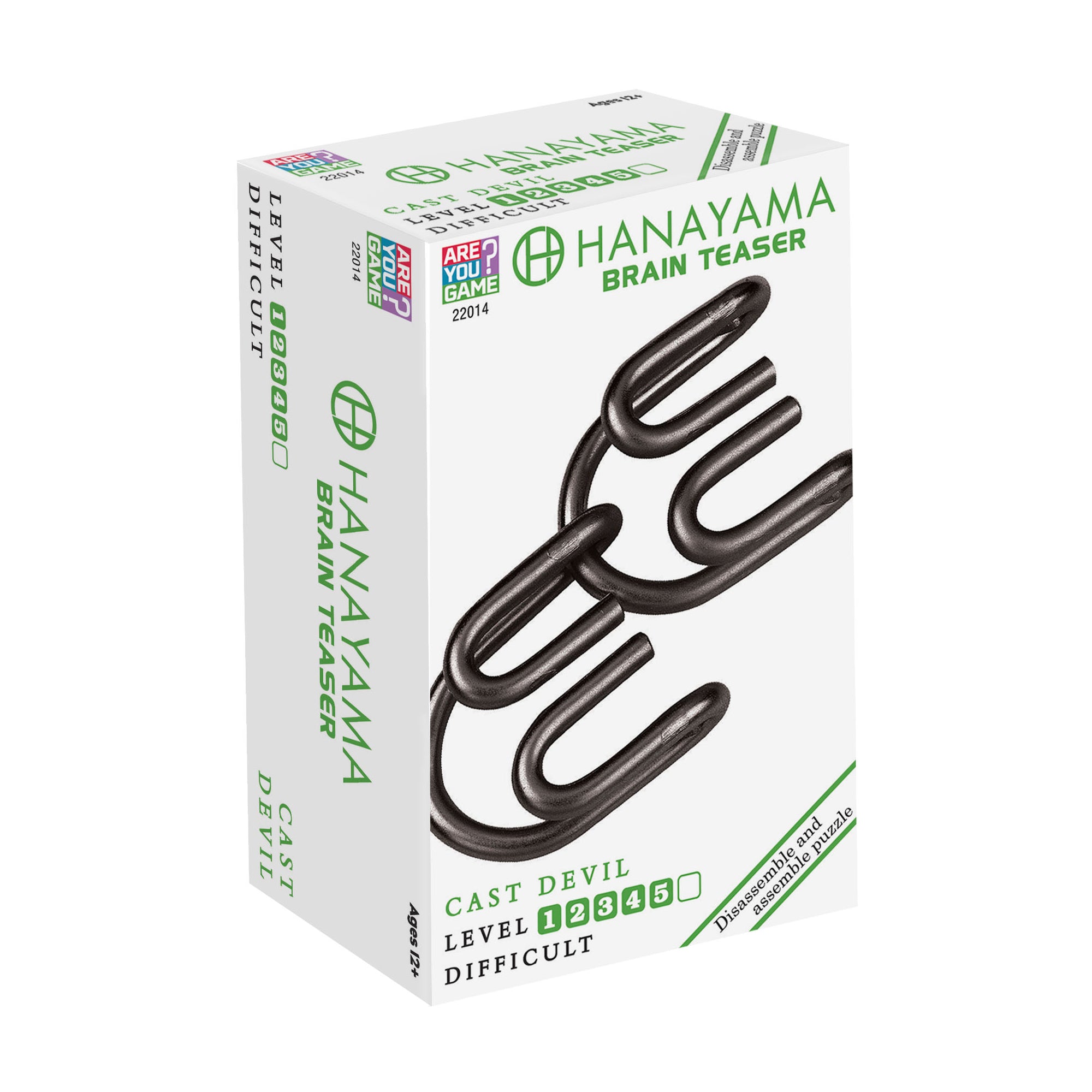
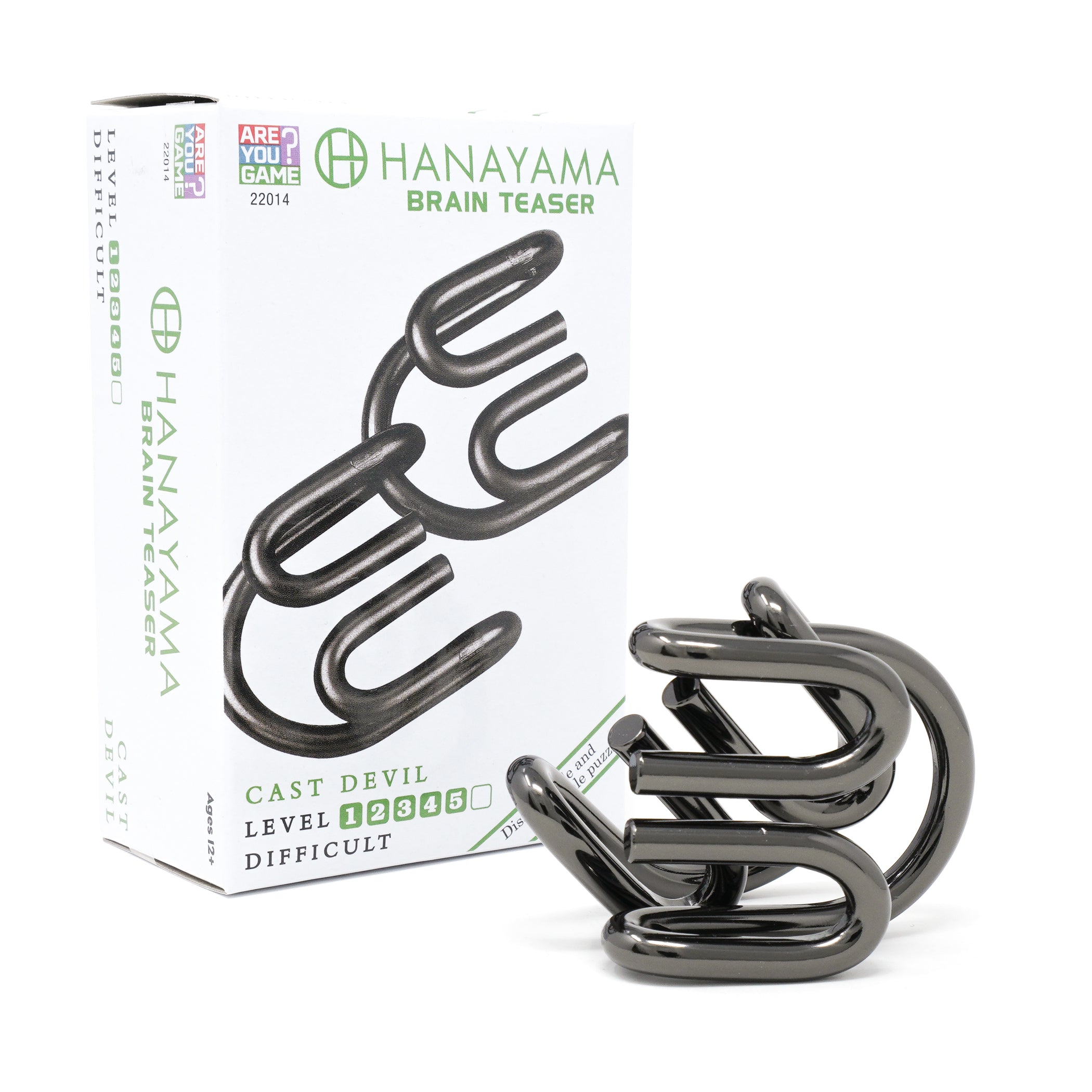
 Cast Devil
Hanayama's silky revival of the 1905 "Devil's Claws," and it still carries Nob Yoshigahara's own warning about letting "frustration take over." Reviews split deliciously: some are stunned it's rated Expert and find it gentle, others simply cannot crack it. That variance is the puzzle's character — a deceptively simple-looking two-claw tangle that's smooth as silk and tricky in a way that's hard to predict. Great value at $12.99 and a tangible piece of puzzle history.
- Beautiful, smooth, classic design with real 1905 provenance
- Excellent value at $12.99
- Polarizing difficulty means a genuine fair shot at an unaided solve
- Difficulty is inconsistent solver-to-solver — may feel well below its Level 5
- Less mechanically novel than the coordinated-motion stars
- "Smooth looks" can make the solution feel anticlimactic once found
 2 photos
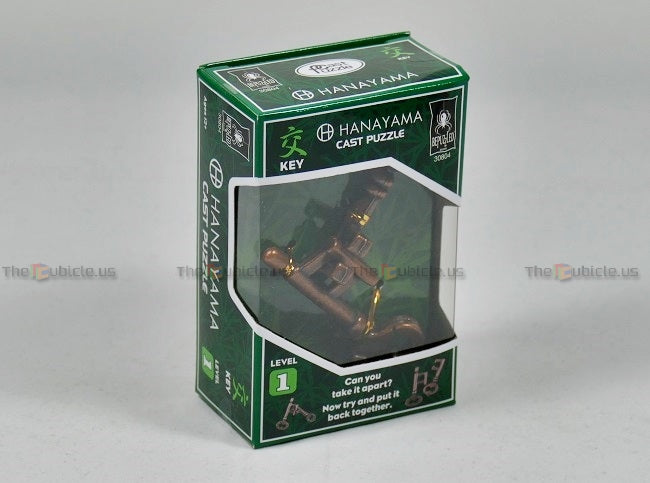
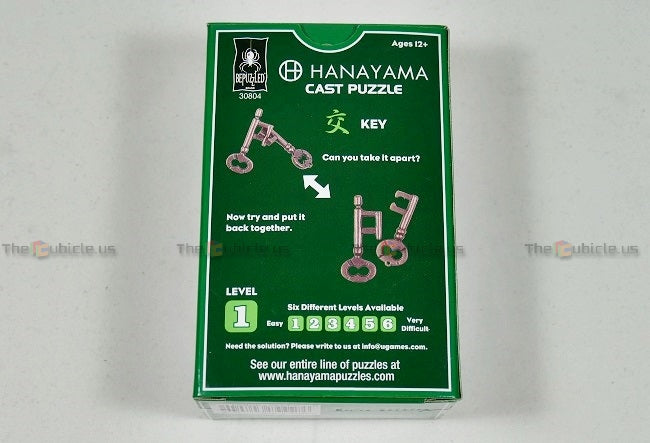
 Cast Key
One of the three original 1983 Casts and still the canonical first puzzle: separate two interlocked keys, rediscover them clicking back together. "Seems easy at first glance" but the correct move sequence is a real, satisfying micro-puzzle. Buy it as your on-ramp and as a quiet nod to where the whole line began — designed in the era stewarded by Nob Yoshigahara himself.
- Perfect Level 1 on-ramp — legible mechanic, clean aha
- Historic: one of the original 1983 trio
- Cheap ($12.99) and nearly indestructible
- Too easy for anyone with prior puzzle experience
- Less visually striking than the modern black-finish Huzzles
- Solved-and-shelved quickly; little replay value
 3 photos
 Cast Loop
The puzzle reviewers literally buy to hook friends and family. Level 1, ~$15, ~5 minutes to solve — but, crucially, "isn't immediately obvious," so even newcomers get a real aha rather than a freebie. If you want one object to convert a skeptic into a Cast collector, this is the most reliable gateway in the catalog. Easy without being trivial: exactly the brief.
- The ideal first-ever disentanglement puzzle — approachable yet satisfying
- Reportedly enjoyable to re-solve, and a hit with non-puzzlers
- Inexpensive, giftable, hard to damage
- Trivial for experienced solvers — strictly an on-ramp
- Simple form lacks the display appeal of higher-level designs
- No reassembly challenge to speak of
 3 photos
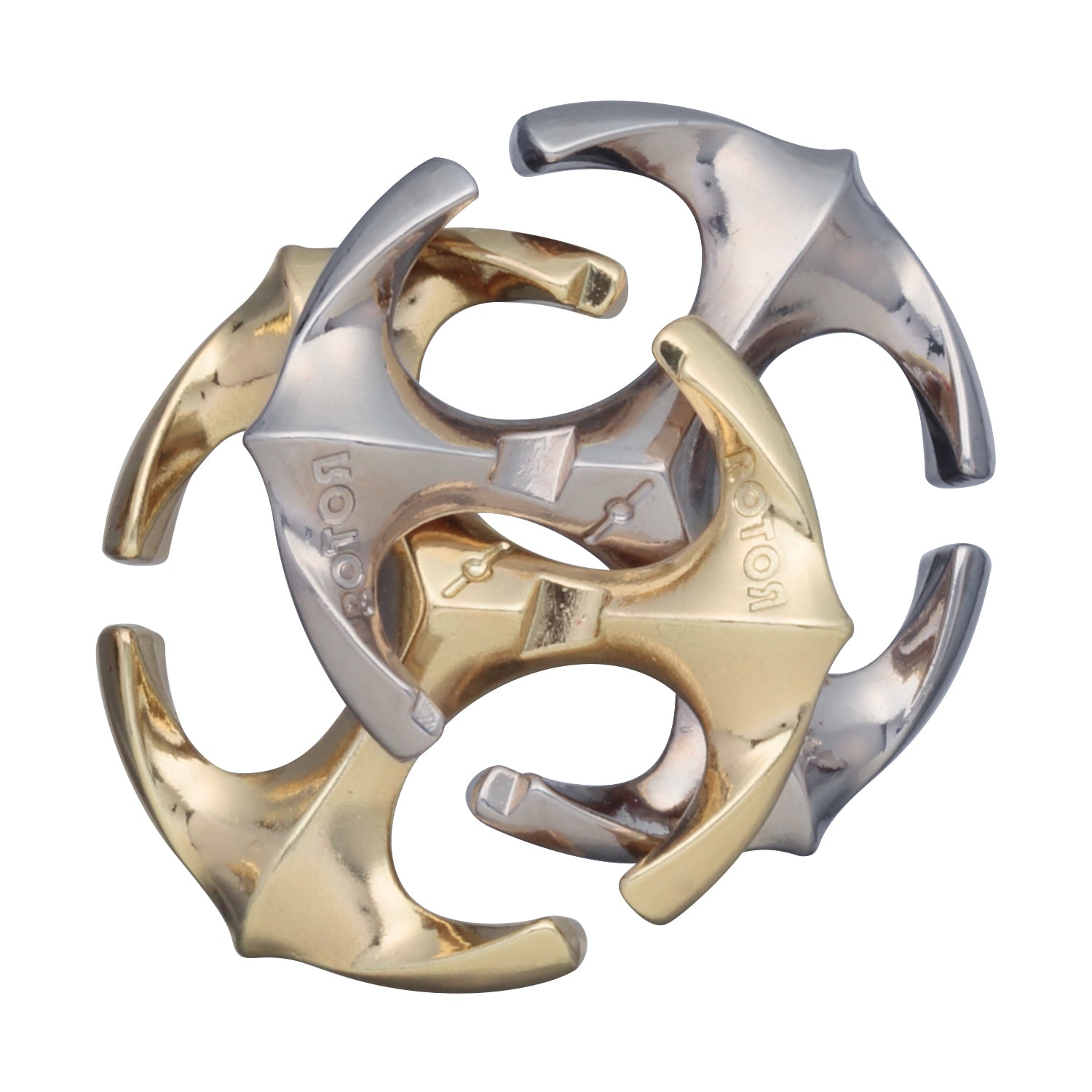
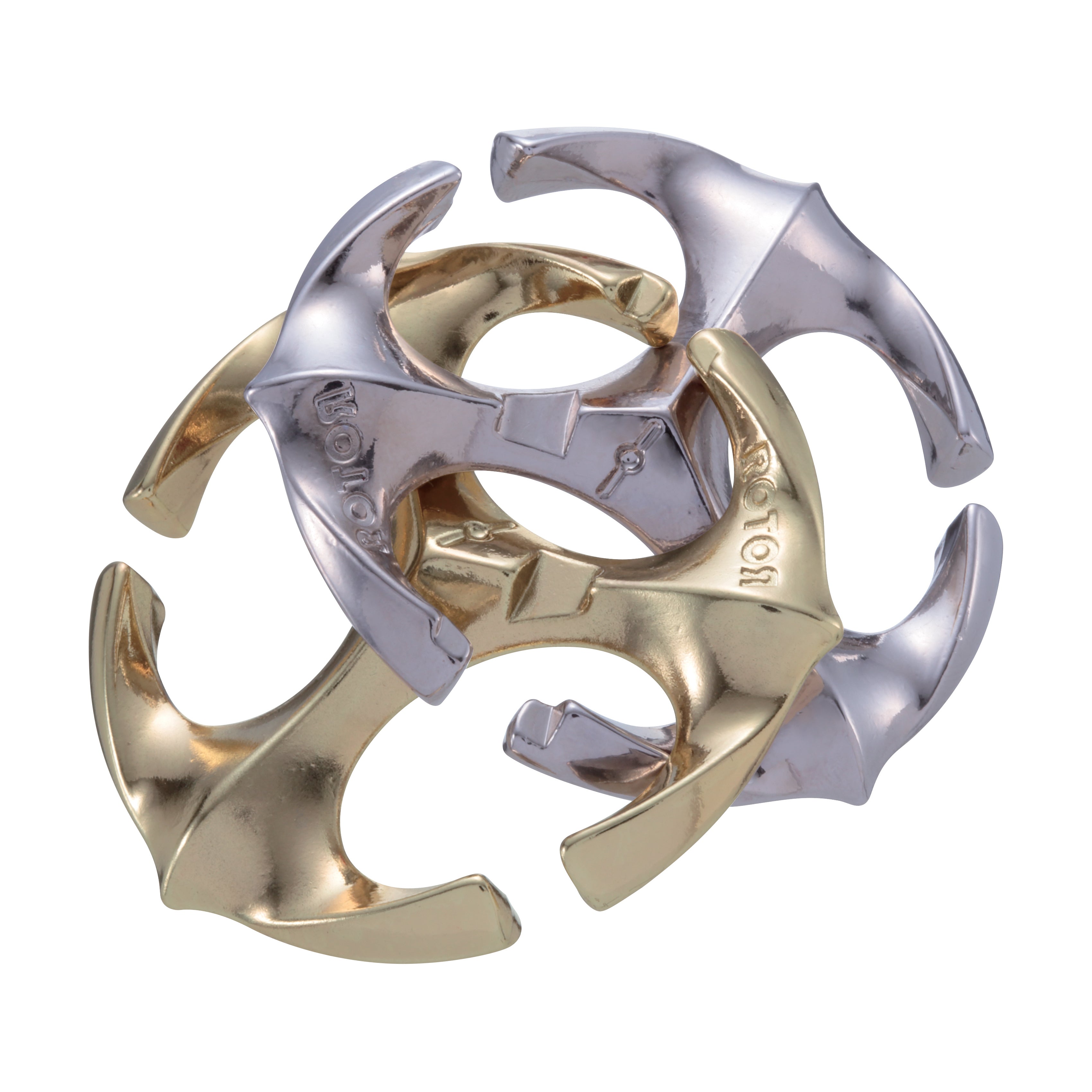
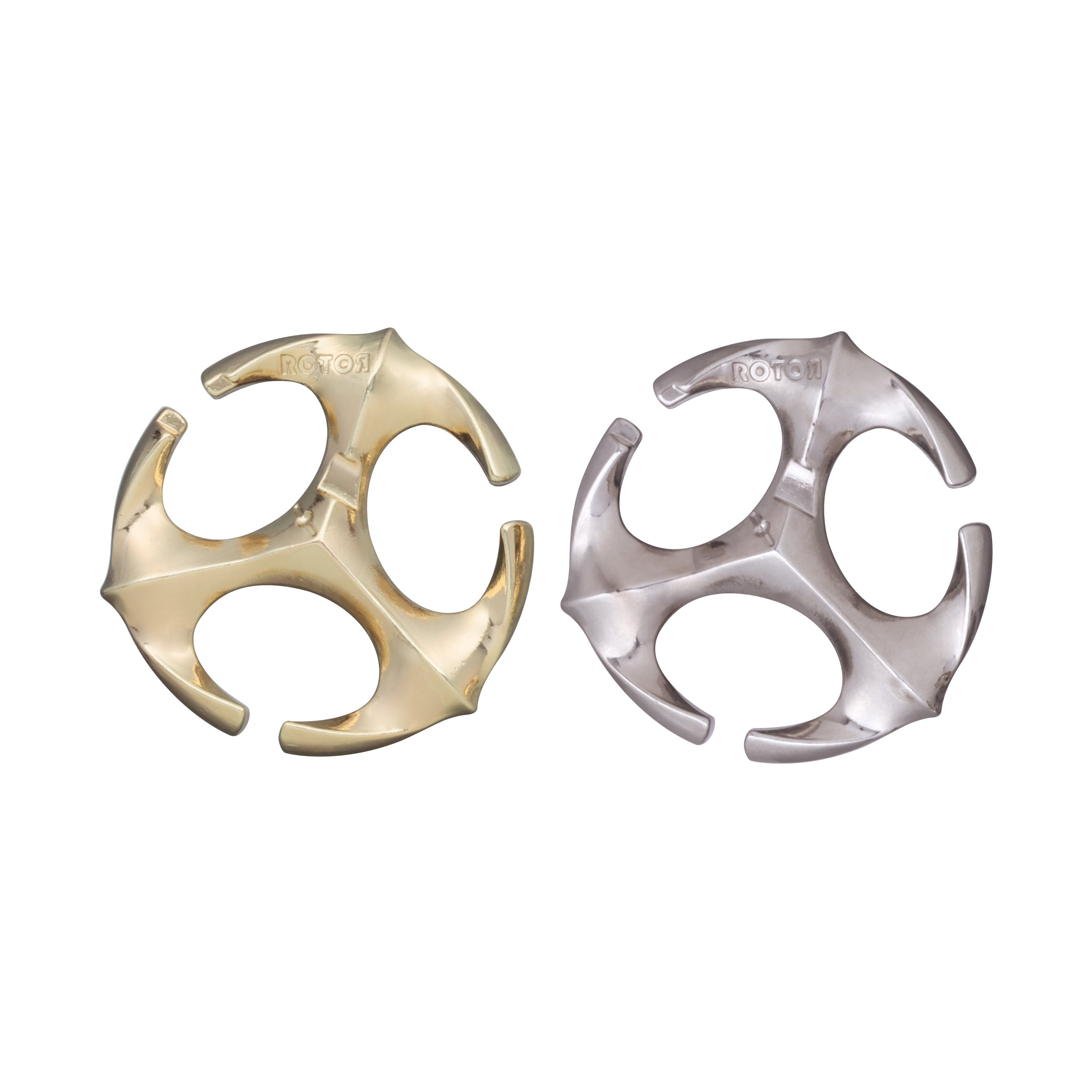
 Cast Rotor
Another Kyoo Wong Level 6 — interlocking emblem-like pieces with, per Hanayama, "numerous solutions," which is exactly what makes it maddening: many ways in, fewer ways truly out. At $16.99 it sits at the top of the price band, and it's the pick for someone working through Wong's reliably-vicious catalog after the Trinity and News. Less canonized than the Quartet/Trinity, but unmistakably a real Grand Master from the line's most trustworthy hard-puzzle designer.
- Genuine Kyoo Wong Level 6 — the designer whose 6s actually earn the badge
- Multiple-solution design rewards exploration and replay
- Handsome emblem-style form solved on a shelf
- Priciest of the picks at $16.99
- "Numerous solutions" can make the intended state ambiguous and frustrating
- Fewer walkthrough resources than the famous marquee 6s
At a glance
| puzzle | level | type | best for |
|---|---|---|---|
| Cast Loop | 1 | Disentanglement (looped path) | Absolute first puzzle / converting a non-puzzler |
| Cast Key | 1 | Interlocked-piece separation | Beginners; a piece of 1983 history |
| Cast Box | 2 | Ring-around-cube | Easy step up with a single trick to find |
| Cast Marble | 4 | Coordinate motion | A pretty, satisfying puzzle that plays far easier than its badge |
| Cast Devil | 5 | Two-piece tangle (1905 revival) | A smooth, classic Expert with polarizing difficulty |
| Cast Vortex | 5 | No-force geometric | The connoisseur's stealth-hardest, most-fun puzzle |
| Cast Enigma | 6 | Three-piece coordinated motion | A gorgeous, approachable Grand Master with multiple ahas |
| Cast Chain | 6 | Interlocked links, no force | A purist's logic-only Grand Master |
| Cast Nutcase | 6 | Threaded bolt-and-nut | Easy-to-grasp, brutal-to-execute (don't force it!) |
| Cast News | 6 | Gripless three-piece tangle | Trial-and-error masochists; many wrong assemblies |
| Cast Rotor | 6 | Multi-solution emblem tangle | Kyoo Wong completists wanting numerous solutions |
| Cast Trinity | 6 | Three-piece impossible-motion | An honest, marathon-length 6/6 with a legendary aha |
| Cast Quartet | 6 | Four-piece interlock | The single hardest Cast — the final boss |
Questions, answered
What is the hardest Hanayama Cast puzzle?
By collector consensus, the Cast Quartet (designed by Mine Uyematsu) is the hardest mass-produced Hanayama Cast puzzle — a four-piece interlock that took an expert solver a week just to start making progress, with reassembly harder still. The Cast Trinity (Kyoo Wong) is a close second, having taken one top reviewer ten months to solve. Both are rated Level 6 (Grand Master).
What do Hanayama's difficulty levels 1 to 6 mean?
Hanayama rates every Cast/Huzzle puzzle on a six-level scale with official names: Level 1 = Fun, Level 2 = Easy, Level 3 = Normal, Level 4 = Hard, Level 5 = Expert, and Level 6 = Grand Master. Level 1 puzzles teach the basic mechanic and solve in minutes; Level 6 puzzles can take experienced solvers days to months.
Are Hanayama difficulty ratings accurate?
Roughly, but not precisely. Levels 1–4 are broadly trustworthy. The ratings become unreliable at the top: because there's no Level 7, the single Level 6 badge covers everything from a ~45-minute puzzle (Cast Enigma) to a ten-month one (Cast Trinity). Some puzzles also play below their badge — the Cast Marble is rated Level 4 but solves in about five minutes. Above Level 5, trust solver reviews and reported solve times over the printed number.
Which Hanayama Cast puzzle is best for a complete beginner?
Start with Cast Loop or Cast Key, both Level 1 and around $13. They have legible mechanics and solve in roughly five to ten minutes — easy enough to be encouraging but not so trivial that there's no aha-moment. The Cast Loop in particular is the puzzle reviewers buy specifically to introduce newcomers to the hobby.
What's the difference between Hanayama 'Cast' and 'Huzzle' puzzles?
None mechanically — they're the same product. Hanayama rebranded the international Cast series as 'Huzzle' (Hanayama + puzzle) with new dark-finish photography in the late 2010s. The designs, designers, and 1–6 difficulty scale are identical. 'Huzzle Cast Quartet, Level 6' and 'Cast Quartet, 6/6' refer to the same puzzle.
How do you solve a Hanayama disentanglement puzzle?
Don't force it — every legitimate Cast solution works with no force at all. First, map how the pieces interlock before moving anything. Find the single non-obvious 'first move' that changes the puzzle's state. Watch for coordinated motion, where two or three pieces must shift simultaneously (the most common wall). Critically, remember your move sequence — reassembly is often harder than disassembly. And when you're stuck, walk away; the subconscious solves these overnight.
Why is reassembly harder than taking the puzzle apart?
Taking a Cast puzzle apart gives you constant feedback — pieces visibly loosen as you progress. Reassembly has none: you're working toward a target state with no picture-on-the-box to guide you, often needing to reverse a long coordinated-motion sequence exactly. This is why solvers are warned to record their moves, and why puzzles like the Quartet and Trinity are notorious for being solved, then left in pieces for weeks because the owner forgot how to put them back.
How much do Hanayama Cast puzzles cost?
Most sit between roughly $12.99 and $16.99 USD. Level 1 puzzles like the Cast Key run about $12.99; top-tier Level 6 puzzles like the Cast Rotor run about $16.99. They're widely regarded as exceptional value — few mechanical puzzles deliver this much quality and replay for the price.
Who designs Hanayama Cast puzzles?
The series was fathered in 1983 by the legendary Japanese designer Nobuyuki 'Nob' Yoshigahara, who created the original trio (Cast Key, Cast A.B.C, Cast Star). Over 40+ years the line has drawn in world-class inventors including Oskar van Deventer, Mine Uyematsu (Cast Quartet), and Hong Kong's Kyoo Wong (Cast Trinity, News, Rotor) — whose name is the most reliable signature for a genuinely brutal Level 6.
Dax's verdict
Buy the Cast line for what it actually is, not what the numbers promise. Hanayama's six-level scale is the most useful unreliable map in puzzling: trust it through Level 4, respect it at Level 5, and read it skeptically at Level 6 — where the same badge covers a focused afternoon and a ten-month obsession. If you're new, the Cast Loop or Cast Key (Level 1, ~$13) is a perfect, honest on-ramp. If you want the most satisfying object regardless of difficulty, the wildly-overrated Cast Marble is a stealth masterpiece. If you want genuine difficulty done with elegance, the Cast Vortex out-puzzles its Level 5 badge and several Level 6s. And if you want the real, earned, marathon Grand Master — the puzzle that will sit in your pocket for months and then detonate one perfect aha — the Cast Quartet and Cast Trinity are the summit, with Kyoo Wong's name your most reliable signal that a 6 actually means six. Flattery is boring; the Cast line doesn't need it. These are, defensibly, the best mass-produced metal puzzles ever made — uneven ratings and all.
Research ledger 13 sources · reviewed 2026-07-17
Specifications, rules, current product information, community experience, and contrary evidence were checked against the sources below. Commercial links are kept separate from editorial evidence.
- universitygames.comuniversitygames.com/hanayamapuzzles
- hanayama-toys.comhanayama-toys.com/product-category/puzzles/huzzle
- kubiyagames.comkubiyagames.com/blogs/mechanical-puzzles-blog/from-beginner-to-pro-hanayamas-wide-range-of-puzzle-difficulty-levels
- puzzlemad.co.ukpuzzlemad.co.uk/2012/01/hanayama-cast-enigma.html
- puzzlemad.co.ukpuzzlemad.co.uk/2011/09/hanayama-cast-quartet.html
- puzzlemad.co.ukpuzzlemad.co.uk/2019/01/finally-solved-hanayama-cast-trinity.html
- puzzlemechanics.compuzzlemechanics.com/hardest-hanayama-puzzle-a-comprehensive-guide
- artofplay.comartofplay.com/blogs/stories/a-brief-history-of-hanayama-and-their-famous-cast-puzzles
- areyougame.comareyougame.com/products/ayg22014-hanayama-level-5-cast-puzzle-devil
- thecubicle.comthecubicle.com/products/hanayama-cast-key-level-1
- explorepuzzles.comexplorepuzzles.com/en/cast-loop
- mypuzzlecollection.blogspot.commypuzzlecollection.blogspot.com/2012/12/cast-nutcase.html
- puzzlemaster.capuzzlemaster.ca/browse/inventors/kyoowong/7547-cast-u-u
I'll be honest with you — flattery is boring.

Keep exploring
The next smart rabbit holes.
⌂ Topic PathFamily and Gateway Games: compare the whole shelfA good family game gets everyone playing quickly without becoming disposable after three nights. These guides prioritize clear...Best OfBest Jigsaw Puzzles for Adults, Ranked (2026)A three-decade reference desk curator's ledger of the cardboard worth a fortnight of evenings and the wooden heirlooms worth passing down...Best OfBest Sequential Discovery Puzzles, Ranked (2026)The genre that keeps lying about itself — and why the ones that don't are worth the chase and the price.