Is Cozy Stickerville Worth It in 2026? Solo, Family, Replay, and the Ten-Year Campaign
A spoiler-light Cozy Stickerville review covering permanent stickers, solo and family play, campaign rules, setup, strategy, and who should buy it.

Written and reviewed by Robert Pruitt · how this guide was made
Last editorial refresh: 2026-07-28 Gold-standard QA: 2026-07-28 9 sources reviewed Affiliate links checked during gold-standard pass

The short answer
Buy Cozy Stickerville if ten relaxed linked sessions, permanent stickers, gentle stories, and a village that becomes a record of your group sound valuable. Skip it if you need a difficult win condition, infinite reset, or a strategy system that reveals itself over fifty plays. The box includes enough material for two campaigns, so the value question is about the experience, not endless replay.
Decision map
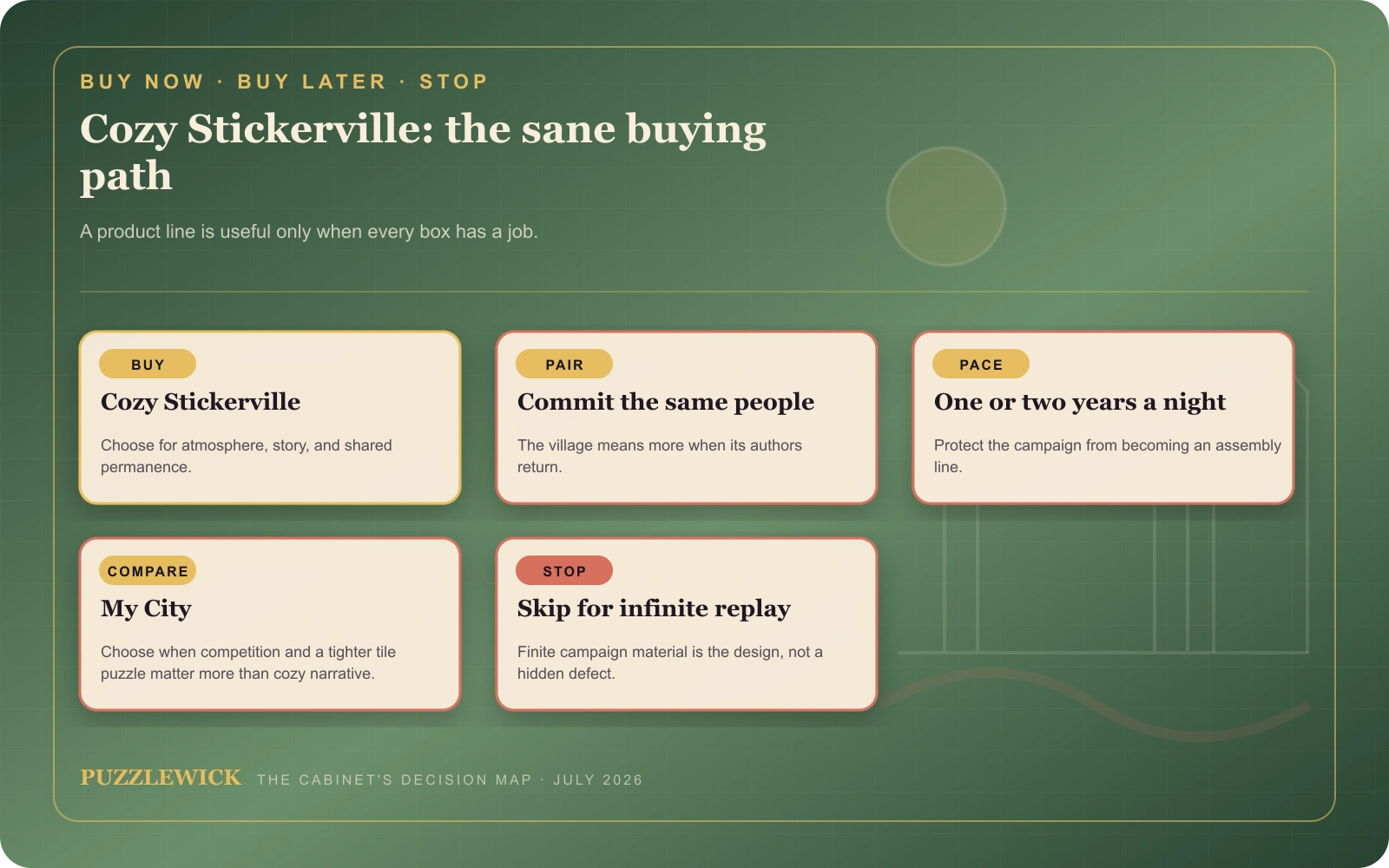
Choose in thirty seconds
Choose for atmosphere, story, and shared permanence.
The village means more when its authors return.
Protect the campaign from becoming an assembly line.
Choose when competition and a tighter tile puzzle matter more than cozy narrative.
The product line looks simpler from ten feet away. Up close, there are standalone boxes, required cores, expansions that solve different player-count problems, and products that are excellent but wrong for a first purchase.
This cornerstone guide was rebuilt from publisher rules and product pages, exact Amazon identity checks, BGG discussion, and current Reddit/forum questions. Community experience is paraphrased into original advice; generated curator scenes are editorial atmosphere, never product proof.
Start here, then go deeper
You are in the right cabinet.
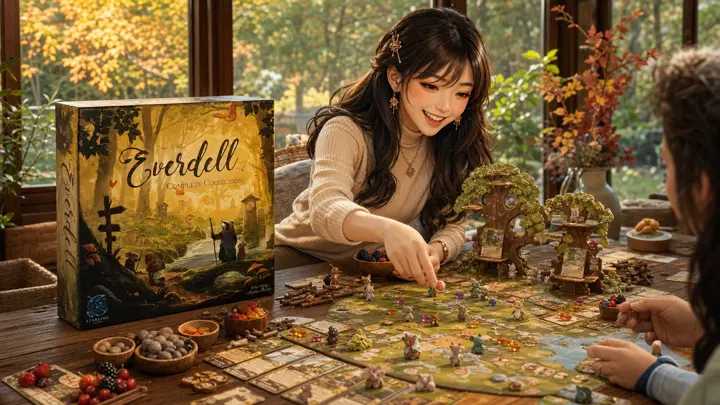 ❦ Universe HubEverdell: the whole buying pathEverdell is warm woodland theater wrapped around a sharp card-engine puzzle. Yumi's universe keeps the invitation intact while...
 ⌂ Topic PathFamily and Gateway Games: compare the whole shelfA good family game gets everyone playing quickly without becoming disposable after three nights. These guides prioritize clear...
 Buying GuideCarcassonne Big Box 2025 vs Base Game: Which Expansions Are Actually Worth Buying?Carcassonne Big Box vs Base Game, explained with exact box identity, expansion order, beginner-to-expert strategy, hosting and solo...
The short answer: which cozy stickerville should you buy?


Buy Cozy Stickerville if ten relaxed linked sessions, permanent stickers, gentle stories, and a village that becomes a record of your group sound valuable. Skip it if you need a difficult win condition, infinite reset, or a strategy system that reveals itself over fifty plays. The box includes enough material for two campaigns, so the value question is about the experience, not endless replay.
The verified purchase path in this guide is Cozy Stickerville on Amazon, My City on Amazon. Every retail button resolves to one exact Amazon product page; official publisher and community links remain research sources rather than unmonetized store detours.
The decision is not “which box contains the most cardboard?” It is which box gives your actual player count, session length, teaching appetite, and appetite for repeat play the right first ten sessions.
How does Cozy Stickerville actually play?
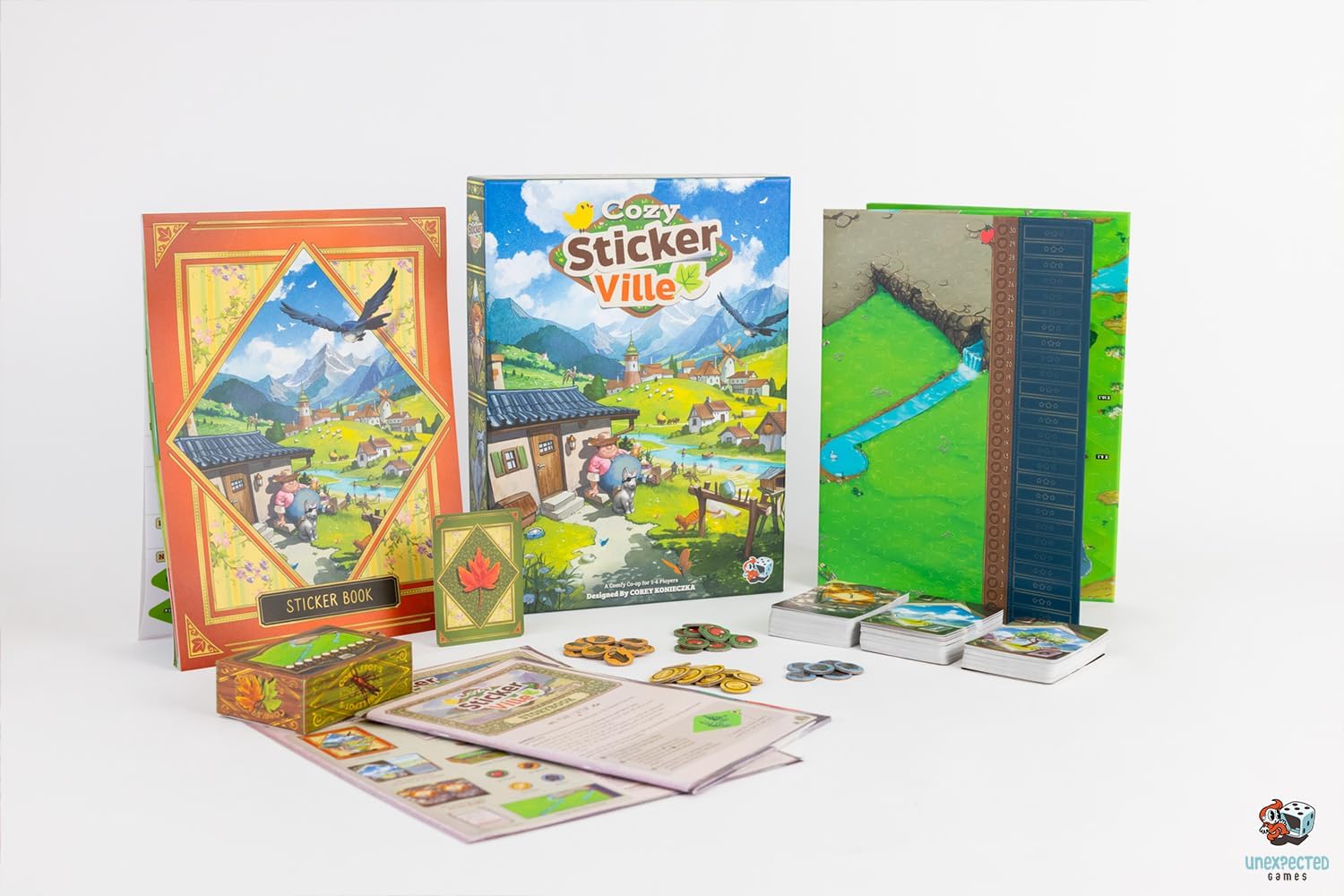
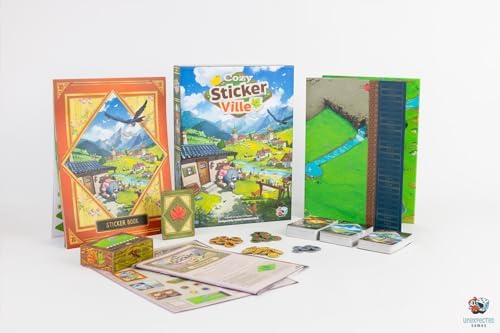
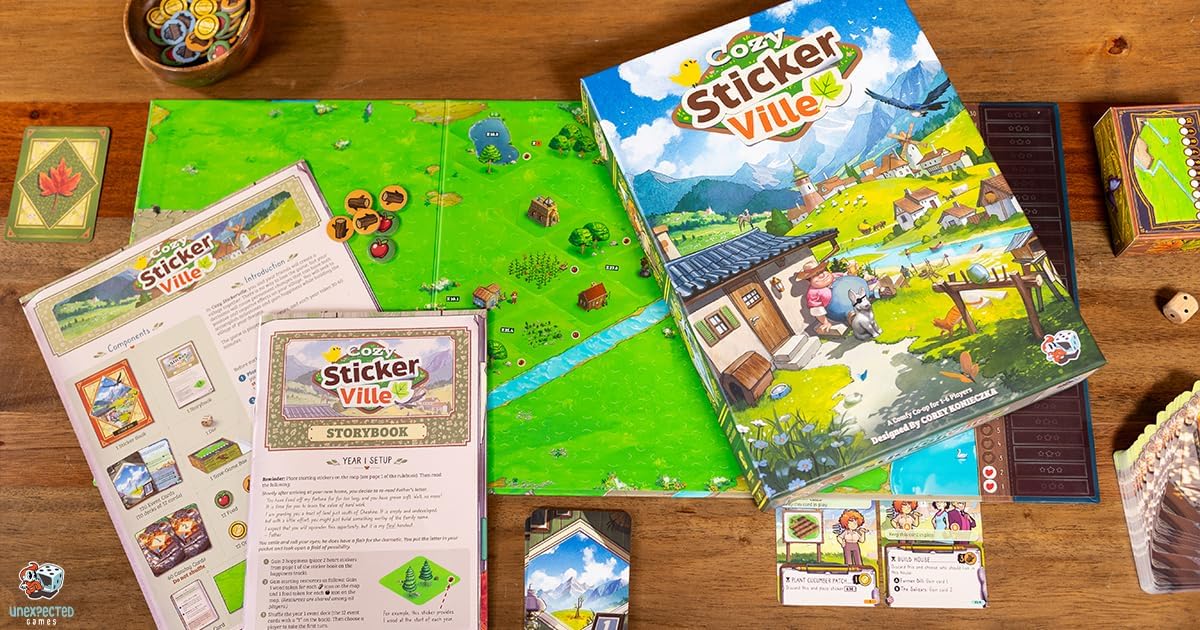
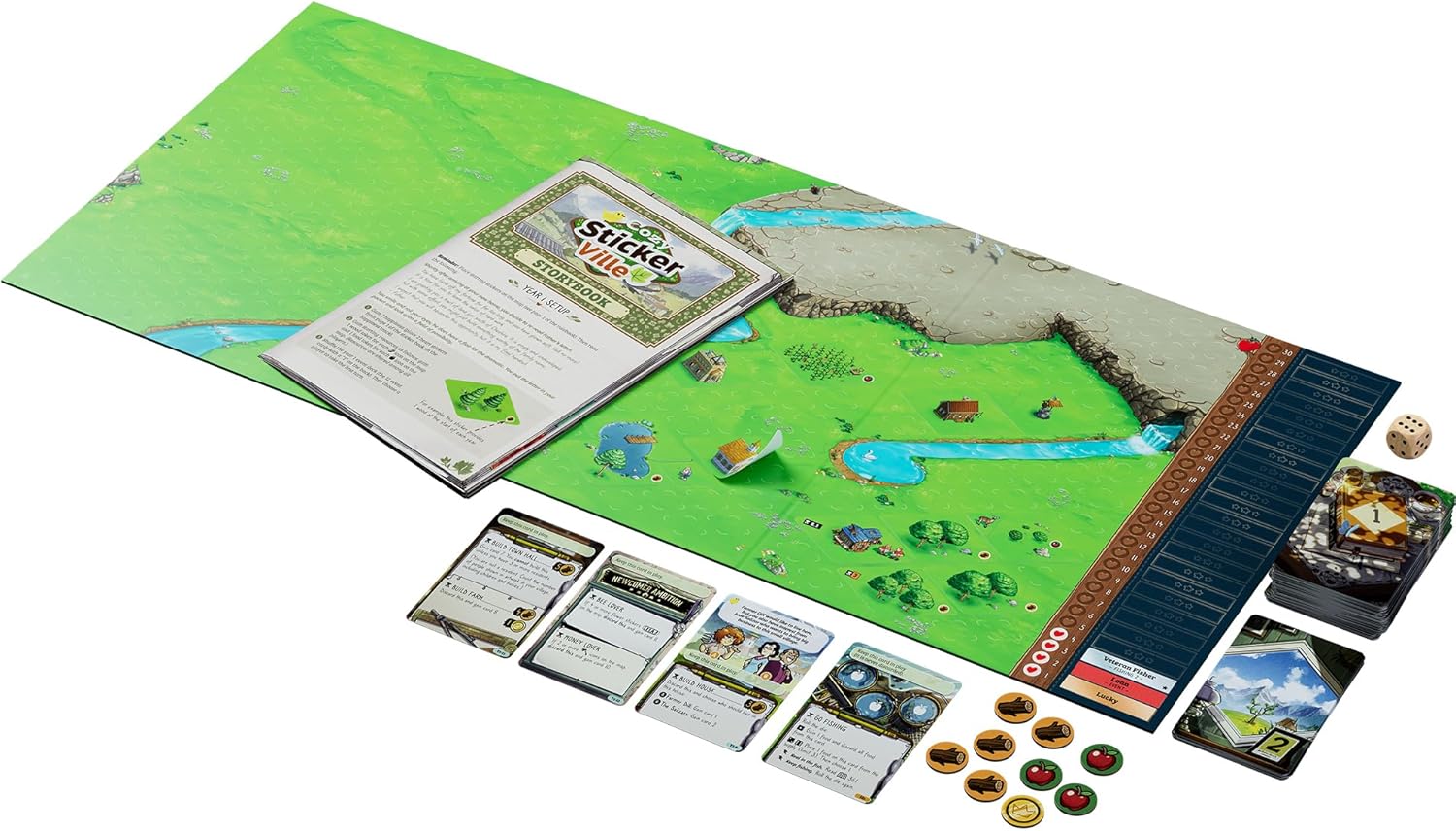
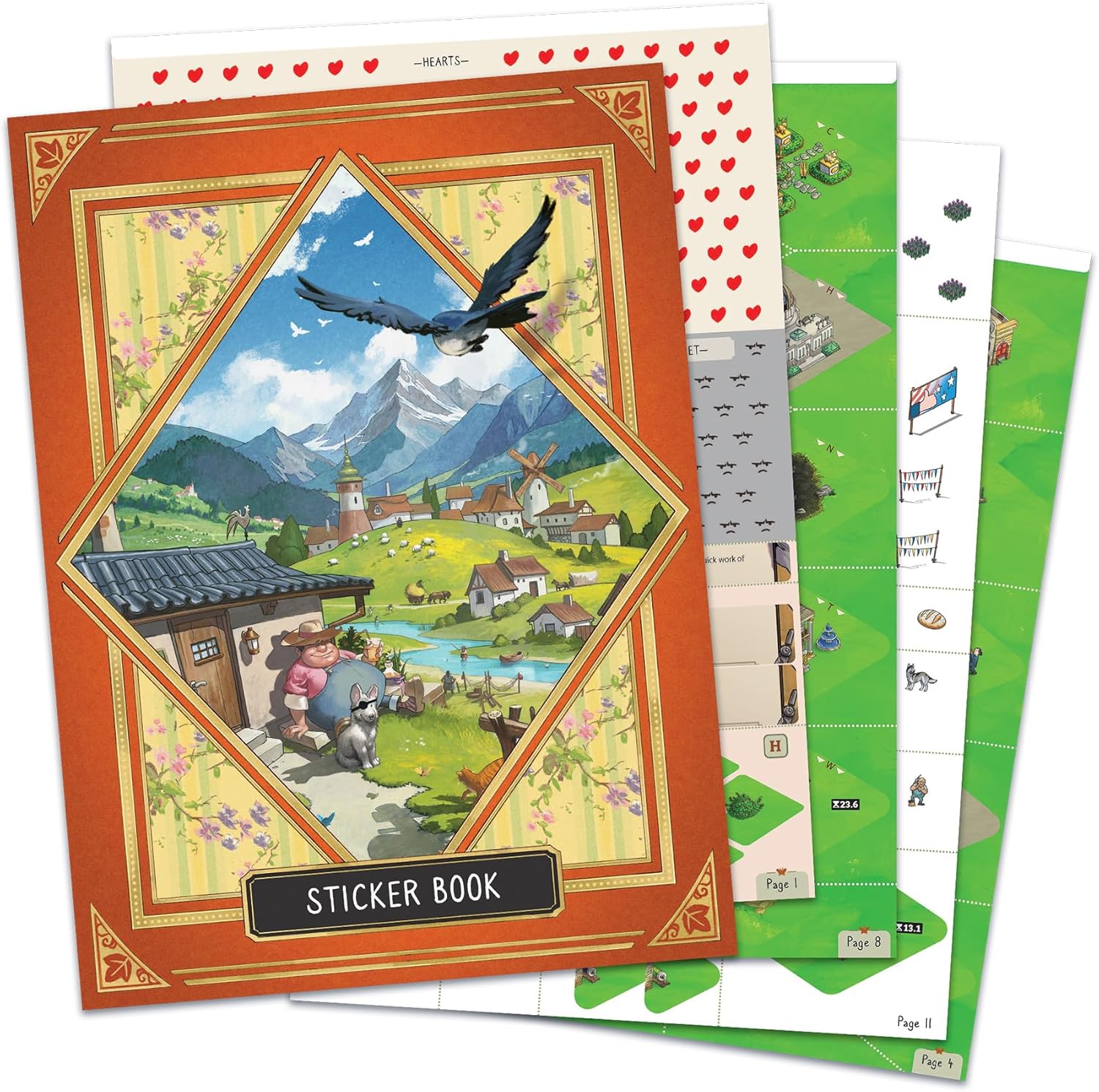
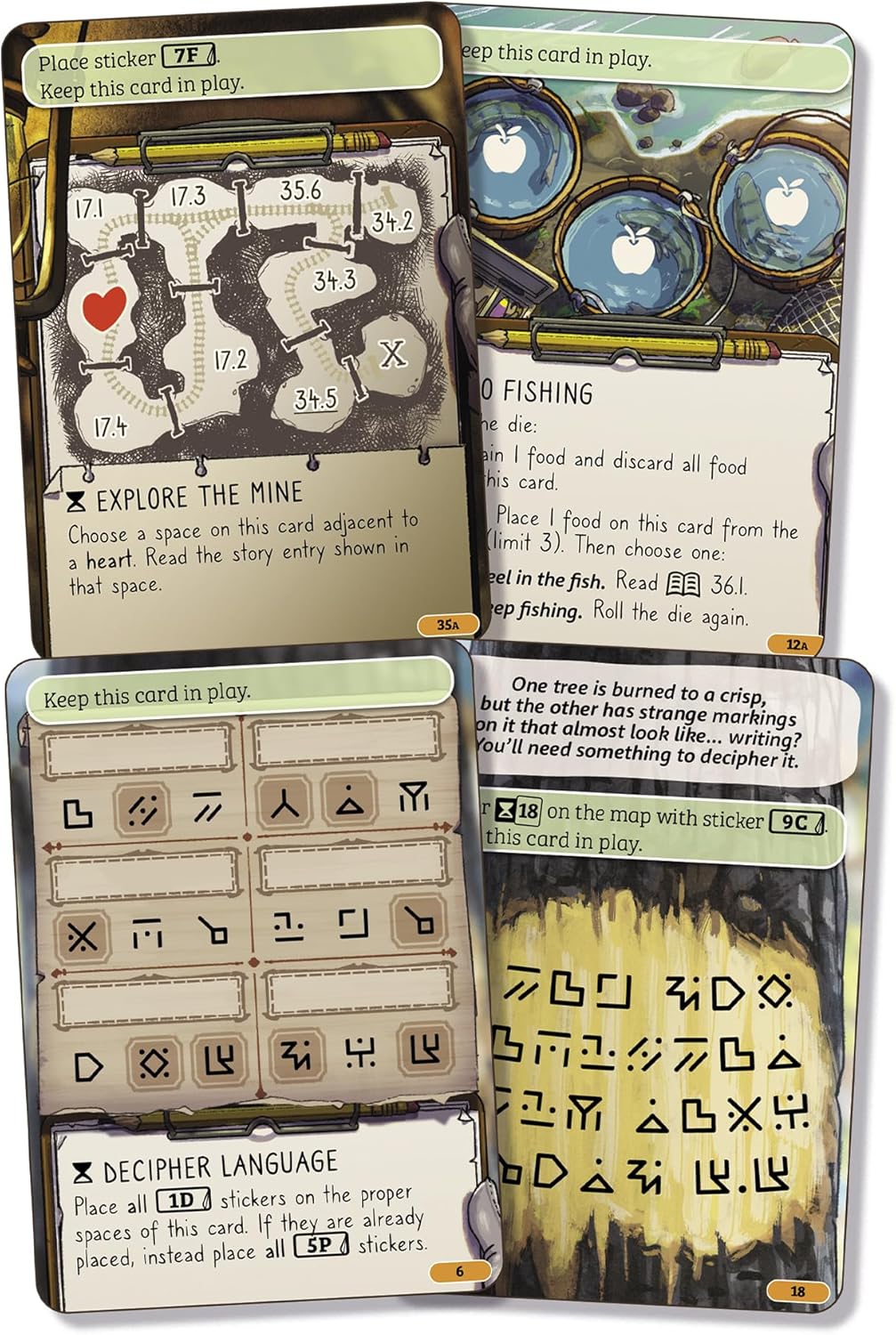
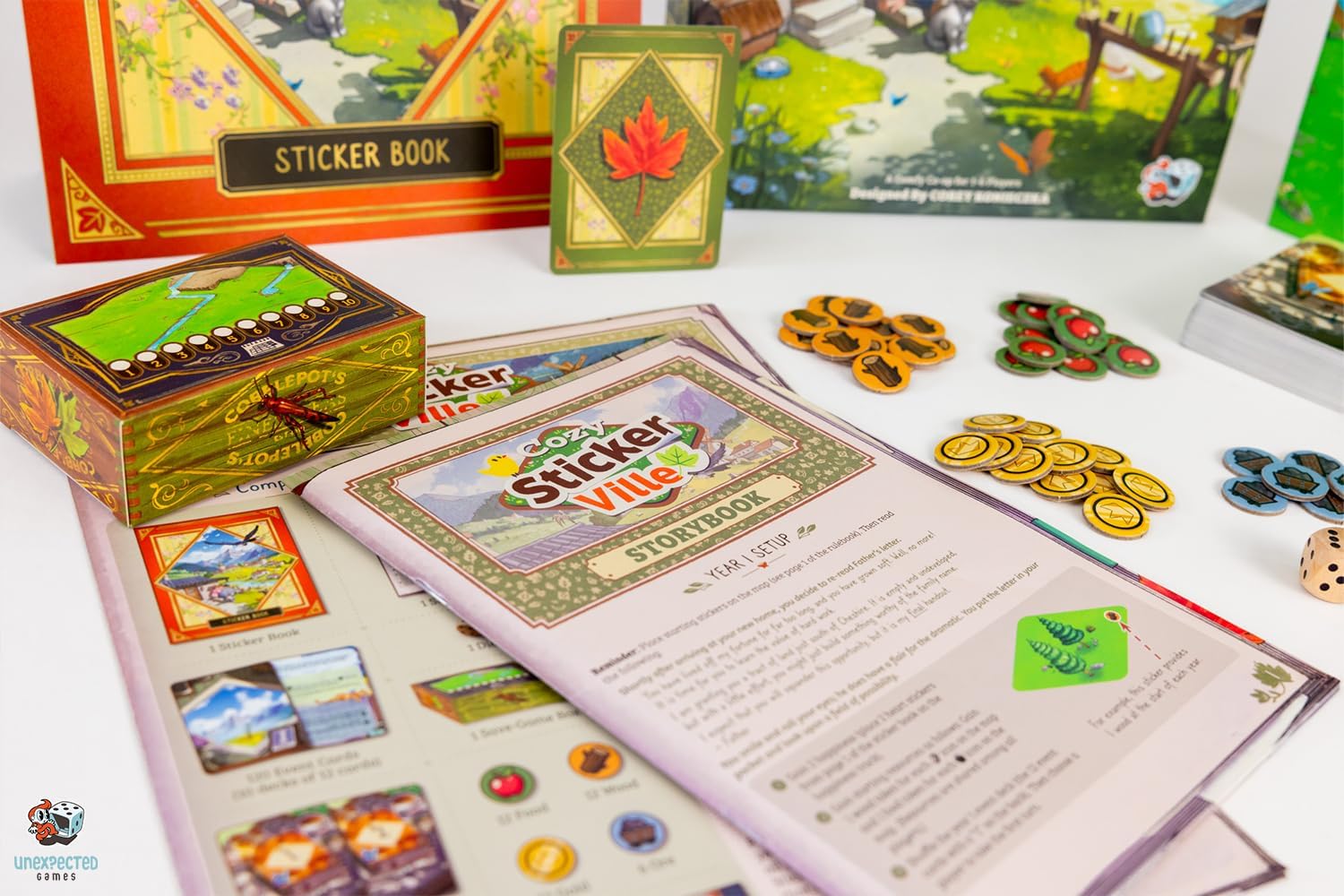
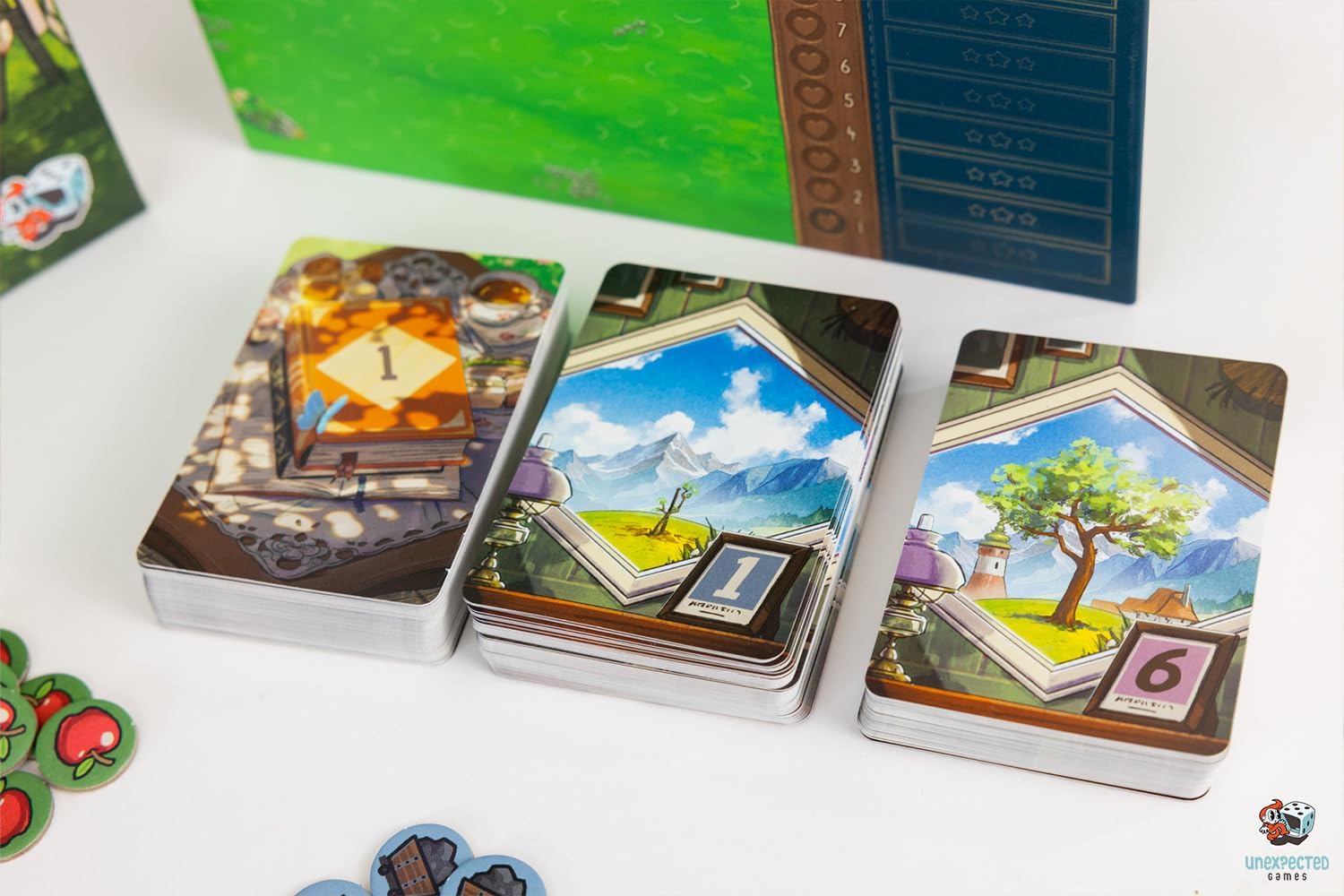
Each in-game year runs through events, choices, actions, resources, personal stories, and stickers that permanently grow the village.
The campaign is deliberately low-stakes. Progress and discovery matter more than optimizing a victory score.
The physical magic is cumulative: a blank map becomes a town whose strange little decisions belong to your table.
What makes the system fun is not a component count. It is the repeatable decision loop: the moment when a beginner stops moving pieces because the rules permit it and starts making a plan the rest of the table can read.
What the rulebook changes: each day has a morning event, then an afternoon in which you take one action and make a permanent sticker decision. Roads, rivers, bridges, background edges, and the fold in the town sheet are physical constraints, not decoration. Before anyone peels a sticker, point to the legal placement area and ask them to rehearse the placement with the backing still on.
What do players compare it to, and where does the comparison break?
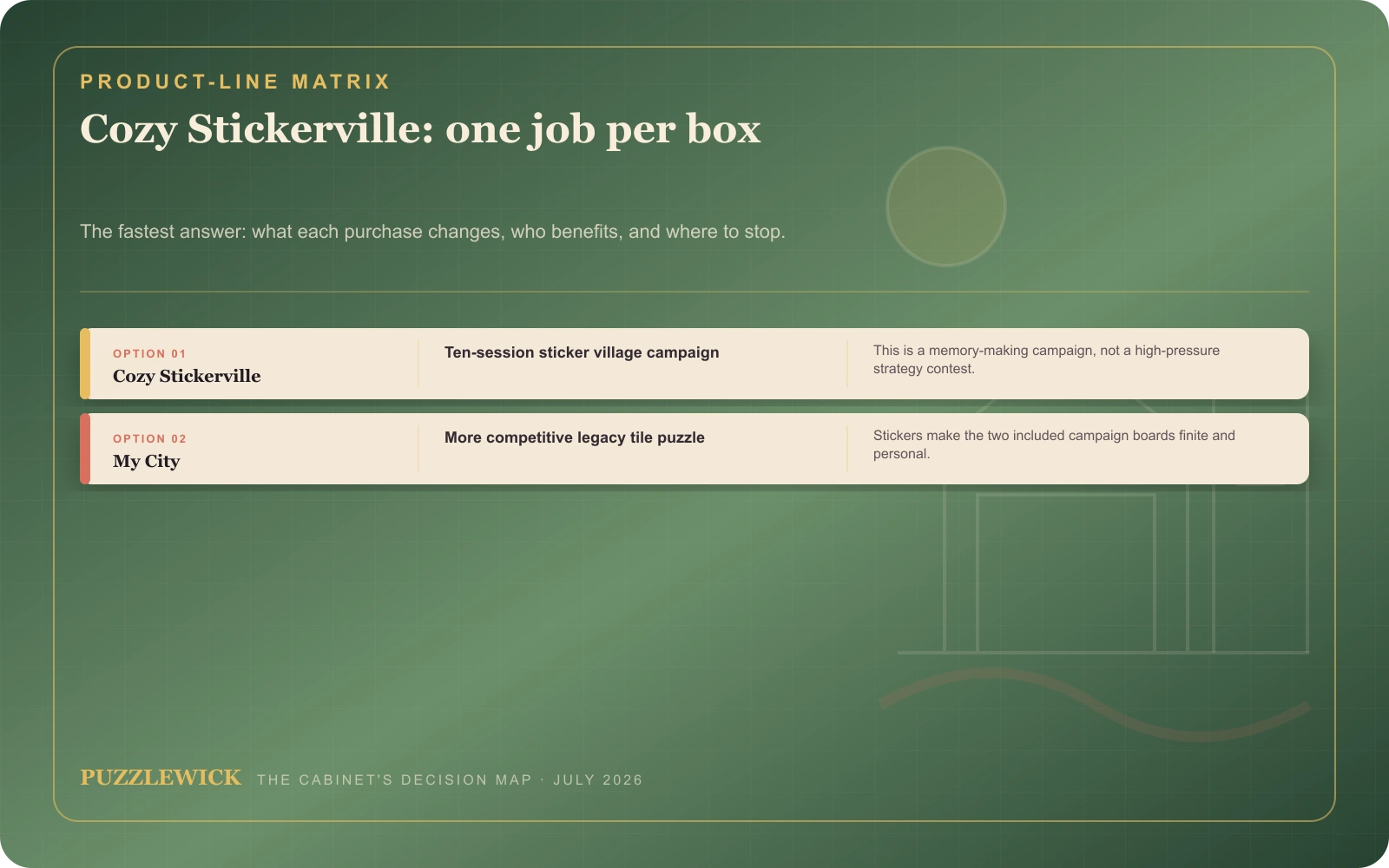
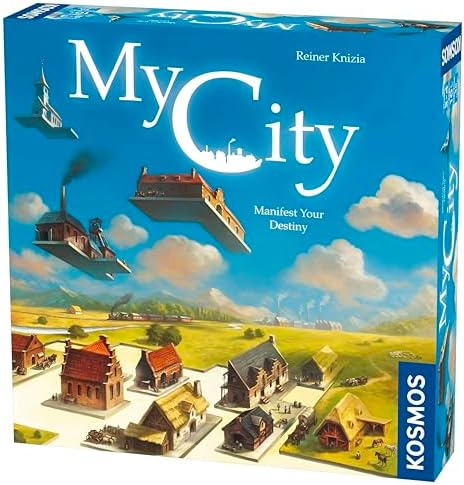
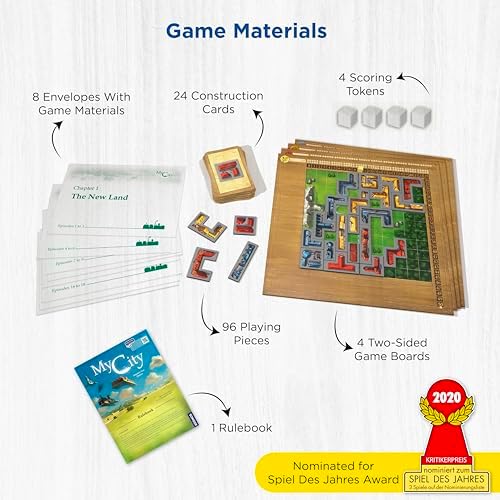
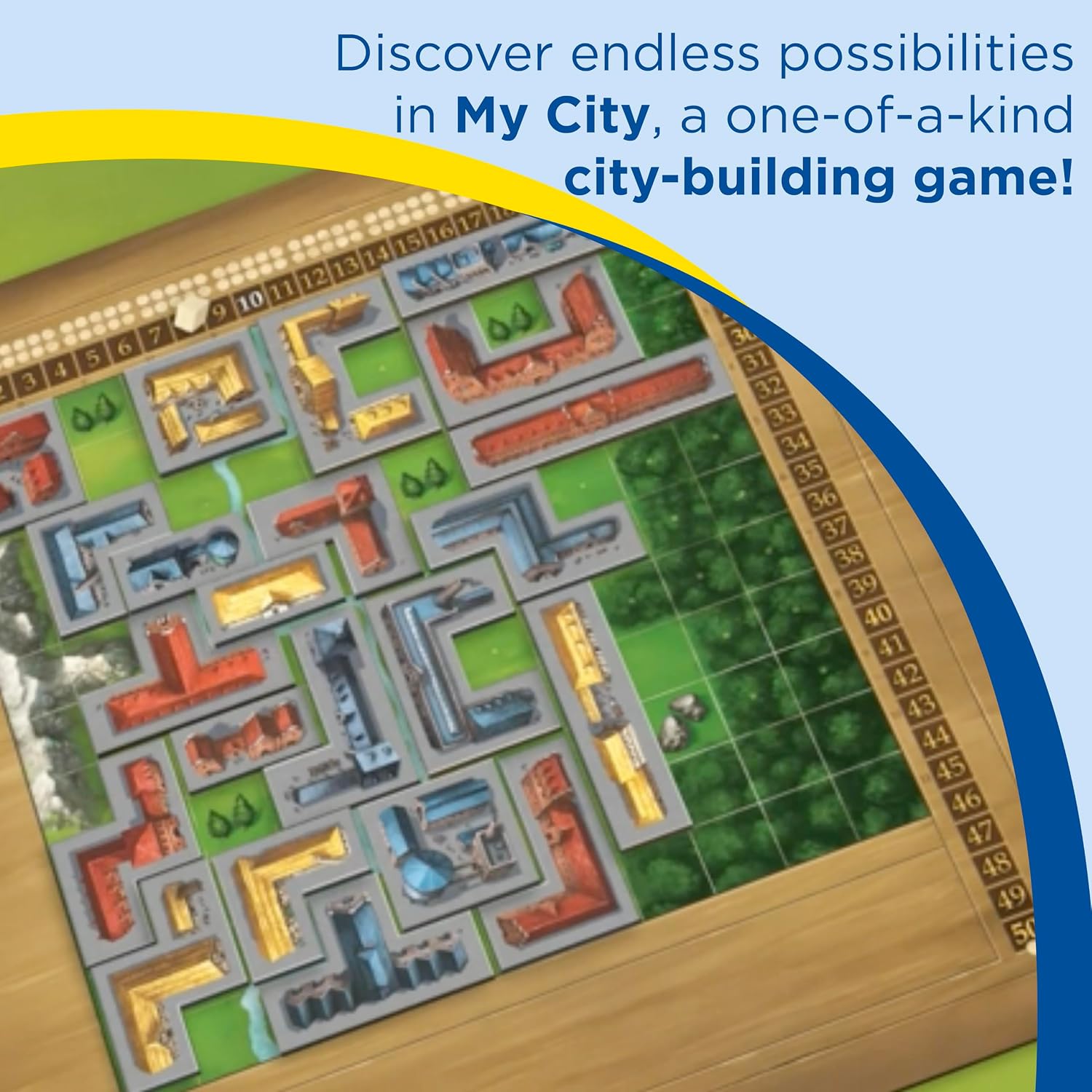
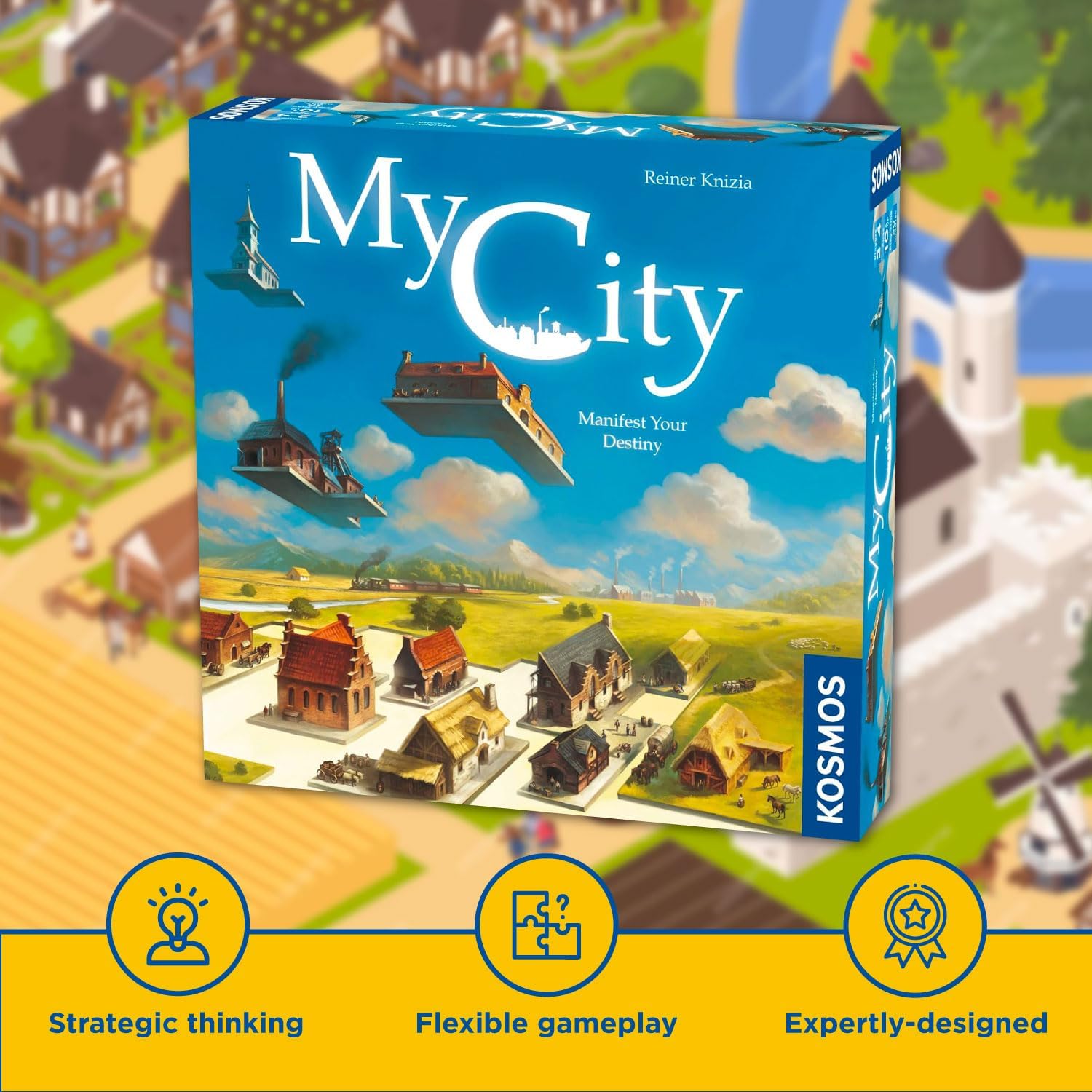
My City is more competitive, puzzle-forward, and explicitly scored. Charterstone is heavier and more system-driven. Cozy Stickerville is the gentlest: closer to a physical story journal with decisions than a campaign demanding tactical mastery.
Across BGG and current forum discussions, the most useful comparisons describe table behavior rather than declaring one title universally “better.” Complexity, downtime, hidden information, player interaction, and the host’s teaching burden are the variables that survive beyond launch-week excitement.
Use the matrix below to choose a job for the game. Theme can recruit a first play; the job determines whether the box earns a shelf.
What should you buy first, second, and not yet?
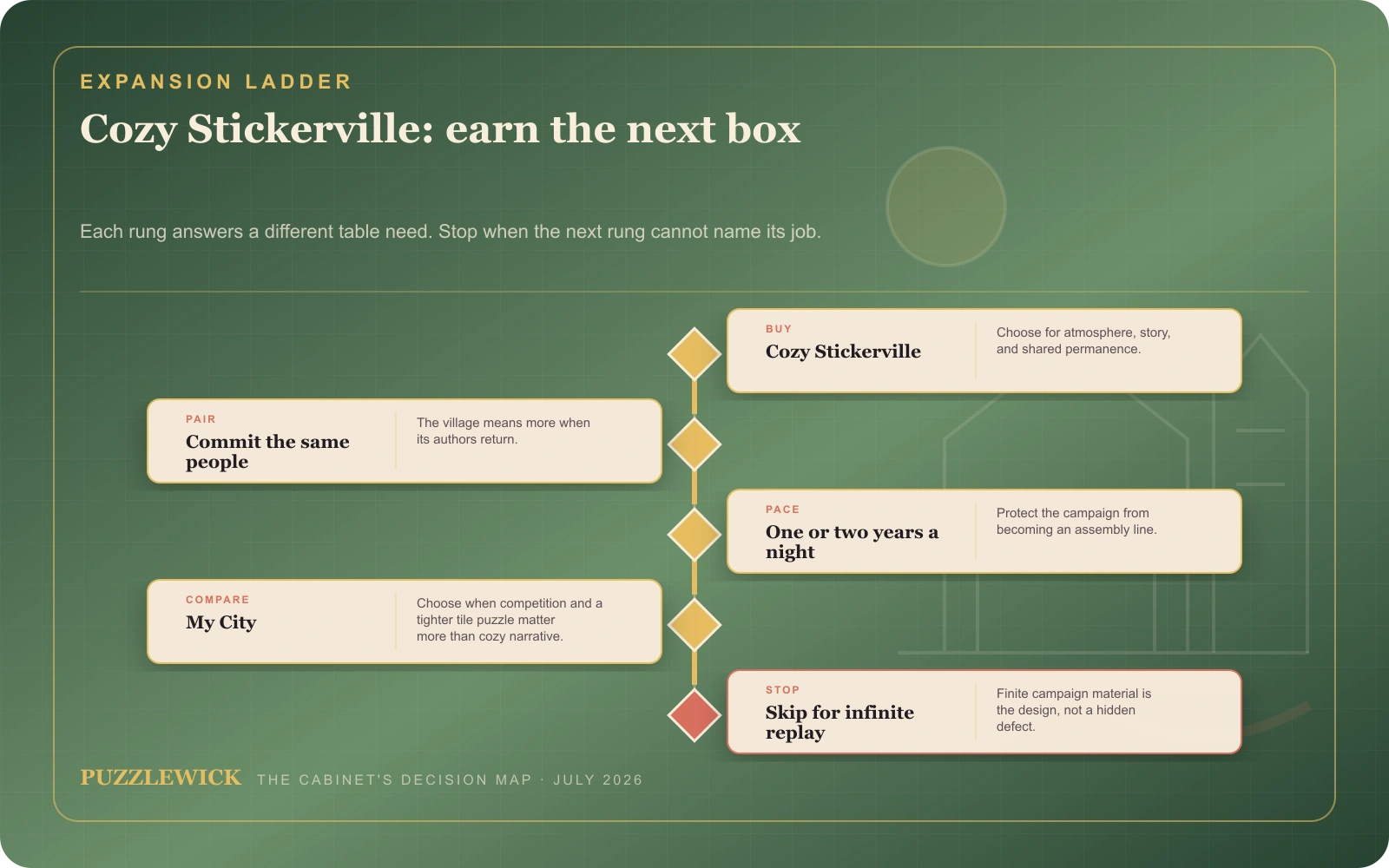

BUY · Cozy Stickerville: Choose for atmosphere, story, and shared permanence.
PAIR · Commit the same people: The village means more when its authors return.
PACE · One or two years a night: Protect the campaign from becoming an assembly line.
COMPARE · My City: Choose when competition and a tighter tile puzzle matter more than cozy narrative.
STOP · Skip for infinite replay: Finite campaign material is the design, not a hidden defect.
The stopping rule matters. Stickers make the two included campaign boards finite and personal. Solo works well for atmosphere, but family conversation is a meaningful part of the value.
Amazon availability is not treated as a verdict. A product can be easy to buy and still be the wrong next box; it can also be worth waiting for when the only current listing has an ambiguous edition, seller, language, or product identity.
Beginner, regular, advanced, and expert strategy
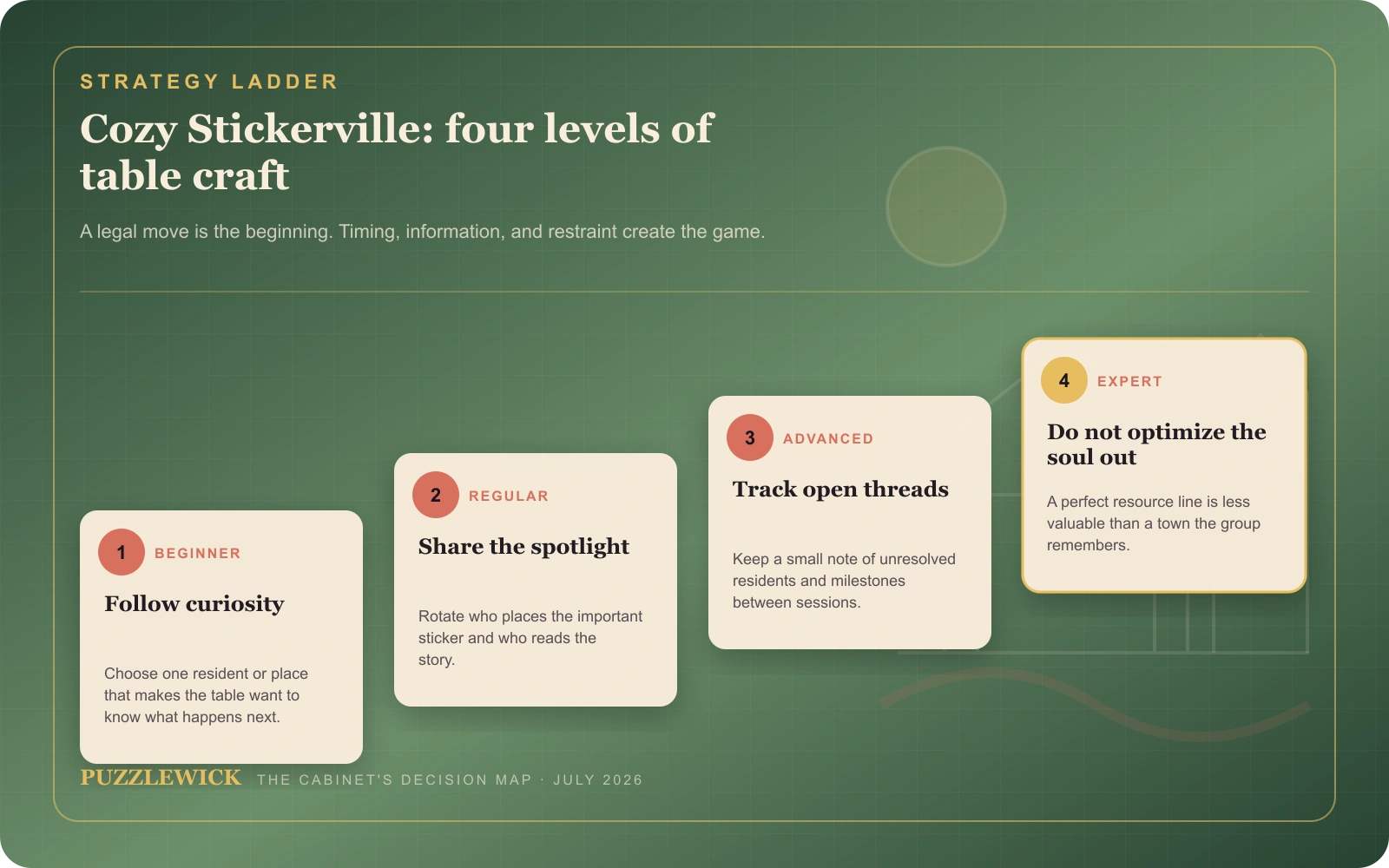
Beginner — Follow curiosity. Choose one resident or place that makes the table want to know what happens next.
Regular — Share the spotlight. Rotate who places the important sticker and who reads the story.
Advanced — Track open threads. Keep a small note of unresolved residents and milestones between sessions.
Expert — Do not optimize the soul out. A perfect resource line is less valuable than a town the group remembers.
Do the debrief. After the game, name one decision that worked and one rule or timing window that stayed muddy. That five-minute conversation is more valuable than buying an expansion to create novelty.
The strategy advice here combines the official rules structure with repeated owner questions. It is written in Puzzlewick’s voice; no forum post is being passed off as our firsthand test or copied as anonymous authority.
Campaign-level move: treat flexibility as a resource. A placement that scores slightly less today but preserves two future road or river connections is often stronger than the locally perfect sticker that seals a district. Photograph the town at the end of each session; the image becomes both a campaign memory and a fast rules-state reference next time.
What is the real table, hosting, and solo commitment?

Hosting: Use removable page flags in the storybook, keep the sticker sheets flat, and designate one clean placement area. Photograph the village after each year. Let different players read events and place major stickers. Stop while everyone still wants to know what happens next.
Solo: Solo is fully viable and current solo players report a complete campaign around six hours, often in ten short sessions. It becomes a reflective activity rather than a group story. The key question is whether permanent creative choices feel soothing or stressful to you.
Before purchase, budget the invisible parts: setup surface, sorting, teaching, save-state needs, cleanup, and whether one person must own the rules. These costs decide replay more reliably than the excitement of an unboxing.
What do lower-star reviews and long-term owners warn about?
The durable warnings are fit warnings. This is a memory-making campaign, not a high-pressure strategy contest. Stickers make the two included campaign boards finite and personal. Solo works well for atmosphere, but family conversation is a meaningful part of the value.
Amazon review patterns were used only as a secondary check for recurring packaging, component, complexity, and expectation issues. Star ratings and individual quotations are intentionally not frozen here because listings merge, editions change, and ratings move.
A credible warning changes the buy decision. A complaint that merely describes the intended genre belongs in the “who should skip it” box instead.
The irreversible-choice warning is real: owners who enjoy legacy games describe the permanence as the point, while hesitant groups can freeze over a crooked sticker or an early choice they later understand better. Use tweezers, bright light, and one designated “placement check” before pressing. This does not remove consequence; it removes avoidable craft frustration.
Common misconceptions, corrected before checkout
- There is no conventional win-or-lose climax to optimize toward.
- The box is not single-use; it supports two campaign boards.
- Solo is not an afterthought, but it changes the experience from shared memory to personal ritual.
The record date is July 28, 2026. Product identities and availability can change. The direct Amazon links are rechecked by Puzzlewick’s publishing audit; rules and compatibility claims retain dated publisher sources so a future refresh can identify what changed.
The Puzzlewick shelf plan for Cozy Stickerville
For a couple, family, or solo player who wants physical Stardew-like comfort, Cozy Stickerville is an easy buy. For a group that judges value by competitive depth or resettable scenarios, choose My City or a conventional campaign game instead. Do not rush the ten years; the conversations around the stickers are part of the product.
Buy the first verified box that solves your present table. Play it enough to explain why the second box would improve a repeated experience. If that sentence is still vague, the right move is to wait.
Current verified Amazon options: Cozy Stickerville on Amazon, My City on Amazon.
The picks
Some links below are affiliate links — as an Amazon Associate, Puzzlewick earns from qualifying purchases, at no extra cost to you. It never changes a pick.
 10 photos
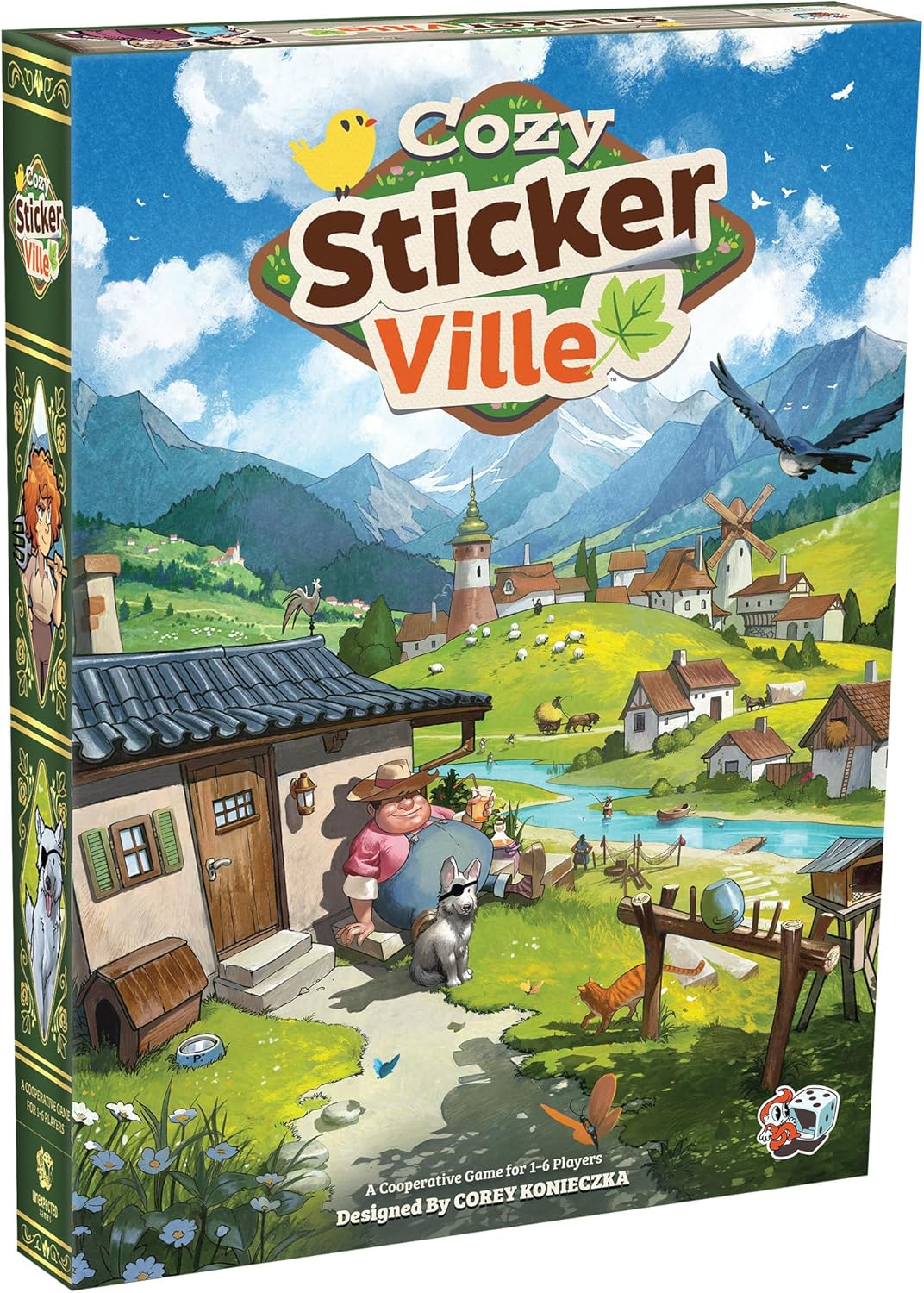
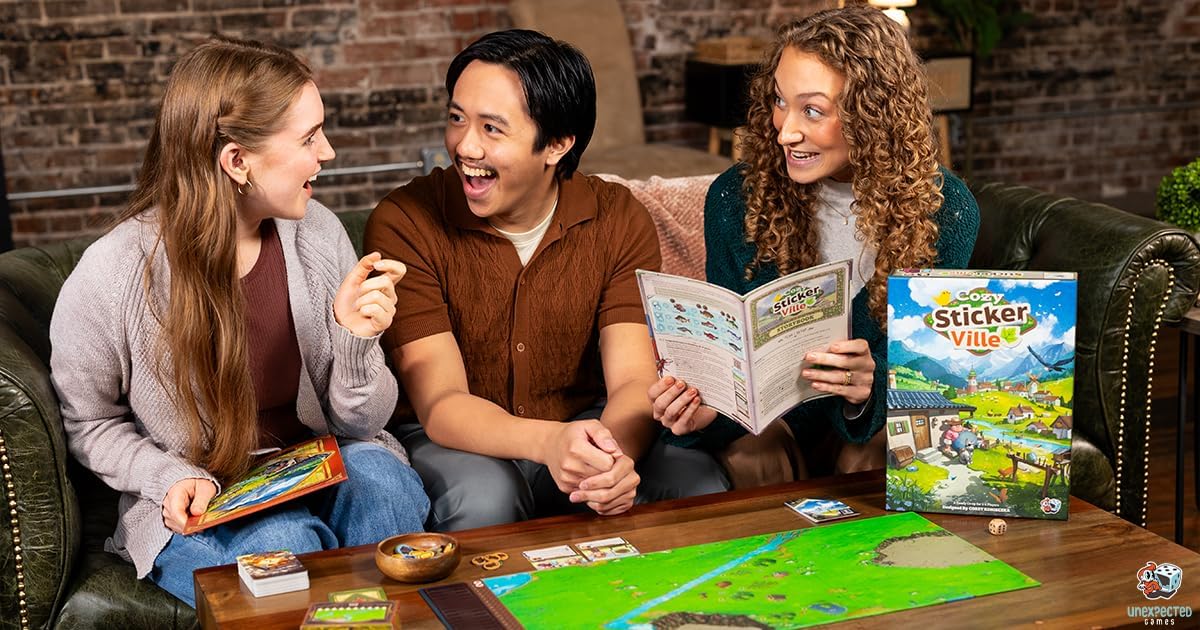
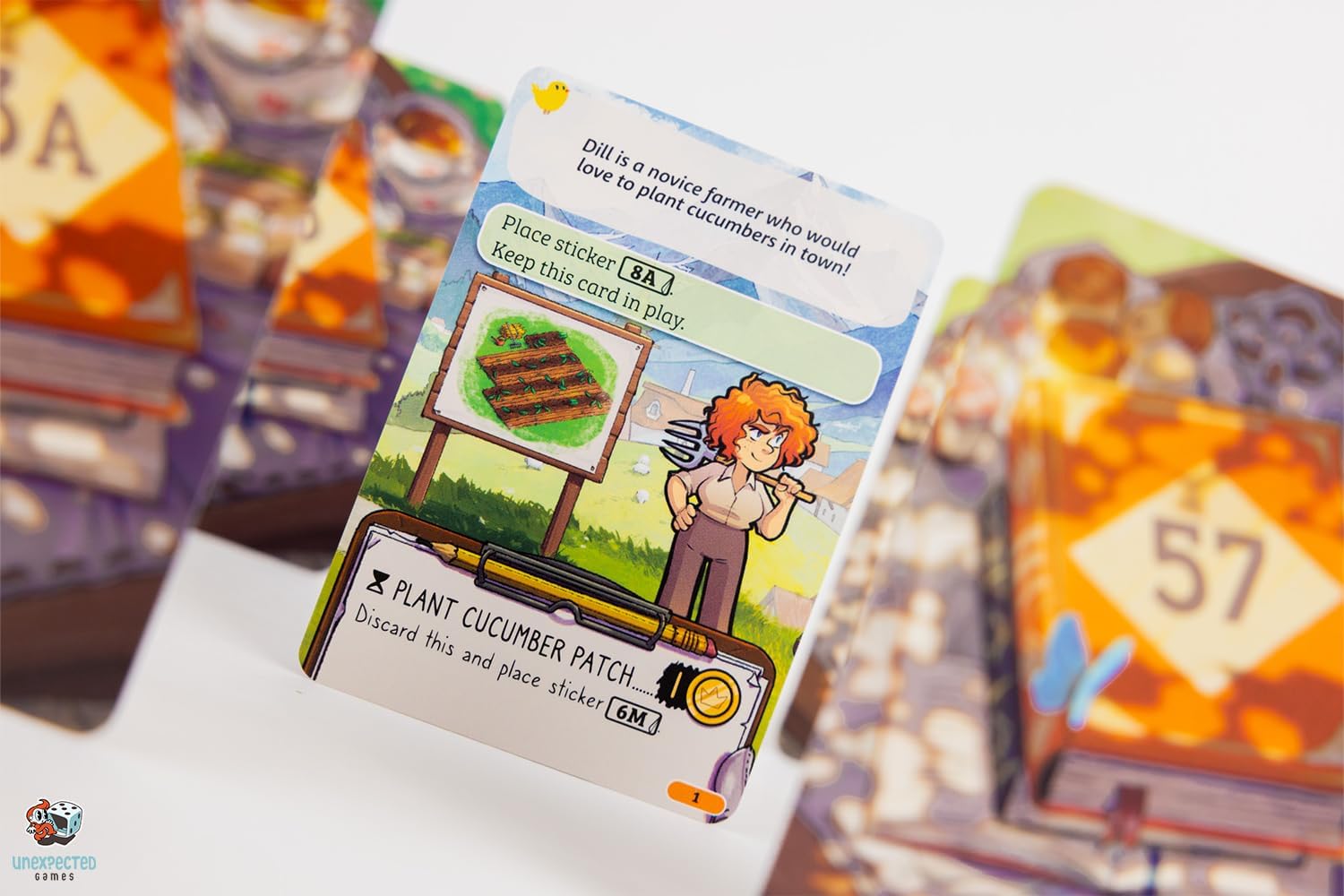
 Cozy Stickerville
Ten-session sticker village campaign. This exact English Amazon listing was title and ASIN verified on July 28, 2026; the guide places it in a stop-aware buying order rather than treating availability as a recommendation.
- Exact product identity verified
- Clear role in the buying path
- Supported by official rules/content research
- Availability and seller can change
- Not every group needs the next box

 10 photos
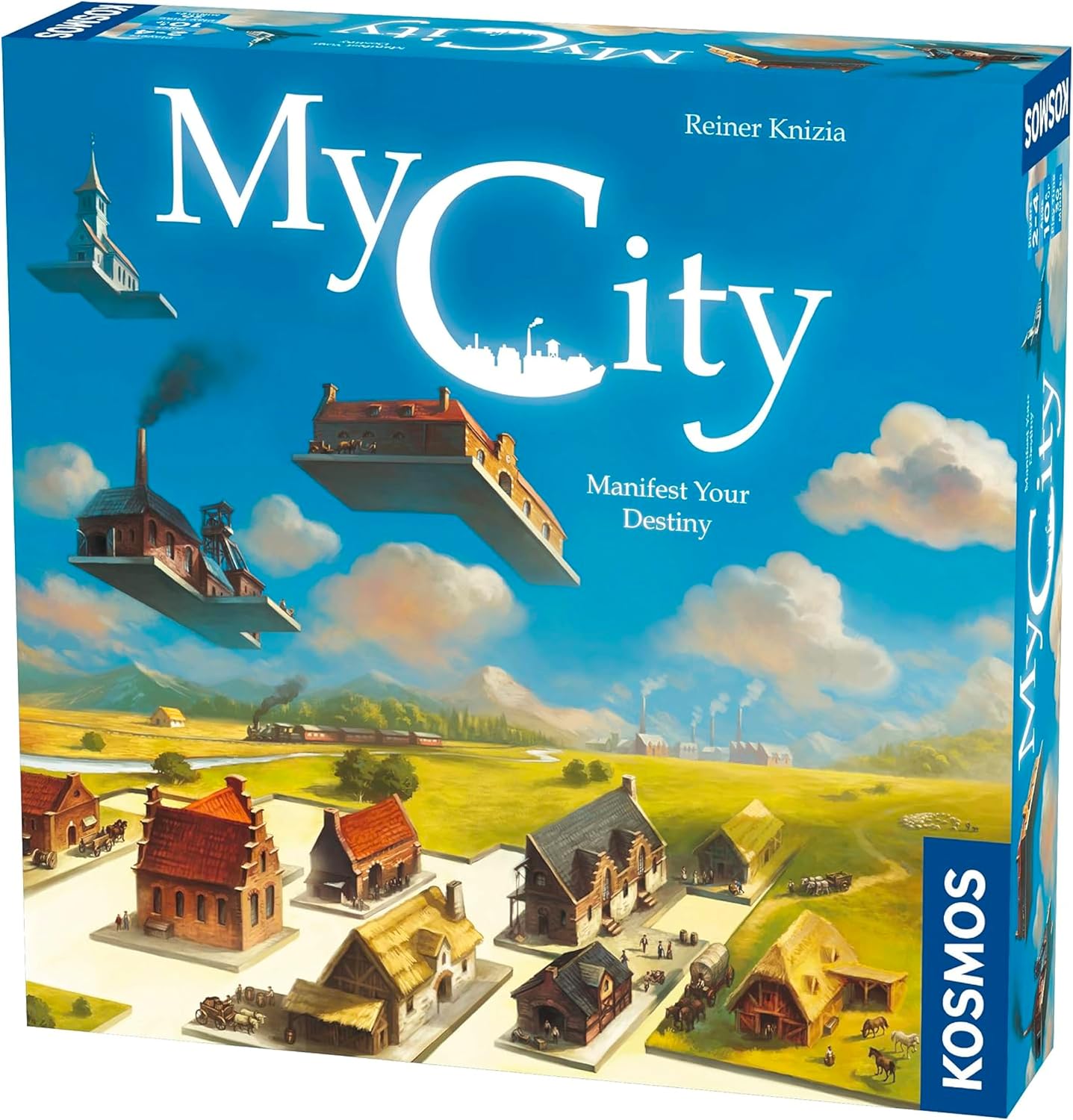
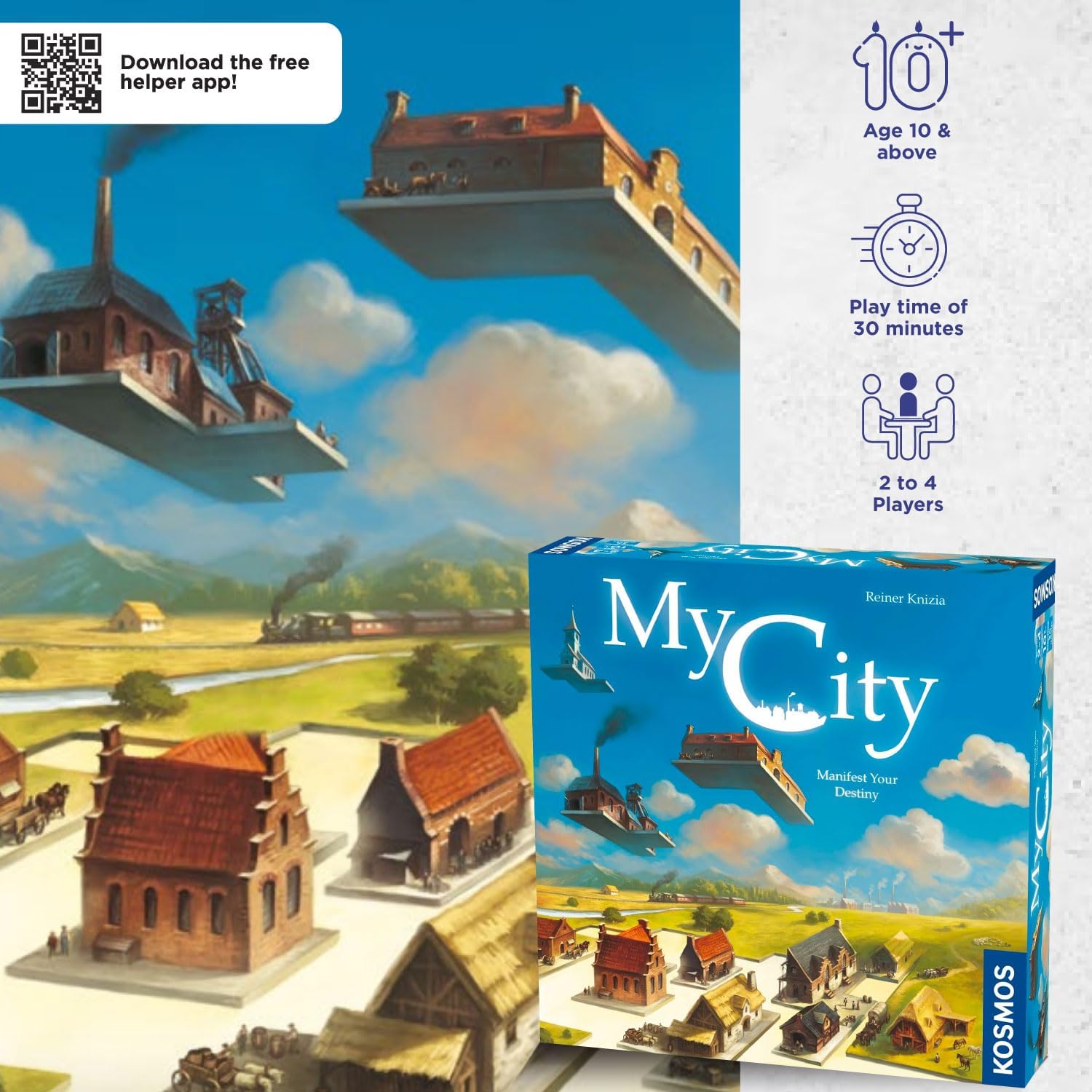
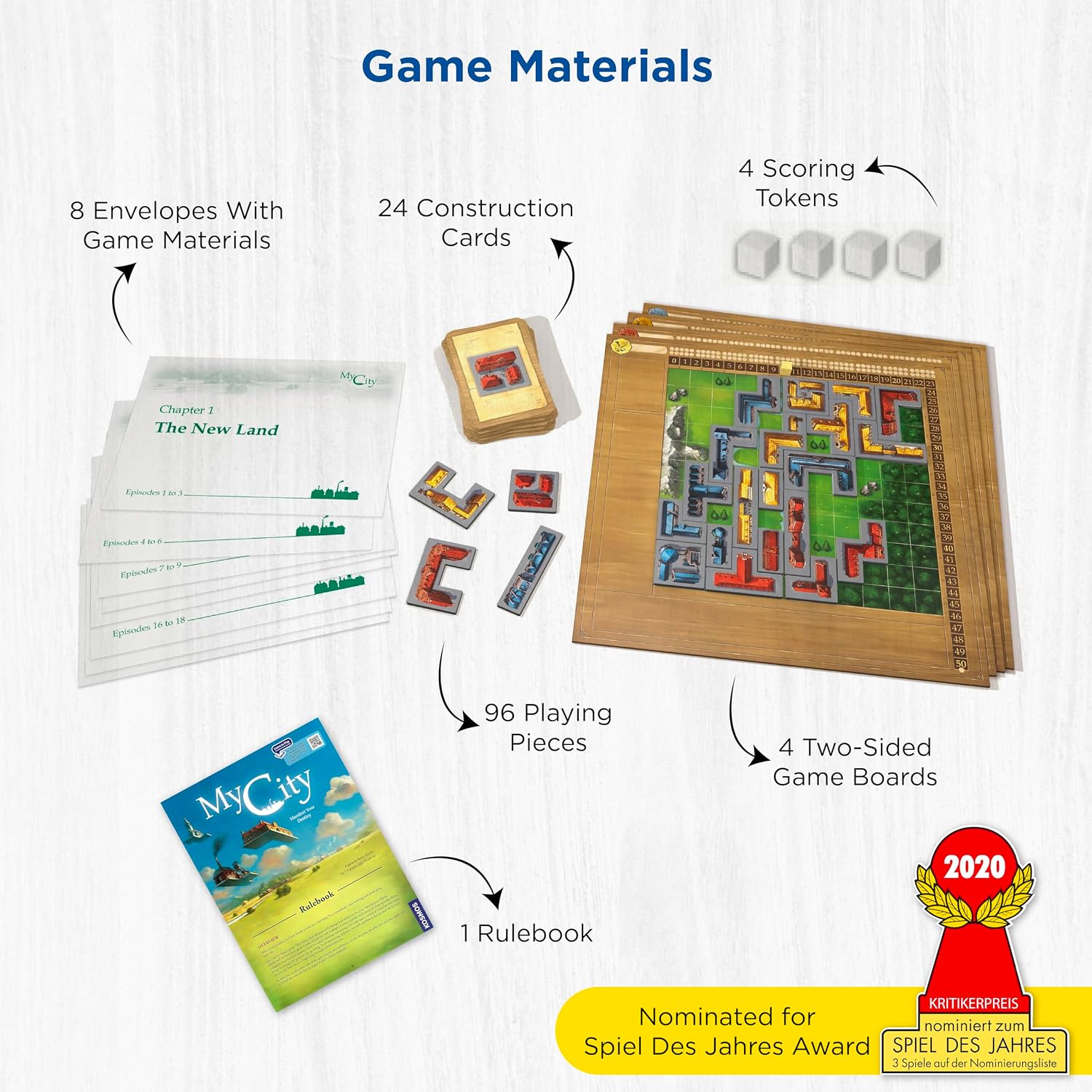
 My City
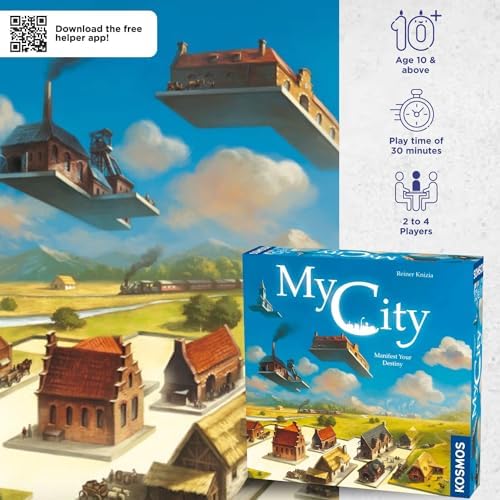
More competitive legacy tile puzzle. This exact English Amazon listing was title and ASIN verified on July 28, 2026; the guide places it in a stop-aware buying order rather than treating availability as a recommendation.
- Exact product identity verified
- Clear role in the buying path
- Supported by official rules/content research
- Availability and seller can change
- Not every group needs the next box
At a glance
| Stage | Product | Buy when | Curator ruling |
|---|---|---|---|
| BUY | Cozy Stickerville | Choose for atmosphere, story, and shared permanence. | Start here |
| PAIR | Commit the same people | The village means more when its authors return. | Only after repeat play |
| PACE | One or two years a night | Protect the campaign from becoming an assembly line. | Only after repeat play |
| COMPARE | My City | Choose when competition and a tighter tile puzzle matter more than cozy narrative. | Specialist / later |
Questions, answered
How long is Cozy Stickerville?
Expect ten linked in-game years, commonly 30–40 minutes each, for roughly six or more hours per campaign.
Can Cozy Stickerville be replayed?
The box supports two separate campaign boards. Used sticker maps are permanent and cannot be reset.
Is Cozy Stickerville good solo?
Yes, especially for players who enjoy gentle narrative, stickers, and low-pressure progression.
Can you win or lose Cozy Stickerville?
It is primarily an experience and story game rather than a conventional win-or-lose contest.
Is Cozy Stickerville good for families?
Yes, provided the family can return for linked sessions and enjoys making permanent choices together.
Cozy Stickerville or My City?
Choose Cozy for story and warmth; choose My City for competitive tile placement and a stronger traditional game arc.
Robert's verdict
For a couple, family, or solo player who wants physical Stardew-like comfort, Cozy Stickerville is an easy buy. For a group that judges value by competitive depth or resettable scenarios, choose My City or a conventional campaign game instead. Do not rush the ten years; the conversations around the stickers are part of the product.
Research ledger 9 sources · reviewed 2026-07-28
Specifications, rules, current product information, community experience, and contrary evidence were checked against the sources below. Commercial links are kept separate from editorial evidence.
- Official Cozy Stickerville product pageasmodee.co.uk/products/ugcsv0101-cozy-stickerville
- Long-form Cozy Stickerville reviewopinionatedgamers.com/2026/02/06/dale-yu-review-of-cozy-stickerville
- Complete solo campaign verdictreddit.com/r/soloboardgaming/comments/1uqzzq0/cozy-stickerville_review_full_solo_campaign
- Current owner impressionsreddit.com/r/soloboardgaming/comments/1s0fzrc/cozy_stickerville
- Legacy permanence discussionreddit.com/r/soloboardgaming/comments/1rrz4qs/cozy_stickerville_a_cute_relaxing_game_and_how_i
- BoardGameGeek current Hotness and community indexboardgamegeek.com/hotness
- Official Cozy Stickerville rulebookcdn.svc.asmodee.net/production-asmodeeca/uploads/2026/01/Cozy_Stickerville_Rulebook_English.pdf
- GamesRadar 2026 Cozy Stickerville hands-on featuregamesradar.com/games/board-games/this-cozy-board-game-feels-just-like-stardew-valley-and-its-my-favorite-game-of-2026-so-far
- Thames & Kosmos official My City product pagethamesandkosmos.co.uk/product/my-city/?v=7885444af42e

If it didn't earn a shelf, it isn't here.
Keep exploring
The next smart rabbit holes.
❦ Universe HubEverdell: the whole buying pathEverdell is warm woodland theater wrapped around a sharp card-engine puzzle. Yumi's universe keeps the invitation intact while...⌂ Topic PathFamily and Gateway Games: compare the whole shelfA good family game gets everyone playing quickly without becoming disposable after three nights. These guides prioritize clear...Buying GuideCarcassonne Big Box 2025 vs Base Game: Which Expansions Are Actually Worth Buying?Carcassonne Big Box vs Base Game, explained with exact box identity, expansion order, beginner-to-expert strategy, hosting and solo...