Best Pop-Up Books for Adults & Collectors (2026)
Ten paper-engineering showpieces compared by mechanism, display impact, edition risk and current buyability.

AI-assisted curator persona · research and editorial responsibility: Robert Pruitt · how this guide was made
Last editorial refresh: 2026-09-11 Gold-standard QA: 2026-09-11 21 sources reviewed Affiliate links checked during gold-standard pass

The short answer
Encyclopedia Prehistorica: Dinosaurs is the safest first purchase for an adult collector because its large mechanisms remain impressive while the book is still findable in ordinary retail channels. Choose ABC3D for graphic design, The Wonderful Wizard of Oz for a classic Robert Sabuda showpiece, and DC Super Heroes for a current fandom display piece. For scarce editions, verify ISBN, printing, mechanism condition and missing pieces before paying a collector premium.
Decision map
Choose in thirty seconds
Maximum paper-engineering spectacle without starting in the resale market.
A compact kinetic alphabet that reads as sculpture rather than children’s publishing.
A recognizable Sabuda anchor with beautiful mechanisms and broad gift appeal.
Out-of-print pricing is volatile; damaged mechanisms erase most of the premium.
Start with Encyclopedia Prehistorica: Dinosaurs unless you already know you want abstract design, a specific fandom, or a signed limited edition. That answer saves a new collector from paying scarcity prices before learning which kind of paper engineering actually delights them.
This guide compares recognized paper engineers, in-print showpieces, art-forward editions, and secondary-market collectibles. We checked publisher and maker information, museum and bookseller listings, collector discussions, unboxings, edition details, and current exact-product availability. Prices on out-of-print books move quickly, so the guide treats condition, completeness, and working mechanisms as part of the product rather than footnotes.
Imani’s view is the useful one: a pop-up book should create a tiny impossible room in your hands. The ranking below tells you which room is worth opening first.
Start here, then go deeper
You are in the right cabinet.
 ⬢ Topic PathTabletop Accessories: compare the whole shelfBuy the accessory that fixes a repeated annoyance first. Protection, setup speed, readable state, and comfortable handling beat...
 Best OfBest Tunnel Books & Paper Theatres, Ranked (2026)Little stages of cut paper, ranked by the people who literally lose sleep over them — from Victorian peepshows to Edo tatebanko to the...
 Best OfBest Brain Teaser Puzzles for Adults (2026)Most brain-teaser lists are written by people who've never lost to a puzzle. Here's the one written by someone who has — sorted by what...
What makes a pop-up book worth collecting as an adult?
Here's what the community will tell you the second you ask: it's the engineering, not the subject. A children's lift-the-flap book and a collector's pop-up are different art forms wearing the same coat. The collectible ones are designed by named paper engineers — people who fold, score, and glue mechanisms that assemble themselves the instant a page swings open, then lie flat again when it closes. That self-assembling magic is the whole game.
Three things separate a treasure from a toy. First, authorship: a book engineered by Robert Sabuda or Matthew Reinhart carries the same weight a signed print does. Second, complexity that survives: collectors prize spreads where a single page erupts into a multi-layer 3D scene — a castle, a dragon, a tower of figures — built to open hundreds of times without tearing. Third, edition and condition: a first printing, unpunched, with every pull-tab intact, in a market where most copies got loved to death by actual children. That scarcity is why a $25 picture book from 2000 can be a $200 object in 2026.
And there's the intangible everyone keeps circling back to — the gasp. A flat object becomes architecture in your hands. You cannot photograph it properly; you have to open it. That's the thing collectors are really buying.
Bring: a good reading light, clean dry hands, and zero expectation that a photo will do it justice.
A children's lift-the-flap book and a collector's pop-up are different art forms wearing the same coat — the difference is the engineering, and the engineering has a name on the spine.
Who are the master paper engineers every collector should know?
Learn these four names and you've learned the canon. The New York Times once called Robert Sabuda "indisputably the king of pop-ups," and the community has never argued. His fairy-tale adaptations — The Wonderful Wizard of Oz, Alice's Adventures in Wonderland, Peter Pan — are the gold standard for elegant, often white-and-foil, architectural pop-ups that feel like jewelry.
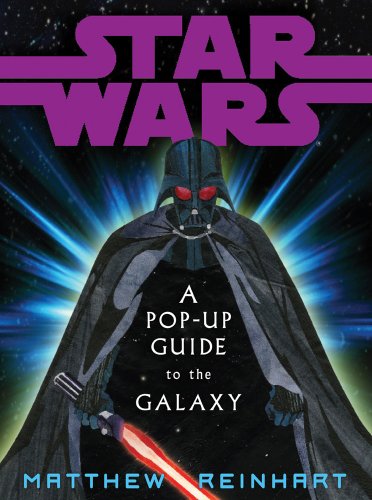
Matthew Reinhart trained alongside Sabuda and then went bigger and louder — he's the engineer collectors credit with the most jaw-dropping single-spread spectacles in the business. His Star Wars: A Pop-Up Guide to the Galaxy is legendary for its full-size pop-up Millennium Falcon, and his DC Super Heroes and Transformers books push mechanisms to their structural limit. The two of them co-built the Encyclopedia Prehistorica trilogy, which most people will tell you is the single best place to start.
Then there are the two who broke the form open. David A. Carter abandoned story entirely — his One Red Dot / 600 Black Spots color series is pure abstract paper sculpture, modern art that happens to fold. And Marion Bataille, the French graphic designer whose ABC3D turned the alphabet into kinetic typography and won her the 2010 Meggendorfer Prize, the field's highest honor. Sabuda and Reinhart are the spectacle; Carter and Bataille are the art-world cred.
Bring: a willingness to follow a name down the rabbit hole, not just a title — start with their maker pages.
Sabuda and Reinhart are the spectacle. Carter and Bataille are the art-world cred. A real collection has all four.
Which pop-up book is the ultimate showpiece?
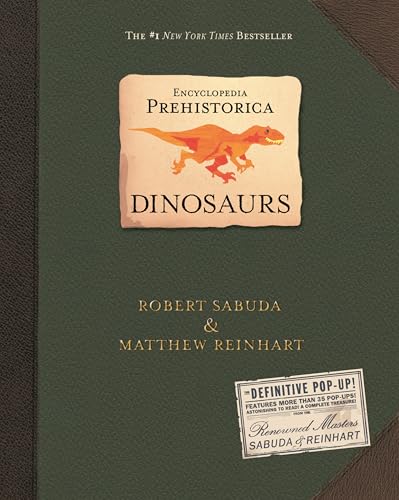
If you want the one book that does the work of converting a skeptic — the one you set on the coffee table and simply open — the community verdict is remarkably settled. Encyclopedia Prehistorica: Dinosaurs, the Robert Sabuda and Matthew Reinhart collaboration from Candlewick Press, is the most-recommended showpiece in the entire hobby, and at around $50 new it's astonishingly accessible for what it delivers.
Why this one? Scale and restraint working together. Each of the six spreads detonates into one enormous central pop-up — the climactic Tyrannosaurus rex lunges up and out at you, jaws gaping — while tucked-in booklets along the edges hide dozens of smaller pop-ups and the actual text. So it works as both a five-second showstopper and an hour-long deep read. It's the book that proves paper engineering is a genuine art form, not a gimmick.
For the collector chasing maximum spectacle from a single spread, Reinhart's solo Star Wars: A Pop-Up Guide to the Galaxy (Millennium Falcon and all) and his enormous DC Super Heroes are the louder cousins — but Dinosaurs remains the one nearly everyone names first, because it pairs spectacle with the best price-to-wonder ratio on this entire list.
Bring: a clear table, an audience, and a phone you've already accepted won't capture it.
It works as both a five-second showstopper and an hour-long deep read — which is exactly why everyone names it first.
Are abstract and art pop-ups worth it (Carter, Bataille)?
Oh, this is where the snobs and the design nerds finally agree on something. Yes. A thousand times yes. The story-free, art-forward pop-ups are the ones that earn a place on a design shelf next to your monographs — because they're not illustrating a narrative, they're demonstrating what folded paper can be.
David A. Carter's color series — One Red Dot, 600 Black Spots, Blue 2, Yellow Square — is the gateway. Each spread is a towering abstract paper sculpture in a single dominant color, and the only 'plot' is a tiny hidden shape you hunt for in the architecture. They're playful, genuinely modern, and they read as fine art the second they're open. Carter even incorporates found materials — yarn, netting, translucent waxy paper — into the later volumes.
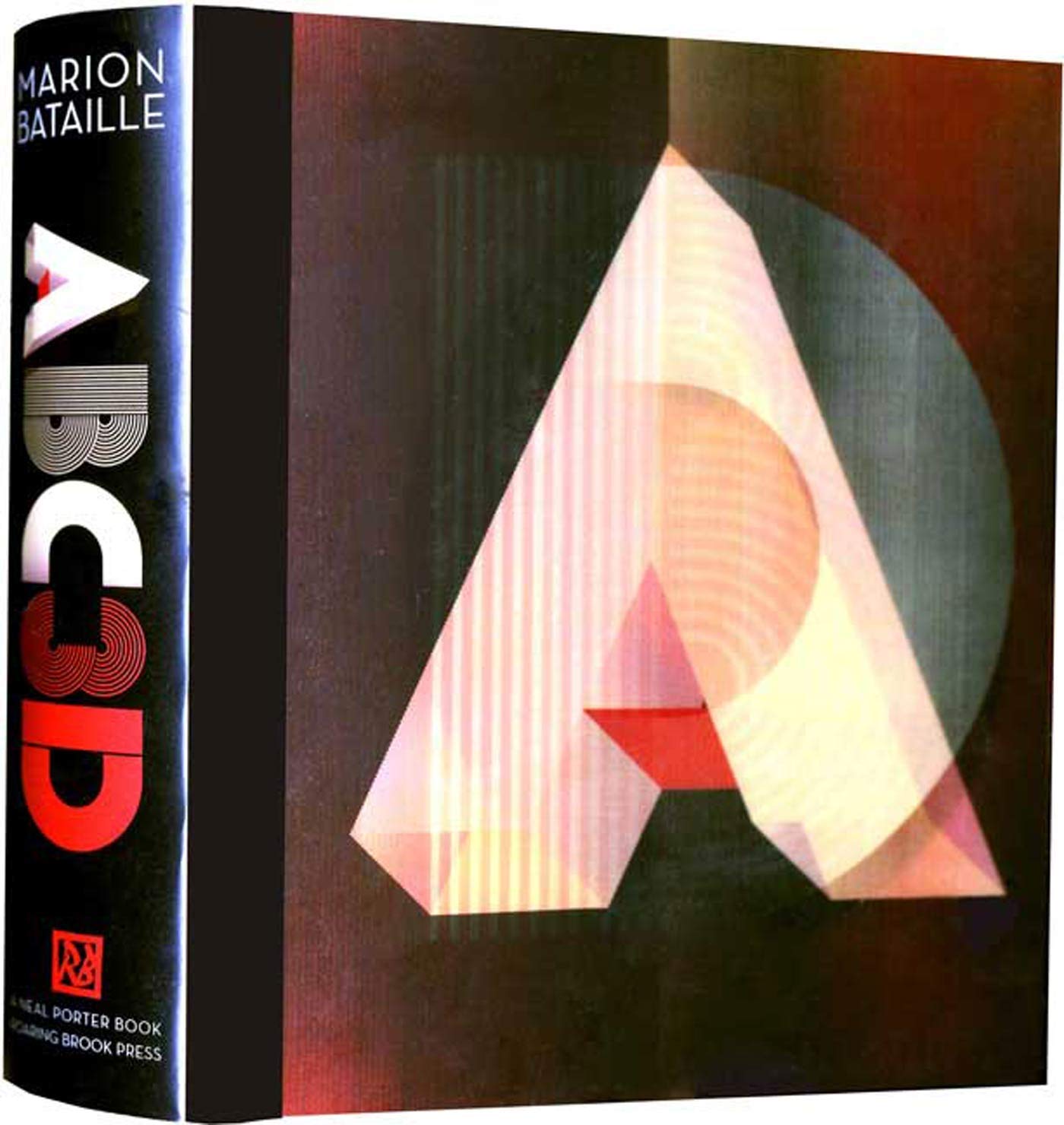
And then there's Marion Bataille's ABC3D, the cult object of the whole category. Twenty-six letters, each engineered to become the next as the page turns — the alphabet as kinetic typography, in spare black, white, and red. Publishers Weekly gave it a starred review; it won the Meggendorfer Prize; design people who own zero other pop-ups own this one. It's the rare book that's equally at home in a nursery and a graphic-design studio.
Bring: the part of your brain that loves a Bauhaus poster — these are for that exact person.
They're not illustrating a narrative, they're demonstrating what folded paper can be. That's why design people who own zero other pop-ups own ABC3D.
What's the best pop culture pop-up book for fans?
If you collect a fandom, the pop-up shelf has trophies built specifically for you — and Matthew Reinhart is the engineer who owns this lane. His licensed spectacles are the ones franchise collectors fight over, because he refuses to make a polite, flat little book. He makes events.
The crown jewel is Star Wars: A Pop-Up Guide to the Galaxy — a full pop-up Millennium Falcon erupts from the centerfold, lightsabers extend, and it earned a $95 original list price for good reason. From there it's an embarrassment of riches: the brand-new DC Super Heroes: The Ultimate Pop-Up Book (Abrams, 2024, $49.99) is the most accessible entry and freshly in print; Game of Thrones: A Pop-Up Guide to Westeros (Insight Editions, $75) builds Winterfell, King's Landing, and the Wall in three dimensions; and Transformers: The Ultimate Pop-Up Universe famously engineers robots that actually transform as you pull the tabs — paper Optimus Prime converting before your eyes.
Here's the collector's reality check, though: most of these are licensed, which means they go out of print fast and then climb. The DC book is the smart buy right now precisely because it's current. The older Star Wars, Game of Thrones, and Transformers titles increasingly live on the secondary market, where condition and completeness decide everything.
Bring: your fandom, and the discipline to buy the in-print one before it isn't.
He refuses to make a polite, flat little book. He makes events — a paper Optimus Prime that transforms as you pull the tabs.
What's the best value pop-up book that still feels collectible?

You do not have to spend $200 to own real genius — and honestly, the best gateway gift in the whole hobby costs under forty dollars. The value tier is where new collectors should start, because the field's masters made plenty of genuinely affordable masterpieces.
The single best value-to-wonder buy is, again, Sabuda and Reinhart's Encyclopedia Prehistorica: Dinosaurs at ~$50 — it's the showpiece and the value champion, which is wild. Right behind it: Robert Sabuda's Peter Pan: A Classic Collectible Pop-Up at $39.99, a gorgeous, elegant entry into his catalog at the friendliest possible price. And David A. Carter's 600 Black Spots is frequently the cheapest serious art-pop-up on the shelf — real Carter engineering for what you'd pay for a hardcover novel.
What makes these 'still collectible' rather than just cheap? Named master engineers, real architectural mechanisms, and durable Candlewick/Little Simon production. These aren't dumbed-down editions — they're the actual artists working at an accessible price. Buy two: one to open constantly and one to keep pristine. At these prices you can afford to.
Bring: a friend who 'doesn't get' pop-up books — one of these converts them on the spot.
The best gateway gift in the whole hobby costs under forty dollars. You do not have to spend $200 to own real genius.
What experienced tables keep reporting
Recurring owner patterns, synthesized in Puzzlewick's words. Follow each evidence trail to read the original discussion.
All of Keith's pieces have such a strong energy. Even all these years later, they look like they were painted a minute before you walk into the room. I wanted to keep that same spark of spontaneity while paper engineering this book — focusing on the surprise and playfulness already inherent in his original artworks and transforming them into pop-up form.
Indisputably the king of pop-ups.
Read the evidence: The New York Times on Robert Sabuda (2003), widely cited
A starred review called ABC3D charming and witty, and the verdict that stuck with collectors was that it would 'be a classic.'
Read the evidence: Publishers Weekly (starred review), ABC3D by Marion Bataille
Marion Bataille received the Meggendorfer Prize for Best Paper Engineer in 2010 for ABC3D — the highest honor in the field, named for 19th-century movable-book pioneer Lothar Meggendorfer.
Read the evidence: The Movable Book Society / Meggendorfer Prize record
Talented paper engineers like Robert Sabuda and Matthew Reinhart continue to create mind-blowing works that push the boundaries of what's possible with paper — turning flat pages into architecture that leaps into your hands.
Read the evidence: My Modern Met, feature on pop-up books and paper engineering
The picks
Some links below are affiliate links — as an Amazon Associate, Puzzlewick earns from qualifying purchases, at no extra cost to you. It never changes a pick.
 2 photos
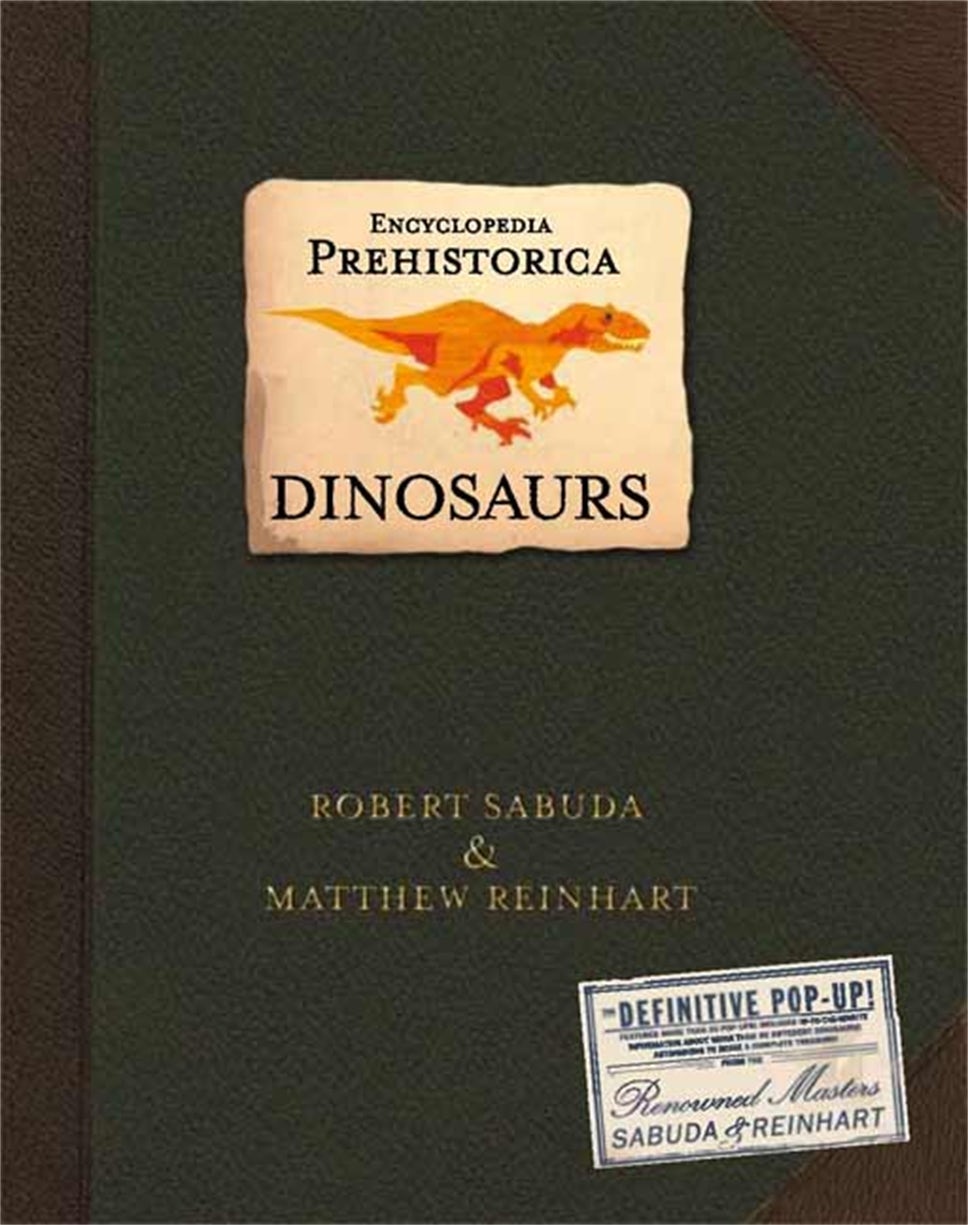
 Encyclopedia Prehistorica: Dinosaurs — The Definitive Pop-Up
The book the whole community names first. Two masters at the top of their game build six spreads that each erupt into one enormous central pop-up — the final T. rex is the spread that creates lifelong collectors — with edge booklets hiding dozens of smaller pop-ups and the text. A #1 New York Times bestseller, and at ~$50 it's the rare title that's simultaneously the best showpiece and one of the best values on this list.
- The most-recommended starting point in the hobby
- Spectacular single-spread pop-ups plus genuine reading depth
- Astonishing wonder-per-dollar; still in print from Candlewick
- So beloved that pristine first printings still draw collector interest
- Large and heavy — needs a real table, not a lap
 2 photos
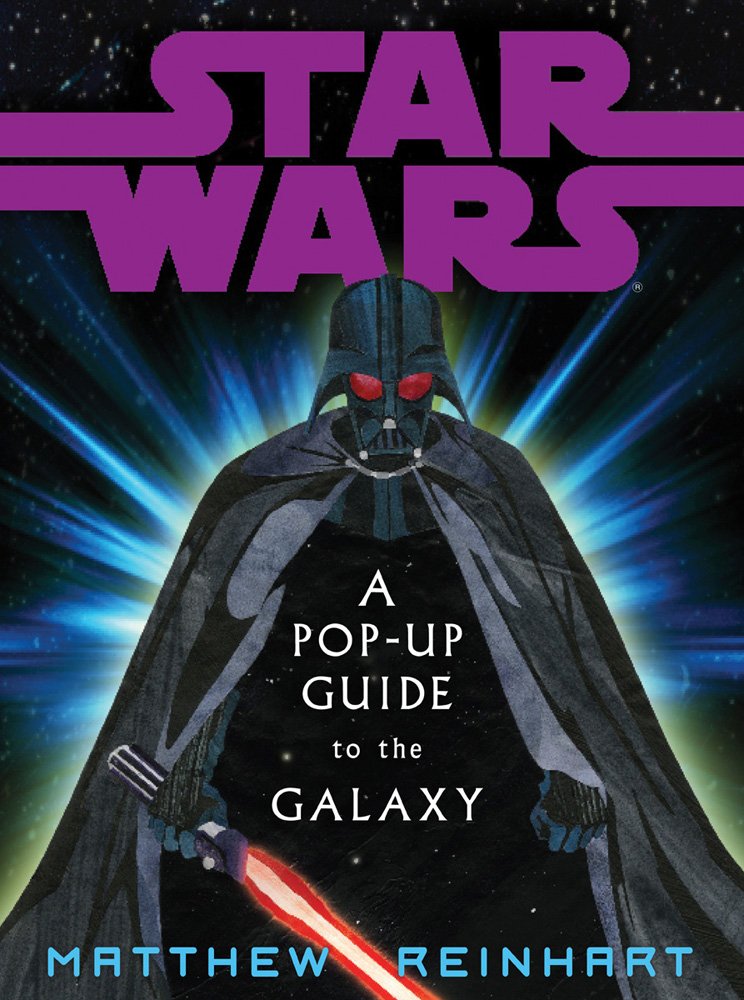
 Star Wars: A Pop-Up Guide to the Galaxy
The book that made Reinhart's reputation as the loudest, most ambitious engineer in the business. A full pop-up Millennium Falcon erupts from the centerfold, lightsabers extend, and every spread pushes mechanisms to their structural limit. The $95 original list price (Orchard Books/Scholastic, 2007) was earned. Increasingly a secondary-market hunt — buy on condition.
- The Millennium Falcon spread is a hall-of-fame pop-up
- Peak Reinhart spectacle; a genuine fandom trophy
- Out of print — new copies scarce, prices vary widely by condition
- Delicate mechanisms; verify completeness before buying used
 3 photos
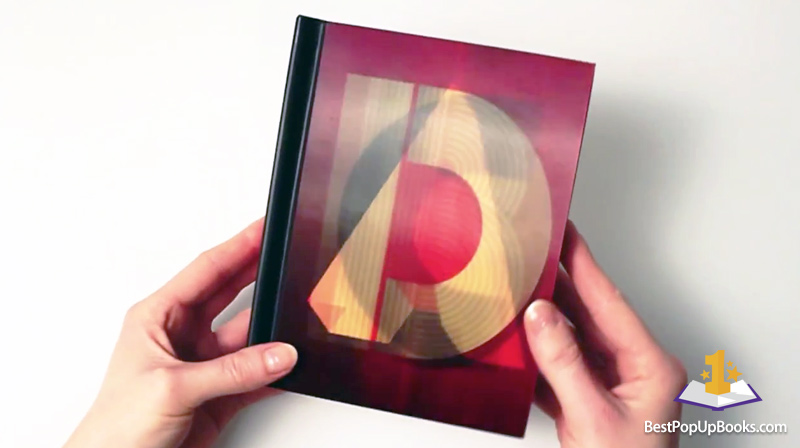
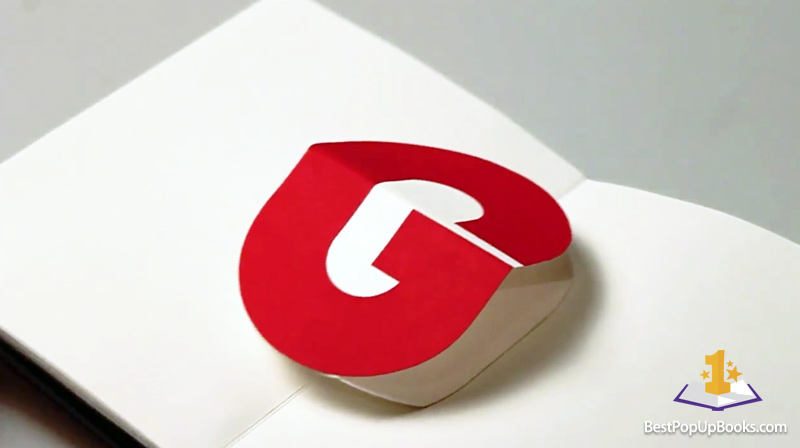
 ABC3D
The cult object of the category. Twenty-six letters each engineered to become the next as the page turns — the alphabet as moving typography in spare black, white, and red. Publishers Weekly starred it, it won Bataille the 2010 Meggendorfer Prize, and design people who own no other pop-up own this one. Roaring Brook Press, 2008. Equally at home in a nursery and a graphic-design studio.
- Genuine design-canon crossover; Meggendorfer Prize winner
- Affordable at list (~$30) for an object this acclaimed
- Wordless and timeless — never feels dated
- Goes in and out of print; some editions list far higher used
- Smaller and quieter than the big licensed showpieces
 3 photos
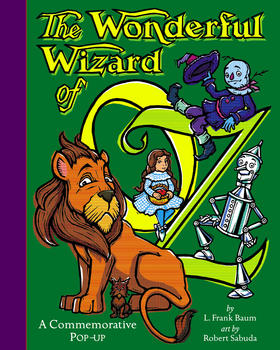
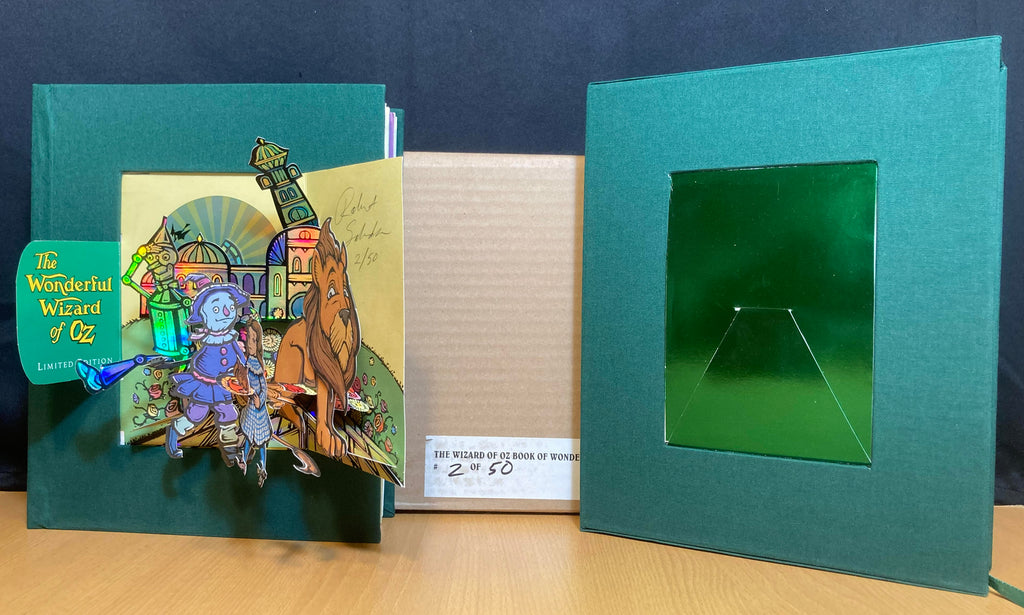
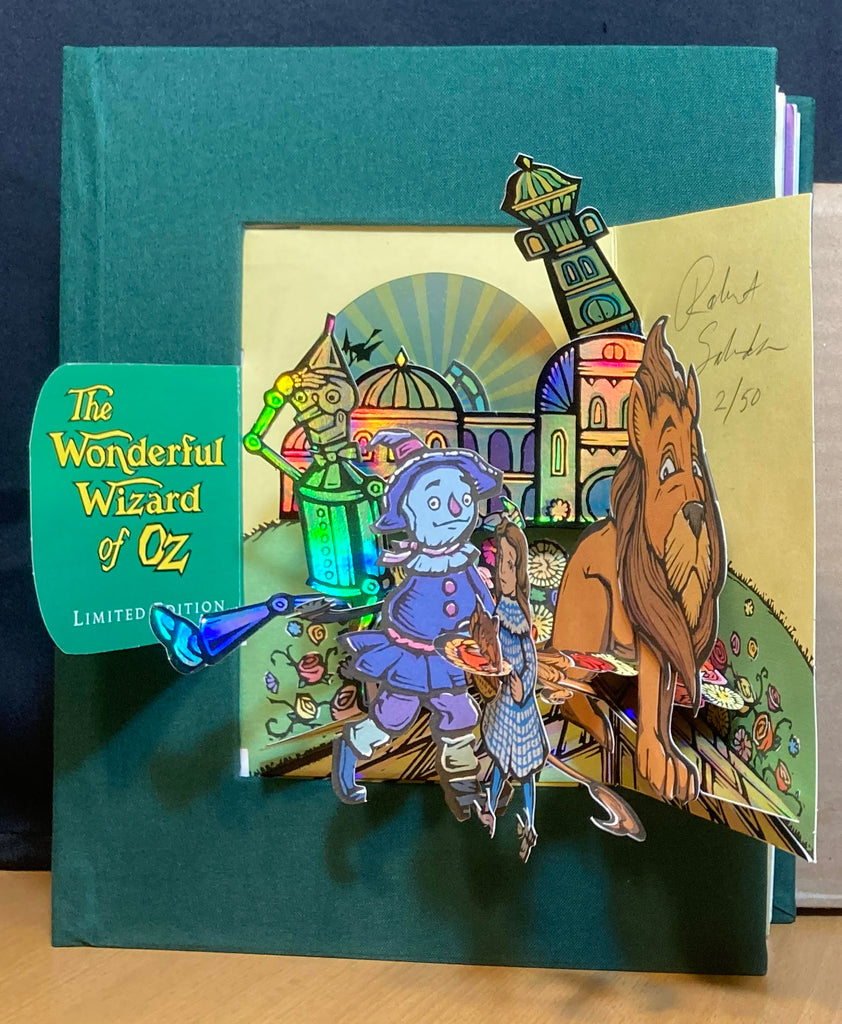
 The Wonderful Wizard of Oz: A Commemorative Pop-Up
Sabuda's centennial adaptation of L. Frank Baum's classic (Little Simon / Simon & Schuster) is the platonic Sabuda: refined architectural pop-ups, foil accents, and that white-paper elegance that reads like folded jewelry. The emerald city and tornado spreads are showstoppers. The definitive entry point for the engineer the NYT called 'indisputably the king of pop-ups.'
- Quintessential Sabuda craftsmanship and elegance
- In print and accessibly priced (~$35)
- A beloved, widely available collector anchor
- Signed first editions command big secondary-market premiums
- Delicate foil and fine paper — handle with care
 3 photos
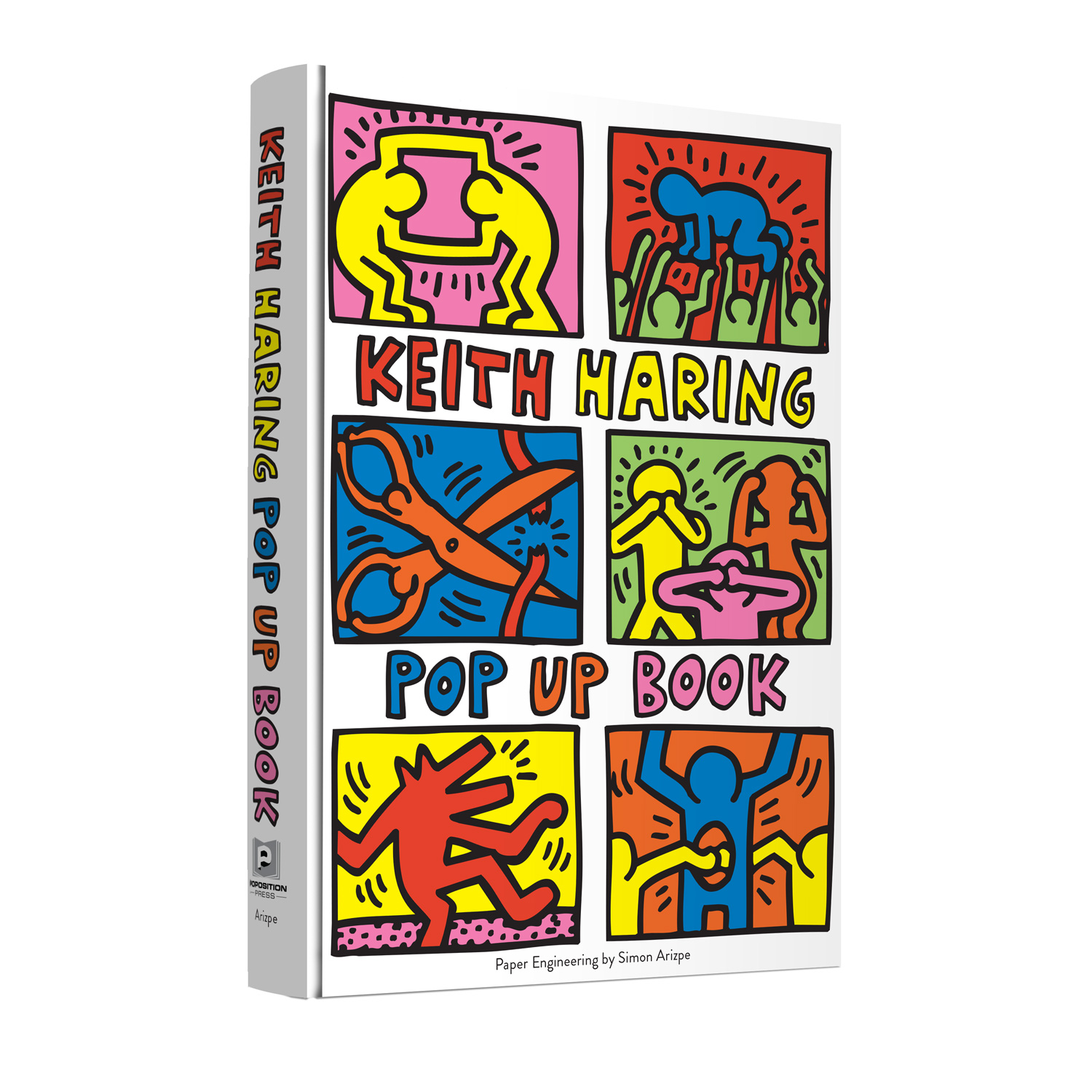
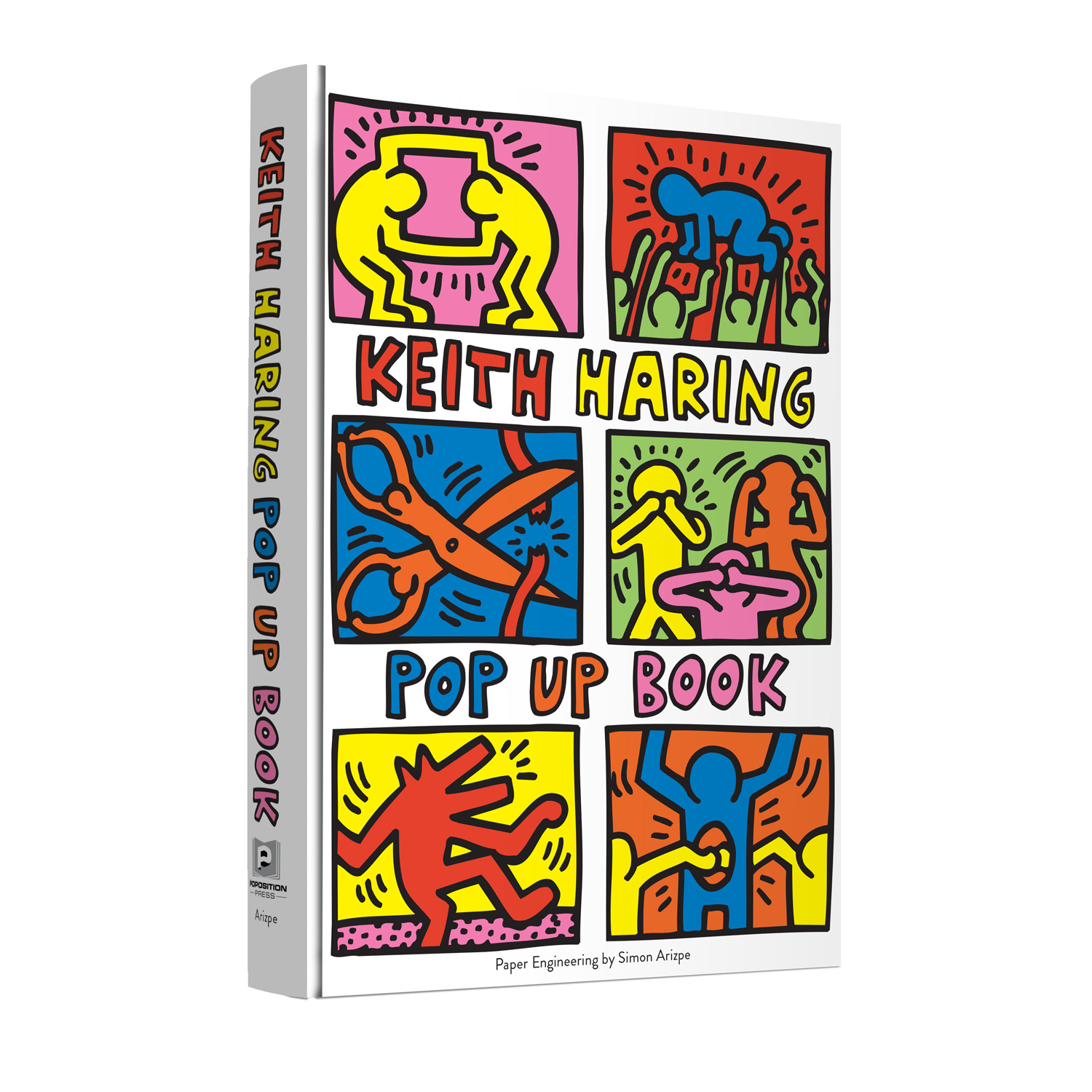
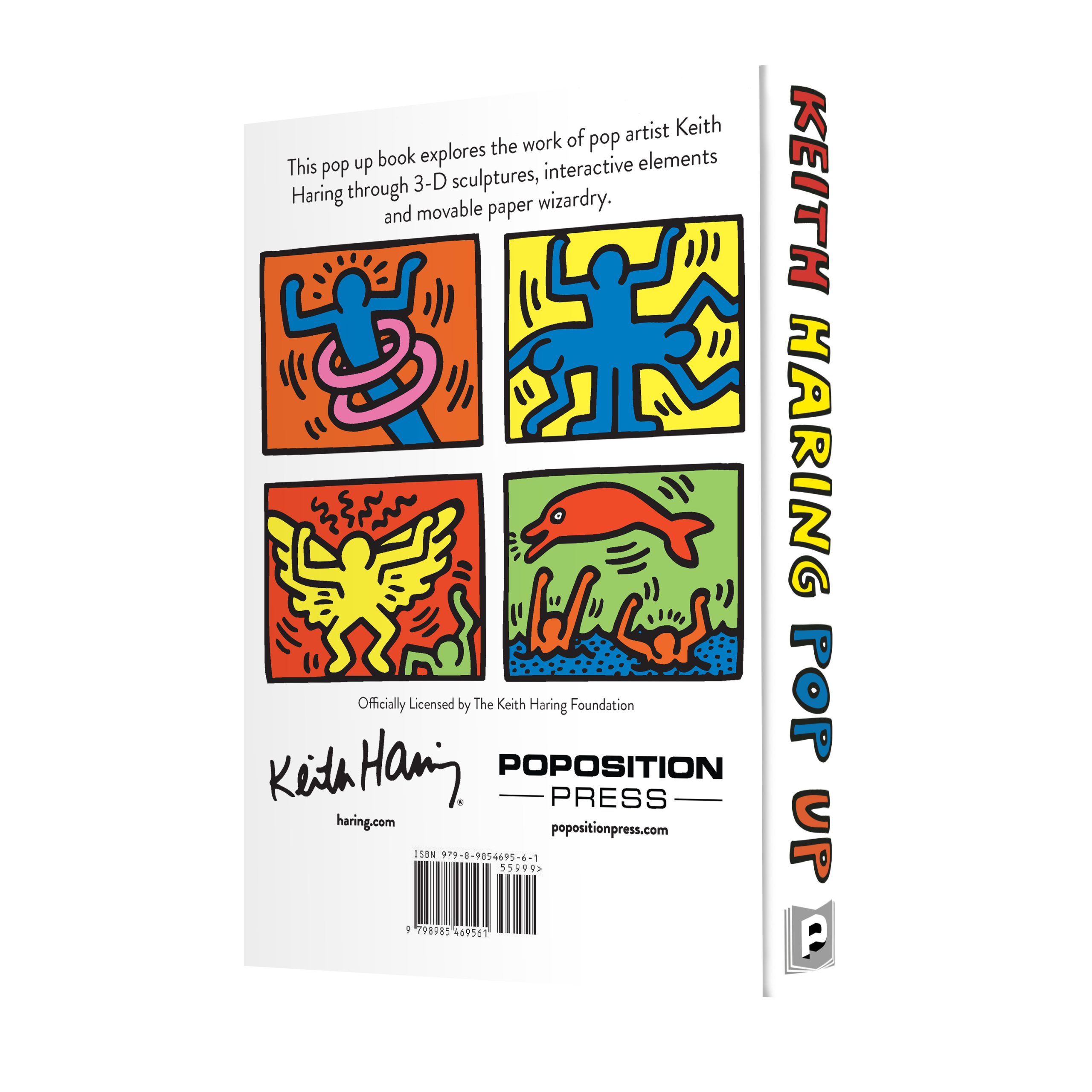
 The Keith Haring Pop-Up Book
The standout modern indie edition. Meggendorfer Prize-winning engineer Simon Arizpe transforms six of Keith Haring's iconic works — the Dog, Pop Shop Grid, Silence=Death, the Houston Street mural — into intricate pop-ups across eight spreads that open flat to 11x17. Officially licensed by the Haring Foundation. A $350 'Altarpiece Edition' exists for serious collectors; the $60 standard is the one to own.
- Genuine contemporary-art object, officially licensed
- Built by a Meggendorfer Prize-winning engineer
- Large 11x17 spreads with real visual punch
- Indie print run — can sell out without warning
- The collector Altarpiece Edition is a steep $350
 3 photos
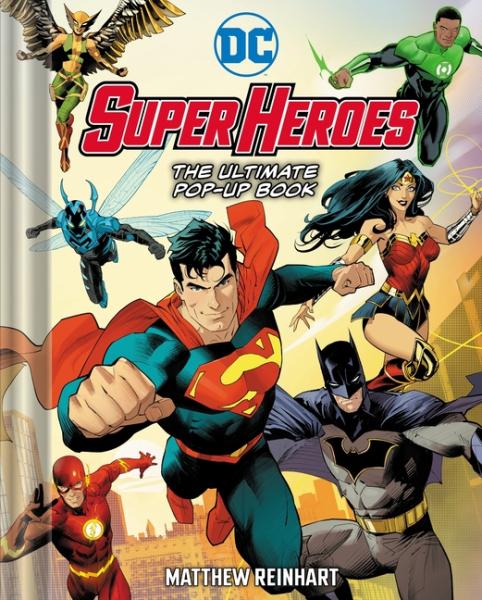
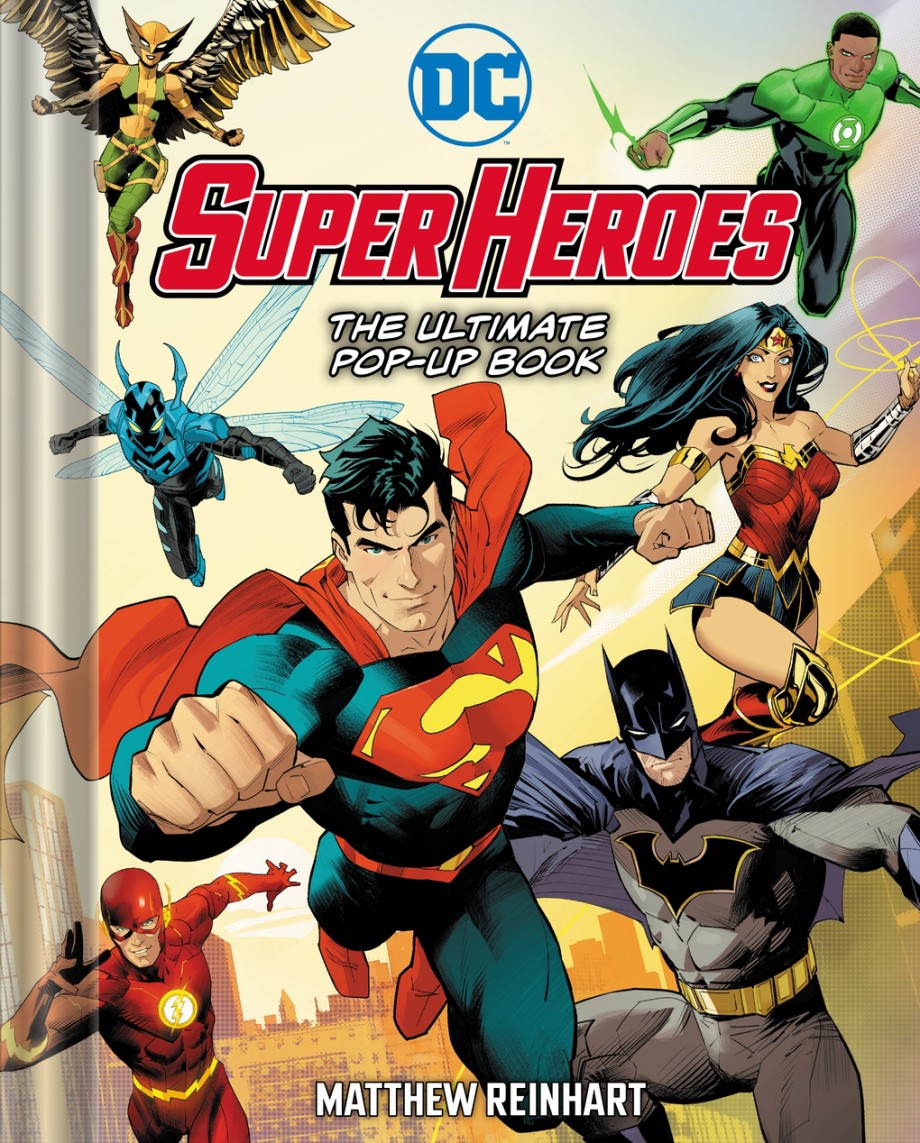
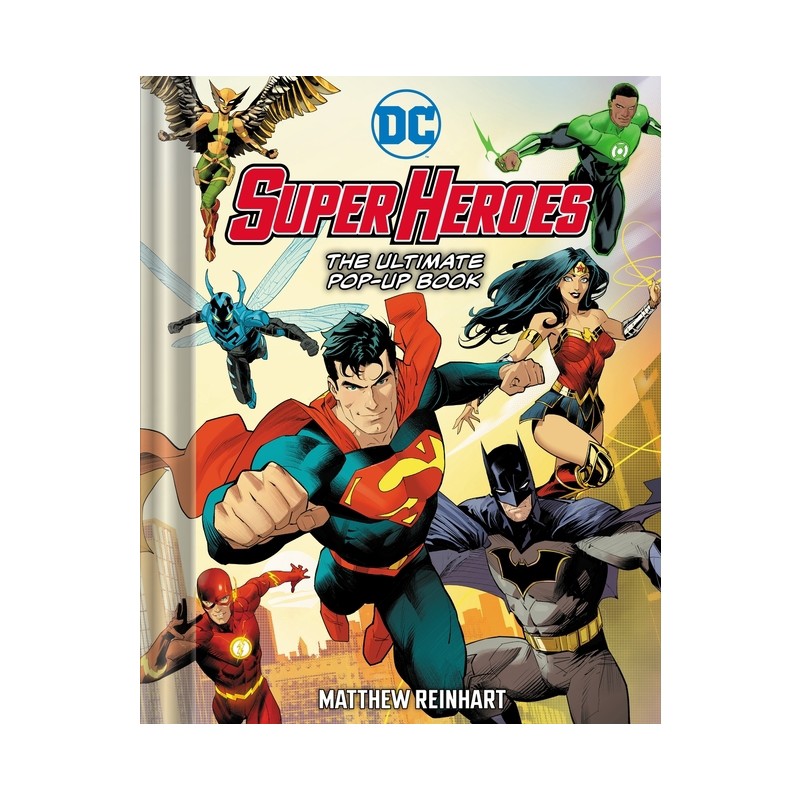
 DC Super Heroes: The Ultimate Pop-Up Book
Reinhart's superhero spectacle, freshly reissued by Abrams (2024) — which makes it the smart pop-culture buy in 2026 precisely because it's current while his older licensed titles climb on the secondary market. Big, loud, mechanism-dense spreads of the DC universe at a friendly $49.99 list. The accessible entry into Reinhart's blockbuster fandom books.
- In print and affordable (a rarity for licensed pop-ups)
- Classic Reinhart scale and ambition
- Smart buy before it inevitably goes out of print
- Licensed title — won't stay in print forever
- Big mechanisms need careful opening
 3 photos
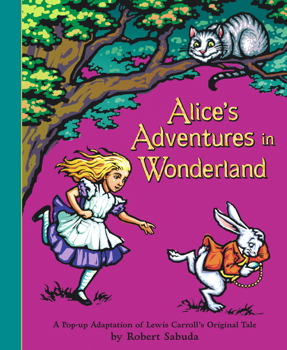
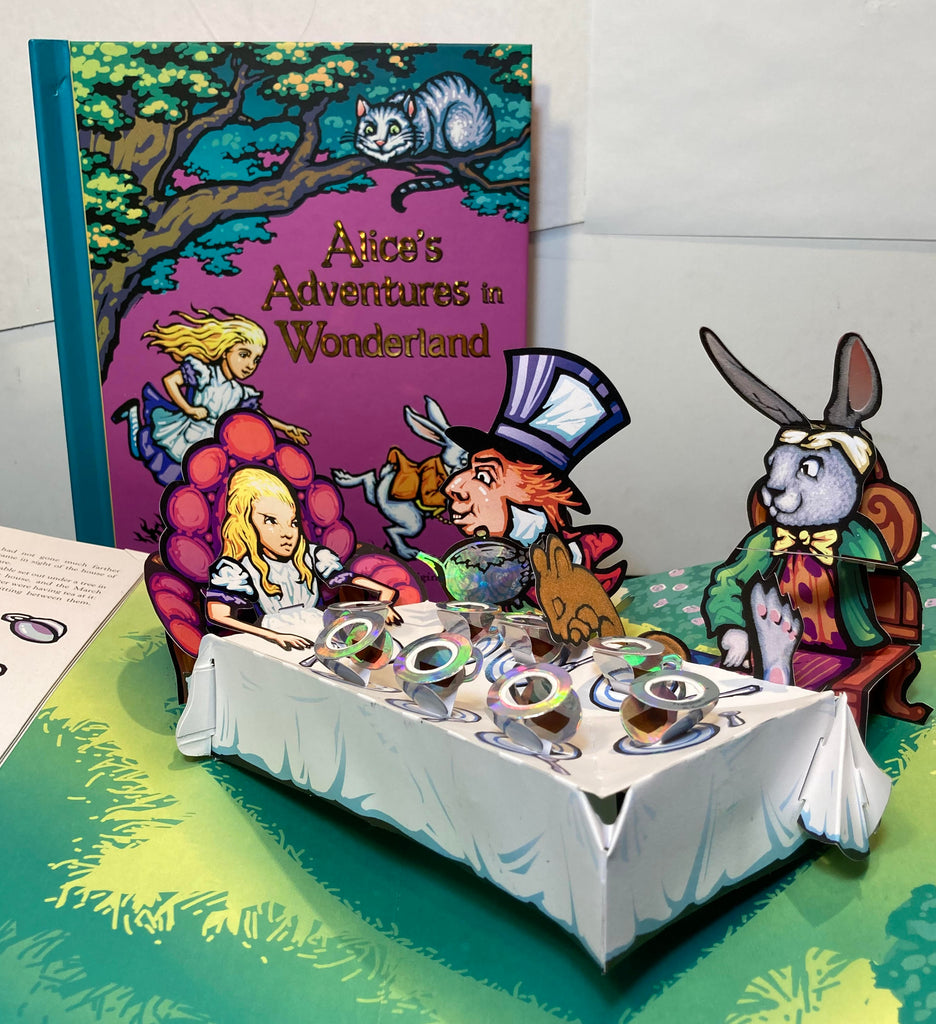
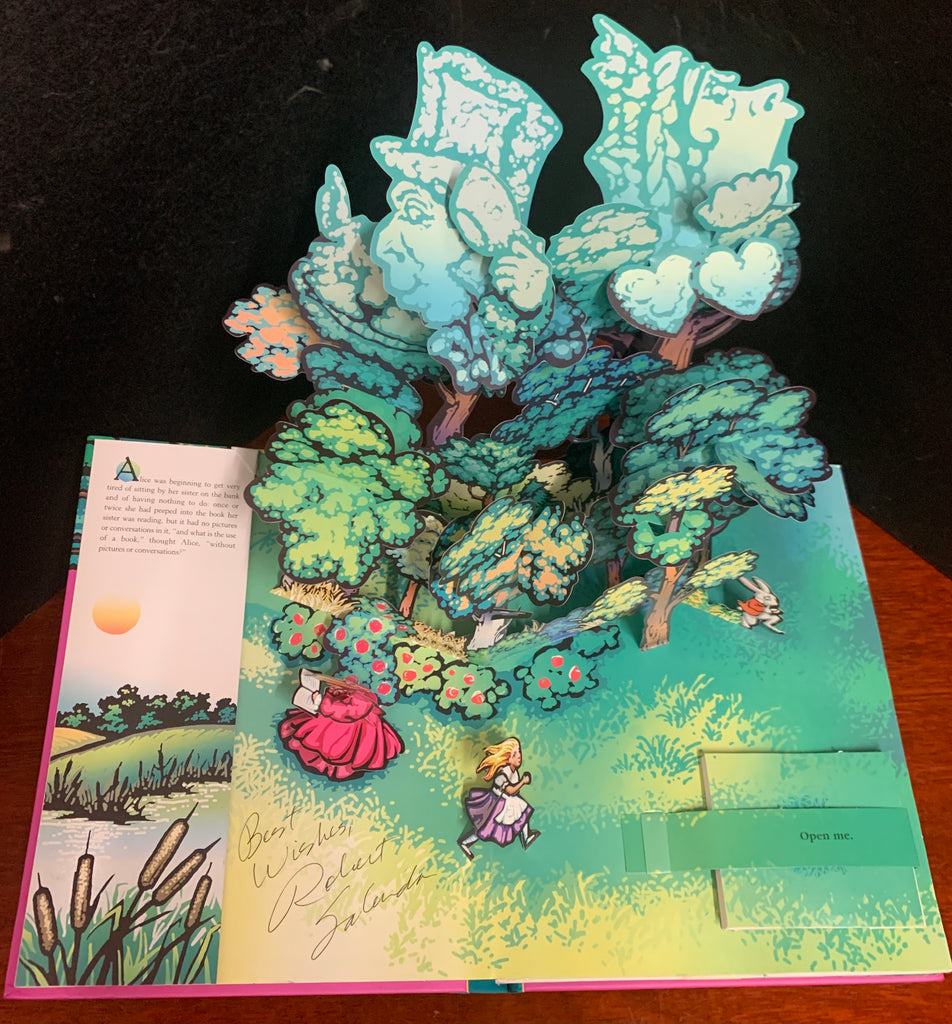
 Alice's Adventures in Wonderland: A Pop-Up Adaptation
Arguably Sabuda's most acclaimed adaptation. Six two-page master pop-ups in John Tenniel's classic style, plus a Victorian peep-show effect, multifaceted foil, and smaller pop-ups hidden in envelopes and flaps on every other spread. Little Simon / Simon & Schuster, ~$35 in print. The book that shows off Sabuda's range of mechanical tricks better than any other single title.
- Dazzling variety of mechanisms and special effects
- Tenniel-faithful art; deeply beloved by collectors
- In print at an accessible ~$35
- Lots of fragile small mechanisms to protect
- First-edition signed copies are pricey on the secondary market
 3 photos
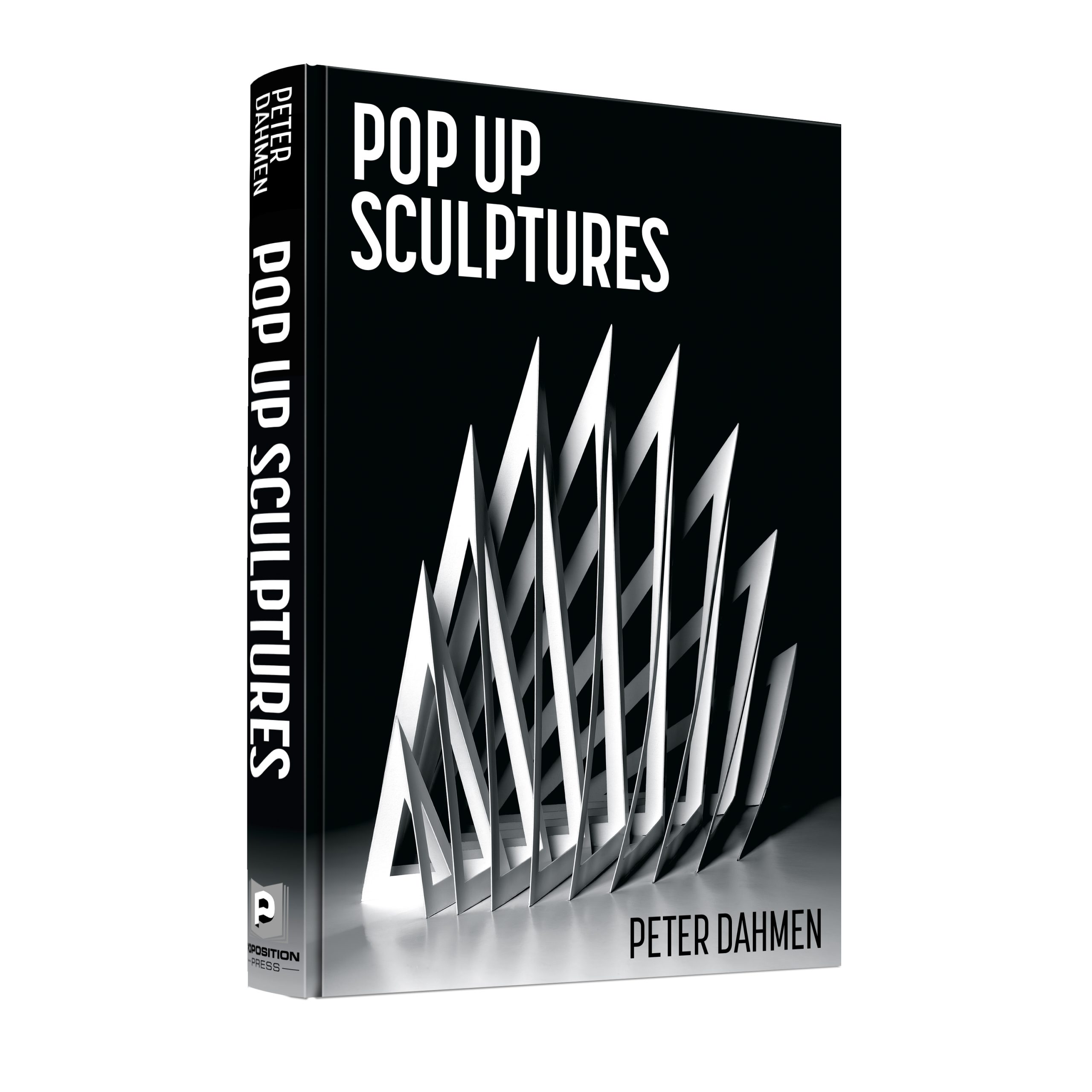
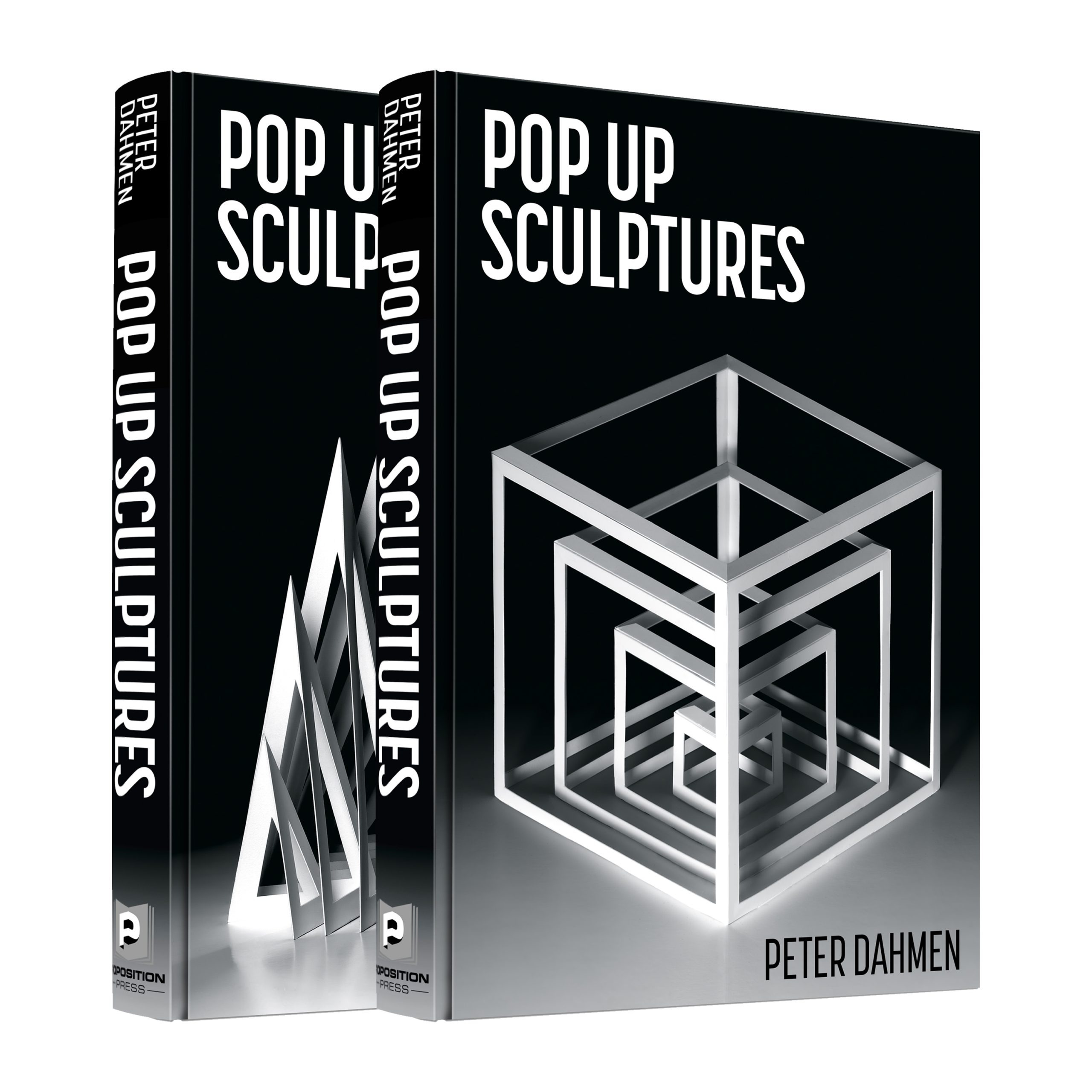
 Pop Up Sculptures
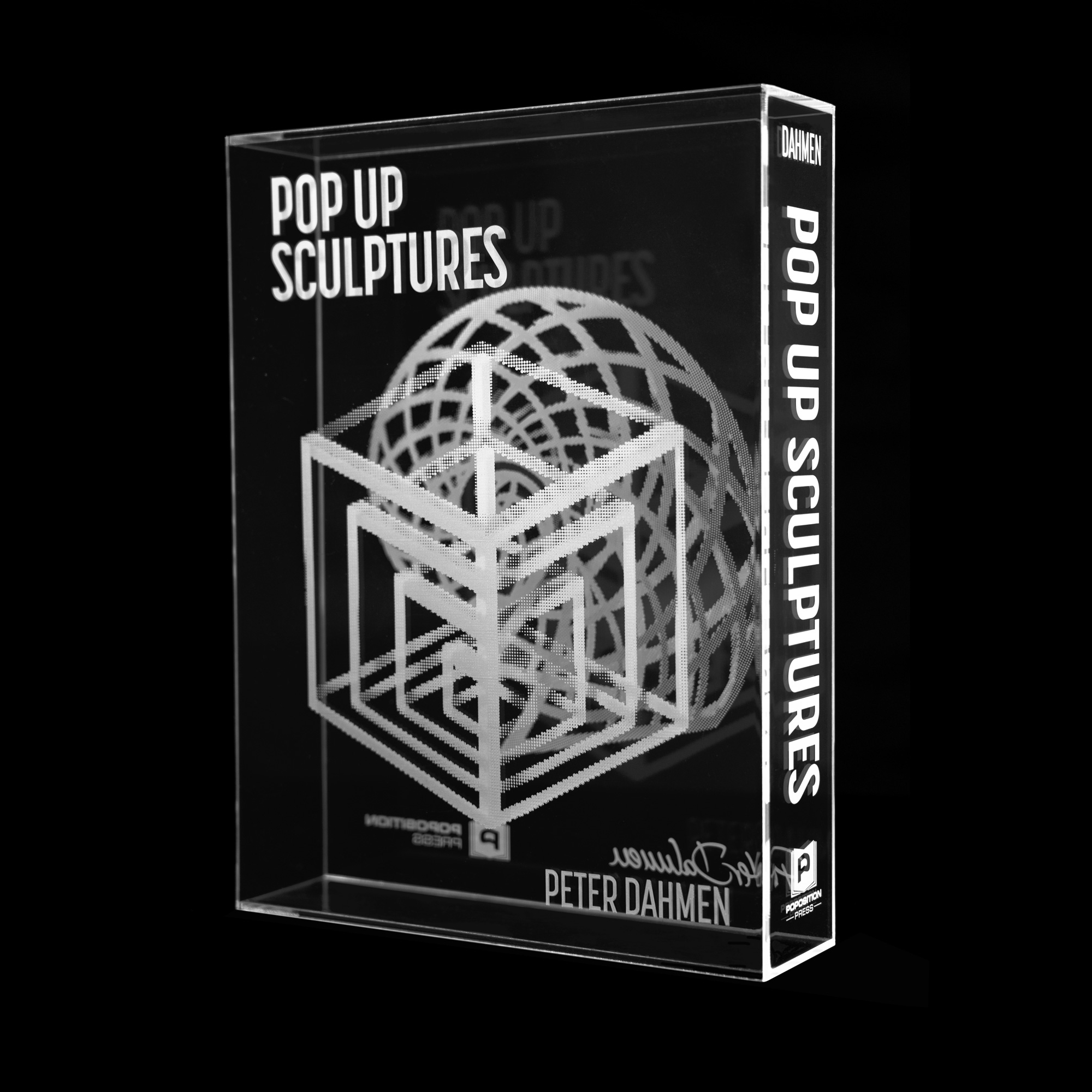
Cult paper artist Peter Dahmen (of viral pop-up-sculpture fame) collects six of his all-white abstract paper sculptures into a single volume that opens flat to 11x17 — the $50 standard. The $250 Special Edition is the collector's prize: two volumes (twelve sculptures) in a laser-etched acrylic slipcase, the second volume signed and numbered by Dahmen, limited to 250. Story-free, architectural, mesmerizing.
- Pure abstract paper engineering by a beloved indie artist
- Standard edition is a genuine bargain at $50
- Signed, numbered, slipcased limited edition for serious collectors
- Special Edition is $250 and capped at 250 copies
- No narrative — abstract is the point, not for everyone
 2 photos
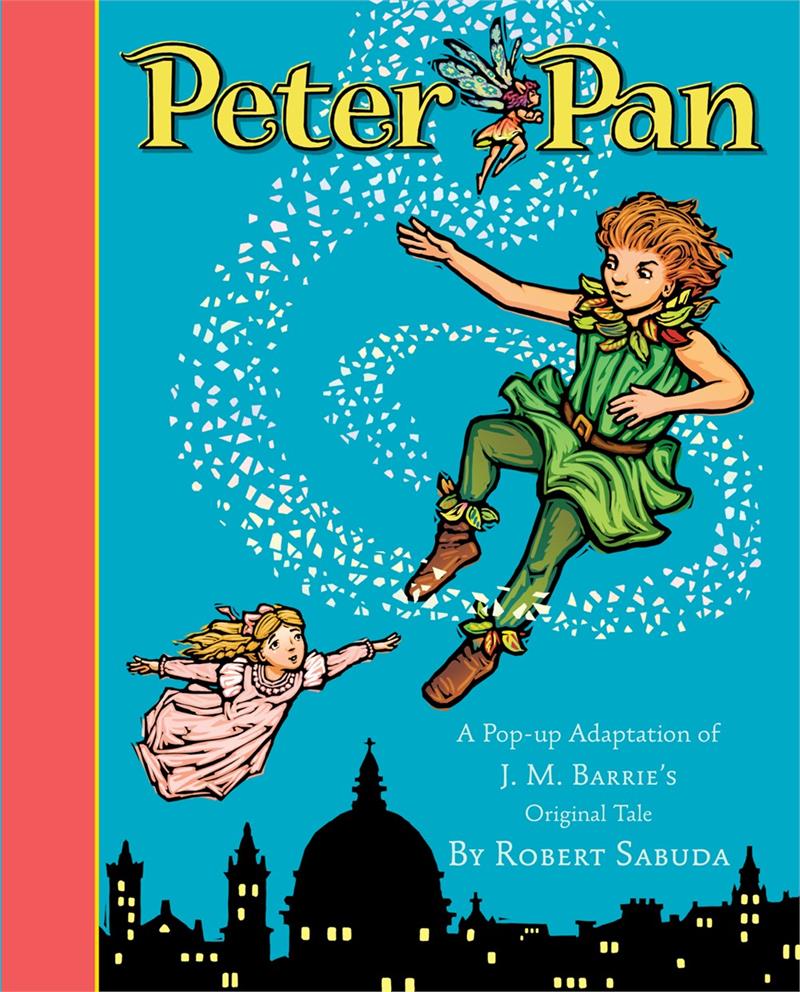
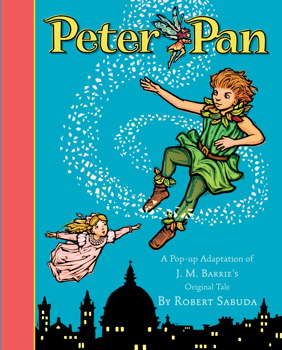
 Peter Pan: A Classic Collectible Pop-Up
A gorgeous, elegant Sabuda adaptation of J.M. Barrie's tale at the friendliest price in his catalog ($39.99, Little Simon). All the architectural finesse and white-paper restraint Sabuda is loved for, in a value-tier package. The ideal 'convert a skeptic' gift — real master engineering for what you'd pay for a hardcover novel.
- Authentic Sabuda craft at a value price
- Perfect gateway gift; in print
- Elegant, durable Little Simon production
- Fewer mega-spreads than his Oz/Alice showpieces
- Pristine early printings still sought by completists
 2 photos
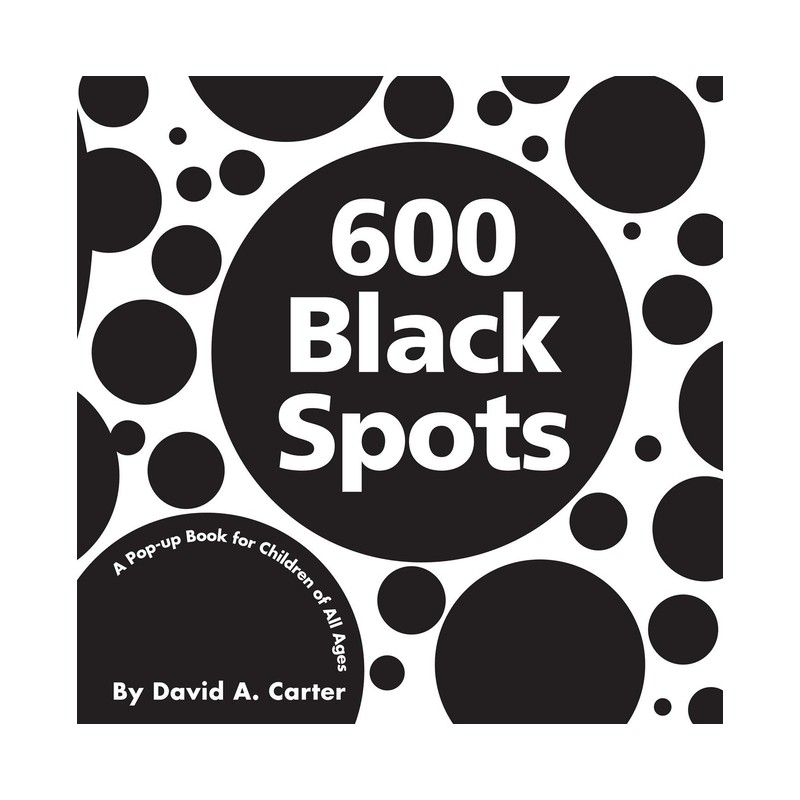
 600 Black Spots: A Pop-Up Book for Children of All Ages
The cheapest way onto the art-pop-up shelf without compromising. Part of Carter's acclaimed abstract color series, each spread is a striking sculptural pop-up in which you hunt for the hidden black spots among bold, modern architecture. Real Carter engineering — the same artist behind One Red Dot and Yellow Square — for the price of an ordinary hardcover. Little Simon / Simon & Schuster.
- Genuine abstract paper sculpture at an entry price
- Same master engineer as the pricier color-series titles
- Modern, design-forward, and giftable
- Smaller and simpler than One Red Dot / Yellow Square
- Editions shift in and out of print
At a glance
| book | maker | price | best for |
|---|---|---|---|
| Encyclopedia Prehistorica: Dinosaurs | Sabuda & Reinhart | $49.99 | Ultimate showpiece + best starting point |
| Star Wars: A Pop-Up Guide to the Galaxy | Matthew Reinhart | $95 (list; now resale) | Max spectacle — the pop-up Millennium Falcon |
| ABC3D | Marion Bataille | $29.99 | Art/design collectors; kinetic typography |
| The Wonderful Wizard of Oz | Robert Sabuda | $34.99 | Elegant fairy-tale Sabuda anchor |
| The Keith Haring Pop-Up Book | Simon Arizpe / Poposition Press | $60 ($350 Altarpiece Ed.) | Modern licensed fine-art pop-up |
| DC Super Heroes: The Ultimate Pop-Up Book | Matthew Reinhart | $49.99 | Best in-print pop-culture trophy |
| Alice's Adventures in Wonderland | Robert Sabuda | $34.99 | Sabuda's most inventive mechanisms |
| Pop Up Sculptures | Peter Dahmen | $50 ($250 Special Ed.) | Abstract sculpture; signed limited edition |
| Peter Pan | Robert Sabuda | $39.99 | Best-value true Sabuda |
| 600 Black Spots | David A. Carter | $24.99 | Cheapest serious art-pop-up |
| Game of Thrones: A Pop-Up Guide to Westeros | Matthew Reinhart | $75 (list; often resale) | GoT fans — Winterfell, King's Landing, the Wall |
Questions, answered
Who is the best pop-up book artist?
Robert Sabuda is the most widely celebrated pop-up book artist — the New York Times called him 'indisputably the king of pop-ups,' and his fairy-tale adaptations (The Wonderful Wizard of Oz, Alice's Adventures in Wonderland) are the field's gold standard. That said, 'best' depends on what you want: Sabuda for elegance, Matthew Reinhart for jaw-dropping spectacle (Star Wars, DC), David A. Carter for abstract art pop-ups, and Marion Bataille for kinetic typography (ABC3D, a Meggendorfer Prize winner). Most serious collectors own work by all four.
What is the best pop-up book for adults to start with?
Encyclopedia Prehistorica: Dinosaurs by Robert Sabuda and Matthew Reinhart (~$50). It's the title the collecting community names most often for newcomers: a #1 New York Times bestseller, genuinely affordable, and its climactic T. rex spread is the moment most people fall in love with the art form. If you'd rather start with pure elegance, a Sabuda fairy tale like Peter Pan ($39.99) is the other classic first buy.
Why are pop-up books so expensive?
Because they're assembled largely by hand. The intricate mechanisms can't be fully machine-produced, so pop-up books require extensive manual gluing, folding, and assembly, which drives up cost. Add a named paper engineer's design work and licensing fees for franchises like Star Wars or DC, and you reach $50–$95 for new flagship titles. Out-of-print and signed first editions then climb well beyond list on the secondary market due to scarcity and condition.
Are pop-up books a good collectible investment?
They can hold and grow in value, especially out-of-print titles by master engineers in pristine, complete condition. Licensed Reinhart books (Star Wars, Game of Thrones, Transformers) and signed Sabuda first editions are the most likely to appreciate because they go out of print and rarely reprint. But condition is everything — a single torn mechanism can erase most of the value. Buy what you love first; treat appreciation as a bonus, not a guarantee.
What is the difference between a pop-up book and a regular children's book?
A collectible pop-up is engineered three-dimensional paper sculpture: turn the page and mechanisms self-assemble into 3D scenes, then fold flat when closed. They're designed by named 'paper engineers' and prized as kinetic art. Regular illustrated and lift-the-flap children's books are flat or use simple flaps. The adult/collector market values the engineering and the engineer's authorship, not the reading level.
What is the Meggendorfer Prize?
It's the highest honor in paper engineering, awarded by The Movable Book Society and named after the 19th-century German pioneer Lothar Meggendorfer. Marion Bataille won it in 2010 for ABC3D, and Brooklyn engineer Simon Arizpe (who built the modern Keith Haring Pop-Up Book) won it for 2018–2019. Seeing the prize in a book's pedigree is a reliable signal of top-tier craft.
Are abstract pop-up books like One Red Dot worth owning?
Yes, especially for design-minded collectors. David A. Carter's color series (One Red Dot, 600 Black Spots, Blue 2, Yellow Square) and Marion Bataille's ABC3D abandon storytelling to showcase pure paper engineering as fine art. They read as modern sculpture and sit comfortably on a design shelf. 600 Black Spots (~$25) is the most affordable way in; One Red Dot (~$40 list) and ABC3D (~$30) are the standouts.
How do I care for and store a collectible pop-up book?
Store it flat (not spine-up on a shelf, which stresses the mechanisms), in a cool, dry place away from direct sunlight to prevent fading and warping. Open and close pages slowly and fully, handle pull-tabs gently, and keep hands clean and dry. For high-value copies, many collectors keep a sealed 'keeper' copy stored flat and a separate reading copy. Avoid humidity, which can warp paper and weaken glue.
Where can I buy collectible pop-up books?
For in-print titles, buy new from the publisher (Candlewick, Simon & Schuster/Little Simon, Abrams) or major retailers and museum shops. Indie art editions like the Keith Haring book and Peter Dahmen's Pop Up Sculptures come direct from Poposition Press. For out-of-print and signed first editions, specialist rare-book marketplaces (AbeBooks, Biblio) and dedicated shops like Books of Wonder are the collector's go-to — always verify condition and mechanism completeness before buying.
Imani's verdict
Build your shelf in tiers, and you can't go wrong. Start with Encyclopedia Prehistorica: Dinosaurs (~$50) — it's the showpiece, the value champion, and the book that converts skeptics, all at once. Anchor the collection with a Robert Sabuda fairy tale (Wizard of Oz or Alice, ~$35) for elegance, add a David A. Carter or Marion Bataille (600 Black Spots ~$25 / ABC3D ~$30) for art-world credibility, and grab the in-print pop-culture trophy you actually love — DC Super Heroes ($49.99) is the smart 2026 buy while the older Reinhart titles climb on resale. Then, when you're ready to go deeper, chase the modern indie editions everyone's whispering about: the Keith Haring Pop-Up Book ($60) and a signed Peter Dahmen Pop Up Sculptures ($50–$250). The single best first buy for almost everyone is Encyclopedia Prehistorica: Dinosaurs. The four names to remember forever are Sabuda, Reinhart, Carter, and Bataille.
Research ledger 21 sources · reviewed 2026-09-11
Specifications, rules, current product information, community experience, and contrary evidence were checked against the sources below. Commercial links are kept separate from editorial evidence.
- candlewick.comcandlewick.com/9780763622282/encyclopedia-prehistorica-dinosaurs
- simonandschuster.comsimonandschuster.com/books/The-Wonderful-Wizard-Of-Oz/L-Frank-Baum/9780689817519
- simonandschuster.comsimonandschuster.com/books/Alices-Adventures-in-Wonderland/Lewis-Carroll/Aladdin-Classics/9780689847431
- simonandschuster.comsimonandschuster.com/books/Peter-Pan/Robert-Sabuda/9780689853647
- simonandschuster.comsimonandschuster.com/books/600-Black-Spots/David-A-Carter/9781416940920
- simonandschuster.comsimonandschuster.com/books/One-Red-Dot/David-A-Carter/9780689877698
- simonandschuster.comsimonandschuster.com/books/Yellow-Square/David-A-Carter/9781416940937
- amazon.comamazon.com/dp/1596434252?tag=puzzlewick-20
- amazon.comamazon.com/dp/0439882826?tag=puzzlewick-20
- rizzolibookstore.comrizzolibookstore.com/product/dc-super-heroes-ultimate-pop-book
- target.comtarget.com/p/dc-super-heroes-the-ultimate-pop-up-book-by-matthew-reinhart-hardcover/-/A-93302284
- barnesandnoble.combarnesandnoble.com/w/game-of-thrones-matthew-christian-reinhart/1116298547
- amazon.comamazon.com/dp/0316186627?tag=puzzlewick-20
- popositionpress.compopositionpress.com/store/pop-up-books/keith-haring-pop-up-book
- popositionpress.compopositionpress.com/store/pop-up-books/peter-dahmen-pop-up-sculptures-special-edition
- mymodernmet.commymodernmet.com/keith-haring-pop-up-book
- mymodernmet.commymodernmet.com/pop-up-book-paper-engineering
- publishersweekly.compublishersweekly.com/978-1-4169-4093-7
- en.wikipedia.orgen.wikipedia.org/wiki/Robert_Sabuda
- barnesandnoble.combarnesandnoble.com/w/peter-pan-robert-sabuda/1014752506
- Community research index: r/bookcollecting discussions about Best Pop-Up Books for Adults & Collectorsreddit.com/r/bookcollecting/search/?q=Best%20Pop-Up%20Books%20for%20Adults%20%26%20Collectors&restrict_sr=1&sort=top

Okay but have you seen what everyone’s saying about this?

Keep exploring
The next smart rabbit holes.
⬢ Topic PathTabletop Accessories: compare the whole shelfBuy the accessory that fixes a repeated annoyance first. Protection, setup speed, readable state, and comfortable handling beat...Best OfBest Tunnel Books & Paper Theatres, Ranked (2026)Little stages of cut paper, ranked by the people who literally lose sleep over them — from Victorian peepshows to Edo tatebanko to the...Best OfBest Brain Teaser Puzzles for Adults (2026)Most brain-teaser lists are written by people who've never lost to a puzzle. Here's the one written by someone who has — sorted by what...