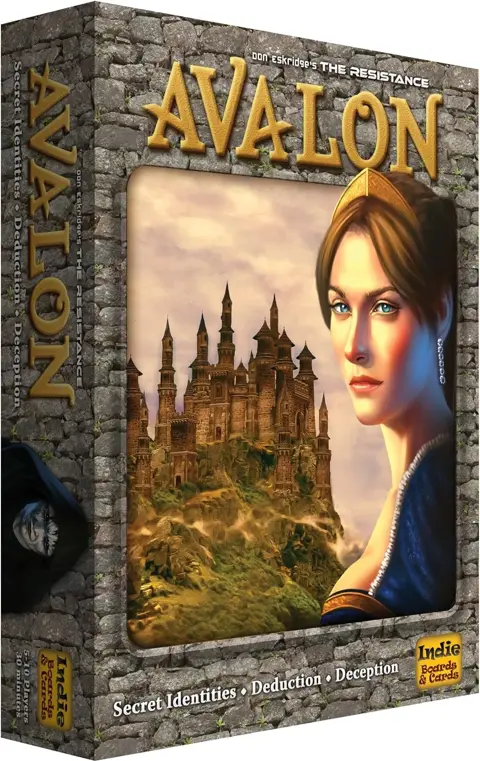
Aeon Trespass: Odyssey vs Kingdom Death: Monster in 2026: Which Lifestyle Grail Should You Buy?
Story, combat, replayability, solo administration, assembly, table space, expansion cost, and the honest first purchase.


AI-assisted research and drafting in Dax’s voice · reviewed by Robert Pruitt · how this guide was made
Last editorial refresh: 2026-07-15 Gold-standard QA: true 8 sources reviewed Affiliate links checked during gold-standard pass

The short answer
Buy Aeon Trespass if you want an authored Greek-myth odyssey, evolving Titan builds, and boss fights engineered to crescendo. Buy Kingdom Death: Monster if you want emergent settlement stories, stronger restart value, miniature hobby work, and an ecosystem you can inhabit for years. Do not buy both first. ATO’s core already claims roughly 200–300 hours; KDM’s core is a repeatable settlement machine. Choose the story shape you want to maintain.
Decision map
Choose in thirty seconds
Emergent settlement stories and miniature hobby
The July 2026 version of this question is unusually honest: these are not just games competing for money. They compete for the same table, storage wall, rules memory, and year of weekends. Both stage tactical battles against AI-driven monsters. Both turn wounds into changing enemy behavior. Both grow a civilization between fights. The fork is narrative architecture. Aeon Trespass tells a giant designed odyssey. Kingdom Death generates a settlement legend from systems, disasters, and replacement survivors.
Start here, then go deeper
You are in the right cabinet.
 ☾ Universe HubKingdom Death: Monster: the whole buying pathKingdom Death: Monster is the hardest purchase in this hobby to get right — not because the game is obscure, but because the...
 ♛ Topic PathGrail Board Games: compare the whole shelfA grail earns its space only when the experience survives the price, setup, storage, and group commitment. These are expensive-game...
 MasterclassKingdom Death: MonsterThe complete 2026 initiation into the most beautiful, most brutal game in the hobby — from your first naked survivor on the Plain of...
Which should you buy: Aeon Trespass or Kingdom Death?
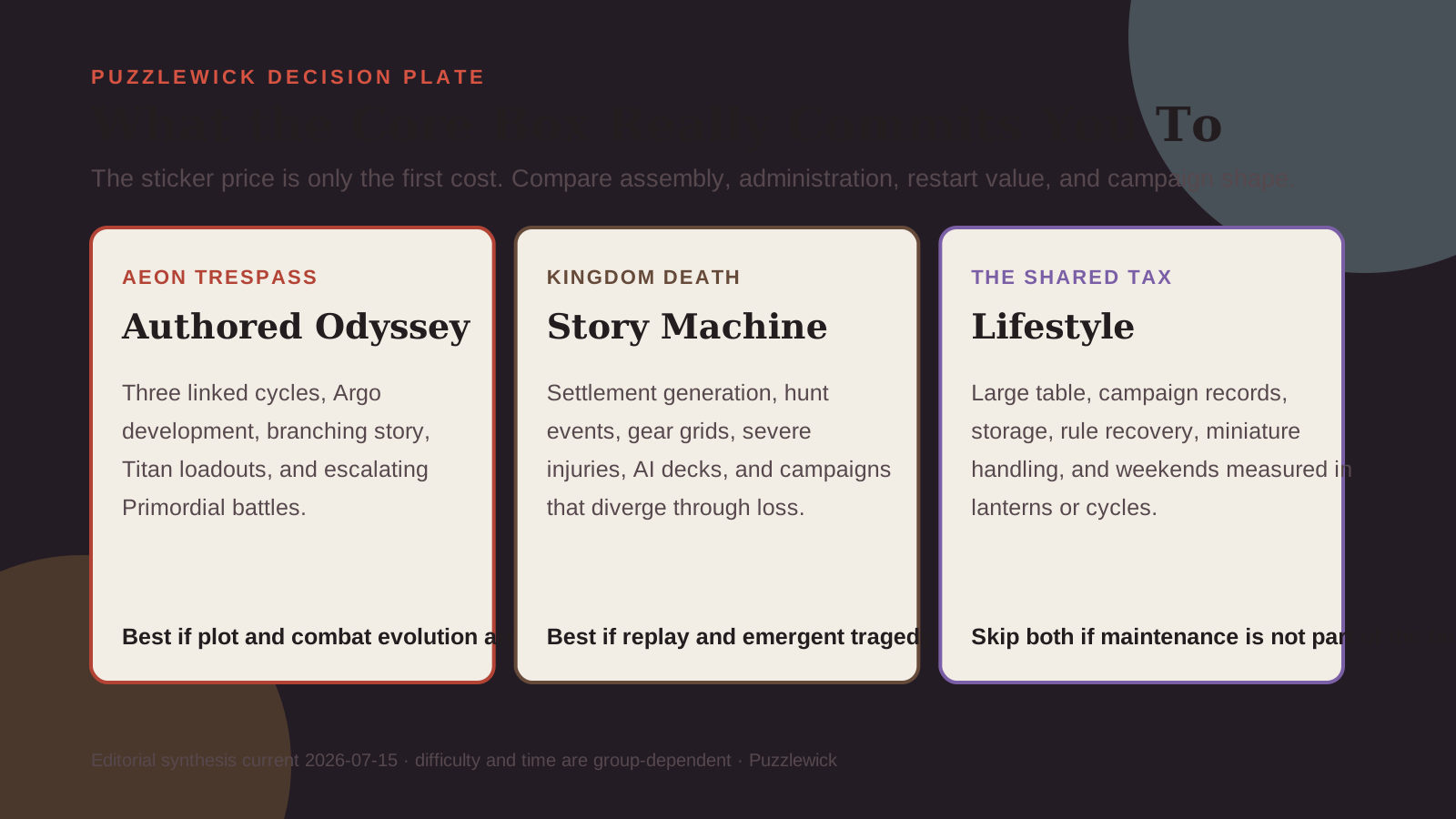
Aeon Trespass is a campaign you undertake. Kingdom Death is a settlement you subject to history. If a strong authored plot is what pulls you through admin, ATO has the clearer finish line. If replay, emergent loss, and miniature craft are the fantasy, KDM has the stronger long tail.
Recent owners making this exact choice repeat the same warning: one cycle of ATO can run 70–100 hours, while KDM can restart indefinitely. The wrong question is which gives more content. Both can crowd out other games. Ask which one you would still document after hour forty.
The newest owner debate in July 2026 lands on the cleanest split we found: ATO is chosen for a huge written journey; KDM is chosen for the settlement stories that can keep mutating across repeat campaigns. The sharpest practical warning was simpler than either rulebook: KDM asks whether you are willing to assemble complex miniatures before the campaign begins. That is not peripheral hobby content. It is part of the purchase verdict.
What does Aeon Trespass actually contain?
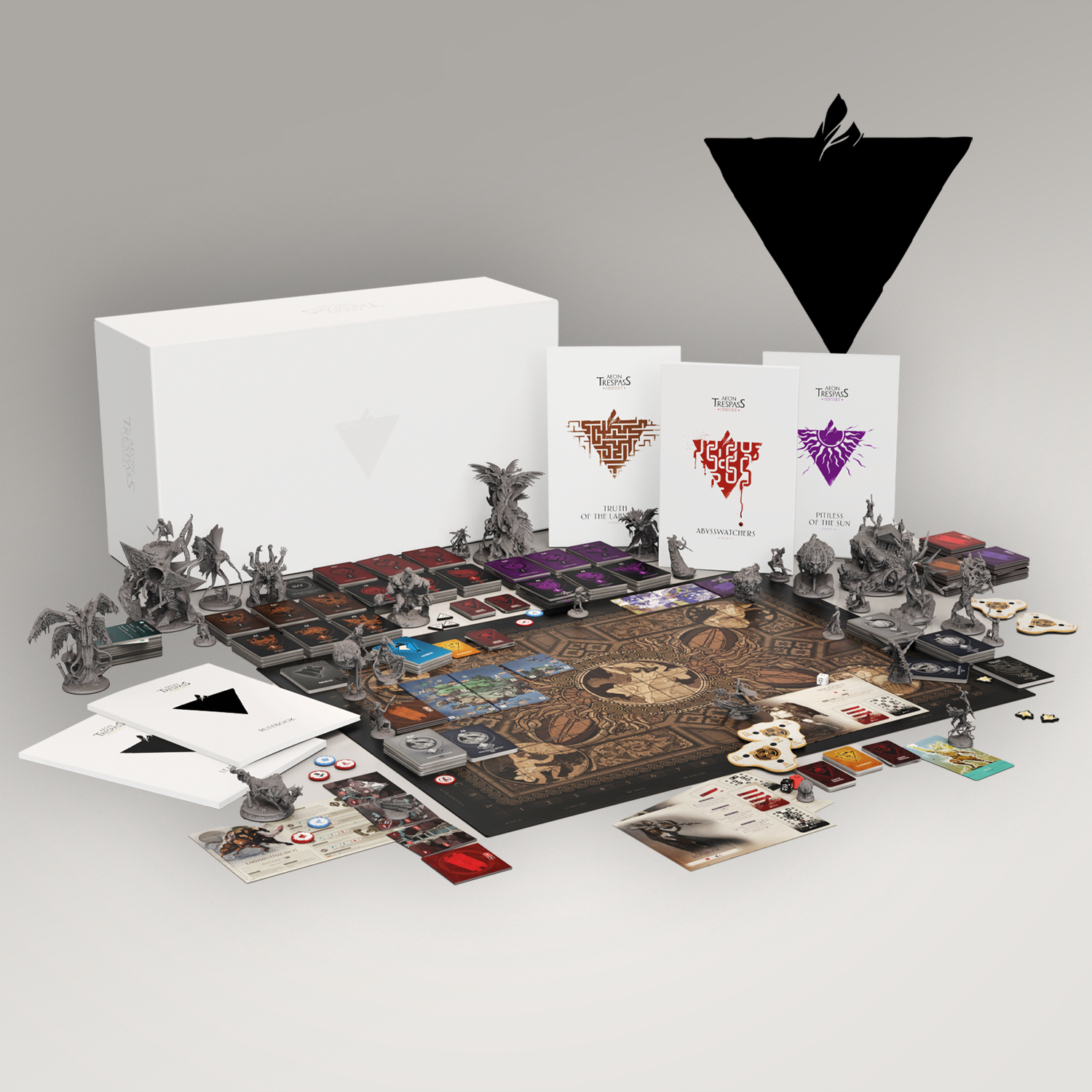
The official second-printing core lists three interconnected campaigns, 31 miniatures plus changeable parts, more than 1,800 cards across sizes, 74+ terrain tiles, 318 tokens and markers, three storybooks, a learn-to-play book, and the Argo development layer. That is not marketing fog; it explains the table.
The three loops are adventure, strategic development, and battle. You make choices in Hellas, improve the Argo, equip Titans, and fight Primordials. The signature Inverted Combat Paradigm means wounded Titans can become more powerful as danger rises, while Primordials also escalate. Community praise consistently lands on story, discovery, and fights that change rather than merely add health.
What does Kingdom Death actually ask you to become?
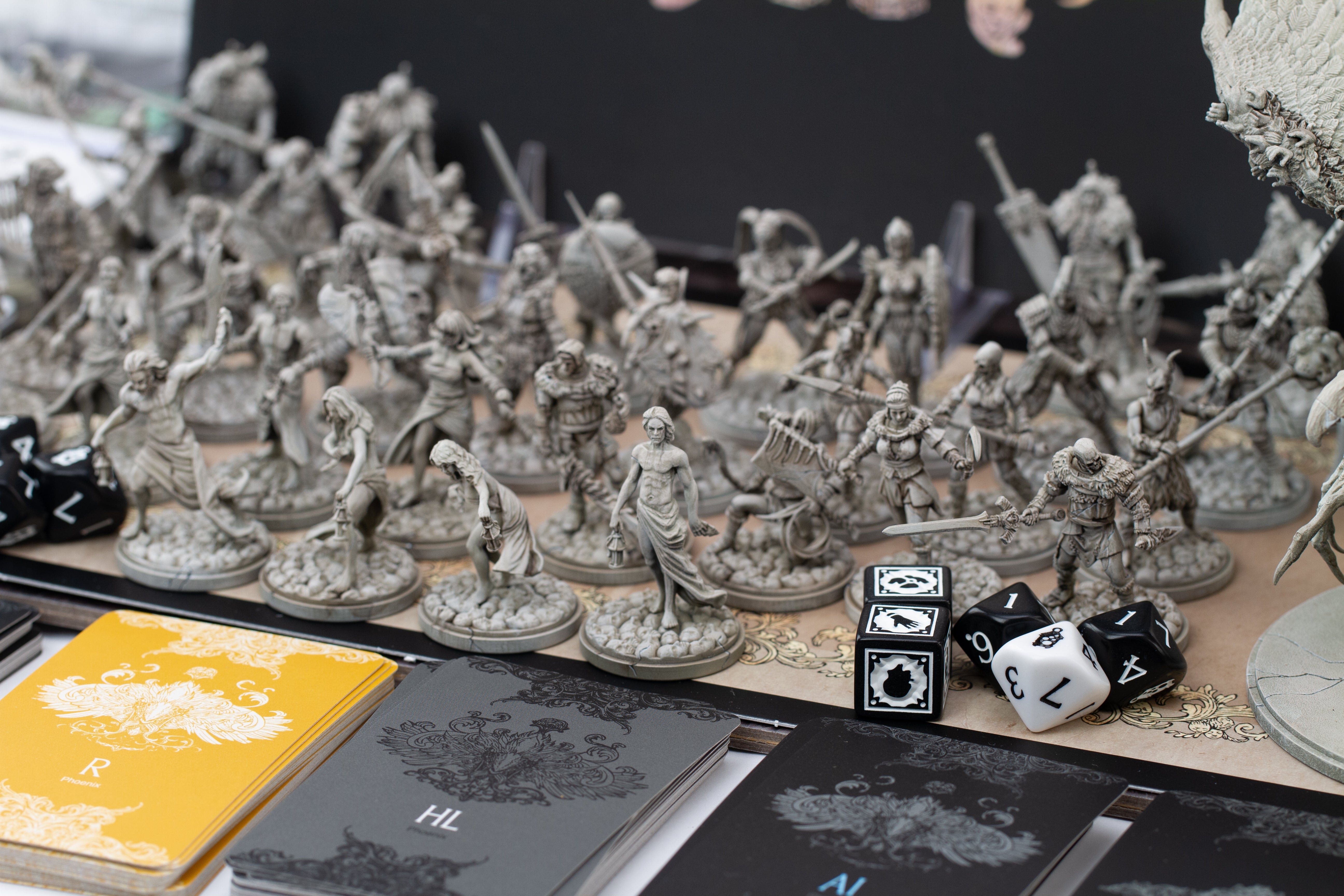

KDM begins with a prologue showdown, then establishes the loop: settlement, hunt, showdown. Survivors innovate, craft gear from quarry parts, reproduce, suffer disorders, and die. Hunt events alter the party before contact. In the showdown, an AI deck drives the monster while hit-location cards decide what happens when you connect. Wounding the monster often removes an AI card, changing its future behavior.
The campaign’s continuity lives in the settlement. A favorite survivor can disappear; population, innovations, principles, gear, and scars survive. This is why KDM stories are so retellable and why the core restarts better than a read-once narrative. It is also why bookkeeping mistakes matter. Photograph the settlement phase, not only the board.
In KDM the people die; the settlement remembers.
How do the boss fights create different drama?
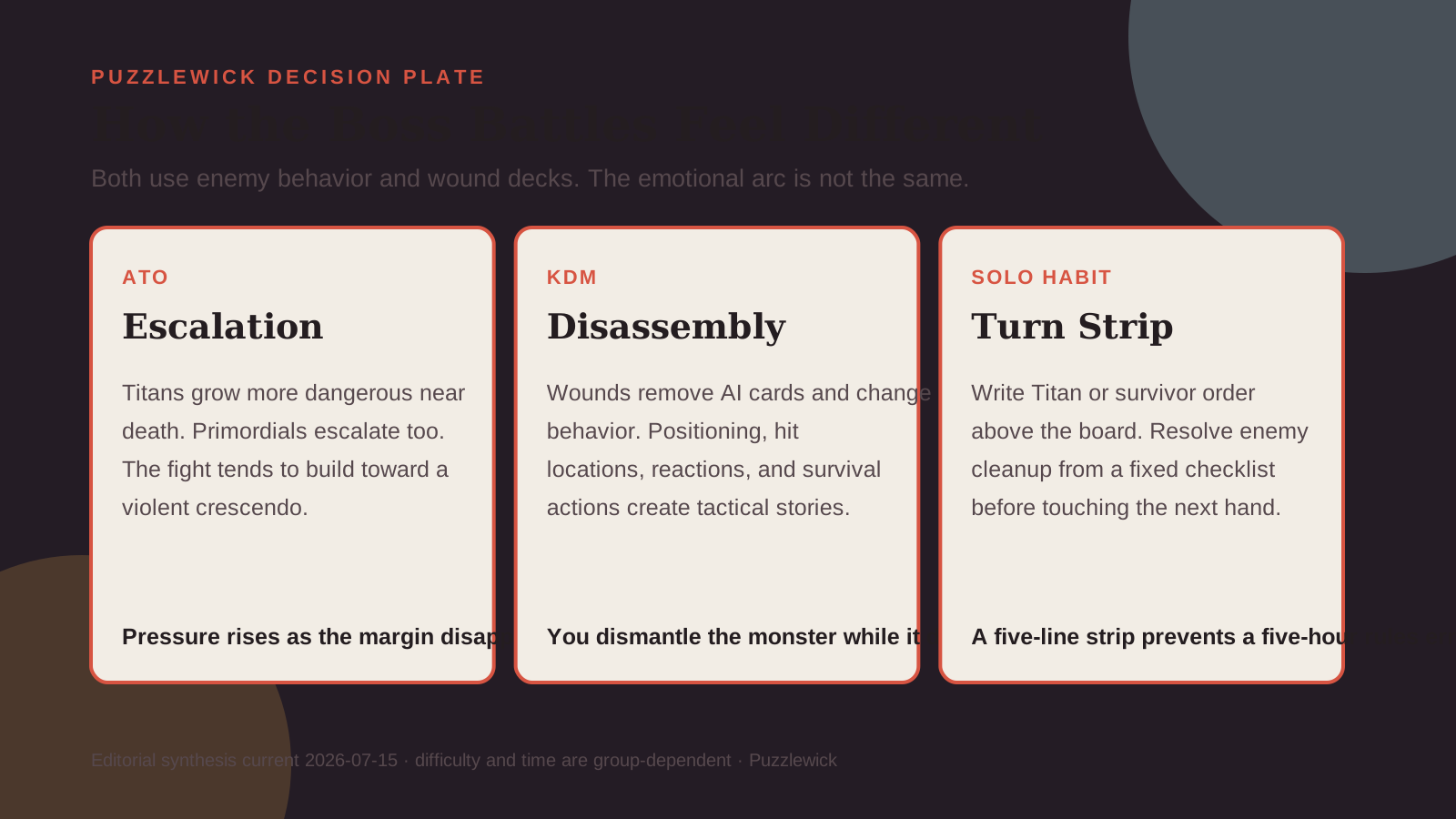
Both games turn the enemy into a deck-driven puzzle, but ATO emphasizes mutual escalation. Near-death Titans unlock dangerous potential, and Primordials evolve across battles. The emotional motion is upward: the fight becomes more volatile as it nears an ending.
KDM’s motion is disassembly. Wounds remove AI options, positioning manipulates targeting and blind spots, hit locations can trigger reactions, and Survival actions let a survivor Dodge, Dash, Surge, or Encourage once innovations unlock them. A failed wound can be worse than a miss.
If you want loadout evolution and narrative boss reveals, lean ATO. If you want to study a quarry as a tactical organism over repeated hunts, lean KDM.
How heavy is solo administration?
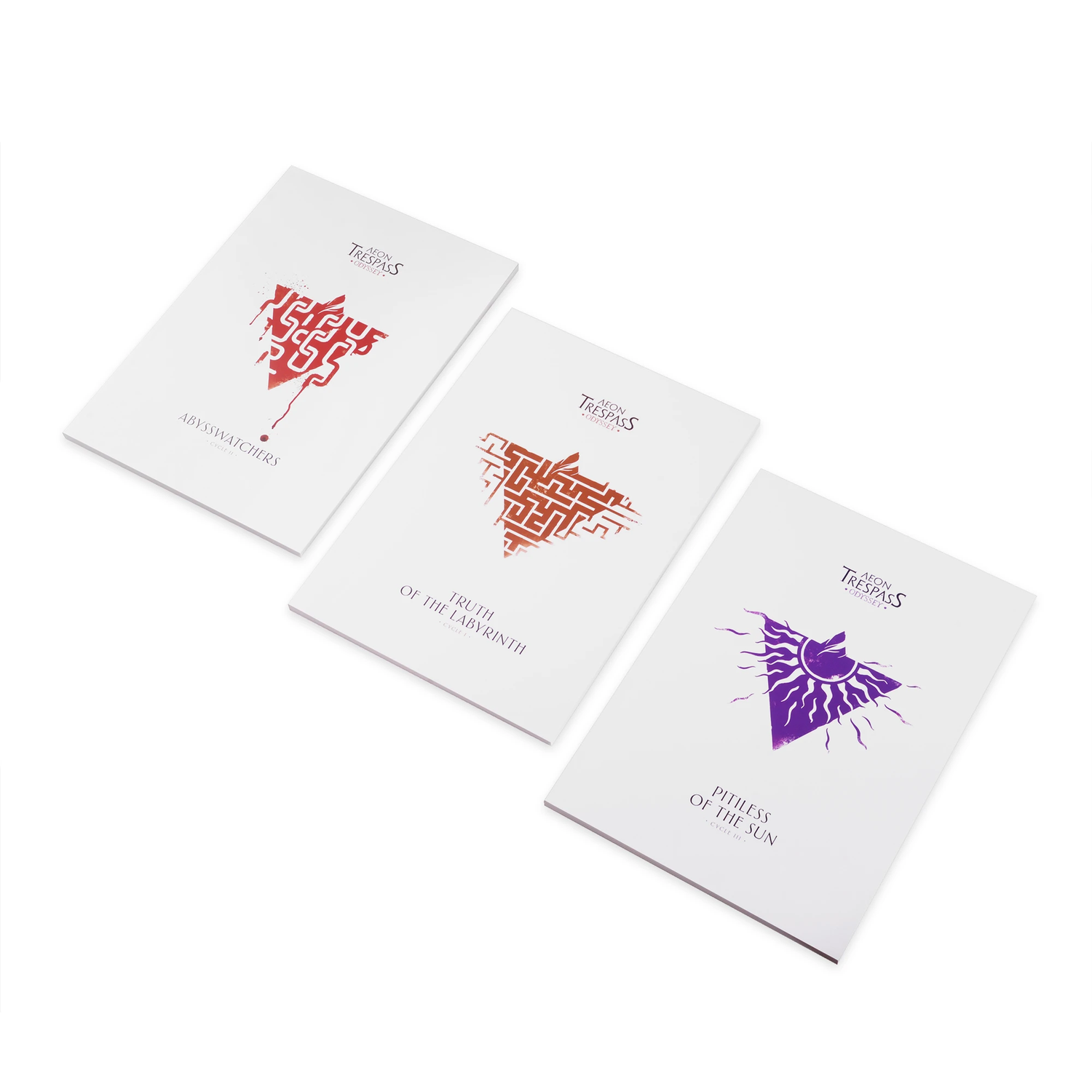
ATO asks one player to manage Titans, Argonaut decisions, Argo development, technologies, exploration, story triggers, and battle state. KDM asks one player to manage four survivors, settlement decisions, population, gear grids, quarry state, and AI/hit-location decks.
Make a laminated phase strip. For ATO: story trigger, map action, resource change, technology, save note. For KDM: returning survivors, endeavors, development, event, hunt setup. In battle, use colored bases or clips to link each miniature to its dashboard. These are not decorative accessories. They reduce cross-character errors and make the campaign recoverable after interruption.
What do assembly, storage, and table space really cost?
Kingdom Death miniatures arrive on sprues and require assembly. That is part of the appeal for hobbyists and a purchase veto for everyone else. ATO’s miniatures are far closer to game-ready, though the component volume still demands trays and a labeling system.
Both deserve at least a 3-by-5-foot working surface once dashboards and books join the battle board. ATO’s card volume benefits from labeled long boxes or dividers. KDM benefits from gear-grid solutions and a separate miniature shelf because future expansions multiply quarry and nemesis content.
Do not buy a premium insert before playing. First learn which phases you want to lift out as a tray. Storage designed around the printed component list can be beautiful and operationally wrong.
How do experienced players keep a hundred-hour campaign stable?
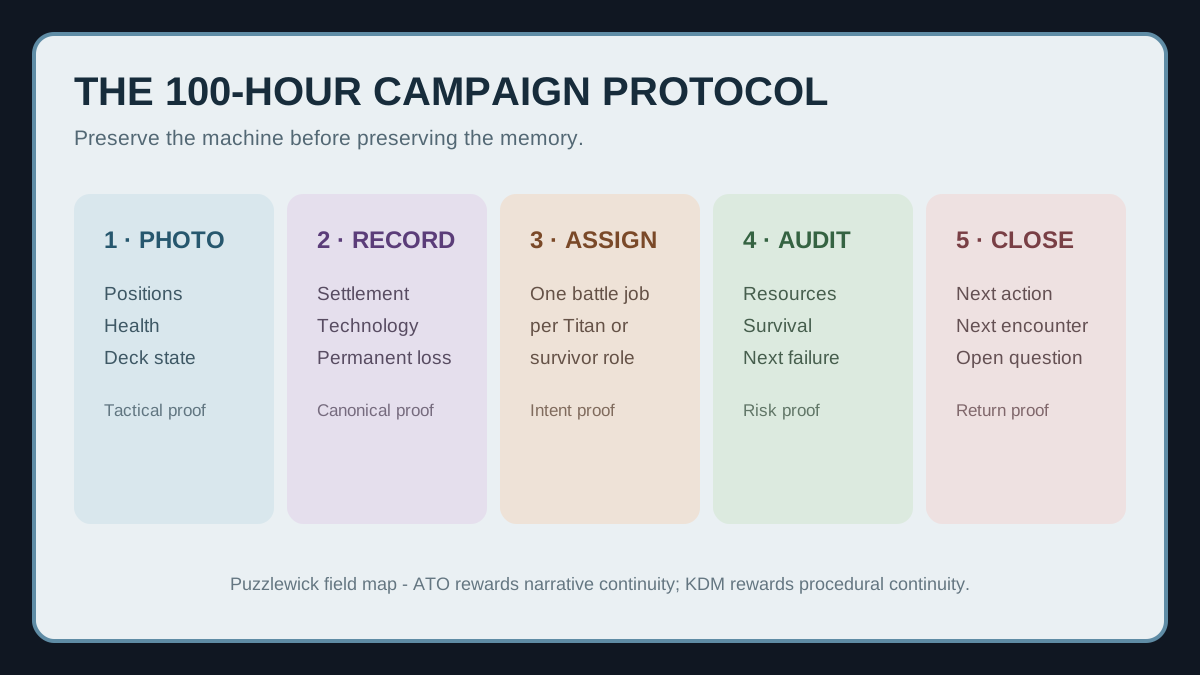
Separate tactical state from campaign state. The board photo proves positions, health, decks, and tokens. The campaign sheet proves population, innovations, technologies, gear, story flags, and permanent injuries. Never let a photograph become the only record of a permanent decision, and never trust memory over the canonical sheet.
ATO serious play: plan the voyage and the battle as one economy. A Titan loadout that wins the next fight but consumes the resource or technology path needed by the cycle can be a strategic loss. Before committing, write the expected battle job for each Titan, the escalation you can survive, and the one resource the Argo cannot afford to lose. When damage unlocks stronger options, treat that power as controlled risk rather than permission to race toward collapse.
KDM serious play: protect settlement capability, not favorite-survivor sentiment. Gear grids should create repeatable roles, Survival actions need a deliberate reserve, and quarry familiarity should change positioning before it changes weapon choice. A wound removes an AI card, so the monster’s future behavior changes during the showdown; re-evaluate targeting and reactions after the deck changes instead of repeating the opening plan.
For both games, run a five-minute pre-session audit and a ten-minute close. Read the next legal action aloud, reconcile all permanent resources, isolate the next encounter, and record the rule question still unresolved. That small ritual is the difference between a campaign that pauses and one that quietly dies.
Which campaign survives a long interruption better?
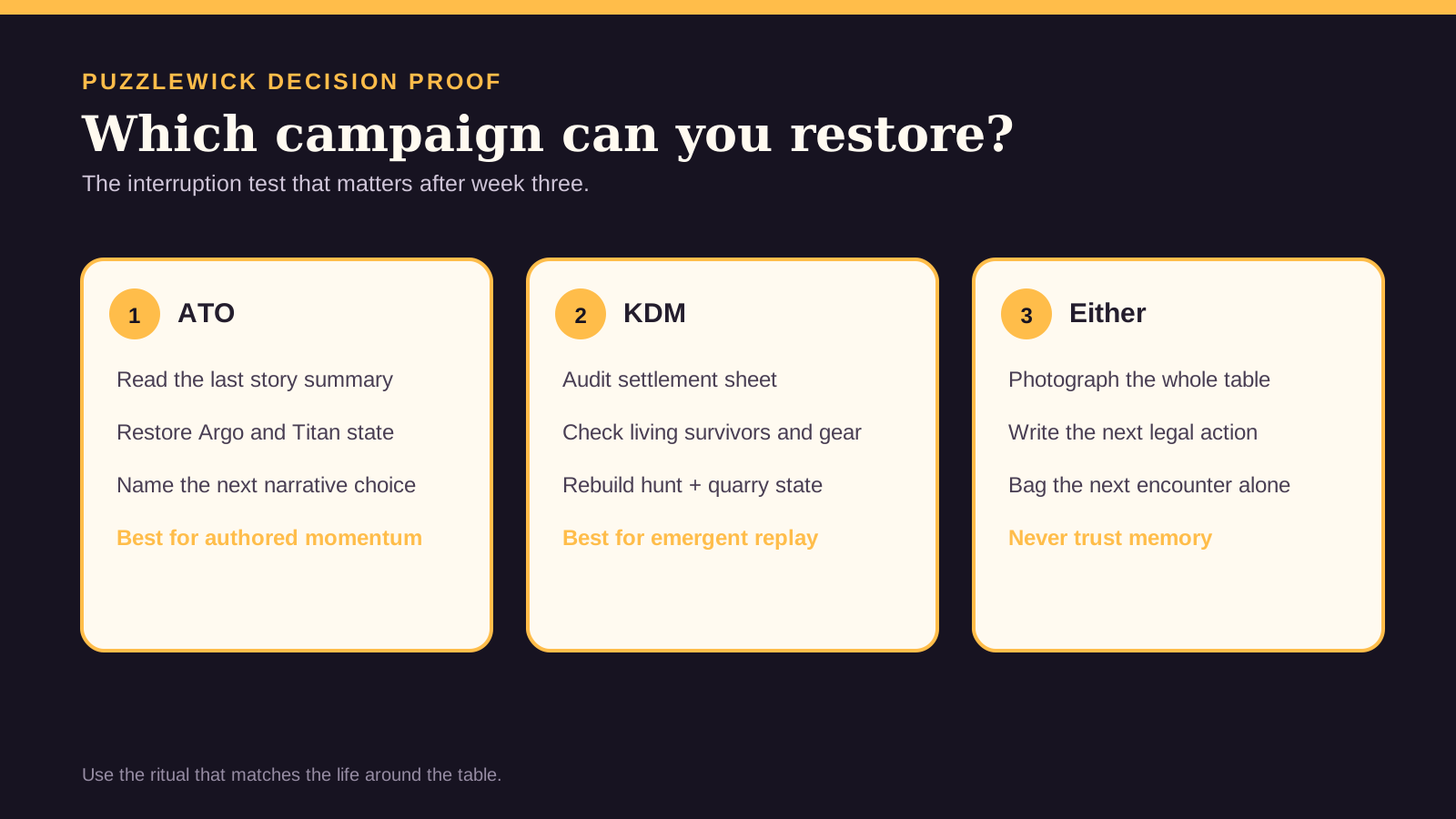
Aeon Trespass is easier to resume when your group remembers stories better than systems. Its authored chapters, map state, Argo development, and Titan loadouts create a large save state, but the narrative gives the return a direction: recall what happened, identify the next choice, then reconstruct the next encounter. Keep a one-page cycle brief with the last revelation, current threat, active technology, and next destination.
Kingdom Death is easier to resume when your group enjoys auditing a living machine. The settlement sheet, survivor roster, innovations, gear grids, quarry level, and current lantern year are the story. A return session should begin with a ten-minute settlement roll call before the hunt deck comes out. Do not rely on remembering who had which injury; the sheet is canonical even when the table remembers a better tragedy.
For either game, stop after settlement or voyage administration rather than halfway through a showdown. Photograph every board, write one next legal action, and isolate the next encounter in its own bag. ATO rewards narrative continuity; KDM rewards procedural continuity. The better recovery game is the one whose continuity your group naturally preserves.
What should you buy first and what should you ignore?
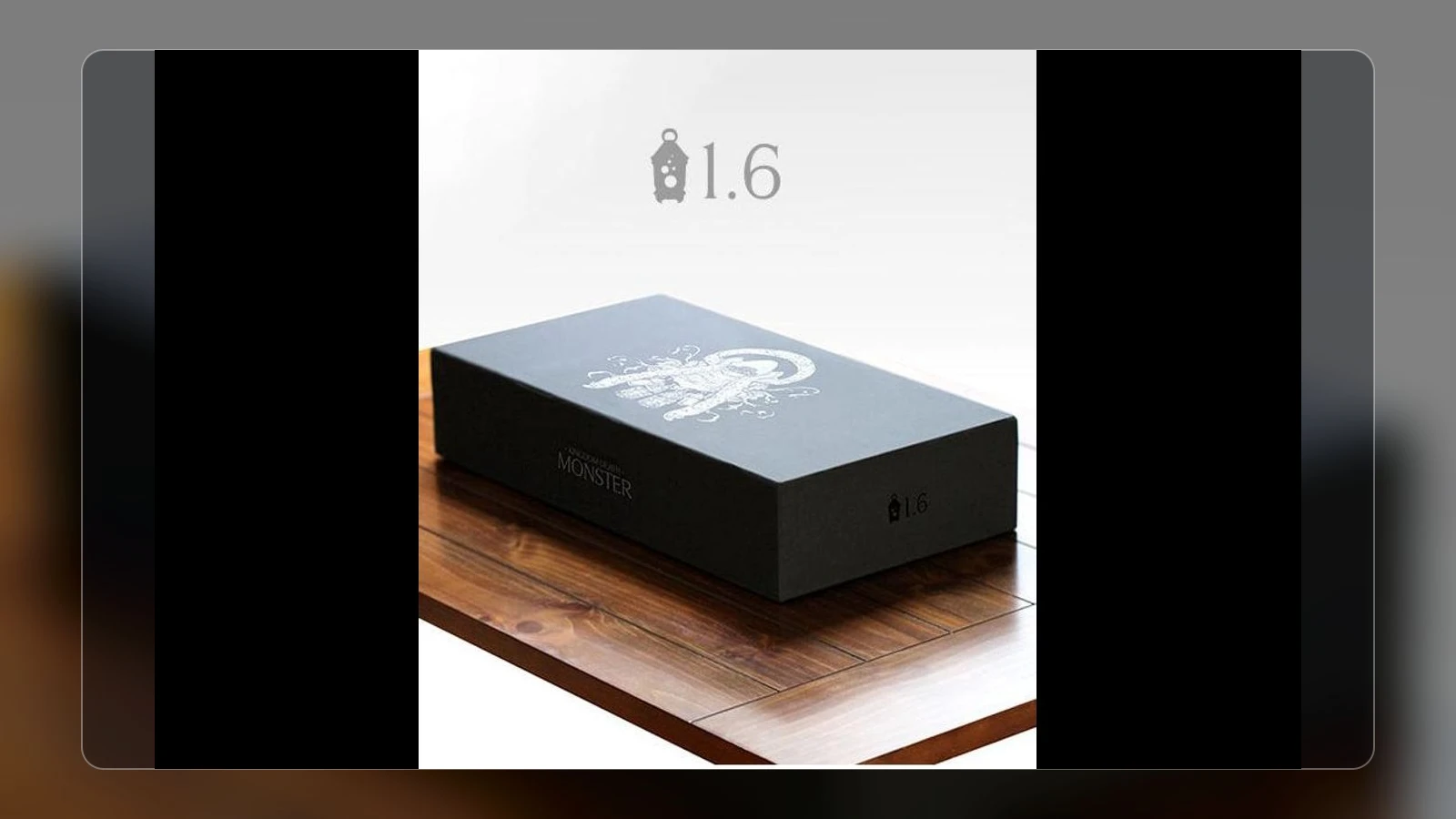
ATO: buy the second-printing core. Do not add Cycles IV–V until you complete enough of Cycle I to know the administration is rewarding. KDM: buy the 1.6 core from the official shop or verify the exact Amazon listing and seller. Do not begin with Gambler’s Chest, ten quarry expansions, or a Trove-like storage solution.
For either game, buy only three support items at first: removable labels, document wallets, and component trays. Add sleeves selectively after identifying the decks that shuffle constantly. A giant all-in sleeve count can cost more, make storage worse, and delay the first session.
The best money-saving move is not a coupon. It is completing the prologue or first campaign chapter before expanding.
Core first is not timid. Core first is the only way to learn what your expensive problem actually is.
The picks
Some links below are affiliate links — as an Amazon Associate, Puzzlewick earns from qualifying purchases, at no extra cost to you. It never changes a pick.
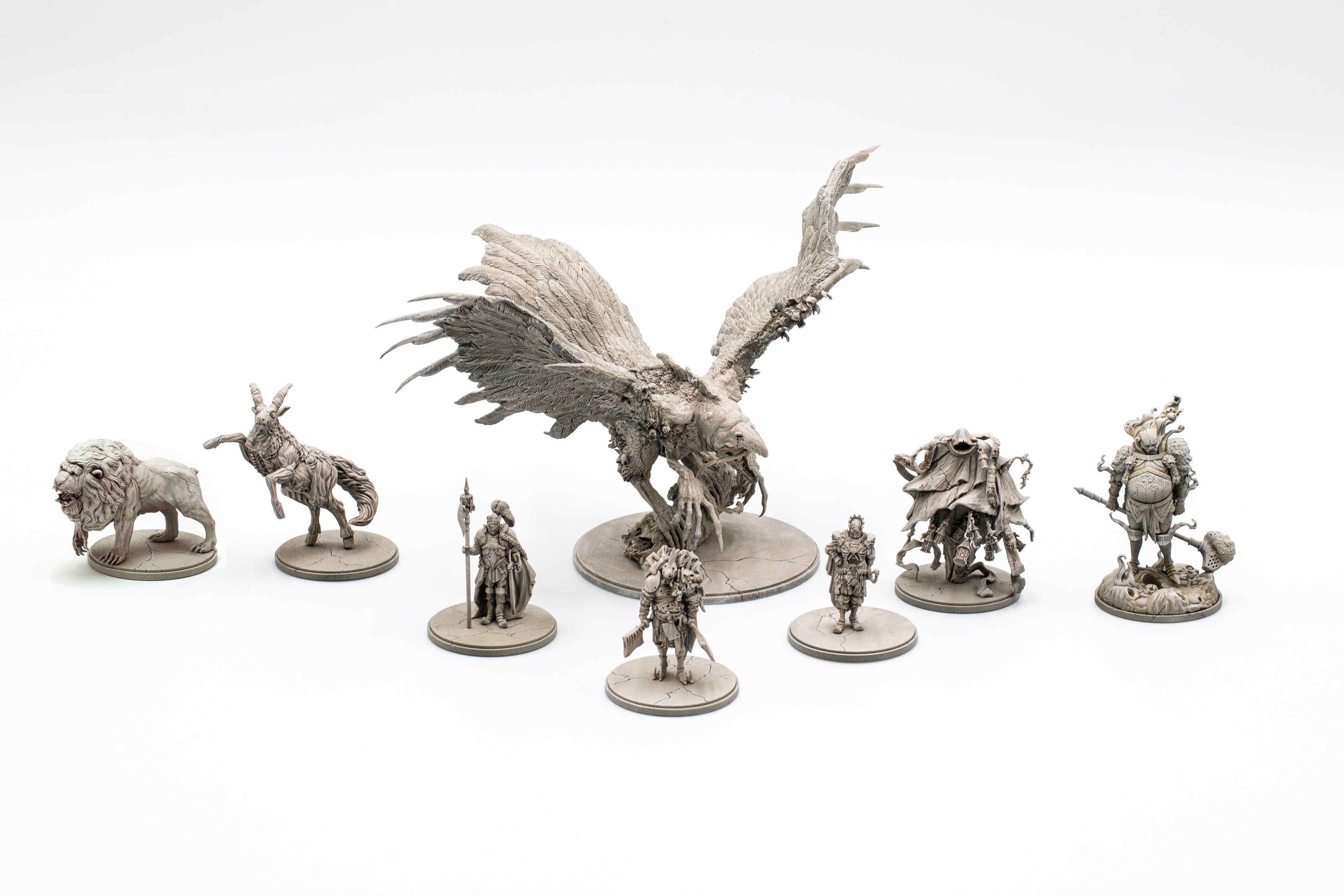 2 photos
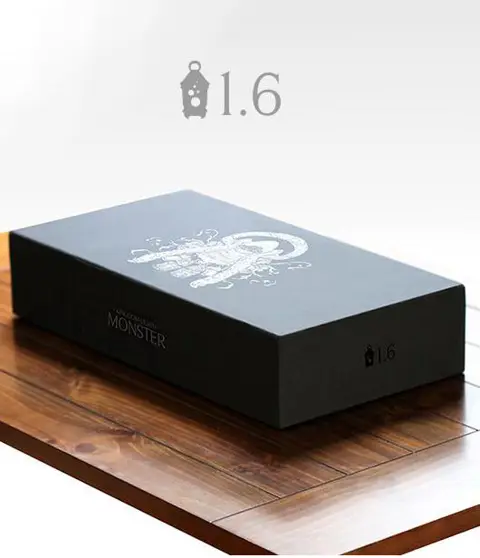
 Kingdom Death: Monster 1.6
A repeatable settlement-survival system whose stories emerge from events, injuries, tactical hunts, and irreversible choices. It belongs here for emergent settlement stories and miniature hobby, not because every table needs it. The ownership catch is assembly required and expensive expansions.
- High replayability
- Brilliant monster AI
- Deep hobby ecosystem
- Assembly required
- Expensive expansions
At a glance
| Question | ATO | KDM | Winner |
|---|---|---|---|
| Core campaign | 3 linked cycles, 200–300+ hours | People of the Lantern, roughly 20–30 lantern years | ATO for volume; KDM for restarts |
| Story | Authored, branching, mythic | Emergent settlement events | Taste |
| Combat arc | Both sides escalate near death | AI deck shrinks; hit locations react | ATO crescendo / KDM tactics |
| Solo admin | High: Titans + Argo + exploration | High: 4 survivors + settlement | Neither is light |
| Assembly | Most game pieces usable from box | Miniatures require assembly | ATO |
| Replay | Branches and later cycles | Different settlement, quarry, principles | KDM |
| First buy | Core box only | 1.6 core only | Do not all-in either ecosystem |
Questions, answered
Is Aeon Trespass better than Kingdom Death Monster?
Aeon Trespass is better for a strong authored story and combat that escalates dramatically. Kingdom Death is better for emergent settlement stories, replayability, miniature assembly, and a long-term expansion ecosystem.
Which is easier to play solo?
Neither is light. Aeon Trespass has heavier exploration and campaign bookkeeping; Kingdom Death has four-survivor and settlement administration. A fixed phase strip and labeled dashboards matter more than player count.
Should I buy Aeon Trespass expansions with the core?
No. The core contains three large linked cycles and hundreds of hours. Finish enough of Cycle I to know you enjoy the administration before adding Cycles IV and V.
Does Kingdom Death require miniature assembly?
Yes. Core miniatures arrive on sprues and require hobby assembly. If that sounds like a tax rather than a pleasure, Aeon Trespass or Oathsworn is the safer purchase.
Which game has more replayability?
Kingdom Death. Its settlement events, principles, quarry choices, injuries, and expansion combinations generate different campaigns. Aeon Trespass has branches but is built around authored cycles.
Do I need the Aeon Trespass expansion box or Kingdom Death expansions immediately?
No. Aeon Trespass core contains three interconnected campaigns and Kingdom Death 1.6 contains a complete 30-lantern-year campaign. Expansion shopping before a sustained core campaign adds cost and storage pressure without solving a beginner problem.
Dax's verdict
ATO is the better first epic to finish. KDM is the better system to restart.
Research ledger 8 sources · reviewed true
Specifications, rules, current product information, community experience, and contrary evidence were checked against the sources below. Commercial links are kept separate from editorial evidence.
- aeontrespass.comaeontrespass.com/store-all/p/ato-core-box
- shop.kingdomdeath.comshop.kingdomdeath.com/products/kingdom-death-monster-1-5
- reddit.comreddit.com/r/boardgames/comments/1uv1lif/aeon_trespass_or_kingdom_death
- reddit.comreddit.com/r/boardgames/comments/1p6qnu2/kingdom_death_monster_or_aeon_trespass_odyssey
- boardgamegeek.comboardgamegeek.com/boardgameversion/736065/english-edition
- shop.kingdomdeath.comshop.kingdomdeath.com/products/kingdom-death-monster-1-6-rulebook
- aeontrespass.comaeontrespass.com/store-all/p/update-pack-errata-pack
- aeontrespass.comaeontrespass.com/store-all/p/ato-expansions-box

I'll be honest with you — flattery is boring.


Keep exploring
The next smart rabbit holes.
☾ Universe HubKingdom Death: Monster: the whole buying pathKingdom Death: Monster is the hardest purchase in this hobby to get right — not because the game is obscure, but because the...♛ Topic PathGrail Board Games: compare the whole shelfA grail earns its space only when the experience survives the price, setup, storage, and group commitment. These are expensive-game...MasterclassKingdom Death: MonsterThe complete 2026 initiation into the most beautiful, most brutal game in the hobby — from your first naked survivor on the Plain of...