10 Best Solo RPG Board Games in 2026: The Grail Ladder From Beginner to Hardcore
A commitment-first ranking of premium campaign RPG board games, from a 45-minute first quest to the lifestyle boxes that can occupy a year.


Written and reviewed by Robert Pruitt · how this guide was made
Last editorial refresh: 2026-07-15 Gold-standard QA: true 11 sources reviewed Affiliate links checked during gold-standard pass

The short answer
Best first grail: Kinfire Chronicles if you want fast setup and a forgiving campaign rhythm. Best narrative voyage: Sleeping Gods: Distant Skies. Best boss-battle spectacle: Oathsworn. Best systems-first solo game: Mage Knight. Best lifestyle campaign: choose Aeon Trespass for authored story and escalating battles, or Kingdom Death for emergent settlement tragedy and repeat campaigns. This ranking measures commitment, not quality.
Decision map
Choose in thirty seconds
Open-world narrative
Learning tactical campaign play
Dark branching story
I love a large box, but a large box is not a plan. Solo campaign games fail on shelves for ordinary reasons: the insert fights you, the save state is vague, four characters become unpaid clerical work, or the rules evaporate between weekends. I ranked these ten by the full burden they place on one player: learning, setup, party control, table space, campaign length, and the ease of returning after life interrupts. Every game here can be excellent. Only a few will be excellent for the way you actually live.
Start here, then go deeper
You are in the right cabinet.
 ☾ Universe HubKingdom Death: Monster: the whole buying pathKingdom Death: Monster is the hardest purchase in this hobby to get right — not because the game is obscure, but because the...
 ◉ Topic PathSolo Board Games: compare the whole shelfSolo games ask for different things than group games: low setup friction, meaningful decisions, and a system worth learning without...
 Best OfBest Solo Board Games, Ranked (2026): The One-Player NightTen games I'd actually hand you — the ones that didn't just earn a shelf, they stayed there. From the 20-minute weeknight puzzle to the...
How should a solo grail ranking work?
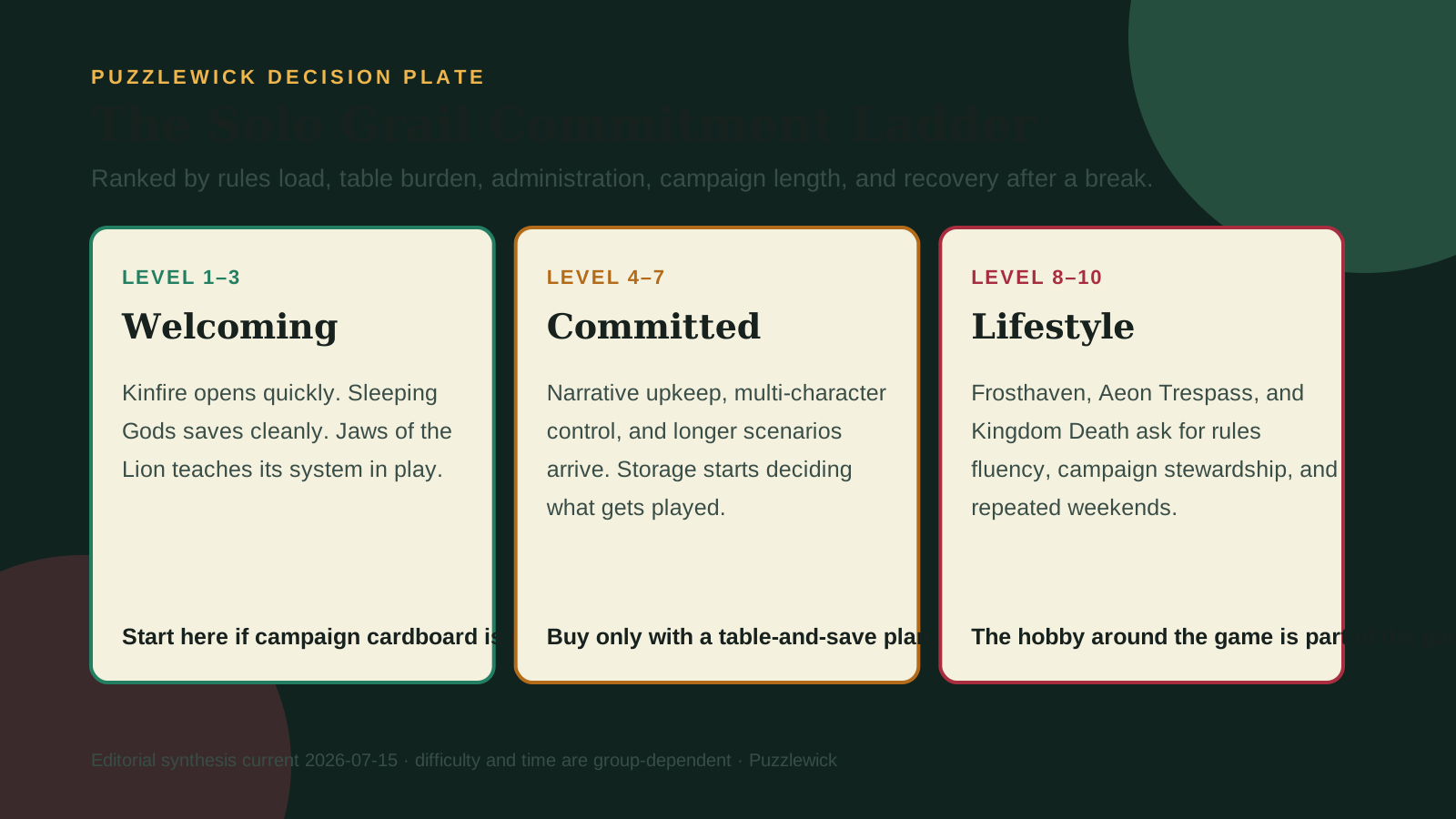
A game at number ten is not “better” than number one. It is harder to own well. The ladder adds five costs that store pages rarely total: rules recovery, setup and teardown, number of characters controlled, campaign stewardship, and physical hobby work. Kinfire can be expensive, beautiful, and consequential while still opening in minutes. Kingdom Death asks you to assemble miniatures before the prologue and keep a settlement alive across dozens of irreversible events.
My first filter is brutal: can you leave a useful note, close the box, and know what to do when you return? If not, a campaign can be magnificent and still be the wrong solo purchase.
A July 2026 run of beginner threads repeats the same useful question in different words: not ‘what is the highest-rated solo game?’ but ‘what can I actually begin without becoming my own rules teacher, quartermaster, and campaign archivist?’ That is why this ladder deliberately ranks recoverability ahead of prestige. A first grail should establish a return ritual before it demands a lifestyle.
Which games teach campaign ownership first?
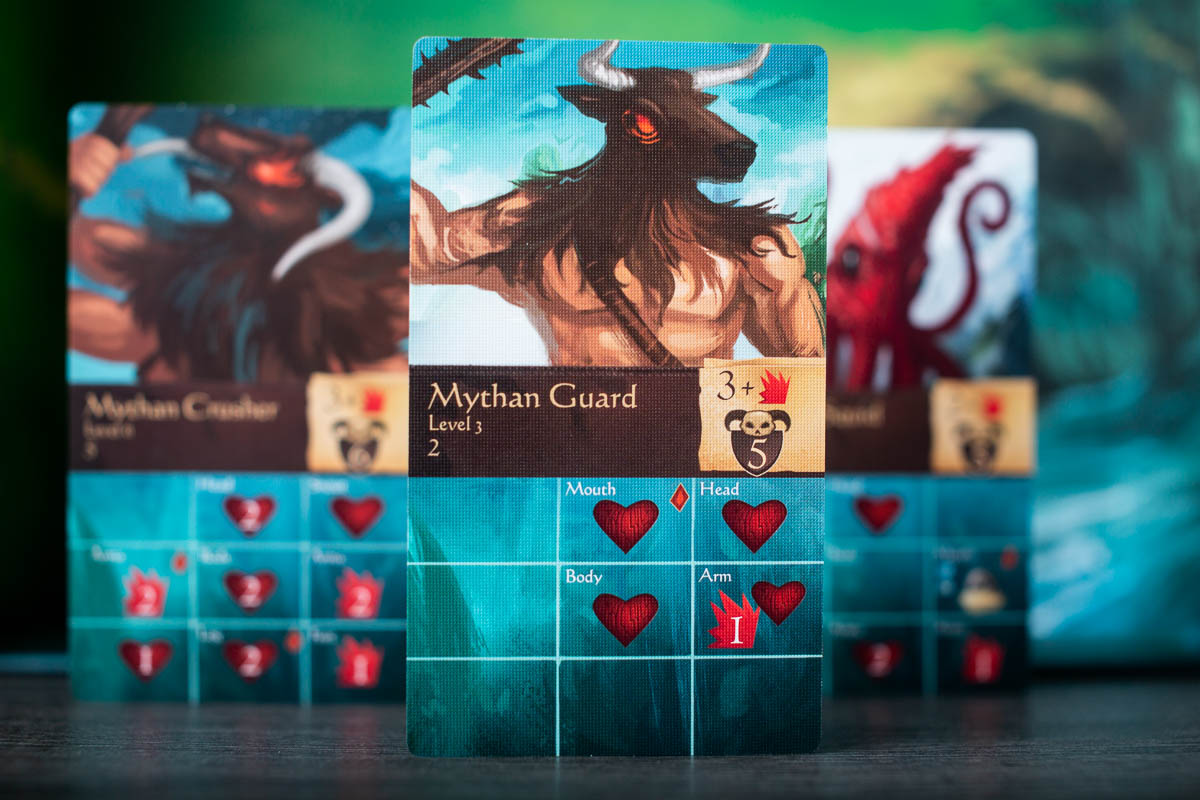

Kinfire Chronicles earns the first rung because its box is an operating system: quest folios keep setup contained, sessions are commonly under an hour, and the campaign keeps moving after a loss. Solo still means controlling a team, so start with two Seekers until card timing feels natural.
Sleeping Gods: Distant Skies is the friendliest open-world grail. The atlas makes exploration legible, the crew shares a ship and the save system respects interruption. Its danger is not rules weight but wandering without a purpose. Keep a two-line captain’s log: current rumor, next destination.
Jaws of the Lion remains the sharpest teacher. The scenario books are the board, the first five scenarios introduce the card system in layers, and a two-character solo party is enough. It is the least “grail-priced” game here and the most responsible way to discover whether Gloomhaven’s burn-two-cards action puzzle delights or exhausts you.
Which midweight grails balance story and spectacle?
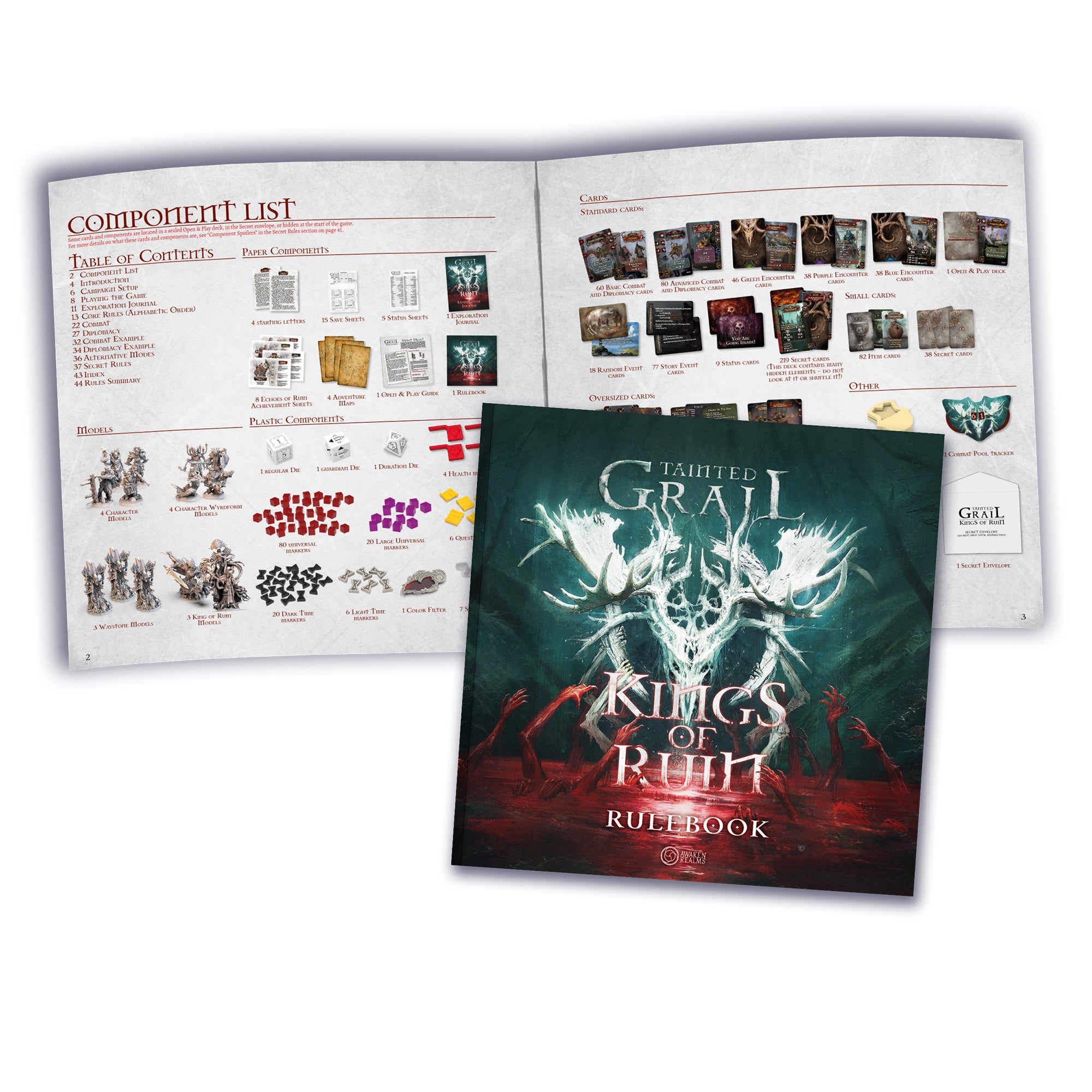
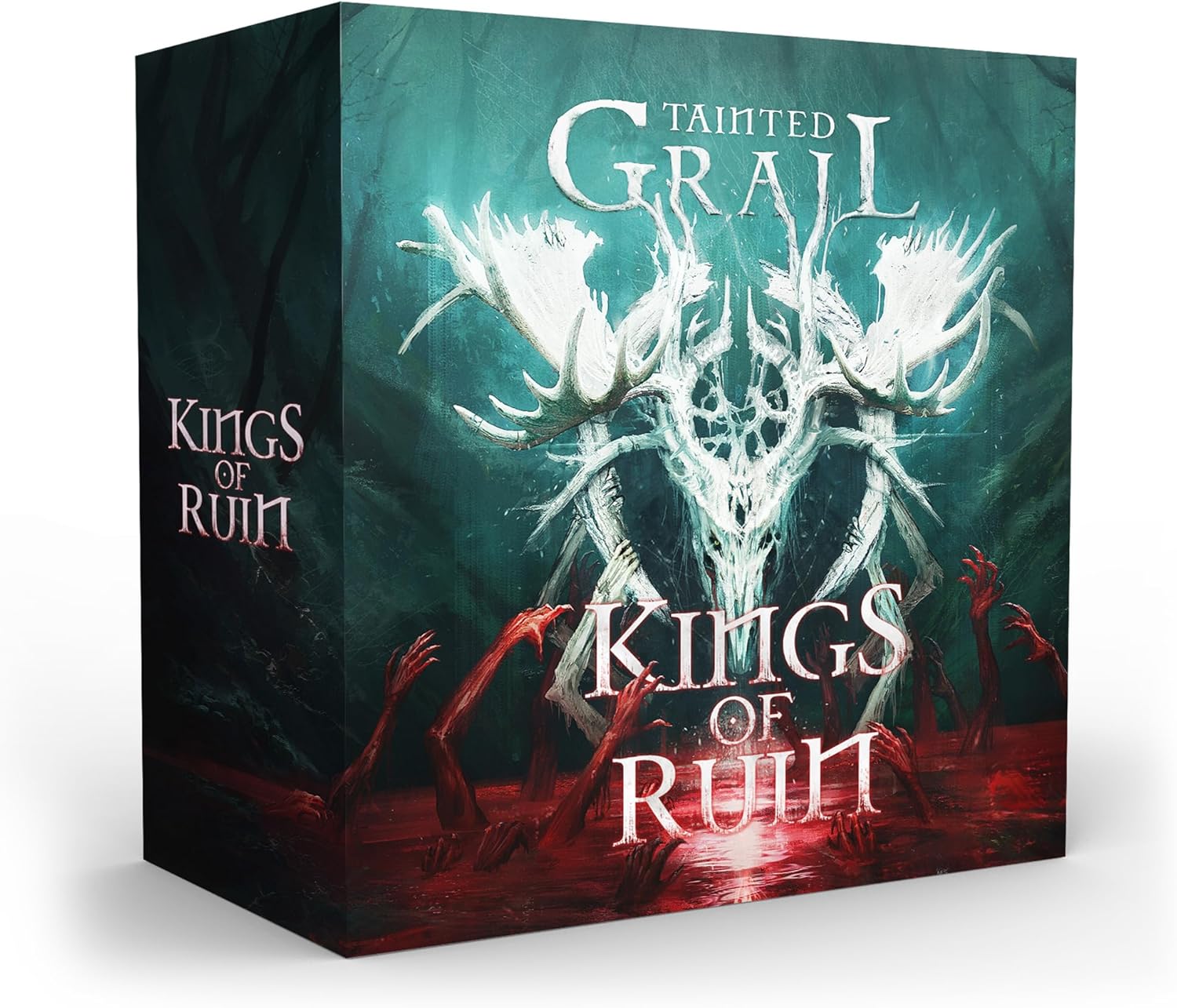
Tainted Grail: Kings of Ruin is the cleanest choice if you want to inhabit one hero and follow consequences through a dark world. Community praise clusters around writing, atmosphere, and consequential choices; recurring criticism lands on travel friction and resource pressure. Use the story mode adjustments before frustration turns tone into labor.
Oathsworn separates story and encounter, which makes each chapter feel like an event. Solo is manageable when one or two characters use full decks and the rest use companion boards. Running four full characters is possible, but it turns cinematic combat into hand management.
The Elder Scrolls is the premium freeform step. Three-act campaigns are shorter than a legacy epic, classes can be recombined, and the save system is credible. It also occupies more table and rule memory than Too Many Bones. Start with the core box; the official 2026 expansion material is abundance, not a prerequisite.
When do systems become a second language?
Mage Knight is the unusual grail: enormous decision density without a year-long narrative. One hero explores, recruits, wounds, burns monasteries if necessary, and solves each round as a hand-management proof. The official walkthrough is the right first session. Do not read both books cover to cover and call that learning.
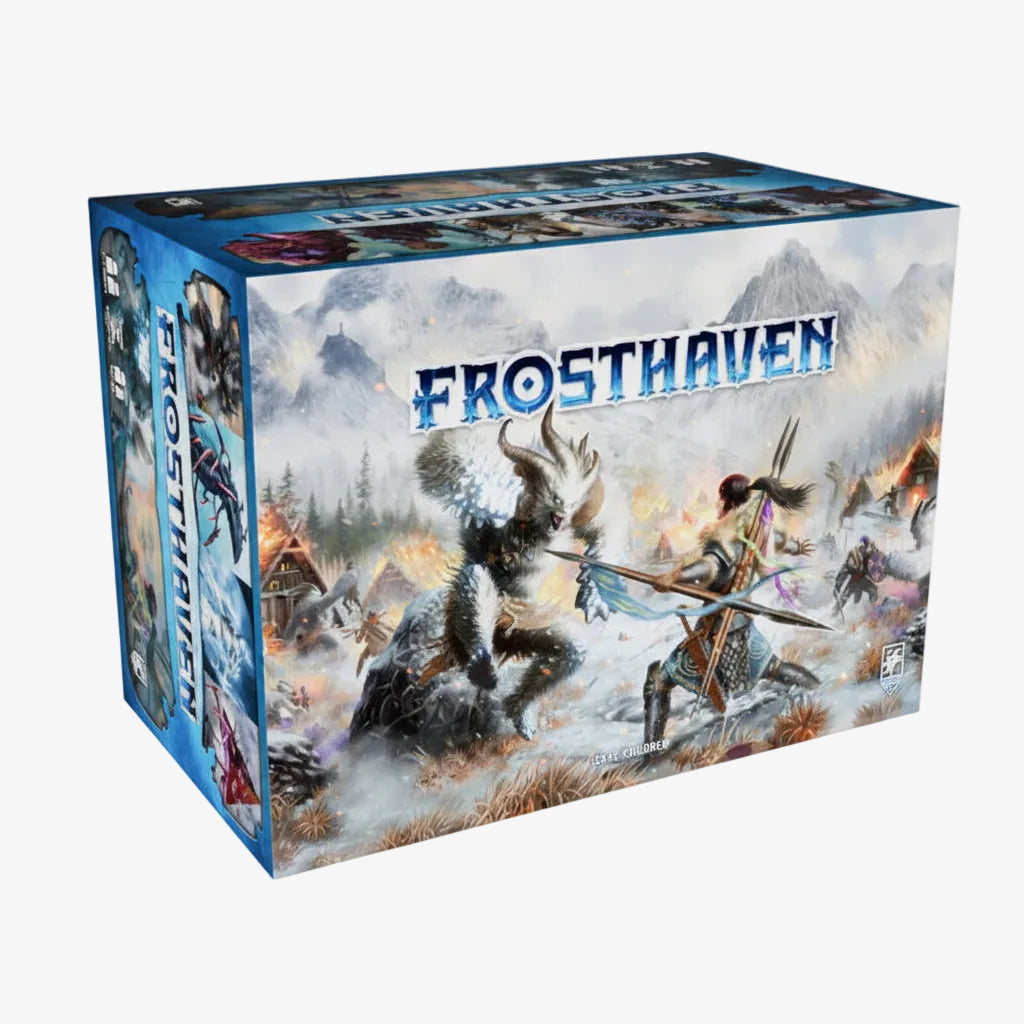
Frosthaven moves above it because the scenario puzzle is only half the job. The outpost grows, buildings unlock, events branch, crafting expands, and a solo player still runs multiple mercenaries. The game rewards a permanent table more than any storage accessory. If you cannot leave it set up, use labeled scenario trays and reset the outpost before closing the lid.
The hardest solo game is often the one with the weakest return ritual.
Are Aeon Trespass and Kingdom Death games or lifestyles?
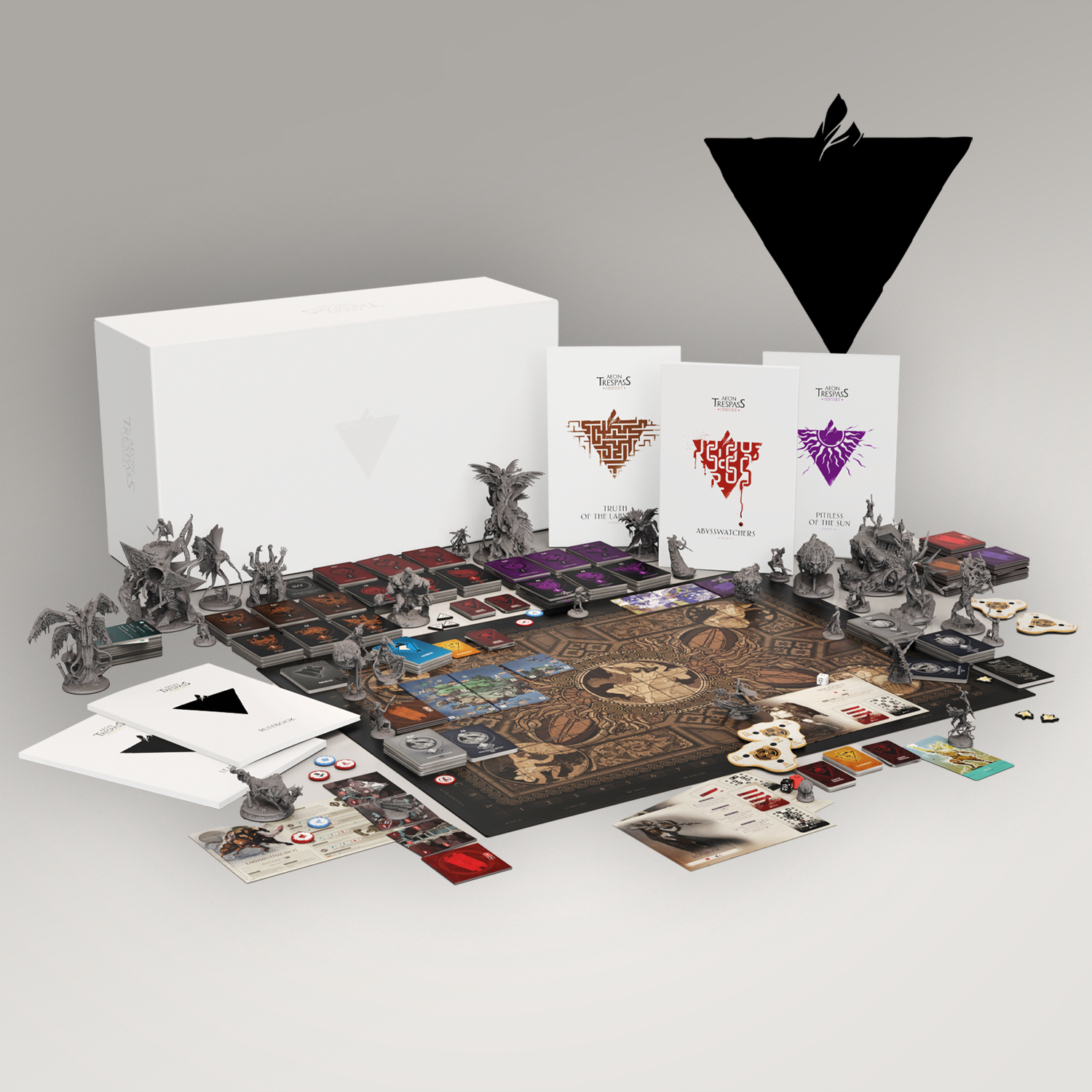
Aeon Trespass: Odyssey gives you three connected core cycles, an Argo to develop, Titans to equip, map exploration, branching story, and Primordial battles that become more dangerous as both sides approach collapse. Owners repeatedly praise the authored narrative and combat crescendo, then warn that each cycle can consume 70–100 hours and that bookkeeping is real.
Kingdom Death: Monster is less authored and more generative. The survivor you named can die to a bad hunt event; the settlement inherits the scar. Assembly, settlement sheets, AI decks, hit locations, gear grids, and expansion ecology make it the most demanding purchase here. Its advantage is replay: the story is what your settlement does, not a plot you already read.
Choose ATO for a giant designed odyssey. Choose KDM for a brutal story machine you may restart for years.
Should you control one hero, a crew, or a committee?
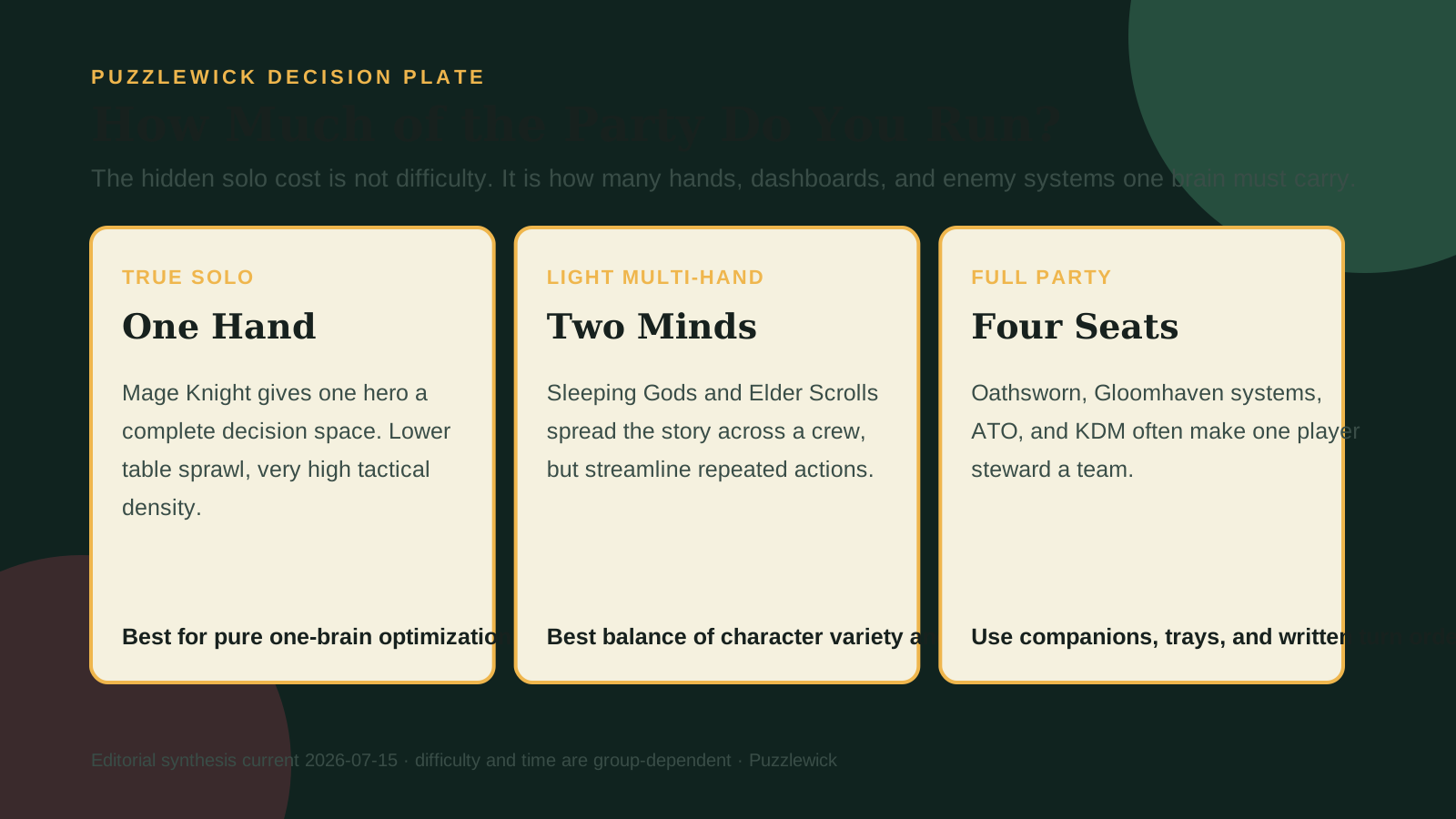
Before buying, simulate the cognitive load with components you already own. Put four decks, four dashboards, an enemy deck, and a campaign sheet on the table. Play ten imaginary turns in order. If you skip a character or lose the enemy state, full-party solo will not become easier because the miniatures are beautiful.
Use companion modes whenever designers provide them. Oathsworn companions preserve battlefield roles with fewer card decisions. Two-character Jaws gives interaction without four hands. In KDM and ATO, write a fixed turn-order strip and place it above the board. The strip looks trivial; it prevents the most common solo error, resolving the exciting character twice and forgetting the quiet support role.
How does a beginner become a serious solo campaign player?
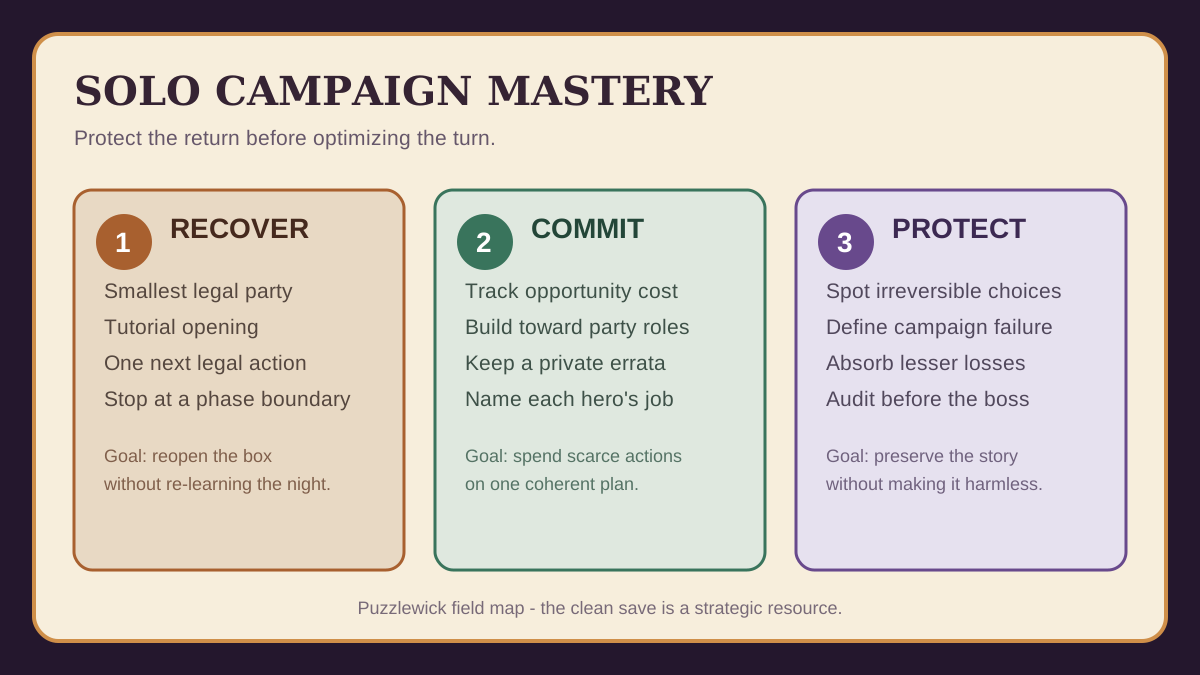
First campaign: optimize for recovery, not difficulty. Run the smallest legal party, use the official tutorial or opening scenario, and stop at a phase boundary. Your first skill is not tactical brilliance; it is creating a save state that future-you can understand in five minutes.
Intermediate campaign: start tracking opportunity cost. In card-driven combat, ask which card or resource will be unavailable later, not only which action is strongest now. In character-building games, buy toward a role the encounter loop actually rewards instead of collecting isolated upgrades. Keep a one-page error log: the rule missed, the corrected state, and the page reference. That turns mistakes into a private errata instead of a restart.
Serious play: separate irreversible decisions from recoverable ones. Spend extra thinking time on campaign branches, permanent gear, settlement development, and character loss; resolve ordinary movement and upkeep with a written procedure. Before a boss, identify the failure condition that ends the campaign and the lesser failures you can absorb. High-skill solo play is not perfect calculation. It is protecting the campaign from one avoidable state error while allowing the story to remain dangerous.
For multi-character systems, assign each hero one sentence of intent before the round: tank, control, burst, recover, or position. If two characters are trying to solve the same job, one of them is probably spending scarce actions inefficiently.
How do you keep a solo campaign alive?
1. Photograph the table from directly above before teardown. 2. Write the next legal action, not a diary: “Travel east, resolve rumor 14, then shop.” 3. Stop at a clean boundary even if you have another hour. 4. Bag by action, not component type: “next scenario,” “town,” “enemy setup.” 5. Keep corrections merciful; fix the state and continue instead of replaying three hours. 6. Schedule the next session before closing the box. 7. Retire without shame. A campaign that taught you what you dislike has done useful work.
The most effective accessory is a cheap document wallet holding the current sheet, a pencil, the next scenario card, and your return note. It beats a premium insert that stores everything beautifully but hides the state you need.
The picks
Some links below are affiliate links — as an Amazon Associate, Puzzlewick earns from qualifying purchases, at no extra cost to you. It never changes a pick.
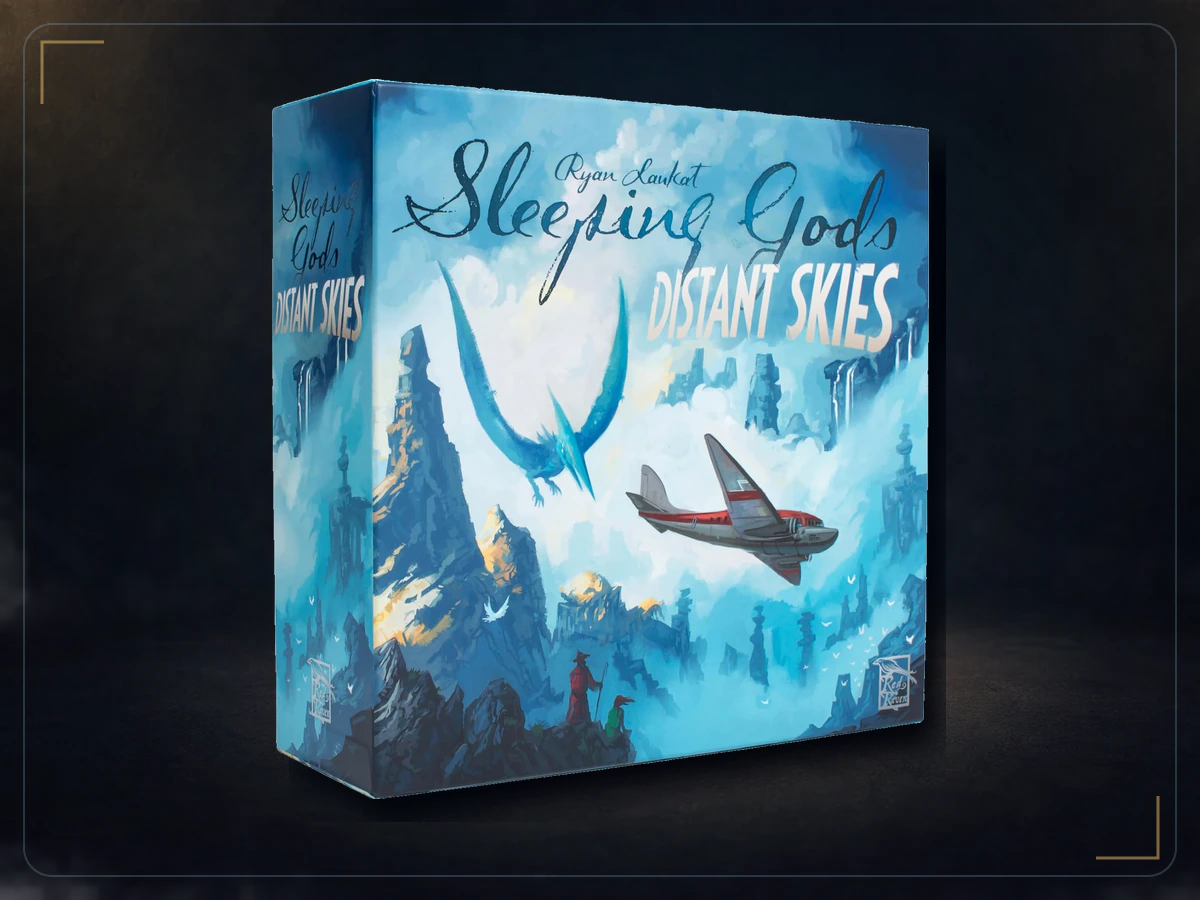
Sleeping Gods: Distant Skies
A forgiving save system and atlas exploration let one player live inside a campaign without permanent-table demands. It belongs here for open-world narrative, not because every table needs it. The ownership catch is can feel aimless and long sessions.
- Excellent exploration
- Clean save state
- Crew variety
- Can feel aimless
- Long sessions
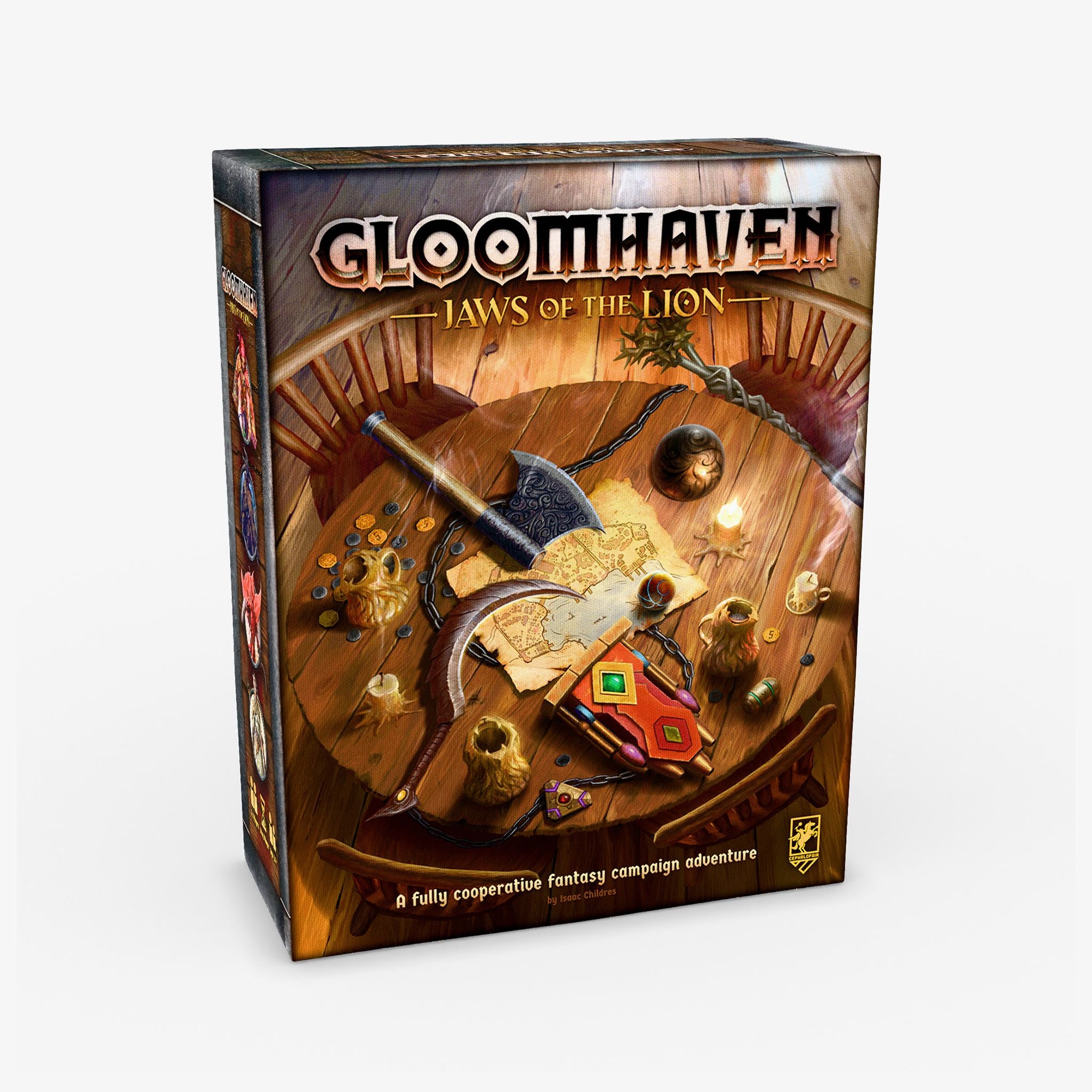
Gloomhaven: Jaws of the Lion
The scenario books and tutorial arc are still the responsible audition for the larger Haven system. It belongs here for learning tactical campaign play, not because every table needs it. The ownership catch is multi-hand solo and card burn is demanding.
- Best tutorial
- Low price
- Scenario book setup
- Multi-hand solo
- Card burn is demanding
Tainted Grail: Kings of Ruin
One-hero narrative immersion with real consequences, tempered by travel and resource friction. It belongs here for dark branching story, not because every table needs it. The ownership catch is resource pressure and campaign upkeep.
- Excellent writing
- Strong atmosphere
- True one-hero focus
- Resource pressure
- Campaign upkeep

Oathsworn: Into the Deepwood
Story chapters deliver spectacle without forcing four full decks on a solo player, thanks to companions. It belongs here for cinematic boss battles, not because every table needs it. The ownership catch is large box and long chapter nights.
- Memorable bosses
- Companion mode
- Strong chapter rhythm
- Large box
- Long chapter nights
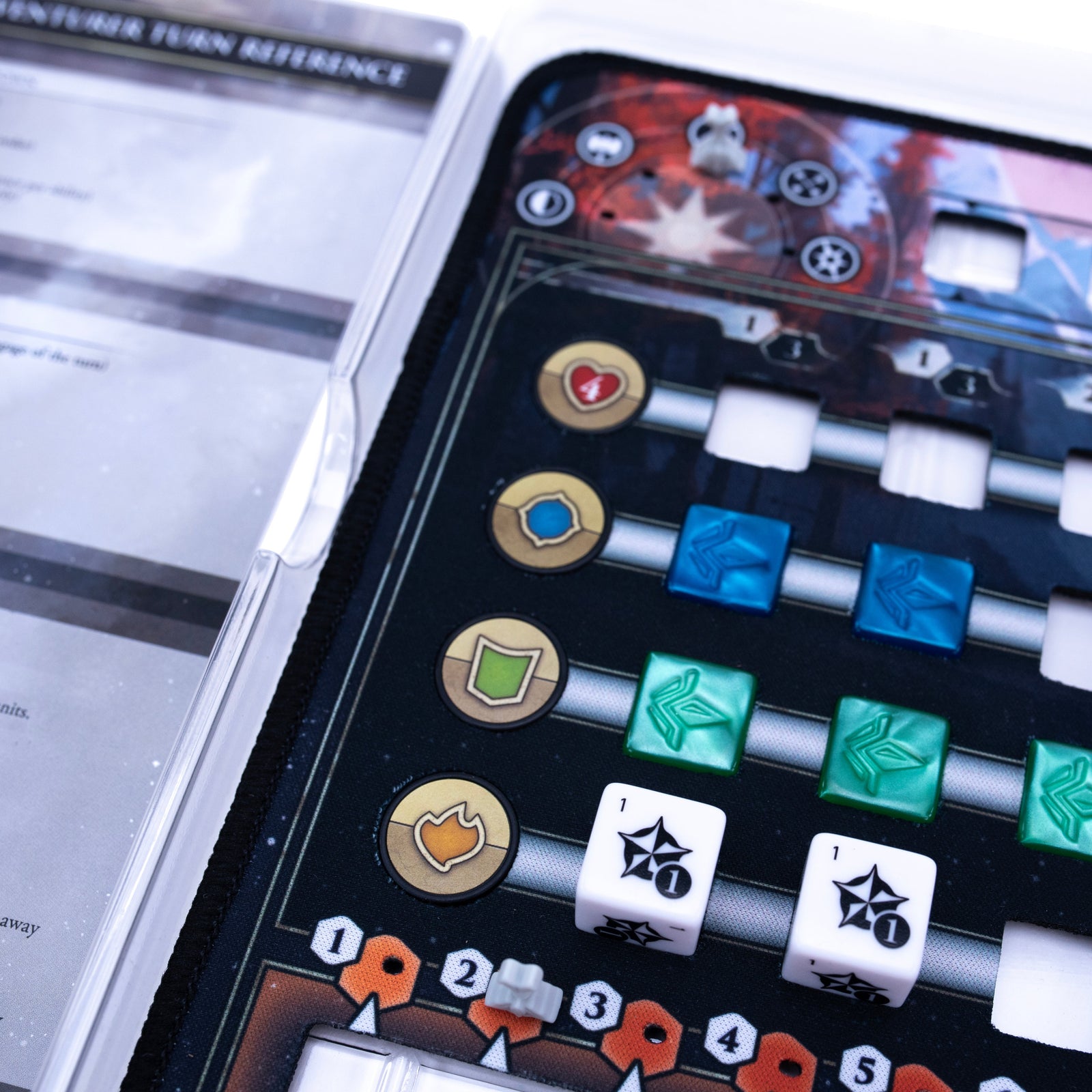
The Elder Scrolls: Betrayal of the Second Era
Three-act adventures, mixable classes, and premium components create a replayable middle ground between one-night runs and a year-long epic. It belongs here for premium sandbox campaigns, not because every table needs it. The ownership catch is table hog and rules-heavy.
- Flexible builds
- Good save system
- Shorter campaign arcs
- Table hog
- Rules-heavy
Mage Knight: Ultimate Edition
One hero and one hand produce enormous tactical depth without campaign bookkeeping. It belongs here for pure solo systems mastery, not because every table needs it. The ownership catch is steep first game and long sessions.
- True solo
- Endlessly replayable
- All expansions included
- Steep first game
- Long sessions
Frosthaven
An immense scenario system plus an evolving outpost; brilliant if your storage and calendar are already solved. It belongs here for a year of tactical campaign play, not because every table needs it. The ownership catch is multi-character admin and storage burden.
- Huge campaign
- Deep classes
- Outpost progression
- Multi-character admin
- Storage burden
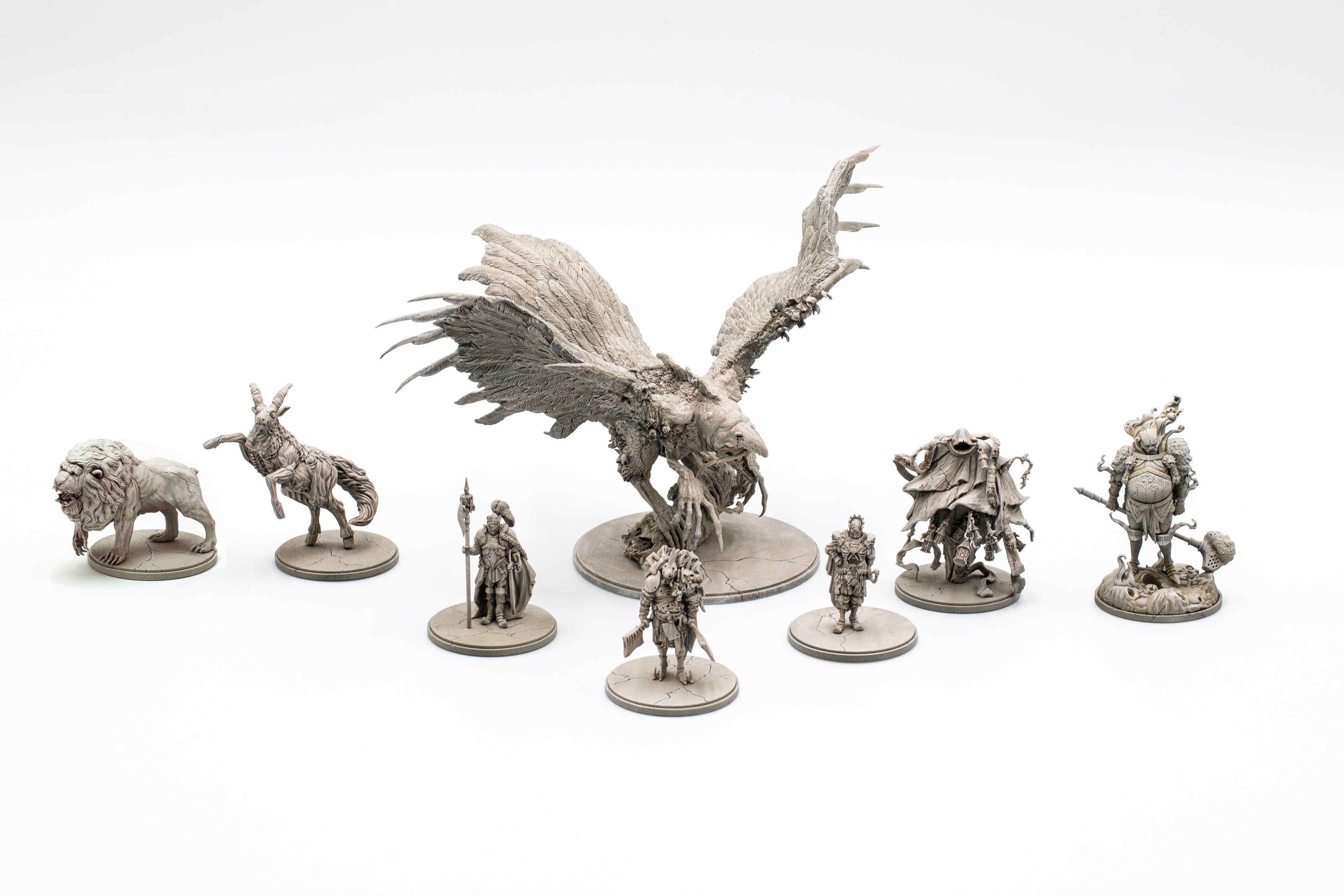 2 photos
 Kingdom Death: Monster 1.6
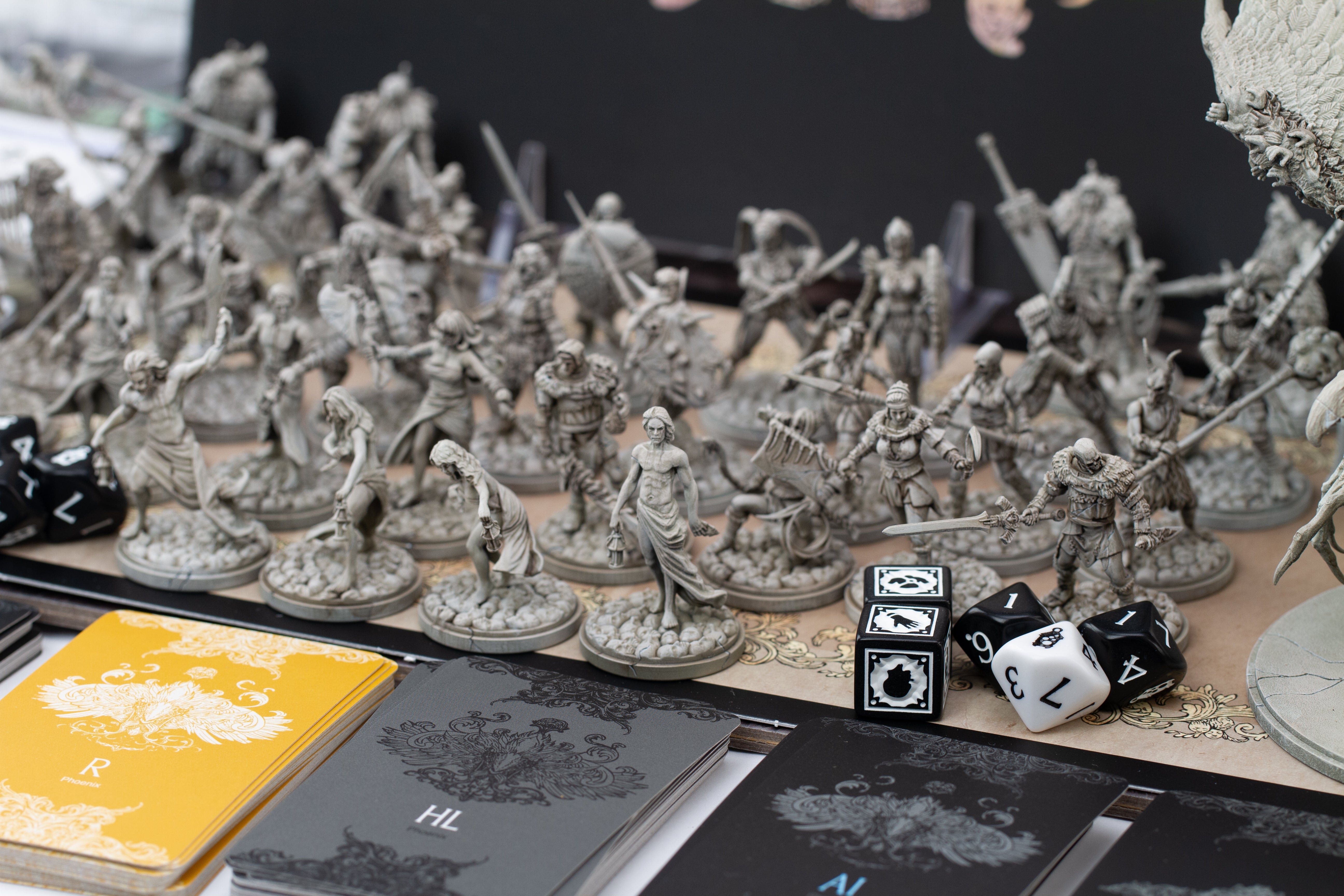
The deepest hobby commitment here: assembly, settlement strategy, tactical hunts, lethal showdowns, and enormous replay potential. It belongs here for emergent settlement tragedy, not because every table needs it. The ownership catch is assembly required and very expensive ecosystem.
- Emergent stories
- Great monster AI
- Lifestyle replayability
- Assembly required
- Very expensive ecosystem
At a glance
| Rank | Game | Solo mode | Session | Campaign | Reality |
|---|---|---|---|---|---|
| 1 | Kinfire Chronicles: Night’s Fall | Run a Seeker team | 45–60 min | 21 quests | Fastest premium on-ramp |
| 2 | Sleeping Gods: Distant Skies | Crew management | 90–180 min | Open-world atlas | Best save-and-return story |
| 3 | Gloomhaven: Jaws of the Lion | Two+ characters | 60–120 min | 25 scenarios | Best tutorial campaign |
| 4 | Tainted Grail: Kings of Ruin | One hero | 90–180 min | Branching narrative | Story first, upkeep second |
| 5 | Oathsworn: Into the Deepwood | Full hero + companions | 2–4 hr chapter | 21 chapters | Best boss spectacle |
| 6 | The Elder Scrolls: Betrayal of the Second Era | One or more heroes | 2–3 hr act | Three-act arc | Premium sandbox crawl |
| 7 | Mage Knight: Ultimate Edition | True one hero | 2–4 hr | Scenario sessions | Deepest compact brain burn |
| 8 | Frosthaven | Two+ characters | 2–4 hr | 100+ scenarios | Outpost lifestyle system |
| 9 | Aeon Trespass: Odyssey | Titan team + Argo | 2–5 hr | Three 70–100 hr cycles | Authored epic, huge admin |
| 10 | Kingdom Death: Monster 1.6 | Four survivors + settlement | 2–5 hr lantern year | 20–30 lantern years | Emergent hobby lifestyle |
Questions, answered
What is the best solo RPG board game for a beginner?
Kinfire Chronicles is the easiest premium campaign to table and resume. If you want to spend less while learning tactical campaign play, Gloomhaven: Jaws of the Lion is the best first purchase.
What is the best solo campaign board game for story?
Sleeping Gods: Distant Skies is the most approachable open-world story. Tainted Grail: Kings of Ruin is darker and more authored. Aeon Trespass: Odyssey is the largest narrative commitment.
Is Kingdom Death or Aeon Trespass better solo?
Aeon Trespass is better for a designed epic with a strong authored plot and escalating boss battles. Kingdom Death is better for emergent settlement stories, repeat campaigns, miniature hobby work, and a less linear life-long system.
Do I need a permanent table for a grail campaign game?
No, but Frosthaven, Aeon Trespass, Kingdom Death, and Oathsworn become dramatically easier to sustain with a permanent or convertible table. Otherwise use action-based trays, a top-down save photo, and a written next move.
What does multi-hand solo mean?
It means one player controls two or more characters, each with a separate hand, dashboard, or turn. Count decision surfaces before buying because multi-hand administration is often harder than the printed rules.
Which solo grail game is easiest to resume after a long break?
Sleeping Gods: Distant Skies is the cleanest narrative return because its atlas, crew state, and save process are legible. Kinfire Chronicles is even faster to restore when shorter quests matter more than open-world exploration.
Keeper's verdict
Buy the deepest game you can recover after three weeks away from it, not the deepest game you can understand on purchase night.
Research ledger 11 sources · reviewed true
Specifications, rules, current product information, community experience, and contrary evidence were checked against the sources below. Commercial links are kept separate from editorial evidence.
- kinfirechronicles.comkinfirechronicles.com/pages/about-the-game
- wizkids.comwizkids.com/mage-knight-ultimate-edition
- shadowborne-games.comshadowborne-games.com
- aeontrespass.comaeontrespass.com/store-all/p/ato-core-box
- chiptheorygames.comchiptheorygames.com/products/the-elder-scrolls-betrayal-of-the-second-era
- shop.kingdomdeath.comshop.kingdomdeath.com/products/kingdom-death-monster-1-5
- reddit.comreddit.com/r/soloboardgaming/comments/1uhal2c/looking_for_recs_on_legacycampaign_games_that_i
- reddit.comreddit.com/r/soloboardgaming/comments/1usfmtm/looking_for_a_new_campaign_board_game_preferably
- reddit.comreddit.com/r/soloboardgaming/comments/1qr2rlr/whats_yalls_favorite_long_term_campaign_based_game
- reddit.comreddit.com/r/soloboardgaming/comments/1un4h3h/solo_boardcard_game_for_beginners
- reddit.comreddit.com/r/soloboardgaming/comments/1sifcai/games_for_a_newbie_who_plays_solo_rpgs

If it didn't earn a shelf, it isn't here.


Keep exploring
The next smart rabbit holes.
☾ Universe HubKingdom Death: Monster: the whole buying pathKingdom Death: Monster is the hardest purchase in this hobby to get right — not because the game is obscure, but because the...◉ Topic PathSolo Board Games: compare the whole shelfSolo games ask for different things than group games: low setup friction, meaningful decisions, and a system worth learning without...Best OfBest Solo Board Games, Ranked (2026): The One-Player NightTen games I'd actually hand you — the ones that didn't just earn a shelf, they stayed there. From the 20-minute weeknight puzzle to the...