Gaming Playmats: Best Neoprene Mats for Board & Card Games
The right playmat keeps your pieces stationary, your cards crisp, and your sanity intact.


AI-assisted research and drafting in Dax’s voice · reviewed by Robert Pruitt · how this guide was made
Last editorial refresh: 2026-06-18 Gold-standard QA: 2026-07-17 8 sources reviewed Affiliate links checked during gold-standard pass

The short answer
A good neoprene playmat elevates your game by protecting cards, dice, and miniatures while keeping them from sliding all over the table. The best mats balance thickness (4–5mm is ideal), non-slip backing, durability, and portability—so pick based on whether you're a home gamer, tournament grinder, or basement warlord.
Decision map
Choose in thirty seconds
Players who want double-sided options and prefer rolling over folding.
Card gamers and TCG players who want a compact, lightweight option with a professional look.
Luxury buyers and permanent table owners who want the plushest, most comfortable gaming experience.
There's nothing worse than watching someone's Ticket to Ride cards scatter across the table or a freshly-painted mini take a tumble off a warped surface. A quality neoprene playmat isn't a luxury—it's table infrastructure. The material grips dice and game pieces, resists spills, and keeps your playing surface flat after years of folding and transport. But not all neoprene is created equal. Thickness matters (lighter doesn't always mean better), backing material changes the game, and portability depends on your rig. We've tested the field so you can pick the mat that matches your chaos level.
Start here, then go deeper
You are in the right cabinet.
 ⬢ Topic PathTabletop Accessories: compare the whole shelfBuy the accessory that fixes a repeated annoyance first. Protection, setup speed, readable state, and comfortable handling beat...
 ComparisonGaming Mats Comparison 2026: Neoprene vs Mousepad vs Premium FabricThe right gaming mat changes how your minis feel under your hands—here's how to pick between neoprene, mousepad, and fabric options that...
 Best OfBest Cozy Board Games of 2026: Calico, Cascadia, Patchwork & the Relaxation Gaming RevolutionCome sit, come rest. Cozy games are the speed of real life — no winners, no rush, just beauty made by your own hands. This is the quiet...
What Actually Makes a Neoprene Playmat (And Why It Matters)?
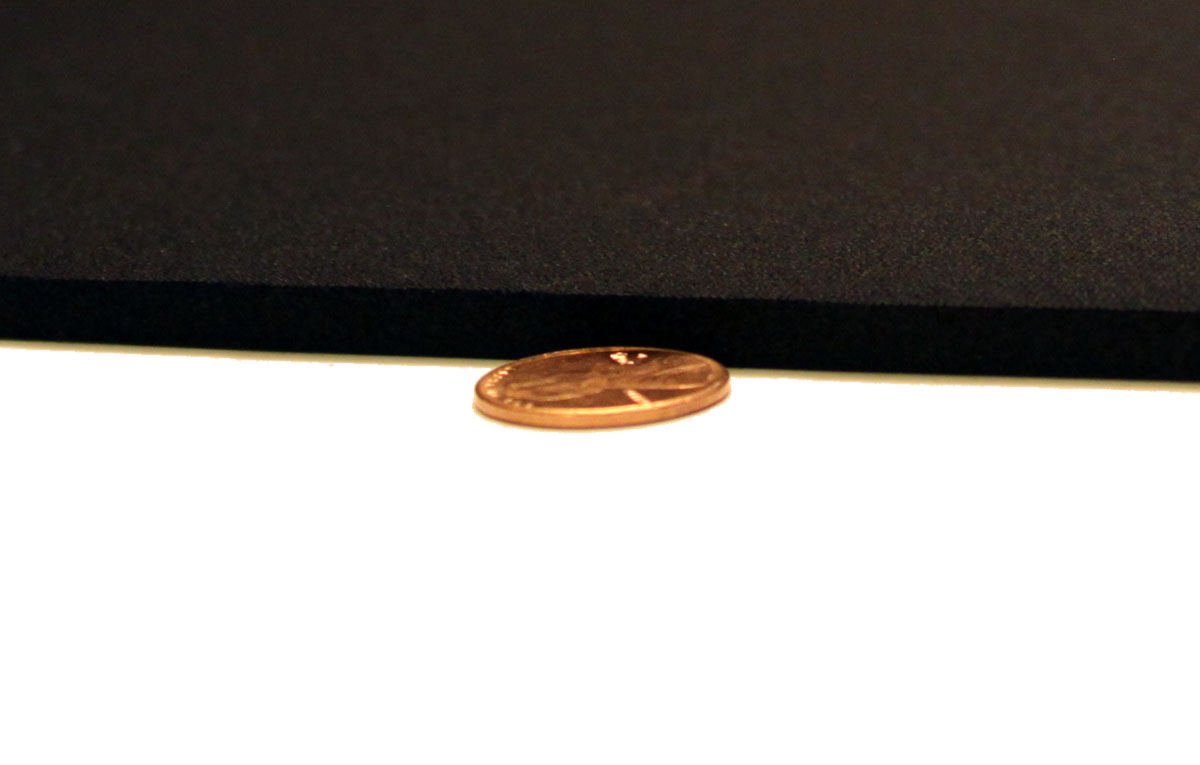

Before you spend a dime, understand what you're actually buying, because "neoprene mat" is shorthand for a three-layer sandwich, and every layer is a place a cheap mat cuts corners.
Top layer: a smooth polyester cloth your cards and sleeves actually touch. This is the layer that decides whether sleeves glide or catch. Middle: the neoprene foam, which gives you cushion and the soft thunk when dice land. Bottom: a thin rubber or silicone backing (often just 1.5–2.5mm) that's the real reason the mat doesn't wander across your table.
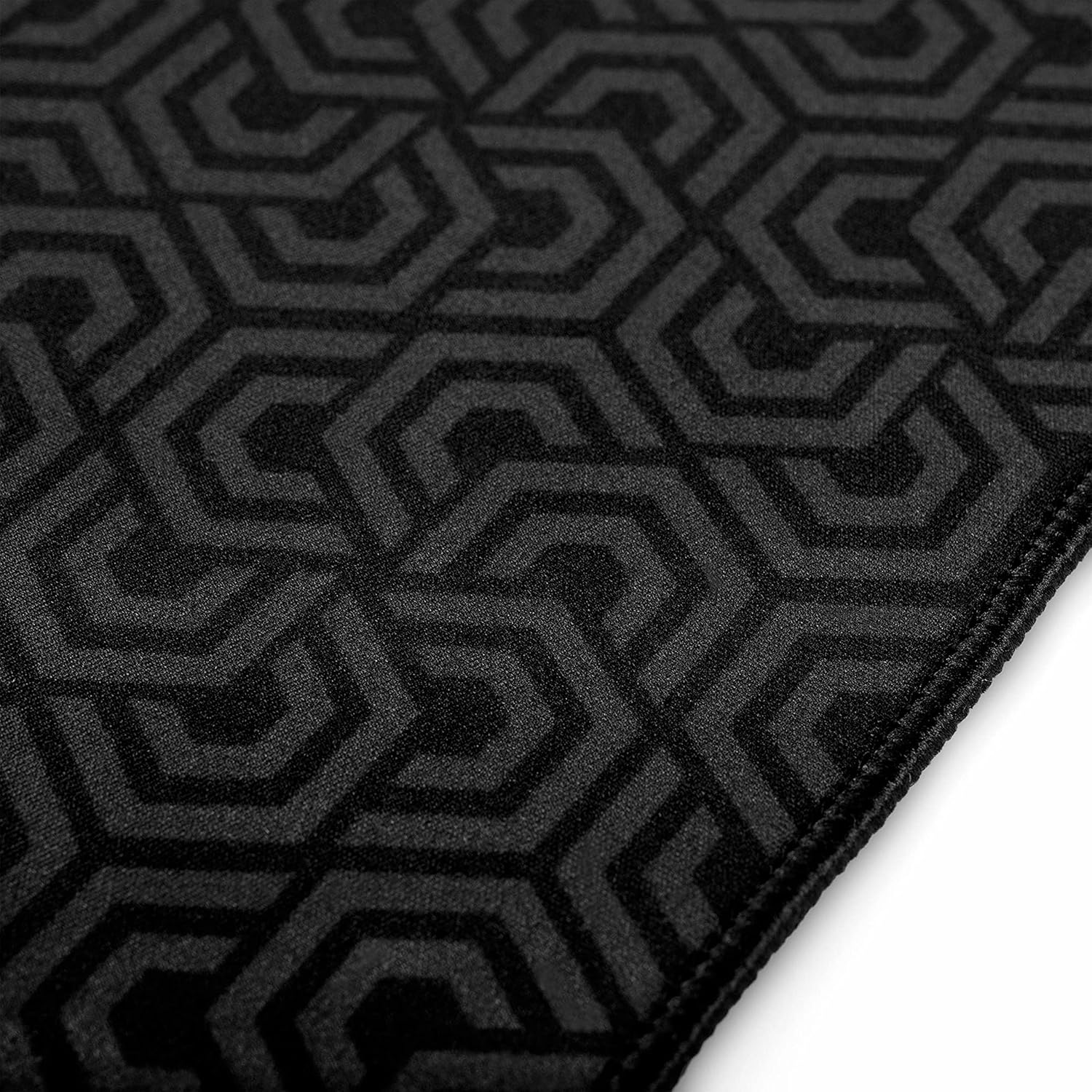
Here's the part most listings won't tell you: the art is dye-sublimated, not printed on top. The fabric and a sublimation sheet go through a heat press at roughly 375°F, the ink turns to gas, and it bonds into the polyester at a molecular level. That's why a good mat's art won't rub off onto your foils or peel like a sticker, the way screen-printed and cheap vinyl mats do over time. When you read a review complaining that the design "wore off," that mat was almost certainly not sublimated.
So when two mats look identical in a photo, the differences live in places the camera can't show: how thick the backing is, how the layers are bonded, and whether the edge is finished. Buy for the sandwich, not the picture on top.

How Thick Should a Gaming Playmat Really Be?
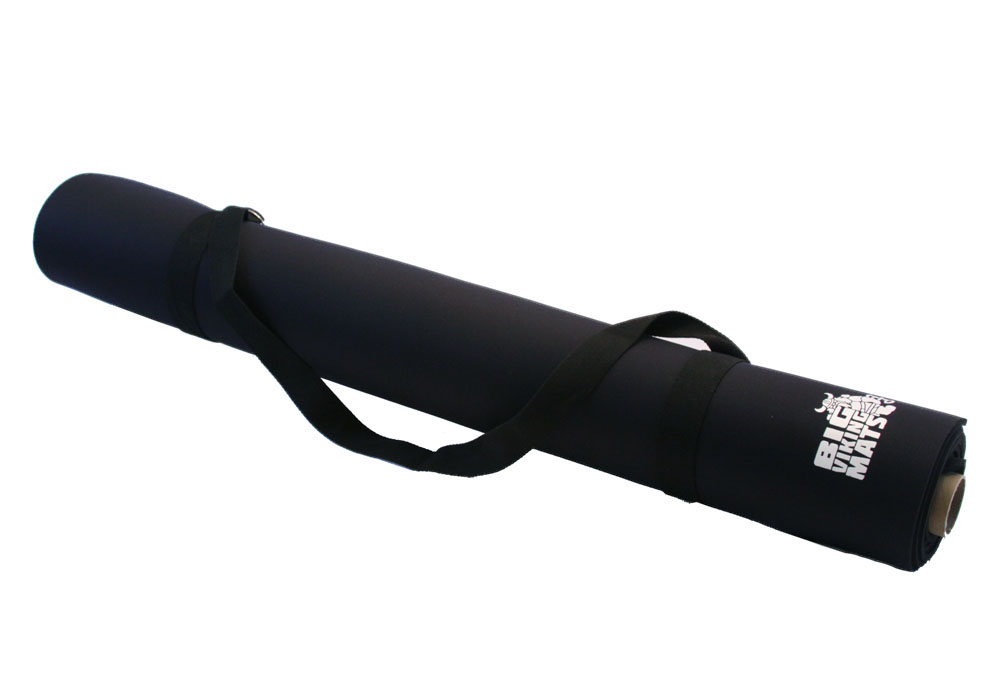
Short answer: 4mm is the sweet spot for almost everyone, and you should only deviate if your table is genuinely permanent or genuinely portable.
Neoprene mats run from about 1.5mm to 6mm, and buyers reliably swing too hard one way. Thicker means more cushion, a more luxurious hand-feel, and dice that land quietly, but also more weight and more bulk in your bag.
- 4mm (Jigitz, most quality mats): genuine wrist comfort over a four-hour session, enough body to keep cards from feeling like they're on bare wood, and still rolls into a backpack. This is where the weight-to-comfort ratio tips in your favor.
- Under 3mm (Ultra PRO and most TCG individual mats): minimal padding, but they fold flat and ship light. Fine for a single player at a tournament table.
- 5–6mm (Feltectors, FAT Mats, Big Viking): borderline plush, almost a desk pad. Wonderful until you have to roll it, store it, or carry it. Worth every gram if it lives on one table.
One nuance the spec sheet hides: thickness numbers often include the foam and the cloth-plus-backing, so a "5mm" mat from one brand can feel like another's 4mm. Trust the hand-feel in reviews over the printed millimeter. And remember the wrist test, which is the one that matters at hour three: heel of your palm resting on the edge, leaning in. If a thinner mat passes that, you don't need more.
Stitched Edge or Not? The Detail That Decides How Long Your Mat Lasts
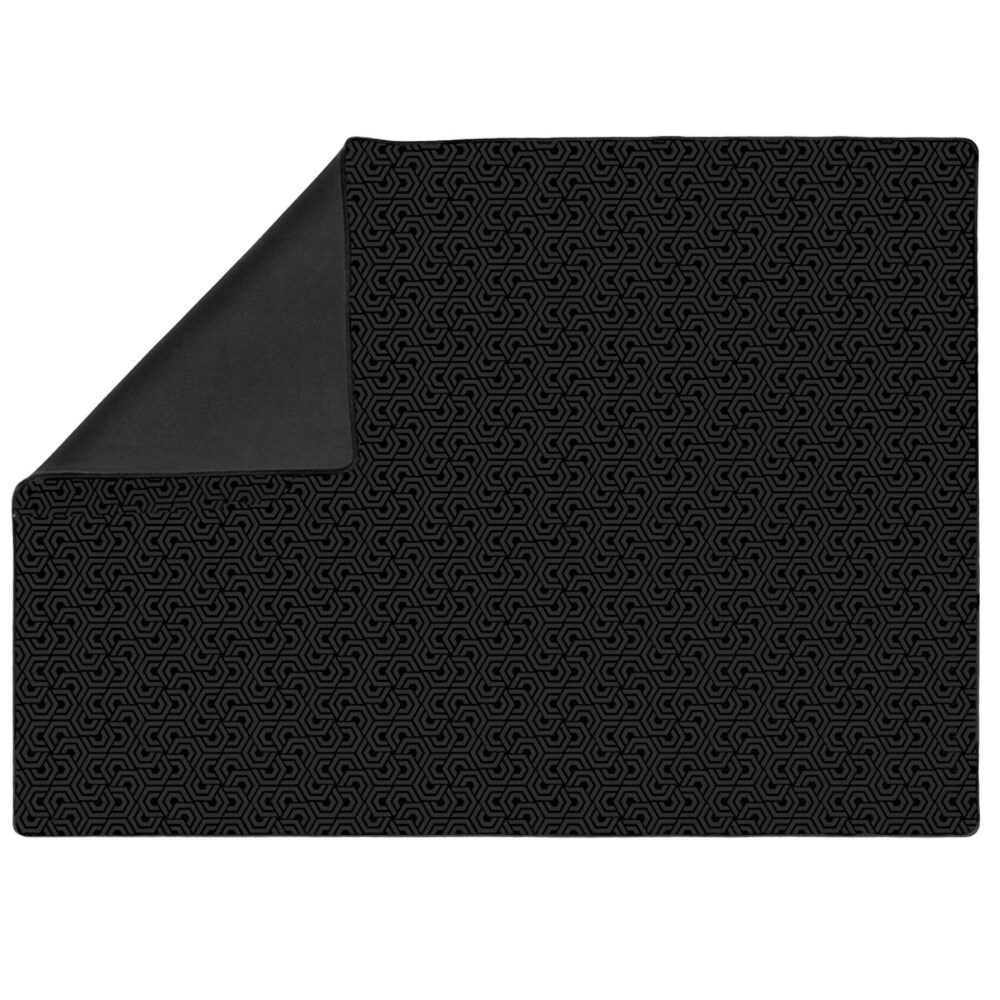
If you transport your mat weekly, get stitched edges. If it stays home, you can save the money. The edge is where mats die first.
This is the single most overlooked spec in the category, and it's the one that separates a mat you'll own for five years from one that looks tatty by next season. An unstitched (heat-sealed or raw) edge looks gorgeous on day one, perfectly clean, no thread line. But the constant micro-abrasion of shuffling, sliding cards off the edge, and stuffing it in a bag eats at it. Players who travel report the edge starting to fuzz and fray within about three months of weekly use.
Stitched edges add a sewn border that locks the layers together and gives the fabric something to fray against instead of unraveling outright. The tradeoff is purely cosmetic preference, some people find the raised thread line slightly catches a fast card pickup.
The honest middle ground: for a home-only mat that lives on one table, even an unstitched edge will give you twelve-plus months before you notice. The fraying clock only starts ticking fast under transport and heavy handling. And here's the kicker, you cannot realistically add stitching after the fact without specialty equipment, so this is a buy-time decision only. When you're comparing two otherwise-equal mats and one is stitched, that's your tiebreaker.
Cloth Top vs. Micro-Suede: Does Your Card Slide or Catch?
The surface texture is a Goldilocks problem: too smooth and cards drift on their own, too rough and you sand the coating off your sleeves. A standard fine-weave cloth top is the safe default; micro-suede is the upgrade for feel-obsessed players.
This matters more than most buyers realize, because the top fabric is doing two jobs that fight each other. It needs enough slickness that you can fan a hand and pick up cards in one motion, but enough grip that an excited table-bump doesn't send everyone's board state sliding. The classic cloth top nails this balance, which is exactly why it's the genre standard.
The wear angle is the insider part. A rougher surface accelerates sleeve wear, the textured fabric slowly abrades the matte coating on your sleeves, and over a competitive season that's a real cost in re-sleeving. If you're running premium sleeves on a valuable deck, a smoother glide actually saves you money downstream.
Micro-suede / micro-velvet tops (the upmarket option you'll see on boutique mats) feel plush and refined and absorb dice noise beautifully, but they grip slightly more, so high-gloss foil sleeves can drag. The rule: matte sleeves are forgiving on almost any mid-tier texture; glossy foil sleeves expose a surface's true character. If you sleeve in gloss, test a corner pickup before you commit to a deck-night mat.
Why Does My Mat Curl, and How Do I Fix It Safely?
Curl is memory, not damage. Your mat holds whatever shape it sits in longest, so the fix is patient counter-pressure, and the thing that ruins mats is impatient heat.
Neoprene with a rubber backing develops a literal physical memory. Roll it the same direction for months, or fold it tight into a box, and the material learns that curve and springs back to it. This is the number-one complaint on every gaming forum, and almost all of it is self-inflicted by storage.
The safe fixes, in order of preference:
- Weight it flat. Lay the mat down, cover the whole surface with a board or a few hardcover books, and leave it 24–48 hours. Slow and boring, and it works.
- Counter-roll. Roll it loosely the opposite way for a day or two, then lay flat. This actively unteaches the curl.
- Strap-and-wait. If your mat came with velcro straps, roll it print-side-out (so edges curl down toward the table, not up into your cards) and strap it for a day.
The hard rule: avoid direct heat. Hair dryers, irons, and hot cars are how layers delaminate and the backing warps permanently. If you must use heat, it's a last resort, very low, always through a towel barrier. Better yet, prevent it entirely, store mats flat on a shelf or hung vertically, never crammed tight in a closet for half a year.

That New-Mat Rubber Smell: Is It a Problem?
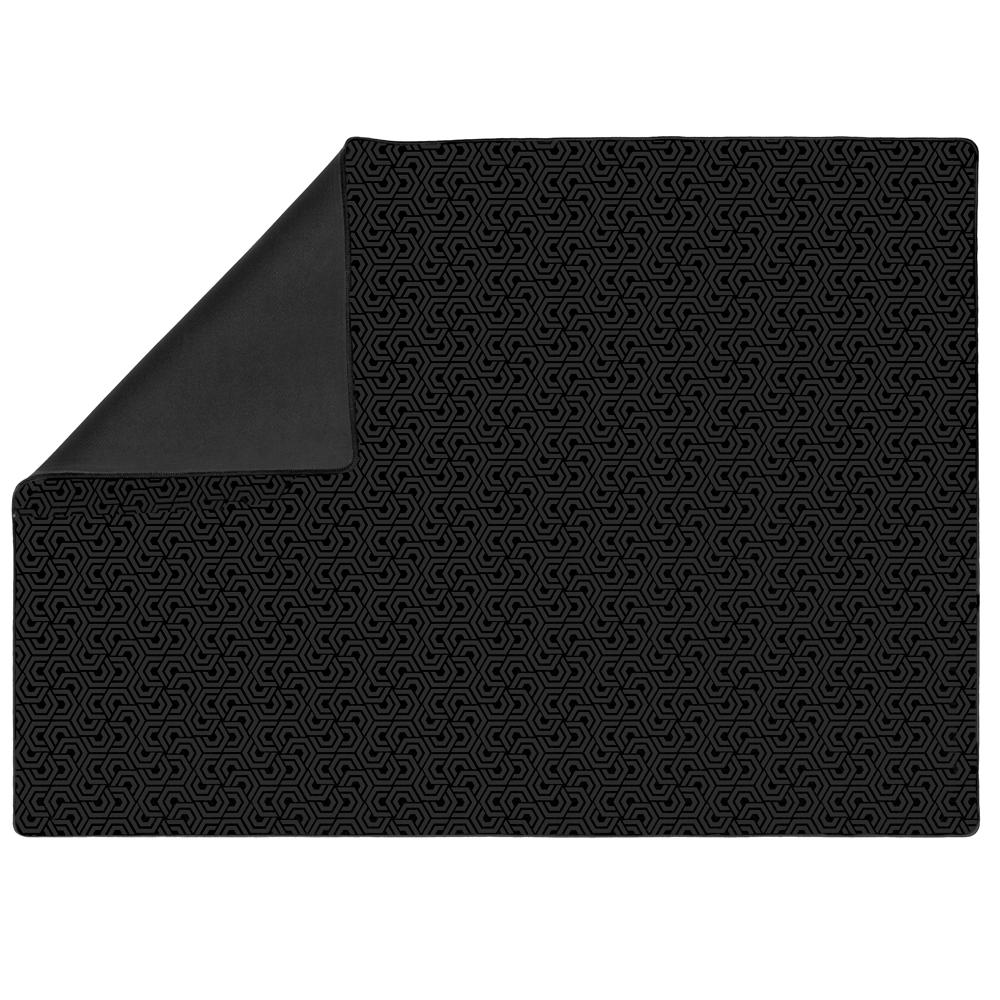

No, it's harmless off-gassing, and it fades fast. Expect roughly a 70% drop within 48 hours of open air, and most of it gone inside a week.
That sharp rubber scent when you unroll a fresh mat is chloroprene (the synthetic rubber in neoprene) off-gassing, plus the lamination adhesives that bond the three layers. It's the same smell you get from a new yoga mat or wetsuit, and it's a sign the mat is genuinely neoprene, not a cheaper substitute.
The fix is simply air and time. Unroll the mat and let it breathe in a ventilated room, away from direct sunlight (UV degrades neoprene and can fade sublimated art). Reported timelines line up well: a noticeable drop in a couple of days, near-gone in three to seven.
If you're impatient, a few community-tested accelerators actually help: a gentle wipe-down with a 1:4 white-vinegar-to-water mix neutralizes odor and strips the factory mold-release oils that trap the smell; a sprinkle of baking soda left overnight or an activated-charcoal bag in the storage tube pulls residual scent. Skip harsh chemicals and bleach, which break neoprene down.
One honest caveat worth stating plainly: if a mat smells aggressively chemical for weeks, or gives you a headache or throat irritation, that's a quality red flag, not normal off-gassing. A reputable mat airs out, a suspect one doesn't.
Is My Mat Tournament-Legal? And Other Real-World Buying Questions
For the big TCGs, playmats are refreshingly unregulated, the rules obsess over sleeves and cards, not your mat. The main constraints are size, content, and the camera.
Across Magic, Pokémon, and Yu-Gi-Oh!, the official handbooks pour their ink into card and sleeve legality (opaque backs, single-color edges, no markings or wear that could identify a card). Mats themselves get wide latitude: organizers and head judges have discretion, and the practical bar is simply that the art isn't offensive or suggestive. The one situation to watch is featured/streamed play, where venues often hand out plain mats to dodge copyright on camera, so don't count on using your custom dragon-art mat on the feature table.
The size reality: a standard individual TCG mat is roughly 24" × 14", sized for one player's half of the table. The 2x3 and 3x4 board-game mats in this guide are a different animal, shared-table surfaces, not single-seat tournament mats. Match the mat to the format.
Two more field notes. First, a stained or marked mat is a non-issue for legality (it's your cards that must be unmarked), but a heavily worn surface that catches sleeves is its own annoyance. Second, your real card protection is never the mat, it's sleeves. The mat is the second line of defense against a spill; the sleeve is the first. Build the fortress in that order.
The picks
Some links below are affiliate links — as an Amazon Associate, Puzzlewick earns from qualifying purchases, at no extra cost to you. It never changes a pick.
3 photos Roll-Play Board Game Mat 3'x4'
Reversible neoprene mat with rubber and pattern sides, waterproof design on both surfaces. The double-sided approach lets you switch aesthetics between game nights. Roll-up format is cleaner for tournaments.
- Double-sided reversible design
- Waterproof surfaces on both sides
- Roll-up tube carrier included
- Requires more storage space if rolled long-term
- Mid-tier pricing without premium materials


 4 photos
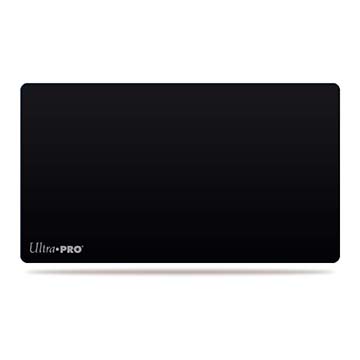
 Ultra PRO Solid Black Playmat
Smaller format (24" x 13.5"), soft fabric top, non-slip rubber backing. Perfect for Magic, Pokemon, Yu-Gi-Oh, or personal workspace use. Not a board game mat—this is for individual players at competitive tables.
- Affordable entry into premium playmat brands
- Portable and tournament-approved
- Works as mouse pad, workspace mat, or TCG surface
- Too small for multiplayer board games
- Not designed for the full-table gaming experience
 6 photos
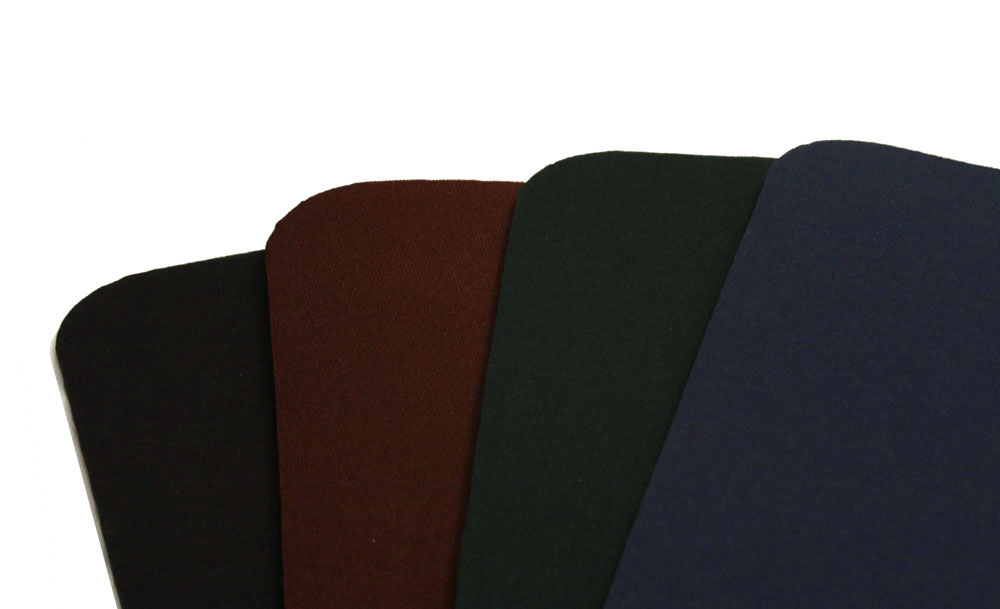
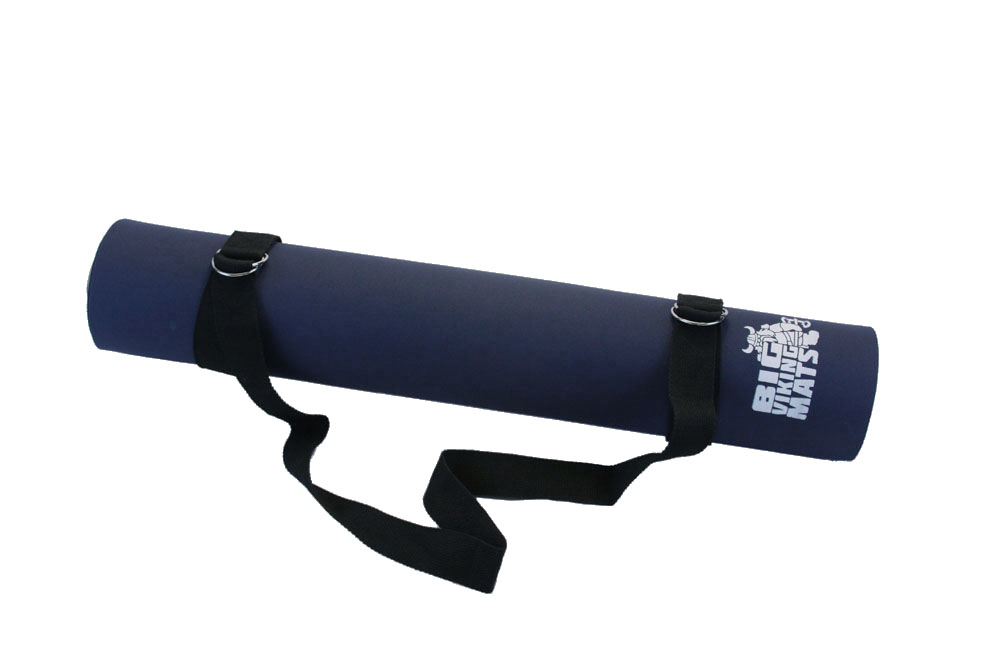
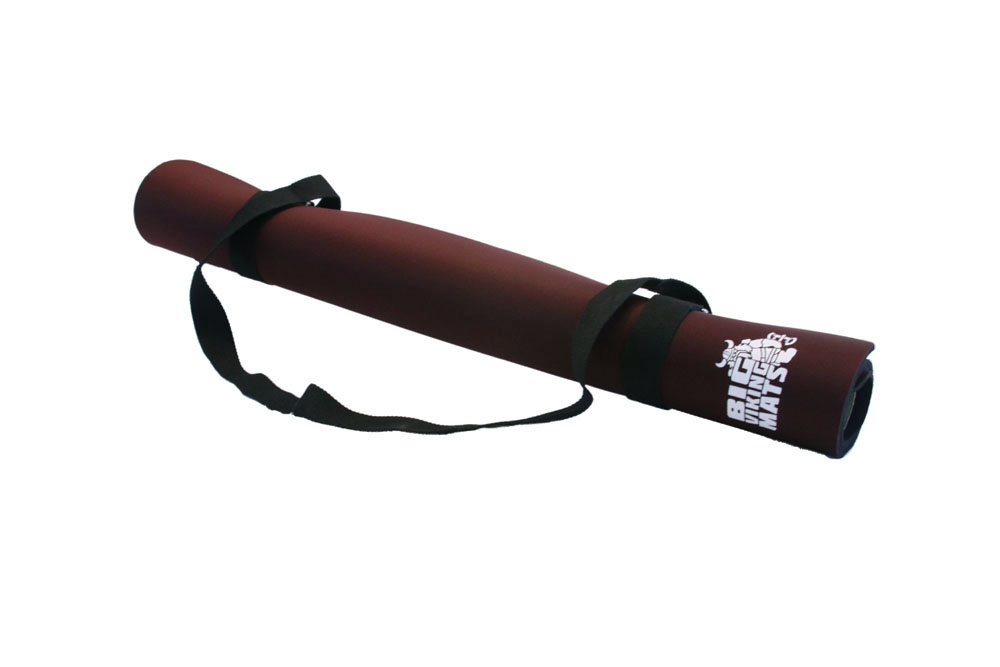
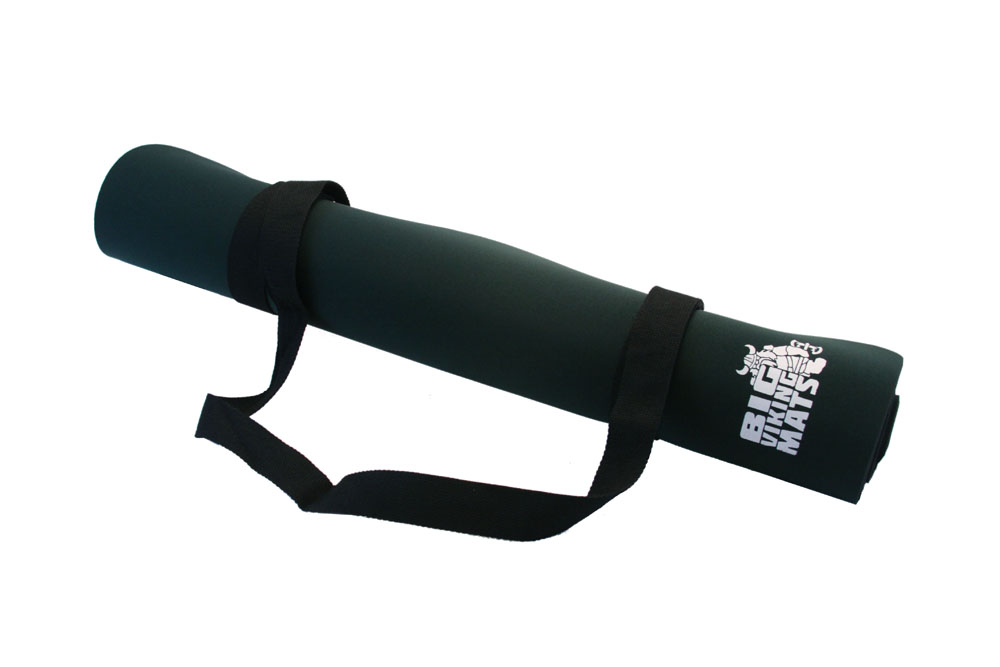
 Big Viking Mats Neoprene Gaming Mat
Extra-thick 5mm+ neoprene with optional custom sizing. Available in plain colors (Burgundy, Forest Green, Navy, Black). No rubber backing on standard versions, but the neoprene quality is top-tier. Price range $66–$149 depending on size.
- Exceptionally plush and comfortable
- Premium material quality feels luxurious
- Custom sizing available
- Heaviest option (not portable for frequent travelers)
- No backing on standard versions (slides on smooth tables)
- Most expensive for home gamers
At a glance
| Product | Thickness | Backing | Double-Sided | Price | Best For |
|---|---|---|---|---|---|
| Jigitz 3x4ft | 4mm | Rubber | No | $35.99 | Budget-conscious multiplayer |
| Jigitz 2x3ft | 4mm | Rubber | No | $24.99 | Portable + tournament play |
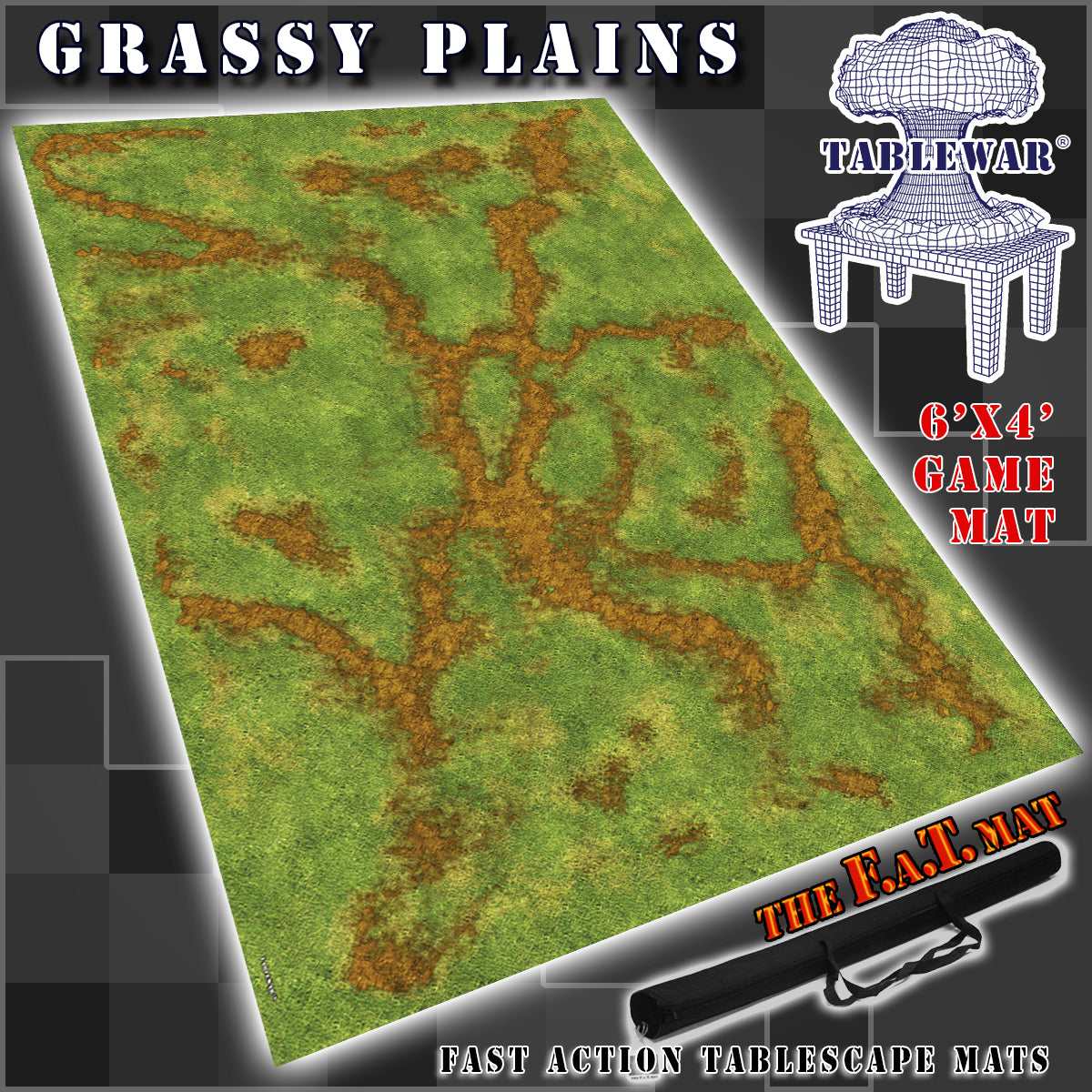
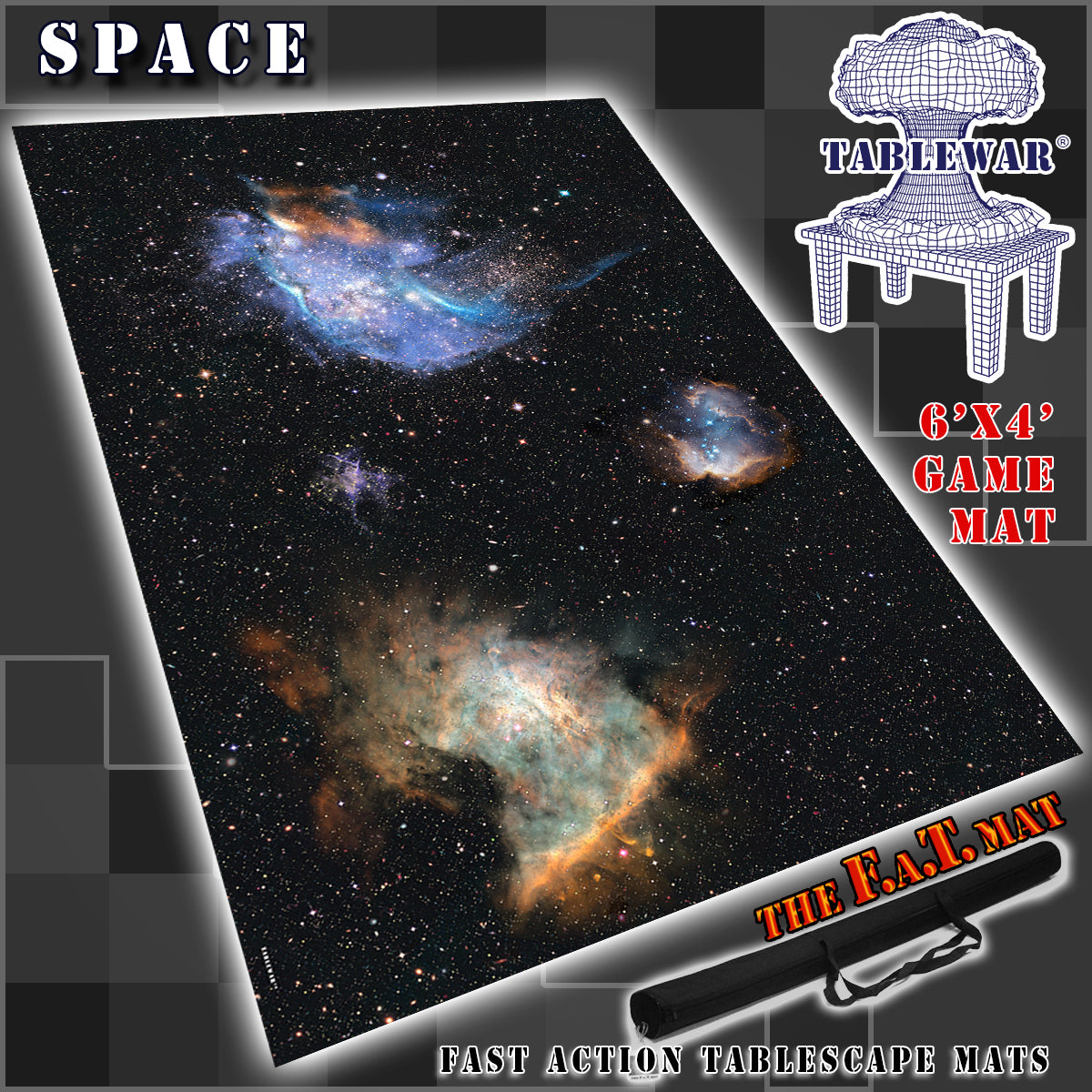
| FAT Mats 6x4' | 6mm | Rubber | Yes (optional) | $80–120 | Premium wargaming |
| Feltectors 3x4ft | 5mm | Rubber | Yes | $45 | Reversible aesthetics |
| Roll-Play 3x4 | 3.5mm | Rubber | Yes | $54.99 | Roll-up portability |
| Ultra PRO Playmat | 2–3mm | Rubber | No | $24.99 | TCG / individual play |
| Big Viking Mats | 5mm+ | Optional | No | $66–149 | Luxury permanent tables |
Questions, answered
Can I use a neoprene gaming mat as a mouse pad?
Yes, absolutely. Neoprene is originally mousepad material. It grips your mouse, doesn't accumulate dust like cloth, and feels premium. The Jigitz mats are marketed as both gaming mats and mousepads—they're genuinely dual-purpose. Larger mats (3x4) work great as oversized desk surfaces.
How do I clean a neoprene playmat?
Use a damp microfiber cloth or soft sponge with mild soap and lukewarm water. Wipe gently, avoid harsh chemicals or bleach (which degrade neoprene), and let it air-dry completely before rolling or folding. For sticky spills, a bit of isopropyl alcohol on a cloth works, but test a corner first. Store flat or loosely rolled—tight folds create permanent creases over time.
Is 4mm or 5mm neoprene better for board games?
Both are excellent. 4mm (Jigitz, Roll-Play) is the sweet spot for most players—thick enough to feel premium and cushion wrists, light enough to carry regularly. 5mm (Feltectors) adds comfort but noticeable weight. 6mm and up (FAT Mats, Big Viking) are luxury, best for permanent tables where portability isn't a factor. Choose based on how often you move your mat.
Will a neoprene mat prevent my cards from bending or creasing?
A mat will protect cards from spills and physical damage, but the real protection is card sleeves. A good playmat + sleeves = fortress. Without sleeves, even neoprene won't save bent corners or visible wear from aggressive shuffling or hand pressure.
Can I use a neoprene mat for miniature painting or terrain building?
Yes, but it's not ideal long-term. Spilled paint, especially acrylics, can stain neoprene permanently. If you paint over your gaming mat, use a clear plastic sheet on top or accept that it'll develop character. Wargaming mats with terrain art are designed to handle some paint mishaps, but you're better off having a dedicated painting surface.
What's the difference between a gaming playmat and a battlemat?
Gaming playmats (Jigitz, Feltectors) are smooth surfaces optimized for cards, tokens, and general play comfort. Battlemats (Chessex Battlemat, vinyl options) feature printed grids for tactical miniature positioning. Neoprene playmats are better for board games; grid-based battlemats are better for D&D and wargaming with precise positioning. Neoprene can have printed grids too—FAT Mats offers both styles.
Dax's verdict
Buy the Jigitz 3x4ft. It's the platonic ideal of a gaming playmat—thick enough to feel good, backed well enough to stay put, priced fairly, and proven by thousands of hours of play. If you need portability, grab the 2x3ft instead. If money's truly no object and your table is permanent, treat yourself to FAT Mats. But the Jigitz is the one everyone should own first. It's the benchmark against which every other mat is measured, and it still wins most matchups. Hard to beat that."
Research ledger 8 sources · reviewed 2026-07-17
Specifications, rules, current product information, community experience, and contrary evidence were checked against the sources below. Commercial links are kept separate from editorial evidence.
- amazon.comamazon.com/dp/B08WPP7861?tag=puzzlewick-20
- amazon.comamazon.com/dp/B08WPQMKDF?tag=puzzlewick-20
- tablewar.comtablewar.com/collections/fatmats
- amazon.comamazon.com/dp/B09WJCVB32?tag=puzzlewick-20
- amazon.comamazon.com/dp/B07KBFFM1M?tag=puzzlewick-20
- ultrapro.comultrapro.com/products/solid-color-standard-gaming-playmat-mousepad
- vikingmats.comvikingmats.com/shop/neoprene-gaming-mat
- boardgamegeek.comboardgamegeek.com/thread/3119202/best-thickness-for-a-neoprene-gaming-mat

I'll be honest with you — flattery is boring.

Keep exploring
The next smart rabbit holes.
⬢ Topic PathTabletop Accessories: compare the whole shelfBuy the accessory that fixes a repeated annoyance first. Protection, setup speed, readable state, and comfortable handling beat...ComparisonGaming Mats Comparison 2026: Neoprene vs Mousepad vs Premium FabricThe right gaming mat changes how your minis feel under your hands—here's how to pick between neoprene, mousepad, and fabric options that...Best OfBest Cozy Board Games of 2026: Calico, Cascadia, Patchwork & the Relaxation Gaming RevolutionCome sit, come rest. Cozy games are the speed of real life — no winners, no rush, just beauty made by your own hands. This is the quiet...