The Best 4X Space Board Games of 2026, Ranked
A verdict-forward tier list of the games that conquer the galaxy — and the schedule problem that quietly decides which one you actually own.


AI-assisted research and drafting in Dax’s voice · reviewed by Robert Pruitt · how this guide was made
Last editorial refresh: 2026-06-21 Gold-standard QA: 2026-07-17 8 sources reviewed Affiliate links checked during gold-standard pass

The short answer
Buy Eclipse: Second Dawn for the Galaxy. It hands you the whole explore-expand-exploit-exterminate fantasy in one evening instead of one weekend, and it's the rare heavy game your group will actually agree to play again next month. The honest "but if…": if you want the all-day negotiation opera, that's Twilight Imperium 4 — and if you mostly play solo or two-player, skip both and go Voidfall.
Decision map
Choose in thirty seconds
Groups who want the complete 4X power-fantasy in one evening — best at 4-5 players, where the galaxy fills and borders start to rub.
A committed crew of six who treat a board game as a cleared-calendar event, snacks and table-talk theatrics included.
Solo and two-player households who want a galaxy-sized puzzle with zero luck — and Euro gamers allergic to dice.
Here's my flaw-first ruling, because I'd rather you trust me than like me: most "best 4X" lists are cowardly. They rank eight space games as if they're interchangeable, when the truth is that seven of them will sit shrink-wrapped on your shelf because you can never schedule them. The genre's real enemy isn't a bad rulebook — it's a calendar. So I'm ranking these by which galaxy you'll actually conquer, not just which one reviews best in a vacuum. The tiers are honest, the catches are loud, and I'll tell you exactly which of these aren't even real 4X games (three of them aren't). Let's get you to the table without getting you burned.
Start here, then go deeper
You are in the right cabinet.
 ✦ Topic PathBoard Game Buying Guides: compare the whole shelfStart with the decision, not the shelf. These guides compare the games, editions, expansions, player counts, and costs people...
 Best OfBest Legacy & Campaign Board Games, Ranked (2026)Ten campaign boxes compared by commitment, permanence, tactical weight, story structure and the group each one needs.
 Deep DiveEclipse: Second Dawn for the Galaxy — The 4X Space Epic Worth Clearing the Whole Table ForA full galaxy of exploration, research, conquest, and diplomacy running on a famously elegant action-disc economy — and the version...
What even is a 4X game — and why does it matter for what you buy?
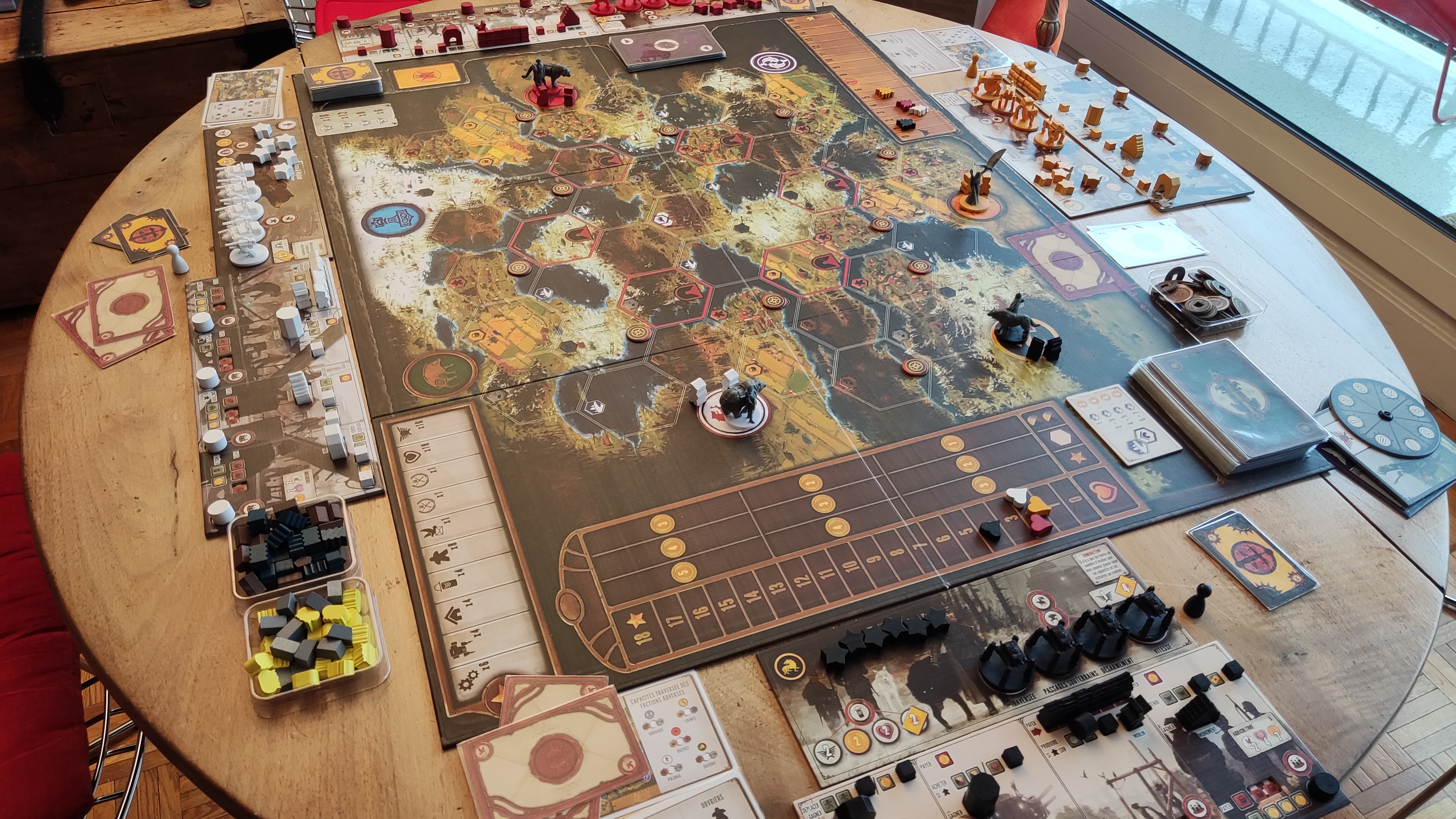


4X stands for eXplore, eXpand, eXploit, eXterminate — discover the map, claim territory, build an economy, and go to war over it. Purists insist on all four. That single rule is the most useful filter on this whole list, because half the "4X" games sold to you are missing one of the X's.
Why does it matter for your wallet? Because the most common way to get burned in this genre is buying a beautiful box that does a different thing than you wanted. Someone hands a friend Scythe as "the space war game," the friend waits two hours for a fight that barely happens, and now they think 4X is boring. That's not the game's fault — it's a mislabeling problem.
So before a single ranking: the genuine article on this list — full explore-to-exterminate arc — is Eclipse, Twilight Imperium, and Voidfall. Everything else is excellent and galaxy-flavored, but adjacent. I'll flag each one honestly as we go.
So what's the single best 4X space board game in 2026?
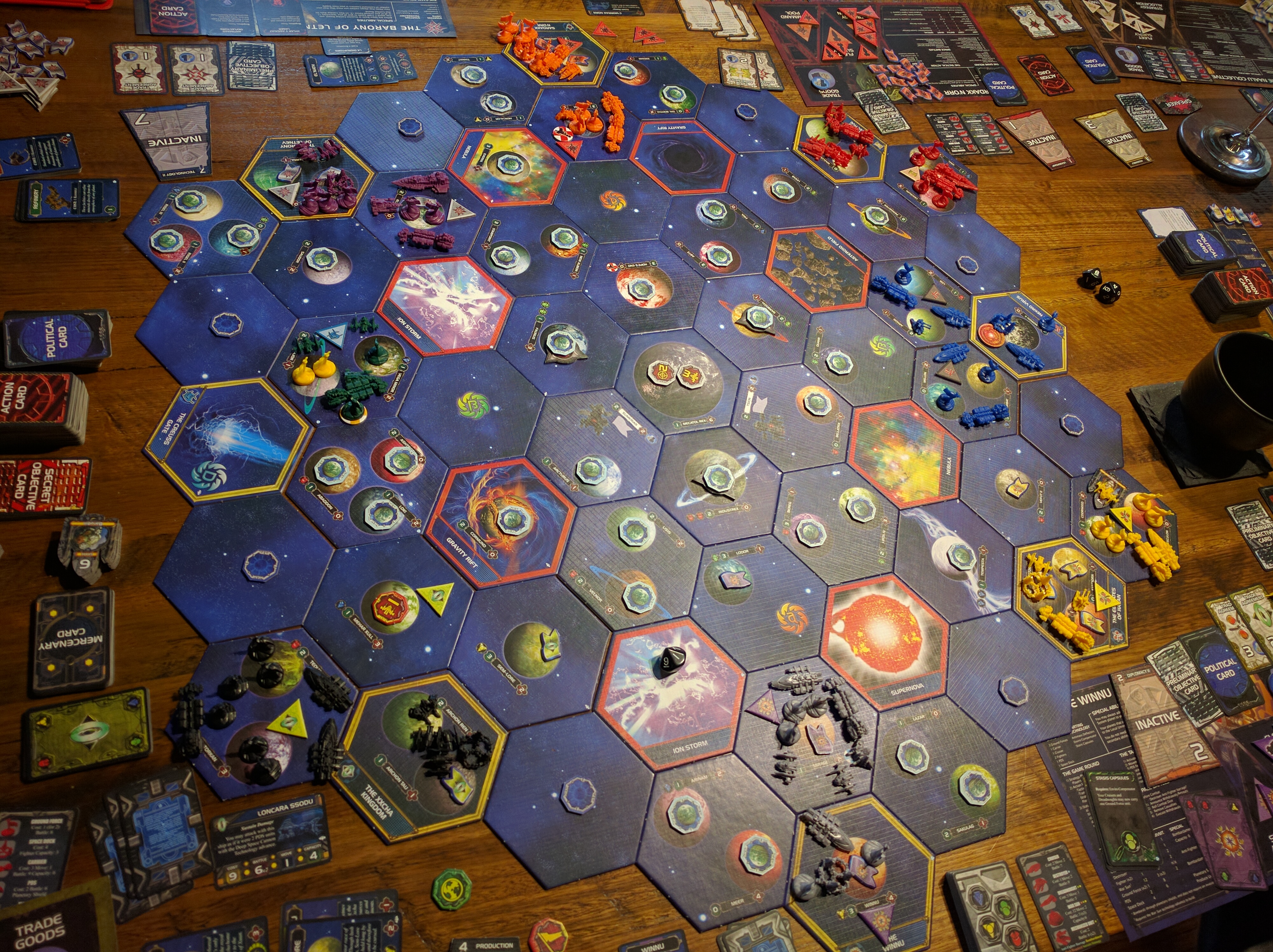


Eclipse: Second Dawn for the Galaxy. No hedging. It is the consensus pick of critics and the people who actually own these games, and it's the title that knocked Twilight Imperium off the top of more than one reviewer's personal podium.
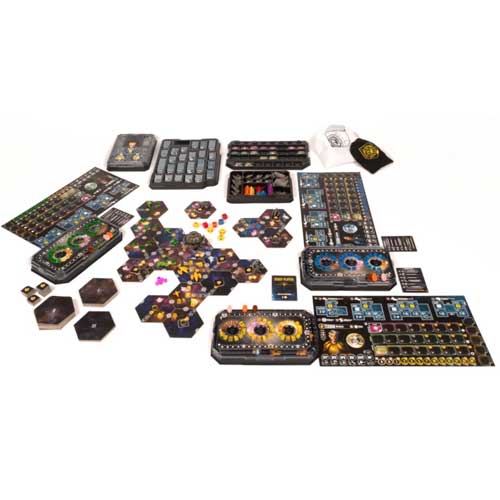
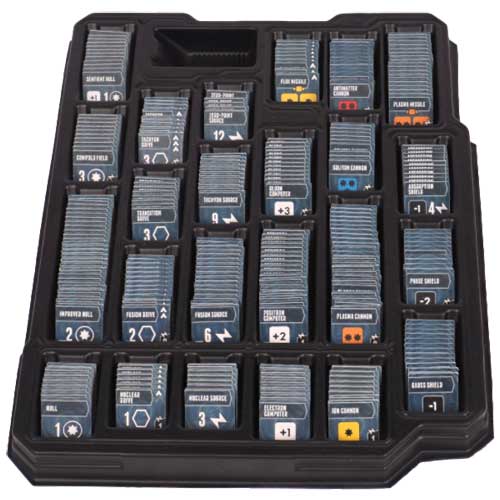
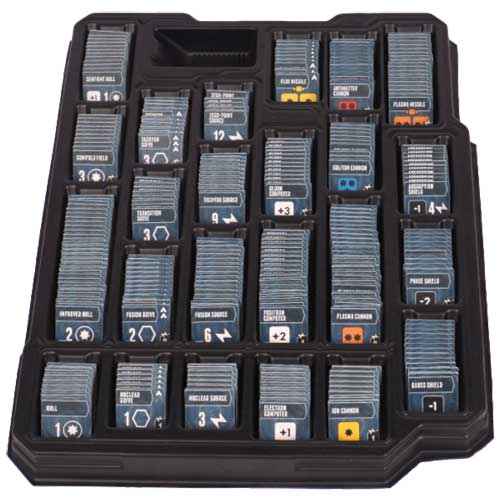
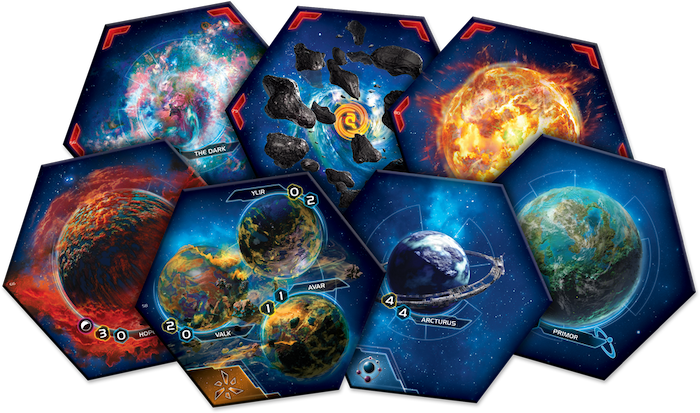
What makes it the king isn't any one part — it's the compression. You draw hex tiles from a bag, climb a genuinely brilliant tech tree, bolt custom parts onto your ships, and roll dice in combat — the complete 4X power fantasy — in roughly a third of TI4's runtime. Two to six players, 60 to 200 minutes, and a galaxy that fills up fast enough to feel alive.
The quiet genius is the action-disc economy: every action you take this round shrinks your income at the end of it. Doing less can be doing more. That one rule keeps every turn tense without bloating the page count — it's the elegant fix for the "do everything every turn" sprawl that drags down lesser designs.
The catch, and it's real: premium components mean a premium price, and the thing vanishes from shelves constantly. Street prices spike to $180-215 when supply is thin. Combat is dice, so a sour roll stings, and an early stumble is hard to claw back. But none of that dents the verdict.
Eclipse gives you the whole empire in an evening — it's the only one on this list your group will actually agree to play again next month.
Eclipse or Twilight Imperium — which one do I actually buy first?
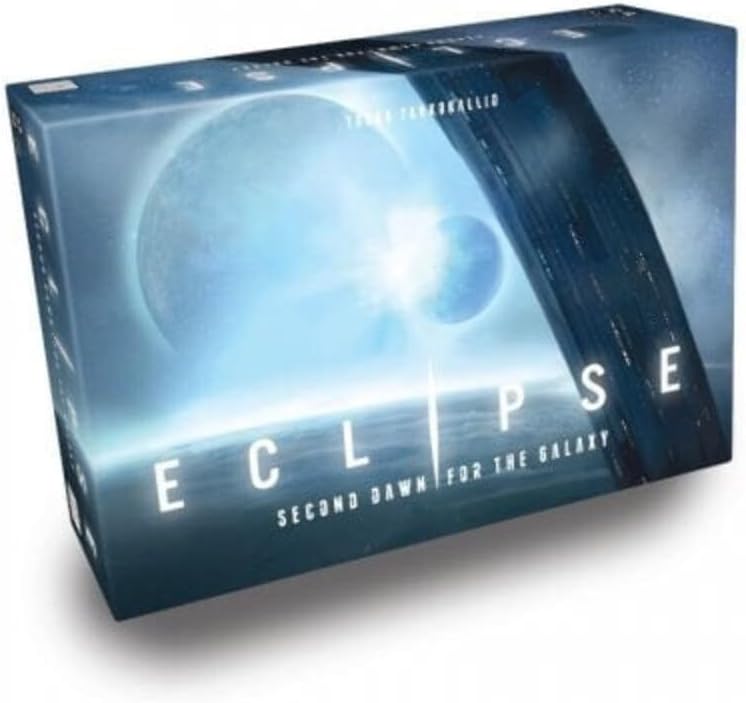

Buy Eclipse first. Full stop. Then, only once you've got a committed crew and a free day, consider Twilight Imperium as your second purchase — not your first.
Here's the cleanest way I can frame the genre's eternal debate: these two don't replace each other, they answer different nights. Eclipse is about the empire you build — the territory you've slowly accreted, the borders that start rubbing against your neighbors. Twilight Imperium is about the race to the next objective and the deals you cut to get there. One is a kingdom; the other is a negotiation opera with a 4X board bolted underneath.
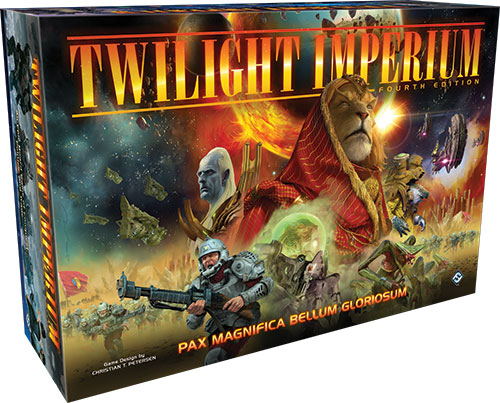
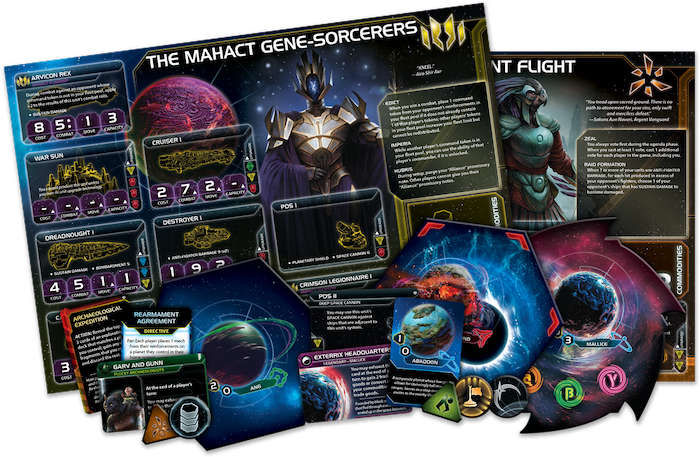
TI4 is the defining galactic-empire epic, a perennial BGG Top-25 fixture since the original landed in 1997. Its real engine isn't the fleets — it's the trade deals, the Galactic Council votes, the betrayals, and 25 gloriously asymmetric factions ranging from capitalist space-cats to sentient vegetables. People plan their entire day around it.
And that's the rub. Realistic sessions run six to nine-plus hours with teaching, you need a big table, and you need at least three players (six is the sweet spot). It's also the single most-cited "overrated, glorified kingmaker" game in skeptic threads — divisive precisely because it's so enormous. If you can't reliably gather five or six people for a full day, TI4 becomes the most beautiful paperweight you'll ever own.
Eclipse can be squeezed into a weeknight. Twilight Imperium is the one you schedule a whole day for. That, not quality, is usually the deciding line.
What's the best 4X for solo or two players?
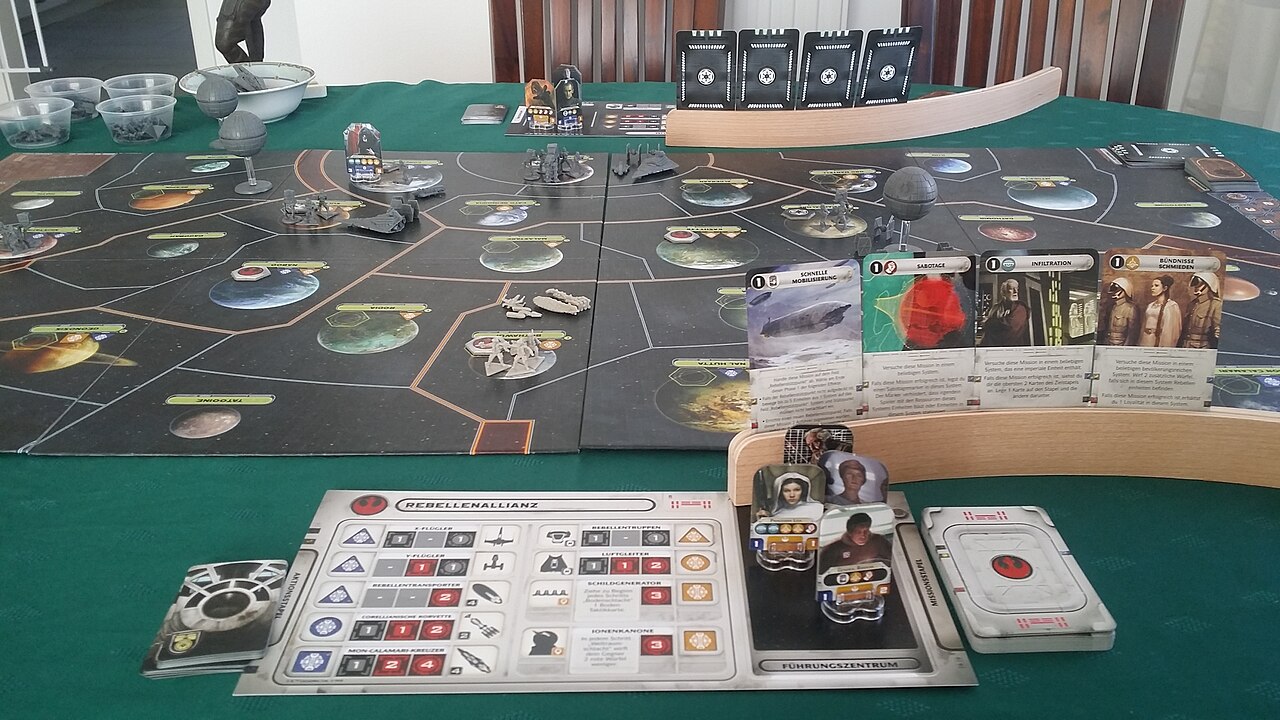

If you mostly play alone or as a pair, stop reading about Eclipse and buy Voidfall. This is where the ranking flips hardest, and where most lists fail you by pretending one game serves every table size.
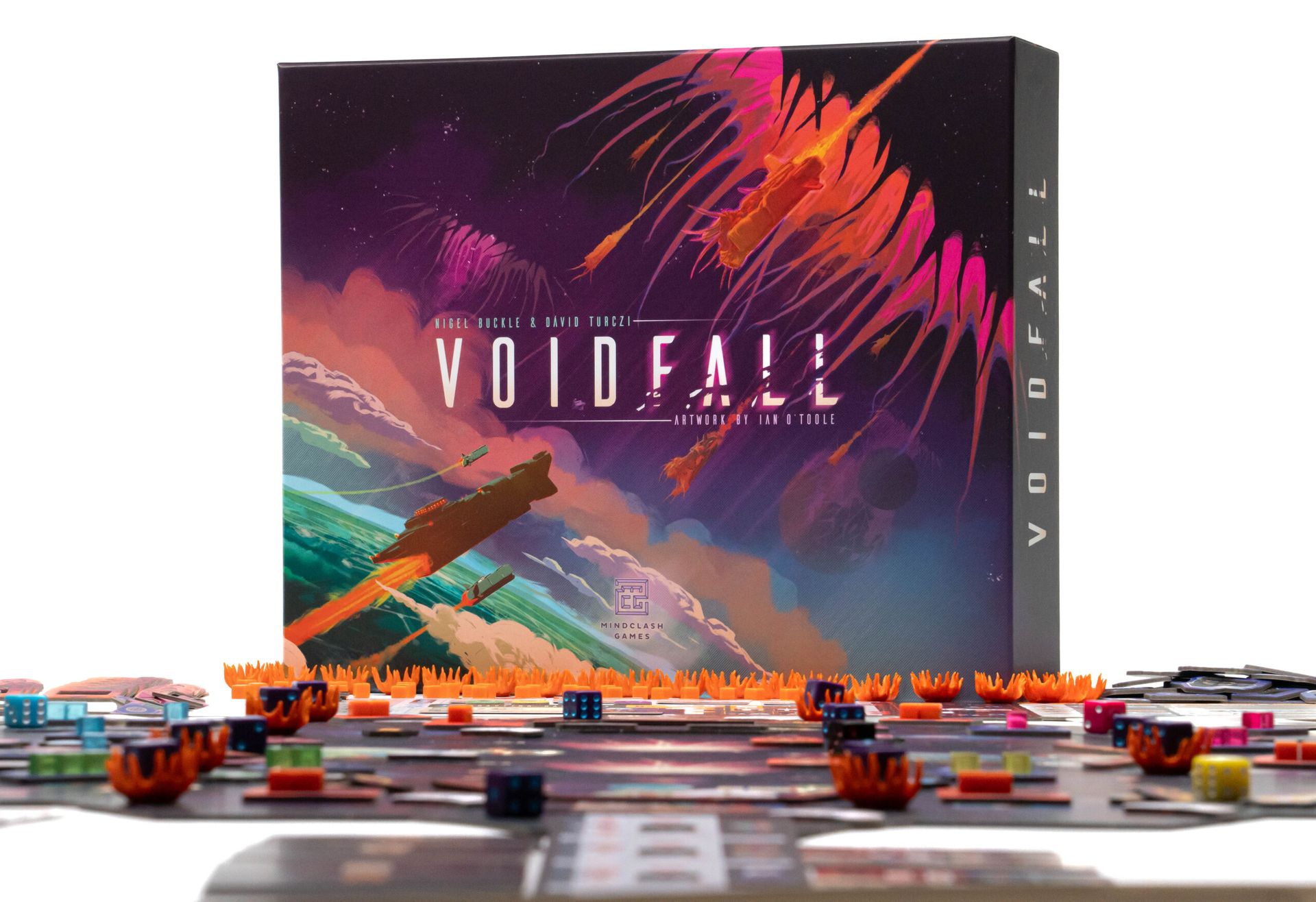
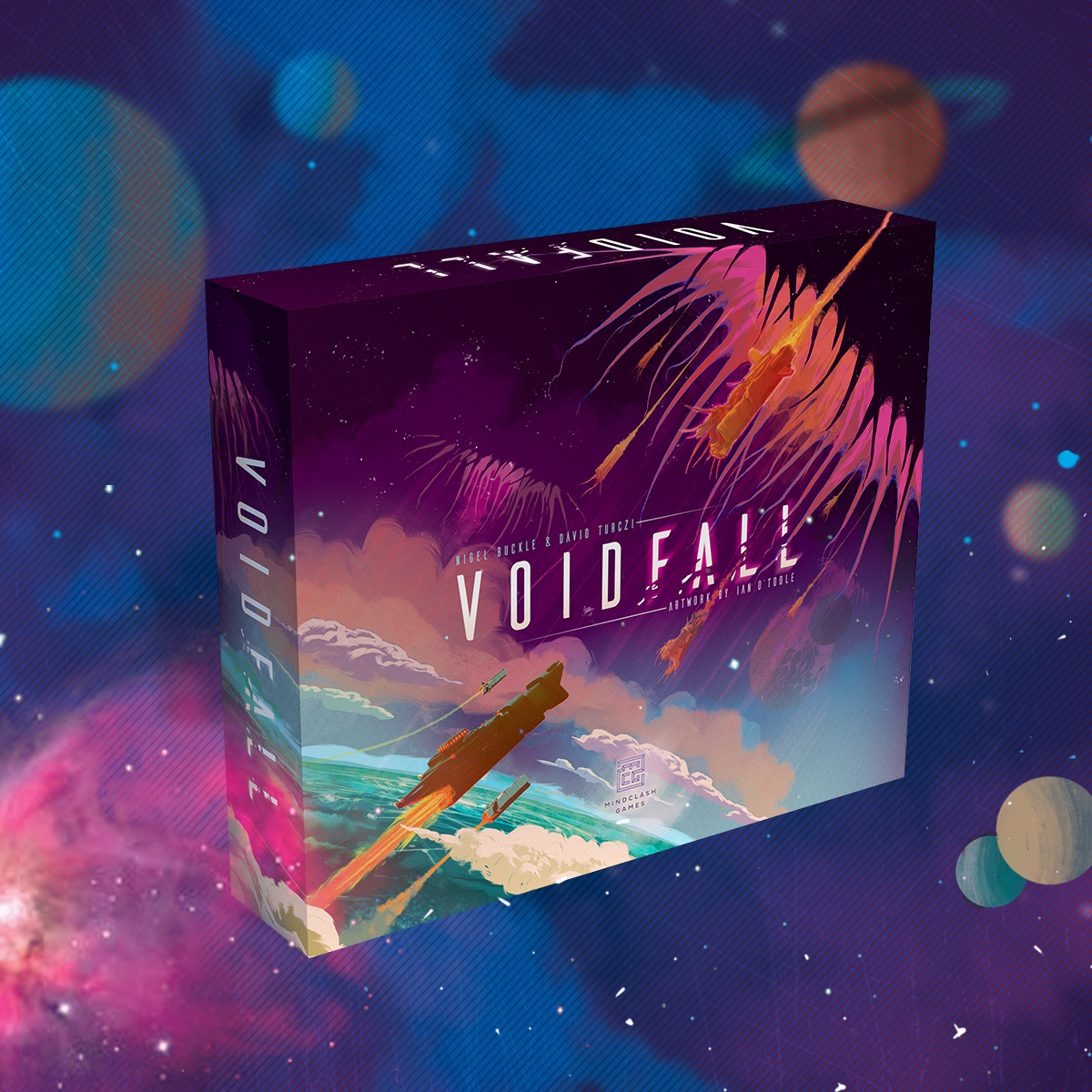
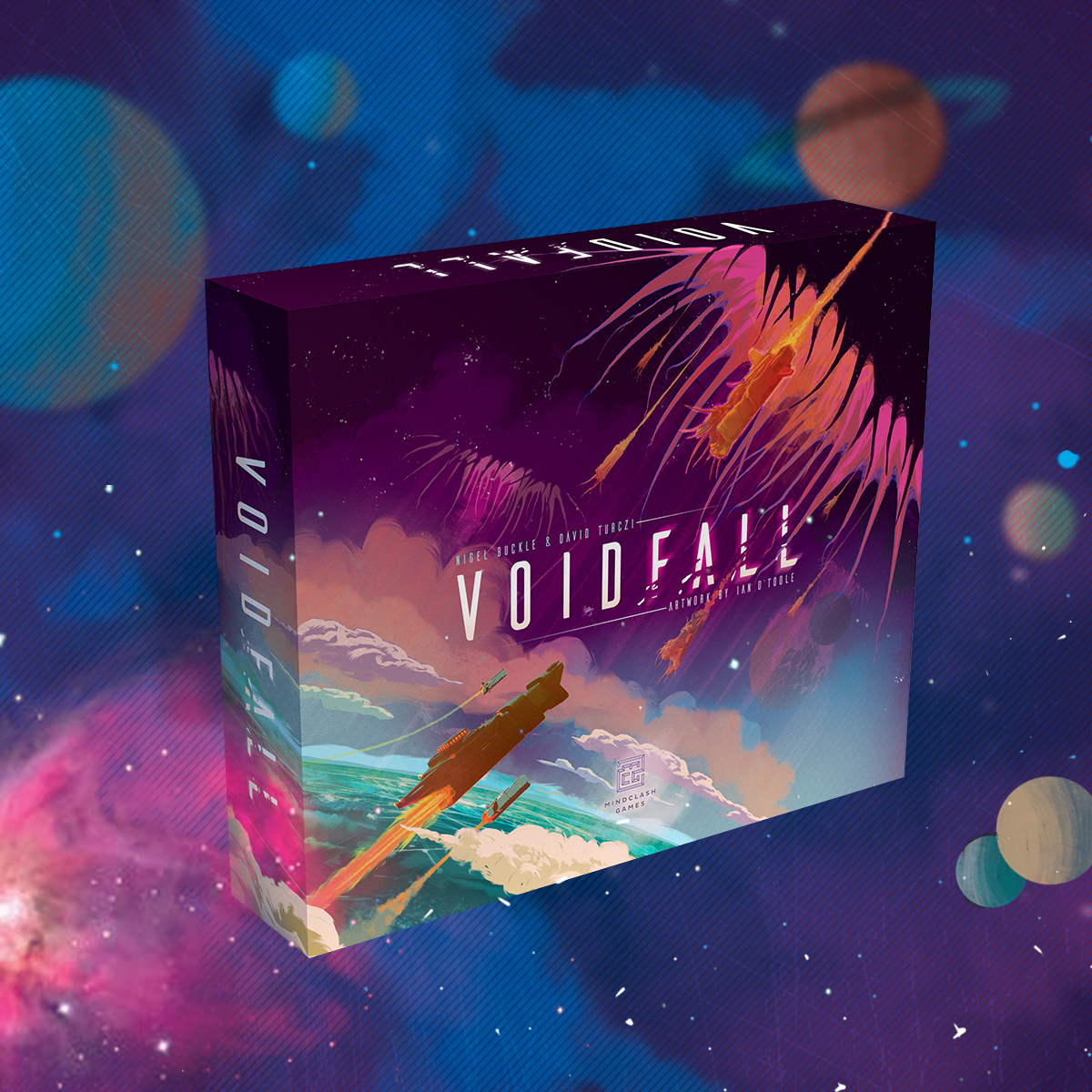
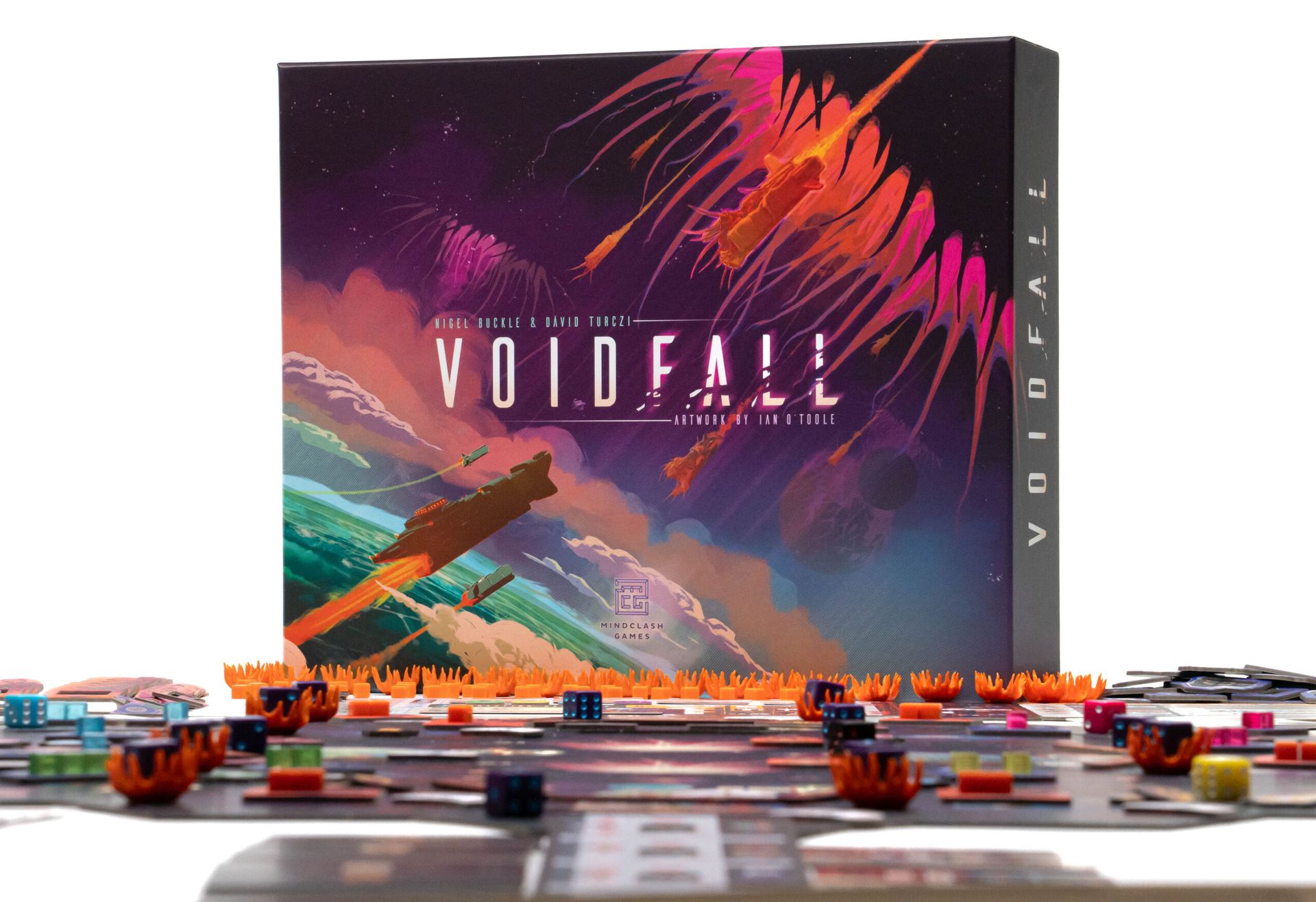
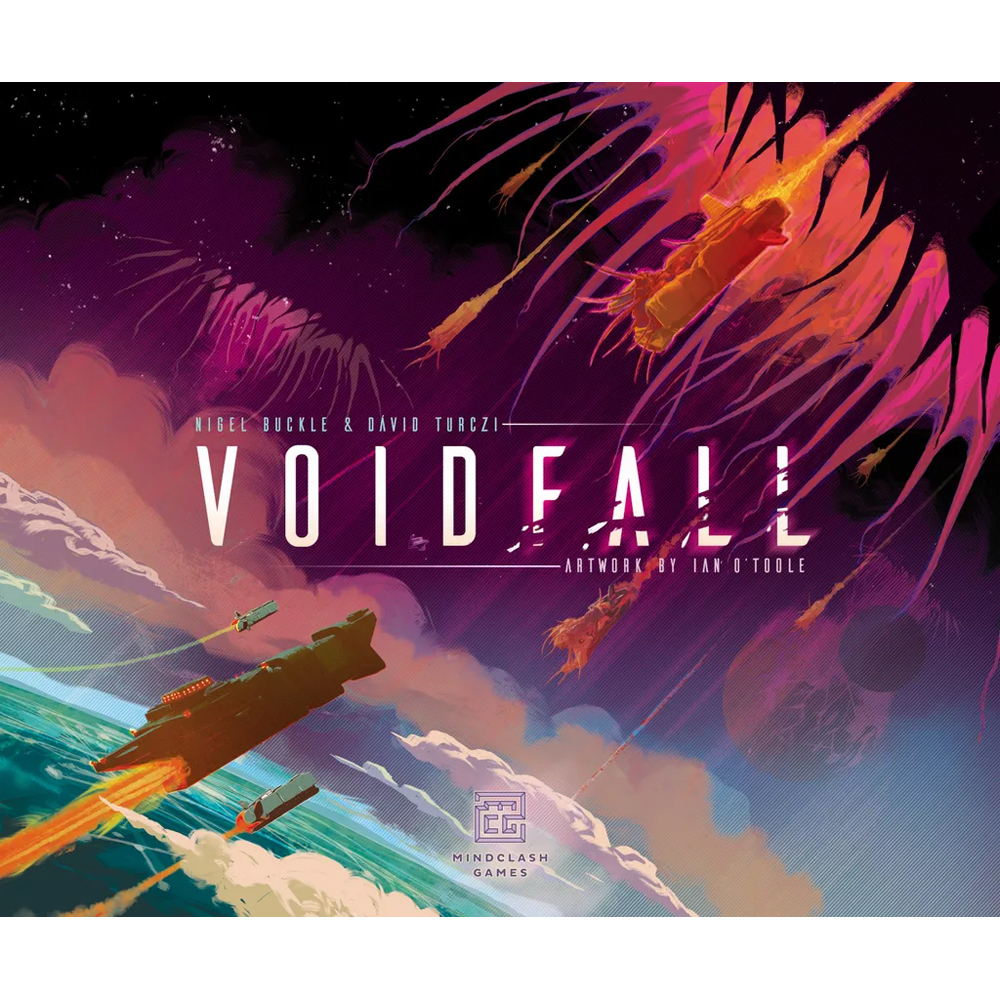
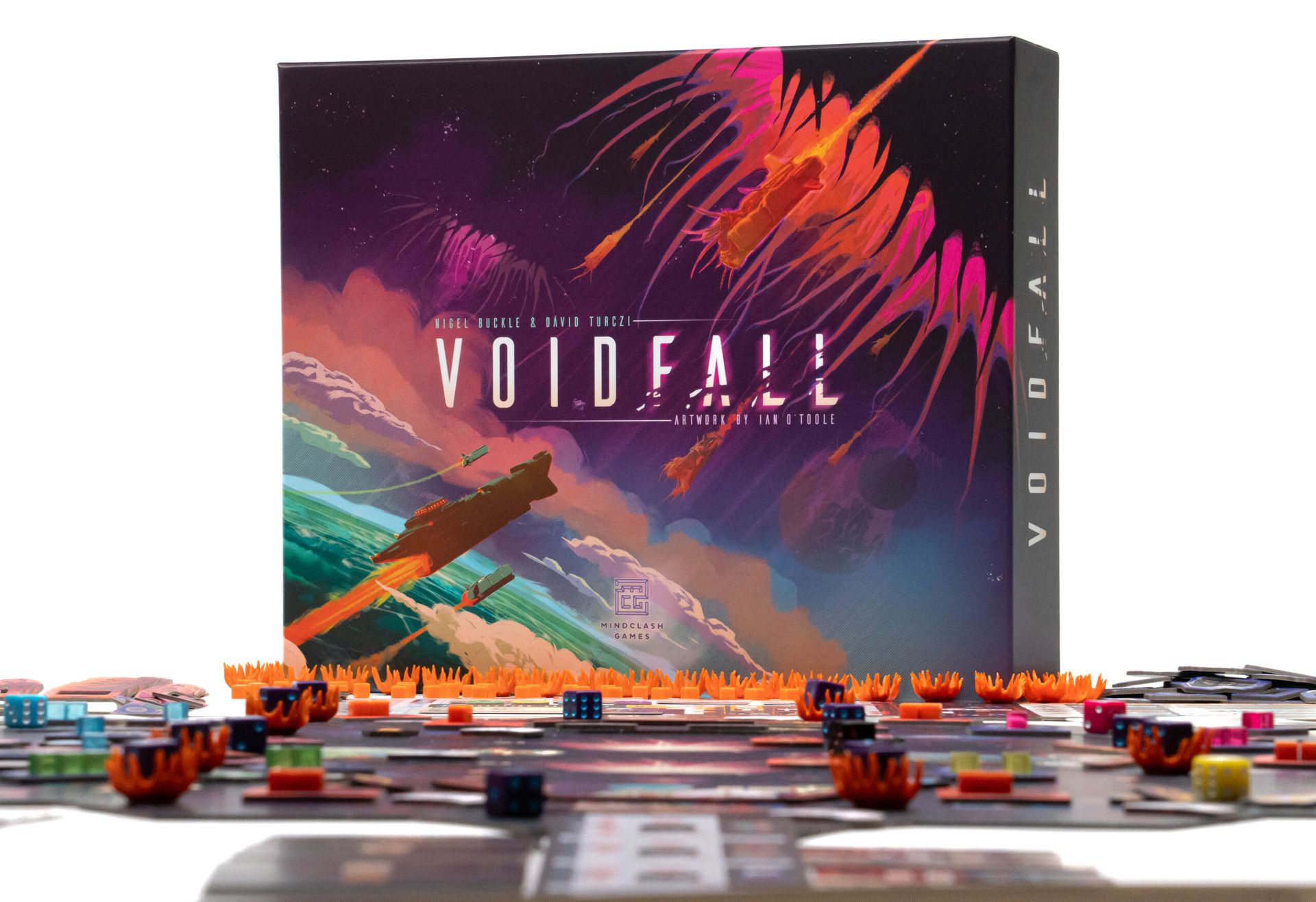
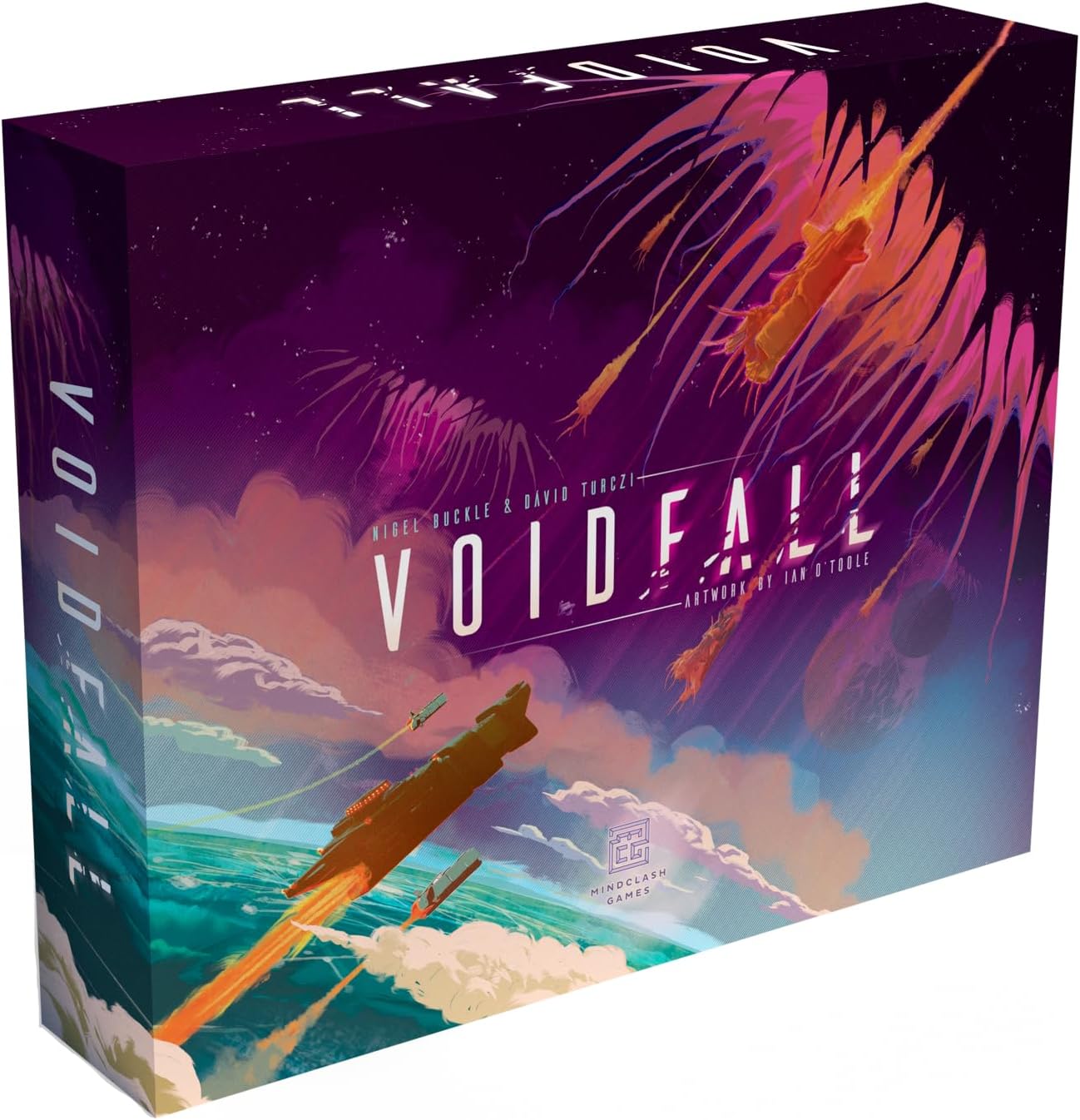
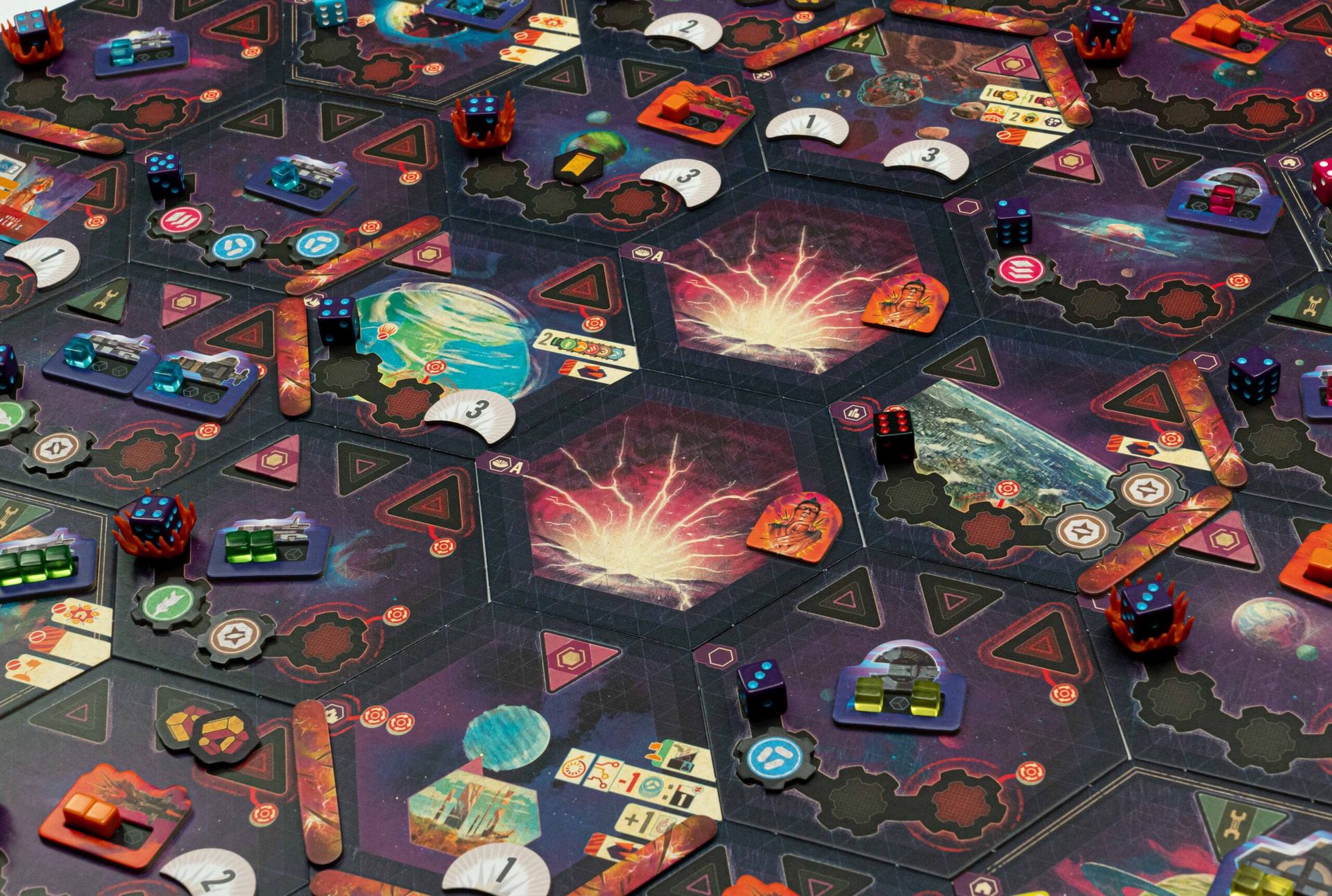
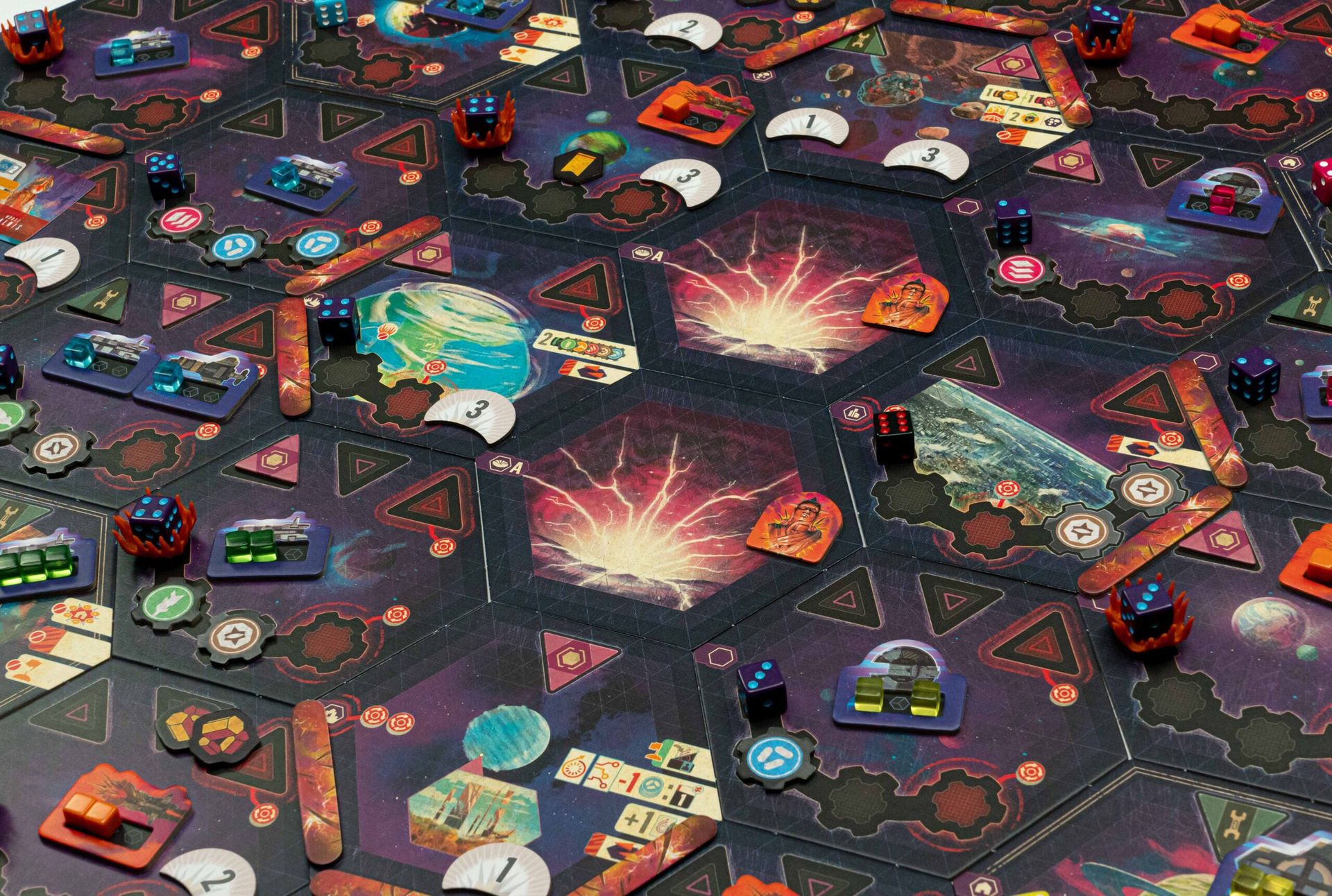
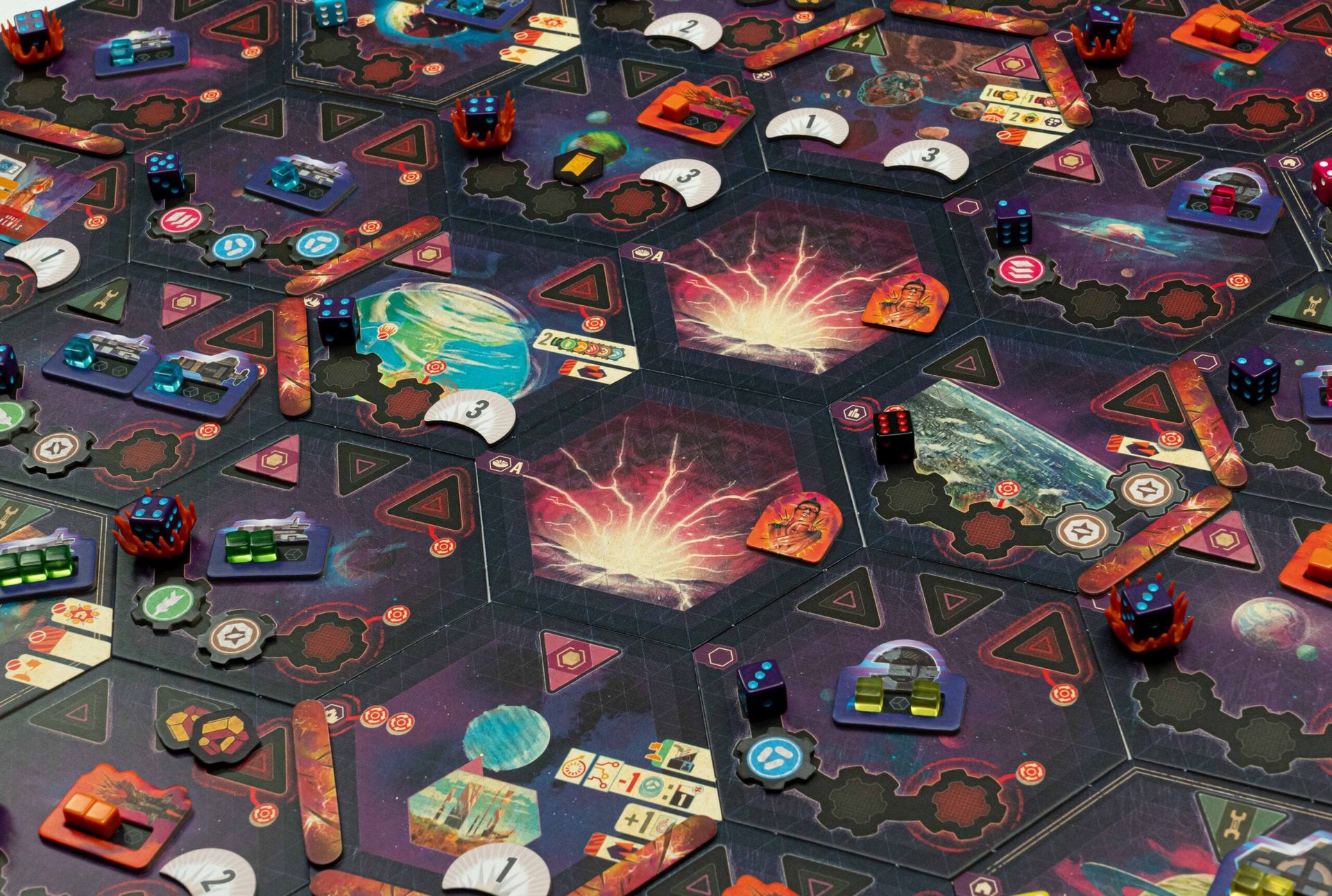
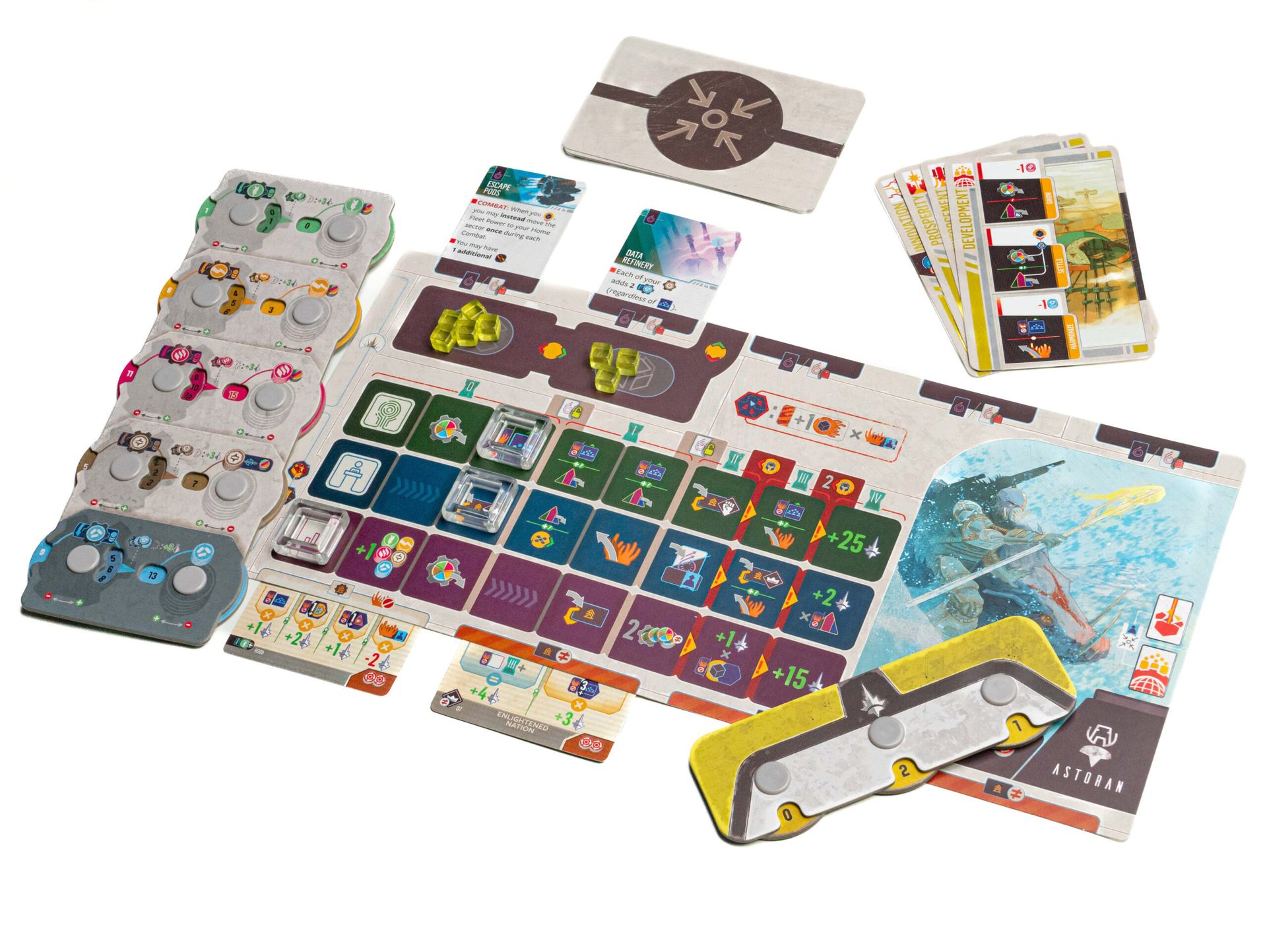
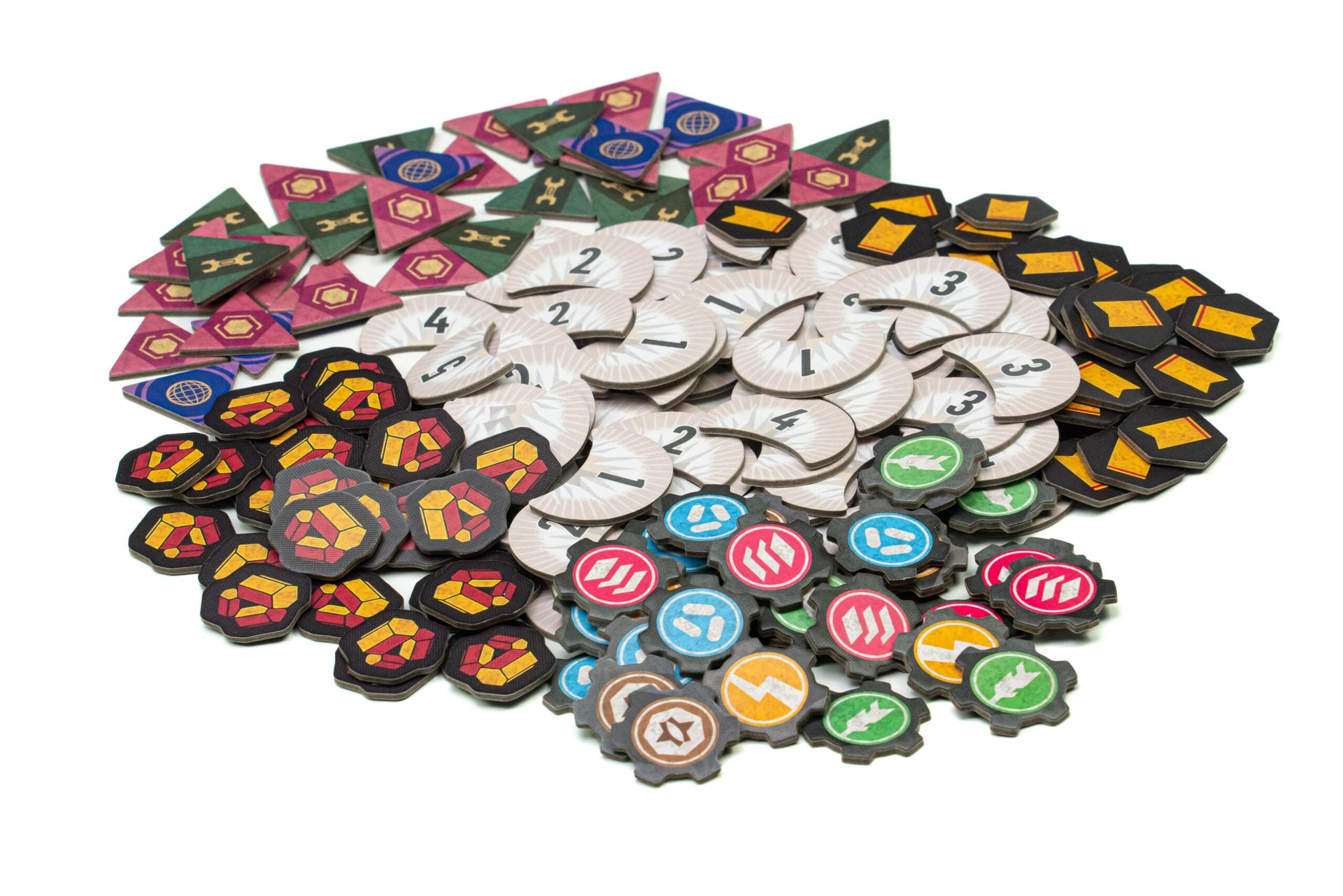
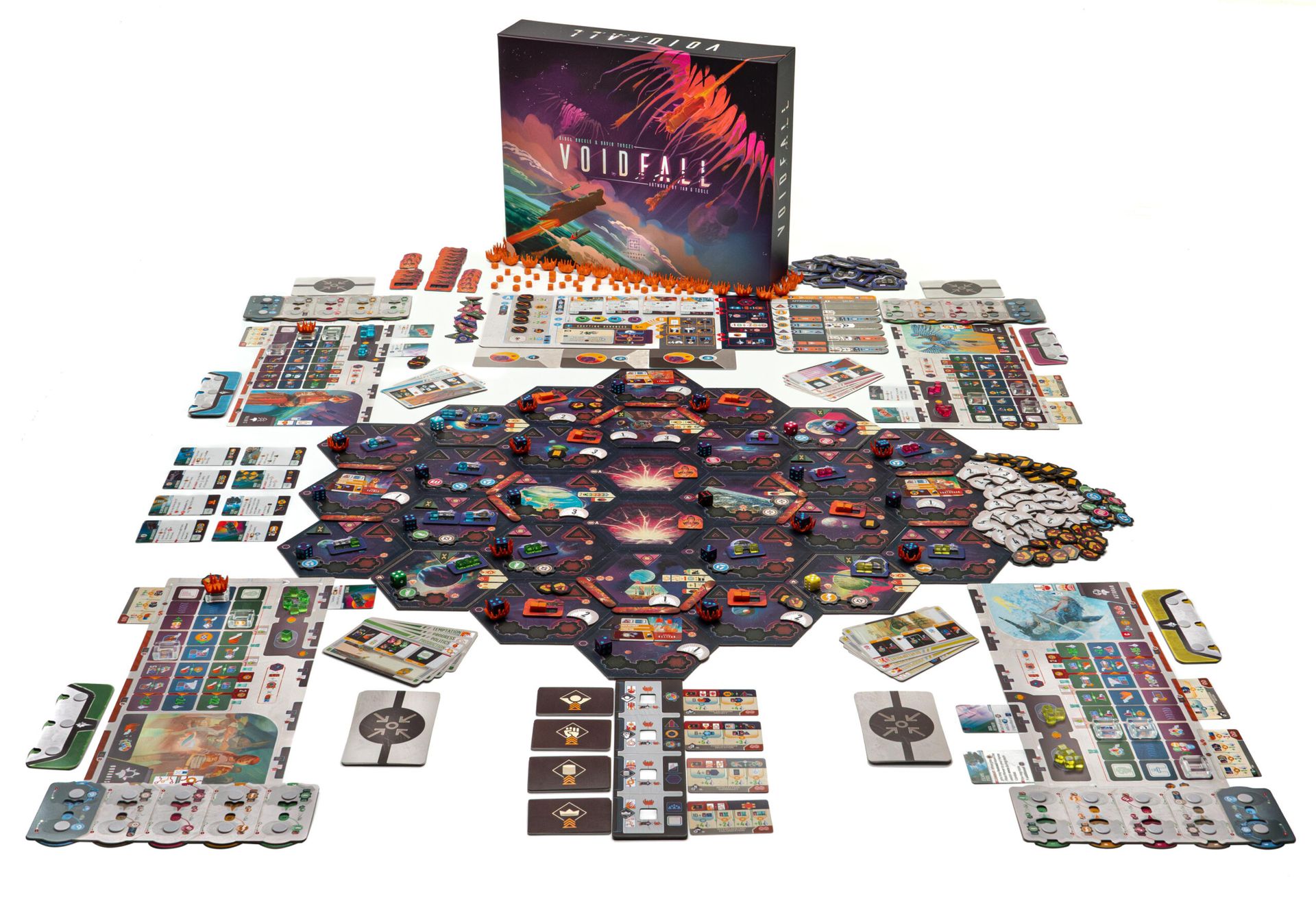
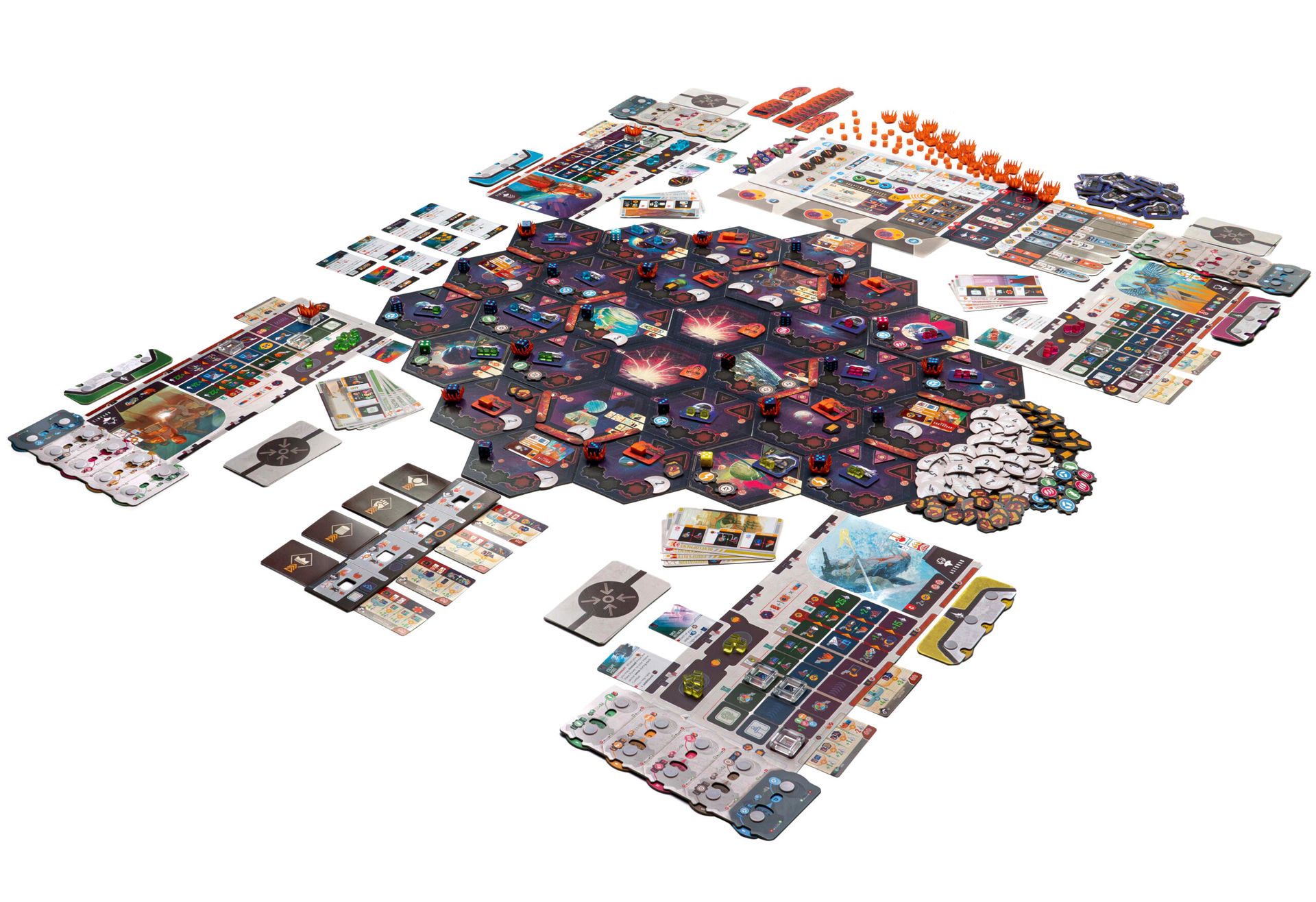
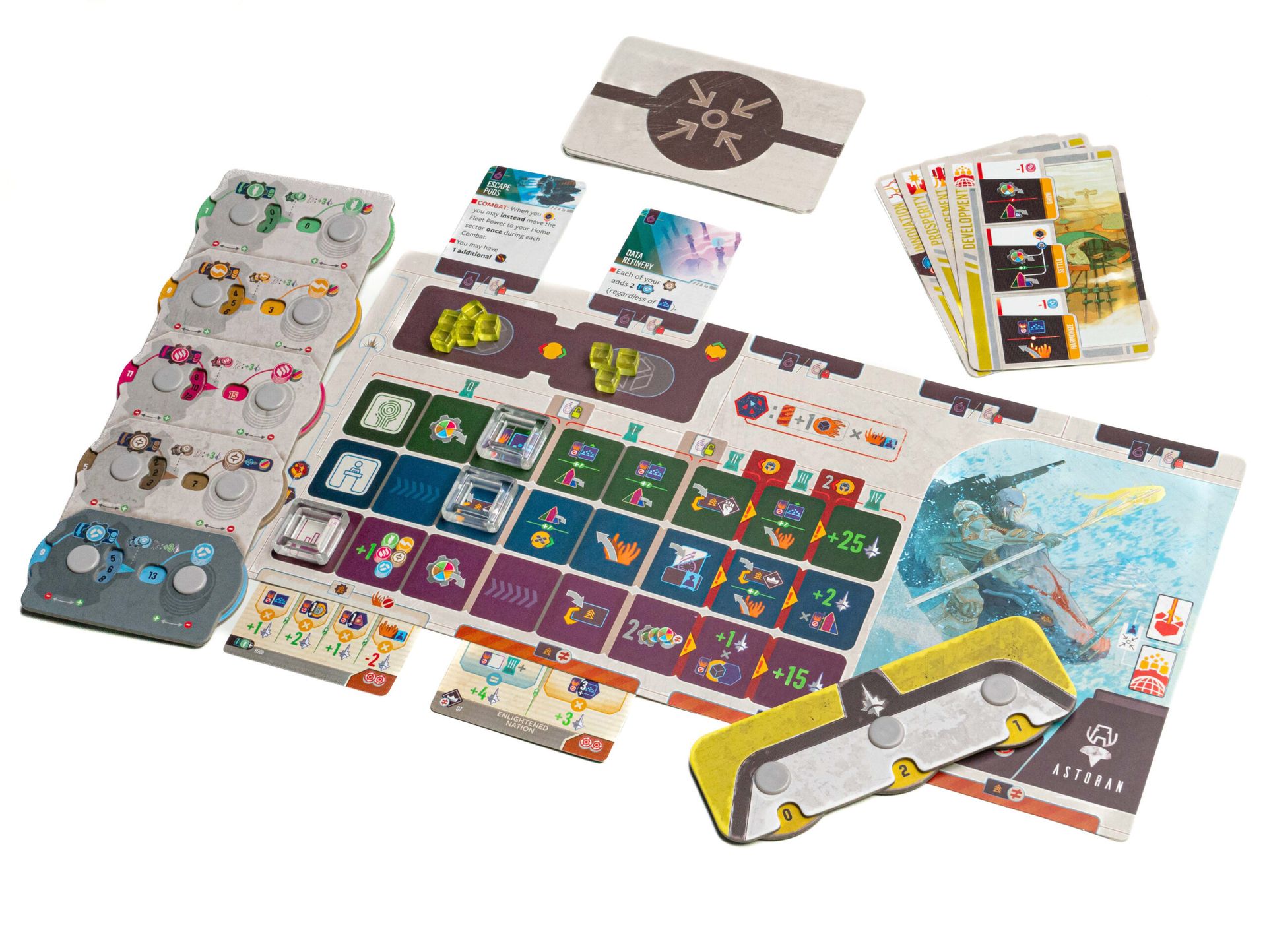
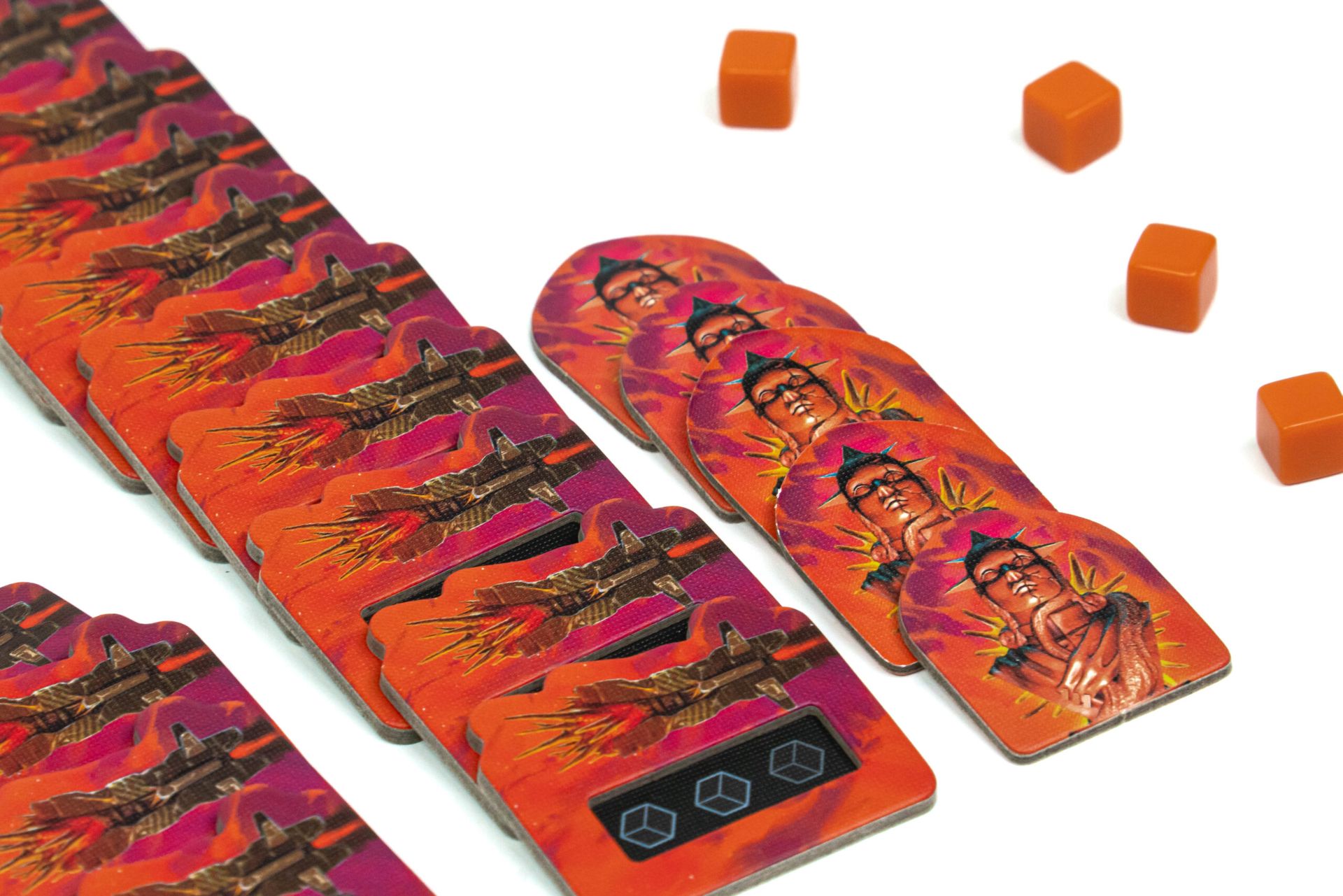
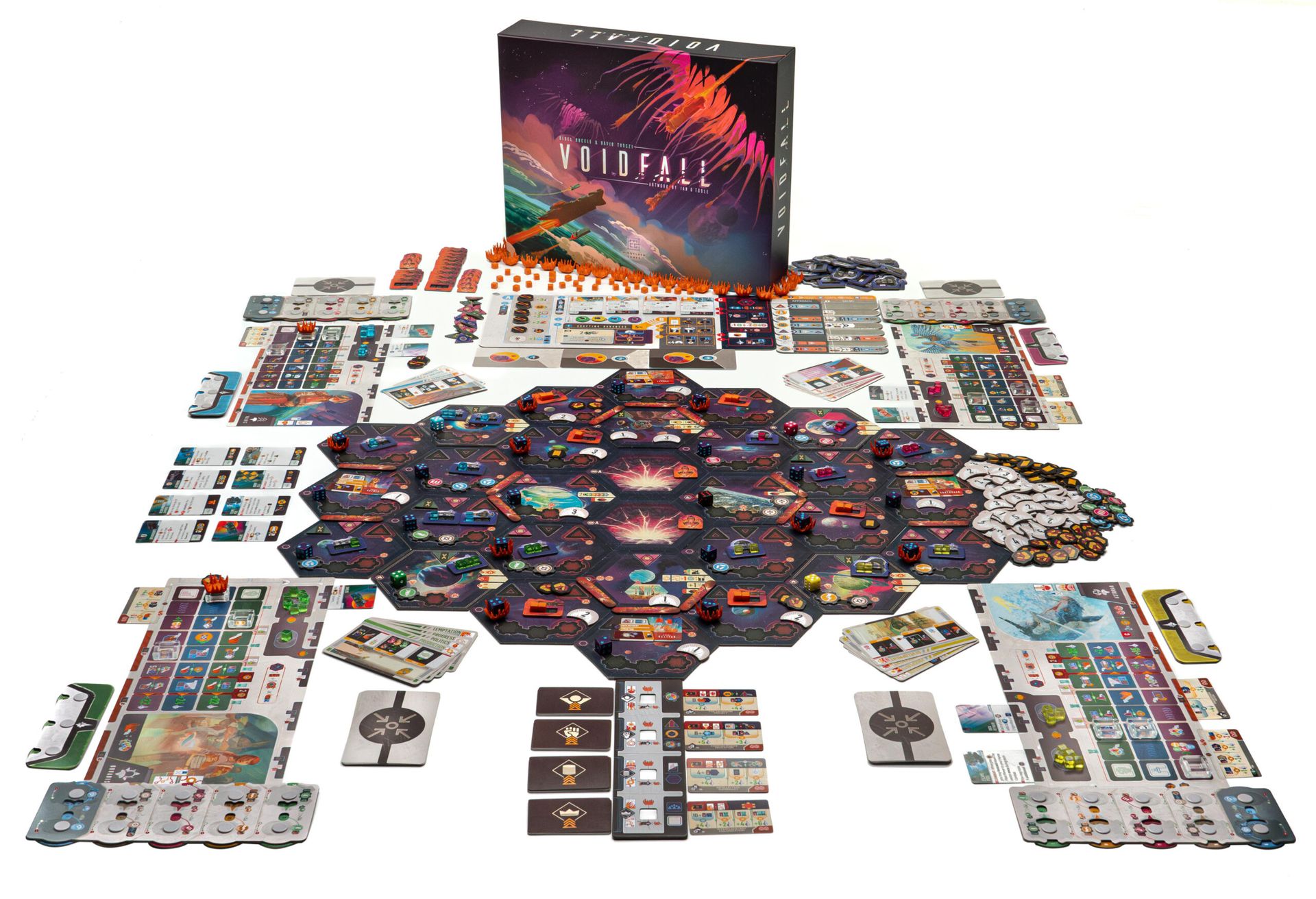
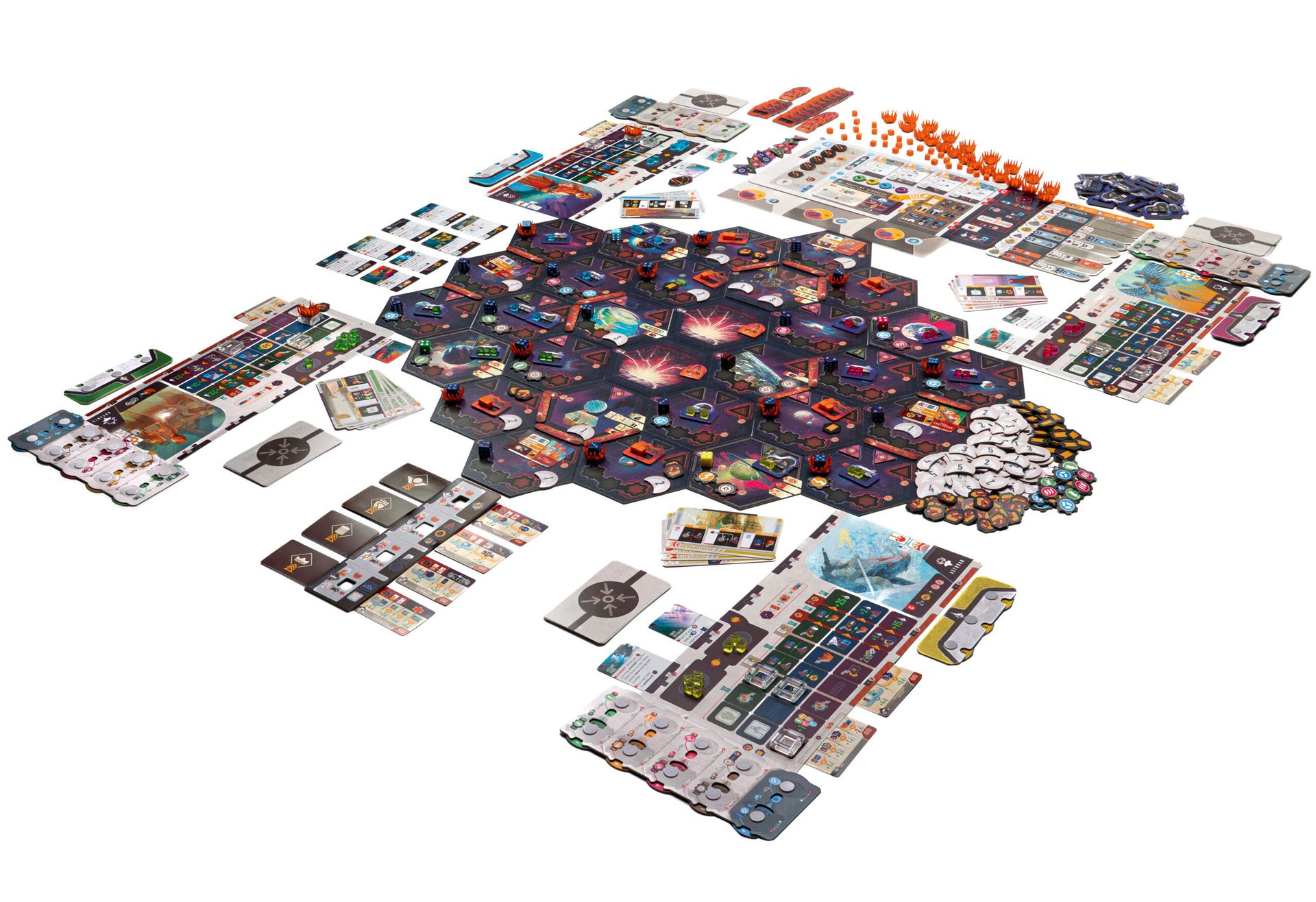
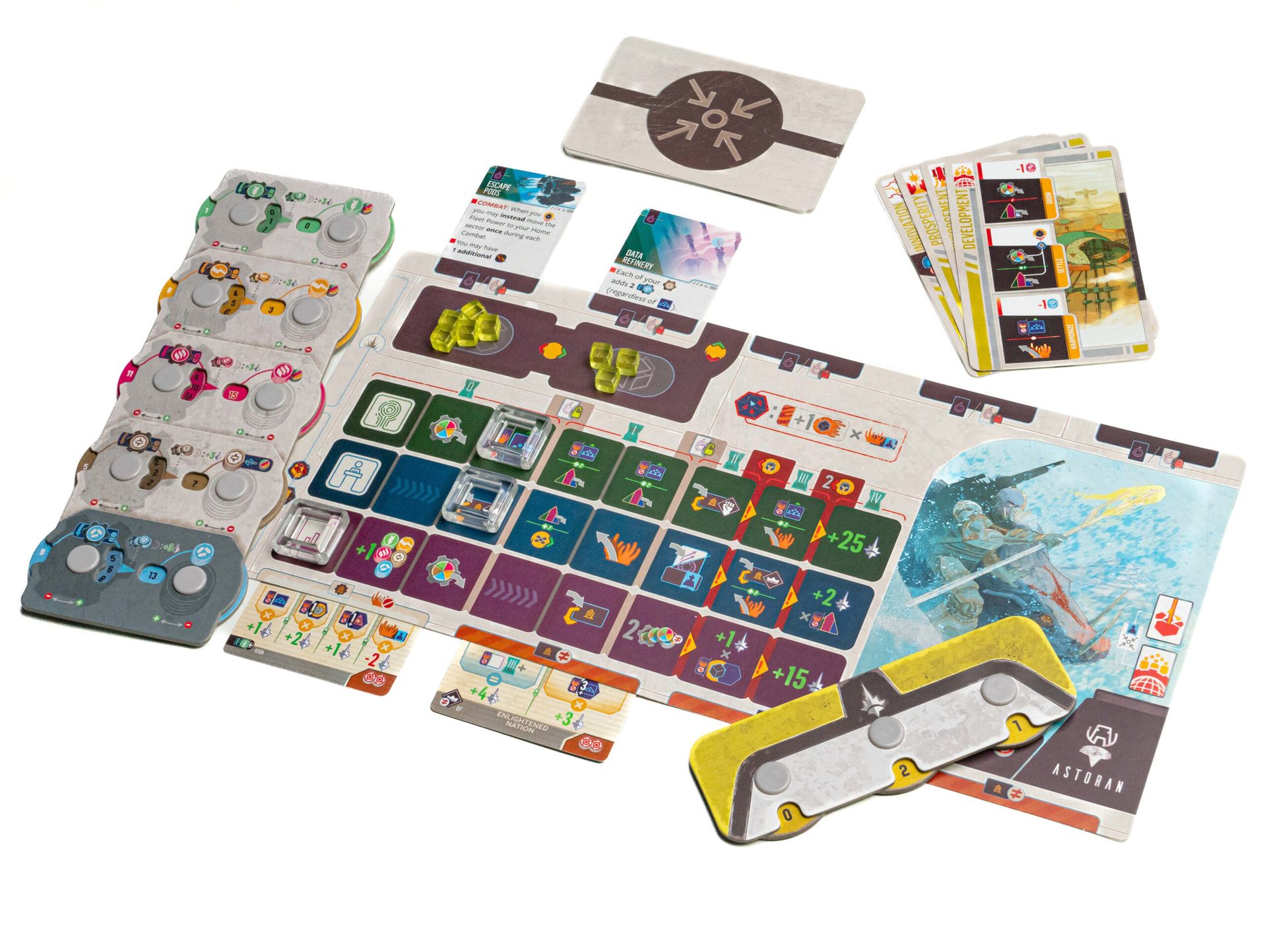
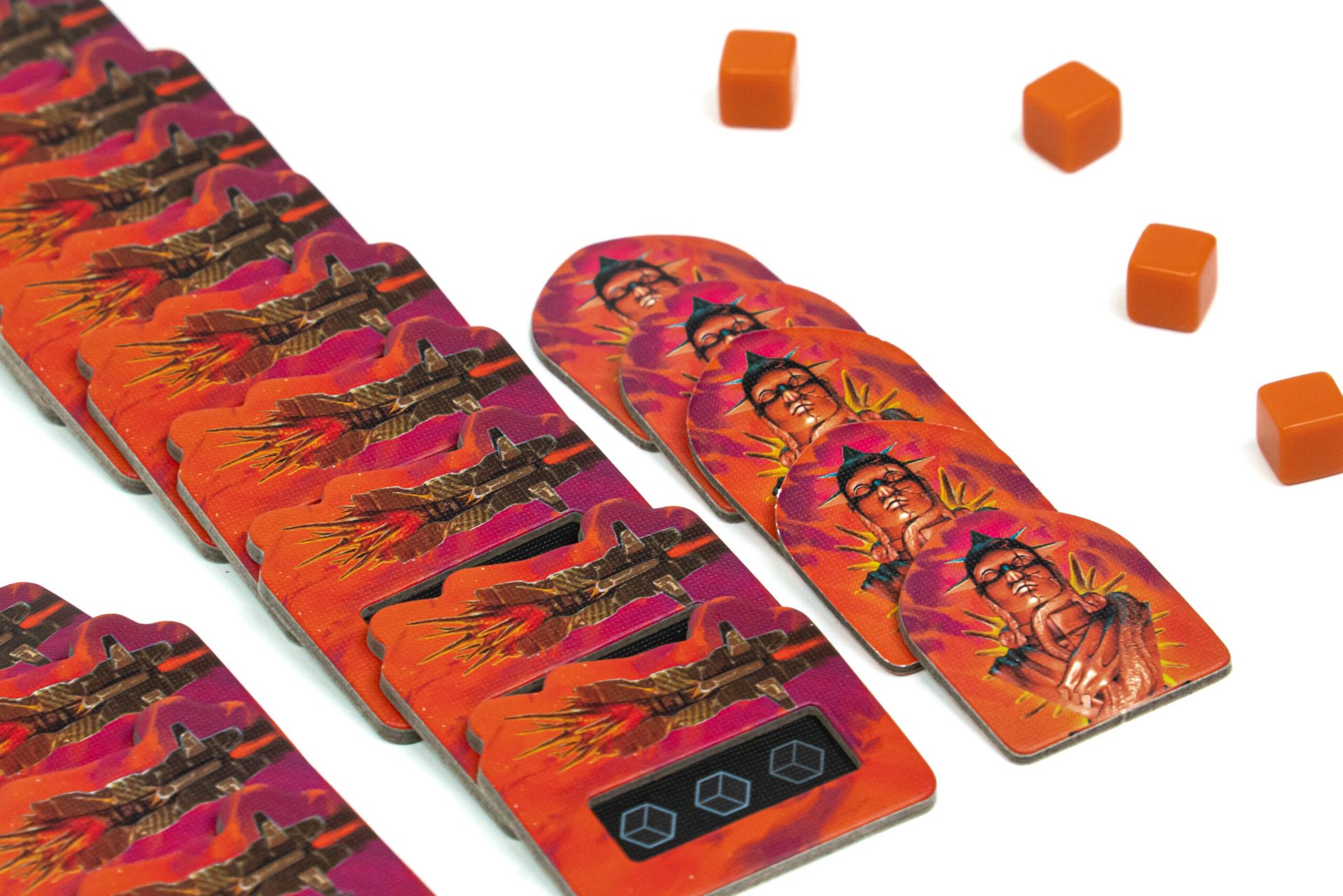
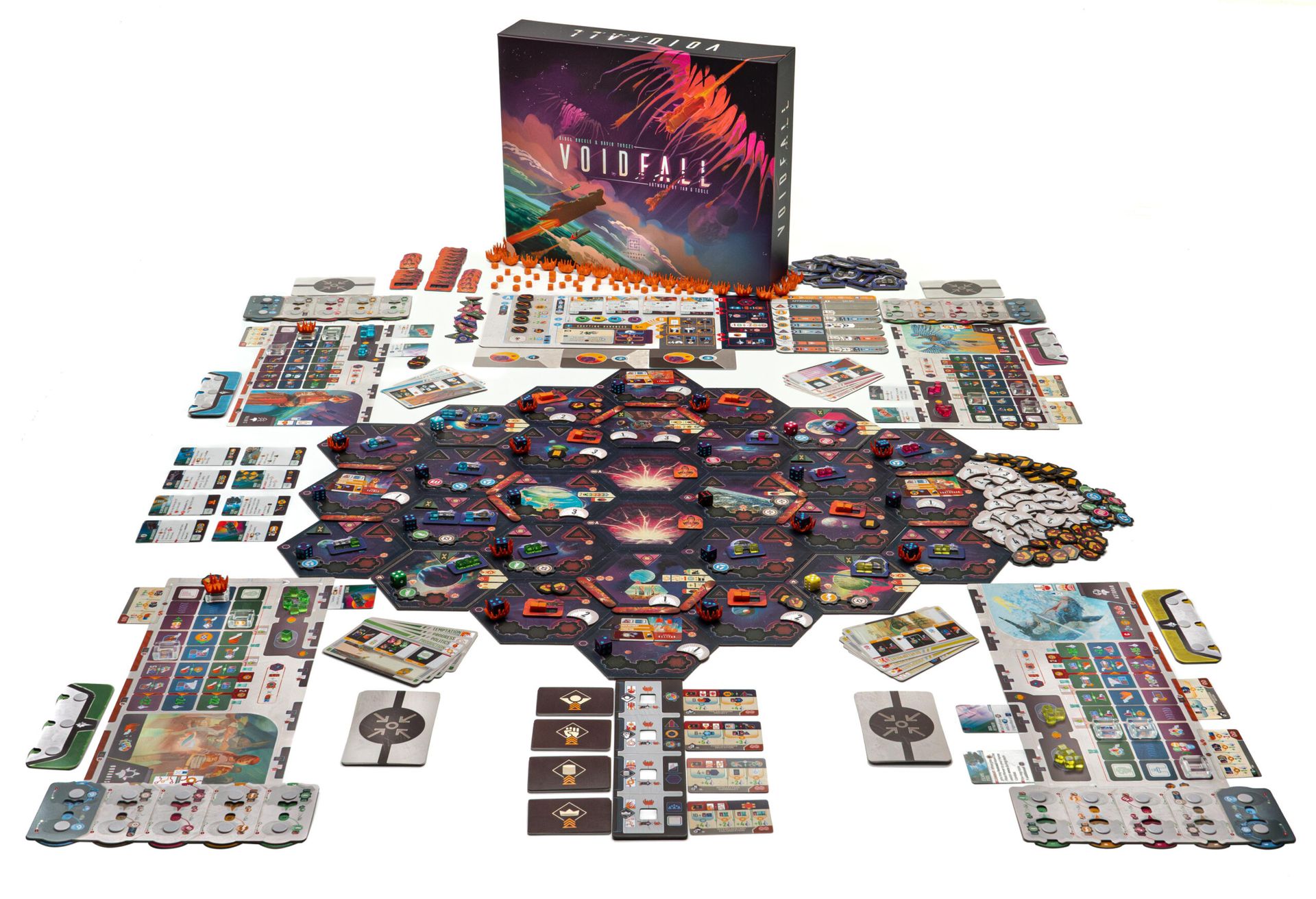
Voidfall is the modern "thinky" answer to the genre — a heavy Euro wearing a 4X costume, and Mindclash's best design to date. Its headline feature is fully deterministic combat: no dice. You know whether you'll win before you commit, so the whole game becomes planning and tempo instead of prayer. It uses the same system across competitive, co-op, and solo, and the replay is genuinely absurd — you can play 100-plus games without repeating a setup. The 2025 Resurgence expansion keeps it fresh into 2026.
Its dividing line is the same as its draw. Luck-averse Euro players adore the no-dice math; people who live for an Eclipse dice battle find it cold and clinical. And it is the polar opposite of accessible — owners famously refuse to teach it cold, sending newcomers a 60-minute rules video first. At three to four players, downtime and analysis-paralysis can balloon past four hours. It's a one-to-two-player masterpiece with a brutal on-ramp.
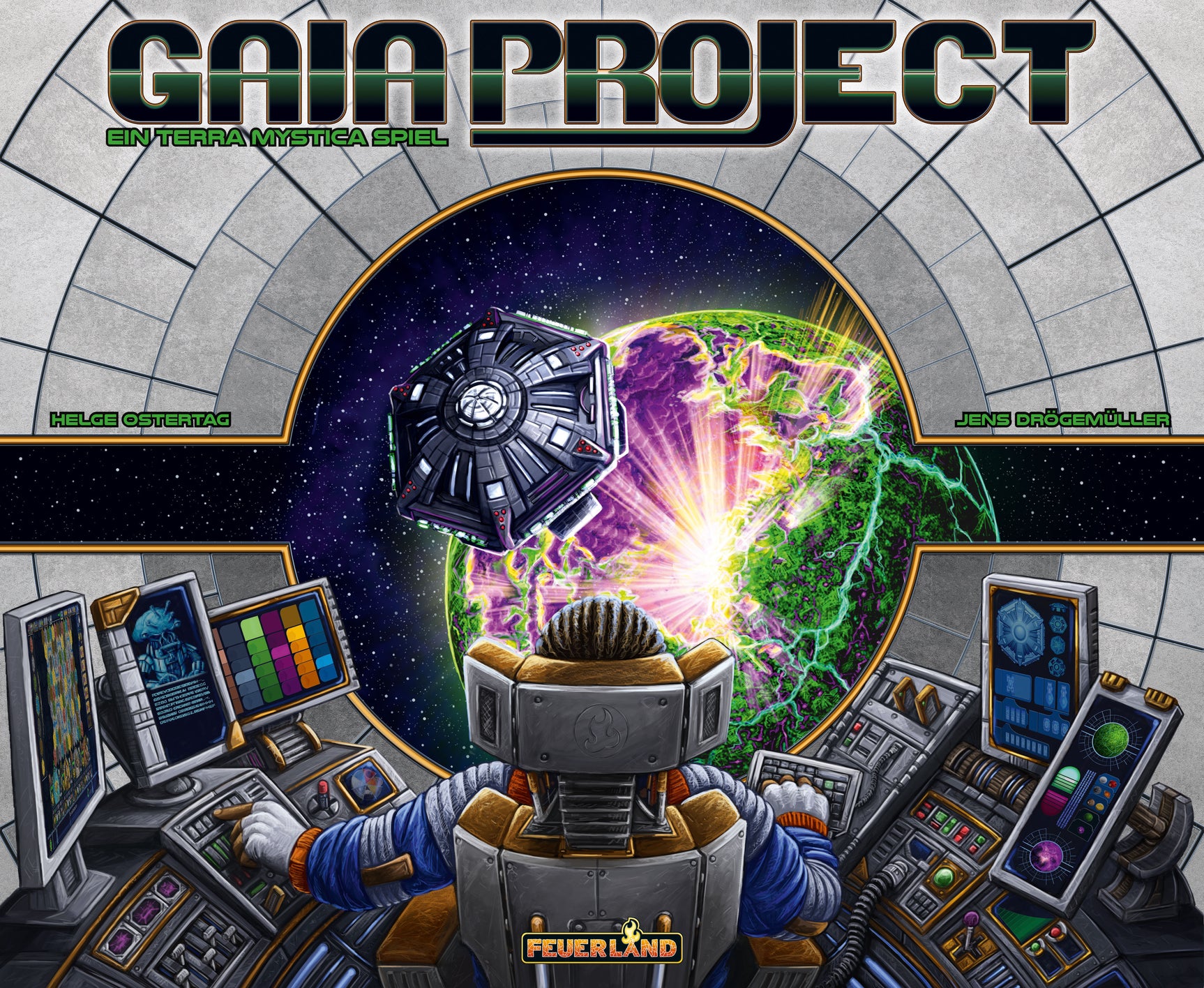
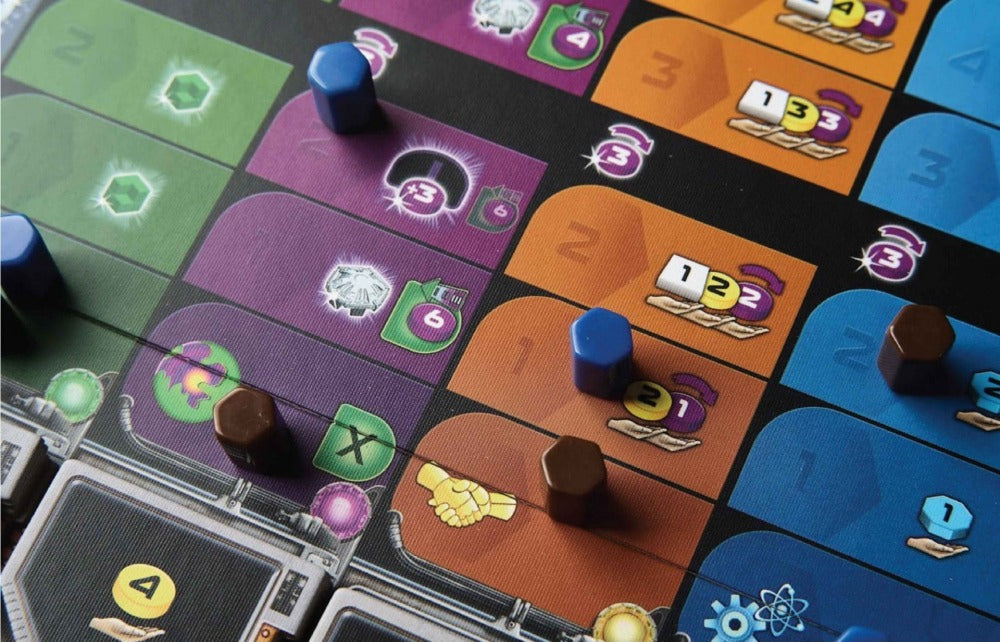
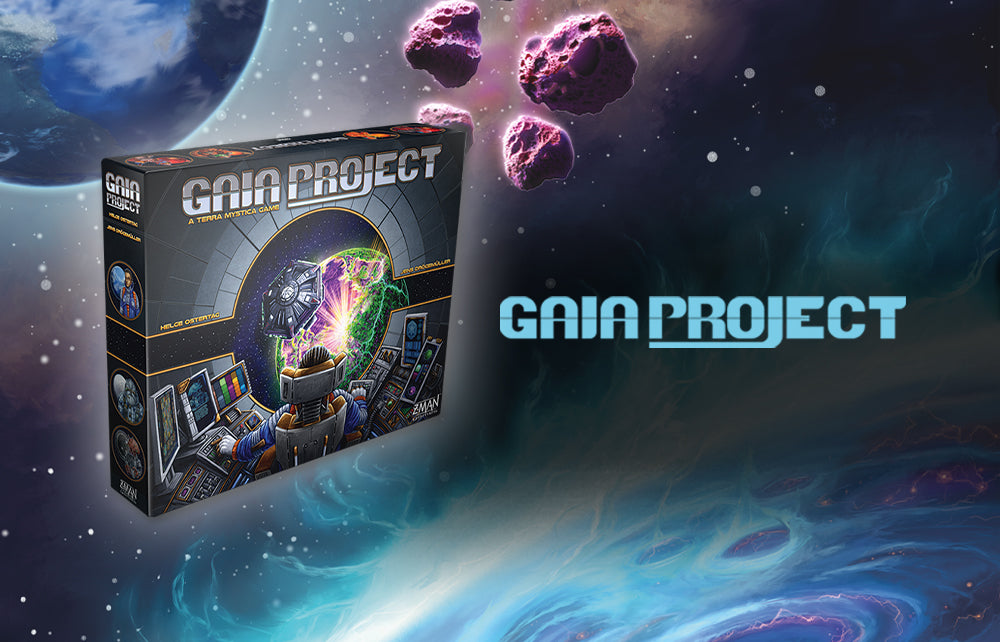
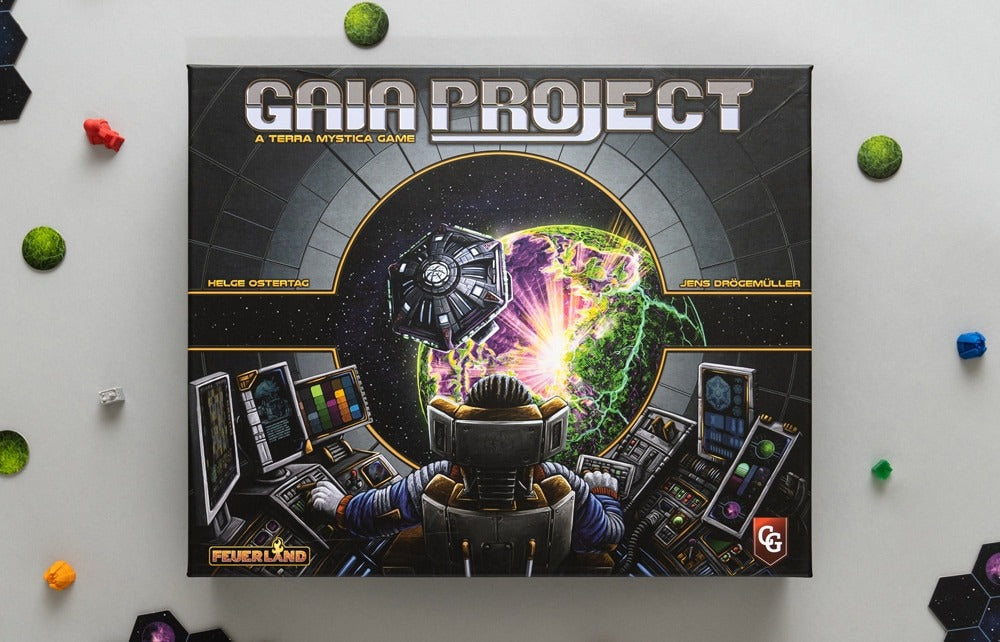
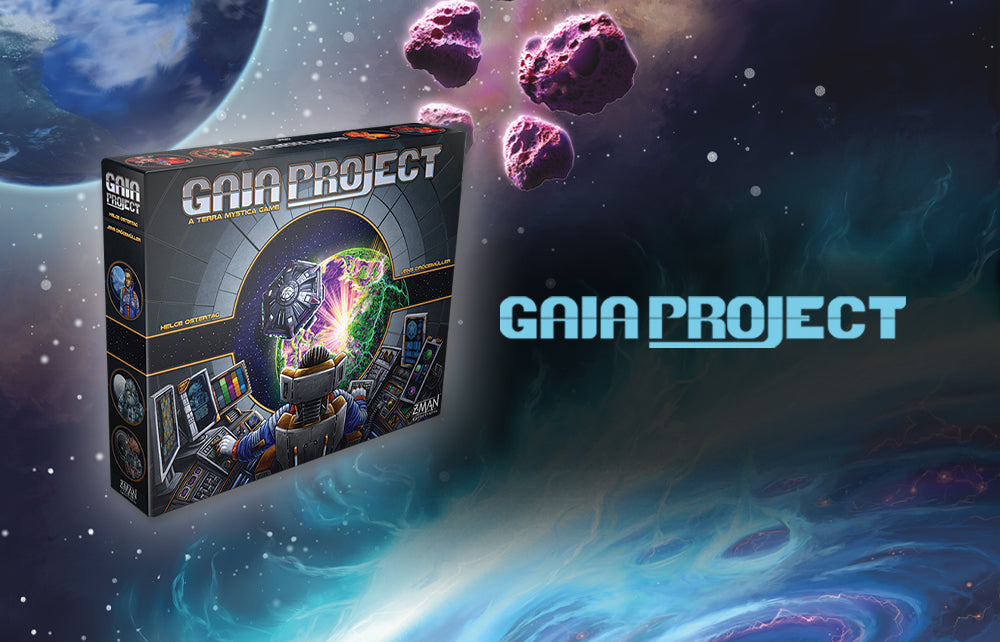
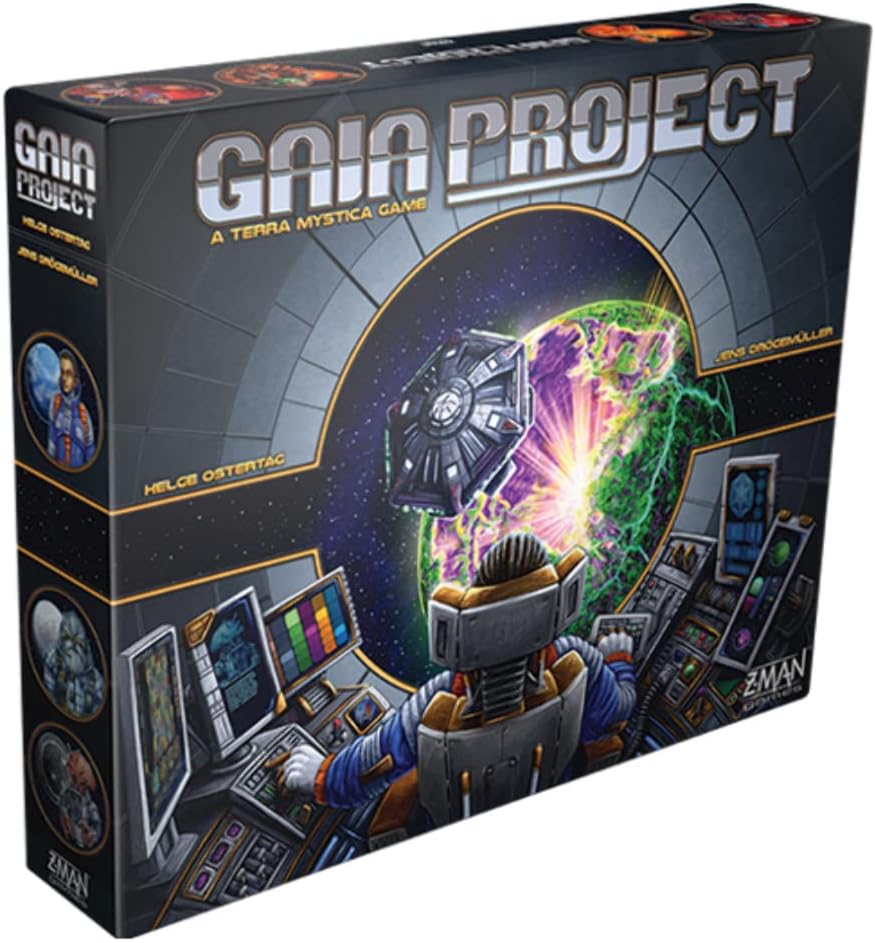
The other solo essential is Gaia Project — the sci-fi heir to Terra Mystica and one of the most respected heavy Euros ever made. You terraform planets to suit your species and climb six research tracks. It's "expand and exploit" turned into a crystalline efficiency puzzle. The honest caveat: there's no exterminate. Interaction is map-blocking and tech-racing, not war, so purists may not even count it. And for a pure 1-vs-1 conflict game, Star Wars: Rebellion is the best two-player galactic duel ever made — but that's a different itch entirely.
The full ranking — every tier, honestly flagged
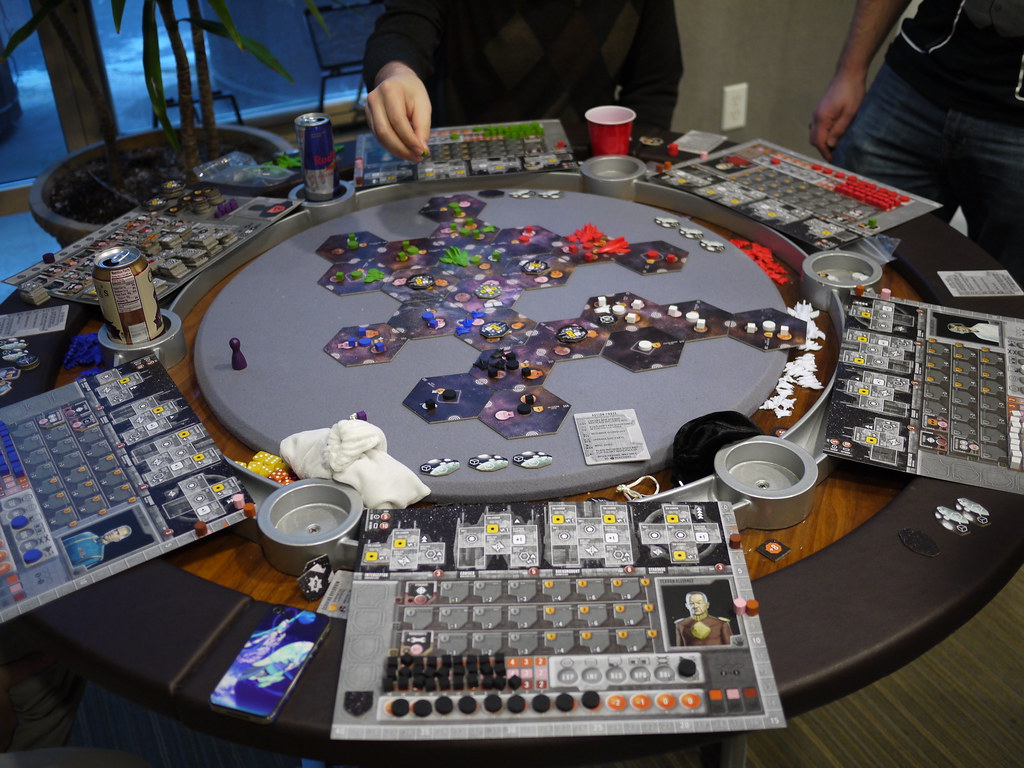
- **1. Eclipse: Second Dawn** — the genre king. Full 4X in an evening. The default answer.
- **2. Twilight Imperium 4** — the cathedral. The all-day negotiation opera. An event, not a game night.
- **3. Voidfall** — the Euro-4X and solo champion. No dice, all brain. A 1-2 player masterpiece.
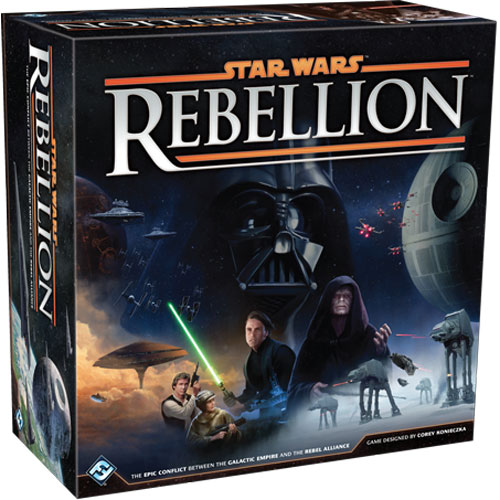
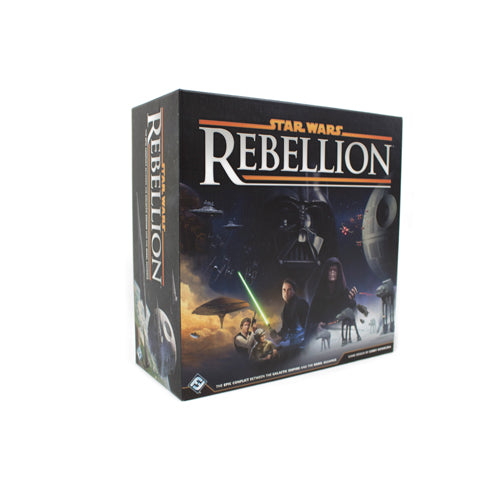
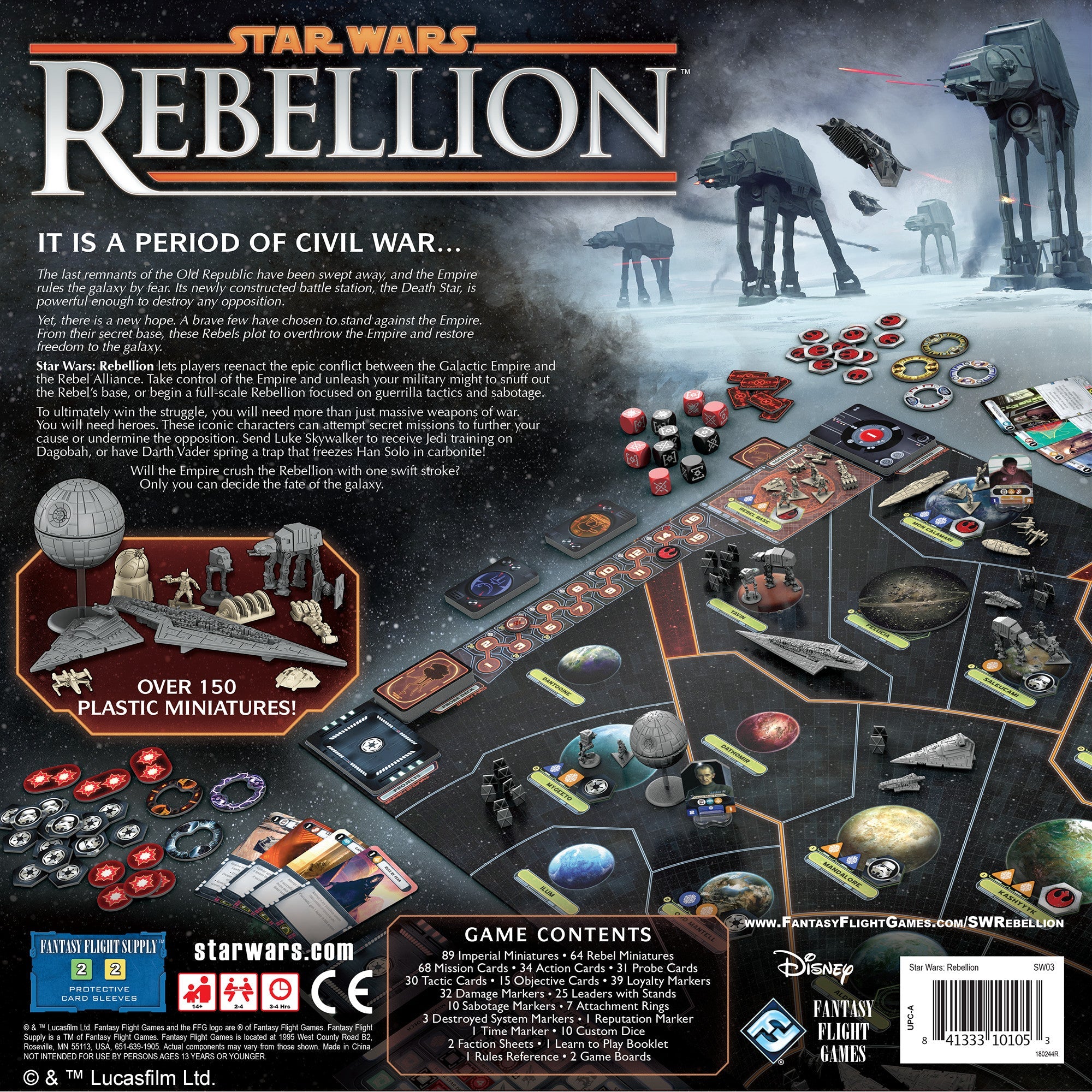
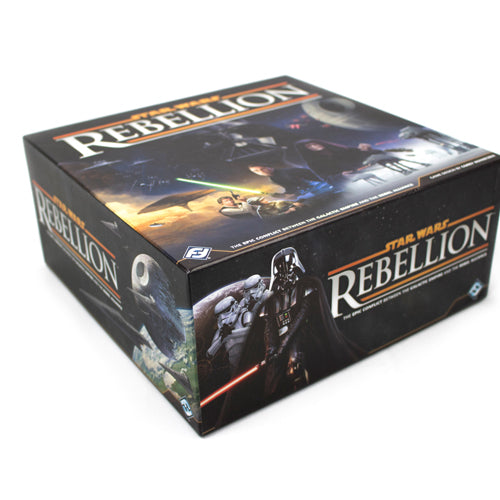
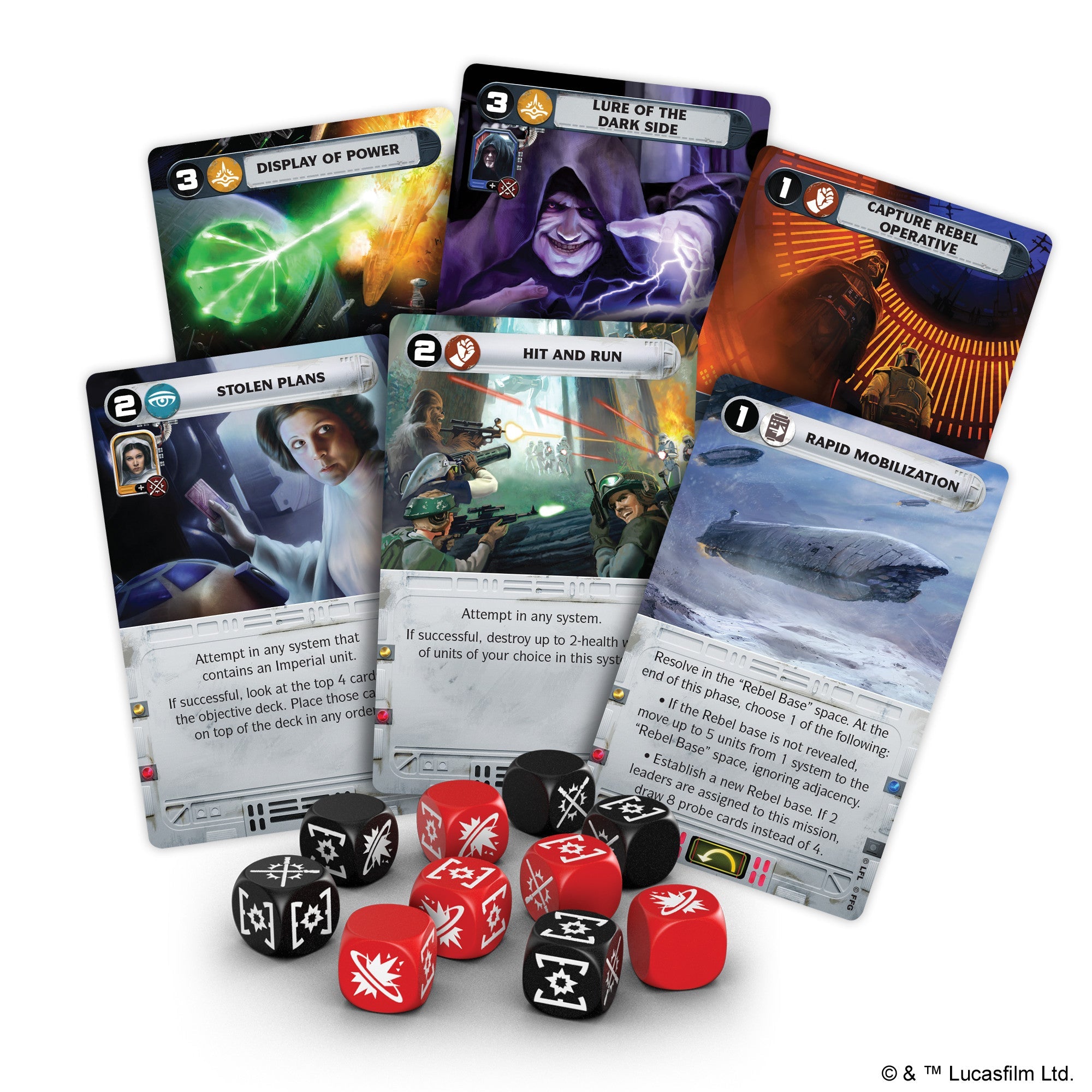
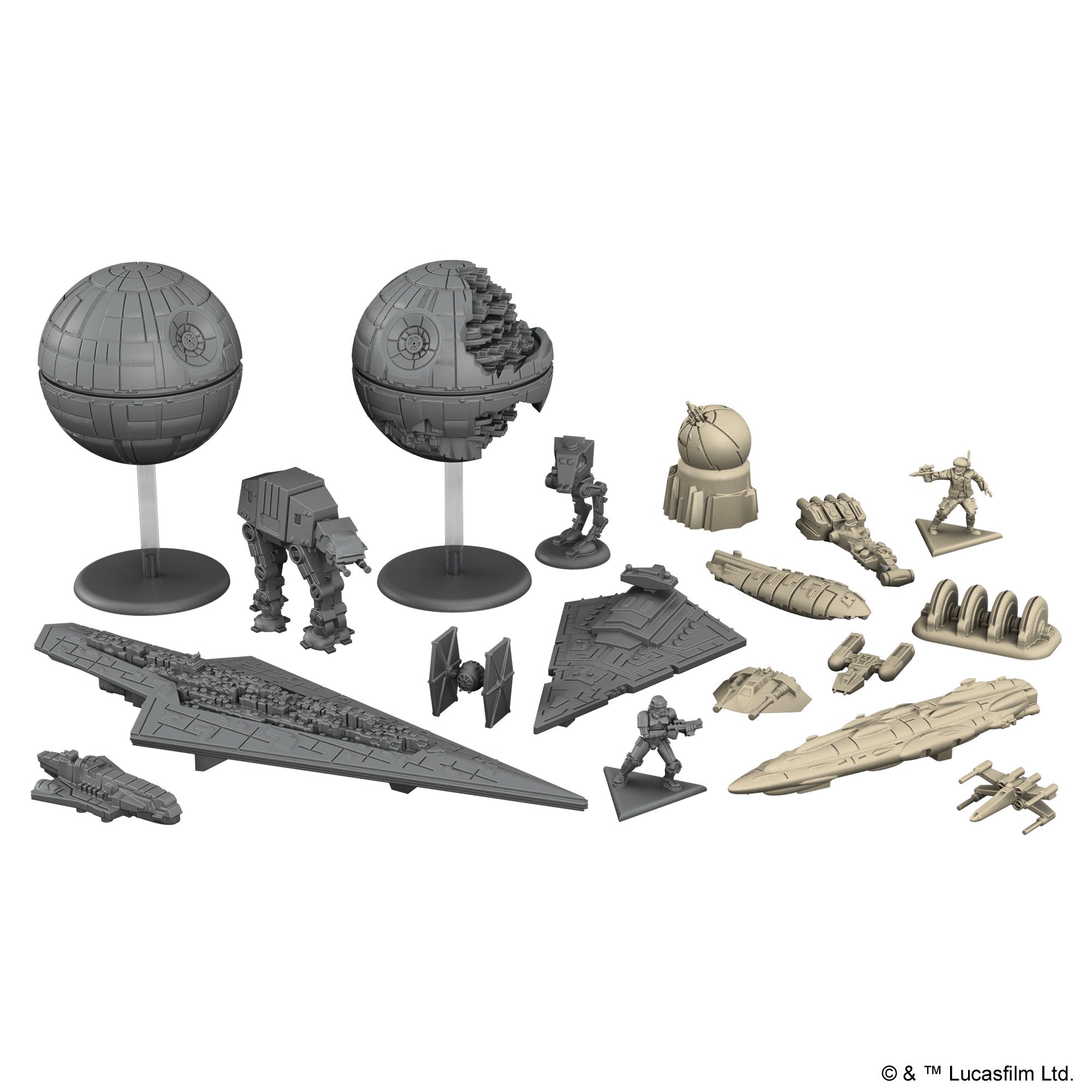
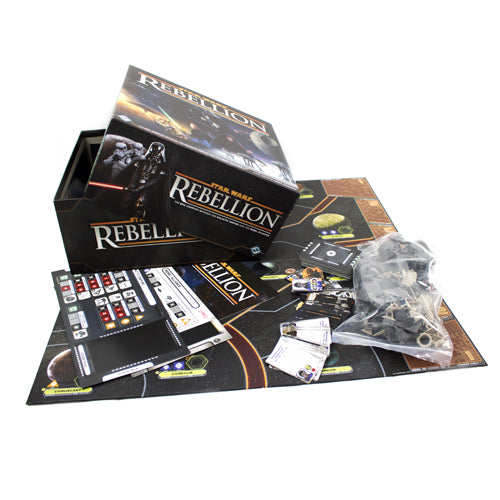
- **4. Star Wars: Rebellion** — the best two-player galactic war there is. Asymmetric hide-and-strike, not economic 4X.
- **5. Gaia Project** — the best pure-Euro builder. Terraforming and tech racing, but no war.
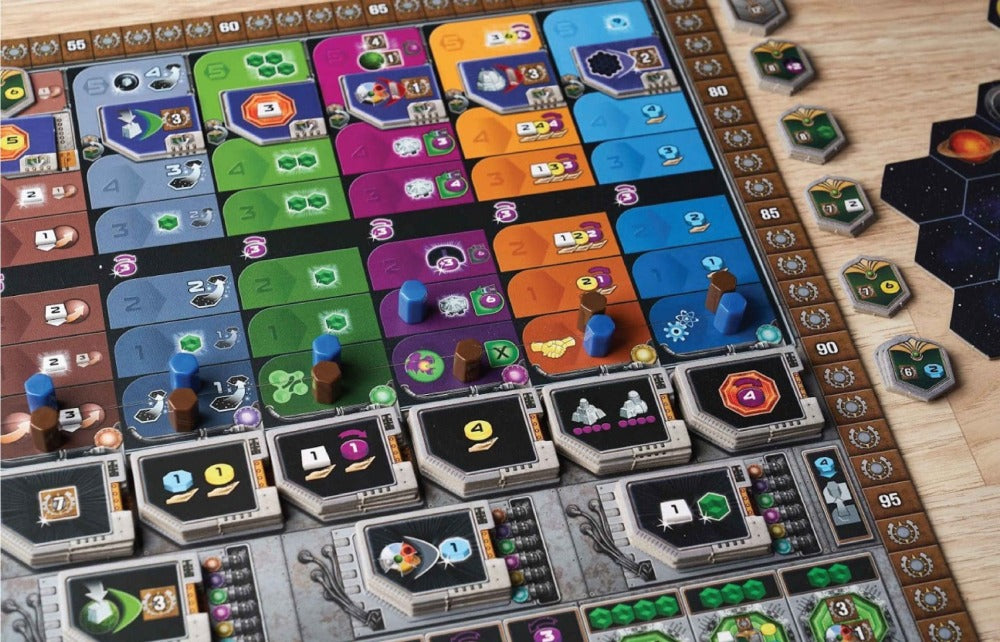
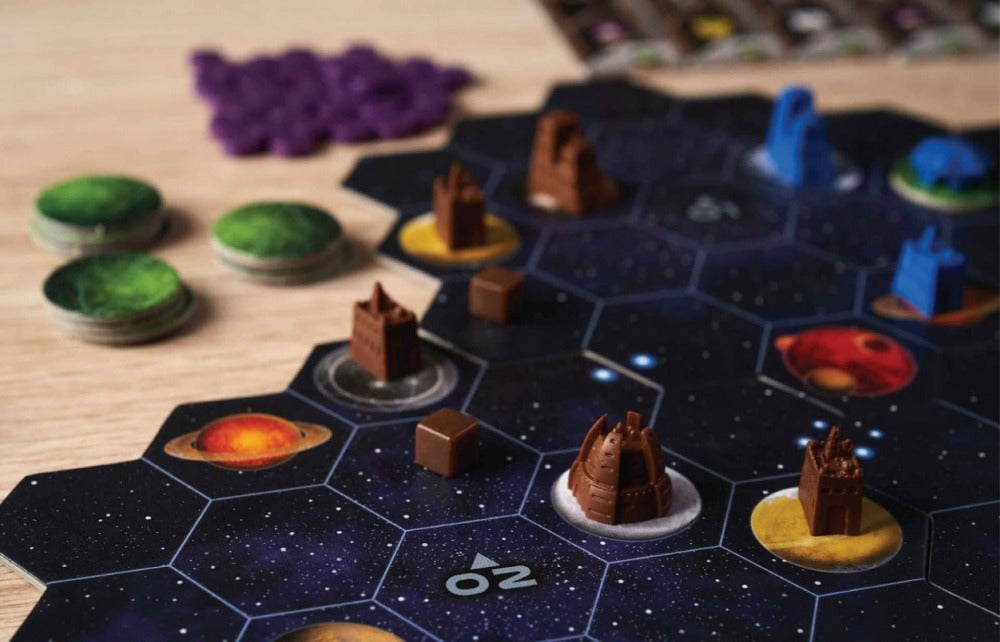
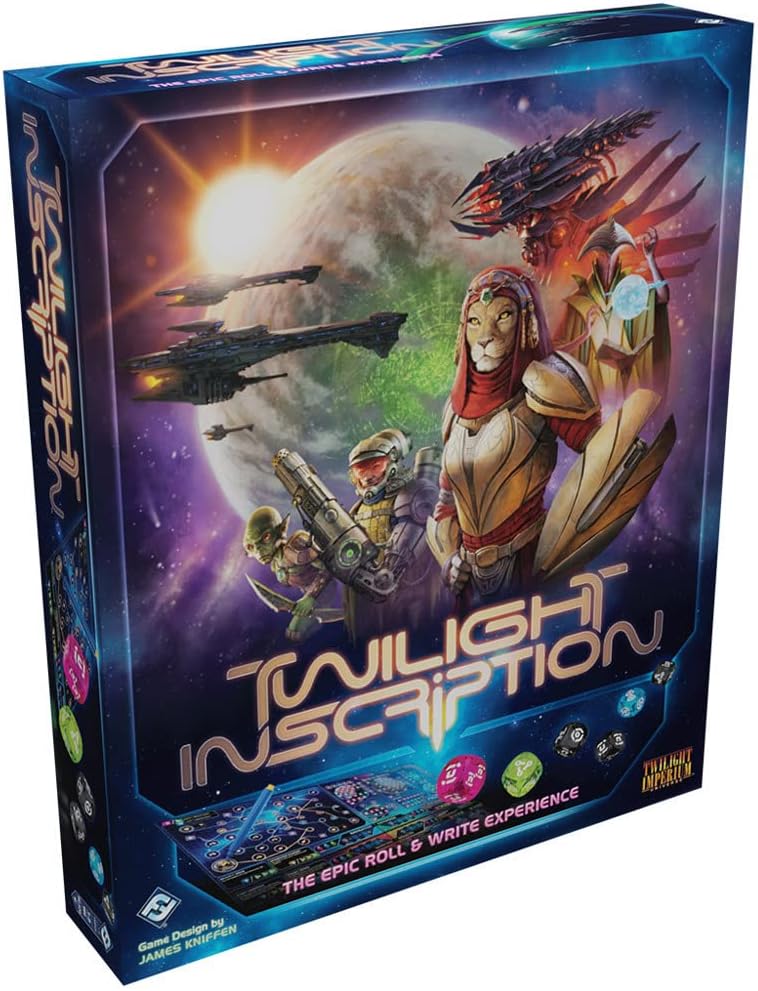
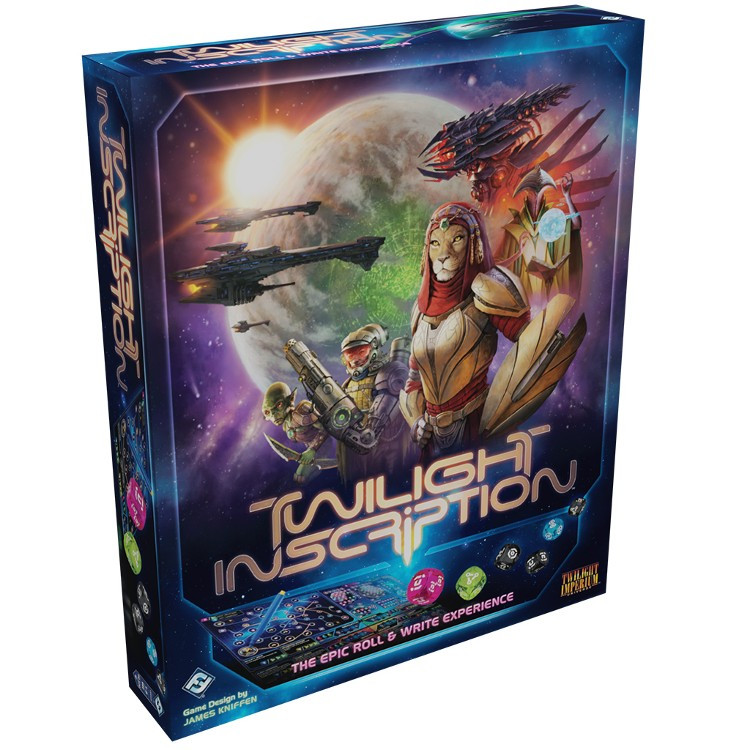
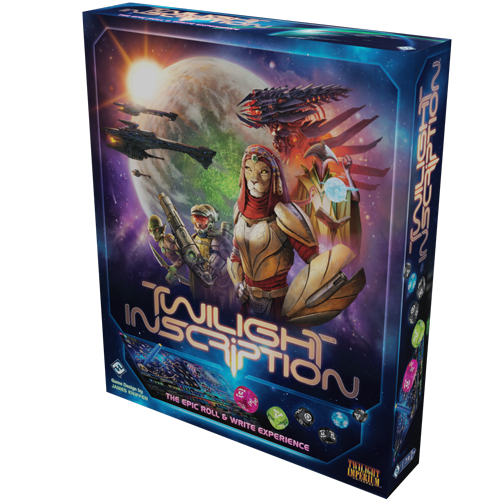
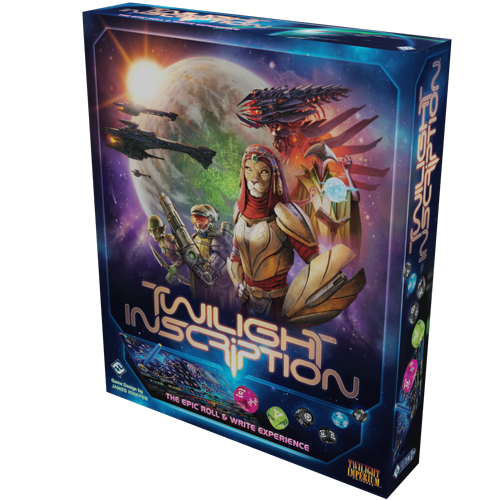
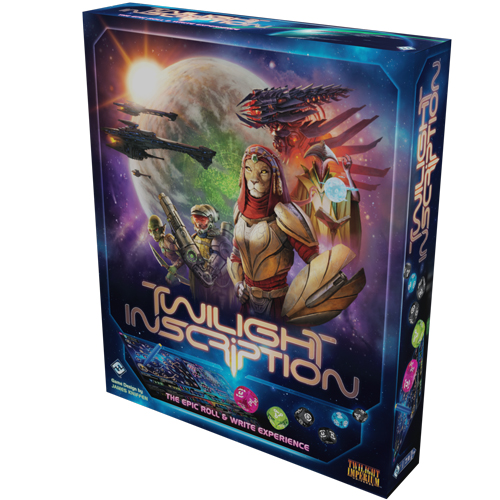
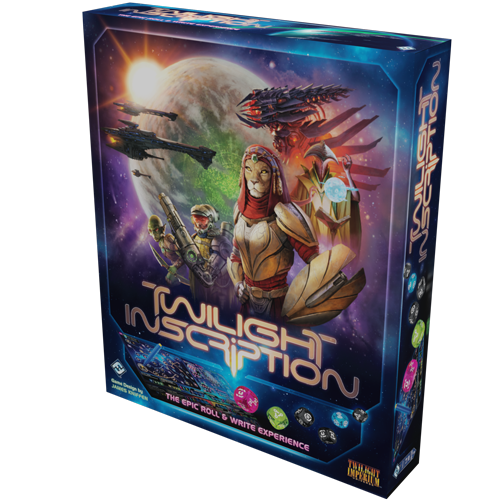
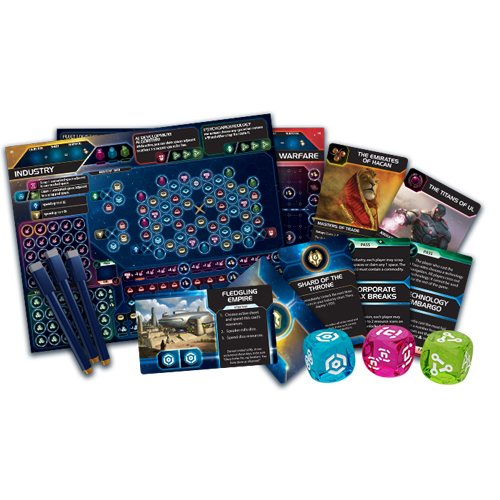
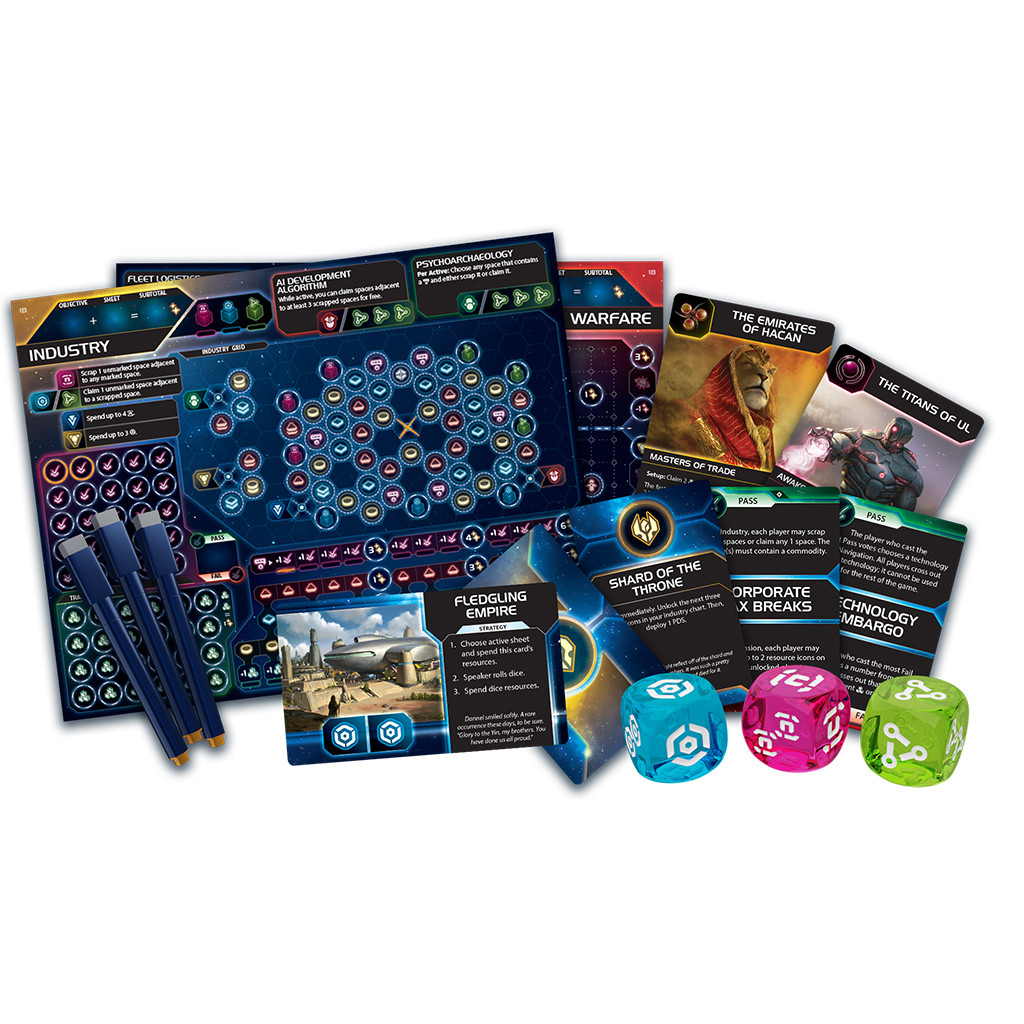
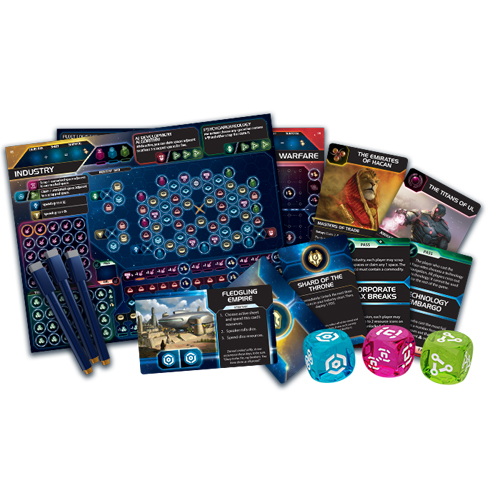
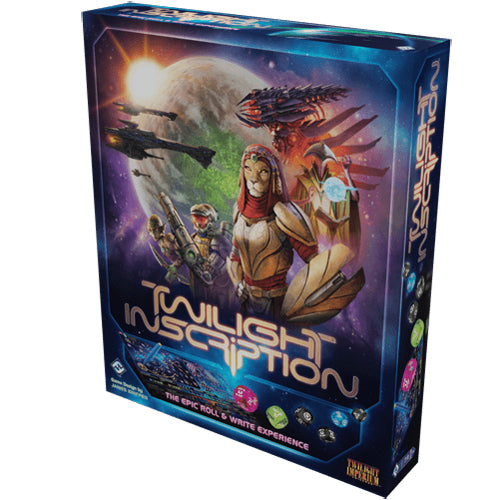
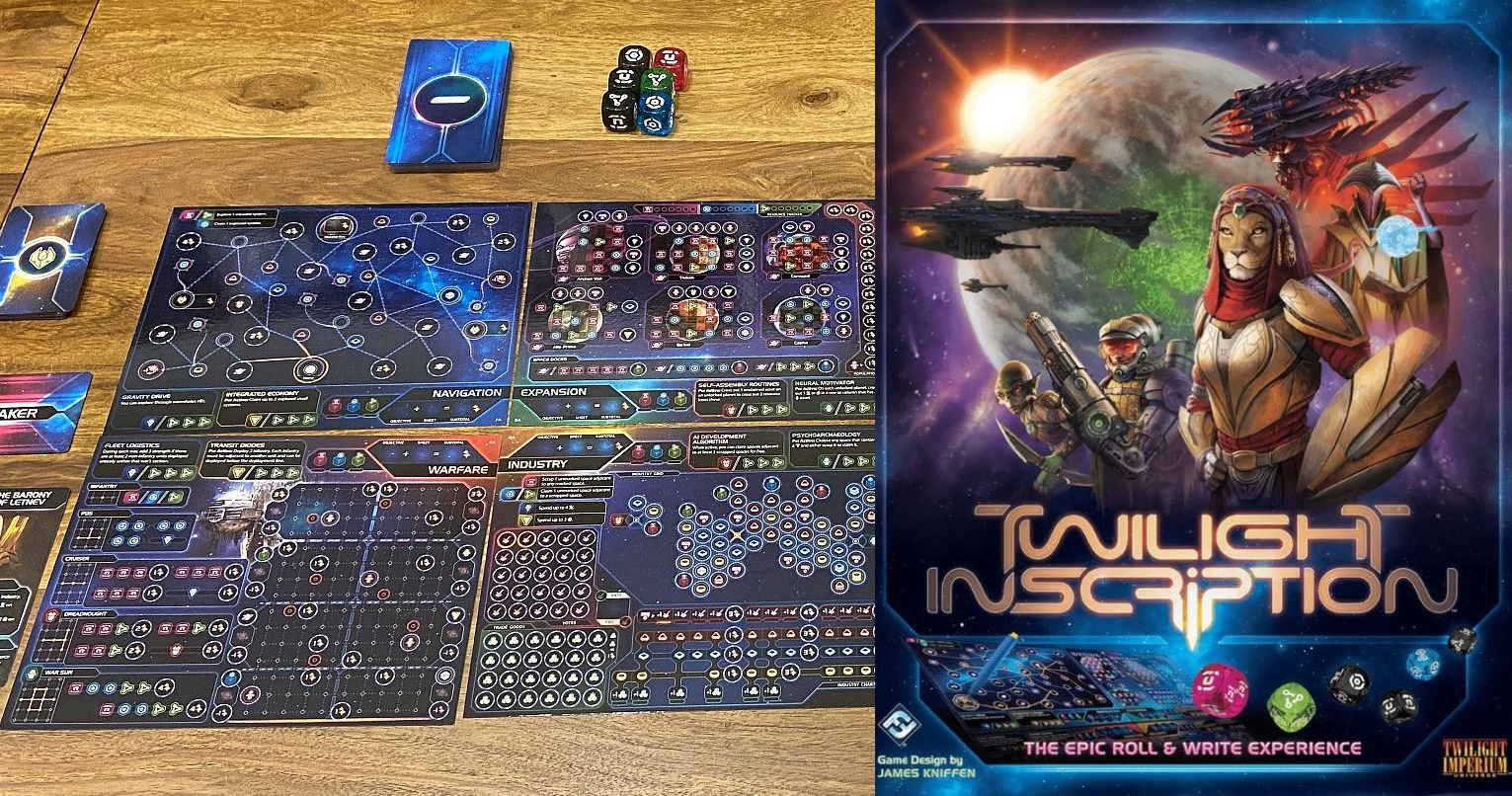
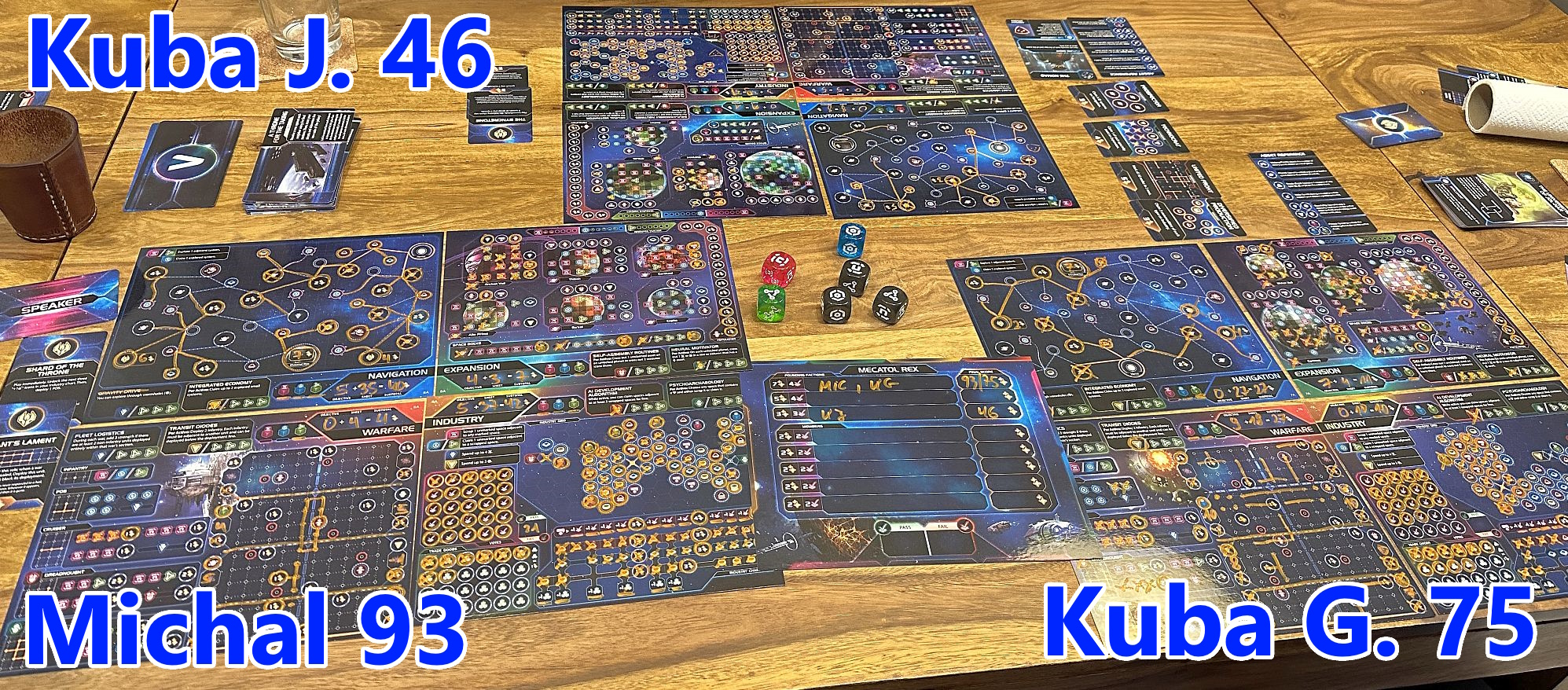
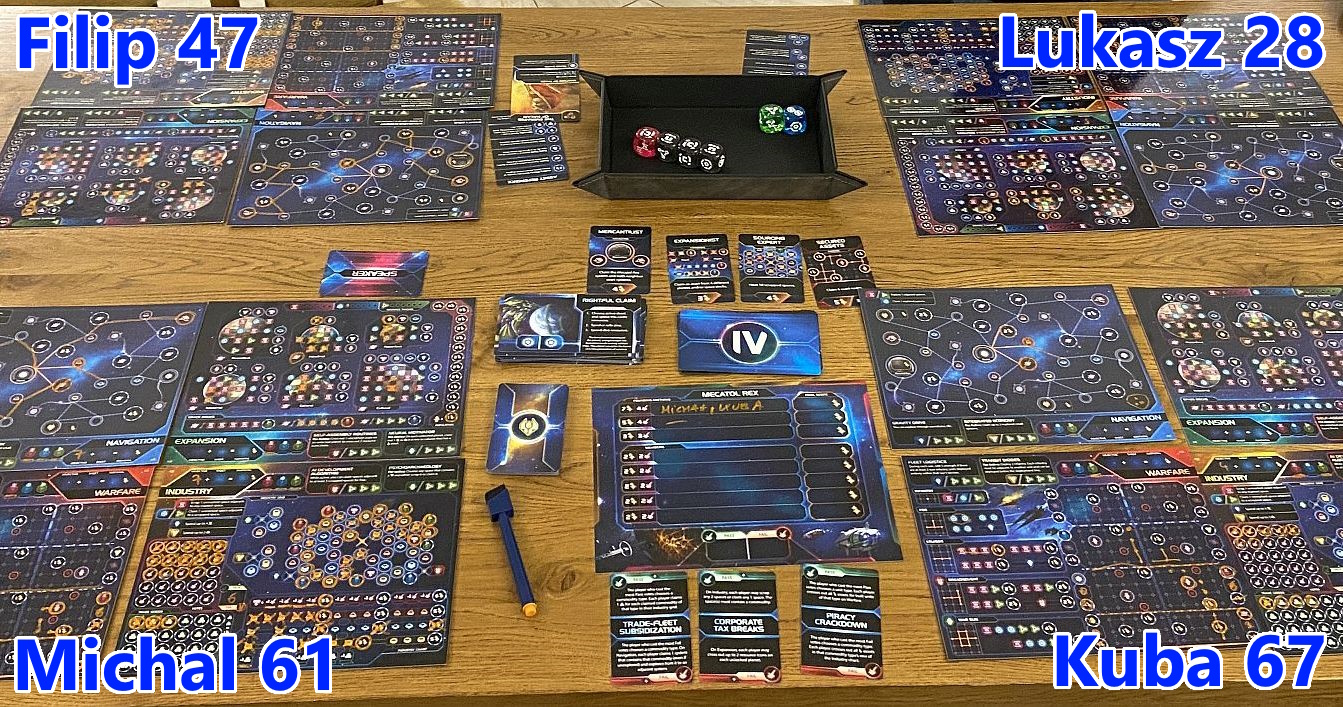
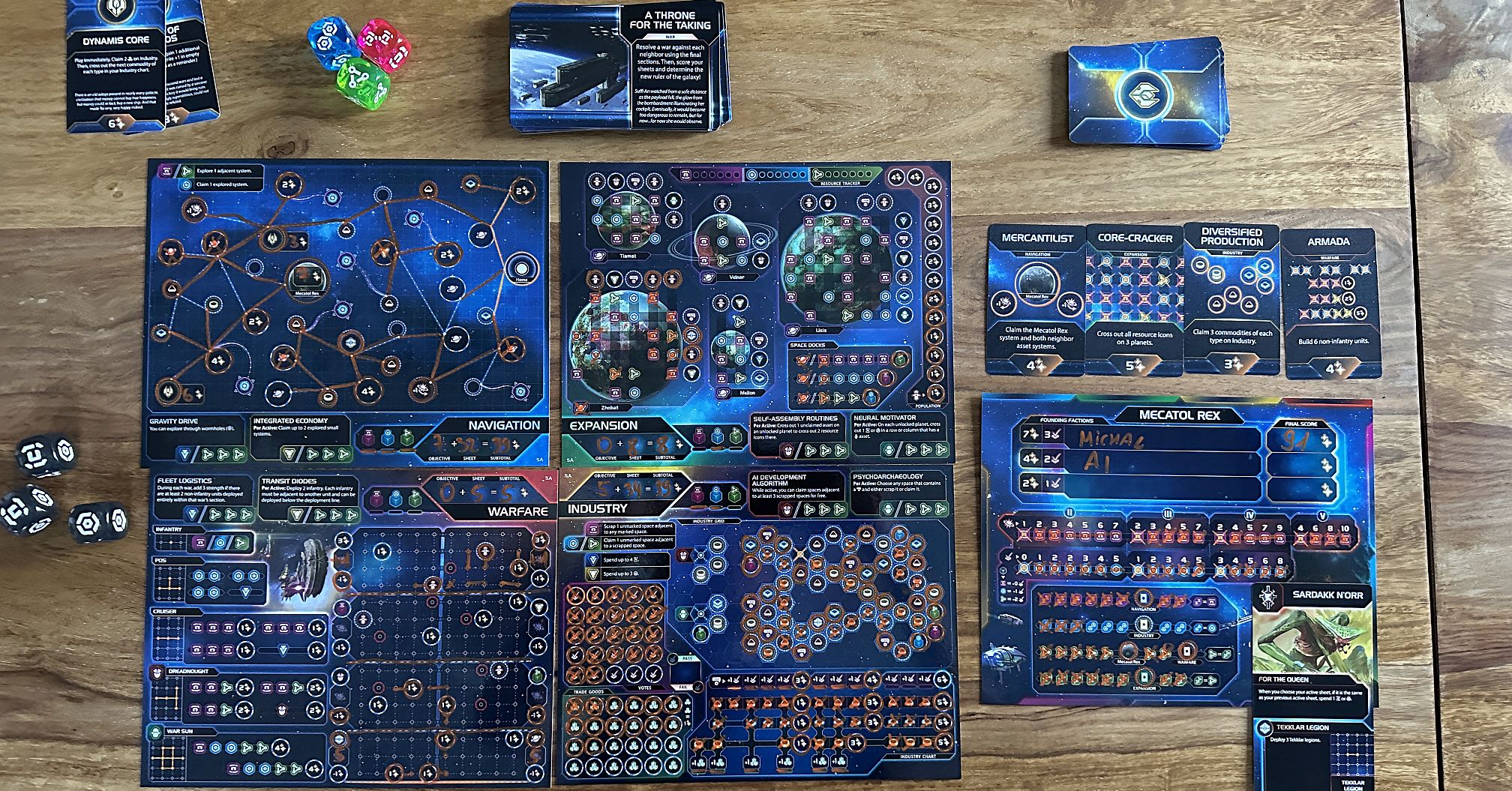
- **6. Twilight Inscription** — TI in 90 minutes. A flip-and-write that scales to a wild 1-8 players.
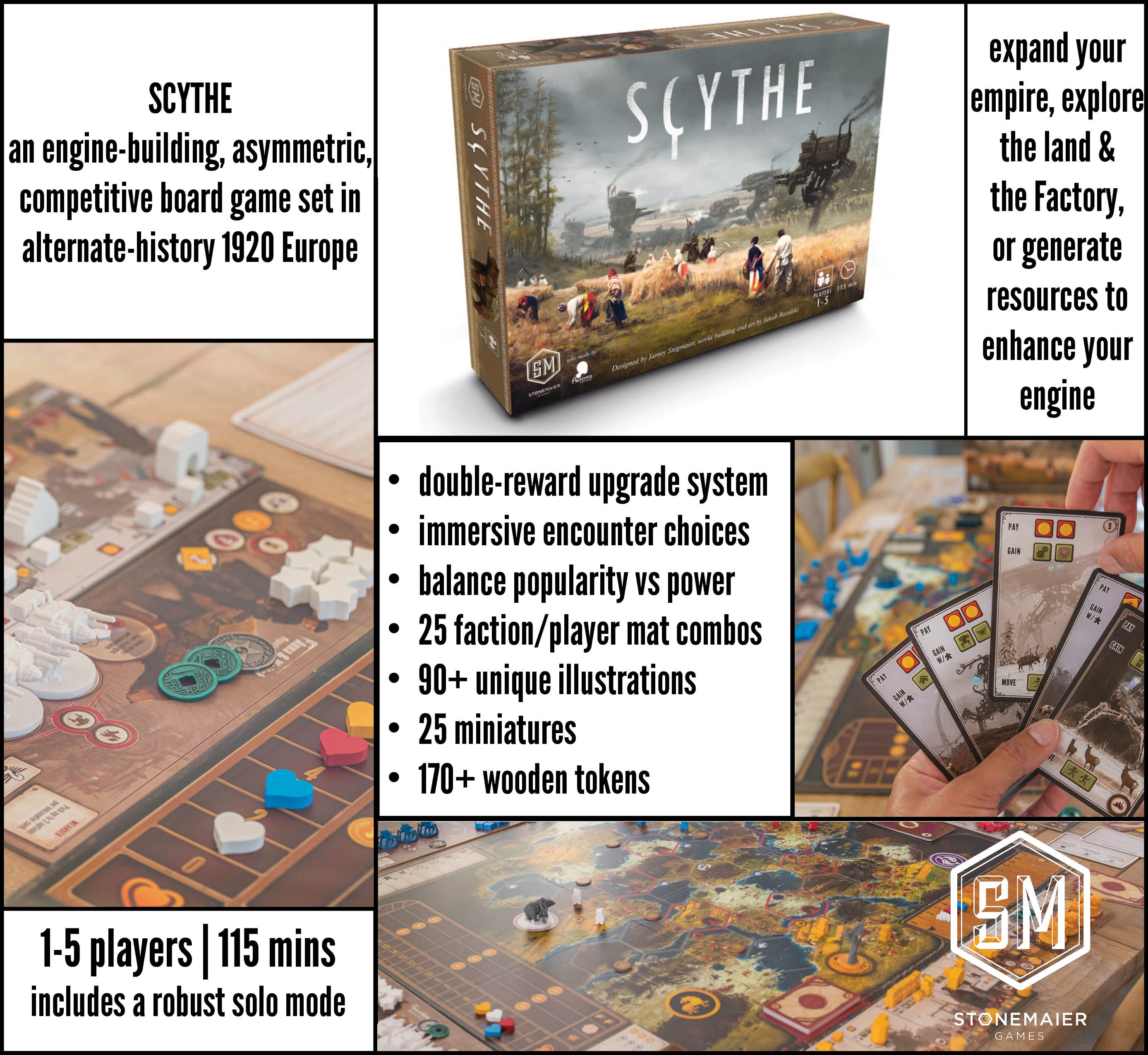
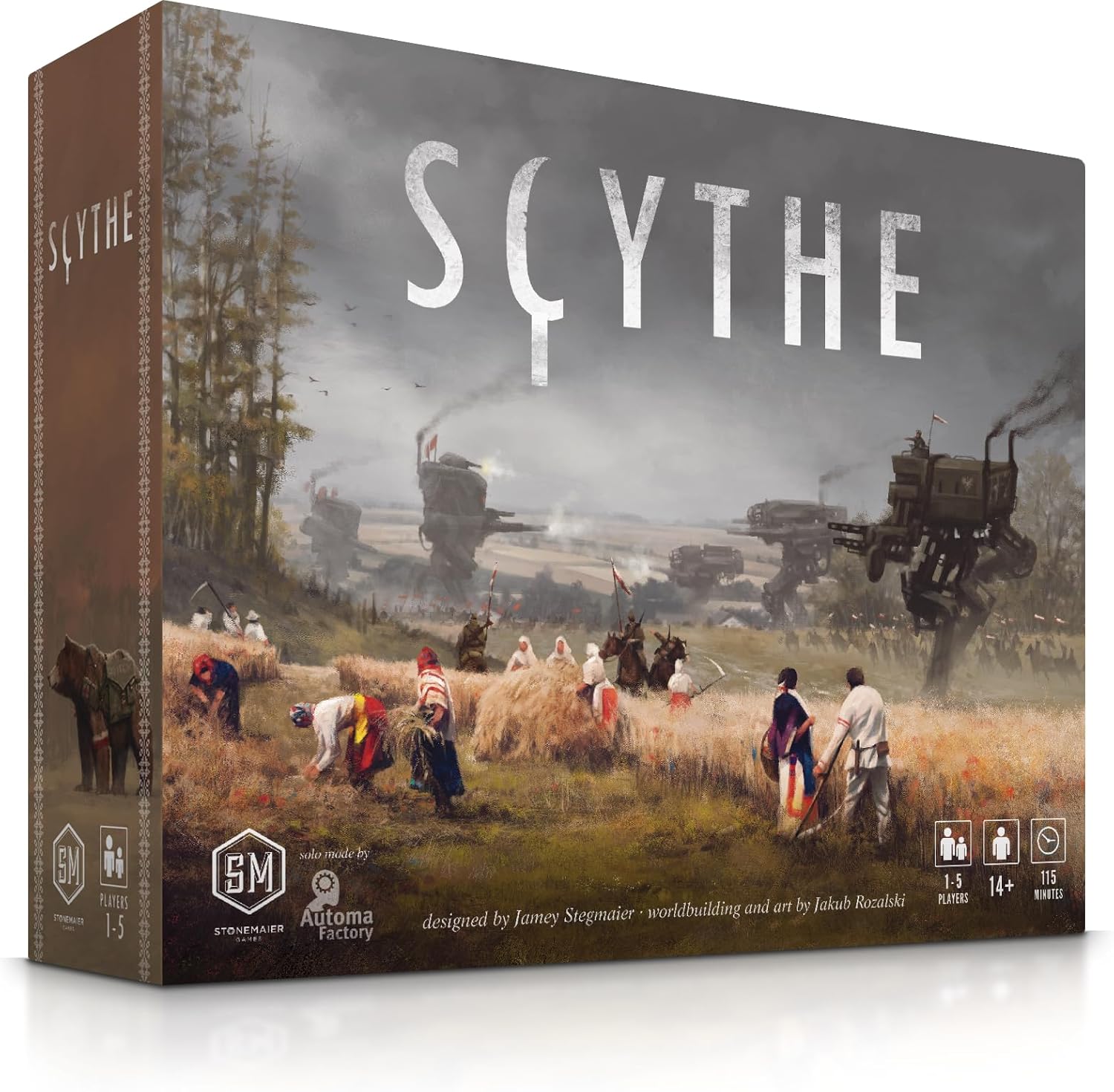
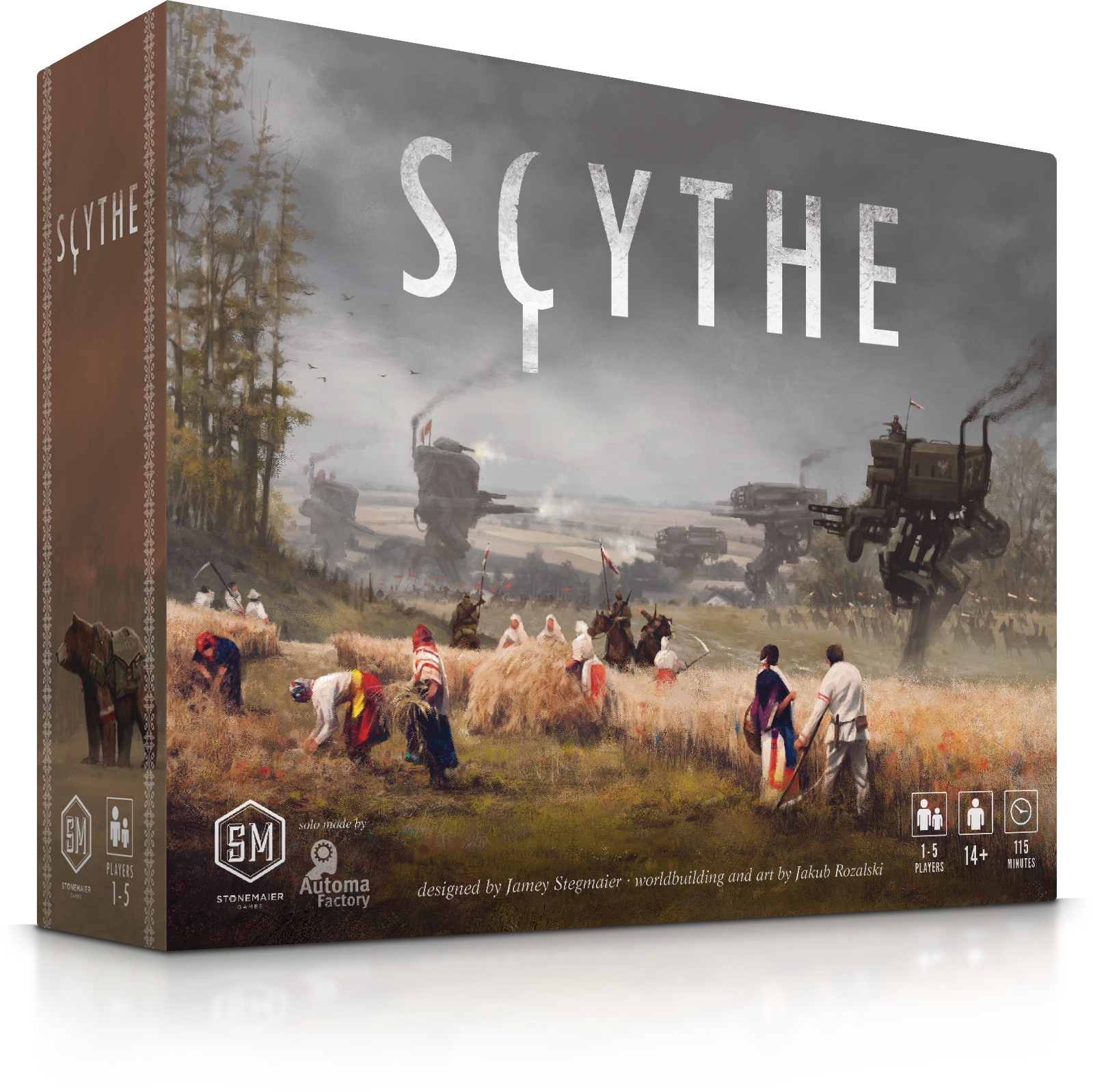
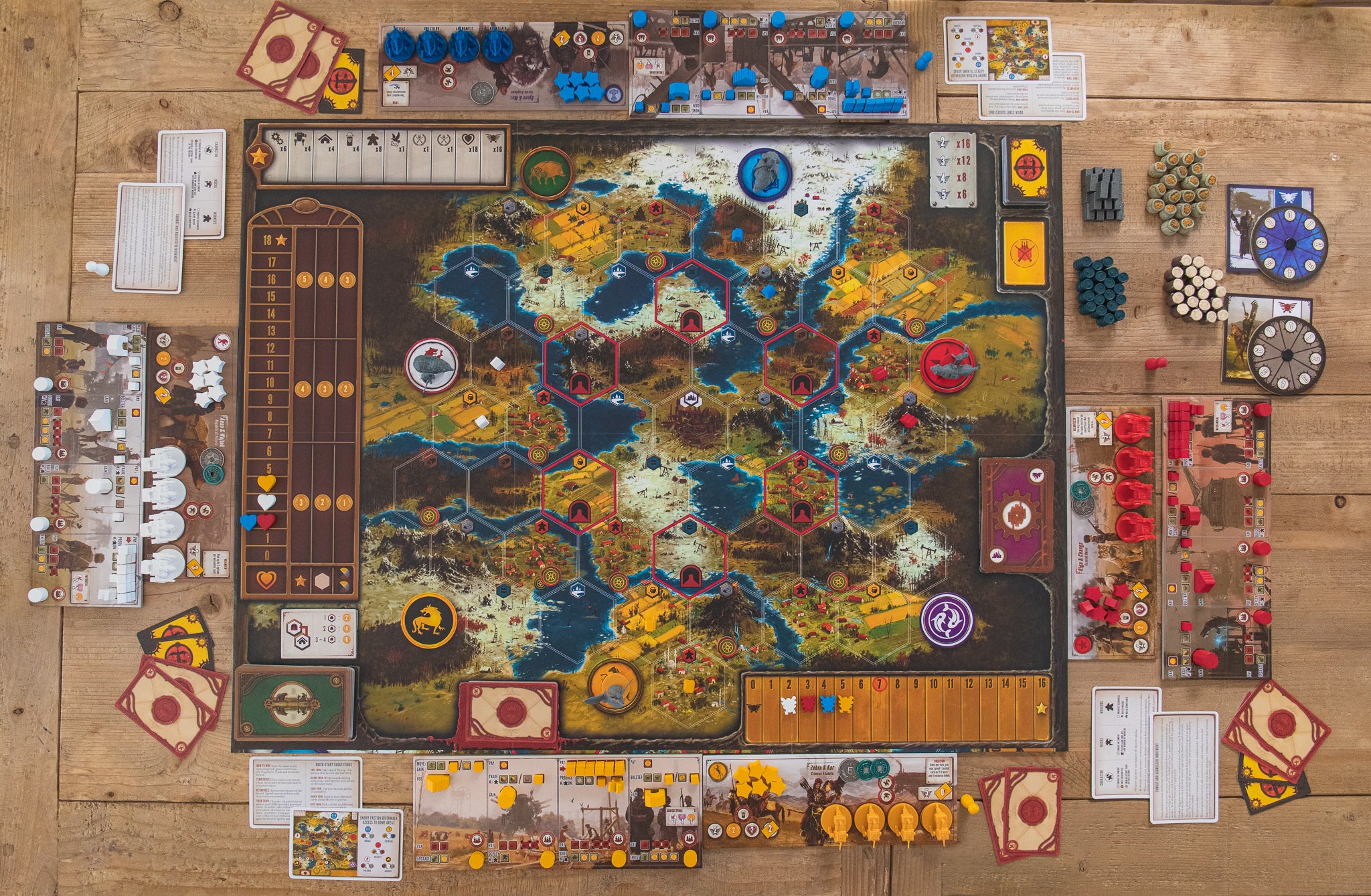
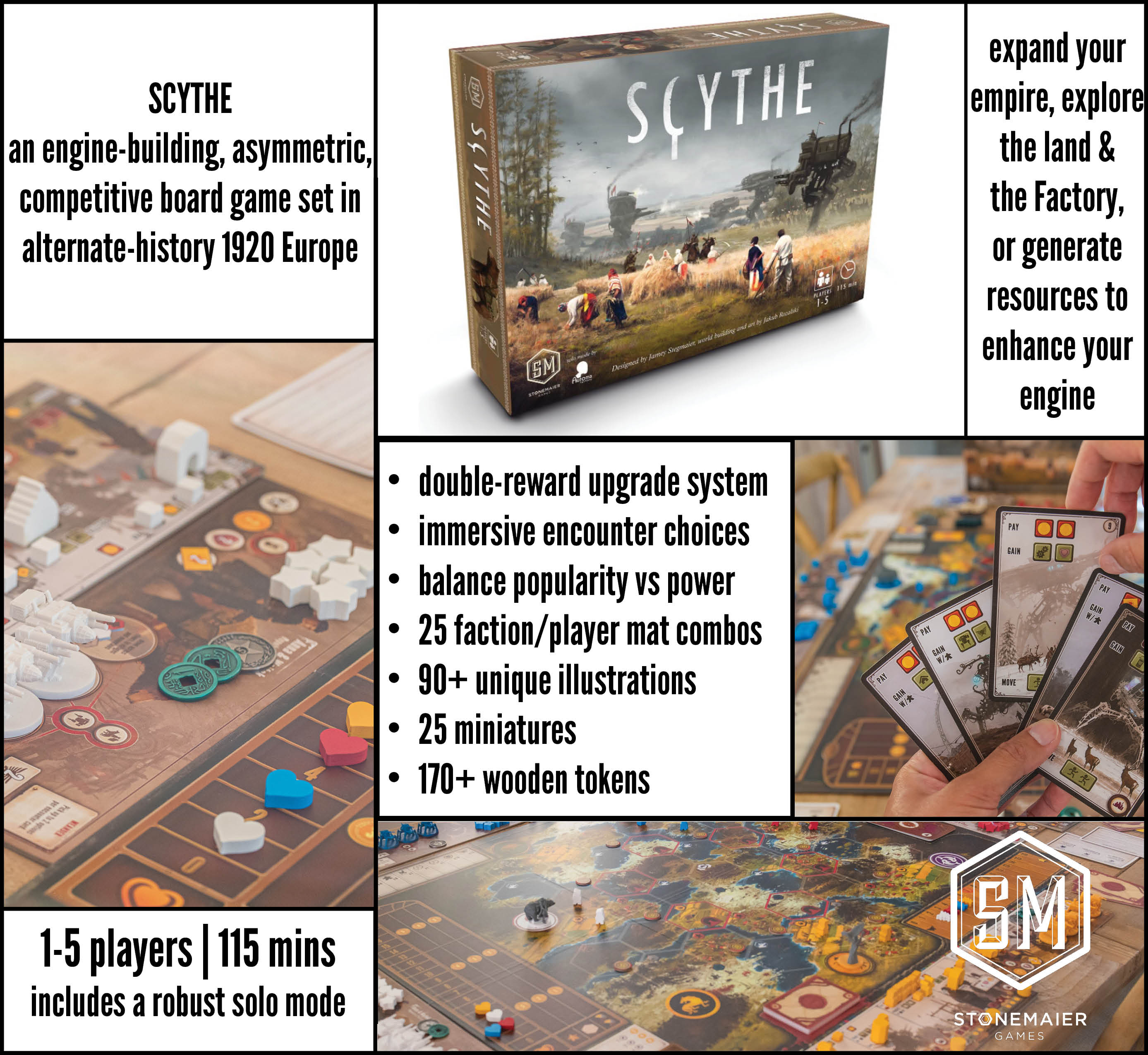
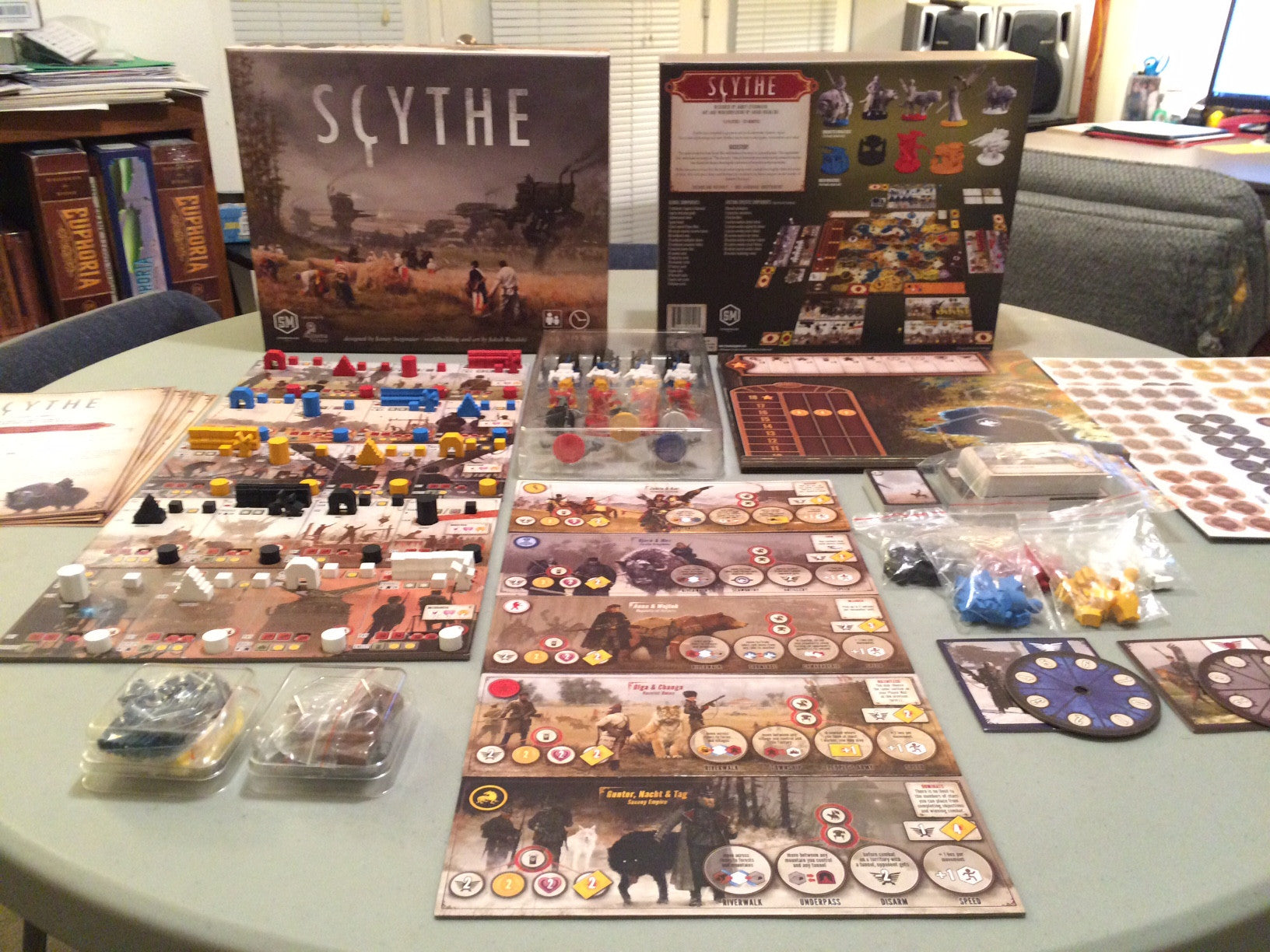
- **7. Scythe** — gorgeous on-ramp, but an engine-builder with combat, not true 4X.
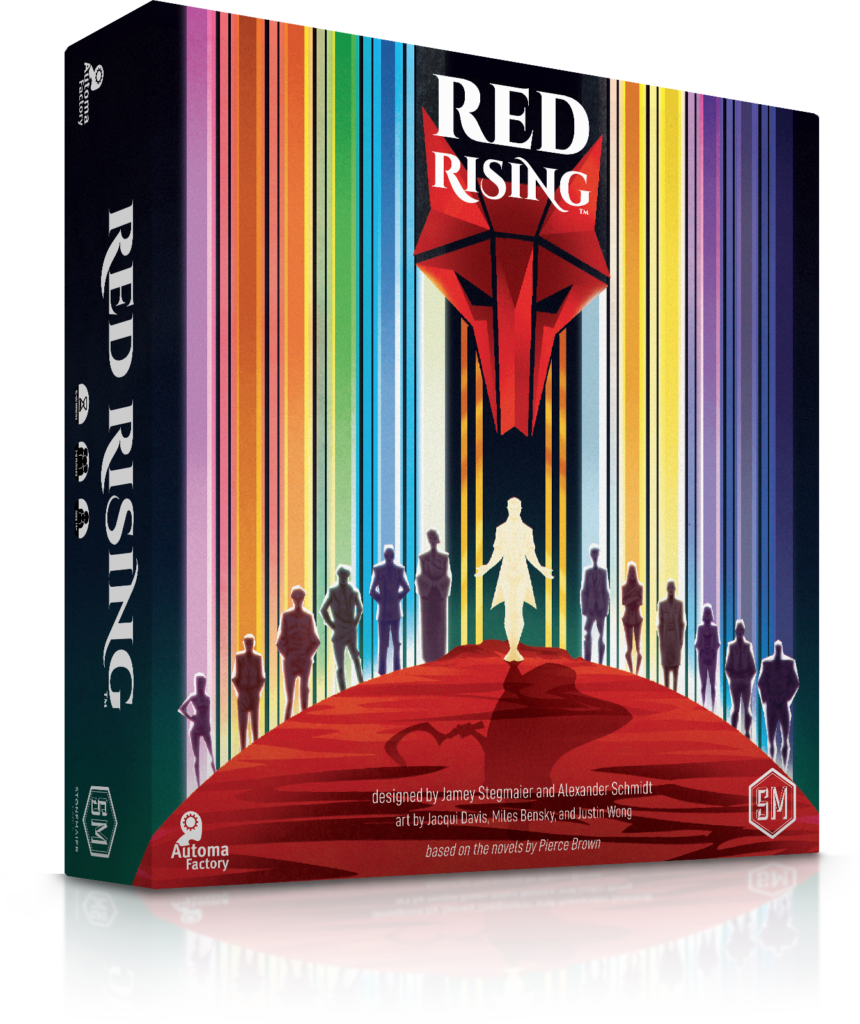
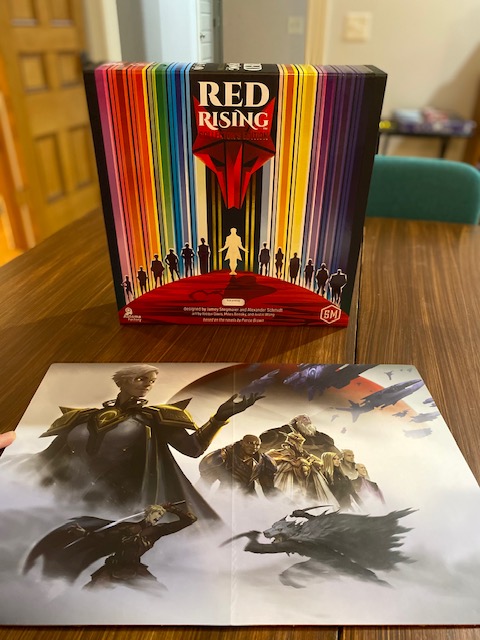
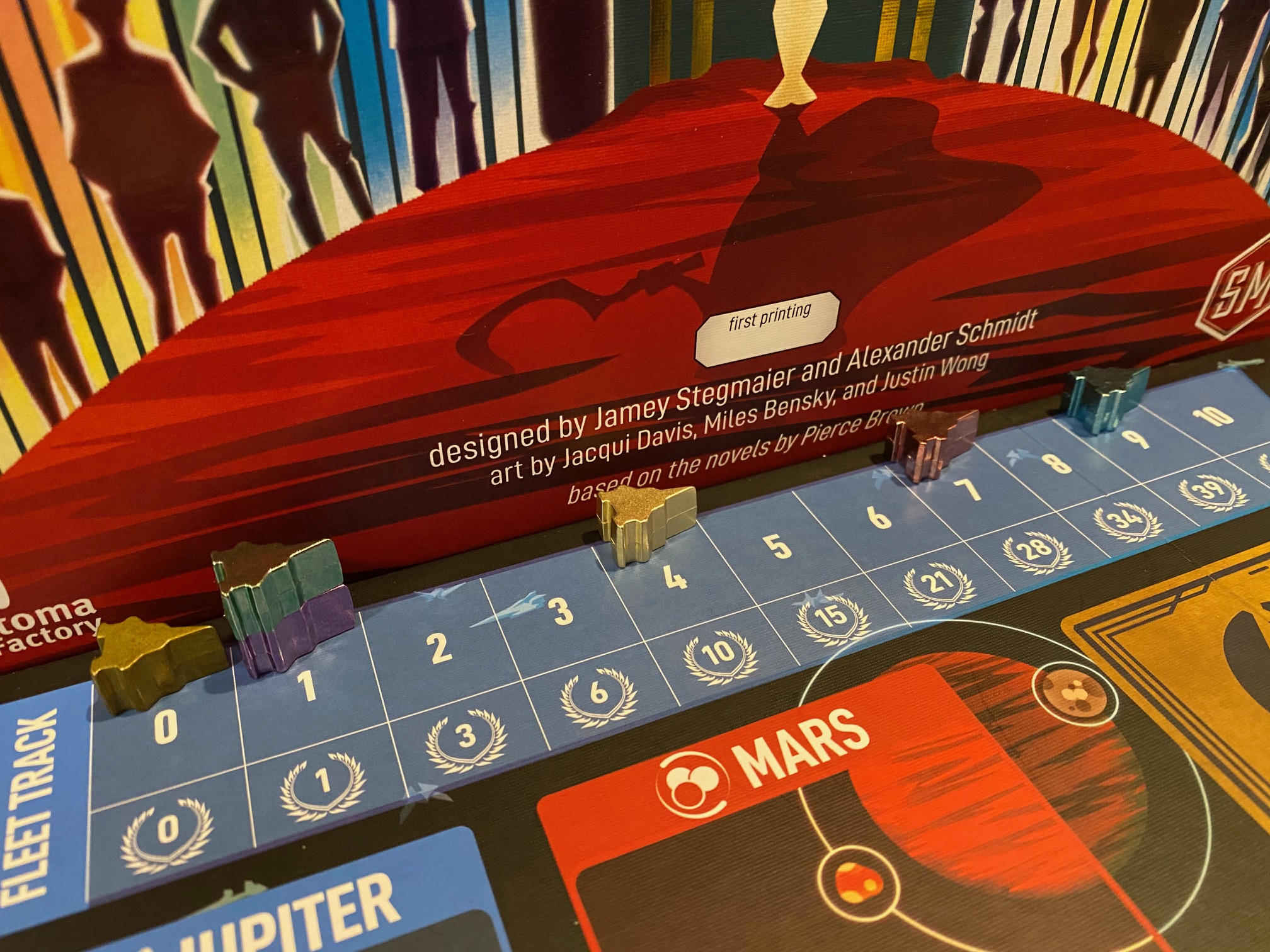
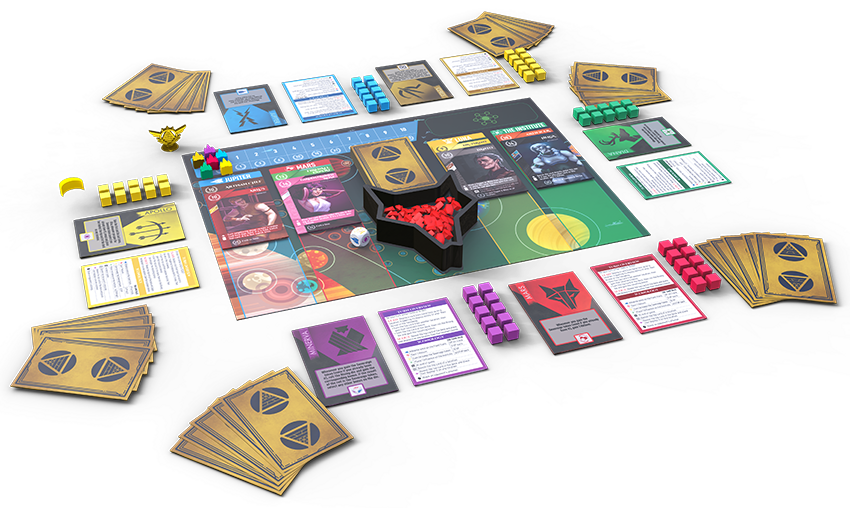
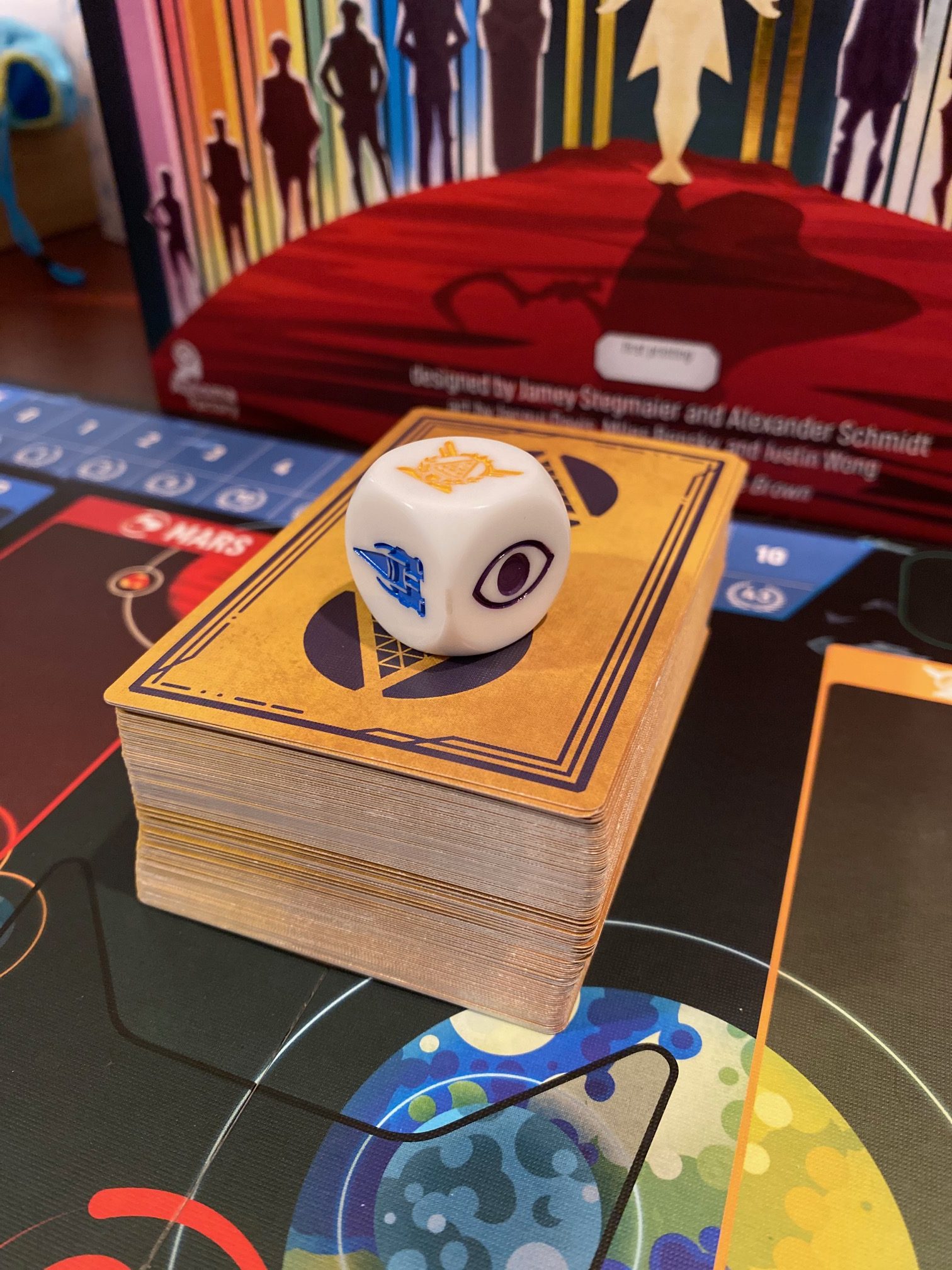
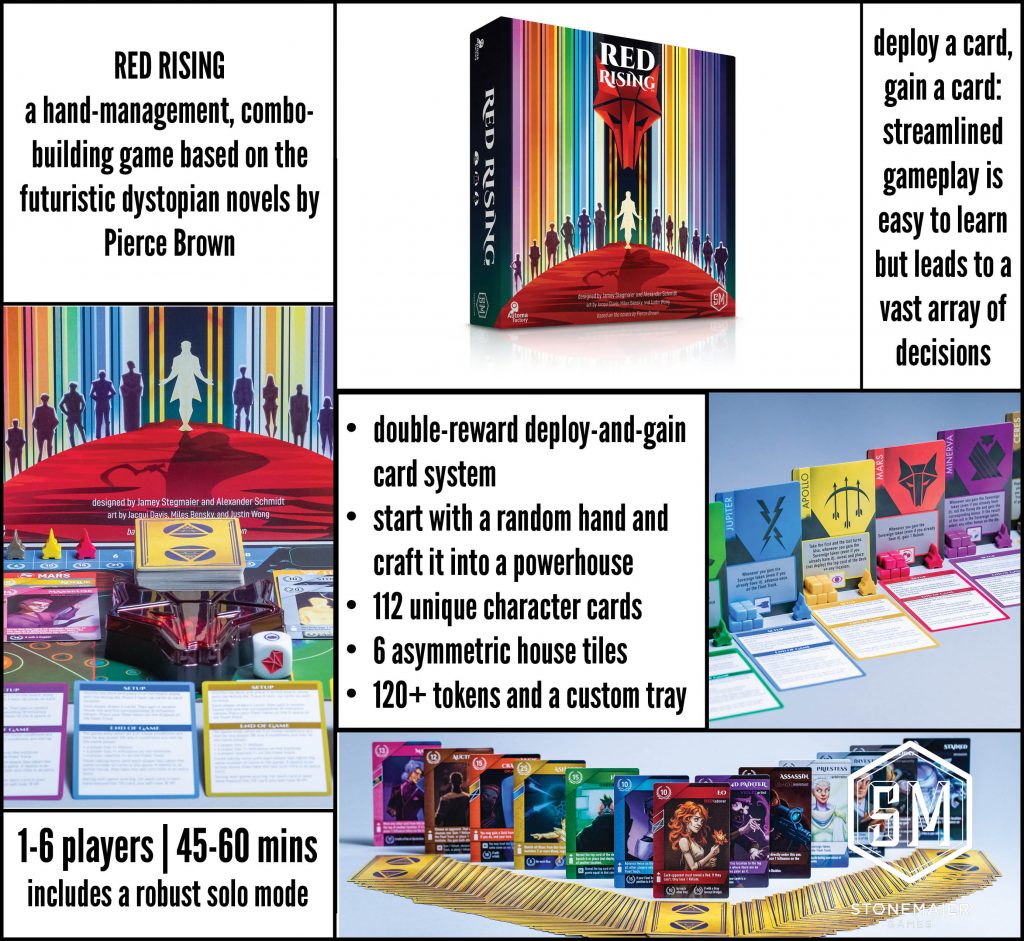
- **8. Red Rising** — a fast sci-fi card game under an hour. The easy first step, not the destination.
A masterpiece you can never schedule loses to a good game you'll actually play. The shelf is where great 4X goes to die.
How do I not be a jerk at a six-hour 4X table?
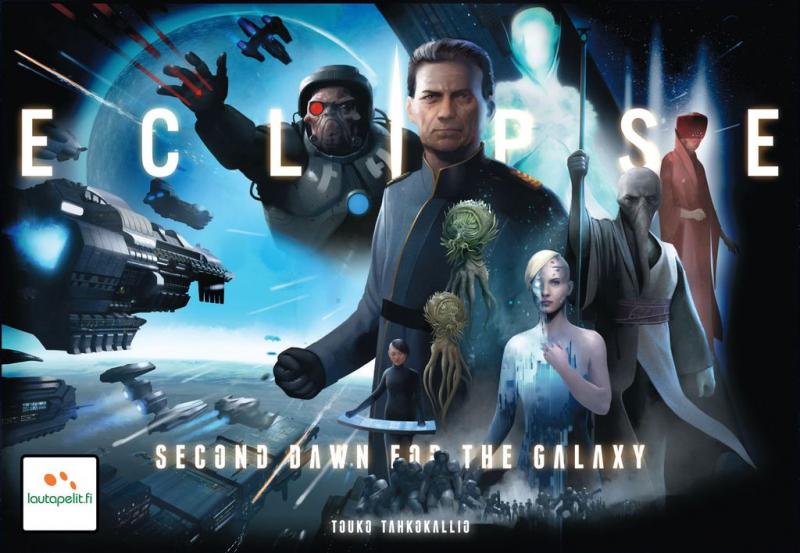
These games are long, and long games live or die on table manners. Call this The Player's Code — the unwritten rules that keep a galaxy-sized evening from collapsing into resentment.
Pitch the real cost up front. The honest gating factor on every big 4X is the calendar, not the rulebook. When you propose one, say it plainly: "this is a four-hour Eclipse night" or "this is an all-day TI commitment." Nobody should discover the scope at hour two and bail — a mid-game defection breaks the whole table.
Never be the kingmaker. This is the genre's cardinal sin. When you can't win, you still play to your own best position to the very end. Throwing the game to a friend out of spite — handing someone the victory because you're bitter — spoils the result for everyone who played honestly. Don't do it.
Manage your own clock. Plan your turn while the other five take theirs. The single biggest in-game etiquette ask — especially for Voidfall and TI4 — is to not melt into analysis paralysis while everyone waits on you.
Teach the loop, hide the exceptions. When you teach Eclipse, Voidfall, or TI4, teach the core turn loop and let rules-exceptions come up in play. Front-loading every edge case is what turns a 40-minute teach into a 90-minute lecture and kills the energy before the first action.
And one for the dice-haters: bag-draws and combat dice are part of the deal in Eclipse and TI. Lean into the swing instead of raging at it. If your group genuinely can't stand luck, that's not a house-rule problem — it's a signal to go play Voidfall or Gaia Project, which are luck-free by design.
Which one should I buy for family night or a casual mixed group?
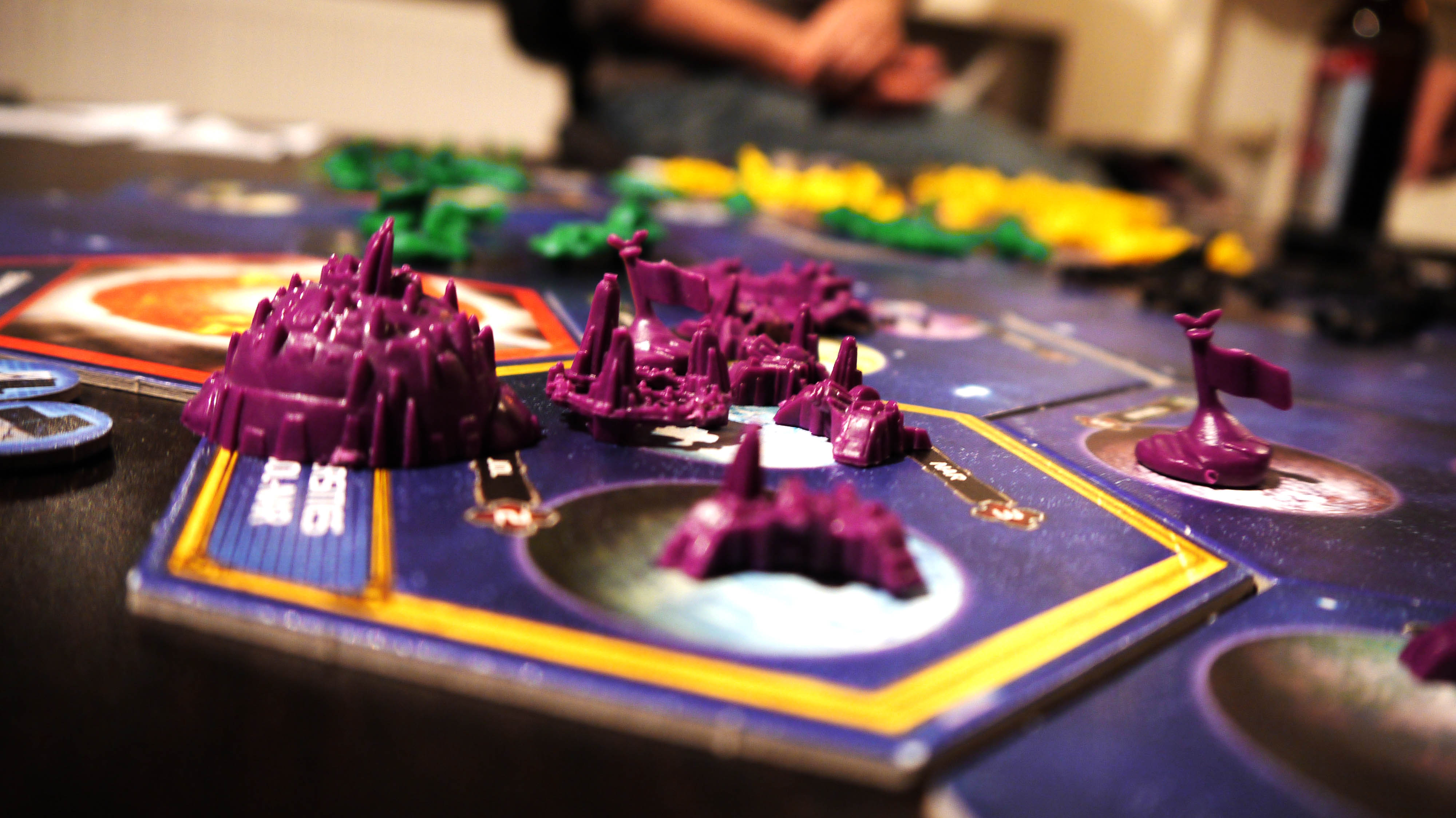
Do not put Eclipse, TI4, Voidfall, or Gaia Project in front of kids or hobby newcomers. The 4-plus weight and multi-hour runtime are a recipe for a stalled, frustrated table. Save the heavy crew for the dedicated crew. For everyone else, three picks descend gracefully.
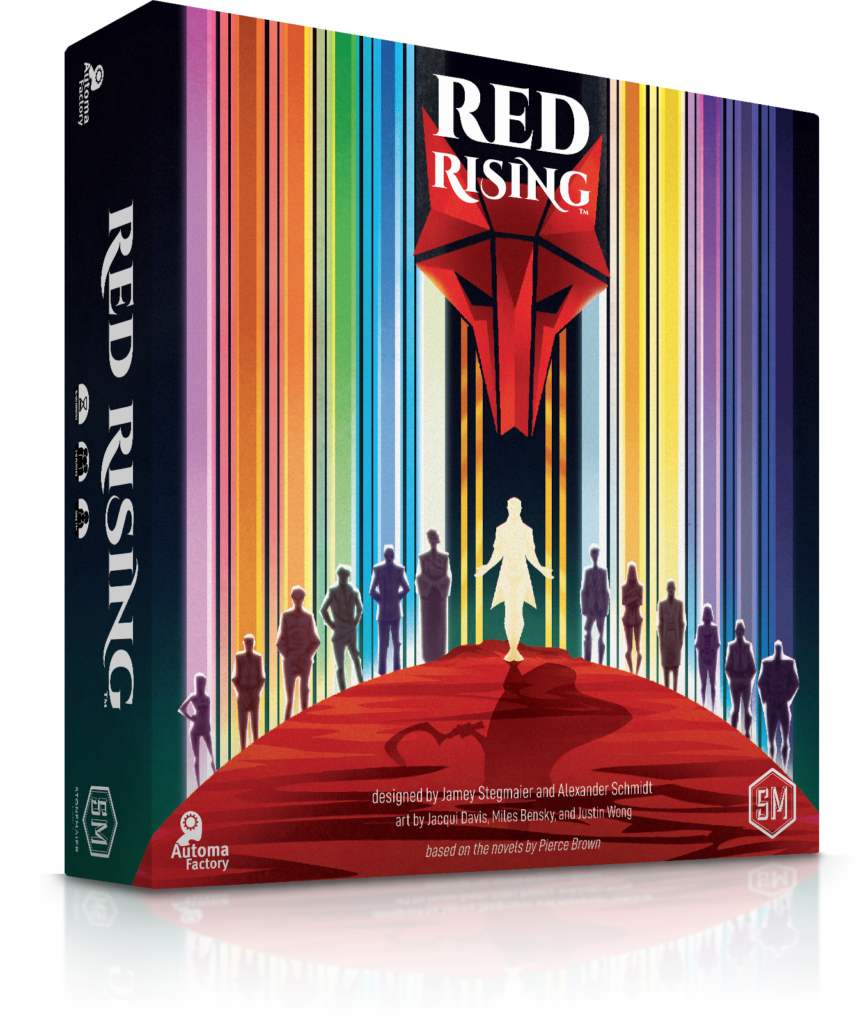
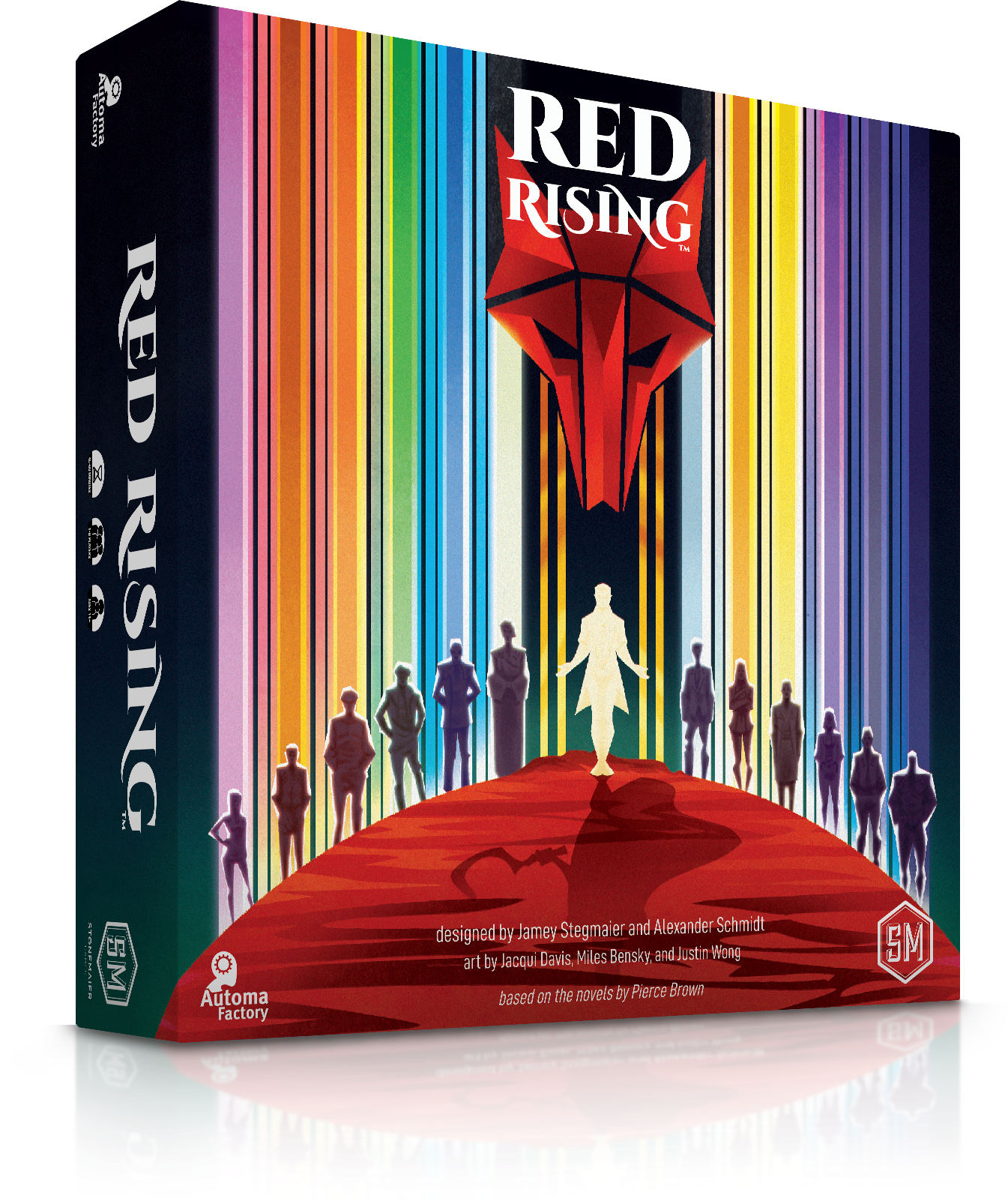
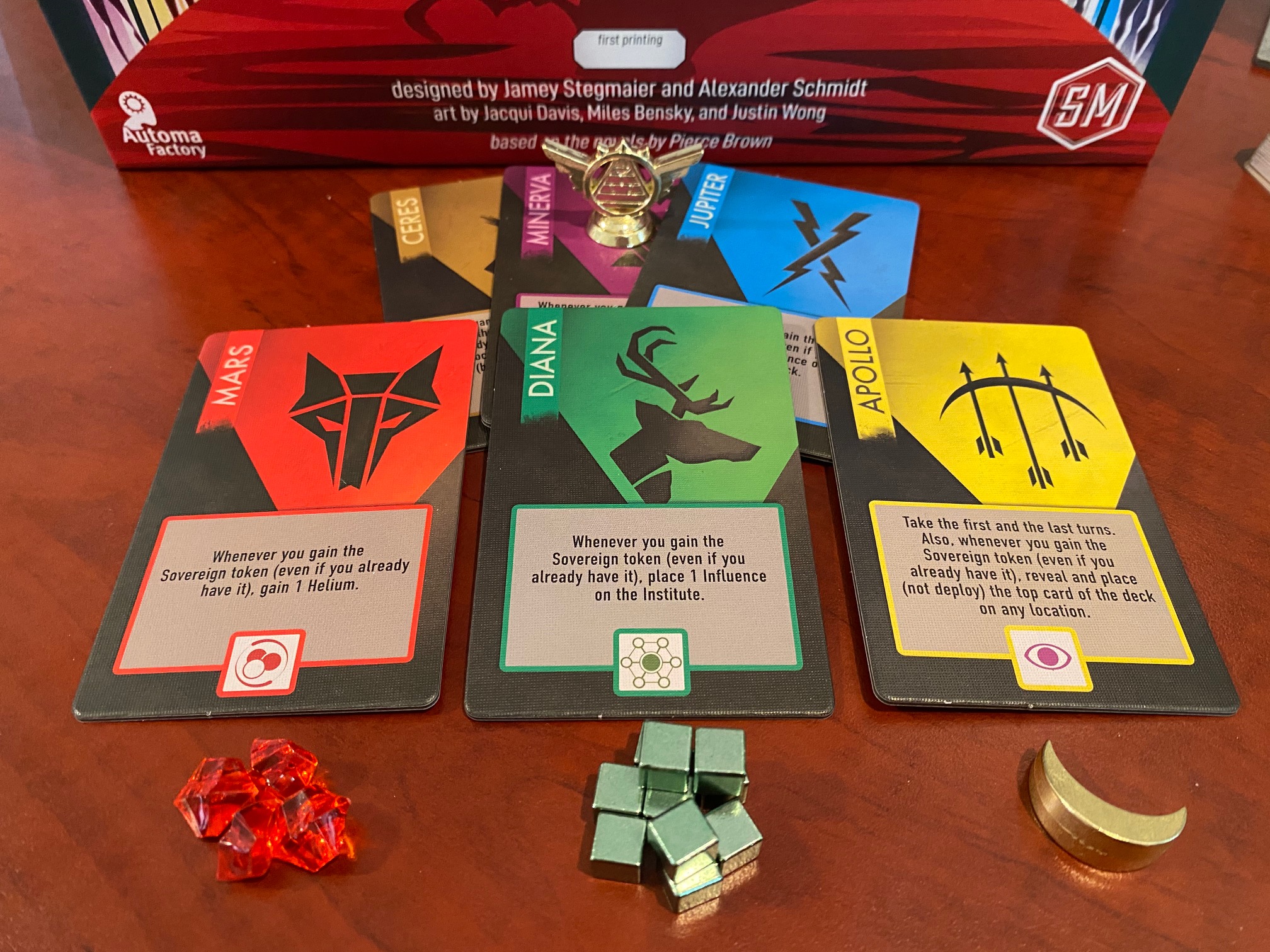
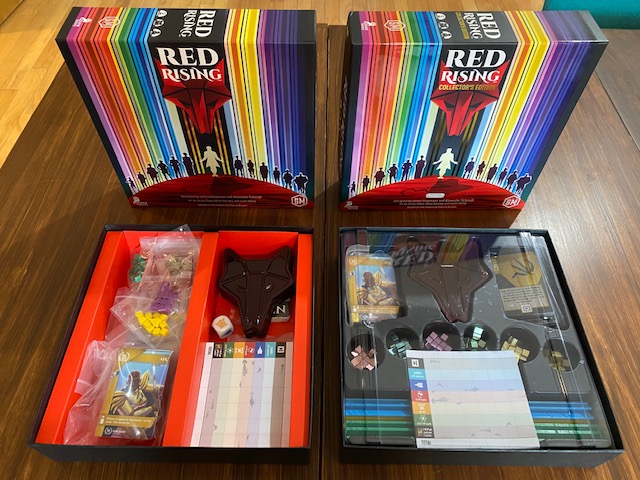
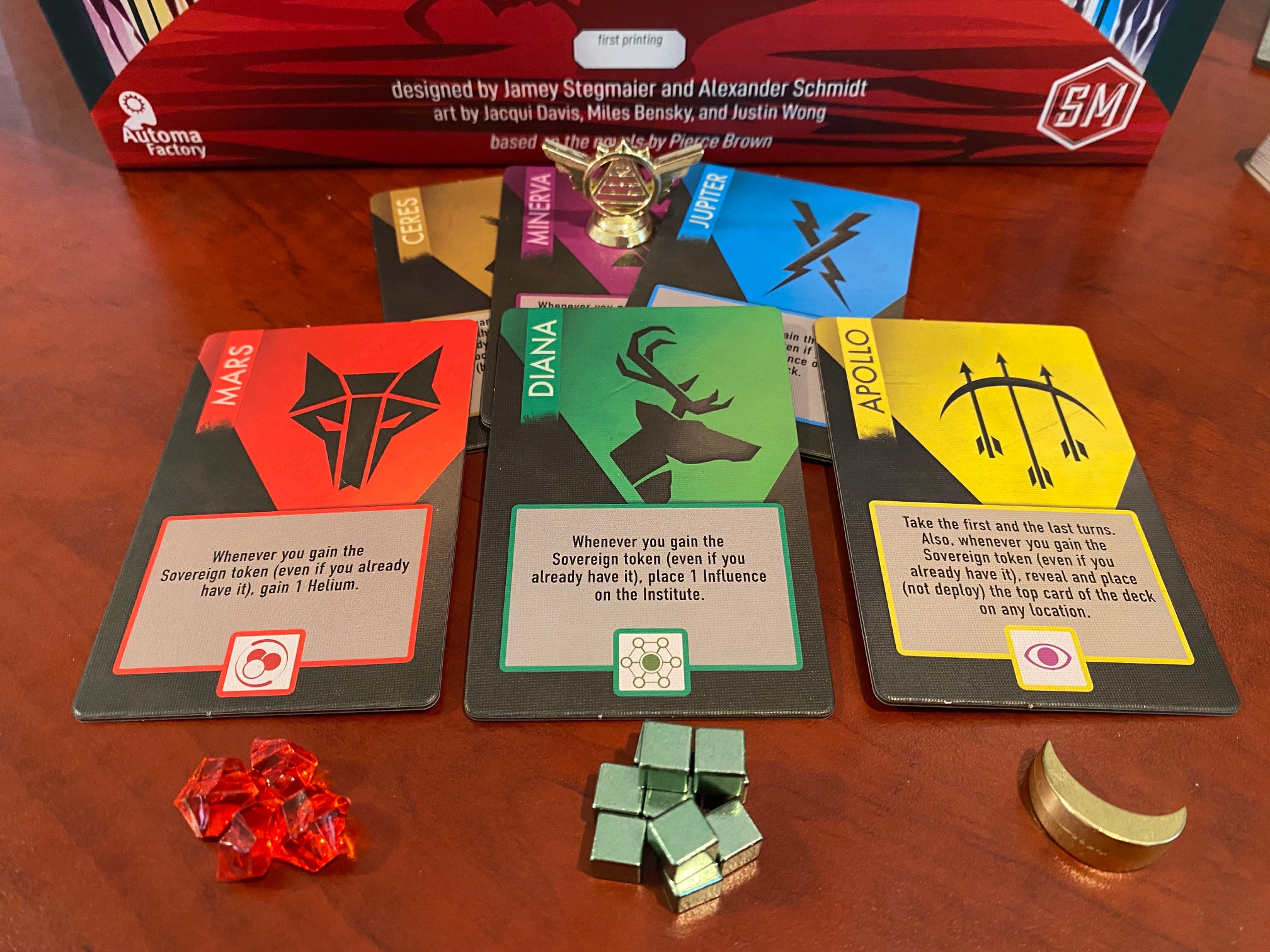
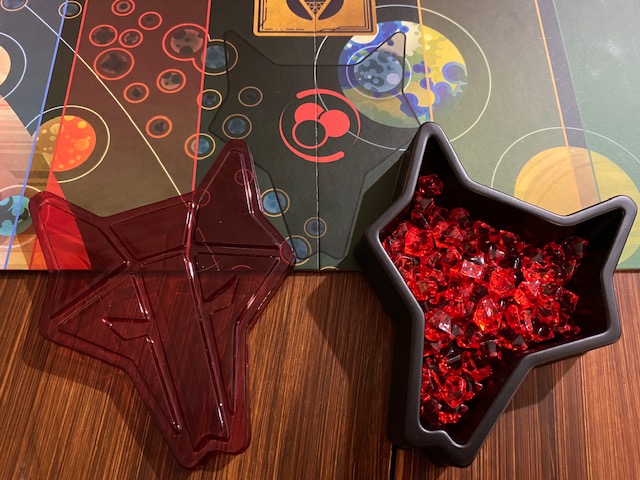
Red Rising is the gentlest on-ramp — a 45-60 minute hand-management card game for 1-6 players, set in Pierce Brown's universe, frequently on sale under $30. It's a sci-fi-empire skin on a tight combo-builder, not a 4X at all, and that's exactly why it works for a mixed table. A solid 7/10 filler, not a centerpiece — and that's a compliment.
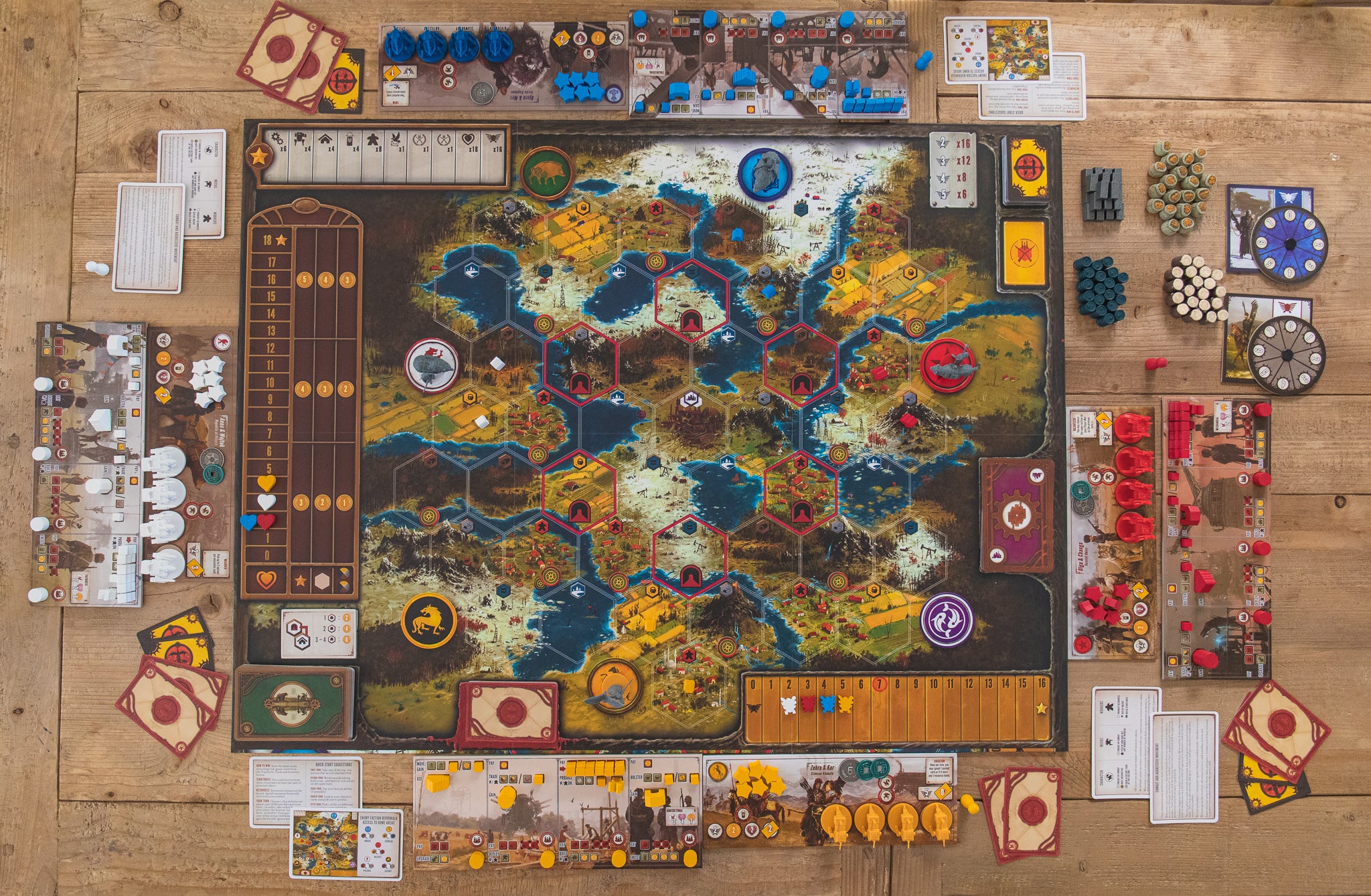
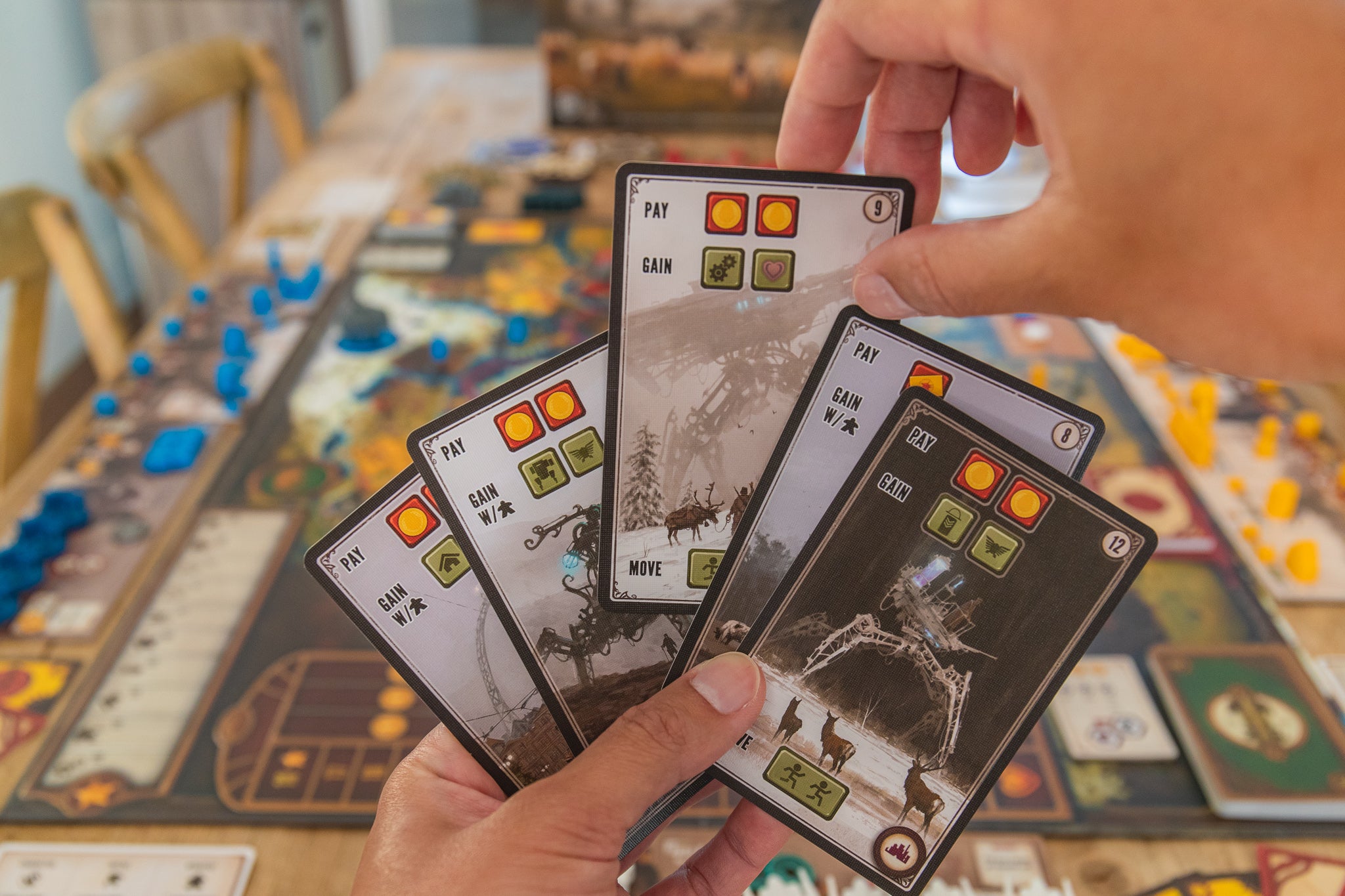
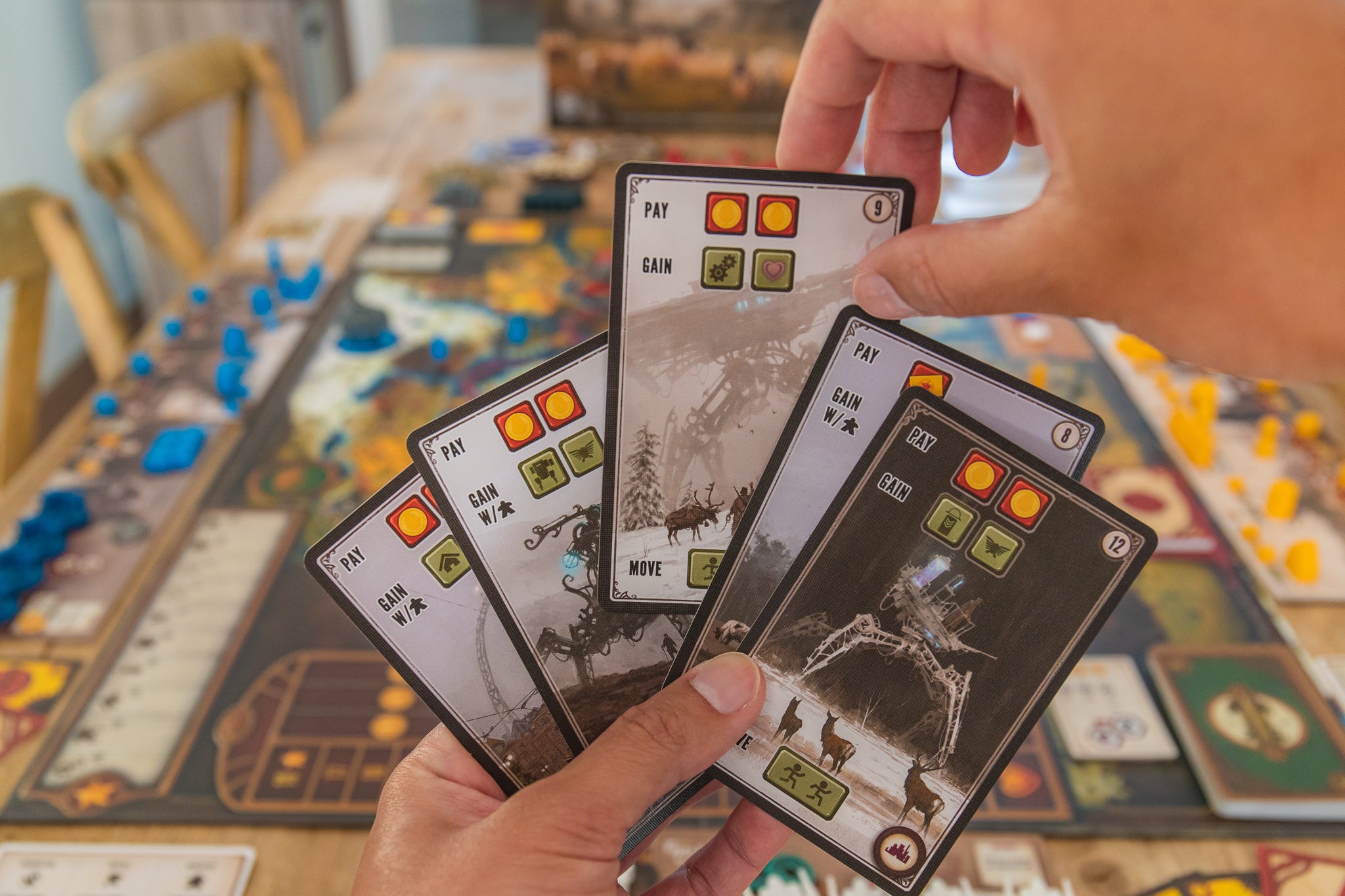
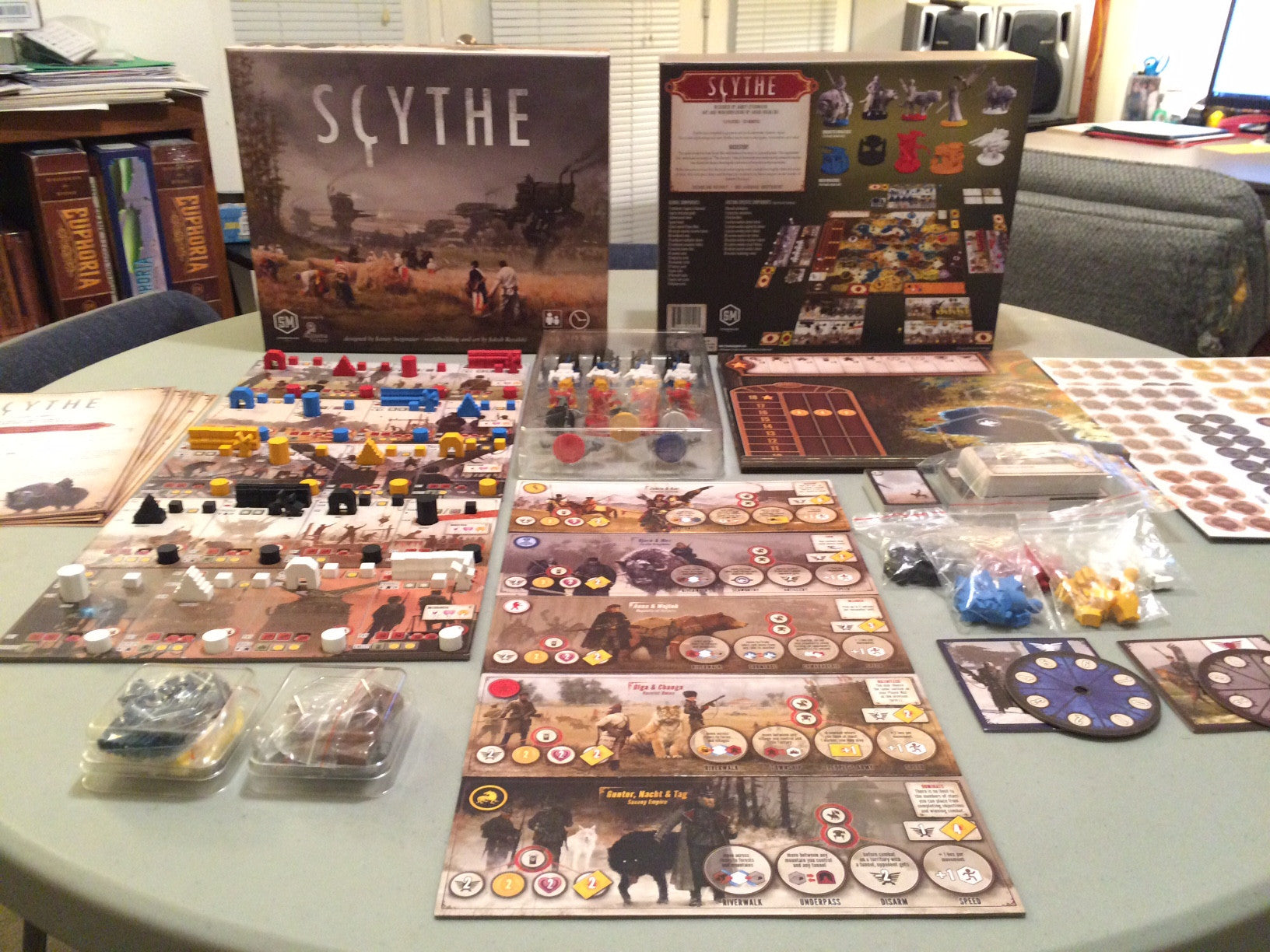
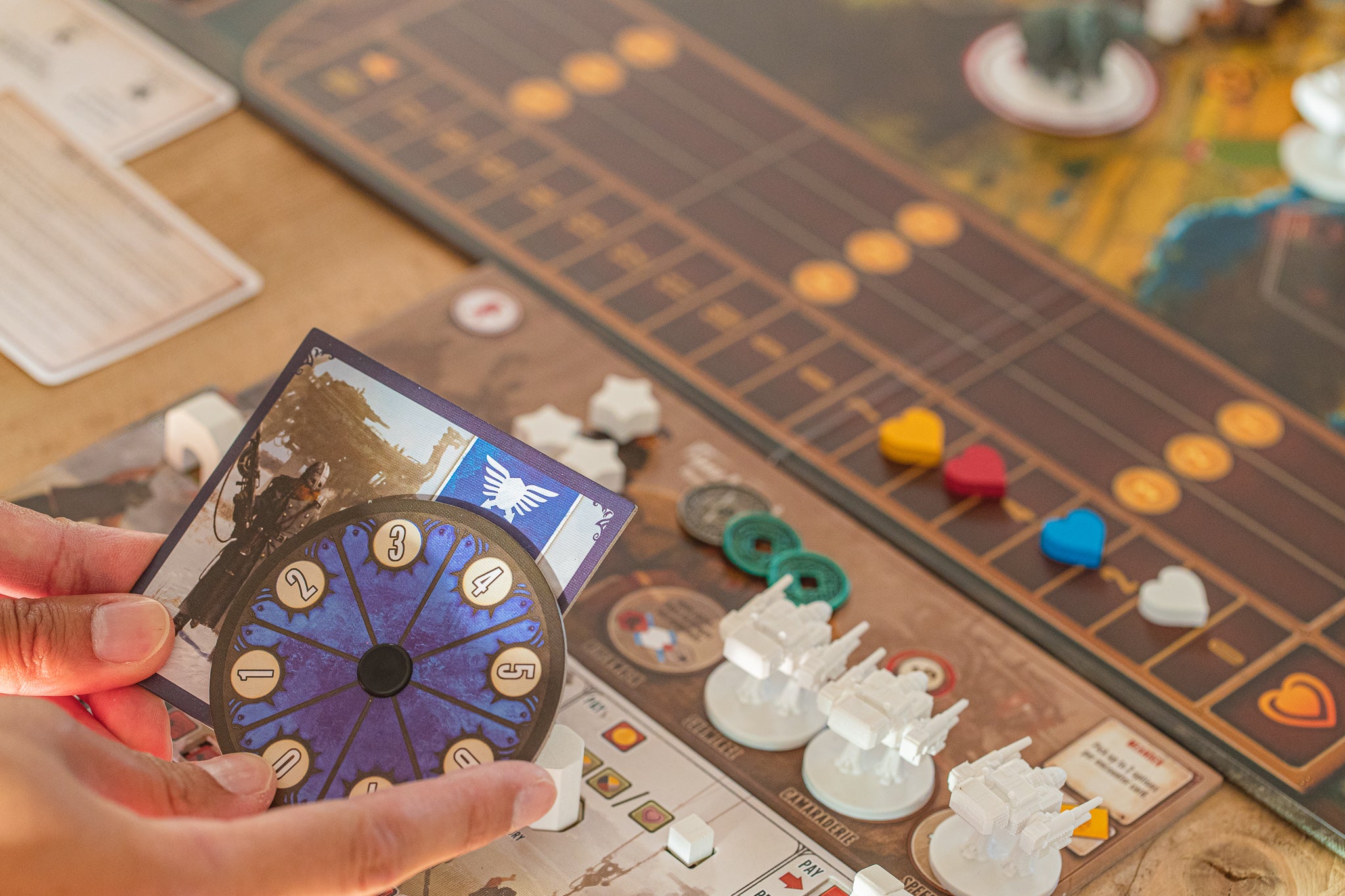
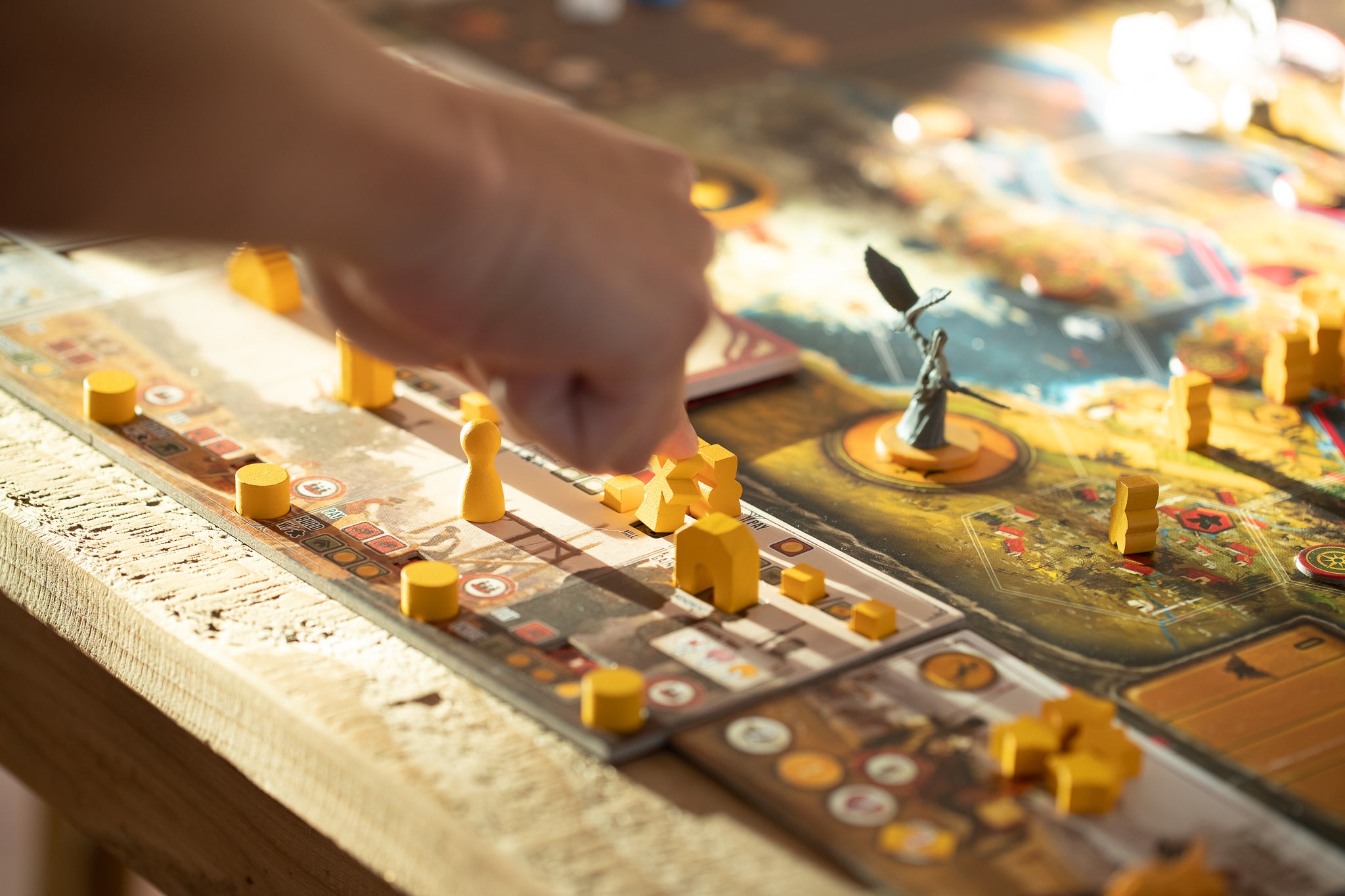
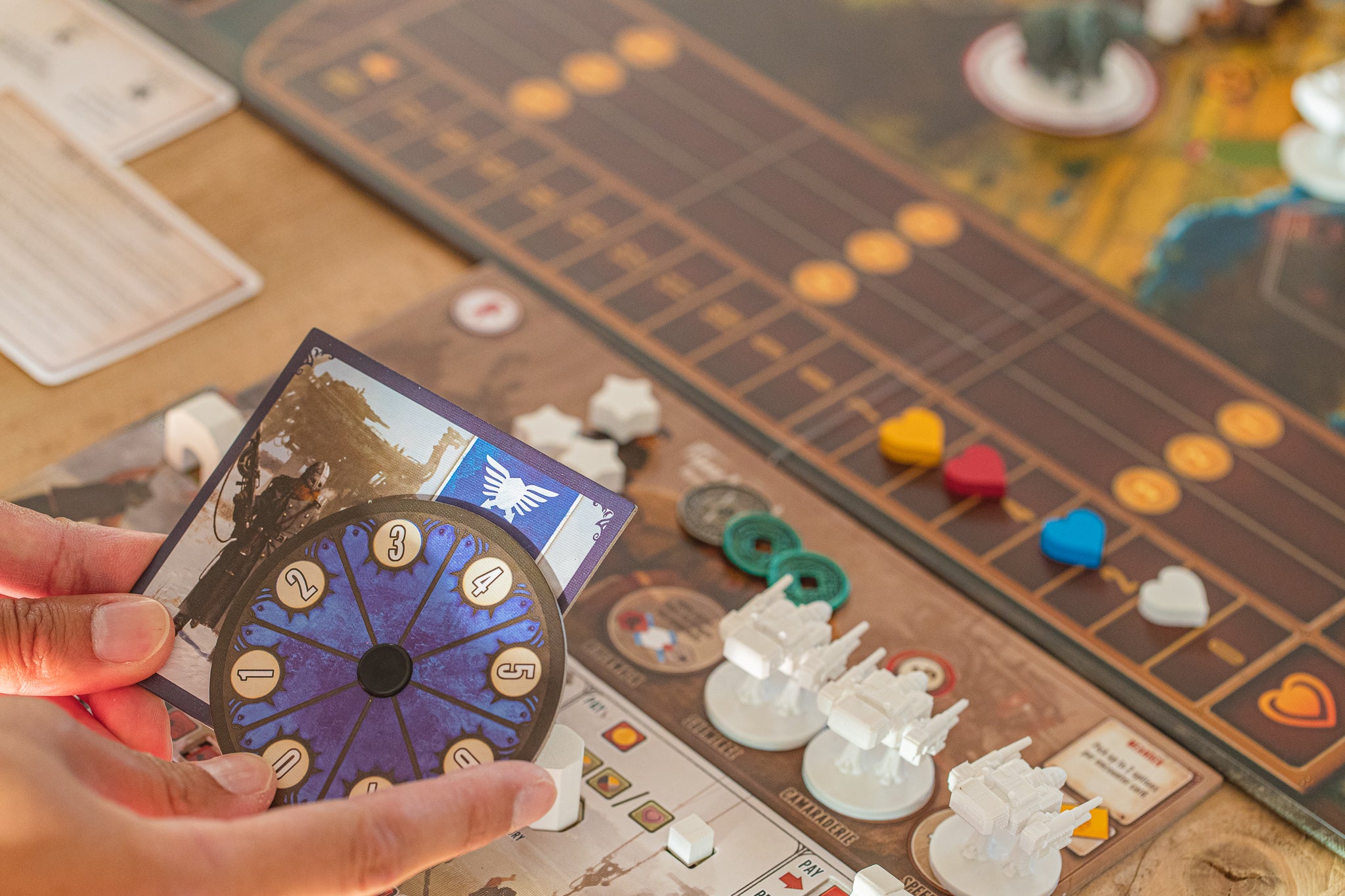
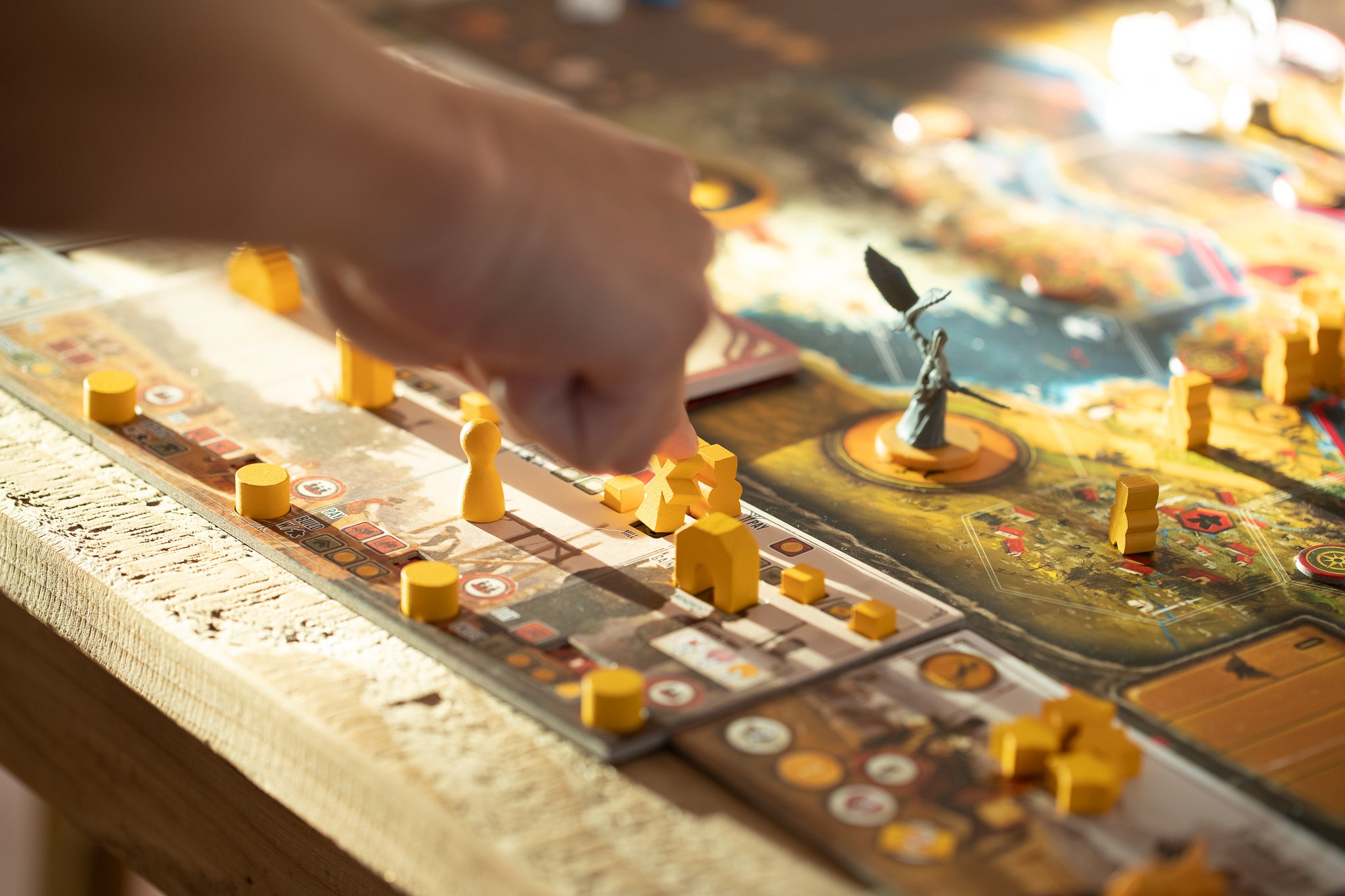
Scythe is the great "looks-epic, plays-friendly" pick. Stunning minis, asymmetric factions, real territory tension — but combat is rare and a game finishes in under two hours. It's the on-ramp, not the destination. Sell it as the beautiful gateway, never as "the war game," or your players will feel cheated by how little fighting happens.
Twilight Inscription is the secret weapon for a big mixed-skill family table: it scales to eight simultaneous players with almost no downtime — everyone writes at once across four sheets. It's the rare "big space game" that doesn't leave kids drumming their fingers waiting for a turn.
One pro move for any of these: use solo modes to learn before family night. Voidfall, Gaia Project, Eclipse, and Twilight Inscription all have strong single-player options, so the teacher can master the rules quietly first and then run a smooth, confident table.
What experienced tables keep reporting
Recurring owner patterns, synthesized in Puzzlewick's words. Follow each evidence trail to read the original discussion.
The Eclipse-versus-TI4 debate never really resolves because they don't replace each other — Eclipse gives you the feeling of an empire you've slowly built up, while Twilight Imperium is always a race to the next objective and the deals between players. Own both if you can; pick by the night you've got.
BGG forum thread (Eclipse vs TI4)
The practical difference players repeat most often: Eclipse you can squeeze in on a weeknight, Twilight Imperium you have to block out a whole day for. For most groups it's the time commitment, not the quality, that settles the choice.
BGG forum discussion
Even Eclipse's biggest champions call it too big, too expensive, and arguably too dry — and then say it's still absolutely essential, and that it replaced TI4 as their favorite wargame. That 'flawed but essential' framing basically is the genre in a sentence.
Shut Up & Sit Down review
Twilight Imperium is the hobby's most polarizing big box: in the same breath you'll hear it called an overrated, elaborate kingmaker and possibly the best board game ever made. Both camps are telling the truth — it comes down to whether your group leans into the politics and theater.
Steam community + BGG
Reviewers adore Voidfall's design but keep warning it's the polar opposite of accessible — a common story is owners who won't teach it cold and instead send newcomers a roughly hour-long rules video first.
Meeple Mountain review
Voidfall's no-dice, fully deterministic combat is both its headline and its dividing line: luck-averse Euro players love knowing the outcome before they commit, while people who want the swing and drama of an Eclipse dice battle find it cold.
There Will Be Games / Meeple Mountain
The recurring entry-point advice: start with Eclipse for the full space-4X feel in one evening, reach for Twilight Imperium only once you've got a dedicated six and a free day, and go Voidfall or Gaia Project if you mostly play solo or two-player.
BGG recommendation threads + boardgame Facebook groups
Scythe gets gently corrected in nearly every 4X thread — it's a hybrid Euro, not a 4X, and people who buy it expecting Eclipse-style war come away surprised by how little fighting actually happens. The consensus: sell it as a beautiful on-ramp, not the genre itself.
BGG forum + tabletop reviews
Twilight Inscription is the sneaky-good way to get the Twilight Imperium flavor at a fraction of the time and price — a roll-and-write that scales to eight with minimal downtime and a genuinely engaging solo AI race.
BGG solo reviews
For Star Wars: Rebellion, the strong steer is to play it as a two-player duel — the 1-vs-1 Empire-hunts-the-hidden-base game is tighter and less argument-prone than the team variant, and it's the reason the game won Best 2-Player.
BGG + Meeple Mountain reviews
The picks
Some links below are affiliate links — as an Amazon Associate, Puzzlewick earns from qualifying purchases, at no extra cost to you. It never changes a pick.
 8 photos
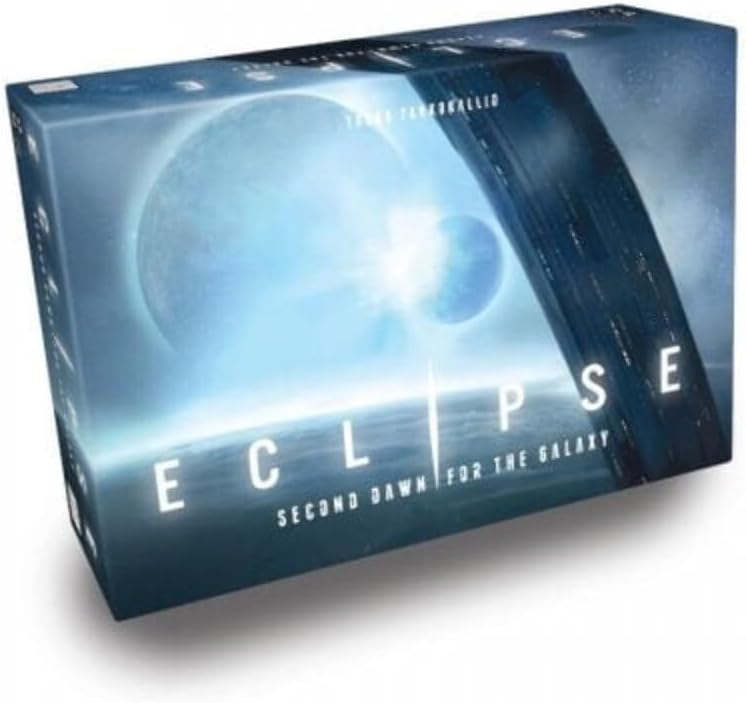
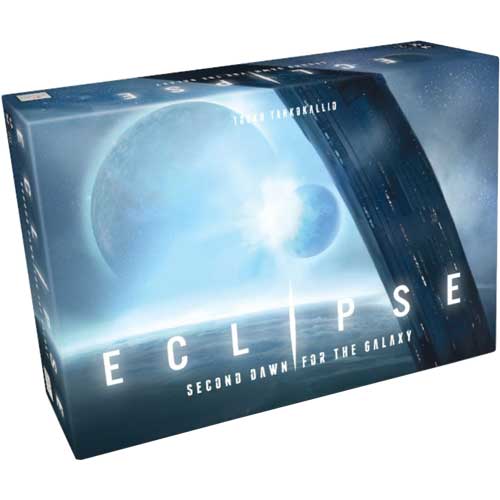
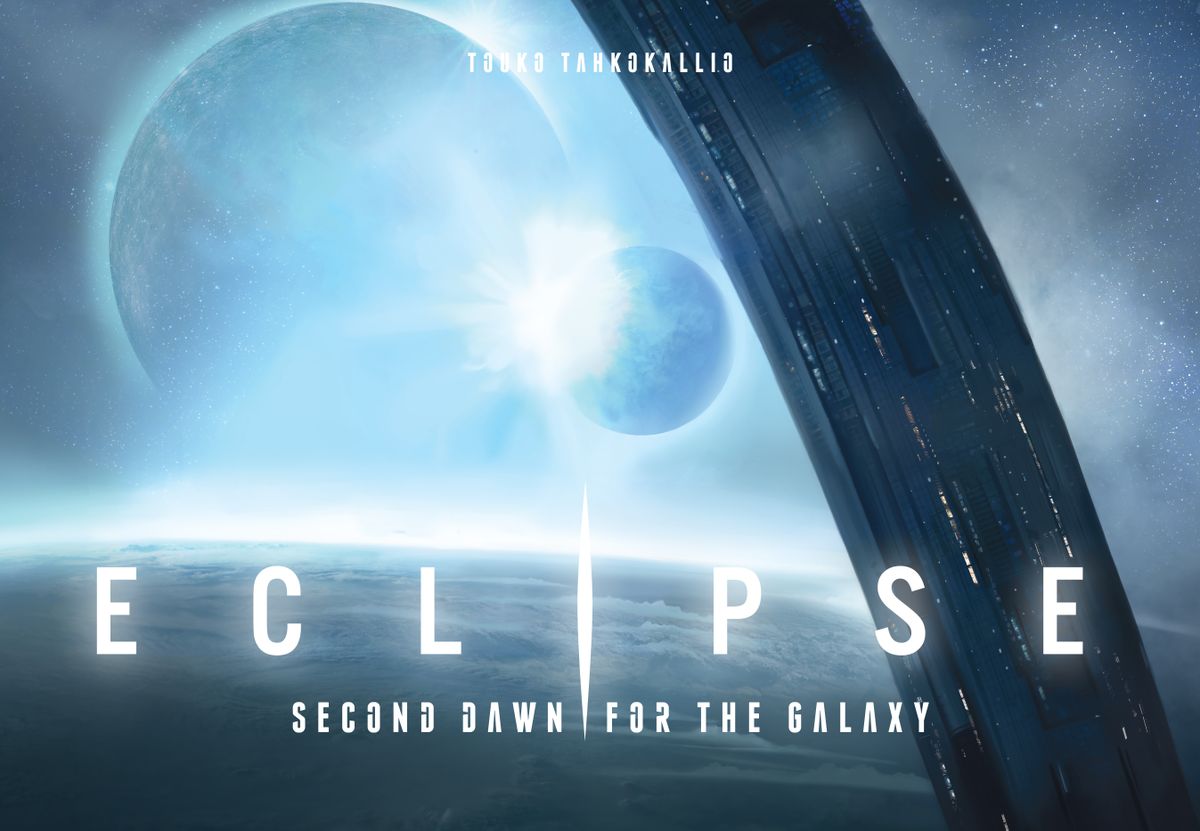
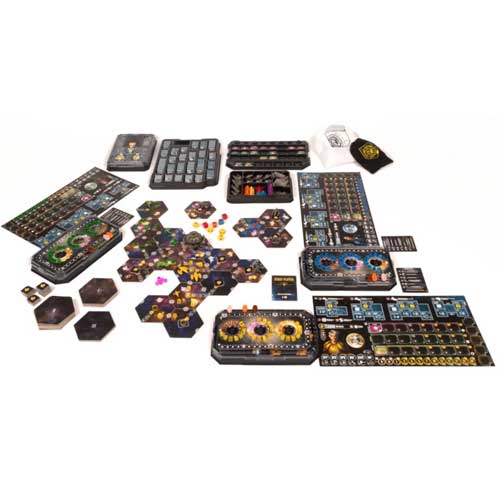
 Eclipse: Second Dawn for the Galaxy
- Players
- 2-6 · best 4
- Time
- 120-180 min
- Age
- 14+
- Complexity
- 3.62 / 5
- Publisher
- Lautapelit.fi · 2020
- Designer
- Touko Tahkokallio
- Art
- Ossi Hiekkala, Sampo Sikiö
 8 photos
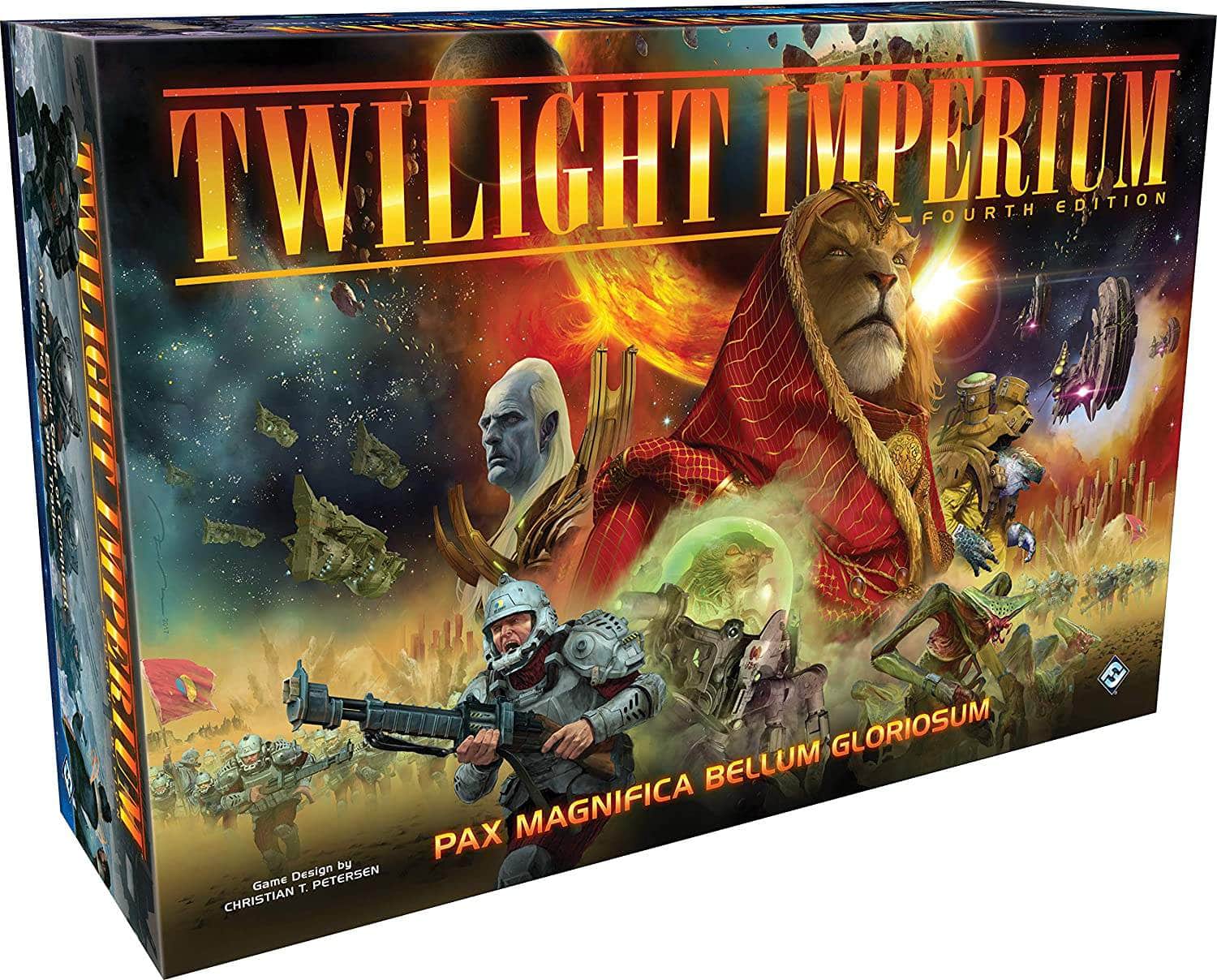
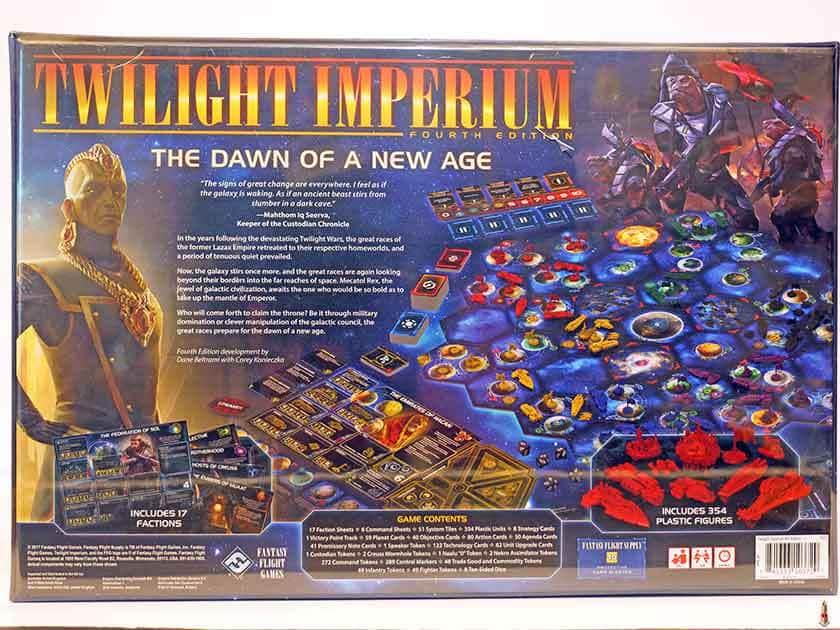
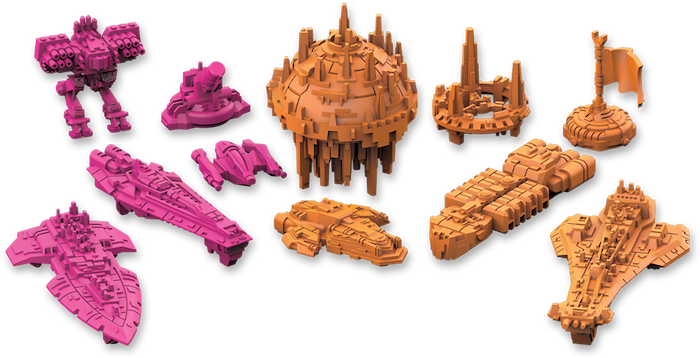
 Twilight Imperium: Fourth Edition
- Players
- 3-6 · best 6
- Time
- 240-480 min
- Age
- 14+
- Complexity
- 4.3 / 5
- Publisher
- Fantasy Flight Games · 2017
- Designers
- Dane Beltrami, Corey Konieczka, Christian T. Petersen
- Art
- Scott Schomburg, Brian Schomburg, Tyler Walpole
 22 photos
 Voidfall
- Players
- 1-4
- Time
- 90-240 min
- Age
- 14+
- Complexity
- 4.6 / 5
- Publisher
- Mindclash Games · 2023
- Designers
- Nigel Buckle, Dávid Turczi
- Art
- Ian O'Toole
 7 photos
 Star Wars: Rebellion
- Players
- 2-4
- Time
- 180-240 min
- Age
- 14+
- Publisher
- Fantasy Flight Games · 2016
- Designer
- Corey Konieczka
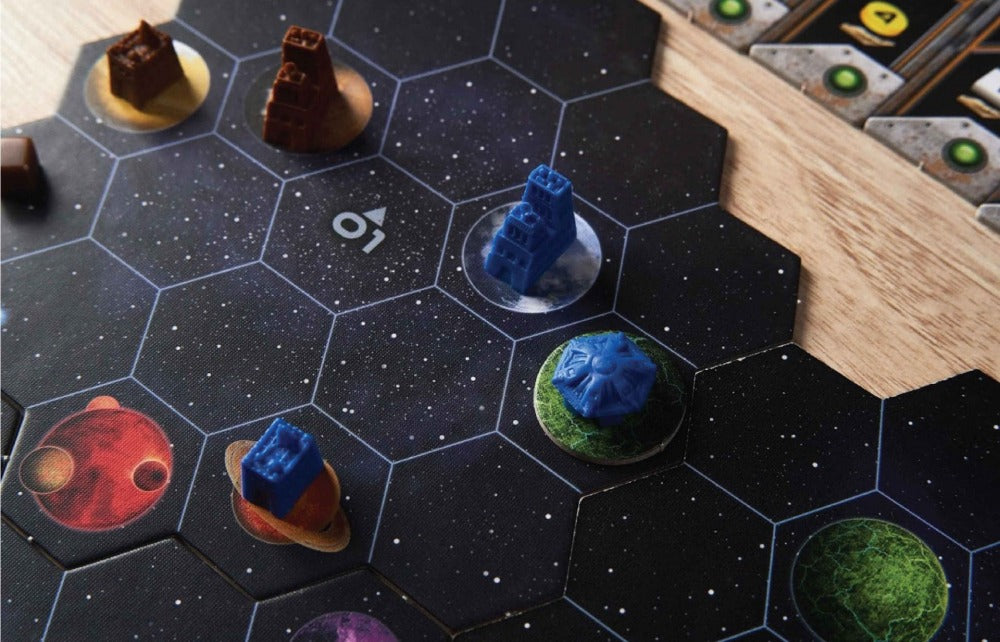
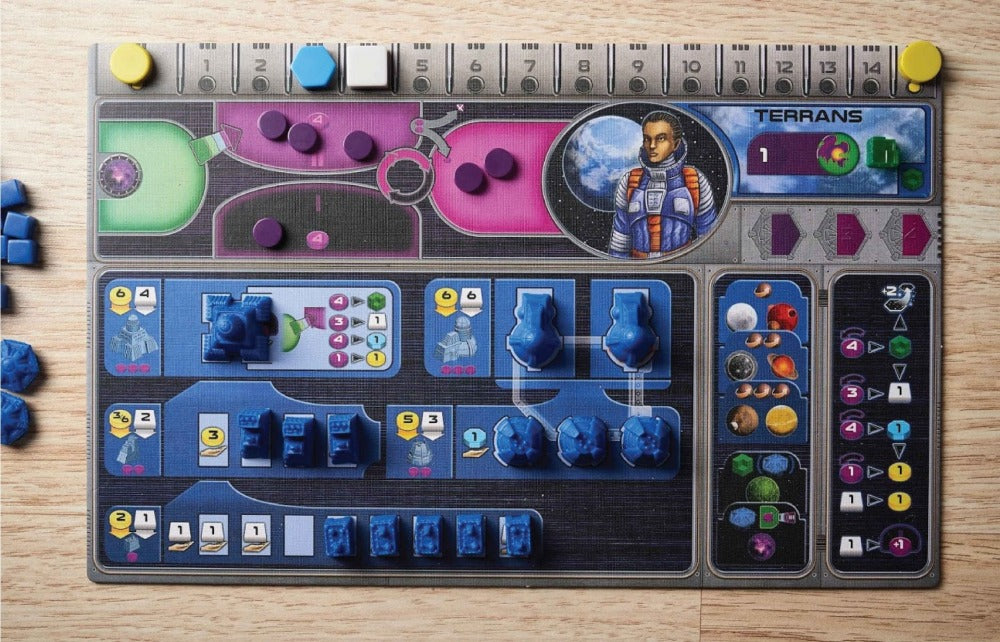
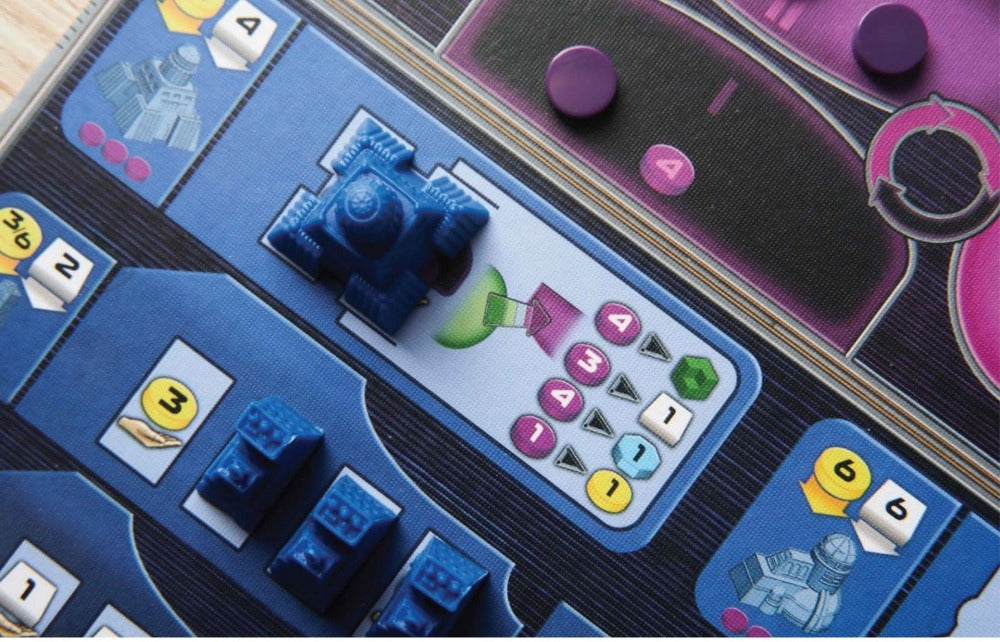
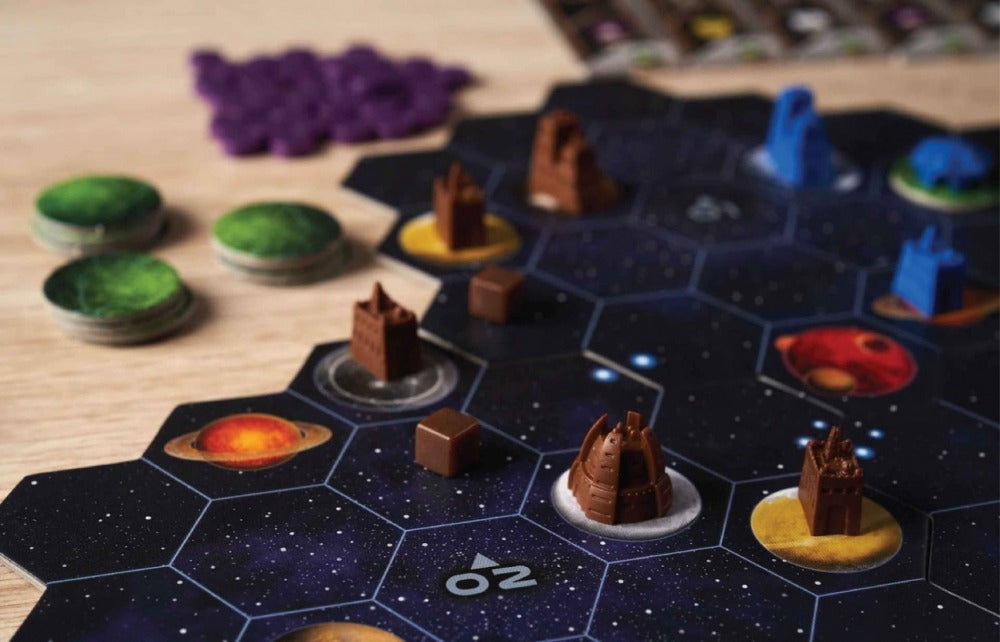
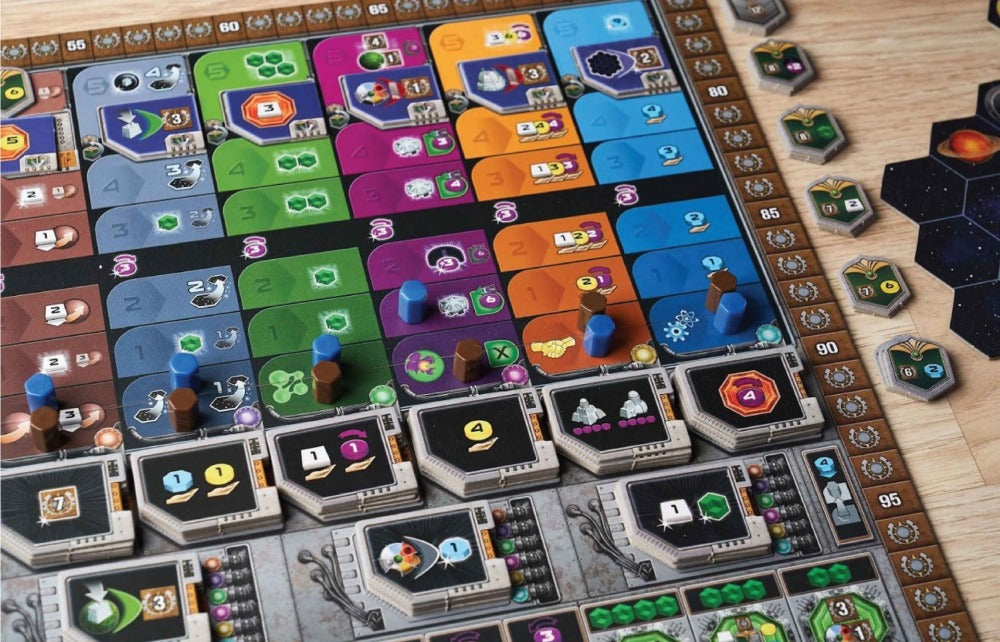
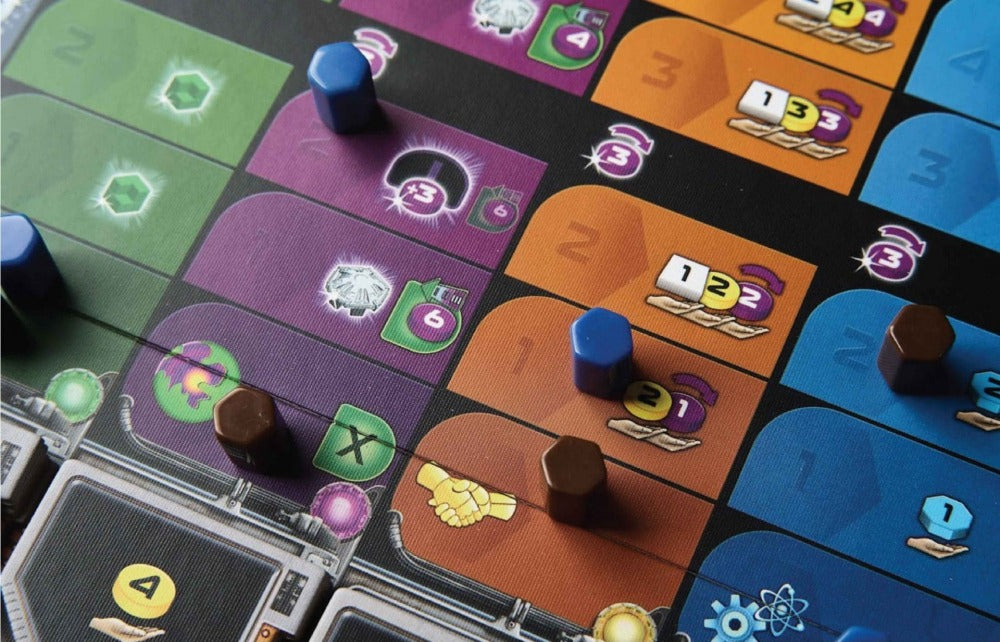
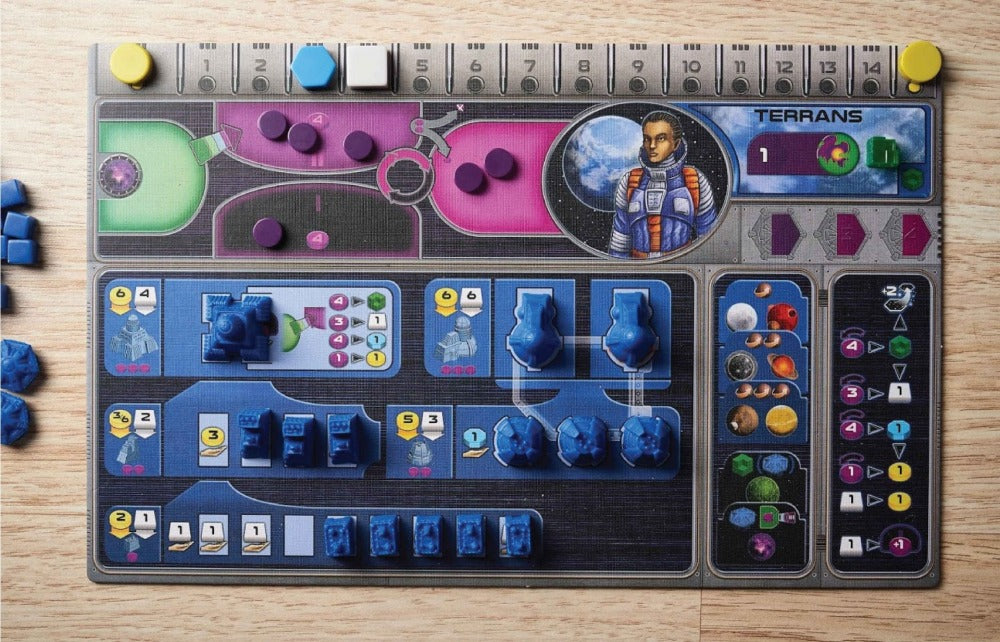
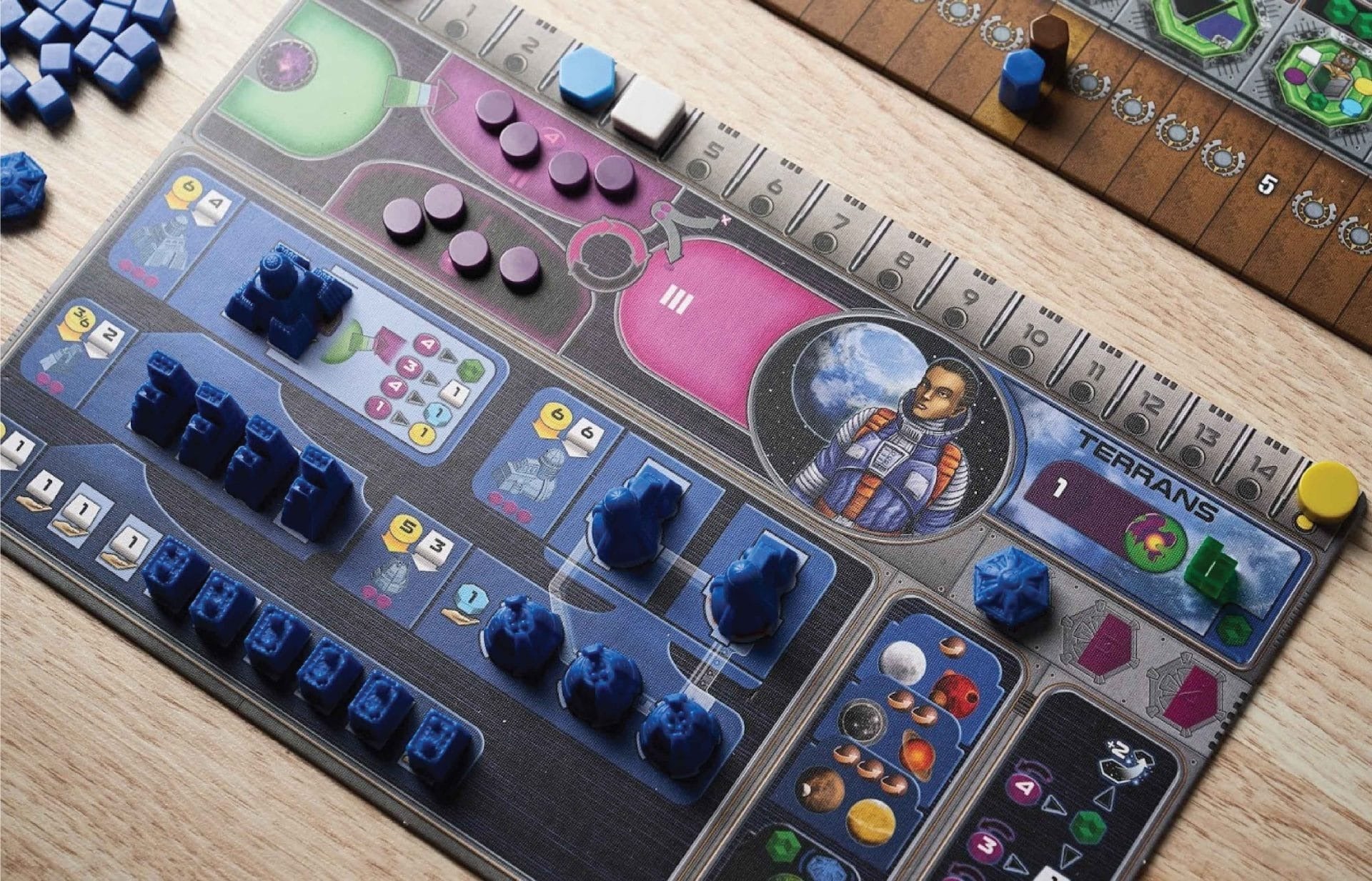
 16 photos
 Gaia Project
- Players
- 1-4 · best 3
- Time
- 60-150 min
- Age
- 12+
- Complexity
- 4.4 / 5
- Publisher
- Feuerland Spiele · 2017
- Designers
- Jens Drögemüller, Helge Ostertag
- Art
- Dennis Lohausen
 14 photos
 Twilight Inscription
- Players
- 1-8 · best 3-4
- Time
- 90-120 min
- Age
- 14+
- Complexity
- 3.2 / 5
- Publisher
- Fantasy Flight Games · 2022
- Designer
- James Kniffen
- Art
- Alex Kim, Anders Finér, Stephen Somers, Tomasz Jedruszek
 14 photos
 Scythe
- Players
- 1-5
- Time
- 90-115 min
- Age
- 14+
- Complexity
- 3.45 / 5
- Publisher
- Stonemaier Games · 2016
- Designer
- Jamey Stegmaier
- Art
- Jakub Różalski
 12 photos
 Red Rising
- Players
- 1-6
- Time
- 45-60 min
- Age
- 14+
- Publisher
- Stonemaier Games · 2021
- Designers
- Jamey Stegmaier, Alexander Schmidt
- Art
- Jacqui Davis, Miles Bensky, Justin Wong
Questions, answered
What's the single best 4X space board game in 2026?
Eclipse: Second Dawn for the Galaxy, by both critic and community consensus. It delivers the complete explore-expand-exploit-exterminate experience in a single evening (roughly 60-200 minutes), plays 2-6, and is the title multiple reviewers named their new favorite wargame over Twilight Imperium. TI4 is the bigger, grander event game — but Eclipse is the one most people can actually get to the table.
Eclipse or Twilight Imperium — which should I buy first?
Eclipse, without hesitation. It's a third the length (an evening versus a whole day), far easier to convince a group to play, and it teaches every 4X pillar cleanly. Save Twilight Imperium for when you have a committed group of 5-6 and a free 6-9 hours plus a real appetite for heavy negotiation. They scratch genuinely different itches, so dedicated fans eventually own both — but Eclipse is the smarter entry point every time.
What's the best 4X for solo or two players?
Voidfall first, Gaia Project second. Voidfall uses the same system across solo, co-op, and competitive play, has fully deterministic luck-free combat, and is widely called the best heavy game many reviewers have ever played solo — it shines most at 1-2 players. Gaia Project is the other go-to: a beloved heavy Euro that's a single-player essential. For a 1-vs-1 conflict game specifically, Star Wars: Rebellion is the best two-player galactic duel.
Is Twilight Imperium really worth the 8-hour playtime?
For the right group, absolutely; for most groups, only occasionally. TI4's whole value is the once-or-twice-a-year event — the negotiation, the Council votes, the betrayals, 25 wildly different factions. It's also the most polarizing big game in the hobby: skeptics call it an overlong kingmaker, devotees call it the best game ever made. Both are right; it depends entirely on whether your table leans into the politics. If you can't reliably gather 5-6 players for a full day, Eclipse or the roll-and-write Twilight Inscription give you most of the flavor for a fraction of the time.
Why is Voidfall so divisive if it reviews so well?
Because it's brilliant and brutally inaccessible at the same time. Reviewers praise it as Mindclash's best design ever, then warn it's the polar opposite of accessible — hard enough to teach that owners often send new players a 60-minute rules video first. Its no-luck deterministic combat thrills Euro players and leaves dice-combat fans cold, and at 3-4 players the downtime can balloon past four hours. It's a 1-2 player masterpiece with a steep on-ramp — buy it knowing which of those two players you are.
Are Scythe, Gaia Project, and Red Rising actually 4X games?
Not strictly. Scythe is a dieselpunk engine-builder with light combat and almost no exploration — even its designer sidesteps the 4X label. Gaia Project is a heavy Euro that nails expand-and-exploit but has no real exterminate. Red Rising is a fast sci-fi card game with no map at all. They're excellent and galaxy-flavored, which is why they land on these lists — but if you specifically want the full four-X war-and-empire arc, Eclipse, Twilight Imperium, and Voidfall are the genuine article.
Which 4X game is least likely to end up unplayed on my shelf?
Eclipse for a regular group, Twilight Inscription for a casual or mixed one. The genre's real failure isn't a bad game — it's a great one you can never schedule. Eclipse fits an evening, so groups actually replay it; Twilight Inscription scales to 8 players with almost no downtime and learns in 15 minutes, so nobody's left waiting. Buy for the night you actually have, not the all-day event you keep meaning to plan.
Dax's verdict
Buy Eclipse: Second Dawn for the Galaxy — it's the only game here that gives you the whole galaxy AND a group willing to replay it. Reach for Twilight Imperium only when you've got six people and a cleared day, and go Voidfall the moment you're playing solo or two-handed. Everything else is a fine detour; those three are the destination. Now go conquer something before it sells out.
Still deciding? Take the Game-Finder — answer seven quick questions and the cabinet hands you the one board game built for your table, with a buy link and your own shareable player talisman.
Research ledger 8 sources · reviewed 2026-07-17
Specifications, rules, current product information, community experience, and contrary evidence were checked against the sources below. Commercial links are kept separate from editorial evidence.
- us.shop.mindclashgames.comus.shop.mindclashgames.com/product/voidfall-standard-edition-en
- cardboardalchemy.comcardboardalchemy.com/andromedas-edge
- fantasyflightgames.comfantasyflightgames.com/en/products/twilight-imperium-fourth-edition
- ledergames.comledergames.com/products/arcs
- boardgamegeek.comboardgamegeek.com/boardgame/246900/eclipse-second-dawn-for-the-galaxy
- boardgamegeek.comboardgamegeek.com/boardgame/337627/voidfall
- boardgamegeek.comboardgamegeek.com/boardgame/358661/andromedas-edge
- boardgamegeek.comboardgamegeek.com/guild/1539
I'll be honest with you — flattery is boring.

Keep exploring
The next smart rabbit holes.
✦ Topic PathBoard Game Buying Guides: compare the whole shelfStart with the decision, not the shelf. These guides compare the games, editions, expansions, player counts, and costs people...Best OfBest Legacy & Campaign Board Games, Ranked (2026)Ten campaign boxes compared by commitment, permanence, tactical weight, story structure and the group each one needs.Deep DiveEclipse: Second Dawn for the Galaxy — The 4X Space Epic Worth Clearing the Whole Table ForA full galaxy of exploration, research, conquest, and diplomacy running on a famously elegant action-disc economy — and the version...