Masterclass
Twilight Imperium (4th Edition)
The grandest game ever made is also the most welcoming — an eight-hour galactic opera of conquest, diplomacy, and gorgeous treachery. This is your full initiation, from your first faction to your first betrayal to the day you host your own.
To start playing Twilight Imperium 4th Edition in 2026, buy the base game (not an expansion), watch the RTFM "Learn to Play" video as homework, pre-assign factions, and block out a real eight-hour day with 4-6 players. Pick a beginner-friendly faction like the Federation of Sol or Emirates of Hacan, learn the core loop (pick a strategy card, take tactical actions, score objectives), and let the politics phase arrive naturally once someone takes Mecatol Rex. Your first game is about finishing and understanding the engine — not winning.

AI-assisted curator persona · researched & reviewed by founder Robert Pruitt, a 20-year enthusiast · our method
- The DojoWhite belt
- The MonasteryGreen belt
- The Mountain RetreatBrown belt
- The Grand HallRed belt
- The Campfire of MastersBlack belt
What Twilight Imperium Is, Why 2026 Is the Moment, and How to Choose Your Faction

Pull up a chair, initiate — clear your whole Saturday, because we don't fit Twilight Imperium into a day, we build the day around it. Today you'll lie to people you love and laugh about it for years; that's not a bug, that's the whole point. Don't stress the rules, stress the snacks — stay to the end, and by ten points you'll understand why we keep clearing entire days for this thing.
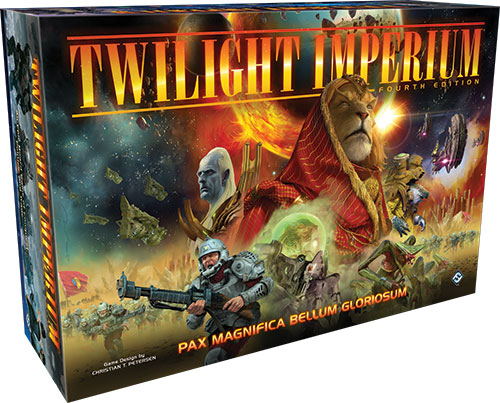
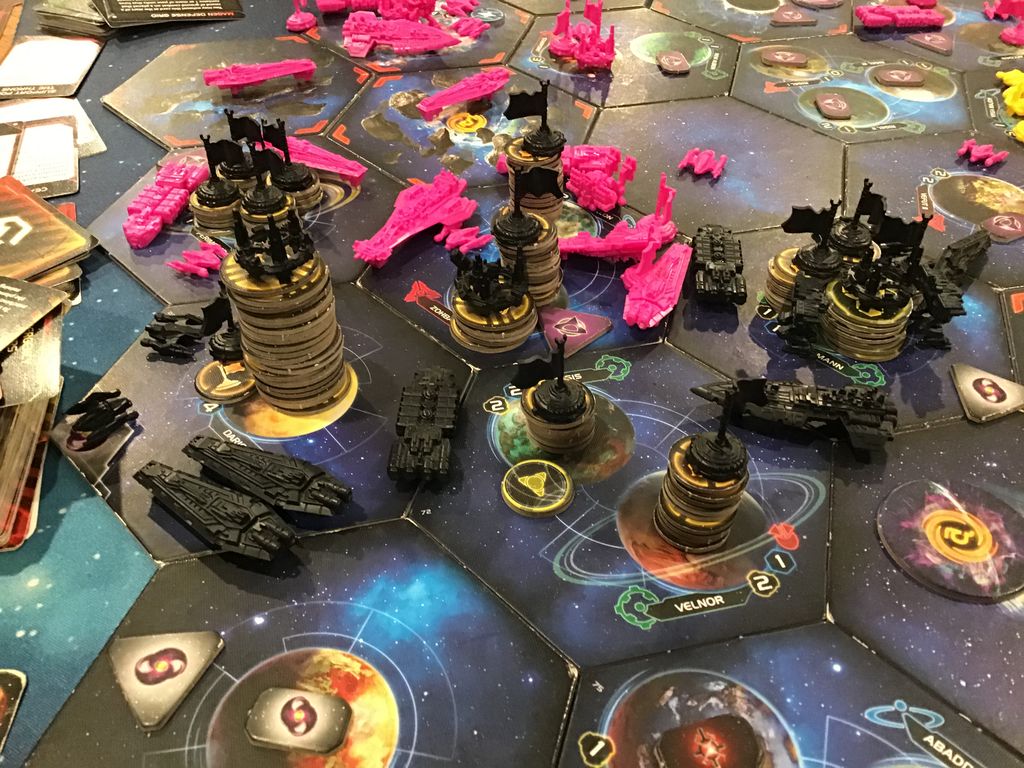
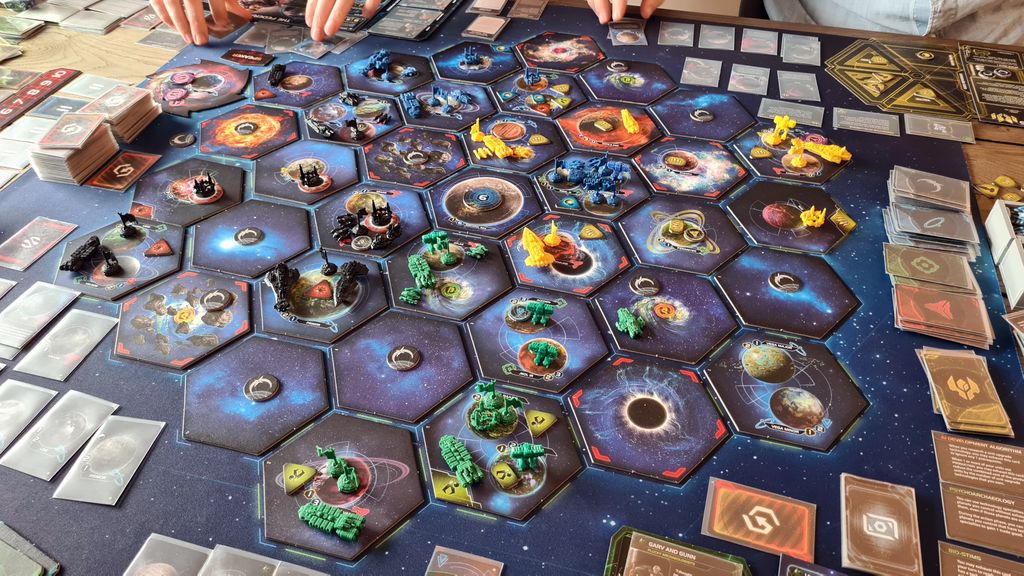
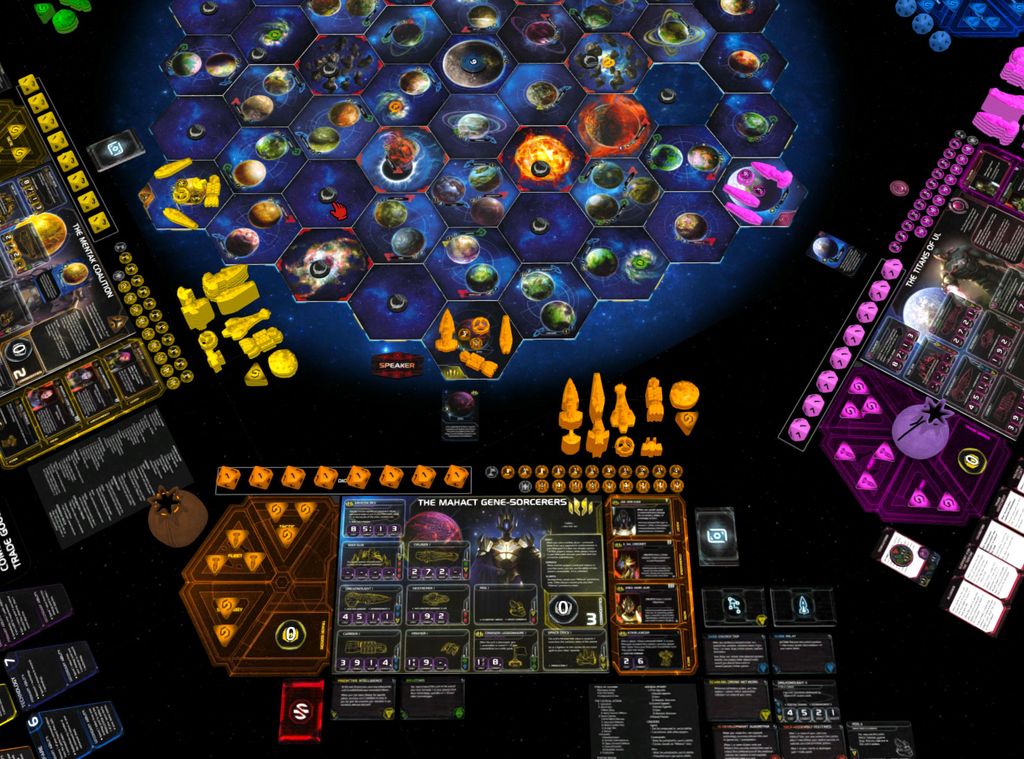
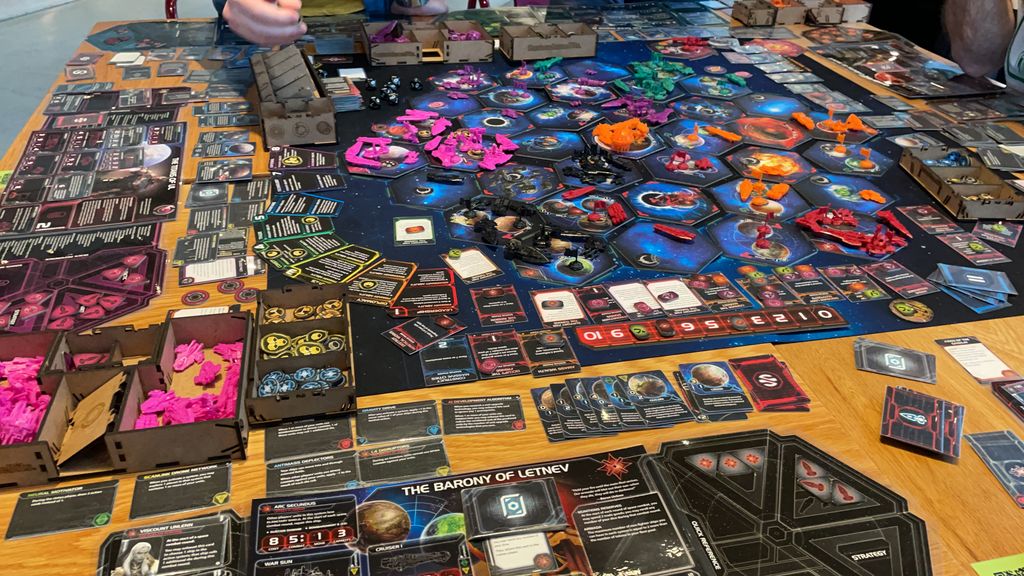
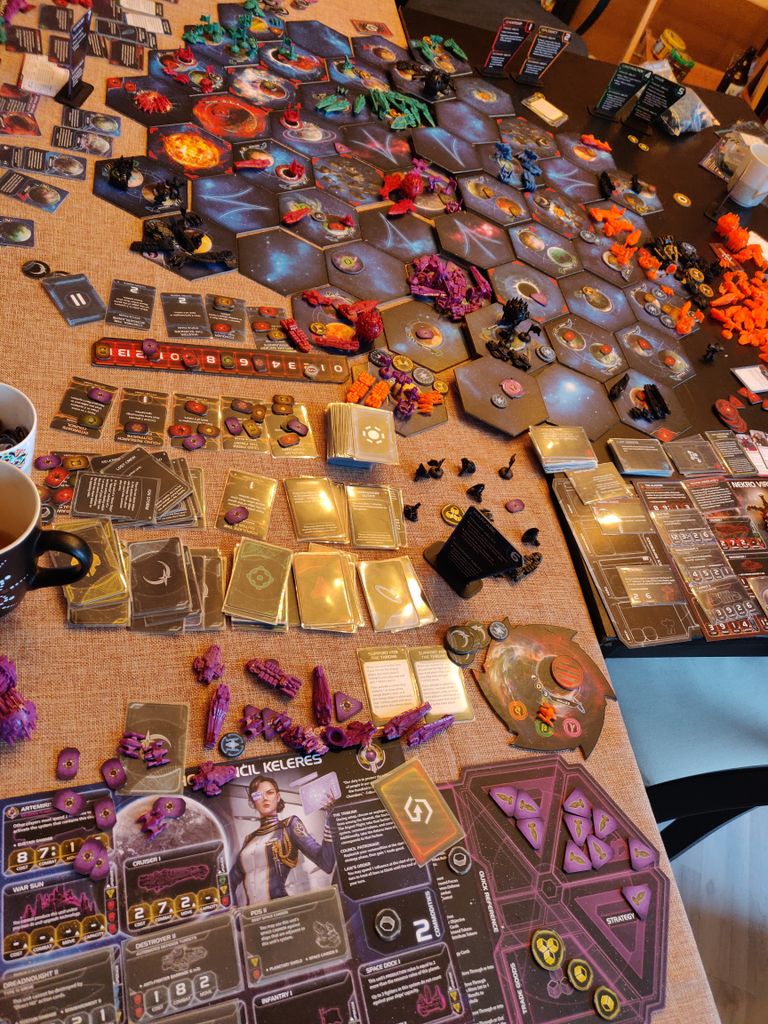
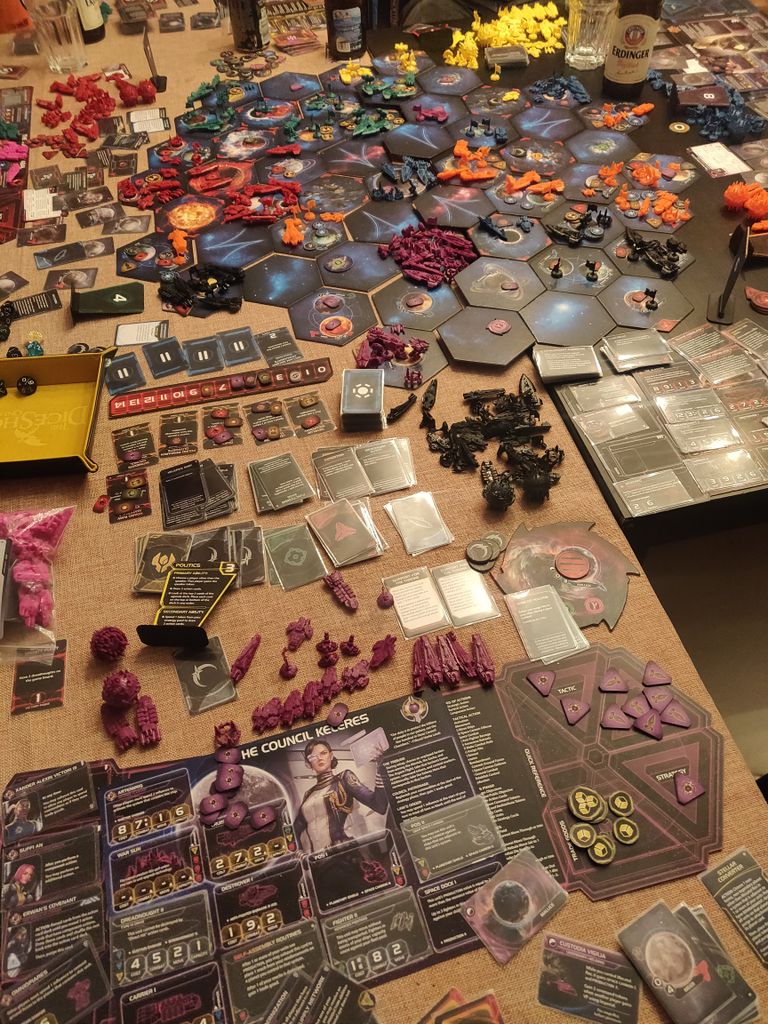
Twilight Imperium: Fourth Edition — designed by Christian T. Petersen, published by Fantasy Flight Games — is the grandest 4X board game ever made: a 3-6 player (up to 8 with the first expansion) science-fiction epic where each commander races a different one of the galaxy's great factions to 10 victory points. You build a modular hex-tile galaxy fresh every game, then over a series of rounds you eXplore, eXpand, eXploit and eXterminate — producing fleets, climbing a technology tree, running an economy of resources and influence, voting in a galactic council, cutting deals and breaking them, and above all scoring objectives. It plays as much like a tense negotiation and a seventeen-faction asymmetric puzzle as it does a war game.
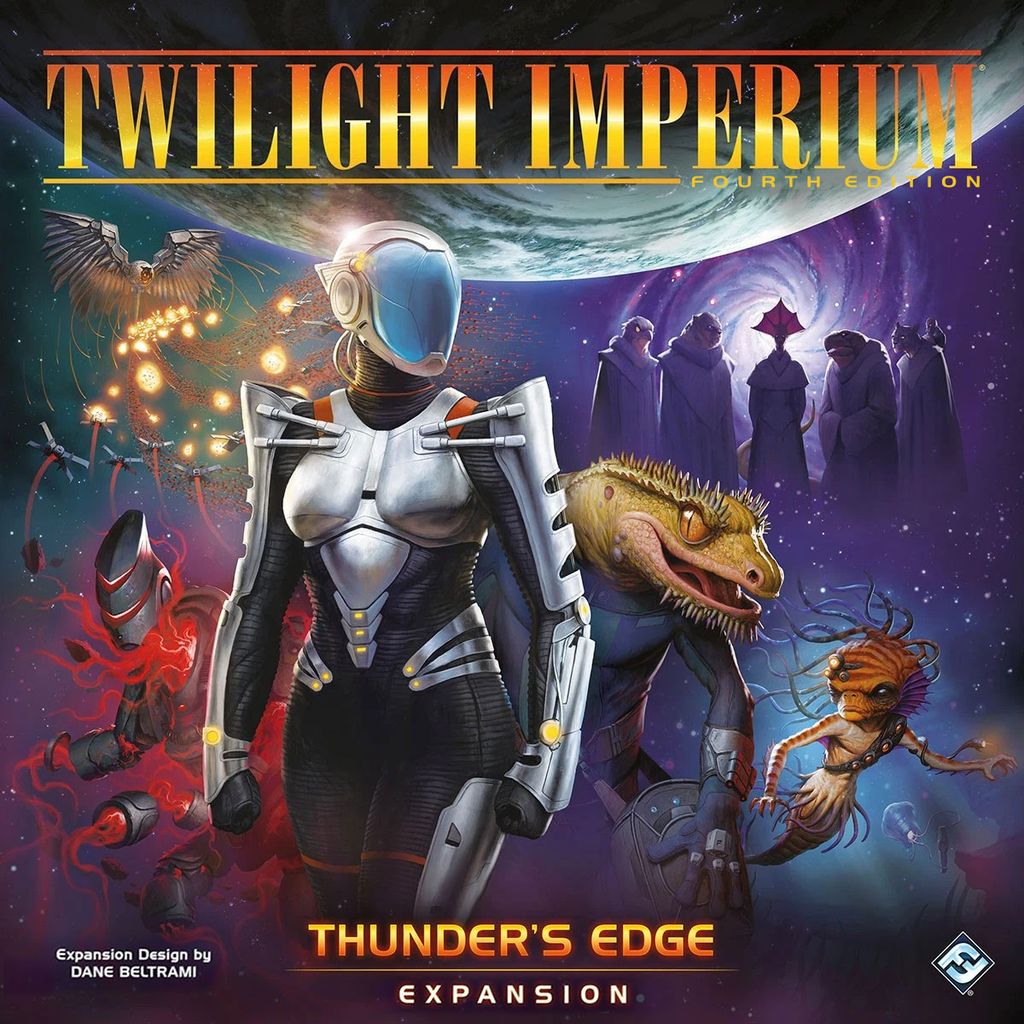
Why now? 2025 was the biggest year for TI since launch. Thunder's Edge, the long-awaited second big-box, landed October 24, 2025, lifting the roster to 30 factions and finally compiling years of print-and-play Codex content into physical components. The free Codex IV: Liberation dropped in June, and Twilight Imperium Digital was announced for PC — promising the easiest on-ramp the game has ever had. But the practical truth for a beginner is steadying: start with the base game. Reviewers are unanimous that Thunder's Edge deepens the game rather than simplifies it — it is a veteran's "more of everything," not a smoother door.
Your first real choice is your faction, and here the rule is pick what you love. Lean into a faction's worst instincts — that's the flavor. Meet your neighbors: capitalist trading cats (the Hacan, beloved as the "Space Cats"), diplomatic turtles (the Xxcha, the "Peace Turtles"), a tech-stealing zombie virus (the Nekro), space vampires openly disdainful of you (the Letnev). Roleplay one's soul and your bluffs start sounding like prophecy.

It's not really a board game — it's a story machine, and whatever insane thing happens today, we'll be retelling it for years.
- Buy the BASE GAME first — it is fully complete and the right place to start. Do NOT begin with Thunder's Edge.
- Watch a full how-to-play video before session day — the RTFM 'Learn to Play' video is the community's go-to, paired with the official Learn to Play booklet (not the dense Rules Reference).
- Block out a real eight-hour day and tell every player up front; first games commonly run 10+ hours.
- Seat 4-6 players (4 is a great teaching number) — more players means more diplomacy, and diplomacy is the soul of TI.
- Pick a beginner-friendly faction you LOVE: Federation of Sol, Emirates of Hacan, Argent Flight, Barony of Letnev, or Empyrean. Avoid the fiddly ones (Ghosts of Creuss, Nekro Virus) for game one.
- Pre-assign factions a day or two early so everyone reads their faction sheet before they arrive.
Speak the Galaxy's Tongue
Space Cats — the Emirates of Hacan, the merchant lion-people; calling them 'the cats' is the warmest in-group thing you can do. Peace Turtles — the Xxcha Kingdom, diplomatic turtle-folk who win the political game; together with the cats they're so iconic the biggest TI podcast named itself after them. PoK — Prophecy of Kings, the expansion almost everyone now treats as the real base game. 10 points — reaching ten victory points ends the game; 'watch the leader, they're on eight' is the rallying cry.
It's an Event, Not a Game Night
A typical game runs 6-8+ hours; first games very commonly run 8-13 because of the learning curve and setup. Experienced groups land nearer 4-6. Schedule it like an event — a hard start time, a planned dinner break, an intermission — and tell everyone the commitment in advance. The community says it best: 'Clear your calendar — we're playing TI.'
Don't Buy Thunder's Edge Yet
The big 2025 release is a veteran upgrade — it adds five factions, a contested legendary planet, the Fracture region, Galactic Events, and the expert Twilight's Fall mode, but Meeple Mountain is explicit that it 'does NOT lower the barrier to entry.' Buy the base game; love it; then consider Prophecy of Kings; save Thunder's Edge for when you're a citizen of the galaxy.
Faction Is Playstyle, Not Just a Color
Some factions snowball economically (Hacan, through trade), some are military bullies (Letnev, Sol), some warp space itself (Creuss, through wormholes). Match a faction's identity to how you want to score, instead of fighting it. For a first game, intuitive beats clever — you can break your brain on the wormhole-ghosts another Saturday.

Learning Your Faction, Reading a Slice, and the Lowest 'Ready' Bar

Welcome to the workshop, initiate. We'll run a Milty to set up — you'll draft a slice, a faction, and a seat, and the day you learn to read a slice you're already ahead of half the table. Don't quarterback your own setup to death; grab a wedge that excites you, lean into your faction's worst instincts, and the deep optimization will come once you've got a galaxy under your belt.
The craft of TI lives in two places: the setup and the self. On the setup side, the community elevated game-prep into an art form called the Milty Draft — a balanced snake-draft of map slices, factions, and seating that most online groups now treat as the only civilized way to begin. A slice is your wedge of five home-adjacent tiles, and people judge one the way poker players judge a hand: 'that's a greedy slice,' 'spicy slice,' 'starved for resources.' Knowing how to read a slice — counting resource (yellow) versus influence (blue) planets, spotting the wormhole adjacencies — is a genuine, prideful skill, and fan tools like miltydraft.com keep the ritual humming across continents.
On the self side, the deep craft is faction mastery. The roster runs from the brute-simple bug-warriors of Sardakk N'orr to the famously brain-melting Universities of Jol-Nar, the wormhole-folding Ghosts of Creuss, and the parasitic Nekro Virus. The community openly tiers factions by complexity precisely so newcomers don't drown — and threading a hard faction to a win is the painter's-masterpiece equivalent here. Nobody's impressed you punched things with the obvious faction; they're impressed you flew the impossible one.
For your first game, the lowest acceptable ready bar is gentle and clear: read your one faction sheet, understand the round loop, and know your slice. That's it. You don't need to have memorized the tech tree or the agenda deck — the rules delay the politics phase on purpose, so you get to learn it later. The whole monastery ethic is patience with yourself: grab a slice that excites you, lean into your faction's worst instincts, and learn the deep optimization once you've got a galaxy under your belt. This is a hobby that rewards a lifetime of returning, not a weekend of cramming.

Anyone can swing the bug-folk's fists — threading a wormhole-ghost to victory is how you announce you actually understand the machine.
- Run a Milty Draft for setup (or use the official first-game map for total beginners) — it kills the 'I lost at setup' feel-bad.
- Read your single faction sheet front to back; understand its identity and one or two signature abilities, not every edge case.
- Learn to read your slice: count resource vs. influence planets and note any wormholes or chokepoints near your home.
- Add Prophecy of Kings to your shelf once you've played the base game once or twice — it brings exploration, leaders, mechs, and relics.
- Sleeve your cards in multiple sizes and grab an organizer/insert — setup and teardown are the hidden tax, and the trays double as in-game holders.
- Pick ONE faction to actually get good at over your next few games before you go collecting the whole roster.
Workshop Words
Milty / Milty Draft — the beloved snake-draft of faction, slice, and seat; 'let's run a Milty' is as natural as shuffling. Slice — your wedge of five home-adjacent tiles; drafting a fat blue-tile slice is a quiet flex. TTS — Tabletop Simulator, where the online community drafts and runs marathons across time zones. PoK — Prophecy of Kings, the near-universal 'add it next' expansion most fans treat as the real base game.
The Quality-of-Life Trinity
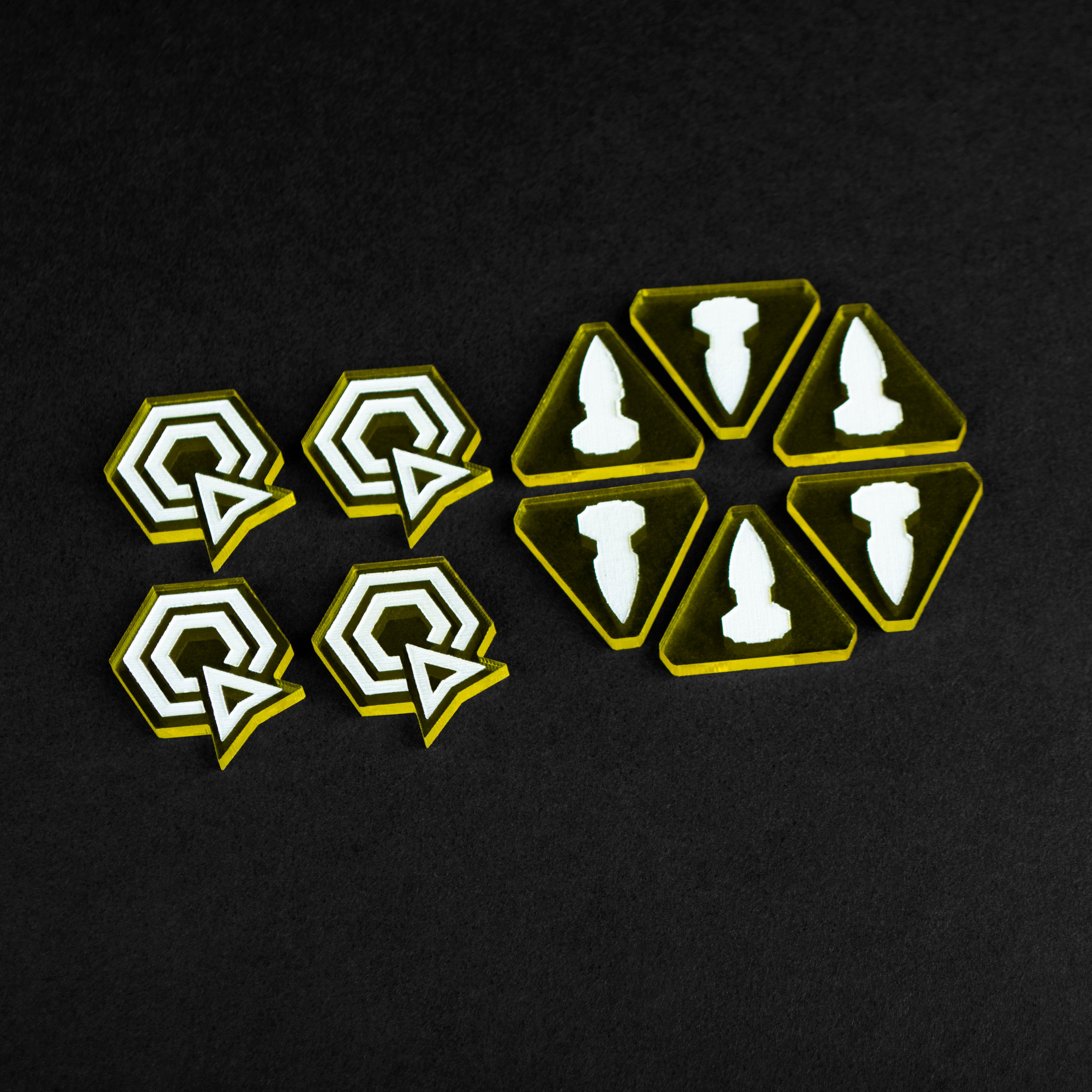
Three upgrades earn their keep on day one: a box organizer (The Broken Token's 'Imperious' turns a 30-minute setup into a few minutes), multi-size card sleeves (TI uses several card formats handled by many hands over eight hours), and upgraded plastic command/control tokens (durable, color-clear, and far harder to mix up than the cardboard chits). Faction trays and fleet stands keep each player's pieces sorted and reachable.
Buying Your Own Copy
The community calls it the commitment ring. It's a big, expensive box that demands a whole day to use — putting it on your own shelf (and then adding the Prophecy of Kings expansion) is a quiet vow that this is now part of who you are. You've stopped being a guest at the galaxy and started keeping a piece of it.
Read the Slice Before You Fall in Love
A resource-rich slice wants production and a planned tech path; an influence-rich slice can dominate the Agenda phase and out-pick the table for strategy cards. Greedy slices with fat tiles look tempting but can be hard to hold. Match your draft to your scoring plan, not to whatever's shiniest — that discipline is the first real skill.
How a Round Actually Works, the Win Condition, and Playing It Straight

Now the truth of the machine, initiate. One rule sits above all the others: a deal you can't resolve right now is non-binding — meaning anyone, including you, is allowed to break it, because the rulebook itself blesses the betrayal. Think on other people's turns, not just your own; slow-play is the only thing that actually drags a TI day down, and once you learn the difference between binding and non-binding you'll never rage at a stab again.
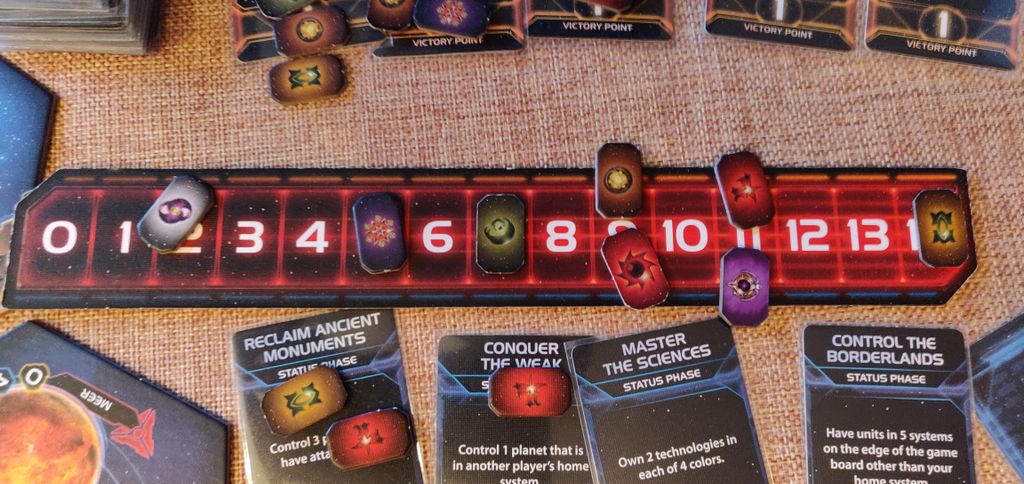
The goal is simple even if the game isn't: be first to 10 victory points, scored almost entirely by completing Public objectives (Stage I = 1 point, Stage II = 2) and your hidden Secret objective. Every round runs four phases. In the Strategy phase, each player picks one of the eight numbered strategy cards (Leadership, Diplomacy, Politics, Construction, Trade, Warfare, Technology, Imperial), which sets turn order. The Action phase is the heart of the game. Then Status (score objectives, refresh, redistribute command tokens), and finally Agenda — galactic voting — but only after someone has taken Mecatol Rex.
On your turn in the Action phase you take exactly one thing: a Tactical action (spend a command token to activate a system, then move, fight, invade, and produce), a Strategic action (play your strategy card's powerful primary — and crucially, every other player may pay into its cheaper secondary), or a smaller Component action. That secondary mechanic is the genius of TI: you act on almost everyone's turn, so the table never goes quiet. Your three command-token pools — Tactical, Fleet, Strategy — gate everything; running out of tokens, not running out of money, is the real limiter. Combat is fast: roll one die per unit, hits land on rolls meeting or beating a unit's combat value, the defender assigns casualties, repeat until one side breaks (space combat allows retreat; ground combat does not).
The etiquette is baked into the mechanics. Binding deals resolve this instant and must be honored; non-binding deals are promises about a future the rules let anyone break. Learn that line and you'll lie in-game and hug out-of-game — the veteran ethic is 'no hard feelings at the table.' And the cardinal sin isn't betrayal; it's slow-play. Think while others act. Nobody minds one tough decision; everyone minds twenty in a row.
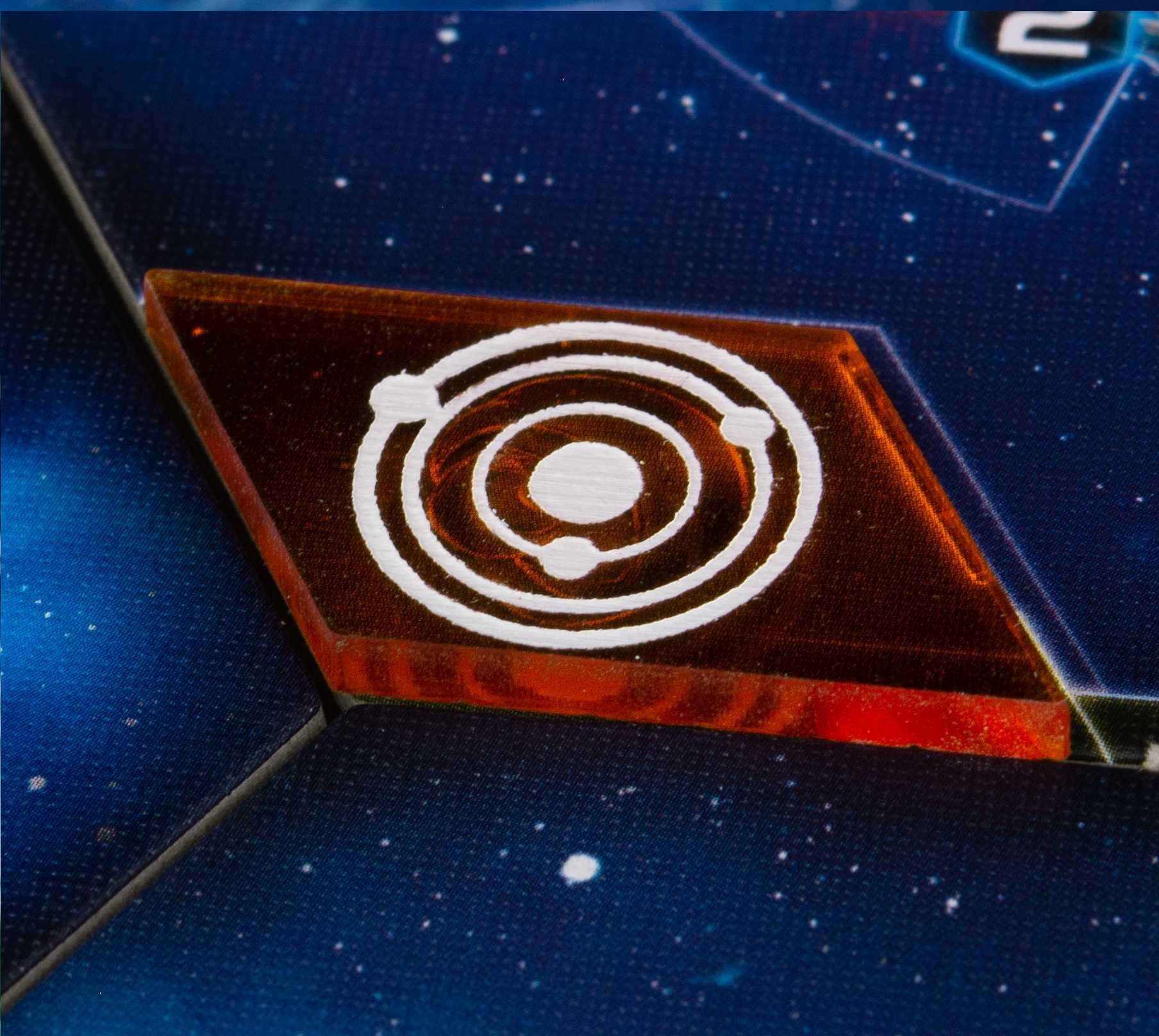


Binding means it resolves now and you must honor it. Non-binding is a promise about the future — and the future is a beautiful liar.
- Internalize the round loop above everything: pick a strategy card → take tactical actions → score objectives. Repeat.
- Drop the Agenda (voting) phase for your first game — the rules already delay it until Mecatol Rex falls, so politics arrives naturally.
- Budget your three command-token pools every round; don't hoard them and don't blow them all early.
- Pay into opponents' strategy-card secondaries on their turns — that shared economy is why TI has so little downtime.
- Think on other people's turns so your own turns are quick — slow-play is the one thing that truly drags the day.
- Steer every action toward an objective; you win by scoring points, not by owning the biggest fleet.
Battlefield Shorthand
Dread — Dreadnought, your heavy hitter. GF — Ground Forces, the infantry that take planets. PDS — Planetary Defense System, the turret that punishes incoming fleets. AC — Action Card, your hand of surprises. Custodians — the 6-influence toll guarding Mecatol Rex; 'paying the Custodians' cracks the center open and switches politics on for everyone. Talking in these is the sound of someone who's logged real games.
A Non-Binding Deal Is Non-Binding
The rules themselves say future promises don't have to be kept — so when you get stabbed on a 'we won't fight, I swear,' the correct response is a slow nod of respect, not a tantrum. The treachery is for your faction, never for real. Lie in-game, hug out-of-game; the betrayal is the gift, not the grudge. This is the single piece of etiquette that, once understood, makes the whole game click.
Objectives First, Plastic Second
At setup, read the revealed Public objectives and your Secret, then ask 'what does this map and faction let me score?' and build your whole plan backward from ten points. The classic beginner trap is turtling — building a 'big move' that never comes while the table out-scores you. Commit to offense or defense, expand decisively early, and let every turn answer to a point.
Mind Your Home System
You can't score most Public objectives unless you control all the planets in your home system. Overextending and leaving home undefended quietly locks you out of points — a mistake that doesn't announce itself until scoring. Mobility beats mass: a single overstuffed doom-stack over-commits you to one vulnerable spot.
Hanging With the Pros — Threat Management, the Agenda Phase, and the Kingmaker Line

Step into the hall, initiate — this is where you learn to play the people, not just the board. Hoard influence before key votes, count whose planets are exhausted, broker a Speaker token as a bribe, and look like the safe second-place player while you set up a scoring burst. But there's one bright line you do not cross: if you can't win, you still play your faction honestly — you don't vindictively hand someone the crown. That's the kingmaker, and it's the difference between a worthy opponent and the guy nobody invites back.
Hanging with the pros means treating the deal-making layer as the real game. Half of TI is won in conversation. Promissory notes, agent abilities, and political agendas are tools, not flavor — new players who only push plastic around miss where games are actually decided. The first edge is threat management: taking Mecatol Rex or jumping to an early VP lead paints a target on you, so the polished play is often to look like the safe second-place player while you quietly arrange a scoring burst. 'Watch the leader, they're on eight' turns rivals into a coalition; your job is to not be the one they're watching until it's too late.
The Agenda phase is a chess endgame. Hoard influence before key votes, count whose planets are exhausted and can't vote, and remember that laws change the rules for everyone — a well-timed agenda can swing the whole table. The Speaker token (first strategy pick and the tiebreaking vote) is a real negotiation chip: 'I'll give you Speaker if…' starts more deals than gold does. Sequencing matters too — plan your fleets and your influence two rounds ahead, because the votes you'll need haven't arrived yet. For fair, skill-expressive games, the competitive scene runs the Milty Draft so nobody loses at setup, and a huge async-Discord and Tabletop Simulator community fits these marathons into adult lives.
And here is the bright line. The community's most-argued ghost is the kingmaker — a player who can't win throwing the game to decide who does. The code is firm: if you can't win, you're still expected to play your faction honestly, not to vindictively crown a friend. A sweaty game is admired; a kingmaker is the one move that curdles a table. That's the difference between the cutthroat you respect and the win-at-all-costs jerk nobody seats again.

Sometimes the smartest seat is second place — let someone else wear the target while you build the burst to ten.
- Read the Public objectives at setup and reverse-engineer a full scoring plan to ten before you move a single ship.
- Manage your threat level — don't grab the early lead loudly; sometimes look like the safe runner-up while you set up.
- Treat the Agenda phase like an endgame: hoard influence before big votes and track which players' planets are exhausted.
- Use the Speaker token and promissory notes as live negotiation chips, not afterthoughts.
- Make alliances and trades EARLY — trade goods and deals snowball, and experienced players will block trades later.
- Adopt the Milty Draft for fair, competitive setups, and try the async-Discord or Tabletop Simulator scene to get reps in.
The Pro's Vocabulary
Sweat / sweaty game — a hyper-optimized, win-at-all-costs table; said half-admiringly. Kingmaker — a player who can't win throwing the game to decide who does; the community's most-argued ghost. Speaker — the tiebreaker crown: first strategy pick and the deciding political vote, and a real bargaining chip. Agenda phase — the voting that turns the table into a senate; 'it's gonna get political' is said with a grin and a wince.
Diplomacy Is a Resource You Spend
Trade goods, promissory notes, and 'I won't attack you this round' pacts are spendable tools. Make your alliances and exchanges in the first few rounds, because experienced players start blocking trades once the leaders emerge — and never assume a deal is permanent. Plan the Agenda phase like a chess endgame: a well-timed law swings the whole table, and a hoarded vote bank decides who wins the swing.
The Kingmaker Line
If you can't win, you're still expected to play your faction honestly — not to vindictively hand the crown to someone you like or punish someone you don't. How hard the line is enforced is the table's eternal house-rule debate, but crossing it is the fastest way to sour a worthy game. Pull up the leader, yes; choose the winner from the loser's seat, no.
Teach Gently, Don't Quarterback
At a strong table, veterans walk a newbie through their first turns and then shut up. Telling a new player exactly what to do — or worse, exactly what to do against you — breaks the table's trust. The edge you want is being the player everyone wants to play with, not the backseat driver they tolerate.
The Unwritten Code, the Rites of Passage, and the Found-Family Truth of TI

Come sit by the fire, initiate — you're one of us now. Twilight Imperium is the most cutthroat game you'll ever play with the people you like best, and the cutting is the affection: stab freely, hug after. Find your six, honor the host, let the big moments breathe — because it was never really a board game. It's a story machine, and the lore of your specific friendship is what you're actually here to build.
Here's the dirty secret of the most cutthroat space-empire game ever made: it's actually one of the most intimate things a friend group can do together. You don't fit TI into a normal day — you build a day around it, and six people each clearing eight to ten hours, gathering in one room, stocking the snacks, committing to a single shared story, is the found-family ritual underneath all the lasers. The standing wisdom for a first game is to pick players who genuinely enjoy each other's company over players who'll execute perfectly. A session is judged a success not by who hit ten points, but by whether everyone left wanting to do it again.
The betrayals aren't cracks in that bond; they're the mortar of it. The broken pacts, the back-stabs, the ignoble treacheries — these are the stories you'll be retelling at weddings in twenty years, the lore of your specific friendship rendered in starships. As the community puts it with a grin: 'the friendships you ruin are the friendships you keep.' TI doesn't ruin friendships. It deepens them by giving everyone a galaxy to fight over and a long, slow day to forgive each other in.
That's why the unwritten code matters more than any rule: show up and stay (a TI day is a contract), lie in-game and hug out-of-game, honor the host who gave up their living room, and let the moment breathe — savoring the big steal is part of playing well. The community wears the game's reputation — Polygon's 'greatest board game ever made,' Shut Up & Sit Down's 'the grandest, silliest game we know' — with proud, self-aware irony, because they all know how absurd it is to clear a Saturday for a fake space election. That irony is half the love. And hosting your own TI day is the final rite: when you run it, you're the keeper of the flame. Welcome to the fold, initiate. You're a citizen of the galaxy now.



TI doesn't ruin friendships — it deepens them by giving everyone a galaxy to fight over and a long, slow day to forgive each other in.
- Host your own TI day once you've played a few — pre-build the map, stock the snacks, and herd the table through the epic.
- Send 'homework' in advance: the how-to video and pre-assigned factions, the single biggest time-saver.
- Manage the clock like an event — hard start, planned dinner break, an intermission, gentle nudges on slow turns.
- Reset expectations out loud: the first game is for learning the engine; the rematch is where real strategy starts.
- Prompt negotiation actively ('anyone want to trade for that tech?') to draw out quiet players — diplomacy is the soul.
- Lean into the theatrics: name your fleets, narrate the betrayals, and let the big moments breathe.
The Unwritten Code
Show up and stay — a TI day is a contract; bailing at hour three is the one truly unforgivable sin. Lie in-game, hug out-of-game — the treachery is for your faction, never for real. Honor the host — help set up, help tear down, bring something to the table, literally. Pull up the leader — when someone's racing to ten, the table is expected to notice and act. Let the moment breathe — the story is the game; don't rush past the betrayals everyone saw coming.
The Rites of Passage
Surviving your first full game to 10 points is the true initiation — you're no longer someone who 'tried TI once.' Getting betrayed on a non-binding deal and laughing is the emotional baptism. Pulling off your own first cold-blooded betrayal crosses you from victim to player. Hosting your own TI day makes you a pillar — the keeper of the flame. And learning a 'hard' faction (Creuss, Nekro, Jol-Nar) and winning with it is mastery, declared.
The Soul of the Galaxy
The galaxy is populated by capitalist trading Space Cats (Hacan), diplomatic Peace Turtles (Xxcha), a tech-stealing zombie virus (Nekro), space vampires openly disdainful of you (Letnev), melancholy junkyard nomads (Saar), and wormhole ghosts (Creuss) — and the community leans hard into roleplaying each one's worst impulses, because 'behaving like a xenophobic ass because that's what your faction would do' is exactly the point. It's a 'story machine,' and the betrayal — blessed by the official rules as a breakable 'non-binding deal' — is its defining cultural artifact.
Hosting Like a Pillar
Don't read the rulebook aloud — teach the core loop and layer in tech, trade, and politics as they come up (the Agenda phase delays itself, so you get to delay teaching it). Keep a Rules Reference open and name yourself arbiter so play doesn't stall. Recommend beginner factions, manage the clock with a hard stop, and embrace the theatrics — TI's best memories are social and emotional, not mechanical.
Fuel for the Long Day
A slow-cooker chili started before guests arrive and served 'a few turns in' is the community-favorite hot meal, with cornbread on the side. Add 'Dark Matter' blackberry lemonade as the galactic signature drink, galaxy-decorated 'Nebula Cakes' for a mid-game morale boost, and card-safe grazing snacks (pretzels, popcorn, trail mix, jerky) that survive eight hours. A special 'Mecatol Rex' dessert for whoever takes the center is a beloved house rule.
The Armory — what to buy first
Everything you need to begin, ranked. Honest picks; affiliate links support the cabinet.
1 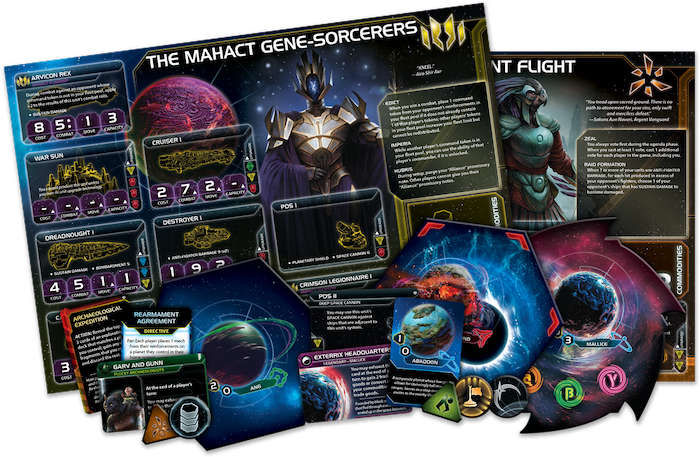
Fantasy Flight Games / Asmodee · Every beginner — the one and only thing you need to play a complete game
Twilight Imperium: Fourth Edition (Base Game)
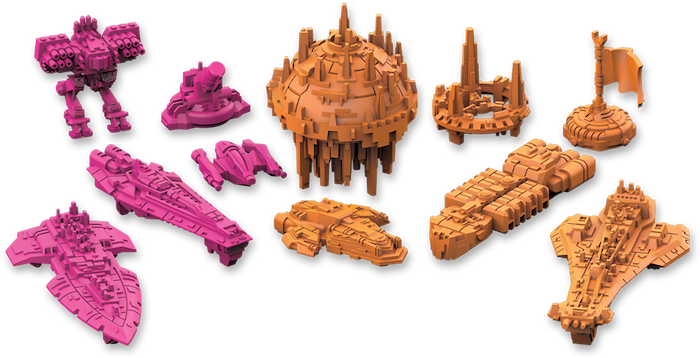
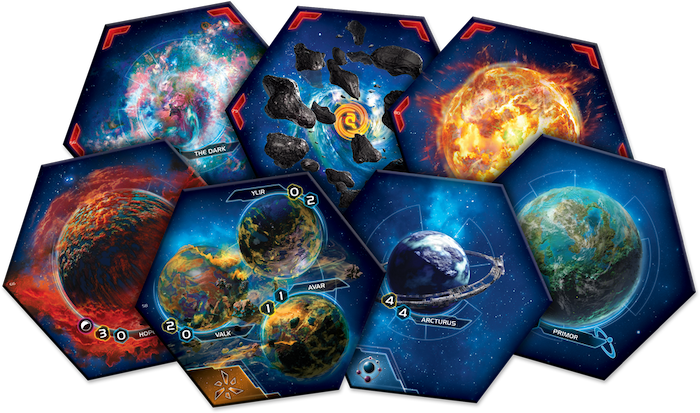
The complete core game: 17 factions, 350+ plastic units, modular galaxy tiles, all eight strategy cards, and the full objective/action/agenda decks for 3-6 players. This is the entire experience — a galactic opera in a box — and nothing else is required to play a full, glorious game. Start here, full stop.
Robert: The grail itself. A big, expensive box that demands a whole day to use — and that's exactly why it earns a permanent place on the shelf.
- Fully complete out of the box — no expansion needed to play
- 17 asymmetric factions plus a fresh modular map mean effectively endless replay
- The right and universally agreed-upon entry point
- Huge time and table commitment — plan 8 hours, more for a first game
- Setup and teardown are a real tax without an organizer
The catch: Street price hovers around $150 (MSRP ~$190) and it goes out of stock at retailers — grab it when you see it.
 2
2 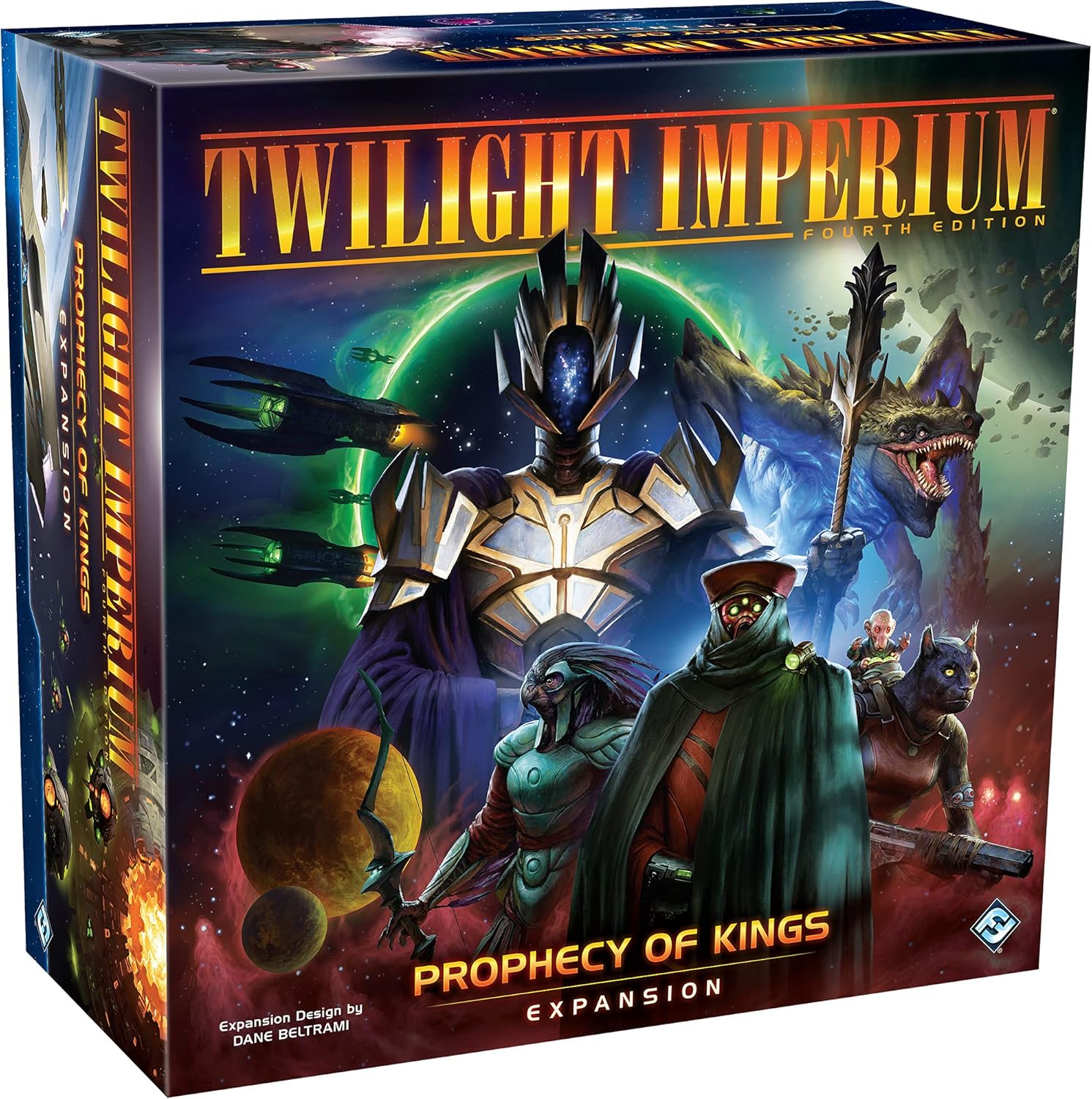
Fantasy Flight Games / Asmodee · Your second purchase — the near-universal 'add it next' upgrade
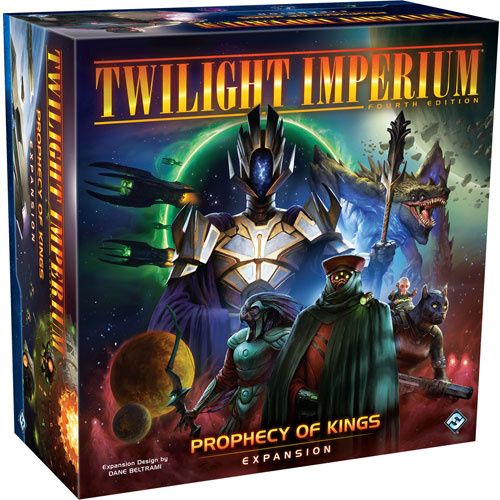
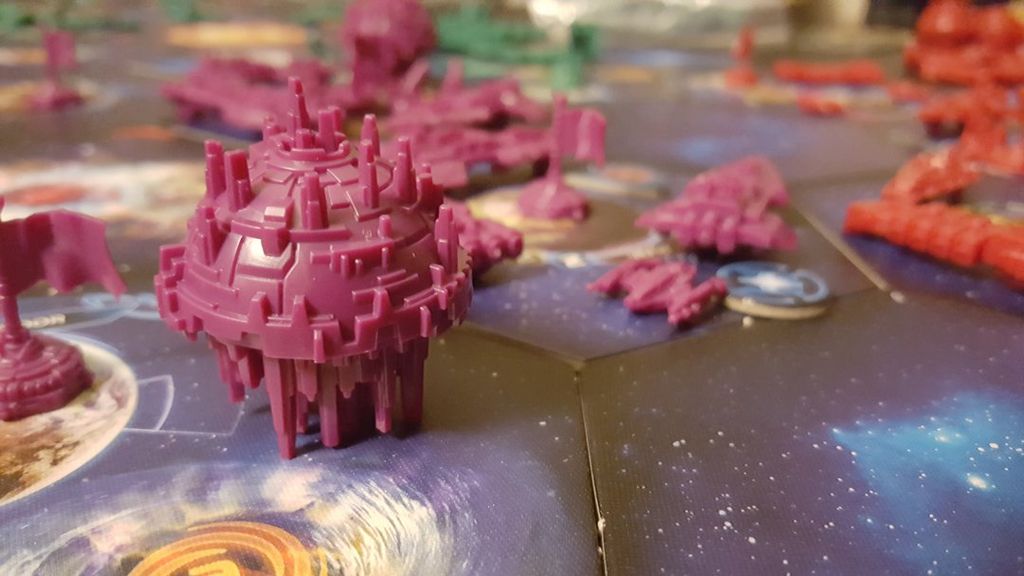
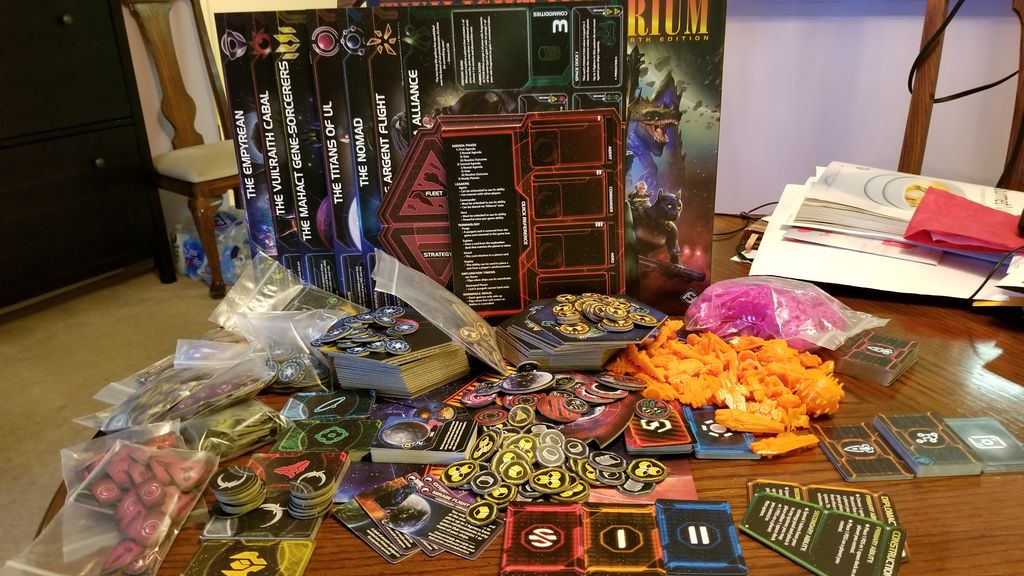
Prophecy of Kings (1st Expansion)
Seven new factions (24 total), the exploration mechanic, mechs, faction Leaders (agent/commander/hero), relics, hyperlane tiles, and 7-8 player support. Many fans say base + PoK is the definitive, complete TI4. Add it once you've played the base game once or twice — not before.
Robert: The 'commitment ring' completes when this joins the base on your shelf. It's the upgrade the whole community agrees on.
- Most fans consider base + PoK the definitive game
- Adds depth (leaders, mechs, exploration) without breaking the core loop
- Unlocks 7-8 player marathons
- More moving parts to teach — hold it back until after game one or two
- Another large box to store and organize
The catch: Around $100 street / ~$125 MSRP, and stock comes and goes — buy it after you already love the base game.
3 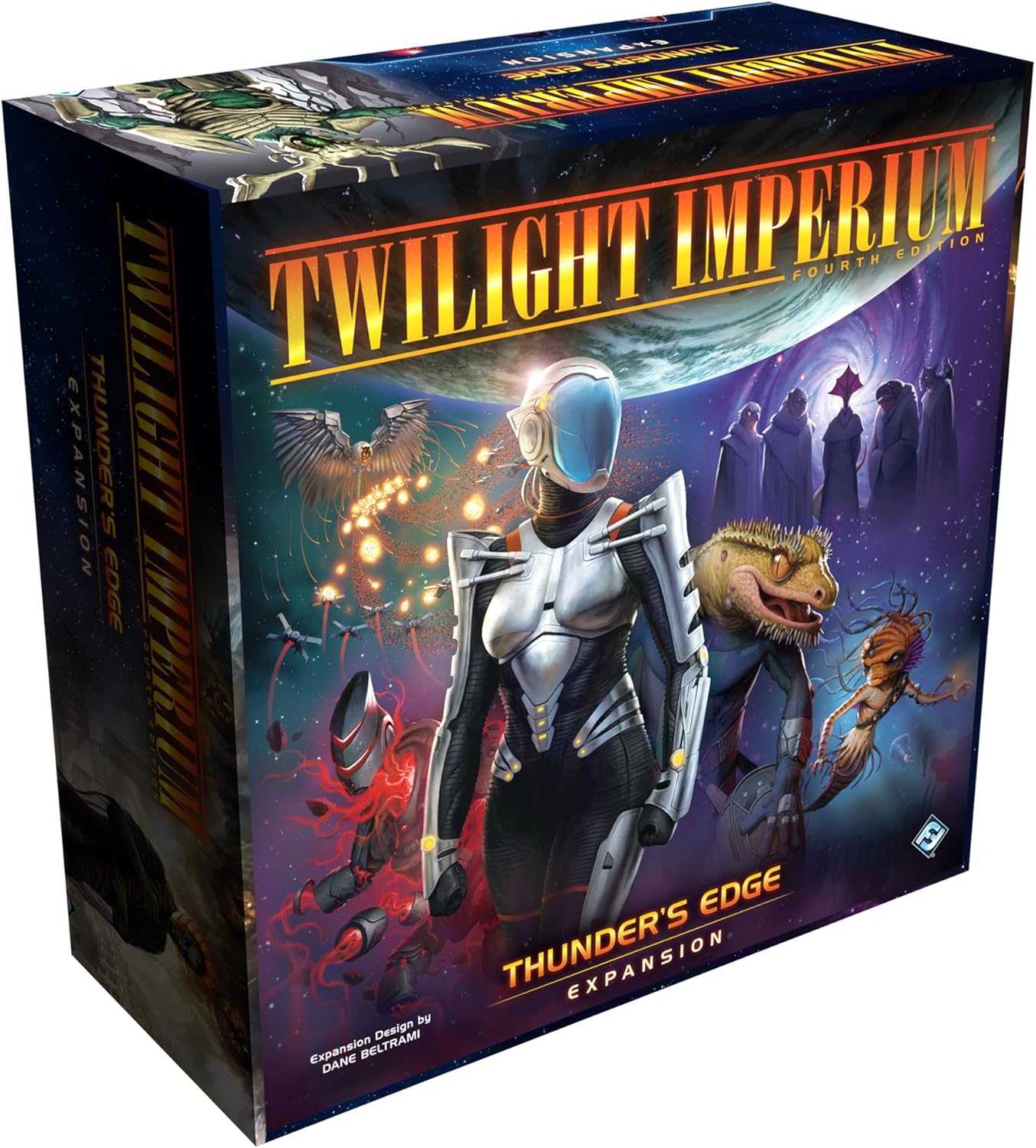
Fantasy Flight Games / Asmodee · Veterans who already love TI and want 'more of everything'
Twilight Imperium: Thunder's Edge (2nd Expansion)
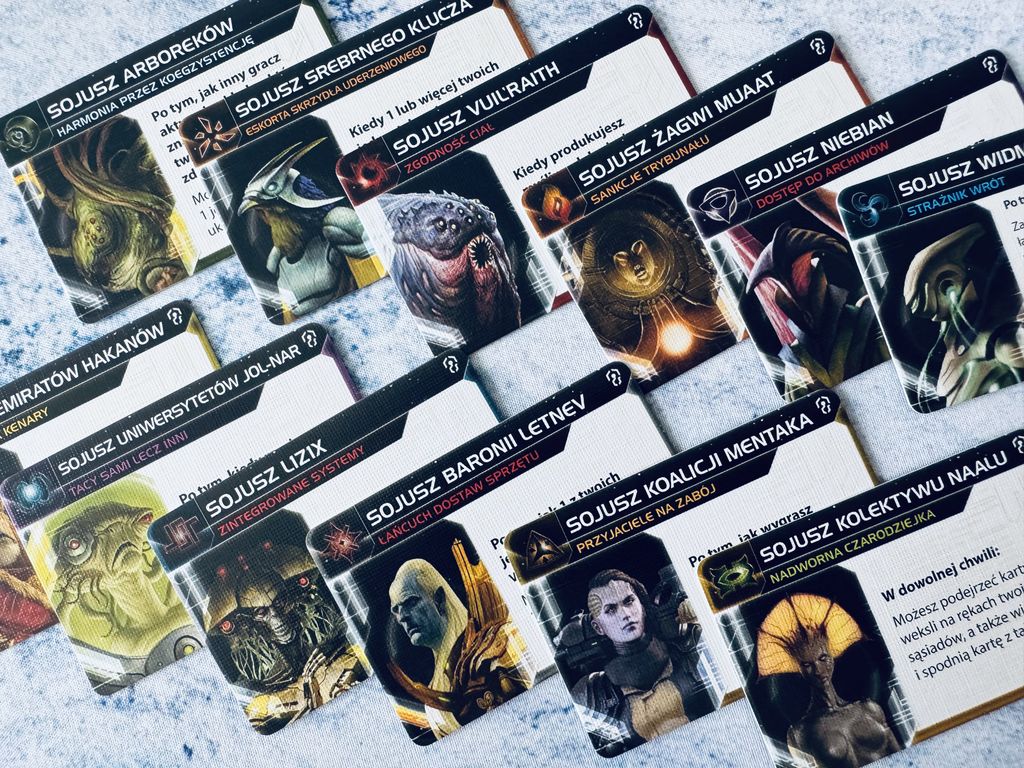
The big October 2025 release: 5 new factions (30 total), the contested Thunder's Edge legendary planet, the Fracture region, Galactic Events, the expert Twilight's Fall mode, and — for the first time — all previously print-and-play Codex content in physical form. Reviewers are clear: it deepens rather than simplifies.
Robert: The long game's reward. Buy it after the game is already part of who you are — it makes a deep game deeper, not an easy game easier.
- Finally compiles years of print-and-play Codex content into real components
- Massive depth: contested planet, breakthroughs, Galactic Events, expert mode
- Brings the roster to 30 factions
- A veteran upgrade — does NOT lower the barrier to entry or shorten games
- Some 'breakthrough' abilities and early-tech spikes flagged as uneven by reviewers
The catch: ~$130 MSRP, and it requires the BASE game (not Prophecy of Kings) — don't make this your first purchase.
4 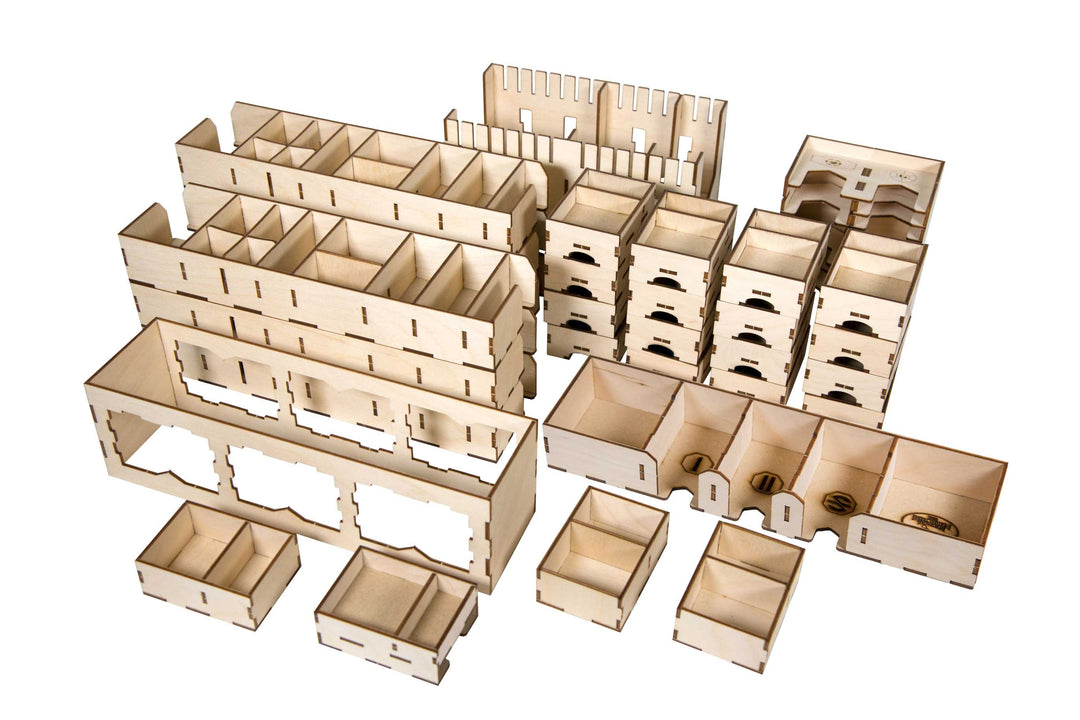
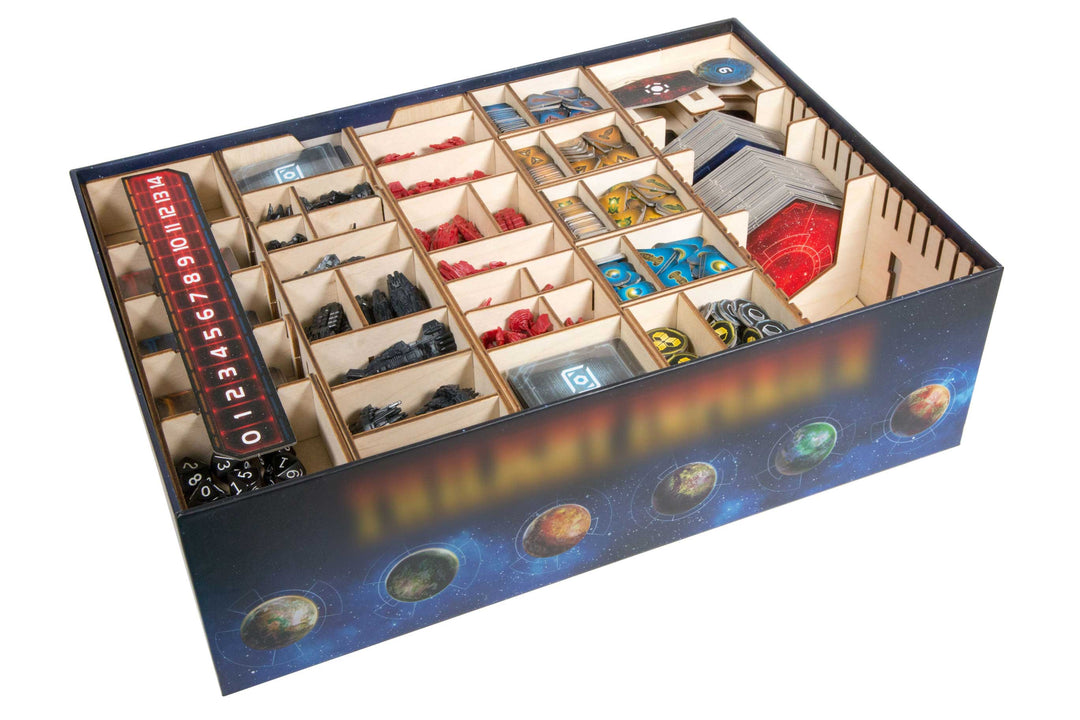
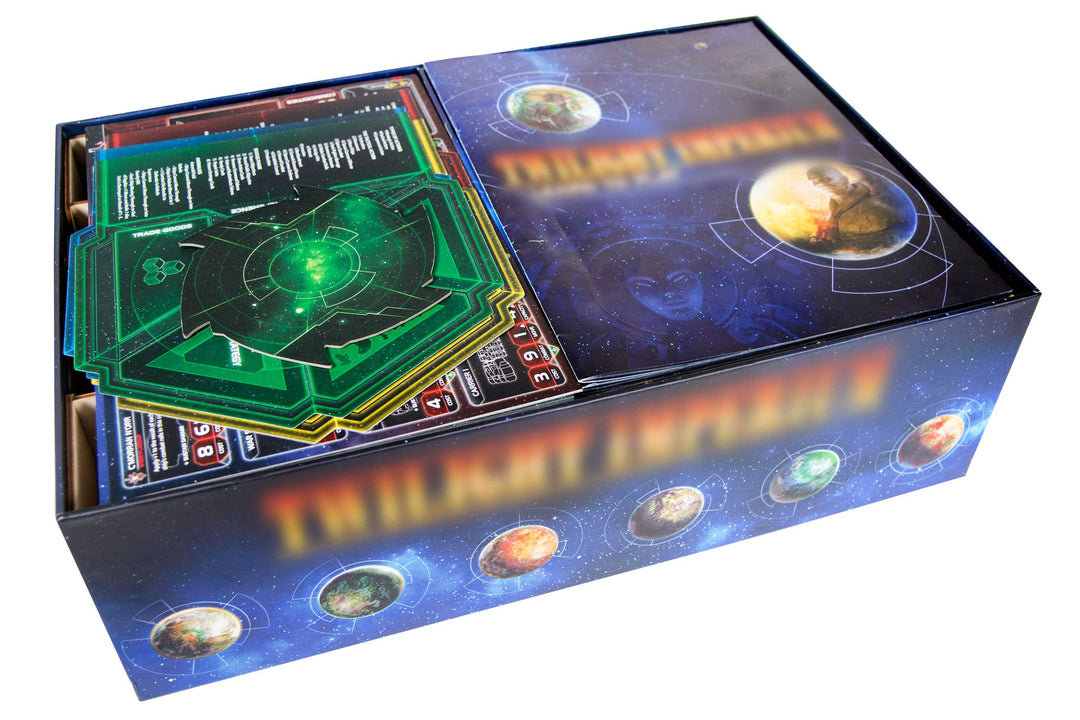
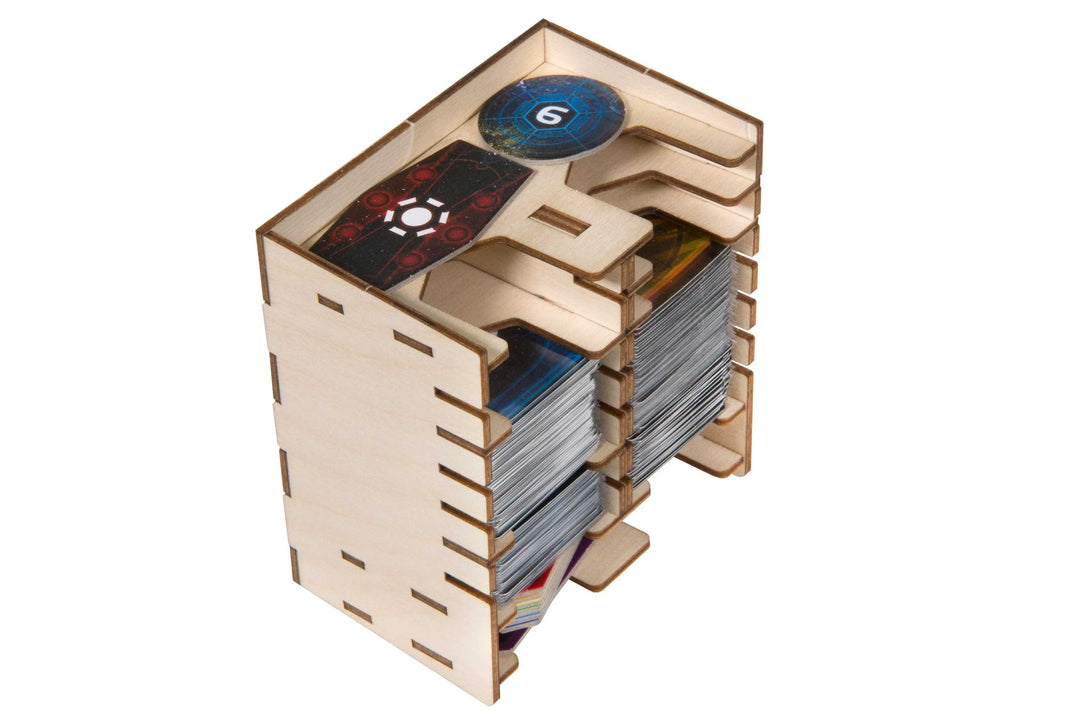
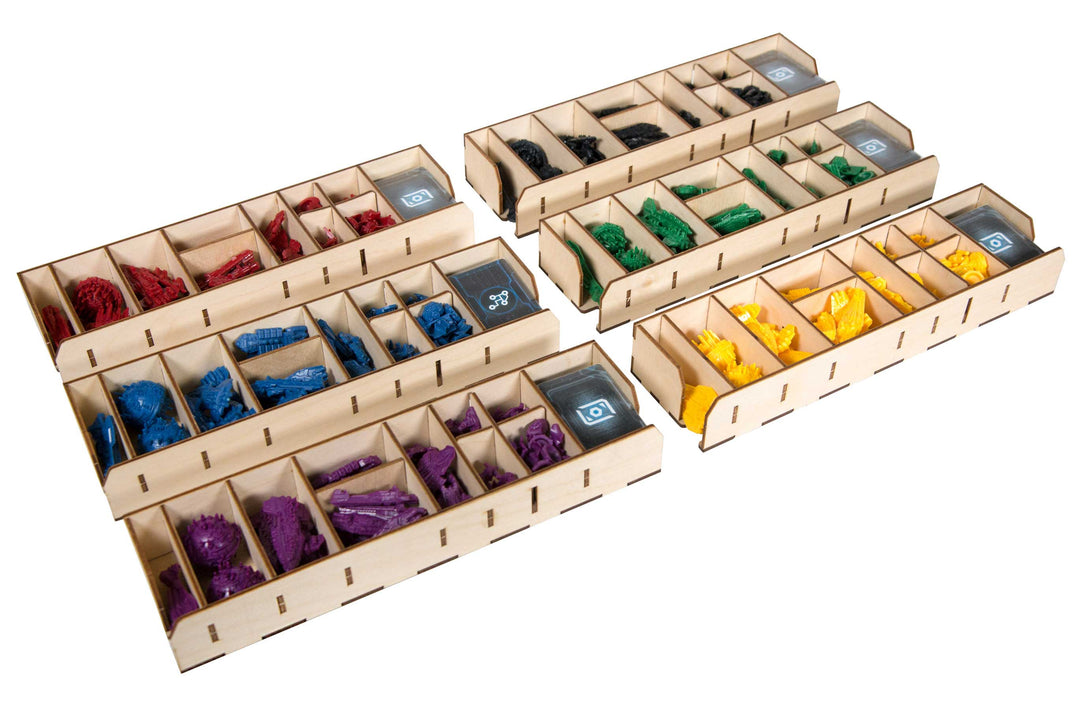
The Broken Token · Anyone who wants to reclaim the half-hour setup-and-teardown tax
The Broken Token 'Imperious' Organizer / Box Insert
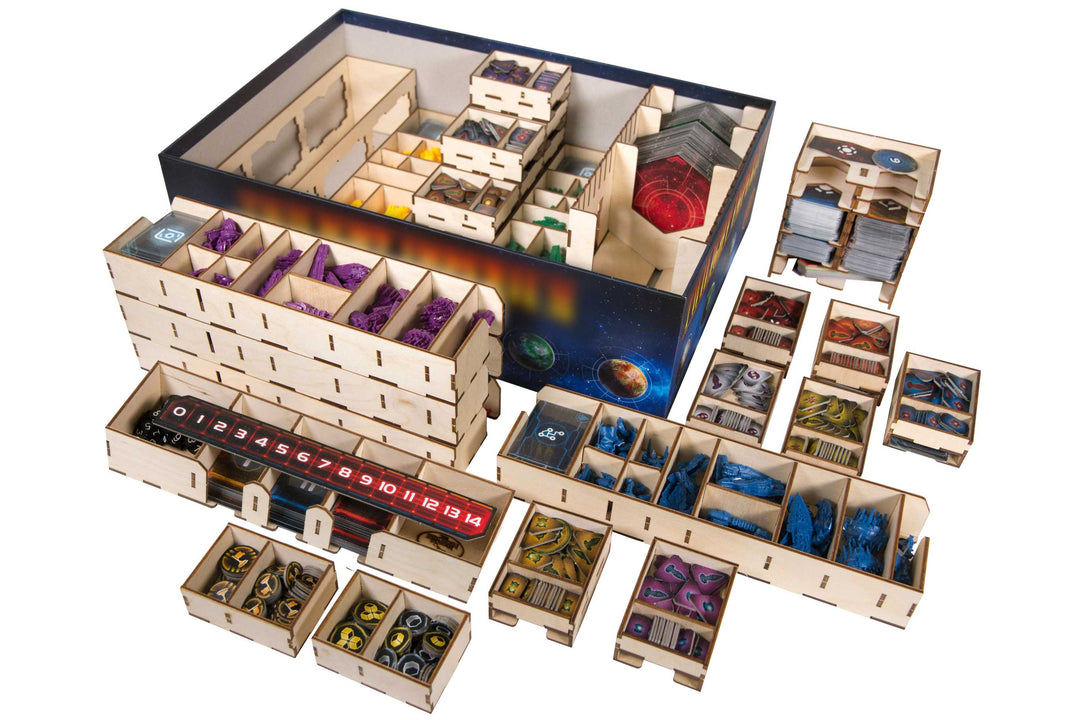
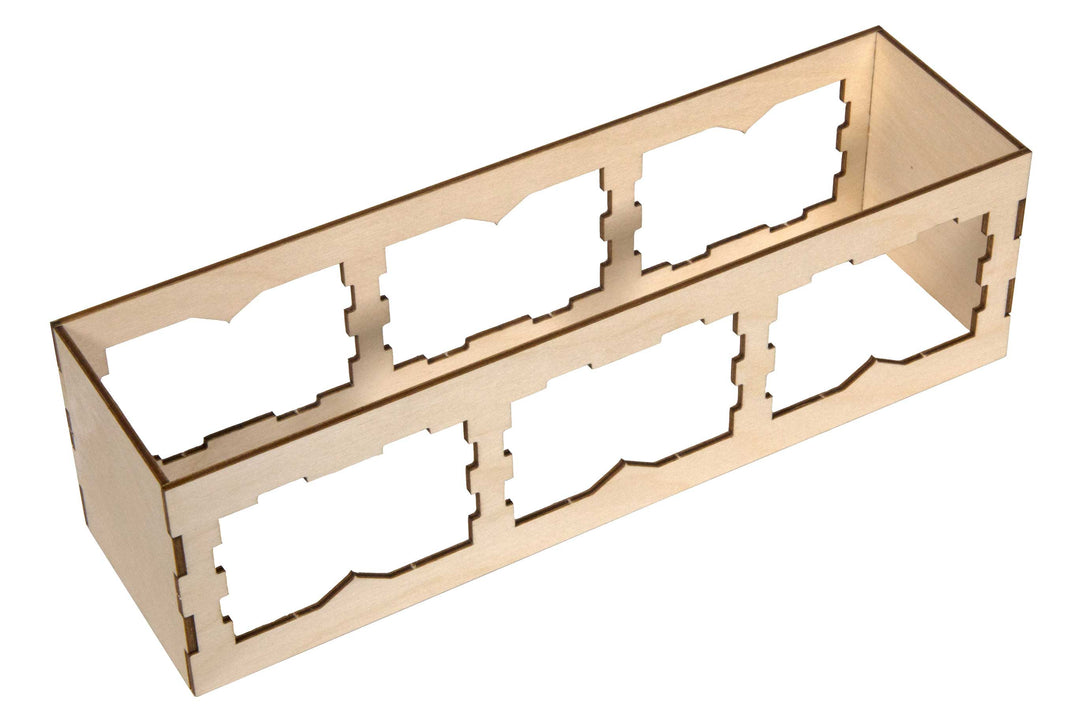
A laser-cut wooden insert with faction trays, unit trays sorted by cost, and token holders. Setup and teardown are the hidden tax on TI4; this turns a 30+ minute ritual into a few minutes, and the trays double as in-game component holders so production turns fly.
Robert: The single best quality-of-life buy after the game itself. Buy back your time and you'll simply play more.
- Turns a 30-minute setup into a few minutes
- Trays double as in-game component holders — pieces stay sorted and reachable
- Adds real cost on top of an already pricey game
- Assembly required, and you'll want one sized to your expansions
The catch: Price varies (roughly $60-100+) by configuration and expansions; sold direct at thebrokentoken.com.
 5
5 
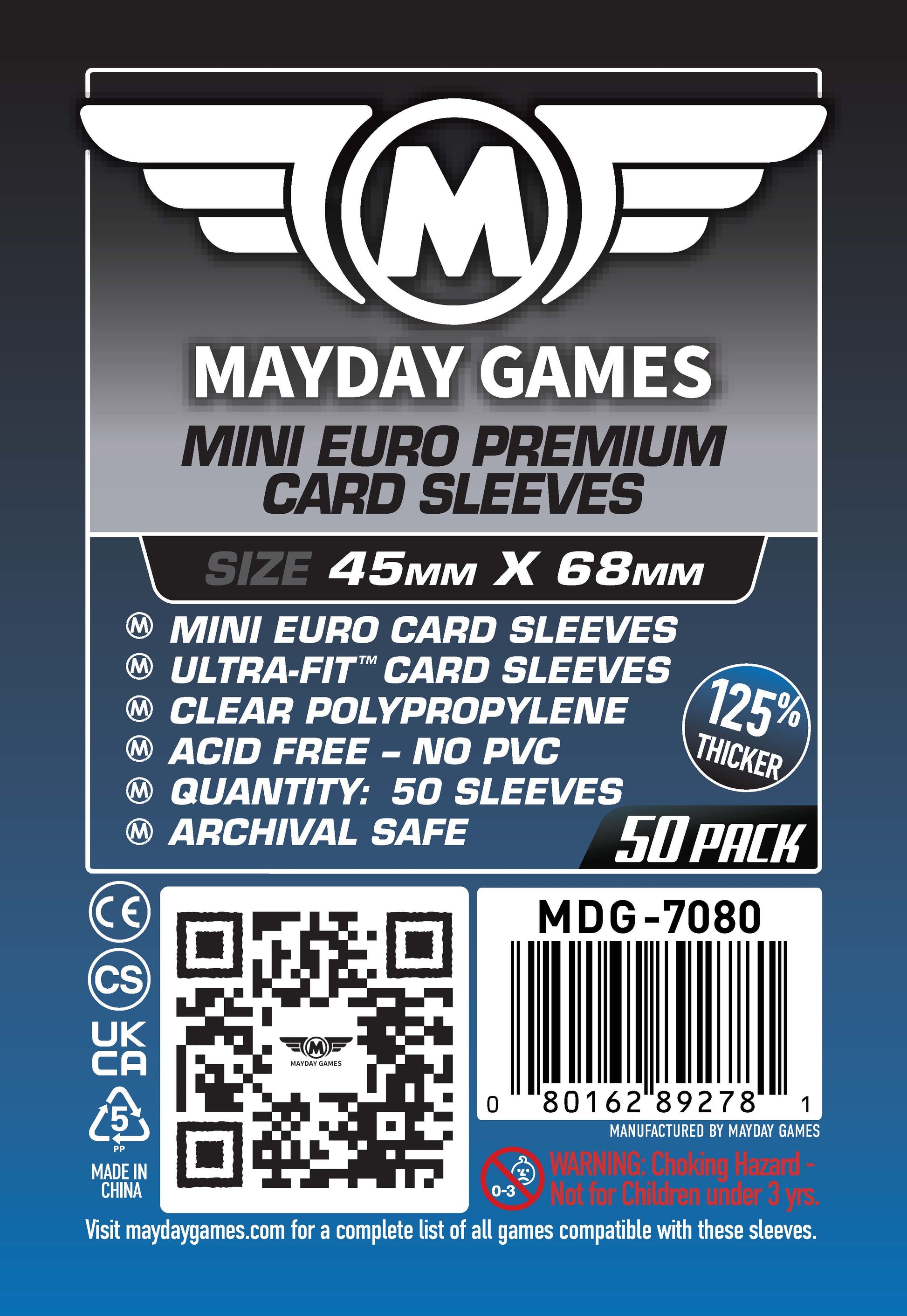
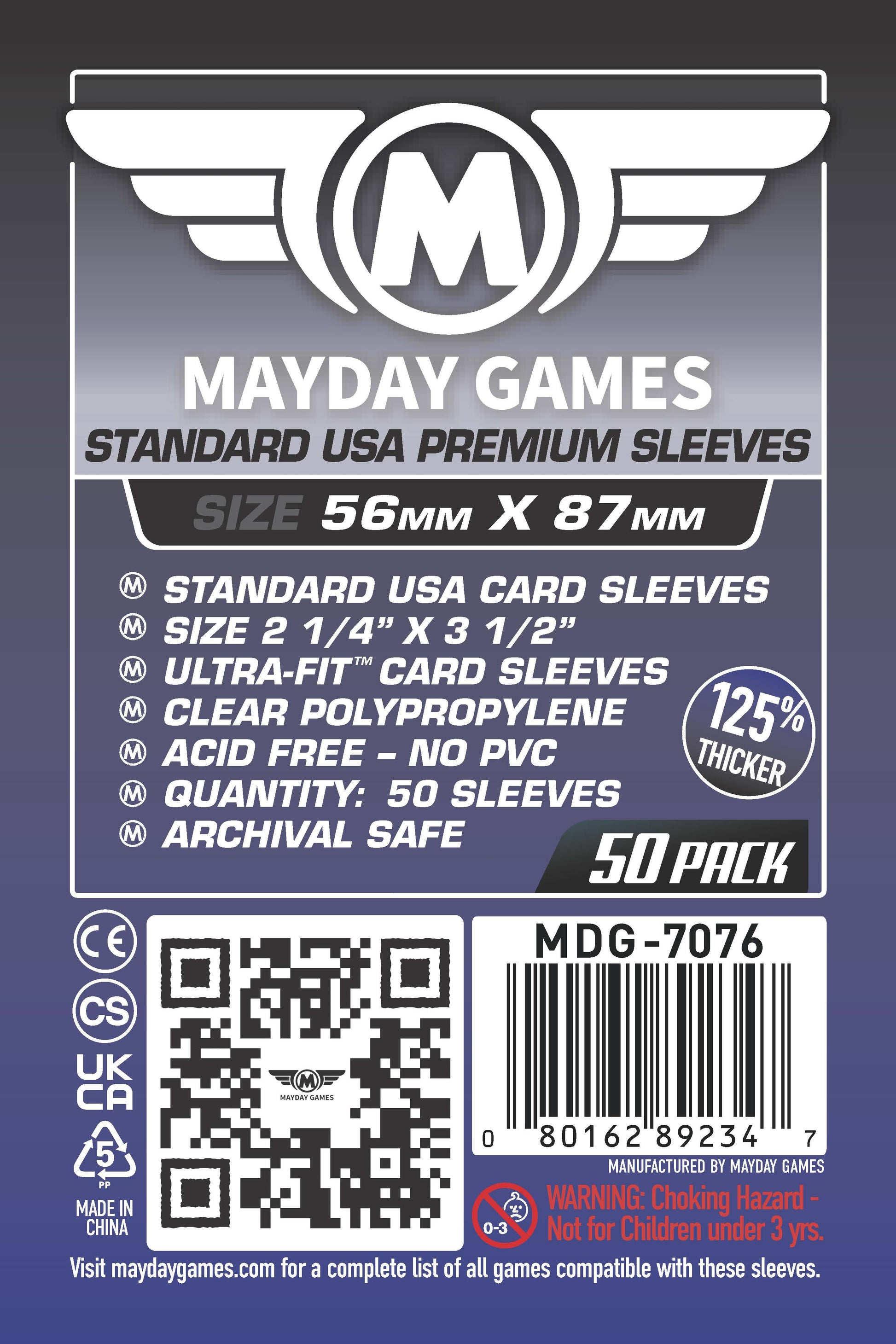
Various (penny or premium sleeve brands) · Protecting a pricey investment handled by many hands all day
Multi-Size Card Sleeves (standard + small/mini)
Penny or premium sleeves for the action, agenda, objective, promissory, and faction cards. TI4 cards get handled constantly across an eight-hour game by many people — sleeving protects the investment. Crucially, TI uses multiple card sizes, so buy a multi-size set the first time.
Robert: Unglamorous, but every collector's grail deserves sleeves. Do it once, do it right, in multiple sizes.
- Protects the most-handled, hardest-to-replace components
- Cheap insurance on an expensive box
- Must buy multiple sizes — TI mixes several card formats
- Sleeving the full set takes an evening
The catch: Roughly $15-30 for a quality multi-size set; a single-size pack won't cover the whole game.
6 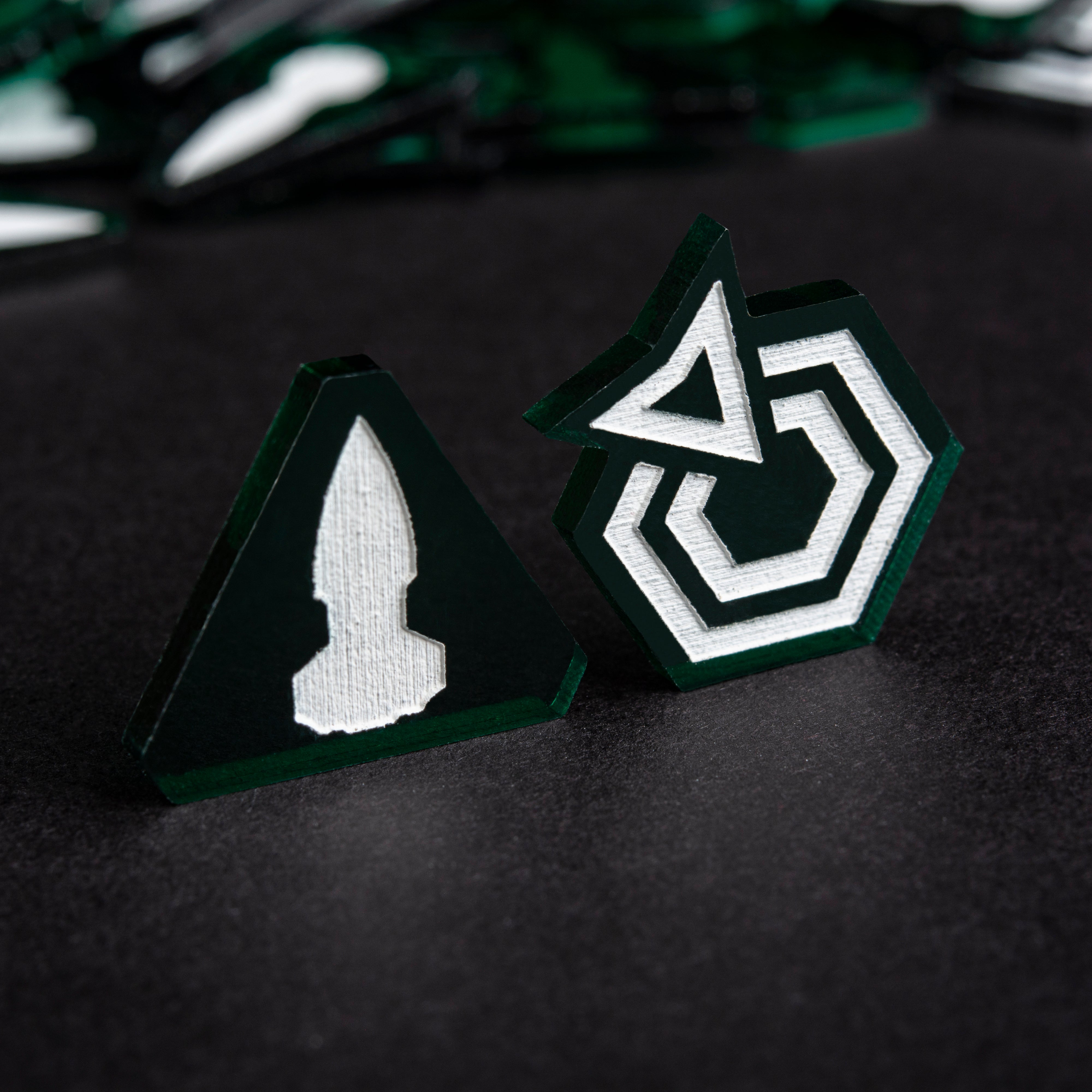
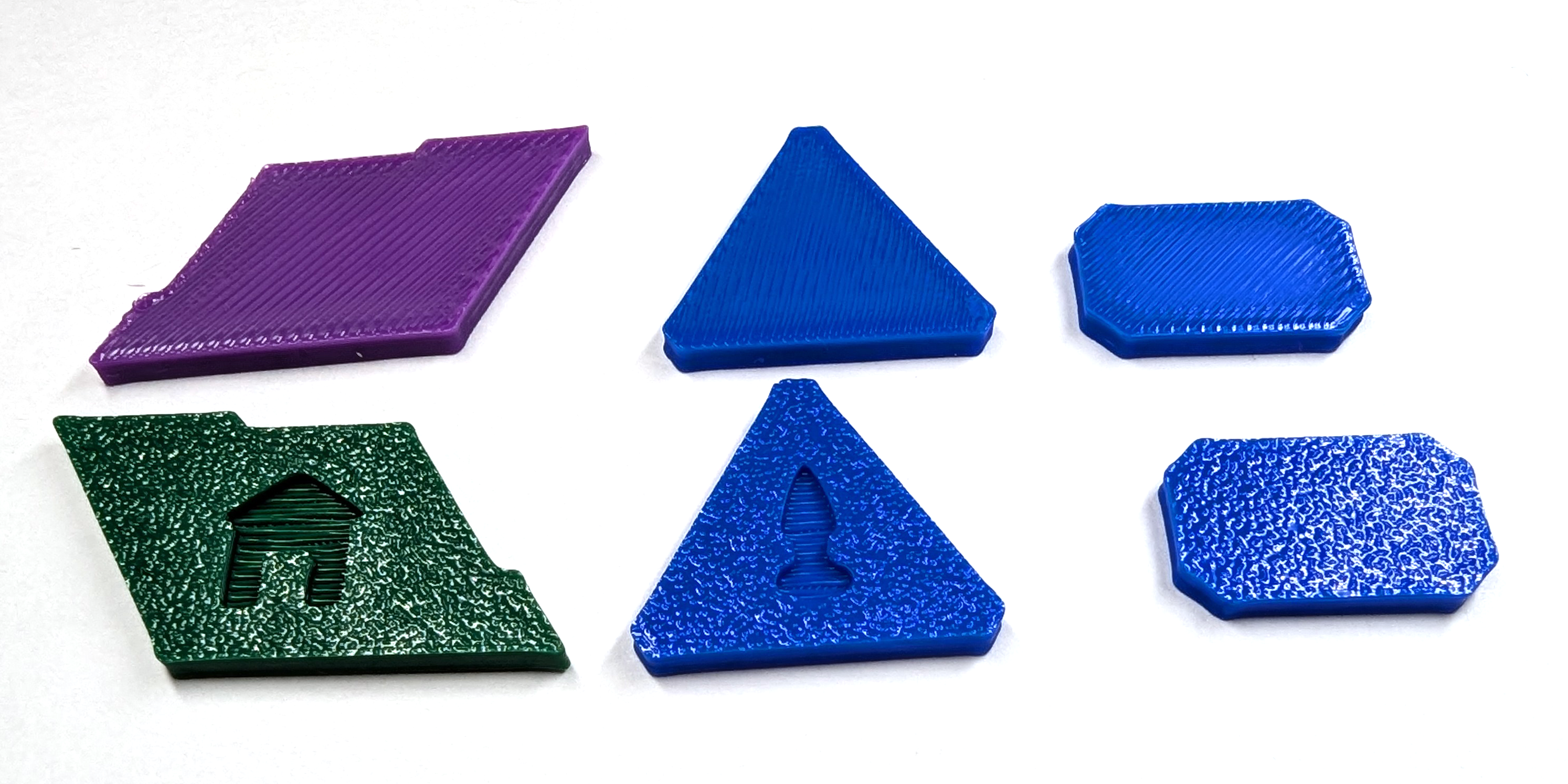
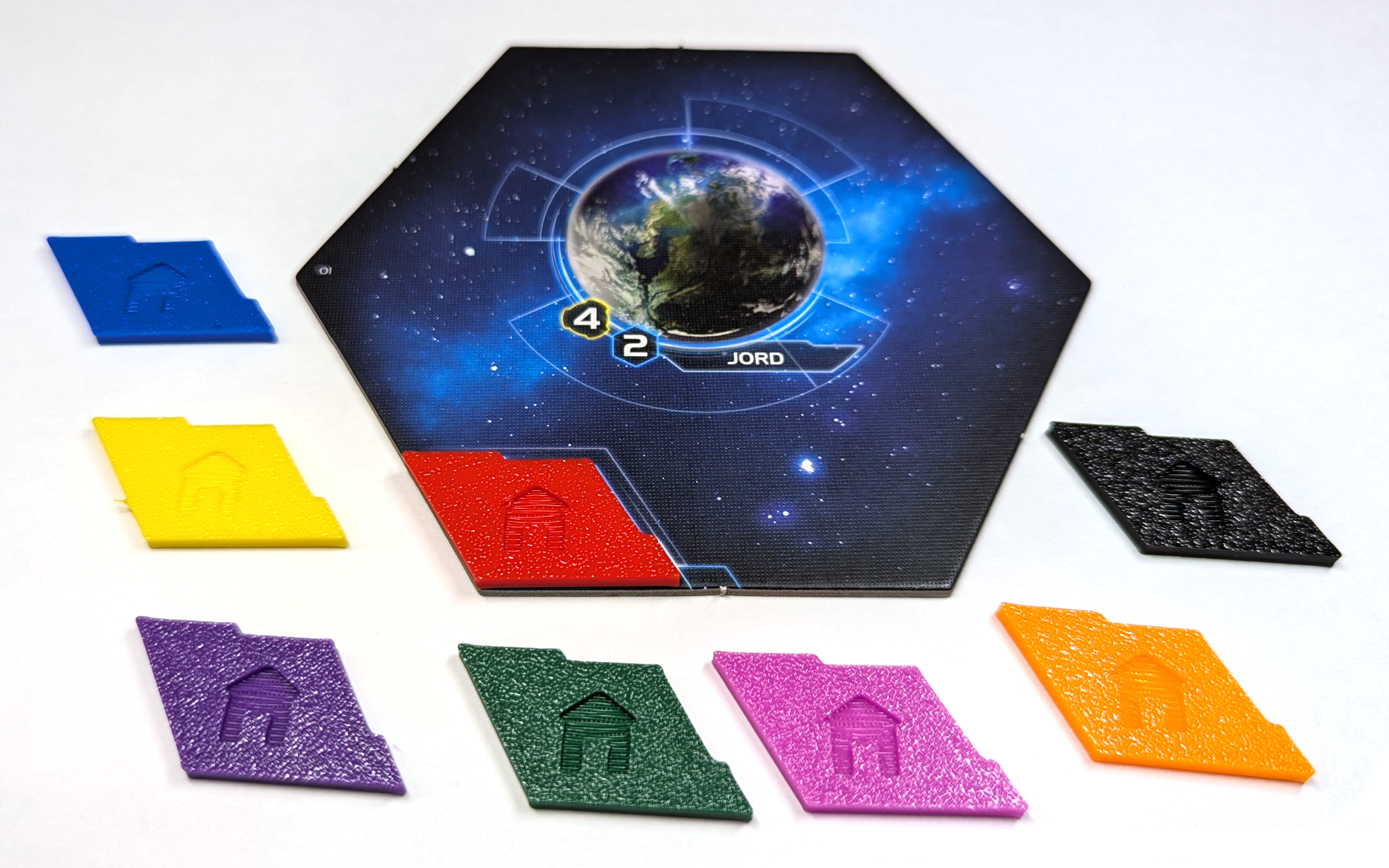
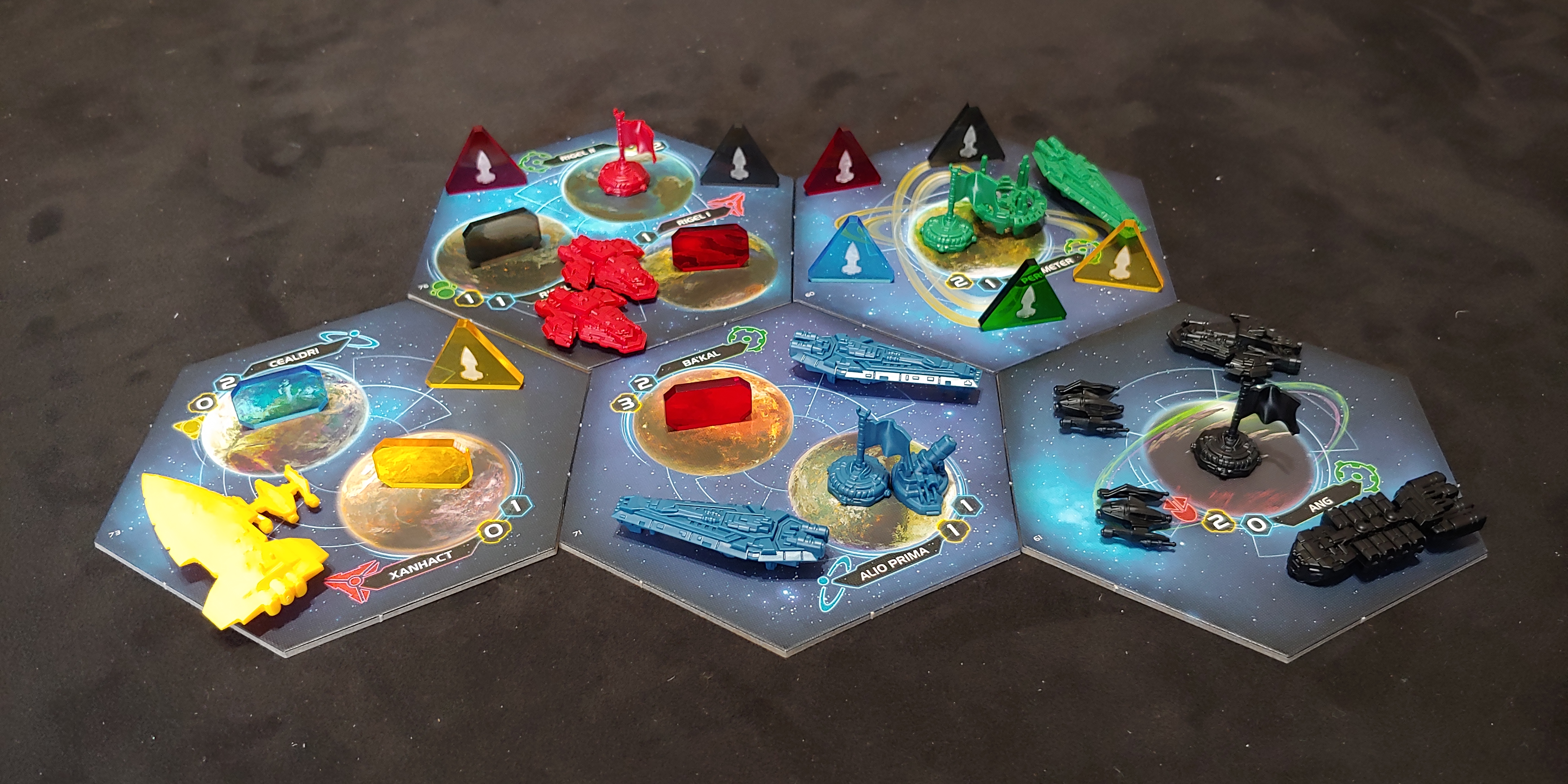
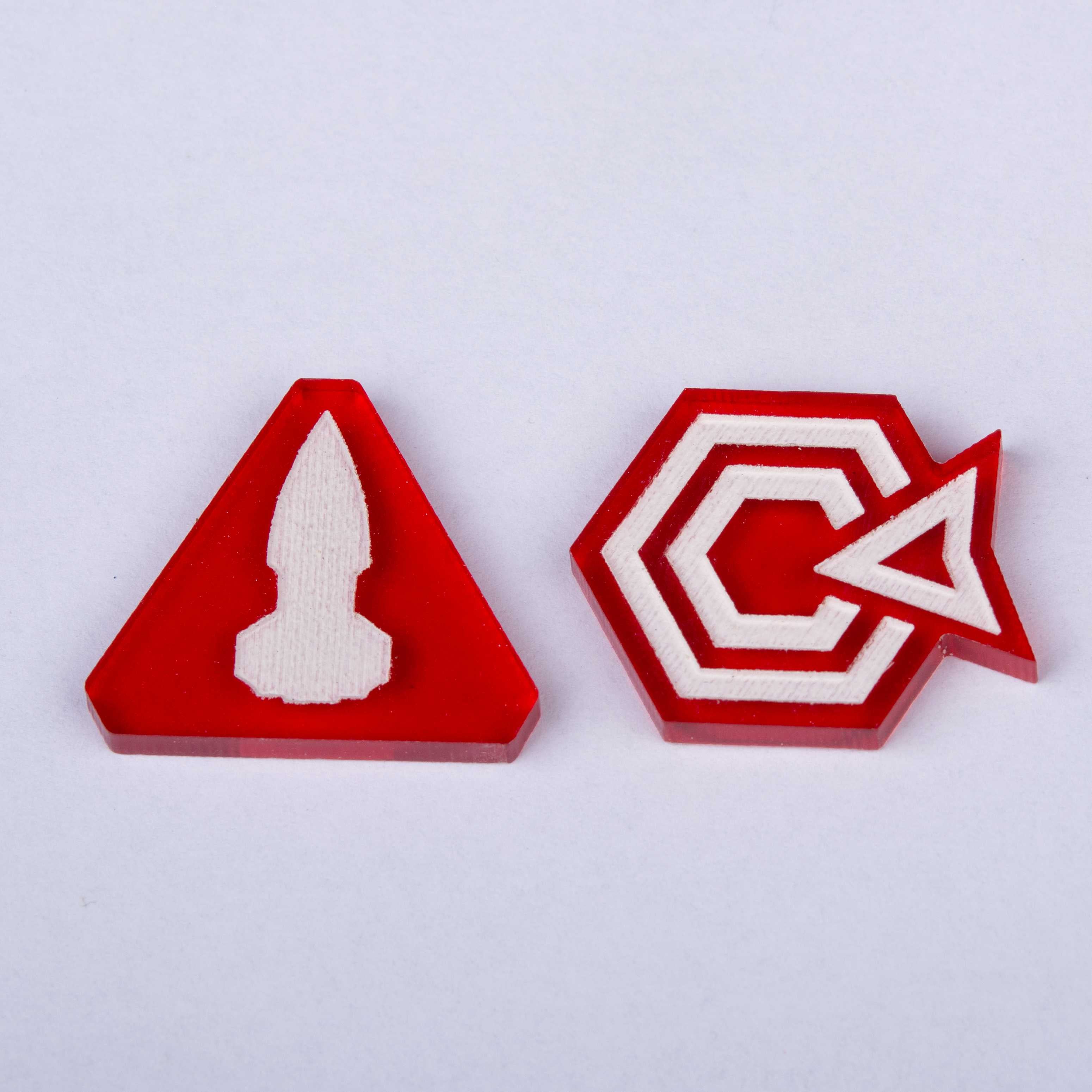
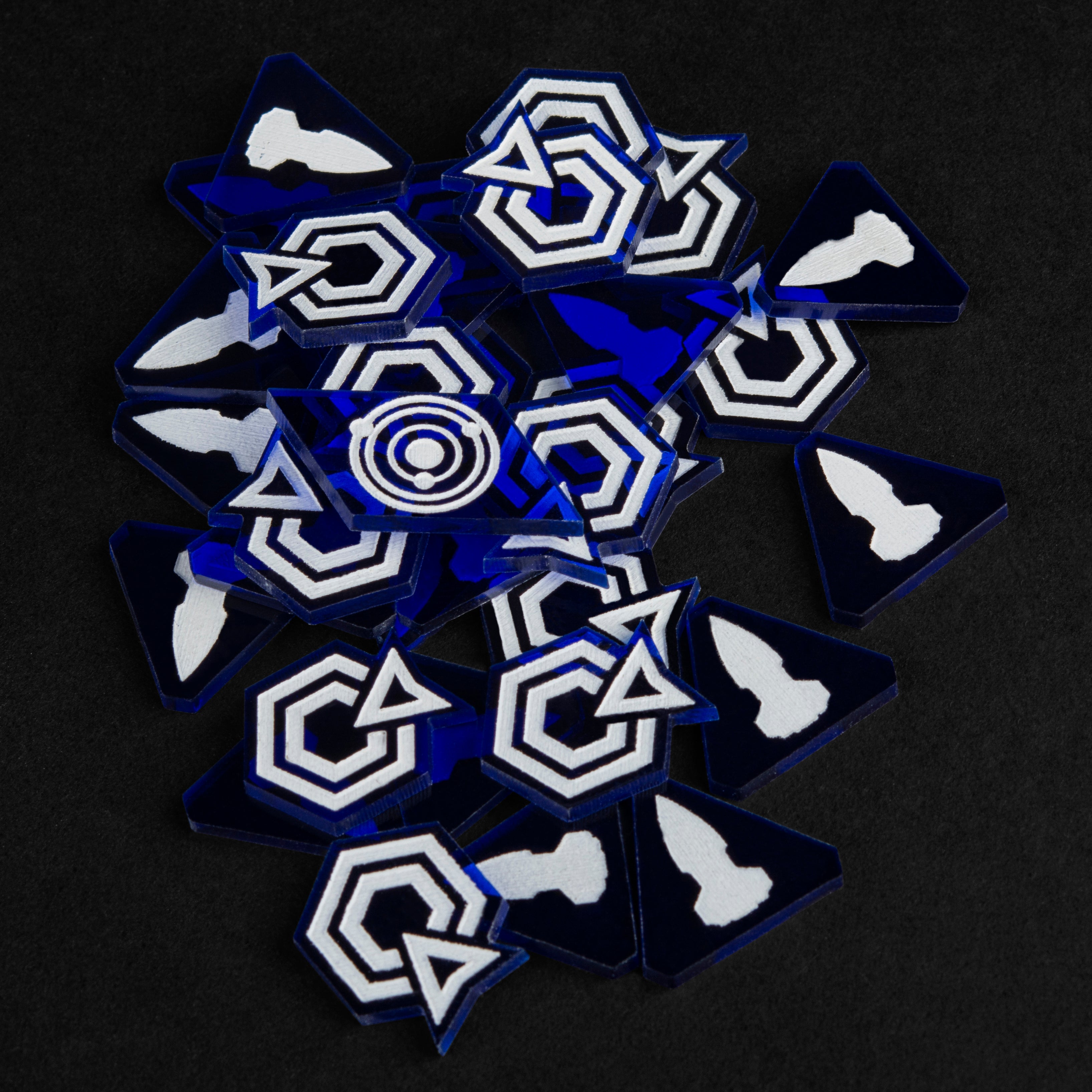
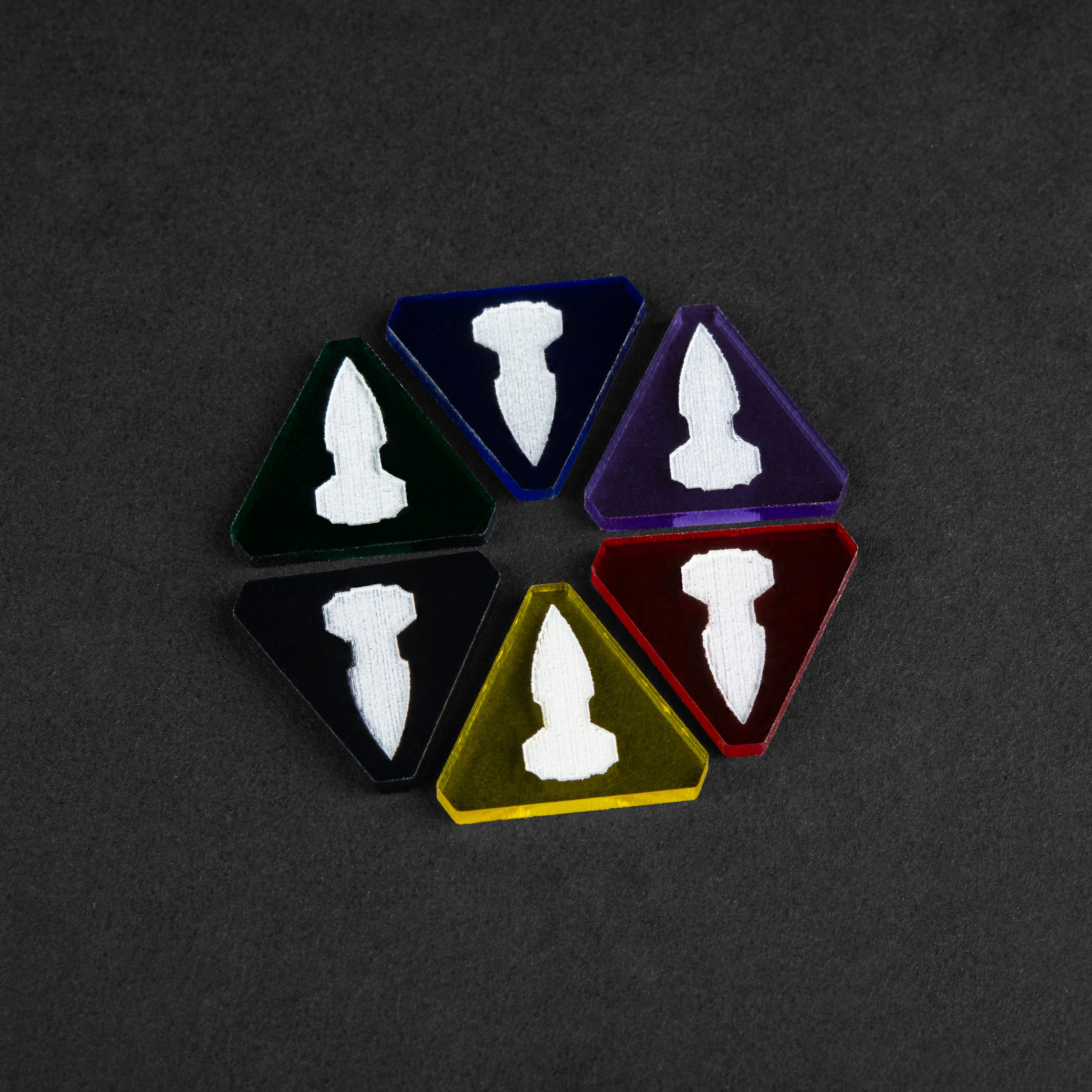
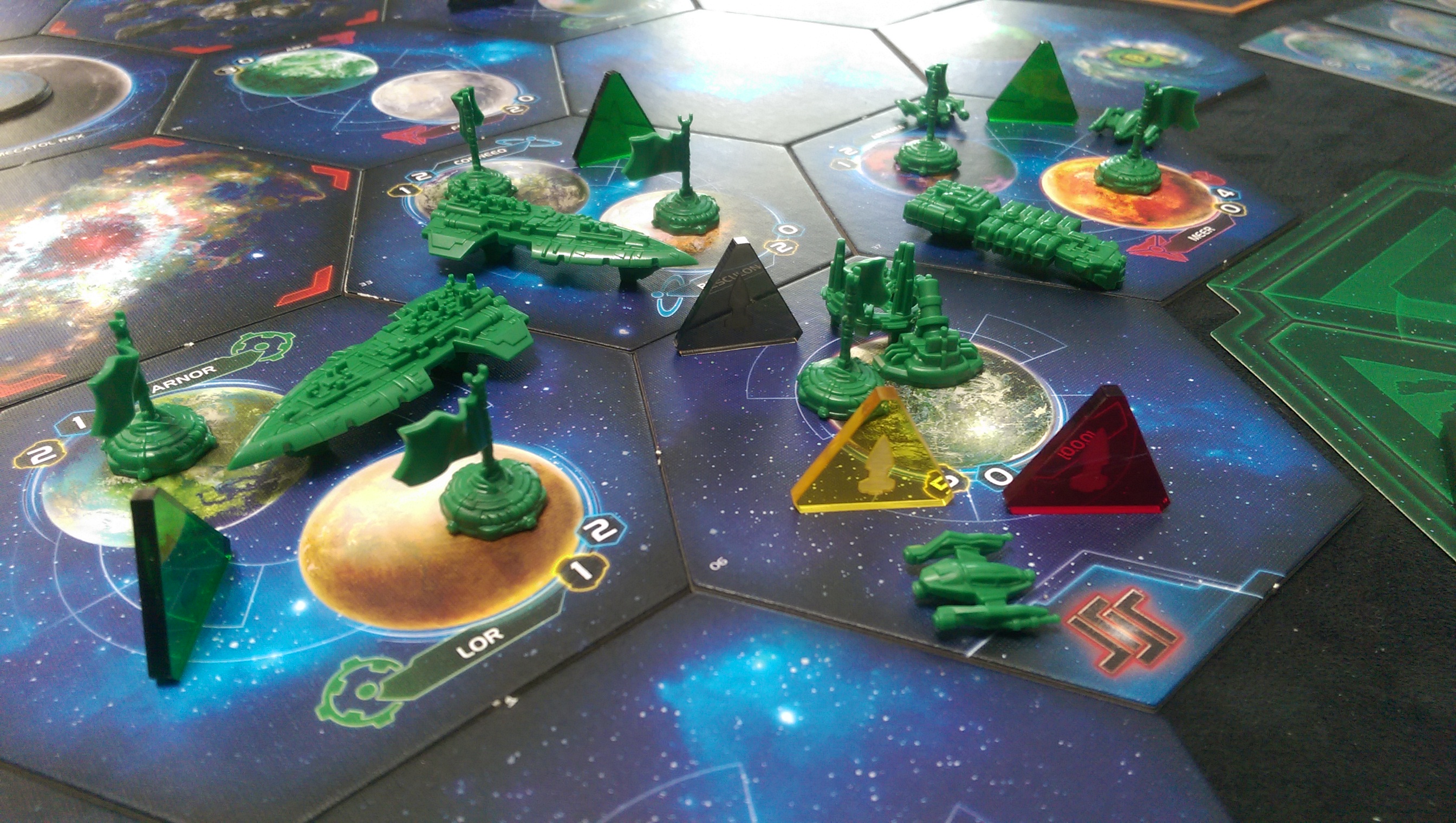
Kelsam and similar accessory makers · Groups tired of mixing up the easily-confused cardboard chits
Upgraded Plastic Command & Control Tokens (e.g. 8-color sets)
Durable, color-clear plastic command and control tokens that replace the base game's cardboard chits. Since your three token pools are the real constraint of the game, clean, unmistakable tokens speed every turn and prevent the maddening mid-game 'whose token is that?' shuffle — especially valuable at full 6-8 player counts.
Robert: A small, satisfying flourish for the table you'll keep for years — the kind of upgrade that quietly says you're in for the long game.
- Far more durable and color-clear than the cardboard chits
- Speeds turns by removing token confusion
- A pure luxury upgrade — the game plays fine with the originals
- Make sure the color set matches your player count
The catch: Price varies by set and color count; confirm it covers 8 colors if you run Prophecy of Kings player counts.
Questions from the road
How long does a game of Twilight Imperium actually take?
Plan for 6-8+ hours for a typical game. First games very commonly run 8-13 hours because of the learning curve and setup; experienced groups can land closer to 4-6. It's an all-day event, not a game-night filler — schedule it and tell everyone in advance.
Do I need an expansion to start, or is the base game enough?
The base game is fully complete and the right place to start. Prophecy of Kings is the near-universal 'add it next' expansion — most fans consider base + PoK the definitive game. Thunder's Edge (Oct 2025) is a veteran upgrade; buy it once you love the game, since it deepens rather than simplifies.
What's the best faction for a first-time player?
Stick to low-complexity, intuitive factions like the Federation of Sol, Emirates of Hacan, Argent Flight, Barony of Letnev, or Empyrean. Avoid the fiddly ones for a first game — factions like Ghosts of Creuss (wormhole movement) and Nekro Virus (tech-stealing) have powerful but unusual mechanics better suited to experienced players.
Can you play Twilight Imperium with just 2 players or solo?
The tabletop game is designed for 3-6 (up to 8 with Prophecy of Kings) and doesn't natively support 1-2 players well — the diplomacy and council are central. For solo or 1v1, the upcoming Twilight Imperium Digital adds AI opponents and a standalone combat simulator, and Tabletop Simulator mods are popular for online play.
Is Twilight Imperium too complicated to learn?
It's heavy but teachable if you don't try to learn every rule at once. Teach the core loop, delay the Agenda/voting phase (the rules already do this), use a how-to video as homework, and accept that the first game is a learning game. Most groups find the rules click fast once they're actually playing.
What is the Agenda phase and when does it start?
It's the galactic-politics phase where everyone votes on two agendas using planet influence. It does NOT happen until a player takes Mecatol Rex (the center planet) by paying 6 influence and invading it — which also earns them a victory point and the Custodians token. This built-in delay is a gift to new players.
How do you keep the game balanced and avoid 'losing at setup'?
For casual games, use the official first-game map. For fairer, more competitive play, use the Milty Draft: balanced map 'slices' are generated and players snake-draft a faction, a slice, and a seating position — it's the preferred setup for most online and tournament play, with fan tools like miltydraft.com.
Is there a video game or digital version?
Yes — Twilight Imperium Digital was announced for PC/Steam (developer Red Square Games with Asmodee), adapting the base game's 17 factions with AI, online and asynchronous multiplayer, animated battles, and tutorials. As of mid-2026 it's wishlist/demo stage with no confirmed release date. Many players already use Tabletop Simulator mods for online games.
What's the win condition — how do you actually win?
Be the first to 10 victory points. Points come almost entirely from completing Public objectives (Stage I = 1 point, Stage II = 2) and your hidden Secret objective — not from having the biggest fleet. The classic beginner mistake is building a huge army and forgetting to score; read the objectives and steer every turn toward points.
What's a 'non-binding deal' and is betrayal really allowed?
Yes — and it's central to the game. A binding deal resolves instantly and must be honored; a non-binding deal is a promise about the future, and the rules explicitly let anyone break it. So when a friend stabs you after a sworn handshake, that's the game working as designed. The veteran ethic: lie in-game, hug out-of-game — no hard feelings at the table.
✶ The graduation Welcome to the fold, initiate. You came in looking at an eight-hour box and a forty-page rulebook, and I hope you leave seeing what I see: not a board game but a story machine — the grail of the whole hobby, the one I'd grab first in a fire. Start with the base game, pick a faction you love, block out a real day, and let your first game be about finishing and feeling the engine, not winning. The points and the betrayals and the cold-blooded perfect play will come, game by game, and one day you'll be the one pre-building the map and stocking the chili. Stab freely, hug after, honor your host, and remember the truest rule we have — the friendships you ruin are the friendships you keep. You're a citizen of the galaxy now. Go clear a Saturday.
— Robert, Keep the best pieces close. You'll know them when your hand reaches for them first.
The Keeper · why it earned a shelfIf it didn't earn a shelf, it isn't here.
Found your footing? Send this to someone starting out.
Sources & further reading
- www.fantasyflightgames.com/en/products/twilight-imperium-fourth-edition
- www.fantasyflightgames.com/en/news/2025/7/31/thunders-edge
- www.wargamer.com/twilight-imperium/thunders-edge-expansion
- www.meeplemountain.com/reviews/twilight-imperium-thunders-edge
- www.belloflostsouls.net/2025/09/twilight-imperium-thunders-edge-looms-new-factions-and-new-gameplay-modes-imminent.html
- twilight-imperium.fandom.com/wiki/Thunder's_Edge
- twilight-imperium.fandom.com/wiki/Base_Game_(Fourth_Edition)
- twilight-imperium.fandom.com/wiki/Codex_I_-_IV_(Fourth_Edition_Expansion)
- twilight-imperium.fandom.com/wiki/List_of_Factions_by_Play_Complexity
- spacebiff.com/2017/12/01/twilight-imperium
- www.shutupandsitdown.com/tag/twilight-imperium
- www.shutupandsitdown.com/videos/space-lions-the-story-of-twilight-imperium
- en.wikipedia.org/wiki/Twilight_Imperium
- www.spacecatspeaceturtles.com