Eclipse: Second Dawn for the Galaxy — The 4X Space Epic Worth Clearing the Whole Table For
A full galaxy of exploration, research, conquest, and diplomacy running on a famously elegant action-disc economy — and the version collectors actually hunt. Here's why it's a splurge, and how to buy one without overpaying.


AI-assisted research and drafting in Dax’s voice · reviewed by Robert Pruitt · how this guide was made
Last editorial refresh: 2026-06-18 Gold-standard QA: 2026-07-17 8 sources reviewed Affiliate links checked during gold-standard pass

The short answer
Yes — Eclipse: Second Dawn for the Galaxy is the grail. It's the definitive tabletop 4X, a long-standing BoardGameGeek top-tier title (hovering around #22 overall at roughly a 3.67/5 weight — heavy, but not punishing), and the 2020 Second Dawn redesign turned an already-great game into a collector's object: heavier hex tiles, plastic ship miniatures, and that iconic deep-blue box. The catch is supply and price. The old $99–$130 band is stale; today's in-stock street price runs roughly $145–$205, and several major US retailers are out of stock or preorder-only at any given moment. It's still in print — reprints shipped in 2024 — but it is not a reliable one-click buy. Watch the link, pounce when a copy lands near $150, and you'll own a game night centerpiece that earns its shelf for a decade. Worth it? For the people who clear a whole evening for one game, every time.
Decision map
Choose in thirty seconds
The strategy group that clears a whole game night for one epic, and wants the definitive 4X on the table
I run an is-it-worth-it lens on everything that lands in the cross wing, and most "epic" games fold under it — too much box, too little game, a price that's really paying for the plastic. Eclipse: Second Dawn for the Galaxy is the rare one that survives the audit and then some. This is the 4X — explore, expand, exploit, exterminate — that strategy groups eventually buy, argue about, and then never sell. It puts a sprawling modular hex galaxy on your table, hands every player a civilization with its own economic and military quirks, and lets you bolt together your own warfleet from interchangeable parts. Under all that spectacle sits a shockingly clean engine: your influence discs are simultaneously your actions AND your income, so every single turn is a money decision dressed up as a galactic one. The Second Dawn edition is the one collectors chase, and the current market makes it a genuine splurge — so let's talk about what you're really buying, and how to buy it smart.
Start here, then go deeper
You are in the right cabinet.
 ♛ Topic PathGrail Board Games: compare the whole shelfA grail earns its space only when the experience survives the price, setup, storage, and group commitment. These are expensive-game...
 ComparisonThe Best 4X Space Board Games of 2026, RankedA verdict-forward tier list of the games that conquer the galaxy — and the schedule problem that quietly decides which one you actually...
 Deep DiveWar of the Ring (Second Edition): A Patient Reckoning With Tolkien's Whole WarTwo players. Two ways to win. A single Ring carried east through a continent at war. The definitive grand-strategy duel of Middle-earth,...
Why is Eclipse: Second Dawn the 4X every strategy group eventually buys?
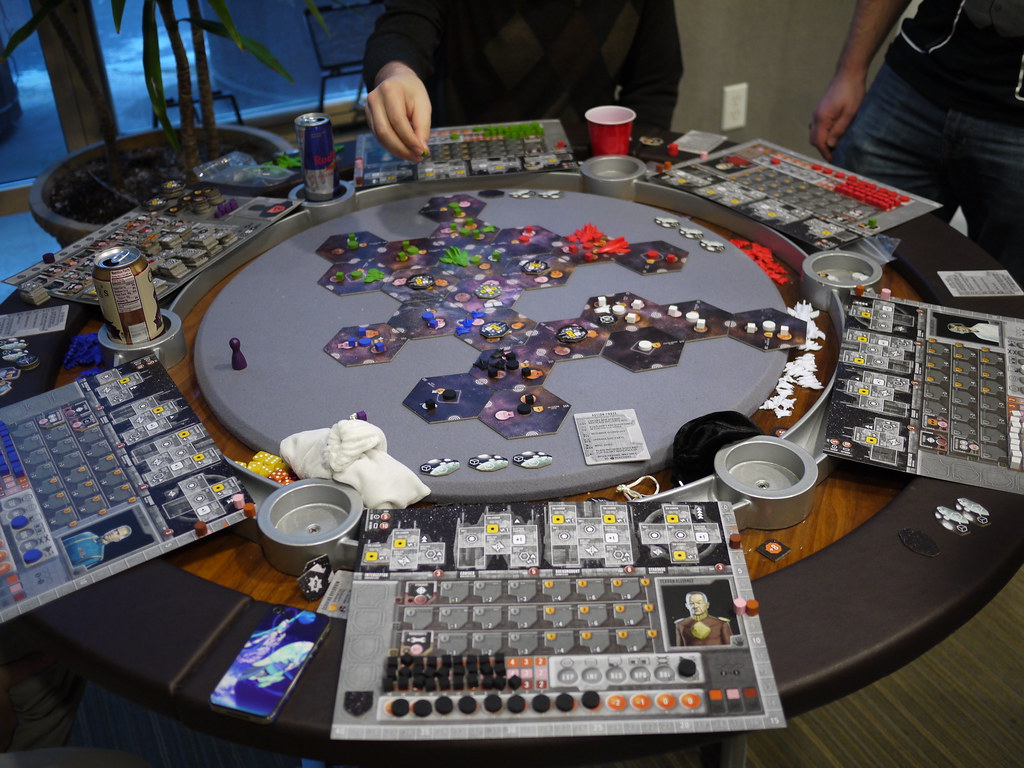

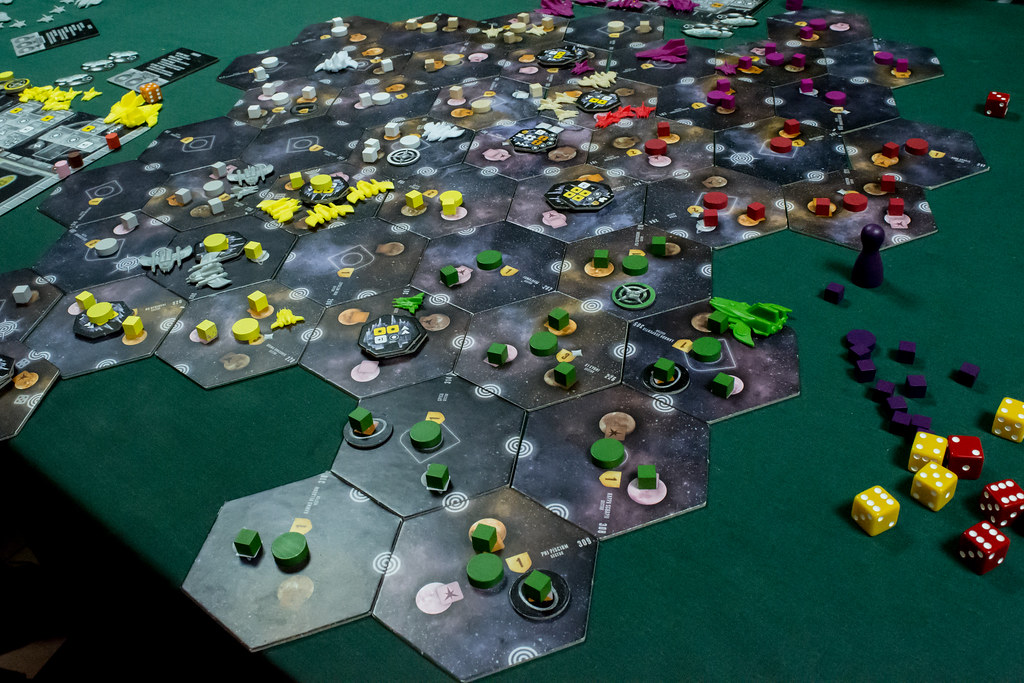
Because it delivers the full 4X power fantasy — explore, expand, exploit, exterminate — without the bloat tax that usually comes with it. You start as a single home system on the edge of a dark galaxy. Over eight rounds you flip hex tiles into existence, colonize planets for resources, race up a research track, design warships, and decide who you're going to fight and who you're going to befriend. By the endgame the table is a glittering star-map of contested borders, and someone is doing math on a fleet engagement that will swing the whole game.
What earns the permanent shelf spot is the ratio. The experience is grand-strategy enormous; the rules core is clean and non-bloated. There's one elegant action economy doing most of the heavy lifting, which means a group can graduate from gateway games straight into something that feels like a campaign — and stay there for years.
One thing the BGG veterans hammer in their 'advanced guide for beginners' thread: every single game of Eclipse is genuinely different, because the tech you can buy, the hexes you draw, and what your neighbors do are all unpredictable. The players who win are the ones who react to what the galaxy gives them instead of marching in with a fixed opening they refuse to abandon. That replay-forever quality is exactly why it survives the is-it-worth-it test.
What changed in the 2020 'Second Dawn' redesign — and why is it the version collectors want?
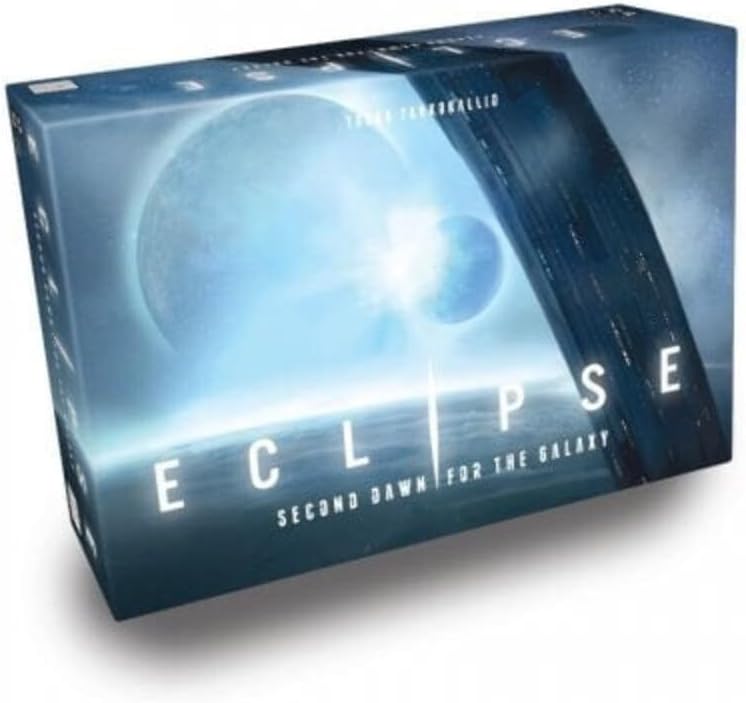
Second Dawn is a remake of the original 2011 Eclipse, and the upgrades are the reason this specific box is the grail rather than the first edition. The designer is Touko Tahkokallio; the publisher is Lautapelit.fi (distributed by Asmodee). The redesign didn't just reprint — it re-engineered the table presence.
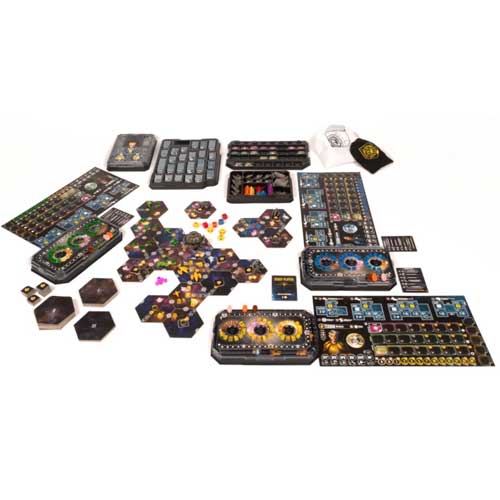
- Heavier, thicker hex tiles that lie flat and feel like real estate, not cardboard coupons.
- Plastic ship miniatures replacing the old cardboard standees — interceptors, cruisers, dreadnoughts and starbases you can actually mass into a fleet.
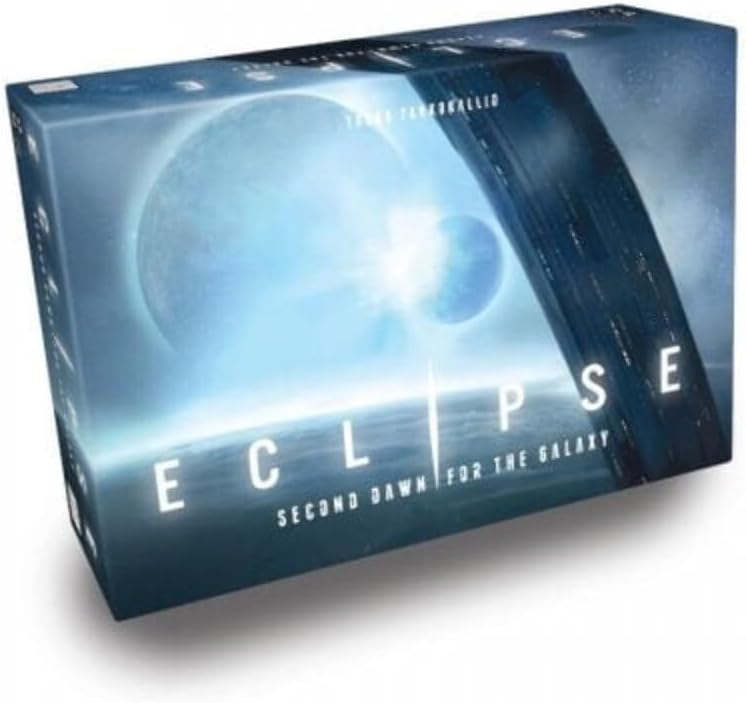
- That iconic deep-blue box and refreshed art that collectors recognize across a room.
- Streamlined rounds — Second Dawn runs eight rounds where the 2011 version ran nine, a small tightening that keeps the arc taut.
The result is a game that looks like a galaxy and plays a touch leaner. It still posts a 3.67-ish weight on BGG (heavy, but not punishing) and sits comfortably in the site's top tier, around #22 overall — extraordinary longevity for a title this old. When people say 'the Eclipse you want is the blue box,' this is the box. The first edition is collectible too, but Second Dawn is the one that crystallized the modern reverence.

How does the action-disc economy make every turn a money decision?
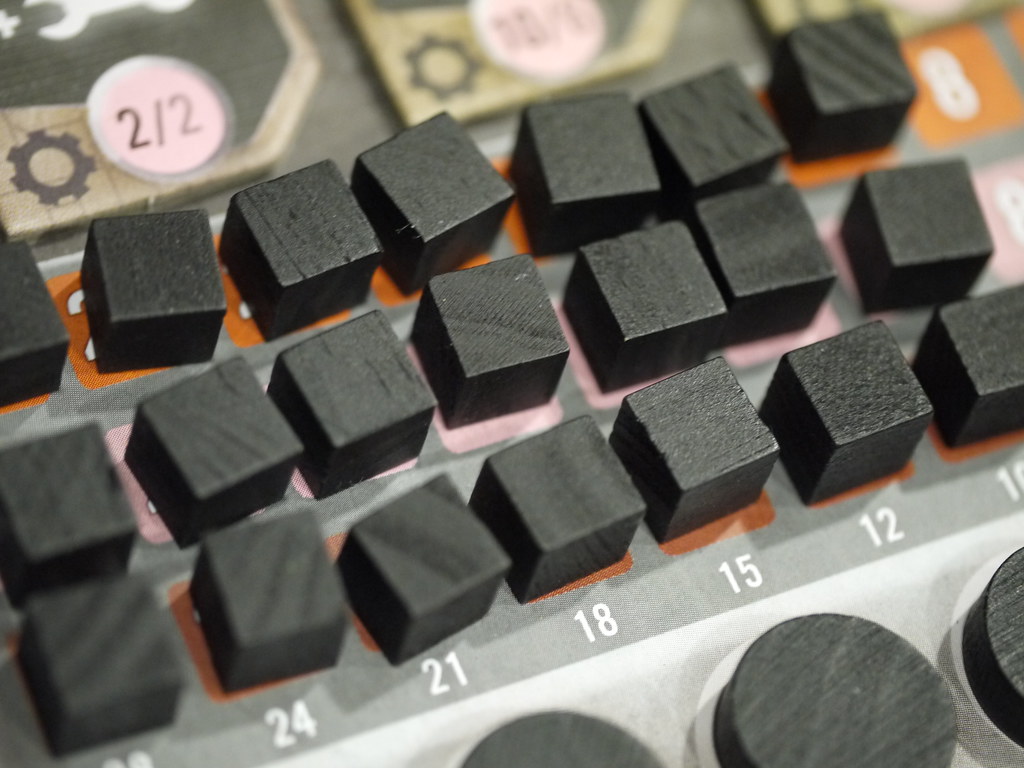
This is the mechanism that makes Eclipse tick, and the thing newcomers most often fail to respect. Your influence discs are your action economy AND your income engine at the same time. Every disc you spend to take an action — Explore, Research, Build, Move, Upgrade — comes off your influence track. The lower your discs sit on that track, the higher your upkeep climbs at the end of the round. Take too many actions, claim too many systems, and you simply cannot pay the bill.
So every turn is a tradeoff disguised as a galactic decision: do I grab another hex now, or do I have the income to hold it next round? This is where the single most common new-player disaster lives. The veterans on r/boardgames will tell you flatly: the classic trap is over-expanding into too many systems early and going bankrupt on upkeep. A bankrupt empire bleeds influence discs off the map and collapses inward while a disciplined rival quietly out-paces you.
The fix is mindset. Treat your money track like a budget you check before you reach for a tile, not after. Know exactly what your next action costs and what it does to upkeep. In Eclipse, restraint isn't timid — it's the whole game. The player who understands their economy cold is the player whose fleet shows up where it matters with the bank account to back it.

Is the modular ship-building really the heart of the game?
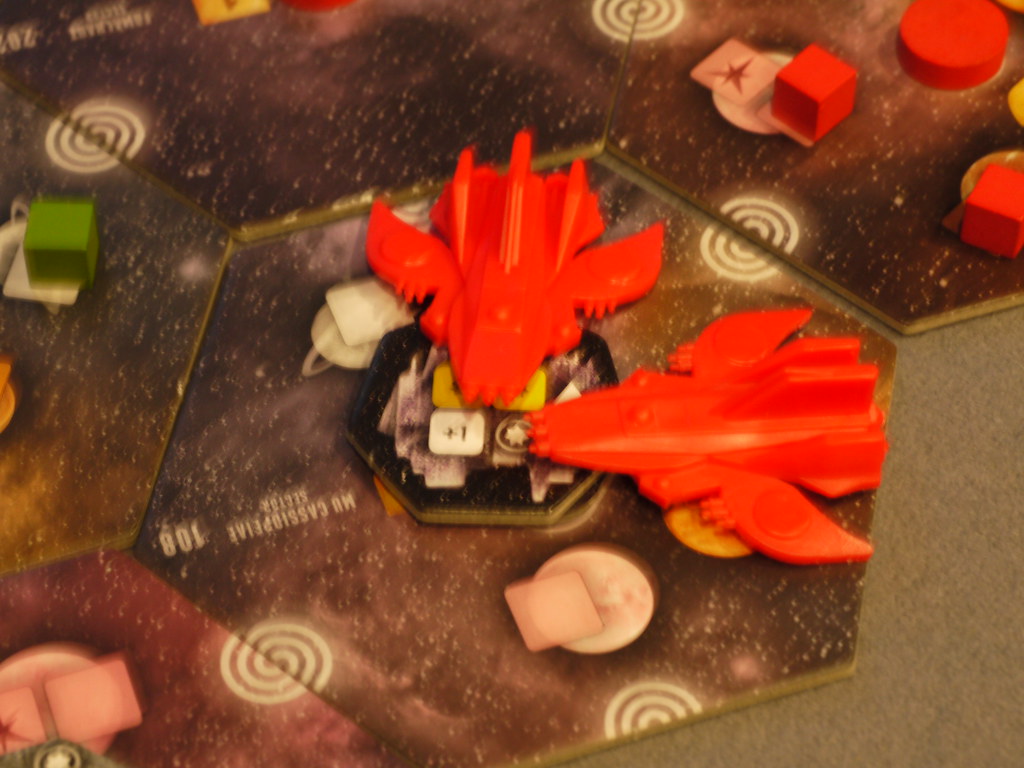
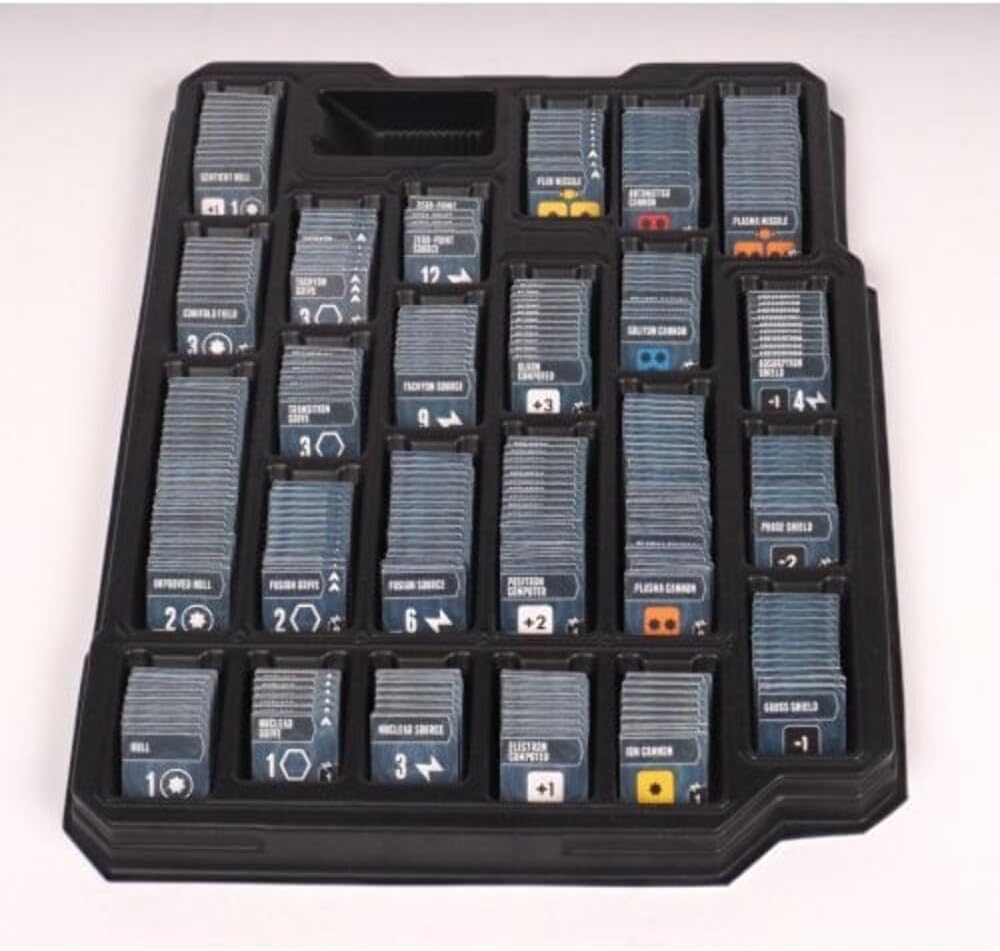
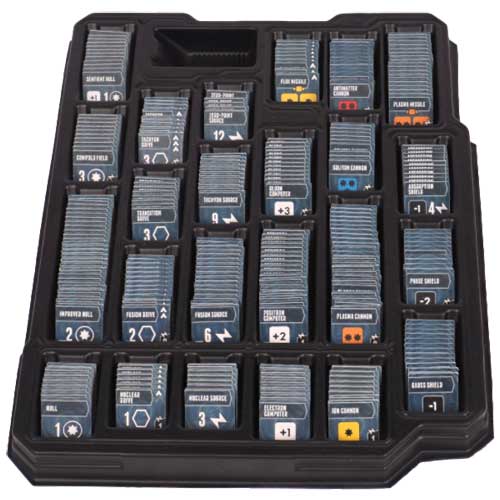
For my money, yes — and it's the feature that pushes Eclipse from 'good 4X' into 'grail.' Each ship hull (interceptor, cruiser, dreadnought, starbase) is a chassis with empty slots, and you design your own warfleet by bolting in parts: cannons, missiles, computers that boost your to-hit, shields that dodge incoming fire, drives that buy more movement, and power sources that have to feed all of it. You are literally engineering your military doctrine in real time.
And here's the buying wisdom that separates winners from losers — the deep insight that surfaces again and again once people have a few games under their belt is counterintuitive: a well-tuned cheap fleet beats a few over-engineered dreadnoughts. Combat resolves with dice, so what wins fights is rolling more dice and hitting more reliably — not piling raw firepower onto a single hull.
- Research the parts that multiply your dice and your hit chance — computers, better cannons, ion turrets — before you chase bigger hulls.
- A swarm of cheap, well-computed interceptors can shred a lone gold-plated dreadnought.
- Match your build to your enemy's: shields beat their computers; computers beat their shields.
This is where the table goes quiet and people start whispering math. It's the most replayable layer in the box, and it's the reason no two fleets you ever field look the same.
Which research and tech picks actually win games?
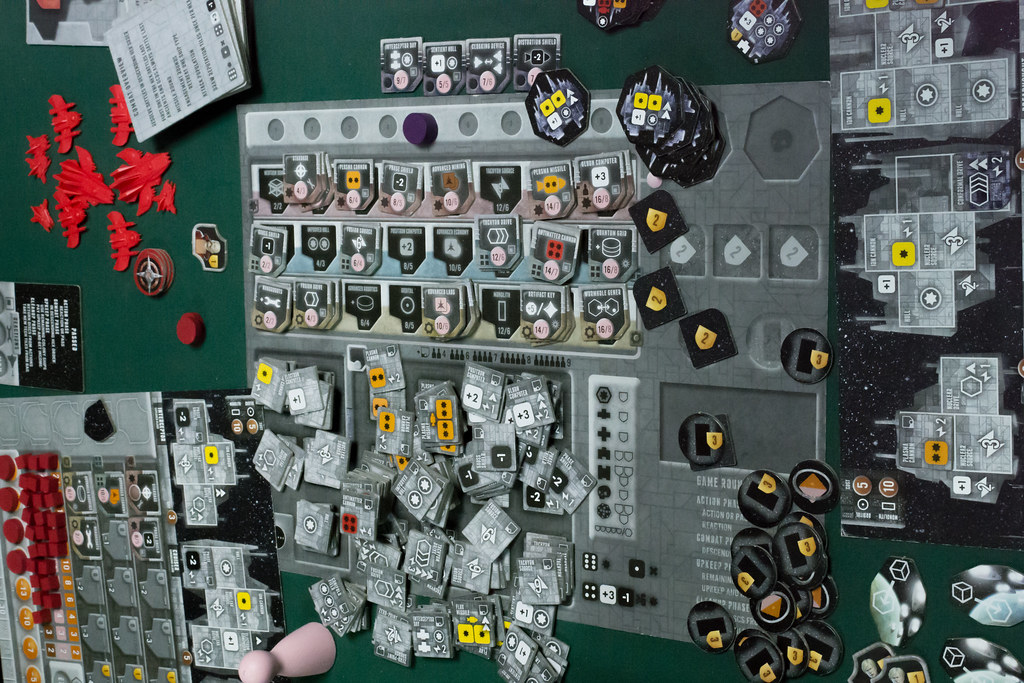
The tech tree is where Eclipse games are quietly decided, and the veteran consensus is refreshingly concrete: grab the techs that cheapen your most-used action — and especially the ones that make further research cheaper. Over eight rounds, efficiency compounds. A discount that saves you a couple of resources per turn is small in round two and enormous by round seven, because you've banked that surplus into more actions, more ships, more board.
Think of it as building an engine rather than collecting toys:
- Economy and discount techs first — anything that lowers the cost of the actions you're already spamming. If you explore constantly, cheapen exploration. If you build, cheapen building.
- Tech that cheapens tech is the snowball multiplier — it pays for every pick that follows.
- Then military multipliers — the dice-and-hit upgrades that make your modular fleet punch above its cost.
The losing pattern is buying flashy, expensive techs because they're impressive, while a rival quietly out-economies you into oblivion. Remember the galaxy is unpredictable — the right tech path is the one the tiles and your neighbors hand you, not a fixed shopping list. React, compound, and let efficiency do the winning. In a game where your discs are money, the cheapest action repeated all game is the most powerful weapon you own.
Does diplomacy matter, or is it all conquest?
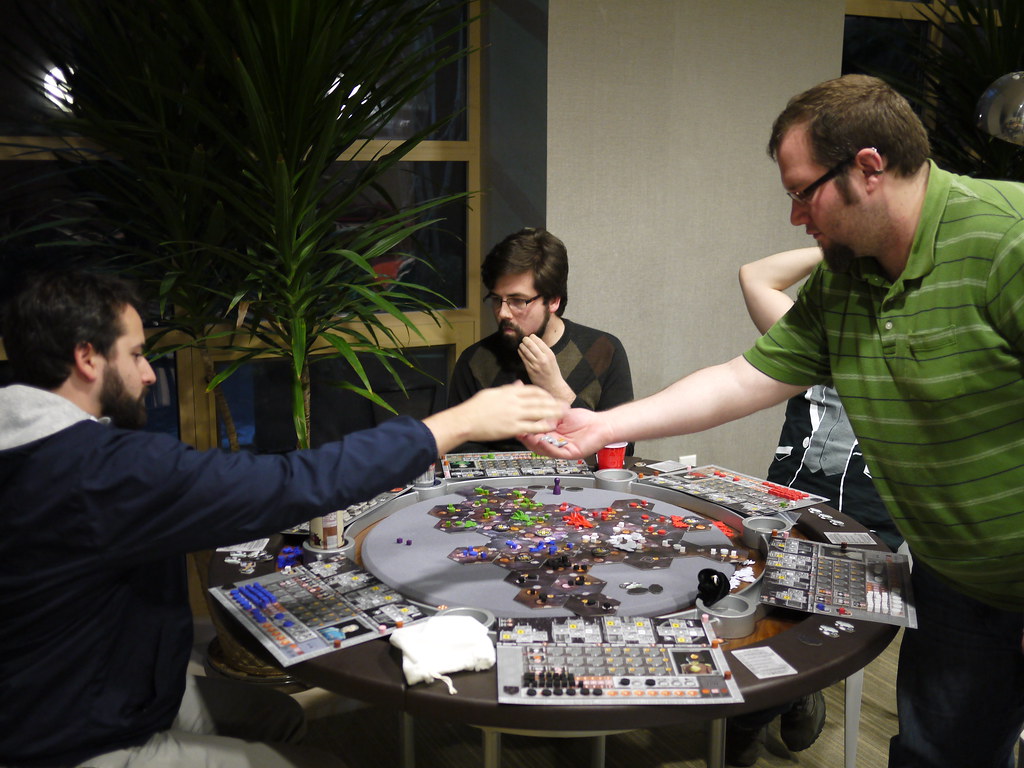
It is emphatically not all conquest, and assuming otherwise is how strong players lose. Eclipse has a real diplomacy and reputation layer, and the forum veterans are blunt about it: players who only think 'conquer' leave easy victory points and a safer border sitting on the table.
Here's the underrated math. Forming a diplomatic relation with a neighbor hands you ambassador/reputation tiles worth real VP — points you earn without firing a shot — and it locks down a border you'd otherwise have to garrison. That's a double win: free score plus freed-up fleet. While the warmonger spends discs and ships holding three contested fronts, the diplomat banks VP on one and concentrates force on the front that actually matters.
The reputation track matters too — combat earns you reputation pulls, but it's a noisy, swingy source of points, whereas diplomacy is reliable and bankable. The sharpest play is usually a blend: make peace where peace pays, and pick the one war you can actually win decisively.
This is the layer that makes Eclipse a genuine grand-strategy game rather than a space wargame with extra steps. Treat your neighbors as a negotiation, not just a target list, and you'll win games the table-flippers never see coming. The border you don't have to defend is worth more than the system you barely conquer.

How long does a full 6-player game really take — and how do you teach it?
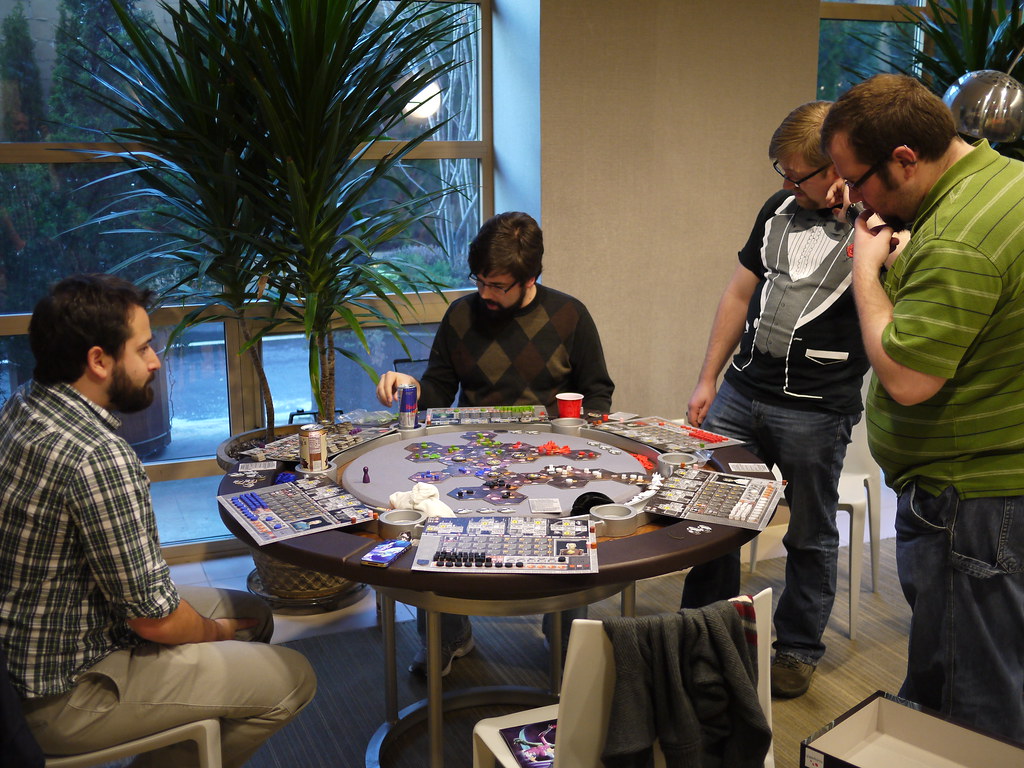
Let's set expectations honestly, because this is a grail with a footprint. The box says 60–200 minutes, and the truth lives at the top of that range: a full six-player game is a genuine evening — comfortably three-plus hours once you factor in setup, teaching, and the inevitable 'wait, how does upkeep work again' in round one. Plan a whole game night around it. That's not a flaw; it's the contract. This is the game you clear the table for.
Teaching is where it earns its reputation as approachable-for-a-heavy. The core loop is small: take a turn, take one action with one disc, pass when you're done. Everything else — combat, tech, ship parts — is a system you reveal as it comes up.
- Teach the action economy first — discs are actions and income. If that clicks, the rest follows.
- Don't pre-load combat math — explain ship-building the first time someone actually wants to fight.
- Start lower if it's a mixed crew — a 3–4 player game is tighter, faster, and a far gentler first contact than a six-player marathon.
Lean on the official app or the Dized interactive rules to carry first-game lookups so the teacher can actually play. Once a group has one game under its belt, the next one flies — and that's when Eclipse hooks them for good.
Is Eclipse worth the splurge, or should you start smaller?
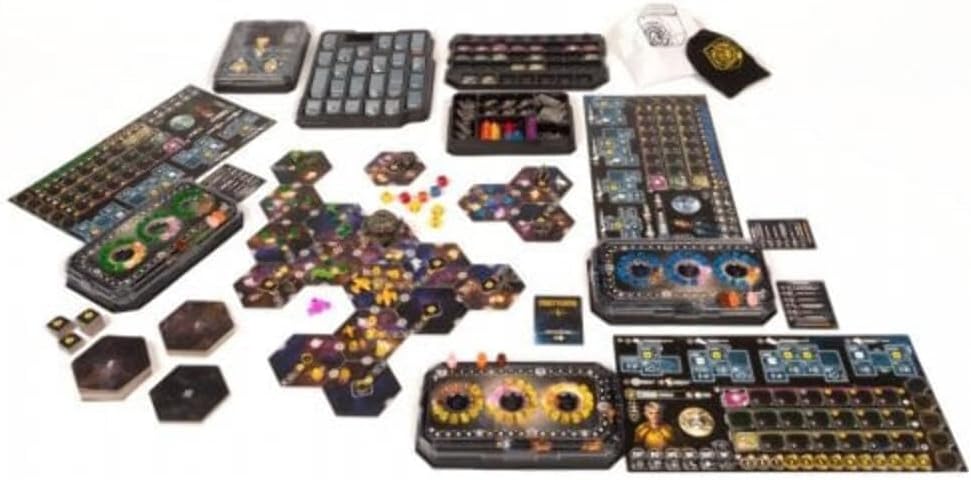
Here's the verdict from the is-it-worth-it desk. Eclipse: Second Dawn is worth the splurge for the right table — a group that genuinely loves heavy strategy and will give it a whole evening, repeatedly. The components are jaw-dropping, the depth is real and not padded, and the longevity (a decade in the BGG top tier) means the cost-per-play trends toward pennies. For that table, this is a forever game.
But be clear-eyed on two fronts. Price: the old $99–$130 figure is stale launch pricing. Today's in-stock street price is roughly $145–$205, with $150-ish being a genuinely good catch. Supply: at any given moment several major US retailers are out of stock or preorder-only — it's still in print (reprints shipped in 2024) but not a reliable one-click buy.
So should you start smaller? If your group is new to heavy games, yes — cut your teeth on a lighter 4X or a meatier euro first, confirm the appetite is real, then splurge. If you already know your table clears nights for big strategy, don't overthink it. Watch the link, let the price tell you when, and buy the blue box when a copy lands near the low end. This is the one the people who say yes say yes to every time.
The picks
Some links below are affiliate links — as an Amazon Associate, Puzzlewick earns from qualifying purchases, at no extra cost to you. It never changes a pick.
 3 photos
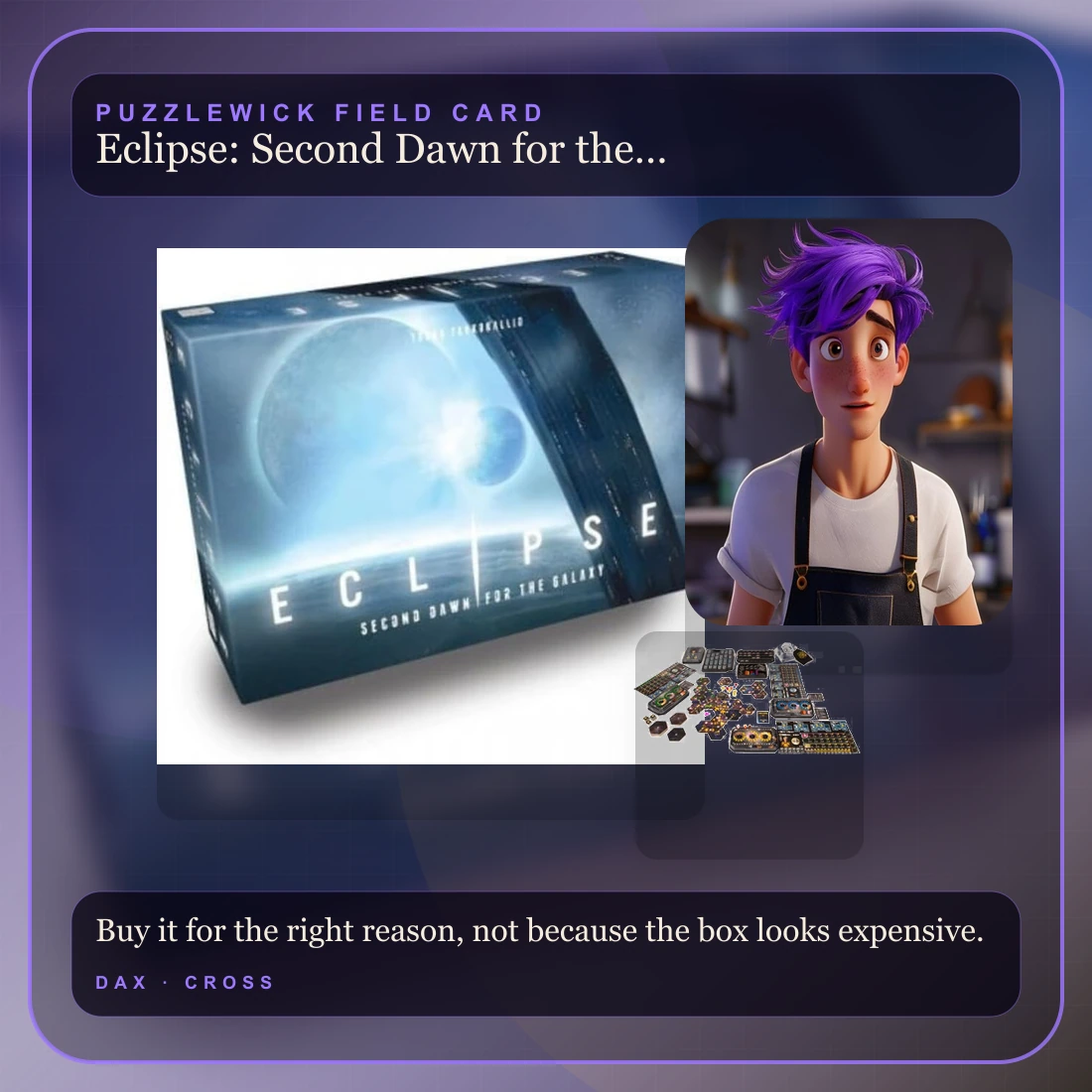
 Eclipse: Second Dawn for the Galaxy
- Players
- 2-6 · best 4
- Time
- 120-180 min
- Age
- 14+
- Complexity
- 3.62 / 5
- Publisher
- Lautapelit.fi · 2020
- Designer
- Touko Tahkokallio
- Art
- Ossi Hiekkala, Sampo Sikiö
This is the grail in a deep-blue box. A full modular-hex galaxy, civilizations with real asymmetry, a research tree that rewards the patient, and the modular ship-building that lets you engineer your own fleet from interchangeable parts — all running on one of the most elegant action economies in the hobby, where your influence discs ARE your income. Second Dawn upgraded every component over the 2011 original: heavier hex tiles, plastic ship miniatures, refreshed art. It's a long-standing BGG top-tier title (around #22 overall, ~3.67 weight) that has held its place for years, which is the clearest signal there is that the depth is genuine and not bloat. The table presence alone justifies the shelf; the gameplay justifies keeping it there for a decade.
- Genuine grand-strategy depth on a clean, non-bloated rules core
- Modular ship-design — you build your own warfleet, never the same fleet twice
- Stunning table presence: heavy hex tiles, plastic miniatures, the iconic blue box
- Enormous replayability — tech, hexes and neighbors make every game different
- Decade-long BGG top-tier standing proves the longevity
- A full six-player game is a true evening (3+ hours) — you must clear the table for it
- Heavy enough (~3.67 weight) that a brand-new-to-strategy group should warm up first
- Supply is intermittent and the real price runs well above old launch figures
Questions, answered
Why is Eclipse: Second Dawn so much more expensive than it used to be?
The $99–$130 you'll still see floating around is near-launch MSRP and is now stale. The current in-stock street price runs roughly $145–$205, with around $150 being a genuinely good deal. It's still in print — reprints shipped in 2024 — but demand outruns supply in waves, which keeps street prices elevated. Watch the link and buy near the low end.
Is it actually in stock right now, and can I just buy it on Amazon?
Sometimes. At any given moment several major US retailers are out-of-stock or preorder-only, so availability is intermittent. The Amazon listing exists, but its price and stock are third-party-driven and bounce around — don't count on a clean low-price Amazon buy. Use a price alert, check the link before committing, and pounce when a copy lands near $150.
What's the difference between Second Dawn and the original 2011 Eclipse?
Second Dawn (2020) is a full component and rules refresh of the 2011 original. It adds heavier hex tiles, plastic ship miniatures in place of cardboard standees, refreshed art, the iconic deep-blue box, and a tightened eight-round structure (the original ran nine). It's the version collectors hunt and the one worth the splurge.
Is Eclipse too heavy for a group that's new to strategy games?
It's heavy but teachable — about a 3.67/5 weight on BGG. The core loop (one disc, one action, then pass) is small; the complexity reveals itself as systems come up. If your group is brand new to heavy strategy, warm up on something lighter first and start Eclipse at 3–4 players rather than a full six-player marathon.
How long does a game actually take?
The box says 60–200 minutes and the truth is near the top with a full table. A six-player game is a genuine evening — three-plus hours with setup and teaching. Smaller counts (3–4 players) run noticeably tighter and faster, and make a far gentler first game.
What's the single biggest mistake new players make?
Over-expanding too early and going bankrupt on upkeep. Your influence discs are both your actions and your income, so grabbing too many systems crushes your economy. Know your money track before you reach for another hex — in Eclipse, restraint is the whole game.
Dax's verdict
A genuine grail, and one of the few 'epics' that survives the is-it-worth-it audit and then keeps passing. Eclipse: Second Dawn for the Galaxy delivers grand-strategy depth on a clean, elegant core, with jaw-dropping table presence and a decade-long BGG top-tier standing that proves the longevity is real. The only catch is the buy: forget the stale $99–$130 figure — real current street price is roughly $145–$205, supply is intermittent across major US retailers, and Amazon stock is third-party-driven. For a group that clears a whole night for one big game, it's worth every dollar. Watch the link, set a price alert, and grab the blue box when a copy lands near $150. The people who say yes to this one say yes every single time.
Research ledger 8 sources · reviewed 2026-07-17
Specifications, rules, current product information, community experience, and contrary evidence were checked against the sources below. Commercial links are kept separate from editorial evidence.
- boardgameprices.comboardgameprices.com/item/show/31884/eclipse-second-dawn-for-the-galaxy
- boardgameoracle.comboardgameoracle.com/boardgame/price/gUuKCMgSeG/eclipse-second-dawn-for-the-galaxy
- boardgamegeek.comboardgamegeek.com/boardgame/246900/eclipse-second-dawn-for-the-galaxy
- meeplemountain.commeeplemountain.com/reviews/eclipse-second-dawn-for-the-galaxy-review
- boardgamegeek.comboardgamegeek.com/thread/2022964/8-rounds
- gamenerdz.comgamenerdz.com/eclipse-second-dawn-for-the-galaxy
- us.shop.mindclashgames.comus.shop.mindclashgames.com/product/voidfall-standard-edition-en
- cardboardalchemy.comcardboardalchemy.com/andromedas-edge
I'll be honest with you — flattery is boring.

Keep exploring
The next smart rabbit holes.
♛ Topic PathGrail Board Games: compare the whole shelfA grail earns its space only when the experience survives the price, setup, storage, and group commitment. These are expensive-game...ComparisonThe Best 4X Space Board Games of 2026, RankedA verdict-forward tier list of the games that conquer the galaxy — and the schedule problem that quietly decides which one you actually...Deep DiveWar of the Ring (Second Edition): A Patient Reckoning With Tolkien's Whole WarTwo players. Two ways to win. A single Ring carried east through a continent at war. The definitive grand-strategy duel of Middle-earth,...